User login
Infection in AML patient prompts discovery

Photo courtesy of
Janice Carr/CDC
The quest to understand a prolonged infection in an infant with acute myeloid leukemia (AML) has led to the discovery of a mutation that allows bacteria to tolerate antibiotic therapy.
Researchers described this discovery in the journal mBio.
“These findings detail a ‘perfect storm’ for development of antibiotic tolerance by bacteria that already pose a clinical challenge,” said study author Jason Rosch, PhD, of St. Jude Children’s Research Hospital in Memphis, Tennessee.
“The same conditions may be present in other patients with immune systems that have been compromised by chemotherapy or disease,” added co-author Joshua Wolf, MBBS, also of St. Jude.
The “perfect storm” involved a patient who was 6 weeks old when she was diagnosed with AML. The treatment wiped out her white blood cells, and, despite infection-control measures, she developed a bloodstream infection with vancomycin-resistant Enterococcus faecium (VRE).
The infection persisted for 26 days and only resolved after her immune system recovered. She then successfully completed AML treatment.
In-depth DNA sequencing of 22 VRE samples collected during the patient’s infection helped researchers link the prolonged infection to a point mutation in the relA gene of VRE.
The mutation inappropriately activated the stringent response pathway, which bacteria use to survive under stress and to tolerate antibiotics.
The mutation resulted in elevated levels of the signaling molecule alarmone, and this likely primed the bacteria to survive exposure to multiple antibiotics, the researchers said.
The team also noted that relA-mutant VRE was susceptible to the antibiotics linezolid and daptomycin in minimum inhibitory concentration testing and during planktonic growth.
However, when growing in biofilm, relA-mutant VRE could tolerate high doses of both antibiotics.
“This mutation has particular clinical significance because the antibiotics involved, linezolid and daptomycin, are the last line of defense against VRE infection,” Dr Wolf said.
Among the compounds in development for the treatment of bacterial biofilms is the experimental antibiotic ADEP-4. In this study, ADEP-4 killed relA-mutant and non-mutant VRE growing in biofilm in the lab.
“In the future, compounds like ADEP-4 may provide a new approach to resolving persistent infections,” Dr Wolf said.
Dr Rosch noted that evidence gleaned from tracking the evolution of VRE throughout the infection suggested the patient’s immune-compromised state was essential to survival of the mutant VRE.
Gene transcription was altered significantly in relA-mutant VRE and produced biofilms that were less robust and possibly unlikely to otherwise survive.
“The case expands our understanding of the role of the stringent response in susceptibility and tolerance to a wide range of antibiotics, especially in biofilms,” Dr Rosch said. “It also demonstrates that these mutations can develop and gain a foothold during a human infection.” 
Photo courtesy of
Janice Carr/CDC
The quest to understand a prolonged infection in an infant with acute myeloid leukemia (AML) has led to the discovery of a mutation that allows bacteria to tolerate antibiotic therapy.
Researchers described this discovery in the journal mBio.
“These findings detail a ‘perfect storm’ for development of antibiotic tolerance by bacteria that already pose a clinical challenge,” said study author Jason Rosch, PhD, of St. Jude Children’s Research Hospital in Memphis, Tennessee.
“The same conditions may be present in other patients with immune systems that have been compromised by chemotherapy or disease,” added co-author Joshua Wolf, MBBS, also of St. Jude.
The “perfect storm” involved a patient who was 6 weeks old when she was diagnosed with AML. The treatment wiped out her white blood cells, and, despite infection-control measures, she developed a bloodstream infection with vancomycin-resistant Enterococcus faecium (VRE).
The infection persisted for 26 days and only resolved after her immune system recovered. She then successfully completed AML treatment.
In-depth DNA sequencing of 22 VRE samples collected during the patient’s infection helped researchers link the prolonged infection to a point mutation in the relA gene of VRE.
The mutation inappropriately activated the stringent response pathway, which bacteria use to survive under stress and to tolerate antibiotics.
The mutation resulted in elevated levels of the signaling molecule alarmone, and this likely primed the bacteria to survive exposure to multiple antibiotics, the researchers said.
The team also noted that relA-mutant VRE was susceptible to the antibiotics linezolid and daptomycin in minimum inhibitory concentration testing and during planktonic growth.
However, when growing in biofilm, relA-mutant VRE could tolerate high doses of both antibiotics.
“This mutation has particular clinical significance because the antibiotics involved, linezolid and daptomycin, are the last line of defense against VRE infection,” Dr Wolf said.
Among the compounds in development for the treatment of bacterial biofilms is the experimental antibiotic ADEP-4. In this study, ADEP-4 killed relA-mutant and non-mutant VRE growing in biofilm in the lab.
“In the future, compounds like ADEP-4 may provide a new approach to resolving persistent infections,” Dr Wolf said.
Dr Rosch noted that evidence gleaned from tracking the evolution of VRE throughout the infection suggested the patient’s immune-compromised state was essential to survival of the mutant VRE.
Gene transcription was altered significantly in relA-mutant VRE and produced biofilms that were less robust and possibly unlikely to otherwise survive.
“The case expands our understanding of the role of the stringent response in susceptibility and tolerance to a wide range of antibiotics, especially in biofilms,” Dr Rosch said. “It also demonstrates that these mutations can develop and gain a foothold during a human infection.”
Photo courtesy of
Janice Carr/CDC
The quest to understand a prolonged infection in an infant with acute myeloid leukemia (AML) has led to the discovery of a mutation that allows bacteria to tolerate antibiotic therapy.
Researchers described this discovery in the journal mBio.
“These findings detail a ‘perfect storm’ for development of antibiotic tolerance by bacteria that already pose a clinical challenge,” said study author Jason Rosch, PhD, of St. Jude Children’s Research Hospital in Memphis, Tennessee.
“The same conditions may be present in other patients with immune systems that have been compromised by chemotherapy or disease,” added co-author Joshua Wolf, MBBS, also of St. Jude.
The “perfect storm” involved a patient who was 6 weeks old when she was diagnosed with AML. The treatment wiped out her white blood cells, and, despite infection-control measures, she developed a bloodstream infection with vancomycin-resistant Enterococcus faecium (VRE).
The infection persisted for 26 days and only resolved after her immune system recovered. She then successfully completed AML treatment.
In-depth DNA sequencing of 22 VRE samples collected during the patient’s infection helped researchers link the prolonged infection to a point mutation in the relA gene of VRE.
The mutation inappropriately activated the stringent response pathway, which bacteria use to survive under stress and to tolerate antibiotics.
The mutation resulted in elevated levels of the signaling molecule alarmone, and this likely primed the bacteria to survive exposure to multiple antibiotics, the researchers said.
The team also noted that relA-mutant VRE was susceptible to the antibiotics linezolid and daptomycin in minimum inhibitory concentration testing and during planktonic growth.
However, when growing in biofilm, relA-mutant VRE could tolerate high doses of both antibiotics.
“This mutation has particular clinical significance because the antibiotics involved, linezolid and daptomycin, are the last line of defense against VRE infection,” Dr Wolf said.
Among the compounds in development for the treatment of bacterial biofilms is the experimental antibiotic ADEP-4. In this study, ADEP-4 killed relA-mutant and non-mutant VRE growing in biofilm in the lab.
“In the future, compounds like ADEP-4 may provide a new approach to resolving persistent infections,” Dr Wolf said.
Dr Rosch noted that evidence gleaned from tracking the evolution of VRE throughout the infection suggested the patient’s immune-compromised state was essential to survival of the mutant VRE.
Gene transcription was altered significantly in relA-mutant VRE and produced biofilms that were less robust and possibly unlikely to otherwise survive.
“The case expands our understanding of the role of the stringent response in susceptibility and tolerance to a wide range of antibiotics, especially in biofilms,” Dr Rosch said. “It also demonstrates that these mutations can develop and gain a foothold during a human infection.”
Drug eases existential anxiety in cancer patients

chemotherapy
Photo by Rhoda Baer
One-time treatment with the hallucinogenic drug psilocybin may provide long-term relief of existential anxiety in patients with life-threatening cancers, according to a small study.
After receiving a single high dose of the drug, most of the patients studied reported decreases in depression and anxiety as well as increases in quality of life and optimism.
These improvements were sustained at 6 months of follow-up.
“The most interesting and remarkable finding is that a single dose of psilocybin, which lasts 4 to 6 hours, produced enduring decreases in depression and anxiety symptoms, and this may represent a fascinating new model for treating some psychiatric conditions,” said study author Roland Griffiths, PhD, of the Johns Hopkins University School of Medicine in Baltimore, Maryland.
Dr Griffiths said this study grew out of a decade of research at Johns Hopkins on the effects of psilocybin in healthy volunteers, which showed that psilocybin can consistently produce positive changes in mood, behavior, and spirituality when administered to carefully screened and prepared participants.
The current study was designed to see if psilocybin could produce similar results in psychologically distressed cancer patients.
The results were published in the Journal of Psychopharmacology alongside a similar study and 11 accompanying editorials.
For their study, Dr Griffiths and his colleagues recruited 51 participants diagnosed with life-threatening cancers, most of which were recurrent or metastatic.
Types of cancer included breast (n=13), upper aerodigestive (n=7), gastrointestinal (n=4), genitourinary (n=18), and “other” cancers (n=1), as well as hematologic malignancies (n=8).
All participants had been given a formal psychiatric diagnosis, including an anxiety or depressive disorder.
Half of the participants were female, and they had an average age of 56. Ninety-two percent were white, 4% were black, and 2% were Asian.
Treatment
Each participant had 2 treatment sessions scheduled 5 weeks apart. In 1 session, they received a capsule containing a very low dose (1 or 3 mg per 70 kg) of psilocybin that was meant to act as a “control” because the dose was too low to produce effects.
In the other session, participants received a capsule with what is considered a moderate or high dose (22 or 30 mg per 70 kg).
To minimize expectancy effects, the participants and the staff members supervising the sessions were told that participants would receive psilocybin on both sessions, but they did not know that all participants would receive a high dose and a low dose.
Blood pressure and mood were monitored throughout the sessions.
Two monitors aided participants during each session, encouraging them to lie down, wear an eye mask, listen to music through headphones, and direct their attention on their inner experience. If anxiety or confusion arose, the monitors provided reassurance to the participants.
Participants, staff, and community observers rated participants’ moods, attitudes, and behaviors throughout the study.
The researchers assessed each participant via questionnaires and structured interviews before the first session, 7 hours after taking the psilocybin, 5 weeks after each session, and 6 months after the second session.
Adverse events
Thirty-four percent of participants had an episode of elevated systolic blood pressure (>160 mm Hg at 1 or more time-point) in the high-dose psilocybin session, and 17% of participants had such an episode in the low-dose session.
Thirteen percent and 2%, respectively, had an episode of elevated diastolic blood pressure (>100 mm Hg at 1 or more time-point). None of these episodes met criteria for medical intervention.
During the high-dose psilocybin session, 15% of patients experienced nausea or vomiting. There were no such events during the low-dose session.
Three participants reported mild to moderate headaches after the high-dose session.
Twenty-one percent of patients reported physical discomfort during the high-dose session, as did 8% of patients during the low-dose session.
Psychological discomfort occurred in 32% and 12% of participants, respectively. The researchers said there were no cases of hallucinogen persisting perception disorder or prolonged psychosis.
Efficacy outcomes
Most participants reported experiencing changes in visual perception, emotions, and thinking after taking high-dose psilocybin. They also reported experiences of psychological insight and profound, deeply meaningful experiences.
Six months after the final session of treatment, about 80% of participants continued to show clinically significant decreases in depressed mood and anxiety, according to clinician assessment.
According to the participants themselves, 83% had increases in well-being or life satisfaction at 6 months after treatment.
Sixty-seven percent of participants rated the experience as one of the top 5 meaningful experiences in their lives, and 70% rated the experience as one of their top 5 spiritually significant lifetime events.
“Before beginning the study, it wasn’t clear to me that this treatment would be helpful, since cancer patients may experience profound hopelessness in response to their diagnosis, which is often followed by multiple surgeries and prolonged chemotherapy,” Dr Griffiths said.
“I could imagine that cancer patients would receive psilocybin, look into the existential void, and come out even more fearful. However, the positive changes in attitudes, moods, and behavior that we documented in healthy volunteers were replicated in cancer patients.”
chemotherapy
Photo by Rhoda Baer
One-time treatment with the hallucinogenic drug psilocybin may provide long-term relief of existential anxiety in patients with life-threatening cancers, according to a small study.
After receiving a single high dose of the drug, most of the patients studied reported decreases in depression and anxiety as well as increases in quality of life and optimism.
These improvements were sustained at 6 months of follow-up.
“The most interesting and remarkable finding is that a single dose of psilocybin, which lasts 4 to 6 hours, produced enduring decreases in depression and anxiety symptoms, and this may represent a fascinating new model for treating some psychiatric conditions,” said study author Roland Griffiths, PhD, of the Johns Hopkins University School of Medicine in Baltimore, Maryland.
Dr Griffiths said this study grew out of a decade of research at Johns Hopkins on the effects of psilocybin in healthy volunteers, which showed that psilocybin can consistently produce positive changes in mood, behavior, and spirituality when administered to carefully screened and prepared participants.
The current study was designed to see if psilocybin could produce similar results in psychologically distressed cancer patients.
The results were published in the Journal of Psychopharmacology alongside a similar study and 11 accompanying editorials.
For their study, Dr Griffiths and his colleagues recruited 51 participants diagnosed with life-threatening cancers, most of which were recurrent or metastatic.
Types of cancer included breast (n=13), upper aerodigestive (n=7), gastrointestinal (n=4), genitourinary (n=18), and “other” cancers (n=1), as well as hematologic malignancies (n=8).
All participants had been given a formal psychiatric diagnosis, including an anxiety or depressive disorder.
Half of the participants were female, and they had an average age of 56. Ninety-two percent were white, 4% were black, and 2% were Asian.
Treatment
Each participant had 2 treatment sessions scheduled 5 weeks apart. In 1 session, they received a capsule containing a very low dose (1 or 3 mg per 70 kg) of psilocybin that was meant to act as a “control” because the dose was too low to produce effects.
In the other session, participants received a capsule with what is considered a moderate or high dose (22 or 30 mg per 70 kg).
To minimize expectancy effects, the participants and the staff members supervising the sessions were told that participants would receive psilocybin on both sessions, but they did not know that all participants would receive a high dose and a low dose.
Blood pressure and mood were monitored throughout the sessions.
Two monitors aided participants during each session, encouraging them to lie down, wear an eye mask, listen to music through headphones, and direct their attention on their inner experience. If anxiety or confusion arose, the monitors provided reassurance to the participants.
Participants, staff, and community observers rated participants’ moods, attitudes, and behaviors throughout the study.
The researchers assessed each participant via questionnaires and structured interviews before the first session, 7 hours after taking the psilocybin, 5 weeks after each session, and 6 months after the second session.
Adverse events
Thirty-four percent of participants had an episode of elevated systolic blood pressure (>160 mm Hg at 1 or more time-point) in the high-dose psilocybin session, and 17% of participants had such an episode in the low-dose session.
Thirteen percent and 2%, respectively, had an episode of elevated diastolic blood pressure (>100 mm Hg at 1 or more time-point). None of these episodes met criteria for medical intervention.
During the high-dose psilocybin session, 15% of patients experienced nausea or vomiting. There were no such events during the low-dose session.
Three participants reported mild to moderate headaches after the high-dose session.
Twenty-one percent of patients reported physical discomfort during the high-dose session, as did 8% of patients during the low-dose session.
Psychological discomfort occurred in 32% and 12% of participants, respectively. The researchers said there were no cases of hallucinogen persisting perception disorder or prolonged psychosis.
Efficacy outcomes
Most participants reported experiencing changes in visual perception, emotions, and thinking after taking high-dose psilocybin. They also reported experiences of psychological insight and profound, deeply meaningful experiences.
Six months after the final session of treatment, about 80% of participants continued to show clinically significant decreases in depressed mood and anxiety, according to clinician assessment.
According to the participants themselves, 83% had increases in well-being or life satisfaction at 6 months after treatment.
Sixty-seven percent of participants rated the experience as one of the top 5 meaningful experiences in their lives, and 70% rated the experience as one of their top 5 spiritually significant lifetime events.
“Before beginning the study, it wasn’t clear to me that this treatment would be helpful, since cancer patients may experience profound hopelessness in response to their diagnosis, which is often followed by multiple surgeries and prolonged chemotherapy,” Dr Griffiths said.
“I could imagine that cancer patients would receive psilocybin, look into the existential void, and come out even more fearful. However, the positive changes in attitudes, moods, and behavior that we documented in healthy volunteers were replicated in cancer patients.”
chemotherapy
Photo by Rhoda Baer
One-time treatment with the hallucinogenic drug psilocybin may provide long-term relief of existential anxiety in patients with life-threatening cancers, according to a small study.
After receiving a single high dose of the drug, most of the patients studied reported decreases in depression and anxiety as well as increases in quality of life and optimism.
These improvements were sustained at 6 months of follow-up.
“The most interesting and remarkable finding is that a single dose of psilocybin, which lasts 4 to 6 hours, produced enduring decreases in depression and anxiety symptoms, and this may represent a fascinating new model for treating some psychiatric conditions,” said study author Roland Griffiths, PhD, of the Johns Hopkins University School of Medicine in Baltimore, Maryland.
Dr Griffiths said this study grew out of a decade of research at Johns Hopkins on the effects of psilocybin in healthy volunteers, which showed that psilocybin can consistently produce positive changes in mood, behavior, and spirituality when administered to carefully screened and prepared participants.
The current study was designed to see if psilocybin could produce similar results in psychologically distressed cancer patients.
The results were published in the Journal of Psychopharmacology alongside a similar study and 11 accompanying editorials.
For their study, Dr Griffiths and his colleagues recruited 51 participants diagnosed with life-threatening cancers, most of which were recurrent or metastatic.
Types of cancer included breast (n=13), upper aerodigestive (n=7), gastrointestinal (n=4), genitourinary (n=18), and “other” cancers (n=1), as well as hematologic malignancies (n=8).
All participants had been given a formal psychiatric diagnosis, including an anxiety or depressive disorder.
Half of the participants were female, and they had an average age of 56. Ninety-two percent were white, 4% were black, and 2% were Asian.
Treatment
Each participant had 2 treatment sessions scheduled 5 weeks apart. In 1 session, they received a capsule containing a very low dose (1 or 3 mg per 70 kg) of psilocybin that was meant to act as a “control” because the dose was too low to produce effects.
In the other session, participants received a capsule with what is considered a moderate or high dose (22 or 30 mg per 70 kg).
To minimize expectancy effects, the participants and the staff members supervising the sessions were told that participants would receive psilocybin on both sessions, but they did not know that all participants would receive a high dose and a low dose.
Blood pressure and mood were monitored throughout the sessions.
Two monitors aided participants during each session, encouraging them to lie down, wear an eye mask, listen to music through headphones, and direct their attention on their inner experience. If anxiety or confusion arose, the monitors provided reassurance to the participants.
Participants, staff, and community observers rated participants’ moods, attitudes, and behaviors throughout the study.
The researchers assessed each participant via questionnaires and structured interviews before the first session, 7 hours after taking the psilocybin, 5 weeks after each session, and 6 months after the second session.
Adverse events
Thirty-four percent of participants had an episode of elevated systolic blood pressure (>160 mm Hg at 1 or more time-point) in the high-dose psilocybin session, and 17% of participants had such an episode in the low-dose session.
Thirteen percent and 2%, respectively, had an episode of elevated diastolic blood pressure (>100 mm Hg at 1 or more time-point). None of these episodes met criteria for medical intervention.
During the high-dose psilocybin session, 15% of patients experienced nausea or vomiting. There were no such events during the low-dose session.
Three participants reported mild to moderate headaches after the high-dose session.
Twenty-one percent of patients reported physical discomfort during the high-dose session, as did 8% of patients during the low-dose session.
Psychological discomfort occurred in 32% and 12% of participants, respectively. The researchers said there were no cases of hallucinogen persisting perception disorder or prolonged psychosis.
Efficacy outcomes
Most participants reported experiencing changes in visual perception, emotions, and thinking after taking high-dose psilocybin. They also reported experiences of psychological insight and profound, deeply meaningful experiences.
Six months after the final session of treatment, about 80% of participants continued to show clinically significant decreases in depressed mood and anxiety, according to clinician assessment.
According to the participants themselves, 83% had increases in well-being or life satisfaction at 6 months after treatment.
Sixty-seven percent of participants rated the experience as one of the top 5 meaningful experiences in their lives, and 70% rated the experience as one of their top 5 spiritually significant lifetime events.
“Before beginning the study, it wasn’t clear to me that this treatment would be helpful, since cancer patients may experience profound hopelessness in response to their diagnosis, which is often followed by multiple surgeries and prolonged chemotherapy,” Dr Griffiths said.
“I could imagine that cancer patients would receive psilocybin, look into the existential void, and come out even more fearful. However, the positive changes in attitudes, moods, and behavior that we documented in healthy volunteers were replicated in cancer patients.”
Study reveals potential therapeutic targets for MDS
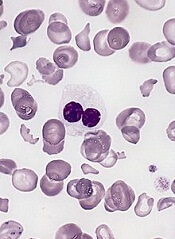
Preclinical research has revealed potential therapeutic targets for
myelodysplastic syndromes (MDS).
Investigators
found evidence to suggest that TRAF6, a toll-like receptor effector
with ubiquitin ligase activity, plays a key role in MDS.
So TRAF6 and
proteins regulated by TRAF6 may be therapeutic targets for MDS.
Daniel Starczynowski, PhD, of Cincinnati Children’s Hospital Medical Center in Ohio, and his colleagues reported these findings in Nature Immunology.
The investigators first found that TRAF6 is overexpressed in hematopoietic stem/progenitor cells from MDS patients.
To more closely examine the role of TRAF6 in MDS, the team created mouse models in which the protein was overexpressed.
“We found that TRAF6 overexpression in mouse hematopoietic stem cells results in impaired blood cell formation and bone marrow failure,” Dr Starczynowski said.
Further investigation revealed that hnRNPA1, an RNA-binding protein and auxiliary splicing factor, is a substrate of TRAF6. And TRAF6 ubiquitination of hnRNPA1 regulates alternative splicing of Arhgap1.
This activates the GTP-binding Rho family protein Cdc42 and accounts for the defects observed in hematopoietic stem/progenitor cells that express TRAF6.
All of these proteins could be potential treatment targets for cases of MDS triggered by overexpression of TRAF6, according to Dr Starczynowski, who said future studies will test their therapeutic potential in mouse models of MDS.
“Based on our paper, a number of therapeutic approaches can be tested and directed against TRAF6 and other related proteins responsible for MDS,” he said.
Beyond the potential for new therapeutic approaches in MDS, this research revealed a new and critical immune-related function for TRAF6, according to the investigators.
TRAF6 regulates RNA isoform expression in response to various pathogens. In the context of the current study, TRAF6’s regulation of RNA isoform expression is important to the function of hematopoietic cells and reveals another dimension to how cells respond to infection, Dr Starczynowski said.
Preclinical research has revealed potential therapeutic targets for
myelodysplastic syndromes (MDS).
Investigators
found evidence to suggest that TRAF6, a toll-like receptor effector
with ubiquitin ligase activity, plays a key role in MDS.
So TRAF6 and
proteins regulated by TRAF6 may be therapeutic targets for MDS.
Daniel Starczynowski, PhD, of Cincinnati Children’s Hospital Medical Center in Ohio, and his colleagues reported these findings in Nature Immunology.
The investigators first found that TRAF6 is overexpressed in hematopoietic stem/progenitor cells from MDS patients.
To more closely examine the role of TRAF6 in MDS, the team created mouse models in which the protein was overexpressed.
“We found that TRAF6 overexpression in mouse hematopoietic stem cells results in impaired blood cell formation and bone marrow failure,” Dr Starczynowski said.
Further investigation revealed that hnRNPA1, an RNA-binding protein and auxiliary splicing factor, is a substrate of TRAF6. And TRAF6 ubiquitination of hnRNPA1 regulates alternative splicing of Arhgap1.
This activates the GTP-binding Rho family protein Cdc42 and accounts for the defects observed in hematopoietic stem/progenitor cells that express TRAF6.
All of these proteins could be potential treatment targets for cases of MDS triggered by overexpression of TRAF6, according to Dr Starczynowski, who said future studies will test their therapeutic potential in mouse models of MDS.
“Based on our paper, a number of therapeutic approaches can be tested and directed against TRAF6 and other related proteins responsible for MDS,” he said.
Beyond the potential for new therapeutic approaches in MDS, this research revealed a new and critical immune-related function for TRAF6, according to the investigators.
TRAF6 regulates RNA isoform expression in response to various pathogens. In the context of the current study, TRAF6’s regulation of RNA isoform expression is important to the function of hematopoietic cells and reveals another dimension to how cells respond to infection, Dr Starczynowski said.
Preclinical research has revealed potential therapeutic targets for
myelodysplastic syndromes (MDS).
Investigators
found evidence to suggest that TRAF6, a toll-like receptor effector
with ubiquitin ligase activity, plays a key role in MDS.
So TRAF6 and
proteins regulated by TRAF6 may be therapeutic targets for MDS.
Daniel Starczynowski, PhD, of Cincinnati Children’s Hospital Medical Center in Ohio, and his colleagues reported these findings in Nature Immunology.
The investigators first found that TRAF6 is overexpressed in hematopoietic stem/progenitor cells from MDS patients.
To more closely examine the role of TRAF6 in MDS, the team created mouse models in which the protein was overexpressed.
“We found that TRAF6 overexpression in mouse hematopoietic stem cells results in impaired blood cell formation and bone marrow failure,” Dr Starczynowski said.
Further investigation revealed that hnRNPA1, an RNA-binding protein and auxiliary splicing factor, is a substrate of TRAF6. And TRAF6 ubiquitination of hnRNPA1 regulates alternative splicing of Arhgap1.
This activates the GTP-binding Rho family protein Cdc42 and accounts for the defects observed in hematopoietic stem/progenitor cells that express TRAF6.
All of these proteins could be potential treatment targets for cases of MDS triggered by overexpression of TRAF6, according to Dr Starczynowski, who said future studies will test their therapeutic potential in mouse models of MDS.
“Based on our paper, a number of therapeutic approaches can be tested and directed against TRAF6 and other related proteins responsible for MDS,” he said.
Beyond the potential for new therapeutic approaches in MDS, this research revealed a new and critical immune-related function for TRAF6, according to the investigators.
TRAF6 regulates RNA isoform expression in response to various pathogens. In the context of the current study, TRAF6’s regulation of RNA isoform expression is important to the function of hematopoietic cells and reveals another dimension to how cells respond to infection, Dr Starczynowski said.
Team characterizes therapy-resistant ALL cells

Image by Vashi Donsk
Researchers say they have characterized a subpopulation of leukemia cells that are responsible for relapse in acute lymphoblastic leukemia (ALL).
The team identified these dormant, therapy-resistant cells in mouse models of ALL and found that removing the cells from their environment makes them sensitive to treatment.
The researchers believe these findings could pave the way to better relapse prevention in patients with ALL.
“Previously, the biological principles responsible for a relapse in leukemia were not fully understood,” said study author Irmela Jeremias, MD, PhD, of Helmholtz Zentrum München in Munich, Germany.
“Our new approach is to isolate dormant cells, which gives us the first possibility of developing therapies that switch off these cells.”
Dr Jeremias and colleagues described this approach in Cancer Cell.
First, the researchers created mouse models recapitulating minimal residual disease (MRD) and relapse in ALL patients.
The team then used genetic engineering and proliferation-sensitive dyes to isolate and characterize relapse-inducing cells.
This revealed a subpopulation of leukemia cells that exhibited long-term dormancy, treatment resistance, and stemness. These cells were similar to primary ALL cells isolated from pediatric and adult patients with MRD.
However, the dormant leukemia cells found in the mice changed once they were removed from the in vivo environment. They began to proliferate and became sensitive to ex vivo treatment with chemotherapy drugs.
“[T]hese cells, once they have been dissolved out of their surroundings, are indeed susceptible to therapy and react well to therapeutics,” said study author Erbey Özdemir, a doctoral candidate at Helmholtz Zentrum München.
The researchers therefore believe that therapeutic strategies aimed at dissociating dormant leukemia cells from their protective niche might prevent relapse in ALL patients.
“This has brought us a small step closer to the global goal of preventing disease relapse in patients suffering from leukemia,” Dr Jeremias said. “It might serve as basis for new therapies that destroy resistant leukemia cells before they induce relapse.”
Image by Vashi Donsk
Researchers say they have characterized a subpopulation of leukemia cells that are responsible for relapse in acute lymphoblastic leukemia (ALL).
The team identified these dormant, therapy-resistant cells in mouse models of ALL and found that removing the cells from their environment makes them sensitive to treatment.
The researchers believe these findings could pave the way to better relapse prevention in patients with ALL.
“Previously, the biological principles responsible for a relapse in leukemia were not fully understood,” said study author Irmela Jeremias, MD, PhD, of Helmholtz Zentrum München in Munich, Germany.
“Our new approach is to isolate dormant cells, which gives us the first possibility of developing therapies that switch off these cells.”
Dr Jeremias and colleagues described this approach in Cancer Cell.
First, the researchers created mouse models recapitulating minimal residual disease (MRD) and relapse in ALL patients.
The team then used genetic engineering and proliferation-sensitive dyes to isolate and characterize relapse-inducing cells.
This revealed a subpopulation of leukemia cells that exhibited long-term dormancy, treatment resistance, and stemness. These cells were similar to primary ALL cells isolated from pediatric and adult patients with MRD.
However, the dormant leukemia cells found in the mice changed once they were removed from the in vivo environment. They began to proliferate and became sensitive to ex vivo treatment with chemotherapy drugs.
“[T]hese cells, once they have been dissolved out of their surroundings, are indeed susceptible to therapy and react well to therapeutics,” said study author Erbey Özdemir, a doctoral candidate at Helmholtz Zentrum München.
The researchers therefore believe that therapeutic strategies aimed at dissociating dormant leukemia cells from their protective niche might prevent relapse in ALL patients.
“This has brought us a small step closer to the global goal of preventing disease relapse in patients suffering from leukemia,” Dr Jeremias said. “It might serve as basis for new therapies that destroy resistant leukemia cells before they induce relapse.”
Image by Vashi Donsk
Researchers say they have characterized a subpopulation of leukemia cells that are responsible for relapse in acute lymphoblastic leukemia (ALL).
The team identified these dormant, therapy-resistant cells in mouse models of ALL and found that removing the cells from their environment makes them sensitive to treatment.
The researchers believe these findings could pave the way to better relapse prevention in patients with ALL.
“Previously, the biological principles responsible for a relapse in leukemia were not fully understood,” said study author Irmela Jeremias, MD, PhD, of Helmholtz Zentrum München in Munich, Germany.
“Our new approach is to isolate dormant cells, which gives us the first possibility of developing therapies that switch off these cells.”
Dr Jeremias and colleagues described this approach in Cancer Cell.
First, the researchers created mouse models recapitulating minimal residual disease (MRD) and relapse in ALL patients.
The team then used genetic engineering and proliferation-sensitive dyes to isolate and characterize relapse-inducing cells.
This revealed a subpopulation of leukemia cells that exhibited long-term dormancy, treatment resistance, and stemness. These cells were similar to primary ALL cells isolated from pediatric and adult patients with MRD.
However, the dormant leukemia cells found in the mice changed once they were removed from the in vivo environment. They began to proliferate and became sensitive to ex vivo treatment with chemotherapy drugs.
“[T]hese cells, once they have been dissolved out of their surroundings, are indeed susceptible to therapy and react well to therapeutics,” said study author Erbey Özdemir, a doctoral candidate at Helmholtz Zentrum München.
The researchers therefore believe that therapeutic strategies aimed at dissociating dormant leukemia cells from their protective niche might prevent relapse in ALL patients.
“This has brought us a small step closer to the global goal of preventing disease relapse in patients suffering from leukemia,” Dr Jeremias said. “It might serve as basis for new therapies that destroy resistant leukemia cells before they induce relapse.”
Drugs may be effective against hematologic, other cancers
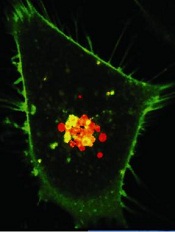
Image courtesy of PNAS
A diabetes medication and an antihypertensive drug may prove effective in the treatment of hematologic malignancies and other cancers, according to preclinical research published in Science Advances.
Past research has shown that metformin, a drug used to treat type 2 diabetes, has anticancer properties.
However, the usual therapeutic dose is too low to effectively fight cancer, and higher doses of metformin could be too toxic.
With the current study, researchers found that the antihypertensive drug syrosingopine enhances the anticancer efficacy of metformin without harming normal blood cells.
The team screened over a thousand drugs to find one that could boost metformin’s efficacy against cancers.
They identified syrosingopine and tested it in combination with metformin—at concentrations substantially below the drugs’ therapeutic thresholds—on a range of cancer cell lines and in mouse models of liver cancer.
Thirty-five of the 43 cell lines tested were susceptible to both syrosingopine and metformin. This included leukemia, lymphoma, and multiple myeloma cell lines.
In addition, the mice given a short course of syrosingopine and metformin experienced a reduction in the number of visible liver tumors.
The researchers also tested syrosingopine and metformin in peripheral blasts from 12 patients with acute myeloid leukemia and a patient with blast crisis chronic myeloid leukemia. All 13 samples responded to the treatment.
On the other hand, syrosingopine and metformin did not affect peripheral blood cells from healthy subjects.
“[A]lmost all tumor cells were killed by this cocktail and at doses that are actually not toxic to normal cells,” said study author Don Benjamin, of the University of Basel in Switzerland.
“And the effect was exclusively confined to cancer cells, as the blood cells from healthy donors were insensitive to the treatment.”
The researchers believe metformin functions by lowering blood glucose levels for cancer cells, starving them of essential nutrients needed for their survival. However, it is not clear how syrosingopine works in conjunction with metformin.
The team emphasized the need for more research evaluating the drugs in combination.
“We have been able to show that the 2 known drugs lead to more profound effects on cancer cell proliferation than each drug alone,” Dr Benjamin said. “The data from this study support the development of combination approaches for the treatment of cancer patients.”
Image courtesy of PNAS
A diabetes medication and an antihypertensive drug may prove effective in the treatment of hematologic malignancies and other cancers, according to preclinical research published in Science Advances.
Past research has shown that metformin, a drug used to treat type 2 diabetes, has anticancer properties.
However, the usual therapeutic dose is too low to effectively fight cancer, and higher doses of metformin could be too toxic.
With the current study, researchers found that the antihypertensive drug syrosingopine enhances the anticancer efficacy of metformin without harming normal blood cells.
The team screened over a thousand drugs to find one that could boost metformin’s efficacy against cancers.
They identified syrosingopine and tested it in combination with metformin—at concentrations substantially below the drugs’ therapeutic thresholds—on a range of cancer cell lines and in mouse models of liver cancer.
Thirty-five of the 43 cell lines tested were susceptible to both syrosingopine and metformin. This included leukemia, lymphoma, and multiple myeloma cell lines.
In addition, the mice given a short course of syrosingopine and metformin experienced a reduction in the number of visible liver tumors.
The researchers also tested syrosingopine and metformin in peripheral blasts from 12 patients with acute myeloid leukemia and a patient with blast crisis chronic myeloid leukemia. All 13 samples responded to the treatment.
On the other hand, syrosingopine and metformin did not affect peripheral blood cells from healthy subjects.
“[A]lmost all tumor cells were killed by this cocktail and at doses that are actually not toxic to normal cells,” said study author Don Benjamin, of the University of Basel in Switzerland.
“And the effect was exclusively confined to cancer cells, as the blood cells from healthy donors were insensitive to the treatment.”
The researchers believe metformin functions by lowering blood glucose levels for cancer cells, starving them of essential nutrients needed for their survival. However, it is not clear how syrosingopine works in conjunction with metformin.
The team emphasized the need for more research evaluating the drugs in combination.
“We have been able to show that the 2 known drugs lead to more profound effects on cancer cell proliferation than each drug alone,” Dr Benjamin said. “The data from this study support the development of combination approaches for the treatment of cancer patients.”
Image courtesy of PNAS
A diabetes medication and an antihypertensive drug may prove effective in the treatment of hematologic malignancies and other cancers, according to preclinical research published in Science Advances.
Past research has shown that metformin, a drug used to treat type 2 diabetes, has anticancer properties.
However, the usual therapeutic dose is too low to effectively fight cancer, and higher doses of metformin could be too toxic.
With the current study, researchers found that the antihypertensive drug syrosingopine enhances the anticancer efficacy of metformin without harming normal blood cells.
The team screened over a thousand drugs to find one that could boost metformin’s efficacy against cancers.
They identified syrosingopine and tested it in combination with metformin—at concentrations substantially below the drugs’ therapeutic thresholds—on a range of cancer cell lines and in mouse models of liver cancer.
Thirty-five of the 43 cell lines tested were susceptible to both syrosingopine and metformin. This included leukemia, lymphoma, and multiple myeloma cell lines.
In addition, the mice given a short course of syrosingopine and metformin experienced a reduction in the number of visible liver tumors.
The researchers also tested syrosingopine and metformin in peripheral blasts from 12 patients with acute myeloid leukemia and a patient with blast crisis chronic myeloid leukemia. All 13 samples responded to the treatment.
On the other hand, syrosingopine and metformin did not affect peripheral blood cells from healthy subjects.
“[A]lmost all tumor cells were killed by this cocktail and at doses that are actually not toxic to normal cells,” said study author Don Benjamin, of the University of Basel in Switzerland.
“And the effect was exclusively confined to cancer cells, as the blood cells from healthy donors were insensitive to the treatment.”
The researchers believe metformin functions by lowering blood glucose levels for cancer cells, starving them of essential nutrients needed for their survival. However, it is not clear how syrosingopine works in conjunction with metformin.
The team emphasized the need for more research evaluating the drugs in combination.
“We have been able to show that the 2 known drugs lead to more profound effects on cancer cell proliferation than each drug alone,” Dr Benjamin said. “The data from this study support the development of combination approaches for the treatment of cancer patients.”
Artificial RBCs show promise in preclinical study

Photo by Aaron Logan
SAN DIEGO—Researchers have developed artificial red blood cells (RBCs) that appear able to emulate functions of natural red blood cells (RBCs), at least in rodents.
The artificial RBCs, known as ErythroMer, are designed to be freeze-dried, stored at ambient temperatures, and reconstituted with water when needed.
If ErythroMer proves safe and effective in humans, it could represent an alternative to blood transfusions that might be useful in situations where donated blood is difficult to obtain or store.
“There are currently no simple, practical means to bring transfusion to most trauma victims outside of hospitals,” said Allan Doctor, MD, of Washington University in Saint Louis, Missouri.
“ErythroMer would be a blood substitute that a medic can carry in his or her pack and literally take it out, add water, and inject it.”
Dr Doctor presented details on ErythroMer at the 2016 ASH Annual Meeting (abstract 1027).
Design
“Due to significant advances in synthetic chemistry and nanomedicine, we’re now able to encapsulate biologics with programmable polymers to generate nanoparticles that can emulate normal cellular physiology,” Dr Doctor noted.
With ErythroMer, he and his colleagues encapsulated human hemoglobin, methylene blue, and 2,3-DPG in an amphiphilic polymer shell. The polymer and its payload components, through microfluidization, self-assemble into toroids that are about one-fiftieth the size of human RBCs.
ErythroMer is designed to be pH-responsive, so that, in areas of high pH, 2,3-DPG is sequestered in the inner surface of the particle shell and does not bind to hemoglobin. In areas of low pH, 2,3-DPG is released from the shell and binds to hemoglobin, facilitating oxygen offloading. The role of methylene blue is to inhibit auto-oxidation of hemoglobin.
The last step in synthesis of the particle is crosslinking of the surface, which neutralizes the surface charge, stabilizes the particle, and generates a selective diffusion barrier to nitric oxide. The particle can be lyophilized for extended storage and later reconstituted.
Testing
Tests showed that ErythroMer matches the oxygen binding feature of human RBCs within 10%, a level researchers say should be sufficient to stabilize a bleeding patient until a blood transfusion can be obtained.
Experiments in mice showed that ErythroMer captures oxygen in the lungs and releases it to tissues in a pattern that is indistinguishable from that seen in a control group of mice injected with their own blood.
In rats, ErythroMer effectively resuscitated animals in shock following acute loss of 40% of their blood volume.
So far, tests suggest ErythroMer has overcome barriers that halted the development of previous blood substitutes.
However, Dr Doctor noted that ErythroMer does have its weaknesses. The particles are cleared rapidly from the bloodstream (in 3 to 7 hours), and hemoglobin sourcing presents a challenge. The researchers are now exploring the possibility of using recombinant hemoglobin genetically engineered in yeast.
The team hopes to further optimize ErythroMer’s shell, extend circulation time, confirm the efficacy of ErythroMer in a larger animal model (rabbits), evaluate the impact of the product on the coagulation and immune systems, and scale up production.
If further testing goes well, the researchers estimate that ErythroMer could be ready for use by field medics and emergency responders within 10 to 12 years.
ErythroMer development has been supported by the Children’s Discovery Institute at Washington University and St. Louis Children’s Hospital, the Skandalaris Center at Washington University, and the BioSTL Fundamentals Program.
This research was funded by the National Institute of General Medical Sciences; the National Heart, Lung, and Blood Institute; the National Institute of Child Health and Human Development, the US Department of Defense; the American Heart Association; Doris Duke Foundation; and Children’s Discovery Institute.
Photo by Aaron Logan
SAN DIEGO—Researchers have developed artificial red blood cells (RBCs) that appear able to emulate functions of natural red blood cells (RBCs), at least in rodents.
The artificial RBCs, known as ErythroMer, are designed to be freeze-dried, stored at ambient temperatures, and reconstituted with water when needed.
If ErythroMer proves safe and effective in humans, it could represent an alternative to blood transfusions that might be useful in situations where donated blood is difficult to obtain or store.
“There are currently no simple, practical means to bring transfusion to most trauma victims outside of hospitals,” said Allan Doctor, MD, of Washington University in Saint Louis, Missouri.
“ErythroMer would be a blood substitute that a medic can carry in his or her pack and literally take it out, add water, and inject it.”
Dr Doctor presented details on ErythroMer at the 2016 ASH Annual Meeting (abstract 1027).
Design
“Due to significant advances in synthetic chemistry and nanomedicine, we’re now able to encapsulate biologics with programmable polymers to generate nanoparticles that can emulate normal cellular physiology,” Dr Doctor noted.
With ErythroMer, he and his colleagues encapsulated human hemoglobin, methylene blue, and 2,3-DPG in an amphiphilic polymer shell. The polymer and its payload components, through microfluidization, self-assemble into toroids that are about one-fiftieth the size of human RBCs.
ErythroMer is designed to be pH-responsive, so that, in areas of high pH, 2,3-DPG is sequestered in the inner surface of the particle shell and does not bind to hemoglobin. In areas of low pH, 2,3-DPG is released from the shell and binds to hemoglobin, facilitating oxygen offloading. The role of methylene blue is to inhibit auto-oxidation of hemoglobin.
The last step in synthesis of the particle is crosslinking of the surface, which neutralizes the surface charge, stabilizes the particle, and generates a selective diffusion barrier to nitric oxide. The particle can be lyophilized for extended storage and later reconstituted.
Testing
Tests showed that ErythroMer matches the oxygen binding feature of human RBCs within 10%, a level researchers say should be sufficient to stabilize a bleeding patient until a blood transfusion can be obtained.
Experiments in mice showed that ErythroMer captures oxygen in the lungs and releases it to tissues in a pattern that is indistinguishable from that seen in a control group of mice injected with their own blood.
In rats, ErythroMer effectively resuscitated animals in shock following acute loss of 40% of their blood volume.
So far, tests suggest ErythroMer has overcome barriers that halted the development of previous blood substitutes.
However, Dr Doctor noted that ErythroMer does have its weaknesses. The particles are cleared rapidly from the bloodstream (in 3 to 7 hours), and hemoglobin sourcing presents a challenge. The researchers are now exploring the possibility of using recombinant hemoglobin genetically engineered in yeast.
The team hopes to further optimize ErythroMer’s shell, extend circulation time, confirm the efficacy of ErythroMer in a larger animal model (rabbits), evaluate the impact of the product on the coagulation and immune systems, and scale up production.
If further testing goes well, the researchers estimate that ErythroMer could be ready for use by field medics and emergency responders within 10 to 12 years.
ErythroMer development has been supported by the Children’s Discovery Institute at Washington University and St. Louis Children’s Hospital, the Skandalaris Center at Washington University, and the BioSTL Fundamentals Program.
This research was funded by the National Institute of General Medical Sciences; the National Heart, Lung, and Blood Institute; the National Institute of Child Health and Human Development, the US Department of Defense; the American Heart Association; Doris Duke Foundation; and Children’s Discovery Institute.
Photo by Aaron Logan
SAN DIEGO—Researchers have developed artificial red blood cells (RBCs) that appear able to emulate functions of natural red blood cells (RBCs), at least in rodents.
The artificial RBCs, known as ErythroMer, are designed to be freeze-dried, stored at ambient temperatures, and reconstituted with water when needed.
If ErythroMer proves safe and effective in humans, it could represent an alternative to blood transfusions that might be useful in situations where donated blood is difficult to obtain or store.
“There are currently no simple, practical means to bring transfusion to most trauma victims outside of hospitals,” said Allan Doctor, MD, of Washington University in Saint Louis, Missouri.
“ErythroMer would be a blood substitute that a medic can carry in his or her pack and literally take it out, add water, and inject it.”
Dr Doctor presented details on ErythroMer at the 2016 ASH Annual Meeting (abstract 1027).
Design
“Due to significant advances in synthetic chemistry and nanomedicine, we’re now able to encapsulate biologics with programmable polymers to generate nanoparticles that can emulate normal cellular physiology,” Dr Doctor noted.
With ErythroMer, he and his colleagues encapsulated human hemoglobin, methylene blue, and 2,3-DPG in an amphiphilic polymer shell. The polymer and its payload components, through microfluidization, self-assemble into toroids that are about one-fiftieth the size of human RBCs.
ErythroMer is designed to be pH-responsive, so that, in areas of high pH, 2,3-DPG is sequestered in the inner surface of the particle shell and does not bind to hemoglobin. In areas of low pH, 2,3-DPG is released from the shell and binds to hemoglobin, facilitating oxygen offloading. The role of methylene blue is to inhibit auto-oxidation of hemoglobin.
The last step in synthesis of the particle is crosslinking of the surface, which neutralizes the surface charge, stabilizes the particle, and generates a selective diffusion barrier to nitric oxide. The particle can be lyophilized for extended storage and later reconstituted.
Testing
Tests showed that ErythroMer matches the oxygen binding feature of human RBCs within 10%, a level researchers say should be sufficient to stabilize a bleeding patient until a blood transfusion can be obtained.
Experiments in mice showed that ErythroMer captures oxygen in the lungs and releases it to tissues in a pattern that is indistinguishable from that seen in a control group of mice injected with their own blood.
In rats, ErythroMer effectively resuscitated animals in shock following acute loss of 40% of their blood volume.
So far, tests suggest ErythroMer has overcome barriers that halted the development of previous blood substitutes.
However, Dr Doctor noted that ErythroMer does have its weaknesses. The particles are cleared rapidly from the bloodstream (in 3 to 7 hours), and hemoglobin sourcing presents a challenge. The researchers are now exploring the possibility of using recombinant hemoglobin genetically engineered in yeast.
The team hopes to further optimize ErythroMer’s shell, extend circulation time, confirm the efficacy of ErythroMer in a larger animal model (rabbits), evaluate the impact of the product on the coagulation and immune systems, and scale up production.
If further testing goes well, the researchers estimate that ErythroMer could be ready for use by field medics and emergency responders within 10 to 12 years.
ErythroMer development has been supported by the Children’s Discovery Institute at Washington University and St. Louis Children’s Hospital, the Skandalaris Center at Washington University, and the BioSTL Fundamentals Program.
This research was funded by the National Institute of General Medical Sciences; the National Heart, Lung, and Blood Institute; the National Institute of Child Health and Human Development, the US Department of Defense; the American Heart Association; Doris Duke Foundation; and Children’s Discovery Institute.
Salvage regimens appear comparable in DLBCL
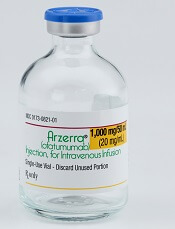
Photo courtesy of GSK
Salvage treatment with an ofatumumab-based regimen is no better than a rituximab-based regimen for patients with relapsed/refractory diffuse large B-cell lymphoma (DLBCL), according to a phase 3 study.
The study, ORCHARRD, was a comparison of ofatumumab plus cisplatin, cytarabine, and dexamethasone (O-DHAP) and rituximab plus DHAP (R-DHAP), both followed by autologous stem cell transplant (auto-SCT), in patients with relapsed/refractory DLBCL.
The data showed no significant difference between the 2 treatment arms with regard to progression-free survival (PFS), event-free survival (EFS), or overall survival (OS).
And the incidence of serious adverse events (AEs) was similar between the arms.
Gustaaf W. van Imhoff, MD, PhD, of University Medical Center Groningen in Groningen, Netherlands, and his colleagues conducted this study and reported the results in the Journal of Clinical Oncology.
The study was proposed by HOVON, sponsored by GlaxoSmithKline (GSK), and funded by GSK, Genmab A/S, and Novartis AG. Ofatumumab became an asset of Novartis AG in March 2015.
Patients and treatment
The study included 447 adults with CD20+ DLBCL who had experienced their first relapse or who were refractory to first-line treatment with R-CHOP (rituximab plus cyclophosphamide, doxorubicin, vincristine, and prednisone) or a similar regimen.
The patients’ median age was 57 (range, 18 to 83), 63% had stage III/IV disease, and 71% of patients either did not achieve a complete response (CR) to first-line treatment or had a CR lasting less than 1 year.
The patients were randomized to receive O-DHAP (n=222) or R-DHAP (n=225). They received ofatumumab at 1000 mg or rituximab at 375 mg/m2 on days 1 and 8 of cycle 1 and day 1 of cycles 2 and 3 of DHAP (4 infusions of either drug).
The patients who had responded after 2 cycles of treatment received the third cycle, followed by high-dose therapy and auto-SCT. Failure to achieve a response after cycle 2 was included as an event.
Response and survival
The response rate was 38% with O-DHAP and 42% with R-DHAP. The CR rate was 15% and 22%, respectively.
Thirty-three percent of patients in the O-DHAP arm and 37% in the R-DHAP arm underwent auto-SCT on protocol.
At 2 years, PFS was 24% with O-DHAP and 26% with R-DHAP (hazard ratio [HR]=1.12, P=0.33).
Two-year EFS was 16% with O-DHAP and 18% with R-DHAP. (HR=1.10, P=0.35). And 2-year OS was 41% with O-DHAP and 38% with R-DHAP (HR=0.90, P=0.38).
The researchers found that having a negative PET scan after cycle 3 was associated with better PFS and OS.
Two-year PFS was 32% for patients with a positive PET scan after cycle 3 and 70% for those with a negative PET scan (P=0.001). Two-year OS was 43% for patients with positive PET scan and 78% for those with a negative PET scan (P=0.0018).
Safety
Fifty-two percent of all patients had 1 or more serious AE, and the incidence of serious AEs was similar between the treatment arms. The most common serious AEs were febrile neutropenia (13%), acute renal failure (5%), thrombocytopenia (5%), and vomiting (5%).
Fatal serious AEs occurred in 6% of patients. These were mainly related to infectious complications and occurred in a similar proportion of patients in both treatment arms.
The incidence of rash was higher in the O-DHAP arm (22% vs 9%), as was the incidence of raised serum creatinine (23% vs 16%).
Dose interruptions/delays (of either anti-CD20 therapy or chemotherapy) as a result of AEs occurred in 49% of patients in the O-DHAP arm and 30% in the R-DHAP arm.
AEs causing dose delays/interruptions included (in the O-DHAP and R-DHAP arms, respectively) neutropenia (6% and 7%), rash (9% and <1%), thrombocytopenia (5% and 4%), urticaria (6% and <1%), pyrexia (4% and 2%), febrile neutropenia (4% and 1%), hypersensitivity (4% and 1%), infusion-related reactions (5% and <1%), decrease in platelet count (2% and 3%), and pruritus (4% and 0%).
Sixteen percent of all patients had AEs that led to permanent discontinuation of study treatment. The rate of such AEs was similar between the treatment arms. The most frequent event leading to discontinuation was renal toxicity (8%).
Photo courtesy of GSK
Salvage treatment with an ofatumumab-based regimen is no better than a rituximab-based regimen for patients with relapsed/refractory diffuse large B-cell lymphoma (DLBCL), according to a phase 3 study.
The study, ORCHARRD, was a comparison of ofatumumab plus cisplatin, cytarabine, and dexamethasone (O-DHAP) and rituximab plus DHAP (R-DHAP), both followed by autologous stem cell transplant (auto-SCT), in patients with relapsed/refractory DLBCL.
The data showed no significant difference between the 2 treatment arms with regard to progression-free survival (PFS), event-free survival (EFS), or overall survival (OS).
And the incidence of serious adverse events (AEs) was similar between the arms.
Gustaaf W. van Imhoff, MD, PhD, of University Medical Center Groningen in Groningen, Netherlands, and his colleagues conducted this study and reported the results in the Journal of Clinical Oncology.
The study was proposed by HOVON, sponsored by GlaxoSmithKline (GSK), and funded by GSK, Genmab A/S, and Novartis AG. Ofatumumab became an asset of Novartis AG in March 2015.
Patients and treatment
The study included 447 adults with CD20+ DLBCL who had experienced their first relapse or who were refractory to first-line treatment with R-CHOP (rituximab plus cyclophosphamide, doxorubicin, vincristine, and prednisone) or a similar regimen.
The patients’ median age was 57 (range, 18 to 83), 63% had stage III/IV disease, and 71% of patients either did not achieve a complete response (CR) to first-line treatment or had a CR lasting less than 1 year.
The patients were randomized to receive O-DHAP (n=222) or R-DHAP (n=225). They received ofatumumab at 1000 mg or rituximab at 375 mg/m2 on days 1 and 8 of cycle 1 and day 1 of cycles 2 and 3 of DHAP (4 infusions of either drug).
The patients who had responded after 2 cycles of treatment received the third cycle, followed by high-dose therapy and auto-SCT. Failure to achieve a response after cycle 2 was included as an event.
Response and survival
The response rate was 38% with O-DHAP and 42% with R-DHAP. The CR rate was 15% and 22%, respectively.
Thirty-three percent of patients in the O-DHAP arm and 37% in the R-DHAP arm underwent auto-SCT on protocol.
At 2 years, PFS was 24% with O-DHAP and 26% with R-DHAP (hazard ratio [HR]=1.12, P=0.33).
Two-year EFS was 16% with O-DHAP and 18% with R-DHAP. (HR=1.10, P=0.35). And 2-year OS was 41% with O-DHAP and 38% with R-DHAP (HR=0.90, P=0.38).
The researchers found that having a negative PET scan after cycle 3 was associated with better PFS and OS.
Two-year PFS was 32% for patients with a positive PET scan after cycle 3 and 70% for those with a negative PET scan (P=0.001). Two-year OS was 43% for patients with positive PET scan and 78% for those with a negative PET scan (P=0.0018).
Safety
Fifty-two percent of all patients had 1 or more serious AE, and the incidence of serious AEs was similar between the treatment arms. The most common serious AEs were febrile neutropenia (13%), acute renal failure (5%), thrombocytopenia (5%), and vomiting (5%).
Fatal serious AEs occurred in 6% of patients. These were mainly related to infectious complications and occurred in a similar proportion of patients in both treatment arms.
The incidence of rash was higher in the O-DHAP arm (22% vs 9%), as was the incidence of raised serum creatinine (23% vs 16%).
Dose interruptions/delays (of either anti-CD20 therapy or chemotherapy) as a result of AEs occurred in 49% of patients in the O-DHAP arm and 30% in the R-DHAP arm.
AEs causing dose delays/interruptions included (in the O-DHAP and R-DHAP arms, respectively) neutropenia (6% and 7%), rash (9% and <1%), thrombocytopenia (5% and 4%), urticaria (6% and <1%), pyrexia (4% and 2%), febrile neutropenia (4% and 1%), hypersensitivity (4% and 1%), infusion-related reactions (5% and <1%), decrease in platelet count (2% and 3%), and pruritus (4% and 0%).
Sixteen percent of all patients had AEs that led to permanent discontinuation of study treatment. The rate of such AEs was similar between the treatment arms. The most frequent event leading to discontinuation was renal toxicity (8%).
Photo courtesy of GSK
Salvage treatment with an ofatumumab-based regimen is no better than a rituximab-based regimen for patients with relapsed/refractory diffuse large B-cell lymphoma (DLBCL), according to a phase 3 study.
The study, ORCHARRD, was a comparison of ofatumumab plus cisplatin, cytarabine, and dexamethasone (O-DHAP) and rituximab plus DHAP (R-DHAP), both followed by autologous stem cell transplant (auto-SCT), in patients with relapsed/refractory DLBCL.
The data showed no significant difference between the 2 treatment arms with regard to progression-free survival (PFS), event-free survival (EFS), or overall survival (OS).
And the incidence of serious adverse events (AEs) was similar between the arms.
Gustaaf W. van Imhoff, MD, PhD, of University Medical Center Groningen in Groningen, Netherlands, and his colleagues conducted this study and reported the results in the Journal of Clinical Oncology.
The study was proposed by HOVON, sponsored by GlaxoSmithKline (GSK), and funded by GSK, Genmab A/S, and Novartis AG. Ofatumumab became an asset of Novartis AG in March 2015.
Patients and treatment
The study included 447 adults with CD20+ DLBCL who had experienced their first relapse or who were refractory to first-line treatment with R-CHOP (rituximab plus cyclophosphamide, doxorubicin, vincristine, and prednisone) or a similar regimen.
The patients’ median age was 57 (range, 18 to 83), 63% had stage III/IV disease, and 71% of patients either did not achieve a complete response (CR) to first-line treatment or had a CR lasting less than 1 year.
The patients were randomized to receive O-DHAP (n=222) or R-DHAP (n=225). They received ofatumumab at 1000 mg or rituximab at 375 mg/m2 on days 1 and 8 of cycle 1 and day 1 of cycles 2 and 3 of DHAP (4 infusions of either drug).
The patients who had responded after 2 cycles of treatment received the third cycle, followed by high-dose therapy and auto-SCT. Failure to achieve a response after cycle 2 was included as an event.
Response and survival
The response rate was 38% with O-DHAP and 42% with R-DHAP. The CR rate was 15% and 22%, respectively.
Thirty-three percent of patients in the O-DHAP arm and 37% in the R-DHAP arm underwent auto-SCT on protocol.
At 2 years, PFS was 24% with O-DHAP and 26% with R-DHAP (hazard ratio [HR]=1.12, P=0.33).
Two-year EFS was 16% with O-DHAP and 18% with R-DHAP. (HR=1.10, P=0.35). And 2-year OS was 41% with O-DHAP and 38% with R-DHAP (HR=0.90, P=0.38).
The researchers found that having a negative PET scan after cycle 3 was associated with better PFS and OS.
Two-year PFS was 32% for patients with a positive PET scan after cycle 3 and 70% for those with a negative PET scan (P=0.001). Two-year OS was 43% for patients with positive PET scan and 78% for those with a negative PET scan (P=0.0018).
Safety
Fifty-two percent of all patients had 1 or more serious AE, and the incidence of serious AEs was similar between the treatment arms. The most common serious AEs were febrile neutropenia (13%), acute renal failure (5%), thrombocytopenia (5%), and vomiting (5%).
Fatal serious AEs occurred in 6% of patients. These were mainly related to infectious complications and occurred in a similar proportion of patients in both treatment arms.
The incidence of rash was higher in the O-DHAP arm (22% vs 9%), as was the incidence of raised serum creatinine (23% vs 16%).
Dose interruptions/delays (of either anti-CD20 therapy or chemotherapy) as a result of AEs occurred in 49% of patients in the O-DHAP arm and 30% in the R-DHAP arm.
AEs causing dose delays/interruptions included (in the O-DHAP and R-DHAP arms, respectively) neutropenia (6% and 7%), rash (9% and <1%), thrombocytopenia (5% and 4%), urticaria (6% and <1%), pyrexia (4% and 2%), febrile neutropenia (4% and 1%), hypersensitivity (4% and 1%), infusion-related reactions (5% and <1%), decrease in platelet count (2% and 3%), and pruritus (4% and 0%).
Sixteen percent of all patients had AEs that led to permanent discontinuation of study treatment. The rate of such AEs was similar between the treatment arms. The most frequent event leading to discontinuation was renal toxicity (8%).
Sleep apnea may contribute to PE recurrence

Image from Medical
College of Georgia
Suffering from obstructive sleep apnea (OSA) increases a person’s risk of pulmonary embolism (PE) recurrence, according to a study published in CHEST.
It has been hypothesized that OSA may promote the formation of blood clots.
Because venous thromboembolism is a chronic condition, researchers wanted to examine how OSA affected the rate of repeat PE occurrence.
They found that, after the first PE, OSA increases the risk for recurrence.
“There is growing evidence from cross-sectional and longitudinal studies that obstructive sleep apnea is a risk factor for pulmonary embolism,” explained study author Alberto Alonso-Fernández, MD, PhD, of Hospital Universitario Son Espases, Palma de Mallorca, Spain.
“This association represents a major public health burden, given the high prevalence of both disorders and the mortality rates of PE. However, to our knowledge, no longitudinal studies to date have explored the role of OSA as a risk factor for recurrent thromboembolic events.”
Therefore, Dr Alonso-Fernández and his colleagues followed 120 patients for 5 to 8 years after their first occurrence of PE. The patients were not taking oral anticoagulants at the start of the study.
The patients’ sleep was monitored for signs of OSA. A patient was classified as having OSA when the obstructive component was dominant and the apnea hypopnea index (AHI) was ≥ 10 per hour (10 h–1).
Nineteen of the patients had recurrent PE during the follow-up period, and 16 of them suffered from OSA.
Multivariate analysis revealed several independent risk factors for recurrent PE, including:
- AHI ≥ 10 h–1—hazard ratio (HR)=20.7
- Mean nocturnal oxygen saturation (nSaO2)—HR=0.39
- Time with SaO2 < 90% (CT90%)—HR=0.90
- D-dimer level—HR=1.001.
“The main finding in this study is that, after a first episode of PE, patients with OSA had a higher risk of recurrent PE than those without OSA,” Dr Alonso-Fernández said.
“Moreover, AHI and nocturnal hypoxemia, assessed by the mean nocturnal oxygen saturation and percentage of total time the patient spent with their oxygen saturation below 90%, are independent risk factors for PE recurrence and for resuming anticoagulation because of a new thromboembolic event.”
Twenty-four patients resumed oral anticoagulation. Independent risk factors for resuming anticoagulation included:
- AHI ≥ 10 h–1—HR=20.66
- Mean nSaO2—HR=0.54
- Epworth Sleepiness Scale—HR=0.73.
Explaining the findings
Addressing why OSA may make people more susceptible to subsequent PE events, Dr Alonso-Fernández said, “PE is the result of Virchow’s classic risk triad—namely, vascular endothelial impairment, stasis of blood flow, and/or increased coagulability. OSA could hypothetically affect all 3 mechanistic pathways.”
“Intermittent hypoxia increases oxidative stress and inflammatory response that impairs endothelial function. OSA-related hemodynamic alterations and sedentarism may slow intravenous flow, and lastly, increased coagulability, platelet activity, and decreased fibrinolytic capacity in OSA may be improved after CPAP [continuous positive airway pressure].”
Several factors have been identified as playing a role in recurrent PE, including cancer, continued estrogen use, vena cava filters, high post-anticoagulation D-dimer, male gender, and obesity.
The current study suggested that OSA is an independent risk factor for recurrent PE, even after adjusting for several factors, including body mass index. OSA is a common problem among obese people, and the researchers assert that the risk of recurrent PE that is attributed to obesity might be partially related to OSA.
“Obesity is associated with sedentarism and venous stasis, and it has also been related to impaired fibrinolysis and high concentrations of clotting factors that might lead to a prothrombotic state that can further increase because obesity is associated with high estrogen levels and chronic low-grade inflammation,” Dr Alonso-Fernández said.
“It is tempting to speculate that OSA and obesity may additively or synergistically lead to upregulation of procoagulant activity that may intensify the risk of PE recurrence.”
Dr Alonso-Fernández and his colleagues believe that knowing OSA is an independent risk factor for recurrent PE can help physicians better understand treatment options. CPAP use is a proven intervention for OSA, and patients with OSA may need to stay on anticoagulation therapy longer to reduce their risk for another PE.
“Given the high prevalence of OSA in patients with PE, the procoagulable state induced by the intermittent hypoxia, and the risk for PE recurrence, the potential of CPAP and/or extend oral anticoagulation to reduce PE recurrence and mortality in patients with PE and OSA clearly warrants further study,” Dr Alonso-Fernández concluded.
Image from Medical
College of Georgia
Suffering from obstructive sleep apnea (OSA) increases a person’s risk of pulmonary embolism (PE) recurrence, according to a study published in CHEST.
It has been hypothesized that OSA may promote the formation of blood clots.
Because venous thromboembolism is a chronic condition, researchers wanted to examine how OSA affected the rate of repeat PE occurrence.
They found that, after the first PE, OSA increases the risk for recurrence.
“There is growing evidence from cross-sectional and longitudinal studies that obstructive sleep apnea is a risk factor for pulmonary embolism,” explained study author Alberto Alonso-Fernández, MD, PhD, of Hospital Universitario Son Espases, Palma de Mallorca, Spain.
“This association represents a major public health burden, given the high prevalence of both disorders and the mortality rates of PE. However, to our knowledge, no longitudinal studies to date have explored the role of OSA as a risk factor for recurrent thromboembolic events.”
Therefore, Dr Alonso-Fernández and his colleagues followed 120 patients for 5 to 8 years after their first occurrence of PE. The patients were not taking oral anticoagulants at the start of the study.
The patients’ sleep was monitored for signs of OSA. A patient was classified as having OSA when the obstructive component was dominant and the apnea hypopnea index (AHI) was ≥ 10 per hour (10 h–1).
Nineteen of the patients had recurrent PE during the follow-up period, and 16 of them suffered from OSA.
Multivariate analysis revealed several independent risk factors for recurrent PE, including:
- AHI ≥ 10 h–1—hazard ratio (HR)=20.7
- Mean nocturnal oxygen saturation (nSaO2)—HR=0.39
- Time with SaO2 < 90% (CT90%)—HR=0.90
- D-dimer level—HR=1.001.
“The main finding in this study is that, after a first episode of PE, patients with OSA had a higher risk of recurrent PE than those without OSA,” Dr Alonso-Fernández said.
“Moreover, AHI and nocturnal hypoxemia, assessed by the mean nocturnal oxygen saturation and percentage of total time the patient spent with their oxygen saturation below 90%, are independent risk factors for PE recurrence and for resuming anticoagulation because of a new thromboembolic event.”
Twenty-four patients resumed oral anticoagulation. Independent risk factors for resuming anticoagulation included:
- AHI ≥ 10 h–1—HR=20.66
- Mean nSaO2—HR=0.54
- Epworth Sleepiness Scale—HR=0.73.
Explaining the findings
Addressing why OSA may make people more susceptible to subsequent PE events, Dr Alonso-Fernández said, “PE is the result of Virchow’s classic risk triad—namely, vascular endothelial impairment, stasis of blood flow, and/or increased coagulability. OSA could hypothetically affect all 3 mechanistic pathways.”
“Intermittent hypoxia increases oxidative stress and inflammatory response that impairs endothelial function. OSA-related hemodynamic alterations and sedentarism may slow intravenous flow, and lastly, increased coagulability, platelet activity, and decreased fibrinolytic capacity in OSA may be improved after CPAP [continuous positive airway pressure].”
Several factors have been identified as playing a role in recurrent PE, including cancer, continued estrogen use, vena cava filters, high post-anticoagulation D-dimer, male gender, and obesity.
The current study suggested that OSA is an independent risk factor for recurrent PE, even after adjusting for several factors, including body mass index. OSA is a common problem among obese people, and the researchers assert that the risk of recurrent PE that is attributed to obesity might be partially related to OSA.
“Obesity is associated with sedentarism and venous stasis, and it has also been related to impaired fibrinolysis and high concentrations of clotting factors that might lead to a prothrombotic state that can further increase because obesity is associated with high estrogen levels and chronic low-grade inflammation,” Dr Alonso-Fernández said.
“It is tempting to speculate that OSA and obesity may additively or synergistically lead to upregulation of procoagulant activity that may intensify the risk of PE recurrence.”
Dr Alonso-Fernández and his colleagues believe that knowing OSA is an independent risk factor for recurrent PE can help physicians better understand treatment options. CPAP use is a proven intervention for OSA, and patients with OSA may need to stay on anticoagulation therapy longer to reduce their risk for another PE.
“Given the high prevalence of OSA in patients with PE, the procoagulable state induced by the intermittent hypoxia, and the risk for PE recurrence, the potential of CPAP and/or extend oral anticoagulation to reduce PE recurrence and mortality in patients with PE and OSA clearly warrants further study,” Dr Alonso-Fernández concluded.
Image from Medical
College of Georgia
Suffering from obstructive sleep apnea (OSA) increases a person’s risk of pulmonary embolism (PE) recurrence, according to a study published in CHEST.
It has been hypothesized that OSA may promote the formation of blood clots.
Because venous thromboembolism is a chronic condition, researchers wanted to examine how OSA affected the rate of repeat PE occurrence.
They found that, after the first PE, OSA increases the risk for recurrence.
“There is growing evidence from cross-sectional and longitudinal studies that obstructive sleep apnea is a risk factor for pulmonary embolism,” explained study author Alberto Alonso-Fernández, MD, PhD, of Hospital Universitario Son Espases, Palma de Mallorca, Spain.
“This association represents a major public health burden, given the high prevalence of both disorders and the mortality rates of PE. However, to our knowledge, no longitudinal studies to date have explored the role of OSA as a risk factor for recurrent thromboembolic events.”
Therefore, Dr Alonso-Fernández and his colleagues followed 120 patients for 5 to 8 years after their first occurrence of PE. The patients were not taking oral anticoagulants at the start of the study.
The patients’ sleep was monitored for signs of OSA. A patient was classified as having OSA when the obstructive component was dominant and the apnea hypopnea index (AHI) was ≥ 10 per hour (10 h–1).
Nineteen of the patients had recurrent PE during the follow-up period, and 16 of them suffered from OSA.
Multivariate analysis revealed several independent risk factors for recurrent PE, including:
- AHI ≥ 10 h–1—hazard ratio (HR)=20.7
- Mean nocturnal oxygen saturation (nSaO2)—HR=0.39
- Time with SaO2 < 90% (CT90%)—HR=0.90
- D-dimer level—HR=1.001.
“The main finding in this study is that, after a first episode of PE, patients with OSA had a higher risk of recurrent PE than those without OSA,” Dr Alonso-Fernández said.
“Moreover, AHI and nocturnal hypoxemia, assessed by the mean nocturnal oxygen saturation and percentage of total time the patient spent with their oxygen saturation below 90%, are independent risk factors for PE recurrence and for resuming anticoagulation because of a new thromboembolic event.”
Twenty-four patients resumed oral anticoagulation. Independent risk factors for resuming anticoagulation included:
- AHI ≥ 10 h–1—HR=20.66
- Mean nSaO2—HR=0.54
- Epworth Sleepiness Scale—HR=0.73.
Explaining the findings
Addressing why OSA may make people more susceptible to subsequent PE events, Dr Alonso-Fernández said, “PE is the result of Virchow’s classic risk triad—namely, vascular endothelial impairment, stasis of blood flow, and/or increased coagulability. OSA could hypothetically affect all 3 mechanistic pathways.”
“Intermittent hypoxia increases oxidative stress and inflammatory response that impairs endothelial function. OSA-related hemodynamic alterations and sedentarism may slow intravenous flow, and lastly, increased coagulability, platelet activity, and decreased fibrinolytic capacity in OSA may be improved after CPAP [continuous positive airway pressure].”
Several factors have been identified as playing a role in recurrent PE, including cancer, continued estrogen use, vena cava filters, high post-anticoagulation D-dimer, male gender, and obesity.
The current study suggested that OSA is an independent risk factor for recurrent PE, even after adjusting for several factors, including body mass index. OSA is a common problem among obese people, and the researchers assert that the risk of recurrent PE that is attributed to obesity might be partially related to OSA.
“Obesity is associated with sedentarism and venous stasis, and it has also been related to impaired fibrinolysis and high concentrations of clotting factors that might lead to a prothrombotic state that can further increase because obesity is associated with high estrogen levels and chronic low-grade inflammation,” Dr Alonso-Fernández said.
“It is tempting to speculate that OSA and obesity may additively or synergistically lead to upregulation of procoagulant activity that may intensify the risk of PE recurrence.”
Dr Alonso-Fernández and his colleagues believe that knowing OSA is an independent risk factor for recurrent PE can help physicians better understand treatment options. CPAP use is a proven intervention for OSA, and patients with OSA may need to stay on anticoagulation therapy longer to reduce their risk for another PE.
“Given the high prevalence of OSA in patients with PE, the procoagulable state induced by the intermittent hypoxia, and the risk for PE recurrence, the potential of CPAP and/or extend oral anticoagulation to reduce PE recurrence and mortality in patients with PE and OSA clearly warrants further study,” Dr Alonso-Fernández concluded.
Study links iron deficiency anemia and hearing loss
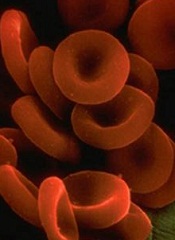
Having iron deficiency anemia (IDA) may increase a person’s risk of hearing loss, according to a study published in JAMA Otolaryngology-Head & Neck Surgery.
The study indicated that adults with IDA had nearly twice the risk of sensorineural hearing loss and more than twice the risk of combined hearing loss as adults without IDA.
Researchers said the goals of future studies will be to better understand the association between IDA and hearing loss and determine whether promptly diagnosing and treating IDA may have a positive effect on the overall health of adults with hearing loss.
For this study, Kathleen M. Schieffer, of the Pennsylvania State University College of Medicine in Hershey, Pennsylvania, and her colleagues examined data from deidentified electronic medical records.
The data encompassed 305,339 adults. They had a mean age of 50.1 (range, 21 to 90), and 43% were male.
The prevalence of IDA in this population was 0.7%.
There was a 1.6% prevalence of combined hearing loss, which was defined as any combination of conductive hearing loss (due to problems with the bones of the middle ear), sensorineural hearing loss (when there is damage to the cochlea or to the nerve pathways from the inner ear to the brain), deafness, and unspecified hearing loss.
Both sensorineural hearing loss and combined hearing loss were significantly associated with IDA.
Sensorineural hearing loss was present in 1.1% of individuals with IDA (P=0.005), and combined hearing loss was present in 3.4% of individuals with IDA (P<0.001).
Logistic regression analysis showed increased odds of sensorineural hearing loss and combined hearing loss among adults with IDA.
The odds ratio (adjusted for sex) was 1.82 for sensorineural hearing loss and 2.41 for combined hearing loss.
Having iron deficiency anemia (IDA) may increase a person’s risk of hearing loss, according to a study published in JAMA Otolaryngology-Head & Neck Surgery.
The study indicated that adults with IDA had nearly twice the risk of sensorineural hearing loss and more than twice the risk of combined hearing loss as adults without IDA.
Researchers said the goals of future studies will be to better understand the association between IDA and hearing loss and determine whether promptly diagnosing and treating IDA may have a positive effect on the overall health of adults with hearing loss.
For this study, Kathleen M. Schieffer, of the Pennsylvania State University College of Medicine in Hershey, Pennsylvania, and her colleagues examined data from deidentified electronic medical records.
The data encompassed 305,339 adults. They had a mean age of 50.1 (range, 21 to 90), and 43% were male.
The prevalence of IDA in this population was 0.7%.
There was a 1.6% prevalence of combined hearing loss, which was defined as any combination of conductive hearing loss (due to problems with the bones of the middle ear), sensorineural hearing loss (when there is damage to the cochlea or to the nerve pathways from the inner ear to the brain), deafness, and unspecified hearing loss.
Both sensorineural hearing loss and combined hearing loss were significantly associated with IDA.
Sensorineural hearing loss was present in 1.1% of individuals with IDA (P=0.005), and combined hearing loss was present in 3.4% of individuals with IDA (P<0.001).
Logistic regression analysis showed increased odds of sensorineural hearing loss and combined hearing loss among adults with IDA.
The odds ratio (adjusted for sex) was 1.82 for sensorineural hearing loss and 2.41 for combined hearing loss.
Having iron deficiency anemia (IDA) may increase a person’s risk of hearing loss, according to a study published in JAMA Otolaryngology-Head & Neck Surgery.
The study indicated that adults with IDA had nearly twice the risk of sensorineural hearing loss and more than twice the risk of combined hearing loss as adults without IDA.
Researchers said the goals of future studies will be to better understand the association between IDA and hearing loss and determine whether promptly diagnosing and treating IDA may have a positive effect on the overall health of adults with hearing loss.
For this study, Kathleen M. Schieffer, of the Pennsylvania State University College of Medicine in Hershey, Pennsylvania, and her colleagues examined data from deidentified electronic medical records.
The data encompassed 305,339 adults. They had a mean age of 50.1 (range, 21 to 90), and 43% were male.
The prevalence of IDA in this population was 0.7%.
There was a 1.6% prevalence of combined hearing loss, which was defined as any combination of conductive hearing loss (due to problems with the bones of the middle ear), sensorineural hearing loss (when there is damage to the cochlea or to the nerve pathways from the inner ear to the brain), deafness, and unspecified hearing loss.
Both sensorineural hearing loss and combined hearing loss were significantly associated with IDA.
Sensorineural hearing loss was present in 1.1% of individuals with IDA (P=0.005), and combined hearing loss was present in 3.4% of individuals with IDA (P<0.001).
Logistic regression analysis showed increased odds of sensorineural hearing loss and combined hearing loss among adults with IDA.
The odds ratio (adjusted for sex) was 1.82 for sensorineural hearing loss and 2.41 for combined hearing loss.
Combo improves survival in newly diagnosed MM
Photo courtesy of
Millenium Pharmaceuticals
Results of a phase 3 trial suggest a 3-drug combination improves survival in newly diagnosed multiple myeloma (MM).
The trial showed that bortezomib, lenalidomide, and dexamethasone (VRd) could significantly
improve progression-free and overall survival when compared to lenalidomide and dexamethasone (Rd).
In addition, investigators said the risk-benefit profile of VRd was acceptable.
The team noted, however, that grade 3 or higher neurologic adverse events (AEs) were more common with VRd than with Rd.
“Our results are clear,” said principal investigator Brian G.M. Durie, MD, of Cedars-Sinai Outpatient Cancer Center in Los Angeles, California.
“Using bortezomib in combination with lenalidomide and dexamethasone in frontline treatment—hitting the disease early and hard—makes a meaningful difference for myeloma patients. Our results represent a potential new standard of care.”
Dr Durie and his colleagues reported the results of this trial in The Lancet.
The research was funded by Millennium Pharmaceuticals, Takeda Oncology Company, Celgene Corporation, the National Institutes of Health, the National Cancer Institute, and the National Clinical Trial Network.
The trial enrolled 525 adults with MM. The patients ranged in age from 28 to 87, had active MM, and had not had any prior treatment for their disease.
The patients were randomized to 2 treatment groups. One group received Rd for 6 cycles over 6 months. The other group received VRd for 8 cycles over 6 months.
Results
The median follow-up was 55 months. In the VRd group, 241 patients were evaluable for safety and 216 for response. In the Rd group, 226 patients were evaluable for safety and 214 for response.
The overall response rate was 82% (176/216) in the VRd group and 72% (153/214) in the Rd group. The complete response rates were 16% (34/216) and 8% (18/214), respectively.
The median progression-free survival was 43 months in the VRd group and 30 months in the Rd group. The hazard ratio was 0.712 (P=0.0018).
The median overall survival was 75 months in the VRd group and 64 months in the Rd group. The hazard ratio was 0.709 (P=0.025).
The rate of grade 3 or higher AEs was 82% in the VRd group and 75% in the Rd group. The rate of discontinuation due to AEs was 23% and 10%, respectively.
Grade 3 or higher neurologic AEs were more frequent in the VRd group than in the Rd group—33% and 11%, respectively (P<0.0001).
There were 2 treatment-related deaths in the VRd group but none in the Rd group. And 10 patients in each group had a second primary malignancy.
“This is a landmark study that lends clarity to frontline therapy of myeloma,” said study author S. Vincent Rajkumar, MD, of Mayo Clinic in Rochester, Minnesota.
“Newer alternatives to VRd may be more expensive, cumbersome, or toxic. These regimens will therefore need to show superiority over VRd in randomized trials.”
Also worth noting, Dr Rajkumar said, is that the VRd regimen will become even more cost-effective as the drugs in this combination become generic over time.
Photo courtesy of
Millenium Pharmaceuticals
Results of a phase 3 trial suggest a 3-drug combination improves survival in newly diagnosed multiple myeloma (MM).
The trial showed that bortezomib, lenalidomide, and dexamethasone (VRd) could significantly
improve progression-free and overall survival when compared to lenalidomide and dexamethasone (Rd).
In addition, investigators said the risk-benefit profile of VRd was acceptable.
The team noted, however, that grade 3 or higher neurologic adverse events (AEs) were more common with VRd than with Rd.
“Our results are clear,” said principal investigator Brian G.M. Durie, MD, of Cedars-Sinai Outpatient Cancer Center in Los Angeles, California.
“Using bortezomib in combination with lenalidomide and dexamethasone in frontline treatment—hitting the disease early and hard—makes a meaningful difference for myeloma patients. Our results represent a potential new standard of care.”
Dr Durie and his colleagues reported the results of this trial in The Lancet.
The research was funded by Millennium Pharmaceuticals, Takeda Oncology Company, Celgene Corporation, the National Institutes of Health, the National Cancer Institute, and the National Clinical Trial Network.
The trial enrolled 525 adults with MM. The patients ranged in age from 28 to 87, had active MM, and had not had any prior treatment for their disease.
The patients were randomized to 2 treatment groups. One group received Rd for 6 cycles over 6 months. The other group received VRd for 8 cycles over 6 months.
Results
The median follow-up was 55 months. In the VRd group, 241 patients were evaluable for safety and 216 for response. In the Rd group, 226 patients were evaluable for safety and 214 for response.
The overall response rate was 82% (176/216) in the VRd group and 72% (153/214) in the Rd group. The complete response rates were 16% (34/216) and 8% (18/214), respectively.
The median progression-free survival was 43 months in the VRd group and 30 months in the Rd group. The hazard ratio was 0.712 (P=0.0018).
The median overall survival was 75 months in the VRd group and 64 months in the Rd group. The hazard ratio was 0.709 (P=0.025).
The rate of grade 3 or higher AEs was 82% in the VRd group and 75% in the Rd group. The rate of discontinuation due to AEs was 23% and 10%, respectively.
Grade 3 or higher neurologic AEs were more frequent in the VRd group than in the Rd group—33% and 11%, respectively (P<0.0001).
There were 2 treatment-related deaths in the VRd group but none in the Rd group. And 10 patients in each group had a second primary malignancy.
“This is a landmark study that lends clarity to frontline therapy of myeloma,” said study author S. Vincent Rajkumar, MD, of Mayo Clinic in Rochester, Minnesota.
“Newer alternatives to VRd may be more expensive, cumbersome, or toxic. These regimens will therefore need to show superiority over VRd in randomized trials.”
Also worth noting, Dr Rajkumar said, is that the VRd regimen will become even more cost-effective as the drugs in this combination become generic over time.
Photo courtesy of
Millenium Pharmaceuticals
Results of a phase 3 trial suggest a 3-drug combination improves survival in newly diagnosed multiple myeloma (MM).
The trial showed that bortezomib, lenalidomide, and dexamethasone (VRd) could significantly
improve progression-free and overall survival when compared to lenalidomide and dexamethasone (Rd).
In addition, investigators said the risk-benefit profile of VRd was acceptable.
The team noted, however, that grade 3 or higher neurologic adverse events (AEs) were more common with VRd than with Rd.
“Our results are clear,” said principal investigator Brian G.M. Durie, MD, of Cedars-Sinai Outpatient Cancer Center in Los Angeles, California.
“Using bortezomib in combination with lenalidomide and dexamethasone in frontline treatment—hitting the disease early and hard—makes a meaningful difference for myeloma patients. Our results represent a potential new standard of care.”
Dr Durie and his colleagues reported the results of this trial in The Lancet.
The research was funded by Millennium Pharmaceuticals, Takeda Oncology Company, Celgene Corporation, the National Institutes of Health, the National Cancer Institute, and the National Clinical Trial Network.
The trial enrolled 525 adults with MM. The patients ranged in age from 28 to 87, had active MM, and had not had any prior treatment for their disease.
The patients were randomized to 2 treatment groups. One group received Rd for 6 cycles over 6 months. The other group received VRd for 8 cycles over 6 months.
Results
The median follow-up was 55 months. In the VRd group, 241 patients were evaluable for safety and 216 for response. In the Rd group, 226 patients were evaluable for safety and 214 for response.
The overall response rate was 82% (176/216) in the VRd group and 72% (153/214) in the Rd group. The complete response rates were 16% (34/216) and 8% (18/214), respectively.
The median progression-free survival was 43 months in the VRd group and 30 months in the Rd group. The hazard ratio was 0.712 (P=0.0018).
The median overall survival was 75 months in the VRd group and 64 months in the Rd group. The hazard ratio was 0.709 (P=0.025).
The rate of grade 3 or higher AEs was 82% in the VRd group and 75% in the Rd group. The rate of discontinuation due to AEs was 23% and 10%, respectively.
Grade 3 or higher neurologic AEs were more frequent in the VRd group than in the Rd group—33% and 11%, respectively (P<0.0001).
There were 2 treatment-related deaths in the VRd group but none in the Rd group. And 10 patients in each group had a second primary malignancy.
“This is a landmark study that lends clarity to frontline therapy of myeloma,” said study author S. Vincent Rajkumar, MD, of Mayo Clinic in Rochester, Minnesota.
“Newer alternatives to VRd may be more expensive, cumbersome, or toxic. These regimens will therefore need to show superiority over VRd in randomized trials.”
Also worth noting, Dr Rajkumar said, is that the VRd regimen will become even more cost-effective as the drugs in this combination become generic over time.