User login
Molecular profiling leads to improved targeted treatment
AMSTERDAM – Two-fifths of patients with refractory recurrent or metastatic cancers were successfully matched to an appropriate targeted treatment using molecular profiling, according to research presented at the multidisciplinary European cancer congresses.
Feasibility findings from the phase II, proof-of-concept SHIVA study showed that a molecular abnormality leading to targeted treatment was present in 40% patients.

This is the first randomized trial to consider treating patients purely on the basis of their molecular profile rather than the type of tumor that they have. It is also the first trial designed to determine what the outcome of such an approach will be, with the primary endpoint being progression-free survival.
Currently, the prescription of approved molecularly targeted agents relies on the primary tumor location and histological subtype. For example, a woman with breast cancer overexpressing HER2 may be treated with a HER2-targeting agent such as trastuzumab or lapatinib, or with endocrine therapies such as tamoxifen and letrozole, if there is overexpression of the estrogen or progestogen receptor (ER/PR).
However, it is not clear if this is the best means of using these therapies, as their molecular targets may not be specific to a single tumor type. Indeed, HER2 is overexpressed in several tumor types other than breast cancer, including ovarian, gastric, colorectal, pancreatic, and endometrial cancers.
The idea of giving patients treatment based on their molecular profiles rather than their tumor types represents a new paradigm and requires prospective validation before being implemented in clinical practice, Dr. Christophe Le Tourneau of Institut Curie, Paris, said in an interview.
The SHIVA trial was therefore initiated to compare molecularly targeted therapy based on tumor molecular profiling versus conventional therapy in patients with refractory cancer (Target Oncol. 2012;7:253-65). Although two previous studies have suggested that this approach is possible and could improve patient outcomes (J. Clin. Oncol. 2010;4877-83; Clin. Cancer Res. 2012;18:6373-83), these studies were not randomized against the standard of care and so the conclusions that can be drawn from their results are not robust.
Patients are eligible for inclusion in the ongoing SHIVA trial if they have recurrent or metastatic disease despite standard treatment, an ECOG performance status of 0 or 1, adequate organ function, and measurable disease that can be biopsied not involving the bone or brain.
After recruitment, all patients will have a biopsy taken of one metastasis that is then assessed for gene mutations and amplifications, and for the expression of hormone (estrogen, progestogen and androgen) receptors. If a molecular abnormality is identified for which an approved targeted agent is available, then patients are randomized to receive either the matching targeted therapy or the conventional therapy that they would have received had they not be identified as having a possible molecular target. At progression, patients in the conventional treatment arm may crossover to targeted therapy.
Patients are only randomized if they have a molecular target that is not already known for their disease. So a patient with breast cancer found to have amplified HER2 or a patient with non–small-cell lung cancer and overexpression of EGFR would not be included, Dr. Le Tourneau said.
The SHIVA investigators have developed an algorithm or Molecular Biology Board (MBB) to help guide treatment in the experimental arm. The following targeted agents may be used if an appropriate molecular target is found: KIT or ABL for imatinib; PTEN or mTOR, among others, for everolimus; BRAF for vemurafenib; PDGFRA/B or FLT-3 for sorafenib; EGFR for erlotinib; HER2 for lapatinib in combination with trastuzumab; SRC, and others, for dasatinib; ER and PR for tamoxifen or letrozole; and the androgen receptor for abiraterone.
The trial is using high throughput sequencing, so processing the biopsies involves only two assays – one for gene mutation analysis and one for gene copy number alterations – "so we look at everything at the same time," Dr. Le Tourneau said.
As of September 2013, 350 patients had been included in the study and feasibility of the molecular profiling approach was tested in the first 95 patients. Of these, a complete molecular profile could be obtained in 61%. The median time to obtaining the biopsy sample and performing the MBB was 26 days, ranging from 2 weeks to 42 days. Mutations could be assessed in two-thirds of samples, with gene copy alterations analyzed in 68%, and immunohistochemistry for hormone receptors possible in 92%.
In the experimental arm, 14 patients (15%) with a variety of tumor types are now being treated with abiraterone, 13 (14%) with everolimus, nine (9%) with endocrine treatment, and two (2%) with anti-HER2 treatment or sorafenib.
The primary efficacy analysis for progression-free survival will be performed once 100 patients have been randomized into each study arm. Other analyses will determine the overall response rate (ORR) and overall survival, among other key endpoints.
The SHIVA trial is planned to run for 3 years, and as it is already a year in, "within 2 years the study will be finished," Dr. Le Tourneau said.
The SHIVA trial is funded by Institut Curie. Dr. Le Tourneau had no conflicts of interest.
AMSTERDAM – Two-fifths of patients with refractory recurrent or metastatic cancers were successfully matched to an appropriate targeted treatment using molecular profiling, according to research presented at the multidisciplinary European cancer congresses.
Feasibility findings from the phase II, proof-of-concept SHIVA study showed that a molecular abnormality leading to targeted treatment was present in 40% patients.
This is the first randomized trial to consider treating patients purely on the basis of their molecular profile rather than the type of tumor that they have. It is also the first trial designed to determine what the outcome of such an approach will be, with the primary endpoint being progression-free survival.
Currently, the prescription of approved molecularly targeted agents relies on the primary tumor location and histological subtype. For example, a woman with breast cancer overexpressing HER2 may be treated with a HER2-targeting agent such as trastuzumab or lapatinib, or with endocrine therapies such as tamoxifen and letrozole, if there is overexpression of the estrogen or progestogen receptor (ER/PR).
However, it is not clear if this is the best means of using these therapies, as their molecular targets may not be specific to a single tumor type. Indeed, HER2 is overexpressed in several tumor types other than breast cancer, including ovarian, gastric, colorectal, pancreatic, and endometrial cancers.
The idea of giving patients treatment based on their molecular profiles rather than their tumor types represents a new paradigm and requires prospective validation before being implemented in clinical practice, Dr. Christophe Le Tourneau of Institut Curie, Paris, said in an interview.
The SHIVA trial was therefore initiated to compare molecularly targeted therapy based on tumor molecular profiling versus conventional therapy in patients with refractory cancer (Target Oncol. 2012;7:253-65). Although two previous studies have suggested that this approach is possible and could improve patient outcomes (J. Clin. Oncol. 2010;4877-83; Clin. Cancer Res. 2012;18:6373-83), these studies were not randomized against the standard of care and so the conclusions that can be drawn from their results are not robust.
Patients are eligible for inclusion in the ongoing SHIVA trial if they have recurrent or metastatic disease despite standard treatment, an ECOG performance status of 0 or 1, adequate organ function, and measurable disease that can be biopsied not involving the bone or brain.
After recruitment, all patients will have a biopsy taken of one metastasis that is then assessed for gene mutations and amplifications, and for the expression of hormone (estrogen, progestogen and androgen) receptors. If a molecular abnormality is identified for which an approved targeted agent is available, then patients are randomized to receive either the matching targeted therapy or the conventional therapy that they would have received had they not be identified as having a possible molecular target. At progression, patients in the conventional treatment arm may crossover to targeted therapy.
Patients are only randomized if they have a molecular target that is not already known for their disease. So a patient with breast cancer found to have amplified HER2 or a patient with non–small-cell lung cancer and overexpression of EGFR would not be included, Dr. Le Tourneau said.
The SHIVA investigators have developed an algorithm or Molecular Biology Board (MBB) to help guide treatment in the experimental arm. The following targeted agents may be used if an appropriate molecular target is found: KIT or ABL for imatinib; PTEN or mTOR, among others, for everolimus; BRAF for vemurafenib; PDGFRA/B or FLT-3 for sorafenib; EGFR for erlotinib; HER2 for lapatinib in combination with trastuzumab; SRC, and others, for dasatinib; ER and PR for tamoxifen or letrozole; and the androgen receptor for abiraterone.
The trial is using high throughput sequencing, so processing the biopsies involves only two assays – one for gene mutation analysis and one for gene copy number alterations – "so we look at everything at the same time," Dr. Le Tourneau said.
As of September 2013, 350 patients had been included in the study and feasibility of the molecular profiling approach was tested in the first 95 patients. Of these, a complete molecular profile could be obtained in 61%. The median time to obtaining the biopsy sample and performing the MBB was 26 days, ranging from 2 weeks to 42 days. Mutations could be assessed in two-thirds of samples, with gene copy alterations analyzed in 68%, and immunohistochemistry for hormone receptors possible in 92%.
In the experimental arm, 14 patients (15%) with a variety of tumor types are now being treated with abiraterone, 13 (14%) with everolimus, nine (9%) with endocrine treatment, and two (2%) with anti-HER2 treatment or sorafenib.
The primary efficacy analysis for progression-free survival will be performed once 100 patients have been randomized into each study arm. Other analyses will determine the overall response rate (ORR) and overall survival, among other key endpoints.
The SHIVA trial is planned to run for 3 years, and as it is already a year in, "within 2 years the study will be finished," Dr. Le Tourneau said.
The SHIVA trial is funded by Institut Curie. Dr. Le Tourneau had no conflicts of interest.
AMSTERDAM – Two-fifths of patients with refractory recurrent or metastatic cancers were successfully matched to an appropriate targeted treatment using molecular profiling, according to research presented at the multidisciplinary European cancer congresses.
Feasibility findings from the phase II, proof-of-concept SHIVA study showed that a molecular abnormality leading to targeted treatment was present in 40% patients.
This is the first randomized trial to consider treating patients purely on the basis of their molecular profile rather than the type of tumor that they have. It is also the first trial designed to determine what the outcome of such an approach will be, with the primary endpoint being progression-free survival.
Currently, the prescription of approved molecularly targeted agents relies on the primary tumor location and histological subtype. For example, a woman with breast cancer overexpressing HER2 may be treated with a HER2-targeting agent such as trastuzumab or lapatinib, or with endocrine therapies such as tamoxifen and letrozole, if there is overexpression of the estrogen or progestogen receptor (ER/PR).
However, it is not clear if this is the best means of using these therapies, as their molecular targets may not be specific to a single tumor type. Indeed, HER2 is overexpressed in several tumor types other than breast cancer, including ovarian, gastric, colorectal, pancreatic, and endometrial cancers.
The idea of giving patients treatment based on their molecular profiles rather than their tumor types represents a new paradigm and requires prospective validation before being implemented in clinical practice, Dr. Christophe Le Tourneau of Institut Curie, Paris, said in an interview.
The SHIVA trial was therefore initiated to compare molecularly targeted therapy based on tumor molecular profiling versus conventional therapy in patients with refractory cancer (Target Oncol. 2012;7:253-65). Although two previous studies have suggested that this approach is possible and could improve patient outcomes (J. Clin. Oncol. 2010;4877-83; Clin. Cancer Res. 2012;18:6373-83), these studies were not randomized against the standard of care and so the conclusions that can be drawn from their results are not robust.
Patients are eligible for inclusion in the ongoing SHIVA trial if they have recurrent or metastatic disease despite standard treatment, an ECOG performance status of 0 or 1, adequate organ function, and measurable disease that can be biopsied not involving the bone or brain.
After recruitment, all patients will have a biopsy taken of one metastasis that is then assessed for gene mutations and amplifications, and for the expression of hormone (estrogen, progestogen and androgen) receptors. If a molecular abnormality is identified for which an approved targeted agent is available, then patients are randomized to receive either the matching targeted therapy or the conventional therapy that they would have received had they not be identified as having a possible molecular target. At progression, patients in the conventional treatment arm may crossover to targeted therapy.
Patients are only randomized if they have a molecular target that is not already known for their disease. So a patient with breast cancer found to have amplified HER2 or a patient with non–small-cell lung cancer and overexpression of EGFR would not be included, Dr. Le Tourneau said.
The SHIVA investigators have developed an algorithm or Molecular Biology Board (MBB) to help guide treatment in the experimental arm. The following targeted agents may be used if an appropriate molecular target is found: KIT or ABL for imatinib; PTEN or mTOR, among others, for everolimus; BRAF for vemurafenib; PDGFRA/B or FLT-3 for sorafenib; EGFR for erlotinib; HER2 for lapatinib in combination with trastuzumab; SRC, and others, for dasatinib; ER and PR for tamoxifen or letrozole; and the androgen receptor for abiraterone.
The trial is using high throughput sequencing, so processing the biopsies involves only two assays – one for gene mutation analysis and one for gene copy number alterations – "so we look at everything at the same time," Dr. Le Tourneau said.
As of September 2013, 350 patients had been included in the study and feasibility of the molecular profiling approach was tested in the first 95 patients. Of these, a complete molecular profile could be obtained in 61%. The median time to obtaining the biopsy sample and performing the MBB was 26 days, ranging from 2 weeks to 42 days. Mutations could be assessed in two-thirds of samples, with gene copy alterations analyzed in 68%, and immunohistochemistry for hormone receptors possible in 92%.
In the experimental arm, 14 patients (15%) with a variety of tumor types are now being treated with abiraterone, 13 (14%) with everolimus, nine (9%) with endocrine treatment, and two (2%) with anti-HER2 treatment or sorafenib.
The primary efficacy analysis for progression-free survival will be performed once 100 patients have been randomized into each study arm. Other analyses will determine the overall response rate (ORR) and overall survival, among other key endpoints.
The SHIVA trial is planned to run for 3 years, and as it is already a year in, "within 2 years the study will be finished," Dr. Le Tourneau said.
The SHIVA trial is funded by Institut Curie. Dr. Le Tourneau had no conflicts of interest.
AT THE EUROPEAN CANCER CONGRESS 2013
Major finding: Forty percent of patients were identified as having a molecular target for which an approved treatment could be given.
Data source: Multicenter, proof-of-concept, phase II SHIVA trial of 350 patients with any type of refractory cancer randomized to targeted treatment or to conventional therapy based on molecular profiling.
Disclosures: The SHIVA trial is funded by Institut Curie. Dr. Le Tourneau had no conflicts of interest.

Hormone Therapy’s Protection Against Endometrial Cancer
Earn 0.25 hours AMA PRA Category 1 credit: Read this article, and click the link at the end to take the post-test.
AMSTERDAM – The continuous use of estrogen and progestin protects against the development of endometrial cancer in postmenopausal women, according to extended follow-up findings from the seminal Women’s Health Initiative randomized, placebo-controlled trial.
After a median of 13.2 years’ follow-up, there were 35% fewer endometrial cancers among women given combined estrogen and progestin vs. placebo (hazard ratio, 0.65; P = .007). A total of 66 women treated with the hormone therapy (HT) and 95 given placebo had developed endometrial cancer, yielding annual incidences of 0.06% and 0.10%, respectively.
"We do not feel that this effect on endometrial cancer changes the overall balance of risk and benefit of estrogen plus progestin," Dr. Rowan T. Chlebowski stated at the multidisciplinary European cancer congresses.

Dr. Chlebowski of the Los Angeles Biomedical Research Institute at Harbor-UCLA Medical Center in Torrance, added that the original conclusion of the WHI study remains: "Estrogen plus progestin should not be used for chronic disease risk reduction."
Between 1993 and 1998, 16,608 women aged 50-79 years with intact uteri were enrolled into the Women’s Health Initiative randomized, controlled clinical trial of hormone therapy at 40 clinical centers in the United States. The study was halted early as it found an excess of cardiovascular diseases and breast cancer among women given the HT vs. placebo. However, there was a 17% decrease in the risk for endometrial cancer in women given HT, as well as reductions in colorectal cancer and hip fracture (JAMA 2002;288:321-33).
Women who had participated in the study were recontacted to obtain their consent to look at the impact of the HT on their risk of endometrial cancer, with 12,788 (83%) surviving women giving their consent. Of these women, 6,545 had received continuous oral treatment with conjugated equine estrogen (0.625 mg/day) and medroxyprogesterone acetate (2.5 mg/day), and the remaining 6,243 had received placebo.
The findings now reported represented a median of 5.6 years of treatment data and a further 8.2 years of additional follow-up. Analysis revealed that the major difference emerged after the treatment was stopped, with 41 vs. 65 cases reported cases postintervention (HR, 0.59; P = .008).
Dr. Chlebowski reported that in the endometrial cancers that did occur, there were fewer poorly differentiated or anaplastic tumors (HR, 0.51) and fewer cases of regional or distant disease (HR, 0.43) in the HT than placebo group.
Subgroup analyses found that there was a similar effect of the estrogen plus progestin influence on endometrial cancer risk generally, even when body mass index was taken into account. BMI is a known risk factor for endometrial cancer, with risk increasing with increasing body weight.
There were 5 deaths from endometrial cancer in the HT group and 11 in the placebo group, but this difference was not statistically significant (HR, 0.42).
Dr. Marcia Hall, a consultant medical oncologist at the Mount Vernon Cancer Centre in greater London, provided independent comment on the results. "The combination of estrogen plus progestin does indeed protect against endometrial cancer," she said, noting that the results are in line with those of observational studies, such as the U.K.’s Million Women Study (Lancet 2007;369:1703-10).
There are women who may still benefit greatly from HT, Dr. Hall maintained. This includes premenopausal women who have had a hysterectomies, oophorectomies, or chemical castrations for other conditions; women experiencing menopausal symptoms, and those who may be at higher risk for bone diseases, such as osteoporosis and enter the menopause early. "Continuous estrogen, perhaps at the lowest dose possible, is a moderately safe drug in these conditions and situations," Dr. Hall said. She suggested that a low estrogen dose could perhaps be combined with a different progestin and mode of administration, such as levonorgestrel delivered by the intrauterine system (Mirena).
The latest WHI findings "should provoke further exploration of the role of progestins in the prevention of endometrial and possibly colorectal cancers," Dr. Hall concluded. "I hope it may also allow us to rethink the management of endometrial cancer in a population with high-risk comorbidities."
The U.S. National Institutes of Health sponsored the WHI. Dr. Chlebowski has acted as a consultant to Pfizer, Novartis, and Amgen, and has received honorarium from Novartis. Dr. Hall had no relevant conflicts of interest.
To earn 0.25 hours AMA PRA Category 1 credit after reading this article, take the post-test here.
Earn 0.25 hours AMA PRA Category 1 credit: Read this article, and click the link at the end to take the post-test.
AMSTERDAM – The continuous use of estrogen and progestin protects against the development of endometrial cancer in postmenopausal women, according to extended follow-up findings from the seminal Women’s Health Initiative randomized, placebo-controlled trial.
After a median of 13.2 years’ follow-up, there were 35% fewer endometrial cancers among women given combined estrogen and progestin vs. placebo (hazard ratio, 0.65; P = .007). A total of 66 women treated with the hormone therapy (HT) and 95 given placebo had developed endometrial cancer, yielding annual incidences of 0.06% and 0.10%, respectively.
"We do not feel that this effect on endometrial cancer changes the overall balance of risk and benefit of estrogen plus progestin," Dr. Rowan T. Chlebowski stated at the multidisciplinary European cancer congresses.
Dr. Chlebowski of the Los Angeles Biomedical Research Institute at Harbor-UCLA Medical Center in Torrance, added that the original conclusion of the WHI study remains: "Estrogen plus progestin should not be used for chronic disease risk reduction."
Between 1993 and 1998, 16,608 women aged 50-79 years with intact uteri were enrolled into the Women’s Health Initiative randomized, controlled clinical trial of hormone therapy at 40 clinical centers in the United States. The study was halted early as it found an excess of cardiovascular diseases and breast cancer among women given the HT vs. placebo. However, there was a 17% decrease in the risk for endometrial cancer in women given HT, as well as reductions in colorectal cancer and hip fracture (JAMA 2002;288:321-33).
Women who had participated in the study were recontacted to obtain their consent to look at the impact of the HT on their risk of endometrial cancer, with 12,788 (83%) surviving women giving their consent. Of these women, 6,545 had received continuous oral treatment with conjugated equine estrogen (0.625 mg/day) and medroxyprogesterone acetate (2.5 mg/day), and the remaining 6,243 had received placebo.
The findings now reported represented a median of 5.6 years of treatment data and a further 8.2 years of additional follow-up. Analysis revealed that the major difference emerged after the treatment was stopped, with 41 vs. 65 cases reported cases postintervention (HR, 0.59; P = .008).
Dr. Chlebowski reported that in the endometrial cancers that did occur, there were fewer poorly differentiated or anaplastic tumors (HR, 0.51) and fewer cases of regional or distant disease (HR, 0.43) in the HT than placebo group.
Subgroup analyses found that there was a similar effect of the estrogen plus progestin influence on endometrial cancer risk generally, even when body mass index was taken into account. BMI is a known risk factor for endometrial cancer, with risk increasing with increasing body weight.
There were 5 deaths from endometrial cancer in the HT group and 11 in the placebo group, but this difference was not statistically significant (HR, 0.42).
Dr. Marcia Hall, a consultant medical oncologist at the Mount Vernon Cancer Centre in greater London, provided independent comment on the results. "The combination of estrogen plus progestin does indeed protect against endometrial cancer," she said, noting that the results are in line with those of observational studies, such as the U.K.’s Million Women Study (Lancet 2007;369:1703-10).
There are women who may still benefit greatly from HT, Dr. Hall maintained. This includes premenopausal women who have had a hysterectomies, oophorectomies, or chemical castrations for other conditions; women experiencing menopausal symptoms, and those who may be at higher risk for bone diseases, such as osteoporosis and enter the menopause early. "Continuous estrogen, perhaps at the lowest dose possible, is a moderately safe drug in these conditions and situations," Dr. Hall said. She suggested that a low estrogen dose could perhaps be combined with a different progestin and mode of administration, such as levonorgestrel delivered by the intrauterine system (Mirena).
The latest WHI findings "should provoke further exploration of the role of progestins in the prevention of endometrial and possibly colorectal cancers," Dr. Hall concluded. "I hope it may also allow us to rethink the management of endometrial cancer in a population with high-risk comorbidities."
The U.S. National Institutes of Health sponsored the WHI. Dr. Chlebowski has acted as a consultant to Pfizer, Novartis, and Amgen, and has received honorarium from Novartis. Dr. Hall had no relevant conflicts of interest.
To earn 0.25 hours AMA PRA Category 1 credit after reading this article, take the post-test here.
Earn 0.25 hours AMA PRA Category 1 credit: Read this article, and click the link at the end to take the post-test.
AMSTERDAM – The continuous use of estrogen and progestin protects against the development of endometrial cancer in postmenopausal women, according to extended follow-up findings from the seminal Women’s Health Initiative randomized, placebo-controlled trial.
After a median of 13.2 years’ follow-up, there were 35% fewer endometrial cancers among women given combined estrogen and progestin vs. placebo (hazard ratio, 0.65; P = .007). A total of 66 women treated with the hormone therapy (HT) and 95 given placebo had developed endometrial cancer, yielding annual incidences of 0.06% and 0.10%, respectively.
"We do not feel that this effect on endometrial cancer changes the overall balance of risk and benefit of estrogen plus progestin," Dr. Rowan T. Chlebowski stated at the multidisciplinary European cancer congresses.
Dr. Chlebowski of the Los Angeles Biomedical Research Institute at Harbor-UCLA Medical Center in Torrance, added that the original conclusion of the WHI study remains: "Estrogen plus progestin should not be used for chronic disease risk reduction."
Between 1993 and 1998, 16,608 women aged 50-79 years with intact uteri were enrolled into the Women’s Health Initiative randomized, controlled clinical trial of hormone therapy at 40 clinical centers in the United States. The study was halted early as it found an excess of cardiovascular diseases and breast cancer among women given the HT vs. placebo. However, there was a 17% decrease in the risk for endometrial cancer in women given HT, as well as reductions in colorectal cancer and hip fracture (JAMA 2002;288:321-33).
Women who had participated in the study were recontacted to obtain their consent to look at the impact of the HT on their risk of endometrial cancer, with 12,788 (83%) surviving women giving their consent. Of these women, 6,545 had received continuous oral treatment with conjugated equine estrogen (0.625 mg/day) and medroxyprogesterone acetate (2.5 mg/day), and the remaining 6,243 had received placebo.
The findings now reported represented a median of 5.6 years of treatment data and a further 8.2 years of additional follow-up. Analysis revealed that the major difference emerged after the treatment was stopped, with 41 vs. 65 cases reported cases postintervention (HR, 0.59; P = .008).
Dr. Chlebowski reported that in the endometrial cancers that did occur, there were fewer poorly differentiated or anaplastic tumors (HR, 0.51) and fewer cases of regional or distant disease (HR, 0.43) in the HT than placebo group.
Subgroup analyses found that there was a similar effect of the estrogen plus progestin influence on endometrial cancer risk generally, even when body mass index was taken into account. BMI is a known risk factor for endometrial cancer, with risk increasing with increasing body weight.
There were 5 deaths from endometrial cancer in the HT group and 11 in the placebo group, but this difference was not statistically significant (HR, 0.42).
Dr. Marcia Hall, a consultant medical oncologist at the Mount Vernon Cancer Centre in greater London, provided independent comment on the results. "The combination of estrogen plus progestin does indeed protect against endometrial cancer," she said, noting that the results are in line with those of observational studies, such as the U.K.’s Million Women Study (Lancet 2007;369:1703-10).
There are women who may still benefit greatly from HT, Dr. Hall maintained. This includes premenopausal women who have had a hysterectomies, oophorectomies, or chemical castrations for other conditions; women experiencing menopausal symptoms, and those who may be at higher risk for bone diseases, such as osteoporosis and enter the menopause early. "Continuous estrogen, perhaps at the lowest dose possible, is a moderately safe drug in these conditions and situations," Dr. Hall said. She suggested that a low estrogen dose could perhaps be combined with a different progestin and mode of administration, such as levonorgestrel delivered by the intrauterine system (Mirena).
The latest WHI findings "should provoke further exploration of the role of progestins in the prevention of endometrial and possibly colorectal cancers," Dr. Hall concluded. "I hope it may also allow us to rethink the management of endometrial cancer in a population with high-risk comorbidities."
The U.S. National Institutes of Health sponsored the WHI. Dr. Chlebowski has acted as a consultant to Pfizer, Novartis, and Amgen, and has received honorarium from Novartis. Dr. Hall had no relevant conflicts of interest.
To earn 0.25 hours AMA PRA Category 1 credit after reading this article, take the post-test here.
AT THE EUROPEAN CANCER CONGRESS 2013

Hormone therapy’s protection against endometrial cancer persists in Women’s Health Initiative follow-up study
AMSTERDAM – The continuous use of estrogen and progestin protects against the development of endometrial cancer in postmenopausal women, according to extended follow-up findings from the seminal Women’s Health Initiative randomized, placebo-controlled trial.
After a median of 13.2 years’ follow-up, there were 35% fewer endometrial cancers among women given combined estrogen and progestin vs. placebo (hazard ratio, 0.65; P = .007). A total of 66 women treated with the hormone therapy (HT) and 95 given placebo had developed endometrial cancer, yielding annual incidences of 0.06% and 0.10%, respectively.
"We do not feel that this effect on endometrial cancer changes the overall balance of risk and benefit of estrogen plus progestin," Dr. Rowan T. Chlebowski stated at the multidisciplinary European cancer congresses.

Dr. Chlebowski of the Los Angeles Biomedical Research Institute at Harbor-UCLA Medical Center in Torrance, added that the original conclusion of the WHI study remains: "Estrogen plus progestin should not be used for chronic disease risk reduction."
Between 1993 and 1998, 16,608 women aged 50-79 years with intact uteri were enrolled into the Women’s Health Initiative randomized, controlled clinical trial of hormone therapy at 40 clinical centers in the United States. The study was halted early as it found an excess of cardiovascular diseases and breast cancer among women given the HT vs. placebo. However, there was a 17% decrease in the risk for endometrial cancer in women given HT, as well as reductions in colorectal cancer and hip fracture (JAMA 2002;288:321-33).
Women who had participated in the study were recontacted to obtain their consent to look at the impact of the HT on their risk of endometrial cancer, with 12,788 (83%) surviving women giving their consent. Of these women, 6,545 had received continuous oral treatment with conjugated equine estrogen (0.625 mg/day) and medroxyprogesterone acetate (2.5 mg/day), and the remaining 6,243 had received placebo.
The findings now reported represented a median of 5.6 years of treatment data and a further 8.2 years of additional follow-up. Analysis revealed that the major difference emerged after the treatment was stopped, with 41 vs. 65 cases reported cases postintervention (HR, 0.59; P = .008).
Dr. Chlebowski reported that in the endometrial cancers that did occur, there were fewer poorly differentiated or anaplastic tumors (HR, 0.51) and fewer cases of regional or distant disease (HR, 0.43) in the HT than placebo group.
Subgroup analyses found that there was a similar effect of the estrogen plus progestin influence on endometrial cancer risk generally, even when body mass index was taken into account. BMI is a known risk factor for endometrial cancer, with risk increasing with increasing body weight.
There were 5 deaths from endometrial cancer in the HT group and 11 in the placebo group, but this difference was not statistically significant (HR, 0.42).
Dr. Marcia Hall, a consultant medical oncologist at the Mount Vernon Cancer Centre in greater London, provided independent comment on the results. "The combination of estrogen plus progestin does indeed protect against endometrial cancer," she said, noting that the results are in line with those of observational studies, such as the U.K.’s Million Women Study (Lancet 2007;369:1703-10).
There are women who may still benefit greatly from HT, Dr. Hall maintained. This includes premenopausal women who have had a hysterectomies, oophorectomies, or chemical castrations for other conditions; women experiencing menopausal symptoms, and those who may be at higher risk for bone diseases, such as osteoporosis and enter the menopause early. "Continuous estrogen, perhaps at the lowest dose possible, is a moderately safe drug in these conditions and situations," Dr. Hall said. She suggested that a low estrogen dose could perhaps be combined with a different progestin and mode of administration, such as levonorgestrel delivered by the intrauterine system (Mirena).
The latest WHI findings "should provoke further exploration of the role of progestins in the prevention of endometrial and possibly colorectal cancers," Dr. Hall concluded. "I hope it may also allow us to rethink the management of endometrial cancer in a population with high-risk comorbidities."
The U.S. National Institutes of Health sponsored the WHI. Dr. Chlebowski has acted as a consultant to Pfizer, Novartis, and Amgen, and has received honorarium from Novartis. Dr. Hall had no relevant conflicts of interest.
AMSTERDAM – The continuous use of estrogen and progestin protects against the development of endometrial cancer in postmenopausal women, according to extended follow-up findings from the seminal Women’s Health Initiative randomized, placebo-controlled trial.
After a median of 13.2 years’ follow-up, there were 35% fewer endometrial cancers among women given combined estrogen and progestin vs. placebo (hazard ratio, 0.65; P = .007). A total of 66 women treated with the hormone therapy (HT) and 95 given placebo had developed endometrial cancer, yielding annual incidences of 0.06% and 0.10%, respectively.
"We do not feel that this effect on endometrial cancer changes the overall balance of risk and benefit of estrogen plus progestin," Dr. Rowan T. Chlebowski stated at the multidisciplinary European cancer congresses.
Dr. Chlebowski of the Los Angeles Biomedical Research Institute at Harbor-UCLA Medical Center in Torrance, added that the original conclusion of the WHI study remains: "Estrogen plus progestin should not be used for chronic disease risk reduction."
Between 1993 and 1998, 16,608 women aged 50-79 years with intact uteri were enrolled into the Women’s Health Initiative randomized, controlled clinical trial of hormone therapy at 40 clinical centers in the United States. The study was halted early as it found an excess of cardiovascular diseases and breast cancer among women given the HT vs. placebo. However, there was a 17% decrease in the risk for endometrial cancer in women given HT, as well as reductions in colorectal cancer and hip fracture (JAMA 2002;288:321-33).
Women who had participated in the study were recontacted to obtain their consent to look at the impact of the HT on their risk of endometrial cancer, with 12,788 (83%) surviving women giving their consent. Of these women, 6,545 had received continuous oral treatment with conjugated equine estrogen (0.625 mg/day) and medroxyprogesterone acetate (2.5 mg/day), and the remaining 6,243 had received placebo.
The findings now reported represented a median of 5.6 years of treatment data and a further 8.2 years of additional follow-up. Analysis revealed that the major difference emerged after the treatment was stopped, with 41 vs. 65 cases reported cases postintervention (HR, 0.59; P = .008).
Dr. Chlebowski reported that in the endometrial cancers that did occur, there were fewer poorly differentiated or anaplastic tumors (HR, 0.51) and fewer cases of regional or distant disease (HR, 0.43) in the HT than placebo group.
Subgroup analyses found that there was a similar effect of the estrogen plus progestin influence on endometrial cancer risk generally, even when body mass index was taken into account. BMI is a known risk factor for endometrial cancer, with risk increasing with increasing body weight.
There were 5 deaths from endometrial cancer in the HT group and 11 in the placebo group, but this difference was not statistically significant (HR, 0.42).
Dr. Marcia Hall, a consultant medical oncologist at the Mount Vernon Cancer Centre in greater London, provided independent comment on the results. "The combination of estrogen plus progestin does indeed protect against endometrial cancer," she said, noting that the results are in line with those of observational studies, such as the U.K.’s Million Women Study (Lancet 2007;369:1703-10).
There are women who may still benefit greatly from HT, Dr. Hall maintained. This includes premenopausal women who have had a hysterectomies, oophorectomies, or chemical castrations for other conditions; women experiencing menopausal symptoms, and those who may be at higher risk for bone diseases, such as osteoporosis and enter the menopause early. "Continuous estrogen, perhaps at the lowest dose possible, is a moderately safe drug in these conditions and situations," Dr. Hall said. She suggested that a low estrogen dose could perhaps be combined with a different progestin and mode of administration, such as levonorgestrel delivered by the intrauterine system (Mirena).
The latest WHI findings "should provoke further exploration of the role of progestins in the prevention of endometrial and possibly colorectal cancers," Dr. Hall concluded. "I hope it may also allow us to rethink the management of endometrial cancer in a population with high-risk comorbidities."
The U.S. National Institutes of Health sponsored the WHI. Dr. Chlebowski has acted as a consultant to Pfizer, Novartis, and Amgen, and has received honorarium from Novartis. Dr. Hall had no relevant conflicts of interest.
AMSTERDAM – The continuous use of estrogen and progestin protects against the development of endometrial cancer in postmenopausal women, according to extended follow-up findings from the seminal Women’s Health Initiative randomized, placebo-controlled trial.
After a median of 13.2 years’ follow-up, there were 35% fewer endometrial cancers among women given combined estrogen and progestin vs. placebo (hazard ratio, 0.65; P = .007). A total of 66 women treated with the hormone therapy (HT) and 95 given placebo had developed endometrial cancer, yielding annual incidences of 0.06% and 0.10%, respectively.
"We do not feel that this effect on endometrial cancer changes the overall balance of risk and benefit of estrogen plus progestin," Dr. Rowan T. Chlebowski stated at the multidisciplinary European cancer congresses.
Dr. Chlebowski of the Los Angeles Biomedical Research Institute at Harbor-UCLA Medical Center in Torrance, added that the original conclusion of the WHI study remains: "Estrogen plus progestin should not be used for chronic disease risk reduction."
Between 1993 and 1998, 16,608 women aged 50-79 years with intact uteri were enrolled into the Women’s Health Initiative randomized, controlled clinical trial of hormone therapy at 40 clinical centers in the United States. The study was halted early as it found an excess of cardiovascular diseases and breast cancer among women given the HT vs. placebo. However, there was a 17% decrease in the risk for endometrial cancer in women given HT, as well as reductions in colorectal cancer and hip fracture (JAMA 2002;288:321-33).
Women who had participated in the study were recontacted to obtain their consent to look at the impact of the HT on their risk of endometrial cancer, with 12,788 (83%) surviving women giving their consent. Of these women, 6,545 had received continuous oral treatment with conjugated equine estrogen (0.625 mg/day) and medroxyprogesterone acetate (2.5 mg/day), and the remaining 6,243 had received placebo.
The findings now reported represented a median of 5.6 years of treatment data and a further 8.2 years of additional follow-up. Analysis revealed that the major difference emerged after the treatment was stopped, with 41 vs. 65 cases reported cases postintervention (HR, 0.59; P = .008).
Dr. Chlebowski reported that in the endometrial cancers that did occur, there were fewer poorly differentiated or anaplastic tumors (HR, 0.51) and fewer cases of regional or distant disease (HR, 0.43) in the HT than placebo group.
Subgroup analyses found that there was a similar effect of the estrogen plus progestin influence on endometrial cancer risk generally, even when body mass index was taken into account. BMI is a known risk factor for endometrial cancer, with risk increasing with increasing body weight.
There were 5 deaths from endometrial cancer in the HT group and 11 in the placebo group, but this difference was not statistically significant (HR, 0.42).
Dr. Marcia Hall, a consultant medical oncologist at the Mount Vernon Cancer Centre in greater London, provided independent comment on the results. "The combination of estrogen plus progestin does indeed protect against endometrial cancer," she said, noting that the results are in line with those of observational studies, such as the U.K.’s Million Women Study (Lancet 2007;369:1703-10).
There are women who may still benefit greatly from HT, Dr. Hall maintained. This includes premenopausal women who have had a hysterectomies, oophorectomies, or chemical castrations for other conditions; women experiencing menopausal symptoms, and those who may be at higher risk for bone diseases, such as osteoporosis and enter the menopause early. "Continuous estrogen, perhaps at the lowest dose possible, is a moderately safe drug in these conditions and situations," Dr. Hall said. She suggested that a low estrogen dose could perhaps be combined with a different progestin and mode of administration, such as levonorgestrel delivered by the intrauterine system (Mirena).
The latest WHI findings "should provoke further exploration of the role of progestins in the prevention of endometrial and possibly colorectal cancers," Dr. Hall concluded. "I hope it may also allow us to rethink the management of endometrial cancer in a population with high-risk comorbidities."
The U.S. National Institutes of Health sponsored the WHI. Dr. Chlebowski has acted as a consultant to Pfizer, Novartis, and Amgen, and has received honorarium from Novartis. Dr. Hall had no relevant conflicts of interest.
AT THE EUROPEAN CANCER CONGRESS 2013
Major finding: HT was associated with a 35% reduction in the risk for endometrial cancer (P = .007) when compared with placebo.
Data source: The Women’s Health Initiative, randomized, double-blind clinical trial of 16,608 postmenopausal women treated with hormone therapy or placebo.
Disclosures: The National Institutes of Health sponsored the WHI. Dr. Chlebowski has acted as a consultant to Pfizer, Novartis, and Amgen, and has received honorarium from Novartis. Dr. Hall had no relevant conflicts of interest.

Pazopanib shows promise as pediatric sarcoma therapy
Pazopanib was well tolerated and appeared to be of clinical benefit in children with soft tissue sarcoma in a phase I study. Although the findings are preliminary, eight children in the trial achieved stable disease and two achieved a partial response.
"The clinical activity of pazopanib is encouraging in this heavily pretreated pediatric population," said Dr. Julia Glad Bender, of Columbia University Medical Center, New York, and her associates (J. Clin. Oncol. 2013;31:3034-43).
Pazopanib (Votrient) is approved by the Food and Drug Administration as a treatment for adult patients with soft tissue sarcoma and in those with advanced renal cell carcinoma. The drug inhibited cell proliferation, angiogenesis, and possibly tumor growth in pediatric xenografts, prompting the research team to evaluate pazopanib’s therapeutic potential in children.
The multicenter phase I study examined the pharmacokinetic and pharmacodynamic properties of two formulations of pazopanib in children with soft tissue sarcoma or other refractory solid tumors. Overall, 51 children with a median age of 12.9 years and recurrent or refractory solid or primary central nervous system tumors were evaluated in the trial.
For the first component of the trial, the maximum tolerated dose (MTD) of a tablet formulation of pazopanib was determined in 25 children who had a median age of 13.5 years. The starting dose of pazopanib was 275 mg/m2 given every day in 28-day cycles for up to a maximum of 24 cycles. The MTD was found to be 450 mg/m2.
The researchers next determined the MTD of a powder suspension formulation of the drug based on the tablet MTD in 16 children with a median age of 10.5 years. The suspension MTD was found to be 160 mg/m2.
Finally, dynamic contrast-enhanced magnetic resonance imaging (DCE-MRI) was used at the start of and after 15 days’ treatment in 10 children with a median age of 17.2 years. All received pazopanib tablets at the MTD of 450 mg/m2. The aim was to see if there was any sign of a change in tumor angiogenesis in response to treatment.
The most common adverse effects seen with pazopanib treatment were gastrointestinal (diarrhea, nausea, and vomiting), fatigue, proteinuria, and hypertension. Grade 3-4 toxicities that limited dosing in the first cycle of treatment included elevations in lipase, amylase and alanine transaminase, proteinuria, and hypertension. There was a single (grade 4) case of intracranial hemorrhage in a child with occult brain metastases.
"Overall toxicity seemed to correlate with exposure rather than dose," the researchers wrote. The bioavailability of pazopanib appeared to be higher with the suspension than with the tablet formulation, so there might be a relationship between higher steady state plasma trough concentrations and the development of hypertension.
"In adults, elevated blood pressure has been suggested as a correlative marker for improved antitumor efficacy of VEGF [vascular endothelial growth factor] pathway inhibitors," the researchers wrote. "Additional studies are warranted to determine whether hypertension can be used to optimize dose or predict clinical benefit in children."
Eight patients in the trial had stable disease for 6 months or more, and seven of those children had soft tissue sarcomas. Partial responses were seen in two children – one with a desmoplastic small round cell tumor and one with a hepatoblastoma. The latter patient had to be removed from the study due to recurrent neutropenia after 12 cycles.
Results of the DCE-MRI analysis showed a decrease in tumor blood volume from a mean of 16% at the start of treatment to 7% at the end of pazopanib treatment (P = .004).
"To our knowledge, this is the first pediatric, multicenter trial to systematically evaluate DCE-MRI in soft tissue sarcoma, demonstrating the feasibility of performing such studies in a clinical trial network," Dr. Bender and team commented.
"Within the imaging stratum, all patients with interpretable studies had a decrease in tumor blood volume and permeability consistent with the antiangiogenic mechanism of pazopanib." Due to the small number of children evaluated, however, it is not possible to correlate the decrease in tumor blood volume with any clinical benefit.
A phase II trial is planned to further determine the pharmacokinetics and pharmacodynamic of pazopanib in children with soft tissue sarcomas and other refractory solid tumors.
The study was supported by grants from the Alex’s Lemonade Stand Foundation, Columbia University, GlaxoSmithKline, and the National Institutes of Health. Dr. Bender has acted as an unpaid advisor to GlaxoSmithKline. The other authors reported no conflicts of interest.
Pazopanib was well tolerated and appeared to be of clinical benefit in children with soft tissue sarcoma in a phase I study. Although the findings are preliminary, eight children in the trial achieved stable disease and two achieved a partial response.
"The clinical activity of pazopanib is encouraging in this heavily pretreated pediatric population," said Dr. Julia Glad Bender, of Columbia University Medical Center, New York, and her associates (J. Clin. Oncol. 2013;31:3034-43).
Pazopanib (Votrient) is approved by the Food and Drug Administration as a treatment for adult patients with soft tissue sarcoma and in those with advanced renal cell carcinoma. The drug inhibited cell proliferation, angiogenesis, and possibly tumor growth in pediatric xenografts, prompting the research team to evaluate pazopanib’s therapeutic potential in children.
The multicenter phase I study examined the pharmacokinetic and pharmacodynamic properties of two formulations of pazopanib in children with soft tissue sarcoma or other refractory solid tumors. Overall, 51 children with a median age of 12.9 years and recurrent or refractory solid or primary central nervous system tumors were evaluated in the trial.
For the first component of the trial, the maximum tolerated dose (MTD) of a tablet formulation of pazopanib was determined in 25 children who had a median age of 13.5 years. The starting dose of pazopanib was 275 mg/m2 given every day in 28-day cycles for up to a maximum of 24 cycles. The MTD was found to be 450 mg/m2.
The researchers next determined the MTD of a powder suspension formulation of the drug based on the tablet MTD in 16 children with a median age of 10.5 years. The suspension MTD was found to be 160 mg/m2.
Finally, dynamic contrast-enhanced magnetic resonance imaging (DCE-MRI) was used at the start of and after 15 days’ treatment in 10 children with a median age of 17.2 years. All received pazopanib tablets at the MTD of 450 mg/m2. The aim was to see if there was any sign of a change in tumor angiogenesis in response to treatment.
The most common adverse effects seen with pazopanib treatment were gastrointestinal (diarrhea, nausea, and vomiting), fatigue, proteinuria, and hypertension. Grade 3-4 toxicities that limited dosing in the first cycle of treatment included elevations in lipase, amylase and alanine transaminase, proteinuria, and hypertension. There was a single (grade 4) case of intracranial hemorrhage in a child with occult brain metastases.
"Overall toxicity seemed to correlate with exposure rather than dose," the researchers wrote. The bioavailability of pazopanib appeared to be higher with the suspension than with the tablet formulation, so there might be a relationship between higher steady state plasma trough concentrations and the development of hypertension.
"In adults, elevated blood pressure has been suggested as a correlative marker for improved antitumor efficacy of VEGF [vascular endothelial growth factor] pathway inhibitors," the researchers wrote. "Additional studies are warranted to determine whether hypertension can be used to optimize dose or predict clinical benefit in children."
Eight patients in the trial had stable disease for 6 months or more, and seven of those children had soft tissue sarcomas. Partial responses were seen in two children – one with a desmoplastic small round cell tumor and one with a hepatoblastoma. The latter patient had to be removed from the study due to recurrent neutropenia after 12 cycles.
Results of the DCE-MRI analysis showed a decrease in tumor blood volume from a mean of 16% at the start of treatment to 7% at the end of pazopanib treatment (P = .004).
"To our knowledge, this is the first pediatric, multicenter trial to systematically evaluate DCE-MRI in soft tissue sarcoma, demonstrating the feasibility of performing such studies in a clinical trial network," Dr. Bender and team commented.
"Within the imaging stratum, all patients with interpretable studies had a decrease in tumor blood volume and permeability consistent with the antiangiogenic mechanism of pazopanib." Due to the small number of children evaluated, however, it is not possible to correlate the decrease in tumor blood volume with any clinical benefit.
A phase II trial is planned to further determine the pharmacokinetics and pharmacodynamic of pazopanib in children with soft tissue sarcomas and other refractory solid tumors.
The study was supported by grants from the Alex’s Lemonade Stand Foundation, Columbia University, GlaxoSmithKline, and the National Institutes of Health. Dr. Bender has acted as an unpaid advisor to GlaxoSmithKline. The other authors reported no conflicts of interest.
Pazopanib was well tolerated and appeared to be of clinical benefit in children with soft tissue sarcoma in a phase I study. Although the findings are preliminary, eight children in the trial achieved stable disease and two achieved a partial response.
"The clinical activity of pazopanib is encouraging in this heavily pretreated pediatric population," said Dr. Julia Glad Bender, of Columbia University Medical Center, New York, and her associates (J. Clin. Oncol. 2013;31:3034-43).
Pazopanib (Votrient) is approved by the Food and Drug Administration as a treatment for adult patients with soft tissue sarcoma and in those with advanced renal cell carcinoma. The drug inhibited cell proliferation, angiogenesis, and possibly tumor growth in pediatric xenografts, prompting the research team to evaluate pazopanib’s therapeutic potential in children.
The multicenter phase I study examined the pharmacokinetic and pharmacodynamic properties of two formulations of pazopanib in children with soft tissue sarcoma or other refractory solid tumors. Overall, 51 children with a median age of 12.9 years and recurrent or refractory solid or primary central nervous system tumors were evaluated in the trial.
For the first component of the trial, the maximum tolerated dose (MTD) of a tablet formulation of pazopanib was determined in 25 children who had a median age of 13.5 years. The starting dose of pazopanib was 275 mg/m2 given every day in 28-day cycles for up to a maximum of 24 cycles. The MTD was found to be 450 mg/m2.
The researchers next determined the MTD of a powder suspension formulation of the drug based on the tablet MTD in 16 children with a median age of 10.5 years. The suspension MTD was found to be 160 mg/m2.
Finally, dynamic contrast-enhanced magnetic resonance imaging (DCE-MRI) was used at the start of and after 15 days’ treatment in 10 children with a median age of 17.2 years. All received pazopanib tablets at the MTD of 450 mg/m2. The aim was to see if there was any sign of a change in tumor angiogenesis in response to treatment.
The most common adverse effects seen with pazopanib treatment were gastrointestinal (diarrhea, nausea, and vomiting), fatigue, proteinuria, and hypertension. Grade 3-4 toxicities that limited dosing in the first cycle of treatment included elevations in lipase, amylase and alanine transaminase, proteinuria, and hypertension. There was a single (grade 4) case of intracranial hemorrhage in a child with occult brain metastases.
"Overall toxicity seemed to correlate with exposure rather than dose," the researchers wrote. The bioavailability of pazopanib appeared to be higher with the suspension than with the tablet formulation, so there might be a relationship between higher steady state plasma trough concentrations and the development of hypertension.
"In adults, elevated blood pressure has been suggested as a correlative marker for improved antitumor efficacy of VEGF [vascular endothelial growth factor] pathway inhibitors," the researchers wrote. "Additional studies are warranted to determine whether hypertension can be used to optimize dose or predict clinical benefit in children."
Eight patients in the trial had stable disease for 6 months or more, and seven of those children had soft tissue sarcomas. Partial responses were seen in two children – one with a desmoplastic small round cell tumor and one with a hepatoblastoma. The latter patient had to be removed from the study due to recurrent neutropenia after 12 cycles.
Results of the DCE-MRI analysis showed a decrease in tumor blood volume from a mean of 16% at the start of treatment to 7% at the end of pazopanib treatment (P = .004).
"To our knowledge, this is the first pediatric, multicenter trial to systematically evaluate DCE-MRI in soft tissue sarcoma, demonstrating the feasibility of performing such studies in a clinical trial network," Dr. Bender and team commented.
"Within the imaging stratum, all patients with interpretable studies had a decrease in tumor blood volume and permeability consistent with the antiangiogenic mechanism of pazopanib." Due to the small number of children evaluated, however, it is not possible to correlate the decrease in tumor blood volume with any clinical benefit.
A phase II trial is planned to further determine the pharmacokinetics and pharmacodynamic of pazopanib in children with soft tissue sarcomas and other refractory solid tumors.
The study was supported by grants from the Alex’s Lemonade Stand Foundation, Columbia University, GlaxoSmithKline, and the National Institutes of Health. Dr. Bender has acted as an unpaid advisor to GlaxoSmithKline. The other authors reported no conflicts of interest.
FROM THE JOURNAL OF CLINICAL ONCOLOGY
Major finding: Results of the DCE-MRI analysis showed a decrease in tumor blood volume from a mean of 16% at the start of treatment to 7% at the end of pazopanib treatment (P = .004).
Data source: Multicenter phase I pharmacokinetic and pharmacodynamic study of 51 children with soft tissue sarcoma or other refractory solid tumors.
Disclosures: The study was supported by grants from the Alex’s Lemonade Stand Foundation, Columbia University, GlaxoSmithKline, and the National Institutes of Health. Dr. Bender has acted as an unpaid advisor to GlaxoSmithKline. The other authors reported no conflicts of interest.
Tivantinib plus erlotinib may benefit high MET expression non–small cell lung cancers
AMSTERDAM – A subset of patients with inoperable, locally advanced, or metastatic, nonsquamous non–small cell lung cancer, and high MET expression appear to benefit from a combination of tivantinib and erlotinib, according to research presented at the multidisciplinary European cancer congresses.
"Tivantinib did improve overall survival in the subgroup of tumors with high MET expression suggesting the potential for efficacy in a biomarker-selected population," said Dr. Giorgio Scagliotti of the University of Turin, San Luigi Hospital, Italy, who presented the findings.
Another trial would be needed to confirm the finding, which was the result of an exploratory analysis. The overall findings were negative in the interim results of the phase III MARQUEE (MET Inhibitor ARQ 197 plus Erlotinib vs. Erlotinib plus Placebo in NSCLC) trial. Those results were first revealed in October 2012 and prompted the study’s sponsors, ArQule and Daiichi Sankyo, to halt the trial after its independent data monitoring committee noted that the primary endpoint would not be met with further follow-up.

Overall survival according to MET expression could be determined in 445 patients in the trial, with 211 (47%) exhibiting high expression and 234 (53%) exhibiting low expression. In the subgroup with high expression of MET, median overall survival was 9.3 months with tivantinib plus erlotinib (n = 104) and 5.9 months with placebo plus erlotinib (n = 107). The hazard ratio (HR) of 0.70 (P = .03) for this difference was clearly in favor of the combination treatment. Progression-free survival in this subgroup of patients was 3.6 months and 1.6 months (HR, 0.7; P = .014), respectively, with overall response rate (ORR) of 10.6% vs. 6.5%.
In the MET low expression subgroup, overall survival was not significantly different comparing the combination approach (n = 107) with erlotinib alone (n = 127), at a median of 8.5 months vs. 7.7 months (HR, 0.90; P = .53). Progression-free survival (3.7 vs. 1.9 months; HR, 0.66; P = .006) and ORR (11.2% vs. 5.2%) were improved, however.
Based on data from the entire MARQUEE study group, the dual treatment was associated with a nonsignificant difference in median overall survival of 8.5 months vs. 7.8 months vs. erlotinib alone (HR, 0.98; P = .81).
Progression-free survival was improved, however, at a median of 3.6 vs. 1.9 months (HR, 0.7; P less than .001), respectively. There was also a higher ORR in patients given the dual therapy (10.3% vs. 6.5%; P less than .05).
The rationale for using tivantinib in combination with erlotinib is that the addition of the MET inhibitor might help to overcome the known resistance to drugs that target the epidermal growth factor receptor (EGFR). Dr. Scagliotti noted that in a prior phase II study (J. Clin. Oncol. 2011;29:3307-15), both progression-free and overall survivals were improved by the dual therapy vs. erlotinib alone in patients with nonsquamous histology, a population enriched for MET overexpression.
A total of 1,048 patients with inoperable, locally advanced or metastatic nonsquamous non–small cell lung cancer were recruited. Patients had been previously treated with one or two lines of systemic therapy, including a platinum doublet, but had not received any prior EGFR-targeting treatment. After stratification by the number of prior therapies, sex, smoking history, as well as EGFR and KRAS mutation status, patients were randomized to treatment with tivantinib at a dose of 360 mg twice daily or matching placebo in addition to erlotinib at a dose of 150 mg once daily. Patients were treated until disease progression (Clin. Lung Cancer 2012;13:391-5).
The most common grade 3 or higher side effect seen with the combination treatment arm was neutropenia, affecting 10% of patients (n = 520). The rate of neutropenia in the patients who received placebo plus erlotinib was 1% (n = 517). Other notable side effects that were higher in the combination vs. control arm were fatigue, occurring in 9% and 7.9% of patients, respectively; and anemia (6.5% vs. 2.9%). Conversely there were lower rates of rash (1.9% vs. 3.9%), nausea (0.8% vs. 1.7%), and diarrhea (2.5% vs. 3.7%).
AMSTERDAM – A subset of patients with inoperable, locally advanced, or metastatic, nonsquamous non–small cell lung cancer, and high MET expression appear to benefit from a combination of tivantinib and erlotinib, according to research presented at the multidisciplinary European cancer congresses.
"Tivantinib did improve overall survival in the subgroup of tumors with high MET expression suggesting the potential for efficacy in a biomarker-selected population," said Dr. Giorgio Scagliotti of the University of Turin, San Luigi Hospital, Italy, who presented the findings.
Another trial would be needed to confirm the finding, which was the result of an exploratory analysis. The overall findings were negative in the interim results of the phase III MARQUEE (MET Inhibitor ARQ 197 plus Erlotinib vs. Erlotinib plus Placebo in NSCLC) trial. Those results were first revealed in October 2012 and prompted the study’s sponsors, ArQule and Daiichi Sankyo, to halt the trial after its independent data monitoring committee noted that the primary endpoint would not be met with further follow-up.
Overall survival according to MET expression could be determined in 445 patients in the trial, with 211 (47%) exhibiting high expression and 234 (53%) exhibiting low expression. In the subgroup with high expression of MET, median overall survival was 9.3 months with tivantinib plus erlotinib (n = 104) and 5.9 months with placebo plus erlotinib (n = 107). The hazard ratio (HR) of 0.70 (P = .03) for this difference was clearly in favor of the combination treatment. Progression-free survival in this subgroup of patients was 3.6 months and 1.6 months (HR, 0.7; P = .014), respectively, with overall response rate (ORR) of 10.6% vs. 6.5%.
In the MET low expression subgroup, overall survival was not significantly different comparing the combination approach (n = 107) with erlotinib alone (n = 127), at a median of 8.5 months vs. 7.7 months (HR, 0.90; P = .53). Progression-free survival (3.7 vs. 1.9 months; HR, 0.66; P = .006) and ORR (11.2% vs. 5.2%) were improved, however.
Based on data from the entire MARQUEE study group, the dual treatment was associated with a nonsignificant difference in median overall survival of 8.5 months vs. 7.8 months vs. erlotinib alone (HR, 0.98; P = .81).
Progression-free survival was improved, however, at a median of 3.6 vs. 1.9 months (HR, 0.7; P less than .001), respectively. There was also a higher ORR in patients given the dual therapy (10.3% vs. 6.5%; P less than .05).
The rationale for using tivantinib in combination with erlotinib is that the addition of the MET inhibitor might help to overcome the known resistance to drugs that target the epidermal growth factor receptor (EGFR). Dr. Scagliotti noted that in a prior phase II study (J. Clin. Oncol. 2011;29:3307-15), both progression-free and overall survivals were improved by the dual therapy vs. erlotinib alone in patients with nonsquamous histology, a population enriched for MET overexpression.
A total of 1,048 patients with inoperable, locally advanced or metastatic nonsquamous non–small cell lung cancer were recruited. Patients had been previously treated with one or two lines of systemic therapy, including a platinum doublet, but had not received any prior EGFR-targeting treatment. After stratification by the number of prior therapies, sex, smoking history, as well as EGFR and KRAS mutation status, patients were randomized to treatment with tivantinib at a dose of 360 mg twice daily or matching placebo in addition to erlotinib at a dose of 150 mg once daily. Patients were treated until disease progression (Clin. Lung Cancer 2012;13:391-5).
The most common grade 3 or higher side effect seen with the combination treatment arm was neutropenia, affecting 10% of patients (n = 520). The rate of neutropenia in the patients who received placebo plus erlotinib was 1% (n = 517). Other notable side effects that were higher in the combination vs. control arm were fatigue, occurring in 9% and 7.9% of patients, respectively; and anemia (6.5% vs. 2.9%). Conversely there were lower rates of rash (1.9% vs. 3.9%), nausea (0.8% vs. 1.7%), and diarrhea (2.5% vs. 3.7%).
AMSTERDAM – A subset of patients with inoperable, locally advanced, or metastatic, nonsquamous non–small cell lung cancer, and high MET expression appear to benefit from a combination of tivantinib and erlotinib, according to research presented at the multidisciplinary European cancer congresses.
"Tivantinib did improve overall survival in the subgroup of tumors with high MET expression suggesting the potential for efficacy in a biomarker-selected population," said Dr. Giorgio Scagliotti of the University of Turin, San Luigi Hospital, Italy, who presented the findings.
Another trial would be needed to confirm the finding, which was the result of an exploratory analysis. The overall findings were negative in the interim results of the phase III MARQUEE (MET Inhibitor ARQ 197 plus Erlotinib vs. Erlotinib plus Placebo in NSCLC) trial. Those results were first revealed in October 2012 and prompted the study’s sponsors, ArQule and Daiichi Sankyo, to halt the trial after its independent data monitoring committee noted that the primary endpoint would not be met with further follow-up.
Overall survival according to MET expression could be determined in 445 patients in the trial, with 211 (47%) exhibiting high expression and 234 (53%) exhibiting low expression. In the subgroup with high expression of MET, median overall survival was 9.3 months with tivantinib plus erlotinib (n = 104) and 5.9 months with placebo plus erlotinib (n = 107). The hazard ratio (HR) of 0.70 (P = .03) for this difference was clearly in favor of the combination treatment. Progression-free survival in this subgroup of patients was 3.6 months and 1.6 months (HR, 0.7; P = .014), respectively, with overall response rate (ORR) of 10.6% vs. 6.5%.
In the MET low expression subgroup, overall survival was not significantly different comparing the combination approach (n = 107) with erlotinib alone (n = 127), at a median of 8.5 months vs. 7.7 months (HR, 0.90; P = .53). Progression-free survival (3.7 vs. 1.9 months; HR, 0.66; P = .006) and ORR (11.2% vs. 5.2%) were improved, however.
Based on data from the entire MARQUEE study group, the dual treatment was associated with a nonsignificant difference in median overall survival of 8.5 months vs. 7.8 months vs. erlotinib alone (HR, 0.98; P = .81).
Progression-free survival was improved, however, at a median of 3.6 vs. 1.9 months (HR, 0.7; P less than .001), respectively. There was also a higher ORR in patients given the dual therapy (10.3% vs. 6.5%; P less than .05).
The rationale for using tivantinib in combination with erlotinib is that the addition of the MET inhibitor might help to overcome the known resistance to drugs that target the epidermal growth factor receptor (EGFR). Dr. Scagliotti noted that in a prior phase II study (J. Clin. Oncol. 2011;29:3307-15), both progression-free and overall survivals were improved by the dual therapy vs. erlotinib alone in patients with nonsquamous histology, a population enriched for MET overexpression.
A total of 1,048 patients with inoperable, locally advanced or metastatic nonsquamous non–small cell lung cancer were recruited. Patients had been previously treated with one or two lines of systemic therapy, including a platinum doublet, but had not received any prior EGFR-targeting treatment. After stratification by the number of prior therapies, sex, smoking history, as well as EGFR and KRAS mutation status, patients were randomized to treatment with tivantinib at a dose of 360 mg twice daily or matching placebo in addition to erlotinib at a dose of 150 mg once daily. Patients were treated until disease progression (Clin. Lung Cancer 2012;13:391-5).
The most common grade 3 or higher side effect seen with the combination treatment arm was neutropenia, affecting 10% of patients (n = 520). The rate of neutropenia in the patients who received placebo plus erlotinib was 1% (n = 517). Other notable side effects that were higher in the combination vs. control arm were fatigue, occurring in 9% and 7.9% of patients, respectively; and anemia (6.5% vs. 2.9%). Conversely there were lower rates of rash (1.9% vs. 3.9%), nausea (0.8% vs. 1.7%), and diarrhea (2.5% vs. 3.7%).
AT THE EUROPEAN CANCER CONGRESS 2013
Major findings: Overall survival in patients with high MET expression was 9.3 months with tivantinib plus erlotinib vs. 5.9 months for placebo plus erlotinib (HR, 0.70; P = .03).
Data source: Randomized, double-blind, phase III, multicenter study of 1,048 patients with inoperable, locally advanced, non–small cell lung cancer treated with tivantinib or placebo in addition to erlotinib.
Disclosures: The study was funded by ArQule and Daiichi Sankyo. Dr. Scagliotti had received honoraria from ArQule, AstraZeneca, Eli Lilly, Pfizer, and Roche.

Nintedanib improves survival in previously treated NSCLC
AMSTERDAM – Both progression-free and overall survival were improved by the addition of nintedanib to standard chemotherapy with docetaxel in the second-line treatment of non–small-cell lung cancer in a randomized phase III trial.
Results of the LUME-Lung 1 trial showed progression-free survival of 3.5 months in patients treated with nintedanib plus docetaxel versus 2.7 months for those treated with placebo plus docetaxel (hazard ratio [HR] = 0.85, P = .007) at a data cut-off of February 2013.

"To date, no targeted agent had been shown to prolong overall survival when combined with second-line chemotherapy," said Dr. Anders Mellemgaard of Herlev University Hospital, Copenhagen.
Overall survival was a median of 10.1 months with combination treatment and 9.1 months with docetaxel alone (HR = 0.94; P = .02720). The overall survival results were significantly better in patients with adenocarcinoma (12.6 months vs. 10.3 months, HR = 0.83, P = .0359) and in those adenocarcinoma patients treated within 9 months of the completion of first-line therapy (10.9 vs. 7.9 months, HR = 0.75, P = .0073).
"Patients with advanced non–small-cell lung cancer who have first-line chemotherapy will progress at one point or another," Dr. Mellemgaard said at the multidisciplinary European cancer congresses. Docetaxel is a standard of care for second-line treatment of NSCLC, even though the effects of such treatment are rather modest. Nintedanib is an oral angiokinase inhibitor that blocks the receptors for vascular endothelial growth factor, fibroblast growth factor, and platelet-derived growth factor receptor.
The LUME-Lung 1 trial comprised 1,314 patients with stage IIIB/IV or recurrent non–small cell lung cancer. Subjects were randomized to treatment with docetaxel at 75 mg/m2 on day 1 of a 21-day cycle; 655 patients were randomized to nintedanib 200 mg and 659 patients were given placebo given twice daily on days 2-21. Monotherapy with nintedanib was allowed after four or more cycles of combination therapy.
"Patients with adenocarcinoma histology had significantly improved overall survival with nintedanib," Dr. Mellemgaard said. An exploratory analysis is looking at patients with adenocarcinoma and progressive disease as the best response to first-line treatment showed a 3.5-month survival gain by using the targeted therapy (HR = 0.62, P = .0246).
Diarrhea was the most common adverse effect reported in the combination treatment arm (any grade 43.3% vs. 24.6% in the control group; 6.3% vs. 3.6% for grade 3 or higher). Other common adverse effects were elevated alkaline phosphatase (any grade 37.8% vs. 9.3%; grade 3 or higher 11.6% vs. 0.9%) and fatigue (any grade 30.9% vs. 29.4%; grade 3 or higher 4.7% vs. 4.2%).
"This toxicity was manageable by dose reductions and supportive care," Dr. Mellemgaard observed.
Dr. Mellemgaard is a member of an advisory board for Boehringer Ingelheim, which funded the study.
Dr. W. Michael Alberts, FCCP, comments: Another "nib" drug makes good. There are so many of them, it's hard to keep them straight (e.g., gefitinib, crizotinib, afatinib, erlotinib) but that's a good problem to have. This "nib" drug, Nintedanib, is an oral angiokinase inhibitor that apparently successfully interferes with angiogenesis. A sobering fact, however, is that the addition of this drug to docetaxel in the second-line treatment of non-small lung cancer improves progression-free survival by a mere 0.8 months (i.e., 24 days). There is no mention of cost in the article. I'll bet it's not cheap.
Dr. W. Michael Alberts, FCCP, is with the H. Lee
Moffitt Cancer Center, Tampa.
Dr. W. Michael Alberts, FCCP, comments: Another "nib" drug makes good. There are so many of them, it's hard to keep them straight (e.g., gefitinib, crizotinib, afatinib, erlotinib) but that's a good problem to have. This "nib" drug, Nintedanib, is an oral angiokinase inhibitor that apparently successfully interferes with angiogenesis. A sobering fact, however, is that the addition of this drug to docetaxel in the second-line treatment of non-small lung cancer improves progression-free survival by a mere 0.8 months (i.e., 24 days). There is no mention of cost in the article. I'll bet it's not cheap.
Dr. W. Michael Alberts, FCCP, is with the H. Lee
Moffitt Cancer Center, Tampa.
Dr. W. Michael Alberts, FCCP, comments: Another "nib" drug makes good. There are so many of them, it's hard to keep them straight (e.g., gefitinib, crizotinib, afatinib, erlotinib) but that's a good problem to have. This "nib" drug, Nintedanib, is an oral angiokinase inhibitor that apparently successfully interferes with angiogenesis. A sobering fact, however, is that the addition of this drug to docetaxel in the second-line treatment of non-small lung cancer improves progression-free survival by a mere 0.8 months (i.e., 24 days). There is no mention of cost in the article. I'll bet it's not cheap.
Dr. W. Michael Alberts, FCCP, is with the H. Lee
Moffitt Cancer Center, Tampa.
AMSTERDAM – Both progression-free and overall survival were improved by the addition of nintedanib to standard chemotherapy with docetaxel in the second-line treatment of non–small-cell lung cancer in a randomized phase III trial.
Results of the LUME-Lung 1 trial showed progression-free survival of 3.5 months in patients treated with nintedanib plus docetaxel versus 2.7 months for those treated with placebo plus docetaxel (hazard ratio [HR] = 0.85, P = .007) at a data cut-off of February 2013.
"To date, no targeted agent had been shown to prolong overall survival when combined with second-line chemotherapy," said Dr. Anders Mellemgaard of Herlev University Hospital, Copenhagen.
Overall survival was a median of 10.1 months with combination treatment and 9.1 months with docetaxel alone (HR = 0.94; P = .02720). The overall survival results were significantly better in patients with adenocarcinoma (12.6 months vs. 10.3 months, HR = 0.83, P = .0359) and in those adenocarcinoma patients treated within 9 months of the completion of first-line therapy (10.9 vs. 7.9 months, HR = 0.75, P = .0073).
"Patients with advanced non–small-cell lung cancer who have first-line chemotherapy will progress at one point or another," Dr. Mellemgaard said at the multidisciplinary European cancer congresses. Docetaxel is a standard of care for second-line treatment of NSCLC, even though the effects of such treatment are rather modest. Nintedanib is an oral angiokinase inhibitor that blocks the receptors for vascular endothelial growth factor, fibroblast growth factor, and platelet-derived growth factor receptor.
The LUME-Lung 1 trial comprised 1,314 patients with stage IIIB/IV or recurrent non–small cell lung cancer. Subjects were randomized to treatment with docetaxel at 75 mg/m2 on day 1 of a 21-day cycle; 655 patients were randomized to nintedanib 200 mg and 659 patients were given placebo given twice daily on days 2-21. Monotherapy with nintedanib was allowed after four or more cycles of combination therapy.
"Patients with adenocarcinoma histology had significantly improved overall survival with nintedanib," Dr. Mellemgaard said. An exploratory analysis is looking at patients with adenocarcinoma and progressive disease as the best response to first-line treatment showed a 3.5-month survival gain by using the targeted therapy (HR = 0.62, P = .0246).
Diarrhea was the most common adverse effect reported in the combination treatment arm (any grade 43.3% vs. 24.6% in the control group; 6.3% vs. 3.6% for grade 3 or higher). Other common adverse effects were elevated alkaline phosphatase (any grade 37.8% vs. 9.3%; grade 3 or higher 11.6% vs. 0.9%) and fatigue (any grade 30.9% vs. 29.4%; grade 3 or higher 4.7% vs. 4.2%).
"This toxicity was manageable by dose reductions and supportive care," Dr. Mellemgaard observed.
Dr. Mellemgaard is a member of an advisory board for Boehringer Ingelheim, which funded the study.
AMSTERDAM – Both progression-free and overall survival were improved by the addition of nintedanib to standard chemotherapy with docetaxel in the second-line treatment of non–small-cell lung cancer in a randomized phase III trial.
Results of the LUME-Lung 1 trial showed progression-free survival of 3.5 months in patients treated with nintedanib plus docetaxel versus 2.7 months for those treated with placebo plus docetaxel (hazard ratio [HR] = 0.85, P = .007) at a data cut-off of February 2013.
"To date, no targeted agent had been shown to prolong overall survival when combined with second-line chemotherapy," said Dr. Anders Mellemgaard of Herlev University Hospital, Copenhagen.
Overall survival was a median of 10.1 months with combination treatment and 9.1 months with docetaxel alone (HR = 0.94; P = .02720). The overall survival results were significantly better in patients with adenocarcinoma (12.6 months vs. 10.3 months, HR = 0.83, P = .0359) and in those adenocarcinoma patients treated within 9 months of the completion of first-line therapy (10.9 vs. 7.9 months, HR = 0.75, P = .0073).
"Patients with advanced non–small-cell lung cancer who have first-line chemotherapy will progress at one point or another," Dr. Mellemgaard said at the multidisciplinary European cancer congresses. Docetaxel is a standard of care for second-line treatment of NSCLC, even though the effects of such treatment are rather modest. Nintedanib is an oral angiokinase inhibitor that blocks the receptors for vascular endothelial growth factor, fibroblast growth factor, and platelet-derived growth factor receptor.
The LUME-Lung 1 trial comprised 1,314 patients with stage IIIB/IV or recurrent non–small cell lung cancer. Subjects were randomized to treatment with docetaxel at 75 mg/m2 on day 1 of a 21-day cycle; 655 patients were randomized to nintedanib 200 mg and 659 patients were given placebo given twice daily on days 2-21. Monotherapy with nintedanib was allowed after four or more cycles of combination therapy.
"Patients with adenocarcinoma histology had significantly improved overall survival with nintedanib," Dr. Mellemgaard said. An exploratory analysis is looking at patients with adenocarcinoma and progressive disease as the best response to first-line treatment showed a 3.5-month survival gain by using the targeted therapy (HR = 0.62, P = .0246).
Diarrhea was the most common adverse effect reported in the combination treatment arm (any grade 43.3% vs. 24.6% in the control group; 6.3% vs. 3.6% for grade 3 or higher). Other common adverse effects were elevated alkaline phosphatase (any grade 37.8% vs. 9.3%; grade 3 or higher 11.6% vs. 0.9%) and fatigue (any grade 30.9% vs. 29.4%; grade 3 or higher 4.7% vs. 4.2%).
"This toxicity was manageable by dose reductions and supportive care," Dr. Mellemgaard observed.
Dr. Mellemgaard is a member of an advisory board for Boehringer Ingelheim, which funded the study.
AT THE EUROPEAN CANCER CONGRESS 2013
Major findings: Overall survival was a median of 12.6 months with combination treatment versus 10.3 months with docetaxel alone (HR = 0.83, P = .0359) in patients with adenocarcinoma histology.
Data source: Randomized, double blind, phase III, multicenter study of 1,134 patients with stage IIIB/IV or recurrent non–small-cell lung cancer treated with nintedanib or placebo in addition to docetaxel.
Disclosures: Dr. Mellemgaard is a member of an advisory board for Boehringer Ingelheim, which funded the study.

Ipilimumab results better for prostate cancer patients without visceral metastases
AMSTERDAM – Ipilimumab may be effective in castration-resistant prostate cancer if patients have a low burden of disease, based on phase III trial results reported at the multidisciplinary European cancer congresses.
In patients whose disease progressed within 6 months of docetaxel therapy, the primary endpoint of overall survival just missed reaching statistical significance in the CA184-043 trial at a median of 11.2 months in patients treated with ipilimumab (Yervoy) and of 10 months for those given placebo (hazard ratio [HR] = 0.85, P = .0053).

Overall survival at 1 year was 47% and 40% in each group, respectively, and 26% and 15% at 2 years.
Patients without visceral metastases were more likely to benefit than were those with visceral metastases, reported Dr. Winald Gerritsen of Radboud University Medical Center in Nijmegen, the Netherlands. The HR for overall survival according to the absence or presence of visceral metastases was 0.73.
Overall survival was better with ipilimumab in patients with an ECOG performance status of 0 rather than 1 (HR = 0.72), alkaline phosphatase levels less than 1.5 times the upper limit of normal rather than higher (HR = 0.78), hemoglobin levels of 11 g/dL rather than lower values (0.79), and normal rather than elevated lactate dehydrogenase levels (HR = 0.82).
Furthermore, an exploratory subgroup analysis showed a greater overall survival benefit for immunotherapy in patients with a better prognostic profile, based on alkaline phosphatase level, hemoglobin level, and the absence of visceral metastases. Overall survival was 22.7 months in these patients and 15.8 months for patients in the placebo group (HR = 0.62).
Progression-free survival was also significantly improved at 4 months for ipilimumab therapy and 3 months for placebo (HR = 0.70; P less than .0001). Further, a higher percentage of patients had a prostate-specific antigen response if they were given the immunotherapy (13.1% vs. 5.3%).
The CA184-043 study comprised 799 men with castration-resistant prostate cancer (CRPC) who had received prior chemotherapy with docetaxel but had signs of progression within 6 months of treatment. Subjects had to have one or more symptomatic bone metastases that could be irradiated with a single dose of radiotherapy (8 Gy). After irradiation, 399 men were randomized to receive ipilimumab at an intravenously infused dose of 10 mg/kg on weeks 1, 4, 7 and 10, and then every 12 weeks until progression or intolerable toxicity, and 400 men were randomized to receive a matching placebo.
Treatment-related adverse events occurred in 75% of those randomized to ipilimumab; 36% of the adverse events were grade 3 or higher. The corresponding percentages for those in the placebo arm were 45.5% and 10%. Grade 3 adverse events in the ipilimumab and placebo arms included gastrointestinal (18% vs. 0.8%), liver-related (4.6% vs. 1.3%), endocrine (2% vs. 0.5%), dermatologic (1% vs. 0%), and neurologic (0.3% vs. 0%).
There were 266 deaths in the active treatment arm and 304 in the placebo arm. Disease progression was the cause of death in 51.9% given active treatment and 61.4% given placebo. Toxicity due to ipilimumab was identified as a cause of death in 1% of patients.
The safety profile of ipilimumab in this study was consistent with that in previously defined adverse event profiles, Dr. Gerritsen maintained, and adverse events could usually be managed with standard management algorithms.
Discussant David Olmos of the Spanish National Cancer Research Centre in Madrid said that 19.8% in the treatment arm and 1.5% in the placebo arm discontinued treatment due to adverse events; 51% actually received four or more doses of the immunotherapy.
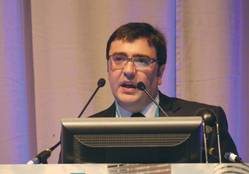
The postdocetaxel setting may not be the right one for testing the immunotherapy, he said. Tumor burden is related to the chances a vaccine treatment might work.
"Future trials should consider exploring the activity of a T-cell modulating agent in early settings of castration-resistant prostate cancer," Dr. Olmos proposed.
Ipilimumab 3 mg/kg monotherapy is currently licensed for the treatment of unresectable or metastatic melanoma in more than 40 countries. There are ongoing studies looking at its utility as an adjuvant treatment for melanoma and non–small-cell lung cancer, as well as an ongoing phase III trial in chemotherapy-naive CRPC.
The CA184-043 study was funded by Bristol-Myers Squibb. Dr. Gerritsen has participated in advisory boards for BMS, as well as other pharmaceutical companies, and received speaker’s fees from BMS, Astellas, and Jansen. Dr. Olmos has received speaker fees from Janssen-Cilag and Novartis, and consultant fees for advisory board participation from Janssen Diagnostic.
AMSTERDAM – Ipilimumab may be effective in castration-resistant prostate cancer if patients have a low burden of disease, based on phase III trial results reported at the multidisciplinary European cancer congresses.
In patients whose disease progressed within 6 months of docetaxel therapy, the primary endpoint of overall survival just missed reaching statistical significance in the CA184-043 trial at a median of 11.2 months in patients treated with ipilimumab (Yervoy) and of 10 months for those given placebo (hazard ratio [HR] = 0.85, P = .0053).
Overall survival at 1 year was 47% and 40% in each group, respectively, and 26% and 15% at 2 years.
Patients without visceral metastases were more likely to benefit than were those with visceral metastases, reported Dr. Winald Gerritsen of Radboud University Medical Center in Nijmegen, the Netherlands. The HR for overall survival according to the absence or presence of visceral metastases was 0.73.
Overall survival was better with ipilimumab in patients with an ECOG performance status of 0 rather than 1 (HR = 0.72), alkaline phosphatase levels less than 1.5 times the upper limit of normal rather than higher (HR = 0.78), hemoglobin levels of 11 g/dL rather than lower values (0.79), and normal rather than elevated lactate dehydrogenase levels (HR = 0.82).
Furthermore, an exploratory subgroup analysis showed a greater overall survival benefit for immunotherapy in patients with a better prognostic profile, based on alkaline phosphatase level, hemoglobin level, and the absence of visceral metastases. Overall survival was 22.7 months in these patients and 15.8 months for patients in the placebo group (HR = 0.62).
Progression-free survival was also significantly improved at 4 months for ipilimumab therapy and 3 months for placebo (HR = 0.70; P less than .0001). Further, a higher percentage of patients had a prostate-specific antigen response if they were given the immunotherapy (13.1% vs. 5.3%).
The CA184-043 study comprised 799 men with castration-resistant prostate cancer (CRPC) who had received prior chemotherapy with docetaxel but had signs of progression within 6 months of treatment. Subjects had to have one or more symptomatic bone metastases that could be irradiated with a single dose of radiotherapy (8 Gy). After irradiation, 399 men were randomized to receive ipilimumab at an intravenously infused dose of 10 mg/kg on weeks 1, 4, 7 and 10, and then every 12 weeks until progression or intolerable toxicity, and 400 men were randomized to receive a matching placebo.
Treatment-related adverse events occurred in 75% of those randomized to ipilimumab; 36% of the adverse events were grade 3 or higher. The corresponding percentages for those in the placebo arm were 45.5% and 10%. Grade 3 adverse events in the ipilimumab and placebo arms included gastrointestinal (18% vs. 0.8%), liver-related (4.6% vs. 1.3%), endocrine (2% vs. 0.5%), dermatologic (1% vs. 0%), and neurologic (0.3% vs. 0%).
There were 266 deaths in the active treatment arm and 304 in the placebo arm. Disease progression was the cause of death in 51.9% given active treatment and 61.4% given placebo. Toxicity due to ipilimumab was identified as a cause of death in 1% of patients.
The safety profile of ipilimumab in this study was consistent with that in previously defined adverse event profiles, Dr. Gerritsen maintained, and adverse events could usually be managed with standard management algorithms.
Discussant David Olmos of the Spanish National Cancer Research Centre in Madrid said that 19.8% in the treatment arm and 1.5% in the placebo arm discontinued treatment due to adverse events; 51% actually received four or more doses of the immunotherapy.
The postdocetaxel setting may not be the right one for testing the immunotherapy, he said. Tumor burden is related to the chances a vaccine treatment might work.
"Future trials should consider exploring the activity of a T-cell modulating agent in early settings of castration-resistant prostate cancer," Dr. Olmos proposed.
Ipilimumab 3 mg/kg monotherapy is currently licensed for the treatment of unresectable or metastatic melanoma in more than 40 countries. There are ongoing studies looking at its utility as an adjuvant treatment for melanoma and non–small-cell lung cancer, as well as an ongoing phase III trial in chemotherapy-naive CRPC.
The CA184-043 study was funded by Bristol-Myers Squibb. Dr. Gerritsen has participated in advisory boards for BMS, as well as other pharmaceutical companies, and received speaker’s fees from BMS, Astellas, and Jansen. Dr. Olmos has received speaker fees from Janssen-Cilag and Novartis, and consultant fees for advisory board participation from Janssen Diagnostic.
AMSTERDAM – Ipilimumab may be effective in castration-resistant prostate cancer if patients have a low burden of disease, based on phase III trial results reported at the multidisciplinary European cancer congresses.
In patients whose disease progressed within 6 months of docetaxel therapy, the primary endpoint of overall survival just missed reaching statistical significance in the CA184-043 trial at a median of 11.2 months in patients treated with ipilimumab (Yervoy) and of 10 months for those given placebo (hazard ratio [HR] = 0.85, P = .0053).
Overall survival at 1 year was 47% and 40% in each group, respectively, and 26% and 15% at 2 years.
Patients without visceral metastases were more likely to benefit than were those with visceral metastases, reported Dr. Winald Gerritsen of Radboud University Medical Center in Nijmegen, the Netherlands. The HR for overall survival according to the absence or presence of visceral metastases was 0.73.
Overall survival was better with ipilimumab in patients with an ECOG performance status of 0 rather than 1 (HR = 0.72), alkaline phosphatase levels less than 1.5 times the upper limit of normal rather than higher (HR = 0.78), hemoglobin levels of 11 g/dL rather than lower values (0.79), and normal rather than elevated lactate dehydrogenase levels (HR = 0.82).
Furthermore, an exploratory subgroup analysis showed a greater overall survival benefit for immunotherapy in patients with a better prognostic profile, based on alkaline phosphatase level, hemoglobin level, and the absence of visceral metastases. Overall survival was 22.7 months in these patients and 15.8 months for patients in the placebo group (HR = 0.62).
Progression-free survival was also significantly improved at 4 months for ipilimumab therapy and 3 months for placebo (HR = 0.70; P less than .0001). Further, a higher percentage of patients had a prostate-specific antigen response if they were given the immunotherapy (13.1% vs. 5.3%).
The CA184-043 study comprised 799 men with castration-resistant prostate cancer (CRPC) who had received prior chemotherapy with docetaxel but had signs of progression within 6 months of treatment. Subjects had to have one or more symptomatic bone metastases that could be irradiated with a single dose of radiotherapy (8 Gy). After irradiation, 399 men were randomized to receive ipilimumab at an intravenously infused dose of 10 mg/kg on weeks 1, 4, 7 and 10, and then every 12 weeks until progression or intolerable toxicity, and 400 men were randomized to receive a matching placebo.
Treatment-related adverse events occurred in 75% of those randomized to ipilimumab; 36% of the adverse events were grade 3 or higher. The corresponding percentages for those in the placebo arm were 45.5% and 10%. Grade 3 adverse events in the ipilimumab and placebo arms included gastrointestinal (18% vs. 0.8%), liver-related (4.6% vs. 1.3%), endocrine (2% vs. 0.5%), dermatologic (1% vs. 0%), and neurologic (0.3% vs. 0%).
There were 266 deaths in the active treatment arm and 304 in the placebo arm. Disease progression was the cause of death in 51.9% given active treatment and 61.4% given placebo. Toxicity due to ipilimumab was identified as a cause of death in 1% of patients.
The safety profile of ipilimumab in this study was consistent with that in previously defined adverse event profiles, Dr. Gerritsen maintained, and adverse events could usually be managed with standard management algorithms.
Discussant David Olmos of the Spanish National Cancer Research Centre in Madrid said that 19.8% in the treatment arm and 1.5% in the placebo arm discontinued treatment due to adverse events; 51% actually received four or more doses of the immunotherapy.
The postdocetaxel setting may not be the right one for testing the immunotherapy, he said. Tumor burden is related to the chances a vaccine treatment might work.
"Future trials should consider exploring the activity of a T-cell modulating agent in early settings of castration-resistant prostate cancer," Dr. Olmos proposed.
Ipilimumab 3 mg/kg monotherapy is currently licensed for the treatment of unresectable or metastatic melanoma in more than 40 countries. There are ongoing studies looking at its utility as an adjuvant treatment for melanoma and non–small-cell lung cancer, as well as an ongoing phase III trial in chemotherapy-naive CRPC.
The CA184-043 study was funded by Bristol-Myers Squibb. Dr. Gerritsen has participated in advisory boards for BMS, as well as other pharmaceutical companies, and received speaker’s fees from BMS, Astellas, and Jansen. Dr. Olmos has received speaker fees from Janssen-Cilag and Novartis, and consultant fees for advisory board participation from Janssen Diagnostic.
AT THE EUROPEAN CANCER CONGRESS 2013
Major finding: Median overall survival was 11.2 months in patients treated with ipilimumab and 10 months for placebo (hazard ratio [HR] = 0.85, P = .0053) with overall survival rates of 47% and 40% at 1 year, and 26% and 15% at 2 years.
Data source: Phase III, multicenter, randomized, double blind trial of 799 patients with castration-resistant prostate cancer treated with ipilimumab (10 mg/kg) or placebo after docetaxel and a single radiation dose (8 Gy).
Disclosures: The study was funded by Bristol-Myers Squibb. Dr. Gerritsen has participated in advisory boards for BMS, as well as other pharmaceutical companies, and received speaker fees from BMS, Astellas, and Jansen. Dr. Olmos has received speaker fees from Janssen-Cilag and Novartis, and consultant fees for advisory board participation from Janssen Diagnostic.

Ridaforolimus offers moderate maintenance benefit in advanced sarcoma
The investigational agent ridaforolimus reduced the risk for progression and death by 28% in previously treated patients with advanced sarcoma in a large phase III study.
Results of the SUCCEED (Sarcoma Multicenter Clinical Evaluation of the Efficacy of Ridaforolimus) study showed that there was a small, but significant median progression-free survival (PFS) gain of 3.3 weeks vs. placebo (17.7 vs. 14.6 weeks, hazard ratio, 0.72; P less than .001) by independent review.
"The absolute magnitude of this statistically significant improvement in disease control was small because of the more rapid than expected progression in all patients in this study," said Dr. George D. Demetri of the Dana-Farber Cancer Institute and Harvard Medical School in Boston, and his associates (J. Clin. Oncol. 2013;31:2485-92).
"This finding confirms the aggressive nature of advanced sarcomas and underscores the medical need of these patients to improve with available therapy."
"To our knowledge, this is the first study demonstrating a statistically significant, although clinically small, impact on maintenance treatment on tumor progression in patients with sarcomas," the researchers said. "Future studies will build on these results in an effort to improve the outcomes of this rapidly progressive life-threatening disease."
The study was designed with the premise that the median time to progression would be around 6-9 months in the control arm. In fact, it was less than 4 months, and there was a 6-month PFS rate of 23% and average tumor growth of 10% in target lesions.
"This finding confirms the aggressive nature of advanced sarcomas and underscores the medical need of these patients to improve with available therapy," the researchers said.
The SUCCEED trial was an international, randomized, double blind, placebo-controlled trial of 711 patients with advanced soft tissue or bone sarcomas who had achieved stable disease or a continued partial or complete response to immediately preceding cytotoxic chemotherapy Patients were randomized to receive either the mammalian target of rapamycin inhibitor ridaforolimus (n = 347), given at a dose of four 10 mg tablets/day for 5 days every week, or matching placebo tablets (n = 364).
Baseline patient characteristics were similar between the two study groups. The mean age of patients was 52 years in the ridaforolimus arm and 50 years in the placebo arm. The majority (89.3%) of patients had soft tissue sarcomas, with the remainder having bone sarcomas. Almost 75% of tumors were high grade, 66.6% of patients had metastatic disease involving the lung, 14.4% involving the liver, and 11.5% involving the bone. Around 40% of patients had received two or more prior cytotoxic chemotherapy regimens, and the best response to treatment had been stable disease in 74.4%, a partial response in 18.4%, and a complete response in 5.5%.
Investigator-assessed PFS showed slightly better median survival rates of 22.4 vs. 14.7 weeks (HR, 0.69; P less than .001). There was mean decrease in target lesion size of 1.3% in the ridaforolimus arm vs. a 10.3% increase in size in the placebo arm (P less than .001).
No overall survival benefit was observed in the trial. Based on 478 death events and a minimum of 2 years’ follow-up, median overall survival was 90.6 weeks vs. 85.3 weeks (HR, 0.93; P = .46). Dr. Demetri and his coworkers point out, however, that the study was not powered to determine an overall survival benefit.
Adverse effects of any grade occurred in 100% of ridaforolimus-treated and 93.6% of placebo-treated patients. Adverse effects of note that occurred to a greater extent in the active treatment arm included stomatitis, thrombocytopenia, infections, rash, hypertriglyceridemia, and anemia. Grade 3 or higher adverse events occurred in 64.1% of patients treated with ridaforolimus and 25.6% of those in the placebo arm.
This was an unselected patient population but no potential biomarkers or predictors for response have been identified. As ridaforolimus improved, the best target lesion response and the clinical benefit rate, it might contribute to tumor growth control, the researchers speculated. They therefore suggested that it might be better suited as an element of combination treatment with other tumor-signaling inhibitors.
The SUCCEED study was funded by Merck, Sharp, and Dohme. Dr. Demetri has received consultancy fees and research funding from Merck and ARIAD Pharmaceuticals. Several of his coauthors had also received honoraria from Merck or were employees of the company.
The investigational agent ridaforolimus reduced the risk for progression and death by 28% in previously treated patients with advanced sarcoma in a large phase III study.
Results of the SUCCEED (Sarcoma Multicenter Clinical Evaluation of the Efficacy of Ridaforolimus) study showed that there was a small, but significant median progression-free survival (PFS) gain of 3.3 weeks vs. placebo (17.7 vs. 14.6 weeks, hazard ratio, 0.72; P less than .001) by independent review.
"The absolute magnitude of this statistically significant improvement in disease control was small because of the more rapid than expected progression in all patients in this study," said Dr. George D. Demetri of the Dana-Farber Cancer Institute and Harvard Medical School in Boston, and his associates (J. Clin. Oncol. 2013;31:2485-92).
"This finding confirms the aggressive nature of advanced sarcomas and underscores the medical need of these patients to improve with available therapy."
"To our knowledge, this is the first study demonstrating a statistically significant, although clinically small, impact on maintenance treatment on tumor progression in patients with sarcomas," the researchers said. "Future studies will build on these results in an effort to improve the outcomes of this rapidly progressive life-threatening disease."
The study was designed with the premise that the median time to progression would be around 6-9 months in the control arm. In fact, it was less than 4 months, and there was a 6-month PFS rate of 23% and average tumor growth of 10% in target lesions.
"This finding confirms the aggressive nature of advanced sarcomas and underscores the medical need of these patients to improve with available therapy," the researchers said.
The SUCCEED trial was an international, randomized, double blind, placebo-controlled trial of 711 patients with advanced soft tissue or bone sarcomas who had achieved stable disease or a continued partial or complete response to immediately preceding cytotoxic chemotherapy Patients were randomized to receive either the mammalian target of rapamycin inhibitor ridaforolimus (n = 347), given at a dose of four 10 mg tablets/day for 5 days every week, or matching placebo tablets (n = 364).
Baseline patient characteristics were similar between the two study groups. The mean age of patients was 52 years in the ridaforolimus arm and 50 years in the placebo arm. The majority (89.3%) of patients had soft tissue sarcomas, with the remainder having bone sarcomas. Almost 75% of tumors were high grade, 66.6% of patients had metastatic disease involving the lung, 14.4% involving the liver, and 11.5% involving the bone. Around 40% of patients had received two or more prior cytotoxic chemotherapy regimens, and the best response to treatment had been stable disease in 74.4%, a partial response in 18.4%, and a complete response in 5.5%.
Investigator-assessed PFS showed slightly better median survival rates of 22.4 vs. 14.7 weeks (HR, 0.69; P less than .001). There was mean decrease in target lesion size of 1.3% in the ridaforolimus arm vs. a 10.3% increase in size in the placebo arm (P less than .001).
No overall survival benefit was observed in the trial. Based on 478 death events and a minimum of 2 years’ follow-up, median overall survival was 90.6 weeks vs. 85.3 weeks (HR, 0.93; P = .46). Dr. Demetri and his coworkers point out, however, that the study was not powered to determine an overall survival benefit.
Adverse effects of any grade occurred in 100% of ridaforolimus-treated and 93.6% of placebo-treated patients. Adverse effects of note that occurred to a greater extent in the active treatment arm included stomatitis, thrombocytopenia, infections, rash, hypertriglyceridemia, and anemia. Grade 3 or higher adverse events occurred in 64.1% of patients treated with ridaforolimus and 25.6% of those in the placebo arm.
This was an unselected patient population but no potential biomarkers or predictors for response have been identified. As ridaforolimus improved, the best target lesion response and the clinical benefit rate, it might contribute to tumor growth control, the researchers speculated. They therefore suggested that it might be better suited as an element of combination treatment with other tumor-signaling inhibitors.
The SUCCEED study was funded by Merck, Sharp, and Dohme. Dr. Demetri has received consultancy fees and research funding from Merck and ARIAD Pharmaceuticals. Several of his coauthors had also received honoraria from Merck or were employees of the company.
The investigational agent ridaforolimus reduced the risk for progression and death by 28% in previously treated patients with advanced sarcoma in a large phase III study.
Results of the SUCCEED (Sarcoma Multicenter Clinical Evaluation of the Efficacy of Ridaforolimus) study showed that there was a small, but significant median progression-free survival (PFS) gain of 3.3 weeks vs. placebo (17.7 vs. 14.6 weeks, hazard ratio, 0.72; P less than .001) by independent review.
"The absolute magnitude of this statistically significant improvement in disease control was small because of the more rapid than expected progression in all patients in this study," said Dr. George D. Demetri of the Dana-Farber Cancer Institute and Harvard Medical School in Boston, and his associates (J. Clin. Oncol. 2013;31:2485-92).
"This finding confirms the aggressive nature of advanced sarcomas and underscores the medical need of these patients to improve with available therapy."
"To our knowledge, this is the first study demonstrating a statistically significant, although clinically small, impact on maintenance treatment on tumor progression in patients with sarcomas," the researchers said. "Future studies will build on these results in an effort to improve the outcomes of this rapidly progressive life-threatening disease."
The study was designed with the premise that the median time to progression would be around 6-9 months in the control arm. In fact, it was less than 4 months, and there was a 6-month PFS rate of 23% and average tumor growth of 10% in target lesions.
"This finding confirms the aggressive nature of advanced sarcomas and underscores the medical need of these patients to improve with available therapy," the researchers said.
The SUCCEED trial was an international, randomized, double blind, placebo-controlled trial of 711 patients with advanced soft tissue or bone sarcomas who had achieved stable disease or a continued partial or complete response to immediately preceding cytotoxic chemotherapy Patients were randomized to receive either the mammalian target of rapamycin inhibitor ridaforolimus (n = 347), given at a dose of four 10 mg tablets/day for 5 days every week, or matching placebo tablets (n = 364).
Baseline patient characteristics were similar between the two study groups. The mean age of patients was 52 years in the ridaforolimus arm and 50 years in the placebo arm. The majority (89.3%) of patients had soft tissue sarcomas, with the remainder having bone sarcomas. Almost 75% of tumors were high grade, 66.6% of patients had metastatic disease involving the lung, 14.4% involving the liver, and 11.5% involving the bone. Around 40% of patients had received two or more prior cytotoxic chemotherapy regimens, and the best response to treatment had been stable disease in 74.4%, a partial response in 18.4%, and a complete response in 5.5%.
Investigator-assessed PFS showed slightly better median survival rates of 22.4 vs. 14.7 weeks (HR, 0.69; P less than .001). There was mean decrease in target lesion size of 1.3% in the ridaforolimus arm vs. a 10.3% increase in size in the placebo arm (P less than .001).
No overall survival benefit was observed in the trial. Based on 478 death events and a minimum of 2 years’ follow-up, median overall survival was 90.6 weeks vs. 85.3 weeks (HR, 0.93; P = .46). Dr. Demetri and his coworkers point out, however, that the study was not powered to determine an overall survival benefit.
Adverse effects of any grade occurred in 100% of ridaforolimus-treated and 93.6% of placebo-treated patients. Adverse effects of note that occurred to a greater extent in the active treatment arm included stomatitis, thrombocytopenia, infections, rash, hypertriglyceridemia, and anemia. Grade 3 or higher adverse events occurred in 64.1% of patients treated with ridaforolimus and 25.6% of those in the placebo arm.
This was an unselected patient population but no potential biomarkers or predictors for response have been identified. As ridaforolimus improved, the best target lesion response and the clinical benefit rate, it might contribute to tumor growth control, the researchers speculated. They therefore suggested that it might be better suited as an element of combination treatment with other tumor-signaling inhibitors.
The SUCCEED study was funded by Merck, Sharp, and Dohme. Dr. Demetri has received consultancy fees and research funding from Merck and ARIAD Pharmaceuticals. Several of his coauthors had also received honoraria from Merck or were employees of the company.
FROM THE JOURNAL OF CLINICAL ONCOLOGY
Major finding: Mean PFS was 17.7 weeks vs. 14.6 weeks, comparing ridaforolimus to placebo (HR, 0.72; P less than .001), representing a 28% reduction in the risk of progression or death.
Data source: The SUCCEED international, phase III study involving 711 patients with advanced soft tissue or bone sarcoma who responded to prior chemotherapy.
Disclosures: The SUCCEED study was funded by Merck, Sharp, and Dohme. Dr. Demetri has received consultancy fees and research funding from Merck and ARIAD Pharmaceuticals. Several of his coauthors had also received honoraria from Merck or were employees of the company.
Immunotherapy induces ‘striking’ responses in non–small cell lung cancer
AMSTERDAM – Almost a quarter of patients with advanced and heavily pretreated lung cancer responded to treatment with the novel immunotherapy MPDL3280A in an ongoing phase I study.
The objective response rate was 23% in 53 patients with non–small cell lung cancer (NSCLC) evaluated for clinical activity, with 17% of patients achieving stable disease for 24 weeks or longer, and a progression-free survival rate of 45%. The best responses were seen in patients with the highest expression of the targeted protein, PD-L1; current or past smokers seemed to gain the greatest benefit from the novel immunotherapy.

MPDL3280A was well tolerated by the 85 patients with NSCLC who were evaluated for safety, which was the main aim of the early clinical study.
"Most adverse events seen in the trial were grade 1 or 2 and did not require intervention," Dr. Jean-Charles Soria said at the multidisciplinary European cancer congresses.
Dr. Soria, director of the Institut Gustave Roussy’s integrated cancer research center in Villejuif, France, noted that were no dose-limiting toxicities with doses of up to 20 mg/kg, and no cases of grade 3-5 pneumonitis. There was, however, a single, severe grade 3-4 adverse event in a patient with large-cell neuroendocrine NSCLC, and one death due to cardiac arrest in a patient with sinus thrombosis and a large tumor mass invading the heart at baseline.
Dr. Soria explained that MPDL3280A inhibits PD-L1 in such a way that it leaves some immune homeostatic functions intact, which could potentially prevent the development of autoimmunity.
The phase I trial he presented included patients with nonsquamous (76%) and squamous (24%) histology who were treated with an intravenous (10, 15, or 20 mg/kg) infusion of MPDL3280A every 3 weeks for up to 1 year. The patients’ median age was 60 years; 56% were male. Most (81%) were current or former smokers, and more than half (55%) of the patients had received three or more systemic regimens. Almost all (95%) patients had metastases involving the central nervous system, and 60% had EGFR wild-type.
Objective response rates (ORRs) were 21% and 27%, respectively, in patients with nonsquamous and squamous histology. Interestingly, the ORR increased with PD-L1 expression, which was determined using immunohistochemistry (IHC), suggesting this might be a potential biomarker for response. The ORR was 83% when 10% or more of the tumor cells were positive for PD-L1 (IHC 3), 46% when 5% or more of the tumor cells were PD-L1 positive (IHC 2 and 3), and 31% when 1% or more of tumor cells were PD-L1 positive (IHC 1/2/3). The respective rates of progressive disease by IHC status were 17%, 23%, and 38%.
Responses to the investigational drug were "outstandingly" durable, and all but one of the 12 patients who had responded to the drug continued to respond at the time of the data cutoff, Dr. Soria said. The longest duration of treatment response seen at this time point was 84 weeks, he added.
As it had been recently suggested that there might be a relationship between the mutational tumor load and the immunogenicity of the tumor (Clin. Cancer Res. 2012;18:6580-7), Dr. Soria and his associates decided to determine if there was any difference in the response to MPDL3280A according to patients’ smoking status. The results were striking: ORRs in smokers versus never-smokers were 26% and 10%, respectively.
"This is extremely important because most advances achieved over the past 10 years with molecularly targeted agents have benefited never-smokers," he said.
"It is very good to now have something for patients who were former smokers," said Dr. Paul Baas of the Netherlands Cancer Institute, Amsterdam. "It works in adenocarcinoma and squamous cell carcinomas, and I think the importance of this [study] is that [MPDL3280A] is already very active in phase I."
Roche is now pushing ahead with its clinical development program for MPDL3280A in a larger population of patients with NSCLC to see if the novel immunotherapeutic fulfills this early promise.
"Based on these data, we are moving quickly into late-stage clinical studies that will also include a Roche companion diagnostic to potentially identify those who are more likely to respond to treatment," Dr. Hal Barron, Roche’s chief medical officer and head of global product development, said in a statement.
Phase II studies of MPDL3280A in patients with NSCLC (NCT01846416 and NCT01903993) have already been initiated, and further studies are planned. The investigational drug is also being tested in combination with vemurafenib (Zelboraf) in the treatment of BRAFV600-mutation positive melanoma (NCT01656642), in combination with bevacizumab (Avastin) in patients with advanced solid tumors (NCT01633970), and as a single agent in patients with locally advanced or metastatic solid tumors or hematologic malignancies (NCT01375842).
Genentech, a member of the Roche Group, supported the study. Dr. Soria received research funding and advised the company. Dr. Baas received research grants from Pfizer and Roche and advised MSD and Verastem.
AMSTERDAM – Almost a quarter of patients with advanced and heavily pretreated lung cancer responded to treatment with the novel immunotherapy MPDL3280A in an ongoing phase I study.
The objective response rate was 23% in 53 patients with non–small cell lung cancer (NSCLC) evaluated for clinical activity, with 17% of patients achieving stable disease for 24 weeks or longer, and a progression-free survival rate of 45%. The best responses were seen in patients with the highest expression of the targeted protein, PD-L1; current or past smokers seemed to gain the greatest benefit from the novel immunotherapy.
MPDL3280A was well tolerated by the 85 patients with NSCLC who were evaluated for safety, which was the main aim of the early clinical study.
"Most adverse events seen in the trial were grade 1 or 2 and did not require intervention," Dr. Jean-Charles Soria said at the multidisciplinary European cancer congresses.
Dr. Soria, director of the Institut Gustave Roussy’s integrated cancer research center in Villejuif, France, noted that were no dose-limiting toxicities with doses of up to 20 mg/kg, and no cases of grade 3-5 pneumonitis. There was, however, a single, severe grade 3-4 adverse event in a patient with large-cell neuroendocrine NSCLC, and one death due to cardiac arrest in a patient with sinus thrombosis and a large tumor mass invading the heart at baseline.
Dr. Soria explained that MPDL3280A inhibits PD-L1 in such a way that it leaves some immune homeostatic functions intact, which could potentially prevent the development of autoimmunity.
The phase I trial he presented included patients with nonsquamous (76%) and squamous (24%) histology who were treated with an intravenous (10, 15, or 20 mg/kg) infusion of MPDL3280A every 3 weeks for up to 1 year. The patients’ median age was 60 years; 56% were male. Most (81%) were current or former smokers, and more than half (55%) of the patients had received three or more systemic regimens. Almost all (95%) patients had metastases involving the central nervous system, and 60% had EGFR wild-type.
Objective response rates (ORRs) were 21% and 27%, respectively, in patients with nonsquamous and squamous histology. Interestingly, the ORR increased with PD-L1 expression, which was determined using immunohistochemistry (IHC), suggesting this might be a potential biomarker for response. The ORR was 83% when 10% or more of the tumor cells were positive for PD-L1 (IHC 3), 46% when 5% or more of the tumor cells were PD-L1 positive (IHC 2 and 3), and 31% when 1% or more of tumor cells were PD-L1 positive (IHC 1/2/3). The respective rates of progressive disease by IHC status were 17%, 23%, and 38%.
Responses to the investigational drug were "outstandingly" durable, and all but one of the 12 patients who had responded to the drug continued to respond at the time of the data cutoff, Dr. Soria said. The longest duration of treatment response seen at this time point was 84 weeks, he added.
As it had been recently suggested that there might be a relationship between the mutational tumor load and the immunogenicity of the tumor (Clin. Cancer Res. 2012;18:6580-7), Dr. Soria and his associates decided to determine if there was any difference in the response to MPDL3280A according to patients’ smoking status. The results were striking: ORRs in smokers versus never-smokers were 26% and 10%, respectively.
"This is extremely important because most advances achieved over the past 10 years with molecularly targeted agents have benefited never-smokers," he said.
"It is very good to now have something for patients who were former smokers," said Dr. Paul Baas of the Netherlands Cancer Institute, Amsterdam. "It works in adenocarcinoma and squamous cell carcinomas, and I think the importance of this [study] is that [MPDL3280A] is already very active in phase I."
Roche is now pushing ahead with its clinical development program for MPDL3280A in a larger population of patients with NSCLC to see if the novel immunotherapeutic fulfills this early promise.
"Based on these data, we are moving quickly into late-stage clinical studies that will also include a Roche companion diagnostic to potentially identify those who are more likely to respond to treatment," Dr. Hal Barron, Roche’s chief medical officer and head of global product development, said in a statement.
Phase II studies of MPDL3280A in patients with NSCLC (NCT01846416 and NCT01903993) have already been initiated, and further studies are planned. The investigational drug is also being tested in combination with vemurafenib (Zelboraf) in the treatment of BRAFV600-mutation positive melanoma (NCT01656642), in combination with bevacizumab (Avastin) in patients with advanced solid tumors (NCT01633970), and as a single agent in patients with locally advanced or metastatic solid tumors or hematologic malignancies (NCT01375842).
Genentech, a member of the Roche Group, supported the study. Dr. Soria received research funding and advised the company. Dr. Baas received research grants from Pfizer and Roche and advised MSD and Verastem.
AMSTERDAM – Almost a quarter of patients with advanced and heavily pretreated lung cancer responded to treatment with the novel immunotherapy MPDL3280A in an ongoing phase I study.
The objective response rate was 23% in 53 patients with non–small cell lung cancer (NSCLC) evaluated for clinical activity, with 17% of patients achieving stable disease for 24 weeks or longer, and a progression-free survival rate of 45%. The best responses were seen in patients with the highest expression of the targeted protein, PD-L1; current or past smokers seemed to gain the greatest benefit from the novel immunotherapy.
MPDL3280A was well tolerated by the 85 patients with NSCLC who were evaluated for safety, which was the main aim of the early clinical study.
"Most adverse events seen in the trial were grade 1 or 2 and did not require intervention," Dr. Jean-Charles Soria said at the multidisciplinary European cancer congresses.
Dr. Soria, director of the Institut Gustave Roussy’s integrated cancer research center in Villejuif, France, noted that were no dose-limiting toxicities with doses of up to 20 mg/kg, and no cases of grade 3-5 pneumonitis. There was, however, a single, severe grade 3-4 adverse event in a patient with large-cell neuroendocrine NSCLC, and one death due to cardiac arrest in a patient with sinus thrombosis and a large tumor mass invading the heart at baseline.
Dr. Soria explained that MPDL3280A inhibits PD-L1 in such a way that it leaves some immune homeostatic functions intact, which could potentially prevent the development of autoimmunity.
The phase I trial he presented included patients with nonsquamous (76%) and squamous (24%) histology who were treated with an intravenous (10, 15, or 20 mg/kg) infusion of MPDL3280A every 3 weeks for up to 1 year. The patients’ median age was 60 years; 56% were male. Most (81%) were current or former smokers, and more than half (55%) of the patients had received three or more systemic regimens. Almost all (95%) patients had metastases involving the central nervous system, and 60% had EGFR wild-type.
Objective response rates (ORRs) were 21% and 27%, respectively, in patients with nonsquamous and squamous histology. Interestingly, the ORR increased with PD-L1 expression, which was determined using immunohistochemistry (IHC), suggesting this might be a potential biomarker for response. The ORR was 83% when 10% or more of the tumor cells were positive for PD-L1 (IHC 3), 46% when 5% or more of the tumor cells were PD-L1 positive (IHC 2 and 3), and 31% when 1% or more of tumor cells were PD-L1 positive (IHC 1/2/3). The respective rates of progressive disease by IHC status were 17%, 23%, and 38%.
Responses to the investigational drug were "outstandingly" durable, and all but one of the 12 patients who had responded to the drug continued to respond at the time of the data cutoff, Dr. Soria said. The longest duration of treatment response seen at this time point was 84 weeks, he added.
As it had been recently suggested that there might be a relationship between the mutational tumor load and the immunogenicity of the tumor (Clin. Cancer Res. 2012;18:6580-7), Dr. Soria and his associates decided to determine if there was any difference in the response to MPDL3280A according to patients’ smoking status. The results were striking: ORRs in smokers versus never-smokers were 26% and 10%, respectively.
"This is extremely important because most advances achieved over the past 10 years with molecularly targeted agents have benefited never-smokers," he said.
"It is very good to now have something for patients who were former smokers," said Dr. Paul Baas of the Netherlands Cancer Institute, Amsterdam. "It works in adenocarcinoma and squamous cell carcinomas, and I think the importance of this [study] is that [MPDL3280A] is already very active in phase I."
Roche is now pushing ahead with its clinical development program for MPDL3280A in a larger population of patients with NSCLC to see if the novel immunotherapeutic fulfills this early promise.
"Based on these data, we are moving quickly into late-stage clinical studies that will also include a Roche companion diagnostic to potentially identify those who are more likely to respond to treatment," Dr. Hal Barron, Roche’s chief medical officer and head of global product development, said in a statement.
Phase II studies of MPDL3280A in patients with NSCLC (NCT01846416 and NCT01903993) have already been initiated, and further studies are planned. The investigational drug is also being tested in combination with vemurafenib (Zelboraf) in the treatment of BRAFV600-mutation positive melanoma (NCT01656642), in combination with bevacizumab (Avastin) in patients with advanced solid tumors (NCT01633970), and as a single agent in patients with locally advanced or metastatic solid tumors or hematologic malignancies (NCT01375842).
Genentech, a member of the Roche Group, supported the study. Dr. Soria received research funding and advised the company. Dr. Baas received research grants from Pfizer and Roche and advised MSD and Verastem.
AT THE EUROPEAN CANCER CONGRESS 2013
Major finding: The PD-L1 inhibitor was well tolerated and produced an objective response rate of 23% in heavily pretreated NSCLC patients.
Data source: Ongoing phase I study of 85 patients with NSCLC treated with the PD-L1 inhibitor.
Disclosures: Genentech supported the study. Dr. Soria received research funding and advised the company. Dr. Baas received research grants from Pfizer and Roche and advised MSD and Verastem.

Lanreotide scores big against GI and pancreatic neuroendocrine tumors
AMSTERDAM – Treatment with the somatostatin analogue lanreotide halves the risk for progression and death in patients with nonfunctioning neuroendocrine gastroenteropancreatic tumors, according to results from a phase III study.
Patients randomized to treatment with lanreotide (Somatuline Autogel) achieved a progression-free survival (PFS) of 66%, compared with 22% for placebo, within 96 weeks of the first injection (hazard ratio, 0.47; P = .0002), Dr. Kjell Öberg reported at the European Cancer Congress 2013. This outcome represents a 53% reduction in the risk for progression and death, he said.

"The previous restrictions on the use of somatostatin analogues in nonfunctioning tumors are no longer justified," said Dr. Öberg, professor of endocrine oncology at University Hospital Uppsala in Sweden.
Gastroenteropancreatic neuroendocrine tumors (GEP-NETs) are those that are not associated with any hormone-related symptoms. It was previously thought that somatostatin analogues were only of benefit to patients with NETs that did produce hormones and had no antiproliferative effects per se. However, this study "has clearly sorted that out," said Dr. Öberg, the invited discussant for the trial, at the multidisciplinary European cancer congresses. "I think that guidelines will be changed within the next year in many countries."
The new findings from CLARINET (Placebo-Controlled Study of Lanreotide Antiproliferative Response in Patients with GEP-NET) build on those of a smaller (n = 85) prospective trial, PROMID. The results of the PROMID study showed that another somatostatin analogue, octreotide (Sandostatin LAR), increased PFS in patients with metastatic midgut NETs – 66.7% vs. 37.2% for placebo – with a median PFS of 14.3 months vs. 6 months (HR, 0.34; P = .00007) (J. Clin. Oncol. 2009;27:4656-63). The most favorable effects seen in that trial were in patients with a low hepatic tumor load and where the primary tumor had been resected.
CLARINET was a much larger, multicenter, randomized, double blind, placebo-controlled trial involving 204 patients with nonfunctioning GEP-NETs. A total of 101 patients were randomized to lanreotide at an intramuscular dose of 120 mg every 28 days, and 102 patients were randomized to a matching placebo.
The mean age of recruited patients was 63 years in the lanreotide arm and 62 years in the placebo arm. Just over half the participants in each group were male. The majority of patients in the lanreotide and placebo groups had tumors involving the pancreas (42% and 48%, respectively) and midgut (33% and 39%), with the hindgut involved in 11% and 3% of cases in each group. Almost all (96%) of those recruited had stable disease (Ki67 less than 10%), and 81% were treatment naive. One-third had a hepatic tumor load of more than 25%.
"Median PFS was not reached with lanreotide; it was 18 months with placebo [P = .0002]," study investigator Dr. Philippe Ruszniewski of the Hôpital Beaujon in Clichy, France, reported.
The effect of active treatment as compared to placebo appeared very pronounced in patients with NETs involving the midgut (HR, 0.35; P = .009), although a significant benefit was seen in patients with pancreatic tumors (HR, 0.58; P = .064). There was also a significant benefit seen regardless of tumor grade (HR, 0.43; P = .0016 for G1; and HR, 0.45; P = .0235 for G2) and hepatic tumor load.
"Patients with a limited hepatic tumor load, below 25%, experienced a significant improvement in PFS [HR, 0.34; P = .0002]," Dr. Ruszniewski noted. Those with higher hepatic tumor loads, above 25%, also showed a significant PFS benefit (HR, 0.45; P = .017). Median PFS was not reached in either subgroup treated with lanreotide, while it was 9 months in the limited tumor load and 24 months in the higher tumor load groups that received placebo.
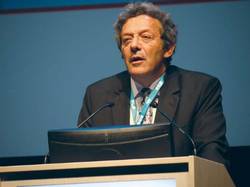
There was no difference in overall survival, however, with 19 deaths reported in the lanreotide arm and 17 deaths in the placebo arm (P = .879).
"Safety and tolerability were expected," Dr. Ruszniewski observed. There were 89 and 93 treatment-emergent adverse effects in the lanreotide and placebo groups, respectively. Of these, 50% and 28% were related to the interventions. Three percent of each group withdrew due to treatment-emergent adverse events.
The most common (10% of patients) side effects seen in the lanreotide and placebo arms were diarrhea (26% vs. 9%, respectively), abdominal pain (14% vs. 2%), and cholelithiasis (10% vs. 3%).
The proportion of patients achieving a 50% or greater reduction in chromogranin A levels from baseline – an indicator of an antiproliferative effect – was significantly higher in the lanreotide arm than in the placebo arm (odds ratio, 15.2; P less than .0001).
"The antiproliferative effect of lanreotide may support its place in the treatment algorithm for enteropancreatic NETs," Dr. Ruszniewski said.
In an interview, Dr. Öberg further commented that the CLARINET data show that "somatostatin analogues can be used for patients with all different subtypes of NET with a very low rate of side effects." If more aggressive therapy is needed, he added, then targeted treatment with drugs such as everolimus or chemotherapy may be needed. "The guidelines will change," he reiterated.
The study was sponsored by Ipsen. Dr. Ruszniewski has served as an adviser to Ipsen and received research funding from the company and from Novartis. Dr. Öberg has served as an adviser and speaker for Novartis, Ipsen, and Pfizer.
AMSTERDAM – Treatment with the somatostatin analogue lanreotide halves the risk for progression and death in patients with nonfunctioning neuroendocrine gastroenteropancreatic tumors, according to results from a phase III study.
Patients randomized to treatment with lanreotide (Somatuline Autogel) achieved a progression-free survival (PFS) of 66%, compared with 22% for placebo, within 96 weeks of the first injection (hazard ratio, 0.47; P = .0002), Dr. Kjell Öberg reported at the European Cancer Congress 2013. This outcome represents a 53% reduction in the risk for progression and death, he said.
"The previous restrictions on the use of somatostatin analogues in nonfunctioning tumors are no longer justified," said Dr. Öberg, professor of endocrine oncology at University Hospital Uppsala in Sweden.
Gastroenteropancreatic neuroendocrine tumors (GEP-NETs) are those that are not associated with any hormone-related symptoms. It was previously thought that somatostatin analogues were only of benefit to patients with NETs that did produce hormones and had no antiproliferative effects per se. However, this study "has clearly sorted that out," said Dr. Öberg, the invited discussant for the trial, at the multidisciplinary European cancer congresses. "I think that guidelines will be changed within the next year in many countries."
The new findings from CLARINET (Placebo-Controlled Study of Lanreotide Antiproliferative Response in Patients with GEP-NET) build on those of a smaller (n = 85) prospective trial, PROMID. The results of the PROMID study showed that another somatostatin analogue, octreotide (Sandostatin LAR), increased PFS in patients with metastatic midgut NETs – 66.7% vs. 37.2% for placebo – with a median PFS of 14.3 months vs. 6 months (HR, 0.34; P = .00007) (J. Clin. Oncol. 2009;27:4656-63). The most favorable effects seen in that trial were in patients with a low hepatic tumor load and where the primary tumor had been resected.
CLARINET was a much larger, multicenter, randomized, double blind, placebo-controlled trial involving 204 patients with nonfunctioning GEP-NETs. A total of 101 patients were randomized to lanreotide at an intramuscular dose of 120 mg every 28 days, and 102 patients were randomized to a matching placebo.
The mean age of recruited patients was 63 years in the lanreotide arm and 62 years in the placebo arm. Just over half the participants in each group were male. The majority of patients in the lanreotide and placebo groups had tumors involving the pancreas (42% and 48%, respectively) and midgut (33% and 39%), with the hindgut involved in 11% and 3% of cases in each group. Almost all (96%) of those recruited had stable disease (Ki67 less than 10%), and 81% were treatment naive. One-third had a hepatic tumor load of more than 25%.
"Median PFS was not reached with lanreotide; it was 18 months with placebo [P = .0002]," study investigator Dr. Philippe Ruszniewski of the Hôpital Beaujon in Clichy, France, reported.
The effect of active treatment as compared to placebo appeared very pronounced in patients with NETs involving the midgut (HR, 0.35; P = .009), although a significant benefit was seen in patients with pancreatic tumors (HR, 0.58; P = .064). There was also a significant benefit seen regardless of tumor grade (HR, 0.43; P = .0016 for G1; and HR, 0.45; P = .0235 for G2) and hepatic tumor load.
"Patients with a limited hepatic tumor load, below 25%, experienced a significant improvement in PFS [HR, 0.34; P = .0002]," Dr. Ruszniewski noted. Those with higher hepatic tumor loads, above 25%, also showed a significant PFS benefit (HR, 0.45; P = .017). Median PFS was not reached in either subgroup treated with lanreotide, while it was 9 months in the limited tumor load and 24 months in the higher tumor load groups that received placebo.
There was no difference in overall survival, however, with 19 deaths reported in the lanreotide arm and 17 deaths in the placebo arm (P = .879).
"Safety and tolerability were expected," Dr. Ruszniewski observed. There were 89 and 93 treatment-emergent adverse effects in the lanreotide and placebo groups, respectively. Of these, 50% and 28% were related to the interventions. Three percent of each group withdrew due to treatment-emergent adverse events.
The most common (10% of patients) side effects seen in the lanreotide and placebo arms were diarrhea (26% vs. 9%, respectively), abdominal pain (14% vs. 2%), and cholelithiasis (10% vs. 3%).
The proportion of patients achieving a 50% or greater reduction in chromogranin A levels from baseline – an indicator of an antiproliferative effect – was significantly higher in the lanreotide arm than in the placebo arm (odds ratio, 15.2; P less than .0001).
"The antiproliferative effect of lanreotide may support its place in the treatment algorithm for enteropancreatic NETs," Dr. Ruszniewski said.
In an interview, Dr. Öberg further commented that the CLARINET data show that "somatostatin analogues can be used for patients with all different subtypes of NET with a very low rate of side effects." If more aggressive therapy is needed, he added, then targeted treatment with drugs such as everolimus or chemotherapy may be needed. "The guidelines will change," he reiterated.
The study was sponsored by Ipsen. Dr. Ruszniewski has served as an adviser to Ipsen and received research funding from the company and from Novartis. Dr. Öberg has served as an adviser and speaker for Novartis, Ipsen, and Pfizer.
AMSTERDAM – Treatment with the somatostatin analogue lanreotide halves the risk for progression and death in patients with nonfunctioning neuroendocrine gastroenteropancreatic tumors, according to results from a phase III study.
Patients randomized to treatment with lanreotide (Somatuline Autogel) achieved a progression-free survival (PFS) of 66%, compared with 22% for placebo, within 96 weeks of the first injection (hazard ratio, 0.47; P = .0002), Dr. Kjell Öberg reported at the European Cancer Congress 2013. This outcome represents a 53% reduction in the risk for progression and death, he said.
"The previous restrictions on the use of somatostatin analogues in nonfunctioning tumors are no longer justified," said Dr. Öberg, professor of endocrine oncology at University Hospital Uppsala in Sweden.
Gastroenteropancreatic neuroendocrine tumors (GEP-NETs) are those that are not associated with any hormone-related symptoms. It was previously thought that somatostatin analogues were only of benefit to patients with NETs that did produce hormones and had no antiproliferative effects per se. However, this study "has clearly sorted that out," said Dr. Öberg, the invited discussant for the trial, at the multidisciplinary European cancer congresses. "I think that guidelines will be changed within the next year in many countries."
The new findings from CLARINET (Placebo-Controlled Study of Lanreotide Antiproliferative Response in Patients with GEP-NET) build on those of a smaller (n = 85) prospective trial, PROMID. The results of the PROMID study showed that another somatostatin analogue, octreotide (Sandostatin LAR), increased PFS in patients with metastatic midgut NETs – 66.7% vs. 37.2% for placebo – with a median PFS of 14.3 months vs. 6 months (HR, 0.34; P = .00007) (J. Clin. Oncol. 2009;27:4656-63). The most favorable effects seen in that trial were in patients with a low hepatic tumor load and where the primary tumor had been resected.
CLARINET was a much larger, multicenter, randomized, double blind, placebo-controlled trial involving 204 patients with nonfunctioning GEP-NETs. A total of 101 patients were randomized to lanreotide at an intramuscular dose of 120 mg every 28 days, and 102 patients were randomized to a matching placebo.
The mean age of recruited patients was 63 years in the lanreotide arm and 62 years in the placebo arm. Just over half the participants in each group were male. The majority of patients in the lanreotide and placebo groups had tumors involving the pancreas (42% and 48%, respectively) and midgut (33% and 39%), with the hindgut involved in 11% and 3% of cases in each group. Almost all (96%) of those recruited had stable disease (Ki67 less than 10%), and 81% were treatment naive. One-third had a hepatic tumor load of more than 25%.
"Median PFS was not reached with lanreotide; it was 18 months with placebo [P = .0002]," study investigator Dr. Philippe Ruszniewski of the Hôpital Beaujon in Clichy, France, reported.
The effect of active treatment as compared to placebo appeared very pronounced in patients with NETs involving the midgut (HR, 0.35; P = .009), although a significant benefit was seen in patients with pancreatic tumors (HR, 0.58; P = .064). There was also a significant benefit seen regardless of tumor grade (HR, 0.43; P = .0016 for G1; and HR, 0.45; P = .0235 for G2) and hepatic tumor load.
"Patients with a limited hepatic tumor load, below 25%, experienced a significant improvement in PFS [HR, 0.34; P = .0002]," Dr. Ruszniewski noted. Those with higher hepatic tumor loads, above 25%, also showed a significant PFS benefit (HR, 0.45; P = .017). Median PFS was not reached in either subgroup treated with lanreotide, while it was 9 months in the limited tumor load and 24 months in the higher tumor load groups that received placebo.
There was no difference in overall survival, however, with 19 deaths reported in the lanreotide arm and 17 deaths in the placebo arm (P = .879).
"Safety and tolerability were expected," Dr. Ruszniewski observed. There were 89 and 93 treatment-emergent adverse effects in the lanreotide and placebo groups, respectively. Of these, 50% and 28% were related to the interventions. Three percent of each group withdrew due to treatment-emergent adverse events.
The most common (10% of patients) side effects seen in the lanreotide and placebo arms were diarrhea (26% vs. 9%, respectively), abdominal pain (14% vs. 2%), and cholelithiasis (10% vs. 3%).
The proportion of patients achieving a 50% or greater reduction in chromogranin A levels from baseline – an indicator of an antiproliferative effect – was significantly higher in the lanreotide arm than in the placebo arm (odds ratio, 15.2; P less than .0001).
"The antiproliferative effect of lanreotide may support its place in the treatment algorithm for enteropancreatic NETs," Dr. Ruszniewski said.
In an interview, Dr. Öberg further commented that the CLARINET data show that "somatostatin analogues can be used for patients with all different subtypes of NET with a very low rate of side effects." If more aggressive therapy is needed, he added, then targeted treatment with drugs such as everolimus or chemotherapy may be needed. "The guidelines will change," he reiterated.
The study was sponsored by Ipsen. Dr. Ruszniewski has served as an adviser to Ipsen and received research funding from the company and from Novartis. Dr. Öberg has served as an adviser and speaker for Novartis, Ipsen, and Pfizer.
AT THE EUROPEAN CANCER CONGRESS 2013
Major finding: Progression-free survival was 66% in the group treated with the somatostatin analogue, compared with 22% in the placebo group (HR, 0.47; P = .0002).
Data source: Phase III CLARINET study, a multicenter, randomized, double-blind, placebo-controlled trial evaluating lanreotide’s efficacy and safety in 204 patients with well or moderately differentiated, nonfunctioning gastroenteropancreatic neuroendocrine tumors.
Disclosures: The study was sponsored by Ipsen. Dr. Ruszniewski has served as an adviser to Ipsen and received research funding from the company and from Novartis. Dr. Öberg has served as an adviser and speaker for Novartis, Ipsen, and Pfizer.