User login
RYGB showed better nutritional outcomes than duodenal switch
WASHINGTON – Despite better excess weight loss outcomes from the biliopancreatic diversion with duodenal switch, the Roux-en-Y gastric bypass procedure was associated with better nutritional outcomes in the superobese, according to the results of a prospective cohort study presented at this year’s American College of Surgeons Clinical Congress.
Investigators retrospectively analyzed data collected prospectively from 350 consecutive superobese patients, who underwent either biliopancreatic diversion with duodenal switch (BPD/DS; n = 198) or Roux-en-Y gastric bypass surgery (RYGB; n = 152), and compared long-term nutritional outcomes in each cohort. The research was conducted by Dr. Marc Ward and his colleagues at the University of Chicago, who presented the results.
The cohorts were self-selected and equally distributed across the sexes; each group’s mean age was just under 41 years. The mean body mass index (BMI) in the BPD/DS group was 59 kg/m2 and was 56 kg/m2 in RYGB. The preoperative body weight in the BPD/DS group was higher than that in the RYGB group (range, 267 lbs to 597 lbs. vs. 240 lbs to 505 lbs, respectively).
Although the BPD/DS had higher morbidity and mortality rates than did the RYGB, as well as more complications, such as altered bowel habits, the BPD/DS is associated with better comorbidity resolution independent of weight loss, and up to 20% greater excess weight loss in superobese patients. Superobesity is defined as having a BMI of 50 kg/m2 and above.
Because the reduction in intestinal absorptive surface area in BPD/DS is greater than in RYGB, the researchers theorized that the resultant nutritional deficiencies might be clinically significant enough to consider when counseling patients on procedure selection.
At seven postoperative follow-up points between 6 months and 8 years, the investigators obtained a variety of nutritional parameters from each group. Patients were given nutritional supplementation as clinically indicated.
Dr. Ward said that while he and his colleagues expected the BPD/DS group to have lower nutritional values, "We didn’t expect that 75% of our patients would have, at 4 years out, a below-normal level of vitamin A, compared to 23% in the RYGB patients."
There were similar surprises for other nutritional markers: At all time points, the BPD/DS group also had significantly more nutritional deficiencies than did the RYGB group in fat-soluble vitamins D and E, and in minerals selenium and zinc. Between years 1 and 3, iron values were near parity at about 20%, although the BPD/DS group was still more deficient, and at year 8 had more than double the rate of iron deficiency as RYGB patients.
Values for albumin, vitamin B12, ferritin, folate, and parathyroid hormone, however, were not significantly different between the two groups. Dr. Ward said that low nutritional values in patients, "does not necessarily mean they are developing symptoms or can’t be treated with supplementation."
Only one RYGB patient underwent revision because of insufficient weight loss, whereas five BPD/DS patients underwent revision, all for malnutrition.
"It’s absolutely crucial for people who elect to have a duodenal switch operation to have long-term, life-long nutritional follow-up," Dr. Ward told the audience. He also said that clinicians should closely evaluate their patients’ level of commitment to compliance over the long-term when discussing bariatric procedures.
WASHINGTON – Despite better excess weight loss outcomes from the biliopancreatic diversion with duodenal switch, the Roux-en-Y gastric bypass procedure was associated with better nutritional outcomes in the superobese, according to the results of a prospective cohort study presented at this year’s American College of Surgeons Clinical Congress.
Investigators retrospectively analyzed data collected prospectively from 350 consecutive superobese patients, who underwent either biliopancreatic diversion with duodenal switch (BPD/DS; n = 198) or Roux-en-Y gastric bypass surgery (RYGB; n = 152), and compared long-term nutritional outcomes in each cohort. The research was conducted by Dr. Marc Ward and his colleagues at the University of Chicago, who presented the results.
The cohorts were self-selected and equally distributed across the sexes; each group’s mean age was just under 41 years. The mean body mass index (BMI) in the BPD/DS group was 59 kg/m2 and was 56 kg/m2 in RYGB. The preoperative body weight in the BPD/DS group was higher than that in the RYGB group (range, 267 lbs to 597 lbs. vs. 240 lbs to 505 lbs, respectively).
Although the BPD/DS had higher morbidity and mortality rates than did the RYGB, as well as more complications, such as altered bowel habits, the BPD/DS is associated with better comorbidity resolution independent of weight loss, and up to 20% greater excess weight loss in superobese patients. Superobesity is defined as having a BMI of 50 kg/m2 and above.
Because the reduction in intestinal absorptive surface area in BPD/DS is greater than in RYGB, the researchers theorized that the resultant nutritional deficiencies might be clinically significant enough to consider when counseling patients on procedure selection.
At seven postoperative follow-up points between 6 months and 8 years, the investigators obtained a variety of nutritional parameters from each group. Patients were given nutritional supplementation as clinically indicated.
Dr. Ward said that while he and his colleagues expected the BPD/DS group to have lower nutritional values, "We didn’t expect that 75% of our patients would have, at 4 years out, a below-normal level of vitamin A, compared to 23% in the RYGB patients."
There were similar surprises for other nutritional markers: At all time points, the BPD/DS group also had significantly more nutritional deficiencies than did the RYGB group in fat-soluble vitamins D and E, and in minerals selenium and zinc. Between years 1 and 3, iron values were near parity at about 20%, although the BPD/DS group was still more deficient, and at year 8 had more than double the rate of iron deficiency as RYGB patients.
Values for albumin, vitamin B12, ferritin, folate, and parathyroid hormone, however, were not significantly different between the two groups. Dr. Ward said that low nutritional values in patients, "does not necessarily mean they are developing symptoms or can’t be treated with supplementation."
Only one RYGB patient underwent revision because of insufficient weight loss, whereas five BPD/DS patients underwent revision, all for malnutrition.
"It’s absolutely crucial for people who elect to have a duodenal switch operation to have long-term, life-long nutritional follow-up," Dr. Ward told the audience. He also said that clinicians should closely evaluate their patients’ level of commitment to compliance over the long-term when discussing bariatric procedures.
WASHINGTON – Despite better excess weight loss outcomes from the biliopancreatic diversion with duodenal switch, the Roux-en-Y gastric bypass procedure was associated with better nutritional outcomes in the superobese, according to the results of a prospective cohort study presented at this year’s American College of Surgeons Clinical Congress.
Investigators retrospectively analyzed data collected prospectively from 350 consecutive superobese patients, who underwent either biliopancreatic diversion with duodenal switch (BPD/DS; n = 198) or Roux-en-Y gastric bypass surgery (RYGB; n = 152), and compared long-term nutritional outcomes in each cohort. The research was conducted by Dr. Marc Ward and his colleagues at the University of Chicago, who presented the results.
The cohorts were self-selected and equally distributed across the sexes; each group’s mean age was just under 41 years. The mean body mass index (BMI) in the BPD/DS group was 59 kg/m2 and was 56 kg/m2 in RYGB. The preoperative body weight in the BPD/DS group was higher than that in the RYGB group (range, 267 lbs to 597 lbs. vs. 240 lbs to 505 lbs, respectively).
Although the BPD/DS had higher morbidity and mortality rates than did the RYGB, as well as more complications, such as altered bowel habits, the BPD/DS is associated with better comorbidity resolution independent of weight loss, and up to 20% greater excess weight loss in superobese patients. Superobesity is defined as having a BMI of 50 kg/m2 and above.
Because the reduction in intestinal absorptive surface area in BPD/DS is greater than in RYGB, the researchers theorized that the resultant nutritional deficiencies might be clinically significant enough to consider when counseling patients on procedure selection.
At seven postoperative follow-up points between 6 months and 8 years, the investigators obtained a variety of nutritional parameters from each group. Patients were given nutritional supplementation as clinically indicated.
Dr. Ward said that while he and his colleagues expected the BPD/DS group to have lower nutritional values, "We didn’t expect that 75% of our patients would have, at 4 years out, a below-normal level of vitamin A, compared to 23% in the RYGB patients."
There were similar surprises for other nutritional markers: At all time points, the BPD/DS group also had significantly more nutritional deficiencies than did the RYGB group in fat-soluble vitamins D and E, and in minerals selenium and zinc. Between years 1 and 3, iron values were near parity at about 20%, although the BPD/DS group was still more deficient, and at year 8 had more than double the rate of iron deficiency as RYGB patients.
Values for albumin, vitamin B12, ferritin, folate, and parathyroid hormone, however, were not significantly different between the two groups. Dr. Ward said that low nutritional values in patients, "does not necessarily mean they are developing symptoms or can’t be treated with supplementation."
Only one RYGB patient underwent revision because of insufficient weight loss, whereas five BPD/DS patients underwent revision, all for malnutrition.
"It’s absolutely crucial for people who elect to have a duodenal switch operation to have long-term, life-long nutritional follow-up," Dr. Ward told the audience. He also said that clinicians should closely evaluate their patients’ level of commitment to compliance over the long-term when discussing bariatric procedures.
AT THE ACS CLINICAL CONGRESS
Major finding: A significantly greater proportion of deficient nutritional values were found in duodenal switch patients at multiple postoperative points than in RYGB patients.
Data source: Retrospective review of prospective database study of 350 consecutive superobese patients tested at clinical follow-up post duodenal switch or RYGB surgery between 2002 and 2005.
Disclosures: Dr. Ward and his colleagues reported no relevant disclosures.
Surgeons appeal for change to emergency response protocols
WASHINGTON – A first step to limiting loss of life in mass shooting events is to train law enforcement officers to manage hemorrhaging and ultimately to extend that training to all citizens, a collaborative panel of medical, military, and law enforcement leaders has concluded.
Communities must insist that hemostatic control become a core law-enforcement skill. Rapid hemostatic control has now been shown in several analyses to be critical to the survival of mass-shooting victims, panel members said at the annual clinical congress of the American College of Surgeons.

"Tourniquets don’t belong on an ambulance. They belong in a policeman’s pocket," said Dr. Norman E. McSwain, a panel member and medical director of PreHospital Trauma Life Support, New Orleans.
"If you give these [law-enforcement] officers the training and the equipment, they will absolutely utilize it and you will see an immediate return on your investment. They will make you proud," added Dr. Alexander Eastman, another panel member who also is interim chief of trauma at Parkland Memorial Hospital in Dallas and a lieutenant on the Dallas Police Department SWAT team.
The recommendation discussed by panelists at the meeting is just one from a collaborative committee that included, among others, high-level representatives from the Department of Defense (DOD), the Federal Bureau of Investigation (FBI), and the Federal Emergency Management Agency (FEMA).
According to Dr. Lenworth M. Jacobs, trauma director and chief academic officer for Hartford (Conn.) Hospital, the committee grew out of the "profound effect" he experienced in reviewing the autopsies of the 26 Sandy Hook Elementary School shooting victims in Newtown. The number of dead was over three times greater than the number of injured victims in that attack and the medical examiner on the case asked Dr. Jacobs to help determine why the survival rate was so low.
Dr. Jacobs, a regent with the American College of Surgeons (ACS), approached the ACS Board of Regents about an initiative to develop community responses to mass shootings, because he felt "something good had to come out of" that tragic event. In response, the board tasked Dr. Jacobs and Dr. Michael Rotondo, who chairs the ACS committee on trauma, with forming a consortium of leaders to help communities better prepare for the worst in an era when civilians have access to military-grade weaponry and explosive devices.
The committee met in Hartford in April 2013 and drafted the Hartford Consensus, based on the group’s shared belief that community leaders should approach mass-casualty events like the combat situations they closely resemble. "We need to shift the paradigm and draw from the military to improve survivability in the field," said Dr. David Stuart Wade, chief medical officer for the FBI.
The committee turned to the DOD’s protocols for Tactical Combat Casualty Care. Predicated on a tightly integrated response to an attack, including the "buddy system" of attending to a fellow soldier’s wounds, the protocols were found to have helped reduce the incidence of preventable deaths from extremity hemorrhage to just 2.6% over the course of a decade (J. Trauma Acute Care Surg. 2012;73:S431-7).
In a subsequent interview, Dr. McSwain cited another study (J. Emerg. Med. 2011;41:590-7) that influenced the committee, showing that greater survival rates in 499 soldiers wounded in battle were associated with the prehospital application of tourniquets (89% vs. 78% hospital), particularly when applied before the onset of shock (96% vs. 4% after).
The group also created the THREAT response model for civilian agencies, taking the three current discrete stages of mass casualty–event response in America – threat suppression, medical assessment, and transport – and overlapping them so that definitive care starts immediately to minimize casualties. THREAT stands for Threat suppression, Hemorrhage control, Rapid Evacuation, Assess patient, Transport to trauma center.
Referring to how law enforcement, emergency medical personnel, and other municipal agencies currently are segmented, with each agency acting according to its own objectives, command structures, and vocabularies, Dr. Eastman said that the THREAT model "is 100% a new paradigm" that can make all municipal disaster responses, regardless of the nature of the tragedy, more efficient. "The Hartford Consensus is designed to make these groups, that previously might not have worked well together, become more integrated than ever," he said.
The committee met again in July to draft the Hartford Consensus II, a call to action for local communities across the country to adapt the THREAT model to their current mass casualty–event response plans or to develop a TREAT-based plan if they don’t have one already. "Failing to plan is planning to fail," Dr. Rotondo said during the panel presentation, of which he was the comoderator. "Think the unthinkable and begin to think how you would respond," he said, advising the audience to "practice what you’ve planned. Go deep into your resources."
The Hartford Consensus II also recommends that tourniquets and other medical equipment be prepositioned in appropriate public locations, similar to how automatic external defibrillators are, and that the public be taught how to use them.
In response to questions about training the public, including school teachers, how to protect themselves and others from an active shooter, Dr. Jacobs responded that the best thing to do is to "run, hide, fight." He stated that the time necessary to hide was typically only 15 minutes before the situation is under control.
"I can tell you that a military-grade bullet, shot at point-blank range into anybody, but especially little people, is devastating," Dr. Jacobs said. The weapon used in the Sandy Hook shooting was a military-style semiautomatic Bushmaster .223 rifle. "While you don’t really want to take on an AK-47 or a Bushmaster," Dr. Jacobs said that if it were necessary to confront the shooter, "be as aggressive as possible."
Surgeons can play a part in ensuring the Hartford Consensus is adopted nationally, said Dr. Wade, by becoming "energized" and meeting with their respective local authorities to discuss ways to protect their communities.
"Be a good citizen," Dr. Rotondo told the audience, suggesting they communicate with other hospitals in their hometowns and develop strong relationships with their local leaders to help prepare for such a disaster. He also mentioned that the ACS committee on trauma is available to the surgical community to help activate change.
The committee’s next step, said Dr. Jacobs, is to work with the entertainment industry to start incorporating the THREAT model into movies and television shows so that a measured response to the type of violence that has become a fact of American life can be modeled for the citizenry.
WASHINGTON – A first step to limiting loss of life in mass shooting events is to train law enforcement officers to manage hemorrhaging and ultimately to extend that training to all citizens, a collaborative panel of medical, military, and law enforcement leaders has concluded.
Communities must insist that hemostatic control become a core law-enforcement skill. Rapid hemostatic control has now been shown in several analyses to be critical to the survival of mass-shooting victims, panel members said at the annual clinical congress of the American College of Surgeons.
"Tourniquets don’t belong on an ambulance. They belong in a policeman’s pocket," said Dr. Norman E. McSwain, a panel member and medical director of PreHospital Trauma Life Support, New Orleans.
"If you give these [law-enforcement] officers the training and the equipment, they will absolutely utilize it and you will see an immediate return on your investment. They will make you proud," added Dr. Alexander Eastman, another panel member who also is interim chief of trauma at Parkland Memorial Hospital in Dallas and a lieutenant on the Dallas Police Department SWAT team.
The recommendation discussed by panelists at the meeting is just one from a collaborative committee that included, among others, high-level representatives from the Department of Defense (DOD), the Federal Bureau of Investigation (FBI), and the Federal Emergency Management Agency (FEMA).
According to Dr. Lenworth M. Jacobs, trauma director and chief academic officer for Hartford (Conn.) Hospital, the committee grew out of the "profound effect" he experienced in reviewing the autopsies of the 26 Sandy Hook Elementary School shooting victims in Newtown. The number of dead was over three times greater than the number of injured victims in that attack and the medical examiner on the case asked Dr. Jacobs to help determine why the survival rate was so low.
Dr. Jacobs, a regent with the American College of Surgeons (ACS), approached the ACS Board of Regents about an initiative to develop community responses to mass shootings, because he felt "something good had to come out of" that tragic event. In response, the board tasked Dr. Jacobs and Dr. Michael Rotondo, who chairs the ACS committee on trauma, with forming a consortium of leaders to help communities better prepare for the worst in an era when civilians have access to military-grade weaponry and explosive devices.
The committee met in Hartford in April 2013 and drafted the Hartford Consensus, based on the group’s shared belief that community leaders should approach mass-casualty events like the combat situations they closely resemble. "We need to shift the paradigm and draw from the military to improve survivability in the field," said Dr. David Stuart Wade, chief medical officer for the FBI.
The committee turned to the DOD’s protocols for Tactical Combat Casualty Care. Predicated on a tightly integrated response to an attack, including the "buddy system" of attending to a fellow soldier’s wounds, the protocols were found to have helped reduce the incidence of preventable deaths from extremity hemorrhage to just 2.6% over the course of a decade (J. Trauma Acute Care Surg. 2012;73:S431-7).
In a subsequent interview, Dr. McSwain cited another study (J. Emerg. Med. 2011;41:590-7) that influenced the committee, showing that greater survival rates in 499 soldiers wounded in battle were associated with the prehospital application of tourniquets (89% vs. 78% hospital), particularly when applied before the onset of shock (96% vs. 4% after).
The group also created the THREAT response model for civilian agencies, taking the three current discrete stages of mass casualty–event response in America – threat suppression, medical assessment, and transport – and overlapping them so that definitive care starts immediately to minimize casualties. THREAT stands for Threat suppression, Hemorrhage control, Rapid Evacuation, Assess patient, Transport to trauma center.
Referring to how law enforcement, emergency medical personnel, and other municipal agencies currently are segmented, with each agency acting according to its own objectives, command structures, and vocabularies, Dr. Eastman said that the THREAT model "is 100% a new paradigm" that can make all municipal disaster responses, regardless of the nature of the tragedy, more efficient. "The Hartford Consensus is designed to make these groups, that previously might not have worked well together, become more integrated than ever," he said.
The committee met again in July to draft the Hartford Consensus II, a call to action for local communities across the country to adapt the THREAT model to their current mass casualty–event response plans or to develop a TREAT-based plan if they don’t have one already. "Failing to plan is planning to fail," Dr. Rotondo said during the panel presentation, of which he was the comoderator. "Think the unthinkable and begin to think how you would respond," he said, advising the audience to "practice what you’ve planned. Go deep into your resources."
The Hartford Consensus II also recommends that tourniquets and other medical equipment be prepositioned in appropriate public locations, similar to how automatic external defibrillators are, and that the public be taught how to use them.
In response to questions about training the public, including school teachers, how to protect themselves and others from an active shooter, Dr. Jacobs responded that the best thing to do is to "run, hide, fight." He stated that the time necessary to hide was typically only 15 minutes before the situation is under control.
"I can tell you that a military-grade bullet, shot at point-blank range into anybody, but especially little people, is devastating," Dr. Jacobs said. The weapon used in the Sandy Hook shooting was a military-style semiautomatic Bushmaster .223 rifle. "While you don’t really want to take on an AK-47 or a Bushmaster," Dr. Jacobs said that if it were necessary to confront the shooter, "be as aggressive as possible."
Surgeons can play a part in ensuring the Hartford Consensus is adopted nationally, said Dr. Wade, by becoming "energized" and meeting with their respective local authorities to discuss ways to protect their communities.
"Be a good citizen," Dr. Rotondo told the audience, suggesting they communicate with other hospitals in their hometowns and develop strong relationships with their local leaders to help prepare for such a disaster. He also mentioned that the ACS committee on trauma is available to the surgical community to help activate change.
The committee’s next step, said Dr. Jacobs, is to work with the entertainment industry to start incorporating the THREAT model into movies and television shows so that a measured response to the type of violence that has become a fact of American life can be modeled for the citizenry.
WASHINGTON – A first step to limiting loss of life in mass shooting events is to train law enforcement officers to manage hemorrhaging and ultimately to extend that training to all citizens, a collaborative panel of medical, military, and law enforcement leaders has concluded.
Communities must insist that hemostatic control become a core law-enforcement skill. Rapid hemostatic control has now been shown in several analyses to be critical to the survival of mass-shooting victims, panel members said at the annual clinical congress of the American College of Surgeons.
"Tourniquets don’t belong on an ambulance. They belong in a policeman’s pocket," said Dr. Norman E. McSwain, a panel member and medical director of PreHospital Trauma Life Support, New Orleans.
"If you give these [law-enforcement] officers the training and the equipment, they will absolutely utilize it and you will see an immediate return on your investment. They will make you proud," added Dr. Alexander Eastman, another panel member who also is interim chief of trauma at Parkland Memorial Hospital in Dallas and a lieutenant on the Dallas Police Department SWAT team.
The recommendation discussed by panelists at the meeting is just one from a collaborative committee that included, among others, high-level representatives from the Department of Defense (DOD), the Federal Bureau of Investigation (FBI), and the Federal Emergency Management Agency (FEMA).
According to Dr. Lenworth M. Jacobs, trauma director and chief academic officer for Hartford (Conn.) Hospital, the committee grew out of the "profound effect" he experienced in reviewing the autopsies of the 26 Sandy Hook Elementary School shooting victims in Newtown. The number of dead was over three times greater than the number of injured victims in that attack and the medical examiner on the case asked Dr. Jacobs to help determine why the survival rate was so low.
Dr. Jacobs, a regent with the American College of Surgeons (ACS), approached the ACS Board of Regents about an initiative to develop community responses to mass shootings, because he felt "something good had to come out of" that tragic event. In response, the board tasked Dr. Jacobs and Dr. Michael Rotondo, who chairs the ACS committee on trauma, with forming a consortium of leaders to help communities better prepare for the worst in an era when civilians have access to military-grade weaponry and explosive devices.
The committee met in Hartford in April 2013 and drafted the Hartford Consensus, based on the group’s shared belief that community leaders should approach mass-casualty events like the combat situations they closely resemble. "We need to shift the paradigm and draw from the military to improve survivability in the field," said Dr. David Stuart Wade, chief medical officer for the FBI.
The committee turned to the DOD’s protocols for Tactical Combat Casualty Care. Predicated on a tightly integrated response to an attack, including the "buddy system" of attending to a fellow soldier’s wounds, the protocols were found to have helped reduce the incidence of preventable deaths from extremity hemorrhage to just 2.6% over the course of a decade (J. Trauma Acute Care Surg. 2012;73:S431-7).
In a subsequent interview, Dr. McSwain cited another study (J. Emerg. Med. 2011;41:590-7) that influenced the committee, showing that greater survival rates in 499 soldiers wounded in battle were associated with the prehospital application of tourniquets (89% vs. 78% hospital), particularly when applied before the onset of shock (96% vs. 4% after).
The group also created the THREAT response model for civilian agencies, taking the three current discrete stages of mass casualty–event response in America – threat suppression, medical assessment, and transport – and overlapping them so that definitive care starts immediately to minimize casualties. THREAT stands for Threat suppression, Hemorrhage control, Rapid Evacuation, Assess patient, Transport to trauma center.
Referring to how law enforcement, emergency medical personnel, and other municipal agencies currently are segmented, with each agency acting according to its own objectives, command structures, and vocabularies, Dr. Eastman said that the THREAT model "is 100% a new paradigm" that can make all municipal disaster responses, regardless of the nature of the tragedy, more efficient. "The Hartford Consensus is designed to make these groups, that previously might not have worked well together, become more integrated than ever," he said.
The committee met again in July to draft the Hartford Consensus II, a call to action for local communities across the country to adapt the THREAT model to their current mass casualty–event response plans or to develop a TREAT-based plan if they don’t have one already. "Failing to plan is planning to fail," Dr. Rotondo said during the panel presentation, of which he was the comoderator. "Think the unthinkable and begin to think how you would respond," he said, advising the audience to "practice what you’ve planned. Go deep into your resources."
The Hartford Consensus II also recommends that tourniquets and other medical equipment be prepositioned in appropriate public locations, similar to how automatic external defibrillators are, and that the public be taught how to use them.
In response to questions about training the public, including school teachers, how to protect themselves and others from an active shooter, Dr. Jacobs responded that the best thing to do is to "run, hide, fight." He stated that the time necessary to hide was typically only 15 minutes before the situation is under control.
"I can tell you that a military-grade bullet, shot at point-blank range into anybody, but especially little people, is devastating," Dr. Jacobs said. The weapon used in the Sandy Hook shooting was a military-style semiautomatic Bushmaster .223 rifle. "While you don’t really want to take on an AK-47 or a Bushmaster," Dr. Jacobs said that if it were necessary to confront the shooter, "be as aggressive as possible."
Surgeons can play a part in ensuring the Hartford Consensus is adopted nationally, said Dr. Wade, by becoming "energized" and meeting with their respective local authorities to discuss ways to protect their communities.
"Be a good citizen," Dr. Rotondo told the audience, suggesting they communicate with other hospitals in their hometowns and develop strong relationships with their local leaders to help prepare for such a disaster. He also mentioned that the ACS committee on trauma is available to the surgical community to help activate change.
The committee’s next step, said Dr. Jacobs, is to work with the entertainment industry to start incorporating the THREAT model into movies and television shows so that a measured response to the type of violence that has become a fact of American life can be modeled for the citizenry.
AT THE ACS CLINICAL CONGRESS
Major finding: The primary cause of death for mass casualty events is hemorrhaging.
Data source: The Hartford Consensus, published in the American College of Surgeons Bulletin.
Disclosures: The Joint Committee to Create a National Policy to Enhance Survivability from Mass-Casualty Shooting Events sponsored this study. The doctors did not disclose any other relevant disclosures.
Late cardiac involvement not found in pediatric poststreptococcal reactive arthritis
Late cardiac involvement did not occur during a follow-up period of 1-7 years in a small, retrospective study of children who had poststreptococcal reactive arthritis, challenging current advice recommending prophylaxis.
Although current American Heart Association guidelines recommend administering 1 year of antistreptococcal prophylaxis after incidence of poststreptococcal reactive arthritis (PSRA), to be discontinued only if an echocardiogram is normal, lead study investigator Dr. Yosef Uziel of Meir Hospital in Kfar-Saba, Israel, stated that because he and his colleagues found no occurrence of late cardiac involvement in patients at 1 year after an episode of PSRA, "different approaches to antibiotic prophylaxis for PRSA and rheumatoid arthritis are probably justified."
Dr. Uziel and his colleagues reviewed records of 146 patients from two Israeli children’s hospitals, aged 5-15 years (mean of 9 years), who had been diagnosed with PSRA. All patients had received follow-up treatment in the respective hospitals’ rheumatology units for at least 1 year post-PSRA diagnosis. In all, 69 children had received echocardiography from a pediatric cardiologist between 1 and 7 years after being diagnosed with PSRA. Dr. Uziel and his team found that the cardiac indications of all these children were within normal major parameters.
Minimal findings in 20 children included 5 (7.2%) with mild mitral insufficiency; 12 (17.4%) with minimal mitral insufficiency; 2 (2.9%) with mild tricuspid insufficiency; and 1 (1.4%) with very mild aortic insufficiency.
Of the 77 patients who did not complete echocardiography, 31 were randomly excluded from the study, 26 refused echocardiography, and 20 were lost to follow-up. However, Dr. Uziel reported that "all were asymptomatic according to their medical record or telephone questionnaire" and that there were no significant differences between the group that underwent echocardiography and the one that did not.
"A prospective, double-blind, placebo-controlled study is needed to definitively assess the necessity of prophylaxis in PSRA," said Dr. Uziel, who had no financial disclosures to report.
Late cardiac involvement did not occur during a follow-up period of 1-7 years in a small, retrospective study of children who had poststreptococcal reactive arthritis, challenging current advice recommending prophylaxis.
Although current American Heart Association guidelines recommend administering 1 year of antistreptococcal prophylaxis after incidence of poststreptococcal reactive arthritis (PSRA), to be discontinued only if an echocardiogram is normal, lead study investigator Dr. Yosef Uziel of Meir Hospital in Kfar-Saba, Israel, stated that because he and his colleagues found no occurrence of late cardiac involvement in patients at 1 year after an episode of PSRA, "different approaches to antibiotic prophylaxis for PRSA and rheumatoid arthritis are probably justified."
Dr. Uziel and his colleagues reviewed records of 146 patients from two Israeli children’s hospitals, aged 5-15 years (mean of 9 years), who had been diagnosed with PSRA. All patients had received follow-up treatment in the respective hospitals’ rheumatology units for at least 1 year post-PSRA diagnosis. In all, 69 children had received echocardiography from a pediatric cardiologist between 1 and 7 years after being diagnosed with PSRA. Dr. Uziel and his team found that the cardiac indications of all these children were within normal major parameters.
Minimal findings in 20 children included 5 (7.2%) with mild mitral insufficiency; 12 (17.4%) with minimal mitral insufficiency; 2 (2.9%) with mild tricuspid insufficiency; and 1 (1.4%) with very mild aortic insufficiency.
Of the 77 patients who did not complete echocardiography, 31 were randomly excluded from the study, 26 refused echocardiography, and 20 were lost to follow-up. However, Dr. Uziel reported that "all were asymptomatic according to their medical record or telephone questionnaire" and that there were no significant differences between the group that underwent echocardiography and the one that did not.
"A prospective, double-blind, placebo-controlled study is needed to definitively assess the necessity of prophylaxis in PSRA," said Dr. Uziel, who had no financial disclosures to report.
Late cardiac involvement did not occur during a follow-up period of 1-7 years in a small, retrospective study of children who had poststreptococcal reactive arthritis, challenging current advice recommending prophylaxis.
Although current American Heart Association guidelines recommend administering 1 year of antistreptococcal prophylaxis after incidence of poststreptococcal reactive arthritis (PSRA), to be discontinued only if an echocardiogram is normal, lead study investigator Dr. Yosef Uziel of Meir Hospital in Kfar-Saba, Israel, stated that because he and his colleagues found no occurrence of late cardiac involvement in patients at 1 year after an episode of PSRA, "different approaches to antibiotic prophylaxis for PRSA and rheumatoid arthritis are probably justified."
Dr. Uziel and his colleagues reviewed records of 146 patients from two Israeli children’s hospitals, aged 5-15 years (mean of 9 years), who had been diagnosed with PSRA. All patients had received follow-up treatment in the respective hospitals’ rheumatology units for at least 1 year post-PSRA diagnosis. In all, 69 children had received echocardiography from a pediatric cardiologist between 1 and 7 years after being diagnosed with PSRA. Dr. Uziel and his team found that the cardiac indications of all these children were within normal major parameters.
Minimal findings in 20 children included 5 (7.2%) with mild mitral insufficiency; 12 (17.4%) with minimal mitral insufficiency; 2 (2.9%) with mild tricuspid insufficiency; and 1 (1.4%) with very mild aortic insufficiency.
Of the 77 patients who did not complete echocardiography, 31 were randomly excluded from the study, 26 refused echocardiography, and 20 were lost to follow-up. However, Dr. Uziel reported that "all were asymptomatic according to their medical record or telephone questionnaire" and that there were no significant differences between the group that underwent echocardiography and the one that did not.
"A prospective, double-blind, placebo-controlled study is needed to definitively assess the necessity of prophylaxis in PSRA," said Dr. Uziel, who had no financial disclosures to report.
FROM THE 20TH EUROPEAN PEDIATRIC RHEUMATOLOGY CONGRESS
Major finding: Echocardiography showed no significant late cardiac involvement in 69 children, aged 5-15 years, up to 7 years after incidence of PSRA.
Data source: A retrospective study of 146 children with PSRA at two hospitals.
Disclosures: Dr. Uziel had no financial disclosures to report.
Surgeons call for change in mass casualty response
WASHINGTON – In the aftermath of the Sandy Hook Elementary School shootings, Dr. Lenworth Jacobs, a regent of the American College of Surgeons (ACS) and vice president of academic affairs at Hartford (Conn.) Hospital, was called to examine the autopsies of the victims. What he saw affected him so profoundly that he asked the ACS how surgeons might help communities to respond to such chaotic tragedies and minimize the enormous loss of life that occurs.
The resulting Hartford Consensus – a document created by members of the ACS, the FBI, and various law enforcement and military organizations that calls for a new paradigm in emergency response – was presented at the annual clinical congress of the American College of Surgeons.
WASHINGTON – In the aftermath of the Sandy Hook Elementary School shootings, Dr. Lenworth Jacobs, a regent of the American College of Surgeons (ACS) and vice president of academic affairs at Hartford (Conn.) Hospital, was called to examine the autopsies of the victims. What he saw affected him so profoundly that he asked the ACS how surgeons might help communities to respond to such chaotic tragedies and minimize the enormous loss of life that occurs.
The resulting Hartford Consensus – a document created by members of the ACS, the FBI, and various law enforcement and military organizations that calls for a new paradigm in emergency response – was presented at the annual clinical congress of the American College of Surgeons.
WASHINGTON – In the aftermath of the Sandy Hook Elementary School shootings, Dr. Lenworth Jacobs, a regent of the American College of Surgeons (ACS) and vice president of academic affairs at Hartford (Conn.) Hospital, was called to examine the autopsies of the victims. What he saw affected him so profoundly that he asked the ACS how surgeons might help communities to respond to such chaotic tragedies and minimize the enormous loss of life that occurs.
The resulting Hartford Consensus – a document created by members of the ACS, the FBI, and various law enforcement and military organizations that calls for a new paradigm in emergency response – was presented at the annual clinical congress of the American College of Surgeons.
AT THE ACS CLINICAL CONGRESS

VTE rate does not accurately measure quality of care
Postoperative venous thromboembolism rates may not be an effective way of measuring hospital quality, according to Dr. Karl Y. Bilimoria and his colleagues.
The investigators calculated patient-level rates of venous thromboembolism as well as rates of imaging for VTE using data from the American Hospital Association and Medicare Compare from 2009-2010 from nearly 1 million patients discharged from 2,786 hospitals after a major surgery.
They sought to determine the association between hospital adherence to VTE reduction protocols (Surgical Care Improvement Project for VTE or SCIP-VTE-2) and risk-adjusted rates of VTE as measured by Patient Safety Indicator 12 (PSI-12) from the Agency for Healthcare Research and Quality. They also looked at how overall hospital quality scores correlated with VTE prophylaxis and risk-adjusted VTE scores.

Their findings were presented at the annual clinical congress of the American College of Surgeons and simultaneously published Oct. 7 in JAMA (2013 Oct. 7 [doi:10.1001/jama.2013.280048]).
Hospitals that adhered consistently to VTE reduction protocols paradoxically had higher PSI-12 scores, although not significantly so (P = .03). Hospitals with higher overall quality scores also adhered to VTE reduction protocols at a higher rate (93.3% in the lowest quartile vs. 95.5% in the highest) and had significantly higher risk-adjusted VTE event scores (P less than .001).
"Most important, hospital VTE rates were associated with the intensity of detecting VTE with imaging studies," the investigators said. Mean VTE diagnostic imaging rates ranged from 32/1,000 in the lowest quartile to 167/1,000 in the highest.
Hospitals with the lowest imaging rates diagnosed 5.0 VTEs per 1,000 discharges, compared with hospitals with the highest imaging rates diagnosing 13.5 VTEs per 1,000 discharges.
In effect, PSI-12 scores the use of VTE imaging by hospitals instead of the quality of care provided, the investigators said. Further, surveillance bias impedes quality performance improvements; thus, decision making becomes more difficult for "patients seeking to identify a high-quality hospital."
In an accompanying editorial, Dr. Edwin H. Livingston, deputy editor of JAMA, noted that hypervigilance of VTEs might further worsen care in that "the very high compliance rate with VTE prophylaxis might result from many patients receiving treatments from which they are not likely to benefit. This is because current process measures were based on older guidelines that overestimated the benefits of VTE prophylaxis" (JAMA 2013 Oct. 7 [doi:10.1001/jama.2013.280049]).
For that reason, Dr. Livingston recommended that public reporting of VTEs be "reconsidered or curtailed because few hospitals have sufficient numbers of patients to show statistically significant effects of prophylactic measures on VTE rates."
The study was funded by the AHRQ and Northwestern University. Dr. Bilimoria has received honoraria from hospitals, professional societies, and continuing medical education companies for presentation on quality improvement.
Measuring outcomes in general and safety events in particular is a complex proposition. This is particularly true when using patient safety indicators (PSIs) and hospital-acquired conditions (HACs) as outcome metrics to compare performance across organizations.

|
| Dr. Robert Pendleton |
In addition to the usual challenging nuances such as severity of illness adjustment, these indicators rely on accurate documentation and coding and as the Agency for Healthcare Research and Quality states: PSIs identify "potential in-hospital complications and adverse events following surgeries, procedures, and childbirth."
This is well meaning when an analytic team uses these metrics as part of a comprehensive quality and patient safety program to identify potential internal improvement opportunities. However, there are real limitations when using these metrics as outcomes that are tied to public reporting initiatives, payment incentives, and rankings.
The study in this weeks JAMA by Bilimoria and colleagues highlights another limitation of some of these metrics- that of surveillance bias. Using PSI-12 (postoperative venous thromboembolism) risk-adjusted VTE rates were shown to correlate positively with intensity of imaging use (surveillance) and inversely with other measures of quality such as structure or process.
Thus, those with the highest VTE rates did everything right, but also looked for events more often.
This finding complicates the use of PSI-12 as an indicator to compare outcomes across healthcare systems. However, when used as an internal driver in the context of other local metrics of quality and safety, the original intent of PSI-12 as an indicator of potential hospital complications does not change.
This highlights the importance of health care systems in
understanding the strengths and limitations of quality and safety metrics and
in developing the analytic capabilities to turn data points into real
opportunities to deliver better care, rather than going down the proverbial
rabbit hole.
Yet, regulatory agencies should also recognize that using imperfect metrics as a part of payment-reform initiatives needs to be done with extreme caution or there will be unintended consequences that do not lead to our collective goal of exceptional value in healthcare for our patients.
Dr. Robert Pendleton is chief medical quality officer for University of Utah Health Care, Salt Lake City.
Measuring outcomes in general and safety events in particular is a complex proposition. This is particularly true when using patient safety indicators (PSIs) and hospital-acquired conditions (HACs) as outcome metrics to compare performance across organizations.
|
|
| Dr. Robert Pendleton |
In addition to the usual challenging nuances such as severity of illness adjustment, these indicators rely on accurate documentation and coding and as the Agency for Healthcare Research and Quality states: PSIs identify "potential in-hospital complications and adverse events following surgeries, procedures, and childbirth."
This is well meaning when an analytic team uses these metrics as part of a comprehensive quality and patient safety program to identify potential internal improvement opportunities. However, there are real limitations when using these metrics as outcomes that are tied to public reporting initiatives, payment incentives, and rankings.
The study in this weeks JAMA by Bilimoria and colleagues highlights another limitation of some of these metrics- that of surveillance bias. Using PSI-12 (postoperative venous thromboembolism) risk-adjusted VTE rates were shown to correlate positively with intensity of imaging use (surveillance) and inversely with other measures of quality such as structure or process.
Thus, those with the highest VTE rates did everything right, but also looked for events more often.
This finding complicates the use of PSI-12 as an indicator to compare outcomes across healthcare systems. However, when used as an internal driver in the context of other local metrics of quality and safety, the original intent of PSI-12 as an indicator of potential hospital complications does not change.
This highlights the importance of health care systems in
understanding the strengths and limitations of quality and safety metrics and
in developing the analytic capabilities to turn data points into real
opportunities to deliver better care, rather than going down the proverbial
rabbit hole.
Yet, regulatory agencies should also recognize that using imperfect metrics as a part of payment-reform initiatives needs to be done with extreme caution or there will be unintended consequences that do not lead to our collective goal of exceptional value in healthcare for our patients.
Dr. Robert Pendleton is chief medical quality officer for University of Utah Health Care, Salt Lake City.
Measuring outcomes in general and safety events in particular is a complex proposition. This is particularly true when using patient safety indicators (PSIs) and hospital-acquired conditions (HACs) as outcome metrics to compare performance across organizations.
|
|
| Dr. Robert Pendleton |
In addition to the usual challenging nuances such as severity of illness adjustment, these indicators rely on accurate documentation and coding and as the Agency for Healthcare Research and Quality states: PSIs identify "potential in-hospital complications and adverse events following surgeries, procedures, and childbirth."
This is well meaning when an analytic team uses these metrics as part of a comprehensive quality and patient safety program to identify potential internal improvement opportunities. However, there are real limitations when using these metrics as outcomes that are tied to public reporting initiatives, payment incentives, and rankings.
The study in this weeks JAMA by Bilimoria and colleagues highlights another limitation of some of these metrics- that of surveillance bias. Using PSI-12 (postoperative venous thromboembolism) risk-adjusted VTE rates were shown to correlate positively with intensity of imaging use (surveillance) and inversely with other measures of quality such as structure or process.
Thus, those with the highest VTE rates did everything right, but also looked for events more often.
This finding complicates the use of PSI-12 as an indicator to compare outcomes across healthcare systems. However, when used as an internal driver in the context of other local metrics of quality and safety, the original intent of PSI-12 as an indicator of potential hospital complications does not change.
This highlights the importance of health care systems in
understanding the strengths and limitations of quality and safety metrics and
in developing the analytic capabilities to turn data points into real
opportunities to deliver better care, rather than going down the proverbial
rabbit hole.
Yet, regulatory agencies should also recognize that using imperfect metrics as a part of payment-reform initiatives needs to be done with extreme caution or there will be unintended consequences that do not lead to our collective goal of exceptional value in healthcare for our patients.
Dr. Robert Pendleton is chief medical quality officer for University of Utah Health Care, Salt Lake City.
Postoperative venous thromboembolism rates may not be an effective way of measuring hospital quality, according to Dr. Karl Y. Bilimoria and his colleagues.
The investigators calculated patient-level rates of venous thromboembolism as well as rates of imaging for VTE using data from the American Hospital Association and Medicare Compare from 2009-2010 from nearly 1 million patients discharged from 2,786 hospitals after a major surgery.
They sought to determine the association between hospital adherence to VTE reduction protocols (Surgical Care Improvement Project for VTE or SCIP-VTE-2) and risk-adjusted rates of VTE as measured by Patient Safety Indicator 12 (PSI-12) from the Agency for Healthcare Research and Quality. They also looked at how overall hospital quality scores correlated with VTE prophylaxis and risk-adjusted VTE scores.
Their findings were presented at the annual clinical congress of the American College of Surgeons and simultaneously published Oct. 7 in JAMA (2013 Oct. 7 [doi:10.1001/jama.2013.280048]).
Hospitals that adhered consistently to VTE reduction protocols paradoxically had higher PSI-12 scores, although not significantly so (P = .03). Hospitals with higher overall quality scores also adhered to VTE reduction protocols at a higher rate (93.3% in the lowest quartile vs. 95.5% in the highest) and had significantly higher risk-adjusted VTE event scores (P less than .001).
"Most important, hospital VTE rates were associated with the intensity of detecting VTE with imaging studies," the investigators said. Mean VTE diagnostic imaging rates ranged from 32/1,000 in the lowest quartile to 167/1,000 in the highest.
Hospitals with the lowest imaging rates diagnosed 5.0 VTEs per 1,000 discharges, compared with hospitals with the highest imaging rates diagnosing 13.5 VTEs per 1,000 discharges.
In effect, PSI-12 scores the use of VTE imaging by hospitals instead of the quality of care provided, the investigators said. Further, surveillance bias impedes quality performance improvements; thus, decision making becomes more difficult for "patients seeking to identify a high-quality hospital."
In an accompanying editorial, Dr. Edwin H. Livingston, deputy editor of JAMA, noted that hypervigilance of VTEs might further worsen care in that "the very high compliance rate with VTE prophylaxis might result from many patients receiving treatments from which they are not likely to benefit. This is because current process measures were based on older guidelines that overestimated the benefits of VTE prophylaxis" (JAMA 2013 Oct. 7 [doi:10.1001/jama.2013.280049]).
For that reason, Dr. Livingston recommended that public reporting of VTEs be "reconsidered or curtailed because few hospitals have sufficient numbers of patients to show statistically significant effects of prophylactic measures on VTE rates."
The study was funded by the AHRQ and Northwestern University. Dr. Bilimoria has received honoraria from hospitals, professional societies, and continuing medical education companies for presentation on quality improvement.
Postoperative venous thromboembolism rates may not be an effective way of measuring hospital quality, according to Dr. Karl Y. Bilimoria and his colleagues.
The investigators calculated patient-level rates of venous thromboembolism as well as rates of imaging for VTE using data from the American Hospital Association and Medicare Compare from 2009-2010 from nearly 1 million patients discharged from 2,786 hospitals after a major surgery.
They sought to determine the association between hospital adherence to VTE reduction protocols (Surgical Care Improvement Project for VTE or SCIP-VTE-2) and risk-adjusted rates of VTE as measured by Patient Safety Indicator 12 (PSI-12) from the Agency for Healthcare Research and Quality. They also looked at how overall hospital quality scores correlated with VTE prophylaxis and risk-adjusted VTE scores.
Their findings were presented at the annual clinical congress of the American College of Surgeons and simultaneously published Oct. 7 in JAMA (2013 Oct. 7 [doi:10.1001/jama.2013.280048]).
Hospitals that adhered consistently to VTE reduction protocols paradoxically had higher PSI-12 scores, although not significantly so (P = .03). Hospitals with higher overall quality scores also adhered to VTE reduction protocols at a higher rate (93.3% in the lowest quartile vs. 95.5% in the highest) and had significantly higher risk-adjusted VTE event scores (P less than .001).
"Most important, hospital VTE rates were associated with the intensity of detecting VTE with imaging studies," the investigators said. Mean VTE diagnostic imaging rates ranged from 32/1,000 in the lowest quartile to 167/1,000 in the highest.
Hospitals with the lowest imaging rates diagnosed 5.0 VTEs per 1,000 discharges, compared with hospitals with the highest imaging rates diagnosing 13.5 VTEs per 1,000 discharges.
In effect, PSI-12 scores the use of VTE imaging by hospitals instead of the quality of care provided, the investigators said. Further, surveillance bias impedes quality performance improvements; thus, decision making becomes more difficult for "patients seeking to identify a high-quality hospital."
In an accompanying editorial, Dr. Edwin H. Livingston, deputy editor of JAMA, noted that hypervigilance of VTEs might further worsen care in that "the very high compliance rate with VTE prophylaxis might result from many patients receiving treatments from which they are not likely to benefit. This is because current process measures were based on older guidelines that overestimated the benefits of VTE prophylaxis" (JAMA 2013 Oct. 7 [doi:10.1001/jama.2013.280049]).
For that reason, Dr. Livingston recommended that public reporting of VTEs be "reconsidered or curtailed because few hospitals have sufficient numbers of patients to show statistically significant effects of prophylactic measures on VTE rates."
The study was funded by the AHRQ and Northwestern University. Dr. Bilimoria has received honoraria from hospitals, professional societies, and continuing medical education companies for presentation on quality improvement.
FROM THE ACS CLINICAL CONGRESS
Major finding: Hospitals that adhered consistently to VTE reduction protocols had higher rates of VTE, although not significantly so (P = .03).
Data source: Study of hospital risk-adjusted VTE prophylaxis adherence rates to postoperative VTE event rates in 2,786 hospitals.
Disclosures: The study was funded by the AHRQ and Northwestern University. Dr. Bilimoria has received honoraria from hospitals, professional societies, and continuing medical education companies for presentation on quality improvement.

Earlier-onset juvenile ankylosing spondylitis linked to poorer outcomes
Poor prognosis in juvenile-onset ankylosing spondylitis was associated with earlier onset of symptoms and the presence of psoriasis, according to data presented at the 20th European Pediatric Rheumatology Congress held in Ljubljana, Slovenia.
Although the researchers did not find delayed diagnosis of juvenile-onset ankylosing spondylitis (JoAS) correlative with poor outcome, Dr. Deepak Jadon of the Royal National Hospital for Rheumatic Diseases in Bath, England, said, "A better understanding of clinical phenotype, disease history, and prognosis provides insights into pathogenesis, potential targets for therapy, and allows for patients with worse prognosis to receive intensive therapy earlier in their disease course."

To evaluate which clinical factors were implicated in poor prognosis of AS, Dr. Jadon and his colleagues prospectively compared the clinical, functional, and genetic outcomes of 143 JoAS patients with those of 413 adult-onset AS (AAS). JoAS is defined as AS occurring at or before age 16 years. All study participants had been diagnosed by a rheumatologist using the modified 1987 New York criteria and were patients of a secondary rheumatology hospital in the United Kingdom.
The investigators compared the sex, age of symptom onset (only in the JoAS group), and the age when the diagnosis was made. They also measured each patient’s most recent Bath Ankylosing Spondylitis Functional Index (BASFI), Bath Ankylosing Spondylitis Activity Index (BASDI), Bath Ankylosing Spondylitis Metrology (BASMI) scores; and their HLA-B27 genotype status. All patient histories were assessed for the occurrence of psoriasis, uveitis, enthesitis, inflammatory bowel disease (IBD), and AS-related orthopedic surgeries.
At the time of assessment, JoAS cases were a mean 2.9 years younger than were AAS cases (49.0 vs. 51.9 years). There was a mean difference in disease duration of 6.7 years between the groups (JoAS, 26.0 years, vs. AAS, 19.3 years).
Using logistic regression to adjust for the differing time since diagnosis, Dr. Jadon and his colleagues found that JoAS cases were significantly more likely than AAS to have had AS-related surgery (18.9% vs. 8.0%). JoAS cases were also more likely to have concurrent IBD (11.2% vs. 6.8%), although the difference was not statistically significant. Poor BASFI scores of 5 or greater occurred in significantly more JoAS cases with psoriasis than in AAS cases with psoriasis (55% vs. 25%, respectively). AS-related surgery had occurred in significantly more of the JoAS cases with psoriasis than in those without it (43% vs. 15%, respectively).
The researchers did not find statistical differences between the JoAS and AAS groups with respect to sex, HLA-B27 positive status, psoriasis, enthesitis, or uveitis (all cases or HLA-B27–positive cases). BASFI, BASDAI, and BASMI were also all statistically insignificant, although there was a trend for JoAS cases with a poorer BASFI to have had earlier symptom onset than did those with a BASFI score greater than 5 (mean age 12.5 vs. 13.4 years). There also was a trend for JoAS cases with AS-related surgery to have had a younger age of symptom onset than did those without surgery (mean age 12.5 vs. 13.3 years).
The data "provide an opportunity to apply stratified medicine and improve the patient’s health care experience," Dr. Jadon said.
He and his colleagues reported no relevant disclosures.
Poor prognosis in juvenile-onset ankylosing spondylitis was associated with earlier onset of symptoms and the presence of psoriasis, according to data presented at the 20th European Pediatric Rheumatology Congress held in Ljubljana, Slovenia.
Although the researchers did not find delayed diagnosis of juvenile-onset ankylosing spondylitis (JoAS) correlative with poor outcome, Dr. Deepak Jadon of the Royal National Hospital for Rheumatic Diseases in Bath, England, said, "A better understanding of clinical phenotype, disease history, and prognosis provides insights into pathogenesis, potential targets for therapy, and allows for patients with worse prognosis to receive intensive therapy earlier in their disease course."
To evaluate which clinical factors were implicated in poor prognosis of AS, Dr. Jadon and his colleagues prospectively compared the clinical, functional, and genetic outcomes of 143 JoAS patients with those of 413 adult-onset AS (AAS). JoAS is defined as AS occurring at or before age 16 years. All study participants had been diagnosed by a rheumatologist using the modified 1987 New York criteria and were patients of a secondary rheumatology hospital in the United Kingdom.
The investigators compared the sex, age of symptom onset (only in the JoAS group), and the age when the diagnosis was made. They also measured each patient’s most recent Bath Ankylosing Spondylitis Functional Index (BASFI), Bath Ankylosing Spondylitis Activity Index (BASDI), Bath Ankylosing Spondylitis Metrology (BASMI) scores; and their HLA-B27 genotype status. All patient histories were assessed for the occurrence of psoriasis, uveitis, enthesitis, inflammatory bowel disease (IBD), and AS-related orthopedic surgeries.
At the time of assessment, JoAS cases were a mean 2.9 years younger than were AAS cases (49.0 vs. 51.9 years). There was a mean difference in disease duration of 6.7 years between the groups (JoAS, 26.0 years, vs. AAS, 19.3 years).
Using logistic regression to adjust for the differing time since diagnosis, Dr. Jadon and his colleagues found that JoAS cases were significantly more likely than AAS to have had AS-related surgery (18.9% vs. 8.0%). JoAS cases were also more likely to have concurrent IBD (11.2% vs. 6.8%), although the difference was not statistically significant. Poor BASFI scores of 5 or greater occurred in significantly more JoAS cases with psoriasis than in AAS cases with psoriasis (55% vs. 25%, respectively). AS-related surgery had occurred in significantly more of the JoAS cases with psoriasis than in those without it (43% vs. 15%, respectively).
The researchers did not find statistical differences between the JoAS and AAS groups with respect to sex, HLA-B27 positive status, psoriasis, enthesitis, or uveitis (all cases or HLA-B27–positive cases). BASFI, BASDAI, and BASMI were also all statistically insignificant, although there was a trend for JoAS cases with a poorer BASFI to have had earlier symptom onset than did those with a BASFI score greater than 5 (mean age 12.5 vs. 13.4 years). There also was a trend for JoAS cases with AS-related surgery to have had a younger age of symptom onset than did those without surgery (mean age 12.5 vs. 13.3 years).
The data "provide an opportunity to apply stratified medicine and improve the patient’s health care experience," Dr. Jadon said.
He and his colleagues reported no relevant disclosures.
Poor prognosis in juvenile-onset ankylosing spondylitis was associated with earlier onset of symptoms and the presence of psoriasis, according to data presented at the 20th European Pediatric Rheumatology Congress held in Ljubljana, Slovenia.
Although the researchers did not find delayed diagnosis of juvenile-onset ankylosing spondylitis (JoAS) correlative with poor outcome, Dr. Deepak Jadon of the Royal National Hospital for Rheumatic Diseases in Bath, England, said, "A better understanding of clinical phenotype, disease history, and prognosis provides insights into pathogenesis, potential targets for therapy, and allows for patients with worse prognosis to receive intensive therapy earlier in their disease course."
To evaluate which clinical factors were implicated in poor prognosis of AS, Dr. Jadon and his colleagues prospectively compared the clinical, functional, and genetic outcomes of 143 JoAS patients with those of 413 adult-onset AS (AAS). JoAS is defined as AS occurring at or before age 16 years. All study participants had been diagnosed by a rheumatologist using the modified 1987 New York criteria and were patients of a secondary rheumatology hospital in the United Kingdom.
The investigators compared the sex, age of symptom onset (only in the JoAS group), and the age when the diagnosis was made. They also measured each patient’s most recent Bath Ankylosing Spondylitis Functional Index (BASFI), Bath Ankylosing Spondylitis Activity Index (BASDI), Bath Ankylosing Spondylitis Metrology (BASMI) scores; and their HLA-B27 genotype status. All patient histories were assessed for the occurrence of psoriasis, uveitis, enthesitis, inflammatory bowel disease (IBD), and AS-related orthopedic surgeries.
At the time of assessment, JoAS cases were a mean 2.9 years younger than were AAS cases (49.0 vs. 51.9 years). There was a mean difference in disease duration of 6.7 years between the groups (JoAS, 26.0 years, vs. AAS, 19.3 years).
Using logistic regression to adjust for the differing time since diagnosis, Dr. Jadon and his colleagues found that JoAS cases were significantly more likely than AAS to have had AS-related surgery (18.9% vs. 8.0%). JoAS cases were also more likely to have concurrent IBD (11.2% vs. 6.8%), although the difference was not statistically significant. Poor BASFI scores of 5 or greater occurred in significantly more JoAS cases with psoriasis than in AAS cases with psoriasis (55% vs. 25%, respectively). AS-related surgery had occurred in significantly more of the JoAS cases with psoriasis than in those without it (43% vs. 15%, respectively).
The researchers did not find statistical differences between the JoAS and AAS groups with respect to sex, HLA-B27 positive status, psoriasis, enthesitis, or uveitis (all cases or HLA-B27–positive cases). BASFI, BASDAI, and BASMI were also all statistically insignificant, although there was a trend for JoAS cases with a poorer BASFI to have had earlier symptom onset than did those with a BASFI score greater than 5 (mean age 12.5 vs. 13.4 years). There also was a trend for JoAS cases with AS-related surgery to have had a younger age of symptom onset than did those without surgery (mean age 12.5 vs. 13.3 years).
The data "provide an opportunity to apply stratified medicine and improve the patient’s health care experience," Dr. Jadon said.
He and his colleagues reported no relevant disclosures.
FROM THE 20TH EUROPEAN PEDIATRIC RHEUMATOLOGY CONGRESS
Major finding: JoAS cases were more likely than AAS to have had AS-related surgery (18.9% vs. 8.0%); 55% of JoAS cases with psoriasis had BASFI scores of 5 or higher; 43% had a history of AS-related surgery.
Data source: Prospective longitudinal study of 143 patients with JoAS and 413 patients with AAS.
Disclosures: Dr. Jadon and his colleagues reported no relevant disclosures.

Recurrent otitis may be linked to neonate-like immune response in young children
Could recurrent acute otitis media be related to a neonate-like antibody response in children as old as 24 months? Dr. Michael E. Pichichero believes so.
He and his colleagues have found data indicating the existence of what may be a new immunodeficiency that they are calling prolonged neonatal immune deficiency, Dr. Pichichero, director of the Rochester (N.Y.) General Hospital Research Institute, said in an interview.
Dr. Pichichero and his team started tracking children from his suburban Rochester, N.Y., private practice and collected blood samples from 600 patients who had not experienced acute otitis media by the age of 6 months. Between the ages of 6 and 30 months, 34 of those children (5.7%) experienced recurrent AOM and were classified as "stringently otitis prone," defined as having had three AOM episodes within 6 months, or four within 12 months, despite optimal diagnosis and treatment. These children were age-matched with 34 children from the same cohort, who experienced few or no episodes of AOM.**
Children in both groups received primary vaccinations according to the approved immunization schedule; each had blood drawn at 6, 9, 12, 15, 18, and 24 months of age.
Among samples from the stringently otitis-prone children, the investigators noted weak immune responses, including poor B and T cell memory after natural exposure to nontypeable Haemophilus influenzae and Streptococcus pneumoniae nasal colonization and AOM.
They measured antibody levels for diphtheria, tetanus, pertussis, pertussis filamentous hemagglutinin, polio, hepatitis B, H. influenzae type b, and S. pneumoniae pneumococcal polysaccharides.
When compared with children in the control group, stringently otitis-prone children at all ages had nonprotective levels of antibody for diphtheria (odds ratio, 8.59), tetanus (OR greater than 1), pertussis pertactin (OR, 5.09), and hepatitis B (OR greater than 10*). While these children more often had nonprotective levels of antibody for pertussis filamentous hemagglutinin, polio 3, and S. pneumoniae 23, the group effect varied with age (Pediatr. Infect. Dis. J. 2013 June 18; published ahead of print [doi: 10.1097/INF.0b013e31829e887e]).
Antibody responses also were measured in both groups at age 15 months, before the children received booster shots. Stringently otitis-prone children had "nondetectable or below protection titers," the investigators found. Specifically, 74% of the children had 1 or more antibodies below protection; 56% had 2 or more; 44% had 3 or more; and 27% had 5 or more. Among the age-matched controls, 47% had 1 or more; 27% had 2 or more; 12% had 3 or more; and 0% had 5 or more.
Stringently otitis-prone children may "have immune responses to otopathogens ... resembling a neonatal-like immune profile during at least the first 18-24 years of life," Dr. Pichichero said. Based on these findings, "a child with recurrent AOM should be considered a possible low vaccine responder, and vaccine-induced antibody levels may need to be evaluated."
The findings aren’t without controversy. "Not everyone has accepted the results as meaningful," Dr. Stephen I. Pelton, an epidemiologist at Boston Medical Center, said in an interview. "I think the issue relates to the fact that most children – virtually all – who have recurrent AOM do not have any other infectious diseases. Vaccine failures for PCV7 have been few, and as far as I am aware, pertussis is not more common in children with [recurrent AOM]."
Dr. Pelton also said that "children with AOM are more likely to be colonized with otopathogens early in life, and develop disease early in life as well."
"There is not that much pertussis or tetanus or diphtheria or polio around in the United States, so we did not see an increase in those diseases among otitis-prone kids," Dr. Pichichero noted. "However, we show in a paper that is forthcoming, that [stringently otitis-prone children] don’t respond to influenza vaccine, and correspondingly the kids do get flu more often. They don’t make good immunity to [respiratory syncytial virus] infections, and they get RSV more often. They also get pneumococcal infections more often."
Dr. Mark Sawyer, a pediatric infectious disease specialist at Rady Children’s Hospital in San Diego, pointed out that the question is, why don’t these children respond well to vaccines? "What is it about their immune system? That needs to be uncovered, and then if they identify those kids with some kind of simple questions, then maybe you would immunize them differently."
Dr. Pichichero said that he aims to next investigate the question of whether or not at some point otitis-prone children ever reach antibody parity with non–otitis-prone children. "We will be studying dendritic cells, B cells, and T cells further in the future. What is the mechanism? That will be the key to unlock what we can do about it."
If the data in the current study are confirmed, Dr. Pichichero said, "at 9 months when we take a blood sample for anemia and lead, we may also take a sample for vaccine responses. We could give a booster if needed."
"I think it’s a long way from leading to a change in the vaccine schedule. I think the immediate next step is to get this reproduced in a larger number of kids that are more equally balanced, so we can find out if this is purely an immune problem, or does this relate to allergy or other things that set aside one group from another," said Dr. Sawyer, who previously served on the Centers for Disease Control and Prevention Advisory Committee on Immunization Practices.
For now, Dr. Pichichero said the take-away for practicing pediatricians treating children with recurrent otitis media is that "you can explain to the parent that it may be the kid isn’t making immunity to the infection germ. We have strong hints that the ... immune system is immature."
Dr. Pichichero and his colleagues reported no relevant disclosures. The studies received funding from the Thrasher Foundation and the National Institute for Deafness and Communication Disorders.
*Correction, 10/3/2013: An earlier version of this story misstated the odds ratio for nonprotective levels of antibody in otitis-prone children with hepatitis B. In addition, the article misstated the name of Dr. Michael E. Pichichero.
**Updated, 10/5/2013.
Could recurrent acute otitis media be related to a neonate-like antibody response in children as old as 24 months? Dr. Michael E. Pichichero believes so.
He and his colleagues have found data indicating the existence of what may be a new immunodeficiency that they are calling prolonged neonatal immune deficiency, Dr. Pichichero, director of the Rochester (N.Y.) General Hospital Research Institute, said in an interview.
Dr. Pichichero and his team started tracking children from his suburban Rochester, N.Y., private practice and collected blood samples from 600 patients who had not experienced acute otitis media by the age of 6 months. Between the ages of 6 and 30 months, 34 of those children (5.7%) experienced recurrent AOM and were classified as "stringently otitis prone," defined as having had three AOM episodes within 6 months, or four within 12 months, despite optimal diagnosis and treatment. These children were age-matched with 34 children from the same cohort, who experienced few or no episodes of AOM.**
Children in both groups received primary vaccinations according to the approved immunization schedule; each had blood drawn at 6, 9, 12, 15, 18, and 24 months of age.
Among samples from the stringently otitis-prone children, the investigators noted weak immune responses, including poor B and T cell memory after natural exposure to nontypeable Haemophilus influenzae and Streptococcus pneumoniae nasal colonization and AOM.
They measured antibody levels for diphtheria, tetanus, pertussis, pertussis filamentous hemagglutinin, polio, hepatitis B, H. influenzae type b, and S. pneumoniae pneumococcal polysaccharides.
When compared with children in the control group, stringently otitis-prone children at all ages had nonprotective levels of antibody for diphtheria (odds ratio, 8.59), tetanus (OR greater than 1), pertussis pertactin (OR, 5.09), and hepatitis B (OR greater than 10*). While these children more often had nonprotective levels of antibody for pertussis filamentous hemagglutinin, polio 3, and S. pneumoniae 23, the group effect varied with age (Pediatr. Infect. Dis. J. 2013 June 18; published ahead of print [doi: 10.1097/INF.0b013e31829e887e]).
Antibody responses also were measured in both groups at age 15 months, before the children received booster shots. Stringently otitis-prone children had "nondetectable or below protection titers," the investigators found. Specifically, 74% of the children had 1 or more antibodies below protection; 56% had 2 or more; 44% had 3 or more; and 27% had 5 or more. Among the age-matched controls, 47% had 1 or more; 27% had 2 or more; 12% had 3 or more; and 0% had 5 or more.
Stringently otitis-prone children may "have immune responses to otopathogens ... resembling a neonatal-like immune profile during at least the first 18-24 years of life," Dr. Pichichero said. Based on these findings, "a child with recurrent AOM should be considered a possible low vaccine responder, and vaccine-induced antibody levels may need to be evaluated."
The findings aren’t without controversy. "Not everyone has accepted the results as meaningful," Dr. Stephen I. Pelton, an epidemiologist at Boston Medical Center, said in an interview. "I think the issue relates to the fact that most children – virtually all – who have recurrent AOM do not have any other infectious diseases. Vaccine failures for PCV7 have been few, and as far as I am aware, pertussis is not more common in children with [recurrent AOM]."
Dr. Pelton also said that "children with AOM are more likely to be colonized with otopathogens early in life, and develop disease early in life as well."
"There is not that much pertussis or tetanus or diphtheria or polio around in the United States, so we did not see an increase in those diseases among otitis-prone kids," Dr. Pichichero noted. "However, we show in a paper that is forthcoming, that [stringently otitis-prone children] don’t respond to influenza vaccine, and correspondingly the kids do get flu more often. They don’t make good immunity to [respiratory syncytial virus] infections, and they get RSV more often. They also get pneumococcal infections more often."
Dr. Mark Sawyer, a pediatric infectious disease specialist at Rady Children’s Hospital in San Diego, pointed out that the question is, why don’t these children respond well to vaccines? "What is it about their immune system? That needs to be uncovered, and then if they identify those kids with some kind of simple questions, then maybe you would immunize them differently."
Dr. Pichichero said that he aims to next investigate the question of whether or not at some point otitis-prone children ever reach antibody parity with non–otitis-prone children. "We will be studying dendritic cells, B cells, and T cells further in the future. What is the mechanism? That will be the key to unlock what we can do about it."
If the data in the current study are confirmed, Dr. Pichichero said, "at 9 months when we take a blood sample for anemia and lead, we may also take a sample for vaccine responses. We could give a booster if needed."
"I think it’s a long way from leading to a change in the vaccine schedule. I think the immediate next step is to get this reproduced in a larger number of kids that are more equally balanced, so we can find out if this is purely an immune problem, or does this relate to allergy or other things that set aside one group from another," said Dr. Sawyer, who previously served on the Centers for Disease Control and Prevention Advisory Committee on Immunization Practices.
For now, Dr. Pichichero said the take-away for practicing pediatricians treating children with recurrent otitis media is that "you can explain to the parent that it may be the kid isn’t making immunity to the infection germ. We have strong hints that the ... immune system is immature."
Dr. Pichichero and his colleagues reported no relevant disclosures. The studies received funding from the Thrasher Foundation and the National Institute for Deafness and Communication Disorders.
*Correction, 10/3/2013: An earlier version of this story misstated the odds ratio for nonprotective levels of antibody in otitis-prone children with hepatitis B. In addition, the article misstated the name of Dr. Michael E. Pichichero.
**Updated, 10/5/2013.
Could recurrent acute otitis media be related to a neonate-like antibody response in children as old as 24 months? Dr. Michael E. Pichichero believes so.
He and his colleagues have found data indicating the existence of what may be a new immunodeficiency that they are calling prolonged neonatal immune deficiency, Dr. Pichichero, director of the Rochester (N.Y.) General Hospital Research Institute, said in an interview.
Dr. Pichichero and his team started tracking children from his suburban Rochester, N.Y., private practice and collected blood samples from 600 patients who had not experienced acute otitis media by the age of 6 months. Between the ages of 6 and 30 months, 34 of those children (5.7%) experienced recurrent AOM and were classified as "stringently otitis prone," defined as having had three AOM episodes within 6 months, or four within 12 months, despite optimal diagnosis and treatment. These children were age-matched with 34 children from the same cohort, who experienced few or no episodes of AOM.**
Children in both groups received primary vaccinations according to the approved immunization schedule; each had blood drawn at 6, 9, 12, 15, 18, and 24 months of age.
Among samples from the stringently otitis-prone children, the investigators noted weak immune responses, including poor B and T cell memory after natural exposure to nontypeable Haemophilus influenzae and Streptococcus pneumoniae nasal colonization and AOM.
They measured antibody levels for diphtheria, tetanus, pertussis, pertussis filamentous hemagglutinin, polio, hepatitis B, H. influenzae type b, and S. pneumoniae pneumococcal polysaccharides.
When compared with children in the control group, stringently otitis-prone children at all ages had nonprotective levels of antibody for diphtheria (odds ratio, 8.59), tetanus (OR greater than 1), pertussis pertactin (OR, 5.09), and hepatitis B (OR greater than 10*). While these children more often had nonprotective levels of antibody for pertussis filamentous hemagglutinin, polio 3, and S. pneumoniae 23, the group effect varied with age (Pediatr. Infect. Dis. J. 2013 June 18; published ahead of print [doi: 10.1097/INF.0b013e31829e887e]).
Antibody responses also were measured in both groups at age 15 months, before the children received booster shots. Stringently otitis-prone children had "nondetectable or below protection titers," the investigators found. Specifically, 74% of the children had 1 or more antibodies below protection; 56% had 2 or more; 44% had 3 or more; and 27% had 5 or more. Among the age-matched controls, 47% had 1 or more; 27% had 2 or more; 12% had 3 or more; and 0% had 5 or more.
Stringently otitis-prone children may "have immune responses to otopathogens ... resembling a neonatal-like immune profile during at least the first 18-24 years of life," Dr. Pichichero said. Based on these findings, "a child with recurrent AOM should be considered a possible low vaccine responder, and vaccine-induced antibody levels may need to be evaluated."
The findings aren’t without controversy. "Not everyone has accepted the results as meaningful," Dr. Stephen I. Pelton, an epidemiologist at Boston Medical Center, said in an interview. "I think the issue relates to the fact that most children – virtually all – who have recurrent AOM do not have any other infectious diseases. Vaccine failures for PCV7 have been few, and as far as I am aware, pertussis is not more common in children with [recurrent AOM]."
Dr. Pelton also said that "children with AOM are more likely to be colonized with otopathogens early in life, and develop disease early in life as well."
"There is not that much pertussis or tetanus or diphtheria or polio around in the United States, so we did not see an increase in those diseases among otitis-prone kids," Dr. Pichichero noted. "However, we show in a paper that is forthcoming, that [stringently otitis-prone children] don’t respond to influenza vaccine, and correspondingly the kids do get flu more often. They don’t make good immunity to [respiratory syncytial virus] infections, and they get RSV more often. They also get pneumococcal infections more often."
Dr. Mark Sawyer, a pediatric infectious disease specialist at Rady Children’s Hospital in San Diego, pointed out that the question is, why don’t these children respond well to vaccines? "What is it about their immune system? That needs to be uncovered, and then if they identify those kids with some kind of simple questions, then maybe you would immunize them differently."
Dr. Pichichero said that he aims to next investigate the question of whether or not at some point otitis-prone children ever reach antibody parity with non–otitis-prone children. "We will be studying dendritic cells, B cells, and T cells further in the future. What is the mechanism? That will be the key to unlock what we can do about it."
If the data in the current study are confirmed, Dr. Pichichero said, "at 9 months when we take a blood sample for anemia and lead, we may also take a sample for vaccine responses. We could give a booster if needed."
"I think it’s a long way from leading to a change in the vaccine schedule. I think the immediate next step is to get this reproduced in a larger number of kids that are more equally balanced, so we can find out if this is purely an immune problem, or does this relate to allergy or other things that set aside one group from another," said Dr. Sawyer, who previously served on the Centers for Disease Control and Prevention Advisory Committee on Immunization Practices.
For now, Dr. Pichichero said the take-away for practicing pediatricians treating children with recurrent otitis media is that "you can explain to the parent that it may be the kid isn’t making immunity to the infection germ. We have strong hints that the ... immune system is immature."
Dr. Pichichero and his colleagues reported no relevant disclosures. The studies received funding from the Thrasher Foundation and the National Institute for Deafness and Communication Disorders.
*Correction, 10/3/2013: An earlier version of this story misstated the odds ratio for nonprotective levels of antibody in otitis-prone children with hepatitis B. In addition, the article misstated the name of Dr. Michael E. Pichichero.
**Updated, 10/5/2013.
Recurrent otitis may be linked to neonate-like immune response in young children
Could recurrent acute otitis media be related to a neonate-like antibody response in children as old as 24 months? Dr. Michael E.* Pichichero believes so.
He and his colleagues have found data indicating the existence of what may be a new immunodeficiency that they are calling prolonged neonatal immune deficiency, Dr. Pichichero, director of the Rochester (N.Y.) General Hospital Research Institute, said in an interview.
Dr. Pichichero and his team started tracking children from his suburban Rochester, N.Y., private practice and collected blood samples from 600 patients who had not experienced acute otitis media by the age of 6 months. Between the ages of 6 and 30 months, 34 of those children (5.7%) experienced recurrent AOM and were classified as "stringently otitis prone," defined as having had three AOM episodes within 6 months, or four within 12 months, despite optimal diagnosis and treatment. These children were age-matched with 34 children from the same cohort, who experienced few or no episodes of AOM.**
Children in both groups received primary vaccinations according to the approved immunization schedule; each had blood drawn at 6, 9, 12, 15, 18, and 24 months of age.
Among samples from the stringently otitis-prone children, the investigators noted weak immune responses, including poor B and T cell memory after natural exposure to nontypeable Haemophilus influenzae and Streptococcus pneumoniae nasal colonization and AOM.
They measured antibody levels for diphtheria, tetanus, pertussis, pertussis filamentous hemagglutinin, polio, hepatitis B, H. influenzae type b, and S. pneumoniae pneumococcal polysaccharides.
When compared with children in the control group, stringently otitis-prone children at all ages had nonprotective levels of antibody for diphtheria (odds ratio, 8.59), tetanus (OR greater than 1), pertussis pertactin (OR, 5.09), and hepatitis B (OR greater than 10*). While these children more often had nonprotective levels of antibody for pertussis filamentous hemagglutinin, polio 3, and S. pneumoniae 23, the group effect varied with age (Pediatr. Infect. Dis. J. 2013 June 18; published ahead of print [doi: 10.1097/INF.0b013e31829e887e]).
Antibody responses also were measured in both groups at age 15 months, before the children received booster shots. Stringently otitis-prone children had "nondetectable or below protection titers," the investigators found. Specifically, 74% of the children had 1 or more antibodies below protection; 56% had 2 or more; 44% had 3 or more; and 27% had 5 or more. Among the age-matched controls, 47% had 1 or more; 27% had 2 or more; 12% had 3 or more; and 0% had 5 or more.
Stringently otitis-prone children may "have immune responses to otopathogens ... resembling a neonatal-like immune profile during at least the first 18-24 years of life," Dr. Pichichero said. Based on these findings, "a child with recurrent AOM should be considered a possible low vaccine responder, and vaccine-induced antibody levels may need to be evaluated."
The findings aren’t without controversy. "Not everyone has accepted the results as meaningful," Dr. Stephen I. Pelton, an epidemiologist at Boston Medical Center, said in an interview. "I think the issue relates to the fact that most children – virtually all – who have recurrent AOM do not have any other infectious diseases. Vaccine failures for PCV7 have been few, and as far as I am aware, pertussis is not more common in children with [recurrent AOM]."
Dr. Pelton also said that "children with AOM are more likely to be colonized with otopathogens early in life, and develop disease early in life as well."
"There is not that much pertussis or tetanus or diphtheria or polio around in the United States, so we did not see an increase in those diseases among otitis-prone kids," Dr. Pichichero noted. "However, we show in a paper that is forthcoming, that [stringently otitis-prone children] don’t respond to influenza vaccine, and correspondingly the kids do get flu more often. They don’t make good immunity to [respiratory syncytial virus] infections, and they get RSV more often. They also get pneumococcal infections more often."
Dr. Mark Sawyer, a pediatric infectious disease specialist at Rady Children’s Hospital in San Diego, pointed out that the question is, why don’t these children respond well to vaccines? "What is it about their immune system? That needs to be uncovered, and then if they identify those kids with some kind of simple questions, then maybe you would immunize them differently."
Dr. Pichichero said that he aims to next investigate the question of whether or not at some point otitis-prone children ever reach antibody parity with non–otitis-prone children. "We will be studying dendritic cells, B cells, and T cells further in the future. What is the mechanism? That will be the key to unlock what we can do about it."
If the data in the current study are confirmed, Dr. Pichichero said, "at 9 months when we take a blood sample for anemia and lead, we may also take a sample for vaccine responses. We could give a booster if needed."
"I think it’s a long way from leading to a change in the vaccine schedule. I think the immediate next step is to get this reproduced in a larger number of kids that are more equally balanced, so we can find out if this is purely an immune problem, or does this relate to allergy or other things that set aside one group from another," said Dr. Sawyer, who previously served on the Centers for Disease Control and Prevention Advisory Committee on Immunization Practices.
For now, Dr. Pichichero said the take-away for practicing pediatricians treating children with recurrent otitis media is that "you can explain to the parent that it may be the kid isn’t making immunity to the infection germ. We have strong hints that the ... immune system is immature."
Dr. Pichichero and his colleagues reported no relevant disclosures. The studies received funding from the Thrasher Foundation and the National Institute for Deafness and Communication Disorders.
*Correction, 10/3/2013: An earlier version of this story misstated the odds ratio for nonprotective levels of antibody in otitis-prone children with hepatitis B. In addition, the article misstated the name of Dr. Michael E. Pichichero.
**Updated, 10/5/2013.
Could recurrent acute otitis media be related to a neonate-like antibody response in children as old as 24 months? Dr. Michael E.* Pichichero believes so.
He and his colleagues have found data indicating the existence of what may be a new immunodeficiency that they are calling prolonged neonatal immune deficiency, Dr. Pichichero, director of the Rochester (N.Y.) General Hospital Research Institute, said in an interview.
Dr. Pichichero and his team started tracking children from his suburban Rochester, N.Y., private practice and collected blood samples from 600 patients who had not experienced acute otitis media by the age of 6 months. Between the ages of 6 and 30 months, 34 of those children (5.7%) experienced recurrent AOM and were classified as "stringently otitis prone," defined as having had three AOM episodes within 6 months, or four within 12 months, despite optimal diagnosis and treatment. These children were age-matched with 34 children from the same cohort, who experienced few or no episodes of AOM.**
Children in both groups received primary vaccinations according to the approved immunization schedule; each had blood drawn at 6, 9, 12, 15, 18, and 24 months of age.
Among samples from the stringently otitis-prone children, the investigators noted weak immune responses, including poor B and T cell memory after natural exposure to nontypeable Haemophilus influenzae and Streptococcus pneumoniae nasal colonization and AOM.
They measured antibody levels for diphtheria, tetanus, pertussis, pertussis filamentous hemagglutinin, polio, hepatitis B, H. influenzae type b, and S. pneumoniae pneumococcal polysaccharides.
When compared with children in the control group, stringently otitis-prone children at all ages had nonprotective levels of antibody for diphtheria (odds ratio, 8.59), tetanus (OR greater than 1), pertussis pertactin (OR, 5.09), and hepatitis B (OR greater than 10*). While these children more often had nonprotective levels of antibody for pertussis filamentous hemagglutinin, polio 3, and S. pneumoniae 23, the group effect varied with age (Pediatr. Infect. Dis. J. 2013 June 18; published ahead of print [doi: 10.1097/INF.0b013e31829e887e]).
Antibody responses also were measured in both groups at age 15 months, before the children received booster shots. Stringently otitis-prone children had "nondetectable or below protection titers," the investigators found. Specifically, 74% of the children had 1 or more antibodies below protection; 56% had 2 or more; 44% had 3 or more; and 27% had 5 or more. Among the age-matched controls, 47% had 1 or more; 27% had 2 or more; 12% had 3 or more; and 0% had 5 or more.
Stringently otitis-prone children may "have immune responses to otopathogens ... resembling a neonatal-like immune profile during at least the first 18-24 years of life," Dr. Pichichero said. Based on these findings, "a child with recurrent AOM should be considered a possible low vaccine responder, and vaccine-induced antibody levels may need to be evaluated."
The findings aren’t without controversy. "Not everyone has accepted the results as meaningful," Dr. Stephen I. Pelton, an epidemiologist at Boston Medical Center, said in an interview. "I think the issue relates to the fact that most children – virtually all – who have recurrent AOM do not have any other infectious diseases. Vaccine failures for PCV7 have been few, and as far as I am aware, pertussis is not more common in children with [recurrent AOM]."
Dr. Pelton also said that "children with AOM are more likely to be colonized with otopathogens early in life, and develop disease early in life as well."
"There is not that much pertussis or tetanus or diphtheria or polio around in the United States, so we did not see an increase in those diseases among otitis-prone kids," Dr. Pichichero noted. "However, we show in a paper that is forthcoming, that [stringently otitis-prone children] don’t respond to influenza vaccine, and correspondingly the kids do get flu more often. They don’t make good immunity to [respiratory syncytial virus] infections, and they get RSV more often. They also get pneumococcal infections more often."
Dr. Mark Sawyer, a pediatric infectious disease specialist at Rady Children’s Hospital in San Diego, pointed out that the question is, why don’t these children respond well to vaccines? "What is it about their immune system? That needs to be uncovered, and then if they identify those kids with some kind of simple questions, then maybe you would immunize them differently."
Dr. Pichichero said that he aims to next investigate the question of whether or not at some point otitis-prone children ever reach antibody parity with non–otitis-prone children. "We will be studying dendritic cells, B cells, and T cells further in the future. What is the mechanism? That will be the key to unlock what we can do about it."
If the data in the current study are confirmed, Dr. Pichichero said, "at 9 months when we take a blood sample for anemia and lead, we may also take a sample for vaccine responses. We could give a booster if needed."
"I think it’s a long way from leading to a change in the vaccine schedule. I think the immediate next step is to get this reproduced in a larger number of kids that are more equally balanced, so we can find out if this is purely an immune problem, or does this relate to allergy or other things that set aside one group from another," said Dr. Sawyer, who previously served on the Centers for Disease Control and Prevention Advisory Committee on Immunization Practices.
For now, Dr. Pichichero said the take-away for practicing pediatricians treating children with recurrent otitis media is that "you can explain to the parent that it may be the kid isn’t making immunity to the infection germ. We have strong hints that the ... immune system is immature."
Dr. Pichichero and his colleagues reported no relevant disclosures. The studies received funding from the Thrasher Foundation and the National Institute for Deafness and Communication Disorders.
*Correction, 10/3/2013: An earlier version of this story misstated the odds ratio for nonprotective levels of antibody in otitis-prone children with hepatitis B. In addition, the article misstated the name of Dr. Michael E. Pichichero.
**Updated, 10/5/2013.
Could recurrent acute otitis media be related to a neonate-like antibody response in children as old as 24 months? Dr. Michael E.* Pichichero believes so.
He and his colleagues have found data indicating the existence of what may be a new immunodeficiency that they are calling prolonged neonatal immune deficiency, Dr. Pichichero, director of the Rochester (N.Y.) General Hospital Research Institute, said in an interview.
Dr. Pichichero and his team started tracking children from his suburban Rochester, N.Y., private practice and collected blood samples from 600 patients who had not experienced acute otitis media by the age of 6 months. Between the ages of 6 and 30 months, 34 of those children (5.7%) experienced recurrent AOM and were classified as "stringently otitis prone," defined as having had three AOM episodes within 6 months, or four within 12 months, despite optimal diagnosis and treatment. These children were age-matched with 34 children from the same cohort, who experienced few or no episodes of AOM.**
Children in both groups received primary vaccinations according to the approved immunization schedule; each had blood drawn at 6, 9, 12, 15, 18, and 24 months of age.
Among samples from the stringently otitis-prone children, the investigators noted weak immune responses, including poor B and T cell memory after natural exposure to nontypeable Haemophilus influenzae and Streptococcus pneumoniae nasal colonization and AOM.
They measured antibody levels for diphtheria, tetanus, pertussis, pertussis filamentous hemagglutinin, polio, hepatitis B, H. influenzae type b, and S. pneumoniae pneumococcal polysaccharides.
When compared with children in the control group, stringently otitis-prone children at all ages had nonprotective levels of antibody for diphtheria (odds ratio, 8.59), tetanus (OR greater than 1), pertussis pertactin (OR, 5.09), and hepatitis B (OR greater than 10*). While these children more often had nonprotective levels of antibody for pertussis filamentous hemagglutinin, polio 3, and S. pneumoniae 23, the group effect varied with age (Pediatr. Infect. Dis. J. 2013 June 18; published ahead of print [doi: 10.1097/INF.0b013e31829e887e]).
Antibody responses also were measured in both groups at age 15 months, before the children received booster shots. Stringently otitis-prone children had "nondetectable or below protection titers," the investigators found. Specifically, 74% of the children had 1 or more antibodies below protection; 56% had 2 or more; 44% had 3 or more; and 27% had 5 or more. Among the age-matched controls, 47% had 1 or more; 27% had 2 or more; 12% had 3 or more; and 0% had 5 or more.
Stringently otitis-prone children may "have immune responses to otopathogens ... resembling a neonatal-like immune profile during at least the first 18-24 years of life," Dr. Pichichero said. Based on these findings, "a child with recurrent AOM should be considered a possible low vaccine responder, and vaccine-induced antibody levels may need to be evaluated."
The findings aren’t without controversy. "Not everyone has accepted the results as meaningful," Dr. Stephen I. Pelton, an epidemiologist at Boston Medical Center, said in an interview. "I think the issue relates to the fact that most children – virtually all – who have recurrent AOM do not have any other infectious diseases. Vaccine failures for PCV7 have been few, and as far as I am aware, pertussis is not more common in children with [recurrent AOM]."
Dr. Pelton also said that "children with AOM are more likely to be colonized with otopathogens early in life, and develop disease early in life as well."
"There is not that much pertussis or tetanus or diphtheria or polio around in the United States, so we did not see an increase in those diseases among otitis-prone kids," Dr. Pichichero noted. "However, we show in a paper that is forthcoming, that [stringently otitis-prone children] don’t respond to influenza vaccine, and correspondingly the kids do get flu more often. They don’t make good immunity to [respiratory syncytial virus] infections, and they get RSV more often. They also get pneumococcal infections more often."
Dr. Mark Sawyer, a pediatric infectious disease specialist at Rady Children’s Hospital in San Diego, pointed out that the question is, why don’t these children respond well to vaccines? "What is it about their immune system? That needs to be uncovered, and then if they identify those kids with some kind of simple questions, then maybe you would immunize them differently."
Dr. Pichichero said that he aims to next investigate the question of whether or not at some point otitis-prone children ever reach antibody parity with non–otitis-prone children. "We will be studying dendritic cells, B cells, and T cells further in the future. What is the mechanism? That will be the key to unlock what we can do about it."
If the data in the current study are confirmed, Dr. Pichichero said, "at 9 months when we take a blood sample for anemia and lead, we may also take a sample for vaccine responses. We could give a booster if needed."
"I think it’s a long way from leading to a change in the vaccine schedule. I think the immediate next step is to get this reproduced in a larger number of kids that are more equally balanced, so we can find out if this is purely an immune problem, or does this relate to allergy or other things that set aside one group from another," said Dr. Sawyer, who previously served on the Centers for Disease Control and Prevention Advisory Committee on Immunization Practices.
For now, Dr. Pichichero said the take-away for practicing pediatricians treating children with recurrent otitis media is that "you can explain to the parent that it may be the kid isn’t making immunity to the infection germ. We have strong hints that the ... immune system is immature."
Dr. Pichichero and his colleagues reported no relevant disclosures. The studies received funding from the Thrasher Foundation and the National Institute for Deafness and Communication Disorders.
*Correction, 10/3/2013: An earlier version of this story misstated the odds ratio for nonprotective levels of antibody in otitis-prone children with hepatitis B. In addition, the article misstated the name of Dr. Michael E. Pichichero.
**Updated, 10/5/2013.
Major finding: Low immune response was found in 5.7% of children aged 6-30 months with recurrent otitis media.
Data source: Analysis of serum samples from 68 children who were part of a prospective study begun in 2006.
Disclosures: Dr. Pichichero and his colleagues reported no relevant disclosures. The studies were funded by the Thrasher Foundation and the National Institute for Deafness and Communication Disorders.
Nonmedical exemption population clusters factor into 2010 California pertussis outbreak
California communities with higher numbers of nonmedically exempt school children experienced higher rates of pertussis cases in 2010.
Between 2000 and 2010, California nonmedical exemption rates went from less than 1.0% to 2.33%, with some schools reporting unvaccinated populations of 84% in 2010, according to the Centers for Disease Control and Prevention. At 9,120 cases of pertussis and 10 subsequent deaths in 2010, California recorded more statewide incidences of the disease since 1947, just after the pertussis-containing vaccines were introduced in the United States.
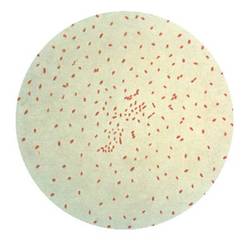
Investigators led by Jessica E. Atwell, M.P.H., of the Johns Hopkins Bloomberg School of Public Health, Baltimore, recently reported data linking the two phenomena. "Our findings suggest that communities with large numbers of intentionally unvaccinated or undervaccinated persons can lead to pertussis outbreaks," Ms. Atwell and her colleagues wrote (Pediatrics 2013;132:624-30).
The 2010 outbreak previously has been attributed to waning immunity, susceptibility in the infant population, better detection rates, and adaptation by the circulating strains, yet the role of the choice to forego immunization had not previously been investigated, according to the study authors. To determine the relationship, Ms. Atwell and her team evaluated the spatial clustering of nonmedical exemptions for kindergartners in the state between the 2005-2006 and 2009-2010 school years and compared it with the space-time clustering of pertussis cases reported in the state in 2010.
Pertussis outbreak data from the California Department of Public Health were "geocoded" and aggregated, as were the school’s exact locations, to protect patient privacy. Data for the number of kindergartners enrolled in the state, and the number of kindergartners with nonmedical exemptions also were tabulated. School enrollment and the number of nonmedical exemptions also were aggregated to the census tract level.
The investigators calculated nonmedical exemption rates by dividing the nonmedically exempted children by the total number of kindergartners enrolled in each census tract. They used spatial scan statistics to identify clusters of monthly pertussis cases, and multivariate logistic regression to determine the odds ratios (OR) for pertussis cases within or out of nonmedical exemption clusters, and to compare various demographic characteristics of each tract.
The data indicated that census tracts within a cluster of nonmedical exemptions were more likely to also be within locations with pertussis case clusters (OR, 2.47). This was true even after researchers adjusted for covariates such as race, population density, average family size, education, and income (OR, 1.73). Ms. Atwell and her team also found that the pertussis incidence rate ratio (IRR) was higher within nonmedical exemption clusters than it was outside of them (IRR, 1.20) and that the associated risk remained after adjusting for covariates (IRR, 1.12).
Two statistically significant clusters of pertussis cases, spanning from May 2010 to October 2010, and from July 2010 to November 2010, existed in central California with 3,783 observed cases out of an expected level of 1,835 (relative risk, 2.91), and in San Diego County with 980 vs. an expected level of 391 (RR, 2.71). Reported pertussis rates statewide in 2010 varied monthly from less than 100 in January to more than 1,000 in August. Nonmedical exemptions and clusters of pertussis cases, according to the authors, were associated with high socioeconomic status, lower average family size, higher education levels, lower percentages of racial or ethnic minorities, and higher income levels statewide.
Nonmedical exemption data in California does not include specifics as to which vaccines were or were not given, or any dosages; therefore, the authors wrote "it is possible that some children with a nonmedical exemption were completely vaccinated against pertussis." They suggested that "future studies should attempt to analyze varying rates of vaccine avoidance for specific antigens to determine the magnitude of impact within populations with high nonmedical exemptions."
Because their study did not include homeschooled children, the authors concluded that additional analysis should be explored. They also cited the need for future studies to include data on subgroups of the various case definitions which, in California, includes acute cough illness of any duration with polymerase chain reaction detection of Bordetella pertussis–specific nucleic acid, or one or more typical pertussis symptoms that can be epidemiologically linked to a confirmed case.
The authors did not report any relevant disclosures. The CDC funded the collection of vaccine-preventable disease and immunization data at the California Department of Public Health.
California communities with higher numbers of nonmedically exempt school children experienced higher rates of pertussis cases in 2010.
Between 2000 and 2010, California nonmedical exemption rates went from less than 1.0% to 2.33%, with some schools reporting unvaccinated populations of 84% in 2010, according to the Centers for Disease Control and Prevention. At 9,120 cases of pertussis and 10 subsequent deaths in 2010, California recorded more statewide incidences of the disease since 1947, just after the pertussis-containing vaccines were introduced in the United States.
Investigators led by Jessica E. Atwell, M.P.H., of the Johns Hopkins Bloomberg School of Public Health, Baltimore, recently reported data linking the two phenomena. "Our findings suggest that communities with large numbers of intentionally unvaccinated or undervaccinated persons can lead to pertussis outbreaks," Ms. Atwell and her colleagues wrote (Pediatrics 2013;132:624-30).
The 2010 outbreak previously has been attributed to waning immunity, susceptibility in the infant population, better detection rates, and adaptation by the circulating strains, yet the role of the choice to forego immunization had not previously been investigated, according to the study authors. To determine the relationship, Ms. Atwell and her team evaluated the spatial clustering of nonmedical exemptions for kindergartners in the state between the 2005-2006 and 2009-2010 school years and compared it with the space-time clustering of pertussis cases reported in the state in 2010.
Pertussis outbreak data from the California Department of Public Health were "geocoded" and aggregated, as were the school’s exact locations, to protect patient privacy. Data for the number of kindergartners enrolled in the state, and the number of kindergartners with nonmedical exemptions also were tabulated. School enrollment and the number of nonmedical exemptions also were aggregated to the census tract level.
The investigators calculated nonmedical exemption rates by dividing the nonmedically exempted children by the total number of kindergartners enrolled in each census tract. They used spatial scan statistics to identify clusters of monthly pertussis cases, and multivariate logistic regression to determine the odds ratios (OR) for pertussis cases within or out of nonmedical exemption clusters, and to compare various demographic characteristics of each tract.
The data indicated that census tracts within a cluster of nonmedical exemptions were more likely to also be within locations with pertussis case clusters (OR, 2.47). This was true even after researchers adjusted for covariates such as race, population density, average family size, education, and income (OR, 1.73). Ms. Atwell and her team also found that the pertussis incidence rate ratio (IRR) was higher within nonmedical exemption clusters than it was outside of them (IRR, 1.20) and that the associated risk remained after adjusting for covariates (IRR, 1.12).
Two statistically significant clusters of pertussis cases, spanning from May 2010 to October 2010, and from July 2010 to November 2010, existed in central California with 3,783 observed cases out of an expected level of 1,835 (relative risk, 2.91), and in San Diego County with 980 vs. an expected level of 391 (RR, 2.71). Reported pertussis rates statewide in 2010 varied monthly from less than 100 in January to more than 1,000 in August. Nonmedical exemptions and clusters of pertussis cases, according to the authors, were associated with high socioeconomic status, lower average family size, higher education levels, lower percentages of racial or ethnic minorities, and higher income levels statewide.
Nonmedical exemption data in California does not include specifics as to which vaccines were or were not given, or any dosages; therefore, the authors wrote "it is possible that some children with a nonmedical exemption were completely vaccinated against pertussis." They suggested that "future studies should attempt to analyze varying rates of vaccine avoidance for specific antigens to determine the magnitude of impact within populations with high nonmedical exemptions."
Because their study did not include homeschooled children, the authors concluded that additional analysis should be explored. They also cited the need for future studies to include data on subgroups of the various case definitions which, in California, includes acute cough illness of any duration with polymerase chain reaction detection of Bordetella pertussis–specific nucleic acid, or one or more typical pertussis symptoms that can be epidemiologically linked to a confirmed case.
The authors did not report any relevant disclosures. The CDC funded the collection of vaccine-preventable disease and immunization data at the California Department of Public Health.
California communities with higher numbers of nonmedically exempt school children experienced higher rates of pertussis cases in 2010.
Between 2000 and 2010, California nonmedical exemption rates went from less than 1.0% to 2.33%, with some schools reporting unvaccinated populations of 84% in 2010, according to the Centers for Disease Control and Prevention. At 9,120 cases of pertussis and 10 subsequent deaths in 2010, California recorded more statewide incidences of the disease since 1947, just after the pertussis-containing vaccines were introduced in the United States.
Investigators led by Jessica E. Atwell, M.P.H., of the Johns Hopkins Bloomberg School of Public Health, Baltimore, recently reported data linking the two phenomena. "Our findings suggest that communities with large numbers of intentionally unvaccinated or undervaccinated persons can lead to pertussis outbreaks," Ms. Atwell and her colleagues wrote (Pediatrics 2013;132:624-30).
The 2010 outbreak previously has been attributed to waning immunity, susceptibility in the infant population, better detection rates, and adaptation by the circulating strains, yet the role of the choice to forego immunization had not previously been investigated, according to the study authors. To determine the relationship, Ms. Atwell and her team evaluated the spatial clustering of nonmedical exemptions for kindergartners in the state between the 2005-2006 and 2009-2010 school years and compared it with the space-time clustering of pertussis cases reported in the state in 2010.
Pertussis outbreak data from the California Department of Public Health were "geocoded" and aggregated, as were the school’s exact locations, to protect patient privacy. Data for the number of kindergartners enrolled in the state, and the number of kindergartners with nonmedical exemptions also were tabulated. School enrollment and the number of nonmedical exemptions also were aggregated to the census tract level.
The investigators calculated nonmedical exemption rates by dividing the nonmedically exempted children by the total number of kindergartners enrolled in each census tract. They used spatial scan statistics to identify clusters of monthly pertussis cases, and multivariate logistic regression to determine the odds ratios (OR) for pertussis cases within or out of nonmedical exemption clusters, and to compare various demographic characteristics of each tract.
The data indicated that census tracts within a cluster of nonmedical exemptions were more likely to also be within locations with pertussis case clusters (OR, 2.47). This was true even after researchers adjusted for covariates such as race, population density, average family size, education, and income (OR, 1.73). Ms. Atwell and her team also found that the pertussis incidence rate ratio (IRR) was higher within nonmedical exemption clusters than it was outside of them (IRR, 1.20) and that the associated risk remained after adjusting for covariates (IRR, 1.12).
Two statistically significant clusters of pertussis cases, spanning from May 2010 to October 2010, and from July 2010 to November 2010, existed in central California with 3,783 observed cases out of an expected level of 1,835 (relative risk, 2.91), and in San Diego County with 980 vs. an expected level of 391 (RR, 2.71). Reported pertussis rates statewide in 2010 varied monthly from less than 100 in January to more than 1,000 in August. Nonmedical exemptions and clusters of pertussis cases, according to the authors, were associated with high socioeconomic status, lower average family size, higher education levels, lower percentages of racial or ethnic minorities, and higher income levels statewide.
Nonmedical exemption data in California does not include specifics as to which vaccines were or were not given, or any dosages; therefore, the authors wrote "it is possible that some children with a nonmedical exemption were completely vaccinated against pertussis." They suggested that "future studies should attempt to analyze varying rates of vaccine avoidance for specific antigens to determine the magnitude of impact within populations with high nonmedical exemptions."
Because their study did not include homeschooled children, the authors concluded that additional analysis should be explored. They also cited the need for future studies to include data on subgroups of the various case definitions which, in California, includes acute cough illness of any duration with polymerase chain reaction detection of Bordetella pertussis–specific nucleic acid, or one or more typical pertussis symptoms that can be epidemiologically linked to a confirmed case.
The authors did not report any relevant disclosures. The CDC funded the collection of vaccine-preventable disease and immunization data at the California Department of Public Health.
FROM PEDIATRICS
Major finding: Nonmedical exemption population clusters were 2.5 times more likely to overlap with regional pertussis case clusters in California.
Data source: Multivariate logistic regression analyses of nonmedical exemptions for California kindergartners during 2005-2010, compared with the state’s pertussis case clusters.
Disclosures: The authors did not report any relevant disclosures. The CDC funded the collection of vaccine-preventable disease and immunization data at the Calif. Dept. of Public Health.
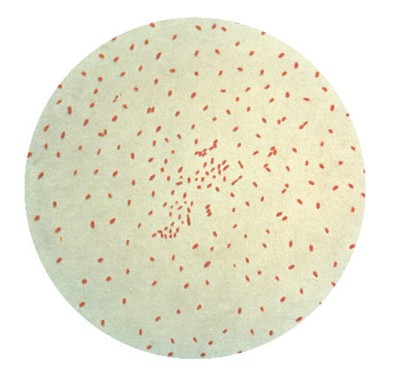
Gestational Diabetes Linked to Sleep Apnea
Women with gestational diabetes are nearly seven times more likely to have sleep apnea and to sleep an average of one hour less nightly than do expectant mothers without the condition, a small observational study has shown.
"It is common for pregnant women to experience sleep disruptions, but the risk of developing obstructive sleep apnea increases substantially in women who have gestational diabetes," Dr. Sirimon Reutrakul of Rush University Medical Center in Chicago, said in a statement. "Nearly 75% of the participants in our study who had gestational diabetes also suffered from obstructive sleep apnea."
Reports in the literature link sleep apnea in pregnancy to complications such as preeclampsia, hypertension, low birth weights, preterm delivery, and other pregnancy-related adverse outcomes.

Use of continuous positive airway pressure (CPAP) early in pregnancy for women with hypertension and chronic snoring was noted by the investigators to be associated with better blood pressure control and pregnancy outcomes. CPAP treatment in nonpregnant type 2 diabetes patients with sleep apnea has been shown occasionally effective in improving glucose control. Because there are currently no data on the effects of sleep apnea treatment in gestational diabetes, whether CPAP treatment might affect glucose metabolism and pregnancy outcomes is unknown.
Dr. Reutrakul and his associates cited previous studies that increased sleep apnea leads to poor glycemic control, as well as reports that sleep apnea is a major risk factor for insulin resistance regardless of body mass index (BMI). With these data in mind, the investigators compared metabolic and sleep apnea measures in 15 pregnant women who did not have gestational diabetes; 15 pregnant women with gestational diabetes; and 15 obese controls (BMI = 31.0 +/– 4.3 kg/m2) who were neither pregnant nor diabetic. The groups were matched for age, race, and in the pregnant groups, and prepregnancy BMI.
All gestating women were expecting singletons and were either in the latter part of their second term, or the early part of their third. The average gestational age was 28.2 +/– 3.7 weeks in the women with gestational diabetes, and 30.9 +/– 2.0 weeks in the pregnant group without.
The women with gestational diabetes had notably higher measures of prepregnancy BMI than did the pregnant women without gestational diabetes. The BMI of the gestational diabetes cohort at the time of the sleep apnea monitoring also tended to be higher. Most of the pregnant women were overweight (BMI 25.0-29.9 kg/m2) or obese (BMI = 30 kg/m2) based on the prepregnancy BMI (93% of those with gestational diabetes; 67% of those without).
The number of apneas and hypopneas per hour of sleep were measured using polysomnography. Sleep apnea was diagnosed in the women if their apnea-hypopnea index (AHI) score was greater than or equal to 5. Dr. Reutrakul and his colleagues wrote that theirs was the first study to use polysomnography to evaluate overall sleep quality, including apnea, in women with gestational diabetes, compared with pregnant women without gestational diabetes, controlling for confounding factors. Wake time after sleep onset equaled the number of minutes participants were awake between sleep onset and end of the session.
There were a number of statistically significant findings:
After they adjusted for prepregnancy BMI, Dr. Reutrakul and his associates found that a diagnosis of gestational diabetes was strongly associated with a diagnosis of sleep apnea (odds ratio, 6.60; 95% confidence interval, 1.15-37.96). The researchers also found that pregnant women with gestational diabetes slept a median average of 1 hour less than the other pregnant women did (397 minutes vs. 464 minutes). The gestational diabetes cohort also had a median AHI approximately four times higher than the pregnant women without gestational diabetes had (8.2 vs. 2.0), and a higher overall rate of sleep apnea than did the nongestational diabetes group (73% vs. 27%). Compared with controls, a higher AHI was found in pregnant women without gestational diabetes (2.0 vs. 0.5), as was more disrupted sleep as reflected by a higher wake time after sleep onset (66 vs. 21 minutes). Their median microarousal index was also higher (16.4 vs. 10.6).
The researchers noted that women with gestational diabetes gained less weight during pregnancy than the pregnant women without gestational diabetes (BMI increased respectively by 2.2 +/– 2.0 vs. 4.6 +/– 1.9 kg/m2), ruling out any "strong association" between gestational weight gain, gestational diabetes, and sleep apnea.
According to the authors, the study also was limited by its cross-sectional design, which does not indicate whether sleep apnea causes gestational diabetes, or vice versa. Regardless, Dr. Reutrakul stated, "Based on these findings, women who have gestational diabetes should be considered for evaluation for obstructive sleep apnea, especially if other risk factors such as hypertension or obesity are present, and women already diagnosed with sleep apnea should be monitored for signs of gestational diabetes during pregnancy."
A member of the research team reported financial ties with Pfizer and other industry-related research grant support. See study for list of disclosures. This study was supported by the ResMed Foundation; the diabetes research training center at the University of Chicago, a specialized center of research on Women’s Health; and the National Institutes of Health.
Women with gestational diabetes are nearly seven times more likely to have sleep apnea and to sleep an average of one hour less nightly than do expectant mothers without the condition, a small observational study has shown.
"It is common for pregnant women to experience sleep disruptions, but the risk of developing obstructive sleep apnea increases substantially in women who have gestational diabetes," Dr. Sirimon Reutrakul of Rush University Medical Center in Chicago, said in a statement. "Nearly 75% of the participants in our study who had gestational diabetes also suffered from obstructive sleep apnea."
Reports in the literature link sleep apnea in pregnancy to complications such as preeclampsia, hypertension, low birth weights, preterm delivery, and other pregnancy-related adverse outcomes.
Use of continuous positive airway pressure (CPAP) early in pregnancy for women with hypertension and chronic snoring was noted by the investigators to be associated with better blood pressure control and pregnancy outcomes. CPAP treatment in nonpregnant type 2 diabetes patients with sleep apnea has been shown occasionally effective in improving glucose control. Because there are currently no data on the effects of sleep apnea treatment in gestational diabetes, whether CPAP treatment might affect glucose metabolism and pregnancy outcomes is unknown.
Dr. Reutrakul and his associates cited previous studies that increased sleep apnea leads to poor glycemic control, as well as reports that sleep apnea is a major risk factor for insulin resistance regardless of body mass index (BMI). With these data in mind, the investigators compared metabolic and sleep apnea measures in 15 pregnant women who did not have gestational diabetes; 15 pregnant women with gestational diabetes; and 15 obese controls (BMI = 31.0 +/– 4.3 kg/m2) who were neither pregnant nor diabetic. The groups were matched for age, race, and in the pregnant groups, and prepregnancy BMI.
All gestating women were expecting singletons and were either in the latter part of their second term, or the early part of their third. The average gestational age was 28.2 +/– 3.7 weeks in the women with gestational diabetes, and 30.9 +/– 2.0 weeks in the pregnant group without.
The women with gestational diabetes had notably higher measures of prepregnancy BMI than did the pregnant women without gestational diabetes. The BMI of the gestational diabetes cohort at the time of the sleep apnea monitoring also tended to be higher. Most of the pregnant women were overweight (BMI 25.0-29.9 kg/m2) or obese (BMI = 30 kg/m2) based on the prepregnancy BMI (93% of those with gestational diabetes; 67% of those without).
The number of apneas and hypopneas per hour of sleep were measured using polysomnography. Sleep apnea was diagnosed in the women if their apnea-hypopnea index (AHI) score was greater than or equal to 5. Dr. Reutrakul and his colleagues wrote that theirs was the first study to use polysomnography to evaluate overall sleep quality, including apnea, in women with gestational diabetes, compared with pregnant women without gestational diabetes, controlling for confounding factors. Wake time after sleep onset equaled the number of minutes participants were awake between sleep onset and end of the session.
There were a number of statistically significant findings:
After they adjusted for prepregnancy BMI, Dr. Reutrakul and his associates found that a diagnosis of gestational diabetes was strongly associated with a diagnosis of sleep apnea (odds ratio, 6.60; 95% confidence interval, 1.15-37.96). The researchers also found that pregnant women with gestational diabetes slept a median average of 1 hour less than the other pregnant women did (397 minutes vs. 464 minutes). The gestational diabetes cohort also had a median AHI approximately four times higher than the pregnant women without gestational diabetes had (8.2 vs. 2.0), and a higher overall rate of sleep apnea than did the nongestational diabetes group (73% vs. 27%). Compared with controls, a higher AHI was found in pregnant women without gestational diabetes (2.0 vs. 0.5), as was more disrupted sleep as reflected by a higher wake time after sleep onset (66 vs. 21 minutes). Their median microarousal index was also higher (16.4 vs. 10.6).
The researchers noted that women with gestational diabetes gained less weight during pregnancy than the pregnant women without gestational diabetes (BMI increased respectively by 2.2 +/– 2.0 vs. 4.6 +/– 1.9 kg/m2), ruling out any "strong association" between gestational weight gain, gestational diabetes, and sleep apnea.
According to the authors, the study also was limited by its cross-sectional design, which does not indicate whether sleep apnea causes gestational diabetes, or vice versa. Regardless, Dr. Reutrakul stated, "Based on these findings, women who have gestational diabetes should be considered for evaluation for obstructive sleep apnea, especially if other risk factors such as hypertension or obesity are present, and women already diagnosed with sleep apnea should be monitored for signs of gestational diabetes during pregnancy."
A member of the research team reported financial ties with Pfizer and other industry-related research grant support. See study for list of disclosures. This study was supported by the ResMed Foundation; the diabetes research training center at the University of Chicago, a specialized center of research on Women’s Health; and the National Institutes of Health.
Women with gestational diabetes are nearly seven times more likely to have sleep apnea and to sleep an average of one hour less nightly than do expectant mothers without the condition, a small observational study has shown.
"It is common for pregnant women to experience sleep disruptions, but the risk of developing obstructive sleep apnea increases substantially in women who have gestational diabetes," Dr. Sirimon Reutrakul of Rush University Medical Center in Chicago, said in a statement. "Nearly 75% of the participants in our study who had gestational diabetes also suffered from obstructive sleep apnea."
Reports in the literature link sleep apnea in pregnancy to complications such as preeclampsia, hypertension, low birth weights, preterm delivery, and other pregnancy-related adverse outcomes.
Use of continuous positive airway pressure (CPAP) early in pregnancy for women with hypertension and chronic snoring was noted by the investigators to be associated with better blood pressure control and pregnancy outcomes. CPAP treatment in nonpregnant type 2 diabetes patients with sleep apnea has been shown occasionally effective in improving glucose control. Because there are currently no data on the effects of sleep apnea treatment in gestational diabetes, whether CPAP treatment might affect glucose metabolism and pregnancy outcomes is unknown.
Dr. Reutrakul and his associates cited previous studies that increased sleep apnea leads to poor glycemic control, as well as reports that sleep apnea is a major risk factor for insulin resistance regardless of body mass index (BMI). With these data in mind, the investigators compared metabolic and sleep apnea measures in 15 pregnant women who did not have gestational diabetes; 15 pregnant women with gestational diabetes; and 15 obese controls (BMI = 31.0 +/– 4.3 kg/m2) who were neither pregnant nor diabetic. The groups were matched for age, race, and in the pregnant groups, and prepregnancy BMI.
All gestating women were expecting singletons and were either in the latter part of their second term, or the early part of their third. The average gestational age was 28.2 +/– 3.7 weeks in the women with gestational diabetes, and 30.9 +/– 2.0 weeks in the pregnant group without.
The women with gestational diabetes had notably higher measures of prepregnancy BMI than did the pregnant women without gestational diabetes. The BMI of the gestational diabetes cohort at the time of the sleep apnea monitoring also tended to be higher. Most of the pregnant women were overweight (BMI 25.0-29.9 kg/m2) or obese (BMI = 30 kg/m2) based on the prepregnancy BMI (93% of those with gestational diabetes; 67% of those without).
The number of apneas and hypopneas per hour of sleep were measured using polysomnography. Sleep apnea was diagnosed in the women if their apnea-hypopnea index (AHI) score was greater than or equal to 5. Dr. Reutrakul and his colleagues wrote that theirs was the first study to use polysomnography to evaluate overall sleep quality, including apnea, in women with gestational diabetes, compared with pregnant women without gestational diabetes, controlling for confounding factors. Wake time after sleep onset equaled the number of minutes participants were awake between sleep onset and end of the session.
There were a number of statistically significant findings:
After they adjusted for prepregnancy BMI, Dr. Reutrakul and his associates found that a diagnosis of gestational diabetes was strongly associated with a diagnosis of sleep apnea (odds ratio, 6.60; 95% confidence interval, 1.15-37.96). The researchers also found that pregnant women with gestational diabetes slept a median average of 1 hour less than the other pregnant women did (397 minutes vs. 464 minutes). The gestational diabetes cohort also had a median AHI approximately four times higher than the pregnant women without gestational diabetes had (8.2 vs. 2.0), and a higher overall rate of sleep apnea than did the nongestational diabetes group (73% vs. 27%). Compared with controls, a higher AHI was found in pregnant women without gestational diabetes (2.0 vs. 0.5), as was more disrupted sleep as reflected by a higher wake time after sleep onset (66 vs. 21 minutes). Their median microarousal index was also higher (16.4 vs. 10.6).
The researchers noted that women with gestational diabetes gained less weight during pregnancy than the pregnant women without gestational diabetes (BMI increased respectively by 2.2 +/– 2.0 vs. 4.6 +/– 1.9 kg/m2), ruling out any "strong association" between gestational weight gain, gestational diabetes, and sleep apnea.
According to the authors, the study also was limited by its cross-sectional design, which does not indicate whether sleep apnea causes gestational diabetes, or vice versa. Regardless, Dr. Reutrakul stated, "Based on these findings, women who have gestational diabetes should be considered for evaluation for obstructive sleep apnea, especially if other risk factors such as hypertension or obesity are present, and women already diagnosed with sleep apnea should be monitored for signs of gestational diabetes during pregnancy."
A member of the research team reported financial ties with Pfizer and other industry-related research grant support. See study for list of disclosures. This study was supported by the ResMed Foundation; the diabetes research training center at the University of Chicago, a specialized center of research on Women’s Health; and the National Institutes of Health.
JOURNAL OF CLINICAL ENDOCRINOLOGY & METABOLISM