User login
Financial Forecast Bleak for Noncompliance With EHR
SAN DIEGO – A majority of clinicians still lack a qualified electronic health records system and are therefore ineligible for meaningful use incentive payments from the government.
"As of November 2011, [EHR] penetration in office-based practices has reached about 50%. We’re a far cry from what you need to have in order to comply with meaningful use," Dr. Paresh C. Shah said at the annual meeting of the Society of American Gastrointestinal and Endoscopic Surgeons.

Although the government is providing financial incentives for meaningful use of an EHR, "along with that carrot comes a stick," Dr. Shah said. "If by 2015 you have not started to use these tools, you’re going to get whacked with a reduction in payments for Medicare-related services. Those reductions increase over time the longer you’re not using these electronic tools."
As part of the American Recovery and Reinvestment Act (ARRA) of 2009, all health care providers and hospitals must demonstrate meaningful use of a qualified HER system by 2015. According to Dr. Shah, $47 billion from the ARRA was allocated for health information technology. Of that $47 billion, $45 billion will be paid to eligible professionals and hospital in incentives. "That’s the check that the government is writing to health care providers around the country," said Dr. Shah, vice chair of surgery and chief of laparoscopic surgery at Lenox Hill Hospital, New York. "Another $2 billion was allocated to the Office of the National Coordinator to administer this process."
The goal of meaningful use, he continued, "is improved outcomes for our patients and improved process of care in the delivery of health care in the United States. The process of meaningful use begins with capturing data, understanding what we’re capturing, and having that support better processes of care, which result in improved outcomes."
A qualified EHR must have the capacity to include patient demographic and clinical health information, such as medical history and problem lists. It also must have the capacity to provide clinical decision support at the point of care, to support computerized physician order entry, to capture and query information relevant to health care quality, and to exchange electronic health information with other EHRs.
Meaningful use includes both a core set and a menu set of objectives that are specific to eligible professionals or eligible hospitals and critical access hospitals. The core set objectives for providers in stage 1, which occurred in 2011, included using electronic prescribing; checking for drug interactions and allergies; maintaining a medication list; maintaining an allergy and problem list; integrating decision support to help select appropriate medications; recording demographics, smoking status, and vital signs; being able to give clinical summaries to the patient; and protecting health information.
Stage 2 guidelines for meaningful use have just been released for public review, but they will go live in 2013 "and you’ll have to be compliant with them to get paid," Dr. Shah said. "If your practice was compliant with meaningful use in stage 1 in 2011, you would start to get $18,000 per year. The government has allocated $44,000 per provider to defray the cost of converting to an EHR system. That was based on calculations they did that estimated that would be about 80% of the true cost of conversion per provider. It’s not going to pay for the whole thing, but it will go a long way toward defraying that cost. This is money you are leaving on the table if you don’t have a certified EHR system employed."
It’s not too late to get on board with meaningful use, but "it is time to get off the rest stop on the information highway," Dr. Shah emphasized. "You have to get back on. If you are not electronically enabled in your practice, you absolutely have to be. If you’re not, you’ve already lost out on the first year of incentive reimbursement from 2011. If you don’t do it by 2015, not only will you lose any of the potential incentive reimbursement, but you’re then going to start to get penalized."
He advises clinicians to choose a certified complete EHR, to implement it and train their staff to use it, and to make sure it can do the reporting required for stage 1 and stage 2 of meaningful use. "You have to use all meaningful use measures for at least 90 consecutive days, and send the report" to the Centers for Medicare and Medicaid Services, he explained. "Once you’ve done that, and you attest that you’ve complied with meaningful use, you’ll get paid. Payments have already started. [The CMS] started making payments in the fourth quarter of 2011 to practices that were able to demonstrate compliance with stage 1."
According to CMS estimates, 8-10 hours of administrative work per month is required in order to comply with reporting requirements. "I think that’s a lowball number," Dr. Shah said. "I think it’s going to be more than that as the requirements become more stringent. Meaningful use is an all-or-nothing approach. You’re either compliant or you’re not. You don’t have a choice. The question is, are you ready?"
For more information about meaningful use, visit www.healthit.hhs.gov.
Dr. Shah disclosed that he was a former chief medical information officer for the Lahey Clinic, a nonprofit group practice in the Boston area, and was a member of a Council of Economic Advisors’ task force on health care IT in 2003-2004.
SAN DIEGO – A majority of clinicians still lack a qualified electronic health records system and are therefore ineligible for meaningful use incentive payments from the government.
"As of November 2011, [EHR] penetration in office-based practices has reached about 50%. We’re a far cry from what you need to have in order to comply with meaningful use," Dr. Paresh C. Shah said at the annual meeting of the Society of American Gastrointestinal and Endoscopic Surgeons.
Although the government is providing financial incentives for meaningful use of an EHR, "along with that carrot comes a stick," Dr. Shah said. "If by 2015 you have not started to use these tools, you’re going to get whacked with a reduction in payments for Medicare-related services. Those reductions increase over time the longer you’re not using these electronic tools."
As part of the American Recovery and Reinvestment Act (ARRA) of 2009, all health care providers and hospitals must demonstrate meaningful use of a qualified HER system by 2015. According to Dr. Shah, $47 billion from the ARRA was allocated for health information technology. Of that $47 billion, $45 billion will be paid to eligible professionals and hospital in incentives. "That’s the check that the government is writing to health care providers around the country," said Dr. Shah, vice chair of surgery and chief of laparoscopic surgery at Lenox Hill Hospital, New York. "Another $2 billion was allocated to the Office of the National Coordinator to administer this process."
The goal of meaningful use, he continued, "is improved outcomes for our patients and improved process of care in the delivery of health care in the United States. The process of meaningful use begins with capturing data, understanding what we’re capturing, and having that support better processes of care, which result in improved outcomes."
A qualified EHR must have the capacity to include patient demographic and clinical health information, such as medical history and problem lists. It also must have the capacity to provide clinical decision support at the point of care, to support computerized physician order entry, to capture and query information relevant to health care quality, and to exchange electronic health information with other EHRs.
Meaningful use includes both a core set and a menu set of objectives that are specific to eligible professionals or eligible hospitals and critical access hospitals. The core set objectives for providers in stage 1, which occurred in 2011, included using electronic prescribing; checking for drug interactions and allergies; maintaining a medication list; maintaining an allergy and problem list; integrating decision support to help select appropriate medications; recording demographics, smoking status, and vital signs; being able to give clinical summaries to the patient; and protecting health information.
Stage 2 guidelines for meaningful use have just been released for public review, but they will go live in 2013 "and you’ll have to be compliant with them to get paid," Dr. Shah said. "If your practice was compliant with meaningful use in stage 1 in 2011, you would start to get $18,000 per year. The government has allocated $44,000 per provider to defray the cost of converting to an EHR system. That was based on calculations they did that estimated that would be about 80% of the true cost of conversion per provider. It’s not going to pay for the whole thing, but it will go a long way toward defraying that cost. This is money you are leaving on the table if you don’t have a certified EHR system employed."
It’s not too late to get on board with meaningful use, but "it is time to get off the rest stop on the information highway," Dr. Shah emphasized. "You have to get back on. If you are not electronically enabled in your practice, you absolutely have to be. If you’re not, you’ve already lost out on the first year of incentive reimbursement from 2011. If you don’t do it by 2015, not only will you lose any of the potential incentive reimbursement, but you’re then going to start to get penalized."
He advises clinicians to choose a certified complete EHR, to implement it and train their staff to use it, and to make sure it can do the reporting required for stage 1 and stage 2 of meaningful use. "You have to use all meaningful use measures for at least 90 consecutive days, and send the report" to the Centers for Medicare and Medicaid Services, he explained. "Once you’ve done that, and you attest that you’ve complied with meaningful use, you’ll get paid. Payments have already started. [The CMS] started making payments in the fourth quarter of 2011 to practices that were able to demonstrate compliance with stage 1."
According to CMS estimates, 8-10 hours of administrative work per month is required in order to comply with reporting requirements. "I think that’s a lowball number," Dr. Shah said. "I think it’s going to be more than that as the requirements become more stringent. Meaningful use is an all-or-nothing approach. You’re either compliant or you’re not. You don’t have a choice. The question is, are you ready?"
For more information about meaningful use, visit www.healthit.hhs.gov.
Dr. Shah disclosed that he was a former chief medical information officer for the Lahey Clinic, a nonprofit group practice in the Boston area, and was a member of a Council of Economic Advisors’ task force on health care IT in 2003-2004.
SAN DIEGO – A majority of clinicians still lack a qualified electronic health records system and are therefore ineligible for meaningful use incentive payments from the government.
"As of November 2011, [EHR] penetration in office-based practices has reached about 50%. We’re a far cry from what you need to have in order to comply with meaningful use," Dr. Paresh C. Shah said at the annual meeting of the Society of American Gastrointestinal and Endoscopic Surgeons.
Although the government is providing financial incentives for meaningful use of an EHR, "along with that carrot comes a stick," Dr. Shah said. "If by 2015 you have not started to use these tools, you’re going to get whacked with a reduction in payments for Medicare-related services. Those reductions increase over time the longer you’re not using these electronic tools."
As part of the American Recovery and Reinvestment Act (ARRA) of 2009, all health care providers and hospitals must demonstrate meaningful use of a qualified HER system by 2015. According to Dr. Shah, $47 billion from the ARRA was allocated for health information technology. Of that $47 billion, $45 billion will be paid to eligible professionals and hospital in incentives. "That’s the check that the government is writing to health care providers around the country," said Dr. Shah, vice chair of surgery and chief of laparoscopic surgery at Lenox Hill Hospital, New York. "Another $2 billion was allocated to the Office of the National Coordinator to administer this process."
The goal of meaningful use, he continued, "is improved outcomes for our patients and improved process of care in the delivery of health care in the United States. The process of meaningful use begins with capturing data, understanding what we’re capturing, and having that support better processes of care, which result in improved outcomes."
A qualified EHR must have the capacity to include patient demographic and clinical health information, such as medical history and problem lists. It also must have the capacity to provide clinical decision support at the point of care, to support computerized physician order entry, to capture and query information relevant to health care quality, and to exchange electronic health information with other EHRs.
Meaningful use includes both a core set and a menu set of objectives that are specific to eligible professionals or eligible hospitals and critical access hospitals. The core set objectives for providers in stage 1, which occurred in 2011, included using electronic prescribing; checking for drug interactions and allergies; maintaining a medication list; maintaining an allergy and problem list; integrating decision support to help select appropriate medications; recording demographics, smoking status, and vital signs; being able to give clinical summaries to the patient; and protecting health information.
Stage 2 guidelines for meaningful use have just been released for public review, but they will go live in 2013 "and you’ll have to be compliant with them to get paid," Dr. Shah said. "If your practice was compliant with meaningful use in stage 1 in 2011, you would start to get $18,000 per year. The government has allocated $44,000 per provider to defray the cost of converting to an EHR system. That was based on calculations they did that estimated that would be about 80% of the true cost of conversion per provider. It’s not going to pay for the whole thing, but it will go a long way toward defraying that cost. This is money you are leaving on the table if you don’t have a certified EHR system employed."
It’s not too late to get on board with meaningful use, but "it is time to get off the rest stop on the information highway," Dr. Shah emphasized. "You have to get back on. If you are not electronically enabled in your practice, you absolutely have to be. If you’re not, you’ve already lost out on the first year of incentive reimbursement from 2011. If you don’t do it by 2015, not only will you lose any of the potential incentive reimbursement, but you’re then going to start to get penalized."
He advises clinicians to choose a certified complete EHR, to implement it and train their staff to use it, and to make sure it can do the reporting required for stage 1 and stage 2 of meaningful use. "You have to use all meaningful use measures for at least 90 consecutive days, and send the report" to the Centers for Medicare and Medicaid Services, he explained. "Once you’ve done that, and you attest that you’ve complied with meaningful use, you’ll get paid. Payments have already started. [The CMS] started making payments in the fourth quarter of 2011 to practices that were able to demonstrate compliance with stage 1."
According to CMS estimates, 8-10 hours of administrative work per month is required in order to comply with reporting requirements. "I think that’s a lowball number," Dr. Shah said. "I think it’s going to be more than that as the requirements become more stringent. Meaningful use is an all-or-nothing approach. You’re either compliant or you’re not. You don’t have a choice. The question is, are you ready?"
For more information about meaningful use, visit www.healthit.hhs.gov.
Dr. Shah disclosed that he was a former chief medical information officer for the Lahey Clinic, a nonprofit group practice in the Boston area, and was a member of a Council of Economic Advisors’ task force on health care IT in 2003-2004.
EXPERT ANALYSIS FROM THE ANNUAL MEETING OF THE SOCIETY OF AMERICAN GASTROINTESTINAL AND ENDOSCOPIC SURGEONS
Appendectomy Outcomes in Elderly Compared
SAN DIEGO – Elderly patients who underwent a laparoscopic appendectomy had less minor morbidity, less overall morbidity, a lower rate of superficial surgical site infection, and a shorter length of hospital stay compared with their counterparts who underwent an open appendectomy, results from a study of national data demonstrated.
"Laparoscopic appendectomy is becoming the procedure of choice for appendicitis due to the lower rate of surgical site infection, lower length of hospital stay, and faster return to normal life," Dr. Ashkan Moazzez said at the annual meeting of the Society of American Gastrointestinal and Endoscopic Surgeons.
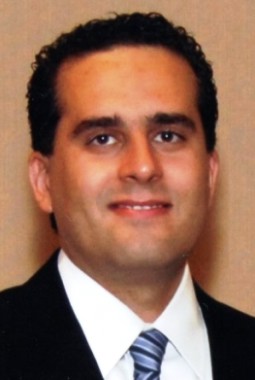
However, most of the current published studies on the topic are limited by having small sample sizes, comparing laparoscopy in elderly versus younger adults only, and having no analysis of 30-day outcomes, said Dr. Moazzez of the H. Claude Hudson Comprehensive Health Center, Los Angeles. At the same time, he continued, life expectancy in the United States has increased over the last few years, "and many people have projected that there will be an increased rate of appendicitis in the elderly."
Using the American College of Surgeons National Surgical Quality Improvement Program databases from 2005 to 2009, he and his associates identified 3,674 patients aged 65 and older who underwent a single laparoscopic or open appendectomy and had a discharge diagnosis of appendicitis.
To compare 30-day outcomes in the two groups, the researchers conducted statistical analysis in two cohorts: an aggregate cohort, which included all 3,674 patients, and a matched cohort, which included 2,060 patients: 1,030 from the laparoscopic appendectomy group and 1,030 from the open appendectomy group, determined by propensity score matching based on 25 preoperative risk factors. This was done because patients in the study "were not randomized to a particular treatment; that can introduce selection bias in the data, which can affect the outcomes," Dr. Moazzez explained.
In the aggregate cohort, the mean age of patients in the open appendectomy group was 74 years compared with 73 years in the laparoscopic group. The mean age of patients in the matched cohort was 74 years. Overall sex distribution was almost 1:1 and 88% of patients were white.
In the aggregate cohort, the rate of overall morbidity in the open group was 13.4% vs. 8.2% in the laparoscopic group, a difference that was statistically significant (P less than .001). This group of patients also had significantly higher rates of mortality (2% vs. 0.9%, P = .003), superficial surgical site infection (3.8% vs. 1.4%, P less than .001), and deep incisional surgical site infection (0.8% vs. 0.2%, P = .003), yet the rate of serious morbidity was statistically similar (6.7% vs. 5.2%, P = .08).
In the matched cohort, the rate of overall morbidity was also statistically significant (10.1%, P = .020), but the rate of mortality was not (1.5%, P = .313). "This shows that when elderly patients are matched based on their preoperative risk factors, laparoscopic surgery does not have a benefit over open surgery as far as mortality," Dr. Moazzez said.
Patients who underwent an open appendectomy in the matched cohort had significantly higher rates of superficial surgical site infection (3.8% vs. 1.4%, P = .001), but the rate of deep incisional surgical site infections did not reach statistical significance (0.8% vs. 0.3%, P = .131).
In the aggregate cohort, patients in the open group had a significantly longer hospital length of stay compared with their counterparts in the laparoscopic group (a mean of 4.7 vs. 2.9 days, P less than .001). The mean length of stay among patients in the laparoscopic group in the matched cohort was 3.6 days (P less than .001).
In a subgroup analysis, aggregate cohort patients with an American Society of Anesthesiologists physical classification of 3 or 4 had higher overall morbidity (19.4% vs. 11.9%, P less than .001) and mortality (3.9% vs. 1.8%, P = .009) rates in the open appendectomy group.
Dr. Moazzez said that he had no relevant financial disclosures.
SAN DIEGO – Elderly patients who underwent a laparoscopic appendectomy had less minor morbidity, less overall morbidity, a lower rate of superficial surgical site infection, and a shorter length of hospital stay compared with their counterparts who underwent an open appendectomy, results from a study of national data demonstrated.
"Laparoscopic appendectomy is becoming the procedure of choice for appendicitis due to the lower rate of surgical site infection, lower length of hospital stay, and faster return to normal life," Dr. Ashkan Moazzez said at the annual meeting of the Society of American Gastrointestinal and Endoscopic Surgeons.
However, most of the current published studies on the topic are limited by having small sample sizes, comparing laparoscopy in elderly versus younger adults only, and having no analysis of 30-day outcomes, said Dr. Moazzez of the H. Claude Hudson Comprehensive Health Center, Los Angeles. At the same time, he continued, life expectancy in the United States has increased over the last few years, "and many people have projected that there will be an increased rate of appendicitis in the elderly."
Using the American College of Surgeons National Surgical Quality Improvement Program databases from 2005 to 2009, he and his associates identified 3,674 patients aged 65 and older who underwent a single laparoscopic or open appendectomy and had a discharge diagnosis of appendicitis.
To compare 30-day outcomes in the two groups, the researchers conducted statistical analysis in two cohorts: an aggregate cohort, which included all 3,674 patients, and a matched cohort, which included 2,060 patients: 1,030 from the laparoscopic appendectomy group and 1,030 from the open appendectomy group, determined by propensity score matching based on 25 preoperative risk factors. This was done because patients in the study "were not randomized to a particular treatment; that can introduce selection bias in the data, which can affect the outcomes," Dr. Moazzez explained.
In the aggregate cohort, the mean age of patients in the open appendectomy group was 74 years compared with 73 years in the laparoscopic group. The mean age of patients in the matched cohort was 74 years. Overall sex distribution was almost 1:1 and 88% of patients were white.
In the aggregate cohort, the rate of overall morbidity in the open group was 13.4% vs. 8.2% in the laparoscopic group, a difference that was statistically significant (P less than .001). This group of patients also had significantly higher rates of mortality (2% vs. 0.9%, P = .003), superficial surgical site infection (3.8% vs. 1.4%, P less than .001), and deep incisional surgical site infection (0.8% vs. 0.2%, P = .003), yet the rate of serious morbidity was statistically similar (6.7% vs. 5.2%, P = .08).
In the matched cohort, the rate of overall morbidity was also statistically significant (10.1%, P = .020), but the rate of mortality was not (1.5%, P = .313). "This shows that when elderly patients are matched based on their preoperative risk factors, laparoscopic surgery does not have a benefit over open surgery as far as mortality," Dr. Moazzez said.
Patients who underwent an open appendectomy in the matched cohort had significantly higher rates of superficial surgical site infection (3.8% vs. 1.4%, P = .001), but the rate of deep incisional surgical site infections did not reach statistical significance (0.8% vs. 0.3%, P = .131).
In the aggregate cohort, patients in the open group had a significantly longer hospital length of stay compared with their counterparts in the laparoscopic group (a mean of 4.7 vs. 2.9 days, P less than .001). The mean length of stay among patients in the laparoscopic group in the matched cohort was 3.6 days (P less than .001).
In a subgroup analysis, aggregate cohort patients with an American Society of Anesthesiologists physical classification of 3 or 4 had higher overall morbidity (19.4% vs. 11.9%, P less than .001) and mortality (3.9% vs. 1.8%, P = .009) rates in the open appendectomy group.
Dr. Moazzez said that he had no relevant financial disclosures.
SAN DIEGO – Elderly patients who underwent a laparoscopic appendectomy had less minor morbidity, less overall morbidity, a lower rate of superficial surgical site infection, and a shorter length of hospital stay compared with their counterparts who underwent an open appendectomy, results from a study of national data demonstrated.
"Laparoscopic appendectomy is becoming the procedure of choice for appendicitis due to the lower rate of surgical site infection, lower length of hospital stay, and faster return to normal life," Dr. Ashkan Moazzez said at the annual meeting of the Society of American Gastrointestinal and Endoscopic Surgeons.
However, most of the current published studies on the topic are limited by having small sample sizes, comparing laparoscopy in elderly versus younger adults only, and having no analysis of 30-day outcomes, said Dr. Moazzez of the H. Claude Hudson Comprehensive Health Center, Los Angeles. At the same time, he continued, life expectancy in the United States has increased over the last few years, "and many people have projected that there will be an increased rate of appendicitis in the elderly."
Using the American College of Surgeons National Surgical Quality Improvement Program databases from 2005 to 2009, he and his associates identified 3,674 patients aged 65 and older who underwent a single laparoscopic or open appendectomy and had a discharge diagnosis of appendicitis.
To compare 30-day outcomes in the two groups, the researchers conducted statistical analysis in two cohorts: an aggregate cohort, which included all 3,674 patients, and a matched cohort, which included 2,060 patients: 1,030 from the laparoscopic appendectomy group and 1,030 from the open appendectomy group, determined by propensity score matching based on 25 preoperative risk factors. This was done because patients in the study "were not randomized to a particular treatment; that can introduce selection bias in the data, which can affect the outcomes," Dr. Moazzez explained.
In the aggregate cohort, the mean age of patients in the open appendectomy group was 74 years compared with 73 years in the laparoscopic group. The mean age of patients in the matched cohort was 74 years. Overall sex distribution was almost 1:1 and 88% of patients were white.
In the aggregate cohort, the rate of overall morbidity in the open group was 13.4% vs. 8.2% in the laparoscopic group, a difference that was statistically significant (P less than .001). This group of patients also had significantly higher rates of mortality (2% vs. 0.9%, P = .003), superficial surgical site infection (3.8% vs. 1.4%, P less than .001), and deep incisional surgical site infection (0.8% vs. 0.2%, P = .003), yet the rate of serious morbidity was statistically similar (6.7% vs. 5.2%, P = .08).
In the matched cohort, the rate of overall morbidity was also statistically significant (10.1%, P = .020), but the rate of mortality was not (1.5%, P = .313). "This shows that when elderly patients are matched based on their preoperative risk factors, laparoscopic surgery does not have a benefit over open surgery as far as mortality," Dr. Moazzez said.
Patients who underwent an open appendectomy in the matched cohort had significantly higher rates of superficial surgical site infection (3.8% vs. 1.4%, P = .001), but the rate of deep incisional surgical site infections did not reach statistical significance (0.8% vs. 0.3%, P = .131).
In the aggregate cohort, patients in the open group had a significantly longer hospital length of stay compared with their counterparts in the laparoscopic group (a mean of 4.7 vs. 2.9 days, P less than .001). The mean length of stay among patients in the laparoscopic group in the matched cohort was 3.6 days (P less than .001).
In a subgroup analysis, aggregate cohort patients with an American Society of Anesthesiologists physical classification of 3 or 4 had higher overall morbidity (19.4% vs. 11.9%, P less than .001) and mortality (3.9% vs. 1.8%, P = .009) rates in the open appendectomy group.
Dr. Moazzez said that he had no relevant financial disclosures.
FROM THE ANNUAL MEETING OF THE SOCIETY OF AMERICAN GASTROINTESTINAL AND ENDOSCOPIC SURGEONS
Major Finding: The rate of overall morbidity among elderly patients who underwent open appendectomy was 13.4% vs. 8.2% in those who underwent laparoscopic appendectomy, a statistically significant difference (P less than .001). The open appendectomy group also had significantly higher rates of mortality (2% vs. 0.9%, P = .003) and superficial surgical site infection (3.8% vs. 1.4%, P less than .001).
Data Source: A group of 3,674 patients aged 65 and older who underwent a single laparoscopic or open appendectomy and had a discharge diagnosis of appendicitis were analyzed. Data were obtained from the American College of Surgeons National Surgical Quality Improvement Program databases from 2005 to 2009.
Disclosures: Dr. Moazzez said that he had no relevant financial disclosures.