User login
Keeping Diabetes at Bay
Stopping diabetes before it starts is the goal of Prevent Diabetes STAT: Screen, Test, Act—Today, a multiyear initiative run by the American Medical Association (AMA) and CDC. With more than 86 million Americans living with prediabetes and nearly 90% of them unaware of it, urgent action is needed to combat the chronic illness, according to the CDC.
Related: Diabetes Patient-Centered Medical Home Approach
“We have the scientific evidence and we’ve built the infrastructure to do something about it, but far too few people know they have prediabetes and that they can take action to prevent or delay developing type 2 diabetes,” said Ann Albright, PhD, RD, director of CDC’s Division of Diabetes Translation.
Related: Weight Loss Promotes Nonbariatric Surgery Medical Clearance
The program, which follows 2 years of “laying groundwork,” aims to empower both lay people and clinicians with the information they need to prevent diabetes. The CDC launched its National Diabetes Prevention Program in 2012 in response to research that found participating in lifestyle change programs significantly reduced the incidence of type 2 diabetes among high-risk individuals. The CDC says there are more than 500 such programs around the country. In 2013, the AMA introduced its Improving Health Outcomes Initiative, aimed at preventing both type 2 diabetes and heart disease.
Related: Lifestyle Intervention for Veterans With Chronic Illness
Together, the CDC and AMA have developed a tool kit to serve as a guide for health care providers on the best ways to screen and refer high-risk patients to diabetes prevention programs in their communities. The tool kit, which includes fact sheets on the evidence-based diabetes prevention program, a risk assessment questionnaire, and patient handouts, is available at http://www.ama-assn.org/sub/prevent-diabetes-stat/toolkit.html.
Stopping diabetes before it starts is the goal of Prevent Diabetes STAT: Screen, Test, Act—Today, a multiyear initiative run by the American Medical Association (AMA) and CDC. With more than 86 million Americans living with prediabetes and nearly 90% of them unaware of it, urgent action is needed to combat the chronic illness, according to the CDC.
Related: Diabetes Patient-Centered Medical Home Approach
“We have the scientific evidence and we’ve built the infrastructure to do something about it, but far too few people know they have prediabetes and that they can take action to prevent or delay developing type 2 diabetes,” said Ann Albright, PhD, RD, director of CDC’s Division of Diabetes Translation.
Related: Weight Loss Promotes Nonbariatric Surgery Medical Clearance
The program, which follows 2 years of “laying groundwork,” aims to empower both lay people and clinicians with the information they need to prevent diabetes. The CDC launched its National Diabetes Prevention Program in 2012 in response to research that found participating in lifestyle change programs significantly reduced the incidence of type 2 diabetes among high-risk individuals. The CDC says there are more than 500 such programs around the country. In 2013, the AMA introduced its Improving Health Outcomes Initiative, aimed at preventing both type 2 diabetes and heart disease.
Related: Lifestyle Intervention for Veterans With Chronic Illness
Together, the CDC and AMA have developed a tool kit to serve as a guide for health care providers on the best ways to screen and refer high-risk patients to diabetes prevention programs in their communities. The tool kit, which includes fact sheets on the evidence-based diabetes prevention program, a risk assessment questionnaire, and patient handouts, is available at http://www.ama-assn.org/sub/prevent-diabetes-stat/toolkit.html.
Stopping diabetes before it starts is the goal of Prevent Diabetes STAT: Screen, Test, Act—Today, a multiyear initiative run by the American Medical Association (AMA) and CDC. With more than 86 million Americans living with prediabetes and nearly 90% of them unaware of it, urgent action is needed to combat the chronic illness, according to the CDC.
Related: Diabetes Patient-Centered Medical Home Approach
“We have the scientific evidence and we’ve built the infrastructure to do something about it, but far too few people know they have prediabetes and that they can take action to prevent or delay developing type 2 diabetes,” said Ann Albright, PhD, RD, director of CDC’s Division of Diabetes Translation.
Related: Weight Loss Promotes Nonbariatric Surgery Medical Clearance
The program, which follows 2 years of “laying groundwork,” aims to empower both lay people and clinicians with the information they need to prevent diabetes. The CDC launched its National Diabetes Prevention Program in 2012 in response to research that found participating in lifestyle change programs significantly reduced the incidence of type 2 diabetes among high-risk individuals. The CDC says there are more than 500 such programs around the country. In 2013, the AMA introduced its Improving Health Outcomes Initiative, aimed at preventing both type 2 diabetes and heart disease.
Related: Lifestyle Intervention for Veterans With Chronic Illness
Together, the CDC and AMA have developed a tool kit to serve as a guide for health care providers on the best ways to screen and refer high-risk patients to diabetes prevention programs in their communities. The tool kit, which includes fact sheets on the evidence-based diabetes prevention program, a risk assessment questionnaire, and patient handouts, is available at http://www.ama-assn.org/sub/prevent-diabetes-stat/toolkit.html.
Effective Mental Health Interventions
The National Registry of Evidence-based Programs and Practices (NREPP) is a searchable online database of > 330 substance abuse and mental health interventions.
Related: Veterans' Use of Designer Cathinones and Cannabinoids
For each intervention it reviews, NREPP publishes a report summary with general information and key findings. Recently, NREPP released a summary of Critical Time Intervention, a case-management model designed to support continuity of care and community integration for people with severe mental illness who are transitioning from institutional settings, such as shelters or hospitals, to community care and who may be at risk of homelessness. The intervention, which lasts about 9 months, has 2 components: (1) strengthening the individuals’ long-term ties to services, family, and friends; and (2) providing emotional and practical support during the transition.
Related: Mutual Reinforcement of Mental Illness and Homelessness
The NREPP Learning Center also offers resources to help users choose and use the programs and practices that will best suit their needs. These include learning modules on implementing evidence-based programs and a library of systematic reviews of available research on topics related to mental health and substance abuse.
Related: Family Support Can Prevent Postdeployment Suicide
To find out more about NREPP and Critical Time Intervention, go to http://nrepp.samhsa.gov/aboutNREPP.aspx.
The National Registry of Evidence-based Programs and Practices (NREPP) is a searchable online database of > 330 substance abuse and mental health interventions.
Related: Veterans' Use of Designer Cathinones and Cannabinoids
For each intervention it reviews, NREPP publishes a report summary with general information and key findings. Recently, NREPP released a summary of Critical Time Intervention, a case-management model designed to support continuity of care and community integration for people with severe mental illness who are transitioning from institutional settings, such as shelters or hospitals, to community care and who may be at risk of homelessness. The intervention, which lasts about 9 months, has 2 components: (1) strengthening the individuals’ long-term ties to services, family, and friends; and (2) providing emotional and practical support during the transition.
Related: Mutual Reinforcement of Mental Illness and Homelessness
The NREPP Learning Center also offers resources to help users choose and use the programs and practices that will best suit their needs. These include learning modules on implementing evidence-based programs and a library of systematic reviews of available research on topics related to mental health and substance abuse.
Related: Family Support Can Prevent Postdeployment Suicide
To find out more about NREPP and Critical Time Intervention, go to http://nrepp.samhsa.gov/aboutNREPP.aspx.
The National Registry of Evidence-based Programs and Practices (NREPP) is a searchable online database of > 330 substance abuse and mental health interventions.
Related: Veterans' Use of Designer Cathinones and Cannabinoids
For each intervention it reviews, NREPP publishes a report summary with general information and key findings. Recently, NREPP released a summary of Critical Time Intervention, a case-management model designed to support continuity of care and community integration for people with severe mental illness who are transitioning from institutional settings, such as shelters or hospitals, to community care and who may be at risk of homelessness. The intervention, which lasts about 9 months, has 2 components: (1) strengthening the individuals’ long-term ties to services, family, and friends; and (2) providing emotional and practical support during the transition.
Related: Mutual Reinforcement of Mental Illness and Homelessness
The NREPP Learning Center also offers resources to help users choose and use the programs and practices that will best suit their needs. These include learning modules on implementing evidence-based programs and a library of systematic reviews of available research on topics related to mental health and substance abuse.
Related: Family Support Can Prevent Postdeployment Suicide
To find out more about NREPP and Critical Time Intervention, go to http://nrepp.samhsa.gov/aboutNREPP.aspx.
HIV Patients Promote Getting Treated
In the face of a life-altering event, it can help to hear how someone else made it through. That’s the premise behind Positive Spin, a digital educational tool in which HIV-positive men share their personal stories to promote the importance of treatment. The project was developed by AIDS.gov with input from federal agencies, health care professionals, community-based HIV organizations, and people living with HIV.
Related: Initiatives Aim at Improving HIV and Mental Health Services
Homosexual and bisexual African American men account for almost one-third of all new HIV infections in the U.S., so the website highlights 5 homosexual black men who have successfully navigated the HIV care continuum from diagnosis, through treatment, to viral suppression. The video stories are accompanied by user-friendly information, easy-to-understand infographics, and links to federal resources.
“These compelling and emotionally engaging stories will serve as an important tool in helping to counter the misconceptions, stigma, and discrimination that continue to create significant barriers to HIV testing and treatment,” said HHS Secretary Sylvia M. Burwell.
To learn more about Positive Spin, visit https://positivespin.hiv.gov.
In the face of a life-altering event, it can help to hear how someone else made it through. That’s the premise behind Positive Spin, a digital educational tool in which HIV-positive men share their personal stories to promote the importance of treatment. The project was developed by AIDS.gov with input from federal agencies, health care professionals, community-based HIV organizations, and people living with HIV.
Related: Initiatives Aim at Improving HIV and Mental Health Services
Homosexual and bisexual African American men account for almost one-third of all new HIV infections in the U.S., so the website highlights 5 homosexual black men who have successfully navigated the HIV care continuum from diagnosis, through treatment, to viral suppression. The video stories are accompanied by user-friendly information, easy-to-understand infographics, and links to federal resources.
“These compelling and emotionally engaging stories will serve as an important tool in helping to counter the misconceptions, stigma, and discrimination that continue to create significant barriers to HIV testing and treatment,” said HHS Secretary Sylvia M. Burwell.
To learn more about Positive Spin, visit https://positivespin.hiv.gov.
In the face of a life-altering event, it can help to hear how someone else made it through. That’s the premise behind Positive Spin, a digital educational tool in which HIV-positive men share their personal stories to promote the importance of treatment. The project was developed by AIDS.gov with input from federal agencies, health care professionals, community-based HIV organizations, and people living with HIV.
Related: Initiatives Aim at Improving HIV and Mental Health Services
Homosexual and bisexual African American men account for almost one-third of all new HIV infections in the U.S., so the website highlights 5 homosexual black men who have successfully navigated the HIV care continuum from diagnosis, through treatment, to viral suppression. The video stories are accompanied by user-friendly information, easy-to-understand infographics, and links to federal resources.
“These compelling and emotionally engaging stories will serve as an important tool in helping to counter the misconceptions, stigma, and discrimination that continue to create significant barriers to HIV testing and treatment,” said HHS Secretary Sylvia M. Burwell.
To learn more about Positive Spin, visit https://positivespin.hiv.gov.
VA Begins Rollout of Unified Website
Under pressure to show progress in improving veteran access and service, the VHA will begin rolling out a new consolidated website, according to Tom Allin, VA chief veterans experience officer. The website change comes after last month’s announcement that the U.S. Government Accountability Office placed the VHA on its “High Risk List” and the VA Inspector General’s comments on continued veteran access issues at an April U.S. Senate Committee on Veterans’ Affairs hearing.
Related: VHA Under Harsh Criticism from OIG, GAO
Mr. Allin was hired in January 2015 as VA’s first chief veterans experience officer. In an interview with Federal Times, Mr. Allin noted that a single, consolidated customer service website would launch to a small beta testing group of 50 veterans around May 20 and roll out to all veterans by the end of 2015. The plan for the website, veterans.gov, is to provide veterans a single place to access all their VA benefits, make doctor appointments, and determine their eligibility for programs they may otherwise have been unaware of or simply had not been using.
Related: Maintaining the Public Trust
“The two biggest initiatives that I am focused on right now is to try to make everything we do more consistent and number 2, make it easier,” Mr. Allin said in the interview.
Interim Under Secretary for Health Carolyn M. Clancy, MD, spoke with Federal Practitioner earlier this year regarding initiatives that would bring VHA closer in practice to its strategic goals of improving access, creating an “exceptional veteran experience,” and inspiring health care providers to deliver high-quality care.
Related: Committed to Showing Results at the VA
Among the initiatives discussed, Dr. Clancy announced, “Our laserlike focus for this coming year is access and exceptional veteran experience.” She continued, “We are making a very, very strong commitment, not just to improving, but to being able to show people the results.”
Under pressure to show progress in improving veteran access and service, the VHA will begin rolling out a new consolidated website, according to Tom Allin, VA chief veterans experience officer. The website change comes after last month’s announcement that the U.S. Government Accountability Office placed the VHA on its “High Risk List” and the VA Inspector General’s comments on continued veteran access issues at an April U.S. Senate Committee on Veterans’ Affairs hearing.
Related: VHA Under Harsh Criticism from OIG, GAO
Mr. Allin was hired in January 2015 as VA’s first chief veterans experience officer. In an interview with Federal Times, Mr. Allin noted that a single, consolidated customer service website would launch to a small beta testing group of 50 veterans around May 20 and roll out to all veterans by the end of 2015. The plan for the website, veterans.gov, is to provide veterans a single place to access all their VA benefits, make doctor appointments, and determine their eligibility for programs they may otherwise have been unaware of or simply had not been using.
Related: Maintaining the Public Trust
“The two biggest initiatives that I am focused on right now is to try to make everything we do more consistent and number 2, make it easier,” Mr. Allin said in the interview.
Interim Under Secretary for Health Carolyn M. Clancy, MD, spoke with Federal Practitioner earlier this year regarding initiatives that would bring VHA closer in practice to its strategic goals of improving access, creating an “exceptional veteran experience,” and inspiring health care providers to deliver high-quality care.
Related: Committed to Showing Results at the VA
Among the initiatives discussed, Dr. Clancy announced, “Our laserlike focus for this coming year is access and exceptional veteran experience.” She continued, “We are making a very, very strong commitment, not just to improving, but to being able to show people the results.”
Under pressure to show progress in improving veteran access and service, the VHA will begin rolling out a new consolidated website, according to Tom Allin, VA chief veterans experience officer. The website change comes after last month’s announcement that the U.S. Government Accountability Office placed the VHA on its “High Risk List” and the VA Inspector General’s comments on continued veteran access issues at an April U.S. Senate Committee on Veterans’ Affairs hearing.
Related: VHA Under Harsh Criticism from OIG, GAO
Mr. Allin was hired in January 2015 as VA’s first chief veterans experience officer. In an interview with Federal Times, Mr. Allin noted that a single, consolidated customer service website would launch to a small beta testing group of 50 veterans around May 20 and roll out to all veterans by the end of 2015. The plan for the website, veterans.gov, is to provide veterans a single place to access all their VA benefits, make doctor appointments, and determine their eligibility for programs they may otherwise have been unaware of or simply had not been using.
Related: Maintaining the Public Trust
“The two biggest initiatives that I am focused on right now is to try to make everything we do more consistent and number 2, make it easier,” Mr. Allin said in the interview.
Interim Under Secretary for Health Carolyn M. Clancy, MD, spoke with Federal Practitioner earlier this year regarding initiatives that would bring VHA closer in practice to its strategic goals of improving access, creating an “exceptional veteran experience,” and inspiring health care providers to deliver high-quality care.
Related: Committed to Showing Results at the VA
Among the initiatives discussed, Dr. Clancy announced, “Our laserlike focus for this coming year is access and exceptional veteran experience.” She continued, “We are making a very, very strong commitment, not just to improving, but to being able to show people the results.”

TBI Assisted Living Program Extended
The Assisted Living Pilot Program for Veterans With Traumatic Brain Injury (AL-TBI), originally slated to end in 2014, has been extended until October 6, 2017.
Related: New Guidelines on Concussion and Sleep Disturbance
Under the program, eligible veterans are placed in private sector TBI residential care facilities that specialize in neurobehavioral rehabilitation. The program offers team-based care and assistance in speech, memory, and mobility.
Related: Depression and Substance Abuse Intensify Suicide Risk
More than 200 veterans have participated in the pilot program at 47 facilities in 22 states; 101 are currently enrolled. The VA continues to accept eligible veterans into the program (www.polytrauma.va.gov).
To participate, veterans need to be enrolled in VA care, have received hospital care or medical services provided by VA for moderate-to-severe TBI, and be unable to manage 2 or more routine or instrumental activities of daily living without supervision and assistance.
The Assisted Living Pilot Program for Veterans With Traumatic Brain Injury (AL-TBI), originally slated to end in 2014, has been extended until October 6, 2017.
Related: New Guidelines on Concussion and Sleep Disturbance
Under the program, eligible veterans are placed in private sector TBI residential care facilities that specialize in neurobehavioral rehabilitation. The program offers team-based care and assistance in speech, memory, and mobility.
Related: Depression and Substance Abuse Intensify Suicide Risk
More than 200 veterans have participated in the pilot program at 47 facilities in 22 states; 101 are currently enrolled. The VA continues to accept eligible veterans into the program (www.polytrauma.va.gov).
To participate, veterans need to be enrolled in VA care, have received hospital care or medical services provided by VA for moderate-to-severe TBI, and be unable to manage 2 or more routine or instrumental activities of daily living without supervision and assistance.
The Assisted Living Pilot Program for Veterans With Traumatic Brain Injury (AL-TBI), originally slated to end in 2014, has been extended until October 6, 2017.
Related: New Guidelines on Concussion and Sleep Disturbance
Under the program, eligible veterans are placed in private sector TBI residential care facilities that specialize in neurobehavioral rehabilitation. The program offers team-based care and assistance in speech, memory, and mobility.
Related: Depression and Substance Abuse Intensify Suicide Risk
More than 200 veterans have participated in the pilot program at 47 facilities in 22 states; 101 are currently enrolled. The VA continues to accept eligible veterans into the program (www.polytrauma.va.gov).
To participate, veterans need to be enrolled in VA care, have received hospital care or medical services provided by VA for moderate-to-severe TBI, and be unable to manage 2 or more routine or instrumental activities of daily living without supervision and assistance.
IHS Aims to Reduce Vehicular Deaths
Injuries—mostly from motor vehicle accidents—are the leading cause of death for American Indians/Alaska Natives (AI/ANs) aged 1 to 44 years, according to the IHS. And the rates of death from unintentional injury for AI/AN people are about 3 times higher than for those of all U.S. races combined. To bring down these numbers, the IHS has partnered with tribes, the CDC, Bureau of Indian Affairs, and the National Highway Traffic Safety Administration (NHTSA) to establish an injury prevention program.
Related: Faster Response to Overdoses
The program is aimed at education, sharing effective strategies, and helping communities implement prevention programs. These programs include the Ride Safe Program, which promotes proper child restraints in vehicles. Among other services, the program trains Tribal Head Start Center staff members in the NHTSA Child Passenger Safety course, conducts home visits to teach parents and other caregivers about proper car seat use, and distributes car seats and booster seats for children at Head Start centers that implement the Ride Safe Program.
Related: Dangerous Staff Shortages in the IHS
For more information about the injury prevention program, visit www.ihs.gov/InjuryPrevention.
Injuries—mostly from motor vehicle accidents—are the leading cause of death for American Indians/Alaska Natives (AI/ANs) aged 1 to 44 years, according to the IHS. And the rates of death from unintentional injury for AI/AN people are about 3 times higher than for those of all U.S. races combined. To bring down these numbers, the IHS has partnered with tribes, the CDC, Bureau of Indian Affairs, and the National Highway Traffic Safety Administration (NHTSA) to establish an injury prevention program.
Related: Faster Response to Overdoses
The program is aimed at education, sharing effective strategies, and helping communities implement prevention programs. These programs include the Ride Safe Program, which promotes proper child restraints in vehicles. Among other services, the program trains Tribal Head Start Center staff members in the NHTSA Child Passenger Safety course, conducts home visits to teach parents and other caregivers about proper car seat use, and distributes car seats and booster seats for children at Head Start centers that implement the Ride Safe Program.
Related: Dangerous Staff Shortages in the IHS
For more information about the injury prevention program, visit www.ihs.gov/InjuryPrevention.
Injuries—mostly from motor vehicle accidents—are the leading cause of death for American Indians/Alaska Natives (AI/ANs) aged 1 to 44 years, according to the IHS. And the rates of death from unintentional injury for AI/AN people are about 3 times higher than for those of all U.S. races combined. To bring down these numbers, the IHS has partnered with tribes, the CDC, Bureau of Indian Affairs, and the National Highway Traffic Safety Administration (NHTSA) to establish an injury prevention program.
Related: Faster Response to Overdoses
The program is aimed at education, sharing effective strategies, and helping communities implement prevention programs. These programs include the Ride Safe Program, which promotes proper child restraints in vehicles. Among other services, the program trains Tribal Head Start Center staff members in the NHTSA Child Passenger Safety course, conducts home visits to teach parents and other caregivers about proper car seat use, and distributes car seats and booster seats for children at Head Start centers that implement the Ride Safe Program.
Related: Dangerous Staff Shortages in the IHS
For more information about the injury prevention program, visit www.ihs.gov/InjuryPrevention.
High-Tech Tool for Assessing Pressure Ulcers
A handheld device may be the end of pressure ulcers, commonly known as bedsores. That is, a device that combines motion analysis, thermal profiling, image classification and segmentation, 3-D object reconstruction, and vapor detection.
The innovative probe integrates multiple sensing capabilities with analytics and user support features to more acutely measure pressure ulcer formation and to determine whether an ulcer is healing, according to VA.
Related: Mattress Cleaning—More Than Surface-Deep
Pressure ulcers are pervasive, but preventable, says Ting Yu, General Electric’s principal investigator in the pressure ulcer prevention and care program. According to Mr. Yu, the device “provides a more objective and comprehensive assessment of the wound,” which helps the clinician understand its progression.
Related: Antimicrobial Stewardship in an Outpatient Parenteral Antibiotic Therapy Program
The VA Center for Innovation and General Electric Global Research have sponsored a multidisciplinary team to develop and test the device in a pilot study at the Spinal Cord Injury Unit at the Charlie Norwood VAMC in Augusta, Georgia.
Related: Bold Ideas Competition
“We are pleased to work with GE to pilot a technology that holds the promise of revolutionizing the protocol for preventing and treating painful bed sores,” VA Interim Under Secretary for Health Carolyn M. Clancy, MD, said. “By combining physical inspection with the technology capable of allowing real-time monitoring, we may be able to prevent ulcers from forming or advancing.”
A handheld device may be the end of pressure ulcers, commonly known as bedsores. That is, a device that combines motion analysis, thermal profiling, image classification and segmentation, 3-D object reconstruction, and vapor detection.
The innovative probe integrates multiple sensing capabilities with analytics and user support features to more acutely measure pressure ulcer formation and to determine whether an ulcer is healing, according to VA.
Related: Mattress Cleaning—More Than Surface-Deep
Pressure ulcers are pervasive, but preventable, says Ting Yu, General Electric’s principal investigator in the pressure ulcer prevention and care program. According to Mr. Yu, the device “provides a more objective and comprehensive assessment of the wound,” which helps the clinician understand its progression.
Related: Antimicrobial Stewardship in an Outpatient Parenteral Antibiotic Therapy Program
The VA Center for Innovation and General Electric Global Research have sponsored a multidisciplinary team to develop and test the device in a pilot study at the Spinal Cord Injury Unit at the Charlie Norwood VAMC in Augusta, Georgia.
Related: Bold Ideas Competition
“We are pleased to work with GE to pilot a technology that holds the promise of revolutionizing the protocol for preventing and treating painful bed sores,” VA Interim Under Secretary for Health Carolyn M. Clancy, MD, said. “By combining physical inspection with the technology capable of allowing real-time monitoring, we may be able to prevent ulcers from forming or advancing.”
A handheld device may be the end of pressure ulcers, commonly known as bedsores. That is, a device that combines motion analysis, thermal profiling, image classification and segmentation, 3-D object reconstruction, and vapor detection.
The innovative probe integrates multiple sensing capabilities with analytics and user support features to more acutely measure pressure ulcer formation and to determine whether an ulcer is healing, according to VA.
Related: Mattress Cleaning—More Than Surface-Deep
Pressure ulcers are pervasive, but preventable, says Ting Yu, General Electric’s principal investigator in the pressure ulcer prevention and care program. According to Mr. Yu, the device “provides a more objective and comprehensive assessment of the wound,” which helps the clinician understand its progression.
Related: Antimicrobial Stewardship in an Outpatient Parenteral Antibiotic Therapy Program
The VA Center for Innovation and General Electric Global Research have sponsored a multidisciplinary team to develop and test the device in a pilot study at the Spinal Cord Injury Unit at the Charlie Norwood VAMC in Augusta, Georgia.
Related: Bold Ideas Competition
“We are pleased to work with GE to pilot a technology that holds the promise of revolutionizing the protocol for preventing and treating painful bed sores,” VA Interim Under Secretary for Health Carolyn M. Clancy, MD, said. “By combining physical inspection with the technology capable of allowing real-time monitoring, we may be able to prevent ulcers from forming or advancing.”
Profitably Reining in Health Care Fraud
The U.S. Department of Justice (DOJ) and the HHS say joint efforts to combat health care fraud have seen more than $27.8 billion returned to the Medicare Trust Fund. During fiscal year 2014 alone, the Health Care Fraud and Abuse Control (HCFAC) Program recovered $3.3 billion in taxpayer dollars from individuals and companies that attempted to defraud federal health programs, including programs serving seniors, people with disabilities, and those with low incomes.
Related: Fiduciary Services for Veterans With Psychiatric Disabilities
For every dollar spent on health care-related fraud and abuse investigations in the past 3 years, the administration has recovered $7.70—$2 higher than the average return on investment since the HCFAC Program was created in 1997.
Related: Health Care Is Coming to a "Crossing"
The success in recovering money is due to a 2-pronged strategy. First, instead of “pay and chase” efforts targeting fraudsters, the administration implements programs that aim to prevent fraud and abuse in the first place, according to an HHS press release. Second, the Health Care Fraud Prevention and Enforcement Action Team—run jointly by HHS and DOJ—is changing how the government fights certain types of health care fraud. Now, cases are investigated through real-time data analysis, not a prolonged subpoena and account analysis, according to HHS. This means a significantly shorter time between identification of fraud, arrest, and prosecution.
The U.S. Department of Justice (DOJ) and the HHS say joint efforts to combat health care fraud have seen more than $27.8 billion returned to the Medicare Trust Fund. During fiscal year 2014 alone, the Health Care Fraud and Abuse Control (HCFAC) Program recovered $3.3 billion in taxpayer dollars from individuals and companies that attempted to defraud federal health programs, including programs serving seniors, people with disabilities, and those with low incomes.
Related: Fiduciary Services for Veterans With Psychiatric Disabilities
For every dollar spent on health care-related fraud and abuse investigations in the past 3 years, the administration has recovered $7.70—$2 higher than the average return on investment since the HCFAC Program was created in 1997.
Related: Health Care Is Coming to a "Crossing"
The success in recovering money is due to a 2-pronged strategy. First, instead of “pay and chase” efforts targeting fraudsters, the administration implements programs that aim to prevent fraud and abuse in the first place, according to an HHS press release. Second, the Health Care Fraud Prevention and Enforcement Action Team—run jointly by HHS and DOJ—is changing how the government fights certain types of health care fraud. Now, cases are investigated through real-time data analysis, not a prolonged subpoena and account analysis, according to HHS. This means a significantly shorter time between identification of fraud, arrest, and prosecution.
The U.S. Department of Justice (DOJ) and the HHS say joint efforts to combat health care fraud have seen more than $27.8 billion returned to the Medicare Trust Fund. During fiscal year 2014 alone, the Health Care Fraud and Abuse Control (HCFAC) Program recovered $3.3 billion in taxpayer dollars from individuals and companies that attempted to defraud federal health programs, including programs serving seniors, people with disabilities, and those with low incomes.
Related: Fiduciary Services for Veterans With Psychiatric Disabilities
For every dollar spent on health care-related fraud and abuse investigations in the past 3 years, the administration has recovered $7.70—$2 higher than the average return on investment since the HCFAC Program was created in 1997.
Related: Health Care Is Coming to a "Crossing"
The success in recovering money is due to a 2-pronged strategy. First, instead of “pay and chase” efforts targeting fraudsters, the administration implements programs that aim to prevent fraud and abuse in the first place, according to an HHS press release. Second, the Health Care Fraud Prevention and Enforcement Action Team—run jointly by HHS and DOJ—is changing how the government fights certain types of health care fraud. Now, cases are investigated through real-time data analysis, not a prolonged subpoena and account analysis, according to HHS. This means a significantly shorter time between identification of fraud, arrest, and prosecution.
VHA Under Harsh Criticism From OIG, GAO
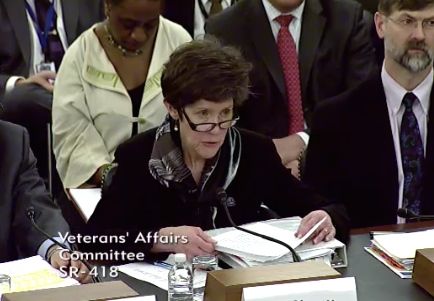
In testimony before the U.S. Senate Committee on Veterans’ Affairs on April 29, 2015, Carolyn M. Clancy, MD, interim under secretary for health at the VHA, responded to criticism leveled by senators, the U.S. Government Accountability Office (GAO), and the Office of the Inspector General. The hearings were prompted by the GAO’s February 11, 2015, Managing Risks and Improving VA Health Care report that added the VHA to its “High Risk List” and included more than 100 recommended changes for VHA.
“The Secretary and I, along with all of our senior leadership, are strongly committed to developing long-term solutions that mitigate risk to the timeliness, cost-effectiveness, quality, and safety of the VA health care system,” Dr. Clancy reassured the committee. “VHA has the capacity to address the problems GAO clearly identified in the report. I have directed all senior leaders at VHA to identify resource needs in their areas of control to insure that our strategic plans support resolution of the GAO’s high-risk areas.”
Related: Committed to Showing Results at the VA
According to the GAO, the VHA’s high-risk areas include ambiguous policies and inconsistent processes, inadequate oversight and accountability, information technology challenges, inadequate training for VA staff, and unclear resource needs and allocation priorities.
In written testimony, John D. Daigh Jr, MD, assistant VA inspector general for healthcare inspections warned that, “VHA is at risk of not performing its mission as the result of several intersecting factors. VHA has several missions, and too often management decisions compromise the most important mission of providing veterans with quality health care.”
Related: Carolyn Clancy on Improving Veteran's Access to Care
Beyond localized issues, Dr. Daigh’s testimony pointed out a number of deficiencies at the VHA. He reported that the VISN structure lacked standardization and “has not worked effectively to support and solve problems facing hospitals.”
Dr. Clancy largely agreed with that assessment. “When the [VISN] networks were set about 20 years ago they were designed as laboratories of innovation… and that’s exactly what we got,” she told the committee. “The flip side is that we got a lot of inconsistency. We need to have our core processes be consistent wherever veterans seek our assistance.”
Related: VHA Clarifies VISN Restructuring Plan
According to Dr. Daigh, technology systems at the VHA do not function adequately to meet current demands. “A number of VHA’s internal operations and systems, which should be seamless to providers, do not function well,” he pointed out. “The appointment system inefficiencies have contributed to wait time problems. Medical consultation software was permitted to devolve such that information within the system was not standard and in many cases not reliable.”
While promising to address the technology issues, Dr. Clancy also revealed that the VA is in the process of developing a new online platform called the Enterprise Health Management Platform (eHMP), which clinicians will use during their clinical interactions with patients. The system will include “Google-like search capabilities” and faster access to information than VistA, the current VA electronic health record system. According to Dr. Clancy, eHMP is already being piloted and is expected to roll out to 30 sites by the end of 2015. Full rollout, she promised, would be over the next 3 years.
Written testimony and the video of the committee meeting can be found here.
In testimony before the U.S. Senate Committee on Veterans’ Affairs on April 29, 2015, Carolyn M. Clancy, MD, interim under secretary for health at the VHA, responded to criticism leveled by senators, the U.S. Government Accountability Office (GAO), and the Office of the Inspector General. The hearings were prompted by the GAO’s February 11, 2015, Managing Risks and Improving VA Health Care report that added the VHA to its “High Risk List” and included more than 100 recommended changes for VHA.
“The Secretary and I, along with all of our senior leadership, are strongly committed to developing long-term solutions that mitigate risk to the timeliness, cost-effectiveness, quality, and safety of the VA health care system,” Dr. Clancy reassured the committee. “VHA has the capacity to address the problems GAO clearly identified in the report. I have directed all senior leaders at VHA to identify resource needs in their areas of control to insure that our strategic plans support resolution of the GAO’s high-risk areas.”
Related: Committed to Showing Results at the VA
According to the GAO, the VHA’s high-risk areas include ambiguous policies and inconsistent processes, inadequate oversight and accountability, information technology challenges, inadequate training for VA staff, and unclear resource needs and allocation priorities.
In written testimony, John D. Daigh Jr, MD, assistant VA inspector general for healthcare inspections warned that, “VHA is at risk of not performing its mission as the result of several intersecting factors. VHA has several missions, and too often management decisions compromise the most important mission of providing veterans with quality health care.”
Related: Carolyn Clancy on Improving Veteran's Access to Care
Beyond localized issues, Dr. Daigh’s testimony pointed out a number of deficiencies at the VHA. He reported that the VISN structure lacked standardization and “has not worked effectively to support and solve problems facing hospitals.”
Dr. Clancy largely agreed with that assessment. “When the [VISN] networks were set about 20 years ago they were designed as laboratories of innovation… and that’s exactly what we got,” she told the committee. “The flip side is that we got a lot of inconsistency. We need to have our core processes be consistent wherever veterans seek our assistance.”
Related: VHA Clarifies VISN Restructuring Plan
According to Dr. Daigh, technology systems at the VHA do not function adequately to meet current demands. “A number of VHA’s internal operations and systems, which should be seamless to providers, do not function well,” he pointed out. “The appointment system inefficiencies have contributed to wait time problems. Medical consultation software was permitted to devolve such that information within the system was not standard and in many cases not reliable.”
While promising to address the technology issues, Dr. Clancy also revealed that the VA is in the process of developing a new online platform called the Enterprise Health Management Platform (eHMP), which clinicians will use during their clinical interactions with patients. The system will include “Google-like search capabilities” and faster access to information than VistA, the current VA electronic health record system. According to Dr. Clancy, eHMP is already being piloted and is expected to roll out to 30 sites by the end of 2015. Full rollout, she promised, would be over the next 3 years.
Written testimony and the video of the committee meeting can be found here.
In testimony before the U.S. Senate Committee on Veterans’ Affairs on April 29, 2015, Carolyn M. Clancy, MD, interim under secretary for health at the VHA, responded to criticism leveled by senators, the U.S. Government Accountability Office (GAO), and the Office of the Inspector General. The hearings were prompted by the GAO’s February 11, 2015, Managing Risks and Improving VA Health Care report that added the VHA to its “High Risk List” and included more than 100 recommended changes for VHA.
“The Secretary and I, along with all of our senior leadership, are strongly committed to developing long-term solutions that mitigate risk to the timeliness, cost-effectiveness, quality, and safety of the VA health care system,” Dr. Clancy reassured the committee. “VHA has the capacity to address the problems GAO clearly identified in the report. I have directed all senior leaders at VHA to identify resource needs in their areas of control to insure that our strategic plans support resolution of the GAO’s high-risk areas.”
Related: Committed to Showing Results at the VA
According to the GAO, the VHA’s high-risk areas include ambiguous policies and inconsistent processes, inadequate oversight and accountability, information technology challenges, inadequate training for VA staff, and unclear resource needs and allocation priorities.
In written testimony, John D. Daigh Jr, MD, assistant VA inspector general for healthcare inspections warned that, “VHA is at risk of not performing its mission as the result of several intersecting factors. VHA has several missions, and too often management decisions compromise the most important mission of providing veterans with quality health care.”
Related: Carolyn Clancy on Improving Veteran's Access to Care
Beyond localized issues, Dr. Daigh’s testimony pointed out a number of deficiencies at the VHA. He reported that the VISN structure lacked standardization and “has not worked effectively to support and solve problems facing hospitals.”
Dr. Clancy largely agreed with that assessment. “When the [VISN] networks were set about 20 years ago they were designed as laboratories of innovation… and that’s exactly what we got,” she told the committee. “The flip side is that we got a lot of inconsistency. We need to have our core processes be consistent wherever veterans seek our assistance.”
Related: VHA Clarifies VISN Restructuring Plan
According to Dr. Daigh, technology systems at the VHA do not function adequately to meet current demands. “A number of VHA’s internal operations and systems, which should be seamless to providers, do not function well,” he pointed out. “The appointment system inefficiencies have contributed to wait time problems. Medical consultation software was permitted to devolve such that information within the system was not standard and in many cases not reliable.”
While promising to address the technology issues, Dr. Clancy also revealed that the VA is in the process of developing a new online platform called the Enterprise Health Management Platform (eHMP), which clinicians will use during their clinical interactions with patients. The system will include “Google-like search capabilities” and faster access to information than VistA, the current VA electronic health record system. According to Dr. Clancy, eHMP is already being piloted and is expected to roll out to 30 sites by the end of 2015. Full rollout, she promised, would be over the next 3 years.
Written testimony and the video of the committee meeting can be found here.
Protecting Sensory Health
Most service-related hearing and vision injuries are preventable, according to the leaders of the Hearing Center of Excellence (HCE) and Vision Center of Excellence (VCE). Since 2008, the centers have been jointly focused on improving sensory health across the DoD and VA through collaboration, education, and prevention. The centers have collaborated on ways to ignite a dialogue about the importance of vision and hearing safety and on strategies to protect the eyes and ears.
Related: Preparing the Military Health System for the 21st Century
“Service members and leaders understand that hearing is really critical for survival,” Lynn W. Henselman, PhD, HCE deputy director told Federal Practitioner. “To keep that sense as intact as possible is so important for mission accomplishment.”
“What many fail to realize is that most eye injuries are preventable,” explained Captain Penny E. Walter, VCE executive director and Glenn C. Cockerham, MD, VCE interim deputy director in an e-mail correspondence. “Eye protection will shield against most hazards, like flying debris, and wearing them can save your sight.”
Related: Risk of Vehicle Accidents for Returning Military
During the month of May, the 2 centers are joining forces. According to Col Mark Packer, MD, HCE executive director, polytraumatic blast injuries from the wars in Iraq and Afghanistan are often multisensory. “As the patient rolls through the rehabilitation process, the patient is seeing multiple caregivers for multiple problems,” Packer said. “Integrating that care into a combined platform is important.”
Related: Department of Defense Hearing Center of Excellence
Officials at both centers emphasize that their efforts to coordinate care and cooperate also include the Defense Centers of Excellence for Psychological Health and Traumatic Brain Injury and the Extremity Trauma and Amputation Center of Excellence. Both HCE and VCE are developing registries to increase data sharing on sensory injuries and diseases across the VA and DoD. In addition, VCE plans to expand its ocular trauma video teleconference program to offer consultations and training for remote locations.
Most service-related hearing and vision injuries are preventable, according to the leaders of the Hearing Center of Excellence (HCE) and Vision Center of Excellence (VCE). Since 2008, the centers have been jointly focused on improving sensory health across the DoD and VA through collaboration, education, and prevention. The centers have collaborated on ways to ignite a dialogue about the importance of vision and hearing safety and on strategies to protect the eyes and ears.
Related: Preparing the Military Health System for the 21st Century
“Service members and leaders understand that hearing is really critical for survival,” Lynn W. Henselman, PhD, HCE deputy director told Federal Practitioner. “To keep that sense as intact as possible is so important for mission accomplishment.”
“What many fail to realize is that most eye injuries are preventable,” explained Captain Penny E. Walter, VCE executive director and Glenn C. Cockerham, MD, VCE interim deputy director in an e-mail correspondence. “Eye protection will shield against most hazards, like flying debris, and wearing them can save your sight.”
Related: Risk of Vehicle Accidents for Returning Military
During the month of May, the 2 centers are joining forces. According to Col Mark Packer, MD, HCE executive director, polytraumatic blast injuries from the wars in Iraq and Afghanistan are often multisensory. “As the patient rolls through the rehabilitation process, the patient is seeing multiple caregivers for multiple problems,” Packer said. “Integrating that care into a combined platform is important.”
Related: Department of Defense Hearing Center of Excellence
Officials at both centers emphasize that their efforts to coordinate care and cooperate also include the Defense Centers of Excellence for Psychological Health and Traumatic Brain Injury and the Extremity Trauma and Amputation Center of Excellence. Both HCE and VCE are developing registries to increase data sharing on sensory injuries and diseases across the VA and DoD. In addition, VCE plans to expand its ocular trauma video teleconference program to offer consultations and training for remote locations.
Most service-related hearing and vision injuries are preventable, according to the leaders of the Hearing Center of Excellence (HCE) and Vision Center of Excellence (VCE). Since 2008, the centers have been jointly focused on improving sensory health across the DoD and VA through collaboration, education, and prevention. The centers have collaborated on ways to ignite a dialogue about the importance of vision and hearing safety and on strategies to protect the eyes and ears.
Related: Preparing the Military Health System for the 21st Century
“Service members and leaders understand that hearing is really critical for survival,” Lynn W. Henselman, PhD, HCE deputy director told Federal Practitioner. “To keep that sense as intact as possible is so important for mission accomplishment.”
“What many fail to realize is that most eye injuries are preventable,” explained Captain Penny E. Walter, VCE executive director and Glenn C. Cockerham, MD, VCE interim deputy director in an e-mail correspondence. “Eye protection will shield against most hazards, like flying debris, and wearing them can save your sight.”
Related: Risk of Vehicle Accidents for Returning Military
During the month of May, the 2 centers are joining forces. According to Col Mark Packer, MD, HCE executive director, polytraumatic blast injuries from the wars in Iraq and Afghanistan are often multisensory. “As the patient rolls through the rehabilitation process, the patient is seeing multiple caregivers for multiple problems,” Packer said. “Integrating that care into a combined platform is important.”
Related: Department of Defense Hearing Center of Excellence
Officials at both centers emphasize that their efforts to coordinate care and cooperate also include the Defense Centers of Excellence for Psychological Health and Traumatic Brain Injury and the Extremity Trauma and Amputation Center of Excellence. Both HCE and VCE are developing registries to increase data sharing on sensory injuries and diseases across the VA and DoD. In addition, VCE plans to expand its ocular trauma video teleconference program to offer consultations and training for remote locations.