User login
Sharing Alzheimer Research, Faster
A “bold new venture” to share the latest knowledge about Alzheimer disease (AD) has been formed. The Accelerating Medicines Partnership (AMP) brings together the National Institutes of Health (NIH), the FDA, 10 biopharmaceutical companies, scientists, and several nonprofit organizations to more quickly translate knowledge about AD into therapies.
Related: Putting Research Into Real-Life Practice
The partnership has launched a Big Data portal about AD for the research community, housing data to be disseminated over the 5 years of the AMP-AD Target Discovery and Preclinical Validation Project. Academic teams, in collaboration with data scientists at Sage Bionetworks (a Seattle, Washington-based nonprofit organization promoting open science) and bioinformatics and drug discovery experts will apply “cutting-edge analytical approaches to integrate molecular and clinical data from more than 2,000 postmortem brain samples,” according to the NIH. The first wave of data was released March 4, 2015.
Related: Keeping an Open Mind on HRT
“We are determined to reduce the cost and time it takes to discover viable therapeutic targets and bring new diagnostics and effective therapies to people with Alzheimer’s,” said NIH Director Francis S. Collins, MD, PhD. “The AD initiative of AMP is one way we can revolutionize Alzheimer’s research and drug development by applying the principles of open science to the use and analysis of large and complex human data sets.”
Related: Midlife Vascular Factors May Signal Later Dementia
The multisector partnership is led by the Foundation for the NIH. Combined funding for the 5-year endeavor is $92.5 million, coming mostly from the NIH but also from industry and nonprofits. Alzheimer disease is only one of the diseases the partners are focusing on—AMP also has programs for type 2 diabetes and the autoimmune diseases rheumatoid arthritis and systemic lupus erythematosus.
For more information on the AD program, visit the AMP-AD Target Discovery and Preclinical Validation Project web page at www.nia.nih.gov/alzheimers/amp-ad.
A “bold new venture” to share the latest knowledge about Alzheimer disease (AD) has been formed. The Accelerating Medicines Partnership (AMP) brings together the National Institutes of Health (NIH), the FDA, 10 biopharmaceutical companies, scientists, and several nonprofit organizations to more quickly translate knowledge about AD into therapies.
Related: Putting Research Into Real-Life Practice
The partnership has launched a Big Data portal about AD for the research community, housing data to be disseminated over the 5 years of the AMP-AD Target Discovery and Preclinical Validation Project. Academic teams, in collaboration with data scientists at Sage Bionetworks (a Seattle, Washington-based nonprofit organization promoting open science) and bioinformatics and drug discovery experts will apply “cutting-edge analytical approaches to integrate molecular and clinical data from more than 2,000 postmortem brain samples,” according to the NIH. The first wave of data was released March 4, 2015.
Related: Keeping an Open Mind on HRT
“We are determined to reduce the cost and time it takes to discover viable therapeutic targets and bring new diagnostics and effective therapies to people with Alzheimer’s,” said NIH Director Francis S. Collins, MD, PhD. “The AD initiative of AMP is one way we can revolutionize Alzheimer’s research and drug development by applying the principles of open science to the use and analysis of large and complex human data sets.”
Related: Midlife Vascular Factors May Signal Later Dementia
The multisector partnership is led by the Foundation for the NIH. Combined funding for the 5-year endeavor is $92.5 million, coming mostly from the NIH but also from industry and nonprofits. Alzheimer disease is only one of the diseases the partners are focusing on—AMP also has programs for type 2 diabetes and the autoimmune diseases rheumatoid arthritis and systemic lupus erythematosus.
For more information on the AD program, visit the AMP-AD Target Discovery and Preclinical Validation Project web page at www.nia.nih.gov/alzheimers/amp-ad.
A “bold new venture” to share the latest knowledge about Alzheimer disease (AD) has been formed. The Accelerating Medicines Partnership (AMP) brings together the National Institutes of Health (NIH), the FDA, 10 biopharmaceutical companies, scientists, and several nonprofit organizations to more quickly translate knowledge about AD into therapies.
Related: Putting Research Into Real-Life Practice
The partnership has launched a Big Data portal about AD for the research community, housing data to be disseminated over the 5 years of the AMP-AD Target Discovery and Preclinical Validation Project. Academic teams, in collaboration with data scientists at Sage Bionetworks (a Seattle, Washington-based nonprofit organization promoting open science) and bioinformatics and drug discovery experts will apply “cutting-edge analytical approaches to integrate molecular and clinical data from more than 2,000 postmortem brain samples,” according to the NIH. The first wave of data was released March 4, 2015.
Related: Keeping an Open Mind on HRT
“We are determined to reduce the cost and time it takes to discover viable therapeutic targets and bring new diagnostics and effective therapies to people with Alzheimer’s,” said NIH Director Francis S. Collins, MD, PhD. “The AD initiative of AMP is one way we can revolutionize Alzheimer’s research and drug development by applying the principles of open science to the use and analysis of large and complex human data sets.”
Related: Midlife Vascular Factors May Signal Later Dementia
The multisector partnership is led by the Foundation for the NIH. Combined funding for the 5-year endeavor is $92.5 million, coming mostly from the NIH but also from industry and nonprofits. Alzheimer disease is only one of the diseases the partners are focusing on—AMP also has programs for type 2 diabetes and the autoimmune diseases rheumatoid arthritis and systemic lupus erythematosus.
For more information on the AD program, visit the AMP-AD Target Discovery and Preclinical Validation Project web page at www.nia.nih.gov/alzheimers/amp-ad.
Spray-dried fibrin sealant for surgical use approved by FDA
A product that contains a spray-dried, blended formulation of fibrinogen and thrombin, derived from human plasma, has been approved for use in helping control surgical bleeding, the Food and Drug Administration announced.
The approved indication for the fibrin sealant is for use with an absorbable gelatin sponge; it is the first spray-dried fibrin sealant approved by the FDA, according to its statement. The product, which will be marketed as Raplixa, can be applied from the product vial or sprayed onto the site of bleeding with a spray device.

“This approval provides surgeons an additional option to help control bleeding during surgery when needed,” Dr. Karen Midthun, director of the FDA’s Center for Biologics Evaluation and Research, said in the FDA’s statement. “The spray-drying process used to manufacture Raplixa produces dried powders that can be combined into a single vial. This eliminates the need to combine the fibrinogen and thrombin before use and allows the product to be stored at room temperature,” she added.
Approval was based on a study of 719 people undergoing different types of surgical procedures, which showed that use of the fibrin sealant with an absorbable gelatin sponge reduced the time required to achieve hemostasis, compared with the use of a sponge alone. The manufacturing process includes viral inactivation and removal to reduce the risk of transmitting of blood-borne viruses, the FDA statement said.
The approved indication is “to provide adjunctive hemostasis for mild to moderate bleeding in adults undergoing surgery when control of bleeding by standard surgical techniques (such as suture, ligature and cautery) is ineffective or impractical,” according to an April 30 statement issued by the Medicines Company. The statement said that the product does not need to be thawed, reconstituted or mixed before use, and it describes the spray device as “a low-pressure spray applicator designed to deliver Raplixa to larger bleeding surfaces in difficult to reach areas.”
The product is manufactured by ProFibrix BV, a subsidiary of the Medicines Company.
A product that contains a spray-dried, blended formulation of fibrinogen and thrombin, derived from human plasma, has been approved for use in helping control surgical bleeding, the Food and Drug Administration announced.
The approved indication for the fibrin sealant is for use with an absorbable gelatin sponge; it is the first spray-dried fibrin sealant approved by the FDA, according to its statement. The product, which will be marketed as Raplixa, can be applied from the product vial or sprayed onto the site of bleeding with a spray device.
“This approval provides surgeons an additional option to help control bleeding during surgery when needed,” Dr. Karen Midthun, director of the FDA’s Center for Biologics Evaluation and Research, said in the FDA’s statement. “The spray-drying process used to manufacture Raplixa produces dried powders that can be combined into a single vial. This eliminates the need to combine the fibrinogen and thrombin before use and allows the product to be stored at room temperature,” she added.
Approval was based on a study of 719 people undergoing different types of surgical procedures, which showed that use of the fibrin sealant with an absorbable gelatin sponge reduced the time required to achieve hemostasis, compared with the use of a sponge alone. The manufacturing process includes viral inactivation and removal to reduce the risk of transmitting of blood-borne viruses, the FDA statement said.
The approved indication is “to provide adjunctive hemostasis for mild to moderate bleeding in adults undergoing surgery when control of bleeding by standard surgical techniques (such as suture, ligature and cautery) is ineffective or impractical,” according to an April 30 statement issued by the Medicines Company. The statement said that the product does not need to be thawed, reconstituted or mixed before use, and it describes the spray device as “a low-pressure spray applicator designed to deliver Raplixa to larger bleeding surfaces in difficult to reach areas.”
The product is manufactured by ProFibrix BV, a subsidiary of the Medicines Company.
A product that contains a spray-dried, blended formulation of fibrinogen and thrombin, derived from human plasma, has been approved for use in helping control surgical bleeding, the Food and Drug Administration announced.
The approved indication for the fibrin sealant is for use with an absorbable gelatin sponge; it is the first spray-dried fibrin sealant approved by the FDA, according to its statement. The product, which will be marketed as Raplixa, can be applied from the product vial or sprayed onto the site of bleeding with a spray device.
“This approval provides surgeons an additional option to help control bleeding during surgery when needed,” Dr. Karen Midthun, director of the FDA’s Center for Biologics Evaluation and Research, said in the FDA’s statement. “The spray-drying process used to manufacture Raplixa produces dried powders that can be combined into a single vial. This eliminates the need to combine the fibrinogen and thrombin before use and allows the product to be stored at room temperature,” she added.
Approval was based on a study of 719 people undergoing different types of surgical procedures, which showed that use of the fibrin sealant with an absorbable gelatin sponge reduced the time required to achieve hemostasis, compared with the use of a sponge alone. The manufacturing process includes viral inactivation and removal to reduce the risk of transmitting of blood-borne viruses, the FDA statement said.
The approved indication is “to provide adjunctive hemostasis for mild to moderate bleeding in adults undergoing surgery when control of bleeding by standard surgical techniques (such as suture, ligature and cautery) is ineffective or impractical,” according to an April 30 statement issued by the Medicines Company. The statement said that the product does not need to be thawed, reconstituted or mixed before use, and it describes the spray device as “a low-pressure spray applicator designed to deliver Raplixa to larger bleeding surfaces in difficult to reach areas.”
The product is manufactured by ProFibrix BV, a subsidiary of the Medicines Company.

Medicare at 50: Physicians struggle with antifraud regulations
For Dr. Carla L. Kakutani, it has become increasingly challenging to obtain durable medical equipment (DME) for her Medicare patients.
In addition to proving equipment is medically necessary, a 2013 rule requires physicians to document that a face-to-face encounter occurred between a patient and doctor or other health provider within 6 months of the DME order. (Enforcement of the rule has been delayed, but many physicians are currently complying with this policy.) Dr. Kakutani understands the added regulations are meant to prevent fraudulent billings, she said, but the heavy paperwork and additional red tape are burdensome.

“The problem is, [the process] turns into this back and forth between you, the equipment company, and Medicare,” said Dr. Kakutani, a family physician in Winters, Calif. “Meanwhile, the patient is waiting, and you’re being distracted from other things. The bad apples are making life rough for the rest of us.”
As Medicare turns 50 this year, Dr. Kakutani is not alone in her frustrations. In recent years, the U.S. Department of Health & Human Services has greatly expanded its efforts to combat Medicare fraud, and physicians across the country are feeling the effects.
The government’s primary antifraud tool is the Health Care Fraud Prevention and Enforcement Action Team (HEAT), created in 2009 to identify and investigate health fraud and abuse. CMS also works with an array of contractors to detect Medicare fraud, including comprehensive error rate testing (CERT) contractors, Medicare administrative contractors (MACs), Medicare drug integrity contractors (MEDICs), recovery audit program auditors (RACs), and zone program integrity contractors (ZPICs). In 2010, CMS launched the Fraud Prevention System (FPS), a predictive analytics technology that runs algorithms on all Medicare claims prior to payment. And in 2012, CMS created the Program Integrity Command Center that brings together investigators from Medicare, Medicaid, and the law enforcement community to develop predictive analytics that identify fraud and mobilize a rapid response.
Just how much Medicare fraud is happening at any given time is difficult to measure. In 2014, the federal government recouped $3 billion in Medicare- and Medicaid-related fraud settlements and judgments, according to an HHS analysis. In 2013 and 2012, the government recovered about $4 billion each year. And it’s nearly impossible to determine the volume of Medicare fraud committed by doctors, said Dr. Julie Taitsman, chief medical officer for the HHS Office of Inspector General.
“Getting at the actual amount of Medicare fraud in general, or Medicare fraud by physicians, is incredibly difficult,” Dr. Taitsman said in an interview. “We can tell you about the fraud we’ve identified, but we don’t know the total body of fraud.”
Dr. Taitsman stressed that all physicians play a major role in preventing health fraud and improving the quality of the Medicare system.
“Why it’s so important for physicians to practice with integrity – and we do believe that the vast majority of physicians practice with integrity – is because physicians control the bulk of care and services that [Medicare] patients receive,” Dr. Taitsman said. “That’s why it’s so important for physicians to be our partners in promoting high-quality care, promoting efficiency and compliance with the rules.”

But continually changing rules and guidelines make it difficult for many doctors to do just that, said Dr. James Szalados, an anesthesiologist and critical care physician based in Rochester, N.Y. Updates to payment rules, new OIG work plan targets, and growing documentation requirements can be overwhelming for practices.
“It’s not just the number of regulations, but it’s also the rate of change,” said Dr. Szalados, who is also an attorney. “For most doctors, it’s terrifying. They can’t keep up.”
Adhering to the latest regulations generally means hiring outside attorneys, consultants, and financial auditors who can help doctors self-police their practices, Dr. Szalados said.
Physicians also face Medicare fraud accusations from more directions than in the past, said Michael E. Clark, a Houston-based health law attorney and chair of the American Bar Association health law section. In addition to government claims, whistle-blower provisions under the False Claims Act allow individuals to file lawsuits alleging fraud and abuse on behalf of the government. If the government intervenes and the suit is successful, a whistle-blower can take home 15%-25% of money recovered. In 2014, the number of whistle-blower suits exceeded 700 for the second year in a row, according to the Department of Justice.
“A lot of people bringing these false claims actions are former or disgruntled employees or other doctors,” Mr. Clark said. “You might have a technical, regulatory type of theory, and yet it can be quickly changed into a fraud and abuse case.”
New laws have added to the challenge, Mr. Clark said. The Fraud Enforcement and Recovery Act (FERA), enacted in 2009, expands potential liability for false claims by applying the FCA to more entities and a larger range of transactions. The law also reduces the proof required to establish fault.
“FERA took away a lot of defenses that had been used successfully by defense counsel over the years on technical issues,” Mr. Clark said.
The antifraud climate has led many physicians to leave private practice or merge with hospitals or larger health systems, Dr. Szalados said. Other doctors have resorted to intentionally underbilling to avoid claim scrutiny, according to Dr. Robert A. Lee, who serves on the board of directors for the American Academy of Family Physicians . After a third-party compliance review, Dr. Lee’s private practice felt the best course of action was to bill more conservatively, he said.
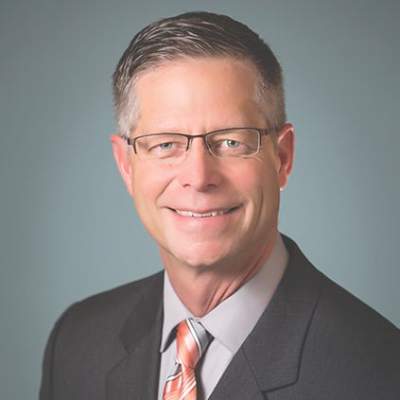
“We kind of overdocument and undercode,” Dr. Lee said in an interview. “Of course that’s not fair to the physicians because they’re not billing for what they did do.”
On a more positive note, physicians are getting better at internal auditing and developing stronger compliance programs that address billing errors, said Alex T. Krouse, a health law attorney based in Mishawaka, Ind.
“I do think health care providers are getting more sophisticated and are really believing in the compliance-related function,” Mr. Krouse said in an interview. “That is helping and reducing the risk quite a bit.”
While antifraud enforcement will likely increase in the future, physicians that follow regulations and implement recommended protocols shouldn’t be too worried, Mr. Krouse added.
“If you’re a group, and you’re doing internal audits and you’ve got a compliance program in place, and you’re really working to have a compliant organization, the government’s aggressiveness and fraud detection is going to be minimal,” he said. “The aggressive tactics are really for those groups or organizations that have a blatant disregard for these processes.”
8 pro tips for avoiding fraud accusations
The possibility of coming under Medicare fraud scrutiny strikes fear in the heart of most physicians. Here’s what health law experts and federal officials recommend to stay in the clear:
• Designate a compliance officer. Assigning a specific employee to keep track of changing laws and regulations can help physicians remain compliant with antifraud regulations, said Mr. Krouse. The compliance officer should lead compliance efforts, inform staff of relevant rule changes, and take charge if billing practices come under government scrutiny.
• Retain a health law attorney. Seek the guidance of an experienced health law or Medicare fraud defense attorney should questions or billing problems arise, Mr. Clark recommended. Business or staff attorneys do not always have the needed expertise and can sometimes lead practices astray during critical times. Consider retaining a qualified, go-to health law attorney to answer questions and assist during crises.
• Develop a compliance program. Create strong compliance plans to address potential fraud, abuse, and billing issues, Dr. Taitsman advised. There is no one-size-fits all compliance plan, but the government offers suggested guidance about what plans should entail. No practice is too small to set up a compliance plan, she said.
• Perform internal audits. Internal audits should be a regular practice – annually or biennially – for all physicians, Mr. Krouse said. They can be completed by staff or a consultant.
• Send audit results to an attorney. If an internal audit is completed, the results should be conveyed first to an attorney, Mr. Clark said. Audit results shared directly with members of the medical practices are not privileged and could be communicated to the government. If an attorney shares audit results with physicians and practice leaders, the information is protected by the attorney-client privilege. The process limits the ability of staff members or disgruntled employees from sharing audit information or seeking whistle-blower claims.
• Build a strong disclosure protocol. The government is usually more lenient with health providers who are forthcoming about billing mistakes, Dr. Szalados said. Disclosing potential health fraud or billing errors can save the stress, time, and money associated with a government-initiated investigation. Under the Affordable Care Act, providers must return overpayments within 60 days of identifying them. Failing to report overpayments can lead to liability under the False Claims Act.
• Address billing errors immediately. If overbilling errors or systemic mistakes are found, doctors must do more than simply repay the government, Mr. Krouse said. Practices also must change their billing practices and develop an improvement plan. Have a process in place for how billing and coding issues will be addressed in the present and in the future, he recommended.
• Formulate a correction plan. Should a practice come under Medicare fraud suspicion, physicians should immediately analyze past billings. Conduct a thorough internal investigation that includes the extent of the problem and the scope of its threat to the practice, Mr. Krouse added. Create a corrective action plan and outline it to the government. A strong corrective plan goes a long way in negotiating settlements with the government, he said.
Various online resources are available to help physicians prevent Medicare fraud including a roadmap from CMS and guidance for new physicians by the OIG.
On Twitter @legal_med
For Dr. Carla L. Kakutani, it has become increasingly challenging to obtain durable medical equipment (DME) for her Medicare patients.
In addition to proving equipment is medically necessary, a 2013 rule requires physicians to document that a face-to-face encounter occurred between a patient and doctor or other health provider within 6 months of the DME order. (Enforcement of the rule has been delayed, but many physicians are currently complying with this policy.) Dr. Kakutani understands the added regulations are meant to prevent fraudulent billings, she said, but the heavy paperwork and additional red tape are burdensome.
“The problem is, [the process] turns into this back and forth between you, the equipment company, and Medicare,” said Dr. Kakutani, a family physician in Winters, Calif. “Meanwhile, the patient is waiting, and you’re being distracted from other things. The bad apples are making life rough for the rest of us.”
As Medicare turns 50 this year, Dr. Kakutani is not alone in her frustrations. In recent years, the U.S. Department of Health & Human Services has greatly expanded its efforts to combat Medicare fraud, and physicians across the country are feeling the effects.
The government’s primary antifraud tool is the Health Care Fraud Prevention and Enforcement Action Team (HEAT), created in 2009 to identify and investigate health fraud and abuse. CMS also works with an array of contractors to detect Medicare fraud, including comprehensive error rate testing (CERT) contractors, Medicare administrative contractors (MACs), Medicare drug integrity contractors (MEDICs), recovery audit program auditors (RACs), and zone program integrity contractors (ZPICs). In 2010, CMS launched the Fraud Prevention System (FPS), a predictive analytics technology that runs algorithms on all Medicare claims prior to payment. And in 2012, CMS created the Program Integrity Command Center that brings together investigators from Medicare, Medicaid, and the law enforcement community to develop predictive analytics that identify fraud and mobilize a rapid response.
Just how much Medicare fraud is happening at any given time is difficult to measure. In 2014, the federal government recouped $3 billion in Medicare- and Medicaid-related fraud settlements and judgments, according to an HHS analysis. In 2013 and 2012, the government recovered about $4 billion each year. And it’s nearly impossible to determine the volume of Medicare fraud committed by doctors, said Dr. Julie Taitsman, chief medical officer for the HHS Office of Inspector General.
“Getting at the actual amount of Medicare fraud in general, or Medicare fraud by physicians, is incredibly difficult,” Dr. Taitsman said in an interview. “We can tell you about the fraud we’ve identified, but we don’t know the total body of fraud.”
Dr. Taitsman stressed that all physicians play a major role in preventing health fraud and improving the quality of the Medicare system.
“Why it’s so important for physicians to practice with integrity – and we do believe that the vast majority of physicians practice with integrity – is because physicians control the bulk of care and services that [Medicare] patients receive,” Dr. Taitsman said. “That’s why it’s so important for physicians to be our partners in promoting high-quality care, promoting efficiency and compliance with the rules.”
But continually changing rules and guidelines make it difficult for many doctors to do just that, said Dr. James Szalados, an anesthesiologist and critical care physician based in Rochester, N.Y. Updates to payment rules, new OIG work plan targets, and growing documentation requirements can be overwhelming for practices.
“It’s not just the number of regulations, but it’s also the rate of change,” said Dr. Szalados, who is also an attorney. “For most doctors, it’s terrifying. They can’t keep up.”
Adhering to the latest regulations generally means hiring outside attorneys, consultants, and financial auditors who can help doctors self-police their practices, Dr. Szalados said.
Physicians also face Medicare fraud accusations from more directions than in the past, said Michael E. Clark, a Houston-based health law attorney and chair of the American Bar Association health law section. In addition to government claims, whistle-blower provisions under the False Claims Act allow individuals to file lawsuits alleging fraud and abuse on behalf of the government. If the government intervenes and the suit is successful, a whistle-blower can take home 15%-25% of money recovered. In 2014, the number of whistle-blower suits exceeded 700 for the second year in a row, according to the Department of Justice.
“A lot of people bringing these false claims actions are former or disgruntled employees or other doctors,” Mr. Clark said. “You might have a technical, regulatory type of theory, and yet it can be quickly changed into a fraud and abuse case.”
New laws have added to the challenge, Mr. Clark said. The Fraud Enforcement and Recovery Act (FERA), enacted in 2009, expands potential liability for false claims by applying the FCA to more entities and a larger range of transactions. The law also reduces the proof required to establish fault.
“FERA took away a lot of defenses that had been used successfully by defense counsel over the years on technical issues,” Mr. Clark said.
The antifraud climate has led many physicians to leave private practice or merge with hospitals or larger health systems, Dr. Szalados said. Other doctors have resorted to intentionally underbilling to avoid claim scrutiny, according to Dr. Robert A. Lee, who serves on the board of directors for the American Academy of Family Physicians . After a third-party compliance review, Dr. Lee’s private practice felt the best course of action was to bill more conservatively, he said.
“We kind of overdocument and undercode,” Dr. Lee said in an interview. “Of course that’s not fair to the physicians because they’re not billing for what they did do.”
On a more positive note, physicians are getting better at internal auditing and developing stronger compliance programs that address billing errors, said Alex T. Krouse, a health law attorney based in Mishawaka, Ind.
“I do think health care providers are getting more sophisticated and are really believing in the compliance-related function,” Mr. Krouse said in an interview. “That is helping and reducing the risk quite a bit.”
While antifraud enforcement will likely increase in the future, physicians that follow regulations and implement recommended protocols shouldn’t be too worried, Mr. Krouse added.
“If you’re a group, and you’re doing internal audits and you’ve got a compliance program in place, and you’re really working to have a compliant organization, the government’s aggressiveness and fraud detection is going to be minimal,” he said. “The aggressive tactics are really for those groups or organizations that have a blatant disregard for these processes.”
8 pro tips for avoiding fraud accusations
The possibility of coming under Medicare fraud scrutiny strikes fear in the heart of most physicians. Here’s what health law experts and federal officials recommend to stay in the clear:
• Designate a compliance officer. Assigning a specific employee to keep track of changing laws and regulations can help physicians remain compliant with antifraud regulations, said Mr. Krouse. The compliance officer should lead compliance efforts, inform staff of relevant rule changes, and take charge if billing practices come under government scrutiny.
• Retain a health law attorney. Seek the guidance of an experienced health law or Medicare fraud defense attorney should questions or billing problems arise, Mr. Clark recommended. Business or staff attorneys do not always have the needed expertise and can sometimes lead practices astray during critical times. Consider retaining a qualified, go-to health law attorney to answer questions and assist during crises.
• Develop a compliance program. Create strong compliance plans to address potential fraud, abuse, and billing issues, Dr. Taitsman advised. There is no one-size-fits all compliance plan, but the government offers suggested guidance about what plans should entail. No practice is too small to set up a compliance plan, she said.
• Perform internal audits. Internal audits should be a regular practice – annually or biennially – for all physicians, Mr. Krouse said. They can be completed by staff or a consultant.
• Send audit results to an attorney. If an internal audit is completed, the results should be conveyed first to an attorney, Mr. Clark said. Audit results shared directly with members of the medical practices are not privileged and could be communicated to the government. If an attorney shares audit results with physicians and practice leaders, the information is protected by the attorney-client privilege. The process limits the ability of staff members or disgruntled employees from sharing audit information or seeking whistle-blower claims.
• Build a strong disclosure protocol. The government is usually more lenient with health providers who are forthcoming about billing mistakes, Dr. Szalados said. Disclosing potential health fraud or billing errors can save the stress, time, and money associated with a government-initiated investigation. Under the Affordable Care Act, providers must return overpayments within 60 days of identifying them. Failing to report overpayments can lead to liability under the False Claims Act.
• Address billing errors immediately. If overbilling errors or systemic mistakes are found, doctors must do more than simply repay the government, Mr. Krouse said. Practices also must change their billing practices and develop an improvement plan. Have a process in place for how billing and coding issues will be addressed in the present and in the future, he recommended.
• Formulate a correction plan. Should a practice come under Medicare fraud suspicion, physicians should immediately analyze past billings. Conduct a thorough internal investigation that includes the extent of the problem and the scope of its threat to the practice, Mr. Krouse added. Create a corrective action plan and outline it to the government. A strong corrective plan goes a long way in negotiating settlements with the government, he said.
Various online resources are available to help physicians prevent Medicare fraud including a roadmap from CMS and guidance for new physicians by the OIG.
On Twitter @legal_med
For Dr. Carla L. Kakutani, it has become increasingly challenging to obtain durable medical equipment (DME) for her Medicare patients.
In addition to proving equipment is medically necessary, a 2013 rule requires physicians to document that a face-to-face encounter occurred between a patient and doctor or other health provider within 6 months of the DME order. (Enforcement of the rule has been delayed, but many physicians are currently complying with this policy.) Dr. Kakutani understands the added regulations are meant to prevent fraudulent billings, she said, but the heavy paperwork and additional red tape are burdensome.
“The problem is, [the process] turns into this back and forth between you, the equipment company, and Medicare,” said Dr. Kakutani, a family physician in Winters, Calif. “Meanwhile, the patient is waiting, and you’re being distracted from other things. The bad apples are making life rough for the rest of us.”
As Medicare turns 50 this year, Dr. Kakutani is not alone in her frustrations. In recent years, the U.S. Department of Health & Human Services has greatly expanded its efforts to combat Medicare fraud, and physicians across the country are feeling the effects.
The government’s primary antifraud tool is the Health Care Fraud Prevention and Enforcement Action Team (HEAT), created in 2009 to identify and investigate health fraud and abuse. CMS also works with an array of contractors to detect Medicare fraud, including comprehensive error rate testing (CERT) contractors, Medicare administrative contractors (MACs), Medicare drug integrity contractors (MEDICs), recovery audit program auditors (RACs), and zone program integrity contractors (ZPICs). In 2010, CMS launched the Fraud Prevention System (FPS), a predictive analytics technology that runs algorithms on all Medicare claims prior to payment. And in 2012, CMS created the Program Integrity Command Center that brings together investigators from Medicare, Medicaid, and the law enforcement community to develop predictive analytics that identify fraud and mobilize a rapid response.
Just how much Medicare fraud is happening at any given time is difficult to measure. In 2014, the federal government recouped $3 billion in Medicare- and Medicaid-related fraud settlements and judgments, according to an HHS analysis. In 2013 and 2012, the government recovered about $4 billion each year. And it’s nearly impossible to determine the volume of Medicare fraud committed by doctors, said Dr. Julie Taitsman, chief medical officer for the HHS Office of Inspector General.
“Getting at the actual amount of Medicare fraud in general, or Medicare fraud by physicians, is incredibly difficult,” Dr. Taitsman said in an interview. “We can tell you about the fraud we’ve identified, but we don’t know the total body of fraud.”
Dr. Taitsman stressed that all physicians play a major role in preventing health fraud and improving the quality of the Medicare system.
“Why it’s so important for physicians to practice with integrity – and we do believe that the vast majority of physicians practice with integrity – is because physicians control the bulk of care and services that [Medicare] patients receive,” Dr. Taitsman said. “That’s why it’s so important for physicians to be our partners in promoting high-quality care, promoting efficiency and compliance with the rules.”
But continually changing rules and guidelines make it difficult for many doctors to do just that, said Dr. James Szalados, an anesthesiologist and critical care physician based in Rochester, N.Y. Updates to payment rules, new OIG work plan targets, and growing documentation requirements can be overwhelming for practices.
“It’s not just the number of regulations, but it’s also the rate of change,” said Dr. Szalados, who is also an attorney. “For most doctors, it’s terrifying. They can’t keep up.”
Adhering to the latest regulations generally means hiring outside attorneys, consultants, and financial auditors who can help doctors self-police their practices, Dr. Szalados said.
Physicians also face Medicare fraud accusations from more directions than in the past, said Michael E. Clark, a Houston-based health law attorney and chair of the American Bar Association health law section. In addition to government claims, whistle-blower provisions under the False Claims Act allow individuals to file lawsuits alleging fraud and abuse on behalf of the government. If the government intervenes and the suit is successful, a whistle-blower can take home 15%-25% of money recovered. In 2014, the number of whistle-blower suits exceeded 700 for the second year in a row, according to the Department of Justice.
“A lot of people bringing these false claims actions are former or disgruntled employees or other doctors,” Mr. Clark said. “You might have a technical, regulatory type of theory, and yet it can be quickly changed into a fraud and abuse case.”
New laws have added to the challenge, Mr. Clark said. The Fraud Enforcement and Recovery Act (FERA), enacted in 2009, expands potential liability for false claims by applying the FCA to more entities and a larger range of transactions. The law also reduces the proof required to establish fault.
“FERA took away a lot of defenses that had been used successfully by defense counsel over the years on technical issues,” Mr. Clark said.
The antifraud climate has led many physicians to leave private practice or merge with hospitals or larger health systems, Dr. Szalados said. Other doctors have resorted to intentionally underbilling to avoid claim scrutiny, according to Dr. Robert A. Lee, who serves on the board of directors for the American Academy of Family Physicians . After a third-party compliance review, Dr. Lee’s private practice felt the best course of action was to bill more conservatively, he said.
“We kind of overdocument and undercode,” Dr. Lee said in an interview. “Of course that’s not fair to the physicians because they’re not billing for what they did do.”
On a more positive note, physicians are getting better at internal auditing and developing stronger compliance programs that address billing errors, said Alex T. Krouse, a health law attorney based in Mishawaka, Ind.
“I do think health care providers are getting more sophisticated and are really believing in the compliance-related function,” Mr. Krouse said in an interview. “That is helping and reducing the risk quite a bit.”
While antifraud enforcement will likely increase in the future, physicians that follow regulations and implement recommended protocols shouldn’t be too worried, Mr. Krouse added.
“If you’re a group, and you’re doing internal audits and you’ve got a compliance program in place, and you’re really working to have a compliant organization, the government’s aggressiveness and fraud detection is going to be minimal,” he said. “The aggressive tactics are really for those groups or organizations that have a blatant disregard for these processes.”
8 pro tips for avoiding fraud accusations
The possibility of coming under Medicare fraud scrutiny strikes fear in the heart of most physicians. Here’s what health law experts and federal officials recommend to stay in the clear:
• Designate a compliance officer. Assigning a specific employee to keep track of changing laws and regulations can help physicians remain compliant with antifraud regulations, said Mr. Krouse. The compliance officer should lead compliance efforts, inform staff of relevant rule changes, and take charge if billing practices come under government scrutiny.
• Retain a health law attorney. Seek the guidance of an experienced health law or Medicare fraud defense attorney should questions or billing problems arise, Mr. Clark recommended. Business or staff attorneys do not always have the needed expertise and can sometimes lead practices astray during critical times. Consider retaining a qualified, go-to health law attorney to answer questions and assist during crises.
• Develop a compliance program. Create strong compliance plans to address potential fraud, abuse, and billing issues, Dr. Taitsman advised. There is no one-size-fits all compliance plan, but the government offers suggested guidance about what plans should entail. No practice is too small to set up a compliance plan, she said.
• Perform internal audits. Internal audits should be a regular practice – annually or biennially – for all physicians, Mr. Krouse said. They can be completed by staff or a consultant.
• Send audit results to an attorney. If an internal audit is completed, the results should be conveyed first to an attorney, Mr. Clark said. Audit results shared directly with members of the medical practices are not privileged and could be communicated to the government. If an attorney shares audit results with physicians and practice leaders, the information is protected by the attorney-client privilege. The process limits the ability of staff members or disgruntled employees from sharing audit information or seeking whistle-blower claims.
• Build a strong disclosure protocol. The government is usually more lenient with health providers who are forthcoming about billing mistakes, Dr. Szalados said. Disclosing potential health fraud or billing errors can save the stress, time, and money associated with a government-initiated investigation. Under the Affordable Care Act, providers must return overpayments within 60 days of identifying them. Failing to report overpayments can lead to liability under the False Claims Act.
• Address billing errors immediately. If overbilling errors or systemic mistakes are found, doctors must do more than simply repay the government, Mr. Krouse said. Practices also must change their billing practices and develop an improvement plan. Have a process in place for how billing and coding issues will be addressed in the present and in the future, he recommended.
• Formulate a correction plan. Should a practice come under Medicare fraud suspicion, physicians should immediately analyze past billings. Conduct a thorough internal investigation that includes the extent of the problem and the scope of its threat to the practice, Mr. Krouse added. Create a corrective action plan and outline it to the government. A strong corrective plan goes a long way in negotiating settlements with the government, he said.
Various online resources are available to help physicians prevent Medicare fraud including a roadmap from CMS and guidance for new physicians by the OIG.
On Twitter @legal_med
DoD and YMCA Renew Partnership
The DoD has extended the Armed Services Young Men’s Christian Association (YMCA) Military Outreach Initiative to March 2016.
The partnership between the DoD and the Armed Services YMCA offers free memberships to YMCA fitness centers and up to 16 hours of respite care per child, per month, to eligible service members and their families during times of deployment and to those geographically dispersed.
“This initiative is especially valuable for those living in areas distant from a military installation, allowing them to access services in their own communities,” said Rosemary Williams, deputy assistant secretary of defense for Military Community and Family Policy.
More than 1,500 community YMCAs and more than 1,400 national and independent fitness centers nationwide participate in the Military Outreach Initiative (MOI), according to the YMCA. Since 2008, the MOI has provided more than 85,000 memberships, impacting more than 125,000 children from military families.
For more information on the program, visit http://www.asymca.org/programs/ymca-dod-military-outreach-initative.
The DoD has extended the Armed Services Young Men’s Christian Association (YMCA) Military Outreach Initiative to March 2016.
The partnership between the DoD and the Armed Services YMCA offers free memberships to YMCA fitness centers and up to 16 hours of respite care per child, per month, to eligible service members and their families during times of deployment and to those geographically dispersed.
“This initiative is especially valuable for those living in areas distant from a military installation, allowing them to access services in their own communities,” said Rosemary Williams, deputy assistant secretary of defense for Military Community and Family Policy.
More than 1,500 community YMCAs and more than 1,400 national and independent fitness centers nationwide participate in the Military Outreach Initiative (MOI), according to the YMCA. Since 2008, the MOI has provided more than 85,000 memberships, impacting more than 125,000 children from military families.
For more information on the program, visit http://www.asymca.org/programs/ymca-dod-military-outreach-initative.
The DoD has extended the Armed Services Young Men’s Christian Association (YMCA) Military Outreach Initiative to March 2016.
The partnership between the DoD and the Armed Services YMCA offers free memberships to YMCA fitness centers and up to 16 hours of respite care per child, per month, to eligible service members and their families during times of deployment and to those geographically dispersed.
“This initiative is especially valuable for those living in areas distant from a military installation, allowing them to access services in their own communities,” said Rosemary Williams, deputy assistant secretary of defense for Military Community and Family Policy.
More than 1,500 community YMCAs and more than 1,400 national and independent fitness centers nationwide participate in the Military Outreach Initiative (MOI), according to the YMCA. Since 2008, the MOI has provided more than 85,000 memberships, impacting more than 125,000 children from military families.
For more information on the program, visit http://www.asymca.org/programs/ymca-dod-military-outreach-initative.
HHS Grants Expand Home Visiting
Providing $386 million in grants to states, territories, and nonprofit organizations, HHS is continuing to expand evidence-based home visiting services to pregnant women and parents with young children.
Related: Congressional Act Could Boost Maternity Services
The Maternal, Infant, and Early Childhood Home Visiting program currently serves about one-third of the U.S. counties with high rates of low birth weight, teen birth, poverty, and infant mortality. In 2014, the program served 115,000 parents and children; nearly 80% of the families had household incomes at or below the federal poverty level. In announcing the grants, HHS Secretary Sylvia M. Burwell said the awards would give states the flexibility to tailor their home visiting programs to address the specific needs of the communities they serve.
Related: All IHS Hospitals Now Baby Friendly
The Home Visiting program is administered by the Health Resources and Services Administration (HRSA) in partnership with the Administration for Children and Families and is one part of President Obama’s Early Learning Initiative.
Related: Protecting Our Children
Mary Wakefield, PhD, RN, administrator of HRSA, said, “Evidence-based home visiting services are proven to help improve maternal and child health, prevent child abuse and neglect, and enhance school readiness.”
Providing $386 million in grants to states, territories, and nonprofit organizations, HHS is continuing to expand evidence-based home visiting services to pregnant women and parents with young children.
Related: Congressional Act Could Boost Maternity Services
The Maternal, Infant, and Early Childhood Home Visiting program currently serves about one-third of the U.S. counties with high rates of low birth weight, teen birth, poverty, and infant mortality. In 2014, the program served 115,000 parents and children; nearly 80% of the families had household incomes at or below the federal poverty level. In announcing the grants, HHS Secretary Sylvia M. Burwell said the awards would give states the flexibility to tailor their home visiting programs to address the specific needs of the communities they serve.
Related: All IHS Hospitals Now Baby Friendly
The Home Visiting program is administered by the Health Resources and Services Administration (HRSA) in partnership with the Administration for Children and Families and is one part of President Obama’s Early Learning Initiative.
Related: Protecting Our Children
Mary Wakefield, PhD, RN, administrator of HRSA, said, “Evidence-based home visiting services are proven to help improve maternal and child health, prevent child abuse and neglect, and enhance school readiness.”
Providing $386 million in grants to states, territories, and nonprofit organizations, HHS is continuing to expand evidence-based home visiting services to pregnant women and parents with young children.
Related: Congressional Act Could Boost Maternity Services
The Maternal, Infant, and Early Childhood Home Visiting program currently serves about one-third of the U.S. counties with high rates of low birth weight, teen birth, poverty, and infant mortality. In 2014, the program served 115,000 parents and children; nearly 80% of the families had household incomes at or below the federal poverty level. In announcing the grants, HHS Secretary Sylvia M. Burwell said the awards would give states the flexibility to tailor their home visiting programs to address the specific needs of the communities they serve.
Related: All IHS Hospitals Now Baby Friendly
The Home Visiting program is administered by the Health Resources and Services Administration (HRSA) in partnership with the Administration for Children and Families and is one part of President Obama’s Early Learning Initiative.
Related: Protecting Our Children
Mary Wakefield, PhD, RN, administrator of HRSA, said, “Evidence-based home visiting services are proven to help improve maternal and child health, prevent child abuse and neglect, and enhance school readiness.”
Putting Research Into Real-Life Practice
Research to Reality (R2R), an online community created by the National Cancer Institute to link cancer control practitioners and researchers, is turning 5 this year. To celebrate, one of its recent cyber-seminars introduced a new curriculum.
Related: Better Cancer Research?
“Tools of the Trade: Putting Public Health Evidence in Action” is an interactive, 7-module training curriculum developed by the Cancer Prevention and Control Research Network. Among other goals, the curriculum is intended to teach community program planners, health educators, and others how to collect community assessment data and use different evaluation methods for evidence-based programs, policies, or other strategies.
Related: Surgeon General Murthy Discusses Marijuana Efficacy
The R2R cyber-seminars are available at https://researchtoreality.cancer.gov/cyber-seminars/archive.
Research to Reality (R2R), an online community created by the National Cancer Institute to link cancer control practitioners and researchers, is turning 5 this year. To celebrate, one of its recent cyber-seminars introduced a new curriculum.
Related: Better Cancer Research?
“Tools of the Trade: Putting Public Health Evidence in Action” is an interactive, 7-module training curriculum developed by the Cancer Prevention and Control Research Network. Among other goals, the curriculum is intended to teach community program planners, health educators, and others how to collect community assessment data and use different evaluation methods for evidence-based programs, policies, or other strategies.
Related: Surgeon General Murthy Discusses Marijuana Efficacy
The R2R cyber-seminars are available at https://researchtoreality.cancer.gov/cyber-seminars/archive.
Research to Reality (R2R), an online community created by the National Cancer Institute to link cancer control practitioners and researchers, is turning 5 this year. To celebrate, one of its recent cyber-seminars introduced a new curriculum.
Related: Better Cancer Research?
“Tools of the Trade: Putting Public Health Evidence in Action” is an interactive, 7-module training curriculum developed by the Cancer Prevention and Control Research Network. Among other goals, the curriculum is intended to teach community program planners, health educators, and others how to collect community assessment data and use different evaluation methods for evidence-based programs, policies, or other strategies.
Related: Surgeon General Murthy Discusses Marijuana Efficacy
The R2R cyber-seminars are available at https://researchtoreality.cancer.gov/cyber-seminars/archive.
Helping Native Communities Strengthen Mental Health Programs
Native communities who need help building and implementing programs on mental health and substance use disorders, suicide prevention, and promotion of mental health can turn to the Tribal Training and Technical Assistance (TTA) Center. The center is funded by the Substance Abuse and Mental Health Services Administration.
Related: Faster Response to Overdoses
With an emphasis on culturally relevant, evidence-based, and holistic support, the TTA Center offers both broad and focused assistance through national and regional training; assistance with Tribal Action Plans, onsite and virtual technical assistance; and production and dissemination of resources such as handouts, manuals, links to other resources, and webinars.
Related: Taking a New Approach to Tribal Child Welfare
The regularly updated webinars, covering a wide range of topics pertinent to native communities, are available at http://www.samhsa.gov/tribal-ttac/resources/webinars.
Native communities who need help building and implementing programs on mental health and substance use disorders, suicide prevention, and promotion of mental health can turn to the Tribal Training and Technical Assistance (TTA) Center. The center is funded by the Substance Abuse and Mental Health Services Administration.
Related: Faster Response to Overdoses
With an emphasis on culturally relevant, evidence-based, and holistic support, the TTA Center offers both broad and focused assistance through national and regional training; assistance with Tribal Action Plans, onsite and virtual technical assistance; and production and dissemination of resources such as handouts, manuals, links to other resources, and webinars.
Related: Taking a New Approach to Tribal Child Welfare
The regularly updated webinars, covering a wide range of topics pertinent to native communities, are available at http://www.samhsa.gov/tribal-ttac/resources/webinars.
Native communities who need help building and implementing programs on mental health and substance use disorders, suicide prevention, and promotion of mental health can turn to the Tribal Training and Technical Assistance (TTA) Center. The center is funded by the Substance Abuse and Mental Health Services Administration.
Related: Faster Response to Overdoses
With an emphasis on culturally relevant, evidence-based, and holistic support, the TTA Center offers both broad and focused assistance through national and regional training; assistance with Tribal Action Plans, onsite and virtual technical assistance; and production and dissemination of resources such as handouts, manuals, links to other resources, and webinars.
Related: Taking a New Approach to Tribal Child Welfare
The regularly updated webinars, covering a wide range of topics pertinent to native communities, are available at http://www.samhsa.gov/tribal-ttac/resources/webinars.
Nearly all 2015 U.S. measles cases related to travel abroad
More than 80% of measles cases reported in the United States in 2015 were in people who were either unvaccinated or had unknown vaccination status, according to a report from the Centers for Disease Control and Prevention.
A total of 159 measles cases have been reported in the first 3 months of 2015, 153 (96%) of which were import related, with 111 (70%) cases associated with one breakout in Orange County, California. Of those who contracted measles, 68 (43%) were unvaccinated, 60 (38%) had unknown vaccination status, and 28 (18%) had received the vaccine. Among unvaccinated patients, 29 cited religious and philosophical objections to vaccination, 26 were too young, 1 had other contraindications, 3 had missed vaccination opportunities, and 9 cited other reasons. Patients ranged in age from 6 weeks to 70 years.
“Maintenance of high two-dose MMR vaccine coverage has been crucial in limiting measles spread from importations in the United States. Most measles importations occur when U.S. citizens travel abroad and have not been appropriately vaccinated. Therefore, it is important to encourage timely delivery of measles vaccination for U.S. residents before overseas travel,” the CDC investigators recommended.
Find the full report in the MMWR 2015, April 17;64:373-6).
More than 80% of measles cases reported in the United States in 2015 were in people who were either unvaccinated or had unknown vaccination status, according to a report from the Centers for Disease Control and Prevention.
A total of 159 measles cases have been reported in the first 3 months of 2015, 153 (96%) of which were import related, with 111 (70%) cases associated with one breakout in Orange County, California. Of those who contracted measles, 68 (43%) were unvaccinated, 60 (38%) had unknown vaccination status, and 28 (18%) had received the vaccine. Among unvaccinated patients, 29 cited religious and philosophical objections to vaccination, 26 were too young, 1 had other contraindications, 3 had missed vaccination opportunities, and 9 cited other reasons. Patients ranged in age from 6 weeks to 70 years.
“Maintenance of high two-dose MMR vaccine coverage has been crucial in limiting measles spread from importations in the United States. Most measles importations occur when U.S. citizens travel abroad and have not been appropriately vaccinated. Therefore, it is important to encourage timely delivery of measles vaccination for U.S. residents before overseas travel,” the CDC investigators recommended.
Find the full report in the MMWR 2015, April 17;64:373-6).
More than 80% of measles cases reported in the United States in 2015 were in people who were either unvaccinated or had unknown vaccination status, according to a report from the Centers for Disease Control and Prevention.
A total of 159 measles cases have been reported in the first 3 months of 2015, 153 (96%) of which were import related, with 111 (70%) cases associated with one breakout in Orange County, California. Of those who contracted measles, 68 (43%) were unvaccinated, 60 (38%) had unknown vaccination status, and 28 (18%) had received the vaccine. Among unvaccinated patients, 29 cited religious and philosophical objections to vaccination, 26 were too young, 1 had other contraindications, 3 had missed vaccination opportunities, and 9 cited other reasons. Patients ranged in age from 6 weeks to 70 years.
“Maintenance of high two-dose MMR vaccine coverage has been crucial in limiting measles spread from importations in the United States. Most measles importations occur when U.S. citizens travel abroad and have not been appropriately vaccinated. Therefore, it is important to encourage timely delivery of measles vaccination for U.S. residents before overseas travel,” the CDC investigators recommended.
Find the full report in the MMWR 2015, April 17;64:373-6).
Coalition decries legislative interference in medicine
A coalition of physician, consumer, and other advocacy groups is asking politicians to stop trying to regulate the physician-patient relationship.
The Coalition to Protect the Patient-Provider Relationship – which includes the American College of Obstetricians and Gynecologists, the American Academy of Family Physicians, the American College of Physicians, and 13 other organizations – issued a statement expressing “serious concern” about the increasing number of government actions that “inappropriately interfere” in the relationship between patients and their health care providers by asking providers to violate their medical training and their ethical obligations to patients.

The statement points to laws recently enacted in Arizona and Arkansas that require abortion providers to inform patients that medication abortion may be reversible, a claim that is not supported by science, the coalition wrote.
“The mandate is emblematic of a larger trend of lawmakers abusing their responsibilities by imposing ideological views on licensed and highly trained health care professionals,” the coalition said in its statement.
The coalition urged lawmakers to follow four principles to protect the patient-provider relationship:
The coalition’s statement comes as physician organizations are increasingly pushing back against lawmakers for attempts to legislate their interactions with patients, including a Florida law that bars physicians from asking families about the presence of guns in the home and requirements in other states that women have ultrasonography before an abortion.
In 2012, the ACP, AAFP, ACOG, American Academy of Pediatrics, and American College of Surgeons wrote a joint editorial in the New England Journal of Medicine condemning these laws (2012;367:1557-9).
“Physicians must have the ability and freedom to speak to their patients freely and confidentially, to provide patients with factual information relevant to their health, to fully answer their patients’ questions, and to advise them on the course of best care without the fear of penalty,” the groups wrote in the editorial.
On Twitter @maryellenny
A coalition of physician, consumer, and other advocacy groups is asking politicians to stop trying to regulate the physician-patient relationship.
The Coalition to Protect the Patient-Provider Relationship – which includes the American College of Obstetricians and Gynecologists, the American Academy of Family Physicians, the American College of Physicians, and 13 other organizations – issued a statement expressing “serious concern” about the increasing number of government actions that “inappropriately interfere” in the relationship between patients and their health care providers by asking providers to violate their medical training and their ethical obligations to patients.
The statement points to laws recently enacted in Arizona and Arkansas that require abortion providers to inform patients that medication abortion may be reversible, a claim that is not supported by science, the coalition wrote.
“The mandate is emblematic of a larger trend of lawmakers abusing their responsibilities by imposing ideological views on licensed and highly trained health care professionals,” the coalition said in its statement.
The coalition urged lawmakers to follow four principles to protect the patient-provider relationship:
The coalition’s statement comes as physician organizations are increasingly pushing back against lawmakers for attempts to legislate their interactions with patients, including a Florida law that bars physicians from asking families about the presence of guns in the home and requirements in other states that women have ultrasonography before an abortion.
In 2012, the ACP, AAFP, ACOG, American Academy of Pediatrics, and American College of Surgeons wrote a joint editorial in the New England Journal of Medicine condemning these laws (2012;367:1557-9).
“Physicians must have the ability and freedom to speak to their patients freely and confidentially, to provide patients with factual information relevant to their health, to fully answer their patients’ questions, and to advise them on the course of best care without the fear of penalty,” the groups wrote in the editorial.
On Twitter @maryellenny
A coalition of physician, consumer, and other advocacy groups is asking politicians to stop trying to regulate the physician-patient relationship.
The Coalition to Protect the Patient-Provider Relationship – which includes the American College of Obstetricians and Gynecologists, the American Academy of Family Physicians, the American College of Physicians, and 13 other organizations – issued a statement expressing “serious concern” about the increasing number of government actions that “inappropriately interfere” in the relationship between patients and their health care providers by asking providers to violate their medical training and their ethical obligations to patients.
The statement points to laws recently enacted in Arizona and Arkansas that require abortion providers to inform patients that medication abortion may be reversible, a claim that is not supported by science, the coalition wrote.
“The mandate is emblematic of a larger trend of lawmakers abusing their responsibilities by imposing ideological views on licensed and highly trained health care professionals,” the coalition said in its statement.
The coalition urged lawmakers to follow four principles to protect the patient-provider relationship:
The coalition’s statement comes as physician organizations are increasingly pushing back against lawmakers for attempts to legislate their interactions with patients, including a Florida law that bars physicians from asking families about the presence of guns in the home and requirements in other states that women have ultrasonography before an abortion.
In 2012, the ACP, AAFP, ACOG, American Academy of Pediatrics, and American College of Surgeons wrote a joint editorial in the New England Journal of Medicine condemning these laws (2012;367:1557-9).
“Physicians must have the ability and freedom to speak to their patients freely and confidentially, to provide patients with factual information relevant to their health, to fully answer their patients’ questions, and to advise them on the course of best care without the fear of penalty,” the groups wrote in the editorial.
On Twitter @maryellenny

Mass Transit for Viruses
Researchers at the National Heart, Lung, and Blood Institute have found a never-before-seen means of viral replication: multiple polioviruses traveling together. It is essentially a reversal of a tenet of virology that viruses act independently.
Related: Identification and Management of Middle East Respiratory Syndrome
Following the rule about strength in numbers, the benefits to the viruses may be efficiency and better survival, the researchers say. By arriving as a group to an uninfected cell, the group infects more efficiently than if each virus was acting individually. Also, once inside the cell, the viruses are better able to survive as a group and, thus, reproduce more efficiently.
Related: Health Care Use Among Iraq and Afghanistan Veterans With Infectious Diseases
After reproducing, multiple viral particles are enclosed in a membrane derived from the cell and exit without bursting the cell, the study found. “Cloaking” themselves in this way may allow them to “travel in disguise,” the study suggests, and appear to immune cells not as foreign invaders but as “self.” Although the membrane may protect the viruses from the body’s immune system, it does not necessarily protect them from drugs. The researchers say the membrane contains particular fat molecules that drugs can block, preventing the viral clusters from infecting cultured cells.
Related: Stopping the Spread of Germs (Patient Handout)
The newly discovered pathway may also operate in other enteroviruses besides polioviruses, such as those responsible for myocarditis and the common cold.
Researchers at the National Heart, Lung, and Blood Institute have found a never-before-seen means of viral replication: multiple polioviruses traveling together. It is essentially a reversal of a tenet of virology that viruses act independently.
Related: Identification and Management of Middle East Respiratory Syndrome
Following the rule about strength in numbers, the benefits to the viruses may be efficiency and better survival, the researchers say. By arriving as a group to an uninfected cell, the group infects more efficiently than if each virus was acting individually. Also, once inside the cell, the viruses are better able to survive as a group and, thus, reproduce more efficiently.
Related: Health Care Use Among Iraq and Afghanistan Veterans With Infectious Diseases
After reproducing, multiple viral particles are enclosed in a membrane derived from the cell and exit without bursting the cell, the study found. “Cloaking” themselves in this way may allow them to “travel in disguise,” the study suggests, and appear to immune cells not as foreign invaders but as “self.” Although the membrane may protect the viruses from the body’s immune system, it does not necessarily protect them from drugs. The researchers say the membrane contains particular fat molecules that drugs can block, preventing the viral clusters from infecting cultured cells.
Related: Stopping the Spread of Germs (Patient Handout)
The newly discovered pathway may also operate in other enteroviruses besides polioviruses, such as those responsible for myocarditis and the common cold.
Researchers at the National Heart, Lung, and Blood Institute have found a never-before-seen means of viral replication: multiple polioviruses traveling together. It is essentially a reversal of a tenet of virology that viruses act independently.
Related: Identification and Management of Middle East Respiratory Syndrome
Following the rule about strength in numbers, the benefits to the viruses may be efficiency and better survival, the researchers say. By arriving as a group to an uninfected cell, the group infects more efficiently than if each virus was acting individually. Also, once inside the cell, the viruses are better able to survive as a group and, thus, reproduce more efficiently.
Related: Health Care Use Among Iraq and Afghanistan Veterans With Infectious Diseases
After reproducing, multiple viral particles are enclosed in a membrane derived from the cell and exit without bursting the cell, the study found. “Cloaking” themselves in this way may allow them to “travel in disguise,” the study suggests, and appear to immune cells not as foreign invaders but as “self.” Although the membrane may protect the viruses from the body’s immune system, it does not necessarily protect them from drugs. The researchers say the membrane contains particular fat molecules that drugs can block, preventing the viral clusters from infecting cultured cells.
Related: Stopping the Spread of Germs (Patient Handout)
The newly discovered pathway may also operate in other enteroviruses besides polioviruses, such as those responsible for myocarditis and the common cold.