User login
Group develops MM-specific CAR T-cell therapy
Researchers say they have identified a multiple myeloma (MM)-specific target for chimeric antigen receptor (CAR) T-cell therapy.
The team unearthed an MM-specific monoclonal antibody (mAb) and designed a CAR that incorporates a fragment derived from that mAb.
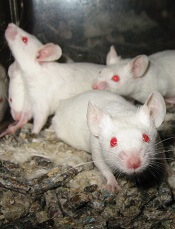
The resulting CAR T-cell therapy exhibited anti-MM activity in vitro and in vivo but did not have a negative effect on normal hematopoietic cells.
The researchers described this work in Nature Medicine.
The team believed that new antigen epitopes could be discovered by thoroughly searching for cancer-specific mAbs and characterizing the antigens they recognize.
“We applied this strategy to identify novel therapeutic targets for multiple myeloma . . . ,” explained study author Naoki Hosen, MD, PhD, of Osaka University in Osaka, Japan.
The researchers screened more than 10,000 anti-MM mAb clones and identified MMG49 as an MM-specific mAb that recognizes a subset of integrin β7 molecules.
The team found that MMG49 reacted to MM cells—but not to normal hematopoietic cells—in MM patient samples.
This prompted the researchers to design a CAR that incorporates a fragment derived from MMG49.
When tested in vitro, MMG49 CAR T cells exhibited cytotoxic activity against cell lines expressing the MMG49 epitope and primary MM cell from patients’ bone marrow. However, MMG49 CAR T cells did not have cytotoxic effects on MMG49-negative cells or normal hematopoietic cells.
The researchers said MM cells were completely eradicated by MMG49 CAR T cells. But the therapy did not kill T cells, even when integrin β7 was activated by MAdCAM-1 and CXCL12.
In mouse models of MM, MMG49 CAR T cells significantly prolonged survival when compared to a CD19 CAR T-cell therapy. MMG49 CAR T cells eradicated MM cells and significantly decreased tumor burden in some mice, but some mice relapsed.
MMG49 CAR T cells did not affect normal hematopoietic cells in the mice, and the researchers said there were no unexpected side effects with the treatment.
“Our results also demonstrate that the active conformer of integrin β7 can serve as an immunotherapeutic target against MM, even though the expression of the protein itself is not specific to MM,” said study author Yukiko Matsunaga, PhD, of Princess Margaret Cancer Centre, University Health Network, in Toronto, Canada.
“Therefore, it’s highly plausible that there are other cancer immunotherapeutic targets that have yet to be identified in many cell-surface proteins that undergo conformational changes, even if the expression of the proteins themselves is not cancer-specific.” 
Researchers say they have identified a multiple myeloma (MM)-specific target for chimeric antigen receptor (CAR) T-cell therapy.
The team unearthed an MM-specific monoclonal antibody (mAb) and designed a CAR that incorporates a fragment derived from that mAb.
The resulting CAR T-cell therapy exhibited anti-MM activity in vitro and in vivo but did not have a negative effect on normal hematopoietic cells.
The researchers described this work in Nature Medicine.
The team believed that new antigen epitopes could be discovered by thoroughly searching for cancer-specific mAbs and characterizing the antigens they recognize.
“We applied this strategy to identify novel therapeutic targets for multiple myeloma . . . ,” explained study author Naoki Hosen, MD, PhD, of Osaka University in Osaka, Japan.
The researchers screened more than 10,000 anti-MM mAb clones and identified MMG49 as an MM-specific mAb that recognizes a subset of integrin β7 molecules.
The team found that MMG49 reacted to MM cells—but not to normal hematopoietic cells—in MM patient samples.
This prompted the researchers to design a CAR that incorporates a fragment derived from MMG49.
When tested in vitro, MMG49 CAR T cells exhibited cytotoxic activity against cell lines expressing the MMG49 epitope and primary MM cell from patients’ bone marrow. However, MMG49 CAR T cells did not have cytotoxic effects on MMG49-negative cells or normal hematopoietic cells.
The researchers said MM cells were completely eradicated by MMG49 CAR T cells. But the therapy did not kill T cells, even when integrin β7 was activated by MAdCAM-1 and CXCL12.
In mouse models of MM, MMG49 CAR T cells significantly prolonged survival when compared to a CD19 CAR T-cell therapy. MMG49 CAR T cells eradicated MM cells and significantly decreased tumor burden in some mice, but some mice relapsed.
MMG49 CAR T cells did not affect normal hematopoietic cells in the mice, and the researchers said there were no unexpected side effects with the treatment.
“Our results also demonstrate that the active conformer of integrin β7 can serve as an immunotherapeutic target against MM, even though the expression of the protein itself is not specific to MM,” said study author Yukiko Matsunaga, PhD, of Princess Margaret Cancer Centre, University Health Network, in Toronto, Canada.
“Therefore, it’s highly plausible that there are other cancer immunotherapeutic targets that have yet to be identified in many cell-surface proteins that undergo conformational changes, even if the expression of the proteins themselves is not cancer-specific.”
Researchers say they have identified a multiple myeloma (MM)-specific target for chimeric antigen receptor (CAR) T-cell therapy.
The team unearthed an MM-specific monoclonal antibody (mAb) and designed a CAR that incorporates a fragment derived from that mAb.
The resulting CAR T-cell therapy exhibited anti-MM activity in vitro and in vivo but did not have a negative effect on normal hematopoietic cells.
The researchers described this work in Nature Medicine.
The team believed that new antigen epitopes could be discovered by thoroughly searching for cancer-specific mAbs and characterizing the antigens they recognize.
“We applied this strategy to identify novel therapeutic targets for multiple myeloma . . . ,” explained study author Naoki Hosen, MD, PhD, of Osaka University in Osaka, Japan.
The researchers screened more than 10,000 anti-MM mAb clones and identified MMG49 as an MM-specific mAb that recognizes a subset of integrin β7 molecules.
The team found that MMG49 reacted to MM cells—but not to normal hematopoietic cells—in MM patient samples.
This prompted the researchers to design a CAR that incorporates a fragment derived from MMG49.
When tested in vitro, MMG49 CAR T cells exhibited cytotoxic activity against cell lines expressing the MMG49 epitope and primary MM cell from patients’ bone marrow. However, MMG49 CAR T cells did not have cytotoxic effects on MMG49-negative cells or normal hematopoietic cells.
The researchers said MM cells were completely eradicated by MMG49 CAR T cells. But the therapy did not kill T cells, even when integrin β7 was activated by MAdCAM-1 and CXCL12.
In mouse models of MM, MMG49 CAR T cells significantly prolonged survival when compared to a CD19 CAR T-cell therapy. MMG49 CAR T cells eradicated MM cells and significantly decreased tumor burden in some mice, but some mice relapsed.
MMG49 CAR T cells did not affect normal hematopoietic cells in the mice, and the researchers said there were no unexpected side effects with the treatment.
“Our results also demonstrate that the active conformer of integrin β7 can serve as an immunotherapeutic target against MM, even though the expression of the protein itself is not specific to MM,” said study author Yukiko Matsunaga, PhD, of Princess Margaret Cancer Centre, University Health Network, in Toronto, Canada.
“Therefore, it’s highly plausible that there are other cancer immunotherapeutic targets that have yet to be identified in many cell-surface proteins that undergo conformational changes, even if the expression of the proteins themselves is not cancer-specific.”
GSI may boost BCMA CAR T-cell therapy efficacy in myeloma
NATIONAL HARBOR, MD. – Gamma secretase inhibition may lead to improved outcomes in multiple myeloma patients treated with B-cell maturation antigen (BCMA)–specific CAR T-cell therapy, according to Margot J. Pont, PhD.
In a preclinical myeloma model, gamma secretase inhibition (GSI) increased antitumor efficacy of BCMA-specific chimeric antigen receptor modified T-cells (BCMA CAR T), Dr. Pont of Fred Hutchinson Cancer Research Center, Seattle, reported at the annual meeting of the Society for Immunotherapy of Cancer.
BCMA is expressed in most multiple myeloma patients, and can be targeted by T cells that have been transduced with an anti-BCMA CAR. Other studies have shown efficacy of BCMA CAR T cells, and Dr. Pont and her colleagues have developed and optimized a CAR, based on a previously described single-chain variable fragment (scFv), that performs at least as well as a similar CAR developed previously by another group.
Previous studies have found that antigen down-regulation and escape can be an important escape mechanism by the tumor, so low-to-negative antigen expression could lead to failure in CAR T-cell recognition, resulting in relapse, she explained.
“We need the antigen density to be high enough,” she said, noting that BCMA, specifically, can be susceptible to antigen down-regulation, because its extracellular component is cleaved off the cell membrane by the enzyme gamma-secretase.
“That leads to two things: It reduces the surface expression of BCMA and it sheds soluble BCMA into the circulation, so you get high concentrations of soluble BCMA in the tumor microenvironment,” she said.
Inhibiting BCMA shedding with GSI can increase surface expression and reduce levels of soluble BCMA, thereby potentially enhancing the CAR activity.
First, soluble BCMA levels were measured in bone marrow sera from myeloma patients.
“We indeed saw high levels of soluble BCMA in these patients, and they roughly correlated with tumor burden. When culturing myeloma cell lines in vitro, we detected sBCMA in the culture supernatant within 24 hours,” Dr. Pont said, adding that the introduction of recombinant BCMA to the cultures showed that increasing levels of recombinant BCMA reduced staining of the CAR, demonstrating binding to the receptor.
Next, GSI was used to increase BCMA levels, and with increasing concentrations of the drug, BCMA surface expression was increased, she said, noting that this coincided with a reduction of soluble BCMA in the culture supernatant.
This also worked in patient samples, and was achieved with low doses of GSI, which upregulated surface BCMA levels on primary multiple myeloma by up to tenfold, she said.
In vivo testing of CAR T-cell efficacy was performed in tumor-bearing mice, which were treated with either BCMA-specific CAR T cells alone or in combination with GSI.
In this preclinical model of myeloma, RO4929097 increased BCMA on tumor cells in bone marrow and decreased soluble BCMA in peripheral blood. The myeloma-bearing mice treated with both BCMA CAR T cells and intermittent doses of RO4929097 experienced improved antitumor effects of the BCMA CAR T-cell therapy, as well as increased survival versus mice that did not receive RO4929097, she said.
“We’re currently optimizing these dosing regimens,” she said, concluding that “combining GSI and BCMA CAR T is an attractive option to improve the level of efficacy and prevent the outgrowth of BCMA-low tumor cells.”
Dr. Pont reported having no relevant financial disclosures.
NATIONAL HARBOR, MD. – Gamma secretase inhibition may lead to improved outcomes in multiple myeloma patients treated with B-cell maturation antigen (BCMA)–specific CAR T-cell therapy, according to Margot J. Pont, PhD.
In a preclinical myeloma model, gamma secretase inhibition (GSI) increased antitumor efficacy of BCMA-specific chimeric antigen receptor modified T-cells (BCMA CAR T), Dr. Pont of Fred Hutchinson Cancer Research Center, Seattle, reported at the annual meeting of the Society for Immunotherapy of Cancer.
BCMA is expressed in most multiple myeloma patients, and can be targeted by T cells that have been transduced with an anti-BCMA CAR. Other studies have shown efficacy of BCMA CAR T cells, and Dr. Pont and her colleagues have developed and optimized a CAR, based on a previously described single-chain variable fragment (scFv), that performs at least as well as a similar CAR developed previously by another group.
Previous studies have found that antigen down-regulation and escape can be an important escape mechanism by the tumor, so low-to-negative antigen expression could lead to failure in CAR T-cell recognition, resulting in relapse, she explained.
“We need the antigen density to be high enough,” she said, noting that BCMA, specifically, can be susceptible to antigen down-regulation, because its extracellular component is cleaved off the cell membrane by the enzyme gamma-secretase.
“That leads to two things: It reduces the surface expression of BCMA and it sheds soluble BCMA into the circulation, so you get high concentrations of soluble BCMA in the tumor microenvironment,” she said.
Inhibiting BCMA shedding with GSI can increase surface expression and reduce levels of soluble BCMA, thereby potentially enhancing the CAR activity.
First, soluble BCMA levels were measured in bone marrow sera from myeloma patients.
“We indeed saw high levels of soluble BCMA in these patients, and they roughly correlated with tumor burden. When culturing myeloma cell lines in vitro, we detected sBCMA in the culture supernatant within 24 hours,” Dr. Pont said, adding that the introduction of recombinant BCMA to the cultures showed that increasing levels of recombinant BCMA reduced staining of the CAR, demonstrating binding to the receptor.
Next, GSI was used to increase BCMA levels, and with increasing concentrations of the drug, BCMA surface expression was increased, she said, noting that this coincided with a reduction of soluble BCMA in the culture supernatant.
This also worked in patient samples, and was achieved with low doses of GSI, which upregulated surface BCMA levels on primary multiple myeloma by up to tenfold, she said.
In vivo testing of CAR T-cell efficacy was performed in tumor-bearing mice, which were treated with either BCMA-specific CAR T cells alone or in combination with GSI.
In this preclinical model of myeloma, RO4929097 increased BCMA on tumor cells in bone marrow and decreased soluble BCMA in peripheral blood. The myeloma-bearing mice treated with both BCMA CAR T cells and intermittent doses of RO4929097 experienced improved antitumor effects of the BCMA CAR T-cell therapy, as well as increased survival versus mice that did not receive RO4929097, she said.
“We’re currently optimizing these dosing regimens,” she said, concluding that “combining GSI and BCMA CAR T is an attractive option to improve the level of efficacy and prevent the outgrowth of BCMA-low tumor cells.”
Dr. Pont reported having no relevant financial disclosures.
NATIONAL HARBOR, MD. – Gamma secretase inhibition may lead to improved outcomes in multiple myeloma patients treated with B-cell maturation antigen (BCMA)–specific CAR T-cell therapy, according to Margot J. Pont, PhD.
In a preclinical myeloma model, gamma secretase inhibition (GSI) increased antitumor efficacy of BCMA-specific chimeric antigen receptor modified T-cells (BCMA CAR T), Dr. Pont of Fred Hutchinson Cancer Research Center, Seattle, reported at the annual meeting of the Society for Immunotherapy of Cancer.
BCMA is expressed in most multiple myeloma patients, and can be targeted by T cells that have been transduced with an anti-BCMA CAR. Other studies have shown efficacy of BCMA CAR T cells, and Dr. Pont and her colleagues have developed and optimized a CAR, based on a previously described single-chain variable fragment (scFv), that performs at least as well as a similar CAR developed previously by another group.
Previous studies have found that antigen down-regulation and escape can be an important escape mechanism by the tumor, so low-to-negative antigen expression could lead to failure in CAR T-cell recognition, resulting in relapse, she explained.
“We need the antigen density to be high enough,” she said, noting that BCMA, specifically, can be susceptible to antigen down-regulation, because its extracellular component is cleaved off the cell membrane by the enzyme gamma-secretase.
“That leads to two things: It reduces the surface expression of BCMA and it sheds soluble BCMA into the circulation, so you get high concentrations of soluble BCMA in the tumor microenvironment,” she said.
Inhibiting BCMA shedding with GSI can increase surface expression and reduce levels of soluble BCMA, thereby potentially enhancing the CAR activity.
First, soluble BCMA levels were measured in bone marrow sera from myeloma patients.
“We indeed saw high levels of soluble BCMA in these patients, and they roughly correlated with tumor burden. When culturing myeloma cell lines in vitro, we detected sBCMA in the culture supernatant within 24 hours,” Dr. Pont said, adding that the introduction of recombinant BCMA to the cultures showed that increasing levels of recombinant BCMA reduced staining of the CAR, demonstrating binding to the receptor.
Next, GSI was used to increase BCMA levels, and with increasing concentrations of the drug, BCMA surface expression was increased, she said, noting that this coincided with a reduction of soluble BCMA in the culture supernatant.
This also worked in patient samples, and was achieved with low doses of GSI, which upregulated surface BCMA levels on primary multiple myeloma by up to tenfold, she said.
In vivo testing of CAR T-cell efficacy was performed in tumor-bearing mice, which were treated with either BCMA-specific CAR T cells alone or in combination with GSI.
In this preclinical model of myeloma, RO4929097 increased BCMA on tumor cells in bone marrow and decreased soluble BCMA in peripheral blood. The myeloma-bearing mice treated with both BCMA CAR T cells and intermittent doses of RO4929097 experienced improved antitumor effects of the BCMA CAR T-cell therapy, as well as increased survival versus mice that did not receive RO4929097, she said.
“We’re currently optimizing these dosing regimens,” she said, concluding that “combining GSI and BCMA CAR T is an attractive option to improve the level of efficacy and prevent the outgrowth of BCMA-low tumor cells.”
Dr. Pont reported having no relevant financial disclosures.
AT SITC 2017
Team identifies genetic differences between MM patients

Researchers say they have identified significant genetic differences between African-American patients with multiple myeloma (MM) and Caucasian patients with the disease.
For example, the researchers found that African Americans were more likely to have mutations in BCL7A, BRWD3, and AUTS2, but Caucasians were more likely to have mutations in IRF4 and TP53.
“A cancer therapy that targets TP53 would not be as effective for African Americans with multiple myeloma as it would be for a white population because doctors would be trying to fix the wrong mutated gene,” said Zarko Manojlovic, PhD, of the University of Southern California in Los Angeles.
Dr Manojlovic and his colleagues conducted this research and detailed the results in PLOS Genetics.
The researchers analyzed genetic sequencing data and clinical data from 718 MM patients participating in the MMRF CoMMpass Study.
Race was reported by the patients, but the researchers also used the genetic data to determine that 127 patients were of African descent and 591 were of European descent. The researchers noted that the mean European admixture among self-reported African Americans was 31% (range; 11%-67.8%). And the mean west-African admixture among self-reported Caucasians was 0.1% (range; 0-34.3).
The African-American patients were significantly more likely than the Caucasians to have early onset MM (at ages 40-49)—11% and 4.6%, respectively (P=0.004). And Caucasians were significantly more likely than African Americans to have late-onset MM (at ages 70-79)—22% and 14%, respectively (P=0.04).
There was no significant difference in overall survival based on race, age of onset, or MM karyotype in this population.
Mutations in the following genes occurred at significantly higher frequencies in African-American patients than in Caucasians: RYR1, RPL10, PTCHD3, BCL7A, SPEF2, MYH13, ABI3BP, BRWD3, GRM7, AUTS2, PARP4, PLD1, ANKRD26, DDX17, and STXBP4.
On the other hand, Caucasians had a significantly higher frequency of mutations in IRF4 and TP53. In fact, there was a TP53 somatic mutation frequency of 6.3% in Caucasians and 1.6% in African Americans (P=0.035).
“One of the most surprising discoveries from this large cohort is that cancers from patients of European descent were 6 times more likely than their African-descent counterparts to have mutations in TP53, a known tumor suppressor gene,” Dr Manojlovic said.
“Biologically speaking, higher mutation rates in this gene should lead to overall lower survival rates among patients of European descent, but that does not correlate with what we see in clinical outcomes. Going forward, we hope to functionally validate these results for more insight into the underlying biology.”
“We in the cancer genomics community have a responsibility to ensure that our studies represent true population diversity so we can understand the role of ancestry and biology in health outcomes,” added study author John D. Carpten, PhD, of the University of Southern California.
“The new candidate myeloma genes we identified in the African-American population may have been overlooked because of the lack of diversity in previous genomic efforts. There are clearly molecular differences between African-American and Caucasian multiple myeloma cases, and it will be critical to pursue these observations to better improve clinical management of the disease for all patients.”
Researchers say they have identified significant genetic differences between African-American patients with multiple myeloma (MM) and Caucasian patients with the disease.
For example, the researchers found that African Americans were more likely to have mutations in BCL7A, BRWD3, and AUTS2, but Caucasians were more likely to have mutations in IRF4 and TP53.
“A cancer therapy that targets TP53 would not be as effective for African Americans with multiple myeloma as it would be for a white population because doctors would be trying to fix the wrong mutated gene,” said Zarko Manojlovic, PhD, of the University of Southern California in Los Angeles.
Dr Manojlovic and his colleagues conducted this research and detailed the results in PLOS Genetics.
The researchers analyzed genetic sequencing data and clinical data from 718 MM patients participating in the MMRF CoMMpass Study.
Race was reported by the patients, but the researchers also used the genetic data to determine that 127 patients were of African descent and 591 were of European descent. The researchers noted that the mean European admixture among self-reported African Americans was 31% (range; 11%-67.8%). And the mean west-African admixture among self-reported Caucasians was 0.1% (range; 0-34.3).
The African-American patients were significantly more likely than the Caucasians to have early onset MM (at ages 40-49)—11% and 4.6%, respectively (P=0.004). And Caucasians were significantly more likely than African Americans to have late-onset MM (at ages 70-79)—22% and 14%, respectively (P=0.04).
There was no significant difference in overall survival based on race, age of onset, or MM karyotype in this population.
Mutations in the following genes occurred at significantly higher frequencies in African-American patients than in Caucasians: RYR1, RPL10, PTCHD3, BCL7A, SPEF2, MYH13, ABI3BP, BRWD3, GRM7, AUTS2, PARP4, PLD1, ANKRD26, DDX17, and STXBP4.
On the other hand, Caucasians had a significantly higher frequency of mutations in IRF4 and TP53. In fact, there was a TP53 somatic mutation frequency of 6.3% in Caucasians and 1.6% in African Americans (P=0.035).
“One of the most surprising discoveries from this large cohort is that cancers from patients of European descent were 6 times more likely than their African-descent counterparts to have mutations in TP53, a known tumor suppressor gene,” Dr Manojlovic said.
“Biologically speaking, higher mutation rates in this gene should lead to overall lower survival rates among patients of European descent, but that does not correlate with what we see in clinical outcomes. Going forward, we hope to functionally validate these results for more insight into the underlying biology.”
“We in the cancer genomics community have a responsibility to ensure that our studies represent true population diversity so we can understand the role of ancestry and biology in health outcomes,” added study author John D. Carpten, PhD, of the University of Southern California.
“The new candidate myeloma genes we identified in the African-American population may have been overlooked because of the lack of diversity in previous genomic efforts. There are clearly molecular differences between African-American and Caucasian multiple myeloma cases, and it will be critical to pursue these observations to better improve clinical management of the disease for all patients.”
Researchers say they have identified significant genetic differences between African-American patients with multiple myeloma (MM) and Caucasian patients with the disease.
For example, the researchers found that African Americans were more likely to have mutations in BCL7A, BRWD3, and AUTS2, but Caucasians were more likely to have mutations in IRF4 and TP53.
“A cancer therapy that targets TP53 would not be as effective for African Americans with multiple myeloma as it would be for a white population because doctors would be trying to fix the wrong mutated gene,” said Zarko Manojlovic, PhD, of the University of Southern California in Los Angeles.
Dr Manojlovic and his colleagues conducted this research and detailed the results in PLOS Genetics.
The researchers analyzed genetic sequencing data and clinical data from 718 MM patients participating in the MMRF CoMMpass Study.
Race was reported by the patients, but the researchers also used the genetic data to determine that 127 patients were of African descent and 591 were of European descent. The researchers noted that the mean European admixture among self-reported African Americans was 31% (range; 11%-67.8%). And the mean west-African admixture among self-reported Caucasians was 0.1% (range; 0-34.3).
The African-American patients were significantly more likely than the Caucasians to have early onset MM (at ages 40-49)—11% and 4.6%, respectively (P=0.004). And Caucasians were significantly more likely than African Americans to have late-onset MM (at ages 70-79)—22% and 14%, respectively (P=0.04).
There was no significant difference in overall survival based on race, age of onset, or MM karyotype in this population.
Mutations in the following genes occurred at significantly higher frequencies in African-American patients than in Caucasians: RYR1, RPL10, PTCHD3, BCL7A, SPEF2, MYH13, ABI3BP, BRWD3, GRM7, AUTS2, PARP4, PLD1, ANKRD26, DDX17, and STXBP4.
On the other hand, Caucasians had a significantly higher frequency of mutations in IRF4 and TP53. In fact, there was a TP53 somatic mutation frequency of 6.3% in Caucasians and 1.6% in African Americans (P=0.035).
“One of the most surprising discoveries from this large cohort is that cancers from patients of European descent were 6 times more likely than their African-descent counterparts to have mutations in TP53, a known tumor suppressor gene,” Dr Manojlovic said.
“Biologically speaking, higher mutation rates in this gene should lead to overall lower survival rates among patients of European descent, but that does not correlate with what we see in clinical outcomes. Going forward, we hope to functionally validate these results for more insight into the underlying biology.”
“We in the cancer genomics community have a responsibility to ensure that our studies represent true population diversity so we can understand the role of ancestry and biology in health outcomes,” added study author John D. Carpten, PhD, of the University of Southern California.
“The new candidate myeloma genes we identified in the African-American population may have been overlooked because of the lack of diversity in previous genomic efforts. There are clearly molecular differences between African-American and Caucasian multiple myeloma cases, and it will be critical to pursue these observations to better improve clinical management of the disease for all patients.”
CAR T-cells gain ground against hematologic cancers
Chimeric antigen receptor (CAR) T-cell therapies are driving ever faster forward, with impressive response rates – including a high level of complete responses – in treatment of patients with lymphomas and multiple myeloma as shown by clinical trial results to be presented at the annual meeting of the American Society of Hematology.
Investigators will be presenting data on the first two CAR T constructs to receive Food and Drug Administration approval, each directed against CD19.
ZUMA-1 for non-Hodgkin lymphoma
Long-term follow-up results with the use of axicabtagene ciloleucel (Yescarta; axi-cel) in patients with refractory aggressive non-Hodgkin lymphoma will be presented by Sattva S. Neelapu, MD, of the University of Texas MD Anderson Cancer Center in Houston, on behalf of colleagues in the ZUMA-1 trial (Abstract 578).
At the 2017 European Hematology Association Congress in Madrid, ZUMA-1 investigators reported that axi-cel, an autologous anti-CD19 CAR-T product, was associated with an 82% objective response rate (ORR), including 54% complete responses, in patients with refractory diffuse large B cell lymphoma (DLBCL), primary mediastinal B-cell lymphoma, or transformed follicular lymphoma. The 54% complete response rate was nearly sevenfold higher than that reported for historical controls, according to coinvestigator Yi Lin, MD, PhD, of the Mayo Clinic, Rochester, Minn.
The treatment was generally safe, with 13% of patients experiencing grade 3 or greater cytokine release syndrome (CRS), and 28% having grade 3 or greater neurologic events. The events were generally reversible, and the rates of each declined over time. The use of tocilizumab or steroids to control adverse events did not have a negative effect on responses.
This CAR T-cell construct received FDA approval in October 2017.
At ASH 2017, Dr. Neelapu will present 1-year follow-up data from the trial which will include both data on responses and toxicity, “but also some very interesting information on mechanisms of resistance, whether patients’ tumor cells become CD19 negative, or checkpoint, like PD-L1, positive,” said Kenneth Anderson, MD, of the Dana-Farber Cancer Institute in Boston, who discussed noteworthy abstracts in a media briefing prior to the meeting.
JULIET for DLBCL
Data on the use of another anti-CD19 CAR construct, tisagenlecleucel (Kymriah) in adults with relapsed or refractory DLBCL will be presented by Stephen J. Schuster, MD, of the University of Pennsylvania, Philadelphia, on behalf of investigators in the JULIET trial.
At the 2017 European Hematology Association Congress, coinvestigator Gilles Salles, MD, PhD, of the University of Lyon, France, reported an interim analysis from the trial, showing that the CAR T construct was associated with a 59% ORR, consisting of 43% complete responses and 16% partial responses in patients with relapsed or refractory DLBCL. The analysis “confirms the high response rates and durable responses observed in the previous single-center trial,” Dr. Salles said.
Dr. Schuster will present the primary analysis of the global phase 2 pivotal trial at ASH 2017 (Abstract 577), looking at patients who received the product from the U.S. manufacturing site.
As of the data cutoff in March 2017, the best ORR among 81 patients with at least 3 months of follow-up, or earlier discontinuation, was 53.1% with 39.5% complete responses and 13.6% partial responses. For 46 patients evaluable at 6 months, the complete response rate was 30% and partial response rate was 7%.
The response rates were consistent across subgroups, including patients who had previously undergone autologous stem cell transplant and those with double-hit lymphoma (i.e, with mutation in MYC and BCL2 or BCL6).
The responses also appeared to be durable, with the median duration not reached. The 6-month probability of being relapse free was 73.5%. Similarly, median overall survival was not reached; the 6-month probability of overall survival was 64.5%, according to the published abstract.
Adverse events included CRS in 58% of infused patients, with 15% grade 3 and 8% grade 4 in severity. CRS was managed according to protocol with tocilizumab and/or corticosteroids. There were no deaths associated with either the CRS or neurologic toxicities.
“This is a multicenter trial: 27 centers, 10 countries, 4 continents, so it sort of demonstrates to all of us that this technology can be done in an international scope,” Dr. Anderson said.
Anti-BCMA for multiple myeloma
CAR T-cells are relative newcomers in the treatment of multiple myeloma, but James N. Kochenderfer, MD, of the National Cancer Institute, Bethesda, Md., will be presenting updated results from a multicenter study of bb2121, a CAR T-cell construct directed against B-cell maturation antigen (BCMA).
BCMA was first described in myeloma in 2004 as a mechanism for the growth and survival of malignant plasma cells. As previously reported, a different anti-BCMA T-cell product induced clinical remissions in 33 of 35 patients with relapsed/refractory multiple myeloma who were treated in an early clinical trial.
With the construct being investigated by Dr. Kochenderfer and colleagues, 21 patients (median 58 years old) with a median of 5 years since a diagnosis of multiple myeloma were infused with bb2121. One-month data on clinical response was available for 18 patients at the time of data cutoff in May 2017 (Abstract 740).
In this heavily pretreated population, the ORR was 89% overall, and was 100% for patients treated with doses of 150 x 106 CAR+ T cells or higher. At this dose range or higher no patients had disease progression at up to 54 weeks after infusion. Of the four patients evaluable for minimal residual disease (MRD), all were MRD negative.
As of the data cut-off there were no dose-limiting toxicities and no treatment-related grade 3 or higher neurotoxicities. CRS was primarily grade 1 or 2 and was reported in 15 of 21 patients. Two patients had grade 3 CRS that resolved in 24 hours, and four patients received tocilizumab (one with steroids) for CRS management.
There was one on-study death, from cardiopulmonary arrest more than 4 months after bb2121 infusion in a patient with an extensive cardiac history. The death was judged to be unrelated to CAR T-cell therapy.
Dr. Kochenderfer will present data and analysis on an additional 5 months of follow-up.
“This abstract demonstrates that again, in patients, this time with myeloma with literally no other option, you can achieve very impressive response,” Dr. Anderson said.
The ZUMA-1 study is funded by Kite Pharma. Dr. Neelapu reported research funding from BMS, Poseida, Merck, Kite Pharma, and Cellectis. He reported consultancy and membership on the board of directors or advisory committees for Merck, Kite Pharma, and Celgene.
The JULIET study is funded by Novartis. Dr. Schuster reported consultancy and research funding from Novartis Pharmaceuticals, Celgene, Genentech, Bristol-Myers Squibb, Janssen R&D, and Gilead. He reported consultancy with Seattle Genetics and Nordic Nanovector, and research funding from Merck.
The multicenter study of bb2121 is sponsored by bluebird bio and Celgene. Dr. Kochenderfer reported research funding from bluebird bio and Kite Pharma. He reported having multiple patents in the CAR field.
Abstract 578 Long-Term Follow-up ZUMA-1: A Pivotal Trial of Axicabtagene Ciloleucel (Axi-Cel; KTE-C19) in Patients with Refractory Aggressive Non-Hodgkin Lymphoma (NHL) will be presented in session 626, Monday, Dec. 11, 2017, at 7:15 a.m.
Abstract 577 Primary Analysis of Juliet: A Global, Pivotal, Phase 2 Trial of CTL019 in Adult Patients with Relapsed or Refractory Diffuse Large B-Cell Lymphoma will be presented in session 626, Monday, Dec. 11, 2017 at 7:00 a.m.
Abstract 740 Durable Clinical Responses in Heavily Pretreated Patients with Relapsed/Refractory Multiple Myeloma: Updated Results from a Multicenter Study of bb2121 Anti-BCMA CAR T Cell Therapy will be presented in session 653, Monday, Dec. 11, 2017 at 3:00 p.m.
Chimeric antigen receptor (CAR) T-cell therapies are driving ever faster forward, with impressive response rates – including a high level of complete responses – in treatment of patients with lymphomas and multiple myeloma as shown by clinical trial results to be presented at the annual meeting of the American Society of Hematology.
Investigators will be presenting data on the first two CAR T constructs to receive Food and Drug Administration approval, each directed against CD19.
ZUMA-1 for non-Hodgkin lymphoma
Long-term follow-up results with the use of axicabtagene ciloleucel (Yescarta; axi-cel) in patients with refractory aggressive non-Hodgkin lymphoma will be presented by Sattva S. Neelapu, MD, of the University of Texas MD Anderson Cancer Center in Houston, on behalf of colleagues in the ZUMA-1 trial (Abstract 578).
At the 2017 European Hematology Association Congress in Madrid, ZUMA-1 investigators reported that axi-cel, an autologous anti-CD19 CAR-T product, was associated with an 82% objective response rate (ORR), including 54% complete responses, in patients with refractory diffuse large B cell lymphoma (DLBCL), primary mediastinal B-cell lymphoma, or transformed follicular lymphoma. The 54% complete response rate was nearly sevenfold higher than that reported for historical controls, according to coinvestigator Yi Lin, MD, PhD, of the Mayo Clinic, Rochester, Minn.
The treatment was generally safe, with 13% of patients experiencing grade 3 or greater cytokine release syndrome (CRS), and 28% having grade 3 or greater neurologic events. The events were generally reversible, and the rates of each declined over time. The use of tocilizumab or steroids to control adverse events did not have a negative effect on responses.
This CAR T-cell construct received FDA approval in October 2017.
At ASH 2017, Dr. Neelapu will present 1-year follow-up data from the trial which will include both data on responses and toxicity, “but also some very interesting information on mechanisms of resistance, whether patients’ tumor cells become CD19 negative, or checkpoint, like PD-L1, positive,” said Kenneth Anderson, MD, of the Dana-Farber Cancer Institute in Boston, who discussed noteworthy abstracts in a media briefing prior to the meeting.
JULIET for DLBCL
Data on the use of another anti-CD19 CAR construct, tisagenlecleucel (Kymriah) in adults with relapsed or refractory DLBCL will be presented by Stephen J. Schuster, MD, of the University of Pennsylvania, Philadelphia, on behalf of investigators in the JULIET trial.
At the 2017 European Hematology Association Congress, coinvestigator Gilles Salles, MD, PhD, of the University of Lyon, France, reported an interim analysis from the trial, showing that the CAR T construct was associated with a 59% ORR, consisting of 43% complete responses and 16% partial responses in patients with relapsed or refractory DLBCL. The analysis “confirms the high response rates and durable responses observed in the previous single-center trial,” Dr. Salles said.
Dr. Schuster will present the primary analysis of the global phase 2 pivotal trial at ASH 2017 (Abstract 577), looking at patients who received the product from the U.S. manufacturing site.
As of the data cutoff in March 2017, the best ORR among 81 patients with at least 3 months of follow-up, or earlier discontinuation, was 53.1% with 39.5% complete responses and 13.6% partial responses. For 46 patients evaluable at 6 months, the complete response rate was 30% and partial response rate was 7%.
The response rates were consistent across subgroups, including patients who had previously undergone autologous stem cell transplant and those with double-hit lymphoma (i.e, with mutation in MYC and BCL2 or BCL6).
The responses also appeared to be durable, with the median duration not reached. The 6-month probability of being relapse free was 73.5%. Similarly, median overall survival was not reached; the 6-month probability of overall survival was 64.5%, according to the published abstract.
Adverse events included CRS in 58% of infused patients, with 15% grade 3 and 8% grade 4 in severity. CRS was managed according to protocol with tocilizumab and/or corticosteroids. There were no deaths associated with either the CRS or neurologic toxicities.
“This is a multicenter trial: 27 centers, 10 countries, 4 continents, so it sort of demonstrates to all of us that this technology can be done in an international scope,” Dr. Anderson said.
Anti-BCMA for multiple myeloma
CAR T-cells are relative newcomers in the treatment of multiple myeloma, but James N. Kochenderfer, MD, of the National Cancer Institute, Bethesda, Md., will be presenting updated results from a multicenter study of bb2121, a CAR T-cell construct directed against B-cell maturation antigen (BCMA).
BCMA was first described in myeloma in 2004 as a mechanism for the growth and survival of malignant plasma cells. As previously reported, a different anti-BCMA T-cell product induced clinical remissions in 33 of 35 patients with relapsed/refractory multiple myeloma who were treated in an early clinical trial.
With the construct being investigated by Dr. Kochenderfer and colleagues, 21 patients (median 58 years old) with a median of 5 years since a diagnosis of multiple myeloma were infused with bb2121. One-month data on clinical response was available for 18 patients at the time of data cutoff in May 2017 (Abstract 740).
In this heavily pretreated population, the ORR was 89% overall, and was 100% for patients treated with doses of 150 x 106 CAR+ T cells or higher. At this dose range or higher no patients had disease progression at up to 54 weeks after infusion. Of the four patients evaluable for minimal residual disease (MRD), all were MRD negative.
As of the data cut-off there were no dose-limiting toxicities and no treatment-related grade 3 or higher neurotoxicities. CRS was primarily grade 1 or 2 and was reported in 15 of 21 patients. Two patients had grade 3 CRS that resolved in 24 hours, and four patients received tocilizumab (one with steroids) for CRS management.
There was one on-study death, from cardiopulmonary arrest more than 4 months after bb2121 infusion in a patient with an extensive cardiac history. The death was judged to be unrelated to CAR T-cell therapy.
Dr. Kochenderfer will present data and analysis on an additional 5 months of follow-up.
“This abstract demonstrates that again, in patients, this time with myeloma with literally no other option, you can achieve very impressive response,” Dr. Anderson said.
The ZUMA-1 study is funded by Kite Pharma. Dr. Neelapu reported research funding from BMS, Poseida, Merck, Kite Pharma, and Cellectis. He reported consultancy and membership on the board of directors or advisory committees for Merck, Kite Pharma, and Celgene.
The JULIET study is funded by Novartis. Dr. Schuster reported consultancy and research funding from Novartis Pharmaceuticals, Celgene, Genentech, Bristol-Myers Squibb, Janssen R&D, and Gilead. He reported consultancy with Seattle Genetics and Nordic Nanovector, and research funding from Merck.
The multicenter study of bb2121 is sponsored by bluebird bio and Celgene. Dr. Kochenderfer reported research funding from bluebird bio and Kite Pharma. He reported having multiple patents in the CAR field.
Abstract 578 Long-Term Follow-up ZUMA-1: A Pivotal Trial of Axicabtagene Ciloleucel (Axi-Cel; KTE-C19) in Patients with Refractory Aggressive Non-Hodgkin Lymphoma (NHL) will be presented in session 626, Monday, Dec. 11, 2017, at 7:15 a.m.
Abstract 577 Primary Analysis of Juliet: A Global, Pivotal, Phase 2 Trial of CTL019 in Adult Patients with Relapsed or Refractory Diffuse Large B-Cell Lymphoma will be presented in session 626, Monday, Dec. 11, 2017 at 7:00 a.m.
Abstract 740 Durable Clinical Responses in Heavily Pretreated Patients with Relapsed/Refractory Multiple Myeloma: Updated Results from a Multicenter Study of bb2121 Anti-BCMA CAR T Cell Therapy will be presented in session 653, Monday, Dec. 11, 2017 at 3:00 p.m.
Chimeric antigen receptor (CAR) T-cell therapies are driving ever faster forward, with impressive response rates – including a high level of complete responses – in treatment of patients with lymphomas and multiple myeloma as shown by clinical trial results to be presented at the annual meeting of the American Society of Hematology.
Investigators will be presenting data on the first two CAR T constructs to receive Food and Drug Administration approval, each directed against CD19.
ZUMA-1 for non-Hodgkin lymphoma
Long-term follow-up results with the use of axicabtagene ciloleucel (Yescarta; axi-cel) in patients with refractory aggressive non-Hodgkin lymphoma will be presented by Sattva S. Neelapu, MD, of the University of Texas MD Anderson Cancer Center in Houston, on behalf of colleagues in the ZUMA-1 trial (Abstract 578).
At the 2017 European Hematology Association Congress in Madrid, ZUMA-1 investigators reported that axi-cel, an autologous anti-CD19 CAR-T product, was associated with an 82% objective response rate (ORR), including 54% complete responses, in patients with refractory diffuse large B cell lymphoma (DLBCL), primary mediastinal B-cell lymphoma, or transformed follicular lymphoma. The 54% complete response rate was nearly sevenfold higher than that reported for historical controls, according to coinvestigator Yi Lin, MD, PhD, of the Mayo Clinic, Rochester, Minn.
The treatment was generally safe, with 13% of patients experiencing grade 3 or greater cytokine release syndrome (CRS), and 28% having grade 3 or greater neurologic events. The events were generally reversible, and the rates of each declined over time. The use of tocilizumab or steroids to control adverse events did not have a negative effect on responses.
This CAR T-cell construct received FDA approval in October 2017.
At ASH 2017, Dr. Neelapu will present 1-year follow-up data from the trial which will include both data on responses and toxicity, “but also some very interesting information on mechanisms of resistance, whether patients’ tumor cells become CD19 negative, or checkpoint, like PD-L1, positive,” said Kenneth Anderson, MD, of the Dana-Farber Cancer Institute in Boston, who discussed noteworthy abstracts in a media briefing prior to the meeting.
JULIET for DLBCL
Data on the use of another anti-CD19 CAR construct, tisagenlecleucel (Kymriah) in adults with relapsed or refractory DLBCL will be presented by Stephen J. Schuster, MD, of the University of Pennsylvania, Philadelphia, on behalf of investigators in the JULIET trial.
At the 2017 European Hematology Association Congress, coinvestigator Gilles Salles, MD, PhD, of the University of Lyon, France, reported an interim analysis from the trial, showing that the CAR T construct was associated with a 59% ORR, consisting of 43% complete responses and 16% partial responses in patients with relapsed or refractory DLBCL. The analysis “confirms the high response rates and durable responses observed in the previous single-center trial,” Dr. Salles said.
Dr. Schuster will present the primary analysis of the global phase 2 pivotal trial at ASH 2017 (Abstract 577), looking at patients who received the product from the U.S. manufacturing site.
As of the data cutoff in March 2017, the best ORR among 81 patients with at least 3 months of follow-up, or earlier discontinuation, was 53.1% with 39.5% complete responses and 13.6% partial responses. For 46 patients evaluable at 6 months, the complete response rate was 30% and partial response rate was 7%.
The response rates were consistent across subgroups, including patients who had previously undergone autologous stem cell transplant and those with double-hit lymphoma (i.e, with mutation in MYC and BCL2 or BCL6).
The responses also appeared to be durable, with the median duration not reached. The 6-month probability of being relapse free was 73.5%. Similarly, median overall survival was not reached; the 6-month probability of overall survival was 64.5%, according to the published abstract.
Adverse events included CRS in 58% of infused patients, with 15% grade 3 and 8% grade 4 in severity. CRS was managed according to protocol with tocilizumab and/or corticosteroids. There were no deaths associated with either the CRS or neurologic toxicities.
“This is a multicenter trial: 27 centers, 10 countries, 4 continents, so it sort of demonstrates to all of us that this technology can be done in an international scope,” Dr. Anderson said.
Anti-BCMA for multiple myeloma
CAR T-cells are relative newcomers in the treatment of multiple myeloma, but James N. Kochenderfer, MD, of the National Cancer Institute, Bethesda, Md., will be presenting updated results from a multicenter study of bb2121, a CAR T-cell construct directed against B-cell maturation antigen (BCMA).
BCMA was first described in myeloma in 2004 as a mechanism for the growth and survival of malignant plasma cells. As previously reported, a different anti-BCMA T-cell product induced clinical remissions in 33 of 35 patients with relapsed/refractory multiple myeloma who were treated in an early clinical trial.
With the construct being investigated by Dr. Kochenderfer and colleagues, 21 patients (median 58 years old) with a median of 5 years since a diagnosis of multiple myeloma were infused with bb2121. One-month data on clinical response was available for 18 patients at the time of data cutoff in May 2017 (Abstract 740).
In this heavily pretreated population, the ORR was 89% overall, and was 100% for patients treated with doses of 150 x 106 CAR+ T cells or higher. At this dose range or higher no patients had disease progression at up to 54 weeks after infusion. Of the four patients evaluable for minimal residual disease (MRD), all were MRD negative.
As of the data cut-off there were no dose-limiting toxicities and no treatment-related grade 3 or higher neurotoxicities. CRS was primarily grade 1 or 2 and was reported in 15 of 21 patients. Two patients had grade 3 CRS that resolved in 24 hours, and four patients received tocilizumab (one with steroids) for CRS management.
There was one on-study death, from cardiopulmonary arrest more than 4 months after bb2121 infusion in a patient with an extensive cardiac history. The death was judged to be unrelated to CAR T-cell therapy.
Dr. Kochenderfer will present data and analysis on an additional 5 months of follow-up.
“This abstract demonstrates that again, in patients, this time with myeloma with literally no other option, you can achieve very impressive response,” Dr. Anderson said.
The ZUMA-1 study is funded by Kite Pharma. Dr. Neelapu reported research funding from BMS, Poseida, Merck, Kite Pharma, and Cellectis. He reported consultancy and membership on the board of directors or advisory committees for Merck, Kite Pharma, and Celgene.
The JULIET study is funded by Novartis. Dr. Schuster reported consultancy and research funding from Novartis Pharmaceuticals, Celgene, Genentech, Bristol-Myers Squibb, Janssen R&D, and Gilead. He reported consultancy with Seattle Genetics and Nordic Nanovector, and research funding from Merck.
The multicenter study of bb2121 is sponsored by bluebird bio and Celgene. Dr. Kochenderfer reported research funding from bluebird bio and Kite Pharma. He reported having multiple patents in the CAR field.
Abstract 578 Long-Term Follow-up ZUMA-1: A Pivotal Trial of Axicabtagene Ciloleucel (Axi-Cel; KTE-C19) in Patients with Refractory Aggressive Non-Hodgkin Lymphoma (NHL) will be presented in session 626, Monday, Dec. 11, 2017, at 7:15 a.m.
Abstract 577 Primary Analysis of Juliet: A Global, Pivotal, Phase 2 Trial of CTL019 in Adult Patients with Relapsed or Refractory Diffuse Large B-Cell Lymphoma will be presented in session 626, Monday, Dec. 11, 2017 at 7:00 a.m.
Abstract 740 Durable Clinical Responses in Heavily Pretreated Patients with Relapsed/Refractory Multiple Myeloma: Updated Results from a Multicenter Study of bb2121 Anti-BCMA CAR T Cell Therapy will be presented in session 653, Monday, Dec. 11, 2017 at 3:00 p.m.
FROM ASH 2017
Late-breaking abstracts highlight treatment advances in CLL, myeloma, and more
.
In a preplanned interim analysis of data from 389 patients in the randomized phase III Murano trial, venetoclax and rituximab therapy proved “superior to the standard of care and well tolerated, and a major advance in the management of [relapsed/refractory] CLL,” ASH President Kenneth C. Anderson, MD said during a premeeting preview session for the media.
In Murano, venetoclax plus rituximab bettered bendamustine plus rituximab in progression-free survival, overall survival, overall and complete response rates, and number of patients achieving minimal residual disease (MRD) negativity, said Dr. Anderson, who is also director of the Lebow Institute for Myeloma Therapeutics and Jerome Lipper Myeloma Center at Dana-Farber Cancer Institute, Boston.
The results were consistent in all risk subsets, including patients who had high-risk disease by virtue of chromosome 17p deletion, according Dr. Anderson.
In another late-breaking randomized phase III study, known as ALCYONE, adding the CD38-targeting monoclonal antibody daratumumab to standard therapy with bortezomib, melphalan, and prednisone (VMP) resulted in a “doubling” of progression-free survival in patients who had newly diagnosed multiple myeloma and were ineligible for transplantation, he reported.
In the trial of more than 700 patients, daratumumab plus VMP as initial treatment for nontransplant patients was well tolerated and improved outcomes, including overall response rate and the percent of patients who achieved MRD negative status.
“As we saw in CLL, so it’s true in this abstract in myeloma: this is a very major advance,” Dr. Anderson said.
Also during the preview session, ASH Secretary Robert A. Brodsky, MD, discussed the randomized, phase III HERCULES study results, which showed that patients with acquired thrombotic thrombocytopenic purpura (TTP) may benefit when caplacizumab is added to standard therapy. Caplacizumab targets the A1 domain of von Willebrand factor, which inhibits interaction between ultra-large von Willebrand factor and platelets.
In the trial, 145 patients were randomized to receive either plasma exchange alone or plasma exchange and caplacizumab.
Preliminary results suggest “this was a very positive trial” with a primary endpoint of time to platelet response that “greatly favored the caplacizumab arm,” said Dr. Brodsky, professor of medicine and oncology and director of the division of hematology at Johns Hopkins University, Baltimore. “Even the secondary composite endpoint of death, recurrence, and/or major thromboembolic events was much improved with caplacizumab, so this is a very positive trial and potentially a game-changing drug for the management of TTP, which can be very challenging.”
Dr. Brodsky also discussed the Hokusai VTE-Cancer Study, a randomized, open-label, blinded outcome assessment trial that showed the oral factor Xa inhibitor edoxaban was noninferior to subcutaneous dalteparin for the prevention of cancer-associated venous thromboembolism.
With more than 1,000 patients enrolled in 114 centers, the Hokusai VTE-Cancer Study had a primary outcome of the composite of the first recurrent VTE or major bleeding event during follow-up. The primary outcome occurred in 12.8% of patients in the edoxaban group, compared with 13.5% of patients in the dalteparin group (P = .0056 for noninferiority), according to the preliminary published results.
The key question addressed by the trial is whether a newer oral anticoagulant, edoxaban, can substitute for the older, subcutaneously administered low-molecular-weight heparin, dalteparin. The results “confirmed that a newer oral anticoagulant is at least as good and as safe as the low molecular weight heparin,” allowing patients the convenience of an oral therapy, Dr. Brodsky noted.
This year’s late-breaking abstracts at ASH are:
LBA-1 Results of the Randomized, Double-Blind, Placebo-Controlled, Phase III Hercules Study of Caplacizumab in Patients with Acquired Thrombotic Thrombocytopenic Purpura.
LBA-2 Venetoclax Plus Rituximab Is Superior to Bendamustine Plus Rituximab in Patients with Relapsed/ Refractory Chronic Lymphocytic Leukemia - Results from Pre-Planned Interim Analysis of the Randomized Phase III Murano Study.
LBA-3 Mutations in SRP54 Gene Cause Severe Primary Neutropenia As Well As Shwachman-Diamond-like Syndrome.
LBA-4 Phase III Randomized Study of Daratumumab Plus Bortezomib, Melphalan, and Prednisone (D-VMP) Versus Bortezomib, Melphalan, and Prednisone (VMP) in Newly Diagnosed Multiple Myeloma (NDMM) Patients (Pts) Ineligible for Transplant (ALCYONE).
LBA-5 Prospective Molecular MRD Detection By NGS: A Powerful Independent Predictor for Relapse and Survival in Adults with Newly Diagnosed AML.
LBA-6 A Randomized, Open-Label, Blinded Outcome Assessment Trial Evaluating the Efficacy and Safety of LMWH/Edoxaban Versus Dalteparin for Venous Thromboembolism Associated with Cancer: Hokusai VTE-Cancer Study
.
In a preplanned interim analysis of data from 389 patients in the randomized phase III Murano trial, venetoclax and rituximab therapy proved “superior to the standard of care and well tolerated, and a major advance in the management of [relapsed/refractory] CLL,” ASH President Kenneth C. Anderson, MD said during a premeeting preview session for the media.
In Murano, venetoclax plus rituximab bettered bendamustine plus rituximab in progression-free survival, overall survival, overall and complete response rates, and number of patients achieving minimal residual disease (MRD) negativity, said Dr. Anderson, who is also director of the Lebow Institute for Myeloma Therapeutics and Jerome Lipper Myeloma Center at Dana-Farber Cancer Institute, Boston.
The results were consistent in all risk subsets, including patients who had high-risk disease by virtue of chromosome 17p deletion, according Dr. Anderson.
In another late-breaking randomized phase III study, known as ALCYONE, adding the CD38-targeting monoclonal antibody daratumumab to standard therapy with bortezomib, melphalan, and prednisone (VMP) resulted in a “doubling” of progression-free survival in patients who had newly diagnosed multiple myeloma and were ineligible for transplantation, he reported.
In the trial of more than 700 patients, daratumumab plus VMP as initial treatment for nontransplant patients was well tolerated and improved outcomes, including overall response rate and the percent of patients who achieved MRD negative status.
“As we saw in CLL, so it’s true in this abstract in myeloma: this is a very major advance,” Dr. Anderson said.
Also during the preview session, ASH Secretary Robert A. Brodsky, MD, discussed the randomized, phase III HERCULES study results, which showed that patients with acquired thrombotic thrombocytopenic purpura (TTP) may benefit when caplacizumab is added to standard therapy. Caplacizumab targets the A1 domain of von Willebrand factor, which inhibits interaction between ultra-large von Willebrand factor and platelets.
In the trial, 145 patients were randomized to receive either plasma exchange alone or plasma exchange and caplacizumab.
Preliminary results suggest “this was a very positive trial” with a primary endpoint of time to platelet response that “greatly favored the caplacizumab arm,” said Dr. Brodsky, professor of medicine and oncology and director of the division of hematology at Johns Hopkins University, Baltimore. “Even the secondary composite endpoint of death, recurrence, and/or major thromboembolic events was much improved with caplacizumab, so this is a very positive trial and potentially a game-changing drug for the management of TTP, which can be very challenging.”
Dr. Brodsky also discussed the Hokusai VTE-Cancer Study, a randomized, open-label, blinded outcome assessment trial that showed the oral factor Xa inhibitor edoxaban was noninferior to subcutaneous dalteparin for the prevention of cancer-associated venous thromboembolism.
With more than 1,000 patients enrolled in 114 centers, the Hokusai VTE-Cancer Study had a primary outcome of the composite of the first recurrent VTE or major bleeding event during follow-up. The primary outcome occurred in 12.8% of patients in the edoxaban group, compared with 13.5% of patients in the dalteparin group (P = .0056 for noninferiority), according to the preliminary published results.
The key question addressed by the trial is whether a newer oral anticoagulant, edoxaban, can substitute for the older, subcutaneously administered low-molecular-weight heparin, dalteparin. The results “confirmed that a newer oral anticoagulant is at least as good and as safe as the low molecular weight heparin,” allowing patients the convenience of an oral therapy, Dr. Brodsky noted.
This year’s late-breaking abstracts at ASH are:
LBA-1 Results of the Randomized, Double-Blind, Placebo-Controlled, Phase III Hercules Study of Caplacizumab in Patients with Acquired Thrombotic Thrombocytopenic Purpura.
LBA-2 Venetoclax Plus Rituximab Is Superior to Bendamustine Plus Rituximab in Patients with Relapsed/ Refractory Chronic Lymphocytic Leukemia - Results from Pre-Planned Interim Analysis of the Randomized Phase III Murano Study.
LBA-3 Mutations in SRP54 Gene Cause Severe Primary Neutropenia As Well As Shwachman-Diamond-like Syndrome.
LBA-4 Phase III Randomized Study of Daratumumab Plus Bortezomib, Melphalan, and Prednisone (D-VMP) Versus Bortezomib, Melphalan, and Prednisone (VMP) in Newly Diagnosed Multiple Myeloma (NDMM) Patients (Pts) Ineligible for Transplant (ALCYONE).
LBA-5 Prospective Molecular MRD Detection By NGS: A Powerful Independent Predictor for Relapse and Survival in Adults with Newly Diagnosed AML.
LBA-6 A Randomized, Open-Label, Blinded Outcome Assessment Trial Evaluating the Efficacy and Safety of LMWH/Edoxaban Versus Dalteparin for Venous Thromboembolism Associated with Cancer: Hokusai VTE-Cancer Study
.
In a preplanned interim analysis of data from 389 patients in the randomized phase III Murano trial, venetoclax and rituximab therapy proved “superior to the standard of care and well tolerated, and a major advance in the management of [relapsed/refractory] CLL,” ASH President Kenneth C. Anderson, MD said during a premeeting preview session for the media.
In Murano, venetoclax plus rituximab bettered bendamustine plus rituximab in progression-free survival, overall survival, overall and complete response rates, and number of patients achieving minimal residual disease (MRD) negativity, said Dr. Anderson, who is also director of the Lebow Institute for Myeloma Therapeutics and Jerome Lipper Myeloma Center at Dana-Farber Cancer Institute, Boston.
The results were consistent in all risk subsets, including patients who had high-risk disease by virtue of chromosome 17p deletion, according Dr. Anderson.
In another late-breaking randomized phase III study, known as ALCYONE, adding the CD38-targeting monoclonal antibody daratumumab to standard therapy with bortezomib, melphalan, and prednisone (VMP) resulted in a “doubling” of progression-free survival in patients who had newly diagnosed multiple myeloma and were ineligible for transplantation, he reported.
In the trial of more than 700 patients, daratumumab plus VMP as initial treatment for nontransplant patients was well tolerated and improved outcomes, including overall response rate and the percent of patients who achieved MRD negative status.
“As we saw in CLL, so it’s true in this abstract in myeloma: this is a very major advance,” Dr. Anderson said.
Also during the preview session, ASH Secretary Robert A. Brodsky, MD, discussed the randomized, phase III HERCULES study results, which showed that patients with acquired thrombotic thrombocytopenic purpura (TTP) may benefit when caplacizumab is added to standard therapy. Caplacizumab targets the A1 domain of von Willebrand factor, which inhibits interaction between ultra-large von Willebrand factor and platelets.
In the trial, 145 patients were randomized to receive either plasma exchange alone or plasma exchange and caplacizumab.
Preliminary results suggest “this was a very positive trial” with a primary endpoint of time to platelet response that “greatly favored the caplacizumab arm,” said Dr. Brodsky, professor of medicine and oncology and director of the division of hematology at Johns Hopkins University, Baltimore. “Even the secondary composite endpoint of death, recurrence, and/or major thromboembolic events was much improved with caplacizumab, so this is a very positive trial and potentially a game-changing drug for the management of TTP, which can be very challenging.”
Dr. Brodsky also discussed the Hokusai VTE-Cancer Study, a randomized, open-label, blinded outcome assessment trial that showed the oral factor Xa inhibitor edoxaban was noninferior to subcutaneous dalteparin for the prevention of cancer-associated venous thromboembolism.
With more than 1,000 patients enrolled in 114 centers, the Hokusai VTE-Cancer Study had a primary outcome of the composite of the first recurrent VTE or major bleeding event during follow-up. The primary outcome occurred in 12.8% of patients in the edoxaban group, compared with 13.5% of patients in the dalteparin group (P = .0056 for noninferiority), according to the preliminary published results.
The key question addressed by the trial is whether a newer oral anticoagulant, edoxaban, can substitute for the older, subcutaneously administered low-molecular-weight heparin, dalteparin. The results “confirmed that a newer oral anticoagulant is at least as good and as safe as the low molecular weight heparin,” allowing patients the convenience of an oral therapy, Dr. Brodsky noted.
This year’s late-breaking abstracts at ASH are:
LBA-1 Results of the Randomized, Double-Blind, Placebo-Controlled, Phase III Hercules Study of Caplacizumab in Patients with Acquired Thrombotic Thrombocytopenic Purpura.
LBA-2 Venetoclax Plus Rituximab Is Superior to Bendamustine Plus Rituximab in Patients with Relapsed/ Refractory Chronic Lymphocytic Leukemia - Results from Pre-Planned Interim Analysis of the Randomized Phase III Murano Study.
LBA-3 Mutations in SRP54 Gene Cause Severe Primary Neutropenia As Well As Shwachman-Diamond-like Syndrome.
LBA-4 Phase III Randomized Study of Daratumumab Plus Bortezomib, Melphalan, and Prednisone (D-VMP) Versus Bortezomib, Melphalan, and Prednisone (VMP) in Newly Diagnosed Multiple Myeloma (NDMM) Patients (Pts) Ineligible for Transplant (ALCYONE).
LBA-5 Prospective Molecular MRD Detection By NGS: A Powerful Independent Predictor for Relapse and Survival in Adults with Newly Diagnosed AML.
LBA-6 A Randomized, Open-Label, Blinded Outcome Assessment Trial Evaluating the Efficacy and Safety of LMWH/Edoxaban Versus Dalteparin for Venous Thromboembolism Associated with Cancer: Hokusai VTE-Cancer Study
FROM ASH 2017
PTSD can persist in cancer survivors
Cancer patients may experience lasting post-traumatic stress disorder (PTSD), according to a study published in the journal Cancer.
Approximately one-fifth of patients involved in the study experienced PTSD several months after their cancer diagnosis, and roughly a third of these patients continued to live with PTSD 4 years later.
Researchers say these findings highlight the need for early identification, careful monitoring, and treatment of PTSD in cancer survivors.
Caryn Mei Hsien Chan, PhD, of the National University of Malaysia in Kuala Lumpur, and her colleagues conducted this research.
The study included 469 adults with various cancers who were within 1 month of cancer diagnosis at enrollment.
Patients who had significant psychological distress (defined as a Hospital Anxiety and Depression Scale total cutoff score of 16 or higher) underwent
testing for PTSD at 6 months of follow-up. All patients were tested for PTSD at 4 years of follow-up (regardless of their Hospital Anxiety and Depression Scale score).
The incidence of PTSD was 21.7% at 6 months and 6.1% at 4 years. Although overall rates of PTSD decreased with time, roughly one-third of patients initially diagnosed with PTSD were found to have persistent or worsening symptoms 4 years later.
“Many cancer patients believe they need to adopt a ‘warrior mentality’ and remain positive and optimistic from diagnosis through treatment to stand a better chance of beating their cancer,” Dr Chan said.
“To these patients, seeking help for the emotional issues they face is akin to admitting weakness. There needs to be greater awareness that there is nothing wrong with getting help to manage the emotional upheaval—particularly depression, anxiety, and PTSD—post-cancer.”
Dr Chan also stressed that many patients live in fear that their cancer may come back, and they may think the cancer has returned with every lump or bump, pain or ache, fatigue or fever.
In addition, cancer survivors might skip visits to their oncologists or other physicians to avoid triggering memories of their past cancer experience. This can lead to delays in seeking help for new symptoms or even refusal of treatment for unrelated conditions.
“We need psychological evaluation and support services for patients with cancer at an initial stage and at continued follows-up because psychological well-being and mental health—and by extension, quality of life—are just as important as physical health,” Dr Chan noted.
Cancer patients may experience lasting post-traumatic stress disorder (PTSD), according to a study published in the journal Cancer.
Approximately one-fifth of patients involved in the study experienced PTSD several months after their cancer diagnosis, and roughly a third of these patients continued to live with PTSD 4 years later.
Researchers say these findings highlight the need for early identification, careful monitoring, and treatment of PTSD in cancer survivors.
Caryn Mei Hsien Chan, PhD, of the National University of Malaysia in Kuala Lumpur, and her colleagues conducted this research.
The study included 469 adults with various cancers who were within 1 month of cancer diagnosis at enrollment.
Patients who had significant psychological distress (defined as a Hospital Anxiety and Depression Scale total cutoff score of 16 or higher) underwent
testing for PTSD at 6 months of follow-up. All patients were tested for PTSD at 4 years of follow-up (regardless of their Hospital Anxiety and Depression Scale score).
The incidence of PTSD was 21.7% at 6 months and 6.1% at 4 years. Although overall rates of PTSD decreased with time, roughly one-third of patients initially diagnosed with PTSD were found to have persistent or worsening symptoms 4 years later.
“Many cancer patients believe they need to adopt a ‘warrior mentality’ and remain positive and optimistic from diagnosis through treatment to stand a better chance of beating their cancer,” Dr Chan said.
“To these patients, seeking help for the emotional issues they face is akin to admitting weakness. There needs to be greater awareness that there is nothing wrong with getting help to manage the emotional upheaval—particularly depression, anxiety, and PTSD—post-cancer.”
Dr Chan also stressed that many patients live in fear that their cancer may come back, and they may think the cancer has returned with every lump or bump, pain or ache, fatigue or fever.
In addition, cancer survivors might skip visits to their oncologists or other physicians to avoid triggering memories of their past cancer experience. This can lead to delays in seeking help for new symptoms or even refusal of treatment for unrelated conditions.
“We need psychological evaluation and support services for patients with cancer at an initial stage and at continued follows-up because psychological well-being and mental health—and by extension, quality of life—are just as important as physical health,” Dr Chan noted.
Cancer patients may experience lasting post-traumatic stress disorder (PTSD), according to a study published in the journal Cancer.
Approximately one-fifth of patients involved in the study experienced PTSD several months after their cancer diagnosis, and roughly a third of these patients continued to live with PTSD 4 years later.
Researchers say these findings highlight the need for early identification, careful monitoring, and treatment of PTSD in cancer survivors.
Caryn Mei Hsien Chan, PhD, of the National University of Malaysia in Kuala Lumpur, and her colleagues conducted this research.
The study included 469 adults with various cancers who were within 1 month of cancer diagnosis at enrollment.
Patients who had significant psychological distress (defined as a Hospital Anxiety and Depression Scale total cutoff score of 16 or higher) underwent
testing for PTSD at 6 months of follow-up. All patients were tested for PTSD at 4 years of follow-up (regardless of their Hospital Anxiety and Depression Scale score).
The incidence of PTSD was 21.7% at 6 months and 6.1% at 4 years. Although overall rates of PTSD decreased with time, roughly one-third of patients initially diagnosed with PTSD were found to have persistent or worsening symptoms 4 years later.
“Many cancer patients believe they need to adopt a ‘warrior mentality’ and remain positive and optimistic from diagnosis through treatment to stand a better chance of beating their cancer,” Dr Chan said.
“To these patients, seeking help for the emotional issues they face is akin to admitting weakness. There needs to be greater awareness that there is nothing wrong with getting help to manage the emotional upheaval—particularly depression, anxiety, and PTSD—post-cancer.”
Dr Chan also stressed that many patients live in fear that their cancer may come back, and they may think the cancer has returned with every lump or bump, pain or ache, fatigue or fever.
In addition, cancer survivors might skip visits to their oncologists or other physicians to avoid triggering memories of their past cancer experience. This can lead to delays in seeking help for new symptoms or even refusal of treatment for unrelated conditions.
“We need psychological evaluation and support services for patients with cancer at an initial stage and at continued follows-up because psychological well-being and mental health—and by extension, quality of life—are just as important as physical health,” Dr Chan noted.
Cyclophosphamide after transplant reduced GVHD in myeloma patients
Post-transplantation cyclophosphamide may help decrease the rate of nonrelapse mortality and graft-versus-host disease (GVHD) in patients who have undergone allogeneic blood or marrow transplantation, according to new findings published in Biology of Blood and Marrow Transplantation.
Even though it is a potentially curative option for patients with poor-risk hematologic malignancies, allogeneic blood or marrow transplantation (alloBMT) has not been commonly used in multiple myeloma because of its association with high nonrelapse mortality and high relapse rates. However, the use of post-transplantation cyclophosphamide (PTCy) in this study led to low rates of both acute and chronic GVHD, which translated to low rates of nonrelapse mortality and maintenance of long-term remissions in a subset of patients with multiple myeloma treated at Johns Hopkins Hospital, Baltimore.
“The favorable toxicity profile of alloBMT using PTCy in patients with MM offers the potential to further explore the use of post-transplantation strategies to improve disease control,” wrote Nilanjan Ghosh, MD, of the Levine Cancer Institute, Charlotte, N.C., and his colleagues.
The researchers examined outcomes of 39 patients with multiple myeloma who underwent bone marrow or peripheral blood alloBMT from HLA-matched related/unrelated or haploidentical related donors after either myeloablative or nonmyeloablative conditioning.
Patients who underwent myeloablative conditioning received PTCy 50 mg/kg per day (given intravenously on days 3 and 4 after alloBMT) as GVHD prophylaxis, while those who received nonmyeloablative conditioning received PTCy (same dose and schedule) and additional immunosuppression with mycophenolate mofetil 15 mg/kg (orally two to three times daily, up to 1,000 mg/dose on days 4-35 after transplantation).
At a median follow-up of 10.3 years following alloBMT, 23% of the cohort remained alive and without any evidence of disease. The median overall survival was 4.4 years. The 5-year survival probability was 49% (95% confidence interval, 32%-67%) and 10-year survival probability was 43% (95% CI, 29%-62%).
Following transplantation, 10 (26%) patients achieved a complete response, 8 (21%) had a very good partial response, 6 (15%) had a partial response, and 15 (38%) had progressive disease, the investigators reported (Biol Blood Marrow Transplant. 2017 Nov;23[11]:1903-9).
Among the 36 patients with evidence of donor engraftment, the cumulative incidences of grade 2-4 and grade 3 and 4 acute GVHD were 0.41 (95% CI, 0.25-0.57) and 0.08 (95% CI, 0.01-0.16), respectively. For chronic GVHD, the cumulative incidence was 0.13 (95% CI, 0.02-0.23), and the median time to development was 109 days after alloBMT.
The median progression-free survival was 12 months (95% CI, 7.6-40), and the estimated cumulative incidence of relapse was 0.46 (95% CI, 0.3-0.62) at 1 year and 0.56 (95% CI, 0.41-0.72) at 2 years.
In univariate analysis, achievement of a complete response following alloBMT correlated with overall survival. Factors such as the intensity of the alloBMT conditioning regimen, stem cell source, age, and disease response before alloBMT did not appear to impact overall survival.
“Given the low incidence of GVHD and [nonrelapse mortality] in our study, it is possible that post-transplantation maintenance therapies can be used to improve diseases control,” Dr. Ghosh and his associates wrote. “Emerging data suggest that many anticancer agents may be more active after alloBMT than before transplantation.”
The study was funded in part by grants from the National Institutes of Health. The researchers reported having no relevant financial disclosures.
Post-transplantation cyclophosphamide may help decrease the rate of nonrelapse mortality and graft-versus-host disease (GVHD) in patients who have undergone allogeneic blood or marrow transplantation, according to new findings published in Biology of Blood and Marrow Transplantation.
Even though it is a potentially curative option for patients with poor-risk hematologic malignancies, allogeneic blood or marrow transplantation (alloBMT) has not been commonly used in multiple myeloma because of its association with high nonrelapse mortality and high relapse rates. However, the use of post-transplantation cyclophosphamide (PTCy) in this study led to low rates of both acute and chronic GVHD, which translated to low rates of nonrelapse mortality and maintenance of long-term remissions in a subset of patients with multiple myeloma treated at Johns Hopkins Hospital, Baltimore.
“The favorable toxicity profile of alloBMT using PTCy in patients with MM offers the potential to further explore the use of post-transplantation strategies to improve disease control,” wrote Nilanjan Ghosh, MD, of the Levine Cancer Institute, Charlotte, N.C., and his colleagues.
The researchers examined outcomes of 39 patients with multiple myeloma who underwent bone marrow or peripheral blood alloBMT from HLA-matched related/unrelated or haploidentical related donors after either myeloablative or nonmyeloablative conditioning.
Patients who underwent myeloablative conditioning received PTCy 50 mg/kg per day (given intravenously on days 3 and 4 after alloBMT) as GVHD prophylaxis, while those who received nonmyeloablative conditioning received PTCy (same dose and schedule) and additional immunosuppression with mycophenolate mofetil 15 mg/kg (orally two to three times daily, up to 1,000 mg/dose on days 4-35 after transplantation).
At a median follow-up of 10.3 years following alloBMT, 23% of the cohort remained alive and without any evidence of disease. The median overall survival was 4.4 years. The 5-year survival probability was 49% (95% confidence interval, 32%-67%) and 10-year survival probability was 43% (95% CI, 29%-62%).
Following transplantation, 10 (26%) patients achieved a complete response, 8 (21%) had a very good partial response, 6 (15%) had a partial response, and 15 (38%) had progressive disease, the investigators reported (Biol Blood Marrow Transplant. 2017 Nov;23[11]:1903-9).
Among the 36 patients with evidence of donor engraftment, the cumulative incidences of grade 2-4 and grade 3 and 4 acute GVHD were 0.41 (95% CI, 0.25-0.57) and 0.08 (95% CI, 0.01-0.16), respectively. For chronic GVHD, the cumulative incidence was 0.13 (95% CI, 0.02-0.23), and the median time to development was 109 days after alloBMT.
The median progression-free survival was 12 months (95% CI, 7.6-40), and the estimated cumulative incidence of relapse was 0.46 (95% CI, 0.3-0.62) at 1 year and 0.56 (95% CI, 0.41-0.72) at 2 years.
In univariate analysis, achievement of a complete response following alloBMT correlated with overall survival. Factors such as the intensity of the alloBMT conditioning regimen, stem cell source, age, and disease response before alloBMT did not appear to impact overall survival.
“Given the low incidence of GVHD and [nonrelapse mortality] in our study, it is possible that post-transplantation maintenance therapies can be used to improve diseases control,” Dr. Ghosh and his associates wrote. “Emerging data suggest that many anticancer agents may be more active after alloBMT than before transplantation.”
The study was funded in part by grants from the National Institutes of Health. The researchers reported having no relevant financial disclosures.
Post-transplantation cyclophosphamide may help decrease the rate of nonrelapse mortality and graft-versus-host disease (GVHD) in patients who have undergone allogeneic blood or marrow transplantation, according to new findings published in Biology of Blood and Marrow Transplantation.
Even though it is a potentially curative option for patients with poor-risk hematologic malignancies, allogeneic blood or marrow transplantation (alloBMT) has not been commonly used in multiple myeloma because of its association with high nonrelapse mortality and high relapse rates. However, the use of post-transplantation cyclophosphamide (PTCy) in this study led to low rates of both acute and chronic GVHD, which translated to low rates of nonrelapse mortality and maintenance of long-term remissions in a subset of patients with multiple myeloma treated at Johns Hopkins Hospital, Baltimore.
“The favorable toxicity profile of alloBMT using PTCy in patients with MM offers the potential to further explore the use of post-transplantation strategies to improve disease control,” wrote Nilanjan Ghosh, MD, of the Levine Cancer Institute, Charlotte, N.C., and his colleagues.
The researchers examined outcomes of 39 patients with multiple myeloma who underwent bone marrow or peripheral blood alloBMT from HLA-matched related/unrelated or haploidentical related donors after either myeloablative or nonmyeloablative conditioning.
Patients who underwent myeloablative conditioning received PTCy 50 mg/kg per day (given intravenously on days 3 and 4 after alloBMT) as GVHD prophylaxis, while those who received nonmyeloablative conditioning received PTCy (same dose and schedule) and additional immunosuppression with mycophenolate mofetil 15 mg/kg (orally two to three times daily, up to 1,000 mg/dose on days 4-35 after transplantation).
At a median follow-up of 10.3 years following alloBMT, 23% of the cohort remained alive and without any evidence of disease. The median overall survival was 4.4 years. The 5-year survival probability was 49% (95% confidence interval, 32%-67%) and 10-year survival probability was 43% (95% CI, 29%-62%).
Following transplantation, 10 (26%) patients achieved a complete response, 8 (21%) had a very good partial response, 6 (15%) had a partial response, and 15 (38%) had progressive disease, the investigators reported (Biol Blood Marrow Transplant. 2017 Nov;23[11]:1903-9).
Among the 36 patients with evidence of donor engraftment, the cumulative incidences of grade 2-4 and grade 3 and 4 acute GVHD were 0.41 (95% CI, 0.25-0.57) and 0.08 (95% CI, 0.01-0.16), respectively. For chronic GVHD, the cumulative incidence was 0.13 (95% CI, 0.02-0.23), and the median time to development was 109 days after alloBMT.
The median progression-free survival was 12 months (95% CI, 7.6-40), and the estimated cumulative incidence of relapse was 0.46 (95% CI, 0.3-0.62) at 1 year and 0.56 (95% CI, 0.41-0.72) at 2 years.
In univariate analysis, achievement of a complete response following alloBMT correlated with overall survival. Factors such as the intensity of the alloBMT conditioning regimen, stem cell source, age, and disease response before alloBMT did not appear to impact overall survival.
“Given the low incidence of GVHD and [nonrelapse mortality] in our study, it is possible that post-transplantation maintenance therapies can be used to improve diseases control,” Dr. Ghosh and his associates wrote. “Emerging data suggest that many anticancer agents may be more active after alloBMT than before transplantation.”
The study was funded in part by grants from the National Institutes of Health. The researchers reported having no relevant financial disclosures.
FROM BIOLOGY OF BLOOD AND MARROW TRANSPLANTATION
Key clinical point:
Major finding: At 10.3 years following alloBMT, 16 of 39 (23%) of patients were alive and free of disease. Median overall survival was 4.4 years.
Data source: A single-institution series involving 39 patients with multiple myeloma who underwent alloBMT and received post-transplantation cyclophosphamide.
Disclosures: The study was funded in part by grants from the National Institutes of Health. The researchers reported having no relevant financial disclosures.
Technique may predict treatment outcomes in MM
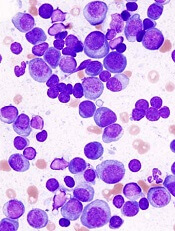
A cell-measuring technique can help predict how multiple myeloma (MM) patients will respond to different therapies, according to research published in Nature Communications.
The technique involves a microfluidic device known as a serial suspended microchannel resonator (sSMR).
The sSMR measures cell mass and allows researchers to calculate growth rates of single cells over short periods of time.
The device consists of a series of sensors that weigh cells as they flow through tiny channels.
The sSMR can measure 50 to 100 cells per hour.
Over a 20-minute period, each cell is weighed 10 times. This is enough to get an accurate mass accumulation rate (MAR), which is a measurement of the rate at which the cells gain mass.
With previous work, researchers showed that MAR can reveal drug susceptibility. A decrease in MAR following drug treatment means cells are sensitive to the drug. If cells are resistant, there is no change in MAR.
For the current study, Scott Manalis, PhD, of the Massachusetts Institute of Technology in Cambridge, and his colleagues tested drugs on cells from MM patients.
The team compared MAR results obtained via sSMR to outcomes of treatment in 9 patients.
For each patient, the researchers tracked the cells’ response to 3 different drugs—bortezomib, lenalidomide, and dexamethasone—plus combinations of those drugs.
In all 9 cases, the sSMR results matched the outcomes seen in patients, as measured by clinical biomarkers in the bloodstream.
“When the clinical biomarkers showed that the patients should be sensitive to a drug, we also saw sensitivity by our measurement,” said study author Mark Stevens, PhD, of the Massachusetts Institute of Technology and Dana-Farber Cancer Institute.
“[I]n cases where the patients were resistant, we saw that in the clinical biomarkers as well as our measurement.”
The researchers believe their device could potentially be used in MM patients at the time of relapse when the disease may have developed resistance to specific therapies.
“At this time of relapse, we would take a bone marrow biopsy from a patient, and we would test each therapy individually or in combinations that are typically used in the clinic,” Dr Stevens said. “At that point, we’d be able to inform the clinician as to which therapy or combinations of therapies this patient seems to be most sensitive or most resistant to.”
Now, the researchers are planning to conduct a larger clinical study to validate this approach. They also aim to investigate the possibility of using this technology for other cancers.
Some of the researchers involved in this study are cofounders of Travera and Affinity Biosensors, 2 companies that develop techniques relevant to this research.
A cell-measuring technique can help predict how multiple myeloma (MM) patients will respond to different therapies, according to research published in Nature Communications.
The technique involves a microfluidic device known as a serial suspended microchannel resonator (sSMR).
The sSMR measures cell mass and allows researchers to calculate growth rates of single cells over short periods of time.
The device consists of a series of sensors that weigh cells as they flow through tiny channels.
The sSMR can measure 50 to 100 cells per hour.
Over a 20-minute period, each cell is weighed 10 times. This is enough to get an accurate mass accumulation rate (MAR), which is a measurement of the rate at which the cells gain mass.
With previous work, researchers showed that MAR can reveal drug susceptibility. A decrease in MAR following drug treatment means cells are sensitive to the drug. If cells are resistant, there is no change in MAR.
For the current study, Scott Manalis, PhD, of the Massachusetts Institute of Technology in Cambridge, and his colleagues tested drugs on cells from MM patients.
The team compared MAR results obtained via sSMR to outcomes of treatment in 9 patients.
For each patient, the researchers tracked the cells’ response to 3 different drugs—bortezomib, lenalidomide, and dexamethasone—plus combinations of those drugs.
In all 9 cases, the sSMR results matched the outcomes seen in patients, as measured by clinical biomarkers in the bloodstream.
“When the clinical biomarkers showed that the patients should be sensitive to a drug, we also saw sensitivity by our measurement,” said study author Mark Stevens, PhD, of the Massachusetts Institute of Technology and Dana-Farber Cancer Institute.
“[I]n cases where the patients were resistant, we saw that in the clinical biomarkers as well as our measurement.”
The researchers believe their device could potentially be used in MM patients at the time of relapse when the disease may have developed resistance to specific therapies.
“At this time of relapse, we would take a bone marrow biopsy from a patient, and we would test each therapy individually or in combinations that are typically used in the clinic,” Dr Stevens said. “At that point, we’d be able to inform the clinician as to which therapy or combinations of therapies this patient seems to be most sensitive or most resistant to.”
Now, the researchers are planning to conduct a larger clinical study to validate this approach. They also aim to investigate the possibility of using this technology for other cancers.
Some of the researchers involved in this study are cofounders of Travera and Affinity Biosensors, 2 companies that develop techniques relevant to this research.
A cell-measuring technique can help predict how multiple myeloma (MM) patients will respond to different therapies, according to research published in Nature Communications.
The technique involves a microfluidic device known as a serial suspended microchannel resonator (sSMR).
The sSMR measures cell mass and allows researchers to calculate growth rates of single cells over short periods of time.
The device consists of a series of sensors that weigh cells as they flow through tiny channels.
The sSMR can measure 50 to 100 cells per hour.
Over a 20-minute period, each cell is weighed 10 times. This is enough to get an accurate mass accumulation rate (MAR), which is a measurement of the rate at which the cells gain mass.
With previous work, researchers showed that MAR can reveal drug susceptibility. A decrease in MAR following drug treatment means cells are sensitive to the drug. If cells are resistant, there is no change in MAR.
For the current study, Scott Manalis, PhD, of the Massachusetts Institute of Technology in Cambridge, and his colleagues tested drugs on cells from MM patients.
The team compared MAR results obtained via sSMR to outcomes of treatment in 9 patients.
For each patient, the researchers tracked the cells’ response to 3 different drugs—bortezomib, lenalidomide, and dexamethasone—plus combinations of those drugs.
In all 9 cases, the sSMR results matched the outcomes seen in patients, as measured by clinical biomarkers in the bloodstream.
“When the clinical biomarkers showed that the patients should be sensitive to a drug, we also saw sensitivity by our measurement,” said study author Mark Stevens, PhD, of the Massachusetts Institute of Technology and Dana-Farber Cancer Institute.
“[I]n cases where the patients were resistant, we saw that in the clinical biomarkers as well as our measurement.”
The researchers believe their device could potentially be used in MM patients at the time of relapse when the disease may have developed resistance to specific therapies.
“At this time of relapse, we would take a bone marrow biopsy from a patient, and we would test each therapy individually or in combinations that are typically used in the clinic,” Dr Stevens said. “At that point, we’d be able to inform the clinician as to which therapy or combinations of therapies this patient seems to be most sensitive or most resistant to.”
Now, the researchers are planning to conduct a larger clinical study to validate this approach. They also aim to investigate the possibility of using this technology for other cancers.
Some of the researchers involved in this study are cofounders of Travera and Affinity Biosensors, 2 companies that develop techniques relevant to this research.
CAR T-cell therapy on fast track with FDA, EMA
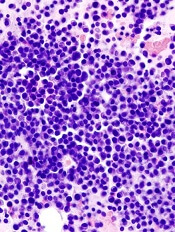
A chimeric antigen receptor (CAR) T-cell therapy, bb2121, has received breakthrough therapy designation from the US Food and Drug Administration (FDA) and was granted access to the European Medicines Agency’s (EMA’s) PRIority MEdicines (PRIME) program.
The CAR T-cell therapy is designed to target B-cell maturation antigen in previously treated patients with multiple myeloma.
bb2121 is being developed by bluebird bio, Inc., and Celgene Corporation.
The EMA’s and FDA’s decisions on bb2121 were based on preliminary data from an ongoing phase 1 study, CRB-401 (NCT02658929).
Results from this study were presented at the 2017 ASCO Annual Meeting (abstract 3010).
The study enrolled patients with relapsed and/or refractory multiple myeloma. As of the May 4, 2017 data cut-off, 21 patients had been enrolled.
Patients had a median of 7 prior lines of therapy (range, 3-14). Their previous treatments included lenalidomide and bortezomib (100%), pomalidomide and carfilzomib (91%), daratumumab (71%), and autologous stem cell transplant (100% at least once).
Twenty-nine percent of patients were refractory to bortezomib, lenalidomide, carfilzomib, pomalidomide, and daratumumab.
Patients received a conditioning regimen of cyclophosphamide and fludarabine, followed by an infusion of bb2121 at 1 of 4 doses: 50 x 106, 150 x 106, 450 x 106 and 800 x 106 CAR+ T cells.
All 21 patients were evaluable for safety.
The most common treatment-emergent grade 3-4 adverse events were cytopenias commonly associated with the lymphodepletion regimen, as well as grade 3 events of hyponatremia (n=4), upper respiratory infection (n=2), syncope (n=2), and cytokine release syndrome (CRS, n=2).
In all, 71% of patients (15/21) had CRS, mostly grade 1 and 2. For the 2 patients with grade 3 CRS, it resolved within 24 hours. To manage CRS, 4 patients received tocilizumab, and 1 (with grade 2) received steroids as well.
Eighteen patients were evaluable for efficacy, and the overall response rate was 89% (16/18).
There were 4 complete responses—2 in the 150 x 106 cohort, 1 in the 450 x 106 cohort, and 1 in the 800 x 106 cohort. The complete responder in the 450 x 106 cohort ultimately died of cardiopulmonary arrest that was deemed unrelated to treatment.
Five patients had a partial response—2 in the 450 x 106 cohort and 1 in each of the other cohorts. Seven patients had a very good partial response—5 in the 450 x 106 cohort and 1 each in the 150 x 106 cohort and 800 x 106 cohort.
Updated data from this study are scheduled to be presented at the 2017 ASH Annual Meeting (abstract 740).
About breakthrough designation
The FDA’s breakthrough designation is intended to expedite the development and review of new treatments for serious or life-threatening conditions.
The designation entitles the company developing a therapy to more intensive FDA guidance on an efficient and accelerated development program, as well as eligibility for other actions to expedite FDA review, such as rolling submission and priority review.
To earn breakthrough designation, a treatment must show encouraging early clinical results demonstrating substantial improvement over available therapies with regard to a clinically significant endpoint, or it must fulfill an unmet need.
About PRIME
The EMA launched its PRIME program to enhance support for the development of medicines that target an unmet medical need.
The program involves enhanced interaction and early dialogue with developers of promising medicines to optimize development plans and speed up evaluation so these medicines can reach patients earlier.
PRIME focuses on medicines that may offer a major therapeutic advantage over existing treatments or benefit patients without treatment options. To be accepted for PRIME, a medicine must have demonstrated the potential to benefit patients with unmet medical needs based on early clinical data.
A chimeric antigen receptor (CAR) T-cell therapy, bb2121, has received breakthrough therapy designation from the US Food and Drug Administration (FDA) and was granted access to the European Medicines Agency’s (EMA’s) PRIority MEdicines (PRIME) program.
The CAR T-cell therapy is designed to target B-cell maturation antigen in previously treated patients with multiple myeloma.
bb2121 is being developed by bluebird bio, Inc., and Celgene Corporation.
The EMA’s and FDA’s decisions on bb2121 were based on preliminary data from an ongoing phase 1 study, CRB-401 (NCT02658929).
Results from this study were presented at the 2017 ASCO Annual Meeting (abstract 3010).
The study enrolled patients with relapsed and/or refractory multiple myeloma. As of the May 4, 2017 data cut-off, 21 patients had been enrolled.
Patients had a median of 7 prior lines of therapy (range, 3-14). Their previous treatments included lenalidomide and bortezomib (100%), pomalidomide and carfilzomib (91%), daratumumab (71%), and autologous stem cell transplant (100% at least once).
Twenty-nine percent of patients were refractory to bortezomib, lenalidomide, carfilzomib, pomalidomide, and daratumumab.
Patients received a conditioning regimen of cyclophosphamide and fludarabine, followed by an infusion of bb2121 at 1 of 4 doses: 50 x 106, 150 x 106, 450 x 106 and 800 x 106 CAR+ T cells.
All 21 patients were evaluable for safety.
The most common treatment-emergent grade 3-4 adverse events were cytopenias commonly associated with the lymphodepletion regimen, as well as grade 3 events of hyponatremia (n=4), upper respiratory infection (n=2), syncope (n=2), and cytokine release syndrome (CRS, n=2).
In all, 71% of patients (15/21) had CRS, mostly grade 1 and 2. For the 2 patients with grade 3 CRS, it resolved within 24 hours. To manage CRS, 4 patients received tocilizumab, and 1 (with grade 2) received steroids as well.
Eighteen patients were evaluable for efficacy, and the overall response rate was 89% (16/18).
There were 4 complete responses—2 in the 150 x 106 cohort, 1 in the 450 x 106 cohort, and 1 in the 800 x 106 cohort. The complete responder in the 450 x 106 cohort ultimately died of cardiopulmonary arrest that was deemed unrelated to treatment.
Five patients had a partial response—2 in the 450 x 106 cohort and 1 in each of the other cohorts. Seven patients had a very good partial response—5 in the 450 x 106 cohort and 1 each in the 150 x 106 cohort and 800 x 106 cohort.
Updated data from this study are scheduled to be presented at the 2017 ASH Annual Meeting (abstract 740).
About breakthrough designation
The FDA’s breakthrough designation is intended to expedite the development and review of new treatments for serious or life-threatening conditions.
The designation entitles the company developing a therapy to more intensive FDA guidance on an efficient and accelerated development program, as well as eligibility for other actions to expedite FDA review, such as rolling submission and priority review.
To earn breakthrough designation, a treatment must show encouraging early clinical results demonstrating substantial improvement over available therapies with regard to a clinically significant endpoint, or it must fulfill an unmet need.
About PRIME
The EMA launched its PRIME program to enhance support for the development of medicines that target an unmet medical need.
The program involves enhanced interaction and early dialogue with developers of promising medicines to optimize development plans and speed up evaluation so these medicines can reach patients earlier.
PRIME focuses on medicines that may offer a major therapeutic advantage over existing treatments or benefit patients without treatment options. To be accepted for PRIME, a medicine must have demonstrated the potential to benefit patients with unmet medical needs based on early clinical data.
A chimeric antigen receptor (CAR) T-cell therapy, bb2121, has received breakthrough therapy designation from the US Food and Drug Administration (FDA) and was granted access to the European Medicines Agency’s (EMA’s) PRIority MEdicines (PRIME) program.
The CAR T-cell therapy is designed to target B-cell maturation antigen in previously treated patients with multiple myeloma.
bb2121 is being developed by bluebird bio, Inc., and Celgene Corporation.
The EMA’s and FDA’s decisions on bb2121 were based on preliminary data from an ongoing phase 1 study, CRB-401 (NCT02658929).
Results from this study were presented at the 2017 ASCO Annual Meeting (abstract 3010).
The study enrolled patients with relapsed and/or refractory multiple myeloma. As of the May 4, 2017 data cut-off, 21 patients had been enrolled.
Patients had a median of 7 prior lines of therapy (range, 3-14). Their previous treatments included lenalidomide and bortezomib (100%), pomalidomide and carfilzomib (91%), daratumumab (71%), and autologous stem cell transplant (100% at least once).
Twenty-nine percent of patients were refractory to bortezomib, lenalidomide, carfilzomib, pomalidomide, and daratumumab.
Patients received a conditioning regimen of cyclophosphamide and fludarabine, followed by an infusion of bb2121 at 1 of 4 doses: 50 x 106, 150 x 106, 450 x 106 and 800 x 106 CAR+ T cells.
All 21 patients were evaluable for safety.
The most common treatment-emergent grade 3-4 adverse events were cytopenias commonly associated with the lymphodepletion regimen, as well as grade 3 events of hyponatremia (n=4), upper respiratory infection (n=2), syncope (n=2), and cytokine release syndrome (CRS, n=2).
In all, 71% of patients (15/21) had CRS, mostly grade 1 and 2. For the 2 patients with grade 3 CRS, it resolved within 24 hours. To manage CRS, 4 patients received tocilizumab, and 1 (with grade 2) received steroids as well.
Eighteen patients were evaluable for efficacy, and the overall response rate was 89% (16/18).
There were 4 complete responses—2 in the 150 x 106 cohort, 1 in the 450 x 106 cohort, and 1 in the 800 x 106 cohort. The complete responder in the 450 x 106 cohort ultimately died of cardiopulmonary arrest that was deemed unrelated to treatment.
Five patients had a partial response—2 in the 450 x 106 cohort and 1 in each of the other cohorts. Seven patients had a very good partial response—5 in the 450 x 106 cohort and 1 each in the 150 x 106 cohort and 800 x 106 cohort.
Updated data from this study are scheduled to be presented at the 2017 ASH Annual Meeting (abstract 740).
About breakthrough designation
The FDA’s breakthrough designation is intended to expedite the development and review of new treatments for serious or life-threatening conditions.
The designation entitles the company developing a therapy to more intensive FDA guidance on an efficient and accelerated development program, as well as eligibility for other actions to expedite FDA review, such as rolling submission and priority review.
To earn breakthrough designation, a treatment must show encouraging early clinical results demonstrating substantial improvement over available therapies with regard to a clinically significant endpoint, or it must fulfill an unmet need.
About PRIME
The EMA launched its PRIME program to enhance support for the development of medicines that target an unmet medical need.
The program involves enhanced interaction and early dialogue with developers of promising medicines to optimize development plans and speed up evaluation so these medicines can reach patients earlier.
PRIME focuses on medicines that may offer a major therapeutic advantage over existing treatments or benefit patients without treatment options. To be accepted for PRIME, a medicine must have demonstrated the potential to benefit patients with unmet medical needs based on early clinical data.
Debate: Is MRD ready for prime time in multiple myeloma?
NEW YORK – Evidence of minimal residual disease (MRD) has been shown to be an important prognostic factor in several different hematologic malignancies, including acute and chronic myeloid leukemias, but its clinical utility in day-to-day practice in multiple myeloma is still uncertain.
At the annual Lymphoma & Myeloma International Congress on Hematologic Malignancies, C. Ola Landgren, MD, PhD, chief of the myeloma service at Memorial Sloan Kettering Cancer Center in New York, and Paul G. Richardson, MD, clinical program leader and director of clinical research at the Jerome Lipper Myeloma Center at the Dana-Farber Cancer Institute in Boston, debated the question: “Is MRD ready for prime time?”
Yes: Dr. Landgren
“As we all know, with older drugs for myeloma, only a small proportion of patients reached a complete response, so there was really no reason to talk about MRD. But this belongs to the past: using the modern combination therapies, about 100% of our patients have a response, an overall response, and up to 80% of patients are reaching a complete response. So it’s really necessary, a logical step to go forward, to look at MRD,” Dr. Landgren said.
He cited evidence from two meta-analyses showing that MRD negativity is a strong predictor of clinical outcomes, including long-term survival.

“Our results show that MRD negativity is a strong predictor of clinical outcomes, supportive of MRD becoming a regulatory end point for drug approval in newly diagnosed multiple myeloma,” they wrote.
In a second meta-analysis, Nikhil Munshi, MD, from the Dana-Farber Cancer Institute, and his colleagues, reviewed PFS data from 14 studies with a total of 1,273 patients, and OS data from 12 studies with a total of 1,100 patients.
This second meta-analysis found that MRD negativity was associated with significantly better PFS (HR, 0.41; P less than .001), including among patients in studies looking specifically at complete response (CR) (HR, 0.44; P less than .001).
Munshi et al. also saw a significant benefit for MRD negativity among all patients in trials with OS as the endpoint (HR, 0.57; P less than .001) and in those focusing on patients with a CR (HR, 0.47; P less than .001).
They concluded that MRD-negative status after treatment for new newly diagnosed multiple myeloma is associated with long-term survival, and like Landgren et al. contended that their findings “provide quantitative evidence to support the integration of MRD assessment as an end point in clinical trials of multiple myeloma.”
Dr. Landgren noted that 2016 International Myeloma Working Group consensus criteria for response and minimal residual disease assessment in multiple myeloma, coauthored by both Dr. Landgren and Dr. Richardson, now incorporate MRD.
In addition, in the IFM/DFCI 2009 trial comparing induction therapy for patients with newly diagnosed multiple myeloma with or without autologous stem cell transplant after three cycles of lenalidomide, bortezomib, and dexamethasone, patients in each trial arm who were MRD negative had significantly better PFS than patients who were MRD positive after consolidation, regardless of assigned treatment, Dr. Landgren noted.
In the relapsed/refractory multiple myeloma setting, MRD negativity was associated with better PFS for patients in the POLLUX trial, whether subjects were assigned to receive daratumumab plus lenalidomide and dexamethasone, or len-dex alone.
“This raises an important question: Is MRD more important than treatment modality?” Dr. Landgren said.
“The debate is: Is MRD ready for prime time? And as I have shown you with all the data, the answer is ‘Yes’,” he concluded.
No: Dr. Richardson
“My position on this is that MRD testing is absolutely ready for prime time in the research and regulatory arena. The question for me as a clinician in my clinic is: ‘Do I apply it to everyday practice?’ And I would simply suggest to you at this point we’re not ready for that, and we’re not ready for that for a variety of complex reasons,” Dr. Richardson said in his rebuttal.
He cited a definition of MRD offered by Simone Ferrero, MD, and his colleagues from the University of Turin (Italy) in 2011 in Hematological Oncology: “Any approach aimed at detecting and possibly quantifying residual tumor cells beyond the sensitivity level of routine imaging and laboratory techniques.”
“We recognize in hematologic malignancies in particular, and increasingly in myeloma, that achievement of complete clinical remission and assessing this needs a variety of different scenarios,” he said.
These scenarios may include establishing the full eradication of the neoplastic clone, determining the long-term persistence of quiescent or nonclonogenic or immunologically regulated tumor cells, or persistence of clonogenic cells capable of giving rise to a full clinical relapse within a number of years.
Myeloma specialists recognize that MRD is a real phenomenon, made more challenging by the “extraordinary” heterogeneity of myeloma, he said.
Determination of MRD using sensitive molecular techniques may allow analysis of treatments that induce a greater depth of response than others, and may also identify patients who are experiencing early relapse and will need further treatment, Dr. Richardson acknowledged.
“The question is, should it dictate what you and I do every afternoon in the clinic with a particular patient, for example, outside of a clinical trial?”
He noted that MRD is still a secondary endpoint in trials for acute lymphoblastic leukemia, acute myeloid leukemia, acute promyelocytic leukemia, and chronic lymphocytic leukemia, although it has been accepted by the FDA as a primary endpoint to assess molecular responses to second-generation tyrosine kinase inhibitors.
MRD is also still a secondary endpoint in trials for therapies against follicular and mantle cell lymphomas as well.
“So my hypothesis, or suggestion to you this morning, is that whilst MRD clearly is a vital area of research – and I especially applaud Ola for being on the forefront of this, and I fully support all the points he made – I would just simply suggest to you that it’s less advanced than in leukemia and lymphoma, and we are currently at the point where MRD assessments are clearly secondary endpoints and an important research tool,” he said,
MRD remains a research tool in multiple myeloma because, despite the wealth of new therapies and combinations approved in just the past few years, “we’re not able to eradicate it completely, and cure remains in myeloma, frankly, evasive,” he added.
Immunotherapy, for example, is not the “mutationally agnostic” approach that clinicians had hoped for, with recent evidence suggesting that it cannot overcome every genetic variation that may give rise to multiple myeloma.
For MRD to become a useful clinical tool rather than a research/regulatory tool, standardization of testing methods will be needed. Flow cytometry until recently has been the mainstay for detecting MRD, but molecular strategies are currently being investigated, and rapid next-generation sequencing has the potential to become a gold standard, with its ability to identify and quantify all clonotypes in a sample.
“What’s critical is, therapeutic adjustment for what? What is the difference? For example, [if] one arm of a trial has 20% MRD positivity vs. 40% in another, what does that really mean for overall survival? These are enormous challenges that we still face,” Dr. Richardson said.
“I do think the lack of standardization broadly across the country is a challenge, and so with that in mind, I would simply suggest that it is not yet a standard of care in clinical practice, but may be,” he concluded.
Dr. Landgren disclosed serving as a consultant to AbbVie, Amgen, Bristol-Myers Squibb, Celgene and Janssen. Dr. Richardson disclosed consulting for Celgene and Takeda.
NEW YORK – Evidence of minimal residual disease (MRD) has been shown to be an important prognostic factor in several different hematologic malignancies, including acute and chronic myeloid leukemias, but its clinical utility in day-to-day practice in multiple myeloma is still uncertain.
At the annual Lymphoma & Myeloma International Congress on Hematologic Malignancies, C. Ola Landgren, MD, PhD, chief of the myeloma service at Memorial Sloan Kettering Cancer Center in New York, and Paul G. Richardson, MD, clinical program leader and director of clinical research at the Jerome Lipper Myeloma Center at the Dana-Farber Cancer Institute in Boston, debated the question: “Is MRD ready for prime time?”
Yes: Dr. Landgren
“As we all know, with older drugs for myeloma, only a small proportion of patients reached a complete response, so there was really no reason to talk about MRD. But this belongs to the past: using the modern combination therapies, about 100% of our patients have a response, an overall response, and up to 80% of patients are reaching a complete response. So it’s really necessary, a logical step to go forward, to look at MRD,” Dr. Landgren said.
He cited evidence from two meta-analyses showing that MRD negativity is a strong predictor of clinical outcomes, including long-term survival.
“Our results show that MRD negativity is a strong predictor of clinical outcomes, supportive of MRD becoming a regulatory end point for drug approval in newly diagnosed multiple myeloma,” they wrote.
In a second meta-analysis, Nikhil Munshi, MD, from the Dana-Farber Cancer Institute, and his colleagues, reviewed PFS data from 14 studies with a total of 1,273 patients, and OS data from 12 studies with a total of 1,100 patients.
This second meta-analysis found that MRD negativity was associated with significantly better PFS (HR, 0.41; P less than .001), including among patients in studies looking specifically at complete response (CR) (HR, 0.44; P less than .001).
Munshi et al. also saw a significant benefit for MRD negativity among all patients in trials with OS as the endpoint (HR, 0.57; P less than .001) and in those focusing on patients with a CR (HR, 0.47; P less than .001).
They concluded that MRD-negative status after treatment for new newly diagnosed multiple myeloma is associated with long-term survival, and like Landgren et al. contended that their findings “provide quantitative evidence to support the integration of MRD assessment as an end point in clinical trials of multiple myeloma.”
Dr. Landgren noted that 2016 International Myeloma Working Group consensus criteria for response and minimal residual disease assessment in multiple myeloma, coauthored by both Dr. Landgren and Dr. Richardson, now incorporate MRD.
In addition, in the IFM/DFCI 2009 trial comparing induction therapy for patients with newly diagnosed multiple myeloma with or without autologous stem cell transplant after three cycles of lenalidomide, bortezomib, and dexamethasone, patients in each trial arm who were MRD negative had significantly better PFS than patients who were MRD positive after consolidation, regardless of assigned treatment, Dr. Landgren noted.
In the relapsed/refractory multiple myeloma setting, MRD negativity was associated with better PFS for patients in the POLLUX trial, whether subjects were assigned to receive daratumumab plus lenalidomide and dexamethasone, or len-dex alone.
“This raises an important question: Is MRD more important than treatment modality?” Dr. Landgren said.
“The debate is: Is MRD ready for prime time? And as I have shown you with all the data, the answer is ‘Yes’,” he concluded.
No: Dr. Richardson
“My position on this is that MRD testing is absolutely ready for prime time in the research and regulatory arena. The question for me as a clinician in my clinic is: ‘Do I apply it to everyday practice?’ And I would simply suggest to you at this point we’re not ready for that, and we’re not ready for that for a variety of complex reasons,” Dr. Richardson said in his rebuttal.
He cited a definition of MRD offered by Simone Ferrero, MD, and his colleagues from the University of Turin (Italy) in 2011 in Hematological Oncology: “Any approach aimed at detecting and possibly quantifying residual tumor cells beyond the sensitivity level of routine imaging and laboratory techniques.”
“We recognize in hematologic malignancies in particular, and increasingly in myeloma, that achievement of complete clinical remission and assessing this needs a variety of different scenarios,” he said.
These scenarios may include establishing the full eradication of the neoplastic clone, determining the long-term persistence of quiescent or nonclonogenic or immunologically regulated tumor cells, or persistence of clonogenic cells capable of giving rise to a full clinical relapse within a number of years.
Myeloma specialists recognize that MRD is a real phenomenon, made more challenging by the “extraordinary” heterogeneity of myeloma, he said.
Determination of MRD using sensitive molecular techniques may allow analysis of treatments that induce a greater depth of response than others, and may also identify patients who are experiencing early relapse and will need further treatment, Dr. Richardson acknowledged.
“The question is, should it dictate what you and I do every afternoon in the clinic with a particular patient, for example, outside of a clinical trial?”
He noted that MRD is still a secondary endpoint in trials for acute lymphoblastic leukemia, acute myeloid leukemia, acute promyelocytic leukemia, and chronic lymphocytic leukemia, although it has been accepted by the FDA as a primary endpoint to assess molecular responses to second-generation tyrosine kinase inhibitors.
MRD is also still a secondary endpoint in trials for therapies against follicular and mantle cell lymphomas as well.
“So my hypothesis, or suggestion to you this morning, is that whilst MRD clearly is a vital area of research – and I especially applaud Ola for being on the forefront of this, and I fully support all the points he made – I would just simply suggest to you that it’s less advanced than in leukemia and lymphoma, and we are currently at the point where MRD assessments are clearly secondary endpoints and an important research tool,” he said,
MRD remains a research tool in multiple myeloma because, despite the wealth of new therapies and combinations approved in just the past few years, “we’re not able to eradicate it completely, and cure remains in myeloma, frankly, evasive,” he added.
Immunotherapy, for example, is not the “mutationally agnostic” approach that clinicians had hoped for, with recent evidence suggesting that it cannot overcome every genetic variation that may give rise to multiple myeloma.
For MRD to become a useful clinical tool rather than a research/regulatory tool, standardization of testing methods will be needed. Flow cytometry until recently has been the mainstay for detecting MRD, but molecular strategies are currently being investigated, and rapid next-generation sequencing has the potential to become a gold standard, with its ability to identify and quantify all clonotypes in a sample.
“What’s critical is, therapeutic adjustment for what? What is the difference? For example, [if] one arm of a trial has 20% MRD positivity vs. 40% in another, what does that really mean for overall survival? These are enormous challenges that we still face,” Dr. Richardson said.
“I do think the lack of standardization broadly across the country is a challenge, and so with that in mind, I would simply suggest that it is not yet a standard of care in clinical practice, but may be,” he concluded.
Dr. Landgren disclosed serving as a consultant to AbbVie, Amgen, Bristol-Myers Squibb, Celgene and Janssen. Dr. Richardson disclosed consulting for Celgene and Takeda.
NEW YORK – Evidence of minimal residual disease (MRD) has been shown to be an important prognostic factor in several different hematologic malignancies, including acute and chronic myeloid leukemias, but its clinical utility in day-to-day practice in multiple myeloma is still uncertain.
At the annual Lymphoma & Myeloma International Congress on Hematologic Malignancies, C. Ola Landgren, MD, PhD, chief of the myeloma service at Memorial Sloan Kettering Cancer Center in New York, and Paul G. Richardson, MD, clinical program leader and director of clinical research at the Jerome Lipper Myeloma Center at the Dana-Farber Cancer Institute in Boston, debated the question: “Is MRD ready for prime time?”
Yes: Dr. Landgren
“As we all know, with older drugs for myeloma, only a small proportion of patients reached a complete response, so there was really no reason to talk about MRD. But this belongs to the past: using the modern combination therapies, about 100% of our patients have a response, an overall response, and up to 80% of patients are reaching a complete response. So it’s really necessary, a logical step to go forward, to look at MRD,” Dr. Landgren said.
He cited evidence from two meta-analyses showing that MRD negativity is a strong predictor of clinical outcomes, including long-term survival.
“Our results show that MRD negativity is a strong predictor of clinical outcomes, supportive of MRD becoming a regulatory end point for drug approval in newly diagnosed multiple myeloma,” they wrote.
In a second meta-analysis, Nikhil Munshi, MD, from the Dana-Farber Cancer Institute, and his colleagues, reviewed PFS data from 14 studies with a total of 1,273 patients, and OS data from 12 studies with a total of 1,100 patients.
This second meta-analysis found that MRD negativity was associated with significantly better PFS (HR, 0.41; P less than .001), including among patients in studies looking specifically at complete response (CR) (HR, 0.44; P less than .001).
Munshi et al. also saw a significant benefit for MRD negativity among all patients in trials with OS as the endpoint (HR, 0.57; P less than .001) and in those focusing on patients with a CR (HR, 0.47; P less than .001).
They concluded that MRD-negative status after treatment for new newly diagnosed multiple myeloma is associated with long-term survival, and like Landgren et al. contended that their findings “provide quantitative evidence to support the integration of MRD assessment as an end point in clinical trials of multiple myeloma.”
Dr. Landgren noted that 2016 International Myeloma Working Group consensus criteria for response and minimal residual disease assessment in multiple myeloma, coauthored by both Dr. Landgren and Dr. Richardson, now incorporate MRD.
In addition, in the IFM/DFCI 2009 trial comparing induction therapy for patients with newly diagnosed multiple myeloma with or without autologous stem cell transplant after three cycles of lenalidomide, bortezomib, and dexamethasone, patients in each trial arm who were MRD negative had significantly better PFS than patients who were MRD positive after consolidation, regardless of assigned treatment, Dr. Landgren noted.
In the relapsed/refractory multiple myeloma setting, MRD negativity was associated with better PFS for patients in the POLLUX trial, whether subjects were assigned to receive daratumumab plus lenalidomide and dexamethasone, or len-dex alone.
“This raises an important question: Is MRD more important than treatment modality?” Dr. Landgren said.
“The debate is: Is MRD ready for prime time? And as I have shown you with all the data, the answer is ‘Yes’,” he concluded.
No: Dr. Richardson
“My position on this is that MRD testing is absolutely ready for prime time in the research and regulatory arena. The question for me as a clinician in my clinic is: ‘Do I apply it to everyday practice?’ And I would simply suggest to you at this point we’re not ready for that, and we’re not ready for that for a variety of complex reasons,” Dr. Richardson said in his rebuttal.
He cited a definition of MRD offered by Simone Ferrero, MD, and his colleagues from the University of Turin (Italy) in 2011 in Hematological Oncology: “Any approach aimed at detecting and possibly quantifying residual tumor cells beyond the sensitivity level of routine imaging and laboratory techniques.”
“We recognize in hematologic malignancies in particular, and increasingly in myeloma, that achievement of complete clinical remission and assessing this needs a variety of different scenarios,” he said.
These scenarios may include establishing the full eradication of the neoplastic clone, determining the long-term persistence of quiescent or nonclonogenic or immunologically regulated tumor cells, or persistence of clonogenic cells capable of giving rise to a full clinical relapse within a number of years.
Myeloma specialists recognize that MRD is a real phenomenon, made more challenging by the “extraordinary” heterogeneity of myeloma, he said.
Determination of MRD using sensitive molecular techniques may allow analysis of treatments that induce a greater depth of response than others, and may also identify patients who are experiencing early relapse and will need further treatment, Dr. Richardson acknowledged.
“The question is, should it dictate what you and I do every afternoon in the clinic with a particular patient, for example, outside of a clinical trial?”
He noted that MRD is still a secondary endpoint in trials for acute lymphoblastic leukemia, acute myeloid leukemia, acute promyelocytic leukemia, and chronic lymphocytic leukemia, although it has been accepted by the FDA as a primary endpoint to assess molecular responses to second-generation tyrosine kinase inhibitors.
MRD is also still a secondary endpoint in trials for therapies against follicular and mantle cell lymphomas as well.
“So my hypothesis, or suggestion to you this morning, is that whilst MRD clearly is a vital area of research – and I especially applaud Ola for being on the forefront of this, and I fully support all the points he made – I would just simply suggest to you that it’s less advanced than in leukemia and lymphoma, and we are currently at the point where MRD assessments are clearly secondary endpoints and an important research tool,” he said,
MRD remains a research tool in multiple myeloma because, despite the wealth of new therapies and combinations approved in just the past few years, “we’re not able to eradicate it completely, and cure remains in myeloma, frankly, evasive,” he added.
Immunotherapy, for example, is not the “mutationally agnostic” approach that clinicians had hoped for, with recent evidence suggesting that it cannot overcome every genetic variation that may give rise to multiple myeloma.
For MRD to become a useful clinical tool rather than a research/regulatory tool, standardization of testing methods will be needed. Flow cytometry until recently has been the mainstay for detecting MRD, but molecular strategies are currently being investigated, and rapid next-generation sequencing has the potential to become a gold standard, with its ability to identify and quantify all clonotypes in a sample.
“What’s critical is, therapeutic adjustment for what? What is the difference? For example, [if] one arm of a trial has 20% MRD positivity vs. 40% in another, what does that really mean for overall survival? These are enormous challenges that we still face,” Dr. Richardson said.
“I do think the lack of standardization broadly across the country is a challenge, and so with that in mind, I would simply suggest that it is not yet a standard of care in clinical practice, but may be,” he concluded.
Dr. Landgren disclosed serving as a consultant to AbbVie, Amgen, Bristol-Myers Squibb, Celgene and Janssen. Dr. Richardson disclosed consulting for Celgene and Takeda.
AT LYMPHOMA & MYELOMA 2017