User login
Family Fun in San Antonio During CHEST 2018
Planning on bringing your family with you to CHEST 2018 in San Antonio? Well, we’ve got you covered on ways to have some family fun when you’re not immersed in learning at the convention center. Here are a few activities you can take part in:
San Antonio Missions National Historical Park
There are four San Antonio Missions you can visit: San José, Espada, Concepción, and San Juan. Explore the missions on your own, or join a park ranger or volunteer for a free, 45- to 60- minute guided tour of your chosen mission. While Mission San José is the most popular tour with ranger-led tours between 10:00 am and 3:00 pm, make sure to stop at the visitor center or information center of the other missions you want to tour to check available tour times.
World’s Largest Cowboy Boots
Just outside Saks Fifth Avenue at North Star Mall, you can take a selfie next to the World’s Largest Cowboy Boots. These 35-foot tall and 30-foot long boots shouldn’t be too hard to spot. Originally the boots were built by Bob “Daddy-O” Wade in Washington, DC, in 1979 and moved to San Antonio just 1 year later.
Natural Bridge Caverns
Explore the Natural Bridge Caverns, the largest caverns in Texas. This family-owned and family-operated attraction offers guided and adventure tours, and outdoor maze, mining for gems and fossils, and more! When you’re done, you can visit the Shops of Discovery Village where you’ll find treats, a general store, and souvenirs to take home.
The Alamo Trolley
Need a captivating-yet-low impact activity? Ride the Alamo Trolley. This “hop-on, hop-off” trolley allows you to explore San Antonio at your own pace. With 10 stops around town, this entirely narrated tour includes The Alamo, Hemisfair Park, River Walk, the Mission Trail, and more.
Clyde and Seamore’s Sea Lion High
If you go to SeaWorld San Antonio, kids will love attending the sea lion show called “Clyde and Seamore’s Sea Lion High.” The sea lions perform tricks and interact with the audience as Clyde and Seamore go back to school in search of their diplomas.
Cool Off at a Waterpark
While October weather in San Antonio may be slightly cooler than in the summer, it still averages in the mid-80 degrees Fahrenheit, so you’ll want to cool off at the pool or a waterpark. Take some downtime with the family and head to one of the several waterparks in the area, including Schlitterbahn, Splashtown San Antonio, and Aquatica at SeaWorld.
Brackenridge Park
Spend the day at one of San Antonio’s most popular parks, Brackenridge Park. Hike or bike along one of the nature trails, have a picnic, play with your kids at the Kiddie Park, or find the Japanese Tea Garden. Want to add something a little more exciting to your day? The San Antonio Zoo is also on the grounds, where there are lots of animals, experiences, and events.
Planning on bringing your family with you to CHEST 2018 in San Antonio? Well, we’ve got you covered on ways to have some family fun when you’re not immersed in learning at the convention center. Here are a few activities you can take part in:
San Antonio Missions National Historical Park
There are four San Antonio Missions you can visit: San José, Espada, Concepción, and San Juan. Explore the missions on your own, or join a park ranger or volunteer for a free, 45- to 60- minute guided tour of your chosen mission. While Mission San José is the most popular tour with ranger-led tours between 10:00 am and 3:00 pm, make sure to stop at the visitor center or information center of the other missions you want to tour to check available tour times.
World’s Largest Cowboy Boots
Just outside Saks Fifth Avenue at North Star Mall, you can take a selfie next to the World’s Largest Cowboy Boots. These 35-foot tall and 30-foot long boots shouldn’t be too hard to spot. Originally the boots were built by Bob “Daddy-O” Wade in Washington, DC, in 1979 and moved to San Antonio just 1 year later.
Natural Bridge Caverns
Explore the Natural Bridge Caverns, the largest caverns in Texas. This family-owned and family-operated attraction offers guided and adventure tours, and outdoor maze, mining for gems and fossils, and more! When you’re done, you can visit the Shops of Discovery Village where you’ll find treats, a general store, and souvenirs to take home.
The Alamo Trolley
Need a captivating-yet-low impact activity? Ride the Alamo Trolley. This “hop-on, hop-off” trolley allows you to explore San Antonio at your own pace. With 10 stops around town, this entirely narrated tour includes The Alamo, Hemisfair Park, River Walk, the Mission Trail, and more.
Clyde and Seamore’s Sea Lion High
If you go to SeaWorld San Antonio, kids will love attending the sea lion show called “Clyde and Seamore’s Sea Lion High.” The sea lions perform tricks and interact with the audience as Clyde and Seamore go back to school in search of their diplomas.
Cool Off at a Waterpark
While October weather in San Antonio may be slightly cooler than in the summer, it still averages in the mid-80 degrees Fahrenheit, so you’ll want to cool off at the pool or a waterpark. Take some downtime with the family and head to one of the several waterparks in the area, including Schlitterbahn, Splashtown San Antonio, and Aquatica at SeaWorld.
Brackenridge Park
Spend the day at one of San Antonio’s most popular parks, Brackenridge Park. Hike or bike along one of the nature trails, have a picnic, play with your kids at the Kiddie Park, or find the Japanese Tea Garden. Want to add something a little more exciting to your day? The San Antonio Zoo is also on the grounds, where there are lots of animals, experiences, and events.
Planning on bringing your family with you to CHEST 2018 in San Antonio? Well, we’ve got you covered on ways to have some family fun when you’re not immersed in learning at the convention center. Here are a few activities you can take part in:
San Antonio Missions National Historical Park
There are four San Antonio Missions you can visit: San José, Espada, Concepción, and San Juan. Explore the missions on your own, or join a park ranger or volunteer for a free, 45- to 60- minute guided tour of your chosen mission. While Mission San José is the most popular tour with ranger-led tours between 10:00 am and 3:00 pm, make sure to stop at the visitor center or information center of the other missions you want to tour to check available tour times.
World’s Largest Cowboy Boots
Just outside Saks Fifth Avenue at North Star Mall, you can take a selfie next to the World’s Largest Cowboy Boots. These 35-foot tall and 30-foot long boots shouldn’t be too hard to spot. Originally the boots were built by Bob “Daddy-O” Wade in Washington, DC, in 1979 and moved to San Antonio just 1 year later.
Natural Bridge Caverns
Explore the Natural Bridge Caverns, the largest caverns in Texas. This family-owned and family-operated attraction offers guided and adventure tours, and outdoor maze, mining for gems and fossils, and more! When you’re done, you can visit the Shops of Discovery Village where you’ll find treats, a general store, and souvenirs to take home.
The Alamo Trolley
Need a captivating-yet-low impact activity? Ride the Alamo Trolley. This “hop-on, hop-off” trolley allows you to explore San Antonio at your own pace. With 10 stops around town, this entirely narrated tour includes The Alamo, Hemisfair Park, River Walk, the Mission Trail, and more.
Clyde and Seamore’s Sea Lion High
If you go to SeaWorld San Antonio, kids will love attending the sea lion show called “Clyde and Seamore’s Sea Lion High.” The sea lions perform tricks and interact with the audience as Clyde and Seamore go back to school in search of their diplomas.
Cool Off at a Waterpark
While October weather in San Antonio may be slightly cooler than in the summer, it still averages in the mid-80 degrees Fahrenheit, so you’ll want to cool off at the pool or a waterpark. Take some downtime with the family and head to one of the several waterparks in the area, including Schlitterbahn, Splashtown San Antonio, and Aquatica at SeaWorld.
Brackenridge Park
Spend the day at one of San Antonio’s most popular parks, Brackenridge Park. Hike or bike along one of the nature trails, have a picnic, play with your kids at the Kiddie Park, or find the Japanese Tea Garden. Want to add something a little more exciting to your day? The San Antonio Zoo is also on the grounds, where there are lots of animals, experiences, and events.
Launching the Moderate to Severe Asthma Center of Excellence
The American College of Chest Physicians (CHEST) announces a new partnership with Medscape focused on supporting physicians in addressing the challenges of diagnosing and treating moderate to severe asthma. The Moderate to Severe Asthma Center of Excellence (https://www.medscape.com/resource/moderate-severe-asthma) will provide news, expert commentary, and insights on challenging cases to physicians specializing in chest medicine, allergy, primary care, pediatrics, and emergency medicine.
Medscape is a leading source of clinical news, health information, and point-of-care tools for physicians and health-care professionals. This new Center of Excellence available on Medscape.com will explore the diagnostic, therapeutic, and prevention strategies associated with moderate to severe asthma, including the latest research and breakthroughs. Topics will include challenges in classifying and diagnosing disease; risks, benefits, and barriers to treatment; and impact on patients’ quality of life.
“We look forward to working with Medscape on the Center of Excellence to ensure that all physicians treating patients with asthma have access to the latest information and research on managing this pervasive and challenging disease,” said John Studdard, MD, FCCP, President, American College of Chest Physicians.
“The Moderate to Severe Asthma Center of Excellence with CHEST provides a new, accessible channel for information, practical insights, and commentary to the thousands of physicians and health-care professionals who visit Medscape daily,” said Jo-Ann Strangis, Senior Vice President, Editorial for Medscape. “We are privileged to be working with CHEST and look forward to the Center of Excellence making a meaningful difference in patient care.”
Don’t miss Dr. Aaron Holley’s video on “Diagnosing Severe Asthma: ‘Not as Easy as It Sounds” (https://www.medscape.com/viewarticle/896135?src=dpcs).
Visit the Moderate to Severe Asthma Center of Excellence: https://www.medscape.com/resource/moderate-severe-asthma
The American College of Chest Physicians (CHEST) announces a new partnership with Medscape focused on supporting physicians in addressing the challenges of diagnosing and treating moderate to severe asthma. The Moderate to Severe Asthma Center of Excellence (https://www.medscape.com/resource/moderate-severe-asthma) will provide news, expert commentary, and insights on challenging cases to physicians specializing in chest medicine, allergy, primary care, pediatrics, and emergency medicine.
Medscape is a leading source of clinical news, health information, and point-of-care tools for physicians and health-care professionals. This new Center of Excellence available on Medscape.com will explore the diagnostic, therapeutic, and prevention strategies associated with moderate to severe asthma, including the latest research and breakthroughs. Topics will include challenges in classifying and diagnosing disease; risks, benefits, and barriers to treatment; and impact on patients’ quality of life.
“We look forward to working with Medscape on the Center of Excellence to ensure that all physicians treating patients with asthma have access to the latest information and research on managing this pervasive and challenging disease,” said John Studdard, MD, FCCP, President, American College of Chest Physicians.
“The Moderate to Severe Asthma Center of Excellence with CHEST provides a new, accessible channel for information, practical insights, and commentary to the thousands of physicians and health-care professionals who visit Medscape daily,” said Jo-Ann Strangis, Senior Vice President, Editorial for Medscape. “We are privileged to be working with CHEST and look forward to the Center of Excellence making a meaningful difference in patient care.”
Don’t miss Dr. Aaron Holley’s video on “Diagnosing Severe Asthma: ‘Not as Easy as It Sounds” (https://www.medscape.com/viewarticle/896135?src=dpcs).
Visit the Moderate to Severe Asthma Center of Excellence: https://www.medscape.com/resource/moderate-severe-asthma
The American College of Chest Physicians (CHEST) announces a new partnership with Medscape focused on supporting physicians in addressing the challenges of diagnosing and treating moderate to severe asthma. The Moderate to Severe Asthma Center of Excellence (https://www.medscape.com/resource/moderate-severe-asthma) will provide news, expert commentary, and insights on challenging cases to physicians specializing in chest medicine, allergy, primary care, pediatrics, and emergency medicine.
Medscape is a leading source of clinical news, health information, and point-of-care tools for physicians and health-care professionals. This new Center of Excellence available on Medscape.com will explore the diagnostic, therapeutic, and prevention strategies associated with moderate to severe asthma, including the latest research and breakthroughs. Topics will include challenges in classifying and diagnosing disease; risks, benefits, and barriers to treatment; and impact on patients’ quality of life.
“We look forward to working with Medscape on the Center of Excellence to ensure that all physicians treating patients with asthma have access to the latest information and research on managing this pervasive and challenging disease,” said John Studdard, MD, FCCP, President, American College of Chest Physicians.
“The Moderate to Severe Asthma Center of Excellence with CHEST provides a new, accessible channel for information, practical insights, and commentary to the thousands of physicians and health-care professionals who visit Medscape daily,” said Jo-Ann Strangis, Senior Vice President, Editorial for Medscape. “We are privileged to be working with CHEST and look forward to the Center of Excellence making a meaningful difference in patient care.”
Don’t miss Dr. Aaron Holley’s video on “Diagnosing Severe Asthma: ‘Not as Easy as It Sounds” (https://www.medscape.com/viewarticle/896135?src=dpcs).
Visit the Moderate to Severe Asthma Center of Excellence: https://www.medscape.com/resource/moderate-severe-asthma
Introducing the 2018 class of AGA Research Foundation awardees
The American Gastroenterological Association (AGA) and the AGA Research Foundation are pleased to award 41 investigators with more than $2 million in research funding in the 2018 award year.
“We were impressed by the quality of applications received in 2018,” said Robert S. Sandler, MD, MPH, AGAF, chair, AGA Research Foundation. “The AGA Research Foundation is excited to add 41 investigators into the AGA Research Foundation awards family and we look forward to seeing the results of their research. Based on the proposals, we are confident that the newest class of awardees will continue to push gastroenterology and hepatology research forward and contribute to the next big discoveries in our field.”
The AGA Research Foundation Awards Program recruits, retains, and supports the most promising investigators in gastroenterology and hepatology. With AGA Research Foundation funding, recipients have protected time to continue their fundamental research into causes and treatments for digestive disorders. AGA grants have launched the careers of investigators doing important work that translates to new patient care tools for clinicians and better outcomes for patients. To view the list of recipients go to https://www.gastro.org/press-release/introducing-the-2018-class-of-aga-research-foundation-awardees.
The awards program is made possible thanks to generous donors and funders contributing to the AGA Research Foundation. Learn more about the AGA Research Foundation at www.gastro.org/foundation.
The American Gastroenterological Association (AGA) and the AGA Research Foundation are pleased to award 41 investigators with more than $2 million in research funding in the 2018 award year.
“We were impressed by the quality of applications received in 2018,” said Robert S. Sandler, MD, MPH, AGAF, chair, AGA Research Foundation. “The AGA Research Foundation is excited to add 41 investigators into the AGA Research Foundation awards family and we look forward to seeing the results of their research. Based on the proposals, we are confident that the newest class of awardees will continue to push gastroenterology and hepatology research forward and contribute to the next big discoveries in our field.”
The AGA Research Foundation Awards Program recruits, retains, and supports the most promising investigators in gastroenterology and hepatology. With AGA Research Foundation funding, recipients have protected time to continue their fundamental research into causes and treatments for digestive disorders. AGA grants have launched the careers of investigators doing important work that translates to new patient care tools for clinicians and better outcomes for patients. To view the list of recipients go to https://www.gastro.org/press-release/introducing-the-2018-class-of-aga-research-foundation-awardees.
The awards program is made possible thanks to generous donors and funders contributing to the AGA Research Foundation. Learn more about the AGA Research Foundation at www.gastro.org/foundation.
The American Gastroenterological Association (AGA) and the AGA Research Foundation are pleased to award 41 investigators with more than $2 million in research funding in the 2018 award year.
“We were impressed by the quality of applications received in 2018,” said Robert S. Sandler, MD, MPH, AGAF, chair, AGA Research Foundation. “The AGA Research Foundation is excited to add 41 investigators into the AGA Research Foundation awards family and we look forward to seeing the results of their research. Based on the proposals, we are confident that the newest class of awardees will continue to push gastroenterology and hepatology research forward and contribute to the next big discoveries in our field.”
The AGA Research Foundation Awards Program recruits, retains, and supports the most promising investigators in gastroenterology and hepatology. With AGA Research Foundation funding, recipients have protected time to continue their fundamental research into causes and treatments for digestive disorders. AGA grants have launched the careers of investigators doing important work that translates to new patient care tools for clinicians and better outcomes for patients. To view the list of recipients go to https://www.gastro.org/press-release/introducing-the-2018-class-of-aga-research-foundation-awardees.
The awards program is made possible thanks to generous donors and funders contributing to the AGA Research Foundation. Learn more about the AGA Research Foundation at www.gastro.org/foundation.
AGA announces its newest class of Fellows
AGA Fellowship status is an honor awarded to members who demonstrate a personal commitment to the field of gastroenterology, as well as professional achievement in clinical private or academic practice and in basic or clinical research.
The most recent inductees into the AGA Fellows Program were recognized at Digestive Disease Week® (DDW) 2018 and received a digital ribbon in their AGA Community profile. The 2018 class of AGA Fellows includes 112 members, who added the designation “AGAF” in their professional activities.
Join the AGA Fellowship Recognition Panel in congratulating these distinguished members and view the 2018 class of AGA Fellows in the AGA Community forum, community.gastro.org
Learn more about joining this international community of excellence. Applications for the 2019 cohort are now being accepted. Those in clinical private or academic practice and in basic or clinical research who meet the AGAF criteria are invited to apply. Applications are due Aug. 27, 2018. Learn more at gastro.org/fellowship.
AGA Fellowship status is an honor awarded to members who demonstrate a personal commitment to the field of gastroenterology, as well as professional achievement in clinical private or academic practice and in basic or clinical research.
The most recent inductees into the AGA Fellows Program were recognized at Digestive Disease Week® (DDW) 2018 and received a digital ribbon in their AGA Community profile. The 2018 class of AGA Fellows includes 112 members, who added the designation “AGAF” in their professional activities.
Join the AGA Fellowship Recognition Panel in congratulating these distinguished members and view the 2018 class of AGA Fellows in the AGA Community forum, community.gastro.org
Learn more about joining this international community of excellence. Applications for the 2019 cohort are now being accepted. Those in clinical private or academic practice and in basic or clinical research who meet the AGAF criteria are invited to apply. Applications are due Aug. 27, 2018. Learn more at gastro.org/fellowship.
AGA Fellowship status is an honor awarded to members who demonstrate a personal commitment to the field of gastroenterology, as well as professional achievement in clinical private or academic practice and in basic or clinical research.
The most recent inductees into the AGA Fellows Program were recognized at Digestive Disease Week® (DDW) 2018 and received a digital ribbon in their AGA Community profile. The 2018 class of AGA Fellows includes 112 members, who added the designation “AGAF” in their professional activities.
Join the AGA Fellowship Recognition Panel in congratulating these distinguished members and view the 2018 class of AGA Fellows in the AGA Community forum, community.gastro.org
Learn more about joining this international community of excellence. Applications for the 2019 cohort are now being accepted. Those in clinical private or academic practice and in basic or clinical research who meet the AGAF criteria are invited to apply. Applications are due Aug. 27, 2018. Learn more at gastro.org/fellowship.
How does the Quality Payment Program affect you?
AGA asks Congress and CMS to continue to implement the Quality Payment Program (QPP) in a way that maximizes flexibility and success for you and your Medicare patients.
Most gastroenterologists participate in the Merit-Based Incentive Payment System (MIPS), which means how the QPP is implemented impacts the entire GI profession. The QPP replaced the sustainable growth rate (SGR) formula in 2015 when the Medicare Access and CHIP Reauthorization Act (MACRA) was signed into law. The QPP is comprised of two tracks: MIPS and Advanced Alternative Payment Models (Advanced APMs).
CMS has designated 2017 and 2018 as transition years to allow providers to learn about the QPP and to gradually increase their preparedness for MIPS.
Congress also recently acted to provide CMS additional flexibility with respect to QPP and MIPS implementation, including:
• Excluding Medicare Part B drug costs from MIPS payment adjustments.
• Eliminating improvement scoring for the cost performance category for the second through fifth years of MIPS.
• Allowing CMS to weight the cost performance category at less than 30 percent, but not less than 10 percent for the second through fifth years of MIPS.
• Allowing CMS flexibility in setting the performance threshold for MIPS in years two through five to ensure a gradual and incremental transition to the performance threshold set at the mean or median for the sixth year.
QPP implementation is a top priority for AGA to ensure that the value of specialty care is recognized. Learn more on our website www.gastro.org/QPP.
AGA asks Congress and CMS to continue to implement the Quality Payment Program (QPP) in a way that maximizes flexibility and success for you and your Medicare patients.
Most gastroenterologists participate in the Merit-Based Incentive Payment System (MIPS), which means how the QPP is implemented impacts the entire GI profession. The QPP replaced the sustainable growth rate (SGR) formula in 2015 when the Medicare Access and CHIP Reauthorization Act (MACRA) was signed into law. The QPP is comprised of two tracks: MIPS and Advanced Alternative Payment Models (Advanced APMs).
CMS has designated 2017 and 2018 as transition years to allow providers to learn about the QPP and to gradually increase their preparedness for MIPS.
Congress also recently acted to provide CMS additional flexibility with respect to QPP and MIPS implementation, including:
• Excluding Medicare Part B drug costs from MIPS payment adjustments.
• Eliminating improvement scoring for the cost performance category for the second through fifth years of MIPS.
• Allowing CMS to weight the cost performance category at less than 30 percent, but not less than 10 percent for the second through fifth years of MIPS.
• Allowing CMS flexibility in setting the performance threshold for MIPS in years two through five to ensure a gradual and incremental transition to the performance threshold set at the mean or median for the sixth year.
QPP implementation is a top priority for AGA to ensure that the value of specialty care is recognized. Learn more on our website www.gastro.org/QPP.
AGA asks Congress and CMS to continue to implement the Quality Payment Program (QPP) in a way that maximizes flexibility and success for you and your Medicare patients.
Most gastroenterologists participate in the Merit-Based Incentive Payment System (MIPS), which means how the QPP is implemented impacts the entire GI profession. The QPP replaced the sustainable growth rate (SGR) formula in 2015 when the Medicare Access and CHIP Reauthorization Act (MACRA) was signed into law. The QPP is comprised of two tracks: MIPS and Advanced Alternative Payment Models (Advanced APMs).
CMS has designated 2017 and 2018 as transition years to allow providers to learn about the QPP and to gradually increase their preparedness for MIPS.
Congress also recently acted to provide CMS additional flexibility with respect to QPP and MIPS implementation, including:
• Excluding Medicare Part B drug costs from MIPS payment adjustments.
• Eliminating improvement scoring for the cost performance category for the second through fifth years of MIPS.
• Allowing CMS to weight the cost performance category at less than 30 percent, but not less than 10 percent for the second through fifth years of MIPS.
• Allowing CMS flexibility in setting the performance threshold for MIPS in years two through five to ensure a gradual and incremental transition to the performance threshold set at the mean or median for the sixth year.
QPP implementation is a top priority for AGA to ensure that the value of specialty care is recognized. Learn more on our website www.gastro.org/QPP.
AGA opens GI Patient Center to the public
We’re proud to announce the public launch of the AGA GI Patient Center, an online hub for digestive health information developed by specialists, for patients. The GI Patient Center – previously only accessible by AGA member physicians – now directly provides patients with trusted information on a variety of GI conditions and procedures.
Browse the GI Patient Center, which includes information on more than 30 topics, available in both English and Spanish. All AGA patient education was written and reviewed by leading gastroenterologists, and developed with health literacy in mind.
You can print this information for your practice, email patients a link, include a link on your website – whatever is needed to ensure your patients are getting trusted health information about their condition, treatment, or procedure.
To get started, visit patient.gastro.org.
We’re proud to announce the public launch of the AGA GI Patient Center, an online hub for digestive health information developed by specialists, for patients. The GI Patient Center – previously only accessible by AGA member physicians – now directly provides patients with trusted information on a variety of GI conditions and procedures.
Browse the GI Patient Center, which includes information on more than 30 topics, available in both English and Spanish. All AGA patient education was written and reviewed by leading gastroenterologists, and developed with health literacy in mind.
You can print this information for your practice, email patients a link, include a link on your website – whatever is needed to ensure your patients are getting trusted health information about their condition, treatment, or procedure.
To get started, visit patient.gastro.org.
We’re proud to announce the public launch of the AGA GI Patient Center, an online hub for digestive health information developed by specialists, for patients. The GI Patient Center – previously only accessible by AGA member physicians – now directly provides patients with trusted information on a variety of GI conditions and procedures.
Browse the GI Patient Center, which includes information on more than 30 topics, available in both English and Spanish. All AGA patient education was written and reviewed by leading gastroenterologists, and developed with health literacy in mind.
You can print this information for your practice, email patients a link, include a link on your website – whatever is needed to ensure your patients are getting trusted health information about their condition, treatment, or procedure.
To get started, visit patient.gastro.org.
Consolidation of health care dollars
Research shows the ocean’s cod population is diminishing to dangerously low levels. In response, several countries (the United States, Iceland, and others) have instituted a resource allocation system termed “catch share,” where each fisherman is allotted an annual number of fish. Shares can be leased, bought, and traded. Consequently, there has been horizontal and vertical consolidation within the industry and huge fishing corporations have emerged while independent small-boat fishermen have virtually disappeared. Once consolidation occurred, venture capital entered the market. Parallels to what is happening to independent medical practices should not be ignored.
We have closed the book on DDW® 2018. Researchers presented new and innovative studies that will directly affect our practices. I was honored to give the “Best of AGA – DDW” lecture where I chose only seven of hundreds of abstracts to present. All DDW lectures are located at https://watch.ondemand.org/ddw. GI & Hepatology News will highlight several high-impact presentations in this and subsequent issues.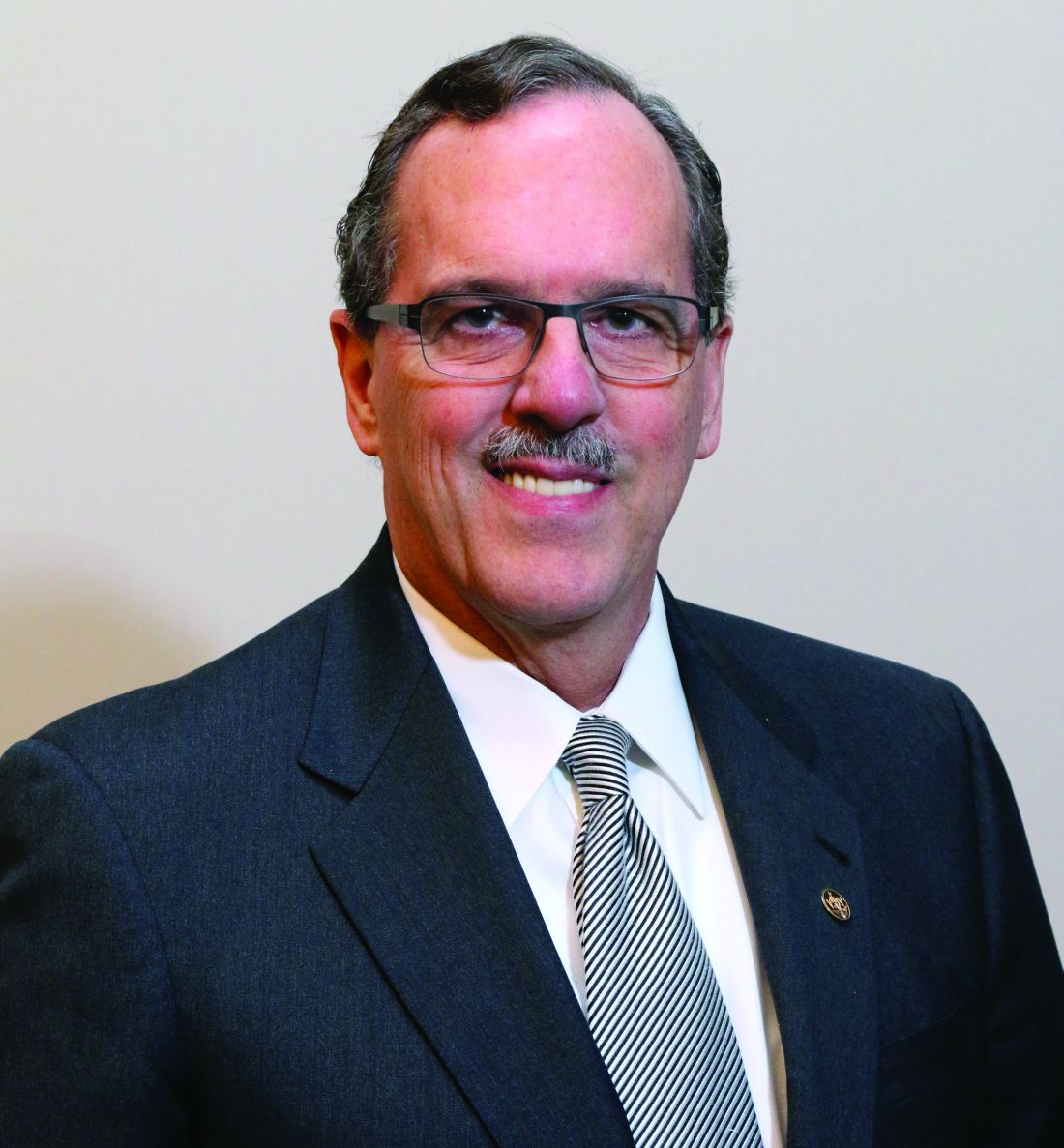
This month, our cover stories include a new ACS recommendation to drop the age of first colon cancer screening to 45 (see perspective by John M. Inadomi, MD, AGAF). Two of our most intractable disorders (NAFLD and IBS) have new therapies in the pipeline. From the AGA journals we have articles on Barrett’s surveillance, diet, cognitive-behavioral therapy for IBS, and better monitoring methods for Crohn’s disease.
July begins a new fiscal year for many of us. For many health systems, this last year saw diminishing clinical margins, increased regulations, dramatic alterations in pharmaceutical funds flow, and price pressures that are increasing. I sit on the board of a large nonprofit (nonacademic) Minnesota health system, and I am a member of key financial committees within Michigan Medicine. The learnings and contrasts from each are immense. Health care delivery in both systems is based on high fixed costs and margins that require cost reductions in the 3%-5% range per year to remain viable. Implications for physicians in all settings are immense. That said, there are solutions as you will see in coming issues.
John I. Allen, MD, MBA, AGAF
Editor in Chief
Research shows the ocean’s cod population is diminishing to dangerously low levels. In response, several countries (the United States, Iceland, and others) have instituted a resource allocation system termed “catch share,” where each fisherman is allotted an annual number of fish. Shares can be leased, bought, and traded. Consequently, there has been horizontal and vertical consolidation within the industry and huge fishing corporations have emerged while independent small-boat fishermen have virtually disappeared. Once consolidation occurred, venture capital entered the market. Parallels to what is happening to independent medical practices should not be ignored.
We have closed the book on DDW® 2018. Researchers presented new and innovative studies that will directly affect our practices. I was honored to give the “Best of AGA – DDW” lecture where I chose only seven of hundreds of abstracts to present. All DDW lectures are located at https://watch.ondemand.org/ddw. GI & Hepatology News will highlight several high-impact presentations in this and subsequent issues.
This month, our cover stories include a new ACS recommendation to drop the age of first colon cancer screening to 45 (see perspective by John M. Inadomi, MD, AGAF). Two of our most intractable disorders (NAFLD and IBS) have new therapies in the pipeline. From the AGA journals we have articles on Barrett’s surveillance, diet, cognitive-behavioral therapy for IBS, and better monitoring methods for Crohn’s disease.
July begins a new fiscal year for many of us. For many health systems, this last year saw diminishing clinical margins, increased regulations, dramatic alterations in pharmaceutical funds flow, and price pressures that are increasing. I sit on the board of a large nonprofit (nonacademic) Minnesota health system, and I am a member of key financial committees within Michigan Medicine. The learnings and contrasts from each are immense. Health care delivery in both systems is based on high fixed costs and margins that require cost reductions in the 3%-5% range per year to remain viable. Implications for physicians in all settings are immense. That said, there are solutions as you will see in coming issues.
John I. Allen, MD, MBA, AGAF
Editor in Chief
Research shows the ocean’s cod population is diminishing to dangerously low levels. In response, several countries (the United States, Iceland, and others) have instituted a resource allocation system termed “catch share,” where each fisherman is allotted an annual number of fish. Shares can be leased, bought, and traded. Consequently, there has been horizontal and vertical consolidation within the industry and huge fishing corporations have emerged while independent small-boat fishermen have virtually disappeared. Once consolidation occurred, venture capital entered the market. Parallels to what is happening to independent medical practices should not be ignored.
We have closed the book on DDW® 2018. Researchers presented new and innovative studies that will directly affect our practices. I was honored to give the “Best of AGA – DDW” lecture where I chose only seven of hundreds of abstracts to present. All DDW lectures are located at https://watch.ondemand.org/ddw. GI & Hepatology News will highlight several high-impact presentations in this and subsequent issues.
This month, our cover stories include a new ACS recommendation to drop the age of first colon cancer screening to 45 (see perspective by John M. Inadomi, MD, AGAF). Two of our most intractable disorders (NAFLD and IBS) have new therapies in the pipeline. From the AGA journals we have articles on Barrett’s surveillance, diet, cognitive-behavioral therapy for IBS, and better monitoring methods for Crohn’s disease.
July begins a new fiscal year for many of us. For many health systems, this last year saw diminishing clinical margins, increased regulations, dramatic alterations in pharmaceutical funds flow, and price pressures that are increasing. I sit on the board of a large nonprofit (nonacademic) Minnesota health system, and I am a member of key financial committees within Michigan Medicine. The learnings and contrasts from each are immense. Health care delivery in both systems is based on high fixed costs and margins that require cost reductions in the 3%-5% range per year to remain viable. Implications for physicians in all settings are immense. That said, there are solutions as you will see in coming issues.
John I. Allen, MD, MBA, AGAF
Editor in Chief
New Survey on Burnout Coming to Members
Society for Vascular Surgery members are receiving an important email from the Mayo Clinic containing a survey from the SVS Wellness Task Force.
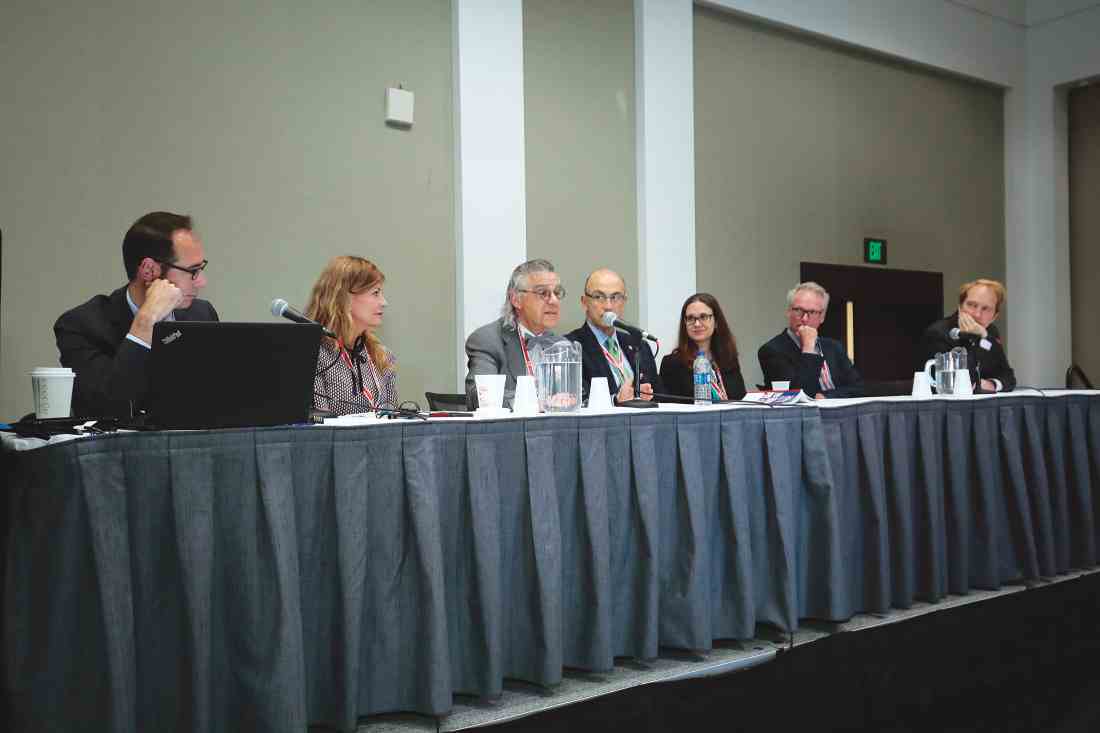
It is the second survey the task force has distributed, all aimed at ascertaining burnout and wellness statistics from SVS members.
“We need evidence,” said Malachi Sheahan, MD, who co-chairs the group with Dawn Coleman, MD. “We can’t make change without evidence.”
He issued a “Societal Call to Action” to SVS members at the end of a Friday session addressing burnout issues, “Promoting Physician Well-Being: Achieving Quadruple Aim.”
Dr. Sheahan disclosed statistics from the first task force survey, completed by 860 members. Collectively, members worked an average 73.5 hours a week, with five hours completing electronic medical records and 5.5 hours of administrative/scholarly activities added to 63 hours in the office.
“Eighty-nine percent feel burned out on occasion, everyone thinks they’re working too hard and when there are conflicts between work and personal life, they’re resolved in favor of the personal side only 8 percent of the time,” he said of the just-released data. He believes EMR will be the No. 1 conflict of vascular surgeons, with surgeons reporting they spend one hour charting for every one hour of patient time. “It’s just not working out,” he said.
Twenty percent said they had been sued for malpractice within the past two years, 37 percent reported being depressed within the month prior to completing the survey and the 8 percent who reported suicide ideation within the past year is double the national rate, Dr. Sheahan said. The second survey, launched Monday, focuses more on physical debility and should take fewer than 10 minutes to complete, he said. “Look for the survey, and please take it.”
He added that there are initiatives going forward that aim to change the environment and change the culture, including the SVS task force and the American Board of Surgery’s new lifelong learning initiative. “This is a call to action,” he said. “The main thing I want to say is that this is changeable. I don’t want you to think or say that we can’t do it. “We can. We just need evidence.”
Society for Vascular Surgery members are receiving an important email from the Mayo Clinic containing a survey from the SVS Wellness Task Force.
It is the second survey the task force has distributed, all aimed at ascertaining burnout and wellness statistics from SVS members.
“We need evidence,” said Malachi Sheahan, MD, who co-chairs the group with Dawn Coleman, MD. “We can’t make change without evidence.”
He issued a “Societal Call to Action” to SVS members at the end of a Friday session addressing burnout issues, “Promoting Physician Well-Being: Achieving Quadruple Aim.”
Dr. Sheahan disclosed statistics from the first task force survey, completed by 860 members. Collectively, members worked an average 73.5 hours a week, with five hours completing electronic medical records and 5.5 hours of administrative/scholarly activities added to 63 hours in the office.
“Eighty-nine percent feel burned out on occasion, everyone thinks they’re working too hard and when there are conflicts between work and personal life, they’re resolved in favor of the personal side only 8 percent of the time,” he said of the just-released data. He believes EMR will be the No. 1 conflict of vascular surgeons, with surgeons reporting they spend one hour charting for every one hour of patient time. “It’s just not working out,” he said.
Twenty percent said they had been sued for malpractice within the past two years, 37 percent reported being depressed within the month prior to completing the survey and the 8 percent who reported suicide ideation within the past year is double the national rate, Dr. Sheahan said. The second survey, launched Monday, focuses more on physical debility and should take fewer than 10 minutes to complete, he said. “Look for the survey, and please take it.”
He added that there are initiatives going forward that aim to change the environment and change the culture, including the SVS task force and the American Board of Surgery’s new lifelong learning initiative. “This is a call to action,” he said. “The main thing I want to say is that this is changeable. I don’t want you to think or say that we can’t do it. “We can. We just need evidence.”
Society for Vascular Surgery members are receiving an important email from the Mayo Clinic containing a survey from the SVS Wellness Task Force.
It is the second survey the task force has distributed, all aimed at ascertaining burnout and wellness statistics from SVS members.
“We need evidence,” said Malachi Sheahan, MD, who co-chairs the group with Dawn Coleman, MD. “We can’t make change without evidence.”
He issued a “Societal Call to Action” to SVS members at the end of a Friday session addressing burnout issues, “Promoting Physician Well-Being: Achieving Quadruple Aim.”
Dr. Sheahan disclosed statistics from the first task force survey, completed by 860 members. Collectively, members worked an average 73.5 hours a week, with five hours completing electronic medical records and 5.5 hours of administrative/scholarly activities added to 63 hours in the office.
“Eighty-nine percent feel burned out on occasion, everyone thinks they’re working too hard and when there are conflicts between work and personal life, they’re resolved in favor of the personal side only 8 percent of the time,” he said of the just-released data. He believes EMR will be the No. 1 conflict of vascular surgeons, with surgeons reporting they spend one hour charting for every one hour of patient time. “It’s just not working out,” he said.
Twenty percent said they had been sued for malpractice within the past two years, 37 percent reported being depressed within the month prior to completing the survey and the 8 percent who reported suicide ideation within the past year is double the national rate, Dr. Sheahan said. The second survey, launched Monday, focuses more on physical debility and should take fewer than 10 minutes to complete, he said. “Look for the survey, and please take it.”
He added that there are initiatives going forward that aim to change the environment and change the culture, including the SVS task force and the American Board of Surgery’s new lifelong learning initiative. “This is a call to action,” he said. “The main thing I want to say is that this is changeable. I don’t want you to think or say that we can’t do it. “We can. We just need evidence.”
Welcoming a New President, Presenting Awards
The Vascular Annual Meeting conducts important Society business at the SVS Annual Business Meeting. During Saturday’s meeting and luncheon, President R. Clement Darling III, MD, will hand over the leadership reins to President-Elect Michel S. Makaroun, MD.
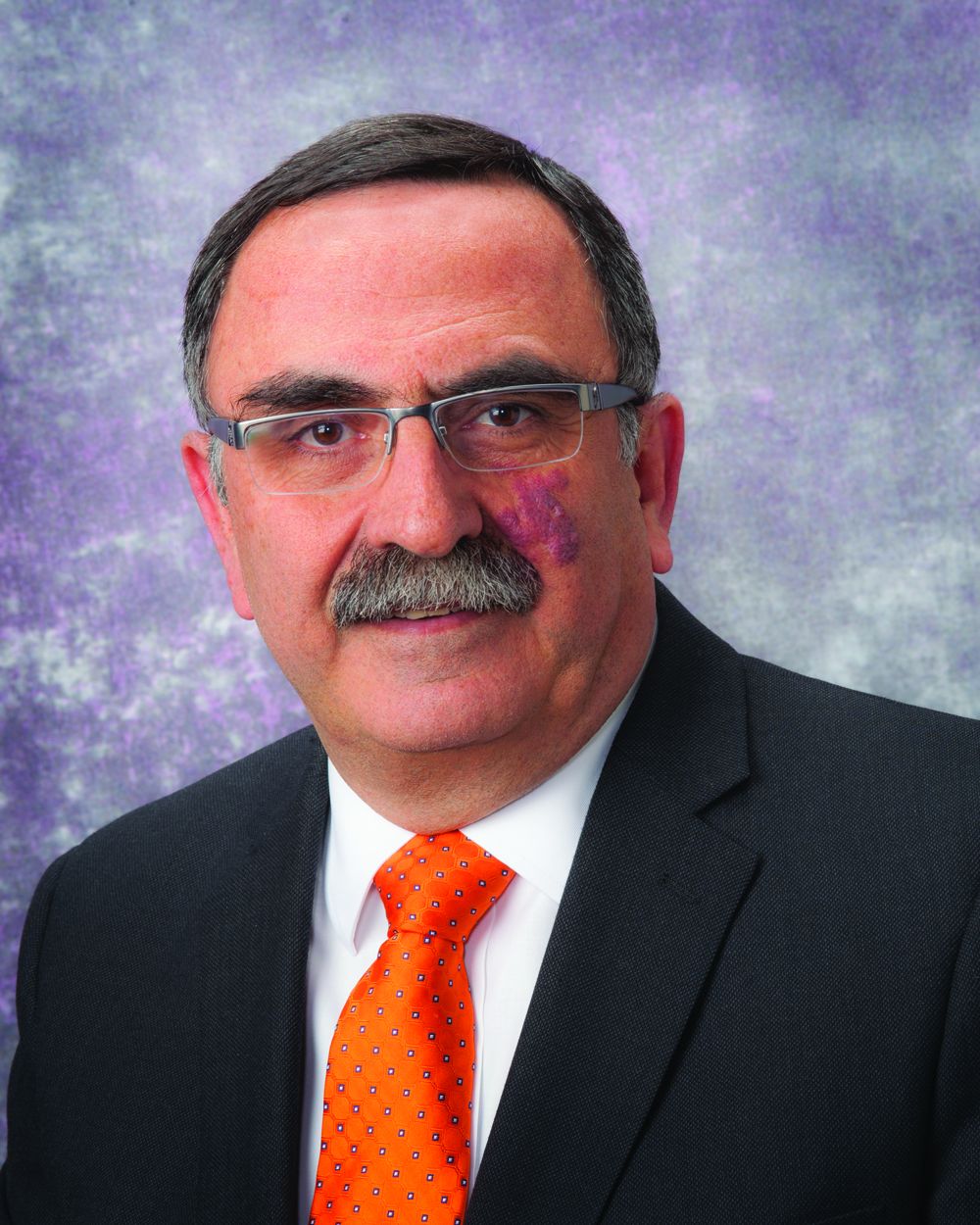
The meeting is from 12 to 1:30 p.m. Saturday in Ballroom C of the Hynes Convention Center. Besides welcoming a new president, the meeting also will include acting on the 2018-2019 slate of officers.
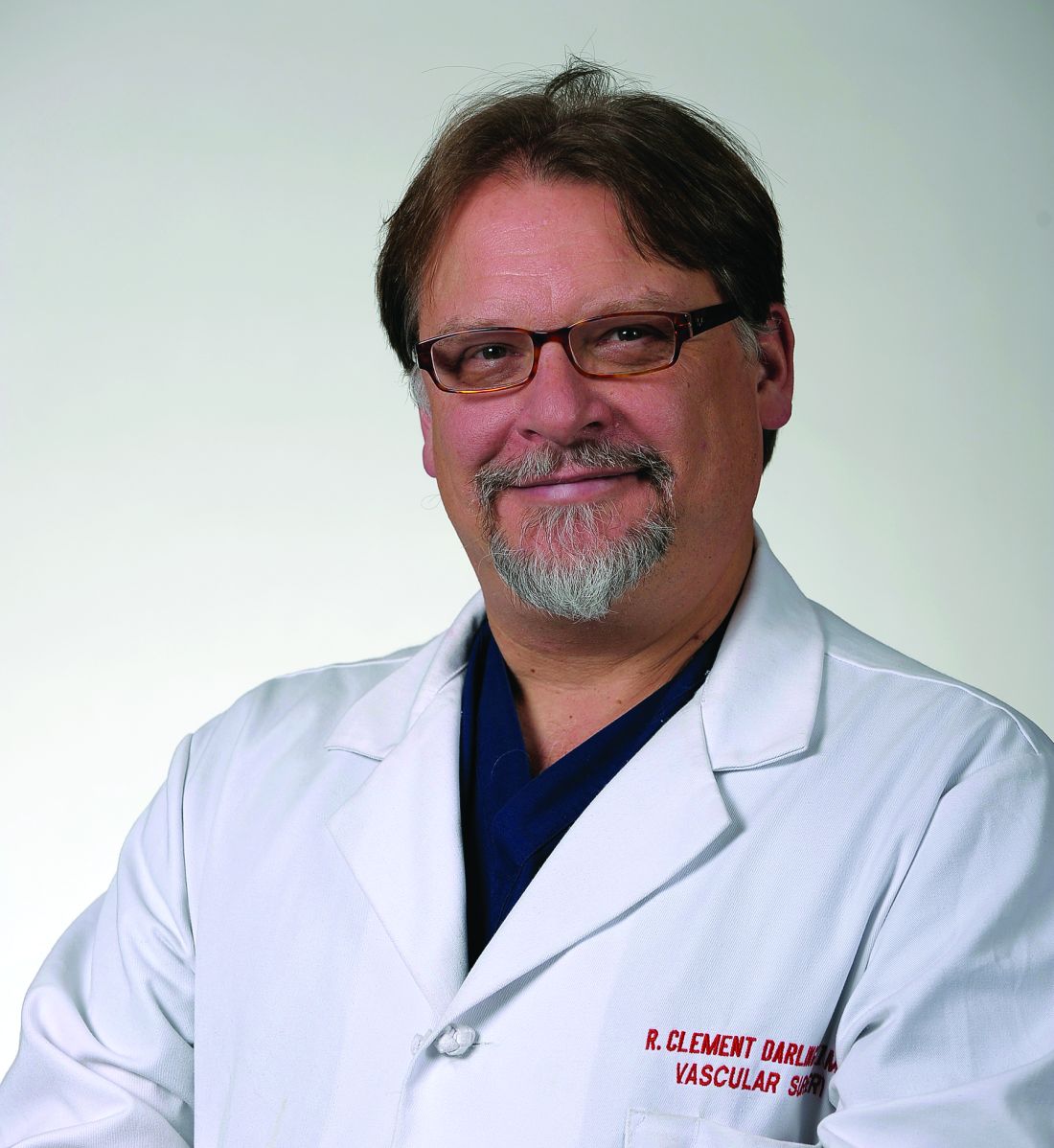
Members also recieved updates from officers and select committees and recognized outstanding achievements and awards from the Journal of Vascular Surgery, SVS Foundation and SVS. Award winners included the first recipients of the new SVS Foundation Community Awareness and Prevention Project Practice Grant.
The following people received awards during the luncheon:
SVS Presidential Citation Award
Drs. Kellie R. Brown, for her work as Chair of the Postgraduate Education Committee; O. William Brown, Chair of the Conflict of Interest Committee; Daniel G. Clair, Chair of the Education Council; Michael C. Dalsing, Chair of the Government Relations Committee; Alan Dardik, Chair of the Research Council; Dennis R. Gable, Chair of the Public and Professional Outreach Committee; Richard J. Fowl, Chair of the Ethics and Professional Conduct Committee; Brad L. Johnson, Chair of the Quality and Performance Measures Committee; Larry Kraiss, Chair of the SVS Patient Safety Organization; Walter J. McCarthy, Chair of the History Committee; Frank B. Pomposelli, Chair of the Clinical Practice Council; Jeffrey Raines; Amy Reed, Chair of the Fellows Committee; Edith Tzeng, Chair of the Research and Education Committee; Robert Zwolak, Chair of the VA Vascular Surgeons Committee; and Roger Gregory and James S.T. Yao, for their dedicated service in capturing the history of SVS.
SVS Awards
Women’s Leadership Training Grants
Drs. Dawn Coleman, Bao-Ngoc Nguyen and Margaret Tracci
SVS Vascular Surgery Trainee Advocacy Travel Scholarship
Dr. Anahita Dua
SVS Foundation Awards
SVS Foundation and American College of Surgeons Mentored Clinical Scientist Research Career Development Award (K08)
Dr. Bao-Ngoc Nguyen
SVS Foundation E.J. Wylie Traveling Fellowship
Dr. Omid Jazaeri
SVS Foundation Clinical Research Seed Grant
Drs. Samantha D. Minc and Bjoern D. Suckow, MD, MS
SVS Foundation Resident Research Award
Dr. Kaspar M. Trocha
SVS Foundation Research Career Development Travel Award
Drs. James Brooks, Kristina Giles, and Samir Shah, MD
Vascular Cures/ SVS Foundation Wylie Scholar Award
John Byrne, MB BCh, MD (by research), FRCSI
SVS Foundation Community Awareness and Prevention Project Practice Grant
Drs. Manish Mehta, MD, MPH; Elizabeth L. Detschelt, MD; and Marcus E. Semel, MD, MPH
Vascular Research Initiatives Conference Trainee Travel Scholarship
Drs. Frank M. Davis, Catherine Go, Omar Saffaf, and Karim M. Salem
SVS Foundation Student Research Fellowship Award
Arash Fereydooni* (Yale School of Medicine), Helen Genis* (University of Toronto), Nikolai Thomas Harroun (Washington University, St.Louis), Alice Jo* (Case Western Reserve University School of Medicine), Revanth Kosaraju* (Beth Israel Deaconess Medical Center), Alexa Mordhorst* (Vancouver General Hospital/University of British Columbia), Lindsey Anne Olivere (Duke University School of Medicine), Suzannah Patterson (Brigham and Women’s Hospital/Harvard Medical School), Joel L. Ramirez* (University of California, San Francisco), Sudie Ann Robinson* (SUNY Upstate Medical University), Muzammil Hussain Syed (St. Michael’s Hospital/McMaster University), Jeffrey W. Zhao* (Northwestern Feinberg School of Medicine)
(*Awarded a Society for Vascular Surgery General Surgery Resident/Medical Student VAM Travel Scholarship)
The Vascular Annual Meeting conducts important Society business at the SVS Annual Business Meeting. During Saturday’s meeting and luncheon, President R. Clement Darling III, MD, will hand over the leadership reins to President-Elect Michel S. Makaroun, MD.
The meeting is from 12 to 1:30 p.m. Saturday in Ballroom C of the Hynes Convention Center. Besides welcoming a new president, the meeting also will include acting on the 2018-2019 slate of officers.
Members also recieved updates from officers and select committees and recognized outstanding achievements and awards from the Journal of Vascular Surgery, SVS Foundation and SVS. Award winners included the first recipients of the new SVS Foundation Community Awareness and Prevention Project Practice Grant.
The following people received awards during the luncheon:
SVS Presidential Citation Award
Drs. Kellie R. Brown, for her work as Chair of the Postgraduate Education Committee; O. William Brown, Chair of the Conflict of Interest Committee; Daniel G. Clair, Chair of the Education Council; Michael C. Dalsing, Chair of the Government Relations Committee; Alan Dardik, Chair of the Research Council; Dennis R. Gable, Chair of the Public and Professional Outreach Committee; Richard J. Fowl, Chair of the Ethics and Professional Conduct Committee; Brad L. Johnson, Chair of the Quality and Performance Measures Committee; Larry Kraiss, Chair of the SVS Patient Safety Organization; Walter J. McCarthy, Chair of the History Committee; Frank B. Pomposelli, Chair of the Clinical Practice Council; Jeffrey Raines; Amy Reed, Chair of the Fellows Committee; Edith Tzeng, Chair of the Research and Education Committee; Robert Zwolak, Chair of the VA Vascular Surgeons Committee; and Roger Gregory and James S.T. Yao, for their dedicated service in capturing the history of SVS.
SVS Awards
Women’s Leadership Training Grants
Drs. Dawn Coleman, Bao-Ngoc Nguyen and Margaret Tracci
SVS Vascular Surgery Trainee Advocacy Travel Scholarship
Dr. Anahita Dua
SVS Foundation Awards
SVS Foundation and American College of Surgeons Mentored Clinical Scientist Research Career Development Award (K08)
Dr. Bao-Ngoc Nguyen
SVS Foundation E.J. Wylie Traveling Fellowship
Dr. Omid Jazaeri
SVS Foundation Clinical Research Seed Grant
Drs. Samantha D. Minc and Bjoern D. Suckow, MD, MS
SVS Foundation Resident Research Award
Dr. Kaspar M. Trocha
SVS Foundation Research Career Development Travel Award
Drs. James Brooks, Kristina Giles, and Samir Shah, MD
Vascular Cures/ SVS Foundation Wylie Scholar Award
John Byrne, MB BCh, MD (by research), FRCSI
SVS Foundation Community Awareness and Prevention Project Practice Grant
Drs. Manish Mehta, MD, MPH; Elizabeth L. Detschelt, MD; and Marcus E. Semel, MD, MPH
Vascular Research Initiatives Conference Trainee Travel Scholarship
Drs. Frank M. Davis, Catherine Go, Omar Saffaf, and Karim M. Salem
SVS Foundation Student Research Fellowship Award
Arash Fereydooni* (Yale School of Medicine), Helen Genis* (University of Toronto), Nikolai Thomas Harroun (Washington University, St.Louis), Alice Jo* (Case Western Reserve University School of Medicine), Revanth Kosaraju* (Beth Israel Deaconess Medical Center), Alexa Mordhorst* (Vancouver General Hospital/University of British Columbia), Lindsey Anne Olivere (Duke University School of Medicine), Suzannah Patterson (Brigham and Women’s Hospital/Harvard Medical School), Joel L. Ramirez* (University of California, San Francisco), Sudie Ann Robinson* (SUNY Upstate Medical University), Muzammil Hussain Syed (St. Michael’s Hospital/McMaster University), Jeffrey W. Zhao* (Northwestern Feinberg School of Medicine)
(*Awarded a Society for Vascular Surgery General Surgery Resident/Medical Student VAM Travel Scholarship)
The Vascular Annual Meeting conducts important Society business at the SVS Annual Business Meeting. During Saturday’s meeting and luncheon, President R. Clement Darling III, MD, will hand over the leadership reins to President-Elect Michel S. Makaroun, MD.
The meeting is from 12 to 1:30 p.m. Saturday in Ballroom C of the Hynes Convention Center. Besides welcoming a new president, the meeting also will include acting on the 2018-2019 slate of officers.
Members also recieved updates from officers and select committees and recognized outstanding achievements and awards from the Journal of Vascular Surgery, SVS Foundation and SVS. Award winners included the first recipients of the new SVS Foundation Community Awareness and Prevention Project Practice Grant.
The following people received awards during the luncheon:
SVS Presidential Citation Award
Drs. Kellie R. Brown, for her work as Chair of the Postgraduate Education Committee; O. William Brown, Chair of the Conflict of Interest Committee; Daniel G. Clair, Chair of the Education Council; Michael C. Dalsing, Chair of the Government Relations Committee; Alan Dardik, Chair of the Research Council; Dennis R. Gable, Chair of the Public and Professional Outreach Committee; Richard J. Fowl, Chair of the Ethics and Professional Conduct Committee; Brad L. Johnson, Chair of the Quality and Performance Measures Committee; Larry Kraiss, Chair of the SVS Patient Safety Organization; Walter J. McCarthy, Chair of the History Committee; Frank B. Pomposelli, Chair of the Clinical Practice Council; Jeffrey Raines; Amy Reed, Chair of the Fellows Committee; Edith Tzeng, Chair of the Research and Education Committee; Robert Zwolak, Chair of the VA Vascular Surgeons Committee; and Roger Gregory and James S.T. Yao, for their dedicated service in capturing the history of SVS.
SVS Awards
Women’s Leadership Training Grants
Drs. Dawn Coleman, Bao-Ngoc Nguyen and Margaret Tracci
SVS Vascular Surgery Trainee Advocacy Travel Scholarship
Dr. Anahita Dua
SVS Foundation Awards
SVS Foundation and American College of Surgeons Mentored Clinical Scientist Research Career Development Award (K08)
Dr. Bao-Ngoc Nguyen
SVS Foundation E.J. Wylie Traveling Fellowship
Dr. Omid Jazaeri
SVS Foundation Clinical Research Seed Grant
Drs. Samantha D. Minc and Bjoern D. Suckow, MD, MS
SVS Foundation Resident Research Award
Dr. Kaspar M. Trocha
SVS Foundation Research Career Development Travel Award
Drs. James Brooks, Kristina Giles, and Samir Shah, MD
Vascular Cures/ SVS Foundation Wylie Scholar Award
John Byrne, MB BCh, MD (by research), FRCSI
SVS Foundation Community Awareness and Prevention Project Practice Grant
Drs. Manish Mehta, MD, MPH; Elizabeth L. Detschelt, MD; and Marcus E. Semel, MD, MPH
Vascular Research Initiatives Conference Trainee Travel Scholarship
Drs. Frank M. Davis, Catherine Go, Omar Saffaf, and Karim M. Salem
SVS Foundation Student Research Fellowship Award
Arash Fereydooni* (Yale School of Medicine), Helen Genis* (University of Toronto), Nikolai Thomas Harroun (Washington University, St.Louis), Alice Jo* (Case Western Reserve University School of Medicine), Revanth Kosaraju* (Beth Israel Deaconess Medical Center), Alexa Mordhorst* (Vancouver General Hospital/University of British Columbia), Lindsey Anne Olivere (Duke University School of Medicine), Suzannah Patterson (Brigham and Women’s Hospital/Harvard Medical School), Joel L. Ramirez* (University of California, San Francisco), Sudie Ann Robinson* (SUNY Upstate Medical University), Muzammil Hussain Syed (St. Michael’s Hospital/McMaster University), Jeffrey W. Zhao* (Northwestern Feinberg School of Medicine)
(*Awarded a Society for Vascular Surgery General Surgery Resident/Medical Student VAM Travel Scholarship)
A Six-Year Review of the First U.S. Vascular Simulation Course
Duty hour restrictions, changing training paradigms, and diminishing open surgical case volumes have caused dramatic shifts in the vascular trainee experience, according to Malachi Sheahan, MD, and his colleagues from Louisiana State University, New Orleans.
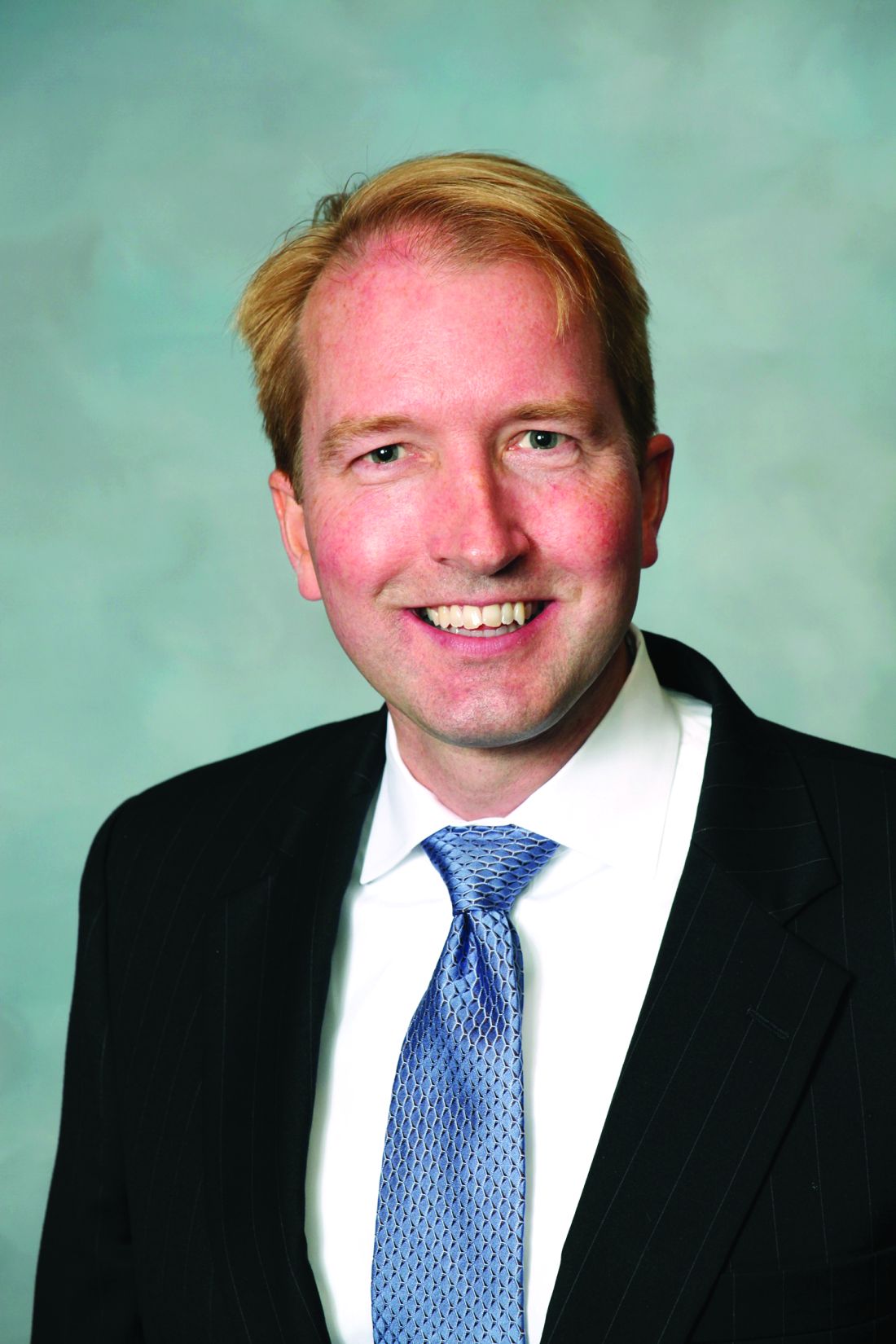
Dr. Sheahan and his colleagues examined the benefits of simulation courses as an augment to vascular training. They performed a 6-year review of the first simulation course established for vascular trainees in the United States.
The 3-day vascular simulation course studied was conducted at a dedicated learning center from 2012 to 2017. Attendees rated their confidence pre- and postcourse on a 6-point Likert scale ranging from 1 (none) to 6 (expert) across 8 different technical and cognitive categories. Participants were also asked to rate the value of each activity, according to Dr. Sheahan.
Assessments of each trainee were completed by the course director and sent to their program director. After 6 months, program directors and participants were surveyed on the lasting usefulness of the course. Full data were available for 98 vascular trainees: 59 categorized as Junior (PGY1-2); and 39 as Senior (PGY 3).
“Our study demonstrates that a brief, intensive simulation course can have a valuable and lasting impact on vascular resident education,” said Dr. Sheahan.
Overall, the participants rated all teaching activities as useful (4) or better, with anatomic exposures (5.8) and one-on-one suturing (5.5) rated most valuable. Both groups showed significant improvement in confidence in all measures, with Juniors improving significantly more than did Seniors in anastomoses, abdominal aortic aneurysm measurements, and tibial exposures.
Six-month follow-up with program directors found that 100% reported at least one lasting skill improvement and 85% stated that they modified their trainees curriculum based on the course assessment.
Duty hour restrictions, changing training paradigms, and diminishing open surgical case volumes have caused dramatic shifts in the vascular trainee experience, according to Malachi Sheahan, MD, and his colleagues from Louisiana State University, New Orleans.
Dr. Sheahan and his colleagues examined the benefits of simulation courses as an augment to vascular training. They performed a 6-year review of the first simulation course established for vascular trainees in the United States.
The 3-day vascular simulation course studied was conducted at a dedicated learning center from 2012 to 2017. Attendees rated their confidence pre- and postcourse on a 6-point Likert scale ranging from 1 (none) to 6 (expert) across 8 different technical and cognitive categories. Participants were also asked to rate the value of each activity, according to Dr. Sheahan.
Assessments of each trainee were completed by the course director and sent to their program director. After 6 months, program directors and participants were surveyed on the lasting usefulness of the course. Full data were available for 98 vascular trainees: 59 categorized as Junior (PGY1-2); and 39 as Senior (PGY 3).
“Our study demonstrates that a brief, intensive simulation course can have a valuable and lasting impact on vascular resident education,” said Dr. Sheahan.
Overall, the participants rated all teaching activities as useful (4) or better, with anatomic exposures (5.8) and one-on-one suturing (5.5) rated most valuable. Both groups showed significant improvement in confidence in all measures, with Juniors improving significantly more than did Seniors in anastomoses, abdominal aortic aneurysm measurements, and tibial exposures.
Six-month follow-up with program directors found that 100% reported at least one lasting skill improvement and 85% stated that they modified their trainees curriculum based on the course assessment.
Duty hour restrictions, changing training paradigms, and diminishing open surgical case volumes have caused dramatic shifts in the vascular trainee experience, according to Malachi Sheahan, MD, and his colleagues from Louisiana State University, New Orleans.
Dr. Sheahan and his colleagues examined the benefits of simulation courses as an augment to vascular training. They performed a 6-year review of the first simulation course established for vascular trainees in the United States.
The 3-day vascular simulation course studied was conducted at a dedicated learning center from 2012 to 2017. Attendees rated their confidence pre- and postcourse on a 6-point Likert scale ranging from 1 (none) to 6 (expert) across 8 different technical and cognitive categories. Participants were also asked to rate the value of each activity, according to Dr. Sheahan.
Assessments of each trainee were completed by the course director and sent to their program director. After 6 months, program directors and participants were surveyed on the lasting usefulness of the course. Full data were available for 98 vascular trainees: 59 categorized as Junior (PGY1-2); and 39 as Senior (PGY 3).
“Our study demonstrates that a brief, intensive simulation course can have a valuable and lasting impact on vascular resident education,” said Dr. Sheahan.
Overall, the participants rated all teaching activities as useful (4) or better, with anatomic exposures (5.8) and one-on-one suturing (5.5) rated most valuable. Both groups showed significant improvement in confidence in all measures, with Juniors improving significantly more than did Seniors in anastomoses, abdominal aortic aneurysm measurements, and tibial exposures.
Six-month follow-up with program directors found that 100% reported at least one lasting skill improvement and 85% stated that they modified their trainees curriculum based on the course assessment.