User login
Official Newspaper of the American College of Surgeons
From the Washington Office: 2016 Leadership and Advocacy Summit
The American College of Surgeons (ACS) will host the fifth annual Leadership & Advocacy Summit, April 9-12, at the JW Marriott in Washington, D.C. This annual Summit event is a dual-purpose meeting that offers volunteer ACS leaders and surgeon advocates comprehensive and specialized sessions focused on the tools needed to be more effective leaders as well as comprehensive, focused, and interactive advocacy training. The meeting “capstones” on April 12 with Capitol Hill meetings in congressional offices scheduled with the senators and representatives of whom individual Fellows are constituents.
I first attended the program in 2010 and with each subsequent year become ever more convinced of how critically important it is that surgeons be informed about and engaged in the processes of both the legislative and the administrative branches of their individual state and federal governments. This year’s program promises to educate, challenge and prepare Fellows to assist the ACS in shaping the future of surgical practice while working collaboratively with ACS leaders, key elected officials, as well as their surgery colleagues.
As surgeons, we must be leaders and experts in the building and maintenance of effective teams, changing and ever-evolving cultures, time management, mentoring, coaching, and taking decisive action. The leadership program is designed to develop and hone exemplary leadership skills. Current topics and presenters include Leading Through Team Conflict, David A. Rogers, MD, FACS; Toward Better Communications and Teamwork: Skills for Handling Difficult Conversations, Kurt O’Brien, MHROD; Social Media for the Surgeon: Lifelong Learning, Engagement, and Reputation Management, Deanna J. Attai, MD, FACS; and Enhancing Our Cultural Dexterity: The Next Step in Reducing Disparities and Providing Patient Centered Care, Adil H. Hader, MPH, MD, FACS. In addition, chapter success stories will be presented by ACS Governors from West Virginia, North Texas, and Georgia.
The advocacy portion of the program kicks off on the evening of April 10 with a dinner during which those assembled will hear from Chris Matthews, the host of Hardball on MSNBC.
We will begin the morning of April 11 with a panel session entitled, Strategies for Successful State Advocacy, followed by breakout sessions for advocacy training tailored to individual experience levels. Attendees will then hear from Patrick Conway, MD, MSc, the Deputy Administrator for Innovation and Quality and Chief Medical Officer, Centers for Medicare & Medicaid Services (CMS). Dr. Conway leads the Center for Clinical Standards and Quality (CCSQ) and the Center for Medicare and Medicaid Innovation (CMMI) at CMS. As such he is leading the way within CMS to move into the new physician payment systems prescribed by the Medicare Access and CHIP Reauthorization Act of 2015 (MACRA), which will replace the current physician payment system in 2019.
The Political Luncheon, sponsored by SurgeonsPAC will feature Dr. Larry J. Sabato, founder and director, the University of Virginia Center for Politics and the University Professor of Politics at the University of Virginia, Charlottesville.
In recognition of the fact that “data” is THE buzzword today in health care policy, the afternoon session will feature a panel on how data is being utilized to change our current delivery and payment systems. Panelists include Vindell Washington, MD, the Principal Deputy National Coordinator in the Office of the National Coordinator for Health Information Technology (ONC), and Brian Kelly, MD, President, Payer and Provider Solutions for Quintiles. ACS has recently partnered with Quintiles on a major project to make the College’s multiple systems of data management more effective.
As mentioned above, the Leadership and Advocacy Summit closes on Tuesday, April 12, with a trip to Capitol Hill for Fellows to meet their individual members of the House of Representatives and Senate as well as their staff. This activity provides an important opportunity to put to good use the skills learned or refined on Sunday and Monday. We strongly encourage everyone who attends to stay through to the end of the Summit and participate in this important advocacy initiative.
Make a difference and join us in Washington. Register today to attend the 2016 Leadership and Advocacy Summit.
For questions about registration, please contact ACS Registration Services at [email protected] or 312-202-5244.
For questions surrounding the Leadership Summit, please contact Donna Tieberg at [email protected] or 312-202-5361.
For questions regarding the Advocacy Summit, please contact Michael Carmody at [email protected] or 202-672-1511.
I look forward to seeing you in April in Washington!
Until next month …
The American College of Surgeons (ACS) will host the fifth annual Leadership & Advocacy Summit, April 9-12, at the JW Marriott in Washington, D.C. This annual Summit event is a dual-purpose meeting that offers volunteer ACS leaders and surgeon advocates comprehensive and specialized sessions focused on the tools needed to be more effective leaders as well as comprehensive, focused, and interactive advocacy training. The meeting “capstones” on April 12 with Capitol Hill meetings in congressional offices scheduled with the senators and representatives of whom individual Fellows are constituents.
I first attended the program in 2010 and with each subsequent year become ever more convinced of how critically important it is that surgeons be informed about and engaged in the processes of both the legislative and the administrative branches of their individual state and federal governments. This year’s program promises to educate, challenge and prepare Fellows to assist the ACS in shaping the future of surgical practice while working collaboratively with ACS leaders, key elected officials, as well as their surgery colleagues.
As surgeons, we must be leaders and experts in the building and maintenance of effective teams, changing and ever-evolving cultures, time management, mentoring, coaching, and taking decisive action. The leadership program is designed to develop and hone exemplary leadership skills. Current topics and presenters include Leading Through Team Conflict, David A. Rogers, MD, FACS; Toward Better Communications and Teamwork: Skills for Handling Difficult Conversations, Kurt O’Brien, MHROD; Social Media for the Surgeon: Lifelong Learning, Engagement, and Reputation Management, Deanna J. Attai, MD, FACS; and Enhancing Our Cultural Dexterity: The Next Step in Reducing Disparities and Providing Patient Centered Care, Adil H. Hader, MPH, MD, FACS. In addition, chapter success stories will be presented by ACS Governors from West Virginia, North Texas, and Georgia.
The advocacy portion of the program kicks off on the evening of April 10 with a dinner during which those assembled will hear from Chris Matthews, the host of Hardball on MSNBC.
We will begin the morning of April 11 with a panel session entitled, Strategies for Successful State Advocacy, followed by breakout sessions for advocacy training tailored to individual experience levels. Attendees will then hear from Patrick Conway, MD, MSc, the Deputy Administrator for Innovation and Quality and Chief Medical Officer, Centers for Medicare & Medicaid Services (CMS). Dr. Conway leads the Center for Clinical Standards and Quality (CCSQ) and the Center for Medicare and Medicaid Innovation (CMMI) at CMS. As such he is leading the way within CMS to move into the new physician payment systems prescribed by the Medicare Access and CHIP Reauthorization Act of 2015 (MACRA), which will replace the current physician payment system in 2019.
The Political Luncheon, sponsored by SurgeonsPAC will feature Dr. Larry J. Sabato, founder and director, the University of Virginia Center for Politics and the University Professor of Politics at the University of Virginia, Charlottesville.
In recognition of the fact that “data” is THE buzzword today in health care policy, the afternoon session will feature a panel on how data is being utilized to change our current delivery and payment systems. Panelists include Vindell Washington, MD, the Principal Deputy National Coordinator in the Office of the National Coordinator for Health Information Technology (ONC), and Brian Kelly, MD, President, Payer and Provider Solutions for Quintiles. ACS has recently partnered with Quintiles on a major project to make the College’s multiple systems of data management more effective.
As mentioned above, the Leadership and Advocacy Summit closes on Tuesday, April 12, with a trip to Capitol Hill for Fellows to meet their individual members of the House of Representatives and Senate as well as their staff. This activity provides an important opportunity to put to good use the skills learned or refined on Sunday and Monday. We strongly encourage everyone who attends to stay through to the end of the Summit and participate in this important advocacy initiative.
Make a difference and join us in Washington. Register today to attend the 2016 Leadership and Advocacy Summit.
For questions about registration, please contact ACS Registration Services at [email protected] or 312-202-5244.
For questions surrounding the Leadership Summit, please contact Donna Tieberg at [email protected] or 312-202-5361.
For questions regarding the Advocacy Summit, please contact Michael Carmody at [email protected] or 202-672-1511.
I look forward to seeing you in April in Washington!
Until next month …
The American College of Surgeons (ACS) will host the fifth annual Leadership & Advocacy Summit, April 9-12, at the JW Marriott in Washington, D.C. This annual Summit event is a dual-purpose meeting that offers volunteer ACS leaders and surgeon advocates comprehensive and specialized sessions focused on the tools needed to be more effective leaders as well as comprehensive, focused, and interactive advocacy training. The meeting “capstones” on April 12 with Capitol Hill meetings in congressional offices scheduled with the senators and representatives of whom individual Fellows are constituents.
I first attended the program in 2010 and with each subsequent year become ever more convinced of how critically important it is that surgeons be informed about and engaged in the processes of both the legislative and the administrative branches of their individual state and federal governments. This year’s program promises to educate, challenge and prepare Fellows to assist the ACS in shaping the future of surgical practice while working collaboratively with ACS leaders, key elected officials, as well as their surgery colleagues.
As surgeons, we must be leaders and experts in the building and maintenance of effective teams, changing and ever-evolving cultures, time management, mentoring, coaching, and taking decisive action. The leadership program is designed to develop and hone exemplary leadership skills. Current topics and presenters include Leading Through Team Conflict, David A. Rogers, MD, FACS; Toward Better Communications and Teamwork: Skills for Handling Difficult Conversations, Kurt O’Brien, MHROD; Social Media for the Surgeon: Lifelong Learning, Engagement, and Reputation Management, Deanna J. Attai, MD, FACS; and Enhancing Our Cultural Dexterity: The Next Step in Reducing Disparities and Providing Patient Centered Care, Adil H. Hader, MPH, MD, FACS. In addition, chapter success stories will be presented by ACS Governors from West Virginia, North Texas, and Georgia.
The advocacy portion of the program kicks off on the evening of April 10 with a dinner during which those assembled will hear from Chris Matthews, the host of Hardball on MSNBC.
We will begin the morning of April 11 with a panel session entitled, Strategies for Successful State Advocacy, followed by breakout sessions for advocacy training tailored to individual experience levels. Attendees will then hear from Patrick Conway, MD, MSc, the Deputy Administrator for Innovation and Quality and Chief Medical Officer, Centers for Medicare & Medicaid Services (CMS). Dr. Conway leads the Center for Clinical Standards and Quality (CCSQ) and the Center for Medicare and Medicaid Innovation (CMMI) at CMS. As such he is leading the way within CMS to move into the new physician payment systems prescribed by the Medicare Access and CHIP Reauthorization Act of 2015 (MACRA), which will replace the current physician payment system in 2019.
The Political Luncheon, sponsored by SurgeonsPAC will feature Dr. Larry J. Sabato, founder and director, the University of Virginia Center for Politics and the University Professor of Politics at the University of Virginia, Charlottesville.
In recognition of the fact that “data” is THE buzzword today in health care policy, the afternoon session will feature a panel on how data is being utilized to change our current delivery and payment systems. Panelists include Vindell Washington, MD, the Principal Deputy National Coordinator in the Office of the National Coordinator for Health Information Technology (ONC), and Brian Kelly, MD, President, Payer and Provider Solutions for Quintiles. ACS has recently partnered with Quintiles on a major project to make the College’s multiple systems of data management more effective.
As mentioned above, the Leadership and Advocacy Summit closes on Tuesday, April 12, with a trip to Capitol Hill for Fellows to meet their individual members of the House of Representatives and Senate as well as their staff. This activity provides an important opportunity to put to good use the skills learned or refined on Sunday and Monday. We strongly encourage everyone who attends to stay through to the end of the Summit and participate in this important advocacy initiative.
Make a difference and join us in Washington. Register today to attend the 2016 Leadership and Advocacy Summit.
For questions about registration, please contact ACS Registration Services at [email protected] or 312-202-5244.
For questions surrounding the Leadership Summit, please contact Donna Tieberg at [email protected] or 312-202-5361.
For questions regarding the Advocacy Summit, please contact Michael Carmody at [email protected] or 202-672-1511.
I look forward to seeing you in April in Washington!
Until next month …
The Right Choice? When surgery is not the right choice
“A chance to cut is a chance to cure.” This common saying summarizes much of the philosophy of surgery. If we have an opportunity to do an operation and fix something, surgeons find it easy to recommend surgery. There is an immediacy about surgery and a surgical cure that is appealing to most surgeons.
As I think back to medical school, I remember that my decision to become a surgeon was greatly influenced by my subinternship in medicine. Whenever one of my patients needed an operation, I was always anxious to know what the surgeons were finding in the operating room. Having been a surgeon for many years now, I never tire of the opportunity to do something in the operating room that solves a patient’s problem. It is not surprising that when there is a surgical option for a problem, many surgeons find themselves recommending surgery. While it may be true that there is often an economic incentive for surgeons to recommend surgery, there are also many situations in which thoughtful surgeons recommend against surgery.
There are many cases in which the risks of the operation outweigh the benefits. If, for example, a patient with widely metastatic colon cancer presents for surgical evaluation, the recommendation will most commonly be against surgery. In such a case, the goal of cure or increased longevity may not be met by an operation to remove a portion of the colon when there will be a significant burden of disease that cannot be removed. In addition to cases of unresectable cancer, there are many situations in which the patient’s comorbidities make the risks of surgery far higher than the benefits. In such cases, surgeons commonly recommend against surgery or, in some cases, actually do not offer surgery as an option. Most often in such situations, the surgeon is consulted for an opinion and once surgery is deemed not to be an option, the surgeon generally steps aside to allow other doctors to provide care for the patient whether it be medical therapies, palliative care, or a combination of both.
In recent years, surgeons have increasingly been involved in nonoperative management strategies. For example, some thyroid cancer patients with small, presumed indolent cancers are entered into clinical trials where observation is one of the arms of the trial. Perhaps most well established is the recommendation that patients with early stage (Gleason 6) prostate cancer consider “active surveillance” as an option to be considered along with surgery and radiation. What is particularly notable in the case of prostate cancer is that even when the recommendation is made for active surveillance, most of these patients continue to follow up with the urologist. In this scenario, even though surgery may not have been recommended by the urologist or chosen by the patient, it is the urologist who maintains the ongoing surveillance with the patient.
In an era in which surgeons often complain about being treated purely as technicians, the role of surgeons in active surveillance should be seen as a breath of fresh air. Here, the surgeons are recommending a course of action that is much less financially beneficial than an operation. Having surgeons involved in such nonoperative strategies clearly expresses the belief that surgeons have in these approaches.
There is another important reason why surgeons should become increasingly engaged in nonoperative treatment strategies. The credibility of the recommendation to consider NOT having surgery is exponentially higher if the recommendation is made by a surgeon. Patients know that surgeons like to operate, are trained to operate, and, in many cases, are paid to operate. In this setting, the recommendation to forgo or, at least, postpone an operation is particularly influential.
There is widespread public acceptance of Abraham Maslow’s statement, “if all you have is a hammer, everything looks like a nail.” When a surgeon recommends something other than surgery it is a much stronger endorsement of the nonoperative treatment than if a nonsurgeon had made the same recommendation. Perhaps equally important is that a recommendation against surgery with ongoing engagement by the surgeon is an illustration of the surgeon’s acting in the patient’s best interests rather than in the surgeon’s best interests. Even though it may always be more difficult not to offer an operation to a patient, surgeons should not shy away from recommending nonoperative strategies when there is clear evidence that such strategies may be better for patients. Although not every patient will be comfortable with a nonoperative approach, surgeons should seek every opportunity to participate fully in such decisions when nonoperative treatments may be in the patients’ best interests.
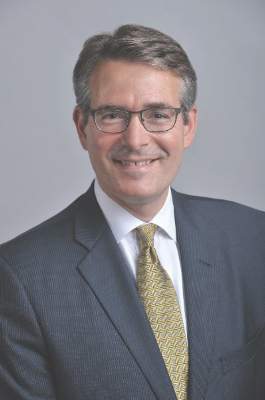
Dr. Angelos is an ACS Fellow; the Linda Kohler Anderson Professor of Surgery and Surgical Ethics; chief, endocrine surgery; and associate director of the MacLean Center for Clinical Medical Ethics at the University of Chicago.
“A chance to cut is a chance to cure.” This common saying summarizes much of the philosophy of surgery. If we have an opportunity to do an operation and fix something, surgeons find it easy to recommend surgery. There is an immediacy about surgery and a surgical cure that is appealing to most surgeons.
As I think back to medical school, I remember that my decision to become a surgeon was greatly influenced by my subinternship in medicine. Whenever one of my patients needed an operation, I was always anxious to know what the surgeons were finding in the operating room. Having been a surgeon for many years now, I never tire of the opportunity to do something in the operating room that solves a patient’s problem. It is not surprising that when there is a surgical option for a problem, many surgeons find themselves recommending surgery. While it may be true that there is often an economic incentive for surgeons to recommend surgery, there are also many situations in which thoughtful surgeons recommend against surgery.
There are many cases in which the risks of the operation outweigh the benefits. If, for example, a patient with widely metastatic colon cancer presents for surgical evaluation, the recommendation will most commonly be against surgery. In such a case, the goal of cure or increased longevity may not be met by an operation to remove a portion of the colon when there will be a significant burden of disease that cannot be removed. In addition to cases of unresectable cancer, there are many situations in which the patient’s comorbidities make the risks of surgery far higher than the benefits. In such cases, surgeons commonly recommend against surgery or, in some cases, actually do not offer surgery as an option. Most often in such situations, the surgeon is consulted for an opinion and once surgery is deemed not to be an option, the surgeon generally steps aside to allow other doctors to provide care for the patient whether it be medical therapies, palliative care, or a combination of both.
In recent years, surgeons have increasingly been involved in nonoperative management strategies. For example, some thyroid cancer patients with small, presumed indolent cancers are entered into clinical trials where observation is one of the arms of the trial. Perhaps most well established is the recommendation that patients with early stage (Gleason 6) prostate cancer consider “active surveillance” as an option to be considered along with surgery and radiation. What is particularly notable in the case of prostate cancer is that even when the recommendation is made for active surveillance, most of these patients continue to follow up with the urologist. In this scenario, even though surgery may not have been recommended by the urologist or chosen by the patient, it is the urologist who maintains the ongoing surveillance with the patient.
In an era in which surgeons often complain about being treated purely as technicians, the role of surgeons in active surveillance should be seen as a breath of fresh air. Here, the surgeons are recommending a course of action that is much less financially beneficial than an operation. Having surgeons involved in such nonoperative strategies clearly expresses the belief that surgeons have in these approaches.
There is another important reason why surgeons should become increasingly engaged in nonoperative treatment strategies. The credibility of the recommendation to consider NOT having surgery is exponentially higher if the recommendation is made by a surgeon. Patients know that surgeons like to operate, are trained to operate, and, in many cases, are paid to operate. In this setting, the recommendation to forgo or, at least, postpone an operation is particularly influential.
There is widespread public acceptance of Abraham Maslow’s statement, “if all you have is a hammer, everything looks like a nail.” When a surgeon recommends something other than surgery it is a much stronger endorsement of the nonoperative treatment than if a nonsurgeon had made the same recommendation. Perhaps equally important is that a recommendation against surgery with ongoing engagement by the surgeon is an illustration of the surgeon’s acting in the patient’s best interests rather than in the surgeon’s best interests. Even though it may always be more difficult not to offer an operation to a patient, surgeons should not shy away from recommending nonoperative strategies when there is clear evidence that such strategies may be better for patients. Although not every patient will be comfortable with a nonoperative approach, surgeons should seek every opportunity to participate fully in such decisions when nonoperative treatments may be in the patients’ best interests.
Dr. Angelos is an ACS Fellow; the Linda Kohler Anderson Professor of Surgery and Surgical Ethics; chief, endocrine surgery; and associate director of the MacLean Center for Clinical Medical Ethics at the University of Chicago.
“A chance to cut is a chance to cure.” This common saying summarizes much of the philosophy of surgery. If we have an opportunity to do an operation and fix something, surgeons find it easy to recommend surgery. There is an immediacy about surgery and a surgical cure that is appealing to most surgeons.
As I think back to medical school, I remember that my decision to become a surgeon was greatly influenced by my subinternship in medicine. Whenever one of my patients needed an operation, I was always anxious to know what the surgeons were finding in the operating room. Having been a surgeon for many years now, I never tire of the opportunity to do something in the operating room that solves a patient’s problem. It is not surprising that when there is a surgical option for a problem, many surgeons find themselves recommending surgery. While it may be true that there is often an economic incentive for surgeons to recommend surgery, there are also many situations in which thoughtful surgeons recommend against surgery.
There are many cases in which the risks of the operation outweigh the benefits. If, for example, a patient with widely metastatic colon cancer presents for surgical evaluation, the recommendation will most commonly be against surgery. In such a case, the goal of cure or increased longevity may not be met by an operation to remove a portion of the colon when there will be a significant burden of disease that cannot be removed. In addition to cases of unresectable cancer, there are many situations in which the patient’s comorbidities make the risks of surgery far higher than the benefits. In such cases, surgeons commonly recommend against surgery or, in some cases, actually do not offer surgery as an option. Most often in such situations, the surgeon is consulted for an opinion and once surgery is deemed not to be an option, the surgeon generally steps aside to allow other doctors to provide care for the patient whether it be medical therapies, palliative care, or a combination of both.
In recent years, surgeons have increasingly been involved in nonoperative management strategies. For example, some thyroid cancer patients with small, presumed indolent cancers are entered into clinical trials where observation is one of the arms of the trial. Perhaps most well established is the recommendation that patients with early stage (Gleason 6) prostate cancer consider “active surveillance” as an option to be considered along with surgery and radiation. What is particularly notable in the case of prostate cancer is that even when the recommendation is made for active surveillance, most of these patients continue to follow up with the urologist. In this scenario, even though surgery may not have been recommended by the urologist or chosen by the patient, it is the urologist who maintains the ongoing surveillance with the patient.
In an era in which surgeons often complain about being treated purely as technicians, the role of surgeons in active surveillance should be seen as a breath of fresh air. Here, the surgeons are recommending a course of action that is much less financially beneficial than an operation. Having surgeons involved in such nonoperative strategies clearly expresses the belief that surgeons have in these approaches.
There is another important reason why surgeons should become increasingly engaged in nonoperative treatment strategies. The credibility of the recommendation to consider NOT having surgery is exponentially higher if the recommendation is made by a surgeon. Patients know that surgeons like to operate, are trained to operate, and, in many cases, are paid to operate. In this setting, the recommendation to forgo or, at least, postpone an operation is particularly influential.
There is widespread public acceptance of Abraham Maslow’s statement, “if all you have is a hammer, everything looks like a nail.” When a surgeon recommends something other than surgery it is a much stronger endorsement of the nonoperative treatment than if a nonsurgeon had made the same recommendation. Perhaps equally important is that a recommendation against surgery with ongoing engagement by the surgeon is an illustration of the surgeon’s acting in the patient’s best interests rather than in the surgeon’s best interests. Even though it may always be more difficult not to offer an operation to a patient, surgeons should not shy away from recommending nonoperative strategies when there is clear evidence that such strategies may be better for patients. Although not every patient will be comfortable with a nonoperative approach, surgeons should seek every opportunity to participate fully in such decisions when nonoperative treatments may be in the patients’ best interests.
Dr. Angelos is an ACS Fellow; the Linda Kohler Anderson Professor of Surgery and Surgical Ethics; chief, endocrine surgery; and associate director of the MacLean Center for Clinical Medical Ethics at the University of Chicago.
Community Surgeon Travel Awards available for 2017
Applications and supporting documentation for two 2017 Community Surgeon Travel Awards, sponsored by the International Relations Committee of the American College of Surgeons (ACS), are due July 1, 2016. The travel awards, $4,000 each and available to surgeons ages 30–50 years, allow international surgeons to attend and participate in the educational activities of the annual ACS Clinical Congress. The awards are intended specifically to assist surgeons who work in community or regional hospitals or clinics in countries other than the United States and Canada, or who are from under-resourced academic departments of surgery in under-resourced countries.
The College will cover each awardee’s registration fees for Clinical Congress 2017, October 22−26, in San Diego, CA, as well as the cost of one Postgraduate Course at the meeting. The ACS also will assist the recipients in finding preferential housing in an economical hotel. All applicants will be notified of the Selection Committee’s decision in November 2016.
Application requirements are as follows:
• Applicants must be medical school graduates who have completed their surgical training.
• Applicants must be between 30 and 50 years old on the date that the application is filed.
• Applicants must submit their applications from their intended permanent location. Applications will be accepted for processing only when the applicants have been in surgical practice, teaching, or research for at least 1 year at their intended permanent location and following completion of all formal training (including fellowships and scholarships).
• Applicants must show evidence of commitment to quality care, surgical teaching, and improving access to surgical care in their community.
• Applicants must submit a fully completed application form provided on the ACS website at facs.org/member-services/scholarships/international/communitytravel. The application and accompanying materials must be submitted in English. Submission of a curriculum vitae without a completed application is unacceptable.
• Applicants who have not already experienced training or surgical fellowships in the U.S. or Canada will receive preference for the awards.
• Applicants must submit independently prepared letters of recommendation from three colleagues. One letter must be from the chair of the department in which the applicant holds a clinical or academic appointment or from an ACS Fellow residing in their country. The recommendation letter must directly address the applicant’s commitment to quality care, surgical teaching, and improving access to surgical care locally. Letters of recommendation should be submitted by the individuals making the recommendations.
• The Community Surgeon Travel Awards must be used in the year for which they are designated. They may not be postponed.
• Awardees are expected to provide a written report upon their return home, specifically focusing on the value of the visit to the awardee and the potentially beneficial effect for patients in the country of origin.
• Unsuccessful applicants may reapply only twice and only by completing and submitting a new application together with new supporting documentation.
To qualify for consideration by the Selection Committee, all of the requirements must be fulfilled.
Supporting materials and questions should be directed to Kate Early, International Liaison, at [email protected] or faxed to 312-202-5021.
Applications and supporting documentation for two 2017 Community Surgeon Travel Awards, sponsored by the International Relations Committee of the American College of Surgeons (ACS), are due July 1, 2016. The travel awards, $4,000 each and available to surgeons ages 30–50 years, allow international surgeons to attend and participate in the educational activities of the annual ACS Clinical Congress. The awards are intended specifically to assist surgeons who work in community or regional hospitals or clinics in countries other than the United States and Canada, or who are from under-resourced academic departments of surgery in under-resourced countries.
The College will cover each awardee’s registration fees for Clinical Congress 2017, October 22−26, in San Diego, CA, as well as the cost of one Postgraduate Course at the meeting. The ACS also will assist the recipients in finding preferential housing in an economical hotel. All applicants will be notified of the Selection Committee’s decision in November 2016.
Application requirements are as follows:
• Applicants must be medical school graduates who have completed their surgical training.
• Applicants must be between 30 and 50 years old on the date that the application is filed.
• Applicants must submit their applications from their intended permanent location. Applications will be accepted for processing only when the applicants have been in surgical practice, teaching, or research for at least 1 year at their intended permanent location and following completion of all formal training (including fellowships and scholarships).
• Applicants must show evidence of commitment to quality care, surgical teaching, and improving access to surgical care in their community.
• Applicants must submit a fully completed application form provided on the ACS website at facs.org/member-services/scholarships/international/communitytravel. The application and accompanying materials must be submitted in English. Submission of a curriculum vitae without a completed application is unacceptable.
• Applicants who have not already experienced training or surgical fellowships in the U.S. or Canada will receive preference for the awards.
• Applicants must submit independently prepared letters of recommendation from three colleagues. One letter must be from the chair of the department in which the applicant holds a clinical or academic appointment or from an ACS Fellow residing in their country. The recommendation letter must directly address the applicant’s commitment to quality care, surgical teaching, and improving access to surgical care locally. Letters of recommendation should be submitted by the individuals making the recommendations.
• The Community Surgeon Travel Awards must be used in the year for which they are designated. They may not be postponed.
• Awardees are expected to provide a written report upon their return home, specifically focusing on the value of the visit to the awardee and the potentially beneficial effect for patients in the country of origin.
• Unsuccessful applicants may reapply only twice and only by completing and submitting a new application together with new supporting documentation.
To qualify for consideration by the Selection Committee, all of the requirements must be fulfilled.
Supporting materials and questions should be directed to Kate Early, International Liaison, at [email protected] or faxed to 312-202-5021.
Applications and supporting documentation for two 2017 Community Surgeon Travel Awards, sponsored by the International Relations Committee of the American College of Surgeons (ACS), are due July 1, 2016. The travel awards, $4,000 each and available to surgeons ages 30–50 years, allow international surgeons to attend and participate in the educational activities of the annual ACS Clinical Congress. The awards are intended specifically to assist surgeons who work in community or regional hospitals or clinics in countries other than the United States and Canada, or who are from under-resourced academic departments of surgery in under-resourced countries.
The College will cover each awardee’s registration fees for Clinical Congress 2017, October 22−26, in San Diego, CA, as well as the cost of one Postgraduate Course at the meeting. The ACS also will assist the recipients in finding preferential housing in an economical hotel. All applicants will be notified of the Selection Committee’s decision in November 2016.
Application requirements are as follows:
• Applicants must be medical school graduates who have completed their surgical training.
• Applicants must be between 30 and 50 years old on the date that the application is filed.
• Applicants must submit their applications from their intended permanent location. Applications will be accepted for processing only when the applicants have been in surgical practice, teaching, or research for at least 1 year at their intended permanent location and following completion of all formal training (including fellowships and scholarships).
• Applicants must show evidence of commitment to quality care, surgical teaching, and improving access to surgical care in their community.
• Applicants must submit a fully completed application form provided on the ACS website at facs.org/member-services/scholarships/international/communitytravel. The application and accompanying materials must be submitted in English. Submission of a curriculum vitae without a completed application is unacceptable.
• Applicants who have not already experienced training or surgical fellowships in the U.S. or Canada will receive preference for the awards.
• Applicants must submit independently prepared letters of recommendation from three colleagues. One letter must be from the chair of the department in which the applicant holds a clinical or academic appointment or from an ACS Fellow residing in their country. The recommendation letter must directly address the applicant’s commitment to quality care, surgical teaching, and improving access to surgical care locally. Letters of recommendation should be submitted by the individuals making the recommendations.
• The Community Surgeon Travel Awards must be used in the year for which they are designated. They may not be postponed.
• Awardees are expected to provide a written report upon their return home, specifically focusing on the value of the visit to the awardee and the potentially beneficial effect for patients in the country of origin.
• Unsuccessful applicants may reapply only twice and only by completing and submitting a new application together with new supporting documentation.
To qualify for consideration by the Selection Committee, all of the requirements must be fulfilled.
Supporting materials and questions should be directed to Kate Early, International Liaison, at [email protected] or faxed to 312-202-5021.
Save the date for the ACS Surgeons as Leaders Course in June
Save the date for the American College of Surgeons (ACS) Surgeons as Leaders: From Operating Room to Boardroom course, June 5–8 in Durham, NC. Surgeons who aspire to meet the challenges of exemplary leadership across all settings are encouraged to join senior surgical leaders in the three-day course.
Faculty will include the following:
• Course Chair Andrew L. Warshaw, MD, FACS, FRCSEd(Hon), senior consultant, international and regional clinical relations, Massachusetts General Hospital and Partners HealthCare, Boston, MA, and Immediate Past-President of the ACS.
• Julie A. Freischlag, MD, FACS, vice-chancellor, human health sciences, and dean, school of medicine; University of California-Davis Health System, and Past-Chair of the ACS Board of Regents.
• Matthew M. Hutter, MD, MPH, FACS, director, Codman Center for Clinical Effectiveness in Surgery, Massachusetts General Hospital, and associate professor of surgery, Harvard Medical School, Boston.
• Larry R. Kaiser, MD, FACS, president and chief executive officer, Temple University Health System, and dean, Lewis Katz School of Medicine, Temple University, Philadelphia, PA.
• Fabrizio Michelassi, MD, FACS, Lewis Atterbury Stimson Professor and chairman, department of surgery, Weill Cornell Medical College; surgeon in chief, New York-Presbyterian/Weill Cornell Medical Center, New York, NY; and Chair, ACS Board of Governors.
• Carlos A. Pellegrini, MD, FACS, FRCSI(Hon), FRCS(Hon), FRCSEd(Hon), chief medical officer, UW Medicine; vice-president for medical affairs, University of Washington, Seattle; and ACS Past-President.
• Nathaniel J. Soper, MD, FACS, Loyal and Edith Davis Professor and chair, department of surgery, and surgeon in chief, Northwestern Medicine, Chicago, IL, and a Past-Governor of the ACS.
• Beth H. Sutton, MD, FACS, general surgeon, Wichita Falls, TX; clinical professor of surgery, University of Texas Southwestern Medical School, Dallas; and ACS Regent.
• Michael Useem, PhD, William and Jacalyn Egan Professor of Management and director, Center for Leadership and Change Management, Wharton School of University of Pennsylvania, Philadelphia.
• The keynote speaker will be David F. Torchiana, MD, FACS, president and chief executive officer, Partners HealthCare System, Boston
Organized by the ACS Division of Education, the course will help surgeons exhibit leadership attributes; use consensus development and vision to set, align, and achieve goals; build and maintain effective teams; identify factors that hamper the ability to lead; change culture, resolve conflict, and balance demands within the larger environment; and translate the principles of leadership into action. For additional information, e-mail [email protected], or call 312-202-5018. ♦
Save the date for the American College of Surgeons (ACS) Surgeons as Leaders: From Operating Room to Boardroom course, June 5–8 in Durham, NC. Surgeons who aspire to meet the challenges of exemplary leadership across all settings are encouraged to join senior surgical leaders in the three-day course.
Faculty will include the following:
• Course Chair Andrew L. Warshaw, MD, FACS, FRCSEd(Hon), senior consultant, international and regional clinical relations, Massachusetts General Hospital and Partners HealthCare, Boston, MA, and Immediate Past-President of the ACS.
• Julie A. Freischlag, MD, FACS, vice-chancellor, human health sciences, and dean, school of medicine; University of California-Davis Health System, and Past-Chair of the ACS Board of Regents.
• Matthew M. Hutter, MD, MPH, FACS, director, Codman Center for Clinical Effectiveness in Surgery, Massachusetts General Hospital, and associate professor of surgery, Harvard Medical School, Boston.
• Larry R. Kaiser, MD, FACS, president and chief executive officer, Temple University Health System, and dean, Lewis Katz School of Medicine, Temple University, Philadelphia, PA.
• Fabrizio Michelassi, MD, FACS, Lewis Atterbury Stimson Professor and chairman, department of surgery, Weill Cornell Medical College; surgeon in chief, New York-Presbyterian/Weill Cornell Medical Center, New York, NY; and Chair, ACS Board of Governors.
• Carlos A. Pellegrini, MD, FACS, FRCSI(Hon), FRCS(Hon), FRCSEd(Hon), chief medical officer, UW Medicine; vice-president for medical affairs, University of Washington, Seattle; and ACS Past-President.
• Nathaniel J. Soper, MD, FACS, Loyal and Edith Davis Professor and chair, department of surgery, and surgeon in chief, Northwestern Medicine, Chicago, IL, and a Past-Governor of the ACS.
• Beth H. Sutton, MD, FACS, general surgeon, Wichita Falls, TX; clinical professor of surgery, University of Texas Southwestern Medical School, Dallas; and ACS Regent.
• Michael Useem, PhD, William and Jacalyn Egan Professor of Management and director, Center for Leadership and Change Management, Wharton School of University of Pennsylvania, Philadelphia.
• The keynote speaker will be David F. Torchiana, MD, FACS, president and chief executive officer, Partners HealthCare System, Boston
Organized by the ACS Division of Education, the course will help surgeons exhibit leadership attributes; use consensus development and vision to set, align, and achieve goals; build and maintain effective teams; identify factors that hamper the ability to lead; change culture, resolve conflict, and balance demands within the larger environment; and translate the principles of leadership into action. For additional information, e-mail [email protected], or call 312-202-5018. ♦
Save the date for the American College of Surgeons (ACS) Surgeons as Leaders: From Operating Room to Boardroom course, June 5–8 in Durham, NC. Surgeons who aspire to meet the challenges of exemplary leadership across all settings are encouraged to join senior surgical leaders in the three-day course.
Faculty will include the following:
• Course Chair Andrew L. Warshaw, MD, FACS, FRCSEd(Hon), senior consultant, international and regional clinical relations, Massachusetts General Hospital and Partners HealthCare, Boston, MA, and Immediate Past-President of the ACS.
• Julie A. Freischlag, MD, FACS, vice-chancellor, human health sciences, and dean, school of medicine; University of California-Davis Health System, and Past-Chair of the ACS Board of Regents.
• Matthew M. Hutter, MD, MPH, FACS, director, Codman Center for Clinical Effectiveness in Surgery, Massachusetts General Hospital, and associate professor of surgery, Harvard Medical School, Boston.
• Larry R. Kaiser, MD, FACS, president and chief executive officer, Temple University Health System, and dean, Lewis Katz School of Medicine, Temple University, Philadelphia, PA.
• Fabrizio Michelassi, MD, FACS, Lewis Atterbury Stimson Professor and chairman, department of surgery, Weill Cornell Medical College; surgeon in chief, New York-Presbyterian/Weill Cornell Medical Center, New York, NY; and Chair, ACS Board of Governors.
• Carlos A. Pellegrini, MD, FACS, FRCSI(Hon), FRCS(Hon), FRCSEd(Hon), chief medical officer, UW Medicine; vice-president for medical affairs, University of Washington, Seattle; and ACS Past-President.
• Nathaniel J. Soper, MD, FACS, Loyal and Edith Davis Professor and chair, department of surgery, and surgeon in chief, Northwestern Medicine, Chicago, IL, and a Past-Governor of the ACS.
• Beth H. Sutton, MD, FACS, general surgeon, Wichita Falls, TX; clinical professor of surgery, University of Texas Southwestern Medical School, Dallas; and ACS Regent.
• Michael Useem, PhD, William and Jacalyn Egan Professor of Management and director, Center for Leadership and Change Management, Wharton School of University of Pennsylvania, Philadelphia.
• The keynote speaker will be David F. Torchiana, MD, FACS, president and chief executive officer, Partners HealthCare System, Boston
Organized by the ACS Division of Education, the course will help surgeons exhibit leadership attributes; use consensus development and vision to set, align, and achieve goals; build and maintain effective teams; identify factors that hamper the ability to lead; change culture, resolve conflict, and balance demands within the larger environment; and translate the principles of leadership into action. For additional information, e-mail [email protected], or call 312-202-5018. ♦
Register Now for 2016 Leadership & Advocacy Summit
Register today for the American College of Surgeons (ACS) 2016 Leadership & Advocacy Summit, April 9-12, at the J.W. Marriott, Washington, DC. This dual meeting offers volunteer leaders and advocates educational sessions focused on effective surgeon leadership, as well as interactive advocacy training with coordinated visits to congressional offices.
The 2016 Leadership Summit will commence Saturday, April 9, with an evening Welcome Reception, followed the next day by presentations on strategic thinking, the latest on social media for surgeons, building better team communication, improving emotional intelligence, and leading through team conflict, among other topics. Find more information about the Leadership Summit at https://www.facs.org/advocacy/participate/summit-2016. Summit attendees will also meet over lunch in small groups organized by state/region to identify areas for unified efforts in the upcoming year. The Leadership Summit preliminary agenda is available at https://www.facs.org/advocacy/participate/summit-2016/leadership-agenda.
The Advocacy Summit will kick off the evening of April 10 with a dinner featuring political pundit and MSNBC Hardball host and Today Show commentator Chris Matthews. The next day, a number of speakers will discuss the political environment in Washington, DC, and provide updates on important health care issues. Monday’s program will include a luncheon sponsored by the ACS Professional Association’s political action committee (ACSPA-SurgeonsPAC), featuring Larry J. Sabato, PhD, election analyst and author; professor of politics, University of Virginia Center for Politics, Charlottesville. Participants will use the lessons learned at the Advocacy Summit in meetings with their senators and representatives and/or congressional staff on Tuesday. Find more information on the Advocacy Summit at https://www.facs.org/advocacy/participate/summit-2016/advocacy-agenda.
Register today for the American College of Surgeons (ACS) 2016 Leadership & Advocacy Summit, April 9-12, at the J.W. Marriott, Washington, DC. This dual meeting offers volunteer leaders and advocates educational sessions focused on effective surgeon leadership, as well as interactive advocacy training with coordinated visits to congressional offices.
The 2016 Leadership Summit will commence Saturday, April 9, with an evening Welcome Reception, followed the next day by presentations on strategic thinking, the latest on social media for surgeons, building better team communication, improving emotional intelligence, and leading through team conflict, among other topics. Find more information about the Leadership Summit at https://www.facs.org/advocacy/participate/summit-2016. Summit attendees will also meet over lunch in small groups organized by state/region to identify areas for unified efforts in the upcoming year. The Leadership Summit preliminary agenda is available at https://www.facs.org/advocacy/participate/summit-2016/leadership-agenda.
The Advocacy Summit will kick off the evening of April 10 with a dinner featuring political pundit and MSNBC Hardball host and Today Show commentator Chris Matthews. The next day, a number of speakers will discuss the political environment in Washington, DC, and provide updates on important health care issues. Monday’s program will include a luncheon sponsored by the ACS Professional Association’s political action committee (ACSPA-SurgeonsPAC), featuring Larry J. Sabato, PhD, election analyst and author; professor of politics, University of Virginia Center for Politics, Charlottesville. Participants will use the lessons learned at the Advocacy Summit in meetings with their senators and representatives and/or congressional staff on Tuesday. Find more information on the Advocacy Summit at https://www.facs.org/advocacy/participate/summit-2016/advocacy-agenda.
Register today for the American College of Surgeons (ACS) 2016 Leadership & Advocacy Summit, April 9-12, at the J.W. Marriott, Washington, DC. This dual meeting offers volunteer leaders and advocates educational sessions focused on effective surgeon leadership, as well as interactive advocacy training with coordinated visits to congressional offices.
The 2016 Leadership Summit will commence Saturday, April 9, with an evening Welcome Reception, followed the next day by presentations on strategic thinking, the latest on social media for surgeons, building better team communication, improving emotional intelligence, and leading through team conflict, among other topics. Find more information about the Leadership Summit at https://www.facs.org/advocacy/participate/summit-2016. Summit attendees will also meet over lunch in small groups organized by state/region to identify areas for unified efforts in the upcoming year. The Leadership Summit preliminary agenda is available at https://www.facs.org/advocacy/participate/summit-2016/leadership-agenda.
The Advocacy Summit will kick off the evening of April 10 with a dinner featuring political pundit and MSNBC Hardball host and Today Show commentator Chris Matthews. The next day, a number of speakers will discuss the political environment in Washington, DC, and provide updates on important health care issues. Monday’s program will include a luncheon sponsored by the ACS Professional Association’s political action committee (ACSPA-SurgeonsPAC), featuring Larry J. Sabato, PhD, election analyst and author; professor of politics, University of Virginia Center for Politics, Charlottesville. Participants will use the lessons learned at the Advocacy Summit in meetings with their senators and representatives and/or congressional staff on Tuesday. Find more information on the Advocacy Summit at https://www.facs.org/advocacy/participate/summit-2016/advocacy-agenda.
ACS cosponsors fellowships in ethics and leadership
The American College of Surgeons (ACS) Division of Education is offering two new fellowships – one in conjunction with the MacLean Center for Clinical Medical Ethics, University of Chicago, IL, and the other with the department of surgery at the University of Wisconsin (UW), Madison.
The MacLean Center will prepare two surgeons for careers that combine clinical surgery with scholarly studies in surgical ethics, beginning with a 5-week, full-time course in Chicago in July and August. From September 2016 to June 2017, fellowship recipients will meet weekly for a structured ethics curriculum. In addition, fellows will participate in an ethics consultation service and complete a research project. For additional information, contact Patrice Gabler Blair, MPH, Associate Director, ACS Division of Education, at [email protected]. Application materials are due April 30, 2016.
In addition, the ACS Division of Education and the UW department of surgery have developed a fellowship program that will allow surgery residents who have completed 2 or 3 years of postgraduate training to attain leadership skills in surgical education. This 2-year fellowship also allows fellows to participate in the UW School of Education master’s degree program. Faculty from the ACS Division of Education, UW department of surgery, and UW School of Education will guide the participants in a mentored surgical education research project. Two years of funding will become available in July 2016. Additional information can be found online at www.surgery.wisc.edu/uw-acs or by contacting Maria Branca-Afrazi, department of surgery, UW School of Medicine and Public Health, at [email protected]. Applications will be accepted on a rolling basis until the positions are filled.
The American College of Surgeons (ACS) Division of Education is offering two new fellowships – one in conjunction with the MacLean Center for Clinical Medical Ethics, University of Chicago, IL, and the other with the department of surgery at the University of Wisconsin (UW), Madison.
The MacLean Center will prepare two surgeons for careers that combine clinical surgery with scholarly studies in surgical ethics, beginning with a 5-week, full-time course in Chicago in July and August. From September 2016 to June 2017, fellowship recipients will meet weekly for a structured ethics curriculum. In addition, fellows will participate in an ethics consultation service and complete a research project. For additional information, contact Patrice Gabler Blair, MPH, Associate Director, ACS Division of Education, at [email protected]. Application materials are due April 30, 2016.
In addition, the ACS Division of Education and the UW department of surgery have developed a fellowship program that will allow surgery residents who have completed 2 or 3 years of postgraduate training to attain leadership skills in surgical education. This 2-year fellowship also allows fellows to participate in the UW School of Education master’s degree program. Faculty from the ACS Division of Education, UW department of surgery, and UW School of Education will guide the participants in a mentored surgical education research project. Two years of funding will become available in July 2016. Additional information can be found online at www.surgery.wisc.edu/uw-acs or by contacting Maria Branca-Afrazi, department of surgery, UW School of Medicine and Public Health, at [email protected]. Applications will be accepted on a rolling basis until the positions are filled.
The American College of Surgeons (ACS) Division of Education is offering two new fellowships – one in conjunction with the MacLean Center for Clinical Medical Ethics, University of Chicago, IL, and the other with the department of surgery at the University of Wisconsin (UW), Madison.
The MacLean Center will prepare two surgeons for careers that combine clinical surgery with scholarly studies in surgical ethics, beginning with a 5-week, full-time course in Chicago in July and August. From September 2016 to June 2017, fellowship recipients will meet weekly for a structured ethics curriculum. In addition, fellows will participate in an ethics consultation service and complete a research project. For additional information, contact Patrice Gabler Blair, MPH, Associate Director, ACS Division of Education, at [email protected]. Application materials are due April 30, 2016.
In addition, the ACS Division of Education and the UW department of surgery have developed a fellowship program that will allow surgery residents who have completed 2 or 3 years of postgraduate training to attain leadership skills in surgical education. This 2-year fellowship also allows fellows to participate in the UW School of Education master’s degree program. Faculty from the ACS Division of Education, UW department of surgery, and UW School of Education will guide the participants in a mentored surgical education research project. Two years of funding will become available in July 2016. Additional information can be found online at www.surgery.wisc.edu/uw-acs or by contacting Maria Branca-Afrazi, department of surgery, UW School of Medicine and Public Health, at [email protected]. Applications will be accepted on a rolling basis until the positions are filled.
New standards for children’s surgery verification released
The American College of Surgeons (ACS) Children’s Surgery Verification Quality Improvement Program recently released its latest standards document, Optimal Resources for Children’s Surgical Care. These standards, developed by the ACS in collaboration with the Task Force for Children’s Surgical Care from 2012 through 2014, are the nation’s first and only multispecialty standards that seek to improve surgical care for pediatric surgical patients.
“This is the first time that there has been a formal delineation of resource standards that relate specifically to children’s surgical care across all relevant disciplines,” said Keith T. Oldham, MD, FACS, chair, Children’s Surgery Verification Quality Improvement Program, and surgeon in chief, Children’s Hospital of Wisconsin, Milwaukee.
The pilot phase of the program launched in April 2015. Within 1 month, six pilot site visits were completed at diverse institutions nationwide. The final document includes revisions to the 2014 draft standards and updates from lessons learned during the pilot phase of the program, such as the need for alternative training pathways for anesthesiology, emergency medicine, and radiology. The new standards also clearly define the safety data elements required for all level designations.
The new standards document comes in advance of the online application – a prereview questionnaire for centers seeking designation through the Children’s Surgery Verification Quality Improvement Program – expected to launch later this year.
“The standards presented in this document are the basis for the Children’s Surgery Verification Quality Improvement Program, for which the ACS will visit centers periodically and verify that relevant standards are met and related quality improvement mechanisms are in place,” Dr. Oldham said.
To access the standards, visit facs.org/quality-programs/childrens-surgery.
The American College of Surgeons (ACS) Children’s Surgery Verification Quality Improvement Program recently released its latest standards document, Optimal Resources for Children’s Surgical Care. These standards, developed by the ACS in collaboration with the Task Force for Children’s Surgical Care from 2012 through 2014, are the nation’s first and only multispecialty standards that seek to improve surgical care for pediatric surgical patients.
“This is the first time that there has been a formal delineation of resource standards that relate specifically to children’s surgical care across all relevant disciplines,” said Keith T. Oldham, MD, FACS, chair, Children’s Surgery Verification Quality Improvement Program, and surgeon in chief, Children’s Hospital of Wisconsin, Milwaukee.
The pilot phase of the program launched in April 2015. Within 1 month, six pilot site visits were completed at diverse institutions nationwide. The final document includes revisions to the 2014 draft standards and updates from lessons learned during the pilot phase of the program, such as the need for alternative training pathways for anesthesiology, emergency medicine, and radiology. The new standards also clearly define the safety data elements required for all level designations.
The new standards document comes in advance of the online application – a prereview questionnaire for centers seeking designation through the Children’s Surgery Verification Quality Improvement Program – expected to launch later this year.
“The standards presented in this document are the basis for the Children’s Surgery Verification Quality Improvement Program, for which the ACS will visit centers periodically and verify that relevant standards are met and related quality improvement mechanisms are in place,” Dr. Oldham said.
To access the standards, visit facs.org/quality-programs/childrens-surgery.
The American College of Surgeons (ACS) Children’s Surgery Verification Quality Improvement Program recently released its latest standards document, Optimal Resources for Children’s Surgical Care. These standards, developed by the ACS in collaboration with the Task Force for Children’s Surgical Care from 2012 through 2014, are the nation’s first and only multispecialty standards that seek to improve surgical care for pediatric surgical patients.
“This is the first time that there has been a formal delineation of resource standards that relate specifically to children’s surgical care across all relevant disciplines,” said Keith T. Oldham, MD, FACS, chair, Children’s Surgery Verification Quality Improvement Program, and surgeon in chief, Children’s Hospital of Wisconsin, Milwaukee.
The pilot phase of the program launched in April 2015. Within 1 month, six pilot site visits were completed at diverse institutions nationwide. The final document includes revisions to the 2014 draft standards and updates from lessons learned during the pilot phase of the program, such as the need for alternative training pathways for anesthesiology, emergency medicine, and radiology. The new standards also clearly define the safety data elements required for all level designations.
The new standards document comes in advance of the online application – a prereview questionnaire for centers seeking designation through the Children’s Surgery Verification Quality Improvement Program – expected to launch later this year.
“The standards presented in this document are the basis for the Children’s Surgery Verification Quality Improvement Program, for which the ACS will visit centers periodically and verify that relevant standards are met and related quality improvement mechanisms are in place,” Dr. Oldham said.
To access the standards, visit facs.org/quality-programs/childrens-surgery.
Delirium prevention, treatment lags in the ICU, survey suggests
ORLANDO – Most of the ICU directors responding to a survey had delirium screening protocols in place, but said their current practices don’t conform to best practice guidelines.
“While most ICUs have protocols that incorporate delirium screening with a validated tool, most perceived current delirium prevention and treatment strategies do not reflect best evidence or current pain, agitation, and delirium practice guidelines,” senior author Amy Dzierba, Pharm.D., said in an interview. Practice guidelines for pain, agitation, and delirium in the ICU, promulgated jointly by the American College of Critical Care Medicine (ACCM) and the Society of Critical Care Medicine (SCCM) in 2013, call for ICU patients to be screened regularly for delirium, and recommend non-pharmacologic and pharmacologic interventions to prevent, or reduce the duration of, delirium in critically ill adults.

The Critical Care Pharmacy Trials Network (CCPTN) initiated the survey. Responses came from 19 hospitals with 42 ICUs, with 74% of them being academic medical centers and the remainder teaching community hospitals. Joshua Swan, Pharm.D. of Texas Southern University, Houston, presented the study findings at the Society for Critical Care Medicine’s annual Critical Care Congress.
The multicenter, observational, cross-sectional study used a validated, web-based survey that included questions about demographic characteristics of the ICUs, as well as a series of 36 questions about perceptions of delirium screening, prevention, and treatment practices.
Most ICUs (26/42, 62%) used the Confusion Assessment Method for the ICU (CAM-ICU), while another 10 hospitals (24%) used the Intensive Care Delirium Screening Checklist Worksheet (ICDSC). The other hospitals used physician or nurse opinion, or another method.
Twenty-two of 42 respondents (58%) judged that they screened for delirium twice daily; 10 ICUs thought they screened three times daily, three screened once daily, and the rest thought they screened more frequently than twice daily.
A non-pharmacologic delirium prevention and reduction protocol was in place for 33 (80%) of the ICUs. Specific interventions that respondents judged they used, regardless of delirium presence, included reorientation in more than 80% of ICUs, catheter and restraint removal in more than 70% of ICUs responding, and ensuring eyeglasses were donned for about 70% of ICUs.
Less frequently-used interventions were provision of hearing aids, early mobilization, reduction of unnecessary noise and stimulation, music therapy, provision of earplugs, and cognitive exercises.
About half of survey respondents said that their ICUs used early mobilization as a delirium prevention strategy.
“We thought that early mobilization would be used more frequently,” said Dr. Dzierba, clinical pharmacy manager for adult critical care at Columbia University Medical Center’s New York-Presbyterian Hospital. She noted, however, that respondents may be utilizing this strategy and others some of the time, without having formalized policies. Also, administrative and logistical challenges, such as ICU staffing models, may create barriers to implementing early mobilization and other non-pharmacologic approached to preventing and managing delirium.
Perceived pharmacologic strategies that were used in about half of the ICUs for patients without delirium included avoidance of benzodiazepines for sedation, minimization of anticholinergic medication, and minimization of caffeine.
About half of survey respondents reported that they scheduled atypical antipsychotic medication for their patients with delirium, while about 40% reported they used as needed atypical antipsychotic medication. About 30% of ICUs said they were substituting propofol for benzodiazepines in continuous infusion; about 30% of ICUs thought they used PRN haloperidol for delirium. Fewer than 20% of responding ICUs said they substituted PRN for continuously infused benzodiazepines, used scheduled haloperidol, or used other pharmacologic regimes.
“Future studies should compare actual practices to those that are perceived, which we plan to accomplish using data from the second part of our study,” Dr. Dzierba said.
Dr. Dzierba reported no external source of funding for the study, and the authors had no relevant conflicts of interest to disclose.
On Twitter @karioakes
ORLANDO – Most of the ICU directors responding to a survey had delirium screening protocols in place, but said their current practices don’t conform to best practice guidelines.
“While most ICUs have protocols that incorporate delirium screening with a validated tool, most perceived current delirium prevention and treatment strategies do not reflect best evidence or current pain, agitation, and delirium practice guidelines,” senior author Amy Dzierba, Pharm.D., said in an interview. Practice guidelines for pain, agitation, and delirium in the ICU, promulgated jointly by the American College of Critical Care Medicine (ACCM) and the Society of Critical Care Medicine (SCCM) in 2013, call for ICU patients to be screened regularly for delirium, and recommend non-pharmacologic and pharmacologic interventions to prevent, or reduce the duration of, delirium in critically ill adults.
The Critical Care Pharmacy Trials Network (CCPTN) initiated the survey. Responses came from 19 hospitals with 42 ICUs, with 74% of them being academic medical centers and the remainder teaching community hospitals. Joshua Swan, Pharm.D. of Texas Southern University, Houston, presented the study findings at the Society for Critical Care Medicine’s annual Critical Care Congress.
The multicenter, observational, cross-sectional study used a validated, web-based survey that included questions about demographic characteristics of the ICUs, as well as a series of 36 questions about perceptions of delirium screening, prevention, and treatment practices.
Most ICUs (26/42, 62%) used the Confusion Assessment Method for the ICU (CAM-ICU), while another 10 hospitals (24%) used the Intensive Care Delirium Screening Checklist Worksheet (ICDSC). The other hospitals used physician or nurse opinion, or another method.
Twenty-two of 42 respondents (58%) judged that they screened for delirium twice daily; 10 ICUs thought they screened three times daily, three screened once daily, and the rest thought they screened more frequently than twice daily.
A non-pharmacologic delirium prevention and reduction protocol was in place for 33 (80%) of the ICUs. Specific interventions that respondents judged they used, regardless of delirium presence, included reorientation in more than 80% of ICUs, catheter and restraint removal in more than 70% of ICUs responding, and ensuring eyeglasses were donned for about 70% of ICUs.
Less frequently-used interventions were provision of hearing aids, early mobilization, reduction of unnecessary noise and stimulation, music therapy, provision of earplugs, and cognitive exercises.
About half of survey respondents said that their ICUs used early mobilization as a delirium prevention strategy.
“We thought that early mobilization would be used more frequently,” said Dr. Dzierba, clinical pharmacy manager for adult critical care at Columbia University Medical Center’s New York-Presbyterian Hospital. She noted, however, that respondents may be utilizing this strategy and others some of the time, without having formalized policies. Also, administrative and logistical challenges, such as ICU staffing models, may create barriers to implementing early mobilization and other non-pharmacologic approached to preventing and managing delirium.
Perceived pharmacologic strategies that were used in about half of the ICUs for patients without delirium included avoidance of benzodiazepines for sedation, minimization of anticholinergic medication, and minimization of caffeine.
About half of survey respondents reported that they scheduled atypical antipsychotic medication for their patients with delirium, while about 40% reported they used as needed atypical antipsychotic medication. About 30% of ICUs said they were substituting propofol for benzodiazepines in continuous infusion; about 30% of ICUs thought they used PRN haloperidol for delirium. Fewer than 20% of responding ICUs said they substituted PRN for continuously infused benzodiazepines, used scheduled haloperidol, or used other pharmacologic regimes.
“Future studies should compare actual practices to those that are perceived, which we plan to accomplish using data from the second part of our study,” Dr. Dzierba said.
Dr. Dzierba reported no external source of funding for the study, and the authors had no relevant conflicts of interest to disclose.
On Twitter @karioakes
ORLANDO – Most of the ICU directors responding to a survey had delirium screening protocols in place, but said their current practices don’t conform to best practice guidelines.
“While most ICUs have protocols that incorporate delirium screening with a validated tool, most perceived current delirium prevention and treatment strategies do not reflect best evidence or current pain, agitation, and delirium practice guidelines,” senior author Amy Dzierba, Pharm.D., said in an interview. Practice guidelines for pain, agitation, and delirium in the ICU, promulgated jointly by the American College of Critical Care Medicine (ACCM) and the Society of Critical Care Medicine (SCCM) in 2013, call for ICU patients to be screened regularly for delirium, and recommend non-pharmacologic and pharmacologic interventions to prevent, or reduce the duration of, delirium in critically ill adults.
The Critical Care Pharmacy Trials Network (CCPTN) initiated the survey. Responses came from 19 hospitals with 42 ICUs, with 74% of them being academic medical centers and the remainder teaching community hospitals. Joshua Swan, Pharm.D. of Texas Southern University, Houston, presented the study findings at the Society for Critical Care Medicine’s annual Critical Care Congress.
The multicenter, observational, cross-sectional study used a validated, web-based survey that included questions about demographic characteristics of the ICUs, as well as a series of 36 questions about perceptions of delirium screening, prevention, and treatment practices.
Most ICUs (26/42, 62%) used the Confusion Assessment Method for the ICU (CAM-ICU), while another 10 hospitals (24%) used the Intensive Care Delirium Screening Checklist Worksheet (ICDSC). The other hospitals used physician or nurse opinion, or another method.
Twenty-two of 42 respondents (58%) judged that they screened for delirium twice daily; 10 ICUs thought they screened three times daily, three screened once daily, and the rest thought they screened more frequently than twice daily.
A non-pharmacologic delirium prevention and reduction protocol was in place for 33 (80%) of the ICUs. Specific interventions that respondents judged they used, regardless of delirium presence, included reorientation in more than 80% of ICUs, catheter and restraint removal in more than 70% of ICUs responding, and ensuring eyeglasses were donned for about 70% of ICUs.
Less frequently-used interventions were provision of hearing aids, early mobilization, reduction of unnecessary noise and stimulation, music therapy, provision of earplugs, and cognitive exercises.
About half of survey respondents said that their ICUs used early mobilization as a delirium prevention strategy.
“We thought that early mobilization would be used more frequently,” said Dr. Dzierba, clinical pharmacy manager for adult critical care at Columbia University Medical Center’s New York-Presbyterian Hospital. She noted, however, that respondents may be utilizing this strategy and others some of the time, without having formalized policies. Also, administrative and logistical challenges, such as ICU staffing models, may create barriers to implementing early mobilization and other non-pharmacologic approached to preventing and managing delirium.
Perceived pharmacologic strategies that were used in about half of the ICUs for patients without delirium included avoidance of benzodiazepines for sedation, minimization of anticholinergic medication, and minimization of caffeine.
About half of survey respondents reported that they scheduled atypical antipsychotic medication for their patients with delirium, while about 40% reported they used as needed atypical antipsychotic medication. About 30% of ICUs said they were substituting propofol for benzodiazepines in continuous infusion; about 30% of ICUs thought they used PRN haloperidol for delirium. Fewer than 20% of responding ICUs said they substituted PRN for continuously infused benzodiazepines, used scheduled haloperidol, or used other pharmacologic regimes.
“Future studies should compare actual practices to those that are perceived, which we plan to accomplish using data from the second part of our study,” Dr. Dzierba said.
Dr. Dzierba reported no external source of funding for the study, and the authors had no relevant conflicts of interest to disclose.
On Twitter @karioakes
AT THE CRITICAL CARE CONGRESS
Key clinical point: Most ICUs have delirium screening protocols, but prevention and treatment strategies lag.
Major finding: About half of ICUs reported using early mobilization as a strategy for delirium prevention and management.
Data source: Survey of 42 ICUs in the U.S.
Disclosures: Dr. Dzierba and Dr. Swan disclosed no conflicts of interest. The study had no external sources of funding.

VIDEO: Weighing the cost-effectiveness of contralateral risk-reducing mastectomy
MIAMI – Some researchers suggest contralateral prophylactic mastectomy increases costs, compared with a less-extensive ipsilateral procedure. But if true, the additional cost of the surgery needs to be couched within patient concerns about survival, Dr. Anees Chagpar said at the annual Miami Breast Cancer Conference, held by Physicians’ Education Resource.
The cost-effectiveness can vary based on patient age. In addition, there are costs associated with not undergoing a prophylactic mastectomy that are often not considered, added Dr. Chagpar, director of the Breast Center, Smilow Cancer Hospital at Yale-New Haven (Conn.).
Dr. Chagpar reported no relevant financial disclosures.
The video associated with this article is no longer available on this site. Please view all of our videos on the MDedge YouTube channel
MIAMI – Some researchers suggest contralateral prophylactic mastectomy increases costs, compared with a less-extensive ipsilateral procedure. But if true, the additional cost of the surgery needs to be couched within patient concerns about survival, Dr. Anees Chagpar said at the annual Miami Breast Cancer Conference, held by Physicians’ Education Resource.
The cost-effectiveness can vary based on patient age. In addition, there are costs associated with not undergoing a prophylactic mastectomy that are often not considered, added Dr. Chagpar, director of the Breast Center, Smilow Cancer Hospital at Yale-New Haven (Conn.).
Dr. Chagpar reported no relevant financial disclosures.
The video associated with this article is no longer available on this site. Please view all of our videos on the MDedge YouTube channel
MIAMI – Some researchers suggest contralateral prophylactic mastectomy increases costs, compared with a less-extensive ipsilateral procedure. But if true, the additional cost of the surgery needs to be couched within patient concerns about survival, Dr. Anees Chagpar said at the annual Miami Breast Cancer Conference, held by Physicians’ Education Resource.
The cost-effectiveness can vary based on patient age. In addition, there are costs associated with not undergoing a prophylactic mastectomy that are often not considered, added Dr. Chagpar, director of the Breast Center, Smilow Cancer Hospital at Yale-New Haven (Conn.).
Dr. Chagpar reported no relevant financial disclosures.
The video associated with this article is no longer available on this site. Please view all of our videos on the MDedge YouTube channel
EXPERT ANALYSIS FROM MBCC

VIDEO: Carefully consider impact of MRI to detect contralateral breast cancer
MIAMI – Physicians generally herald advances in medical imaging technology to improve and inform clinical decision-making for their patients. However, greater precision in MRI findings can leave physicians wondering how to advise patients concerned about a contralateral breast cancer, Dr. Anees Chagpar said.
It boils down to clinical significance and anxiety. Smaller lesions now detected by MRI may or may not indicate a true increase in risk, Dr. Chagpar said at the annual Miami Breast Cancer Conference, held by Physicians’ Education Resource. In addition, evidence suggests just having an MRI raises anxiety in some women with unilateral breast cancer, regardless of results. She advises providers to carefully consider why they’re ordering an MRI and the potential impact on a patient already at a heightened state of anxiety from their initial diagnosis.
Dr. Chagpar, director of the Breast Center, Smilow Cancer Hospital at Yale-New Haven (Conn.), reported no relevant financial disclosures.
The video associated with this article is no longer available on this site. Please view all of our videos on the MDedge YouTube channel
MIAMI – Physicians generally herald advances in medical imaging technology to improve and inform clinical decision-making for their patients. However, greater precision in MRI findings can leave physicians wondering how to advise patients concerned about a contralateral breast cancer, Dr. Anees Chagpar said.
It boils down to clinical significance and anxiety. Smaller lesions now detected by MRI may or may not indicate a true increase in risk, Dr. Chagpar said at the annual Miami Breast Cancer Conference, held by Physicians’ Education Resource. In addition, evidence suggests just having an MRI raises anxiety in some women with unilateral breast cancer, regardless of results. She advises providers to carefully consider why they’re ordering an MRI and the potential impact on a patient already at a heightened state of anxiety from their initial diagnosis.
Dr. Chagpar, director of the Breast Center, Smilow Cancer Hospital at Yale-New Haven (Conn.), reported no relevant financial disclosures.
The video associated with this article is no longer available on this site. Please view all of our videos on the MDedge YouTube channel
MIAMI – Physicians generally herald advances in medical imaging technology to improve and inform clinical decision-making for their patients. However, greater precision in MRI findings can leave physicians wondering how to advise patients concerned about a contralateral breast cancer, Dr. Anees Chagpar said.
It boils down to clinical significance and anxiety. Smaller lesions now detected by MRI may or may not indicate a true increase in risk, Dr. Chagpar said at the annual Miami Breast Cancer Conference, held by Physicians’ Education Resource. In addition, evidence suggests just having an MRI raises anxiety in some women with unilateral breast cancer, regardless of results. She advises providers to carefully consider why they’re ordering an MRI and the potential impact on a patient already at a heightened state of anxiety from their initial diagnosis.
Dr. Chagpar, director of the Breast Center, Smilow Cancer Hospital at Yale-New Haven (Conn.), reported no relevant financial disclosures.
The video associated with this article is no longer available on this site. Please view all of our videos on the MDedge YouTube channel
EXPERT ANALYSIS AT MBCC