User login
Damian McNamara is a journalist for Medscape Medical News and MDedge. He worked full-time for MDedge as the Miami Bureau covering a dozen medical specialties during 2001-2012, then as a freelancer for Medscape and MDedge, before being hired on staff by Medscape in 2018. Now the two companies are one. He uses what he learned in school – Damian has a BS in chemistry and an MS in science, health and environmental reporting/journalism. He works out of a home office in Miami, with a 100-pound chocolate lab known to snore under his desk during work hours.
Use Clinical Insight, Biopsy to Diagnose Causes of Hypopigmentation
NEW ORLEANS - When a patient presents with patches of lighter skin and you immediately go through the most likely clinical culprits in your head, don't forget to include hypochromia in your differential diagnosis among the common hypopigmentation disorders, Dr. James J. Nordlund said.
Although most diagnoses will not be definitive without a biopsy, your clinical suspicions are essential to alert your pathologist to look for subtle signs that in some cases can make a big difference in clinical treatment and outcomes, Dr. Nordlund said.
Mycosis fungoides, progressive macular hypomelanosis, sarcoidosis, and pityriasis alba are true hypopigmentation disorders characterized by decreases in melanin in the skin. In contrast, hypochromia or patches of light- or white-colored skin, can throw you off until the pathology report reveals normal melanin levels.
"These are some of the problems I struggle with. They are common and I see them every day, and I certainly have some successes and failures," Dr. Nordlund said at the annual meeting of the American Society of Dermatology.
A misdiagnosis of hypopigmentation "is probably the biggest problem when we don't get a great response in patients. You have to ask yourself if the condition is related to a melanin decrease," said Dr. Nordlund, professor of clinical dermatology at Wright State University in Dayton, Ohio.
Nevus anemicus is an example of hypochromia. This vascular anomaly often mimics hypopigmentation, Dr. Nordlund said. Scars also can cause hypochromia. A Wood's lamp might reveal excessive collagen in the dermis and decreased vascularity with scar tissue. "It appears to be depigmentation but it's not."
Mycosis fungoides, in contrast, is a true hypopigmentation disorder. The ultraviolet glow of a Wood's lamp, however, will be insufficient for most diagnoses. The clinical presentation is vague, so a biopsy helps to identify this condition, Dr. Nordlund said. He performs longitudinal shave biopsies if there is any doubt.
"It's important to keep hypopigmentation mycosis fungoides in mind as a cause of hypopigmentation on the trunk and extremities," Dr. Nordlund said. "Alert your pathologist to this possible diagnosis so they can look for the subtle signs."
Mycosis fungoides is more common in darker skin, affects both children and adults, and generally has a good prognosis. Treatment response generally is better with narrow-band ultraviolet B phototherapy or psoralen and ultraviolet A (PUVA) therapy than with topical steroids.
You also may see hypopigmentation in association with sarcoidosis, a granulomatous inflammation that most often presents as red, indurated nodules on the skin, although it can affect any or all organs. A punch biopsy can confirm if a lesion is sarcoid, Dr. Nordlund said. "You really cannot be sure except with histology."
A biopsy also helps to distinguish mycosis fungoides or sarcoidosis from a third hypopigmentation disorder called progressive macular hypomelanosis. Ill-defined macules typically begin on the back and spread, sparing the face, in darker-skinned patients. A meeting attendee asked if there are diagnostic studies for this condition. Dr. Nordlund said no. "I biopsy them, because I don't think it's distinguishable from mycosis fungoides or sarcoidosis. That is all I do, biopsy." Pathology generally reveals a mild-to-moderate deficiency of melanin.
This is "one disorder I see too often for my own desires. It's hard to treat," Dr. Nordlund said. PUVA is an option, but the hypopigmentation can return after treatment is discontinued. Some researchers suggest the condition is a form of Pityrosporum (now called Malassezia) infection, he added. "Minocycline 100 mg with benzoyl peroxide - I've tried this off-label approach - and sometimes I get a response."
There also is an idiopathic form. In idiopathic guttate hypomelanosis, melanocytes usually are present but melanization is suppressed. The epidermis will appear normal to slightly atrophic. Pathogenesis might be genetic and/or due to exposure to sunlight, "but I can't convince myself of the sunlight etiology," Dr. Nordlund said.
Also consider pityriasis alba, characterized by hypopigmentation with slight scaling but no pruritus, in your differential diagnosis. This condition is very common in children and young adults.
"From my own experience, UV light is not very helpful," Dr. Nordlund said.
"Oftentimes the mistake is to use high-potency steroids, which also suppress melanin. You essentially turn off melanin production and don't get a good response." Instead, he recommended long-term, mild steroid treatment with a product such as Desonide Lotion (available as a generic).
Tinea versicolor is a common infection that also causes hypopigmentation. The yeastlike Malassezia furfur fungus infects the stratum corneum. The condition is easily treated with topical or oral ketoconazole, Dr. Nordlund said, but complete response can take time. "Warn patients that hypopigmentation can persist for months."
Dr. Nordlund said that he had no relevant financial disclosures.
NEW ORLEANS - When a patient presents with patches of lighter skin and you immediately go through the most likely clinical culprits in your head, don't forget to include hypochromia in your differential diagnosis among the common hypopigmentation disorders, Dr. James J. Nordlund said.
Although most diagnoses will not be definitive without a biopsy, your clinical suspicions are essential to alert your pathologist to look for subtle signs that in some cases can make a big difference in clinical treatment and outcomes, Dr. Nordlund said.
Mycosis fungoides, progressive macular hypomelanosis, sarcoidosis, and pityriasis alba are true hypopigmentation disorders characterized by decreases in melanin in the skin. In contrast, hypochromia or patches of light- or white-colored skin, can throw you off until the pathology report reveals normal melanin levels.
"These are some of the problems I struggle with. They are common and I see them every day, and I certainly have some successes and failures," Dr. Nordlund said at the annual meeting of the American Society of Dermatology.
A misdiagnosis of hypopigmentation "is probably the biggest problem when we don't get a great response in patients. You have to ask yourself if the condition is related to a melanin decrease," said Dr. Nordlund, professor of clinical dermatology at Wright State University in Dayton, Ohio.
Nevus anemicus is an example of hypochromia. This vascular anomaly often mimics hypopigmentation, Dr. Nordlund said. Scars also can cause hypochromia. A Wood's lamp might reveal excessive collagen in the dermis and decreased vascularity with scar tissue. "It appears to be depigmentation but it's not."
Mycosis fungoides, in contrast, is a true hypopigmentation disorder. The ultraviolet glow of a Wood's lamp, however, will be insufficient for most diagnoses. The clinical presentation is vague, so a biopsy helps to identify this condition, Dr. Nordlund said. He performs longitudinal shave biopsies if there is any doubt.
"It's important to keep hypopigmentation mycosis fungoides in mind as a cause of hypopigmentation on the trunk and extremities," Dr. Nordlund said. "Alert your pathologist to this possible diagnosis so they can look for the subtle signs."
Mycosis fungoides is more common in darker skin, affects both children and adults, and generally has a good prognosis. Treatment response generally is better with narrow-band ultraviolet B phototherapy or psoralen and ultraviolet A (PUVA) therapy than with topical steroids.
You also may see hypopigmentation in association with sarcoidosis, a granulomatous inflammation that most often presents as red, indurated nodules on the skin, although it can affect any or all organs. A punch biopsy can confirm if a lesion is sarcoid, Dr. Nordlund said. "You really cannot be sure except with histology."
A biopsy also helps to distinguish mycosis fungoides or sarcoidosis from a third hypopigmentation disorder called progressive macular hypomelanosis. Ill-defined macules typically begin on the back and spread, sparing the face, in darker-skinned patients. A meeting attendee asked if there are diagnostic studies for this condition. Dr. Nordlund said no. "I biopsy them, because I don't think it's distinguishable from mycosis fungoides or sarcoidosis. That is all I do, biopsy." Pathology generally reveals a mild-to-moderate deficiency of melanin.
This is "one disorder I see too often for my own desires. It's hard to treat," Dr. Nordlund said. PUVA is an option, but the hypopigmentation can return after treatment is discontinued. Some researchers suggest the condition is a form of Pityrosporum (now called Malassezia) infection, he added. "Minocycline 100 mg with benzoyl peroxide - I've tried this off-label approach - and sometimes I get a response."
There also is an idiopathic form. In idiopathic guttate hypomelanosis, melanocytes usually are present but melanization is suppressed. The epidermis will appear normal to slightly atrophic. Pathogenesis might be genetic and/or due to exposure to sunlight, "but I can't convince myself of the sunlight etiology," Dr. Nordlund said.
Also consider pityriasis alba, characterized by hypopigmentation with slight scaling but no pruritus, in your differential diagnosis. This condition is very common in children and young adults.
"From my own experience, UV light is not very helpful," Dr. Nordlund said.
"Oftentimes the mistake is to use high-potency steroids, which also suppress melanin. You essentially turn off melanin production and don't get a good response." Instead, he recommended long-term, mild steroid treatment with a product such as Desonide Lotion (available as a generic).
Tinea versicolor is a common infection that also causes hypopigmentation. The yeastlike Malassezia furfur fungus infects the stratum corneum. The condition is easily treated with topical or oral ketoconazole, Dr. Nordlund said, but complete response can take time. "Warn patients that hypopigmentation can persist for months."
Dr. Nordlund said that he had no relevant financial disclosures.
NEW ORLEANS - When a patient presents with patches of lighter skin and you immediately go through the most likely clinical culprits in your head, don't forget to include hypochromia in your differential diagnosis among the common hypopigmentation disorders, Dr. James J. Nordlund said.
Although most diagnoses will not be definitive without a biopsy, your clinical suspicions are essential to alert your pathologist to look for subtle signs that in some cases can make a big difference in clinical treatment and outcomes, Dr. Nordlund said.
Mycosis fungoides, progressive macular hypomelanosis, sarcoidosis, and pityriasis alba are true hypopigmentation disorders characterized by decreases in melanin in the skin. In contrast, hypochromia or patches of light- or white-colored skin, can throw you off until the pathology report reveals normal melanin levels.
"These are some of the problems I struggle with. They are common and I see them every day, and I certainly have some successes and failures," Dr. Nordlund said at the annual meeting of the American Society of Dermatology.
A misdiagnosis of hypopigmentation "is probably the biggest problem when we don't get a great response in patients. You have to ask yourself if the condition is related to a melanin decrease," said Dr. Nordlund, professor of clinical dermatology at Wright State University in Dayton, Ohio.
Nevus anemicus is an example of hypochromia. This vascular anomaly often mimics hypopigmentation, Dr. Nordlund said. Scars also can cause hypochromia. A Wood's lamp might reveal excessive collagen in the dermis and decreased vascularity with scar tissue. "It appears to be depigmentation but it's not."
Mycosis fungoides, in contrast, is a true hypopigmentation disorder. The ultraviolet glow of a Wood's lamp, however, will be insufficient for most diagnoses. The clinical presentation is vague, so a biopsy helps to identify this condition, Dr. Nordlund said. He performs longitudinal shave biopsies if there is any doubt.
"It's important to keep hypopigmentation mycosis fungoides in mind as a cause of hypopigmentation on the trunk and extremities," Dr. Nordlund said. "Alert your pathologist to this possible diagnosis so they can look for the subtle signs."
Mycosis fungoides is more common in darker skin, affects both children and adults, and generally has a good prognosis. Treatment response generally is better with narrow-band ultraviolet B phototherapy or psoralen and ultraviolet A (PUVA) therapy than with topical steroids.
You also may see hypopigmentation in association with sarcoidosis, a granulomatous inflammation that most often presents as red, indurated nodules on the skin, although it can affect any or all organs. A punch biopsy can confirm if a lesion is sarcoid, Dr. Nordlund said. "You really cannot be sure except with histology."
A biopsy also helps to distinguish mycosis fungoides or sarcoidosis from a third hypopigmentation disorder called progressive macular hypomelanosis. Ill-defined macules typically begin on the back and spread, sparing the face, in darker-skinned patients. A meeting attendee asked if there are diagnostic studies for this condition. Dr. Nordlund said no. "I biopsy them, because I don't think it's distinguishable from mycosis fungoides or sarcoidosis. That is all I do, biopsy." Pathology generally reveals a mild-to-moderate deficiency of melanin.
This is "one disorder I see too often for my own desires. It's hard to treat," Dr. Nordlund said. PUVA is an option, but the hypopigmentation can return after treatment is discontinued. Some researchers suggest the condition is a form of Pityrosporum (now called Malassezia) infection, he added. "Minocycline 100 mg with benzoyl peroxide - I've tried this off-label approach - and sometimes I get a response."
There also is an idiopathic form. In idiopathic guttate hypomelanosis, melanocytes usually are present but melanization is suppressed. The epidermis will appear normal to slightly atrophic. Pathogenesis might be genetic and/or due to exposure to sunlight, "but I can't convince myself of the sunlight etiology," Dr. Nordlund said.
Also consider pityriasis alba, characterized by hypopigmentation with slight scaling but no pruritus, in your differential diagnosis. This condition is very common in children and young adults.
"From my own experience, UV light is not very helpful," Dr. Nordlund said.
"Oftentimes the mistake is to use high-potency steroids, which also suppress melanin. You essentially turn off melanin production and don't get a good response." Instead, he recommended long-term, mild steroid treatment with a product such as Desonide Lotion (available as a generic).
Tinea versicolor is a common infection that also causes hypopigmentation. The yeastlike Malassezia furfur fungus infects the stratum corneum. The condition is easily treated with topical or oral ketoconazole, Dr. Nordlund said, but complete response can take time. "Warn patients that hypopigmentation can persist for months."
Dr. Nordlund said that he had no relevant financial disclosures.
EXPERT ANALYSIS FROM THE ANNUAL MEETING OF THE AMERICAN ACADEMY OF DERMATOLOGY
Optimal Therapy Elusive for Many Ovarian Cancer Patients With Medicare
ORLANDO – Only a minority of women in the Medicare population with advanced epithelial ovarian cancer receive optimal therapy with a combination of surgery and six cycles of chemotherapy, according to a large, retrospective study.
Of the 8,211 women diagnosed with stage III or IV epithelial ovarian cancer between 1995 and 2005, 3,241 or 39%, received full dual combination therapy as recommended by the National Institutes of Health consensus statement on Treatment of Advanced Ovarian Cancer.
Older age, nonwhite race, stage IV disease, and higher medical comorbidity were significantly associated with suboptimal care in the current study. In addition, unmarried women and women living in the Midwest were more likely not to complete treatment.
Physicians could focus on improving quality of medical care for these women, including greater referral to gynecologic oncologists, Dr. Melissa Thrall said at the annual meeting of the Society of Gynecologic Oncologists.
"Among U.S. women with ovarian cancer over age 65, many do not receive multimodality therapy," Dr. Thrall said. "Some of this is likely due to medical infirmity, as evidenced by the association of older age, higher stage, and comorbidity scores with failure to complete treatment. However, the associations with marital status and geographic location suggest there are other modifiable factors in this failure to complete therapy, such as lack of social support or the unavailability of gynecologic oncologists."
"It is truly disappointing, shocking, and sad to hear that merely one out of three patients in this study received the standard-of-care treatment," said study discussant Dr. Michael Carney, who is on the gynecologic oncology faculty at the University of Hawaii in Honolulu.
Women were classified according to their initial treatment: Fifty-nine percent had primary debulking surgery, and 24% had primary chemotherapy. The remaining 17% had no evidence of either treatment in their Medicare claims within 1 year of their diagnosis.
"The survival for these [untreated] women is short, and reminds us we need to keep working on increasing the awareness of the symptoms of ovarian cancer, to work toward prompt diagnosis and referral so more of these women can be offered treatment," said Dr. Thrall, a fellow in the division of gynecologic oncology at the University of Washington in Seattle.
Dr. Thrall and her colleagues identified women older than 65 diagnosed with stage III/IV epithelial ovarian cancer from 1995 to 2005 using the Surveillance, Epidemiology, and End Results (SEER) database. Treatment was identified using linked data to Medicare hospital, provider, and outpatient center claims.
A total 75.8% of the primary surgery patients had subsequent chemotherapy, and 32.2% of the primary chemotherapy group had ovarian cancer-directed surgery.
A total of 4,307 women (52.4%) had surgery and at least one cycle of chemotherapy (in either order) in the first year following diagnosis. Dr. Carney said, "Sadly, this means about 50% receive no chemotherapy after initial surgery, no surgery after initial chemotherapy, or no surgery or chemotherapy at all."
Dr. Thrall reported that a large proportion of women in the primary chemotherapy group did not have any surgery (68% of the 2,017 women). Women were significantly more likely to receive primary chemotherapy based on increasing age, increasing stage, and comorbidity score in a multivariate analysis. In addition, African American women were more likely to receive primary chemotherapy, she said. Histology also made a difference – women with serous tumors were more likely to get primary chemotherapy, compared with those with endometrioid or clear cell histology.
Dr. Carney described the paper as "important and timely for several reasons." Medicine is now focusing more on quality as an outcome measure. In addition, "in ovarian cancer we have a pretty good idea what appropriate treatment should be – surgery, chemotherapy, and specialty care, all resulting in improved survival."
It makes sense in this paper, Dr. Carney said, that if a patient has more advanced cancer, is older, or has many medical comorbidities, that patient is more likely to receive a chemotherapy or neoadjuvant chemotherapy approach. "Things that don’t make sense: Why are patients more likely to receive chemotherapy initially based on race alone, particularly African American? Why is marriage a significant variable? Why does living in the Midwest lower the rate of receiving standard-of-care treatment?"
A reliance of billing claims for treatment data and no information on why a particular treatment sequence was selected and why treatment was incomplete are among the study limitations, Dr. Thrall said. In addition, treatment information came from billing data. Also, the study was limited to women aged older than 65 years. However, Dr. Thrall said, "median age of ovarian cancer diagnosis is 64 years, so these data represent about 50% of women with ovarian cancer in the U.S."
Identification of potential barriers to treatment should be explored in future trials, Dr. Thrall said. Also, variables not measured in this study, such as performance status, could further help to explain treatment decisions in these women with advanced epithelial ovarian cancer.
Dr. Thrall and Dr. Carney said that they had no relevant financial disclosures.
ORLANDO – Only a minority of women in the Medicare population with advanced epithelial ovarian cancer receive optimal therapy with a combination of surgery and six cycles of chemotherapy, according to a large, retrospective study.
Of the 8,211 women diagnosed with stage III or IV epithelial ovarian cancer between 1995 and 2005, 3,241 or 39%, received full dual combination therapy as recommended by the National Institutes of Health consensus statement on Treatment of Advanced Ovarian Cancer.
Older age, nonwhite race, stage IV disease, and higher medical comorbidity were significantly associated with suboptimal care in the current study. In addition, unmarried women and women living in the Midwest were more likely not to complete treatment.
Physicians could focus on improving quality of medical care for these women, including greater referral to gynecologic oncologists, Dr. Melissa Thrall said at the annual meeting of the Society of Gynecologic Oncologists.
"Among U.S. women with ovarian cancer over age 65, many do not receive multimodality therapy," Dr. Thrall said. "Some of this is likely due to medical infirmity, as evidenced by the association of older age, higher stage, and comorbidity scores with failure to complete treatment. However, the associations with marital status and geographic location suggest there are other modifiable factors in this failure to complete therapy, such as lack of social support or the unavailability of gynecologic oncologists."
"It is truly disappointing, shocking, and sad to hear that merely one out of three patients in this study received the standard-of-care treatment," said study discussant Dr. Michael Carney, who is on the gynecologic oncology faculty at the University of Hawaii in Honolulu.
Women were classified according to their initial treatment: Fifty-nine percent had primary debulking surgery, and 24% had primary chemotherapy. The remaining 17% had no evidence of either treatment in their Medicare claims within 1 year of their diagnosis.
"The survival for these [untreated] women is short, and reminds us we need to keep working on increasing the awareness of the symptoms of ovarian cancer, to work toward prompt diagnosis and referral so more of these women can be offered treatment," said Dr. Thrall, a fellow in the division of gynecologic oncology at the University of Washington in Seattle.
Dr. Thrall and her colleagues identified women older than 65 diagnosed with stage III/IV epithelial ovarian cancer from 1995 to 2005 using the Surveillance, Epidemiology, and End Results (SEER) database. Treatment was identified using linked data to Medicare hospital, provider, and outpatient center claims.
A total 75.8% of the primary surgery patients had subsequent chemotherapy, and 32.2% of the primary chemotherapy group had ovarian cancer-directed surgery.
A total of 4,307 women (52.4%) had surgery and at least one cycle of chemotherapy (in either order) in the first year following diagnosis. Dr. Carney said, "Sadly, this means about 50% receive no chemotherapy after initial surgery, no surgery after initial chemotherapy, or no surgery or chemotherapy at all."
Dr. Thrall reported that a large proportion of women in the primary chemotherapy group did not have any surgery (68% of the 2,017 women). Women were significantly more likely to receive primary chemotherapy based on increasing age, increasing stage, and comorbidity score in a multivariate analysis. In addition, African American women were more likely to receive primary chemotherapy, she said. Histology also made a difference – women with serous tumors were more likely to get primary chemotherapy, compared with those with endometrioid or clear cell histology.
Dr. Carney described the paper as "important and timely for several reasons." Medicine is now focusing more on quality as an outcome measure. In addition, "in ovarian cancer we have a pretty good idea what appropriate treatment should be – surgery, chemotherapy, and specialty care, all resulting in improved survival."
It makes sense in this paper, Dr. Carney said, that if a patient has more advanced cancer, is older, or has many medical comorbidities, that patient is more likely to receive a chemotherapy or neoadjuvant chemotherapy approach. "Things that don’t make sense: Why are patients more likely to receive chemotherapy initially based on race alone, particularly African American? Why is marriage a significant variable? Why does living in the Midwest lower the rate of receiving standard-of-care treatment?"
A reliance of billing claims for treatment data and no information on why a particular treatment sequence was selected and why treatment was incomplete are among the study limitations, Dr. Thrall said. In addition, treatment information came from billing data. Also, the study was limited to women aged older than 65 years. However, Dr. Thrall said, "median age of ovarian cancer diagnosis is 64 years, so these data represent about 50% of women with ovarian cancer in the U.S."
Identification of potential barriers to treatment should be explored in future trials, Dr. Thrall said. Also, variables not measured in this study, such as performance status, could further help to explain treatment decisions in these women with advanced epithelial ovarian cancer.
Dr. Thrall and Dr. Carney said that they had no relevant financial disclosures.
ORLANDO – Only a minority of women in the Medicare population with advanced epithelial ovarian cancer receive optimal therapy with a combination of surgery and six cycles of chemotherapy, according to a large, retrospective study.
Of the 8,211 women diagnosed with stage III or IV epithelial ovarian cancer between 1995 and 2005, 3,241 or 39%, received full dual combination therapy as recommended by the National Institutes of Health consensus statement on Treatment of Advanced Ovarian Cancer.
Older age, nonwhite race, stage IV disease, and higher medical comorbidity were significantly associated with suboptimal care in the current study. In addition, unmarried women and women living in the Midwest were more likely not to complete treatment.
Physicians could focus on improving quality of medical care for these women, including greater referral to gynecologic oncologists, Dr. Melissa Thrall said at the annual meeting of the Society of Gynecologic Oncologists.
"Among U.S. women with ovarian cancer over age 65, many do not receive multimodality therapy," Dr. Thrall said. "Some of this is likely due to medical infirmity, as evidenced by the association of older age, higher stage, and comorbidity scores with failure to complete treatment. However, the associations with marital status and geographic location suggest there are other modifiable factors in this failure to complete therapy, such as lack of social support or the unavailability of gynecologic oncologists."
"It is truly disappointing, shocking, and sad to hear that merely one out of three patients in this study received the standard-of-care treatment," said study discussant Dr. Michael Carney, who is on the gynecologic oncology faculty at the University of Hawaii in Honolulu.
Women were classified according to their initial treatment: Fifty-nine percent had primary debulking surgery, and 24% had primary chemotherapy. The remaining 17% had no evidence of either treatment in their Medicare claims within 1 year of their diagnosis.
"The survival for these [untreated] women is short, and reminds us we need to keep working on increasing the awareness of the symptoms of ovarian cancer, to work toward prompt diagnosis and referral so more of these women can be offered treatment," said Dr. Thrall, a fellow in the division of gynecologic oncology at the University of Washington in Seattle.
Dr. Thrall and her colleagues identified women older than 65 diagnosed with stage III/IV epithelial ovarian cancer from 1995 to 2005 using the Surveillance, Epidemiology, and End Results (SEER) database. Treatment was identified using linked data to Medicare hospital, provider, and outpatient center claims.
A total 75.8% of the primary surgery patients had subsequent chemotherapy, and 32.2% of the primary chemotherapy group had ovarian cancer-directed surgery.
A total of 4,307 women (52.4%) had surgery and at least one cycle of chemotherapy (in either order) in the first year following diagnosis. Dr. Carney said, "Sadly, this means about 50% receive no chemotherapy after initial surgery, no surgery after initial chemotherapy, or no surgery or chemotherapy at all."
Dr. Thrall reported that a large proportion of women in the primary chemotherapy group did not have any surgery (68% of the 2,017 women). Women were significantly more likely to receive primary chemotherapy based on increasing age, increasing stage, and comorbidity score in a multivariate analysis. In addition, African American women were more likely to receive primary chemotherapy, she said. Histology also made a difference – women with serous tumors were more likely to get primary chemotherapy, compared with those with endometrioid or clear cell histology.
Dr. Carney described the paper as "important and timely for several reasons." Medicine is now focusing more on quality as an outcome measure. In addition, "in ovarian cancer we have a pretty good idea what appropriate treatment should be – surgery, chemotherapy, and specialty care, all resulting in improved survival."
It makes sense in this paper, Dr. Carney said, that if a patient has more advanced cancer, is older, or has many medical comorbidities, that patient is more likely to receive a chemotherapy or neoadjuvant chemotherapy approach. "Things that don’t make sense: Why are patients more likely to receive chemotherapy initially based on race alone, particularly African American? Why is marriage a significant variable? Why does living in the Midwest lower the rate of receiving standard-of-care treatment?"
A reliance of billing claims for treatment data and no information on why a particular treatment sequence was selected and why treatment was incomplete are among the study limitations, Dr. Thrall said. In addition, treatment information came from billing data. Also, the study was limited to women aged older than 65 years. However, Dr. Thrall said, "median age of ovarian cancer diagnosis is 64 years, so these data represent about 50% of women with ovarian cancer in the U.S."
Identification of potential barriers to treatment should be explored in future trials, Dr. Thrall said. Also, variables not measured in this study, such as performance status, could further help to explain treatment decisions in these women with advanced epithelial ovarian cancer.
Dr. Thrall and Dr. Carney said that they had no relevant financial disclosures.
FROM THE ANNUAL MEETING OF THE SOCIETY OF GYNECOLOGIC ONCOLOGISTS
Major Finding: Thirty-nine percent of women with advanced ovarian cancer in the Medicare population receive recommended first-line combination of surgery and six cycles of chemotherapy.
Data Source: Retrospective study of 8,211 women diagnosed with stage III/IV epithelial ovarian cancer between 1995 and 2005.
Disclosures: Dr. Melissa Thrall and Dr. Michael Carney said they had no relevant financial disclosures.
Optimal Therapy Elusive for Many Ovarian Cancer Patients With Medicare
ORLANDO – Only a minority of women in the Medicare population with advanced epithelial ovarian cancer receive optimal therapy with a combination of surgery and six cycles of chemotherapy, according to a large, retrospective study.
Of the 8,211 women diagnosed with stage III or IV epithelial ovarian cancer between 1995 and 2005, 3,241 or 39%, received full dual combination therapy as recommended by the National Institutes of Health consensus statement on Treatment of Advanced Ovarian Cancer.
Older age, nonwhite race, stage IV disease, and higher medical comorbidity were significantly associated with suboptimal care in the current study. In addition, unmarried women and women living in the Midwest were more likely not to complete treatment.
Physicians could focus on improving quality of medical care for these women, including greater referral to gynecologic oncologists, Dr. Melissa Thrall said at the annual meeting of the Society of Gynecologic Oncologists.
"Among U.S. women with ovarian cancer over age 65, many do not receive multimodality therapy," Dr. Thrall said. "Some of this is likely due to medical infirmity, as evidenced by the association of older age, higher stage, and comorbidity scores with failure to complete treatment. However, the associations with marital status and geographic location suggest there are other modifiable factors in this failure to complete therapy, such as lack of social support or the unavailability of gynecologic oncologists."
"It is truly disappointing, shocking, and sad to hear that merely one out of three patients in this study received the standard-of-care treatment," said study discussant Dr. Michael Carney, who is on the gynecologic oncology faculty at the University of Hawaii in Honolulu.
Women were classified according to their initial treatment: Fifty-nine percent had primary debulking surgery, and 24% had primary chemotherapy. The remaining 17% had no evidence of either treatment in their Medicare claims within 1 year of their diagnosis.
"The survival for these [untreated] women is short, and reminds us we need to keep working on increasing the awareness of the symptoms of ovarian cancer, to work toward prompt diagnosis and referral so more of these women can be offered treatment," said Dr. Thrall, a fellow in the division of gynecologic oncology at the University of Washington in Seattle.
Dr. Thrall and her colleagues identified women older than 65 diagnosed with stage III/IV epithelial ovarian cancer from 1995 to 2005 using the Surveillance, Epidemiology, and End Results (SEER) database. Treatment was identified using linked data to Medicare hospital, provider, and outpatient center claims.
A total 75.8% of the primary surgery patients had subsequent chemotherapy, and 32.2% of the primary chemotherapy group had ovarian cancer-directed surgery.
A total of 4,307 women (52.4%) had surgery and at least one cycle of chemotherapy (in either order) in the first year following diagnosis. Dr. Carney said, "Sadly, this means about 50% receive no chemotherapy after initial surgery, no surgery after initial chemotherapy, or no surgery or chemotherapy at all."
Dr. Thrall reported that a large proportion of women in the primary chemotherapy group did not have any surgery (68% of the 2,017 women). Women were significantly more likely to receive primary chemotherapy based on increasing age, increasing stage, and comorbidity score in a multivariate analysis. In addition, African American women were more likely to receive primary chemotherapy, she said. Histology also made a difference – women with serous tumors were more likely to get primary chemotherapy, compared with those with endometrioid or clear cell histology.
Dr. Carney described the paper as "important and timely for several reasons." Medicine is now focusing more on quality as an outcome measure. In addition, "in ovarian cancer we have a pretty good idea what appropriate treatment should be – surgery, chemotherapy, and specialty care, all resulting in improved survival."
It makes sense in this paper, Dr. Carney said, that if a patient has more advanced cancer, is older, or has many medical comorbidities, that patient is more likely to receive a chemotherapy or neoadjuvant chemotherapy approach. "Things that don’t make sense: Why are patients more likely to receive chemotherapy initially based on race alone, particularly African American? Why is marriage a significant variable? Why does living in the Midwest lower the rate of receiving standard-of-care treatment?"
A reliance of billing claims for treatment data and no information on why a particular treatment sequence was selected and why treatment was incomplete are among the study limitations, Dr. Thrall said. In addition, treatment information came from billing data. Also, the study was limited to women aged older than 65 years. However, Dr. Thrall said, "median age of ovarian cancer diagnosis is 64 years, so these data represent about 50% of women with ovarian cancer in the U.S."
Identification of potential barriers to treatment should be explored in future trials, Dr. Thrall said. Also, variables not measured in this study, such as performance status, could further help to explain treatment decisions in these women with advanced epithelial ovarian cancer.
Dr. Thrall and Dr. Carney said that they had no relevant financial disclosures.
ORLANDO – Only a minority of women in the Medicare population with advanced epithelial ovarian cancer receive optimal therapy with a combination of surgery and six cycles of chemotherapy, according to a large, retrospective study.
Of the 8,211 women diagnosed with stage III or IV epithelial ovarian cancer between 1995 and 2005, 3,241 or 39%, received full dual combination therapy as recommended by the National Institutes of Health consensus statement on Treatment of Advanced Ovarian Cancer.
Older age, nonwhite race, stage IV disease, and higher medical comorbidity were significantly associated with suboptimal care in the current study. In addition, unmarried women and women living in the Midwest were more likely not to complete treatment.
Physicians could focus on improving quality of medical care for these women, including greater referral to gynecologic oncologists, Dr. Melissa Thrall said at the annual meeting of the Society of Gynecologic Oncologists.
"Among U.S. women with ovarian cancer over age 65, many do not receive multimodality therapy," Dr. Thrall said. "Some of this is likely due to medical infirmity, as evidenced by the association of older age, higher stage, and comorbidity scores with failure to complete treatment. However, the associations with marital status and geographic location suggest there are other modifiable factors in this failure to complete therapy, such as lack of social support or the unavailability of gynecologic oncologists."
"It is truly disappointing, shocking, and sad to hear that merely one out of three patients in this study received the standard-of-care treatment," said study discussant Dr. Michael Carney, who is on the gynecologic oncology faculty at the University of Hawaii in Honolulu.
Women were classified according to their initial treatment: Fifty-nine percent had primary debulking surgery, and 24% had primary chemotherapy. The remaining 17% had no evidence of either treatment in their Medicare claims within 1 year of their diagnosis.
"The survival for these [untreated] women is short, and reminds us we need to keep working on increasing the awareness of the symptoms of ovarian cancer, to work toward prompt diagnosis and referral so more of these women can be offered treatment," said Dr. Thrall, a fellow in the division of gynecologic oncology at the University of Washington in Seattle.
Dr. Thrall and her colleagues identified women older than 65 diagnosed with stage III/IV epithelial ovarian cancer from 1995 to 2005 using the Surveillance, Epidemiology, and End Results (SEER) database. Treatment was identified using linked data to Medicare hospital, provider, and outpatient center claims.
A total 75.8% of the primary surgery patients had subsequent chemotherapy, and 32.2% of the primary chemotherapy group had ovarian cancer-directed surgery.
A total of 4,307 women (52.4%) had surgery and at least one cycle of chemotherapy (in either order) in the first year following diagnosis. Dr. Carney said, "Sadly, this means about 50% receive no chemotherapy after initial surgery, no surgery after initial chemotherapy, or no surgery or chemotherapy at all."
Dr. Thrall reported that a large proportion of women in the primary chemotherapy group did not have any surgery (68% of the 2,017 women). Women were significantly more likely to receive primary chemotherapy based on increasing age, increasing stage, and comorbidity score in a multivariate analysis. In addition, African American women were more likely to receive primary chemotherapy, she said. Histology also made a difference – women with serous tumors were more likely to get primary chemotherapy, compared with those with endometrioid or clear cell histology.
Dr. Carney described the paper as "important and timely for several reasons." Medicine is now focusing more on quality as an outcome measure. In addition, "in ovarian cancer we have a pretty good idea what appropriate treatment should be – surgery, chemotherapy, and specialty care, all resulting in improved survival."
It makes sense in this paper, Dr. Carney said, that if a patient has more advanced cancer, is older, or has many medical comorbidities, that patient is more likely to receive a chemotherapy or neoadjuvant chemotherapy approach. "Things that don’t make sense: Why are patients more likely to receive chemotherapy initially based on race alone, particularly African American? Why is marriage a significant variable? Why does living in the Midwest lower the rate of receiving standard-of-care treatment?"
A reliance of billing claims for treatment data and no information on why a particular treatment sequence was selected and why treatment was incomplete are among the study limitations, Dr. Thrall said. In addition, treatment information came from billing data. Also, the study was limited to women aged older than 65 years. However, Dr. Thrall said, "median age of ovarian cancer diagnosis is 64 years, so these data represent about 50% of women with ovarian cancer in the U.S."
Identification of potential barriers to treatment should be explored in future trials, Dr. Thrall said. Also, variables not measured in this study, such as performance status, could further help to explain treatment decisions in these women with advanced epithelial ovarian cancer.
Dr. Thrall and Dr. Carney said that they had no relevant financial disclosures.
ORLANDO – Only a minority of women in the Medicare population with advanced epithelial ovarian cancer receive optimal therapy with a combination of surgery and six cycles of chemotherapy, according to a large, retrospective study.
Of the 8,211 women diagnosed with stage III or IV epithelial ovarian cancer between 1995 and 2005, 3,241 or 39%, received full dual combination therapy as recommended by the National Institutes of Health consensus statement on Treatment of Advanced Ovarian Cancer.
Older age, nonwhite race, stage IV disease, and higher medical comorbidity were significantly associated with suboptimal care in the current study. In addition, unmarried women and women living in the Midwest were more likely not to complete treatment.
Physicians could focus on improving quality of medical care for these women, including greater referral to gynecologic oncologists, Dr. Melissa Thrall said at the annual meeting of the Society of Gynecologic Oncologists.
"Among U.S. women with ovarian cancer over age 65, many do not receive multimodality therapy," Dr. Thrall said. "Some of this is likely due to medical infirmity, as evidenced by the association of older age, higher stage, and comorbidity scores with failure to complete treatment. However, the associations with marital status and geographic location suggest there are other modifiable factors in this failure to complete therapy, such as lack of social support or the unavailability of gynecologic oncologists."
"It is truly disappointing, shocking, and sad to hear that merely one out of three patients in this study received the standard-of-care treatment," said study discussant Dr. Michael Carney, who is on the gynecologic oncology faculty at the University of Hawaii in Honolulu.
Women were classified according to their initial treatment: Fifty-nine percent had primary debulking surgery, and 24% had primary chemotherapy. The remaining 17% had no evidence of either treatment in their Medicare claims within 1 year of their diagnosis.
"The survival for these [untreated] women is short, and reminds us we need to keep working on increasing the awareness of the symptoms of ovarian cancer, to work toward prompt diagnosis and referral so more of these women can be offered treatment," said Dr. Thrall, a fellow in the division of gynecologic oncology at the University of Washington in Seattle.
Dr. Thrall and her colleagues identified women older than 65 diagnosed with stage III/IV epithelial ovarian cancer from 1995 to 2005 using the Surveillance, Epidemiology, and End Results (SEER) database. Treatment was identified using linked data to Medicare hospital, provider, and outpatient center claims.
A total 75.8% of the primary surgery patients had subsequent chemotherapy, and 32.2% of the primary chemotherapy group had ovarian cancer-directed surgery.
A total of 4,307 women (52.4%) had surgery and at least one cycle of chemotherapy (in either order) in the first year following diagnosis. Dr. Carney said, "Sadly, this means about 50% receive no chemotherapy after initial surgery, no surgery after initial chemotherapy, or no surgery or chemotherapy at all."
Dr. Thrall reported that a large proportion of women in the primary chemotherapy group did not have any surgery (68% of the 2,017 women). Women were significantly more likely to receive primary chemotherapy based on increasing age, increasing stage, and comorbidity score in a multivariate analysis. In addition, African American women were more likely to receive primary chemotherapy, she said. Histology also made a difference – women with serous tumors were more likely to get primary chemotherapy, compared with those with endometrioid or clear cell histology.
Dr. Carney described the paper as "important and timely for several reasons." Medicine is now focusing more on quality as an outcome measure. In addition, "in ovarian cancer we have a pretty good idea what appropriate treatment should be – surgery, chemotherapy, and specialty care, all resulting in improved survival."
It makes sense in this paper, Dr. Carney said, that if a patient has more advanced cancer, is older, or has many medical comorbidities, that patient is more likely to receive a chemotherapy or neoadjuvant chemotherapy approach. "Things that don’t make sense: Why are patients more likely to receive chemotherapy initially based on race alone, particularly African American? Why is marriage a significant variable? Why does living in the Midwest lower the rate of receiving standard-of-care treatment?"
A reliance of billing claims for treatment data and no information on why a particular treatment sequence was selected and why treatment was incomplete are among the study limitations, Dr. Thrall said. In addition, treatment information came from billing data. Also, the study was limited to women aged older than 65 years. However, Dr. Thrall said, "median age of ovarian cancer diagnosis is 64 years, so these data represent about 50% of women with ovarian cancer in the U.S."
Identification of potential barriers to treatment should be explored in future trials, Dr. Thrall said. Also, variables not measured in this study, such as performance status, could further help to explain treatment decisions in these women with advanced epithelial ovarian cancer.
Dr. Thrall and Dr. Carney said that they had no relevant financial disclosures.
FROM THE ANNUAL MEETING OF THE SOCIETY OF GYNECOLOGIC ONCOLOGISTS
Major Finding: Thirty-nine percent of women with advanced ovarian cancer in the Medicare population receive recommended first-line combination of surgery and six cycles of chemotherapy.
Data Source: Retrospective study of 8,211 women diagnosed with stage III/IV epithelial ovarian cancer between 1995 and 2005.
Disclosures: Dr. Melissa Thrall and Dr. Michael Carney said they had no relevant financial disclosures.
ACDS Launches Contact Allergen Management Program (CAMP)
NEW ORLEANS – After identifying a contact dermatitis trigger, a new online system provides a database of personal care products to recommend to patients as being safe to use or best to avoid.
CAMP (Contact Allergen Management Program) also produces a list of specific product ingredients that might spur cross-reaction, according to a presentation at the annual meeting of the American Contact Dermatitis Society.
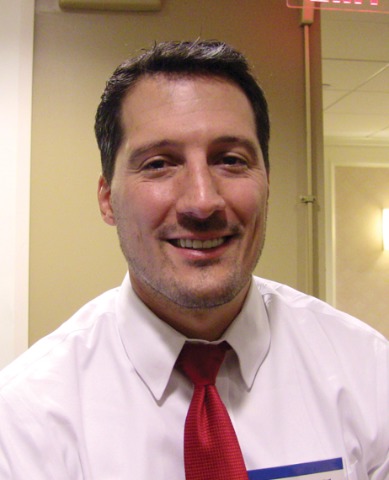
Dr. Matthew J. Zirwas and other dermatologists developed CAMP based on their experience with CARD (Contact Allergen Replacement Database). The Mayo Clinic has leased CARD to the American Contact Dermatitis Society since 2002, but announced last year that they no longer wished to host the system.
"They offered to lease it to us for $1 million for 5 years. The [ACDS] board felt CARD was essential, but we couldn’t absorb the cost," Dr. Zirwas said.
A survey indicated that "CARD is a main reason that people become ACDS members," Dr. Zirwas said. "We decided the best approach would be to develop a system to give members the same basic functions as CARD."
The board of the American Contact Dermatitis Society saw this as an opportunity. "There were things about CARD that were improvable," said Dr. Zirwas of Ohio State University in Columbus.
A clickable list of common allergens, more specific cross-reactivity data, and the ability for manufacturers to update their product information are among the features of the new CAMP system (accessible at www.contactderm.org).
If a patient has a less-common allergy, the name of the allergen can be entered manually.
In the "Generating a List of Products" section, product categories relevant to the allergen can be selected. "We know that patients shop by brand. So we put all the eye makeup together, and it’s easy for them to click on ‘Clinique,’ for example," Dr. Zirwas said. "You can print out the list, or the system will e-mail it to them as a .pdf" attachment.
After taking bids from several companies, the board chose Proximo, a company that also manages a database for the Personal Care Products Council.
"I spoke to the [council] about having companies update their own information each year, and the [manufacturers] liked the idea," Dr. Zirwas said. Active participation in a system that promotes patient safety is a benefit for them, he explained. Procter & Gamble, Unilever, Estée Lauder, and Mary Kay are all participating.
Multiple ingredient names for the same allergen can confound both dermatologists and patients. The CAMP system, however, searches for all relevant names unless the feature is turned off.
Some cross-reactors, such as formaldehyde, are well known. The challenge is that for more than 90% of ingredients, there are few or no data on cross-reactivity, Dr. Zirwas said. "In CARD, if there was any chance of cross-reactivity, it was in there. It was broadly defined, so the list was overrestrictive."
Allergens with less cross-reactivity evidence are included in CAMP based on feedback from an expert panel. "It is sort of a best-opinions approach."
Patient information is another feature of CAMP. The system features about three pages of narratives on specific allergens that are expected to grow over time, he said. For example, if a patient is allergic to balsam of Peru, information can be printed out that summarizes what is known about the allergen and how it can be avoided, including dietary recommendations.
ACDS membership ($300 per year) includes access to the CAMP database. For more information on how the system works, visit the CAMP instrument.
Dr. Zirwas said that he had no relevant disclosures.
NEW ORLEANS – After identifying a contact dermatitis trigger, a new online system provides a database of personal care products to recommend to patients as being safe to use or best to avoid.
CAMP (Contact Allergen Management Program) also produces a list of specific product ingredients that might spur cross-reaction, according to a presentation at the annual meeting of the American Contact Dermatitis Society.
Dr. Matthew J. Zirwas and other dermatologists developed CAMP based on their experience with CARD (Contact Allergen Replacement Database). The Mayo Clinic has leased CARD to the American Contact Dermatitis Society since 2002, but announced last year that they no longer wished to host the system.
"They offered to lease it to us for $1 million for 5 years. The [ACDS] board felt CARD was essential, but we couldn’t absorb the cost," Dr. Zirwas said.
A survey indicated that "CARD is a main reason that people become ACDS members," Dr. Zirwas said. "We decided the best approach would be to develop a system to give members the same basic functions as CARD."
The board of the American Contact Dermatitis Society saw this as an opportunity. "There were things about CARD that were improvable," said Dr. Zirwas of Ohio State University in Columbus.
A clickable list of common allergens, more specific cross-reactivity data, and the ability for manufacturers to update their product information are among the features of the new CAMP system (accessible at www.contactderm.org).
If a patient has a less-common allergy, the name of the allergen can be entered manually.
In the "Generating a List of Products" section, product categories relevant to the allergen can be selected. "We know that patients shop by brand. So we put all the eye makeup together, and it’s easy for them to click on ‘Clinique,’ for example," Dr. Zirwas said. "You can print out the list, or the system will e-mail it to them as a .pdf" attachment.
After taking bids from several companies, the board chose Proximo, a company that also manages a database for the Personal Care Products Council.
"I spoke to the [council] about having companies update their own information each year, and the [manufacturers] liked the idea," Dr. Zirwas said. Active participation in a system that promotes patient safety is a benefit for them, he explained. Procter & Gamble, Unilever, Estée Lauder, and Mary Kay are all participating.
Multiple ingredient names for the same allergen can confound both dermatologists and patients. The CAMP system, however, searches for all relevant names unless the feature is turned off.
Some cross-reactors, such as formaldehyde, are well known. The challenge is that for more than 90% of ingredients, there are few or no data on cross-reactivity, Dr. Zirwas said. "In CARD, if there was any chance of cross-reactivity, it was in there. It was broadly defined, so the list was overrestrictive."
Allergens with less cross-reactivity evidence are included in CAMP based on feedback from an expert panel. "It is sort of a best-opinions approach."
Patient information is another feature of CAMP. The system features about three pages of narratives on specific allergens that are expected to grow over time, he said. For example, if a patient is allergic to balsam of Peru, information can be printed out that summarizes what is known about the allergen and how it can be avoided, including dietary recommendations.
ACDS membership ($300 per year) includes access to the CAMP database. For more information on how the system works, visit the CAMP instrument.
Dr. Zirwas said that he had no relevant disclosures.
NEW ORLEANS – After identifying a contact dermatitis trigger, a new online system provides a database of personal care products to recommend to patients as being safe to use or best to avoid.
CAMP (Contact Allergen Management Program) also produces a list of specific product ingredients that might spur cross-reaction, according to a presentation at the annual meeting of the American Contact Dermatitis Society.
Dr. Matthew J. Zirwas and other dermatologists developed CAMP based on their experience with CARD (Contact Allergen Replacement Database). The Mayo Clinic has leased CARD to the American Contact Dermatitis Society since 2002, but announced last year that they no longer wished to host the system.
"They offered to lease it to us for $1 million for 5 years. The [ACDS] board felt CARD was essential, but we couldn’t absorb the cost," Dr. Zirwas said.
A survey indicated that "CARD is a main reason that people become ACDS members," Dr. Zirwas said. "We decided the best approach would be to develop a system to give members the same basic functions as CARD."
The board of the American Contact Dermatitis Society saw this as an opportunity. "There were things about CARD that were improvable," said Dr. Zirwas of Ohio State University in Columbus.
A clickable list of common allergens, more specific cross-reactivity data, and the ability for manufacturers to update their product information are among the features of the new CAMP system (accessible at www.contactderm.org).
If a patient has a less-common allergy, the name of the allergen can be entered manually.
In the "Generating a List of Products" section, product categories relevant to the allergen can be selected. "We know that patients shop by brand. So we put all the eye makeup together, and it’s easy for them to click on ‘Clinique,’ for example," Dr. Zirwas said. "You can print out the list, or the system will e-mail it to them as a .pdf" attachment.
After taking bids from several companies, the board chose Proximo, a company that also manages a database for the Personal Care Products Council.
"I spoke to the [council] about having companies update their own information each year, and the [manufacturers] liked the idea," Dr. Zirwas said. Active participation in a system that promotes patient safety is a benefit for them, he explained. Procter & Gamble, Unilever, Estée Lauder, and Mary Kay are all participating.
Multiple ingredient names for the same allergen can confound both dermatologists and patients. The CAMP system, however, searches for all relevant names unless the feature is turned off.
Some cross-reactors, such as formaldehyde, are well known. The challenge is that for more than 90% of ingredients, there are few or no data on cross-reactivity, Dr. Zirwas said. "In CARD, if there was any chance of cross-reactivity, it was in there. It was broadly defined, so the list was overrestrictive."
Allergens with less cross-reactivity evidence are included in CAMP based on feedback from an expert panel. "It is sort of a best-opinions approach."
Patient information is another feature of CAMP. The system features about three pages of narratives on specific allergens that are expected to grow over time, he said. For example, if a patient is allergic to balsam of Peru, information can be printed out that summarizes what is known about the allergen and how it can be avoided, including dietary recommendations.
ACDS membership ($300 per year) includes access to the CAMP database. For more information on how the system works, visit the CAMP instrument.
Dr. Zirwas said that he had no relevant disclosures.
ACDS Launches Contact Allergen Management Program (CAMP)
NEW ORLEANS – After identifying a contact dermatitis trigger, a new online system provides a database of personal care products to recommend to patients as being safe to use or best to avoid.
CAMP (Contact Allergen Management Program) also produces a list of specific product ingredients that might spur cross-reaction, according to a presentation at the annual meeting of the American Contact Dermatitis Society.
Dr. Matthew J. Zirwas and other dermatologists developed CAMP based on their experience with CARD (Contact Allergen Replacement Database). The Mayo Clinic has leased CARD to the American Contact Dermatitis Society since 2002, but announced last year that they no longer wished to host the system.
"They offered to lease it to us for $1 million for 5 years. The [ACDS] board felt CARD was essential, but we couldn’t absorb the cost," Dr. Zirwas said.
A survey indicated that "CARD is a main reason that people become ACDS members," Dr. Zirwas said. "We decided the best approach would be to develop a system to give members the same basic functions as CARD."
The board of the American Contact Dermatitis Society saw this as an opportunity. "There were things about CARD that were improvable," said Dr. Zirwas of Ohio State University in Columbus.
A clickable list of common allergens, more specific cross-reactivity data, and the ability for manufacturers to update their product information are among the features of the new CAMP system (accessible at www.contactderm.org).
If a patient has a less-common allergy, the name of the allergen can be entered manually.
In the "Generating a List of Products" section, product categories relevant to the allergen can be selected. "We know that patients shop by brand. So we put all the eye makeup together, and it’s easy for them to click on ‘Clinique,’ for example," Dr. Zirwas said. "You can print out the list, or the system will e-mail it to them as a .pdf" attachment.
After taking bids from several companies, the board chose Proximo, a company that also manages a database for the Personal Care Products Council.
"I spoke to the [council] about having companies update their own information each year, and the [manufacturers] liked the idea," Dr. Zirwas said. Active participation in a system that promotes patient safety is a benefit for them, he explained. Procter & Gamble, Unilever, Estée Lauder, and Mary Kay are all participating.
Multiple ingredient names for the same allergen can confound both dermatologists and patients. The CAMP system, however, searches for all relevant names unless the feature is turned off.
Some cross-reactors, such as formaldehyde, are well known. The challenge is that for more than 90% of ingredients, there are few or no data on cross-reactivity, Dr. Zirwas said. "In CARD, if there was any chance of cross-reactivity, it was in there. It was broadly defined, so the list was overrestrictive."
Allergens with less cross-reactivity evidence are included in CAMP based on feedback from an expert panel. "It is sort of a best-opinions approach."
Patient information is another feature of CAMP. The system features about three pages of narratives on specific allergens that are expected to grow over time, he said. For example, if a patient is allergic to balsam of Peru, information can be printed out that summarizes what is known about the allergen and how it can be avoided, including dietary recommendations.
ACDS membership ($300 per year) includes access to the CAMP database. For more information on how the system works, visit the CAMP instrument.
Dr. Zirwas said that he had no relevant disclosures.
NEW ORLEANS – After identifying a contact dermatitis trigger, a new online system provides a database of personal care products to recommend to patients as being safe to use or best to avoid.
CAMP (Contact Allergen Management Program) also produces a list of specific product ingredients that might spur cross-reaction, according to a presentation at the annual meeting of the American Contact Dermatitis Society.
Dr. Matthew J. Zirwas and other dermatologists developed CAMP based on their experience with CARD (Contact Allergen Replacement Database). The Mayo Clinic has leased CARD to the American Contact Dermatitis Society since 2002, but announced last year that they no longer wished to host the system.
"They offered to lease it to us for $1 million for 5 years. The [ACDS] board felt CARD was essential, but we couldn’t absorb the cost," Dr. Zirwas said.
A survey indicated that "CARD is a main reason that people become ACDS members," Dr. Zirwas said. "We decided the best approach would be to develop a system to give members the same basic functions as CARD."
The board of the American Contact Dermatitis Society saw this as an opportunity. "There were things about CARD that were improvable," said Dr. Zirwas of Ohio State University in Columbus.
A clickable list of common allergens, more specific cross-reactivity data, and the ability for manufacturers to update their product information are among the features of the new CAMP system (accessible at www.contactderm.org).
If a patient has a less-common allergy, the name of the allergen can be entered manually.
In the "Generating a List of Products" section, product categories relevant to the allergen can be selected. "We know that patients shop by brand. So we put all the eye makeup together, and it’s easy for them to click on ‘Clinique,’ for example," Dr. Zirwas said. "You can print out the list, or the system will e-mail it to them as a .pdf" attachment.
After taking bids from several companies, the board chose Proximo, a company that also manages a database for the Personal Care Products Council.
"I spoke to the [council] about having companies update their own information each year, and the [manufacturers] liked the idea," Dr. Zirwas said. Active participation in a system that promotes patient safety is a benefit for them, he explained. Procter & Gamble, Unilever, Estée Lauder, and Mary Kay are all participating.
Multiple ingredient names for the same allergen can confound both dermatologists and patients. The CAMP system, however, searches for all relevant names unless the feature is turned off.
Some cross-reactors, such as formaldehyde, are well known. The challenge is that for more than 90% of ingredients, there are few or no data on cross-reactivity, Dr. Zirwas said. "In CARD, if there was any chance of cross-reactivity, it was in there. It was broadly defined, so the list was overrestrictive."
Allergens with less cross-reactivity evidence are included in CAMP based on feedback from an expert panel. "It is sort of a best-opinions approach."
Patient information is another feature of CAMP. The system features about three pages of narratives on specific allergens that are expected to grow over time, he said. For example, if a patient is allergic to balsam of Peru, information can be printed out that summarizes what is known about the allergen and how it can be avoided, including dietary recommendations.
ACDS membership ($300 per year) includes access to the CAMP database. For more information on how the system works, visit the CAMP instrument.
Dr. Zirwas said that he had no relevant disclosures.
NEW ORLEANS – After identifying a contact dermatitis trigger, a new online system provides a database of personal care products to recommend to patients as being safe to use or best to avoid.
CAMP (Contact Allergen Management Program) also produces a list of specific product ingredients that might spur cross-reaction, according to a presentation at the annual meeting of the American Contact Dermatitis Society.
Dr. Matthew J. Zirwas and other dermatologists developed CAMP based on their experience with CARD (Contact Allergen Replacement Database). The Mayo Clinic has leased CARD to the American Contact Dermatitis Society since 2002, but announced last year that they no longer wished to host the system.
"They offered to lease it to us for $1 million for 5 years. The [ACDS] board felt CARD was essential, but we couldn’t absorb the cost," Dr. Zirwas said.
A survey indicated that "CARD is a main reason that people become ACDS members," Dr. Zirwas said. "We decided the best approach would be to develop a system to give members the same basic functions as CARD."
The board of the American Contact Dermatitis Society saw this as an opportunity. "There were things about CARD that were improvable," said Dr. Zirwas of Ohio State University in Columbus.
A clickable list of common allergens, more specific cross-reactivity data, and the ability for manufacturers to update their product information are among the features of the new CAMP system (accessible at www.contactderm.org).
If a patient has a less-common allergy, the name of the allergen can be entered manually.
In the "Generating a List of Products" section, product categories relevant to the allergen can be selected. "We know that patients shop by brand. So we put all the eye makeup together, and it’s easy for them to click on ‘Clinique,’ for example," Dr. Zirwas said. "You can print out the list, or the system will e-mail it to them as a .pdf" attachment.
After taking bids from several companies, the board chose Proximo, a company that also manages a database for the Personal Care Products Council.
"I spoke to the [council] about having companies update their own information each year, and the [manufacturers] liked the idea," Dr. Zirwas said. Active participation in a system that promotes patient safety is a benefit for them, he explained. Procter & Gamble, Unilever, Estée Lauder, and Mary Kay are all participating.
Multiple ingredient names for the same allergen can confound both dermatologists and patients. The CAMP system, however, searches for all relevant names unless the feature is turned off.
Some cross-reactors, such as formaldehyde, are well known. The challenge is that for more than 90% of ingredients, there are few or no data on cross-reactivity, Dr. Zirwas said. "In CARD, if there was any chance of cross-reactivity, it was in there. It was broadly defined, so the list was overrestrictive."
Allergens with less cross-reactivity evidence are included in CAMP based on feedback from an expert panel. "It is sort of a best-opinions approach."
Patient information is another feature of CAMP. The system features about three pages of narratives on specific allergens that are expected to grow over time, he said. For example, if a patient is allergic to balsam of Peru, information can be printed out that summarizes what is known about the allergen and how it can be avoided, including dietary recommendations.
ACDS membership ($300 per year) includes access to the CAMP database. For more information on how the system works, visit the CAMP instrument.
Dr. Zirwas said that he had no relevant disclosures.
ACDS Launches Contact Allergen Management Program (CAMP)
NEW ORLEANS – After identifying a contact dermatitis trigger, a new online system provides a database of personal care products to recommend to patients as being safe to use or best to avoid.
CAMP (Contact Allergen Management Program) also produces a list of specific product ingredients that might spur cross-reaction, according to a presentation at the annual meeting of the American Contact Dermatitis Society.
Dr. Matthew J. Zirwas and other dermatologists developed CAMP based on their experience with CARD (Contact Allergen Replacement Database). The Mayo Clinic has leased CARD to the American Contact Dermatitis Society since 2002, but announced last year that they no longer wished to host the system.
"They offered to lease it to us for $1 million for 5 years. The [ACDS] board felt CARD was essential, but we couldn’t absorb the cost," Dr. Zirwas said.
A survey indicated that "CARD is a main reason that people become ACDS members," Dr. Zirwas said. "We decided the best approach would be to develop a system to give members the same basic functions as CARD."
The board of the American Contact Dermatitis Society saw this as an opportunity. "There were things about CARD that were improvable," said Dr. Zirwas of Ohio State University in Columbus.
A clickable list of common allergens, more specific cross-reactivity data, and the ability for manufacturers to update their product information are among the features of the new CAMP system (accessible at www.contactderm.org).
If a patient has a less-common allergy, the name of the allergen can be entered manually.
In the "Generating a List of Products" section, product categories relevant to the allergen can be selected. "We know that patients shop by brand. So we put all the eye makeup together, and it's easy for them to click on 'Clinique,' for example," Dr. Zirwas said. "You can print out the list, or the system will e-mail it to them as a .pdf" attachment.
After taking bids from several companies, the board chose Proximo, a company that also manages a database for the Personal Care Products Council.
"I spoke to the [council] about having companies update their own information each year, and the [manufacturers] liked the idea," Dr. Zirwas said. Active participation in a system that promotes patient safety is a benefit for them, he explained. Procter & Gamble, Unilever, Estée Lauder, and Mary Kay are all participating.
Multiple ingredient names for the same allergen can confound both dermatologists and patients. The CAMP system, however, searches for all relevant names unless the feature is turned off.
Some cross-reactors, such as formaldehyde, are well known. The challenge is that for more than 90% of ingredients, there are few or no data on cross-reactivity, Dr. Zirwas said. "In CARD, if there was any chance of cross-reactivity, it was in there. It was broadly defined, so the list was overrestrictive."
Allergens with less cross-reactivity evidence are included in CAMP based on feedback from an expert panel. "It is sort of a best-opinions approach."
Patient information is another feature of CAMP. The system features about three pages of narratives on specific allergens that are expected to grow over time, he said. For example, if a patient is allergic to balsam of Peru, information can be printed out that summarizes what is known about the allergen and how it can be avoided, including dietary recommendations.
ACDS membership ($300 per year) includes access to the CAMP database. For more information on how the system works, visit the CAMP instrument.
Dr. Zirwas said that he had no relevant disclosures.
NEW ORLEANS – After identifying a contact dermatitis trigger, a new online system provides a database of personal care products to recommend to patients as being safe to use or best to avoid.
CAMP (Contact Allergen Management Program) also produces a list of specific product ingredients that might spur cross-reaction, according to a presentation at the annual meeting of the American Contact Dermatitis Society.
Dr. Matthew J. Zirwas and other dermatologists developed CAMP based on their experience with CARD (Contact Allergen Replacement Database). The Mayo Clinic has leased CARD to the American Contact Dermatitis Society since 2002, but announced last year that they no longer wished to host the system.
"They offered to lease it to us for $1 million for 5 years. The [ACDS] board felt CARD was essential, but we couldn’t absorb the cost," Dr. Zirwas said.
A survey indicated that "CARD is a main reason that people become ACDS members," Dr. Zirwas said. "We decided the best approach would be to develop a system to give members the same basic functions as CARD."
The board of the American Contact Dermatitis Society saw this as an opportunity. "There were things about CARD that were improvable," said Dr. Zirwas of Ohio State University in Columbus.
A clickable list of common allergens, more specific cross-reactivity data, and the ability for manufacturers to update their product information are among the features of the new CAMP system (accessible at www.contactderm.org).
If a patient has a less-common allergy, the name of the allergen can be entered manually.
In the "Generating a List of Products" section, product categories relevant to the allergen can be selected. "We know that patients shop by brand. So we put all the eye makeup together, and it's easy for them to click on 'Clinique,' for example," Dr. Zirwas said. "You can print out the list, or the system will e-mail it to them as a .pdf" attachment.
After taking bids from several companies, the board chose Proximo, a company that also manages a database for the Personal Care Products Council.
"I spoke to the [council] about having companies update their own information each year, and the [manufacturers] liked the idea," Dr. Zirwas said. Active participation in a system that promotes patient safety is a benefit for them, he explained. Procter & Gamble, Unilever, Estée Lauder, and Mary Kay are all participating.
Multiple ingredient names for the same allergen can confound both dermatologists and patients. The CAMP system, however, searches for all relevant names unless the feature is turned off.
Some cross-reactors, such as formaldehyde, are well known. The challenge is that for more than 90% of ingredients, there are few or no data on cross-reactivity, Dr. Zirwas said. "In CARD, if there was any chance of cross-reactivity, it was in there. It was broadly defined, so the list was overrestrictive."
Allergens with less cross-reactivity evidence are included in CAMP based on feedback from an expert panel. "It is sort of a best-opinions approach."
Patient information is another feature of CAMP. The system features about three pages of narratives on specific allergens that are expected to grow over time, he said. For example, if a patient is allergic to balsam of Peru, information can be printed out that summarizes what is known about the allergen and how it can be avoided, including dietary recommendations.
ACDS membership ($300 per year) includes access to the CAMP database. For more information on how the system works, visit the CAMP instrument.
Dr. Zirwas said that he had no relevant disclosures.
NEW ORLEANS – After identifying a contact dermatitis trigger, a new online system provides a database of personal care products to recommend to patients as being safe to use or best to avoid.
CAMP (Contact Allergen Management Program) also produces a list of specific product ingredients that might spur cross-reaction, according to a presentation at the annual meeting of the American Contact Dermatitis Society.
Dr. Matthew J. Zirwas and other dermatologists developed CAMP based on their experience with CARD (Contact Allergen Replacement Database). The Mayo Clinic has leased CARD to the American Contact Dermatitis Society since 2002, but announced last year that they no longer wished to host the system.
"They offered to lease it to us for $1 million for 5 years. The [ACDS] board felt CARD was essential, but we couldn’t absorb the cost," Dr. Zirwas said.
A survey indicated that "CARD is a main reason that people become ACDS members," Dr. Zirwas said. "We decided the best approach would be to develop a system to give members the same basic functions as CARD."
The board of the American Contact Dermatitis Society saw this as an opportunity. "There were things about CARD that were improvable," said Dr. Zirwas of Ohio State University in Columbus.
A clickable list of common allergens, more specific cross-reactivity data, and the ability for manufacturers to update their product information are among the features of the new CAMP system (accessible at www.contactderm.org).
If a patient has a less-common allergy, the name of the allergen can be entered manually.
In the "Generating a List of Products" section, product categories relevant to the allergen can be selected. "We know that patients shop by brand. So we put all the eye makeup together, and it's easy for them to click on 'Clinique,' for example," Dr. Zirwas said. "You can print out the list, or the system will e-mail it to them as a .pdf" attachment.
After taking bids from several companies, the board chose Proximo, a company that also manages a database for the Personal Care Products Council.
"I spoke to the [council] about having companies update their own information each year, and the [manufacturers] liked the idea," Dr. Zirwas said. Active participation in a system that promotes patient safety is a benefit for them, he explained. Procter & Gamble, Unilever, Estée Lauder, and Mary Kay are all participating.
Multiple ingredient names for the same allergen can confound both dermatologists and patients. The CAMP system, however, searches for all relevant names unless the feature is turned off.
Some cross-reactors, such as formaldehyde, are well known. The challenge is that for more than 90% of ingredients, there are few or no data on cross-reactivity, Dr. Zirwas said. "In CARD, if there was any chance of cross-reactivity, it was in there. It was broadly defined, so the list was overrestrictive."
Allergens with less cross-reactivity evidence are included in CAMP based on feedback from an expert panel. "It is sort of a best-opinions approach."
Patient information is another feature of CAMP. The system features about three pages of narratives on specific allergens that are expected to grow over time, he said. For example, if a patient is allergic to balsam of Peru, information can be printed out that summarizes what is known about the allergen and how it can be avoided, including dietary recommendations.
ACDS membership ($300 per year) includes access to the CAMP database. For more information on how the system works, visit the CAMP instrument.
Dr. Zirwas said that he had no relevant disclosures.
EXPERT ANALYSIS FROM THE ANNUAL MEETING OF THE AMERICAN CONTACT DERMATITIS SOCIETY
Custom Allergen Testing Boosts Occupational Dermatitis Diagnoses
NEW ORLEANS – Custom patch testing is worthwhile as an adjunct to standard evaluation to identify allergens causing occupational dermatitis, according to a study of more than 100 patients that was presented at the annual meeting of the American Contact Dermatitis Society.
The investigators discovered new allergens for these patients and confirmed others based on patch testing with workplace materials including chemicals, protective equipment, skin care products, and other materials.
Of 113 employees who were custom patch tested at the Occupational Disease Specialty Program at St. Michael's Hospital in Toronto, 24% had a positive reaction to at least one allergen.
Dr. D. Linn Holness and her associates showed that custom testing identified the culprit that caused dermatitis for 12% of patients when standard tests were negative. In addition, a custom approach confirmed a suspected allergen in another 12% of patients.
Custom patch testing, therefore, adds diagnostic value to conventional standard tests, Dr. Holness said.
"Knowing the specific product helps when returning the person to the workplace – knowing they have to avoid one paint coating, for example," said Dr. Holness, chair of the department of occupational and environmental health at the University of Toronto.
The 113 workers were among a total of 753 manufacturing and automotive industry employees who were patch tested in 2002-2009. (The majority received standard allergen screening.) Their mean age was 44 years, and 63% were men. Glues, adhesives, wood dust, foam dust, wood, spices, and workplace skin care products were among the materials evaluated.
Most case reports in the literature use occlusion, but open and semiopen custom patch testing also are reported. There is little consensus in the literature overall regarding the ideal method or methods for performing this testing, however. Dr. Holness noted that "our dermatologists were using a variety of different methods."
Dr. Holness said she was pleased that the custom testing added value to the clinical diagnoses for these workers. "We did this study to support the custom testing," she said. "We got challenged by some of our occupational medicine colleagues claiming our testing methods were not appropriate, were hazardous, and we shouldn't be doing this. They took it to our workman's compensation board."
Dr. Holness said that she had no relevant disclosures.
NEW ORLEANS – Custom patch testing is worthwhile as an adjunct to standard evaluation to identify allergens causing occupational dermatitis, according to a study of more than 100 patients that was presented at the annual meeting of the American Contact Dermatitis Society.
The investigators discovered new allergens for these patients and confirmed others based on patch testing with workplace materials including chemicals, protective equipment, skin care products, and other materials.
Of 113 employees who were custom patch tested at the Occupational Disease Specialty Program at St. Michael's Hospital in Toronto, 24% had a positive reaction to at least one allergen.
Dr. D. Linn Holness and her associates showed that custom testing identified the culprit that caused dermatitis for 12% of patients when standard tests were negative. In addition, a custom approach confirmed a suspected allergen in another 12% of patients.
Custom patch testing, therefore, adds diagnostic value to conventional standard tests, Dr. Holness said.
"Knowing the specific product helps when returning the person to the workplace – knowing they have to avoid one paint coating, for example," said Dr. Holness, chair of the department of occupational and environmental health at the University of Toronto.
The 113 workers were among a total of 753 manufacturing and automotive industry employees who were patch tested in 2002-2009. (The majority received standard allergen screening.) Their mean age was 44 years, and 63% were men. Glues, adhesives, wood dust, foam dust, wood, spices, and workplace skin care products were among the materials evaluated.
Most case reports in the literature use occlusion, but open and semiopen custom patch testing also are reported. There is little consensus in the literature overall regarding the ideal method or methods for performing this testing, however. Dr. Holness noted that "our dermatologists were using a variety of different methods."
Dr. Holness said she was pleased that the custom testing added value to the clinical diagnoses for these workers. "We did this study to support the custom testing," she said. "We got challenged by some of our occupational medicine colleagues claiming our testing methods were not appropriate, were hazardous, and we shouldn't be doing this. They took it to our workman's compensation board."
Dr. Holness said that she had no relevant disclosures.
NEW ORLEANS – Custom patch testing is worthwhile as an adjunct to standard evaluation to identify allergens causing occupational dermatitis, according to a study of more than 100 patients that was presented at the annual meeting of the American Contact Dermatitis Society.
The investigators discovered new allergens for these patients and confirmed others based on patch testing with workplace materials including chemicals, protective equipment, skin care products, and other materials.
Of 113 employees who were custom patch tested at the Occupational Disease Specialty Program at St. Michael's Hospital in Toronto, 24% had a positive reaction to at least one allergen.
Dr. D. Linn Holness and her associates showed that custom testing identified the culprit that caused dermatitis for 12% of patients when standard tests were negative. In addition, a custom approach confirmed a suspected allergen in another 12% of patients.
Custom patch testing, therefore, adds diagnostic value to conventional standard tests, Dr. Holness said.
"Knowing the specific product helps when returning the person to the workplace – knowing they have to avoid one paint coating, for example," said Dr. Holness, chair of the department of occupational and environmental health at the University of Toronto.
The 113 workers were among a total of 753 manufacturing and automotive industry employees who were patch tested in 2002-2009. (The majority received standard allergen screening.) Their mean age was 44 years, and 63% were men. Glues, adhesives, wood dust, foam dust, wood, spices, and workplace skin care products were among the materials evaluated.
Most case reports in the literature use occlusion, but open and semiopen custom patch testing also are reported. There is little consensus in the literature overall regarding the ideal method or methods for performing this testing, however. Dr. Holness noted that "our dermatologists were using a variety of different methods."
Dr. Holness said she was pleased that the custom testing added value to the clinical diagnoses for these workers. "We did this study to support the custom testing," she said. "We got challenged by some of our occupational medicine colleagues claiming our testing methods were not appropriate, were hazardous, and we shouldn't be doing this. They took it to our workman's compensation board."
Dr. Holness said that she had no relevant disclosures.
FROM THE ANNUAL MEETING OF THE AMERICAN CONTACT DERMATITIS SOCIETY
Major Finding: Custom patch testing identified new allergens for 12% of patients and confirmed the culprit for another 12% with occupational contact dermatitis.
Data Source: Retrospective study of 113 employees who had custom patch testing using workplace materials.
Disclosures: Dr. D. Linn Holness said that she had no relevant disclosures.
Custom Allergen Testing Boosts Occupational Dermatitis Diagnoses
NEW ORLEANS – Custom patch testing is worthwhile as an adjunct to standard evaluation to identify allergens causing occupational dermatitis, according to a study of more than 100 patients that was presented at the annual meeting of the American Contact Dermatitis Society.
The investigators discovered new allergens for these patients and confirmed others based on patch testing with workplace materials including chemicals, protective equipment, skin care products, and other materials.
Of 113 employees who were custom patch tested at the Occupational Disease Specialty Program at St. Michael’s Hospital in Toronto, 24% had a positive reaction to at least one allergen.
Dr. D. Linn Holness and her associates showed that custom testing identified the culprit that caused dermatitis for 12% of patients when standard tests were negative. In addition, a custom approach confirmed a suspected allergen in another 12% of patients.
Custom patch testing, therefore, adds diagnostic value to conventional standard tests, Dr. Holness said.
"Knowing the specific product helps when returning the person to the workplace – knowing they have to avoid one paint coating, for example," said Dr. Holness, chair of the department of occupational and environmental health at the University of Toronto.
The 113 workers were among a total of 753 manufacturing and automotive industry employees who were patch tested in 2002-2009. (The majority received standard allergen screening.) Their mean age was 44 years, and 63% were men. Glues, adhesives, wood dust, foam dust, wood, spices, and workplace skin care products were among the materials evaluated.
Most case reports in the literature use occlusion, but open and semiopen custom patch testing also are reported. There is little consensus in the literature overall regarding the ideal method or methods for performing this testing, however. Dr. Holness noted that "our dermatologists were using a variety of different methods."
Dr. Holness said she was pleased that the custom testing added value to the clinical diagnoses for these workers. "We did this study to support the custom testing," she said. "We got challenged by some of our occupational medicine colleagues claiming our testing methods were not appropriate, were hazardous, and we shouldn’t be doing this. They took it to our workman’s compensation board."
Dr. Holness said that she had no relevant disclosures.
NEW ORLEANS – Custom patch testing is worthwhile as an adjunct to standard evaluation to identify allergens causing occupational dermatitis, according to a study of more than 100 patients that was presented at the annual meeting of the American Contact Dermatitis Society.
The investigators discovered new allergens for these patients and confirmed others based on patch testing with workplace materials including chemicals, protective equipment, skin care products, and other materials.
Of 113 employees who were custom patch tested at the Occupational Disease Specialty Program at St. Michael’s Hospital in Toronto, 24% had a positive reaction to at least one allergen.
Dr. D. Linn Holness and her associates showed that custom testing identified the culprit that caused dermatitis for 12% of patients when standard tests were negative. In addition, a custom approach confirmed a suspected allergen in another 12% of patients.
Custom patch testing, therefore, adds diagnostic value to conventional standard tests, Dr. Holness said.
"Knowing the specific product helps when returning the person to the workplace – knowing they have to avoid one paint coating, for example," said Dr. Holness, chair of the department of occupational and environmental health at the University of Toronto.
The 113 workers were among a total of 753 manufacturing and automotive industry employees who were patch tested in 2002-2009. (The majority received standard allergen screening.) Their mean age was 44 years, and 63% were men. Glues, adhesives, wood dust, foam dust, wood, spices, and workplace skin care products were among the materials evaluated.
Most case reports in the literature use occlusion, but open and semiopen custom patch testing also are reported. There is little consensus in the literature overall regarding the ideal method or methods for performing this testing, however. Dr. Holness noted that "our dermatologists were using a variety of different methods."
Dr. Holness said she was pleased that the custom testing added value to the clinical diagnoses for these workers. "We did this study to support the custom testing," she said. "We got challenged by some of our occupational medicine colleagues claiming our testing methods were not appropriate, were hazardous, and we shouldn’t be doing this. They took it to our workman’s compensation board."
Dr. Holness said that she had no relevant disclosures.
NEW ORLEANS – Custom patch testing is worthwhile as an adjunct to standard evaluation to identify allergens causing occupational dermatitis, according to a study of more than 100 patients that was presented at the annual meeting of the American Contact Dermatitis Society.
The investigators discovered new allergens for these patients and confirmed others based on patch testing with workplace materials including chemicals, protective equipment, skin care products, and other materials.
Of 113 employees who were custom patch tested at the Occupational Disease Specialty Program at St. Michael’s Hospital in Toronto, 24% had a positive reaction to at least one allergen.
Dr. D. Linn Holness and her associates showed that custom testing identified the culprit that caused dermatitis for 12% of patients when standard tests were negative. In addition, a custom approach confirmed a suspected allergen in another 12% of patients.
Custom patch testing, therefore, adds diagnostic value to conventional standard tests, Dr. Holness said.
"Knowing the specific product helps when returning the person to the workplace – knowing they have to avoid one paint coating, for example," said Dr. Holness, chair of the department of occupational and environmental health at the University of Toronto.
The 113 workers were among a total of 753 manufacturing and automotive industry employees who were patch tested in 2002-2009. (The majority received standard allergen screening.) Their mean age was 44 years, and 63% were men. Glues, adhesives, wood dust, foam dust, wood, spices, and workplace skin care products were among the materials evaluated.
Most case reports in the literature use occlusion, but open and semiopen custom patch testing also are reported. There is little consensus in the literature overall regarding the ideal method or methods for performing this testing, however. Dr. Holness noted that "our dermatologists were using a variety of different methods."
Dr. Holness said she was pleased that the custom testing added value to the clinical diagnoses for these workers. "We did this study to support the custom testing," she said. "We got challenged by some of our occupational medicine colleagues claiming our testing methods were not appropriate, were hazardous, and we shouldn’t be doing this. They took it to our workman’s compensation board."
Dr. Holness said that she had no relevant disclosures.
FROM THE ANNUAL MEETING OF THE AMERICAN CONTACT DERMATITIS SOCIETY
Major Finding: Custom patch testing identified new allergens for 12% of patients and confirmed the culprit for another 12% with occupational contact dermatitis.
Data Source: Retrospective study of 113 employees who had custom patch testing using workplace materials.
Disclosures: Dr. D. Linn Holness said that she had no relevant disclosures.
Custom Allergen Testing Boosts Occupational Dermatitis Diagnoses
NEW ORLEANS – Custom patch testing is worthwhile as an adjunct to standard evaluation to identify allergens causing occupational dermatitis, according to a study of more than 100 patients that was presented at the annual meeting of the American Contact Dermatitis Society.
The investigators discovered new allergens for these patients and confirmed others based on patch testing with workplace materials including chemicals, protective equipment, skin care products, and other materials.
Of 113 employees who were custom patch tested at the Occupational Disease Specialty Program at St. Michael’s Hospital in Toronto, 24% had a positive reaction to at least one allergen.
Dr. D. Linn Holness and her associates showed that custom testing identified the culprit that caused dermatitis for 12% of patients when standard tests were negative. In addition, a custom approach confirmed a suspected allergen in another 12% of patients.
Custom patch testing, therefore, adds diagnostic value to conventional standard tests, Dr. Holness said.
"Knowing the specific product helps when returning the person to the workplace – knowing they have to avoid one paint coating, for example," said Dr. Holness, chair of the department of occupational and environmental health at the University of Toronto.
The 113 workers were among a total of 753 manufacturing and automotive industry employees who were patch tested in 2002-2009. (The majority received standard allergen screening.) Their mean age was 44 years, and 63% were men. Glues, adhesives, wood dust, foam dust, wood, spices, and workplace skin care products were among the materials evaluated.
Most case reports in the literature use occlusion, but open and semiopen custom patch testing also are reported. There is little consensus in the literature overall regarding the ideal method or methods for performing this testing, however. Dr. Holness noted that "our dermatologists were using a variety of different methods."
Dr. Holness said she was pleased that the custom testing added value to the clinical diagnoses for these workers. "We did this study to support the custom testing," she said. "We got challenged by some of our occupational medicine colleagues claiming our testing methods were not appropriate, were hazardous, and we shouldn’t be doing this. They took it to our workman’s compensation board."
Dr. Holness said that she had no relevant disclosures.
NEW ORLEANS – Custom patch testing is worthwhile as an adjunct to standard evaluation to identify allergens causing occupational dermatitis, according to a study of more than 100 patients that was presented at the annual meeting of the American Contact Dermatitis Society.
The investigators discovered new allergens for these patients and confirmed others based on patch testing with workplace materials including chemicals, protective equipment, skin care products, and other materials.
Of 113 employees who were custom patch tested at the Occupational Disease Specialty Program at St. Michael’s Hospital in Toronto, 24% had a positive reaction to at least one allergen.
Dr. D. Linn Holness and her associates showed that custom testing identified the culprit that caused dermatitis for 12% of patients when standard tests were negative. In addition, a custom approach confirmed a suspected allergen in another 12% of patients.
Custom patch testing, therefore, adds diagnostic value to conventional standard tests, Dr. Holness said.
"Knowing the specific product helps when returning the person to the workplace – knowing they have to avoid one paint coating, for example," said Dr. Holness, chair of the department of occupational and environmental health at the University of Toronto.
The 113 workers were among a total of 753 manufacturing and automotive industry employees who were patch tested in 2002-2009. (The majority received standard allergen screening.) Their mean age was 44 years, and 63% were men. Glues, adhesives, wood dust, foam dust, wood, spices, and workplace skin care products were among the materials evaluated.
Most case reports in the literature use occlusion, but open and semiopen custom patch testing also are reported. There is little consensus in the literature overall regarding the ideal method or methods for performing this testing, however. Dr. Holness noted that "our dermatologists were using a variety of different methods."
Dr. Holness said she was pleased that the custom testing added value to the clinical diagnoses for these workers. "We did this study to support the custom testing," she said. "We got challenged by some of our occupational medicine colleagues claiming our testing methods were not appropriate, were hazardous, and we shouldn’t be doing this. They took it to our workman’s compensation board."
Dr. Holness said that she had no relevant disclosures.
NEW ORLEANS – Custom patch testing is worthwhile as an adjunct to standard evaluation to identify allergens causing occupational dermatitis, according to a study of more than 100 patients that was presented at the annual meeting of the American Contact Dermatitis Society.
The investigators discovered new allergens for these patients and confirmed others based on patch testing with workplace materials including chemicals, protective equipment, skin care products, and other materials.
Of 113 employees who were custom patch tested at the Occupational Disease Specialty Program at St. Michael’s Hospital in Toronto, 24% had a positive reaction to at least one allergen.
Dr. D. Linn Holness and her associates showed that custom testing identified the culprit that caused dermatitis for 12% of patients when standard tests were negative. In addition, a custom approach confirmed a suspected allergen in another 12% of patients.
Custom patch testing, therefore, adds diagnostic value to conventional standard tests, Dr. Holness said.
"Knowing the specific product helps when returning the person to the workplace – knowing they have to avoid one paint coating, for example," said Dr. Holness, chair of the department of occupational and environmental health at the University of Toronto.
The 113 workers were among a total of 753 manufacturing and automotive industry employees who were patch tested in 2002-2009. (The majority received standard allergen screening.) Their mean age was 44 years, and 63% were men. Glues, adhesives, wood dust, foam dust, wood, spices, and workplace skin care products were among the materials evaluated.
Most case reports in the literature use occlusion, but open and semiopen custom patch testing also are reported. There is little consensus in the literature overall regarding the ideal method or methods for performing this testing, however. Dr. Holness noted that "our dermatologists were using a variety of different methods."
Dr. Holness said she was pleased that the custom testing added value to the clinical diagnoses for these workers. "We did this study to support the custom testing," she said. "We got challenged by some of our occupational medicine colleagues claiming our testing methods were not appropriate, were hazardous, and we shouldn’t be doing this. They took it to our workman’s compensation board."
Dr. Holness said that she had no relevant disclosures.
FROM THE ANNUAL MEETING OF THE AMERICAN CONTACT DERMATITIS SOCIETY
Major Finding: Custom patch testing identified new allergens for 12% of patients and confirmed the culprit for another 12% with occupational contact dermatitis.
Data Source: Retrospective study of 113 employees who had custom patch testing using workplace materials.
Disclosures: Dr. D. Linn Holness said that she had no relevant disclosures.
Cannulas Less Traumatic Than Needles for Administering Fillers
MIAMI BEACH – It's time to consider being blunt with your aesthetic patients, at least in terms of how you administer filler products for facial and hand rejuvenation.
"The blunt cannula is really an exciting tool for us," Dr. Susan H. Weinkle said at the South Beach Symposium.

Instead of multiple puncture wounds with needles, Dr. Weinkle creates one entry point with a percutaneous stick of a 26-gauge needle. Then she inserts a cannula. "You can treat the midface [and then] you can turn the cannula and treat all along the cheekbone and the zygomatic arch. Then, through the same injection point, you can turn the cannula south and treat the nasolabial fold."
Less trauma, lower risk for bruising, and quicker downtime are among the advantages, compared with multiple needle injections, Dr. Weinkle said.
Less precise delivery of the filler – because the cannula holes are not at the tip like a needle – is a drawback, but not a significant one, she added.
Cannulas already have gained popularity in Europe and South America. "We are not learning this as quickly as our colleagues," she said.
"A year ago, I went to an exciting meeting in Paris where I heard a little about cannulas." Dr. Weinkle brought some back to her private practice in Bradenton, Fla., with the best intentions, but did not use them. "This year I went back to the same meeting in January, and I decided I did not want to be left behind."
Filler augmentation of the dorsal side of the hands is another procedure that is well suited to the use of these blunt cannulas, Dr. Weinkle said.
Patience is advised when the technique is tried for the first time. "It's not always easy. You're not going to love it right away. You have to finesse the cannula through the skin." However, she added, "Don't get discouraged."
These are not cannulas that are used for liposuction, but newer products that are specifically designed for use in soft tissue. Only one such cannula – CosmoFrance Inc.'s DermaSculpt microcannula, a 1.5 inch, 27 gauge cannula with a nonbruising blunt tip – is currently approved by the Food and Drug Administration in the United States.
"More are coming. We will have shorter, fatter, thicker, thinner, and different gauge cannulas," Dr. Weinkle said. "We're going to see some of the companies that provide fillers for us adopting this. Maybe we'll find one needle and one cannula in the future in our packaging."
"This is the wave of the future. We really want to embrace new and exciting things," she said.
Dr. Weinkle said she had no relevant financial disclosures.
MIAMI BEACH – It's time to consider being blunt with your aesthetic patients, at least in terms of how you administer filler products for facial and hand rejuvenation.
"The blunt cannula is really an exciting tool for us," Dr. Susan H. Weinkle said at the South Beach Symposium.
Instead of multiple puncture wounds with needles, Dr. Weinkle creates one entry point with a percutaneous stick of a 26-gauge needle. Then she inserts a cannula. "You can treat the midface [and then] you can turn the cannula and treat all along the cheekbone and the zygomatic arch. Then, through the same injection point, you can turn the cannula south and treat the nasolabial fold."
Less trauma, lower risk for bruising, and quicker downtime are among the advantages, compared with multiple needle injections, Dr. Weinkle said.
Less precise delivery of the filler – because the cannula holes are not at the tip like a needle – is a drawback, but not a significant one, she added.
Cannulas already have gained popularity in Europe and South America. "We are not learning this as quickly as our colleagues," she said.
"A year ago, I went to an exciting meeting in Paris where I heard a little about cannulas." Dr. Weinkle brought some back to her private practice in Bradenton, Fla., with the best intentions, but did not use them. "This year I went back to the same meeting in January, and I decided I did not want to be left behind."
Filler augmentation of the dorsal side of the hands is another procedure that is well suited to the use of these blunt cannulas, Dr. Weinkle said.
Patience is advised when the technique is tried for the first time. "It's not always easy. You're not going to love it right away. You have to finesse the cannula through the skin." However, she added, "Don't get discouraged."
These are not cannulas that are used for liposuction, but newer products that are specifically designed for use in soft tissue. Only one such cannula – CosmoFrance Inc.'s DermaSculpt microcannula, a 1.5 inch, 27 gauge cannula with a nonbruising blunt tip – is currently approved by the Food and Drug Administration in the United States.
"More are coming. We will have shorter, fatter, thicker, thinner, and different gauge cannulas," Dr. Weinkle said. "We're going to see some of the companies that provide fillers for us adopting this. Maybe we'll find one needle and one cannula in the future in our packaging."
"This is the wave of the future. We really want to embrace new and exciting things," she said.
Dr. Weinkle said she had no relevant financial disclosures.
MIAMI BEACH – It's time to consider being blunt with your aesthetic patients, at least in terms of how you administer filler products for facial and hand rejuvenation.
"The blunt cannula is really an exciting tool for us," Dr. Susan H. Weinkle said at the South Beach Symposium.
Instead of multiple puncture wounds with needles, Dr. Weinkle creates one entry point with a percutaneous stick of a 26-gauge needle. Then she inserts a cannula. "You can treat the midface [and then] you can turn the cannula and treat all along the cheekbone and the zygomatic arch. Then, through the same injection point, you can turn the cannula south and treat the nasolabial fold."
Less trauma, lower risk for bruising, and quicker downtime are among the advantages, compared with multiple needle injections, Dr. Weinkle said.
Less precise delivery of the filler – because the cannula holes are not at the tip like a needle – is a drawback, but not a significant one, she added.
Cannulas already have gained popularity in Europe and South America. "We are not learning this as quickly as our colleagues," she said.
"A year ago, I went to an exciting meeting in Paris where I heard a little about cannulas." Dr. Weinkle brought some back to her private practice in Bradenton, Fla., with the best intentions, but did not use them. "This year I went back to the same meeting in January, and I decided I did not want to be left behind."
Filler augmentation of the dorsal side of the hands is another procedure that is well suited to the use of these blunt cannulas, Dr. Weinkle said.
Patience is advised when the technique is tried for the first time. "It's not always easy. You're not going to love it right away. You have to finesse the cannula through the skin." However, she added, "Don't get discouraged."
These are not cannulas that are used for liposuction, but newer products that are specifically designed for use in soft tissue. Only one such cannula – CosmoFrance Inc.'s DermaSculpt microcannula, a 1.5 inch, 27 gauge cannula with a nonbruising blunt tip – is currently approved by the Food and Drug Administration in the United States.
"More are coming. We will have shorter, fatter, thicker, thinner, and different gauge cannulas," Dr. Weinkle said. "We're going to see some of the companies that provide fillers for us adopting this. Maybe we'll find one needle and one cannula in the future in our packaging."
"This is the wave of the future. We really want to embrace new and exciting things," she said.
Dr. Weinkle said she had no relevant financial disclosures.
EXPERT ANALYSIS FROM THE SOUTH BEACH SYMPOSIUM