User login
Prodromal Symptoms Trace Parkinson’s Bottom-to-Top Progression
BARCELONA – Early neuronal death may spark symptoms that can precede the classic motor dysfunction of Parkinson’s disease by up to 20 years.
Rather than beginning in the substantia nigra and moving into the cerebellar regions, nerve damage may begin in the dorsal motor nucleus of the vagal nerve and progress upward into the midbrain, killing neurons all along its path. Constipation, cardiac denervation, and rapid eye movement sleep disorder are some of the conditions that may appear as the march of cell death continues, Dr. Yoshikuni Mizuno said at the International Conference on Alzheimer’s and Parkinson’s Diseases.
"Parkinson’s probably starts in the peripheral portions of the vagal nerve," said Dr. Mizuno, director of the Research Institute for Diseases of Old Age at Juntendo University, Tokyo. "When the neurons die, their content is expelled into the extraneural space in the medulla oblongata." Other nerve terminals pick up this intracellular debris and die as well, expelling their own contents as damage progresses. "Eventually, this reaches the substantia nigra and the higher cerebellar neurons. This, I believe, is the model for the spread of Parkinson’s."
Constipation can be one of the first symptoms, occurring when Lewy body lesions first appear on the vagal nerve’s dorsal motor nucleus. This is generally 15-20 years before the onset of motor symptoms, Dr. Mizuno said.
The Honolulu Heart Program study clearly showed the association between Parkinson’s disease and constipation. The study followed almost 7,000 men. Over an average of 12 years, 96 developed Parkinson’s disease. In a multivariate analysis, men who had fewer than one bowel movement per day were four times more likely to develop the disease than were men with two or more bowel movements per day (Neurology 2001;57:456-62).
"I think most of these patients already had Parkinson’s before the onset of motor symptoms," he said.
As cell death proceeds along the nerve, it can affect cardiac innervation. Cardiac scintigraphy with the imaging agent iodine-123 metaiodobenzylguanidine (MIBG) highlights norepinephrine transport cells in the normal heart. "In patients with Parkinson’s and dementia with Lewy bodies, you don’t see this, because of the loss of postganglionic parasympathetic nerve fibers," Dr. Mizuno said. "In Alzheimer’s, as well as in progressive supranuclear palsy and multisystem atrophy, you do have nice visualization of these fibers, and this is a very useful test for differentiating Lewy body disorders from these other diseases."
His own studies suggest that MIBG cardiac uptake may parallel the progression of Parkinson’s disease. About half of patients with stage 1 disease show reduced uptake, but "there is much more markedly diminished cardiac MIBG uptake in those with stage 2 disease or higher," Dr. Mizuno said.
Disordered sleep can occur when cell damage advances to the pons – about 10 years before motor symptoms are apparent. "Half of the patients with idiopathic REM sleep disorder will go on to develop Parkinson’s disease," he said.
As nerve damage progresses further, the olfactory bulb may be affected. Hyposmia affects most (80%) Parkinson’s patients, but about 40% report a decline in olfactory function before the onset of motor symptoms. "The interval between hyposmia and motor symptom onset is about 5 years," Dr. Mizuno said.
The characteristic motor symptoms appear only when most of the dopaminergic neurons in the substantia nigra have died. If the damage progresses further, the cortex may be affected, leading to dementia.
"If you compare clinical and lab findings in Parkinson’s disease dementia and dementia with Lewy bodies, you will notice a lot of similarities: constipation, loss of smell, executive dysfunction, fluctuating cognition, and visuospatial dysfunction," Dr. Mizuno said. "The only difference between the two is the presentation of initial symptoms. If motor symptoms appear first, we call it Parkinson’s disease, while if dementia is the initial symptom, we call it dementia with Lewy bodies."
Dr. Mizuno declared no potential financial conflicts of interest.
BARCELONA – Early neuronal death may spark symptoms that can precede the classic motor dysfunction of Parkinson’s disease by up to 20 years.
Rather than beginning in the substantia nigra and moving into the cerebellar regions, nerve damage may begin in the dorsal motor nucleus of the vagal nerve and progress upward into the midbrain, killing neurons all along its path. Constipation, cardiac denervation, and rapid eye movement sleep disorder are some of the conditions that may appear as the march of cell death continues, Dr. Yoshikuni Mizuno said at the International Conference on Alzheimer’s and Parkinson’s Diseases.
"Parkinson’s probably starts in the peripheral portions of the vagal nerve," said Dr. Mizuno, director of the Research Institute for Diseases of Old Age at Juntendo University, Tokyo. "When the neurons die, their content is expelled into the extraneural space in the medulla oblongata." Other nerve terminals pick up this intracellular debris and die as well, expelling their own contents as damage progresses. "Eventually, this reaches the substantia nigra and the higher cerebellar neurons. This, I believe, is the model for the spread of Parkinson’s."
Constipation can be one of the first symptoms, occurring when Lewy body lesions first appear on the vagal nerve’s dorsal motor nucleus. This is generally 15-20 years before the onset of motor symptoms, Dr. Mizuno said.
The Honolulu Heart Program study clearly showed the association between Parkinson’s disease and constipation. The study followed almost 7,000 men. Over an average of 12 years, 96 developed Parkinson’s disease. In a multivariate analysis, men who had fewer than one bowel movement per day were four times more likely to develop the disease than were men with two or more bowel movements per day (Neurology 2001;57:456-62).
"I think most of these patients already had Parkinson’s before the onset of motor symptoms," he said.
As cell death proceeds along the nerve, it can affect cardiac innervation. Cardiac scintigraphy with the imaging agent iodine-123 metaiodobenzylguanidine (MIBG) highlights norepinephrine transport cells in the normal heart. "In patients with Parkinson’s and dementia with Lewy bodies, you don’t see this, because of the loss of postganglionic parasympathetic nerve fibers," Dr. Mizuno said. "In Alzheimer’s, as well as in progressive supranuclear palsy and multisystem atrophy, you do have nice visualization of these fibers, and this is a very useful test for differentiating Lewy body disorders from these other diseases."
His own studies suggest that MIBG cardiac uptake may parallel the progression of Parkinson’s disease. About half of patients with stage 1 disease show reduced uptake, but "there is much more markedly diminished cardiac MIBG uptake in those with stage 2 disease or higher," Dr. Mizuno said.
Disordered sleep can occur when cell damage advances to the pons – about 10 years before motor symptoms are apparent. "Half of the patients with idiopathic REM sleep disorder will go on to develop Parkinson’s disease," he said.
As nerve damage progresses further, the olfactory bulb may be affected. Hyposmia affects most (80%) Parkinson’s patients, but about 40% report a decline in olfactory function before the onset of motor symptoms. "The interval between hyposmia and motor symptom onset is about 5 years," Dr. Mizuno said.
The characteristic motor symptoms appear only when most of the dopaminergic neurons in the substantia nigra have died. If the damage progresses further, the cortex may be affected, leading to dementia.
"If you compare clinical and lab findings in Parkinson’s disease dementia and dementia with Lewy bodies, you will notice a lot of similarities: constipation, loss of smell, executive dysfunction, fluctuating cognition, and visuospatial dysfunction," Dr. Mizuno said. "The only difference between the two is the presentation of initial symptoms. If motor symptoms appear first, we call it Parkinson’s disease, while if dementia is the initial symptom, we call it dementia with Lewy bodies."
Dr. Mizuno declared no potential financial conflicts of interest.
BARCELONA – Early neuronal death may spark symptoms that can precede the classic motor dysfunction of Parkinson’s disease by up to 20 years.
Rather than beginning in the substantia nigra and moving into the cerebellar regions, nerve damage may begin in the dorsal motor nucleus of the vagal nerve and progress upward into the midbrain, killing neurons all along its path. Constipation, cardiac denervation, and rapid eye movement sleep disorder are some of the conditions that may appear as the march of cell death continues, Dr. Yoshikuni Mizuno said at the International Conference on Alzheimer’s and Parkinson’s Diseases.
"Parkinson’s probably starts in the peripheral portions of the vagal nerve," said Dr. Mizuno, director of the Research Institute for Diseases of Old Age at Juntendo University, Tokyo. "When the neurons die, their content is expelled into the extraneural space in the medulla oblongata." Other nerve terminals pick up this intracellular debris and die as well, expelling their own contents as damage progresses. "Eventually, this reaches the substantia nigra and the higher cerebellar neurons. This, I believe, is the model for the spread of Parkinson’s."
Constipation can be one of the first symptoms, occurring when Lewy body lesions first appear on the vagal nerve’s dorsal motor nucleus. This is generally 15-20 years before the onset of motor symptoms, Dr. Mizuno said.
The Honolulu Heart Program study clearly showed the association between Parkinson’s disease and constipation. The study followed almost 7,000 men. Over an average of 12 years, 96 developed Parkinson’s disease. In a multivariate analysis, men who had fewer than one bowel movement per day were four times more likely to develop the disease than were men with two or more bowel movements per day (Neurology 2001;57:456-62).
"I think most of these patients already had Parkinson’s before the onset of motor symptoms," he said.
As cell death proceeds along the nerve, it can affect cardiac innervation. Cardiac scintigraphy with the imaging agent iodine-123 metaiodobenzylguanidine (MIBG) highlights norepinephrine transport cells in the normal heart. "In patients with Parkinson’s and dementia with Lewy bodies, you don’t see this, because of the loss of postganglionic parasympathetic nerve fibers," Dr. Mizuno said. "In Alzheimer’s, as well as in progressive supranuclear palsy and multisystem atrophy, you do have nice visualization of these fibers, and this is a very useful test for differentiating Lewy body disorders from these other diseases."
His own studies suggest that MIBG cardiac uptake may parallel the progression of Parkinson’s disease. About half of patients with stage 1 disease show reduced uptake, but "there is much more markedly diminished cardiac MIBG uptake in those with stage 2 disease or higher," Dr. Mizuno said.
Disordered sleep can occur when cell damage advances to the pons – about 10 years before motor symptoms are apparent. "Half of the patients with idiopathic REM sleep disorder will go on to develop Parkinson’s disease," he said.
As nerve damage progresses further, the olfactory bulb may be affected. Hyposmia affects most (80%) Parkinson’s patients, but about 40% report a decline in olfactory function before the onset of motor symptoms. "The interval between hyposmia and motor symptom onset is about 5 years," Dr. Mizuno said.
The characteristic motor symptoms appear only when most of the dopaminergic neurons in the substantia nigra have died. If the damage progresses further, the cortex may be affected, leading to dementia.
"If you compare clinical and lab findings in Parkinson’s disease dementia and dementia with Lewy bodies, you will notice a lot of similarities: constipation, loss of smell, executive dysfunction, fluctuating cognition, and visuospatial dysfunction," Dr. Mizuno said. "The only difference between the two is the presentation of initial symptoms. If motor symptoms appear first, we call it Parkinson’s disease, while if dementia is the initial symptom, we call it dementia with Lewy bodies."
Dr. Mizuno declared no potential financial conflicts of interest.
Prodromal Symptoms Trace Parkinson’s Bottom-to-Top Progression
BARCELONA – Early neuronal death may spark symptoms that can precede the classic motor dysfunction of Parkinson’s disease by up to 20 years.
Rather than beginning in the substantia nigra and moving into the cerebellar regions, nerve damage may begin in the dorsal motor nucleus of the vagal nerve and progress upward into the midbrain, killing neurons all along its path. Constipation, cardiac denervation, and rapid eye movement sleep disorder are some of the conditions that may appear as the march of cell death continues, Dr. Yoshikuni Mizuno said at the International Conference on Alzheimer’s and Parkinson’s Diseases.
"Parkinson’s probably starts in the peripheral portions of the vagal nerve," said Dr. Mizuno, director of the Research Institute for Diseases of Old Age at Juntendo University, Tokyo. "When the neurons die, their content is expelled into the extraneural space in the medulla oblongata." Other nerve terminals pick up this intracellular debris and die as well, expelling their own contents as damage progresses. "Eventually, this reaches the substantia nigra and the higher cerebellar neurons. This, I believe, is the model for the spread of Parkinson’s."
Constipation can be one of the first symptoms, occurring when Lewy body lesions first appear on the vagal nerve’s dorsal motor nucleus. This is generally 15-20 years before the onset of motor symptoms, Dr. Mizuno said.
The Honolulu Heart Program study clearly showed the association between Parkinson’s disease and constipation. The study followed almost 7,000 men. Over an average of 12 years, 96 developed Parkinson’s disease. In a multivariate analysis, men who had fewer than one bowel movement per day were four times more likely to develop the disease than were men with two or more bowel movements per day (Neurology 2001;57:456-62).
"I think most of these patients already had Parkinson’s before the onset of motor symptoms," he said.
As cell death proceeds along the nerve, it can affect cardiac innervation. Cardiac scintigraphy with the imaging agent iodine-123 metaiodobenzylguanidine (MIBG) highlights norepinephrine transport cells in the normal heart. "In patients with Parkinson’s and dementia with Lewy bodies, you don’t see this, because of the loss of postganglionic parasympathetic nerve fibers," Dr. Mizuno said. "In Alzheimer’s, as well as in progressive supranuclear palsy and multisystem atrophy, you do have nice visualization of these fibers, and this is a very useful test for differentiating Lewy body disorders from these other diseases."
His own studies suggest that MIBG cardiac uptake may parallel the progression of Parkinson’s disease. About half of patients with stage 1 disease show reduced uptake, but "there is much more markedly diminished cardiac MIBG uptake in those with stage 2 disease or higher," Dr. Mizuno said.
Disordered sleep can occur when cell damage advances to the pons – about 10 years before motor symptoms are apparent. "Half of the patients with idiopathic REM sleep disorder will go on to develop Parkinson’s disease," he said.
As nerve damage progresses further, the olfactory bulb may be affected. Hyposmia affects most (80%) Parkinson’s patients, but about 40% report a decline in olfactory function before the onset of motor symptoms. "The interval between hyposmia and motor symptom onset is about 5 years," Dr. Mizuno said.
The characteristic motor symptoms appear only when most of the dopaminergic neurons in the substantia nigra have died. If the damage progresses further, the cortex may be affected, leading to dementia.
"If you compare clinical and lab findings in Parkinson’s disease dementia and dementia with Lewy bodies, you will notice a lot of similarities: constipation, loss of smell, executive dysfunction, fluctuating cognition, and visuospatial dysfunction," Dr. Mizuno said. "The only difference between the two is the presentation of initial symptoms. If motor symptoms appear first, we call it Parkinson’s disease, while if dementia is the initial symptom, we call it dementia with Lewy bodies."
Dr. Mizuno declared no potential financial conflicts of interest.
BARCELONA – Early neuronal death may spark symptoms that can precede the classic motor dysfunction of Parkinson’s disease by up to 20 years.
Rather than beginning in the substantia nigra and moving into the cerebellar regions, nerve damage may begin in the dorsal motor nucleus of the vagal nerve and progress upward into the midbrain, killing neurons all along its path. Constipation, cardiac denervation, and rapid eye movement sleep disorder are some of the conditions that may appear as the march of cell death continues, Dr. Yoshikuni Mizuno said at the International Conference on Alzheimer’s and Parkinson’s Diseases.
"Parkinson’s probably starts in the peripheral portions of the vagal nerve," said Dr. Mizuno, director of the Research Institute for Diseases of Old Age at Juntendo University, Tokyo. "When the neurons die, their content is expelled into the extraneural space in the medulla oblongata." Other nerve terminals pick up this intracellular debris and die as well, expelling their own contents as damage progresses. "Eventually, this reaches the substantia nigra and the higher cerebellar neurons. This, I believe, is the model for the spread of Parkinson’s."
Constipation can be one of the first symptoms, occurring when Lewy body lesions first appear on the vagal nerve’s dorsal motor nucleus. This is generally 15-20 years before the onset of motor symptoms, Dr. Mizuno said.
The Honolulu Heart Program study clearly showed the association between Parkinson’s disease and constipation. The study followed almost 7,000 men. Over an average of 12 years, 96 developed Parkinson’s disease. In a multivariate analysis, men who had fewer than one bowel movement per day were four times more likely to develop the disease than were men with two or more bowel movements per day (Neurology 2001;57:456-62).
"I think most of these patients already had Parkinson’s before the onset of motor symptoms," he said.
As cell death proceeds along the nerve, it can affect cardiac innervation. Cardiac scintigraphy with the imaging agent iodine-123 metaiodobenzylguanidine (MIBG) highlights norepinephrine transport cells in the normal heart. "In patients with Parkinson’s and dementia with Lewy bodies, you don’t see this, because of the loss of postganglionic parasympathetic nerve fibers," Dr. Mizuno said. "In Alzheimer’s, as well as in progressive supranuclear palsy and multisystem atrophy, you do have nice visualization of these fibers, and this is a very useful test for differentiating Lewy body disorders from these other diseases."
His own studies suggest that MIBG cardiac uptake may parallel the progression of Parkinson’s disease. About half of patients with stage 1 disease show reduced uptake, but "there is much more markedly diminished cardiac MIBG uptake in those with stage 2 disease or higher," Dr. Mizuno said.
Disordered sleep can occur when cell damage advances to the pons – about 10 years before motor symptoms are apparent. "Half of the patients with idiopathic REM sleep disorder will go on to develop Parkinson’s disease," he said.
As nerve damage progresses further, the olfactory bulb may be affected. Hyposmia affects most (80%) Parkinson’s patients, but about 40% report a decline in olfactory function before the onset of motor symptoms. "The interval between hyposmia and motor symptom onset is about 5 years," Dr. Mizuno said.
The characteristic motor symptoms appear only when most of the dopaminergic neurons in the substantia nigra have died. If the damage progresses further, the cortex may be affected, leading to dementia.
"If you compare clinical and lab findings in Parkinson’s disease dementia and dementia with Lewy bodies, you will notice a lot of similarities: constipation, loss of smell, executive dysfunction, fluctuating cognition, and visuospatial dysfunction," Dr. Mizuno said. "The only difference between the two is the presentation of initial symptoms. If motor symptoms appear first, we call it Parkinson’s disease, while if dementia is the initial symptom, we call it dementia with Lewy bodies."
Dr. Mizuno declared no potential financial conflicts of interest.
BARCELONA – Early neuronal death may spark symptoms that can precede the classic motor dysfunction of Parkinson’s disease by up to 20 years.
Rather than beginning in the substantia nigra and moving into the cerebellar regions, nerve damage may begin in the dorsal motor nucleus of the vagal nerve and progress upward into the midbrain, killing neurons all along its path. Constipation, cardiac denervation, and rapid eye movement sleep disorder are some of the conditions that may appear as the march of cell death continues, Dr. Yoshikuni Mizuno said at the International Conference on Alzheimer’s and Parkinson’s Diseases.
"Parkinson’s probably starts in the peripheral portions of the vagal nerve," said Dr. Mizuno, director of the Research Institute for Diseases of Old Age at Juntendo University, Tokyo. "When the neurons die, their content is expelled into the extraneural space in the medulla oblongata." Other nerve terminals pick up this intracellular debris and die as well, expelling their own contents as damage progresses. "Eventually, this reaches the substantia nigra and the higher cerebellar neurons. This, I believe, is the model for the spread of Parkinson’s."
Constipation can be one of the first symptoms, occurring when Lewy body lesions first appear on the vagal nerve’s dorsal motor nucleus. This is generally 15-20 years before the onset of motor symptoms, Dr. Mizuno said.
The Honolulu Heart Program study clearly showed the association between Parkinson’s disease and constipation. The study followed almost 7,000 men. Over an average of 12 years, 96 developed Parkinson’s disease. In a multivariate analysis, men who had fewer than one bowel movement per day were four times more likely to develop the disease than were men with two or more bowel movements per day (Neurology 2001;57:456-62).
"I think most of these patients already had Parkinson’s before the onset of motor symptoms," he said.
As cell death proceeds along the nerve, it can affect cardiac innervation. Cardiac scintigraphy with the imaging agent iodine-123 metaiodobenzylguanidine (MIBG) highlights norepinephrine transport cells in the normal heart. "In patients with Parkinson’s and dementia with Lewy bodies, you don’t see this, because of the loss of postganglionic parasympathetic nerve fibers," Dr. Mizuno said. "In Alzheimer’s, as well as in progressive supranuclear palsy and multisystem atrophy, you do have nice visualization of these fibers, and this is a very useful test for differentiating Lewy body disorders from these other diseases."
His own studies suggest that MIBG cardiac uptake may parallel the progression of Parkinson’s disease. About half of patients with stage 1 disease show reduced uptake, but "there is much more markedly diminished cardiac MIBG uptake in those with stage 2 disease or higher," Dr. Mizuno said.
Disordered sleep can occur when cell damage advances to the pons – about 10 years before motor symptoms are apparent. "Half of the patients with idiopathic REM sleep disorder will go on to develop Parkinson’s disease," he said.
As nerve damage progresses further, the olfactory bulb may be affected. Hyposmia affects most (80%) Parkinson’s patients, but about 40% report a decline in olfactory function before the onset of motor symptoms. "The interval between hyposmia and motor symptom onset is about 5 years," Dr. Mizuno said.
The characteristic motor symptoms appear only when most of the dopaminergic neurons in the substantia nigra have died. If the damage progresses further, the cortex may be affected, leading to dementia.
"If you compare clinical and lab findings in Parkinson’s disease dementia and dementia with Lewy bodies, you will notice a lot of similarities: constipation, loss of smell, executive dysfunction, fluctuating cognition, and visuospatial dysfunction," Dr. Mizuno said. "The only difference between the two is the presentation of initial symptoms. If motor symptoms appear first, we call it Parkinson’s disease, while if dementia is the initial symptom, we call it dementia with Lewy bodies."
Dr. Mizuno declared no potential financial conflicts of interest.
Creative-Expression Programs Benefit Patients With Dementia
BARCELONA – Long-term care facilities in British Columbia have the material resources to offer a variety of creative-expression programs for patients, but only a few have implemented such programs.
In a survey of 120 centers that provide care for patients with dementia, about 50% offered programs that involve any kind of creative expression, Peter Graf, Ph.D., and Dalia Gottlieb-Tanaka, Ph.D., said in posters presented at the International Conference on Alzheimer’s and Parkinson’s Disease.
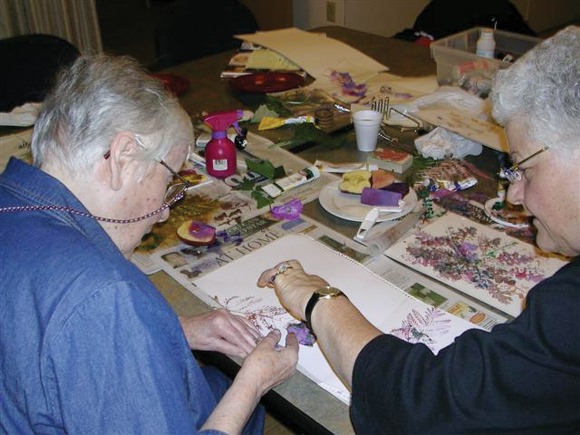
"Activities with a creative dimension encourage the development of new ways of communicating and new ways of interacting with others," Dr. Graf said in an interview.
The 10-page survey asked respondents to detail the nature of their activity programs, the staff that conduct them, and the patients who attend them, said Dr. Graf of the Memory and Cognition Laboratory at the University of British Columbia, Vancouver. He presented data on 80 of the centers that responded to the survey; the province has more than 1,000 that provide care for patients with dementia.
The survey conducted by the colleagues found that pet therapy was the next most commonly offered (42%), followed by group singing (31%), and art (24%). Group reminiscence, horticulture, dance poetry, aromatherapy, one-on-one creative-expression work, healing touch, drama, and poetry were least likely to be available.
Although more than 60% of centers had at least some of the materials necessary to carry out one or more of those activities, the materials were available for many fewer patients. For example, 60% of centers reported having art supplies that staff could use in an art program, yet they were available to less than 40% of patients. The findings were similar for other materials, including music and song books (62% of staff, 50% of patients), art books (40% and 35%), and other art supplies.
Respondents rated social interaction and improvement in quality of life as the two most important benefits of creative-expression programs. Other highly rated benefits were cognition and positive affect. Least important were the acquisition of new skills and the promotion of self-awareness.
"This is a very significant finding, which points out that even care facilitators do not expect any skills improvements and abilities in self-expression," Dr. Gottlieb-Tanaka said. "These are the thoughts that limit the provision ... development of, and access to, creative-expression programs. Research proves that people with dementia are capable of expressing themselves in many ways, and it is up to us to notice it and use it in an effort to communicate with them."

Despite the relative dearth of programs, respondents said even those with severe dementia are able to participate in meaningful ways. "Creative activities serve to open up new ways for expressing feelings, emotions, worries, when other methods have succumbed," Dr. Graf said. This was particularly true for music and singing programs.
The activities also are offered to persons without dementia, and they made up the bulk of participants in all categories measured. But, in music therapy, singing, pet therapy, and art therapy, patients with mild cognitive impairment and mild and moderate dementia still participated freely. Patients with severe dementia were more likely to be included in pet therapy, touch, and aromatherapy – more passive expression programs. "These kinds of programs are more likely to be provided on a one-on-one basis," Dr. Graf noted.
Some real-world findings mirrored those in a meta-analysis of literature on the subject, said Dr. Gottlieb-Tanaka, founder of the Society for the Arts in Dementia Care in British Columbia.
She reviewed 98 selected articles published during 2000-2010. The most commonly employed activities she saw were a mixture of art, music, and reminiscence. The majority were scheduled once a week.
Although certified facilitators ran most of the groups (about 27%), volunteers ran about 10% of the programs. "Canada is fortunate to have a strong volunteer community," she said. "Many facilities in British Columbia count on volunteer work, especially in remote communities." Some studies support using trained volunteers and see no significant differences between certified facilitators or trained volunteers, she added.
Unfortunately, said Dr. Gottlieb-Tanaka, about half of the programs, in her opinion, were not creatively engaging. "A variety of creative-expression activities needs to be offered every day and planned to fit personal needs, preferences, level of dementia, and physical and mental abilities. Not only that, the programs need to take into account life history, likes and dislikes, and be flexible enough to accommodate changes as the condition progresses."
"The benefits are many," she continued. "They include helping people stay connected with the world around them; temporarily reducing agitation and depression; increasing socialization; improving relationships with staff; increasing satisfaction and self-fulfillment, and even reducing stress for the staff."
Some facilities have even experienced cost savings after implementing these programs, citing one in Perth, Australia. "They saved $100,000 a year in having less staff turnover, less training time for new staff, less time spent on complaints, and saw an increased waiting list to enter the facility."
The colleagues also have collaborated on a validated measure of creative-expressive abilities among people with dementia. The Creative-Expressive Abilities Assessment (CEAA) so far has been tested and validated in 175 people with dementia. The assessment includes 25 core items. Each is rated in three domains: memory, the ability to recognize and participate in humor and music, and the person’s ability to relive or anticipate events. In scoring reminiscence, for example, the person giving the test rates how frequently the patient speaks about the remote or recent past; the patient may express this verbally or even though facial expressions or gestures. Validation tests indicated inter-rater reliability of 82%.
"When we refer to creative-expression activities or programs, we mean that the activity stimulated creative abilities within the person with dementia and facilitated, encouraged, enabled creative expression demonstrated through verbal and nonverbal reactions," Dr. Gottlieb-Tanaka said. "Those creative responses need to be measured by a relevant scale that is sensitive enough to catch those everyday creative responses. I believe our CEAA tool does this."
Neither of the researchers identified any financial conflicts.
BARCELONA – Long-term care facilities in British Columbia have the material resources to offer a variety of creative-expression programs for patients, but only a few have implemented such programs.
In a survey of 120 centers that provide care for patients with dementia, about 50% offered programs that involve any kind of creative expression, Peter Graf, Ph.D., and Dalia Gottlieb-Tanaka, Ph.D., said in posters presented at the International Conference on Alzheimer’s and Parkinson’s Disease.
"Activities with a creative dimension encourage the development of new ways of communicating and new ways of interacting with others," Dr. Graf said in an interview.
The 10-page survey asked respondents to detail the nature of their activity programs, the staff that conduct them, and the patients who attend them, said Dr. Graf of the Memory and Cognition Laboratory at the University of British Columbia, Vancouver. He presented data on 80 of the centers that responded to the survey; the province has more than 1,000 that provide care for patients with dementia.
The survey conducted by the colleagues found that pet therapy was the next most commonly offered (42%), followed by group singing (31%), and art (24%). Group reminiscence, horticulture, dance poetry, aromatherapy, one-on-one creative-expression work, healing touch, drama, and poetry were least likely to be available.
Although more than 60% of centers had at least some of the materials necessary to carry out one or more of those activities, the materials were available for many fewer patients. For example, 60% of centers reported having art supplies that staff could use in an art program, yet they were available to less than 40% of patients. The findings were similar for other materials, including music and song books (62% of staff, 50% of patients), art books (40% and 35%), and other art supplies.
Respondents rated social interaction and improvement in quality of life as the two most important benefits of creative-expression programs. Other highly rated benefits were cognition and positive affect. Least important were the acquisition of new skills and the promotion of self-awareness.
"This is a very significant finding, which points out that even care facilitators do not expect any skills improvements and abilities in self-expression," Dr. Gottlieb-Tanaka said. "These are the thoughts that limit the provision ... development of, and access to, creative-expression programs. Research proves that people with dementia are capable of expressing themselves in many ways, and it is up to us to notice it and use it in an effort to communicate with them."
Despite the relative dearth of programs, respondents said even those with severe dementia are able to participate in meaningful ways. "Creative activities serve to open up new ways for expressing feelings, emotions, worries, when other methods have succumbed," Dr. Graf said. This was particularly true for music and singing programs.
The activities also are offered to persons without dementia, and they made up the bulk of participants in all categories measured. But, in music therapy, singing, pet therapy, and art therapy, patients with mild cognitive impairment and mild and moderate dementia still participated freely. Patients with severe dementia were more likely to be included in pet therapy, touch, and aromatherapy – more passive expression programs. "These kinds of programs are more likely to be provided on a one-on-one basis," Dr. Graf noted.
Some real-world findings mirrored those in a meta-analysis of literature on the subject, said Dr. Gottlieb-Tanaka, founder of the Society for the Arts in Dementia Care in British Columbia.
She reviewed 98 selected articles published during 2000-2010. The most commonly employed activities she saw were a mixture of art, music, and reminiscence. The majority were scheduled once a week.
Although certified facilitators ran most of the groups (about 27%), volunteers ran about 10% of the programs. "Canada is fortunate to have a strong volunteer community," she said. "Many facilities in British Columbia count on volunteer work, especially in remote communities." Some studies support using trained volunteers and see no significant differences between certified facilitators or trained volunteers, she added.
Unfortunately, said Dr. Gottlieb-Tanaka, about half of the programs, in her opinion, were not creatively engaging. "A variety of creative-expression activities needs to be offered every day and planned to fit personal needs, preferences, level of dementia, and physical and mental abilities. Not only that, the programs need to take into account life history, likes and dislikes, and be flexible enough to accommodate changes as the condition progresses."
"The benefits are many," she continued. "They include helping people stay connected with the world around them; temporarily reducing agitation and depression; increasing socialization; improving relationships with staff; increasing satisfaction and self-fulfillment, and even reducing stress for the staff."
Some facilities have even experienced cost savings after implementing these programs, citing one in Perth, Australia. "They saved $100,000 a year in having less staff turnover, less training time for new staff, less time spent on complaints, and saw an increased waiting list to enter the facility."
The colleagues also have collaborated on a validated measure of creative-expressive abilities among people with dementia. The Creative-Expressive Abilities Assessment (CEAA) so far has been tested and validated in 175 people with dementia. The assessment includes 25 core items. Each is rated in three domains: memory, the ability to recognize and participate in humor and music, and the person’s ability to relive or anticipate events. In scoring reminiscence, for example, the person giving the test rates how frequently the patient speaks about the remote or recent past; the patient may express this verbally or even though facial expressions or gestures. Validation tests indicated inter-rater reliability of 82%.
"When we refer to creative-expression activities or programs, we mean that the activity stimulated creative abilities within the person with dementia and facilitated, encouraged, enabled creative expression demonstrated through verbal and nonverbal reactions," Dr. Gottlieb-Tanaka said. "Those creative responses need to be measured by a relevant scale that is sensitive enough to catch those everyday creative responses. I believe our CEAA tool does this."
Neither of the researchers identified any financial conflicts.
BARCELONA – Long-term care facilities in British Columbia have the material resources to offer a variety of creative-expression programs for patients, but only a few have implemented such programs.
In a survey of 120 centers that provide care for patients with dementia, about 50% offered programs that involve any kind of creative expression, Peter Graf, Ph.D., and Dalia Gottlieb-Tanaka, Ph.D., said in posters presented at the International Conference on Alzheimer’s and Parkinson’s Disease.
"Activities with a creative dimension encourage the development of new ways of communicating and new ways of interacting with others," Dr. Graf said in an interview.
The 10-page survey asked respondents to detail the nature of their activity programs, the staff that conduct them, and the patients who attend them, said Dr. Graf of the Memory and Cognition Laboratory at the University of British Columbia, Vancouver. He presented data on 80 of the centers that responded to the survey; the province has more than 1,000 that provide care for patients with dementia.
The survey conducted by the colleagues found that pet therapy was the next most commonly offered (42%), followed by group singing (31%), and art (24%). Group reminiscence, horticulture, dance poetry, aromatherapy, one-on-one creative-expression work, healing touch, drama, and poetry were least likely to be available.
Although more than 60% of centers had at least some of the materials necessary to carry out one or more of those activities, the materials were available for many fewer patients. For example, 60% of centers reported having art supplies that staff could use in an art program, yet they were available to less than 40% of patients. The findings were similar for other materials, including music and song books (62% of staff, 50% of patients), art books (40% and 35%), and other art supplies.
Respondents rated social interaction and improvement in quality of life as the two most important benefits of creative-expression programs. Other highly rated benefits were cognition and positive affect. Least important were the acquisition of new skills and the promotion of self-awareness.
"This is a very significant finding, which points out that even care facilitators do not expect any skills improvements and abilities in self-expression," Dr. Gottlieb-Tanaka said. "These are the thoughts that limit the provision ... development of, and access to, creative-expression programs. Research proves that people with dementia are capable of expressing themselves in many ways, and it is up to us to notice it and use it in an effort to communicate with them."
Despite the relative dearth of programs, respondents said even those with severe dementia are able to participate in meaningful ways. "Creative activities serve to open up new ways for expressing feelings, emotions, worries, when other methods have succumbed," Dr. Graf said. This was particularly true for music and singing programs.
The activities also are offered to persons without dementia, and they made up the bulk of participants in all categories measured. But, in music therapy, singing, pet therapy, and art therapy, patients with mild cognitive impairment and mild and moderate dementia still participated freely. Patients with severe dementia were more likely to be included in pet therapy, touch, and aromatherapy – more passive expression programs. "These kinds of programs are more likely to be provided on a one-on-one basis," Dr. Graf noted.
Some real-world findings mirrored those in a meta-analysis of literature on the subject, said Dr. Gottlieb-Tanaka, founder of the Society for the Arts in Dementia Care in British Columbia.
She reviewed 98 selected articles published during 2000-2010. The most commonly employed activities she saw were a mixture of art, music, and reminiscence. The majority were scheduled once a week.
Although certified facilitators ran most of the groups (about 27%), volunteers ran about 10% of the programs. "Canada is fortunate to have a strong volunteer community," she said. "Many facilities in British Columbia count on volunteer work, especially in remote communities." Some studies support using trained volunteers and see no significant differences between certified facilitators or trained volunteers, she added.
Unfortunately, said Dr. Gottlieb-Tanaka, about half of the programs, in her opinion, were not creatively engaging. "A variety of creative-expression activities needs to be offered every day and planned to fit personal needs, preferences, level of dementia, and physical and mental abilities. Not only that, the programs need to take into account life history, likes and dislikes, and be flexible enough to accommodate changes as the condition progresses."
"The benefits are many," she continued. "They include helping people stay connected with the world around them; temporarily reducing agitation and depression; increasing socialization; improving relationships with staff; increasing satisfaction and self-fulfillment, and even reducing stress for the staff."
Some facilities have even experienced cost savings after implementing these programs, citing one in Perth, Australia. "They saved $100,000 a year in having less staff turnover, less training time for new staff, less time spent on complaints, and saw an increased waiting list to enter the facility."
The colleagues also have collaborated on a validated measure of creative-expressive abilities among people with dementia. The Creative-Expressive Abilities Assessment (CEAA) so far has been tested and validated in 175 people with dementia. The assessment includes 25 core items. Each is rated in three domains: memory, the ability to recognize and participate in humor and music, and the person’s ability to relive or anticipate events. In scoring reminiscence, for example, the person giving the test rates how frequently the patient speaks about the remote or recent past; the patient may express this verbally or even though facial expressions or gestures. Validation tests indicated inter-rater reliability of 82%.
"When we refer to creative-expression activities or programs, we mean that the activity stimulated creative abilities within the person with dementia and facilitated, encouraged, enabled creative expression demonstrated through verbal and nonverbal reactions," Dr. Gottlieb-Tanaka said. "Those creative responses need to be measured by a relevant scale that is sensitive enough to catch those everyday creative responses. I believe our CEAA tool does this."
Neither of the researchers identified any financial conflicts.
FROM THE INTERNATIONAL CONFERENCE ON ALZHEIMER'S AND PARKINSON'S DISEASE
Creative-Expression Programs Benefit Patients With Dementia
BARCELONA – Long-term care facilities in British Columbia have the material resources to offer a variety of creative-expression programs for patients, but only a few have implemented such programs.
In a survey of 120 centers that provide care for patients with dementia, about 50% offered programs that involve any kind of creative expression, Peter Graf, Ph.D., and Dalia Gottlieb-Tanaka, Ph.D., said in posters presented at the International Conference on Alzheimer’s and Parkinson’s Disease.
"Activities with a creative dimension encourage the development of new ways of communicating and new ways of interacting with others," Dr. Graf said in an interview.
The 10-page survey asked respondents to detail the nature of their activity programs, the staff that conduct them, and the patients who attend them, said Dr. Graf of the Memory and Cognition Laboratory at the University of British Columbia, Vancouver. He presented data on 80 of the centers that responded to the survey; the province has more than 1,000 that provide care for patients with dementia.
The survey conducted by the colleagues found that pet therapy was the next most commonly offered (42%), followed by group singing (31%), and art (24%). Group reminiscence, horticulture, dance poetry, aromatherapy, one-on-one creative-expression work, healing touch, drama, and poetry were least likely to be available.
Although more than 60% of centers had at least some of the materials necessary to carry out one or more of those activities, the materials were available for many fewer patients. For example, 60% of centers reported having art supplies that staff could use in an art program, yet they were available to less than 40% of patients. The findings were similar for other materials, including music and song books (62% of staff, 50% of patients), art books (40% and 35%), and other art supplies.
Respondents rated social interaction and improvement in quality of life as the two most important benefits of creative-expression programs. Other highly rated benefits were cognition and positive affect. Least important were the acquisition of new skills and the promotion of self-awareness.
"This is a very significant finding, which points out that even care facilitators do not expect any skills improvements and abilities in self-expression," Dr. Gottlieb-Tanaka said. "These are the thoughts that limit the provision ... development of, and access to, creative-expression programs. Research proves that people with dementia are capable of expressing themselves in many ways, and it is up to us to notice it and use it in an effort to communicate with them."
Despite the relative dearth of programs, respondents said even those with severe dementia are able to participate in meaningful ways. "Creative activities serve to open up new ways for expressing feelings, emotions, worries, when other methods have succumbed," Dr. Graf said. This was particularly true for music and singing programs.
The activities also are offered to persons without dementia, and they made up the bulk of participants in all categories measured. But, in music therapy, singing, pet therapy, and art therapy, patients with mild cognitive impairment and mild and moderate dementia still participated freely. Patients with severe dementia were more likely to be included in pet therapy, touch, and aromatherapy – more passive expression programs. "These kinds of programs are more likely to be provided on a one-on-one basis," Dr. Graf noted.
Some real-world findings mirrored those in a meta-analysis of literature on the subject, said Dr. Gottlieb-Tanaka, founder of the Society for the Arts in Dementia Care in British Columbia.
She reviewed 98 selected articles published during 2000-2010. The most commonly employed activities she saw were a mixture of art, music, and reminiscence. The majority were scheduled once a week.
Although certified facilitators ran most of the groups (about 27%), volunteers ran about 10% of the programs. "Canada is fortunate to have a strong volunteer community," she said. "Many facilities in British Columbia count on volunteer work, especially in remote communities." Some studies support using trained volunteers and see no significant differences between certified facilitators or trained volunteers, she added.
Unfortunately, said Dr. Gottlieb-Tanaka, about half of the programs, in her opinion, were not creatively engaging. "A variety of creative-expression activities needs to be offered every day and planned to fit personal needs, preferences, level of dementia, and physical and mental abilities. Not only that, the programs need to take into account life history, likes and dislikes, and be flexible enough to accommodate changes as the condition progresses."
"The benefits are many," she continued. "They include helping people stay connected with the world around them; temporarily reducing agitation and depression; increasing socialization; improving relationships with staff; increasing satisfaction and self-fulfillment, and even reducing stress for the staff."
Some facilities have even experienced cost savings after implementing these programs, citing one in Perth, Australia. "They saved $100,000 a year in having less staff turnover, less training time for new staff, less time spent on complaints, and saw an increased waiting list to enter the facility."
The colleagues also have collaborated on a validated measure of creative-expressive abilities among people with dementia. The Creative-Expressive Abilities Assessment (CEAA) so far has been tested and validated in 175 people with dementia. The assessment includes 25 core items. Each is rated in three domains: memory, the ability to recognize and participate in humor and music, and the person’s ability to relive or anticipate events. In scoring reminiscence, for example, the person giving the test rates how frequently the patient speaks about the remote or recent past; the patient may express this verbally or even though facial expressions or gestures. Validation tests indicated inter-rater reliability of 82%.
"When we refer to creative-expression activities or programs, we mean that the activity stimulated creative abilities within the person with dementia and facilitated, encouraged, enabled creative expression demonstrated through verbal and nonverbal reactions," Dr. Gottlieb-Tanaka said. "Those creative responses need to be measured by a relevant scale that is sensitive enough to catch those everyday creative responses. I believe our CEAA tool does this."
Neither of the researchers identified any financial conflicts.
BARCELONA – Long-term care facilities in British Columbia have the material resources to offer a variety of creative-expression programs for patients, but only a few have implemented such programs.
In a survey of 120 centers that provide care for patients with dementia, about 50% offered programs that involve any kind of creative expression, Peter Graf, Ph.D., and Dalia Gottlieb-Tanaka, Ph.D., said in posters presented at the International Conference on Alzheimer’s and Parkinson’s Disease.
"Activities with a creative dimension encourage the development of new ways of communicating and new ways of interacting with others," Dr. Graf said in an interview.
The 10-page survey asked respondents to detail the nature of their activity programs, the staff that conduct them, and the patients who attend them, said Dr. Graf of the Memory and Cognition Laboratory at the University of British Columbia, Vancouver. He presented data on 80 of the centers that responded to the survey; the province has more than 1,000 that provide care for patients with dementia.
The survey conducted by the colleagues found that pet therapy was the next most commonly offered (42%), followed by group singing (31%), and art (24%). Group reminiscence, horticulture, dance poetry, aromatherapy, one-on-one creative-expression work, healing touch, drama, and poetry were least likely to be available.
Although more than 60% of centers had at least some of the materials necessary to carry out one or more of those activities, the materials were available for many fewer patients. For example, 60% of centers reported having art supplies that staff could use in an art program, yet they were available to less than 40% of patients. The findings were similar for other materials, including music and song books (62% of staff, 50% of patients), art books (40% and 35%), and other art supplies.
Respondents rated social interaction and improvement in quality of life as the two most important benefits of creative-expression programs. Other highly rated benefits were cognition and positive affect. Least important were the acquisition of new skills and the promotion of self-awareness.
"This is a very significant finding, which points out that even care facilitators do not expect any skills improvements and abilities in self-expression," Dr. Gottlieb-Tanaka said. "These are the thoughts that limit the provision ... development of, and access to, creative-expression programs. Research proves that people with dementia are capable of expressing themselves in many ways, and it is up to us to notice it and use it in an effort to communicate with them."
Despite the relative dearth of programs, respondents said even those with severe dementia are able to participate in meaningful ways. "Creative activities serve to open up new ways for expressing feelings, emotions, worries, when other methods have succumbed," Dr. Graf said. This was particularly true for music and singing programs.
The activities also are offered to persons without dementia, and they made up the bulk of participants in all categories measured. But, in music therapy, singing, pet therapy, and art therapy, patients with mild cognitive impairment and mild and moderate dementia still participated freely. Patients with severe dementia were more likely to be included in pet therapy, touch, and aromatherapy – more passive expression programs. "These kinds of programs are more likely to be provided on a one-on-one basis," Dr. Graf noted.
Some real-world findings mirrored those in a meta-analysis of literature on the subject, said Dr. Gottlieb-Tanaka, founder of the Society for the Arts in Dementia Care in British Columbia.
She reviewed 98 selected articles published during 2000-2010. The most commonly employed activities she saw were a mixture of art, music, and reminiscence. The majority were scheduled once a week.
Although certified facilitators ran most of the groups (about 27%), volunteers ran about 10% of the programs. "Canada is fortunate to have a strong volunteer community," she said. "Many facilities in British Columbia count on volunteer work, especially in remote communities." Some studies support using trained volunteers and see no significant differences between certified facilitators or trained volunteers, she added.
Unfortunately, said Dr. Gottlieb-Tanaka, about half of the programs, in her opinion, were not creatively engaging. "A variety of creative-expression activities needs to be offered every day and planned to fit personal needs, preferences, level of dementia, and physical and mental abilities. Not only that, the programs need to take into account life history, likes and dislikes, and be flexible enough to accommodate changes as the condition progresses."
"The benefits are many," she continued. "They include helping people stay connected with the world around them; temporarily reducing agitation and depression; increasing socialization; improving relationships with staff; increasing satisfaction and self-fulfillment, and even reducing stress for the staff."
Some facilities have even experienced cost savings after implementing these programs, citing one in Perth, Australia. "They saved $100,000 a year in having less staff turnover, less training time for new staff, less time spent on complaints, and saw an increased waiting list to enter the facility."
The colleagues also have collaborated on a validated measure of creative-expressive abilities among people with dementia. The Creative-Expressive Abilities Assessment (CEAA) so far has been tested and validated in 175 people with dementia. The assessment includes 25 core items. Each is rated in three domains: memory, the ability to recognize and participate in humor and music, and the person’s ability to relive or anticipate events. In scoring reminiscence, for example, the person giving the test rates how frequently the patient speaks about the remote or recent past; the patient may express this verbally or even though facial expressions or gestures. Validation tests indicated inter-rater reliability of 82%.
"When we refer to creative-expression activities or programs, we mean that the activity stimulated creative abilities within the person with dementia and facilitated, encouraged, enabled creative expression demonstrated through verbal and nonverbal reactions," Dr. Gottlieb-Tanaka said. "Those creative responses need to be measured by a relevant scale that is sensitive enough to catch those everyday creative responses. I believe our CEAA tool does this."
Neither of the researchers identified any financial conflicts.
BARCELONA – Long-term care facilities in British Columbia have the material resources to offer a variety of creative-expression programs for patients, but only a few have implemented such programs.
In a survey of 120 centers that provide care for patients with dementia, about 50% offered programs that involve any kind of creative expression, Peter Graf, Ph.D., and Dalia Gottlieb-Tanaka, Ph.D., said in posters presented at the International Conference on Alzheimer’s and Parkinson’s Disease.
"Activities with a creative dimension encourage the development of new ways of communicating and new ways of interacting with others," Dr. Graf said in an interview.
The 10-page survey asked respondents to detail the nature of their activity programs, the staff that conduct them, and the patients who attend them, said Dr. Graf of the Memory and Cognition Laboratory at the University of British Columbia, Vancouver. He presented data on 80 of the centers that responded to the survey; the province has more than 1,000 that provide care for patients with dementia.
The survey conducted by the colleagues found that pet therapy was the next most commonly offered (42%), followed by group singing (31%), and art (24%). Group reminiscence, horticulture, dance poetry, aromatherapy, one-on-one creative-expression work, healing touch, drama, and poetry were least likely to be available.
Although more than 60% of centers had at least some of the materials necessary to carry out one or more of those activities, the materials were available for many fewer patients. For example, 60% of centers reported having art supplies that staff could use in an art program, yet they were available to less than 40% of patients. The findings were similar for other materials, including music and song books (62% of staff, 50% of patients), art books (40% and 35%), and other art supplies.
Respondents rated social interaction and improvement in quality of life as the two most important benefits of creative-expression programs. Other highly rated benefits were cognition and positive affect. Least important were the acquisition of new skills and the promotion of self-awareness.
"This is a very significant finding, which points out that even care facilitators do not expect any skills improvements and abilities in self-expression," Dr. Gottlieb-Tanaka said. "These are the thoughts that limit the provision ... development of, and access to, creative-expression programs. Research proves that people with dementia are capable of expressing themselves in many ways, and it is up to us to notice it and use it in an effort to communicate with them."
Despite the relative dearth of programs, respondents said even those with severe dementia are able to participate in meaningful ways. "Creative activities serve to open up new ways for expressing feelings, emotions, worries, when other methods have succumbed," Dr. Graf said. This was particularly true for music and singing programs.
The activities also are offered to persons without dementia, and they made up the bulk of participants in all categories measured. But, in music therapy, singing, pet therapy, and art therapy, patients with mild cognitive impairment and mild and moderate dementia still participated freely. Patients with severe dementia were more likely to be included in pet therapy, touch, and aromatherapy – more passive expression programs. "These kinds of programs are more likely to be provided on a one-on-one basis," Dr. Graf noted.
Some real-world findings mirrored those in a meta-analysis of literature on the subject, said Dr. Gottlieb-Tanaka, founder of the Society for the Arts in Dementia Care in British Columbia.
She reviewed 98 selected articles published during 2000-2010. The most commonly employed activities she saw were a mixture of art, music, and reminiscence. The majority were scheduled once a week.
Although certified facilitators ran most of the groups (about 27%), volunteers ran about 10% of the programs. "Canada is fortunate to have a strong volunteer community," she said. "Many facilities in British Columbia count on volunteer work, especially in remote communities." Some studies support using trained volunteers and see no significant differences between certified facilitators or trained volunteers, she added.
Unfortunately, said Dr. Gottlieb-Tanaka, about half of the programs, in her opinion, were not creatively engaging. "A variety of creative-expression activities needs to be offered every day and planned to fit personal needs, preferences, level of dementia, and physical and mental abilities. Not only that, the programs need to take into account life history, likes and dislikes, and be flexible enough to accommodate changes as the condition progresses."
"The benefits are many," she continued. "They include helping people stay connected with the world around them; temporarily reducing agitation and depression; increasing socialization; improving relationships with staff; increasing satisfaction and self-fulfillment, and even reducing stress for the staff."
Some facilities have even experienced cost savings after implementing these programs, citing one in Perth, Australia. "They saved $100,000 a year in having less staff turnover, less training time for new staff, less time spent on complaints, and saw an increased waiting list to enter the facility."
The colleagues also have collaborated on a validated measure of creative-expressive abilities among people with dementia. The Creative-Expressive Abilities Assessment (CEAA) so far has been tested and validated in 175 people with dementia. The assessment includes 25 core items. Each is rated in three domains: memory, the ability to recognize and participate in humor and music, and the person’s ability to relive or anticipate events. In scoring reminiscence, for example, the person giving the test rates how frequently the patient speaks about the remote or recent past; the patient may express this verbally or even though facial expressions or gestures. Validation tests indicated inter-rater reliability of 82%.
"When we refer to creative-expression activities or programs, we mean that the activity stimulated creative abilities within the person with dementia and facilitated, encouraged, enabled creative expression demonstrated through verbal and nonverbal reactions," Dr. Gottlieb-Tanaka said. "Those creative responses need to be measured by a relevant scale that is sensitive enough to catch those everyday creative responses. I believe our CEAA tool does this."
Neither of the researchers identified any financial conflicts.
FROM THE INTERNATIONAL CONFERENCE ON ALZHEIMER'S AND PARKINSON'S DISEASE
Creative-Expression Programs Benefit Patients With Dementia
BARCELONA – Long-term care facilities in British Columbia have the material resources to offer a variety of creative-expression programs for patients, but only a few have implemented such programs.
In a survey of 120 centers that provide care for patients with dementia, about 50% offered programs that involve any kind of creative expression, Peter Graf, Ph.D., and Dalia Gottlieb-Tanaka, Ph.D., said in posters presented at the International Conference on Alzheimer’s and Parkinson’s Disease.
"Activities with a creative dimension encourage the development of new ways of communicating and new ways of interacting with others," Dr. Graf said in an interview.
The 10-page survey asked respondents to detail the nature of their activity programs, the staff that conduct them, and the patients who attend them, said Dr. Graf of the Memory and Cognition Laboratory at the University of British Columbia, Vancouver. He presented data on 80 of the centers that responded to the survey; the province has more than 1,000 that provide care for patients with dementia.
The survey conducted by the colleagues found that pet therapy was the next most commonly offered (42%), followed by group singing (31%), and art (24%). Group reminiscence, horticulture, dance poetry, aromatherapy, one-on-one creative-expression work, healing touch, drama, and poetry were least likely to be available.
Although more than 60% of centers had at least some of the materials necessary to carry out one or more of those activities, the materials were available for many fewer patients. For example, 60% of centers reported having art supplies that staff could use in an art program, yet they were available to less than 40% of patients. The findings were similar for other materials, including music and song books (62% of staff, 50% of patients), art books (40% and 35%), and other art supplies.
Respondents rated social interaction and improvement in quality of life as the two most important benefits of creative-expression programs. Other highly rated benefits were cognition and positive affect. Least important were the acquisition of new skills and the promotion of self-awareness.
"This is a very significant finding, which points out that even care facilitators do not expect any skills improvements and abilities in self-expression," Dr. Gottlieb-Tanaka said. "These are the thoughts that limit the provision ... development of, and access to, creative-expression programs. Research proves that people with dementia are capable of expressing themselves in many ways, and it is up to us to notice it and use it in an effort to communicate with them."
Despite the relative dearth of programs, respondents said even those with severe dementia are able to participate in meaningful ways. "Creative activities serve to open up new ways for expressing feelings, emotions, worries, when other methods have succumbed," Dr. Graf said. This was particularly true for music and singing programs.
The activities also are offered to persons without dementia, and they made up the bulk of participants in all categories measured. But, in music therapy, singing, pet therapy, and art therapy, patients with mild cognitive impairment and mild and moderate dementia still participated freely. Patients with severe dementia were more likely to be included in pet therapy, touch, and aromatherapy – more passive expression programs. "These kinds of programs are more likely to be provided on a one-on-one basis," Dr. Graf noted.
Some real-world findings mirrored those in a meta-analysis of literature on the subject, said Dr. Gottlieb-Tanaka, founder of the Society for the Arts in Dementia Care in British Columbia.
She reviewed 98 selected articles published during 2000-2010. The most commonly employed activities she saw were a mixture of art, music, and reminiscence. The majority were scheduled once a week.
Although certified facilitators ran most of the groups (about 27%), volunteers ran about 10% of the programs. "Canada is fortunate to have a strong volunteer community," she said. "Many facilities in British Columbia count on volunteer work, especially in remote communities." Some studies support using trained volunteers and see no significant differences between certified facilitators or trained volunteers, she added.
Unfortunately, said Dr. Gottlieb-Tanaka, about half of the programs, in her opinion, were not creatively engaging. "A variety of creative-expression activities needs to be offered every day and planned to fit personal needs, preferences, level of dementia, and physical and mental abilities. Not only that, the programs need to take into account life history, likes and dislikes, and be flexible enough to accommodate changes as the condition progresses."
"The benefits are many," she continued. "They include helping people stay connected with the world around them; temporarily reducing agitation and depression; increasing socialization; improving relationships with staff; increasing satisfaction and self-fulfillment, and even reducing stress for the staff."
Some facilities have even experienced cost savings after implementing these programs, citing one in Perth, Australia. "They saved $100,000 a year in having less staff turnover, less training time for new staff, less time spent on complaints, and saw an increased waiting list to enter the facility."
The colleagues also have collaborated on a validated measure of creative-expressive abilities among people with dementia. The Creative-Expressive Abilities Assessment (CEAA) so far has been tested and validated in 175 people with dementia. The assessment includes 25 core items. Each is rated in three domains: memory, the ability to recognize and participate in humor and music, and the person’s ability to relive or anticipate events. In scoring reminiscence, for example, the person giving the test rates how frequently the patient speaks about the remote or recent past; the patient may express this verbally or even though facial expressions or gestures. Validation tests indicated inter-rater reliability of 82%.
"When we refer to creative-expression activities or programs, we mean that the activity stimulated creative abilities within the person with dementia and facilitated, encouraged, enabled creative expression demonstrated through verbal and nonverbal reactions," Dr. Gottlieb-Tanaka said. "Those creative responses need to be measured by a relevant scale that is sensitive enough to catch those everyday creative responses. I believe our CEAA tool does this."
Neither of the researchers identified any financial conflicts.
BARCELONA – Long-term care facilities in British Columbia have the material resources to offer a variety of creative-expression programs for patients, but only a few have implemented such programs.
In a survey of 120 centers that provide care for patients with dementia, about 50% offered programs that involve any kind of creative expression, Peter Graf, Ph.D., and Dalia Gottlieb-Tanaka, Ph.D., said in posters presented at the International Conference on Alzheimer’s and Parkinson’s Disease.
"Activities with a creative dimension encourage the development of new ways of communicating and new ways of interacting with others," Dr. Graf said in an interview.
The 10-page survey asked respondents to detail the nature of their activity programs, the staff that conduct them, and the patients who attend them, said Dr. Graf of the Memory and Cognition Laboratory at the University of British Columbia, Vancouver. He presented data on 80 of the centers that responded to the survey; the province has more than 1,000 that provide care for patients with dementia.
The survey conducted by the colleagues found that pet therapy was the next most commonly offered (42%), followed by group singing (31%), and art (24%). Group reminiscence, horticulture, dance poetry, aromatherapy, one-on-one creative-expression work, healing touch, drama, and poetry were least likely to be available.
Although more than 60% of centers had at least some of the materials necessary to carry out one or more of those activities, the materials were available for many fewer patients. For example, 60% of centers reported having art supplies that staff could use in an art program, yet they were available to less than 40% of patients. The findings were similar for other materials, including music and song books (62% of staff, 50% of patients), art books (40% and 35%), and other art supplies.
Respondents rated social interaction and improvement in quality of life as the two most important benefits of creative-expression programs. Other highly rated benefits were cognition and positive affect. Least important were the acquisition of new skills and the promotion of self-awareness.
"This is a very significant finding, which points out that even care facilitators do not expect any skills improvements and abilities in self-expression," Dr. Gottlieb-Tanaka said. "These are the thoughts that limit the provision ... development of, and access to, creative-expression programs. Research proves that people with dementia are capable of expressing themselves in many ways, and it is up to us to notice it and use it in an effort to communicate with them."
Despite the relative dearth of programs, respondents said even those with severe dementia are able to participate in meaningful ways. "Creative activities serve to open up new ways for expressing feelings, emotions, worries, when other methods have succumbed," Dr. Graf said. This was particularly true for music and singing programs.
The activities also are offered to persons without dementia, and they made up the bulk of participants in all categories measured. But, in music therapy, singing, pet therapy, and art therapy, patients with mild cognitive impairment and mild and moderate dementia still participated freely. Patients with severe dementia were more likely to be included in pet therapy, touch, and aromatherapy – more passive expression programs. "These kinds of programs are more likely to be provided on a one-on-one basis," Dr. Graf noted.
Some real-world findings mirrored those in a meta-analysis of literature on the subject, said Dr. Gottlieb-Tanaka, founder of the Society for the Arts in Dementia Care in British Columbia.
She reviewed 98 selected articles published during 2000-2010. The most commonly employed activities she saw were a mixture of art, music, and reminiscence. The majority were scheduled once a week.
Although certified facilitators ran most of the groups (about 27%), volunteers ran about 10% of the programs. "Canada is fortunate to have a strong volunteer community," she said. "Many facilities in British Columbia count on volunteer work, especially in remote communities." Some studies support using trained volunteers and see no significant differences between certified facilitators or trained volunteers, she added.
Unfortunately, said Dr. Gottlieb-Tanaka, about half of the programs, in her opinion, were not creatively engaging. "A variety of creative-expression activities needs to be offered every day and planned to fit personal needs, preferences, level of dementia, and physical and mental abilities. Not only that, the programs need to take into account life history, likes and dislikes, and be flexible enough to accommodate changes as the condition progresses."
"The benefits are many," she continued. "They include helping people stay connected with the world around them; temporarily reducing agitation and depression; increasing socialization; improving relationships with staff; increasing satisfaction and self-fulfillment, and even reducing stress for the staff."
Some facilities have even experienced cost savings after implementing these programs, citing one in Perth, Australia. "They saved $100,000 a year in having less staff turnover, less training time for new staff, less time spent on complaints, and saw an increased waiting list to enter the facility."
The colleagues also have collaborated on a validated measure of creative-expressive abilities among people with dementia. The Creative-Expressive Abilities Assessment (CEAA) so far has been tested and validated in 175 people with dementia. The assessment includes 25 core items. Each is rated in three domains: memory, the ability to recognize and participate in humor and music, and the person’s ability to relive or anticipate events. In scoring reminiscence, for example, the person giving the test rates how frequently the patient speaks about the remote or recent past; the patient may express this verbally or even though facial expressions or gestures. Validation tests indicated inter-rater reliability of 82%.
"When we refer to creative-expression activities or programs, we mean that the activity stimulated creative abilities within the person with dementia and facilitated, encouraged, enabled creative expression demonstrated through verbal and nonverbal reactions," Dr. Gottlieb-Tanaka said. "Those creative responses need to be measured by a relevant scale that is sensitive enough to catch those everyday creative responses. I believe our CEAA tool does this."
Neither of the researchers identified any financial conflicts.
BARCELONA – Long-term care facilities in British Columbia have the material resources to offer a variety of creative-expression programs for patients, but only a few have implemented such programs.
In a survey of 120 centers that provide care for patients with dementia, about 50% offered programs that involve any kind of creative expression, Peter Graf, Ph.D., and Dalia Gottlieb-Tanaka, Ph.D., said in posters presented at the International Conference on Alzheimer’s and Parkinson’s Disease.
"Activities with a creative dimension encourage the development of new ways of communicating and new ways of interacting with others," Dr. Graf said in an interview.
The 10-page survey asked respondents to detail the nature of their activity programs, the staff that conduct them, and the patients who attend them, said Dr. Graf of the Memory and Cognition Laboratory at the University of British Columbia, Vancouver. He presented data on 80 of the centers that responded to the survey; the province has more than 1,000 that provide care for patients with dementia.
The survey conducted by the colleagues found that pet therapy was the next most commonly offered (42%), followed by group singing (31%), and art (24%). Group reminiscence, horticulture, dance poetry, aromatherapy, one-on-one creative-expression work, healing touch, drama, and poetry were least likely to be available.
Although more than 60% of centers had at least some of the materials necessary to carry out one or more of those activities, the materials were available for many fewer patients. For example, 60% of centers reported having art supplies that staff could use in an art program, yet they were available to less than 40% of patients. The findings were similar for other materials, including music and song books (62% of staff, 50% of patients), art books (40% and 35%), and other art supplies.
Respondents rated social interaction and improvement in quality of life as the two most important benefits of creative-expression programs. Other highly rated benefits were cognition and positive affect. Least important were the acquisition of new skills and the promotion of self-awareness.
"This is a very significant finding, which points out that even care facilitators do not expect any skills improvements and abilities in self-expression," Dr. Gottlieb-Tanaka said. "These are the thoughts that limit the provision ... development of, and access to, creative-expression programs. Research proves that people with dementia are capable of expressing themselves in many ways, and it is up to us to notice it and use it in an effort to communicate with them."
Despite the relative dearth of programs, respondents said even those with severe dementia are able to participate in meaningful ways. "Creative activities serve to open up new ways for expressing feelings, emotions, worries, when other methods have succumbed," Dr. Graf said. This was particularly true for music and singing programs.
The activities also are offered to persons without dementia, and they made up the bulk of participants in all categories measured. But, in music therapy, singing, pet therapy, and art therapy, patients with mild cognitive impairment and mild and moderate dementia still participated freely. Patients with severe dementia were more likely to be included in pet therapy, touch, and aromatherapy – more passive expression programs. "These kinds of programs are more likely to be provided on a one-on-one basis," Dr. Graf noted.
Some real-world findings mirrored those in a meta-analysis of literature on the subject, said Dr. Gottlieb-Tanaka, founder of the Society for the Arts in Dementia Care in British Columbia.
She reviewed 98 selected articles published during 2000-2010. The most commonly employed activities she saw were a mixture of art, music, and reminiscence. The majority were scheduled once a week.
Although certified facilitators ran most of the groups (about 27%), volunteers ran about 10% of the programs. "Canada is fortunate to have a strong volunteer community," she said. "Many facilities in British Columbia count on volunteer work, especially in remote communities." Some studies support using trained volunteers and see no significant differences between certified facilitators or trained volunteers, she added.
Unfortunately, said Dr. Gottlieb-Tanaka, about half of the programs, in her opinion, were not creatively engaging. "A variety of creative-expression activities needs to be offered every day and planned to fit personal needs, preferences, level of dementia, and physical and mental abilities. Not only that, the programs need to take into account life history, likes and dislikes, and be flexible enough to accommodate changes as the condition progresses."
"The benefits are many," she continued. "They include helping people stay connected with the world around them; temporarily reducing agitation and depression; increasing socialization; improving relationships with staff; increasing satisfaction and self-fulfillment, and even reducing stress for the staff."
Some facilities have even experienced cost savings after implementing these programs, citing one in Perth, Australia. "They saved $100,000 a year in having less staff turnover, less training time for new staff, less time spent on complaints, and saw an increased waiting list to enter the facility."
The colleagues also have collaborated on a validated measure of creative-expressive abilities among people with dementia. The Creative-Expressive Abilities Assessment (CEAA) so far has been tested and validated in 175 people with dementia. The assessment includes 25 core items. Each is rated in three domains: memory, the ability to recognize and participate in humor and music, and the person’s ability to relive or anticipate events. In scoring reminiscence, for example, the person giving the test rates how frequently the patient speaks about the remote or recent past; the patient may express this verbally or even though facial expressions or gestures. Validation tests indicated inter-rater reliability of 82%.
"When we refer to creative-expression activities or programs, we mean that the activity stimulated creative abilities within the person with dementia and facilitated, encouraged, enabled creative expression demonstrated through verbal and nonverbal reactions," Dr. Gottlieb-Tanaka said. "Those creative responses need to be measured by a relevant scale that is sensitive enough to catch those everyday creative responses. I believe our CEAA tool does this."
Neither of the researchers identified any financial conflicts.
FROM THE INTERNATIONAL CONFERENCE ON ALZHEIMER'S AND PARKINSON'S DISEASE
Endovascular Repair Can Treat Mesenteric Insufficiency
PALM BEACH, FLA. - Many patients with chronic mesenteric vascular insufficiency can be treated with an endovascular approach - either angioplasty or stenting with bare metal or covered devices.
Unlike open procedures, the endovascular approach carries a low risk of postoperative morbidity and mortality, Dr. Phillip Burns said at the annual meeting of the Southern Surgical Association. However, he noted, the recurrence rate for stenosis or occlusion was high in his retrospective series, with about one-third of patients requiring a second, or even third, intervention within the first 2 years after surgery.
Thus, an intensive follow-up is necessary for patients who undergo endovascular reconstruction. Under his protocol, patients return every 6 months for a clinical exam and duplex ultrasound, said Dr. Burns of the University of Tennessee, Chattanooga.
"Secondary procedures are often indicated for recurrent stenosis, and you have to look for this carefully," he said. Signs and symptoms might not be observed initially, "but if you continue to search for them, you will find them and be able to perform the reinterventions."
Dr. Burns and his colleagues presented a retrospective study of 107 patients with 127 vessels treated from 2004 to June 2010. All of the procedures were performed by a vascular specialist in an endovascular operating suite.
Patients were usually referred for gastrointestinal symptoms and already had undergone a GI workup. Most (88%) complained of abdominal pain; 55% had experienced weight loss and 29% reported nausea. All underwent an abdominal ultrasound that showed mesenteric vascular abnormalities.
The patients' average age was 59 years (range 18-90 years). Most (70%) were women. As a group, they displayed several important comorbidities, including hypertension, diabetes, coronary artery disease, and smoking.
Of the 127 vessels treated, 68 were superior mesenteric arteries, 52 were celiac arteries, and 7 were inferior mesenteric arteries. A balloon-expandable bare metal stent was most commonly used (66%; 87 patients) followed by balloon angioplasty (22%; 29), covered stent (10%; 14), and one self-expanding stent (1%; 1). All patients were put on either aspirin or clopidogrel therapy for at least 30 days after surgery. Patients also received continuing treatment for the hyperlipidemia that caused their atherosclerotic disease.
At 1 year, primary patency was seen in 67% of those with angioplasty, 54% of those with bare metal stents, and 100% of those with covered stents. The patency rates for the two stent types were significantly different.
More than half of the patients (57%; 55) experienced complete resolution of their symptoms, but 38% of these (21) required a second intervention. Of the 43% (41) who reported partial symptom relief, more than half (59%; 24) required a reintervention.
"That led to 45 patients going back for at least one other intervention," Dr. Burns said. "Five were not deemed treatable endovascularly and were done as open procedures. All others were done endovascularly, with 25 requiring a second reintervention and 8, a third reintervention."
In the reinterventions, 1-year patency was 86% with angioplasty, 97% with bare metal stents, and 100% with covered stents. There were 11 deaths in the cohort, 2 of which were due to chronic mesenteric vascular disease.
"In our opinion, both of those were in patients who did not follow up appropriately," said Dr. Christopher J. LeSar, also of the University of Tennessee, who closed the paper. "It's our belief that in treating this disease, the endovascular approach is reasonable if it's married to a very stringent follow-up protocol. Patients were counseled to be very wary of any recurrent symptoms and to act on them immediately if they occurred."
During the discussion, Dr. Eugene M. Langan III "facs" of the Greenville (S.C.) Hospital System University Medical Center, asked if the good outcomes associated with the covered stent are enough to recommend its use as the primary reconstruction method.
It's too early to make the assumption, said Dr. LeSar. The covered stents were only used in only 25 patients with an average follow-up of just 6 months. "This was related to the fact that we discovered [the covered stent success] later in our clinical experience," said Dr. LeSar. "In this population, one of the main problems was recurrent disease, and we found that only four patients with a covered stent required additional reinterventions, which led us to consider placing this type of stent as the primary answer for prevention of stenosis."
The crux of the issue is how to predict who can reap the biggest benefit from endovascular repair, leaving open surgery only to those who really require it, said Dr. Marc Mitchell of the University of Mississippi, Jackson. That seems to remain an unknown, said Dr. LeSar.
"We don't know why many develop hyperplasia, but some tend to and it seems to be random," he said.
Neither Dr. Burns nor Dr. LeSar reported any financial conflicts.
PALM BEACH, FLA. - Many patients with chronic mesenteric vascular insufficiency can be treated with an endovascular approach - either angioplasty or stenting with bare metal or covered devices.
Unlike open procedures, the endovascular approach carries a low risk of postoperative morbidity and mortality, Dr. Phillip Burns said at the annual meeting of the Southern Surgical Association. However, he noted, the recurrence rate for stenosis or occlusion was high in his retrospective series, with about one-third of patients requiring a second, or even third, intervention within the first 2 years after surgery.
Thus, an intensive follow-up is necessary for patients who undergo endovascular reconstruction. Under his protocol, patients return every 6 months for a clinical exam and duplex ultrasound, said Dr. Burns of the University of Tennessee, Chattanooga.
"Secondary procedures are often indicated for recurrent stenosis, and you have to look for this carefully," he said. Signs and symptoms might not be observed initially, "but if you continue to search for them, you will find them and be able to perform the reinterventions."
Dr. Burns and his colleagues presented a retrospective study of 107 patients with 127 vessels treated from 2004 to June 2010. All of the procedures were performed by a vascular specialist in an endovascular operating suite.
Patients were usually referred for gastrointestinal symptoms and already had undergone a GI workup. Most (88%) complained of abdominal pain; 55% had experienced weight loss and 29% reported nausea. All underwent an abdominal ultrasound that showed mesenteric vascular abnormalities.
The patients' average age was 59 years (range 18-90 years). Most (70%) were women. As a group, they displayed several important comorbidities, including hypertension, diabetes, coronary artery disease, and smoking.
Of the 127 vessels treated, 68 were superior mesenteric arteries, 52 were celiac arteries, and 7 were inferior mesenteric arteries. A balloon-expandable bare metal stent was most commonly used (66%; 87 patients) followed by balloon angioplasty (22%; 29), covered stent (10%; 14), and one self-expanding stent (1%; 1). All patients were put on either aspirin or clopidogrel therapy for at least 30 days after surgery. Patients also received continuing treatment for the hyperlipidemia that caused their atherosclerotic disease.
At 1 year, primary patency was seen in 67% of those with angioplasty, 54% of those with bare metal stents, and 100% of those with covered stents. The patency rates for the two stent types were significantly different.
More than half of the patients (57%; 55) experienced complete resolution of their symptoms, but 38% of these (21) required a second intervention. Of the 43% (41) who reported partial symptom relief, more than half (59%; 24) required a reintervention.
"That led to 45 patients going back for at least one other intervention," Dr. Burns said. "Five were not deemed treatable endovascularly and were done as open procedures. All others were done endovascularly, with 25 requiring a second reintervention and 8, a third reintervention."
In the reinterventions, 1-year patency was 86% with angioplasty, 97% with bare metal stents, and 100% with covered stents. There were 11 deaths in the cohort, 2 of which were due to chronic mesenteric vascular disease.
"In our opinion, both of those were in patients who did not follow up appropriately," said Dr. Christopher J. LeSar, also of the University of Tennessee, who closed the paper. "It's our belief that in treating this disease, the endovascular approach is reasonable if it's married to a very stringent follow-up protocol. Patients were counseled to be very wary of any recurrent symptoms and to act on them immediately if they occurred."
During the discussion, Dr. Eugene M. Langan III "facs" of the Greenville (S.C.) Hospital System University Medical Center, asked if the good outcomes associated with the covered stent are enough to recommend its use as the primary reconstruction method.
It's too early to make the assumption, said Dr. LeSar. The covered stents were only used in only 25 patients with an average follow-up of just 6 months. "This was related to the fact that we discovered [the covered stent success] later in our clinical experience," said Dr. LeSar. "In this population, one of the main problems was recurrent disease, and we found that only four patients with a covered stent required additional reinterventions, which led us to consider placing this type of stent as the primary answer for prevention of stenosis."
The crux of the issue is how to predict who can reap the biggest benefit from endovascular repair, leaving open surgery only to those who really require it, said Dr. Marc Mitchell of the University of Mississippi, Jackson. That seems to remain an unknown, said Dr. LeSar.
"We don't know why many develop hyperplasia, but some tend to and it seems to be random," he said.
Neither Dr. Burns nor Dr. LeSar reported any financial conflicts.
PALM BEACH, FLA. - Many patients with chronic mesenteric vascular insufficiency can be treated with an endovascular approach - either angioplasty or stenting with bare metal or covered devices.
Unlike open procedures, the endovascular approach carries a low risk of postoperative morbidity and mortality, Dr. Phillip Burns said at the annual meeting of the Southern Surgical Association. However, he noted, the recurrence rate for stenosis or occlusion was high in his retrospective series, with about one-third of patients requiring a second, or even third, intervention within the first 2 years after surgery.
Thus, an intensive follow-up is necessary for patients who undergo endovascular reconstruction. Under his protocol, patients return every 6 months for a clinical exam and duplex ultrasound, said Dr. Burns of the University of Tennessee, Chattanooga.
"Secondary procedures are often indicated for recurrent stenosis, and you have to look for this carefully," he said. Signs and symptoms might not be observed initially, "but if you continue to search for them, you will find them and be able to perform the reinterventions."
Dr. Burns and his colleagues presented a retrospective study of 107 patients with 127 vessels treated from 2004 to June 2010. All of the procedures were performed by a vascular specialist in an endovascular operating suite.
Patients were usually referred for gastrointestinal symptoms and already had undergone a GI workup. Most (88%) complained of abdominal pain; 55% had experienced weight loss and 29% reported nausea. All underwent an abdominal ultrasound that showed mesenteric vascular abnormalities.
The patients' average age was 59 years (range 18-90 years). Most (70%) were women. As a group, they displayed several important comorbidities, including hypertension, diabetes, coronary artery disease, and smoking.
Of the 127 vessels treated, 68 were superior mesenteric arteries, 52 were celiac arteries, and 7 were inferior mesenteric arteries. A balloon-expandable bare metal stent was most commonly used (66%; 87 patients) followed by balloon angioplasty (22%; 29), covered stent (10%; 14), and one self-expanding stent (1%; 1). All patients were put on either aspirin or clopidogrel therapy for at least 30 days after surgery. Patients also received continuing treatment for the hyperlipidemia that caused their atherosclerotic disease.
At 1 year, primary patency was seen in 67% of those with angioplasty, 54% of those with bare metal stents, and 100% of those with covered stents. The patency rates for the two stent types were significantly different.
More than half of the patients (57%; 55) experienced complete resolution of their symptoms, but 38% of these (21) required a second intervention. Of the 43% (41) who reported partial symptom relief, more than half (59%; 24) required a reintervention.
"That led to 45 patients going back for at least one other intervention," Dr. Burns said. "Five were not deemed treatable endovascularly and were done as open procedures. All others were done endovascularly, with 25 requiring a second reintervention and 8, a third reintervention."
In the reinterventions, 1-year patency was 86% with angioplasty, 97% with bare metal stents, and 100% with covered stents. There were 11 deaths in the cohort, 2 of which were due to chronic mesenteric vascular disease.
"In our opinion, both of those were in patients who did not follow up appropriately," said Dr. Christopher J. LeSar, also of the University of Tennessee, who closed the paper. "It's our belief that in treating this disease, the endovascular approach is reasonable if it's married to a very stringent follow-up protocol. Patients were counseled to be very wary of any recurrent symptoms and to act on them immediately if they occurred."
During the discussion, Dr. Eugene M. Langan III "facs" of the Greenville (S.C.) Hospital System University Medical Center, asked if the good outcomes associated with the covered stent are enough to recommend its use as the primary reconstruction method.
It's too early to make the assumption, said Dr. LeSar. The covered stents were only used in only 25 patients with an average follow-up of just 6 months. "This was related to the fact that we discovered [the covered stent success] later in our clinical experience," said Dr. LeSar. "In this population, one of the main problems was recurrent disease, and we found that only four patients with a covered stent required additional reinterventions, which led us to consider placing this type of stent as the primary answer for prevention of stenosis."
The crux of the issue is how to predict who can reap the biggest benefit from endovascular repair, leaving open surgery only to those who really require it, said Dr. Marc Mitchell of the University of Mississippi, Jackson. That seems to remain an unknown, said Dr. LeSar.
"We don't know why many develop hyperplasia, but some tend to and it seems to be random," he said.
Neither Dr. Burns nor Dr. LeSar reported any financial conflicts.
Texas Medical Center Ties Tort Reform to Lower Liability Costs
PALM BEACH, FLA. – Tort reform significantly decreased surgical malpractice lawsuits by nearly 80% in one Texas academic medical center.
The legislation, passed in 2003, also significantly reduced legal costs and malpractice insurance premiums for individual surgeons, Dr. Ronald Stewart said at the annual meeting of the Southern Surgical Association. In 2002, malpractice insurance premiums were $10,000 per surgeon. By 2010, the premium had dropped to $2,700, and it is projected to be $2,000 per surgeon in 2011.
“Obviously this is a complicated and potentially controversial issue,” Dr. Stewart said in an interview. “However, our study was aimed at a simple question: Did the risk of surgical lawsuit decrease following tort reform? There’s no question in my mind that the legislation was directly responsible for these changes” in the surgery department of the University of Texas Health Sciences Center, said Dr. Stewart, the department’s interim chair. “Limiting economic incentives really does decrease malpractice case load and cost.”
In 2003, Proposition 12 placed a $750,000 cap on noneconomic damages in medical malpractice lawsuits, and limited an individual physician’s liability to $250,000. “UTHSCSA physicians’ liability is capped at $100,000, I believe, under the provision of public servant,” Dr. Stewart said.
He and his colleagues compared prevalence, incidence, and risk and cost in general surgery and reviewed the frequency of lawsuits in the entire department (10 divisions) from 1992 to 2010. They used data from two hospital databases. One records all surgical procedures since 1979, and the other contains information on all malpractice claims filed since 1976.
Liability cost was defined as any monetary award to a plaintiff, legal cost as the cost incurred defending the suits, and total litigation as the sum of those costs.
From July 1992 to June 2010, 98,513 surgical procedures were performed and 28 lawsuits were filed. Most (25) were filed from 1992 to 2003 (the pre-reform period). About half (13) were decided in favor of the plaintiff, and the remainder in favor of the surgeon. The liability cost of the suits was $5.56 million and the legal cost $1.6 million – for a total litigation bill of $7.16 million. The annualized cost was almost $600,000.
Of the three suits filed since 2004, one is still pending, and there were no plaintiff payouts in the other two, according to Dr. Stewart. Total legal costs of $3,345 translate into about $500 per year.
Besides frequency and cost, prevalence also significantly decreased, he said. Before tort reform, malpractice suit prevalence was 40/100,000 surgeons. After tort reform, it was 8/100,000, for a relative reduction of almost 80% (risk reduction, 0.21).
These changes led directly to the significant reductions in malpractice insurance premiums, which dropped by $8,000 per surgeon, Dr. Stewart said.
His cost analysis didn’t control for any confounding factors, such as improved disclosure, decreased errors, or quality improvement practices. “These factors may have been responsible for some decreased malpractice lawsuits, but it is very likely that tort reform was the primary driver for the observed decrease,” he said.
The study did more than simply point out cost savings, said Dr. Benjamin Li, a discussant with Louisiana State University Health Sciences Center. “It does not even measure more indirect costs, such as the practice of defensive medicine, the cost of recruiting surgeons into a high-risk medical malpractice environment, and the loss of opportunity to correct systems errors due to the inhibition of open discussion of medical errors for fear of malpractice suits,” he said.
Tort reform can improve the physician/patient relationship, Dr. Stewart said in an interview. “I believe a major problem of the tort system was that it fostered an adversarial relationship between surgeon and patient, which, when present, is directly counter to good patient care.”
However, he noted, not everyone believes the law was – and remains – a good one. The Texas Trial Lawyers Association declined to comment on the issue, referring questions instead to Texas Watch, which defines itself as “a nonpartisan, advocacy organization working to improve consumer and insurance protections for Texas families … providing a counter to wealthy special interest lobby efforts,” (www.texaswatch.org).
The decrease in lawsuits, plaintiff payouts, and malpractice premiums is no surprise to Alex Winslow, executive director of Texas Watch. “The question is what that really means,” he said in an interview. “While insurance companies and physicians are shielded and make more money, patients continue to suffer the burden of crushing medical errors. This does not mean there are less medical errors; it just means that patients have no means to hold doctors accountable.”
There are no data showing that the quality of health care services or medical errors has decreased since tort reform passed, Mr. Winslow said. “Nationwide, this is still a real problem, and in Texas there is no evidence that the quality of care has gotten better.”
While the statewide statistics may not be in evidence, Dr. Stewart described his institution’s experience with quality improvement since tort reform. “At least within our system, these malpractice cost savings have translated directly into spending on patient quality and safety initiatives – hopefully, directly benefiting our patients and improving the quality of care.”
Proponents of the law say the more favorable legal climate has expanded health care services and drawn more physicians to the state – a claim Mr. Winslow contested. “Underserved areas continue to struggle to attract physicians to serve their population, and Texas ranks close to the bottom in terms of physicians per capita.” Doctors are coming, he said, but only to metropolitan areas that already have a good supply. “We continue to lag well behind the rest of the country in per capita physician supply. Physician supply is failing to keep up with population growth.”
However, the Texas Alliance for Patient Access (www.tapa.info) – a statewide coalition of doctors, hospitals, clinics, nursing homes, and physician liability insurers – asserts that physician supply and medical services have increased since 2003. “Overall, Texas has enjoyed a 62% greater growth rate in newly licensed physicians in the past 3 years, compared to 3 years preceding reform,” according to TAPA documents supplied by spokesman Jon Opelt.
Other statistics he provided support the claim that underserved areas are benefiting from the law:
--Twenty-four rural counties added at least one general surgeon, and 11 added their first general surgeon.
--Twelve rural counties added at least one orthopedic surgeon, and nine counties added their first orthopedic surgeon.
--Six Texas counties added their first neurosurgeon; two of those counties are rural.
--Fifteen rural counties added a cardiologist or cardiovascular surgeon, including 11 that added their first cardiologist.
--The ranks of rural obstetricians have grown by 27%. Twenty-two rural counties added an obstetrician, and 10 counties added their first OB.
--Twenty-three rural counties have added at least one emergency medicine physician, and 18 added their first emergency room doctor.
Texas voters seem to favor the law, according to a survey of 501 randomly selected registered voters conducted in September by the group, Texans Against Lawsuit Abuse. Most survey respondents (62%) thought recent legal reforms have been a good thing because they have helped bring thousands of new physician specialists to Texas, allowed hospitals to provide expanded medical care, and reduced questionable lawsuits so people with legitimate malpractice claims could have their cases heard, a press release stated.
Dr. Stewart said his study can’t address these complex political issues, but he believes that “tort reform in Texas sets the stage for improved access to surgical care, reduces cost, and allows more effective quality and performance improvement initiatives.”
Dr. Stewart had no relevant financial disclosures.
PALM BEACH, FLA. – Tort reform significantly decreased surgical malpractice lawsuits by nearly 80% in one Texas academic medical center.
The legislation, passed in 2003, also significantly reduced legal costs and malpractice insurance premiums for individual surgeons, Dr. Ronald Stewart said at the annual meeting of the Southern Surgical Association. In 2002, malpractice insurance premiums were $10,000 per surgeon. By 2010, the premium had dropped to $2,700, and it is projected to be $2,000 per surgeon in 2011.
“Obviously this is a complicated and potentially controversial issue,” Dr. Stewart said in an interview. “However, our study was aimed at a simple question: Did the risk of surgical lawsuit decrease following tort reform? There’s no question in my mind that the legislation was directly responsible for these changes” in the surgery department of the University of Texas Health Sciences Center, said Dr. Stewart, the department’s interim chair. “Limiting economic incentives really does decrease malpractice case load and cost.”
In 2003, Proposition 12 placed a $750,000 cap on noneconomic damages in medical malpractice lawsuits, and limited an individual physician’s liability to $250,000. “UTHSCSA physicians’ liability is capped at $100,000, I believe, under the provision of public servant,” Dr. Stewart said.
He and his colleagues compared prevalence, incidence, and risk and cost in general surgery and reviewed the frequency of lawsuits in the entire department (10 divisions) from 1992 to 2010. They used data from two hospital databases. One records all surgical procedures since 1979, and the other contains information on all malpractice claims filed since 1976.
Liability cost was defined as any monetary award to a plaintiff, legal cost as the cost incurred defending the suits, and total litigation as the sum of those costs.
From July 1992 to June 2010, 98,513 surgical procedures were performed and 28 lawsuits were filed. Most (25) were filed from 1992 to 2003 (the pre-reform period). About half (13) were decided in favor of the plaintiff, and the remainder in favor of the surgeon. The liability cost of the suits was $5.56 million and the legal cost $1.6 million – for a total litigation bill of $7.16 million. The annualized cost was almost $600,000.
Of the three suits filed since 2004, one is still pending, and there were no plaintiff payouts in the other two, according to Dr. Stewart. Total legal costs of $3,345 translate into about $500 per year.
Besides frequency and cost, prevalence also significantly decreased, he said. Before tort reform, malpractice suit prevalence was 40/100,000 surgeons. After tort reform, it was 8/100,000, for a relative reduction of almost 80% (risk reduction, 0.21).
These changes led directly to the significant reductions in malpractice insurance premiums, which dropped by $8,000 per surgeon, Dr. Stewart said.
His cost analysis didn’t control for any confounding factors, such as improved disclosure, decreased errors, or quality improvement practices. “These factors may have been responsible for some decreased malpractice lawsuits, but it is very likely that tort reform was the primary driver for the observed decrease,” he said.
The study did more than simply point out cost savings, said Dr. Benjamin Li, a discussant with Louisiana State University Health Sciences Center. “It does not even measure more indirect costs, such as the practice of defensive medicine, the cost of recruiting surgeons into a high-risk medical malpractice environment, and the loss of opportunity to correct systems errors due to the inhibition of open discussion of medical errors for fear of malpractice suits,” he said.
Tort reform can improve the physician/patient relationship, Dr. Stewart said in an interview. “I believe a major problem of the tort system was that it fostered an adversarial relationship between surgeon and patient, which, when present, is directly counter to good patient care.”
However, he noted, not everyone believes the law was – and remains – a good one. The Texas Trial Lawyers Association declined to comment on the issue, referring questions instead to Texas Watch, which defines itself as “a nonpartisan, advocacy organization working to improve consumer and insurance protections for Texas families … providing a counter to wealthy special interest lobby efforts,” (www.texaswatch.org).
The decrease in lawsuits, plaintiff payouts, and malpractice premiums is no surprise to Alex Winslow, executive director of Texas Watch. “The question is what that really means,” he said in an interview. “While insurance companies and physicians are shielded and make more money, patients continue to suffer the burden of crushing medical errors. This does not mean there are less medical errors; it just means that patients have no means to hold doctors accountable.”
There are no data showing that the quality of health care services or medical errors has decreased since tort reform passed, Mr. Winslow said. “Nationwide, this is still a real problem, and in Texas there is no evidence that the quality of care has gotten better.”
While the statewide statistics may not be in evidence, Dr. Stewart described his institution’s experience with quality improvement since tort reform. “At least within our system, these malpractice cost savings have translated directly into spending on patient quality and safety initiatives – hopefully, directly benefiting our patients and improving the quality of care.”
Proponents of the law say the more favorable legal climate has expanded health care services and drawn more physicians to the state – a claim Mr. Winslow contested. “Underserved areas continue to struggle to attract physicians to serve their population, and Texas ranks close to the bottom in terms of physicians per capita.” Doctors are coming, he said, but only to metropolitan areas that already have a good supply. “We continue to lag well behind the rest of the country in per capita physician supply. Physician supply is failing to keep up with population growth.”
However, the Texas Alliance for Patient Access (www.tapa.info) – a statewide coalition of doctors, hospitals, clinics, nursing homes, and physician liability insurers – asserts that physician supply and medical services have increased since 2003. “Overall, Texas has enjoyed a 62% greater growth rate in newly licensed physicians in the past 3 years, compared to 3 years preceding reform,” according to TAPA documents supplied by spokesman Jon Opelt.
Other statistics he provided support the claim that underserved areas are benefiting from the law:
--Twenty-four rural counties added at least one general surgeon, and 11 added their first general surgeon.
--Twelve rural counties added at least one orthopedic surgeon, and nine counties added their first orthopedic surgeon.
--Six Texas counties added their first neurosurgeon; two of those counties are rural.
--Fifteen rural counties added a cardiologist or cardiovascular surgeon, including 11 that added their first cardiologist.
--The ranks of rural obstetricians have grown by 27%. Twenty-two rural counties added an obstetrician, and 10 counties added their first OB.
--Twenty-three rural counties have added at least one emergency medicine physician, and 18 added their first emergency room doctor.
Texas voters seem to favor the law, according to a survey of 501 randomly selected registered voters conducted in September by the group, Texans Against Lawsuit Abuse. Most survey respondents (62%) thought recent legal reforms have been a good thing because they have helped bring thousands of new physician specialists to Texas, allowed hospitals to provide expanded medical care, and reduced questionable lawsuits so people with legitimate malpractice claims could have their cases heard, a press release stated.
Dr. Stewart said his study can’t address these complex political issues, but he believes that “tort reform in Texas sets the stage for improved access to surgical care, reduces cost, and allows more effective quality and performance improvement initiatives.”
Dr. Stewart had no relevant financial disclosures.
PALM BEACH, FLA. – Tort reform significantly decreased surgical malpractice lawsuits by nearly 80% in one Texas academic medical center.
The legislation, passed in 2003, also significantly reduced legal costs and malpractice insurance premiums for individual surgeons, Dr. Ronald Stewart said at the annual meeting of the Southern Surgical Association. In 2002, malpractice insurance premiums were $10,000 per surgeon. By 2010, the premium had dropped to $2,700, and it is projected to be $2,000 per surgeon in 2011.
“Obviously this is a complicated and potentially controversial issue,” Dr. Stewart said in an interview. “However, our study was aimed at a simple question: Did the risk of surgical lawsuit decrease following tort reform? There’s no question in my mind that the legislation was directly responsible for these changes” in the surgery department of the University of Texas Health Sciences Center, said Dr. Stewart, the department’s interim chair. “Limiting economic incentives really does decrease malpractice case load and cost.”
In 2003, Proposition 12 placed a $750,000 cap on noneconomic damages in medical malpractice lawsuits, and limited an individual physician’s liability to $250,000. “UTHSCSA physicians’ liability is capped at $100,000, I believe, under the provision of public servant,” Dr. Stewart said.
He and his colleagues compared prevalence, incidence, and risk and cost in general surgery and reviewed the frequency of lawsuits in the entire department (10 divisions) from 1992 to 2010. They used data from two hospital databases. One records all surgical procedures since 1979, and the other contains information on all malpractice claims filed since 1976.
Liability cost was defined as any monetary award to a plaintiff, legal cost as the cost incurred defending the suits, and total litigation as the sum of those costs.
From July 1992 to June 2010, 98,513 surgical procedures were performed and 28 lawsuits were filed. Most (25) were filed from 1992 to 2003 (the pre-reform period). About half (13) were decided in favor of the plaintiff, and the remainder in favor of the surgeon. The liability cost of the suits was $5.56 million and the legal cost $1.6 million – for a total litigation bill of $7.16 million. The annualized cost was almost $600,000.
Of the three suits filed since 2004, one is still pending, and there were no plaintiff payouts in the other two, according to Dr. Stewart. Total legal costs of $3,345 translate into about $500 per year.
Besides frequency and cost, prevalence also significantly decreased, he said. Before tort reform, malpractice suit prevalence was 40/100,000 surgeons. After tort reform, it was 8/100,000, for a relative reduction of almost 80% (risk reduction, 0.21).
These changes led directly to the significant reductions in malpractice insurance premiums, which dropped by $8,000 per surgeon, Dr. Stewart said.
His cost analysis didn’t control for any confounding factors, such as improved disclosure, decreased errors, or quality improvement practices. “These factors may have been responsible for some decreased malpractice lawsuits, but it is very likely that tort reform was the primary driver for the observed decrease,” he said.
The study did more than simply point out cost savings, said Dr. Benjamin Li, a discussant with Louisiana State University Health Sciences Center. “It does not even measure more indirect costs, such as the practice of defensive medicine, the cost of recruiting surgeons into a high-risk medical malpractice environment, and the loss of opportunity to correct systems errors due to the inhibition of open discussion of medical errors for fear of malpractice suits,” he said.
Tort reform can improve the physician/patient relationship, Dr. Stewart said in an interview. “I believe a major problem of the tort system was that it fostered an adversarial relationship between surgeon and patient, which, when present, is directly counter to good patient care.”
However, he noted, not everyone believes the law was – and remains – a good one. The Texas Trial Lawyers Association declined to comment on the issue, referring questions instead to Texas Watch, which defines itself as “a nonpartisan, advocacy organization working to improve consumer and insurance protections for Texas families … providing a counter to wealthy special interest lobby efforts,” (www.texaswatch.org).
The decrease in lawsuits, plaintiff payouts, and malpractice premiums is no surprise to Alex Winslow, executive director of Texas Watch. “The question is what that really means,” he said in an interview. “While insurance companies and physicians are shielded and make more money, patients continue to suffer the burden of crushing medical errors. This does not mean there are less medical errors; it just means that patients have no means to hold doctors accountable.”
There are no data showing that the quality of health care services or medical errors has decreased since tort reform passed, Mr. Winslow said. “Nationwide, this is still a real problem, and in Texas there is no evidence that the quality of care has gotten better.”
While the statewide statistics may not be in evidence, Dr. Stewart described his institution’s experience with quality improvement since tort reform. “At least within our system, these malpractice cost savings have translated directly into spending on patient quality and safety initiatives – hopefully, directly benefiting our patients and improving the quality of care.”
Proponents of the law say the more favorable legal climate has expanded health care services and drawn more physicians to the state – a claim Mr. Winslow contested. “Underserved areas continue to struggle to attract physicians to serve their population, and Texas ranks close to the bottom in terms of physicians per capita.” Doctors are coming, he said, but only to metropolitan areas that already have a good supply. “We continue to lag well behind the rest of the country in per capita physician supply. Physician supply is failing to keep up with population growth.”
However, the Texas Alliance for Patient Access (www.tapa.info) – a statewide coalition of doctors, hospitals, clinics, nursing homes, and physician liability insurers – asserts that physician supply and medical services have increased since 2003. “Overall, Texas has enjoyed a 62% greater growth rate in newly licensed physicians in the past 3 years, compared to 3 years preceding reform,” according to TAPA documents supplied by spokesman Jon Opelt.
Other statistics he provided support the claim that underserved areas are benefiting from the law:
--Twenty-four rural counties added at least one general surgeon, and 11 added their first general surgeon.
--Twelve rural counties added at least one orthopedic surgeon, and nine counties added their first orthopedic surgeon.
--Six Texas counties added their first neurosurgeon; two of those counties are rural.
--Fifteen rural counties added a cardiologist or cardiovascular surgeon, including 11 that added their first cardiologist.
--The ranks of rural obstetricians have grown by 27%. Twenty-two rural counties added an obstetrician, and 10 counties added their first OB.
--Twenty-three rural counties have added at least one emergency medicine physician, and 18 added their first emergency room doctor.
Texas voters seem to favor the law, according to a survey of 501 randomly selected registered voters conducted in September by the group, Texans Against Lawsuit Abuse. Most survey respondents (62%) thought recent legal reforms have been a good thing because they have helped bring thousands of new physician specialists to Texas, allowed hospitals to provide expanded medical care, and reduced questionable lawsuits so people with legitimate malpractice claims could have their cases heard, a press release stated.
Dr. Stewart said his study can’t address these complex political issues, but he believes that “tort reform in Texas sets the stage for improved access to surgical care, reduces cost, and allows more effective quality and performance improvement initiatives.”
Dr. Stewart had no relevant financial disclosures.
Early Postpartum Depression: Tryptophan, Tyrosine May Help
Major Finding: Scans revealed 43% more monamine oxidase across all brain regions in women during postpartum days 4-6, compared with those in controls.
Data Source: A case-control study of 15 postpartum women and 15 matched controls at a tertiary care academic psychiatric hospital.
Disclosures: The initial study was funded by the Canadian Institutes of Health Research and other national Canadian health alliances. Dr. Meyer said he has no financial conflicts.
MADRID – Beefing up a pregnant woman's diet with tryptophan and tyrosine might one day help avoid the “baby blues”– or even a downward slide into postpartum depression.
The proteins – found naturally in eggs, poultry, milk products, and some nuts and seeds – are important precursors of the mood-regulating brain monoamines dopamine, serotonin, and norepinephrine. Boosting them before giving birth could provide just enough cushion to counteract the effects of increased monoamine oxidase A (MAO-A). MAO-A rises sharply in the week after childbirth, metabolizing these neurotransmitters at a highly increased rate, which probably plays a key role in the emotional dysregulation many women experience, Dr. Jeffrey Meyer said at the conference.
“What we are emphasizing now in our research is trying to compensate for this increased MAO-A metabolism of serotonin, norepinephrine, and dopamine,” he said. “Giving these precursor proteins might be a potential strategy to lower the intensity of the postpartum 'blues' and possibly lead to a treatment for postpartum depression.”
Recent work in humans shows that MAO-A in postpartum women is inversely related to estrogen. This relationship, in which estrogen declines as MAO-A rises, could underlie the feelings of sadness that affect up to 75% of women around postpartum days 3-6, said Dr. Meyer, an associate professor in the psychiatry department at the University of Toronto.
Since he and his colleagues published their initial work on the MAO-A/estrogen connection last May (Arch. Gen. Psychiatry 2010;67:468-74), Dr. Meyer has begun to investigate whether nutritional supplementation with the precursor proteins could boost a woman's mood-regulating neurotransmitters enough to ward off the enzyme's postpartum effects.
The first step of that research is to examine how tyrosine and tryptophan – the proteins under investigation – affect breast milk. “If we see that there is a negligible level in milk relative to plasma, our next step will be to investigate whether their administration could attenuate postpartum blues,” he said.
The ultimate goal, however, would not be yet another prenatal supplement. “Ideally, instead of giving a powder as we're doing now [during research], we could offer some specific dietary recommendations – maybe recommending that a pregnant woman should have a diet rich in tryptophan and tyrosine.”
Such an intervention would probably be more acceptable than a medication, because it would circumvent concerns about drug excretion into breast milk, he added.
Dr. Meyer's research is based on previous animal studies – including his own – that show a precipitous drop in plasma estrogen within 48 hours of birth. Almost simultaneously and nearly in concert, Dr. Meyer said, MAO-A levels begin to rise. Plasma estrogen reaches its nadir around day 3, while MAO-A peaks around day 4. “Coincidentally, this is the typical time of postpartum sadness – this period of low mood, irritability, and sleeplessness,” Dr. Meyer said. He also said that his work represents the only MAO-A/estrogen investigation in humans.
That study looked at 15 immediately postpartum women and 15 age-matched controls, all of whom underwent positron-emission tomography with the radiotracer carbon 11–labeled harmine. The compound is extremely reliable for identifying brain levels of MAO-A, and has a 20-minute half-life, making it a good choice for lactating women, he noted. To further allay safety concerns, breastfeeding was delayed for 12 half-lives of the radiotracer, with a test sample confirming that the milk was clear. Geiger counters placed on the mothers' chests also ensured that background radiation was normal.
The new mothers all were scanned on postpartum days 4-6 – the most common time for symptoms of postpartum sadness to appear. The scans revealed 43% more MAO-A bound to the radiotracer in the postpartum group than in the controls, with significant differences seen in all the brain regions measured (prefrontal cortex, anterior cingulate cortex, anterior temporal cortex, thalamus, dorsal putamen, hippocampus, and midbrain).
The findings mesh with a wealth of literature confirming the relationship between depression, low neurotransmitter levels, and MAO-A levels, Dr. Meyer noted, as well as with an entire class of antidepressants aimed at inhibiting the enzyme.
“I'm not saying this is the only mechanism” underlying postpartum mood changes, he noted. “But this is an important one, because there is a strong magnitude of effect, and MAO-A is a target that directly affects mood. This is something we should be looking at.
“We give women all kinds of recommendations during pregnancy,” such as iron to prevent anemia and folate to prevent neural tube defects. “But no one has ever said to a woman, 'Look, there is a biological underpinning for the sadness you might feel after delivery, and here is something we might be able to do about it.'”
Major Finding: Scans revealed 43% more monamine oxidase across all brain regions in women during postpartum days 4-6, compared with those in controls.
Data Source: A case-control study of 15 postpartum women and 15 matched controls at a tertiary care academic psychiatric hospital.
Disclosures: The initial study was funded by the Canadian Institutes of Health Research and other national Canadian health alliances. Dr. Meyer said he has no financial conflicts.
MADRID – Beefing up a pregnant woman's diet with tryptophan and tyrosine might one day help avoid the “baby blues”– or even a downward slide into postpartum depression.
The proteins – found naturally in eggs, poultry, milk products, and some nuts and seeds – are important precursors of the mood-regulating brain monoamines dopamine, serotonin, and norepinephrine. Boosting them before giving birth could provide just enough cushion to counteract the effects of increased monoamine oxidase A (MAO-A). MAO-A rises sharply in the week after childbirth, metabolizing these neurotransmitters at a highly increased rate, which probably plays a key role in the emotional dysregulation many women experience, Dr. Jeffrey Meyer said at the conference.
“What we are emphasizing now in our research is trying to compensate for this increased MAO-A metabolism of serotonin, norepinephrine, and dopamine,” he said. “Giving these precursor proteins might be a potential strategy to lower the intensity of the postpartum 'blues' and possibly lead to a treatment for postpartum depression.”
Recent work in humans shows that MAO-A in postpartum women is inversely related to estrogen. This relationship, in which estrogen declines as MAO-A rises, could underlie the feelings of sadness that affect up to 75% of women around postpartum days 3-6, said Dr. Meyer, an associate professor in the psychiatry department at the University of Toronto.
Since he and his colleagues published their initial work on the MAO-A/estrogen connection last May (Arch. Gen. Psychiatry 2010;67:468-74), Dr. Meyer has begun to investigate whether nutritional supplementation with the precursor proteins could boost a woman's mood-regulating neurotransmitters enough to ward off the enzyme's postpartum effects.
The first step of that research is to examine how tyrosine and tryptophan – the proteins under investigation – affect breast milk. “If we see that there is a negligible level in milk relative to plasma, our next step will be to investigate whether their administration could attenuate postpartum blues,” he said.
The ultimate goal, however, would not be yet another prenatal supplement. “Ideally, instead of giving a powder as we're doing now [during research], we could offer some specific dietary recommendations – maybe recommending that a pregnant woman should have a diet rich in tryptophan and tyrosine.”
Such an intervention would probably be more acceptable than a medication, because it would circumvent concerns about drug excretion into breast milk, he added.
Dr. Meyer's research is based on previous animal studies – including his own – that show a precipitous drop in plasma estrogen within 48 hours of birth. Almost simultaneously and nearly in concert, Dr. Meyer said, MAO-A levels begin to rise. Plasma estrogen reaches its nadir around day 3, while MAO-A peaks around day 4. “Coincidentally, this is the typical time of postpartum sadness – this period of low mood, irritability, and sleeplessness,” Dr. Meyer said. He also said that his work represents the only MAO-A/estrogen investigation in humans.
That study looked at 15 immediately postpartum women and 15 age-matched controls, all of whom underwent positron-emission tomography with the radiotracer carbon 11–labeled harmine. The compound is extremely reliable for identifying brain levels of MAO-A, and has a 20-minute half-life, making it a good choice for lactating women, he noted. To further allay safety concerns, breastfeeding was delayed for 12 half-lives of the radiotracer, with a test sample confirming that the milk was clear. Geiger counters placed on the mothers' chests also ensured that background radiation was normal.
The new mothers all were scanned on postpartum days 4-6 – the most common time for symptoms of postpartum sadness to appear. The scans revealed 43% more MAO-A bound to the radiotracer in the postpartum group than in the controls, with significant differences seen in all the brain regions measured (prefrontal cortex, anterior cingulate cortex, anterior temporal cortex, thalamus, dorsal putamen, hippocampus, and midbrain).
The findings mesh with a wealth of literature confirming the relationship between depression, low neurotransmitter levels, and MAO-A levels, Dr. Meyer noted, as well as with an entire class of antidepressants aimed at inhibiting the enzyme.
“I'm not saying this is the only mechanism” underlying postpartum mood changes, he noted. “But this is an important one, because there is a strong magnitude of effect, and MAO-A is a target that directly affects mood. This is something we should be looking at.
“We give women all kinds of recommendations during pregnancy,” such as iron to prevent anemia and folate to prevent neural tube defects. “But no one has ever said to a woman, 'Look, there is a biological underpinning for the sadness you might feel after delivery, and here is something we might be able to do about it.'”
Major Finding: Scans revealed 43% more monamine oxidase across all brain regions in women during postpartum days 4-6, compared with those in controls.
Data Source: A case-control study of 15 postpartum women and 15 matched controls at a tertiary care academic psychiatric hospital.
Disclosures: The initial study was funded by the Canadian Institutes of Health Research and other national Canadian health alliances. Dr. Meyer said he has no financial conflicts.
MADRID – Beefing up a pregnant woman's diet with tryptophan and tyrosine might one day help avoid the “baby blues”– or even a downward slide into postpartum depression.
The proteins – found naturally in eggs, poultry, milk products, and some nuts and seeds – are important precursors of the mood-regulating brain monoamines dopamine, serotonin, and norepinephrine. Boosting them before giving birth could provide just enough cushion to counteract the effects of increased monoamine oxidase A (MAO-A). MAO-A rises sharply in the week after childbirth, metabolizing these neurotransmitters at a highly increased rate, which probably plays a key role in the emotional dysregulation many women experience, Dr. Jeffrey Meyer said at the conference.
“What we are emphasizing now in our research is trying to compensate for this increased MAO-A metabolism of serotonin, norepinephrine, and dopamine,” he said. “Giving these precursor proteins might be a potential strategy to lower the intensity of the postpartum 'blues' and possibly lead to a treatment for postpartum depression.”
Recent work in humans shows that MAO-A in postpartum women is inversely related to estrogen. This relationship, in which estrogen declines as MAO-A rises, could underlie the feelings of sadness that affect up to 75% of women around postpartum days 3-6, said Dr. Meyer, an associate professor in the psychiatry department at the University of Toronto.
Since he and his colleagues published their initial work on the MAO-A/estrogen connection last May (Arch. Gen. Psychiatry 2010;67:468-74), Dr. Meyer has begun to investigate whether nutritional supplementation with the precursor proteins could boost a woman's mood-regulating neurotransmitters enough to ward off the enzyme's postpartum effects.
The first step of that research is to examine how tyrosine and tryptophan – the proteins under investigation – affect breast milk. “If we see that there is a negligible level in milk relative to plasma, our next step will be to investigate whether their administration could attenuate postpartum blues,” he said.
The ultimate goal, however, would not be yet another prenatal supplement. “Ideally, instead of giving a powder as we're doing now [during research], we could offer some specific dietary recommendations – maybe recommending that a pregnant woman should have a diet rich in tryptophan and tyrosine.”
Such an intervention would probably be more acceptable than a medication, because it would circumvent concerns about drug excretion into breast milk, he added.
Dr. Meyer's research is based on previous animal studies – including his own – that show a precipitous drop in plasma estrogen within 48 hours of birth. Almost simultaneously and nearly in concert, Dr. Meyer said, MAO-A levels begin to rise. Plasma estrogen reaches its nadir around day 3, while MAO-A peaks around day 4. “Coincidentally, this is the typical time of postpartum sadness – this period of low mood, irritability, and sleeplessness,” Dr. Meyer said. He also said that his work represents the only MAO-A/estrogen investigation in humans.
That study looked at 15 immediately postpartum women and 15 age-matched controls, all of whom underwent positron-emission tomography with the radiotracer carbon 11–labeled harmine. The compound is extremely reliable for identifying brain levels of MAO-A, and has a 20-minute half-life, making it a good choice for lactating women, he noted. To further allay safety concerns, breastfeeding was delayed for 12 half-lives of the radiotracer, with a test sample confirming that the milk was clear. Geiger counters placed on the mothers' chests also ensured that background radiation was normal.
The new mothers all were scanned on postpartum days 4-6 – the most common time for symptoms of postpartum sadness to appear. The scans revealed 43% more MAO-A bound to the radiotracer in the postpartum group than in the controls, with significant differences seen in all the brain regions measured (prefrontal cortex, anterior cingulate cortex, anterior temporal cortex, thalamus, dorsal putamen, hippocampus, and midbrain).
The findings mesh with a wealth of literature confirming the relationship between depression, low neurotransmitter levels, and MAO-A levels, Dr. Meyer noted, as well as with an entire class of antidepressants aimed at inhibiting the enzyme.
“I'm not saying this is the only mechanism” underlying postpartum mood changes, he noted. “But this is an important one, because there is a strong magnitude of effect, and MAO-A is a target that directly affects mood. This is something we should be looking at.
“We give women all kinds of recommendations during pregnancy,” such as iron to prevent anemia and folate to prevent neural tube defects. “But no one has ever said to a woman, 'Look, there is a biological underpinning for the sadness you might feel after delivery, and here is something we might be able to do about it.'”
From the World Conference on Women's Mental Health
Midlife Hypertension Tied to Cortical Thinning
Major Finding: Midlife hypertension was associated with a greater than threefold higher risk of late-life cortical thinning.
Data Source: A subgroup of 63 older adults in the Cardiovascular Risk Factors, Aging, and Incidence of Dementia study (CAIDE), which comprises 1,449 residents of eastern Finland with up to 30 years of follow-up data.
Disclosures: The study group noted no potential conflicts of interest in either study. The CAIDE study is sponsored by grants from the university, and various Swedish and Finnish government grants.
BARCELONA – Uncontrolled hypertension at midlife may be related to continuous cortical thinning, a condition which has been shown to be associated with dementia in old age.
“We suggest that midlife hypertension is associated with cortical thinning in areas related to blood pressure regulation, and dementia,” Miika Vuorinen and his colleagues wrote in a poster at the conference.
“To our knowledge, this is the first study focusing on the effects of midlife hypertension on these multiple brain regions in later life,” wrote Mr. Vuorinen, a doctoral student at the University of Finland, Kuopio.
The study yielded some interesting observations that await further clarification in other populations before additional interpretations can be made, said Dr. Richard J. Caselli, who was not involved in the study.
“The general relationship of cerebrovascular risk factors with Alzheimer's disease [AD] is an area of great interest, but also some controversy, as not all studies agree with each other. In the current case, for example, some factors like hypercholesterolemia and obesity, that others have found to correlate with AD risk, did not correlate with cortical thinning,” said Dr. Caselli, professor of neurology at the Mayo Clinic in Scottsdale, Ariz.
The Cardiovascular Risk Factors, Aging, and Incidence of Dementia study (CAIDE) comprises 1,449 residents of eastern Finland who were first evaluated at midlife, in 1972, 1977, 1982, or 1987.
Now, with up to 30 years of follow-up, researchers are evaluating how midlife blood pressure, body mass index, cholesterol levels, smoking, and physical activity might relate to late-life brain health.
This substudy included all participants who were suspected of having mild cognitive impairment at their 2005–2008 visit. All of these participants (mean age 78 years) underwent magnetic resonance imaging. Of these, 63 had images sufficient to measure cortical thickness in 10 brain areas related to cognition and blood pressure regulation: the bilateral hemispheric anterior insulae cortices, bilateral orbitofrontal cortices, and bilateral posterior superior medal temporal gyri and the left intraparietal sulcus. Measurements of the right hemisphere involved only the temporal pole, entorhinal cortex, and inferior frontal gyrus.
The researchers compared participants who had midlife hypertension (blood pressure of more than 160/95 mm Hg) against normotensive subjects. Elevated midlife blood pressure was associated with cortical thinning in all of the brain regions measured.
The right hemisphere of the brain showed more thinning overall than did the left hemisphere, and the insular cortices and orbitofrontal areas were bilaterally affected, the investigators noted.
None of the associations changed in a multivariate analysis that controlled for age, gender, late-life antihypertensive medications, follow-up time, or the type of scanner used in the imaging.
“In a further analysis, systolic blood pressure and pulse pressure showed linear relationships with decreasing cortical thickness in the right insular cortex,” the investigators added.
Decreasing blood pressure in late life was also related to decreased cortical thickness, supporting previous findings that patients who develop dementia may also experience decreasing blood pressure, the investigators noted.
Dr. Caselli cautioned that subgroup analyses “get tricky and risk bias,” and he wondered “why should the insular cortex specifically show such a strong effect?” Even though it is interesting, is it “coincidence or is it meaningful?” he asked.
“Cortical thinning can certainly relate to Alzheimer's disease, but it may also relate to cerebrovascular disease, so the correlation, while of interest, need not be exclusively related to Alzheimer's disease,” Dr. Caselli said.
He added that the investigators did not mention apolipoprotein E (APOE) genotype, but “some studies have shown that CV risk factors have a greater impact on [APOE e4 allele] carriers than [do] noncarriers, at least as regards AD-related outcomes.”
The same group of investigators recently published another CAIDE substudy, which found significant associations between increased white matter lesions in late life with mid- and late-life vascular risk factors (Dement. Geriatr. Cogn. Disord. 2011;31:119–25).
This substudy comprised 112 CAIDE participants with an average follow-up of 21 years. The subjects underwent MRI scanning and were assessed for white matter lesions. White matter lesions were found to be significantly associated with other CAIDE risk factors, including being overweight at midlife (relative risk 2.5), obesity (RR 2.9), and hypertension (RR 2.7); the associations remained significant after adjustment for several factors.
This study found a similar late-life blood pressure association: subjects with midlife, but not late-life, hypertension (RR 3.25). This association remained significant even after an analysis that controlled for antihypertensive medication at midlife. The use of lipid-lowering drugs reduced the risk of late-life white matter lesions by 87%, the investigators noted.
“These results indicate that early and sustained vascular risk factor control is associated with a lower likelihood of having more severe white matter lesions in late life,” they wrote.
Major Finding: Midlife hypertension was associated with a greater than threefold higher risk of late-life cortical thinning.
Data Source: A subgroup of 63 older adults in the Cardiovascular Risk Factors, Aging, and Incidence of Dementia study (CAIDE), which comprises 1,449 residents of eastern Finland with up to 30 years of follow-up data.
Disclosures: The study group noted no potential conflicts of interest in either study. The CAIDE study is sponsored by grants from the university, and various Swedish and Finnish government grants.
BARCELONA – Uncontrolled hypertension at midlife may be related to continuous cortical thinning, a condition which has been shown to be associated with dementia in old age.
“We suggest that midlife hypertension is associated with cortical thinning in areas related to blood pressure regulation, and dementia,” Miika Vuorinen and his colleagues wrote in a poster at the conference.
“To our knowledge, this is the first study focusing on the effects of midlife hypertension on these multiple brain regions in later life,” wrote Mr. Vuorinen, a doctoral student at the University of Finland, Kuopio.
The study yielded some interesting observations that await further clarification in other populations before additional interpretations can be made, said Dr. Richard J. Caselli, who was not involved in the study.
“The general relationship of cerebrovascular risk factors with Alzheimer's disease [AD] is an area of great interest, but also some controversy, as not all studies agree with each other. In the current case, for example, some factors like hypercholesterolemia and obesity, that others have found to correlate with AD risk, did not correlate with cortical thinning,” said Dr. Caselli, professor of neurology at the Mayo Clinic in Scottsdale, Ariz.
The Cardiovascular Risk Factors, Aging, and Incidence of Dementia study (CAIDE) comprises 1,449 residents of eastern Finland who were first evaluated at midlife, in 1972, 1977, 1982, or 1987.
Now, with up to 30 years of follow-up, researchers are evaluating how midlife blood pressure, body mass index, cholesterol levels, smoking, and physical activity might relate to late-life brain health.
This substudy included all participants who were suspected of having mild cognitive impairment at their 2005–2008 visit. All of these participants (mean age 78 years) underwent magnetic resonance imaging. Of these, 63 had images sufficient to measure cortical thickness in 10 brain areas related to cognition and blood pressure regulation: the bilateral hemispheric anterior insulae cortices, bilateral orbitofrontal cortices, and bilateral posterior superior medal temporal gyri and the left intraparietal sulcus. Measurements of the right hemisphere involved only the temporal pole, entorhinal cortex, and inferior frontal gyrus.
The researchers compared participants who had midlife hypertension (blood pressure of more than 160/95 mm Hg) against normotensive subjects. Elevated midlife blood pressure was associated with cortical thinning in all of the brain regions measured.
The right hemisphere of the brain showed more thinning overall than did the left hemisphere, and the insular cortices and orbitofrontal areas were bilaterally affected, the investigators noted.
None of the associations changed in a multivariate analysis that controlled for age, gender, late-life antihypertensive medications, follow-up time, or the type of scanner used in the imaging.
“In a further analysis, systolic blood pressure and pulse pressure showed linear relationships with decreasing cortical thickness in the right insular cortex,” the investigators added.
Decreasing blood pressure in late life was also related to decreased cortical thickness, supporting previous findings that patients who develop dementia may also experience decreasing blood pressure, the investigators noted.
Dr. Caselli cautioned that subgroup analyses “get tricky and risk bias,” and he wondered “why should the insular cortex specifically show such a strong effect?” Even though it is interesting, is it “coincidence or is it meaningful?” he asked.
“Cortical thinning can certainly relate to Alzheimer's disease, but it may also relate to cerebrovascular disease, so the correlation, while of interest, need not be exclusively related to Alzheimer's disease,” Dr. Caselli said.
He added that the investigators did not mention apolipoprotein E (APOE) genotype, but “some studies have shown that CV risk factors have a greater impact on [APOE e4 allele] carriers than [do] noncarriers, at least as regards AD-related outcomes.”
The same group of investigators recently published another CAIDE substudy, which found significant associations between increased white matter lesions in late life with mid- and late-life vascular risk factors (Dement. Geriatr. Cogn. Disord. 2011;31:119–25).
This substudy comprised 112 CAIDE participants with an average follow-up of 21 years. The subjects underwent MRI scanning and were assessed for white matter lesions. White matter lesions were found to be significantly associated with other CAIDE risk factors, including being overweight at midlife (relative risk 2.5), obesity (RR 2.9), and hypertension (RR 2.7); the associations remained significant after adjustment for several factors.
This study found a similar late-life blood pressure association: subjects with midlife, but not late-life, hypertension (RR 3.25). This association remained significant even after an analysis that controlled for antihypertensive medication at midlife. The use of lipid-lowering drugs reduced the risk of late-life white matter lesions by 87%, the investigators noted.
“These results indicate that early and sustained vascular risk factor control is associated with a lower likelihood of having more severe white matter lesions in late life,” they wrote.
Major Finding: Midlife hypertension was associated with a greater than threefold higher risk of late-life cortical thinning.
Data Source: A subgroup of 63 older adults in the Cardiovascular Risk Factors, Aging, and Incidence of Dementia study (CAIDE), which comprises 1,449 residents of eastern Finland with up to 30 years of follow-up data.
Disclosures: The study group noted no potential conflicts of interest in either study. The CAIDE study is sponsored by grants from the university, and various Swedish and Finnish government grants.
BARCELONA – Uncontrolled hypertension at midlife may be related to continuous cortical thinning, a condition which has been shown to be associated with dementia in old age.
“We suggest that midlife hypertension is associated with cortical thinning in areas related to blood pressure regulation, and dementia,” Miika Vuorinen and his colleagues wrote in a poster at the conference.
“To our knowledge, this is the first study focusing on the effects of midlife hypertension on these multiple brain regions in later life,” wrote Mr. Vuorinen, a doctoral student at the University of Finland, Kuopio.
The study yielded some interesting observations that await further clarification in other populations before additional interpretations can be made, said Dr. Richard J. Caselli, who was not involved in the study.
“The general relationship of cerebrovascular risk factors with Alzheimer's disease [AD] is an area of great interest, but also some controversy, as not all studies agree with each other. In the current case, for example, some factors like hypercholesterolemia and obesity, that others have found to correlate with AD risk, did not correlate with cortical thinning,” said Dr. Caselli, professor of neurology at the Mayo Clinic in Scottsdale, Ariz.
The Cardiovascular Risk Factors, Aging, and Incidence of Dementia study (CAIDE) comprises 1,449 residents of eastern Finland who were first evaluated at midlife, in 1972, 1977, 1982, or 1987.
Now, with up to 30 years of follow-up, researchers are evaluating how midlife blood pressure, body mass index, cholesterol levels, smoking, and physical activity might relate to late-life brain health.
This substudy included all participants who were suspected of having mild cognitive impairment at their 2005–2008 visit. All of these participants (mean age 78 years) underwent magnetic resonance imaging. Of these, 63 had images sufficient to measure cortical thickness in 10 brain areas related to cognition and blood pressure regulation: the bilateral hemispheric anterior insulae cortices, bilateral orbitofrontal cortices, and bilateral posterior superior medal temporal gyri and the left intraparietal sulcus. Measurements of the right hemisphere involved only the temporal pole, entorhinal cortex, and inferior frontal gyrus.
The researchers compared participants who had midlife hypertension (blood pressure of more than 160/95 mm Hg) against normotensive subjects. Elevated midlife blood pressure was associated with cortical thinning in all of the brain regions measured.
The right hemisphere of the brain showed more thinning overall than did the left hemisphere, and the insular cortices and orbitofrontal areas were bilaterally affected, the investigators noted.
None of the associations changed in a multivariate analysis that controlled for age, gender, late-life antihypertensive medications, follow-up time, or the type of scanner used in the imaging.
“In a further analysis, systolic blood pressure and pulse pressure showed linear relationships with decreasing cortical thickness in the right insular cortex,” the investigators added.
Decreasing blood pressure in late life was also related to decreased cortical thickness, supporting previous findings that patients who develop dementia may also experience decreasing blood pressure, the investigators noted.
Dr. Caselli cautioned that subgroup analyses “get tricky and risk bias,” and he wondered “why should the insular cortex specifically show such a strong effect?” Even though it is interesting, is it “coincidence or is it meaningful?” he asked.
“Cortical thinning can certainly relate to Alzheimer's disease, but it may also relate to cerebrovascular disease, so the correlation, while of interest, need not be exclusively related to Alzheimer's disease,” Dr. Caselli said.
He added that the investigators did not mention apolipoprotein E (APOE) genotype, but “some studies have shown that CV risk factors have a greater impact on [APOE e4 allele] carriers than [do] noncarriers, at least as regards AD-related outcomes.”
The same group of investigators recently published another CAIDE substudy, which found significant associations between increased white matter lesions in late life with mid- and late-life vascular risk factors (Dement. Geriatr. Cogn. Disord. 2011;31:119–25).
This substudy comprised 112 CAIDE participants with an average follow-up of 21 years. The subjects underwent MRI scanning and were assessed for white matter lesions. White matter lesions were found to be significantly associated with other CAIDE risk factors, including being overweight at midlife (relative risk 2.5), obesity (RR 2.9), and hypertension (RR 2.7); the associations remained significant after adjustment for several factors.
This study found a similar late-life blood pressure association: subjects with midlife, but not late-life, hypertension (RR 3.25). This association remained significant even after an analysis that controlled for antihypertensive medication at midlife. The use of lipid-lowering drugs reduced the risk of late-life white matter lesions by 87%, the investigators noted.
“These results indicate that early and sustained vascular risk factor control is associated with a lower likelihood of having more severe white matter lesions in late life,” they wrote.
MERCI Registry Outcomes Mirror Trial Results
Major Finding: Use of the MERCI clot retrieval device resulted in successful recanalization in 80% of patients, good 90-day functional outcomes in 32%, and 33% mortality.
Data Source: The MERCI patient registry of 1,000 patients with acute ischemic stroke who were treated consecutively at 37 U.S. centers.
Disclosures: Concentric Medical, the manufacturer of the MERCI device, sponsored the MERCI registry. Dr. Rymer reported being on the speakers bureau of the company. The five other coauthors reported varying relationships with Concentric, including being consultants or medical advisers, and having an ownership interest in Concentric.
LOS ANGELES – Results of the MERCI patient registry appear to uphold findings from the device's two pivotal trials of patients with acute ischemic stroke, which demonstrated that successful recanalization is significantly associated with good outcomes.
But audience members who spoke at the conference following the presentation of the registry results emphasized – to the applause of others in the audience – that the MERCI device lacks randomized data proving its safety and efficacy, and that reported outcomes for patients have not been stratified according to intubation status.
The registry is a large, nonrandomized case series documenting the postapproval use of the devices, whereas the two pivotal trials (MERCI and Multi MERCI) had strict inclusion and exclusion criteria and protocols but did not compare the device to medical therapy. Device-treated patients in the trials were instead compared with a placebo group from a randomized medical trial, called PROACT II (Prolyse in Acute Cerebral Thromboembolism).
At the conference, Dr. Marilyn Rymer presented the 90-day outcomes of 1,000 patients with acute ischemic stroke in the registry who were treated with the MERCI clot retriever embolectomy device. The MERCI (Mechanical Embolus Removal in Cerebral Ischemia) and Multi MERCI studies examined embolectomy with the device in similar patient groups, with a total of 305 patients.
“The registry is designed to answer the question, 'What does the real-world, unrestrained treatment of ischemic stroke with this device look like?'” said Dr. Rymer, a medical director of the Brain and Stroke Institute at St. Luke's Hospital in Kansas City, Mo. However, she noted that because the registry consists of nonrandomized cases, the efficacy implied in it “can't be compared to a medical therapy.”
The participating sites included every consecutive patient who was treated with the device. Treatment remained a clinical decision guided by each site's general practice. The inclusion criteria were a diagnosis of acute ischemic stroke and at least one pass with the tool.
The primary end point was revascularization with a TICI (Thrombolysis in Cerebral Infarction) scale grade of 2a or higher; there was also a secondary functional outcome, which was the modified Rankin Scale (mRS) score at 90 days. The final analysis included 872 patients as a result of excluding 4 with insufficient procedural data and 90 who were disabled before their stroke with an mRS of 2 or more, as well as losing 34 to follow-up.
The patients' median age was 68 years, compared with the median age of 72 in the trials. There was wide intersite variability with regard to age: At one site, the median age of patients treated was 58, and at another the median age of patients treated was 72.
“We saw the same kind of variation in terms of baseline National Institutes of Health Stroke Scale [NIHSS] score,” Dr. Rymer said at the conference, which was sponsored by the American Heart Association. “The median in the registry was 17, while it was 21 in the trials.” Median NIHSS scores also varied across the registry sites (range, 14–21), she said.
Overall, 305 patients received intravenous thrombolytic therapy, “But there was an incredible variation among sites” in the use of thrombolytics in conjunction with embolectomy (range, 0%-71%). Intra-arterial thrombolytic therapy also varied widely: Some 47% of patients overall received it, but the intersite rate varied from 7% to 100%.
Overall, 63% of patients were intubated, with the rate varying from 12% to 100%. “Several sites used intubation routinely in 100% of their patients, and some intubated only for airway protection. This becomes important as we begin to understand that intubation is associated with a worse outcome,” Dr. Rymer said.
Most sites treated fewer than 19% of patients with angioplasty or stenting in addition to clot retrieval, but one site employed these additional treatments in 64% of patients.
The time from symptom onset to groin insertion was 6.3 hours, compared with 4.5 hours in the MERCI trials. Most patients (71%) were treated 3–8 hours after symptom onset.
Overall in the registry, 80% of patients were successfully recanalized, which was significantly more than in the two MERCI trials combined (65%). Similar numbers of patients had good 90-day outcomes (32% in both the registry and combined trials). Mortality at 90 days also was not significantly different between the registry and the trials (33% and 38%).
Symptomatic brain hemorrhage in the registry was 7% overall, not significantly different from the 8.8% seen in the MERCI trials, Dr. Rymer said. “It is notable that in the patients who were well recanalized (those with a TICI grade of 2b to 3), the symptomatic hemorrhage rate was lower (3.7% in TICI 2b and 5.4% in TICI 3).”
When the investigators examined the rate of good 90-day outcome (defined as an mRS of 0–2), they found the best outcomes in patients with the lowest baseline NIHSS scores. “As the stroke became more severe, the likelihood of good outcome went down,” she said. In cases with NIHSS scores lower than 16, “the outcomes were excellent,” she said, with up to 70% of those with a TICI grade of 2b or 3 experiencing a good outcome. TICI 2a provided only modest benefit, but it was consistent across the whole range of NIHSS scores, she added.
Age and recanalization status also affected mortality. “Age was a predictor of worse outcome, but recanalization did provide benefit across all ages except for the very young, who had low mortality rates in any case,” she said.
A multivariate analysis identified several factors that significantly affected mortality both negatively and positively, including advancing age (odds ratio, 1.05); worse baseline NIHSS score (OR, 1.08); revascularization to a TICI grade of 2a, 2b, or 3 (OR, 0.33); heart failure (OR, 2.85); blood glucose above 140 mg/dL (OR 2.0); and intubation during the revascularization procedure (OR, 2.20)
The same multivariate model also identified factors that negatively impacted good 90-day outcomes, including worse baseline NIHSS score (OR, 0.88), advancing age (OR, 0.96), intubation during the procedure (OR, 0.43), longer duration of procedure (OR, 0.66), and a blood glucose level of 140 mg/dL or greater (OR, 0.59).
During the discussion period, several audience members questioned the relationship between intubation and poor outcomes. Dr. Joseph Broderick, chair of the department of neurology at the University of Cincinnati, said that the intubation data were interesting but could throw a statistical kink into the risk analysis. “There is always a risk of selection bias unless you compare the [sites] that always intubated against those that did not. Otherwise, you might be including people who were intubated because they looked dead, had heart failure, or weren't breathing.”
“We don't know what all the facts are” in relation to intubation, Dr. Rymer said. “We can only speculate.”
Major Finding: Use of the MERCI clot retrieval device resulted in successful recanalization in 80% of patients, good 90-day functional outcomes in 32%, and 33% mortality.
Data Source: The MERCI patient registry of 1,000 patients with acute ischemic stroke who were treated consecutively at 37 U.S. centers.
Disclosures: Concentric Medical, the manufacturer of the MERCI device, sponsored the MERCI registry. Dr. Rymer reported being on the speakers bureau of the company. The five other coauthors reported varying relationships with Concentric, including being consultants or medical advisers, and having an ownership interest in Concentric.
LOS ANGELES – Results of the MERCI patient registry appear to uphold findings from the device's two pivotal trials of patients with acute ischemic stroke, which demonstrated that successful recanalization is significantly associated with good outcomes.
But audience members who spoke at the conference following the presentation of the registry results emphasized – to the applause of others in the audience – that the MERCI device lacks randomized data proving its safety and efficacy, and that reported outcomes for patients have not been stratified according to intubation status.
The registry is a large, nonrandomized case series documenting the postapproval use of the devices, whereas the two pivotal trials (MERCI and Multi MERCI) had strict inclusion and exclusion criteria and protocols but did not compare the device to medical therapy. Device-treated patients in the trials were instead compared with a placebo group from a randomized medical trial, called PROACT II (Prolyse in Acute Cerebral Thromboembolism).
At the conference, Dr. Marilyn Rymer presented the 90-day outcomes of 1,000 patients with acute ischemic stroke in the registry who were treated with the MERCI clot retriever embolectomy device. The MERCI (Mechanical Embolus Removal in Cerebral Ischemia) and Multi MERCI studies examined embolectomy with the device in similar patient groups, with a total of 305 patients.
“The registry is designed to answer the question, 'What does the real-world, unrestrained treatment of ischemic stroke with this device look like?'” said Dr. Rymer, a medical director of the Brain and Stroke Institute at St. Luke's Hospital in Kansas City, Mo. However, she noted that because the registry consists of nonrandomized cases, the efficacy implied in it “can't be compared to a medical therapy.”
The participating sites included every consecutive patient who was treated with the device. Treatment remained a clinical decision guided by each site's general practice. The inclusion criteria were a diagnosis of acute ischemic stroke and at least one pass with the tool.
The primary end point was revascularization with a TICI (Thrombolysis in Cerebral Infarction) scale grade of 2a or higher; there was also a secondary functional outcome, which was the modified Rankin Scale (mRS) score at 90 days. The final analysis included 872 patients as a result of excluding 4 with insufficient procedural data and 90 who were disabled before their stroke with an mRS of 2 or more, as well as losing 34 to follow-up.
The patients' median age was 68 years, compared with the median age of 72 in the trials. There was wide intersite variability with regard to age: At one site, the median age of patients treated was 58, and at another the median age of patients treated was 72.
“We saw the same kind of variation in terms of baseline National Institutes of Health Stroke Scale [NIHSS] score,” Dr. Rymer said at the conference, which was sponsored by the American Heart Association. “The median in the registry was 17, while it was 21 in the trials.” Median NIHSS scores also varied across the registry sites (range, 14–21), she said.
Overall, 305 patients received intravenous thrombolytic therapy, “But there was an incredible variation among sites” in the use of thrombolytics in conjunction with embolectomy (range, 0%-71%). Intra-arterial thrombolytic therapy also varied widely: Some 47% of patients overall received it, but the intersite rate varied from 7% to 100%.
Overall, 63% of patients were intubated, with the rate varying from 12% to 100%. “Several sites used intubation routinely in 100% of their patients, and some intubated only for airway protection. This becomes important as we begin to understand that intubation is associated with a worse outcome,” Dr. Rymer said.
Most sites treated fewer than 19% of patients with angioplasty or stenting in addition to clot retrieval, but one site employed these additional treatments in 64% of patients.
The time from symptom onset to groin insertion was 6.3 hours, compared with 4.5 hours in the MERCI trials. Most patients (71%) were treated 3–8 hours after symptom onset.
Overall in the registry, 80% of patients were successfully recanalized, which was significantly more than in the two MERCI trials combined (65%). Similar numbers of patients had good 90-day outcomes (32% in both the registry and combined trials). Mortality at 90 days also was not significantly different between the registry and the trials (33% and 38%).
Symptomatic brain hemorrhage in the registry was 7% overall, not significantly different from the 8.8% seen in the MERCI trials, Dr. Rymer said. “It is notable that in the patients who were well recanalized (those with a TICI grade of 2b to 3), the symptomatic hemorrhage rate was lower (3.7% in TICI 2b and 5.4% in TICI 3).”
When the investigators examined the rate of good 90-day outcome (defined as an mRS of 0–2), they found the best outcomes in patients with the lowest baseline NIHSS scores. “As the stroke became more severe, the likelihood of good outcome went down,” she said. In cases with NIHSS scores lower than 16, “the outcomes were excellent,” she said, with up to 70% of those with a TICI grade of 2b or 3 experiencing a good outcome. TICI 2a provided only modest benefit, but it was consistent across the whole range of NIHSS scores, she added.
Age and recanalization status also affected mortality. “Age was a predictor of worse outcome, but recanalization did provide benefit across all ages except for the very young, who had low mortality rates in any case,” she said.
A multivariate analysis identified several factors that significantly affected mortality both negatively and positively, including advancing age (odds ratio, 1.05); worse baseline NIHSS score (OR, 1.08); revascularization to a TICI grade of 2a, 2b, or 3 (OR, 0.33); heart failure (OR, 2.85); blood glucose above 140 mg/dL (OR 2.0); and intubation during the revascularization procedure (OR, 2.20)
The same multivariate model also identified factors that negatively impacted good 90-day outcomes, including worse baseline NIHSS score (OR, 0.88), advancing age (OR, 0.96), intubation during the procedure (OR, 0.43), longer duration of procedure (OR, 0.66), and a blood glucose level of 140 mg/dL or greater (OR, 0.59).
During the discussion period, several audience members questioned the relationship between intubation and poor outcomes. Dr. Joseph Broderick, chair of the department of neurology at the University of Cincinnati, said that the intubation data were interesting but could throw a statistical kink into the risk analysis. “There is always a risk of selection bias unless you compare the [sites] that always intubated against those that did not. Otherwise, you might be including people who were intubated because they looked dead, had heart failure, or weren't breathing.”
“We don't know what all the facts are” in relation to intubation, Dr. Rymer said. “We can only speculate.”
Major Finding: Use of the MERCI clot retrieval device resulted in successful recanalization in 80% of patients, good 90-day functional outcomes in 32%, and 33% mortality.
Data Source: The MERCI patient registry of 1,000 patients with acute ischemic stroke who were treated consecutively at 37 U.S. centers.
Disclosures: Concentric Medical, the manufacturer of the MERCI device, sponsored the MERCI registry. Dr. Rymer reported being on the speakers bureau of the company. The five other coauthors reported varying relationships with Concentric, including being consultants or medical advisers, and having an ownership interest in Concentric.
LOS ANGELES – Results of the MERCI patient registry appear to uphold findings from the device's two pivotal trials of patients with acute ischemic stroke, which demonstrated that successful recanalization is significantly associated with good outcomes.
But audience members who spoke at the conference following the presentation of the registry results emphasized – to the applause of others in the audience – that the MERCI device lacks randomized data proving its safety and efficacy, and that reported outcomes for patients have not been stratified according to intubation status.
The registry is a large, nonrandomized case series documenting the postapproval use of the devices, whereas the two pivotal trials (MERCI and Multi MERCI) had strict inclusion and exclusion criteria and protocols but did not compare the device to medical therapy. Device-treated patients in the trials were instead compared with a placebo group from a randomized medical trial, called PROACT II (Prolyse in Acute Cerebral Thromboembolism).
At the conference, Dr. Marilyn Rymer presented the 90-day outcomes of 1,000 patients with acute ischemic stroke in the registry who were treated with the MERCI clot retriever embolectomy device. The MERCI (Mechanical Embolus Removal in Cerebral Ischemia) and Multi MERCI studies examined embolectomy with the device in similar patient groups, with a total of 305 patients.
“The registry is designed to answer the question, 'What does the real-world, unrestrained treatment of ischemic stroke with this device look like?'” said Dr. Rymer, a medical director of the Brain and Stroke Institute at St. Luke's Hospital in Kansas City, Mo. However, she noted that because the registry consists of nonrandomized cases, the efficacy implied in it “can't be compared to a medical therapy.”
The participating sites included every consecutive patient who was treated with the device. Treatment remained a clinical decision guided by each site's general practice. The inclusion criteria were a diagnosis of acute ischemic stroke and at least one pass with the tool.
The primary end point was revascularization with a TICI (Thrombolysis in Cerebral Infarction) scale grade of 2a or higher; there was also a secondary functional outcome, which was the modified Rankin Scale (mRS) score at 90 days. The final analysis included 872 patients as a result of excluding 4 with insufficient procedural data and 90 who were disabled before their stroke with an mRS of 2 or more, as well as losing 34 to follow-up.
The patients' median age was 68 years, compared with the median age of 72 in the trials. There was wide intersite variability with regard to age: At one site, the median age of patients treated was 58, and at another the median age of patients treated was 72.
“We saw the same kind of variation in terms of baseline National Institutes of Health Stroke Scale [NIHSS] score,” Dr. Rymer said at the conference, which was sponsored by the American Heart Association. “The median in the registry was 17, while it was 21 in the trials.” Median NIHSS scores also varied across the registry sites (range, 14–21), she said.
Overall, 305 patients received intravenous thrombolytic therapy, “But there was an incredible variation among sites” in the use of thrombolytics in conjunction with embolectomy (range, 0%-71%). Intra-arterial thrombolytic therapy also varied widely: Some 47% of patients overall received it, but the intersite rate varied from 7% to 100%.
Overall, 63% of patients were intubated, with the rate varying from 12% to 100%. “Several sites used intubation routinely in 100% of their patients, and some intubated only for airway protection. This becomes important as we begin to understand that intubation is associated with a worse outcome,” Dr. Rymer said.
Most sites treated fewer than 19% of patients with angioplasty or stenting in addition to clot retrieval, but one site employed these additional treatments in 64% of patients.
The time from symptom onset to groin insertion was 6.3 hours, compared with 4.5 hours in the MERCI trials. Most patients (71%) were treated 3–8 hours after symptom onset.
Overall in the registry, 80% of patients were successfully recanalized, which was significantly more than in the two MERCI trials combined (65%). Similar numbers of patients had good 90-day outcomes (32% in both the registry and combined trials). Mortality at 90 days also was not significantly different between the registry and the trials (33% and 38%).
Symptomatic brain hemorrhage in the registry was 7% overall, not significantly different from the 8.8% seen in the MERCI trials, Dr. Rymer said. “It is notable that in the patients who were well recanalized (those with a TICI grade of 2b to 3), the symptomatic hemorrhage rate was lower (3.7% in TICI 2b and 5.4% in TICI 3).”
When the investigators examined the rate of good 90-day outcome (defined as an mRS of 0–2), they found the best outcomes in patients with the lowest baseline NIHSS scores. “As the stroke became more severe, the likelihood of good outcome went down,” she said. In cases with NIHSS scores lower than 16, “the outcomes were excellent,” she said, with up to 70% of those with a TICI grade of 2b or 3 experiencing a good outcome. TICI 2a provided only modest benefit, but it was consistent across the whole range of NIHSS scores, she added.
Age and recanalization status also affected mortality. “Age was a predictor of worse outcome, but recanalization did provide benefit across all ages except for the very young, who had low mortality rates in any case,” she said.
A multivariate analysis identified several factors that significantly affected mortality both negatively and positively, including advancing age (odds ratio, 1.05); worse baseline NIHSS score (OR, 1.08); revascularization to a TICI grade of 2a, 2b, or 3 (OR, 0.33); heart failure (OR, 2.85); blood glucose above 140 mg/dL (OR 2.0); and intubation during the revascularization procedure (OR, 2.20)
The same multivariate model also identified factors that negatively impacted good 90-day outcomes, including worse baseline NIHSS score (OR, 0.88), advancing age (OR, 0.96), intubation during the procedure (OR, 0.43), longer duration of procedure (OR, 0.66), and a blood glucose level of 140 mg/dL or greater (OR, 0.59).
During the discussion period, several audience members questioned the relationship between intubation and poor outcomes. Dr. Joseph Broderick, chair of the department of neurology at the University of Cincinnati, said that the intubation data were interesting but could throw a statistical kink into the risk analysis. “There is always a risk of selection bias unless you compare the [sites] that always intubated against those that did not. Otherwise, you might be including people who were intubated because they looked dead, had heart failure, or weren't breathing.”
“We don't know what all the facts are” in relation to intubation, Dr. Rymer said. “We can only speculate.”