User login
Progression to Psychosis Increasingly Seen as Preventable
PITTSBURGH – Emerging evidence is leading to optimism that early interventions could prevent the onset of schizophrenia or reduce its impact on cognitive function.
Among psychiatric disorders, schizophrenia tends to manifest later in life than most, typically not until late adolescence or early adulthood. Yet, evidence suggests that brain changes actually occur much earlier in life among those destined to develop the disease, said Dr. Matcheri S. Keshavan, the Stanley Cobb Professor of Psychiatry at Harvard Medical School and vice-chair of public psychiatry at Beth Israel Deaconess Medical Center and the Massachusetts Mental Health Center, all in Boston.
Indeed, schizophrenia is increasingly being viewed as a neurodevelopmental disorder with psychosis as a late and potentially preventable stage of the illness (Nature 2010;468:187-93). Research is now investigating whether it is possible to detect these early signs and intervene before the onset of psychosis to minimize the impact of the disease, said Dr. Keshavan, who is also professor of psychiatry at the University of Pittsburgh.
The emergence of cognitive control and emotion regulation during adolescence are related to expansion of connectivity and fine-tuning of both excitatory and inhibitory neurotransmitter systems. At the same time, abstract thinking and executive function arise from increased efficiency at the expense of brain plasticity, or the ability of the brain to rewire itself in response to change. These processes might go haywire in those at risk for schizophrenia, and a combination of genetic and environmental factors could lead to a failure of inhibitory processes resulting in psychosis, he explained.
"Psychosis begins in adolescence, but schizophrenia really begins in childhood or even earlier. ... The risk-plasticity model of development of schizophrenia suggests several windows of opportunity for primary, secondary, and tertiary prevention," he said.
Several signs mark the early stages of disease. In one recent meta-analysis of 18 studies, individuals with schizophrenia demonstrated mean IQ scores of approximately half a standard deviation below those of healthy comparison subjects, years before the onset of psychotic symptoms (Am. J. Psychiatry 2008;165:579-87).
Certain biomarkers might help to identify those at risk. In a study from Dr. Keshavan’s work in Pittsburgh, at-risk relatives of schizophrenia patients who themselves had schizotypy performed less well on the Wisconsin Card Sort task, which assesses executive function, and showed age-related deficits on the oculomotor delayed response task, compared with non-schizotypal relatives and healthy controls (Prog. Neuropsychopharmacol. Biol. Psychiatry 2006;30:230-8).
Two follow-up studies showed gray matter losses evolving during the premorbid phase among high-risk relatives, compared with control relatives, in areas mediating social cognition and overlapping with cognitive deficits (Neuroimage 2011;54S1:S272-9 and Neuroimage 2011;54S1:S287-92).
Other data from Dr. Keshavan’s group at the University of Pittsburgh indirectly suggest that neurons do not appear to be lost in schizophrenia, but that a reduction in synaptic connectivity occurs leading to reduced brain plasticity (Schizophr. Res. 2010;119:47-51). Such a process might be reversible, he noted.
A variety of environmental factors have been implicated in triggering schizophrenia among individuals who already are genetically predisposed. These include obstetric complications (Ann. NY Acad. Sci. 2003;1008:269-75), exposure to the herpes simplex virus (Mol. Psychiatry 2007;12:105-13), and cannabis use (Schizophr. Res. 2008;99:1-6).
In a longitudinal study of 291 prodromal individuals who sought treatment, the risk of conversion to psychosis was 35% over 2.5 years. Five baseline features independently predicted conversion risk: A genetic risk for schizophrenia with recent deterioration in functioning, higher levels of unusual thought content, higher levels of suspicion/paranoia, greater social impairment, and a history of substance abuse. Algorithms combining two or three of these variables resulted in positive predictive power of 68%-80%, significantly greater than using prodromal criteria alone (Arch. Gen. Psychiatry 2008;65:28-37).
For individuals identified as being at high risk for progression to psychosis, studies are suggesting that use of a variety of pharmacologic and nonpharmacologic preventive interventions during the prodrome might be of benefit.
In a small randomized trial, 31 outpatients with prodromal symptoms of schizophrenia received 5-15 mg/day of olanzapine and 29 took placebo during a 1-year double-blind treatment period. No treatment was given in the subsequent year of follow-up. Although the difference in the rate of conversion during the treatment year was statistically insignificant, it was more than double in the placebo group – 38% vs. 16% with olanzapine (Am. J. Psychiatry 2006;163:790-9).
However, the olanzapine patients did gain significantly more weight (8.8 vs. 0.30kg), Dr. Keshavan noted.
Cognitive therapy (CT) is another potential approach. A randomized controlled trial compared CT over 6 months with monthly monitoring in 58 patients who met criteria for ultrahigh risk of developing a first episode of psychosis. Those receiving CT were less likely to be prescribed an antipsychotic medication over the subsequent 3 years. While CT did not affect transition to psychosis using two different measures, it did significantly reduce the likelihood of progression to psychosis after controlling for baseline cognitive factors (Schizophr. Bull. 2007;33:682-7).
Omega-3 fatty acids also have been investigated, based on evidence that their levels might be deficient in schizophrenia patients, leading to alterations in neurotransmission among other processes.
In a randomized, double-blind placebo-controlled trial, 81 adolescents and young adults with subthreshold psychosis received 1.2 g/d of omega-3 polyunsaturated fatty acids (PUFAs) for 12 weeks, followed by a 40-week monitoring period. At 12 months, 2 of 41 in the omega-3 group (4.9%) and 11 of 40 (27.5%) in the placebo group had transitioned to psychotic disorder, a significant difference (Arch. Gen. Psychiatry 2010;67:146-54).
The omega-3s also significantly reduced positive symptoms, negative symptoms, general symptoms, and improved functioning, compared with placebo, with no difference in the incidence of adverse effects between the treatment groups. "This finding suggests that the omega-3s prevented the transition to psychosis. If this is the case, it would be significant for young people at high risk of developing schizophrenia or other psychotic disorders," Dr. Keshavan said.
Antiviral agents also might have prevention potential. In an unpublished study by Dr. Konasale M. Prasad in Dr. Keshavan’s Pittsburgh group, valacyclovir in patients with schizophrenia produced a trend toward improvement in working memory.
And finally, evidence suggests that an integrated neurocognitive and social-cognitive rehabilitation program using cognitive enhancement therapy (CET) can positively affect cognitive and functional outcomes. A total of 58 early-course outpatients with schizophrenia or schizoaffective disorder were randomly assigned to CET or enriched supportive therapy, an illness management intervention using psychoeducation and applied coping strategies. After 2 years, CET moderately enhanced neurocognitive function. Strong differential effects on social cognition, cognitive style, and social adjustment composites remained at year 2 and also extended to measures of symptomatology, particularly negative symptoms (Psychiatr. Serv. 2009;60:1468-76).
The University of Pittsburgh authors, of whom Dr. Keshavan was again the principal investigator, concluded "CET appears to be an effective approach to the remediation of cognitive deficits in early schizophrenia that may help reduce disability in this population. The remediation of such deficits should be an integral component of early intervention programs treating psychiatrically stable schizophrenia outpatients."
Another study, currently in press, showed that gray matter density increased with CET compared to enriched supportive therapy at 1 year, Dr. Keshavan said.
"The summary is that there are many promising hypotheses and more research is needed to develop proof of concept," he concluded.
Dr. Keshavan disclosed that he receives grant/research support from GlaxoSmithKline.
PITTSBURGH – Emerging evidence is leading to optimism that early interventions could prevent the onset of schizophrenia or reduce its impact on cognitive function.
Among psychiatric disorders, schizophrenia tends to manifest later in life than most, typically not until late adolescence or early adulthood. Yet, evidence suggests that brain changes actually occur much earlier in life among those destined to develop the disease, said Dr. Matcheri S. Keshavan, the Stanley Cobb Professor of Psychiatry at Harvard Medical School and vice-chair of public psychiatry at Beth Israel Deaconess Medical Center and the Massachusetts Mental Health Center, all in Boston.
Indeed, schizophrenia is increasingly being viewed as a neurodevelopmental disorder with psychosis as a late and potentially preventable stage of the illness (Nature 2010;468:187-93). Research is now investigating whether it is possible to detect these early signs and intervene before the onset of psychosis to minimize the impact of the disease, said Dr. Keshavan, who is also professor of psychiatry at the University of Pittsburgh.
The emergence of cognitive control and emotion regulation during adolescence are related to expansion of connectivity and fine-tuning of both excitatory and inhibitory neurotransmitter systems. At the same time, abstract thinking and executive function arise from increased efficiency at the expense of brain plasticity, or the ability of the brain to rewire itself in response to change. These processes might go haywire in those at risk for schizophrenia, and a combination of genetic and environmental factors could lead to a failure of inhibitory processes resulting in psychosis, he explained.
"Psychosis begins in adolescence, but schizophrenia really begins in childhood or even earlier. ... The risk-plasticity model of development of schizophrenia suggests several windows of opportunity for primary, secondary, and tertiary prevention," he said.
Several signs mark the early stages of disease. In one recent meta-analysis of 18 studies, individuals with schizophrenia demonstrated mean IQ scores of approximately half a standard deviation below those of healthy comparison subjects, years before the onset of psychotic symptoms (Am. J. Psychiatry 2008;165:579-87).
Certain biomarkers might help to identify those at risk. In a study from Dr. Keshavan’s work in Pittsburgh, at-risk relatives of schizophrenia patients who themselves had schizotypy performed less well on the Wisconsin Card Sort task, which assesses executive function, and showed age-related deficits on the oculomotor delayed response task, compared with non-schizotypal relatives and healthy controls (Prog. Neuropsychopharmacol. Biol. Psychiatry 2006;30:230-8).
Two follow-up studies showed gray matter losses evolving during the premorbid phase among high-risk relatives, compared with control relatives, in areas mediating social cognition and overlapping with cognitive deficits (Neuroimage 2011;54S1:S272-9 and Neuroimage 2011;54S1:S287-92).
Other data from Dr. Keshavan’s group at the University of Pittsburgh indirectly suggest that neurons do not appear to be lost in schizophrenia, but that a reduction in synaptic connectivity occurs leading to reduced brain plasticity (Schizophr. Res. 2010;119:47-51). Such a process might be reversible, he noted.
A variety of environmental factors have been implicated in triggering schizophrenia among individuals who already are genetically predisposed. These include obstetric complications (Ann. NY Acad. Sci. 2003;1008:269-75), exposure to the herpes simplex virus (Mol. Psychiatry 2007;12:105-13), and cannabis use (Schizophr. Res. 2008;99:1-6).
In a longitudinal study of 291 prodromal individuals who sought treatment, the risk of conversion to psychosis was 35% over 2.5 years. Five baseline features independently predicted conversion risk: A genetic risk for schizophrenia with recent deterioration in functioning, higher levels of unusual thought content, higher levels of suspicion/paranoia, greater social impairment, and a history of substance abuse. Algorithms combining two or three of these variables resulted in positive predictive power of 68%-80%, significantly greater than using prodromal criteria alone (Arch. Gen. Psychiatry 2008;65:28-37).
For individuals identified as being at high risk for progression to psychosis, studies are suggesting that use of a variety of pharmacologic and nonpharmacologic preventive interventions during the prodrome might be of benefit.
In a small randomized trial, 31 outpatients with prodromal symptoms of schizophrenia received 5-15 mg/day of olanzapine and 29 took placebo during a 1-year double-blind treatment period. No treatment was given in the subsequent year of follow-up. Although the difference in the rate of conversion during the treatment year was statistically insignificant, it was more than double in the placebo group – 38% vs. 16% with olanzapine (Am. J. Psychiatry 2006;163:790-9).
However, the olanzapine patients did gain significantly more weight (8.8 vs. 0.30kg), Dr. Keshavan noted.
Cognitive therapy (CT) is another potential approach. A randomized controlled trial compared CT over 6 months with monthly monitoring in 58 patients who met criteria for ultrahigh risk of developing a first episode of psychosis. Those receiving CT were less likely to be prescribed an antipsychotic medication over the subsequent 3 years. While CT did not affect transition to psychosis using two different measures, it did significantly reduce the likelihood of progression to psychosis after controlling for baseline cognitive factors (Schizophr. Bull. 2007;33:682-7).
Omega-3 fatty acids also have been investigated, based on evidence that their levels might be deficient in schizophrenia patients, leading to alterations in neurotransmission among other processes.
In a randomized, double-blind placebo-controlled trial, 81 adolescents and young adults with subthreshold psychosis received 1.2 g/d of omega-3 polyunsaturated fatty acids (PUFAs) for 12 weeks, followed by a 40-week monitoring period. At 12 months, 2 of 41 in the omega-3 group (4.9%) and 11 of 40 (27.5%) in the placebo group had transitioned to psychotic disorder, a significant difference (Arch. Gen. Psychiatry 2010;67:146-54).
The omega-3s also significantly reduced positive symptoms, negative symptoms, general symptoms, and improved functioning, compared with placebo, with no difference in the incidence of adverse effects between the treatment groups. "This finding suggests that the omega-3s prevented the transition to psychosis. If this is the case, it would be significant for young people at high risk of developing schizophrenia or other psychotic disorders," Dr. Keshavan said.
Antiviral agents also might have prevention potential. In an unpublished study by Dr. Konasale M. Prasad in Dr. Keshavan’s Pittsburgh group, valacyclovir in patients with schizophrenia produced a trend toward improvement in working memory.
And finally, evidence suggests that an integrated neurocognitive and social-cognitive rehabilitation program using cognitive enhancement therapy (CET) can positively affect cognitive and functional outcomes. A total of 58 early-course outpatients with schizophrenia or schizoaffective disorder were randomly assigned to CET or enriched supportive therapy, an illness management intervention using psychoeducation and applied coping strategies. After 2 years, CET moderately enhanced neurocognitive function. Strong differential effects on social cognition, cognitive style, and social adjustment composites remained at year 2 and also extended to measures of symptomatology, particularly negative symptoms (Psychiatr. Serv. 2009;60:1468-76).
The University of Pittsburgh authors, of whom Dr. Keshavan was again the principal investigator, concluded "CET appears to be an effective approach to the remediation of cognitive deficits in early schizophrenia that may help reduce disability in this population. The remediation of such deficits should be an integral component of early intervention programs treating psychiatrically stable schizophrenia outpatients."
Another study, currently in press, showed that gray matter density increased with CET compared to enriched supportive therapy at 1 year, Dr. Keshavan said.
"The summary is that there are many promising hypotheses and more research is needed to develop proof of concept," he concluded.
Dr. Keshavan disclosed that he receives grant/research support from GlaxoSmithKline.
PITTSBURGH – Emerging evidence is leading to optimism that early interventions could prevent the onset of schizophrenia or reduce its impact on cognitive function.
Among psychiatric disorders, schizophrenia tends to manifest later in life than most, typically not until late adolescence or early adulthood. Yet, evidence suggests that brain changes actually occur much earlier in life among those destined to develop the disease, said Dr. Matcheri S. Keshavan, the Stanley Cobb Professor of Psychiatry at Harvard Medical School and vice-chair of public psychiatry at Beth Israel Deaconess Medical Center and the Massachusetts Mental Health Center, all in Boston.
Indeed, schizophrenia is increasingly being viewed as a neurodevelopmental disorder with psychosis as a late and potentially preventable stage of the illness (Nature 2010;468:187-93). Research is now investigating whether it is possible to detect these early signs and intervene before the onset of psychosis to minimize the impact of the disease, said Dr. Keshavan, who is also professor of psychiatry at the University of Pittsburgh.
The emergence of cognitive control and emotion regulation during adolescence are related to expansion of connectivity and fine-tuning of both excitatory and inhibitory neurotransmitter systems. At the same time, abstract thinking and executive function arise from increased efficiency at the expense of brain plasticity, or the ability of the brain to rewire itself in response to change. These processes might go haywire in those at risk for schizophrenia, and a combination of genetic and environmental factors could lead to a failure of inhibitory processes resulting in psychosis, he explained.
"Psychosis begins in adolescence, but schizophrenia really begins in childhood or even earlier. ... The risk-plasticity model of development of schizophrenia suggests several windows of opportunity for primary, secondary, and tertiary prevention," he said.
Several signs mark the early stages of disease. In one recent meta-analysis of 18 studies, individuals with schizophrenia demonstrated mean IQ scores of approximately half a standard deviation below those of healthy comparison subjects, years before the onset of psychotic symptoms (Am. J. Psychiatry 2008;165:579-87).
Certain biomarkers might help to identify those at risk. In a study from Dr. Keshavan’s work in Pittsburgh, at-risk relatives of schizophrenia patients who themselves had schizotypy performed less well on the Wisconsin Card Sort task, which assesses executive function, and showed age-related deficits on the oculomotor delayed response task, compared with non-schizotypal relatives and healthy controls (Prog. Neuropsychopharmacol. Biol. Psychiatry 2006;30:230-8).
Two follow-up studies showed gray matter losses evolving during the premorbid phase among high-risk relatives, compared with control relatives, in areas mediating social cognition and overlapping with cognitive deficits (Neuroimage 2011;54S1:S272-9 and Neuroimage 2011;54S1:S287-92).
Other data from Dr. Keshavan’s group at the University of Pittsburgh indirectly suggest that neurons do not appear to be lost in schizophrenia, but that a reduction in synaptic connectivity occurs leading to reduced brain plasticity (Schizophr. Res. 2010;119:47-51). Such a process might be reversible, he noted.
A variety of environmental factors have been implicated in triggering schizophrenia among individuals who already are genetically predisposed. These include obstetric complications (Ann. NY Acad. Sci. 2003;1008:269-75), exposure to the herpes simplex virus (Mol. Psychiatry 2007;12:105-13), and cannabis use (Schizophr. Res. 2008;99:1-6).
In a longitudinal study of 291 prodromal individuals who sought treatment, the risk of conversion to psychosis was 35% over 2.5 years. Five baseline features independently predicted conversion risk: A genetic risk for schizophrenia with recent deterioration in functioning, higher levels of unusual thought content, higher levels of suspicion/paranoia, greater social impairment, and a history of substance abuse. Algorithms combining two or three of these variables resulted in positive predictive power of 68%-80%, significantly greater than using prodromal criteria alone (Arch. Gen. Psychiatry 2008;65:28-37).
For individuals identified as being at high risk for progression to psychosis, studies are suggesting that use of a variety of pharmacologic and nonpharmacologic preventive interventions during the prodrome might be of benefit.
In a small randomized trial, 31 outpatients with prodromal symptoms of schizophrenia received 5-15 mg/day of olanzapine and 29 took placebo during a 1-year double-blind treatment period. No treatment was given in the subsequent year of follow-up. Although the difference in the rate of conversion during the treatment year was statistically insignificant, it was more than double in the placebo group – 38% vs. 16% with olanzapine (Am. J. Psychiatry 2006;163:790-9).
However, the olanzapine patients did gain significantly more weight (8.8 vs. 0.30kg), Dr. Keshavan noted.
Cognitive therapy (CT) is another potential approach. A randomized controlled trial compared CT over 6 months with monthly monitoring in 58 patients who met criteria for ultrahigh risk of developing a first episode of psychosis. Those receiving CT were less likely to be prescribed an antipsychotic medication over the subsequent 3 years. While CT did not affect transition to psychosis using two different measures, it did significantly reduce the likelihood of progression to psychosis after controlling for baseline cognitive factors (Schizophr. Bull. 2007;33:682-7).
Omega-3 fatty acids also have been investigated, based on evidence that their levels might be deficient in schizophrenia patients, leading to alterations in neurotransmission among other processes.
In a randomized, double-blind placebo-controlled trial, 81 adolescents and young adults with subthreshold psychosis received 1.2 g/d of omega-3 polyunsaturated fatty acids (PUFAs) for 12 weeks, followed by a 40-week monitoring period. At 12 months, 2 of 41 in the omega-3 group (4.9%) and 11 of 40 (27.5%) in the placebo group had transitioned to psychotic disorder, a significant difference (Arch. Gen. Psychiatry 2010;67:146-54).
The omega-3s also significantly reduced positive symptoms, negative symptoms, general symptoms, and improved functioning, compared with placebo, with no difference in the incidence of adverse effects between the treatment groups. "This finding suggests that the omega-3s prevented the transition to psychosis. If this is the case, it would be significant for young people at high risk of developing schizophrenia or other psychotic disorders," Dr. Keshavan said.
Antiviral agents also might have prevention potential. In an unpublished study by Dr. Konasale M. Prasad in Dr. Keshavan’s Pittsburgh group, valacyclovir in patients with schizophrenia produced a trend toward improvement in working memory.
And finally, evidence suggests that an integrated neurocognitive and social-cognitive rehabilitation program using cognitive enhancement therapy (CET) can positively affect cognitive and functional outcomes. A total of 58 early-course outpatients with schizophrenia or schizoaffective disorder were randomly assigned to CET or enriched supportive therapy, an illness management intervention using psychoeducation and applied coping strategies. After 2 years, CET moderately enhanced neurocognitive function. Strong differential effects on social cognition, cognitive style, and social adjustment composites remained at year 2 and also extended to measures of symptomatology, particularly negative symptoms (Psychiatr. Serv. 2009;60:1468-76).
The University of Pittsburgh authors, of whom Dr. Keshavan was again the principal investigator, concluded "CET appears to be an effective approach to the remediation of cognitive deficits in early schizophrenia that may help reduce disability in this population. The remediation of such deficits should be an integral component of early intervention programs treating psychiatrically stable schizophrenia outpatients."
Another study, currently in press, showed that gray matter density increased with CET compared to enriched supportive therapy at 1 year, Dr. Keshavan said.
"The summary is that there are many promising hypotheses and more research is needed to develop proof of concept," he concluded.
Dr. Keshavan disclosed that he receives grant/research support from GlaxoSmithKline.
FROM THE ANNUAL PITTSBURGH SCHIZOPHRENIA CONFERENCE
American College of Rheumatology Addresses Pain Head-On
BETHESDA, Md. – The American College of Rheumatology has taken aim against pain.
"Most rheumatologists admit they’re inadequately trained in pain management, even though they’re taking care of pain in patients. ... We have to start early in the training of our fellows so they understand that treating pain is an important aspect of taking care of patients with musculoskeletal conditions. It isn’t just giving anti–[tumor necrosis factor] therapy," according to ACR president Dr. David Borenstein, who chaired a 15-member multidisciplinary pain task force.
Until formation of that task force and the eventual release of its report, the management of pain has not been a focus of rheumatology. This was the situation despite the fact that most patients seen in routine clinical rheumatology practice experience some degree of pain as a component of their illness.
While a significant proportion of patients with rheumatoid arthritis report inadequate pain relief (Ann. Rheum. Dis. 2004;63[Suppl 1]:432) few rheumatologists have adequate experience with non-opioid pharmacologic and non-pharmacologic modalities of pain management. These are areas the task force has targeted for improvement, said Dr. Borenstein of the department of medicine at George Washington University, Washington.
In a 2009 survey of 92 members of the Pennsylvania Rheumatology Society, the 60 respondents (65%) had been in clinical practice an average of more than 20 years, and their knowledge of pain management was largely self-taught. They reported that the majority of their patients had osteoarthritis, fibromyalgia, low-back pain, and other regional pain syndromes.
The most common inflammatory disorders were rheumatoid arthritis and microcrystalline disorders (for example, gout), affecting about 20% of all patients. Only a minority of their patients had connective tissue disease and other inflammatory conditions such as systemic lupus erythematosus, primary Sj?gren’s syndrome, myositis, or vasculitis. That may not be the case in academic settings, but it is in general community rheumatology practice, Dr. Borenstein pointed out at conference on pain and musculoskeletal disorders sponsored by the National Institutes of Health and the University of Michigan.
The rheumatologists reported that they see their professional role as evaluating, treating, and offering ongoing pain care for musculoskeletal disorders and that they felt comfortable leading a multispecialty team of health care professionals in the care of these patients. They were hesitant to prescribe opioids themselves, although they would do so if it were indicated.
A subsequent 2009 study of the entire ACR membership brought similar results, Dr. Borenstein noted.
The task force’s published report details the college’s initiatives with regard to pain management, aimed at "enhancing the effectiveness of rheumatologists and rheumatology health professionals in the diagnosis and management of pain associated with rheumatic diseases to improve patient outcomes."
Sections of the document summarize the extent of pain in rheumatic disease patients, the classification of rheumatic disease pain, and pharmacologic, nonpharmacologic, and interventional treatments. Also included is a section on pain research priorities and potential sources of research funding, from a rheumatology perspective (Arthritis Care Res [Hoboken] 2010;62:590-9).
Educational objectives include incorporation of pain management into fellowship training and increasing education of pain management at ACR instructional programs including the Annual Scientific Meeting. These programs would be aimed at both rheumatology fellows and those already in active practice, he said.
Dr. Borenstein has made this pain initiative a priority for his ACR presidency. "I guarantee this effort will be in place for at least a year as long as I’m president, and hopefully we’ll be able to continue this ongoing effort subsequently because I do think this organization has decided it’s really very important for the patients we care for."
Dr. Borenstein has received consultant fees, speaking fees, and/or honoraria of less than $10,000 each from Pfizer and King, and of more than $10,000 from Cephalon. In the published report, other members of the task force also disclosed relationships with a number of pharmaceutical companies.
BETHESDA, Md. – The American College of Rheumatology has taken aim against pain.
"Most rheumatologists admit they’re inadequately trained in pain management, even though they’re taking care of pain in patients. ... We have to start early in the training of our fellows so they understand that treating pain is an important aspect of taking care of patients with musculoskeletal conditions. It isn’t just giving anti–[tumor necrosis factor] therapy," according to ACR president Dr. David Borenstein, who chaired a 15-member multidisciplinary pain task force.
Until formation of that task force and the eventual release of its report, the management of pain has not been a focus of rheumatology. This was the situation despite the fact that most patients seen in routine clinical rheumatology practice experience some degree of pain as a component of their illness.
While a significant proportion of patients with rheumatoid arthritis report inadequate pain relief (Ann. Rheum. Dis. 2004;63[Suppl 1]:432) few rheumatologists have adequate experience with non-opioid pharmacologic and non-pharmacologic modalities of pain management. These are areas the task force has targeted for improvement, said Dr. Borenstein of the department of medicine at George Washington University, Washington.
In a 2009 survey of 92 members of the Pennsylvania Rheumatology Society, the 60 respondents (65%) had been in clinical practice an average of more than 20 years, and their knowledge of pain management was largely self-taught. They reported that the majority of their patients had osteoarthritis, fibromyalgia, low-back pain, and other regional pain syndromes.
The most common inflammatory disorders were rheumatoid arthritis and microcrystalline disorders (for example, gout), affecting about 20% of all patients. Only a minority of their patients had connective tissue disease and other inflammatory conditions such as systemic lupus erythematosus, primary Sj?gren’s syndrome, myositis, or vasculitis. That may not be the case in academic settings, but it is in general community rheumatology practice, Dr. Borenstein pointed out at conference on pain and musculoskeletal disorders sponsored by the National Institutes of Health and the University of Michigan.
The rheumatologists reported that they see their professional role as evaluating, treating, and offering ongoing pain care for musculoskeletal disorders and that they felt comfortable leading a multispecialty team of health care professionals in the care of these patients. They were hesitant to prescribe opioids themselves, although they would do so if it were indicated.
A subsequent 2009 study of the entire ACR membership brought similar results, Dr. Borenstein noted.
The task force’s published report details the college’s initiatives with regard to pain management, aimed at "enhancing the effectiveness of rheumatologists and rheumatology health professionals in the diagnosis and management of pain associated with rheumatic diseases to improve patient outcomes."
Sections of the document summarize the extent of pain in rheumatic disease patients, the classification of rheumatic disease pain, and pharmacologic, nonpharmacologic, and interventional treatments. Also included is a section on pain research priorities and potential sources of research funding, from a rheumatology perspective (Arthritis Care Res [Hoboken] 2010;62:590-9).
Educational objectives include incorporation of pain management into fellowship training and increasing education of pain management at ACR instructional programs including the Annual Scientific Meeting. These programs would be aimed at both rheumatology fellows and those already in active practice, he said.
Dr. Borenstein has made this pain initiative a priority for his ACR presidency. "I guarantee this effort will be in place for at least a year as long as I’m president, and hopefully we’ll be able to continue this ongoing effort subsequently because I do think this organization has decided it’s really very important for the patients we care for."
Dr. Borenstein has received consultant fees, speaking fees, and/or honoraria of less than $10,000 each from Pfizer and King, and of more than $10,000 from Cephalon. In the published report, other members of the task force also disclosed relationships with a number of pharmaceutical companies.
BETHESDA, Md. – The American College of Rheumatology has taken aim against pain.
"Most rheumatologists admit they’re inadequately trained in pain management, even though they’re taking care of pain in patients. ... We have to start early in the training of our fellows so they understand that treating pain is an important aspect of taking care of patients with musculoskeletal conditions. It isn’t just giving anti–[tumor necrosis factor] therapy," according to ACR president Dr. David Borenstein, who chaired a 15-member multidisciplinary pain task force.
Until formation of that task force and the eventual release of its report, the management of pain has not been a focus of rheumatology. This was the situation despite the fact that most patients seen in routine clinical rheumatology practice experience some degree of pain as a component of their illness.
While a significant proportion of patients with rheumatoid arthritis report inadequate pain relief (Ann. Rheum. Dis. 2004;63[Suppl 1]:432) few rheumatologists have adequate experience with non-opioid pharmacologic and non-pharmacologic modalities of pain management. These are areas the task force has targeted for improvement, said Dr. Borenstein of the department of medicine at George Washington University, Washington.
In a 2009 survey of 92 members of the Pennsylvania Rheumatology Society, the 60 respondents (65%) had been in clinical practice an average of more than 20 years, and their knowledge of pain management was largely self-taught. They reported that the majority of their patients had osteoarthritis, fibromyalgia, low-back pain, and other regional pain syndromes.
The most common inflammatory disorders were rheumatoid arthritis and microcrystalline disorders (for example, gout), affecting about 20% of all patients. Only a minority of their patients had connective tissue disease and other inflammatory conditions such as systemic lupus erythematosus, primary Sj?gren’s syndrome, myositis, or vasculitis. That may not be the case in academic settings, but it is in general community rheumatology practice, Dr. Borenstein pointed out at conference on pain and musculoskeletal disorders sponsored by the National Institutes of Health and the University of Michigan.
The rheumatologists reported that they see their professional role as evaluating, treating, and offering ongoing pain care for musculoskeletal disorders and that they felt comfortable leading a multispecialty team of health care professionals in the care of these patients. They were hesitant to prescribe opioids themselves, although they would do so if it were indicated.
A subsequent 2009 study of the entire ACR membership brought similar results, Dr. Borenstein noted.
The task force’s published report details the college’s initiatives with regard to pain management, aimed at "enhancing the effectiveness of rheumatologists and rheumatology health professionals in the diagnosis and management of pain associated with rheumatic diseases to improve patient outcomes."
Sections of the document summarize the extent of pain in rheumatic disease patients, the classification of rheumatic disease pain, and pharmacologic, nonpharmacologic, and interventional treatments. Also included is a section on pain research priorities and potential sources of research funding, from a rheumatology perspective (Arthritis Care Res [Hoboken] 2010;62:590-9).
Educational objectives include incorporation of pain management into fellowship training and increasing education of pain management at ACR instructional programs including the Annual Scientific Meeting. These programs would be aimed at both rheumatology fellows and those already in active practice, he said.
Dr. Borenstein has made this pain initiative a priority for his ACR presidency. "I guarantee this effort will be in place for at least a year as long as I’m president, and hopefully we’ll be able to continue this ongoing effort subsequently because I do think this organization has decided it’s really very important for the patients we care for."
Dr. Borenstein has received consultant fees, speaking fees, and/or honoraria of less than $10,000 each from Pfizer and King, and of more than $10,000 from Cephalon. In the published report, other members of the task force also disclosed relationships with a number of pharmaceutical companies.
FROM A CONFERENCE ON PAIN AND MUSCULOSKELETAL DISORDERS
Central Factors Seen as Key to Chronic Pain
BETHESDA, Md. – When it comes to managing chronic pain, Dr. Daniel J. Clauw said physicians have been looking in the wrong places.

"There is no chronic pain state where degree of damage or inflammation in the periphery correlates well with level of pain. Yet, the diagnostic algorithms or paradigms that everyone uses for treating chronic pain still assume that all pain is nociceptive. What we see in the peripheral tissues is not necessarily what our patients are experiencing," said Dr. Clauw, director of the chronic pain and fatigue research center at the University of Michigan, Ann Arbor.
Historically, it has been assumed that when there was a disparity between peripheral findings and pain, psychological factors were at work. But the current view of chronic pain is that while it may originate from peripheral nociceptive input or nerve damage, central neuronal factors – at least some of them genetically determined – are nearly always playing a role in leading to interindividual differences in pain sensitivity, which are in turn closely associated with clinical outcomes.
For instance, population-based studies have shown that 30%-40% of individuals with radiographic evidence of severe damage from osteoarthritis are pain free, while 10% of those with normal radiographs have severe pain (Br. J. Rheumatol. 1997;36:726-8). Psychological factors explain very little of the variance between symptoms and structure (Arthritis Care Res. 1998;11:60-5), suggesting that central mechanisms involved in pain processing are at work, Dr. Clauw said at the workshop, sponsored by the University of Michigan and the National Institutes of Health.
Of course, individuals with osteoarthritis and rheumatoid arthritis will often have evidence of nociceptive input, while those with fibromyalgia have more prominent central factors. But no chronic pain state is solely due to any one of these mechanisms, he said.
"The scientific paradigm shift requires that we rethink everything from diagnostics and treatment approaches – which currently place an unjustified importance on treating peripheral factors," he said.
The new paradigm suggests that, regardless of the specific diagnosis, "central pain states" including fibromyalgia, rheumatoid arthritis, osteoarthritis, lupus, and low back pain all tend to share certain characteristics that can be better assessed by asking questions than by physical examination.
Showing patients a body diagram and asking them to label all the areas where they have pain is a simple assessment tool for multifocal pain. Also, ask about previous pain and other somatic symptoms such as fatigue, memory difficulty, mood disorders, and sleep disturbances, all common in the context of central pain but not with pain that is solely peripheral.
Is the pain triggered or exacerbated by stressors, such as psychological stress, infections, or physical trauma? Was there a salient stressor in the patient’s early life, such as an auto accident or the death of a loved one? All are common among patients with central pain, said Dr. Clauw, professor of anesthesiology and medicine (rheumatology) at the university.
Because these patients tend to have global sensory processing problems, asking about hypersensitivity to bright lights, odors, or noises will also help confirm the "central" diagnosis. Take a family history of pain as well, as there are strong familial and genetic linkages among the chronic pain syndromes, at least among women (Psychol. Med. 2009;39:497-505).
Physical examination is likely to be normal except for diffuse tenderness and nonspecific neurologic signs (Arthritis Rheum. 2009;60:2839-44). "This is why, historically, patients with fibromyalgia haven’t been believed," Dr. Clauw commented.
As for treatment, it is becoming increasingly clear that peripherally-acting pharmacologic agents such as opioids, corticosteroids, and nonsteroidal anti-inflammatory drugs simply do not work in central pain states.
Far more effective for fibromyalgia – and most likely other central pain states as well – are dual reuptake inhibitors such as tricyclic compounds (amitriptyline, cyclobenzaprine), serotonin-norepinephrine reuptake inhibitors (milnacipran, duloxetine), gamma hydroxybutyrate, and gabapentin. There is also modest evidence supporting the use of tramadol, selective serotonin reuptake inhibitors, and dopamine agonists (JAMA 2004;292:2388-95).
Nonpharmacologic therapies are also beneficial, including cognitive-behavioral therapy, exercise, and sleep hygiene (Best Pract. Res. Clin. Rheumatol. 2003;17:685-701).
Despite an abundance of emerging data to support the new way of thinking about chronic pain, Dr. Clauw said he thinks that shifting to a new management strategy could be difficult. "It takes a long time for people trained in one way of thinking to think differently. This isn’t just a new drug or a new device. This is a major paradigm shift."
Dr. Clauw disclosed that he is a consultant for Pfizer, Forest, Eli Lilly, Pierre Fabre Laboratories, Cypress Biosciences, Wyeth, UCB, AstraZeneca, Merck, Johnson & Johnson, Nuvo, and Jazz. He said he has also received research support from Pfizer, Cypress, and Forest.
BETHESDA, Md. – When it comes to managing chronic pain, Dr. Daniel J. Clauw said physicians have been looking in the wrong places.
"There is no chronic pain state where degree of damage or inflammation in the periphery correlates well with level of pain. Yet, the diagnostic algorithms or paradigms that everyone uses for treating chronic pain still assume that all pain is nociceptive. What we see in the peripheral tissues is not necessarily what our patients are experiencing," said Dr. Clauw, director of the chronic pain and fatigue research center at the University of Michigan, Ann Arbor.
Historically, it has been assumed that when there was a disparity between peripheral findings and pain, psychological factors were at work. But the current view of chronic pain is that while it may originate from peripheral nociceptive input or nerve damage, central neuronal factors – at least some of them genetically determined – are nearly always playing a role in leading to interindividual differences in pain sensitivity, which are in turn closely associated with clinical outcomes.
For instance, population-based studies have shown that 30%-40% of individuals with radiographic evidence of severe damage from osteoarthritis are pain free, while 10% of those with normal radiographs have severe pain (Br. J. Rheumatol. 1997;36:726-8). Psychological factors explain very little of the variance between symptoms and structure (Arthritis Care Res. 1998;11:60-5), suggesting that central mechanisms involved in pain processing are at work, Dr. Clauw said at the workshop, sponsored by the University of Michigan and the National Institutes of Health.
Of course, individuals with osteoarthritis and rheumatoid arthritis will often have evidence of nociceptive input, while those with fibromyalgia have more prominent central factors. But no chronic pain state is solely due to any one of these mechanisms, he said.
"The scientific paradigm shift requires that we rethink everything from diagnostics and treatment approaches – which currently place an unjustified importance on treating peripheral factors," he said.
The new paradigm suggests that, regardless of the specific diagnosis, "central pain states" including fibromyalgia, rheumatoid arthritis, osteoarthritis, lupus, and low back pain all tend to share certain characteristics that can be better assessed by asking questions than by physical examination.
Showing patients a body diagram and asking them to label all the areas where they have pain is a simple assessment tool for multifocal pain. Also, ask about previous pain and other somatic symptoms such as fatigue, memory difficulty, mood disorders, and sleep disturbances, all common in the context of central pain but not with pain that is solely peripheral.
Is the pain triggered or exacerbated by stressors, such as psychological stress, infections, or physical trauma? Was there a salient stressor in the patient’s early life, such as an auto accident or the death of a loved one? All are common among patients with central pain, said Dr. Clauw, professor of anesthesiology and medicine (rheumatology) at the university.
Because these patients tend to have global sensory processing problems, asking about hypersensitivity to bright lights, odors, or noises will also help confirm the "central" diagnosis. Take a family history of pain as well, as there are strong familial and genetic linkages among the chronic pain syndromes, at least among women (Psychol. Med. 2009;39:497-505).
Physical examination is likely to be normal except for diffuse tenderness and nonspecific neurologic signs (Arthritis Rheum. 2009;60:2839-44). "This is why, historically, patients with fibromyalgia haven’t been believed," Dr. Clauw commented.
As for treatment, it is becoming increasingly clear that peripherally-acting pharmacologic agents such as opioids, corticosteroids, and nonsteroidal anti-inflammatory drugs simply do not work in central pain states.
Far more effective for fibromyalgia – and most likely other central pain states as well – are dual reuptake inhibitors such as tricyclic compounds (amitriptyline, cyclobenzaprine), serotonin-norepinephrine reuptake inhibitors (milnacipran, duloxetine), gamma hydroxybutyrate, and gabapentin. There is also modest evidence supporting the use of tramadol, selective serotonin reuptake inhibitors, and dopamine agonists (JAMA 2004;292:2388-95).
Nonpharmacologic therapies are also beneficial, including cognitive-behavioral therapy, exercise, and sleep hygiene (Best Pract. Res. Clin. Rheumatol. 2003;17:685-701).
Despite an abundance of emerging data to support the new way of thinking about chronic pain, Dr. Clauw said he thinks that shifting to a new management strategy could be difficult. "It takes a long time for people trained in one way of thinking to think differently. This isn’t just a new drug or a new device. This is a major paradigm shift."
Dr. Clauw disclosed that he is a consultant for Pfizer, Forest, Eli Lilly, Pierre Fabre Laboratories, Cypress Biosciences, Wyeth, UCB, AstraZeneca, Merck, Johnson & Johnson, Nuvo, and Jazz. He said he has also received research support from Pfizer, Cypress, and Forest.
BETHESDA, Md. – When it comes to managing chronic pain, Dr. Daniel J. Clauw said physicians have been looking in the wrong places.
"There is no chronic pain state where degree of damage or inflammation in the periphery correlates well with level of pain. Yet, the diagnostic algorithms or paradigms that everyone uses for treating chronic pain still assume that all pain is nociceptive. What we see in the peripheral tissues is not necessarily what our patients are experiencing," said Dr. Clauw, director of the chronic pain and fatigue research center at the University of Michigan, Ann Arbor.
Historically, it has been assumed that when there was a disparity between peripheral findings and pain, psychological factors were at work. But the current view of chronic pain is that while it may originate from peripheral nociceptive input or nerve damage, central neuronal factors – at least some of them genetically determined – are nearly always playing a role in leading to interindividual differences in pain sensitivity, which are in turn closely associated with clinical outcomes.
For instance, population-based studies have shown that 30%-40% of individuals with radiographic evidence of severe damage from osteoarthritis are pain free, while 10% of those with normal radiographs have severe pain (Br. J. Rheumatol. 1997;36:726-8). Psychological factors explain very little of the variance between symptoms and structure (Arthritis Care Res. 1998;11:60-5), suggesting that central mechanisms involved in pain processing are at work, Dr. Clauw said at the workshop, sponsored by the University of Michigan and the National Institutes of Health.
Of course, individuals with osteoarthritis and rheumatoid arthritis will often have evidence of nociceptive input, while those with fibromyalgia have more prominent central factors. But no chronic pain state is solely due to any one of these mechanisms, he said.
"The scientific paradigm shift requires that we rethink everything from diagnostics and treatment approaches – which currently place an unjustified importance on treating peripheral factors," he said.
The new paradigm suggests that, regardless of the specific diagnosis, "central pain states" including fibromyalgia, rheumatoid arthritis, osteoarthritis, lupus, and low back pain all tend to share certain characteristics that can be better assessed by asking questions than by physical examination.
Showing patients a body diagram and asking them to label all the areas where they have pain is a simple assessment tool for multifocal pain. Also, ask about previous pain and other somatic symptoms such as fatigue, memory difficulty, mood disorders, and sleep disturbances, all common in the context of central pain but not with pain that is solely peripheral.
Is the pain triggered or exacerbated by stressors, such as psychological stress, infections, or physical trauma? Was there a salient stressor in the patient’s early life, such as an auto accident or the death of a loved one? All are common among patients with central pain, said Dr. Clauw, professor of anesthesiology and medicine (rheumatology) at the university.
Because these patients tend to have global sensory processing problems, asking about hypersensitivity to bright lights, odors, or noises will also help confirm the "central" diagnosis. Take a family history of pain as well, as there are strong familial and genetic linkages among the chronic pain syndromes, at least among women (Psychol. Med. 2009;39:497-505).
Physical examination is likely to be normal except for diffuse tenderness and nonspecific neurologic signs (Arthritis Rheum. 2009;60:2839-44). "This is why, historically, patients with fibromyalgia haven’t been believed," Dr. Clauw commented.
As for treatment, it is becoming increasingly clear that peripherally-acting pharmacologic agents such as opioids, corticosteroids, and nonsteroidal anti-inflammatory drugs simply do not work in central pain states.
Far more effective for fibromyalgia – and most likely other central pain states as well – are dual reuptake inhibitors such as tricyclic compounds (amitriptyline, cyclobenzaprine), serotonin-norepinephrine reuptake inhibitors (milnacipran, duloxetine), gamma hydroxybutyrate, and gabapentin. There is also modest evidence supporting the use of tramadol, selective serotonin reuptake inhibitors, and dopamine agonists (JAMA 2004;292:2388-95).
Nonpharmacologic therapies are also beneficial, including cognitive-behavioral therapy, exercise, and sleep hygiene (Best Pract. Res. Clin. Rheumatol. 2003;17:685-701).
Despite an abundance of emerging data to support the new way of thinking about chronic pain, Dr. Clauw said he thinks that shifting to a new management strategy could be difficult. "It takes a long time for people trained in one way of thinking to think differently. This isn’t just a new drug or a new device. This is a major paradigm shift."
Dr. Clauw disclosed that he is a consultant for Pfizer, Forest, Eli Lilly, Pierre Fabre Laboratories, Cypress Biosciences, Wyeth, UCB, AstraZeneca, Merck, Johnson & Johnson, Nuvo, and Jazz. He said he has also received research support from Pfizer, Cypress, and Forest.
EXPERT ANALYSIS FROM A WORKSHOP ON PAIN AND MUSCULOSKELETAL DISORDERS
Central Factors Seen as Key to Chronic Pain
BETHESDA, Md. – When it comes to managing chronic pain, Dr. Daniel J. Clauw said physicians have been looking in the wrong places.
"There is no chronic pain state where degree of damage or inflammation in the periphery correlates well with level of pain. Yet, the diagnostic algorithms or paradigms that everyone uses for treating chronic pain still assume that all pain is nociceptive. What we see in the peripheral tissues is not necessarily what our patients are experiencing," said Dr. Clauw, director of the chronic pain and fatigue research center at the University of Michigan, Ann Arbor.
Historically, it has been assumed that when there was a disparity between peripheral findings and pain, psychological factors were at work. But the current view of chronic pain is that while it may originate from peripheral nociceptive input or nerve damage, central neuronal factors – at least some of them genetically determined – are nearly always playing a role in leading to interindividual differences in pain sensitivity, which are in turn closely associated with clinical outcomes.
For instance, population-based studies have shown that 30%-40% of individuals with radiographic evidence of severe damage from osteoarthritis are pain free, while 10% of those with normal radiographs have severe pain (Br. J. Rheumatol. 1997;36:726-8). Psychological factors explain very little of the variance between symptoms and structure (Arthritis Care Res. 1998;11:60-5), suggesting that central mechanisms involved in pain processing are at work, Dr. Clauw said at the workshop, sponsored by the University of Michigan and the National Institutes of Health.
Of course, individuals with osteoarthritis and rheumatoid arthritis will often have evidence of nociceptive input, while those with fibromyalgia have more prominent central factors. But no chronic pain state is solely due to any one of these mechanisms, he said.
"The scientific paradigm shift requires that we rethink everything from diagnostics and treatment approaches – which currently place an unjustified importance on treating peripheral factors," he said.
The new paradigm suggests that, regardless of the specific diagnosis, "central pain states" including fibromyalgia, rheumatoid arthritis, osteoarthritis, lupus, and low back pain all tend to share certain characteristics that can be better assessed by asking questions than by physical examination.
Showing patients a body diagram and asking them to label all the areas where they have pain is a simple assessment tool for multifocal pain. Also, ask about previous pain and other somatic symptoms such as fatigue, memory difficulty, mood disorders, and sleep disturbances, all common in the context of central pain but not with pain that is solely peripheral.
Is the pain triggered or exacerbated by stressors, such as psychological stress, infections, or physical trauma? Was there a salient stressor in the patient’s early life, such as an auto accident or the death of a loved one? All are common among patients with central pain, said Dr. Clauw, professor of anesthesiology and medicine (rheumatology) at the university.
Because these patients tend to have global sensory processing problems, asking about hypersensitivity to bright lights, odors, or noises will also help confirm the "central" diagnosis. Take a family history of pain as well, as there are strong familial and genetic linkages among the chronic pain syndromes, at least among women (Psychol. Med. 2009;39:497-505).
Physical examination is likely to be normal except for diffuse tenderness and nonspecific neurologic signs (Arthritis Rheum. 2009;60:2839-44). "This is why, historically, patients with fibromyalgia haven’t been believed," Dr. Clauw commented.
As for treatment, it is becoming increasingly clear that peripherally-acting pharmacologic agents such as opioids, corticosteroids, and nonsteroidal anti-inflammatory drugs simply do not work in central pain states.
Far more effective for fibromyalgia – and most likely other central pain states as well – are dual reuptake inhibitors such as tricyclic compounds (amitriptyline, cyclobenzaprine), serotonin-norepinephrine reuptake inhibitors (milnacipran, duloxetine), gamma hydroxybutyrate, and gabapentin. There is also modest evidence supporting the use of tramadol, selective serotonin reuptake inhibitors, and dopamine agonists (JAMA 2004;292:2388-95).
Nonpharmacologic therapies are also beneficial, including cognitive-behavioral therapy, exercise, and sleep hygiene (Best Pract. Res. Clin. Rheumatol. 2003;17:685-701).
Despite an abundance of emerging data to support the new way of thinking about chronic pain, Dr. Clauw said he thinks that shifting to a new management strategy could be difficult. "It takes a long time for people trained in one way of thinking to think differently. This isn’t just a new drug or a new device. This is a major paradigm shift."
Dr. Clauw disclosed that he is a consultant for Pfizer, Forest, Eli Lilly, Pierre Fabre Laboratories, Cypress Biosciences, Wyeth, UCB, AstraZeneca, Merck, Johnson & Johnson, Nuvo, and Jazz. He said he has also received research support from Pfizer, Cypress, and Forest.
BETHESDA, Md. – When it comes to managing chronic pain, Dr. Daniel J. Clauw said physicians have been looking in the wrong places.
"There is no chronic pain state where degree of damage or inflammation in the periphery correlates well with level of pain. Yet, the diagnostic algorithms or paradigms that everyone uses for treating chronic pain still assume that all pain is nociceptive. What we see in the peripheral tissues is not necessarily what our patients are experiencing," said Dr. Clauw, director of the chronic pain and fatigue research center at the University of Michigan, Ann Arbor.
Historically, it has been assumed that when there was a disparity between peripheral findings and pain, psychological factors were at work. But the current view of chronic pain is that while it may originate from peripheral nociceptive input or nerve damage, central neuronal factors – at least some of them genetically determined – are nearly always playing a role in leading to interindividual differences in pain sensitivity, which are in turn closely associated with clinical outcomes.
For instance, population-based studies have shown that 30%-40% of individuals with radiographic evidence of severe damage from osteoarthritis are pain free, while 10% of those with normal radiographs have severe pain (Br. J. Rheumatol. 1997;36:726-8). Psychological factors explain very little of the variance between symptoms and structure (Arthritis Care Res. 1998;11:60-5), suggesting that central mechanisms involved in pain processing are at work, Dr. Clauw said at the workshop, sponsored by the University of Michigan and the National Institutes of Health.
Of course, individuals with osteoarthritis and rheumatoid arthritis will often have evidence of nociceptive input, while those with fibromyalgia have more prominent central factors. But no chronic pain state is solely due to any one of these mechanisms, he said.
"The scientific paradigm shift requires that we rethink everything from diagnostics and treatment approaches – which currently place an unjustified importance on treating peripheral factors," he said.
The new paradigm suggests that, regardless of the specific diagnosis, "central pain states" including fibromyalgia, rheumatoid arthritis, osteoarthritis, lupus, and low back pain all tend to share certain characteristics that can be better assessed by asking questions than by physical examination.
Showing patients a body diagram and asking them to label all the areas where they have pain is a simple assessment tool for multifocal pain. Also, ask about previous pain and other somatic symptoms such as fatigue, memory difficulty, mood disorders, and sleep disturbances, all common in the context of central pain but not with pain that is solely peripheral.
Is the pain triggered or exacerbated by stressors, such as psychological stress, infections, or physical trauma? Was there a salient stressor in the patient’s early life, such as an auto accident or the death of a loved one? All are common among patients with central pain, said Dr. Clauw, professor of anesthesiology and medicine (rheumatology) at the university.
Because these patients tend to have global sensory processing problems, asking about hypersensitivity to bright lights, odors, or noises will also help confirm the "central" diagnosis. Take a family history of pain as well, as there are strong familial and genetic linkages among the chronic pain syndromes, at least among women (Psychol. Med. 2009;39:497-505).
Physical examination is likely to be normal except for diffuse tenderness and nonspecific neurologic signs (Arthritis Rheum. 2009;60:2839-44). "This is why, historically, patients with fibromyalgia haven’t been believed," Dr. Clauw commented.
As for treatment, it is becoming increasingly clear that peripherally-acting pharmacologic agents such as opioids, corticosteroids, and nonsteroidal anti-inflammatory drugs simply do not work in central pain states.
Far more effective for fibromyalgia – and most likely other central pain states as well – are dual reuptake inhibitors such as tricyclic compounds (amitriptyline, cyclobenzaprine), serotonin-norepinephrine reuptake inhibitors (milnacipran, duloxetine), gamma hydroxybutyrate, and gabapentin. There is also modest evidence supporting the use of tramadol, selective serotonin reuptake inhibitors, and dopamine agonists (JAMA 2004;292:2388-95).
Nonpharmacologic therapies are also beneficial, including cognitive-behavioral therapy, exercise, and sleep hygiene (Best Pract. Res. Clin. Rheumatol. 2003;17:685-701).
Despite an abundance of emerging data to support the new way of thinking about chronic pain, Dr. Clauw said he thinks that shifting to a new management strategy could be difficult. "It takes a long time for people trained in one way of thinking to think differently. This isn’t just a new drug or a new device. This is a major paradigm shift."
Dr. Clauw disclosed that he is a consultant for Pfizer, Forest, Eli Lilly, Pierre Fabre Laboratories, Cypress Biosciences, Wyeth, UCB, AstraZeneca, Merck, Johnson & Johnson, Nuvo, and Jazz. He said he has also received research support from Pfizer, Cypress, and Forest.
BETHESDA, Md. – When it comes to managing chronic pain, Dr. Daniel J. Clauw said physicians have been looking in the wrong places.
"There is no chronic pain state where degree of damage or inflammation in the periphery correlates well with level of pain. Yet, the diagnostic algorithms or paradigms that everyone uses for treating chronic pain still assume that all pain is nociceptive. What we see in the peripheral tissues is not necessarily what our patients are experiencing," said Dr. Clauw, director of the chronic pain and fatigue research center at the University of Michigan, Ann Arbor.
Historically, it has been assumed that when there was a disparity between peripheral findings and pain, psychological factors were at work. But the current view of chronic pain is that while it may originate from peripheral nociceptive input or nerve damage, central neuronal factors – at least some of them genetically determined – are nearly always playing a role in leading to interindividual differences in pain sensitivity, which are in turn closely associated with clinical outcomes.
For instance, population-based studies have shown that 30%-40% of individuals with radiographic evidence of severe damage from osteoarthritis are pain free, while 10% of those with normal radiographs have severe pain (Br. J. Rheumatol. 1997;36:726-8). Psychological factors explain very little of the variance between symptoms and structure (Arthritis Care Res. 1998;11:60-5), suggesting that central mechanisms involved in pain processing are at work, Dr. Clauw said at the workshop, sponsored by the University of Michigan and the National Institutes of Health.
Of course, individuals with osteoarthritis and rheumatoid arthritis will often have evidence of nociceptive input, while those with fibromyalgia have more prominent central factors. But no chronic pain state is solely due to any one of these mechanisms, he said.
"The scientific paradigm shift requires that we rethink everything from diagnostics and treatment approaches – which currently place an unjustified importance on treating peripheral factors," he said.
The new paradigm suggests that, regardless of the specific diagnosis, "central pain states" including fibromyalgia, rheumatoid arthritis, osteoarthritis, lupus, and low back pain all tend to share certain characteristics that can be better assessed by asking questions than by physical examination.
Showing patients a body diagram and asking them to label all the areas where they have pain is a simple assessment tool for multifocal pain. Also, ask about previous pain and other somatic symptoms such as fatigue, memory difficulty, mood disorders, and sleep disturbances, all common in the context of central pain but not with pain that is solely peripheral.
Is the pain triggered or exacerbated by stressors, such as psychological stress, infections, or physical trauma? Was there a salient stressor in the patient’s early life, such as an auto accident or the death of a loved one? All are common among patients with central pain, said Dr. Clauw, professor of anesthesiology and medicine (rheumatology) at the university.
Because these patients tend to have global sensory processing problems, asking about hypersensitivity to bright lights, odors, or noises will also help confirm the "central" diagnosis. Take a family history of pain as well, as there are strong familial and genetic linkages among the chronic pain syndromes, at least among women (Psychol. Med. 2009;39:497-505).
Physical examination is likely to be normal except for diffuse tenderness and nonspecific neurologic signs (Arthritis Rheum. 2009;60:2839-44). "This is why, historically, patients with fibromyalgia haven’t been believed," Dr. Clauw commented.
As for treatment, it is becoming increasingly clear that peripherally-acting pharmacologic agents such as opioids, corticosteroids, and nonsteroidal anti-inflammatory drugs simply do not work in central pain states.
Far more effective for fibromyalgia – and most likely other central pain states as well – are dual reuptake inhibitors such as tricyclic compounds (amitriptyline, cyclobenzaprine), serotonin-norepinephrine reuptake inhibitors (milnacipran, duloxetine), gamma hydroxybutyrate, and gabapentin. There is also modest evidence supporting the use of tramadol, selective serotonin reuptake inhibitors, and dopamine agonists (JAMA 2004;292:2388-95).
Nonpharmacologic therapies are also beneficial, including cognitive-behavioral therapy, exercise, and sleep hygiene (Best Pract. Res. Clin. Rheumatol. 2003;17:685-701).
Despite an abundance of emerging data to support the new way of thinking about chronic pain, Dr. Clauw said he thinks that shifting to a new management strategy could be difficult. "It takes a long time for people trained in one way of thinking to think differently. This isn’t just a new drug or a new device. This is a major paradigm shift."
Dr. Clauw disclosed that he is a consultant for Pfizer, Forest, Eli Lilly, Pierre Fabre Laboratories, Cypress Biosciences, Wyeth, UCB, AstraZeneca, Merck, Johnson & Johnson, Nuvo, and Jazz. He said he has also received research support from Pfizer, Cypress, and Forest.
EXPERT ANALYSIS FROM A WORKSHOP ON PAIN AND MUSCULOSKELETAL DISORDERS
Worst SUI Patients Responded Best to MPQ Tx
Major Finding: The strongest variable associated with a positive treatment response was previous anterior colporrhaphy (OR, 2.8). Variables associated with the need for repeat treatment included indicators of more severe incontinence, including leak point pressure of 60 cm H2O or less (OR, 7.3) and history of urethrolysis (OR, 6.2).
Data Source: Retrospective review of 124 patients who underwent transurethral bulking with Uroplasty's Macroplastique between July 2007 and September 2009.
Disclosures: Dr. Karp stated that she had no disclosures. The study's principal investigator, Dr. G. Willy Davila, is a consultant for and has received honoraria from Astellas Pharma US, Watson Pharmaceuticals, American Medical Systems, Novasys Medical, and CL Medical. He has also received research funding from American Medical Systems and Astellas Pharma US. He does not have a financial relationship with Uroplasty.
LAS VEGAS – Although women who had more severe stress urinary incontinence were more likely to require repeat injections, they were also more likely to respond to transurethral bulking agent injection therapy, results of a retrospective review of 124 cases showed.
“Clinical and urodynamic parameters may help predict treatment response and the likelihood of retreatment, such that patients with indicators of more severe incontinence have a significantly better treatment response, although they may require repeat injections to achieve this result,” said Dr. Deborah R. Karp of the Cleveland Clinic Florida in Weston, who presented the results at the meeting.
The patients all underwent transurethral bulking with Uroplasty's Macroplastique (MPQ) between July 2007 and September 2009. They had a mean age of 74 years and a mean body mass index of 28 kg/m
A self-report incontinence severity scale was used, in which 0 was complete continence, 1 indicated one or two incontinent episodes per day, 2 indicated three or four episodes per day, and 3 indicated more than five episodes per day.
Treatment response (defined as a decrease by at least 1 point on the incontinence severity score), was reported by 61% (76) of the women, whereas the other 39% (48) reported treatment failure (defined as either no change or an increase in the score).
Of the 76 responders, 66% (50) were treated with a single injection, whereas the rest (26) required multiple injections to achieve a response. The strongest variable associated with a positive treatment response was previous anterior colporrhaphy (odds ratio, 2.8). Other significant predictors included a maximum urethral closure pressure (MUCP) of less than or equal to 40 cm H2O (OR, 2.6), clinical reporting of mixed incontinence (OR, 2.4), use of three or more pads per day (OR, 2.1), five or more incontinent episodes per day (OR, 2.1), or a first leak of less than 50 mL on cystometrogram (OR, 2.0).
Factors found not to be associated with treatment response included urethral hypermobility, Valsalva leak point pressure (VLPP), previous sling, and the volume of MPQ injected, Dr. Karp reported.
A secondary analysis examined the combined group of 26 responders and 16 nonresponders who received repeat injections. Variables associated with the need for repeat treatment included indicators of more severe incontinence, including leak point pressure of 60 cm H2O or lower (OR, 7.3), history of urethrolysis (OR, 6.2), low MUCP (OR, 3.5), VLPP of 60 cm H2O or lower (OR, 3.5), five or more incontinent episodes per day (OR, 3.0), and a positive empty supine test (OR, 2.7).
Major Finding: The strongest variable associated with a positive treatment response was previous anterior colporrhaphy (OR, 2.8). Variables associated with the need for repeat treatment included indicators of more severe incontinence, including leak point pressure of 60 cm H2O or less (OR, 7.3) and history of urethrolysis (OR, 6.2).
Data Source: Retrospective review of 124 patients who underwent transurethral bulking with Uroplasty's Macroplastique between July 2007 and September 2009.
Disclosures: Dr. Karp stated that she had no disclosures. The study's principal investigator, Dr. G. Willy Davila, is a consultant for and has received honoraria from Astellas Pharma US, Watson Pharmaceuticals, American Medical Systems, Novasys Medical, and CL Medical. He has also received research funding from American Medical Systems and Astellas Pharma US. He does not have a financial relationship with Uroplasty.
LAS VEGAS – Although women who had more severe stress urinary incontinence were more likely to require repeat injections, they were also more likely to respond to transurethral bulking agent injection therapy, results of a retrospective review of 124 cases showed.
“Clinical and urodynamic parameters may help predict treatment response and the likelihood of retreatment, such that patients with indicators of more severe incontinence have a significantly better treatment response, although they may require repeat injections to achieve this result,” said Dr. Deborah R. Karp of the Cleveland Clinic Florida in Weston, who presented the results at the meeting.
The patients all underwent transurethral bulking with Uroplasty's Macroplastique (MPQ) between July 2007 and September 2009. They had a mean age of 74 years and a mean body mass index of 28 kg/m
A self-report incontinence severity scale was used, in which 0 was complete continence, 1 indicated one or two incontinent episodes per day, 2 indicated three or four episodes per day, and 3 indicated more than five episodes per day.
Treatment response (defined as a decrease by at least 1 point on the incontinence severity score), was reported by 61% (76) of the women, whereas the other 39% (48) reported treatment failure (defined as either no change or an increase in the score).
Of the 76 responders, 66% (50) were treated with a single injection, whereas the rest (26) required multiple injections to achieve a response. The strongest variable associated with a positive treatment response was previous anterior colporrhaphy (odds ratio, 2.8). Other significant predictors included a maximum urethral closure pressure (MUCP) of less than or equal to 40 cm H2O (OR, 2.6), clinical reporting of mixed incontinence (OR, 2.4), use of three or more pads per day (OR, 2.1), five or more incontinent episodes per day (OR, 2.1), or a first leak of less than 50 mL on cystometrogram (OR, 2.0).
Factors found not to be associated with treatment response included urethral hypermobility, Valsalva leak point pressure (VLPP), previous sling, and the volume of MPQ injected, Dr. Karp reported.
A secondary analysis examined the combined group of 26 responders and 16 nonresponders who received repeat injections. Variables associated with the need for repeat treatment included indicators of more severe incontinence, including leak point pressure of 60 cm H2O or lower (OR, 7.3), history of urethrolysis (OR, 6.2), low MUCP (OR, 3.5), VLPP of 60 cm H2O or lower (OR, 3.5), five or more incontinent episodes per day (OR, 3.0), and a positive empty supine test (OR, 2.7).
Major Finding: The strongest variable associated with a positive treatment response was previous anterior colporrhaphy (OR, 2.8). Variables associated with the need for repeat treatment included indicators of more severe incontinence, including leak point pressure of 60 cm H2O or less (OR, 7.3) and history of urethrolysis (OR, 6.2).
Data Source: Retrospective review of 124 patients who underwent transurethral bulking with Uroplasty's Macroplastique between July 2007 and September 2009.
Disclosures: Dr. Karp stated that she had no disclosures. The study's principal investigator, Dr. G. Willy Davila, is a consultant for and has received honoraria from Astellas Pharma US, Watson Pharmaceuticals, American Medical Systems, Novasys Medical, and CL Medical. He has also received research funding from American Medical Systems and Astellas Pharma US. He does not have a financial relationship with Uroplasty.
LAS VEGAS – Although women who had more severe stress urinary incontinence were more likely to require repeat injections, they were also more likely to respond to transurethral bulking agent injection therapy, results of a retrospective review of 124 cases showed.
“Clinical and urodynamic parameters may help predict treatment response and the likelihood of retreatment, such that patients with indicators of more severe incontinence have a significantly better treatment response, although they may require repeat injections to achieve this result,” said Dr. Deborah R. Karp of the Cleveland Clinic Florida in Weston, who presented the results at the meeting.
The patients all underwent transurethral bulking with Uroplasty's Macroplastique (MPQ) between July 2007 and September 2009. They had a mean age of 74 years and a mean body mass index of 28 kg/m
A self-report incontinence severity scale was used, in which 0 was complete continence, 1 indicated one or two incontinent episodes per day, 2 indicated three or four episodes per day, and 3 indicated more than five episodes per day.
Treatment response (defined as a decrease by at least 1 point on the incontinence severity score), was reported by 61% (76) of the women, whereas the other 39% (48) reported treatment failure (defined as either no change or an increase in the score).
Of the 76 responders, 66% (50) were treated with a single injection, whereas the rest (26) required multiple injections to achieve a response. The strongest variable associated with a positive treatment response was previous anterior colporrhaphy (odds ratio, 2.8). Other significant predictors included a maximum urethral closure pressure (MUCP) of less than or equal to 40 cm H2O (OR, 2.6), clinical reporting of mixed incontinence (OR, 2.4), use of three or more pads per day (OR, 2.1), five or more incontinent episodes per day (OR, 2.1), or a first leak of less than 50 mL on cystometrogram (OR, 2.0).
Factors found not to be associated with treatment response included urethral hypermobility, Valsalva leak point pressure (VLPP), previous sling, and the volume of MPQ injected, Dr. Karp reported.
A secondary analysis examined the combined group of 26 responders and 16 nonresponders who received repeat injections. Variables associated with the need for repeat treatment included indicators of more severe incontinence, including leak point pressure of 60 cm H2O or lower (OR, 7.3), history of urethrolysis (OR, 6.2), low MUCP (OR, 3.5), VLPP of 60 cm H2O or lower (OR, 3.5), five or more incontinent episodes per day (OR, 3.0), and a positive empty supine test (OR, 2.7).
From the Annual Meeting of the Aagl
Robotic Hysterectomy Is Comparable to Other Approaches
Major Finding: Procedure duration was significantly increased with RH, by a median of 25 minutes longer than the other minimally invasive procedures combined. However, the difference in duration between RH and conventional TLH did not differ significantly (169 vs. 194 minutes). The main difference was in comparison with VH, with a median of just 98.5 minutes.
Data Source: A retrospective cohort analysis of 297 women undergoing minimally invasive total hysterectomies.
Disclosures: Dr. Orady said she had no relevant-financial disclosures.
LAS VEGAS – Robotic-assisted total laparoscopic hysterectomy produced comparable outcomes to other minimally invasive methods of hysterectomy without increasing the risk for conversion or complications in a retrospective chart analysis of nearly 300 women.
The data suggested that robotic hysterectomy (RH) may even be associated with a slightly lower risk for blood loss and minor complications, and may be particularly useful in patients with large uterine size or a high body mass index. “Thus, the robot provides an additional tool, allowing a minimally invasive approach to hysterectomies in cases when a surgeon may be tempted to resort to an abdominal approach,” said Dr. Mona E. Orady of the Henry Ford Health System, Detroit.
The study population included 297 women who underwent any form of minimally invasive hysterectomy between January 2006 and May 2010 at one of two Henry Ford campuses. Emergent and supracervical hysterectomies were excluded, as were hysterectomies performed for malignancy or concomitantly with urogynecologic procedures.
In all, 135 patients underwent RH procedures and 162 had nonrobotic minimally invasive procedures, including total laparoscopic hysterectomy (TLH), vaginal hysterectomy (VH), or laparoscopic-assisted vaginal hysterectomy (LAVH). The two groups did not differ in age (mean, 45 years), and about two-thirds of each group were black. Body mass index was comparable in the two groups, with fewer than 25% of all patients being at or below normal weight.
However, patients in the robotic group did have significantly larger uteri (mean, 262 g), compared with 197 g for the nonrobotic group.
Procedure duration was significantly increased with RH, by a median of 25 minutes longer than the other minimally invasive procedures combined. However, the difference in duration between RH and conventional TLH did not differ significantly (169 vs. 194 minutes). The main difference was in comparison with VH, which had a median of just 98.5 minutes.
Estimated blood loss was significantly less for RH (median, just 50 mL), compared with all of the nonrobotic hysterectomy procedures (150 mL for both TLH and VH; 250 mL for LAVH). This coincided with drops in hemoglobin, “thus confirming that the findings are real and not just perceived,” she noted.
Overall length of stay was a median of 1 day for the robotic group and all other minimally invasive groups except LAVH, which had a median stay of 2 days.
Major complication rates (defined as any visceral injury or complication that caused increased hospital stay, readmission, or reoperation) were nearly the same between RH and the other minimally invasive procedures at 11.1% and 10.5%, respectively. However, there were significantly fewer minor complications with RH, compared with the other procedures (8.9% vs. 21.6%).
All attempted robotic TLH procedures were completed, even among obese patients and those with very large uteri. In contrast, three conversions to abdominal procedures occurred with the other minimally invasive procedures.
Major Finding: Procedure duration was significantly increased with RH, by a median of 25 minutes longer than the other minimally invasive procedures combined. However, the difference in duration between RH and conventional TLH did not differ significantly (169 vs. 194 minutes). The main difference was in comparison with VH, with a median of just 98.5 minutes.
Data Source: A retrospective cohort analysis of 297 women undergoing minimally invasive total hysterectomies.
Disclosures: Dr. Orady said she had no relevant-financial disclosures.
LAS VEGAS – Robotic-assisted total laparoscopic hysterectomy produced comparable outcomes to other minimally invasive methods of hysterectomy without increasing the risk for conversion or complications in a retrospective chart analysis of nearly 300 women.
The data suggested that robotic hysterectomy (RH) may even be associated with a slightly lower risk for blood loss and minor complications, and may be particularly useful in patients with large uterine size or a high body mass index. “Thus, the robot provides an additional tool, allowing a minimally invasive approach to hysterectomies in cases when a surgeon may be tempted to resort to an abdominal approach,” said Dr. Mona E. Orady of the Henry Ford Health System, Detroit.
The study population included 297 women who underwent any form of minimally invasive hysterectomy between January 2006 and May 2010 at one of two Henry Ford campuses. Emergent and supracervical hysterectomies were excluded, as were hysterectomies performed for malignancy or concomitantly with urogynecologic procedures.
In all, 135 patients underwent RH procedures and 162 had nonrobotic minimally invasive procedures, including total laparoscopic hysterectomy (TLH), vaginal hysterectomy (VH), or laparoscopic-assisted vaginal hysterectomy (LAVH). The two groups did not differ in age (mean, 45 years), and about two-thirds of each group were black. Body mass index was comparable in the two groups, with fewer than 25% of all patients being at or below normal weight.
However, patients in the robotic group did have significantly larger uteri (mean, 262 g), compared with 197 g for the nonrobotic group.
Procedure duration was significantly increased with RH, by a median of 25 minutes longer than the other minimally invasive procedures combined. However, the difference in duration between RH and conventional TLH did not differ significantly (169 vs. 194 minutes). The main difference was in comparison with VH, which had a median of just 98.5 minutes.
Estimated blood loss was significantly less for RH (median, just 50 mL), compared with all of the nonrobotic hysterectomy procedures (150 mL for both TLH and VH; 250 mL for LAVH). This coincided with drops in hemoglobin, “thus confirming that the findings are real and not just perceived,” she noted.
Overall length of stay was a median of 1 day for the robotic group and all other minimally invasive groups except LAVH, which had a median stay of 2 days.
Major complication rates (defined as any visceral injury or complication that caused increased hospital stay, readmission, or reoperation) were nearly the same between RH and the other minimally invasive procedures at 11.1% and 10.5%, respectively. However, there were significantly fewer minor complications with RH, compared with the other procedures (8.9% vs. 21.6%).
All attempted robotic TLH procedures were completed, even among obese patients and those with very large uteri. In contrast, three conversions to abdominal procedures occurred with the other minimally invasive procedures.
Major Finding: Procedure duration was significantly increased with RH, by a median of 25 minutes longer than the other minimally invasive procedures combined. However, the difference in duration between RH and conventional TLH did not differ significantly (169 vs. 194 minutes). The main difference was in comparison with VH, with a median of just 98.5 minutes.
Data Source: A retrospective cohort analysis of 297 women undergoing minimally invasive total hysterectomies.
Disclosures: Dr. Orady said she had no relevant-financial disclosures.
LAS VEGAS – Robotic-assisted total laparoscopic hysterectomy produced comparable outcomes to other minimally invasive methods of hysterectomy without increasing the risk for conversion or complications in a retrospective chart analysis of nearly 300 women.
The data suggested that robotic hysterectomy (RH) may even be associated with a slightly lower risk for blood loss and minor complications, and may be particularly useful in patients with large uterine size or a high body mass index. “Thus, the robot provides an additional tool, allowing a minimally invasive approach to hysterectomies in cases when a surgeon may be tempted to resort to an abdominal approach,” said Dr. Mona E. Orady of the Henry Ford Health System, Detroit.
The study population included 297 women who underwent any form of minimally invasive hysterectomy between January 2006 and May 2010 at one of two Henry Ford campuses. Emergent and supracervical hysterectomies were excluded, as were hysterectomies performed for malignancy or concomitantly with urogynecologic procedures.
In all, 135 patients underwent RH procedures and 162 had nonrobotic minimally invasive procedures, including total laparoscopic hysterectomy (TLH), vaginal hysterectomy (VH), or laparoscopic-assisted vaginal hysterectomy (LAVH). The two groups did not differ in age (mean, 45 years), and about two-thirds of each group were black. Body mass index was comparable in the two groups, with fewer than 25% of all patients being at or below normal weight.
However, patients in the robotic group did have significantly larger uteri (mean, 262 g), compared with 197 g for the nonrobotic group.
Procedure duration was significantly increased with RH, by a median of 25 minutes longer than the other minimally invasive procedures combined. However, the difference in duration between RH and conventional TLH did not differ significantly (169 vs. 194 minutes). The main difference was in comparison with VH, which had a median of just 98.5 minutes.
Estimated blood loss was significantly less for RH (median, just 50 mL), compared with all of the nonrobotic hysterectomy procedures (150 mL for both TLH and VH; 250 mL for LAVH). This coincided with drops in hemoglobin, “thus confirming that the findings are real and not just perceived,” she noted.
Overall length of stay was a median of 1 day for the robotic group and all other minimally invasive groups except LAVH, which had a median stay of 2 days.
Major complication rates (defined as any visceral injury or complication that caused increased hospital stay, readmission, or reoperation) were nearly the same between RH and the other minimally invasive procedures at 11.1% and 10.5%, respectively. However, there were significantly fewer minor complications with RH, compared with the other procedures (8.9% vs. 21.6%).
All attempted robotic TLH procedures were completed, even among obese patients and those with very large uteri. In contrast, three conversions to abdominal procedures occurred with the other minimally invasive procedures.
From the Annual Meeting of the Aagl
Hysterectomy Cost: Operative Time Has Big Role
Major Finding: Operative time was strongly correlated with operative cost, with robotic hysterectomy being the most expensive at $46,065 and vaginal the least expensive at $26,619.
Data Source: A retrospective cohort analysis of 1,067 consecutive hysterectomies performed at a single institution.
Disclosures: Dr. Wright said she had no financial disclosures.
LAS VEGAS – Vaginal hysterectomy was the least costly approach in one tertiary hospital's experience with over a thousand cases.
Operative time was the greatest contributor to overall cost among 1,067 consecutive hysterectomy procedures performed in 2009 at Brigham and Women's Hospital, an urban academic tertiary care center. The analysis examined operative and overall costs for abdominal, laparoscopic, vaginal, and robotic procedures, including about 150 performed for ovarian cancer, said Dr. Kelly N. Wright, a fellow at the hospital and Harvard Medical School, both in Boston.
Of the 1,067 total hysterectomies, 36% were abdominal, 13% vaginal, 45% laparoscopic, and 6% robotic. Operating time was the longest for robotic (267 minutes) and shortest for vaginal hysterectomy (155 minutes). Intraoperative complications were most common for abdominal (8.8%) and least common with robotic hysterectomy (just 0.4%). Complication rates did not vary significantly among the three minimally invasive methods, Dr. Wright said at the meeting.
Operative time was strongly correlated with operative cost, with robotic hysterectomy being the most expensive ($46,065) and vaginal the least ($26,619). In all, operative time accounted for 96% of the variation in operative costs, and charges based on operative time were up to 190-fold greater than were operative charges from equipment costs.
Other patient characteristics that significantly influenced operative time were body mass index, adhesions, and cancer indications, whereas uterine weight and age did not influence operative time.
A “cost minimization analysis” was done using cost to society, which included inpatient stay, lost wages, and time to recovery, in addition to the operative costs. This time, abdominal hysterectomy was the most costly ($58,959) because of the significantly greater length of stay (3.6 days vs. 1.2–1.3 days for the other methods). Vaginal hysterectomy was again the least expensive at $34,933.
But the cost of laparoscopic hysterectomy approached that of vaginal when it was performed in less than 140 minutes, and laparoscopic hysterectomy always was less costly than either abdominal or robotic, Dr. Wright pointed out.
Conversion of all the abdominal hysterectomies done at Brigham and Women's Hospital in 2009 to laparoscopic would have saved over $7.8 billion, and conversion to robotic, over $1.9 billion. On the other hand, if all the laparoscopic procedures had been done robotically, $934 million would have been lost.
Major Finding: Operative time was strongly correlated with operative cost, with robotic hysterectomy being the most expensive at $46,065 and vaginal the least expensive at $26,619.
Data Source: A retrospective cohort analysis of 1,067 consecutive hysterectomies performed at a single institution.
Disclosures: Dr. Wright said she had no financial disclosures.
LAS VEGAS – Vaginal hysterectomy was the least costly approach in one tertiary hospital's experience with over a thousand cases.
Operative time was the greatest contributor to overall cost among 1,067 consecutive hysterectomy procedures performed in 2009 at Brigham and Women's Hospital, an urban academic tertiary care center. The analysis examined operative and overall costs for abdominal, laparoscopic, vaginal, and robotic procedures, including about 150 performed for ovarian cancer, said Dr. Kelly N. Wright, a fellow at the hospital and Harvard Medical School, both in Boston.
Of the 1,067 total hysterectomies, 36% were abdominal, 13% vaginal, 45% laparoscopic, and 6% robotic. Operating time was the longest for robotic (267 minutes) and shortest for vaginal hysterectomy (155 minutes). Intraoperative complications were most common for abdominal (8.8%) and least common with robotic hysterectomy (just 0.4%). Complication rates did not vary significantly among the three minimally invasive methods, Dr. Wright said at the meeting.
Operative time was strongly correlated with operative cost, with robotic hysterectomy being the most expensive ($46,065) and vaginal the least ($26,619). In all, operative time accounted for 96% of the variation in operative costs, and charges based on operative time were up to 190-fold greater than were operative charges from equipment costs.
Other patient characteristics that significantly influenced operative time were body mass index, adhesions, and cancer indications, whereas uterine weight and age did not influence operative time.
A “cost minimization analysis” was done using cost to society, which included inpatient stay, lost wages, and time to recovery, in addition to the operative costs. This time, abdominal hysterectomy was the most costly ($58,959) because of the significantly greater length of stay (3.6 days vs. 1.2–1.3 days for the other methods). Vaginal hysterectomy was again the least expensive at $34,933.
But the cost of laparoscopic hysterectomy approached that of vaginal when it was performed in less than 140 minutes, and laparoscopic hysterectomy always was less costly than either abdominal or robotic, Dr. Wright pointed out.
Conversion of all the abdominal hysterectomies done at Brigham and Women's Hospital in 2009 to laparoscopic would have saved over $7.8 billion, and conversion to robotic, over $1.9 billion. On the other hand, if all the laparoscopic procedures had been done robotically, $934 million would have been lost.
Major Finding: Operative time was strongly correlated with operative cost, with robotic hysterectomy being the most expensive at $46,065 and vaginal the least expensive at $26,619.
Data Source: A retrospective cohort analysis of 1,067 consecutive hysterectomies performed at a single institution.
Disclosures: Dr. Wright said she had no financial disclosures.
LAS VEGAS – Vaginal hysterectomy was the least costly approach in one tertiary hospital's experience with over a thousand cases.
Operative time was the greatest contributor to overall cost among 1,067 consecutive hysterectomy procedures performed in 2009 at Brigham and Women's Hospital, an urban academic tertiary care center. The analysis examined operative and overall costs for abdominal, laparoscopic, vaginal, and robotic procedures, including about 150 performed for ovarian cancer, said Dr. Kelly N. Wright, a fellow at the hospital and Harvard Medical School, both in Boston.
Of the 1,067 total hysterectomies, 36% were abdominal, 13% vaginal, 45% laparoscopic, and 6% robotic. Operating time was the longest for robotic (267 minutes) and shortest for vaginal hysterectomy (155 minutes). Intraoperative complications were most common for abdominal (8.8%) and least common with robotic hysterectomy (just 0.4%). Complication rates did not vary significantly among the three minimally invasive methods, Dr. Wright said at the meeting.
Operative time was strongly correlated with operative cost, with robotic hysterectomy being the most expensive ($46,065) and vaginal the least ($26,619). In all, operative time accounted for 96% of the variation in operative costs, and charges based on operative time were up to 190-fold greater than were operative charges from equipment costs.
Other patient characteristics that significantly influenced operative time were body mass index, adhesions, and cancer indications, whereas uterine weight and age did not influence operative time.
A “cost minimization analysis” was done using cost to society, which included inpatient stay, lost wages, and time to recovery, in addition to the operative costs. This time, abdominal hysterectomy was the most costly ($58,959) because of the significantly greater length of stay (3.6 days vs. 1.2–1.3 days for the other methods). Vaginal hysterectomy was again the least expensive at $34,933.
But the cost of laparoscopic hysterectomy approached that of vaginal when it was performed in less than 140 minutes, and laparoscopic hysterectomy always was less costly than either abdominal or robotic, Dr. Wright pointed out.
Conversion of all the abdominal hysterectomies done at Brigham and Women's Hospital in 2009 to laparoscopic would have saved over $7.8 billion, and conversion to robotic, over $1.9 billion. On the other hand, if all the laparoscopic procedures had been done robotically, $934 million would have been lost.
From the Annual Meeting of the Aagl
Severe Incontinence More Likely to Respond to Transurethral Bulking Agent
LAS VEGAS – Although women who had more severe stress urinary incontinence were more likely to require repeat injections, they were also more likely to respond to transurethral bulking agent injection therapy, results of a retrospective review of 124 cases showed.
"Clinical and urodynamic parameters may help predict treatment response and the likelihood of retreatment, such that patients with indicators of more severe incontinence have a significantly better treatment response, although they may require repeat injections to achieve this result," said Dr. Deborah R. Karp of the Cleveland Clinic Florida in Weston, who presented the results at the annual meeting of the AAGL.
The patients all underwent transurethral bulking with Uroplasty’s Macroplastique (MPQ) between July 2007 and September 2009. They had a mean age of 74 years and a mean body mass index of 28 kg/m2. Two-thirds had undergone previous anti-incontinence surgery, and 15% had previously received a different bulking agent.
A self-report incontinence severity scale was used, in which 0 was complete continence, 1 indicated one or two incontinent episodes per day, 2 indicated three or four episodes per day, and 3 indicated more than five episodes per day. Treatment response (defined as a decrease by at least 1 point on the incontinence severity score), was reported by 61% (76) of the women, whereas the other 39% (48) reported treatment failure (defined as either no change or an increase in the score).
Of the 76 responders, 66% (50) were treated with a single injection, whereas the rest (26) required multiple injections to achieve a response. The strongest variable associated with a positive treatment response was previous anterior colporrhaphy (odds ratio, 2.8). Other significant predictors included a maximum urethral closure pressure (MUCP) of less than or equal to 40 cm H2O (OR, 2.6), clinical reporting of mixed incontinence (OR, 2.4), use of three or more pads per day (OR, 2.1), five or more incontinent episodes per day (OR, 2.1), or a first leak of less than 50 mL on cystometrogram (OR, 2.0).
Factors found not to be associated with treatment response included urethral hypermobility, Valsalva leak point pressure (VLPP), previous sling, and the volume of MPQ injected, Dr. Karp reported.
A secondary analysis examined the combined group of 26 responders and 16 nonresponders who received repeat injections. Variables associated with the need for repeat treatment included indicators of more severe incontinence, including leak point pressure of 60 cm H2O or lower (OR, 7.3), history of urethrolysis (OR, 6.2), low MUCP (OR, 3.5), VLPP of 60 cm H2O or lower (OR, 3.5), five or more incontinent episodes per day (OR, 3.0), and a positive empty supine test (OR, 2.7).
Dr. Karp stated that she had no disclosures. The study’s principal investigator, Dr. G. Willy Davila, is a consultant for and has received honoraria from Astellas Pharma US, Watson Pharmaceuticals, American Medical Systems, Novasys Medical, and CL Medical. He has also received research funding from American Medical Systems and Astellas Pharma US. He does not have a financial relationship with Uroplasty.
LAS VEGAS – Although women who had more severe stress urinary incontinence were more likely to require repeat injections, they were also more likely to respond to transurethral bulking agent injection therapy, results of a retrospective review of 124 cases showed.
"Clinical and urodynamic parameters may help predict treatment response and the likelihood of retreatment, such that patients with indicators of more severe incontinence have a significantly better treatment response, although they may require repeat injections to achieve this result," said Dr. Deborah R. Karp of the Cleveland Clinic Florida in Weston, who presented the results at the annual meeting of the AAGL.
The patients all underwent transurethral bulking with Uroplasty’s Macroplastique (MPQ) between July 2007 and September 2009. They had a mean age of 74 years and a mean body mass index of 28 kg/m2. Two-thirds had undergone previous anti-incontinence surgery, and 15% had previously received a different bulking agent.
A self-report incontinence severity scale was used, in which 0 was complete continence, 1 indicated one or two incontinent episodes per day, 2 indicated three or four episodes per day, and 3 indicated more than five episodes per day. Treatment response (defined as a decrease by at least 1 point on the incontinence severity score), was reported by 61% (76) of the women, whereas the other 39% (48) reported treatment failure (defined as either no change or an increase in the score).
Of the 76 responders, 66% (50) were treated with a single injection, whereas the rest (26) required multiple injections to achieve a response. The strongest variable associated with a positive treatment response was previous anterior colporrhaphy (odds ratio, 2.8). Other significant predictors included a maximum urethral closure pressure (MUCP) of less than or equal to 40 cm H2O (OR, 2.6), clinical reporting of mixed incontinence (OR, 2.4), use of three or more pads per day (OR, 2.1), five or more incontinent episodes per day (OR, 2.1), or a first leak of less than 50 mL on cystometrogram (OR, 2.0).
Factors found not to be associated with treatment response included urethral hypermobility, Valsalva leak point pressure (VLPP), previous sling, and the volume of MPQ injected, Dr. Karp reported.
A secondary analysis examined the combined group of 26 responders and 16 nonresponders who received repeat injections. Variables associated with the need for repeat treatment included indicators of more severe incontinence, including leak point pressure of 60 cm H2O or lower (OR, 7.3), history of urethrolysis (OR, 6.2), low MUCP (OR, 3.5), VLPP of 60 cm H2O or lower (OR, 3.5), five or more incontinent episodes per day (OR, 3.0), and a positive empty supine test (OR, 2.7).
Dr. Karp stated that she had no disclosures. The study’s principal investigator, Dr. G. Willy Davila, is a consultant for and has received honoraria from Astellas Pharma US, Watson Pharmaceuticals, American Medical Systems, Novasys Medical, and CL Medical. He has also received research funding from American Medical Systems and Astellas Pharma US. He does not have a financial relationship with Uroplasty.
LAS VEGAS – Although women who had more severe stress urinary incontinence were more likely to require repeat injections, they were also more likely to respond to transurethral bulking agent injection therapy, results of a retrospective review of 124 cases showed.
"Clinical and urodynamic parameters may help predict treatment response and the likelihood of retreatment, such that patients with indicators of more severe incontinence have a significantly better treatment response, although they may require repeat injections to achieve this result," said Dr. Deborah R. Karp of the Cleveland Clinic Florida in Weston, who presented the results at the annual meeting of the AAGL.
The patients all underwent transurethral bulking with Uroplasty’s Macroplastique (MPQ) between July 2007 and September 2009. They had a mean age of 74 years and a mean body mass index of 28 kg/m2. Two-thirds had undergone previous anti-incontinence surgery, and 15% had previously received a different bulking agent.
A self-report incontinence severity scale was used, in which 0 was complete continence, 1 indicated one or two incontinent episodes per day, 2 indicated three or four episodes per day, and 3 indicated more than five episodes per day. Treatment response (defined as a decrease by at least 1 point on the incontinence severity score), was reported by 61% (76) of the women, whereas the other 39% (48) reported treatment failure (defined as either no change or an increase in the score).
Of the 76 responders, 66% (50) were treated with a single injection, whereas the rest (26) required multiple injections to achieve a response. The strongest variable associated with a positive treatment response was previous anterior colporrhaphy (odds ratio, 2.8). Other significant predictors included a maximum urethral closure pressure (MUCP) of less than or equal to 40 cm H2O (OR, 2.6), clinical reporting of mixed incontinence (OR, 2.4), use of three or more pads per day (OR, 2.1), five or more incontinent episodes per day (OR, 2.1), or a first leak of less than 50 mL on cystometrogram (OR, 2.0).
Factors found not to be associated with treatment response included urethral hypermobility, Valsalva leak point pressure (VLPP), previous sling, and the volume of MPQ injected, Dr. Karp reported.
A secondary analysis examined the combined group of 26 responders and 16 nonresponders who received repeat injections. Variables associated with the need for repeat treatment included indicators of more severe incontinence, including leak point pressure of 60 cm H2O or lower (OR, 7.3), history of urethrolysis (OR, 6.2), low MUCP (OR, 3.5), VLPP of 60 cm H2O or lower (OR, 3.5), five or more incontinent episodes per day (OR, 3.0), and a positive empty supine test (OR, 2.7).
Dr. Karp stated that she had no disclosures. The study’s principal investigator, Dr. G. Willy Davila, is a consultant for and has received honoraria from Astellas Pharma US, Watson Pharmaceuticals, American Medical Systems, Novasys Medical, and CL Medical. He has also received research funding from American Medical Systems and Astellas Pharma US. He does not have a financial relationship with Uroplasty.
Major Finding: The strongest variable associated with a positive treatment response was previous anterior colporrhaphy (OR, 2.8). Variables associated with the need for repeat treatment included indicators of more severe incontinence, including leak point pressure of 60 cm H2O or less (OR, 7.3) and history of urethrolysis (OR, 6.2).
Data Source: Retrospective review of 124 patients who underwent transurethral bulking with Uroplasty’s Macroplastique between July 2007 and September 2009.
Disclosures: Dr. Karp stated that she had no disclosures. The study’s principal investigator, Dr. G. Willy Davila, is a consultant for and has received honoraria from Astellas Pharma US, Watson Pharmaceuticals, American Medical Systems, Novasys Medical, and CL Medical. He has also received research funding from American Medical Systems and Astellas Pharma US. He does not have a financial relationship with Uroplasty.
Nurses' Health Study Data Did Not Change Surgical Practice
LAS VEGAS – Performance of oophorectomy at the time of benign hysterectomy did not decline immediately following publication of data from the Nurses’ Health Study showing that removal of the ovaries during hysterectomy was associated with negative outcomes.
The finding, from a retrospective chart review of 574 women who underwent benign hysterectomy at Brigham and Women’s Hospital in Boston, suggests that medical decision making regarding oophorectomy "is complex. Nonetheless, given the significant consequences that can result from removal of the ovaries, we definitely need to do more studies about physician attitudes and practices regarding ovarian conservation," said Dr. Tiffany Jackson of the hospital’s division of minimally invasive gynecology.
In May 2009, the prospective, observational study of 29,380 women from the Nurses’ Health Study who had hysterectomy for benign disease showed that over 24 years of follow-up, the hazard ratio for total mortality was a statistically significant 1.12 for the 16,345 who had bilateral oophorectomy, compared with the 13,035 with ovarian conservation. For fatal and nonfatal coronary heart disease, the hazard ratio was 1.17; for lung cancer, it was 1.26. Although oophorectomy was associated with a decreased risk of breast and ovarian cancer, it was not associated with increased survival in any analysis (Obstet. Gynecol. 2009;113:1027-37).
In the current study, 244 women who had hysterectomies before May 2009 were compared with 330 who had the procedure after that time. Both groups had a mean age of 48 years. Body mass index was 29 kg/m2 for the pre–May 2009 patients and 28 for the post–May 2009 group.
Indications for surgery did not differ significantly between the two time periods except for menorrhagia, which accounted for 56% of the pre–May 2009 group and 45% of those having post–May 2009 operations. Fibroids were the most common indication in both time periods, accounting for 75% before May 2009 and 68% after May 2009, Dr. Jackson reported.
Laparoscopy was the most common hysterectomy route in both time periods, but it did increase significantly (from 45% of the pre–May 2009 patients to 58% after). Abdominal hysterectomies made up 26% of the pre–May 2009 procedures and 23% of those after that.
Bilateral oophorectomy at the time of hysterectomy was performed in 23% of both the pre- and post–May 2009 groups. Although oophorectomy did increase with age, the differences between the two time periods were still insignificant. Oophorectomy was performed in 12% of women younger than 45 years during both time periods; in 23% and 22% of women aged 45-54 years in pre–May 2009 and post–May 2009, respectively; and in 42% of women older than 55 years before May 2009, compared with 37% of those having operations after that date.
Dr. Jackson pointed out that the rate of ovarian conservation at her institution is higher than the national average, a limitation to the generalizability of the study findings. In addition, there has been only a short time interval since the Nurses’ Health Study data were published, and physician practices could change with time.
Dr. Jackson stated that she had no disclosures. The study’s principal investigator, Dr. Jon Einarsson, is a consultant for Ethicon Endo-Surgery.
LAS VEGAS – Performance of oophorectomy at the time of benign hysterectomy did not decline immediately following publication of data from the Nurses’ Health Study showing that removal of the ovaries during hysterectomy was associated with negative outcomes.
The finding, from a retrospective chart review of 574 women who underwent benign hysterectomy at Brigham and Women’s Hospital in Boston, suggests that medical decision making regarding oophorectomy "is complex. Nonetheless, given the significant consequences that can result from removal of the ovaries, we definitely need to do more studies about physician attitudes and practices regarding ovarian conservation," said Dr. Tiffany Jackson of the hospital’s division of minimally invasive gynecology.
In May 2009, the prospective, observational study of 29,380 women from the Nurses’ Health Study who had hysterectomy for benign disease showed that over 24 years of follow-up, the hazard ratio for total mortality was a statistically significant 1.12 for the 16,345 who had bilateral oophorectomy, compared with the 13,035 with ovarian conservation. For fatal and nonfatal coronary heart disease, the hazard ratio was 1.17; for lung cancer, it was 1.26. Although oophorectomy was associated with a decreased risk of breast and ovarian cancer, it was not associated with increased survival in any analysis (Obstet. Gynecol. 2009;113:1027-37).
In the current study, 244 women who had hysterectomies before May 2009 were compared with 330 who had the procedure after that time. Both groups had a mean age of 48 years. Body mass index was 29 kg/m2 for the pre–May 2009 patients and 28 for the post–May 2009 group.
Indications for surgery did not differ significantly between the two time periods except for menorrhagia, which accounted for 56% of the pre–May 2009 group and 45% of those having post–May 2009 operations. Fibroids were the most common indication in both time periods, accounting for 75% before May 2009 and 68% after May 2009, Dr. Jackson reported.
Laparoscopy was the most common hysterectomy route in both time periods, but it did increase significantly (from 45% of the pre–May 2009 patients to 58% after). Abdominal hysterectomies made up 26% of the pre–May 2009 procedures and 23% of those after that.
Bilateral oophorectomy at the time of hysterectomy was performed in 23% of both the pre- and post–May 2009 groups. Although oophorectomy did increase with age, the differences between the two time periods were still insignificant. Oophorectomy was performed in 12% of women younger than 45 years during both time periods; in 23% and 22% of women aged 45-54 years in pre–May 2009 and post–May 2009, respectively; and in 42% of women older than 55 years before May 2009, compared with 37% of those having operations after that date.
Dr. Jackson pointed out that the rate of ovarian conservation at her institution is higher than the national average, a limitation to the generalizability of the study findings. In addition, there has been only a short time interval since the Nurses’ Health Study data were published, and physician practices could change with time.
Dr. Jackson stated that she had no disclosures. The study’s principal investigator, Dr. Jon Einarsson, is a consultant for Ethicon Endo-Surgery.
LAS VEGAS – Performance of oophorectomy at the time of benign hysterectomy did not decline immediately following publication of data from the Nurses’ Health Study showing that removal of the ovaries during hysterectomy was associated with negative outcomes.
The finding, from a retrospective chart review of 574 women who underwent benign hysterectomy at Brigham and Women’s Hospital in Boston, suggests that medical decision making regarding oophorectomy "is complex. Nonetheless, given the significant consequences that can result from removal of the ovaries, we definitely need to do more studies about physician attitudes and practices regarding ovarian conservation," said Dr. Tiffany Jackson of the hospital’s division of minimally invasive gynecology.
In May 2009, the prospective, observational study of 29,380 women from the Nurses’ Health Study who had hysterectomy for benign disease showed that over 24 years of follow-up, the hazard ratio for total mortality was a statistically significant 1.12 for the 16,345 who had bilateral oophorectomy, compared with the 13,035 with ovarian conservation. For fatal and nonfatal coronary heart disease, the hazard ratio was 1.17; for lung cancer, it was 1.26. Although oophorectomy was associated with a decreased risk of breast and ovarian cancer, it was not associated with increased survival in any analysis (Obstet. Gynecol. 2009;113:1027-37).
In the current study, 244 women who had hysterectomies before May 2009 were compared with 330 who had the procedure after that time. Both groups had a mean age of 48 years. Body mass index was 29 kg/m2 for the pre–May 2009 patients and 28 for the post–May 2009 group.
Indications for surgery did not differ significantly between the two time periods except for menorrhagia, which accounted for 56% of the pre–May 2009 group and 45% of those having post–May 2009 operations. Fibroids were the most common indication in both time periods, accounting for 75% before May 2009 and 68% after May 2009, Dr. Jackson reported.
Laparoscopy was the most common hysterectomy route in both time periods, but it did increase significantly (from 45% of the pre–May 2009 patients to 58% after). Abdominal hysterectomies made up 26% of the pre–May 2009 procedures and 23% of those after that.
Bilateral oophorectomy at the time of hysterectomy was performed in 23% of both the pre- and post–May 2009 groups. Although oophorectomy did increase with age, the differences between the two time periods were still insignificant. Oophorectomy was performed in 12% of women younger than 45 years during both time periods; in 23% and 22% of women aged 45-54 years in pre–May 2009 and post–May 2009, respectively; and in 42% of women older than 55 years before May 2009, compared with 37% of those having operations after that date.
Dr. Jackson pointed out that the rate of ovarian conservation at her institution is higher than the national average, a limitation to the generalizability of the study findings. In addition, there has been only a short time interval since the Nurses’ Health Study data were published, and physician practices could change with time.
Dr. Jackson stated that she had no disclosures. The study’s principal investigator, Dr. Jon Einarsson, is a consultant for Ethicon Endo-Surgery.
Major Finding: Bilateral oophorectomy at the time of hysterectomy was performed in 23% of patients both before and after the May 2009 publication of Nurses’ Health Study data.
Data Source: Retrospective chart review of 244 women who had hysterectomies prior to May 2009 and 330 who had the procedure after that time.
Disclosures: Dr. Jackson said she had no disclosures. Principal investigator Dr. Jon Einarsson is a consultant for Ethicon Endo-Surgery.
Operative Time Plays a Big Role in Hysterectomy Cost
LAS VEGAS – Vaginal hysterectomy was the least costly approach in one tertiary hospital’s experience with over a thousand cases.
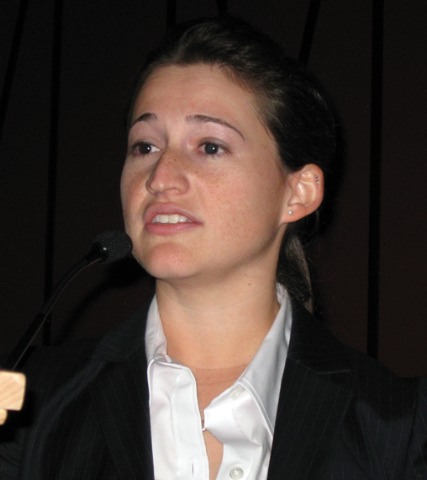
Operative time was the greatest contributor to overall cost among 1,067 consecutive hysterectomy procedures performed in 2009 at Brigham and Women’s Hospital, an urban academic tertiary care center. The analysis examined operative and overall costs for abdominal, laparoscopic, vaginal, and robotic procedures, including about 150 performed for ovarian cancer, said Dr. Kelly N. Wright, a fellow at the hospital and Harvard Medical School, both in Boston.
Of the 1,067 total hysterectomies, 36% were abdominal, 13% vaginal, 45% laparoscopic, and 6% robotic. Operating time was the longest for robotic (267 minutes) and shortest for vaginal hysterectomy (155 minutes). Intraoperative complications were most common for abdominal (8.8%) and least common with robotic hysterectomy (just 0.4%). Complication rates did not vary significantly among the three minimally invasive methods, Dr. Wright said at the annual meeting of the AAGL.
Operative time was strongly correlated with operative cost, with robotic hysterectomy being the most expensive ($46,065) and vaginal the least ($26,619). In all, operative time accounted for 96% of the variation in operative costs, and charges based on operative time were up to 190-fold greater than were operative charges from equipment costs.
Other patient characteristics that significantly influenced operative time were body mass index, adhesions, and cancer indications, whereas uterine weight and age did not influence operative time.
A "cost minimization analysis" was done using cost to society, which included inpatient stay, lost wages, and time to recovery, in addition to the operative costs. This time, abdominal hysterectomy was the most costly ($58,959) because of the significantly greater length of stay (3.6 days vs. 1.2-1.3 days for the other methods). Vaginal hysterectomy was again the least expensive at $34,933.
But the cost of laparoscopic hysterectomy approached that of vaginal when it was performed in less than 140 minutes, and laparoscopic hysterectomy always was less costly than either abdominal or robotic, Dr. Wright pointed out.
Conversion of all the abdominal hysterectomies done at Brigham and Women’s Hospital in 2009 to laparoscopic would have saved over $7.8 billion, and conversion to robotic, over $1.9 billion. On the other hand, if all the laparoscopic procedures had been done robotically, $934 million would have been lost.
"There is room for savings in the health care system when we appropriately select the correct method of hysterectomy," she concluded.
Dr. Wright said that she had no financial disclosures.
LAS VEGAS – Vaginal hysterectomy was the least costly approach in one tertiary hospital’s experience with over a thousand cases.
Operative time was the greatest contributor to overall cost among 1,067 consecutive hysterectomy procedures performed in 2009 at Brigham and Women’s Hospital, an urban academic tertiary care center. The analysis examined operative and overall costs for abdominal, laparoscopic, vaginal, and robotic procedures, including about 150 performed for ovarian cancer, said Dr. Kelly N. Wright, a fellow at the hospital and Harvard Medical School, both in Boston.
Of the 1,067 total hysterectomies, 36% were abdominal, 13% vaginal, 45% laparoscopic, and 6% robotic. Operating time was the longest for robotic (267 minutes) and shortest for vaginal hysterectomy (155 minutes). Intraoperative complications were most common for abdominal (8.8%) and least common with robotic hysterectomy (just 0.4%). Complication rates did not vary significantly among the three minimally invasive methods, Dr. Wright said at the annual meeting of the AAGL.
Operative time was strongly correlated with operative cost, with robotic hysterectomy being the most expensive ($46,065) and vaginal the least ($26,619). In all, operative time accounted for 96% of the variation in operative costs, and charges based on operative time were up to 190-fold greater than were operative charges from equipment costs.
Other patient characteristics that significantly influenced operative time were body mass index, adhesions, and cancer indications, whereas uterine weight and age did not influence operative time.
A "cost minimization analysis" was done using cost to society, which included inpatient stay, lost wages, and time to recovery, in addition to the operative costs. This time, abdominal hysterectomy was the most costly ($58,959) because of the significantly greater length of stay (3.6 days vs. 1.2-1.3 days for the other methods). Vaginal hysterectomy was again the least expensive at $34,933.
But the cost of laparoscopic hysterectomy approached that of vaginal when it was performed in less than 140 minutes, and laparoscopic hysterectomy always was less costly than either abdominal or robotic, Dr. Wright pointed out.
Conversion of all the abdominal hysterectomies done at Brigham and Women’s Hospital in 2009 to laparoscopic would have saved over $7.8 billion, and conversion to robotic, over $1.9 billion. On the other hand, if all the laparoscopic procedures had been done robotically, $934 million would have been lost.
"There is room for savings in the health care system when we appropriately select the correct method of hysterectomy," she concluded.
Dr. Wright said that she had no financial disclosures.
LAS VEGAS – Vaginal hysterectomy was the least costly approach in one tertiary hospital’s experience with over a thousand cases.
Operative time was the greatest contributor to overall cost among 1,067 consecutive hysterectomy procedures performed in 2009 at Brigham and Women’s Hospital, an urban academic tertiary care center. The analysis examined operative and overall costs for abdominal, laparoscopic, vaginal, and robotic procedures, including about 150 performed for ovarian cancer, said Dr. Kelly N. Wright, a fellow at the hospital and Harvard Medical School, both in Boston.
Of the 1,067 total hysterectomies, 36% were abdominal, 13% vaginal, 45% laparoscopic, and 6% robotic. Operating time was the longest for robotic (267 minutes) and shortest for vaginal hysterectomy (155 minutes). Intraoperative complications were most common for abdominal (8.8%) and least common with robotic hysterectomy (just 0.4%). Complication rates did not vary significantly among the three minimally invasive methods, Dr. Wright said at the annual meeting of the AAGL.
Operative time was strongly correlated with operative cost, with robotic hysterectomy being the most expensive ($46,065) and vaginal the least ($26,619). In all, operative time accounted for 96% of the variation in operative costs, and charges based on operative time were up to 190-fold greater than were operative charges from equipment costs.
Other patient characteristics that significantly influenced operative time were body mass index, adhesions, and cancer indications, whereas uterine weight and age did not influence operative time.
A "cost minimization analysis" was done using cost to society, which included inpatient stay, lost wages, and time to recovery, in addition to the operative costs. This time, abdominal hysterectomy was the most costly ($58,959) because of the significantly greater length of stay (3.6 days vs. 1.2-1.3 days for the other methods). Vaginal hysterectomy was again the least expensive at $34,933.
But the cost of laparoscopic hysterectomy approached that of vaginal when it was performed in less than 140 minutes, and laparoscopic hysterectomy always was less costly than either abdominal or robotic, Dr. Wright pointed out.
Conversion of all the abdominal hysterectomies done at Brigham and Women’s Hospital in 2009 to laparoscopic would have saved over $7.8 billion, and conversion to robotic, over $1.9 billion. On the other hand, if all the laparoscopic procedures had been done robotically, $934 million would have been lost.
"There is room for savings in the health care system when we appropriately select the correct method of hysterectomy," she concluded.
Dr. Wright said that she had no financial disclosures.