User login
Bringing you the latest news, research and reviews, exclusive interviews, podcasts, quizzes, and more.
div[contains(@class, 'header__large-screen')]
div[contains(@class, 'read-next-article')]
div[contains(@class, 'main-prefix')]
div[contains(@class, 'nav-primary')]
nav[contains(@class, 'nav-primary')]
section[contains(@class, 'footer-nav-section-wrapper')]
footer[@id='footer']
section[contains(@class, 'nav-hidden')]
div[contains(@class, 'ce-card-content')]
nav[contains(@class, 'nav-ce-stack')]
div[contains(@class, 'view-medstat-quiz-listing-panes')]
div[contains(@class, 'pane-article-sidebar-latest-news')]
div[contains(@class, 'medstat-accordion-set article-series')]
Chronic pain in the United States: New data
data from the Centers for Disease Control and Prevention show.
Results from the annual National Health Interview Survey (NHIS) show that over-the-counter (OTC) pain relievers were the most commonly used pharmacologic treatment and exercise was the most common choice among nonpharmacologic options.
The results also revealed that prescription opioid use for chronic pain decreased from 15.2% in 2019 to 13.5% in 2020. However, there was no corresponding increase in nonpharmacologic therapies, despite current CDC guidelines that recommend maximizing the use of medication alternatives.
“Public health efforts may reduce health inequities by increasing access to pain management therapies so that all persons with chronic pain can receive safe and effective care,” S. Michaela Rikard, PhD, and colleagues wrote.
The findings were published online in a research letter in Annals of Internal Medicine.
Among 31,500 survey respondents, 7,400 indicated that they had pain on most days or every day for the past 3 months.
The survey collected data on self-reported opioid prescriptions in the past 3 months, as well as prescription and nonprescription opiate use during the same time period.
Among adult respondents, 60% used a combination of pharmacologic and nonpharmacologic treatments for pain and almost 27% used medications alone. Older adults, those with low incomes, uninsured individuals, and those living in the South were among those least likely to turn to nonpharmacologic treatment for pain.
After exercise, complementary therapies were the most commonly used nonpharmacologic options, including massage, meditation, or guided imagery, and spinal manipulation or other forms of chiropractic care.
For those taking medications, 76% self-reported using OTC pain relievers for pain, followed by prescription nonopioids (31%) and prescription opioids (13.5%).
Of those who used both pharmacologic and nonpharmacologic therapies, about half reported nonopioid and nonpharmacologic therapy use and 8% reported combined use of opioids, nonopioids, and nonpharmacologic therapy.
After adjustment for multiple factors, investigators found those who were older, had public insurance, or had more severe pain were more likely to use prescription opioids. They also reported severe pain (22%), but 4% reported only mild pain.
Study limitations included generalizability only to noninstitutionalized civilian adults, potential recall bias, and cross-sectional results that do not include patient or treatment history.
“Despite its limitations, this study identifies opportunities to improve guideline-concordant use of pharmacologic and nonpharmacologic therapies among adults with chronic pain,” the authors wrote.
There was no specific funding source for the study. The authors have reported no relevant financial disclosures.
A version of this article first appeared on Medscape.com.
data from the Centers for Disease Control and Prevention show.
Results from the annual National Health Interview Survey (NHIS) show that over-the-counter (OTC) pain relievers were the most commonly used pharmacologic treatment and exercise was the most common choice among nonpharmacologic options.
The results also revealed that prescription opioid use for chronic pain decreased from 15.2% in 2019 to 13.5% in 2020. However, there was no corresponding increase in nonpharmacologic therapies, despite current CDC guidelines that recommend maximizing the use of medication alternatives.
“Public health efforts may reduce health inequities by increasing access to pain management therapies so that all persons with chronic pain can receive safe and effective care,” S. Michaela Rikard, PhD, and colleagues wrote.
The findings were published online in a research letter in Annals of Internal Medicine.
Among 31,500 survey respondents, 7,400 indicated that they had pain on most days or every day for the past 3 months.
The survey collected data on self-reported opioid prescriptions in the past 3 months, as well as prescription and nonprescription opiate use during the same time period.
Among adult respondents, 60% used a combination of pharmacologic and nonpharmacologic treatments for pain and almost 27% used medications alone. Older adults, those with low incomes, uninsured individuals, and those living in the South were among those least likely to turn to nonpharmacologic treatment for pain.
After exercise, complementary therapies were the most commonly used nonpharmacologic options, including massage, meditation, or guided imagery, and spinal manipulation or other forms of chiropractic care.
For those taking medications, 76% self-reported using OTC pain relievers for pain, followed by prescription nonopioids (31%) and prescription opioids (13.5%).
Of those who used both pharmacologic and nonpharmacologic therapies, about half reported nonopioid and nonpharmacologic therapy use and 8% reported combined use of opioids, nonopioids, and nonpharmacologic therapy.
After adjustment for multiple factors, investigators found those who were older, had public insurance, or had more severe pain were more likely to use prescription opioids. They also reported severe pain (22%), but 4% reported only mild pain.
Study limitations included generalizability only to noninstitutionalized civilian adults, potential recall bias, and cross-sectional results that do not include patient or treatment history.
“Despite its limitations, this study identifies opportunities to improve guideline-concordant use of pharmacologic and nonpharmacologic therapies among adults with chronic pain,” the authors wrote.
There was no specific funding source for the study. The authors have reported no relevant financial disclosures.
A version of this article first appeared on Medscape.com.
data from the Centers for Disease Control and Prevention show.
Results from the annual National Health Interview Survey (NHIS) show that over-the-counter (OTC) pain relievers were the most commonly used pharmacologic treatment and exercise was the most common choice among nonpharmacologic options.
The results also revealed that prescription opioid use for chronic pain decreased from 15.2% in 2019 to 13.5% in 2020. However, there was no corresponding increase in nonpharmacologic therapies, despite current CDC guidelines that recommend maximizing the use of medication alternatives.
“Public health efforts may reduce health inequities by increasing access to pain management therapies so that all persons with chronic pain can receive safe and effective care,” S. Michaela Rikard, PhD, and colleagues wrote.
The findings were published online in a research letter in Annals of Internal Medicine.
Among 31,500 survey respondents, 7,400 indicated that they had pain on most days or every day for the past 3 months.
The survey collected data on self-reported opioid prescriptions in the past 3 months, as well as prescription and nonprescription opiate use during the same time period.
Among adult respondents, 60% used a combination of pharmacologic and nonpharmacologic treatments for pain and almost 27% used medications alone. Older adults, those with low incomes, uninsured individuals, and those living in the South were among those least likely to turn to nonpharmacologic treatment for pain.
After exercise, complementary therapies were the most commonly used nonpharmacologic options, including massage, meditation, or guided imagery, and spinal manipulation or other forms of chiropractic care.
For those taking medications, 76% self-reported using OTC pain relievers for pain, followed by prescription nonopioids (31%) and prescription opioids (13.5%).
Of those who used both pharmacologic and nonpharmacologic therapies, about half reported nonopioid and nonpharmacologic therapy use and 8% reported combined use of opioids, nonopioids, and nonpharmacologic therapy.
After adjustment for multiple factors, investigators found those who were older, had public insurance, or had more severe pain were more likely to use prescription opioids. They also reported severe pain (22%), but 4% reported only mild pain.
Study limitations included generalizability only to noninstitutionalized civilian adults, potential recall bias, and cross-sectional results that do not include patient or treatment history.
“Despite its limitations, this study identifies opportunities to improve guideline-concordant use of pharmacologic and nonpharmacologic therapies among adults with chronic pain,” the authors wrote.
There was no specific funding source for the study. The authors have reported no relevant financial disclosures.
A version of this article first appeared on Medscape.com.
FROM ANNALS OF INTERNAL MEDICINE
Conditional recommendations rule in new SARD-associated interstitial lung disease guidelines
SAN DIEGO – In the spring of 2024, the American College of Rheumatology is expected to release guidelines to help inform the screening, monitoring, and treatment of interstitial lung disease (ILD) in people with systemic autoimmune rheumatic diseases (SARDs).
The guidelines, which were previewed during a session at the ACR’s annual meeting, will include 50 recommendations, 3 of which met criteria for a strong rating:
- For people with SARDs at increased risk of developing ILD, the authors strongly recommend against screening with surgical lung biopsy.
- For people with systemic sclerosis (SSc)-related ILD, the authors strongly recommend against glucocorticoids as a first-line ILD treatment.
- For people with SSc-related ILD progression despite an initial ILD treatment, the authors strongly recommend against using long-term glucocorticoids.
Elana J. Bernstein, MD, MSc, a rheumatologist who directs the Columbia/New York-Presbyterian Scleroderma Center, and Sindhu R. Johnson, MD, a rheumatologist who directs the Toronto Scleroderma Program at the University of Toronto, provided a sneak peek of the recommendations to attendees before anticipated publication in Arthritis & Rheumatology and Arthritis Care & Research. For now, guideline summaries for screening and monitoring and treatment are currently available, and three manuscripts are under peer review: one about screening and monitoring, one about treatment, and one about the patient panel that participated in the effort.
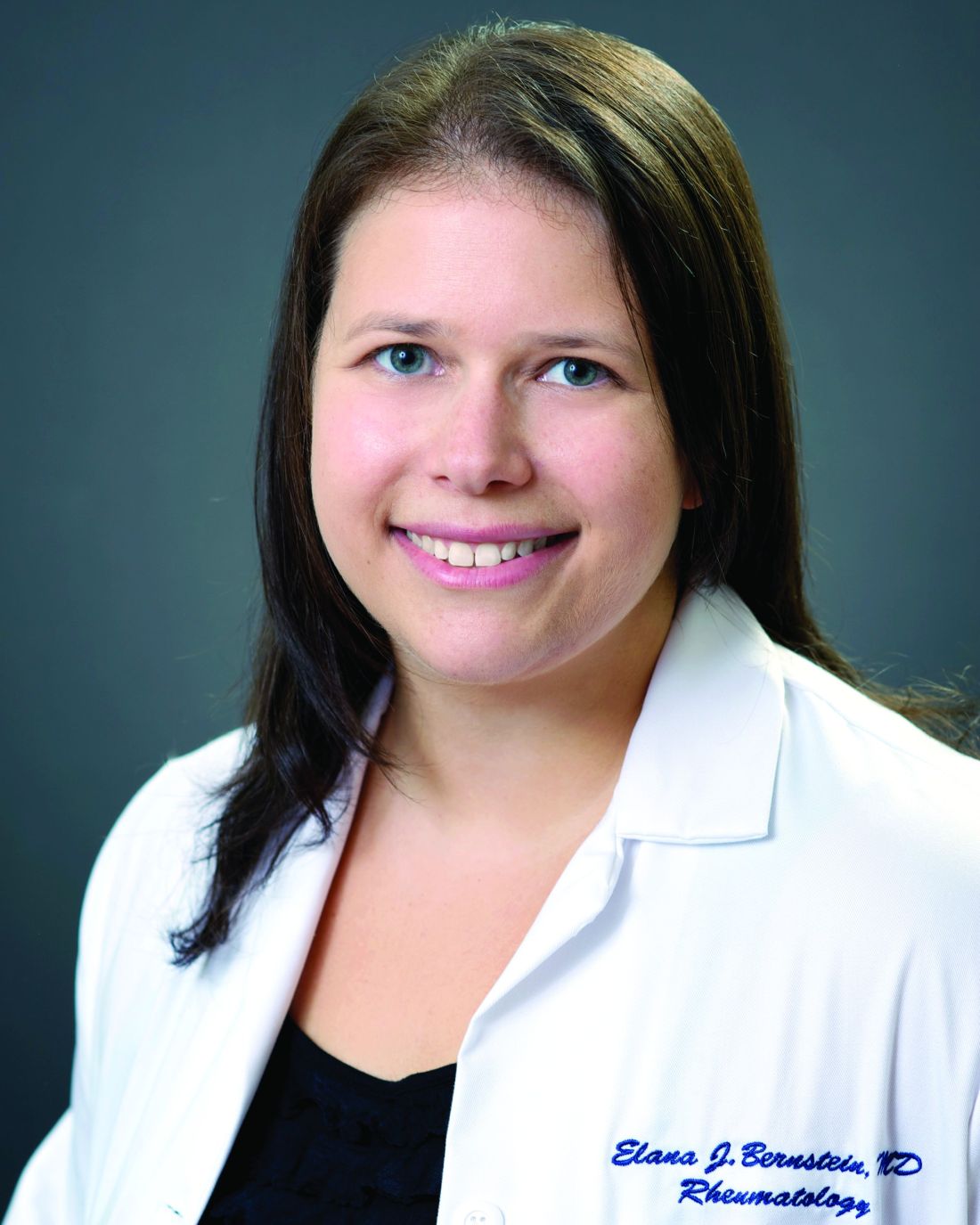
“ILD is a significant cause of morbidity and mortality in people with SARDs,” said Dr. Bernstein, who is co-first author of the guidelines. “People with systemic sclerosis, rheumatoid arthritis, idiopathic inflammatory myopathies, mixed connective tissue disease, and Sjögren’s disease are at greatest risk of developing ILD.”
Pediatric patients with SARDs excluded
The guidelines’ population of interest was people 17 years of age and older who were diagnosed with SARDs with a high risk of ILD. Pediatric patients with SARDs were excluded from the endeavor, as were those with systemic lupus erythematosus, antineutrophil cytoplasmic antibody–associated vasculitis, sarcoidosis, ankylosing spondylitis, undifferentiated connective tissue disease, interstitial pneumonia with autoimmune features, and those with unclassifiable ILD.
In the realm of screening, the guideline authors conditionally recommend two screening tests for patients considered at increased risk of ILD: pulmonary function tests and high-resolution chest CT (HRCT). Pulmonary function tests should include spirometry, lung volumes, and diffusion capacity. “Office spirometry alone is insufficient,” said Dr. Johnson, who served as lead author of the guidelines. And while a HRCT scan is recommended, “some patients may present to the emergency room with acute onset shortness of breath, and they may receive a CT angiogram to screen for pulmonary embolism,” she said. “It’s important to note that CT angiograms are performed in incomplete inspiration to maximize pulmonary artery enhancement. This may produce atelectasis that may obscure or mimic ILD. As a result, CTA studies are often inadequate to screen for ILD.”
Once a patient is diagnosed with ILD, three tests are recommended for monitoring: pulmonary function testing (every 3-6 months the first year in patients with IIM and SSc, then less frequently once stable, and every 3-12 months in the first year in patients with RA, SjD, and MCTD, then less frequently once stable); ambulatory desaturation testing every 3-12 months; and HRCT as needed. Dr. Johnson noted that while that the screening of ILD lies within the realm of rheumatologists, “once a patient is diagnosed, we are encouraged to comanage these patients with pulmonologists,” she said. “Ambulatory desaturation testing is not an infrequent test in the hands of pulmonologists. This is where co-management can be helpful.” She characterized a 6-minute walk test with continuous oximetry as “insufficient and is not synonymous with ambulatory desaturation testing. Ambulatory desaturation testing includes up titration of oxygen if a patient desaturates.”
The guidelines conditionally recommend against using chest radiography, 6-minute walk test distance, ambulatory desaturation testing, and bronchoscopy for ILD screening, and there is a strong recommendation against surgical lung biopsy. “However, there are unique circumstances where these tests may be considered,” Dr. Johnson said. “For example, ambulatory desaturation testing may be helpful if a patient is unable to perform a pulmonary function test. Bronchoscopy may be used to rule out infection, sarcoidosis, lymphoma, or alveolar hemorrhage, and surgical lung biopsy may be considered if you’re trying to rule out a malignancy.”
Similarly, several tests are conditionally recommended against for the monitoring of ILD, including chest radiography, the 6-minute walk test distance, and bronchoscopy. “But there are unique circumstances where they may be considered,” she said. “The 6-minute walk test may be used if a patient is unable to perform a pulmonary function test or if they’re being assessed for lung transplantation. Bronchoscopy may be used to rule out infection or alveolar hemorrhage.”
Preferred treatment options described
First-line treatment recommendations for ILD were based on the best available published evidence, voting panel expertise, and patient preferences. For SSc, the preferred treatment options include mycophenolate (CellCept), tocilizumab (Actemra), or rituximab (Rituxan and biosimilars), while additional options include cyclophosphamide, nintedanib (Ofev), and azathioprine. For myositis, the preferred treatment options include mycophenolate, azathioprine, rituximab, or calcineurin inhibitors, while additional options include a Janus kinase (JAK) inhibitor or cyclophosphamide. For MCTD, the preferred treatment options include mycophenolate, azathioprine, or rituximab, while additional options include tocilizumab or cyclophosphamide. For RA and Sjögren’s, the preferred treatment options include mycophenolate, azathioprine, or rituximab, while additional options include cyclophosphamide. Dr. Johnson emphasized that there was low certainty evidence to recommend one treatment over another. “Many situations might lead a provider to choose a different option for ILD treatment, such as the presence of comorbidities or extra-pulmonary disease,” she said. “So, while our guidelines were focused on effectiveness for ILD, providers may choose therapies that will help ILD and other disease manifestations.”
The guidelines conditionally recommend a short course of glucocorticoids as a bridging therapy or for treatment of a flare of ILD in patients with myositis, MCTD, RA, and Sjögren’s. The panel strongly recommends against the use of glucocorticoids in patients with SSc due to the concern for inducing a scleroderma renal crisis. “While this may be common knowledge for rheumatologists, it may not be common knowledge for pulmonologists,” she said. “So here is an opportunity to educate our pulmonology colleagues in our consultation notes.”
The guidelines also include recommendations for progression of ILD, which was defined using the INBUILD trial criteria. Mycophenolate is conditionally recommended to be the first ILD treatment for all SARDs when progression occurs, if it wasn’t the first ILD treatment used. “If it was, then other medications that rheumatologists are used to can be considered as the next ILD treatment in the face of progression: rituximab, nintedanib, tocilizumab, and cyclophosphamide,” she said. The guidelines include a conditional recommendation against long-term glucocorticoid use in myositis, MCTD, RA, and Sjögren’s, plus a strong recommendation against long-term glucocorticoid use in SSc. Finally, there is a conditional recommendation of referral for lung transplant evaluation at the appropriate time at experienced centers.

Another group of recommendations has to do with cases of rapidly progressive ILD, which is characterized by rapid progression from no oxygen or a patient’s baseline oxygen requirement to a high oxygen requirement or intubation usually within days to weeks without a documented cause, such as infection or heart failure. “In cases of rapidly progressive ILD, which typically occurs in the setting of anti-MDA5 antibodies, there is a conditional recommendation for IV glucocorticoids plus two additional therapies: traditionally rituximab and mycophenolate,” Dr. Johnson said. “However, what may be new to some clinicians is combination IVIG [intravenous immunoglobulin] and a calcineurin inhibitor, notably tacrolimus,” she said. “This is the situation where experience at expert centers is influencing our guidelines in advance of data.”
A patient panel provided input
For the undertaking, a core team that included six rheumatologists; one pulmonologist; one thoracic radiologist; one expert on the Grading of Recommendations Assessment, Development, and Evaluation (GRADE) methodology; and two literature review experts developed clinically relevant population, intervention, comparator, and outcomes (PICO) questions. The literature review team included 13 rheumatologists, 8 pulmonologists, and 3 methodologists. Finally, a 21-member patient panel was convened to share their values and preferences regarding screening, monitoring, and treatment of SARD-related ILD. Of these, Dr. Bernstein said that 4 were at risk for ILD and 17 had been diagnosed with ILD. Next, the literature review team conducted a systematic review and used the GRADE methodology to rate the available evidence as high, moderate, low, or very low. Then, a voting panel comprising 13 rheumatologists, 10 pulmonologists, 1 radiologist, and 3 patients from the patient panel cast votes for each PICO question and made final recommendations.
The review of evidence left the guidelines authors with 241 PICO questions, “which is a lot,” Dr. Bernstein said. “To put this in perspective, some guidelines address only 10 or 15 PICO questions. Fortunately, we had a dedicated group of experts who were up to the challenge.” Dr. Johnson emphasized that the forthcoming guidelines should not be used by insurers to mandate a specific order of prescribing. “Clinicians must retain the latitude to prescribe medications based on individual patient factors and preferences,” she said.
Dr. Bernstein disclosed that she is an adviser to, a consultant for, and has received grant or research support from Boehringer Ingelheim and has also received grant or research support from Kadmon and Pfizer. Dr. Johnson disclosed that she has received research support from the American College of Rheumatology to develop these guidelines. She has also been an investigator for trials sponsored by Bristol-Myers Squibb, Roche, and Boehringer Ingelheim and has mitigated these relevant conflicts of interest 1 year prior to the development of these guidelines, and will continue to do so for the foreseeable future.
SAN DIEGO – In the spring of 2024, the American College of Rheumatology is expected to release guidelines to help inform the screening, monitoring, and treatment of interstitial lung disease (ILD) in people with systemic autoimmune rheumatic diseases (SARDs).
The guidelines, which were previewed during a session at the ACR’s annual meeting, will include 50 recommendations, 3 of which met criteria for a strong rating:
- For people with SARDs at increased risk of developing ILD, the authors strongly recommend against screening with surgical lung biopsy.
- For people with systemic sclerosis (SSc)-related ILD, the authors strongly recommend against glucocorticoids as a first-line ILD treatment.
- For people with SSc-related ILD progression despite an initial ILD treatment, the authors strongly recommend against using long-term glucocorticoids.
Elana J. Bernstein, MD, MSc, a rheumatologist who directs the Columbia/New York-Presbyterian Scleroderma Center, and Sindhu R. Johnson, MD, a rheumatologist who directs the Toronto Scleroderma Program at the University of Toronto, provided a sneak peek of the recommendations to attendees before anticipated publication in Arthritis & Rheumatology and Arthritis Care & Research. For now, guideline summaries for screening and monitoring and treatment are currently available, and three manuscripts are under peer review: one about screening and monitoring, one about treatment, and one about the patient panel that participated in the effort.
“ILD is a significant cause of morbidity and mortality in people with SARDs,” said Dr. Bernstein, who is co-first author of the guidelines. “People with systemic sclerosis, rheumatoid arthritis, idiopathic inflammatory myopathies, mixed connective tissue disease, and Sjögren’s disease are at greatest risk of developing ILD.”
Pediatric patients with SARDs excluded
The guidelines’ population of interest was people 17 years of age and older who were diagnosed with SARDs with a high risk of ILD. Pediatric patients with SARDs were excluded from the endeavor, as were those with systemic lupus erythematosus, antineutrophil cytoplasmic antibody–associated vasculitis, sarcoidosis, ankylosing spondylitis, undifferentiated connective tissue disease, interstitial pneumonia with autoimmune features, and those with unclassifiable ILD.
In the realm of screening, the guideline authors conditionally recommend two screening tests for patients considered at increased risk of ILD: pulmonary function tests and high-resolution chest CT (HRCT). Pulmonary function tests should include spirometry, lung volumes, and diffusion capacity. “Office spirometry alone is insufficient,” said Dr. Johnson, who served as lead author of the guidelines. And while a HRCT scan is recommended, “some patients may present to the emergency room with acute onset shortness of breath, and they may receive a CT angiogram to screen for pulmonary embolism,” she said. “It’s important to note that CT angiograms are performed in incomplete inspiration to maximize pulmonary artery enhancement. This may produce atelectasis that may obscure or mimic ILD. As a result, CTA studies are often inadequate to screen for ILD.”
Once a patient is diagnosed with ILD, three tests are recommended for monitoring: pulmonary function testing (every 3-6 months the first year in patients with IIM and SSc, then less frequently once stable, and every 3-12 months in the first year in patients with RA, SjD, and MCTD, then less frequently once stable); ambulatory desaturation testing every 3-12 months; and HRCT as needed. Dr. Johnson noted that while that the screening of ILD lies within the realm of rheumatologists, “once a patient is diagnosed, we are encouraged to comanage these patients with pulmonologists,” she said. “Ambulatory desaturation testing is not an infrequent test in the hands of pulmonologists. This is where co-management can be helpful.” She characterized a 6-minute walk test with continuous oximetry as “insufficient and is not synonymous with ambulatory desaturation testing. Ambulatory desaturation testing includes up titration of oxygen if a patient desaturates.”
The guidelines conditionally recommend against using chest radiography, 6-minute walk test distance, ambulatory desaturation testing, and bronchoscopy for ILD screening, and there is a strong recommendation against surgical lung biopsy. “However, there are unique circumstances where these tests may be considered,” Dr. Johnson said. “For example, ambulatory desaturation testing may be helpful if a patient is unable to perform a pulmonary function test. Bronchoscopy may be used to rule out infection, sarcoidosis, lymphoma, or alveolar hemorrhage, and surgical lung biopsy may be considered if you’re trying to rule out a malignancy.”
Similarly, several tests are conditionally recommended against for the monitoring of ILD, including chest radiography, the 6-minute walk test distance, and bronchoscopy. “But there are unique circumstances where they may be considered,” she said. “The 6-minute walk test may be used if a patient is unable to perform a pulmonary function test or if they’re being assessed for lung transplantation. Bronchoscopy may be used to rule out infection or alveolar hemorrhage.”
Preferred treatment options described
First-line treatment recommendations for ILD were based on the best available published evidence, voting panel expertise, and patient preferences. For SSc, the preferred treatment options include mycophenolate (CellCept), tocilizumab (Actemra), or rituximab (Rituxan and biosimilars), while additional options include cyclophosphamide, nintedanib (Ofev), and azathioprine. For myositis, the preferred treatment options include mycophenolate, azathioprine, rituximab, or calcineurin inhibitors, while additional options include a Janus kinase (JAK) inhibitor or cyclophosphamide. For MCTD, the preferred treatment options include mycophenolate, azathioprine, or rituximab, while additional options include tocilizumab or cyclophosphamide. For RA and Sjögren’s, the preferred treatment options include mycophenolate, azathioprine, or rituximab, while additional options include cyclophosphamide. Dr. Johnson emphasized that there was low certainty evidence to recommend one treatment over another. “Many situations might lead a provider to choose a different option for ILD treatment, such as the presence of comorbidities or extra-pulmonary disease,” she said. “So, while our guidelines were focused on effectiveness for ILD, providers may choose therapies that will help ILD and other disease manifestations.”
The guidelines conditionally recommend a short course of glucocorticoids as a bridging therapy or for treatment of a flare of ILD in patients with myositis, MCTD, RA, and Sjögren’s. The panel strongly recommends against the use of glucocorticoids in patients with SSc due to the concern for inducing a scleroderma renal crisis. “While this may be common knowledge for rheumatologists, it may not be common knowledge for pulmonologists,” she said. “So here is an opportunity to educate our pulmonology colleagues in our consultation notes.”
The guidelines also include recommendations for progression of ILD, which was defined using the INBUILD trial criteria. Mycophenolate is conditionally recommended to be the first ILD treatment for all SARDs when progression occurs, if it wasn’t the first ILD treatment used. “If it was, then other medications that rheumatologists are used to can be considered as the next ILD treatment in the face of progression: rituximab, nintedanib, tocilizumab, and cyclophosphamide,” she said. The guidelines include a conditional recommendation against long-term glucocorticoid use in myositis, MCTD, RA, and Sjögren’s, plus a strong recommendation against long-term glucocorticoid use in SSc. Finally, there is a conditional recommendation of referral for lung transplant evaluation at the appropriate time at experienced centers.
Another group of recommendations has to do with cases of rapidly progressive ILD, which is characterized by rapid progression from no oxygen or a patient’s baseline oxygen requirement to a high oxygen requirement or intubation usually within days to weeks without a documented cause, such as infection or heart failure. “In cases of rapidly progressive ILD, which typically occurs in the setting of anti-MDA5 antibodies, there is a conditional recommendation for IV glucocorticoids plus two additional therapies: traditionally rituximab and mycophenolate,” Dr. Johnson said. “However, what may be new to some clinicians is combination IVIG [intravenous immunoglobulin] and a calcineurin inhibitor, notably tacrolimus,” she said. “This is the situation where experience at expert centers is influencing our guidelines in advance of data.”
A patient panel provided input
For the undertaking, a core team that included six rheumatologists; one pulmonologist; one thoracic radiologist; one expert on the Grading of Recommendations Assessment, Development, and Evaluation (GRADE) methodology; and two literature review experts developed clinically relevant population, intervention, comparator, and outcomes (PICO) questions. The literature review team included 13 rheumatologists, 8 pulmonologists, and 3 methodologists. Finally, a 21-member patient panel was convened to share their values and preferences regarding screening, monitoring, and treatment of SARD-related ILD. Of these, Dr. Bernstein said that 4 were at risk for ILD and 17 had been diagnosed with ILD. Next, the literature review team conducted a systematic review and used the GRADE methodology to rate the available evidence as high, moderate, low, or very low. Then, a voting panel comprising 13 rheumatologists, 10 pulmonologists, 1 radiologist, and 3 patients from the patient panel cast votes for each PICO question and made final recommendations.
The review of evidence left the guidelines authors with 241 PICO questions, “which is a lot,” Dr. Bernstein said. “To put this in perspective, some guidelines address only 10 or 15 PICO questions. Fortunately, we had a dedicated group of experts who were up to the challenge.” Dr. Johnson emphasized that the forthcoming guidelines should not be used by insurers to mandate a specific order of prescribing. “Clinicians must retain the latitude to prescribe medications based on individual patient factors and preferences,” she said.
Dr. Bernstein disclosed that she is an adviser to, a consultant for, and has received grant or research support from Boehringer Ingelheim and has also received grant or research support from Kadmon and Pfizer. Dr. Johnson disclosed that she has received research support from the American College of Rheumatology to develop these guidelines. She has also been an investigator for trials sponsored by Bristol-Myers Squibb, Roche, and Boehringer Ingelheim and has mitigated these relevant conflicts of interest 1 year prior to the development of these guidelines, and will continue to do so for the foreseeable future.
SAN DIEGO – In the spring of 2024, the American College of Rheumatology is expected to release guidelines to help inform the screening, monitoring, and treatment of interstitial lung disease (ILD) in people with systemic autoimmune rheumatic diseases (SARDs).
The guidelines, which were previewed during a session at the ACR’s annual meeting, will include 50 recommendations, 3 of which met criteria for a strong rating:
- For people with SARDs at increased risk of developing ILD, the authors strongly recommend against screening with surgical lung biopsy.
- For people with systemic sclerosis (SSc)-related ILD, the authors strongly recommend against glucocorticoids as a first-line ILD treatment.
- For people with SSc-related ILD progression despite an initial ILD treatment, the authors strongly recommend against using long-term glucocorticoids.
Elana J. Bernstein, MD, MSc, a rheumatologist who directs the Columbia/New York-Presbyterian Scleroderma Center, and Sindhu R. Johnson, MD, a rheumatologist who directs the Toronto Scleroderma Program at the University of Toronto, provided a sneak peek of the recommendations to attendees before anticipated publication in Arthritis & Rheumatology and Arthritis Care & Research. For now, guideline summaries for screening and monitoring and treatment are currently available, and three manuscripts are under peer review: one about screening and monitoring, one about treatment, and one about the patient panel that participated in the effort.
“ILD is a significant cause of morbidity and mortality in people with SARDs,” said Dr. Bernstein, who is co-first author of the guidelines. “People with systemic sclerosis, rheumatoid arthritis, idiopathic inflammatory myopathies, mixed connective tissue disease, and Sjögren’s disease are at greatest risk of developing ILD.”
Pediatric patients with SARDs excluded
The guidelines’ population of interest was people 17 years of age and older who were diagnosed with SARDs with a high risk of ILD. Pediatric patients with SARDs were excluded from the endeavor, as were those with systemic lupus erythematosus, antineutrophil cytoplasmic antibody–associated vasculitis, sarcoidosis, ankylosing spondylitis, undifferentiated connective tissue disease, interstitial pneumonia with autoimmune features, and those with unclassifiable ILD.
In the realm of screening, the guideline authors conditionally recommend two screening tests for patients considered at increased risk of ILD: pulmonary function tests and high-resolution chest CT (HRCT). Pulmonary function tests should include spirometry, lung volumes, and diffusion capacity. “Office spirometry alone is insufficient,” said Dr. Johnson, who served as lead author of the guidelines. And while a HRCT scan is recommended, “some patients may present to the emergency room with acute onset shortness of breath, and they may receive a CT angiogram to screen for pulmonary embolism,” she said. “It’s important to note that CT angiograms are performed in incomplete inspiration to maximize pulmonary artery enhancement. This may produce atelectasis that may obscure or mimic ILD. As a result, CTA studies are often inadequate to screen for ILD.”
Once a patient is diagnosed with ILD, three tests are recommended for monitoring: pulmonary function testing (every 3-6 months the first year in patients with IIM and SSc, then less frequently once stable, and every 3-12 months in the first year in patients with RA, SjD, and MCTD, then less frequently once stable); ambulatory desaturation testing every 3-12 months; and HRCT as needed. Dr. Johnson noted that while that the screening of ILD lies within the realm of rheumatologists, “once a patient is diagnosed, we are encouraged to comanage these patients with pulmonologists,” she said. “Ambulatory desaturation testing is not an infrequent test in the hands of pulmonologists. This is where co-management can be helpful.” She characterized a 6-minute walk test with continuous oximetry as “insufficient and is not synonymous with ambulatory desaturation testing. Ambulatory desaturation testing includes up titration of oxygen if a patient desaturates.”
The guidelines conditionally recommend against using chest radiography, 6-minute walk test distance, ambulatory desaturation testing, and bronchoscopy for ILD screening, and there is a strong recommendation against surgical lung biopsy. “However, there are unique circumstances where these tests may be considered,” Dr. Johnson said. “For example, ambulatory desaturation testing may be helpful if a patient is unable to perform a pulmonary function test. Bronchoscopy may be used to rule out infection, sarcoidosis, lymphoma, or alveolar hemorrhage, and surgical lung biopsy may be considered if you’re trying to rule out a malignancy.”
Similarly, several tests are conditionally recommended against for the monitoring of ILD, including chest radiography, the 6-minute walk test distance, and bronchoscopy. “But there are unique circumstances where they may be considered,” she said. “The 6-minute walk test may be used if a patient is unable to perform a pulmonary function test or if they’re being assessed for lung transplantation. Bronchoscopy may be used to rule out infection or alveolar hemorrhage.”
Preferred treatment options described
First-line treatment recommendations for ILD were based on the best available published evidence, voting panel expertise, and patient preferences. For SSc, the preferred treatment options include mycophenolate (CellCept), tocilizumab (Actemra), or rituximab (Rituxan and biosimilars), while additional options include cyclophosphamide, nintedanib (Ofev), and azathioprine. For myositis, the preferred treatment options include mycophenolate, azathioprine, rituximab, or calcineurin inhibitors, while additional options include a Janus kinase (JAK) inhibitor or cyclophosphamide. For MCTD, the preferred treatment options include mycophenolate, azathioprine, or rituximab, while additional options include tocilizumab or cyclophosphamide. For RA and Sjögren’s, the preferred treatment options include mycophenolate, azathioprine, or rituximab, while additional options include cyclophosphamide. Dr. Johnson emphasized that there was low certainty evidence to recommend one treatment over another. “Many situations might lead a provider to choose a different option for ILD treatment, such as the presence of comorbidities or extra-pulmonary disease,” she said. “So, while our guidelines were focused on effectiveness for ILD, providers may choose therapies that will help ILD and other disease manifestations.”
The guidelines conditionally recommend a short course of glucocorticoids as a bridging therapy or for treatment of a flare of ILD in patients with myositis, MCTD, RA, and Sjögren’s. The panel strongly recommends against the use of glucocorticoids in patients with SSc due to the concern for inducing a scleroderma renal crisis. “While this may be common knowledge for rheumatologists, it may not be common knowledge for pulmonologists,” she said. “So here is an opportunity to educate our pulmonology colleagues in our consultation notes.”
The guidelines also include recommendations for progression of ILD, which was defined using the INBUILD trial criteria. Mycophenolate is conditionally recommended to be the first ILD treatment for all SARDs when progression occurs, if it wasn’t the first ILD treatment used. “If it was, then other medications that rheumatologists are used to can be considered as the next ILD treatment in the face of progression: rituximab, nintedanib, tocilizumab, and cyclophosphamide,” she said. The guidelines include a conditional recommendation against long-term glucocorticoid use in myositis, MCTD, RA, and Sjögren’s, plus a strong recommendation against long-term glucocorticoid use in SSc. Finally, there is a conditional recommendation of referral for lung transplant evaluation at the appropriate time at experienced centers.
Another group of recommendations has to do with cases of rapidly progressive ILD, which is characterized by rapid progression from no oxygen or a patient’s baseline oxygen requirement to a high oxygen requirement or intubation usually within days to weeks without a documented cause, such as infection or heart failure. “In cases of rapidly progressive ILD, which typically occurs in the setting of anti-MDA5 antibodies, there is a conditional recommendation for IV glucocorticoids plus two additional therapies: traditionally rituximab and mycophenolate,” Dr. Johnson said. “However, what may be new to some clinicians is combination IVIG [intravenous immunoglobulin] and a calcineurin inhibitor, notably tacrolimus,” she said. “This is the situation where experience at expert centers is influencing our guidelines in advance of data.”
A patient panel provided input
For the undertaking, a core team that included six rheumatologists; one pulmonologist; one thoracic radiologist; one expert on the Grading of Recommendations Assessment, Development, and Evaluation (GRADE) methodology; and two literature review experts developed clinically relevant population, intervention, comparator, and outcomes (PICO) questions. The literature review team included 13 rheumatologists, 8 pulmonologists, and 3 methodologists. Finally, a 21-member patient panel was convened to share their values and preferences regarding screening, monitoring, and treatment of SARD-related ILD. Of these, Dr. Bernstein said that 4 were at risk for ILD and 17 had been diagnosed with ILD. Next, the literature review team conducted a systematic review and used the GRADE methodology to rate the available evidence as high, moderate, low, or very low. Then, a voting panel comprising 13 rheumatologists, 10 pulmonologists, 1 radiologist, and 3 patients from the patient panel cast votes for each PICO question and made final recommendations.
The review of evidence left the guidelines authors with 241 PICO questions, “which is a lot,” Dr. Bernstein said. “To put this in perspective, some guidelines address only 10 or 15 PICO questions. Fortunately, we had a dedicated group of experts who were up to the challenge.” Dr. Johnson emphasized that the forthcoming guidelines should not be used by insurers to mandate a specific order of prescribing. “Clinicians must retain the latitude to prescribe medications based on individual patient factors and preferences,” she said.
Dr. Bernstein disclosed that she is an adviser to, a consultant for, and has received grant or research support from Boehringer Ingelheim and has also received grant or research support from Kadmon and Pfizer. Dr. Johnson disclosed that she has received research support from the American College of Rheumatology to develop these guidelines. She has also been an investigator for trials sponsored by Bristol-Myers Squibb, Roche, and Boehringer Ingelheim and has mitigated these relevant conflicts of interest 1 year prior to the development of these guidelines, and will continue to do so for the foreseeable future.
AT ACR 2023
Abatacept reduced rates of progression to RA, phase 2b trial finds
SAN DIEGO – The use of abatacept (Orencia) in individuals at risk of developing rheumatoid arthritis is feasible, results from a proof-of-concept, phase 2b study showed.
The findings are encouraging because data from at-risk cohorts have reported rates of progression to RA in excess of 50% over 24 months, Andrew Cope, MBBS, PhD, head of the Center for Rheumatic Diseases at King’s College London, said during an abstract session at the annual meeting of the American College of Rheumatology. “If we’re going to do interception trials, we need to make sure that the risk-benefit is about right, and we also need to have enough events in the placebo arm against which to compare any impact of a drug,” he said.

For the randomized, placebo-controlled study known as the Arthritis Prevention in the Pre-clinical Phase of RA with Abatacept (APIPPRA) trial, Dr. Cope and colleagues at 28 sites in the United Kingdom and 3 in the Netherlands set out to evaluate the feasibility, efficacy, and acceptability of abatacept therapy in subjects at high risk of developing RA and to characterize the effects of T-cell costimulation modulation on the evaluation of immune and inflammatory responses associated with anti–citrullinated protein antibody (ACPA) prior to, during, and after therapy. They enrolled male and female individuals aged 18 and older with arthralgia, considered to be inflammatory in nature, and who were either ACPA and rheumatoid factor (RF) positive, or had high-titer ACPA. The researchers excluded individuals with clinically apparent arthritis, or a history of inflammatory arthritis as assessed by a rheumatologist, as well as those with a history or current use of conventional or targeted synthetic or biologic disease-modifying antirheumatic drugs (DMARDs), or oral or parenteral use of corticosteroids. They also excluded people with comorbidities requiring treatment with immunosuppressive or immune-modulating therapy, those who had received a live vaccine in the prior 3 months, as well as those who were pregnant or breastfeeding.
Study participants were randomized 1:1 to receive 52 weekly subcutaneous injections of placebo or 125 mg abatacept and were followed for another 52 weeks. The primary endpoint was time to development of clinically apparent arthritis in at least three joints, or to fulfillment of the ACR/European Alliance of Associations for Rheumatology 2010 criteria for RA, whichever comes first, during 24 months of follow-up, with joint synovitis confirmed by ultrasound.
Dr. Cope reported results from 103 patients in the placebo arm and 110 patients in the abatacept arm. Their mean age was 49 years and 77% were female. At baseline, 73% of study participants had a power Doppler score of 0, which suggests minimal levels of active subclinical synovitis in a substantial proportion of this at-risk trial population. At 52 weeks, the researchers observed 30 events in the placebo arm (29%) and 7 in the abatacept arm (6%), while at 104 weeks, there were 38 events in the placebo arm (37%) and 27 in the abatacept arm (25%). This reflected a difference in mean arthritis-free survival time between arms of 99.2 days in favor of abatacept (P = .002).
Prespecified exploratory analysis showed that individuals with high levels of ACPA or who had an extended autoantibody profile at baseline were more likely to remain arthritis-free after abatacept therapy. “So, we’re seeing a hint here that there is an abatacept-sensitive population,” Dr. Cope said.
There were 7 serious adverse events in the abatacept group and 11 in the placebo group, including 2 deaths, 1 in each arm. None of the deaths were attributable to the study drug.
In other findings during the treatment phase, subjects in the abatacept arm, when compared to those in the placebo arm, had reduced levels of anxiety on the Hospital Anxiety Depression Scale; reduced fatigue, improved physical and emotional well-being, and improved functional well-being on the Functional Assessment of Chronic Illness Therapy-Fatigue measure; reduced sleep problems on the Symptoms in Persons at Risk of Rheumatoid Arthritis questionnaire; positive impact on work instability on the RA Work Instability Scale, and a positive impact on illness beliefs.

Based on the study findings, Dr. Cope concluded that clinical trials of RA interception are feasible, and that the rates of progression to RA are consistent with cohorts in other studies. “Abatacept reduced rates of progression to RA,” he said. “We also have data to suggest that the drug reduced subclinical inflammation as defined by ultrasound.”
One of the session moderators, Jon T. Giles, MD, MPH, associate professor of medicine at Columbia University, New York, asked Dr. Cope how he and his colleagues assessed the acceptability of abatacept. “Drug adherence is quite a good way to assess that, and we set the adherence level stringently at about 90%,” Dr. Cope said. “The nonadherence was about 26%. Getting people who don’t have disease to inject [the drug] weekly is not a trivial thing.”
Bristol-Myers Squibb funded the study. Dr. Cope disclosed that he has received grant support, consulting, and/or speakers bureau fees from GlaxoSmithKline, AbbVie, Janssen, Bristol-Myers Squibb, UCB, Galapagos, and Lilly. Many coauthors of the APIPPRA trial had financial relationships with multiple pharmaceutical companies, including Bristol-Myers Squibb. Dr. Giles disclosed that he is a consultant for AbbVie, Gilead, Lilly, Novartis, and Pfizer.
SAN DIEGO – The use of abatacept (Orencia) in individuals at risk of developing rheumatoid arthritis is feasible, results from a proof-of-concept, phase 2b study showed.
The findings are encouraging because data from at-risk cohorts have reported rates of progression to RA in excess of 50% over 24 months, Andrew Cope, MBBS, PhD, head of the Center for Rheumatic Diseases at King’s College London, said during an abstract session at the annual meeting of the American College of Rheumatology. “If we’re going to do interception trials, we need to make sure that the risk-benefit is about right, and we also need to have enough events in the placebo arm against which to compare any impact of a drug,” he said.
For the randomized, placebo-controlled study known as the Arthritis Prevention in the Pre-clinical Phase of RA with Abatacept (APIPPRA) trial, Dr. Cope and colleagues at 28 sites in the United Kingdom and 3 in the Netherlands set out to evaluate the feasibility, efficacy, and acceptability of abatacept therapy in subjects at high risk of developing RA and to characterize the effects of T-cell costimulation modulation on the evaluation of immune and inflammatory responses associated with anti–citrullinated protein antibody (ACPA) prior to, during, and after therapy. They enrolled male and female individuals aged 18 and older with arthralgia, considered to be inflammatory in nature, and who were either ACPA and rheumatoid factor (RF) positive, or had high-titer ACPA. The researchers excluded individuals with clinically apparent arthritis, or a history of inflammatory arthritis as assessed by a rheumatologist, as well as those with a history or current use of conventional or targeted synthetic or biologic disease-modifying antirheumatic drugs (DMARDs), or oral or parenteral use of corticosteroids. They also excluded people with comorbidities requiring treatment with immunosuppressive or immune-modulating therapy, those who had received a live vaccine in the prior 3 months, as well as those who were pregnant or breastfeeding.
Study participants were randomized 1:1 to receive 52 weekly subcutaneous injections of placebo or 125 mg abatacept and were followed for another 52 weeks. The primary endpoint was time to development of clinically apparent arthritis in at least three joints, or to fulfillment of the ACR/European Alliance of Associations for Rheumatology 2010 criteria for RA, whichever comes first, during 24 months of follow-up, with joint synovitis confirmed by ultrasound.
Dr. Cope reported results from 103 patients in the placebo arm and 110 patients in the abatacept arm. Their mean age was 49 years and 77% were female. At baseline, 73% of study participants had a power Doppler score of 0, which suggests minimal levels of active subclinical synovitis in a substantial proportion of this at-risk trial population. At 52 weeks, the researchers observed 30 events in the placebo arm (29%) and 7 in the abatacept arm (6%), while at 104 weeks, there were 38 events in the placebo arm (37%) and 27 in the abatacept arm (25%). This reflected a difference in mean arthritis-free survival time between arms of 99.2 days in favor of abatacept (P = .002).
Prespecified exploratory analysis showed that individuals with high levels of ACPA or who had an extended autoantibody profile at baseline were more likely to remain arthritis-free after abatacept therapy. “So, we’re seeing a hint here that there is an abatacept-sensitive population,” Dr. Cope said.
There were 7 serious adverse events in the abatacept group and 11 in the placebo group, including 2 deaths, 1 in each arm. None of the deaths were attributable to the study drug.
In other findings during the treatment phase, subjects in the abatacept arm, when compared to those in the placebo arm, had reduced levels of anxiety on the Hospital Anxiety Depression Scale; reduced fatigue, improved physical and emotional well-being, and improved functional well-being on the Functional Assessment of Chronic Illness Therapy-Fatigue measure; reduced sleep problems on the Symptoms in Persons at Risk of Rheumatoid Arthritis questionnaire; positive impact on work instability on the RA Work Instability Scale, and a positive impact on illness beliefs.
Based on the study findings, Dr. Cope concluded that clinical trials of RA interception are feasible, and that the rates of progression to RA are consistent with cohorts in other studies. “Abatacept reduced rates of progression to RA,” he said. “We also have data to suggest that the drug reduced subclinical inflammation as defined by ultrasound.”
One of the session moderators, Jon T. Giles, MD, MPH, associate professor of medicine at Columbia University, New York, asked Dr. Cope how he and his colleagues assessed the acceptability of abatacept. “Drug adherence is quite a good way to assess that, and we set the adherence level stringently at about 90%,” Dr. Cope said. “The nonadherence was about 26%. Getting people who don’t have disease to inject [the drug] weekly is not a trivial thing.”
Bristol-Myers Squibb funded the study. Dr. Cope disclosed that he has received grant support, consulting, and/or speakers bureau fees from GlaxoSmithKline, AbbVie, Janssen, Bristol-Myers Squibb, UCB, Galapagos, and Lilly. Many coauthors of the APIPPRA trial had financial relationships with multiple pharmaceutical companies, including Bristol-Myers Squibb. Dr. Giles disclosed that he is a consultant for AbbVie, Gilead, Lilly, Novartis, and Pfizer.
SAN DIEGO – The use of abatacept (Orencia) in individuals at risk of developing rheumatoid arthritis is feasible, results from a proof-of-concept, phase 2b study showed.
The findings are encouraging because data from at-risk cohorts have reported rates of progression to RA in excess of 50% over 24 months, Andrew Cope, MBBS, PhD, head of the Center for Rheumatic Diseases at King’s College London, said during an abstract session at the annual meeting of the American College of Rheumatology. “If we’re going to do interception trials, we need to make sure that the risk-benefit is about right, and we also need to have enough events in the placebo arm against which to compare any impact of a drug,” he said.
For the randomized, placebo-controlled study known as the Arthritis Prevention in the Pre-clinical Phase of RA with Abatacept (APIPPRA) trial, Dr. Cope and colleagues at 28 sites in the United Kingdom and 3 in the Netherlands set out to evaluate the feasibility, efficacy, and acceptability of abatacept therapy in subjects at high risk of developing RA and to characterize the effects of T-cell costimulation modulation on the evaluation of immune and inflammatory responses associated with anti–citrullinated protein antibody (ACPA) prior to, during, and after therapy. They enrolled male and female individuals aged 18 and older with arthralgia, considered to be inflammatory in nature, and who were either ACPA and rheumatoid factor (RF) positive, or had high-titer ACPA. The researchers excluded individuals with clinically apparent arthritis, or a history of inflammatory arthritis as assessed by a rheumatologist, as well as those with a history or current use of conventional or targeted synthetic or biologic disease-modifying antirheumatic drugs (DMARDs), or oral or parenteral use of corticosteroids. They also excluded people with comorbidities requiring treatment with immunosuppressive or immune-modulating therapy, those who had received a live vaccine in the prior 3 months, as well as those who were pregnant or breastfeeding.
Study participants were randomized 1:1 to receive 52 weekly subcutaneous injections of placebo or 125 mg abatacept and were followed for another 52 weeks. The primary endpoint was time to development of clinically apparent arthritis in at least three joints, or to fulfillment of the ACR/European Alliance of Associations for Rheumatology 2010 criteria for RA, whichever comes first, during 24 months of follow-up, with joint synovitis confirmed by ultrasound.
Dr. Cope reported results from 103 patients in the placebo arm and 110 patients in the abatacept arm. Their mean age was 49 years and 77% were female. At baseline, 73% of study participants had a power Doppler score of 0, which suggests minimal levels of active subclinical synovitis in a substantial proportion of this at-risk trial population. At 52 weeks, the researchers observed 30 events in the placebo arm (29%) and 7 in the abatacept arm (6%), while at 104 weeks, there were 38 events in the placebo arm (37%) and 27 in the abatacept arm (25%). This reflected a difference in mean arthritis-free survival time between arms of 99.2 days in favor of abatacept (P = .002).
Prespecified exploratory analysis showed that individuals with high levels of ACPA or who had an extended autoantibody profile at baseline were more likely to remain arthritis-free after abatacept therapy. “So, we’re seeing a hint here that there is an abatacept-sensitive population,” Dr. Cope said.
There were 7 serious adverse events in the abatacept group and 11 in the placebo group, including 2 deaths, 1 in each arm. None of the deaths were attributable to the study drug.
In other findings during the treatment phase, subjects in the abatacept arm, when compared to those in the placebo arm, had reduced levels of anxiety on the Hospital Anxiety Depression Scale; reduced fatigue, improved physical and emotional well-being, and improved functional well-being on the Functional Assessment of Chronic Illness Therapy-Fatigue measure; reduced sleep problems on the Symptoms in Persons at Risk of Rheumatoid Arthritis questionnaire; positive impact on work instability on the RA Work Instability Scale, and a positive impact on illness beliefs.
Based on the study findings, Dr. Cope concluded that clinical trials of RA interception are feasible, and that the rates of progression to RA are consistent with cohorts in other studies. “Abatacept reduced rates of progression to RA,” he said. “We also have data to suggest that the drug reduced subclinical inflammation as defined by ultrasound.”
One of the session moderators, Jon T. Giles, MD, MPH, associate professor of medicine at Columbia University, New York, asked Dr. Cope how he and his colleagues assessed the acceptability of abatacept. “Drug adherence is quite a good way to assess that, and we set the adherence level stringently at about 90%,” Dr. Cope said. “The nonadherence was about 26%. Getting people who don’t have disease to inject [the drug] weekly is not a trivial thing.”
Bristol-Myers Squibb funded the study. Dr. Cope disclosed that he has received grant support, consulting, and/or speakers bureau fees from GlaxoSmithKline, AbbVie, Janssen, Bristol-Myers Squibb, UCB, Galapagos, and Lilly. Many coauthors of the APIPPRA trial had financial relationships with multiple pharmaceutical companies, including Bristol-Myers Squibb. Dr. Giles disclosed that he is a consultant for AbbVie, Gilead, Lilly, Novartis, and Pfizer.
AT ACR 2023
Risks quantified in medically optimized pregnancy with lupus
SAN DIEGO – In pregnant women with systemic lupus erythematosus (SLE), those with ill-timed pregnancies had poorer pregnancy outcomes, including preeclampsia and preterm birth.
Women with autoimmune conditions are at an increased risk for pregnancy complications, including pregnancy loss, preterm delivery, and increased need for cesarean delivery, said Catherine Sims, MD, a rheumatologist at Duke Health in Durham, N.C., who is focused on reproductive rheumatology. “The natural question, both clinically and from a research perspective, is: ‘What can we do in order to mitigate or minimize these complications?’ ” she said during a presentation at the annual meeting of the American College of Rheumatology.
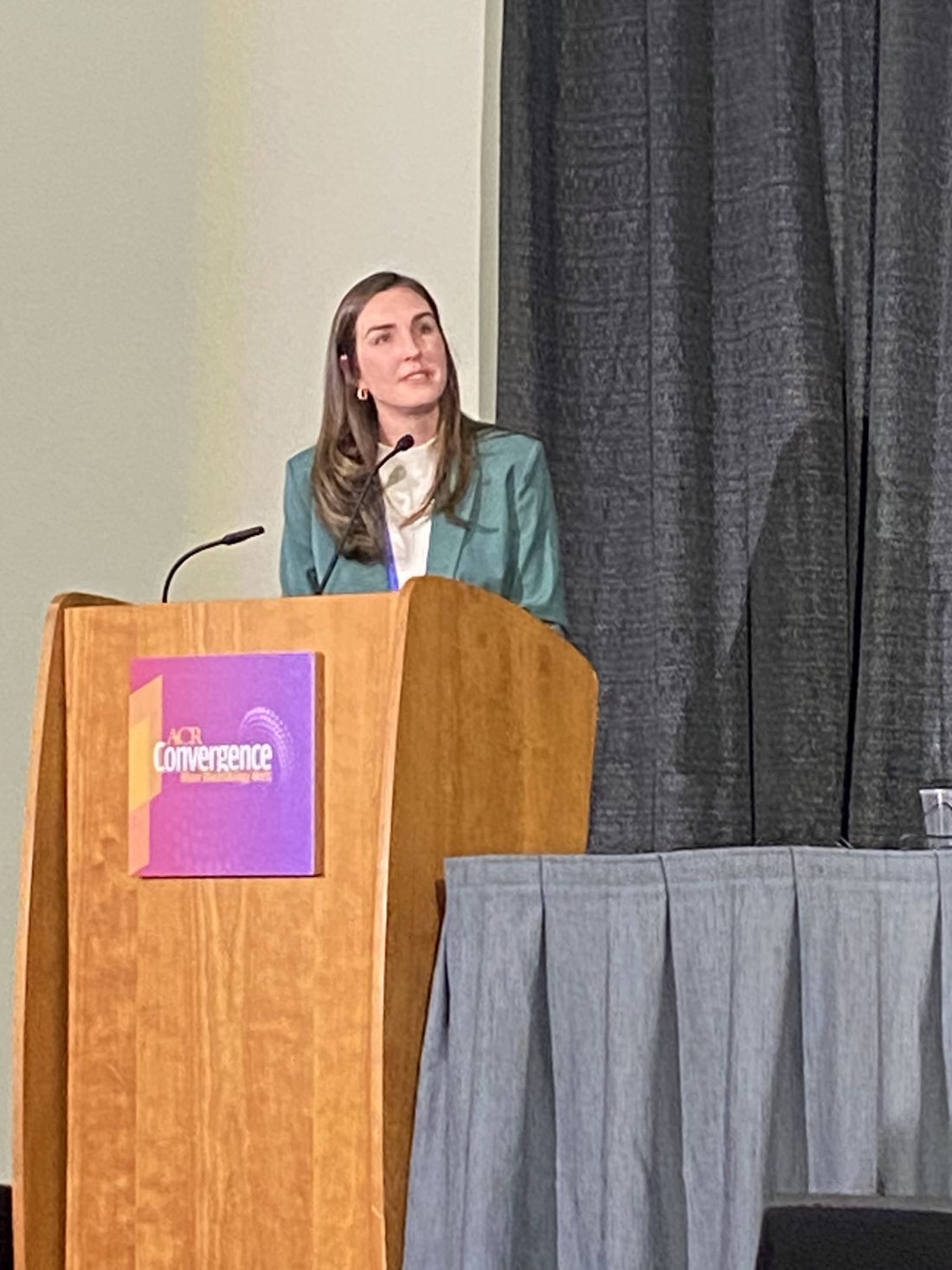
While research suggests that patients who plan their pregnancies during times of well-controlled disease have the “best chances of improved pregnancy outcomes,” Dr. Sims and colleagues wanted to quantify how planning for pregnancy affected reproductive outcomes.
Dr. Sims recruited pregnant women with SLE and assessed if the women were medically optimized for pregnancy, if the pregnancy was intended, or both. Intended pregnancy was assessed by using a validated self-reported survey called the London Measure of Unplanned Pregnancy. Pregnant women were considered “medically optimized” for pregnancy if they were not on teratogenic medication, had continued pregnancy-compatible SLE medications, and had a urine protein-creatinine ratio of less than 1 gram in the 6 months prior to or during the first trimester. Intended pregnancies that were medically optimized were classified as “well timed.”
Of the 115 women enrolled in the study, about half had well-timed pregnancies, 20% were neither intended nor medically optimized, 17% were not intended but medically optimized, and 13% were intended but not medically optimized.
Women with ill-timed pregnancy – either not medically optimized and/or unintended – were generally younger and more likely to be single, on Medicare or Medicaid, and on income of less than $50,000 per year.
Ill-timed pregnancies had higher rates of mycophenolate exposure and higher physician-reported SLE disease activity. While patient-reported SLE activity was higher in patients who were not personally ready for pregnancy, in patients who had an intended pregnancy, there was no difference in self-reported SLE activity between those that were medically optimized and those not medically optimized.
“About a third of our patients are actually underestimating their true disease activity level when they are preparing for pregnancy,” Dr. Sims said. For example, while persistent proteinuria in a patient would drive up physician assessment of disease activity, the patient may not be experiencing any symptoms and is unaware of her condition.
In terms of pregnancy outcomes, women with unintended pregnancies had a 2.5 times higher incidence of preeclampsia, compared with those with intended pregnancies. Patients with unplanned pregnancies were also significantly more likely to experience stillbirth.
Women who were not medically optimized for pregnancy were three times as likely to experience preterm birth and preeclampsia compared with those with optimized pregnancies.
These outcomes drive home the importance of optimizing patients for pregnancy, Dr. Sims said, and effectively communicating this importance to patients, especially when they might not be perceiving their disease activity.
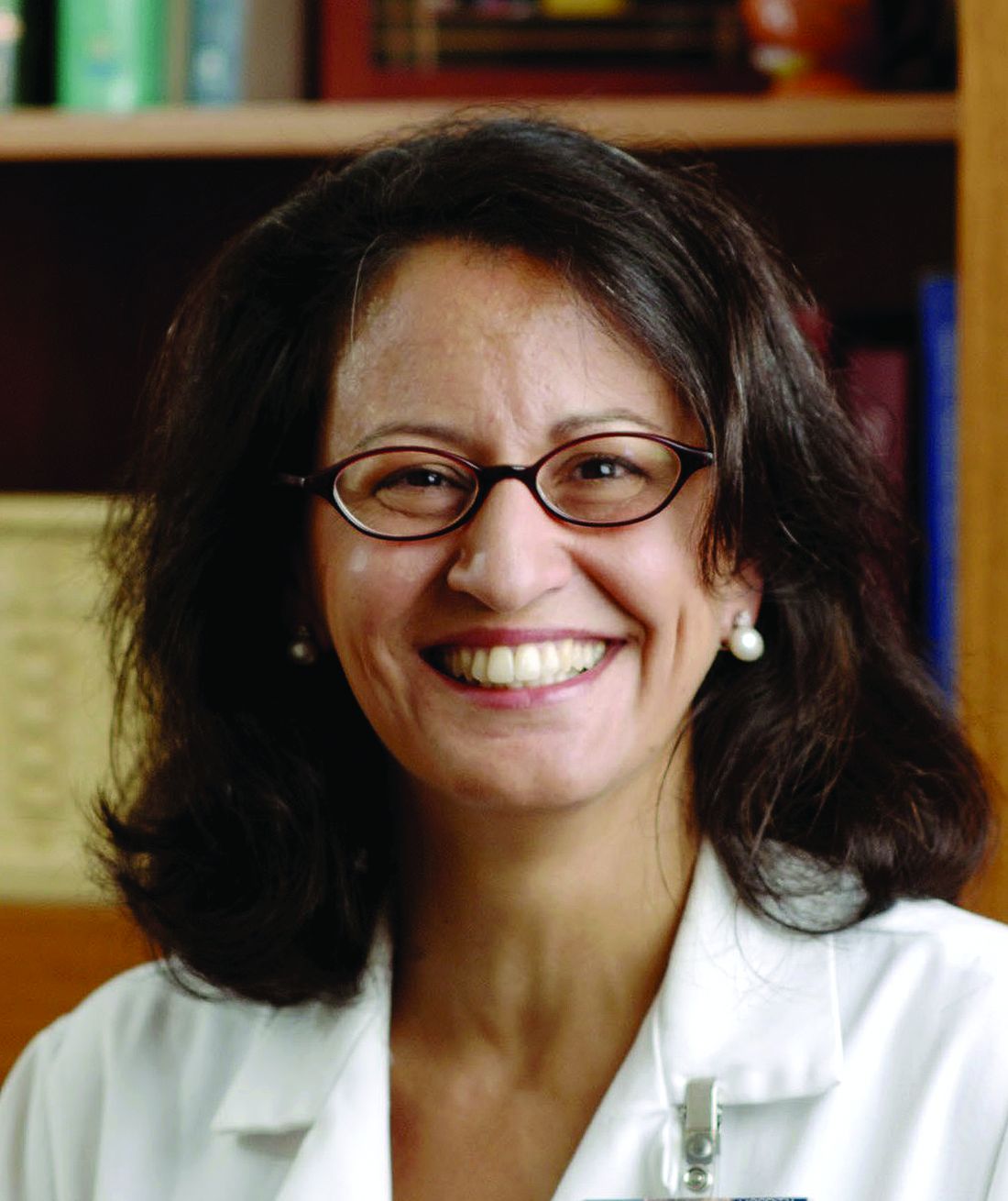
The study’s findings show providers “what we thought we knew, which is that there are some patients that are not as aware of their risk,” commented Lisa R. Sammaritano, MD, Hospital for Special Surgery, New York, who moderated the session where the research was presented. “It brings home the importance of counselling our patients about contraception [as well as] the importance of planning.”
Dr. Sims added that it is “crucial” to make this information easily accessible and digestible to patients. One important resource she mentioned is the HOP-STEP program, which stands for Healthy Outcomes in Pregnancy with SLE Through Education of Providers. The program, directed by researchers at Duke University, is designed to improve pregnancy planning in people with lupus. Direct-to-patient resources are key, she said, as patients can often be nervous to ask about pregnancy planning during appointments.
“They won’t want to bring a pregnancy with me in clinic because they’re afraid I’m just going to say, ‘don’t do it,’ ” Dr. Sims said. “But we are making decisions with the patient. Our patients are not asking for permission, but telling us what they want, and we need to meet them where they are at.”
A version of this article appeared on Medscape.com.
SAN DIEGO – In pregnant women with systemic lupus erythematosus (SLE), those with ill-timed pregnancies had poorer pregnancy outcomes, including preeclampsia and preterm birth.
Women with autoimmune conditions are at an increased risk for pregnancy complications, including pregnancy loss, preterm delivery, and increased need for cesarean delivery, said Catherine Sims, MD, a rheumatologist at Duke Health in Durham, N.C., who is focused on reproductive rheumatology. “The natural question, both clinically and from a research perspective, is: ‘What can we do in order to mitigate or minimize these complications?’ ” she said during a presentation at the annual meeting of the American College of Rheumatology.
While research suggests that patients who plan their pregnancies during times of well-controlled disease have the “best chances of improved pregnancy outcomes,” Dr. Sims and colleagues wanted to quantify how planning for pregnancy affected reproductive outcomes.
Dr. Sims recruited pregnant women with SLE and assessed if the women were medically optimized for pregnancy, if the pregnancy was intended, or both. Intended pregnancy was assessed by using a validated self-reported survey called the London Measure of Unplanned Pregnancy. Pregnant women were considered “medically optimized” for pregnancy if they were not on teratogenic medication, had continued pregnancy-compatible SLE medications, and had a urine protein-creatinine ratio of less than 1 gram in the 6 months prior to or during the first trimester. Intended pregnancies that were medically optimized were classified as “well timed.”
Of the 115 women enrolled in the study, about half had well-timed pregnancies, 20% were neither intended nor medically optimized, 17% were not intended but medically optimized, and 13% were intended but not medically optimized.
Women with ill-timed pregnancy – either not medically optimized and/or unintended – were generally younger and more likely to be single, on Medicare or Medicaid, and on income of less than $50,000 per year.
Ill-timed pregnancies had higher rates of mycophenolate exposure and higher physician-reported SLE disease activity. While patient-reported SLE activity was higher in patients who were not personally ready for pregnancy, in patients who had an intended pregnancy, there was no difference in self-reported SLE activity between those that were medically optimized and those not medically optimized.
“About a third of our patients are actually underestimating their true disease activity level when they are preparing for pregnancy,” Dr. Sims said. For example, while persistent proteinuria in a patient would drive up physician assessment of disease activity, the patient may not be experiencing any symptoms and is unaware of her condition.
In terms of pregnancy outcomes, women with unintended pregnancies had a 2.5 times higher incidence of preeclampsia, compared with those with intended pregnancies. Patients with unplanned pregnancies were also significantly more likely to experience stillbirth.
Women who were not medically optimized for pregnancy were three times as likely to experience preterm birth and preeclampsia compared with those with optimized pregnancies.
These outcomes drive home the importance of optimizing patients for pregnancy, Dr. Sims said, and effectively communicating this importance to patients, especially when they might not be perceiving their disease activity.
The study’s findings show providers “what we thought we knew, which is that there are some patients that are not as aware of their risk,” commented Lisa R. Sammaritano, MD, Hospital for Special Surgery, New York, who moderated the session where the research was presented. “It brings home the importance of counselling our patients about contraception [as well as] the importance of planning.”
Dr. Sims added that it is “crucial” to make this information easily accessible and digestible to patients. One important resource she mentioned is the HOP-STEP program, which stands for Healthy Outcomes in Pregnancy with SLE Through Education of Providers. The program, directed by researchers at Duke University, is designed to improve pregnancy planning in people with lupus. Direct-to-patient resources are key, she said, as patients can often be nervous to ask about pregnancy planning during appointments.
“They won’t want to bring a pregnancy with me in clinic because they’re afraid I’m just going to say, ‘don’t do it,’ ” Dr. Sims said. “But we are making decisions with the patient. Our patients are not asking for permission, but telling us what they want, and we need to meet them where they are at.”
A version of this article appeared on Medscape.com.
SAN DIEGO – In pregnant women with systemic lupus erythematosus (SLE), those with ill-timed pregnancies had poorer pregnancy outcomes, including preeclampsia and preterm birth.
Women with autoimmune conditions are at an increased risk for pregnancy complications, including pregnancy loss, preterm delivery, and increased need for cesarean delivery, said Catherine Sims, MD, a rheumatologist at Duke Health in Durham, N.C., who is focused on reproductive rheumatology. “The natural question, both clinically and from a research perspective, is: ‘What can we do in order to mitigate or minimize these complications?’ ” she said during a presentation at the annual meeting of the American College of Rheumatology.
While research suggests that patients who plan their pregnancies during times of well-controlled disease have the “best chances of improved pregnancy outcomes,” Dr. Sims and colleagues wanted to quantify how planning for pregnancy affected reproductive outcomes.
Dr. Sims recruited pregnant women with SLE and assessed if the women were medically optimized for pregnancy, if the pregnancy was intended, or both. Intended pregnancy was assessed by using a validated self-reported survey called the London Measure of Unplanned Pregnancy. Pregnant women were considered “medically optimized” for pregnancy if they were not on teratogenic medication, had continued pregnancy-compatible SLE medications, and had a urine protein-creatinine ratio of less than 1 gram in the 6 months prior to or during the first trimester. Intended pregnancies that were medically optimized were classified as “well timed.”
Of the 115 women enrolled in the study, about half had well-timed pregnancies, 20% were neither intended nor medically optimized, 17% were not intended but medically optimized, and 13% were intended but not medically optimized.
Women with ill-timed pregnancy – either not medically optimized and/or unintended – were generally younger and more likely to be single, on Medicare or Medicaid, and on income of less than $50,000 per year.
Ill-timed pregnancies had higher rates of mycophenolate exposure and higher physician-reported SLE disease activity. While patient-reported SLE activity was higher in patients who were not personally ready for pregnancy, in patients who had an intended pregnancy, there was no difference in self-reported SLE activity between those that were medically optimized and those not medically optimized.
“About a third of our patients are actually underestimating their true disease activity level when they are preparing for pregnancy,” Dr. Sims said. For example, while persistent proteinuria in a patient would drive up physician assessment of disease activity, the patient may not be experiencing any symptoms and is unaware of her condition.
In terms of pregnancy outcomes, women with unintended pregnancies had a 2.5 times higher incidence of preeclampsia, compared with those with intended pregnancies. Patients with unplanned pregnancies were also significantly more likely to experience stillbirth.
Women who were not medically optimized for pregnancy were three times as likely to experience preterm birth and preeclampsia compared with those with optimized pregnancies.
These outcomes drive home the importance of optimizing patients for pregnancy, Dr. Sims said, and effectively communicating this importance to patients, especially when they might not be perceiving their disease activity.
The study’s findings show providers “what we thought we knew, which is that there are some patients that are not as aware of their risk,” commented Lisa R. Sammaritano, MD, Hospital for Special Surgery, New York, who moderated the session where the research was presented. “It brings home the importance of counselling our patients about contraception [as well as] the importance of planning.”
Dr. Sims added that it is “crucial” to make this information easily accessible and digestible to patients. One important resource she mentioned is the HOP-STEP program, which stands for Healthy Outcomes in Pregnancy with SLE Through Education of Providers. The program, directed by researchers at Duke University, is designed to improve pregnancy planning in people with lupus. Direct-to-patient resources are key, she said, as patients can often be nervous to ask about pregnancy planning during appointments.
“They won’t want to bring a pregnancy with me in clinic because they’re afraid I’m just going to say, ‘don’t do it,’ ” Dr. Sims said. “But we are making decisions with the patient. Our patients are not asking for permission, but telling us what they want, and we need to meet them where they are at.”
A version of this article appeared on Medscape.com.
AT ACR 2023
Telemedicine offers solution for late cancellations and no-show appointments
TOPLINE:
Converting late cancellations and no-show appointments to telemedicine visits increases access to care without the need for rescheduling, according to new research.
METHODOLOGY:
- Investigators identified adult rheumatology patients with late cancellations (within 24 hours of appointment) or impending no-show appointments from September 2020 to March 2023.
- These patients were contacted and were offered the option of converting their in-person appointment to a telemedicine visit, either by phone or video.
- The program was piloted at one clinic beginning Sept. 1, 2020, and was expanded to a second clinic on Sept. 1, 2021.
TAKEAWAY:
- Of 624 eligible visits, 516 (83%) were converted to telehealth visits. Phone visits were slightly more popular than video visits (54% vs. 46%, respectively).
- Patients who were older, who lived in a rural area, or who were on Medicare and Medicaid were more likely to opt for phone visits.
- The intervention resulted in an additional 258 hours of patient care.
- The reduction in lost revenue for phone versus video telemedicine visits was $7,298 ($39.19 per appointment).
IN PRACTICE:
“Our simple, targeted strategy of converting appointments to telehealth when an in-person appointment is identified as at-risk resulted in significant access gains and modest revenue loss reduction,” with net gains overall, the authors write.
SOURCE:
Sancia Ferguson MD, MPH, of the University of Wisconsin-Madison School of Medicine, presented the research at the annual meeting of the American College of Rheumatology, abstract 1007.
LIMITATIONS:
The study was conducted at two clinics in the UW Health system and may not be implementable in smaller practices.
DISCLOSURES:
Senior author Christie Bartels, MD, also of University of Washington-Madison School of Medicine, reports receiving a research grant from Pfizer unrelated to this study.
A version of this article appeared on Medscape.com.
TOPLINE:
Converting late cancellations and no-show appointments to telemedicine visits increases access to care without the need for rescheduling, according to new research.
METHODOLOGY:
- Investigators identified adult rheumatology patients with late cancellations (within 24 hours of appointment) or impending no-show appointments from September 2020 to March 2023.
- These patients were contacted and were offered the option of converting their in-person appointment to a telemedicine visit, either by phone or video.
- The program was piloted at one clinic beginning Sept. 1, 2020, and was expanded to a second clinic on Sept. 1, 2021.
TAKEAWAY:
- Of 624 eligible visits, 516 (83%) were converted to telehealth visits. Phone visits were slightly more popular than video visits (54% vs. 46%, respectively).
- Patients who were older, who lived in a rural area, or who were on Medicare and Medicaid were more likely to opt for phone visits.
- The intervention resulted in an additional 258 hours of patient care.
- The reduction in lost revenue for phone versus video telemedicine visits was $7,298 ($39.19 per appointment).
IN PRACTICE:
“Our simple, targeted strategy of converting appointments to telehealth when an in-person appointment is identified as at-risk resulted in significant access gains and modest revenue loss reduction,” with net gains overall, the authors write.
SOURCE:
Sancia Ferguson MD, MPH, of the University of Wisconsin-Madison School of Medicine, presented the research at the annual meeting of the American College of Rheumatology, abstract 1007.
LIMITATIONS:
The study was conducted at two clinics in the UW Health system and may not be implementable in smaller practices.
DISCLOSURES:
Senior author Christie Bartels, MD, also of University of Washington-Madison School of Medicine, reports receiving a research grant from Pfizer unrelated to this study.
A version of this article appeared on Medscape.com.
TOPLINE:
Converting late cancellations and no-show appointments to telemedicine visits increases access to care without the need for rescheduling, according to new research.
METHODOLOGY:
- Investigators identified adult rheumatology patients with late cancellations (within 24 hours of appointment) or impending no-show appointments from September 2020 to March 2023.
- These patients were contacted and were offered the option of converting their in-person appointment to a telemedicine visit, either by phone or video.
- The program was piloted at one clinic beginning Sept. 1, 2020, and was expanded to a second clinic on Sept. 1, 2021.
TAKEAWAY:
- Of 624 eligible visits, 516 (83%) were converted to telehealth visits. Phone visits were slightly more popular than video visits (54% vs. 46%, respectively).
- Patients who were older, who lived in a rural area, or who were on Medicare and Medicaid were more likely to opt for phone visits.
- The intervention resulted in an additional 258 hours of patient care.
- The reduction in lost revenue for phone versus video telemedicine visits was $7,298 ($39.19 per appointment).
IN PRACTICE:
“Our simple, targeted strategy of converting appointments to telehealth when an in-person appointment is identified as at-risk resulted in significant access gains and modest revenue loss reduction,” with net gains overall, the authors write.
SOURCE:
Sancia Ferguson MD, MPH, of the University of Wisconsin-Madison School of Medicine, presented the research at the annual meeting of the American College of Rheumatology, abstract 1007.
LIMITATIONS:
The study was conducted at two clinics in the UW Health system and may not be implementable in smaller practices.
DISCLOSURES:
Senior author Christie Bartels, MD, also of University of Washington-Madison School of Medicine, reports receiving a research grant from Pfizer unrelated to this study.
A version of this article appeared on Medscape.com.
Why don’t doctors feel like heroes anymore?
In April 2020, as many Americans prepared to spend the Easter holiday in lockdown, pop star Mariah Carey released a video honoring the “sacrifices and courage” of frontline workers battling COVID-19 – her 1993 hit, “Hero.”
“The sorrow that you know will melt away,” Ms. Carey sang. “When you feel like hope is gone,” the song continued, strength and answers can be found within, and “a hero lies in you.”
For health care professionals, the reality of 2020 wasn’t quite so uplifting. PPE shortages and spillover ICUs had many feeling helpless, exhausted, and overwhelmed. Few if any medical professionals felt their sorrows “melt away.”
We can’t expect depth and nuance from pop songs, but we can find in them the imagery that runs through our culture. The “hero narrative” – the idea that doctors, nurses, and others in health care have superhuman endurance and selflessness – has long been an undercurrent in the medical field.
And yet, without a workforce willing to perform without adequate sleep, food, or time off, the health care system couldn’t function, says Brian Park, MD, MPH, a family medicine physician at Oregon Health & Science University, Portland. At many academic health centers, for example, residents are “the bedrock of the workforce,” he explains. If they didn’t work 80-100 hours per week, those systems wouldn’t exist.
So, how do we look at the health care system in a way that is both grateful and critical, Dr. Park wonders. “How do we honor extreme acts of heroism and also acknowledge that the system sometimes gets by on the acts of heroes to patch up some of the brokenness and fragmentation within it?”
Heroes are determined
Ala Stanford, MD, a pediatric surgeon in Philadelphia, has frequently been called a “health care hero.” Given the title by CNN in 2021, she has received numerous other awards and accolades, featured in Fortune Magazine’s “World’s 50 Greatest Leaders” in 2021 and USA Today’s “Women of the Year” in 2022.
In 2020, Dr. Stanford was sheltering in place and watching “way too much” cable news. “They would play solemn music and show photos of all the people who had died,” she recalls. “I thought, ‘All these people are Black or brown. What is going on?’”
The standard explanation was that people of color were more vulnerable because they were more likely to be essential workers or have chronic health conditions. But Dr. Stanford believed this was only part of the story. The reason she saw that local Black communities had higher positivity rates was because people couldn’t get a COVID test.
Dr. Stanford got call after call from Philadelphians who had been turned away from testing centers. When she questioned colleagues, “they gave me every reason under the sun,” Dr. Stanford says. “It was because someone took public transportation, and they were only testing people in cars, or because they weren’t over 65, or because they didn’t have other comorbid health conditions, or because they weren’t a health care worker, or because they hadn’t traveled to China ...” The list went on.
Dr. Stanford appealed to local, state, and federal health authorities. Finally, she took matters into her own hands. She found tests, packed a van with masks, gowns, and gloves, and drove across the city going door to door. Eventually, she organized testing in the parking lots of Black churches, sometimes seeing more than 400 people per day.
The services were funded entirely through her own bank account and donations until she was eventually awarded a CDC grant through the Coronavirus Aid, Relief, and Economic Security (CARES) Act of 2020 and began to receive contracts from the city.
Since then, Dr. Stanford’s mission has evolved. She and her team provided COVID vaccinations to thousands, and in 2021, opened the Dr. Ala Stanford Center for Health Equity. The center offers primary care for all ages in underserved communities.
Still, Dr. Stanford doesn’t think of herself as a hero, and she stresses that many other people contributed to her success. “I think the world was on fire, and we were all firefighters,” Dr. Stanford says. “Someone said to me, ‘Ala, you ran to the fire and everyone else was running away from it, and you didn’t have to.’ … I feel like I was able to galvanize people to realize the power that they actually had. Maybe independently, they couldn’t do a whole lot, but collectively, we were a force.”
Heroes are selfless
Nicole Jackson, RN, an emergency room manager and nurse at Advocate Trinity Hospital in Chicago, was recently honored as a Health Care Hero by the American Red Cross of Greater Chicago.
On June 23, 2022, Jackson’s emergency department was understaffed and struggling with an influx of patients when three gunshot victims arrived. Two needed to be transferred to a trauma center, and one – with multiple gunshot wounds – required a critical care nurse in the ambulance. But the ETA for that transport was 90 minutes, which meant the patient might not survive. Although Ms. Jackson was already working beyond her shift, she rode in the ambulance with the patient herself and probably saved his life.
While this incident stood out to a colleague who nominated her for the Red Cross award, Ms. Jackson finds herself working extra hours fairly often. “Since COVID, that’s pretty much been like any other hospital,” she says. “We’ve had staffing challenges that we work through every day. So, the nurses come, they show up, and they do the best that they can with what we have to keep our patients safe.”
A 2022 survey by McKinsey estimated that by 2025, there could be a gap of 200,000 to 450,000 nurses in the United States. A two-year impact assessment from the American Nurses Foundation found that among more than 12,500 nurses, 40% were considering leaving their positions before the pandemic. By 2022, that number had jumped to 52% with the top reasons being insufficient staffing and negative effects on health and well-being.
Can the “hero narrative” help that situation? Ms. Jackson says she doesn’t see herself as a hero, but the supportive environment and gestures of recognition by staff do make her feel appreciated. These include daily messages offering “kudos” and nominations for the DAISY Award, which she herself received in 2022.
“I have people who I have encouraged to become nurses,” Ms. Jackson says, “and when they saw [the award], they were really excited about becoming a nurse.”
Heroes are strong
Jasmine Marcelin, MD, an infectious disease physician with Nebraska Medicine in Omaha, understands the need for heroes as symbols and sources of inspiration. Dr. Marcelin is a fan of the superhero movie genre. There is value, she says, in feeling hope and excitement while watching Superman or Wonder Woman save the day. Who doesn’t want to believe (if only briefly) that the good guys will always win?
In reality, Dr. Marcelin says, “none of us are invincible.” And it’s dangerous to forget that “the people behind the symbols are also human.”
In 2021, Dr. Marcelin gave a TEDx talk entitled, “The Myth of the Health Care Hero.” In it she discussed the extreme physical and mental toll of the pandemic on health care workers and urged her audience to think less about extravagant praise and more about their personal responsibilities. “We don’t want or need to be called heroes,” Dr. Marcelin said. “Right now, our love language is action. We need your help, and we cannot save the world on our own.”
Dr. Marcelin also sees links between superhuman expectations and the high levels of burnout in the medical field.
“It’s a systemic issue,” she explains, “where it requires a revamping and revitalization of the entire psyche of health care to recognize that the people working within this profession are human. And the things that we think and feel and need are the same as anybody else.”
Heroes are self-sacrificing
Well-being, burnout, and disengagement in health care has become a focus for Oregon Health & Science’s Dr. Park, who is also director of RELATE Lab, an organization that aims to make health care more human-centered and equitable through leadership training, research, and community organizing.
For him, hearing neighbors banging pots and pans during the early pandemic was complicated. “The first phase for me was, ‘Thank you. I feel seen. I feel appreciated,’ ” he says. “Yes, I’m wearing a mask. I’m going in. I’m changing in the garage when I come home, so my kid and my partner don’t get sick.”
But after a while, the cheers started to feel like pressure. “Have I done anything heroic today?” Dr. Park asked himself. “Have I been as heroic as my friend who is in the hospital in the ICU? I don’t deserve this, so don’t bang those pots and pans for me.”
When your identity becomes about being a hero, Dr. Park says, when that becomes the standard by which you measure yourself, the result is often a sense of shame.
“I think a lot of people feel ashamed that they feel burnout,” he says, “because they’re supposed to be heroes, putting on their capes and masks. They’re waking up and saying, ‘I’m exhausted, and I can’t play that part today. But I know that’s the social expectation of me.’ “
Heroes are noble
There may not be a clear solution, but for many health care professionals, symbolic gestures alone are inadequate and, in certain cases, insulting.
On Doctor’s Day 2023, Alok Patel, MD, a pediatric hospitalist, tweeted a photo of an appreciation “gift” for staff from an unnamed hospital. The small items had metaphorical meanings – a rubber band “as a reminder to stay flexible,” a quarter “as a reminder to ‘call’ for help,” etc.
“Welcome to how you give thanks to ‘health care heroes,’ ” Dr. Patel tweeted.
For Dr. Patel, the issue is not lavish gifts but a need for an attitude shift. He recalls colleagues who felt ashamed asking for mental health services or time off, “because they were bombarded by the hero narrative, by the manufactured pressure that they needed to put their jobs above their own health – because that’s what ‘heroes’ do. I’m willing to bet most physicians would rather receive a sincere email with a transparent plan to better support health care workers than any Doctor’s Day gift,” he says.
In Dr. Marcelin’s TEDx talk, she quotes Spider-Man’s classic adage, “With great power, comes great responsibility.” She argues that this motto doesn’t just apply to those who can fly or deflect bullets; that’s not what heroism is. In fact, most people have their own definition of the word.
For Dr. Stanford, a hero is “someone who is selfless, putting the needs of others before their own.” Dr. Park believes there are no individual heroes. “It’s the work of the collective that’s truly heroic.”
By those standards, clearly anyone can step up, offer help, act with courage and kindness, and be heroic. “We humans, as ordinary as we are, can be extraordinary by using our power to do what’s right,” Dr. Marcelin says, “because there’s no such thing as health care heroes, just good people doing the right thing.”
A version of this article first appeared on Medscape.com.
In April 2020, as many Americans prepared to spend the Easter holiday in lockdown, pop star Mariah Carey released a video honoring the “sacrifices and courage” of frontline workers battling COVID-19 – her 1993 hit, “Hero.”
“The sorrow that you know will melt away,” Ms. Carey sang. “When you feel like hope is gone,” the song continued, strength and answers can be found within, and “a hero lies in you.”
For health care professionals, the reality of 2020 wasn’t quite so uplifting. PPE shortages and spillover ICUs had many feeling helpless, exhausted, and overwhelmed. Few if any medical professionals felt their sorrows “melt away.”
We can’t expect depth and nuance from pop songs, but we can find in them the imagery that runs through our culture. The “hero narrative” – the idea that doctors, nurses, and others in health care have superhuman endurance and selflessness – has long been an undercurrent in the medical field.
And yet, without a workforce willing to perform without adequate sleep, food, or time off, the health care system couldn’t function, says Brian Park, MD, MPH, a family medicine physician at Oregon Health & Science University, Portland. At many academic health centers, for example, residents are “the bedrock of the workforce,” he explains. If they didn’t work 80-100 hours per week, those systems wouldn’t exist.
So, how do we look at the health care system in a way that is both grateful and critical, Dr. Park wonders. “How do we honor extreme acts of heroism and also acknowledge that the system sometimes gets by on the acts of heroes to patch up some of the brokenness and fragmentation within it?”
Heroes are determined
Ala Stanford, MD, a pediatric surgeon in Philadelphia, has frequently been called a “health care hero.” Given the title by CNN in 2021, she has received numerous other awards and accolades, featured in Fortune Magazine’s “World’s 50 Greatest Leaders” in 2021 and USA Today’s “Women of the Year” in 2022.
In 2020, Dr. Stanford was sheltering in place and watching “way too much” cable news. “They would play solemn music and show photos of all the people who had died,” she recalls. “I thought, ‘All these people are Black or brown. What is going on?’”
The standard explanation was that people of color were more vulnerable because they were more likely to be essential workers or have chronic health conditions. But Dr. Stanford believed this was only part of the story. The reason she saw that local Black communities had higher positivity rates was because people couldn’t get a COVID test.
Dr. Stanford got call after call from Philadelphians who had been turned away from testing centers. When she questioned colleagues, “they gave me every reason under the sun,” Dr. Stanford says. “It was because someone took public transportation, and they were only testing people in cars, or because they weren’t over 65, or because they didn’t have other comorbid health conditions, or because they weren’t a health care worker, or because they hadn’t traveled to China ...” The list went on.
Dr. Stanford appealed to local, state, and federal health authorities. Finally, she took matters into her own hands. She found tests, packed a van with masks, gowns, and gloves, and drove across the city going door to door. Eventually, she organized testing in the parking lots of Black churches, sometimes seeing more than 400 people per day.
The services were funded entirely through her own bank account and donations until she was eventually awarded a CDC grant through the Coronavirus Aid, Relief, and Economic Security (CARES) Act of 2020 and began to receive contracts from the city.
Since then, Dr. Stanford’s mission has evolved. She and her team provided COVID vaccinations to thousands, and in 2021, opened the Dr. Ala Stanford Center for Health Equity. The center offers primary care for all ages in underserved communities.
Still, Dr. Stanford doesn’t think of herself as a hero, and she stresses that many other people contributed to her success. “I think the world was on fire, and we were all firefighters,” Dr. Stanford says. “Someone said to me, ‘Ala, you ran to the fire and everyone else was running away from it, and you didn’t have to.’ … I feel like I was able to galvanize people to realize the power that they actually had. Maybe independently, they couldn’t do a whole lot, but collectively, we were a force.”
Heroes are selfless
Nicole Jackson, RN, an emergency room manager and nurse at Advocate Trinity Hospital in Chicago, was recently honored as a Health Care Hero by the American Red Cross of Greater Chicago.
On June 23, 2022, Jackson’s emergency department was understaffed and struggling with an influx of patients when three gunshot victims arrived. Two needed to be transferred to a trauma center, and one – with multiple gunshot wounds – required a critical care nurse in the ambulance. But the ETA for that transport was 90 minutes, which meant the patient might not survive. Although Ms. Jackson was already working beyond her shift, she rode in the ambulance with the patient herself and probably saved his life.
While this incident stood out to a colleague who nominated her for the Red Cross award, Ms. Jackson finds herself working extra hours fairly often. “Since COVID, that’s pretty much been like any other hospital,” she says. “We’ve had staffing challenges that we work through every day. So, the nurses come, they show up, and they do the best that they can with what we have to keep our patients safe.”
A 2022 survey by McKinsey estimated that by 2025, there could be a gap of 200,000 to 450,000 nurses in the United States. A two-year impact assessment from the American Nurses Foundation found that among more than 12,500 nurses, 40% were considering leaving their positions before the pandemic. By 2022, that number had jumped to 52% with the top reasons being insufficient staffing and negative effects on health and well-being.
Can the “hero narrative” help that situation? Ms. Jackson says she doesn’t see herself as a hero, but the supportive environment and gestures of recognition by staff do make her feel appreciated. These include daily messages offering “kudos” and nominations for the DAISY Award, which she herself received in 2022.
“I have people who I have encouraged to become nurses,” Ms. Jackson says, “and when they saw [the award], they were really excited about becoming a nurse.”
Heroes are strong
Jasmine Marcelin, MD, an infectious disease physician with Nebraska Medicine in Omaha, understands the need for heroes as symbols and sources of inspiration. Dr. Marcelin is a fan of the superhero movie genre. There is value, she says, in feeling hope and excitement while watching Superman or Wonder Woman save the day. Who doesn’t want to believe (if only briefly) that the good guys will always win?
In reality, Dr. Marcelin says, “none of us are invincible.” And it’s dangerous to forget that “the people behind the symbols are also human.”
In 2021, Dr. Marcelin gave a TEDx talk entitled, “The Myth of the Health Care Hero.” In it she discussed the extreme physical and mental toll of the pandemic on health care workers and urged her audience to think less about extravagant praise and more about their personal responsibilities. “We don’t want or need to be called heroes,” Dr. Marcelin said. “Right now, our love language is action. We need your help, and we cannot save the world on our own.”
Dr. Marcelin also sees links between superhuman expectations and the high levels of burnout in the medical field.
“It’s a systemic issue,” she explains, “where it requires a revamping and revitalization of the entire psyche of health care to recognize that the people working within this profession are human. And the things that we think and feel and need are the same as anybody else.”
Heroes are self-sacrificing
Well-being, burnout, and disengagement in health care has become a focus for Oregon Health & Science’s Dr. Park, who is also director of RELATE Lab, an organization that aims to make health care more human-centered and equitable through leadership training, research, and community organizing.
For him, hearing neighbors banging pots and pans during the early pandemic was complicated. “The first phase for me was, ‘Thank you. I feel seen. I feel appreciated,’ ” he says. “Yes, I’m wearing a mask. I’m going in. I’m changing in the garage when I come home, so my kid and my partner don’t get sick.”
But after a while, the cheers started to feel like pressure. “Have I done anything heroic today?” Dr. Park asked himself. “Have I been as heroic as my friend who is in the hospital in the ICU? I don’t deserve this, so don’t bang those pots and pans for me.”
When your identity becomes about being a hero, Dr. Park says, when that becomes the standard by which you measure yourself, the result is often a sense of shame.
“I think a lot of people feel ashamed that they feel burnout,” he says, “because they’re supposed to be heroes, putting on their capes and masks. They’re waking up and saying, ‘I’m exhausted, and I can’t play that part today. But I know that’s the social expectation of me.’ “
Heroes are noble
There may not be a clear solution, but for many health care professionals, symbolic gestures alone are inadequate and, in certain cases, insulting.
On Doctor’s Day 2023, Alok Patel, MD, a pediatric hospitalist, tweeted a photo of an appreciation “gift” for staff from an unnamed hospital. The small items had metaphorical meanings – a rubber band “as a reminder to stay flexible,” a quarter “as a reminder to ‘call’ for help,” etc.
“Welcome to how you give thanks to ‘health care heroes,’ ” Dr. Patel tweeted.
For Dr. Patel, the issue is not lavish gifts but a need for an attitude shift. He recalls colleagues who felt ashamed asking for mental health services or time off, “because they were bombarded by the hero narrative, by the manufactured pressure that they needed to put their jobs above their own health – because that’s what ‘heroes’ do. I’m willing to bet most physicians would rather receive a sincere email with a transparent plan to better support health care workers than any Doctor’s Day gift,” he says.
In Dr. Marcelin’s TEDx talk, she quotes Spider-Man’s classic adage, “With great power, comes great responsibility.” She argues that this motto doesn’t just apply to those who can fly or deflect bullets; that’s not what heroism is. In fact, most people have their own definition of the word.
For Dr. Stanford, a hero is “someone who is selfless, putting the needs of others before their own.” Dr. Park believes there are no individual heroes. “It’s the work of the collective that’s truly heroic.”
By those standards, clearly anyone can step up, offer help, act with courage and kindness, and be heroic. “We humans, as ordinary as we are, can be extraordinary by using our power to do what’s right,” Dr. Marcelin says, “because there’s no such thing as health care heroes, just good people doing the right thing.”
A version of this article first appeared on Medscape.com.
In April 2020, as many Americans prepared to spend the Easter holiday in lockdown, pop star Mariah Carey released a video honoring the “sacrifices and courage” of frontline workers battling COVID-19 – her 1993 hit, “Hero.”
“The sorrow that you know will melt away,” Ms. Carey sang. “When you feel like hope is gone,” the song continued, strength and answers can be found within, and “a hero lies in you.”
For health care professionals, the reality of 2020 wasn’t quite so uplifting. PPE shortages and spillover ICUs had many feeling helpless, exhausted, and overwhelmed. Few if any medical professionals felt their sorrows “melt away.”
We can’t expect depth and nuance from pop songs, but we can find in them the imagery that runs through our culture. The “hero narrative” – the idea that doctors, nurses, and others in health care have superhuman endurance and selflessness – has long been an undercurrent in the medical field.
And yet, without a workforce willing to perform without adequate sleep, food, or time off, the health care system couldn’t function, says Brian Park, MD, MPH, a family medicine physician at Oregon Health & Science University, Portland. At many academic health centers, for example, residents are “the bedrock of the workforce,” he explains. If they didn’t work 80-100 hours per week, those systems wouldn’t exist.
So, how do we look at the health care system in a way that is both grateful and critical, Dr. Park wonders. “How do we honor extreme acts of heroism and also acknowledge that the system sometimes gets by on the acts of heroes to patch up some of the brokenness and fragmentation within it?”
Heroes are determined
Ala Stanford, MD, a pediatric surgeon in Philadelphia, has frequently been called a “health care hero.” Given the title by CNN in 2021, she has received numerous other awards and accolades, featured in Fortune Magazine’s “World’s 50 Greatest Leaders” in 2021 and USA Today’s “Women of the Year” in 2022.
In 2020, Dr. Stanford was sheltering in place and watching “way too much” cable news. “They would play solemn music and show photos of all the people who had died,” she recalls. “I thought, ‘All these people are Black or brown. What is going on?’”
The standard explanation was that people of color were more vulnerable because they were more likely to be essential workers or have chronic health conditions. But Dr. Stanford believed this was only part of the story. The reason she saw that local Black communities had higher positivity rates was because people couldn’t get a COVID test.
Dr. Stanford got call after call from Philadelphians who had been turned away from testing centers. When she questioned colleagues, “they gave me every reason under the sun,” Dr. Stanford says. “It was because someone took public transportation, and they were only testing people in cars, or because they weren’t over 65, or because they didn’t have other comorbid health conditions, or because they weren’t a health care worker, or because they hadn’t traveled to China ...” The list went on.
Dr. Stanford appealed to local, state, and federal health authorities. Finally, she took matters into her own hands. She found tests, packed a van with masks, gowns, and gloves, and drove across the city going door to door. Eventually, she organized testing in the parking lots of Black churches, sometimes seeing more than 400 people per day.
The services were funded entirely through her own bank account and donations until she was eventually awarded a CDC grant through the Coronavirus Aid, Relief, and Economic Security (CARES) Act of 2020 and began to receive contracts from the city.
Since then, Dr. Stanford’s mission has evolved. She and her team provided COVID vaccinations to thousands, and in 2021, opened the Dr. Ala Stanford Center for Health Equity. The center offers primary care for all ages in underserved communities.
Still, Dr. Stanford doesn’t think of herself as a hero, and she stresses that many other people contributed to her success. “I think the world was on fire, and we were all firefighters,” Dr. Stanford says. “Someone said to me, ‘Ala, you ran to the fire and everyone else was running away from it, and you didn’t have to.’ … I feel like I was able to galvanize people to realize the power that they actually had. Maybe independently, they couldn’t do a whole lot, but collectively, we were a force.”
Heroes are selfless
Nicole Jackson, RN, an emergency room manager and nurse at Advocate Trinity Hospital in Chicago, was recently honored as a Health Care Hero by the American Red Cross of Greater Chicago.
On June 23, 2022, Jackson’s emergency department was understaffed and struggling with an influx of patients when three gunshot victims arrived. Two needed to be transferred to a trauma center, and one – with multiple gunshot wounds – required a critical care nurse in the ambulance. But the ETA for that transport was 90 minutes, which meant the patient might not survive. Although Ms. Jackson was already working beyond her shift, she rode in the ambulance with the patient herself and probably saved his life.
While this incident stood out to a colleague who nominated her for the Red Cross award, Ms. Jackson finds herself working extra hours fairly often. “Since COVID, that’s pretty much been like any other hospital,” she says. “We’ve had staffing challenges that we work through every day. So, the nurses come, they show up, and they do the best that they can with what we have to keep our patients safe.”
A 2022 survey by McKinsey estimated that by 2025, there could be a gap of 200,000 to 450,000 nurses in the United States. A two-year impact assessment from the American Nurses Foundation found that among more than 12,500 nurses, 40% were considering leaving their positions before the pandemic. By 2022, that number had jumped to 52% with the top reasons being insufficient staffing and negative effects on health and well-being.
Can the “hero narrative” help that situation? Ms. Jackson says she doesn’t see herself as a hero, but the supportive environment and gestures of recognition by staff do make her feel appreciated. These include daily messages offering “kudos” and nominations for the DAISY Award, which she herself received in 2022.
“I have people who I have encouraged to become nurses,” Ms. Jackson says, “and when they saw [the award], they were really excited about becoming a nurse.”
Heroes are strong
Jasmine Marcelin, MD, an infectious disease physician with Nebraska Medicine in Omaha, understands the need for heroes as symbols and sources of inspiration. Dr. Marcelin is a fan of the superhero movie genre. There is value, she says, in feeling hope and excitement while watching Superman or Wonder Woman save the day. Who doesn’t want to believe (if only briefly) that the good guys will always win?
In reality, Dr. Marcelin says, “none of us are invincible.” And it’s dangerous to forget that “the people behind the symbols are also human.”
In 2021, Dr. Marcelin gave a TEDx talk entitled, “The Myth of the Health Care Hero.” In it she discussed the extreme physical and mental toll of the pandemic on health care workers and urged her audience to think less about extravagant praise and more about their personal responsibilities. “We don’t want or need to be called heroes,” Dr. Marcelin said. “Right now, our love language is action. We need your help, and we cannot save the world on our own.”
Dr. Marcelin also sees links between superhuman expectations and the high levels of burnout in the medical field.
“It’s a systemic issue,” she explains, “where it requires a revamping and revitalization of the entire psyche of health care to recognize that the people working within this profession are human. And the things that we think and feel and need are the same as anybody else.”
Heroes are self-sacrificing
Well-being, burnout, and disengagement in health care has become a focus for Oregon Health & Science’s Dr. Park, who is also director of RELATE Lab, an organization that aims to make health care more human-centered and equitable through leadership training, research, and community organizing.
For him, hearing neighbors banging pots and pans during the early pandemic was complicated. “The first phase for me was, ‘Thank you. I feel seen. I feel appreciated,’ ” he says. “Yes, I’m wearing a mask. I’m going in. I’m changing in the garage when I come home, so my kid and my partner don’t get sick.”
But after a while, the cheers started to feel like pressure. “Have I done anything heroic today?” Dr. Park asked himself. “Have I been as heroic as my friend who is in the hospital in the ICU? I don’t deserve this, so don’t bang those pots and pans for me.”
When your identity becomes about being a hero, Dr. Park says, when that becomes the standard by which you measure yourself, the result is often a sense of shame.
“I think a lot of people feel ashamed that they feel burnout,” he says, “because they’re supposed to be heroes, putting on their capes and masks. They’re waking up and saying, ‘I’m exhausted, and I can’t play that part today. But I know that’s the social expectation of me.’ “
Heroes are noble
There may not be a clear solution, but for many health care professionals, symbolic gestures alone are inadequate and, in certain cases, insulting.
On Doctor’s Day 2023, Alok Patel, MD, a pediatric hospitalist, tweeted a photo of an appreciation “gift” for staff from an unnamed hospital. The small items had metaphorical meanings – a rubber band “as a reminder to stay flexible,” a quarter “as a reminder to ‘call’ for help,” etc.
“Welcome to how you give thanks to ‘health care heroes,’ ” Dr. Patel tweeted.
For Dr. Patel, the issue is not lavish gifts but a need for an attitude shift. He recalls colleagues who felt ashamed asking for mental health services or time off, “because they were bombarded by the hero narrative, by the manufactured pressure that they needed to put their jobs above their own health – because that’s what ‘heroes’ do. I’m willing to bet most physicians would rather receive a sincere email with a transparent plan to better support health care workers than any Doctor’s Day gift,” he says.
In Dr. Marcelin’s TEDx talk, she quotes Spider-Man’s classic adage, “With great power, comes great responsibility.” She argues that this motto doesn’t just apply to those who can fly or deflect bullets; that’s not what heroism is. In fact, most people have their own definition of the word.
For Dr. Stanford, a hero is “someone who is selfless, putting the needs of others before their own.” Dr. Park believes there are no individual heroes. “It’s the work of the collective that’s truly heroic.”
By those standards, clearly anyone can step up, offer help, act with courage and kindness, and be heroic. “We humans, as ordinary as we are, can be extraordinary by using our power to do what’s right,” Dr. Marcelin says, “because there’s no such thing as health care heroes, just good people doing the right thing.”
A version of this article first appeared on Medscape.com.
Telitacicept shows efficacy, safety in methotrexate-resistant RA
SAN DIEGO – A new randomized, double-blind, phase 3 study of the first-in-class drug telitacicept showed efficacy and safety in patients aged 18-65 with rheumatoid arthritis who were resistant to methotrexate, researchers reported at the annual meeting of the American College of Rheumatology.
Telitacicept is a recombinant fusion protein that aims to target and neutralize B lymphocyte stimulator (also known as B-cell activating factor) and a proliferation-inducing ligand (APRIL), both of which are linked to autoimmunity. Per the industry-funded trial, patients who took 160 mg weekly of the drug versus placebo for 24 weeks met the primary endpoint of achieving at least a 20% improvement in ACR response criteria (60.0% vs. 26.9%, respectively, P < .001), researcher Qing Zuraw, MD, MPH, MBA, of drug developer RemeGen, said in her presentation.
Rheumatologist Jeffrey A. Sparks MD, MMSc, of Brigham and Women’s Hospital and Harvard Medical School, both in Boston, who did not take part in the study but is familiar with the findings, said in an interview that the results are promising. “The magnitude of effect is impressive, and it seems it was well tolerated with relatively few serious adverse events. I would want to see this replicated in other patient populations. Also, more data are needed to truly establish safety.”
He added that, “once more data emerges, there would be a debate on where to place this in the treatment lines.”
According to Dr. Sparks, nearly half of patients with RA either cannot tolerate methotrexate or have partial or no response. “There are currently several available treatment options. These patients typically use either [tumor necrosis factor] inhibitors, another targeted medication, or combination therapy.”
Telitacicept is approved in China to treat systemic lupus erythematosus, Dr. Zuraw noted.
The researchers randomly assigned patients with moderate to severe RA at a 3:1 ratio to the drug (n = 360) or placebo (n = 119). The participants were aged 18-65 with a mean age of 49-50 depending on group, and 81.1%-87.4% females depending on group. Ethnicity/race was not reported.
At week 24, patients in the telitacicept group were more likely to achieve an ACR 50 response versus placebo (21.4% vs. 5.9%, respectively; P < .001).
“Significantly more patients in the telitacicept 160 mg group showed no radiographic progression (change in modified Total Sharp Score [mTSS] ≤ 0) at week 24, compared with placebo (90.2% vs. 66.4%; P < .001),” the researchers reported. “Additionally, patients in the telitacicept 160-mg group showed significantly less progression of joint damage (as measured by mTSS, joint space narrowing score, erosion score) from baseline to week 24.”
Treatment-emergent adverse effect levels were similar between the two groups (79.7% in the drug group and 77.3% in the placebo group), as were serious adverse events (6.4% and 6.7%, respectively) and infections/infestations (41.1% and 42.0%, respectively).
Dr. Zuraw noted limitations: The trial lacked a comparator treatment, and the study took place in a Chinese population with limited racial diversity.
In a Q&A session following Dr. Zuraw’s presentation, an audience member offered some perspective instead of a question by noting that most biologic drugs reach an ACR 20 response rate of about 60%, and most fail to move patients to low disease activity. “That’s the case for your product,” he told Dr. Zuraw. “That’s true for basically everything.”
He added that failing to discuss clinical importance is “a flaw of many talks.”
Dr. Zuraw responded that the many drugs do indeed have a response rate in the range of 60%, and she said the company will consider providing information about clinical impact in future talks.
No information is available about the potential cost of the drug. “This targets two proteins, so it is possible that it could have additional costs than typical biologics,” Dr. Sparks said.
RemeGen funded the study. Dr. Zuraw and some other authors disclosed financial relationships with RemeGen. Dr. Sparks reported receiving support from the National Institute of Arthritis and Musculoskeletal and Skin Diseases, the R. Bruce and Joan M. Mickey Research Scholar Fund, and the Gordon and Llura Gund Foundation; research support from Bristol-Myers Squibb; and consulting for AbbVie, Amgen, Boehringer Ingelheim, Bristol-Myers Squibb, Gilead, Inova, Janssen, Optum, Pfizer, Recor, Sobi, and UCB.
SAN DIEGO – A new randomized, double-blind, phase 3 study of the first-in-class drug telitacicept showed efficacy and safety in patients aged 18-65 with rheumatoid arthritis who were resistant to methotrexate, researchers reported at the annual meeting of the American College of Rheumatology.
Telitacicept is a recombinant fusion protein that aims to target and neutralize B lymphocyte stimulator (also known as B-cell activating factor) and a proliferation-inducing ligand (APRIL), both of which are linked to autoimmunity. Per the industry-funded trial, patients who took 160 mg weekly of the drug versus placebo for 24 weeks met the primary endpoint of achieving at least a 20% improvement in ACR response criteria (60.0% vs. 26.9%, respectively, P < .001), researcher Qing Zuraw, MD, MPH, MBA, of drug developer RemeGen, said in her presentation.
Rheumatologist Jeffrey A. Sparks MD, MMSc, of Brigham and Women’s Hospital and Harvard Medical School, both in Boston, who did not take part in the study but is familiar with the findings, said in an interview that the results are promising. “The magnitude of effect is impressive, and it seems it was well tolerated with relatively few serious adverse events. I would want to see this replicated in other patient populations. Also, more data are needed to truly establish safety.”
He added that, “once more data emerges, there would be a debate on where to place this in the treatment lines.”
According to Dr. Sparks, nearly half of patients with RA either cannot tolerate methotrexate or have partial or no response. “There are currently several available treatment options. These patients typically use either [tumor necrosis factor] inhibitors, another targeted medication, or combination therapy.”
Telitacicept is approved in China to treat systemic lupus erythematosus, Dr. Zuraw noted.
The researchers randomly assigned patients with moderate to severe RA at a 3:1 ratio to the drug (n = 360) or placebo (n = 119). The participants were aged 18-65 with a mean age of 49-50 depending on group, and 81.1%-87.4% females depending on group. Ethnicity/race was not reported.
At week 24, patients in the telitacicept group were more likely to achieve an ACR 50 response versus placebo (21.4% vs. 5.9%, respectively; P < .001).
“Significantly more patients in the telitacicept 160 mg group showed no radiographic progression (change in modified Total Sharp Score [mTSS] ≤ 0) at week 24, compared with placebo (90.2% vs. 66.4%; P < .001),” the researchers reported. “Additionally, patients in the telitacicept 160-mg group showed significantly less progression of joint damage (as measured by mTSS, joint space narrowing score, erosion score) from baseline to week 24.”
Treatment-emergent adverse effect levels were similar between the two groups (79.7% in the drug group and 77.3% in the placebo group), as were serious adverse events (6.4% and 6.7%, respectively) and infections/infestations (41.1% and 42.0%, respectively).
Dr. Zuraw noted limitations: The trial lacked a comparator treatment, and the study took place in a Chinese population with limited racial diversity.
In a Q&A session following Dr. Zuraw’s presentation, an audience member offered some perspective instead of a question by noting that most biologic drugs reach an ACR 20 response rate of about 60%, and most fail to move patients to low disease activity. “That’s the case for your product,” he told Dr. Zuraw. “That’s true for basically everything.”
He added that failing to discuss clinical importance is “a flaw of many talks.”
Dr. Zuraw responded that the many drugs do indeed have a response rate in the range of 60%, and she said the company will consider providing information about clinical impact in future talks.
No information is available about the potential cost of the drug. “This targets two proteins, so it is possible that it could have additional costs than typical biologics,” Dr. Sparks said.
RemeGen funded the study. Dr. Zuraw and some other authors disclosed financial relationships with RemeGen. Dr. Sparks reported receiving support from the National Institute of Arthritis and Musculoskeletal and Skin Diseases, the R. Bruce and Joan M. Mickey Research Scholar Fund, and the Gordon and Llura Gund Foundation; research support from Bristol-Myers Squibb; and consulting for AbbVie, Amgen, Boehringer Ingelheim, Bristol-Myers Squibb, Gilead, Inova, Janssen, Optum, Pfizer, Recor, Sobi, and UCB.
SAN DIEGO – A new randomized, double-blind, phase 3 study of the first-in-class drug telitacicept showed efficacy and safety in patients aged 18-65 with rheumatoid arthritis who were resistant to methotrexate, researchers reported at the annual meeting of the American College of Rheumatology.
Telitacicept is a recombinant fusion protein that aims to target and neutralize B lymphocyte stimulator (also known as B-cell activating factor) and a proliferation-inducing ligand (APRIL), both of which are linked to autoimmunity. Per the industry-funded trial, patients who took 160 mg weekly of the drug versus placebo for 24 weeks met the primary endpoint of achieving at least a 20% improvement in ACR response criteria (60.0% vs. 26.9%, respectively, P < .001), researcher Qing Zuraw, MD, MPH, MBA, of drug developer RemeGen, said in her presentation.
Rheumatologist Jeffrey A. Sparks MD, MMSc, of Brigham and Women’s Hospital and Harvard Medical School, both in Boston, who did not take part in the study but is familiar with the findings, said in an interview that the results are promising. “The magnitude of effect is impressive, and it seems it was well tolerated with relatively few serious adverse events. I would want to see this replicated in other patient populations. Also, more data are needed to truly establish safety.”
He added that, “once more data emerges, there would be a debate on where to place this in the treatment lines.”
According to Dr. Sparks, nearly half of patients with RA either cannot tolerate methotrexate or have partial or no response. “There are currently several available treatment options. These patients typically use either [tumor necrosis factor] inhibitors, another targeted medication, or combination therapy.”
Telitacicept is approved in China to treat systemic lupus erythematosus, Dr. Zuraw noted.
The researchers randomly assigned patients with moderate to severe RA at a 3:1 ratio to the drug (n = 360) or placebo (n = 119). The participants were aged 18-65 with a mean age of 49-50 depending on group, and 81.1%-87.4% females depending on group. Ethnicity/race was not reported.
At week 24, patients in the telitacicept group were more likely to achieve an ACR 50 response versus placebo (21.4% vs. 5.9%, respectively; P < .001).
“Significantly more patients in the telitacicept 160 mg group showed no radiographic progression (change in modified Total Sharp Score [mTSS] ≤ 0) at week 24, compared with placebo (90.2% vs. 66.4%; P < .001),” the researchers reported. “Additionally, patients in the telitacicept 160-mg group showed significantly less progression of joint damage (as measured by mTSS, joint space narrowing score, erosion score) from baseline to week 24.”
Treatment-emergent adverse effect levels were similar between the two groups (79.7% in the drug group and 77.3% in the placebo group), as were serious adverse events (6.4% and 6.7%, respectively) and infections/infestations (41.1% and 42.0%, respectively).
Dr. Zuraw noted limitations: The trial lacked a comparator treatment, and the study took place in a Chinese population with limited racial diversity.
In a Q&A session following Dr. Zuraw’s presentation, an audience member offered some perspective instead of a question by noting that most biologic drugs reach an ACR 20 response rate of about 60%, and most fail to move patients to low disease activity. “That’s the case for your product,” he told Dr. Zuraw. “That’s true for basically everything.”
He added that failing to discuss clinical importance is “a flaw of many talks.”
Dr. Zuraw responded that the many drugs do indeed have a response rate in the range of 60%, and she said the company will consider providing information about clinical impact in future talks.
No information is available about the potential cost of the drug. “This targets two proteins, so it is possible that it could have additional costs than typical biologics,” Dr. Sparks said.
RemeGen funded the study. Dr. Zuraw and some other authors disclosed financial relationships with RemeGen. Dr. Sparks reported receiving support from the National Institute of Arthritis and Musculoskeletal and Skin Diseases, the R. Bruce and Joan M. Mickey Research Scholar Fund, and the Gordon and Llura Gund Foundation; research support from Bristol-Myers Squibb; and consulting for AbbVie, Amgen, Boehringer Ingelheim, Bristol-Myers Squibb, Gilead, Inova, Janssen, Optum, Pfizer, Recor, Sobi, and UCB.
AT ACR 2023
Do patients follow up on referrals after telehealth visits?
Telehealth has been a boon for modern-day patients, allowing people who might have difficulty accessing in-person appointments to continue seeing their physicians. But how many patients actually follow through on their physician’s recommendations afterward?
A new study suggests that
Investigators retrospectively examined test and referral orders for more than 4,000 patients to see how many complied with recommendations to have a colonoscopy, consult a dermatologist for a suspicious skin lesion, or undergo a cardiac stress test.
Completion of a recommended test or specialty referral was termed “diagnostic loop closure.” In particular, the researchers wanted to compare loop closure after telehealth versus in-person visits.
Rates of loop closure were low across all visit modalities but were lower for tests and referrals ordered during telehealth visits, compared with in-person visits – especially for colonoscopies.
“The take-home message for practicing clinicians is that they should be especially aware of follow-up for tests or referrals ordered during telehealth visits,” said corresponding author Maëlys Amat, MD, MBA, a primary care physician at Healthcare Associates, Beth Israel Deaconess Medical Center, Boston.
The study was published online on in JAMA Network Open.
‘Unintended side effects’
“Diagnostic errors present a huge safety concern, impacting many patient lives and costing the health care system billions of dollars, said Dr. Amat, who is also an instructor at Harvard Medical School.
“Telehealth utilization increased rapidly during the COVID pandemic, and although there are clear benefits to utilizing telehealth, our team sought to investigate unintended side effects of this technology and highlight opportunities for improvement,” she said.
To investigate the question, the researchers reviewed medical records of 4,113 patients, with a mean age of 59 years, at two Boston-based primary care sites: an urban hospital–based primary care practice and an affiliated community health center.
Orders for tests or referrals in both centers were placed electronically through the medical record. During an in-person visit, the patient was handed a form with a phone number to call to schedule the test or referral. Patients with limited English proficiency or complex needs may have received help with the scheduling the referral during check-out.
For telehealth visits, the clinician gave the patient the phone number to call to schedule the test or referral during the visit itself. In all scenarios, patients did not receive communication after the visit reminding them about the referral or test.
A loop was considered “closed” if the orders were completed within 365 days, 90 days, or 45 days for colonoscopy, dermatology visits, or cardiac stress testing, respectively.
Of the tests, 52.4% were ordered during an in-person visit, 27.8% were ordered during a telehealth visit, and 19.7% were ordered without a visit.
Tracking systems, virtual checkout
Fewer than half of the orders (42.6%) placed during a telehealth visit were completed within the designated time frame, compared with 58.4% of the orders placed during an in-person visit and 57.4% placed without a visit.
Patients who had telehealth visits were roughly half as likely as those who had in-person visits to close the loop on high-risk tests and referrals, even in an analysis that adjusted for test type, patient demographic characteristics, comorbidities, clinical site, clinician type, and patient engagement (odds ratio, 0.55; 95% confidence interval, 0.47-0.64).
Only 39.8% of colonoscopy referrals ordered during a telehealth visit were completed during the 365-day time period, compared with 56.9% ordered during an in-person visit and 56.7% ordered without a visit.
Follow-through with dermatology referrals within 90 days was roughly the same across all types of visits (63.1% for telehealth, 61.5% for in-person, and 62.9% for no visit). No significant differences were found between telehealth and in-person visits or orders placed without a visit.
Although patients seen via telehealth were less likely than those seen in person to follow through on cardiac stress tests within the 45-day window (59.1% vs. 63.2%), this difference didn’t reach statistical significance.
“Ideally, clinicians would implement automatic tracking systems to help ensure that an ordered test or referral is completed,” Dr. Amat commented. “However, if these systems aren’t yet in place, we strongly encourage clinicians to create their own work flows for tracking tests to completion.”
Additionally, “clinicians should consider implementing a virtual checkout system, similar to what is done during in-person visits, to help patients better understand recommended next steps,” she continued.
Other potentially helpful ways to improve loop closure include automatic tracking for outstanding tests, interventions such as telephone outreach to patients, automated text and email reminders, and the use of referral managers – especially in remote, rural areas or for “disadvantaged patients with limited health care access and literacy.”
Education is key
Kisha Davis, MD, MPH, member of the board of directors of the American Academy of Family Physicians, said in an interview that being able to see a provider virtually can make the difference between a person receiving or not receiving medical care. She regards telehealth as another tool in the toolkit her practice offers to provide comprehensive health care.
Dr. Davis, a family physician in Gaithersburg, Md., who wasn’t involved with the study, described a patient with hypertension who was an Uber driver. “During the pandemic, Uber rides were down, and he couldn›t afford to pass up any opportunities, so he pulled over to the side of the road after one of his rides, did his telehealth visit, reviewed his medications, and went on to his next ride.”
The key is to make sure that patients receive adequate follow-up from the office, which Dr. Davis arranged for this patient.
She noted that telehealth “is best done if there’s an established physician-patient relationship but harder to accomplish successfully if you’ve only met the patient on telehealth and never in person.”
The study didn’t specify whether the physicians had an established relationship with their patients.
During the checkout process after an in-person appointment, patients often receive a sheet of paper with the follow-up referrals. “I can see where patients are less likely to follow through if they don’t have someone handing them that paper,” she said.
In her practice, patients’ charts are color-coded “to keep track and make sure it’s not just the ‘squeaky wheels’ that get all the attention,” she said. “The onus is on the physician and the practice, in today’s world of value-based care, to make sure that patients who don’t come into the office are getting the care they need.”
This is facilitated by a “system of care coordination” in which the office team – such as a nurse or medical assistant – follows up with patients to see if they’ve “gotten everything done without barriers,” Dr. Davis said. “Did they have trouble filling that prescription? Did they have difficulty with the referral? Or do they not think it’s necessary – for example, a patient might not go to physical therapy because the injury has improved.”
Dr. Davis wasn’t surprised that patients were less likely to close the loop for colonoscopies compared with seeking out a stress test or treatment for skin lesions.
“People who have a skin lesion may be concerned about their appearance or about skin cancer, and people who need a stress test may have had cardiac symptoms or be worried about their heart.” But a routine screening such as a colonoscopy may not mobilize the patient’s concern to the same degree.
“Additionally, a colonoscopy has an ‘ick factor,’ so there aren’t a whole lot of people who are jumping to have the procedure done.” She suggested considering newer FDA-approved stool tests to screen for colon cancer.
Dr. Amat and Dr. Davis both emphasized that educating patients – both during and after the visit – and making sure they understand the importance of their referral for tests or specialists referrals are key to ensuring that they follow through on the recommendations.
The study was funded by the Agency for Healthcare Research and Quality. Dr. Amat was supported by the Arnold Tofias and Leo Condakes Quality Scholarship Program. Dr. Amat declared no relevant financial relationships. Dr. Davis is the chief health officer for Montgomery County in Maryland.
A version of this article first appeared on Medscape.com.
Telehealth has been a boon for modern-day patients, allowing people who might have difficulty accessing in-person appointments to continue seeing their physicians. But how many patients actually follow through on their physician’s recommendations afterward?
A new study suggests that
Investigators retrospectively examined test and referral orders for more than 4,000 patients to see how many complied with recommendations to have a colonoscopy, consult a dermatologist for a suspicious skin lesion, or undergo a cardiac stress test.
Completion of a recommended test or specialty referral was termed “diagnostic loop closure.” In particular, the researchers wanted to compare loop closure after telehealth versus in-person visits.
Rates of loop closure were low across all visit modalities but were lower for tests and referrals ordered during telehealth visits, compared with in-person visits – especially for colonoscopies.
“The take-home message for practicing clinicians is that they should be especially aware of follow-up for tests or referrals ordered during telehealth visits,” said corresponding author Maëlys Amat, MD, MBA, a primary care physician at Healthcare Associates, Beth Israel Deaconess Medical Center, Boston.
The study was published online on in JAMA Network Open.
‘Unintended side effects’
“Diagnostic errors present a huge safety concern, impacting many patient lives and costing the health care system billions of dollars, said Dr. Amat, who is also an instructor at Harvard Medical School.
“Telehealth utilization increased rapidly during the COVID pandemic, and although there are clear benefits to utilizing telehealth, our team sought to investigate unintended side effects of this technology and highlight opportunities for improvement,” she said.
To investigate the question, the researchers reviewed medical records of 4,113 patients, with a mean age of 59 years, at two Boston-based primary care sites: an urban hospital–based primary care practice and an affiliated community health center.
Orders for tests or referrals in both centers were placed electronically through the medical record. During an in-person visit, the patient was handed a form with a phone number to call to schedule the test or referral. Patients with limited English proficiency or complex needs may have received help with the scheduling the referral during check-out.
For telehealth visits, the clinician gave the patient the phone number to call to schedule the test or referral during the visit itself. In all scenarios, patients did not receive communication after the visit reminding them about the referral or test.
A loop was considered “closed” if the orders were completed within 365 days, 90 days, or 45 days for colonoscopy, dermatology visits, or cardiac stress testing, respectively.
Of the tests, 52.4% were ordered during an in-person visit, 27.8% were ordered during a telehealth visit, and 19.7% were ordered without a visit.
Tracking systems, virtual checkout
Fewer than half of the orders (42.6%) placed during a telehealth visit were completed within the designated time frame, compared with 58.4% of the orders placed during an in-person visit and 57.4% placed without a visit.
Patients who had telehealth visits were roughly half as likely as those who had in-person visits to close the loop on high-risk tests and referrals, even in an analysis that adjusted for test type, patient demographic characteristics, comorbidities, clinical site, clinician type, and patient engagement (odds ratio, 0.55; 95% confidence interval, 0.47-0.64).
Only 39.8% of colonoscopy referrals ordered during a telehealth visit were completed during the 365-day time period, compared with 56.9% ordered during an in-person visit and 56.7% ordered without a visit.
Follow-through with dermatology referrals within 90 days was roughly the same across all types of visits (63.1% for telehealth, 61.5% for in-person, and 62.9% for no visit). No significant differences were found between telehealth and in-person visits or orders placed without a visit.
Although patients seen via telehealth were less likely than those seen in person to follow through on cardiac stress tests within the 45-day window (59.1% vs. 63.2%), this difference didn’t reach statistical significance.
“Ideally, clinicians would implement automatic tracking systems to help ensure that an ordered test or referral is completed,” Dr. Amat commented. “However, if these systems aren’t yet in place, we strongly encourage clinicians to create their own work flows for tracking tests to completion.”
Additionally, “clinicians should consider implementing a virtual checkout system, similar to what is done during in-person visits, to help patients better understand recommended next steps,” she continued.
Other potentially helpful ways to improve loop closure include automatic tracking for outstanding tests, interventions such as telephone outreach to patients, automated text and email reminders, and the use of referral managers – especially in remote, rural areas or for “disadvantaged patients with limited health care access and literacy.”
Education is key
Kisha Davis, MD, MPH, member of the board of directors of the American Academy of Family Physicians, said in an interview that being able to see a provider virtually can make the difference between a person receiving or not receiving medical care. She regards telehealth as another tool in the toolkit her practice offers to provide comprehensive health care.
Dr. Davis, a family physician in Gaithersburg, Md., who wasn’t involved with the study, described a patient with hypertension who was an Uber driver. “During the pandemic, Uber rides were down, and he couldn›t afford to pass up any opportunities, so he pulled over to the side of the road after one of his rides, did his telehealth visit, reviewed his medications, and went on to his next ride.”
The key is to make sure that patients receive adequate follow-up from the office, which Dr. Davis arranged for this patient.
She noted that telehealth “is best done if there’s an established physician-patient relationship but harder to accomplish successfully if you’ve only met the patient on telehealth and never in person.”
The study didn’t specify whether the physicians had an established relationship with their patients.
During the checkout process after an in-person appointment, patients often receive a sheet of paper with the follow-up referrals. “I can see where patients are less likely to follow through if they don’t have someone handing them that paper,” she said.
In her practice, patients’ charts are color-coded “to keep track and make sure it’s not just the ‘squeaky wheels’ that get all the attention,” she said. “The onus is on the physician and the practice, in today’s world of value-based care, to make sure that patients who don’t come into the office are getting the care they need.”
This is facilitated by a “system of care coordination” in which the office team – such as a nurse or medical assistant – follows up with patients to see if they’ve “gotten everything done without barriers,” Dr. Davis said. “Did they have trouble filling that prescription? Did they have difficulty with the referral? Or do they not think it’s necessary – for example, a patient might not go to physical therapy because the injury has improved.”
Dr. Davis wasn’t surprised that patients were less likely to close the loop for colonoscopies compared with seeking out a stress test or treatment for skin lesions.
“People who have a skin lesion may be concerned about their appearance or about skin cancer, and people who need a stress test may have had cardiac symptoms or be worried about their heart.” But a routine screening such as a colonoscopy may not mobilize the patient’s concern to the same degree.
“Additionally, a colonoscopy has an ‘ick factor,’ so there aren’t a whole lot of people who are jumping to have the procedure done.” She suggested considering newer FDA-approved stool tests to screen for colon cancer.
Dr. Amat and Dr. Davis both emphasized that educating patients – both during and after the visit – and making sure they understand the importance of their referral for tests or specialists referrals are key to ensuring that they follow through on the recommendations.
The study was funded by the Agency for Healthcare Research and Quality. Dr. Amat was supported by the Arnold Tofias and Leo Condakes Quality Scholarship Program. Dr. Amat declared no relevant financial relationships. Dr. Davis is the chief health officer for Montgomery County in Maryland.
A version of this article first appeared on Medscape.com.
Telehealth has been a boon for modern-day patients, allowing people who might have difficulty accessing in-person appointments to continue seeing their physicians. But how many patients actually follow through on their physician’s recommendations afterward?
A new study suggests that
Investigators retrospectively examined test and referral orders for more than 4,000 patients to see how many complied with recommendations to have a colonoscopy, consult a dermatologist for a suspicious skin lesion, or undergo a cardiac stress test.
Completion of a recommended test or specialty referral was termed “diagnostic loop closure.” In particular, the researchers wanted to compare loop closure after telehealth versus in-person visits.
Rates of loop closure were low across all visit modalities but were lower for tests and referrals ordered during telehealth visits, compared with in-person visits – especially for colonoscopies.
“The take-home message for practicing clinicians is that they should be especially aware of follow-up for tests or referrals ordered during telehealth visits,” said corresponding author Maëlys Amat, MD, MBA, a primary care physician at Healthcare Associates, Beth Israel Deaconess Medical Center, Boston.
The study was published online on in JAMA Network Open.
‘Unintended side effects’
“Diagnostic errors present a huge safety concern, impacting many patient lives and costing the health care system billions of dollars, said Dr. Amat, who is also an instructor at Harvard Medical School.
“Telehealth utilization increased rapidly during the COVID pandemic, and although there are clear benefits to utilizing telehealth, our team sought to investigate unintended side effects of this technology and highlight opportunities for improvement,” she said.
To investigate the question, the researchers reviewed medical records of 4,113 patients, with a mean age of 59 years, at two Boston-based primary care sites: an urban hospital–based primary care practice and an affiliated community health center.
Orders for tests or referrals in both centers were placed electronically through the medical record. During an in-person visit, the patient was handed a form with a phone number to call to schedule the test or referral. Patients with limited English proficiency or complex needs may have received help with the scheduling the referral during check-out.
For telehealth visits, the clinician gave the patient the phone number to call to schedule the test or referral during the visit itself. In all scenarios, patients did not receive communication after the visit reminding them about the referral or test.
A loop was considered “closed” if the orders were completed within 365 days, 90 days, or 45 days for colonoscopy, dermatology visits, or cardiac stress testing, respectively.
Of the tests, 52.4% were ordered during an in-person visit, 27.8% were ordered during a telehealth visit, and 19.7% were ordered without a visit.
Tracking systems, virtual checkout
Fewer than half of the orders (42.6%) placed during a telehealth visit were completed within the designated time frame, compared with 58.4% of the orders placed during an in-person visit and 57.4% placed without a visit.
Patients who had telehealth visits were roughly half as likely as those who had in-person visits to close the loop on high-risk tests and referrals, even in an analysis that adjusted for test type, patient demographic characteristics, comorbidities, clinical site, clinician type, and patient engagement (odds ratio, 0.55; 95% confidence interval, 0.47-0.64).
Only 39.8% of colonoscopy referrals ordered during a telehealth visit were completed during the 365-day time period, compared with 56.9% ordered during an in-person visit and 56.7% ordered without a visit.
Follow-through with dermatology referrals within 90 days was roughly the same across all types of visits (63.1% for telehealth, 61.5% for in-person, and 62.9% for no visit). No significant differences were found between telehealth and in-person visits or orders placed without a visit.
Although patients seen via telehealth were less likely than those seen in person to follow through on cardiac stress tests within the 45-day window (59.1% vs. 63.2%), this difference didn’t reach statistical significance.
“Ideally, clinicians would implement automatic tracking systems to help ensure that an ordered test or referral is completed,” Dr. Amat commented. “However, if these systems aren’t yet in place, we strongly encourage clinicians to create their own work flows for tracking tests to completion.”
Additionally, “clinicians should consider implementing a virtual checkout system, similar to what is done during in-person visits, to help patients better understand recommended next steps,” she continued.
Other potentially helpful ways to improve loop closure include automatic tracking for outstanding tests, interventions such as telephone outreach to patients, automated text and email reminders, and the use of referral managers – especially in remote, rural areas or for “disadvantaged patients with limited health care access and literacy.”
Education is key
Kisha Davis, MD, MPH, member of the board of directors of the American Academy of Family Physicians, said in an interview that being able to see a provider virtually can make the difference between a person receiving or not receiving medical care. She regards telehealth as another tool in the toolkit her practice offers to provide comprehensive health care.
Dr. Davis, a family physician in Gaithersburg, Md., who wasn’t involved with the study, described a patient with hypertension who was an Uber driver. “During the pandemic, Uber rides were down, and he couldn›t afford to pass up any opportunities, so he pulled over to the side of the road after one of his rides, did his telehealth visit, reviewed his medications, and went on to his next ride.”
The key is to make sure that patients receive adequate follow-up from the office, which Dr. Davis arranged for this patient.
She noted that telehealth “is best done if there’s an established physician-patient relationship but harder to accomplish successfully if you’ve only met the patient on telehealth and never in person.”
The study didn’t specify whether the physicians had an established relationship with their patients.
During the checkout process after an in-person appointment, patients often receive a sheet of paper with the follow-up referrals. “I can see where patients are less likely to follow through if they don’t have someone handing them that paper,” she said.
In her practice, patients’ charts are color-coded “to keep track and make sure it’s not just the ‘squeaky wheels’ that get all the attention,” she said. “The onus is on the physician and the practice, in today’s world of value-based care, to make sure that patients who don’t come into the office are getting the care they need.”
This is facilitated by a “system of care coordination” in which the office team – such as a nurse or medical assistant – follows up with patients to see if they’ve “gotten everything done without barriers,” Dr. Davis said. “Did they have trouble filling that prescription? Did they have difficulty with the referral? Or do they not think it’s necessary – for example, a patient might not go to physical therapy because the injury has improved.”
Dr. Davis wasn’t surprised that patients were less likely to close the loop for colonoscopies compared with seeking out a stress test or treatment for skin lesions.
“People who have a skin lesion may be concerned about their appearance or about skin cancer, and people who need a stress test may have had cardiac symptoms or be worried about their heart.” But a routine screening such as a colonoscopy may not mobilize the patient’s concern to the same degree.
“Additionally, a colonoscopy has an ‘ick factor,’ so there aren’t a whole lot of people who are jumping to have the procedure done.” She suggested considering newer FDA-approved stool tests to screen for colon cancer.
Dr. Amat and Dr. Davis both emphasized that educating patients – both during and after the visit – and making sure they understand the importance of their referral for tests or specialists referrals are key to ensuring that they follow through on the recommendations.
The study was funded by the Agency for Healthcare Research and Quality. Dr. Amat was supported by the Arnold Tofias and Leo Condakes Quality Scholarship Program. Dr. Amat declared no relevant financial relationships. Dr. Davis is the chief health officer for Montgomery County in Maryland.
A version of this article first appeared on Medscape.com.
FROM JAMA NETWORK OPEN
UHC accused of using AI to skirt doctors’ orders, deny claims
.
In a class action suit filed in Minnesota district court, the attorneys for the families of two deceased UHC Medicare Advantage plan policyholders say that the company uses the technology to systematically deny skilled nursing facility (SNF) claims and shirk its responsibility to adhere to Medicare’s coverage determination standards.
The case raises ethical and legal questions about whether AI can replace or supplement human tasks and interactions, particularly in a field as complex as health care. California-based public advocacy firm Clarkson Law filed a similar complaint against Cigna earlier this year and has previously sued tech giants Google and ChatGPT creator OpenAI for harvesting Internet users’ data to train their AI systems.
Clarkson Law represents the plaintiffs and says that the policyholders had to pay thousands in out-of-pocket costs or forgo the recommended postacute care owing to UHC’s faulty AI model, nH Predict. The tool has a 90% error rate, says the lawsuit, as evidenced by the number of claims that are reversed following review by a medical professional. Still, just 0.2% of policyholders appeal the denials.
nH Predict was created by naviHealth and was acquired by UnitedHealth Group, UHC’s parent company, in 2020. In a statement to Bloomberg Law, a spokesperson for naviHealth said that the lawsuit has no merit and the model was not used for making coverage determinations.
According to the complaint, nH Predict determines the appropriate amount of SNF, home health, or rehabilitation services a patient requires on the basis of the diagnosis, age, and living situation. The model compares the patient with its database of 6 million patients and estimates the ideal length of stay and target discharge date, “pinpointing the precise moment when [UHC] will cut off payment for a patient’s treatment.”
The lawsuit says that employees are instructed to strictly adhere to the AI model’s predictions, and those who do not are disciplined and terminated, even when additional care for the patient is warranted. Employees are told that the generated reports contain proprietary information and that they cannot share them with physicians and patients who inquire about extending care.
“Every patient is entitled to a nuanced evaluation of their health care needs,” Zarrina Ozari, senior associate at Clarkson Law, said in a prepared statement. “By replacing licensed practitioners with unchecked AI, UHC is telling its patients that they are completely interchangeable with one another and undervaluing the expertise of the physicians devoted to key elements of care.”
According to the complaint, Gene Lokken fell in May 2022 and fractured his leg and ankle. After a 1-month SNF stay, the 91-year-old man’s doctor ordered physical therapy. However, the insurer said Mr. Lokken was safe to be discharged home two and a half weeks later, conflicting with a physical therapist’s notes that indicated he still had paralyzed and weak muscles. The insurer denied Mr. Lokken’s appeal. He remained in the facility for another year until his death, paying about $150,000 in out-of-pocket expenses, according to the lawsuit.
Another patient, Dale H. Tetzloff, initially spent just 20 days in a SNF for stroke rehabilitation before UHC denied coverage. An appeal later extended the stay to 40 days, short of the 100 days recommended by his physician. Requests for further extensions were unsuccessful, and Mr. Tetzloff ultimately paid about $70,000 in out-of-pocket expenses over the next 10 months, according to the complaint.
New federal rules prohibit Medicare Advantage plans from relying on an algorithm or software to make medically necessary determinations instead of an individual’s specific circumstances. Any medical necessity denial must be “reviewed by a physician or other appropriate health care professional with expertise in the field of medicine or health care that is appropriate for the service at issue.”
Clarkson is demanding a jury trial and has asked the court to certify the case as a federal class action, which could open the suit to any U.S. resident who purchased a UHC Medicare Advantage plan in the past 4 years.
A version of this article appeared on Medscape.com.
.
In a class action suit filed in Minnesota district court, the attorneys for the families of two deceased UHC Medicare Advantage plan policyholders say that the company uses the technology to systematically deny skilled nursing facility (SNF) claims and shirk its responsibility to adhere to Medicare’s coverage determination standards.
The case raises ethical and legal questions about whether AI can replace or supplement human tasks and interactions, particularly in a field as complex as health care. California-based public advocacy firm Clarkson Law filed a similar complaint against Cigna earlier this year and has previously sued tech giants Google and ChatGPT creator OpenAI for harvesting Internet users’ data to train their AI systems.
Clarkson Law represents the plaintiffs and says that the policyholders had to pay thousands in out-of-pocket costs or forgo the recommended postacute care owing to UHC’s faulty AI model, nH Predict. The tool has a 90% error rate, says the lawsuit, as evidenced by the number of claims that are reversed following review by a medical professional. Still, just 0.2% of policyholders appeal the denials.
nH Predict was created by naviHealth and was acquired by UnitedHealth Group, UHC’s parent company, in 2020. In a statement to Bloomberg Law, a spokesperson for naviHealth said that the lawsuit has no merit and the model was not used for making coverage determinations.
According to the complaint, nH Predict determines the appropriate amount of SNF, home health, or rehabilitation services a patient requires on the basis of the diagnosis, age, and living situation. The model compares the patient with its database of 6 million patients and estimates the ideal length of stay and target discharge date, “pinpointing the precise moment when [UHC] will cut off payment for a patient’s treatment.”
The lawsuit says that employees are instructed to strictly adhere to the AI model’s predictions, and those who do not are disciplined and terminated, even when additional care for the patient is warranted. Employees are told that the generated reports contain proprietary information and that they cannot share them with physicians and patients who inquire about extending care.
“Every patient is entitled to a nuanced evaluation of their health care needs,” Zarrina Ozari, senior associate at Clarkson Law, said in a prepared statement. “By replacing licensed practitioners with unchecked AI, UHC is telling its patients that they are completely interchangeable with one another and undervaluing the expertise of the physicians devoted to key elements of care.”
According to the complaint, Gene Lokken fell in May 2022 and fractured his leg and ankle. After a 1-month SNF stay, the 91-year-old man’s doctor ordered physical therapy. However, the insurer said Mr. Lokken was safe to be discharged home two and a half weeks later, conflicting with a physical therapist’s notes that indicated he still had paralyzed and weak muscles. The insurer denied Mr. Lokken’s appeal. He remained in the facility for another year until his death, paying about $150,000 in out-of-pocket expenses, according to the lawsuit.
Another patient, Dale H. Tetzloff, initially spent just 20 days in a SNF for stroke rehabilitation before UHC denied coverage. An appeal later extended the stay to 40 days, short of the 100 days recommended by his physician. Requests for further extensions were unsuccessful, and Mr. Tetzloff ultimately paid about $70,000 in out-of-pocket expenses over the next 10 months, according to the complaint.
New federal rules prohibit Medicare Advantage plans from relying on an algorithm or software to make medically necessary determinations instead of an individual’s specific circumstances. Any medical necessity denial must be “reviewed by a physician or other appropriate health care professional with expertise in the field of medicine or health care that is appropriate for the service at issue.”
Clarkson is demanding a jury trial and has asked the court to certify the case as a federal class action, which could open the suit to any U.S. resident who purchased a UHC Medicare Advantage plan in the past 4 years.
A version of this article appeared on Medscape.com.
.
In a class action suit filed in Minnesota district court, the attorneys for the families of two deceased UHC Medicare Advantage plan policyholders say that the company uses the technology to systematically deny skilled nursing facility (SNF) claims and shirk its responsibility to adhere to Medicare’s coverage determination standards.
The case raises ethical and legal questions about whether AI can replace or supplement human tasks and interactions, particularly in a field as complex as health care. California-based public advocacy firm Clarkson Law filed a similar complaint against Cigna earlier this year and has previously sued tech giants Google and ChatGPT creator OpenAI for harvesting Internet users’ data to train their AI systems.
Clarkson Law represents the plaintiffs and says that the policyholders had to pay thousands in out-of-pocket costs or forgo the recommended postacute care owing to UHC’s faulty AI model, nH Predict. The tool has a 90% error rate, says the lawsuit, as evidenced by the number of claims that are reversed following review by a medical professional. Still, just 0.2% of policyholders appeal the denials.
nH Predict was created by naviHealth and was acquired by UnitedHealth Group, UHC’s parent company, in 2020. In a statement to Bloomberg Law, a spokesperson for naviHealth said that the lawsuit has no merit and the model was not used for making coverage determinations.
According to the complaint, nH Predict determines the appropriate amount of SNF, home health, or rehabilitation services a patient requires on the basis of the diagnosis, age, and living situation. The model compares the patient with its database of 6 million patients and estimates the ideal length of stay and target discharge date, “pinpointing the precise moment when [UHC] will cut off payment for a patient’s treatment.”
The lawsuit says that employees are instructed to strictly adhere to the AI model’s predictions, and those who do not are disciplined and terminated, even when additional care for the patient is warranted. Employees are told that the generated reports contain proprietary information and that they cannot share them with physicians and patients who inquire about extending care.
“Every patient is entitled to a nuanced evaluation of their health care needs,” Zarrina Ozari, senior associate at Clarkson Law, said in a prepared statement. “By replacing licensed practitioners with unchecked AI, UHC is telling its patients that they are completely interchangeable with one another and undervaluing the expertise of the physicians devoted to key elements of care.”
According to the complaint, Gene Lokken fell in May 2022 and fractured his leg and ankle. After a 1-month SNF stay, the 91-year-old man’s doctor ordered physical therapy. However, the insurer said Mr. Lokken was safe to be discharged home two and a half weeks later, conflicting with a physical therapist’s notes that indicated he still had paralyzed and weak muscles. The insurer denied Mr. Lokken’s appeal. He remained in the facility for another year until his death, paying about $150,000 in out-of-pocket expenses, according to the lawsuit.
Another patient, Dale H. Tetzloff, initially spent just 20 days in a SNF for stroke rehabilitation before UHC denied coverage. An appeal later extended the stay to 40 days, short of the 100 days recommended by his physician. Requests for further extensions were unsuccessful, and Mr. Tetzloff ultimately paid about $70,000 in out-of-pocket expenses over the next 10 months, according to the complaint.
New federal rules prohibit Medicare Advantage plans from relying on an algorithm or software to make medically necessary determinations instead of an individual’s specific circumstances. Any medical necessity denial must be “reviewed by a physician or other appropriate health care professional with expertise in the field of medicine or health care that is appropriate for the service at issue.”
Clarkson is demanding a jury trial and has asked the court to certify the case as a federal class action, which could open the suit to any U.S. resident who purchased a UHC Medicare Advantage plan in the past 4 years.
A version of this article appeared on Medscape.com.
Before signing an offer letter: Read this
You’ve just received an offer letter from that job you interviewed for. Sometimes you want to let the employer know right away how interested you are. The verbiage says the letter isn’t “binding.” So you eagerly sign on the dotted line. Everything looks great ... until it isn’t.
Attorney Ericka Adler, JD, LLM, a partner at Roetzel & Andress, a Chicago-based law firm that represents physicians and health care professionals nationwide, described her client who was in this predicament. The physician, a dermatologist, left a practice where she had been employed because she had received an “amazing” offer letter that included promises about her new work location, staffing, equipment, and hours. She signed and immediately gave notice to her previous employer.
“When she received the actual employment contract, none of those details from the offer letter – which is also called a letter of intent [LOI] – were included,” Ms. Adler told this news organization. The physician wanted to have the details from the LOI formally spelled out in the contract, but the employer refused.
“Basically, they said, ‘This is our standard contract and you’ll just have to trust us that we’ll keep our word. We meant what we said in the LOI, but we cannot include those details in the actual agreement because everyone has the same form of agreement.’ “ The physician decided to sign the contract and accept the position.
She contacted Ms. Adler after she had been at her new position for a month. “She had received none of the things they had promised her in the LOI,” Ms. Adler reported. “She lacked the NP and PA support, she lacked the equipment, she didn’t have enough exam rooms. As soon as she started, someone with whom she was sharing call coverage left, and she was expected to take over. The LOI had a cap on the amount of call she would be required to take, but that verbiage didn’t make it into the contract.”
Ms. Adler tried to address this issue with the employer. “We couldn’t say they had literally breached the agreement, but we did list the things that were mentioned in the LOI but on which they hadn’t delivered. We asked them to fix the issue within 10 days.”
The employer argued “that they didn’t have to fulfill anything that wasn’t spelled out in the contract, even if it was in the LOI. In fact, the contract specified clearly that the signed employment agreement was the only agreement and replaced any previous written or oral agreements between the parties.”
The dermatologist ultimately left the new position. “She might have been able to have a legal claim against the employer for breach or perhaps ‘detrimental reliance’ – meaning, she might have argued that she had been financially harmed due to the false promises made to her. But it would have been difficult and expensive for her to litigate the issue,” said Ms. Adler.
“It also didn’t seem like the physician could remain in the job and develop a positive work relationship with the employer, given that she felt betrayed and misled, and didn’t like the terms of employment, which didn’t match her needs or expectations,” said Ms. Adler.
She added that “most employers are not as unscrupulous and dishonest as this one was. But some employers do play on the fact that younger doctors – especially residents and fellows – tend to be trusting or feel they don’t have negotiation power. They’re often excited to get an offer and sign it without a second thought.”
That’s why she advises physicians to “review the terms of the LOI carefully and make sure you’re comfortable with them before signing it; but know that the real contract to negotiate will be the actual Employment Agreement.”
She also advises physicians not to give notice at their current place of employment until they’ve signed the final contract with the new employer.
On the same page?
Anu Murthy, JD, an attorney and associate contract review specialist at Contract Diagnostics, explained that the LOI is a document that the candidate receives after an interview but before a full contract. Sometimes, the LOI is preceded by a verbal or e-mailed offer, which is less formal.
“An LOI is sometimes called a Term Sheet or Memorandum of Understanding,“ Ms. Murthy told this news organization. “Typically, it lays out key provisions, such as compensation, initial term of the contract, location, and recruitment incentives.” Sometimes it includes mention of staffing, call schedule, malpractice, noncompete covenants, and other components of the position.
Justin Nabity, founder and CEO of Physicians Thrive, a physician financial advisory group, said that LOIs are “a way for employers to gauge a prospective employee’s level of interest.”
The employer “doesn’t want to send a contract with a lot of details before determining whether the candidate is really serious about the position, so the offer letter doesn’t show the whole picture,” Mr. Nabity told this news organization.
Dennis Hursh, managing partner of Physician Agreements Health Law, a Pennsylvania-based law firm that represents physicians, agreed.
“Another way of putting it is that the employer wants to see whether the prospective employee is on the same page. The LOI will typically include some key components that will later appear in a more complete and formal contract, together with other topics and details. Agreeing to those key components signals that indeed you and the employer are in accord,” said Mr. Hursh.
But are you really on the same page with your prospective employer? And if you seem to be on the same page, and you sign the LOI, is that a guarantee that the employer will honor its terms?
Not necessarily, according to the experts. In fact, many LOIs contain some verbiage stating that the letter isn’t binding, which can be confusing. Others suggest that it is binding, but the candidate doesn’t realize that the letter isn’t a formal contract and that the contract may contain details not included in the LOI or may omit details mentioned in the LOI, as happened to Ms. Adler’s unfortunate client.
“One of the pitfalls I see is that doctors sign the LOI without recognizing whether it’s binding or nonbinding,” Ms. Murthy said. “If it’s binding, it creates a legal obligation on your part and could preclude you from further negotiation once you see the contract and feel you’d like to negotiate some of its terms.”
Binding letters are typically offered to candidates after some back-and-forth between the parties, and important terms have been agreed to, which can happen either verbally or via e-mail. Once these agreements have been reached, they’re summarized in a “binding” letter before being extended into a full contract.
“But even if you’ve agreed on the terms verbally, it’s still important to have someone more experienced review the offer letter before signing it,” Ms. Murthy said. “It’s important to understand the ‘legalese’ and what your rights and obligations are before agreeing to anything.”
And certainly, if you receive a binding LOI, you shouldn’t sign anything until you’re sure you’re comfortable with its contents and have more details.
Are “nonbinding” LOIs really not binding?
Even if the LOI is nonbinding, that doesn’t necessarily mean you can sign it and expect to negotiate later. “I see people tripped up when they sign the LOI, thinking they’ll negotiate later,” said Mr. Hursh. “They may not like the terms – for example, they think the compensation is too low – and they figure they’ll work it out at the contract stage, because the LOI is ‘not legally binding.’ “
But because the candidate signed the LOI, “the employer is under the impression that the compensation was acceptable, so now you’ve tied your hands – and the hands of any attorney you may consult down the road – to negotiate those terms.”
Mr. Hursh said he is often consulted by physicians who signed the contract “to get the ball rolling,” thinking that the LOI was “just a meaningless bureaucratic paper.” They need to understand “that the employer wants to make sure they’re in agreement on the basic points before getting into the details,” he said. “Large hospitals with in-house counsel may not want to use their legal department’s valuable time in redrafting terms they thought were acceptable to the candidate, and most practices don’t want to pay a lawyer to draft an LOI and then come back and say, ‘Actually, the physician wants more compensation.’ “
Mr. Nabity summarized: “The LOI is essentially a negotiation tactic to take some of the cards out of the hands of the doctor and commit him or her to something they’re not ready to commit to.” Employers may be playing on the sense of pressure and candidate’s fear that the job will slip through their fingers if they wait too long to sign. “But it’s better to wait longer at this stage before signing even a nonbinding LOI,” he said.
What to do before signing
So how should physicians relate to the LOI? Mr. Nabity advises “working through the details of the offer letter first, going through it carefully and identifying areas of concern, bearing in mind that employers never begin with their best offer.”
He pointed out that physicians “rarely know their value and usually don’t know how to work through the dynamics of compensation, call schedules, additional incentives, bonuses, and productivity,” so they need to be informed about these areas before signing anything.
Ms. Murthy recommended “going back and saying [to the prospective employer], ‘Thank you, but I need time to consider and evaluate this offer.’ Then, do some due diligence.”
At that point, you can hire an attorney to go over the offer, educate yourself about compensation benchmarks and what your worth actually is, or consult another trained professional or more experienced individual who can review the LOI before you sign it.
That’s what Dominique Cleveland, MD, a Texas-based ob.gyn., did when she received an LOI 5 years ago.
“The offer letter from the group practice contained a statement that the group wanted me to come on board, what the salary would be, and the time frame that would be covered in the contract,” she told this news organization. “It mentioned benefits and incentives and relocation, but it was only a short document – maybe one or two pages long.”
At the time that she received her LOI, Dr. Cleveland was completing her residency. She consulted experienced faculty members from her institution to find out whether the terms laid out in the LOI “were the norm and were reasonable.” She was “fairly certain” that the salary was low and this was confirmed by the faculty members she talked to. “So I felt comfortable asking for more [compensation],” she said.
The employer was receptive to her proposed changes, which were included in the more detailed contract that followed. “I can’t say there were any surprises per se in the contract because I had negotiated my salary after receiving the offer letter,” she said. She accepted the position and has been working there ever since.
Dr. Cleveland advises physicians “not to make a decision without speaking to someone who’s experienced and can help you compare what’s out there.”
She also encourages physicians to ask for what they want, whether it’s compensation or something else, such as call schedule or vacation time, without being afraid. “I’m a firm believer that you won’t know what you can get if you don’t ask for it,” she said.
Negotiation tips
Mr. Nabity recommended not agreeing to any terms until you are ready to enter into negotiation, recognizing that negotiation is an “art” that requires skill and training. “Either get trained in negotiation, perhaps taking courses to advocate for yourself – which is rare, and most doctors aren’t likely to do this – or go to a trained advocate, such as a lawyer, who can do so on your behalf.”
You might share your concerns with the person who interviewed you, with the person whose name is on the LOI, or with the recruiter who can advocate on your behalf, Ms. Murthy said. “You can reach out to the recruiter and say, ‘I really appreciate the opportunity, but there are some things in the offer letter I’d like to continue discussing.’ “
When you’re ready to negotiate, be sure to assemble all of your “asks” in a single document rather than going back to the prospective employer with “multiple individual questions multiple times,” Ms. Murthy advised. It’s more efficient and the employer or recruiter will appreciate that.
She also advised couching your request in language that expresses your appreciation for the offer and stating that you would like the agreement to serve the best interests of both parties. “Use open-ended language like that, and ask if it’s all right for you to send back some questions, ask for clarification, or share concerns.”
Most employers “will be fine with that,” Ms. Murthy said. “Most won’t say, ‘This is it, take it or leave it.’ If they do, that’s a red flag for you to reconsider whether you really want to work for this particular employer.”
Mr. Hursh suggested that if you choose to sign the LOI immediately, so as to rapidly let the prospective employer know of your interest, “you should add some type of qualification such as, ‘I’m signing this to express my interest, but accepting the position will be dependent upon a more thorough review of compensation benchmarks,’ for example.”
Mr. Nabity agreed: “You can add a handwritten note to the signed LOI expressing that you’re eager to move forward and proceed with the position, but it shouldn’t be construed as accepting the terms of the LOI until you’ve seen the full contract.
“Remember, health care can’t exist without doctors,” Mr. Nabity said. “Doctors are the star players and should go into the negotiation process recognizing their true worth.”
A version of this article appeared on Medscape.com.
You’ve just received an offer letter from that job you interviewed for. Sometimes you want to let the employer know right away how interested you are. The verbiage says the letter isn’t “binding.” So you eagerly sign on the dotted line. Everything looks great ... until it isn’t.
Attorney Ericka Adler, JD, LLM, a partner at Roetzel & Andress, a Chicago-based law firm that represents physicians and health care professionals nationwide, described her client who was in this predicament. The physician, a dermatologist, left a practice where she had been employed because she had received an “amazing” offer letter that included promises about her new work location, staffing, equipment, and hours. She signed and immediately gave notice to her previous employer.
“When she received the actual employment contract, none of those details from the offer letter – which is also called a letter of intent [LOI] – were included,” Ms. Adler told this news organization. The physician wanted to have the details from the LOI formally spelled out in the contract, but the employer refused.
“Basically, they said, ‘This is our standard contract and you’ll just have to trust us that we’ll keep our word. We meant what we said in the LOI, but we cannot include those details in the actual agreement because everyone has the same form of agreement.’ “ The physician decided to sign the contract and accept the position.
She contacted Ms. Adler after she had been at her new position for a month. “She had received none of the things they had promised her in the LOI,” Ms. Adler reported. “She lacked the NP and PA support, she lacked the equipment, she didn’t have enough exam rooms. As soon as she started, someone with whom she was sharing call coverage left, and she was expected to take over. The LOI had a cap on the amount of call she would be required to take, but that verbiage didn’t make it into the contract.”
Ms. Adler tried to address this issue with the employer. “We couldn’t say they had literally breached the agreement, but we did list the things that were mentioned in the LOI but on which they hadn’t delivered. We asked them to fix the issue within 10 days.”
The employer argued “that they didn’t have to fulfill anything that wasn’t spelled out in the contract, even if it was in the LOI. In fact, the contract specified clearly that the signed employment agreement was the only agreement and replaced any previous written or oral agreements between the parties.”
The dermatologist ultimately left the new position. “She might have been able to have a legal claim against the employer for breach or perhaps ‘detrimental reliance’ – meaning, she might have argued that she had been financially harmed due to the false promises made to her. But it would have been difficult and expensive for her to litigate the issue,” said Ms. Adler.
“It also didn’t seem like the physician could remain in the job and develop a positive work relationship with the employer, given that she felt betrayed and misled, and didn’t like the terms of employment, which didn’t match her needs or expectations,” said Ms. Adler.
She added that “most employers are not as unscrupulous and dishonest as this one was. But some employers do play on the fact that younger doctors – especially residents and fellows – tend to be trusting or feel they don’t have negotiation power. They’re often excited to get an offer and sign it without a second thought.”
That’s why she advises physicians to “review the terms of the LOI carefully and make sure you’re comfortable with them before signing it; but know that the real contract to negotiate will be the actual Employment Agreement.”
She also advises physicians not to give notice at their current place of employment until they’ve signed the final contract with the new employer.
On the same page?
Anu Murthy, JD, an attorney and associate contract review specialist at Contract Diagnostics, explained that the LOI is a document that the candidate receives after an interview but before a full contract. Sometimes, the LOI is preceded by a verbal or e-mailed offer, which is less formal.
“An LOI is sometimes called a Term Sheet or Memorandum of Understanding,“ Ms. Murthy told this news organization. “Typically, it lays out key provisions, such as compensation, initial term of the contract, location, and recruitment incentives.” Sometimes it includes mention of staffing, call schedule, malpractice, noncompete covenants, and other components of the position.
Justin Nabity, founder and CEO of Physicians Thrive, a physician financial advisory group, said that LOIs are “a way for employers to gauge a prospective employee’s level of interest.”
The employer “doesn’t want to send a contract with a lot of details before determining whether the candidate is really serious about the position, so the offer letter doesn’t show the whole picture,” Mr. Nabity told this news organization.
Dennis Hursh, managing partner of Physician Agreements Health Law, a Pennsylvania-based law firm that represents physicians, agreed.
“Another way of putting it is that the employer wants to see whether the prospective employee is on the same page. The LOI will typically include some key components that will later appear in a more complete and formal contract, together with other topics and details. Agreeing to those key components signals that indeed you and the employer are in accord,” said Mr. Hursh.
But are you really on the same page with your prospective employer? And if you seem to be on the same page, and you sign the LOI, is that a guarantee that the employer will honor its terms?
Not necessarily, according to the experts. In fact, many LOIs contain some verbiage stating that the letter isn’t binding, which can be confusing. Others suggest that it is binding, but the candidate doesn’t realize that the letter isn’t a formal contract and that the contract may contain details not included in the LOI or may omit details mentioned in the LOI, as happened to Ms. Adler’s unfortunate client.
“One of the pitfalls I see is that doctors sign the LOI without recognizing whether it’s binding or nonbinding,” Ms. Murthy said. “If it’s binding, it creates a legal obligation on your part and could preclude you from further negotiation once you see the contract and feel you’d like to negotiate some of its terms.”
Binding letters are typically offered to candidates after some back-and-forth between the parties, and important terms have been agreed to, which can happen either verbally or via e-mail. Once these agreements have been reached, they’re summarized in a “binding” letter before being extended into a full contract.
“But even if you’ve agreed on the terms verbally, it’s still important to have someone more experienced review the offer letter before signing it,” Ms. Murthy said. “It’s important to understand the ‘legalese’ and what your rights and obligations are before agreeing to anything.”
And certainly, if you receive a binding LOI, you shouldn’t sign anything until you’re sure you’re comfortable with its contents and have more details.
Are “nonbinding” LOIs really not binding?
Even if the LOI is nonbinding, that doesn’t necessarily mean you can sign it and expect to negotiate later. “I see people tripped up when they sign the LOI, thinking they’ll negotiate later,” said Mr. Hursh. “They may not like the terms – for example, they think the compensation is too low – and they figure they’ll work it out at the contract stage, because the LOI is ‘not legally binding.’ “
But because the candidate signed the LOI, “the employer is under the impression that the compensation was acceptable, so now you’ve tied your hands – and the hands of any attorney you may consult down the road – to negotiate those terms.”
Mr. Hursh said he is often consulted by physicians who signed the contract “to get the ball rolling,” thinking that the LOI was “just a meaningless bureaucratic paper.” They need to understand “that the employer wants to make sure they’re in agreement on the basic points before getting into the details,” he said. “Large hospitals with in-house counsel may not want to use their legal department’s valuable time in redrafting terms they thought were acceptable to the candidate, and most practices don’t want to pay a lawyer to draft an LOI and then come back and say, ‘Actually, the physician wants more compensation.’ “
Mr. Nabity summarized: “The LOI is essentially a negotiation tactic to take some of the cards out of the hands of the doctor and commit him or her to something they’re not ready to commit to.” Employers may be playing on the sense of pressure and candidate’s fear that the job will slip through their fingers if they wait too long to sign. “But it’s better to wait longer at this stage before signing even a nonbinding LOI,” he said.
What to do before signing
So how should physicians relate to the LOI? Mr. Nabity advises “working through the details of the offer letter first, going through it carefully and identifying areas of concern, bearing in mind that employers never begin with their best offer.”
He pointed out that physicians “rarely know their value and usually don’t know how to work through the dynamics of compensation, call schedules, additional incentives, bonuses, and productivity,” so they need to be informed about these areas before signing anything.
Ms. Murthy recommended “going back and saying [to the prospective employer], ‘Thank you, but I need time to consider and evaluate this offer.’ Then, do some due diligence.”
At that point, you can hire an attorney to go over the offer, educate yourself about compensation benchmarks and what your worth actually is, or consult another trained professional or more experienced individual who can review the LOI before you sign it.
That’s what Dominique Cleveland, MD, a Texas-based ob.gyn., did when she received an LOI 5 years ago.
“The offer letter from the group practice contained a statement that the group wanted me to come on board, what the salary would be, and the time frame that would be covered in the contract,” she told this news organization. “It mentioned benefits and incentives and relocation, but it was only a short document – maybe one or two pages long.”
At the time that she received her LOI, Dr. Cleveland was completing her residency. She consulted experienced faculty members from her institution to find out whether the terms laid out in the LOI “were the norm and were reasonable.” She was “fairly certain” that the salary was low and this was confirmed by the faculty members she talked to. “So I felt comfortable asking for more [compensation],” she said.
The employer was receptive to her proposed changes, which were included in the more detailed contract that followed. “I can’t say there were any surprises per se in the contract because I had negotiated my salary after receiving the offer letter,” she said. She accepted the position and has been working there ever since.
Dr. Cleveland advises physicians “not to make a decision without speaking to someone who’s experienced and can help you compare what’s out there.”
She also encourages physicians to ask for what they want, whether it’s compensation or something else, such as call schedule or vacation time, without being afraid. “I’m a firm believer that you won’t know what you can get if you don’t ask for it,” she said.
Negotiation tips
Mr. Nabity recommended not agreeing to any terms until you are ready to enter into negotiation, recognizing that negotiation is an “art” that requires skill and training. “Either get trained in negotiation, perhaps taking courses to advocate for yourself – which is rare, and most doctors aren’t likely to do this – or go to a trained advocate, such as a lawyer, who can do so on your behalf.”
You might share your concerns with the person who interviewed you, with the person whose name is on the LOI, or with the recruiter who can advocate on your behalf, Ms. Murthy said. “You can reach out to the recruiter and say, ‘I really appreciate the opportunity, but there are some things in the offer letter I’d like to continue discussing.’ “
When you’re ready to negotiate, be sure to assemble all of your “asks” in a single document rather than going back to the prospective employer with “multiple individual questions multiple times,” Ms. Murthy advised. It’s more efficient and the employer or recruiter will appreciate that.
She also advised couching your request in language that expresses your appreciation for the offer and stating that you would like the agreement to serve the best interests of both parties. “Use open-ended language like that, and ask if it’s all right for you to send back some questions, ask for clarification, or share concerns.”
Most employers “will be fine with that,” Ms. Murthy said. “Most won’t say, ‘This is it, take it or leave it.’ If they do, that’s a red flag for you to reconsider whether you really want to work for this particular employer.”
Mr. Hursh suggested that if you choose to sign the LOI immediately, so as to rapidly let the prospective employer know of your interest, “you should add some type of qualification such as, ‘I’m signing this to express my interest, but accepting the position will be dependent upon a more thorough review of compensation benchmarks,’ for example.”
Mr. Nabity agreed: “You can add a handwritten note to the signed LOI expressing that you’re eager to move forward and proceed with the position, but it shouldn’t be construed as accepting the terms of the LOI until you’ve seen the full contract.
“Remember, health care can’t exist without doctors,” Mr. Nabity said. “Doctors are the star players and should go into the negotiation process recognizing their true worth.”
A version of this article appeared on Medscape.com.
You’ve just received an offer letter from that job you interviewed for. Sometimes you want to let the employer know right away how interested you are. The verbiage says the letter isn’t “binding.” So you eagerly sign on the dotted line. Everything looks great ... until it isn’t.
Attorney Ericka Adler, JD, LLM, a partner at Roetzel & Andress, a Chicago-based law firm that represents physicians and health care professionals nationwide, described her client who was in this predicament. The physician, a dermatologist, left a practice where she had been employed because she had received an “amazing” offer letter that included promises about her new work location, staffing, equipment, and hours. She signed and immediately gave notice to her previous employer.
“When she received the actual employment contract, none of those details from the offer letter – which is also called a letter of intent [LOI] – were included,” Ms. Adler told this news organization. The physician wanted to have the details from the LOI formally spelled out in the contract, but the employer refused.
“Basically, they said, ‘This is our standard contract and you’ll just have to trust us that we’ll keep our word. We meant what we said in the LOI, but we cannot include those details in the actual agreement because everyone has the same form of agreement.’ “ The physician decided to sign the contract and accept the position.
She contacted Ms. Adler after she had been at her new position for a month. “She had received none of the things they had promised her in the LOI,” Ms. Adler reported. “She lacked the NP and PA support, she lacked the equipment, she didn’t have enough exam rooms. As soon as she started, someone with whom she was sharing call coverage left, and she was expected to take over. The LOI had a cap on the amount of call she would be required to take, but that verbiage didn’t make it into the contract.”
Ms. Adler tried to address this issue with the employer. “We couldn’t say they had literally breached the agreement, but we did list the things that were mentioned in the LOI but on which they hadn’t delivered. We asked them to fix the issue within 10 days.”
The employer argued “that they didn’t have to fulfill anything that wasn’t spelled out in the contract, even if it was in the LOI. In fact, the contract specified clearly that the signed employment agreement was the only agreement and replaced any previous written or oral agreements between the parties.”
The dermatologist ultimately left the new position. “She might have been able to have a legal claim against the employer for breach or perhaps ‘detrimental reliance’ – meaning, she might have argued that she had been financially harmed due to the false promises made to her. But it would have been difficult and expensive for her to litigate the issue,” said Ms. Adler.
“It also didn’t seem like the physician could remain in the job and develop a positive work relationship with the employer, given that she felt betrayed and misled, and didn’t like the terms of employment, which didn’t match her needs or expectations,” said Ms. Adler.
She added that “most employers are not as unscrupulous and dishonest as this one was. But some employers do play on the fact that younger doctors – especially residents and fellows – tend to be trusting or feel they don’t have negotiation power. They’re often excited to get an offer and sign it without a second thought.”
That’s why she advises physicians to “review the terms of the LOI carefully and make sure you’re comfortable with them before signing it; but know that the real contract to negotiate will be the actual Employment Agreement.”
She also advises physicians not to give notice at their current place of employment until they’ve signed the final contract with the new employer.
On the same page?
Anu Murthy, JD, an attorney and associate contract review specialist at Contract Diagnostics, explained that the LOI is a document that the candidate receives after an interview but before a full contract. Sometimes, the LOI is preceded by a verbal or e-mailed offer, which is less formal.
“An LOI is sometimes called a Term Sheet or Memorandum of Understanding,“ Ms. Murthy told this news organization. “Typically, it lays out key provisions, such as compensation, initial term of the contract, location, and recruitment incentives.” Sometimes it includes mention of staffing, call schedule, malpractice, noncompete covenants, and other components of the position.
Justin Nabity, founder and CEO of Physicians Thrive, a physician financial advisory group, said that LOIs are “a way for employers to gauge a prospective employee’s level of interest.”
The employer “doesn’t want to send a contract with a lot of details before determining whether the candidate is really serious about the position, so the offer letter doesn’t show the whole picture,” Mr. Nabity told this news organization.
Dennis Hursh, managing partner of Physician Agreements Health Law, a Pennsylvania-based law firm that represents physicians, agreed.
“Another way of putting it is that the employer wants to see whether the prospective employee is on the same page. The LOI will typically include some key components that will later appear in a more complete and formal contract, together with other topics and details. Agreeing to those key components signals that indeed you and the employer are in accord,” said Mr. Hursh.
But are you really on the same page with your prospective employer? And if you seem to be on the same page, and you sign the LOI, is that a guarantee that the employer will honor its terms?
Not necessarily, according to the experts. In fact, many LOIs contain some verbiage stating that the letter isn’t binding, which can be confusing. Others suggest that it is binding, but the candidate doesn’t realize that the letter isn’t a formal contract and that the contract may contain details not included in the LOI or may omit details mentioned in the LOI, as happened to Ms. Adler’s unfortunate client.
“One of the pitfalls I see is that doctors sign the LOI without recognizing whether it’s binding or nonbinding,” Ms. Murthy said. “If it’s binding, it creates a legal obligation on your part and could preclude you from further negotiation once you see the contract and feel you’d like to negotiate some of its terms.”
Binding letters are typically offered to candidates after some back-and-forth between the parties, and important terms have been agreed to, which can happen either verbally or via e-mail. Once these agreements have been reached, they’re summarized in a “binding” letter before being extended into a full contract.
“But even if you’ve agreed on the terms verbally, it’s still important to have someone more experienced review the offer letter before signing it,” Ms. Murthy said. “It’s important to understand the ‘legalese’ and what your rights and obligations are before agreeing to anything.”
And certainly, if you receive a binding LOI, you shouldn’t sign anything until you’re sure you’re comfortable with its contents and have more details.
Are “nonbinding” LOIs really not binding?
Even if the LOI is nonbinding, that doesn’t necessarily mean you can sign it and expect to negotiate later. “I see people tripped up when they sign the LOI, thinking they’ll negotiate later,” said Mr. Hursh. “They may not like the terms – for example, they think the compensation is too low – and they figure they’ll work it out at the contract stage, because the LOI is ‘not legally binding.’ “
But because the candidate signed the LOI, “the employer is under the impression that the compensation was acceptable, so now you’ve tied your hands – and the hands of any attorney you may consult down the road – to negotiate those terms.”
Mr. Hursh said he is often consulted by physicians who signed the contract “to get the ball rolling,” thinking that the LOI was “just a meaningless bureaucratic paper.” They need to understand “that the employer wants to make sure they’re in agreement on the basic points before getting into the details,” he said. “Large hospitals with in-house counsel may not want to use their legal department’s valuable time in redrafting terms they thought were acceptable to the candidate, and most practices don’t want to pay a lawyer to draft an LOI and then come back and say, ‘Actually, the physician wants more compensation.’ “
Mr. Nabity summarized: “The LOI is essentially a negotiation tactic to take some of the cards out of the hands of the doctor and commit him or her to something they’re not ready to commit to.” Employers may be playing on the sense of pressure and candidate’s fear that the job will slip through their fingers if they wait too long to sign. “But it’s better to wait longer at this stage before signing even a nonbinding LOI,” he said.
What to do before signing
So how should physicians relate to the LOI? Mr. Nabity advises “working through the details of the offer letter first, going through it carefully and identifying areas of concern, bearing in mind that employers never begin with their best offer.”
He pointed out that physicians “rarely know their value and usually don’t know how to work through the dynamics of compensation, call schedules, additional incentives, bonuses, and productivity,” so they need to be informed about these areas before signing anything.
Ms. Murthy recommended “going back and saying [to the prospective employer], ‘Thank you, but I need time to consider and evaluate this offer.’ Then, do some due diligence.”
At that point, you can hire an attorney to go over the offer, educate yourself about compensation benchmarks and what your worth actually is, or consult another trained professional or more experienced individual who can review the LOI before you sign it.
That’s what Dominique Cleveland, MD, a Texas-based ob.gyn., did when she received an LOI 5 years ago.
“The offer letter from the group practice contained a statement that the group wanted me to come on board, what the salary would be, and the time frame that would be covered in the contract,” she told this news organization. “It mentioned benefits and incentives and relocation, but it was only a short document – maybe one or two pages long.”
At the time that she received her LOI, Dr. Cleveland was completing her residency. She consulted experienced faculty members from her institution to find out whether the terms laid out in the LOI “were the norm and were reasonable.” She was “fairly certain” that the salary was low and this was confirmed by the faculty members she talked to. “So I felt comfortable asking for more [compensation],” she said.
The employer was receptive to her proposed changes, which were included in the more detailed contract that followed. “I can’t say there were any surprises per se in the contract because I had negotiated my salary after receiving the offer letter,” she said. She accepted the position and has been working there ever since.
Dr. Cleveland advises physicians “not to make a decision without speaking to someone who’s experienced and can help you compare what’s out there.”
She also encourages physicians to ask for what they want, whether it’s compensation or something else, such as call schedule or vacation time, without being afraid. “I’m a firm believer that you won’t know what you can get if you don’t ask for it,” she said.
Negotiation tips
Mr. Nabity recommended not agreeing to any terms until you are ready to enter into negotiation, recognizing that negotiation is an “art” that requires skill and training. “Either get trained in negotiation, perhaps taking courses to advocate for yourself – which is rare, and most doctors aren’t likely to do this – or go to a trained advocate, such as a lawyer, who can do so on your behalf.”
You might share your concerns with the person who interviewed you, with the person whose name is on the LOI, or with the recruiter who can advocate on your behalf, Ms. Murthy said. “You can reach out to the recruiter and say, ‘I really appreciate the opportunity, but there are some things in the offer letter I’d like to continue discussing.’ “
When you’re ready to negotiate, be sure to assemble all of your “asks” in a single document rather than going back to the prospective employer with “multiple individual questions multiple times,” Ms. Murthy advised. It’s more efficient and the employer or recruiter will appreciate that.
She also advised couching your request in language that expresses your appreciation for the offer and stating that you would like the agreement to serve the best interests of both parties. “Use open-ended language like that, and ask if it’s all right for you to send back some questions, ask for clarification, or share concerns.”
Most employers “will be fine with that,” Ms. Murthy said. “Most won’t say, ‘This is it, take it or leave it.’ If they do, that’s a red flag for you to reconsider whether you really want to work for this particular employer.”
Mr. Hursh suggested that if you choose to sign the LOI immediately, so as to rapidly let the prospective employer know of your interest, “you should add some type of qualification such as, ‘I’m signing this to express my interest, but accepting the position will be dependent upon a more thorough review of compensation benchmarks,’ for example.”
Mr. Nabity agreed: “You can add a handwritten note to the signed LOI expressing that you’re eager to move forward and proceed with the position, but it shouldn’t be construed as accepting the terms of the LOI until you’ve seen the full contract.
“Remember, health care can’t exist without doctors,” Mr. Nabity said. “Doctors are the star players and should go into the negotiation process recognizing their true worth.”
A version of this article appeared on Medscape.com.