User login
House panel looks into rocky rollout of healthcare.gov
WASHINGTON – Despite a scathing report on past and ongoing failures with healthcare.gov, the Affordable Care Act’s website will be ready to go when enrollment begins again in November, Andy Slavitt, principal deputy administrator of the Centers for Medicare & Medicaid Services testified to a House subcommittee July 31.
Mr. Slavitt, who took his post 3 weeks ago, was called to Capitol Hill to respond to a Government Accountability Office report that is critical of both the rollout of healthcare.gov and the ongoing management of the portal. The GAO is a nonpartisan agency that serves as the investigative arm of Congress.
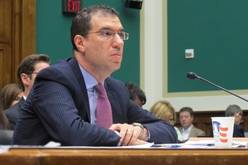
Mr. Slavitt acknowledged problems listed by the GAO. "Fortunately, or unfortunately, the GAO report wasn’t news to the people at CMS," he testified before the House Energy & Commerce Committee Subcommittee on Oversight and Investigations.
But many have been addressed, he said, adding that there is more accountability, better communication with contractors, and clearly defined performance goals.
"This coming year will be one of continuous and visible improvement, but not perfection," Mr. Slavitt testified.
The GAO report chronicled mismanagement, limited oversight, and a chaotic planning process within CMS during the lead-up to the launch of healthcare.gov in October 2013. Officials knew that the site was only 65% ready that spring, but put off a review of performance until September, GAO official William T. Woods testified at the hearing.
Constantly changing requirements led to huge cost increases – which appear to have continued. As of March 2014, the federal government had spent $840 million on the website. The CMS did not properly review or approve work by the contractors and "took only limited steps to hold the contractor accountable," Mr. Woods said in written testimony.
The GAO report notes that the cost of working with Accenture Federal Services – the contractor hired to replace the site’s original builder – had ballooned from $91 million to more than $175 million in the first half of 2014, because of new requirements and other changes ordered by CMS.
Despite rising costs, key parts of the website are still not functional, including the financial management module, which handles financial interactions with insurers. That contract continues, "so costs on that particular contract are almost certainly higher today than they were when we completed our audit work," Mr. Woods said.
Rep. Tim Murphy (R-Pa.), chairman of the oversight subcommittee said, "We still don’t know if the Administration has a system in place capable of handling inconsistencies, inaccurate subsidies, or whether CMS will ever put in place a functioning payments system."
Rep. Murphy and his Republican colleagues also questioned whether top CMS officials, such as Administrator Marilyn Tavenner, were aware that the site was so far behind in its performance goals and deadlines. At one point, Rep. Murphy suggested that, if they had known, they might have perjured themselves in appearances before the Energy & Commerce Committee in 2013.
Democrats on the panel said that it was important to acknowledge the failures of the site’s launch, but only to inform future solutions. "We will stipulate the rollout of the ACA was an unmitigated disaster," said Rep. Diana DeGette (D-Colo.). But she and her colleagues said it was time to move forward.
"My point is not to excuse the healthcare.gov problems but to put them in context," said Rep. Henry Waxman (D-Calif.). He said the problems were fixed, though not quick enough for his liking. But, Rep. Waxman added, "I want to learn what went wrong so CMS can do a better job for the next time."
On Twitter @aliciaault
WASHINGTON – Despite a scathing report on past and ongoing failures with healthcare.gov, the Affordable Care Act’s website will be ready to go when enrollment begins again in November, Andy Slavitt, principal deputy administrator of the Centers for Medicare & Medicaid Services testified to a House subcommittee July 31.
Mr. Slavitt, who took his post 3 weeks ago, was called to Capitol Hill to respond to a Government Accountability Office report that is critical of both the rollout of healthcare.gov and the ongoing management of the portal. The GAO is a nonpartisan agency that serves as the investigative arm of Congress.
Mr. Slavitt acknowledged problems listed by the GAO. "Fortunately, or unfortunately, the GAO report wasn’t news to the people at CMS," he testified before the House Energy & Commerce Committee Subcommittee on Oversight and Investigations.
But many have been addressed, he said, adding that there is more accountability, better communication with contractors, and clearly defined performance goals.
"This coming year will be one of continuous and visible improvement, but not perfection," Mr. Slavitt testified.
The GAO report chronicled mismanagement, limited oversight, and a chaotic planning process within CMS during the lead-up to the launch of healthcare.gov in October 2013. Officials knew that the site was only 65% ready that spring, but put off a review of performance until September, GAO official William T. Woods testified at the hearing.
Constantly changing requirements led to huge cost increases – which appear to have continued. As of March 2014, the federal government had spent $840 million on the website. The CMS did not properly review or approve work by the contractors and "took only limited steps to hold the contractor accountable," Mr. Woods said in written testimony.
The GAO report notes that the cost of working with Accenture Federal Services – the contractor hired to replace the site’s original builder – had ballooned from $91 million to more than $175 million in the first half of 2014, because of new requirements and other changes ordered by CMS.
Despite rising costs, key parts of the website are still not functional, including the financial management module, which handles financial interactions with insurers. That contract continues, "so costs on that particular contract are almost certainly higher today than they were when we completed our audit work," Mr. Woods said.
Rep. Tim Murphy (R-Pa.), chairman of the oversight subcommittee said, "We still don’t know if the Administration has a system in place capable of handling inconsistencies, inaccurate subsidies, or whether CMS will ever put in place a functioning payments system."
Rep. Murphy and his Republican colleagues also questioned whether top CMS officials, such as Administrator Marilyn Tavenner, were aware that the site was so far behind in its performance goals and deadlines. At one point, Rep. Murphy suggested that, if they had known, they might have perjured themselves in appearances before the Energy & Commerce Committee in 2013.
Democrats on the panel said that it was important to acknowledge the failures of the site’s launch, but only to inform future solutions. "We will stipulate the rollout of the ACA was an unmitigated disaster," said Rep. Diana DeGette (D-Colo.). But she and her colleagues said it was time to move forward.
"My point is not to excuse the healthcare.gov problems but to put them in context," said Rep. Henry Waxman (D-Calif.). He said the problems were fixed, though not quick enough for his liking. But, Rep. Waxman added, "I want to learn what went wrong so CMS can do a better job for the next time."
On Twitter @aliciaault
WASHINGTON – Despite a scathing report on past and ongoing failures with healthcare.gov, the Affordable Care Act’s website will be ready to go when enrollment begins again in November, Andy Slavitt, principal deputy administrator of the Centers for Medicare & Medicaid Services testified to a House subcommittee July 31.
Mr. Slavitt, who took his post 3 weeks ago, was called to Capitol Hill to respond to a Government Accountability Office report that is critical of both the rollout of healthcare.gov and the ongoing management of the portal. The GAO is a nonpartisan agency that serves as the investigative arm of Congress.
Mr. Slavitt acknowledged problems listed by the GAO. "Fortunately, or unfortunately, the GAO report wasn’t news to the people at CMS," he testified before the House Energy & Commerce Committee Subcommittee on Oversight and Investigations.
But many have been addressed, he said, adding that there is more accountability, better communication with contractors, and clearly defined performance goals.
"This coming year will be one of continuous and visible improvement, but not perfection," Mr. Slavitt testified.
The GAO report chronicled mismanagement, limited oversight, and a chaotic planning process within CMS during the lead-up to the launch of healthcare.gov in October 2013. Officials knew that the site was only 65% ready that spring, but put off a review of performance until September, GAO official William T. Woods testified at the hearing.
Constantly changing requirements led to huge cost increases – which appear to have continued. As of March 2014, the federal government had spent $840 million on the website. The CMS did not properly review or approve work by the contractors and "took only limited steps to hold the contractor accountable," Mr. Woods said in written testimony.
The GAO report notes that the cost of working with Accenture Federal Services – the contractor hired to replace the site’s original builder – had ballooned from $91 million to more than $175 million in the first half of 2014, because of new requirements and other changes ordered by CMS.
Despite rising costs, key parts of the website are still not functional, including the financial management module, which handles financial interactions with insurers. That contract continues, "so costs on that particular contract are almost certainly higher today than they were when we completed our audit work," Mr. Woods said.
Rep. Tim Murphy (R-Pa.), chairman of the oversight subcommittee said, "We still don’t know if the Administration has a system in place capable of handling inconsistencies, inaccurate subsidies, or whether CMS will ever put in place a functioning payments system."
Rep. Murphy and his Republican colleagues also questioned whether top CMS officials, such as Administrator Marilyn Tavenner, were aware that the site was so far behind in its performance goals and deadlines. At one point, Rep. Murphy suggested that, if they had known, they might have perjured themselves in appearances before the Energy & Commerce Committee in 2013.
Democrats on the panel said that it was important to acknowledge the failures of the site’s launch, but only to inform future solutions. "We will stipulate the rollout of the ACA was an unmitigated disaster," said Rep. Diana DeGette (D-Colo.). But she and her colleagues said it was time to move forward.
"My point is not to excuse the healthcare.gov problems but to put them in context," said Rep. Henry Waxman (D-Calif.). He said the problems were fixed, though not quick enough for his liking. But, Rep. Waxman added, "I want to learn what went wrong so CMS can do a better job for the next time."
On Twitter @aliciaault
FROM A HOUSE ENERGY & COMMERCE COMMITTEE HEARING
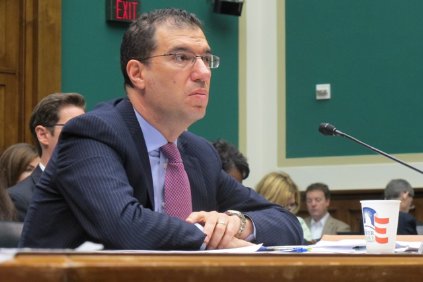
Docs to Congress: Licensure, payment are slowing telemedicine growth
A patchwork of sometimes-restrictive licensure requirements, combined with limited payment, continues to slow down the adoption of telemedicine in many small medical practices, physicians testified before a subcommittee of the House of Representatives.
On July 31, physicians testified about the versatile use of telemedicine – from managing high-risk pregnancies at home to treating acute stroke patients in critical access hospitals. But despite early evidence showing decreased cost and improved quality, the adoption is being stifled, they said.

Source: House Small Business Committee
One challenge comes from Medicare, which pays physicians for telemedicine services under limited circumstances, such as when the patient is in a health professional shortage area. Even when Medicare does pay, the current fee (about $25) is generally too low to cover the cost of setting up and maintaining a telemedicine service, according to Dr. Karen Rheuban of the University of Virginia Center for Telehealth, Charlottesville.
The impact on adoption is clear from the low level of total payments that Medicare made for telemedicine – less than $12 million nationally last year, Dr. Rheuban testified.
Other challenges include varying state board regulations, confusing credentialing regulations, the inability to employ telemedicine across state lines, HIPAA privacy and security regulations, evolving technology platforms, and the cost of adequate bandwidth.
"Telehealth is a valuable tool to address the significant challenges of access to high-quality care, to mitigate workforce shortages, improve population health, and lower the cost of care," Dr. Rheuban testified before the House Committee on Small Business Subcommittee on Health and Technology. "There are many opportunities for small practices to integrate telehealth into everyday practice. However, even for large health care systems such as our own, managing and navigating the complex legal and regulatory environment, which impacts telehealth, can be very challenging."
Dr. Brenda Dintiman, a dermatologist working in a small practice in Fairfax, Va., testified that she uses a tool that provides web-based and mobile access to telemedicine for her patients. But the lack of adequate payment is a barrier for her and other dermatologists, she said.
"While I face these barriers as a physician, it is ultimately the patients – often the most economically vulnerable – that are the most directly affected," Dr. Dintiman said.
Dr. Dintiman outlined some steps to expand the reach of telemedicine that are favored by the American Academy of Dermatology Association (AADA). For instance, Medicare could set an example for private insurers by expanding its payments for telemedicine services.
Changes in state licensure also are needed, she said. The AADA supports the telemedicine compact proposed by the Federation of State Medical Boards that would create a streamlined process for physicians to gain multiple state licenses. The AADA also favors further research on how telemedicine affects cost and quality, which could help make the case to insurers to begin making consistent and adequate payments for telemedicine services, Dr. Dintiman testified.
On Twitter @maryellenny
A patchwork of sometimes-restrictive licensure requirements, combined with limited payment, continues to slow down the adoption of telemedicine in many small medical practices, physicians testified before a subcommittee of the House of Representatives.
On July 31, physicians testified about the versatile use of telemedicine – from managing high-risk pregnancies at home to treating acute stroke patients in critical access hospitals. But despite early evidence showing decreased cost and improved quality, the adoption is being stifled, they said.
Source: House Small Business Committee
One challenge comes from Medicare, which pays physicians for telemedicine services under limited circumstances, such as when the patient is in a health professional shortage area. Even when Medicare does pay, the current fee (about $25) is generally too low to cover the cost of setting up and maintaining a telemedicine service, according to Dr. Karen Rheuban of the University of Virginia Center for Telehealth, Charlottesville.
The impact on adoption is clear from the low level of total payments that Medicare made for telemedicine – less than $12 million nationally last year, Dr. Rheuban testified.
Other challenges include varying state board regulations, confusing credentialing regulations, the inability to employ telemedicine across state lines, HIPAA privacy and security regulations, evolving technology platforms, and the cost of adequate bandwidth.
"Telehealth is a valuable tool to address the significant challenges of access to high-quality care, to mitigate workforce shortages, improve population health, and lower the cost of care," Dr. Rheuban testified before the House Committee on Small Business Subcommittee on Health and Technology. "There are many opportunities for small practices to integrate telehealth into everyday practice. However, even for large health care systems such as our own, managing and navigating the complex legal and regulatory environment, which impacts telehealth, can be very challenging."
Dr. Brenda Dintiman, a dermatologist working in a small practice in Fairfax, Va., testified that she uses a tool that provides web-based and mobile access to telemedicine for her patients. But the lack of adequate payment is a barrier for her and other dermatologists, she said.
"While I face these barriers as a physician, it is ultimately the patients – often the most economically vulnerable – that are the most directly affected," Dr. Dintiman said.
Dr. Dintiman outlined some steps to expand the reach of telemedicine that are favored by the American Academy of Dermatology Association (AADA). For instance, Medicare could set an example for private insurers by expanding its payments for telemedicine services.
Changes in state licensure also are needed, she said. The AADA supports the telemedicine compact proposed by the Federation of State Medical Boards that would create a streamlined process for physicians to gain multiple state licenses. The AADA also favors further research on how telemedicine affects cost and quality, which could help make the case to insurers to begin making consistent and adequate payments for telemedicine services, Dr. Dintiman testified.
On Twitter @maryellenny
A patchwork of sometimes-restrictive licensure requirements, combined with limited payment, continues to slow down the adoption of telemedicine in many small medical practices, physicians testified before a subcommittee of the House of Representatives.
On July 31, physicians testified about the versatile use of telemedicine – from managing high-risk pregnancies at home to treating acute stroke patients in critical access hospitals. But despite early evidence showing decreased cost and improved quality, the adoption is being stifled, they said.
Source: House Small Business Committee
One challenge comes from Medicare, which pays physicians for telemedicine services under limited circumstances, such as when the patient is in a health professional shortage area. Even when Medicare does pay, the current fee (about $25) is generally too low to cover the cost of setting up and maintaining a telemedicine service, according to Dr. Karen Rheuban of the University of Virginia Center for Telehealth, Charlottesville.
The impact on adoption is clear from the low level of total payments that Medicare made for telemedicine – less than $12 million nationally last year, Dr. Rheuban testified.
Other challenges include varying state board regulations, confusing credentialing regulations, the inability to employ telemedicine across state lines, HIPAA privacy and security regulations, evolving technology platforms, and the cost of adequate bandwidth.
"Telehealth is a valuable tool to address the significant challenges of access to high-quality care, to mitigate workforce shortages, improve population health, and lower the cost of care," Dr. Rheuban testified before the House Committee on Small Business Subcommittee on Health and Technology. "There are many opportunities for small practices to integrate telehealth into everyday practice. However, even for large health care systems such as our own, managing and navigating the complex legal and regulatory environment, which impacts telehealth, can be very challenging."
Dr. Brenda Dintiman, a dermatologist working in a small practice in Fairfax, Va., testified that she uses a tool that provides web-based and mobile access to telemedicine for her patients. But the lack of adequate payment is a barrier for her and other dermatologists, she said.
"While I face these barriers as a physician, it is ultimately the patients – often the most economically vulnerable – that are the most directly affected," Dr. Dintiman said.
Dr. Dintiman outlined some steps to expand the reach of telemedicine that are favored by the American Academy of Dermatology Association (AADA). For instance, Medicare could set an example for private insurers by expanding its payments for telemedicine services.
Changes in state licensure also are needed, she said. The AADA supports the telemedicine compact proposed by the Federation of State Medical Boards that would create a streamlined process for physicians to gain multiple state licenses. The AADA also favors further research on how telemedicine affects cost and quality, which could help make the case to insurers to begin making consistent and adequate payments for telemedicine services, Dr. Dintiman testified.
On Twitter @maryellenny
FROM A HOUSE SUBCOMMITTEE HEARING

Pediatric Hospital Medicine 2014: Keynote Speakers Address Healthcare Reform, What Keeps Hospital CEO's Awake at Night
Presenters
--- Welcome Remarks: Doug Carlson, MD, FAAP, chief of pediatric hospital medicine programs, St. Louis Children’s Hospital
--- The Next Phase of Delivery System Reform: Patrick Conway, MD, MSc, FAAP, MHM, deputy administrator for innovation and quality, CMO for the Centers for Medicare & Medicaid Services (CMS)
--- Hospitals and Health Systems: What’s on the Mind of Your CEO?: David J. Bailey, MD, MBA, president and CEO, the Nemours Foundation; Steve Narang, MD, MHCM, CEO, Banner Good Samaritan Medical Center, Phoenix, Ariz.; Jeff Sperring, MD, FAAP, president and CEO, Riley Hospital for Children at Indiana University Health, Indianapolis.
Summary
PHM 2014 began to heat up in steamy Orlando, as Dr. Carlson, chair of the PHM 2014 Organizing Committee, welcomed more than 800 pediatric hospitalists at the four-day annual meeting dedicated to pediatric hospital medicine.
Dr. Conway, a pediatric hospitalist prior to joining CMS, updated the crowd of ongoing reforms in the U.S. healthcare delivery system, with a focus on pediatrics. Healthcare delivery, Dr. Conway asserted, needs to move from an unsustainable, volume-driven, fee-for-service system to a people-centered, sustainable system where payment can be shaped by value-based purchasing, ACO-shared savings, and episode-based payments.
“Pediatrics,” Dr. Conway said, “is a leader in patient and family engagement, and population health.”
As such, the six goals of the CMS Quality Strategy align well with ongoing PHM efforts:
- Make care safer by reducing harm caused in care delivery;
- Strengthen patient and family engagement as partners in their care;
- Promote effective communication and coordination of care;
- Promote effective prevention and treatment of chronic disease;
- Work with communities to promote healthy living; and
- Make care affordable.
Citing Maryland as an example, where a plan is being considered to shift 80% of hospital revenues to global models by 2018, Dr. Conway painted a picture of a rapidly-shifting reimbursement landscape that will soon be dominated by value-based purchasing, penalties for readmissions and healthcare-acquired conditions, and increasing emphasis on bundled payments, ACOs, and primary care medical homes.
“Hospitals are getting paid to keep people out of the hospital,” he said, and concurrently per capita spending on healthcare is now at historic lows. While pediatric quality measures are not as mature as those for adult patients, many opportunities for increasing value in pediatric care have been developed, such as the Choosing Wisely campaign and the Value in Inpatient Pediatrics (VIP) network.
Although not restricted to pediatrics, the CMS Partnership for Patients also aims to have a major impact on child health. Goals of a 40% reduction in HACs and 20% reduction in preventable 30-day readmissions have been set by the Partnership, with specific focus on 10 core patient-safety areas. Preliminary data have been promising, with a 9% reduction in HACs between 2010 and 2012 across all measures.
“This is a historical reduction,” said Dr. Conway, representing more than 500,000 patient harm events avoided, over 15,000 lives saved, and more than $4 billion in cost savings.
Within pediatrics, a number of research efforts have added to this reduction, including the Pediatric Research in Inpatient Settings (PRIS) Network, PHIS+, I-PASS, as well as several collaborative improvement networks.
Looking to the future, Medicaid and Children’s Health Insurance Program will continue to focus on quality initiatives and system transformation. These will include developing more pediatric-focused quality measures, improving health information technology, and continuing to award innovation in pediatrics. Pediatrics will continue to be a leader in these efforts, Dr. Conway said, because “we should care about longer time horizons.”
Four healthcare system CEOs also took the stage to answer questions from the audience, with Mark Shen, MD, president of Dell Children’s Medical Center, posing questions like a seasoned talk-show host. Panel members fielded a wide range of questions, including:
— How did you become a CEO?
“All I had to do was keep on saying ‘yes,’” Dr. Bailey said.
— What are you doing as a CEO to move from a fee-for-service system to a population-based system?
“We are still living in two different worlds…It depends on ACO penetration whether quality or volume will be the driver over the next 3-5 years,” Dr. Narang said.
“We have to create an accountable health community,” Dr. Shen said.
“The question is, how can you build a model that will allow you to flip the switch when this change occurs?” Dr. Sperring said.
— What is the role of hospitalists as care progresses from the most intensive but sometimes least appropriate site?
“I think the environment will drastically change, but there will be an ever enlarging role for hospitalists. … Hospitalists will likely be moving to LTACs, SNFs, even outpatient work.” Dr. Bailey said.
— If PHM fellowship becomes a requirement, will your hospital fund them?
“It’s hard to define what we do, but we know there are core competencies. … I don’t think we’re going to be at a point where certification will limit being a hospitalist any time soon,” Dr. Shen said.
— How can we make health care pricing more transparent?
“Why is it that in other industries, things are getting cheaper and higher quality, but in healthcare we seem to be going in the opposite direction?” Dr. Bailey said. “There has to be transparency for the patient. How about transparency for the provider? Every EMR should have a price for everything your order.”
— What do you think we can do to get more women into executive roles?
“Based on the percentages of women in medical school, residencies, and fellowships, I think it is inevitable that women will be the future leaders for our system,” Dr. Sperring said.
— What are the three most important things from a CEO perspective that a hospitalist should know?
“You have to have self-awareness…as a leader, are you a listener, are you a delegator?” Dr. Bailey said.
“Know where your organization wants to go,” Dr. Sperring said.
Dr. Chang is associate clinical professor of medicine and pediatrics at the University of California at San Diego School of Medicine, and a hospitalist at both UCSD Medical Center and Rady Children’s Hospital. He is pediatric editor of The Hospitalist.
Presenters
--- Welcome Remarks: Doug Carlson, MD, FAAP, chief of pediatric hospital medicine programs, St. Louis Children’s Hospital
--- The Next Phase of Delivery System Reform: Patrick Conway, MD, MSc, FAAP, MHM, deputy administrator for innovation and quality, CMO for the Centers for Medicare & Medicaid Services (CMS)
--- Hospitals and Health Systems: What’s on the Mind of Your CEO?: David J. Bailey, MD, MBA, president and CEO, the Nemours Foundation; Steve Narang, MD, MHCM, CEO, Banner Good Samaritan Medical Center, Phoenix, Ariz.; Jeff Sperring, MD, FAAP, president and CEO, Riley Hospital for Children at Indiana University Health, Indianapolis.
Summary
PHM 2014 began to heat up in steamy Orlando, as Dr. Carlson, chair of the PHM 2014 Organizing Committee, welcomed more than 800 pediatric hospitalists at the four-day annual meeting dedicated to pediatric hospital medicine.
Dr. Conway, a pediatric hospitalist prior to joining CMS, updated the crowd of ongoing reforms in the U.S. healthcare delivery system, with a focus on pediatrics. Healthcare delivery, Dr. Conway asserted, needs to move from an unsustainable, volume-driven, fee-for-service system to a people-centered, sustainable system where payment can be shaped by value-based purchasing, ACO-shared savings, and episode-based payments.
“Pediatrics,” Dr. Conway said, “is a leader in patient and family engagement, and population health.”
As such, the six goals of the CMS Quality Strategy align well with ongoing PHM efforts:
- Make care safer by reducing harm caused in care delivery;
- Strengthen patient and family engagement as partners in their care;
- Promote effective communication and coordination of care;
- Promote effective prevention and treatment of chronic disease;
- Work with communities to promote healthy living; and
- Make care affordable.
Citing Maryland as an example, where a plan is being considered to shift 80% of hospital revenues to global models by 2018, Dr. Conway painted a picture of a rapidly-shifting reimbursement landscape that will soon be dominated by value-based purchasing, penalties for readmissions and healthcare-acquired conditions, and increasing emphasis on bundled payments, ACOs, and primary care medical homes.
“Hospitals are getting paid to keep people out of the hospital,” he said, and concurrently per capita spending on healthcare is now at historic lows. While pediatric quality measures are not as mature as those for adult patients, many opportunities for increasing value in pediatric care have been developed, such as the Choosing Wisely campaign and the Value in Inpatient Pediatrics (VIP) network.
Although not restricted to pediatrics, the CMS Partnership for Patients also aims to have a major impact on child health. Goals of a 40% reduction in HACs and 20% reduction in preventable 30-day readmissions have been set by the Partnership, with specific focus on 10 core patient-safety areas. Preliminary data have been promising, with a 9% reduction in HACs between 2010 and 2012 across all measures.
“This is a historical reduction,” said Dr. Conway, representing more than 500,000 patient harm events avoided, over 15,000 lives saved, and more than $4 billion in cost savings.
Within pediatrics, a number of research efforts have added to this reduction, including the Pediatric Research in Inpatient Settings (PRIS) Network, PHIS+, I-PASS, as well as several collaborative improvement networks.
Looking to the future, Medicaid and Children’s Health Insurance Program will continue to focus on quality initiatives and system transformation. These will include developing more pediatric-focused quality measures, improving health information technology, and continuing to award innovation in pediatrics. Pediatrics will continue to be a leader in these efforts, Dr. Conway said, because “we should care about longer time horizons.”
Four healthcare system CEOs also took the stage to answer questions from the audience, with Mark Shen, MD, president of Dell Children’s Medical Center, posing questions like a seasoned talk-show host. Panel members fielded a wide range of questions, including:
— How did you become a CEO?
“All I had to do was keep on saying ‘yes,’” Dr. Bailey said.
— What are you doing as a CEO to move from a fee-for-service system to a population-based system?
“We are still living in two different worlds…It depends on ACO penetration whether quality or volume will be the driver over the next 3-5 years,” Dr. Narang said.
“We have to create an accountable health community,” Dr. Shen said.
“The question is, how can you build a model that will allow you to flip the switch when this change occurs?” Dr. Sperring said.
— What is the role of hospitalists as care progresses from the most intensive but sometimes least appropriate site?
“I think the environment will drastically change, but there will be an ever enlarging role for hospitalists. … Hospitalists will likely be moving to LTACs, SNFs, even outpatient work.” Dr. Bailey said.
— If PHM fellowship becomes a requirement, will your hospital fund them?
“It’s hard to define what we do, but we know there are core competencies. … I don’t think we’re going to be at a point where certification will limit being a hospitalist any time soon,” Dr. Shen said.
— How can we make health care pricing more transparent?
“Why is it that in other industries, things are getting cheaper and higher quality, but in healthcare we seem to be going in the opposite direction?” Dr. Bailey said. “There has to be transparency for the patient. How about transparency for the provider? Every EMR should have a price for everything your order.”
— What do you think we can do to get more women into executive roles?
“Based on the percentages of women in medical school, residencies, and fellowships, I think it is inevitable that women will be the future leaders for our system,” Dr. Sperring said.
— What are the three most important things from a CEO perspective that a hospitalist should know?
“You have to have self-awareness…as a leader, are you a listener, are you a delegator?” Dr. Bailey said.
“Know where your organization wants to go,” Dr. Sperring said.
Dr. Chang is associate clinical professor of medicine and pediatrics at the University of California at San Diego School of Medicine, and a hospitalist at both UCSD Medical Center and Rady Children’s Hospital. He is pediatric editor of The Hospitalist.
Presenters
--- Welcome Remarks: Doug Carlson, MD, FAAP, chief of pediatric hospital medicine programs, St. Louis Children’s Hospital
--- The Next Phase of Delivery System Reform: Patrick Conway, MD, MSc, FAAP, MHM, deputy administrator for innovation and quality, CMO for the Centers for Medicare & Medicaid Services (CMS)
--- Hospitals and Health Systems: What’s on the Mind of Your CEO?: David J. Bailey, MD, MBA, president and CEO, the Nemours Foundation; Steve Narang, MD, MHCM, CEO, Banner Good Samaritan Medical Center, Phoenix, Ariz.; Jeff Sperring, MD, FAAP, president and CEO, Riley Hospital for Children at Indiana University Health, Indianapolis.
Summary
PHM 2014 began to heat up in steamy Orlando, as Dr. Carlson, chair of the PHM 2014 Organizing Committee, welcomed more than 800 pediatric hospitalists at the four-day annual meeting dedicated to pediatric hospital medicine.
Dr. Conway, a pediatric hospitalist prior to joining CMS, updated the crowd of ongoing reforms in the U.S. healthcare delivery system, with a focus on pediatrics. Healthcare delivery, Dr. Conway asserted, needs to move from an unsustainable, volume-driven, fee-for-service system to a people-centered, sustainable system where payment can be shaped by value-based purchasing, ACO-shared savings, and episode-based payments.
“Pediatrics,” Dr. Conway said, “is a leader in patient and family engagement, and population health.”
As such, the six goals of the CMS Quality Strategy align well with ongoing PHM efforts:
- Make care safer by reducing harm caused in care delivery;
- Strengthen patient and family engagement as partners in their care;
- Promote effective communication and coordination of care;
- Promote effective prevention and treatment of chronic disease;
- Work with communities to promote healthy living; and
- Make care affordable.
Citing Maryland as an example, where a plan is being considered to shift 80% of hospital revenues to global models by 2018, Dr. Conway painted a picture of a rapidly-shifting reimbursement landscape that will soon be dominated by value-based purchasing, penalties for readmissions and healthcare-acquired conditions, and increasing emphasis on bundled payments, ACOs, and primary care medical homes.
“Hospitals are getting paid to keep people out of the hospital,” he said, and concurrently per capita spending on healthcare is now at historic lows. While pediatric quality measures are not as mature as those for adult patients, many opportunities for increasing value in pediatric care have been developed, such as the Choosing Wisely campaign and the Value in Inpatient Pediatrics (VIP) network.
Although not restricted to pediatrics, the CMS Partnership for Patients also aims to have a major impact on child health. Goals of a 40% reduction in HACs and 20% reduction in preventable 30-day readmissions have been set by the Partnership, with specific focus on 10 core patient-safety areas. Preliminary data have been promising, with a 9% reduction in HACs between 2010 and 2012 across all measures.
“This is a historical reduction,” said Dr. Conway, representing more than 500,000 patient harm events avoided, over 15,000 lives saved, and more than $4 billion in cost savings.
Within pediatrics, a number of research efforts have added to this reduction, including the Pediatric Research in Inpatient Settings (PRIS) Network, PHIS+, I-PASS, as well as several collaborative improvement networks.
Looking to the future, Medicaid and Children’s Health Insurance Program will continue to focus on quality initiatives and system transformation. These will include developing more pediatric-focused quality measures, improving health information technology, and continuing to award innovation in pediatrics. Pediatrics will continue to be a leader in these efforts, Dr. Conway said, because “we should care about longer time horizons.”
Four healthcare system CEOs also took the stage to answer questions from the audience, with Mark Shen, MD, president of Dell Children’s Medical Center, posing questions like a seasoned talk-show host. Panel members fielded a wide range of questions, including:
— How did you become a CEO?
“All I had to do was keep on saying ‘yes,’” Dr. Bailey said.
— What are you doing as a CEO to move from a fee-for-service system to a population-based system?
“We are still living in two different worlds…It depends on ACO penetration whether quality or volume will be the driver over the next 3-5 years,” Dr. Narang said.
“We have to create an accountable health community,” Dr. Shen said.
“The question is, how can you build a model that will allow you to flip the switch when this change occurs?” Dr. Sperring said.
— What is the role of hospitalists as care progresses from the most intensive but sometimes least appropriate site?
“I think the environment will drastically change, but there will be an ever enlarging role for hospitalists. … Hospitalists will likely be moving to LTACs, SNFs, even outpatient work.” Dr. Bailey said.
— If PHM fellowship becomes a requirement, will your hospital fund them?
“It’s hard to define what we do, but we know there are core competencies. … I don’t think we’re going to be at a point where certification will limit being a hospitalist any time soon,” Dr. Shen said.
— How can we make health care pricing more transparent?
“Why is it that in other industries, things are getting cheaper and higher quality, but in healthcare we seem to be going in the opposite direction?” Dr. Bailey said. “There has to be transparency for the patient. How about transparency for the provider? Every EMR should have a price for everything your order.”
— What do you think we can do to get more women into executive roles?
“Based on the percentages of women in medical school, residencies, and fellowships, I think it is inevitable that women will be the future leaders for our system,” Dr. Sperring said.
— What are the three most important things from a CEO perspective that a hospitalist should know?
“You have to have self-awareness…as a leader, are you a listener, are you a delegator?” Dr. Bailey said.
“Know where your organization wants to go,” Dr. Sperring said.
Dr. Chang is associate clinical professor of medicine and pediatrics at the University of California at San Diego School of Medicine, and a hospitalist at both UCSD Medical Center and Rady Children’s Hospital. He is pediatric editor of The Hospitalist.
Social media can help, harm liability cases
Physicians should be mindful of how social media can affect a medical malpractice case for better or worse and take steps to avoid legal dangers.
As a case proceeds through the legal process, social media "can be used to take the pulse of the parties, to discover public information that can be used in [cross examinations], and to explore themes for trials," said John E. Hall Jr., an Atlanta-based medical liability defense attorney, at the American Conference Institute’s obstetric malpractice claims forum in Philadelphia.

Plaintiffs’ and defense attorneys both turn toward social media use by patients and physicians to search for ways to build their respective cases. For the defense, this could mean reviewing a patient’s Facebook or Twitter account for information that contradicts their alleged injury claim. For instance, a patient who alleges a serious leg injury may be posting pictures of recent running activities.
On the other hand, plaintiffs may search social media for evidence about physicians’ activities around the time the alleged malpractice occurred. For example, by arguing a doctor’s late-night posts suggest the doctor had little sleep and was less than attentive during the patient’s visit, said Adam J. Davis, a Cleveland-based medical liability defense attorney. He was a copresenter at the obstetric claims conference.
"The courts are viewing electronically stored information, such as Facebook profiles, no differently than a person’s photo album at home or a journal that relates to the care in question, all of which have been discoverable in litigation," Mr. Davis said in an interview. Judges "are treating electronically stored information in much the same way they treat real, [tangible] evidence. Once that information is out there in a public forum, it’s fair game."
To prevent social media postings from being used against them in court, physicians should considering making their personal accounts private, Mr. Davis said. They should also be wary about what information they are posting or forwarding on public websites or on their practice’s social media accounts.
Deleting or changing a social media posting because it may arise during a malpractice case is a bad idea. Data residing in social media sites is subject to the same "duty to preserve" as other types of electronically stored information, Mr. Davis said. The duty to preserve is triggered when a party reasonably foresees the information may be relevant to issues in litigation. Deleting Facebook posts or other social media texts could result in sanctions for physicians or a spoliation of evidence claim.

If physicians believe a medical malpractice lawsuit may be forthcoming, it might be helpful to monitor the social media landscape and review what is being said about their care or practices, legal experts add. Physicians can search mainstream media, blogger websites, online reviews or tweets for their names or facilities. Such information could help them be more prepared if a suit is filed and help them direct their attorneys to relevant online comments.
"Monitoring [social media] pre-, during, and post trial can give a variety of information from the opinion of the case in the community, the predispositions witnesses may have, and compliance with court directives and rules," Mr. Hall said in an interview.
However, doctors should leave to attorneys the searching of jurors on social media, especially during trial. Contacting jurors during trial – even accidently – can lead to serious legal consequences for physicians, such as a mistrial.
"The best practice is for doctors not to be checking on jurors during trial – leave that to counsel," Mr. Davis said. "It’s too risky for the physician. A physician’s inadvertent communication with a juror over social media – say they accidently send a friend request – that’s considered communication, and it could result in a mistrial or the [excusing] of the juror or the start a new trial."
On Twitter @legal_med
Physicians should be mindful of how social media can affect a medical malpractice case for better or worse and take steps to avoid legal dangers.
As a case proceeds through the legal process, social media "can be used to take the pulse of the parties, to discover public information that can be used in [cross examinations], and to explore themes for trials," said John E. Hall Jr., an Atlanta-based medical liability defense attorney, at the American Conference Institute’s obstetric malpractice claims forum in Philadelphia.
Plaintiffs’ and defense attorneys both turn toward social media use by patients and physicians to search for ways to build their respective cases. For the defense, this could mean reviewing a patient’s Facebook or Twitter account for information that contradicts their alleged injury claim. For instance, a patient who alleges a serious leg injury may be posting pictures of recent running activities.
On the other hand, plaintiffs may search social media for evidence about physicians’ activities around the time the alleged malpractice occurred. For example, by arguing a doctor’s late-night posts suggest the doctor had little sleep and was less than attentive during the patient’s visit, said Adam J. Davis, a Cleveland-based medical liability defense attorney. He was a copresenter at the obstetric claims conference.
"The courts are viewing electronically stored information, such as Facebook profiles, no differently than a person’s photo album at home or a journal that relates to the care in question, all of which have been discoverable in litigation," Mr. Davis said in an interview. Judges "are treating electronically stored information in much the same way they treat real, [tangible] evidence. Once that information is out there in a public forum, it’s fair game."
To prevent social media postings from being used against them in court, physicians should considering making their personal accounts private, Mr. Davis said. They should also be wary about what information they are posting or forwarding on public websites or on their practice’s social media accounts.
Deleting or changing a social media posting because it may arise during a malpractice case is a bad idea. Data residing in social media sites is subject to the same "duty to preserve" as other types of electronically stored information, Mr. Davis said. The duty to preserve is triggered when a party reasonably foresees the information may be relevant to issues in litigation. Deleting Facebook posts or other social media texts could result in sanctions for physicians or a spoliation of evidence claim.
If physicians believe a medical malpractice lawsuit may be forthcoming, it might be helpful to monitor the social media landscape and review what is being said about their care or practices, legal experts add. Physicians can search mainstream media, blogger websites, online reviews or tweets for their names or facilities. Such information could help them be more prepared if a suit is filed and help them direct their attorneys to relevant online comments.
"Monitoring [social media] pre-, during, and post trial can give a variety of information from the opinion of the case in the community, the predispositions witnesses may have, and compliance with court directives and rules," Mr. Hall said in an interview.
However, doctors should leave to attorneys the searching of jurors on social media, especially during trial. Contacting jurors during trial – even accidently – can lead to serious legal consequences for physicians, such as a mistrial.
"The best practice is for doctors not to be checking on jurors during trial – leave that to counsel," Mr. Davis said. "It’s too risky for the physician. A physician’s inadvertent communication with a juror over social media – say they accidently send a friend request – that’s considered communication, and it could result in a mistrial or the [excusing] of the juror or the start a new trial."
On Twitter @legal_med
Physicians should be mindful of how social media can affect a medical malpractice case for better or worse and take steps to avoid legal dangers.
As a case proceeds through the legal process, social media "can be used to take the pulse of the parties, to discover public information that can be used in [cross examinations], and to explore themes for trials," said John E. Hall Jr., an Atlanta-based medical liability defense attorney, at the American Conference Institute’s obstetric malpractice claims forum in Philadelphia.
Plaintiffs’ and defense attorneys both turn toward social media use by patients and physicians to search for ways to build their respective cases. For the defense, this could mean reviewing a patient’s Facebook or Twitter account for information that contradicts their alleged injury claim. For instance, a patient who alleges a serious leg injury may be posting pictures of recent running activities.
On the other hand, plaintiffs may search social media for evidence about physicians’ activities around the time the alleged malpractice occurred. For example, by arguing a doctor’s late-night posts suggest the doctor had little sleep and was less than attentive during the patient’s visit, said Adam J. Davis, a Cleveland-based medical liability defense attorney. He was a copresenter at the obstetric claims conference.
"The courts are viewing electronically stored information, such as Facebook profiles, no differently than a person’s photo album at home or a journal that relates to the care in question, all of which have been discoverable in litigation," Mr. Davis said in an interview. Judges "are treating electronically stored information in much the same way they treat real, [tangible] evidence. Once that information is out there in a public forum, it’s fair game."
To prevent social media postings from being used against them in court, physicians should considering making their personal accounts private, Mr. Davis said. They should also be wary about what information they are posting or forwarding on public websites or on their practice’s social media accounts.
Deleting or changing a social media posting because it may arise during a malpractice case is a bad idea. Data residing in social media sites is subject to the same "duty to preserve" as other types of electronically stored information, Mr. Davis said. The duty to preserve is triggered when a party reasonably foresees the information may be relevant to issues in litigation. Deleting Facebook posts or other social media texts could result in sanctions for physicians or a spoliation of evidence claim.
If physicians believe a medical malpractice lawsuit may be forthcoming, it might be helpful to monitor the social media landscape and review what is being said about their care or practices, legal experts add. Physicians can search mainstream media, blogger websites, online reviews or tweets for their names or facilities. Such information could help them be more prepared if a suit is filed and help them direct their attorneys to relevant online comments.
"Monitoring [social media] pre-, during, and post trial can give a variety of information from the opinion of the case in the community, the predispositions witnesses may have, and compliance with court directives and rules," Mr. Hall said in an interview.
However, doctors should leave to attorneys the searching of jurors on social media, especially during trial. Contacting jurors during trial – even accidently – can lead to serious legal consequences for physicians, such as a mistrial.
"The best practice is for doctors not to be checking on jurors during trial – leave that to counsel," Mr. Davis said. "It’s too risky for the physician. A physician’s inadvertent communication with a juror over social media – say they accidently send a friend request – that’s considered communication, and it could result in a mistrial or the [excusing] of the juror or the start a new trial."
On Twitter @legal_med

IOM report calls for redistribution of GME funding
The Medicare program should continue to fund graduate medical education for at least the next decade, but should gradually begin tying payments to performance, according to a report from the Institute of Medicine.
In the report, released July 29, an IOM panel recommended that the U.S. Department of Health & Human Services create a Graduate Medical Education Policy Council, loosely modeled after the Medicare Payment Advisory Committee (MedPAC). The council would be charged with developing a strategic plan for allocating graduate medical education (GME) funds, as well as sponsoring research to determine the best mix of physician specialties and the geographic areas where they are needed most.

The panel also recommended the establishment of a GME Center within the Centers for Medicare & Medicaid Services to manage the distribution of funds.
The IOM panel called for an end to the current system of providing both "direct" and "indirect" GME funds. Instead, the panel recommends the establishment of an "operations" fund that would pay for current residency slots and a "transformation" fund that would test alternative payment methods and validate performance measures.
Initially, about 90% of the funding would go toward operations and 10% toward transformation activities, according to Gail Wilensky, Ph.D., cochair of the IOM panel and a senior fellow at Project HOPE, an international health foundation. Dr. Wilensky was commissioner of Medicare and Medicaid programs from 1990 to 1992.
The panel recommended that Medicare payments, which account for about $9.7 billion of the $15 billion spent annually by the federal government on GME, continue at current levels with an adjustment for inflation. The organizations that sponsor GME programs would receive one payment based on a national per-resident amount equal to the total value of the new GME operational fund, divided by the current number of full-time Medicare-funded training slots.
The recommendations were criticized by the Association of American Medical Colleges, which represents medical schools in the United States and Canada. Dr. Darrell G. Kirch, AAMC president and CEO, said the IOM panel’s plan for restructuring GME financing would essentially amount to a cut in funding for teaching hospitals and would create new government bureaucracies.
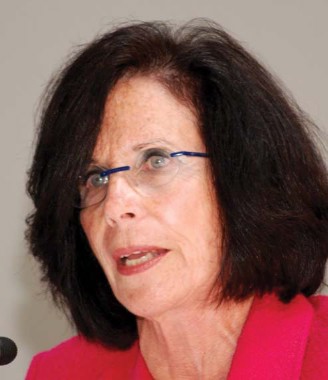
"By proposing as much as a 35% reduction in payments to teaching hospitals, the IOM’s recommendations will slash funding for vital care and services available almost exclusively at teaching hospitals, including Level 1 trauma centers, pediatric intensive care units, burn centers, and access to clinical trials," Dr. Kirch said. "In addition to hurting patient care, these cuts will limit critical training settings for future physicians, nurses, and other health professionals."
The AAMC instead supports increasing the number of federally supported GME training slots.
On Twitter @maryellenny
The Medicare program should continue to fund graduate medical education for at least the next decade, but should gradually begin tying payments to performance, according to a report from the Institute of Medicine.
In the report, released July 29, an IOM panel recommended that the U.S. Department of Health & Human Services create a Graduate Medical Education Policy Council, loosely modeled after the Medicare Payment Advisory Committee (MedPAC). The council would be charged with developing a strategic plan for allocating graduate medical education (GME) funds, as well as sponsoring research to determine the best mix of physician specialties and the geographic areas where they are needed most.
The panel also recommended the establishment of a GME Center within the Centers for Medicare & Medicaid Services to manage the distribution of funds.
The IOM panel called for an end to the current system of providing both "direct" and "indirect" GME funds. Instead, the panel recommends the establishment of an "operations" fund that would pay for current residency slots and a "transformation" fund that would test alternative payment methods and validate performance measures.
Initially, about 90% of the funding would go toward operations and 10% toward transformation activities, according to Gail Wilensky, Ph.D., cochair of the IOM panel and a senior fellow at Project HOPE, an international health foundation. Dr. Wilensky was commissioner of Medicare and Medicaid programs from 1990 to 1992.
The panel recommended that Medicare payments, which account for about $9.7 billion of the $15 billion spent annually by the federal government on GME, continue at current levels with an adjustment for inflation. The organizations that sponsor GME programs would receive one payment based on a national per-resident amount equal to the total value of the new GME operational fund, divided by the current number of full-time Medicare-funded training slots.
The recommendations were criticized by the Association of American Medical Colleges, which represents medical schools in the United States and Canada. Dr. Darrell G. Kirch, AAMC president and CEO, said the IOM panel’s plan for restructuring GME financing would essentially amount to a cut in funding for teaching hospitals and would create new government bureaucracies.
"By proposing as much as a 35% reduction in payments to teaching hospitals, the IOM’s recommendations will slash funding for vital care and services available almost exclusively at teaching hospitals, including Level 1 trauma centers, pediatric intensive care units, burn centers, and access to clinical trials," Dr. Kirch said. "In addition to hurting patient care, these cuts will limit critical training settings for future physicians, nurses, and other health professionals."
The AAMC instead supports increasing the number of federally supported GME training slots.
On Twitter @maryellenny
The Medicare program should continue to fund graduate medical education for at least the next decade, but should gradually begin tying payments to performance, according to a report from the Institute of Medicine.
In the report, released July 29, an IOM panel recommended that the U.S. Department of Health & Human Services create a Graduate Medical Education Policy Council, loosely modeled after the Medicare Payment Advisory Committee (MedPAC). The council would be charged with developing a strategic plan for allocating graduate medical education (GME) funds, as well as sponsoring research to determine the best mix of physician specialties and the geographic areas where they are needed most.
The panel also recommended the establishment of a GME Center within the Centers for Medicare & Medicaid Services to manage the distribution of funds.
The IOM panel called for an end to the current system of providing both "direct" and "indirect" GME funds. Instead, the panel recommends the establishment of an "operations" fund that would pay for current residency slots and a "transformation" fund that would test alternative payment methods and validate performance measures.
Initially, about 90% of the funding would go toward operations and 10% toward transformation activities, according to Gail Wilensky, Ph.D., cochair of the IOM panel and a senior fellow at Project HOPE, an international health foundation. Dr. Wilensky was commissioner of Medicare and Medicaid programs from 1990 to 1992.
The panel recommended that Medicare payments, which account for about $9.7 billion of the $15 billion spent annually by the federal government on GME, continue at current levels with an adjustment for inflation. The organizations that sponsor GME programs would receive one payment based on a national per-resident amount equal to the total value of the new GME operational fund, divided by the current number of full-time Medicare-funded training slots.
The recommendations were criticized by the Association of American Medical Colleges, which represents medical schools in the United States and Canada. Dr. Darrell G. Kirch, AAMC president and CEO, said the IOM panel’s plan for restructuring GME financing would essentially amount to a cut in funding for teaching hospitals and would create new government bureaucracies.
"By proposing as much as a 35% reduction in payments to teaching hospitals, the IOM’s recommendations will slash funding for vital care and services available almost exclusively at teaching hospitals, including Level 1 trauma centers, pediatric intensive care units, burn centers, and access to clinical trials," Dr. Kirch said. "In addition to hurting patient care, these cuts will limit critical training settings for future physicians, nurses, and other health professionals."
The AAMC instead supports increasing the number of federally supported GME training slots.
On Twitter @maryellenny

Federation issues revised draft of telemedicine compact
The Federation of State Medical Boards has released an updated draft of a proposed interstate compact that would expand the practice of telemedicine by streamlining physician licensure. The revised text includes new requirements for physicians who wish to participate in an expedited process for gaining multiple state licenses.
Under the draft, interested physicians would need to complete a background check including biometric data (fingerprints or other) and pass all components of either the U.S. Medical Licensing Examination or the Comprehensive Osteopathic Medicine Licensing Examination within three attempts.

Additional new draft language alters specialty certification requirements of the compact to clarify that those with time-unlimited certification are eligible to participate in the compact.
"The goal of the compact is to ensure that qualified physicians are able to practice medicine in a safe and accountable manner, and that the strongest health care consumer protections are maintained," Dr. Humayun J. Chaudhry, FSMB president and CEO, said in a statement. "The revised compact helps ensure that as the practice of telemedicine continues to expand, patient protection remains a top priority. We look forward to sharing the revised compact with state medical boards across the country and look forward to working with them to achieve implementation."
The FSMB House of Delegates unanimously approved the development of an interstate compact to expedite medical licensure and facilitate multistate practice at its 2013 annual meeting. Under the proposed system, states and doctors would voluntarily enter into the compact, and approved physicians would be under the jurisdiction of the state medical board in which the patient is located at the time of the medical interaction. State boards of medicine would retain their individual authority for discipline and oversight, according to the proposed compact.
The interstate compact system is expected to significantly reduce barriers to the process of gaining licensure in multiple states, while helping to facilitate licensure portability and telemedicine. The state boards of medicine intend to present the final compact draft to state legislators for their consideration in 2015 legislative sessions.
On Twitter @legal_med
The Federation of State Medical Boards has released an updated draft of a proposed interstate compact that would expand the practice of telemedicine by streamlining physician licensure. The revised text includes new requirements for physicians who wish to participate in an expedited process for gaining multiple state licenses.
Under the draft, interested physicians would need to complete a background check including biometric data (fingerprints or other) and pass all components of either the U.S. Medical Licensing Examination or the Comprehensive Osteopathic Medicine Licensing Examination within three attempts.
Additional new draft language alters specialty certification requirements of the compact to clarify that those with time-unlimited certification are eligible to participate in the compact.
"The goal of the compact is to ensure that qualified physicians are able to practice medicine in a safe and accountable manner, and that the strongest health care consumer protections are maintained," Dr. Humayun J. Chaudhry, FSMB president and CEO, said in a statement. "The revised compact helps ensure that as the practice of telemedicine continues to expand, patient protection remains a top priority. We look forward to sharing the revised compact with state medical boards across the country and look forward to working with them to achieve implementation."
The FSMB House of Delegates unanimously approved the development of an interstate compact to expedite medical licensure and facilitate multistate practice at its 2013 annual meeting. Under the proposed system, states and doctors would voluntarily enter into the compact, and approved physicians would be under the jurisdiction of the state medical board in which the patient is located at the time of the medical interaction. State boards of medicine would retain their individual authority for discipline and oversight, according to the proposed compact.
The interstate compact system is expected to significantly reduce barriers to the process of gaining licensure in multiple states, while helping to facilitate licensure portability and telemedicine. The state boards of medicine intend to present the final compact draft to state legislators for their consideration in 2015 legislative sessions.
On Twitter @legal_med
The Federation of State Medical Boards has released an updated draft of a proposed interstate compact that would expand the practice of telemedicine by streamlining physician licensure. The revised text includes new requirements for physicians who wish to participate in an expedited process for gaining multiple state licenses.
Under the draft, interested physicians would need to complete a background check including biometric data (fingerprints or other) and pass all components of either the U.S. Medical Licensing Examination or the Comprehensive Osteopathic Medicine Licensing Examination within three attempts.
Additional new draft language alters specialty certification requirements of the compact to clarify that those with time-unlimited certification are eligible to participate in the compact.
"The goal of the compact is to ensure that qualified physicians are able to practice medicine in a safe and accountable manner, and that the strongest health care consumer protections are maintained," Dr. Humayun J. Chaudhry, FSMB president and CEO, said in a statement. "The revised compact helps ensure that as the practice of telemedicine continues to expand, patient protection remains a top priority. We look forward to sharing the revised compact with state medical boards across the country and look forward to working with them to achieve implementation."
The FSMB House of Delegates unanimously approved the development of an interstate compact to expedite medical licensure and facilitate multistate practice at its 2013 annual meeting. Under the proposed system, states and doctors would voluntarily enter into the compact, and approved physicians would be under the jurisdiction of the state medical board in which the patient is located at the time of the medical interaction. State boards of medicine would retain their individual authority for discipline and oversight, according to the proposed compact.
The interstate compact system is expected to significantly reduce barriers to the process of gaining licensure in multiple states, while helping to facilitate licensure portability and telemedicine. The state boards of medicine intend to present the final compact draft to state legislators for their consideration in 2015 legislative sessions.
On Twitter @legal_med

Conflicting rulings raise questions about legality of ACA premium subsidies
Two conflicting appeals court decisions issued July 22 seem to put the tax subsidies offered by the Affordable Care Act – and potentially, the entire law itself – on either shaky or firm legal footing, depending on who’s doing the analysis.
Both cases were originally brought by plaintiffs who contended that the Obama Administration did not have the legal authority to issue subsidies to low-income individuals who buy insurance on the federal marketplace. They said that the ACA explicitly said that credits were only available to "state-established exchanges." When lower courts ruled against them, they appealed.

The District of Columbia Circuit of the U.S. Court of Appeals sided with the plaintiffs in Halbig v. Burwell, 2-1. The 4th Circuit of the U.S. Court of Appeals, on the other hand, sided unanimously with the government in King v. Burwell.
An estimated 5 million people have received subsidies from the 36 federal marketplaces, putting them at risk for losing those tax credits. For the time being, however, people who have been deemed eligible for subsidies will continue to receive them. And those who sign up for insurance in the next open enrollment period beginning Nov. 15 will also likely get subsidies.
"This ruling does not have any practical impact on Americans’ ability to receive tax credits right now," White House spokesman Josh Earnest said about the ruling in Halbig v. Burwell. In a briefing after both decisions were handed down, Mr. Earnest also said that the administration would essentially appeal that ruling by seeking a decision by the full panel of 11 judges who sit on the D.C. Circuit.
"You don’t need a fancy legal degree to understand that Congress intended for every eligible American to have access to tax credits that would lower their health care costs," whether state or federal officials were running the marketplace, Mr. Earnest said.
The lead plaintiff in the case heard by the D.C. Circuit was brought by Jacqueline Halbig, a senior policy adviser in the Department of Health & Human Services under President George W. Bush. The two judges ruling for her and her coplaintiffs said that their reading of the ACA "plainly makes subsidies available only on exchanges established by the states." The "legislative record provides little indication one way or the other of congressional intent, but the statutory text does," they said, adding that the language in the law is "conclusive evidence of Congress’ intent."
They said they reached their conclusion "with reluctance," because "our ruling will likely have significant consequences both for the millions of individuals receiving tax credits through federal exchanges and for health insurance markets more broadly."
Judge Harry Edwards dissented. "This case is about appellants’ not-so-veiled attempt to gut the Patient Protection and Affordable Care Act." The argument that Congress only intended to pay subsidies on state exchanges as a way to encourage states to run their own exchanges "is nonsense, made up out of whole cloth."
Judge Edwards added, "There is no credible evidence in the record that Congress intended to condition subsidies on whether a state, as opposed to HHS, established the exchange. Nor is there credible evidence that any state even considered the possibility that its taxpayers would be denied subsidies if the state opted to allow HHS to establish an exchange on its behalf."
Those who support premium subsidies said they were dismayed by the D.C. Circuit’s ruling, but that it would not likely stand.
"Today’s decision represents the high-water mark for Affordable Care Act opponents, but the water will recede very quickly," said Ron Pollack, Executive Director of Families USA, in a statement.
The American Cancer Society, American Cancer Society Cancer Action Network, American Diabetes Association, and American Heart Association filed a joint statement saying that they believed the Halbig decision could be disastrous. "On behalf of the tens of millions of people nationwide who have experienced cancer, diabetes, heart disease, and stroke, we are deeply disappointed with the decision of the U.S. Court of Appeals for the D.C. Circuit, which denies premium tax credits that make health coverage more affordable to people who buy a plan in the federally facilitated marketplace," they said. But, they added that it would not likely be upheld.
Others who opposed the ACA and the subsidy scheme applauded the Halbig decision.
"The president has been spending money illegally, the court has ruled," said Michael Cannon, director of Health Policy Studies at the Washington, D.C.-based Cato Institute, in a briefing. An article by Mr. Cannon and economist Jonathan Adler led to the Halbig filing.
In a statement, Sen. Ted Cruz (R-Tex.), who filed a friend of the court brief in King v. Burwell, said that the D.C. Circuit’s decision "is a repudiation of Obamacare and all the lawlessness that has come with it."
The plaintiffs in King v. Burwell, however, were handed a setback by the 4th Circuit. The four individual plaintiffs, all of whom live in Virginia, which does not have a state-run exchange, did not want to be forced to buy health insurance, but said that if they didn’t, they’d be penalized. Since the ACA will give them a subsidy to buy coverage, they would be forced either to buy insurance or pay a penalty for not having coverage, they said.
They added that Congress said that only state-run marketplaces could receive federal subsidies.
The judges ruled against them, saying "we are not persuaded by the plaintiffs’ ‘coercion’ argument." They did say, however, that there was some confusion in the law. "We cannot discern whether Congress intended one way or another to make the tax credits available on HHS-facilitated exchanges," they wrote, adding that "the relevant statutory sections appear to conflict with one another, yielding different possible interpretations."
But in the end, the judges concluded that it was "clear that widely available tax credits are essential to fulfilling the Act’s primary goals and that Congress was aware of their importance when drafting the bill." Therefore, the Internal Revenue Service’s rule authorizing tax credits was "a permissible exercise of the agency’s discretion."
Mr. Cannon of the Cato Institute said that he views the 4th Circuit ruling as a kind of loss for the Obama administration because the judges said that the language in the ACA was ambiguous on the subsidies.
Families USA’s Ron Pollack, however, said that he thought the administration would ultimately prevail.
"As of today, eight judges – two federal district court judges and six appellate judges – have ruled on these challenges. Altogether, six judges have ruled that the cases should be dismissed, and only two have upheld plaintiffs’ claims," he said in a statement.
There are still more legal proceedings to be decided before there is a definitive answer on whether the subsidies – and the ACA itself – are legal. The full D.C. Circuit has to choose whether to hear the Halbig case, and the plaintiffs in the 4th Circuit could also ask for a hearing by the full panel of judges.
There are two additional major cases questioning the legality of the subsidies pending at the appeals court level.
One or all of the cases could be taken to the U.S. Supreme Court.
On Twitter @aliciaault
Two conflicting appeals court decisions issued July 22 seem to put the tax subsidies offered by the Affordable Care Act – and potentially, the entire law itself – on either shaky or firm legal footing, depending on who’s doing the analysis.
Both cases were originally brought by plaintiffs who contended that the Obama Administration did not have the legal authority to issue subsidies to low-income individuals who buy insurance on the federal marketplace. They said that the ACA explicitly said that credits were only available to "state-established exchanges." When lower courts ruled against them, they appealed.
The District of Columbia Circuit of the U.S. Court of Appeals sided with the plaintiffs in Halbig v. Burwell, 2-1. The 4th Circuit of the U.S. Court of Appeals, on the other hand, sided unanimously with the government in King v. Burwell.
An estimated 5 million people have received subsidies from the 36 federal marketplaces, putting them at risk for losing those tax credits. For the time being, however, people who have been deemed eligible for subsidies will continue to receive them. And those who sign up for insurance in the next open enrollment period beginning Nov. 15 will also likely get subsidies.
"This ruling does not have any practical impact on Americans’ ability to receive tax credits right now," White House spokesman Josh Earnest said about the ruling in Halbig v. Burwell. In a briefing after both decisions were handed down, Mr. Earnest also said that the administration would essentially appeal that ruling by seeking a decision by the full panel of 11 judges who sit on the D.C. Circuit.
"You don’t need a fancy legal degree to understand that Congress intended for every eligible American to have access to tax credits that would lower their health care costs," whether state or federal officials were running the marketplace, Mr. Earnest said.
The lead plaintiff in the case heard by the D.C. Circuit was brought by Jacqueline Halbig, a senior policy adviser in the Department of Health & Human Services under President George W. Bush. The two judges ruling for her and her coplaintiffs said that their reading of the ACA "plainly makes subsidies available only on exchanges established by the states." The "legislative record provides little indication one way or the other of congressional intent, but the statutory text does," they said, adding that the language in the law is "conclusive evidence of Congress’ intent."
They said they reached their conclusion "with reluctance," because "our ruling will likely have significant consequences both for the millions of individuals receiving tax credits through federal exchanges and for health insurance markets more broadly."
Judge Harry Edwards dissented. "This case is about appellants’ not-so-veiled attempt to gut the Patient Protection and Affordable Care Act." The argument that Congress only intended to pay subsidies on state exchanges as a way to encourage states to run their own exchanges "is nonsense, made up out of whole cloth."
Judge Edwards added, "There is no credible evidence in the record that Congress intended to condition subsidies on whether a state, as opposed to HHS, established the exchange. Nor is there credible evidence that any state even considered the possibility that its taxpayers would be denied subsidies if the state opted to allow HHS to establish an exchange on its behalf."
Those who support premium subsidies said they were dismayed by the D.C. Circuit’s ruling, but that it would not likely stand.
"Today’s decision represents the high-water mark for Affordable Care Act opponents, but the water will recede very quickly," said Ron Pollack, Executive Director of Families USA, in a statement.
The American Cancer Society, American Cancer Society Cancer Action Network, American Diabetes Association, and American Heart Association filed a joint statement saying that they believed the Halbig decision could be disastrous. "On behalf of the tens of millions of people nationwide who have experienced cancer, diabetes, heart disease, and stroke, we are deeply disappointed with the decision of the U.S. Court of Appeals for the D.C. Circuit, which denies premium tax credits that make health coverage more affordable to people who buy a plan in the federally facilitated marketplace," they said. But, they added that it would not likely be upheld.
Others who opposed the ACA and the subsidy scheme applauded the Halbig decision.
"The president has been spending money illegally, the court has ruled," said Michael Cannon, director of Health Policy Studies at the Washington, D.C.-based Cato Institute, in a briefing. An article by Mr. Cannon and economist Jonathan Adler led to the Halbig filing.
In a statement, Sen. Ted Cruz (R-Tex.), who filed a friend of the court brief in King v. Burwell, said that the D.C. Circuit’s decision "is a repudiation of Obamacare and all the lawlessness that has come with it."
The plaintiffs in King v. Burwell, however, were handed a setback by the 4th Circuit. The four individual plaintiffs, all of whom live in Virginia, which does not have a state-run exchange, did not want to be forced to buy health insurance, but said that if they didn’t, they’d be penalized. Since the ACA will give them a subsidy to buy coverage, they would be forced either to buy insurance or pay a penalty for not having coverage, they said.
They added that Congress said that only state-run marketplaces could receive federal subsidies.
The judges ruled against them, saying "we are not persuaded by the plaintiffs’ ‘coercion’ argument." They did say, however, that there was some confusion in the law. "We cannot discern whether Congress intended one way or another to make the tax credits available on HHS-facilitated exchanges," they wrote, adding that "the relevant statutory sections appear to conflict with one another, yielding different possible interpretations."
But in the end, the judges concluded that it was "clear that widely available tax credits are essential to fulfilling the Act’s primary goals and that Congress was aware of their importance when drafting the bill." Therefore, the Internal Revenue Service’s rule authorizing tax credits was "a permissible exercise of the agency’s discretion."
Mr. Cannon of the Cato Institute said that he views the 4th Circuit ruling as a kind of loss for the Obama administration because the judges said that the language in the ACA was ambiguous on the subsidies.
Families USA’s Ron Pollack, however, said that he thought the administration would ultimately prevail.
"As of today, eight judges – two federal district court judges and six appellate judges – have ruled on these challenges. Altogether, six judges have ruled that the cases should be dismissed, and only two have upheld plaintiffs’ claims," he said in a statement.
There are still more legal proceedings to be decided before there is a definitive answer on whether the subsidies – and the ACA itself – are legal. The full D.C. Circuit has to choose whether to hear the Halbig case, and the plaintiffs in the 4th Circuit could also ask for a hearing by the full panel of judges.
There are two additional major cases questioning the legality of the subsidies pending at the appeals court level.
One or all of the cases could be taken to the U.S. Supreme Court.
On Twitter @aliciaault
Two conflicting appeals court decisions issued July 22 seem to put the tax subsidies offered by the Affordable Care Act – and potentially, the entire law itself – on either shaky or firm legal footing, depending on who’s doing the analysis.
Both cases were originally brought by plaintiffs who contended that the Obama Administration did not have the legal authority to issue subsidies to low-income individuals who buy insurance on the federal marketplace. They said that the ACA explicitly said that credits were only available to "state-established exchanges." When lower courts ruled against them, they appealed.
The District of Columbia Circuit of the U.S. Court of Appeals sided with the plaintiffs in Halbig v. Burwell, 2-1. The 4th Circuit of the U.S. Court of Appeals, on the other hand, sided unanimously with the government in King v. Burwell.
An estimated 5 million people have received subsidies from the 36 federal marketplaces, putting them at risk for losing those tax credits. For the time being, however, people who have been deemed eligible for subsidies will continue to receive them. And those who sign up for insurance in the next open enrollment period beginning Nov. 15 will also likely get subsidies.
"This ruling does not have any practical impact on Americans’ ability to receive tax credits right now," White House spokesman Josh Earnest said about the ruling in Halbig v. Burwell. In a briefing after both decisions were handed down, Mr. Earnest also said that the administration would essentially appeal that ruling by seeking a decision by the full panel of 11 judges who sit on the D.C. Circuit.
"You don’t need a fancy legal degree to understand that Congress intended for every eligible American to have access to tax credits that would lower their health care costs," whether state or federal officials were running the marketplace, Mr. Earnest said.
The lead plaintiff in the case heard by the D.C. Circuit was brought by Jacqueline Halbig, a senior policy adviser in the Department of Health & Human Services under President George W. Bush. The two judges ruling for her and her coplaintiffs said that their reading of the ACA "plainly makes subsidies available only on exchanges established by the states." The "legislative record provides little indication one way or the other of congressional intent, but the statutory text does," they said, adding that the language in the law is "conclusive evidence of Congress’ intent."
They said they reached their conclusion "with reluctance," because "our ruling will likely have significant consequences both for the millions of individuals receiving tax credits through federal exchanges and for health insurance markets more broadly."
Judge Harry Edwards dissented. "This case is about appellants’ not-so-veiled attempt to gut the Patient Protection and Affordable Care Act." The argument that Congress only intended to pay subsidies on state exchanges as a way to encourage states to run their own exchanges "is nonsense, made up out of whole cloth."
Judge Edwards added, "There is no credible evidence in the record that Congress intended to condition subsidies on whether a state, as opposed to HHS, established the exchange. Nor is there credible evidence that any state even considered the possibility that its taxpayers would be denied subsidies if the state opted to allow HHS to establish an exchange on its behalf."
Those who support premium subsidies said they were dismayed by the D.C. Circuit’s ruling, but that it would not likely stand.
"Today’s decision represents the high-water mark for Affordable Care Act opponents, but the water will recede very quickly," said Ron Pollack, Executive Director of Families USA, in a statement.
The American Cancer Society, American Cancer Society Cancer Action Network, American Diabetes Association, and American Heart Association filed a joint statement saying that they believed the Halbig decision could be disastrous. "On behalf of the tens of millions of people nationwide who have experienced cancer, diabetes, heart disease, and stroke, we are deeply disappointed with the decision of the U.S. Court of Appeals for the D.C. Circuit, which denies premium tax credits that make health coverage more affordable to people who buy a plan in the federally facilitated marketplace," they said. But, they added that it would not likely be upheld.
Others who opposed the ACA and the subsidy scheme applauded the Halbig decision.
"The president has been spending money illegally, the court has ruled," said Michael Cannon, director of Health Policy Studies at the Washington, D.C.-based Cato Institute, in a briefing. An article by Mr. Cannon and economist Jonathan Adler led to the Halbig filing.
In a statement, Sen. Ted Cruz (R-Tex.), who filed a friend of the court brief in King v. Burwell, said that the D.C. Circuit’s decision "is a repudiation of Obamacare and all the lawlessness that has come with it."
The plaintiffs in King v. Burwell, however, were handed a setback by the 4th Circuit. The four individual plaintiffs, all of whom live in Virginia, which does not have a state-run exchange, did not want to be forced to buy health insurance, but said that if they didn’t, they’d be penalized. Since the ACA will give them a subsidy to buy coverage, they would be forced either to buy insurance or pay a penalty for not having coverage, they said.
They added that Congress said that only state-run marketplaces could receive federal subsidies.
The judges ruled against them, saying "we are not persuaded by the plaintiffs’ ‘coercion’ argument." They did say, however, that there was some confusion in the law. "We cannot discern whether Congress intended one way or another to make the tax credits available on HHS-facilitated exchanges," they wrote, adding that "the relevant statutory sections appear to conflict with one another, yielding different possible interpretations."
But in the end, the judges concluded that it was "clear that widely available tax credits are essential to fulfilling the Act’s primary goals and that Congress was aware of their importance when drafting the bill." Therefore, the Internal Revenue Service’s rule authorizing tax credits was "a permissible exercise of the agency’s discretion."
Mr. Cannon of the Cato Institute said that he views the 4th Circuit ruling as a kind of loss for the Obama administration because the judges said that the language in the ACA was ambiguous on the subsidies.
Families USA’s Ron Pollack, however, said that he thought the administration would ultimately prevail.
"As of today, eight judges – two federal district court judges and six appellate judges – have ruled on these challenges. Altogether, six judges have ruled that the cases should be dismissed, and only two have upheld plaintiffs’ claims," he said in a statement.
There are still more legal proceedings to be decided before there is a definitive answer on whether the subsidies – and the ACA itself – are legal. The full D.C. Circuit has to choose whether to hear the Halbig case, and the plaintiffs in the 4th Circuit could also ask for a hearing by the full panel of judges.
There are two additional major cases questioning the legality of the subsidies pending at the appeals court level.
One or all of the cases could be taken to the U.S. Supreme Court.
On Twitter @aliciaault

Proactive efforts can mitigate Open Payments disputes
Early communication with pharmaceutical companies about the requirements of the Physician Payment Sunshine Act and better education on its provisions will prevent data disputes and reduce reporting surprises for doctors.
"A lot of physicians don’t realize how broad [the law] is," Stefanie A. Doebler, special counsel for Covington & Burling health care and food and drug practice groups in Washington, said in an interview. "Virtually everything [doctors] get from a manufacturer going forward is going to be reported. They need to be aware. They need to ask questions."

The federal Sunshine Act, adopted as part of the Affordable Care Act, requires manufacturers of drugs, devices, and biologics who participate in federal health care programs to report payments and items of value provided to physicians and teaching hospitals. The information must be made publicly available on a searchable federal database starting in September.
The federal government now calls the program Open Payments.
A 45-day review and dispute period for physicians began July 14. During this period, doctors can register with the Centers for Medicaid & Medicare Services’s Enterprise Portal, review data reported about them, and, if desired, initiate disputes with applicable manufacturers. Drug and device makers will then have an additional 15 days from then – ending Sept. 11 – to submit updated information to CMS.
Physicians need to make time to register and review their information now, Ms. Doebler said in an interview.
"They really need to be on top of reviewing their data," she said. "It’s kind of a pain in the neck for doctors, but they want to review it now and not once it goes public. Once it goes public, it’s there until the data is refreshed 6 months from now. They want to catch it now."
Physicians appear to be unclear on some areas of the law, Robert Ciolek, senior corporate counsel for Bristol-Myers Squibb, said during an American Bar Association webinar. For example, confusion often surfaces about whether the cost of lunches provided during educational programs are reportable.
"Frequently, the best opportunity [manufacturers] have is to do a lunch program where they can sit with a hospital staff and put together an educational program that talks either about a disease area or about a manufacturer’s product," Mr. Ciolek said. "The issue that always arises is, ‘What about the meal? Is it going to be reportable?’ We’ve seen time and time again, where doctors simply don’t understand the rule."

If a doctor consumes a meal in such a setting, the cost of the physician’s meal is reportable, Mr. Ciolek said. However, the cost of meals provided to office staff or other health care team members is not reportable. If physicians do not want their lunch costs reported, but still want to attend the program, they should not eat the meal, he said.
Open Payments requirements should be discussed by companies and physicians and/or noted before or at the time of transfers of value, said Carolyn M. Bruguera, vice president of consulting services and general counsel for R-Squared Services & Solutions, a consulting and software firm.
For instance, language regarding the law should be included in contracts, referenced on sign-in sheets for group meals, or stated orally during meetings.
Many large manufacturers and industry trade groups have developed websites and brochures to help educate physicians about reporting obligations, she added.
"These are also good tools for avoiding disputes and misunderstandings, but in some cases, manufacturers may need to be more proactive about getting the information to the covered recipients," she said. "Greater coordination with, for example, physician groups, such as specialty societies, might be helpful in this regard."
Another crucial step for doctors is explaining to patients their relationships with pharmaceutical companies and device manufacturers and ensuring patients understand why these interactions are useful, Ms. Doebler said. Once the value transfers go public, some mainstream media likely will paint all transfers of value among companies and doctors in a negative light, she said.
"It’s incumbent on doctors to explain to patients that there are valuable reasons" behind transactions with companies, she said. "It’s helpful for physicians to be able to explain why these relationships are important."
On Twitter @legal_med
Early communication with pharmaceutical companies about the requirements of the Physician Payment Sunshine Act and better education on its provisions will prevent data disputes and reduce reporting surprises for doctors.
"A lot of physicians don’t realize how broad [the law] is," Stefanie A. Doebler, special counsel for Covington & Burling health care and food and drug practice groups in Washington, said in an interview. "Virtually everything [doctors] get from a manufacturer going forward is going to be reported. They need to be aware. They need to ask questions."
The federal Sunshine Act, adopted as part of the Affordable Care Act, requires manufacturers of drugs, devices, and biologics who participate in federal health care programs to report payments and items of value provided to physicians and teaching hospitals. The information must be made publicly available on a searchable federal database starting in September.
The federal government now calls the program Open Payments.
A 45-day review and dispute period for physicians began July 14. During this period, doctors can register with the Centers for Medicaid & Medicare Services’s Enterprise Portal, review data reported about them, and, if desired, initiate disputes with applicable manufacturers. Drug and device makers will then have an additional 15 days from then – ending Sept. 11 – to submit updated information to CMS.
Physicians need to make time to register and review their information now, Ms. Doebler said in an interview.
"They really need to be on top of reviewing their data," she said. "It’s kind of a pain in the neck for doctors, but they want to review it now and not once it goes public. Once it goes public, it’s there until the data is refreshed 6 months from now. They want to catch it now."
Physicians appear to be unclear on some areas of the law, Robert Ciolek, senior corporate counsel for Bristol-Myers Squibb, said during an American Bar Association webinar. For example, confusion often surfaces about whether the cost of lunches provided during educational programs are reportable.
"Frequently, the best opportunity [manufacturers] have is to do a lunch program where they can sit with a hospital staff and put together an educational program that talks either about a disease area or about a manufacturer’s product," Mr. Ciolek said. "The issue that always arises is, ‘What about the meal? Is it going to be reportable?’ We’ve seen time and time again, where doctors simply don’t understand the rule."
If a doctor consumes a meal in such a setting, the cost of the physician’s meal is reportable, Mr. Ciolek said. However, the cost of meals provided to office staff or other health care team members is not reportable. If physicians do not want their lunch costs reported, but still want to attend the program, they should not eat the meal, he said.
Open Payments requirements should be discussed by companies and physicians and/or noted before or at the time of transfers of value, said Carolyn M. Bruguera, vice president of consulting services and general counsel for R-Squared Services & Solutions, a consulting and software firm.
For instance, language regarding the law should be included in contracts, referenced on sign-in sheets for group meals, or stated orally during meetings.
Many large manufacturers and industry trade groups have developed websites and brochures to help educate physicians about reporting obligations, she added.
"These are also good tools for avoiding disputes and misunderstandings, but in some cases, manufacturers may need to be more proactive about getting the information to the covered recipients," she said. "Greater coordination with, for example, physician groups, such as specialty societies, might be helpful in this regard."
Another crucial step for doctors is explaining to patients their relationships with pharmaceutical companies and device manufacturers and ensuring patients understand why these interactions are useful, Ms. Doebler said. Once the value transfers go public, some mainstream media likely will paint all transfers of value among companies and doctors in a negative light, she said.
"It’s incumbent on doctors to explain to patients that there are valuable reasons" behind transactions with companies, she said. "It’s helpful for physicians to be able to explain why these relationships are important."
On Twitter @legal_med
Early communication with pharmaceutical companies about the requirements of the Physician Payment Sunshine Act and better education on its provisions will prevent data disputes and reduce reporting surprises for doctors.
"A lot of physicians don’t realize how broad [the law] is," Stefanie A. Doebler, special counsel for Covington & Burling health care and food and drug practice groups in Washington, said in an interview. "Virtually everything [doctors] get from a manufacturer going forward is going to be reported. They need to be aware. They need to ask questions."
The federal Sunshine Act, adopted as part of the Affordable Care Act, requires manufacturers of drugs, devices, and biologics who participate in federal health care programs to report payments and items of value provided to physicians and teaching hospitals. The information must be made publicly available on a searchable federal database starting in September.
The federal government now calls the program Open Payments.
A 45-day review and dispute period for physicians began July 14. During this period, doctors can register with the Centers for Medicaid & Medicare Services’s Enterprise Portal, review data reported about them, and, if desired, initiate disputes with applicable manufacturers. Drug and device makers will then have an additional 15 days from then – ending Sept. 11 – to submit updated information to CMS.
Physicians need to make time to register and review their information now, Ms. Doebler said in an interview.
"They really need to be on top of reviewing their data," she said. "It’s kind of a pain in the neck for doctors, but they want to review it now and not once it goes public. Once it goes public, it’s there until the data is refreshed 6 months from now. They want to catch it now."
Physicians appear to be unclear on some areas of the law, Robert Ciolek, senior corporate counsel for Bristol-Myers Squibb, said during an American Bar Association webinar. For example, confusion often surfaces about whether the cost of lunches provided during educational programs are reportable.
"Frequently, the best opportunity [manufacturers] have is to do a lunch program where they can sit with a hospital staff and put together an educational program that talks either about a disease area or about a manufacturer’s product," Mr. Ciolek said. "The issue that always arises is, ‘What about the meal? Is it going to be reportable?’ We’ve seen time and time again, where doctors simply don’t understand the rule."
If a doctor consumes a meal in such a setting, the cost of the physician’s meal is reportable, Mr. Ciolek said. However, the cost of meals provided to office staff or other health care team members is not reportable. If physicians do not want their lunch costs reported, but still want to attend the program, they should not eat the meal, he said.
Open Payments requirements should be discussed by companies and physicians and/or noted before or at the time of transfers of value, said Carolyn M. Bruguera, vice president of consulting services and general counsel for R-Squared Services & Solutions, a consulting and software firm.
For instance, language regarding the law should be included in contracts, referenced on sign-in sheets for group meals, or stated orally during meetings.
Many large manufacturers and industry trade groups have developed websites and brochures to help educate physicians about reporting obligations, she added.
"These are also good tools for avoiding disputes and misunderstandings, but in some cases, manufacturers may need to be more proactive about getting the information to the covered recipients," she said. "Greater coordination with, for example, physician groups, such as specialty societies, might be helpful in this regard."
Another crucial step for doctors is explaining to patients their relationships with pharmaceutical companies and device manufacturers and ensuring patients understand why these interactions are useful, Ms. Doebler said. Once the value transfers go public, some mainstream media likely will paint all transfers of value among companies and doctors in a negative light, she said.
"It’s incumbent on doctors to explain to patients that there are valuable reasons" behind transactions with companies, she said. "It’s helpful for physicians to be able to explain why these relationships are important."
On Twitter @legal_med
Proactive efforts can mitigate Open Payments disputes
Early communication with pharmaceutical companies about the requirements of the Physician Payment Sunshine Act and better education on its provisions will prevent data disputes and reduce reporting surprises for doctors.
"A lot of physicians don’t realize how broad [the law] is," Stefanie A. Doebler, special counsel for Covington & Burling health care and food and drug practice groups in Washington, said in an interview. "Virtually everything [doctors] get from a manufacturer going forward is going to be reported. They need to be aware. They need to ask questions."
The federal Sunshine Act, adopted as part of the Affordable Care Act, requires manufacturers of drugs, devices, and biologics who participate in federal health care programs to report payments and items of value provided to physicians and teaching hospitals. The information must be made publicly available on a searchable federal database starting in September.
The federal government now calls the program Open Payments.
A 45-day review and dispute period for physicians began July 14. During this period, doctors can register with the Centers for Medicaid & Medicare Services’s Enterprise Portal, review data reported about them, and, if desired, initiate disputes with applicable manufacturers. Drug and device makers will then have an additional 15 days from then – ending Sept. 11 – to submit updated information to CMS.
Physicians need to make time to register and review their information now, Ms. Doebler said in an interview.
"They really need to be on top of reviewing their data," she said. "It’s kind of a pain in the neck for doctors, but they want to review it now and not once it goes public. Once it goes public, it’s there until the data is refreshed 6 months from now. They want to catch it now."
Physicians appear to be unclear on some areas of the law, Robert Ciolek, senior corporate counsel for Bristol-Myers Squibb, said during an American Bar Association webinar. For example, confusion often surfaces about whether the cost of lunches provided during educational programs are reportable.
"Frequently, the best opportunity [manufacturers] have is to do a lunch program where they can sit with a hospital staff and put together an educational program that talks either about a disease area or about a manufacturer’s product," Mr. Ciolek said. "The issue that always arises is, ‘What about the meal? Is it going to be reportable?’ We’ve seen time and time again, where doctors simply don’t understand the rule."
If a doctor consumes a meal in such a setting, the cost of the physician’s meal is reportable, Mr. Ciolek said. However, the cost of meals provided to office staff or other health care team members is not reportable. If physicians do not want their lunch costs reported, but still want to attend the program, they should not eat the meal, he said.
Open Payments requirements should be discussed by companies and physicians and/or noted before or at the time of transfers of value, said Carolyn M. Bruguera, vice president of consulting services and general counsel for R-Squared Services & Solutions, a consulting and software firm.
For instance, language regarding the law should be included in contracts, referenced on sign-in sheets for group meals, or stated orally during meetings.
Many large manufacturers and industry trade groups have developed websites and brochures to help educate physicians about reporting obligations, she added.
"These are also good tools for avoiding disputes and misunderstandings, but in some cases, manufacturers may need to be more proactive about getting the information to the covered recipients," she said. "Greater coordination with, for example, physician groups, such as specialty societies, might be helpful in this regard."
Another crucial step for doctors is explaining to patients their relationships with pharmaceutical companies and device manufacturers and ensuring patients understand why these interactions are useful, Ms. Doebler said. Once the value transfers go public, some mainstream media likely will paint all transfers of value among companies and doctors in a negative light, she said.
"It’s incumbent on doctors to explain to patients that there are valuable reasons" behind transactions with companies, she said. "It’s helpful for physicians to be able to explain why these relationships are important."
On Twitter @legal_med
Early communication with pharmaceutical companies about the requirements of the Physician Payment Sunshine Act and better education on its provisions will prevent data disputes and reduce reporting surprises for doctors.
"A lot of physicians don’t realize how broad [the law] is," Stefanie A. Doebler, special counsel for Covington & Burling health care and food and drug practice groups in Washington, said in an interview. "Virtually everything [doctors] get from a manufacturer going forward is going to be reported. They need to be aware. They need to ask questions."
The federal Sunshine Act, adopted as part of the Affordable Care Act, requires manufacturers of drugs, devices, and biologics who participate in federal health care programs to report payments and items of value provided to physicians and teaching hospitals. The information must be made publicly available on a searchable federal database starting in September.
The federal government now calls the program Open Payments.
A 45-day review and dispute period for physicians began July 14. During this period, doctors can register with the Centers for Medicaid & Medicare Services’s Enterprise Portal, review data reported about them, and, if desired, initiate disputes with applicable manufacturers. Drug and device makers will then have an additional 15 days from then – ending Sept. 11 – to submit updated information to CMS.
Physicians need to make time to register and review their information now, Ms. Doebler said in an interview.
"They really need to be on top of reviewing their data," she said. "It’s kind of a pain in the neck for doctors, but they want to review it now and not once it goes public. Once it goes public, it’s there until the data is refreshed 6 months from now. They want to catch it now."
Physicians appear to be unclear on some areas of the law, Robert Ciolek, senior corporate counsel for Bristol-Myers Squibb, said during an American Bar Association webinar. For example, confusion often surfaces about whether the cost of lunches provided during educational programs are reportable.
"Frequently, the best opportunity [manufacturers] have is to do a lunch program where they can sit with a hospital staff and put together an educational program that talks either about a disease area or about a manufacturer’s product," Mr. Ciolek said. "The issue that always arises is, ‘What about the meal? Is it going to be reportable?’ We’ve seen time and time again, where doctors simply don’t understand the rule."
If a doctor consumes a meal in such a setting, the cost of the physician’s meal is reportable, Mr. Ciolek said. However, the cost of meals provided to office staff or other health care team members is not reportable. If physicians do not want their lunch costs reported, but still want to attend the program, they should not eat the meal, he said.
Open Payments requirements should be discussed by companies and physicians and/or noted before or at the time of transfers of value, said Carolyn M. Bruguera, vice president of consulting services and general counsel for R-Squared Services & Solutions, a consulting and software firm.
For instance, language regarding the law should be included in contracts, referenced on sign-in sheets for group meals, or stated orally during meetings.
Many large manufacturers and industry trade groups have developed websites and brochures to help educate physicians about reporting obligations, she added.
"These are also good tools for avoiding disputes and misunderstandings, but in some cases, manufacturers may need to be more proactive about getting the information to the covered recipients," she said. "Greater coordination with, for example, physician groups, such as specialty societies, might be helpful in this regard."
Another crucial step for doctors is explaining to patients their relationships with pharmaceutical companies and device manufacturers and ensuring patients understand why these interactions are useful, Ms. Doebler said. Once the value transfers go public, some mainstream media likely will paint all transfers of value among companies and doctors in a negative light, she said.
"It’s incumbent on doctors to explain to patients that there are valuable reasons" behind transactions with companies, she said. "It’s helpful for physicians to be able to explain why these relationships are important."
On Twitter @legal_med
Early communication with pharmaceutical companies about the requirements of the Physician Payment Sunshine Act and better education on its provisions will prevent data disputes and reduce reporting surprises for doctors.
"A lot of physicians don’t realize how broad [the law] is," Stefanie A. Doebler, special counsel for Covington & Burling health care and food and drug practice groups in Washington, said in an interview. "Virtually everything [doctors] get from a manufacturer going forward is going to be reported. They need to be aware. They need to ask questions."
The federal Sunshine Act, adopted as part of the Affordable Care Act, requires manufacturers of drugs, devices, and biologics who participate in federal health care programs to report payments and items of value provided to physicians and teaching hospitals. The information must be made publicly available on a searchable federal database starting in September.
The federal government now calls the program Open Payments.
A 45-day review and dispute period for physicians began July 14. During this period, doctors can register with the Centers for Medicaid & Medicare Services’s Enterprise Portal, review data reported about them, and, if desired, initiate disputes with applicable manufacturers. Drug and device makers will then have an additional 15 days from then – ending Sept. 11 – to submit updated information to CMS.
Physicians need to make time to register and review their information now, Ms. Doebler said in an interview.
"They really need to be on top of reviewing their data," she said. "It’s kind of a pain in the neck for doctors, but they want to review it now and not once it goes public. Once it goes public, it’s there until the data is refreshed 6 months from now. They want to catch it now."
Physicians appear to be unclear on some areas of the law, Robert Ciolek, senior corporate counsel for Bristol-Myers Squibb, said during an American Bar Association webinar. For example, confusion often surfaces about whether the cost of lunches provided during educational programs are reportable.
"Frequently, the best opportunity [manufacturers] have is to do a lunch program where they can sit with a hospital staff and put together an educational program that talks either about a disease area or about a manufacturer’s product," Mr. Ciolek said. "The issue that always arises is, ‘What about the meal? Is it going to be reportable?’ We’ve seen time and time again, where doctors simply don’t understand the rule."
If a doctor consumes a meal in such a setting, the cost of the physician’s meal is reportable, Mr. Ciolek said. However, the cost of meals provided to office staff or other health care team members is not reportable. If physicians do not want their lunch costs reported, but still want to attend the program, they should not eat the meal, he said.
Open Payments requirements should be discussed by companies and physicians and/or noted before or at the time of transfers of value, said Carolyn M. Bruguera, vice president of consulting services and general counsel for R-Squared Services & Solutions, a consulting and software firm.
For instance, language regarding the law should be included in contracts, referenced on sign-in sheets for group meals, or stated orally during meetings.
Many large manufacturers and industry trade groups have developed websites and brochures to help educate physicians about reporting obligations, she added.
"These are also good tools for avoiding disputes and misunderstandings, but in some cases, manufacturers may need to be more proactive about getting the information to the covered recipients," she said. "Greater coordination with, for example, physician groups, such as specialty societies, might be helpful in this regard."
Another crucial step for doctors is explaining to patients their relationships with pharmaceutical companies and device manufacturers and ensuring patients understand why these interactions are useful, Ms. Doebler said. Once the value transfers go public, some mainstream media likely will paint all transfers of value among companies and doctors in a negative light, she said.
"It’s incumbent on doctors to explain to patients that there are valuable reasons" behind transactions with companies, she said. "It’s helpful for physicians to be able to explain why these relationships are important."
On Twitter @legal_med
Experts see larger role for CDC in preventing hospital deaths
The Centers for Disease Control and Prevention, which has lately been under attack for mishandling infectious disease samples, got a vote of confidence from patient safety experts.
At a July 17 hearing of the Primary Health and Aging Subcommittee of the Senate Health, Education, Labor and Pensions Committee, patient safety advocates and physicians called on Congress to get the CDC more involved in tracking and reporting on all forms of preventable harm that occur in the hospital.

The agency already monitors and reports on health care–associated infections such as catheter-associated urinary tract infections and surgical site infections. But the CDC also should be enlisted to help hospitals in other areas where they currently lack a good surveillance system, including venous thromboembolism and medication errors, experts testified.
"We need to expand the efforts of the CDC," said Dr. Ashish Jha, professor of health policy and management at the Harvard School of Public Health. "There is no reason to think that what they have been able to do around health care associated infections, they can’t do in other areas."
As many as 440,000 patients die of preventable errors in U.S. hospitals, according to most recent estimates (J. Pat. Safety 2013;9:122-8 [doi: 10.1097/PTS.0b013e3182948a69]).
About 180,000 Medicare patients likely die each year from preventable adverse events in the hospital, according to a 2010 report from the U.S. Department of Health & Human Services.
Those numbers may seem daunting, but the experts testified that there are plenty of policy steps the government can take to aid physicians and hospitals in tackling the problem.
Creating standards for reporting health care quality and cost measures, similar to the standards for the financial industry created under the Security and Exchange Act, would be a good place to start, said Dr. Peter Pronovost, senior vice president for patient safety and quality at Johns Hopkins Medicine in Baltimore.
"Right now we have no guarantee that the measures that we’re reporting are accurate," said Dr. Pronovost, who spearheaded a checklist protocol that led has resulted in significantly lower rates of central line associated bloodstream infections. "Johns Hopkins Hospital was both congratulated and criticized for its performance on the exact same measure for the exact same time period for bloodstream infections. And when we looked, the one we’re paid on, using administrative data, got it right 13% of the time."
Billing data isn’t adequate for this type of reporting, he said.
Experts at the hearing also called on Congress to help make safety a priority for hospitals by beefing up penalties for errors.
Lisa McGiffert, director of the Safe Patient Project at Consumers Union, said Medicare needs to put more financial pressure on hospitals. Under Medicare’s Hospital-Acquired Conditions payment program, the government withholds payment for hospitalizations in which certain preventable errors occur. But Ms. McGiffert said that policy doesn’t go far enough. The hospital should be responsible for the full range of follow-up care that results from the original adverse event, including physician visits, rehospitalizations, and medications, she said.
Dr. Pronovost said Medicare and the Joint Commission could also use their existing authority to sanction hospitals that have infection rates that are consistently above the national average. But he cautioned that regulators should only exercise this authority in areas where there is good data and validated measures, such as central line associated bloodstream infections.
CEO compensation also plays a role, said Dr. Jha, who has researched this issue among nonprofit hospitals. Right now, patient safety is typically not one of the factors influencing how CEOs at nonprofit hospital are paid, he said.
"Until we get to a point where the CEO of the hospital is lying awake at night worrying about patient safety, I don’t think we’re going to really meaningfully move the needle," Dr. Jha said.
On Twitter @maryellenny
The Centers for Disease Control and Prevention, which has lately been under attack for mishandling infectious disease samples, got a vote of confidence from patient safety experts.
At a July 17 hearing of the Primary Health and Aging Subcommittee of the Senate Health, Education, Labor and Pensions Committee, patient safety advocates and physicians called on Congress to get the CDC more involved in tracking and reporting on all forms of preventable harm that occur in the hospital.
The agency already monitors and reports on health care–associated infections such as catheter-associated urinary tract infections and surgical site infections. But the CDC also should be enlisted to help hospitals in other areas where they currently lack a good surveillance system, including venous thromboembolism and medication errors, experts testified.
"We need to expand the efforts of the CDC," said Dr. Ashish Jha, professor of health policy and management at the Harvard School of Public Health. "There is no reason to think that what they have been able to do around health care associated infections, they can’t do in other areas."
As many as 440,000 patients die of preventable errors in U.S. hospitals, according to most recent estimates (J. Pat. Safety 2013;9:122-8 [doi: 10.1097/PTS.0b013e3182948a69]).
About 180,000 Medicare patients likely die each year from preventable adverse events in the hospital, according to a 2010 report from the U.S. Department of Health & Human Services.
Those numbers may seem daunting, but the experts testified that there are plenty of policy steps the government can take to aid physicians and hospitals in tackling the problem.
Creating standards for reporting health care quality and cost measures, similar to the standards for the financial industry created under the Security and Exchange Act, would be a good place to start, said Dr. Peter Pronovost, senior vice president for patient safety and quality at Johns Hopkins Medicine in Baltimore.
"Right now we have no guarantee that the measures that we’re reporting are accurate," said Dr. Pronovost, who spearheaded a checklist protocol that led has resulted in significantly lower rates of central line associated bloodstream infections. "Johns Hopkins Hospital was both congratulated and criticized for its performance on the exact same measure for the exact same time period for bloodstream infections. And when we looked, the one we’re paid on, using administrative data, got it right 13% of the time."
Billing data isn’t adequate for this type of reporting, he said.
Experts at the hearing also called on Congress to help make safety a priority for hospitals by beefing up penalties for errors.
Lisa McGiffert, director of the Safe Patient Project at Consumers Union, said Medicare needs to put more financial pressure on hospitals. Under Medicare’s Hospital-Acquired Conditions payment program, the government withholds payment for hospitalizations in which certain preventable errors occur. But Ms. McGiffert said that policy doesn’t go far enough. The hospital should be responsible for the full range of follow-up care that results from the original adverse event, including physician visits, rehospitalizations, and medications, she said.
Dr. Pronovost said Medicare and the Joint Commission could also use their existing authority to sanction hospitals that have infection rates that are consistently above the national average. But he cautioned that regulators should only exercise this authority in areas where there is good data and validated measures, such as central line associated bloodstream infections.
CEO compensation also plays a role, said Dr. Jha, who has researched this issue among nonprofit hospitals. Right now, patient safety is typically not one of the factors influencing how CEOs at nonprofit hospital are paid, he said.
"Until we get to a point where the CEO of the hospital is lying awake at night worrying about patient safety, I don’t think we’re going to really meaningfully move the needle," Dr. Jha said.
On Twitter @maryellenny
The Centers for Disease Control and Prevention, which has lately been under attack for mishandling infectious disease samples, got a vote of confidence from patient safety experts.
At a July 17 hearing of the Primary Health and Aging Subcommittee of the Senate Health, Education, Labor and Pensions Committee, patient safety advocates and physicians called on Congress to get the CDC more involved in tracking and reporting on all forms of preventable harm that occur in the hospital.
The agency already monitors and reports on health care–associated infections such as catheter-associated urinary tract infections and surgical site infections. But the CDC also should be enlisted to help hospitals in other areas where they currently lack a good surveillance system, including venous thromboembolism and medication errors, experts testified.
"We need to expand the efforts of the CDC," said Dr. Ashish Jha, professor of health policy and management at the Harvard School of Public Health. "There is no reason to think that what they have been able to do around health care associated infections, they can’t do in other areas."
As many as 440,000 patients die of preventable errors in U.S. hospitals, according to most recent estimates (J. Pat. Safety 2013;9:122-8 [doi: 10.1097/PTS.0b013e3182948a69]).
About 180,000 Medicare patients likely die each year from preventable adverse events in the hospital, according to a 2010 report from the U.S. Department of Health & Human Services.
Those numbers may seem daunting, but the experts testified that there are plenty of policy steps the government can take to aid physicians and hospitals in tackling the problem.
Creating standards for reporting health care quality and cost measures, similar to the standards for the financial industry created under the Security and Exchange Act, would be a good place to start, said Dr. Peter Pronovost, senior vice president for patient safety and quality at Johns Hopkins Medicine in Baltimore.
"Right now we have no guarantee that the measures that we’re reporting are accurate," said Dr. Pronovost, who spearheaded a checklist protocol that led has resulted in significantly lower rates of central line associated bloodstream infections. "Johns Hopkins Hospital was both congratulated and criticized for its performance on the exact same measure for the exact same time period for bloodstream infections. And when we looked, the one we’re paid on, using administrative data, got it right 13% of the time."
Billing data isn’t adequate for this type of reporting, he said.
Experts at the hearing also called on Congress to help make safety a priority for hospitals by beefing up penalties for errors.
Lisa McGiffert, director of the Safe Patient Project at Consumers Union, said Medicare needs to put more financial pressure on hospitals. Under Medicare’s Hospital-Acquired Conditions payment program, the government withholds payment for hospitalizations in which certain preventable errors occur. But Ms. McGiffert said that policy doesn’t go far enough. The hospital should be responsible for the full range of follow-up care that results from the original adverse event, including physician visits, rehospitalizations, and medications, she said.
Dr. Pronovost said Medicare and the Joint Commission could also use their existing authority to sanction hospitals that have infection rates that are consistently above the national average. But he cautioned that regulators should only exercise this authority in areas where there is good data and validated measures, such as central line associated bloodstream infections.
CEO compensation also plays a role, said Dr. Jha, who has researched this issue among nonprofit hospitals. Right now, patient safety is typically not one of the factors influencing how CEOs at nonprofit hospital are paid, he said.
"Until we get to a point where the CEO of the hospital is lying awake at night worrying about patient safety, I don’t think we’re going to really meaningfully move the needle," Dr. Jha said.
On Twitter @maryellenny
FROM A SENATE COMMITTEE HEARING