User login
Exchanges reaching previously uninsured, say health system execs
The Affordable Care Act’s health insurance exchanges have provided coverage for the previously uninsured, two health system executives said April 7 at the ninth World Health Care Congress.
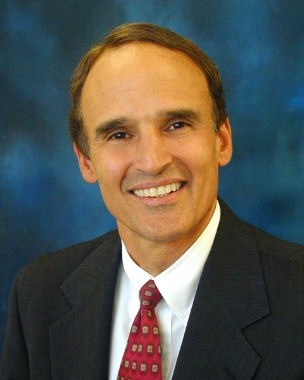
About 30,000-40,000 new enrollees to Kaiser Permanente’s California health plans were previously uninsured, said Dr. Robert Pearl, executive director and CEO of the Permanente Medical Group.

"When you get coverage, you start to get health care, which from my perspective is a good thing," he said. Although delivering more care may drive costs up initially, in the long run, it will help create a more cost-effective and higher-quality system.
Kaiser has begun reaching out to those newly insured and found that many need immediate care for chronic conditions, Dr. Pearl said. But having more patients covered by insurance also aligns with Kaiser’s mission of focusing on preventive care, he said.
The exchanges will drive many changes in the health care system, he said. Among them is making health care more integrated, both vertically and horizontally.
The ACA is forcing a realignment of health care, according to Scott E. Streator, vice president for the health insurance marketplace with CareSource – a nonprofit provider of Medicare and Medicaid managed care plans and low-cost insurance plans – based in Dayton, Ohio. He described it as at least a 3-year process. Costs will likely go up in the first year because so many previously uninsured patients will use new benefits. In the second year, skeptics are likely to sign up through the exchanges, bringing more patients, but also potentially higher costs. Savings from coverage likely will not materialize until 2017 – a few years after the first enrollees initially received benefits, he said.
CareSource has gained about 30,000 new enrollees since Oct. 1, Mr. Streator said, adding that about 80% have paid their premiums and about 80% have received a subsidy of some sort.
About 60% were previously uninsured, Mr. Streator said.
Other organizations have recently issued data showing that the number of uninsured seems to be declining. The Robert Wood Johnson Foundation estimated that of the 7 million Americans who have supposedly signed up for a plan through the federal or state exchanges, 5.4 million were previously uninsured. The foundation said that there had been an almost 3% drop in the rate of uninsured since September.
And a Gallup poll released April 7 showed that the rate of uninsured Americans is at its lowest point since late 2008. The data are based on interviews with more than 43,500 adults from early January through late March.
The Gallup poll noted that just under 15% of Americans were uninsured in late March, down from 18% in August 2013. The rate has fallen consistently since open enrollment for the exchanges began in October, with a big drop from early March (15.8%) to the end of the month when enrollment closed (14.7%).
On Twitter @aliciaault
The Affordable Care Act’s health insurance exchanges have provided coverage for the previously uninsured, two health system executives said April 7 at the ninth World Health Care Congress.
About 30,000-40,000 new enrollees to Kaiser Permanente’s California health plans were previously uninsured, said Dr. Robert Pearl, executive director and CEO of the Permanente Medical Group.
"When you get coverage, you start to get health care, which from my perspective is a good thing," he said. Although delivering more care may drive costs up initially, in the long run, it will help create a more cost-effective and higher-quality system.
Kaiser has begun reaching out to those newly insured and found that many need immediate care for chronic conditions, Dr. Pearl said. But having more patients covered by insurance also aligns with Kaiser’s mission of focusing on preventive care, he said.
The exchanges will drive many changes in the health care system, he said. Among them is making health care more integrated, both vertically and horizontally.
The ACA is forcing a realignment of health care, according to Scott E. Streator, vice president for the health insurance marketplace with CareSource – a nonprofit provider of Medicare and Medicaid managed care plans and low-cost insurance plans – based in Dayton, Ohio. He described it as at least a 3-year process. Costs will likely go up in the first year because so many previously uninsured patients will use new benefits. In the second year, skeptics are likely to sign up through the exchanges, bringing more patients, but also potentially higher costs. Savings from coverage likely will not materialize until 2017 – a few years after the first enrollees initially received benefits, he said.
CareSource has gained about 30,000 new enrollees since Oct. 1, Mr. Streator said, adding that about 80% have paid their premiums and about 80% have received a subsidy of some sort.
About 60% were previously uninsured, Mr. Streator said.
Other organizations have recently issued data showing that the number of uninsured seems to be declining. The Robert Wood Johnson Foundation estimated that of the 7 million Americans who have supposedly signed up for a plan through the federal or state exchanges, 5.4 million were previously uninsured. The foundation said that there had been an almost 3% drop in the rate of uninsured since September.
And a Gallup poll released April 7 showed that the rate of uninsured Americans is at its lowest point since late 2008. The data are based on interviews with more than 43,500 adults from early January through late March.
The Gallup poll noted that just under 15% of Americans were uninsured in late March, down from 18% in August 2013. The rate has fallen consistently since open enrollment for the exchanges began in October, with a big drop from early March (15.8%) to the end of the month when enrollment closed (14.7%).
On Twitter @aliciaault
The Affordable Care Act’s health insurance exchanges have provided coverage for the previously uninsured, two health system executives said April 7 at the ninth World Health Care Congress.
About 30,000-40,000 new enrollees to Kaiser Permanente’s California health plans were previously uninsured, said Dr. Robert Pearl, executive director and CEO of the Permanente Medical Group.
"When you get coverage, you start to get health care, which from my perspective is a good thing," he said. Although delivering more care may drive costs up initially, in the long run, it will help create a more cost-effective and higher-quality system.
Kaiser has begun reaching out to those newly insured and found that many need immediate care for chronic conditions, Dr. Pearl said. But having more patients covered by insurance also aligns with Kaiser’s mission of focusing on preventive care, he said.
The exchanges will drive many changes in the health care system, he said. Among them is making health care more integrated, both vertically and horizontally.
The ACA is forcing a realignment of health care, according to Scott E. Streator, vice president for the health insurance marketplace with CareSource – a nonprofit provider of Medicare and Medicaid managed care plans and low-cost insurance plans – based in Dayton, Ohio. He described it as at least a 3-year process. Costs will likely go up in the first year because so many previously uninsured patients will use new benefits. In the second year, skeptics are likely to sign up through the exchanges, bringing more patients, but also potentially higher costs. Savings from coverage likely will not materialize until 2017 – a few years after the first enrollees initially received benefits, he said.
CareSource has gained about 30,000 new enrollees since Oct. 1, Mr. Streator said, adding that about 80% have paid their premiums and about 80% have received a subsidy of some sort.
About 60% were previously uninsured, Mr. Streator said.
Other organizations have recently issued data showing that the number of uninsured seems to be declining. The Robert Wood Johnson Foundation estimated that of the 7 million Americans who have supposedly signed up for a plan through the federal or state exchanges, 5.4 million were previously uninsured. The foundation said that there had been an almost 3% drop in the rate of uninsured since September.
And a Gallup poll released April 7 showed that the rate of uninsured Americans is at its lowest point since late 2008. The data are based on interviews with more than 43,500 adults from early January through late March.
The Gallup poll noted that just under 15% of Americans were uninsured in late March, down from 18% in August 2013. The rate has fallen consistently since open enrollment for the exchanges began in October, with a big drop from early March (15.8%) to the end of the month when enrollment closed (14.7%).
On Twitter @aliciaault
FROM THE WORLD HEALTH CARE CONGRESS
More than half eligible opted out of PQRS and eRx incentives in 2012
More than half of eligible providers did not participate in either the Physician Quality Reporting System or the Electronic Prescriber program in 2012, according to a comprehensive report released by the Centers for Medicare & Medicaid Services April 3.
The Physician Quality Reporting System (PQRS) was created by the Tax Relief and Health Care Act of 2006; the first reporting year was 2007. Physicians will be penalized beginning in 2015 if they do not successfully report the required quality measures.
In 2012, 64% of more than 1.2 million eligible health care providers did not participate in PQRS. The approximately 436,000 who did participate received incentives equal to 0.5% of their Medicare Part B allowable charges for the year. Participation in the program increased 36% from 2011 to 2012*, according to the CMS report.

The Electronic Prescriber (eRx) program was created by the Medicare Improvements for Patients and Providers Act (MIPPA) of 2008, and began in 2009.
Eligible health care providers had to report for at least the first 6 months of 2013 to avoid a penalty in 2014. Prescribers also could be penalized in 2012 and 2013 if they were not deemed successful e-prescribers.
Just over half (56%) of about 779,000 eligible health care providers opted out of the eRx program in 2012, while the 345,000 who participated received a bonus payment. That represented a 22% increase in participation from 2011. About 60,000 of those who were eligible did not receive an incentive and were instead penalized. Most (75%) eligible providers were penalized because they did not participate at all. In 2012, e-prescriptions were submitted for 13 million Medicare beneficiaries.
Overall, the CMS paid $503 million in incentives through the two programs in 2012, with $167 million going to PQRS participants, and $335 million to eRx participants. The average PQRS payment was $457 and the average eRx payment was $1,474.
These totals do not include an additional 0.5% incentive payment for participation in maintenance of certification (MOC) efforts. In 2012, some 5,600 physicians received a bonus for participating in MOC. Emergency physicians led the effort, accounting for more than 3,200 of the 5,600 bonus earners. They received $1 million in incentives overall.
Emergency physicians also had the highest number of eligible providers participating in the two incentive programs – some 65% of all eligible. Other hospital-based health care providers also had high participating rates, including radiologists and nurse anesthetists.
Internists, family physicians, and cardiologists led in reporting through claims, registries, EHRs, and accountable care organizations. About 20% of eligible internists and family practice physicians participated.
The top five measures reported to the programs were on the adoption and/or use of electronic health records; tobacco screening and cessation intervention; documentation of current medications in the medical record; pneumonia vaccination for patients aged 65 years and older; and electrocardiogram for nontraumatic chest pain (emergency medicine).
On Twitter @aliciaault
*This article has been updated 4/25/2014.
More than half of eligible providers did not participate in either the Physician Quality Reporting System or the Electronic Prescriber program in 2012, according to a comprehensive report released by the Centers for Medicare & Medicaid Services April 3.
The Physician Quality Reporting System (PQRS) was created by the Tax Relief and Health Care Act of 2006; the first reporting year was 2007. Physicians will be penalized beginning in 2015 if they do not successfully report the required quality measures.
In 2012, 64% of more than 1.2 million eligible health care providers did not participate in PQRS. The approximately 436,000 who did participate received incentives equal to 0.5% of their Medicare Part B allowable charges for the year. Participation in the program increased 36% from 2011 to 2012*, according to the CMS report.
The Electronic Prescriber (eRx) program was created by the Medicare Improvements for Patients and Providers Act (MIPPA) of 2008, and began in 2009.
Eligible health care providers had to report for at least the first 6 months of 2013 to avoid a penalty in 2014. Prescribers also could be penalized in 2012 and 2013 if they were not deemed successful e-prescribers.
Just over half (56%) of about 779,000 eligible health care providers opted out of the eRx program in 2012, while the 345,000 who participated received a bonus payment. That represented a 22% increase in participation from 2011. About 60,000 of those who were eligible did not receive an incentive and were instead penalized. Most (75%) eligible providers were penalized because they did not participate at all. In 2012, e-prescriptions were submitted for 13 million Medicare beneficiaries.
Overall, the CMS paid $503 million in incentives through the two programs in 2012, with $167 million going to PQRS participants, and $335 million to eRx participants. The average PQRS payment was $457 and the average eRx payment was $1,474.
These totals do not include an additional 0.5% incentive payment for participation in maintenance of certification (MOC) efforts. In 2012, some 5,600 physicians received a bonus for participating in MOC. Emergency physicians led the effort, accounting for more than 3,200 of the 5,600 bonus earners. They received $1 million in incentives overall.
Emergency physicians also had the highest number of eligible providers participating in the two incentive programs – some 65% of all eligible. Other hospital-based health care providers also had high participating rates, including radiologists and nurse anesthetists.
Internists, family physicians, and cardiologists led in reporting through claims, registries, EHRs, and accountable care organizations. About 20% of eligible internists and family practice physicians participated.
The top five measures reported to the programs were on the adoption and/or use of electronic health records; tobacco screening and cessation intervention; documentation of current medications in the medical record; pneumonia vaccination for patients aged 65 years and older; and electrocardiogram for nontraumatic chest pain (emergency medicine).
On Twitter @aliciaault
*This article has been updated 4/25/2014.
More than half of eligible providers did not participate in either the Physician Quality Reporting System or the Electronic Prescriber program in 2012, according to a comprehensive report released by the Centers for Medicare & Medicaid Services April 3.
The Physician Quality Reporting System (PQRS) was created by the Tax Relief and Health Care Act of 2006; the first reporting year was 2007. Physicians will be penalized beginning in 2015 if they do not successfully report the required quality measures.
In 2012, 64% of more than 1.2 million eligible health care providers did not participate in PQRS. The approximately 436,000 who did participate received incentives equal to 0.5% of their Medicare Part B allowable charges for the year. Participation in the program increased 36% from 2011 to 2012*, according to the CMS report.
The Electronic Prescriber (eRx) program was created by the Medicare Improvements for Patients and Providers Act (MIPPA) of 2008, and began in 2009.
Eligible health care providers had to report for at least the first 6 months of 2013 to avoid a penalty in 2014. Prescribers also could be penalized in 2012 and 2013 if they were not deemed successful e-prescribers.
Just over half (56%) of about 779,000 eligible health care providers opted out of the eRx program in 2012, while the 345,000 who participated received a bonus payment. That represented a 22% increase in participation from 2011. About 60,000 of those who were eligible did not receive an incentive and were instead penalized. Most (75%) eligible providers were penalized because they did not participate at all. In 2012, e-prescriptions were submitted for 13 million Medicare beneficiaries.
Overall, the CMS paid $503 million in incentives through the two programs in 2012, with $167 million going to PQRS participants, and $335 million to eRx participants. The average PQRS payment was $457 and the average eRx payment was $1,474.
These totals do not include an additional 0.5% incentive payment for participation in maintenance of certification (MOC) efforts. In 2012, some 5,600 physicians received a bonus for participating in MOC. Emergency physicians led the effort, accounting for more than 3,200 of the 5,600 bonus earners. They received $1 million in incentives overall.
Emergency physicians also had the highest number of eligible providers participating in the two incentive programs – some 65% of all eligible. Other hospital-based health care providers also had high participating rates, including radiologists and nurse anesthetists.
Internists, family physicians, and cardiologists led in reporting through claims, registries, EHRs, and accountable care organizations. About 20% of eligible internists and family practice physicians participated.
The top five measures reported to the programs were on the adoption and/or use of electronic health records; tobacco screening and cessation intervention; documentation of current medications in the medical record; pneumonia vaccination for patients aged 65 years and older; and electrocardiogram for nontraumatic chest pain (emergency medicine).
On Twitter @aliciaault
*This article has been updated 4/25/2014.

Medicare to release physician pay data in April
Medicare officials are preparing to publish data on the specific services and procedures performed by individual physicians and how much they were paid by the program. The data could be posted on the Medicare website as early as April 9.
This will be the first time the federal government has published data on individual physicians.

But the news is being greeted cautiously by physicians. The American Medical Association is asking the Centers for Medicare & Medicaid Services to let physicians review and correct their data before it is publicly released.
"This safeguard is not only practical but was recognized and included in other data release proposals," Dr. Ardis Dee Hoven, AMA president, said in a statement. "Additionally, any analysis of the data released should note methodologies to ensure understanding of its limitations. Taking an approach that provides no assurances of accuracy of the data or explanations of its limitations will not allow patients to draw meaningful conclusions about the quality of care."
Dr. Reid Blackwelder, president of the American Academy of Family Physicians, agreed. While the AAFP is generally supportive of greater transparency of physician payment data, Dr. Blackwelder said the context can often be missed when releasing this type of data.
"It may not be quite as straightforward as it might appear," he said.

The CMS announced in January that it would reverse more than 30 years of policy that restricted the release of that information. The policy shift came after a federal court lifted an injunction that had previously barred the agency from making its database of Medicare physician claims public. Agency officials said then that they would use a "case-by-case" approach when reviewing the data requests.
Since then, the CMS has received multiple Freedom of Information Act requests seeking Medicare physician data, according to Jonathan Blum, principal deputy administrator for CMS.
In an April 2 letter to the American Medical Association, the CMS said that it would begin releasing the data on its web site no sooner than April 9. The information will be organized by National Provider Identifier, Healthcare Common Procedure Coding System (HCPCS) code, and by place of service. The data set will include the average and the standard deviation for submitted charges, allowed amounts, and Medicare payments for services performed in 2012.

"Data like these can shine a light on how care is delivered in the Medicare program," Mr. Blum wrote in a blog post "They can help consumers compare the services provided and payments received by individual health care providers. Businesses and consumers alike can use these data to drive decision-making and reward quality, cost-effective care."
The data being released will provide information on more than 880,000 health care providers in all states. Collectively, these providers received $77 billion from Medicare Part B in 2012.
The CMS will not release personally identifiable information about beneficiaries and will redact all data in cases in which a data set has fewer than 11 beneficiaries.
On Twitter @maryellenny
Medicare officials are preparing to publish data on the specific services and procedures performed by individual physicians and how much they were paid by the program. The data could be posted on the Medicare website as early as April 9.
This will be the first time the federal government has published data on individual physicians.
But the news is being greeted cautiously by physicians. The American Medical Association is asking the Centers for Medicare & Medicaid Services to let physicians review and correct their data before it is publicly released.
"This safeguard is not only practical but was recognized and included in other data release proposals," Dr. Ardis Dee Hoven, AMA president, said in a statement. "Additionally, any analysis of the data released should note methodologies to ensure understanding of its limitations. Taking an approach that provides no assurances of accuracy of the data or explanations of its limitations will not allow patients to draw meaningful conclusions about the quality of care."
Dr. Reid Blackwelder, president of the American Academy of Family Physicians, agreed. While the AAFP is generally supportive of greater transparency of physician payment data, Dr. Blackwelder said the context can often be missed when releasing this type of data.
"It may not be quite as straightforward as it might appear," he said.
The CMS announced in January that it would reverse more than 30 years of policy that restricted the release of that information. The policy shift came after a federal court lifted an injunction that had previously barred the agency from making its database of Medicare physician claims public. Agency officials said then that they would use a "case-by-case" approach when reviewing the data requests.
Since then, the CMS has received multiple Freedom of Information Act requests seeking Medicare physician data, according to Jonathan Blum, principal deputy administrator for CMS.
In an April 2 letter to the American Medical Association, the CMS said that it would begin releasing the data on its web site no sooner than April 9. The information will be organized by National Provider Identifier, Healthcare Common Procedure Coding System (HCPCS) code, and by place of service. The data set will include the average and the standard deviation for submitted charges, allowed amounts, and Medicare payments for services performed in 2012.
"Data like these can shine a light on how care is delivered in the Medicare program," Mr. Blum wrote in a blog post "They can help consumers compare the services provided and payments received by individual health care providers. Businesses and consumers alike can use these data to drive decision-making and reward quality, cost-effective care."
The data being released will provide information on more than 880,000 health care providers in all states. Collectively, these providers received $77 billion from Medicare Part B in 2012.
The CMS will not release personally identifiable information about beneficiaries and will redact all data in cases in which a data set has fewer than 11 beneficiaries.
On Twitter @maryellenny
Medicare officials are preparing to publish data on the specific services and procedures performed by individual physicians and how much they were paid by the program. The data could be posted on the Medicare website as early as April 9.
This will be the first time the federal government has published data on individual physicians.
But the news is being greeted cautiously by physicians. The American Medical Association is asking the Centers for Medicare & Medicaid Services to let physicians review and correct their data before it is publicly released.
"This safeguard is not only practical but was recognized and included in other data release proposals," Dr. Ardis Dee Hoven, AMA president, said in a statement. "Additionally, any analysis of the data released should note methodologies to ensure understanding of its limitations. Taking an approach that provides no assurances of accuracy of the data or explanations of its limitations will not allow patients to draw meaningful conclusions about the quality of care."
Dr. Reid Blackwelder, president of the American Academy of Family Physicians, agreed. While the AAFP is generally supportive of greater transparency of physician payment data, Dr. Blackwelder said the context can often be missed when releasing this type of data.
"It may not be quite as straightforward as it might appear," he said.
The CMS announced in January that it would reverse more than 30 years of policy that restricted the release of that information. The policy shift came after a federal court lifted an injunction that had previously barred the agency from making its database of Medicare physician claims public. Agency officials said then that they would use a "case-by-case" approach when reviewing the data requests.
Since then, the CMS has received multiple Freedom of Information Act requests seeking Medicare physician data, according to Jonathan Blum, principal deputy administrator for CMS.
In an April 2 letter to the American Medical Association, the CMS said that it would begin releasing the data on its web site no sooner than April 9. The information will be organized by National Provider Identifier, Healthcare Common Procedure Coding System (HCPCS) code, and by place of service. The data set will include the average and the standard deviation for submitted charges, allowed amounts, and Medicare payments for services performed in 2012.
"Data like these can shine a light on how care is delivered in the Medicare program," Mr. Blum wrote in a blog post "They can help consumers compare the services provided and payments received by individual health care providers. Businesses and consumers alike can use these data to drive decision-making and reward quality, cost-effective care."
The data being released will provide information on more than 880,000 health care providers in all states. Collectively, these providers received $77 billion from Medicare Part B in 2012.
The CMS will not release personally identifiable information about beneficiaries and will redact all data in cases in which a data set has fewer than 11 beneficiaries.
On Twitter @maryellenny

Copper Safe, Effective in Preventing Hospital-Acquired Infections
Salary, Staffing Issues Common Sticking Points Between Hospitalists, Hospital Administrators

A Rough Patch
I was the medical director of a hospitalist group in the Southeast that had been hospital-owned for eight years and grew to more than 20 full-time providers. New hospital administrators took over and, faced with staffing and compensation issues, outsourced the program. Within a year, all but one of the HMG employees (physicians, nurse practitioners, and physician assistants) resigned. As expected, the exodus put a strain on the program, patient care, and community. After a shakeup in administration, the management company pulled out. The hospital now runs the HM program. Is this occurrence just an outlier or are thes kind of situations becoming common to our field?
—Dr. Nore-grets
Dr. Hospitalist responds:
While I’m saddened at the disruption of so many lives (hospital executives, physicians, advanced practice providers, other clinical staff, and patients), I must say I’m not surprised by the outcome. Hospital medicine continues to be a rapidly growing specialty; approximately 70% of all hospitals in the U.S. have a hospitalist program. It’s only 17 years old, and as with all adolescents still finding their way, disputes are common.
Like most good stories, there are usually two sides. Hospitals have a board to satisfy, large numbers of employees (professional and non-professional), varying revenue streams to contend with, and an annual budget. There are many different groups vying for a larger slice of the pie—and the pie is only so big. No matter how we see it, some administrators believe physicians are overpaid and are not hard workers. There may not be much empathy for the docs, who work "only 182 days a year," asking for more time off, paid vacations, smaller patient loads, and more money.
Physicians see their student loans stretched out for 30 years, hospitals on building sprees, heavy patient loads, complex administrative tasks, and a lack of appreciation for the myriad intangible and non-billable services they render every day. Not being able to take a paid vacation like most workers in this country seems unfair to many. Even though most hospitalists still work 12-hour shifts, we resist being labeled "shift workers" because of the negative and non-professional inference.
It appears your hospitalist group had concerns about staffing and pay, and instead of effectively dealing with their concerns, the hospital’s administrators decided to outsource the program. While most national firms that hire hospitalists are well intentioned, they (like most hospitals) are driven by profit and sometimes bring in transient and inexperienced physicians. The eight-year-old group, while still relatively young, likely had members who had established both personal and professional relationships with many of the physicians and other clinical staff. These relationships, when built on trust, mutual respect, and competence, are the foundation of good clinical care. It is no surprise they were not able to adequately replace the clinicians who resigned.
The issues of pay and staffing are common points of contention among hospitalist and hospital administrators. The mode of compensation most often used is based on hospitalist productivity and is heavily subsidized by the hospital. While this model has served us well, the passage of the Affordable Care Act will change how healthcare systems are reimbursed. There will likely be many instances of bundled payments tied to inpatient care, but also an opportunity for hospitalists to further expand their roles into improving the quality of care and efficiency of delivery. The formation of accountable care organizations will offer even more opportunities for physician leadership and organizational assistance. The more hospitalists become imbedded in and invaluable to the hospital, the less likely we are placed on the chopping block when budget cuts happen or leadership changes (as in your case).
Until the reimbursement model changes, both groups need to understand the other’s position and use some basis for comparative analysis. I find the information from SHM surveys serves as a good basis to initiate discussion and allows for transparency. As in any negotiation, a shared sense of responsibility, goodwill, and commitment is necessary to find a just solution.
Because HM continues its rapid growth and hospitalists are in such high demand, many in the group are not tolerant of what they perceive as unfair treatment or pay. The principles of supply and demand economics are at work and have so far benefitted hospitalists well. We must balance our desire for just pay and fair staffing models with our responsibility as clinicians to care for the injured and heal the sick.
A Rough Patch
I was the medical director of a hospitalist group in the Southeast that had been hospital-owned for eight years and grew to more than 20 full-time providers. New hospital administrators took over and, faced with staffing and compensation issues, outsourced the program. Within a year, all but one of the HMG employees (physicians, nurse practitioners, and physician assistants) resigned. As expected, the exodus put a strain on the program, patient care, and community. After a shakeup in administration, the management company pulled out. The hospital now runs the HM program. Is this occurrence just an outlier or are thes kind of situations becoming common to our field?
—Dr. Nore-grets
Dr. Hospitalist responds:
While I’m saddened at the disruption of so many lives (hospital executives, physicians, advanced practice providers, other clinical staff, and patients), I must say I’m not surprised by the outcome. Hospital medicine continues to be a rapidly growing specialty; approximately 70% of all hospitals in the U.S. have a hospitalist program. It’s only 17 years old, and as with all adolescents still finding their way, disputes are common.
Like most good stories, there are usually two sides. Hospitals have a board to satisfy, large numbers of employees (professional and non-professional), varying revenue streams to contend with, and an annual budget. There are many different groups vying for a larger slice of the pie—and the pie is only so big. No matter how we see it, some administrators believe physicians are overpaid and are not hard workers. There may not be much empathy for the docs, who work "only 182 days a year," asking for more time off, paid vacations, smaller patient loads, and more money.
Physicians see their student loans stretched out for 30 years, hospitals on building sprees, heavy patient loads, complex administrative tasks, and a lack of appreciation for the myriad intangible and non-billable services they render every day. Not being able to take a paid vacation like most workers in this country seems unfair to many. Even though most hospitalists still work 12-hour shifts, we resist being labeled "shift workers" because of the negative and non-professional inference.
It appears your hospitalist group had concerns about staffing and pay, and instead of effectively dealing with their concerns, the hospital’s administrators decided to outsource the program. While most national firms that hire hospitalists are well intentioned, they (like most hospitals) are driven by profit and sometimes bring in transient and inexperienced physicians. The eight-year-old group, while still relatively young, likely had members who had established both personal and professional relationships with many of the physicians and other clinical staff. These relationships, when built on trust, mutual respect, and competence, are the foundation of good clinical care. It is no surprise they were not able to adequately replace the clinicians who resigned.
The issues of pay and staffing are common points of contention among hospitalist and hospital administrators. The mode of compensation most often used is based on hospitalist productivity and is heavily subsidized by the hospital. While this model has served us well, the passage of the Affordable Care Act will change how healthcare systems are reimbursed. There will likely be many instances of bundled payments tied to inpatient care, but also an opportunity for hospitalists to further expand their roles into improving the quality of care and efficiency of delivery. The formation of accountable care organizations will offer even more opportunities for physician leadership and organizational assistance. The more hospitalists become imbedded in and invaluable to the hospital, the less likely we are placed on the chopping block when budget cuts happen or leadership changes (as in your case).
Until the reimbursement model changes, both groups need to understand the other’s position and use some basis for comparative analysis. I find the information from SHM surveys serves as a good basis to initiate discussion and allows for transparency. As in any negotiation, a shared sense of responsibility, goodwill, and commitment is necessary to find a just solution.
Because HM continues its rapid growth and hospitalists are in such high demand, many in the group are not tolerant of what they perceive as unfair treatment or pay. The principles of supply and demand economics are at work and have so far benefitted hospitalists well. We must balance our desire for just pay and fair staffing models with our responsibility as clinicians to care for the injured and heal the sick.
A Rough Patch
I was the medical director of a hospitalist group in the Southeast that had been hospital-owned for eight years and grew to more than 20 full-time providers. New hospital administrators took over and, faced with staffing and compensation issues, outsourced the program. Within a year, all but one of the HMG employees (physicians, nurse practitioners, and physician assistants) resigned. As expected, the exodus put a strain on the program, patient care, and community. After a shakeup in administration, the management company pulled out. The hospital now runs the HM program. Is this occurrence just an outlier or are thes kind of situations becoming common to our field?
—Dr. Nore-grets
Dr. Hospitalist responds:
While I’m saddened at the disruption of so many lives (hospital executives, physicians, advanced practice providers, other clinical staff, and patients), I must say I’m not surprised by the outcome. Hospital medicine continues to be a rapidly growing specialty; approximately 70% of all hospitals in the U.S. have a hospitalist program. It’s only 17 years old, and as with all adolescents still finding their way, disputes are common.
Like most good stories, there are usually two sides. Hospitals have a board to satisfy, large numbers of employees (professional and non-professional), varying revenue streams to contend with, and an annual budget. There are many different groups vying for a larger slice of the pie—and the pie is only so big. No matter how we see it, some administrators believe physicians are overpaid and are not hard workers. There may not be much empathy for the docs, who work "only 182 days a year," asking for more time off, paid vacations, smaller patient loads, and more money.
Physicians see their student loans stretched out for 30 years, hospitals on building sprees, heavy patient loads, complex administrative tasks, and a lack of appreciation for the myriad intangible and non-billable services they render every day. Not being able to take a paid vacation like most workers in this country seems unfair to many. Even though most hospitalists still work 12-hour shifts, we resist being labeled "shift workers" because of the negative and non-professional inference.
It appears your hospitalist group had concerns about staffing and pay, and instead of effectively dealing with their concerns, the hospital’s administrators decided to outsource the program. While most national firms that hire hospitalists are well intentioned, they (like most hospitals) are driven by profit and sometimes bring in transient and inexperienced physicians. The eight-year-old group, while still relatively young, likely had members who had established both personal and professional relationships with many of the physicians and other clinical staff. These relationships, when built on trust, mutual respect, and competence, are the foundation of good clinical care. It is no surprise they were not able to adequately replace the clinicians who resigned.
The issues of pay and staffing are common points of contention among hospitalist and hospital administrators. The mode of compensation most often used is based on hospitalist productivity and is heavily subsidized by the hospital. While this model has served us well, the passage of the Affordable Care Act will change how healthcare systems are reimbursed. There will likely be many instances of bundled payments tied to inpatient care, but also an opportunity for hospitalists to further expand their roles into improving the quality of care and efficiency of delivery. The formation of accountable care organizations will offer even more opportunities for physician leadership and organizational assistance. The more hospitalists become imbedded in and invaluable to the hospital, the less likely we are placed on the chopping block when budget cuts happen or leadership changes (as in your case).
Until the reimbursement model changes, both groups need to understand the other’s position and use some basis for comparative analysis. I find the information from SHM surveys serves as a good basis to initiate discussion and allows for transparency. As in any negotiation, a shared sense of responsibility, goodwill, and commitment is necessary to find a just solution.
Because HM continues its rapid growth and hospitalists are in such high demand, many in the group are not tolerant of what they perceive as unfair treatment or pay. The principles of supply and demand economics are at work and have so far benefitted hospitalists well. We must balance our desire for just pay and fair staffing models with our responsibility as clinicians to care for the injured and heal the sick.
Hospitalists Working Hard to Improve Patient Care

Dear Ms. Bernstein:
I’m writing this letter to let you know about some of the things happening in hospital medicine, to ensure we are always improving the care we provide.
While we talked on New Year’s Eve, you reluctantly told me that you and many of your friends were not happy with the move toward hospital care being provided by hospitalists, rather than the PCP you know. I didn’t respond because we were having a nice lunch and I didn’t want to distract you from praising my kids and talking about your grandbaby and her sibling on the way. So I thought I’d respond by writing this open letter to you on the chance it might also be thought provoking for some of my hospitalist colleagues.
I think your reluctance to share with me the unflattering opinion you and many of your friends have of the hospitalist model of care stemmed from a desire not to offend me rather than any uncertainty in your conclusion. It isn’t difficult to find others, both healthcare providers and consumers, who share your opinion.
As I’ve told you before, outside of my own parents, you and Mr. B. are among the people who had the most influence on my upbringing, and your opinion still matters to me. So I’m writing this hoping to change your view, at least a little.
Updated Numbers of Hospitalists
Our field is now larger than many other specialties, and we are experiencing ever-increasing pressure to “get it right.” A 2012 survey of hospitals conducted by the American Hospital Association found more than 38,000 doctors who identify themselves as hospitalists. This number has been increasing rapidly for more than a decade. The Society of Hospital Medicine (SHM) estimates that the number has grown to more than 44,000 in 2014, and that there are hospitalists in 72% of U.S. hospitals—90% at hospitals with over 200 beds. In 1996, there were fewer than 1,000 hospitalists.
The rapid growth in our field has brought challenges, and we’re lucky to have attracted many dedicated and talented people who are helping all of us make strides to do better, both by providing better technical care (e.g. ensuring careful assessments and ordering the best tests and treatments) and by doing so in a way that ensures patients and their families are highly satisfied.
Tools to Support Ongoing Improvements in Hospitalist Practice
There are many outlets hospitalists can turn to for education on essentially any aspect of their practice. Several years ago, the SHM published “The Core Competencies in Hospital Medicine: A Framework for Curriculum Development,” a publication that continues to be valuable in guiding hospitalists’ professional scope of clinical skills as well as educational curricula for training programs and continuing education. SHM and other organizations generate a great deal of educational content for hospitalists, which is available in many forms, including in-person conferences, webinars, and written materials. And there are several scientific journals that have significant content for hospitalists, including SHM’s own Journal of Hospital Medicine.
Our field encourages and recognizes ongoing commitment to hospitalists’ growth and development in a number of ways. When it is time for a doctor to renew his/her board certification, the American Board of Internal Medicine (ABIM) offers the option to pursue “Focused Practice in Hospital Medicine.” And SHM’s designation of Fellow, Senior Fellow and Master in Hospital Medicine recognizes those who have “demonstrated a commitment to hospital medicine, system change, and quality improvement principles.” Many in our field have achieved one or both of these distinctions, and countless others are pursuing them now.
Through its foundation, the ABIM developed a campaign known as “Choosing Wisely” to “promote conversations between physicians and patients by helping patients choose care that is: supported by evidence, not duplicative of other tests or procedures already received, free from harm, and truly necessary.” SHM joined in this effort by developing separate criteria for hospitalists who care for adults or children.
New Tool Encourages High Performance
In February, an SHM workgroup published “The Key Principles and Characteristics of an Effective Hospital Medicine Group: An Assessment Guide for Hospitals and Hospitalists,” a document meant to serve as a road map for hospitalist groups to follow to improve their performance. I’m particularly interested in this, since I have spent much of my career thinking about and working with hospitalist groups to improve the way they perform, and I helped develop the characteristics and co-authored the document. But the real value of the document comes from the input of hundreds of people within and outside of SHM who provided thoughtful advice and feedback to identify those attributes of hospitalist groups that are most likely to ensure success.
The document describes 47 characteristics grouped into 10 different categories (“principles”). Some of the principles that you as a patient might be most interested in are ones specifying that a hospitalist group:
— Implements a practice model that is patient- and family-centered, is team-based, and emphasizes care coordination and effective communication.
— Supports care coordination across care settings; and
— Plays a leadership role in addressing key clinical issues in the hospital and/or health system: teaching, quality, safety, efficiency, and the patient/family experience.
Current State of Hospital Medicine
If you’ve had a less than satisfactory experience with care by a hospitalist, the things I’ve described here might not improve your opinion of hospitalists, or that of your friends. But maybe you can take some measure of comfort in knowing that our field as a whole is working hard to continuously improve all aspects of what we do. We’re serious about being good at what we do.
And, since this is published in a magazine read by hospitalists, maybe some of them will be reminded of the many ways our field encourages, supports, and recognizes their professional development.
Dr. Nelson has been a practicing hospitalist since 1988. He is co-founder and past president of SHM, and principal in Nelson Flores Hospital Medicine Consultants. He is co-director for SHM’s “Best Practices in Managing a Hospital Medicine Program” course. Write to him at [email protected].
Dear Ms. Bernstein:
I’m writing this letter to let you know about some of the things happening in hospital medicine, to ensure we are always improving the care we provide.
While we talked on New Year’s Eve, you reluctantly told me that you and many of your friends were not happy with the move toward hospital care being provided by hospitalists, rather than the PCP you know. I didn’t respond because we were having a nice lunch and I didn’t want to distract you from praising my kids and talking about your grandbaby and her sibling on the way. So I thought I’d respond by writing this open letter to you on the chance it might also be thought provoking for some of my hospitalist colleagues.
I think your reluctance to share with me the unflattering opinion you and many of your friends have of the hospitalist model of care stemmed from a desire not to offend me rather than any uncertainty in your conclusion. It isn’t difficult to find others, both healthcare providers and consumers, who share your opinion.
As I’ve told you before, outside of my own parents, you and Mr. B. are among the people who had the most influence on my upbringing, and your opinion still matters to me. So I’m writing this hoping to change your view, at least a little.
Updated Numbers of Hospitalists
Our field is now larger than many other specialties, and we are experiencing ever-increasing pressure to “get it right.” A 2012 survey of hospitals conducted by the American Hospital Association found more than 38,000 doctors who identify themselves as hospitalists. This number has been increasing rapidly for more than a decade. The Society of Hospital Medicine (SHM) estimates that the number has grown to more than 44,000 in 2014, and that there are hospitalists in 72% of U.S. hospitals—90% at hospitals with over 200 beds. In 1996, there were fewer than 1,000 hospitalists.
The rapid growth in our field has brought challenges, and we’re lucky to have attracted many dedicated and talented people who are helping all of us make strides to do better, both by providing better technical care (e.g. ensuring careful assessments and ordering the best tests and treatments) and by doing so in a way that ensures patients and their families are highly satisfied.
Tools to Support Ongoing Improvements in Hospitalist Practice
There are many outlets hospitalists can turn to for education on essentially any aspect of their practice. Several years ago, the SHM published “The Core Competencies in Hospital Medicine: A Framework for Curriculum Development,” a publication that continues to be valuable in guiding hospitalists’ professional scope of clinical skills as well as educational curricula for training programs and continuing education. SHM and other organizations generate a great deal of educational content for hospitalists, which is available in many forms, including in-person conferences, webinars, and written materials. And there are several scientific journals that have significant content for hospitalists, including SHM’s own Journal of Hospital Medicine.
Our field encourages and recognizes ongoing commitment to hospitalists’ growth and development in a number of ways. When it is time for a doctor to renew his/her board certification, the American Board of Internal Medicine (ABIM) offers the option to pursue “Focused Practice in Hospital Medicine.” And SHM’s designation of Fellow, Senior Fellow and Master in Hospital Medicine recognizes those who have “demonstrated a commitment to hospital medicine, system change, and quality improvement principles.” Many in our field have achieved one or both of these distinctions, and countless others are pursuing them now.
Through its foundation, the ABIM developed a campaign known as “Choosing Wisely” to “promote conversations between physicians and patients by helping patients choose care that is: supported by evidence, not duplicative of other tests or procedures already received, free from harm, and truly necessary.” SHM joined in this effort by developing separate criteria for hospitalists who care for adults or children.
New Tool Encourages High Performance
In February, an SHM workgroup published “The Key Principles and Characteristics of an Effective Hospital Medicine Group: An Assessment Guide for Hospitals and Hospitalists,” a document meant to serve as a road map for hospitalist groups to follow to improve their performance. I’m particularly interested in this, since I have spent much of my career thinking about and working with hospitalist groups to improve the way they perform, and I helped develop the characteristics and co-authored the document. But the real value of the document comes from the input of hundreds of people within and outside of SHM who provided thoughtful advice and feedback to identify those attributes of hospitalist groups that are most likely to ensure success.
The document describes 47 characteristics grouped into 10 different categories (“principles”). Some of the principles that you as a patient might be most interested in are ones specifying that a hospitalist group:
— Implements a practice model that is patient- and family-centered, is team-based, and emphasizes care coordination and effective communication.
— Supports care coordination across care settings; and
— Plays a leadership role in addressing key clinical issues in the hospital and/or health system: teaching, quality, safety, efficiency, and the patient/family experience.
Current State of Hospital Medicine
If you’ve had a less than satisfactory experience with care by a hospitalist, the things I’ve described here might not improve your opinion of hospitalists, or that of your friends. But maybe you can take some measure of comfort in knowing that our field as a whole is working hard to continuously improve all aspects of what we do. We’re serious about being good at what we do.
And, since this is published in a magazine read by hospitalists, maybe some of them will be reminded of the many ways our field encourages, supports, and recognizes their professional development.
Dr. Nelson has been a practicing hospitalist since 1988. He is co-founder and past president of SHM, and principal in Nelson Flores Hospital Medicine Consultants. He is co-director for SHM’s “Best Practices in Managing a Hospital Medicine Program” course. Write to him at [email protected].
Dear Ms. Bernstein:
I’m writing this letter to let you know about some of the things happening in hospital medicine, to ensure we are always improving the care we provide.
While we talked on New Year’s Eve, you reluctantly told me that you and many of your friends were not happy with the move toward hospital care being provided by hospitalists, rather than the PCP you know. I didn’t respond because we were having a nice lunch and I didn’t want to distract you from praising my kids and talking about your grandbaby and her sibling on the way. So I thought I’d respond by writing this open letter to you on the chance it might also be thought provoking for some of my hospitalist colleagues.
I think your reluctance to share with me the unflattering opinion you and many of your friends have of the hospitalist model of care stemmed from a desire not to offend me rather than any uncertainty in your conclusion. It isn’t difficult to find others, both healthcare providers and consumers, who share your opinion.
As I’ve told you before, outside of my own parents, you and Mr. B. are among the people who had the most influence on my upbringing, and your opinion still matters to me. So I’m writing this hoping to change your view, at least a little.
Updated Numbers of Hospitalists
Our field is now larger than many other specialties, and we are experiencing ever-increasing pressure to “get it right.” A 2012 survey of hospitals conducted by the American Hospital Association found more than 38,000 doctors who identify themselves as hospitalists. This number has been increasing rapidly for more than a decade. The Society of Hospital Medicine (SHM) estimates that the number has grown to more than 44,000 in 2014, and that there are hospitalists in 72% of U.S. hospitals—90% at hospitals with over 200 beds. In 1996, there were fewer than 1,000 hospitalists.
The rapid growth in our field has brought challenges, and we’re lucky to have attracted many dedicated and talented people who are helping all of us make strides to do better, both by providing better technical care (e.g. ensuring careful assessments and ordering the best tests and treatments) and by doing so in a way that ensures patients and their families are highly satisfied.
Tools to Support Ongoing Improvements in Hospitalist Practice
There are many outlets hospitalists can turn to for education on essentially any aspect of their practice. Several years ago, the SHM published “The Core Competencies in Hospital Medicine: A Framework for Curriculum Development,” a publication that continues to be valuable in guiding hospitalists’ professional scope of clinical skills as well as educational curricula for training programs and continuing education. SHM and other organizations generate a great deal of educational content for hospitalists, which is available in many forms, including in-person conferences, webinars, and written materials. And there are several scientific journals that have significant content for hospitalists, including SHM’s own Journal of Hospital Medicine.
Our field encourages and recognizes ongoing commitment to hospitalists’ growth and development in a number of ways. When it is time for a doctor to renew his/her board certification, the American Board of Internal Medicine (ABIM) offers the option to pursue “Focused Practice in Hospital Medicine.” And SHM’s designation of Fellow, Senior Fellow and Master in Hospital Medicine recognizes those who have “demonstrated a commitment to hospital medicine, system change, and quality improvement principles.” Many in our field have achieved one or both of these distinctions, and countless others are pursuing them now.
Through its foundation, the ABIM developed a campaign known as “Choosing Wisely” to “promote conversations between physicians and patients by helping patients choose care that is: supported by evidence, not duplicative of other tests or procedures already received, free from harm, and truly necessary.” SHM joined in this effort by developing separate criteria for hospitalists who care for adults or children.
New Tool Encourages High Performance
In February, an SHM workgroup published “The Key Principles and Characteristics of an Effective Hospital Medicine Group: An Assessment Guide for Hospitals and Hospitalists,” a document meant to serve as a road map for hospitalist groups to follow to improve their performance. I’m particularly interested in this, since I have spent much of my career thinking about and working with hospitalist groups to improve the way they perform, and I helped develop the characteristics and co-authored the document. But the real value of the document comes from the input of hundreds of people within and outside of SHM who provided thoughtful advice and feedback to identify those attributes of hospitalist groups that are most likely to ensure success.
The document describes 47 characteristics grouped into 10 different categories (“principles”). Some of the principles that you as a patient might be most interested in are ones specifying that a hospitalist group:
— Implements a practice model that is patient- and family-centered, is team-based, and emphasizes care coordination and effective communication.
— Supports care coordination across care settings; and
— Plays a leadership role in addressing key clinical issues in the hospital and/or health system: teaching, quality, safety, efficiency, and the patient/family experience.
Current State of Hospital Medicine
If you’ve had a less than satisfactory experience with care by a hospitalist, the things I’ve described here might not improve your opinion of hospitalists, or that of your friends. But maybe you can take some measure of comfort in knowing that our field as a whole is working hard to continuously improve all aspects of what we do. We’re serious about being good at what we do.
And, since this is published in a magazine read by hospitalists, maybe some of them will be reminded of the many ways our field encourages, supports, and recognizes their professional development.
Dr. Nelson has been a practicing hospitalist since 1988. He is co-founder and past president of SHM, and principal in Nelson Flores Hospital Medicine Consultants. He is co-director for SHM’s “Best Practices in Managing a Hospital Medicine Program” course. Write to him at [email protected].
Hospitalists Can Help Bridge Gaps in Healthcare Access as Hospitals Cope with Mounting Financial Pressures

There has been a fair amount of media coverage lately about “medical deserts.”1 What exactly is a medical desert, and how big of a problem do they pose for hospital medicine? Wikipedia defines a desert as “a barren area of land where little precipitation occurs and consequently living conditions are hostile for plant and animal life.”2 There are definitely areas in the U.S., both urban and rural, lacking adequate emergency and inpatient medical care.
Based on the latest American Hospital Association (AHA) statistics, there are still >5,700 registered hospitals in the U.S. with almost one million staffed beds combined, which accommodate >36 million admissions every year.3 However, of all U.S. hospitals, only about 35% are located in rural areas, and these tend to be the ones most likely affected by declining reimbursements and tight operating margins.1
Here is some evidence:
— A recent study in the Annals of Emergency Medicine found that only half of the population in the state of Pennsylvania had access to appropriate care within 60 minutes for four time-sensitive conditions (i.e., STEMI, stroke, septic shock, and cardiac arrest).4
— Another study from the Office of Rural Health Policy estimates that approximately 20% of all residential areas do not have rapid access to an acute care medical facility.1
— A recent online story about medical deserts described the devastating case of an 18-month-old girl who died of asphyxiation when a grape became lodged in her throat; their local county’s only hospital with an emergency room had closed months earlier, leaving the closest ED more than 20 miles away.1 This particular hospital, Shelby Regional Medical Center, was a 54-bed hospital in Center, Texas, which suddenly closed in July 2013 amid allegations of fraud from CMS. In addition, a nearby 49-bed Texas hospital (Renaissance Hospital Groves), owned and operated by the same company, had closed in May 2013.
But the list of hospital closures in the past year goes on:
- Lakeside Memorial Hospital in Brockport, N.Y. (61-bed hospital);
- Earl K. Long Medical Center in Baton Rouge, La. (116-bed hospital);
- Stewart-Webster Hospital in Richland, Ga. (25-bed, critical access hospital);
- Calhoun Memorial Hospital in Arlington, Ga. (85-bed hospital);
- Charlton Memorial Hospital in Folkston, Ga. (25-bed hospital);
- The Los Angeles-based Pacific Health Corporation closed all four of its hospitals in California: Anaheim General Hospital (142 beds), Bellflower Medical Center (142 beds), Los Angeles Metropolitan Medical Center (212 beds), and Newport Specialty Hospital (177 beds).
As the CEO of Calhoun Memorial Hospital stated at the closure of his hospital: “It’s a sad day for the community it’s just a sign of the times.”5
Staff, Service Reductions
These hospital closures do not even start to address the nearly ubiquitous reductions in staff and services that many hospitals are resorting to, including workforce reductions experienced by many high-profile academic medical centers like Wake Forest, Denver Health, Emory Health, and Vanderbilt University Medical Centers. According to the Bureau of Labor Statistics, hospitals cut 4,400 jobs in July 2013 alone, while the U.S. overall added 162,000 jobs.1
These acute medical care deserts are primarily a result of declining reimbursements from Medicare and Medicaid, combined with a lack of newly insured Americans, a group that was expected to increase at a much faster pace than it has. The introduction of high-dollar withholds tethered to pay-for-performance programs, such as value-based purchasing and readmission reduction penalties, has also contributed to the financial instability in some hospitals.
In addition, the reduction in disproportionate share hospital (DSH) payments has occurred long before any substantial increase in funded patients through the Affordable Care Act health exchanges. Particularly hard-hit are hospitals in the states that have still elected not to expand Medicaid (primarily in the Southeast and Midwest). And forecasters have every reason to believe that these medical deserts will expand, unless limping hospitals are merged and/or acquired by larger hospital systems.
Should You Be Concerned?
These statistics probably should raise some concern for hospitalists and hospital medicine groups, as the number of hospital-employed physicians is already relatively high (26% according to a recent survey) and rises every year, including an increase of 6% from 2012 to 2013 alone.6 In order to survive in these tenuous conditions, healthcare systems, including hospitalists, will have to be much more involved in the “spectrum of care,” including population health, as opposed to only being involved in discrete acute care episodes. There undoubtedly will be a heavy reliance on telemedicine, seamless electronic medical records, and alternative treatment settings to bridge the gap between medical oases and medical deserts. All of these acute medical care extensions will very likely involve hospitalists.
For the most part, as long as the specialty of hospital medicine keeps its ear to the ground on what is coming, ensuring that we can all be flexible and responsive in meeting the needs of the population we serve, our specialty will be prepped and ready for the “sign of the times.” That way, even when medical deserts do appear, they are not “hostile for life” but are reasonably connected to a suitable oasis.
Dr. Scheurer is a hospitalist and chief quality officer at the Medical University of South Carolina in Charleston. She is physician editor of The Hospitalist. Email her at [email protected].
References
- Williams JP. What happens when a town’s only hospital shuts down? U.S. News and World Report online. November 8, 2013. Available at: http://health.usnews.com/health-news/hospital-of-tomorrow/articles/2013/11/08/what-happens-when-the-only-hospital-closes. Accessed March 5, 2014.
- Wikipedia. Desert. Available at: http://en.wikipedia.org/wiki/Desert. Accessed March 5, 2014.
- American Hospital Association. Fast facts on U.S. hospitals. Available at: http://www.aha.org/research/rc/stat-studies/fast-facts.shtml. Accessed March 5, 2014.
- Salhi RA, Edwards JM, Gaieski DF, Band RA, Abella BS, Carr BG. Access to Care for patients with time-sensitive conditions in Pennsylvania [published online ahead of print December 21, 2013]. Ann Emerg Med.
- Parks JM. Calhoun Memorial Hospital shuts down. Albany Herald online. February 4, 2013. Available at: http://www.albanyherald.com/news/2013/feb/04/calhoun-memorial-hospital-shuts-down. Accessed March 5, 2014.
- Vaidya A. Survey: number of hospital-employed physicians up 6%. Becker’s Hospital Review online. June 18, 2013. Available at: http://www.beckershospitalreview.com/hospital-physician-relationships/survey-number-of-hospital-employed-physicians-up-6.html. Accessed March 5, 2014.
There has been a fair amount of media coverage lately about “medical deserts.”1 What exactly is a medical desert, and how big of a problem do they pose for hospital medicine? Wikipedia defines a desert as “a barren area of land where little precipitation occurs and consequently living conditions are hostile for plant and animal life.”2 There are definitely areas in the U.S., both urban and rural, lacking adequate emergency and inpatient medical care.
Based on the latest American Hospital Association (AHA) statistics, there are still >5,700 registered hospitals in the U.S. with almost one million staffed beds combined, which accommodate >36 million admissions every year.3 However, of all U.S. hospitals, only about 35% are located in rural areas, and these tend to be the ones most likely affected by declining reimbursements and tight operating margins.1
Here is some evidence:
— A recent study in the Annals of Emergency Medicine found that only half of the population in the state of Pennsylvania had access to appropriate care within 60 minutes for four time-sensitive conditions (i.e., STEMI, stroke, septic shock, and cardiac arrest).4
— Another study from the Office of Rural Health Policy estimates that approximately 20% of all residential areas do not have rapid access to an acute care medical facility.1
— A recent online story about medical deserts described the devastating case of an 18-month-old girl who died of asphyxiation when a grape became lodged in her throat; their local county’s only hospital with an emergency room had closed months earlier, leaving the closest ED more than 20 miles away.1 This particular hospital, Shelby Regional Medical Center, was a 54-bed hospital in Center, Texas, which suddenly closed in July 2013 amid allegations of fraud from CMS. In addition, a nearby 49-bed Texas hospital (Renaissance Hospital Groves), owned and operated by the same company, had closed in May 2013.
But the list of hospital closures in the past year goes on:
- Lakeside Memorial Hospital in Brockport, N.Y. (61-bed hospital);
- Earl K. Long Medical Center in Baton Rouge, La. (116-bed hospital);
- Stewart-Webster Hospital in Richland, Ga. (25-bed, critical access hospital);
- Calhoun Memorial Hospital in Arlington, Ga. (85-bed hospital);
- Charlton Memorial Hospital in Folkston, Ga. (25-bed hospital);
- The Los Angeles-based Pacific Health Corporation closed all four of its hospitals in California: Anaheim General Hospital (142 beds), Bellflower Medical Center (142 beds), Los Angeles Metropolitan Medical Center (212 beds), and Newport Specialty Hospital (177 beds).
As the CEO of Calhoun Memorial Hospital stated at the closure of his hospital: “It’s a sad day for the community it’s just a sign of the times.”5
Staff, Service Reductions
These hospital closures do not even start to address the nearly ubiquitous reductions in staff and services that many hospitals are resorting to, including workforce reductions experienced by many high-profile academic medical centers like Wake Forest, Denver Health, Emory Health, and Vanderbilt University Medical Centers. According to the Bureau of Labor Statistics, hospitals cut 4,400 jobs in July 2013 alone, while the U.S. overall added 162,000 jobs.1
These acute medical care deserts are primarily a result of declining reimbursements from Medicare and Medicaid, combined with a lack of newly insured Americans, a group that was expected to increase at a much faster pace than it has. The introduction of high-dollar withholds tethered to pay-for-performance programs, such as value-based purchasing and readmission reduction penalties, has also contributed to the financial instability in some hospitals.
In addition, the reduction in disproportionate share hospital (DSH) payments has occurred long before any substantial increase in funded patients through the Affordable Care Act health exchanges. Particularly hard-hit are hospitals in the states that have still elected not to expand Medicaid (primarily in the Southeast and Midwest). And forecasters have every reason to believe that these medical deserts will expand, unless limping hospitals are merged and/or acquired by larger hospital systems.
Should You Be Concerned?
These statistics probably should raise some concern for hospitalists and hospital medicine groups, as the number of hospital-employed physicians is already relatively high (26% according to a recent survey) and rises every year, including an increase of 6% from 2012 to 2013 alone.6 In order to survive in these tenuous conditions, healthcare systems, including hospitalists, will have to be much more involved in the “spectrum of care,” including population health, as opposed to only being involved in discrete acute care episodes. There undoubtedly will be a heavy reliance on telemedicine, seamless electronic medical records, and alternative treatment settings to bridge the gap between medical oases and medical deserts. All of these acute medical care extensions will very likely involve hospitalists.
For the most part, as long as the specialty of hospital medicine keeps its ear to the ground on what is coming, ensuring that we can all be flexible and responsive in meeting the needs of the population we serve, our specialty will be prepped and ready for the “sign of the times.” That way, even when medical deserts do appear, they are not “hostile for life” but are reasonably connected to a suitable oasis.
Dr. Scheurer is a hospitalist and chief quality officer at the Medical University of South Carolina in Charleston. She is physician editor of The Hospitalist. Email her at [email protected].
References
- Williams JP. What happens when a town’s only hospital shuts down? U.S. News and World Report online. November 8, 2013. Available at: http://health.usnews.com/health-news/hospital-of-tomorrow/articles/2013/11/08/what-happens-when-the-only-hospital-closes. Accessed March 5, 2014.
- Wikipedia. Desert. Available at: http://en.wikipedia.org/wiki/Desert. Accessed March 5, 2014.
- American Hospital Association. Fast facts on U.S. hospitals. Available at: http://www.aha.org/research/rc/stat-studies/fast-facts.shtml. Accessed March 5, 2014.
- Salhi RA, Edwards JM, Gaieski DF, Band RA, Abella BS, Carr BG. Access to Care for patients with time-sensitive conditions in Pennsylvania [published online ahead of print December 21, 2013]. Ann Emerg Med.
- Parks JM. Calhoun Memorial Hospital shuts down. Albany Herald online. February 4, 2013. Available at: http://www.albanyherald.com/news/2013/feb/04/calhoun-memorial-hospital-shuts-down. Accessed March 5, 2014.
- Vaidya A. Survey: number of hospital-employed physicians up 6%. Becker’s Hospital Review online. June 18, 2013. Available at: http://www.beckershospitalreview.com/hospital-physician-relationships/survey-number-of-hospital-employed-physicians-up-6.html. Accessed March 5, 2014.
There has been a fair amount of media coverage lately about “medical deserts.”1 What exactly is a medical desert, and how big of a problem do they pose for hospital medicine? Wikipedia defines a desert as “a barren area of land where little precipitation occurs and consequently living conditions are hostile for plant and animal life.”2 There are definitely areas in the U.S., both urban and rural, lacking adequate emergency and inpatient medical care.
Based on the latest American Hospital Association (AHA) statistics, there are still >5,700 registered hospitals in the U.S. with almost one million staffed beds combined, which accommodate >36 million admissions every year.3 However, of all U.S. hospitals, only about 35% are located in rural areas, and these tend to be the ones most likely affected by declining reimbursements and tight operating margins.1
Here is some evidence:
— A recent study in the Annals of Emergency Medicine found that only half of the population in the state of Pennsylvania had access to appropriate care within 60 minutes for four time-sensitive conditions (i.e., STEMI, stroke, septic shock, and cardiac arrest).4
— Another study from the Office of Rural Health Policy estimates that approximately 20% of all residential areas do not have rapid access to an acute care medical facility.1
— A recent online story about medical deserts described the devastating case of an 18-month-old girl who died of asphyxiation when a grape became lodged in her throat; their local county’s only hospital with an emergency room had closed months earlier, leaving the closest ED more than 20 miles away.1 This particular hospital, Shelby Regional Medical Center, was a 54-bed hospital in Center, Texas, which suddenly closed in July 2013 amid allegations of fraud from CMS. In addition, a nearby 49-bed Texas hospital (Renaissance Hospital Groves), owned and operated by the same company, had closed in May 2013.
But the list of hospital closures in the past year goes on:
- Lakeside Memorial Hospital in Brockport, N.Y. (61-bed hospital);
- Earl K. Long Medical Center in Baton Rouge, La. (116-bed hospital);
- Stewart-Webster Hospital in Richland, Ga. (25-bed, critical access hospital);
- Calhoun Memorial Hospital in Arlington, Ga. (85-bed hospital);
- Charlton Memorial Hospital in Folkston, Ga. (25-bed hospital);
- The Los Angeles-based Pacific Health Corporation closed all four of its hospitals in California: Anaheim General Hospital (142 beds), Bellflower Medical Center (142 beds), Los Angeles Metropolitan Medical Center (212 beds), and Newport Specialty Hospital (177 beds).
As the CEO of Calhoun Memorial Hospital stated at the closure of his hospital: “It’s a sad day for the community it’s just a sign of the times.”5
Staff, Service Reductions
These hospital closures do not even start to address the nearly ubiquitous reductions in staff and services that many hospitals are resorting to, including workforce reductions experienced by many high-profile academic medical centers like Wake Forest, Denver Health, Emory Health, and Vanderbilt University Medical Centers. According to the Bureau of Labor Statistics, hospitals cut 4,400 jobs in July 2013 alone, while the U.S. overall added 162,000 jobs.1
These acute medical care deserts are primarily a result of declining reimbursements from Medicare and Medicaid, combined with a lack of newly insured Americans, a group that was expected to increase at a much faster pace than it has. The introduction of high-dollar withholds tethered to pay-for-performance programs, such as value-based purchasing and readmission reduction penalties, has also contributed to the financial instability in some hospitals.
In addition, the reduction in disproportionate share hospital (DSH) payments has occurred long before any substantial increase in funded patients through the Affordable Care Act health exchanges. Particularly hard-hit are hospitals in the states that have still elected not to expand Medicaid (primarily in the Southeast and Midwest). And forecasters have every reason to believe that these medical deserts will expand, unless limping hospitals are merged and/or acquired by larger hospital systems.
Should You Be Concerned?
These statistics probably should raise some concern for hospitalists and hospital medicine groups, as the number of hospital-employed physicians is already relatively high (26% according to a recent survey) and rises every year, including an increase of 6% from 2012 to 2013 alone.6 In order to survive in these tenuous conditions, healthcare systems, including hospitalists, will have to be much more involved in the “spectrum of care,” including population health, as opposed to only being involved in discrete acute care episodes. There undoubtedly will be a heavy reliance on telemedicine, seamless electronic medical records, and alternative treatment settings to bridge the gap between medical oases and medical deserts. All of these acute medical care extensions will very likely involve hospitalists.
For the most part, as long as the specialty of hospital medicine keeps its ear to the ground on what is coming, ensuring that we can all be flexible and responsive in meeting the needs of the population we serve, our specialty will be prepped and ready for the “sign of the times.” That way, even when medical deserts do appear, they are not “hostile for life” but are reasonably connected to a suitable oasis.
Dr. Scheurer is a hospitalist and chief quality officer at the Medical University of South Carolina in Charleston. She is physician editor of The Hospitalist. Email her at [email protected].
References
- Williams JP. What happens when a town’s only hospital shuts down? U.S. News and World Report online. November 8, 2013. Available at: http://health.usnews.com/health-news/hospital-of-tomorrow/articles/2013/11/08/what-happens-when-the-only-hospital-closes. Accessed March 5, 2014.
- Wikipedia. Desert. Available at: http://en.wikipedia.org/wiki/Desert. Accessed March 5, 2014.
- American Hospital Association. Fast facts on U.S. hospitals. Available at: http://www.aha.org/research/rc/stat-studies/fast-facts.shtml. Accessed March 5, 2014.
- Salhi RA, Edwards JM, Gaieski DF, Band RA, Abella BS, Carr BG. Access to Care for patients with time-sensitive conditions in Pennsylvania [published online ahead of print December 21, 2013]. Ann Emerg Med.
- Parks JM. Calhoun Memorial Hospital shuts down. Albany Herald online. February 4, 2013. Available at: http://www.albanyherald.com/news/2013/feb/04/calhoun-memorial-hospital-shuts-down. Accessed March 5, 2014.
- Vaidya A. Survey: number of hospital-employed physicians up 6%. Becker’s Hospital Review online. June 18, 2013. Available at: http://www.beckershospitalreview.com/hospital-physician-relationships/survey-number-of-hospital-employed-physicians-up-6.html. Accessed March 5, 2014.
Four Hospitalists Retrace Path to C-Suite Executive Ranks

Dr. Steve Narang
CEO, Banner Health’s Good Samaritan Medical Center, Phoenix
Path to the C-suite: Medical school at Northwestern University; residency at Johns Hopkins; pediatric hospitalist at Children’s Hospital of New Orleans; medical director of Pediatric Hospitalists of Louisiana; master’s in healthcare management from Harvard; chief medical officer at Banner Health’s Cardon Children’s Medical Center
As a resident at Johns Hopkins in pediatrics, Dr. Narang wasn’t always pleased by what he saw—too many process errors and patient safety gaps, and too much waste. Healthcare resources were not being spent in the right way, he discovered.
“I was struck by [the fact] that we spent a lot of our resources in publishing more articles about what’s new, and what the coolest drug is,” he says. “I saw very little of that [relating to] what does this mean in terms of value?”
He became a hospitalist because he saw it as a role in which he could “really touch everything” if he chose to do so and work within the system to improve it.
“The hospital could use a partner,” he says. “One of the biggest challenges we have in healthcare is hospitals and physicians are often not working together to add value, and they’re subtracting from value, and they’re competing with each other.”
If doctors make the effort to learn the management aspects of working in a hospital, they can put themselves in a great position to take on big leadership roles, Dr. Narang says. He says hospitals are seeing the value in having physicians in those roles.
“If you can find the right leader and it happens to be a physician, if it happens to be a physician who can speak that language—and find a sweet spot for independent physicians, employed physicians, and hospitalists to deliver value, which we have to now I think it’s the best way to go,” he says. “I think you’re going to see a trend moving forward to this as more physicians become more interested in this track.” —TC
Being a hospitalist was a key strength of my background. Hospitalists are so well-positioned…to get truly at the intersection of operations and find value in a complex puzzle. Hospitalists are able to do that.
—Steve Narang, MD, a pediatrician, hospitalist, and the then-CMO at Banner Health’s Cardon Children’s Medical Center in Phoenix

Dr. Brian Harte
President, South Pointe Hospital, Warrenville Heights, Ohio
Path to the C-suite: Resident at University of California San Francisco; private practice hospitalist in Marin County, near San Francisco; hospitalist at Cleveland Clinic; program director of hospital medicine at Cleveland Clinic’s Euclid Hospital; chief operating officer at Cleveland Clinic’s Hillcrest Hospital For about two hours a day, Dr. Harte makes his way through South Pointe Hospital—to see and to be seen. Before he started doing this as president of the hospital, he underestimated how important it was to stay visible to everyone—nurses, doctors, housekeeping, and so on.
“The impression that makes surprised me,” he says.
He’ll ask what people need to do their jobs better. He’ll also pop into patients’ rooms, introduce himself, and ask how their experiences have been. Then he takes that feedback and incorporates it into his planning.
Dr. Harte says he likes to have an “open and transparent” relationship with physicians and lists his credibility, both as a physician and a person, as a top attribute for a leader. For those embarking on leadership roles in a hospital, he says it’s a must to have a “strong mentor that you can go to.”
He also says a supportive environment is critical.
“You must work in an organization that is a resource to help you succeed, because when you move out of the purely clinical or clinical administrative jobs like division chair, department chair, program director, even CMO or VPMA [vice president of medical affairs], those are doctor jobs,” he says. “When you really become a doctor doing administrative work, unless it’s in your background and in your skill set, I think it’s important to work in an organization that is going to support you in your continued growth.
“Because these are jobs that I think you grow into.” —TC
I think one of the things that makes hospitalists fairly natural fits for the hospital leadership positions is that a hospital is a very complicated environment. You have pockets of enormous expertise that sometimes function like silos. Being a hospitalist actually trains you well for those things.
—Brian Harte, MD, SFHM, president, South Pointe Hospital, Warrenville Heights, Ohio, SHM board member

Dr. Nasim Afsar
Associate Chief Medical Officer, UCLA Hospitals, Los Angeles
Path to the C-suite: Residency at UCLA; advanced training program in quality improvement at Intermountain Healthcare Dr. Afsar wasn’t aiming for a top administrative job in a hospital. But, during her time spent working as a hospitalist, she started noticing trouble within the system. Eventually, she wanted to try to solve problems in a way that would have a ripple effect. Inspired, she ventured into quality improvement.
“I’m very passionate about helping the patient in front of me, whether it’s helping them get better or helping them during a really challenging time of their life,” she says. “But there’s something about feeling that the improvements that you make will not just impact the person in front of you, but the thousands of patients that come after them.”
Part of her job is instilling in other healthcare providers the sense that they themselves are agents of change. One big difference in her administrative job and clinical work is how to gauge success.
“The job is a lot harder than it seems. In our clinical world, I know what constitutes a good job. I know that when I’m on service, I get up early in the morning, I come in, I pre-round on my patients extensively, I read up on a couple of different things, I go out onto the wards with my team,” she explains. “This type of leadership role, I think, is more challenging. Initiatives that you do to improve care in one area could have detrimental or challenging impacts on another set of stakeholders or care area. You’re constantly navigating the system.” —TC
By nature when you’re a hospitalist, you are a problem solver. You don’t shy away from problems that you don’t understand.
—Nasim Afsar, MD, SFHM, associate chief medical officer, UCLA Hospitals, Los Angeles, SHM board member

Dr. Patrick Torcson
Chief Integration Officer, St. Tammany Parish Hospital, Covington, La.
Path to the C-Suite: Residency at Ochsner Clinic in New Orleans; private internist; director of hospital medicine at St. Tammany Parish Hospital Dr. Torcson recently became his hospital’s first chief integration officer, a job in which he promotes clinical quality and service quality using information technology.
But it was never about a promotion, he says.
“It’s really been more about just trying to provide quality care and make contributions to fixing a broken healthcare system,” he says. “Staying focused on that personal journey has really brought me to where I am.”
A good leader within a hospital is a “systems-level thinker,” not one focusing on a specific agenda. And, prioritizing important items is crucial to success, he notes.
“We all have a limited amount of energy. If you can pick three to five things that are really important and prioritize them and they turn out to be important, that’s going to facilitate your success,” he says.
He can’t emphasize “clinical credibility” enough. That’s where it all begins, he says.
“Your leadership is facilitated if you’re seen as someone that takes good care of your patients,” being the doctor that other doctors would want themselves and their families to go to. “That’s huge.”
Also, he says, running out and getting a master’s degree in business management and then applying for positions around the country is probably not the best approach to seeking out leadership positions, he says.
“I don’t think many people are put in a position where you’re just asked to pull a sword out of a stone and you’re suddenly chief of something,” he points out. “Leadership is home-grown, and you work your way up.” —TC
I don’t think many people are put in a position where you’re just asked to pull a sword out of a stone and you’re suddenly chief of something. Leadership is home-grown, and you work your way up.
—Patrick Torcson, MD, MMM, FACP, SFHM, vice president and chief integration officer, St. Tammany Parish Hospital, Covington, La., SHM board member
Dr. Steve Narang
CEO, Banner Health’s Good Samaritan Medical Center, Phoenix
Path to the C-suite: Medical school at Northwestern University; residency at Johns Hopkins; pediatric hospitalist at Children’s Hospital of New Orleans; medical director of Pediatric Hospitalists of Louisiana; master’s in healthcare management from Harvard; chief medical officer at Banner Health’s Cardon Children’s Medical Center
As a resident at Johns Hopkins in pediatrics, Dr. Narang wasn’t always pleased by what he saw—too many process errors and patient safety gaps, and too much waste. Healthcare resources were not being spent in the right way, he discovered.
“I was struck by [the fact] that we spent a lot of our resources in publishing more articles about what’s new, and what the coolest drug is,” he says. “I saw very little of that [relating to] what does this mean in terms of value?”
He became a hospitalist because he saw it as a role in which he could “really touch everything” if he chose to do so and work within the system to improve it.
“The hospital could use a partner,” he says. “One of the biggest challenges we have in healthcare is hospitals and physicians are often not working together to add value, and they’re subtracting from value, and they’re competing with each other.”
If doctors make the effort to learn the management aspects of working in a hospital, they can put themselves in a great position to take on big leadership roles, Dr. Narang says. He says hospitals are seeing the value in having physicians in those roles.
“If you can find the right leader and it happens to be a physician, if it happens to be a physician who can speak that language—and find a sweet spot for independent physicians, employed physicians, and hospitalists to deliver value, which we have to now I think it’s the best way to go,” he says. “I think you’re going to see a trend moving forward to this as more physicians become more interested in this track.” —TC
Being a hospitalist was a key strength of my background. Hospitalists are so well-positioned…to get truly at the intersection of operations and find value in a complex puzzle. Hospitalists are able to do that.
—Steve Narang, MD, a pediatrician, hospitalist, and the then-CMO at Banner Health’s Cardon Children’s Medical Center in Phoenix
Dr. Brian Harte
President, South Pointe Hospital, Warrenville Heights, Ohio
Path to the C-suite: Resident at University of California San Francisco; private practice hospitalist in Marin County, near San Francisco; hospitalist at Cleveland Clinic; program director of hospital medicine at Cleveland Clinic’s Euclid Hospital; chief operating officer at Cleveland Clinic’s Hillcrest Hospital For about two hours a day, Dr. Harte makes his way through South Pointe Hospital—to see and to be seen. Before he started doing this as president of the hospital, he underestimated how important it was to stay visible to everyone—nurses, doctors, housekeeping, and so on.
“The impression that makes surprised me,” he says.
He’ll ask what people need to do their jobs better. He’ll also pop into patients’ rooms, introduce himself, and ask how their experiences have been. Then he takes that feedback and incorporates it into his planning.
Dr. Harte says he likes to have an “open and transparent” relationship with physicians and lists his credibility, both as a physician and a person, as a top attribute for a leader. For those embarking on leadership roles in a hospital, he says it’s a must to have a “strong mentor that you can go to.”
He also says a supportive environment is critical.
“You must work in an organization that is a resource to help you succeed, because when you move out of the purely clinical or clinical administrative jobs like division chair, department chair, program director, even CMO or VPMA [vice president of medical affairs], those are doctor jobs,” he says. “When you really become a doctor doing administrative work, unless it’s in your background and in your skill set, I think it’s important to work in an organization that is going to support you in your continued growth.
“Because these are jobs that I think you grow into.” —TC
I think one of the things that makes hospitalists fairly natural fits for the hospital leadership positions is that a hospital is a very complicated environment. You have pockets of enormous expertise that sometimes function like silos. Being a hospitalist actually trains you well for those things.
—Brian Harte, MD, SFHM, president, South Pointe Hospital, Warrenville Heights, Ohio, SHM board member
Dr. Nasim Afsar
Associate Chief Medical Officer, UCLA Hospitals, Los Angeles
Path to the C-suite: Residency at UCLA; advanced training program in quality improvement at Intermountain Healthcare Dr. Afsar wasn’t aiming for a top administrative job in a hospital. But, during her time spent working as a hospitalist, she started noticing trouble within the system. Eventually, she wanted to try to solve problems in a way that would have a ripple effect. Inspired, she ventured into quality improvement.
“I’m very passionate about helping the patient in front of me, whether it’s helping them get better or helping them during a really challenging time of their life,” she says. “But there’s something about feeling that the improvements that you make will not just impact the person in front of you, but the thousands of patients that come after them.”
Part of her job is instilling in other healthcare providers the sense that they themselves are agents of change. One big difference in her administrative job and clinical work is how to gauge success.
“The job is a lot harder than it seems. In our clinical world, I know what constitutes a good job. I know that when I’m on service, I get up early in the morning, I come in, I pre-round on my patients extensively, I read up on a couple of different things, I go out onto the wards with my team,” she explains. “This type of leadership role, I think, is more challenging. Initiatives that you do to improve care in one area could have detrimental or challenging impacts on another set of stakeholders or care area. You’re constantly navigating the system.” —TC
By nature when you’re a hospitalist, you are a problem solver. You don’t shy away from problems that you don’t understand.
—Nasim Afsar, MD, SFHM, associate chief medical officer, UCLA Hospitals, Los Angeles, SHM board member
Dr. Patrick Torcson
Chief Integration Officer, St. Tammany Parish Hospital, Covington, La.
Path to the C-Suite: Residency at Ochsner Clinic in New Orleans; private internist; director of hospital medicine at St. Tammany Parish Hospital Dr. Torcson recently became his hospital’s first chief integration officer, a job in which he promotes clinical quality and service quality using information technology.
But it was never about a promotion, he says.
“It’s really been more about just trying to provide quality care and make contributions to fixing a broken healthcare system,” he says. “Staying focused on that personal journey has really brought me to where I am.”
A good leader within a hospital is a “systems-level thinker,” not one focusing on a specific agenda. And, prioritizing important items is crucial to success, he notes.
“We all have a limited amount of energy. If you can pick three to five things that are really important and prioritize them and they turn out to be important, that’s going to facilitate your success,” he says.
He can’t emphasize “clinical credibility” enough. That’s where it all begins, he says.
“Your leadership is facilitated if you’re seen as someone that takes good care of your patients,” being the doctor that other doctors would want themselves and their families to go to. “That’s huge.”
Also, he says, running out and getting a master’s degree in business management and then applying for positions around the country is probably not the best approach to seeking out leadership positions, he says.
“I don’t think many people are put in a position where you’re just asked to pull a sword out of a stone and you’re suddenly chief of something,” he points out. “Leadership is home-grown, and you work your way up.” —TC
I don’t think many people are put in a position where you’re just asked to pull a sword out of a stone and you’re suddenly chief of something. Leadership is home-grown, and you work your way up.
—Patrick Torcson, MD, MMM, FACP, SFHM, vice president and chief integration officer, St. Tammany Parish Hospital, Covington, La., SHM board member
Dr. Steve Narang
CEO, Banner Health’s Good Samaritan Medical Center, Phoenix
Path to the C-suite: Medical school at Northwestern University; residency at Johns Hopkins; pediatric hospitalist at Children’s Hospital of New Orleans; medical director of Pediatric Hospitalists of Louisiana; master’s in healthcare management from Harvard; chief medical officer at Banner Health’s Cardon Children’s Medical Center
As a resident at Johns Hopkins in pediatrics, Dr. Narang wasn’t always pleased by what he saw—too many process errors and patient safety gaps, and too much waste. Healthcare resources were not being spent in the right way, he discovered.
“I was struck by [the fact] that we spent a lot of our resources in publishing more articles about what’s new, and what the coolest drug is,” he says. “I saw very little of that [relating to] what does this mean in terms of value?”
He became a hospitalist because he saw it as a role in which he could “really touch everything” if he chose to do so and work within the system to improve it.
“The hospital could use a partner,” he says. “One of the biggest challenges we have in healthcare is hospitals and physicians are often not working together to add value, and they’re subtracting from value, and they’re competing with each other.”
If doctors make the effort to learn the management aspects of working in a hospital, they can put themselves in a great position to take on big leadership roles, Dr. Narang says. He says hospitals are seeing the value in having physicians in those roles.
“If you can find the right leader and it happens to be a physician, if it happens to be a physician who can speak that language—and find a sweet spot for independent physicians, employed physicians, and hospitalists to deliver value, which we have to now I think it’s the best way to go,” he says. “I think you’re going to see a trend moving forward to this as more physicians become more interested in this track.” —TC
Being a hospitalist was a key strength of my background. Hospitalists are so well-positioned…to get truly at the intersection of operations and find value in a complex puzzle. Hospitalists are able to do that.
—Steve Narang, MD, a pediatrician, hospitalist, and the then-CMO at Banner Health’s Cardon Children’s Medical Center in Phoenix
Dr. Brian Harte
President, South Pointe Hospital, Warrenville Heights, Ohio
Path to the C-suite: Resident at University of California San Francisco; private practice hospitalist in Marin County, near San Francisco; hospitalist at Cleveland Clinic; program director of hospital medicine at Cleveland Clinic’s Euclid Hospital; chief operating officer at Cleveland Clinic’s Hillcrest Hospital For about two hours a day, Dr. Harte makes his way through South Pointe Hospital—to see and to be seen. Before he started doing this as president of the hospital, he underestimated how important it was to stay visible to everyone—nurses, doctors, housekeeping, and so on.
“The impression that makes surprised me,” he says.
He’ll ask what people need to do their jobs better. He’ll also pop into patients’ rooms, introduce himself, and ask how their experiences have been. Then he takes that feedback and incorporates it into his planning.
Dr. Harte says he likes to have an “open and transparent” relationship with physicians and lists his credibility, both as a physician and a person, as a top attribute for a leader. For those embarking on leadership roles in a hospital, he says it’s a must to have a “strong mentor that you can go to.”
He also says a supportive environment is critical.
“You must work in an organization that is a resource to help you succeed, because when you move out of the purely clinical or clinical administrative jobs like division chair, department chair, program director, even CMO or VPMA [vice president of medical affairs], those are doctor jobs,” he says. “When you really become a doctor doing administrative work, unless it’s in your background and in your skill set, I think it’s important to work in an organization that is going to support you in your continued growth.
“Because these are jobs that I think you grow into.” —TC
I think one of the things that makes hospitalists fairly natural fits for the hospital leadership positions is that a hospital is a very complicated environment. You have pockets of enormous expertise that sometimes function like silos. Being a hospitalist actually trains you well for those things.
—Brian Harte, MD, SFHM, president, South Pointe Hospital, Warrenville Heights, Ohio, SHM board member
Dr. Nasim Afsar
Associate Chief Medical Officer, UCLA Hospitals, Los Angeles
Path to the C-suite: Residency at UCLA; advanced training program in quality improvement at Intermountain Healthcare Dr. Afsar wasn’t aiming for a top administrative job in a hospital. But, during her time spent working as a hospitalist, she started noticing trouble within the system. Eventually, she wanted to try to solve problems in a way that would have a ripple effect. Inspired, she ventured into quality improvement.
“I’m very passionate about helping the patient in front of me, whether it’s helping them get better or helping them during a really challenging time of their life,” she says. “But there’s something about feeling that the improvements that you make will not just impact the person in front of you, but the thousands of patients that come after them.”
Part of her job is instilling in other healthcare providers the sense that they themselves are agents of change. One big difference in her administrative job and clinical work is how to gauge success.
“The job is a lot harder than it seems. In our clinical world, I know what constitutes a good job. I know that when I’m on service, I get up early in the morning, I come in, I pre-round on my patients extensively, I read up on a couple of different things, I go out onto the wards with my team,” she explains. “This type of leadership role, I think, is more challenging. Initiatives that you do to improve care in one area could have detrimental or challenging impacts on another set of stakeholders or care area. You’re constantly navigating the system.” —TC
By nature when you’re a hospitalist, you are a problem solver. You don’t shy away from problems that you don’t understand.
—Nasim Afsar, MD, SFHM, associate chief medical officer, UCLA Hospitals, Los Angeles, SHM board member
Dr. Patrick Torcson
Chief Integration Officer, St. Tammany Parish Hospital, Covington, La.
Path to the C-Suite: Residency at Ochsner Clinic in New Orleans; private internist; director of hospital medicine at St. Tammany Parish Hospital Dr. Torcson recently became his hospital’s first chief integration officer, a job in which he promotes clinical quality and service quality using information technology.
But it was never about a promotion, he says.
“It’s really been more about just trying to provide quality care and make contributions to fixing a broken healthcare system,” he says. “Staying focused on that personal journey has really brought me to where I am.”
A good leader within a hospital is a “systems-level thinker,” not one focusing on a specific agenda. And, prioritizing important items is crucial to success, he notes.
“We all have a limited amount of energy. If you can pick three to five things that are really important and prioritize them and they turn out to be important, that’s going to facilitate your success,” he says.
He can’t emphasize “clinical credibility” enough. That’s where it all begins, he says.
“Your leadership is facilitated if you’re seen as someone that takes good care of your patients,” being the doctor that other doctors would want themselves and their families to go to. “That’s huge.”
Also, he says, running out and getting a master’s degree in business management and then applying for positions around the country is probably not the best approach to seeking out leadership positions, he says.
“I don’t think many people are put in a position where you’re just asked to pull a sword out of a stone and you’re suddenly chief of something,” he points out. “Leadership is home-grown, and you work your way up.” —TC
I don’t think many people are put in a position where you’re just asked to pull a sword out of a stone and you’re suddenly chief of something. Leadership is home-grown, and you work your way up.
—Patrick Torcson, MD, MMM, FACP, SFHM, vice president and chief integration officer, St. Tammany Parish Hospital, Covington, La., SHM board member
Society of Hospital Medicine Ranks Observation Status a Priority Advocacy Issue
The use of observation status within hospitals has risen over the last several years, creating the potential for negative financial impacts on patients and mounting headaches for hospitalists. Historically, the intent of observation status was to provide care in designated hospital units for short-stay patients with well-defined diagnoses, according to Medicare; however, as a result of complex federal policy and the realities of hospital care, patients under observation often receive care in general hospital beds, with stays that can extend past the 48-hour benchmark set by the Centers for Medicare & Medicaid Services (CMS).
Almost all hospitalists are familiar with the implications of observation status for their patients, and SHM has taken a leadership role in advocating for positive changes that benefit both the patient and hospitalist workflow.
Today, patients under observation often receive identical care to that received by inpatients but are billed as outpatients under Medicare Part B. This results in high deductibles, additional cost sharing, and out-of-pocket costs for medications. Complicating the issue more, hospitals in most states are not required to notify patients that they are coded as outpatients, leaving them with the impression that they have been admitted, until they receive their hospital bill.
In an attempt to curb the overuse of hospital observation status and clarify guidelines pertaining to inpatient admission decisions, CMS changed the rules for admitting patients in August 2013. Under what is now known as the “Two-Midnight Rule,” if a patient is expected to stay longer than two midnights and their stay is documented as medically necessary, they are an inpatient; fewer than two midnights constitutes outpatient services.
Even though the two-midnight rule is intended to simplify admission decisions, hospitalists have expressed a general apprehension regarding the impact of observation status. If a patient classified as an inpatient is discharged before two midnights, Medicare recovery auditors may deem the inpatient classification unnecessary, potentially resulting in loss of payment for medical services rendered.
For patients, the new rule does not remedy the fact that days spent under observation do not count toward the three-day inpatient stay requirement needed for skill nursing facility (SNF) post-acute care under Medicare. Consequently, thousands of patients classified under outpatient status have no choice but to pay for SNF care themselves, or forego the treatment altogether, creating possible complications in their care and delays in recovery.
Hospitalist concern over this issue has prompted SHM to rank observation status as a priority advocacy issue. Hospitalists are ideally situated to be part of a meaningful solution, and SHM’s Public Policy Committee has set out to do just that.
The first step will be to fully understand the experiences and perspectives regarding observation policy among hospitalists. SHM’s Public Policy Committee and government relations team have developed a survey for a group of randomized members. While individual anecdotal accounts are available, this is the first time the issue will be addressed on an aggregate level. Responses from survey participants will be used to frame the hospitalist perspective, help to bolster advocacy and educational efforts within SHM, and, ultimately, bring about possible policy revisions.
Hospitalists not receiving the survey can help by joining SHM’s Grassroots Network and lending their voice to the effort. To get involved, visit www.hospitalmedicine.org/advocacy.
NaDea Jeter is a member of SHM’s government relations team.
The use of observation status within hospitals has risen over the last several years, creating the potential for negative financial impacts on patients and mounting headaches for hospitalists. Historically, the intent of observation status was to provide care in designated hospital units for short-stay patients with well-defined diagnoses, according to Medicare; however, as a result of complex federal policy and the realities of hospital care, patients under observation often receive care in general hospital beds, with stays that can extend past the 48-hour benchmark set by the Centers for Medicare & Medicaid Services (CMS).
Almost all hospitalists are familiar with the implications of observation status for their patients, and SHM has taken a leadership role in advocating for positive changes that benefit both the patient and hospitalist workflow.
Today, patients under observation often receive identical care to that received by inpatients but are billed as outpatients under Medicare Part B. This results in high deductibles, additional cost sharing, and out-of-pocket costs for medications. Complicating the issue more, hospitals in most states are not required to notify patients that they are coded as outpatients, leaving them with the impression that they have been admitted, until they receive their hospital bill.
In an attempt to curb the overuse of hospital observation status and clarify guidelines pertaining to inpatient admission decisions, CMS changed the rules for admitting patients in August 2013. Under what is now known as the “Two-Midnight Rule,” if a patient is expected to stay longer than two midnights and their stay is documented as medically necessary, they are an inpatient; fewer than two midnights constitutes outpatient services.
Even though the two-midnight rule is intended to simplify admission decisions, hospitalists have expressed a general apprehension regarding the impact of observation status. If a patient classified as an inpatient is discharged before two midnights, Medicare recovery auditors may deem the inpatient classification unnecessary, potentially resulting in loss of payment for medical services rendered.
For patients, the new rule does not remedy the fact that days spent under observation do not count toward the three-day inpatient stay requirement needed for skill nursing facility (SNF) post-acute care under Medicare. Consequently, thousands of patients classified under outpatient status have no choice but to pay for SNF care themselves, or forego the treatment altogether, creating possible complications in their care and delays in recovery.
Hospitalist concern over this issue has prompted SHM to rank observation status as a priority advocacy issue. Hospitalists are ideally situated to be part of a meaningful solution, and SHM’s Public Policy Committee has set out to do just that.
The first step will be to fully understand the experiences and perspectives regarding observation policy among hospitalists. SHM’s Public Policy Committee and government relations team have developed a survey for a group of randomized members. While individual anecdotal accounts are available, this is the first time the issue will be addressed on an aggregate level. Responses from survey participants will be used to frame the hospitalist perspective, help to bolster advocacy and educational efforts within SHM, and, ultimately, bring about possible policy revisions.
Hospitalists not receiving the survey can help by joining SHM’s Grassroots Network and lending their voice to the effort. To get involved, visit www.hospitalmedicine.org/advocacy.
NaDea Jeter is a member of SHM’s government relations team.
The use of observation status within hospitals has risen over the last several years, creating the potential for negative financial impacts on patients and mounting headaches for hospitalists. Historically, the intent of observation status was to provide care in designated hospital units for short-stay patients with well-defined diagnoses, according to Medicare; however, as a result of complex federal policy and the realities of hospital care, patients under observation often receive care in general hospital beds, with stays that can extend past the 48-hour benchmark set by the Centers for Medicare & Medicaid Services (CMS).
Almost all hospitalists are familiar with the implications of observation status for their patients, and SHM has taken a leadership role in advocating for positive changes that benefit both the patient and hospitalist workflow.
Today, patients under observation often receive identical care to that received by inpatients but are billed as outpatients under Medicare Part B. This results in high deductibles, additional cost sharing, and out-of-pocket costs for medications. Complicating the issue more, hospitals in most states are not required to notify patients that they are coded as outpatients, leaving them with the impression that they have been admitted, until they receive their hospital bill.
In an attempt to curb the overuse of hospital observation status and clarify guidelines pertaining to inpatient admission decisions, CMS changed the rules for admitting patients in August 2013. Under what is now known as the “Two-Midnight Rule,” if a patient is expected to stay longer than two midnights and their stay is documented as medically necessary, they are an inpatient; fewer than two midnights constitutes outpatient services.
Even though the two-midnight rule is intended to simplify admission decisions, hospitalists have expressed a general apprehension regarding the impact of observation status. If a patient classified as an inpatient is discharged before two midnights, Medicare recovery auditors may deem the inpatient classification unnecessary, potentially resulting in loss of payment for medical services rendered.
For patients, the new rule does not remedy the fact that days spent under observation do not count toward the three-day inpatient stay requirement needed for skill nursing facility (SNF) post-acute care under Medicare. Consequently, thousands of patients classified under outpatient status have no choice but to pay for SNF care themselves, or forego the treatment altogether, creating possible complications in their care and delays in recovery.
Hospitalist concern over this issue has prompted SHM to rank observation status as a priority advocacy issue. Hospitalists are ideally situated to be part of a meaningful solution, and SHM’s Public Policy Committee has set out to do just that.
The first step will be to fully understand the experiences and perspectives regarding observation policy among hospitalists. SHM’s Public Policy Committee and government relations team have developed a survey for a group of randomized members. While individual anecdotal accounts are available, this is the first time the issue will be addressed on an aggregate level. Responses from survey participants will be used to frame the hospitalist perspective, help to bolster advocacy and educational efforts within SHM, and, ultimately, bring about possible policy revisions.
Hospitalists not receiving the survey can help by joining SHM’s Grassroots Network and lending their voice to the effort. To get involved, visit www.hospitalmedicine.org/advocacy.
NaDea Jeter is a member of SHM’s government relations team.
Houston-Based Hospital Reduces Readmissions with Society of Hospital Medicine's Project BOOST
Change doesn’t always come easily to hospitals, but once a catalyst comes along, one positive change can set the stage for the next one—and the one after that. At least that’s the lesson from Houston Methodist Hospital (HMH) and their work with SHM’s Project BOOST, a yearlong, mentored implementation program designed to help hospitals nationwide reduce readmission rates.
As the saying goes, every journey begins with a single step. For hospitals ready to start their journey to reduce readmissions rates and tackle other quality improvement challenges, the first step is the application to Project BOOST, which is due at the end of August. Details on the application and fees are available at www.hospitalmedicine.org/boost.
At Houston Methodist Hospital—a hospital U.S. News & World Report ranked one of “America’s Best Hospitals” in a dozen specialties and designated as a magnet hospital for excellence in nursing—taking that first step toward reducing readmissions by applying to Project BOOST has been well worth it.
“I recommend Project BOOST enthusiastically and unequivocally. If implemented efficiently, it could result in a ‘win-win’ situation for patients, the hospital, and the healthcare providers,” says Manasi Kekan, MD, MS, FACP, who serves as HMH’s medical director. “As a hospitalist, at times, I have found it challenging to ration my times between patient contact and documentation to meet the goals set by the healthcare industry. Being involved in BOOST and watching tangible improvements for my patients has provided me with immense personal and professional gratification!”
In fact, Dr. Kekan and her team have been so pleased with the results, both quantitative and qualitative, from their participation in Project BOOST that they enrolled twice: first in 2012 and again in 2013. She cites the program’s adaptability “that would help us develop a higher quality discharge process for our patients.”
Like many fruitful journeys, though, this one did not find Dr. Kekan and the caregivers at HMH alone: They had a guide who made all the difference.
Change implementation can be difficult, says Houston Methodist’s Janice Finder, RN, MSN. “Everyone knows how they want to design the house, so to speak,” she says, “but if you have someone who has done it before and can lead and direct, it goes much smoother.”
That was the true value of their Project BOOST mentor, Jeffrey Greenwald, MD, SFHM, one of the founding developers of Project BOOST.
“Dr. Greenwald gave us great mentorship and guidance,” Finder says. “The guidance about leadership is essential. If you do not have full support and a person who has ‘been there, done that,’ it is hard to envision.”
From his perspective, Dr. Greenwald saw that HMH had many of the critical elements in place to be successful.
“They had a good set of experiences already. They had the will and leadership and skill on the ground in process improvement,” he says, calling HMH an “incredibly well-oiled machine” with buy-in from the kind of inter-professional team that can make Project BOOST a success.
Overall, Dr. Greenwald calls HMH a “good example of a hospital that has married Project BOOST with the hospital’s existing priorities.”
Other Project BOOST sites start at different levels, in terms of basic interventions and process improvement, Dr. Greenwald explains. Many are able to address more advanced challenges, like how to implement change across broader areas in the hospital, working with leadership, addressing political issues, and improving waning interest in groups.
Dr. Greenwald’s interest in mentorship of Project BOOST sites stems from his own experiences early on—and the need for mentors in quality improvement projects.
“I wish I would have had someone like that when I got started,” says Dr. Greenwald, who tries to fill that role for others now. “Hopefully, each group moves down the path of making sure they have the right stakeholders, the right communications styles and skills in how to look at data and work with front-end staff.”
While Project BOOST focuses teams on reducing readmissions rates, Dr. Kekan has found that the skills learned from Project BOOST have created a blueprint that is applicable to many other team-based challenges in the hospital.
“We describe BOOST as a patient-centric quality initiative that mainly helps improve care transitions and encourages patients to stay informed about their health, which, in turn, helps reduce readmissions,” she says. “BOOST can be used as a framework to enhance other disease-specific discharge initiatives, like CHF [congestive heart failure] and delirium.”
Still, the core elements of reducing readmission rates and making a qualitative impact on her, her team, and the hospital resonate the most with Dr. Kekan.
“Providing a good transition plan to our patients provides satisfaction like none other.”
Brendon Shank is SHM’s associate vice president of communications.
Change doesn’t always come easily to hospitals, but once a catalyst comes along, one positive change can set the stage for the next one—and the one after that. At least that’s the lesson from Houston Methodist Hospital (HMH) and their work with SHM’s Project BOOST, a yearlong, mentored implementation program designed to help hospitals nationwide reduce readmission rates.
As the saying goes, every journey begins with a single step. For hospitals ready to start their journey to reduce readmissions rates and tackle other quality improvement challenges, the first step is the application to Project BOOST, which is due at the end of August. Details on the application and fees are available at www.hospitalmedicine.org/boost.
At Houston Methodist Hospital—a hospital U.S. News & World Report ranked one of “America’s Best Hospitals” in a dozen specialties and designated as a magnet hospital for excellence in nursing—taking that first step toward reducing readmissions by applying to Project BOOST has been well worth it.
“I recommend Project BOOST enthusiastically and unequivocally. If implemented efficiently, it could result in a ‘win-win’ situation for patients, the hospital, and the healthcare providers,” says Manasi Kekan, MD, MS, FACP, who serves as HMH’s medical director. “As a hospitalist, at times, I have found it challenging to ration my times between patient contact and documentation to meet the goals set by the healthcare industry. Being involved in BOOST and watching tangible improvements for my patients has provided me with immense personal and professional gratification!”
In fact, Dr. Kekan and her team have been so pleased with the results, both quantitative and qualitative, from their participation in Project BOOST that they enrolled twice: first in 2012 and again in 2013. She cites the program’s adaptability “that would help us develop a higher quality discharge process for our patients.”
Like many fruitful journeys, though, this one did not find Dr. Kekan and the caregivers at HMH alone: They had a guide who made all the difference.
Change implementation can be difficult, says Houston Methodist’s Janice Finder, RN, MSN. “Everyone knows how they want to design the house, so to speak,” she says, “but if you have someone who has done it before and can lead and direct, it goes much smoother.”
That was the true value of their Project BOOST mentor, Jeffrey Greenwald, MD, SFHM, one of the founding developers of Project BOOST.
“Dr. Greenwald gave us great mentorship and guidance,” Finder says. “The guidance about leadership is essential. If you do not have full support and a person who has ‘been there, done that,’ it is hard to envision.”
From his perspective, Dr. Greenwald saw that HMH had many of the critical elements in place to be successful.
“They had a good set of experiences already. They had the will and leadership and skill on the ground in process improvement,” he says, calling HMH an “incredibly well-oiled machine” with buy-in from the kind of inter-professional team that can make Project BOOST a success.
Overall, Dr. Greenwald calls HMH a “good example of a hospital that has married Project BOOST with the hospital’s existing priorities.”
Other Project BOOST sites start at different levels, in terms of basic interventions and process improvement, Dr. Greenwald explains. Many are able to address more advanced challenges, like how to implement change across broader areas in the hospital, working with leadership, addressing political issues, and improving waning interest in groups.
Dr. Greenwald’s interest in mentorship of Project BOOST sites stems from his own experiences early on—and the need for mentors in quality improvement projects.
“I wish I would have had someone like that when I got started,” says Dr. Greenwald, who tries to fill that role for others now. “Hopefully, each group moves down the path of making sure they have the right stakeholders, the right communications styles and skills in how to look at data and work with front-end staff.”
While Project BOOST focuses teams on reducing readmissions rates, Dr. Kekan has found that the skills learned from Project BOOST have created a blueprint that is applicable to many other team-based challenges in the hospital.
“We describe BOOST as a patient-centric quality initiative that mainly helps improve care transitions and encourages patients to stay informed about their health, which, in turn, helps reduce readmissions,” she says. “BOOST can be used as a framework to enhance other disease-specific discharge initiatives, like CHF [congestive heart failure] and delirium.”
Still, the core elements of reducing readmission rates and making a qualitative impact on her, her team, and the hospital resonate the most with Dr. Kekan.
“Providing a good transition plan to our patients provides satisfaction like none other.”
Brendon Shank is SHM’s associate vice president of communications.
Change doesn’t always come easily to hospitals, but once a catalyst comes along, one positive change can set the stage for the next one—and the one after that. At least that’s the lesson from Houston Methodist Hospital (HMH) and their work with SHM’s Project BOOST, a yearlong, mentored implementation program designed to help hospitals nationwide reduce readmission rates.
As the saying goes, every journey begins with a single step. For hospitals ready to start their journey to reduce readmissions rates and tackle other quality improvement challenges, the first step is the application to Project BOOST, which is due at the end of August. Details on the application and fees are available at www.hospitalmedicine.org/boost.
At Houston Methodist Hospital—a hospital U.S. News & World Report ranked one of “America’s Best Hospitals” in a dozen specialties and designated as a magnet hospital for excellence in nursing—taking that first step toward reducing readmissions by applying to Project BOOST has been well worth it.
“I recommend Project BOOST enthusiastically and unequivocally. If implemented efficiently, it could result in a ‘win-win’ situation for patients, the hospital, and the healthcare providers,” says Manasi Kekan, MD, MS, FACP, who serves as HMH’s medical director. “As a hospitalist, at times, I have found it challenging to ration my times between patient contact and documentation to meet the goals set by the healthcare industry. Being involved in BOOST and watching tangible improvements for my patients has provided me with immense personal and professional gratification!”
In fact, Dr. Kekan and her team have been so pleased with the results, both quantitative and qualitative, from their participation in Project BOOST that they enrolled twice: first in 2012 and again in 2013. She cites the program’s adaptability “that would help us develop a higher quality discharge process for our patients.”
Like many fruitful journeys, though, this one did not find Dr. Kekan and the caregivers at HMH alone: They had a guide who made all the difference.
Change implementation can be difficult, says Houston Methodist’s Janice Finder, RN, MSN. “Everyone knows how they want to design the house, so to speak,” she says, “but if you have someone who has done it before and can lead and direct, it goes much smoother.”
That was the true value of their Project BOOST mentor, Jeffrey Greenwald, MD, SFHM, one of the founding developers of Project BOOST.
“Dr. Greenwald gave us great mentorship and guidance,” Finder says. “The guidance about leadership is essential. If you do not have full support and a person who has ‘been there, done that,’ it is hard to envision.”
From his perspective, Dr. Greenwald saw that HMH had many of the critical elements in place to be successful.
“They had a good set of experiences already. They had the will and leadership and skill on the ground in process improvement,” he says, calling HMH an “incredibly well-oiled machine” with buy-in from the kind of inter-professional team that can make Project BOOST a success.
Overall, Dr. Greenwald calls HMH a “good example of a hospital that has married Project BOOST with the hospital’s existing priorities.”
Other Project BOOST sites start at different levels, in terms of basic interventions and process improvement, Dr. Greenwald explains. Many are able to address more advanced challenges, like how to implement change across broader areas in the hospital, working with leadership, addressing political issues, and improving waning interest in groups.
Dr. Greenwald’s interest in mentorship of Project BOOST sites stems from his own experiences early on—and the need for mentors in quality improvement projects.
“I wish I would have had someone like that when I got started,” says Dr. Greenwald, who tries to fill that role for others now. “Hopefully, each group moves down the path of making sure they have the right stakeholders, the right communications styles and skills in how to look at data and work with front-end staff.”
While Project BOOST focuses teams on reducing readmissions rates, Dr. Kekan has found that the skills learned from Project BOOST have created a blueprint that is applicable to many other team-based challenges in the hospital.
“We describe BOOST as a patient-centric quality initiative that mainly helps improve care transitions and encourages patients to stay informed about their health, which, in turn, helps reduce readmissions,” she says. “BOOST can be used as a framework to enhance other disease-specific discharge initiatives, like CHF [congestive heart failure] and delirium.”
Still, the core elements of reducing readmission rates and making a qualitative impact on her, her team, and the hospital resonate the most with Dr. Kekan.
“Providing a good transition plan to our patients provides satisfaction like none other.”
Brendon Shank is SHM’s associate vice president of communications.