User login
Anthracycline benefit for high-risk breast cancer confirmed in joint analysis
CHICAGO – Docetaxel plus cyclophosphamide was significantly inferior to treatment with anthracycline/taxane-based chemotherapy, according to an interim joint analysis of the ABC (anthracyclines in early breast cancer) trials.
The ABC trials are three sequential trials from the US Oncology Research and National Surgical Adjuvant Breast and Bowel Project that randomized women with resected high-risk, early-stage breast cancer to receive docetaxel plus cyclophosphamide (TC) or one of several standard anthracycline/taxane-based chemotherapy (TaxAC) regimens.
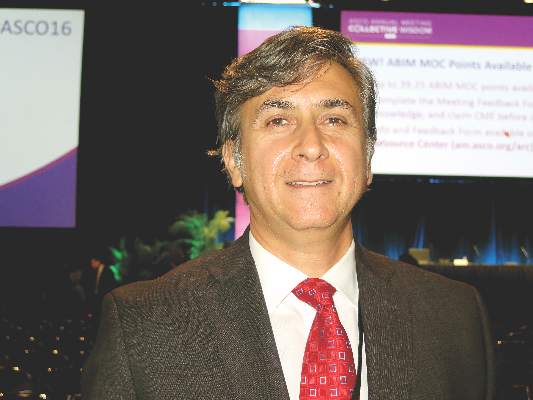
A total of 4,130 patients met the ABC trials’ eligibility requirements and were randomly assigned to receive either TC therapy (n = 2,078) or TaxAC therapy (n = 2,052), Joanne Blum, MD, PhD, of the Texas Oncology-Baylor Charles A. Sammons Cancer Center, Dallas, reported at the annual meeting of the American Society of Clinical Oncology.
Patient and tumor characteristics were balanced among the two treatment arms, and the median follow-up time was 3.2 years.
Inferiority was predefined as a Cox model hazard ratio (HR) score of 1.18 or higher when the cohort was stratified by nodal status, hormone-receptor status, and parent trial, Dr. Blum said.
The HR for the initial 334 events was 1.2, which exceeded the threshold and demonstrated that TC was inferior to TaxAC.
At the interim analysis, 399 events had occurred: 220 in the TC treatment arm and 179 in the TaxAC arm. Overall, the 4-year invasive disease-free survival was 88.2% for the TC treatment arm and 90.7% for the TaxAC treatment arm (HR, 1.23; 95% confidence interval, 1.01-1.50; P = .04). TaxAC was equal or superior to TC when the cohort was stratified by parent trial, hormone status, and nodal status. TC regimen was favored only in ER-positive patients with zero nodes.
There was no difference in overall survival between the two treatment arms.
Exploratory subgroup analyses suggest that TaxAC provides little benefit in ER-positive, node-negative cohorts, small benefit in ER-positive one-to-three node and ER-negative node-negative cohorts, and the most benefit for patients who were ER-positive with more than four nodes or ER-negative node-positive, Dr. Blum said.
Acute leukemia occurred in 0.24% of patients in the TaxAC group and in none of the patients in the TC treatment arm.
“Additional follow-up and correlative studies to identify biomarkers of anthracycline benefit will be crucial for fully determining the utility of anthracyclines across this heterogeneous patient population,” Dr. Blum concluded.
Dr. Blum had no disclosures to report. Sanofi, Genentech, and CTEP funded the ABC trials.
On Twitter @jessnicolecraig
CHICAGO – Docetaxel plus cyclophosphamide was significantly inferior to treatment with anthracycline/taxane-based chemotherapy, according to an interim joint analysis of the ABC (anthracyclines in early breast cancer) trials.
The ABC trials are three sequential trials from the US Oncology Research and National Surgical Adjuvant Breast and Bowel Project that randomized women with resected high-risk, early-stage breast cancer to receive docetaxel plus cyclophosphamide (TC) or one of several standard anthracycline/taxane-based chemotherapy (TaxAC) regimens.
A total of 4,130 patients met the ABC trials’ eligibility requirements and were randomly assigned to receive either TC therapy (n = 2,078) or TaxAC therapy (n = 2,052), Joanne Blum, MD, PhD, of the Texas Oncology-Baylor Charles A. Sammons Cancer Center, Dallas, reported at the annual meeting of the American Society of Clinical Oncology.
Patient and tumor characteristics were balanced among the two treatment arms, and the median follow-up time was 3.2 years.
Inferiority was predefined as a Cox model hazard ratio (HR) score of 1.18 or higher when the cohort was stratified by nodal status, hormone-receptor status, and parent trial, Dr. Blum said.
The HR for the initial 334 events was 1.2, which exceeded the threshold and demonstrated that TC was inferior to TaxAC.
At the interim analysis, 399 events had occurred: 220 in the TC treatment arm and 179 in the TaxAC arm. Overall, the 4-year invasive disease-free survival was 88.2% for the TC treatment arm and 90.7% for the TaxAC treatment arm (HR, 1.23; 95% confidence interval, 1.01-1.50; P = .04). TaxAC was equal or superior to TC when the cohort was stratified by parent trial, hormone status, and nodal status. TC regimen was favored only in ER-positive patients with zero nodes.
There was no difference in overall survival between the two treatment arms.
Exploratory subgroup analyses suggest that TaxAC provides little benefit in ER-positive, node-negative cohorts, small benefit in ER-positive one-to-three node and ER-negative node-negative cohorts, and the most benefit for patients who were ER-positive with more than four nodes or ER-negative node-positive, Dr. Blum said.
Acute leukemia occurred in 0.24% of patients in the TaxAC group and in none of the patients in the TC treatment arm.
“Additional follow-up and correlative studies to identify biomarkers of anthracycline benefit will be crucial for fully determining the utility of anthracyclines across this heterogeneous patient population,” Dr. Blum concluded.
Dr. Blum had no disclosures to report. Sanofi, Genentech, and CTEP funded the ABC trials.
On Twitter @jessnicolecraig
CHICAGO – Docetaxel plus cyclophosphamide was significantly inferior to treatment with anthracycline/taxane-based chemotherapy, according to an interim joint analysis of the ABC (anthracyclines in early breast cancer) trials.
The ABC trials are three sequential trials from the US Oncology Research and National Surgical Adjuvant Breast and Bowel Project that randomized women with resected high-risk, early-stage breast cancer to receive docetaxel plus cyclophosphamide (TC) or one of several standard anthracycline/taxane-based chemotherapy (TaxAC) regimens.
A total of 4,130 patients met the ABC trials’ eligibility requirements and were randomly assigned to receive either TC therapy (n = 2,078) or TaxAC therapy (n = 2,052), Joanne Blum, MD, PhD, of the Texas Oncology-Baylor Charles A. Sammons Cancer Center, Dallas, reported at the annual meeting of the American Society of Clinical Oncology.
Patient and tumor characteristics were balanced among the two treatment arms, and the median follow-up time was 3.2 years.
Inferiority was predefined as a Cox model hazard ratio (HR) score of 1.18 or higher when the cohort was stratified by nodal status, hormone-receptor status, and parent trial, Dr. Blum said.
The HR for the initial 334 events was 1.2, which exceeded the threshold and demonstrated that TC was inferior to TaxAC.
At the interim analysis, 399 events had occurred: 220 in the TC treatment arm and 179 in the TaxAC arm. Overall, the 4-year invasive disease-free survival was 88.2% for the TC treatment arm and 90.7% for the TaxAC treatment arm (HR, 1.23; 95% confidence interval, 1.01-1.50; P = .04). TaxAC was equal or superior to TC when the cohort was stratified by parent trial, hormone status, and nodal status. TC regimen was favored only in ER-positive patients with zero nodes.
There was no difference in overall survival between the two treatment arms.
Exploratory subgroup analyses suggest that TaxAC provides little benefit in ER-positive, node-negative cohorts, small benefit in ER-positive one-to-three node and ER-negative node-negative cohorts, and the most benefit for patients who were ER-positive with more than four nodes or ER-negative node-positive, Dr. Blum said.
Acute leukemia occurred in 0.24% of patients in the TaxAC group and in none of the patients in the TC treatment arm.
“Additional follow-up and correlative studies to identify biomarkers of anthracycline benefit will be crucial for fully determining the utility of anthracyclines across this heterogeneous patient population,” Dr. Blum concluded.
Dr. Blum had no disclosures to report. Sanofi, Genentech, and CTEP funded the ABC trials.
On Twitter @jessnicolecraig
AT THE 2016 ASCO ANNUAL MEETING
Key clinical point: Anthracyclines continue to have a role in the treatment of high-risk, HER2-negative breast cancer.
Major finding: 4-year invasive disease-free survival was 88.2% for the TC treatment arm and 90.7% for the TaxAC treatment arm (HR, 1.23; 95% CI, 1.01-1.50; P = .04).
Data source: An interim analysis of the ABC trials involved a total of 4,130 patients with breast cancer.
Disclosures: Dr. Blum had no disclosures to report. Sanofi, Genentech, and CTEP funded the ABC trials.
New HER2-testing guidelines result in more women eligible for HER2-directed treatment
New guidelines for immunohistochemistry (IHC) and fluorescent in situ hybridization (FISH) pathology testing categorize more breast cancers as “equivocal” regarding HER2 positivity and ultimately lead to identifying more of them as HER2 positive, investigators reported online in Journal of Clinical Oncology.
The American Society of Clinical Oncology and the College of American Pathologists released updated IHC and FISH guidelines in 2013, after the Food and Drug Administration approved the initial set of such guidelines in 1998 and ASCO/CAP issued their first such guidelines in 2007. “The intent of the 2013 guidelines was to decrease the number of equivocal [cancers],” said Mithun Vinod Shah, MD, PhD, of the Mayo Clinic, Rochester Minn., and his associates.
To assess the impact of implementing the new guidelines, the investigators analyzed 2,851 breast cancer samples sent to their cytogenetics laboratory by 139 medical centers for HER2 testing during a 1-year period. They compared the three sets of testing criteria – the FDA, the 2007, and the 2013 guidelines.
According to the 2013 guidelines, 69.7% of the tumors were classified as HER2 negative, 16.1% as HER2 positive, and 14.2% as equivocal. In contrast, the 2007 guidelines classified 85.1% as negative, 11.0% as positive, and 3.9% as equivocal, while the FDA guidelines classified 13.1% as positive and 86.9% as negative (there is no “equivocal” category in the FDA guidelines). Thus, “the final FISH interpretations indicate that by using 2013 guidelines, 358 additional patients were interpreted as positive, compared with the 2007 guidelines and that 298 additional patients were considered positive, compared with the FDA criteria,” Dr. Shah and his associates said.
The 2013 guidelines recommend additional chromosome 17 probe testing (among other strategies) to resolve equivocal results, so the investigators did so with the 405 samples classified as equivocal by the 2013 criteria. This resulted in 52.3% of the 405 equivocal tumors being reclassified as HER2 positive, 8.9% being reclassified as HER2 negative, and 38.8% remaining equivocal. Thus, HER2 positivity in the overall cohort rose significantly to 23.6% using the newest guidelines.
These findings demonstrate that using the 2013 guidelines for IHC and FISH pathology testing identifies more women who are eligible for HER2-directed therapy, the investigators said (J Clin Oncol. 2016 Jul 25. doi: 10.1200/JCO.2015.61.8983).
New guidelines for immunohistochemistry (IHC) and fluorescent in situ hybridization (FISH) pathology testing categorize more breast cancers as “equivocal” regarding HER2 positivity and ultimately lead to identifying more of them as HER2 positive, investigators reported online in Journal of Clinical Oncology.
The American Society of Clinical Oncology and the College of American Pathologists released updated IHC and FISH guidelines in 2013, after the Food and Drug Administration approved the initial set of such guidelines in 1998 and ASCO/CAP issued their first such guidelines in 2007. “The intent of the 2013 guidelines was to decrease the number of equivocal [cancers],” said Mithun Vinod Shah, MD, PhD, of the Mayo Clinic, Rochester Minn., and his associates.
To assess the impact of implementing the new guidelines, the investigators analyzed 2,851 breast cancer samples sent to their cytogenetics laboratory by 139 medical centers for HER2 testing during a 1-year period. They compared the three sets of testing criteria – the FDA, the 2007, and the 2013 guidelines.
According to the 2013 guidelines, 69.7% of the tumors were classified as HER2 negative, 16.1% as HER2 positive, and 14.2% as equivocal. In contrast, the 2007 guidelines classified 85.1% as negative, 11.0% as positive, and 3.9% as equivocal, while the FDA guidelines classified 13.1% as positive and 86.9% as negative (there is no “equivocal” category in the FDA guidelines). Thus, “the final FISH interpretations indicate that by using 2013 guidelines, 358 additional patients were interpreted as positive, compared with the 2007 guidelines and that 298 additional patients were considered positive, compared with the FDA criteria,” Dr. Shah and his associates said.
The 2013 guidelines recommend additional chromosome 17 probe testing (among other strategies) to resolve equivocal results, so the investigators did so with the 405 samples classified as equivocal by the 2013 criteria. This resulted in 52.3% of the 405 equivocal tumors being reclassified as HER2 positive, 8.9% being reclassified as HER2 negative, and 38.8% remaining equivocal. Thus, HER2 positivity in the overall cohort rose significantly to 23.6% using the newest guidelines.
These findings demonstrate that using the 2013 guidelines for IHC and FISH pathology testing identifies more women who are eligible for HER2-directed therapy, the investigators said (J Clin Oncol. 2016 Jul 25. doi: 10.1200/JCO.2015.61.8983).
New guidelines for immunohistochemistry (IHC) and fluorescent in situ hybridization (FISH) pathology testing categorize more breast cancers as “equivocal” regarding HER2 positivity and ultimately lead to identifying more of them as HER2 positive, investigators reported online in Journal of Clinical Oncology.
The American Society of Clinical Oncology and the College of American Pathologists released updated IHC and FISH guidelines in 2013, after the Food and Drug Administration approved the initial set of such guidelines in 1998 and ASCO/CAP issued their first such guidelines in 2007. “The intent of the 2013 guidelines was to decrease the number of equivocal [cancers],” said Mithun Vinod Shah, MD, PhD, of the Mayo Clinic, Rochester Minn., and his associates.
To assess the impact of implementing the new guidelines, the investigators analyzed 2,851 breast cancer samples sent to their cytogenetics laboratory by 139 medical centers for HER2 testing during a 1-year period. They compared the three sets of testing criteria – the FDA, the 2007, and the 2013 guidelines.
According to the 2013 guidelines, 69.7% of the tumors were classified as HER2 negative, 16.1% as HER2 positive, and 14.2% as equivocal. In contrast, the 2007 guidelines classified 85.1% as negative, 11.0% as positive, and 3.9% as equivocal, while the FDA guidelines classified 13.1% as positive and 86.9% as negative (there is no “equivocal” category in the FDA guidelines). Thus, “the final FISH interpretations indicate that by using 2013 guidelines, 358 additional patients were interpreted as positive, compared with the 2007 guidelines and that 298 additional patients were considered positive, compared with the FDA criteria,” Dr. Shah and his associates said.
The 2013 guidelines recommend additional chromosome 17 probe testing (among other strategies) to resolve equivocal results, so the investigators did so with the 405 samples classified as equivocal by the 2013 criteria. This resulted in 52.3% of the 405 equivocal tumors being reclassified as HER2 positive, 8.9% being reclassified as HER2 negative, and 38.8% remaining equivocal. Thus, HER2 positivity in the overall cohort rose significantly to 23.6% using the newest guidelines.
These findings demonstrate that using the 2013 guidelines for IHC and FISH pathology testing identifies more women who are eligible for HER2-directed therapy, the investigators said (J Clin Oncol. 2016 Jul 25. doi: 10.1200/JCO.2015.61.8983).
FROM JOURNAL OF CLINICAL ONCOLOGY
Key clinical point: New IHC and FISH pathology guidelines categorize more breast cancers as “equivocal” regarding HER2 positivity and ultimately lead to identifying more of them as HER2 positive.
Major finding: By using 2013 guidelines, 358 additional tumors were interpreted as positive, compared with the 2007 guidelines and 298 additional tumors were considered positive, compared with the FDA criteria.
Data source: A cohort study involving 2,851 breast cancer samples analyzed according to three different pathology guidelines during a 1-year period.
Disclosures: This study was supported by the Mayo Clinic. Dr. Shah reported having no relevant financial disclosures; his associates reported ties to Merck, Hospira, Ariad Pharmaceuticals, Abbott Molecular, and Genome Diagnostics.
Study shows faster increase in obesity prevalence among cancer survivors
From 1997 to 2014, cancer survivors had a significantly faster increase in obesity prevalence compared with adults without a history of cancer, investigators found.
Furthermore, the elevated annual increase in rates of obesity was more pronounced in women, in breast and colorectal cancer survivors, and in non-Hispanic blacks.

Cancer patients may be at an increased risk for weight gain caused by specific cancer treatments such as chemotherapy, steroid modifications, and various hormone therapies, especially in “hormonally and metabolically driven cancers such as breast and colorectal cancer,” wrote Heather Greenlee, ND, PhD, of Columbia University, New York, and her associates (J Clin Oncol. 2016 July 25. doi: 10.1200/JCO.2016.66.4391). “To better inform future research on obesity and cancer survival and to inform the planning and implementation of weight loss interventions in cancer survivors, we compared trends from 1997 to 2014 in obesity prevalence in U.S. adults with and without a history of cancer,” the researchers explained.
Obesity prevalence and trends were evaluated through the National Health Interview Survey, an ongoing cross-sectional survey of the health status, health care access, and behaviors of the U.S. civilian population conducted by the National Center for Health Statistics.
For the current study, surveys from a total of 538,969 adults aged 18-85 years with (n = 32,447) or without (n = 506,522) a history of cancer were analyzed. Participants provided self-reported height and weight measures from which body mass index was calculated. Obesity was defined as a BMI of 30 kg/m2 or higher for non-Asians and 27.5 kg/m2 or higher for Asians. Participants also self-reported sex, race, and cancer history.
Overall, the prevalence of obesity consistently increased from 1997 to 2014. Among cancer survivors, the prevalence of obesity increased from 22.4% to 31.7% while in adults without a history of cancer, prevalence increased from 20.9% to 29.5%.
The annual increase in the rate of obesity was significantly greater in both women and men with a history of cancer (2.9% and 2.8% respectively) compared with those without a history of cancer (2.3% and 2.4%, P less than .001 for all).
The elevated annual increase in rates of obesity was even higher in colorectal (3.1% in women and 3.7% in men) and breast (3.0%) cancer survivors compared with adults without a history of cancer, but was lower in prostate cancer survivors (2.1%; P = .001 for all).
“These findings call for public health planning of effective and scalable weight management and control programs for cancer survivors, especially for breast and colorectal cancer survivors and for non-Hispanic blacks,” the investigators concluded.
The National Cancer Institute funded the study. Dr. Greenlee and one other investigator reported serving in advisory roles for EHE International.
On Twitter @jessnicolecraig
From 1997 to 2014, cancer survivors had a significantly faster increase in obesity prevalence compared with adults without a history of cancer, investigators found.
Furthermore, the elevated annual increase in rates of obesity was more pronounced in women, in breast and colorectal cancer survivors, and in non-Hispanic blacks.
Cancer patients may be at an increased risk for weight gain caused by specific cancer treatments such as chemotherapy, steroid modifications, and various hormone therapies, especially in “hormonally and metabolically driven cancers such as breast and colorectal cancer,” wrote Heather Greenlee, ND, PhD, of Columbia University, New York, and her associates (J Clin Oncol. 2016 July 25. doi: 10.1200/JCO.2016.66.4391). “To better inform future research on obesity and cancer survival and to inform the planning and implementation of weight loss interventions in cancer survivors, we compared trends from 1997 to 2014 in obesity prevalence in U.S. adults with and without a history of cancer,” the researchers explained.
Obesity prevalence and trends were evaluated through the National Health Interview Survey, an ongoing cross-sectional survey of the health status, health care access, and behaviors of the U.S. civilian population conducted by the National Center for Health Statistics.
For the current study, surveys from a total of 538,969 adults aged 18-85 years with (n = 32,447) or without (n = 506,522) a history of cancer were analyzed. Participants provided self-reported height and weight measures from which body mass index was calculated. Obesity was defined as a BMI of 30 kg/m2 or higher for non-Asians and 27.5 kg/m2 or higher for Asians. Participants also self-reported sex, race, and cancer history.
Overall, the prevalence of obesity consistently increased from 1997 to 2014. Among cancer survivors, the prevalence of obesity increased from 22.4% to 31.7% while in adults without a history of cancer, prevalence increased from 20.9% to 29.5%.
The annual increase in the rate of obesity was significantly greater in both women and men with a history of cancer (2.9% and 2.8% respectively) compared with those without a history of cancer (2.3% and 2.4%, P less than .001 for all).
The elevated annual increase in rates of obesity was even higher in colorectal (3.1% in women and 3.7% in men) and breast (3.0%) cancer survivors compared with adults without a history of cancer, but was lower in prostate cancer survivors (2.1%; P = .001 for all).
“These findings call for public health planning of effective and scalable weight management and control programs for cancer survivors, especially for breast and colorectal cancer survivors and for non-Hispanic blacks,” the investigators concluded.
The National Cancer Institute funded the study. Dr. Greenlee and one other investigator reported serving in advisory roles for EHE International.
On Twitter @jessnicolecraig
From 1997 to 2014, cancer survivors had a significantly faster increase in obesity prevalence compared with adults without a history of cancer, investigators found.
Furthermore, the elevated annual increase in rates of obesity was more pronounced in women, in breast and colorectal cancer survivors, and in non-Hispanic blacks.
Cancer patients may be at an increased risk for weight gain caused by specific cancer treatments such as chemotherapy, steroid modifications, and various hormone therapies, especially in “hormonally and metabolically driven cancers such as breast and colorectal cancer,” wrote Heather Greenlee, ND, PhD, of Columbia University, New York, and her associates (J Clin Oncol. 2016 July 25. doi: 10.1200/JCO.2016.66.4391). “To better inform future research on obesity and cancer survival and to inform the planning and implementation of weight loss interventions in cancer survivors, we compared trends from 1997 to 2014 in obesity prevalence in U.S. adults with and without a history of cancer,” the researchers explained.
Obesity prevalence and trends were evaluated through the National Health Interview Survey, an ongoing cross-sectional survey of the health status, health care access, and behaviors of the U.S. civilian population conducted by the National Center for Health Statistics.
For the current study, surveys from a total of 538,969 adults aged 18-85 years with (n = 32,447) or without (n = 506,522) a history of cancer were analyzed. Participants provided self-reported height and weight measures from which body mass index was calculated. Obesity was defined as a BMI of 30 kg/m2 or higher for non-Asians and 27.5 kg/m2 or higher for Asians. Participants also self-reported sex, race, and cancer history.
Overall, the prevalence of obesity consistently increased from 1997 to 2014. Among cancer survivors, the prevalence of obesity increased from 22.4% to 31.7% while in adults without a history of cancer, prevalence increased from 20.9% to 29.5%.
The annual increase in the rate of obesity was significantly greater in both women and men with a history of cancer (2.9% and 2.8% respectively) compared with those without a history of cancer (2.3% and 2.4%, P less than .001 for all).
The elevated annual increase in rates of obesity was even higher in colorectal (3.1% in women and 3.7% in men) and breast (3.0%) cancer survivors compared with adults without a history of cancer, but was lower in prostate cancer survivors (2.1%; P = .001 for all).
“These findings call for public health planning of effective and scalable weight management and control programs for cancer survivors, especially for breast and colorectal cancer survivors and for non-Hispanic blacks,” the investigators concluded.
The National Cancer Institute funded the study. Dr. Greenlee and one other investigator reported serving in advisory roles for EHE International.
On Twitter @jessnicolecraig
FROM THE JOURNAL OF CLINICAL ONCOLOGY
Key clinical point: Cancer survivors had a significantly faster increase in obesity prevalence compared with adults without a history of cancer.
Major finding: The annual increase in the rate of obesity was significantly higher in both women and men with a history of cancer (2.9% and 2.8% respectively) compared with those without a history of cancer (2.3% and 2.4%, P less than .001 for all).
Data source: National Health Interview Survey responses from 538,969 adults aged 18-85 years with (n = 32,447) or without (n = 506,522) a history of cancer.
Disclosures: The National Cancer Institute funded the study. Dr. Greenlee and one other investigator reported serving in advisory roles for EHE International.

Overweight, obesity increase risk of cardiotoxicity from anthracyclines
Being overweight or obese was significantly associated with a greater risk of developing cardiotoxicity among breast cancer patients treated with anthracyclines and/or trastuzumab, investigators found.
Anthracyclines, a class of anticancer agents widely used to treat many cancer types, have a known association with cardiotoxicity. Furthermore, people who are overweight or obese have an increased risk for developing cardiovascular diseases. The purpose of this study was to “explore in greater depth the influence of overweight and obesity as aggravating factors in the development of cardiotoxicity” specifically among patients who received anthracycline and/or trastuzumab as part of their cancer treatment and were therefore at increased risk of experiencing cardiac-related adverse events, wrote Charles Guenancia, MD, PhD, of University Hospital, Dijon Cedex, France, and his associates (J Clin Oncol. 2016 July 25. doi: 10.1200/JCO.2016.67.4846).
These results are from a meta-analysis of 15 published prospective or retrospective cohort studies that investigated or otherwise reported data on the association between overweight and/or obesity and cardiotoxicity resulting from anthracycline and/or trastuzumab use for treating localized or metastatic breast cancer. Together, the 15 studies represented a total of 8,745 breast cancer patients.
Overall, the mean rate of cardiotoxicity was 17% (95% confidence interval, 11%-25%). Patients treated with anthracyclines only (n = 3,898) had a mean rate of cardiotoxicity of 20% (95% CI, 5%-43%) while patients treated with trastuzumab with or without anthracyclines (n = 4,847) had a lower mean rate of cardiotoxicity at 16% (95% CI, 10%-24%).Paired meta-analysis revealed that overweight, defined as a body mass index score of 25 to 29.9, was associated with increased risk of cardiotoxicity with an odds ratio of 1.15 (95% CI, 0.83-1.58). Obesity, defined as a body mass index score of 30 or greater, was associated with a greater risk of cardiotoxicity with an odds ratio of 1.47 (95% CI, 0.95-2.28).
The association between body mass index and the risk of cardiotoxicity did not differ significantly by drug regimen (anthracyclines alone or sequential anthracyclines and trastuzumab).
This study’s funding source was not listed. Dr. Guenancia and one other investigator reported serving in advisory roles and/or receiving financial compensation from various companies.
On Twitter @jessnicolecraig
Being overweight or obese was significantly associated with a greater risk of developing cardiotoxicity among breast cancer patients treated with anthracyclines and/or trastuzumab, investigators found.
Anthracyclines, a class of anticancer agents widely used to treat many cancer types, have a known association with cardiotoxicity. Furthermore, people who are overweight or obese have an increased risk for developing cardiovascular diseases. The purpose of this study was to “explore in greater depth the influence of overweight and obesity as aggravating factors in the development of cardiotoxicity” specifically among patients who received anthracycline and/or trastuzumab as part of their cancer treatment and were therefore at increased risk of experiencing cardiac-related adverse events, wrote Charles Guenancia, MD, PhD, of University Hospital, Dijon Cedex, France, and his associates (J Clin Oncol. 2016 July 25. doi: 10.1200/JCO.2016.67.4846).
These results are from a meta-analysis of 15 published prospective or retrospective cohort studies that investigated or otherwise reported data on the association between overweight and/or obesity and cardiotoxicity resulting from anthracycline and/or trastuzumab use for treating localized or metastatic breast cancer. Together, the 15 studies represented a total of 8,745 breast cancer patients.
Overall, the mean rate of cardiotoxicity was 17% (95% confidence interval, 11%-25%). Patients treated with anthracyclines only (n = 3,898) had a mean rate of cardiotoxicity of 20% (95% CI, 5%-43%) while patients treated with trastuzumab with or without anthracyclines (n = 4,847) had a lower mean rate of cardiotoxicity at 16% (95% CI, 10%-24%).Paired meta-analysis revealed that overweight, defined as a body mass index score of 25 to 29.9, was associated with increased risk of cardiotoxicity with an odds ratio of 1.15 (95% CI, 0.83-1.58). Obesity, defined as a body mass index score of 30 or greater, was associated with a greater risk of cardiotoxicity with an odds ratio of 1.47 (95% CI, 0.95-2.28).
The association between body mass index and the risk of cardiotoxicity did not differ significantly by drug regimen (anthracyclines alone or sequential anthracyclines and trastuzumab).
This study’s funding source was not listed. Dr. Guenancia and one other investigator reported serving in advisory roles and/or receiving financial compensation from various companies.
On Twitter @jessnicolecraig
Being overweight or obese was significantly associated with a greater risk of developing cardiotoxicity among breast cancer patients treated with anthracyclines and/or trastuzumab, investigators found.
Anthracyclines, a class of anticancer agents widely used to treat many cancer types, have a known association with cardiotoxicity. Furthermore, people who are overweight or obese have an increased risk for developing cardiovascular diseases. The purpose of this study was to “explore in greater depth the influence of overweight and obesity as aggravating factors in the development of cardiotoxicity” specifically among patients who received anthracycline and/or trastuzumab as part of their cancer treatment and were therefore at increased risk of experiencing cardiac-related adverse events, wrote Charles Guenancia, MD, PhD, of University Hospital, Dijon Cedex, France, and his associates (J Clin Oncol. 2016 July 25. doi: 10.1200/JCO.2016.67.4846).
These results are from a meta-analysis of 15 published prospective or retrospective cohort studies that investigated or otherwise reported data on the association between overweight and/or obesity and cardiotoxicity resulting from anthracycline and/or trastuzumab use for treating localized or metastatic breast cancer. Together, the 15 studies represented a total of 8,745 breast cancer patients.
Overall, the mean rate of cardiotoxicity was 17% (95% confidence interval, 11%-25%). Patients treated with anthracyclines only (n = 3,898) had a mean rate of cardiotoxicity of 20% (95% CI, 5%-43%) while patients treated with trastuzumab with or without anthracyclines (n = 4,847) had a lower mean rate of cardiotoxicity at 16% (95% CI, 10%-24%).Paired meta-analysis revealed that overweight, defined as a body mass index score of 25 to 29.9, was associated with increased risk of cardiotoxicity with an odds ratio of 1.15 (95% CI, 0.83-1.58). Obesity, defined as a body mass index score of 30 or greater, was associated with a greater risk of cardiotoxicity with an odds ratio of 1.47 (95% CI, 0.95-2.28).
The association between body mass index and the risk of cardiotoxicity did not differ significantly by drug regimen (anthracyclines alone or sequential anthracyclines and trastuzumab).
This study’s funding source was not listed. Dr. Guenancia and one other investigator reported serving in advisory roles and/or receiving financial compensation from various companies.
On Twitter @jessnicolecraig
FROM THE JOURNAL OF CLINICAL ONCOLOGY
Key clinical point: Being overweight or obese was significantly associated with a greater risk of developing cardiotoxicity among breast cancer patients treated with anthracycline and/or trastuzumab.
Major finding: Being overweight was associated with increased risk of cardiotoxicity with an odds ratio of 1.15 (95% CI, 0.83-1.58). Obesity was associated with a greater risk of cardiotoxicity with an odds ratio of 1.47 (95% CI, 0.95-2.28).
Data source: A meta-analysis of 15 studies that investigated or otherwise reported data on the association between overweight and/or obesity and cardiotoxicity resulting from anthracyclines and/or trastuzumab use for treating breast cancer.
Disclosures: This study’s funding source was not identified. Dr. Guenancia and one other investigator reported serving in advisory roles and/or receiving financial compensation from various companies.
Symptoms, unmet need, and quality of life among recent breast cancer survivors
Background Assessing patient quality of life (QoL) apart from symptoms and unmet need may miss important concerns for which remediation is possible. Therapeutic advances have improved survival among breast cancer patients, and 89% can expect to survive for longer than 5 years. However, the price is lasting physical and psychosocial symptoms. Education regarding the value of symptom reduction may be needed for breast cancer survivors and their providers.
Objective To examine the unmet needs for symptom management and the relationships between unmet needs, symptom burden, and patient QoL.
Method Eligibility included nonmetastatic breast cancer survivors who had been treated less than a year before the study and attendance at a survivorship appointment. QoL was assessed using the Medical Outcomes Study Short Form-12 (scale, 0 [Did Not Experience] to 5 [As Bad As Possible]), and 19 symptoms were evaluated. Participants reported unmet need for assistance for each symptom experienced.
Results 164 primarily white, middle-aged, early-stage survivors of breast cancer were recruited. Physical and Mental QoL were similar to national norms. Survivors reported an average of 11.5 symptoms, most commonly Fatigue, Insomnia, Hot Flashes, Joint Pain, but reported unmet need for fewer symptoms (mean, 2.6). Weight Gain, Joint Pain, Numbness were most likely to result in unmet need. Both Physical and Mental QoL were negatively associated with number of symptoms (r = -.46 and -.41, respectively) and unmet needs (r = -.17 and -.41, respectively).
Limitations Cross-sectional sample of consecutive patients from a single clinical site.
Conclusion Symptoms are common among recent survivors of breast cancer, as are unmet needs, but to a lesser extent. Both have a negative impact on Physical and Mental health QoL.
Funding Translational Center of Excellence in Breast Cancer at the Abramson Cancer Center, University of Pennsylvania
Click on the PDF icon at the top of this introduction to read the full article.
Background Assessing patient quality of life (QoL) apart from symptoms and unmet need may miss important concerns for which remediation is possible. Therapeutic advances have improved survival among breast cancer patients, and 89% can expect to survive for longer than 5 years. However, the price is lasting physical and psychosocial symptoms. Education regarding the value of symptom reduction may be needed for breast cancer survivors and their providers.
Objective To examine the unmet needs for symptom management and the relationships between unmet needs, symptom burden, and patient QoL.
Method Eligibility included nonmetastatic breast cancer survivors who had been treated less than a year before the study and attendance at a survivorship appointment. QoL was assessed using the Medical Outcomes Study Short Form-12 (scale, 0 [Did Not Experience] to 5 [As Bad As Possible]), and 19 symptoms were evaluated. Participants reported unmet need for assistance for each symptom experienced.
Results 164 primarily white, middle-aged, early-stage survivors of breast cancer were recruited. Physical and Mental QoL were similar to national norms. Survivors reported an average of 11.5 symptoms, most commonly Fatigue, Insomnia, Hot Flashes, Joint Pain, but reported unmet need for fewer symptoms (mean, 2.6). Weight Gain, Joint Pain, Numbness were most likely to result in unmet need. Both Physical and Mental QoL were negatively associated with number of symptoms (r = -.46 and -.41, respectively) and unmet needs (r = -.17 and -.41, respectively).
Limitations Cross-sectional sample of consecutive patients from a single clinical site.
Conclusion Symptoms are common among recent survivors of breast cancer, as are unmet needs, but to a lesser extent. Both have a negative impact on Physical and Mental health QoL.
Funding Translational Center of Excellence in Breast Cancer at the Abramson Cancer Center, University of Pennsylvania
Click on the PDF icon at the top of this introduction to read the full article.
Background Assessing patient quality of life (QoL) apart from symptoms and unmet need may miss important concerns for which remediation is possible. Therapeutic advances have improved survival among breast cancer patients, and 89% can expect to survive for longer than 5 years. However, the price is lasting physical and psychosocial symptoms. Education regarding the value of symptom reduction may be needed for breast cancer survivors and their providers.
Objective To examine the unmet needs for symptom management and the relationships between unmet needs, symptom burden, and patient QoL.
Method Eligibility included nonmetastatic breast cancer survivors who had been treated less than a year before the study and attendance at a survivorship appointment. QoL was assessed using the Medical Outcomes Study Short Form-12 (scale, 0 [Did Not Experience] to 5 [As Bad As Possible]), and 19 symptoms were evaluated. Participants reported unmet need for assistance for each symptom experienced.
Results 164 primarily white, middle-aged, early-stage survivors of breast cancer were recruited. Physical and Mental QoL were similar to national norms. Survivors reported an average of 11.5 symptoms, most commonly Fatigue, Insomnia, Hot Flashes, Joint Pain, but reported unmet need for fewer symptoms (mean, 2.6). Weight Gain, Joint Pain, Numbness were most likely to result in unmet need. Both Physical and Mental QoL were negatively associated with number of symptoms (r = -.46 and -.41, respectively) and unmet needs (r = -.17 and -.41, respectively).
Limitations Cross-sectional sample of consecutive patients from a single clinical site.
Conclusion Symptoms are common among recent survivors of breast cancer, as are unmet needs, but to a lesser extent. Both have a negative impact on Physical and Mental health QoL.
Funding Translational Center of Excellence in Breast Cancer at the Abramson Cancer Center, University of Pennsylvania
Click on the PDF icon at the top of this introduction to read the full article.
New data shed light on impact of resecting the primary tumor in stage IV breast cancer
CHICAGO – The survival impact of resecting the primary tumor in women with de novo stage IV breast cancer depends on receipt of and response to prior systemic therapy, suggested a pair of studies reported at the annual meeting of the American Society of Clinical Oncology.
A randomized trial conducted in Turkey found that, relative to peers who received initial systemic therapy, women who underwent initial resection of the primary tumor had a one-third lower risk of death at 5 years. But a prospective registry study conducted in the United States found that elective resection after a response to first-line therapy did not significantly improve overall survival, with patients living roughly 6 years regardless of whether they had the surgery or not.
Findings in context

“I think these studies have just confirmed what we know, and that is that tumor biology is critical,” said invited discussant Elizabeth A. Mittendorf, MD, PhD, of University of Texas MD Anderson Cancer Center, Houston. “Patients who do not respond to systemic therapy will do poorly, so I don’t think it’s unwise to consider a biologic ‘stress test’ with initiation of first-line therapy, knowing that patients who do not respond will not benefit from surgery.”
Those with hormone receptor–positive or HER2-positive disease are most likely to benefit from targeted therapy and may see even higher response rates as novel targeted agents are introduced. “But despite the increase in response to therapy, we really have no data at this time to suggest any benefit from surgery,” she added. “There may be some utility in continuing to enroll these patients in a clinical trial. I would suggest that it would need to be a subtype-specific trial and would question whether we have the appetite to conduct such a study.”
More information on managing de novo stage IV breast cancer is expected from ongoing trials such as the Eastern Cooperative Oncology Group’s 2108 trial, which is randomizing patients having a response or stable disease with first-line therapy to either early local therapy or delayed local therapy only at the time of progression, according to Dr. Mittendorf.
Poor accrual necessitated redesign of the trial. “As part of that redesign, there was a decrease in the target enrollment, which causes me concern that the trial will not be powered to inform its primary endpoint of overall survival,” she commented. However, “it’s interesting to note that in early 2014, shortly after the report of the trials from India and Turkey at the San Antonio Breast Cancer Symposium, there was a significant increase in enrollment, suggesting that this is a clinically important question.”
Turkish study: MF07-01
The first study – trial MF07-01 of the Turkish Federation of Breast Diseases Societies – was presented by Atilla Soran, MD, of Magee-Womens Hospital of University of Pittsburgh Medical Center.
He and his colleagues enrolled in the trial women with de novo stage IV breast cancer whose primary tumor was amenable to complete surgical resection and who were healthy enough to be treated.
The women were randomized evenly either to initial systemic therapy followed by local therapy only if local progression occurred, or to initial local therapy, consisting of surgery with or without radiation therapy of the breast and axilla, followed by systemic therapy.
Among the 274 evaluable women having a median follow-up of about 40 months, the 3-year rate of overall survival did not differ significantly between the two groups, Dr. Soran reported.
However, the 5-year rate of overall survival was 41.6% in the initial surgery group and 24.4% in the initial systemic therapy group, a difference translating to a significant reduction in the risk of death (hazard ratio, 0.66; P = .005). Median survival was 46 months and 37 months, respectively.
The benefit was similar in women whose tumors had hormone receptors, whose tumors were negative for HER2, and who were younger than age 55. There was no significant benefit of up-front surgery for women with bone-only metastases, “but we believe that when we follow these patients longer, the difference is going to be statistically significant,” he said.
On the other hand, there was a trend among women who had multiple pulmonary and/or liver metastases whereby they were more likely to die if they initially had surgery instead of systemic therapy.
Locoregional progression/relapse occurred in 1% of the initial surgery group but 11% of the initial systemic therapy group. Among women who did not have locoregional progression/relapse, surgery still had a survival benefit (HR, 0.61; P = .001).
“We know that with systemic therapy, immunotherapy, radiation therapy, and imaging as developments, patients are living longer when you compare to a decade ago or 20 years ago,” said Dr. Soran. “But we also believe that there is a role for surgery of the primary tumor in those patients.”
“Performance status, age, and comorbidities must be taken into account, and the burden of metastatic disease needs to be considered,” he maintained. “The benefit of surgery at presentation is dependent on the completeness of resection, and axillary surgery and locoregional radiation therapy should be considered regardless of the metastasis.”
U.S. study: TBCRC 013

The second study – the Translational Breast Cancer Research Consortium’s study 013 – was presented by Tari A. King, MD, chief of breast surgery at the Dana-Farber Cancer Institute, associate division chief for breast surgery at Brigham and Women’s Hospital, and associate professor of surgery at Harvard Medical School, all in Boston.
The investigators analyzed data from the study’s cohort A, consisting of 112 patients with de novo stage IV breast cancer who had an intact primary tumor. All patients were given first-line systemic therapy; those who had a response were additionally offered elective resection of their primary tumor.
The median duration of follow-up was 54 months. Overall, 85% of the women had a response to their first-line therapy, Dr. King reported.
Some 43% of responders opted to undergo elective surgery to resect their primary tumor, defined as surgery performed in the absence of local symptoms or the need for local control, with specific type and extent left up to the treating physician.
In a multivariate analysis among responders surviving at least 6 months, median survival was 71 months with elective surgery and 65 months without it, a nonsignificant difference.
Findings were similar among subsets of women having estrogen receptor–positive tumors or HER2-positive tumors, and various combinations of these features.
In recursive partitioning analysis, response to first-line therapy, HER2 status, and age were the major determinants of survival.
“Importantly, although we were not able to demonstrate a survival benefit with the use of surgery, surgery also did not impact progression-free survival,” noted Dr. King.
Ultimately, 4% of responders who did not have elective surgery and 18% of nonresponders went on to have palliative resection of their primary.
“As this was a registry study, patients selected for surgery were more likely to have single-organ metastatic disease and to have received first-line chemotherapy, yet despite this selection bias, surgery did not impact survival in any tumor subtype,” Dr. King summarized. “Among patients who responded to therapy, HER2 status and patient age remained strong prognostic factors. Further investigation is needed to determine if subsets of patients will ultimately benefit from surgery.”
“In the absence of additional prospective data, our findings do not support surgery for the primary tumor outside of a clinical trial,” she concluded.
CHICAGO – The survival impact of resecting the primary tumor in women with de novo stage IV breast cancer depends on receipt of and response to prior systemic therapy, suggested a pair of studies reported at the annual meeting of the American Society of Clinical Oncology.
A randomized trial conducted in Turkey found that, relative to peers who received initial systemic therapy, women who underwent initial resection of the primary tumor had a one-third lower risk of death at 5 years. But a prospective registry study conducted in the United States found that elective resection after a response to first-line therapy did not significantly improve overall survival, with patients living roughly 6 years regardless of whether they had the surgery or not.
Findings in context
“I think these studies have just confirmed what we know, and that is that tumor biology is critical,” said invited discussant Elizabeth A. Mittendorf, MD, PhD, of University of Texas MD Anderson Cancer Center, Houston. “Patients who do not respond to systemic therapy will do poorly, so I don’t think it’s unwise to consider a biologic ‘stress test’ with initiation of first-line therapy, knowing that patients who do not respond will not benefit from surgery.”
Those with hormone receptor–positive or HER2-positive disease are most likely to benefit from targeted therapy and may see even higher response rates as novel targeted agents are introduced. “But despite the increase in response to therapy, we really have no data at this time to suggest any benefit from surgery,” she added. “There may be some utility in continuing to enroll these patients in a clinical trial. I would suggest that it would need to be a subtype-specific trial and would question whether we have the appetite to conduct such a study.”
More information on managing de novo stage IV breast cancer is expected from ongoing trials such as the Eastern Cooperative Oncology Group’s 2108 trial, which is randomizing patients having a response or stable disease with first-line therapy to either early local therapy or delayed local therapy only at the time of progression, according to Dr. Mittendorf.
Poor accrual necessitated redesign of the trial. “As part of that redesign, there was a decrease in the target enrollment, which causes me concern that the trial will not be powered to inform its primary endpoint of overall survival,” she commented. However, “it’s interesting to note that in early 2014, shortly after the report of the trials from India and Turkey at the San Antonio Breast Cancer Symposium, there was a significant increase in enrollment, suggesting that this is a clinically important question.”
Turkish study: MF07-01
The first study – trial MF07-01 of the Turkish Federation of Breast Diseases Societies – was presented by Atilla Soran, MD, of Magee-Womens Hospital of University of Pittsburgh Medical Center.
He and his colleagues enrolled in the trial women with de novo stage IV breast cancer whose primary tumor was amenable to complete surgical resection and who were healthy enough to be treated.
The women were randomized evenly either to initial systemic therapy followed by local therapy only if local progression occurred, or to initial local therapy, consisting of surgery with or without radiation therapy of the breast and axilla, followed by systemic therapy.
Among the 274 evaluable women having a median follow-up of about 40 months, the 3-year rate of overall survival did not differ significantly between the two groups, Dr. Soran reported.
However, the 5-year rate of overall survival was 41.6% in the initial surgery group and 24.4% in the initial systemic therapy group, a difference translating to a significant reduction in the risk of death (hazard ratio, 0.66; P = .005). Median survival was 46 months and 37 months, respectively.
The benefit was similar in women whose tumors had hormone receptors, whose tumors were negative for HER2, and who were younger than age 55. There was no significant benefit of up-front surgery for women with bone-only metastases, “but we believe that when we follow these patients longer, the difference is going to be statistically significant,” he said.
On the other hand, there was a trend among women who had multiple pulmonary and/or liver metastases whereby they were more likely to die if they initially had surgery instead of systemic therapy.
Locoregional progression/relapse occurred in 1% of the initial surgery group but 11% of the initial systemic therapy group. Among women who did not have locoregional progression/relapse, surgery still had a survival benefit (HR, 0.61; P = .001).
“We know that with systemic therapy, immunotherapy, radiation therapy, and imaging as developments, patients are living longer when you compare to a decade ago or 20 years ago,” said Dr. Soran. “But we also believe that there is a role for surgery of the primary tumor in those patients.”
“Performance status, age, and comorbidities must be taken into account, and the burden of metastatic disease needs to be considered,” he maintained. “The benefit of surgery at presentation is dependent on the completeness of resection, and axillary surgery and locoregional radiation therapy should be considered regardless of the metastasis.”
U.S. study: TBCRC 013
The second study – the Translational Breast Cancer Research Consortium’s study 013 – was presented by Tari A. King, MD, chief of breast surgery at the Dana-Farber Cancer Institute, associate division chief for breast surgery at Brigham and Women’s Hospital, and associate professor of surgery at Harvard Medical School, all in Boston.
The investigators analyzed data from the study’s cohort A, consisting of 112 patients with de novo stage IV breast cancer who had an intact primary tumor. All patients were given first-line systemic therapy; those who had a response were additionally offered elective resection of their primary tumor.
The median duration of follow-up was 54 months. Overall, 85% of the women had a response to their first-line therapy, Dr. King reported.
Some 43% of responders opted to undergo elective surgery to resect their primary tumor, defined as surgery performed in the absence of local symptoms or the need for local control, with specific type and extent left up to the treating physician.
In a multivariate analysis among responders surviving at least 6 months, median survival was 71 months with elective surgery and 65 months without it, a nonsignificant difference.
Findings were similar among subsets of women having estrogen receptor–positive tumors or HER2-positive tumors, and various combinations of these features.
In recursive partitioning analysis, response to first-line therapy, HER2 status, and age were the major determinants of survival.
“Importantly, although we were not able to demonstrate a survival benefit with the use of surgery, surgery also did not impact progression-free survival,” noted Dr. King.
Ultimately, 4% of responders who did not have elective surgery and 18% of nonresponders went on to have palliative resection of their primary.
“As this was a registry study, patients selected for surgery were more likely to have single-organ metastatic disease and to have received first-line chemotherapy, yet despite this selection bias, surgery did not impact survival in any tumor subtype,” Dr. King summarized. “Among patients who responded to therapy, HER2 status and patient age remained strong prognostic factors. Further investigation is needed to determine if subsets of patients will ultimately benefit from surgery.”
“In the absence of additional prospective data, our findings do not support surgery for the primary tumor outside of a clinical trial,” she concluded.
CHICAGO – The survival impact of resecting the primary tumor in women with de novo stage IV breast cancer depends on receipt of and response to prior systemic therapy, suggested a pair of studies reported at the annual meeting of the American Society of Clinical Oncology.
A randomized trial conducted in Turkey found that, relative to peers who received initial systemic therapy, women who underwent initial resection of the primary tumor had a one-third lower risk of death at 5 years. But a prospective registry study conducted in the United States found that elective resection after a response to first-line therapy did not significantly improve overall survival, with patients living roughly 6 years regardless of whether they had the surgery or not.
Findings in context
“I think these studies have just confirmed what we know, and that is that tumor biology is critical,” said invited discussant Elizabeth A. Mittendorf, MD, PhD, of University of Texas MD Anderson Cancer Center, Houston. “Patients who do not respond to systemic therapy will do poorly, so I don’t think it’s unwise to consider a biologic ‘stress test’ with initiation of first-line therapy, knowing that patients who do not respond will not benefit from surgery.”
Those with hormone receptor–positive or HER2-positive disease are most likely to benefit from targeted therapy and may see even higher response rates as novel targeted agents are introduced. “But despite the increase in response to therapy, we really have no data at this time to suggest any benefit from surgery,” she added. “There may be some utility in continuing to enroll these patients in a clinical trial. I would suggest that it would need to be a subtype-specific trial and would question whether we have the appetite to conduct such a study.”
More information on managing de novo stage IV breast cancer is expected from ongoing trials such as the Eastern Cooperative Oncology Group’s 2108 trial, which is randomizing patients having a response or stable disease with first-line therapy to either early local therapy or delayed local therapy only at the time of progression, according to Dr. Mittendorf.
Poor accrual necessitated redesign of the trial. “As part of that redesign, there was a decrease in the target enrollment, which causes me concern that the trial will not be powered to inform its primary endpoint of overall survival,” she commented. However, “it’s interesting to note that in early 2014, shortly after the report of the trials from India and Turkey at the San Antonio Breast Cancer Symposium, there was a significant increase in enrollment, suggesting that this is a clinically important question.”
Turkish study: MF07-01
The first study – trial MF07-01 of the Turkish Federation of Breast Diseases Societies – was presented by Atilla Soran, MD, of Magee-Womens Hospital of University of Pittsburgh Medical Center.
He and his colleagues enrolled in the trial women with de novo stage IV breast cancer whose primary tumor was amenable to complete surgical resection and who were healthy enough to be treated.
The women were randomized evenly either to initial systemic therapy followed by local therapy only if local progression occurred, or to initial local therapy, consisting of surgery with or without radiation therapy of the breast and axilla, followed by systemic therapy.
Among the 274 evaluable women having a median follow-up of about 40 months, the 3-year rate of overall survival did not differ significantly between the two groups, Dr. Soran reported.
However, the 5-year rate of overall survival was 41.6% in the initial surgery group and 24.4% in the initial systemic therapy group, a difference translating to a significant reduction in the risk of death (hazard ratio, 0.66; P = .005). Median survival was 46 months and 37 months, respectively.
The benefit was similar in women whose tumors had hormone receptors, whose tumors were negative for HER2, and who were younger than age 55. There was no significant benefit of up-front surgery for women with bone-only metastases, “but we believe that when we follow these patients longer, the difference is going to be statistically significant,” he said.
On the other hand, there was a trend among women who had multiple pulmonary and/or liver metastases whereby they were more likely to die if they initially had surgery instead of systemic therapy.
Locoregional progression/relapse occurred in 1% of the initial surgery group but 11% of the initial systemic therapy group. Among women who did not have locoregional progression/relapse, surgery still had a survival benefit (HR, 0.61; P = .001).
“We know that with systemic therapy, immunotherapy, radiation therapy, and imaging as developments, patients are living longer when you compare to a decade ago or 20 years ago,” said Dr. Soran. “But we also believe that there is a role for surgery of the primary tumor in those patients.”
“Performance status, age, and comorbidities must be taken into account, and the burden of metastatic disease needs to be considered,” he maintained. “The benefit of surgery at presentation is dependent on the completeness of resection, and axillary surgery and locoregional radiation therapy should be considered regardless of the metastasis.”
U.S. study: TBCRC 013
The second study – the Translational Breast Cancer Research Consortium’s study 013 – was presented by Tari A. King, MD, chief of breast surgery at the Dana-Farber Cancer Institute, associate division chief for breast surgery at Brigham and Women’s Hospital, and associate professor of surgery at Harvard Medical School, all in Boston.
The investigators analyzed data from the study’s cohort A, consisting of 112 patients with de novo stage IV breast cancer who had an intact primary tumor. All patients were given first-line systemic therapy; those who had a response were additionally offered elective resection of their primary tumor.
The median duration of follow-up was 54 months. Overall, 85% of the women had a response to their first-line therapy, Dr. King reported.
Some 43% of responders opted to undergo elective surgery to resect their primary tumor, defined as surgery performed in the absence of local symptoms or the need for local control, with specific type and extent left up to the treating physician.
In a multivariate analysis among responders surviving at least 6 months, median survival was 71 months with elective surgery and 65 months without it, a nonsignificant difference.
Findings were similar among subsets of women having estrogen receptor–positive tumors or HER2-positive tumors, and various combinations of these features.
In recursive partitioning analysis, response to first-line therapy, HER2 status, and age were the major determinants of survival.
“Importantly, although we were not able to demonstrate a survival benefit with the use of surgery, surgery also did not impact progression-free survival,” noted Dr. King.
Ultimately, 4% of responders who did not have elective surgery and 18% of nonresponders went on to have palliative resection of their primary.
“As this was a registry study, patients selected for surgery were more likely to have single-organ metastatic disease and to have received first-line chemotherapy, yet despite this selection bias, surgery did not impact survival in any tumor subtype,” Dr. King summarized. “Among patients who responded to therapy, HER2 status and patient age remained strong prognostic factors. Further investigation is needed to determine if subsets of patients will ultimately benefit from surgery.”
“In the absence of additional prospective data, our findings do not support surgery for the primary tumor outside of a clinical trial,” she concluded.
AT THE 2016 ASCO ANNUAL MEETING
Key clinical point: Resecting the primary tumor up front had a survival benefit, whereas resecting it after a response to systemic therapy did not.
Major finding: Compared with initial systemic therapy, initial resection of the primary tumor reduced the risk of death (HR, 0.66). But after a response to first-line therapy, median survival with elective resection was not significantly superior to that without it (71 vs. 65 months).
Data source: A randomized, controlled trial among 274 women with de novo stage IV breast cancer (MF07-01 trial) and a prospective registry study among 112 women with de novo stage IV breast cancer (TBCRC 013 study).
Disclosures: Dr. Soran disclosed that he has a consulting or advisory role with NanoVision. Dr. King disclosed that she had no relevant conflicts of interest.

Safety of sentinel node dissection alone holds up a decade out
CHICAGO – Women with clinical early-stage breast cancer and a positive sentinel lymph node who receive breast-conserving therapy can safely skip an axillary lymph node dissection (ALND), and therefore avoid its associated morbidity, confirms long-term follow-up of the Z0011 trial conducted by the American College of Surgeons Oncology Group and the Alliance for Clinical Trials in Oncology.
The phase III trial enrolled 891 women with clinical T1-2,N0,M0 disease who underwent lumpectomy and were found to have sentinel node involvement. They were randomized to ALND or no further surgery, followed by whole-breast radiation therapy and, in most cases, systemic adjuvant therapy.
The trial was closed early because of low rates of accrual and events. Results at 6.3 years of follow-up showed that compared with peers who had an ALND, the women who skipped this surgery did not have inferior 5-year rates of locoregional recurrence or overall survival (JAMA. 2011;305:569-75).

“The study, however, like most breast cancer studies, contained mostly postmenopausal women with hormone receptor–positive tumors who are known to have late recurrences, and it was criticized for short follow-up,” commented first author Armando E. Giuliano, MD, executive vice chair of surgical oncology in the department of surgery, and associate director of surgical oncology in the Samuel Oschin Comprehensive Cancer Institute, Los Angeles.
In an update of the findings, now with a median follow-up of 9.3 years, the groups were statistically indistinguishable with respect to 10-year rates of the same outcomes, he reported at the annual meeting of the American Society of Clinical Oncology.
“This study... shows that sentinel node biopsy alone provides excellent 10-year locoregional control and survival comparable to completion axillary lymph node dissection for these patients, even with long-term follow-up,” he maintained. “Routine use of axillary lymph node dissection should be abandoned.”

“This was designed as a noninferiority trial, and I would suggest that based on the data we have seen, even if they had hit their target accrual, the outcomes would not be different,” said invited discussant Elizabeth A. Mittendorf, MD, PhD, of the University of Texas MD Anderson Cancer Center, Houston. “Clearly, even before today’s presentation, Z0011 has been identified as a practice-changing trial, as evidenced by the NCCN guidelines.”
In fact, a study last year showed that among patients in the general U.S. population meeting the trial’s enrollment criteria, the use of sentinel lymph node dissection alone has increased significantly since the Z0011 results were first reported (J Am Coll Surg. 2015;221:71-81).
“However, I would highlight that we have also seen an increase in omission of axillary lymph node dissection for patients who do not meet the Z0011 criteria to include those not planned for radiotherapy, those receiving APBI [accelerated partial breast irradiation], and those undergoing mastectomy,” she added. “I highlight these examples specifically because it’s been suggested that one of the reasons the patients on the trial have outstanding regional control is because of the radiation administered as part of their breast-conserving therapy.”
“We will obtain additional data on the locoregional management of these early-stage patients with clinically node-negative breast cancer,” Dr. Mittendorf predicted, pointing to the similar POSNOC trial (which is comparing systemic therapy with versus without axillary treatment) and SOUND trial (which is comparing sentinel node dissection versus no axillary surgery).
In Z0011, all women had tumor in sentinel nodes detected with hematoxylin and eosin staining. Those with sentinel node tumor detected only by immunohistochemistry were excluded, as were those who had matted nodes, three or more involved sentinel nodes, or planned third-field (nodal) irradiation.
Overall, 27.4% of the patients in the ALND group had additional positive nodes removed beyond their sentinel nodes. “There is no reason to suspect that women with sentinel node biopsy [only] had fewer involved nodes than the women treated with axillary lymph node dissection,” Dr. Giuliano commented; thus, a similar share of the former group likely had residual axillary disease that went unresected.
The updated findings showed that the women received ALND and the women who did not were statistically indistinguishable with respect to the 10-year rate of locoregional recurrence (6.2% and 5.3%). Of note, only a single regional recurrence was seen after the initial 5 years of follow-up, and it occurred in the group that did not have ALND.
The groups treated with and without ALND were also statistically indistinguishable with respect to 10-year rates of disease-free survival (78.2% and 80.2%), locoregional recurrence–free survival (81.2% and 83.0%), and overall survival (83.6% and 86.3%).
In multivariate analysis, omission of ALND did not significantly predict locoregional recurrence or overall survival, reported Dr. Giuliano. Additionally, stratified analysis showed that the lack of difference in overall survival between study groups was the same whether tumors had hormone receptors or not.
In a related analysis of radiation protocol deviations in a subset of women from the trial, 11% did not receive any radiation therapy, while 18.9% received third-field radiation, with equal distribution of the latter between study groups (J Clin Oncol. 2014;32:3600-6). Omission of radiation was associated with an increased risk of local recurrence and death, but it did not affect nodal recurrences. Receipt of third-field radiation did not influence survival.
CHICAGO – Women with clinical early-stage breast cancer and a positive sentinel lymph node who receive breast-conserving therapy can safely skip an axillary lymph node dissection (ALND), and therefore avoid its associated morbidity, confirms long-term follow-up of the Z0011 trial conducted by the American College of Surgeons Oncology Group and the Alliance for Clinical Trials in Oncology.
The phase III trial enrolled 891 women with clinical T1-2,N0,M0 disease who underwent lumpectomy and were found to have sentinel node involvement. They were randomized to ALND or no further surgery, followed by whole-breast radiation therapy and, in most cases, systemic adjuvant therapy.
The trial was closed early because of low rates of accrual and events. Results at 6.3 years of follow-up showed that compared with peers who had an ALND, the women who skipped this surgery did not have inferior 5-year rates of locoregional recurrence or overall survival (JAMA. 2011;305:569-75).
“The study, however, like most breast cancer studies, contained mostly postmenopausal women with hormone receptor–positive tumors who are known to have late recurrences, and it was criticized for short follow-up,” commented first author Armando E. Giuliano, MD, executive vice chair of surgical oncology in the department of surgery, and associate director of surgical oncology in the Samuel Oschin Comprehensive Cancer Institute, Los Angeles.
In an update of the findings, now with a median follow-up of 9.3 years, the groups were statistically indistinguishable with respect to 10-year rates of the same outcomes, he reported at the annual meeting of the American Society of Clinical Oncology.
“This study... shows that sentinel node biopsy alone provides excellent 10-year locoregional control and survival comparable to completion axillary lymph node dissection for these patients, even with long-term follow-up,” he maintained. “Routine use of axillary lymph node dissection should be abandoned.”
“This was designed as a noninferiority trial, and I would suggest that based on the data we have seen, even if they had hit their target accrual, the outcomes would not be different,” said invited discussant Elizabeth A. Mittendorf, MD, PhD, of the University of Texas MD Anderson Cancer Center, Houston. “Clearly, even before today’s presentation, Z0011 has been identified as a practice-changing trial, as evidenced by the NCCN guidelines.”
In fact, a study last year showed that among patients in the general U.S. population meeting the trial’s enrollment criteria, the use of sentinel lymph node dissection alone has increased significantly since the Z0011 results were first reported (J Am Coll Surg. 2015;221:71-81).
“However, I would highlight that we have also seen an increase in omission of axillary lymph node dissection for patients who do not meet the Z0011 criteria to include those not planned for radiotherapy, those receiving APBI [accelerated partial breast irradiation], and those undergoing mastectomy,” she added. “I highlight these examples specifically because it’s been suggested that one of the reasons the patients on the trial have outstanding regional control is because of the radiation administered as part of their breast-conserving therapy.”
“We will obtain additional data on the locoregional management of these early-stage patients with clinically node-negative breast cancer,” Dr. Mittendorf predicted, pointing to the similar POSNOC trial (which is comparing systemic therapy with versus without axillary treatment) and SOUND trial (which is comparing sentinel node dissection versus no axillary surgery).
In Z0011, all women had tumor in sentinel nodes detected with hematoxylin and eosin staining. Those with sentinel node tumor detected only by immunohistochemistry were excluded, as were those who had matted nodes, three or more involved sentinel nodes, or planned third-field (nodal) irradiation.
Overall, 27.4% of the patients in the ALND group had additional positive nodes removed beyond their sentinel nodes. “There is no reason to suspect that women with sentinel node biopsy [only] had fewer involved nodes than the women treated with axillary lymph node dissection,” Dr. Giuliano commented; thus, a similar share of the former group likely had residual axillary disease that went unresected.
The updated findings showed that the women received ALND and the women who did not were statistically indistinguishable with respect to the 10-year rate of locoregional recurrence (6.2% and 5.3%). Of note, only a single regional recurrence was seen after the initial 5 years of follow-up, and it occurred in the group that did not have ALND.
The groups treated with and without ALND were also statistically indistinguishable with respect to 10-year rates of disease-free survival (78.2% and 80.2%), locoregional recurrence–free survival (81.2% and 83.0%), and overall survival (83.6% and 86.3%).
In multivariate analysis, omission of ALND did not significantly predict locoregional recurrence or overall survival, reported Dr. Giuliano. Additionally, stratified analysis showed that the lack of difference in overall survival between study groups was the same whether tumors had hormone receptors or not.
In a related analysis of radiation protocol deviations in a subset of women from the trial, 11% did not receive any radiation therapy, while 18.9% received third-field radiation, with equal distribution of the latter between study groups (J Clin Oncol. 2014;32:3600-6). Omission of radiation was associated with an increased risk of local recurrence and death, but it did not affect nodal recurrences. Receipt of third-field radiation did not influence survival.
CHICAGO – Women with clinical early-stage breast cancer and a positive sentinel lymph node who receive breast-conserving therapy can safely skip an axillary lymph node dissection (ALND), and therefore avoid its associated morbidity, confirms long-term follow-up of the Z0011 trial conducted by the American College of Surgeons Oncology Group and the Alliance for Clinical Trials in Oncology.
The phase III trial enrolled 891 women with clinical T1-2,N0,M0 disease who underwent lumpectomy and were found to have sentinel node involvement. They were randomized to ALND or no further surgery, followed by whole-breast radiation therapy and, in most cases, systemic adjuvant therapy.
The trial was closed early because of low rates of accrual and events. Results at 6.3 years of follow-up showed that compared with peers who had an ALND, the women who skipped this surgery did not have inferior 5-year rates of locoregional recurrence or overall survival (JAMA. 2011;305:569-75).
“The study, however, like most breast cancer studies, contained mostly postmenopausal women with hormone receptor–positive tumors who are known to have late recurrences, and it was criticized for short follow-up,” commented first author Armando E. Giuliano, MD, executive vice chair of surgical oncology in the department of surgery, and associate director of surgical oncology in the Samuel Oschin Comprehensive Cancer Institute, Los Angeles.
In an update of the findings, now with a median follow-up of 9.3 years, the groups were statistically indistinguishable with respect to 10-year rates of the same outcomes, he reported at the annual meeting of the American Society of Clinical Oncology.
“This study... shows that sentinel node biopsy alone provides excellent 10-year locoregional control and survival comparable to completion axillary lymph node dissection for these patients, even with long-term follow-up,” he maintained. “Routine use of axillary lymph node dissection should be abandoned.”
“This was designed as a noninferiority trial, and I would suggest that based on the data we have seen, even if they had hit their target accrual, the outcomes would not be different,” said invited discussant Elizabeth A. Mittendorf, MD, PhD, of the University of Texas MD Anderson Cancer Center, Houston. “Clearly, even before today’s presentation, Z0011 has been identified as a practice-changing trial, as evidenced by the NCCN guidelines.”
In fact, a study last year showed that among patients in the general U.S. population meeting the trial’s enrollment criteria, the use of sentinel lymph node dissection alone has increased significantly since the Z0011 results were first reported (J Am Coll Surg. 2015;221:71-81).
“However, I would highlight that we have also seen an increase in omission of axillary lymph node dissection for patients who do not meet the Z0011 criteria to include those not planned for radiotherapy, those receiving APBI [accelerated partial breast irradiation], and those undergoing mastectomy,” she added. “I highlight these examples specifically because it’s been suggested that one of the reasons the patients on the trial have outstanding regional control is because of the radiation administered as part of their breast-conserving therapy.”
“We will obtain additional data on the locoregional management of these early-stage patients with clinically node-negative breast cancer,” Dr. Mittendorf predicted, pointing to the similar POSNOC trial (which is comparing systemic therapy with versus without axillary treatment) and SOUND trial (which is comparing sentinel node dissection versus no axillary surgery).
In Z0011, all women had tumor in sentinel nodes detected with hematoxylin and eosin staining. Those with sentinel node tumor detected only by immunohistochemistry were excluded, as were those who had matted nodes, three or more involved sentinel nodes, or planned third-field (nodal) irradiation.
Overall, 27.4% of the patients in the ALND group had additional positive nodes removed beyond their sentinel nodes. “There is no reason to suspect that women with sentinel node biopsy [only] had fewer involved nodes than the women treated with axillary lymph node dissection,” Dr. Giuliano commented; thus, a similar share of the former group likely had residual axillary disease that went unresected.
The updated findings showed that the women received ALND and the women who did not were statistically indistinguishable with respect to the 10-year rate of locoregional recurrence (6.2% and 5.3%). Of note, only a single regional recurrence was seen after the initial 5 years of follow-up, and it occurred in the group that did not have ALND.
The groups treated with and without ALND were also statistically indistinguishable with respect to 10-year rates of disease-free survival (78.2% and 80.2%), locoregional recurrence–free survival (81.2% and 83.0%), and overall survival (83.6% and 86.3%).
In multivariate analysis, omission of ALND did not significantly predict locoregional recurrence or overall survival, reported Dr. Giuliano. Additionally, stratified analysis showed that the lack of difference in overall survival between study groups was the same whether tumors had hormone receptors or not.
In a related analysis of radiation protocol deviations in a subset of women from the trial, 11% did not receive any radiation therapy, while 18.9% received third-field radiation, with equal distribution of the latter between study groups (J Clin Oncol. 2014;32:3600-6). Omission of radiation was associated with an increased risk of local recurrence and death, but it did not affect nodal recurrences. Receipt of third-field radiation did not influence survival.
AT THE 2016 ASCO ANNUAL MEETING
Key clinical point: In women with clinical early-stage breast cancer who have a positive sentinel node and undergo breast-conserving therapy, skipping ALND does not compromise outcomes.
Major finding: Women treated with and without ALND were statistically indistinguishable with respect to 10-year rates of locoregional recurrence (6.2% and 5.3%), disease-free survival (78.2% and 80.2%), and overall survival (83.6% and 86.3%).
Data source: A randomized phase III trial among 891 women with clinical T1-2,N0,M0 breast cancer and positive sentinel nodes treated with breast-conserving therapy and usually adjuvant systemic therapy (ACOSOG Z0011).
Disclosures: Dr. Giuliano disclosed that he had no relevant conflicts of interest.

Ipsilateral arm BP measurements after breast cancer?
A 47-year-old woman with a history of right-sided breast cancer – status after lumpectomy, lymph node dissection, and radiation – comes in to clinic for evaluation. She asks the MA to take precautions on blood pressure measurement.
What precautions should be done?
A. Check BP in left arm only.
B. Do not inflate cuff greater than 180 mm in the right arm.
C. It’s okay to check BP in either arm.
About 10 years ago, a person asked me after a medical myth lecture I had given if I had any information on whether avoiding blood pressure readings in the ipsilateral arm in breast cancer patients was a myth. We both agreed that it sounded like a myth, and I promised to research it.
I found no studies at that time that refuted the advice that breast cancer patients were given to avoid blood pressure measurement, blood draws, and injections in the ipsilateral arm. I found no evidence at that time supporting this practice, just very authoritative statements in medical and nursing journals. Currently, the American Cancer society website recommends against blood pressure checks and blood draws from the ipsilateral arm in breast cancer patients.1

Are there more data now to weigh in on whether this is a myth or not?
The rationale behind this longstanding advice is that women who have had breast surgery, lymph node dissections, or radiation were at higher risk for lymphedema in the ipsilateral arm.
The advice to avoid blood draws and injections was to decrease the risk of infection and subsequent cellulitis that could lead to longstanding lymphedema. The avoidance of blood pressure measurements was, I suppose, to decrease venous pressure that could stimulate edema.
Sarah A. McLaughlin, MD, and her colleagues reported on the precautionary behaviors that patients with breast cancer observed in an attempt to avoid lymphedema.2 They looked at two groups: women who had undergone axillary lymph node biopsy and those who had undergone sentinel node biopsy.
More than 90% of the women who had undergone axillary node dissection avoided blood draws, intravenous lines, and blood pressure measurements on the involved side – with more than 70% in the sentinel node biopsy group avoiding blood pressure measurements on the involved side, and almost 90% avoiding intravenous lines.
In the Physical Activity and Lymphedema trial, Shayna L. Showalter, MD, and her colleagues looked at a number of potential risk factors for arm swelling in patients with a history of breast cancer.3 There was no increased risk of arm swelling in patients who had blood draws or blood pressure checks in the ipsilateral arm. There also was no association with burns, bug bites, hangnails, or cuts in the ipsilateral arm – all risks that would suggest an increased risk of infection in the arm.
Chantal Ferguson and her colleagues reported on a 10-year prospective study looking at lymphedema and risk factors for lymphedema in breast cancer patients.4 Bilateral arm volume measurements were made preoperatively and postoperatively, and at each visit, patients reported on whether they had blood pressure measurements, injections, or blood draws in the ipsilateral arm.
In more than 3,000 measurements, there was no evidence of volume change associated with blood pressure measurements, blood draws, or injections. Risk factors that did increase arm volume were body mass index greater than 25 kg/m2, axillary lymph node dissection, cellulitis, and regional lymph node irradiation.
There just isn’t evidence that these classic behaviors to protect the ipsilateral arm are warranted. Hopefully, patients will have less worry and less stress if they do not have to be so vigilant trying to “protect” their arm.
References
1. American Cancer Society: “Lymphedema: What Every Woman With Breast Cancer Should Know.” Accessed online at www.cancer.org.
2. J Am Coll Surg. 2013 Mar;216(3):380-9.
3. Ann Surg Oncol. 2013 Mar;20(3):842-9.
4. J Clin Oncol. 2016 Mar 1;34(7):691-8.
Dr. Paauw is professor of medicine in the division of general internal medicine at the University of Washington, Seattle, and he serves as third-year medical student clerkship director at the University of Washington. Contact Dr. Paauw at [email protected].
A 47-year-old woman with a history of right-sided breast cancer – status after lumpectomy, lymph node dissection, and radiation – comes in to clinic for evaluation. She asks the MA to take precautions on blood pressure measurement.
What precautions should be done?
A. Check BP in left arm only.
B. Do not inflate cuff greater than 180 mm in the right arm.
C. It’s okay to check BP in either arm.
About 10 years ago, a person asked me after a medical myth lecture I had given if I had any information on whether avoiding blood pressure readings in the ipsilateral arm in breast cancer patients was a myth. We both agreed that it sounded like a myth, and I promised to research it.
I found no studies at that time that refuted the advice that breast cancer patients were given to avoid blood pressure measurement, blood draws, and injections in the ipsilateral arm. I found no evidence at that time supporting this practice, just very authoritative statements in medical and nursing journals. Currently, the American Cancer society website recommends against blood pressure checks and blood draws from the ipsilateral arm in breast cancer patients.1
Are there more data now to weigh in on whether this is a myth or not?
The rationale behind this longstanding advice is that women who have had breast surgery, lymph node dissections, or radiation were at higher risk for lymphedema in the ipsilateral arm.
The advice to avoid blood draws and injections was to decrease the risk of infection and subsequent cellulitis that could lead to longstanding lymphedema. The avoidance of blood pressure measurements was, I suppose, to decrease venous pressure that could stimulate edema.
Sarah A. McLaughlin, MD, and her colleagues reported on the precautionary behaviors that patients with breast cancer observed in an attempt to avoid lymphedema.2 They looked at two groups: women who had undergone axillary lymph node biopsy and those who had undergone sentinel node biopsy.
More than 90% of the women who had undergone axillary node dissection avoided blood draws, intravenous lines, and blood pressure measurements on the involved side – with more than 70% in the sentinel node biopsy group avoiding blood pressure measurements on the involved side, and almost 90% avoiding intravenous lines.
In the Physical Activity and Lymphedema trial, Shayna L. Showalter, MD, and her colleagues looked at a number of potential risk factors for arm swelling in patients with a history of breast cancer.3 There was no increased risk of arm swelling in patients who had blood draws or blood pressure checks in the ipsilateral arm. There also was no association with burns, bug bites, hangnails, or cuts in the ipsilateral arm – all risks that would suggest an increased risk of infection in the arm.
Chantal Ferguson and her colleagues reported on a 10-year prospective study looking at lymphedema and risk factors for lymphedema in breast cancer patients.4 Bilateral arm volume measurements were made preoperatively and postoperatively, and at each visit, patients reported on whether they had blood pressure measurements, injections, or blood draws in the ipsilateral arm.
In more than 3,000 measurements, there was no evidence of volume change associated with blood pressure measurements, blood draws, or injections. Risk factors that did increase arm volume were body mass index greater than 25 kg/m2, axillary lymph node dissection, cellulitis, and regional lymph node irradiation.
There just isn’t evidence that these classic behaviors to protect the ipsilateral arm are warranted. Hopefully, patients will have less worry and less stress if they do not have to be so vigilant trying to “protect” their arm.
References
1. American Cancer Society: “Lymphedema: What Every Woman With Breast Cancer Should Know.” Accessed online at www.cancer.org.
2. J Am Coll Surg. 2013 Mar;216(3):380-9.
3. Ann Surg Oncol. 2013 Mar;20(3):842-9.
4. J Clin Oncol. 2016 Mar 1;34(7):691-8.
Dr. Paauw is professor of medicine in the division of general internal medicine at the University of Washington, Seattle, and he serves as third-year medical student clerkship director at the University of Washington. Contact Dr. Paauw at [email protected].
A 47-year-old woman with a history of right-sided breast cancer – status after lumpectomy, lymph node dissection, and radiation – comes in to clinic for evaluation. She asks the MA to take precautions on blood pressure measurement.
What precautions should be done?
A. Check BP in left arm only.
B. Do not inflate cuff greater than 180 mm in the right arm.
C. It’s okay to check BP in either arm.
About 10 years ago, a person asked me after a medical myth lecture I had given if I had any information on whether avoiding blood pressure readings in the ipsilateral arm in breast cancer patients was a myth. We both agreed that it sounded like a myth, and I promised to research it.
I found no studies at that time that refuted the advice that breast cancer patients were given to avoid blood pressure measurement, blood draws, and injections in the ipsilateral arm. I found no evidence at that time supporting this practice, just very authoritative statements in medical and nursing journals. Currently, the American Cancer society website recommends against blood pressure checks and blood draws from the ipsilateral arm in breast cancer patients.1
Are there more data now to weigh in on whether this is a myth or not?
The rationale behind this longstanding advice is that women who have had breast surgery, lymph node dissections, or radiation were at higher risk for lymphedema in the ipsilateral arm.
The advice to avoid blood draws and injections was to decrease the risk of infection and subsequent cellulitis that could lead to longstanding lymphedema. The avoidance of blood pressure measurements was, I suppose, to decrease venous pressure that could stimulate edema.
Sarah A. McLaughlin, MD, and her colleagues reported on the precautionary behaviors that patients with breast cancer observed in an attempt to avoid lymphedema.2 They looked at two groups: women who had undergone axillary lymph node biopsy and those who had undergone sentinel node biopsy.
More than 90% of the women who had undergone axillary node dissection avoided blood draws, intravenous lines, and blood pressure measurements on the involved side – with more than 70% in the sentinel node biopsy group avoiding blood pressure measurements on the involved side, and almost 90% avoiding intravenous lines.
In the Physical Activity and Lymphedema trial, Shayna L. Showalter, MD, and her colleagues looked at a number of potential risk factors for arm swelling in patients with a history of breast cancer.3 There was no increased risk of arm swelling in patients who had blood draws or blood pressure checks in the ipsilateral arm. There also was no association with burns, bug bites, hangnails, or cuts in the ipsilateral arm – all risks that would suggest an increased risk of infection in the arm.
Chantal Ferguson and her colleagues reported on a 10-year prospective study looking at lymphedema and risk factors for lymphedema in breast cancer patients.4 Bilateral arm volume measurements were made preoperatively and postoperatively, and at each visit, patients reported on whether they had blood pressure measurements, injections, or blood draws in the ipsilateral arm.
In more than 3,000 measurements, there was no evidence of volume change associated with blood pressure measurements, blood draws, or injections. Risk factors that did increase arm volume were body mass index greater than 25 kg/m2, axillary lymph node dissection, cellulitis, and regional lymph node irradiation.
There just isn’t evidence that these classic behaviors to protect the ipsilateral arm are warranted. Hopefully, patients will have less worry and less stress if they do not have to be so vigilant trying to “protect” their arm.
References
1. American Cancer Society: “Lymphedema: What Every Woman With Breast Cancer Should Know.” Accessed online at www.cancer.org.
2. J Am Coll Surg. 2013 Mar;216(3):380-9.
3. Ann Surg Oncol. 2013 Mar;20(3):842-9.
4. J Clin Oncol. 2016 Mar 1;34(7):691-8.
Dr. Paauw is professor of medicine in the division of general internal medicine at the University of Washington, Seattle, and he serves as third-year medical student clerkship director at the University of Washington. Contact Dr. Paauw at [email protected].

I-SPY 2 graduates two neoadjuvant treatments to phase III trials
Taking a step toward the goal of personalized medicine, investigators in the multicenter, adaptive I-SPY 2 trial report that tailoring neoadjuvant therapy combinations to specific cancer subtypes in women with high-risk breast cancer will likely result in higher rates of pathological complete responses for at least two subtypes, including patients with triple-negative disease.
Among women with triple-negative breast cancer (tumors lacking human epidermal growth factor receptor 2 [HER2], estrogen, and progesterone receptors) in the phase II trial, a combination of the poly (ADP-ribose) polymerase (PARP) inhibitor veliparib and carboplatin added to paclitaxel was associated with an estimated 51% pathological complete response (pCR) rate, compared with 26% for patients treated with weekly paclitaxel alone. The predicted probability of success in a phase III trial with the combination was 88%, reported Hope S. Rugo, MD, director of the Breast Oncology Clinical Trials Program at the University of California San Francisco, and her colleagues in I-SPY 2.

“The experience with veliparib-carboplatin in our trial shows the advantage of an adaptively randomized phase II platform trial for matching therapies with biomarker subsets to better inform the design of phase III trials so that they can be more focused, smaller, and faster. Future patients stand to benefit, but trial participants benefit as well in that exposure to ineffective therapy is minimized,” the investigators wrote (N Engl J Med. 2016 July 7. doi: 10.1056/NEJMoa1513749).
Partial results from this trial were reported at the 2013 San Antonio Breast Cancer Symposium.
On the basis of these phase II data, an ongoing phase III neoadjuvant trial is comparing standard chemotherapy alone, with carboplatin, or with veliparib plus carboplatin as treatment for triple-negative breast cancer, Dr. Rugo and her associates said.
In another arm of I-SPY 2 involving a subset of patients with HER2-positive, hormone receptor–negative cancers, the mean estimated pCR rate was 56% for patients treated with the investigational tyrosine-kinase inhibitor (TKI) neratinib, compared with an estimated 33% among patients treated with anti-HER2 agent trastuzumab (Herceptin). All the participants received standard neoadjuvant therapy, which consisted of 12 cycles of paclitaxel, followed by 4 cycles of doxorubicin and cyclophosphamide. The estimated probability of success in phase III with neratinib was 79%, reported John W. Park, MD, of University of California San Francisco, and his coauthors on behalf of I-SPY 2 investigators (N Engl J Med. 2016 July 7. doi: 10.1056/NEJMoa1513750).
On the basis of this phase II study, and to reflect the current standard of dual HER-targeting, the investigators are proceeding with a phase III trial comparing neratinib as neoadjuvant therapy added to pertuzumab (Perjeta), trastuzumab, and a taxane vs. the three latter drugs, and against a combination of neratinib, trastuzumab, and taxane, all followed by doxorubicin and cyclophosphamide.
Partial results of the phase II trial were reported at the 2013 annual meeting of the American Association for Cancer Research.
Nimble trial, tailored therapies
I-SPY 2 (Investigation of Serial Studies to Predict Your Therapeutic Response through Imaging and Molecular Analysis 2) is an ongoing “platform” trial exploring the use of new drugs combined with a standard neoadjuvant therapy backbone for the treatment of high-risk cancers.
Women with stage II or III breast cancers with tumors 2.5 cm or larger are assessed for one of eight biomarker subtypes according to HER2 (human epidermal growth factor receptor 2) status, hormone receptor status, and genetic risk factors based on a 70-gene assay. The patients are then randomized within each biomarker subtype to receive standard therapy with or without an investigational agent.
Each sub-trial has a primary endpoint of an improvement in pathological complete response compared with the standard of care. Changes in tumor volume on MRI are used to predict whether patients will achieve a pCR. Regimens that have a high Bayesian predictive probability of success in a subsequent phase III neoadjuvant trial within the biomarker signature in which they performed well are eligible for moving on to phase III trials.
Triple-negative disease
Among the subgroup of patients with triple-negative disease, 72 were assigned to receive veliparib 50 mg by mouth twice daily for 12 weeks, plus carboplatin at a dose intended to achieve a pharmacologic area under the concentration versus time curve of 6 mg/hour per liter on weeks 1, 4, 7, and 10, plus intravenous paclitaxel at a dose of 80 mg/m2. An additional 44 patients (controls) were randomized to receive paclitaxel alone.
Following paclitaxel alone or with the combination, all patients received doxorubicin 60 mg/m2 and cyclophosphamide 600 mg/m2 every 2-3 weeks for four doses, followed by myeloid growth factor support as appropriate. Following treatment, all patients underwent surgery that included axillary node sampling in accordance with National Comprehensive Cancer Network (NCCN) and local practice guidelines. Adjuvant radiation and endocrine therapy were recommended in accordance with standard guidelines.
The rate of grade 3 or greater hematologic toxic effects in this trial arm was higher in patients treated with veliparib-carboplatin, with neutropenia rates of 71% versus 2% for controls. Adverse events occurring only in patients on veliparib-carboplatin were thrombocytopenia in 21%, anemia in 28%, and febrile neutropenia in 1%. Among patients who had received the combination, toxic effects were higher during doxorubicin-cyclophosphamide therapy.
HR-negative disease
Patients with hormone receptor–negative disease received standard neoadjuvant chemotherapy with 12 weekly cycles of paclitaxel followed by 4 cycles of doxorubicin and cyclophosphamide as described before, with or without oral neratinib 240 mg per day. Patients in the control group who had HER2-positive cancers also received trastuzumab for the first 12 weeks with a loading dose of 4 mg per kilogram of body weight in the first cycle, followed by a maintenance dose of 2 mg per kilogram in cycles 2 through 12.
Surgery, including sentinel-node dissection in patients with node-negative cancer and axillary-node dissection in those with node-positive cancer at diagnosis, was performed according to NCCN and local practice guidelines, and adjuvant radiation and endocrine therapy were recommended according to standard guidelines.
The protocol was modified to included diarrhea prophylaxis with loperamide among patients assigned to receive neratinib.
A total of 127 patients were assigned to neratinib, and 115 of these patients were evaluable for response. Controls included 84 patients, of whom 78 were evaluable. At baseline, more patients in the neratinib group had HER2-positive tumors. Neratinib reached the prespecified efficacy threshold only within the HER2-positive, HR-negative group.
Diarrhea was the most common adverse event, with grade 3 or greater diarrhea occurring among 38% of patients assigned to neratinib. Vomiting and elevated liver enzymes were also more frequent with neratinib.
I-SPY 2 is supported by QuantumLeap Healthcare Collaborative, the Foundation for the National Institutes of Health (from 2010 through 2012) and the National Cancer Institute. Dr. Park reported receiving lecture fees and travel support from Genentech and Pfizer, and receiving royalties from patents. Dr. Rugo reported grants to her institution from BioMarin, and unpaid steering committee participation for BioMarin and AbbVie. Multiple co-authors reported financial relationships of various kinds.
These two multicenter trials may ultimately lead to changes in treatment in the years ahead. The investigators created a collaborative culture around these studies, and the work that appears in the Journal would not have been possible absent that spirit of cooperation and collective creativity. However, these trials were not designed to predict the ultimate success of either neratinib or carboplatin-veliparib in improving disease-free or overall survival. Instead, they predict a positive result with the use of pathological complete response rate as an endpoint in a definitive neoadjuvant study.
Clinicians should remember that pathological complete response rate itself is not a clinically meaningful endpoint; its value is as a surrogate for outcome. Although pathological complete response rate is consistently associated with a decreased risk of relapse and death for individual patients, even substantial improvements in pathological complete response rate in neoadjuvant trials have not consistently translated into improvement in long-term outcomes. The reasons for this are myriad, including the molecular heterogeneity of breast cancer and the possible effect of postsurgical interventions. Most importantly, pathological complete response rate will correlate with survival outcomes only if the neoadjuvant agents leading to the improvement in pathological complete response also eradicate resistant tumor clones.
At this time, improvements in pathological complete response rates as reported in neoadjuvant studies – whether the studies are exploratory, such as I-SPY 2, or more definitive – should not change clinical practice; rather, we should wait for the definitive clinical trials that result from them. Nonetheless, standard neoadjuvant therapy remains a sound clinical approach with the potential to individualize therapy. It also remains a valuable research tool that has the potential to help us develop hypotheses and explore mechanisms of drug resistance.
Lisa A. Carey, MD., is with the UNC Lineberger Comprehensive Cancer Center, University of North Carolina at Chapel Hill, and Eric P. Winer, MD, is with the Breast Oncology Program, Dana-Farber Cancer Center, Boston. These comments are excerpted from an editorial (N Engl J Med. 2016 July 7. doi: 10.1056/NEJMe1603691).
These two multicenter trials may ultimately lead to changes in treatment in the years ahead. The investigators created a collaborative culture around these studies, and the work that appears in the Journal would not have been possible absent that spirit of cooperation and collective creativity. However, these trials were not designed to predict the ultimate success of either neratinib or carboplatin-veliparib in improving disease-free or overall survival. Instead, they predict a positive result with the use of pathological complete response rate as an endpoint in a definitive neoadjuvant study.
Clinicians should remember that pathological complete response rate itself is not a clinically meaningful endpoint; its value is as a surrogate for outcome. Although pathological complete response rate is consistently associated with a decreased risk of relapse and death for individual patients, even substantial improvements in pathological complete response rate in neoadjuvant trials have not consistently translated into improvement in long-term outcomes. The reasons for this are myriad, including the molecular heterogeneity of breast cancer and the possible effect of postsurgical interventions. Most importantly, pathological complete response rate will correlate with survival outcomes only if the neoadjuvant agents leading to the improvement in pathological complete response also eradicate resistant tumor clones.
At this time, improvements in pathological complete response rates as reported in neoadjuvant studies – whether the studies are exploratory, such as I-SPY 2, or more definitive – should not change clinical practice; rather, we should wait for the definitive clinical trials that result from them. Nonetheless, standard neoadjuvant therapy remains a sound clinical approach with the potential to individualize therapy. It also remains a valuable research tool that has the potential to help us develop hypotheses and explore mechanisms of drug resistance.
Lisa A. Carey, MD., is with the UNC Lineberger Comprehensive Cancer Center, University of North Carolina at Chapel Hill, and Eric P. Winer, MD, is with the Breast Oncology Program, Dana-Farber Cancer Center, Boston. These comments are excerpted from an editorial (N Engl J Med. 2016 July 7. doi: 10.1056/NEJMe1603691).
These two multicenter trials may ultimately lead to changes in treatment in the years ahead. The investigators created a collaborative culture around these studies, and the work that appears in the Journal would not have been possible absent that spirit of cooperation and collective creativity. However, these trials were not designed to predict the ultimate success of either neratinib or carboplatin-veliparib in improving disease-free or overall survival. Instead, they predict a positive result with the use of pathological complete response rate as an endpoint in a definitive neoadjuvant study.
Clinicians should remember that pathological complete response rate itself is not a clinically meaningful endpoint; its value is as a surrogate for outcome. Although pathological complete response rate is consistently associated with a decreased risk of relapse and death for individual patients, even substantial improvements in pathological complete response rate in neoadjuvant trials have not consistently translated into improvement in long-term outcomes. The reasons for this are myriad, including the molecular heterogeneity of breast cancer and the possible effect of postsurgical interventions. Most importantly, pathological complete response rate will correlate with survival outcomes only if the neoadjuvant agents leading to the improvement in pathological complete response also eradicate resistant tumor clones.
At this time, improvements in pathological complete response rates as reported in neoadjuvant studies – whether the studies are exploratory, such as I-SPY 2, or more definitive – should not change clinical practice; rather, we should wait for the definitive clinical trials that result from them. Nonetheless, standard neoadjuvant therapy remains a sound clinical approach with the potential to individualize therapy. It also remains a valuable research tool that has the potential to help us develop hypotheses and explore mechanisms of drug resistance.
Lisa A. Carey, MD., is with the UNC Lineberger Comprehensive Cancer Center, University of North Carolina at Chapel Hill, and Eric P. Winer, MD, is with the Breast Oncology Program, Dana-Farber Cancer Center, Boston. These comments are excerpted from an editorial (N Engl J Med. 2016 July 7. doi: 10.1056/NEJMe1603691).
Taking a step toward the goal of personalized medicine, investigators in the multicenter, adaptive I-SPY 2 trial report that tailoring neoadjuvant therapy combinations to specific cancer subtypes in women with high-risk breast cancer will likely result in higher rates of pathological complete responses for at least two subtypes, including patients with triple-negative disease.
Among women with triple-negative breast cancer (tumors lacking human epidermal growth factor receptor 2 [HER2], estrogen, and progesterone receptors) in the phase II trial, a combination of the poly (ADP-ribose) polymerase (PARP) inhibitor veliparib and carboplatin added to paclitaxel was associated with an estimated 51% pathological complete response (pCR) rate, compared with 26% for patients treated with weekly paclitaxel alone. The predicted probability of success in a phase III trial with the combination was 88%, reported Hope S. Rugo, MD, director of the Breast Oncology Clinical Trials Program at the University of California San Francisco, and her colleagues in I-SPY 2.
“The experience with veliparib-carboplatin in our trial shows the advantage of an adaptively randomized phase II platform trial for matching therapies with biomarker subsets to better inform the design of phase III trials so that they can be more focused, smaller, and faster. Future patients stand to benefit, but trial participants benefit as well in that exposure to ineffective therapy is minimized,” the investigators wrote (N Engl J Med. 2016 July 7. doi: 10.1056/NEJMoa1513749).
Partial results from this trial were reported at the 2013 San Antonio Breast Cancer Symposium.
On the basis of these phase II data, an ongoing phase III neoadjuvant trial is comparing standard chemotherapy alone, with carboplatin, or with veliparib plus carboplatin as treatment for triple-negative breast cancer, Dr. Rugo and her associates said.
In another arm of I-SPY 2 involving a subset of patients with HER2-positive, hormone receptor–negative cancers, the mean estimated pCR rate was 56% for patients treated with the investigational tyrosine-kinase inhibitor (TKI) neratinib, compared with an estimated 33% among patients treated with anti-HER2 agent trastuzumab (Herceptin). All the participants received standard neoadjuvant therapy, which consisted of 12 cycles of paclitaxel, followed by 4 cycles of doxorubicin and cyclophosphamide. The estimated probability of success in phase III with neratinib was 79%, reported John W. Park, MD, of University of California San Francisco, and his coauthors on behalf of I-SPY 2 investigators (N Engl J Med. 2016 July 7. doi: 10.1056/NEJMoa1513750).
On the basis of this phase II study, and to reflect the current standard of dual HER-targeting, the investigators are proceeding with a phase III trial comparing neratinib as neoadjuvant therapy added to pertuzumab (Perjeta), trastuzumab, and a taxane vs. the three latter drugs, and against a combination of neratinib, trastuzumab, and taxane, all followed by doxorubicin and cyclophosphamide.
Partial results of the phase II trial were reported at the 2013 annual meeting of the American Association for Cancer Research.
Nimble trial, tailored therapies
I-SPY 2 (Investigation of Serial Studies to Predict Your Therapeutic Response through Imaging and Molecular Analysis 2) is an ongoing “platform” trial exploring the use of new drugs combined with a standard neoadjuvant therapy backbone for the treatment of high-risk cancers.
Women with stage II or III breast cancers with tumors 2.5 cm or larger are assessed for one of eight biomarker subtypes according to HER2 (human epidermal growth factor receptor 2) status, hormone receptor status, and genetic risk factors based on a 70-gene assay. The patients are then randomized within each biomarker subtype to receive standard therapy with or without an investigational agent.
Each sub-trial has a primary endpoint of an improvement in pathological complete response compared with the standard of care. Changes in tumor volume on MRI are used to predict whether patients will achieve a pCR. Regimens that have a high Bayesian predictive probability of success in a subsequent phase III neoadjuvant trial within the biomarker signature in which they performed well are eligible for moving on to phase III trials.
Triple-negative disease
Among the subgroup of patients with triple-negative disease, 72 were assigned to receive veliparib 50 mg by mouth twice daily for 12 weeks, plus carboplatin at a dose intended to achieve a pharmacologic area under the concentration versus time curve of 6 mg/hour per liter on weeks 1, 4, 7, and 10, plus intravenous paclitaxel at a dose of 80 mg/m2. An additional 44 patients (controls) were randomized to receive paclitaxel alone.
Following paclitaxel alone or with the combination, all patients received doxorubicin 60 mg/m2 and cyclophosphamide 600 mg/m2 every 2-3 weeks for four doses, followed by myeloid growth factor support as appropriate. Following treatment, all patients underwent surgery that included axillary node sampling in accordance with National Comprehensive Cancer Network (NCCN) and local practice guidelines. Adjuvant radiation and endocrine therapy were recommended in accordance with standard guidelines.
The rate of grade 3 or greater hematologic toxic effects in this trial arm was higher in patients treated with veliparib-carboplatin, with neutropenia rates of 71% versus 2% for controls. Adverse events occurring only in patients on veliparib-carboplatin were thrombocytopenia in 21%, anemia in 28%, and febrile neutropenia in 1%. Among patients who had received the combination, toxic effects were higher during doxorubicin-cyclophosphamide therapy.
HR-negative disease
Patients with hormone receptor–negative disease received standard neoadjuvant chemotherapy with 12 weekly cycles of paclitaxel followed by 4 cycles of doxorubicin and cyclophosphamide as described before, with or without oral neratinib 240 mg per day. Patients in the control group who had HER2-positive cancers also received trastuzumab for the first 12 weeks with a loading dose of 4 mg per kilogram of body weight in the first cycle, followed by a maintenance dose of 2 mg per kilogram in cycles 2 through 12.
Surgery, including sentinel-node dissection in patients with node-negative cancer and axillary-node dissection in those with node-positive cancer at diagnosis, was performed according to NCCN and local practice guidelines, and adjuvant radiation and endocrine therapy were recommended according to standard guidelines.
The protocol was modified to included diarrhea prophylaxis with loperamide among patients assigned to receive neratinib.
A total of 127 patients were assigned to neratinib, and 115 of these patients were evaluable for response. Controls included 84 patients, of whom 78 were evaluable. At baseline, more patients in the neratinib group had HER2-positive tumors. Neratinib reached the prespecified efficacy threshold only within the HER2-positive, HR-negative group.
Diarrhea was the most common adverse event, with grade 3 or greater diarrhea occurring among 38% of patients assigned to neratinib. Vomiting and elevated liver enzymes were also more frequent with neratinib.
I-SPY 2 is supported by QuantumLeap Healthcare Collaborative, the Foundation for the National Institutes of Health (from 2010 through 2012) and the National Cancer Institute. Dr. Park reported receiving lecture fees and travel support from Genentech and Pfizer, and receiving royalties from patents. Dr. Rugo reported grants to her institution from BioMarin, and unpaid steering committee participation for BioMarin and AbbVie. Multiple co-authors reported financial relationships of various kinds.
Taking a step toward the goal of personalized medicine, investigators in the multicenter, adaptive I-SPY 2 trial report that tailoring neoadjuvant therapy combinations to specific cancer subtypes in women with high-risk breast cancer will likely result in higher rates of pathological complete responses for at least two subtypes, including patients with triple-negative disease.
Among women with triple-negative breast cancer (tumors lacking human epidermal growth factor receptor 2 [HER2], estrogen, and progesterone receptors) in the phase II trial, a combination of the poly (ADP-ribose) polymerase (PARP) inhibitor veliparib and carboplatin added to paclitaxel was associated with an estimated 51% pathological complete response (pCR) rate, compared with 26% for patients treated with weekly paclitaxel alone. The predicted probability of success in a phase III trial with the combination was 88%, reported Hope S. Rugo, MD, director of the Breast Oncology Clinical Trials Program at the University of California San Francisco, and her colleagues in I-SPY 2.
“The experience with veliparib-carboplatin in our trial shows the advantage of an adaptively randomized phase II platform trial for matching therapies with biomarker subsets to better inform the design of phase III trials so that they can be more focused, smaller, and faster. Future patients stand to benefit, but trial participants benefit as well in that exposure to ineffective therapy is minimized,” the investigators wrote (N Engl J Med. 2016 July 7. doi: 10.1056/NEJMoa1513749).
Partial results from this trial were reported at the 2013 San Antonio Breast Cancer Symposium.
On the basis of these phase II data, an ongoing phase III neoadjuvant trial is comparing standard chemotherapy alone, with carboplatin, or with veliparib plus carboplatin as treatment for triple-negative breast cancer, Dr. Rugo and her associates said.
In another arm of I-SPY 2 involving a subset of patients with HER2-positive, hormone receptor–negative cancers, the mean estimated pCR rate was 56% for patients treated with the investigational tyrosine-kinase inhibitor (TKI) neratinib, compared with an estimated 33% among patients treated with anti-HER2 agent trastuzumab (Herceptin). All the participants received standard neoadjuvant therapy, which consisted of 12 cycles of paclitaxel, followed by 4 cycles of doxorubicin and cyclophosphamide. The estimated probability of success in phase III with neratinib was 79%, reported John W. Park, MD, of University of California San Francisco, and his coauthors on behalf of I-SPY 2 investigators (N Engl J Med. 2016 July 7. doi: 10.1056/NEJMoa1513750).
On the basis of this phase II study, and to reflect the current standard of dual HER-targeting, the investigators are proceeding with a phase III trial comparing neratinib as neoadjuvant therapy added to pertuzumab (Perjeta), trastuzumab, and a taxane vs. the three latter drugs, and against a combination of neratinib, trastuzumab, and taxane, all followed by doxorubicin and cyclophosphamide.
Partial results of the phase II trial were reported at the 2013 annual meeting of the American Association for Cancer Research.
Nimble trial, tailored therapies
I-SPY 2 (Investigation of Serial Studies to Predict Your Therapeutic Response through Imaging and Molecular Analysis 2) is an ongoing “platform” trial exploring the use of new drugs combined with a standard neoadjuvant therapy backbone for the treatment of high-risk cancers.
Women with stage II or III breast cancers with tumors 2.5 cm or larger are assessed for one of eight biomarker subtypes according to HER2 (human epidermal growth factor receptor 2) status, hormone receptor status, and genetic risk factors based on a 70-gene assay. The patients are then randomized within each biomarker subtype to receive standard therapy with or without an investigational agent.
Each sub-trial has a primary endpoint of an improvement in pathological complete response compared with the standard of care. Changes in tumor volume on MRI are used to predict whether patients will achieve a pCR. Regimens that have a high Bayesian predictive probability of success in a subsequent phase III neoadjuvant trial within the biomarker signature in which they performed well are eligible for moving on to phase III trials.
Triple-negative disease
Among the subgroup of patients with triple-negative disease, 72 were assigned to receive veliparib 50 mg by mouth twice daily for 12 weeks, plus carboplatin at a dose intended to achieve a pharmacologic area under the concentration versus time curve of 6 mg/hour per liter on weeks 1, 4, 7, and 10, plus intravenous paclitaxel at a dose of 80 mg/m2. An additional 44 patients (controls) were randomized to receive paclitaxel alone.
Following paclitaxel alone or with the combination, all patients received doxorubicin 60 mg/m2 and cyclophosphamide 600 mg/m2 every 2-3 weeks for four doses, followed by myeloid growth factor support as appropriate. Following treatment, all patients underwent surgery that included axillary node sampling in accordance with National Comprehensive Cancer Network (NCCN) and local practice guidelines. Adjuvant radiation and endocrine therapy were recommended in accordance with standard guidelines.
The rate of grade 3 or greater hematologic toxic effects in this trial arm was higher in patients treated with veliparib-carboplatin, with neutropenia rates of 71% versus 2% for controls. Adverse events occurring only in patients on veliparib-carboplatin were thrombocytopenia in 21%, anemia in 28%, and febrile neutropenia in 1%. Among patients who had received the combination, toxic effects were higher during doxorubicin-cyclophosphamide therapy.
HR-negative disease
Patients with hormone receptor–negative disease received standard neoadjuvant chemotherapy with 12 weekly cycles of paclitaxel followed by 4 cycles of doxorubicin and cyclophosphamide as described before, with or without oral neratinib 240 mg per day. Patients in the control group who had HER2-positive cancers also received trastuzumab for the first 12 weeks with a loading dose of 4 mg per kilogram of body weight in the first cycle, followed by a maintenance dose of 2 mg per kilogram in cycles 2 through 12.
Surgery, including sentinel-node dissection in patients with node-negative cancer and axillary-node dissection in those with node-positive cancer at diagnosis, was performed according to NCCN and local practice guidelines, and adjuvant radiation and endocrine therapy were recommended according to standard guidelines.
The protocol was modified to included diarrhea prophylaxis with loperamide among patients assigned to receive neratinib.
A total of 127 patients were assigned to neratinib, and 115 of these patients were evaluable for response. Controls included 84 patients, of whom 78 were evaluable. At baseline, more patients in the neratinib group had HER2-positive tumors. Neratinib reached the prespecified efficacy threshold only within the HER2-positive, HR-negative group.
Diarrhea was the most common adverse event, with grade 3 or greater diarrhea occurring among 38% of patients assigned to neratinib. Vomiting and elevated liver enzymes were also more frequent with neratinib.
I-SPY 2 is supported by QuantumLeap Healthcare Collaborative, the Foundation for the National Institutes of Health (from 2010 through 2012) and the National Cancer Institute. Dr. Park reported receiving lecture fees and travel support from Genentech and Pfizer, and receiving royalties from patents. Dr. Rugo reported grants to her institution from BioMarin, and unpaid steering committee participation for BioMarin and AbbVie. Multiple co-authors reported financial relationships of various kinds.
FROM THE NEW ENGLAND JOURNAL OF MEDICINE
Key clinical point: Two neoadjuvant therapy combinations – one for triple negative breast cancer and one for HER2-positive breast cancer – have a high chance of success in a phase III trial, according to results of an adaptive phase II trial.
Major finding: The predicted probability of success in phase III trials with veliparib, carboplatin, and paclitaxel was 88% in patients with triple-negative breast cancer, and 79% with neratinib and standard chemotherapy for HER2-positive patients.
Data source: I-SPY 2, a multicenter, adaptive randomization study of patients with various subtypes of breast cancer.
Disclosures: I-SPY 2 is supported by QuantumLeap Healthcare Collaborative, the Foundation for the National Institutes of Health (from 2010 through 2012) and the National Cancer Institute. Dr. Park reported receiving lecture fees and travel support from Genentech and Pfizer, and receiving royalties from patents. Dr. Rugo reported grants to her institution from BioMarin, and unpaid steering committee participation for BioMarin and AbbVie. Multiple coauthors reported financial relationships of various kinds.
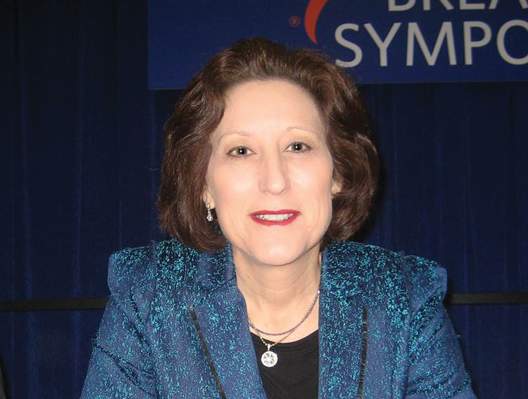
Group-based psychosocial services: assessing outpatient oncology needs
Background Group-based services can improve quality-of-life outcomes for oncology patients.
Objective To assess patient preferences for supportive and wellness programming to better meet patient needs and allocate resources.
Methods Patients from 3 cancer centers in New York City completed a 15-item questionnaire about their interest in educational topics (wellness, nutrition, legal issues, etc) and services (support groups, lectures, and exercise programs).
Results 311 patients participated in the survey. Mean age was 59 years, and 74% were women. The most common cancer was breast (40%), followed by genitourinary (15%). Women preferred wellness workshops most, followed by informative sessions; men most preferred informative sessions, followed equally by posttreatment support and wellness workshops. Older age was related to an increased likelihood of group attendance. Overall, 68% of participants reported that they would be likely to attend groups. For lectures, nutrition was of greatest interest for men (43%) and women (34%), followed by anxiety management (17% and 18%, respectively). Overall, 64% of participants reported that they would be likely to attend a lecture. A majority of respondents (54%) expressed a desire for exercise programs.
Limitations Generalizability to all cancer centers is limited, because data was not tracked on those who refused to complete the questionnaire.
Conclusions Obtaining patient feedback on psychosocial programs is imperative for understanding patient preferences and developing effective support programming.
Click on the PDF icon at the top of this introduction to read the full article.
Background Group-based services can improve quality-of-life outcomes for oncology patients.
Objective To assess patient preferences for supportive and wellness programming to better meet patient needs and allocate resources.
Methods Patients from 3 cancer centers in New York City completed a 15-item questionnaire about their interest in educational topics (wellness, nutrition, legal issues, etc) and services (support groups, lectures, and exercise programs).
Results 311 patients participated in the survey. Mean age was 59 years, and 74% were women. The most common cancer was breast (40%), followed by genitourinary (15%). Women preferred wellness workshops most, followed by informative sessions; men most preferred informative sessions, followed equally by posttreatment support and wellness workshops. Older age was related to an increased likelihood of group attendance. Overall, 68% of participants reported that they would be likely to attend groups. For lectures, nutrition was of greatest interest for men (43%) and women (34%), followed by anxiety management (17% and 18%, respectively). Overall, 64% of participants reported that they would be likely to attend a lecture. A majority of respondents (54%) expressed a desire for exercise programs.
Limitations Generalizability to all cancer centers is limited, because data was not tracked on those who refused to complete the questionnaire.
Conclusions Obtaining patient feedback on psychosocial programs is imperative for understanding patient preferences and developing effective support programming.
Click on the PDF icon at the top of this introduction to read the full article.
Background Group-based services can improve quality-of-life outcomes for oncology patients.
Objective To assess patient preferences for supportive and wellness programming to better meet patient needs and allocate resources.
Methods Patients from 3 cancer centers in New York City completed a 15-item questionnaire about their interest in educational topics (wellness, nutrition, legal issues, etc) and services (support groups, lectures, and exercise programs).
Results 311 patients participated in the survey. Mean age was 59 years, and 74% were women. The most common cancer was breast (40%), followed by genitourinary (15%). Women preferred wellness workshops most, followed by informative sessions; men most preferred informative sessions, followed equally by posttreatment support and wellness workshops. Older age was related to an increased likelihood of group attendance. Overall, 68% of participants reported that they would be likely to attend groups. For lectures, nutrition was of greatest interest for men (43%) and women (34%), followed by anxiety management (17% and 18%, respectively). Overall, 64% of participants reported that they would be likely to attend a lecture. A majority of respondents (54%) expressed a desire for exercise programs.
Limitations Generalizability to all cancer centers is limited, because data was not tracked on those who refused to complete the questionnaire.
Conclusions Obtaining patient feedback on psychosocial programs is imperative for understanding patient preferences and developing effective support programming.
Click on the PDF icon at the top of this introduction to read the full article.