User login
Transfusions, Blood Conservation Yield Similar Outcomes After Cardiac Surgery
Jehovah’s Witnesses, who do not accept transfusion of blood products, appear to fare at least as well as patients who do receive transfusions after undergoing similar cardiac surgery, according to a report published online July 2 in the Archives of Internal Medicine.
In a single-center study of more than 49,000 consecutive cardiac operations, Jehovah’s Witnesses who refused transfusions had fewer in-hospital complications, better early survival, and similar long-term survival as did transfusion recipients, said Dr. Gregory Pattakos of the Heart and Vascular Institute, Cleveland Clinic, and his associates.
The findings suggest that avoiding transfusions may be beneficial for other patients undergoing cardiac surgery, they noted.
Typically, physicians use a number of blood-conservation practices before, during, and after surgery in patients who are Witnesses, to avert the need for transfusions. These include preoperative erythropoietin, iron, and B-complex vitamins; hemoconcentration; minimal use of crystalloids; intraoperative antifibrinolytics; use of cell-saver and smaller cardiopulmonary bypass circuits; and postoperative tolerance of low hematocrit levels.
Dr. Pattakos and his colleagues assessed outcomes in 48,986 cardiac surgery patients who received red blood cell transfusions perioperatively in 1983-2011 and 322 Witnesses who did not. Since the study subjects could not be randomized for receiving transfusions, the investigators adjusted for baseline differences between the two study groups by using propensity matching.
Median follow-up was approximately 7-9 years.
Compared with transfusion recipients, Witnesses had similar rates of in-hospital mortality, stroke, atrial fibrillation, and renal failure. Witnesses had lower rates of postoperative MI, prolonged ventilation, and reoperation for bleeding complications, and they had shorter ICU stays and shorter hospitalizations than transfusion recipients, the researchers said (Arch. Intern. Med. 2012 [doi:10.1001/archinternmed.2012.2449]).
Witnesses’ survival rates were 86% at 5 years, 69% at 10 years, 51% at 15 years, and 34% at 20 years after surgery. These were not significantly different from the transfusion recipients\' survival rates of 74%, 53%, 35%, and 23%, respectively.
Some of the blood-conservation strategies adopted for Witnesses may benefit other patients as well. Unfortunately, the design of this study did not allow for determination of which strategies contributed most to the beneficial outcomes, they said.
One limitation of this study is that Jehovah’s Witnesses who presented to the Cleveland Clinic and were accepted there by surgeons "likely represent a select group who might have been expected by their physicians to have better outcomes," Dr. Pattakos and his associates added.
The article by Pattakos et al. raises the question of whether other patients might benefit from the same surgical strategies used for Jehovah’s Witnesses, which minimize the transfusion of blood products, said Victor A. Ferraris, M.D., Ph.D.
Blood transfusions can trigger adverse immune responses, raise the risk of disease transmission, and can cause circulatory overload. Given that the Witnesses in this study had similar or even better outcomes than patients who received transfusions, it may be that "more conservative use of blood transfusions would be in our patients’ interest."
Victor A. Ferraris, M.D., Ph.D., is in the department of surgery at the University of Kentucky Chandler Medical Center, Lexington. He reported no financial conflicts of interest. These remarks were taken from his invited commentary accompanying Dr. Pattakos’s report (Arch. Intern. Med. 2012 [doi:10.1001/archinternmed.2012.2458]).
The article by Pattakos et al. raises the question of whether other patients might benefit from the same surgical strategies used for Jehovah’s Witnesses, which minimize the transfusion of blood products, said Victor A. Ferraris, M.D., Ph.D.
Blood transfusions can trigger adverse immune responses, raise the risk of disease transmission, and can cause circulatory overload. Given that the Witnesses in this study had similar or even better outcomes than patients who received transfusions, it may be that "more conservative use of blood transfusions would be in our patients’ interest."
Victor A. Ferraris, M.D., Ph.D., is in the department of surgery at the University of Kentucky Chandler Medical Center, Lexington. He reported no financial conflicts of interest. These remarks were taken from his invited commentary accompanying Dr. Pattakos’s report (Arch. Intern. Med. 2012 [doi:10.1001/archinternmed.2012.2458]).
The article by Pattakos et al. raises the question of whether other patients might benefit from the same surgical strategies used for Jehovah’s Witnesses, which minimize the transfusion of blood products, said Victor A. Ferraris, M.D., Ph.D.
Blood transfusions can trigger adverse immune responses, raise the risk of disease transmission, and can cause circulatory overload. Given that the Witnesses in this study had similar or even better outcomes than patients who received transfusions, it may be that "more conservative use of blood transfusions would be in our patients’ interest."
Victor A. Ferraris, M.D., Ph.D., is in the department of surgery at the University of Kentucky Chandler Medical Center, Lexington. He reported no financial conflicts of interest. These remarks were taken from his invited commentary accompanying Dr. Pattakos’s report (Arch. Intern. Med. 2012 [doi:10.1001/archinternmed.2012.2458]).
Jehovah’s Witnesses, who do not accept transfusion of blood products, appear to fare at least as well as patients who do receive transfusions after undergoing similar cardiac surgery, according to a report published online July 2 in the Archives of Internal Medicine.
In a single-center study of more than 49,000 consecutive cardiac operations, Jehovah’s Witnesses who refused transfusions had fewer in-hospital complications, better early survival, and similar long-term survival as did transfusion recipients, said Dr. Gregory Pattakos of the Heart and Vascular Institute, Cleveland Clinic, and his associates.
The findings suggest that avoiding transfusions may be beneficial for other patients undergoing cardiac surgery, they noted.
Typically, physicians use a number of blood-conservation practices before, during, and after surgery in patients who are Witnesses, to avert the need for transfusions. These include preoperative erythropoietin, iron, and B-complex vitamins; hemoconcentration; minimal use of crystalloids; intraoperative antifibrinolytics; use of cell-saver and smaller cardiopulmonary bypass circuits; and postoperative tolerance of low hematocrit levels.
Dr. Pattakos and his colleagues assessed outcomes in 48,986 cardiac surgery patients who received red blood cell transfusions perioperatively in 1983-2011 and 322 Witnesses who did not. Since the study subjects could not be randomized for receiving transfusions, the investigators adjusted for baseline differences between the two study groups by using propensity matching.
Median follow-up was approximately 7-9 years.
Compared with transfusion recipients, Witnesses had similar rates of in-hospital mortality, stroke, atrial fibrillation, and renal failure. Witnesses had lower rates of postoperative MI, prolonged ventilation, and reoperation for bleeding complications, and they had shorter ICU stays and shorter hospitalizations than transfusion recipients, the researchers said (Arch. Intern. Med. 2012 [doi:10.1001/archinternmed.2012.2449]).
Witnesses’ survival rates were 86% at 5 years, 69% at 10 years, 51% at 15 years, and 34% at 20 years after surgery. These were not significantly different from the transfusion recipients\' survival rates of 74%, 53%, 35%, and 23%, respectively.
Some of the blood-conservation strategies adopted for Witnesses may benefit other patients as well. Unfortunately, the design of this study did not allow for determination of which strategies contributed most to the beneficial outcomes, they said.
One limitation of this study is that Jehovah’s Witnesses who presented to the Cleveland Clinic and were accepted there by surgeons "likely represent a select group who might have been expected by their physicians to have better outcomes," Dr. Pattakos and his associates added.
Jehovah’s Witnesses, who do not accept transfusion of blood products, appear to fare at least as well as patients who do receive transfusions after undergoing similar cardiac surgery, according to a report published online July 2 in the Archives of Internal Medicine.
In a single-center study of more than 49,000 consecutive cardiac operations, Jehovah’s Witnesses who refused transfusions had fewer in-hospital complications, better early survival, and similar long-term survival as did transfusion recipients, said Dr. Gregory Pattakos of the Heart and Vascular Institute, Cleveland Clinic, and his associates.
The findings suggest that avoiding transfusions may be beneficial for other patients undergoing cardiac surgery, they noted.
Typically, physicians use a number of blood-conservation practices before, during, and after surgery in patients who are Witnesses, to avert the need for transfusions. These include preoperative erythropoietin, iron, and B-complex vitamins; hemoconcentration; minimal use of crystalloids; intraoperative antifibrinolytics; use of cell-saver and smaller cardiopulmonary bypass circuits; and postoperative tolerance of low hematocrit levels.
Dr. Pattakos and his colleagues assessed outcomes in 48,986 cardiac surgery patients who received red blood cell transfusions perioperatively in 1983-2011 and 322 Witnesses who did not. Since the study subjects could not be randomized for receiving transfusions, the investigators adjusted for baseline differences between the two study groups by using propensity matching.
Median follow-up was approximately 7-9 years.
Compared with transfusion recipients, Witnesses had similar rates of in-hospital mortality, stroke, atrial fibrillation, and renal failure. Witnesses had lower rates of postoperative MI, prolonged ventilation, and reoperation for bleeding complications, and they had shorter ICU stays and shorter hospitalizations than transfusion recipients, the researchers said (Arch. Intern. Med. 2012 [doi:10.1001/archinternmed.2012.2449]).
Witnesses’ survival rates were 86% at 5 years, 69% at 10 years, 51% at 15 years, and 34% at 20 years after surgery. These were not significantly different from the transfusion recipients\' survival rates of 74%, 53%, 35%, and 23%, respectively.
Some of the blood-conservation strategies adopted for Witnesses may benefit other patients as well. Unfortunately, the design of this study did not allow for determination of which strategies contributed most to the beneficial outcomes, they said.
One limitation of this study is that Jehovah’s Witnesses who presented to the Cleveland Clinic and were accepted there by surgeons "likely represent a select group who might have been expected by their physicians to have better outcomes," Dr. Pattakos and his associates added.
FROM THE ARCHIVES OF INTERNAL MEDICINE
Major Finding: Compared with transfusion recipients, Jehovah's Witnesses who refused transfusions after undergoing similar cardiac surgery had similar short- and long-term survival; similar in-hospital rates of stroke, AF, and renal failure; lower rates of postoperative MI, prolonged ventilation, and reoperation for bleeding; and shorter ICU stays and hospitalizations.
Data Source: Results came from an observational, retrospective analysis of cardiac surgery outcomes in 322 Jehovah's Witnesses who refused transfusion of blood products and 48,986 propensity-matched patients who received transfusions in 1983-2011.
Disclosures: This study was supported by the Kenneth Gee and Paula Shaw, Ph.D., Chair in Heart Research at the Cleveland Clinic; the National Heart, Lung, and Blood Institute; and the National Institutes of Health. No financial conflicts of interest were reported.
View on The News
Delayed Surgery a Plus for Blunt Aortic Injury
NEW YORK – Delayed selective repair and the use of thoracic endovascular aortic surgery rather than urgent open procedures reduce mortality from blunt thoracic aortic injury, an analysis of 15 years of data has shown.
Thoracic aortic injury remains a leading cause of death following blunt trauma, second only to death from head injury. It is estimated that prehospital mortality is as high as 85%, said Dr. Anthony L. Estrera, a cardiothoracic and vascular surgeon at the University of Texas Medical School at Houston.

Between January 1997 and January 2012, more than 17,000 patients were entered into the University of Texas-Houston Trauma Center Registry. Of those, 327 (0.4%) were diagnosed with blunt thoracic aortic injury (BTAI). The overall mortality rate for these patients was 41% (135/327). Thirty-five percent (n = 114) died within 4 hours of admission, Dr. Estrera said at Aortic Symposium 2012.
Before 1999, open-clamp repair was performed in 20% of all operations. Distal aortic perfusion (DAP) with open repair was introduced in 1999, delayed selective repair in 2002, and thoracic endovascular aortic repair (TEVAR) in 2005. Delayed selective repair involves delaying intervention for traumatic aortic injury when other injuries, such as head injury or severe abdominal injuries, require immediate attention, Dr. Estrera explained in an interview.
During the 15-year study period, 56% (n = 184) underwent either open surgery (total bypass, 4%; open repair with visceral perfusion [open DAP], 42%; or open clamp, 16%), or TEVAR (39%).
Of those 184 patients, 27 (15%) died. The TEVAR mortality rate (4%) was significantly lower than that of the open-repair groups (open clamp, 31%; open DAP, 14%; total bypass, 57%, P less than .03). In fact, since 2005, TEVAR has been used for 71% of procedures, and the average annual mortality rate has dropped from 25%-40% to 0%-15%.
Urgent repair was associated with significantly more deaths than was delayed selective repair (22% [26/120] vs. 1.6% [1/64], P less than .02). Adjusting for injury severity score and calendar time, the investigators found that delayed repair resulted in a greater than 10-fold reduction in mortality compared with immediate open intervention (odds ratio, 0.07; P less than .02).
No deaths were noted in 4 of the last 6 years. Among open procedures, significantly better outcomes were seen with open DAP vs. open clamp (P less than .02) and with DAP vs. total bypass (P less than .05).
"We found that delayed selective repair was beneficial with open repair but not in conjunction with TEVAR. The benefit of delayed selective repair is likely related to allowing the patient time to recover from the initial traumatic insult before proceeding with another major insult, the open repair," Dr. Estrera said. "Delayed selective repair is considered for patients who present with severe head injury, infection (burn, sepsis, contaminated wounds), or multisystem trauma."
While surgical technique made a difference in mortality, no significant differences were found between groups with respect to complications. The three cases of paraplegia, which occurred only in the open-clamp group, did not have outcomes that were significantly different from outcomes in other groups. There was one case of stroke in the open-clamp group and two cases in the TEVAR group, but this also was not statistically significant.
As for durability of repair, Dr. Estrera noted that patients in the open-repair group have been followed for 6.2-15 years, and all-cause mortality data indicate that "if they survive beyond that first admission, they do pretty well." The available follow-up data for TEVAR is much shorter: up to 6 years with a mean of 2.5 years. "We don’t know what the long-term durability of these stent-grafts will be, especially in younger patients who may live for another 50 years," he said.
One problem with obtaining long-term survival data is that patients who survive BTAI can be very difficult to follow up. In their experience, Dr. Estrera said, compliance with TEVAR follow-up was only 32%, which may be attributed in part to patients being relatively young (median age, 32 years) and male (70%).
Dr. Estrera’s group is seeking ways to improve the diagnosis of BTAI. In a recent study, the diagnostic utility of computed tomography angiography (CTA) – the most commonly used screening test for BTAI – was compared with intravascular ultrasound (IVUS) or angiography (J. Vasc. Surg. 2011;53:608-14). Equivocal results were found to be more common with CTA images than with either IVUS or angiography (27% vs. 2.5% and 5%, respectively; overall P = .0002). Compared with angiography, IVUS changed the diagnosis in 13% of cases, identifying injuries in 11% and ruling them out in 2%. Angiography was found to be 38% as sensitive and 89% as specific as IVUS.
The symposium was sponsored by the American Association for Thoracic Surgery. Dr. Estrera had no relevant financial disclosures.
NEW YORK – Delayed selective repair and the use of thoracic endovascular aortic surgery rather than urgent open procedures reduce mortality from blunt thoracic aortic injury, an analysis of 15 years of data has shown.
Thoracic aortic injury remains a leading cause of death following blunt trauma, second only to death from head injury. It is estimated that prehospital mortality is as high as 85%, said Dr. Anthony L. Estrera, a cardiothoracic and vascular surgeon at the University of Texas Medical School at Houston.
Between January 1997 and January 2012, more than 17,000 patients were entered into the University of Texas-Houston Trauma Center Registry. Of those, 327 (0.4%) were diagnosed with blunt thoracic aortic injury (BTAI). The overall mortality rate for these patients was 41% (135/327). Thirty-five percent (n = 114) died within 4 hours of admission, Dr. Estrera said at Aortic Symposium 2012.
Before 1999, open-clamp repair was performed in 20% of all operations. Distal aortic perfusion (DAP) with open repair was introduced in 1999, delayed selective repair in 2002, and thoracic endovascular aortic repair (TEVAR) in 2005. Delayed selective repair involves delaying intervention for traumatic aortic injury when other injuries, such as head injury or severe abdominal injuries, require immediate attention, Dr. Estrera explained in an interview.
During the 15-year study period, 56% (n = 184) underwent either open surgery (total bypass, 4%; open repair with visceral perfusion [open DAP], 42%; or open clamp, 16%), or TEVAR (39%).
Of those 184 patients, 27 (15%) died. The TEVAR mortality rate (4%) was significantly lower than that of the open-repair groups (open clamp, 31%; open DAP, 14%; total bypass, 57%, P less than .03). In fact, since 2005, TEVAR has been used for 71% of procedures, and the average annual mortality rate has dropped from 25%-40% to 0%-15%.
Urgent repair was associated with significantly more deaths than was delayed selective repair (22% [26/120] vs. 1.6% [1/64], P less than .02). Adjusting for injury severity score and calendar time, the investigators found that delayed repair resulted in a greater than 10-fold reduction in mortality compared with immediate open intervention (odds ratio, 0.07; P less than .02).
No deaths were noted in 4 of the last 6 years. Among open procedures, significantly better outcomes were seen with open DAP vs. open clamp (P less than .02) and with DAP vs. total bypass (P less than .05).
"We found that delayed selective repair was beneficial with open repair but not in conjunction with TEVAR. The benefit of delayed selective repair is likely related to allowing the patient time to recover from the initial traumatic insult before proceeding with another major insult, the open repair," Dr. Estrera said. "Delayed selective repair is considered for patients who present with severe head injury, infection (burn, sepsis, contaminated wounds), or multisystem trauma."
While surgical technique made a difference in mortality, no significant differences were found between groups with respect to complications. The three cases of paraplegia, which occurred only in the open-clamp group, did not have outcomes that were significantly different from outcomes in other groups. There was one case of stroke in the open-clamp group and two cases in the TEVAR group, but this also was not statistically significant.
As for durability of repair, Dr. Estrera noted that patients in the open-repair group have been followed for 6.2-15 years, and all-cause mortality data indicate that "if they survive beyond that first admission, they do pretty well." The available follow-up data for TEVAR is much shorter: up to 6 years with a mean of 2.5 years. "We don’t know what the long-term durability of these stent-grafts will be, especially in younger patients who may live for another 50 years," he said.
One problem with obtaining long-term survival data is that patients who survive BTAI can be very difficult to follow up. In their experience, Dr. Estrera said, compliance with TEVAR follow-up was only 32%, which may be attributed in part to patients being relatively young (median age, 32 years) and male (70%).
Dr. Estrera’s group is seeking ways to improve the diagnosis of BTAI. In a recent study, the diagnostic utility of computed tomography angiography (CTA) – the most commonly used screening test for BTAI – was compared with intravascular ultrasound (IVUS) or angiography (J. Vasc. Surg. 2011;53:608-14). Equivocal results were found to be more common with CTA images than with either IVUS or angiography (27% vs. 2.5% and 5%, respectively; overall P = .0002). Compared with angiography, IVUS changed the diagnosis in 13% of cases, identifying injuries in 11% and ruling them out in 2%. Angiography was found to be 38% as sensitive and 89% as specific as IVUS.
The symposium was sponsored by the American Association for Thoracic Surgery. Dr. Estrera had no relevant financial disclosures.
NEW YORK – Delayed selective repair and the use of thoracic endovascular aortic surgery rather than urgent open procedures reduce mortality from blunt thoracic aortic injury, an analysis of 15 years of data has shown.
Thoracic aortic injury remains a leading cause of death following blunt trauma, second only to death from head injury. It is estimated that prehospital mortality is as high as 85%, said Dr. Anthony L. Estrera, a cardiothoracic and vascular surgeon at the University of Texas Medical School at Houston.
Between January 1997 and January 2012, more than 17,000 patients were entered into the University of Texas-Houston Trauma Center Registry. Of those, 327 (0.4%) were diagnosed with blunt thoracic aortic injury (BTAI). The overall mortality rate for these patients was 41% (135/327). Thirty-five percent (n = 114) died within 4 hours of admission, Dr. Estrera said at Aortic Symposium 2012.
Before 1999, open-clamp repair was performed in 20% of all operations. Distal aortic perfusion (DAP) with open repair was introduced in 1999, delayed selective repair in 2002, and thoracic endovascular aortic repair (TEVAR) in 2005. Delayed selective repair involves delaying intervention for traumatic aortic injury when other injuries, such as head injury or severe abdominal injuries, require immediate attention, Dr. Estrera explained in an interview.
During the 15-year study period, 56% (n = 184) underwent either open surgery (total bypass, 4%; open repair with visceral perfusion [open DAP], 42%; or open clamp, 16%), or TEVAR (39%).
Of those 184 patients, 27 (15%) died. The TEVAR mortality rate (4%) was significantly lower than that of the open-repair groups (open clamp, 31%; open DAP, 14%; total bypass, 57%, P less than .03). In fact, since 2005, TEVAR has been used for 71% of procedures, and the average annual mortality rate has dropped from 25%-40% to 0%-15%.
Urgent repair was associated with significantly more deaths than was delayed selective repair (22% [26/120] vs. 1.6% [1/64], P less than .02). Adjusting for injury severity score and calendar time, the investigators found that delayed repair resulted in a greater than 10-fold reduction in mortality compared with immediate open intervention (odds ratio, 0.07; P less than .02).
No deaths were noted in 4 of the last 6 years. Among open procedures, significantly better outcomes were seen with open DAP vs. open clamp (P less than .02) and with DAP vs. total bypass (P less than .05).
"We found that delayed selective repair was beneficial with open repair but not in conjunction with TEVAR. The benefit of delayed selective repair is likely related to allowing the patient time to recover from the initial traumatic insult before proceeding with another major insult, the open repair," Dr. Estrera said. "Delayed selective repair is considered for patients who present with severe head injury, infection (burn, sepsis, contaminated wounds), or multisystem trauma."
While surgical technique made a difference in mortality, no significant differences were found between groups with respect to complications. The three cases of paraplegia, which occurred only in the open-clamp group, did not have outcomes that were significantly different from outcomes in other groups. There was one case of stroke in the open-clamp group and two cases in the TEVAR group, but this also was not statistically significant.
As for durability of repair, Dr. Estrera noted that patients in the open-repair group have been followed for 6.2-15 years, and all-cause mortality data indicate that "if they survive beyond that first admission, they do pretty well." The available follow-up data for TEVAR is much shorter: up to 6 years with a mean of 2.5 years. "We don’t know what the long-term durability of these stent-grafts will be, especially in younger patients who may live for another 50 years," he said.
One problem with obtaining long-term survival data is that patients who survive BTAI can be very difficult to follow up. In their experience, Dr. Estrera said, compliance with TEVAR follow-up was only 32%, which may be attributed in part to patients being relatively young (median age, 32 years) and male (70%).
Dr. Estrera’s group is seeking ways to improve the diagnosis of BTAI. In a recent study, the diagnostic utility of computed tomography angiography (CTA) – the most commonly used screening test for BTAI – was compared with intravascular ultrasound (IVUS) or angiography (J. Vasc. Surg. 2011;53:608-14). Equivocal results were found to be more common with CTA images than with either IVUS or angiography (27% vs. 2.5% and 5%, respectively; overall P = .0002). Compared with angiography, IVUS changed the diagnosis in 13% of cases, identifying injuries in 11% and ruling them out in 2%. Angiography was found to be 38% as sensitive and 89% as specific as IVUS.
The symposium was sponsored by the American Association for Thoracic Surgery. Dr. Estrera had no relevant financial disclosures.
AT THE AORTIC SYMPOSIUM 2012
Infusions Didn't Lower Cardiac Surgery-Related Kidney Injury
SAN FRANCISCO – Perioperative infusions of sodium bicarbonate failed to reduce the risk of kidney injury in patients undergoing cardiac surgery in a multicenter randomized, double-blind, placebo-controlled trial in 427 patients.
The bicarbonate infusion increased the pH of both blood and urine in the 215-patient treatment group compared with 213 patients in a control group who got sodium chloride (saline) infusions, but 45% of the bicarbonate group and 44% of the placebo group developed kidney injury, a nonsignificant difference, Dr. Shay McGuinness and his associates reported at an international conference of the American Thoracic Society.

The study excluded patients with end-stage renal disease; patients having emergency cardiac surgery or planned off-pump cardiac surgery; and patients with known blood-borne infectious disease, chronic inflammatory disease, immunosuppression, or chronic moderate- to high-dose corticosteroid use.
"We cannot recommend the use of perioperative infusions of sodium bicarbonate to reduce cardiac surgery–associated kidney injury in these patients, and we do not believe further investigation of this therapy is justified," said Dr. McGuinness, an intensive care specialist at Auckland City Hospital, New Zealand.
The study defined kidney injury as an increase in creatinine of at least 25% from baseline or at least 0.5 mg/dL within the first 5 postoperative days.
The bicarbonate group and placebo group did not differ significantly in mean time on ventilation (21 and 25 hours, respectively), length of stay in the ICU (2 days each), length of stay in the hospital (13 days each), mortality in the ICU (3% and 2%, respectively), or 90-day mortality (4% and 2%).
The infusion strategy had started to catch on in New Zealand and Australia, but it’s unclear if anyone in the United States has pursued it, he said.
The study identified a high-risk group, got a plausible physiological treatment effect, and had good compliance and follow-up rates, but the clinical results were "absolutely negative," Dr. McGuinness said.
The investigators still are analyzing subgroups in the study, but "my gut feeling is that this is a completely negative study. There’s not even a hint of benefit. Walk away from it and find something else to study," he said.
To be in the study, patients having cardiac surgery at three centers in New Zealand and Australia had to have one or more risk factors for associated kidney injury. The rates of risk factors were similar between groups, including age over 70 (a mean of 58% of patients), preexisting renal impairment (14%), left ventricular ejection fraction below 35% (6%), valvular surgery with or without coronary artery surgery (72%), previous cardiac surgery involving sternotomy (16%), or insulin-dependent diabetes mellitus (6%). Measures of baseline renal function were similar between groups.
"What you see is standard cardiosurgical higher-risk patients" in the cohort, Dr. McGuinness said.
Infusions commenced at the start of anesthesia with a 1-mmol/mL solution, followed by 0.5 mmol/kg for 1 hour and 0.2 mmol/kg per hour for 23 hours.
Acid-base status and plasma levels of bicarbonate were similar between groups at baseline, but statistically and clinically significant differences emerged between groups at several time points after the infusion started.
Mean plasma bicarbonate levels in the bicarbonate and placebo groups were 25.72 mmol/L and 25.91 mmol/L at baseline, respectively, 27.03 and 24.35 mmol/L at 6 hours, 29.74 and 23.7 mmol/L at 24 hours, and 29.14 and 25.35 mmol/L at 48 hours.
Mean plasma pH levels in the bicarbonate and placebo groups were 7.40 and 7.41 at baseline, 7.40 and 7.37 at 6 hours, and 7.44 and 7.36 at 24 hours, respectively.
Mean urinary pH measures were 5.8 and 5.5 at baseline, 6.5 and 5.8 at 6 hours, and 7.3 and 5.2 at 24 hours, respectively.
Up to half of the 1 million patients who undergo open heart surgery each year will develop associated kidney injury with increased risk for further morbidity or death. The overall incidence of cardiac surgery–related kidney injury is approximately 5%-10% and probably is increasing, he said.
A previous pilot study by Dr. McGuinness and his associates of 100 patients at a single site had suggested that prophylactic perioperative infusions of sodium bicarbonate might reduce the risk of kidney injury. The investigators conducted the phase II trial before deciding whether or not to pursue a large phase III trial, which will not be happening based on these results.
The study was funded by Fisher & Paykel Healthcare and New Zealand medical organizations. Dr. McGuinness reported having no disclosures.

|
|
There was good biological rationale to ask the question of whether sodium bicarbonate infusions might reduce the risk of cardiac surgery–associated kidney injury, and there was preliminary evidence to suggest that it could work. I don’t know if anyone in the United States is doing these infusions, but this study is important because there was evidence from a smaller, single-site study showing potential benefit that didn’t hold up in a more robust study. That’s a theme we’re seeing with other trials, where the initial study shows potential benefit, but further study shows something probably doesn’t work. This is why we do clinical trials.
Dr. David Au is an associate professor of medicine at the University of Washington, Seattle, and a pulmonary and critical care physician in the Veterans Affairs Puget Sound Health Care System, Seattle. He reported having no financial disclosures.
|
|
|
There was good biological rationale to ask the question of whether sodium bicarbonate infusions might reduce the risk of cardiac surgery–associated kidney injury, and there was preliminary evidence to suggest that it could work. I don’t know if anyone in the United States is doing these infusions, but this study is important because there was evidence from a smaller, single-site study showing potential benefit that didn’t hold up in a more robust study. That’s a theme we’re seeing with other trials, where the initial study shows potential benefit, but further study shows something probably doesn’t work. This is why we do clinical trials.
Dr. David Au is an associate professor of medicine at the University of Washington, Seattle, and a pulmonary and critical care physician in the Veterans Affairs Puget Sound Health Care System, Seattle. He reported having no financial disclosures.
|
|
|
There was good biological rationale to ask the question of whether sodium bicarbonate infusions might reduce the risk of cardiac surgery–associated kidney injury, and there was preliminary evidence to suggest that it could work. I don’t know if anyone in the United States is doing these infusions, but this study is important because there was evidence from a smaller, single-site study showing potential benefit that didn’t hold up in a more robust study. That’s a theme we’re seeing with other trials, where the initial study shows potential benefit, but further study shows something probably doesn’t work. This is why we do clinical trials.
Dr. David Au is an associate professor of medicine at the University of Washington, Seattle, and a pulmonary and critical care physician in the Veterans Affairs Puget Sound Health Care System, Seattle. He reported having no financial disclosures.
SAN FRANCISCO – Perioperative infusions of sodium bicarbonate failed to reduce the risk of kidney injury in patients undergoing cardiac surgery in a multicenter randomized, double-blind, placebo-controlled trial in 427 patients.
The bicarbonate infusion increased the pH of both blood and urine in the 215-patient treatment group compared with 213 patients in a control group who got sodium chloride (saline) infusions, but 45% of the bicarbonate group and 44% of the placebo group developed kidney injury, a nonsignificant difference, Dr. Shay McGuinness and his associates reported at an international conference of the American Thoracic Society.
The study excluded patients with end-stage renal disease; patients having emergency cardiac surgery or planned off-pump cardiac surgery; and patients with known blood-borne infectious disease, chronic inflammatory disease, immunosuppression, or chronic moderate- to high-dose corticosteroid use.
"We cannot recommend the use of perioperative infusions of sodium bicarbonate to reduce cardiac surgery–associated kidney injury in these patients, and we do not believe further investigation of this therapy is justified," said Dr. McGuinness, an intensive care specialist at Auckland City Hospital, New Zealand.
The study defined kidney injury as an increase in creatinine of at least 25% from baseline or at least 0.5 mg/dL within the first 5 postoperative days.
The bicarbonate group and placebo group did not differ significantly in mean time on ventilation (21 and 25 hours, respectively), length of stay in the ICU (2 days each), length of stay in the hospital (13 days each), mortality in the ICU (3% and 2%, respectively), or 90-day mortality (4% and 2%).
The infusion strategy had started to catch on in New Zealand and Australia, but it’s unclear if anyone in the United States has pursued it, he said.
The study identified a high-risk group, got a plausible physiological treatment effect, and had good compliance and follow-up rates, but the clinical results were "absolutely negative," Dr. McGuinness said.
The investigators still are analyzing subgroups in the study, but "my gut feeling is that this is a completely negative study. There’s not even a hint of benefit. Walk away from it and find something else to study," he said.
To be in the study, patients having cardiac surgery at three centers in New Zealand and Australia had to have one or more risk factors for associated kidney injury. The rates of risk factors were similar between groups, including age over 70 (a mean of 58% of patients), preexisting renal impairment (14%), left ventricular ejection fraction below 35% (6%), valvular surgery with or without coronary artery surgery (72%), previous cardiac surgery involving sternotomy (16%), or insulin-dependent diabetes mellitus (6%). Measures of baseline renal function were similar between groups.
"What you see is standard cardiosurgical higher-risk patients" in the cohort, Dr. McGuinness said.
Infusions commenced at the start of anesthesia with a 1-mmol/mL solution, followed by 0.5 mmol/kg for 1 hour and 0.2 mmol/kg per hour for 23 hours.
Acid-base status and plasma levels of bicarbonate were similar between groups at baseline, but statistically and clinically significant differences emerged between groups at several time points after the infusion started.
Mean plasma bicarbonate levels in the bicarbonate and placebo groups were 25.72 mmol/L and 25.91 mmol/L at baseline, respectively, 27.03 and 24.35 mmol/L at 6 hours, 29.74 and 23.7 mmol/L at 24 hours, and 29.14 and 25.35 mmol/L at 48 hours.
Mean plasma pH levels in the bicarbonate and placebo groups were 7.40 and 7.41 at baseline, 7.40 and 7.37 at 6 hours, and 7.44 and 7.36 at 24 hours, respectively.
Mean urinary pH measures were 5.8 and 5.5 at baseline, 6.5 and 5.8 at 6 hours, and 7.3 and 5.2 at 24 hours, respectively.
Up to half of the 1 million patients who undergo open heart surgery each year will develop associated kidney injury with increased risk for further morbidity or death. The overall incidence of cardiac surgery–related kidney injury is approximately 5%-10% and probably is increasing, he said.
A previous pilot study by Dr. McGuinness and his associates of 100 patients at a single site had suggested that prophylactic perioperative infusions of sodium bicarbonate might reduce the risk of kidney injury. The investigators conducted the phase II trial before deciding whether or not to pursue a large phase III trial, which will not be happening based on these results.
The study was funded by Fisher & Paykel Healthcare and New Zealand medical organizations. Dr. McGuinness reported having no disclosures.
SAN FRANCISCO – Perioperative infusions of sodium bicarbonate failed to reduce the risk of kidney injury in patients undergoing cardiac surgery in a multicenter randomized, double-blind, placebo-controlled trial in 427 patients.
The bicarbonate infusion increased the pH of both blood and urine in the 215-patient treatment group compared with 213 patients in a control group who got sodium chloride (saline) infusions, but 45% of the bicarbonate group and 44% of the placebo group developed kidney injury, a nonsignificant difference, Dr. Shay McGuinness and his associates reported at an international conference of the American Thoracic Society.
The study excluded patients with end-stage renal disease; patients having emergency cardiac surgery or planned off-pump cardiac surgery; and patients with known blood-borne infectious disease, chronic inflammatory disease, immunosuppression, or chronic moderate- to high-dose corticosteroid use.
"We cannot recommend the use of perioperative infusions of sodium bicarbonate to reduce cardiac surgery–associated kidney injury in these patients, and we do not believe further investigation of this therapy is justified," said Dr. McGuinness, an intensive care specialist at Auckland City Hospital, New Zealand.
The study defined kidney injury as an increase in creatinine of at least 25% from baseline or at least 0.5 mg/dL within the first 5 postoperative days.
The bicarbonate group and placebo group did not differ significantly in mean time on ventilation (21 and 25 hours, respectively), length of stay in the ICU (2 days each), length of stay in the hospital (13 days each), mortality in the ICU (3% and 2%, respectively), or 90-day mortality (4% and 2%).
The infusion strategy had started to catch on in New Zealand and Australia, but it’s unclear if anyone in the United States has pursued it, he said.
The study identified a high-risk group, got a plausible physiological treatment effect, and had good compliance and follow-up rates, but the clinical results were "absolutely negative," Dr. McGuinness said.
The investigators still are analyzing subgroups in the study, but "my gut feeling is that this is a completely negative study. There’s not even a hint of benefit. Walk away from it and find something else to study," he said.
To be in the study, patients having cardiac surgery at three centers in New Zealand and Australia had to have one or more risk factors for associated kidney injury. The rates of risk factors were similar between groups, including age over 70 (a mean of 58% of patients), preexisting renal impairment (14%), left ventricular ejection fraction below 35% (6%), valvular surgery with or without coronary artery surgery (72%), previous cardiac surgery involving sternotomy (16%), or insulin-dependent diabetes mellitus (6%). Measures of baseline renal function were similar between groups.
"What you see is standard cardiosurgical higher-risk patients" in the cohort, Dr. McGuinness said.
Infusions commenced at the start of anesthesia with a 1-mmol/mL solution, followed by 0.5 mmol/kg for 1 hour and 0.2 mmol/kg per hour for 23 hours.
Acid-base status and plasma levels of bicarbonate were similar between groups at baseline, but statistically and clinically significant differences emerged between groups at several time points after the infusion started.
Mean plasma bicarbonate levels in the bicarbonate and placebo groups were 25.72 mmol/L and 25.91 mmol/L at baseline, respectively, 27.03 and 24.35 mmol/L at 6 hours, 29.74 and 23.7 mmol/L at 24 hours, and 29.14 and 25.35 mmol/L at 48 hours.
Mean plasma pH levels in the bicarbonate and placebo groups were 7.40 and 7.41 at baseline, 7.40 and 7.37 at 6 hours, and 7.44 and 7.36 at 24 hours, respectively.
Mean urinary pH measures were 5.8 and 5.5 at baseline, 6.5 and 5.8 at 6 hours, and 7.3 and 5.2 at 24 hours, respectively.
Up to half of the 1 million patients who undergo open heart surgery each year will develop associated kidney injury with increased risk for further morbidity or death. The overall incidence of cardiac surgery–related kidney injury is approximately 5%-10% and probably is increasing, he said.
A previous pilot study by Dr. McGuinness and his associates of 100 patients at a single site had suggested that prophylactic perioperative infusions of sodium bicarbonate might reduce the risk of kidney injury. The investigators conducted the phase II trial before deciding whether or not to pursue a large phase III trial, which will not be happening based on these results.
The study was funded by Fisher & Paykel Healthcare and New Zealand medical organizations. Dr. McGuinness reported having no disclosures.
FROM AN INTERNATIONAL CONFERENCE OF THE AMERICAN THORACIC SOCIETY
Stress Echo in Asymptomatic Revascularized Patients Not Useful
Routine exercise stress echocardiography may not be warranted in asymptomatic patients after coronary revascularization because even though it may identify those at high risk, this does not improve patient outcomes, according to a report published online May 14 in Archives of Internal Medicine.
"Given the very large population of post-PCI and post-CABG patients, careful consideration is warranted before the screening of asymptomatic patients is considered appropriate at any stage after revascularization," said Dr. Serge C. Harb and his associates at the Cleveland Clinic Heart and Vascular Institute.
Exercise stress echocardiography is useful in symptomatic patients after revascularization because it can identify the cause of the symptoms and allow further treatment to relieve them, which is usually highly effective. However, its role in asymptomatic patients is controversial because there is no evidence that identifying problems that cause no symptoms leads to better treatment, nor that treatment improves the course of the disease or patient outcomes.
Dr. Harb and his colleagues assessed the usefulness of exercise stress echocardiography in asymptomatic patients in an observational cohort study of 2,105 consecutive patients referred for such testing to their institute in 2000-2010. Patients were referred "solely at the discretion of individual physicians treating the patient, usually on the basis of concerns regarding risk factor status or incomplete revascularization," the researchers said.
Such testing is considered inappropriate when it is done too soon after the revascularization – less than 2 years after percutaneous coronary intervention (PCI) and less than 5 years after coronary artery bypass graft surgery (CABG). In this study, 1,143 study subjects had undergone PCI (709 referred for "early" and 434 for appropriate stress echocardiography) and 962 had undergone CABG (527 referred for "early" and 435 for appropriate stress echocardiography).
There were five major findings.
First, only 13% of the entire study population showed evidence of ischemia on stress echocardiography – a low yield of positive findings for this expensive procedure, the authors noted.
Second, abnormal results on stress echocardiography were associated with significantly higher risks of overall and cardiac mortality during a mean follow-up of 6 years. Mortality was 8.0% in patients who showed ischemia on stress testing, compared with only 4.1% in those who had no ischemia. However, identifying these high-risk patients made no difference in the eventual outcomes of the study cohort.
Interestingly, there was no distinction in the prognostic usefulness of stress echocardiography between patients who underwent "early" and those who underwent appropriate testing. This suggests that these cutoff times, which were based on expert opinion, are somewhat arbitrary and not useful for prognosis, the investigators said (Arch. Intern. Med. 2012 May 14 [doi:10.1001/archinternmed.2012.1355]).
Third, the main component of stress echocardiography that was found to be predictive was exercise capacity. This indicates that standard exercise testing rather than exercise echocardiography might be sufficient for risk evaluation.
Fourth, when exercise echocardiography did identify evidence of ischemia in a minority of patients, the findings were not acted upon in most cases. Only 33% of the 262 patients with positive results underwent further revascularization. Thus, the test results led to repeat revascularization in only 87 patients out of 2,105 who were tested. That’s because the decision to do repeat revascularization was based more on the development of symptoms after testing rather than on the results of the test.
Fifth, further revascularization procedures did not produce more favorable mortality outcomes.
"Our results suggest that from a prognostic standpoint, a combination of clinical and exercise data is effective in identifying patients at highest risk, even though they are unlikely to benefit from repeat revascularization," Dr. Harb and his associates said.
Dr. Rita F. Redberg, editor of Archives of Internal Medicine, noted that the recommendation "Do not perform serial stress cardiac imaging or advanced noninvasive imaging as part of routine follow-up in asymptomatic patients" is one of the Top 5 recommendationsfor the American College of Cardiology in the American Board of Internal Medicine Foundation’s "Choosing Wisely" campaign. Dr. Redberg, who is professor of medicine and director of Women’s Cardiovascular Services at the University of California, San Francisco, also gave the recommendation a "Less Is More" designation, which highlights areas of health care with no known benefit and definite risks.
Dr. Redberg has no relevant financial disclosures.
"The results presented by Harb et al. make a compelling argument that routine periodic stress testing in asymptomatic patients following coronary revascularization is of little clinical benefit" and "probably not worth the effort," said Dr. Mark. J. Eisenberg.
However, the methodology did not address two issues that might bear on the appropriateness of stress echocardiography. First, if the index revascularization was incomplete, treating physicians might be justified in ordering a stress test. This study did not report the rate of incomplete revascularization in the study subjects.
Second, stress echocardiography is reasonable to perform before patients enter cardiac rehabilitation, and this study did not report how many of the tests in this cohort were done for that reason.
Mark J. Eisenberg, M.D., is in the divisions of cardiology and clinical epidemiology at Jewish General Hospital and in the department of epidemiology, biostatistics, and occupational health at McGill University, both in Montreal. He reported no financial conflicts of interest. These remarks were taken from his invited commentary accompanying Dr. Harb’s report (Arch. Intern. Med. 2012 May 14 [doi:10.1001/archinternmed.2012.1910]).
"The results presented by Harb et al. make a compelling argument that routine periodic stress testing in asymptomatic patients following coronary revascularization is of little clinical benefit" and "probably not worth the effort," said Dr. Mark. J. Eisenberg.
However, the methodology did not address two issues that might bear on the appropriateness of stress echocardiography. First, if the index revascularization was incomplete, treating physicians might be justified in ordering a stress test. This study did not report the rate of incomplete revascularization in the study subjects.
Second, stress echocardiography is reasonable to perform before patients enter cardiac rehabilitation, and this study did not report how many of the tests in this cohort were done for that reason.
Mark J. Eisenberg, M.D., is in the divisions of cardiology and clinical epidemiology at Jewish General Hospital and in the department of epidemiology, biostatistics, and occupational health at McGill University, both in Montreal. He reported no financial conflicts of interest. These remarks were taken from his invited commentary accompanying Dr. Harb’s report (Arch. Intern. Med. 2012 May 14 [doi:10.1001/archinternmed.2012.1910]).
"The results presented by Harb et al. make a compelling argument that routine periodic stress testing in asymptomatic patients following coronary revascularization is of little clinical benefit" and "probably not worth the effort," said Dr. Mark. J. Eisenberg.
However, the methodology did not address two issues that might bear on the appropriateness of stress echocardiography. First, if the index revascularization was incomplete, treating physicians might be justified in ordering a stress test. This study did not report the rate of incomplete revascularization in the study subjects.
Second, stress echocardiography is reasonable to perform before patients enter cardiac rehabilitation, and this study did not report how many of the tests in this cohort were done for that reason.
Mark J. Eisenberg, M.D., is in the divisions of cardiology and clinical epidemiology at Jewish General Hospital and in the department of epidemiology, biostatistics, and occupational health at McGill University, both in Montreal. He reported no financial conflicts of interest. These remarks were taken from his invited commentary accompanying Dr. Harb’s report (Arch. Intern. Med. 2012 May 14 [doi:10.1001/archinternmed.2012.1910]).
Routine exercise stress echocardiography may not be warranted in asymptomatic patients after coronary revascularization because even though it may identify those at high risk, this does not improve patient outcomes, according to a report published online May 14 in Archives of Internal Medicine.
"Given the very large population of post-PCI and post-CABG patients, careful consideration is warranted before the screening of asymptomatic patients is considered appropriate at any stage after revascularization," said Dr. Serge C. Harb and his associates at the Cleveland Clinic Heart and Vascular Institute.
Exercise stress echocardiography is useful in symptomatic patients after revascularization because it can identify the cause of the symptoms and allow further treatment to relieve them, which is usually highly effective. However, its role in asymptomatic patients is controversial because there is no evidence that identifying problems that cause no symptoms leads to better treatment, nor that treatment improves the course of the disease or patient outcomes.
Dr. Harb and his colleagues assessed the usefulness of exercise stress echocardiography in asymptomatic patients in an observational cohort study of 2,105 consecutive patients referred for such testing to their institute in 2000-2010. Patients were referred "solely at the discretion of individual physicians treating the patient, usually on the basis of concerns regarding risk factor status or incomplete revascularization," the researchers said.
Such testing is considered inappropriate when it is done too soon after the revascularization – less than 2 years after percutaneous coronary intervention (PCI) and less than 5 years after coronary artery bypass graft surgery (CABG). In this study, 1,143 study subjects had undergone PCI (709 referred for "early" and 434 for appropriate stress echocardiography) and 962 had undergone CABG (527 referred for "early" and 435 for appropriate stress echocardiography).
There were five major findings.
First, only 13% of the entire study population showed evidence of ischemia on stress echocardiography – a low yield of positive findings for this expensive procedure, the authors noted.
Second, abnormal results on stress echocardiography were associated with significantly higher risks of overall and cardiac mortality during a mean follow-up of 6 years. Mortality was 8.0% in patients who showed ischemia on stress testing, compared with only 4.1% in those who had no ischemia. However, identifying these high-risk patients made no difference in the eventual outcomes of the study cohort.
Interestingly, there was no distinction in the prognostic usefulness of stress echocardiography between patients who underwent "early" and those who underwent appropriate testing. This suggests that these cutoff times, which were based on expert opinion, are somewhat arbitrary and not useful for prognosis, the investigators said (Arch. Intern. Med. 2012 May 14 [doi:10.1001/archinternmed.2012.1355]).
Third, the main component of stress echocardiography that was found to be predictive was exercise capacity. This indicates that standard exercise testing rather than exercise echocardiography might be sufficient for risk evaluation.
Fourth, when exercise echocardiography did identify evidence of ischemia in a minority of patients, the findings were not acted upon in most cases. Only 33% of the 262 patients with positive results underwent further revascularization. Thus, the test results led to repeat revascularization in only 87 patients out of 2,105 who were tested. That’s because the decision to do repeat revascularization was based more on the development of symptoms after testing rather than on the results of the test.
Fifth, further revascularization procedures did not produce more favorable mortality outcomes.
"Our results suggest that from a prognostic standpoint, a combination of clinical and exercise data is effective in identifying patients at highest risk, even though they are unlikely to benefit from repeat revascularization," Dr. Harb and his associates said.
Dr. Rita F. Redberg, editor of Archives of Internal Medicine, noted that the recommendation "Do not perform serial stress cardiac imaging or advanced noninvasive imaging as part of routine follow-up in asymptomatic patients" is one of the Top 5 recommendationsfor the American College of Cardiology in the American Board of Internal Medicine Foundation’s "Choosing Wisely" campaign. Dr. Redberg, who is professor of medicine and director of Women’s Cardiovascular Services at the University of California, San Francisco, also gave the recommendation a "Less Is More" designation, which highlights areas of health care with no known benefit and definite risks.
Dr. Redberg has no relevant financial disclosures.
Routine exercise stress echocardiography may not be warranted in asymptomatic patients after coronary revascularization because even though it may identify those at high risk, this does not improve patient outcomes, according to a report published online May 14 in Archives of Internal Medicine.
"Given the very large population of post-PCI and post-CABG patients, careful consideration is warranted before the screening of asymptomatic patients is considered appropriate at any stage after revascularization," said Dr. Serge C. Harb and his associates at the Cleveland Clinic Heart and Vascular Institute.
Exercise stress echocardiography is useful in symptomatic patients after revascularization because it can identify the cause of the symptoms and allow further treatment to relieve them, which is usually highly effective. However, its role in asymptomatic patients is controversial because there is no evidence that identifying problems that cause no symptoms leads to better treatment, nor that treatment improves the course of the disease or patient outcomes.
Dr. Harb and his colleagues assessed the usefulness of exercise stress echocardiography in asymptomatic patients in an observational cohort study of 2,105 consecutive patients referred for such testing to their institute in 2000-2010. Patients were referred "solely at the discretion of individual physicians treating the patient, usually on the basis of concerns regarding risk factor status or incomplete revascularization," the researchers said.
Such testing is considered inappropriate when it is done too soon after the revascularization – less than 2 years after percutaneous coronary intervention (PCI) and less than 5 years after coronary artery bypass graft surgery (CABG). In this study, 1,143 study subjects had undergone PCI (709 referred for "early" and 434 for appropriate stress echocardiography) and 962 had undergone CABG (527 referred for "early" and 435 for appropriate stress echocardiography).
There were five major findings.
First, only 13% of the entire study population showed evidence of ischemia on stress echocardiography – a low yield of positive findings for this expensive procedure, the authors noted.
Second, abnormal results on stress echocardiography were associated with significantly higher risks of overall and cardiac mortality during a mean follow-up of 6 years. Mortality was 8.0% in patients who showed ischemia on stress testing, compared with only 4.1% in those who had no ischemia. However, identifying these high-risk patients made no difference in the eventual outcomes of the study cohort.
Interestingly, there was no distinction in the prognostic usefulness of stress echocardiography between patients who underwent "early" and those who underwent appropriate testing. This suggests that these cutoff times, which were based on expert opinion, are somewhat arbitrary and not useful for prognosis, the investigators said (Arch. Intern. Med. 2012 May 14 [doi:10.1001/archinternmed.2012.1355]).
Third, the main component of stress echocardiography that was found to be predictive was exercise capacity. This indicates that standard exercise testing rather than exercise echocardiography might be sufficient for risk evaluation.
Fourth, when exercise echocardiography did identify evidence of ischemia in a minority of patients, the findings were not acted upon in most cases. Only 33% of the 262 patients with positive results underwent further revascularization. Thus, the test results led to repeat revascularization in only 87 patients out of 2,105 who were tested. That’s because the decision to do repeat revascularization was based more on the development of symptoms after testing rather than on the results of the test.
Fifth, further revascularization procedures did not produce more favorable mortality outcomes.
"Our results suggest that from a prognostic standpoint, a combination of clinical and exercise data is effective in identifying patients at highest risk, even though they are unlikely to benefit from repeat revascularization," Dr. Harb and his associates said.
Dr. Rita F. Redberg, editor of Archives of Internal Medicine, noted that the recommendation "Do not perform serial stress cardiac imaging or advanced noninvasive imaging as part of routine follow-up in asymptomatic patients" is one of the Top 5 recommendationsfor the American College of Cardiology in the American Board of Internal Medicine Foundation’s "Choosing Wisely" campaign. Dr. Redberg, who is professor of medicine and director of Women’s Cardiovascular Services at the University of California, San Francisco, also gave the recommendation a "Less Is More" designation, which highlights areas of health care with no known benefit and definite risks.
Dr. Redberg has no relevant financial disclosures.
FROM ARCHIVES OF INTERNAL MEDICINE
Major Finding: Exercise stress echocardiography can identify the small minority (13%) of post-PCI and post-CABG patients who are at higher mortality risk, but this did not improve patient outcomes.
Data Source: Data were taken from a retrospective observational cohort study involving 2,105 consecutive asymptomatic patients who underwent exercise echocardiography in 2000-2010 after PCI or CABG and were followed an average of 6 years for all-cause and cardiac mortality.
Disclosures: No financial conflicts of interest were reported.
Act 2 Opens for Stem-Cell Heart Treatments
Stem-cell treatment for cardiac disease recently launched into advanced clinical trials, as a flurry of early-phase studies over the last year collectively confirmed the treatment as safe but left its efficacy unresolved.
At least two phase III trials are now underway and others are possibly imminent. But until these pivotal studies begin to yield outcome results in about 4 years, stem-cell treatment remains a question mark – an appealing idea fueled by hints of effectiveness but also dogged by failures that prompt skepticism about its future.
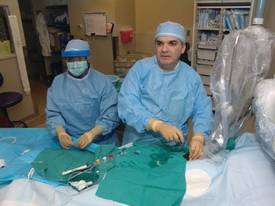
The gush of recent early-phase studies also hint at possible explanations for the variability in the success of stem cell treatment. The studies examined a broad range of cell types and patients. (Click here to see a chart of the studies.) The results imply that select types of bone marrow cells may be more effective as therapy and that the number and potency of stem cells decrease with age.
Clinical testing of stem cells for heart disease has hit its stride more than a decade after the first-in-human report in 2001 of a patient treated following an acute myocardial infarction (Dtsch. Med. Wochenschr. 2001;126:932-8), which was followed by the first randomized clinical trial, also in myocardial infarction patients, reported in 2004 (Lancet 2004;364:141-8).
"So far, stem-cell treatment has been safe in all the areas where it’s been used. I’m very satisfied" with the progress, said Dr. Emerson C. Perin, an interventional cardiologist and medical director of the Stem Cell Center at the Texas Heart Institute and one of the U.S. researchers who has worked longest on stem-cell clinical studies. Those working on clinical investigations of stem cells "haven’t done anything stupid to kill it, and we’ve gone from a crawl to a walk," he said in an interview.
Development of stem cell therapies "has been on a normal track; each step takes time. It’s very similar to what happened with fibrinolytic therapy for treating acute myocardial infarctions" in the 1980s and 1990s, said Dr. Timothy D. Henry, an interventional cardiologist, director of research at the Minneapolis Heart Institute Foundation, and another very active stem cell researcher. "It was a good 10 years before we got lytics up and going. People want [stem cells] to be a magic bullet. I think some people have put unrealistic expectations on stem cells, but it’s like any other treatment. You need to do a trial and find out the relative risks and benefits, and that takes time," he said in an interview.
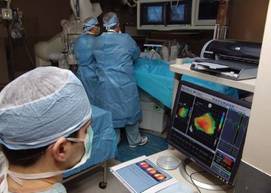
A different take on the past decade of stem-cell work came from another researcher in the field, Dr. Eduardo Marbán. "The pace of progress has been disappointingly slow, marked by numerous examples of clinical studies prematurely undertaken without benefit of adequate preclinical data. We are lucky that no one has been killed," said Dr. Marbán, professor and director of the Cedars-Sinai Heart Institute in Los Angeles. But despite whatever role luck may have played, Dr. Marbán agreed on the bottom line: "The major accomplishment of the 11-year experience has been the convincing demonstration that most forms of cell therapy are safe, if administered via the intracoronary route." Then he added the elephant in the room: "Efficacy is another matter.
record. Why subject patients to risk in receiving a cell product that has not been extensively validated in vitro and in small and large animals? Yet this has been done over and over again" by investigators running clinical trials of stem cells and other cells for heart disease, Dr. Marbán said in an interview.
Making It to Phase III: REPAIR-AMI/BAMI
The recent surge of study results, and the path to phase III may be best exemplified by the landmark phase II trial done by German investigators, the Reinfusion of Enriched Progenitor Cells and Infarct Remodeling in Acute Myocardial Infarction (REPAIR-AMI) trial (N. Engl. J. Med. 2006;355:1210-21). The multicenter German study randomized 204 patients an average of 4 days following an acute myocardial infarction (MI) to receive either an intracoronary infusion of autologous bone marrow cells processed to enrich for progenitor cells, or placebo.
Last November, at the annual Scientific Sessions of the American Heart Association, the group presented 5-year follow-up results for 200 of the 204 patients. Helped by the lengthy follow-up, the researchers found that the stem-cell treatment cut the cumulative rate of death, recurrent MI, or need for revascularization from 64% in the control arm to 42%, a statistically significant difference in a prespecified end point of the study.
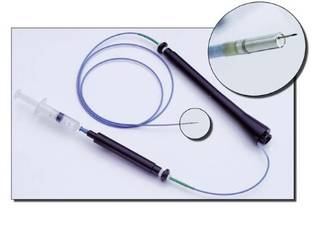
This striking change in a very meaningful clinical outcome contrasted with the modest change in a surrogate end point at 4 months (first reported in the 2006 article), and led to the launch of the largest phase III study of stem cells for heart disease, the Effect of Intracoronary Reinfusion of Bone Marrow Derived Mononuclear Cells (BM-MNC) on All-Cause Mortality in Acute Myocardial Infarction (BAMI), a 3,000-patient, multi-center study funded by the European Union. The study will enroll patients within 3-6 days after reperfusion therapy of an acute MI if they have a left ventricular ejection fraction of 45% or less. The primary end point is a reduction in all-cause mortality, a design that will allow BAMI to use standard care as its control instead of a sham infusion.
"We discussed the end point with the EMA [European Medicines Agency], and they said that if you use only death as the end point we can do it with a state-of-the-art control. I think that is the proper way, because some people believe that intracoronary instrumentation by itself carries a risk that could also affect placebo groups," said Dr. Andreas M. Zeiher, professor and chairman of medicine at Goethe University in Frankfurt, Germany, speaking last November at the American Heart Association meeting.
Dr. Zeiher, who led the team that ran REPAIR-AMI and spearheaded organization of the BAMI trial, also stressed the need to avoid heparin when handling and administering autologous bone marrow cells to achieve optimal results. "Heparin interferes with a process that is absolutely crucial for these cells to extravasate during infusion to enter ischemic tissue," he said during a talk in March at the American College of Cardiology Scientific Session in Chicago. "Heparin in the syringe more or less completely abolishes the migratory capacity of the [bone-marrow] cells." Dr. Zeiher reviewed the methods and results of more than 20 stem-cell studies and found those that used heparin-treated bone-marrow cells had little clinical effect, when studies that avoided heparin or neutralized the drug with serum the cell treatments proved effective. REPAIR-AMI used serum to neutralize heparin, and BAMI will use bivalirudin as an anticoagulant and no heparin, he said.
In contrast to the success in REPAIR-AMI, no efficacy signal occurred in a Norwegian study of bone-marrow mononuclear cells injected into the hearts of 47 acute MI patients in the Autologous Stem-Cell Transplantation in Acute Myocardial Infarction (ASTAMI) study, which coincidently appeared in the same issue of The New England Journal of Medicine as the REPAIR-AMI report (N. Engl. J. Med. 2006;355:1199-209). The lack of success in ASTAMI juxtaposed against the efficacy signal in REPAIR-AMI (a signal later confirmed and strengthened by longer follow-up) provides an example in microcosm of the uneven road that stem cell therapy traversed over the past 11 years. Also worth noting: in ASTAMI the investigators used heparin.
"Heparin interferes with a process that is absolutely crucial for these cells to extravasate during infusion to enter ischemic tissuu," Dr. Andreas M. Zeiher said.
Dr. Zeiher’s heparin explanation for outcome differences among many stem-cell studies is "an interesting hypothesis," said Dr. Robert D. Simari, a cardiologist and professor of medicine at the Mayo Clinic in Rochester, Minn. There are likely several important differences" between the stem-cell trials that have been positive and those that have failed. Trials have differed in their design, patient populations, their stem cell products, and in the end points they have used to measure success, said Dr. Simari, who also chairs the steering committee of the Cardiovascular Cell Therapy Research Network (CCTRN), a research group of seven U.S. centers organized by the National Heart Lung and Blood Institute to run early-phase clinical trials with cell treatments.
Also in the Phase III Act: ACT34-CMI/RENEW
Another cell therapy success story now advancing to a phase III trial is led by Dr. Douglas W. Losordo using autologous CD34+ cells injected into the myocardium of patients with refractory angina. He and his associates published results last August from a phase II study with167 patients, the Double-blind, Prospective, Randomized, Placebo-controlled Study to Determine the Tolerability, Efficacy, Safety, and Dose Range of Intramyocardial Injections of G-CSF Mobilized Auto–CD34+ Cells for Reduction of Angina Episodes in Patients With Refractory Chronic Myocardial Ischemia (ACT34-CMI).
The researchers obtained the autologous cell preparation used in ACT34-CMI by first treating each patient with granulocyte colony stimulating factor daily for 4 or 5 days to mobilize their CD34+ cells. The day following the last dose of drug, each patient underwent leukopheresis to collect mononuclear cells. The cell material then underwent further ex vivo enrichment for CD34+ cells using a commercially-available magnetic cell selection device marketed by Baxter Healthcare. Patients received 100,000 CD34+ cells/kg, 500,000 CD34+ cells/kg, or placebo as intramyocardial injections at 10 sites identified by electromechanical endocardial mapping. Dr. Losordo and his associates said they used CD34+ cells because of evidence these cells, called endothelial progenitor cells, can stimulate neovascularization in ischemic tissue, and improved function in animal models of acute and chronic myocardial ischemia. The patients enrolled in ACT34-CMI all had Canadian Cardiovascular Society class III or IV chronic refractory angina despite optimal medial treatment.
The study, done at 26 U.S. centers, found that at 6 and 12 months after treatment, 54 patients who received the low-dose injections had significantly fewer angina episodes per week than the 53 patients who received placebo infections, the study’s primary end point. Patients who received the higher-dose injections also had fewer angina episodes than the controls, but the difference was not statistically significant at either 6- or 12-month follow-up. The low-dose patients also had statistically significant improvement in their total exercise time in an exercise tolerance test compared with the placebo patients; the high-dose patients also had better exercise times, but not significantly better than the controls.
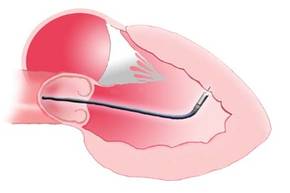
Speaking at the American College of Cardiology meeting in Chicago in March, Dr. Losordo presented 2-year follow-up data on the patients in ACT34-CMI. At 2 years, the low-dose patients continued to have a significantly lower rate of weekly angina counts than control patients, while the high-dose patients continued to have a numerically lower rate that was not significantly different from the controls. The cumulative, 2-year rate of death, MI, or hospitalization for acute coronary syndrome was 30% in the control patients, 18% in the low-dose patients, and 14% in the high-dose patients. Although these between group differences were not statistically significant, the trends were "in the right direction," said Dr. Losordo, an interventional cardiologist at Northwestern University in Chicago, and vice president for new therapeutic development at Baxter International. Baxter sponsored ACT34-CMI, as well as the phase III study now starting based on the phase II results.
The phase III study, A Prospective, Randomized, Double-blinded, Active-control and Unblinded Standard of Care (SOC) Controlled Study to Determine the Efficacy and Safety of Targeted Intramyocardial Delivery of Autologous CD34+ Cells (Auto-CD34+ Cells) for Increasing Exercise Capacity During Standardized Exercise Testing in Subjects With Refractory Angina Pectoris and Chronic Myocardial Ischemia (RENEW), will enroll about 450 refractory angina patients at 50 U.S. sites, randomizing them to CD34+ treatment, placebo treatment, or no treatment and optimal standard care. The primary efficacy outcome will be change in total exercise time on an exercise tolerance test after 12 months.
Choosing the Right Cells
The success of the ACT34-CMI study, and the decision by Dr. Losordo and Baxter to move on to the phase III RENEW trial, highlights what may be a possible advantage to using selected stem and progenitor cells compared with the strategy of using an unselected cell population, such as the bone-marrow cells used in many of the studies of the past 11 years.
More evidence favoring cell selection came recently in results reported by Dr. Perin from the First Mononuclear Cells Injected in the United States Conducted by the Cardiovascular Cell Therapy Research Network (FOCUS-CCTRN) study, which he presented in March at the American College of Cardiology meeting in Chicago. The phase II study enrolled 92 patients with chronic heart failure and a left ventricular ejection fraction of 45% or less. Patients received a transendocardial injection of 100 million autologous bone-marrow cells or placebo. The primary end points were 6-month changes in left ventricular end systolic volume, in maximal oxygen consumption, and the extent of ischemic myocardial defects measured by single photon emission tomography. The results showed no statistically significant improvement for any of these three end points in the patients treated with bone-marrow cells compared with the controls, and were simultaneously reported in an article published online (JAMA 2012; March 24 [doi:10.1001/jama.2012.418]).
Despite the study’s failure for its prespecified end points, it also showed signals of efficacy and possibly highlighted some important lessons on how to best apply stem cell therapy in the future. On the efficacy side, the 61 patients who received bone-marrow cell injections had an average 1.4% improvement in their left ventricular ejection fraction, compared with an average 1.3% decline in the 31 placebo patients, an overall between-group difference of 2.7% that was statistically significant. Further analysis showed that patients who received bone-marrow cell preparations that had higher levels of either CD34+ cell or CD133+ cells had greater increases in their left ventricular ejection fractions. Also, when the researchers analyzed responses in subgroups divided by their age, patients 62 years old or younger (62 years old was the median age in the study) who received bone-marrow cells had a statistically significant, 4.7% improvement in their left ventricular ejection fraction after 6 months compared with placebo patients, while among patients greater than 62 years old treatment with autologous bone-marrow cells produced no significant improvement in ejection fraction compared with the controls.
"It could very well be that [unfractionated] bone marrow is a weaker product than using a specific cell type," said Dr. Perin. "Now we’ll start using parts of bone marrow, specific cells or cell combinations," he predicted, although he added that additional analysis of the FOCUS-CCTRN data must occur before he and his associates decide which cell types show the most promise. "Even though it’s not answered perfectly, the results definitely point us toward" using more selected types of bone marrow cells, he said.
"The most important lesson FOCUS-CCTRN showed was that as patients get older the number and potency of their stem cells decreases. It showed that if you give cells that aren’t potent they won’t work," said Dr. Henry, a co-investigator of the study and an active member of CCTRN. "That’s a really important insight, because if you treat patients with 100 mg of a beta blocker you get a consistent effect, but if you treat patients with autologous stem cells, every patient gets something different."
Development of stem cell therapies "has been on a normal track; each step takes time. It’s very similar to what happened with fibrinolytic therapy for treating acute myocardial infarctions" in the 1980s and 1990s, said Dr. Timothy D. Henry.
"The FOCUS results showed some evidence of an effect, but there are a number of ways to make it better," Dr. Henry said. One approach is to use selected cells, such as CD34+ cells. Another strategy is to deliver allogenic cells obtained initially from young and healthy donors, a way to avoid the issue of older patients and those with co-morbidities who may have compromised stem cells.
Administering selected or allogenic cells has another potential advantage: it opens the door to commercial involvement with a potentially saleable product, a strategy that can attract the interest of a company willing to shoulder the cost of a phase III trial.
"A challenge with [unprocessed] bone marrow is it’s too easy. Bone marrow is inexpensive, and anyone can do it," Dr. Henry noted. That’s one reason why it took several years for the REPAIR-AMI strategy to advance into a phase III trial, eventually moving forward when it received financial backing from the European Union. In contrast, the promising ACT34-CMI strategy quickly jumped to the phase III level, aided by financial support from Baxter.
But others cautioned against drawing too many inferences from FOCUS-CCTRN because it was a negative study and hence all its results must be considered suspect.
"I do not believe that post-hoc analysis of cell potency should be used to guide future trials. FOCUS was negative; the subgroup analyses and cell potency assays were attempts to glean some positivity from that study after the fact," said Dr. Marbán.
More Phase III Studies Coming, with Commercial Support
Another example of a selected, allogenic cell preparation with commercial support is the study of mesenchymal precursor cells (MPC), bone-marrow cells obtained from young, healthy donors and delivered by transendocardial injection to 45 patients with cardiomyopathy, New York Heart Association class II or III heart failure, and impaired left ventricular function in a phase II study presented by Dr. Perin last November at the American Heart Association’s Scientific Sessions in Orlando. The MPC preparation he and his associates tested was an "off-the-shelf" stem-cell product made by the Australian-based company Mesoblast.
The injections were safe, and the three different amounts of cells delivered showed various signs of efficacy. The lowest dose of cells tested showed a statistically significant improvement in left ventricular ejection fraction at 3 months compared with placebo; the highest cell dose tested showed a statistically significant improvement in left ventricular end-systolic volume at 12 months compared with the placebo control; and collectively, all three cell doses tested produced a statistically significant 20% reduction in the rate of major adverse coronary events compared with the placebo patients during a follow-up of up to 3 years, Dr. Perin reported last November.
"Given the very positive results we saw in the phase II trial, it would be logical to move on to a bigger trial," said Dr. Perin in an interview, but he added that he was unable to provide details about possible additional trials with this MPC product.
Another commercially-backed stem-cell product poised for a larger trial is cardiopoietic stem cells, made by a proprietary, patented method that uses a patient’s autologous bone-marrow stem cells and treats them in vitro to produce cells that are then injected into a patient’s myocardium where they produce new heart muscle. Researchers at the Mayo Clinic in Rochester, Minn. developed this process, and Mayo licensed it to a Belgian company, Cardio 3 BioSciences.

The company released results in November 2010 from the C-Cure study done in Belgium, Serbia, and Switzerland that enrolled 45-patients with severe ischemic heart failure. Six months after treatment, the 21 patients who received injections of the stem cells had an average 18% relative increase in their left ventricular ejection fraction compared with baseline, versus a 4% relative increase over baseline among 24 control patients. Speaking in March at the American College of Cardiology meeting, Dr. André Terzic, who led the study, provided a few more details from the results. Average ejection fraction in the actively-treated patients rose from 28% at baseline to 33%. The treatment was especially effective for the patients who entered the study with an ejection fraction below 28%, said Dr. Terzic, a professor of medicine and cardiology, and director of the Center for Regenerative Medicine at the Mayo Clinic. The 6-month results also showed other indications of benefit in the patients treated with the cardiopoietic stem cells, including significantly increased left ventricular end systolic volume, and reduced left ventricular mass index.
Cardio 3 Biosciences is now planning to start a "late phase II" or phase III trial with this material, said Dr. Simari, who is not directly involved in these studies.
What Comes Next?
Despite 11 years of work, "it’s still very early in the field. We’re still trying to figure out the cells and out targets," said Dr. Simari. "This is the haze of early days, of learning from groups of 10, 20, or 80 patients. Only in retrospect, and as we get to larger trials will the truth emerge. Right now, there is a lot of work needed and few headlines, and it will probably stay that way for awhile. This is not a game for people with short attention spans.
"The business model for autologous cells remains uncertain," he added. "For allogenic products that are generated from young, healthy donors and made into thousands of doses, the business model is different and the costs might be more reasonable. Hopefully, as our knowledge grows, we will develop treatments that end up costing less."
"I have no doubt that cell treatment is one of the great avenues of future medicine; it’s just a matter of figuring it out," said Dr. Perin. "Having phase III trials now starting is a step forward. Things are starting to come into focus. Unless something totally unforeseen happens, we will eventually have an approved product," he predicted.
Dr. Perin said that he has been a consultant to Amorcyte, Teva, Cytori, and Aldagen. Dr. Henry said that he has served on steering committees for and received research grants from Aastrom and Mesoblast. Dr. Marbán said that he is a founder of and holds equity in Capricor. Dr. Simari said that he had no disclosures. Dr. Zeiher said he is a cofounder of and scientific advisor to t2cure, a company set up to run the BAMI trial, sponsored by the European Union Dr. Losordo is an employee of Baxter International. Dr. Terzic said that he has received research grants from Cardio 3 BioSciences.
Stem-cell treatment for cardiac disease recently launched into advanced clinical trials, as a flurry of early-phase studies over the last year collectively confirmed the treatment as safe but left its efficacy unresolved.
At least two phase III trials are now underway and others are possibly imminent. But until these pivotal studies begin to yield outcome results in about 4 years, stem-cell treatment remains a question mark – an appealing idea fueled by hints of effectiveness but also dogged by failures that prompt skepticism about its future.
The gush of recent early-phase studies also hint at possible explanations for the variability in the success of stem cell treatment. The studies examined a broad range of cell types and patients. (Click here to see a chart of the studies.) The results imply that select types of bone marrow cells may be more effective as therapy and that the number and potency of stem cells decrease with age.
Clinical testing of stem cells for heart disease has hit its stride more than a decade after the first-in-human report in 2001 of a patient treated following an acute myocardial infarction (Dtsch. Med. Wochenschr. 2001;126:932-8), which was followed by the first randomized clinical trial, also in myocardial infarction patients, reported in 2004 (Lancet 2004;364:141-8).
"So far, stem-cell treatment has been safe in all the areas where it’s been used. I’m very satisfied" with the progress, said Dr. Emerson C. Perin, an interventional cardiologist and medical director of the Stem Cell Center at the Texas Heart Institute and one of the U.S. researchers who has worked longest on stem-cell clinical studies. Those working on clinical investigations of stem cells "haven’t done anything stupid to kill it, and we’ve gone from a crawl to a walk," he said in an interview.
Development of stem cell therapies "has been on a normal track; each step takes time. It’s very similar to what happened with fibrinolytic therapy for treating acute myocardial infarctions" in the 1980s and 1990s, said Dr. Timothy D. Henry, an interventional cardiologist, director of research at the Minneapolis Heart Institute Foundation, and another very active stem cell researcher. "It was a good 10 years before we got lytics up and going. People want [stem cells] to be a magic bullet. I think some people have put unrealistic expectations on stem cells, but it’s like any other treatment. You need to do a trial and find out the relative risks and benefits, and that takes time," he said in an interview.
A different take on the past decade of stem-cell work came from another researcher in the field, Dr. Eduardo Marbán. "The pace of progress has been disappointingly slow, marked by numerous examples of clinical studies prematurely undertaken without benefit of adequate preclinical data. We are lucky that no one has been killed," said Dr. Marbán, professor and director of the Cedars-Sinai Heart Institute in Los Angeles. But despite whatever role luck may have played, Dr. Marbán agreed on the bottom line: "The major accomplishment of the 11-year experience has been the convincing demonstration that most forms of cell therapy are safe, if administered via the intracoronary route." Then he added the elephant in the room: "Efficacy is another matter.
record. Why subject patients to risk in receiving a cell product that has not been extensively validated in vitro and in small and large animals? Yet this has been done over and over again" by investigators running clinical trials of stem cells and other cells for heart disease, Dr. Marbán said in an interview.
Making It to Phase III: REPAIR-AMI/BAMI
The recent surge of study results, and the path to phase III may be best exemplified by the landmark phase II trial done by German investigators, the Reinfusion of Enriched Progenitor Cells and Infarct Remodeling in Acute Myocardial Infarction (REPAIR-AMI) trial (N. Engl. J. Med. 2006;355:1210-21). The multicenter German study randomized 204 patients an average of 4 days following an acute myocardial infarction (MI) to receive either an intracoronary infusion of autologous bone marrow cells processed to enrich for progenitor cells, or placebo.
Last November, at the annual Scientific Sessions of the American Heart Association, the group presented 5-year follow-up results for 200 of the 204 patients. Helped by the lengthy follow-up, the researchers found that the stem-cell treatment cut the cumulative rate of death, recurrent MI, or need for revascularization from 64% in the control arm to 42%, a statistically significant difference in a prespecified end point of the study.
This striking change in a very meaningful clinical outcome contrasted with the modest change in a surrogate end point at 4 months (first reported in the 2006 article), and led to the launch of the largest phase III study of stem cells for heart disease, the Effect of Intracoronary Reinfusion of Bone Marrow Derived Mononuclear Cells (BM-MNC) on All-Cause Mortality in Acute Myocardial Infarction (BAMI), a 3,000-patient, multi-center study funded by the European Union. The study will enroll patients within 3-6 days after reperfusion therapy of an acute MI if they have a left ventricular ejection fraction of 45% or less. The primary end point is a reduction in all-cause mortality, a design that will allow BAMI to use standard care as its control instead of a sham infusion.
"We discussed the end point with the EMA [European Medicines Agency], and they said that if you use only death as the end point we can do it with a state-of-the-art control. I think that is the proper way, because some people believe that intracoronary instrumentation by itself carries a risk that could also affect placebo groups," said Dr. Andreas M. Zeiher, professor and chairman of medicine at Goethe University in Frankfurt, Germany, speaking last November at the American Heart Association meeting.
Dr. Zeiher, who led the team that ran REPAIR-AMI and spearheaded organization of the BAMI trial, also stressed the need to avoid heparin when handling and administering autologous bone marrow cells to achieve optimal results. "Heparin interferes with a process that is absolutely crucial for these cells to extravasate during infusion to enter ischemic tissue," he said during a talk in March at the American College of Cardiology Scientific Session in Chicago. "Heparin in the syringe more or less completely abolishes the migratory capacity of the [bone-marrow] cells." Dr. Zeiher reviewed the methods and results of more than 20 stem-cell studies and found those that used heparin-treated bone-marrow cells had little clinical effect, when studies that avoided heparin or neutralized the drug with serum the cell treatments proved effective. REPAIR-AMI used serum to neutralize heparin, and BAMI will use bivalirudin as an anticoagulant and no heparin, he said.
In contrast to the success in REPAIR-AMI, no efficacy signal occurred in a Norwegian study of bone-marrow mononuclear cells injected into the hearts of 47 acute MI patients in the Autologous Stem-Cell Transplantation in Acute Myocardial Infarction (ASTAMI) study, which coincidently appeared in the same issue of The New England Journal of Medicine as the REPAIR-AMI report (N. Engl. J. Med. 2006;355:1199-209). The lack of success in ASTAMI juxtaposed against the efficacy signal in REPAIR-AMI (a signal later confirmed and strengthened by longer follow-up) provides an example in microcosm of the uneven road that stem cell therapy traversed over the past 11 years. Also worth noting: in ASTAMI the investigators used heparin.
"Heparin interferes with a process that is absolutely crucial for these cells to extravasate during infusion to enter ischemic tissuu," Dr. Andreas M. Zeiher said.
Dr. Zeiher’s heparin explanation for outcome differences among many stem-cell studies is "an interesting hypothesis," said Dr. Robert D. Simari, a cardiologist and professor of medicine at the Mayo Clinic in Rochester, Minn. There are likely several important differences" between the stem-cell trials that have been positive and those that have failed. Trials have differed in their design, patient populations, their stem cell products, and in the end points they have used to measure success, said Dr. Simari, who also chairs the steering committee of the Cardiovascular Cell Therapy Research Network (CCTRN), a research group of seven U.S. centers organized by the National Heart Lung and Blood Institute to run early-phase clinical trials with cell treatments.
Also in the Phase III Act: ACT34-CMI/RENEW
Another cell therapy success story now advancing to a phase III trial is led by Dr. Douglas W. Losordo using autologous CD34+ cells injected into the myocardium of patients with refractory angina. He and his associates published results last August from a phase II study with167 patients, the Double-blind, Prospective, Randomized, Placebo-controlled Study to Determine the Tolerability, Efficacy, Safety, and Dose Range of Intramyocardial Injections of G-CSF Mobilized Auto–CD34+ Cells for Reduction of Angina Episodes in Patients With Refractory Chronic Myocardial Ischemia (ACT34-CMI).
The researchers obtained the autologous cell preparation used in ACT34-CMI by first treating each patient with granulocyte colony stimulating factor daily for 4 or 5 days to mobilize their CD34+ cells. The day following the last dose of drug, each patient underwent leukopheresis to collect mononuclear cells. The cell material then underwent further ex vivo enrichment for CD34+ cells using a commercially-available magnetic cell selection device marketed by Baxter Healthcare. Patients received 100,000 CD34+ cells/kg, 500,000 CD34+ cells/kg, or placebo as intramyocardial injections at 10 sites identified by electromechanical endocardial mapping. Dr. Losordo and his associates said they used CD34+ cells because of evidence these cells, called endothelial progenitor cells, can stimulate neovascularization in ischemic tissue, and improved function in animal models of acute and chronic myocardial ischemia. The patients enrolled in ACT34-CMI all had Canadian Cardiovascular Society class III or IV chronic refractory angina despite optimal medial treatment.
The study, done at 26 U.S. centers, found that at 6 and 12 months after treatment, 54 patients who received the low-dose injections had significantly fewer angina episodes per week than the 53 patients who received placebo infections, the study’s primary end point. Patients who received the higher-dose injections also had fewer angina episodes than the controls, but the difference was not statistically significant at either 6- or 12-month follow-up. The low-dose patients also had statistically significant improvement in their total exercise time in an exercise tolerance test compared with the placebo patients; the high-dose patients also had better exercise times, but not significantly better than the controls.
Speaking at the American College of Cardiology meeting in Chicago in March, Dr. Losordo presented 2-year follow-up data on the patients in ACT34-CMI. At 2 years, the low-dose patients continued to have a significantly lower rate of weekly angina counts than control patients, while the high-dose patients continued to have a numerically lower rate that was not significantly different from the controls. The cumulative, 2-year rate of death, MI, or hospitalization for acute coronary syndrome was 30% in the control patients, 18% in the low-dose patients, and 14% in the high-dose patients. Although these between group differences were not statistically significant, the trends were "in the right direction," said Dr. Losordo, an interventional cardiologist at Northwestern University in Chicago, and vice president for new therapeutic development at Baxter International. Baxter sponsored ACT34-CMI, as well as the phase III study now starting based on the phase II results.
The phase III study, A Prospective, Randomized, Double-blinded, Active-control and Unblinded Standard of Care (SOC) Controlled Study to Determine the Efficacy and Safety of Targeted Intramyocardial Delivery of Autologous CD34+ Cells (Auto-CD34+ Cells) for Increasing Exercise Capacity During Standardized Exercise Testing in Subjects With Refractory Angina Pectoris and Chronic Myocardial Ischemia (RENEW), will enroll about 450 refractory angina patients at 50 U.S. sites, randomizing them to CD34+ treatment, placebo treatment, or no treatment and optimal standard care. The primary efficacy outcome will be change in total exercise time on an exercise tolerance test after 12 months.
Choosing the Right Cells
The success of the ACT34-CMI study, and the decision by Dr. Losordo and Baxter to move on to the phase III RENEW trial, highlights what may be a possible advantage to using selected stem and progenitor cells compared with the strategy of using an unselected cell population, such as the bone-marrow cells used in many of the studies of the past 11 years.
More evidence favoring cell selection came recently in results reported by Dr. Perin from the First Mononuclear Cells Injected in the United States Conducted by the Cardiovascular Cell Therapy Research Network (FOCUS-CCTRN) study, which he presented in March at the American College of Cardiology meeting in Chicago. The phase II study enrolled 92 patients with chronic heart failure and a left ventricular ejection fraction of 45% or less. Patients received a transendocardial injection of 100 million autologous bone-marrow cells or placebo. The primary end points were 6-month changes in left ventricular end systolic volume, in maximal oxygen consumption, and the extent of ischemic myocardial defects measured by single photon emission tomography. The results showed no statistically significant improvement for any of these three end points in the patients treated with bone-marrow cells compared with the controls, and were simultaneously reported in an article published online (JAMA 2012; March 24 [doi:10.1001/jama.2012.418]).
Despite the study’s failure for its prespecified end points, it also showed signals of efficacy and possibly highlighted some important lessons on how to best apply stem cell therapy in the future. On the efficacy side, the 61 patients who received bone-marrow cell injections had an average 1.4% improvement in their left ventricular ejection fraction, compared with an average 1.3% decline in the 31 placebo patients, an overall between-group difference of 2.7% that was statistically significant. Further analysis showed that patients who received bone-marrow cell preparations that had higher levels of either CD34+ cell or CD133+ cells had greater increases in their left ventricular ejection fractions. Also, when the researchers analyzed responses in subgroups divided by their age, patients 62 years old or younger (62 years old was the median age in the study) who received bone-marrow cells had a statistically significant, 4.7% improvement in their left ventricular ejection fraction after 6 months compared with placebo patients, while among patients greater than 62 years old treatment with autologous bone-marrow cells produced no significant improvement in ejection fraction compared with the controls.
"It could very well be that [unfractionated] bone marrow is a weaker product than using a specific cell type," said Dr. Perin. "Now we’ll start using parts of bone marrow, specific cells or cell combinations," he predicted, although he added that additional analysis of the FOCUS-CCTRN data must occur before he and his associates decide which cell types show the most promise. "Even though it’s not answered perfectly, the results definitely point us toward" using more selected types of bone marrow cells, he said.
"The most important lesson FOCUS-CCTRN showed was that as patients get older the number and potency of their stem cells decreases. It showed that if you give cells that aren’t potent they won’t work," said Dr. Henry, a co-investigator of the study and an active member of CCTRN. "That’s a really important insight, because if you treat patients with 100 mg of a beta blocker you get a consistent effect, but if you treat patients with autologous stem cells, every patient gets something different."
Development of stem cell therapies "has been on a normal track; each step takes time. It’s very similar to what happened with fibrinolytic therapy for treating acute myocardial infarctions" in the 1980s and 1990s, said Dr. Timothy D. Henry.
"The FOCUS results showed some evidence of an effect, but there are a number of ways to make it better," Dr. Henry said. One approach is to use selected cells, such as CD34+ cells. Another strategy is to deliver allogenic cells obtained initially from young and healthy donors, a way to avoid the issue of older patients and those with co-morbidities who may have compromised stem cells.
Administering selected or allogenic cells has another potential advantage: it opens the door to commercial involvement with a potentially saleable product, a strategy that can attract the interest of a company willing to shoulder the cost of a phase III trial.
"A challenge with [unprocessed] bone marrow is it’s too easy. Bone marrow is inexpensive, and anyone can do it," Dr. Henry noted. That’s one reason why it took several years for the REPAIR-AMI strategy to advance into a phase III trial, eventually moving forward when it received financial backing from the European Union. In contrast, the promising ACT34-CMI strategy quickly jumped to the phase III level, aided by financial support from Baxter.
But others cautioned against drawing too many inferences from FOCUS-CCTRN because it was a negative study and hence all its results must be considered suspect.
"I do not believe that post-hoc analysis of cell potency should be used to guide future trials. FOCUS was negative; the subgroup analyses and cell potency assays were attempts to glean some positivity from that study after the fact," said Dr. Marbán.
More Phase III Studies Coming, with Commercial Support
Another example of a selected, allogenic cell preparation with commercial support is the study of mesenchymal precursor cells (MPC), bone-marrow cells obtained from young, healthy donors and delivered by transendocardial injection to 45 patients with cardiomyopathy, New York Heart Association class II or III heart failure, and impaired left ventricular function in a phase II study presented by Dr. Perin last November at the American Heart Association’s Scientific Sessions in Orlando. The MPC preparation he and his associates tested was an "off-the-shelf" stem-cell product made by the Australian-based company Mesoblast.
The injections were safe, and the three different amounts of cells delivered showed various signs of efficacy. The lowest dose of cells tested showed a statistically significant improvement in left ventricular ejection fraction at 3 months compared with placebo; the highest cell dose tested showed a statistically significant improvement in left ventricular end-systolic volume at 12 months compared with the placebo control; and collectively, all three cell doses tested produced a statistically significant 20% reduction in the rate of major adverse coronary events compared with the placebo patients during a follow-up of up to 3 years, Dr. Perin reported last November.
"Given the very positive results we saw in the phase II trial, it would be logical to move on to a bigger trial," said Dr. Perin in an interview, but he added that he was unable to provide details about possible additional trials with this MPC product.
Another commercially-backed stem-cell product poised for a larger trial is cardiopoietic stem cells, made by a proprietary, patented method that uses a patient’s autologous bone-marrow stem cells and treats them in vitro to produce cells that are then injected into a patient’s myocardium where they produce new heart muscle. Researchers at the Mayo Clinic in Rochester, Minn. developed this process, and Mayo licensed it to a Belgian company, Cardio 3 BioSciences.
The company released results in November 2010 from the C-Cure study done in Belgium, Serbia, and Switzerland that enrolled 45-patients with severe ischemic heart failure. Six months after treatment, the 21 patients who received injections of the stem cells had an average 18% relative increase in their left ventricular ejection fraction compared with baseline, versus a 4% relative increase over baseline among 24 control patients. Speaking in March at the American College of Cardiology meeting, Dr. André Terzic, who led the study, provided a few more details from the results. Average ejection fraction in the actively-treated patients rose from 28% at baseline to 33%. The treatment was especially effective for the patients who entered the study with an ejection fraction below 28%, said Dr. Terzic, a professor of medicine and cardiology, and director of the Center for Regenerative Medicine at the Mayo Clinic. The 6-month results also showed other indications of benefit in the patients treated with the cardiopoietic stem cells, including significantly increased left ventricular end systolic volume, and reduced left ventricular mass index.
Cardio 3 Biosciences is now planning to start a "late phase II" or phase III trial with this material, said Dr. Simari, who is not directly involved in these studies.
What Comes Next?
Despite 11 years of work, "it’s still very early in the field. We’re still trying to figure out the cells and out targets," said Dr. Simari. "This is the haze of early days, of learning from groups of 10, 20, or 80 patients. Only in retrospect, and as we get to larger trials will the truth emerge. Right now, there is a lot of work needed and few headlines, and it will probably stay that way for awhile. This is not a game for people with short attention spans.
"The business model for autologous cells remains uncertain," he added. "For allogenic products that are generated from young, healthy donors and made into thousands of doses, the business model is different and the costs might be more reasonable. Hopefully, as our knowledge grows, we will develop treatments that end up costing less."
"I have no doubt that cell treatment is one of the great avenues of future medicine; it’s just a matter of figuring it out," said Dr. Perin. "Having phase III trials now starting is a step forward. Things are starting to come into focus. Unless something totally unforeseen happens, we will eventually have an approved product," he predicted.
Dr. Perin said that he has been a consultant to Amorcyte, Teva, Cytori, and Aldagen. Dr. Henry said that he has served on steering committees for and received research grants from Aastrom and Mesoblast. Dr. Marbán said that he is a founder of and holds equity in Capricor. Dr. Simari said that he had no disclosures. Dr. Zeiher said he is a cofounder of and scientific advisor to t2cure, a company set up to run the BAMI trial, sponsored by the European Union Dr. Losordo is an employee of Baxter International. Dr. Terzic said that he has received research grants from Cardio 3 BioSciences.
Stem-cell treatment for cardiac disease recently launched into advanced clinical trials, as a flurry of early-phase studies over the last year collectively confirmed the treatment as safe but left its efficacy unresolved.
At least two phase III trials are now underway and others are possibly imminent. But until these pivotal studies begin to yield outcome results in about 4 years, stem-cell treatment remains a question mark – an appealing idea fueled by hints of effectiveness but also dogged by failures that prompt skepticism about its future.
The gush of recent early-phase studies also hint at possible explanations for the variability in the success of stem cell treatment. The studies examined a broad range of cell types and patients. (Click here to see a chart of the studies.) The results imply that select types of bone marrow cells may be more effective as therapy and that the number and potency of stem cells decrease with age.
Clinical testing of stem cells for heart disease has hit its stride more than a decade after the first-in-human report in 2001 of a patient treated following an acute myocardial infarction (Dtsch. Med. Wochenschr. 2001;126:932-8), which was followed by the first randomized clinical trial, also in myocardial infarction patients, reported in 2004 (Lancet 2004;364:141-8).
"So far, stem-cell treatment has been safe in all the areas where it’s been used. I’m very satisfied" with the progress, said Dr. Emerson C. Perin, an interventional cardiologist and medical director of the Stem Cell Center at the Texas Heart Institute and one of the U.S. researchers who has worked longest on stem-cell clinical studies. Those working on clinical investigations of stem cells "haven’t done anything stupid to kill it, and we’ve gone from a crawl to a walk," he said in an interview.
Development of stem cell therapies "has been on a normal track; each step takes time. It’s very similar to what happened with fibrinolytic therapy for treating acute myocardial infarctions" in the 1980s and 1990s, said Dr. Timothy D. Henry, an interventional cardiologist, director of research at the Minneapolis Heart Institute Foundation, and another very active stem cell researcher. "It was a good 10 years before we got lytics up and going. People want [stem cells] to be a magic bullet. I think some people have put unrealistic expectations on stem cells, but it’s like any other treatment. You need to do a trial and find out the relative risks and benefits, and that takes time," he said in an interview.
A different take on the past decade of stem-cell work came from another researcher in the field, Dr. Eduardo Marbán. "The pace of progress has been disappointingly slow, marked by numerous examples of clinical studies prematurely undertaken without benefit of adequate preclinical data. We are lucky that no one has been killed," said Dr. Marbán, professor and director of the Cedars-Sinai Heart Institute in Los Angeles. But despite whatever role luck may have played, Dr. Marbán agreed on the bottom line: "The major accomplishment of the 11-year experience has been the convincing demonstration that most forms of cell therapy are safe, if administered via the intracoronary route." Then he added the elephant in the room: "Efficacy is another matter.
record. Why subject patients to risk in receiving a cell product that has not been extensively validated in vitro and in small and large animals? Yet this has been done over and over again" by investigators running clinical trials of stem cells and other cells for heart disease, Dr. Marbán said in an interview.
Making It to Phase III: REPAIR-AMI/BAMI
The recent surge of study results, and the path to phase III may be best exemplified by the landmark phase II trial done by German investigators, the Reinfusion of Enriched Progenitor Cells and Infarct Remodeling in Acute Myocardial Infarction (REPAIR-AMI) trial (N. Engl. J. Med. 2006;355:1210-21). The multicenter German study randomized 204 patients an average of 4 days following an acute myocardial infarction (MI) to receive either an intracoronary infusion of autologous bone marrow cells processed to enrich for progenitor cells, or placebo.
Last November, at the annual Scientific Sessions of the American Heart Association, the group presented 5-year follow-up results for 200 of the 204 patients. Helped by the lengthy follow-up, the researchers found that the stem-cell treatment cut the cumulative rate of death, recurrent MI, or need for revascularization from 64% in the control arm to 42%, a statistically significant difference in a prespecified end point of the study.
This striking change in a very meaningful clinical outcome contrasted with the modest change in a surrogate end point at 4 months (first reported in the 2006 article), and led to the launch of the largest phase III study of stem cells for heart disease, the Effect of Intracoronary Reinfusion of Bone Marrow Derived Mononuclear Cells (BM-MNC) on All-Cause Mortality in Acute Myocardial Infarction (BAMI), a 3,000-patient, multi-center study funded by the European Union. The study will enroll patients within 3-6 days after reperfusion therapy of an acute MI if they have a left ventricular ejection fraction of 45% or less. The primary end point is a reduction in all-cause mortality, a design that will allow BAMI to use standard care as its control instead of a sham infusion.
"We discussed the end point with the EMA [European Medicines Agency], and they said that if you use only death as the end point we can do it with a state-of-the-art control. I think that is the proper way, because some people believe that intracoronary instrumentation by itself carries a risk that could also affect placebo groups," said Dr. Andreas M. Zeiher, professor and chairman of medicine at Goethe University in Frankfurt, Germany, speaking last November at the American Heart Association meeting.
Dr. Zeiher, who led the team that ran REPAIR-AMI and spearheaded organization of the BAMI trial, also stressed the need to avoid heparin when handling and administering autologous bone marrow cells to achieve optimal results. "Heparin interferes with a process that is absolutely crucial for these cells to extravasate during infusion to enter ischemic tissue," he said during a talk in March at the American College of Cardiology Scientific Session in Chicago. "Heparin in the syringe more or less completely abolishes the migratory capacity of the [bone-marrow] cells." Dr. Zeiher reviewed the methods and results of more than 20 stem-cell studies and found those that used heparin-treated bone-marrow cells had little clinical effect, when studies that avoided heparin or neutralized the drug with serum the cell treatments proved effective. REPAIR-AMI used serum to neutralize heparin, and BAMI will use bivalirudin as an anticoagulant and no heparin, he said.
In contrast to the success in REPAIR-AMI, no efficacy signal occurred in a Norwegian study of bone-marrow mononuclear cells injected into the hearts of 47 acute MI patients in the Autologous Stem-Cell Transplantation in Acute Myocardial Infarction (ASTAMI) study, which coincidently appeared in the same issue of The New England Journal of Medicine as the REPAIR-AMI report (N. Engl. J. Med. 2006;355:1199-209). The lack of success in ASTAMI juxtaposed against the efficacy signal in REPAIR-AMI (a signal later confirmed and strengthened by longer follow-up) provides an example in microcosm of the uneven road that stem cell therapy traversed over the past 11 years. Also worth noting: in ASTAMI the investigators used heparin.
"Heparin interferes with a process that is absolutely crucial for these cells to extravasate during infusion to enter ischemic tissuu," Dr. Andreas M. Zeiher said.
Dr. Zeiher’s heparin explanation for outcome differences among many stem-cell studies is "an interesting hypothesis," said Dr. Robert D. Simari, a cardiologist and professor of medicine at the Mayo Clinic in Rochester, Minn. There are likely several important differences" between the stem-cell trials that have been positive and those that have failed. Trials have differed in their design, patient populations, their stem cell products, and in the end points they have used to measure success, said Dr. Simari, who also chairs the steering committee of the Cardiovascular Cell Therapy Research Network (CCTRN), a research group of seven U.S. centers organized by the National Heart Lung and Blood Institute to run early-phase clinical trials with cell treatments.
Also in the Phase III Act: ACT34-CMI/RENEW
Another cell therapy success story now advancing to a phase III trial is led by Dr. Douglas W. Losordo using autologous CD34+ cells injected into the myocardium of patients with refractory angina. He and his associates published results last August from a phase II study with167 patients, the Double-blind, Prospective, Randomized, Placebo-controlled Study to Determine the Tolerability, Efficacy, Safety, and Dose Range of Intramyocardial Injections of G-CSF Mobilized Auto–CD34+ Cells for Reduction of Angina Episodes in Patients With Refractory Chronic Myocardial Ischemia (ACT34-CMI).
The researchers obtained the autologous cell preparation used in ACT34-CMI by first treating each patient with granulocyte colony stimulating factor daily for 4 or 5 days to mobilize their CD34+ cells. The day following the last dose of drug, each patient underwent leukopheresis to collect mononuclear cells. The cell material then underwent further ex vivo enrichment for CD34+ cells using a commercially-available magnetic cell selection device marketed by Baxter Healthcare. Patients received 100,000 CD34+ cells/kg, 500,000 CD34+ cells/kg, or placebo as intramyocardial injections at 10 sites identified by electromechanical endocardial mapping. Dr. Losordo and his associates said they used CD34+ cells because of evidence these cells, called endothelial progenitor cells, can stimulate neovascularization in ischemic tissue, and improved function in animal models of acute and chronic myocardial ischemia. The patients enrolled in ACT34-CMI all had Canadian Cardiovascular Society class III or IV chronic refractory angina despite optimal medial treatment.
The study, done at 26 U.S. centers, found that at 6 and 12 months after treatment, 54 patients who received the low-dose injections had significantly fewer angina episodes per week than the 53 patients who received placebo infections, the study’s primary end point. Patients who received the higher-dose injections also had fewer angina episodes than the controls, but the difference was not statistically significant at either 6- or 12-month follow-up. The low-dose patients also had statistically significant improvement in their total exercise time in an exercise tolerance test compared with the placebo patients; the high-dose patients also had better exercise times, but not significantly better than the controls.
Speaking at the American College of Cardiology meeting in Chicago in March, Dr. Losordo presented 2-year follow-up data on the patients in ACT34-CMI. At 2 years, the low-dose patients continued to have a significantly lower rate of weekly angina counts than control patients, while the high-dose patients continued to have a numerically lower rate that was not significantly different from the controls. The cumulative, 2-year rate of death, MI, or hospitalization for acute coronary syndrome was 30% in the control patients, 18% in the low-dose patients, and 14% in the high-dose patients. Although these between group differences were not statistically significant, the trends were "in the right direction," said Dr. Losordo, an interventional cardiologist at Northwestern University in Chicago, and vice president for new therapeutic development at Baxter International. Baxter sponsored ACT34-CMI, as well as the phase III study now starting based on the phase II results.
The phase III study, A Prospective, Randomized, Double-blinded, Active-control and Unblinded Standard of Care (SOC) Controlled Study to Determine the Efficacy and Safety of Targeted Intramyocardial Delivery of Autologous CD34+ Cells (Auto-CD34+ Cells) for Increasing Exercise Capacity During Standardized Exercise Testing in Subjects With Refractory Angina Pectoris and Chronic Myocardial Ischemia (RENEW), will enroll about 450 refractory angina patients at 50 U.S. sites, randomizing them to CD34+ treatment, placebo treatment, or no treatment and optimal standard care. The primary efficacy outcome will be change in total exercise time on an exercise tolerance test after 12 months.
Choosing the Right Cells
The success of the ACT34-CMI study, and the decision by Dr. Losordo and Baxter to move on to the phase III RENEW trial, highlights what may be a possible advantage to using selected stem and progenitor cells compared with the strategy of using an unselected cell population, such as the bone-marrow cells used in many of the studies of the past 11 years.
More evidence favoring cell selection came recently in results reported by Dr. Perin from the First Mononuclear Cells Injected in the United States Conducted by the Cardiovascular Cell Therapy Research Network (FOCUS-CCTRN) study, which he presented in March at the American College of Cardiology meeting in Chicago. The phase II study enrolled 92 patients with chronic heart failure and a left ventricular ejection fraction of 45% or less. Patients received a transendocardial injection of 100 million autologous bone-marrow cells or placebo. The primary end points were 6-month changes in left ventricular end systolic volume, in maximal oxygen consumption, and the extent of ischemic myocardial defects measured by single photon emission tomography. The results showed no statistically significant improvement for any of these three end points in the patients treated with bone-marrow cells compared with the controls, and were simultaneously reported in an article published online (JAMA 2012; March 24 [doi:10.1001/jama.2012.418]).
Despite the study’s failure for its prespecified end points, it also showed signals of efficacy and possibly highlighted some important lessons on how to best apply stem cell therapy in the future. On the efficacy side, the 61 patients who received bone-marrow cell injections had an average 1.4% improvement in their left ventricular ejection fraction, compared with an average 1.3% decline in the 31 placebo patients, an overall between-group difference of 2.7% that was statistically significant. Further analysis showed that patients who received bone-marrow cell preparations that had higher levels of either CD34+ cell or CD133+ cells had greater increases in their left ventricular ejection fractions. Also, when the researchers analyzed responses in subgroups divided by their age, patients 62 years old or younger (62 years old was the median age in the study) who received bone-marrow cells had a statistically significant, 4.7% improvement in their left ventricular ejection fraction after 6 months compared with placebo patients, while among patients greater than 62 years old treatment with autologous bone-marrow cells produced no significant improvement in ejection fraction compared with the controls.
"It could very well be that [unfractionated] bone marrow is a weaker product than using a specific cell type," said Dr. Perin. "Now we’ll start using parts of bone marrow, specific cells or cell combinations," he predicted, although he added that additional analysis of the FOCUS-CCTRN data must occur before he and his associates decide which cell types show the most promise. "Even though it’s not answered perfectly, the results definitely point us toward" using more selected types of bone marrow cells, he said.
"The most important lesson FOCUS-CCTRN showed was that as patients get older the number and potency of their stem cells decreases. It showed that if you give cells that aren’t potent they won’t work," said Dr. Henry, a co-investigator of the study and an active member of CCTRN. "That’s a really important insight, because if you treat patients with 100 mg of a beta blocker you get a consistent effect, but if you treat patients with autologous stem cells, every patient gets something different."
Development of stem cell therapies "has been on a normal track; each step takes time. It’s very similar to what happened with fibrinolytic therapy for treating acute myocardial infarctions" in the 1980s and 1990s, said Dr. Timothy D. Henry.
"The FOCUS results showed some evidence of an effect, but there are a number of ways to make it better," Dr. Henry said. One approach is to use selected cells, such as CD34+ cells. Another strategy is to deliver allogenic cells obtained initially from young and healthy donors, a way to avoid the issue of older patients and those with co-morbidities who may have compromised stem cells.
Administering selected or allogenic cells has another potential advantage: it opens the door to commercial involvement with a potentially saleable product, a strategy that can attract the interest of a company willing to shoulder the cost of a phase III trial.
"A challenge with [unprocessed] bone marrow is it’s too easy. Bone marrow is inexpensive, and anyone can do it," Dr. Henry noted. That’s one reason why it took several years for the REPAIR-AMI strategy to advance into a phase III trial, eventually moving forward when it received financial backing from the European Union. In contrast, the promising ACT34-CMI strategy quickly jumped to the phase III level, aided by financial support from Baxter.
But others cautioned against drawing too many inferences from FOCUS-CCTRN because it was a negative study and hence all its results must be considered suspect.
"I do not believe that post-hoc analysis of cell potency should be used to guide future trials. FOCUS was negative; the subgroup analyses and cell potency assays were attempts to glean some positivity from that study after the fact," said Dr. Marbán.
More Phase III Studies Coming, with Commercial Support
Another example of a selected, allogenic cell preparation with commercial support is the study of mesenchymal precursor cells (MPC), bone-marrow cells obtained from young, healthy donors and delivered by transendocardial injection to 45 patients with cardiomyopathy, New York Heart Association class II or III heart failure, and impaired left ventricular function in a phase II study presented by Dr. Perin last November at the American Heart Association’s Scientific Sessions in Orlando. The MPC preparation he and his associates tested was an "off-the-shelf" stem-cell product made by the Australian-based company Mesoblast.
The injections were safe, and the three different amounts of cells delivered showed various signs of efficacy. The lowest dose of cells tested showed a statistically significant improvement in left ventricular ejection fraction at 3 months compared with placebo; the highest cell dose tested showed a statistically significant improvement in left ventricular end-systolic volume at 12 months compared with the placebo control; and collectively, all three cell doses tested produced a statistically significant 20% reduction in the rate of major adverse coronary events compared with the placebo patients during a follow-up of up to 3 years, Dr. Perin reported last November.
"Given the very positive results we saw in the phase II trial, it would be logical to move on to a bigger trial," said Dr. Perin in an interview, but he added that he was unable to provide details about possible additional trials with this MPC product.
Another commercially-backed stem-cell product poised for a larger trial is cardiopoietic stem cells, made by a proprietary, patented method that uses a patient’s autologous bone-marrow stem cells and treats them in vitro to produce cells that are then injected into a patient’s myocardium where they produce new heart muscle. Researchers at the Mayo Clinic in Rochester, Minn. developed this process, and Mayo licensed it to a Belgian company, Cardio 3 BioSciences.
The company released results in November 2010 from the C-Cure study done in Belgium, Serbia, and Switzerland that enrolled 45-patients with severe ischemic heart failure. Six months after treatment, the 21 patients who received injections of the stem cells had an average 18% relative increase in their left ventricular ejection fraction compared with baseline, versus a 4% relative increase over baseline among 24 control patients. Speaking in March at the American College of Cardiology meeting, Dr. André Terzic, who led the study, provided a few more details from the results. Average ejection fraction in the actively-treated patients rose from 28% at baseline to 33%. The treatment was especially effective for the patients who entered the study with an ejection fraction below 28%, said Dr. Terzic, a professor of medicine and cardiology, and director of the Center for Regenerative Medicine at the Mayo Clinic. The 6-month results also showed other indications of benefit in the patients treated with the cardiopoietic stem cells, including significantly increased left ventricular end systolic volume, and reduced left ventricular mass index.
Cardio 3 Biosciences is now planning to start a "late phase II" or phase III trial with this material, said Dr. Simari, who is not directly involved in these studies.
What Comes Next?
Despite 11 years of work, "it’s still very early in the field. We’re still trying to figure out the cells and out targets," said Dr. Simari. "This is the haze of early days, of learning from groups of 10, 20, or 80 patients. Only in retrospect, and as we get to larger trials will the truth emerge. Right now, there is a lot of work needed and few headlines, and it will probably stay that way for awhile. This is not a game for people with short attention spans.
"The business model for autologous cells remains uncertain," he added. "For allogenic products that are generated from young, healthy donors and made into thousands of doses, the business model is different and the costs might be more reasonable. Hopefully, as our knowledge grows, we will develop treatments that end up costing less."
"I have no doubt that cell treatment is one of the great avenues of future medicine; it’s just a matter of figuring it out," said Dr. Perin. "Having phase III trials now starting is a step forward. Things are starting to come into focus. Unless something totally unforeseen happens, we will eventually have an approved product," he predicted.
Dr. Perin said that he has been a consultant to Amorcyte, Teva, Cytori, and Aldagen. Dr. Henry said that he has served on steering committees for and received research grants from Aastrom and Mesoblast. Dr. Marbán said that he is a founder of and holds equity in Capricor. Dr. Simari said that he had no disclosures. Dr. Zeiher said he is a cofounder of and scientific advisor to t2cure, a company set up to run the BAMI trial, sponsored by the European Union Dr. Losordo is an employee of Baxter International. Dr. Terzic said that he has received research grants from Cardio 3 BioSciences.
Obesity Paradox Also Applies to CABG Patients
CHICAGO – The obesity paradox has emerged among coronary artery bypass graft surgery patients in New Jersey. That is, a fat patient undergoing CABG in the state is significantly more likely to be alive several years later than is a normal-weight person.
Analysis of 60,635 patients in the state’s vaunted, ground-breaking Myocardial Infarction Data Acquisition System (MIDAS) database who underwent an isolated CABG procedure during 1998-2007 showed a significantly greater mortality in normal-weight patients as compared with those who were overweight or obese, through 2 years of postsurgical follow-up, according to Dr. Yingzi Deng of Robert Wood Johnson Medical School, New Brunswick, N.J.
For example, from 90 days through 2 years post CABG, all-cause mortality in 13,306 normal-weight patients was 6.3%, compared with 4.1% in 25,648 overweight patients and 3.8% in 21,681 obese patients, she reported at the conference.
This translated to a 29% reduction in the relative risk of death in overweight and a 30% decrease in mortality risk in obese patients in a multivariate analysis adjusted for numerous potential confounders including age, gender, year of surgery, smoking status, diabetes, hypertension, chronic renal or pulmonary disease, left main disease, and ejection fraction.
Earlier studies had shown that better short-term outcomes in CABG patients who were overweight or obese patients (J. Am. Coll. Cardiol. 2003;42:668-76). The MIDAS registry study reflecting the statewide New Jersey experience provided a unique opportunity to see how body mass index affects long-term survival following CABG.
The obesity paradox has also been shown to pertain to patients undergoing percutaneous coronary intervention, as well as to patients hospitalized for acute deterioration of heart failure. The explanation for this intriguingly counterintuitive phenomenon remains unclear.
Dr. Deng reported having no financial conflicts.
CHICAGO – The obesity paradox has emerged among coronary artery bypass graft surgery patients in New Jersey. That is, a fat patient undergoing CABG in the state is significantly more likely to be alive several years later than is a normal-weight person.
Analysis of 60,635 patients in the state’s vaunted, ground-breaking Myocardial Infarction Data Acquisition System (MIDAS) database who underwent an isolated CABG procedure during 1998-2007 showed a significantly greater mortality in normal-weight patients as compared with those who were overweight or obese, through 2 years of postsurgical follow-up, according to Dr. Yingzi Deng of Robert Wood Johnson Medical School, New Brunswick, N.J.
For example, from 90 days through 2 years post CABG, all-cause mortality in 13,306 normal-weight patients was 6.3%, compared with 4.1% in 25,648 overweight patients and 3.8% in 21,681 obese patients, she reported at the conference.
This translated to a 29% reduction in the relative risk of death in overweight and a 30% decrease in mortality risk in obese patients in a multivariate analysis adjusted for numerous potential confounders including age, gender, year of surgery, smoking status, diabetes, hypertension, chronic renal or pulmonary disease, left main disease, and ejection fraction.
Earlier studies had shown that better short-term outcomes in CABG patients who were overweight or obese patients (J. Am. Coll. Cardiol. 2003;42:668-76). The MIDAS registry study reflecting the statewide New Jersey experience provided a unique opportunity to see how body mass index affects long-term survival following CABG.
The obesity paradox has also been shown to pertain to patients undergoing percutaneous coronary intervention, as well as to patients hospitalized for acute deterioration of heart failure. The explanation for this intriguingly counterintuitive phenomenon remains unclear.
Dr. Deng reported having no financial conflicts.
CHICAGO – The obesity paradox has emerged among coronary artery bypass graft surgery patients in New Jersey. That is, a fat patient undergoing CABG in the state is significantly more likely to be alive several years later than is a normal-weight person.
Analysis of 60,635 patients in the state’s vaunted, ground-breaking Myocardial Infarction Data Acquisition System (MIDAS) database who underwent an isolated CABG procedure during 1998-2007 showed a significantly greater mortality in normal-weight patients as compared with those who were overweight or obese, through 2 years of postsurgical follow-up, according to Dr. Yingzi Deng of Robert Wood Johnson Medical School, New Brunswick, N.J.
For example, from 90 days through 2 years post CABG, all-cause mortality in 13,306 normal-weight patients was 6.3%, compared with 4.1% in 25,648 overweight patients and 3.8% in 21,681 obese patients, she reported at the conference.
This translated to a 29% reduction in the relative risk of death in overweight and a 30% decrease in mortality risk in obese patients in a multivariate analysis adjusted for numerous potential confounders including age, gender, year of surgery, smoking status, diabetes, hypertension, chronic renal or pulmonary disease, left main disease, and ejection fraction.
Earlier studies had shown that better short-term outcomes in CABG patients who were overweight or obese patients (J. Am. Coll. Cardiol. 2003;42:668-76). The MIDAS registry study reflecting the statewide New Jersey experience provided a unique opportunity to see how body mass index affects long-term survival following CABG.
The obesity paradox has also been shown to pertain to patients undergoing percutaneous coronary intervention, as well as to patients hospitalized for acute deterioration of heart failure. The explanation for this intriguingly counterintuitive phenomenon remains unclear.
Dr. Deng reported having no financial conflicts.
FROM THE ANNUAL MEETING OF THE AMERICAN COLLEGE OF CARDIOLOGY
Two Million Americans Estimated to Have Congenital Heart Disease
CHICAGO – Roughly 2 million American children and adults are living with a congenital heart disease.
The estimate is based on congenital heart disease rates in Quebec during 2000 and extrapolated to the 2010 U.S. population. The estimates project that roughly one million of these are American children, aged 17 years or younger, and 1 million are adults, and that about 12% of these patients have severe congenital heart disease, Dr. Ariane J. Marelli and her associates reported in a poster at the meeting. The estimates showed a slight preponderance of adults with congenital heart disease, compared with children, and also a slight preponderance of women and girls with congenital heart disease, compared with men and boys.
"The growing public health importance of congenital heart disease across the life span emphasizes the need for a public health surveillance infrastructure in the United States," wrote Dr. Marelli, a cardiologist and director of the Adult Unit for Congenital Heart Diseases at McGill University in Montreal, and her associates. "These estimates should inform future planning and organization to ensure a medical work force trained to provide optimal specialized care to individuals with congenital heart disease throughout childhood, adolescence, and mature adulthood."
Dr. Marelli and her associates created the Quebec Congenital Heart Disease database by combining data from three province-wide administrative data bases (Circulation 2007;115:163-72). They then applied the congenital heart disease prevalence numbers from Quebec in 2000 to the U.S. population in 2010 by making several extrapolations and adjustments and by using U.S. population statistics collected by the 2010 Census. The adjustments included projecting prevalence and severity levels from 2000 to 2010, and taking into account racial and ethnic differences between Quebec and the United States.
Dr. Marelli said that she had no disclosures.
CHICAGO – Roughly 2 million American children and adults are living with a congenital heart disease.
The estimate is based on congenital heart disease rates in Quebec during 2000 and extrapolated to the 2010 U.S. population. The estimates project that roughly one million of these are American children, aged 17 years or younger, and 1 million are adults, and that about 12% of these patients have severe congenital heart disease, Dr. Ariane J. Marelli and her associates reported in a poster at the meeting. The estimates showed a slight preponderance of adults with congenital heart disease, compared with children, and also a slight preponderance of women and girls with congenital heart disease, compared with men and boys.
"The growing public health importance of congenital heart disease across the life span emphasizes the need for a public health surveillance infrastructure in the United States," wrote Dr. Marelli, a cardiologist and director of the Adult Unit for Congenital Heart Diseases at McGill University in Montreal, and her associates. "These estimates should inform future planning and organization to ensure a medical work force trained to provide optimal specialized care to individuals with congenital heart disease throughout childhood, adolescence, and mature adulthood."
Dr. Marelli and her associates created the Quebec Congenital Heart Disease database by combining data from three province-wide administrative data bases (Circulation 2007;115:163-72). They then applied the congenital heart disease prevalence numbers from Quebec in 2000 to the U.S. population in 2010 by making several extrapolations and adjustments and by using U.S. population statistics collected by the 2010 Census. The adjustments included projecting prevalence and severity levels from 2000 to 2010, and taking into account racial and ethnic differences between Quebec and the United States.
Dr. Marelli said that she had no disclosures.
CHICAGO – Roughly 2 million American children and adults are living with a congenital heart disease.
The estimate is based on congenital heart disease rates in Quebec during 2000 and extrapolated to the 2010 U.S. population. The estimates project that roughly one million of these are American children, aged 17 years or younger, and 1 million are adults, and that about 12% of these patients have severe congenital heart disease, Dr. Ariane J. Marelli and her associates reported in a poster at the meeting. The estimates showed a slight preponderance of adults with congenital heart disease, compared with children, and also a slight preponderance of women and girls with congenital heart disease, compared with men and boys.
"The growing public health importance of congenital heart disease across the life span emphasizes the need for a public health surveillance infrastructure in the United States," wrote Dr. Marelli, a cardiologist and director of the Adult Unit for Congenital Heart Diseases at McGill University in Montreal, and her associates. "These estimates should inform future planning and organization to ensure a medical work force trained to provide optimal specialized care to individuals with congenital heart disease throughout childhood, adolescence, and mature adulthood."
Dr. Marelli and her associates created the Quebec Congenital Heart Disease database by combining data from three province-wide administrative data bases (Circulation 2007;115:163-72). They then applied the congenital heart disease prevalence numbers from Quebec in 2000 to the U.S. population in 2010 by making several extrapolations and adjustments and by using U.S. population statistics collected by the 2010 Census. The adjustments included projecting prevalence and severity levels from 2000 to 2010, and taking into account racial and ethnic differences between Quebec and the United States.
Dr. Marelli said that she had no disclosures.
FROM THE ANNUAL SCIENTIFC SESSION OF THE AMERICAN COLLEGE OF CARDIOLOGY
Major Finding: About 2 million American adults and children were living with a congenital heart disease as of 2010.
Data Source: The estimate came from the observed prevalence of congenital heart diseases in Quebec in 2000 and extrapolating to U.S. data in the 2010 Census.
Disclosures: Dr. Marelli said that she had no disclosures.
Two More Clopidogrel Resistance Genes Found
CHICAGO – A novel genomic analysis technique known as exome analysis has pinpointed two previously unsuspected genes strongly related to platelet reactivity in patients on clopidogrel.
A hoped-for practical outcome from this finding is development of a rapid test for clopidogrel responsiveness. Before undergoing percutaneous coronary intervention, a swab could be run through a patient’s mouth and a quick analysis of the genetic sample would indicate whether clopidogrel would be an effective antiplatelet agent in that individual. Current assays require patients to already be on clopidogrel, which may or may not be providing them protection.
Dr. Matthew J. Price, director of the cardiac catheterization laboratory at the Scripps Clinic, La Jolla, Calif. presented the findings of the Genotype Information and Functional Testing Exome (GIFT EXOME) study, in which he and his coworkers performed whole exome analysis on genetic material obtained from 192 self-identified white participants in the earlier GRAVITAS (Gauging Responsiveness with A VerifyNow P2Y12 assay – Impact on Thrombosis And Safety) trial. That study, for which Dr. Price served as principal investigator, showed no benefit for double-dose clopidogrel in patients with high on-treatment platelet reactivity after percutaneous coronary intervention (JAMA 2011;305:1097-105).
In GIFT EXOME, three distinct genes were found to be associated with on-treatment platelet reactivity 12-24 hours post-PCI in patients taking clopidogrel. One of them, CYP2C18/9, was already known to be associated with platelet resistance to clopidogrel, although variants in this gene explain only a small portion of the overall variability in clopidogrel response. The finding of the other two genes, ATP2B2 and TIAM2, came as a surprise.
The ATP2B2 gene codes for a plasma membrane calcium transporting ATPase. It exports calcium ions out of the cell, so it plays a critical role in maintaining intracellular calcium homeostasis, thereby influencing platelet activation and aggregation, the cardiologist explained at the annual meeting of the American College of Cardiology.
TIAM2 (T-cell lymphoma invasion and metastasis 2) is the primary mediator of activation of a protein called Rac1, which is involved in platelet aggregation.
"These findings are preliminary, but identification of two genes critical to platelet function among the 21,000 genes we sequenced lends credibility to the validity of the result," Dr. Price observed.
The overall frequency of the ATP2B2 variant linked to platelet activity in the presence of clopidogrel is 27% in the white population, while for the key TIAM2 variant it’s about 13%, he said.
The next step in the GIFT EXOME project is to validate the results in more than 1,000 patients, an effort already underway.
As an aside, eight subjects in GIFT EXOME turned out to have genomes inconsistent with white race and were excluded from the study.
Whole exome analysis entails sequencing the entire protein-coding regions of the human genome. This high-powered technique identifies both single nucleotide polymorphisms and insertion/deletions. Exome analysis is far more likely to identify specific gene mutations that are causative of disease than is the older, widely utilized method of genome-wide association studies, which basically points investigators toward what Dr. Price calls "zip codes" of interest along the genome without zeroing in on specific culprit genes.
He said that the major challenge posed by whole exome analysis is the enormous computational muscle required. More than 400 days of serial supercomputer time went into analyzing the samples from 192 GIFT EXOME participants. In excess of 6.1 million single nucleotide polymorphisms and more than 500,000 insertion/deletions were detected. Computers are getting ever faster, though, and the reagents required for exome sequencing are getting more affordable, he noted.
The GIFT EXOME study was supported by Bristol-Myers Squibb/Sanofi. Dr. Price reported serving as a consultant to those companies and more than half a dozen others. He also holds an equity interest in Iverson Genetics.
CHICAGO – A novel genomic analysis technique known as exome analysis has pinpointed two previously unsuspected genes strongly related to platelet reactivity in patients on clopidogrel.
A hoped-for practical outcome from this finding is development of a rapid test for clopidogrel responsiveness. Before undergoing percutaneous coronary intervention, a swab could be run through a patient’s mouth and a quick analysis of the genetic sample would indicate whether clopidogrel would be an effective antiplatelet agent in that individual. Current assays require patients to already be on clopidogrel, which may or may not be providing them protection.
Dr. Matthew J. Price, director of the cardiac catheterization laboratory at the Scripps Clinic, La Jolla, Calif. presented the findings of the Genotype Information and Functional Testing Exome (GIFT EXOME) study, in which he and his coworkers performed whole exome analysis on genetic material obtained from 192 self-identified white participants in the earlier GRAVITAS (Gauging Responsiveness with A VerifyNow P2Y12 assay – Impact on Thrombosis And Safety) trial. That study, for which Dr. Price served as principal investigator, showed no benefit for double-dose clopidogrel in patients with high on-treatment platelet reactivity after percutaneous coronary intervention (JAMA 2011;305:1097-105).
In GIFT EXOME, three distinct genes were found to be associated with on-treatment platelet reactivity 12-24 hours post-PCI in patients taking clopidogrel. One of them, CYP2C18/9, was already known to be associated with platelet resistance to clopidogrel, although variants in this gene explain only a small portion of the overall variability in clopidogrel response. The finding of the other two genes, ATP2B2 and TIAM2, came as a surprise.
The ATP2B2 gene codes for a plasma membrane calcium transporting ATPase. It exports calcium ions out of the cell, so it plays a critical role in maintaining intracellular calcium homeostasis, thereby influencing platelet activation and aggregation, the cardiologist explained at the annual meeting of the American College of Cardiology.
TIAM2 (T-cell lymphoma invasion and metastasis 2) is the primary mediator of activation of a protein called Rac1, which is involved in platelet aggregation.
"These findings are preliminary, but identification of two genes critical to platelet function among the 21,000 genes we sequenced lends credibility to the validity of the result," Dr. Price observed.
The overall frequency of the ATP2B2 variant linked to platelet activity in the presence of clopidogrel is 27% in the white population, while for the key TIAM2 variant it’s about 13%, he said.
The next step in the GIFT EXOME project is to validate the results in more than 1,000 patients, an effort already underway.
As an aside, eight subjects in GIFT EXOME turned out to have genomes inconsistent with white race and were excluded from the study.
Whole exome analysis entails sequencing the entire protein-coding regions of the human genome. This high-powered technique identifies both single nucleotide polymorphisms and insertion/deletions. Exome analysis is far more likely to identify specific gene mutations that are causative of disease than is the older, widely utilized method of genome-wide association studies, which basically points investigators toward what Dr. Price calls "zip codes" of interest along the genome without zeroing in on specific culprit genes.
He said that the major challenge posed by whole exome analysis is the enormous computational muscle required. More than 400 days of serial supercomputer time went into analyzing the samples from 192 GIFT EXOME participants. In excess of 6.1 million single nucleotide polymorphisms and more than 500,000 insertion/deletions were detected. Computers are getting ever faster, though, and the reagents required for exome sequencing are getting more affordable, he noted.
The GIFT EXOME study was supported by Bristol-Myers Squibb/Sanofi. Dr. Price reported serving as a consultant to those companies and more than half a dozen others. He also holds an equity interest in Iverson Genetics.
CHICAGO – A novel genomic analysis technique known as exome analysis has pinpointed two previously unsuspected genes strongly related to platelet reactivity in patients on clopidogrel.
A hoped-for practical outcome from this finding is development of a rapid test for clopidogrel responsiveness. Before undergoing percutaneous coronary intervention, a swab could be run through a patient’s mouth and a quick analysis of the genetic sample would indicate whether clopidogrel would be an effective antiplatelet agent in that individual. Current assays require patients to already be on clopidogrel, which may or may not be providing them protection.
Dr. Matthew J. Price, director of the cardiac catheterization laboratory at the Scripps Clinic, La Jolla, Calif. presented the findings of the Genotype Information and Functional Testing Exome (GIFT EXOME) study, in which he and his coworkers performed whole exome analysis on genetic material obtained from 192 self-identified white participants in the earlier GRAVITAS (Gauging Responsiveness with A VerifyNow P2Y12 assay – Impact on Thrombosis And Safety) trial. That study, for which Dr. Price served as principal investigator, showed no benefit for double-dose clopidogrel in patients with high on-treatment platelet reactivity after percutaneous coronary intervention (JAMA 2011;305:1097-105).
In GIFT EXOME, three distinct genes were found to be associated with on-treatment platelet reactivity 12-24 hours post-PCI in patients taking clopidogrel. One of them, CYP2C18/9, was already known to be associated with platelet resistance to clopidogrel, although variants in this gene explain only a small portion of the overall variability in clopidogrel response. The finding of the other two genes, ATP2B2 and TIAM2, came as a surprise.
The ATP2B2 gene codes for a plasma membrane calcium transporting ATPase. It exports calcium ions out of the cell, so it plays a critical role in maintaining intracellular calcium homeostasis, thereby influencing platelet activation and aggregation, the cardiologist explained at the annual meeting of the American College of Cardiology.
TIAM2 (T-cell lymphoma invasion and metastasis 2) is the primary mediator of activation of a protein called Rac1, which is involved in platelet aggregation.
"These findings are preliminary, but identification of two genes critical to platelet function among the 21,000 genes we sequenced lends credibility to the validity of the result," Dr. Price observed.
The overall frequency of the ATP2B2 variant linked to platelet activity in the presence of clopidogrel is 27% in the white population, while for the key TIAM2 variant it’s about 13%, he said.
The next step in the GIFT EXOME project is to validate the results in more than 1,000 patients, an effort already underway.
As an aside, eight subjects in GIFT EXOME turned out to have genomes inconsistent with white race and were excluded from the study.
Whole exome analysis entails sequencing the entire protein-coding regions of the human genome. This high-powered technique identifies both single nucleotide polymorphisms and insertion/deletions. Exome analysis is far more likely to identify specific gene mutations that are causative of disease than is the older, widely utilized method of genome-wide association studies, which basically points investigators toward what Dr. Price calls "zip codes" of interest along the genome without zeroing in on specific culprit genes.
He said that the major challenge posed by whole exome analysis is the enormous computational muscle required. More than 400 days of serial supercomputer time went into analyzing the samples from 192 GIFT EXOME participants. In excess of 6.1 million single nucleotide polymorphisms and more than 500,000 insertion/deletions were detected. Computers are getting ever faster, though, and the reagents required for exome sequencing are getting more affordable, he noted.
The GIFT EXOME study was supported by Bristol-Myers Squibb/Sanofi. Dr. Price reported serving as a consultant to those companies and more than half a dozen others. He also holds an equity interest in Iverson Genetics.
FROM THE ANNUAL MEETING OF THE AMERICAN COLLEGE OF CARDIOLOGY
Major Finding: The overall frequency of the ATP2B2 variant linked to platelet activity in the presence of clopidogrel is 27% in the white population, while for the key TIAM2 variant it’s about 13%.
Data Source: Genetic material was obtained from 192 self-identified whites in the GRAVITAS trial to perform the Genotype Information and Functional Testing Exome (GIFT EXOME) study.
Disclosures: The GIFT EXOME study was supported by Bristol-Myers Squibb/Sanofi. Dr. Price reported serving as a consultant to those companies and more than half a dozen others. He also holds an equity interest in Iverson Genetics.
CABG Survival Beats PCI in Big U.S. Dataset
CHICAGO – Coronary artery bypass surgery had a significant 4-year survival advantage of 4 percentage points over percutaneous coronary intervention, based on analysis of an observational, U.S.-wide dataset with nearly 190,000 patients.
These results, from a new collaboration between the American College of Cardiology Foundation (ACCF) and the Society for Thoracic Surgeons (STS), confirmed findings made by other, recent randomized and observational studies that coronary artery bypass grafting produces a modest, long-term survival advantage in stable patients undergoing revascularization, compared with percutaneous coronary intervention. The new finding seemed notable because it came from an unprecedentedly large U.S. dataset that broadly represented U.S. practice in the mid 2000s, and because the analysis used sophisticated statistical corrections and tests to try to eliminate patient-selection factors as confounders.
ASCERT, the ACCF and STS Database Collaborative on the Comparative Effectiveness of Revascularization Strategies, "is larger than any previous study [comparing coronary artery bypass surgery and percutaneous coronary intervention], it’s contemporary data [from cases treated during 2004-2007], and it’s more generalizable because it covers the entire United States," although limited exclusively to Medicare patients who were at least 65 years old, said Dr. William S. Weintraub, lead investigator of the study, at the annual meeting of the American College of Cardiology.

But several cardiologists who heard the report cautioned that despite all the analytic efforts by Dr. Weintraub and his associates to craft a comparison that eliminated biases, the results had limited implications because the analysis had an inherent inability to provide a truly clean comparison of coronary artery bypass surgery (CABG) and percutaneous coronary intervention (PCI) due to its reliance on observational data.
"It’s fair to say that at least in this data set, it’s impossible to eliminate residual confounders or selection bias because of the factors that a cardiologist or surgeon integrate at the bedside, such as frailty, patient preference, bleeding risk, and compliance with medical therapy," commented Dr. Alice K. Jacobs, a cardiologist and professor of medicine at Boston University. "I think these results will probably not change clinical practice."
"You can do multivariate, propensity analyses till kingdom come, but it will never eliminate the selection biases," in these data, said Dr. Bernard J. Gersh, a cardiologist and professor of medicine at the Mayo Clinic in Rochester, Minn.
"A major flaw in ASCERT was that it compared apples to oranges. It looked at a specific subset of very sick, older patients, and it did not take into account a variety of factors that could have affected these data," said Dr. Christopher J. White, president of the Society for Cardiovascular Angiography and Intervention in a written statement.
"PCI is not only a safe and effective treatment option for patients, it often is the only treatment available to patients too sick or too frail to have open heart surgery," added Dr. White, who is also professor and chairman for cardiovascular diseases at the Ochsner Heart and Vascular Institute in New Orleans.
Despite the limitations of the study, it may result in a small but meaningful resetting of how coronary revascularization is used, Dr. Weintraub said. "Practice has shifted toward PCI; this may change it back a little bit. But I don’t think it will have a tremendous effect by itself, and it probably shouldn’t," said Dr. Weintraub, chief of cardiology at Christina Care Health System in Newark, Del. "ASCERT largely supports the [coronary revascularization] guidelines that are already there," issued last year by the ACC, the American Association for Thoracic Surgery, and other organizations, he added (J. Am. Coll. Cardiol. 2011;58:2584-614; J. Am. Coll. Cardiol. 2011;58:2550-83).
"I hope we don’t have people saying that this shows that all patients should go to surgery," said cardiac surgeon Dr. Fred H. Edwards in an interview. "This is one more piece of information to use when evaluating how to treat patients with stable coronary artery disease. The information should be presented to patients and used in a dialog between surgeons and cardiologists," said Dr. Edwards, professor emeritus of surgery at the University of Florida in Jacksonville, director of the STS Research Center in Chicago, and coprincipal investigator for ASCERT.

"The key to ASCERT is its generalizability. In ASCERT we showed, hopefully definitively, that long-term survival in patients with stable two- and three-vessel coronary disease is better with surgery. But is survival the only thing that’s important? No, there is also the stroke rate, long-term quality of life, and patient preference."
The current ASCERT analysis focused on survival data for 86,244 patients who underwent CABG – data collected in the STS Adult Cardiac Surgery Database – and 103,549 patients who underwent PCI from the ACC Foundation’s National Cardiovascular Data Registry. The study’s central finding was that after adjustment by inverse probability weighing the 4-year mortality rate among CABG patients was 16.4%, and 20.8% among PCI patients. A second key finding was that initially after intervention, mortality was lower with PCI. The survival curves of the two treatment groups did not cross until 1 year out from the procedure, after which the survival advantage following CABG gradually increased over time.
Future reports will focus on other outcomes, including stroke rates, Dr. Weintraub said. Concurrent with his report at the meeting an article on the findings appeared online (N. Engl. J. Med. 2012 March 27 [doi:10.1056/NEJMoa1110717]).
Perhaps the most striking element in the findings was that the long-term survival benefit with CABG over PCI was consistent across a variety of subgroup analysis, including both women and men, and patients with or without diabetes.
"The advantage of CABG in all subgroups was a major surprise," Dr. Edwards said in an interview. "We thought that we’d see some subgroups that would benefit from PCI. Much to our surprise, all the subsets showed better survival with surgery, generally in the range of 20%-30%" on a relative basis.
Dr. Weintraub highlighted some extra analytic steps he and his associates took in the study. In addition to the primary adjusted analysis, the researchers performed a second, propensity-matched analysis on a subgroup of about 43,000 CABG patients and an equal number of PCI patients who closely matched for a list of over 20 demographic and clinical variables. The propensity-matched calculations found a similar long-term survival advantage for CABG.
They also examined whether the observed differences could be explained by an unmeasured confounder, such as frailty. To explain the observed between-group difference, "the unmeasured confounder would have to have an effect so large that it would have a hazard ratio of two, and would need to occur in about 30% of the patients in one group and in only 10% of those in the other group. How could we have missed that?" Dr. Edwards said.
Dr. Weintraub, Dr. Edwards, and Dr. White said they had no relevant disclosures. Dr. Jacobs said she had received research grants from Abiomed, Accumetrics, and Abbott Vascular. Dr. Gersh said he has been a consultant to Boston Scientific and Abbott Laboratories.
CHICAGO – Coronary artery bypass surgery had a significant 4-year survival advantage of 4 percentage points over percutaneous coronary intervention, based on analysis of an observational, U.S.-wide dataset with nearly 190,000 patients.
These results, from a new collaboration between the American College of Cardiology Foundation (ACCF) and the Society for Thoracic Surgeons (STS), confirmed findings made by other, recent randomized and observational studies that coronary artery bypass grafting produces a modest, long-term survival advantage in stable patients undergoing revascularization, compared with percutaneous coronary intervention. The new finding seemed notable because it came from an unprecedentedly large U.S. dataset that broadly represented U.S. practice in the mid 2000s, and because the analysis used sophisticated statistical corrections and tests to try to eliminate patient-selection factors as confounders.
ASCERT, the ACCF and STS Database Collaborative on the Comparative Effectiveness of Revascularization Strategies, "is larger than any previous study [comparing coronary artery bypass surgery and percutaneous coronary intervention], it’s contemporary data [from cases treated during 2004-2007], and it’s more generalizable because it covers the entire United States," although limited exclusively to Medicare patients who were at least 65 years old, said Dr. William S. Weintraub, lead investigator of the study, at the annual meeting of the American College of Cardiology.
But several cardiologists who heard the report cautioned that despite all the analytic efforts by Dr. Weintraub and his associates to craft a comparison that eliminated biases, the results had limited implications because the analysis had an inherent inability to provide a truly clean comparison of coronary artery bypass surgery (CABG) and percutaneous coronary intervention (PCI) due to its reliance on observational data.
"It’s fair to say that at least in this data set, it’s impossible to eliminate residual confounders or selection bias because of the factors that a cardiologist or surgeon integrate at the bedside, such as frailty, patient preference, bleeding risk, and compliance with medical therapy," commented Dr. Alice K. Jacobs, a cardiologist and professor of medicine at Boston University. "I think these results will probably not change clinical practice."
"You can do multivariate, propensity analyses till kingdom come, but it will never eliminate the selection biases," in these data, said Dr. Bernard J. Gersh, a cardiologist and professor of medicine at the Mayo Clinic in Rochester, Minn.
"A major flaw in ASCERT was that it compared apples to oranges. It looked at a specific subset of very sick, older patients, and it did not take into account a variety of factors that could have affected these data," said Dr. Christopher J. White, president of the Society for Cardiovascular Angiography and Intervention in a written statement.
"PCI is not only a safe and effective treatment option for patients, it often is the only treatment available to patients too sick or too frail to have open heart surgery," added Dr. White, who is also professor and chairman for cardiovascular diseases at the Ochsner Heart and Vascular Institute in New Orleans.
Despite the limitations of the study, it may result in a small but meaningful resetting of how coronary revascularization is used, Dr. Weintraub said. "Practice has shifted toward PCI; this may change it back a little bit. But I don’t think it will have a tremendous effect by itself, and it probably shouldn’t," said Dr. Weintraub, chief of cardiology at Christina Care Health System in Newark, Del. "ASCERT largely supports the [coronary revascularization] guidelines that are already there," issued last year by the ACC, the American Association for Thoracic Surgery, and other organizations, he added (J. Am. Coll. Cardiol. 2011;58:2584-614; J. Am. Coll. Cardiol. 2011;58:2550-83).
"I hope we don’t have people saying that this shows that all patients should go to surgery," said cardiac surgeon Dr. Fred H. Edwards in an interview. "This is one more piece of information to use when evaluating how to treat patients with stable coronary artery disease. The information should be presented to patients and used in a dialog between surgeons and cardiologists," said Dr. Edwards, professor emeritus of surgery at the University of Florida in Jacksonville, director of the STS Research Center in Chicago, and coprincipal investigator for ASCERT.
"The key to ASCERT is its generalizability. In ASCERT we showed, hopefully definitively, that long-term survival in patients with stable two- and three-vessel coronary disease is better with surgery. But is survival the only thing that’s important? No, there is also the stroke rate, long-term quality of life, and patient preference."
The current ASCERT analysis focused on survival data for 86,244 patients who underwent CABG – data collected in the STS Adult Cardiac Surgery Database – and 103,549 patients who underwent PCI from the ACC Foundation’s National Cardiovascular Data Registry. The study’s central finding was that after adjustment by inverse probability weighing the 4-year mortality rate among CABG patients was 16.4%, and 20.8% among PCI patients. A second key finding was that initially after intervention, mortality was lower with PCI. The survival curves of the two treatment groups did not cross until 1 year out from the procedure, after which the survival advantage following CABG gradually increased over time.
Future reports will focus on other outcomes, including stroke rates, Dr. Weintraub said. Concurrent with his report at the meeting an article on the findings appeared online (N. Engl. J. Med. 2012 March 27 [doi:10.1056/NEJMoa1110717]).
Perhaps the most striking element in the findings was that the long-term survival benefit with CABG over PCI was consistent across a variety of subgroup analysis, including both women and men, and patients with or without diabetes.
"The advantage of CABG in all subgroups was a major surprise," Dr. Edwards said in an interview. "We thought that we’d see some subgroups that would benefit from PCI. Much to our surprise, all the subsets showed better survival with surgery, generally in the range of 20%-30%" on a relative basis.
Dr. Weintraub highlighted some extra analytic steps he and his associates took in the study. In addition to the primary adjusted analysis, the researchers performed a second, propensity-matched analysis on a subgroup of about 43,000 CABG patients and an equal number of PCI patients who closely matched for a list of over 20 demographic and clinical variables. The propensity-matched calculations found a similar long-term survival advantage for CABG.
They also examined whether the observed differences could be explained by an unmeasured confounder, such as frailty. To explain the observed between-group difference, "the unmeasured confounder would have to have an effect so large that it would have a hazard ratio of two, and would need to occur in about 30% of the patients in one group and in only 10% of those in the other group. How could we have missed that?" Dr. Edwards said.
Dr. Weintraub, Dr. Edwards, and Dr. White said they had no relevant disclosures. Dr. Jacobs said she had received research grants from Abiomed, Accumetrics, and Abbott Vascular. Dr. Gersh said he has been a consultant to Boston Scientific and Abbott Laboratories.
CHICAGO – Coronary artery bypass surgery had a significant 4-year survival advantage of 4 percentage points over percutaneous coronary intervention, based on analysis of an observational, U.S.-wide dataset with nearly 190,000 patients.
These results, from a new collaboration between the American College of Cardiology Foundation (ACCF) and the Society for Thoracic Surgeons (STS), confirmed findings made by other, recent randomized and observational studies that coronary artery bypass grafting produces a modest, long-term survival advantage in stable patients undergoing revascularization, compared with percutaneous coronary intervention. The new finding seemed notable because it came from an unprecedentedly large U.S. dataset that broadly represented U.S. practice in the mid 2000s, and because the analysis used sophisticated statistical corrections and tests to try to eliminate patient-selection factors as confounders.
ASCERT, the ACCF and STS Database Collaborative on the Comparative Effectiveness of Revascularization Strategies, "is larger than any previous study [comparing coronary artery bypass surgery and percutaneous coronary intervention], it’s contemporary data [from cases treated during 2004-2007], and it’s more generalizable because it covers the entire United States," although limited exclusively to Medicare patients who were at least 65 years old, said Dr. William S. Weintraub, lead investigator of the study, at the annual meeting of the American College of Cardiology.
But several cardiologists who heard the report cautioned that despite all the analytic efforts by Dr. Weintraub and his associates to craft a comparison that eliminated biases, the results had limited implications because the analysis had an inherent inability to provide a truly clean comparison of coronary artery bypass surgery (CABG) and percutaneous coronary intervention (PCI) due to its reliance on observational data.
"It’s fair to say that at least in this data set, it’s impossible to eliminate residual confounders or selection bias because of the factors that a cardiologist or surgeon integrate at the bedside, such as frailty, patient preference, bleeding risk, and compliance with medical therapy," commented Dr. Alice K. Jacobs, a cardiologist and professor of medicine at Boston University. "I think these results will probably not change clinical practice."
"You can do multivariate, propensity analyses till kingdom come, but it will never eliminate the selection biases," in these data, said Dr. Bernard J. Gersh, a cardiologist and professor of medicine at the Mayo Clinic in Rochester, Minn.
"A major flaw in ASCERT was that it compared apples to oranges. It looked at a specific subset of very sick, older patients, and it did not take into account a variety of factors that could have affected these data," said Dr. Christopher J. White, president of the Society for Cardiovascular Angiography and Intervention in a written statement.
"PCI is not only a safe and effective treatment option for patients, it often is the only treatment available to patients too sick or too frail to have open heart surgery," added Dr. White, who is also professor and chairman for cardiovascular diseases at the Ochsner Heart and Vascular Institute in New Orleans.
Despite the limitations of the study, it may result in a small but meaningful resetting of how coronary revascularization is used, Dr. Weintraub said. "Practice has shifted toward PCI; this may change it back a little bit. But I don’t think it will have a tremendous effect by itself, and it probably shouldn’t," said Dr. Weintraub, chief of cardiology at Christina Care Health System in Newark, Del. "ASCERT largely supports the [coronary revascularization] guidelines that are already there," issued last year by the ACC, the American Association for Thoracic Surgery, and other organizations, he added (J. Am. Coll. Cardiol. 2011;58:2584-614; J. Am. Coll. Cardiol. 2011;58:2550-83).
"I hope we don’t have people saying that this shows that all patients should go to surgery," said cardiac surgeon Dr. Fred H. Edwards in an interview. "This is one more piece of information to use when evaluating how to treat patients with stable coronary artery disease. The information should be presented to patients and used in a dialog between surgeons and cardiologists," said Dr. Edwards, professor emeritus of surgery at the University of Florida in Jacksonville, director of the STS Research Center in Chicago, and coprincipal investigator for ASCERT.
"The key to ASCERT is its generalizability. In ASCERT we showed, hopefully definitively, that long-term survival in patients with stable two- and three-vessel coronary disease is better with surgery. But is survival the only thing that’s important? No, there is also the stroke rate, long-term quality of life, and patient preference."
The current ASCERT analysis focused on survival data for 86,244 patients who underwent CABG – data collected in the STS Adult Cardiac Surgery Database – and 103,549 patients who underwent PCI from the ACC Foundation’s National Cardiovascular Data Registry. The study’s central finding was that after adjustment by inverse probability weighing the 4-year mortality rate among CABG patients was 16.4%, and 20.8% among PCI patients. A second key finding was that initially after intervention, mortality was lower with PCI. The survival curves of the two treatment groups did not cross until 1 year out from the procedure, after which the survival advantage following CABG gradually increased over time.
Future reports will focus on other outcomes, including stroke rates, Dr. Weintraub said. Concurrent with his report at the meeting an article on the findings appeared online (N. Engl. J. Med. 2012 March 27 [doi:10.1056/NEJMoa1110717]).
Perhaps the most striking element in the findings was that the long-term survival benefit with CABG over PCI was consistent across a variety of subgroup analysis, including both women and men, and patients with or without diabetes.
"The advantage of CABG in all subgroups was a major surprise," Dr. Edwards said in an interview. "We thought that we’d see some subgroups that would benefit from PCI. Much to our surprise, all the subsets showed better survival with surgery, generally in the range of 20%-30%" on a relative basis.
Dr. Weintraub highlighted some extra analytic steps he and his associates took in the study. In addition to the primary adjusted analysis, the researchers performed a second, propensity-matched analysis on a subgroup of about 43,000 CABG patients and an equal number of PCI patients who closely matched for a list of over 20 demographic and clinical variables. The propensity-matched calculations found a similar long-term survival advantage for CABG.
They also examined whether the observed differences could be explained by an unmeasured confounder, such as frailty. To explain the observed between-group difference, "the unmeasured confounder would have to have an effect so large that it would have a hazard ratio of two, and would need to occur in about 30% of the patients in one group and in only 10% of those in the other group. How could we have missed that?" Dr. Edwards said.
Dr. Weintraub, Dr. Edwards, and Dr. White said they had no relevant disclosures. Dr. Jacobs said she had received research grants from Abiomed, Accumetrics, and Abbott Vascular. Dr. Gersh said he has been a consultant to Boston Scientific and Abbott Laboratories.
FROM THE FROM THE ANNUAL MEETING OF THE AMERICAN COLLEGE OF CARDIOLOGY
Major Finding: Adjusted mortality in U.S. patients was 16.4% after coronary bypass surgery, and 20.8% after percutaneous coronary intervention at 4 years after intervention.
Data Source: The findings came from a review of observational data collected on 86,244 patients who underwent CABG and 103,549 patients who underwent PCI during 2004-2007.
Disclosures: Dr. Weintraub, Dr. Edwards, and Dr. White said they had no relevant disclosures. Dr. Jacobs said she had received research grants from Abiomed, Accumetrics, and Abbott Vascular. Dr. Gersh said he has been a consultant to Boston Scientific and Abbott Laboratories.
Paravalvular Regurgitation Shown Major TAVR Limitation
CHICAGO – Two-year follow-up results on transcatheter aortic valve replacement identified for the first time the critical role that even mild paravalvular aortic regurgitation can play in patient survival and highlighted a new problem the percutaneous procedure needs to overcome in contending with aortic valve replacement by open surgery.
In the PARTNER (Placement of Aortic Transcatheter Valves) trial, which compared the performance of one system of transcatheter aortic valve replacement (TAVR) against aortic valve replacement by open surgery, patients with mild paravalvular aortic regurgitation (a leak around the outer edges of the inserted valve) had a 33% 2-year morality, compared with a 26% rate in TAVR patients with no leak or a trace leak, Dr. Susheel K. Kodali reported at the meeting. Patients with a moderate or severe leak had a 51% mortality rate at 2-year follow-up, a statistically significant difference, compared with patients with a trace or no leak.
The data Dr. Kodali reported also showed that the incidence of paravalvular leaks, which generally appeared during the first 30 days following intervention, occurred substantially more often in the TAVR patients, compared with those who underwent open valve replacement. In the TAVR group of the PARTNER trial, about 48% of patients had a trace or no leak at 2 years, compared with a roughly 90% rate in the surgery patients. By 2 years after treatment, 7% of the TAVR patients had a moderate or severe leak, compared with 1% of the open-surgery patients.
"The trend was to say that grade 1, grade 2 leaks didn’t matter. Now you show that aortic regurgitation, especially moderate or severe, is not acceptable," commented Dr. G. Alain Cribier, professor of cardiology at Charles Nicolle Hospital in Rouen, France. "The good part is that you can do something about them. We can do a lot more to assess the anatomy of the annulus and use more valve sizes. In my experience, the trend is to reduce the [number of] leaks," said Dr. Cribier, who performs TAVR.
Dr. Kodali agreed. "Paravalvular aortic regurgitation is an important target for us to improve. Factors that go into paravalvular aortic regurgitation include valve size and position. Two recent reports said that we have systematically undersized the valve 35%-40% of the time," when TAVR had been performed in the past. "We need to better understand valve anatomy," said Dr. Kodali, an interventional cardiologist and codirector of the transcatheter aortic valve program at Columbia University in New York.
Another step he and his associates have taken to cut leak incidence and severity has been valve dilatation following placement. "If we see a paravalvular leak that is mild or worse, we tend to reballoon the valve," he said. He cited a separate report he and his associates made at the meeting that documented the ability of balloon dilatation following valve placement to significantly reduce the volume of paravalvular regurgitation in 36 patients who began with moderate or severe regurgitation.
"But ideally, if we better size the valve up front we won’t need to do postimplant dilatation," he said.
"Leaks are significantly improved by improved techniques. There will probably be about a 50% improvement in leak" incidence and severity, predicted Dr. Robert A. Guyton, professor of surgery and chief of cardiothoracic surgery at Emory University in Atlanta and a collaborator on the PARTNER trial. "But I don’t think we’ll get rid of it." The incidence of mild or worse paravalvular leaks following TAVR may drop to perhaps 25% of patients, he predicted, "but that’s still a big number," compared with the rate following open surgery, he said in an interview.
The data Dr. Kodali reported showed the powerful impact that paravalvular leaks had on overall outcomes in the study. Although the overall 1- and 2-year outcome results from PARTNER showed essentially superimposable mortality rates for TAVR and open surgery, among those patients who emerged from TAVR with a trace or no paravalvular leak, 1-year mortality was 13% with TAVR, compared with 24% with open surgery, and 2-year mortality was 26% with TAVR, compared with 30% with open surgery, differences that approached statistically significance. In other words, patients who came through TAVR with a trace or mild leak had better outcomes than did the surgery patients, but because many TAVR patients had mild, moderate, or severe leaks, the poor prognosis of those patients counterbalanced the relatively good outcomes of the patients who had ideal TAVR outcomes.
And the problem, said Dr. Guyton, is that "going into the cath lab, you can’t predict which patients will have a leak and which won’t. But maybe [in the future] we can look at how much calcium there is on a valve and predict which patients may have leaks" and perform open surgery on those patients instead of TAVR.
The PARTNER trial used the SAPIEN Heart Valve System marketed by Edwards Lifesciences. The trial was sponsored by Edwards. Concurrent with Dr. Kodali’s report at the meeting, the results he presented appeared online (N. Engl. J. Med. 2012, March 26;366 [doi:10.1056/NEJMoa1200384]).
The PARTNER trial was sponsored by Edwards Lifesciences. Dr. Cribier said that he is a consultant to Edwards Lifesciences. Dr. Kodali said that he has been a consultant to Edwards Lifesciences, Medtronic, and St. Jude Medical, that he serves on an advisory board for Paieon Medical, and that he owns stock in Thubrikar Aortic Valve. Dr. Guyton said that he had no disclosures.
*Correction, 4/3/2012: An earlier version of this story mischaracterized the findings.
CHICAGO – Two-year follow-up results on transcatheter aortic valve replacement identified for the first time the critical role that even mild paravalvular aortic regurgitation can play in patient survival and highlighted a new problem the percutaneous procedure needs to overcome in contending with aortic valve replacement by open surgery.
In the PARTNER (Placement of Aortic Transcatheter Valves) trial, which compared the performance of one system of transcatheter aortic valve replacement (TAVR) against aortic valve replacement by open surgery, patients with mild paravalvular aortic regurgitation (a leak around the outer edges of the inserted valve) had a 33% 2-year morality, compared with a 26% rate in TAVR patients with no leak or a trace leak, Dr. Susheel K. Kodali reported at the meeting. Patients with a moderate or severe leak had a 51% mortality rate at 2-year follow-up, a statistically significant difference, compared with patients with a trace or no leak.
The data Dr. Kodali reported also showed that the incidence of paravalvular leaks, which generally appeared during the first 30 days following intervention, occurred substantially more often in the TAVR patients, compared with those who underwent open valve replacement. In the TAVR group of the PARTNER trial, about 48% of patients had a trace or no leak at 2 years, compared with a roughly 90% rate in the surgery patients. By 2 years after treatment, 7% of the TAVR patients had a moderate or severe leak, compared with 1% of the open-surgery patients.
"The trend was to say that grade 1, grade 2 leaks didn’t matter. Now you show that aortic regurgitation, especially moderate or severe, is not acceptable," commented Dr. G. Alain Cribier, professor of cardiology at Charles Nicolle Hospital in Rouen, France. "The good part is that you can do something about them. We can do a lot more to assess the anatomy of the annulus and use more valve sizes. In my experience, the trend is to reduce the [number of] leaks," said Dr. Cribier, who performs TAVR.
Dr. Kodali agreed. "Paravalvular aortic regurgitation is an important target for us to improve. Factors that go into paravalvular aortic regurgitation include valve size and position. Two recent reports said that we have systematically undersized the valve 35%-40% of the time," when TAVR had been performed in the past. "We need to better understand valve anatomy," said Dr. Kodali, an interventional cardiologist and codirector of the transcatheter aortic valve program at Columbia University in New York.
Another step he and his associates have taken to cut leak incidence and severity has been valve dilatation following placement. "If we see a paravalvular leak that is mild or worse, we tend to reballoon the valve," he said. He cited a separate report he and his associates made at the meeting that documented the ability of balloon dilatation following valve placement to significantly reduce the volume of paravalvular regurgitation in 36 patients who began with moderate or severe regurgitation.
"But ideally, if we better size the valve up front we won’t need to do postimplant dilatation," he said.
"Leaks are significantly improved by improved techniques. There will probably be about a 50% improvement in leak" incidence and severity, predicted Dr. Robert A. Guyton, professor of surgery and chief of cardiothoracic surgery at Emory University in Atlanta and a collaborator on the PARTNER trial. "But I don’t think we’ll get rid of it." The incidence of mild or worse paravalvular leaks following TAVR may drop to perhaps 25% of patients, he predicted, "but that’s still a big number," compared with the rate following open surgery, he said in an interview.
The data Dr. Kodali reported showed the powerful impact that paravalvular leaks had on overall outcomes in the study. Although the overall 1- and 2-year outcome results from PARTNER showed essentially superimposable mortality rates for TAVR and open surgery, among those patients who emerged from TAVR with a trace or no paravalvular leak, 1-year mortality was 13% with TAVR, compared with 24% with open surgery, and 2-year mortality was 26% with TAVR, compared with 30% with open surgery, differences that approached statistically significance. In other words, patients who came through TAVR with a trace or mild leak had better outcomes than did the surgery patients, but because many TAVR patients had mild, moderate, or severe leaks, the poor prognosis of those patients counterbalanced the relatively good outcomes of the patients who had ideal TAVR outcomes.
And the problem, said Dr. Guyton, is that "going into the cath lab, you can’t predict which patients will have a leak and which won’t. But maybe [in the future] we can look at how much calcium there is on a valve and predict which patients may have leaks" and perform open surgery on those patients instead of TAVR.
The PARTNER trial used the SAPIEN Heart Valve System marketed by Edwards Lifesciences. The trial was sponsored by Edwards. Concurrent with Dr. Kodali’s report at the meeting, the results he presented appeared online (N. Engl. J. Med. 2012, March 26;366 [doi:10.1056/NEJMoa1200384]).
The PARTNER trial was sponsored by Edwards Lifesciences. Dr. Cribier said that he is a consultant to Edwards Lifesciences. Dr. Kodali said that he has been a consultant to Edwards Lifesciences, Medtronic, and St. Jude Medical, that he serves on an advisory board for Paieon Medical, and that he owns stock in Thubrikar Aortic Valve. Dr. Guyton said that he had no disclosures.
*Correction, 4/3/2012: An earlier version of this story mischaracterized the findings.
CHICAGO – Two-year follow-up results on transcatheter aortic valve replacement identified for the first time the critical role that even mild paravalvular aortic regurgitation can play in patient survival and highlighted a new problem the percutaneous procedure needs to overcome in contending with aortic valve replacement by open surgery.
In the PARTNER (Placement of Aortic Transcatheter Valves) trial, which compared the performance of one system of transcatheter aortic valve replacement (TAVR) against aortic valve replacement by open surgery, patients with mild paravalvular aortic regurgitation (a leak around the outer edges of the inserted valve) had a 33% 2-year morality, compared with a 26% rate in TAVR patients with no leak or a trace leak, Dr. Susheel K. Kodali reported at the meeting. Patients with a moderate or severe leak had a 51% mortality rate at 2-year follow-up, a statistically significant difference, compared with patients with a trace or no leak.
The data Dr. Kodali reported also showed that the incidence of paravalvular leaks, which generally appeared during the first 30 days following intervention, occurred substantially more often in the TAVR patients, compared with those who underwent open valve replacement. In the TAVR group of the PARTNER trial, about 48% of patients had a trace or no leak at 2 years, compared with a roughly 90% rate in the surgery patients. By 2 years after treatment, 7% of the TAVR patients had a moderate or severe leak, compared with 1% of the open-surgery patients.
"The trend was to say that grade 1, grade 2 leaks didn’t matter. Now you show that aortic regurgitation, especially moderate or severe, is not acceptable," commented Dr. G. Alain Cribier, professor of cardiology at Charles Nicolle Hospital in Rouen, France. "The good part is that you can do something about them. We can do a lot more to assess the anatomy of the annulus and use more valve sizes. In my experience, the trend is to reduce the [number of] leaks," said Dr. Cribier, who performs TAVR.
Dr. Kodali agreed. "Paravalvular aortic regurgitation is an important target for us to improve. Factors that go into paravalvular aortic regurgitation include valve size and position. Two recent reports said that we have systematically undersized the valve 35%-40% of the time," when TAVR had been performed in the past. "We need to better understand valve anatomy," said Dr. Kodali, an interventional cardiologist and codirector of the transcatheter aortic valve program at Columbia University in New York.
Another step he and his associates have taken to cut leak incidence and severity has been valve dilatation following placement. "If we see a paravalvular leak that is mild or worse, we tend to reballoon the valve," he said. He cited a separate report he and his associates made at the meeting that documented the ability of balloon dilatation following valve placement to significantly reduce the volume of paravalvular regurgitation in 36 patients who began with moderate or severe regurgitation.
"But ideally, if we better size the valve up front we won’t need to do postimplant dilatation," he said.
"Leaks are significantly improved by improved techniques. There will probably be about a 50% improvement in leak" incidence and severity, predicted Dr. Robert A. Guyton, professor of surgery and chief of cardiothoracic surgery at Emory University in Atlanta and a collaborator on the PARTNER trial. "But I don’t think we’ll get rid of it." The incidence of mild or worse paravalvular leaks following TAVR may drop to perhaps 25% of patients, he predicted, "but that’s still a big number," compared with the rate following open surgery, he said in an interview.
The data Dr. Kodali reported showed the powerful impact that paravalvular leaks had on overall outcomes in the study. Although the overall 1- and 2-year outcome results from PARTNER showed essentially superimposable mortality rates for TAVR and open surgery, among those patients who emerged from TAVR with a trace or no paravalvular leak, 1-year mortality was 13% with TAVR, compared with 24% with open surgery, and 2-year mortality was 26% with TAVR, compared with 30% with open surgery, differences that approached statistically significance. In other words, patients who came through TAVR with a trace or mild leak had better outcomes than did the surgery patients, but because many TAVR patients had mild, moderate, or severe leaks, the poor prognosis of those patients counterbalanced the relatively good outcomes of the patients who had ideal TAVR outcomes.
And the problem, said Dr. Guyton, is that "going into the cath lab, you can’t predict which patients will have a leak and which won’t. But maybe [in the future] we can look at how much calcium there is on a valve and predict which patients may have leaks" and perform open surgery on those patients instead of TAVR.
The PARTNER trial used the SAPIEN Heart Valve System marketed by Edwards Lifesciences. The trial was sponsored by Edwards. Concurrent with Dr. Kodali’s report at the meeting, the results he presented appeared online (N. Engl. J. Med. 2012, March 26;366 [doi:10.1056/NEJMoa1200384]).
The PARTNER trial was sponsored by Edwards Lifesciences. Dr. Cribier said that he is a consultant to Edwards Lifesciences. Dr. Kodali said that he has been a consultant to Edwards Lifesciences, Medtronic, and St. Jude Medical, that he serves on an advisory board for Paieon Medical, and that he owns stock in Thubrikar Aortic Valve. Dr. Guyton said that he had no disclosures.
*Correction, 4/3/2012: An earlier version of this story mischaracterized the findings.
FROM THE ANNUAL MEETING OF THE AMERICAN COLLEGE OF CARDIOLOGY
Major Finding: Two years after intervention, 48% of TAVR patients had trace or no paravalvular aortic regurgitation vs. about 90% of open-surgery patients.*
Data Source: Data came from 2-year follow-up in the PARTNER trial, which randomized 699 high-risk, operable patients with severe aortic stenosis at 25 U.S. centers.
Disclosures: The PARTNER trial was sponsored by Edwards Lifesciences. Dr. Cribier said that he is a consultant to Edwards Lifesciences. Dr. Kodali said that he has been a consultant to Edwards Lifesciences, Medtronic, and St. Jude Medical, serves on an advisory board for Paieon Medical, and owns stock in Thubrikar Aortic Valve. Dr. Guyton said that he had no disclosures.