User login
Antidiabetes drug costs keep patients away
NEW ORLEANS – , according to findings from two separate studies.
One study looked at the insurance records of more than 70,000 U.S. patients with type 2 diabetes and established cardiovascular disease who were already on metformin. The findings showed that, after adjustment for confounders, the quartile of patients with the highest out-of-pocket cost for an agent from the sodium-glucose cotransporter 2 (SGLT2)–inhibitor class filled a prescription for one of these drugs a significant 21% less often than did patients from the quartile with the lowest personal expense, after adjustment for a variety of potential confounding factors, reported Jing Luo, MD, at the annual scientific sessions of the American Diabetes Association.

A similar analysis run by Dr. Luo and his associates looking at glucagonlike peptide-1 (GLP-1) receptor agonists showed that the quartile of patients who had to pay the most for one of those drugs had an adjusted 12% lower rate of filling a prescription, compared with those with the lowest out-of-pocket expense, a difference that fell just short of significance.
“If we consistently see that high drug costs affect use of highly effective medications in patients with type 2 diabetes and risk factors, it’s quite problematic because it’s not just a matter of money, but it also makes a difference in the patient’s quality of care,” Dr. Luo said in an interview.
Prevention drug lists can help
Consistency turned up in a second report at the same ADA session that retrospectively reviewed data collected during 2004-2017 by a single large U.S. health insurer to identify 3,315 matched pairs of children and adults with diabetes who all had high-deductible health plans for their medical insurance, along with an associated health savings account.
One set of patients in each matched pair began to receive, at some point during follow-up, coverage with a prevention drug list (PDL; also called a formulary) that provided them with a variety of specified agents at no charge. They included oral antidiabetes agents, insulin, antihypertensives, and lipid-lowering drugs. The other half of the matched pairs of patients received no PDL coverage and had copays for their antidiabetes medications.
The findings showed that the rates of out-of-pocket costs for antidiabetes drugs, antidiabetic medications used, and acute diabetes complications all tracked extremely closely between the matched pairs before half of them started to receive their PDL coverage. However, after PDL coverage kicked in, out of pocket costs dropped by 32% for the people with PDL coverage, compared with those who did not receive this coverage. Oral antidiabetes medication use rose modestly, but acute diabetes complications “declined substantially,” with a 14% relative reduction overall in those with PDL coverage, compared with those without, reported J. Franklin Wharam, MBBCh, a professor and health policy researcher at Duke University in Durham, N.C. In the roughly half of the study cohort who fell into a low-income category based on where they lived, the rate of excess acute diabetes complications was 23% higher for those without a PDL, compared with those who had that coverage.
PDL coverage linked with “large reductions in acute, preventable diabetes complications,” concluded Dr. Wharam. “Policy makers and employers should incentivize PDL uptake among low-income patients with diabetes.”
Newer, more effective drugs cost a lot
“The more comorbidities that patients have, the greater is the strength of the evidence for using newer antidiabetes drugs that are more expensive,” but that would mean spending much more on this part of patient care, noted Dr. Luo, an internal medicine physician and researcher at the University of Pittsburgh. “It will cost a lot of money, and I’m not sure what the solution is. It’s a huge conundrum.”

About 30 million Americans have type 2 diabetes. If every one of them went on an SGLT2 inhibitor, or went on an SGLT2 inhibitor plus a GLP-1 receptor agonist, “it would bankrupt the U.S. health care system, so we can’t do that,” commented Sylvio E. Inzucchi, MD, in an interview. “The only thing holding this back is cost. We target these drugs to the patients most apt to benefit from them. If they were generic they would be used much more widely,” noted Dr. Inzucchi, professor and clinical chief of endocrinology at Yale University in New Haven, Conn.
The study run by Dr. Luo and his associates retrospectively reviewed data from 72,743 U.S. adults included in the Optum Clinformatics database during December 2017–December 2019. All included patients had type 2 diabetes, received metformin monotherapy, and had established atherosclerotic cardiovascular disease. They averaged 72 years of age, 56% were men, and 88% were on a Medicare Advantage plan, while the remainder had commercial insurance. Their average hemoglobin A1c level was 6.8%.
People in the quartile with the lowest copays spent an average of about $20/month for either an SGLT2 inhibitor or a GLP-1 receptor agonist. Those in the quartile with the highest copays spent roughly $100/month for agents from each of these two classes. The analysis followed patients for a median of 914 days.
In addition to finding disparate rates of drug use between these two quartiles, the analysis also showed that higher copays linked with longer times to initially fill prescriptions for these drugs. But while those with higher copays took longer to start both classes than did those with the smallest copays, even those with the lowest out-of-pocket costs averaged about a year to initiate treatment.
Dr. Luo attributed this delay to other factors besides costs to patients, such as clinicians prescribing other classes of second-line oral antidiabetes agents, clinical inertia, and lack of awareness by clinicians of the special benefits of SGLT2 inhibitors and GLP-1 receptor antagonists for patients with type 2 diabetes and cardiovascular disease.
“A lot of clinical and social factors drive medication use,” not just out-of-pocket cost, he explained.
Dr. Luo is a consultant to Alosa Health. Dr. Wharam had no disclosures. Dr. Inzucchi is an adviser to Abbott Diagnostics, Esperion Therapeutics, and vTv Therapeutics, a consultant to Merck and Pfizer, and has other relationships with AstraZeneca, Boehringer Ingelheim, Lexicon, and Novo Nordisk.
NEW ORLEANS – , according to findings from two separate studies.
One study looked at the insurance records of more than 70,000 U.S. patients with type 2 diabetes and established cardiovascular disease who were already on metformin. The findings showed that, after adjustment for confounders, the quartile of patients with the highest out-of-pocket cost for an agent from the sodium-glucose cotransporter 2 (SGLT2)–inhibitor class filled a prescription for one of these drugs a significant 21% less often than did patients from the quartile with the lowest personal expense, after adjustment for a variety of potential confounding factors, reported Jing Luo, MD, at the annual scientific sessions of the American Diabetes Association.
A similar analysis run by Dr. Luo and his associates looking at glucagonlike peptide-1 (GLP-1) receptor agonists showed that the quartile of patients who had to pay the most for one of those drugs had an adjusted 12% lower rate of filling a prescription, compared with those with the lowest out-of-pocket expense, a difference that fell just short of significance.
“If we consistently see that high drug costs affect use of highly effective medications in patients with type 2 diabetes and risk factors, it’s quite problematic because it’s not just a matter of money, but it also makes a difference in the patient’s quality of care,” Dr. Luo said in an interview.
Prevention drug lists can help
Consistency turned up in a second report at the same ADA session that retrospectively reviewed data collected during 2004-2017 by a single large U.S. health insurer to identify 3,315 matched pairs of children and adults with diabetes who all had high-deductible health plans for their medical insurance, along with an associated health savings account.
One set of patients in each matched pair began to receive, at some point during follow-up, coverage with a prevention drug list (PDL; also called a formulary) that provided them with a variety of specified agents at no charge. They included oral antidiabetes agents, insulin, antihypertensives, and lipid-lowering drugs. The other half of the matched pairs of patients received no PDL coverage and had copays for their antidiabetes medications.
The findings showed that the rates of out-of-pocket costs for antidiabetes drugs, antidiabetic medications used, and acute diabetes complications all tracked extremely closely between the matched pairs before half of them started to receive their PDL coverage. However, after PDL coverage kicked in, out of pocket costs dropped by 32% for the people with PDL coverage, compared with those who did not receive this coverage. Oral antidiabetes medication use rose modestly, but acute diabetes complications “declined substantially,” with a 14% relative reduction overall in those with PDL coverage, compared with those without, reported J. Franklin Wharam, MBBCh, a professor and health policy researcher at Duke University in Durham, N.C. In the roughly half of the study cohort who fell into a low-income category based on where they lived, the rate of excess acute diabetes complications was 23% higher for those without a PDL, compared with those who had that coverage.
PDL coverage linked with “large reductions in acute, preventable diabetes complications,” concluded Dr. Wharam. “Policy makers and employers should incentivize PDL uptake among low-income patients with diabetes.”
Newer, more effective drugs cost a lot
“The more comorbidities that patients have, the greater is the strength of the evidence for using newer antidiabetes drugs that are more expensive,” but that would mean spending much more on this part of patient care, noted Dr. Luo, an internal medicine physician and researcher at the University of Pittsburgh. “It will cost a lot of money, and I’m not sure what the solution is. It’s a huge conundrum.”
About 30 million Americans have type 2 diabetes. If every one of them went on an SGLT2 inhibitor, or went on an SGLT2 inhibitor plus a GLP-1 receptor agonist, “it would bankrupt the U.S. health care system, so we can’t do that,” commented Sylvio E. Inzucchi, MD, in an interview. “The only thing holding this back is cost. We target these drugs to the patients most apt to benefit from them. If they were generic they would be used much more widely,” noted Dr. Inzucchi, professor and clinical chief of endocrinology at Yale University in New Haven, Conn.
The study run by Dr. Luo and his associates retrospectively reviewed data from 72,743 U.S. adults included in the Optum Clinformatics database during December 2017–December 2019. All included patients had type 2 diabetes, received metformin monotherapy, and had established atherosclerotic cardiovascular disease. They averaged 72 years of age, 56% were men, and 88% were on a Medicare Advantage plan, while the remainder had commercial insurance. Their average hemoglobin A1c level was 6.8%.
People in the quartile with the lowest copays spent an average of about $20/month for either an SGLT2 inhibitor or a GLP-1 receptor agonist. Those in the quartile with the highest copays spent roughly $100/month for agents from each of these two classes. The analysis followed patients for a median of 914 days.
In addition to finding disparate rates of drug use between these two quartiles, the analysis also showed that higher copays linked with longer times to initially fill prescriptions for these drugs. But while those with higher copays took longer to start both classes than did those with the smallest copays, even those with the lowest out-of-pocket costs averaged about a year to initiate treatment.
Dr. Luo attributed this delay to other factors besides costs to patients, such as clinicians prescribing other classes of second-line oral antidiabetes agents, clinical inertia, and lack of awareness by clinicians of the special benefits of SGLT2 inhibitors and GLP-1 receptor antagonists for patients with type 2 diabetes and cardiovascular disease.
“A lot of clinical and social factors drive medication use,” not just out-of-pocket cost, he explained.
Dr. Luo is a consultant to Alosa Health. Dr. Wharam had no disclosures. Dr. Inzucchi is an adviser to Abbott Diagnostics, Esperion Therapeutics, and vTv Therapeutics, a consultant to Merck and Pfizer, and has other relationships with AstraZeneca, Boehringer Ingelheim, Lexicon, and Novo Nordisk.
NEW ORLEANS – , according to findings from two separate studies.
One study looked at the insurance records of more than 70,000 U.S. patients with type 2 diabetes and established cardiovascular disease who were already on metformin. The findings showed that, after adjustment for confounders, the quartile of patients with the highest out-of-pocket cost for an agent from the sodium-glucose cotransporter 2 (SGLT2)–inhibitor class filled a prescription for one of these drugs a significant 21% less often than did patients from the quartile with the lowest personal expense, after adjustment for a variety of potential confounding factors, reported Jing Luo, MD, at the annual scientific sessions of the American Diabetes Association.
A similar analysis run by Dr. Luo and his associates looking at glucagonlike peptide-1 (GLP-1) receptor agonists showed that the quartile of patients who had to pay the most for one of those drugs had an adjusted 12% lower rate of filling a prescription, compared with those with the lowest out-of-pocket expense, a difference that fell just short of significance.
“If we consistently see that high drug costs affect use of highly effective medications in patients with type 2 diabetes and risk factors, it’s quite problematic because it’s not just a matter of money, but it also makes a difference in the patient’s quality of care,” Dr. Luo said in an interview.
Prevention drug lists can help
Consistency turned up in a second report at the same ADA session that retrospectively reviewed data collected during 2004-2017 by a single large U.S. health insurer to identify 3,315 matched pairs of children and adults with diabetes who all had high-deductible health plans for their medical insurance, along with an associated health savings account.
One set of patients in each matched pair began to receive, at some point during follow-up, coverage with a prevention drug list (PDL; also called a formulary) that provided them with a variety of specified agents at no charge. They included oral antidiabetes agents, insulin, antihypertensives, and lipid-lowering drugs. The other half of the matched pairs of patients received no PDL coverage and had copays for their antidiabetes medications.
The findings showed that the rates of out-of-pocket costs for antidiabetes drugs, antidiabetic medications used, and acute diabetes complications all tracked extremely closely between the matched pairs before half of them started to receive their PDL coverage. However, after PDL coverage kicked in, out of pocket costs dropped by 32% for the people with PDL coverage, compared with those who did not receive this coverage. Oral antidiabetes medication use rose modestly, but acute diabetes complications “declined substantially,” with a 14% relative reduction overall in those with PDL coverage, compared with those without, reported J. Franklin Wharam, MBBCh, a professor and health policy researcher at Duke University in Durham, N.C. In the roughly half of the study cohort who fell into a low-income category based on where they lived, the rate of excess acute diabetes complications was 23% higher for those without a PDL, compared with those who had that coverage.
PDL coverage linked with “large reductions in acute, preventable diabetes complications,” concluded Dr. Wharam. “Policy makers and employers should incentivize PDL uptake among low-income patients with diabetes.”
Newer, more effective drugs cost a lot
“The more comorbidities that patients have, the greater is the strength of the evidence for using newer antidiabetes drugs that are more expensive,” but that would mean spending much more on this part of patient care, noted Dr. Luo, an internal medicine physician and researcher at the University of Pittsburgh. “It will cost a lot of money, and I’m not sure what the solution is. It’s a huge conundrum.”
About 30 million Americans have type 2 diabetes. If every one of them went on an SGLT2 inhibitor, or went on an SGLT2 inhibitor plus a GLP-1 receptor agonist, “it would bankrupt the U.S. health care system, so we can’t do that,” commented Sylvio E. Inzucchi, MD, in an interview. “The only thing holding this back is cost. We target these drugs to the patients most apt to benefit from them. If they were generic they would be used much more widely,” noted Dr. Inzucchi, professor and clinical chief of endocrinology at Yale University in New Haven, Conn.
The study run by Dr. Luo and his associates retrospectively reviewed data from 72,743 U.S. adults included in the Optum Clinformatics database during December 2017–December 2019. All included patients had type 2 diabetes, received metformin monotherapy, and had established atherosclerotic cardiovascular disease. They averaged 72 years of age, 56% were men, and 88% were on a Medicare Advantage plan, while the remainder had commercial insurance. Their average hemoglobin A1c level was 6.8%.
People in the quartile with the lowest copays spent an average of about $20/month for either an SGLT2 inhibitor or a GLP-1 receptor agonist. Those in the quartile with the highest copays spent roughly $100/month for agents from each of these two classes. The analysis followed patients for a median of 914 days.
In addition to finding disparate rates of drug use between these two quartiles, the analysis also showed that higher copays linked with longer times to initially fill prescriptions for these drugs. But while those with higher copays took longer to start both classes than did those with the smallest copays, even those with the lowest out-of-pocket costs averaged about a year to initiate treatment.
Dr. Luo attributed this delay to other factors besides costs to patients, such as clinicians prescribing other classes of second-line oral antidiabetes agents, clinical inertia, and lack of awareness by clinicians of the special benefits of SGLT2 inhibitors and GLP-1 receptor antagonists for patients with type 2 diabetes and cardiovascular disease.
“A lot of clinical and social factors drive medication use,” not just out-of-pocket cost, he explained.
Dr. Luo is a consultant to Alosa Health. Dr. Wharam had no disclosures. Dr. Inzucchi is an adviser to Abbott Diagnostics, Esperion Therapeutics, and vTv Therapeutics, a consultant to Merck and Pfizer, and has other relationships with AstraZeneca, Boehringer Ingelheim, Lexicon, and Novo Nordisk.
AT ADA 2022
Obesity in adolescence raises risk for adult type 1 diabetes
NEW ORLEANS – Obesity in adolescence is linked to an increased risk for type 1 diabetes onset in adulthood, new research suggests.
These new data, from Israeli military recruits followed for over a decade, suggest that obesity may be playing a causal role in type 1 as well as type 2 diabetes.
The incidence of type 1 diabetes has been increasing by about 2%-3% annually over recent decades, but the reasons aren’t clear. The study is the first to examine the role of obesity in adolescence and type 1 diabetes in young adulthood, and also the first to examine the question of using antibody status as part of the criteria for a type 1 diagnosis.
The findings were reported at the annual scientific sessions of the American Diabetes Association by Gilad Twig, MD, PhD, professor of medicine at Sheba Medical Center, Tel HaShomer, Israel. “For people who might have a high risk for developing type 1 diabetes, these results emphasize the importance of maintaining a normal weight,” he said in an interview. He noted that, although this recommendation applies to everyone, “here it’s becoming more precise for the population – more individualized in the sense that this might specifically help you.”
Naveed Sattar, PhD, professor and honorary consultant in cardiovascular and medical sciences at the University of Glasgow, said in an interview that carrying too much weight “will make the pancreas have to work harder to make insulin to keep the sugar normal. So, if you’re stressing the system and the pancreas is already likely to fail, it will fail faster.”

Clinically, Dr. Sattar said, “Lifestyle does matter to the risk of developing type 1 diabetes. The weighting may be different [from type 2]. The major factor in type 1 is still the genetics, but if you have a family history of type 1 and your genetic potential is greater, you will minimize your risk by staying leaner.”
Study highlights that type 1 is not always ‘juvenile’
In addition to countering the long-held belief that type 1 diabetes is primarily a condition of thin individuals and unrelated to obesity, the data also reinforce the emerging recognition that type 1 diabetes isn’t always “juvenile” and in fact often arises in adulthood.
“About half of all cases of type 1 diabetes develop after age 18. By reputation, people think it’s a disease of children. But it’s begun to grow so that now 50% of cases occur after late adolescence,” noted Dr. Twig.
Dr. Sattar pointed to a UK Biobank study showing that nearly half of all cases of type 1 diabetes arise after age 30 years. “You absolutely can get type 1 in adulthood. It’s not rare.”
Direct correlation seen in otherwise healthy young people
The retrospective nationwide cohort study included 1,426,362 17-year-olds (834,050 male and 592,312 female) who underwent medical evaluation prior to military conscription starting in January 1996 and followed them through 2016. At baseline, none had a history of dysglycemia.
The data were linked with information about adult-onset type 1 diabetes in the Israeli National Diabetes Registry. In all, 777 incident type 1 diabetes cases were recorded over the study period, with a rate of 4.9 cases per 100,000 person-years.
Over a median follow-up of 11.2 years, there was a graded incidence of type 1 diabetes across BMI groups from underweight to obesity, from 3.6 to 8.4 cases per 100,000 person-years.
After adjustment for sex, birth year, age at study entry, education, and cognitive performance with BMI 5th-49th percentiles as the reference, the hazard ratios were 1.05 for the 50th-74th BMI percentiles, 1.41 for 75th-84th, 1.54 for those who were overweight, and 2.05 for those with obesity.
Every 5-unit increment in BMI corresponded to a 35% greater incidence of type 1 diabetes (adjusted hazard ratio 1.35) and every one increment was associated with a 35% greater risk (1.25), both values significant.
Sensitivity analyses resulted in similar findings for those with no other chronic health conditions at baseline. The results also didn’t change in a separate analysis of 574,720 subjects in whom autoantibody data were available to confirm the type 1 diabetes diagnosis.
Hypotheses for mechanisms
The mechanism for the association isn’t clear, but in a simultaneously published article in Diabetologia, Dr. Twig and colleagues outline several hypotheses. One relates to the growing evidence of a link between various autoimmune conditions, which point to the possibility of elevated adipokines and cytokines in obesity diminishing self-tolerance by promoting proinflammatory processes.
The authors cite data from the TrialNet Pathway to Prevention study of relatives of people with type 1 diabetes in which participants who were overweight and obese had an increased risk of islet autoantibody expression. However, not all data have supported this finding.
“Obesity is related to several other autoimmune conditions, so it’s not a complete surprise it might be related to another,” Dr. Twig noted.
Other possibilities include vitamin D deficiency, a high-fat diet, and alterations in gut microbiota.
And then there’s the “accelerator hypothesis,” suggesting that both type 1 and type 2 diabetes result from insulin resistance and genetic background that affect the rate of beta cell loss and the disease phenotype. Dr. Sattar said that the accelerator hypotheses “makes complete sense to me. Because the population is so obese, we’re seeing it more now whereas we might not have seen it 40 years ago when the BMI differentials were far less in society.”
Dr. Twig has no disclosures. Dr. Sattar has consulted for or received lecture fees from Amgen, AstraZeneca, Boehringer Ingelheim, Eli Lilly, Hanmi Pharmaceutical, Merck Sharp & Dohme, Novartis, Novo Nordisk, Pfizer, and Sanofi, and received grant support from AstraZeneca, Boehringer Ingelheim, Novartis, and Roche Diagnostics through his institution.
NEW ORLEANS – Obesity in adolescence is linked to an increased risk for type 1 diabetes onset in adulthood, new research suggests.
These new data, from Israeli military recruits followed for over a decade, suggest that obesity may be playing a causal role in type 1 as well as type 2 diabetes.
The incidence of type 1 diabetes has been increasing by about 2%-3% annually over recent decades, but the reasons aren’t clear. The study is the first to examine the role of obesity in adolescence and type 1 diabetes in young adulthood, and also the first to examine the question of using antibody status as part of the criteria for a type 1 diagnosis.
The findings were reported at the annual scientific sessions of the American Diabetes Association by Gilad Twig, MD, PhD, professor of medicine at Sheba Medical Center, Tel HaShomer, Israel. “For people who might have a high risk for developing type 1 diabetes, these results emphasize the importance of maintaining a normal weight,” he said in an interview. He noted that, although this recommendation applies to everyone, “here it’s becoming more precise for the population – more individualized in the sense that this might specifically help you.”
Naveed Sattar, PhD, professor and honorary consultant in cardiovascular and medical sciences at the University of Glasgow, said in an interview that carrying too much weight “will make the pancreas have to work harder to make insulin to keep the sugar normal. So, if you’re stressing the system and the pancreas is already likely to fail, it will fail faster.”
Clinically, Dr. Sattar said, “Lifestyle does matter to the risk of developing type 1 diabetes. The weighting may be different [from type 2]. The major factor in type 1 is still the genetics, but if you have a family history of type 1 and your genetic potential is greater, you will minimize your risk by staying leaner.”
Study highlights that type 1 is not always ‘juvenile’
In addition to countering the long-held belief that type 1 diabetes is primarily a condition of thin individuals and unrelated to obesity, the data also reinforce the emerging recognition that type 1 diabetes isn’t always “juvenile” and in fact often arises in adulthood.
“About half of all cases of type 1 diabetes develop after age 18. By reputation, people think it’s a disease of children. But it’s begun to grow so that now 50% of cases occur after late adolescence,” noted Dr. Twig.
Dr. Sattar pointed to a UK Biobank study showing that nearly half of all cases of type 1 diabetes arise after age 30 years. “You absolutely can get type 1 in adulthood. It’s not rare.”
Direct correlation seen in otherwise healthy young people
The retrospective nationwide cohort study included 1,426,362 17-year-olds (834,050 male and 592,312 female) who underwent medical evaluation prior to military conscription starting in January 1996 and followed them through 2016. At baseline, none had a history of dysglycemia.
The data were linked with information about adult-onset type 1 diabetes in the Israeli National Diabetes Registry. In all, 777 incident type 1 diabetes cases were recorded over the study period, with a rate of 4.9 cases per 100,000 person-years.
Over a median follow-up of 11.2 years, there was a graded incidence of type 1 diabetes across BMI groups from underweight to obesity, from 3.6 to 8.4 cases per 100,000 person-years.
After adjustment for sex, birth year, age at study entry, education, and cognitive performance with BMI 5th-49th percentiles as the reference, the hazard ratios were 1.05 for the 50th-74th BMI percentiles, 1.41 for 75th-84th, 1.54 for those who were overweight, and 2.05 for those with obesity.
Every 5-unit increment in BMI corresponded to a 35% greater incidence of type 1 diabetes (adjusted hazard ratio 1.35) and every one increment was associated with a 35% greater risk (1.25), both values significant.
Sensitivity analyses resulted in similar findings for those with no other chronic health conditions at baseline. The results also didn’t change in a separate analysis of 574,720 subjects in whom autoantibody data were available to confirm the type 1 diabetes diagnosis.
Hypotheses for mechanisms
The mechanism for the association isn’t clear, but in a simultaneously published article in Diabetologia, Dr. Twig and colleagues outline several hypotheses. One relates to the growing evidence of a link between various autoimmune conditions, which point to the possibility of elevated adipokines and cytokines in obesity diminishing self-tolerance by promoting proinflammatory processes.
The authors cite data from the TrialNet Pathway to Prevention study of relatives of people with type 1 diabetes in which participants who were overweight and obese had an increased risk of islet autoantibody expression. However, not all data have supported this finding.
“Obesity is related to several other autoimmune conditions, so it’s not a complete surprise it might be related to another,” Dr. Twig noted.
Other possibilities include vitamin D deficiency, a high-fat diet, and alterations in gut microbiota.
And then there’s the “accelerator hypothesis,” suggesting that both type 1 and type 2 diabetes result from insulin resistance and genetic background that affect the rate of beta cell loss and the disease phenotype. Dr. Sattar said that the accelerator hypotheses “makes complete sense to me. Because the population is so obese, we’re seeing it more now whereas we might not have seen it 40 years ago when the BMI differentials were far less in society.”
Dr. Twig has no disclosures. Dr. Sattar has consulted for or received lecture fees from Amgen, AstraZeneca, Boehringer Ingelheim, Eli Lilly, Hanmi Pharmaceutical, Merck Sharp & Dohme, Novartis, Novo Nordisk, Pfizer, and Sanofi, and received grant support from AstraZeneca, Boehringer Ingelheim, Novartis, and Roche Diagnostics through his institution.
NEW ORLEANS – Obesity in adolescence is linked to an increased risk for type 1 diabetes onset in adulthood, new research suggests.
These new data, from Israeli military recruits followed for over a decade, suggest that obesity may be playing a causal role in type 1 as well as type 2 diabetes.
The incidence of type 1 diabetes has been increasing by about 2%-3% annually over recent decades, but the reasons aren’t clear. The study is the first to examine the role of obesity in adolescence and type 1 diabetes in young adulthood, and also the first to examine the question of using antibody status as part of the criteria for a type 1 diagnosis.
The findings were reported at the annual scientific sessions of the American Diabetes Association by Gilad Twig, MD, PhD, professor of medicine at Sheba Medical Center, Tel HaShomer, Israel. “For people who might have a high risk for developing type 1 diabetes, these results emphasize the importance of maintaining a normal weight,” he said in an interview. He noted that, although this recommendation applies to everyone, “here it’s becoming more precise for the population – more individualized in the sense that this might specifically help you.”
Naveed Sattar, PhD, professor and honorary consultant in cardiovascular and medical sciences at the University of Glasgow, said in an interview that carrying too much weight “will make the pancreas have to work harder to make insulin to keep the sugar normal. So, if you’re stressing the system and the pancreas is already likely to fail, it will fail faster.”
Clinically, Dr. Sattar said, “Lifestyle does matter to the risk of developing type 1 diabetes. The weighting may be different [from type 2]. The major factor in type 1 is still the genetics, but if you have a family history of type 1 and your genetic potential is greater, you will minimize your risk by staying leaner.”
Study highlights that type 1 is not always ‘juvenile’
In addition to countering the long-held belief that type 1 diabetes is primarily a condition of thin individuals and unrelated to obesity, the data also reinforce the emerging recognition that type 1 diabetes isn’t always “juvenile” and in fact often arises in adulthood.
“About half of all cases of type 1 diabetes develop after age 18. By reputation, people think it’s a disease of children. But it’s begun to grow so that now 50% of cases occur after late adolescence,” noted Dr. Twig.
Dr. Sattar pointed to a UK Biobank study showing that nearly half of all cases of type 1 diabetes arise after age 30 years. “You absolutely can get type 1 in adulthood. It’s not rare.”
Direct correlation seen in otherwise healthy young people
The retrospective nationwide cohort study included 1,426,362 17-year-olds (834,050 male and 592,312 female) who underwent medical evaluation prior to military conscription starting in January 1996 and followed them through 2016. At baseline, none had a history of dysglycemia.
The data were linked with information about adult-onset type 1 diabetes in the Israeli National Diabetes Registry. In all, 777 incident type 1 diabetes cases were recorded over the study period, with a rate of 4.9 cases per 100,000 person-years.
Over a median follow-up of 11.2 years, there was a graded incidence of type 1 diabetes across BMI groups from underweight to obesity, from 3.6 to 8.4 cases per 100,000 person-years.
After adjustment for sex, birth year, age at study entry, education, and cognitive performance with BMI 5th-49th percentiles as the reference, the hazard ratios were 1.05 for the 50th-74th BMI percentiles, 1.41 for 75th-84th, 1.54 for those who were overweight, and 2.05 for those with obesity.
Every 5-unit increment in BMI corresponded to a 35% greater incidence of type 1 diabetes (adjusted hazard ratio 1.35) and every one increment was associated with a 35% greater risk (1.25), both values significant.
Sensitivity analyses resulted in similar findings for those with no other chronic health conditions at baseline. The results also didn’t change in a separate analysis of 574,720 subjects in whom autoantibody data were available to confirm the type 1 diabetes diagnosis.
Hypotheses for mechanisms
The mechanism for the association isn’t clear, but in a simultaneously published article in Diabetologia, Dr. Twig and colleagues outline several hypotheses. One relates to the growing evidence of a link between various autoimmune conditions, which point to the possibility of elevated adipokines and cytokines in obesity diminishing self-tolerance by promoting proinflammatory processes.
The authors cite data from the TrialNet Pathway to Prevention study of relatives of people with type 1 diabetes in which participants who were overweight and obese had an increased risk of islet autoantibody expression. However, not all data have supported this finding.
“Obesity is related to several other autoimmune conditions, so it’s not a complete surprise it might be related to another,” Dr. Twig noted.
Other possibilities include vitamin D deficiency, a high-fat diet, and alterations in gut microbiota.
And then there’s the “accelerator hypothesis,” suggesting that both type 1 and type 2 diabetes result from insulin resistance and genetic background that affect the rate of beta cell loss and the disease phenotype. Dr. Sattar said that the accelerator hypotheses “makes complete sense to me. Because the population is so obese, we’re seeing it more now whereas we might not have seen it 40 years ago when the BMI differentials were far less in society.”
Dr. Twig has no disclosures. Dr. Sattar has consulted for or received lecture fees from Amgen, AstraZeneca, Boehringer Ingelheim, Eli Lilly, Hanmi Pharmaceutical, Merck Sharp & Dohme, Novartis, Novo Nordisk, Pfizer, and Sanofi, and received grant support from AstraZeneca, Boehringer Ingelheim, Novartis, and Roche Diagnostics through his institution.
AT ADA 2022

Weekly dulaglutide promising in youth with type 2 diabetes
Another glucagonlike peptide-1 (GLP1) agonist, dulaglutide (Trulicity, Lilly), is poised to be a new option for glycemic control in youth aged 10-18 years with type 2 diabetes, given as a weekly injection, based on the AWARD-PEDS clinical trial.
The U.S. Food and Drug Administration has already approved daily injection liraglutide (Victoza, Novo Nordisk) in 2019 and weekly exenatide (Bydureon/Bydureon BCise, AstraZeneca) in 2021 for glycemic control in young patients with type 2 diabetes, both of which are also GLP-1 agonists.
AWARD-PEDS showed that youth with type 2 diabetes and obesity treated with or without metformin or basal insulin who received weekly injections of 0.75 mg or 1.5 mg of dulaglutide had lower hemoglobin A1c at 26 weeks than patients who received placebo.
Eli Lilly is now submitting these trial results to the FDA for this indication.
Dulaglutide was cleared for use in adults with type 2 diabetes in the United States in 2014 and was additionally approved for reducing the risk of major adverse cardiovascular events (MACE) in adults with type 2 diabetes at high risk of such events in 2020.
The most common adverse symptoms were gastrointestinal, and the safety profile was consistent with that in adults. However, the drug had no effect on body mass index.
The study was simultaneously published in the New England Journal of Medicine and presented as a late-breaking poster at the annual scientific sessions of the American Diabetes Association in New Orleans.
Might dulaglutide target pathophysiologic impairments in youth?
Dulaglutide would “offer a new treatment that targets the pathophysiologic impairments of type 2 diabetes in youth,” Silva A. Arslanian, MD, lead investigator, told this news organization.
Exenatide is also given as a weekly injection but is associated with a smaller decrease in A1c and does not improve fasting glucose concentrations, plus it requires more steps compared with the dulaglutide single-use pen, said Dr. Arslanian, who is scientific director at the Center for Pediatric Research in Obesity & Metabolism, UPMC Children’s Hospital of Pittsburgh.
“Liraglutide is a daily injection, and I believe most patients, particularly adolescents, would prefer a weekly injection,” she added.

Invited to comment, Elvira Isganaitis, MD, MPH, said “the significance of this paper lies in the fact that options for treating type 2 diabetes in children are currently much more limited than in adults – which is a major problem given recent studies that show that type 2 diabetes in youth is much more aggressive and more likely to cause complications early in the disease course.”
Dr. Isganaitis was not involved with the trial but is an investigator for the Treatment Options for Type 2 Diabetes in Adolescents and Youth (TODAY) study.
“With supply chain shortages and health insurance coverage issues that are common in the U.S., it would be helpful to have more than one FDA-approved option for a weekly GLP-1 receptor agonist in children [and] access to other classes of medications,” added Dr. Isganaitis, a pediatric endocrinologist at the Joslin Diabetes Center, Boston.
Phase 3 trials of sodium-glucose cotransporter 2 (SGLT2) inhibitors and dipeptidyl peptidase-4 (DPP-4) inhibitors in youth with type 2 diabetes are also ongoing, Dr. Arslanian noted, “but as always, recruitment is slow with adolescents.”
“I am not optimistic that DPP4 inhibitors will have a place in the treatment of youth with type 2 diabetes,” she said. A recent study showed the addition of sitagliptin to metformin in youth with type 2 diabetes did not provide durable improvement in glycemic control.
Potentially promising therapy
In their published article, Dr. Arslanian and colleagues write that “considering the progressive increase in [A1c] over time that was observed in the TODAY trial, with 34% of youths having [an A1c] of at least 10% after up to 15 years of follow-up, we believe that the effects of dulaglutide therapy appear to be potentially promising.”
The TODAY trial showed that more than 50% of youth with type 2 diabetes taking metformin failed to maintain glycemic control within a median of 11.5 months, Dr. Arslanian elaborated, and over time their A1c escalated while their beta-cell function deteriorated rapidly, and complications progressed quickly.
“Therefore,” she noted, “considering that dulaglutide and the GLP-1 receptor agonist class of drugs improve A1c, improve beta-cell function, suppress glucagon concentrations, and improve insulin sensitivity, dulaglutide would provide a promising new treatment option for youth with type 2 diabetes.”
Phase 3 superiority trial
The AWARD-PEDS trial included 154 youth with type 2 diabetes and a BMI greater than the 85th percentile for their age and sex at 46 centers in nine countries. Researchers randomized participants 1:1:1 to the two doses of dulaglutide or placebo for 26 weeks, followed by a 26-week open-label study (during which the placebo group received 0.75 mg dulaglutide) and a 4-week safety extension.
Participants were a mean age of 14.5 years and had a mean BMI of 34 kg/m2.
In each of the dulaglutide groups, roughly 66% of patients were female and 58% were White, 18% were Black, and about 57% were Hispanic. They had a mean weight of 91 kg (200 lb) and a mean A1c of about 8%; 62% were taking metformin only, 27% were taking metformin plus basal insulin, 3% were taking basal insulin only, and 10% were on diet and exercise only.
At 26 weeks, mean A1c increased by 0.6% in the placebo group but decreased by 0.6% in the 0.75-mg dulaglutide group and by 0.9% in the 1.5-mg dulaglutide group (P < .001 for both comparisons versus placebo).
Also at 26 weeks, more participants in the pooled dulaglutide groups than in the placebo group had an A1c <7.0% (51% vs. 14%; P < .001).
Fasting glucose concentration increased in the placebo group (+17.1 mg/dL ) and decreased in the pooled dulaglutide groups (–18.9 mg/dL; P < .001).
There were no group differences in BMI or adiposity-related parameters even at 52 weeks.
“I believe adolescents may be somewhat resistant to the weight-reducing effects of GLP-1 agonists in diabetes trials (liraglutide and exenatide youth type 2 diabetes trials showed the same thing) and they may need higher doses,” Dr. Arslanian speculated.
“Only future studies will be able to address this issue,” she concluded.
The study was funded by Eli Lilly. Dr. Arslanian has disclosed being a consultant for Eli Lilly, Novo Nordisk, and Rhythm Pharmaceuticals; participating in data safety monitoring for AstraZeneca and Eli Lilly trials; and receiving institutional research funding from Eli Lilly and Novo Nordisk. Dr. Isganaitis has disclosed receiving research funding (paid to her institution) from Dexcom and AstraZeneca.
A version of this article first appeared on Medscape.com.
Another glucagonlike peptide-1 (GLP1) agonist, dulaglutide (Trulicity, Lilly), is poised to be a new option for glycemic control in youth aged 10-18 years with type 2 diabetes, given as a weekly injection, based on the AWARD-PEDS clinical trial.
The U.S. Food and Drug Administration has already approved daily injection liraglutide (Victoza, Novo Nordisk) in 2019 and weekly exenatide (Bydureon/Bydureon BCise, AstraZeneca) in 2021 for glycemic control in young patients with type 2 diabetes, both of which are also GLP-1 agonists.
AWARD-PEDS showed that youth with type 2 diabetes and obesity treated with or without metformin or basal insulin who received weekly injections of 0.75 mg or 1.5 mg of dulaglutide had lower hemoglobin A1c at 26 weeks than patients who received placebo.
Eli Lilly is now submitting these trial results to the FDA for this indication.
Dulaglutide was cleared for use in adults with type 2 diabetes in the United States in 2014 and was additionally approved for reducing the risk of major adverse cardiovascular events (MACE) in adults with type 2 diabetes at high risk of such events in 2020.
The most common adverse symptoms were gastrointestinal, and the safety profile was consistent with that in adults. However, the drug had no effect on body mass index.
The study was simultaneously published in the New England Journal of Medicine and presented as a late-breaking poster at the annual scientific sessions of the American Diabetes Association in New Orleans.
Might dulaglutide target pathophysiologic impairments in youth?
Dulaglutide would “offer a new treatment that targets the pathophysiologic impairments of type 2 diabetes in youth,” Silva A. Arslanian, MD, lead investigator, told this news organization.
Exenatide is also given as a weekly injection but is associated with a smaller decrease in A1c and does not improve fasting glucose concentrations, plus it requires more steps compared with the dulaglutide single-use pen, said Dr. Arslanian, who is scientific director at the Center for Pediatric Research in Obesity & Metabolism, UPMC Children’s Hospital of Pittsburgh.
“Liraglutide is a daily injection, and I believe most patients, particularly adolescents, would prefer a weekly injection,” she added.
Invited to comment, Elvira Isganaitis, MD, MPH, said “the significance of this paper lies in the fact that options for treating type 2 diabetes in children are currently much more limited than in adults – which is a major problem given recent studies that show that type 2 diabetes in youth is much more aggressive and more likely to cause complications early in the disease course.”
Dr. Isganaitis was not involved with the trial but is an investigator for the Treatment Options for Type 2 Diabetes in Adolescents and Youth (TODAY) study.
“With supply chain shortages and health insurance coverage issues that are common in the U.S., it would be helpful to have more than one FDA-approved option for a weekly GLP-1 receptor agonist in children [and] access to other classes of medications,” added Dr. Isganaitis, a pediatric endocrinologist at the Joslin Diabetes Center, Boston.
Phase 3 trials of sodium-glucose cotransporter 2 (SGLT2) inhibitors and dipeptidyl peptidase-4 (DPP-4) inhibitors in youth with type 2 diabetes are also ongoing, Dr. Arslanian noted, “but as always, recruitment is slow with adolescents.”
“I am not optimistic that DPP4 inhibitors will have a place in the treatment of youth with type 2 diabetes,” she said. A recent study showed the addition of sitagliptin to metformin in youth with type 2 diabetes did not provide durable improvement in glycemic control.
Potentially promising therapy
In their published article, Dr. Arslanian and colleagues write that “considering the progressive increase in [A1c] over time that was observed in the TODAY trial, with 34% of youths having [an A1c] of at least 10% after up to 15 years of follow-up, we believe that the effects of dulaglutide therapy appear to be potentially promising.”
The TODAY trial showed that more than 50% of youth with type 2 diabetes taking metformin failed to maintain glycemic control within a median of 11.5 months, Dr. Arslanian elaborated, and over time their A1c escalated while their beta-cell function deteriorated rapidly, and complications progressed quickly.
“Therefore,” she noted, “considering that dulaglutide and the GLP-1 receptor agonist class of drugs improve A1c, improve beta-cell function, suppress glucagon concentrations, and improve insulin sensitivity, dulaglutide would provide a promising new treatment option for youth with type 2 diabetes.”
Phase 3 superiority trial
The AWARD-PEDS trial included 154 youth with type 2 diabetes and a BMI greater than the 85th percentile for their age and sex at 46 centers in nine countries. Researchers randomized participants 1:1:1 to the two doses of dulaglutide or placebo for 26 weeks, followed by a 26-week open-label study (during which the placebo group received 0.75 mg dulaglutide) and a 4-week safety extension.
Participants were a mean age of 14.5 years and had a mean BMI of 34 kg/m2.
In each of the dulaglutide groups, roughly 66% of patients were female and 58% were White, 18% were Black, and about 57% were Hispanic. They had a mean weight of 91 kg (200 lb) and a mean A1c of about 8%; 62% were taking metformin only, 27% were taking metformin plus basal insulin, 3% were taking basal insulin only, and 10% were on diet and exercise only.
At 26 weeks, mean A1c increased by 0.6% in the placebo group but decreased by 0.6% in the 0.75-mg dulaglutide group and by 0.9% in the 1.5-mg dulaglutide group (P < .001 for both comparisons versus placebo).
Also at 26 weeks, more participants in the pooled dulaglutide groups than in the placebo group had an A1c <7.0% (51% vs. 14%; P < .001).
Fasting glucose concentration increased in the placebo group (+17.1 mg/dL ) and decreased in the pooled dulaglutide groups (–18.9 mg/dL; P < .001).
There were no group differences in BMI or adiposity-related parameters even at 52 weeks.
“I believe adolescents may be somewhat resistant to the weight-reducing effects of GLP-1 agonists in diabetes trials (liraglutide and exenatide youth type 2 diabetes trials showed the same thing) and they may need higher doses,” Dr. Arslanian speculated.
“Only future studies will be able to address this issue,” she concluded.
The study was funded by Eli Lilly. Dr. Arslanian has disclosed being a consultant for Eli Lilly, Novo Nordisk, and Rhythm Pharmaceuticals; participating in data safety monitoring for AstraZeneca and Eli Lilly trials; and receiving institutional research funding from Eli Lilly and Novo Nordisk. Dr. Isganaitis has disclosed receiving research funding (paid to her institution) from Dexcom and AstraZeneca.
A version of this article first appeared on Medscape.com.
Another glucagonlike peptide-1 (GLP1) agonist, dulaglutide (Trulicity, Lilly), is poised to be a new option for glycemic control in youth aged 10-18 years with type 2 diabetes, given as a weekly injection, based on the AWARD-PEDS clinical trial.
The U.S. Food and Drug Administration has already approved daily injection liraglutide (Victoza, Novo Nordisk) in 2019 and weekly exenatide (Bydureon/Bydureon BCise, AstraZeneca) in 2021 for glycemic control in young patients with type 2 diabetes, both of which are also GLP-1 agonists.
AWARD-PEDS showed that youth with type 2 diabetes and obesity treated with or without metformin or basal insulin who received weekly injections of 0.75 mg or 1.5 mg of dulaglutide had lower hemoglobin A1c at 26 weeks than patients who received placebo.
Eli Lilly is now submitting these trial results to the FDA for this indication.
Dulaglutide was cleared for use in adults with type 2 diabetes in the United States in 2014 and was additionally approved for reducing the risk of major adverse cardiovascular events (MACE) in adults with type 2 diabetes at high risk of such events in 2020.
The most common adverse symptoms were gastrointestinal, and the safety profile was consistent with that in adults. However, the drug had no effect on body mass index.
The study was simultaneously published in the New England Journal of Medicine and presented as a late-breaking poster at the annual scientific sessions of the American Diabetes Association in New Orleans.
Might dulaglutide target pathophysiologic impairments in youth?
Dulaglutide would “offer a new treatment that targets the pathophysiologic impairments of type 2 diabetes in youth,” Silva A. Arslanian, MD, lead investigator, told this news organization.
Exenatide is also given as a weekly injection but is associated with a smaller decrease in A1c and does not improve fasting glucose concentrations, plus it requires more steps compared with the dulaglutide single-use pen, said Dr. Arslanian, who is scientific director at the Center for Pediatric Research in Obesity & Metabolism, UPMC Children’s Hospital of Pittsburgh.
“Liraglutide is a daily injection, and I believe most patients, particularly adolescents, would prefer a weekly injection,” she added.
Invited to comment, Elvira Isganaitis, MD, MPH, said “the significance of this paper lies in the fact that options for treating type 2 diabetes in children are currently much more limited than in adults – which is a major problem given recent studies that show that type 2 diabetes in youth is much more aggressive and more likely to cause complications early in the disease course.”
Dr. Isganaitis was not involved with the trial but is an investigator for the Treatment Options for Type 2 Diabetes in Adolescents and Youth (TODAY) study.
“With supply chain shortages and health insurance coverage issues that are common in the U.S., it would be helpful to have more than one FDA-approved option for a weekly GLP-1 receptor agonist in children [and] access to other classes of medications,” added Dr. Isganaitis, a pediatric endocrinologist at the Joslin Diabetes Center, Boston.
Phase 3 trials of sodium-glucose cotransporter 2 (SGLT2) inhibitors and dipeptidyl peptidase-4 (DPP-4) inhibitors in youth with type 2 diabetes are also ongoing, Dr. Arslanian noted, “but as always, recruitment is slow with adolescents.”
“I am not optimistic that DPP4 inhibitors will have a place in the treatment of youth with type 2 diabetes,” she said. A recent study showed the addition of sitagliptin to metformin in youth with type 2 diabetes did not provide durable improvement in glycemic control.
Potentially promising therapy
In their published article, Dr. Arslanian and colleagues write that “considering the progressive increase in [A1c] over time that was observed in the TODAY trial, with 34% of youths having [an A1c] of at least 10% after up to 15 years of follow-up, we believe that the effects of dulaglutide therapy appear to be potentially promising.”
The TODAY trial showed that more than 50% of youth with type 2 diabetes taking metformin failed to maintain glycemic control within a median of 11.5 months, Dr. Arslanian elaborated, and over time their A1c escalated while their beta-cell function deteriorated rapidly, and complications progressed quickly.
“Therefore,” she noted, “considering that dulaglutide and the GLP-1 receptor agonist class of drugs improve A1c, improve beta-cell function, suppress glucagon concentrations, and improve insulin sensitivity, dulaglutide would provide a promising new treatment option for youth with type 2 diabetes.”
Phase 3 superiority trial
The AWARD-PEDS trial included 154 youth with type 2 diabetes and a BMI greater than the 85th percentile for their age and sex at 46 centers in nine countries. Researchers randomized participants 1:1:1 to the two doses of dulaglutide or placebo for 26 weeks, followed by a 26-week open-label study (during which the placebo group received 0.75 mg dulaglutide) and a 4-week safety extension.
Participants were a mean age of 14.5 years and had a mean BMI of 34 kg/m2.
In each of the dulaglutide groups, roughly 66% of patients were female and 58% were White, 18% were Black, and about 57% were Hispanic. They had a mean weight of 91 kg (200 lb) and a mean A1c of about 8%; 62% were taking metformin only, 27% were taking metformin plus basal insulin, 3% were taking basal insulin only, and 10% were on diet and exercise only.
At 26 weeks, mean A1c increased by 0.6% in the placebo group but decreased by 0.6% in the 0.75-mg dulaglutide group and by 0.9% in the 1.5-mg dulaglutide group (P < .001 for both comparisons versus placebo).
Also at 26 weeks, more participants in the pooled dulaglutide groups than in the placebo group had an A1c <7.0% (51% vs. 14%; P < .001).
Fasting glucose concentration increased in the placebo group (+17.1 mg/dL ) and decreased in the pooled dulaglutide groups (–18.9 mg/dL; P < .001).
There were no group differences in BMI or adiposity-related parameters even at 52 weeks.
“I believe adolescents may be somewhat resistant to the weight-reducing effects of GLP-1 agonists in diabetes trials (liraglutide and exenatide youth type 2 diabetes trials showed the same thing) and they may need higher doses,” Dr. Arslanian speculated.
“Only future studies will be able to address this issue,” she concluded.
The study was funded by Eli Lilly. Dr. Arslanian has disclosed being a consultant for Eli Lilly, Novo Nordisk, and Rhythm Pharmaceuticals; participating in data safety monitoring for AstraZeneca and Eli Lilly trials; and receiving institutional research funding from Eli Lilly and Novo Nordisk. Dr. Isganaitis has disclosed receiving research funding (paid to her institution) from Dexcom and AstraZeneca.
A version of this article first appeared on Medscape.com.
FROM ADA 2022
Tirzepatide powers ‘unprecedented’ weight loss in SURMOUNT-1
NEW ORLEANS – Treatment of people with obesity but no diabetes with the dual–incretin agonist tirzepatide safely produced “unprecedented” levels of weight loss in the vast majority of patients in SURMOUNT-1, a placebo-controlled trial with more than 2,500 people with obesity or overweight plus at least one weight-related complication.
Although the pivotal trial did not directly compare weekly subcutaneous injection with the twincretin tirzepatide (at 5 mg, 10 mg, or 15 mg) with either bariatric surgery or what has been the reigning champ of weight-loss agents, a 2.4-mg/week injection of semaglutide (Wegovy), the new findings are impressive because they eclipsed semaglutide’s past performance in at least three important ways, said Ania M. Jastreboff, MD, PhD, SURMOUNT-1’s lead investigator, at the annual scientific sessions of the American Diabetes Association.
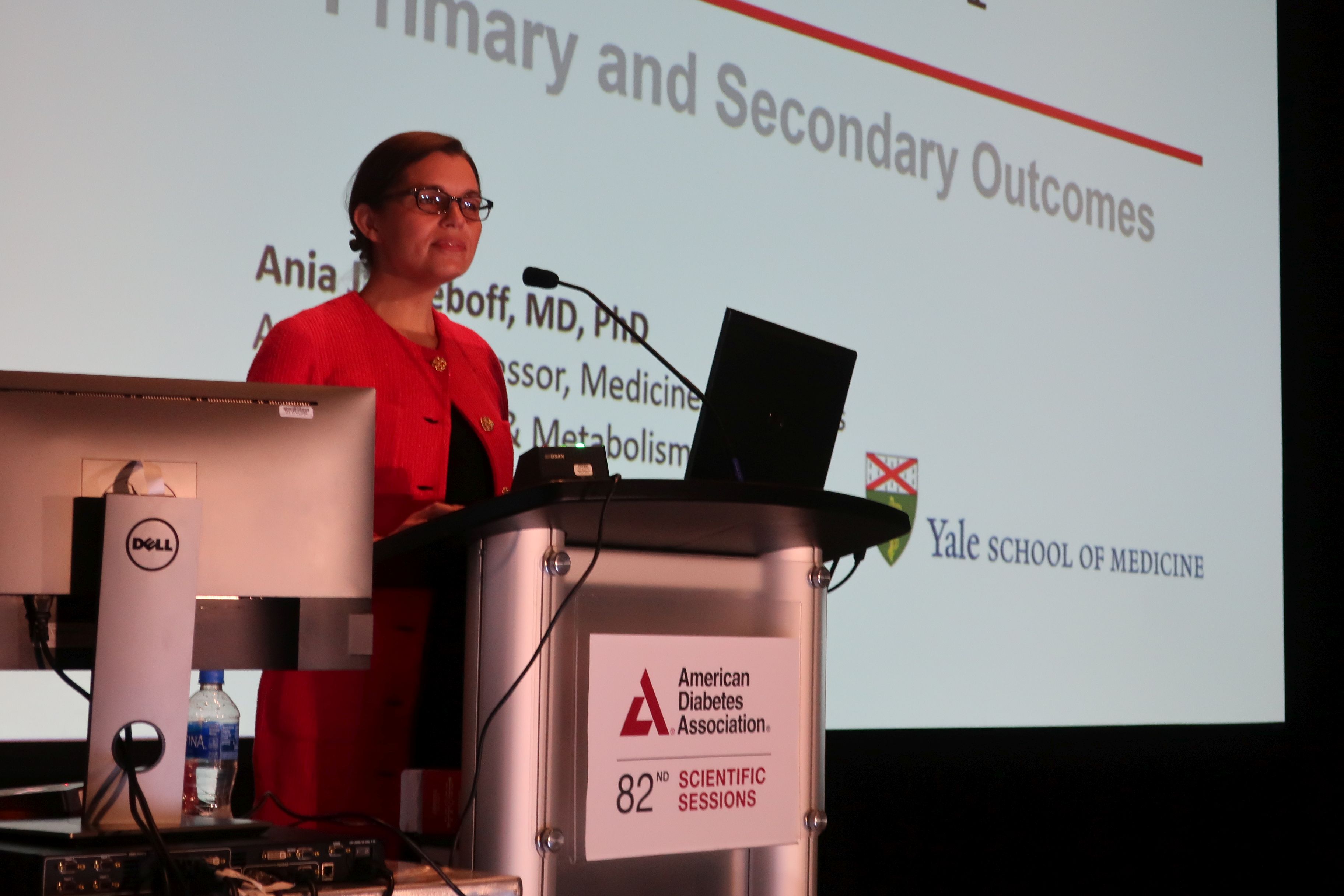
First, the highest-tested dosage of tirzepatide, 15 mg/week, for 72 weeks, produced a 5% or greater loss in baseline weight in 91%-96% of patients, an effect “not previously seen” in any prior phase 3 trial of a weight-loss agent, noted Dr. Jastreboff, an endocrinologist and director of Weight Management & Obesity Prevention at Yale University in New Haven, Conn.
Second, the average level of weight loss among the 630 people who received 15 mg/week was 22.5% in the on-treatment analysis, and 20.9% in the intention-to-treat analysis, again a magnitude of effect never before seen with any other medical intervention.
And in an exploratory analysis, 40% of people who received the highest-tested tirzepatide dose of 15 mg/week had at least a 25% loss in baseline weight in the on-treatment analysis, another example of unprecedented weight-loss achievement, said Dr. Jastreboff.
Looking at the data another way, the average baseline weight of those in the trial was 104 kg (230 lb) at the start, and the average weight loss was between 35 and 52 lbs by 72 weeks on treatment, Dr. Jastreboff said in a press conference.
She noted, however, that not everyone will respond to tirzepatide, “but if you do respond to this medicine, you will feel full earlier, you won’t want to go back for seconds, and you may eat smaller amounts more often.”
Such weight-loss agents will need to be taken chronically, in the same way that medications are for hypertension or dyslipidemia, Dr. Jastreboff stressed. “If you stop the antiobesity medication then the body fat mass set point will go back up so this necessitates long-term treatment.”
A new era: Weight loss ‘in the range of bariatric surgery’
Tirzepatide, developed by Lilly, has recently been approved in the United States for the treatment of type 2 diabetes, under the brand name Mounjaro.
SURMOUNT-1 was designed to examine the effect of the agent in overweight/obesity, and the company will be filing for the additional indication of weight loss in the future. Top-line results of SURMOUNT-1 generated much excitement when Lilly reported them back in April, including a story in The New York Times.
Semaglutide, a Novo Nordisk drug, is approved in the United States for type 2 diabetes (as Ozempic at doses of either 1 mg or 2 mg per week) and also for weight loss, as Wegovy, at the higher dose of 2.4 mg per week. When Wegovy was given the green light by the Food and Drug Administration a year ago, it too was hailed as a “game changer” for obesity.
The weight-loss results seen in SURMOUNT-1 “put tirzepatide squarely in the range of weight loss achieved with bariatric surgery,” concluded Louis J. Aronne, MD, a coinvestigator on the trial, professor at Weill-Cornell Medicine in New York, and director of the Center for Weight Management and Metabolic Clinical Research of Weill-Cornell.
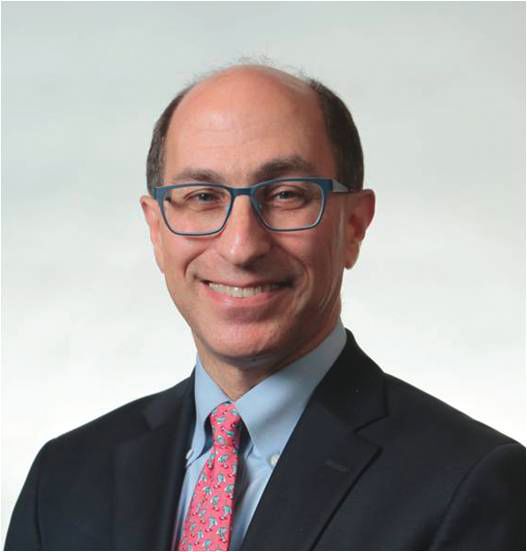
The results are “amazing,” and propel the weight-loss field into “a new era of obesity treatment,” commented Lee M. Kaplan, MD, who was not involved in the study and served as designated discussant for the trial.
Despite the lack of direct comparison, the findings indicate that “tirzepatide causes more weight loss than semaglutide,” and it provides “an opportunity to meet or exceed” the weight-loss effects of bariatric surgery, added Dr. Kaplan, director of the Obesity, Metabolism and Nutrition Institute at Massachusetts General Hospital in Boston.
Simultaneously with Dr. Jastreboff’s report at the meeting, the results were published online in The New England Journal of Medicine.
An accompanying editorial agrees with Dr. Kaplan: “It is remarkable that the magnitude of weight loss with tirzepatide was similar to that with gastric bypass, which raises the potential for alternative medical approaches to the treatment of obesity.”
“The tides are shifting, and there are now more options for people with obesity to lose weight,” write Clifford J. Rosen, MD, of Tufts University, Boston, and Julie R. Ingelfinger, MD, of Harvard University and Massachusetts General Hospital, Boston.
Dual incretin agonism ‘enhances activity,’ says expert
Tirzepatide is the first agent on the U.S. market from a novel class of dual-incretin agonists, with a molecular structure engineered to activate both the glucagonlike protein-1 (GLP-1) receptor and the glucose-dependent insulinotropic polypeptide (GIP), the two predominant incretins in the human gut. This combined activity has led to the twincretin nickname for tirzepatide.
Semaglutide is a single-incretin agonist, with its activity focused exclusively on the GLP-1 receptor.
Dr. Aronne tied the apparently superior efficacy of tirzepatide relative to semaglutide directly to the added incretin activity of tirzepatide. “The dual approach enhances efficacy,” he proposed during his presentation at the meeting.
The impressive efficacy and reassuring safety profile reported from SURMOUNT-1 opens the door to a new approach to treating obesity, which in the past has often taken a back seat to treatments for dyslipidemia, hypertension, and diabetes.
“Now that we can treat obesity safely and effectively, it makes sense to treat obesity first,” Dr. Aronne recommended.
Dr. Jastreboff agreed: “Perhaps we can prevent diabetes by treating obesity head-on,” she remarked.
Weight-loss agents gain U.S. traction
There have been concerns about patient access to these newer weight-loss drugs in the United States, given that the retail cost of semaglutide for obesity exceeds $1,000/month, but Dr. Aronne reported data that painted a more optimistic picture.
His numbers showed that during the first months that semaglutide was on the U.S. market as a weight-loss agent, the number of U.S. prescriptions written for branded antiobesity medications roughly doubled, a spike that seemed mostly driven by the introduction and growing use of semaglutide.
With tirzepatide, every prespecified cardiometabolic parameter assessed in the trial showed clinically meaningful improvements, reported Dr. Jastreboff, including an average 17% reduction in waist circumference in patients on either of the highest two dosages, a 34% average drop in total fat mass, an average 0.5–percentage point cut in baseline hemoglobin A1c at the highest two dosages, substantial cuts in fasting plasma glucose and fasting insulin levels, an average 28% drop in triglyceride levels, and an average systolic blood pressure reduction of about 8 mm Hg that occurred within 24 weeks on treatment.
“I think that insurers will sign up” for tirzepatide coverage based on benefits like this, Dr. Aronne predicted.
SURMOUNT-1 randomized 2,539 patients with obesity or with overweight plus at least one weight-related complication at any of 119 sites in nine countries. They had a body mass index of 30 kg/m2 or more, or 27 kg/m2 or more and at least one weight-related complication, excluding diabetes. They were randomized in a 1:1:1:1 ratio to receive once-weekly, subcutaneous tirzepatide (5 mg, 10 mg, or 15 mg) or placebo for 72 weeks, including a 20-week dose-escalation period.
The study’s two primary endpoints were the average percentage change in body weight from entry to 72 weeks, and the percentage of participants reaching at least a 5% reduction in their baseline body weight by 72 weeks.
The most common adverse events with tirzepatide were gastrointestinal, and most were mild to moderate in severity, occurring primarily during dose escalation. Adverse events caused treatment discontinuation in 4.3%, 7.1%, 6.2%, and 2.6% of participants receiving 5-mg, 10-mg, and 15-mg tirzepatide doses and placebo, respectively
The trial ran from December 2019 to April 2022, so during the peak of the COVID-19 pandemic, which Dr. Jastreboff described as an “amazing feat.”
Jamy Ard, MD, who chaired the SURMOUNT-1 session quipped, after hearing the results, “Wow; that’s exciting. If you’re not excited by the results, you’d better check your pulse.”
Dr. Ard is a professor at Wake Forest University, Winston-Salem, N.C., and codirector of the Wake Forest Baptist Health Weight Management Center in Winston-Salem.
SURMOUNT-1 was sponsored by Eli Lilly, the company that markets tirzepatide (Mounjaro). Dr. Jastreboff has been an advisor or consultant to Eli Lilly, as well as to Boehringer Ingelheim, Intellihealth, Novo Nordisk, Pfizer, Rhythm Pharmaceuticals, Scholar Rock, and Weight Watchers, and she has received research funding from Eli Lilly and Novo Nordisk. Dr. Aronne has been a consultant or advisor to, speaker on behalf of, or received research funding from Eli Lilly as well as from Altimmune, Amgen, Allurion, Intellihealth, Janssen, Novo Nordisk, Pfizer, and United Health group; he has an ownership interest in ERX, Gelesis, and Intellihealth; and he serves on the board of ERX, Jamieson Wellness, and Intellihealth. Dr. Kaplan has been a consultant to Eli Lilly, as well as to Amgen, Boehringer Ingelheim, Gelesis, Gilead, Novo Nordisk, Optum Health, Pfizer, Rhythm Pharmaceuticals, the Obesity and Nutrition Institute, and Xeno Biosciences. Dr. Ard has been a consultant to Eli Lilly, as well as to Nestle Health Sciences and Novo Nordisk, and he has received research funding from Boehringer Ingelheim, Epitomee, Medical, and United Health Group.
A version of this article first appeared on Medscape.com.
NEW ORLEANS – Treatment of people with obesity but no diabetes with the dual–incretin agonist tirzepatide safely produced “unprecedented” levels of weight loss in the vast majority of patients in SURMOUNT-1, a placebo-controlled trial with more than 2,500 people with obesity or overweight plus at least one weight-related complication.
Although the pivotal trial did not directly compare weekly subcutaneous injection with the twincretin tirzepatide (at 5 mg, 10 mg, or 15 mg) with either bariatric surgery or what has been the reigning champ of weight-loss agents, a 2.4-mg/week injection of semaglutide (Wegovy), the new findings are impressive because they eclipsed semaglutide’s past performance in at least three important ways, said Ania M. Jastreboff, MD, PhD, SURMOUNT-1’s lead investigator, at the annual scientific sessions of the American Diabetes Association.
First, the highest-tested dosage of tirzepatide, 15 mg/week, for 72 weeks, produced a 5% or greater loss in baseline weight in 91%-96% of patients, an effect “not previously seen” in any prior phase 3 trial of a weight-loss agent, noted Dr. Jastreboff, an endocrinologist and director of Weight Management & Obesity Prevention at Yale University in New Haven, Conn.
Second, the average level of weight loss among the 630 people who received 15 mg/week was 22.5% in the on-treatment analysis, and 20.9% in the intention-to-treat analysis, again a magnitude of effect never before seen with any other medical intervention.
And in an exploratory analysis, 40% of people who received the highest-tested tirzepatide dose of 15 mg/week had at least a 25% loss in baseline weight in the on-treatment analysis, another example of unprecedented weight-loss achievement, said Dr. Jastreboff.
Looking at the data another way, the average baseline weight of those in the trial was 104 kg (230 lb) at the start, and the average weight loss was between 35 and 52 lbs by 72 weeks on treatment, Dr. Jastreboff said in a press conference.
She noted, however, that not everyone will respond to tirzepatide, “but if you do respond to this medicine, you will feel full earlier, you won’t want to go back for seconds, and you may eat smaller amounts more often.”
Such weight-loss agents will need to be taken chronically, in the same way that medications are for hypertension or dyslipidemia, Dr. Jastreboff stressed. “If you stop the antiobesity medication then the body fat mass set point will go back up so this necessitates long-term treatment.”
A new era: Weight loss ‘in the range of bariatric surgery’
Tirzepatide, developed by Lilly, has recently been approved in the United States for the treatment of type 2 diabetes, under the brand name Mounjaro.
SURMOUNT-1 was designed to examine the effect of the agent in overweight/obesity, and the company will be filing for the additional indication of weight loss in the future. Top-line results of SURMOUNT-1 generated much excitement when Lilly reported them back in April, including a story in The New York Times.
Semaglutide, a Novo Nordisk drug, is approved in the United States for type 2 diabetes (as Ozempic at doses of either 1 mg or 2 mg per week) and also for weight loss, as Wegovy, at the higher dose of 2.4 mg per week. When Wegovy was given the green light by the Food and Drug Administration a year ago, it too was hailed as a “game changer” for obesity.
The weight-loss results seen in SURMOUNT-1 “put tirzepatide squarely in the range of weight loss achieved with bariatric surgery,” concluded Louis J. Aronne, MD, a coinvestigator on the trial, professor at Weill-Cornell Medicine in New York, and director of the Center for Weight Management and Metabolic Clinical Research of Weill-Cornell.
The results are “amazing,” and propel the weight-loss field into “a new era of obesity treatment,” commented Lee M. Kaplan, MD, who was not involved in the study and served as designated discussant for the trial.
Despite the lack of direct comparison, the findings indicate that “tirzepatide causes more weight loss than semaglutide,” and it provides “an opportunity to meet or exceed” the weight-loss effects of bariatric surgery, added Dr. Kaplan, director of the Obesity, Metabolism and Nutrition Institute at Massachusetts General Hospital in Boston.
Simultaneously with Dr. Jastreboff’s report at the meeting, the results were published online in The New England Journal of Medicine.
An accompanying editorial agrees with Dr. Kaplan: “It is remarkable that the magnitude of weight loss with tirzepatide was similar to that with gastric bypass, which raises the potential for alternative medical approaches to the treatment of obesity.”
“The tides are shifting, and there are now more options for people with obesity to lose weight,” write Clifford J. Rosen, MD, of Tufts University, Boston, and Julie R. Ingelfinger, MD, of Harvard University and Massachusetts General Hospital, Boston.
Dual incretin agonism ‘enhances activity,’ says expert
Tirzepatide is the first agent on the U.S. market from a novel class of dual-incretin agonists, with a molecular structure engineered to activate both the glucagonlike protein-1 (GLP-1) receptor and the glucose-dependent insulinotropic polypeptide (GIP), the two predominant incretins in the human gut. This combined activity has led to the twincretin nickname for tirzepatide.
Semaglutide is a single-incretin agonist, with its activity focused exclusively on the GLP-1 receptor.
Dr. Aronne tied the apparently superior efficacy of tirzepatide relative to semaglutide directly to the added incretin activity of tirzepatide. “The dual approach enhances efficacy,” he proposed during his presentation at the meeting.
The impressive efficacy and reassuring safety profile reported from SURMOUNT-1 opens the door to a new approach to treating obesity, which in the past has often taken a back seat to treatments for dyslipidemia, hypertension, and diabetes.
“Now that we can treat obesity safely and effectively, it makes sense to treat obesity first,” Dr. Aronne recommended.
Dr. Jastreboff agreed: “Perhaps we can prevent diabetes by treating obesity head-on,” she remarked.
Weight-loss agents gain U.S. traction
There have been concerns about patient access to these newer weight-loss drugs in the United States, given that the retail cost of semaglutide for obesity exceeds $1,000/month, but Dr. Aronne reported data that painted a more optimistic picture.
His numbers showed that during the first months that semaglutide was on the U.S. market as a weight-loss agent, the number of U.S. prescriptions written for branded antiobesity medications roughly doubled, a spike that seemed mostly driven by the introduction and growing use of semaglutide.
With tirzepatide, every prespecified cardiometabolic parameter assessed in the trial showed clinically meaningful improvements, reported Dr. Jastreboff, including an average 17% reduction in waist circumference in patients on either of the highest two dosages, a 34% average drop in total fat mass, an average 0.5–percentage point cut in baseline hemoglobin A1c at the highest two dosages, substantial cuts in fasting plasma glucose and fasting insulin levels, an average 28% drop in triglyceride levels, and an average systolic blood pressure reduction of about 8 mm Hg that occurred within 24 weeks on treatment.
“I think that insurers will sign up” for tirzepatide coverage based on benefits like this, Dr. Aronne predicted.
SURMOUNT-1 randomized 2,539 patients with obesity or with overweight plus at least one weight-related complication at any of 119 sites in nine countries. They had a body mass index of 30 kg/m2 or more, or 27 kg/m2 or more and at least one weight-related complication, excluding diabetes. They were randomized in a 1:1:1:1 ratio to receive once-weekly, subcutaneous tirzepatide (5 mg, 10 mg, or 15 mg) or placebo for 72 weeks, including a 20-week dose-escalation period.
The study’s two primary endpoints were the average percentage change in body weight from entry to 72 weeks, and the percentage of participants reaching at least a 5% reduction in their baseline body weight by 72 weeks.
The most common adverse events with tirzepatide were gastrointestinal, and most were mild to moderate in severity, occurring primarily during dose escalation. Adverse events caused treatment discontinuation in 4.3%, 7.1%, 6.2%, and 2.6% of participants receiving 5-mg, 10-mg, and 15-mg tirzepatide doses and placebo, respectively
The trial ran from December 2019 to April 2022, so during the peak of the COVID-19 pandemic, which Dr. Jastreboff described as an “amazing feat.”
Jamy Ard, MD, who chaired the SURMOUNT-1 session quipped, after hearing the results, “Wow; that’s exciting. If you’re not excited by the results, you’d better check your pulse.”
Dr. Ard is a professor at Wake Forest University, Winston-Salem, N.C., and codirector of the Wake Forest Baptist Health Weight Management Center in Winston-Salem.
SURMOUNT-1 was sponsored by Eli Lilly, the company that markets tirzepatide (Mounjaro). Dr. Jastreboff has been an advisor or consultant to Eli Lilly, as well as to Boehringer Ingelheim, Intellihealth, Novo Nordisk, Pfizer, Rhythm Pharmaceuticals, Scholar Rock, and Weight Watchers, and she has received research funding from Eli Lilly and Novo Nordisk. Dr. Aronne has been a consultant or advisor to, speaker on behalf of, or received research funding from Eli Lilly as well as from Altimmune, Amgen, Allurion, Intellihealth, Janssen, Novo Nordisk, Pfizer, and United Health group; he has an ownership interest in ERX, Gelesis, and Intellihealth; and he serves on the board of ERX, Jamieson Wellness, and Intellihealth. Dr. Kaplan has been a consultant to Eli Lilly, as well as to Amgen, Boehringer Ingelheim, Gelesis, Gilead, Novo Nordisk, Optum Health, Pfizer, Rhythm Pharmaceuticals, the Obesity and Nutrition Institute, and Xeno Biosciences. Dr. Ard has been a consultant to Eli Lilly, as well as to Nestle Health Sciences and Novo Nordisk, and he has received research funding from Boehringer Ingelheim, Epitomee, Medical, and United Health Group.
A version of this article first appeared on Medscape.com.
NEW ORLEANS – Treatment of people with obesity but no diabetes with the dual–incretin agonist tirzepatide safely produced “unprecedented” levels of weight loss in the vast majority of patients in SURMOUNT-1, a placebo-controlled trial with more than 2,500 people with obesity or overweight plus at least one weight-related complication.
Although the pivotal trial did not directly compare weekly subcutaneous injection with the twincretin tirzepatide (at 5 mg, 10 mg, or 15 mg) with either bariatric surgery or what has been the reigning champ of weight-loss agents, a 2.4-mg/week injection of semaglutide (Wegovy), the new findings are impressive because they eclipsed semaglutide’s past performance in at least three important ways, said Ania M. Jastreboff, MD, PhD, SURMOUNT-1’s lead investigator, at the annual scientific sessions of the American Diabetes Association.
First, the highest-tested dosage of tirzepatide, 15 mg/week, for 72 weeks, produced a 5% or greater loss in baseline weight in 91%-96% of patients, an effect “not previously seen” in any prior phase 3 trial of a weight-loss agent, noted Dr. Jastreboff, an endocrinologist and director of Weight Management & Obesity Prevention at Yale University in New Haven, Conn.
Second, the average level of weight loss among the 630 people who received 15 mg/week was 22.5% in the on-treatment analysis, and 20.9% in the intention-to-treat analysis, again a magnitude of effect never before seen with any other medical intervention.
And in an exploratory analysis, 40% of people who received the highest-tested tirzepatide dose of 15 mg/week had at least a 25% loss in baseline weight in the on-treatment analysis, another example of unprecedented weight-loss achievement, said Dr. Jastreboff.
Looking at the data another way, the average baseline weight of those in the trial was 104 kg (230 lb) at the start, and the average weight loss was between 35 and 52 lbs by 72 weeks on treatment, Dr. Jastreboff said in a press conference.
She noted, however, that not everyone will respond to tirzepatide, “but if you do respond to this medicine, you will feel full earlier, you won’t want to go back for seconds, and you may eat smaller amounts more often.”
Such weight-loss agents will need to be taken chronically, in the same way that medications are for hypertension or dyslipidemia, Dr. Jastreboff stressed. “If you stop the antiobesity medication then the body fat mass set point will go back up so this necessitates long-term treatment.”
A new era: Weight loss ‘in the range of bariatric surgery’
Tirzepatide, developed by Lilly, has recently been approved in the United States for the treatment of type 2 diabetes, under the brand name Mounjaro.
SURMOUNT-1 was designed to examine the effect of the agent in overweight/obesity, and the company will be filing for the additional indication of weight loss in the future. Top-line results of SURMOUNT-1 generated much excitement when Lilly reported them back in April, including a story in The New York Times.
Semaglutide, a Novo Nordisk drug, is approved in the United States for type 2 diabetes (as Ozempic at doses of either 1 mg or 2 mg per week) and also for weight loss, as Wegovy, at the higher dose of 2.4 mg per week. When Wegovy was given the green light by the Food and Drug Administration a year ago, it too was hailed as a “game changer” for obesity.
The weight-loss results seen in SURMOUNT-1 “put tirzepatide squarely in the range of weight loss achieved with bariatric surgery,” concluded Louis J. Aronne, MD, a coinvestigator on the trial, professor at Weill-Cornell Medicine in New York, and director of the Center for Weight Management and Metabolic Clinical Research of Weill-Cornell.
The results are “amazing,” and propel the weight-loss field into “a new era of obesity treatment,” commented Lee M. Kaplan, MD, who was not involved in the study and served as designated discussant for the trial.
Despite the lack of direct comparison, the findings indicate that “tirzepatide causes more weight loss than semaglutide,” and it provides “an opportunity to meet or exceed” the weight-loss effects of bariatric surgery, added Dr. Kaplan, director of the Obesity, Metabolism and Nutrition Institute at Massachusetts General Hospital in Boston.
Simultaneously with Dr. Jastreboff’s report at the meeting, the results were published online in The New England Journal of Medicine.
An accompanying editorial agrees with Dr. Kaplan: “It is remarkable that the magnitude of weight loss with tirzepatide was similar to that with gastric bypass, which raises the potential for alternative medical approaches to the treatment of obesity.”
“The tides are shifting, and there are now more options for people with obesity to lose weight,” write Clifford J. Rosen, MD, of Tufts University, Boston, and Julie R. Ingelfinger, MD, of Harvard University and Massachusetts General Hospital, Boston.
Dual incretin agonism ‘enhances activity,’ says expert
Tirzepatide is the first agent on the U.S. market from a novel class of dual-incretin agonists, with a molecular structure engineered to activate both the glucagonlike protein-1 (GLP-1) receptor and the glucose-dependent insulinotropic polypeptide (GIP), the two predominant incretins in the human gut. This combined activity has led to the twincretin nickname for tirzepatide.
Semaglutide is a single-incretin agonist, with its activity focused exclusively on the GLP-1 receptor.
Dr. Aronne tied the apparently superior efficacy of tirzepatide relative to semaglutide directly to the added incretin activity of tirzepatide. “The dual approach enhances efficacy,” he proposed during his presentation at the meeting.
The impressive efficacy and reassuring safety profile reported from SURMOUNT-1 opens the door to a new approach to treating obesity, which in the past has often taken a back seat to treatments for dyslipidemia, hypertension, and diabetes.
“Now that we can treat obesity safely and effectively, it makes sense to treat obesity first,” Dr. Aronne recommended.
Dr. Jastreboff agreed: “Perhaps we can prevent diabetes by treating obesity head-on,” she remarked.
Weight-loss agents gain U.S. traction
There have been concerns about patient access to these newer weight-loss drugs in the United States, given that the retail cost of semaglutide for obesity exceeds $1,000/month, but Dr. Aronne reported data that painted a more optimistic picture.
His numbers showed that during the first months that semaglutide was on the U.S. market as a weight-loss agent, the number of U.S. prescriptions written for branded antiobesity medications roughly doubled, a spike that seemed mostly driven by the introduction and growing use of semaglutide.
With tirzepatide, every prespecified cardiometabolic parameter assessed in the trial showed clinically meaningful improvements, reported Dr. Jastreboff, including an average 17% reduction in waist circumference in patients on either of the highest two dosages, a 34% average drop in total fat mass, an average 0.5–percentage point cut in baseline hemoglobin A1c at the highest two dosages, substantial cuts in fasting plasma glucose and fasting insulin levels, an average 28% drop in triglyceride levels, and an average systolic blood pressure reduction of about 8 mm Hg that occurred within 24 weeks on treatment.
“I think that insurers will sign up” for tirzepatide coverage based on benefits like this, Dr. Aronne predicted.
SURMOUNT-1 randomized 2,539 patients with obesity or with overweight plus at least one weight-related complication at any of 119 sites in nine countries. They had a body mass index of 30 kg/m2 or more, or 27 kg/m2 or more and at least one weight-related complication, excluding diabetes. They were randomized in a 1:1:1:1 ratio to receive once-weekly, subcutaneous tirzepatide (5 mg, 10 mg, or 15 mg) or placebo for 72 weeks, including a 20-week dose-escalation period.
The study’s two primary endpoints were the average percentage change in body weight from entry to 72 weeks, and the percentage of participants reaching at least a 5% reduction in their baseline body weight by 72 weeks.
The most common adverse events with tirzepatide were gastrointestinal, and most were mild to moderate in severity, occurring primarily during dose escalation. Adverse events caused treatment discontinuation in 4.3%, 7.1%, 6.2%, and 2.6% of participants receiving 5-mg, 10-mg, and 15-mg tirzepatide doses and placebo, respectively
The trial ran from December 2019 to April 2022, so during the peak of the COVID-19 pandemic, which Dr. Jastreboff described as an “amazing feat.”
Jamy Ard, MD, who chaired the SURMOUNT-1 session quipped, after hearing the results, “Wow; that’s exciting. If you’re not excited by the results, you’d better check your pulse.”
Dr. Ard is a professor at Wake Forest University, Winston-Salem, N.C., and codirector of the Wake Forest Baptist Health Weight Management Center in Winston-Salem.
SURMOUNT-1 was sponsored by Eli Lilly, the company that markets tirzepatide (Mounjaro). Dr. Jastreboff has been an advisor or consultant to Eli Lilly, as well as to Boehringer Ingelheim, Intellihealth, Novo Nordisk, Pfizer, Rhythm Pharmaceuticals, Scholar Rock, and Weight Watchers, and she has received research funding from Eli Lilly and Novo Nordisk. Dr. Aronne has been a consultant or advisor to, speaker on behalf of, or received research funding from Eli Lilly as well as from Altimmune, Amgen, Allurion, Intellihealth, Janssen, Novo Nordisk, Pfizer, and United Health group; he has an ownership interest in ERX, Gelesis, and Intellihealth; and he serves on the board of ERX, Jamieson Wellness, and Intellihealth. Dr. Kaplan has been a consultant to Eli Lilly, as well as to Amgen, Boehringer Ingelheim, Gelesis, Gilead, Novo Nordisk, Optum Health, Pfizer, Rhythm Pharmaceuticals, the Obesity and Nutrition Institute, and Xeno Biosciences. Dr. Ard has been a consultant to Eli Lilly, as well as to Nestle Health Sciences and Novo Nordisk, and he has received research funding from Boehringer Ingelheim, Epitomee, Medical, and United Health Group.
A version of this article first appeared on Medscape.com.
AT ADA 2022
Will tirzepatide slow kidney function decline in type 2 diabetes?
The “twincretin” tirzepatide might become part of the “arsenal” against diabetic kidney disease, new research suggests. Notably, the drug significantly reduced the likelihood of macroalbuminuria, in a prespecified subanalysis of the SURPASS-4 clinical trial.
“Once-per-week tirzepatide compared to [daily] insulin glargine treatment resulted in a meaningful improvement in estimated glomerular filtration rate (eGFR) decline and reduced urine albumin-to-creatinine ratio (UACR) and the risk of end stage kidney disease (ESKD) – with low risk of clinically relevant hypoglycemia in participants with type 2 diabetes at high cardiovascular risk and varying degrees of chronic kidney disease (CKD),” lead investigator Hiddo J. L. Heerspink, PhD, PharmD, summarized in an email to this news organization.

The U.S. Food and Drug Administration has just approved tirzepatide (Mounjaro, Eli Lilly) – a novel, glucose-dependent insulinotropic polypeptide (GIP) combined with a glucagonlike peptide-1 (GLP-1) receptor agonist – to treat glycemia in patients with type 2 diabetes, based on five pivotal SURPASS trials.
Dr. Heerspink presented the new findings about tirzepatide’s impact on kidney function in an oral session at the annual scientific sessions of the American Diabetes Association.
40% reduced risk of kidney function decline
The main results of SURPASS-4 were published in the Lancet in October 2021, and showed that tirzepatide appeared superior to insulin glargine in lowering hemoglobin A1c in patients with type 2 diabetes at high cardiovascular risk who were inadequately controlled on oral diabetes treatments.
Now, Dr. Heerspink has shown that patients who received tirzepatide as opposed to insulin glargine were significantly less likely to have kidney function decline that included new-onset macroalbuminuria (hazard ratio, 0.59; P < .05).
“These are very large benefits and clearly indicate the potential of tirzepatide to be a very strong kidney protective drug,” said Dr. Heerspink, from the department of clinical pharmacy and pharmacology, University Medical Center Groningen (the Netherlands).
“Based on results from the SURPASS-4 trial, tirzepatide has significant kidney-protective effects in adults with type 2 diabetes with high cardiovascular risk and largely normal kidney function,” Christine Limonte, MD, chair of the session in which the analysis was presented, agreed, in an email to this news organization.
The approximate 40% reduced risk of kidney function decline in this population “is important because it suggests that this novel agent may contribute to the growing arsenal for preventing and treating diabetic kidney disease,” added Dr. Limonte, a clinical research fellow in the division of nephrology, University of Washington, Seattle.
“Over the last several years,” she noted, “sodium glucose cotransporter-2 [SGLT2] inhibitors and GLP-1 receptor agonists have been identified as having significant kidney-protective effects in type 2 diabetes, and as such are becoming first-line agents in the treatment of diabetic kidney disease.”
Additional studies are needed, she added, to assess the impacts of tirzepatide compared to these agents (particularly GLP-1 receptor agonists, which overlap in their mechanism of action).
“With the growing number of therapeutic options for diabetic kidney disease, future research should also focus on identifying combinations of agents which benefit individuals in a ‘targeted’ manner,” according to Dr. Limonte.
“Ensuring accessibility to kidney-protective agents by promoting access to health care and reducing drug costs is essential to improving outcomes in diabetic kidney disease,” she added.
Strongest reduction seen in risk of new macroalbuminuria
One in three adults with diabetes has CKD, according to a press release issued by the ADA. Therefore, there is a need for therapies to reduce the development and progression of CKD in patients with type 2 diabetes.
The prespecified analysis of SUPRESS-4 investigated potential renoprotective effects of tirzepatide.
The trial enrolled 1,995 patients with type 2 diabetes who were at increased risk of cardiovascular disease. The patients had a mean age of 63.6 years and a mean hemoglobin A1c of 8.5%.
Most patients had normal kidney function. The mean eGFR based on the Chronic Kidney Disease Epidemiology Collaboration (CKD-EPI) equation was 81.3 mL/min per 1.73 m2.
Few patients (17%) had moderately or severely reduced kidney function (eGFR <60 mL/min per 1.73 m2). Around a quarter of the patients (28%) had microalbuminuria (UACR 30-300 mg/g) and 8% had macroalbuminuria (UACR >300 mg/g).
The patients were randomized to receive a weekly injection of 5, 10, or 15 mg tirzepatide or a daily individualized injection of insulin glargine starting at 10 IU/day at bedtime, titrated to a fasting blood glucose <100 mg/dL, in addition to existing oral glucose-lowering agents. The primary outcomes in the subanalysis were:
- Endpoint 1: a composite of ≥40% decline in eGFR from baseline, renal death, progression to ESKD, and new-onset macroalbuminuria.
- Endpoint 2: the same as endpoint 1 excluding new-onset macroalbuminuria.
During a median follow up of 85 weeks and up to 104 weeks, patients who received tirzepatide versus insulin glargine were significantly less likely to reach endpoint 1 but not endpoint 2.
In addition, tirzepatide “very strongly” reduced the risk of new-onset macroalbuminuria, compared to insulin glargine, by approximately 60% in the complete study cohort (hazard ratio, 0.41; P < .05), Dr. Limonte noted.
Tirzepatide also reduced the risk of a >40% decline in eGFR, but this effect was not statistically significant, possibly because this outcome was underpowered. There were also too few kidney deaths and progressions to ESKD to meaningfully assess the effects of tirzepatide on these outcomes.
Therefore, Dr. Limonte noted, “it is likely that tirzepatide’s significant benefit on composite endpoint 1 was largely driven by this agent’s impact on reducing macroalbuminuria onset [explaining why a significant benefit was not seen with composite endpoint 2, which excluded new-onset macroalbuminuria].”
The study was funded by Eli Lilly. Dr. Heerspink disclosed that he is a consultant for AstraZeneca, Bayer AG, Boehringer Ingelheim, Chinook Therapeutics, CSL Behring, Gilead Sciences, Goldfinch Bio, Janssen Research & Development, Mitsubishi Tanabe Pharma, Mundipharma, and Traveere Pharmaceuticals, and has received research support from AstraZeneca, Boehringer Ingelheim, and Novo Nordisk.
Dr. Limonte disclosed that she receives funds from the American Kidney Fund’s Clinical Scientist in Nephrology Award.
A version of this article first appeared on Medscape.com.
The “twincretin” tirzepatide might become part of the “arsenal” against diabetic kidney disease, new research suggests. Notably, the drug significantly reduced the likelihood of macroalbuminuria, in a prespecified subanalysis of the SURPASS-4 clinical trial.
“Once-per-week tirzepatide compared to [daily] insulin glargine treatment resulted in a meaningful improvement in estimated glomerular filtration rate (eGFR) decline and reduced urine albumin-to-creatinine ratio (UACR) and the risk of end stage kidney disease (ESKD) – with low risk of clinically relevant hypoglycemia in participants with type 2 diabetes at high cardiovascular risk and varying degrees of chronic kidney disease (CKD),” lead investigator Hiddo J. L. Heerspink, PhD, PharmD, summarized in an email to this news organization.
The U.S. Food and Drug Administration has just approved tirzepatide (Mounjaro, Eli Lilly) – a novel, glucose-dependent insulinotropic polypeptide (GIP) combined with a glucagonlike peptide-1 (GLP-1) receptor agonist – to treat glycemia in patients with type 2 diabetes, based on five pivotal SURPASS trials.
Dr. Heerspink presented the new findings about tirzepatide’s impact on kidney function in an oral session at the annual scientific sessions of the American Diabetes Association.
40% reduced risk of kidney function decline
The main results of SURPASS-4 were published in the Lancet in October 2021, and showed that tirzepatide appeared superior to insulin glargine in lowering hemoglobin A1c in patients with type 2 diabetes at high cardiovascular risk who were inadequately controlled on oral diabetes treatments.
Now, Dr. Heerspink has shown that patients who received tirzepatide as opposed to insulin glargine were significantly less likely to have kidney function decline that included new-onset macroalbuminuria (hazard ratio, 0.59; P < .05).
“These are very large benefits and clearly indicate the potential of tirzepatide to be a very strong kidney protective drug,” said Dr. Heerspink, from the department of clinical pharmacy and pharmacology, University Medical Center Groningen (the Netherlands).
“Based on results from the SURPASS-4 trial, tirzepatide has significant kidney-protective effects in adults with type 2 diabetes with high cardiovascular risk and largely normal kidney function,” Christine Limonte, MD, chair of the session in which the analysis was presented, agreed, in an email to this news organization.
The approximate 40% reduced risk of kidney function decline in this population “is important because it suggests that this novel agent may contribute to the growing arsenal for preventing and treating diabetic kidney disease,” added Dr. Limonte, a clinical research fellow in the division of nephrology, University of Washington, Seattle.
“Over the last several years,” she noted, “sodium glucose cotransporter-2 [SGLT2] inhibitors and GLP-1 receptor agonists have been identified as having significant kidney-protective effects in type 2 diabetes, and as such are becoming first-line agents in the treatment of diabetic kidney disease.”
Additional studies are needed, she added, to assess the impacts of tirzepatide compared to these agents (particularly GLP-1 receptor agonists, which overlap in their mechanism of action).
“With the growing number of therapeutic options for diabetic kidney disease, future research should also focus on identifying combinations of agents which benefit individuals in a ‘targeted’ manner,” according to Dr. Limonte.
“Ensuring accessibility to kidney-protective agents by promoting access to health care and reducing drug costs is essential to improving outcomes in diabetic kidney disease,” she added.
Strongest reduction seen in risk of new macroalbuminuria
One in three adults with diabetes has CKD, according to a press release issued by the ADA. Therefore, there is a need for therapies to reduce the development and progression of CKD in patients with type 2 diabetes.
The prespecified analysis of SUPRESS-4 investigated potential renoprotective effects of tirzepatide.
The trial enrolled 1,995 patients with type 2 diabetes who were at increased risk of cardiovascular disease. The patients had a mean age of 63.6 years and a mean hemoglobin A1c of 8.5%.
Most patients had normal kidney function. The mean eGFR based on the Chronic Kidney Disease Epidemiology Collaboration (CKD-EPI) equation was 81.3 mL/min per 1.73 m2.
Few patients (17%) had moderately or severely reduced kidney function (eGFR <60 mL/min per 1.73 m2). Around a quarter of the patients (28%) had microalbuminuria (UACR 30-300 mg/g) and 8% had macroalbuminuria (UACR >300 mg/g).
The patients were randomized to receive a weekly injection of 5, 10, or 15 mg tirzepatide or a daily individualized injection of insulin glargine starting at 10 IU/day at bedtime, titrated to a fasting blood glucose <100 mg/dL, in addition to existing oral glucose-lowering agents. The primary outcomes in the subanalysis were:
- Endpoint 1: a composite of ≥40% decline in eGFR from baseline, renal death, progression to ESKD, and new-onset macroalbuminuria.
- Endpoint 2: the same as endpoint 1 excluding new-onset macroalbuminuria.
During a median follow up of 85 weeks and up to 104 weeks, patients who received tirzepatide versus insulin glargine were significantly less likely to reach endpoint 1 but not endpoint 2.
In addition, tirzepatide “very strongly” reduced the risk of new-onset macroalbuminuria, compared to insulin glargine, by approximately 60% in the complete study cohort (hazard ratio, 0.41; P < .05), Dr. Limonte noted.
Tirzepatide also reduced the risk of a >40% decline in eGFR, but this effect was not statistically significant, possibly because this outcome was underpowered. There were also too few kidney deaths and progressions to ESKD to meaningfully assess the effects of tirzepatide on these outcomes.
Therefore, Dr. Limonte noted, “it is likely that tirzepatide’s significant benefit on composite endpoint 1 was largely driven by this agent’s impact on reducing macroalbuminuria onset [explaining why a significant benefit was not seen with composite endpoint 2, which excluded new-onset macroalbuminuria].”
The study was funded by Eli Lilly. Dr. Heerspink disclosed that he is a consultant for AstraZeneca, Bayer AG, Boehringer Ingelheim, Chinook Therapeutics, CSL Behring, Gilead Sciences, Goldfinch Bio, Janssen Research & Development, Mitsubishi Tanabe Pharma, Mundipharma, and Traveere Pharmaceuticals, and has received research support from AstraZeneca, Boehringer Ingelheim, and Novo Nordisk.
Dr. Limonte disclosed that she receives funds from the American Kidney Fund’s Clinical Scientist in Nephrology Award.
A version of this article first appeared on Medscape.com.
The “twincretin” tirzepatide might become part of the “arsenal” against diabetic kidney disease, new research suggests. Notably, the drug significantly reduced the likelihood of macroalbuminuria, in a prespecified subanalysis of the SURPASS-4 clinical trial.
“Once-per-week tirzepatide compared to [daily] insulin glargine treatment resulted in a meaningful improvement in estimated glomerular filtration rate (eGFR) decline and reduced urine albumin-to-creatinine ratio (UACR) and the risk of end stage kidney disease (ESKD) – with low risk of clinically relevant hypoglycemia in participants with type 2 diabetes at high cardiovascular risk and varying degrees of chronic kidney disease (CKD),” lead investigator Hiddo J. L. Heerspink, PhD, PharmD, summarized in an email to this news organization.
The U.S. Food and Drug Administration has just approved tirzepatide (Mounjaro, Eli Lilly) – a novel, glucose-dependent insulinotropic polypeptide (GIP) combined with a glucagonlike peptide-1 (GLP-1) receptor agonist – to treat glycemia in patients with type 2 diabetes, based on five pivotal SURPASS trials.
Dr. Heerspink presented the new findings about tirzepatide’s impact on kidney function in an oral session at the annual scientific sessions of the American Diabetes Association.
40% reduced risk of kidney function decline
The main results of SURPASS-4 were published in the Lancet in October 2021, and showed that tirzepatide appeared superior to insulin glargine in lowering hemoglobin A1c in patients with type 2 diabetes at high cardiovascular risk who were inadequately controlled on oral diabetes treatments.
Now, Dr. Heerspink has shown that patients who received tirzepatide as opposed to insulin glargine were significantly less likely to have kidney function decline that included new-onset macroalbuminuria (hazard ratio, 0.59; P < .05).
“These are very large benefits and clearly indicate the potential of tirzepatide to be a very strong kidney protective drug,” said Dr. Heerspink, from the department of clinical pharmacy and pharmacology, University Medical Center Groningen (the Netherlands).
“Based on results from the SURPASS-4 trial, tirzepatide has significant kidney-protective effects in adults with type 2 diabetes with high cardiovascular risk and largely normal kidney function,” Christine Limonte, MD, chair of the session in which the analysis was presented, agreed, in an email to this news organization.
The approximate 40% reduced risk of kidney function decline in this population “is important because it suggests that this novel agent may contribute to the growing arsenal for preventing and treating diabetic kidney disease,” added Dr. Limonte, a clinical research fellow in the division of nephrology, University of Washington, Seattle.
“Over the last several years,” she noted, “sodium glucose cotransporter-2 [SGLT2] inhibitors and GLP-1 receptor agonists have been identified as having significant kidney-protective effects in type 2 diabetes, and as such are becoming first-line agents in the treatment of diabetic kidney disease.”
Additional studies are needed, she added, to assess the impacts of tirzepatide compared to these agents (particularly GLP-1 receptor agonists, which overlap in their mechanism of action).
“With the growing number of therapeutic options for diabetic kidney disease, future research should also focus on identifying combinations of agents which benefit individuals in a ‘targeted’ manner,” according to Dr. Limonte.
“Ensuring accessibility to kidney-protective agents by promoting access to health care and reducing drug costs is essential to improving outcomes in diabetic kidney disease,” she added.
Strongest reduction seen in risk of new macroalbuminuria
One in three adults with diabetes has CKD, according to a press release issued by the ADA. Therefore, there is a need for therapies to reduce the development and progression of CKD in patients with type 2 diabetes.
The prespecified analysis of SUPRESS-4 investigated potential renoprotective effects of tirzepatide.
The trial enrolled 1,995 patients with type 2 diabetes who were at increased risk of cardiovascular disease. The patients had a mean age of 63.6 years and a mean hemoglobin A1c of 8.5%.
Most patients had normal kidney function. The mean eGFR based on the Chronic Kidney Disease Epidemiology Collaboration (CKD-EPI) equation was 81.3 mL/min per 1.73 m2.
Few patients (17%) had moderately or severely reduced kidney function (eGFR <60 mL/min per 1.73 m2). Around a quarter of the patients (28%) had microalbuminuria (UACR 30-300 mg/g) and 8% had macroalbuminuria (UACR >300 mg/g).
The patients were randomized to receive a weekly injection of 5, 10, or 15 mg tirzepatide or a daily individualized injection of insulin glargine starting at 10 IU/day at bedtime, titrated to a fasting blood glucose <100 mg/dL, in addition to existing oral glucose-lowering agents. The primary outcomes in the subanalysis were:
- Endpoint 1: a composite of ≥40% decline in eGFR from baseline, renal death, progression to ESKD, and new-onset macroalbuminuria.
- Endpoint 2: the same as endpoint 1 excluding new-onset macroalbuminuria.
During a median follow up of 85 weeks and up to 104 weeks, patients who received tirzepatide versus insulin glargine were significantly less likely to reach endpoint 1 but not endpoint 2.
In addition, tirzepatide “very strongly” reduced the risk of new-onset macroalbuminuria, compared to insulin glargine, by approximately 60% in the complete study cohort (hazard ratio, 0.41; P < .05), Dr. Limonte noted.
Tirzepatide also reduced the risk of a >40% decline in eGFR, but this effect was not statistically significant, possibly because this outcome was underpowered. There were also too few kidney deaths and progressions to ESKD to meaningfully assess the effects of tirzepatide on these outcomes.
Therefore, Dr. Limonte noted, “it is likely that tirzepatide’s significant benefit on composite endpoint 1 was largely driven by this agent’s impact on reducing macroalbuminuria onset [explaining why a significant benefit was not seen with composite endpoint 2, which excluded new-onset macroalbuminuria].”
The study was funded by Eli Lilly. Dr. Heerspink disclosed that he is a consultant for AstraZeneca, Bayer AG, Boehringer Ingelheim, Chinook Therapeutics, CSL Behring, Gilead Sciences, Goldfinch Bio, Janssen Research & Development, Mitsubishi Tanabe Pharma, Mundipharma, and Traveere Pharmaceuticals, and has received research support from AstraZeneca, Boehringer Ingelheim, and Novo Nordisk.
Dr. Limonte disclosed that she receives funds from the American Kidney Fund’s Clinical Scientist in Nephrology Award.
A version of this article first appeared on Medscape.com.
FROM ADA 2022
ADA 2022 preview: Tirzepatide and much more
The full results on Lilly’s tirzepatide for obesity will likely dominate the headlines from the annual scientific sessions of the American Diabetes Association, but the conference program is jam-packed with new findings – and new paradigms – in both type 1 and type 2 diabetes management and prevention.
Taking place June 3-7 both in person – for the first time in 3 years – in New Orleans, and virtually, the “hybrid” meeting is mandating COVID-19 vaccination and mask wearing for all on-site attendees.
A major topic will be new findings and thinking in the treatment of type 2 diabetes, including the new twincretin tirzepatide, as well as discussions about the role of weight loss and the concept of “remission.” In type 1 diabetes, sessions will examine intervention trials to prevent progression, progress in islet transplantation, and the latest findings in diabetes technology.
Other key conference themes include the often interrelated topics of disparities, mental health, and COVID-19.
“I think that the scientific planning committee has put together a really outstanding program this year, covering the entire spectrum of diabetes care and research and translation for both type 1 and type 2 diabetes,” Scientific Planning Committee Chair Dana Dabelea, MD, PhD, professor of epidemiology and pediatrics at the University of Colorado Anschutz Medical Campus, Aurora, told this news organization.
Tirzepatide: The next big thing?
The presentation likely to generate the most buzz will take place Saturday morning, with the full detailed results from Lilly’s phase 3 SURMOUNT-1 trial of its dual-incretin tirzepatide for weight loss in people with obesity or overweight with at least one comorbidity but not diabetes.
Top-line results released by Lilly in April 2022 showed that the drug induced weight loss of up to 22%. Tirzepatide was approved May 13 by the Food and Drug Administration for type 2 diabetes under the brand name Mounjaro. It is not approved for weight loss.
“Certainly the general public will latch on to this idea that there is a drug they can lose 22% of their weight on,” Robert A. Gabbay, MD, PhD, ADA chief science and medical officer, told this news organization. “It’s hard to comment on a press release, so that’s why this presentation is going to be key.”
Another tirzepatide analysis, this one comparing its use to insulin glargine on kidney outcomes in participants with diabetes in the pivotal SURPASS-4 study, will be presented as an ADA Presidents’ Select Abstract on Friday afternoon.
“I think tirzepatide could be the great new thing, but I think we need to know a little bit more. Weight loss seems to be better than with glucagon-like peptide-1 (GLP-1) receptor agonists. Renal outcomes are important. Next will be to see if it has cardiovascular benefit. It makes one think about its use versus GLP-1 agonists,” Dr. Gabbay said.
Managing type 2 diabetes: Shifting paradigms
With the emergence of tirzepatide and other pharmacologic agents with benefits beyond glucose lowering, there has been much discussion in recent years about alternatives to the current metformin monotherapy first, stepwise approach to managing type 2 diabetes.
As has been done previously, on Monday afternoon, there will be a joint ADA/European Association for the Study of Diabetes (EASD) session during which a draft of the latest update will be presented on the management of hyperglycemia in type 2 diabetes. The final version will be presented at the EASD meeting in September.
While it won’t include tirzepatide, as the drug is not yet approved in Europe, there will be discussion about the role of weight loss goals in type 2 diabetes management, Dr. Gabbay said.
The concept of a 15% weight loss as a primary treatment goal of type 2 diabetes management is a new focus, initiated at the EASD 2021 annual meeting and published in The Lancet.
“With tirzepatide becoming available, there’s the opportunity for more significant weight loss. So, there’s been this debate, starting with the somewhat controversial opinion piece in Lancet ... Maybe it was stating things a bit too far but it certainly got everyone in the field thinking. You’ll see that come up in lots of places at this meeting,” Dr. Gabbay said.
Indeed, those sessions include a Sunday morning symposium titled: “Obesity Management as a Primary Treatment Goal for Type 2 Diabetes – It’s Time for a Paradigm Shift,” in which speakers will address both lifestyle and pharmacologic intervention. On Saturday afternoon, two speakers will debate the question: “Weighing the Evidence – Should Obesity Be the Primary Target of Treatment in Type 2 Diabetes?” Yet another session on Sunday afternoon, will cover “Incorporating Weight Management Strategies for Obesity Into Type 2 Diabetes Care – Medical Management and Surgery.”
From weight loss to type 2 diabetes ‘remission’?
Related to the issue of weight loss as first-line therapy is the concept of type 2 diabetes “remission.” “There is a school of thought that says early in the course of disease we probably want to be a lot more aggressive because there’s a greater chance of putting someone into remission,” Dr. Gabbay noted. “The opportunities for remission after someone has had diabetes for a number of years are relatively low.”
In September 2021, ADA, along with EASD, the Endocrine Society, and Diabetes UK, published a joint consensus statement aiming to standardize use of the term “remission” in type 2 diabetes.
At the ADA meeting, a symposium on Monday afternoon, titled, “Definition and Interpretation of Remission in Type 2 Diabetes,” will cover lifestyle, pharmacotherapy, and metabolic surgery approaches. One noteworthy talk in that session will address the question: “Can Type 2 Diabetes Remission Be Diagnosed While Glucose-Lowering Drugs Are Being Used?”
Asked how all of this – tirzepatide, weight loss, and “remission” – might play out clinically, Dr. Dabelea replied: “We are still debating the strategy. That’s why we’re having the scientific talks.
“I think they will be very interesting and very well-attended, but there isn’t a strategy yet ... The important thing is we have these ‘miracle drugs,’ if you want, and once we’ve learned all we need to know about how they act and who we should target, perhaps next year we can talk about a strategy.”
Type 1 diabetes: Progress in preventing, treating, and ... curing?
Type 1 diabetes also will be well represented at the conference, with topics covering prevention, treatment, and progress toward a cure. On Saturday afternoon, a symposium will cover data from a trial of low-dose IL-2 in people with recently diagnosed type 1 diabetes, while a Friday afternoon symposium will address “Emerging Approaches to Beta Cell Replacement.”
On Saturday afternoon, a symposium will provide an update on islet cell transplantation, including immune tolerance strategies, while an oral abstract session will cover “Clinical Outcomes in Islet and Pancreas Transplantation.” And on Monday afternoon, yet another symposium will examine “Emerging Data on Therapies to Treat the Underlying Autoimmunity in Type 1 Diabetes.”
As usual, there will also be numerous presentations on the latest in diabetes technology. Particularly noteworthy among these will be an oral abstract presentation on Monday afternoon, “The CREATE Trial: Randomized Clinical Trial Comparing Open-Source Automated Insulin Delivery With Sensor Augmented Pump Therapy in Type 1 Diabetes,” and results from the insulin-only “bionic pancreas” pivotal randomized clinical trial on Friday afternoon.
“I’m happy to see a plethora of studies in type 1 diabetes. Dr. Dabelea said. “As with tirzepatide in type 2 diabetes, we are witnessing discoveries and we need to have some time to really understand the results, understand who are they targeting, who is going to benefit, and then move into a strategy.”
However, she added, in both type 1 and type 2 diabetes, “we’re seeing these disparities [where] these novel technologies and therapeutics are not getting to the people who need them most,” which brings up another major meeting theme, health disparities.
Overlapping themes: Disparities, mental health, and COVID-19
The topics of health disparities in diabetes prevention, management, and care and promoting health equity, as well as the impact of COVID-19, are “certainly timely this year,” said Dr. Dabelea.
At least eight meeting sessions will address various aspects of disparity, including a Friday afternoon symposium, “Race, Racism, and Diabetes Research,” a Saturday morning oral presentation on “Mitigating Disparities in the Screening and Diagnosis of Diabetes,” and on Monday morning, the symposium “Disparities in the Use of Diabetes Medications and Technologies.”
A related topic, insulin access, will be addressed in a Friday morning “mini-symposium” that will cover the issue from U.S. and international perspectives, including humanitarian crisis situations. Related to that, on Sunday afternoon a panel will discuss the Ukraine situation specifically.
Regarding mental health, one noteworthy session is a symposium on Saturday afternoon: “Suicide and Self-Injury – Unveiling and Addressing the Hidden Nightmare in Diabetes.”
“It’s an underrecognized problem and we’ve devoted a symposium to really drill into it. I think that’s going to be an important story for all of us to think about,” Dr. Gabbay said.
Another mental health session on Saturday afternoon will examine “Stigma in Diabetes Care – Evidence and Solutions.” Dr. Dabelea noted, “Mental health is a rising concern in the United States, especially in people with chronic diseases in the wake of the pandemic ... Of course there’s overlap in mechanisms in type 1 and type 2, but I think there are also distinct pathways.”
COVID-19 will be somewhat less of a focus than in the past 2 years, but there will certainly still be plenty about it. A Friday morning mini-symposium will cover new findings in pathophysiology, another session on Monday afternoon will look at the impact of the pandemic on hypoglycemia risk, and COVID-19 will be the subject of several late-breaking posters on Sunday afternoon. One in particular will report a review of diabetes as a risk factor for long COVID.
Celebrating in person in the Big Easy
But unlike the past 2 years, COVID-19 has not kept ADA from meeting in person in 2022. “I think it’s going to be amazing ... We’re so excited to be in person and interacting,” Dr. Gabbay said.
He observed that virtual meetings – as ADA and most other medical societies have been forced into for the past 2 years during the pandemic – fail to capture “how science is advanced by the casual conversations in the hallway and collaborations and new ideas. It’s really this incredible incubator. For me, that’s the most exciting part.”
The location, New Orleans, also factors into his excitement: “What a great place to do this. It’s conducive to celebrating. It’s been a long couple of years.”
A version of this article first appeared on Medscape.com.
The full results on Lilly’s tirzepatide for obesity will likely dominate the headlines from the annual scientific sessions of the American Diabetes Association, but the conference program is jam-packed with new findings – and new paradigms – in both type 1 and type 2 diabetes management and prevention.
Taking place June 3-7 both in person – for the first time in 3 years – in New Orleans, and virtually, the “hybrid” meeting is mandating COVID-19 vaccination and mask wearing for all on-site attendees.
A major topic will be new findings and thinking in the treatment of type 2 diabetes, including the new twincretin tirzepatide, as well as discussions about the role of weight loss and the concept of “remission.” In type 1 diabetes, sessions will examine intervention trials to prevent progression, progress in islet transplantation, and the latest findings in diabetes technology.
Other key conference themes include the often interrelated topics of disparities, mental health, and COVID-19.
“I think that the scientific planning committee has put together a really outstanding program this year, covering the entire spectrum of diabetes care and research and translation for both type 1 and type 2 diabetes,” Scientific Planning Committee Chair Dana Dabelea, MD, PhD, professor of epidemiology and pediatrics at the University of Colorado Anschutz Medical Campus, Aurora, told this news organization.
Tirzepatide: The next big thing?
The presentation likely to generate the most buzz will take place Saturday morning, with the full detailed results from Lilly’s phase 3 SURMOUNT-1 trial of its dual-incretin tirzepatide for weight loss in people with obesity or overweight with at least one comorbidity but not diabetes.
Top-line results released by Lilly in April 2022 showed that the drug induced weight loss of up to 22%. Tirzepatide was approved May 13 by the Food and Drug Administration for type 2 diabetes under the brand name Mounjaro. It is not approved for weight loss.
“Certainly the general public will latch on to this idea that there is a drug they can lose 22% of their weight on,” Robert A. Gabbay, MD, PhD, ADA chief science and medical officer, told this news organization. “It’s hard to comment on a press release, so that’s why this presentation is going to be key.”
Another tirzepatide analysis, this one comparing its use to insulin glargine on kidney outcomes in participants with diabetes in the pivotal SURPASS-4 study, will be presented as an ADA Presidents’ Select Abstract on Friday afternoon.
“I think tirzepatide could be the great new thing, but I think we need to know a little bit more. Weight loss seems to be better than with glucagon-like peptide-1 (GLP-1) receptor agonists. Renal outcomes are important. Next will be to see if it has cardiovascular benefit. It makes one think about its use versus GLP-1 agonists,” Dr. Gabbay said.
Managing type 2 diabetes: Shifting paradigms
With the emergence of tirzepatide and other pharmacologic agents with benefits beyond glucose lowering, there has been much discussion in recent years about alternatives to the current metformin monotherapy first, stepwise approach to managing type 2 diabetes.
As has been done previously, on Monday afternoon, there will be a joint ADA/European Association for the Study of Diabetes (EASD) session during which a draft of the latest update will be presented on the management of hyperglycemia in type 2 diabetes. The final version will be presented at the EASD meeting in September.
While it won’t include tirzepatide, as the drug is not yet approved in Europe, there will be discussion about the role of weight loss goals in type 2 diabetes management, Dr. Gabbay said.
The concept of a 15% weight loss as a primary treatment goal of type 2 diabetes management is a new focus, initiated at the EASD 2021 annual meeting and published in The Lancet.
“With tirzepatide becoming available, there’s the opportunity for more significant weight loss. So, there’s been this debate, starting with the somewhat controversial opinion piece in Lancet ... Maybe it was stating things a bit too far but it certainly got everyone in the field thinking. You’ll see that come up in lots of places at this meeting,” Dr. Gabbay said.
Indeed, those sessions include a Sunday morning symposium titled: “Obesity Management as a Primary Treatment Goal for Type 2 Diabetes – It’s Time for a Paradigm Shift,” in which speakers will address both lifestyle and pharmacologic intervention. On Saturday afternoon, two speakers will debate the question: “Weighing the Evidence – Should Obesity Be the Primary Target of Treatment in Type 2 Diabetes?” Yet another session on Sunday afternoon, will cover “Incorporating Weight Management Strategies for Obesity Into Type 2 Diabetes Care – Medical Management and Surgery.”
From weight loss to type 2 diabetes ‘remission’?
Related to the issue of weight loss as first-line therapy is the concept of type 2 diabetes “remission.” “There is a school of thought that says early in the course of disease we probably want to be a lot more aggressive because there’s a greater chance of putting someone into remission,” Dr. Gabbay noted. “The opportunities for remission after someone has had diabetes for a number of years are relatively low.”
In September 2021, ADA, along with EASD, the Endocrine Society, and Diabetes UK, published a joint consensus statement aiming to standardize use of the term “remission” in type 2 diabetes.
At the ADA meeting, a symposium on Monday afternoon, titled, “Definition and Interpretation of Remission in Type 2 Diabetes,” will cover lifestyle, pharmacotherapy, and metabolic surgery approaches. One noteworthy talk in that session will address the question: “Can Type 2 Diabetes Remission Be Diagnosed While Glucose-Lowering Drugs Are Being Used?”
Asked how all of this – tirzepatide, weight loss, and “remission” – might play out clinically, Dr. Dabelea replied: “We are still debating the strategy. That’s why we’re having the scientific talks.
“I think they will be very interesting and very well-attended, but there isn’t a strategy yet ... The important thing is we have these ‘miracle drugs,’ if you want, and once we’ve learned all we need to know about how they act and who we should target, perhaps next year we can talk about a strategy.”
Type 1 diabetes: Progress in preventing, treating, and ... curing?
Type 1 diabetes also will be well represented at the conference, with topics covering prevention, treatment, and progress toward a cure. On Saturday afternoon, a symposium will cover data from a trial of low-dose IL-2 in people with recently diagnosed type 1 diabetes, while a Friday afternoon symposium will address “Emerging Approaches to Beta Cell Replacement.”
On Saturday afternoon, a symposium will provide an update on islet cell transplantation, including immune tolerance strategies, while an oral abstract session will cover “Clinical Outcomes in Islet and Pancreas Transplantation.” And on Monday afternoon, yet another symposium will examine “Emerging Data on Therapies to Treat the Underlying Autoimmunity in Type 1 Diabetes.”
As usual, there will also be numerous presentations on the latest in diabetes technology. Particularly noteworthy among these will be an oral abstract presentation on Monday afternoon, “The CREATE Trial: Randomized Clinical Trial Comparing Open-Source Automated Insulin Delivery With Sensor Augmented Pump Therapy in Type 1 Diabetes,” and results from the insulin-only “bionic pancreas” pivotal randomized clinical trial on Friday afternoon.
“I’m happy to see a plethora of studies in type 1 diabetes. Dr. Dabelea said. “As with tirzepatide in type 2 diabetes, we are witnessing discoveries and we need to have some time to really understand the results, understand who are they targeting, who is going to benefit, and then move into a strategy.”
However, she added, in both type 1 and type 2 diabetes, “we’re seeing these disparities [where] these novel technologies and therapeutics are not getting to the people who need them most,” which brings up another major meeting theme, health disparities.
Overlapping themes: Disparities, mental health, and COVID-19
The topics of health disparities in diabetes prevention, management, and care and promoting health equity, as well as the impact of COVID-19, are “certainly timely this year,” said Dr. Dabelea.
At least eight meeting sessions will address various aspects of disparity, including a Friday afternoon symposium, “Race, Racism, and Diabetes Research,” a Saturday morning oral presentation on “Mitigating Disparities in the Screening and Diagnosis of Diabetes,” and on Monday morning, the symposium “Disparities in the Use of Diabetes Medications and Technologies.”
A related topic, insulin access, will be addressed in a Friday morning “mini-symposium” that will cover the issue from U.S. and international perspectives, including humanitarian crisis situations. Related to that, on Sunday afternoon a panel will discuss the Ukraine situation specifically.
Regarding mental health, one noteworthy session is a symposium on Saturday afternoon: “Suicide and Self-Injury – Unveiling and Addressing the Hidden Nightmare in Diabetes.”
“It’s an underrecognized problem and we’ve devoted a symposium to really drill into it. I think that’s going to be an important story for all of us to think about,” Dr. Gabbay said.
Another mental health session on Saturday afternoon will examine “Stigma in Diabetes Care – Evidence and Solutions.” Dr. Dabelea noted, “Mental health is a rising concern in the United States, especially in people with chronic diseases in the wake of the pandemic ... Of course there’s overlap in mechanisms in type 1 and type 2, but I think there are also distinct pathways.”
COVID-19 will be somewhat less of a focus than in the past 2 years, but there will certainly still be plenty about it. A Friday morning mini-symposium will cover new findings in pathophysiology, another session on Monday afternoon will look at the impact of the pandemic on hypoglycemia risk, and COVID-19 will be the subject of several late-breaking posters on Sunday afternoon. One in particular will report a review of diabetes as a risk factor for long COVID.
Celebrating in person in the Big Easy
But unlike the past 2 years, COVID-19 has not kept ADA from meeting in person in 2022. “I think it’s going to be amazing ... We’re so excited to be in person and interacting,” Dr. Gabbay said.
He observed that virtual meetings – as ADA and most other medical societies have been forced into for the past 2 years during the pandemic – fail to capture “how science is advanced by the casual conversations in the hallway and collaborations and new ideas. It’s really this incredible incubator. For me, that’s the most exciting part.”
The location, New Orleans, also factors into his excitement: “What a great place to do this. It’s conducive to celebrating. It’s been a long couple of years.”
A version of this article first appeared on Medscape.com.
The full results on Lilly’s tirzepatide for obesity will likely dominate the headlines from the annual scientific sessions of the American Diabetes Association, but the conference program is jam-packed with new findings – and new paradigms – in both type 1 and type 2 diabetes management and prevention.
Taking place June 3-7 both in person – for the first time in 3 years – in New Orleans, and virtually, the “hybrid” meeting is mandating COVID-19 vaccination and mask wearing for all on-site attendees.
A major topic will be new findings and thinking in the treatment of type 2 diabetes, including the new twincretin tirzepatide, as well as discussions about the role of weight loss and the concept of “remission.” In type 1 diabetes, sessions will examine intervention trials to prevent progression, progress in islet transplantation, and the latest findings in diabetes technology.
Other key conference themes include the often interrelated topics of disparities, mental health, and COVID-19.
“I think that the scientific planning committee has put together a really outstanding program this year, covering the entire spectrum of diabetes care and research and translation for both type 1 and type 2 diabetes,” Scientific Planning Committee Chair Dana Dabelea, MD, PhD, professor of epidemiology and pediatrics at the University of Colorado Anschutz Medical Campus, Aurora, told this news organization.
Tirzepatide: The next big thing?
The presentation likely to generate the most buzz will take place Saturday morning, with the full detailed results from Lilly’s phase 3 SURMOUNT-1 trial of its dual-incretin tirzepatide for weight loss in people with obesity or overweight with at least one comorbidity but not diabetes.
Top-line results released by Lilly in April 2022 showed that the drug induced weight loss of up to 22%. Tirzepatide was approved May 13 by the Food and Drug Administration for type 2 diabetes under the brand name Mounjaro. It is not approved for weight loss.
“Certainly the general public will latch on to this idea that there is a drug they can lose 22% of their weight on,” Robert A. Gabbay, MD, PhD, ADA chief science and medical officer, told this news organization. “It’s hard to comment on a press release, so that’s why this presentation is going to be key.”
Another tirzepatide analysis, this one comparing its use to insulin glargine on kidney outcomes in participants with diabetes in the pivotal SURPASS-4 study, will be presented as an ADA Presidents’ Select Abstract on Friday afternoon.
“I think tirzepatide could be the great new thing, but I think we need to know a little bit more. Weight loss seems to be better than with glucagon-like peptide-1 (GLP-1) receptor agonists. Renal outcomes are important. Next will be to see if it has cardiovascular benefit. It makes one think about its use versus GLP-1 agonists,” Dr. Gabbay said.
Managing type 2 diabetes: Shifting paradigms
With the emergence of tirzepatide and other pharmacologic agents with benefits beyond glucose lowering, there has been much discussion in recent years about alternatives to the current metformin monotherapy first, stepwise approach to managing type 2 diabetes.
As has been done previously, on Monday afternoon, there will be a joint ADA/European Association for the Study of Diabetes (EASD) session during which a draft of the latest update will be presented on the management of hyperglycemia in type 2 diabetes. The final version will be presented at the EASD meeting in September.
While it won’t include tirzepatide, as the drug is not yet approved in Europe, there will be discussion about the role of weight loss goals in type 2 diabetes management, Dr. Gabbay said.
The concept of a 15% weight loss as a primary treatment goal of type 2 diabetes management is a new focus, initiated at the EASD 2021 annual meeting and published in The Lancet.
“With tirzepatide becoming available, there’s the opportunity for more significant weight loss. So, there’s been this debate, starting with the somewhat controversial opinion piece in Lancet ... Maybe it was stating things a bit too far but it certainly got everyone in the field thinking. You’ll see that come up in lots of places at this meeting,” Dr. Gabbay said.
Indeed, those sessions include a Sunday morning symposium titled: “Obesity Management as a Primary Treatment Goal for Type 2 Diabetes – It’s Time for a Paradigm Shift,” in which speakers will address both lifestyle and pharmacologic intervention. On Saturday afternoon, two speakers will debate the question: “Weighing the Evidence – Should Obesity Be the Primary Target of Treatment in Type 2 Diabetes?” Yet another session on Sunday afternoon, will cover “Incorporating Weight Management Strategies for Obesity Into Type 2 Diabetes Care – Medical Management and Surgery.”
From weight loss to type 2 diabetes ‘remission’?
Related to the issue of weight loss as first-line therapy is the concept of type 2 diabetes “remission.” “There is a school of thought that says early in the course of disease we probably want to be a lot more aggressive because there’s a greater chance of putting someone into remission,” Dr. Gabbay noted. “The opportunities for remission after someone has had diabetes for a number of years are relatively low.”
In September 2021, ADA, along with EASD, the Endocrine Society, and Diabetes UK, published a joint consensus statement aiming to standardize use of the term “remission” in type 2 diabetes.
At the ADA meeting, a symposium on Monday afternoon, titled, “Definition and Interpretation of Remission in Type 2 Diabetes,” will cover lifestyle, pharmacotherapy, and metabolic surgery approaches. One noteworthy talk in that session will address the question: “Can Type 2 Diabetes Remission Be Diagnosed While Glucose-Lowering Drugs Are Being Used?”
Asked how all of this – tirzepatide, weight loss, and “remission” – might play out clinically, Dr. Dabelea replied: “We are still debating the strategy. That’s why we’re having the scientific talks.
“I think they will be very interesting and very well-attended, but there isn’t a strategy yet ... The important thing is we have these ‘miracle drugs,’ if you want, and once we’ve learned all we need to know about how they act and who we should target, perhaps next year we can talk about a strategy.”
Type 1 diabetes: Progress in preventing, treating, and ... curing?
Type 1 diabetes also will be well represented at the conference, with topics covering prevention, treatment, and progress toward a cure. On Saturday afternoon, a symposium will cover data from a trial of low-dose IL-2 in people with recently diagnosed type 1 diabetes, while a Friday afternoon symposium will address “Emerging Approaches to Beta Cell Replacement.”
On Saturday afternoon, a symposium will provide an update on islet cell transplantation, including immune tolerance strategies, while an oral abstract session will cover “Clinical Outcomes in Islet and Pancreas Transplantation.” And on Monday afternoon, yet another symposium will examine “Emerging Data on Therapies to Treat the Underlying Autoimmunity in Type 1 Diabetes.”
As usual, there will also be numerous presentations on the latest in diabetes technology. Particularly noteworthy among these will be an oral abstract presentation on Monday afternoon, “The CREATE Trial: Randomized Clinical Trial Comparing Open-Source Automated Insulin Delivery With Sensor Augmented Pump Therapy in Type 1 Diabetes,” and results from the insulin-only “bionic pancreas” pivotal randomized clinical trial on Friday afternoon.
“I’m happy to see a plethora of studies in type 1 diabetes. Dr. Dabelea said. “As with tirzepatide in type 2 diabetes, we are witnessing discoveries and we need to have some time to really understand the results, understand who are they targeting, who is going to benefit, and then move into a strategy.”
However, she added, in both type 1 and type 2 diabetes, “we’re seeing these disparities [where] these novel technologies and therapeutics are not getting to the people who need them most,” which brings up another major meeting theme, health disparities.
Overlapping themes: Disparities, mental health, and COVID-19
The topics of health disparities in diabetes prevention, management, and care and promoting health equity, as well as the impact of COVID-19, are “certainly timely this year,” said Dr. Dabelea.
At least eight meeting sessions will address various aspects of disparity, including a Friday afternoon symposium, “Race, Racism, and Diabetes Research,” a Saturday morning oral presentation on “Mitigating Disparities in the Screening and Diagnosis of Diabetes,” and on Monday morning, the symposium “Disparities in the Use of Diabetes Medications and Technologies.”
A related topic, insulin access, will be addressed in a Friday morning “mini-symposium” that will cover the issue from U.S. and international perspectives, including humanitarian crisis situations. Related to that, on Sunday afternoon a panel will discuss the Ukraine situation specifically.
Regarding mental health, one noteworthy session is a symposium on Saturday afternoon: “Suicide and Self-Injury – Unveiling and Addressing the Hidden Nightmare in Diabetes.”
“It’s an underrecognized problem and we’ve devoted a symposium to really drill into it. I think that’s going to be an important story for all of us to think about,” Dr. Gabbay said.
Another mental health session on Saturday afternoon will examine “Stigma in Diabetes Care – Evidence and Solutions.” Dr. Dabelea noted, “Mental health is a rising concern in the United States, especially in people with chronic diseases in the wake of the pandemic ... Of course there’s overlap in mechanisms in type 1 and type 2, but I think there are also distinct pathways.”
COVID-19 will be somewhat less of a focus than in the past 2 years, but there will certainly still be plenty about it. A Friday morning mini-symposium will cover new findings in pathophysiology, another session on Monday afternoon will look at the impact of the pandemic on hypoglycemia risk, and COVID-19 will be the subject of several late-breaking posters on Sunday afternoon. One in particular will report a review of diabetes as a risk factor for long COVID.
Celebrating in person in the Big Easy
But unlike the past 2 years, COVID-19 has not kept ADA from meeting in person in 2022. “I think it’s going to be amazing ... We’re so excited to be in person and interacting,” Dr. Gabbay said.
He observed that virtual meetings – as ADA and most other medical societies have been forced into for the past 2 years during the pandemic – fail to capture “how science is advanced by the casual conversations in the hallway and collaborations and new ideas. It’s really this incredible incubator. For me, that’s the most exciting part.”
The location, New Orleans, also factors into his excitement: “What a great place to do this. It’s conducive to celebrating. It’s been a long couple of years.”
A version of this article first appeared on Medscape.com.
ADA prioritizes heart failure in patients with diabetes
All U.S. patients with diabetes should undergo annual biomarker testing to allow for early diagnosis of progressive but presymptomatic heart failure, and treatment with an agent from the sodium-glucose cotransporter 2 (SGLT2) inhibitor class should expand among such patients to include everyone with stage B heart failure (“pre–heart failure”) or more advanced stages.
That’s a recommendation from an American Diabetes Association consensus report published June 1 in Diabetes Care.
The report notes that until now, “implementation of available strategies to detect asymptomatic heart failure [in patients with diabetes] has been suboptimal.” The remedy for this is that, “among individuals with diabetes, measurement of a natriuretic peptide or high-sensitivity cardiac troponin is recommended on at least a yearly basis to identify the earliest heart failure stages and to implement strategies to prevent transition to symptomatic heart failure.”
Written by a 10-member panel, chaired by Rodica Pop-Busui, MD, PhD, and endorsed by the American College of Cardiology, the document also set threshold for levels of these biomarkers that are diagnostic for a more advanced stage (stage B) of heart failure in patients with diabetes but without heart failure symptoms:
- A B-type natriuretic peptide (BNP) level of ≥50 pg/mL;
- An N-terminal pro-BNP level of ≥125 pg/mL; or
- Any high sensitivity cardiac troponin value that’s above the usual upper reference limit set at >99th percentile.
‘Inexpensive’ biomarker testing
“Addition of relatively inexpensive biomarker testing as part of the standard of care may help to refine heart failure risk prediction in individuals with diabetes,” the report says.
“Substantial data indicate the ability of these biomarkers to identify those in stage A or B [heart failure] at highest risk of progressing to symptomatic heart failure or death,” and this identification is useful because “the risk in such individuals may be lowered through targeted intervention or multidisciplinary care.”
It is “impossible to understate the importance of early recognition of heart failure” in patients with heart failure, the authors declare. However, the report also cautions that, “using biomarkers to identify and in turn reduce risk for heart failure should always be done within the context of a thoughtful clinical evaluation, supported by all information available.”
The report, written during March 2021 – March 2022, cites the high prevalence and increasing incidence of heart failure in patients with diabetes as the rationale for the new recommendations.
For a person with diabetes who receives a heart failure diagnosis, the report details several management steps, starting with an evaluation for obstructive coronary artery disease, given the strong link between diabetes and atherosclerotic cardiovascular disease.
It highlights the importance of interventions that involve nutrition, smoking avoidance, minimized alcohol intake, exercise, weight loss, and relevant social determinants of health, but focuses in greater detail on a range of pharmacologic interventions. These include treatment of hypertension for people with early-stage heart failure with an ACE inhibitor or an angiotensin receptor blocker, a thiazide-type diuretic, and a mineralocorticoid receptor antagonist, such as spironolactone or the newer, nonsteroidal agent finerenone for patients with diabetic kidney disease.
Dr. Busui of the division of metabolism, endocrinology, and diabetes at the University of Michigan, Ann Arbor, and colleagues cite recent recommendations for using guidelines-directed medical therapy to treat patients with more advanced, symptomatic stages of heart failure, including heart failure with reduced or with preserved ejection fraction.
‘Prioritize’ the SGLT2-inhibitor class
The consensus report also summarizes the roles for agents in the various classes of antidiabetes drugs now available, with particular emphasis on the role for the SGLT2-inhibitor class.
SGLT2 inhibitors “are recommended for all individuals with [diabetes and] heart failure,” it says. “This consensus recommends prioritizing the use of SGLT2 inhibitors in individuals with stage B heart failure, and that SGLT2 inhibitors be an expected element of care in all individuals with diabetes and symptomatic heart failure.”
Other agents for glycemic control that receive endorsement from the report are those in the glucagonlike peptide 1 receptor agonist class. “Despite the lack of conclusive evidence of direct heart failure risk reduction” with this class, it gets a “should be considered” designation, based on its positive effects on weight loss, blood pressure, and atherothrombotic disease.
Similar acknowledgment of potential benefit in a “should be considered” role goes to metformin. But the report turned a thumb down for both the class of dipeptidyl peptidase 4 inhibitors and the thiazolidinedione class, and said that agents from the insulin and sulfonylurea classes should be used “judiciously.”
The report did not identify any commercial funding. Several of the writing committee members listed personal commercial disclosures.
All U.S. patients with diabetes should undergo annual biomarker testing to allow for early diagnosis of progressive but presymptomatic heart failure, and treatment with an agent from the sodium-glucose cotransporter 2 (SGLT2) inhibitor class should expand among such patients to include everyone with stage B heart failure (“pre–heart failure”) or more advanced stages.
That’s a recommendation from an American Diabetes Association consensus report published June 1 in Diabetes Care.
The report notes that until now, “implementation of available strategies to detect asymptomatic heart failure [in patients with diabetes] has been suboptimal.” The remedy for this is that, “among individuals with diabetes, measurement of a natriuretic peptide or high-sensitivity cardiac troponin is recommended on at least a yearly basis to identify the earliest heart failure stages and to implement strategies to prevent transition to symptomatic heart failure.”
Written by a 10-member panel, chaired by Rodica Pop-Busui, MD, PhD, and endorsed by the American College of Cardiology, the document also set threshold for levels of these biomarkers that are diagnostic for a more advanced stage (stage B) of heart failure in patients with diabetes but without heart failure symptoms:
- A B-type natriuretic peptide (BNP) level of ≥50 pg/mL;
- An N-terminal pro-BNP level of ≥125 pg/mL; or
- Any high sensitivity cardiac troponin value that’s above the usual upper reference limit set at >99th percentile.
‘Inexpensive’ biomarker testing
“Addition of relatively inexpensive biomarker testing as part of the standard of care may help to refine heart failure risk prediction in individuals with diabetes,” the report says.
“Substantial data indicate the ability of these biomarkers to identify those in stage A or B [heart failure] at highest risk of progressing to symptomatic heart failure or death,” and this identification is useful because “the risk in such individuals may be lowered through targeted intervention or multidisciplinary care.”
It is “impossible to understate the importance of early recognition of heart failure” in patients with heart failure, the authors declare. However, the report also cautions that, “using biomarkers to identify and in turn reduce risk for heart failure should always be done within the context of a thoughtful clinical evaluation, supported by all information available.”
The report, written during March 2021 – March 2022, cites the high prevalence and increasing incidence of heart failure in patients with diabetes as the rationale for the new recommendations.
For a person with diabetes who receives a heart failure diagnosis, the report details several management steps, starting with an evaluation for obstructive coronary artery disease, given the strong link between diabetes and atherosclerotic cardiovascular disease.
It highlights the importance of interventions that involve nutrition, smoking avoidance, minimized alcohol intake, exercise, weight loss, and relevant social determinants of health, but focuses in greater detail on a range of pharmacologic interventions. These include treatment of hypertension for people with early-stage heart failure with an ACE inhibitor or an angiotensin receptor blocker, a thiazide-type diuretic, and a mineralocorticoid receptor antagonist, such as spironolactone or the newer, nonsteroidal agent finerenone for patients with diabetic kidney disease.
Dr. Busui of the division of metabolism, endocrinology, and diabetes at the University of Michigan, Ann Arbor, and colleagues cite recent recommendations for using guidelines-directed medical therapy to treat patients with more advanced, symptomatic stages of heart failure, including heart failure with reduced or with preserved ejection fraction.
‘Prioritize’ the SGLT2-inhibitor class
The consensus report also summarizes the roles for agents in the various classes of antidiabetes drugs now available, with particular emphasis on the role for the SGLT2-inhibitor class.
SGLT2 inhibitors “are recommended for all individuals with [diabetes and] heart failure,” it says. “This consensus recommends prioritizing the use of SGLT2 inhibitors in individuals with stage B heart failure, and that SGLT2 inhibitors be an expected element of care in all individuals with diabetes and symptomatic heart failure.”
Other agents for glycemic control that receive endorsement from the report are those in the glucagonlike peptide 1 receptor agonist class. “Despite the lack of conclusive evidence of direct heart failure risk reduction” with this class, it gets a “should be considered” designation, based on its positive effects on weight loss, blood pressure, and atherothrombotic disease.
Similar acknowledgment of potential benefit in a “should be considered” role goes to metformin. But the report turned a thumb down for both the class of dipeptidyl peptidase 4 inhibitors and the thiazolidinedione class, and said that agents from the insulin and sulfonylurea classes should be used “judiciously.”
The report did not identify any commercial funding. Several of the writing committee members listed personal commercial disclosures.
All U.S. patients with diabetes should undergo annual biomarker testing to allow for early diagnosis of progressive but presymptomatic heart failure, and treatment with an agent from the sodium-glucose cotransporter 2 (SGLT2) inhibitor class should expand among such patients to include everyone with stage B heart failure (“pre–heart failure”) or more advanced stages.
That’s a recommendation from an American Diabetes Association consensus report published June 1 in Diabetes Care.
The report notes that until now, “implementation of available strategies to detect asymptomatic heart failure [in patients with diabetes] has been suboptimal.” The remedy for this is that, “among individuals with diabetes, measurement of a natriuretic peptide or high-sensitivity cardiac troponin is recommended on at least a yearly basis to identify the earliest heart failure stages and to implement strategies to prevent transition to symptomatic heart failure.”
Written by a 10-member panel, chaired by Rodica Pop-Busui, MD, PhD, and endorsed by the American College of Cardiology, the document also set threshold for levels of these biomarkers that are diagnostic for a more advanced stage (stage B) of heart failure in patients with diabetes but without heart failure symptoms:
- A B-type natriuretic peptide (BNP) level of ≥50 pg/mL;
- An N-terminal pro-BNP level of ≥125 pg/mL; or
- Any high sensitivity cardiac troponin value that’s above the usual upper reference limit set at >99th percentile.
‘Inexpensive’ biomarker testing
“Addition of relatively inexpensive biomarker testing as part of the standard of care may help to refine heart failure risk prediction in individuals with diabetes,” the report says.
“Substantial data indicate the ability of these biomarkers to identify those in stage A or B [heart failure] at highest risk of progressing to symptomatic heart failure or death,” and this identification is useful because “the risk in such individuals may be lowered through targeted intervention or multidisciplinary care.”
It is “impossible to understate the importance of early recognition of heart failure” in patients with heart failure, the authors declare. However, the report also cautions that, “using biomarkers to identify and in turn reduce risk for heart failure should always be done within the context of a thoughtful clinical evaluation, supported by all information available.”
The report, written during March 2021 – March 2022, cites the high prevalence and increasing incidence of heart failure in patients with diabetes as the rationale for the new recommendations.
For a person with diabetes who receives a heart failure diagnosis, the report details several management steps, starting with an evaluation for obstructive coronary artery disease, given the strong link between diabetes and atherosclerotic cardiovascular disease.
It highlights the importance of interventions that involve nutrition, smoking avoidance, minimized alcohol intake, exercise, weight loss, and relevant social determinants of health, but focuses in greater detail on a range of pharmacologic interventions. These include treatment of hypertension for people with early-stage heart failure with an ACE inhibitor or an angiotensin receptor blocker, a thiazide-type diuretic, and a mineralocorticoid receptor antagonist, such as spironolactone or the newer, nonsteroidal agent finerenone for patients with diabetic kidney disease.
Dr. Busui of the division of metabolism, endocrinology, and diabetes at the University of Michigan, Ann Arbor, and colleagues cite recent recommendations for using guidelines-directed medical therapy to treat patients with more advanced, symptomatic stages of heart failure, including heart failure with reduced or with preserved ejection fraction.
‘Prioritize’ the SGLT2-inhibitor class
The consensus report also summarizes the roles for agents in the various classes of antidiabetes drugs now available, with particular emphasis on the role for the SGLT2-inhibitor class.
SGLT2 inhibitors “are recommended for all individuals with [diabetes and] heart failure,” it says. “This consensus recommends prioritizing the use of SGLT2 inhibitors in individuals with stage B heart failure, and that SGLT2 inhibitors be an expected element of care in all individuals with diabetes and symptomatic heart failure.”
Other agents for glycemic control that receive endorsement from the report are those in the glucagonlike peptide 1 receptor agonist class. “Despite the lack of conclusive evidence of direct heart failure risk reduction” with this class, it gets a “should be considered” designation, based on its positive effects on weight loss, blood pressure, and atherothrombotic disease.
Similar acknowledgment of potential benefit in a “should be considered” role goes to metformin. But the report turned a thumb down for both the class of dipeptidyl peptidase 4 inhibitors and the thiazolidinedione class, and said that agents from the insulin and sulfonylurea classes should be used “judiciously.”
The report did not identify any commercial funding. Several of the writing committee members listed personal commercial disclosures.
FROM DIABETES CARE
Early metformin minimizes antipsychotic-induced weight gain
MAR DEL PLATA, ARGENTINA – , according to a new evidence-based Irish guideline for the management of this common complication in adults with psychoses who are taking medications.
The document was discussed during one of the sessions of the XXXV Argentine Congress of Psychiatry of the Association of Argentine Psychiatrists. The document also was presented by one of its authors at the European Congress on Obesity 2022.
The guideline encourages psychiatrists not to underestimate the adverse metabolic effects of their treatments and encourages them to contemplate and carry out this prevention and management strategy, commented María Delia Michat, PhD, professor of clinical psychiatry and psychopharmacology at the APSA Postgraduate Training Institute, Buenos Aires.
“Although it is always good to work as a team, it is usually we psychiatrists who coordinate the pharmacological treatment of our patients, and we have to know how to manage drugs that can prevent cardiovascular disease,” Dr. Michat said in an interview.
“The new guideline is helpful because it protocolizes the use of metformin, which is the cheapest drug and has the most evidence for antipsychotic-induced weight gain,” she added.
Avoiding metabolic syndrome
In patients with schizophrenia, obesity rates are 40% higher than in the general population, and 80% of patients develop weight gain after their first treatment, noted Dr. Michat. “Right away, weight gain is seen in the first month. And it is a serious problem, because patients with schizophrenia, major depression, or bipolar disorder already have an increased risk of premature mortality, especially from cardiovascular diseases, and they have an increased risk of metabolic syndrome. And we sometimes give drugs that further increase that risk,” she said.
Being overweight is a major criterion for defining metabolic syndrome. Dr. Michat noted that, among the antipsychotic drugs that increase weight the most are clozapine, olanzapine, chlorpromazine, quetiapine, and risperidone, in addition to other psychoactive drugs, such as valproic acid, lithium, mirtazapine, and tricyclic antidepressants.
Several clinical trials, such as a pioneering Chinese study from 2008, have shown the potential of metformin to mitigate the weight gain induced by this type of drug.
However, Dr. Michat noted that so far the major guidelines (for example, the Canadian Network for Mood and Anxiety Treatments [CANMAT]/International Society for Bipolar Disorders [ISBD] for bipolar disorder and the American Psychiatric Association [APA] for schizophrenia) “say very little” on how to address this complication. They propose what she defined as a “problematic” order of action in which the initial emphasis is on promoting lifestyle changes, which are difficult for these patients to carry out, as well as general proposals for changing medication (which is not simple to implement when the patient’s condition is stabilized) and eventual consultation with a clinician to start therapy with metformin or other drugs, such as liraglutide, semaglutide, and topiramate.
The new clinical practice guideline, which was published in Evidence-Based Mental Health (of the BMJ journal group), was written by a multidisciplinary team of pharmacists, psychiatrists, and mental health nurses from Ireland. It aims to fill that gap. The investigators reviewed 1,270 scientific articles and analyzed 26 of them in depth, including seven randomized clinical trials and a 2016 systematic review and meta-analysis. The authors made a “strong” recommendation, for which there was moderate-quality evidence, that for patients for whom a lifestyle intervention is unacceptable or inappropriate the use of metformin is an “alternative first-line intervention” for antipsychotic drug–induced weight gain.
Likewise, as a strong recommendation with moderate-quality evidence, the guidance encourages the use of metformin when nonpharmacologic intervention does not seem to be effective.
The guideline also says it is preferable to start metformin early for patients who gain more than 7% of their baseline weight within the first month of antipsychotic treatment. It also endorses metformin when weight gain is established.
Other recommendations include evaluating baseline kidney function before starting metformin treatment and suggest a dose adjustment when the estimated glomerular filtration rate (eGFR) is < 60 mL/min/1.73 m2. The guidance says the use of metformin is contraindicated for patients in whom eGFR is <30 mL/min per 1.73 m2. The proposed starting dosage is 500 mg twice per day with meals, with increments of 500 mg every 1-2 weeks until reaching a target dose of 2,000 mg/day. The guidance recommends that consideration always be given to individual tolerability and efficacy.
Treatment goals should be personalized and agreed upon with patients. In the case of early intervention, the guideline proposes initially stabilizing the weight gained or, if possible, reverse excess weight. When weight gain is established, the goal would be to lose at least 5% of the weight within the next 6 months.
The authors also recommend monitoring kidney function annually, as well as vitamin B12 levels and individual tolerability and compliance. Gastrointestinal adverse effects can be managed by dose reduction or slower dose titration. The risk of lactic acidosis, which affects 4.3 per 100,000 person-years among those taking metformin, can be attenuated by adjusting the dose according to kidney function or avoiding prescribing it to patients who have a history of alcohol abuse or who are receiving treatment that may interact with the drug.
Validating pharmacologic management
The lead author of the new guideline, Ita Fitzgerald, a teacher in clinical pharmacy and senior pharmacist at St. Patrick’s Mental Health Services in Dublin, pointed out that there is a bias toward not using drugs for weight management and shifting the responsibility onto the patients themselves, something that is very often out of their control.
“The purpose of the guideline was to decide on a range of criteria to maximize the use of metformin, to recognize that for many people, pharmacological management is a valid and important option that could and should be more widely used and to provide precise and practical guidance to physicians to facilitate a more widespread use,” Ms. Fitzgerald said in an interview.
According to Fitzgerald, who is pursuing her doctorate at University College Cork (Ireland), one of the most outstanding results of the work is that it highlights that the main benefit of metformin is to flatten rather than reverse antipsychotic-induced weight gain and that indicating it late can nullify that effect.
“In all the recommendations, we try very hard to shift the focus from metformin’s role as a weight reversal agent to one as a weight management agent that should be used early in treatment, which is when most weight gain occurs. If metformin succeeds in flattening that increase, that’s a huge potential benefit for an inexpensive and easily accessible drug. When people have already established weight gain, metformin may not be enough and alternative treatments should be used,” she said.
In addition to its effects on weight, metformin has many other potential health benefits. Of particular importance is that it reduces hyperphagia-mediated antipsychotic-induced weight gain, Ms. Fitzgerald pointed out.
“This is subjectively very important for patients and provides a more positive experience when taking antipsychotics. Antipsychotic-induced weight gain is one of the main reasons for premature discontinuation or incomplete adherence to these drugs and therefore needs to be addressed proactively,” she concluded.
Ms. Fitzgerald and Dr. Michat have disclosed no relevant financial relationships.
A version of this article appeared on Medscape.com. This article was translated from the Medscape Spanish edition.
MAR DEL PLATA, ARGENTINA – , according to a new evidence-based Irish guideline for the management of this common complication in adults with psychoses who are taking medications.
The document was discussed during one of the sessions of the XXXV Argentine Congress of Psychiatry of the Association of Argentine Psychiatrists. The document also was presented by one of its authors at the European Congress on Obesity 2022.
The guideline encourages psychiatrists not to underestimate the adverse metabolic effects of their treatments and encourages them to contemplate and carry out this prevention and management strategy, commented María Delia Michat, PhD, professor of clinical psychiatry and psychopharmacology at the APSA Postgraduate Training Institute, Buenos Aires.
“Although it is always good to work as a team, it is usually we psychiatrists who coordinate the pharmacological treatment of our patients, and we have to know how to manage drugs that can prevent cardiovascular disease,” Dr. Michat said in an interview.
“The new guideline is helpful because it protocolizes the use of metformin, which is the cheapest drug and has the most evidence for antipsychotic-induced weight gain,” she added.
Avoiding metabolic syndrome
In patients with schizophrenia, obesity rates are 40% higher than in the general population, and 80% of patients develop weight gain after their first treatment, noted Dr. Michat. “Right away, weight gain is seen in the first month. And it is a serious problem, because patients with schizophrenia, major depression, or bipolar disorder already have an increased risk of premature mortality, especially from cardiovascular diseases, and they have an increased risk of metabolic syndrome. And we sometimes give drugs that further increase that risk,” she said.
Being overweight is a major criterion for defining metabolic syndrome. Dr. Michat noted that, among the antipsychotic drugs that increase weight the most are clozapine, olanzapine, chlorpromazine, quetiapine, and risperidone, in addition to other psychoactive drugs, such as valproic acid, lithium, mirtazapine, and tricyclic antidepressants.
Several clinical trials, such as a pioneering Chinese study from 2008, have shown the potential of metformin to mitigate the weight gain induced by this type of drug.
However, Dr. Michat noted that so far the major guidelines (for example, the Canadian Network for Mood and Anxiety Treatments [CANMAT]/International Society for Bipolar Disorders [ISBD] for bipolar disorder and the American Psychiatric Association [APA] for schizophrenia) “say very little” on how to address this complication. They propose what she defined as a “problematic” order of action in which the initial emphasis is on promoting lifestyle changes, which are difficult for these patients to carry out, as well as general proposals for changing medication (which is not simple to implement when the patient’s condition is stabilized) and eventual consultation with a clinician to start therapy with metformin or other drugs, such as liraglutide, semaglutide, and topiramate.
The new clinical practice guideline, which was published in Evidence-Based Mental Health (of the BMJ journal group), was written by a multidisciplinary team of pharmacists, psychiatrists, and mental health nurses from Ireland. It aims to fill that gap. The investigators reviewed 1,270 scientific articles and analyzed 26 of them in depth, including seven randomized clinical trials and a 2016 systematic review and meta-analysis. The authors made a “strong” recommendation, for which there was moderate-quality evidence, that for patients for whom a lifestyle intervention is unacceptable or inappropriate the use of metformin is an “alternative first-line intervention” for antipsychotic drug–induced weight gain.
Likewise, as a strong recommendation with moderate-quality evidence, the guidance encourages the use of metformin when nonpharmacologic intervention does not seem to be effective.
The guideline also says it is preferable to start metformin early for patients who gain more than 7% of their baseline weight within the first month of antipsychotic treatment. It also endorses metformin when weight gain is established.
Other recommendations include evaluating baseline kidney function before starting metformin treatment and suggest a dose adjustment when the estimated glomerular filtration rate (eGFR) is < 60 mL/min/1.73 m2. The guidance says the use of metformin is contraindicated for patients in whom eGFR is <30 mL/min per 1.73 m2. The proposed starting dosage is 500 mg twice per day with meals, with increments of 500 mg every 1-2 weeks until reaching a target dose of 2,000 mg/day. The guidance recommends that consideration always be given to individual tolerability and efficacy.
Treatment goals should be personalized and agreed upon with patients. In the case of early intervention, the guideline proposes initially stabilizing the weight gained or, if possible, reverse excess weight. When weight gain is established, the goal would be to lose at least 5% of the weight within the next 6 months.
The authors also recommend monitoring kidney function annually, as well as vitamin B12 levels and individual tolerability and compliance. Gastrointestinal adverse effects can be managed by dose reduction or slower dose titration. The risk of lactic acidosis, which affects 4.3 per 100,000 person-years among those taking metformin, can be attenuated by adjusting the dose according to kidney function or avoiding prescribing it to patients who have a history of alcohol abuse or who are receiving treatment that may interact with the drug.
Validating pharmacologic management
The lead author of the new guideline, Ita Fitzgerald, a teacher in clinical pharmacy and senior pharmacist at St. Patrick’s Mental Health Services in Dublin, pointed out that there is a bias toward not using drugs for weight management and shifting the responsibility onto the patients themselves, something that is very often out of their control.
“The purpose of the guideline was to decide on a range of criteria to maximize the use of metformin, to recognize that for many people, pharmacological management is a valid and important option that could and should be more widely used and to provide precise and practical guidance to physicians to facilitate a more widespread use,” Ms. Fitzgerald said in an interview.
According to Fitzgerald, who is pursuing her doctorate at University College Cork (Ireland), one of the most outstanding results of the work is that it highlights that the main benefit of metformin is to flatten rather than reverse antipsychotic-induced weight gain and that indicating it late can nullify that effect.
“In all the recommendations, we try very hard to shift the focus from metformin’s role as a weight reversal agent to one as a weight management agent that should be used early in treatment, which is when most weight gain occurs. If metformin succeeds in flattening that increase, that’s a huge potential benefit for an inexpensive and easily accessible drug. When people have already established weight gain, metformin may not be enough and alternative treatments should be used,” she said.
In addition to its effects on weight, metformin has many other potential health benefits. Of particular importance is that it reduces hyperphagia-mediated antipsychotic-induced weight gain, Ms. Fitzgerald pointed out.
“This is subjectively very important for patients and provides a more positive experience when taking antipsychotics. Antipsychotic-induced weight gain is one of the main reasons for premature discontinuation or incomplete adherence to these drugs and therefore needs to be addressed proactively,” she concluded.
Ms. Fitzgerald and Dr. Michat have disclosed no relevant financial relationships.
A version of this article appeared on Medscape.com. This article was translated from the Medscape Spanish edition.
MAR DEL PLATA, ARGENTINA – , according to a new evidence-based Irish guideline for the management of this common complication in adults with psychoses who are taking medications.
The document was discussed during one of the sessions of the XXXV Argentine Congress of Psychiatry of the Association of Argentine Psychiatrists. The document also was presented by one of its authors at the European Congress on Obesity 2022.
The guideline encourages psychiatrists not to underestimate the adverse metabolic effects of their treatments and encourages them to contemplate and carry out this prevention and management strategy, commented María Delia Michat, PhD, professor of clinical psychiatry and psychopharmacology at the APSA Postgraduate Training Institute, Buenos Aires.
“Although it is always good to work as a team, it is usually we psychiatrists who coordinate the pharmacological treatment of our patients, and we have to know how to manage drugs that can prevent cardiovascular disease,” Dr. Michat said in an interview.
“The new guideline is helpful because it protocolizes the use of metformin, which is the cheapest drug and has the most evidence for antipsychotic-induced weight gain,” she added.
Avoiding metabolic syndrome
In patients with schizophrenia, obesity rates are 40% higher than in the general population, and 80% of patients develop weight gain after their first treatment, noted Dr. Michat. “Right away, weight gain is seen in the first month. And it is a serious problem, because patients with schizophrenia, major depression, or bipolar disorder already have an increased risk of premature mortality, especially from cardiovascular diseases, and they have an increased risk of metabolic syndrome. And we sometimes give drugs that further increase that risk,” she said.
Being overweight is a major criterion for defining metabolic syndrome. Dr. Michat noted that, among the antipsychotic drugs that increase weight the most are clozapine, olanzapine, chlorpromazine, quetiapine, and risperidone, in addition to other psychoactive drugs, such as valproic acid, lithium, mirtazapine, and tricyclic antidepressants.
Several clinical trials, such as a pioneering Chinese study from 2008, have shown the potential of metformin to mitigate the weight gain induced by this type of drug.
However, Dr. Michat noted that so far the major guidelines (for example, the Canadian Network for Mood and Anxiety Treatments [CANMAT]/International Society for Bipolar Disorders [ISBD] for bipolar disorder and the American Psychiatric Association [APA] for schizophrenia) “say very little” on how to address this complication. They propose what she defined as a “problematic” order of action in which the initial emphasis is on promoting lifestyle changes, which are difficult for these patients to carry out, as well as general proposals for changing medication (which is not simple to implement when the patient’s condition is stabilized) and eventual consultation with a clinician to start therapy with metformin or other drugs, such as liraglutide, semaglutide, and topiramate.
The new clinical practice guideline, which was published in Evidence-Based Mental Health (of the BMJ journal group), was written by a multidisciplinary team of pharmacists, psychiatrists, and mental health nurses from Ireland. It aims to fill that gap. The investigators reviewed 1,270 scientific articles and analyzed 26 of them in depth, including seven randomized clinical trials and a 2016 systematic review and meta-analysis. The authors made a “strong” recommendation, for which there was moderate-quality evidence, that for patients for whom a lifestyle intervention is unacceptable or inappropriate the use of metformin is an “alternative first-line intervention” for antipsychotic drug–induced weight gain.
Likewise, as a strong recommendation with moderate-quality evidence, the guidance encourages the use of metformin when nonpharmacologic intervention does not seem to be effective.
The guideline also says it is preferable to start metformin early for patients who gain more than 7% of their baseline weight within the first month of antipsychotic treatment. It also endorses metformin when weight gain is established.
Other recommendations include evaluating baseline kidney function before starting metformin treatment and suggest a dose adjustment when the estimated glomerular filtration rate (eGFR) is < 60 mL/min/1.73 m2. The guidance says the use of metformin is contraindicated for patients in whom eGFR is <30 mL/min per 1.73 m2. The proposed starting dosage is 500 mg twice per day with meals, with increments of 500 mg every 1-2 weeks until reaching a target dose of 2,000 mg/day. The guidance recommends that consideration always be given to individual tolerability and efficacy.
Treatment goals should be personalized and agreed upon with patients. In the case of early intervention, the guideline proposes initially stabilizing the weight gained or, if possible, reverse excess weight. When weight gain is established, the goal would be to lose at least 5% of the weight within the next 6 months.
The authors also recommend monitoring kidney function annually, as well as vitamin B12 levels and individual tolerability and compliance. Gastrointestinal adverse effects can be managed by dose reduction or slower dose titration. The risk of lactic acidosis, which affects 4.3 per 100,000 person-years among those taking metformin, can be attenuated by adjusting the dose according to kidney function or avoiding prescribing it to patients who have a history of alcohol abuse or who are receiving treatment that may interact with the drug.
Validating pharmacologic management
The lead author of the new guideline, Ita Fitzgerald, a teacher in clinical pharmacy and senior pharmacist at St. Patrick’s Mental Health Services in Dublin, pointed out that there is a bias toward not using drugs for weight management and shifting the responsibility onto the patients themselves, something that is very often out of their control.
“The purpose of the guideline was to decide on a range of criteria to maximize the use of metformin, to recognize that for many people, pharmacological management is a valid and important option that could and should be more widely used and to provide precise and practical guidance to physicians to facilitate a more widespread use,” Ms. Fitzgerald said in an interview.
According to Fitzgerald, who is pursuing her doctorate at University College Cork (Ireland), one of the most outstanding results of the work is that it highlights that the main benefit of metformin is to flatten rather than reverse antipsychotic-induced weight gain and that indicating it late can nullify that effect.
“In all the recommendations, we try very hard to shift the focus from metformin’s role as a weight reversal agent to one as a weight management agent that should be used early in treatment, which is when most weight gain occurs. If metformin succeeds in flattening that increase, that’s a huge potential benefit for an inexpensive and easily accessible drug. When people have already established weight gain, metformin may not be enough and alternative treatments should be used,” she said.
In addition to its effects on weight, metformin has many other potential health benefits. Of particular importance is that it reduces hyperphagia-mediated antipsychotic-induced weight gain, Ms. Fitzgerald pointed out.
“This is subjectively very important for patients and provides a more positive experience when taking antipsychotics. Antipsychotic-induced weight gain is one of the main reasons for premature discontinuation or incomplete adherence to these drugs and therefore needs to be addressed proactively,” she concluded.
Ms. Fitzgerald and Dr. Michat have disclosed no relevant financial relationships.
A version of this article appeared on Medscape.com. This article was translated from the Medscape Spanish edition.
Commentary: New Treatments in T2D and Potential New Benefits From Metformin, June 2022

Tirzepatide, recently approved by the US Food and Drug Administration, is a unique dual gastric inhibitory peptide/glucagon-like peptide 1 (GLP-1) receptor agonist that has been formulated as a once-weekly injection. The results from the phase 3 SURPASS program demonstrated its efficacy for type 2 diabetes management. Glycosylated hemoglobin reduction ranged from 1.9%-2.6%; up to 97% of participants achieved an A1c < 7% and up to 62% achieved an A1c < 5.7%, and weight loss ranged from 6 to 13 kg. Tirzepatide was superior to 1 mg semaglutide, insulin degludec, and insulin glargine for A1c lowering and weight loss.
In a subgroup of SURPASS-3, Battelino and colleagues compared tirzepatide to insulin degludec using continuous glucose monitoring. Patients treated with tirzepatide at doses of 5 mg and 10 mg achieved a mean time in tight range (71-140 mg/dL) of 72.4% and 72.6%, respectively, which was significantly better than the 48.0% for patients treated with insulin degludec. Remarkably, time in range (71-180 mg/dL) was 91% for the 10- and 15-mg doses of tirzepatide compared with 75% for insulin degludec. Time spent in hypoglycemia and glycemic variability were lower with tirzepatide vs insulin degludec. This analysis shows the superiority of tirzepatide in achieving clinically meaningful improvements in the percentage of time spent within a tight target range and target range for tirzepatide compared with insulin degludec, further supporting the use of this dual Incretin before starting basal insulin.
Cotadutide is a GLP-1 receptor/glucagon dual agonist currently in phase 2b/3 trials in patients with either nonalcoholic steatohepatitis (NASH) or type 2 diabetes with chronic kidney disease. In a recent meta-analysis of early cotadutide trials vs placebo, Ali and colleagues reported a significant 3.3 kg weight loss and a 0.68% reduction in A1c, as well as reductions in glucose area under the plasma concentration curve and fasting plasma glucose. Although we will have to await the results of further studies, these and other early data with cotadutide suggests that this GLP-1 receptor/glucagon co-agonist may offer benefits in patients with type 2 diabetes or NASH.
It has been over 60 years since the first clinical use of metformin, yet we continue to learn about potential uses beyond just glycemic control in type 2 diabetes. In a Chinese prospective cohort study of 7587 patients with type 2 diabetes who were hospitalized with a first stroke, Tu and colleagues found lower rates of in-hospital mortality, 12-month mortality, and disability in those treated with metformin vs those not treated with metformin. The authors speculate that metformin has antioxidant, anti-inflammatory, and neuroprotective effects that may lead to better stroke outcomes. Of course, this study is limited by its observational design, and randomized controlled studies are required to determine whether metformin use may have a protective effect against the poor functional outcome in first-ever stroke patients with type 2 diabetes.
In another study of metformin, Jiang and colleagues reported that among patients with long-standing type 2 diabetes, metformin users were 83% less likely than metformin nonusers to develop early age-related macular degeneration (AMD). This was a small retrospective study from which conclusions cannot be made. Given that AMD is a leading cause of vision loss for older adults, future prospective studies of metformin in the treatment of AMD would be helpful in determining the impact of metformin in this common eye condition.
Tirzepatide, recently approved by the US Food and Drug Administration, is a unique dual gastric inhibitory peptide/glucagon-like peptide 1 (GLP-1) receptor agonist that has been formulated as a once-weekly injection. The results from the phase 3 SURPASS program demonstrated its efficacy for type 2 diabetes management. Glycosylated hemoglobin reduction ranged from 1.9%-2.6%; up to 97% of participants achieved an A1c < 7% and up to 62% achieved an A1c < 5.7%, and weight loss ranged from 6 to 13 kg. Tirzepatide was superior to 1 mg semaglutide, insulin degludec, and insulin glargine for A1c lowering and weight loss.
In a subgroup of SURPASS-3, Battelino and colleagues compared tirzepatide to insulin degludec using continuous glucose monitoring. Patients treated with tirzepatide at doses of 5 mg and 10 mg achieved a mean time in tight range (71-140 mg/dL) of 72.4% and 72.6%, respectively, which was significantly better than the 48.0% for patients treated with insulin degludec. Remarkably, time in range (71-180 mg/dL) was 91% for the 10- and 15-mg doses of tirzepatide compared with 75% for insulin degludec. Time spent in hypoglycemia and glycemic variability were lower with tirzepatide vs insulin degludec. This analysis shows the superiority of tirzepatide in achieving clinically meaningful improvements in the percentage of time spent within a tight target range and target range for tirzepatide compared with insulin degludec, further supporting the use of this dual Incretin before starting basal insulin.
Cotadutide is a GLP-1 receptor/glucagon dual agonist currently in phase 2b/3 trials in patients with either nonalcoholic steatohepatitis (NASH) or type 2 diabetes with chronic kidney disease. In a recent meta-analysis of early cotadutide trials vs placebo, Ali and colleagues reported a significant 3.3 kg weight loss and a 0.68% reduction in A1c, as well as reductions in glucose area under the plasma concentration curve and fasting plasma glucose. Although we will have to await the results of further studies, these and other early data with cotadutide suggests that this GLP-1 receptor/glucagon co-agonist may offer benefits in patients with type 2 diabetes or NASH.
It has been over 60 years since the first clinical use of metformin, yet we continue to learn about potential uses beyond just glycemic control in type 2 diabetes. In a Chinese prospective cohort study of 7587 patients with type 2 diabetes who were hospitalized with a first stroke, Tu and colleagues found lower rates of in-hospital mortality, 12-month mortality, and disability in those treated with metformin vs those not treated with metformin. The authors speculate that metformin has antioxidant, anti-inflammatory, and neuroprotective effects that may lead to better stroke outcomes. Of course, this study is limited by its observational design, and randomized controlled studies are required to determine whether metformin use may have a protective effect against the poor functional outcome in first-ever stroke patients with type 2 diabetes.
In another study of metformin, Jiang and colleagues reported that among patients with long-standing type 2 diabetes, metformin users were 83% less likely than metformin nonusers to develop early age-related macular degeneration (AMD). This was a small retrospective study from which conclusions cannot be made. Given that AMD is a leading cause of vision loss for older adults, future prospective studies of metformin in the treatment of AMD would be helpful in determining the impact of metformin in this common eye condition.
Tirzepatide, recently approved by the US Food and Drug Administration, is a unique dual gastric inhibitory peptide/glucagon-like peptide 1 (GLP-1) receptor agonist that has been formulated as a once-weekly injection. The results from the phase 3 SURPASS program demonstrated its efficacy for type 2 diabetes management. Glycosylated hemoglobin reduction ranged from 1.9%-2.6%; up to 97% of participants achieved an A1c < 7% and up to 62% achieved an A1c < 5.7%, and weight loss ranged from 6 to 13 kg. Tirzepatide was superior to 1 mg semaglutide, insulin degludec, and insulin glargine for A1c lowering and weight loss.
In a subgroup of SURPASS-3, Battelino and colleagues compared tirzepatide to insulin degludec using continuous glucose monitoring. Patients treated with tirzepatide at doses of 5 mg and 10 mg achieved a mean time in tight range (71-140 mg/dL) of 72.4% and 72.6%, respectively, which was significantly better than the 48.0% for patients treated with insulin degludec. Remarkably, time in range (71-180 mg/dL) was 91% for the 10- and 15-mg doses of tirzepatide compared with 75% for insulin degludec. Time spent in hypoglycemia and glycemic variability were lower with tirzepatide vs insulin degludec. This analysis shows the superiority of tirzepatide in achieving clinically meaningful improvements in the percentage of time spent within a tight target range and target range for tirzepatide compared with insulin degludec, further supporting the use of this dual Incretin before starting basal insulin.
Cotadutide is a GLP-1 receptor/glucagon dual agonist currently in phase 2b/3 trials in patients with either nonalcoholic steatohepatitis (NASH) or type 2 diabetes with chronic kidney disease. In a recent meta-analysis of early cotadutide trials vs placebo, Ali and colleagues reported a significant 3.3 kg weight loss and a 0.68% reduction in A1c, as well as reductions in glucose area under the plasma concentration curve and fasting plasma glucose. Although we will have to await the results of further studies, these and other early data with cotadutide suggests that this GLP-1 receptor/glucagon co-agonist may offer benefits in patients with type 2 diabetes or NASH.
It has been over 60 years since the first clinical use of metformin, yet we continue to learn about potential uses beyond just glycemic control in type 2 diabetes. In a Chinese prospective cohort study of 7587 patients with type 2 diabetes who were hospitalized with a first stroke, Tu and colleagues found lower rates of in-hospital mortality, 12-month mortality, and disability in those treated with metformin vs those not treated with metformin. The authors speculate that metformin has antioxidant, anti-inflammatory, and neuroprotective effects that may lead to better stroke outcomes. Of course, this study is limited by its observational design, and randomized controlled studies are required to determine whether metformin use may have a protective effect against the poor functional outcome in first-ever stroke patients with type 2 diabetes.
In another study of metformin, Jiang and colleagues reported that among patients with long-standing type 2 diabetes, metformin users were 83% less likely than metformin nonusers to develop early age-related macular degeneration (AMD). This was a small retrospective study from which conclusions cannot be made. Given that AMD is a leading cause of vision loss for older adults, future prospective studies of metformin in the treatment of AMD would be helpful in determining the impact of metformin in this common eye condition.
FDA clears Abbott Freestyle Libre 3 glucose sensor
The Food and Drug Administration has cleared Abbot’s Freestyle Libre 3 system for use by people aged 4 years and older with diabetes.
The new system was cleared for use for both iOS- and Android-compatible mobile apps, enabling real-time glucose readings in contrast to the “intermittently scanned” capability of prior Libre versions. The Libre 3 allows for optional alarms and notifications of urgent low or high glucose levels, as well as remote monitoring by health care professionals or the patient’s family members and/or friends.
The FreeStyle Libre 3 was granted a CE Mark in Europe in October 2020.
Smaller, thinner, and better integration
According to Abbott, the Libre 3 is the first continuous glucose monitoring (CGM) system to show a mean absolute relative difference (MARD) of less than 8% compared with a gold-standard glucose measure. The average Libre 3 MARD is 7.9%, compared with 9.3% for the Libre 2. The Libre 3 is also the “smallest and thinnest” CGM, roughly the size of two stacked U.S. pennies, worn on the upper arm.
And, the company said, the Libre 3 has a Bluetooth integration of up to 33 feet, a range 50% further than other CGMs.
This version follows the FreeStyle Libre 2, approved in June 2020, and its compatible iPhone app, approved in August 2021.
The Libre 3 will be priced the same as the Libre 2, at about one-third the cost of other CGM systems. However, it is not currently eligible for Medicare reimbursement. Medicaid eligibility may vary by state.
“I applaud Abbott for making their CGM system the most affordable and addressing disparities in care so patients living with diabetes can avoid complications and optimize their quality of life,” Eugene E. Wright Jr., MD, of Duke University, Durham, N.C., said in an Abbott statement.
“I have seen real-world evidence that diabetes technologies like CGMs have helped my patients safely achieve improved glycemic control,” he said.
The FreeStyle Libre 3 sensor will be available at participating pharmacies later this year.
A version of this article first appeared on Medscape.com.
The Food and Drug Administration has cleared Abbot’s Freestyle Libre 3 system for use by people aged 4 years and older with diabetes.
The new system was cleared for use for both iOS- and Android-compatible mobile apps, enabling real-time glucose readings in contrast to the “intermittently scanned” capability of prior Libre versions. The Libre 3 allows for optional alarms and notifications of urgent low or high glucose levels, as well as remote monitoring by health care professionals or the patient’s family members and/or friends.
The FreeStyle Libre 3 was granted a CE Mark in Europe in October 2020.
Smaller, thinner, and better integration
According to Abbott, the Libre 3 is the first continuous glucose monitoring (CGM) system to show a mean absolute relative difference (MARD) of less than 8% compared with a gold-standard glucose measure. The average Libre 3 MARD is 7.9%, compared with 9.3% for the Libre 2. The Libre 3 is also the “smallest and thinnest” CGM, roughly the size of two stacked U.S. pennies, worn on the upper arm.
And, the company said, the Libre 3 has a Bluetooth integration of up to 33 feet, a range 50% further than other CGMs.
This version follows the FreeStyle Libre 2, approved in June 2020, and its compatible iPhone app, approved in August 2021.
The Libre 3 will be priced the same as the Libre 2, at about one-third the cost of other CGM systems. However, it is not currently eligible for Medicare reimbursement. Medicaid eligibility may vary by state.
“I applaud Abbott for making their CGM system the most affordable and addressing disparities in care so patients living with diabetes can avoid complications and optimize their quality of life,” Eugene E. Wright Jr., MD, of Duke University, Durham, N.C., said in an Abbott statement.
“I have seen real-world evidence that diabetes technologies like CGMs have helped my patients safely achieve improved glycemic control,” he said.
The FreeStyle Libre 3 sensor will be available at participating pharmacies later this year.
A version of this article first appeared on Medscape.com.
The Food and Drug Administration has cleared Abbot’s Freestyle Libre 3 system for use by people aged 4 years and older with diabetes.
The new system was cleared for use for both iOS- and Android-compatible mobile apps, enabling real-time glucose readings in contrast to the “intermittently scanned” capability of prior Libre versions. The Libre 3 allows for optional alarms and notifications of urgent low or high glucose levels, as well as remote monitoring by health care professionals or the patient’s family members and/or friends.
The FreeStyle Libre 3 was granted a CE Mark in Europe in October 2020.
Smaller, thinner, and better integration
According to Abbott, the Libre 3 is the first continuous glucose monitoring (CGM) system to show a mean absolute relative difference (MARD) of less than 8% compared with a gold-standard glucose measure. The average Libre 3 MARD is 7.9%, compared with 9.3% for the Libre 2. The Libre 3 is also the “smallest and thinnest” CGM, roughly the size of two stacked U.S. pennies, worn on the upper arm.
And, the company said, the Libre 3 has a Bluetooth integration of up to 33 feet, a range 50% further than other CGMs.
This version follows the FreeStyle Libre 2, approved in June 2020, and its compatible iPhone app, approved in August 2021.
The Libre 3 will be priced the same as the Libre 2, at about one-third the cost of other CGM systems. However, it is not currently eligible for Medicare reimbursement. Medicaid eligibility may vary by state.
“I applaud Abbott for making their CGM system the most affordable and addressing disparities in care so patients living with diabetes can avoid complications and optimize their quality of life,” Eugene E. Wright Jr., MD, of Duke University, Durham, N.C., said in an Abbott statement.
“I have seen real-world evidence that diabetes technologies like CGMs have helped my patients safely achieve improved glycemic control,” he said.
The FreeStyle Libre 3 sensor will be available at participating pharmacies later this year.
A version of this article first appeared on Medscape.com.