User login
Novel mAb targeting CD70 shows activity in TCL

Photo by Linda Bartlett
LUGANO—The defucosylated monoclonal antibody (mAb) ARGX-110, which is active against CD70-bearing tumor cells and CD70-dependent stimulation of regulatory T cells, has shown activity in relapsed/refractory T-cell lymphoma (TCL), according to investigators.
Of the 8 TCL patients enrolled in a phase 1 trial of ARGX-110, 3 had a biological response to the mAb.
In this dose-escalation trial, the maximum tolerated dose of ARGX-110 was not reached.
Marie Maerevoet, MD, of the Institut Jules Bordet in Brussels, Belgium, presented results from the lymphoma cohort of this trial at the 13th International Congress on Malignant Lymphoma (abstract 040*). The study was sponsored by arGEN-X, the company developing ARGX-110.
Dr Maerevoet pointed out that more than half the tumor cells in 71% of patients with cutaneous T-cell lymphoma (CTCL) and 22% with peripheral T-cell lymphoma (PTCL) are CD70-positive. CD70 signaling occurs via CD27, and CD27 shedding is a biomarker for an active pathway.
Since ARGX-110 has an affinity for CD70, inhibits CD27 signaling, and mediates the lysis of TCL in Sézary syndrome (SS), mycosis fungoides, and anaplastic large cell lymphoma (ALCL) cell lines, researchers decided to investigate the safety and clinical pharmacology of ARGX-110 monotherapy in metastatic, relapsed or refractory, solid tumors and hematologic malignancies.
Patients’ tumors had to express CD70 by immunohistochemistry, defined as more than 10% tumor cells of 2+ or 3+ intensity.
The primary endpoint was to determine the maximum tolerated dose. Secondary endpoints were pharmacology, immunogenicity, and efficacy signals.
Patient demographics
Between February 2013 and April 2015, investigators assigned 63 patients to receive ARGX-110 at doses ranging from 0.1 to 10 mg/kg intravenously once every 3 weeks until disease progression or withdrawal due to toxicity. Patients were pre-medicated with corticoid regimens.
Eighteen patients had lymphoid malignancies—8 with B-cell lymphomas, 8 with TCL, and 2 with Hodgkin lymphoma.
The TCL cohort consisted of 1 patient with SS, 1 with transformed SS, 1 with T-helper CTCL, 2 with angioimmunoblastic T-cell lymphoma (AITL), 2 with PTCL not otherwise specified (NOS), and 1 with ALCL.
Patients were a median age of 62 (range, 55–78), had a median of 4 prior treatment regimens (range, 2–6), and received a median of 2 cycles of ARGX-110 (range, 1–6).
Dr Maerevoet noted that most lymphoma patients received a dose of 5 mg/kg every 3 weeks.
Safety
In the entire lymphoma cohort of 18 patients, 4 patients (22%) experienced a grade 1 or 2 infusion-related reaction. Three patients (18%) developed grade 3 sepsis—1 with Waldenstrom’s macroglobulinemia, 1 with AITL, and 1 with PTCL-NOS.
Two patients (11%) had hematologic toxicity consisting of a grade 3 decrease in hemoglobin and absolute neutrophil count, which was considered not related to treatment with ARGX-110.
“The maximum tolerated dose was not reached,” Dr Maerevoet said. “We didn’t observe auto-immune adverse events or impact on serum IgG or IgM.”
Efficacy outcomes
The main reason for withdrawal was progressive disease, which occurred in 14 lymphoma patients.
Two patients—1 with Waldenstrom’s macroglobulinemia and 1 with AITL—withdrew due to adverse events of sepsis (catheter infection, pneumonia), 1 patient with SS withdrew for social reasons, and 1 patient with follicular T-cell lymphoma (currently classified as PTCL-NOS) remains on study.
Dr Maerevoet described the 3 TCL patients who had a biologic response to ARGX-110. One patient with SS had a hematologic complete remission after 6 cycles at the 0.1 mg/kg dose.
Another patient with transformed SS experienced a depletion of circulating clones after 2 cycles of the 10 mg/kg dose. However, the patient ultimately died of progressive disease.
A third patient had resolution of autoimmune hemolytic anemia. This 61-year-old male with AITL achieved a partial response with normalization of LDH levels and an increase in hemoglobin to 7.9 g/dL without transfusion support after 2 doses of ARGX-110 at 5 mg/kg.
The patient became Coombs-negative and had a 16% reduction in tumor size by CT scan. However, the patient subsequently died of pneumonia.
The investigators also observed clinical activity in the peripheral blood, lymph nodes, and skin of 2 additional patients.
The biological activity of ARGX-110 as demonstrated by these TCL patients, in addition to the safety and tolerability of this mAb, led the team to conclude that further clinical investigation of ARGX-110 in TCL is warranted. 
*Information in the abstract differs from that presented at the meeting.
Photo by Linda Bartlett
LUGANO—The defucosylated monoclonal antibody (mAb) ARGX-110, which is active against CD70-bearing tumor cells and CD70-dependent stimulation of regulatory T cells, has shown activity in relapsed/refractory T-cell lymphoma (TCL), according to investigators.
Of the 8 TCL patients enrolled in a phase 1 trial of ARGX-110, 3 had a biological response to the mAb.
In this dose-escalation trial, the maximum tolerated dose of ARGX-110 was not reached.
Marie Maerevoet, MD, of the Institut Jules Bordet in Brussels, Belgium, presented results from the lymphoma cohort of this trial at the 13th International Congress on Malignant Lymphoma (abstract 040*). The study was sponsored by arGEN-X, the company developing ARGX-110.
Dr Maerevoet pointed out that more than half the tumor cells in 71% of patients with cutaneous T-cell lymphoma (CTCL) and 22% with peripheral T-cell lymphoma (PTCL) are CD70-positive. CD70 signaling occurs via CD27, and CD27 shedding is a biomarker for an active pathway.
Since ARGX-110 has an affinity for CD70, inhibits CD27 signaling, and mediates the lysis of TCL in Sézary syndrome (SS), mycosis fungoides, and anaplastic large cell lymphoma (ALCL) cell lines, researchers decided to investigate the safety and clinical pharmacology of ARGX-110 monotherapy in metastatic, relapsed or refractory, solid tumors and hematologic malignancies.
Patients’ tumors had to express CD70 by immunohistochemistry, defined as more than 10% tumor cells of 2+ or 3+ intensity.
The primary endpoint was to determine the maximum tolerated dose. Secondary endpoints were pharmacology, immunogenicity, and efficacy signals.
Patient demographics
Between February 2013 and April 2015, investigators assigned 63 patients to receive ARGX-110 at doses ranging from 0.1 to 10 mg/kg intravenously once every 3 weeks until disease progression or withdrawal due to toxicity. Patients were pre-medicated with corticoid regimens.
Eighteen patients had lymphoid malignancies—8 with B-cell lymphomas, 8 with TCL, and 2 with Hodgkin lymphoma.
The TCL cohort consisted of 1 patient with SS, 1 with transformed SS, 1 with T-helper CTCL, 2 with angioimmunoblastic T-cell lymphoma (AITL), 2 with PTCL not otherwise specified (NOS), and 1 with ALCL.
Patients were a median age of 62 (range, 55–78), had a median of 4 prior treatment regimens (range, 2–6), and received a median of 2 cycles of ARGX-110 (range, 1–6).
Dr Maerevoet noted that most lymphoma patients received a dose of 5 mg/kg every 3 weeks.
Safety
In the entire lymphoma cohort of 18 patients, 4 patients (22%) experienced a grade 1 or 2 infusion-related reaction. Three patients (18%) developed grade 3 sepsis—1 with Waldenstrom’s macroglobulinemia, 1 with AITL, and 1 with PTCL-NOS.
Two patients (11%) had hematologic toxicity consisting of a grade 3 decrease in hemoglobin and absolute neutrophil count, which was considered not related to treatment with ARGX-110.
“The maximum tolerated dose was not reached,” Dr Maerevoet said. “We didn’t observe auto-immune adverse events or impact on serum IgG or IgM.”
Efficacy outcomes
The main reason for withdrawal was progressive disease, which occurred in 14 lymphoma patients.
Two patients—1 with Waldenstrom’s macroglobulinemia and 1 with AITL—withdrew due to adverse events of sepsis (catheter infection, pneumonia), 1 patient with SS withdrew for social reasons, and 1 patient with follicular T-cell lymphoma (currently classified as PTCL-NOS) remains on study.
Dr Maerevoet described the 3 TCL patients who had a biologic response to ARGX-110. One patient with SS had a hematologic complete remission after 6 cycles at the 0.1 mg/kg dose.
Another patient with transformed SS experienced a depletion of circulating clones after 2 cycles of the 10 mg/kg dose. However, the patient ultimately died of progressive disease.
A third patient had resolution of autoimmune hemolytic anemia. This 61-year-old male with AITL achieved a partial response with normalization of LDH levels and an increase in hemoglobin to 7.9 g/dL without transfusion support after 2 doses of ARGX-110 at 5 mg/kg.
The patient became Coombs-negative and had a 16% reduction in tumor size by CT scan. However, the patient subsequently died of pneumonia.
The investigators also observed clinical activity in the peripheral blood, lymph nodes, and skin of 2 additional patients.
The biological activity of ARGX-110 as demonstrated by these TCL patients, in addition to the safety and tolerability of this mAb, led the team to conclude that further clinical investigation of ARGX-110 in TCL is warranted.
*Information in the abstract differs from that presented at the meeting.
Photo by Linda Bartlett
LUGANO—The defucosylated monoclonal antibody (mAb) ARGX-110, which is active against CD70-bearing tumor cells and CD70-dependent stimulation of regulatory T cells, has shown activity in relapsed/refractory T-cell lymphoma (TCL), according to investigators.
Of the 8 TCL patients enrolled in a phase 1 trial of ARGX-110, 3 had a biological response to the mAb.
In this dose-escalation trial, the maximum tolerated dose of ARGX-110 was not reached.
Marie Maerevoet, MD, of the Institut Jules Bordet in Brussels, Belgium, presented results from the lymphoma cohort of this trial at the 13th International Congress on Malignant Lymphoma (abstract 040*). The study was sponsored by arGEN-X, the company developing ARGX-110.
Dr Maerevoet pointed out that more than half the tumor cells in 71% of patients with cutaneous T-cell lymphoma (CTCL) and 22% with peripheral T-cell lymphoma (PTCL) are CD70-positive. CD70 signaling occurs via CD27, and CD27 shedding is a biomarker for an active pathway.
Since ARGX-110 has an affinity for CD70, inhibits CD27 signaling, and mediates the lysis of TCL in Sézary syndrome (SS), mycosis fungoides, and anaplastic large cell lymphoma (ALCL) cell lines, researchers decided to investigate the safety and clinical pharmacology of ARGX-110 monotherapy in metastatic, relapsed or refractory, solid tumors and hematologic malignancies.
Patients’ tumors had to express CD70 by immunohistochemistry, defined as more than 10% tumor cells of 2+ or 3+ intensity.
The primary endpoint was to determine the maximum tolerated dose. Secondary endpoints were pharmacology, immunogenicity, and efficacy signals.
Patient demographics
Between February 2013 and April 2015, investigators assigned 63 patients to receive ARGX-110 at doses ranging from 0.1 to 10 mg/kg intravenously once every 3 weeks until disease progression or withdrawal due to toxicity. Patients were pre-medicated with corticoid regimens.
Eighteen patients had lymphoid malignancies—8 with B-cell lymphomas, 8 with TCL, and 2 with Hodgkin lymphoma.
The TCL cohort consisted of 1 patient with SS, 1 with transformed SS, 1 with T-helper CTCL, 2 with angioimmunoblastic T-cell lymphoma (AITL), 2 with PTCL not otherwise specified (NOS), and 1 with ALCL.
Patients were a median age of 62 (range, 55–78), had a median of 4 prior treatment regimens (range, 2–6), and received a median of 2 cycles of ARGX-110 (range, 1–6).
Dr Maerevoet noted that most lymphoma patients received a dose of 5 mg/kg every 3 weeks.
Safety
In the entire lymphoma cohort of 18 patients, 4 patients (22%) experienced a grade 1 or 2 infusion-related reaction. Three patients (18%) developed grade 3 sepsis—1 with Waldenstrom’s macroglobulinemia, 1 with AITL, and 1 with PTCL-NOS.
Two patients (11%) had hematologic toxicity consisting of a grade 3 decrease in hemoglobin and absolute neutrophil count, which was considered not related to treatment with ARGX-110.
“The maximum tolerated dose was not reached,” Dr Maerevoet said. “We didn’t observe auto-immune adverse events or impact on serum IgG or IgM.”
Efficacy outcomes
The main reason for withdrawal was progressive disease, which occurred in 14 lymphoma patients.
Two patients—1 with Waldenstrom’s macroglobulinemia and 1 with AITL—withdrew due to adverse events of sepsis (catheter infection, pneumonia), 1 patient with SS withdrew for social reasons, and 1 patient with follicular T-cell lymphoma (currently classified as PTCL-NOS) remains on study.
Dr Maerevoet described the 3 TCL patients who had a biologic response to ARGX-110. One patient with SS had a hematologic complete remission after 6 cycles at the 0.1 mg/kg dose.
Another patient with transformed SS experienced a depletion of circulating clones after 2 cycles of the 10 mg/kg dose. However, the patient ultimately died of progressive disease.
A third patient had resolution of autoimmune hemolytic anemia. This 61-year-old male with AITL achieved a partial response with normalization of LDH levels and an increase in hemoglobin to 7.9 g/dL without transfusion support after 2 doses of ARGX-110 at 5 mg/kg.
The patient became Coombs-negative and had a 16% reduction in tumor size by CT scan. However, the patient subsequently died of pneumonia.
The investigators also observed clinical activity in the peripheral blood, lymph nodes, and skin of 2 additional patients.
The biological activity of ARGX-110 as demonstrated by these TCL patients, in addition to the safety and tolerability of this mAb, led the team to conclude that further clinical investigation of ARGX-110 in TCL is warranted.
*Information in the abstract differs from that presented at the meeting.
NICE wants more info on PI3Kδ inhibitor

The UK’s National Institute for Health and Care Excellence (NICE) has opened a consultation on a preliminary draft guidance for the PI3Kδ inhibitor idelalisib (Zydelig).
The agency has requested additional information from Gilead Sciences, the company developing idelalisib, to inform a decision on the use of this drug
in combination with rituximab for adults with chronic lymphocytic
leukemia (CLL).
NICE said it has questions about the cost-effectiveness of this treatment that have not been answered. Idelalisib costs £3114.75 for sixty 150-mg tablets, and the mean cost of a 1-year treatment course is £37,922.
Until NICE receives the requested information, the agency said it cannot recommend idelalisib plus rituximab for adults with untreated CLL who have 17p deletion or TP53 mutation, adults with relapsed CLL, or adults whose CLL is refractory and retreatment with previous regimens is not considered appropriate.
“The independent appraisal committee, which is developing the guidance on behalf of NICE, considered evidence from the company, clinical experts, and patient representatives,” said Carole Longson, NICE Health Technology Evaluation Centre Director.
“It concluded there were still questions to be answered about the cost-effectiveness of the treatment. We have requested further analysis from the company. We want to ensure we have as much information as possible to make an informed recommendation.”
Specifically, NICE has requested:
- A revised cost-effectiveness analysis for the comparison of idelalisib plus rituximab with rituximab alone, best supportive care, and ofatumumab
- A sensitivity analysis exploring the length of treatment benefit of idelalisib plus rituximab from treatment discontinuation up to 5 years
- A sensitivity analysis exploring the effects of reducing the proportion of non-responders having intravenous immunoglobulin from 45% to 20% or less and increasing the number of responders having intravenous immunoglobulin from 0% to 20%
- A sensitivity analysis exploring the effect of using clinical effectiveness data from the subgroup of people in Study 116 whose disease is refractory.
The independent appraisal committee will review this information and develop further draft guidance.
Until final guidance is issued, National Health Service bodies should make decisions locally on the funding of specific treatments. Once NICE issues its final guidance on a technology, it replaces local recommendations.
The UK’s National Institute for Health and Care Excellence (NICE) has opened a consultation on a preliminary draft guidance for the PI3Kδ inhibitor idelalisib (Zydelig).
The agency has requested additional information from Gilead Sciences, the company developing idelalisib, to inform a decision on the use of this drug
in combination with rituximab for adults with chronic lymphocytic
leukemia (CLL).
NICE said it has questions about the cost-effectiveness of this treatment that have not been answered. Idelalisib costs £3114.75 for sixty 150-mg tablets, and the mean cost of a 1-year treatment course is £37,922.
Until NICE receives the requested information, the agency said it cannot recommend idelalisib plus rituximab for adults with untreated CLL who have 17p deletion or TP53 mutation, adults with relapsed CLL, or adults whose CLL is refractory and retreatment with previous regimens is not considered appropriate.
“The independent appraisal committee, which is developing the guidance on behalf of NICE, considered evidence from the company, clinical experts, and patient representatives,” said Carole Longson, NICE Health Technology Evaluation Centre Director.
“It concluded there were still questions to be answered about the cost-effectiveness of the treatment. We have requested further analysis from the company. We want to ensure we have as much information as possible to make an informed recommendation.”
Specifically, NICE has requested:
- A revised cost-effectiveness analysis for the comparison of idelalisib plus rituximab with rituximab alone, best supportive care, and ofatumumab
- A sensitivity analysis exploring the length of treatment benefit of idelalisib plus rituximab from treatment discontinuation up to 5 years
- A sensitivity analysis exploring the effects of reducing the proportion of non-responders having intravenous immunoglobulin from 45% to 20% or less and increasing the number of responders having intravenous immunoglobulin from 0% to 20%
- A sensitivity analysis exploring the effect of using clinical effectiveness data from the subgroup of people in Study 116 whose disease is refractory.
The independent appraisal committee will review this information and develop further draft guidance.
Until final guidance is issued, National Health Service bodies should make decisions locally on the funding of specific treatments. Once NICE issues its final guidance on a technology, it replaces local recommendations.
The UK’s National Institute for Health and Care Excellence (NICE) has opened a consultation on a preliminary draft guidance for the PI3Kδ inhibitor idelalisib (Zydelig).
The agency has requested additional information from Gilead Sciences, the company developing idelalisib, to inform a decision on the use of this drug
in combination with rituximab for adults with chronic lymphocytic
leukemia (CLL).
NICE said it has questions about the cost-effectiveness of this treatment that have not been answered. Idelalisib costs £3114.75 for sixty 150-mg tablets, and the mean cost of a 1-year treatment course is £37,922.
Until NICE receives the requested information, the agency said it cannot recommend idelalisib plus rituximab for adults with untreated CLL who have 17p deletion or TP53 mutation, adults with relapsed CLL, or adults whose CLL is refractory and retreatment with previous regimens is not considered appropriate.
“The independent appraisal committee, which is developing the guidance on behalf of NICE, considered evidence from the company, clinical experts, and patient representatives,” said Carole Longson, NICE Health Technology Evaluation Centre Director.
“It concluded there were still questions to be answered about the cost-effectiveness of the treatment. We have requested further analysis from the company. We want to ensure we have as much information as possible to make an informed recommendation.”
Specifically, NICE has requested:
- A revised cost-effectiveness analysis for the comparison of idelalisib plus rituximab with rituximab alone, best supportive care, and ofatumumab
- A sensitivity analysis exploring the length of treatment benefit of idelalisib plus rituximab from treatment discontinuation up to 5 years
- A sensitivity analysis exploring the effects of reducing the proportion of non-responders having intravenous immunoglobulin from 45% to 20% or less and increasing the number of responders having intravenous immunoglobulin from 0% to 20%
- A sensitivity analysis exploring the effect of using clinical effectiveness data from the subgroup of people in Study 116 whose disease is refractory.
The independent appraisal committee will review this information and develop further draft guidance.
Until final guidance is issued, National Health Service bodies should make decisions locally on the funding of specific treatments. Once NICE issues its final guidance on a technology, it replaces local recommendations.
Interim PET provides limited prognostic value for diffuse large B-cell lymphoma
Results from positron emission tomography after 2 and 4 weeks of standardized, dose-dense chemotherapy in patients with diffuse large B-cell lymphoma (DLBCL) failed to provide sufficient prognostic accuracy to guide therapeutic decisions, according to a report published online in the Journal of Clinical Oncology.
“Our data demonstrate that interim PET-CT fails to deliver a PPV [positive predictive value] or NPV [negative predictive value] that reflects the clinical outcome for patients with DLBCL treated with R-CHOP-14 with sufficient accuracy to guide therapeutic decisions such as treatment intensification/deintensification at the present stage,” wrote Dr. Chrisoph Mamot of the division of haematology/oncology, Cantonal Hospital of Aarau, Switzerland, and colleagues (J. Clin. Onc. 2015 July 6 [doi:10.1200/JCO.2014.58.9846]).
Although the likelihood of 2-year event-free survival (EFS) was significantly lower among patients who had positive PET results after 2 weeks of therapy (PET-2-positive), compared with PET-2-negative patients (48% vs. 74%; P = .004), a large proportion of interim PET-positive patients had favorable outcomes. This may be due to the dose-dense regimen, Dr. Mamot and colleagues said.
Patients underwent six cycles of R-CHOP (rituximab 375 mg/m2, cyclophosphamide 750 mg/m2, doxorubicin 50 mg/m2, vincristine 1.4 mg/m2, and prednisone 100 mg/m2 for 5 days) every 14 days, followed by two cycles of rituximab.
Patients who had a positive PET-2 result received another PET scan after completion of four chemotherapy cycles. The 2-year EFS for PET-4-positive and PET-4-negative patients were not significantly different.
“Our original hypothesis that an interim PET/CT at a later time point might be able to better separate patients with good or poor prognosis was not confirmed,” the authors wrote. The end-of-treatment PET provided the best prediction of good vs. poor prognosis, but this time point is too late to adapt treatment. The authors concluded that interim PET/CT in patients with DLBCL presently is not accurate enough to guide treatment decisions in individual patients.
The multicenter, prospective study evaluated 138 patients, median age 58.5 years, who had untreated DLBCL, Ann Arbor stage I (12%), II (34%), III (23%), or IV (30%).
The study was supported by grants from Amgen (Switzerland) and OncoSuisse. Dr. Christoph Mamot reported consulting or advisory roles with Roche, Novartis, Amgen, and Boehringer-Ingelheim. Several of his coauthors reported ties to industry sources.
Results from positron emission tomography after 2 and 4 weeks of standardized, dose-dense chemotherapy in patients with diffuse large B-cell lymphoma (DLBCL) failed to provide sufficient prognostic accuracy to guide therapeutic decisions, according to a report published online in the Journal of Clinical Oncology.
“Our data demonstrate that interim PET-CT fails to deliver a PPV [positive predictive value] or NPV [negative predictive value] that reflects the clinical outcome for patients with DLBCL treated with R-CHOP-14 with sufficient accuracy to guide therapeutic decisions such as treatment intensification/deintensification at the present stage,” wrote Dr. Chrisoph Mamot of the division of haematology/oncology, Cantonal Hospital of Aarau, Switzerland, and colleagues (J. Clin. Onc. 2015 July 6 [doi:10.1200/JCO.2014.58.9846]).
Although the likelihood of 2-year event-free survival (EFS) was significantly lower among patients who had positive PET results after 2 weeks of therapy (PET-2-positive), compared with PET-2-negative patients (48% vs. 74%; P = .004), a large proportion of interim PET-positive patients had favorable outcomes. This may be due to the dose-dense regimen, Dr. Mamot and colleagues said.
Patients underwent six cycles of R-CHOP (rituximab 375 mg/m2, cyclophosphamide 750 mg/m2, doxorubicin 50 mg/m2, vincristine 1.4 mg/m2, and prednisone 100 mg/m2 for 5 days) every 14 days, followed by two cycles of rituximab.
Patients who had a positive PET-2 result received another PET scan after completion of four chemotherapy cycles. The 2-year EFS for PET-4-positive and PET-4-negative patients were not significantly different.
“Our original hypothesis that an interim PET/CT at a later time point might be able to better separate patients with good or poor prognosis was not confirmed,” the authors wrote. The end-of-treatment PET provided the best prediction of good vs. poor prognosis, but this time point is too late to adapt treatment. The authors concluded that interim PET/CT in patients with DLBCL presently is not accurate enough to guide treatment decisions in individual patients.
The multicenter, prospective study evaluated 138 patients, median age 58.5 years, who had untreated DLBCL, Ann Arbor stage I (12%), II (34%), III (23%), or IV (30%).
The study was supported by grants from Amgen (Switzerland) and OncoSuisse. Dr. Christoph Mamot reported consulting or advisory roles with Roche, Novartis, Amgen, and Boehringer-Ingelheim. Several of his coauthors reported ties to industry sources.
Results from positron emission tomography after 2 and 4 weeks of standardized, dose-dense chemotherapy in patients with diffuse large B-cell lymphoma (DLBCL) failed to provide sufficient prognostic accuracy to guide therapeutic decisions, according to a report published online in the Journal of Clinical Oncology.
“Our data demonstrate that interim PET-CT fails to deliver a PPV [positive predictive value] or NPV [negative predictive value] that reflects the clinical outcome for patients with DLBCL treated with R-CHOP-14 with sufficient accuracy to guide therapeutic decisions such as treatment intensification/deintensification at the present stage,” wrote Dr. Chrisoph Mamot of the division of haematology/oncology, Cantonal Hospital of Aarau, Switzerland, and colleagues (J. Clin. Onc. 2015 July 6 [doi:10.1200/JCO.2014.58.9846]).
Although the likelihood of 2-year event-free survival (EFS) was significantly lower among patients who had positive PET results after 2 weeks of therapy (PET-2-positive), compared with PET-2-negative patients (48% vs. 74%; P = .004), a large proportion of interim PET-positive patients had favorable outcomes. This may be due to the dose-dense regimen, Dr. Mamot and colleagues said.
Patients underwent six cycles of R-CHOP (rituximab 375 mg/m2, cyclophosphamide 750 mg/m2, doxorubicin 50 mg/m2, vincristine 1.4 mg/m2, and prednisone 100 mg/m2 for 5 days) every 14 days, followed by two cycles of rituximab.
Patients who had a positive PET-2 result received another PET scan after completion of four chemotherapy cycles. The 2-year EFS for PET-4-positive and PET-4-negative patients were not significantly different.
“Our original hypothesis that an interim PET/CT at a later time point might be able to better separate patients with good or poor prognosis was not confirmed,” the authors wrote. The end-of-treatment PET provided the best prediction of good vs. poor prognosis, but this time point is too late to adapt treatment. The authors concluded that interim PET/CT in patients with DLBCL presently is not accurate enough to guide treatment decisions in individual patients.
The multicenter, prospective study evaluated 138 patients, median age 58.5 years, who had untreated DLBCL, Ann Arbor stage I (12%), II (34%), III (23%), or IV (30%).
The study was supported by grants from Amgen (Switzerland) and OncoSuisse. Dr. Christoph Mamot reported consulting or advisory roles with Roche, Novartis, Amgen, and Boehringer-Ingelheim. Several of his coauthors reported ties to industry sources.
FROM JOURNAL OF CLINICAL ONCOLOGY
Key clinical point: After two cycles of standardized, dose-dense chemotherapy in patients with diffuse large B-cell lymphoma (DLBCL), positive results from PET signaled worse 2-year event-free survival (EFS) than negative interim PET results, but overall survival was not significantly different.
Major finding: After two cycles of chemotherapy, 2-year EFS for PET-positive, compared with PET-negative patients was 48.2% vs. 74.2% (P = .004). Overall survival was 87.7% vs. 90.6% (P = .6).
Data source: The multicenter, prospective study evaluated 138 patients, median age 58.5 years, who had untreated DLBCL, Ann Arbor stage I (12%), II (34%), III (23%), or IV (30%).
Disclosures: The study was supported by grants from Amgen (Switzerland) and OncoSuisse. Dr. Christoph Mamot reported consulting or advisory roles with Roche, Novartis, Amgen, and Boehringer-Ingelheim. Several of his coauthors reported ties to industry sources.
Second pathology review boosts diagnostic accuracy in lymphoma
In patients with newly diagnosed lymphoma and suspected lymphoma, a second pathological review found inaccuracies in the original diagnosis among 17% of more than 42,000 cases, based on data presented at the International Congress on Malignant Lymphoma in Lugano, Switzerland.
In more than 25% of all discrepancies, tumors were reclassified at the second pathology review as the result of findings from additional immunostaining and molecular studies – polymerase chain reaction and fluorescence in situ hybridization.
In 15% of cases, diagnostic changes were expected to result in a change in patient management.
“Our study highlights the importance of specialized centralized review of lymphoma diagnosis, not only in the setting of clinical trials but also in routine clinical practice, for optimal patient management,” reported Dr. Camille Laurent of the Institut Universitaire du Cancer Oncopole, Toulouse, France.
In 2010, the French National Cancer Agency (INCa) established the Lymphopath Network, comprising 33 reference centers, to provide a review by expert hematopathologists of every newly diagnosed lymphoma or suspected lymphoma prior to treatment. These new diagnoses were entered in a central national database. Between 2010 and 2015, 42,146 samples were reviewed: 35,753 were newly diagnosed as lymphomas, while the remaining 6,393 cases included 4,610 reactive lymphoid conditions and 1,783 nonlymphoid malignancies, including especially myeloma and leukemic disorders.
Discordant diagnoses among extra-cutaneous lymphomas were carefully examined by a hematologist and recorded as major or minor depending on the expected therapeutic impact. Dr. Laurent said.
The discordance rate between the referral diagnosis and the final diagnosis was 17.2%. Small B-cell lymphomas and peripheral T-cell lymphoma subtyping were the most common discrepancies; 6.4% of discordances were due to an unspecified lymphoma diagnosis, Dr. Laurent stated.
Less than 2% of discrepancies were due to misclassifications of benign versus malignant lymphoid conditions and of Hodgkin lymphoma versus non-Hodgkin lymphoma. There were minor discrepancies (2.2%) in follicular lymphoma misgrading and diffuse large B-cell lymphoma subtypes.
Given the complexity of lymphoma classification, it is not surprising that expert hematopathologists can refine diagnoses. As we progress in understanding the specific pathogenesis of lymphoma subtypes and utility of targeted therapy, it becomes even more critical to make correct diagnoses. This study reiterates the importance of expert review for many, if not all, lymphoma samples, particularly any T-cell lymphoma and non—follicular small B-cell lymphoma.
Given the complexity of lymphoma classification, it is not surprising that expert hematopathologists can refine diagnoses. As we progress in understanding the specific pathogenesis of lymphoma subtypes and utility of targeted therapy, it becomes even more critical to make correct diagnoses. This study reiterates the importance of expert review for many, if not all, lymphoma samples, particularly any T-cell lymphoma and non—follicular small B-cell lymphoma.
Given the complexity of lymphoma classification, it is not surprising that expert hematopathologists can refine diagnoses. As we progress in understanding the specific pathogenesis of lymphoma subtypes and utility of targeted therapy, it becomes even more critical to make correct diagnoses. This study reiterates the importance of expert review for many, if not all, lymphoma samples, particularly any T-cell lymphoma and non—follicular small B-cell lymphoma.
In patients with newly diagnosed lymphoma and suspected lymphoma, a second pathological review found inaccuracies in the original diagnosis among 17% of more than 42,000 cases, based on data presented at the International Congress on Malignant Lymphoma in Lugano, Switzerland.
In more than 25% of all discrepancies, tumors were reclassified at the second pathology review as the result of findings from additional immunostaining and molecular studies – polymerase chain reaction and fluorescence in situ hybridization.
In 15% of cases, diagnostic changes were expected to result in a change in patient management.
“Our study highlights the importance of specialized centralized review of lymphoma diagnosis, not only in the setting of clinical trials but also in routine clinical practice, for optimal patient management,” reported Dr. Camille Laurent of the Institut Universitaire du Cancer Oncopole, Toulouse, France.
In 2010, the French National Cancer Agency (INCa) established the Lymphopath Network, comprising 33 reference centers, to provide a review by expert hematopathologists of every newly diagnosed lymphoma or suspected lymphoma prior to treatment. These new diagnoses were entered in a central national database. Between 2010 and 2015, 42,146 samples were reviewed: 35,753 were newly diagnosed as lymphomas, while the remaining 6,393 cases included 4,610 reactive lymphoid conditions and 1,783 nonlymphoid malignancies, including especially myeloma and leukemic disorders.
Discordant diagnoses among extra-cutaneous lymphomas were carefully examined by a hematologist and recorded as major or minor depending on the expected therapeutic impact. Dr. Laurent said.
The discordance rate between the referral diagnosis and the final diagnosis was 17.2%. Small B-cell lymphomas and peripheral T-cell lymphoma subtyping were the most common discrepancies; 6.4% of discordances were due to an unspecified lymphoma diagnosis, Dr. Laurent stated.
Less than 2% of discrepancies were due to misclassifications of benign versus malignant lymphoid conditions and of Hodgkin lymphoma versus non-Hodgkin lymphoma. There were minor discrepancies (2.2%) in follicular lymphoma misgrading and diffuse large B-cell lymphoma subtypes.
In patients with newly diagnosed lymphoma and suspected lymphoma, a second pathological review found inaccuracies in the original diagnosis among 17% of more than 42,000 cases, based on data presented at the International Congress on Malignant Lymphoma in Lugano, Switzerland.
In more than 25% of all discrepancies, tumors were reclassified at the second pathology review as the result of findings from additional immunostaining and molecular studies – polymerase chain reaction and fluorescence in situ hybridization.
In 15% of cases, diagnostic changes were expected to result in a change in patient management.
“Our study highlights the importance of specialized centralized review of lymphoma diagnosis, not only in the setting of clinical trials but also in routine clinical practice, for optimal patient management,” reported Dr. Camille Laurent of the Institut Universitaire du Cancer Oncopole, Toulouse, France.
In 2010, the French National Cancer Agency (INCa) established the Lymphopath Network, comprising 33 reference centers, to provide a review by expert hematopathologists of every newly diagnosed lymphoma or suspected lymphoma prior to treatment. These new diagnoses were entered in a central national database. Between 2010 and 2015, 42,146 samples were reviewed: 35,753 were newly diagnosed as lymphomas, while the remaining 6,393 cases included 4,610 reactive lymphoid conditions and 1,783 nonlymphoid malignancies, including especially myeloma and leukemic disorders.
Discordant diagnoses among extra-cutaneous lymphomas were carefully examined by a hematologist and recorded as major or minor depending on the expected therapeutic impact. Dr. Laurent said.
The discordance rate between the referral diagnosis and the final diagnosis was 17.2%. Small B-cell lymphomas and peripheral T-cell lymphoma subtyping were the most common discrepancies; 6.4% of discordances were due to an unspecified lymphoma diagnosis, Dr. Laurent stated.
Less than 2% of discrepancies were due to misclassifications of benign versus malignant lymphoid conditions and of Hodgkin lymphoma versus non-Hodgkin lymphoma. There were minor discrepancies (2.2%) in follicular lymphoma misgrading and diffuse large B-cell lymphoma subtypes.
FROM 13-ICML
Key clinical point: A second pathological review of newly-diagnosed lymphoma or suspected lymphoma found discrepancies in 17% of cases.
Major finding: Small B-cell lymphomas and peripheral T-cell lymphoma subtyping were the most common discrepancies; 6.4% of discordances were due to an unspecified lymphoma diagnosis.
Data source: 42,146 samples from the French National Cancer Agency’s Lymphopath Network, comprising 33 reference centers.
Disclosures: Dr. Laurent had no relevant financial disclosures.
CUDC-907 passes early hurdle in heavily pretreated lymphoma, myeloma
VIENNA – The investigational dual HDAC and Pi3K inhibitor CUDC-907 was reasonably tolerated and clinically active in a phase I study of relapsed or refractory lymphomas and multiple myeloma.
Among 44 patients evaluable for response, 7 had objective responses (16%).
Two complete and four partial responses occurred in 10 evaluable patients with diffuse large B-cell lymphoma (DLBCL).
One partial response was reported in 12 evaluable patients with Hodgkin lymphoma.
Stable disease was the best response in 4 of 6 evaluable patients with multiple myeloma and 11 of 16 patients with other lymphomas, Dr. Yasuhiro Oki reported at the annual congress of the European Hematology Association.
The first-in-human trial enrolled 57 patients with lymphoma (DLBCL, Hodgkin, Burkitt, follicular, gray zone, lymphoplasmacytic, mantle cell, marginal zone, and small lymphocytic) or multiple myeloma that was refractory to or relapsed after at least two prior regimens.
The median number of prior regimens was 5 (range 2-10), including prior histone deacetylase (HDAC) inhibitors in 11% and prior phosphatidylinositol 3-kinase (Pi3K) inhibitors in 9%.
The 3+3 design tested three different once-daily dosing schedules for the oral small molecule: 30 mg and 60 mg, 5 days on and 2 days off (5/2) 60 mg, and intermittent twice- or thrice-weekly at 60 mg, 90 mg, 120 mg, and 150 mg. The safety and efficacy data are from the completed dose escalation and ongoing expansion stages of the phase I trial with CUDC-907 administered as monotherapy.
Median treatment duration in the DLBCL group was 3 months, with treatment ongoing in some patients beyond 2 years. Long-term responders have included three patients with transformed follicular lymphoma (t-FL)/DLBCL, one with so-called triple-hit status involving translocations/rearrangements of MYC, BCL-2, and BCL-6 genes, according to Dr. Oki of University of Texas MD Anderson Cancer Center in Houston.
The patient with Hodgkin lymphoma who responded had failed four prior therapies, but experienced a 42% reduction in tumor size on imaging by cycle two and a partial response to 60 mg 5/2 CUDC-907 by cycle six.
At least one adverse event (AE) occurred in 50 of the 57 patients, but AEs have been reversible with standard interventions, dose holds, or dose reductions, he added.
The most common grade 3/4 AEs reported in two or more patients were diarrhea, hyperglycemia, fatigue, thrombocytopenia, and decreased neutrophils.
Four dose-limiting toxicities occurred in three patients: grade 3 diarrhea in the 60-mg once-daily and 150-mg thrice-weekly dose groups and grade 4 hyperglycemia in the 60-mg once-daily and 150-mg twice-weekly dose groups.
“The 5/2 60-mg and thrice-weekly 120-mg dosing was found to be reasonably tolerated while still achieving objective responses,” Dr. Oki noted in the poster.
The ongoing expansion phase is evaluating CUDC-907 at the recommended phase II doses of 60 mg 5/2 and 120 mg thrice-weekly in patients with relapsed refractory DLBCL, Hodgkin lymphoma, and multiple myeloma.
The trial is currently enrolling patients with DLBCL for treatment with CUDC-907 monotherapy and in combination with standard-dose rituximab.
Phase II testing of CUDC-907 in combination with rituximab in relapsed/refractory DLBCL is projected to start at the earliest in fourth-quarter 2015, according to the authors.
CUDC-907 (60 mg 5/2 and 120 mg three times weekly) is also being evaluated in advanced or relapsed solid tumors in an ongoing phase I trial.
On Twitter@pwendl
VIENNA – The investigational dual HDAC and Pi3K inhibitor CUDC-907 was reasonably tolerated and clinically active in a phase I study of relapsed or refractory lymphomas and multiple myeloma.
Among 44 patients evaluable for response, 7 had objective responses (16%).
Two complete and four partial responses occurred in 10 evaluable patients with diffuse large B-cell lymphoma (DLBCL).
One partial response was reported in 12 evaluable patients with Hodgkin lymphoma.
Stable disease was the best response in 4 of 6 evaluable patients with multiple myeloma and 11 of 16 patients with other lymphomas, Dr. Yasuhiro Oki reported at the annual congress of the European Hematology Association.
The first-in-human trial enrolled 57 patients with lymphoma (DLBCL, Hodgkin, Burkitt, follicular, gray zone, lymphoplasmacytic, mantle cell, marginal zone, and small lymphocytic) or multiple myeloma that was refractory to or relapsed after at least two prior regimens.
The median number of prior regimens was 5 (range 2-10), including prior histone deacetylase (HDAC) inhibitors in 11% and prior phosphatidylinositol 3-kinase (Pi3K) inhibitors in 9%.
The 3+3 design tested three different once-daily dosing schedules for the oral small molecule: 30 mg and 60 mg, 5 days on and 2 days off (5/2) 60 mg, and intermittent twice- or thrice-weekly at 60 mg, 90 mg, 120 mg, and 150 mg. The safety and efficacy data are from the completed dose escalation and ongoing expansion stages of the phase I trial with CUDC-907 administered as monotherapy.
Median treatment duration in the DLBCL group was 3 months, with treatment ongoing in some patients beyond 2 years. Long-term responders have included three patients with transformed follicular lymphoma (t-FL)/DLBCL, one with so-called triple-hit status involving translocations/rearrangements of MYC, BCL-2, and BCL-6 genes, according to Dr. Oki of University of Texas MD Anderson Cancer Center in Houston.
The patient with Hodgkin lymphoma who responded had failed four prior therapies, but experienced a 42% reduction in tumor size on imaging by cycle two and a partial response to 60 mg 5/2 CUDC-907 by cycle six.
At least one adverse event (AE) occurred in 50 of the 57 patients, but AEs have been reversible with standard interventions, dose holds, or dose reductions, he added.
The most common grade 3/4 AEs reported in two or more patients were diarrhea, hyperglycemia, fatigue, thrombocytopenia, and decreased neutrophils.
Four dose-limiting toxicities occurred in three patients: grade 3 diarrhea in the 60-mg once-daily and 150-mg thrice-weekly dose groups and grade 4 hyperglycemia in the 60-mg once-daily and 150-mg twice-weekly dose groups.
“The 5/2 60-mg and thrice-weekly 120-mg dosing was found to be reasonably tolerated while still achieving objective responses,” Dr. Oki noted in the poster.
The ongoing expansion phase is evaluating CUDC-907 at the recommended phase II doses of 60 mg 5/2 and 120 mg thrice-weekly in patients with relapsed refractory DLBCL, Hodgkin lymphoma, and multiple myeloma.
The trial is currently enrolling patients with DLBCL for treatment with CUDC-907 monotherapy and in combination with standard-dose rituximab.
Phase II testing of CUDC-907 in combination with rituximab in relapsed/refractory DLBCL is projected to start at the earliest in fourth-quarter 2015, according to the authors.
CUDC-907 (60 mg 5/2 and 120 mg three times weekly) is also being evaluated in advanced or relapsed solid tumors in an ongoing phase I trial.
On Twitter@pwendl
VIENNA – The investigational dual HDAC and Pi3K inhibitor CUDC-907 was reasonably tolerated and clinically active in a phase I study of relapsed or refractory lymphomas and multiple myeloma.
Among 44 patients evaluable for response, 7 had objective responses (16%).
Two complete and four partial responses occurred in 10 evaluable patients with diffuse large B-cell lymphoma (DLBCL).
One partial response was reported in 12 evaluable patients with Hodgkin lymphoma.
Stable disease was the best response in 4 of 6 evaluable patients with multiple myeloma and 11 of 16 patients with other lymphomas, Dr. Yasuhiro Oki reported at the annual congress of the European Hematology Association.
The first-in-human trial enrolled 57 patients with lymphoma (DLBCL, Hodgkin, Burkitt, follicular, gray zone, lymphoplasmacytic, mantle cell, marginal zone, and small lymphocytic) or multiple myeloma that was refractory to or relapsed after at least two prior regimens.
The median number of prior regimens was 5 (range 2-10), including prior histone deacetylase (HDAC) inhibitors in 11% and prior phosphatidylinositol 3-kinase (Pi3K) inhibitors in 9%.
The 3+3 design tested three different once-daily dosing schedules for the oral small molecule: 30 mg and 60 mg, 5 days on and 2 days off (5/2) 60 mg, and intermittent twice- or thrice-weekly at 60 mg, 90 mg, 120 mg, and 150 mg. The safety and efficacy data are from the completed dose escalation and ongoing expansion stages of the phase I trial with CUDC-907 administered as monotherapy.
Median treatment duration in the DLBCL group was 3 months, with treatment ongoing in some patients beyond 2 years. Long-term responders have included three patients with transformed follicular lymphoma (t-FL)/DLBCL, one with so-called triple-hit status involving translocations/rearrangements of MYC, BCL-2, and BCL-6 genes, according to Dr. Oki of University of Texas MD Anderson Cancer Center in Houston.
The patient with Hodgkin lymphoma who responded had failed four prior therapies, but experienced a 42% reduction in tumor size on imaging by cycle two and a partial response to 60 mg 5/2 CUDC-907 by cycle six.
At least one adverse event (AE) occurred in 50 of the 57 patients, but AEs have been reversible with standard interventions, dose holds, or dose reductions, he added.
The most common grade 3/4 AEs reported in two or more patients were diarrhea, hyperglycemia, fatigue, thrombocytopenia, and decreased neutrophils.
Four dose-limiting toxicities occurred in three patients: grade 3 diarrhea in the 60-mg once-daily and 150-mg thrice-weekly dose groups and grade 4 hyperglycemia in the 60-mg once-daily and 150-mg twice-weekly dose groups.
“The 5/2 60-mg and thrice-weekly 120-mg dosing was found to be reasonably tolerated while still achieving objective responses,” Dr. Oki noted in the poster.
The ongoing expansion phase is evaluating CUDC-907 at the recommended phase II doses of 60 mg 5/2 and 120 mg thrice-weekly in patients with relapsed refractory DLBCL, Hodgkin lymphoma, and multiple myeloma.
The trial is currently enrolling patients with DLBCL for treatment with CUDC-907 monotherapy and in combination with standard-dose rituximab.
Phase II testing of CUDC-907 in combination with rituximab in relapsed/refractory DLBCL is projected to start at the earliest in fourth-quarter 2015, according to the authors.
CUDC-907 (60 mg 5/2 and 120 mg three times weekly) is also being evaluated in advanced or relapsed solid tumors in an ongoing phase I trial.
On Twitter@pwendl
AT EHA CONGRESS
Key clinical point: The dual HDAC and Pi3K inhibitor CUDC-907 was reasonably tolerated and clinically active in a phase I study of heavily pretreated lymphoma and myeloma.
Major finding: Objective responses occurred in 16% of 44 evaluable patients.
Data source: A phase I study in relapsed or refractory lymphoma or multiple myeloma.
Disclosures: Curis funded the study, with financial support from the Leukemia & Lymphoma Society. Dr. Oki reported having no financial conflicts; four coauthors are employees of Curis.
Novel SYK inhibitor shows ‘good early evidence’ of activity
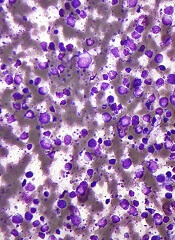
LUGANO—The phase 1, first-in-human study of the novel SYK inhibitor TAK-659 is showing “good early evidence” of antitumor activity in patients with lymphoma, according to investigators.
The agent also appears to be fairly well tolerated, with 10 categories of adverse events occurring in 2 or more patients.
Adam M. Petrich, MD, of Northwestern University in Evanston, Illinois, presented results from this ongoing study at the 13th International Congress on Malignant Lymphoma (13-ICML) as abstract 039.*
The study is supported by Millennium Pharmaceuticals, Inc., a wholly owned subsidiary of Takeda Pharmaceutical Company Limited.
Dr Petrich said the B-cell receptor signaling pathway is “very fertile ground with respect to development for novel targeting, particularly of B-cell malignancies, and SYK—the spleen tyrosine kinase—is an integral component of this.”
Investigators believe SYK has implications beyond B-cell lymphoma, including EBV-related malignancies, solid tumors, and myeloid leukemias.
Preclinical findings
In vitro experiments with TAK-659 showed “profound inhibition” of both SYK and FLT3, as indicated by the low IC50 levels, Dr Petrich said.
He also pointed out that the EC50 levels compare favorably to ibrutinib and idelalisib, with generally lower numbers in a broad panel of diffuse large B-cell lymphoma (DLBCL), follicular lymphoma (FL), and chronic lymphocytic leukemia.
In animal models, TAK-659 exhibited a dose-dependent tumor-inhibitory property.
“And if we look at both germinal center B and non-germinal center B subtypes of large-cell lymphoma, we see activity across both types,” Dr Petrich said.
Phase 1 study
Investigators are currently conducting the phase 1 study, which is a standard 3+3 dose-escalation schema. The data cutoff for the ICML presentation was April 13, although the dose-escalation phase was still underway, and the maximum tolerated dose was not yet reached.
Based on preclinical data, the team projected the efficacious dose for humans to be approximately 600 to 1200 mg per day. Patients were started at 60 mg, and, at the next planned step of 120 mg, 2 patients developed asymptomatic lipase elevations.
“For that reason, we revised the protocol, allowed for those to not be considered dose-limiting toxicities, and explored intermediate doses,” Dr Petrich explained.
So the protocol now includes intermediate doses of 80 and 100 mg. Dr Petrich’s presentation focused on the 4 doses—60, 80, 100, and 120 mg taken orally once daily.
He said the observed human clearance of TAK-659 was approximately 3- to 4-fold lower than predicted based on the mouse pharmacokinetic (PK) data, which led to steady-state area under the curve values 3- to 4-fold higher in humans than predicted.
Patient demographics
The investigators enrolled 21 patients, 12 with solid tumors, 6 with DLBCL, and 3 with FL. The median age was 60 years, 66% were male, and 62% had received 4 or more prior therapies.
The median number of TAK-659 treatment cycles was 2 (range, 1–10), and 5 patients are still on active treatment. Dr Petrich pointed out that 4 of the 5 longest-treated patients have DLBCL, and “the record holder with DLBCL is about to celebrate 1 year on therapy.”
Safety
“The safety profile in humans showed that [TAK-659] was actually quite tolerable,” Dr Petrich said.
There were 10 categories of treatment-related adverse events (AEs) that occurred in 2 or more patients. They were, in descending order, fatigue, anemia, diarrhea, elevated AST, hypophosphatemia, nausea, rash, elevated lipase, elevated ALT, and anorexia.
The majority of AEs were grade 1 or 2. However, there were grade 3/4 cases of anemia, diarrhea, elevated AST, and hypophosphatemia. And elevated lipase—the asymptomatic, dose-limiting toxicity for which the protocol was modified—consisted entirely of grade 3 or 4 events.
Episodes of neutropenia and thrombocytopenia occurred in 1 patient each, and both were grade 1.
“So [TAK-659] seems quite well tolerated in that regard as well,” Dr Petrich observed.
The plasma profile on days 1 and 15 of cycle 1 indicate that PK steady-state conditions are generally achieved by day 8, with moderate accumulation after repeated, once-daily dosing for 15 days.
Antitumor activity
Of the 12 evaluable patients, 5 had tumor shrinkage at the 60, 80, or 100 mg dose levels. Three of the 6 DLBCL patients experienced tumor shrinkage, and there were “2 dramatic responses in patients with follicular lymphoma, including 1 CR [complete response],” Dr Petrich said.
One of these FL patients had an aggressive phenotype and never had a previous response last longer than 20 months.
“[H]e actually achieved a CR within 2 cycles—a dramatic response for his disease—and he remains on treatment, and he’s up to cycle 5 now,” Dr Petrich said.
The team concluded that the PK data support daily dosing, despite lower clearance than originally predicted.
“[There is] good early evidence of antitumor activity and no significant safety signals,” Dr Petrich said. “And the [hematologic] toxicity profile, in particular, seems to suggest this is a well-tolerated drug.”
The investigators are conducting expansion cohorts and are considering future combination studies. They recently activated a study in acute myeloid leukemia because TAK-659 has FLT3 inhibitory properties.
*Information in the abstract differs from that presented at the meeting.
LUGANO—The phase 1, first-in-human study of the novel SYK inhibitor TAK-659 is showing “good early evidence” of antitumor activity in patients with lymphoma, according to investigators.
The agent also appears to be fairly well tolerated, with 10 categories of adverse events occurring in 2 or more patients.
Adam M. Petrich, MD, of Northwestern University in Evanston, Illinois, presented results from this ongoing study at the 13th International Congress on Malignant Lymphoma (13-ICML) as abstract 039.*
The study is supported by Millennium Pharmaceuticals, Inc., a wholly owned subsidiary of Takeda Pharmaceutical Company Limited.
Dr Petrich said the B-cell receptor signaling pathway is “very fertile ground with respect to development for novel targeting, particularly of B-cell malignancies, and SYK—the spleen tyrosine kinase—is an integral component of this.”
Investigators believe SYK has implications beyond B-cell lymphoma, including EBV-related malignancies, solid tumors, and myeloid leukemias.
Preclinical findings
In vitro experiments with TAK-659 showed “profound inhibition” of both SYK and FLT3, as indicated by the low IC50 levels, Dr Petrich said.
He also pointed out that the EC50 levels compare favorably to ibrutinib and idelalisib, with generally lower numbers in a broad panel of diffuse large B-cell lymphoma (DLBCL), follicular lymphoma (FL), and chronic lymphocytic leukemia.
In animal models, TAK-659 exhibited a dose-dependent tumor-inhibitory property.
“And if we look at both germinal center B and non-germinal center B subtypes of large-cell lymphoma, we see activity across both types,” Dr Petrich said.
Phase 1 study
Investigators are currently conducting the phase 1 study, which is a standard 3+3 dose-escalation schema. The data cutoff for the ICML presentation was April 13, although the dose-escalation phase was still underway, and the maximum tolerated dose was not yet reached.
Based on preclinical data, the team projected the efficacious dose for humans to be approximately 600 to 1200 mg per day. Patients were started at 60 mg, and, at the next planned step of 120 mg, 2 patients developed asymptomatic lipase elevations.
“For that reason, we revised the protocol, allowed for those to not be considered dose-limiting toxicities, and explored intermediate doses,” Dr Petrich explained.
So the protocol now includes intermediate doses of 80 and 100 mg. Dr Petrich’s presentation focused on the 4 doses—60, 80, 100, and 120 mg taken orally once daily.
He said the observed human clearance of TAK-659 was approximately 3- to 4-fold lower than predicted based on the mouse pharmacokinetic (PK) data, which led to steady-state area under the curve values 3- to 4-fold higher in humans than predicted.
Patient demographics
The investigators enrolled 21 patients, 12 with solid tumors, 6 with DLBCL, and 3 with FL. The median age was 60 years, 66% were male, and 62% had received 4 or more prior therapies.
The median number of TAK-659 treatment cycles was 2 (range, 1–10), and 5 patients are still on active treatment. Dr Petrich pointed out that 4 of the 5 longest-treated patients have DLBCL, and “the record holder with DLBCL is about to celebrate 1 year on therapy.”
Safety
“The safety profile in humans showed that [TAK-659] was actually quite tolerable,” Dr Petrich said.
There were 10 categories of treatment-related adverse events (AEs) that occurred in 2 or more patients. They were, in descending order, fatigue, anemia, diarrhea, elevated AST, hypophosphatemia, nausea, rash, elevated lipase, elevated ALT, and anorexia.
The majority of AEs were grade 1 or 2. However, there were grade 3/4 cases of anemia, diarrhea, elevated AST, and hypophosphatemia. And elevated lipase—the asymptomatic, dose-limiting toxicity for which the protocol was modified—consisted entirely of grade 3 or 4 events.
Episodes of neutropenia and thrombocytopenia occurred in 1 patient each, and both were grade 1.
“So [TAK-659] seems quite well tolerated in that regard as well,” Dr Petrich observed.
The plasma profile on days 1 and 15 of cycle 1 indicate that PK steady-state conditions are generally achieved by day 8, with moderate accumulation after repeated, once-daily dosing for 15 days.
Antitumor activity
Of the 12 evaluable patients, 5 had tumor shrinkage at the 60, 80, or 100 mg dose levels. Three of the 6 DLBCL patients experienced tumor shrinkage, and there were “2 dramatic responses in patients with follicular lymphoma, including 1 CR [complete response],” Dr Petrich said.
One of these FL patients had an aggressive phenotype and never had a previous response last longer than 20 months.
“[H]e actually achieved a CR within 2 cycles—a dramatic response for his disease—and he remains on treatment, and he’s up to cycle 5 now,” Dr Petrich said.
The team concluded that the PK data support daily dosing, despite lower clearance than originally predicted.
“[There is] good early evidence of antitumor activity and no significant safety signals,” Dr Petrich said. “And the [hematologic] toxicity profile, in particular, seems to suggest this is a well-tolerated drug.”
The investigators are conducting expansion cohorts and are considering future combination studies. They recently activated a study in acute myeloid leukemia because TAK-659 has FLT3 inhibitory properties.
*Information in the abstract differs from that presented at the meeting.
LUGANO—The phase 1, first-in-human study of the novel SYK inhibitor TAK-659 is showing “good early evidence” of antitumor activity in patients with lymphoma, according to investigators.
The agent also appears to be fairly well tolerated, with 10 categories of adverse events occurring in 2 or more patients.
Adam M. Petrich, MD, of Northwestern University in Evanston, Illinois, presented results from this ongoing study at the 13th International Congress on Malignant Lymphoma (13-ICML) as abstract 039.*
The study is supported by Millennium Pharmaceuticals, Inc., a wholly owned subsidiary of Takeda Pharmaceutical Company Limited.
Dr Petrich said the B-cell receptor signaling pathway is “very fertile ground with respect to development for novel targeting, particularly of B-cell malignancies, and SYK—the spleen tyrosine kinase—is an integral component of this.”
Investigators believe SYK has implications beyond B-cell lymphoma, including EBV-related malignancies, solid tumors, and myeloid leukemias.
Preclinical findings
In vitro experiments with TAK-659 showed “profound inhibition” of both SYK and FLT3, as indicated by the low IC50 levels, Dr Petrich said.
He also pointed out that the EC50 levels compare favorably to ibrutinib and idelalisib, with generally lower numbers in a broad panel of diffuse large B-cell lymphoma (DLBCL), follicular lymphoma (FL), and chronic lymphocytic leukemia.
In animal models, TAK-659 exhibited a dose-dependent tumor-inhibitory property.
“And if we look at both germinal center B and non-germinal center B subtypes of large-cell lymphoma, we see activity across both types,” Dr Petrich said.
Phase 1 study
Investigators are currently conducting the phase 1 study, which is a standard 3+3 dose-escalation schema. The data cutoff for the ICML presentation was April 13, although the dose-escalation phase was still underway, and the maximum tolerated dose was not yet reached.
Based on preclinical data, the team projected the efficacious dose for humans to be approximately 600 to 1200 mg per day. Patients were started at 60 mg, and, at the next planned step of 120 mg, 2 patients developed asymptomatic lipase elevations.
“For that reason, we revised the protocol, allowed for those to not be considered dose-limiting toxicities, and explored intermediate doses,” Dr Petrich explained.
So the protocol now includes intermediate doses of 80 and 100 mg. Dr Petrich’s presentation focused on the 4 doses—60, 80, 100, and 120 mg taken orally once daily.
He said the observed human clearance of TAK-659 was approximately 3- to 4-fold lower than predicted based on the mouse pharmacokinetic (PK) data, which led to steady-state area under the curve values 3- to 4-fold higher in humans than predicted.
Patient demographics
The investigators enrolled 21 patients, 12 with solid tumors, 6 with DLBCL, and 3 with FL. The median age was 60 years, 66% were male, and 62% had received 4 or more prior therapies.
The median number of TAK-659 treatment cycles was 2 (range, 1–10), and 5 patients are still on active treatment. Dr Petrich pointed out that 4 of the 5 longest-treated patients have DLBCL, and “the record holder with DLBCL is about to celebrate 1 year on therapy.”
Safety
“The safety profile in humans showed that [TAK-659] was actually quite tolerable,” Dr Petrich said.
There were 10 categories of treatment-related adverse events (AEs) that occurred in 2 or more patients. They were, in descending order, fatigue, anemia, diarrhea, elevated AST, hypophosphatemia, nausea, rash, elevated lipase, elevated ALT, and anorexia.
The majority of AEs were grade 1 or 2. However, there were grade 3/4 cases of anemia, diarrhea, elevated AST, and hypophosphatemia. And elevated lipase—the asymptomatic, dose-limiting toxicity for which the protocol was modified—consisted entirely of grade 3 or 4 events.
Episodes of neutropenia and thrombocytopenia occurred in 1 patient each, and both were grade 1.
“So [TAK-659] seems quite well tolerated in that regard as well,” Dr Petrich observed.
The plasma profile on days 1 and 15 of cycle 1 indicate that PK steady-state conditions are generally achieved by day 8, with moderate accumulation after repeated, once-daily dosing for 15 days.
Antitumor activity
Of the 12 evaluable patients, 5 had tumor shrinkage at the 60, 80, or 100 mg dose levels. Three of the 6 DLBCL patients experienced tumor shrinkage, and there were “2 dramatic responses in patients with follicular lymphoma, including 1 CR [complete response],” Dr Petrich said.
One of these FL patients had an aggressive phenotype and never had a previous response last longer than 20 months.
“[H]e actually achieved a CR within 2 cycles—a dramatic response for his disease—and he remains on treatment, and he’s up to cycle 5 now,” Dr Petrich said.
The team concluded that the PK data support daily dosing, despite lower clearance than originally predicted.
“[There is] good early evidence of antitumor activity and no significant safety signals,” Dr Petrich said. “And the [hematologic] toxicity profile, in particular, seems to suggest this is a well-tolerated drug.”
The investigators are conducting expansion cohorts and are considering future combination studies. They recently activated a study in acute myeloid leukemia because TAK-659 has FLT3 inhibitory properties.
*Information in the abstract differs from that presented at the meeting.
PI3K inhibitors may promote cancer spread

Photo courtesy of
The Wistar Institute
Although PI3K inhibitors have been designed to treat cancer, new research indicates these drugs may actually exacerbate the disease.
Researchers found evidence to suggest that treatment with PI3K inhibitors alone can promote more aggressive tumor cell behavior and increase the likelihood that cancer will spread.
PI3K inhibitors appeared to reprogram the mitochondria of tumor cells and move them to “strategic” positions for invasion.
However, the researchers believe that targeting mitochondrial function along with PI3K could prevent this effect.
Dario C. Altieri, MD, of The Wistar Institute in Philadelphia, Pennsylvania, and his colleagues described these findings in PNAS.
The researchers decided to investigate how mitochondria are reprogrammed when exposed to PI3K inhibition and how mitochondria might prevent targeted agents from being as effective as expected.
“Our prior studies have confirmed that tumor cells rely on energy produced by mitochondria more significantly than previously thought,” Dr Altieri said.
“What we have shown in this study is that, in somewhat of a paradox, treatment with a PI3K inhibitor causes a tumor cell’s mitochondria to produce energy in a localized manner, promoting a far more aggressive and invasive phenotype. The treatment appears to be doing the opposite of its intended effect.”
The study showed that treatment with a PI3K inhibitor causes the mitochondria to migrate to the peripheral cytoskeleton of the tumor cells.
While the mitochondria in untreated cells cluster around the cell’s nucleus, exposure of tumor cells to PI3K therapy causes the mitochondria to move to specialized regions of the cell’s membrane implicated in cell motility and invasion.
In this “strategic” position, tumor mitochondria are ideally positioned to provide a concentrated source of energy to support an increase in cell migration and invasion.
However, the researchers said the dependence of this response on mitochondrial function may offer a new therapeutic angle.
Dr Altieri and his team have shown that targeting mitochondrial functions for tumor therapy is feasible and dramatically enhances the anticancer activity of PI3K inhibitors when used in combination.
“These findings continue to support the idea that the mitochondria of tumor cells are crucial to tumor survival and proliferation,” Dr Altieri said. “It’s certainly counterintuitive that a drug designed to fight cancer may in actuality help it spread, but by identifying why this is happening, we can develop better strategies that allow these drugs to treat tumors the way they should.”
Photo courtesy of
The Wistar Institute
Although PI3K inhibitors have been designed to treat cancer, new research indicates these drugs may actually exacerbate the disease.
Researchers found evidence to suggest that treatment with PI3K inhibitors alone can promote more aggressive tumor cell behavior and increase the likelihood that cancer will spread.
PI3K inhibitors appeared to reprogram the mitochondria of tumor cells and move them to “strategic” positions for invasion.
However, the researchers believe that targeting mitochondrial function along with PI3K could prevent this effect.
Dario C. Altieri, MD, of The Wistar Institute in Philadelphia, Pennsylvania, and his colleagues described these findings in PNAS.
The researchers decided to investigate how mitochondria are reprogrammed when exposed to PI3K inhibition and how mitochondria might prevent targeted agents from being as effective as expected.
“Our prior studies have confirmed that tumor cells rely on energy produced by mitochondria more significantly than previously thought,” Dr Altieri said.
“What we have shown in this study is that, in somewhat of a paradox, treatment with a PI3K inhibitor causes a tumor cell’s mitochondria to produce energy in a localized manner, promoting a far more aggressive and invasive phenotype. The treatment appears to be doing the opposite of its intended effect.”
The study showed that treatment with a PI3K inhibitor causes the mitochondria to migrate to the peripheral cytoskeleton of the tumor cells.
While the mitochondria in untreated cells cluster around the cell’s nucleus, exposure of tumor cells to PI3K therapy causes the mitochondria to move to specialized regions of the cell’s membrane implicated in cell motility and invasion.
In this “strategic” position, tumor mitochondria are ideally positioned to provide a concentrated source of energy to support an increase in cell migration and invasion.
However, the researchers said the dependence of this response on mitochondrial function may offer a new therapeutic angle.
Dr Altieri and his team have shown that targeting mitochondrial functions for tumor therapy is feasible and dramatically enhances the anticancer activity of PI3K inhibitors when used in combination.
“These findings continue to support the idea that the mitochondria of tumor cells are crucial to tumor survival and proliferation,” Dr Altieri said. “It’s certainly counterintuitive that a drug designed to fight cancer may in actuality help it spread, but by identifying why this is happening, we can develop better strategies that allow these drugs to treat tumors the way they should.”
Photo courtesy of
The Wistar Institute
Although PI3K inhibitors have been designed to treat cancer, new research indicates these drugs may actually exacerbate the disease.
Researchers found evidence to suggest that treatment with PI3K inhibitors alone can promote more aggressive tumor cell behavior and increase the likelihood that cancer will spread.
PI3K inhibitors appeared to reprogram the mitochondria of tumor cells and move them to “strategic” positions for invasion.
However, the researchers believe that targeting mitochondrial function along with PI3K could prevent this effect.
Dario C. Altieri, MD, of The Wistar Institute in Philadelphia, Pennsylvania, and his colleagues described these findings in PNAS.
The researchers decided to investigate how mitochondria are reprogrammed when exposed to PI3K inhibition and how mitochondria might prevent targeted agents from being as effective as expected.
“Our prior studies have confirmed that tumor cells rely on energy produced by mitochondria more significantly than previously thought,” Dr Altieri said.
“What we have shown in this study is that, in somewhat of a paradox, treatment with a PI3K inhibitor causes a tumor cell’s mitochondria to produce energy in a localized manner, promoting a far more aggressive and invasive phenotype. The treatment appears to be doing the opposite of its intended effect.”
The study showed that treatment with a PI3K inhibitor causes the mitochondria to migrate to the peripheral cytoskeleton of the tumor cells.
While the mitochondria in untreated cells cluster around the cell’s nucleus, exposure of tumor cells to PI3K therapy causes the mitochondria to move to specialized regions of the cell’s membrane implicated in cell motility and invasion.
In this “strategic” position, tumor mitochondria are ideally positioned to provide a concentrated source of energy to support an increase in cell migration and invasion.
However, the researchers said the dependence of this response on mitochondrial function may offer a new therapeutic angle.
Dr Altieri and his team have shown that targeting mitochondrial functions for tumor therapy is feasible and dramatically enhances the anticancer activity of PI3K inhibitors when used in combination.
“These findings continue to support the idea that the mitochondria of tumor cells are crucial to tumor survival and proliferation,” Dr Altieri said. “It’s certainly counterintuitive that a drug designed to fight cancer may in actuality help it spread, but by identifying why this is happening, we can develop better strategies that allow these drugs to treat tumors the way they should.”
Early relapse signals high mortality in follicular lymphoma
Patients with follicular lymphoma who relapse within 2 years of receiving R-CHOP chemoimmunotherapy are at high risk of death, unlike those who do not relapse early, according to a report published online in Journal of Clinical Oncology.
Survival in follicular lymphoma, the second most common non-Hodgkin lymphoma in the United States, has dramatically improved over time, and the median survival after first-line chemoimmunotherapy now exceeds 18 years. But researchers have noted a remarkably consistent 20% rate of early relapse across numerous forms of treatment and varied study populations. Until now, the clinical significance of early relapse and its impact on overall survival has not been explored, said Dr. Carla Casulo of the University of Rochester, New York, and her associates.
They examined this issue using data from a national cohort of patients with newly diagnosed follicular lymphoma, focusing on 588 patients with stage II, III, or IV disease who were treated using first-line rituximab with cyclophosphamide, doxorubicin, vincristine, and prednisone (R-CHOP). A total of 19% of these patients relapsed within 24 months of diagnosis. Median follow-up was 7 years. With early disease progression, overall survival was only 68% at 2 years and only 50% at 5 years, compared with 97% and 90%, respectively, among patients who didn’t have early disease progression. Early progression was associated with markedly reduced survival, with a hazard ratio of 7.17.
To verify their findings in a separate cohort, Dr. Casulo and her associates assessed survival in 147 similar patients participating in a different study who were followed for a mean of 5.5 years. A total of 26% of this cohort had early relapse after receiving a variety of first-line chemoimmunotherapy regimens. With early disease progression, overall survival was only 64% at 2 years and only 34% at 5 years, compared with 98% and 94%, respectively, among patients who didn’t have early progression. Again, early progression was associated with markedly reduced survival, with an HR of 20.0 (J. Clin. Oncol. 2015 June 29 [doi: 10.1200/JCO.2014.59.7534]).
These two studies confirm that patients with follicular lymphoma who relapse within 2 years constitute a distinct subgroup at very high risk of death. “Given their poor prognosis, consideration of aggressive second-line treatments, including possibly autologous stem-cell transplantation, seem reasonable,” the investigators said.
Patients with follicular lymphoma who relapse within 2 years of receiving R-CHOP chemoimmunotherapy are at high risk of death, unlike those who do not relapse early, according to a report published online in Journal of Clinical Oncology.
Survival in follicular lymphoma, the second most common non-Hodgkin lymphoma in the United States, has dramatically improved over time, and the median survival after first-line chemoimmunotherapy now exceeds 18 years. But researchers have noted a remarkably consistent 20% rate of early relapse across numerous forms of treatment and varied study populations. Until now, the clinical significance of early relapse and its impact on overall survival has not been explored, said Dr. Carla Casulo of the University of Rochester, New York, and her associates.
They examined this issue using data from a national cohort of patients with newly diagnosed follicular lymphoma, focusing on 588 patients with stage II, III, or IV disease who were treated using first-line rituximab with cyclophosphamide, doxorubicin, vincristine, and prednisone (R-CHOP). A total of 19% of these patients relapsed within 24 months of diagnosis. Median follow-up was 7 years. With early disease progression, overall survival was only 68% at 2 years and only 50% at 5 years, compared with 97% and 90%, respectively, among patients who didn’t have early disease progression. Early progression was associated with markedly reduced survival, with a hazard ratio of 7.17.
To verify their findings in a separate cohort, Dr. Casulo and her associates assessed survival in 147 similar patients participating in a different study who were followed for a mean of 5.5 years. A total of 26% of this cohort had early relapse after receiving a variety of first-line chemoimmunotherapy regimens. With early disease progression, overall survival was only 64% at 2 years and only 34% at 5 years, compared with 98% and 94%, respectively, among patients who didn’t have early progression. Again, early progression was associated with markedly reduced survival, with an HR of 20.0 (J. Clin. Oncol. 2015 June 29 [doi: 10.1200/JCO.2014.59.7534]).
These two studies confirm that patients with follicular lymphoma who relapse within 2 years constitute a distinct subgroup at very high risk of death. “Given their poor prognosis, consideration of aggressive second-line treatments, including possibly autologous stem-cell transplantation, seem reasonable,” the investigators said.
Patients with follicular lymphoma who relapse within 2 years of receiving R-CHOP chemoimmunotherapy are at high risk of death, unlike those who do not relapse early, according to a report published online in Journal of Clinical Oncology.
Survival in follicular lymphoma, the second most common non-Hodgkin lymphoma in the United States, has dramatically improved over time, and the median survival after first-line chemoimmunotherapy now exceeds 18 years. But researchers have noted a remarkably consistent 20% rate of early relapse across numerous forms of treatment and varied study populations. Until now, the clinical significance of early relapse and its impact on overall survival has not been explored, said Dr. Carla Casulo of the University of Rochester, New York, and her associates.
They examined this issue using data from a national cohort of patients with newly diagnosed follicular lymphoma, focusing on 588 patients with stage II, III, or IV disease who were treated using first-line rituximab with cyclophosphamide, doxorubicin, vincristine, and prednisone (R-CHOP). A total of 19% of these patients relapsed within 24 months of diagnosis. Median follow-up was 7 years. With early disease progression, overall survival was only 68% at 2 years and only 50% at 5 years, compared with 97% and 90%, respectively, among patients who didn’t have early disease progression. Early progression was associated with markedly reduced survival, with a hazard ratio of 7.17.
To verify their findings in a separate cohort, Dr. Casulo and her associates assessed survival in 147 similar patients participating in a different study who were followed for a mean of 5.5 years. A total of 26% of this cohort had early relapse after receiving a variety of first-line chemoimmunotherapy regimens. With early disease progression, overall survival was only 64% at 2 years and only 34% at 5 years, compared with 98% and 94%, respectively, among patients who didn’t have early progression. Again, early progression was associated with markedly reduced survival, with an HR of 20.0 (J. Clin. Oncol. 2015 June 29 [doi: 10.1200/JCO.2014.59.7534]).
These two studies confirm that patients with follicular lymphoma who relapse within 2 years constitute a distinct subgroup at very high risk of death. “Given their poor prognosis, consideration of aggressive second-line treatments, including possibly autologous stem-cell transplantation, seem reasonable,” the investigators said.
FROM JOURNAL OF CLINICAL ONCOLOGY
Key clinical point: Patients with follicular lymphoma who relapse within 2 years of receiving R-CHOP are at high risk of death, unlike those who don’t relapse early.
Major finding: In a validation cohort, overall survival was only 64% at 2 years and only 34% at 5 years among patients who relapsed early, compared with 98% and 94% among patients who didn’t relapse early (HR, 20.0).
Data source: : A secondary analysis of a study involving 588 patients with newly diagnosed follicular lymphoma, and a validation study in an independent cohort of 147 similar patients.
Disclosures: This study was supported by Genentech and F. Hoffmann-La Roche. Dr. Casulo reported having no financial disclosures; her associates reported ties to numerous industry sources.
CRd is well tolerated and effective in newly diagnosed and smoldering multiple myeloma
Patients with newly diagnosed multiple myeloma or smoldering multiple myeloma experienced good responses and few severe adverse events from carfilzomib-lenalidomide-dexamethasone with lenalidomide extension (CRd-R), according to a report published online in JAMA Oncology.
The regimen was not associated with peripheral neuropathy of grade 3 or above, and both groups had high rates of minimal residual disease negativity, which has been shown to be associated with improved progression-free survival and overall survival in newly diagnosed patients treated with CRd.
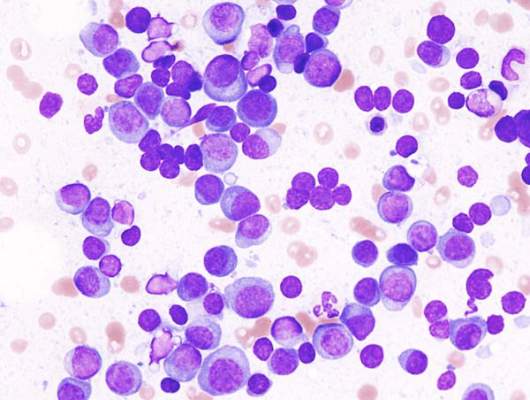
However, the three tools used for measuring patient response differed in their abilities to detect minimal residual disease, the researchers reported.
“Given the high degree of CR [complete response] rates achievable by three-drug combination regimens, there is an increased need for clinical trials to detect MRD [minimal residual disease] beyond traditional methods and characterize optimal MRD technique,” wrote Dr. Neha Korde of the myeloma service at Memorial Sloan Kettering Cancer Center, New York, and colleagues.
The researchers used three measures to assess minimal residual disease: multiparametric flow cytometry, next-generation sequencing, and fluorodeoxyglucose positron-emission tomography/computed tomography.
Based on multiparametric flow cytometry, minimal residual disease was not detected in 62% (28/45) of the patients with newly diagnosed disease and in 92% (11/12) of those with smoldering multiple myeloma, (JAMA Oncol. 2015 July 2 [doi:10.1001/jamaoncol.2015.2010]). Based on flow cytometry, 98% negativity for minimal residual disease was seen in patients with at least nCR. Based on next-generation sequencing, an additional 30% of patients were positive for minimal residual disease, highlighting the potential increased sensitivity of that assay, the researcher said.
In patients with newly diagnosed disease, 98% achieved at least a partial response, 89% had at least a very good partial response, 62% had at least a near complete response, and 56% had at least a complete response or a stringent complete response. Responses improved with more therapy; the median time to CR was 5 (2-17) cycles, and six patients reached CR during the lenalidomide extension. The median duration of response was not reached.
All of the patients with high-risk smoldering multiple myeloma achieved at least a complete response, with median time of 6 (2-20) cycles to CR.
In a 2-year study, 45 patients with newly diagnosed multiple myeloma received a treatment regimen that included eight 28-day cycles of CRd, followed by 24 cycles of lenalidomide extended dosing for those with stable disease. Promising early results led to a pilot study with the same regimen in 12 patients with high-risk SMM, a condition that leads to symptomatic disease within a median of 2 years.
None of the patients with newly diagnosed multiple myeloma had peripheral neuropathy of grade 3 or above, the primary endpoint. Grade 1 peripheral neuropathy affected 33% of patients, and grade 2 was experienced by 9%. Lymphopenia and electrolyte or metabolism abnormalities were the most common adverse events. Grade 3 or 4 cardiac events included two patients with congestive heart failure and three patients with hypertension.
Patients with smoldering multiple myeloma had similar rates of adverse events.
In this pilot study, the CRd combination was well tolerated and yielded deep responses across prognostic groups. However, morphological complete response, in this scenario, was insufficient to characterize tumor reduction.
“With the introduction of highly effective drug combinations, traditional response criteria become less valid because these do not sufficiently assess the deepness of response.” New approaches such as MRD and PET/CT negativity should be introduced to evaluate response in clinical trials and, ultimately, in clinical practice.
Patients with smoldering multiple myeloma, who have more than a 90% probability of disease progression within 2 years, may benefit from early treatment that is effective and does not expose them to an excessive risk of toxicity.
Dr. Pieter Sonneveld is head of the department of hematology at the Erasmus MC Cancer Institute, Rotterdam, the Netherlands. Dr. Sonneveld reported receiving research funding from Celgene, Onyx/Amgen, Janssen, and Karyopharm.
In this pilot study, the CRd combination was well tolerated and yielded deep responses across prognostic groups. However, morphological complete response, in this scenario, was insufficient to characterize tumor reduction.
“With the introduction of highly effective drug combinations, traditional response criteria become less valid because these do not sufficiently assess the deepness of response.” New approaches such as MRD and PET/CT negativity should be introduced to evaluate response in clinical trials and, ultimately, in clinical practice.
Patients with smoldering multiple myeloma, who have more than a 90% probability of disease progression within 2 years, may benefit from early treatment that is effective and does not expose them to an excessive risk of toxicity.
Dr. Pieter Sonneveld is head of the department of hematology at the Erasmus MC Cancer Institute, Rotterdam, the Netherlands. Dr. Sonneveld reported receiving research funding from Celgene, Onyx/Amgen, Janssen, and Karyopharm.
In this pilot study, the CRd combination was well tolerated and yielded deep responses across prognostic groups. However, morphological complete response, in this scenario, was insufficient to characterize tumor reduction.
“With the introduction of highly effective drug combinations, traditional response criteria become less valid because these do not sufficiently assess the deepness of response.” New approaches such as MRD and PET/CT negativity should be introduced to evaluate response in clinical trials and, ultimately, in clinical practice.
Patients with smoldering multiple myeloma, who have more than a 90% probability of disease progression within 2 years, may benefit from early treatment that is effective and does not expose them to an excessive risk of toxicity.
Dr. Pieter Sonneveld is head of the department of hematology at the Erasmus MC Cancer Institute, Rotterdam, the Netherlands. Dr. Sonneveld reported receiving research funding from Celgene, Onyx/Amgen, Janssen, and Karyopharm.
Patients with newly diagnosed multiple myeloma or smoldering multiple myeloma experienced good responses and few severe adverse events from carfilzomib-lenalidomide-dexamethasone with lenalidomide extension (CRd-R), according to a report published online in JAMA Oncology.
The regimen was not associated with peripheral neuropathy of grade 3 or above, and both groups had high rates of minimal residual disease negativity, which has been shown to be associated with improved progression-free survival and overall survival in newly diagnosed patients treated with CRd.
However, the three tools used for measuring patient response differed in their abilities to detect minimal residual disease, the researchers reported.
“Given the high degree of CR [complete response] rates achievable by three-drug combination regimens, there is an increased need for clinical trials to detect MRD [minimal residual disease] beyond traditional methods and characterize optimal MRD technique,” wrote Dr. Neha Korde of the myeloma service at Memorial Sloan Kettering Cancer Center, New York, and colleagues.
The researchers used three measures to assess minimal residual disease: multiparametric flow cytometry, next-generation sequencing, and fluorodeoxyglucose positron-emission tomography/computed tomography.
Based on multiparametric flow cytometry, minimal residual disease was not detected in 62% (28/45) of the patients with newly diagnosed disease and in 92% (11/12) of those with smoldering multiple myeloma, (JAMA Oncol. 2015 July 2 [doi:10.1001/jamaoncol.2015.2010]). Based on flow cytometry, 98% negativity for minimal residual disease was seen in patients with at least nCR. Based on next-generation sequencing, an additional 30% of patients were positive for minimal residual disease, highlighting the potential increased sensitivity of that assay, the researcher said.
In patients with newly diagnosed disease, 98% achieved at least a partial response, 89% had at least a very good partial response, 62% had at least a near complete response, and 56% had at least a complete response or a stringent complete response. Responses improved with more therapy; the median time to CR was 5 (2-17) cycles, and six patients reached CR during the lenalidomide extension. The median duration of response was not reached.
All of the patients with high-risk smoldering multiple myeloma achieved at least a complete response, with median time of 6 (2-20) cycles to CR.
In a 2-year study, 45 patients with newly diagnosed multiple myeloma received a treatment regimen that included eight 28-day cycles of CRd, followed by 24 cycles of lenalidomide extended dosing for those with stable disease. Promising early results led to a pilot study with the same regimen in 12 patients with high-risk SMM, a condition that leads to symptomatic disease within a median of 2 years.
None of the patients with newly diagnosed multiple myeloma had peripheral neuropathy of grade 3 or above, the primary endpoint. Grade 1 peripheral neuropathy affected 33% of patients, and grade 2 was experienced by 9%. Lymphopenia and electrolyte or metabolism abnormalities were the most common adverse events. Grade 3 or 4 cardiac events included two patients with congestive heart failure and three patients with hypertension.
Patients with smoldering multiple myeloma had similar rates of adverse events.
Patients with newly diagnosed multiple myeloma or smoldering multiple myeloma experienced good responses and few severe adverse events from carfilzomib-lenalidomide-dexamethasone with lenalidomide extension (CRd-R), according to a report published online in JAMA Oncology.
The regimen was not associated with peripheral neuropathy of grade 3 or above, and both groups had high rates of minimal residual disease negativity, which has been shown to be associated with improved progression-free survival and overall survival in newly diagnosed patients treated with CRd.
However, the three tools used for measuring patient response differed in their abilities to detect minimal residual disease, the researchers reported.
“Given the high degree of CR [complete response] rates achievable by three-drug combination regimens, there is an increased need for clinical trials to detect MRD [minimal residual disease] beyond traditional methods and characterize optimal MRD technique,” wrote Dr. Neha Korde of the myeloma service at Memorial Sloan Kettering Cancer Center, New York, and colleagues.
The researchers used three measures to assess minimal residual disease: multiparametric flow cytometry, next-generation sequencing, and fluorodeoxyglucose positron-emission tomography/computed tomography.
Based on multiparametric flow cytometry, minimal residual disease was not detected in 62% (28/45) of the patients with newly diagnosed disease and in 92% (11/12) of those with smoldering multiple myeloma, (JAMA Oncol. 2015 July 2 [doi:10.1001/jamaoncol.2015.2010]). Based on flow cytometry, 98% negativity for minimal residual disease was seen in patients with at least nCR. Based on next-generation sequencing, an additional 30% of patients were positive for minimal residual disease, highlighting the potential increased sensitivity of that assay, the researcher said.
In patients with newly diagnosed disease, 98% achieved at least a partial response, 89% had at least a very good partial response, 62% had at least a near complete response, and 56% had at least a complete response or a stringent complete response. Responses improved with more therapy; the median time to CR was 5 (2-17) cycles, and six patients reached CR during the lenalidomide extension. The median duration of response was not reached.
All of the patients with high-risk smoldering multiple myeloma achieved at least a complete response, with median time of 6 (2-20) cycles to CR.
In a 2-year study, 45 patients with newly diagnosed multiple myeloma received a treatment regimen that included eight 28-day cycles of CRd, followed by 24 cycles of lenalidomide extended dosing for those with stable disease. Promising early results led to a pilot study with the same regimen in 12 patients with high-risk SMM, a condition that leads to symptomatic disease within a median of 2 years.
None of the patients with newly diagnosed multiple myeloma had peripheral neuropathy of grade 3 or above, the primary endpoint. Grade 1 peripheral neuropathy affected 33% of patients, and grade 2 was experienced by 9%. Lymphopenia and electrolyte or metabolism abnormalities were the most common adverse events. Grade 3 or 4 cardiac events included two patients with congestive heart failure and three patients with hypertension.
Patients with smoldering multiple myeloma had similar rates of adverse events.
FROM JAMA ONCOLOGY
Key clinical point: Patients with newly diagnosed multiple myeloma or smoldering multiple myeloma had high rates of minimal residual disease negativity and none experienced grade 3 or 4 peripheral neuropathy from carfilzomib-lenalidomide-dexamethasone with lenalidomide extension (CRd-R).
Major finding: Based on multiparametric flow cytometry, minimal residual disease was not detected in 62% (28/45) of the patients with newly diagnosed disease and in 92% (11/12) of those with smoldering multiple myeloma.
Data source: A 2-year pilot study of 45 patients with newly diagnosed multiple myeloma and 12 patients with smoldering multiple myeloma.
Disclosures: The study was partially supported by Onyx and Celgene. Dr. Korde reported consulting for MedScape. Her coauthors reported ties to several industry sources.
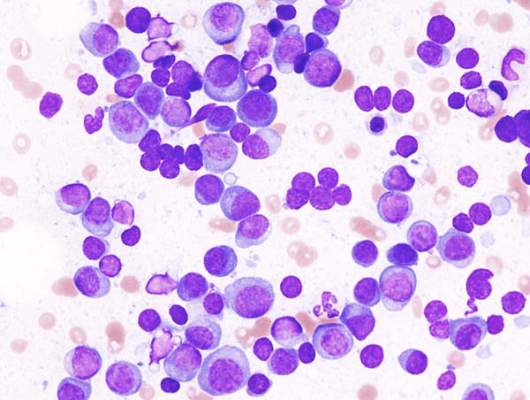
Naloxone lotion improves disabling itch in CTCL
VANCOUVER, B.C. – Naloxone lotion appears to be a safe and effective treatment for the severe chronic itching that occurs in most patients with cutaneous T-cell lymphoma, Dr. Madeleine Duvic reported at the World Congress of Dermatology.
A major unmet need exists for better treatments for pruritis in CTCL. Antihistamines are generally ineffective. Chemotherapeutic agents provide little relief. Moreover, it has been estimated that up to half of all patients with CTCL die as a result of systemic infections arising secondary to pruritic skin excoriations, according to Dr. Duvic, professor of medicine and dermatology at the University of Texas and MD Anderson Cancer Center, Houston.
Naloxone is a pure opiate antagonist with no agonist effects. Naloxone lotion is an investigational agent that has received orphan drug status for treatment of pruritis in CTCL and a fast-track evaluation designation from the Food and Drug Administration.
Dr. Duvic presented a double-blind, vehicle-controlled, multicenter, crossover study involving 15 CTCL patients with severe itching. They were assigned to apply naloxone lotion 0.5% or its vehicle four times daily for 8 days and then cross over to the other regimen for another 8 days following a washout period.
After 8 days of naloxone lotion, patients reported a mean 66% reduction in itch severity from baseline on a visual analog scale, a significantly better result than the 45% reduction on vehicle.
The study suffered from small numbers, as four patients withdrew during part 1 while on vehicle, two dropped out while on naloxone lotion, and one was excluded for a concomitant medication violation. Of the nine patients available for Physician Global Assessment, seven were rated better or much better. Seven of the nine patients also rated themselves as globally better or much better while on naloxone lotion. These ratings were numerically better than while patients were on vehicle.
Adverse events were limited to two cases of mild or moderate application-site erythema.
The study was funded by Elorac. Dr. Duvic reported having no financial conflicts. She noted that the University of Texas received a research grant to conduct the study.
VANCOUVER, B.C. – Naloxone lotion appears to be a safe and effective treatment for the severe chronic itching that occurs in most patients with cutaneous T-cell lymphoma, Dr. Madeleine Duvic reported at the World Congress of Dermatology.
A major unmet need exists for better treatments for pruritis in CTCL. Antihistamines are generally ineffective. Chemotherapeutic agents provide little relief. Moreover, it has been estimated that up to half of all patients with CTCL die as a result of systemic infections arising secondary to pruritic skin excoriations, according to Dr. Duvic, professor of medicine and dermatology at the University of Texas and MD Anderson Cancer Center, Houston.
Naloxone is a pure opiate antagonist with no agonist effects. Naloxone lotion is an investigational agent that has received orphan drug status for treatment of pruritis in CTCL and a fast-track evaluation designation from the Food and Drug Administration.
Dr. Duvic presented a double-blind, vehicle-controlled, multicenter, crossover study involving 15 CTCL patients with severe itching. They were assigned to apply naloxone lotion 0.5% or its vehicle four times daily for 8 days and then cross over to the other regimen for another 8 days following a washout period.
After 8 days of naloxone lotion, patients reported a mean 66% reduction in itch severity from baseline on a visual analog scale, a significantly better result than the 45% reduction on vehicle.
The study suffered from small numbers, as four patients withdrew during part 1 while on vehicle, two dropped out while on naloxone lotion, and one was excluded for a concomitant medication violation. Of the nine patients available for Physician Global Assessment, seven were rated better or much better. Seven of the nine patients also rated themselves as globally better or much better while on naloxone lotion. These ratings were numerically better than while patients were on vehicle.
Adverse events were limited to two cases of mild or moderate application-site erythema.
The study was funded by Elorac. Dr. Duvic reported having no financial conflicts. She noted that the University of Texas received a research grant to conduct the study.
VANCOUVER, B.C. – Naloxone lotion appears to be a safe and effective treatment for the severe chronic itching that occurs in most patients with cutaneous T-cell lymphoma, Dr. Madeleine Duvic reported at the World Congress of Dermatology.
A major unmet need exists for better treatments for pruritis in CTCL. Antihistamines are generally ineffective. Chemotherapeutic agents provide little relief. Moreover, it has been estimated that up to half of all patients with CTCL die as a result of systemic infections arising secondary to pruritic skin excoriations, according to Dr. Duvic, professor of medicine and dermatology at the University of Texas and MD Anderson Cancer Center, Houston.
Naloxone is a pure opiate antagonist with no agonist effects. Naloxone lotion is an investigational agent that has received orphan drug status for treatment of pruritis in CTCL and a fast-track evaluation designation from the Food and Drug Administration.
Dr. Duvic presented a double-blind, vehicle-controlled, multicenter, crossover study involving 15 CTCL patients with severe itching. They were assigned to apply naloxone lotion 0.5% or its vehicle four times daily for 8 days and then cross over to the other regimen for another 8 days following a washout period.
After 8 days of naloxone lotion, patients reported a mean 66% reduction in itch severity from baseline on a visual analog scale, a significantly better result than the 45% reduction on vehicle.
The study suffered from small numbers, as four patients withdrew during part 1 while on vehicle, two dropped out while on naloxone lotion, and one was excluded for a concomitant medication violation. Of the nine patients available for Physician Global Assessment, seven were rated better or much better. Seven of the nine patients also rated themselves as globally better or much better while on naloxone lotion. These ratings were numerically better than while patients were on vehicle.
Adverse events were limited to two cases of mild or moderate application-site erythema.
The study was funded by Elorac. Dr. Duvic reported having no financial conflicts. She noted that the University of Texas received a research grant to conduct the study.
AT WCD 2015
Key clinical point: Naloxone lotion shows promise for the severe pruritis that accompanies cutaneous T-cell lymphoma.
Major finding: Patients with cutaneous T-cell lymphoma reported an absolute 21% greater reduction in pruritis with naloxone lotion than with its vehicle.
Data source: This was a 15-patient, multicenter, double-blind, crossover study.
Disclosures: The study was funded by Elorac. The presenter reported having no financial conflicts.