User login
Disability, not death, colors Americans' health
WASHINGTON – Americans are increasingly living with disabling conditions rather than dying from fatal diseases, while their nation lags behind its economic peers in addressing risk factors that contribute to poor health and premature death.
That’s according to several studies highlighted at the briefing.
"We’ve identified substantial areas where the U.S. can make progress and hopefully narrow the gap between what we’ve observed in the U.S. and the [peer] countries," Dr. Christopher Murray, director of the Institute for Health Metrics and Evaluation at the University of Washington, Seattle, and the lead author of the studies, said at an Institute of Medicine briefing July 10. "There’s also a role, we believe, for enhanced primary care – management of blood pressure, cholesterol, and encouragement of physical activity of patients."

The main study, published on July 10 in JAMA, is "an extraordinary publication," said Dr. Howard Bauchner, the journal’s editor in chief. "This is the first comprehensive box score of American health that’s ever been published."
The JAMA study, along with two companions, adds to the growing body of evidence that diet and physical activity – as well as smoking – are among the most important determinants of health, outside of socioeconomic factors.
Both Dr. Murray and Dr. Bauchner said that it was critical for physicians to discuss these lifestyle issues with patients, but also to monitor risk factors like hypertension, cholesterol, and blood sugar, especially in women, who are, in some areas of the country, facing rising death rates from heart disease in particular.
The United States has succeeded in reducing deaths from ischemic heart disease, HIV/AIDS, sudden infant death syndrome, and certain cancers, according to researchers from the U.S. Burden of Disease Collaborators, a group of academic, private, and government researchers from around the world.
But chronic disability from lung cancer, musculoskeletal pain, neurologic conditions, diabetes, and mental health/substance-use disorders – in particular, opioid abuse – is growing rapidly (JAMA 2013 July 10 [doi: 10.1001/jama.2013.13805]).
Substance abuse is not only disabling, but also contributes to premature death, the investigators found. More years of life lost were lost due to drug use disorders in 2010 than from prostate cancer and ovarian cancer combined, rising 448% between 1990 and 2010. Drug use went from 44th on the list of leading causes of years of life lost to 15th.
Alzheimer’s disease, liver cancer, Parkinson’s disease, and kidney cancer are also gaining among the causes of premature death.
"The United States spends more than the rest of the world on health care and leads the world in the quality and quantity of its health research, but that doesn’t add up to better health outcomes," Dr. Murray said in a statement. "The country has done a good job of preventing premature deaths from stroke, but when it comes to lung cancer, preterm birth complications, and a range of other causes, the country isn’t keeping pace with high-income countries in Europe, Asia, and elsewhere."
The study looked at death and disability from 291 diseases, conditions, and injuries, and also examined 67 risk factors for death and disability. The authors used the same methodology as that employed in the Global Burden of Disease Study 2010 (Lancet 2012:380;2055-2058).
In the U.S. study, the top 10 causes of years of life lost in 2010 were ischemic heart disease (16%), lung cancer (7%), stroke (4%), chronic obstructive pulmonary disease (4%), road injury (4%), self-harm (3%), diabetes (3%), cirrhosis (3%), Alzheimer’s disease (3%), and colorectal cancer (2%).
From 1990 to 2010, the average life expectancy for Americans increased from 75.2 to 78.2 years. But the "healthy life expectancy" – the number of years someone can expect to live in good health – went from 65.8 years to 68.1 years during the same period. The gap between average life expectancy and healthy life expectancy rose from 9.4 years in 1990 to 10.1 years in 2010.
When compared with 34 nations in Europe, Asia, and North America, the United States fell in rankings on almost every health measure from 1990 to 2010. For life expectancy at birth, the U.S. dropped from 20th to 27th.
Poor diet and not enough physical activity, along with smoking and uncontrolled blood pressure and cholesterol, were behind the drops, according to the investigators. The United States ranked 27th in disease burden risk from dietary factors and was also ranked 27th for body mass index. For healthy blood sugar, the United States was ranked 29th.
The United States is near the bottom when it comes to death rates. America ranks 27th among the 34 comparator countries. Only the Czech Republic, Poland, Estonia, Mexico, Turkey, Slovakia, and Hungary had higher death rates.
Meanwhile, two other studies examined life expectancy and physical activity on a county-by-county basis in America. Both were conducted by researchers at the Institute for Health Metrics and Evaluation, and both were published online in the open-access, peer-reviewed journal Population Health Metrics, which is edited by Dr. Murray.
In the first study, "Prevalence of Physical Activity and Obesity in US Counties, 2001-2011: A Road Map for Action," physical activity did not increase overall in the United States during the study period (2001-2009), but the percentage of the population considered obese did. The authors found that just because an area had higher physical activity levels did not mean that there would be a corresponding drop in obesity. They wrote that from 2001 to 2009, "for every 1 percentage point increase in physical activity, obesity prevalence was 0.11 percentage points lower" (Popul. Health Metr. 2013;11:7 [doi: 10.1186/1478-7954-11-7]).
Some counties – in Florida, Georgia, and Kentucky – saw large gains in physical activity. Among women, for instance, the largest increase in sufficient physical activity (defined as 150 minutes of moderate activity or 75 minutes of vigorous activity weekly) was seen in Morgan County, Ky., where the rate rose from 26% to 44% during 2001-2009.
Generally, physical activity was worse for men and women who lived along the Texas-Mexico border, the Mississippi Valley, parts of the Deep South, and West Virginia, according to the study.
Douglas County, Colo., had the highest rate of activity in the United States (90%) for men in 2011, while Marin County, Calif., had highest rate for women (90%). Wolfe County, Ky., had the lowest rate for men (55%), and McDowell County, W.Va., had the lowest rate for women (51%).
Obesity rates tended to track with activity rates, with higher rates in the South and lower rates in urban areas like San Francisco, New York, and Washington, D.C.
The authors also published a county-by-county analysis of life expectancy, "Left Behind: Widening Disparities for Males and Females in US County Life Expectancy, 1985-2010." They reported that among the top-achieving counties, female life expectancy in 2010 was 85 years (or about 5 years more than the national average) and male life expectancy was 81.7 years (also about 5 years greater than the national average). But, they said, in many counties there has been no increase, or in some cases, declines in life expectancy, especially for women. There was a dramatic increase in inequality in life expectancy at birth among U.S. counties between 1985 and 2010, they concluded (Popul. Health Metr. 2013;11:8 [doi: 10.1186/1478-7954-11-8]).
Dr. Murray’s work is supported in part by the National Institutes of Health and in part by the Bill and Melinda Gates Foundation.
[email protected] On Twitter @aliciaault
Despite a level of health expenditures that would have seemed unthinkable a generation ago, the health of the U.S. population has improved only gradually and has fallen behind the pace of progress in many other wealthy nations.
The authors’ determination to generate consistent data across a range of national settings and to focus on specific diseases as causes of death is a source of strength and of limitations to the study. The strength is the capacity to compare in a consistent way. The limitation is reliance on data types that are universally available and on analyses that relate to specific disease conditions rather than to overall mortality. The most glaring omission in the assessment of risk factors, as the authors acknowledge, is the role of social factors such as income and inequality as a risk of premature death and disability. This omission should not be allowed to mislead policy makers, because differences in socioeconomic status and other social circumstances are strongly related to differences in mortality, as has been emphasized in a recent, comprehensive assessment by the National Research Council and the Institute of Medicine on U.S. health in comparison with other countries.
Setting the United States on a healthier course will surely require leadership at all levels of government and across the public and private sectors and actively engaging the health professions and the public. Analyses such as the U.S. Burden of Disease can help identify priorities for research and action and monitor the state of progress over time.
Dr. Harvey V. Fineberg is the president of the Institute of Medicine in Washington, D.C. These remarks were taken from his editorial accompanying the JAMA study. He reported no conflicts of interest.
Despite a level of health expenditures that would have seemed unthinkable a generation ago, the health of the U.S. population has improved only gradually and has fallen behind the pace of progress in many other wealthy nations.
The authors’ determination to generate consistent data across a range of national settings and to focus on specific diseases as causes of death is a source of strength and of limitations to the study. The strength is the capacity to compare in a consistent way. The limitation is reliance on data types that are universally available and on analyses that relate to specific disease conditions rather than to overall mortality. The most glaring omission in the assessment of risk factors, as the authors acknowledge, is the role of social factors such as income and inequality as a risk of premature death and disability. This omission should not be allowed to mislead policy makers, because differences in socioeconomic status and other social circumstances are strongly related to differences in mortality, as has been emphasized in a recent, comprehensive assessment by the National Research Council and the Institute of Medicine on U.S. health in comparison with other countries.
Setting the United States on a healthier course will surely require leadership at all levels of government and across the public and private sectors and actively engaging the health professions and the public. Analyses such as the U.S. Burden of Disease can help identify priorities for research and action and monitor the state of progress over time.
Dr. Harvey V. Fineberg is the president of the Institute of Medicine in Washington, D.C. These remarks were taken from his editorial accompanying the JAMA study. He reported no conflicts of interest.
Despite a level of health expenditures that would have seemed unthinkable a generation ago, the health of the U.S. population has improved only gradually and has fallen behind the pace of progress in many other wealthy nations.
The authors’ determination to generate consistent data across a range of national settings and to focus on specific diseases as causes of death is a source of strength and of limitations to the study. The strength is the capacity to compare in a consistent way. The limitation is reliance on data types that are universally available and on analyses that relate to specific disease conditions rather than to overall mortality. The most glaring omission in the assessment of risk factors, as the authors acknowledge, is the role of social factors such as income and inequality as a risk of premature death and disability. This omission should not be allowed to mislead policy makers, because differences in socioeconomic status and other social circumstances are strongly related to differences in mortality, as has been emphasized in a recent, comprehensive assessment by the National Research Council and the Institute of Medicine on U.S. health in comparison with other countries.
Setting the United States on a healthier course will surely require leadership at all levels of government and across the public and private sectors and actively engaging the health professions and the public. Analyses such as the U.S. Burden of Disease can help identify priorities for research and action and monitor the state of progress over time.
Dr. Harvey V. Fineberg is the president of the Institute of Medicine in Washington, D.C. These remarks were taken from his editorial accompanying the JAMA study. He reported no conflicts of interest.
WASHINGTON – Americans are increasingly living with disabling conditions rather than dying from fatal diseases, while their nation lags behind its economic peers in addressing risk factors that contribute to poor health and premature death.
That’s according to several studies highlighted at the briefing.
"We’ve identified substantial areas where the U.S. can make progress and hopefully narrow the gap between what we’ve observed in the U.S. and the [peer] countries," Dr. Christopher Murray, director of the Institute for Health Metrics and Evaluation at the University of Washington, Seattle, and the lead author of the studies, said at an Institute of Medicine briefing July 10. "There’s also a role, we believe, for enhanced primary care – management of blood pressure, cholesterol, and encouragement of physical activity of patients."
The main study, published on July 10 in JAMA, is "an extraordinary publication," said Dr. Howard Bauchner, the journal’s editor in chief. "This is the first comprehensive box score of American health that’s ever been published."
The JAMA study, along with two companions, adds to the growing body of evidence that diet and physical activity – as well as smoking – are among the most important determinants of health, outside of socioeconomic factors.
Both Dr. Murray and Dr. Bauchner said that it was critical for physicians to discuss these lifestyle issues with patients, but also to monitor risk factors like hypertension, cholesterol, and blood sugar, especially in women, who are, in some areas of the country, facing rising death rates from heart disease in particular.
The United States has succeeded in reducing deaths from ischemic heart disease, HIV/AIDS, sudden infant death syndrome, and certain cancers, according to researchers from the U.S. Burden of Disease Collaborators, a group of academic, private, and government researchers from around the world.
But chronic disability from lung cancer, musculoskeletal pain, neurologic conditions, diabetes, and mental health/substance-use disorders – in particular, opioid abuse – is growing rapidly (JAMA 2013 July 10 [doi: 10.1001/jama.2013.13805]).
Substance abuse is not only disabling, but also contributes to premature death, the investigators found. More years of life lost were lost due to drug use disorders in 2010 than from prostate cancer and ovarian cancer combined, rising 448% between 1990 and 2010. Drug use went from 44th on the list of leading causes of years of life lost to 15th.
Alzheimer’s disease, liver cancer, Parkinson’s disease, and kidney cancer are also gaining among the causes of premature death.
"The United States spends more than the rest of the world on health care and leads the world in the quality and quantity of its health research, but that doesn’t add up to better health outcomes," Dr. Murray said in a statement. "The country has done a good job of preventing premature deaths from stroke, but when it comes to lung cancer, preterm birth complications, and a range of other causes, the country isn’t keeping pace with high-income countries in Europe, Asia, and elsewhere."
The study looked at death and disability from 291 diseases, conditions, and injuries, and also examined 67 risk factors for death and disability. The authors used the same methodology as that employed in the Global Burden of Disease Study 2010 (Lancet 2012:380;2055-2058).
In the U.S. study, the top 10 causes of years of life lost in 2010 were ischemic heart disease (16%), lung cancer (7%), stroke (4%), chronic obstructive pulmonary disease (4%), road injury (4%), self-harm (3%), diabetes (3%), cirrhosis (3%), Alzheimer’s disease (3%), and colorectal cancer (2%).
From 1990 to 2010, the average life expectancy for Americans increased from 75.2 to 78.2 years. But the "healthy life expectancy" – the number of years someone can expect to live in good health – went from 65.8 years to 68.1 years during the same period. The gap between average life expectancy and healthy life expectancy rose from 9.4 years in 1990 to 10.1 years in 2010.
When compared with 34 nations in Europe, Asia, and North America, the United States fell in rankings on almost every health measure from 1990 to 2010. For life expectancy at birth, the U.S. dropped from 20th to 27th.
Poor diet and not enough physical activity, along with smoking and uncontrolled blood pressure and cholesterol, were behind the drops, according to the investigators. The United States ranked 27th in disease burden risk from dietary factors and was also ranked 27th for body mass index. For healthy blood sugar, the United States was ranked 29th.
The United States is near the bottom when it comes to death rates. America ranks 27th among the 34 comparator countries. Only the Czech Republic, Poland, Estonia, Mexico, Turkey, Slovakia, and Hungary had higher death rates.
Meanwhile, two other studies examined life expectancy and physical activity on a county-by-county basis in America. Both were conducted by researchers at the Institute for Health Metrics and Evaluation, and both were published online in the open-access, peer-reviewed journal Population Health Metrics, which is edited by Dr. Murray.
In the first study, "Prevalence of Physical Activity and Obesity in US Counties, 2001-2011: A Road Map for Action," physical activity did not increase overall in the United States during the study period (2001-2009), but the percentage of the population considered obese did. The authors found that just because an area had higher physical activity levels did not mean that there would be a corresponding drop in obesity. They wrote that from 2001 to 2009, "for every 1 percentage point increase in physical activity, obesity prevalence was 0.11 percentage points lower" (Popul. Health Metr. 2013;11:7 [doi: 10.1186/1478-7954-11-7]).
Some counties – in Florida, Georgia, and Kentucky – saw large gains in physical activity. Among women, for instance, the largest increase in sufficient physical activity (defined as 150 minutes of moderate activity or 75 minutes of vigorous activity weekly) was seen in Morgan County, Ky., where the rate rose from 26% to 44% during 2001-2009.
Generally, physical activity was worse for men and women who lived along the Texas-Mexico border, the Mississippi Valley, parts of the Deep South, and West Virginia, according to the study.
Douglas County, Colo., had the highest rate of activity in the United States (90%) for men in 2011, while Marin County, Calif., had highest rate for women (90%). Wolfe County, Ky., had the lowest rate for men (55%), and McDowell County, W.Va., had the lowest rate for women (51%).
Obesity rates tended to track with activity rates, with higher rates in the South and lower rates in urban areas like San Francisco, New York, and Washington, D.C.
The authors also published a county-by-county analysis of life expectancy, "Left Behind: Widening Disparities for Males and Females in US County Life Expectancy, 1985-2010." They reported that among the top-achieving counties, female life expectancy in 2010 was 85 years (or about 5 years more than the national average) and male life expectancy was 81.7 years (also about 5 years greater than the national average). But, they said, in many counties there has been no increase, or in some cases, declines in life expectancy, especially for women. There was a dramatic increase in inequality in life expectancy at birth among U.S. counties between 1985 and 2010, they concluded (Popul. Health Metr. 2013;11:8 [doi: 10.1186/1478-7954-11-8]).
Dr. Murray’s work is supported in part by the National Institutes of Health and in part by the Bill and Melinda Gates Foundation.
[email protected] On Twitter @aliciaault
WASHINGTON – Americans are increasingly living with disabling conditions rather than dying from fatal diseases, while their nation lags behind its economic peers in addressing risk factors that contribute to poor health and premature death.
That’s according to several studies highlighted at the briefing.
"We’ve identified substantial areas where the U.S. can make progress and hopefully narrow the gap between what we’ve observed in the U.S. and the [peer] countries," Dr. Christopher Murray, director of the Institute for Health Metrics and Evaluation at the University of Washington, Seattle, and the lead author of the studies, said at an Institute of Medicine briefing July 10. "There’s also a role, we believe, for enhanced primary care – management of blood pressure, cholesterol, and encouragement of physical activity of patients."
The main study, published on July 10 in JAMA, is "an extraordinary publication," said Dr. Howard Bauchner, the journal’s editor in chief. "This is the first comprehensive box score of American health that’s ever been published."
The JAMA study, along with two companions, adds to the growing body of evidence that diet and physical activity – as well as smoking – are among the most important determinants of health, outside of socioeconomic factors.
Both Dr. Murray and Dr. Bauchner said that it was critical for physicians to discuss these lifestyle issues with patients, but also to monitor risk factors like hypertension, cholesterol, and blood sugar, especially in women, who are, in some areas of the country, facing rising death rates from heart disease in particular.
The United States has succeeded in reducing deaths from ischemic heart disease, HIV/AIDS, sudden infant death syndrome, and certain cancers, according to researchers from the U.S. Burden of Disease Collaborators, a group of academic, private, and government researchers from around the world.
But chronic disability from lung cancer, musculoskeletal pain, neurologic conditions, diabetes, and mental health/substance-use disorders – in particular, opioid abuse – is growing rapidly (JAMA 2013 July 10 [doi: 10.1001/jama.2013.13805]).
Substance abuse is not only disabling, but also contributes to premature death, the investigators found. More years of life lost were lost due to drug use disorders in 2010 than from prostate cancer and ovarian cancer combined, rising 448% between 1990 and 2010. Drug use went from 44th on the list of leading causes of years of life lost to 15th.
Alzheimer’s disease, liver cancer, Parkinson’s disease, and kidney cancer are also gaining among the causes of premature death.
"The United States spends more than the rest of the world on health care and leads the world in the quality and quantity of its health research, but that doesn’t add up to better health outcomes," Dr. Murray said in a statement. "The country has done a good job of preventing premature deaths from stroke, but when it comes to lung cancer, preterm birth complications, and a range of other causes, the country isn’t keeping pace with high-income countries in Europe, Asia, and elsewhere."
The study looked at death and disability from 291 diseases, conditions, and injuries, and also examined 67 risk factors for death and disability. The authors used the same methodology as that employed in the Global Burden of Disease Study 2010 (Lancet 2012:380;2055-2058).
In the U.S. study, the top 10 causes of years of life lost in 2010 were ischemic heart disease (16%), lung cancer (7%), stroke (4%), chronic obstructive pulmonary disease (4%), road injury (4%), self-harm (3%), diabetes (3%), cirrhosis (3%), Alzheimer’s disease (3%), and colorectal cancer (2%).
From 1990 to 2010, the average life expectancy for Americans increased from 75.2 to 78.2 years. But the "healthy life expectancy" – the number of years someone can expect to live in good health – went from 65.8 years to 68.1 years during the same period. The gap between average life expectancy and healthy life expectancy rose from 9.4 years in 1990 to 10.1 years in 2010.
When compared with 34 nations in Europe, Asia, and North America, the United States fell in rankings on almost every health measure from 1990 to 2010. For life expectancy at birth, the U.S. dropped from 20th to 27th.
Poor diet and not enough physical activity, along with smoking and uncontrolled blood pressure and cholesterol, were behind the drops, according to the investigators. The United States ranked 27th in disease burden risk from dietary factors and was also ranked 27th for body mass index. For healthy blood sugar, the United States was ranked 29th.
The United States is near the bottom when it comes to death rates. America ranks 27th among the 34 comparator countries. Only the Czech Republic, Poland, Estonia, Mexico, Turkey, Slovakia, and Hungary had higher death rates.
Meanwhile, two other studies examined life expectancy and physical activity on a county-by-county basis in America. Both were conducted by researchers at the Institute for Health Metrics and Evaluation, and both were published online in the open-access, peer-reviewed journal Population Health Metrics, which is edited by Dr. Murray.
In the first study, "Prevalence of Physical Activity and Obesity in US Counties, 2001-2011: A Road Map for Action," physical activity did not increase overall in the United States during the study period (2001-2009), but the percentage of the population considered obese did. The authors found that just because an area had higher physical activity levels did not mean that there would be a corresponding drop in obesity. They wrote that from 2001 to 2009, "for every 1 percentage point increase in physical activity, obesity prevalence was 0.11 percentage points lower" (Popul. Health Metr. 2013;11:7 [doi: 10.1186/1478-7954-11-7]).
Some counties – in Florida, Georgia, and Kentucky – saw large gains in physical activity. Among women, for instance, the largest increase in sufficient physical activity (defined as 150 minutes of moderate activity or 75 minutes of vigorous activity weekly) was seen in Morgan County, Ky., where the rate rose from 26% to 44% during 2001-2009.
Generally, physical activity was worse for men and women who lived along the Texas-Mexico border, the Mississippi Valley, parts of the Deep South, and West Virginia, according to the study.
Douglas County, Colo., had the highest rate of activity in the United States (90%) for men in 2011, while Marin County, Calif., had highest rate for women (90%). Wolfe County, Ky., had the lowest rate for men (55%), and McDowell County, W.Va., had the lowest rate for women (51%).
Obesity rates tended to track with activity rates, with higher rates in the South and lower rates in urban areas like San Francisco, New York, and Washington, D.C.
The authors also published a county-by-county analysis of life expectancy, "Left Behind: Widening Disparities for Males and Females in US County Life Expectancy, 1985-2010." They reported that among the top-achieving counties, female life expectancy in 2010 was 85 years (or about 5 years more than the national average) and male life expectancy was 81.7 years (also about 5 years greater than the national average). But, they said, in many counties there has been no increase, or in some cases, declines in life expectancy, especially for women. There was a dramatic increase in inequality in life expectancy at birth among U.S. counties between 1985 and 2010, they concluded (Popul. Health Metr. 2013;11:8 [doi: 10.1186/1478-7954-11-8]).
Dr. Murray’s work is supported in part by the National Institutes of Health and in part by the Bill and Melinda Gates Foundation.
[email protected] On Twitter @aliciaault
AT A PRESS BRIEFING HELD BY JAMA AND THE INSTITUTE OF MEDICINE

CPCI participants were off to a slow start
BALTIMORE – Even primary care practices that were well along the continuum of delivering more sophisticated care were lagging when it comes to better-coordinating care, according to findings from a baseline study of the 497 practices participating in the Centers for Medicare and Medicaid Services Comprehensive Primary Care Initiative (CPCI).
The CMS selected 502 practices – that were already making ample use of electronic health records and, in many cases, acting as patient-centered medical homes – to participate in the initiative. Several practices dropped out. The remaining 497 began receiving financial incentives to cut the cost of care and improve quality in the fall of 2012. The practices received a $20/member per month of care management fee for 2 years from CMS and other payers, covering Medicare patients. The fee drops to $15/member per month for the second 2 years of the program. After that, physician practices have the opportunity to share savings with the CMS and the other payers.
To be eligible for the CPCI, practices had to serve at least 120 Medicare patients and be heavy users of electronic health records (EHRs).
Rachel Shapiro, a researcher with Mathematica Policy Research, presented results from a survey of all 497 of the practices. They were queried at baseline, before they began receiving any financial incentives or other assistance from the CMS. The agency hired Mathematica and Group Health Research Institute to conduct on-going surveys to gauge how well the practices are doing in meeting the CPCI objectives over the next 5 years.
Those objectives include:
• Intensive care management for patients with multiple medical conditions, including creating care plans for each individual patient.
• Ensuring access to care 24 hours a day, 7 days a week.
• Delivering preventive care on an appropriate and timely basis.
• Engaging patients and caregivers in their care.
• Coordinating care “across the medical neighborhood.”
The first survey was e-mailed to the practices from October to December 2012; all 497 responded, said Ms. Shapiro. Most of the practices had between one and four clinicians, including physicians, nurse practitioners, and physician assistants. Only 12% are multispecialty practices, but 46% are owned by a larger entity. Of the participating practices, 41% had been certified as a patient-centered medical home and 79% had reached stage 1 of meaningful use under the CMS’ criteria for EHRs.
They assessed their performance before CPCI began, on six measures: access and continuity; planned chronic and preventive care; patient and caregiver engagement; care coordination across the medical neighborhood; continuous quality improvement; and, risk-stratified care management. The practices assigned themselves scores of 1 to 12, with a higher score indicating better implementation of the goals. Practices averaged a score of 8 for the measures of access and care planning. At bottom, the practices scored a 4, on average, for risk-stratified care management.
There was definitely room for improvement across the board, said Ms. Shapiro. She noted that innovative ways to engage and communicate with patients – such as e-mail, texting, group visits, and phone visits – were not available at 54% of the practices. Of the reporting practices, 24% made limited use of such methods.
Integration of practice guidelines into care was reported by 60% practices, but only 16% routinely use care plans. The same percentage does not have access to registry or full panel data from the practice to help identify issues across a number of patients rather than just reacting to an individual patient, Ms. Shapiro said. Only a third of practices said they had a care manager.
Patient and caregiver engagement is also lacking. Only 16% of practices routinely collect patient and caregiver feedback.
All the practices make referrals to specialists, but often, they are not transmitting full information to that clinician.
Of the reporting practices, 77% do not conduct quality improvement activities, citing a lack of resources and staff.
Ms. Shapiro and her colleagues looked at whether being a medical home or a meaningful user made any difference in terms of scoring. They also looked at the effect of practice size. Designated medical homes reported better functioning, but practice size did not make a difference. Meaningful users of EHRs had better scores, but only in continuous quality improvement and risk stratification.
The study shows that even practices that were somewhat sophisticated before the start of the initiative still have a ways to go in terms of delivering better-coordinated care, said Ms. Shapiro. She noted that these practices will likely progress, though, as they will be given technical assistance tailored to their unique needs and also quarterly reports to track performance and improvements in patient care.
BALTIMORE – Even primary care practices that were well along the continuum of delivering more sophisticated care were lagging when it comes to better-coordinating care, according to findings from a baseline study of the 497 practices participating in the Centers for Medicare and Medicaid Services Comprehensive Primary Care Initiative (CPCI).
The CMS selected 502 practices – that were already making ample use of electronic health records and, in many cases, acting as patient-centered medical homes – to participate in the initiative. Several practices dropped out. The remaining 497 began receiving financial incentives to cut the cost of care and improve quality in the fall of 2012. The practices received a $20/member per month of care management fee for 2 years from CMS and other payers, covering Medicare patients. The fee drops to $15/member per month for the second 2 years of the program. After that, physician practices have the opportunity to share savings with the CMS and the other payers.
To be eligible for the CPCI, practices had to serve at least 120 Medicare patients and be heavy users of electronic health records (EHRs).
Rachel Shapiro, a researcher with Mathematica Policy Research, presented results from a survey of all 497 of the practices. They were queried at baseline, before they began receiving any financial incentives or other assistance from the CMS. The agency hired Mathematica and Group Health Research Institute to conduct on-going surveys to gauge how well the practices are doing in meeting the CPCI objectives over the next 5 years.
Those objectives include:
• Intensive care management for patients with multiple medical conditions, including creating care plans for each individual patient.
• Ensuring access to care 24 hours a day, 7 days a week.
• Delivering preventive care on an appropriate and timely basis.
• Engaging patients and caregivers in their care.
• Coordinating care “across the medical neighborhood.”
The first survey was e-mailed to the practices from October to December 2012; all 497 responded, said Ms. Shapiro. Most of the practices had between one and four clinicians, including physicians, nurse practitioners, and physician assistants. Only 12% are multispecialty practices, but 46% are owned by a larger entity. Of the participating practices, 41% had been certified as a patient-centered medical home and 79% had reached stage 1 of meaningful use under the CMS’ criteria for EHRs.
They assessed their performance before CPCI began, on six measures: access and continuity; planned chronic and preventive care; patient and caregiver engagement; care coordination across the medical neighborhood; continuous quality improvement; and, risk-stratified care management. The practices assigned themselves scores of 1 to 12, with a higher score indicating better implementation of the goals. Practices averaged a score of 8 for the measures of access and care planning. At bottom, the practices scored a 4, on average, for risk-stratified care management.
There was definitely room for improvement across the board, said Ms. Shapiro. She noted that innovative ways to engage and communicate with patients – such as e-mail, texting, group visits, and phone visits – were not available at 54% of the practices. Of the reporting practices, 24% made limited use of such methods.
Integration of practice guidelines into care was reported by 60% practices, but only 16% routinely use care plans. The same percentage does not have access to registry or full panel data from the practice to help identify issues across a number of patients rather than just reacting to an individual patient, Ms. Shapiro said. Only a third of practices said they had a care manager.
Patient and caregiver engagement is also lacking. Only 16% of practices routinely collect patient and caregiver feedback.
All the practices make referrals to specialists, but often, they are not transmitting full information to that clinician.
Of the reporting practices, 77% do not conduct quality improvement activities, citing a lack of resources and staff.
Ms. Shapiro and her colleagues looked at whether being a medical home or a meaningful user made any difference in terms of scoring. They also looked at the effect of practice size. Designated medical homes reported better functioning, but practice size did not make a difference. Meaningful users of EHRs had better scores, but only in continuous quality improvement and risk stratification.
The study shows that even practices that were somewhat sophisticated before the start of the initiative still have a ways to go in terms of delivering better-coordinated care, said Ms. Shapiro. She noted that these practices will likely progress, though, as they will be given technical assistance tailored to their unique needs and also quarterly reports to track performance and improvements in patient care.
BALTIMORE – Even primary care practices that were well along the continuum of delivering more sophisticated care were lagging when it comes to better-coordinating care, according to findings from a baseline study of the 497 practices participating in the Centers for Medicare and Medicaid Services Comprehensive Primary Care Initiative (CPCI).
The CMS selected 502 practices – that were already making ample use of electronic health records and, in many cases, acting as patient-centered medical homes – to participate in the initiative. Several practices dropped out. The remaining 497 began receiving financial incentives to cut the cost of care and improve quality in the fall of 2012. The practices received a $20/member per month of care management fee for 2 years from CMS and other payers, covering Medicare patients. The fee drops to $15/member per month for the second 2 years of the program. After that, physician practices have the opportunity to share savings with the CMS and the other payers.
To be eligible for the CPCI, practices had to serve at least 120 Medicare patients and be heavy users of electronic health records (EHRs).
Rachel Shapiro, a researcher with Mathematica Policy Research, presented results from a survey of all 497 of the practices. They were queried at baseline, before they began receiving any financial incentives or other assistance from the CMS. The agency hired Mathematica and Group Health Research Institute to conduct on-going surveys to gauge how well the practices are doing in meeting the CPCI objectives over the next 5 years.
Those objectives include:
• Intensive care management for patients with multiple medical conditions, including creating care plans for each individual patient.
• Ensuring access to care 24 hours a day, 7 days a week.
• Delivering preventive care on an appropriate and timely basis.
• Engaging patients and caregivers in their care.
• Coordinating care “across the medical neighborhood.”
The first survey was e-mailed to the practices from October to December 2012; all 497 responded, said Ms. Shapiro. Most of the practices had between one and four clinicians, including physicians, nurse practitioners, and physician assistants. Only 12% are multispecialty practices, but 46% are owned by a larger entity. Of the participating practices, 41% had been certified as a patient-centered medical home and 79% had reached stage 1 of meaningful use under the CMS’ criteria for EHRs.
They assessed their performance before CPCI began, on six measures: access and continuity; planned chronic and preventive care; patient and caregiver engagement; care coordination across the medical neighborhood; continuous quality improvement; and, risk-stratified care management. The practices assigned themselves scores of 1 to 12, with a higher score indicating better implementation of the goals. Practices averaged a score of 8 for the measures of access and care planning. At bottom, the practices scored a 4, on average, for risk-stratified care management.
There was definitely room for improvement across the board, said Ms. Shapiro. She noted that innovative ways to engage and communicate with patients – such as e-mail, texting, group visits, and phone visits – were not available at 54% of the practices. Of the reporting practices, 24% made limited use of such methods.
Integration of practice guidelines into care was reported by 60% practices, but only 16% routinely use care plans. The same percentage does not have access to registry or full panel data from the practice to help identify issues across a number of patients rather than just reacting to an individual patient, Ms. Shapiro said. Only a third of practices said they had a care manager.
Patient and caregiver engagement is also lacking. Only 16% of practices routinely collect patient and caregiver feedback.
All the practices make referrals to specialists, but often, they are not transmitting full information to that clinician.
Of the reporting practices, 77% do not conduct quality improvement activities, citing a lack of resources and staff.
Ms. Shapiro and her colleagues looked at whether being a medical home or a meaningful user made any difference in terms of scoring. They also looked at the effect of practice size. Designated medical homes reported better functioning, but practice size did not make a difference. Meaningful users of EHRs had better scores, but only in continuous quality improvement and risk stratification.
The study shows that even practices that were somewhat sophisticated before the start of the initiative still have a ways to go in terms of delivering better-coordinated care, said Ms. Shapiro. She noted that these practices will likely progress, though, as they will be given technical assistance tailored to their unique needs and also quarterly reports to track performance and improvements in patient care.
AT ACADEMYHEALTH 2013
QI modules help fuel diabetes care gains
BALTIMORE – Family physicians were able to improve clinical care for diabetics when they used self-directed quality improvement modules.
That’s the lesson from a study of some 8,000 family physicians who participated in the American Board of Family Medicine’s (ABFM) maintenance of certification (MOC) process. Part of that process includes a performance improvement module – called the Performance in Practice Module – and physicians can choose disease states for that module.
Dr. Lars Peterson, research director at the ABFM, presented the analysis of the initial experiences with the diabetes module at AcademyHealth’s annual research meeting here.

For the quality improvement part of the MOC process, physicians first complete a tutorial on quality improvement theory and methods. They then select 10 charts to abstract—generally, the first 10 patients with the particular condition--and choose up to seven quality measures for improvement. The quality measures come from the National Quality Forum, said Dr. Peterson.
Physicians submit their performance data to the ABFM; in return, physicians get a benchmarking report that compares their performance with other physicians, both before the intervention and after.
The 7,924 physicians analyzed for the study had been in practice an average 13 years and were 48 years old on average. They took an average of 6 months to complete the practice module. Three-quarters of the practices were in urban areas; 11% were large rural practices, and 8% were small rural practices.
Almost half the participants chose the diabetic foot exam and retina exam as the measure for improvement. Not surprisingly, these were the areas with the lowest performance metrics at baseline. Fewer than 15% chose blood pressure and hemoglobin A1c. The remainder chose other measures.
At baseline, only 68% of physicians conducted a foot exam. After going through the improvement process, 86% of physicians were looking at their patients’ feet. Only 56% of patients had a retina exam initially; after the module, 71% had gotten the exam.
There was also significant improvement in HbA1c control, with 60% in control before the intervention and 62% after. The number of patients who had normalized their blood pressure rose from 54% to 57%. There were also gains in smoking cessation – from 87% to 93%.
The only measure in which there was not significant improvement was in getting low-density lipoprotein (LDL) levels down to less than 100 mg/dL. Initially, 63% of patients achieved this measure; after the intervention, that had risen to just 64%.
To ensure that physicians weren’t just picking their best patients, the ABFM also surveyed patients, said Dr. Peterson. When asked about their care, at baseline, 76% said the doctor had checked their feet. After the intervention, that had risen to 90%. Patients getting eye exams rose from 70% to 80%. When asked if they had an HbA1c test, initially 92% said yes. After the process, 96% of patients said they’d had their blood sugar tested. Only 77% of patients knew their blood pressure goal at baseline. Post intervention, 86% were knowledgeable.
Dr. Peterson said the ABFM hoped to leverage the quality improvement aspect of the MOC process to help lower costs and improve patient care. In the future, the goal is to move the QI modules beyond a handful of patients to a physician’s full panel, complete with continuous feedback, he said.
On Twitter @aliciaault
BALTIMORE – Family physicians were able to improve clinical care for diabetics when they used self-directed quality improvement modules.
That’s the lesson from a study of some 8,000 family physicians who participated in the American Board of Family Medicine’s (ABFM) maintenance of certification (MOC) process. Part of that process includes a performance improvement module – called the Performance in Practice Module – and physicians can choose disease states for that module.
Dr. Lars Peterson, research director at the ABFM, presented the analysis of the initial experiences with the diabetes module at AcademyHealth’s annual research meeting here.
For the quality improvement part of the MOC process, physicians first complete a tutorial on quality improvement theory and methods. They then select 10 charts to abstract—generally, the first 10 patients with the particular condition--and choose up to seven quality measures for improvement. The quality measures come from the National Quality Forum, said Dr. Peterson.
Physicians submit their performance data to the ABFM; in return, physicians get a benchmarking report that compares their performance with other physicians, both before the intervention and after.
The 7,924 physicians analyzed for the study had been in practice an average 13 years and were 48 years old on average. They took an average of 6 months to complete the practice module. Three-quarters of the practices were in urban areas; 11% were large rural practices, and 8% were small rural practices.
Almost half the participants chose the diabetic foot exam and retina exam as the measure for improvement. Not surprisingly, these were the areas with the lowest performance metrics at baseline. Fewer than 15% chose blood pressure and hemoglobin A1c. The remainder chose other measures.
At baseline, only 68% of physicians conducted a foot exam. After going through the improvement process, 86% of physicians were looking at their patients’ feet. Only 56% of patients had a retina exam initially; after the module, 71% had gotten the exam.
There was also significant improvement in HbA1c control, with 60% in control before the intervention and 62% after. The number of patients who had normalized their blood pressure rose from 54% to 57%. There were also gains in smoking cessation – from 87% to 93%.
The only measure in which there was not significant improvement was in getting low-density lipoprotein (LDL) levels down to less than 100 mg/dL. Initially, 63% of patients achieved this measure; after the intervention, that had risen to just 64%.
To ensure that physicians weren’t just picking their best patients, the ABFM also surveyed patients, said Dr. Peterson. When asked about their care, at baseline, 76% said the doctor had checked their feet. After the intervention, that had risen to 90%. Patients getting eye exams rose from 70% to 80%. When asked if they had an HbA1c test, initially 92% said yes. After the process, 96% of patients said they’d had their blood sugar tested. Only 77% of patients knew their blood pressure goal at baseline. Post intervention, 86% were knowledgeable.
Dr. Peterson said the ABFM hoped to leverage the quality improvement aspect of the MOC process to help lower costs and improve patient care. In the future, the goal is to move the QI modules beyond a handful of patients to a physician’s full panel, complete with continuous feedback, he said.
On Twitter @aliciaault
BALTIMORE – Family physicians were able to improve clinical care for diabetics when they used self-directed quality improvement modules.
That’s the lesson from a study of some 8,000 family physicians who participated in the American Board of Family Medicine’s (ABFM) maintenance of certification (MOC) process. Part of that process includes a performance improvement module – called the Performance in Practice Module – and physicians can choose disease states for that module.
Dr. Lars Peterson, research director at the ABFM, presented the analysis of the initial experiences with the diabetes module at AcademyHealth’s annual research meeting here.
For the quality improvement part of the MOC process, physicians first complete a tutorial on quality improvement theory and methods. They then select 10 charts to abstract—generally, the first 10 patients with the particular condition--and choose up to seven quality measures for improvement. The quality measures come from the National Quality Forum, said Dr. Peterson.
Physicians submit their performance data to the ABFM; in return, physicians get a benchmarking report that compares their performance with other physicians, both before the intervention and after.
The 7,924 physicians analyzed for the study had been in practice an average 13 years and were 48 years old on average. They took an average of 6 months to complete the practice module. Three-quarters of the practices were in urban areas; 11% were large rural practices, and 8% were small rural practices.
Almost half the participants chose the diabetic foot exam and retina exam as the measure for improvement. Not surprisingly, these were the areas with the lowest performance metrics at baseline. Fewer than 15% chose blood pressure and hemoglobin A1c. The remainder chose other measures.
At baseline, only 68% of physicians conducted a foot exam. After going through the improvement process, 86% of physicians were looking at their patients’ feet. Only 56% of patients had a retina exam initially; after the module, 71% had gotten the exam.
There was also significant improvement in HbA1c control, with 60% in control before the intervention and 62% after. The number of patients who had normalized their blood pressure rose from 54% to 57%. There were also gains in smoking cessation – from 87% to 93%.
The only measure in which there was not significant improvement was in getting low-density lipoprotein (LDL) levels down to less than 100 mg/dL. Initially, 63% of patients achieved this measure; after the intervention, that had risen to just 64%.
To ensure that physicians weren’t just picking their best patients, the ABFM also surveyed patients, said Dr. Peterson. When asked about their care, at baseline, 76% said the doctor had checked their feet. After the intervention, that had risen to 90%. Patients getting eye exams rose from 70% to 80%. When asked if they had an HbA1c test, initially 92% said yes. After the process, 96% of patients said they’d had their blood sugar tested. Only 77% of patients knew their blood pressure goal at baseline. Post intervention, 86% were knowledgeable.
Dr. Peterson said the ABFM hoped to leverage the quality improvement aspect of the MOC process to help lower costs and improve patient care. In the future, the goal is to move the QI modules beyond a handful of patients to a physician’s full panel, complete with continuous feedback, he said.
On Twitter @aliciaault
AT ACADEMYHEALTH 2013
Major finding: After completing a self-improvement module, the number of physicians conducting a foot exam rose from 68% to 86%, and those conducting retina exams rose from 56% to 71%.
Data source: An observational study of the actions and quality outcomes of the first 7,924 physicians who completed the American Board of Family Medicine’s self-reported quality improvement module for diabetes.
Disclosures: Dr. Peterson and his colleagues reported having no financial disclosures.

Congressional committee takes on Part B drug cost cuts
WASHINGTON – Democrats and Republicans at a recent House hearing agreed on one thing: that budget cuts to Medicare Part B are hurting both doctors and patients.
At issue are automatic, across-the-board cuts under sequestration to both Medicare Part B payments for drugs administered in physicians’ offices and cuts to the fees physicians are paid to administer those drugs.
Rep. Joe Pitts (R-Pa.), chairman of the House Energy and Commerce Committee’s Subcommittee on Health, said that these sequestration cuts were not only putting the squeeze on physician practices, but also potentially harming patients.
"Reimbursement rates have caused the shift of some patient populations such as those with primary immune deficiency diseases and other rare diseases, from treatment in the physician office to treatment in the hospital outpatient department – arguably the worst setting for someone with a compromised immune system," he said at the subcommittee hearing held June 28.
When sequestration went into effect April 1, Medicare physician pay was cut 2%. Part B payments for drugs also were cut by 2%.

But the impact has been much greater, testified Dr. Barry Brooks, an oncologist based in Dallas. The two cuts together have amounted to a 28% reduction in payment for certain services, he said at the hearing. "It has put us underwater."
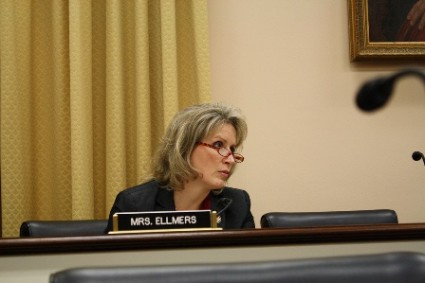
Rep. Renee Ellmers (R-N.C.), a member of the Health subcommittee, noted that she had introduced a bill to exempt Part B drugs from sequestration – the Cancer Patient Protection Act of 2013 (H.R. 1416), which at press time had 91 cosponsors in the House.
"I feel very strongly we need to pass this piece of legislation," Rep. Ellmers said. She added that while sequestration was necessary, it had resulted in unintended consequences, such as harming Medicare patients with cancer.
But Rep. Henry Waxman (D-Calif.), who also serves on the Health subcommittee, said that that had not been an unforeseen possibility. He said that sequestration should not have gone into effect, as "it was supposed to be so ridiculous that we would avoid it."
Meanwhile, he said he did see a need to potentially pay less for Part B drugs.
Last October, the Government Accountability Office analyzed the 55 highest-cost drugs paid for by Medicare Part B, and found that they represented 85% ($16.9 billion) of the almost $20 billion Part B spent on drugs in 2010, according to testimony from James Cosgrove, director of health care at the GAO.
The 10 most costly drugs accounted for about 45% of all Part B drug spending that year. The top 5 were epoetin-alfa (Epogen, for dialysis-related anemia), rituximab (Rituxan, for lymphomas and rheumatoid arthritis), ranibizumab (Lucentis, for age-related macular degeneration), bevacizumab (Avastin, for colorectal cancer, breast cancer, kidney cancer, and glioblastoma), and infliximab (Remicade, for rheumatoid arthritis, psoriatic arthritis, and Crohn’s disease).
"We should make sure Medicare is getting a good deal," Rep. Waxman said, suggesting that negotiations with drug makers or seeking rebates might be one way to cut costs.
Dr. Brooks also complained that hospitals eligible to buy drugs through the federal 340B discount program can get chemotherapy drugs at lower cost – and are reimbursed at a higher rate – that can community oncologists. Meanwhile, patients may have to travel farther to receive care at a hospital, and pay higher out-of-pocket costs, he said.
Another area of concern for oncologists, rheumatologists, and others who administer Part B drugs: the prompt pay discount. Medicare includes those discounts from manufacturers when it calculates how much it reimburses physicians, which essentially leads to a reduction in their pay. That policy has meant that oncologists haven’t been able to cover costs for years, Dr. Brooks said.
Rep. Ed Whitfield (R-Ky.) and Rep. Gene Green (D-Tex.) have introduced legislation to exclude those discounts. The bill, H.R. 800, has 56 cosponsors in the House, and a companion was introduced in the Senate by Pat Roberts (R-Kan.).
Community oncology practices are feeling the pressure. According to a recent survey by the Community Oncology Alliance, in the past 15 months, there has been a 20% increase in clinic closings and a 20% increase in practices that have become affiliated with or been bought by a hospital.
On Twitter @aliciaault
WASHINGTON – Democrats and Republicans at a recent House hearing agreed on one thing: that budget cuts to Medicare Part B are hurting both doctors and patients.
At issue are automatic, across-the-board cuts under sequestration to both Medicare Part B payments for drugs administered in physicians’ offices and cuts to the fees physicians are paid to administer those drugs.
Rep. Joe Pitts (R-Pa.), chairman of the House Energy and Commerce Committee’s Subcommittee on Health, said that these sequestration cuts were not only putting the squeeze on physician practices, but also potentially harming patients.
"Reimbursement rates have caused the shift of some patient populations such as those with primary immune deficiency diseases and other rare diseases, from treatment in the physician office to treatment in the hospital outpatient department – arguably the worst setting for someone with a compromised immune system," he said at the subcommittee hearing held June 28.
When sequestration went into effect April 1, Medicare physician pay was cut 2%. Part B payments for drugs also were cut by 2%.
But the impact has been much greater, testified Dr. Barry Brooks, an oncologist based in Dallas. The two cuts together have amounted to a 28% reduction in payment for certain services, he said at the hearing. "It has put us underwater."
Rep. Renee Ellmers (R-N.C.), a member of the Health subcommittee, noted that she had introduced a bill to exempt Part B drugs from sequestration – the Cancer Patient Protection Act of 2013 (H.R. 1416), which at press time had 91 cosponsors in the House.
"I feel very strongly we need to pass this piece of legislation," Rep. Ellmers said. She added that while sequestration was necessary, it had resulted in unintended consequences, such as harming Medicare patients with cancer.
But Rep. Henry Waxman (D-Calif.), who also serves on the Health subcommittee, said that that had not been an unforeseen possibility. He said that sequestration should not have gone into effect, as "it was supposed to be so ridiculous that we would avoid it."
Meanwhile, he said he did see a need to potentially pay less for Part B drugs.
Last October, the Government Accountability Office analyzed the 55 highest-cost drugs paid for by Medicare Part B, and found that they represented 85% ($16.9 billion) of the almost $20 billion Part B spent on drugs in 2010, according to testimony from James Cosgrove, director of health care at the GAO.
The 10 most costly drugs accounted for about 45% of all Part B drug spending that year. The top 5 were epoetin-alfa (Epogen, for dialysis-related anemia), rituximab (Rituxan, for lymphomas and rheumatoid arthritis), ranibizumab (Lucentis, for age-related macular degeneration), bevacizumab (Avastin, for colorectal cancer, breast cancer, kidney cancer, and glioblastoma), and infliximab (Remicade, for rheumatoid arthritis, psoriatic arthritis, and Crohn’s disease).
"We should make sure Medicare is getting a good deal," Rep. Waxman said, suggesting that negotiations with drug makers or seeking rebates might be one way to cut costs.
Dr. Brooks also complained that hospitals eligible to buy drugs through the federal 340B discount program can get chemotherapy drugs at lower cost – and are reimbursed at a higher rate – that can community oncologists. Meanwhile, patients may have to travel farther to receive care at a hospital, and pay higher out-of-pocket costs, he said.
Another area of concern for oncologists, rheumatologists, and others who administer Part B drugs: the prompt pay discount. Medicare includes those discounts from manufacturers when it calculates how much it reimburses physicians, which essentially leads to a reduction in their pay. That policy has meant that oncologists haven’t been able to cover costs for years, Dr. Brooks said.
Rep. Ed Whitfield (R-Ky.) and Rep. Gene Green (D-Tex.) have introduced legislation to exclude those discounts. The bill, H.R. 800, has 56 cosponsors in the House, and a companion was introduced in the Senate by Pat Roberts (R-Kan.).
Community oncology practices are feeling the pressure. According to a recent survey by the Community Oncology Alliance, in the past 15 months, there has been a 20% increase in clinic closings and a 20% increase in practices that have become affiliated with or been bought by a hospital.
On Twitter @aliciaault
WASHINGTON – Democrats and Republicans at a recent House hearing agreed on one thing: that budget cuts to Medicare Part B are hurting both doctors and patients.
At issue are automatic, across-the-board cuts under sequestration to both Medicare Part B payments for drugs administered in physicians’ offices and cuts to the fees physicians are paid to administer those drugs.
Rep. Joe Pitts (R-Pa.), chairman of the House Energy and Commerce Committee’s Subcommittee on Health, said that these sequestration cuts were not only putting the squeeze on physician practices, but also potentially harming patients.
"Reimbursement rates have caused the shift of some patient populations such as those with primary immune deficiency diseases and other rare diseases, from treatment in the physician office to treatment in the hospital outpatient department – arguably the worst setting for someone with a compromised immune system," he said at the subcommittee hearing held June 28.
When sequestration went into effect April 1, Medicare physician pay was cut 2%. Part B payments for drugs also were cut by 2%.
But the impact has been much greater, testified Dr. Barry Brooks, an oncologist based in Dallas. The two cuts together have amounted to a 28% reduction in payment for certain services, he said at the hearing. "It has put us underwater."
Rep. Renee Ellmers (R-N.C.), a member of the Health subcommittee, noted that she had introduced a bill to exempt Part B drugs from sequestration – the Cancer Patient Protection Act of 2013 (H.R. 1416), which at press time had 91 cosponsors in the House.
"I feel very strongly we need to pass this piece of legislation," Rep. Ellmers said. She added that while sequestration was necessary, it had resulted in unintended consequences, such as harming Medicare patients with cancer.
But Rep. Henry Waxman (D-Calif.), who also serves on the Health subcommittee, said that that had not been an unforeseen possibility. He said that sequestration should not have gone into effect, as "it was supposed to be so ridiculous that we would avoid it."
Meanwhile, he said he did see a need to potentially pay less for Part B drugs.
Last October, the Government Accountability Office analyzed the 55 highest-cost drugs paid for by Medicare Part B, and found that they represented 85% ($16.9 billion) of the almost $20 billion Part B spent on drugs in 2010, according to testimony from James Cosgrove, director of health care at the GAO.
The 10 most costly drugs accounted for about 45% of all Part B drug spending that year. The top 5 were epoetin-alfa (Epogen, for dialysis-related anemia), rituximab (Rituxan, for lymphomas and rheumatoid arthritis), ranibizumab (Lucentis, for age-related macular degeneration), bevacizumab (Avastin, for colorectal cancer, breast cancer, kidney cancer, and glioblastoma), and infliximab (Remicade, for rheumatoid arthritis, psoriatic arthritis, and Crohn’s disease).
"We should make sure Medicare is getting a good deal," Rep. Waxman said, suggesting that negotiations with drug makers or seeking rebates might be one way to cut costs.
Dr. Brooks also complained that hospitals eligible to buy drugs through the federal 340B discount program can get chemotherapy drugs at lower cost – and are reimbursed at a higher rate – that can community oncologists. Meanwhile, patients may have to travel farther to receive care at a hospital, and pay higher out-of-pocket costs, he said.
Another area of concern for oncologists, rheumatologists, and others who administer Part B drugs: the prompt pay discount. Medicare includes those discounts from manufacturers when it calculates how much it reimburses physicians, which essentially leads to a reduction in their pay. That policy has meant that oncologists haven’t been able to cover costs for years, Dr. Brooks said.
Rep. Ed Whitfield (R-Ky.) and Rep. Gene Green (D-Tex.) have introduced legislation to exclude those discounts. The bill, H.R. 800, has 56 cosponsors in the House, and a companion was introduced in the Senate by Pat Roberts (R-Kan.).
Community oncology practices are feeling the pressure. According to a recent survey by the Community Oncology Alliance, in the past 15 months, there has been a 20% increase in clinic closings and a 20% increase in practices that have become affiliated with or been bought by a hospital.
On Twitter @aliciaault
AT A HOUSE OF REPRESENTATIVES HEARING
AMA delegates decry ICD-10, EHRs
CHICAGO – Coding and computers were among key concerns for physician leaders at the American Medical Association’s annual House of Delegates meeting.
Resolutions from several delegations aimed to delay or scuttle the transition to the newest incarnation of the International Classification of Diseases, ICD-10.

Delegates from the American College of Rheumatology (ACR) introduced a resolution urging the association to keep up its campaign to stop ICD-10 implementation, specifically via federal legislation.
Without a statement supporting delay, there is a "perception out there that the AMA has essentially caved on the issue of ICD-10," said Dr. Gary Bryant, an ACR delegate. "Now that’s not my perception, but I believe it’s the perception, to some degree, among American physicians."
The House adopted instead a resolution calling for the AMA to support federal legislation to delay ICD-10 implementation for 2 years. During that time, payers would not be allowed to deny payment based on the specificity of the diagnosis, but they would be required to provide feedback in the case of an incorrect diagnosis. The resolution was brought by the Colorado delegation.
Dr. Reid Blackwelder, president-elect of the American Academy of Family Physicians, spoke in favor of the resolution.
"It’s not likely that we’re moving from ICD-9, we are." Instead, the resolution "allows our members to have a period of time to get used to the sticker shock," he said.
The AMA has estimated that the cost of implementing ICD-10 could range from $83,290 to more than $2.7 million per practice, depending on practice size.
Delegates also sought to slow the adoption of electronic health records, citing major problems with interoperability.
Karthik Sarmah, medical student alternate delegate in the California delegation, cited interoperability as a major concern.
"The lack of interoperability is the primary driver of why so many people in this room hate their EHR system," he said, adding that interoperability standards exist, but that there are no incentives for venders to create ways to allow physicians to share their patient data with each other.
Dr. Melissa Garretson, a delegate from the American Academy of Pediatrics, agreed.
"I can’t tell you the number of times I have to repeat labs," and CT scans because data can’t be accessed from other physicians, Dr. Garretson said. She called the lack of interoperability an unfunded mandate on physicians because the vendors aren’t making it possible. "If we force them to do this through legislation, it will finally happen."
Other delegates were skeptical.
"I have been waiting now for about 12 years for this interoperability to occur and I think I’ll either be retired or dead before it finally does," said Dr. Arthur E. Palamara, a vascular surgeon with the Florida delegation.
The House approved a resolution "seeking legislation or regulation to require all EHR vendors to use standard and interoperable software technology to enable cost-efficient use of electronic health records across all health care delivery systems, including institutional and community-based settings of care delivery."
On Twitter @aliciaault
CHICAGO – Coding and computers were among key concerns for physician leaders at the American Medical Association’s annual House of Delegates meeting.
Resolutions from several delegations aimed to delay or scuttle the transition to the newest incarnation of the International Classification of Diseases, ICD-10.
Delegates from the American College of Rheumatology (ACR) introduced a resolution urging the association to keep up its campaign to stop ICD-10 implementation, specifically via federal legislation.
Without a statement supporting delay, there is a "perception out there that the AMA has essentially caved on the issue of ICD-10," said Dr. Gary Bryant, an ACR delegate. "Now that’s not my perception, but I believe it’s the perception, to some degree, among American physicians."
The House adopted instead a resolution calling for the AMA to support federal legislation to delay ICD-10 implementation for 2 years. During that time, payers would not be allowed to deny payment based on the specificity of the diagnosis, but they would be required to provide feedback in the case of an incorrect diagnosis. The resolution was brought by the Colorado delegation.
Dr. Reid Blackwelder, president-elect of the American Academy of Family Physicians, spoke in favor of the resolution.
"It’s not likely that we’re moving from ICD-9, we are." Instead, the resolution "allows our members to have a period of time to get used to the sticker shock," he said.
The AMA has estimated that the cost of implementing ICD-10 could range from $83,290 to more than $2.7 million per practice, depending on practice size.
Delegates also sought to slow the adoption of electronic health records, citing major problems with interoperability.
Karthik Sarmah, medical student alternate delegate in the California delegation, cited interoperability as a major concern.
"The lack of interoperability is the primary driver of why so many people in this room hate their EHR system," he said, adding that interoperability standards exist, but that there are no incentives for venders to create ways to allow physicians to share their patient data with each other.
Dr. Melissa Garretson, a delegate from the American Academy of Pediatrics, agreed.
"I can’t tell you the number of times I have to repeat labs," and CT scans because data can’t be accessed from other physicians, Dr. Garretson said. She called the lack of interoperability an unfunded mandate on physicians because the vendors aren’t making it possible. "If we force them to do this through legislation, it will finally happen."
Other delegates were skeptical.
"I have been waiting now for about 12 years for this interoperability to occur and I think I’ll either be retired or dead before it finally does," said Dr. Arthur E. Palamara, a vascular surgeon with the Florida delegation.
The House approved a resolution "seeking legislation or regulation to require all EHR vendors to use standard and interoperable software technology to enable cost-efficient use of electronic health records across all health care delivery systems, including institutional and community-based settings of care delivery."
On Twitter @aliciaault
CHICAGO – Coding and computers were among key concerns for physician leaders at the American Medical Association’s annual House of Delegates meeting.
Resolutions from several delegations aimed to delay or scuttle the transition to the newest incarnation of the International Classification of Diseases, ICD-10.
Delegates from the American College of Rheumatology (ACR) introduced a resolution urging the association to keep up its campaign to stop ICD-10 implementation, specifically via federal legislation.
Without a statement supporting delay, there is a "perception out there that the AMA has essentially caved on the issue of ICD-10," said Dr. Gary Bryant, an ACR delegate. "Now that’s not my perception, but I believe it’s the perception, to some degree, among American physicians."
The House adopted instead a resolution calling for the AMA to support federal legislation to delay ICD-10 implementation for 2 years. During that time, payers would not be allowed to deny payment based on the specificity of the diagnosis, but they would be required to provide feedback in the case of an incorrect diagnosis. The resolution was brought by the Colorado delegation.
Dr. Reid Blackwelder, president-elect of the American Academy of Family Physicians, spoke in favor of the resolution.
"It’s not likely that we’re moving from ICD-9, we are." Instead, the resolution "allows our members to have a period of time to get used to the sticker shock," he said.
The AMA has estimated that the cost of implementing ICD-10 could range from $83,290 to more than $2.7 million per practice, depending on practice size.
Delegates also sought to slow the adoption of electronic health records, citing major problems with interoperability.
Karthik Sarmah, medical student alternate delegate in the California delegation, cited interoperability as a major concern.
"The lack of interoperability is the primary driver of why so many people in this room hate their EHR system," he said, adding that interoperability standards exist, but that there are no incentives for venders to create ways to allow physicians to share their patient data with each other.
Dr. Melissa Garretson, a delegate from the American Academy of Pediatrics, agreed.
"I can’t tell you the number of times I have to repeat labs," and CT scans because data can’t be accessed from other physicians, Dr. Garretson said. She called the lack of interoperability an unfunded mandate on physicians because the vendors aren’t making it possible. "If we force them to do this through legislation, it will finally happen."
Other delegates were skeptical.
"I have been waiting now for about 12 years for this interoperability to occur and I think I’ll either be retired or dead before it finally does," said Dr. Arthur E. Palamara, a vascular surgeon with the Florida delegation.
The House approved a resolution "seeking legislation or regulation to require all EHR vendors to use standard and interoperable software technology to enable cost-efficient use of electronic health records across all health care delivery systems, including institutional and community-based settings of care delivery."
On Twitter @aliciaault
AT THE AMA HOUSE OF DELEGATES

AMA: Growing patient responsibility leads to greater hassle
CHICAGO – Administrative hassles are taking too much time and money away from physician practices and the burden is likely to grow as employers ask workers to pay for more of their health care.
That’s the message in the most recent edition of the American Medical Association's National Health Insurer Report Card, released at the organization’s annual House of Delegates meeting.

Patients are being asked to cover as much as a quarter of their health care costs, according to the report card. The problem is exacerbated at the beginning of the year, when many must first satisfy a deductible.
Up to half of claims for which insurers pay $0 are those for which the patient owes the full amount, said Mark Reiger, vice president for payment and reimbursement strategy at NHXS, which helped develop the report card.
"As the burden shifts to the patients, more of your revenue is at risk," Mr. Reiger said, noting that "physicians are not very good at collecting patient responsibility."
Payment problems distract from patient care, said Dr. Barbara McAneny of the AMA Board of Trustees. The ABI study found that physician practices are spending as much as 14% of their revenues on getting paid.
You "should not have to divert as much as 14% of your gross revenue to ensure accurate insurance payments for your services," she said.
According to the report card, insurers have improved their performance since the AMA began monitoring it in 2008.
Dr. McAneny said that although things have gotten better, there’s still a lot of money being left on the table – about $43 billion over the last 3 years. That’s how much physicians and insurers have given up due to less than 100% accuracy in claims processing since 2010.
Even so, error rates have dropped from 20% in 2010 to 7% in the latest report.
Medicare was the most accurate payer (98%). UnitedHealthcare was the most accurate commercial insurer (97.5%), while Regence was the least (85%).
The insurers who participated in the report card are Aetna, Anthem, Cigna, Health Care Service Corp., Humana, Regence, UnitedHealthcare, and Medicare.
Insurers were rated according to how quickly they pay claims, how often they pay nothing on a claim, how often they match the contracted fee schedule, whether they disclose the reason for a denial, and a variety of other measures. The report found that the vast majority of claims are paid within 30 days, and most within 15 days. Medicare and Cigna paid 95% of claims within 15 days. In contrast, Aetna paid 66% in the same time frame.
The report shed light on another trend that could lead to more payment problems for physicians: Patients are being required to pay more out of pocket for care. Patients insured by Health Care Service Corp. pay for30% of their care, according to the report card. Most of the other insurers require 20%-25% copays from patients. Humana, on the low end, seeks 15% of the allowable amount from patients.
The AMA is asking payers and vendors to give physicians real-time estimates of the patient’s responsibility at the point of care, Dr. McAneny said.
Among the other findings: Claims denials decreased to 1.8% in 2013, compared with 3% in 2012. Medicare had the highest denial rate at almost 5%.
Insurers also responded more quickly to claims. The fastest, Humana, had a median response time of 6 days, while Aetna was the slowest, with a median response time of 14 days. Medicare matched Aetna, and has maintained that response time since 2008.
Along with the report card, the AMA unveiled its administrative burden index (ABI), which measures how much it costs a practice to rework rejected claims.
Medicare’s performance was not included in the ABI. The ABI score was based largely on the percentage of claims paid after 30 days. The AMA said that the tasks associated with avoidable errors, inefficiency, and waste in the claims process cost an average $2.36 per claim for physicians and insurers. Cigna had the best ABI cost per claim of $1.25 and HCSC had the worst, at $3.32, per claim.
Dr. McAneny said physicians can use the ABI data "to identify the cost of processing claims with the participating health insurers on the report card."
The report card data is based on 2.6 million claims submitted for February and March 2013. It is drawn from 41 states, 80 specialties, and more than 450 practices. It is based exclusively on claims that were submitted electronically and remittances received electronically; therefore, the results may not apply to practices that don’t use electronic submission.
On Twitter @aliciaault
CHICAGO – Administrative hassles are taking too much time and money away from physician practices and the burden is likely to grow as employers ask workers to pay for more of their health care.
That’s the message in the most recent edition of the American Medical Association's National Health Insurer Report Card, released at the organization’s annual House of Delegates meeting.
Patients are being asked to cover as much as a quarter of their health care costs, according to the report card. The problem is exacerbated at the beginning of the year, when many must first satisfy a deductible.
Up to half of claims for which insurers pay $0 are those for which the patient owes the full amount, said Mark Reiger, vice president for payment and reimbursement strategy at NHXS, which helped develop the report card.
"As the burden shifts to the patients, more of your revenue is at risk," Mr. Reiger said, noting that "physicians are not very good at collecting patient responsibility."
Payment problems distract from patient care, said Dr. Barbara McAneny of the AMA Board of Trustees. The ABI study found that physician practices are spending as much as 14% of their revenues on getting paid.
You "should not have to divert as much as 14% of your gross revenue to ensure accurate insurance payments for your services," she said.
According to the report card, insurers have improved their performance since the AMA began monitoring it in 2008.
Dr. McAneny said that although things have gotten better, there’s still a lot of money being left on the table – about $43 billion over the last 3 years. That’s how much physicians and insurers have given up due to less than 100% accuracy in claims processing since 2010.
Even so, error rates have dropped from 20% in 2010 to 7% in the latest report.
Medicare was the most accurate payer (98%). UnitedHealthcare was the most accurate commercial insurer (97.5%), while Regence was the least (85%).
The insurers who participated in the report card are Aetna, Anthem, Cigna, Health Care Service Corp., Humana, Regence, UnitedHealthcare, and Medicare.
Insurers were rated according to how quickly they pay claims, how often they pay nothing on a claim, how often they match the contracted fee schedule, whether they disclose the reason for a denial, and a variety of other measures. The report found that the vast majority of claims are paid within 30 days, and most within 15 days. Medicare and Cigna paid 95% of claims within 15 days. In contrast, Aetna paid 66% in the same time frame.
The report shed light on another trend that could lead to more payment problems for physicians: Patients are being required to pay more out of pocket for care. Patients insured by Health Care Service Corp. pay for30% of their care, according to the report card. Most of the other insurers require 20%-25% copays from patients. Humana, on the low end, seeks 15% of the allowable amount from patients.
The AMA is asking payers and vendors to give physicians real-time estimates of the patient’s responsibility at the point of care, Dr. McAneny said.
Among the other findings: Claims denials decreased to 1.8% in 2013, compared with 3% in 2012. Medicare had the highest denial rate at almost 5%.
Insurers also responded more quickly to claims. The fastest, Humana, had a median response time of 6 days, while Aetna was the slowest, with a median response time of 14 days. Medicare matched Aetna, and has maintained that response time since 2008.
Along with the report card, the AMA unveiled its administrative burden index (ABI), which measures how much it costs a practice to rework rejected claims.
Medicare’s performance was not included in the ABI. The ABI score was based largely on the percentage of claims paid after 30 days. The AMA said that the tasks associated with avoidable errors, inefficiency, and waste in the claims process cost an average $2.36 per claim for physicians and insurers. Cigna had the best ABI cost per claim of $1.25 and HCSC had the worst, at $3.32, per claim.
Dr. McAneny said physicians can use the ABI data "to identify the cost of processing claims with the participating health insurers on the report card."
The report card data is based on 2.6 million claims submitted for February and March 2013. It is drawn from 41 states, 80 specialties, and more than 450 practices. It is based exclusively on claims that were submitted electronically and remittances received electronically; therefore, the results may not apply to practices that don’t use electronic submission.
On Twitter @aliciaault
CHICAGO – Administrative hassles are taking too much time and money away from physician practices and the burden is likely to grow as employers ask workers to pay for more of their health care.
That’s the message in the most recent edition of the American Medical Association's National Health Insurer Report Card, released at the organization’s annual House of Delegates meeting.
Patients are being asked to cover as much as a quarter of their health care costs, according to the report card. The problem is exacerbated at the beginning of the year, when many must first satisfy a deductible.
Up to half of claims for which insurers pay $0 are those for which the patient owes the full amount, said Mark Reiger, vice president for payment and reimbursement strategy at NHXS, which helped develop the report card.
"As the burden shifts to the patients, more of your revenue is at risk," Mr. Reiger said, noting that "physicians are not very good at collecting patient responsibility."
Payment problems distract from patient care, said Dr. Barbara McAneny of the AMA Board of Trustees. The ABI study found that physician practices are spending as much as 14% of their revenues on getting paid.
You "should not have to divert as much as 14% of your gross revenue to ensure accurate insurance payments for your services," she said.
According to the report card, insurers have improved their performance since the AMA began monitoring it in 2008.
Dr. McAneny said that although things have gotten better, there’s still a lot of money being left on the table – about $43 billion over the last 3 years. That’s how much physicians and insurers have given up due to less than 100% accuracy in claims processing since 2010.
Even so, error rates have dropped from 20% in 2010 to 7% in the latest report.
Medicare was the most accurate payer (98%). UnitedHealthcare was the most accurate commercial insurer (97.5%), while Regence was the least (85%).
The insurers who participated in the report card are Aetna, Anthem, Cigna, Health Care Service Corp., Humana, Regence, UnitedHealthcare, and Medicare.
Insurers were rated according to how quickly they pay claims, how often they pay nothing on a claim, how often they match the contracted fee schedule, whether they disclose the reason for a denial, and a variety of other measures. The report found that the vast majority of claims are paid within 30 days, and most within 15 days. Medicare and Cigna paid 95% of claims within 15 days. In contrast, Aetna paid 66% in the same time frame.
The report shed light on another trend that could lead to more payment problems for physicians: Patients are being required to pay more out of pocket for care. Patients insured by Health Care Service Corp. pay for30% of their care, according to the report card. Most of the other insurers require 20%-25% copays from patients. Humana, on the low end, seeks 15% of the allowable amount from patients.
The AMA is asking payers and vendors to give physicians real-time estimates of the patient’s responsibility at the point of care, Dr. McAneny said.
Among the other findings: Claims denials decreased to 1.8% in 2013, compared with 3% in 2012. Medicare had the highest denial rate at almost 5%.
Insurers also responded more quickly to claims. The fastest, Humana, had a median response time of 6 days, while Aetna was the slowest, with a median response time of 14 days. Medicare matched Aetna, and has maintained that response time since 2008.
Along with the report card, the AMA unveiled its administrative burden index (ABI), which measures how much it costs a practice to rework rejected claims.
Medicare’s performance was not included in the ABI. The ABI score was based largely on the percentage of claims paid after 30 days. The AMA said that the tasks associated with avoidable errors, inefficiency, and waste in the claims process cost an average $2.36 per claim for physicians and insurers. Cigna had the best ABI cost per claim of $1.25 and HCSC had the worst, at $3.32, per claim.
Dr. McAneny said physicians can use the ABI data "to identify the cost of processing claims with the participating health insurers on the report card."
The report card data is based on 2.6 million claims submitted for February and March 2013. It is drawn from 41 states, 80 specialties, and more than 450 practices. It is based exclusively on claims that were submitted electronically and remittances received electronically; therefore, the results may not apply to practices that don’t use electronic submission.
On Twitter @aliciaault
AT THE AMA HOUSE OF DELEGATES

Institute aims to spread Project ECHO care model
WASHINGTON – Project ECHO, a care model that brings specialists’ knowledge and skills to underserved communities through training, distance learning, and video conferencing, is getting its own institute with an eye on replicating the care model across the country and across specialties.
The Robert Wood Johnson Foundation is helping fund the new ECHO Institute, which will be located at the University of New Mexico Health Sciences Center in Albuquerque.

Project ECHO (Extension for Community Healthcare Outcomes) began at the university in 2003 as a way to extend more and better health care services to New Mexico residents. The state is largely rural, and it is not unusual for some patients to drive 6 hours to and from a medical appointment, said Dr. Richard Larson, executive vice chancellor and vice chancellor for research at the university.
The ECHO Institute will be led by the project’s creator, Dr. Sanjeev Arora. The institute’s first project will be to bring mental health and substance abuse treatment to more of the state’s rural populace, using a $4.5 million, 3-year grant from the GE Foundation.
"This approach with Project ECHO will bring mental health care to patients in their home communities with local clinicians," Bob Corcoran, president and CEO of the GE Foundation, said in a statement. "We think this will not only improve access to mental health care, but ultimately improve overall well-being and quality of life for these patients and their families."
The grant program will train 16 nurse practitioners and community health workers to work at eight federally qualified health centers in rural New Mexico. These pairs will focus on mental health care and addiction services for the 3 years of the project. They’ll be trained initially at the university by specialists who already are part of Project ECHO.
The local teams will be trained to screen, diagnose, and develop treatment plans, then return to their community to put the skills to work. Once a week, they will meet by video conference with the university’s specialized team to go over difficult cases and get recommendations on treatment.
Project ECHO takes expertise from the academic medical center and puts it in the hands of the primary care providers in the field, said Dr. Arora at a press briefing. He noted that, over the years, ECHO has been well received by specialists at the university because it allows them to "have 10 times the impact" they would if they merely practiced in their clinic.
But, he added, for ECHO to be successfully replicated, specialists have to be willing to "de-monopolize their knowledge base" and share it with primary care practitioners.
However, payment issues may slow adoption of the ECHO model. Medicare, for one, does not reimburse for video consultations, said Dr. Coleen Kivlahan, senior director of health systems innovation at the Association of American Medical Colleges, at the briefing.
Project ECHO supporters include the Robert Wood Johnson Foundation, the GE Foundation, New Mexico Medicaid, the University of New Mexico, and the New Mexico Department of Health. The project also has a 3-year, $8.5 million grant from the Center for Medicare and Medicaid Innovation.
[email protected] On Twitter @aliciaault
WASHINGTON – Project ECHO, a care model that brings specialists’ knowledge and skills to underserved communities through training, distance learning, and video conferencing, is getting its own institute with an eye on replicating the care model across the country and across specialties.
The Robert Wood Johnson Foundation is helping fund the new ECHO Institute, which will be located at the University of New Mexico Health Sciences Center in Albuquerque.
Project ECHO (Extension for Community Healthcare Outcomes) began at the university in 2003 as a way to extend more and better health care services to New Mexico residents. The state is largely rural, and it is not unusual for some patients to drive 6 hours to and from a medical appointment, said Dr. Richard Larson, executive vice chancellor and vice chancellor for research at the university.
The ECHO Institute will be led by the project’s creator, Dr. Sanjeev Arora. The institute’s first project will be to bring mental health and substance abuse treatment to more of the state’s rural populace, using a $4.5 million, 3-year grant from the GE Foundation.
"This approach with Project ECHO will bring mental health care to patients in their home communities with local clinicians," Bob Corcoran, president and CEO of the GE Foundation, said in a statement. "We think this will not only improve access to mental health care, but ultimately improve overall well-being and quality of life for these patients and their families."
The grant program will train 16 nurse practitioners and community health workers to work at eight federally qualified health centers in rural New Mexico. These pairs will focus on mental health care and addiction services for the 3 years of the project. They’ll be trained initially at the university by specialists who already are part of Project ECHO.
The local teams will be trained to screen, diagnose, and develop treatment plans, then return to their community to put the skills to work. Once a week, they will meet by video conference with the university’s specialized team to go over difficult cases and get recommendations on treatment.
Project ECHO takes expertise from the academic medical center and puts it in the hands of the primary care providers in the field, said Dr. Arora at a press briefing. He noted that, over the years, ECHO has been well received by specialists at the university because it allows them to "have 10 times the impact" they would if they merely practiced in their clinic.
But, he added, for ECHO to be successfully replicated, specialists have to be willing to "de-monopolize their knowledge base" and share it with primary care practitioners.
However, payment issues may slow adoption of the ECHO model. Medicare, for one, does not reimburse for video consultations, said Dr. Coleen Kivlahan, senior director of health systems innovation at the Association of American Medical Colleges, at the briefing.
Project ECHO supporters include the Robert Wood Johnson Foundation, the GE Foundation, New Mexico Medicaid, the University of New Mexico, and the New Mexico Department of Health. The project also has a 3-year, $8.5 million grant from the Center for Medicare and Medicaid Innovation.
[email protected] On Twitter @aliciaault
WASHINGTON – Project ECHO, a care model that brings specialists’ knowledge and skills to underserved communities through training, distance learning, and video conferencing, is getting its own institute with an eye on replicating the care model across the country and across specialties.
The Robert Wood Johnson Foundation is helping fund the new ECHO Institute, which will be located at the University of New Mexico Health Sciences Center in Albuquerque.
Project ECHO (Extension for Community Healthcare Outcomes) began at the university in 2003 as a way to extend more and better health care services to New Mexico residents. The state is largely rural, and it is not unusual for some patients to drive 6 hours to and from a medical appointment, said Dr. Richard Larson, executive vice chancellor and vice chancellor for research at the university.
The ECHO Institute will be led by the project’s creator, Dr. Sanjeev Arora. The institute’s first project will be to bring mental health and substance abuse treatment to more of the state’s rural populace, using a $4.5 million, 3-year grant from the GE Foundation.
"This approach with Project ECHO will bring mental health care to patients in their home communities with local clinicians," Bob Corcoran, president and CEO of the GE Foundation, said in a statement. "We think this will not only improve access to mental health care, but ultimately improve overall well-being and quality of life for these patients and their families."
The grant program will train 16 nurse practitioners and community health workers to work at eight federally qualified health centers in rural New Mexico. These pairs will focus on mental health care and addiction services for the 3 years of the project. They’ll be trained initially at the university by specialists who already are part of Project ECHO.
The local teams will be trained to screen, diagnose, and develop treatment plans, then return to their community to put the skills to work. Once a week, they will meet by video conference with the university’s specialized team to go over difficult cases and get recommendations on treatment.
Project ECHO takes expertise from the academic medical center and puts it in the hands of the primary care providers in the field, said Dr. Arora at a press briefing. He noted that, over the years, ECHO has been well received by specialists at the university because it allows them to "have 10 times the impact" they would if they merely practiced in their clinic.
But, he added, for ECHO to be successfully replicated, specialists have to be willing to "de-monopolize their knowledge base" and share it with primary care practitioners.
However, payment issues may slow adoption of the ECHO model. Medicare, for one, does not reimburse for video consultations, said Dr. Coleen Kivlahan, senior director of health systems innovation at the Association of American Medical Colleges, at the briefing.
Project ECHO supporters include the Robert Wood Johnson Foundation, the GE Foundation, New Mexico Medicaid, the University of New Mexico, and the New Mexico Department of Health. The project also has a 3-year, $8.5 million grant from the Center for Medicare and Medicaid Innovation.
[email protected] On Twitter @aliciaault

FDA approves PCC to reverse warfarin-induced acute bleeding
The Food and Drug Administration has approved a new agent – Kcentra (Prothrombin Complex Concentrate, Human) – for the urgent reversal of vitamin K antagonist (VKA) anticoagulation in adults with acute major bleeding.
Kcentra, manufactured by CSL Behring of King of Prussia, Pa., is a nonactivated 4-factor prothrombin complex concentrate (PCC). It contains the coagulation factors that are low in warfarin-treated patients: factors II (prothrombin), VII, IX, and X. The product also contains antithrombotic proteins C and S. Fresh frozen plasma is the only FDA-approved product for reversing warfarin-induced acute bleeding. Like plasma, Kcentra is used with administration of vitamin K to reverse the anticoagulation effect and stop bleeding. Unlike plasma, Kcentra can be given quickly because it does not require thawing or determination of blood type.

"The FDA’s approval of this new product gives physicians a choice when deciding how to treat patients requiring urgent reversal of VKA anticoagulation," Dr. Karen Midthun, director of the FDA’s Center for Biologics Evaluation and Research, said in a statement. "Kcentra is administered in a significantly lower volume than plasma at recommended doses, providing an alternative for those patients who may not tolerate the volume of plasma required to reverse VKA anticoagulation."
The American College of Chest Physicians endorsed use of PCC for rapid reversal of VKA-associated bleeding in its 2012 consensus guidelines on anticoagulant therapy (CHEST 2012;141(Suppl):e152S-e184S).
"Kcentra has been shown to restore the decreased vitamin K–dependent clotting factors significantly faster than plasma in patients on warfarin," Dr. Ravi Sarode, the coordinating investigator for the pivotal Kcentra trial and director of transfusion medicine and hemostasis reference laboratory at the University of Texas Southwestern Medical Center, said in a statement issued by CSL Behring.
According to the company, 3-4 million people in the United States each year receive warfarin to prevent clots after a stroke, heart attack, heart valve surgery, or deep vein thrombosis/pulmonary embolism, or for atrial fibrillation. Severe bleeding is possible, however, because of the warfarin-induced clotting factor deficiency. CSL Behring said that some 29,000 emergency department visits annually are for warfarin-associated bleeding.
The FDA said that Kcentra will carry a boxed warning on the risk of blood clots. Patients should be monitored for signs and symptoms of thromboembolic events. "Both fatal and nonfatal arterial and venous thromboembolic complications have been reported in clinical trials and postmarketing surveillance," said the FDA. The warning further states that Kcentra was not studied in subjects who had a thromboembolic event, myocardial infarction, disseminated intravascular coagulation (DIC), cerebral vascular accident, transient ischemic attack, unstable angina pectoris, or severe peripheral vascular disease within the prior 3 months, and as such might not be suitable in patients who had any of those events in the 3 months before starting therapy.
Kcentra, made from pooled plasma of healthy donors, is processed to minimize risk of transmitting viral and other diseases, the agency said. It is marketed as Beriplex or Confidex in 25 countries.
Dr. Sarode received compensation as coordinating principal investigator of the study.
On Twitter @aliciaault
The Food and Drug Administration has approved a new agent – Kcentra (Prothrombin Complex Concentrate, Human) – for the urgent reversal of vitamin K antagonist (VKA) anticoagulation in adults with acute major bleeding.
Kcentra, manufactured by CSL Behring of King of Prussia, Pa., is a nonactivated 4-factor prothrombin complex concentrate (PCC). It contains the coagulation factors that are low in warfarin-treated patients: factors II (prothrombin), VII, IX, and X. The product also contains antithrombotic proteins C and S. Fresh frozen plasma is the only FDA-approved product for reversing warfarin-induced acute bleeding. Like plasma, Kcentra is used with administration of vitamin K to reverse the anticoagulation effect and stop bleeding. Unlike plasma, Kcentra can be given quickly because it does not require thawing or determination of blood type.
"The FDA’s approval of this new product gives physicians a choice when deciding how to treat patients requiring urgent reversal of VKA anticoagulation," Dr. Karen Midthun, director of the FDA’s Center for Biologics Evaluation and Research, said in a statement. "Kcentra is administered in a significantly lower volume than plasma at recommended doses, providing an alternative for those patients who may not tolerate the volume of plasma required to reverse VKA anticoagulation."
The American College of Chest Physicians endorsed use of PCC for rapid reversal of VKA-associated bleeding in its 2012 consensus guidelines on anticoagulant therapy (CHEST 2012;141(Suppl):e152S-e184S).
"Kcentra has been shown to restore the decreased vitamin K–dependent clotting factors significantly faster than plasma in patients on warfarin," Dr. Ravi Sarode, the coordinating investigator for the pivotal Kcentra trial and director of transfusion medicine and hemostasis reference laboratory at the University of Texas Southwestern Medical Center, said in a statement issued by CSL Behring.
According to the company, 3-4 million people in the United States each year receive warfarin to prevent clots after a stroke, heart attack, heart valve surgery, or deep vein thrombosis/pulmonary embolism, or for atrial fibrillation. Severe bleeding is possible, however, because of the warfarin-induced clotting factor deficiency. CSL Behring said that some 29,000 emergency department visits annually are for warfarin-associated bleeding.
The FDA said that Kcentra will carry a boxed warning on the risk of blood clots. Patients should be monitored for signs and symptoms of thromboembolic events. "Both fatal and nonfatal arterial and venous thromboembolic complications have been reported in clinical trials and postmarketing surveillance," said the FDA. The warning further states that Kcentra was not studied in subjects who had a thromboembolic event, myocardial infarction, disseminated intravascular coagulation (DIC), cerebral vascular accident, transient ischemic attack, unstable angina pectoris, or severe peripheral vascular disease within the prior 3 months, and as such might not be suitable in patients who had any of those events in the 3 months before starting therapy.
Kcentra, made from pooled plasma of healthy donors, is processed to minimize risk of transmitting viral and other diseases, the agency said. It is marketed as Beriplex or Confidex in 25 countries.
Dr. Sarode received compensation as coordinating principal investigator of the study.
On Twitter @aliciaault
The Food and Drug Administration has approved a new agent – Kcentra (Prothrombin Complex Concentrate, Human) – for the urgent reversal of vitamin K antagonist (VKA) anticoagulation in adults with acute major bleeding.
Kcentra, manufactured by CSL Behring of King of Prussia, Pa., is a nonactivated 4-factor prothrombin complex concentrate (PCC). It contains the coagulation factors that are low in warfarin-treated patients: factors II (prothrombin), VII, IX, and X. The product also contains antithrombotic proteins C and S. Fresh frozen plasma is the only FDA-approved product for reversing warfarin-induced acute bleeding. Like plasma, Kcentra is used with administration of vitamin K to reverse the anticoagulation effect and stop bleeding. Unlike plasma, Kcentra can be given quickly because it does not require thawing or determination of blood type.
"The FDA’s approval of this new product gives physicians a choice when deciding how to treat patients requiring urgent reversal of VKA anticoagulation," Dr. Karen Midthun, director of the FDA’s Center for Biologics Evaluation and Research, said in a statement. "Kcentra is administered in a significantly lower volume than plasma at recommended doses, providing an alternative for those patients who may not tolerate the volume of plasma required to reverse VKA anticoagulation."
The American College of Chest Physicians endorsed use of PCC for rapid reversal of VKA-associated bleeding in its 2012 consensus guidelines on anticoagulant therapy (CHEST 2012;141(Suppl):e152S-e184S).
"Kcentra has been shown to restore the decreased vitamin K–dependent clotting factors significantly faster than plasma in patients on warfarin," Dr. Ravi Sarode, the coordinating investigator for the pivotal Kcentra trial and director of transfusion medicine and hemostasis reference laboratory at the University of Texas Southwestern Medical Center, said in a statement issued by CSL Behring.
According to the company, 3-4 million people in the United States each year receive warfarin to prevent clots after a stroke, heart attack, heart valve surgery, or deep vein thrombosis/pulmonary embolism, or for atrial fibrillation. Severe bleeding is possible, however, because of the warfarin-induced clotting factor deficiency. CSL Behring said that some 29,000 emergency department visits annually are for warfarin-associated bleeding.
The FDA said that Kcentra will carry a boxed warning on the risk of blood clots. Patients should be monitored for signs and symptoms of thromboembolic events. "Both fatal and nonfatal arterial and venous thromboembolic complications have been reported in clinical trials and postmarketing surveillance," said the FDA. The warning further states that Kcentra was not studied in subjects who had a thromboembolic event, myocardial infarction, disseminated intravascular coagulation (DIC), cerebral vascular accident, transient ischemic attack, unstable angina pectoris, or severe peripheral vascular disease within the prior 3 months, and as such might not be suitable in patients who had any of those events in the 3 months before starting therapy.
Kcentra, made from pooled plasma of healthy donors, is processed to minimize risk of transmitting viral and other diseases, the agency said. It is marketed as Beriplex or Confidex in 25 countries.
Dr. Sarode received compensation as coordinating principal investigator of the study.
On Twitter @aliciaault

House Republicans proffer SGR fix legislation
Republicans on the House Energy and Commerce Committee have released a draft bill that would eliminate the Medicare Sustainable Growth Rate formula that they say has a good chance of being enacted.
Physician groups have been involved in the crafting of the draft, which was first circulated in early February.

"This discussion draft carries on the trend of soliciting more provider feedback than at any point in history on this issue," Rep. Michael Burgess (R-Tex.) said in a statement. "We are taking an important next step with this release by showing providers that we are committed to repealing the SGR and maintaining the option of fee-for-service for providers, while improving the Medicare program."
Rep. Burgess, who is an ob.gyn., and also vice chairman of the Energy and Commerce Health Subcommittee, said that he and his colleagues looked forward to hearing more from physicians.
The draft legislation would repeal the SGR and replace it with a fee-for-service system that would put more emphasis on rewarding quality. Physicians would have a guiding hand in developing quality measures in conjunction with the secretary of Health and Human Services. They would also be given the ability to opt out of fee-for-service and practice instead under new delivery models like accountable care organizations or patient-centered medical homes.
"We are working to restore certainty, fiscal sanity, and we will responsibly pay for these reforms," said Rep. Fred Upton (R-Mich.), chairman of the House Energy and Commerce committee, in a statement. "We will continue working closely with Ways and Means Committee Chairman [Dave] Camp [R-Mich.] as well as maintain our ongoing dialogue with committee Democrats as we work toward long-term solutions in the effort to improve quality of care."
Physician groups were cautious about the proposal at press time. In a statement, Dr. Jeremy Lazarus, president of the American Medical Association, said, "The Energy and Commerce Committee’s framework is another step in the important process of eliminating the SGR and moving toward new ways of delivering and paying for care that reward quality and reduce costs."
He said that the AMA "look[ed] forward to continuing to work to see that progress is made this year."
The American Academy of Family Physicians supports the proposal’s goal of establishing "a period of stable and predictable payment increases," and incentives to improve quality of care, said Dr. Jeffrey Cain, AAFP president, in an interview.
But by largely focusing on the fee-for-service payment system, the committee is overlooking the bigger picture of how physician payment affects health care costs and quality, he said. The AAFP would like to see an increase in pay for primary care because "investing in primary care would improve our country’s health care by increasing quality and decreasing overall costs by reducing unnecessary medical utilization," said Dr. Cain.
In early February, the American College of Physicians and several other groups lent their support to an SGR replacement bill that has elements similar to the Energy and Commerce draft. The bill, the Medicare Physician Payment Innovation Act (H.R. 574), was introduced by Reps. Allyson Schwartz (D-Penn.) and Joe Heck (R-Nev.).
In early May, Rep. Schwartz commended the Energy and Commerce bill, noting that it shared principles in common with H.R. 574. The bill also showed "that there is common ground on a framework for fixing the Medicare reimbursement system," said Rep. Schwartz in a statement.
The Energy and Commerce Committee said that comments on its draft legislation would be accepted until June 10, at [email protected].
On Twitter @aliciaault
Republicans on the House Energy and Commerce Committee have released a draft bill that would eliminate the Medicare Sustainable Growth Rate formula that they say has a good chance of being enacted.
Physician groups have been involved in the crafting of the draft, which was first circulated in early February.
"This discussion draft carries on the trend of soliciting more provider feedback than at any point in history on this issue," Rep. Michael Burgess (R-Tex.) said in a statement. "We are taking an important next step with this release by showing providers that we are committed to repealing the SGR and maintaining the option of fee-for-service for providers, while improving the Medicare program."
Rep. Burgess, who is an ob.gyn., and also vice chairman of the Energy and Commerce Health Subcommittee, said that he and his colleagues looked forward to hearing more from physicians.
The draft legislation would repeal the SGR and replace it with a fee-for-service system that would put more emphasis on rewarding quality. Physicians would have a guiding hand in developing quality measures in conjunction with the secretary of Health and Human Services. They would also be given the ability to opt out of fee-for-service and practice instead under new delivery models like accountable care organizations or patient-centered medical homes.
"We are working to restore certainty, fiscal sanity, and we will responsibly pay for these reforms," said Rep. Fred Upton (R-Mich.), chairman of the House Energy and Commerce committee, in a statement. "We will continue working closely with Ways and Means Committee Chairman [Dave] Camp [R-Mich.] as well as maintain our ongoing dialogue with committee Democrats as we work toward long-term solutions in the effort to improve quality of care."
Physician groups were cautious about the proposal at press time. In a statement, Dr. Jeremy Lazarus, president of the American Medical Association, said, "The Energy and Commerce Committee’s framework is another step in the important process of eliminating the SGR and moving toward new ways of delivering and paying for care that reward quality and reduce costs."
He said that the AMA "look[ed] forward to continuing to work to see that progress is made this year."
The American Academy of Family Physicians supports the proposal’s goal of establishing "a period of stable and predictable payment increases," and incentives to improve quality of care, said Dr. Jeffrey Cain, AAFP president, in an interview.
But by largely focusing on the fee-for-service payment system, the committee is overlooking the bigger picture of how physician payment affects health care costs and quality, he said. The AAFP would like to see an increase in pay for primary care because "investing in primary care would improve our country’s health care by increasing quality and decreasing overall costs by reducing unnecessary medical utilization," said Dr. Cain.
In early February, the American College of Physicians and several other groups lent their support to an SGR replacement bill that has elements similar to the Energy and Commerce draft. The bill, the Medicare Physician Payment Innovation Act (H.R. 574), was introduced by Reps. Allyson Schwartz (D-Penn.) and Joe Heck (R-Nev.).
In early May, Rep. Schwartz commended the Energy and Commerce bill, noting that it shared principles in common with H.R. 574. The bill also showed "that there is common ground on a framework for fixing the Medicare reimbursement system," said Rep. Schwartz in a statement.
The Energy and Commerce Committee said that comments on its draft legislation would be accepted until June 10, at [email protected].
On Twitter @aliciaault
Republicans on the House Energy and Commerce Committee have released a draft bill that would eliminate the Medicare Sustainable Growth Rate formula that they say has a good chance of being enacted.
Physician groups have been involved in the crafting of the draft, which was first circulated in early February.
"This discussion draft carries on the trend of soliciting more provider feedback than at any point in history on this issue," Rep. Michael Burgess (R-Tex.) said in a statement. "We are taking an important next step with this release by showing providers that we are committed to repealing the SGR and maintaining the option of fee-for-service for providers, while improving the Medicare program."
Rep. Burgess, who is an ob.gyn., and also vice chairman of the Energy and Commerce Health Subcommittee, said that he and his colleagues looked forward to hearing more from physicians.
The draft legislation would repeal the SGR and replace it with a fee-for-service system that would put more emphasis on rewarding quality. Physicians would have a guiding hand in developing quality measures in conjunction with the secretary of Health and Human Services. They would also be given the ability to opt out of fee-for-service and practice instead under new delivery models like accountable care organizations or patient-centered medical homes.
"We are working to restore certainty, fiscal sanity, and we will responsibly pay for these reforms," said Rep. Fred Upton (R-Mich.), chairman of the House Energy and Commerce committee, in a statement. "We will continue working closely with Ways and Means Committee Chairman [Dave] Camp [R-Mich.] as well as maintain our ongoing dialogue with committee Democrats as we work toward long-term solutions in the effort to improve quality of care."
Physician groups were cautious about the proposal at press time. In a statement, Dr. Jeremy Lazarus, president of the American Medical Association, said, "The Energy and Commerce Committee’s framework is another step in the important process of eliminating the SGR and moving toward new ways of delivering and paying for care that reward quality and reduce costs."
He said that the AMA "look[ed] forward to continuing to work to see that progress is made this year."
The American Academy of Family Physicians supports the proposal’s goal of establishing "a period of stable and predictable payment increases," and incentives to improve quality of care, said Dr. Jeffrey Cain, AAFP president, in an interview.
But by largely focusing on the fee-for-service payment system, the committee is overlooking the bigger picture of how physician payment affects health care costs and quality, he said. The AAFP would like to see an increase in pay for primary care because "investing in primary care would improve our country’s health care by increasing quality and decreasing overall costs by reducing unnecessary medical utilization," said Dr. Cain.
In early February, the American College of Physicians and several other groups lent their support to an SGR replacement bill that has elements similar to the Energy and Commerce draft. The bill, the Medicare Physician Payment Innovation Act (H.R. 574), was introduced by Reps. Allyson Schwartz (D-Penn.) and Joe Heck (R-Nev.).
In early May, Rep. Schwartz commended the Energy and Commerce bill, noting that it shared principles in common with H.R. 574. The bill also showed "that there is common ground on a framework for fixing the Medicare reimbursement system," said Rep. Schwartz in a statement.
The Energy and Commerce Committee said that comments on its draft legislation would be accepted until June 10, at [email protected].
On Twitter @aliciaault

FDA approves first hepatitis C genotype test
The Food and Drug Administration has approved a rapid test to determine the genotype of an infected patient’s hepatitis C virus, allowing physicians to better tailor therapy.
The RealTime HCV Genotype II can differentiate between genotypes 1, 1a, 1b, 2, 3, 4, and 5.
"Along with other clinical factors, the particular type of HCV is an important consideration in aiding health care professionals in determining if and when to initiate treatment and the appropriate type of treatment," said Alberto Gutierrez, Ph.D., director of the Office of In Vitro Diagnostics and Radiological Health in the FDA’s Center for Devices and Radiological Health, in a statement.

The diagnostic, manufactured by Abbott Molecular, is approved only for individuals known to be chronically infected with HCV. It is not meant to be used as a screening test or to detect HCV in blood, blood products, or tissue donors, said the FDA.
The agency also noted that the RealTime test has not been evaluated in newborns or pediatric patients, or in the immunocompromised.
The Centers for Disease Control and Prevention estimates that 3.2 million Americans are chronically infected with HCV. It is the most common chronic bloodborne infection and the leading cause of liver transplants, according to the CDC.
The CDC recently urged HCV testing for all Americans born between 1945 and 1965. The FDA said it based its approval of the Abbott test partly by assessing its accuracy in differentiating specific HCV viral genotypes, compared with a validated gene sequencing method. The agency said it also reviewed data that demonstrated the relationship between HCV genotype and effectiveness of drug therapy.
The Abbott diagnostic would be ordered after an initial HCV confirmatory test, said the company. The RealTime test runs on an automated platform, "which provides laboratories substantial improvements in workflow efficiency to meet the increased demand," the company said in a statement.
"When patients are identified, determining their specific genotype is important to ensuring they receive the treatment that will prove to be most effective," said Dr. Carol Brosgart of the division of global health at the University of California, San Francisco, in the Abbott statement. "The introduction of this test for broad use in the United States is a significant advancement in helping to address an important public health issue."
On Twitter @aliciaault
The Food and Drug Administration has approved a rapid test to determine the genotype of an infected patient’s hepatitis C virus, allowing physicians to better tailor therapy.
The RealTime HCV Genotype II can differentiate between genotypes 1, 1a, 1b, 2, 3, 4, and 5.
"Along with other clinical factors, the particular type of HCV is an important consideration in aiding health care professionals in determining if and when to initiate treatment and the appropriate type of treatment," said Alberto Gutierrez, Ph.D., director of the Office of In Vitro Diagnostics and Radiological Health in the FDA’s Center for Devices and Radiological Health, in a statement.
The diagnostic, manufactured by Abbott Molecular, is approved only for individuals known to be chronically infected with HCV. It is not meant to be used as a screening test or to detect HCV in blood, blood products, or tissue donors, said the FDA.
The agency also noted that the RealTime test has not been evaluated in newborns or pediatric patients, or in the immunocompromised.
The Centers for Disease Control and Prevention estimates that 3.2 million Americans are chronically infected with HCV. It is the most common chronic bloodborne infection and the leading cause of liver transplants, according to the CDC.
The CDC recently urged HCV testing for all Americans born between 1945 and 1965. The FDA said it based its approval of the Abbott test partly by assessing its accuracy in differentiating specific HCV viral genotypes, compared with a validated gene sequencing method. The agency said it also reviewed data that demonstrated the relationship between HCV genotype and effectiveness of drug therapy.
The Abbott diagnostic would be ordered after an initial HCV confirmatory test, said the company. The RealTime test runs on an automated platform, "which provides laboratories substantial improvements in workflow efficiency to meet the increased demand," the company said in a statement.
"When patients are identified, determining their specific genotype is important to ensuring they receive the treatment that will prove to be most effective," said Dr. Carol Brosgart of the division of global health at the University of California, San Francisco, in the Abbott statement. "The introduction of this test for broad use in the United States is a significant advancement in helping to address an important public health issue."
On Twitter @aliciaault
The Food and Drug Administration has approved a rapid test to determine the genotype of an infected patient’s hepatitis C virus, allowing physicians to better tailor therapy.
The RealTime HCV Genotype II can differentiate between genotypes 1, 1a, 1b, 2, 3, 4, and 5.
"Along with other clinical factors, the particular type of HCV is an important consideration in aiding health care professionals in determining if and when to initiate treatment and the appropriate type of treatment," said Alberto Gutierrez, Ph.D., director of the Office of In Vitro Diagnostics and Radiological Health in the FDA’s Center for Devices and Radiological Health, in a statement.
The diagnostic, manufactured by Abbott Molecular, is approved only for individuals known to be chronically infected with HCV. It is not meant to be used as a screening test or to detect HCV in blood, blood products, or tissue donors, said the FDA.
The agency also noted that the RealTime test has not been evaluated in newborns or pediatric patients, or in the immunocompromised.
The Centers for Disease Control and Prevention estimates that 3.2 million Americans are chronically infected with HCV. It is the most common chronic bloodborne infection and the leading cause of liver transplants, according to the CDC.
The CDC recently urged HCV testing for all Americans born between 1945 and 1965. The FDA said it based its approval of the Abbott test partly by assessing its accuracy in differentiating specific HCV viral genotypes, compared with a validated gene sequencing method. The agency said it also reviewed data that demonstrated the relationship between HCV genotype and effectiveness of drug therapy.
The Abbott diagnostic would be ordered after an initial HCV confirmatory test, said the company. The RealTime test runs on an automated platform, "which provides laboratories substantial improvements in workflow efficiency to meet the increased demand," the company said in a statement.
"When patients are identified, determining their specific genotype is important to ensuring they receive the treatment that will prove to be most effective," said Dr. Carol Brosgart of the division of global health at the University of California, San Francisco, in the Abbott statement. "The introduction of this test for broad use in the United States is a significant advancement in helping to address an important public health issue."
On Twitter @aliciaault