User login
Glucose Monitor With Remote Alert Approved
A glucose monitor that can be monitored remotely from another room and is intended for use with a specific insulin pump has been approved by the Food and Drug Administration, the manufacturer, Medtronic, announced on Jan. 4.
A press release issued by the company said that the glucose monitor enables parents or caregivers to monitor the status of an individual’s insulin pump and glucose trends, with alerts and alarms that can alert them at their bedside if, for example, the glucose levels of a child or adult sleeping in another room are dropping in the middle of the night.
The device is being marketed as the "mySentry Remote Glucose Monitor," and is used with the MiniMed Paradigm Real-Time Revel System, an insulin pump with a continuous glucose monitor, the Medtronic statement said. At press time, there was no notice of the approval on the FDA’s website.
A glucose monitor that can be monitored remotely from another room and is intended for use with a specific insulin pump has been approved by the Food and Drug Administration, the manufacturer, Medtronic, announced on Jan. 4.
A press release issued by the company said that the glucose monitor enables parents or caregivers to monitor the status of an individual’s insulin pump and glucose trends, with alerts and alarms that can alert them at their bedside if, for example, the glucose levels of a child or adult sleeping in another room are dropping in the middle of the night.
The device is being marketed as the "mySentry Remote Glucose Monitor," and is used with the MiniMed Paradigm Real-Time Revel System, an insulin pump with a continuous glucose monitor, the Medtronic statement said. At press time, there was no notice of the approval on the FDA’s website.
A glucose monitor that can be monitored remotely from another room and is intended for use with a specific insulin pump has been approved by the Food and Drug Administration, the manufacturer, Medtronic, announced on Jan. 4.
A press release issued by the company said that the glucose monitor enables parents or caregivers to monitor the status of an individual’s insulin pump and glucose trends, with alerts and alarms that can alert them at their bedside if, for example, the glucose levels of a child or adult sleeping in another room are dropping in the middle of the night.
The device is being marketed as the "mySentry Remote Glucose Monitor," and is used with the MiniMed Paradigm Real-Time Revel System, an insulin pump with a continuous glucose monitor, the Medtronic statement said. At press time, there was no notice of the approval on the FDA’s website.
Pneumococcal Vaccine Approved for Age 50 and Older
A pediatric pneumococcal vaccine has been approved for use in adults aged 50 years and older for preventing pneumonia and invasive disease caused by Streptococcus pneumoniae, the Food and Drug Administration announced last week.
The approval of Prevnar 13, a pneumococcal 13-valent conjugate vaccine, "provides an additional vaccine for preventing pneumococcal pneumonia and invasive disease in this age group," Dr. Karen Midthun, director of the FDA’s Center for Biologics Evaluation and Research, said in the statement announcing the approval, issued on Dec. 30. Pneumococcal disease is "a substantial cause of illness and death," and about 300,000 adults aged 50 years and older are hospitalized for pneumococcal pneumonia annually in the United States, she added.
Prevnar 13, manufactured by Wyeth Pharmaceuticals Inc., a subsidiary of Pfizer, was approved in 2010 for children aged 6 weeks through 5 years for the prevention of invasive disease caused by 13 serotypes of S. pneumoniae, and for the prevention of otitis media caused by seven S. pneumoniae serotypes.
The approval in adults is an accelerated approval, which is used to approve products that have meaningful clinical benefit over existing treatments for serious and life-threatening illnesses, based on studies using surrogate effectiveness end points considered reasonably likely to predict clinical benefit. A product can be approved under the accelerated approval regulation if a follow-up clinical study confirming the anticipated clinical benefits is conducted.
The accelerated approval was based on randomized studies comparing immune responses to Prevnar 13 or Pneumovax 23 (a 23-valent pneumococcal vaccine approved in 1983 for children and for adults aged 50 and older) in more than 2,000 patients aged 50 and older in the United States and Europe.
"The studies showed that for the 12 common serotypes, Prevnar 13 induced antibody levels that were either comparable to or higher than the levels induced by Pneumovax 23," according to the FDA statement. Pain, redness, and swelling at the injection site; fatigue; headache; chills; and generalized muscle pain were among the common adverse reactions associated with Prevnar 13; these were similar to those with Pneumovax 23, the FDA statement said.
To meet postmarketing requirements, the manufacturer is conducting a study of more than 84,000 people aged 65 years and older who have not received Pneumovax 23. The goal is to evaluate whether Prevnar 13 is effective in preventing the first episode of community-acquired pneumonia caused by the 13 serotypes in the vaccine, according to the Dec. 30 statement issued by Pfizer announcing the approval. The company is also conducting a study to evaluate the concomitant use of Prevnar 13 and the annual influenza vaccine in adults aged 59 years and older who have previously received the conventional pneumococcal polysaccharide vaccine.
At a meeting on Nov. 16, the FDA’s Vaccines and Related Biological Products Advisory Committee voted 14-1 that the immunogenicity data on the vaccine supported its effectiveness in preventing pneumococcal disease caused by the serotypes contained in the vaccine in people aged 50 and older and that the available data supported its safety in this older age group. At the meeting, Pfizer officials presented data that found that concomitant administration of Prevnar 13 with the trivalent influenza vaccine did not affect responses to the antigens in the influenza vaccine, but immune responses to Prevnar 13 were lower when the two vaccines were coadministered than when Prevnar 13 was given alone.
Now that it has been approved, the vaccine is expected to be on the agenda of the February meeting of the Centers for Disease Control and Prevention’s Advisory Committee on Immunization Practices.
A pediatric pneumococcal vaccine has been approved for use in adults aged 50 years and older for preventing pneumonia and invasive disease caused by Streptococcus pneumoniae, the Food and Drug Administration announced last week.
The approval of Prevnar 13, a pneumococcal 13-valent conjugate vaccine, "provides an additional vaccine for preventing pneumococcal pneumonia and invasive disease in this age group," Dr. Karen Midthun, director of the FDA’s Center for Biologics Evaluation and Research, said in the statement announcing the approval, issued on Dec. 30. Pneumococcal disease is "a substantial cause of illness and death," and about 300,000 adults aged 50 years and older are hospitalized for pneumococcal pneumonia annually in the United States, she added.
Prevnar 13, manufactured by Wyeth Pharmaceuticals Inc., a subsidiary of Pfizer, was approved in 2010 for children aged 6 weeks through 5 years for the prevention of invasive disease caused by 13 serotypes of S. pneumoniae, and for the prevention of otitis media caused by seven S. pneumoniae serotypes.
The approval in adults is an accelerated approval, which is used to approve products that have meaningful clinical benefit over existing treatments for serious and life-threatening illnesses, based on studies using surrogate effectiveness end points considered reasonably likely to predict clinical benefit. A product can be approved under the accelerated approval regulation if a follow-up clinical study confirming the anticipated clinical benefits is conducted.
The accelerated approval was based on randomized studies comparing immune responses to Prevnar 13 or Pneumovax 23 (a 23-valent pneumococcal vaccine approved in 1983 for children and for adults aged 50 and older) in more than 2,000 patients aged 50 and older in the United States and Europe.
"The studies showed that for the 12 common serotypes, Prevnar 13 induced antibody levels that were either comparable to or higher than the levels induced by Pneumovax 23," according to the FDA statement. Pain, redness, and swelling at the injection site; fatigue; headache; chills; and generalized muscle pain were among the common adverse reactions associated with Prevnar 13; these were similar to those with Pneumovax 23, the FDA statement said.
To meet postmarketing requirements, the manufacturer is conducting a study of more than 84,000 people aged 65 years and older who have not received Pneumovax 23. The goal is to evaluate whether Prevnar 13 is effective in preventing the first episode of community-acquired pneumonia caused by the 13 serotypes in the vaccine, according to the Dec. 30 statement issued by Pfizer announcing the approval. The company is also conducting a study to evaluate the concomitant use of Prevnar 13 and the annual influenza vaccine in adults aged 59 years and older who have previously received the conventional pneumococcal polysaccharide vaccine.
At a meeting on Nov. 16, the FDA’s Vaccines and Related Biological Products Advisory Committee voted 14-1 that the immunogenicity data on the vaccine supported its effectiveness in preventing pneumococcal disease caused by the serotypes contained in the vaccine in people aged 50 and older and that the available data supported its safety in this older age group. At the meeting, Pfizer officials presented data that found that concomitant administration of Prevnar 13 with the trivalent influenza vaccine did not affect responses to the antigens in the influenza vaccine, but immune responses to Prevnar 13 were lower when the two vaccines were coadministered than when Prevnar 13 was given alone.
Now that it has been approved, the vaccine is expected to be on the agenda of the February meeting of the Centers for Disease Control and Prevention’s Advisory Committee on Immunization Practices.
A pediatric pneumococcal vaccine has been approved for use in adults aged 50 years and older for preventing pneumonia and invasive disease caused by Streptococcus pneumoniae, the Food and Drug Administration announced last week.
The approval of Prevnar 13, a pneumococcal 13-valent conjugate vaccine, "provides an additional vaccine for preventing pneumococcal pneumonia and invasive disease in this age group," Dr. Karen Midthun, director of the FDA’s Center for Biologics Evaluation and Research, said in the statement announcing the approval, issued on Dec. 30. Pneumococcal disease is "a substantial cause of illness and death," and about 300,000 adults aged 50 years and older are hospitalized for pneumococcal pneumonia annually in the United States, she added.
Prevnar 13, manufactured by Wyeth Pharmaceuticals Inc., a subsidiary of Pfizer, was approved in 2010 for children aged 6 weeks through 5 years for the prevention of invasive disease caused by 13 serotypes of S. pneumoniae, and for the prevention of otitis media caused by seven S. pneumoniae serotypes.
The approval in adults is an accelerated approval, which is used to approve products that have meaningful clinical benefit over existing treatments for serious and life-threatening illnesses, based on studies using surrogate effectiveness end points considered reasonably likely to predict clinical benefit. A product can be approved under the accelerated approval regulation if a follow-up clinical study confirming the anticipated clinical benefits is conducted.
The accelerated approval was based on randomized studies comparing immune responses to Prevnar 13 or Pneumovax 23 (a 23-valent pneumococcal vaccine approved in 1983 for children and for adults aged 50 and older) in more than 2,000 patients aged 50 and older in the United States and Europe.
"The studies showed that for the 12 common serotypes, Prevnar 13 induced antibody levels that were either comparable to or higher than the levels induced by Pneumovax 23," according to the FDA statement. Pain, redness, and swelling at the injection site; fatigue; headache; chills; and generalized muscle pain were among the common adverse reactions associated with Prevnar 13; these were similar to those with Pneumovax 23, the FDA statement said.
To meet postmarketing requirements, the manufacturer is conducting a study of more than 84,000 people aged 65 years and older who have not received Pneumovax 23. The goal is to evaluate whether Prevnar 13 is effective in preventing the first episode of community-acquired pneumonia caused by the 13 serotypes in the vaccine, according to the Dec. 30 statement issued by Pfizer announcing the approval. The company is also conducting a study to evaluate the concomitant use of Prevnar 13 and the annual influenza vaccine in adults aged 59 years and older who have previously received the conventional pneumococcal polysaccharide vaccine.
At a meeting on Nov. 16, the FDA’s Vaccines and Related Biological Products Advisory Committee voted 14-1 that the immunogenicity data on the vaccine supported its effectiveness in preventing pneumococcal disease caused by the serotypes contained in the vaccine in people aged 50 and older and that the available data supported its safety in this older age group. At the meeting, Pfizer officials presented data that found that concomitant administration of Prevnar 13 with the trivalent influenza vaccine did not affect responses to the antigens in the influenza vaccine, but immune responses to Prevnar 13 were lower when the two vaccines were coadministered than when Prevnar 13 was given alone.
Now that it has been approved, the vaccine is expected to be on the agenda of the February meeting of the Centers for Disease Control and Prevention’s Advisory Committee on Immunization Practices.
FDA Panel Reviews VTE Risk for Some OCs
ADELPHI, MD. – The benefits of Yasmin and other drospirenone-containing oral contraceptives outweigh their risks, but more information about the agents' risk-benefit profile needs to be added to the labels, according to the majority of a Food and Drug Administration advisory panel.
The agency convened a joint meeting of the Reproductive Health Drugs Advisory Committee and the Drug Safety and Risk Management Advisory Committee to review the conflicting results of numerous epidemiologic studies evaluating the risk of venous thromboembolic events (VTEs) associated with Yasmin, Yaz, and other combined oral contraceptives (COCs) that contain drospirenone as the progestin component. Panelists voted 15-11 that the benefits of these products for preventing pregnancy “in the general population of women” outweighed their risks, and voted 21-5 that the labels for these products did not adequately reflect available information about their risk-benefit profile.
In 2001, Yasmin (0.03 mg of ethinyl estradiol with 3 mg of drospirenone) was the first COC that contained drospirenone, a spironolactone analogue, that was approved, followed by Yaz (0.02 mg of ethinyl estradiol with 3 mg of drospirenone) in 2006, and Safyral and Beyaz, folate-containing versions of Yasmin and Yaz, respectively, which were approved in 2010. Some generic formulations are also available.
Postmarketing studies conducted by Bayer HealthCare Pharmaceuticals, the manufacturer of Yasmin, Yaz, Safyral, and Beyaz in Europe and the United States, found no increased risk of VTE compared with other COCs. But other epidemiologic studies, including a recently reported FDA-funded study of more than 800,000 women, have found an increased risk of VTE associated with these products, when compared with standard low-dose COCs. Some of the information about VTE risk has been added to the labels of these products, but panelists recommended providing more information, which would help clinicians counsel patients.
Those who voted that the benefits outweighed the risks – which included the obstetrician-gynecologists on the panel – said that if the risk was elevated, it was modest, and emphasized the importance of having more contraceptive choices available. They pointed out that the absolute risk of VTEs was small, and was less than the risk during pregnancy and the postpartum period.
“I voted yes because I think the elevation in risk, if it exists, is modest and it is outweighed by the risk in pregnancy … and I think having more choices is appropriate,” said Dr. Eve Espy of the department of obstetrics and gynecology, University of New Mexico, Albuquerque.
“I don't think the data are sufficient with the current studies to be able to say that there is a risk,” added the acting chair of the panel, Dr. Julie Johnson, professor and chair of obstetrics and gynecology, University of Massachusetts, Worcester. However, she said that she had significant concerns about the results of the FDA-funded study, adding that she did not think the drospirenone-containing OCs have any advantage over any other OCs, and “if there truly is an increased risk I would vote differently.”
Those who voted that the benefits did not outweigh the risks also cited the lack of any unique benefits of drospirenone-containing COCs over available alternatives, and noted that there were plenty of other choices available for women. “When weighing risks and benefits for patients, I have to see that there's some benefit,” said Dr. Peter Kaboli of the University of Iowa, Iowa City. “So the number needed to treat to have some benefit in this case might even be an infinite number because there is no benefit … and I wouldn't recommend this to my patients and I would not have my daughter take it, so I voted no.”
Also voting no, Dr. Maria Suarez-Almazor, professor in the department of medicine, University of Texas MD Anderson Cancer Center, Houston, said, “there's no clear evidence of benefits over the many other forms of birth control and oral contraceptives.” With respect to the risks, “I was a little disturbed by the fact that every single study that was not funded by industry found an increased risk, and it was only the studies that were funded by industry that showed no risk.”
Dr. Lisa Soule, of the FDA's Division of Reproductive and Urologic Products, said at the meeting that because many factors can influence risk, data need to be reanalyzed to evaluate the impact of these risk factors “before we can conclude that Yasmin carries an increased risk of VTE.” (She referred to Yasmin since that is the most studied of all these products.)
Panelists agreed that all of the studies had strengths and weaknesses, and that the effects of obesity, family history, smoking, and other possible confounding factors on risk in the studies should be further evaluated.
Relatives of several young women who had fatal pulmonary emboli while on Yaz testified during the open public hearing portion of the meeting, calling for the withdrawal of drospirenone-containing contraceptives from the market, as did several women's health advocates who also testified.
The FDA usually follows the recommendations of its advisory panels, which are not binding. Panelists have been cleared of potential conflicts of interest related to the topic of the meeting. Occasionally, a panelist may be given a waiver, but not at this meeting.
ADELPHI, MD. – The benefits of Yasmin and other drospirenone-containing oral contraceptives outweigh their risks, but more information about the agents' risk-benefit profile needs to be added to the labels, according to the majority of a Food and Drug Administration advisory panel.
The agency convened a joint meeting of the Reproductive Health Drugs Advisory Committee and the Drug Safety and Risk Management Advisory Committee to review the conflicting results of numerous epidemiologic studies evaluating the risk of venous thromboembolic events (VTEs) associated with Yasmin, Yaz, and other combined oral contraceptives (COCs) that contain drospirenone as the progestin component. Panelists voted 15-11 that the benefits of these products for preventing pregnancy “in the general population of women” outweighed their risks, and voted 21-5 that the labels for these products did not adequately reflect available information about their risk-benefit profile.
In 2001, Yasmin (0.03 mg of ethinyl estradiol with 3 mg of drospirenone) was the first COC that contained drospirenone, a spironolactone analogue, that was approved, followed by Yaz (0.02 mg of ethinyl estradiol with 3 mg of drospirenone) in 2006, and Safyral and Beyaz, folate-containing versions of Yasmin and Yaz, respectively, which were approved in 2010. Some generic formulations are also available.
Postmarketing studies conducted by Bayer HealthCare Pharmaceuticals, the manufacturer of Yasmin, Yaz, Safyral, and Beyaz in Europe and the United States, found no increased risk of VTE compared with other COCs. But other epidemiologic studies, including a recently reported FDA-funded study of more than 800,000 women, have found an increased risk of VTE associated with these products, when compared with standard low-dose COCs. Some of the information about VTE risk has been added to the labels of these products, but panelists recommended providing more information, which would help clinicians counsel patients.
Those who voted that the benefits outweighed the risks – which included the obstetrician-gynecologists on the panel – said that if the risk was elevated, it was modest, and emphasized the importance of having more contraceptive choices available. They pointed out that the absolute risk of VTEs was small, and was less than the risk during pregnancy and the postpartum period.
“I voted yes because I think the elevation in risk, if it exists, is modest and it is outweighed by the risk in pregnancy … and I think having more choices is appropriate,” said Dr. Eve Espy of the department of obstetrics and gynecology, University of New Mexico, Albuquerque.
“I don't think the data are sufficient with the current studies to be able to say that there is a risk,” added the acting chair of the panel, Dr. Julie Johnson, professor and chair of obstetrics and gynecology, University of Massachusetts, Worcester. However, she said that she had significant concerns about the results of the FDA-funded study, adding that she did not think the drospirenone-containing OCs have any advantage over any other OCs, and “if there truly is an increased risk I would vote differently.”
Those who voted that the benefits did not outweigh the risks also cited the lack of any unique benefits of drospirenone-containing COCs over available alternatives, and noted that there were plenty of other choices available for women. “When weighing risks and benefits for patients, I have to see that there's some benefit,” said Dr. Peter Kaboli of the University of Iowa, Iowa City. “So the number needed to treat to have some benefit in this case might even be an infinite number because there is no benefit … and I wouldn't recommend this to my patients and I would not have my daughter take it, so I voted no.”
Also voting no, Dr. Maria Suarez-Almazor, professor in the department of medicine, University of Texas MD Anderson Cancer Center, Houston, said, “there's no clear evidence of benefits over the many other forms of birth control and oral contraceptives.” With respect to the risks, “I was a little disturbed by the fact that every single study that was not funded by industry found an increased risk, and it was only the studies that were funded by industry that showed no risk.”
Dr. Lisa Soule, of the FDA's Division of Reproductive and Urologic Products, said at the meeting that because many factors can influence risk, data need to be reanalyzed to evaluate the impact of these risk factors “before we can conclude that Yasmin carries an increased risk of VTE.” (She referred to Yasmin since that is the most studied of all these products.)
Panelists agreed that all of the studies had strengths and weaknesses, and that the effects of obesity, family history, smoking, and other possible confounding factors on risk in the studies should be further evaluated.
Relatives of several young women who had fatal pulmonary emboli while on Yaz testified during the open public hearing portion of the meeting, calling for the withdrawal of drospirenone-containing contraceptives from the market, as did several women's health advocates who also testified.
The FDA usually follows the recommendations of its advisory panels, which are not binding. Panelists have been cleared of potential conflicts of interest related to the topic of the meeting. Occasionally, a panelist may be given a waiver, but not at this meeting.
ADELPHI, MD. – The benefits of Yasmin and other drospirenone-containing oral contraceptives outweigh their risks, but more information about the agents' risk-benefit profile needs to be added to the labels, according to the majority of a Food and Drug Administration advisory panel.
The agency convened a joint meeting of the Reproductive Health Drugs Advisory Committee and the Drug Safety and Risk Management Advisory Committee to review the conflicting results of numerous epidemiologic studies evaluating the risk of venous thromboembolic events (VTEs) associated with Yasmin, Yaz, and other combined oral contraceptives (COCs) that contain drospirenone as the progestin component. Panelists voted 15-11 that the benefits of these products for preventing pregnancy “in the general population of women” outweighed their risks, and voted 21-5 that the labels for these products did not adequately reflect available information about their risk-benefit profile.
In 2001, Yasmin (0.03 mg of ethinyl estradiol with 3 mg of drospirenone) was the first COC that contained drospirenone, a spironolactone analogue, that was approved, followed by Yaz (0.02 mg of ethinyl estradiol with 3 mg of drospirenone) in 2006, and Safyral and Beyaz, folate-containing versions of Yasmin and Yaz, respectively, which were approved in 2010. Some generic formulations are also available.
Postmarketing studies conducted by Bayer HealthCare Pharmaceuticals, the manufacturer of Yasmin, Yaz, Safyral, and Beyaz in Europe and the United States, found no increased risk of VTE compared with other COCs. But other epidemiologic studies, including a recently reported FDA-funded study of more than 800,000 women, have found an increased risk of VTE associated with these products, when compared with standard low-dose COCs. Some of the information about VTE risk has been added to the labels of these products, but panelists recommended providing more information, which would help clinicians counsel patients.
Those who voted that the benefits outweighed the risks – which included the obstetrician-gynecologists on the panel – said that if the risk was elevated, it was modest, and emphasized the importance of having more contraceptive choices available. They pointed out that the absolute risk of VTEs was small, and was less than the risk during pregnancy and the postpartum period.
“I voted yes because I think the elevation in risk, if it exists, is modest and it is outweighed by the risk in pregnancy … and I think having more choices is appropriate,” said Dr. Eve Espy of the department of obstetrics and gynecology, University of New Mexico, Albuquerque.
“I don't think the data are sufficient with the current studies to be able to say that there is a risk,” added the acting chair of the panel, Dr. Julie Johnson, professor and chair of obstetrics and gynecology, University of Massachusetts, Worcester. However, she said that she had significant concerns about the results of the FDA-funded study, adding that she did not think the drospirenone-containing OCs have any advantage over any other OCs, and “if there truly is an increased risk I would vote differently.”
Those who voted that the benefits did not outweigh the risks also cited the lack of any unique benefits of drospirenone-containing COCs over available alternatives, and noted that there were plenty of other choices available for women. “When weighing risks and benefits for patients, I have to see that there's some benefit,” said Dr. Peter Kaboli of the University of Iowa, Iowa City. “So the number needed to treat to have some benefit in this case might even be an infinite number because there is no benefit … and I wouldn't recommend this to my patients and I would not have my daughter take it, so I voted no.”
Also voting no, Dr. Maria Suarez-Almazor, professor in the department of medicine, University of Texas MD Anderson Cancer Center, Houston, said, “there's no clear evidence of benefits over the many other forms of birth control and oral contraceptives.” With respect to the risks, “I was a little disturbed by the fact that every single study that was not funded by industry found an increased risk, and it was only the studies that were funded by industry that showed no risk.”
Dr. Lisa Soule, of the FDA's Division of Reproductive and Urologic Products, said at the meeting that because many factors can influence risk, data need to be reanalyzed to evaluate the impact of these risk factors “before we can conclude that Yasmin carries an increased risk of VTE.” (She referred to Yasmin since that is the most studied of all these products.)
Panelists agreed that all of the studies had strengths and weaknesses, and that the effects of obesity, family history, smoking, and other possible confounding factors on risk in the studies should be further evaluated.
Relatives of several young women who had fatal pulmonary emboli while on Yaz testified during the open public hearing portion of the meeting, calling for the withdrawal of drospirenone-containing contraceptives from the market, as did several women's health advocates who also testified.
The FDA usually follows the recommendations of its advisory panels, which are not binding. Panelists have been cleared of potential conflicts of interest related to the topic of the meeting. Occasionally, a panelist may be given a waiver, but not at this meeting.
From a Meeting of the FDA's Reproductive Health Drugs Advisory Committee and the Drug Safety and Risk Management Advisory Committee
ACOG-AUGS Says Limit Use of Mesh for Prolapse
Debilitating pain, abscess formation, and other serious complications associated with the use of vaginal synthetic mesh for pelvic organ prolapse surgery have been addressed in a joint statement issued by the American College of Obstetricians and Gynecologists and the American Urogynecologic Society that recommends the development of a national patient registry for “all current and future vaginal mesh implants.”
Other recommendations in the statement include reserving the use of vaginal mesh in the surgical repair of pelvic organ prolapse (POP) to women at high risk “in whom the benefit of mesh placement may justify the risk.” These women include those with recurrent prolapse – particularly of the anterior compartment – and those with medical comorbidities that “preclude more invasive and lengthier open and endoscopic procedures,” according to the statement which appears in the December issue of Obstetrics & Gynecology (Obstet. Gynecol. 2011;118:1459-64). The statement is an opinion of the Committee on Gynecologic Practice (Committee opinion #513).
Based on the currently available but limited data, a “small but significant” group of women who undergo mesh-augmented vaginal repair of pelvic organ prolapse experience “permanent and life-altering sequelae, including pain and dyspareunia, from the use of vaginal mesh,” according to the statement. The estimated complication rates range from less than 1%-15%, but could be higher.
Some women with complications need additional surgery to attempt to correct the problem, but “unfortunately, some women will continue to have pain even after corrective surgery because complete removal of the mesh may not be possible,” Dr. Cheryl B. Iglesia, the former chair of the committee, said in a written statement issued by ACOG.
“For this reason, it's important to understand that, in many cases, POP can be successfully treated without mesh, and women and their doctors really need to weigh the risks and benefits before deciding on a course of action,” added Dr. Iglesia, director of Female Pelvic Medicine and Reconstructive Surgery at Washington (D.C.) Hospital Center.
In an interview, Dr. Iglesia said that other patients for whom the benefits of using mesh may justify the risks include those with recurrences after a traditional vaginal repair using native tissue without mesh, those with more advanced stages of prolapse who have comorbidities and are not good candidates for an abdominal procedure and anesthesia, and a woman with a collagen vascular disorder.
The ACOG-AUGS recommendations reflect some of those made by the Food and Drug Administration in a July 2011 safety communication updating the complications associated with transvaginal placement of surgical mesh for POP, which was an update of a 2008 Public Health Notification about these complications (“FDA Warns of Risks With Transvaginal Mesh” August 2011, p. 1). whe first surgical mesh product intended for the repair of POP was cleared by the FDA in 2001, based on the agency's review that concluded the product was “substantially equivalent” to surgical mesh used for hernia repairs, without any clinical data. Surgical mesh products are currently regulated by the FDA as a class II device, which requires the manufacturers to show that the product is substantially equivalent to a similar product already on the market. Clinical trials are required for clearance of devices that are regulated as class III devices, and the ACOG-AUGS statement notes that the FDA is considering whether to reclassify mesh products intended for vaginal repair of POP to a class III device. In that case, clinical trials would be required before a product would become available.
The joint statement also recommends that complications and total reoperation rates for recurrence of complications should be reported as outcomes for prolapse surgical techniques, and surgeons should undergo training for each specific surgical mesh product before using it in surgery. In addition, new mesh products “should not be assumed to have equal or improved safety and efficacy unless clinical long-term data are available,” and patients “should provide their informed consent after reviewing the risks and benefits of the procedure, as well as discussing alternative repairs.”
The statement also says that ACOG and AUGS support the development of a registry “to provide surveillance of all currently available and future vaginal mesh implant products,” and describes “rigorous” clinical trials that compare the effectiveness of synthetic mesh and native tissue repair, with long-term follow-up of patients as “ideal.”
Most of the outcomes data for vaginal placement of synthetic mesh for POP are case series and prospective cohort studies, and smaller studies “document good short-term success in the hands of individual surgeons, but longer follow-up procedures performed by surgeons from multiple centers is lacking,” the statement points out.
Dr. Iglesia noted that a tracking mechanism for the individual products is important because there have “clearly” been some devices with higher complication rates than others. Formal physician training specific to each individual mesh product, and determining how many cases need to be performed to gain and maintain competence is also important to ensure that these devices are used safely, she said.
Dr. Iglesia, associate professor of obstetrics, gynecology, and urology at Georgetown University, Washington, said that while physicians do not need to treat patients who have had vaginal mesh implanted for POP and are asymptomatic, these patients should be monitored for potential complications. Many patients have contacted their physicians in a panic, after hearing about the reports of complications, she said, “but the vast majority of patients are fine, although they do need to be seen by their physician if they develop symptoms,” such as bleeding, pain or discharge, or if their partner feels something during intercourse.
The use of vaginal mesh for POP has increased since 2004; only about 20% of the estimated 100 synthetic mesh devices or mesh kits that have been cleared for use for POP surgery are being actively marketed, according to the statement.
The statement does not address the use of synthetic mesh used for abdominal or minimally invasive sacrocolpopexy or for midurethral slings to treat stress urinary incontinence.
All ACOG committee members are required to follow the college's guidelines for relationships with the health care industry, according to the ACOG website. Dr. Iglesia said she had no disclosures.
The 2011 FDA advisory is available at http://www.fda.gov/MedicalDevices/Safety/AlertsandNotices/ucm262435.htmwww.fda.gov/MedicalDevices/Safety/ReportaProblem/FormsandInstructions/default.htm

'Women and their doctors really need to weigh the risks and benefits before deciding on a course of action.'
Source DR. IGLESIA
Debilitating pain, abscess formation, and other serious complications associated with the use of vaginal synthetic mesh for pelvic organ prolapse surgery have been addressed in a joint statement issued by the American College of Obstetricians and Gynecologists and the American Urogynecologic Society that recommends the development of a national patient registry for “all current and future vaginal mesh implants.”
Other recommendations in the statement include reserving the use of vaginal mesh in the surgical repair of pelvic organ prolapse (POP) to women at high risk “in whom the benefit of mesh placement may justify the risk.” These women include those with recurrent prolapse – particularly of the anterior compartment – and those with medical comorbidities that “preclude more invasive and lengthier open and endoscopic procedures,” according to the statement which appears in the December issue of Obstetrics & Gynecology (Obstet. Gynecol. 2011;118:1459-64). The statement is an opinion of the Committee on Gynecologic Practice (Committee opinion #513).
Based on the currently available but limited data, a “small but significant” group of women who undergo mesh-augmented vaginal repair of pelvic organ prolapse experience “permanent and life-altering sequelae, including pain and dyspareunia, from the use of vaginal mesh,” according to the statement. The estimated complication rates range from less than 1%-15%, but could be higher.
Some women with complications need additional surgery to attempt to correct the problem, but “unfortunately, some women will continue to have pain even after corrective surgery because complete removal of the mesh may not be possible,” Dr. Cheryl B. Iglesia, the former chair of the committee, said in a written statement issued by ACOG.
“For this reason, it's important to understand that, in many cases, POP can be successfully treated without mesh, and women and their doctors really need to weigh the risks and benefits before deciding on a course of action,” added Dr. Iglesia, director of Female Pelvic Medicine and Reconstructive Surgery at Washington (D.C.) Hospital Center.
In an interview, Dr. Iglesia said that other patients for whom the benefits of using mesh may justify the risks include those with recurrences after a traditional vaginal repair using native tissue without mesh, those with more advanced stages of prolapse who have comorbidities and are not good candidates for an abdominal procedure and anesthesia, and a woman with a collagen vascular disorder.
The ACOG-AUGS recommendations reflect some of those made by the Food and Drug Administration in a July 2011 safety communication updating the complications associated with transvaginal placement of surgical mesh for POP, which was an update of a 2008 Public Health Notification about these complications (“FDA Warns of Risks With Transvaginal Mesh” August 2011, p. 1). whe first surgical mesh product intended for the repair of POP was cleared by the FDA in 2001, based on the agency's review that concluded the product was “substantially equivalent” to surgical mesh used for hernia repairs, without any clinical data. Surgical mesh products are currently regulated by the FDA as a class II device, which requires the manufacturers to show that the product is substantially equivalent to a similar product already on the market. Clinical trials are required for clearance of devices that are regulated as class III devices, and the ACOG-AUGS statement notes that the FDA is considering whether to reclassify mesh products intended for vaginal repair of POP to a class III device. In that case, clinical trials would be required before a product would become available.
The joint statement also recommends that complications and total reoperation rates for recurrence of complications should be reported as outcomes for prolapse surgical techniques, and surgeons should undergo training for each specific surgical mesh product before using it in surgery. In addition, new mesh products “should not be assumed to have equal or improved safety and efficacy unless clinical long-term data are available,” and patients “should provide their informed consent after reviewing the risks and benefits of the procedure, as well as discussing alternative repairs.”
The statement also says that ACOG and AUGS support the development of a registry “to provide surveillance of all currently available and future vaginal mesh implant products,” and describes “rigorous” clinical trials that compare the effectiveness of synthetic mesh and native tissue repair, with long-term follow-up of patients as “ideal.”
Most of the outcomes data for vaginal placement of synthetic mesh for POP are case series and prospective cohort studies, and smaller studies “document good short-term success in the hands of individual surgeons, but longer follow-up procedures performed by surgeons from multiple centers is lacking,” the statement points out.
Dr. Iglesia noted that a tracking mechanism for the individual products is important because there have “clearly” been some devices with higher complication rates than others. Formal physician training specific to each individual mesh product, and determining how many cases need to be performed to gain and maintain competence is also important to ensure that these devices are used safely, she said.
Dr. Iglesia, associate professor of obstetrics, gynecology, and urology at Georgetown University, Washington, said that while physicians do not need to treat patients who have had vaginal mesh implanted for POP and are asymptomatic, these patients should be monitored for potential complications. Many patients have contacted their physicians in a panic, after hearing about the reports of complications, she said, “but the vast majority of patients are fine, although they do need to be seen by their physician if they develop symptoms,” such as bleeding, pain or discharge, or if their partner feels something during intercourse.
The use of vaginal mesh for POP has increased since 2004; only about 20% of the estimated 100 synthetic mesh devices or mesh kits that have been cleared for use for POP surgery are being actively marketed, according to the statement.
The statement does not address the use of synthetic mesh used for abdominal or minimally invasive sacrocolpopexy or for midurethral slings to treat stress urinary incontinence.
All ACOG committee members are required to follow the college's guidelines for relationships with the health care industry, according to the ACOG website. Dr. Iglesia said she had no disclosures.
The 2011 FDA advisory is available at http://www.fda.gov/MedicalDevices/Safety/AlertsandNotices/ucm262435.htmwww.fda.gov/MedicalDevices/Safety/ReportaProblem/FormsandInstructions/default.htm
'Women and their doctors really need to weigh the risks and benefits before deciding on a course of action.'
Source DR. IGLESIA
Debilitating pain, abscess formation, and other serious complications associated with the use of vaginal synthetic mesh for pelvic organ prolapse surgery have been addressed in a joint statement issued by the American College of Obstetricians and Gynecologists and the American Urogynecologic Society that recommends the development of a national patient registry for “all current and future vaginal mesh implants.”
Other recommendations in the statement include reserving the use of vaginal mesh in the surgical repair of pelvic organ prolapse (POP) to women at high risk “in whom the benefit of mesh placement may justify the risk.” These women include those with recurrent prolapse – particularly of the anterior compartment – and those with medical comorbidities that “preclude more invasive and lengthier open and endoscopic procedures,” according to the statement which appears in the December issue of Obstetrics & Gynecology (Obstet. Gynecol. 2011;118:1459-64). The statement is an opinion of the Committee on Gynecologic Practice (Committee opinion #513).
Based on the currently available but limited data, a “small but significant” group of women who undergo mesh-augmented vaginal repair of pelvic organ prolapse experience “permanent and life-altering sequelae, including pain and dyspareunia, from the use of vaginal mesh,” according to the statement. The estimated complication rates range from less than 1%-15%, but could be higher.
Some women with complications need additional surgery to attempt to correct the problem, but “unfortunately, some women will continue to have pain even after corrective surgery because complete removal of the mesh may not be possible,” Dr. Cheryl B. Iglesia, the former chair of the committee, said in a written statement issued by ACOG.
“For this reason, it's important to understand that, in many cases, POP can be successfully treated without mesh, and women and their doctors really need to weigh the risks and benefits before deciding on a course of action,” added Dr. Iglesia, director of Female Pelvic Medicine and Reconstructive Surgery at Washington (D.C.) Hospital Center.
In an interview, Dr. Iglesia said that other patients for whom the benefits of using mesh may justify the risks include those with recurrences after a traditional vaginal repair using native tissue without mesh, those with more advanced stages of prolapse who have comorbidities and are not good candidates for an abdominal procedure and anesthesia, and a woman with a collagen vascular disorder.
The ACOG-AUGS recommendations reflect some of those made by the Food and Drug Administration in a July 2011 safety communication updating the complications associated with transvaginal placement of surgical mesh for POP, which was an update of a 2008 Public Health Notification about these complications (“FDA Warns of Risks With Transvaginal Mesh” August 2011, p. 1). whe first surgical mesh product intended for the repair of POP was cleared by the FDA in 2001, based on the agency's review that concluded the product was “substantially equivalent” to surgical mesh used for hernia repairs, without any clinical data. Surgical mesh products are currently regulated by the FDA as a class II device, which requires the manufacturers to show that the product is substantially equivalent to a similar product already on the market. Clinical trials are required for clearance of devices that are regulated as class III devices, and the ACOG-AUGS statement notes that the FDA is considering whether to reclassify mesh products intended for vaginal repair of POP to a class III device. In that case, clinical trials would be required before a product would become available.
The joint statement also recommends that complications and total reoperation rates for recurrence of complications should be reported as outcomes for prolapse surgical techniques, and surgeons should undergo training for each specific surgical mesh product before using it in surgery. In addition, new mesh products “should not be assumed to have equal or improved safety and efficacy unless clinical long-term data are available,” and patients “should provide their informed consent after reviewing the risks and benefits of the procedure, as well as discussing alternative repairs.”
The statement also says that ACOG and AUGS support the development of a registry “to provide surveillance of all currently available and future vaginal mesh implant products,” and describes “rigorous” clinical trials that compare the effectiveness of synthetic mesh and native tissue repair, with long-term follow-up of patients as “ideal.”
Most of the outcomes data for vaginal placement of synthetic mesh for POP are case series and prospective cohort studies, and smaller studies “document good short-term success in the hands of individual surgeons, but longer follow-up procedures performed by surgeons from multiple centers is lacking,” the statement points out.
Dr. Iglesia noted that a tracking mechanism for the individual products is important because there have “clearly” been some devices with higher complication rates than others. Formal physician training specific to each individual mesh product, and determining how many cases need to be performed to gain and maintain competence is also important to ensure that these devices are used safely, she said.
Dr. Iglesia, associate professor of obstetrics, gynecology, and urology at Georgetown University, Washington, said that while physicians do not need to treat patients who have had vaginal mesh implanted for POP and are asymptomatic, these patients should be monitored for potential complications. Many patients have contacted their physicians in a panic, after hearing about the reports of complications, she said, “but the vast majority of patients are fine, although they do need to be seen by their physician if they develop symptoms,” such as bleeding, pain or discharge, or if their partner feels something during intercourse.
The use of vaginal mesh for POP has increased since 2004; only about 20% of the estimated 100 synthetic mesh devices or mesh kits that have been cleared for use for POP surgery are being actively marketed, according to the statement.
The statement does not address the use of synthetic mesh used for abdominal or minimally invasive sacrocolpopexy or for midurethral slings to treat stress urinary incontinence.
All ACOG committee members are required to follow the college's guidelines for relationships with the health care industry, according to the ACOG website. Dr. Iglesia said she had no disclosures.
The 2011 FDA advisory is available at http://www.fda.gov/MedicalDevices/Safety/AlertsandNotices/ucm262435.htmwww.fda.gov/MedicalDevices/Safety/ReportaProblem/FormsandInstructions/default.htm
'Women and their doctors really need to weigh the risks and benefits before deciding on a course of action.'
Source DR. IGLESIA
From Obstetrics & Gynecology
FDA Panel: Ortho Evra Benefits Outweigh Risks
ADELPHI, MD. – Advisors to the Food and Drug Administration voted 19-5 that the benefits of the Ortho Evra contraceptive patch outweighed its risks, although they agreed with epidemiologic evidence that use of the patch is associated with an increased risk of venous thromboembolic events.
At a joint meeting of the FDA's Reproductive Health Drugs Advisory Committee and the Drug Safety and Risk Management Advisory Committee, panelists agreed that the risk of venous thromboembolic events (VTEs) associated with the Ortho Evra patch was greater than the VTE risk associated with combination oral contraceptives (COCs) that contain 35 mcg or less of ethinyl estradiol. But those who agreed that Ortho Evra had a favorable risk-benefit profile cited the unique features that the patch provides women, since it is the only transdermal contraceptive available in the United States and is an alternative to having to take a daily pill, and that it was important for women to have a range of contraceptive options available. Several of the panelists who voted positively on the risk-benefit question said they would have voted no if the product had been a pill.
The panel also voted 20-3, with 1 abstention, that information about the risk-benefit profile of Ortho Evra in the prescriber and patient labels should be improved, and recommended revisions to the labels to reflect the available risk-benefit data, including the results of an FDA-funded study that found the risk of VTEs was increased in Ortho Evra users.
Ortho Evra was approved in November 2001 and contains 6 mg of norelgestromin and 750 mcg of ethinyl estradiol in a patch that is worn for 3 weeks, followed by 1 patch-free week. Exposure to ethinyl estradiol with the patch is about 60% higher than a COC containing 35 mcg of ethinyl estradiol.
Postmarketing reports of thrombotic and thromboembolic events associated with Ortho Evra appeared to be higher than rates with some COCs, so the manufacturer, Janssen Research and Development LLC, initiated two epidemiologic studies using insurance claims databases in 2005. One found the risk of VTEs was about twofold higher in women on Ortho Evra, compared with those on a COC containing norgestimate and 35 mcg of ethinyl estradiol. The other study found no increased VTE risk.
Earlier this year, a boxed warning was added to the Ortho Evra label that advises clinicians to balance the higher estrogen exposure with the patch and the “possible increased risk of VTE with the patch, against the chance of pregnancy.”
The FDA position is that there is no clear answer as to whether Ortho Evra is associated with an increased risk of VTE, compared with COCs, and that none of the studies to date provide a definite answer about the relative risk of thrombotic and thromboembolic events with Ortho Evra. The FDA-funded study, reported in October 2011, using insurance claims databases, found that use of Ortho Evra was associated with about a 50% increased risk of VTEs, compared with low-dose combined hormonal contraceptives.
The consumer representative on the panel, Michele Orza, Sc.D., principal policy analyst at the National Health Policy Forum at George Washington University, Washington, said she voted yes on the risk-benefit question, “with great difficulty.” In the case of Ortho Evra, she said, “I think there is additional risk related to second-generation oral contraceptives, but it is a unique kind of a product … and I thought it was important to preserve that option.”
However, Dr. Orza added that the Ortho Evra patch is associated with a “nontrivial” increase in VTE risk, “so it needs to be prescribed very carefully and with a lot of knowledge on the part of both the clinician and patient,” with a discussion about how this risk compares to the risk with other contraceptive options.
Panelists have been cleared of potential conflicts of interest related to the topic of the meeting. Occasionally, a panelist may be given a waiver, but not at this meeting.
ADELPHI, MD. – Advisors to the Food and Drug Administration voted 19-5 that the benefits of the Ortho Evra contraceptive patch outweighed its risks, although they agreed with epidemiologic evidence that use of the patch is associated with an increased risk of venous thromboembolic events.
At a joint meeting of the FDA's Reproductive Health Drugs Advisory Committee and the Drug Safety and Risk Management Advisory Committee, panelists agreed that the risk of venous thromboembolic events (VTEs) associated with the Ortho Evra patch was greater than the VTE risk associated with combination oral contraceptives (COCs) that contain 35 mcg or less of ethinyl estradiol. But those who agreed that Ortho Evra had a favorable risk-benefit profile cited the unique features that the patch provides women, since it is the only transdermal contraceptive available in the United States and is an alternative to having to take a daily pill, and that it was important for women to have a range of contraceptive options available. Several of the panelists who voted positively on the risk-benefit question said they would have voted no if the product had been a pill.
The panel also voted 20-3, with 1 abstention, that information about the risk-benefit profile of Ortho Evra in the prescriber and patient labels should be improved, and recommended revisions to the labels to reflect the available risk-benefit data, including the results of an FDA-funded study that found the risk of VTEs was increased in Ortho Evra users.
Ortho Evra was approved in November 2001 and contains 6 mg of norelgestromin and 750 mcg of ethinyl estradiol in a patch that is worn for 3 weeks, followed by 1 patch-free week. Exposure to ethinyl estradiol with the patch is about 60% higher than a COC containing 35 mcg of ethinyl estradiol.
Postmarketing reports of thrombotic and thromboembolic events associated with Ortho Evra appeared to be higher than rates with some COCs, so the manufacturer, Janssen Research and Development LLC, initiated two epidemiologic studies using insurance claims databases in 2005. One found the risk of VTEs was about twofold higher in women on Ortho Evra, compared with those on a COC containing norgestimate and 35 mcg of ethinyl estradiol. The other study found no increased VTE risk.
Earlier this year, a boxed warning was added to the Ortho Evra label that advises clinicians to balance the higher estrogen exposure with the patch and the “possible increased risk of VTE with the patch, against the chance of pregnancy.”
The FDA position is that there is no clear answer as to whether Ortho Evra is associated with an increased risk of VTE, compared with COCs, and that none of the studies to date provide a definite answer about the relative risk of thrombotic and thromboembolic events with Ortho Evra. The FDA-funded study, reported in October 2011, using insurance claims databases, found that use of Ortho Evra was associated with about a 50% increased risk of VTEs, compared with low-dose combined hormonal contraceptives.
The consumer representative on the panel, Michele Orza, Sc.D., principal policy analyst at the National Health Policy Forum at George Washington University, Washington, said she voted yes on the risk-benefit question, “with great difficulty.” In the case of Ortho Evra, she said, “I think there is additional risk related to second-generation oral contraceptives, but it is a unique kind of a product … and I thought it was important to preserve that option.”
However, Dr. Orza added that the Ortho Evra patch is associated with a “nontrivial” increase in VTE risk, “so it needs to be prescribed very carefully and with a lot of knowledge on the part of both the clinician and patient,” with a discussion about how this risk compares to the risk with other contraceptive options.
Panelists have been cleared of potential conflicts of interest related to the topic of the meeting. Occasionally, a panelist may be given a waiver, but not at this meeting.
ADELPHI, MD. – Advisors to the Food and Drug Administration voted 19-5 that the benefits of the Ortho Evra contraceptive patch outweighed its risks, although they agreed with epidemiologic evidence that use of the patch is associated with an increased risk of venous thromboembolic events.
At a joint meeting of the FDA's Reproductive Health Drugs Advisory Committee and the Drug Safety and Risk Management Advisory Committee, panelists agreed that the risk of venous thromboembolic events (VTEs) associated with the Ortho Evra patch was greater than the VTE risk associated with combination oral contraceptives (COCs) that contain 35 mcg or less of ethinyl estradiol. But those who agreed that Ortho Evra had a favorable risk-benefit profile cited the unique features that the patch provides women, since it is the only transdermal contraceptive available in the United States and is an alternative to having to take a daily pill, and that it was important for women to have a range of contraceptive options available. Several of the panelists who voted positively on the risk-benefit question said they would have voted no if the product had been a pill.
The panel also voted 20-3, with 1 abstention, that information about the risk-benefit profile of Ortho Evra in the prescriber and patient labels should be improved, and recommended revisions to the labels to reflect the available risk-benefit data, including the results of an FDA-funded study that found the risk of VTEs was increased in Ortho Evra users.
Ortho Evra was approved in November 2001 and contains 6 mg of norelgestromin and 750 mcg of ethinyl estradiol in a patch that is worn for 3 weeks, followed by 1 patch-free week. Exposure to ethinyl estradiol with the patch is about 60% higher than a COC containing 35 mcg of ethinyl estradiol.
Postmarketing reports of thrombotic and thromboembolic events associated with Ortho Evra appeared to be higher than rates with some COCs, so the manufacturer, Janssen Research and Development LLC, initiated two epidemiologic studies using insurance claims databases in 2005. One found the risk of VTEs was about twofold higher in women on Ortho Evra, compared with those on a COC containing norgestimate and 35 mcg of ethinyl estradiol. The other study found no increased VTE risk.
Earlier this year, a boxed warning was added to the Ortho Evra label that advises clinicians to balance the higher estrogen exposure with the patch and the “possible increased risk of VTE with the patch, against the chance of pregnancy.”
The FDA position is that there is no clear answer as to whether Ortho Evra is associated with an increased risk of VTE, compared with COCs, and that none of the studies to date provide a definite answer about the relative risk of thrombotic and thromboembolic events with Ortho Evra. The FDA-funded study, reported in October 2011, using insurance claims databases, found that use of Ortho Evra was associated with about a 50% increased risk of VTEs, compared with low-dose combined hormonal contraceptives.
The consumer representative on the panel, Michele Orza, Sc.D., principal policy analyst at the National Health Policy Forum at George Washington University, Washington, said she voted yes on the risk-benefit question, “with great difficulty.” In the case of Ortho Evra, she said, “I think there is additional risk related to second-generation oral contraceptives, but it is a unique kind of a product … and I thought it was important to preserve that option.”
However, Dr. Orza added that the Ortho Evra patch is associated with a “nontrivial” increase in VTE risk, “so it needs to be prescribed very carefully and with a lot of knowledge on the part of both the clinician and patient,” with a discussion about how this risk compares to the risk with other contraceptive options.
Panelists have been cleared of potential conflicts of interest related to the topic of the meeting. Occasionally, a panelist may be given a waiver, but not at this meeting.
From a Meeting of the FDA's Reproductive Health Drugs Advisory Committee and the Drug Safety and Risk Management Advisory Committee
FDA Advises Caution When IV Methotrexate-PPI Used Together
Administration of a proton pump inhibitor with intravenous methotrexate may result in elevated serum levels of methotrexate, with toxic consequences, according to a statement issued on Dec. 21 by the Food and Drug Administration.
Case reports and published pharmacokinetic studies "suggest" that concomitant use of proton pump inhibitors (PPIs) with methotrexate, primarily high dose methotrexate, "may elevate and prolong serum levels of methotrexate and/or its metabolite hydroxymethotrexate, possibly leading to methotrexate toxicities," the statement says.
In two cases, elimination of methotrexate was delayed when it was administered with a PPI but not when it was administered with ranitidine, the statement says. However, no formal drug interaction studies of methotrexate and ranitidine have been conducted, the statement adds. Ranitidine, a histamine H2-receptor antagonist used for similar indications as PPIs, is marketed as Zantac and is available in generic formulations.
The FDA is recommending that clinicians "use caution when administering high-dose methotrexate to patients receiving proton pump inhibitor therapy," and this information has been added to the warnings section of the label for methotrexate.
Methotrexate, classified as an antimetabolite, is approved to treat neoplastic diseases, severe psoriasis, and rheumatoid arthritis. PPIs are widely used drugs used to treat several conditions, including gastroesophageal reflux disease. The PPIs available in the United States include omeprazole (Prilosec), esomeprazole (Nexium), lansoprazole (Prevacid), and pantoprazole (Protonix), as well as several generic and over-the-counter formulations. The FDA statement did not say that the warning is being added to the PPI labels.
Serious adverse events associated with these and other drugs should be reported to the FDA’s MedWatch program at 800-332-1088.
Administration of a proton pump inhibitor with intravenous methotrexate may result in elevated serum levels of methotrexate, with toxic consequences, according to a statement issued on Dec. 21 by the Food and Drug Administration.
Case reports and published pharmacokinetic studies "suggest" that concomitant use of proton pump inhibitors (PPIs) with methotrexate, primarily high dose methotrexate, "may elevate and prolong serum levels of methotrexate and/or its metabolite hydroxymethotrexate, possibly leading to methotrexate toxicities," the statement says.
In two cases, elimination of methotrexate was delayed when it was administered with a PPI but not when it was administered with ranitidine, the statement says. However, no formal drug interaction studies of methotrexate and ranitidine have been conducted, the statement adds. Ranitidine, a histamine H2-receptor antagonist used for similar indications as PPIs, is marketed as Zantac and is available in generic formulations.
The FDA is recommending that clinicians "use caution when administering high-dose methotrexate to patients receiving proton pump inhibitor therapy," and this information has been added to the warnings section of the label for methotrexate.
Methotrexate, classified as an antimetabolite, is approved to treat neoplastic diseases, severe psoriasis, and rheumatoid arthritis. PPIs are widely used drugs used to treat several conditions, including gastroesophageal reflux disease. The PPIs available in the United States include omeprazole (Prilosec), esomeprazole (Nexium), lansoprazole (Prevacid), and pantoprazole (Protonix), as well as several generic and over-the-counter formulations. The FDA statement did not say that the warning is being added to the PPI labels.
Serious adverse events associated with these and other drugs should be reported to the FDA’s MedWatch program at 800-332-1088.
Administration of a proton pump inhibitor with intravenous methotrexate may result in elevated serum levels of methotrexate, with toxic consequences, according to a statement issued on Dec. 21 by the Food and Drug Administration.
Case reports and published pharmacokinetic studies "suggest" that concomitant use of proton pump inhibitors (PPIs) with methotrexate, primarily high dose methotrexate, "may elevate and prolong serum levels of methotrexate and/or its metabolite hydroxymethotrexate, possibly leading to methotrexate toxicities," the statement says.
In two cases, elimination of methotrexate was delayed when it was administered with a PPI but not when it was administered with ranitidine, the statement says. However, no formal drug interaction studies of methotrexate and ranitidine have been conducted, the statement adds. Ranitidine, a histamine H2-receptor antagonist used for similar indications as PPIs, is marketed as Zantac and is available in generic formulations.
The FDA is recommending that clinicians "use caution when administering high-dose methotrexate to patients receiving proton pump inhibitor therapy," and this information has been added to the warnings section of the label for methotrexate.
Methotrexate, classified as an antimetabolite, is approved to treat neoplastic diseases, severe psoriasis, and rheumatoid arthritis. PPIs are widely used drugs used to treat several conditions, including gastroesophageal reflux disease. The PPIs available in the United States include omeprazole (Prilosec), esomeprazole (Nexium), lansoprazole (Prevacid), and pantoprazole (Protonix), as well as several generic and over-the-counter formulations. The FDA statement did not say that the warning is being added to the PPI labels.
Serious adverse events associated with these and other drugs should be reported to the FDA’s MedWatch program at 800-332-1088.
Patient Died Soon After Taking MS Drug Fingolimod
The Food and Drug Administration has reported that a patient died soon after receiving the first dose of fingolimod, a relatively new drug for multiple sclerosis, but at this time, has not attributed the death to the drug.
The patient had been monitored for bradycardia for 6 hours "without incident" after the first dose, as recommended in the drug’s label, but died within 24 hours, according to the agency. The FDA said in a statement issued Dec. 20 that it is continuing to investigate the case.
The orally administered drug is a sphingosine 1-phosphate receptor modulator that is marketed as Gilenya by Novartis Pharmaceuticals. It was approved in 2010 to reduce the frequency of clinical exacerbations in relapsing forms of MS and to delay the accumulation of physical disability. Known side effects of fingolimod include a decrease in heart rate and/or atrioventricular (AV) conduction after the first dose, which is the basis of the recommendation to monitor patients for bradycardia for 6 hours after the first dose.
The FDA advised close monitoring of patients on class Ia or class III antiarrhythmic drugs, beta-blockers, calcium channel blockers, as well as those with a low heart rate, history of syncope, sick sinus syndrome, second degree or higher conduction block, ischemic heart disease, or heart failure when they start treatment with fingolimod; its use has not been studied in these patients, who are at an increased risk of bradycardia. The patient who died was on a beta-blocker (metoprolol) and a calcium channel blocker (amlodipine).
For now, the agency said in the statement that it "continues to believe that Gilenya provides an important health benefit when used as directed and recommends that health care professionals who prescribe Gilenya follow the recommendations in the approved drug label."
Those recommendations include observing patients for signs and symptoms of bradycardia for 6 hours after the first dose of fingolimod and obtaining a baseline ECG before the first dose for patients at a greater risk of bradyarrhythmias if a recent ECG is not available. Patients on the drug should be familiar with the signs and symptoms of bradycardia and know when to seek medical help for symptoms, the FDA advises.
The statement also points out that the effects of the drug on heart rate and AV conduction can recur if a patient starts fingolimod after discontinuing it for more than 2 weeks and that the recommendations for monitoring after the initial dose should be followed.
The case was reported to the FDA’s Adverse Event Reporting System (AERS), also known as MedWatch. Serious adverse events associated with fingolimod should be reported to the FDA’s MedWatch program or by phoning 800-332-1088.
The Food and Drug Administration has reported that a patient died soon after receiving the first dose of fingolimod, a relatively new drug for multiple sclerosis, but at this time, has not attributed the death to the drug.
The patient had been monitored for bradycardia for 6 hours "without incident" after the first dose, as recommended in the drug’s label, but died within 24 hours, according to the agency. The FDA said in a statement issued Dec. 20 that it is continuing to investigate the case.
The orally administered drug is a sphingosine 1-phosphate receptor modulator that is marketed as Gilenya by Novartis Pharmaceuticals. It was approved in 2010 to reduce the frequency of clinical exacerbations in relapsing forms of MS and to delay the accumulation of physical disability. Known side effects of fingolimod include a decrease in heart rate and/or atrioventricular (AV) conduction after the first dose, which is the basis of the recommendation to monitor patients for bradycardia for 6 hours after the first dose.
The FDA advised close monitoring of patients on class Ia or class III antiarrhythmic drugs, beta-blockers, calcium channel blockers, as well as those with a low heart rate, history of syncope, sick sinus syndrome, second degree or higher conduction block, ischemic heart disease, or heart failure when they start treatment with fingolimod; its use has not been studied in these patients, who are at an increased risk of bradycardia. The patient who died was on a beta-blocker (metoprolol) and a calcium channel blocker (amlodipine).
For now, the agency said in the statement that it "continues to believe that Gilenya provides an important health benefit when used as directed and recommends that health care professionals who prescribe Gilenya follow the recommendations in the approved drug label."
Those recommendations include observing patients for signs and symptoms of bradycardia for 6 hours after the first dose of fingolimod and obtaining a baseline ECG before the first dose for patients at a greater risk of bradyarrhythmias if a recent ECG is not available. Patients on the drug should be familiar with the signs and symptoms of bradycardia and know when to seek medical help for symptoms, the FDA advises.
The statement also points out that the effects of the drug on heart rate and AV conduction can recur if a patient starts fingolimod after discontinuing it for more than 2 weeks and that the recommendations for monitoring after the initial dose should be followed.
The case was reported to the FDA’s Adverse Event Reporting System (AERS), also known as MedWatch. Serious adverse events associated with fingolimod should be reported to the FDA’s MedWatch program or by phoning 800-332-1088.
The Food and Drug Administration has reported that a patient died soon after receiving the first dose of fingolimod, a relatively new drug for multiple sclerosis, but at this time, has not attributed the death to the drug.
The patient had been monitored for bradycardia for 6 hours "without incident" after the first dose, as recommended in the drug’s label, but died within 24 hours, according to the agency. The FDA said in a statement issued Dec. 20 that it is continuing to investigate the case.
The orally administered drug is a sphingosine 1-phosphate receptor modulator that is marketed as Gilenya by Novartis Pharmaceuticals. It was approved in 2010 to reduce the frequency of clinical exacerbations in relapsing forms of MS and to delay the accumulation of physical disability. Known side effects of fingolimod include a decrease in heart rate and/or atrioventricular (AV) conduction after the first dose, which is the basis of the recommendation to monitor patients for bradycardia for 6 hours after the first dose.
The FDA advised close monitoring of patients on class Ia or class III antiarrhythmic drugs, beta-blockers, calcium channel blockers, as well as those with a low heart rate, history of syncope, sick sinus syndrome, second degree or higher conduction block, ischemic heart disease, or heart failure when they start treatment with fingolimod; its use has not been studied in these patients, who are at an increased risk of bradycardia. The patient who died was on a beta-blocker (metoprolol) and a calcium channel blocker (amlodipine).
For now, the agency said in the statement that it "continues to believe that Gilenya provides an important health benefit when used as directed and recommends that health care professionals who prescribe Gilenya follow the recommendations in the approved drug label."
Those recommendations include observing patients for signs and symptoms of bradycardia for 6 hours after the first dose of fingolimod and obtaining a baseline ECG before the first dose for patients at a greater risk of bradyarrhythmias if a recent ECG is not available. Patients on the drug should be familiar with the signs and symptoms of bradycardia and know when to seek medical help for symptoms, the FDA advises.
The statement also points out that the effects of the drug on heart rate and AV conduction can recur if a patient starts fingolimod after discontinuing it for more than 2 weeks and that the recommendations for monitoring after the initial dose should be followed.
The case was reported to the FDA’s Adverse Event Reporting System (AERS), also known as MedWatch. Serious adverse events associated with fingolimod should be reported to the FDA’s MedWatch program or by phoning 800-332-1088.
FDA Revamps Multaq Label in Wake of PALLAS Mortality Data
Dronedarone increases the risk of death and serious cardiovascular events in people with permanent atrial fibrillation, and its use should be limited to the approved indication: the treatment of nonpermanent AF, the Food and Drug Administration has concluded.
In a statement issued Dec. 19, the FDA announced that its safety review of dronedarone (Multaq), an antiarrhythmic drug approved in July 2009, has been completed. "The FDA believes that Multaq provides a benefit for patients with nonpermanent AF and recommends that healthcare professionals who prescribe Multaq follow the recommendations in the revised Multaq drug label," the FDA statement said.
Dronedarone, marketed as Multaq by Sanofi-Aventis, is indicated to "reduce hospitalizations for AF in patients in sinus rhythm with a history of nonpermanent AF."
The FDA’s conclusions are based on a review of a large outcomes study that was meant to evaluate the effectiveness of dronedarone in more than 3,000 patients with permanent AF, but was terminated early when it became clear that cardiovascular events were higher among those treated with the drug than in those on placebo. In that study, PALLAS (Permanent Atrial Fibrillation Outcome Study Using Dronedarone on Top of Standard Therapy), the risk of total deaths was increased twofold among those treated with dronedarone, compared with those on placebo. Also increased were the risks of death from arrhythmia or sudden death (hazard ratio, 3.26), stroke (HR, 2.32), and hospitalization for heart failure (HR, 1.81) over placebo.
The FDA’s reanalysis of the data from ATHENA, the clinical trial that supported the approval of dronedarone in patients with nonpermanent AF, found no increased risk of cardiovascular death, stroke, or heart failure among those on dronedarone, compared with those on placebo, and treatment was associated with a reduced the risk of hospitalizations.
The prescribing information for dronedarone has been revised to reflect the results of the safety review, and now advises against prescribing dronedarone to patients with AF "who will not or cannot be converted into normal sinus rhythm," because "it doubles the rate of cardiovascular death, stroke, and heart failure in such patients." The label also recommends an electrocardiogram to monitor heart rhythm in patients on the drug "at least once every three months," and if a patient is in AF, treatment should be stopped or, "if clinically indicated," the patient should be cardioverted. Patients on dronedarone should also be on "appropriate antithrombotic therapy," the label now states.
The FDA announced in July that the safety review was underway, when the termination of the PALLAS study was announced.
From July 2009 through October 2011, about 1.3 million dronedarone prescriptions were dispensed, and about 278,000 patients received prescriptions for the drug from U.S. outpatient retail pharmacies, according to the FDA.
The FDA notice is available at http://www.fda.gov/Drugs/DrugSafety/ucm283933.htm. Serious adverse events associated with dronedarone should be reported to the FDA’s MedWatch program at 800-332-1088 or http://www.fda.gov/medwatch/.
Dronedarone increases the risk of death and serious cardiovascular events in people with permanent atrial fibrillation, and its use should be limited to the approved indication: the treatment of nonpermanent AF, the Food and Drug Administration has concluded.
In a statement issued Dec. 19, the FDA announced that its safety review of dronedarone (Multaq), an antiarrhythmic drug approved in July 2009, has been completed. "The FDA believes that Multaq provides a benefit for patients with nonpermanent AF and recommends that healthcare professionals who prescribe Multaq follow the recommendations in the revised Multaq drug label," the FDA statement said.
Dronedarone, marketed as Multaq by Sanofi-Aventis, is indicated to "reduce hospitalizations for AF in patients in sinus rhythm with a history of nonpermanent AF."
The FDA’s conclusions are based on a review of a large outcomes study that was meant to evaluate the effectiveness of dronedarone in more than 3,000 patients with permanent AF, but was terminated early when it became clear that cardiovascular events were higher among those treated with the drug than in those on placebo. In that study, PALLAS (Permanent Atrial Fibrillation Outcome Study Using Dronedarone on Top of Standard Therapy), the risk of total deaths was increased twofold among those treated with dronedarone, compared with those on placebo. Also increased were the risks of death from arrhythmia or sudden death (hazard ratio, 3.26), stroke (HR, 2.32), and hospitalization for heart failure (HR, 1.81) over placebo.
The FDA’s reanalysis of the data from ATHENA, the clinical trial that supported the approval of dronedarone in patients with nonpermanent AF, found no increased risk of cardiovascular death, stroke, or heart failure among those on dronedarone, compared with those on placebo, and treatment was associated with a reduced the risk of hospitalizations.
The prescribing information for dronedarone has been revised to reflect the results of the safety review, and now advises against prescribing dronedarone to patients with AF "who will not or cannot be converted into normal sinus rhythm," because "it doubles the rate of cardiovascular death, stroke, and heart failure in such patients." The label also recommends an electrocardiogram to monitor heart rhythm in patients on the drug "at least once every three months," and if a patient is in AF, treatment should be stopped or, "if clinically indicated," the patient should be cardioverted. Patients on dronedarone should also be on "appropriate antithrombotic therapy," the label now states.
The FDA announced in July that the safety review was underway, when the termination of the PALLAS study was announced.
From July 2009 through October 2011, about 1.3 million dronedarone prescriptions were dispensed, and about 278,000 patients received prescriptions for the drug from U.S. outpatient retail pharmacies, according to the FDA.
The FDA notice is available at http://www.fda.gov/Drugs/DrugSafety/ucm283933.htm. Serious adverse events associated with dronedarone should be reported to the FDA’s MedWatch program at 800-332-1088 or http://www.fda.gov/medwatch/.
Dronedarone increases the risk of death and serious cardiovascular events in people with permanent atrial fibrillation, and its use should be limited to the approved indication: the treatment of nonpermanent AF, the Food and Drug Administration has concluded.
In a statement issued Dec. 19, the FDA announced that its safety review of dronedarone (Multaq), an antiarrhythmic drug approved in July 2009, has been completed. "The FDA believes that Multaq provides a benefit for patients with nonpermanent AF and recommends that healthcare professionals who prescribe Multaq follow the recommendations in the revised Multaq drug label," the FDA statement said.
Dronedarone, marketed as Multaq by Sanofi-Aventis, is indicated to "reduce hospitalizations for AF in patients in sinus rhythm with a history of nonpermanent AF."
The FDA’s conclusions are based on a review of a large outcomes study that was meant to evaluate the effectiveness of dronedarone in more than 3,000 patients with permanent AF, but was terminated early when it became clear that cardiovascular events were higher among those treated with the drug than in those on placebo. In that study, PALLAS (Permanent Atrial Fibrillation Outcome Study Using Dronedarone on Top of Standard Therapy), the risk of total deaths was increased twofold among those treated with dronedarone, compared with those on placebo. Also increased were the risks of death from arrhythmia or sudden death (hazard ratio, 3.26), stroke (HR, 2.32), and hospitalization for heart failure (HR, 1.81) over placebo.
The FDA’s reanalysis of the data from ATHENA, the clinical trial that supported the approval of dronedarone in patients with nonpermanent AF, found no increased risk of cardiovascular death, stroke, or heart failure among those on dronedarone, compared with those on placebo, and treatment was associated with a reduced the risk of hospitalizations.
The prescribing information for dronedarone has been revised to reflect the results of the safety review, and now advises against prescribing dronedarone to patients with AF "who will not or cannot be converted into normal sinus rhythm," because "it doubles the rate of cardiovascular death, stroke, and heart failure in such patients." The label also recommends an electrocardiogram to monitor heart rhythm in patients on the drug "at least once every three months," and if a patient is in AF, treatment should be stopped or, "if clinically indicated," the patient should be cardioverted. Patients on dronedarone should also be on "appropriate antithrombotic therapy," the label now states.
The FDA announced in July that the safety review was underway, when the termination of the PALLAS study was announced.
From July 2009 through October 2011, about 1.3 million dronedarone prescriptions were dispensed, and about 278,000 patients received prescriptions for the drug from U.S. outpatient retail pharmacies, according to the FDA.
The FDA notice is available at http://www.fda.gov/Drugs/DrugSafety/ucm283933.htm. Serious adverse events associated with dronedarone should be reported to the FDA’s MedWatch program at 800-332-1088 or http://www.fda.gov/medwatch/.
FROM THE FOOD AND DRUG ADMINISTRATION
FDA Approves Ventricular Assist Device for Infants, Children
The long-awaited "Berlin Heart," a ventricular assist device for infants and children with heart failure, has been approved in the United States.
The mechanical pulsatile cardiac assist device, which comes in different sizes to fit children from newborns to teenagers, was approved by the Food and Drug Administration on Dec. 16, the agency announced in a statement.
"This is a step forward, it is the first FDA-approved pulsatile mechanical circulatory support device specifically designed for children," Dr. Susan Cummins, chief pediatric medical officer in the FDA’s Center for Devices and Radiological Health, said in the statement. "Previous adult heart assist devices were too large to be used in critically ill children to keep them alive while they wait to get a new heart."
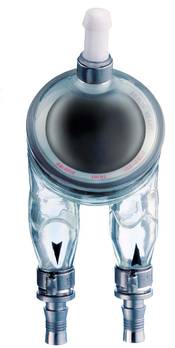
The device, commonly referred to as the Berlin Heart, is the EXCOR Pediatric System, and is manufactured by Berlin Heart, a German company. The device consists of one or two external pneumatic blood pumps, tubes to connect these pumps to the chambers of the heart and the great arteries, and a driving unit, according to the FDA.
Use of the EXCOR device improved survival to transplant among patients in a U.S. study of 48 pediatric patients, compared with those treated with the current standard of care, extracorporeal membrane oxygenation (ECMO), the agency statement said. Stroke is a risk associated with use of the EXCOR device.
It was approved under a Humanitarian Device Exemption, which requires proof that that "the probable benefit from use of the device outweighs the probable risk of illness or injury from its use to obtain the FDA’s approval," the agency said. HDE-approved devices are subjected to certain use restrictions. (Standard approval of devices requires that "reasonable assurance of effectiveness" be shown).
The FDA’s Office of Orphan Products Development designated this product as a Humanitarian Use Device (HUD) because it is intended to benefit patients with a disease or condition that affects fewer than 4,000 people in the United States per year, the definition of an orphan product.
One of the study sites was Texas Children’s Hospital, Houston. In a statement release by the hospital, Dr. Charles D. Fraser Jr., the hospital’s surgeon in chief, said that the approval "ushers in a new era for children with terminal heart failure. The medical community is now able to offer this life-saving device to support desperate children who would not otherwise survive while awaiting donor hearts."
Because of the small number of pediatric-size donor hearts available, the median wait time for a donor heart for infants is 119 days; 12%-17% of children and 23% of infants on heart transplant lists die before a heart becomes available, according to the FDA.
The long-awaited "Berlin Heart," a ventricular assist device for infants and children with heart failure, has been approved in the United States.
The mechanical pulsatile cardiac assist device, which comes in different sizes to fit children from newborns to teenagers, was approved by the Food and Drug Administration on Dec. 16, the agency announced in a statement.
"This is a step forward, it is the first FDA-approved pulsatile mechanical circulatory support device specifically designed for children," Dr. Susan Cummins, chief pediatric medical officer in the FDA’s Center for Devices and Radiological Health, said in the statement. "Previous adult heart assist devices were too large to be used in critically ill children to keep them alive while they wait to get a new heart."
The device, commonly referred to as the Berlin Heart, is the EXCOR Pediatric System, and is manufactured by Berlin Heart, a German company. The device consists of one or two external pneumatic blood pumps, tubes to connect these pumps to the chambers of the heart and the great arteries, and a driving unit, according to the FDA.
Use of the EXCOR device improved survival to transplant among patients in a U.S. study of 48 pediatric patients, compared with those treated with the current standard of care, extracorporeal membrane oxygenation (ECMO), the agency statement said. Stroke is a risk associated with use of the EXCOR device.
It was approved under a Humanitarian Device Exemption, which requires proof that that "the probable benefit from use of the device outweighs the probable risk of illness or injury from its use to obtain the FDA’s approval," the agency said. HDE-approved devices are subjected to certain use restrictions. (Standard approval of devices requires that "reasonable assurance of effectiveness" be shown).
The FDA’s Office of Orphan Products Development designated this product as a Humanitarian Use Device (HUD) because it is intended to benefit patients with a disease or condition that affects fewer than 4,000 people in the United States per year, the definition of an orphan product.
One of the study sites was Texas Children’s Hospital, Houston. In a statement release by the hospital, Dr. Charles D. Fraser Jr., the hospital’s surgeon in chief, said that the approval "ushers in a new era for children with terminal heart failure. The medical community is now able to offer this life-saving device to support desperate children who would not otherwise survive while awaiting donor hearts."
Because of the small number of pediatric-size donor hearts available, the median wait time for a donor heart for infants is 119 days; 12%-17% of children and 23% of infants on heart transplant lists die before a heart becomes available, according to the FDA.
The long-awaited "Berlin Heart," a ventricular assist device for infants and children with heart failure, has been approved in the United States.
The mechanical pulsatile cardiac assist device, which comes in different sizes to fit children from newborns to teenagers, was approved by the Food and Drug Administration on Dec. 16, the agency announced in a statement.
"This is a step forward, it is the first FDA-approved pulsatile mechanical circulatory support device specifically designed for children," Dr. Susan Cummins, chief pediatric medical officer in the FDA’s Center for Devices and Radiological Health, said in the statement. "Previous adult heart assist devices were too large to be used in critically ill children to keep them alive while they wait to get a new heart."
The device, commonly referred to as the Berlin Heart, is the EXCOR Pediatric System, and is manufactured by Berlin Heart, a German company. The device consists of one or two external pneumatic blood pumps, tubes to connect these pumps to the chambers of the heart and the great arteries, and a driving unit, according to the FDA.
Use of the EXCOR device improved survival to transplant among patients in a U.S. study of 48 pediatric patients, compared with those treated with the current standard of care, extracorporeal membrane oxygenation (ECMO), the agency statement said. Stroke is a risk associated with use of the EXCOR device.
It was approved under a Humanitarian Device Exemption, which requires proof that that "the probable benefit from use of the device outweighs the probable risk of illness or injury from its use to obtain the FDA’s approval," the agency said. HDE-approved devices are subjected to certain use restrictions. (Standard approval of devices requires that "reasonable assurance of effectiveness" be shown).
The FDA’s Office of Orphan Products Development designated this product as a Humanitarian Use Device (HUD) because it is intended to benefit patients with a disease or condition that affects fewer than 4,000 people in the United States per year, the definition of an orphan product.
One of the study sites was Texas Children’s Hospital, Houston. In a statement release by the hospital, Dr. Charles D. Fraser Jr., the hospital’s surgeon in chief, said that the approval "ushers in a new era for children with terminal heart failure. The medical community is now able to offer this life-saving device to support desperate children who would not otherwise survive while awaiting donor hearts."
Because of the small number of pediatric-size donor hearts available, the median wait time for a donor heart for infants is 119 days; 12%-17% of children and 23% of infants on heart transplant lists die before a heart becomes available, according to the FDA.
FROM THE FOOD AND DRUG ADMINISTRATION
Loxapine: FDA Panel Narrowly Recommends Approval of Inhaled Antipsychotic
ADELPHI, MD. – A Food and Drug Administration advisory panel on Dec. 12 narrowly recommended approval of an inhaled, rapidly acting formulation of the antipsychotic loxapine for the treatment for agitation in patients with schizophrenia or bipolar disorder.
The FDA’s Psychopharmacologic Drugs Advisory Committee voted 17-1 that the inhaled formulation of loxapine, an antipsychotic that was approved in 1975, had been shown to be effective for the proposed indication: the acute treatment of agitation associated with schizophrenia or bipolar disorder in adults.
But the panel voted 9-8 with 1 abstention, that inhaled loxapine should be approved for use as a single dose in 24 hours with an FDA-proposed risk management plan that addresses the increased risk of treatment-associated bronchospasm, particularly in patients with asthma. Those voting in favor of approval said they felt comfortable with the FDA’s proposed risk management plan and cited the need for such a treatment in patients with schizophrenia and bipolar disorder. Those voting against approval, however, expressed concern about safety – even when treatment was restricted to one dose over 24 hours and with the Risk Evaluation and Mitigation Strategy (REMS) proposed by the FDA – and said that more real-world safety data in emergency departments were needed before approval.
In two phase III studies of almost 800 acutely agitated patients with long-standing bipolar disorder or schizophrenia, treatment with loxapine had a significantly greater impact on reducing agitation within 2 hours than did placebo, with an effect that was first noticeable within 10 minutes of administration, according to the manufacturer, Alexza Pharmaceuticals. In the study, which did not include patients with pulmonary diseases, four patients in the treatment group had airway-related adverse reactions, compared with none in the placebo group
Pulmonary safety studies in patients with asthma and COPD showed that pulmonary function, as measured with spirometry, was reduced in loxapine-treated patients, compared with placebo-treated patients, particularly among those with asthma.
Concerns that bronchospasm in agitated patients could go unrecognized and could progress in patients who were successfully treated, prompted the FDA to propose a REMS that would limit the drug’s use to settings capable of providing advanced airway management, along with other requirements that were more stringent than the REMS plan proposed by Alexza.
If loxapine is approved, Alexza plans to market it as Adasuve inhalation powder. Several injectable formulations of antipsychotics are approved for agitation in these populations; Adasuve would be the first inhaled treatment for agitation in this population.
The FDA usually follows the recommendations of its advisory panels, which are not binding. Panelists were cleared of potential conflicts of interest related to the topic of the meeting.
ADELPHI, MD. – A Food and Drug Administration advisory panel on Dec. 12 narrowly recommended approval of an inhaled, rapidly acting formulation of the antipsychotic loxapine for the treatment for agitation in patients with schizophrenia or bipolar disorder.
The FDA’s Psychopharmacologic Drugs Advisory Committee voted 17-1 that the inhaled formulation of loxapine, an antipsychotic that was approved in 1975, had been shown to be effective for the proposed indication: the acute treatment of agitation associated with schizophrenia or bipolar disorder in adults.
But the panel voted 9-8 with 1 abstention, that inhaled loxapine should be approved for use as a single dose in 24 hours with an FDA-proposed risk management plan that addresses the increased risk of treatment-associated bronchospasm, particularly in patients with asthma. Those voting in favor of approval said they felt comfortable with the FDA’s proposed risk management plan and cited the need for such a treatment in patients with schizophrenia and bipolar disorder. Those voting against approval, however, expressed concern about safety – even when treatment was restricted to one dose over 24 hours and with the Risk Evaluation and Mitigation Strategy (REMS) proposed by the FDA – and said that more real-world safety data in emergency departments were needed before approval.
In two phase III studies of almost 800 acutely agitated patients with long-standing bipolar disorder or schizophrenia, treatment with loxapine had a significantly greater impact on reducing agitation within 2 hours than did placebo, with an effect that was first noticeable within 10 minutes of administration, according to the manufacturer, Alexza Pharmaceuticals. In the study, which did not include patients with pulmonary diseases, four patients in the treatment group had airway-related adverse reactions, compared with none in the placebo group
Pulmonary safety studies in patients with asthma and COPD showed that pulmonary function, as measured with spirometry, was reduced in loxapine-treated patients, compared with placebo-treated patients, particularly among those with asthma.
Concerns that bronchospasm in agitated patients could go unrecognized and could progress in patients who were successfully treated, prompted the FDA to propose a REMS that would limit the drug’s use to settings capable of providing advanced airway management, along with other requirements that were more stringent than the REMS plan proposed by Alexza.
If loxapine is approved, Alexza plans to market it as Adasuve inhalation powder. Several injectable formulations of antipsychotics are approved for agitation in these populations; Adasuve would be the first inhaled treatment for agitation in this population.
The FDA usually follows the recommendations of its advisory panels, which are not binding. Panelists were cleared of potential conflicts of interest related to the topic of the meeting.
ADELPHI, MD. – A Food and Drug Administration advisory panel on Dec. 12 narrowly recommended approval of an inhaled, rapidly acting formulation of the antipsychotic loxapine for the treatment for agitation in patients with schizophrenia or bipolar disorder.
The FDA’s Psychopharmacologic Drugs Advisory Committee voted 17-1 that the inhaled formulation of loxapine, an antipsychotic that was approved in 1975, had been shown to be effective for the proposed indication: the acute treatment of agitation associated with schizophrenia or bipolar disorder in adults.
But the panel voted 9-8 with 1 abstention, that inhaled loxapine should be approved for use as a single dose in 24 hours with an FDA-proposed risk management plan that addresses the increased risk of treatment-associated bronchospasm, particularly in patients with asthma. Those voting in favor of approval said they felt comfortable with the FDA’s proposed risk management plan and cited the need for such a treatment in patients with schizophrenia and bipolar disorder. Those voting against approval, however, expressed concern about safety – even when treatment was restricted to one dose over 24 hours and with the Risk Evaluation and Mitigation Strategy (REMS) proposed by the FDA – and said that more real-world safety data in emergency departments were needed before approval.
In two phase III studies of almost 800 acutely agitated patients with long-standing bipolar disorder or schizophrenia, treatment with loxapine had a significantly greater impact on reducing agitation within 2 hours than did placebo, with an effect that was first noticeable within 10 minutes of administration, according to the manufacturer, Alexza Pharmaceuticals. In the study, which did not include patients with pulmonary diseases, four patients in the treatment group had airway-related adverse reactions, compared with none in the placebo group
Pulmonary safety studies in patients with asthma and COPD showed that pulmonary function, as measured with spirometry, was reduced in loxapine-treated patients, compared with placebo-treated patients, particularly among those with asthma.
Concerns that bronchospasm in agitated patients could go unrecognized and could progress in patients who were successfully treated, prompted the FDA to propose a REMS that would limit the drug’s use to settings capable of providing advanced airway management, along with other requirements that were more stringent than the REMS plan proposed by Alexza.
If loxapine is approved, Alexza plans to market it as Adasuve inhalation powder. Several injectable formulations of antipsychotics are approved for agitation in these populations; Adasuve would be the first inhaled treatment for agitation in this population.
The FDA usually follows the recommendations of its advisory panels, which are not binding. Panelists were cleared of potential conflicts of interest related to the topic of the meeting.
FROM A MEETING OF THE FDA'S PSYCHOPHARMACOLOGIC DRUGS ADVISORY COMMITTEE