User login
Lucas Franki is an associate editor for MDedge News, and has been with the company since 2014. He has a BA in English from Penn State University and is an Eagle Scout.
Childhood exposure to domestic violence tied to violent behavior in adult schizophrenia
Violent behavior in adult male schizophrenia patients is significantly associated with exposure to domestic violence during childhood, according to Dr. Clare Oakley and associates.
“As far as we are aware, this is the first time this finding has been demonstrated,” wrote Dr. Oakley, of St. Andrew’s Healthcare, Northampton, United Kingdom.
In a group of 54 adult male patients with schizophrenia aged 21-57, exposure to domestic violence was the most significant predictor of adult violence, with an odds ratio of 10.47. The OR for separation from parents was 3.75, and the OR for child abuse was 2.49. Nearly all patients who rated as the most violent were very likely to experience at least 1 type of childhood adversity, and 31% had experienced all 3.
Conduct disorder seemed to have a mediating effect on propensity toward violence in adulthood. After adjusting for substance use disorders, the OR for childhood adversity and violence was 1.90, 1.32 for violence and conduct disorder symptoms, and 1.26 for childhood adversity and conduct disorder symptoms.
“This study [emphasizes] the importance of developmental pathways to violence among men with schizophrenia. Further work is needed to advance our understanding of the complex interplay between a variety of childhood risk factors that may be [etiologically] important to the future risk of both violence and schizophrenia,” the investigators concluded.
Find the full study in Schizophrenia Research (doi: 10.1016/j.schres.2016.01.047).
Violent behavior in adult male schizophrenia patients is significantly associated with exposure to domestic violence during childhood, according to Dr. Clare Oakley and associates.
“As far as we are aware, this is the first time this finding has been demonstrated,” wrote Dr. Oakley, of St. Andrew’s Healthcare, Northampton, United Kingdom.
In a group of 54 adult male patients with schizophrenia aged 21-57, exposure to domestic violence was the most significant predictor of adult violence, with an odds ratio of 10.47. The OR for separation from parents was 3.75, and the OR for child abuse was 2.49. Nearly all patients who rated as the most violent were very likely to experience at least 1 type of childhood adversity, and 31% had experienced all 3.
Conduct disorder seemed to have a mediating effect on propensity toward violence in adulthood. After adjusting for substance use disorders, the OR for childhood adversity and violence was 1.90, 1.32 for violence and conduct disorder symptoms, and 1.26 for childhood adversity and conduct disorder symptoms.
“This study [emphasizes] the importance of developmental pathways to violence among men with schizophrenia. Further work is needed to advance our understanding of the complex interplay between a variety of childhood risk factors that may be [etiologically] important to the future risk of both violence and schizophrenia,” the investigators concluded.
Find the full study in Schizophrenia Research (doi: 10.1016/j.schres.2016.01.047).
Violent behavior in adult male schizophrenia patients is significantly associated with exposure to domestic violence during childhood, according to Dr. Clare Oakley and associates.
“As far as we are aware, this is the first time this finding has been demonstrated,” wrote Dr. Oakley, of St. Andrew’s Healthcare, Northampton, United Kingdom.
In a group of 54 adult male patients with schizophrenia aged 21-57, exposure to domestic violence was the most significant predictor of adult violence, with an odds ratio of 10.47. The OR for separation from parents was 3.75, and the OR for child abuse was 2.49. Nearly all patients who rated as the most violent were very likely to experience at least 1 type of childhood adversity, and 31% had experienced all 3.
Conduct disorder seemed to have a mediating effect on propensity toward violence in adulthood. After adjusting for substance use disorders, the OR for childhood adversity and violence was 1.90, 1.32 for violence and conduct disorder symptoms, and 1.26 for childhood adversity and conduct disorder symptoms.
“This study [emphasizes] the importance of developmental pathways to violence among men with schizophrenia. Further work is needed to advance our understanding of the complex interplay between a variety of childhood risk factors that may be [etiologically] important to the future risk of both violence and schizophrenia,” the investigators concluded.
Find the full study in Schizophrenia Research (doi: 10.1016/j.schres.2016.01.047).
FROM SCHIZOPHRENIA RESEARCH
Diabetes Duration, Depression Linked in Elderly Men
A longer duration of diabetes is associated with a greater risk of depression in men aged 70-89, according to Dr. Osvaldo P. Almeida and associates.
In their sample of 5,462 elderly men, 932 had diabetes, and 976 had current or past depression. Of those with diabetes, 215 had current or past depression. The odds ratio of diabetic men ever being depressed was 1.49, and the OR of current depression was 1.94.

The association between depression and diabetes duration was J shaped, with ORs of 1.92 for those with less than 10 years of diabetes history, 1.56 for those with 10-19.9 years of diabetes, 2.49 for those with 20-29.9 years of diabetes, and 3.13 for those with more than 30 years of diabetes.
Frailty was a very significant predictor of depression in diabetic men, but it accounted for about 15% of the association between diabetes and depression, the investigators noted.
“The severity of comorbidity may also play a role, and this could explain why the association between diabetes and depression becomes more obvious during the later stages of illness. Sufficiently powered prospective studies with prolonged follow-up, limited attrition, and robust measures of comorbidity should provide greater certainty about the true nature of these associations,” the investigators concluded.
Find the study in Maturitas (doi: 10.1016/j.maturitas.2016.01.003).
A longer duration of diabetes is associated with a greater risk of depression in men aged 70-89, according to Dr. Osvaldo P. Almeida and associates.
In their sample of 5,462 elderly men, 932 had diabetes, and 976 had current or past depression. Of those with diabetes, 215 had current or past depression. The odds ratio of diabetic men ever being depressed was 1.49, and the OR of current depression was 1.94.
The association between depression and diabetes duration was J shaped, with ORs of 1.92 for those with less than 10 years of diabetes history, 1.56 for those with 10-19.9 years of diabetes, 2.49 for those with 20-29.9 years of diabetes, and 3.13 for those with more than 30 years of diabetes.
Frailty was a very significant predictor of depression in diabetic men, but it accounted for about 15% of the association between diabetes and depression, the investigators noted.
“The severity of comorbidity may also play a role, and this could explain why the association between diabetes and depression becomes more obvious during the later stages of illness. Sufficiently powered prospective studies with prolonged follow-up, limited attrition, and robust measures of comorbidity should provide greater certainty about the true nature of these associations,” the investigators concluded.
Find the study in Maturitas (doi: 10.1016/j.maturitas.2016.01.003).
A longer duration of diabetes is associated with a greater risk of depression in men aged 70-89, according to Dr. Osvaldo P. Almeida and associates.
In their sample of 5,462 elderly men, 932 had diabetes, and 976 had current or past depression. Of those with diabetes, 215 had current or past depression. The odds ratio of diabetic men ever being depressed was 1.49, and the OR of current depression was 1.94.
The association between depression and diabetes duration was J shaped, with ORs of 1.92 for those with less than 10 years of diabetes history, 1.56 for those with 10-19.9 years of diabetes, 2.49 for those with 20-29.9 years of diabetes, and 3.13 for those with more than 30 years of diabetes.
Frailty was a very significant predictor of depression in diabetic men, but it accounted for about 15% of the association between diabetes and depression, the investigators noted.
“The severity of comorbidity may also play a role, and this could explain why the association between diabetes and depression becomes more obvious during the later stages of illness. Sufficiently powered prospective studies with prolonged follow-up, limited attrition, and robust measures of comorbidity should provide greater certainty about the true nature of these associations,” the investigators concluded.
Find the study in Maturitas (doi: 10.1016/j.maturitas.2016.01.003).
FROM MATURITAS

Diabetes duration, depression linked in elderly men
A longer duration of diabetes is associated with a greater risk of depression in men aged 70-89, according to Dr. Osvaldo P. Almeida and associates.
In their sample of 5,462 elderly men, 932 had diabetes, and 976 had current or past depression. Of those with diabetes, 215 had current or past depression. The odds ratio of diabetic men ever being depressed was 1.49, and the OR of current depression was 1.94.

The association between depression and diabetes duration was J shaped, with ORs of 1.92 for those with less than 10 years of diabetes history, 1.56 for those with 10-19.9 years of diabetes, 2.49 for those with 20-29.9 years of diabetes, and 3.13 for those with more than 30 years of diabetes.
Frailty was a very significant predictor of depression in diabetic men, but it accounted for about 15% of the association between diabetes and depression, the investigators noted.
“The severity of comorbidity may also play a role, and this could explain why the association between diabetes and depression becomes more obvious during the later stages of illness. Sufficiently powered prospective studies with prolonged follow-up, limited attrition, and robust measures of comorbidity should provide greater certainty about the true nature of these associations,” the investigators concluded.
Find the study in Maturitas (doi: 10.1016/j.maturitas.2016.01.003).
A longer duration of diabetes is associated with a greater risk of depression in men aged 70-89, according to Dr. Osvaldo P. Almeida and associates.
In their sample of 5,462 elderly men, 932 had diabetes, and 976 had current or past depression. Of those with diabetes, 215 had current or past depression. The odds ratio of diabetic men ever being depressed was 1.49, and the OR of current depression was 1.94.
The association between depression and diabetes duration was J shaped, with ORs of 1.92 for those with less than 10 years of diabetes history, 1.56 for those with 10-19.9 years of diabetes, 2.49 for those with 20-29.9 years of diabetes, and 3.13 for those with more than 30 years of diabetes.
Frailty was a very significant predictor of depression in diabetic men, but it accounted for about 15% of the association between diabetes and depression, the investigators noted.
“The severity of comorbidity may also play a role, and this could explain why the association between diabetes and depression becomes more obvious during the later stages of illness. Sufficiently powered prospective studies with prolonged follow-up, limited attrition, and robust measures of comorbidity should provide greater certainty about the true nature of these associations,” the investigators concluded.
Find the study in Maturitas (doi: 10.1016/j.maturitas.2016.01.003).
A longer duration of diabetes is associated with a greater risk of depression in men aged 70-89, according to Dr. Osvaldo P. Almeida and associates.
In their sample of 5,462 elderly men, 932 had diabetes, and 976 had current or past depression. Of those with diabetes, 215 had current or past depression. The odds ratio of diabetic men ever being depressed was 1.49, and the OR of current depression was 1.94.
The association between depression and diabetes duration was J shaped, with ORs of 1.92 for those with less than 10 years of diabetes history, 1.56 for those with 10-19.9 years of diabetes, 2.49 for those with 20-29.9 years of diabetes, and 3.13 for those with more than 30 years of diabetes.
Frailty was a very significant predictor of depression in diabetic men, but it accounted for about 15% of the association between diabetes and depression, the investigators noted.
“The severity of comorbidity may also play a role, and this could explain why the association between diabetes and depression becomes more obvious during the later stages of illness. Sufficiently powered prospective studies with prolonged follow-up, limited attrition, and robust measures of comorbidity should provide greater certainty about the true nature of these associations,” the investigators concluded.
Find the study in Maturitas (doi: 10.1016/j.maturitas.2016.01.003).
FROM MATURITAS

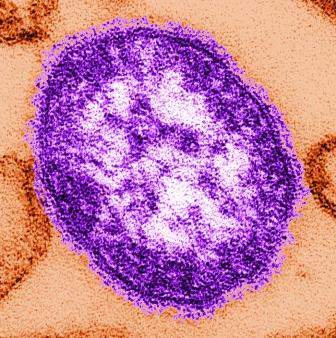
Many parents unaware of 2014-2015 Disneyland measles outbreak
A significant number of parents were unaware of the 2014-2015 United States measles outbreak despite significant media attention, according to Michael Cacciatore, Ph.D., of the department of advertising and public relations at Grady College, University of Georgia, Athens, and his associates.
In a pair of national surveys of parents with children less than 5 years old, 53% (n=523) reported awareness of the measles outbreak centered at Disneyland in California and 33% (n=332) had no knowledge. The remaining 14% responded “don’t know” and were excluded from further study. Parents who were aware of the outbreak were more likely to be white, older, and slightly better educated.

Parents who were unaware of the outbreak had fairly high levels of vaccine confidence, but also had the highest levels of concern regarding vaccination, and were most likely to skip recommended vaccinations. Parents with low awareness had fairly high confidence levels, low levels of concern, and were most likely to have their children vaccinated. Parents with high levels of awareness had the highest level of confidence, but also had fairly significant levels of concern; “this suggests those paying most attention to vaccine-preventable diseases fall into both the vaccine proponent and vaccine skeptic camps,” Dr. Cacciatore and his associates found.
“Highly visible or publicized outbreaks can positively affect awareness, intentions, and support for public health measures, but those responsible for informing and guiding public or parental actions need to recognize that their efforts must continue to go beyond traditional news media. In today’s crowded communication and media landscapes, individuals have much flexibility and great freedom in the types of information they view; thus, even major public health events are not guaranteed to reach all audiences, including those most in need of the information,” the investigators concluded.
Find the full study in Health Affairs (doi: 0.1377/hlthaff.2015.1093).
A significant number of parents were unaware of the 2014-2015 United States measles outbreak despite significant media attention, according to Michael Cacciatore, Ph.D., of the department of advertising and public relations at Grady College, University of Georgia, Athens, and his associates.
In a pair of national surveys of parents with children less than 5 years old, 53% (n=523) reported awareness of the measles outbreak centered at Disneyland in California and 33% (n=332) had no knowledge. The remaining 14% responded “don’t know” and were excluded from further study. Parents who were aware of the outbreak were more likely to be white, older, and slightly better educated.
Parents who were unaware of the outbreak had fairly high levels of vaccine confidence, but also had the highest levels of concern regarding vaccination, and were most likely to skip recommended vaccinations. Parents with low awareness had fairly high confidence levels, low levels of concern, and were most likely to have their children vaccinated. Parents with high levels of awareness had the highest level of confidence, but also had fairly significant levels of concern; “this suggests those paying most attention to vaccine-preventable diseases fall into both the vaccine proponent and vaccine skeptic camps,” Dr. Cacciatore and his associates found.
“Highly visible or publicized outbreaks can positively affect awareness, intentions, and support for public health measures, but those responsible for informing and guiding public or parental actions need to recognize that their efforts must continue to go beyond traditional news media. In today’s crowded communication and media landscapes, individuals have much flexibility and great freedom in the types of information they view; thus, even major public health events are not guaranteed to reach all audiences, including those most in need of the information,” the investigators concluded.
Find the full study in Health Affairs (doi: 0.1377/hlthaff.2015.1093).
A significant number of parents were unaware of the 2014-2015 United States measles outbreak despite significant media attention, according to Michael Cacciatore, Ph.D., of the department of advertising and public relations at Grady College, University of Georgia, Athens, and his associates.
In a pair of national surveys of parents with children less than 5 years old, 53% (n=523) reported awareness of the measles outbreak centered at Disneyland in California and 33% (n=332) had no knowledge. The remaining 14% responded “don’t know” and were excluded from further study. Parents who were aware of the outbreak were more likely to be white, older, and slightly better educated.
Parents who were unaware of the outbreak had fairly high levels of vaccine confidence, but also had the highest levels of concern regarding vaccination, and were most likely to skip recommended vaccinations. Parents with low awareness had fairly high confidence levels, low levels of concern, and were most likely to have their children vaccinated. Parents with high levels of awareness had the highest level of confidence, but also had fairly significant levels of concern; “this suggests those paying most attention to vaccine-preventable diseases fall into both the vaccine proponent and vaccine skeptic camps,” Dr. Cacciatore and his associates found.
“Highly visible or publicized outbreaks can positively affect awareness, intentions, and support for public health measures, but those responsible for informing and guiding public or parental actions need to recognize that their efforts must continue to go beyond traditional news media. In today’s crowded communication and media landscapes, individuals have much flexibility and great freedom in the types of information they view; thus, even major public health events are not guaranteed to reach all audiences, including those most in need of the information,” the investigators concluded.
Find the full study in Health Affairs (doi: 0.1377/hlthaff.2015.1093).
FROM HEALTH AFFAIRS
No increased death risk from vaccination in adolescents, young adults
Risk of death is not increased in people aged 9-26 years old in the 30 days after receiving any vaccination, according to Natalie L. McCarthy of the Centers for Disease Control and Prevention and her associates.
Among nearly 2.2 million enrollees of the Vaccine Safety Database, 1,100 deaths occurred within 12 months after vaccination, and 76 (7%) occurred within 30 days of vaccination. Of these deaths, 59 had medical records which could be confirmed, with 33 due to external causes such as suicide and accidents, 1 due to an unknown cause, and 25 due to non-external causes such as neoplasm, circulatory disease, and respiratory disease.

The relative risk for influenza vaccination and any vaccination due to non-external sources was 0.44 and 0.57, and the relative risk for the influenza vaccine and all vaccines due to all causes of death was 0.42 and 0.72. The relative risk for the 4-valent human papillomavirus (4vHPV) vaccine from non-external sources was 1.28, and 1.12 from all sources. No vaccine had a significant association with death.
“This research should reassure the public with regard to the safety of 4vHPV vaccine, as well as other vaccines routinely administered to individuals 9 to 26 years of age,” the investigators concluded.
Find the full study in Pediatrics (2016;137[3]:e20152970).
Risk of death is not increased in people aged 9-26 years old in the 30 days after receiving any vaccination, according to Natalie L. McCarthy of the Centers for Disease Control and Prevention and her associates.
Among nearly 2.2 million enrollees of the Vaccine Safety Database, 1,100 deaths occurred within 12 months after vaccination, and 76 (7%) occurred within 30 days of vaccination. Of these deaths, 59 had medical records which could be confirmed, with 33 due to external causes such as suicide and accidents, 1 due to an unknown cause, and 25 due to non-external causes such as neoplasm, circulatory disease, and respiratory disease.
The relative risk for influenza vaccination and any vaccination due to non-external sources was 0.44 and 0.57, and the relative risk for the influenza vaccine and all vaccines due to all causes of death was 0.42 and 0.72. The relative risk for the 4-valent human papillomavirus (4vHPV) vaccine from non-external sources was 1.28, and 1.12 from all sources. No vaccine had a significant association with death.
“This research should reassure the public with regard to the safety of 4vHPV vaccine, as well as other vaccines routinely administered to individuals 9 to 26 years of age,” the investigators concluded.
Find the full study in Pediatrics (2016;137[3]:e20152970).
Risk of death is not increased in people aged 9-26 years old in the 30 days after receiving any vaccination, according to Natalie L. McCarthy of the Centers for Disease Control and Prevention and her associates.
Among nearly 2.2 million enrollees of the Vaccine Safety Database, 1,100 deaths occurred within 12 months after vaccination, and 76 (7%) occurred within 30 days of vaccination. Of these deaths, 59 had medical records which could be confirmed, with 33 due to external causes such as suicide and accidents, 1 due to an unknown cause, and 25 due to non-external causes such as neoplasm, circulatory disease, and respiratory disease.
The relative risk for influenza vaccination and any vaccination due to non-external sources was 0.44 and 0.57, and the relative risk for the influenza vaccine and all vaccines due to all causes of death was 0.42 and 0.72. The relative risk for the 4-valent human papillomavirus (4vHPV) vaccine from non-external sources was 1.28, and 1.12 from all sources. No vaccine had a significant association with death.
“This research should reassure the public with regard to the safety of 4vHPV vaccine, as well as other vaccines routinely administered to individuals 9 to 26 years of age,” the investigators concluded.
Find the full study in Pediatrics (2016;137[3]:e20152970).
FROM PEDIATRICS

Lifetime Use of Pot Affects Verbal Memory in Middle-aged Adults
Verbal memory was significantly worse in middle-aged adults who had used marijuana throughout their adult lives, according to Dr. Reto Auer of the University of Lausanne (Switzerland) and associates.
They collected data from Coronary Artery Risk Development in Young Adults (CARDIA) study subjects who were assessed after 25 years of participation in a battery of cognitive tests, with 391 people reporting current marijuana use, 2,443 reporting past but not current marijuana use, and 531 people reporting never having used marijuana. Mean scores on the Rey Auditory Verbal Learning Test (RAVLT) were 8.6 for people who had never used marijuana, 8.4 in the past marijuana usage group, and 7.2 in the current marijuana usage group.

RAVLT scores were lowest in people who reported using marijuana every day for the past 30 days, at 6.2. There was no significant difference in scores between groups that had used marijuana 1-10 times and 11-29 times over the past 30 days, but both groups were higher than the every day usage group and lower than those who had not used marijuana in the past 30 days.
People who had 5 or more total marijuana-years had the lowest mean RAVLT scores, but the group with the highest score was actually those who had 1 day to 0.5 marijuana-years, though the difference between this group and the never group was not significant.
No association was found between marijuana usage and lower executive function or processing speed.
“The public health challenge is to find effective ways to inform young people who use, or are considering using, marijuana about the cognitive and other risks of long-term daily use,” Wayne Hall, Ph.D., of the Centre for Youth Substance Abuse Research, University of Queensland, Australia, and Michael Lynskey, Ph.D., of the National Addiction Centre, Kings College London, wrote in an editorial. “Young adults may be skeptical about advice on the putative adverse health effects of marijuana, which they may see as being overstated to justify the prohibition on its use.”
Find the full study (doi: 10.1001/jamainternmed.2015.7841) and editorial (doi: 10.1001/jamainternmed.2015.7850) in JAMA Internal Medicine.
Verbal memory was significantly worse in middle-aged adults who had used marijuana throughout their adult lives, according to Dr. Reto Auer of the University of Lausanne (Switzerland) and associates.
They collected data from Coronary Artery Risk Development in Young Adults (CARDIA) study subjects who were assessed after 25 years of participation in a battery of cognitive tests, with 391 people reporting current marijuana use, 2,443 reporting past but not current marijuana use, and 531 people reporting never having used marijuana. Mean scores on the Rey Auditory Verbal Learning Test (RAVLT) were 8.6 for people who had never used marijuana, 8.4 in the past marijuana usage group, and 7.2 in the current marijuana usage group.
RAVLT scores were lowest in people who reported using marijuana every day for the past 30 days, at 6.2. There was no significant difference in scores between groups that had used marijuana 1-10 times and 11-29 times over the past 30 days, but both groups were higher than the every day usage group and lower than those who had not used marijuana in the past 30 days.
People who had 5 or more total marijuana-years had the lowest mean RAVLT scores, but the group with the highest score was actually those who had 1 day to 0.5 marijuana-years, though the difference between this group and the never group was not significant.
No association was found between marijuana usage and lower executive function or processing speed.
“The public health challenge is to find effective ways to inform young people who use, or are considering using, marijuana about the cognitive and other risks of long-term daily use,” Wayne Hall, Ph.D., of the Centre for Youth Substance Abuse Research, University of Queensland, Australia, and Michael Lynskey, Ph.D., of the National Addiction Centre, Kings College London, wrote in an editorial. “Young adults may be skeptical about advice on the putative adverse health effects of marijuana, which they may see as being overstated to justify the prohibition on its use.”
Find the full study (doi: 10.1001/jamainternmed.2015.7841) and editorial (doi: 10.1001/jamainternmed.2015.7850) in JAMA Internal Medicine.
Verbal memory was significantly worse in middle-aged adults who had used marijuana throughout their adult lives, according to Dr. Reto Auer of the University of Lausanne (Switzerland) and associates.
They collected data from Coronary Artery Risk Development in Young Adults (CARDIA) study subjects who were assessed after 25 years of participation in a battery of cognitive tests, with 391 people reporting current marijuana use, 2,443 reporting past but not current marijuana use, and 531 people reporting never having used marijuana. Mean scores on the Rey Auditory Verbal Learning Test (RAVLT) were 8.6 for people who had never used marijuana, 8.4 in the past marijuana usage group, and 7.2 in the current marijuana usage group.
RAVLT scores were lowest in people who reported using marijuana every day for the past 30 days, at 6.2. There was no significant difference in scores between groups that had used marijuana 1-10 times and 11-29 times over the past 30 days, but both groups were higher than the every day usage group and lower than those who had not used marijuana in the past 30 days.
People who had 5 or more total marijuana-years had the lowest mean RAVLT scores, but the group with the highest score was actually those who had 1 day to 0.5 marijuana-years, though the difference between this group and the never group was not significant.
No association was found between marijuana usage and lower executive function or processing speed.
“The public health challenge is to find effective ways to inform young people who use, or are considering using, marijuana about the cognitive and other risks of long-term daily use,” Wayne Hall, Ph.D., of the Centre for Youth Substance Abuse Research, University of Queensland, Australia, and Michael Lynskey, Ph.D., of the National Addiction Centre, Kings College London, wrote in an editorial. “Young adults may be skeptical about advice on the putative adverse health effects of marijuana, which they may see as being overstated to justify the prohibition on its use.”
Find the full study (doi: 10.1001/jamainternmed.2015.7841) and editorial (doi: 10.1001/jamainternmed.2015.7850) in JAMA Internal Medicine.
FROM JAMA INTERNAL MEDICINE

Lifetime use of pot affects verbal memory in middle-aged adults
Verbal memory was significantly worse in middle-aged adults who had used marijuana throughout their adult lives, according to Dr. Reto Auer of the University of Lausanne (Switzerland) and associates.
They collected data from Coronary Artery Risk Development in Young Adults (CARDIA) study subjects who were assessed after 25 years of participation in a battery of cognitive tests, with 391 people reporting current marijuana use, 2,443 reporting past but not current marijuana use, and 531 people reporting never having used marijuana. Mean scores on the Rey Auditory Verbal Learning Test (RAVLT) were 8.6 for people who had never used marijuana, 8.4 in the past marijuana usage group, and 7.2 in the current marijuana usage group.

RAVLT scores were lowest in people who reported using marijuana every day for the past 30 days, at 6.2. There was no significant difference in scores between groups that had used marijuana 1-10 times and 11-29 times over the past 30 days, but both groups were higher than the every day usage group and lower than those who had not used marijuana in the past 30 days.
People who had 5 or more total marijuana-years had the lowest mean RAVLT scores, but the group with the highest score was actually those who had 1 day to 0.5 marijuana-years, though the difference between this group and the never group was not significant.
No association was found between marijuana usage and lower executive function or processing speed.
“The public health challenge is to find effective ways to inform young people who use, or are considering using, marijuana about the cognitive and other risks of long-term daily use,” Wayne Hall, Ph.D., of the Centre for Youth Substance Abuse Research, University of Queensland, Australia, and Michael Lynskey, Ph.D., of the National Addiction Centre, Kings College London, wrote in an editorial. “Young adults may be skeptical about advice on the putative adverse health effects of marijuana, which they may see as being overstated to justify the prohibition on its use.”
Find the full study (doi: 10.1001/jamainternmed.2015.7841) and editorial (doi: 10.1001/jamainternmed.2015.7850) in JAMA Internal Medicine.
Verbal memory was significantly worse in middle-aged adults who had used marijuana throughout their adult lives, according to Dr. Reto Auer of the University of Lausanne (Switzerland) and associates.
They collected data from Coronary Artery Risk Development in Young Adults (CARDIA) study subjects who were assessed after 25 years of participation in a battery of cognitive tests, with 391 people reporting current marijuana use, 2,443 reporting past but not current marijuana use, and 531 people reporting never having used marijuana. Mean scores on the Rey Auditory Verbal Learning Test (RAVLT) were 8.6 for people who had never used marijuana, 8.4 in the past marijuana usage group, and 7.2 in the current marijuana usage group.
RAVLT scores were lowest in people who reported using marijuana every day for the past 30 days, at 6.2. There was no significant difference in scores between groups that had used marijuana 1-10 times and 11-29 times over the past 30 days, but both groups were higher than the every day usage group and lower than those who had not used marijuana in the past 30 days.
People who had 5 or more total marijuana-years had the lowest mean RAVLT scores, but the group with the highest score was actually those who had 1 day to 0.5 marijuana-years, though the difference between this group and the never group was not significant.
No association was found between marijuana usage and lower executive function or processing speed.
“The public health challenge is to find effective ways to inform young people who use, or are considering using, marijuana about the cognitive and other risks of long-term daily use,” Wayne Hall, Ph.D., of the Centre for Youth Substance Abuse Research, University of Queensland, Australia, and Michael Lynskey, Ph.D., of the National Addiction Centre, Kings College London, wrote in an editorial. “Young adults may be skeptical about advice on the putative adverse health effects of marijuana, which they may see as being overstated to justify the prohibition on its use.”
Find the full study (doi: 10.1001/jamainternmed.2015.7841) and editorial (doi: 10.1001/jamainternmed.2015.7850) in JAMA Internal Medicine.
Verbal memory was significantly worse in middle-aged adults who had used marijuana throughout their adult lives, according to Dr. Reto Auer of the University of Lausanne (Switzerland) and associates.
They collected data from Coronary Artery Risk Development in Young Adults (CARDIA) study subjects who were assessed after 25 years of participation in a battery of cognitive tests, with 391 people reporting current marijuana use, 2,443 reporting past but not current marijuana use, and 531 people reporting never having used marijuana. Mean scores on the Rey Auditory Verbal Learning Test (RAVLT) were 8.6 for people who had never used marijuana, 8.4 in the past marijuana usage group, and 7.2 in the current marijuana usage group.
RAVLT scores were lowest in people who reported using marijuana every day for the past 30 days, at 6.2. There was no significant difference in scores between groups that had used marijuana 1-10 times and 11-29 times over the past 30 days, but both groups were higher than the every day usage group and lower than those who had not used marijuana in the past 30 days.
People who had 5 or more total marijuana-years had the lowest mean RAVLT scores, but the group with the highest score was actually those who had 1 day to 0.5 marijuana-years, though the difference between this group and the never group was not significant.
No association was found between marijuana usage and lower executive function or processing speed.
“The public health challenge is to find effective ways to inform young people who use, or are considering using, marijuana about the cognitive and other risks of long-term daily use,” Wayne Hall, Ph.D., of the Centre for Youth Substance Abuse Research, University of Queensland, Australia, and Michael Lynskey, Ph.D., of the National Addiction Centre, Kings College London, wrote in an editorial. “Young adults may be skeptical about advice on the putative adverse health effects of marijuana, which they may see as being overstated to justify the prohibition on its use.”
Find the full study (doi: 10.1001/jamainternmed.2015.7841) and editorial (doi: 10.1001/jamainternmed.2015.7850) in JAMA Internal Medicine.
FROM JAMA INTERNAL MEDICINE

Suicidal ideation in elderly depression patients linked to inhibitory response
Older depression patients with poorer ability to switch between inhibitory and noninhibitory responses are more likely to have higher levels of suicidal ideation, according to Dr. John Kasckow and his associates.
They analyzed data from 468 adults aged 60 or older with major depressive disorder who had undergone venlafaxine XR monotherapy for up to 16 weeks.

Those who had “high and persistent” suicidal ideation scored significantly worse on the Color/Word “inhibition/switching” subtest of the Delis-Kaplan Executive Function Scale, compared with patients with “rapidly decreasing” suicidal ideation, reported Dr. Kasckow of the VA Pittsburgh Healthcare System.
In addition, patients with “high and persistent” suicidal ideation performed worse on the attention index section of the Repeatable Battery for the Assessment of Neuropsychological Status, and worse on the RBANS overall than did other major depressive disorder patients.
“This is the first study that reports that worse executive dysfunction, attention, and global cognition are associated with high and persistent suicidal ideation in older depressed adults adequately treated with antidepressant medication. These findings need to be reproduced,” the investigators noted.
Find the study in the Journal of Psychiatric Research (doi: 10.1016/j.jpsychires.2015.11.004).
Older depression patients with poorer ability to switch between inhibitory and noninhibitory responses are more likely to have higher levels of suicidal ideation, according to Dr. John Kasckow and his associates.
They analyzed data from 468 adults aged 60 or older with major depressive disorder who had undergone venlafaxine XR monotherapy for up to 16 weeks.
Those who had “high and persistent” suicidal ideation scored significantly worse on the Color/Word “inhibition/switching” subtest of the Delis-Kaplan Executive Function Scale, compared with patients with “rapidly decreasing” suicidal ideation, reported Dr. Kasckow of the VA Pittsburgh Healthcare System.
In addition, patients with “high and persistent” suicidal ideation performed worse on the attention index section of the Repeatable Battery for the Assessment of Neuropsychological Status, and worse on the RBANS overall than did other major depressive disorder patients.
“This is the first study that reports that worse executive dysfunction, attention, and global cognition are associated with high and persistent suicidal ideation in older depressed adults adequately treated with antidepressant medication. These findings need to be reproduced,” the investigators noted.
Find the study in the Journal of Psychiatric Research (doi: 10.1016/j.jpsychires.2015.11.004).
Older depression patients with poorer ability to switch between inhibitory and noninhibitory responses are more likely to have higher levels of suicidal ideation, according to Dr. John Kasckow and his associates.
They analyzed data from 468 adults aged 60 or older with major depressive disorder who had undergone venlafaxine XR monotherapy for up to 16 weeks.
Those who had “high and persistent” suicidal ideation scored significantly worse on the Color/Word “inhibition/switching” subtest of the Delis-Kaplan Executive Function Scale, compared with patients with “rapidly decreasing” suicidal ideation, reported Dr. Kasckow of the VA Pittsburgh Healthcare System.
In addition, patients with “high and persistent” suicidal ideation performed worse on the attention index section of the Repeatable Battery for the Assessment of Neuropsychological Status, and worse on the RBANS overall than did other major depressive disorder patients.
“This is the first study that reports that worse executive dysfunction, attention, and global cognition are associated with high and persistent suicidal ideation in older depressed adults adequately treated with antidepressant medication. These findings need to be reproduced,” the investigators noted.
Find the study in the Journal of Psychiatric Research (doi: 10.1016/j.jpsychires.2015.11.004).
FROM THE JOURNAL OF PSYCHIATRIC RESEARCH

Hepatitis C incidence rising in hemodialysis patients
Incidence of newly acquired hepatitis C virus has increased recently in patients undergoing hemodialysis, according to a health advisory from the Centers for Disease Control and Prevention.
In 2014 and 2015, 36 cases of HCV infection were reported to the CDC from 19 clinics in eight states. While investigation is ongoing, HCV transmission between patients has been confirmed in at least nine facilities, and in several facilities, lapses in infection control were also identified. Better screening and awareness of HCV infection potential may also play a role in the increased disease incidence.

The CDC recommends that dialysis facilities assess current infection control practices, environmental cleaning, and disinfection practices to evaluate adherence to standards, address any gaps, screen patients for HCV, and to report all HCV infections to the CDC promptly.
“Dialysis facilities should actively assess and continuously improve their infection control, environmental cleaning and disinfection, and HCV screening practices, whether or not they are aware of infections in their clinic. Any case of new HCV infection in a patient undergoing hemodialysis is likely to be a health care–associated infection and should be reported to public health authorities in a timely manner,” the CDC said
Find the full health advisory on the CDC website.
AGA Resource AGA offers an HCV Clinical Service line to provide GIs with the tools needed to be more efficient, understand quality standards, receive appropriate reimbursements, and improve the process of care for their patients with HCV at http://www.gastro.org/patient-care/conditions-diseases/hepatitis-c
Incidence of newly acquired hepatitis C virus has increased recently in patients undergoing hemodialysis, according to a health advisory from the Centers for Disease Control and Prevention.
In 2014 and 2015, 36 cases of HCV infection were reported to the CDC from 19 clinics in eight states. While investigation is ongoing, HCV transmission between patients has been confirmed in at least nine facilities, and in several facilities, lapses in infection control were also identified. Better screening and awareness of HCV infection potential may also play a role in the increased disease incidence.
The CDC recommends that dialysis facilities assess current infection control practices, environmental cleaning, and disinfection practices to evaluate adherence to standards, address any gaps, screen patients for HCV, and to report all HCV infections to the CDC promptly.
“Dialysis facilities should actively assess and continuously improve their infection control, environmental cleaning and disinfection, and HCV screening practices, whether or not they are aware of infections in their clinic. Any case of new HCV infection in a patient undergoing hemodialysis is likely to be a health care–associated infection and should be reported to public health authorities in a timely manner,” the CDC said
Find the full health advisory on the CDC website.
AGA Resource AGA offers an HCV Clinical Service line to provide GIs with the tools needed to be more efficient, understand quality standards, receive appropriate reimbursements, and improve the process of care for their patients with HCV at http://www.gastro.org/patient-care/conditions-diseases/hepatitis-c
Incidence of newly acquired hepatitis C virus has increased recently in patients undergoing hemodialysis, according to a health advisory from the Centers for Disease Control and Prevention.
In 2014 and 2015, 36 cases of HCV infection were reported to the CDC from 19 clinics in eight states. While investigation is ongoing, HCV transmission between patients has been confirmed in at least nine facilities, and in several facilities, lapses in infection control were also identified. Better screening and awareness of HCV infection potential may also play a role in the increased disease incidence.
The CDC recommends that dialysis facilities assess current infection control practices, environmental cleaning, and disinfection practices to evaluate adherence to standards, address any gaps, screen patients for HCV, and to report all HCV infections to the CDC promptly.
“Dialysis facilities should actively assess and continuously improve their infection control, environmental cleaning and disinfection, and HCV screening practices, whether or not they are aware of infections in their clinic. Any case of new HCV infection in a patient undergoing hemodialysis is likely to be a health care–associated infection and should be reported to public health authorities in a timely manner,” the CDC said
Find the full health advisory on the CDC website.
AGA Resource AGA offers an HCV Clinical Service line to provide GIs with the tools needed to be more efficient, understand quality standards, receive appropriate reimbursements, and improve the process of care for their patients with HCV at http://www.gastro.org/patient-care/conditions-diseases/hepatitis-c

Hepatitis C incidence rising in hemodialysis patients
Incidence of newly acquired hepatitis C virus has increased recently in patients undergoing hemodialysis, according to a health advisory from the Centers for Disease Control and Prevention.
In 2014 and 2015, 36 cases of HCV infection were reported to the CDC from 19 clinics in eight states. While investigation is ongoing, HCV transmission between patients has been confirmed in at least nine facilities, and in several facilities, lapses in infection control were also identified. Better screening and awareness of HCV infection potential may also play a role in the increased disease incidence.

The CDC recommends that dialysis facilities assess current infection control practices, environmental cleaning, and disinfection practices to evaluate adherence to standards, address any gaps, screen patients for HCV, and to report all HCV infections to the CDC promptly.
“Dialysis facilities should actively assess and continuously improve their infection control, environmental cleaning and disinfection, and HCV screening practices, whether or not they are aware of infections in their clinic. Any case of new HCV infection in a patient undergoing hemodialysis is likely to be a health care–associated infection and should be reported to public health authorities in a timely manner,” the CDC said
Find the full health advisory on the CDC website.
Incidence of newly acquired hepatitis C virus has increased recently in patients undergoing hemodialysis, according to a health advisory from the Centers for Disease Control and Prevention.
In 2014 and 2015, 36 cases of HCV infection were reported to the CDC from 19 clinics in eight states. While investigation is ongoing, HCV transmission between patients has been confirmed in at least nine facilities, and in several facilities, lapses in infection control were also identified. Better screening and awareness of HCV infection potential may also play a role in the increased disease incidence.
The CDC recommends that dialysis facilities assess current infection control practices, environmental cleaning, and disinfection practices to evaluate adherence to standards, address any gaps, screen patients for HCV, and to report all HCV infections to the CDC promptly.
“Dialysis facilities should actively assess and continuously improve their infection control, environmental cleaning and disinfection, and HCV screening practices, whether or not they are aware of infections in their clinic. Any case of new HCV infection in a patient undergoing hemodialysis is likely to be a health care–associated infection and should be reported to public health authorities in a timely manner,” the CDC said
Find the full health advisory on the CDC website.
Incidence of newly acquired hepatitis C virus has increased recently in patients undergoing hemodialysis, according to a health advisory from the Centers for Disease Control and Prevention.
In 2014 and 2015, 36 cases of HCV infection were reported to the CDC from 19 clinics in eight states. While investigation is ongoing, HCV transmission between patients has been confirmed in at least nine facilities, and in several facilities, lapses in infection control were also identified. Better screening and awareness of HCV infection potential may also play a role in the increased disease incidence.
The CDC recommends that dialysis facilities assess current infection control practices, environmental cleaning, and disinfection practices to evaluate adherence to standards, address any gaps, screen patients for HCV, and to report all HCV infections to the CDC promptly.
“Dialysis facilities should actively assess and continuously improve their infection control, environmental cleaning and disinfection, and HCV screening practices, whether or not they are aware of infections in their clinic. Any case of new HCV infection in a patient undergoing hemodialysis is likely to be a health care–associated infection and should be reported to public health authorities in a timely manner,” the CDC said
Find the full health advisory on the CDC website.