User login
M. Alexander Otto began his reporting career early in 1999 covering the pharmaceutical industry for a national pharmacists' magazine and freelancing for the Washington Post and other newspapers. He then joined BNA, now part of Bloomberg News, covering health law and the protection of people and animals in medical research. Alex next worked for the McClatchy Company. Based on his work, Alex won a year-long Knight Science Journalism Fellowship to MIT in 2008-2009. He joined the company shortly thereafter. Alex has a newspaper journalism degree from Syracuse (N.Y.) University and a master's degree in medical science -- a physician assistant degree -- from George Washington University. Alex is based in Seattle.
Thalidomide Remains a Good Choice for Refractory Cutaneous Lupus
NEWPORT BEACH, CALIF. – Thalidomide remains a good therapeutic choice to control cutaneous lupus when steroid creams and antimalarials fail to do the job, according to Dr. Ruth Ann Vleugels.
Dr. Vleugels said that she sometimes turns to systemic therapy for cutaneous lupus to prevent the severe and disfiguring scarring the condition can cause. The presence of erythematous, scaling lesions suggest active disease amenable to treatment.
Hydroxychloroquine or chloroquine are her first choices for systemic therapy, with the option of adding quinacrine in cases when response is inadequate.
But what do you do "when patients fail to respond to antimalarials alone?" asked Dr. Vleugels, who is director of the connective tissue disease clinic at the Brigham and Women’s Hospital in Boston.
In those cases, she said she sometimes adds methotrexate, but "I keep them on their [hydroxychloroquine] because it has some photoprotective benefits and may lower the risk of developing more significant [disease] down the road."
"Our other favorite is thalidomide. We have good luck with thalidomide. It’s a really good drug to consider for patients who are quite refractory; 7 out of 10 will clear their rash," while on thalidomide, Dr. Vleugels said at the SDEF Perspectives in Rheumatic Diseases meeting, held by Global Academy for Medical Education. GAME and this news organization are owned by Frontline Medical Communications.
As with isotretinoin, another teratogen, physicians have to enroll in a registry to prescribe thalidomide, and patients have to come back to the office every month for their next prescription because there are no refills.
In addition to being a teratogen, thalidomide is a sedative and so has to be dosed at night. The drug cannot be given to people at increased risk for clotting. About 30% of people on thalidomide develop peripheral neuropathies as well. Dr. Vleugels said that she tells her patients that "if they get bilateral pins and needles sensations, they need to let me know right away. Most the time, you just stop the medicine at that point," she said.
In general, the work-up for cutaneous lupus is like that for systemic lupus erythematosus, she said. "We do a full review of systems to hit all the [American College of Rheumatology] criteria but also ask about other things such as Reynaud’s, hair loss, miscarriages, history of clotting, etc. For labs, we get at least blood work, serology, and a urinalysis."
A medication and herbal review is also critical. "Probably at least 20% of SCLE [subacute cutaneous lupus erythematosus] patients have drug-induced disease. Hydrochlorothiazide is the classic cause, but also calcium channel blockers, and multiple other agents. We are seeing a lot of terbinafine-induced SCLE," she said.
St. John’s wort, ginkgo biloba, and Echinacea are photosensitizers. "If you have a patient with skin lupus, or SLE, who you are trying to photoprotect, you’re going to have a really hard time controlling their skin disease" if they are on any of these agents or supplements, Dr. Vleugels said.
Corticosteroid creams are an option for nonsystemic treatment. For body rashes, Dr. Vleugels said that she prefers a potent agent like clobetasol or a midpotency agent such as triamcinolone.
She said that she uses a low-potency agent such as desonide for the face "except when I really want to treat someone’s face aggressively. If patients have discoid lesions that I don’t want to scar or an impressive malar rash, I’ll give them a potent topical steroid for their face, but I make sure they use it one week on, one week off," she said.
"If you write for ‘one tube,’ a patient will get 15 g," which is insufficient for body rashes. "I’ll give most of my patients with body rashes a minimum of 120 g, but more likely 240 g. You really have to get away from writing for ‘one tube,’ " she said.
Up to 20% of patients with discoid lupus develop systemic disease, a higher proportion than once thought, and systemic disease can take almost a decade to manifest (Br. J. Dermatol. 2011;164:1335-41).
"[We used to think] that if we screened patients with skin-limited disease for the first few years, they’re over the hump. Now we realize we at least have to do careful reviews of systems and baseline labs for patients for longer than the first few years," Dr. Vleugels said.
SDEF and this news organization are owned by Frontline Medical Communications. Dr. Vleugels said she has no disclosures.
NEWPORT BEACH, CALIF. – Thalidomide remains a good therapeutic choice to control cutaneous lupus when steroid creams and antimalarials fail to do the job, according to Dr. Ruth Ann Vleugels.
Dr. Vleugels said that she sometimes turns to systemic therapy for cutaneous lupus to prevent the severe and disfiguring scarring the condition can cause. The presence of erythematous, scaling lesions suggest active disease amenable to treatment.
Hydroxychloroquine or chloroquine are her first choices for systemic therapy, with the option of adding quinacrine in cases when response is inadequate.
But what do you do "when patients fail to respond to antimalarials alone?" asked Dr. Vleugels, who is director of the connective tissue disease clinic at the Brigham and Women’s Hospital in Boston.
In those cases, she said she sometimes adds methotrexate, but "I keep them on their [hydroxychloroquine] because it has some photoprotective benefits and may lower the risk of developing more significant [disease] down the road."
"Our other favorite is thalidomide. We have good luck with thalidomide. It’s a really good drug to consider for patients who are quite refractory; 7 out of 10 will clear their rash," while on thalidomide, Dr. Vleugels said at the SDEF Perspectives in Rheumatic Diseases meeting, held by Global Academy for Medical Education. GAME and this news organization are owned by Frontline Medical Communications.
As with isotretinoin, another teratogen, physicians have to enroll in a registry to prescribe thalidomide, and patients have to come back to the office every month for their next prescription because there are no refills.
In addition to being a teratogen, thalidomide is a sedative and so has to be dosed at night. The drug cannot be given to people at increased risk for clotting. About 30% of people on thalidomide develop peripheral neuropathies as well. Dr. Vleugels said that she tells her patients that "if they get bilateral pins and needles sensations, they need to let me know right away. Most the time, you just stop the medicine at that point," she said.
In general, the work-up for cutaneous lupus is like that for systemic lupus erythematosus, she said. "We do a full review of systems to hit all the [American College of Rheumatology] criteria but also ask about other things such as Reynaud’s, hair loss, miscarriages, history of clotting, etc. For labs, we get at least blood work, serology, and a urinalysis."
A medication and herbal review is also critical. "Probably at least 20% of SCLE [subacute cutaneous lupus erythematosus] patients have drug-induced disease. Hydrochlorothiazide is the classic cause, but also calcium channel blockers, and multiple other agents. We are seeing a lot of terbinafine-induced SCLE," she said.
St. John’s wort, ginkgo biloba, and Echinacea are photosensitizers. "If you have a patient with skin lupus, or SLE, who you are trying to photoprotect, you’re going to have a really hard time controlling their skin disease" if they are on any of these agents or supplements, Dr. Vleugels said.
Corticosteroid creams are an option for nonsystemic treatment. For body rashes, Dr. Vleugels said that she prefers a potent agent like clobetasol or a midpotency agent such as triamcinolone.
She said that she uses a low-potency agent such as desonide for the face "except when I really want to treat someone’s face aggressively. If patients have discoid lesions that I don’t want to scar or an impressive malar rash, I’ll give them a potent topical steroid for their face, but I make sure they use it one week on, one week off," she said.
"If you write for ‘one tube,’ a patient will get 15 g," which is insufficient for body rashes. "I’ll give most of my patients with body rashes a minimum of 120 g, but more likely 240 g. You really have to get away from writing for ‘one tube,’ " she said.
Up to 20% of patients with discoid lupus develop systemic disease, a higher proportion than once thought, and systemic disease can take almost a decade to manifest (Br. J. Dermatol. 2011;164:1335-41).
"[We used to think] that if we screened patients with skin-limited disease for the first few years, they’re over the hump. Now we realize we at least have to do careful reviews of systems and baseline labs for patients for longer than the first few years," Dr. Vleugels said.
SDEF and this news organization are owned by Frontline Medical Communications. Dr. Vleugels said she has no disclosures.
NEWPORT BEACH, CALIF. – Thalidomide remains a good therapeutic choice to control cutaneous lupus when steroid creams and antimalarials fail to do the job, according to Dr. Ruth Ann Vleugels.
Dr. Vleugels said that she sometimes turns to systemic therapy for cutaneous lupus to prevent the severe and disfiguring scarring the condition can cause. The presence of erythematous, scaling lesions suggest active disease amenable to treatment.
Hydroxychloroquine or chloroquine are her first choices for systemic therapy, with the option of adding quinacrine in cases when response is inadequate.
But what do you do "when patients fail to respond to antimalarials alone?" asked Dr. Vleugels, who is director of the connective tissue disease clinic at the Brigham and Women’s Hospital in Boston.
In those cases, she said she sometimes adds methotrexate, but "I keep them on their [hydroxychloroquine] because it has some photoprotective benefits and may lower the risk of developing more significant [disease] down the road."
"Our other favorite is thalidomide. We have good luck with thalidomide. It’s a really good drug to consider for patients who are quite refractory; 7 out of 10 will clear their rash," while on thalidomide, Dr. Vleugels said at the SDEF Perspectives in Rheumatic Diseases meeting, held by Global Academy for Medical Education. GAME and this news organization are owned by Frontline Medical Communications.
As with isotretinoin, another teratogen, physicians have to enroll in a registry to prescribe thalidomide, and patients have to come back to the office every month for their next prescription because there are no refills.
In addition to being a teratogen, thalidomide is a sedative and so has to be dosed at night. The drug cannot be given to people at increased risk for clotting. About 30% of people on thalidomide develop peripheral neuropathies as well. Dr. Vleugels said that she tells her patients that "if they get bilateral pins and needles sensations, they need to let me know right away. Most the time, you just stop the medicine at that point," she said.
In general, the work-up for cutaneous lupus is like that for systemic lupus erythematosus, she said. "We do a full review of systems to hit all the [American College of Rheumatology] criteria but also ask about other things such as Reynaud’s, hair loss, miscarriages, history of clotting, etc. For labs, we get at least blood work, serology, and a urinalysis."
A medication and herbal review is also critical. "Probably at least 20% of SCLE [subacute cutaneous lupus erythematosus] patients have drug-induced disease. Hydrochlorothiazide is the classic cause, but also calcium channel blockers, and multiple other agents. We are seeing a lot of terbinafine-induced SCLE," she said.
St. John’s wort, ginkgo biloba, and Echinacea are photosensitizers. "If you have a patient with skin lupus, or SLE, who you are trying to photoprotect, you’re going to have a really hard time controlling their skin disease" if they are on any of these agents or supplements, Dr. Vleugels said.
Corticosteroid creams are an option for nonsystemic treatment. For body rashes, Dr. Vleugels said that she prefers a potent agent like clobetasol or a midpotency agent such as triamcinolone.
She said that she uses a low-potency agent such as desonide for the face "except when I really want to treat someone’s face aggressively. If patients have discoid lesions that I don’t want to scar or an impressive malar rash, I’ll give them a potent topical steroid for their face, but I make sure they use it one week on, one week off," she said.
"If you write for ‘one tube,’ a patient will get 15 g," which is insufficient for body rashes. "I’ll give most of my patients with body rashes a minimum of 120 g, but more likely 240 g. You really have to get away from writing for ‘one tube,’ " she said.
Up to 20% of patients with discoid lupus develop systemic disease, a higher proportion than once thought, and systemic disease can take almost a decade to manifest (Br. J. Dermatol. 2011;164:1335-41).
"[We used to think] that if we screened patients with skin-limited disease for the first few years, they’re over the hump. Now we realize we at least have to do careful reviews of systems and baseline labs for patients for longer than the first few years," Dr. Vleugels said.
SDEF and this news organization are owned by Frontline Medical Communications. Dr. Vleugels said she has no disclosures.
EXPERT ANALYSIS FROM PERSPECTIVES IN RHEUMATIC DISEASES 2012
Three Degrees Help Drive Antibiotic Decision in Cellulitis
SAN FRANCISCO – A greater than 3° C difference in skin temperature between affected and unaffected limbs in cellulitis – measured using inexpensive, handheld, infrared laser thermometers – was found to signal the need for hospital admission for intravenous antibiotics.
Skin temperature changes in cellulitis had never been quantified, said Dr. Michael Montalto. "We’ve never had a concept in absolute terms of the differences we feel as clinicians every day. [Our study gives] an idea of the kind of scale that might cause you to think the patient needs to have an admission for IV therapy. At least in our study, if the temperature difference [between the affected and unaffected limb] was above 3 °C, those people were getting IV therapy," he said at the annual Interscience Conference on Antimicrobial Agents and Chemotherapy.

Of 63 cellulitis patients who were admitted to the hospital for intravenous antibiotic therapy, lesions were on average 3.4 °C warmer (95% confidence interval, 3.0-3.9) than the corresponding location on the unaffected limb. The difference dropped to an average 2.1° C warmer (95% CI, 1.7-2.6) at discharge after a mean stay of 5 days, the investigators found.
Patients in the study, who were 50 years old on average, had mostly lower-limb cellulitis; just over half were men. Nurses took the limb temperatures to keep researchers blinded to the results until the study’s end. Skin temperatures did not correlate with blood pressure, core temperature, or other variables.
Dr. Montalto and his colleagues found that the warmest point on limbs affected by cellulitis dropped from an average of 34.4 °C on the day of admission for intravenous antibiotics to 32° C when patients were well enough to be discharged on oral antibiotics, a statistically significant difference (95% CI, 1.9-3.0).
Furthermore, the results also suggested a role for laser thermometers – which can cost less than $50 at electronic stores and until now have been used mostly for industrial purposes – to measure severity and treatment response in cellulitis, said Dr. Montalto, a hospitalist at Epworth Hospital and Royal Melbourne Hospital. The devices emit two beams that are focused into one dot on the skin, at which point the temperature is read from a screen. The process is quick and painless.
The thermometers are "another tool to use for tricky patients when you are wondering whether or not they are getting better," he said. Current measures – white cell counts, erythema, fever, and skin color, among others – are not specific enough, he said.
The next step in the project is to see if skin temperature helps identify the causative organism in cellulitis, which remains unknown in many cases. Methicillin-resistant Staphylococcus aureus (MRSA) cellulitis, for instance, may project a higher temperature than other types of cellulitis.
"We often have people presenting from nursing homes who don’t have a wound. They just have a big, fat, painful, red leg with nothing to swab. You’ve got no way of determining what the organism is except trial and error. If we could show that the temperature profile helps with that," and, thus, appropriate antibiotic selection, it would be a significant advance, Dr. Montalto said at the meeting, which was sponsored by the American Society for Microbiology.
True to the point, 12 patients (19%) had positive swabs in the study, mostly for staphylococci, but a few MRSA and gram-negative bacteria also showed up.
Dr. Montalto said that he had no relevant financial disclosures.
SAN FRANCISCO – A greater than 3° C difference in skin temperature between affected and unaffected limbs in cellulitis – measured using inexpensive, handheld, infrared laser thermometers – was found to signal the need for hospital admission for intravenous antibiotics.
Skin temperature changes in cellulitis had never been quantified, said Dr. Michael Montalto. "We’ve never had a concept in absolute terms of the differences we feel as clinicians every day. [Our study gives] an idea of the kind of scale that might cause you to think the patient needs to have an admission for IV therapy. At least in our study, if the temperature difference [between the affected and unaffected limb] was above 3 °C, those people were getting IV therapy," he said at the annual Interscience Conference on Antimicrobial Agents and Chemotherapy.
Of 63 cellulitis patients who were admitted to the hospital for intravenous antibiotic therapy, lesions were on average 3.4 °C warmer (95% confidence interval, 3.0-3.9) than the corresponding location on the unaffected limb. The difference dropped to an average 2.1° C warmer (95% CI, 1.7-2.6) at discharge after a mean stay of 5 days, the investigators found.
Patients in the study, who were 50 years old on average, had mostly lower-limb cellulitis; just over half were men. Nurses took the limb temperatures to keep researchers blinded to the results until the study’s end. Skin temperatures did not correlate with blood pressure, core temperature, or other variables.
Dr. Montalto and his colleagues found that the warmest point on limbs affected by cellulitis dropped from an average of 34.4 °C on the day of admission for intravenous antibiotics to 32° C when patients were well enough to be discharged on oral antibiotics, a statistically significant difference (95% CI, 1.9-3.0).
Furthermore, the results also suggested a role for laser thermometers – which can cost less than $50 at electronic stores and until now have been used mostly for industrial purposes – to measure severity and treatment response in cellulitis, said Dr. Montalto, a hospitalist at Epworth Hospital and Royal Melbourne Hospital. The devices emit two beams that are focused into one dot on the skin, at which point the temperature is read from a screen. The process is quick and painless.
The thermometers are "another tool to use for tricky patients when you are wondering whether or not they are getting better," he said. Current measures – white cell counts, erythema, fever, and skin color, among others – are not specific enough, he said.
The next step in the project is to see if skin temperature helps identify the causative organism in cellulitis, which remains unknown in many cases. Methicillin-resistant Staphylococcus aureus (MRSA) cellulitis, for instance, may project a higher temperature than other types of cellulitis.
"We often have people presenting from nursing homes who don’t have a wound. They just have a big, fat, painful, red leg with nothing to swab. You’ve got no way of determining what the organism is except trial and error. If we could show that the temperature profile helps with that," and, thus, appropriate antibiotic selection, it would be a significant advance, Dr. Montalto said at the meeting, which was sponsored by the American Society for Microbiology.
True to the point, 12 patients (19%) had positive swabs in the study, mostly for staphylococci, but a few MRSA and gram-negative bacteria also showed up.
Dr. Montalto said that he had no relevant financial disclosures.
SAN FRANCISCO – A greater than 3° C difference in skin temperature between affected and unaffected limbs in cellulitis – measured using inexpensive, handheld, infrared laser thermometers – was found to signal the need for hospital admission for intravenous antibiotics.
Skin temperature changes in cellulitis had never been quantified, said Dr. Michael Montalto. "We’ve never had a concept in absolute terms of the differences we feel as clinicians every day. [Our study gives] an idea of the kind of scale that might cause you to think the patient needs to have an admission for IV therapy. At least in our study, if the temperature difference [between the affected and unaffected limb] was above 3 °C, those people were getting IV therapy," he said at the annual Interscience Conference on Antimicrobial Agents and Chemotherapy.
Of 63 cellulitis patients who were admitted to the hospital for intravenous antibiotic therapy, lesions were on average 3.4 °C warmer (95% confidence interval, 3.0-3.9) than the corresponding location on the unaffected limb. The difference dropped to an average 2.1° C warmer (95% CI, 1.7-2.6) at discharge after a mean stay of 5 days, the investigators found.
Patients in the study, who were 50 years old on average, had mostly lower-limb cellulitis; just over half were men. Nurses took the limb temperatures to keep researchers blinded to the results until the study’s end. Skin temperatures did not correlate with blood pressure, core temperature, or other variables.
Dr. Montalto and his colleagues found that the warmest point on limbs affected by cellulitis dropped from an average of 34.4 °C on the day of admission for intravenous antibiotics to 32° C when patients were well enough to be discharged on oral antibiotics, a statistically significant difference (95% CI, 1.9-3.0).
Furthermore, the results also suggested a role for laser thermometers – which can cost less than $50 at electronic stores and until now have been used mostly for industrial purposes – to measure severity and treatment response in cellulitis, said Dr. Montalto, a hospitalist at Epworth Hospital and Royal Melbourne Hospital. The devices emit two beams that are focused into one dot on the skin, at which point the temperature is read from a screen. The process is quick and painless.
The thermometers are "another tool to use for tricky patients when you are wondering whether or not they are getting better," he said. Current measures – white cell counts, erythema, fever, and skin color, among others – are not specific enough, he said.
The next step in the project is to see if skin temperature helps identify the causative organism in cellulitis, which remains unknown in many cases. Methicillin-resistant Staphylococcus aureus (MRSA) cellulitis, for instance, may project a higher temperature than other types of cellulitis.
"We often have people presenting from nursing homes who don’t have a wound. They just have a big, fat, painful, red leg with nothing to swab. You’ve got no way of determining what the organism is except trial and error. If we could show that the temperature profile helps with that," and, thus, appropriate antibiotic selection, it would be a significant advance, Dr. Montalto said at the meeting, which was sponsored by the American Society for Microbiology.
True to the point, 12 patients (19%) had positive swabs in the study, mostly for staphylococci, but a few MRSA and gram-negative bacteria also showed up.
Dr. Montalto said that he had no relevant financial disclosures.
AT THE ANNUAL INTERSCIENCE CONFERENCE ON ANTIMICROBIAL AGENTS AND CHEMOTHERAPY
Major Finding: Of 63 cellulitis patients who were admitted to the hospital for intravenous antibiotic therapy, lesions were on average 3.4 °C warmer (95% CI, 3.0-3.9) than the corresponding location on the unaffected limb.
Data Source: The data are from a prospective, blinded cohort study.
Disclosures: Dr. Montalto said that he had no relevant financial disclosures.

Pertussis Outbreak Reinforces Need for Earlier Tdap Booster
SAN FRANCISCO – The pertussis component of the DTaP vaccine may not be as immunogenic or long lasting as once thought, according to Dr. Sarah Long.
In fact, there is evidence that the Tdap booster – currently recommended for children, adolescents, and adults aged 11 years or older – should be administered earlier, she said at the annual Interscience Conference on Antimicrobial Agents and Chemotherapy.
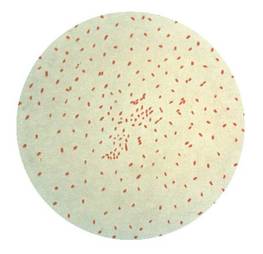
In an analysis of the 2010 pertussis outbreak in California conducted by the Kaiser Permanente Medical Center in San Rafael – which provides care to about 40% of Marin County’s quarter million residents – investigators found a markedly increased rate of disease in children aged 8-12 years. There were 171 confirmed cases of pertussis at the center from March 1 to Oct. 31, 2010, with 132 of the cases occurring in pediatric patients. The disease peaked in children aged 12 years.
"The possibility of earlier or more numerous booster doses of acellular pertussis vaccine either as part of routine immunization or for outbreak control should be entertained," the investigators wrote (Clin. Infect. Dis. 2012;54:1730-5).
A second study, which also analyzed data from the California outbreak, found that protection against pertussis waned substantially after the DTaP series, which children usually complete by age 7 years. Risk of the disease rose 42% each year after the end of the series (N. Engl. J. Med. 2012;367:1012-9).
However, administering the Tdap booster earlier comes with its own concerns, said Dr. Long, chief of the section of infectious diseases at St. Christopher’s Hospital for Children in Philadelphia.
Administering an earlier Tdap booster would require a second booster for teenagers. "If you gave the first dose, for instance, at 8, and then you decided to give another one at 14 or 15, well ... we don’t immunize 14- and 15-year-olds very well. Would you gain enough by giving Tdap earlier, or would you lose more because you are shifting the second dose to teenagers? How much is there to lose by maybe failing to give the second dose?" she said.
Also, Tdap isn’t licensed for two doses in the United States, and the safety of two doses is unknown.
Given the complexities, the Centers for Disease Control and Prevention’s Advisory Committee on Immunization Practices (ACIP) has not made any decisions on whether to change the Tdap schedule. "It’s something that will have to be considered," said Dr. Long.
Another option is give stand-alone pertussis boosters, said session moderator Dr. Kathryn Edwards, director of the Vanderbilt University vaccine research program, Nashville, Tenn., and a member of the Pertussis Vaccines Work Group of ACIP.
"The longer between that last DTaP dose and the Tdap, the greater the case burden. The current pertussis vaccination schedule is not effective at preventing outbreaks. There is a need for earlier or more frequent boosters or more effective pertussis vaccines," Dr. Edwards said in an interview at the meeting, which was sponsored by the American Society for Microbiology.
Overall, 171 people at the San Rafael medical center, the majority of whom were children, tested positive for Bordetella pertussis by polymerase chain reaction testing. The authors calculated that DTaP pertussis effectiveness was 41% for 2- to 7-year-olds, but only 24% for 8- to 12-year-olds, "suggesting that the vaccine isn’t very effective in that age group," Dr. Edwards said. The effectiveness in 13- to 18-year-old patients rose to 79%; many had gotten the Tdap booster.
There were more than 8,000 pertussis cases in the California outbreak. Ten children died, one a premature infant and the rest children who were unvaccinated against the disease. It’s unclear if Bordetella strains not covered by the vaccine played a role in the outbreak, she said.
Dr. Long and Dr. Edwards said they had no relevant financial disclosures.
SAN FRANCISCO – The pertussis component of the DTaP vaccine may not be as immunogenic or long lasting as once thought, according to Dr. Sarah Long.
In fact, there is evidence that the Tdap booster – currently recommended for children, adolescents, and adults aged 11 years or older – should be administered earlier, she said at the annual Interscience Conference on Antimicrobial Agents and Chemotherapy.
In an analysis of the 2010 pertussis outbreak in California conducted by the Kaiser Permanente Medical Center in San Rafael – which provides care to about 40% of Marin County’s quarter million residents – investigators found a markedly increased rate of disease in children aged 8-12 years. There were 171 confirmed cases of pertussis at the center from March 1 to Oct. 31, 2010, with 132 of the cases occurring in pediatric patients. The disease peaked in children aged 12 years.
"The possibility of earlier or more numerous booster doses of acellular pertussis vaccine either as part of routine immunization or for outbreak control should be entertained," the investigators wrote (Clin. Infect. Dis. 2012;54:1730-5).
A second study, which also analyzed data from the California outbreak, found that protection against pertussis waned substantially after the DTaP series, which children usually complete by age 7 years. Risk of the disease rose 42% each year after the end of the series (N. Engl. J. Med. 2012;367:1012-9).
However, administering the Tdap booster earlier comes with its own concerns, said Dr. Long, chief of the section of infectious diseases at St. Christopher’s Hospital for Children in Philadelphia.
Administering an earlier Tdap booster would require a second booster for teenagers. "If you gave the first dose, for instance, at 8, and then you decided to give another one at 14 or 15, well ... we don’t immunize 14- and 15-year-olds very well. Would you gain enough by giving Tdap earlier, or would you lose more because you are shifting the second dose to teenagers? How much is there to lose by maybe failing to give the second dose?" she said.
Also, Tdap isn’t licensed for two doses in the United States, and the safety of two doses is unknown.
Given the complexities, the Centers for Disease Control and Prevention’s Advisory Committee on Immunization Practices (ACIP) has not made any decisions on whether to change the Tdap schedule. "It’s something that will have to be considered," said Dr. Long.
Another option is give stand-alone pertussis boosters, said session moderator Dr. Kathryn Edwards, director of the Vanderbilt University vaccine research program, Nashville, Tenn., and a member of the Pertussis Vaccines Work Group of ACIP.
"The longer between that last DTaP dose and the Tdap, the greater the case burden. The current pertussis vaccination schedule is not effective at preventing outbreaks. There is a need for earlier or more frequent boosters or more effective pertussis vaccines," Dr. Edwards said in an interview at the meeting, which was sponsored by the American Society for Microbiology.
Overall, 171 people at the San Rafael medical center, the majority of whom were children, tested positive for Bordetella pertussis by polymerase chain reaction testing. The authors calculated that DTaP pertussis effectiveness was 41% for 2- to 7-year-olds, but only 24% for 8- to 12-year-olds, "suggesting that the vaccine isn’t very effective in that age group," Dr. Edwards said. The effectiveness in 13- to 18-year-old patients rose to 79%; many had gotten the Tdap booster.
There were more than 8,000 pertussis cases in the California outbreak. Ten children died, one a premature infant and the rest children who were unvaccinated against the disease. It’s unclear if Bordetella strains not covered by the vaccine played a role in the outbreak, she said.
Dr. Long and Dr. Edwards said they had no relevant financial disclosures.
SAN FRANCISCO – The pertussis component of the DTaP vaccine may not be as immunogenic or long lasting as once thought, according to Dr. Sarah Long.
In fact, there is evidence that the Tdap booster – currently recommended for children, adolescents, and adults aged 11 years or older – should be administered earlier, she said at the annual Interscience Conference on Antimicrobial Agents and Chemotherapy.
In an analysis of the 2010 pertussis outbreak in California conducted by the Kaiser Permanente Medical Center in San Rafael – which provides care to about 40% of Marin County’s quarter million residents – investigators found a markedly increased rate of disease in children aged 8-12 years. There were 171 confirmed cases of pertussis at the center from March 1 to Oct. 31, 2010, with 132 of the cases occurring in pediatric patients. The disease peaked in children aged 12 years.
"The possibility of earlier or more numerous booster doses of acellular pertussis vaccine either as part of routine immunization or for outbreak control should be entertained," the investigators wrote (Clin. Infect. Dis. 2012;54:1730-5).
A second study, which also analyzed data from the California outbreak, found that protection against pertussis waned substantially after the DTaP series, which children usually complete by age 7 years. Risk of the disease rose 42% each year after the end of the series (N. Engl. J. Med. 2012;367:1012-9).
However, administering the Tdap booster earlier comes with its own concerns, said Dr. Long, chief of the section of infectious diseases at St. Christopher’s Hospital for Children in Philadelphia.
Administering an earlier Tdap booster would require a second booster for teenagers. "If you gave the first dose, for instance, at 8, and then you decided to give another one at 14 or 15, well ... we don’t immunize 14- and 15-year-olds very well. Would you gain enough by giving Tdap earlier, or would you lose more because you are shifting the second dose to teenagers? How much is there to lose by maybe failing to give the second dose?" she said.
Also, Tdap isn’t licensed for two doses in the United States, and the safety of two doses is unknown.
Given the complexities, the Centers for Disease Control and Prevention’s Advisory Committee on Immunization Practices (ACIP) has not made any decisions on whether to change the Tdap schedule. "It’s something that will have to be considered," said Dr. Long.
Another option is give stand-alone pertussis boosters, said session moderator Dr. Kathryn Edwards, director of the Vanderbilt University vaccine research program, Nashville, Tenn., and a member of the Pertussis Vaccines Work Group of ACIP.
"The longer between that last DTaP dose and the Tdap, the greater the case burden. The current pertussis vaccination schedule is not effective at preventing outbreaks. There is a need for earlier or more frequent boosters or more effective pertussis vaccines," Dr. Edwards said in an interview at the meeting, which was sponsored by the American Society for Microbiology.
Overall, 171 people at the San Rafael medical center, the majority of whom were children, tested positive for Bordetella pertussis by polymerase chain reaction testing. The authors calculated that DTaP pertussis effectiveness was 41% for 2- to 7-year-olds, but only 24% for 8- to 12-year-olds, "suggesting that the vaccine isn’t very effective in that age group," Dr. Edwards said. The effectiveness in 13- to 18-year-old patients rose to 79%; many had gotten the Tdap booster.
There were more than 8,000 pertussis cases in the California outbreak. Ten children died, one a premature infant and the rest children who were unvaccinated against the disease. It’s unclear if Bordetella strains not covered by the vaccine played a role in the outbreak, she said.
Dr. Long and Dr. Edwards said they had no relevant financial disclosures.
EXPERT ANALSYIS FROM THE ANNUAL INTERSCIENCE CONFERENCE ON ANTIMICROBIAL AGENTS AND CHEMOTHERAPY
Antibiotics Helpful in Chlamydia-Induced Reactive Arthritis
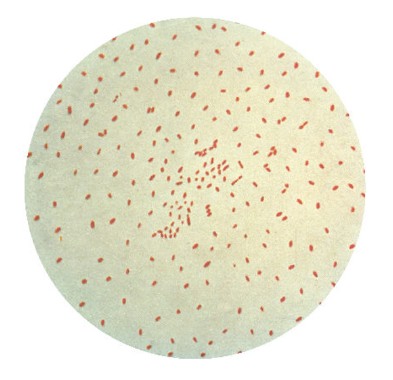
Reactive arthritis that is due to Chlamydia trachomatis infection responds to antibiotic therapy. Other infectious causes of the condition do not.
So it is worth checking the synovial fluid of affected joints for evidence of chlamydia polymerase chain reaction (PCR), according to Dr. Atul Deodhar, professor of medicine at Oregon Health and Science University in Portland.
In a recent randomized trial, 6 months of rifampin plus either azithromycin or doxycycline significantly improved outcomes versus placebo in patients with chlamydia-induced reactive arthritis. Synovial fluid PCRs were positive for chlamydia in all 42 patients (Arthritis Rheum. 2010;62:1298-307).
The study "has changed my practice. I now send synovial fluid for PCR. I have found several patients" positive for chlamydia, "and we are treating them with antibiotics," Dr. Deodhar said; he also sends urine samples for chlamydia testing.
The primary end point in the study – an improvement of 20% or more in at least four of six variables such as swollen joint count – was achieved by 17 of 27 antibiotic patients (63%) but only 3 of 15 placebo patients (20%). Six patients treated with antibiotics but none of the patients in the placebo group went into complete remission during the trial. Patients on antibiotic were also more likely to clear chlamydia from their joints.
It’s a different story when reactive arthritis is triggered by gastrointestinal pathogens such as salmonella, shigella, campylobacter, and yersinia. In those cases, "avoid antibiotics," Dr. Deodhar said.
He and his colleagues found antibiotic therapy just didn’t help in a population study of 575 likely reactive arthritis cases among 6,379 people with culture-confirmed GI infections. His team confirmed reactive arthritis in 54 of the 82 (66%) subjects they were able to exam. Enthesitis was the most frequent finding; arthritis was less common (Ann. Rheum. Dis. 2008;67:1689-96).
Some patients had been given antibiotics for their GI infections, others not. It "didn’t really make any difference to patients developing or not developing reactive arthritis or the severity of it. [Antibiotics] are not going to prevent people [with dysentery] from developing reactive arthritis," Dr. Deodhar said.
They also found that the presence or absence of human leukocyte antigen B27 did not predict risk. In sporadic reactive arthritis cases, the presence of the antigen is "not actually that important in deciding if someone has or does not have reactive arthritis," he said.
Onset of reactive arthritis comes a few days to a maximum of several weeks following the inducing infection. Asymmetrical mono- or oligoarthritis of the lower extremity is the most common joint finding. Uveitis, dactylitis, and enthesitis are also possible.
Besides antibiotics for chlamydia-induced disease, sulfasalazine and tumor necrosis factor inhibitors may help with difficult cases.
Dr. Deodhar disclosed research and grant support from Abbott, Janssen, and UCB.
Reactive arthritis that is due to Chlamydia trachomatis infection responds to antibiotic therapy. Other infectious causes of the condition do not.
So it is worth checking the synovial fluid of affected joints for evidence of chlamydia polymerase chain reaction (PCR), according to Dr. Atul Deodhar, professor of medicine at Oregon Health and Science University in Portland.
In a recent randomized trial, 6 months of rifampin plus either azithromycin or doxycycline significantly improved outcomes versus placebo in patients with chlamydia-induced reactive arthritis. Synovial fluid PCRs were positive for chlamydia in all 42 patients (Arthritis Rheum. 2010;62:1298-307).
The study "has changed my practice. I now send synovial fluid for PCR. I have found several patients" positive for chlamydia, "and we are treating them with antibiotics," Dr. Deodhar said; he also sends urine samples for chlamydia testing.
The primary end point in the study – an improvement of 20% or more in at least four of six variables such as swollen joint count – was achieved by 17 of 27 antibiotic patients (63%) but only 3 of 15 placebo patients (20%). Six patients treated with antibiotics but none of the patients in the placebo group went into complete remission during the trial. Patients on antibiotic were also more likely to clear chlamydia from their joints.
It’s a different story when reactive arthritis is triggered by gastrointestinal pathogens such as salmonella, shigella, campylobacter, and yersinia. In those cases, "avoid antibiotics," Dr. Deodhar said.
He and his colleagues found antibiotic therapy just didn’t help in a population study of 575 likely reactive arthritis cases among 6,379 people with culture-confirmed GI infections. His team confirmed reactive arthritis in 54 of the 82 (66%) subjects they were able to exam. Enthesitis was the most frequent finding; arthritis was less common (Ann. Rheum. Dis. 2008;67:1689-96).
Some patients had been given antibiotics for their GI infections, others not. It "didn’t really make any difference to patients developing or not developing reactive arthritis or the severity of it. [Antibiotics] are not going to prevent people [with dysentery] from developing reactive arthritis," Dr. Deodhar said.
They also found that the presence or absence of human leukocyte antigen B27 did not predict risk. In sporadic reactive arthritis cases, the presence of the antigen is "not actually that important in deciding if someone has or does not have reactive arthritis," he said.
Onset of reactive arthritis comes a few days to a maximum of several weeks following the inducing infection. Asymmetrical mono- or oligoarthritis of the lower extremity is the most common joint finding. Uveitis, dactylitis, and enthesitis are also possible.
Besides antibiotics for chlamydia-induced disease, sulfasalazine and tumor necrosis factor inhibitors may help with difficult cases.
Dr. Deodhar disclosed research and grant support from Abbott, Janssen, and UCB.
Reactive arthritis that is due to Chlamydia trachomatis infection responds to antibiotic therapy. Other infectious causes of the condition do not.
So it is worth checking the synovial fluid of affected joints for evidence of chlamydia polymerase chain reaction (PCR), according to Dr. Atul Deodhar, professor of medicine at Oregon Health and Science University in Portland.
In a recent randomized trial, 6 months of rifampin plus either azithromycin or doxycycline significantly improved outcomes versus placebo in patients with chlamydia-induced reactive arthritis. Synovial fluid PCRs were positive for chlamydia in all 42 patients (Arthritis Rheum. 2010;62:1298-307).
The study "has changed my practice. I now send synovial fluid for PCR. I have found several patients" positive for chlamydia, "and we are treating them with antibiotics," Dr. Deodhar said; he also sends urine samples for chlamydia testing.
The primary end point in the study – an improvement of 20% or more in at least four of six variables such as swollen joint count – was achieved by 17 of 27 antibiotic patients (63%) but only 3 of 15 placebo patients (20%). Six patients treated with antibiotics but none of the patients in the placebo group went into complete remission during the trial. Patients on antibiotic were also more likely to clear chlamydia from their joints.
It’s a different story when reactive arthritis is triggered by gastrointestinal pathogens such as salmonella, shigella, campylobacter, and yersinia. In those cases, "avoid antibiotics," Dr. Deodhar said.
He and his colleagues found antibiotic therapy just didn’t help in a population study of 575 likely reactive arthritis cases among 6,379 people with culture-confirmed GI infections. His team confirmed reactive arthritis in 54 of the 82 (66%) subjects they were able to exam. Enthesitis was the most frequent finding; arthritis was less common (Ann. Rheum. Dis. 2008;67:1689-96).
Some patients had been given antibiotics for their GI infections, others not. It "didn’t really make any difference to patients developing or not developing reactive arthritis or the severity of it. [Antibiotics] are not going to prevent people [with dysentery] from developing reactive arthritis," Dr. Deodhar said.
They also found that the presence or absence of human leukocyte antigen B27 did not predict risk. In sporadic reactive arthritis cases, the presence of the antigen is "not actually that important in deciding if someone has or does not have reactive arthritis," he said.
Onset of reactive arthritis comes a few days to a maximum of several weeks following the inducing infection. Asymmetrical mono- or oligoarthritis of the lower extremity is the most common joint finding. Uveitis, dactylitis, and enthesitis are also possible.
Besides antibiotics for chlamydia-induced disease, sulfasalazine and tumor necrosis factor inhibitors may help with difficult cases.
Dr. Deodhar disclosed research and grant support from Abbott, Janssen, and UCB.
EXPERT ANALYSIS FROM PERSPECTIVES IN RHEUMATOLOGY
Linezolid Bests Vancomycin in Obese MRSA Pneumonia Patients
SAN FRANCISCO – Linezolid works better than vancomycin in obese patients with MRSA pneumonia, according to an industry-supported analysis.
Clinical success – ICU or hospital discharge by day 14 in the absence of death, therapy change, or intubation – was more likely among 49 patients with body-mass-indices of 30 or more treated with 600 mg of linezolid IV or orally every 12 hours, the standard dose, than among 740 treated with standard dosing of vancomycin (HR 1.77, 95% CI 1.18-2.64). The findings come from a national retrospective cohort analysis of Veterans Affairs hospital data. The study was funded in part by Pfizer, which markets linezolid as Zyvox.
"Clinical success rates were higher [in obese patients] with linezolid. We don’t know exactly why," lead investigator Aisling Caffrey, Ph.D., assistant professor of pharmacoepidemiology at the University of Rhode Island College of Pharmacy in Kingston, R.I., said at the Interscience Conference on Antimicrobial Agents and Chemotherapy.
Maybe it was because vancomycin dosing is, in part, weight based and perhaps problematic for obese patients. Clinicians may be reluctant to exceed standard dosing even if BMIs suggest it, due to toxicity concerns; it’s unclear if patients in the study received adequate doses.
Linezolid "is a little more straightforward. Maybe obese patients were more likely to get the right dose," Dr. Caffrey said.
She and her coinvestigators hope to look further into the antibiotic treatment of MRSA pneumonia in the overweight population.
The investigation was a subgroup analysis of a larger MRSA pneumonia comparison study that found nonobese patients treated with linezolid were less likely to have 30-day hospital readmissions (HR 0.60, 95% CI 0.37-0.97). There were no other outcome differences between the drugs. Patients in the study were treated for at least 3 days.
The conference was sponsored by the American Society for Microbiology. Pfizer and the Department of Veterans Affairs funded the study. Two of the researchers were Pfizer employees. Dr. Caffrey\'s research is funded in part by Pfizer.
SAN FRANCISCO – Linezolid works better than vancomycin in obese patients with MRSA pneumonia, according to an industry-supported analysis.
Clinical success – ICU or hospital discharge by day 14 in the absence of death, therapy change, or intubation – was more likely among 49 patients with body-mass-indices of 30 or more treated with 600 mg of linezolid IV or orally every 12 hours, the standard dose, than among 740 treated with standard dosing of vancomycin (HR 1.77, 95% CI 1.18-2.64). The findings come from a national retrospective cohort analysis of Veterans Affairs hospital data. The study was funded in part by Pfizer, which markets linezolid as Zyvox.
"Clinical success rates were higher [in obese patients] with linezolid. We don’t know exactly why," lead investigator Aisling Caffrey, Ph.D., assistant professor of pharmacoepidemiology at the University of Rhode Island College of Pharmacy in Kingston, R.I., said at the Interscience Conference on Antimicrobial Agents and Chemotherapy.
Maybe it was because vancomycin dosing is, in part, weight based and perhaps problematic for obese patients. Clinicians may be reluctant to exceed standard dosing even if BMIs suggest it, due to toxicity concerns; it’s unclear if patients in the study received adequate doses.
Linezolid "is a little more straightforward. Maybe obese patients were more likely to get the right dose," Dr. Caffrey said.
She and her coinvestigators hope to look further into the antibiotic treatment of MRSA pneumonia in the overweight population.
The investigation was a subgroup analysis of a larger MRSA pneumonia comparison study that found nonobese patients treated with linezolid were less likely to have 30-day hospital readmissions (HR 0.60, 95% CI 0.37-0.97). There were no other outcome differences between the drugs. Patients in the study were treated for at least 3 days.
The conference was sponsored by the American Society for Microbiology. Pfizer and the Department of Veterans Affairs funded the study. Two of the researchers were Pfizer employees. Dr. Caffrey\'s research is funded in part by Pfizer.
SAN FRANCISCO – Linezolid works better than vancomycin in obese patients with MRSA pneumonia, according to an industry-supported analysis.
Clinical success – ICU or hospital discharge by day 14 in the absence of death, therapy change, or intubation – was more likely among 49 patients with body-mass-indices of 30 or more treated with 600 mg of linezolid IV or orally every 12 hours, the standard dose, than among 740 treated with standard dosing of vancomycin (HR 1.77, 95% CI 1.18-2.64). The findings come from a national retrospective cohort analysis of Veterans Affairs hospital data. The study was funded in part by Pfizer, which markets linezolid as Zyvox.
"Clinical success rates were higher [in obese patients] with linezolid. We don’t know exactly why," lead investigator Aisling Caffrey, Ph.D., assistant professor of pharmacoepidemiology at the University of Rhode Island College of Pharmacy in Kingston, R.I., said at the Interscience Conference on Antimicrobial Agents and Chemotherapy.
Maybe it was because vancomycin dosing is, in part, weight based and perhaps problematic for obese patients. Clinicians may be reluctant to exceed standard dosing even if BMIs suggest it, due to toxicity concerns; it’s unclear if patients in the study received adequate doses.
Linezolid "is a little more straightforward. Maybe obese patients were more likely to get the right dose," Dr. Caffrey said.
She and her coinvestigators hope to look further into the antibiotic treatment of MRSA pneumonia in the overweight population.
The investigation was a subgroup analysis of a larger MRSA pneumonia comparison study that found nonobese patients treated with linezolid were less likely to have 30-day hospital readmissions (HR 0.60, 95% CI 0.37-0.97). There were no other outcome differences between the drugs. Patients in the study were treated for at least 3 days.
The conference was sponsored by the American Society for Microbiology. Pfizer and the Department of Veterans Affairs funded the study. Two of the researchers were Pfizer employees. Dr. Caffrey\'s research is funded in part by Pfizer.
AT THE INTERSCIENCE CONFERENCE ON ANTIMICROBIAL AGENTS AND CHEMOTHERAPY
Major Finding: Clinical success – ICU or hospital discharge by day 14 in the absence of death, therapy change, or intubation – is more likely when obese patients with MRSA pneumonia are treated with linezolid instead of vancomycin (HR 1.77, 95% CI 1.18-2.64).
Data Source: Researchers conducted a national, retrospective analysis of Veterans Affairs data.
Disclosures: Pfizer and the U.S. Department of Veterans Affairs funded the study. Two of the researchers were Pfizer employees. Dr. Caffrey’s research is funded in part by Pfizer.
IV Ampicillin Found Effective for VRE UTI
SAN FRANCISCO – Intravenous ampicillin is an effective first-line treatment for urinary tract infections caused by vancomycin-resistant enterococci, according to a review from Shands Hospital at the University of Florida in Gainesville.
Although linezolid and daptomycin are sometimes used elsewhere to treat these infections, the hospital staff decided in 2000 to use intravenous ampicillin as the vancomycin-resistant enterococci (VRE) UTI treatment of choice. To prevent resistance, staff there wanted to keep newer, more powerful antibiotics in reserve for more complex infections, Shands infectious disease specialist Ken Klinker, Pharm.D., reported at the annual Interscience Conference on Antimicrobial Agents and Chemotherapy.

The hospital staff reasoned that the high urine concentrations achieved by ampicillin would overwhelm VRE despite possible resistance to the antibiotic, Dr. Klinker said. The approach led to clinical cures in 64 of 70 patients (91%) and microbiologic cures in 40 of the 46 (87%) who had repeat urine cultures.
Patients received a median ampicillin dose of 4 g/day for an average of 4.25 days. When possible, they were then switched to oral ampicillin or amoxicillin.
Ampicillin "seems to work for us and has for many years," said coinvestigator and pharmacist Sam Borgert, also an infectious disease specialist at Shands. "Ampicillin should be considered a viable treatment option for patients with VRE UTI," the investigators concluded when presenting their findings.
Most of the patients had grown out at least 105 CFU/mL on urine culture and were clinically symptomatic. Enterococcus faecium was the predominant pathogen, and it tested almost uniformly resistant to ampicillin.
The median age in the study was 60.5 years and median Charlson Comorbidity Index score was 6. Just over half of the participants were women.
A total of 48 patients had Foley catheters at baseline. Thirty-three of the 34 (97%) who had their catheter exchanged or removed cleared the infection. The cure rate was 57% (8 of 14) among patients who retained their catheter.
"We can’t discern between drug therapy and catheter removal in terms of what drove the results. It’s probably a combination of both," Dr. Klinker said at the conference, which was sponsored by the American Society for Microbiology.
The few patients who failed ampicillin responded to alternate VRE therapies.
Dr. Klinker and Mr. Borgert said that they have no relevant disclosures.
SAN FRANCISCO – Intravenous ampicillin is an effective first-line treatment for urinary tract infections caused by vancomycin-resistant enterococci, according to a review from Shands Hospital at the University of Florida in Gainesville.
Although linezolid and daptomycin are sometimes used elsewhere to treat these infections, the hospital staff decided in 2000 to use intravenous ampicillin as the vancomycin-resistant enterococci (VRE) UTI treatment of choice. To prevent resistance, staff there wanted to keep newer, more powerful antibiotics in reserve for more complex infections, Shands infectious disease specialist Ken Klinker, Pharm.D., reported at the annual Interscience Conference on Antimicrobial Agents and Chemotherapy.
The hospital staff reasoned that the high urine concentrations achieved by ampicillin would overwhelm VRE despite possible resistance to the antibiotic, Dr. Klinker said. The approach led to clinical cures in 64 of 70 patients (91%) and microbiologic cures in 40 of the 46 (87%) who had repeat urine cultures.
Patients received a median ampicillin dose of 4 g/day for an average of 4.25 days. When possible, they were then switched to oral ampicillin or amoxicillin.
Ampicillin "seems to work for us and has for many years," said coinvestigator and pharmacist Sam Borgert, also an infectious disease specialist at Shands. "Ampicillin should be considered a viable treatment option for patients with VRE UTI," the investigators concluded when presenting their findings.
Most of the patients had grown out at least 105 CFU/mL on urine culture and were clinically symptomatic. Enterococcus faecium was the predominant pathogen, and it tested almost uniformly resistant to ampicillin.
The median age in the study was 60.5 years and median Charlson Comorbidity Index score was 6. Just over half of the participants were women.
A total of 48 patients had Foley catheters at baseline. Thirty-three of the 34 (97%) who had their catheter exchanged or removed cleared the infection. The cure rate was 57% (8 of 14) among patients who retained their catheter.
"We can’t discern between drug therapy and catheter removal in terms of what drove the results. It’s probably a combination of both," Dr. Klinker said at the conference, which was sponsored by the American Society for Microbiology.
The few patients who failed ampicillin responded to alternate VRE therapies.
Dr. Klinker and Mr. Borgert said that they have no relevant disclosures.
SAN FRANCISCO – Intravenous ampicillin is an effective first-line treatment for urinary tract infections caused by vancomycin-resistant enterococci, according to a review from Shands Hospital at the University of Florida in Gainesville.
Although linezolid and daptomycin are sometimes used elsewhere to treat these infections, the hospital staff decided in 2000 to use intravenous ampicillin as the vancomycin-resistant enterococci (VRE) UTI treatment of choice. To prevent resistance, staff there wanted to keep newer, more powerful antibiotics in reserve for more complex infections, Shands infectious disease specialist Ken Klinker, Pharm.D., reported at the annual Interscience Conference on Antimicrobial Agents and Chemotherapy.
The hospital staff reasoned that the high urine concentrations achieved by ampicillin would overwhelm VRE despite possible resistance to the antibiotic, Dr. Klinker said. The approach led to clinical cures in 64 of 70 patients (91%) and microbiologic cures in 40 of the 46 (87%) who had repeat urine cultures.
Patients received a median ampicillin dose of 4 g/day for an average of 4.25 days. When possible, they were then switched to oral ampicillin or amoxicillin.
Ampicillin "seems to work for us and has for many years," said coinvestigator and pharmacist Sam Borgert, also an infectious disease specialist at Shands. "Ampicillin should be considered a viable treatment option for patients with VRE UTI," the investigators concluded when presenting their findings.
Most of the patients had grown out at least 105 CFU/mL on urine culture and were clinically symptomatic. Enterococcus faecium was the predominant pathogen, and it tested almost uniformly resistant to ampicillin.
The median age in the study was 60.5 years and median Charlson Comorbidity Index score was 6. Just over half of the participants were women.
A total of 48 patients had Foley catheters at baseline. Thirty-three of the 34 (97%) who had their catheter exchanged or removed cleared the infection. The cure rate was 57% (8 of 14) among patients who retained their catheter.
"We can’t discern between drug therapy and catheter removal in terms of what drove the results. It’s probably a combination of both," Dr. Klinker said at the conference, which was sponsored by the American Society for Microbiology.
The few patients who failed ampicillin responded to alternate VRE therapies.
Dr. Klinker and Mr. Borgert said that they have no relevant disclosures.
AT THE ANNUAL INTERSCIENCE CONFERENCE ON ANTIMICROBIAL AGENTS AND CHEMOTHERAPY
Major Finding: Intravenous ampicillin cures 90% of VRE urinary tract infections.
Data Source: The review involved 70 VRE UTI cases.
Disclosures: The investigators said that they have no relevant disclosures.

Surgery for Pediatric Pleural Effusions No Better Than Conservative Treatment
SAN FRANCISCO – Conservative treatment may be best for pneumonia-related pleural effusions in children, according to a retrospective review from Washington University in St. Louis.
Median hospital costs were significantly lower ($11,149 vs. $28,552; P less than .001) and there was a nonsignificant trend toward shorter median hospital stays (6 vs. 8 days) for 17 children with moderate-large pleural effusions treated at St. Louis Children’s Hospital with intravenous antibiotics or tube drainage from 2007 to 2010 compared with 81 treated more aggressively with thoracotomy and decortication or video-assisted thoracoscopic surgery (VATS), which has become first-line treatment at the hospital and many other medical centers.
It’s not that the children treated aggressively were sicker, said lead investigator Dr. Piyaporn Chuen-Im, a third-year fellow in pediatric pulmonology.
"In terms of fever, white count, acuity" and other measures, "there were really no [statistically significant] differences between the two groups." That some children were managed medically and others surgically illustrates the "inconsistencies in how plural effusions are treated" in children in St. Louis and elsewhere, she said.
Overall, "the trend is to treat more aggressively" but it might not be necessary, at least in some cases, she said. Surgery "did not offer significant benefits" in the study; children "might have better outcomes and maybe lower hospital charges" with a gentler approach, Dr. Chuen-Im said.
The investigators also looked at records for children treated from 2000 to 2006, although in less depth than for children treated later; the review involved 338 children ranging in age from 1 month to 20 years.
VATS was used for less than 10% of moderate-large pediatric pleural effusions in the early part of the decade, but about 75% in 2009.
Some studies have found better effusion outcomes with VATS in children, leading to its adoption as first-line treatment. Other studies suggest it should be kept in reserve for failed medical treatment (Thorax 2005;60:94-6).
What’s needed is "a big, prospective, randomized, controlled trial to determine the benefits of surgical intervention as first-line therapy," Dr. Chuen-Im said.
Assessment and treatment need to be standardized as well, perhaps according to radiologic parameters, presence of loculation on ultrasound, fluid make-up, or other factors, she said.
Effusion size alone is not enough to guide treatment. Children managed aggressively in the study did tend to have larger effusions, but "we did not find that the size predicted whether the fluid is complicated," indicating more severe disease. "That’s why I’m not sure [basing intervention] on size is a good idea," Dr. Chuen-Im said.
Also, radiologists who reviewed imaging for the study "had considerable disagreement in terms of the assessment of size," a problem because "many people tend to rely on [radiologist] assessment for management." If nothing else, "standardized radiographic measures to consistently define the size of pleural effusions are needed" for children, she said.
Treatment inconstancies are a problem "across the board, not just at this hospital, and even across single institutions. We all deal with this," said Dr. Cori Daines, a pediatric pulmonologist the University of Arizona in Tucson, commenting on the study.
"As a clinician, I rely on my radiologist to give me information to decide [if] I need to call my surgeon. [When] I am getting different opinions from radiologists based on their own tests, that’s concerning." Meanwhile, "we are [also] seeing way more of our pleural effusions going to VATS and surgical intervention," she said.
Dr. Daines, Dr. Chuen-Im, and coinvestigators said they have no relevant disclosures.
SAN FRANCISCO – Conservative treatment may be best for pneumonia-related pleural effusions in children, according to a retrospective review from Washington University in St. Louis.
Median hospital costs were significantly lower ($11,149 vs. $28,552; P less than .001) and there was a nonsignificant trend toward shorter median hospital stays (6 vs. 8 days) for 17 children with moderate-large pleural effusions treated at St. Louis Children’s Hospital with intravenous antibiotics or tube drainage from 2007 to 2010 compared with 81 treated more aggressively with thoracotomy and decortication or video-assisted thoracoscopic surgery (VATS), which has become first-line treatment at the hospital and many other medical centers.
It’s not that the children treated aggressively were sicker, said lead investigator Dr. Piyaporn Chuen-Im, a third-year fellow in pediatric pulmonology.
"In terms of fever, white count, acuity" and other measures, "there were really no [statistically significant] differences between the two groups." That some children were managed medically and others surgically illustrates the "inconsistencies in how plural effusions are treated" in children in St. Louis and elsewhere, she said.
Overall, "the trend is to treat more aggressively" but it might not be necessary, at least in some cases, she said. Surgery "did not offer significant benefits" in the study; children "might have better outcomes and maybe lower hospital charges" with a gentler approach, Dr. Chuen-Im said.
The investigators also looked at records for children treated from 2000 to 2006, although in less depth than for children treated later; the review involved 338 children ranging in age from 1 month to 20 years.
VATS was used for less than 10% of moderate-large pediatric pleural effusions in the early part of the decade, but about 75% in 2009.
Some studies have found better effusion outcomes with VATS in children, leading to its adoption as first-line treatment. Other studies suggest it should be kept in reserve for failed medical treatment (Thorax 2005;60:94-6).
What’s needed is "a big, prospective, randomized, controlled trial to determine the benefits of surgical intervention as first-line therapy," Dr. Chuen-Im said.
Assessment and treatment need to be standardized as well, perhaps according to radiologic parameters, presence of loculation on ultrasound, fluid make-up, or other factors, she said.
Effusion size alone is not enough to guide treatment. Children managed aggressively in the study did tend to have larger effusions, but "we did not find that the size predicted whether the fluid is complicated," indicating more severe disease. "That’s why I’m not sure [basing intervention] on size is a good idea," Dr. Chuen-Im said.
Also, radiologists who reviewed imaging for the study "had considerable disagreement in terms of the assessment of size," a problem because "many people tend to rely on [radiologist] assessment for management." If nothing else, "standardized radiographic measures to consistently define the size of pleural effusions are needed" for children, she said.
Treatment inconstancies are a problem "across the board, not just at this hospital, and even across single institutions. We all deal with this," said Dr. Cori Daines, a pediatric pulmonologist the University of Arizona in Tucson, commenting on the study.
"As a clinician, I rely on my radiologist to give me information to decide [if] I need to call my surgeon. [When] I am getting different opinions from radiologists based on their own tests, that’s concerning." Meanwhile, "we are [also] seeing way more of our pleural effusions going to VATS and surgical intervention," she said.
Dr. Daines, Dr. Chuen-Im, and coinvestigators said they have no relevant disclosures.
SAN FRANCISCO – Conservative treatment may be best for pneumonia-related pleural effusions in children, according to a retrospective review from Washington University in St. Louis.
Median hospital costs were significantly lower ($11,149 vs. $28,552; P less than .001) and there was a nonsignificant trend toward shorter median hospital stays (6 vs. 8 days) for 17 children with moderate-large pleural effusions treated at St. Louis Children’s Hospital with intravenous antibiotics or tube drainage from 2007 to 2010 compared with 81 treated more aggressively with thoracotomy and decortication or video-assisted thoracoscopic surgery (VATS), which has become first-line treatment at the hospital and many other medical centers.
It’s not that the children treated aggressively were sicker, said lead investigator Dr. Piyaporn Chuen-Im, a third-year fellow in pediatric pulmonology.
"In terms of fever, white count, acuity" and other measures, "there were really no [statistically significant] differences between the two groups." That some children were managed medically and others surgically illustrates the "inconsistencies in how plural effusions are treated" in children in St. Louis and elsewhere, she said.
Overall, "the trend is to treat more aggressively" but it might not be necessary, at least in some cases, she said. Surgery "did not offer significant benefits" in the study; children "might have better outcomes and maybe lower hospital charges" with a gentler approach, Dr. Chuen-Im said.
The investigators also looked at records for children treated from 2000 to 2006, although in less depth than for children treated later; the review involved 338 children ranging in age from 1 month to 20 years.
VATS was used for less than 10% of moderate-large pediatric pleural effusions in the early part of the decade, but about 75% in 2009.
Some studies have found better effusion outcomes with VATS in children, leading to its adoption as first-line treatment. Other studies suggest it should be kept in reserve for failed medical treatment (Thorax 2005;60:94-6).
What’s needed is "a big, prospective, randomized, controlled trial to determine the benefits of surgical intervention as first-line therapy," Dr. Chuen-Im said.
Assessment and treatment need to be standardized as well, perhaps according to radiologic parameters, presence of loculation on ultrasound, fluid make-up, or other factors, she said.
Effusion size alone is not enough to guide treatment. Children managed aggressively in the study did tend to have larger effusions, but "we did not find that the size predicted whether the fluid is complicated," indicating more severe disease. "That’s why I’m not sure [basing intervention] on size is a good idea," Dr. Chuen-Im said.
Also, radiologists who reviewed imaging for the study "had considerable disagreement in terms of the assessment of size," a problem because "many people tend to rely on [radiologist] assessment for management." If nothing else, "standardized radiographic measures to consistently define the size of pleural effusions are needed" for children, she said.
Treatment inconstancies are a problem "across the board, not just at this hospital, and even across single institutions. We all deal with this," said Dr. Cori Daines, a pediatric pulmonologist the University of Arizona in Tucson, commenting on the study.
"As a clinician, I rely on my radiologist to give me information to decide [if] I need to call my surgeon. [When] I am getting different opinions from radiologists based on their own tests, that’s concerning." Meanwhile, "we are [also] seeing way more of our pleural effusions going to VATS and surgical intervention," she said.
Dr. Daines, Dr. Chuen-Im, and coinvestigators said they have no relevant disclosures.
AT AN INTERNATIONAL CONFERENCE OF THE AMERICAN THORACIC SOCIETY
Major Finding: Hospital stays are thousands of dollars less expensive and may be shorter when pediatric pleural effusions were treated conservatively instead of surgically.
Data Source: Investigators conducted a retrospective review of 338 children with pleural effusions caused by community-acquired pneumonia.
Disclosures: Dr. Daines, Dr. Chuen-Im, and coinvestigators said they have no relevant disclosures.
CombiRx for MS Not Better Than Monotherapy
SAN DIEGO – Glatiramer acetate and interferon beta-1a used in combination were no more effective for patients with relapsing-remitting multiple sclerosis than were either agent alone in a 3-year, randomized trial.
On quality of life measures, monotherapy and combination therapy proved largely equal – and equally well tolerated – in the "CombiRx" study, in which half of the patients got the combination and a quarter got either glatiramer acetate (Copaxone) or interferon beta-1a (Avonex) alone plus a placebo.
CombiRx was conceived at time when interferon beta-1a (IFN-beta-1a) and glatiramer acetate (GA) were the only disease-modifying options for MS; investigators naturally wondered if they’d work better together, said Dr. Lael Stone, a CombiRx investigator and MS specialist at the Cleveland Clinic.
But with natalizumab and fingolimod now on the market, and dimethyl fumarate (also known as BG-12) in the Food and Drug Administration pipeline, times have changed.
It’s never been common to use GA and IFN-beta-1a together, and with newer agents available, "we look at [the CombiRx findings] in 2012 and say ‘that’s not very interesting.’ There were slight indications that" the combination, or one agent or the other, was "better in this respect and not so good in that respect, but it was relatively underwhelming," Dr. Stone said at the Fourth Cooperative Meeting on Multiple Sclerosis.
The size of the study – 1,008 treatment-naive patients – and its duration are what remain important. "They can pull out all sorts of other types of data about what happens to MRIs and what happens to the quality of life" in MS. "They can also look at biomarkers [and genetics]. The database was just locked in April, so this is still going to be gone through in much more detail. What’s going to be most interesting are the other things that come out" of this study, she said.
Almost three-quarters of the CombiRx participants were women. They were 38 years old, on average, and 88% of them were white. Their mean baseline Expanded Disability Status Scale (EDSS) score was about 2.0, and mean disease duration 1.2 years.
Almost half the participants reported very good general health at baseline and 37% excellent general health. Most remained healthy throughout the study. "Everyone did very well. There were very minimal changes from baseline to the last observed MSQLI [Multiple Sclerosis Quality of Life Inventory]," the battery of scales used in CombiRx to see how participants fared, said investigator Stacey Cofield, Ph.D., a biostatician at the University of Alabama at Birmingham.
Mental health and perceived-support scores actually improved over the course of the study, she said, although fatigue, bladder, bowel, and cognitive impairment scores worsened slightly. Overall, "these were very small changes. None of them stand out as being very meaningful," Dr. Cofield said.
Combination therapy showed a half-point benefit on the 22-point bladder control scale, the only scale out of 11 that showed any significant difference between mono and combination therapy.
In the monotherapy groups, IFN-beta-1a patients fared slight better than GA patients on the mental health scale, with no change in the IFN-beta-1a group, but a 3.3 point drop in the 100-point scale in the GA group over 3 years. Conversely, GA patients fared slightly better on the bladder scale, with a 1.5 point improvement vs. a 0.6 point improvement in the IFN-beta-1a group.
Overall, CombiRx had "very low rates of progression and very low amounts of MRI activity," Dr. Cofield said at the meeting, sponsored by the Consortium of Multiple Sclerosis Centers and the Americas Committee on Treatment and Research in Multiple Sclerosis.
Dr. Cofield reported financial ties to Teva Neuroscience and Centocor Ortho Biotech Services. Other investigators reported numerous ties to pharmaceutical companies, including Teva Neuroscience, which donated the Copaxone used in the trial, and Biogen Idec, which donated the Avonex.
SAN DIEGO – Glatiramer acetate and interferon beta-1a used in combination were no more effective for patients with relapsing-remitting multiple sclerosis than were either agent alone in a 3-year, randomized trial.
On quality of life measures, monotherapy and combination therapy proved largely equal – and equally well tolerated – in the "CombiRx" study, in which half of the patients got the combination and a quarter got either glatiramer acetate (Copaxone) or interferon beta-1a (Avonex) alone plus a placebo.
CombiRx was conceived at time when interferon beta-1a (IFN-beta-1a) and glatiramer acetate (GA) were the only disease-modifying options for MS; investigators naturally wondered if they’d work better together, said Dr. Lael Stone, a CombiRx investigator and MS specialist at the Cleveland Clinic.
But with natalizumab and fingolimod now on the market, and dimethyl fumarate (also known as BG-12) in the Food and Drug Administration pipeline, times have changed.
It’s never been common to use GA and IFN-beta-1a together, and with newer agents available, "we look at [the CombiRx findings] in 2012 and say ‘that’s not very interesting.’ There were slight indications that" the combination, or one agent or the other, was "better in this respect and not so good in that respect, but it was relatively underwhelming," Dr. Stone said at the Fourth Cooperative Meeting on Multiple Sclerosis.
The size of the study – 1,008 treatment-naive patients – and its duration are what remain important. "They can pull out all sorts of other types of data about what happens to MRIs and what happens to the quality of life" in MS. "They can also look at biomarkers [and genetics]. The database was just locked in April, so this is still going to be gone through in much more detail. What’s going to be most interesting are the other things that come out" of this study, she said.
Almost three-quarters of the CombiRx participants were women. They were 38 years old, on average, and 88% of them were white. Their mean baseline Expanded Disability Status Scale (EDSS) score was about 2.0, and mean disease duration 1.2 years.
Almost half the participants reported very good general health at baseline and 37% excellent general health. Most remained healthy throughout the study. "Everyone did very well. There were very minimal changes from baseline to the last observed MSQLI [Multiple Sclerosis Quality of Life Inventory]," the battery of scales used in CombiRx to see how participants fared, said investigator Stacey Cofield, Ph.D., a biostatician at the University of Alabama at Birmingham.
Mental health and perceived-support scores actually improved over the course of the study, she said, although fatigue, bladder, bowel, and cognitive impairment scores worsened slightly. Overall, "these were very small changes. None of them stand out as being very meaningful," Dr. Cofield said.
Combination therapy showed a half-point benefit on the 22-point bladder control scale, the only scale out of 11 that showed any significant difference between mono and combination therapy.
In the monotherapy groups, IFN-beta-1a patients fared slight better than GA patients on the mental health scale, with no change in the IFN-beta-1a group, but a 3.3 point drop in the 100-point scale in the GA group over 3 years. Conversely, GA patients fared slightly better on the bladder scale, with a 1.5 point improvement vs. a 0.6 point improvement in the IFN-beta-1a group.
Overall, CombiRx had "very low rates of progression and very low amounts of MRI activity," Dr. Cofield said at the meeting, sponsored by the Consortium of Multiple Sclerosis Centers and the Americas Committee on Treatment and Research in Multiple Sclerosis.
Dr. Cofield reported financial ties to Teva Neuroscience and Centocor Ortho Biotech Services. Other investigators reported numerous ties to pharmaceutical companies, including Teva Neuroscience, which donated the Copaxone used in the trial, and Biogen Idec, which donated the Avonex.
SAN DIEGO – Glatiramer acetate and interferon beta-1a used in combination were no more effective for patients with relapsing-remitting multiple sclerosis than were either agent alone in a 3-year, randomized trial.
On quality of life measures, monotherapy and combination therapy proved largely equal – and equally well tolerated – in the "CombiRx" study, in which half of the patients got the combination and a quarter got either glatiramer acetate (Copaxone) or interferon beta-1a (Avonex) alone plus a placebo.
CombiRx was conceived at time when interferon beta-1a (IFN-beta-1a) and glatiramer acetate (GA) were the only disease-modifying options for MS; investigators naturally wondered if they’d work better together, said Dr. Lael Stone, a CombiRx investigator and MS specialist at the Cleveland Clinic.
But with natalizumab and fingolimod now on the market, and dimethyl fumarate (also known as BG-12) in the Food and Drug Administration pipeline, times have changed.
It’s never been common to use GA and IFN-beta-1a together, and with newer agents available, "we look at [the CombiRx findings] in 2012 and say ‘that’s not very interesting.’ There were slight indications that" the combination, or one agent or the other, was "better in this respect and not so good in that respect, but it was relatively underwhelming," Dr. Stone said at the Fourth Cooperative Meeting on Multiple Sclerosis.
The size of the study – 1,008 treatment-naive patients – and its duration are what remain important. "They can pull out all sorts of other types of data about what happens to MRIs and what happens to the quality of life" in MS. "They can also look at biomarkers [and genetics]. The database was just locked in April, so this is still going to be gone through in much more detail. What’s going to be most interesting are the other things that come out" of this study, she said.
Almost three-quarters of the CombiRx participants were women. They were 38 years old, on average, and 88% of them were white. Their mean baseline Expanded Disability Status Scale (EDSS) score was about 2.0, and mean disease duration 1.2 years.
Almost half the participants reported very good general health at baseline and 37% excellent general health. Most remained healthy throughout the study. "Everyone did very well. There were very minimal changes from baseline to the last observed MSQLI [Multiple Sclerosis Quality of Life Inventory]," the battery of scales used in CombiRx to see how participants fared, said investigator Stacey Cofield, Ph.D., a biostatician at the University of Alabama at Birmingham.
Mental health and perceived-support scores actually improved over the course of the study, she said, although fatigue, bladder, bowel, and cognitive impairment scores worsened slightly. Overall, "these were very small changes. None of them stand out as being very meaningful," Dr. Cofield said.
Combination therapy showed a half-point benefit on the 22-point bladder control scale, the only scale out of 11 that showed any significant difference between mono and combination therapy.
In the monotherapy groups, IFN-beta-1a patients fared slight better than GA patients on the mental health scale, with no change in the IFN-beta-1a group, but a 3.3 point drop in the 100-point scale in the GA group over 3 years. Conversely, GA patients fared slightly better on the bladder scale, with a 1.5 point improvement vs. a 0.6 point improvement in the IFN-beta-1a group.
Overall, CombiRx had "very low rates of progression and very low amounts of MRI activity," Dr. Cofield said at the meeting, sponsored by the Consortium of Multiple Sclerosis Centers and the Americas Committee on Treatment and Research in Multiple Sclerosis.
Dr. Cofield reported financial ties to Teva Neuroscience and Centocor Ortho Biotech Services. Other investigators reported numerous ties to pharmaceutical companies, including Teva Neuroscience, which donated the Copaxone used in the trial, and Biogen Idec, which donated the Avonex.
AT THE FOURTH COOPERATIVE MEETING ON MULTIPLE SCLEROSIS
Major Finding: The combination of glatiramer acetate and interferon beta-1a showed a half-point benefit on the 22-point bladder control scale, the only scale out of 11 quality of life measures that showed any significant difference between mono and combination therapy.
Data Source: The CombiRx trial is a 3-year randomized study of 1,008 treatment-naive patients with relapsing remitting MS.
Disclosures: Dr. Cofield reported financial ties to Teva Neuroscience and Centocor Ortho Biotech Services. Other investigators reported ties to pharmaceutical companies, including Teva Neuroscience, which donated the Copaxone used in the trial, and Biogen Idec, which donated the Avonex. Dr. Stone was an investigator in the CombiRx study but had no other relevant disclosures.
Low-Risk Kids With Asthma Don't Need Daily ICS
SAN FRANCISCO – Children aged 12 years and older may be less likely to have asthma exacerbations than are younger children, according a 44-week trial in 288 children with mild, persistent asthma.
Girls also may be less likely to have asthma exacerbations than are boys. The lower risk in girls and older children means that these patients probably don’t need inhaled corticosteroids (ICS) daily, but only for symptoms or rescue, said Dr. Joseph Gerald of the University of Arizona, Tucson.
"It’s a reasonable" approach that limits impaired growth and other potential ICS side effects when "the benefit to be gained from daily inhaled steroids is not that great," he said at an international conference of the American Thoracic Society.
The researchers randomized 72 children to daily ICS, 71 to rescue ICS only, 71 to combined treatment with ICS and inhaled albuterol, and 74 to placebo. The daily ICS regimen consisted of one 40-mcg puff of beclomethasone twice daily; combined treatment consisted of one 40-mcg puff of beclomethasone with each albuterol puff used for symptom relief. Dummy inhalers were used as needed to maintain blinding. The participants were 6-18 years old.
Compared with placebo, all three ICS regimens reduced treatment failures (defined as more than two exacerbations requiring oral corticosteroids) in boys, in children 6-11 years old, and in children with allergic forms of the disease as indicated by eczema, positive skin tests, methacholine PC20 (a provocative concentration of methacholine causing a 20% fall in forced expiratory volume in 1 second) at or below 12.5 mg/dL, and IgE levels at or above 185 kU/L. For instance, 29.3% of boys (12 of 41) in the placebo group failed treatment, but only 2.4% of boys (1 of 42) in the daily ICS group did so.
The investigators were unable to show a statistically significant benefit for any ICS strategy in girls, in children 12-18 years old, and in those with higher methacholine PC20 levels, lower IgE levels, negative skin tests, and no eczema.
That’s probably not because inhaled steroids work better in boys and other responders, but rather because nonresponders had lower exacerbation rates in general, making it harder to detect a benefit, Dr. Gerald said.
For example, although almost 30% of boys in the placebo group failed treatment, only 15.2% of girls (5 of 33) in the placebo group failed. Similarly, 26% of children aged 6-11 years (13 of 50) failed treatment in the placebo arm, but only 16.7% of children aged 12-18 years (4 of 24) did so.
"We think the baseline [exacerbation] risk is what we are detecting here. [Nonresponders] started from a lower risk and just didn’t benefit as much," Dr. Gerald said. The study did not determine the best ICS regimen among responders.
Dr. Gerald and his coinvestigators said they have no relevant disclosures.
SAN FRANCISCO – Children aged 12 years and older may be less likely to have asthma exacerbations than are younger children, according a 44-week trial in 288 children with mild, persistent asthma.
Girls also may be less likely to have asthma exacerbations than are boys. The lower risk in girls and older children means that these patients probably don’t need inhaled corticosteroids (ICS) daily, but only for symptoms or rescue, said Dr. Joseph Gerald of the University of Arizona, Tucson.
"It’s a reasonable" approach that limits impaired growth and other potential ICS side effects when "the benefit to be gained from daily inhaled steroids is not that great," he said at an international conference of the American Thoracic Society.
The researchers randomized 72 children to daily ICS, 71 to rescue ICS only, 71 to combined treatment with ICS and inhaled albuterol, and 74 to placebo. The daily ICS regimen consisted of one 40-mcg puff of beclomethasone twice daily; combined treatment consisted of one 40-mcg puff of beclomethasone with each albuterol puff used for symptom relief. Dummy inhalers were used as needed to maintain blinding. The participants were 6-18 years old.
Compared with placebo, all three ICS regimens reduced treatment failures (defined as more than two exacerbations requiring oral corticosteroids) in boys, in children 6-11 years old, and in children with allergic forms of the disease as indicated by eczema, positive skin tests, methacholine PC20 (a provocative concentration of methacholine causing a 20% fall in forced expiratory volume in 1 second) at or below 12.5 mg/dL, and IgE levels at or above 185 kU/L. For instance, 29.3% of boys (12 of 41) in the placebo group failed treatment, but only 2.4% of boys (1 of 42) in the daily ICS group did so.
The investigators were unable to show a statistically significant benefit for any ICS strategy in girls, in children 12-18 years old, and in those with higher methacholine PC20 levels, lower IgE levels, negative skin tests, and no eczema.
That’s probably not because inhaled steroids work better in boys and other responders, but rather because nonresponders had lower exacerbation rates in general, making it harder to detect a benefit, Dr. Gerald said.
For example, although almost 30% of boys in the placebo group failed treatment, only 15.2% of girls (5 of 33) in the placebo group failed. Similarly, 26% of children aged 6-11 years (13 of 50) failed treatment in the placebo arm, but only 16.7% of children aged 12-18 years (4 of 24) did so.
"We think the baseline [exacerbation] risk is what we are detecting here. [Nonresponders] started from a lower risk and just didn’t benefit as much," Dr. Gerald said. The study did not determine the best ICS regimen among responders.
Dr. Gerald and his coinvestigators said they have no relevant disclosures.
SAN FRANCISCO – Children aged 12 years and older may be less likely to have asthma exacerbations than are younger children, according a 44-week trial in 288 children with mild, persistent asthma.
Girls also may be less likely to have asthma exacerbations than are boys. The lower risk in girls and older children means that these patients probably don’t need inhaled corticosteroids (ICS) daily, but only for symptoms or rescue, said Dr. Joseph Gerald of the University of Arizona, Tucson.
"It’s a reasonable" approach that limits impaired growth and other potential ICS side effects when "the benefit to be gained from daily inhaled steroids is not that great," he said at an international conference of the American Thoracic Society.
The researchers randomized 72 children to daily ICS, 71 to rescue ICS only, 71 to combined treatment with ICS and inhaled albuterol, and 74 to placebo. The daily ICS regimen consisted of one 40-mcg puff of beclomethasone twice daily; combined treatment consisted of one 40-mcg puff of beclomethasone with each albuterol puff used for symptom relief. Dummy inhalers were used as needed to maintain blinding. The participants were 6-18 years old.
Compared with placebo, all three ICS regimens reduced treatment failures (defined as more than two exacerbations requiring oral corticosteroids) in boys, in children 6-11 years old, and in children with allergic forms of the disease as indicated by eczema, positive skin tests, methacholine PC20 (a provocative concentration of methacholine causing a 20% fall in forced expiratory volume in 1 second) at or below 12.5 mg/dL, and IgE levels at or above 185 kU/L. For instance, 29.3% of boys (12 of 41) in the placebo group failed treatment, but only 2.4% of boys (1 of 42) in the daily ICS group did so.
The investigators were unable to show a statistically significant benefit for any ICS strategy in girls, in children 12-18 years old, and in those with higher methacholine PC20 levels, lower IgE levels, negative skin tests, and no eczema.
That’s probably not because inhaled steroids work better in boys and other responders, but rather because nonresponders had lower exacerbation rates in general, making it harder to detect a benefit, Dr. Gerald said.
For example, although almost 30% of boys in the placebo group failed treatment, only 15.2% of girls (5 of 33) in the placebo group failed. Similarly, 26% of children aged 6-11 years (13 of 50) failed treatment in the placebo arm, but only 16.7% of children aged 12-18 years (4 of 24) did so.
"We think the baseline [exacerbation] risk is what we are detecting here. [Nonresponders] started from a lower risk and just didn’t benefit as much," Dr. Gerald said. The study did not determine the best ICS regimen among responders.
Dr. Gerald and his coinvestigators said they have no relevant disclosures.
AT AN INTERNATIONAL CONFERENCE OF THE AMERICAN THORACIC SOCIETY
Major Finding: Over 44 weeks, almost 30% of boys but only 15% of girls with mild, persistent asthma had more than two exacerbations requiring oral corticosteroids.
Data Source: This was a randomized, placebo-controlled trial of 288 children with mild, persistent asthma.
Disclosures: The investigators said they have no relevant disclosures.
Erythromycin Reduces Bronchiectasis Exacerbations, Antibiotic Resistance
SAN FRANCISCO – Long-term, low-dose erythromycin reduces pulmonary exacerbations, sputum production, and breathing problems in patients with non–cystic fibrosis bronchiectasis, according to a randomized, placebo-controlled Australian study.
Low-dose erythromycin also may be less likely than azithromycin to induce antibiotic resistance, the usual choice for antibiotic prophylaxis. For these reasons, erythromycin "should be considered for the management of subjects with" non-CF bronchiectasis, said lead investigator Dr. David Serisier at an international conference of the American Thoracic Society.

A total of 59 nonsmoking adults with the disease were randomized to erythromycin ethylsuccinate 400 mg twice daily and 58 to placebo, for 48 weeks. (The dosage of the better-tolerated salt is the equivalent of 250 mg of erythromycin b.i.d.) All patients had at least two infective exacerbations in the preceding year, said Dr. Serisier, a chest physician and associate professor of medicine at the University of Queensland in Brisbane.
The erythromycin group had almost 40% fewer exacerbations (odds ratio, 0.64; 95% confidence interval [CI], 0.48-0.86; P = .02), corresponding to a mean reduction of 0.7 exacerbations per patient per year. About a third of the erythromycin patients (19) and more than half (30) of the placebo patients had two or more exacerbations during the trial (P = .039). Only one erythromycin patient was withdrawn for possible QTc prolongation at 6 months.
Forced expiratory volume in 1 second (FEV1) declined slightly in both groups, but more so in the placebo arm, with a treatment effect of 2.02% (95% CI, 0.04-4.2; P = .046) in favor of erythromycin. Erythromycin patients also produced about 6 g less of sputum per day.
By study’s end, about 36% of oropharyngeal streptococci isolates in the erythromycin group were resistant, versus about 5% in the placebo group (P less than .0001). "Erythromycin resulted in a very substantial increase in the proportion of macrolide-resistant streptococci," Dr. Serisier said.
Azithromycin, however, appears to be a more potent inducer of resistance, according to a randomized Belgian trial that found a 53.4% increase (P less than .0001) in macrolide-resistant oral streptococci after just 3 days of treatment (Lancet 2007;369:482-90).
"We are not exactly comparing apples with apples, but there’s a suggestion that this effect is less with erythromycin," even after an entire year of therapy, he said.
Even so, "I think [erythromycin] should be reserved for subjects who have evidence of more severe airway infection. I don’t think it’s something we should be throwing at all non-CF bronchiectasis patients, and [certainly] not those who just have a mild, troublesome cough. I want this drug to be used in patients who really need it," Dr. Serisier said.
Dr. Serisier said he had no relevant disclosures.
SAN FRANCISCO – Long-term, low-dose erythromycin reduces pulmonary exacerbations, sputum production, and breathing problems in patients with non–cystic fibrosis bronchiectasis, according to a randomized, placebo-controlled Australian study.
Low-dose erythromycin also may be less likely than azithromycin to induce antibiotic resistance, the usual choice for antibiotic prophylaxis. For these reasons, erythromycin "should be considered for the management of subjects with" non-CF bronchiectasis, said lead investigator Dr. David Serisier at an international conference of the American Thoracic Society.
A total of 59 nonsmoking adults with the disease were randomized to erythromycin ethylsuccinate 400 mg twice daily and 58 to placebo, for 48 weeks. (The dosage of the better-tolerated salt is the equivalent of 250 mg of erythromycin b.i.d.) All patients had at least two infective exacerbations in the preceding year, said Dr. Serisier, a chest physician and associate professor of medicine at the University of Queensland in Brisbane.
The erythromycin group had almost 40% fewer exacerbations (odds ratio, 0.64; 95% confidence interval [CI], 0.48-0.86; P = .02), corresponding to a mean reduction of 0.7 exacerbations per patient per year. About a third of the erythromycin patients (19) and more than half (30) of the placebo patients had two or more exacerbations during the trial (P = .039). Only one erythromycin patient was withdrawn for possible QTc prolongation at 6 months.
Forced expiratory volume in 1 second (FEV1) declined slightly in both groups, but more so in the placebo arm, with a treatment effect of 2.02% (95% CI, 0.04-4.2; P = .046) in favor of erythromycin. Erythromycin patients also produced about 6 g less of sputum per day.
By study’s end, about 36% of oropharyngeal streptococci isolates in the erythromycin group were resistant, versus about 5% in the placebo group (P less than .0001). "Erythromycin resulted in a very substantial increase in the proportion of macrolide-resistant streptococci," Dr. Serisier said.
Azithromycin, however, appears to be a more potent inducer of resistance, according to a randomized Belgian trial that found a 53.4% increase (P less than .0001) in macrolide-resistant oral streptococci after just 3 days of treatment (Lancet 2007;369:482-90).
"We are not exactly comparing apples with apples, but there’s a suggestion that this effect is less with erythromycin," even after an entire year of therapy, he said.
Even so, "I think [erythromycin] should be reserved for subjects who have evidence of more severe airway infection. I don’t think it’s something we should be throwing at all non-CF bronchiectasis patients, and [certainly] not those who just have a mild, troublesome cough. I want this drug to be used in patients who really need it," Dr. Serisier said.
Dr. Serisier said he had no relevant disclosures.
SAN FRANCISCO – Long-term, low-dose erythromycin reduces pulmonary exacerbations, sputum production, and breathing problems in patients with non–cystic fibrosis bronchiectasis, according to a randomized, placebo-controlled Australian study.
Low-dose erythromycin also may be less likely than azithromycin to induce antibiotic resistance, the usual choice for antibiotic prophylaxis. For these reasons, erythromycin "should be considered for the management of subjects with" non-CF bronchiectasis, said lead investigator Dr. David Serisier at an international conference of the American Thoracic Society.
A total of 59 nonsmoking adults with the disease were randomized to erythromycin ethylsuccinate 400 mg twice daily and 58 to placebo, for 48 weeks. (The dosage of the better-tolerated salt is the equivalent of 250 mg of erythromycin b.i.d.) All patients had at least two infective exacerbations in the preceding year, said Dr. Serisier, a chest physician and associate professor of medicine at the University of Queensland in Brisbane.
The erythromycin group had almost 40% fewer exacerbations (odds ratio, 0.64; 95% confidence interval [CI], 0.48-0.86; P = .02), corresponding to a mean reduction of 0.7 exacerbations per patient per year. About a third of the erythromycin patients (19) and more than half (30) of the placebo patients had two or more exacerbations during the trial (P = .039). Only one erythromycin patient was withdrawn for possible QTc prolongation at 6 months.
Forced expiratory volume in 1 second (FEV1) declined slightly in both groups, but more so in the placebo arm, with a treatment effect of 2.02% (95% CI, 0.04-4.2; P = .046) in favor of erythromycin. Erythromycin patients also produced about 6 g less of sputum per day.
By study’s end, about 36% of oropharyngeal streptococci isolates in the erythromycin group were resistant, versus about 5% in the placebo group (P less than .0001). "Erythromycin resulted in a very substantial increase in the proportion of macrolide-resistant streptococci," Dr. Serisier said.
Azithromycin, however, appears to be a more potent inducer of resistance, according to a randomized Belgian trial that found a 53.4% increase (P less than .0001) in macrolide-resistant oral streptococci after just 3 days of treatment (Lancet 2007;369:482-90).
"We are not exactly comparing apples with apples, but there’s a suggestion that this effect is less with erythromycin," even after an entire year of therapy, he said.
Even so, "I think [erythromycin] should be reserved for subjects who have evidence of more severe airway infection. I don’t think it’s something we should be throwing at all non-CF bronchiectasis patients, and [certainly] not those who just have a mild, troublesome cough. I want this drug to be used in patients who really need it," Dr. Serisier said.
Dr. Serisier said he had no relevant disclosures.
AT AN INTERNATIONAL CONFERENCE OF THE AMERICAN THORACIC SOCIETY