User login
Medicare OKs Small Increase for Hospitals in 2013
Hospitals will receive slightly higher payments from Medicare this fall, provided they participate in the government’s quality reporting program.
Medicare payments are set to increase 2.8% in fiscal year 2013 to general acute care hospitals that successfully participate in Medicare’s Inpatient Quality Reporting Program. Those hospitals that don’t participate will get just a 0.8% bump in their payments, though Medicare officials estimate that nearly all hospitals participate.
Medicare payments to long-term care facilities will increase by 1.7% in the coming fiscal years, which starts Oct. 1, according to the Centers for Medicare and Medicaid Services.
The new payment rates were announced Aug. 1 as part of the final rule for the Inpatient Prospective Payment System and the Long-Term Care Hospital Prospective Payment System.
In its original pay proposal published in May, the CMS said it would increase payments to general acute care hospitals by 2.3% because of cuts the agency was making to account for hospital coding that was too high.
Based on public comments in opposition to the coding adjustments, the CMS backed off the cuts for now. The American Hospital Association estimates that the initial proposal would have cost hospitals nationwide a total of $850 million.
The final rule also lays out the requirements and penalties of new quality programs that debut in October. Under the Hospital Readmissions Reduction Program, hospitals’ base operating DRG (diagnosis related group) )payment will be cut by 1% if their readmission rate for three conditions – acute myocardial infarction, heart failure, and pneumonia – is deemed too high. The agency estimates the program will reduce overall payments to hospitals by about $280 million in FY 2013.
For the Hospital Value-Based Purchasing (VBP) Program, which also begins on Oct. 1, the final rule specifies hospitals will receive their total performance scores, indicates how the 1% penalty will be applied to base operating charges, and provides the timeline for making incentive payments. New measures also were added to the program for FY 2015: a central line-associated bloodstream infection measure, a patient safety indicator composite measure, and an efficiency measure that looks at Medicare spending per beneficiary.
The CMS is revising its list of hospital-acquired conditions for which it will not pay. Starting this fall, surgical site infection following cardiac implantable electronic device procedures will make the do-not-pay list, along with iatrogenic pneumothorax with venous catheterization.
The agency also is adding two new codes to the list of hospital-acquired conditions: bloodstream infection due to central catheter (999.32) and local infection due to central venous catheter (999.33).
The final rule will be published in the Federal Register on Aug. 31 and will go into effect on Oct. 1.
Hospitals will receive slightly higher payments from Medicare this fall, provided they participate in the government’s quality reporting program.
Medicare payments are set to increase 2.8% in fiscal year 2013 to general acute care hospitals that successfully participate in Medicare’s Inpatient Quality Reporting Program. Those hospitals that don’t participate will get just a 0.8% bump in their payments, though Medicare officials estimate that nearly all hospitals participate.
Medicare payments to long-term care facilities will increase by 1.7% in the coming fiscal years, which starts Oct. 1, according to the Centers for Medicare and Medicaid Services.
The new payment rates were announced Aug. 1 as part of the final rule for the Inpatient Prospective Payment System and the Long-Term Care Hospital Prospective Payment System.
In its original pay proposal published in May, the CMS said it would increase payments to general acute care hospitals by 2.3% because of cuts the agency was making to account for hospital coding that was too high.
Based on public comments in opposition to the coding adjustments, the CMS backed off the cuts for now. The American Hospital Association estimates that the initial proposal would have cost hospitals nationwide a total of $850 million.
The final rule also lays out the requirements and penalties of new quality programs that debut in October. Under the Hospital Readmissions Reduction Program, hospitals’ base operating DRG (diagnosis related group) )payment will be cut by 1% if their readmission rate for three conditions – acute myocardial infarction, heart failure, and pneumonia – is deemed too high. The agency estimates the program will reduce overall payments to hospitals by about $280 million in FY 2013.
For the Hospital Value-Based Purchasing (VBP) Program, which also begins on Oct. 1, the final rule specifies hospitals will receive their total performance scores, indicates how the 1% penalty will be applied to base operating charges, and provides the timeline for making incentive payments. New measures also were added to the program for FY 2015: a central line-associated bloodstream infection measure, a patient safety indicator composite measure, and an efficiency measure that looks at Medicare spending per beneficiary.
The CMS is revising its list of hospital-acquired conditions for which it will not pay. Starting this fall, surgical site infection following cardiac implantable electronic device procedures will make the do-not-pay list, along with iatrogenic pneumothorax with venous catheterization.
The agency also is adding two new codes to the list of hospital-acquired conditions: bloodstream infection due to central catheter (999.32) and local infection due to central venous catheter (999.33).
The final rule will be published in the Federal Register on Aug. 31 and will go into effect on Oct. 1.
Hospitals will receive slightly higher payments from Medicare this fall, provided they participate in the government’s quality reporting program.
Medicare payments are set to increase 2.8% in fiscal year 2013 to general acute care hospitals that successfully participate in Medicare’s Inpatient Quality Reporting Program. Those hospitals that don’t participate will get just a 0.8% bump in their payments, though Medicare officials estimate that nearly all hospitals participate.
Medicare payments to long-term care facilities will increase by 1.7% in the coming fiscal years, which starts Oct. 1, according to the Centers for Medicare and Medicaid Services.
The new payment rates were announced Aug. 1 as part of the final rule for the Inpatient Prospective Payment System and the Long-Term Care Hospital Prospective Payment System.
In its original pay proposal published in May, the CMS said it would increase payments to general acute care hospitals by 2.3% because of cuts the agency was making to account for hospital coding that was too high.
Based on public comments in opposition to the coding adjustments, the CMS backed off the cuts for now. The American Hospital Association estimates that the initial proposal would have cost hospitals nationwide a total of $850 million.
The final rule also lays out the requirements and penalties of new quality programs that debut in October. Under the Hospital Readmissions Reduction Program, hospitals’ base operating DRG (diagnosis related group) )payment will be cut by 1% if their readmission rate for three conditions – acute myocardial infarction, heart failure, and pneumonia – is deemed too high. The agency estimates the program will reduce overall payments to hospitals by about $280 million in FY 2013.
For the Hospital Value-Based Purchasing (VBP) Program, which also begins on Oct. 1, the final rule specifies hospitals will receive their total performance scores, indicates how the 1% penalty will be applied to base operating charges, and provides the timeline for making incentive payments. New measures also were added to the program for FY 2015: a central line-associated bloodstream infection measure, a patient safety indicator composite measure, and an efficiency measure that looks at Medicare spending per beneficiary.
The CMS is revising its list of hospital-acquired conditions for which it will not pay. Starting this fall, surgical site infection following cardiac implantable electronic device procedures will make the do-not-pay list, along with iatrogenic pneumothorax with venous catheterization.
The agency also is adding two new codes to the list of hospital-acquired conditions: bloodstream infection due to central catheter (999.32) and local infection due to central venous catheter (999.33).
The final rule will be published in the Federal Register on Aug. 31 and will go into effect on Oct. 1.
U.K. Student Docs Don't Fancy Rheumatology
Medical students in the United Kingdom are not interested in making rheumatology a core part of their training, and some see time spent studying in the subspecialty as a "holiday," according to the results of a survey of 256 medical students presented at the annual European Congress of Rheumatology.
The results show that only about 9% of respondents (24 students) see rheumatology as a specialty that would be useful to study during their foundation years, the 2 years of study between medical school and specialty training. The top choices were acute medicine, emergency medicine, and surgery. When asked if they would consider rheumatology as one of the rotations during the foundation years, 53% said no. And 55% said they would not want to see more rheumatology posts be made available during the foundation years.
Dr. Thalia Roussou, a rheumatologist at BHRUT (Barking, Havering, and Redbridge University Hospitals in Essex, England) who designed the survey, said the results were both disappointing and surprising.
"We work toward inspiring people to careers in rheumatology, but whatever we’re doing is not working," said Dr. Roussou, who is also a clinical senior lecturer at Queen Mary University of London.
Part of the issue is the lack of exposure to rheumatology patients during the medical school years, she said in an interview.
Most students who responded to the 2009 online survey said they had limited exposure to rheumatology so far in their training. More than 60% reported they had received only 3 weeks of exposure to the subspecialty. Another 21% reported that they had no exposure to rheumatology. Dr. Roussou said it’s likely that students are underreporting their exposure, but it’s their perception, more than the reality, that matters in this case.
Respondents who answered open-ended questions about rheumatology said they shied away from the specialty because it seemed like a small, niche specialty that wasn’t relevant to their intended practice area.
Dr. Roussou reported that she had no relevant conflicts of interest.
Medical students in the United Kingdom are not interested in making rheumatology a core part of their training, and some see time spent studying in the subspecialty as a "holiday," according to the results of a survey of 256 medical students presented at the annual European Congress of Rheumatology.
The results show that only about 9% of respondents (24 students) see rheumatology as a specialty that would be useful to study during their foundation years, the 2 years of study between medical school and specialty training. The top choices were acute medicine, emergency medicine, and surgery. When asked if they would consider rheumatology as one of the rotations during the foundation years, 53% said no. And 55% said they would not want to see more rheumatology posts be made available during the foundation years.
Dr. Thalia Roussou, a rheumatologist at BHRUT (Barking, Havering, and Redbridge University Hospitals in Essex, England) who designed the survey, said the results were both disappointing and surprising.
"We work toward inspiring people to careers in rheumatology, but whatever we’re doing is not working," said Dr. Roussou, who is also a clinical senior lecturer at Queen Mary University of London.
Part of the issue is the lack of exposure to rheumatology patients during the medical school years, she said in an interview.
Most students who responded to the 2009 online survey said they had limited exposure to rheumatology so far in their training. More than 60% reported they had received only 3 weeks of exposure to the subspecialty. Another 21% reported that they had no exposure to rheumatology. Dr. Roussou said it’s likely that students are underreporting their exposure, but it’s their perception, more than the reality, that matters in this case.
Respondents who answered open-ended questions about rheumatology said they shied away from the specialty because it seemed like a small, niche specialty that wasn’t relevant to their intended practice area.
Dr. Roussou reported that she had no relevant conflicts of interest.
Medical students in the United Kingdom are not interested in making rheumatology a core part of their training, and some see time spent studying in the subspecialty as a "holiday," according to the results of a survey of 256 medical students presented at the annual European Congress of Rheumatology.
The results show that only about 9% of respondents (24 students) see rheumatology as a specialty that would be useful to study during their foundation years, the 2 years of study between medical school and specialty training. The top choices were acute medicine, emergency medicine, and surgery. When asked if they would consider rheumatology as one of the rotations during the foundation years, 53% said no. And 55% said they would not want to see more rheumatology posts be made available during the foundation years.
Dr. Thalia Roussou, a rheumatologist at BHRUT (Barking, Havering, and Redbridge University Hospitals in Essex, England) who designed the survey, said the results were both disappointing and surprising.
"We work toward inspiring people to careers in rheumatology, but whatever we’re doing is not working," said Dr. Roussou, who is also a clinical senior lecturer at Queen Mary University of London.
Part of the issue is the lack of exposure to rheumatology patients during the medical school years, she said in an interview.
Most students who responded to the 2009 online survey said they had limited exposure to rheumatology so far in their training. More than 60% reported they had received only 3 weeks of exposure to the subspecialty. Another 21% reported that they had no exposure to rheumatology. Dr. Roussou said it’s likely that students are underreporting their exposure, but it’s their perception, more than the reality, that matters in this case.
Respondents who answered open-ended questions about rheumatology said they shied away from the specialty because it seemed like a small, niche specialty that wasn’t relevant to their intended practice area.
Dr. Roussou reported that she had no relevant conflicts of interest.
AT THE ANNUAL EUROPEAN CONGRESS OF RHEUMATOLOGY

Putting Safety First With Anticoagulants
When the advantages of using low-molecular-weight heparin became clear in the 1990s, Dr. Andrew S. Dunn developed a plan to allow patients with deep vein thrombosis to be treated safely outside the hospital.
The program, which was implemented at Mount Sinai Medical Center in New York, made it possible for patients to leave the hospital early but still be closely followed at home. And from that point on, much of Dr. Dunn’s research career was devoted to ensuring the safe use of anticoagulants.

Dr. Dunn, who is the chief of the division of hospital medicine at Mount Sinai, has published research on a range of topics from the perioperative management of warfarin to the prevention of DVT in the hospital. He also worked on the last two versions of the American College of Chest Physicians’ guidelines on anticoagulation and thrombosis (Chest 2012 Feb. [doi:10.1378/chest.1412S1]).
In an interview, Dr. Dunn discussed the progress made by hospitals in the safe use of anticoagulants, and how hospitalists can play a role.
QUESTION: It’s been nearly 4 years since the Joint Commission issued a sentinel event alert on anticoagulants. Do you think hospitals are doing a better job managing these medications today?
Dr. Dunn: I think hospitals are much more aware of the problem, and are clearly focusing their efforts to comply with the Joint Commission standards and to improve patient care. I have not seen data that actually show that events have gone down nationally. Any list of high-risk medications still has anticoagulants in the top two, along with narcotics, so this still remains a major safety issue.
QUESTION: What specific steps have you taken at Mount Sinai to improve the safety of anticoagulant use?
Dr. Dunn: We promote evidence-based practice and use the guidelines from the American College of Chest Physicians as a resource in developing our own internal policy and safety procedures. We also use our electronic medical record to promote more standardized, evidence-based practice. For instance, when you order an anticoagulant, such as a low-molecular-weight heparin, the EMR displays the patient’s weight because you need accurate, weight-based dosing to prescribe the medication safely. Our EMR calculates the dosage based on the weight and also shows the hemoglobin, platelet counts, and coagulation profile at the time of ordering. So that takes a lot of the human factors out of the dosing process and reduces errors. We have also enhanced our patient-education efforts with more robust teaching at the time of discharge, and we have developed some take-home materials for patients. Some of the interventions we’ve implemented are pharmacy specific, such as limiting the number of heparin concentrations available.
QUESTION: Are these efforts paying off? Have you measured your success so far?
Dr. Dunn: We know that the process elements are getting better, including VTE prophylaxis rates and patient education documentation. In terms of clinical outcomes, it’s harder to say. We measure our venous thrombosis rates and they are low, but we haven’t tracked specific safety outcomes over time, such as heparin-related bleeding, as yet. Our pharmacy tracks medication errors and adverse events for anticoagulants and other drugs, and we do evaluations when we see trends.
QUESTION: You chair Mount Sinai’s Anticoagulation Safety and VTE Prevention Committee. What are you working on right now?
Dr. Dunn: Right now, we’re developing an initiative to improve transitions. This is particularly relevant to anticoagulants because if you send someone home on warfarin and they are not yet in the appropriate therapeutic range, you have to be sure that the outpatient physician knows that they are warfarin, knows to check their INR [international normalized ratio], and determines whether they are on a bridging agent such as low-molecular-weight heparin. We’re working on a way to make that a more standard process, because right now it’s pretty haphazard and dangerous. For us, if the patient is not in a therapeutic range, they should have an INR within 2 days. We’ve made that clearer for our physicians, and now we’re trying to integrate that policy into our EMR. It’s one thing to make it a hospital policy and send out an email, but it’s completely different to integrate it into the day-to-day workflow.
QUESTION: What do you see as the best role for hospitalists in improving the safe use of anticoagulants?
Dr. Dunn: The most important thing is to help identify the vulnerabilities in the hospital. Hospitalists are working with the medicines and the patients in the field, and can see where the potential for errors are and where the near misses are happening. So don’t wait for a sentinel event. If the hospitalist can see that there’s the potential for complications – whether it’s not knowing the weight when dosing an anticoagulant, or not being able to determine if there are any drug interactions – the hospitalist should be seeing that and bringing it to the attention of the hospital leadership, or leading initiatives to enhance safety.
Take us to your leader. Nominate a hospitalist whose work inspires you. E-mail suggestions to [email protected]. Read previous columns at ehospitalistnews.com.
When the advantages of using low-molecular-weight heparin became clear in the 1990s, Dr. Andrew S. Dunn developed a plan to allow patients with deep vein thrombosis to be treated safely outside the hospital.
The program, which was implemented at Mount Sinai Medical Center in New York, made it possible for patients to leave the hospital early but still be closely followed at home. And from that point on, much of Dr. Dunn’s research career was devoted to ensuring the safe use of anticoagulants.
Dr. Dunn, who is the chief of the division of hospital medicine at Mount Sinai, has published research on a range of topics from the perioperative management of warfarin to the prevention of DVT in the hospital. He also worked on the last two versions of the American College of Chest Physicians’ guidelines on anticoagulation and thrombosis (Chest 2012 Feb. [doi:10.1378/chest.1412S1]).
In an interview, Dr. Dunn discussed the progress made by hospitals in the safe use of anticoagulants, and how hospitalists can play a role.
QUESTION: It’s been nearly 4 years since the Joint Commission issued a sentinel event alert on anticoagulants. Do you think hospitals are doing a better job managing these medications today?
Dr. Dunn: I think hospitals are much more aware of the problem, and are clearly focusing their efforts to comply with the Joint Commission standards and to improve patient care. I have not seen data that actually show that events have gone down nationally. Any list of high-risk medications still has anticoagulants in the top two, along with narcotics, so this still remains a major safety issue.
QUESTION: What specific steps have you taken at Mount Sinai to improve the safety of anticoagulant use?
Dr. Dunn: We promote evidence-based practice and use the guidelines from the American College of Chest Physicians as a resource in developing our own internal policy and safety procedures. We also use our electronic medical record to promote more standardized, evidence-based practice. For instance, when you order an anticoagulant, such as a low-molecular-weight heparin, the EMR displays the patient’s weight because you need accurate, weight-based dosing to prescribe the medication safely. Our EMR calculates the dosage based on the weight and also shows the hemoglobin, platelet counts, and coagulation profile at the time of ordering. So that takes a lot of the human factors out of the dosing process and reduces errors. We have also enhanced our patient-education efforts with more robust teaching at the time of discharge, and we have developed some take-home materials for patients. Some of the interventions we’ve implemented are pharmacy specific, such as limiting the number of heparin concentrations available.
QUESTION: Are these efforts paying off? Have you measured your success so far?
Dr. Dunn: We know that the process elements are getting better, including VTE prophylaxis rates and patient education documentation. In terms of clinical outcomes, it’s harder to say. We measure our venous thrombosis rates and they are low, but we haven’t tracked specific safety outcomes over time, such as heparin-related bleeding, as yet. Our pharmacy tracks medication errors and adverse events for anticoagulants and other drugs, and we do evaluations when we see trends.
QUESTION: You chair Mount Sinai’s Anticoagulation Safety and VTE Prevention Committee. What are you working on right now?
Dr. Dunn: Right now, we’re developing an initiative to improve transitions. This is particularly relevant to anticoagulants because if you send someone home on warfarin and they are not yet in the appropriate therapeutic range, you have to be sure that the outpatient physician knows that they are warfarin, knows to check their INR [international normalized ratio], and determines whether they are on a bridging agent such as low-molecular-weight heparin. We’re working on a way to make that a more standard process, because right now it’s pretty haphazard and dangerous. For us, if the patient is not in a therapeutic range, they should have an INR within 2 days. We’ve made that clearer for our physicians, and now we’re trying to integrate that policy into our EMR. It’s one thing to make it a hospital policy and send out an email, but it’s completely different to integrate it into the day-to-day workflow.
QUESTION: What do you see as the best role for hospitalists in improving the safe use of anticoagulants?
Dr. Dunn: The most important thing is to help identify the vulnerabilities in the hospital. Hospitalists are working with the medicines and the patients in the field, and can see where the potential for errors are and where the near misses are happening. So don’t wait for a sentinel event. If the hospitalist can see that there’s the potential for complications – whether it’s not knowing the weight when dosing an anticoagulant, or not being able to determine if there are any drug interactions – the hospitalist should be seeing that and bringing it to the attention of the hospital leadership, or leading initiatives to enhance safety.
Take us to your leader. Nominate a hospitalist whose work inspires you. E-mail suggestions to [email protected]. Read previous columns at ehospitalistnews.com.
When the advantages of using low-molecular-weight heparin became clear in the 1990s, Dr. Andrew S. Dunn developed a plan to allow patients with deep vein thrombosis to be treated safely outside the hospital.
The program, which was implemented at Mount Sinai Medical Center in New York, made it possible for patients to leave the hospital early but still be closely followed at home. And from that point on, much of Dr. Dunn’s research career was devoted to ensuring the safe use of anticoagulants.
Dr. Dunn, who is the chief of the division of hospital medicine at Mount Sinai, has published research on a range of topics from the perioperative management of warfarin to the prevention of DVT in the hospital. He also worked on the last two versions of the American College of Chest Physicians’ guidelines on anticoagulation and thrombosis (Chest 2012 Feb. [doi:10.1378/chest.1412S1]).
In an interview, Dr. Dunn discussed the progress made by hospitals in the safe use of anticoagulants, and how hospitalists can play a role.
QUESTION: It’s been nearly 4 years since the Joint Commission issued a sentinel event alert on anticoagulants. Do you think hospitals are doing a better job managing these medications today?
Dr. Dunn: I think hospitals are much more aware of the problem, and are clearly focusing their efforts to comply with the Joint Commission standards and to improve patient care. I have not seen data that actually show that events have gone down nationally. Any list of high-risk medications still has anticoagulants in the top two, along with narcotics, so this still remains a major safety issue.
QUESTION: What specific steps have you taken at Mount Sinai to improve the safety of anticoagulant use?
Dr. Dunn: We promote evidence-based practice and use the guidelines from the American College of Chest Physicians as a resource in developing our own internal policy and safety procedures. We also use our electronic medical record to promote more standardized, evidence-based practice. For instance, when you order an anticoagulant, such as a low-molecular-weight heparin, the EMR displays the patient’s weight because you need accurate, weight-based dosing to prescribe the medication safely. Our EMR calculates the dosage based on the weight and also shows the hemoglobin, platelet counts, and coagulation profile at the time of ordering. So that takes a lot of the human factors out of the dosing process and reduces errors. We have also enhanced our patient-education efforts with more robust teaching at the time of discharge, and we have developed some take-home materials for patients. Some of the interventions we’ve implemented are pharmacy specific, such as limiting the number of heparin concentrations available.
QUESTION: Are these efforts paying off? Have you measured your success so far?
Dr. Dunn: We know that the process elements are getting better, including VTE prophylaxis rates and patient education documentation. In terms of clinical outcomes, it’s harder to say. We measure our venous thrombosis rates and they are low, but we haven’t tracked specific safety outcomes over time, such as heparin-related bleeding, as yet. Our pharmacy tracks medication errors and adverse events for anticoagulants and other drugs, and we do evaluations when we see trends.
QUESTION: You chair Mount Sinai’s Anticoagulation Safety and VTE Prevention Committee. What are you working on right now?
Dr. Dunn: Right now, we’re developing an initiative to improve transitions. This is particularly relevant to anticoagulants because if you send someone home on warfarin and they are not yet in the appropriate therapeutic range, you have to be sure that the outpatient physician knows that they are warfarin, knows to check their INR [international normalized ratio], and determines whether they are on a bridging agent such as low-molecular-weight heparin. We’re working on a way to make that a more standard process, because right now it’s pretty haphazard and dangerous. For us, if the patient is not in a therapeutic range, they should have an INR within 2 days. We’ve made that clearer for our physicians, and now we’re trying to integrate that policy into our EMR. It’s one thing to make it a hospital policy and send out an email, but it’s completely different to integrate it into the day-to-day workflow.
QUESTION: What do you see as the best role for hospitalists in improving the safe use of anticoagulants?
Dr. Dunn: The most important thing is to help identify the vulnerabilities in the hospital. Hospitalists are working with the medicines and the patients in the field, and can see where the potential for errors are and where the near misses are happening. So don’t wait for a sentinel event. If the hospitalist can see that there’s the potential for complications – whether it’s not knowing the weight when dosing an anticoagulant, or not being able to determine if there are any drug interactions – the hospitalist should be seeing that and bringing it to the attention of the hospital leadership, or leading initiatives to enhance safety.
Take us to your leader. Nominate a hospitalist whose work inspires you. E-mail suggestions to [email protected]. Read previous columns at ehospitalistnews.com.

Legislating Medicine State by State
From abortion restrictions to emergency department caps, state legislatures are having a big say in the practice of medicine.
Over the last year, states have considered major cuts to Medicaid funding, criminal penalties associated with performing abortions, new mandates for continuing medical education (CME), enlarging the scope of practice for certain mid-level providers, and the list goes on.
Not all the bills have made it into law, and doctors have worked overtime to stop or alter these proposals.

"State legislatures probably impact the daily practice of medicine more than [Congress does]," said Dr. Dan K. Morhaim, a practicing internist and delegate to the Maryland General Assembly.
Licensing, CME requirements, loan forgiveness, scope of practice, insurance and hospital regulation, physician payment, and malpractice – each affects day-to-day practice and states have a hand in all of them, said Dr. Morhaim, a Democrat who serves as the deputy majority leader in the Maryland House of Delegates.
Even some of key federal efforts – such as the Affordable Care Act and incentives for the adoption of electronic health records – are being implemented in part by the states, he said.
During the recent Maryland legislative session, physicians scored a big win with the passage of a bill to standardize and automate prior authorization requests. The issue had been on the table for a few years, Dr. Morhaim said, but physicians finally argued successfully that the volume of prior authorization paperwork was driving up costs and slowing down care.
The bill requires payers to establish an online prior authorization system by next summer.
Fighting ED Caps
Meanwhile, in Washington state, physicians worked with lawmakers to stop a policy that would have eliminated Medicaid payments for any emergency department visit deemed "not medically necessary."
Under a proposal put forward by the Washington Health Care Authority in January, Medicaid would have paid for ED visits only if the ED was the medically necessary setting for care.
The Washington State Medical Association, the Washington State Hospital Association, and the Washington Chapter of the American College of Emergency Physicians, joined forces to stop the proposal. The alternative proposal they championed was adopted by the legislature in April.

The alternative calls on hospitals to adopt best practices such as extensive case management for frequent ED users, timely follow-up by primary care physicians, controls on narcotic prescribing, and better emergency visit tracking. Hospitals must implement the best practices this summer and show a reduction in the number of preventable ED visits by January 2013.
Dr. Nathan Schlicher, an emergency physician in Tacoma and the legislative affairs chairman for the state ACEP chapter, said he’s hopeful that the Washington state agreement can be a model for other cash-strapped states looking to cut down on unnecessary ED care.
The key to their success was having an alternative plan to offer to the legislature, Dr. Schlicher said.
"You can’t just say no," he said. "Saying no is not a solution."
Controlling Costs
In an effort to curb their state’s growing budget deficit, Texas legislators in 2011 cut payments to doctors treating patients eligible for both Medicare and Medicaid by about 20%.
The cut means that fewer and fewer physicians are willing to take on new Medicaid patients, said Dr. Michael E. Speer, president of the Texas Medical Association (TMA) and a professor of pediatrics and ethics at Baylor College, Houston.
As a result, hospitals located in Medicaid-heavy environments are seeing more of these patients – and they are presenting when they are sicker, requiring more care and more expensive care, Dr. Speer said.
That’s the case the TMA will be make to lawmakers when they return to the statehouse in 2013.
"This is not saving money," he said. "This is actually spending more money."
Massachusetts is also looking at ways to control costs as it continues to implement its landmark health reform law.

This year, the Massachusetts legislature is considering bills to curb the growth in health care costs by gradually moving away from the current fee-for-service system. The bills would provide bonus Medicaid payments next summer for providers who choose alternative payment models, such as global payments through an accountable care organization.
The bills also require the use of electronic health records and outline greater public reporting of quality and cost data. One of the bills includes a "luxury tax" on physicians and other providers whose costs exceed certain benchmarks.
Separate similar bills have passed the Massachusetts House and Senate; a joint committee is now working out the differences.
The Massachusetts Medical Society hasn’t endorsed either of the plans, but urged lawmakers to take a "market-led" approach, avoid unnecessary bureaucracy in setting these new requirements and to provide additional support for the transition to EHRs.
One bright spot in the bills is the inclusion of a disclosure, apology, and offer provision that sets a 182-day cooling off period after the filing of malpractice claim. The disclosure, apology, and offer policy would allow for an open, transparent discussion and the ability to provide compensation to patients when appropriate, according to Dr. Richard V. Aghababian, president of the Massachusetts Medical Society.
Abortion Politics
In just the first 3 months of this year, lawmakers around the country introduced more than 900 provisions related to reproductive health; about half were restrictions on abortion, according to an analysis from the Guttmacher Institute.
Among the trends noted by the Guttmacher analysts is a move to require an ultrasound before abortion and restrictions on non-surgical abortions.
Kathryn Moore, director of state government affairs at the American College of Obstetricians and Gynecologists, said that in the last year or so, she’s seen a "more aggressive effort" to legislate reproductive health issues than she’s seen in several years.
The Virginia legislation that got a lot of attention requires women to have an ultrasound at least 24 hours before they can obtain an abortion. Women will be offered the chance to view the ultrasound image but can refuse. Physicians who fail to comply with the law could face a $2,500 fine.
Gov. Bob McDonnell (R) signed the law in March; it goes into effect this summer.

State lawmakers revised the law’s original language, which would have required a transvaginal ultrasound.
Earlier this year in Georgia, the legislature passed a bill criminalizing abortion after 20 weeks from fertilization. The new law is problematic because it limits the ability of ob.gyns. to identify pregnancies in which a fetus is going to be nonviable but could carry to term, said Dr. Sandra B. Reed, and ob.gyn. and president of the Medical Association of Georgia.
"I don’t like it," Dr. Reed said. "They are legislating medical care and they didn’t go to medical school. They don’t understand all of the ramifications of what they are doing in a day-to-day practice."
From abortion restrictions to emergency department caps, state legislatures are having a big say in the practice of medicine.
Over the last year, states have considered major cuts to Medicaid funding, criminal penalties associated with performing abortions, new mandates for continuing medical education (CME), enlarging the scope of practice for certain mid-level providers, and the list goes on.
Not all the bills have made it into law, and doctors have worked overtime to stop or alter these proposals.
"State legislatures probably impact the daily practice of medicine more than [Congress does]," said Dr. Dan K. Morhaim, a practicing internist and delegate to the Maryland General Assembly.
Licensing, CME requirements, loan forgiveness, scope of practice, insurance and hospital regulation, physician payment, and malpractice – each affects day-to-day practice and states have a hand in all of them, said Dr. Morhaim, a Democrat who serves as the deputy majority leader in the Maryland House of Delegates.
Even some of key federal efforts – such as the Affordable Care Act and incentives for the adoption of electronic health records – are being implemented in part by the states, he said.
During the recent Maryland legislative session, physicians scored a big win with the passage of a bill to standardize and automate prior authorization requests. The issue had been on the table for a few years, Dr. Morhaim said, but physicians finally argued successfully that the volume of prior authorization paperwork was driving up costs and slowing down care.
The bill requires payers to establish an online prior authorization system by next summer.
Fighting ED Caps
Meanwhile, in Washington state, physicians worked with lawmakers to stop a policy that would have eliminated Medicaid payments for any emergency department visit deemed "not medically necessary."
Under a proposal put forward by the Washington Health Care Authority in January, Medicaid would have paid for ED visits only if the ED was the medically necessary setting for care.
The Washington State Medical Association, the Washington State Hospital Association, and the Washington Chapter of the American College of Emergency Physicians, joined forces to stop the proposal. The alternative proposal they championed was adopted by the legislature in April.
The alternative calls on hospitals to adopt best practices such as extensive case management for frequent ED users, timely follow-up by primary care physicians, controls on narcotic prescribing, and better emergency visit tracking. Hospitals must implement the best practices this summer and show a reduction in the number of preventable ED visits by January 2013.
Dr. Nathan Schlicher, an emergency physician in Tacoma and the legislative affairs chairman for the state ACEP chapter, said he’s hopeful that the Washington state agreement can be a model for other cash-strapped states looking to cut down on unnecessary ED care.
The key to their success was having an alternative plan to offer to the legislature, Dr. Schlicher said.
"You can’t just say no," he said. "Saying no is not a solution."
Controlling Costs
In an effort to curb their state’s growing budget deficit, Texas legislators in 2011 cut payments to doctors treating patients eligible for both Medicare and Medicaid by about 20%.
The cut means that fewer and fewer physicians are willing to take on new Medicaid patients, said Dr. Michael E. Speer, president of the Texas Medical Association (TMA) and a professor of pediatrics and ethics at Baylor College, Houston.
As a result, hospitals located in Medicaid-heavy environments are seeing more of these patients – and they are presenting when they are sicker, requiring more care and more expensive care, Dr. Speer said.
That’s the case the TMA will be make to lawmakers when they return to the statehouse in 2013.
"This is not saving money," he said. "This is actually spending more money."
Massachusetts is also looking at ways to control costs as it continues to implement its landmark health reform law.
This year, the Massachusetts legislature is considering bills to curb the growth in health care costs by gradually moving away from the current fee-for-service system. The bills would provide bonus Medicaid payments next summer for providers who choose alternative payment models, such as global payments through an accountable care organization.
The bills also require the use of electronic health records and outline greater public reporting of quality and cost data. One of the bills includes a "luxury tax" on physicians and other providers whose costs exceed certain benchmarks.
Separate similar bills have passed the Massachusetts House and Senate; a joint committee is now working out the differences.
The Massachusetts Medical Society hasn’t endorsed either of the plans, but urged lawmakers to take a "market-led" approach, avoid unnecessary bureaucracy in setting these new requirements and to provide additional support for the transition to EHRs.
One bright spot in the bills is the inclusion of a disclosure, apology, and offer provision that sets a 182-day cooling off period after the filing of malpractice claim. The disclosure, apology, and offer policy would allow for an open, transparent discussion and the ability to provide compensation to patients when appropriate, according to Dr. Richard V. Aghababian, president of the Massachusetts Medical Society.
Abortion Politics
In just the first 3 months of this year, lawmakers around the country introduced more than 900 provisions related to reproductive health; about half were restrictions on abortion, according to an analysis from the Guttmacher Institute.
Among the trends noted by the Guttmacher analysts is a move to require an ultrasound before abortion and restrictions on non-surgical abortions.
Kathryn Moore, director of state government affairs at the American College of Obstetricians and Gynecologists, said that in the last year or so, she’s seen a "more aggressive effort" to legislate reproductive health issues than she’s seen in several years.
The Virginia legislation that got a lot of attention requires women to have an ultrasound at least 24 hours before they can obtain an abortion. Women will be offered the chance to view the ultrasound image but can refuse. Physicians who fail to comply with the law could face a $2,500 fine.
Gov. Bob McDonnell (R) signed the law in March; it goes into effect this summer.
State lawmakers revised the law’s original language, which would have required a transvaginal ultrasound.
Earlier this year in Georgia, the legislature passed a bill criminalizing abortion after 20 weeks from fertilization. The new law is problematic because it limits the ability of ob.gyns. to identify pregnancies in which a fetus is going to be nonviable but could carry to term, said Dr. Sandra B. Reed, and ob.gyn. and president of the Medical Association of Georgia.
"I don’t like it," Dr. Reed said. "They are legislating medical care and they didn’t go to medical school. They don’t understand all of the ramifications of what they are doing in a day-to-day practice."
From abortion restrictions to emergency department caps, state legislatures are having a big say in the practice of medicine.
Over the last year, states have considered major cuts to Medicaid funding, criminal penalties associated with performing abortions, new mandates for continuing medical education (CME), enlarging the scope of practice for certain mid-level providers, and the list goes on.
Not all the bills have made it into law, and doctors have worked overtime to stop or alter these proposals.
"State legislatures probably impact the daily practice of medicine more than [Congress does]," said Dr. Dan K. Morhaim, a practicing internist and delegate to the Maryland General Assembly.
Licensing, CME requirements, loan forgiveness, scope of practice, insurance and hospital regulation, physician payment, and malpractice – each affects day-to-day practice and states have a hand in all of them, said Dr. Morhaim, a Democrat who serves as the deputy majority leader in the Maryland House of Delegates.
Even some of key federal efforts – such as the Affordable Care Act and incentives for the adoption of electronic health records – are being implemented in part by the states, he said.
During the recent Maryland legislative session, physicians scored a big win with the passage of a bill to standardize and automate prior authorization requests. The issue had been on the table for a few years, Dr. Morhaim said, but physicians finally argued successfully that the volume of prior authorization paperwork was driving up costs and slowing down care.
The bill requires payers to establish an online prior authorization system by next summer.
Fighting ED Caps
Meanwhile, in Washington state, physicians worked with lawmakers to stop a policy that would have eliminated Medicaid payments for any emergency department visit deemed "not medically necessary."
Under a proposal put forward by the Washington Health Care Authority in January, Medicaid would have paid for ED visits only if the ED was the medically necessary setting for care.
The Washington State Medical Association, the Washington State Hospital Association, and the Washington Chapter of the American College of Emergency Physicians, joined forces to stop the proposal. The alternative proposal they championed was adopted by the legislature in April.
The alternative calls on hospitals to adopt best practices such as extensive case management for frequent ED users, timely follow-up by primary care physicians, controls on narcotic prescribing, and better emergency visit tracking. Hospitals must implement the best practices this summer and show a reduction in the number of preventable ED visits by January 2013.
Dr. Nathan Schlicher, an emergency physician in Tacoma and the legislative affairs chairman for the state ACEP chapter, said he’s hopeful that the Washington state agreement can be a model for other cash-strapped states looking to cut down on unnecessary ED care.
The key to their success was having an alternative plan to offer to the legislature, Dr. Schlicher said.
"You can’t just say no," he said. "Saying no is not a solution."
Controlling Costs
In an effort to curb their state’s growing budget deficit, Texas legislators in 2011 cut payments to doctors treating patients eligible for both Medicare and Medicaid by about 20%.
The cut means that fewer and fewer physicians are willing to take on new Medicaid patients, said Dr. Michael E. Speer, president of the Texas Medical Association (TMA) and a professor of pediatrics and ethics at Baylor College, Houston.
As a result, hospitals located in Medicaid-heavy environments are seeing more of these patients – and they are presenting when they are sicker, requiring more care and more expensive care, Dr. Speer said.
That’s the case the TMA will be make to lawmakers when they return to the statehouse in 2013.
"This is not saving money," he said. "This is actually spending more money."
Massachusetts is also looking at ways to control costs as it continues to implement its landmark health reform law.
This year, the Massachusetts legislature is considering bills to curb the growth in health care costs by gradually moving away from the current fee-for-service system. The bills would provide bonus Medicaid payments next summer for providers who choose alternative payment models, such as global payments through an accountable care organization.
The bills also require the use of electronic health records and outline greater public reporting of quality and cost data. One of the bills includes a "luxury tax" on physicians and other providers whose costs exceed certain benchmarks.
Separate similar bills have passed the Massachusetts House and Senate; a joint committee is now working out the differences.
The Massachusetts Medical Society hasn’t endorsed either of the plans, but urged lawmakers to take a "market-led" approach, avoid unnecessary bureaucracy in setting these new requirements and to provide additional support for the transition to EHRs.
One bright spot in the bills is the inclusion of a disclosure, apology, and offer provision that sets a 182-day cooling off period after the filing of malpractice claim. The disclosure, apology, and offer policy would allow for an open, transparent discussion and the ability to provide compensation to patients when appropriate, according to Dr. Richard V. Aghababian, president of the Massachusetts Medical Society.
Abortion Politics
In just the first 3 months of this year, lawmakers around the country introduced more than 900 provisions related to reproductive health; about half were restrictions on abortion, according to an analysis from the Guttmacher Institute.
Among the trends noted by the Guttmacher analysts is a move to require an ultrasound before abortion and restrictions on non-surgical abortions.
Kathryn Moore, director of state government affairs at the American College of Obstetricians and Gynecologists, said that in the last year or so, she’s seen a "more aggressive effort" to legislate reproductive health issues than she’s seen in several years.
The Virginia legislation that got a lot of attention requires women to have an ultrasound at least 24 hours before they can obtain an abortion. Women will be offered the chance to view the ultrasound image but can refuse. Physicians who fail to comply with the law could face a $2,500 fine.
Gov. Bob McDonnell (R) signed the law in March; it goes into effect this summer.
State lawmakers revised the law’s original language, which would have required a transvaginal ultrasound.
Earlier this year in Georgia, the legislature passed a bill criminalizing abortion after 20 weeks from fertilization. The new law is problematic because it limits the ability of ob.gyns. to identify pregnancies in which a fetus is going to be nonviable but could carry to term, said Dr. Sandra B. Reed, and ob.gyn. and president of the Medical Association of Georgia.
"I don’t like it," Dr. Reed said. "They are legislating medical care and they didn’t go to medical school. They don’t understand all of the ramifications of what they are doing in a day-to-day practice."

Medicare Hospital Fund Insolvent by 2024
The Medicare Hospital Insurance Trust Fund, which covers Part A hospital benefits, will remain solvent until 2024, according to a new report that was put out by the program’s trustees.
Starting in 2024, however, the trust fund would only be sufficient to cover about 87% of expenses, with that figure falling to 67% by 2050.
These figures are similar to financial projections released in last year’s Medicare Trustees report.
The Medicare Supplemental Medical Insurance Trust Fund, which covers physician visits and prescription drugs, has adequate funding for at least the next 10 years, the trustees also reported.
But the costs for the Part B and Part D programs are rising. For example, total costs under Medicare Part B, the program which covers physician and other outpatient services, are expected to increase annually at 4.9% for the next 5 years. The Part D prescription drug program’s costs are projected to rise by 8.8% through 2021.
The projected lower spending growth for Medicare Part B is based on Congress allowing a nearly 31% cut to Medicare physician fees to occur on Jan. 1, 2013. The trustees said they doubt that lawmakers would allow that type of cut to happen.
"It’s almost certain that lawmakers will override this reduction and that Medicare Part B expenditures will therefore be higher, conceivably as much as 12% higher than is reported in these reports for 2013," according to Robert D. Reischauer, who is one of Medicare’s public trustees as well as the former president of the Urban Institute.
Health and Human Services Secretary Kathleen Sebelius, who also serves as a Medicare trustee, said the Affordable Care Act has added about 8 years of solvency to the Medicare Hospital Insurance Trust Fund in part through provisions that fight health care fraud, help prevent medical errors, and cut excessive payments in the Medicare Advantage program.
Without those changes, she said, the program would have become insolvent by 2016.
Whether the projections of extended solvency will turn out to be accurate depend on whether Congress moves forward with changes to the way Medicare pays physicians and hospitals, Mr. Reischauer said.
He added that it will also rely on the ability of physicians to become more efficient and on private payers to join with the government to demand changes in the health care delivery system. ☐
The unending progression of reports about when Medicare will go broke is beginning to leave me numb. Congress has yet to grapple meaningfully with this issue regardless of who is in the White House or which party controls the House or Senate. The Affordable Care Act, arguably the most significant and contentious piece of healthcare legislation since Medicare was enacted, has only succeeded in kicking the can down the road for 8 years.
Current efforts to control rising costs of healthcare only address half the problem by focusing almost exclusively on the healthcare providers. Until the American public lowers its expectations regarding instantaneous access to high-cost, high-tech medicine regardless of the evidence for or against its use, this problem defies long-term solution. Of course, asking voters to be accountable for their role in the problem is a political third rail and Congress won’t go near it ... at least for eight more years.
Larry W Kraiss, M.D., is professor and chief of the division of vascular surgery, University of Utah, Salt Lake City, and an associate medical editor of Vascular Specialist.
The unending progression of reports about when Medicare will go broke is beginning to leave me numb. Congress has yet to grapple meaningfully with this issue regardless of who is in the White House or which party controls the House or Senate. The Affordable Care Act, arguably the most significant and contentious piece of healthcare legislation since Medicare was enacted, has only succeeded in kicking the can down the road for 8 years.
Current efforts to control rising costs of healthcare only address half the problem by focusing almost exclusively on the healthcare providers. Until the American public lowers its expectations regarding instantaneous access to high-cost, high-tech medicine regardless of the evidence for or against its use, this problem defies long-term solution. Of course, asking voters to be accountable for their role in the problem is a political third rail and Congress won’t go near it ... at least for eight more years.
Larry W Kraiss, M.D., is professor and chief of the division of vascular surgery, University of Utah, Salt Lake City, and an associate medical editor of Vascular Specialist.
The unending progression of reports about when Medicare will go broke is beginning to leave me numb. Congress has yet to grapple meaningfully with this issue regardless of who is in the White House or which party controls the House or Senate. The Affordable Care Act, arguably the most significant and contentious piece of healthcare legislation since Medicare was enacted, has only succeeded in kicking the can down the road for 8 years.
Current efforts to control rising costs of healthcare only address half the problem by focusing almost exclusively on the healthcare providers. Until the American public lowers its expectations regarding instantaneous access to high-cost, high-tech medicine regardless of the evidence for or against its use, this problem defies long-term solution. Of course, asking voters to be accountable for their role in the problem is a political third rail and Congress won’t go near it ... at least for eight more years.
Larry W Kraiss, M.D., is professor and chief of the division of vascular surgery, University of Utah, Salt Lake City, and an associate medical editor of Vascular Specialist.
The Medicare Hospital Insurance Trust Fund, which covers Part A hospital benefits, will remain solvent until 2024, according to a new report that was put out by the program’s trustees.
Starting in 2024, however, the trust fund would only be sufficient to cover about 87% of expenses, with that figure falling to 67% by 2050.
These figures are similar to financial projections released in last year’s Medicare Trustees report.
The Medicare Supplemental Medical Insurance Trust Fund, which covers physician visits and prescription drugs, has adequate funding for at least the next 10 years, the trustees also reported.
But the costs for the Part B and Part D programs are rising. For example, total costs under Medicare Part B, the program which covers physician and other outpatient services, are expected to increase annually at 4.9% for the next 5 years. The Part D prescription drug program’s costs are projected to rise by 8.8% through 2021.
The projected lower spending growth for Medicare Part B is based on Congress allowing a nearly 31% cut to Medicare physician fees to occur on Jan. 1, 2013. The trustees said they doubt that lawmakers would allow that type of cut to happen.
"It’s almost certain that lawmakers will override this reduction and that Medicare Part B expenditures will therefore be higher, conceivably as much as 12% higher than is reported in these reports for 2013," according to Robert D. Reischauer, who is one of Medicare’s public trustees as well as the former president of the Urban Institute.
Health and Human Services Secretary Kathleen Sebelius, who also serves as a Medicare trustee, said the Affordable Care Act has added about 8 years of solvency to the Medicare Hospital Insurance Trust Fund in part through provisions that fight health care fraud, help prevent medical errors, and cut excessive payments in the Medicare Advantage program.
Without those changes, she said, the program would have become insolvent by 2016.
Whether the projections of extended solvency will turn out to be accurate depend on whether Congress moves forward with changes to the way Medicare pays physicians and hospitals, Mr. Reischauer said.
He added that it will also rely on the ability of physicians to become more efficient and on private payers to join with the government to demand changes in the health care delivery system. ☐
The Medicare Hospital Insurance Trust Fund, which covers Part A hospital benefits, will remain solvent until 2024, according to a new report that was put out by the program’s trustees.
Starting in 2024, however, the trust fund would only be sufficient to cover about 87% of expenses, with that figure falling to 67% by 2050.
These figures are similar to financial projections released in last year’s Medicare Trustees report.
The Medicare Supplemental Medical Insurance Trust Fund, which covers physician visits and prescription drugs, has adequate funding for at least the next 10 years, the trustees also reported.
But the costs for the Part B and Part D programs are rising. For example, total costs under Medicare Part B, the program which covers physician and other outpatient services, are expected to increase annually at 4.9% for the next 5 years. The Part D prescription drug program’s costs are projected to rise by 8.8% through 2021.
The projected lower spending growth for Medicare Part B is based on Congress allowing a nearly 31% cut to Medicare physician fees to occur on Jan. 1, 2013. The trustees said they doubt that lawmakers would allow that type of cut to happen.
"It’s almost certain that lawmakers will override this reduction and that Medicare Part B expenditures will therefore be higher, conceivably as much as 12% higher than is reported in these reports for 2013," according to Robert D. Reischauer, who is one of Medicare’s public trustees as well as the former president of the Urban Institute.
Health and Human Services Secretary Kathleen Sebelius, who also serves as a Medicare trustee, said the Affordable Care Act has added about 8 years of solvency to the Medicare Hospital Insurance Trust Fund in part through provisions that fight health care fraud, help prevent medical errors, and cut excessive payments in the Medicare Advantage program.
Without those changes, she said, the program would have become insolvent by 2016.
Whether the projections of extended solvency will turn out to be accurate depend on whether Congress moves forward with changes to the way Medicare pays physicians and hospitals, Mr. Reischauer said.
He added that it will also rely on the ability of physicians to become more efficient and on private payers to join with the government to demand changes in the health care delivery system. ☐
HHS Calls for 1-Year Delay for ICD-10 Implementation
The federal government plans to delay for 1 year a requirement that doctors and other health care providers begin using the ICD-10 standard for diagnosis and procedure codes for 1 year. Physicians will now have until Oct. 1, 2014, to come into compliance with the standard.
Federal officials are also hoping to ease administrative burdens by requiring health plans to use a single, uniform identifier for all their transactions. Both changes were addressed in a proposed rule released on April 9.
Health and Human Services Secretary Kathleen Sebelius announced earlier this year that the health care community would get more time to get up to speed on ICD-10 (formally known as the International Classification of Diseases, 10th Revision), but the proposed rule firms up that commitment.
Many physician organizations, including the American Medical Association, complained to the HHS and members of Congress, arguing that the implementation of the ICD-10 codes will create a significant burden. And it would carry a hefty price tag – close to $100,000 for smaller practices and more than $2 million for large ones, according to the AMA.
Part of the problem, according to the HHS, is that medical practices are having trouble meeting the compliance deadline for a necessary prerequisite for ICD-10, the Associated Standard Committee’s X12 Version 5010 standards (Version 5010) for electronic health care transactions. Moving the compliance deadline for the so-called 5010 standard from October 2013 to October 2014 will give physicians more time to prepare and test their systems, the HHS wrote in its proposed rule.
The proposed rule also outlines a related measure: a plan to require health insurers to adopt a standard national unique health plan identifier, or HPID. Currently, health plans use multiple identifiers of differing lengths and formats. The vagaries of these identifiers can cause improper routing of transactions, difficulty in determining patient eligibility, and other claims processing errors. Health insurers must begin to use the standardized HPID by Oct. 1, 2012.
The use of a unique identifier will allow medical practices to make greater use of automation in claims processing, according to the proposed rule, in turn saving time and money. And, cleaner claims with fewer errors should compound the savings. HHS officials estimate that over 10 years, the return on investment for the entire health care industry will be between $700 million and $4.6 billion.
The adoption of the unique health plan identifier is one of a series of regulations mandated by the Affordable Care Act and aimed at simplifying health care administrative transactions. ☐
The federal government plans to delay for 1 year a requirement that doctors and other health care providers begin using the ICD-10 standard for diagnosis and procedure codes for 1 year. Physicians will now have until Oct. 1, 2014, to come into compliance with the standard.
Federal officials are also hoping to ease administrative burdens by requiring health plans to use a single, uniform identifier for all their transactions. Both changes were addressed in a proposed rule released on April 9.
Health and Human Services Secretary Kathleen Sebelius announced earlier this year that the health care community would get more time to get up to speed on ICD-10 (formally known as the International Classification of Diseases, 10th Revision), but the proposed rule firms up that commitment.
Many physician organizations, including the American Medical Association, complained to the HHS and members of Congress, arguing that the implementation of the ICD-10 codes will create a significant burden. And it would carry a hefty price tag – close to $100,000 for smaller practices and more than $2 million for large ones, according to the AMA.
Part of the problem, according to the HHS, is that medical practices are having trouble meeting the compliance deadline for a necessary prerequisite for ICD-10, the Associated Standard Committee’s X12 Version 5010 standards (Version 5010) for electronic health care transactions. Moving the compliance deadline for the so-called 5010 standard from October 2013 to October 2014 will give physicians more time to prepare and test their systems, the HHS wrote in its proposed rule.
The proposed rule also outlines a related measure: a plan to require health insurers to adopt a standard national unique health plan identifier, or HPID. Currently, health plans use multiple identifiers of differing lengths and formats. The vagaries of these identifiers can cause improper routing of transactions, difficulty in determining patient eligibility, and other claims processing errors. Health insurers must begin to use the standardized HPID by Oct. 1, 2012.
The use of a unique identifier will allow medical practices to make greater use of automation in claims processing, according to the proposed rule, in turn saving time and money. And, cleaner claims with fewer errors should compound the savings. HHS officials estimate that over 10 years, the return on investment for the entire health care industry will be between $700 million and $4.6 billion.
The adoption of the unique health plan identifier is one of a series of regulations mandated by the Affordable Care Act and aimed at simplifying health care administrative transactions. ☐
The federal government plans to delay for 1 year a requirement that doctors and other health care providers begin using the ICD-10 standard for diagnosis and procedure codes for 1 year. Physicians will now have until Oct. 1, 2014, to come into compliance with the standard.
Federal officials are also hoping to ease administrative burdens by requiring health plans to use a single, uniform identifier for all their transactions. Both changes were addressed in a proposed rule released on April 9.
Health and Human Services Secretary Kathleen Sebelius announced earlier this year that the health care community would get more time to get up to speed on ICD-10 (formally known as the International Classification of Diseases, 10th Revision), but the proposed rule firms up that commitment.
Many physician organizations, including the American Medical Association, complained to the HHS and members of Congress, arguing that the implementation of the ICD-10 codes will create a significant burden. And it would carry a hefty price tag – close to $100,000 for smaller practices and more than $2 million for large ones, according to the AMA.
Part of the problem, according to the HHS, is that medical practices are having trouble meeting the compliance deadline for a necessary prerequisite for ICD-10, the Associated Standard Committee’s X12 Version 5010 standards (Version 5010) for electronic health care transactions. Moving the compliance deadline for the so-called 5010 standard from October 2013 to October 2014 will give physicians more time to prepare and test their systems, the HHS wrote in its proposed rule.
The proposed rule also outlines a related measure: a plan to require health insurers to adopt a standard national unique health plan identifier, or HPID. Currently, health plans use multiple identifiers of differing lengths and formats. The vagaries of these identifiers can cause improper routing of transactions, difficulty in determining patient eligibility, and other claims processing errors. Health insurers must begin to use the standardized HPID by Oct. 1, 2012.
The use of a unique identifier will allow medical practices to make greater use of automation in claims processing, according to the proposed rule, in turn saving time and money. And, cleaner claims with fewer errors should compound the savings. HHS officials estimate that over 10 years, the return on investment for the entire health care industry will be between $700 million and $4.6 billion.
The adoption of the unique health plan identifier is one of a series of regulations mandated by the Affordable Care Act and aimed at simplifying health care administrative transactions. ☐
Implementing Health Reform: The National Health Service Corps
The Affordable Care Act provided $1.5 billion through September 2015 to the National Health Service Corps to train more primary care providers via scholarships and loan repayment assistance. In return, these physicians and other providers pledge to serve in Health Professional Shortage Areas.
Dr. Atul Grover, the chief public policy officer at the Association of American Medical Colleges (AAMC), discussed the impact the new funding is having on the primary care workforce.
Question: The ACA sets aside $1.5 billion over 5 years to expand the National Health Service Corps (NHSC). Is that money dedicated to the NHSC or could Congress divert it for other purposes?
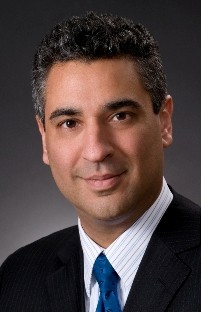
Dr. Grover: The ACA created a mandatory fund for the NHSC that more than doubles previous funding levels, starting with $290 million for fiscal year 2011 and increasing by $5 million each year through fiscal year 2015. As it is currently structured, that money is dedicated to NHSC scholarships and loan repayment awards. But what Congress giveth, Congress can taketh away. Congress could rescind this funding directly through an annual appropriations bill or repeal the ACA in its entirety.
Question: What will happen in fiscal 2016 when the funding expires? Will enough progress have been made in bringing physicians to underserved areas?
Dr. Grover: Starting next year, the NHSC’s entire budget will be tied to the ACA fund and the program faces a severe funding cliff in fiscal 2016. Congress will be tasked with finding new money for the program – at least $310 million to prevent a cut in annual NHSC scholarship and loan repayment awards. If Congress returns NHSC funding to the annual appropriations process, it will face an already strained federal budget and be pitted against other programs of importance to medical students and academic medicine, such as Title VII health professions training and the National Institutes of Health.
Question: After the service obligation expires, do physicians typically continue to practice in these underserved areas?
Dr. Grover: A number of factors influence physicians to practice in underserved areas, including personal history, mentorship, and putting down social roots in these communities. The NHSC has been a very successful recruitment tool to give young physicians exposure to this type of practice setting and "pull" their foot in the door, so to speak. According to NHSC clinician retention surveys, over three-quarters of NHSC providers stay at their service site, another NHSC site, or in an underserved area after completing their service obligation.
Question: The ACA raised the amount of the annual loan repayment from $35,000 to $50,000. Is $50,000 per year enough to attract primary care physicians who have significant education debt?
Dr. Grover: The NHSC loan repayment award not only serves as a recruitment tool for physicians to practice primary care, but also to practice in underserved areas. Medical students graduating in 2011 had an average educational debt of $162,000, but will repay between $300,000 and $450,000 over the life of the loans depending on the repayment plan. NHSC loan repayment awardees can receive up to $170,000 over 5 years of service right out of residency, erasing their student loans, but could save even more on student loan interest that they won’t have to pay.
Question: The ACA also allows teaching to count toward the NHSC obligated service. How will that encourage more physicians to pursue this path?
Dr. Grover: The ACA reauthorized the NHSC with several changes designed to increase flexibility and allow for additional physicians to participate in the program. Counting teaching time as well as half-time service toward the service obligation will expand the program to physicians who are unable to practice full time at NHSC sites. The NHSC also recently announced that the program is expanding to include outpatient clinics at critical access hospitals. Hopefully, these changes will open doors to faculty, parent-physicians, split practices, as well as primary care subspecialists, and ultimately improve access to care for our nation’s underserved.
Question: The Health and Human Services Department estimates that by fiscal 2016, this investment will lead to an increase of 12,000 primary care providers, nurse practitioners, and physician assistants. How much of that will be for physicians versus other health care providers?
Dr. Grover: The NHSC makes award determinations based on the demonstrated need of the facilities in underserved areas that are seeking NHSC providers and does not preallocate awards by discipline or specialty. Historically, physicians have made up a quarter or more of the NHSC field strength. As a direct result of the ACA funding, physicians are exclusively eligible for the new NHSC Student to Service Loan Repayment Program (S2S LRP), which provides up to $120,000 during residency in exchange for a 3-year service commitment.
Dr. Grover, who trained as a general internist, manages the health, educational, and scientific policies of the AAMC.
The Affordable Care Act provided $1.5 billion through September 2015 to the National Health Service Corps to train more primary care providers via scholarships and loan repayment assistance. In return, these physicians and other providers pledge to serve in Health Professional Shortage Areas.
Dr. Atul Grover, the chief public policy officer at the Association of American Medical Colleges (AAMC), discussed the impact the new funding is having on the primary care workforce.
Question: The ACA sets aside $1.5 billion over 5 years to expand the National Health Service Corps (NHSC). Is that money dedicated to the NHSC or could Congress divert it for other purposes?
Dr. Grover: The ACA created a mandatory fund for the NHSC that more than doubles previous funding levels, starting with $290 million for fiscal year 2011 and increasing by $5 million each year through fiscal year 2015. As it is currently structured, that money is dedicated to NHSC scholarships and loan repayment awards. But what Congress giveth, Congress can taketh away. Congress could rescind this funding directly through an annual appropriations bill or repeal the ACA in its entirety.
Question: What will happen in fiscal 2016 when the funding expires? Will enough progress have been made in bringing physicians to underserved areas?
Dr. Grover: Starting next year, the NHSC’s entire budget will be tied to the ACA fund and the program faces a severe funding cliff in fiscal 2016. Congress will be tasked with finding new money for the program – at least $310 million to prevent a cut in annual NHSC scholarship and loan repayment awards. If Congress returns NHSC funding to the annual appropriations process, it will face an already strained federal budget and be pitted against other programs of importance to medical students and academic medicine, such as Title VII health professions training and the National Institutes of Health.
Question: After the service obligation expires, do physicians typically continue to practice in these underserved areas?
Dr. Grover: A number of factors influence physicians to practice in underserved areas, including personal history, mentorship, and putting down social roots in these communities. The NHSC has been a very successful recruitment tool to give young physicians exposure to this type of practice setting and "pull" their foot in the door, so to speak. According to NHSC clinician retention surveys, over three-quarters of NHSC providers stay at their service site, another NHSC site, or in an underserved area after completing their service obligation.
Question: The ACA raised the amount of the annual loan repayment from $35,000 to $50,000. Is $50,000 per year enough to attract primary care physicians who have significant education debt?
Dr. Grover: The NHSC loan repayment award not only serves as a recruitment tool for physicians to practice primary care, but also to practice in underserved areas. Medical students graduating in 2011 had an average educational debt of $162,000, but will repay between $300,000 and $450,000 over the life of the loans depending on the repayment plan. NHSC loan repayment awardees can receive up to $170,000 over 5 years of service right out of residency, erasing their student loans, but could save even more on student loan interest that they won’t have to pay.
Question: The ACA also allows teaching to count toward the NHSC obligated service. How will that encourage more physicians to pursue this path?
Dr. Grover: The ACA reauthorized the NHSC with several changes designed to increase flexibility and allow for additional physicians to participate in the program. Counting teaching time as well as half-time service toward the service obligation will expand the program to physicians who are unable to practice full time at NHSC sites. The NHSC also recently announced that the program is expanding to include outpatient clinics at critical access hospitals. Hopefully, these changes will open doors to faculty, parent-physicians, split practices, as well as primary care subspecialists, and ultimately improve access to care for our nation’s underserved.
Question: The Health and Human Services Department estimates that by fiscal 2016, this investment will lead to an increase of 12,000 primary care providers, nurse practitioners, and physician assistants. How much of that will be for physicians versus other health care providers?
Dr. Grover: The NHSC makes award determinations based on the demonstrated need of the facilities in underserved areas that are seeking NHSC providers and does not preallocate awards by discipline or specialty. Historically, physicians have made up a quarter or more of the NHSC field strength. As a direct result of the ACA funding, physicians are exclusively eligible for the new NHSC Student to Service Loan Repayment Program (S2S LRP), which provides up to $120,000 during residency in exchange for a 3-year service commitment.
Dr. Grover, who trained as a general internist, manages the health, educational, and scientific policies of the AAMC.
The Affordable Care Act provided $1.5 billion through September 2015 to the National Health Service Corps to train more primary care providers via scholarships and loan repayment assistance. In return, these physicians and other providers pledge to serve in Health Professional Shortage Areas.
Dr. Atul Grover, the chief public policy officer at the Association of American Medical Colleges (AAMC), discussed the impact the new funding is having on the primary care workforce.
Question: The ACA sets aside $1.5 billion over 5 years to expand the National Health Service Corps (NHSC). Is that money dedicated to the NHSC or could Congress divert it for other purposes?
Dr. Grover: The ACA created a mandatory fund for the NHSC that more than doubles previous funding levels, starting with $290 million for fiscal year 2011 and increasing by $5 million each year through fiscal year 2015. As it is currently structured, that money is dedicated to NHSC scholarships and loan repayment awards. But what Congress giveth, Congress can taketh away. Congress could rescind this funding directly through an annual appropriations bill or repeal the ACA in its entirety.
Question: What will happen in fiscal 2016 when the funding expires? Will enough progress have been made in bringing physicians to underserved areas?
Dr. Grover: Starting next year, the NHSC’s entire budget will be tied to the ACA fund and the program faces a severe funding cliff in fiscal 2016. Congress will be tasked with finding new money for the program – at least $310 million to prevent a cut in annual NHSC scholarship and loan repayment awards. If Congress returns NHSC funding to the annual appropriations process, it will face an already strained federal budget and be pitted against other programs of importance to medical students and academic medicine, such as Title VII health professions training and the National Institutes of Health.
Question: After the service obligation expires, do physicians typically continue to practice in these underserved areas?
Dr. Grover: A number of factors influence physicians to practice in underserved areas, including personal history, mentorship, and putting down social roots in these communities. The NHSC has been a very successful recruitment tool to give young physicians exposure to this type of practice setting and "pull" their foot in the door, so to speak. According to NHSC clinician retention surveys, over three-quarters of NHSC providers stay at their service site, another NHSC site, or in an underserved area after completing their service obligation.
Question: The ACA raised the amount of the annual loan repayment from $35,000 to $50,000. Is $50,000 per year enough to attract primary care physicians who have significant education debt?
Dr. Grover: The NHSC loan repayment award not only serves as a recruitment tool for physicians to practice primary care, but also to practice in underserved areas. Medical students graduating in 2011 had an average educational debt of $162,000, but will repay between $300,000 and $450,000 over the life of the loans depending on the repayment plan. NHSC loan repayment awardees can receive up to $170,000 over 5 years of service right out of residency, erasing their student loans, but could save even more on student loan interest that they won’t have to pay.
Question: The ACA also allows teaching to count toward the NHSC obligated service. How will that encourage more physicians to pursue this path?
Dr. Grover: The ACA reauthorized the NHSC with several changes designed to increase flexibility and allow for additional physicians to participate in the program. Counting teaching time as well as half-time service toward the service obligation will expand the program to physicians who are unable to practice full time at NHSC sites. The NHSC also recently announced that the program is expanding to include outpatient clinics at critical access hospitals. Hopefully, these changes will open doors to faculty, parent-physicians, split practices, as well as primary care subspecialists, and ultimately improve access to care for our nation’s underserved.
Question: The Health and Human Services Department estimates that by fiscal 2016, this investment will lead to an increase of 12,000 primary care providers, nurse practitioners, and physician assistants. How much of that will be for physicians versus other health care providers?
Dr. Grover: The NHSC makes award determinations based on the demonstrated need of the facilities in underserved areas that are seeking NHSC providers and does not preallocate awards by discipline or specialty. Historically, physicians have made up a quarter or more of the NHSC field strength. As a direct result of the ACA funding, physicians are exclusively eligible for the new NHSC Student to Service Loan Repayment Program (S2S LRP), which provides up to $120,000 during residency in exchange for a 3-year service commitment.
Dr. Grover, who trained as a general internist, manages the health, educational, and scientific policies of the AAMC.
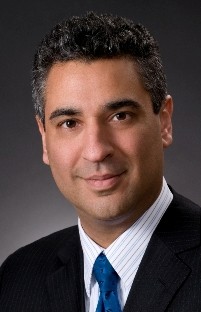
Small Pay Increases for Outpatient Departments, ASCs in 2013
Medicare officials are proposing small payment increases for hospital outpatient departments and ambulatory surgical centers for next year.
Under a proposed rule issued on July 6, the Centers for Medicare and Medicaid Services announced that hospital outpatient departments would receive a 2.1% increase, and ambulatory surgical centers (ASCs) would see a 1.3% pay bump.
The proposed payment rates would apply to outpatient departments at more than 4,000 hospitals and at about 5,000 ASCs that participate in the Medicare program. The CMS estimates that because of these new payment rates and other policy changes, the Medicare program will spend about $48.1 billion on payments to hospital outpatient departments and another $4.1 billion in payments to ASCs.
The proposed rule, which revises the Medicare hospital outpatient prospective payment system and the Medicare ASC payment system, will be published in the Federal Register on July 30. The CMS will accept public comment until Sept. 4. The agency said it plans to release its final rule by Nov. 1.
The proposed rule also makes several changes aimed at improving the beneficiary complaint review conducted by Quality Improvement Organizations (QIOs). These organizations exist in all states and territories, and are charged with investigating beneficiary complaints related to the quality of care received from Medicare providers.
Under the proposal, the CMS would create a new review process called "immediate advocacy" to investigate oral complaints quickly. This is a significant departure from the previous complaint resolution process, which required beneficiaries to submit written complaints and often took up to 150 days to complete. In the new process, the CMS wrote that through immediate advocacy, some complaints could be resolved on the same day. It would be the ideal process for complaints related to delays in obtaining medical equipment, such as wheelchairs.
The immediate advocacy process would be good for providers, the CMS said, because it would reduce the burden of a lengthy review process.
The CMS has already been trying the process out, and so far it has been positively received by beneficiaries and providers, they wrote in the proposed rule.
Medicare officials are proposing small payment increases for hospital outpatient departments and ambulatory surgical centers for next year.
Under a proposed rule issued on July 6, the Centers for Medicare and Medicaid Services announced that hospital outpatient departments would receive a 2.1% increase, and ambulatory surgical centers (ASCs) would see a 1.3% pay bump.
The proposed payment rates would apply to outpatient departments at more than 4,000 hospitals and at about 5,000 ASCs that participate in the Medicare program. The CMS estimates that because of these new payment rates and other policy changes, the Medicare program will spend about $48.1 billion on payments to hospital outpatient departments and another $4.1 billion in payments to ASCs.
The proposed rule, which revises the Medicare hospital outpatient prospective payment system and the Medicare ASC payment system, will be published in the Federal Register on July 30. The CMS will accept public comment until Sept. 4. The agency said it plans to release its final rule by Nov. 1.
The proposed rule also makes several changes aimed at improving the beneficiary complaint review conducted by Quality Improvement Organizations (QIOs). These organizations exist in all states and territories, and are charged with investigating beneficiary complaints related to the quality of care received from Medicare providers.
Under the proposal, the CMS would create a new review process called "immediate advocacy" to investigate oral complaints quickly. This is a significant departure from the previous complaint resolution process, which required beneficiaries to submit written complaints and often took up to 150 days to complete. In the new process, the CMS wrote that through immediate advocacy, some complaints could be resolved on the same day. It would be the ideal process for complaints related to delays in obtaining medical equipment, such as wheelchairs.
The immediate advocacy process would be good for providers, the CMS said, because it would reduce the burden of a lengthy review process.
The CMS has already been trying the process out, and so far it has been positively received by beneficiaries and providers, they wrote in the proposed rule.
Medicare officials are proposing small payment increases for hospital outpatient departments and ambulatory surgical centers for next year.
Under a proposed rule issued on July 6, the Centers for Medicare and Medicaid Services announced that hospital outpatient departments would receive a 2.1% increase, and ambulatory surgical centers (ASCs) would see a 1.3% pay bump.
The proposed payment rates would apply to outpatient departments at more than 4,000 hospitals and at about 5,000 ASCs that participate in the Medicare program. The CMS estimates that because of these new payment rates and other policy changes, the Medicare program will spend about $48.1 billion on payments to hospital outpatient departments and another $4.1 billion in payments to ASCs.
The proposed rule, which revises the Medicare hospital outpatient prospective payment system and the Medicare ASC payment system, will be published in the Federal Register on July 30. The CMS will accept public comment until Sept. 4. The agency said it plans to release its final rule by Nov. 1.
The proposed rule also makes several changes aimed at improving the beneficiary complaint review conducted by Quality Improvement Organizations (QIOs). These organizations exist in all states and territories, and are charged with investigating beneficiary complaints related to the quality of care received from Medicare providers.
Under the proposal, the CMS would create a new review process called "immediate advocacy" to investigate oral complaints quickly. This is a significant departure from the previous complaint resolution process, which required beneficiaries to submit written complaints and often took up to 150 days to complete. In the new process, the CMS wrote that through immediate advocacy, some complaints could be resolved on the same day. It would be the ideal process for complaints related to delays in obtaining medical equipment, such as wheelchairs.
The immediate advocacy process would be good for providers, the CMS said, because it would reduce the burden of a lengthy review process.
The CMS has already been trying the process out, and so far it has been positively received by beneficiaries and providers, they wrote in the proposed rule.
Medicare Offers Little for Rheumatologists in 2013
Medicare payments to rheumatologists will stay about the same next year under the proposed 2013 Medicare physician fee schedule.
The fee schedule proposal, which was published in the Federal Register on July 30, outlines the allowed charges for physician services under Medicare, as well as new payment policies. Officials at the Centers for Medicare and Medicaid Services (CMS) estimate that on average there will be no change in the payments to rheumatologists in 2013.
Dr. Charles King II, a rheumatologist in Tupelo, Miss., and chair of the Committee on Rheumatologic Care for the American College of Rheumatology, said some rheumatologists would lose money next year if they get hit with penalties for failing to meet requirements in Medicare’s e-prescribing and electronic health record programs.
"At best it would be a neutral proposition for us," Dr. King said.
Rheumatologists will likely miss out on a payment increase proposed for physicians who provide primary care services. Under the 2013 fee schedule proposal, CMS is seeking to pay physicians for coordinating the care of their patients who have been discharged from a hospital or nursing home.
Medicare proposes to create a new G code that would allow physicians to bill for postdischarge transitional care services such as obtaining and reviewing the patient’s discharge summary; reviewing diagnostic tests and treatments; updating the medical record within 14 business days post discharge; establishing a new care plan; educating the patient or caregiver within 2 business days post discharge; and communicating with other health care providers.
The G code would apply when a Medicare beneficiary is discharged from an inpatient hospital, a skilled nursing facility, an outpatient hospital observation unit, partial hospitalization services, or a community mental health center.
Officials at CMS estimate that the use of the new G code could increase payments to family physicians by 7% and to internists by 5% starting in January 2013.
Dr. King said it’s unlikely that rheumatologists would be able to take advantage of the proposed G code for postdischarge transitional care services. However, the ACR plans to ask CMS to consider allowing rheumatologists to bill for some of the other non–face-to-face care coordination work that rheumatologists perform on a regular basis.
The 765-page fee schedule proposal also details the 27% across-the-board cut to physician fees scheduled to take effect on Jan. 1. The reduction is required by law, based in part on spending targets set under the Sustainable Growth Rate (SGR) formula, which links fees to changes in the gross domestic product.
That formula has been criticized by physicians and lawmakers for years. While no long-term solution to the SGR problem has ever gained traction, lawmakers have taken short-term measures to keep the physician fee cuts from going into effect over the last several years.
Dr. King said he doesn’t believe the 27% cut will become a reality in 2013 either. "I don’t think there’s a person alive who thinks that cut is going to go through," he said.
But the uncertainty that accompanies the yearly ritual of passing a short-term patch for the cut is creating an enormous burden on physicians, he said.
The 2013 fee schedule proposal also outlines the implementation of the physician value-based payment modifier, which adjusts physician payments based on the quality and cost of the care they provide. The program, which was mandated under the Affordable Care Act, will be phased in over 3 years starting in 2015.
The proposed rule would implement the physician value-based payment modifier for all medical groups with 25 or more eligible providers starting in 2015.
Groups that do not participate in the Physician Quality Reporting System would see a 1% cut in Medicare payments. Groups that do participate would be paid in part based on their performance. Groups with higher quality and lower costs would be paid more, and those with lower quality and higher costs would be paid less, according to CMS. The payment adjustments made in 2015 will be based on 2013 performance in the PQRS.
CMS will accept public comments on the proposed rule until Sept. 4. The agency plans to finalize the rule by Nov. 1.
Medicare payments to rheumatologists will stay about the same next year under the proposed 2013 Medicare physician fee schedule.
The fee schedule proposal, which was published in the Federal Register on July 30, outlines the allowed charges for physician services under Medicare, as well as new payment policies. Officials at the Centers for Medicare and Medicaid Services (CMS) estimate that on average there will be no change in the payments to rheumatologists in 2013.
Dr. Charles King II, a rheumatologist in Tupelo, Miss., and chair of the Committee on Rheumatologic Care for the American College of Rheumatology, said some rheumatologists would lose money next year if they get hit with penalties for failing to meet requirements in Medicare’s e-prescribing and electronic health record programs.
"At best it would be a neutral proposition for us," Dr. King said.
Rheumatologists will likely miss out on a payment increase proposed for physicians who provide primary care services. Under the 2013 fee schedule proposal, CMS is seeking to pay physicians for coordinating the care of their patients who have been discharged from a hospital or nursing home.
Medicare proposes to create a new G code that would allow physicians to bill for postdischarge transitional care services such as obtaining and reviewing the patient’s discharge summary; reviewing diagnostic tests and treatments; updating the medical record within 14 business days post discharge; establishing a new care plan; educating the patient or caregiver within 2 business days post discharge; and communicating with other health care providers.
The G code would apply when a Medicare beneficiary is discharged from an inpatient hospital, a skilled nursing facility, an outpatient hospital observation unit, partial hospitalization services, or a community mental health center.
Officials at CMS estimate that the use of the new G code could increase payments to family physicians by 7% and to internists by 5% starting in January 2013.
Dr. King said it’s unlikely that rheumatologists would be able to take advantage of the proposed G code for postdischarge transitional care services. However, the ACR plans to ask CMS to consider allowing rheumatologists to bill for some of the other non–face-to-face care coordination work that rheumatologists perform on a regular basis.
The 765-page fee schedule proposal also details the 27% across-the-board cut to physician fees scheduled to take effect on Jan. 1. The reduction is required by law, based in part on spending targets set under the Sustainable Growth Rate (SGR) formula, which links fees to changes in the gross domestic product.
That formula has been criticized by physicians and lawmakers for years. While no long-term solution to the SGR problem has ever gained traction, lawmakers have taken short-term measures to keep the physician fee cuts from going into effect over the last several years.
Dr. King said he doesn’t believe the 27% cut will become a reality in 2013 either. "I don’t think there’s a person alive who thinks that cut is going to go through," he said.
But the uncertainty that accompanies the yearly ritual of passing a short-term patch for the cut is creating an enormous burden on physicians, he said.
The 2013 fee schedule proposal also outlines the implementation of the physician value-based payment modifier, which adjusts physician payments based on the quality and cost of the care they provide. The program, which was mandated under the Affordable Care Act, will be phased in over 3 years starting in 2015.
The proposed rule would implement the physician value-based payment modifier for all medical groups with 25 or more eligible providers starting in 2015.
Groups that do not participate in the Physician Quality Reporting System would see a 1% cut in Medicare payments. Groups that do participate would be paid in part based on their performance. Groups with higher quality and lower costs would be paid more, and those with lower quality and higher costs would be paid less, according to CMS. The payment adjustments made in 2015 will be based on 2013 performance in the PQRS.
CMS will accept public comments on the proposed rule until Sept. 4. The agency plans to finalize the rule by Nov. 1.
Medicare payments to rheumatologists will stay about the same next year under the proposed 2013 Medicare physician fee schedule.
The fee schedule proposal, which was published in the Federal Register on July 30, outlines the allowed charges for physician services under Medicare, as well as new payment policies. Officials at the Centers for Medicare and Medicaid Services (CMS) estimate that on average there will be no change in the payments to rheumatologists in 2013.
Dr. Charles King II, a rheumatologist in Tupelo, Miss., and chair of the Committee on Rheumatologic Care for the American College of Rheumatology, said some rheumatologists would lose money next year if they get hit with penalties for failing to meet requirements in Medicare’s e-prescribing and electronic health record programs.
"At best it would be a neutral proposition for us," Dr. King said.
Rheumatologists will likely miss out on a payment increase proposed for physicians who provide primary care services. Under the 2013 fee schedule proposal, CMS is seeking to pay physicians for coordinating the care of their patients who have been discharged from a hospital or nursing home.
Medicare proposes to create a new G code that would allow physicians to bill for postdischarge transitional care services such as obtaining and reviewing the patient’s discharge summary; reviewing diagnostic tests and treatments; updating the medical record within 14 business days post discharge; establishing a new care plan; educating the patient or caregiver within 2 business days post discharge; and communicating with other health care providers.
The G code would apply when a Medicare beneficiary is discharged from an inpatient hospital, a skilled nursing facility, an outpatient hospital observation unit, partial hospitalization services, or a community mental health center.
Officials at CMS estimate that the use of the new G code could increase payments to family physicians by 7% and to internists by 5% starting in January 2013.
Dr. King said it’s unlikely that rheumatologists would be able to take advantage of the proposed G code for postdischarge transitional care services. However, the ACR plans to ask CMS to consider allowing rheumatologists to bill for some of the other non–face-to-face care coordination work that rheumatologists perform on a regular basis.
The 765-page fee schedule proposal also details the 27% across-the-board cut to physician fees scheduled to take effect on Jan. 1. The reduction is required by law, based in part on spending targets set under the Sustainable Growth Rate (SGR) formula, which links fees to changes in the gross domestic product.
That formula has been criticized by physicians and lawmakers for years. While no long-term solution to the SGR problem has ever gained traction, lawmakers have taken short-term measures to keep the physician fee cuts from going into effect over the last several years.
Dr. King said he doesn’t believe the 27% cut will become a reality in 2013 either. "I don’t think there’s a person alive who thinks that cut is going to go through," he said.
But the uncertainty that accompanies the yearly ritual of passing a short-term patch for the cut is creating an enormous burden on physicians, he said.
The 2013 fee schedule proposal also outlines the implementation of the physician value-based payment modifier, which adjusts physician payments based on the quality and cost of the care they provide. The program, which was mandated under the Affordable Care Act, will be phased in over 3 years starting in 2015.
The proposed rule would implement the physician value-based payment modifier for all medical groups with 25 or more eligible providers starting in 2015.
Groups that do not participate in the Physician Quality Reporting System would see a 1% cut in Medicare payments. Groups that do participate would be paid in part based on their performance. Groups with higher quality and lower costs would be paid more, and those with lower quality and higher costs would be paid less, according to CMS. The payment adjustments made in 2015 will be based on 2013 performance in the PQRS.
CMS will accept public comments on the proposed rule until Sept. 4. The agency plans to finalize the rule by Nov. 1.
Most Medicaid Patients Don't Use ED for Routine Care
Medicaid beneficiaries aren’t clogging up emergency departments with routine health complaints, according to a new analysis from the Center for Studying Health System Change.
More than 60% of ED visits made by Medicaid beneficiaries under age 65 years are for symptoms that are considered urgent or semiurgent and that should be evaluated in 2 hours or less, the analysis found. Visits for nonurgent complaints – symptoms that should be addressed within 2-24 hours – accounted for only about 10% of ED visits by nonelderly Medicaid beneficiaries in 2008. This compares with 7% among those under age 65 years with private insurance.
The findings come from an analysis of ED visits and insurance enrollment conducted by the Center for Studying Health System Change and funded by the Robert Wood Johnson Foundation.
Nonelderly Medicaid beneficiaries do use EDs at a higher rate than their counterparts with private insurance do. In 2008, nonelderly Medicaid beneficiaries made 46 visits/100 enrollees, compared with 24 visits/100 nonelderly individuals with private insurance. In fact, Medicaid beneficiaries made more visits to the ED than did privately insured individuals across all ages from birth to 64 years. However, the increased usage was not because they are seeking primary care in the ED.
But the higher ED use by Medicaid beneficiaries for nonurgent medical issues accounted for only 13% of the total difference in ED visit rates, according to the researchers. Most of the gap is because of greater use by Medicaid patients for urgent and semiurgent symptoms.
For example, Medicaid beneficiaries visited the ED for urgent symptoms at a rate of 18/100 enrollees vs. privately insurance patients who were seen at a rate of 9.6/100. Similarly, for semiurgent symptoms, Medicaid beneficiaries were treated in the ED at a rate of 10/100, compared with 5.5/100 for those with private insurance.
The findings, which come as states are considering ways to curb excessive ED use by Medicaid beneficiaries, suggest that while inappropriate ED visits may not be as high as previously thought, there are ways steer some care into less costly settings.
Lower-cost care sites, such as retail clinics and urgent-care centers, could provide an alternative for some of the relatively minor, but urgent conditions, such as acute infections in children and minor injuries among all ages, according to the researchers. But, in order to be effective, these settings need to offer certain critical services, ranging from urinalysis and intravenous fluid administration to X-rays and suturing.
Although the increased availability of primary care physicians for extended hours could help to some degree, primary care practices likely wouldn’t be able to handle all these patients, according to the researchers. The hurdle with moving more care into retail clinics and urgent care centers is that it is unknown whether most of these sites will accept Medicaid payment, which provides lower reimbursement than other payers do.
"Ultimately, broader payment reform toward policies that emphasize provider accountability for populations rather than fee-for-service payment may encourage providers to invest in alternative settings where patients can get timely care for urgent problems without resorting to emergency departments," the researchers wrote.
Medicaid beneficiaries aren’t clogging up emergency departments with routine health complaints, according to a new analysis from the Center for Studying Health System Change.
More than 60% of ED visits made by Medicaid beneficiaries under age 65 years are for symptoms that are considered urgent or semiurgent and that should be evaluated in 2 hours or less, the analysis found. Visits for nonurgent complaints – symptoms that should be addressed within 2-24 hours – accounted for only about 10% of ED visits by nonelderly Medicaid beneficiaries in 2008. This compares with 7% among those under age 65 years with private insurance.
The findings come from an analysis of ED visits and insurance enrollment conducted by the Center for Studying Health System Change and funded by the Robert Wood Johnson Foundation.
Nonelderly Medicaid beneficiaries do use EDs at a higher rate than their counterparts with private insurance do. In 2008, nonelderly Medicaid beneficiaries made 46 visits/100 enrollees, compared with 24 visits/100 nonelderly individuals with private insurance. In fact, Medicaid beneficiaries made more visits to the ED than did privately insured individuals across all ages from birth to 64 years. However, the increased usage was not because they are seeking primary care in the ED.
But the higher ED use by Medicaid beneficiaries for nonurgent medical issues accounted for only 13% of the total difference in ED visit rates, according to the researchers. Most of the gap is because of greater use by Medicaid patients for urgent and semiurgent symptoms.
For example, Medicaid beneficiaries visited the ED for urgent symptoms at a rate of 18/100 enrollees vs. privately insurance patients who were seen at a rate of 9.6/100. Similarly, for semiurgent symptoms, Medicaid beneficiaries were treated in the ED at a rate of 10/100, compared with 5.5/100 for those with private insurance.
The findings, which come as states are considering ways to curb excessive ED use by Medicaid beneficiaries, suggest that while inappropriate ED visits may not be as high as previously thought, there are ways steer some care into less costly settings.
Lower-cost care sites, such as retail clinics and urgent-care centers, could provide an alternative for some of the relatively minor, but urgent conditions, such as acute infections in children and minor injuries among all ages, according to the researchers. But, in order to be effective, these settings need to offer certain critical services, ranging from urinalysis and intravenous fluid administration to X-rays and suturing.
Although the increased availability of primary care physicians for extended hours could help to some degree, primary care practices likely wouldn’t be able to handle all these patients, according to the researchers. The hurdle with moving more care into retail clinics and urgent care centers is that it is unknown whether most of these sites will accept Medicaid payment, which provides lower reimbursement than other payers do.
"Ultimately, broader payment reform toward policies that emphasize provider accountability for populations rather than fee-for-service payment may encourage providers to invest in alternative settings where patients can get timely care for urgent problems without resorting to emergency departments," the researchers wrote.
Medicaid beneficiaries aren’t clogging up emergency departments with routine health complaints, according to a new analysis from the Center for Studying Health System Change.
More than 60% of ED visits made by Medicaid beneficiaries under age 65 years are for symptoms that are considered urgent or semiurgent and that should be evaluated in 2 hours or less, the analysis found. Visits for nonurgent complaints – symptoms that should be addressed within 2-24 hours – accounted for only about 10% of ED visits by nonelderly Medicaid beneficiaries in 2008. This compares with 7% among those under age 65 years with private insurance.
The findings come from an analysis of ED visits and insurance enrollment conducted by the Center for Studying Health System Change and funded by the Robert Wood Johnson Foundation.
Nonelderly Medicaid beneficiaries do use EDs at a higher rate than their counterparts with private insurance do. In 2008, nonelderly Medicaid beneficiaries made 46 visits/100 enrollees, compared with 24 visits/100 nonelderly individuals with private insurance. In fact, Medicaid beneficiaries made more visits to the ED than did privately insured individuals across all ages from birth to 64 years. However, the increased usage was not because they are seeking primary care in the ED.
But the higher ED use by Medicaid beneficiaries for nonurgent medical issues accounted for only 13% of the total difference in ED visit rates, according to the researchers. Most of the gap is because of greater use by Medicaid patients for urgent and semiurgent symptoms.
For example, Medicaid beneficiaries visited the ED for urgent symptoms at a rate of 18/100 enrollees vs. privately insurance patients who were seen at a rate of 9.6/100. Similarly, for semiurgent symptoms, Medicaid beneficiaries were treated in the ED at a rate of 10/100, compared with 5.5/100 for those with private insurance.
The findings, which come as states are considering ways to curb excessive ED use by Medicaid beneficiaries, suggest that while inappropriate ED visits may not be as high as previously thought, there are ways steer some care into less costly settings.
Lower-cost care sites, such as retail clinics and urgent-care centers, could provide an alternative for some of the relatively minor, but urgent conditions, such as acute infections in children and minor injuries among all ages, according to the researchers. But, in order to be effective, these settings need to offer certain critical services, ranging from urinalysis and intravenous fluid administration to X-rays and suturing.
Although the increased availability of primary care physicians for extended hours could help to some degree, primary care practices likely wouldn’t be able to handle all these patients, according to the researchers. The hurdle with moving more care into retail clinics and urgent care centers is that it is unknown whether most of these sites will accept Medicaid payment, which provides lower reimbursement than other payers do.
"Ultimately, broader payment reform toward policies that emphasize provider accountability for populations rather than fee-for-service payment may encourage providers to invest in alternative settings where patients can get timely care for urgent problems without resorting to emergency departments," the researchers wrote.
Major Finding: Nonurgent visits accounted for only 10% of emergency department visits by Medicaid beneficiaries under age 65 in 2008.
Data Source: The researchers analyzed data from the 2008 National Hospital Ambulatory Medical Care Survey. Insurance enrollment data came from the 2008 National Health Interview Survey and the Medicaid Statistical Information System.
Disclosures: The research was conducted by the Center for Studying Health System Change. It was supported by the Robert Wood Johnson Foundation.