User login
British Society of Rheumatology issues first U.K. lupus guideline
From diagnosing, assessing, and managing common manifestations of nonrenal lupus, such as skin rashes and arthritis, through dealing with less common but potentially more serious problems such as kidney disease, the guideline aims to help everyone involved in the management of patients with SLE to give the best, evidenced-based care.

U.K.-specific guidance
The British Society for Rheumatology’s (BSR) guideline is the first to specifically cover lupus management in the United Kingdom, and it builds on existing European League Against Rheumatism (EULAR) guidance published almost a decade ago (Ann Rheum Dis. 2008;67:195-205), and more recent EULAR/European Renal Association–European Dialysis and Transplant Association (Ann Rheum Dis. 2012;71:1771-82) and American College of Rheumatology (Arthritis Care Res. 2012;64:797-808) recommendations on managing lupus nephritis (LN).
The BSR’s full guideline provides a summary of the EULAR/ERA-EDTA’s LN guidelines, and the degree to which their new guidelines concur.
As with all BSR guidelines, the recommendations have been developed by a multidisciplinary team. This included academic and consultant rheumatologists and nephrologists, rheumatology trainees, a primary care physician, a clinical nurse specialist, a patient representative, and a lay member. This should make the guideline relevant to anyone who may come across someone with SLE, including primary care physicians, dermatologists, and emergency medicine practitioners.
“These recommendations are based on the literature review covering the diagnosis, assessment, monitoring, and treatment of mild, moderate, and severe lupus, including neuropsychiatric disease,” the guideline authors stated. They noted that the reason they looked only at nonrenal disease was because the EULAR/ERA-EDTA recommendations for LN have been published close to the time that work was started on the guideline. Each of the recommendations the multidisciplinary team devised was carefully graded and the degree to which members of the team agreed with each recommendation was calculated.
Diagnosis recommendations
One of the key recommendations regarding the diagnosis of SLE is that a combination of clinical features and at least one relevant immunologic irregularity needs to be present. Blood tests, including serologic marker tests, should be performed if there is clinical suspicion of lupus.
Another recommendation on diagnosis is that if antinuclear antibodies are absent, then it is unlikely that the patient has lupus. This is because around 95% of SLE patients will test positive for antinuclear antibodies. Antiphospholipid antibodies should be tested in all patients with lupus at baseline, according to the guideline.
Monitoring recommendations
“Patients with SLE should be monitored on a regular basis for disease manifestations, drug toxicities, and comorbidities,” Dr. Gordon and her associates advised in one of the recommendations on monitoring patients. In another, they wrote that those with active disease need reviewing at least every 1-3 months, which should include evaluation of patients’ blood pressure, urine, renal function, anti-dsDNA antibodies, complement, a full blood count, and liver function tests.
It is also important to monitor patients for the presence of antiphospholipid antibodies, which are associated with thrombotic events, and it is always important to be on the lookout for comorbidities such as atherosclerotic disease and manage modifiable risk factors such as hypertension. The guideline does not go into detail about managing all of the potential complications of lupus, however, as these are covered by other national guidelines.
Treatment recommendations
Guidance on treatment is separated into how to treat patients with mild, moderate, and severe SLE. The guideline does not cover topical or systemic treatment for isolated cutaneous lupus, nor does it look at how to manage pediatric patients, the authors noted. General guidance is given on how to treat patients, and specific dosing regimens are beyond the scope of the guidelines.
The recommendations encourage the use of a variety of treatments to try to ensure less reliance on the use of steroids to control symptoms. The guideline authors noted that only hydroxychloroquine, corticosteroids, and belimumab are currently licensed treatments for lupus in the United Kingdom.
For mild disease, the disease-modifying antirheumatic drugs hydroxychloroquine and methotrexate are suggested, as are nonsteroidal anti-inflammatory drugs. If prednisolone is used, then it should be in low doses (7.5 mg or less per day). Patients should be encouraged to use sunscreen and sun avoidance to protect them against ultraviolet-induced skin lesions.
For moderate disease, higher steroid doses may be needed and immunosuppressives might be warranted, and in refractory cases, monoclonal antibody treatment may be necessary.
For severe disease, thorough investigation is essential to exclude other possible causes of any renal or neuropsychiatric manifestations. Immunosuppressive treatment is recommended, with biologic therapies considered on a case-by-case basis. Intravenous immunoglobulin and plasmapheresis may also be an option in certain patients.
Key standards of care
As general standards of care, Dr. Gordon and her coauthors wrote that “lupus patients should be referred to a physician with experience in managing lupus who can confirm the diagnosis, assess the level of disease activity, and provide advice on treatment and monitoring of the disease, its complications, and side effects of therapy.”
Furthermore, a multidisciplinary team approach is needed, and if a treatment is not helping get patients into a state of low disease activity within an expected time frame, “it is important to consider adherence to treatment and adjusting the therapy to reduce the accumulation of chronic damage.” It is also recommended that patients receive personalized advice, written information, and education about the disease and its drug treatment.
No specific funding was received from any organizations in the public, commercial, or not-for-profit sectors to carry out the work described in the guideline.
Dr. Gordon has undertaken consultancies and received honoraria from Bristol-Myers Squibb, Eli Lilly, GlaxoSmithKline, MedImmune, Merck Serono, Parexel, Roche, and UCB. She has been a member of the speakers bureau for GlaxoSmithKline, UCB, and Eli Lilly. She also has received research grant support from Aspreva/Vifor Pharma in the past and currently receives it from UCB.
From diagnosing, assessing, and managing common manifestations of nonrenal lupus, such as skin rashes and arthritis, through dealing with less common but potentially more serious problems such as kidney disease, the guideline aims to help everyone involved in the management of patients with SLE to give the best, evidenced-based care.
U.K.-specific guidance
The British Society for Rheumatology’s (BSR) guideline is the first to specifically cover lupus management in the United Kingdom, and it builds on existing European League Against Rheumatism (EULAR) guidance published almost a decade ago (Ann Rheum Dis. 2008;67:195-205), and more recent EULAR/European Renal Association–European Dialysis and Transplant Association (Ann Rheum Dis. 2012;71:1771-82) and American College of Rheumatology (Arthritis Care Res. 2012;64:797-808) recommendations on managing lupus nephritis (LN).
The BSR’s full guideline provides a summary of the EULAR/ERA-EDTA’s LN guidelines, and the degree to which their new guidelines concur.
As with all BSR guidelines, the recommendations have been developed by a multidisciplinary team. This included academic and consultant rheumatologists and nephrologists, rheumatology trainees, a primary care physician, a clinical nurse specialist, a patient representative, and a lay member. This should make the guideline relevant to anyone who may come across someone with SLE, including primary care physicians, dermatologists, and emergency medicine practitioners.
“These recommendations are based on the literature review covering the diagnosis, assessment, monitoring, and treatment of mild, moderate, and severe lupus, including neuropsychiatric disease,” the guideline authors stated. They noted that the reason they looked only at nonrenal disease was because the EULAR/ERA-EDTA recommendations for LN have been published close to the time that work was started on the guideline. Each of the recommendations the multidisciplinary team devised was carefully graded and the degree to which members of the team agreed with each recommendation was calculated.
Diagnosis recommendations
One of the key recommendations regarding the diagnosis of SLE is that a combination of clinical features and at least one relevant immunologic irregularity needs to be present. Blood tests, including serologic marker tests, should be performed if there is clinical suspicion of lupus.
Another recommendation on diagnosis is that if antinuclear antibodies are absent, then it is unlikely that the patient has lupus. This is because around 95% of SLE patients will test positive for antinuclear antibodies. Antiphospholipid antibodies should be tested in all patients with lupus at baseline, according to the guideline.
Monitoring recommendations
“Patients with SLE should be monitored on a regular basis for disease manifestations, drug toxicities, and comorbidities,” Dr. Gordon and her associates advised in one of the recommendations on monitoring patients. In another, they wrote that those with active disease need reviewing at least every 1-3 months, which should include evaluation of patients’ blood pressure, urine, renal function, anti-dsDNA antibodies, complement, a full blood count, and liver function tests.
It is also important to monitor patients for the presence of antiphospholipid antibodies, which are associated with thrombotic events, and it is always important to be on the lookout for comorbidities such as atherosclerotic disease and manage modifiable risk factors such as hypertension. The guideline does not go into detail about managing all of the potential complications of lupus, however, as these are covered by other national guidelines.
Treatment recommendations
Guidance on treatment is separated into how to treat patients with mild, moderate, and severe SLE. The guideline does not cover topical or systemic treatment for isolated cutaneous lupus, nor does it look at how to manage pediatric patients, the authors noted. General guidance is given on how to treat patients, and specific dosing regimens are beyond the scope of the guidelines.
The recommendations encourage the use of a variety of treatments to try to ensure less reliance on the use of steroids to control symptoms. The guideline authors noted that only hydroxychloroquine, corticosteroids, and belimumab are currently licensed treatments for lupus in the United Kingdom.
For mild disease, the disease-modifying antirheumatic drugs hydroxychloroquine and methotrexate are suggested, as are nonsteroidal anti-inflammatory drugs. If prednisolone is used, then it should be in low doses (7.5 mg or less per day). Patients should be encouraged to use sunscreen and sun avoidance to protect them against ultraviolet-induced skin lesions.
For moderate disease, higher steroid doses may be needed and immunosuppressives might be warranted, and in refractory cases, monoclonal antibody treatment may be necessary.
For severe disease, thorough investigation is essential to exclude other possible causes of any renal or neuropsychiatric manifestations. Immunosuppressive treatment is recommended, with biologic therapies considered on a case-by-case basis. Intravenous immunoglobulin and plasmapheresis may also be an option in certain patients.
Key standards of care
As general standards of care, Dr. Gordon and her coauthors wrote that “lupus patients should be referred to a physician with experience in managing lupus who can confirm the diagnosis, assess the level of disease activity, and provide advice on treatment and monitoring of the disease, its complications, and side effects of therapy.”
Furthermore, a multidisciplinary team approach is needed, and if a treatment is not helping get patients into a state of low disease activity within an expected time frame, “it is important to consider adherence to treatment and adjusting the therapy to reduce the accumulation of chronic damage.” It is also recommended that patients receive personalized advice, written information, and education about the disease and its drug treatment.
No specific funding was received from any organizations in the public, commercial, or not-for-profit sectors to carry out the work described in the guideline.
Dr. Gordon has undertaken consultancies and received honoraria from Bristol-Myers Squibb, Eli Lilly, GlaxoSmithKline, MedImmune, Merck Serono, Parexel, Roche, and UCB. She has been a member of the speakers bureau for GlaxoSmithKline, UCB, and Eli Lilly. She also has received research grant support from Aspreva/Vifor Pharma in the past and currently receives it from UCB.
From diagnosing, assessing, and managing common manifestations of nonrenal lupus, such as skin rashes and arthritis, through dealing with less common but potentially more serious problems such as kidney disease, the guideline aims to help everyone involved in the management of patients with SLE to give the best, evidenced-based care.
U.K.-specific guidance
The British Society for Rheumatology’s (BSR) guideline is the first to specifically cover lupus management in the United Kingdom, and it builds on existing European League Against Rheumatism (EULAR) guidance published almost a decade ago (Ann Rheum Dis. 2008;67:195-205), and more recent EULAR/European Renal Association–European Dialysis and Transplant Association (Ann Rheum Dis. 2012;71:1771-82) and American College of Rheumatology (Arthritis Care Res. 2012;64:797-808) recommendations on managing lupus nephritis (LN).
The BSR’s full guideline provides a summary of the EULAR/ERA-EDTA’s LN guidelines, and the degree to which their new guidelines concur.
As with all BSR guidelines, the recommendations have been developed by a multidisciplinary team. This included academic and consultant rheumatologists and nephrologists, rheumatology trainees, a primary care physician, a clinical nurse specialist, a patient representative, and a lay member. This should make the guideline relevant to anyone who may come across someone with SLE, including primary care physicians, dermatologists, and emergency medicine practitioners.
“These recommendations are based on the literature review covering the diagnosis, assessment, monitoring, and treatment of mild, moderate, and severe lupus, including neuropsychiatric disease,” the guideline authors stated. They noted that the reason they looked only at nonrenal disease was because the EULAR/ERA-EDTA recommendations for LN have been published close to the time that work was started on the guideline. Each of the recommendations the multidisciplinary team devised was carefully graded and the degree to which members of the team agreed with each recommendation was calculated.
Diagnosis recommendations
One of the key recommendations regarding the diagnosis of SLE is that a combination of clinical features and at least one relevant immunologic irregularity needs to be present. Blood tests, including serologic marker tests, should be performed if there is clinical suspicion of lupus.
Another recommendation on diagnosis is that if antinuclear antibodies are absent, then it is unlikely that the patient has lupus. This is because around 95% of SLE patients will test positive for antinuclear antibodies. Antiphospholipid antibodies should be tested in all patients with lupus at baseline, according to the guideline.
Monitoring recommendations
“Patients with SLE should be monitored on a regular basis for disease manifestations, drug toxicities, and comorbidities,” Dr. Gordon and her associates advised in one of the recommendations on monitoring patients. In another, they wrote that those with active disease need reviewing at least every 1-3 months, which should include evaluation of patients’ blood pressure, urine, renal function, anti-dsDNA antibodies, complement, a full blood count, and liver function tests.
It is also important to monitor patients for the presence of antiphospholipid antibodies, which are associated with thrombotic events, and it is always important to be on the lookout for comorbidities such as atherosclerotic disease and manage modifiable risk factors such as hypertension. The guideline does not go into detail about managing all of the potential complications of lupus, however, as these are covered by other national guidelines.
Treatment recommendations
Guidance on treatment is separated into how to treat patients with mild, moderate, and severe SLE. The guideline does not cover topical or systemic treatment for isolated cutaneous lupus, nor does it look at how to manage pediatric patients, the authors noted. General guidance is given on how to treat patients, and specific dosing regimens are beyond the scope of the guidelines.
The recommendations encourage the use of a variety of treatments to try to ensure less reliance on the use of steroids to control symptoms. The guideline authors noted that only hydroxychloroquine, corticosteroids, and belimumab are currently licensed treatments for lupus in the United Kingdom.
For mild disease, the disease-modifying antirheumatic drugs hydroxychloroquine and methotrexate are suggested, as are nonsteroidal anti-inflammatory drugs. If prednisolone is used, then it should be in low doses (7.5 mg or less per day). Patients should be encouraged to use sunscreen and sun avoidance to protect them against ultraviolet-induced skin lesions.
For moderate disease, higher steroid doses may be needed and immunosuppressives might be warranted, and in refractory cases, monoclonal antibody treatment may be necessary.
For severe disease, thorough investigation is essential to exclude other possible causes of any renal or neuropsychiatric manifestations. Immunosuppressive treatment is recommended, with biologic therapies considered on a case-by-case basis. Intravenous immunoglobulin and plasmapheresis may also be an option in certain patients.
Key standards of care
As general standards of care, Dr. Gordon and her coauthors wrote that “lupus patients should be referred to a physician with experience in managing lupus who can confirm the diagnosis, assess the level of disease activity, and provide advice on treatment and monitoring of the disease, its complications, and side effects of therapy.”
Furthermore, a multidisciplinary team approach is needed, and if a treatment is not helping get patients into a state of low disease activity within an expected time frame, “it is important to consider adherence to treatment and adjusting the therapy to reduce the accumulation of chronic damage.” It is also recommended that patients receive personalized advice, written information, and education about the disease and its drug treatment.
No specific funding was received from any organizations in the public, commercial, or not-for-profit sectors to carry out the work described in the guideline.
Dr. Gordon has undertaken consultancies and received honoraria from Bristol-Myers Squibb, Eli Lilly, GlaxoSmithKline, MedImmune, Merck Serono, Parexel, Roche, and UCB. She has been a member of the speakers bureau for GlaxoSmithKline, UCB, and Eli Lilly. She also has received research grant support from Aspreva/Vifor Pharma in the past and currently receives it from UCB.
FROM RHEUMATOLOGY
Vitality predicts T2DM major cardiovascular event risk
LISBON – according to the results of a primary care study.
Seldom feeling “full of pep” or not having “a lot of energy” was associated with an increased risk of a major cardiovascular event (MACE) in middle-aged (55-66 years) adults with T2DM, Marta Vergara, MD, reported at the annual meeting of the European Association for the Study of Diabetes.
“It’s well known that patients with type 2 diabetes have a high risk for developing cardiovascular disease, and it is the main cause of death,” said Dr. Vergara of Linköping (Sweden) University.
While several risk factors for cardiovascular disease are known and widely monitored for in clinical practice worldwide, including psychological aspects such as mental stress, ways to identify patients earlier are needed.
“We need more clinically useful and easy-to-manage measurement instruments,” Dr. Vergara said.
Using data from the ongoing Cardiovascular Risk Factors in Patients With Diabetes – a Prospective Study in Primary Care (CARDIPP), Dr. Vergara and colleagues identified two questions used in the 36-Item Short Form (SF-36) that might fit the bill:
- ”How much time during the past 4 weeks did you feel full of pep?”
- “How much time during the past 4 weeks did you have a lot of energy?”
Patients had answered these questions using a 6-point scale ranging from 1, all of the time, to 6 none of the time.
In addition to completing the full SF-36 at recruitment, all patients enrolled in CARDIPP underwent thorough assessment of baseline cardiovascular risk. This included asking about their duration of diabetes and smoking history, taking glycemic and anthropometric readings, and recording their systolic blood pressure. Pulse wave velocity was also used to assess patients’ carotid-femoral artery stiffness.
Over a follow-up period of 7 years, 59 (7.8%) of 761 men and women aged 55-66 years developed ischemic heart disease or had a stroke and needed hospital treatment or died.
“Our data support the use of questions about sense of vitality in order to add prognostic information about subsequent risk of MACE independently of traditional risk markers, such as diabetes duration, age, HbA1c, gender, smoking, systolic blood pressure, and carotid-femoral pulse wave velocity and sagittal abdominal diameter,” Dr. Vergara said.
“We suggest that not feeling full of pep and not having a lot of energy could be used as risk markers for MACE in patients with type 2 diabetes.” These are two easy questions that could be asked as part of the risk assessment process in primary care, she suggested. “Other questions from the SF-36, such as feeling tired or worn out, were not independent markers of MACE,” Dr. Vergara said.
She said she had no relevant financial disclosures.
LISBON – according to the results of a primary care study.
Seldom feeling “full of pep” or not having “a lot of energy” was associated with an increased risk of a major cardiovascular event (MACE) in middle-aged (55-66 years) adults with T2DM, Marta Vergara, MD, reported at the annual meeting of the European Association for the Study of Diabetes.
“It’s well known that patients with type 2 diabetes have a high risk for developing cardiovascular disease, and it is the main cause of death,” said Dr. Vergara of Linköping (Sweden) University.
While several risk factors for cardiovascular disease are known and widely monitored for in clinical practice worldwide, including psychological aspects such as mental stress, ways to identify patients earlier are needed.
“We need more clinically useful and easy-to-manage measurement instruments,” Dr. Vergara said.
Using data from the ongoing Cardiovascular Risk Factors in Patients With Diabetes – a Prospective Study in Primary Care (CARDIPP), Dr. Vergara and colleagues identified two questions used in the 36-Item Short Form (SF-36) that might fit the bill:
- ”How much time during the past 4 weeks did you feel full of pep?”
- “How much time during the past 4 weeks did you have a lot of energy?”
Patients had answered these questions using a 6-point scale ranging from 1, all of the time, to 6 none of the time.
In addition to completing the full SF-36 at recruitment, all patients enrolled in CARDIPP underwent thorough assessment of baseline cardiovascular risk. This included asking about their duration of diabetes and smoking history, taking glycemic and anthropometric readings, and recording their systolic blood pressure. Pulse wave velocity was also used to assess patients’ carotid-femoral artery stiffness.
Over a follow-up period of 7 years, 59 (7.8%) of 761 men and women aged 55-66 years developed ischemic heart disease or had a stroke and needed hospital treatment or died.
“Our data support the use of questions about sense of vitality in order to add prognostic information about subsequent risk of MACE independently of traditional risk markers, such as diabetes duration, age, HbA1c, gender, smoking, systolic blood pressure, and carotid-femoral pulse wave velocity and sagittal abdominal diameter,” Dr. Vergara said.
“We suggest that not feeling full of pep and not having a lot of energy could be used as risk markers for MACE in patients with type 2 diabetes.” These are two easy questions that could be asked as part of the risk assessment process in primary care, she suggested. “Other questions from the SF-36, such as feeling tired or worn out, were not independent markers of MACE,” Dr. Vergara said.
She said she had no relevant financial disclosures.
LISBON – according to the results of a primary care study.
Seldom feeling “full of pep” or not having “a lot of energy” was associated with an increased risk of a major cardiovascular event (MACE) in middle-aged (55-66 years) adults with T2DM, Marta Vergara, MD, reported at the annual meeting of the European Association for the Study of Diabetes.
“It’s well known that patients with type 2 diabetes have a high risk for developing cardiovascular disease, and it is the main cause of death,” said Dr. Vergara of Linköping (Sweden) University.
While several risk factors for cardiovascular disease are known and widely monitored for in clinical practice worldwide, including psychological aspects such as mental stress, ways to identify patients earlier are needed.
“We need more clinically useful and easy-to-manage measurement instruments,” Dr. Vergara said.
Using data from the ongoing Cardiovascular Risk Factors in Patients With Diabetes – a Prospective Study in Primary Care (CARDIPP), Dr. Vergara and colleagues identified two questions used in the 36-Item Short Form (SF-36) that might fit the bill:
- ”How much time during the past 4 weeks did you feel full of pep?”
- “How much time during the past 4 weeks did you have a lot of energy?”
Patients had answered these questions using a 6-point scale ranging from 1, all of the time, to 6 none of the time.
In addition to completing the full SF-36 at recruitment, all patients enrolled in CARDIPP underwent thorough assessment of baseline cardiovascular risk. This included asking about their duration of diabetes and smoking history, taking glycemic and anthropometric readings, and recording their systolic blood pressure. Pulse wave velocity was also used to assess patients’ carotid-femoral artery stiffness.
Over a follow-up period of 7 years, 59 (7.8%) of 761 men and women aged 55-66 years developed ischemic heart disease or had a stroke and needed hospital treatment or died.
“Our data support the use of questions about sense of vitality in order to add prognostic information about subsequent risk of MACE independently of traditional risk markers, such as diabetes duration, age, HbA1c, gender, smoking, systolic blood pressure, and carotid-femoral pulse wave velocity and sagittal abdominal diameter,” Dr. Vergara said.
“We suggest that not feeling full of pep and not having a lot of energy could be used as risk markers for MACE in patients with type 2 diabetes.” These are two easy questions that could be asked as part of the risk assessment process in primary care, she suggested. “Other questions from the SF-36, such as feeling tired or worn out, were not independent markers of MACE,” Dr. Vergara said.
She said she had no relevant financial disclosures.
AT EASD 2017
Key clinical point: Two simple questions about vitality could help assess the risk of major cardiovascular events in patients with type 2 diabetes mellitus.
Major finding: The hazard ratios for seldom feeling “full of pep” and seldom having “lots of energy” and MACE were a respective 1.31 (P = .003) and 1.44 (P less than .0001).
Data source: A prospective, observational primary care study of 761 patients with type 2 diabetes mellitus.
Disclosures: The presenting author had no relevant financial disclosures.
Exercise reduces T1DM mortality risk
LISBON – Exercise was associated with a lower risk of all-cause mortality in patients with type 1 diabetes mellitus, regardless of whether or not they also had chronic kidney disease, according to an analysis of data from a large ongoing population study.
Fully adjusted hazard ratios comparing low versus moderate-to-high amounts of physical activity, intensity, frequency, and duration were a respective 1.63, 2.17, 2.07, and 1.86 in patients without CKD.
The corresponding HRs in patients with comorbid CKD were 1.47, 1.39, 1.90, and 1.49, although only the total exercise amount and frequency were statistically significant in this study group.

“So far, we know little about exercise and mortality in type 1 diabetes in a prospective setting,” Dr. Tikkanen-Dolenc added. There have been two large studies – the Pittsburgh Study (Diabetes. 1984;33:271-6) and the EURODIAB study (Diabetologia. 2013;56:82-91) – that have been conducted previously. The first showed a benefit of greater participation in team sports and leisure time physical activity (LTPA) in men only, and the second showed a borderline inverse association between a higher amount of LTPA and mortality in both sexes, she said. There are even fewer data specifically in patients with comorbid CKD, although exercise is recommended and appears to be safe, she said.
Dr. Tikkanen-Dolenc and her associates have previously shown that diabetic nephropathy largely accounts for the increased mortality risk in T1DM (Diabetes. 2009;58:1651-8), and that the intensity of exercise rather than the total amount could be important (Diabetologia. 2015;58:929-36). They have also found that high intensity and frequency of LTPA was associated with a decreased risk of cardiovascular events in patients with T1DM (Diabetologia. 2017;60:574-80). Now, they wanted to look more specifically at how LTPA might be associated with mortality in T1DM and also do a separate investigation of what happens when there is concomitant loss of kidney function.
Patients included in the analysis were part of the Finnish Diabetic Nephropathy (FinnDiane) Study, which is a nationwide study being conducted in 90 centers in Finland to look for risk factors and mechanisms behind diabetic complications. To date, the study involves around 5,000 participants, and 2,369 were included in the present analysis. Of these, 310 also had CKD, which was defined by an estimated glomerular filtration rate of 60 mL/min per 1.73 m2 or lower.
A previously validated questionnaire was used to measure LTPA. The total LTPA was calculated by measuring the time spent doing an activity by the intensity index expressed in metabolic equivalents (MET). The latter is a widely used unit in exercise research, Dr. Tikkanen-Dolenc said, and gives a measure of the ratio of the metabolic rate during activity to the rate at rest.
Over a follow-up of 11 years, 270 patients died and 2,099 were alive. Patients who died were significantly (P less than .001) older (50 vs. 38 years), had a longer duration of diabetes (33 vs. 22 years), higher systolic blood pressure (146 vs. 134 mm Hg), lower high-density lipoprotein cholesterol (1.38 vs. 1.44 mmol/L), and higher triglycerides (1.25 vs. 0.96 mmol/L). They were also more sedentary, with baseline LTPAs of 8.6 versus 17.2 MET/h (P less than .001). These factors were taken into account while analyzing the data in multiple ways for static and dynamic risk factors.
“These are great data, and this is one of the best clinical studies at the meeting,” observed Viktor Jörgens, MD, former executive director of the EASD and of the European Foundation for the Study of Diabetes, during the post-presentation discussion.
Dr. Jörgens suggested, however, that there was perhaps one important caveat before doctors around the globe started encouraging their patients to exercise more: the level of patient education around the risk for severe hypoglycemia with increasing exercise and routine availability of blood glucose monitoring.
“The problem with severe exercise in type 1 is severe hypoglycemia, and I know Finland is one of the leading countries for patient education and intensified insulin therapy,” Dr. Jörgens cautioned. “Therefore I assume that most of your patients were well educated on blood glucose monitoring, and knew everything about exercise and reducing the dosage [of insulin therapy].” Not all countries may have such high levels of patient education of monitoring, he suggested.
Dr. Tikkanen-Dolenc responded that “of course patient education is needed, such as on continuous glucose monitoring, and there is a risk, but when we look to current recommendations, we still do recommend exercise, even in type 1 diabetes, and it appears to be safe, but that’s a good point and that’s something we need to note.”
Neither Dr. Tikkanen-Dolenc or Dr. Jörgens had anything to disclose.
LISBON – Exercise was associated with a lower risk of all-cause mortality in patients with type 1 diabetes mellitus, regardless of whether or not they also had chronic kidney disease, according to an analysis of data from a large ongoing population study.
Fully adjusted hazard ratios comparing low versus moderate-to-high amounts of physical activity, intensity, frequency, and duration were a respective 1.63, 2.17, 2.07, and 1.86 in patients without CKD.
The corresponding HRs in patients with comorbid CKD were 1.47, 1.39, 1.90, and 1.49, although only the total exercise amount and frequency were statistically significant in this study group.
“So far, we know little about exercise and mortality in type 1 diabetes in a prospective setting,” Dr. Tikkanen-Dolenc added. There have been two large studies – the Pittsburgh Study (Diabetes. 1984;33:271-6) and the EURODIAB study (Diabetologia. 2013;56:82-91) – that have been conducted previously. The first showed a benefit of greater participation in team sports and leisure time physical activity (LTPA) in men only, and the second showed a borderline inverse association between a higher amount of LTPA and mortality in both sexes, she said. There are even fewer data specifically in patients with comorbid CKD, although exercise is recommended and appears to be safe, she said.
Dr. Tikkanen-Dolenc and her associates have previously shown that diabetic nephropathy largely accounts for the increased mortality risk in T1DM (Diabetes. 2009;58:1651-8), and that the intensity of exercise rather than the total amount could be important (Diabetologia. 2015;58:929-36). They have also found that high intensity and frequency of LTPA was associated with a decreased risk of cardiovascular events in patients with T1DM (Diabetologia. 2017;60:574-80). Now, they wanted to look more specifically at how LTPA might be associated with mortality in T1DM and also do a separate investigation of what happens when there is concomitant loss of kidney function.
Patients included in the analysis were part of the Finnish Diabetic Nephropathy (FinnDiane) Study, which is a nationwide study being conducted in 90 centers in Finland to look for risk factors and mechanisms behind diabetic complications. To date, the study involves around 5,000 participants, and 2,369 were included in the present analysis. Of these, 310 also had CKD, which was defined by an estimated glomerular filtration rate of 60 mL/min per 1.73 m2 or lower.
A previously validated questionnaire was used to measure LTPA. The total LTPA was calculated by measuring the time spent doing an activity by the intensity index expressed in metabolic equivalents (MET). The latter is a widely used unit in exercise research, Dr. Tikkanen-Dolenc said, and gives a measure of the ratio of the metabolic rate during activity to the rate at rest.
Over a follow-up of 11 years, 270 patients died and 2,099 were alive. Patients who died were significantly (P less than .001) older (50 vs. 38 years), had a longer duration of diabetes (33 vs. 22 years), higher systolic blood pressure (146 vs. 134 mm Hg), lower high-density lipoprotein cholesterol (1.38 vs. 1.44 mmol/L), and higher triglycerides (1.25 vs. 0.96 mmol/L). They were also more sedentary, with baseline LTPAs of 8.6 versus 17.2 MET/h (P less than .001). These factors were taken into account while analyzing the data in multiple ways for static and dynamic risk factors.
“These are great data, and this is one of the best clinical studies at the meeting,” observed Viktor Jörgens, MD, former executive director of the EASD and of the European Foundation for the Study of Diabetes, during the post-presentation discussion.
Dr. Jörgens suggested, however, that there was perhaps one important caveat before doctors around the globe started encouraging their patients to exercise more: the level of patient education around the risk for severe hypoglycemia with increasing exercise and routine availability of blood glucose monitoring.
“The problem with severe exercise in type 1 is severe hypoglycemia, and I know Finland is one of the leading countries for patient education and intensified insulin therapy,” Dr. Jörgens cautioned. “Therefore I assume that most of your patients were well educated on blood glucose monitoring, and knew everything about exercise and reducing the dosage [of insulin therapy].” Not all countries may have such high levels of patient education of monitoring, he suggested.
Dr. Tikkanen-Dolenc responded that “of course patient education is needed, such as on continuous glucose monitoring, and there is a risk, but when we look to current recommendations, we still do recommend exercise, even in type 1 diabetes, and it appears to be safe, but that’s a good point and that’s something we need to note.”
Neither Dr. Tikkanen-Dolenc or Dr. Jörgens had anything to disclose.
LISBON – Exercise was associated with a lower risk of all-cause mortality in patients with type 1 diabetes mellitus, regardless of whether or not they also had chronic kidney disease, according to an analysis of data from a large ongoing population study.
Fully adjusted hazard ratios comparing low versus moderate-to-high amounts of physical activity, intensity, frequency, and duration were a respective 1.63, 2.17, 2.07, and 1.86 in patients without CKD.
The corresponding HRs in patients with comorbid CKD were 1.47, 1.39, 1.90, and 1.49, although only the total exercise amount and frequency were statistically significant in this study group.
“So far, we know little about exercise and mortality in type 1 diabetes in a prospective setting,” Dr. Tikkanen-Dolenc added. There have been two large studies – the Pittsburgh Study (Diabetes. 1984;33:271-6) and the EURODIAB study (Diabetologia. 2013;56:82-91) – that have been conducted previously. The first showed a benefit of greater participation in team sports and leisure time physical activity (LTPA) in men only, and the second showed a borderline inverse association between a higher amount of LTPA and mortality in both sexes, she said. There are even fewer data specifically in patients with comorbid CKD, although exercise is recommended and appears to be safe, she said.
Dr. Tikkanen-Dolenc and her associates have previously shown that diabetic nephropathy largely accounts for the increased mortality risk in T1DM (Diabetes. 2009;58:1651-8), and that the intensity of exercise rather than the total amount could be important (Diabetologia. 2015;58:929-36). They have also found that high intensity and frequency of LTPA was associated with a decreased risk of cardiovascular events in patients with T1DM (Diabetologia. 2017;60:574-80). Now, they wanted to look more specifically at how LTPA might be associated with mortality in T1DM and also do a separate investigation of what happens when there is concomitant loss of kidney function.
Patients included in the analysis were part of the Finnish Diabetic Nephropathy (FinnDiane) Study, which is a nationwide study being conducted in 90 centers in Finland to look for risk factors and mechanisms behind diabetic complications. To date, the study involves around 5,000 participants, and 2,369 were included in the present analysis. Of these, 310 also had CKD, which was defined by an estimated glomerular filtration rate of 60 mL/min per 1.73 m2 or lower.
A previously validated questionnaire was used to measure LTPA. The total LTPA was calculated by measuring the time spent doing an activity by the intensity index expressed in metabolic equivalents (MET). The latter is a widely used unit in exercise research, Dr. Tikkanen-Dolenc said, and gives a measure of the ratio of the metabolic rate during activity to the rate at rest.
Over a follow-up of 11 years, 270 patients died and 2,099 were alive. Patients who died were significantly (P less than .001) older (50 vs. 38 years), had a longer duration of diabetes (33 vs. 22 years), higher systolic blood pressure (146 vs. 134 mm Hg), lower high-density lipoprotein cholesterol (1.38 vs. 1.44 mmol/L), and higher triglycerides (1.25 vs. 0.96 mmol/L). They were also more sedentary, with baseline LTPAs of 8.6 versus 17.2 MET/h (P less than .001). These factors were taken into account while analyzing the data in multiple ways for static and dynamic risk factors.
“These are great data, and this is one of the best clinical studies at the meeting,” observed Viktor Jörgens, MD, former executive director of the EASD and of the European Foundation for the Study of Diabetes, during the post-presentation discussion.
Dr. Jörgens suggested, however, that there was perhaps one important caveat before doctors around the globe started encouraging their patients to exercise more: the level of patient education around the risk for severe hypoglycemia with increasing exercise and routine availability of blood glucose monitoring.
“The problem with severe exercise in type 1 is severe hypoglycemia, and I know Finland is one of the leading countries for patient education and intensified insulin therapy,” Dr. Jörgens cautioned. “Therefore I assume that most of your patients were well educated on blood glucose monitoring, and knew everything about exercise and reducing the dosage [of insulin therapy].” Not all countries may have such high levels of patient education of monitoring, he suggested.
Dr. Tikkanen-Dolenc responded that “of course patient education is needed, such as on continuous glucose monitoring, and there is a risk, but when we look to current recommendations, we still do recommend exercise, even in type 1 diabetes, and it appears to be safe, but that’s a good point and that’s something we need to note.”
Neither Dr. Tikkanen-Dolenc or Dr. Jörgens had anything to disclose.
AT EASD 2017
Key clinical point: Exercise was associated with a lower risk of all-cause mortality in patients with type 1 diabetes mellitus, even in those with chronic kidney disease.
Major finding: Increasing exercise intensity and frequency was inversely associated with increased mortality in patients with T1DM and CKD (hazard ratios, 1.47 and 1.90, respectively).
Data source: The Finnish Diabetic Nephropathy Study; 2,369 patients with T1DM were included in the analyses.
Disclosures: The presenting author and commentator had no disclosures.
Triple therapy for type 2 diabetes goes beyond glucose control
LISBON – Greater glycemic control and weight reductions were achieved by people with poorly controlled type 2 diabetes who used a fixed dual combination of a sodium-glucose cotransporter-2 (SGLT2) inhibitor and dipeptidyl peptidase 4 (DPP-4) inhibitor added to metformin compared with those who used a DPP-4 inhibitor plus metformin in a phase 3b study.
The addition of dapagliflozin/saxagliptin (Qtern, AstraZeneca) to metformin (DAPA/SAXA-MET) resulted in a 1.4% decrease in glycated hemoglobin A1c (HbA1c) from baseline to week 26, which was 0.3% more than the 1.1% drop seen when sitagliptin (Januvia, Merck) was added onto metformin (SITA-MET; P less than .008).
“With the triple therapy there was a more profound reduction in glycated hemoglobin,” Stefano Del Prato, MD, professor of endocrinology and metabolism and chief of the section of diabetes at the University of Pisa, Italy, reported at the annual meeting of the European Association for the Study of Diabetes. “Triple therapy was also associated with significant reductions in fasting plasma glucose and body weight versus sitagliptin added on to metformin,” he said.
Of note, a higher percentage of patients given the triple therapy achieved a target HbA1c of less than 7% compared with those receiving the dual therapy (37% vs. 25%; P = .0034) at 26 weeks, and fasting plasma glucose also fell to a greater extent (–32 mg/dL vs. –11 mg/dL; P less than .0001).

“This study beautifully illustrates to me that when we use SGLT2 inhibitors we shouldn’t be just fixated by the glycemic difference,” Naveed Sattar, MD, professor of cardiovascular and medical sciences at the University of Glasgow, Scotland, said from the audience.
Dr. Sattar, who was not involved in the study, suggested that the diabetes community was at the point of a new paradigm: “We could use these drugs to protect the kidneys and the heart,” he suggested. “As a diabetes community we should move beyond glycemia; it’s the other benefits that we should be thinking about when we prescribe these drugs,” he said.
Not everyone was as enthusiastic. One delegate said the study design was “screwy” because two different DPP-4 inhibitors were used. Dr. Del Prato responded, saying that the dual sitagliptin/metformin combination was the comparator arm because it was the most commonly used combination, and saxagliptin was used as it was available in a fixed combination with a DPP4 inhibitor, dapagliflozin.
“Current guidelines recommend addition of a single antidiabetes agent to metformin to achieve and maintain glycemic targets in patients with type 2 diabetes; however, responses to dual therapy are often limited and not persistent in time,” Dr. Del Prato observed. He added that there was already some evidence that triple drug combinations with complementary modes of action “provide increased efficacy for some patients” and that both SGLT2 inhibitors and DPP-4 inhibitors were recommended in combination with metformin.
The aim of the randomized, double-blind, double-dummy study he presented, therefore, was to compare the efficacy and safety of adding the combination of an SGLT2 (dapagliflozin) plus a DPP-4 inhibitor (saxagliptin) versus adding a DPP-4 inhibitor (sitagliptin) alone to metformin “across diverse predefined subpopulations of patients with inadequately controlled type 2 diabetes.”
Patients recruited into the trial had to have been taking a stable dose of metformin of more than 1,500 mg/day for at least 8 weeks at study entry, with a baseline HbA1c of 8%-10.5%, and a fasting plasma glucose of 270 mg/dL or less. Of 861 people screened, 461 were randomized, with 232 receiving daily treatment with the fixed combination of DAPA (10 mg) plus SAXA (5 mg) and 229 receiving sitagliptin (100 mg) added to their existing metformin regimen.
A higher rate of completion (92% vs. 86%) was seen with triple therapy than with the dual therapy, although reasons for discontinuation were similar between the groups. Both triple and dual therapy were “well tolerated,” Dr. Del Prato reported. The rates of any adverse event (AE), drug-related AEs, serious AEs, and drug-related serious AEs were a respective 48.7% vs. 47.6%, 7.2% vs. 6.6%, 2.2% vs. 3.9%, and 0% vs. 0.4%.
“No patient experienced a major episode of hypoglycemia,” Dr. Del Prato said, noting that 3.9% of the triple-therapy-treated versus 2.6% of the dual-therapy-treated subjects experienced this AE.
Urogenital infections were “infrequent” with a “similar incidence of genital infections” at 2.6% for the triple therapy group and 2.2% for the double therapy group. Urinary tract infections occurred “slightly more frequently” with the triple than dual regimen, at 4.7% vs. 2.2%, respectively.
“Improvements in glycated hemoglobin, with the addition of once-daily dapagliflozin and saxagliptin to metformin were greater than with the addition of sitagliptin alone on top of metformin and were achieved regardless of baseline A1c, age, gender, race, and region,” Dr. Del Prato said. Patients will continue to be followed in the trial for 1 year and results of this extension phase of the study will provide information on the durability of responses to DAPA/SAXA/MET versus SITA/MET.
AstraZeneca funded the study. Dr. Del Prato disclosed ties with AstraZeneca, Boehringer Ingelheim, Merck Sharpe & Dohme, Novartis, Eli Lilly, GlaxoSmithKline, Hanmi Pharmaceuticals, Intarcia Therapeutics, Janssen Pharmaceuticals, Novo Nordisk, Sanofi-Aventis, Servier, and Takeda Pharmaceuticals. Dr. Sattar disclosed ties with Amgen, Boehringer Ingelheim, Eli Lilly, Janssen, and Novo Nordisk.
LISBON – Greater glycemic control and weight reductions were achieved by people with poorly controlled type 2 diabetes who used a fixed dual combination of a sodium-glucose cotransporter-2 (SGLT2) inhibitor and dipeptidyl peptidase 4 (DPP-4) inhibitor added to metformin compared with those who used a DPP-4 inhibitor plus metformin in a phase 3b study.
The addition of dapagliflozin/saxagliptin (Qtern, AstraZeneca) to metformin (DAPA/SAXA-MET) resulted in a 1.4% decrease in glycated hemoglobin A1c (HbA1c) from baseline to week 26, which was 0.3% more than the 1.1% drop seen when sitagliptin (Januvia, Merck) was added onto metformin (SITA-MET; P less than .008).
“With the triple therapy there was a more profound reduction in glycated hemoglobin,” Stefano Del Prato, MD, professor of endocrinology and metabolism and chief of the section of diabetes at the University of Pisa, Italy, reported at the annual meeting of the European Association for the Study of Diabetes. “Triple therapy was also associated with significant reductions in fasting plasma glucose and body weight versus sitagliptin added on to metformin,” he said.
Of note, a higher percentage of patients given the triple therapy achieved a target HbA1c of less than 7% compared with those receiving the dual therapy (37% vs. 25%; P = .0034) at 26 weeks, and fasting plasma glucose also fell to a greater extent (–32 mg/dL vs. –11 mg/dL; P less than .0001).
“This study beautifully illustrates to me that when we use SGLT2 inhibitors we shouldn’t be just fixated by the glycemic difference,” Naveed Sattar, MD, professor of cardiovascular and medical sciences at the University of Glasgow, Scotland, said from the audience.
Dr. Sattar, who was not involved in the study, suggested that the diabetes community was at the point of a new paradigm: “We could use these drugs to protect the kidneys and the heart,” he suggested. “As a diabetes community we should move beyond glycemia; it’s the other benefits that we should be thinking about when we prescribe these drugs,” he said.
Not everyone was as enthusiastic. One delegate said the study design was “screwy” because two different DPP-4 inhibitors were used. Dr. Del Prato responded, saying that the dual sitagliptin/metformin combination was the comparator arm because it was the most commonly used combination, and saxagliptin was used as it was available in a fixed combination with a DPP4 inhibitor, dapagliflozin.
“Current guidelines recommend addition of a single antidiabetes agent to metformin to achieve and maintain glycemic targets in patients with type 2 diabetes; however, responses to dual therapy are often limited and not persistent in time,” Dr. Del Prato observed. He added that there was already some evidence that triple drug combinations with complementary modes of action “provide increased efficacy for some patients” and that both SGLT2 inhibitors and DPP-4 inhibitors were recommended in combination with metformin.
The aim of the randomized, double-blind, double-dummy study he presented, therefore, was to compare the efficacy and safety of adding the combination of an SGLT2 (dapagliflozin) plus a DPP-4 inhibitor (saxagliptin) versus adding a DPP-4 inhibitor (sitagliptin) alone to metformin “across diverse predefined subpopulations of patients with inadequately controlled type 2 diabetes.”
Patients recruited into the trial had to have been taking a stable dose of metformin of more than 1,500 mg/day for at least 8 weeks at study entry, with a baseline HbA1c of 8%-10.5%, and a fasting plasma glucose of 270 mg/dL or less. Of 861 people screened, 461 were randomized, with 232 receiving daily treatment with the fixed combination of DAPA (10 mg) plus SAXA (5 mg) and 229 receiving sitagliptin (100 mg) added to their existing metformin regimen.
A higher rate of completion (92% vs. 86%) was seen with triple therapy than with the dual therapy, although reasons for discontinuation were similar between the groups. Both triple and dual therapy were “well tolerated,” Dr. Del Prato reported. The rates of any adverse event (AE), drug-related AEs, serious AEs, and drug-related serious AEs were a respective 48.7% vs. 47.6%, 7.2% vs. 6.6%, 2.2% vs. 3.9%, and 0% vs. 0.4%.
“No patient experienced a major episode of hypoglycemia,” Dr. Del Prato said, noting that 3.9% of the triple-therapy-treated versus 2.6% of the dual-therapy-treated subjects experienced this AE.
Urogenital infections were “infrequent” with a “similar incidence of genital infections” at 2.6% for the triple therapy group and 2.2% for the double therapy group. Urinary tract infections occurred “slightly more frequently” with the triple than dual regimen, at 4.7% vs. 2.2%, respectively.
“Improvements in glycated hemoglobin, with the addition of once-daily dapagliflozin and saxagliptin to metformin were greater than with the addition of sitagliptin alone on top of metformin and were achieved regardless of baseline A1c, age, gender, race, and region,” Dr. Del Prato said. Patients will continue to be followed in the trial for 1 year and results of this extension phase of the study will provide information on the durability of responses to DAPA/SAXA/MET versus SITA/MET.
AstraZeneca funded the study. Dr. Del Prato disclosed ties with AstraZeneca, Boehringer Ingelheim, Merck Sharpe & Dohme, Novartis, Eli Lilly, GlaxoSmithKline, Hanmi Pharmaceuticals, Intarcia Therapeutics, Janssen Pharmaceuticals, Novo Nordisk, Sanofi-Aventis, Servier, and Takeda Pharmaceuticals. Dr. Sattar disclosed ties with Amgen, Boehringer Ingelheim, Eli Lilly, Janssen, and Novo Nordisk.
LISBON – Greater glycemic control and weight reductions were achieved by people with poorly controlled type 2 diabetes who used a fixed dual combination of a sodium-glucose cotransporter-2 (SGLT2) inhibitor and dipeptidyl peptidase 4 (DPP-4) inhibitor added to metformin compared with those who used a DPP-4 inhibitor plus metformin in a phase 3b study.
The addition of dapagliflozin/saxagliptin (Qtern, AstraZeneca) to metformin (DAPA/SAXA-MET) resulted in a 1.4% decrease in glycated hemoglobin A1c (HbA1c) from baseline to week 26, which was 0.3% more than the 1.1% drop seen when sitagliptin (Januvia, Merck) was added onto metformin (SITA-MET; P less than .008).
“With the triple therapy there was a more profound reduction in glycated hemoglobin,” Stefano Del Prato, MD, professor of endocrinology and metabolism and chief of the section of diabetes at the University of Pisa, Italy, reported at the annual meeting of the European Association for the Study of Diabetes. “Triple therapy was also associated with significant reductions in fasting plasma glucose and body weight versus sitagliptin added on to metformin,” he said.
Of note, a higher percentage of patients given the triple therapy achieved a target HbA1c of less than 7% compared with those receiving the dual therapy (37% vs. 25%; P = .0034) at 26 weeks, and fasting plasma glucose also fell to a greater extent (–32 mg/dL vs. –11 mg/dL; P less than .0001).
“This study beautifully illustrates to me that when we use SGLT2 inhibitors we shouldn’t be just fixated by the glycemic difference,” Naveed Sattar, MD, professor of cardiovascular and medical sciences at the University of Glasgow, Scotland, said from the audience.
Dr. Sattar, who was not involved in the study, suggested that the diabetes community was at the point of a new paradigm: “We could use these drugs to protect the kidneys and the heart,” he suggested. “As a diabetes community we should move beyond glycemia; it’s the other benefits that we should be thinking about when we prescribe these drugs,” he said.
Not everyone was as enthusiastic. One delegate said the study design was “screwy” because two different DPP-4 inhibitors were used. Dr. Del Prato responded, saying that the dual sitagliptin/metformin combination was the comparator arm because it was the most commonly used combination, and saxagliptin was used as it was available in a fixed combination with a DPP4 inhibitor, dapagliflozin.
“Current guidelines recommend addition of a single antidiabetes agent to metformin to achieve and maintain glycemic targets in patients with type 2 diabetes; however, responses to dual therapy are often limited and not persistent in time,” Dr. Del Prato observed. He added that there was already some evidence that triple drug combinations with complementary modes of action “provide increased efficacy for some patients” and that both SGLT2 inhibitors and DPP-4 inhibitors were recommended in combination with metformin.
The aim of the randomized, double-blind, double-dummy study he presented, therefore, was to compare the efficacy and safety of adding the combination of an SGLT2 (dapagliflozin) plus a DPP-4 inhibitor (saxagliptin) versus adding a DPP-4 inhibitor (sitagliptin) alone to metformin “across diverse predefined subpopulations of patients with inadequately controlled type 2 diabetes.”
Patients recruited into the trial had to have been taking a stable dose of metformin of more than 1,500 mg/day for at least 8 weeks at study entry, with a baseline HbA1c of 8%-10.5%, and a fasting plasma glucose of 270 mg/dL or less. Of 861 people screened, 461 were randomized, with 232 receiving daily treatment with the fixed combination of DAPA (10 mg) plus SAXA (5 mg) and 229 receiving sitagliptin (100 mg) added to their existing metformin regimen.
A higher rate of completion (92% vs. 86%) was seen with triple therapy than with the dual therapy, although reasons for discontinuation were similar between the groups. Both triple and dual therapy were “well tolerated,” Dr. Del Prato reported. The rates of any adverse event (AE), drug-related AEs, serious AEs, and drug-related serious AEs were a respective 48.7% vs. 47.6%, 7.2% vs. 6.6%, 2.2% vs. 3.9%, and 0% vs. 0.4%.
“No patient experienced a major episode of hypoglycemia,” Dr. Del Prato said, noting that 3.9% of the triple-therapy-treated versus 2.6% of the dual-therapy-treated subjects experienced this AE.
Urogenital infections were “infrequent” with a “similar incidence of genital infections” at 2.6% for the triple therapy group and 2.2% for the double therapy group. Urinary tract infections occurred “slightly more frequently” with the triple than dual regimen, at 4.7% vs. 2.2%, respectively.
“Improvements in glycated hemoglobin, with the addition of once-daily dapagliflozin and saxagliptin to metformin were greater than with the addition of sitagliptin alone on top of metformin and were achieved regardless of baseline A1c, age, gender, race, and region,” Dr. Del Prato said. Patients will continue to be followed in the trial for 1 year and results of this extension phase of the study will provide information on the durability of responses to DAPA/SAXA/MET versus SITA/MET.
AstraZeneca funded the study. Dr. Del Prato disclosed ties with AstraZeneca, Boehringer Ingelheim, Merck Sharpe & Dohme, Novartis, Eli Lilly, GlaxoSmithKline, Hanmi Pharmaceuticals, Intarcia Therapeutics, Janssen Pharmaceuticals, Novo Nordisk, Sanofi-Aventis, Servier, and Takeda Pharmaceuticals. Dr. Sattar disclosed ties with Amgen, Boehringer Ingelheim, Eli Lilly, Janssen, and Novo Nordisk.
AT EASD 2017
Key clinical point: A triple versus dual therapy approach resulted in greater glycemic control and weight reduction in people with type 2 diabetes.
Major finding: The addition of dapagliflozin/saxagliptin to metformin resulted in a 1.4% decrease in glycated hemoglobin A1c from baseline to week 26.
Data source: Multinational, active-controlled, double-blind, double-dummy, 26-week phase 3b trial of 461 patients with type 2 diabetes treated with dapagliflozin/saxagliptin or sitagliptin in addition to metformin.
Disclosures: AstraZeneca funded the study. Dr. Del Prato disclosed ties with AstraZeneca, Boehringer Ingelheim, Merck Sharpe & Dohme, Novartis, Eli Lilly, GlaxoSmithKline, Hanmi Pharmaceuticals, Intarcia Therapeutics, Janssen Pharmaceuticals, Novo Nordisk, Sanofi-Aventis, Servier, and Takeda Pharmaceuticals. Dr. Sattar disclosed ties with Amgen, Boehringer Ingelheim, Eli Lilly, Janssen, and Novo Nordisk.
Intensified approach reduces long-term heart failure risk in T2DM
LISBON – A 70% reduction in the risk of hospitalization for heart failure was achieved in people with type 2 diabetes mellitus (T2DM) given an intensified, multifactorial intervention versus conventional treatment in a long-term follow up of the STENO-2 study.
Over 21 years, 34 (21%) of 160 study subjects developed heart failure; 24 (30%) had initially been treated conventionally, and 10 (13%) had initially received intensive treatment. The annualized rates of heart failure were calculated as a respective 2.4% and 0.8% (hazard ratio, 0.30; P less than .002), Jens Øllgaard, PhD, reported at the annual meeting of the European Association for the Study of Diabetes.
Furthermore, after adjustment was made for subject age, gender, prohormone brain natriuretic peptide levels, and ejection fraction at recruitment, there was a 76% relative risk reduction in heart failure with the intensified strategy versus conventional treatment.
“Heart failure in diabetes is frequent, fatal, and at least until very recently, quite forgotten,” said Dr. Øllgaard, who presented the research performed while he was at the STENO Diabetes Center in Copenhagen.
Dr. Øllgaard, who now works for Novo Nordisk, noted that heart failure was four times more likely to occur in patients with T2DM who had microalbuminuria than in those with normal albumin levels in the urine, and the median survival was around 3.5 years. While there is no regulatory requirement at present to stipulate that heart failure should be assessed in trials looking at the cardiovascular safety of T2DM treatments, recording such information is something that the STENO-2 investigators would recommend.
STENO-2 was an open, parallel group study initiated in 1993 to compare conventional multifactorial treatment of T2DM with an intensified approach over an 8-year period. After the primary composite cardiovascular endpoint was assessed, the trial continued as an observational study, with all patients given the intensified, multifactorial treatment that consisted of lifestyle measures and medications targeting hyperglycemia, hypertension, hypercholesterolemia, and hypercoagulation.
The primary endpoint of the long-term follow-up study was the difference in median survival time between the original treatment groups with and without incident cardiovascular disease. The results showed a 48% relative reduction in the risk of death; those initially given the intensified treatment had an increased lifespan of 7.9 years and an 8.1-year increased survival without cardiovascular disease versus those who had initially received conventional treatment (Diabetologica 2016;59:2298-307).
Dr. Øllgaard presented data on heart failure outcomes obtained from a post-hoc analysis of prospectively collected and externally adjudicated patient records.
In addition to the reductions in the primary outcome of time to heart failure, the secondary outcomes of time to heart failure or cardiovascular mortality (HR, 0.38; P = .006) and heart failure or all-cause mortality (relative risk reduction, 49%; P = .001) also favored initial intensive treatment versus conventional treatment.
The number of patients who would need to be treated for 1 year to prevent one heart failure event was 63. The number needed to treat (NNT) to prevent heart failure or cardiovascular death was 48, and the NNT or heart failure or all-cause death was 37.
“Intensified, multifactorial intervention reduces the risk of heart failure and underlines the need for early, intensive treatment in these patients,” Dr. Øllgaard said. “Diabetologists should be aware of this increased risk and the early clinical signs and biomarkers of heart failure.” He added the study “also emphasizes the need for close collaboration, locally and globally, between endocrinologists and cardiologists.”
The STENO-2 long-term follow-up analysis was sponsored by an unrestricted grant from Novo Nordisk. Dr. Øllgaard disclosed being employed by Novo Nordisk after the submission of the abstract for presentation at the EASD meeting.
LISBON – A 70% reduction in the risk of hospitalization for heart failure was achieved in people with type 2 diabetes mellitus (T2DM) given an intensified, multifactorial intervention versus conventional treatment in a long-term follow up of the STENO-2 study.
Over 21 years, 34 (21%) of 160 study subjects developed heart failure; 24 (30%) had initially been treated conventionally, and 10 (13%) had initially received intensive treatment. The annualized rates of heart failure were calculated as a respective 2.4% and 0.8% (hazard ratio, 0.30; P less than .002), Jens Øllgaard, PhD, reported at the annual meeting of the European Association for the Study of Diabetes.
Furthermore, after adjustment was made for subject age, gender, prohormone brain natriuretic peptide levels, and ejection fraction at recruitment, there was a 76% relative risk reduction in heart failure with the intensified strategy versus conventional treatment.
“Heart failure in diabetes is frequent, fatal, and at least until very recently, quite forgotten,” said Dr. Øllgaard, who presented the research performed while he was at the STENO Diabetes Center in Copenhagen.
Dr. Øllgaard, who now works for Novo Nordisk, noted that heart failure was four times more likely to occur in patients with T2DM who had microalbuminuria than in those with normal albumin levels in the urine, and the median survival was around 3.5 years. While there is no regulatory requirement at present to stipulate that heart failure should be assessed in trials looking at the cardiovascular safety of T2DM treatments, recording such information is something that the STENO-2 investigators would recommend.
STENO-2 was an open, parallel group study initiated in 1993 to compare conventional multifactorial treatment of T2DM with an intensified approach over an 8-year period. After the primary composite cardiovascular endpoint was assessed, the trial continued as an observational study, with all patients given the intensified, multifactorial treatment that consisted of lifestyle measures and medications targeting hyperglycemia, hypertension, hypercholesterolemia, and hypercoagulation.
The primary endpoint of the long-term follow-up study was the difference in median survival time between the original treatment groups with and without incident cardiovascular disease. The results showed a 48% relative reduction in the risk of death; those initially given the intensified treatment had an increased lifespan of 7.9 years and an 8.1-year increased survival without cardiovascular disease versus those who had initially received conventional treatment (Diabetologica 2016;59:2298-307).
Dr. Øllgaard presented data on heart failure outcomes obtained from a post-hoc analysis of prospectively collected and externally adjudicated patient records.
In addition to the reductions in the primary outcome of time to heart failure, the secondary outcomes of time to heart failure or cardiovascular mortality (HR, 0.38; P = .006) and heart failure or all-cause mortality (relative risk reduction, 49%; P = .001) also favored initial intensive treatment versus conventional treatment.
The number of patients who would need to be treated for 1 year to prevent one heart failure event was 63. The number needed to treat (NNT) to prevent heart failure or cardiovascular death was 48, and the NNT or heart failure or all-cause death was 37.
“Intensified, multifactorial intervention reduces the risk of heart failure and underlines the need for early, intensive treatment in these patients,” Dr. Øllgaard said. “Diabetologists should be aware of this increased risk and the early clinical signs and biomarkers of heart failure.” He added the study “also emphasizes the need for close collaboration, locally and globally, between endocrinologists and cardiologists.”
The STENO-2 long-term follow-up analysis was sponsored by an unrestricted grant from Novo Nordisk. Dr. Øllgaard disclosed being employed by Novo Nordisk after the submission of the abstract for presentation at the EASD meeting.
LISBON – A 70% reduction in the risk of hospitalization for heart failure was achieved in people with type 2 diabetes mellitus (T2DM) given an intensified, multifactorial intervention versus conventional treatment in a long-term follow up of the STENO-2 study.
Over 21 years, 34 (21%) of 160 study subjects developed heart failure; 24 (30%) had initially been treated conventionally, and 10 (13%) had initially received intensive treatment. The annualized rates of heart failure were calculated as a respective 2.4% and 0.8% (hazard ratio, 0.30; P less than .002), Jens Øllgaard, PhD, reported at the annual meeting of the European Association for the Study of Diabetes.
Furthermore, after adjustment was made for subject age, gender, prohormone brain natriuretic peptide levels, and ejection fraction at recruitment, there was a 76% relative risk reduction in heart failure with the intensified strategy versus conventional treatment.
“Heart failure in diabetes is frequent, fatal, and at least until very recently, quite forgotten,” said Dr. Øllgaard, who presented the research performed while he was at the STENO Diabetes Center in Copenhagen.
Dr. Øllgaard, who now works for Novo Nordisk, noted that heart failure was four times more likely to occur in patients with T2DM who had microalbuminuria than in those with normal albumin levels in the urine, and the median survival was around 3.5 years. While there is no regulatory requirement at present to stipulate that heart failure should be assessed in trials looking at the cardiovascular safety of T2DM treatments, recording such information is something that the STENO-2 investigators would recommend.
STENO-2 was an open, parallel group study initiated in 1993 to compare conventional multifactorial treatment of T2DM with an intensified approach over an 8-year period. After the primary composite cardiovascular endpoint was assessed, the trial continued as an observational study, with all patients given the intensified, multifactorial treatment that consisted of lifestyle measures and medications targeting hyperglycemia, hypertension, hypercholesterolemia, and hypercoagulation.
The primary endpoint of the long-term follow-up study was the difference in median survival time between the original treatment groups with and without incident cardiovascular disease. The results showed a 48% relative reduction in the risk of death; those initially given the intensified treatment had an increased lifespan of 7.9 years and an 8.1-year increased survival without cardiovascular disease versus those who had initially received conventional treatment (Diabetologica 2016;59:2298-307).
Dr. Øllgaard presented data on heart failure outcomes obtained from a post-hoc analysis of prospectively collected and externally adjudicated patient records.
In addition to the reductions in the primary outcome of time to heart failure, the secondary outcomes of time to heart failure or cardiovascular mortality (HR, 0.38; P = .006) and heart failure or all-cause mortality (relative risk reduction, 49%; P = .001) also favored initial intensive treatment versus conventional treatment.
The number of patients who would need to be treated for 1 year to prevent one heart failure event was 63. The number needed to treat (NNT) to prevent heart failure or cardiovascular death was 48, and the NNT or heart failure or all-cause death was 37.
“Intensified, multifactorial intervention reduces the risk of heart failure and underlines the need for early, intensive treatment in these patients,” Dr. Øllgaard said. “Diabetologists should be aware of this increased risk and the early clinical signs and biomarkers of heart failure.” He added the study “also emphasizes the need for close collaboration, locally and globally, between endocrinologists and cardiologists.”
The STENO-2 long-term follow-up analysis was sponsored by an unrestricted grant from Novo Nordisk. Dr. Øllgaard disclosed being employed by Novo Nordisk after the submission of the abstract for presentation at the EASD meeting.
AT EASD 2017
Key clinical point: Intensified, multifactorial treatment reduces the risk of heart failure in people with type 2 diabetes mellitus versus a conventional treatment approach.
Major finding: The risk of heart failure was reduced by 70% (P = .002).
Data source: Post hoc analysis from 21 years follow-up on the Steno-2 randomized trial conducted in 160 patients with type 2 diabetes and microalbuminuria who were randomized to an intensive or conventional treatment arm.
Disclosures: The STENO-2 long-term follow-up analysis was sponsored by an unrestricted grant from Novo Nordisk. Dr. Øllgaard disclosed being employed by Novo Nordisk after the submission of the abstract for presentation at the EASD meeting.
Febuxostat prevents early gout flares
The urate-lowering therapy febuxostat reduced the number of disease flares that people with early gout experienced relative to placebo in a double-blind, placebo-controlled study.
Febuxostat (Uloric) produced a 12.1% reduction in the overall percentage of patients who experienced at least one gout flare in comparison to placebo (29.3% vs. 41.4%; P less than .05).
Treatment with febuxostat also significantly improved control of serum uric acid, compared with the placebo-treated patients (64.3% vs. 5.7%; P less than .001), as well as synovitis as measured via the rheumatoid arthritis magnetic resonance imaging score (RAMRIS) score (–0.43 vs. –0.07; P less than .001).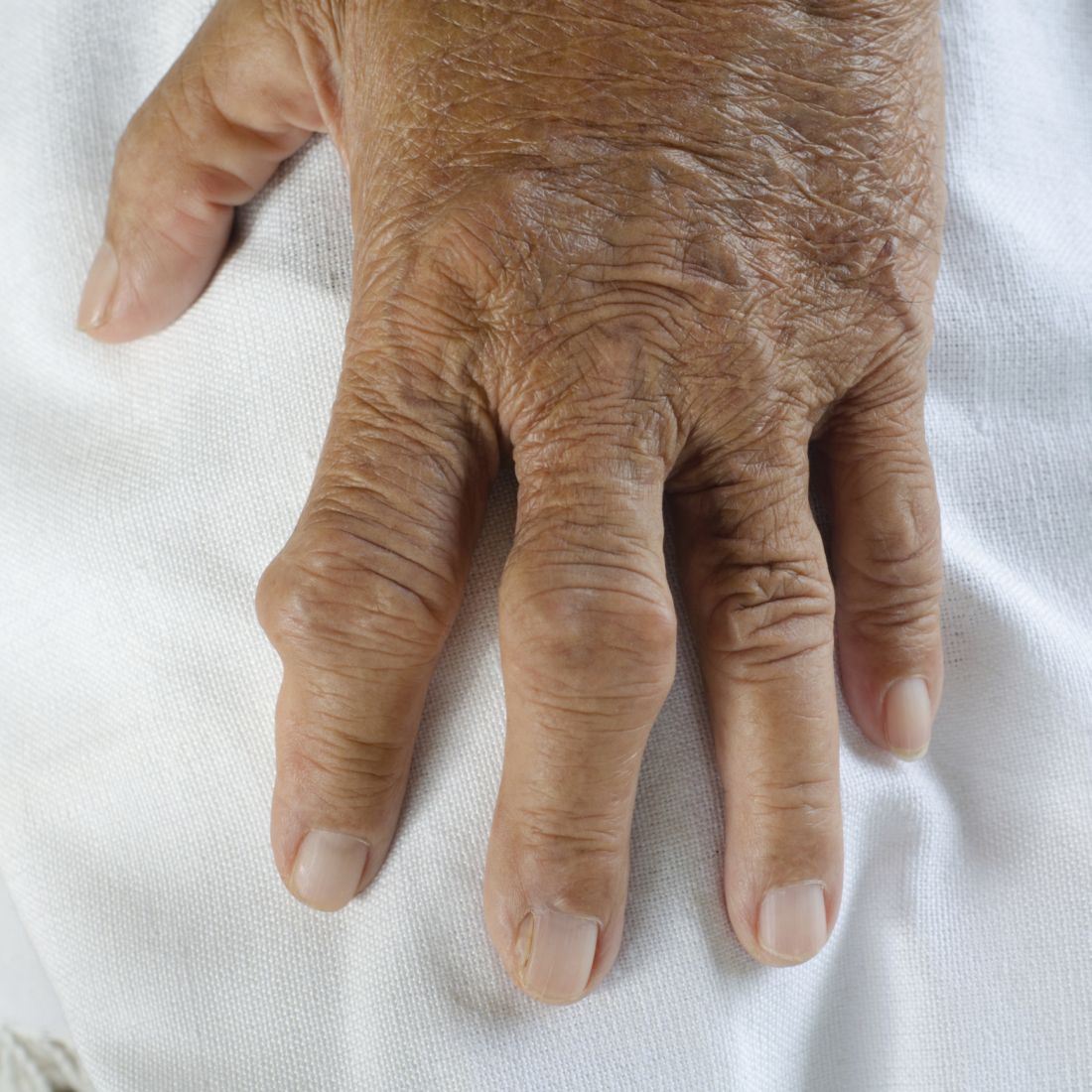
“This study indicates that even for people who have only had one or two prior gout flares, urate-lowering therapy to reduce serum urate below 6 mg/dL may have benefit in reduction future flares,” said Dr. Dalbeth of the University of Auckland (New Zealand).
Febuxostat is a xanthine oxidase inhibitor indicated for the chronic management of excess uric acid in the blood in people diagnosed with gout. It is not indicated for use in people who have high serum uric acid levels without a history of gout.
“Although acute self-limiting flares are the most common clinical presentation of gout, joint damage is a frequent complication of the disease,” Dr. Dalbeth and her associates wrote.
“Joint damage is typically a late feature of long-standing gout,” they added, but “longitudinal observational data have indicated that joint damage can occur in some patients with early disease.” Increased urate crystal deposition could be associated with bone erosions, they explained, and the primary aim of the study was to look the rate of bone erosions over the course of 2 years’ treatment.
However, despite this reasoning and some prior clinical evidence, the researchers found no noticeable differences between the study groups in terms of radiologic joint erosion. This was assessed over 2 years in a single-affected joint. The mean change from baseline to month 24 in modified Sharp-van der Heijde erosion scores was 0.01 for both febuxostat and placebo (P = .47).
This was a phase 2 study conducted in 56 centers in the United States that screened 798 subjects and enrolled 314 adults with early gout. For inclusion, patients had to have hyperuricemia, defined as a serum uric acid level of 7.0 mg/dL or higher, and they had to have experienced no more than two gout flares in the past year.
Patients were randomized to once-daily treatment with febuxostat or placebo, with those randomized to the active treatment started at a dose of 40 mg, which could be increased to 80 mg after 2 weeks if serum uric acid levels remained high, at 6.0 mg/dL or above.
“To our knowledge, this is the first randomized, controlled trial examining the effects of [urate-lowering therapy] in patients with early gout,” the authors observed.
Although the primary endpoint was not met, the study “provides important new information about the natural history of joint damage in subjects with gout,” they suggested. In contrast to other inflammatory joint diseases, such as rheumatoid arthritis, joint erosions on plain radiographs were “infrequently observed at baseline” and over the 2-year study period. The fact the there was a change in MRI synovitis suggests that perhaps there may be some underlying joint damage occurring, although the clinical significance of this is uncertain.
Takeda, which makes febuxostat, funded the study. Dr. Dalbeth has received consulting fees, speaker fees, or research grants from Takeda, CymaBay, Ardea Biosciences, AstraZeneca, and Horizon. A couple of her coauthors disclosed acting as consultants to or receiving research funding from Takeda, and three were current or past employees of the company.
The urate-lowering therapy febuxostat reduced the number of disease flares that people with early gout experienced relative to placebo in a double-blind, placebo-controlled study.
Febuxostat (Uloric) produced a 12.1% reduction in the overall percentage of patients who experienced at least one gout flare in comparison to placebo (29.3% vs. 41.4%; P less than .05).
Treatment with febuxostat also significantly improved control of serum uric acid, compared with the placebo-treated patients (64.3% vs. 5.7%; P less than .001), as well as synovitis as measured via the rheumatoid arthritis magnetic resonance imaging score (RAMRIS) score (–0.43 vs. –0.07; P less than .001).
“This study indicates that even for people who have only had one or two prior gout flares, urate-lowering therapy to reduce serum urate below 6 mg/dL may have benefit in reduction future flares,” said Dr. Dalbeth of the University of Auckland (New Zealand).
Febuxostat is a xanthine oxidase inhibitor indicated for the chronic management of excess uric acid in the blood in people diagnosed with gout. It is not indicated for use in people who have high serum uric acid levels without a history of gout.
“Although acute self-limiting flares are the most common clinical presentation of gout, joint damage is a frequent complication of the disease,” Dr. Dalbeth and her associates wrote.
“Joint damage is typically a late feature of long-standing gout,” they added, but “longitudinal observational data have indicated that joint damage can occur in some patients with early disease.” Increased urate crystal deposition could be associated with bone erosions, they explained, and the primary aim of the study was to look the rate of bone erosions over the course of 2 years’ treatment.
However, despite this reasoning and some prior clinical evidence, the researchers found no noticeable differences between the study groups in terms of radiologic joint erosion. This was assessed over 2 years in a single-affected joint. The mean change from baseline to month 24 in modified Sharp-van der Heijde erosion scores was 0.01 for both febuxostat and placebo (P = .47).
This was a phase 2 study conducted in 56 centers in the United States that screened 798 subjects and enrolled 314 adults with early gout. For inclusion, patients had to have hyperuricemia, defined as a serum uric acid level of 7.0 mg/dL or higher, and they had to have experienced no more than two gout flares in the past year.
Patients were randomized to once-daily treatment with febuxostat or placebo, with those randomized to the active treatment started at a dose of 40 mg, which could be increased to 80 mg after 2 weeks if serum uric acid levels remained high, at 6.0 mg/dL or above.
“To our knowledge, this is the first randomized, controlled trial examining the effects of [urate-lowering therapy] in patients with early gout,” the authors observed.
Although the primary endpoint was not met, the study “provides important new information about the natural history of joint damage in subjects with gout,” they suggested. In contrast to other inflammatory joint diseases, such as rheumatoid arthritis, joint erosions on plain radiographs were “infrequently observed at baseline” and over the 2-year study period. The fact the there was a change in MRI synovitis suggests that perhaps there may be some underlying joint damage occurring, although the clinical significance of this is uncertain.
Takeda, which makes febuxostat, funded the study. Dr. Dalbeth has received consulting fees, speaker fees, or research grants from Takeda, CymaBay, Ardea Biosciences, AstraZeneca, and Horizon. A couple of her coauthors disclosed acting as consultants to or receiving research funding from Takeda, and three were current or past employees of the company.
The urate-lowering therapy febuxostat reduced the number of disease flares that people with early gout experienced relative to placebo in a double-blind, placebo-controlled study.
Febuxostat (Uloric) produced a 12.1% reduction in the overall percentage of patients who experienced at least one gout flare in comparison to placebo (29.3% vs. 41.4%; P less than .05).
Treatment with febuxostat also significantly improved control of serum uric acid, compared with the placebo-treated patients (64.3% vs. 5.7%; P less than .001), as well as synovitis as measured via the rheumatoid arthritis magnetic resonance imaging score (RAMRIS) score (–0.43 vs. –0.07; P less than .001).
“This study indicates that even for people who have only had one or two prior gout flares, urate-lowering therapy to reduce serum urate below 6 mg/dL may have benefit in reduction future flares,” said Dr. Dalbeth of the University of Auckland (New Zealand).
Febuxostat is a xanthine oxidase inhibitor indicated for the chronic management of excess uric acid in the blood in people diagnosed with gout. It is not indicated for use in people who have high serum uric acid levels without a history of gout.
“Although acute self-limiting flares are the most common clinical presentation of gout, joint damage is a frequent complication of the disease,” Dr. Dalbeth and her associates wrote.
“Joint damage is typically a late feature of long-standing gout,” they added, but “longitudinal observational data have indicated that joint damage can occur in some patients with early disease.” Increased urate crystal deposition could be associated with bone erosions, they explained, and the primary aim of the study was to look the rate of bone erosions over the course of 2 years’ treatment.
However, despite this reasoning and some prior clinical evidence, the researchers found no noticeable differences between the study groups in terms of radiologic joint erosion. This was assessed over 2 years in a single-affected joint. The mean change from baseline to month 24 in modified Sharp-van der Heijde erosion scores was 0.01 for both febuxostat and placebo (P = .47).
This was a phase 2 study conducted in 56 centers in the United States that screened 798 subjects and enrolled 314 adults with early gout. For inclusion, patients had to have hyperuricemia, defined as a serum uric acid level of 7.0 mg/dL or higher, and they had to have experienced no more than two gout flares in the past year.
Patients were randomized to once-daily treatment with febuxostat or placebo, with those randomized to the active treatment started at a dose of 40 mg, which could be increased to 80 mg after 2 weeks if serum uric acid levels remained high, at 6.0 mg/dL or above.
“To our knowledge, this is the first randomized, controlled trial examining the effects of [urate-lowering therapy] in patients with early gout,” the authors observed.
Although the primary endpoint was not met, the study “provides important new information about the natural history of joint damage in subjects with gout,” they suggested. In contrast to other inflammatory joint diseases, such as rheumatoid arthritis, joint erosions on plain radiographs were “infrequently observed at baseline” and over the 2-year study period. The fact the there was a change in MRI synovitis suggests that perhaps there may be some underlying joint damage occurring, although the clinical significance of this is uncertain.
Takeda, which makes febuxostat, funded the study. Dr. Dalbeth has received consulting fees, speaker fees, or research grants from Takeda, CymaBay, Ardea Biosciences, AstraZeneca, and Horizon. A couple of her coauthors disclosed acting as consultants to or receiving research funding from Takeda, and three were current or past employees of the company.
FROM ARTHRITIS & RHEUMATOLOGY
Key clinical point:
Major finding: Gout flares over 2 years occurred in 29.3% of subjects treated with febuxostat versus 41.4% of those given placebo (P less than .05)
Data source Randomized, double-blind, placebo-controlled study assessing febuxostat versus placebo effects on joint damage in 314 hyperuricemic subjects with early gout.
Disclosures: Takeda, which makes febuxostat, funded the study. Dr. Dalbeth has received consulting fees, speaker fees, or research grants from Takeda, CymaBay, Ardea Biosciences, AstraZeneca, and Horizon. A couple of her coauthors disclosed acting as consultants to or receiving research funding from Takeda, and three were current or past employees of the company.
Semaglutide aids T2DM weight loss over 2 years
LISBON – The investigational glucagon-like peptide (GLP)-1 receptor agonist semaglutide added to standard care for type 2 diabetes mellitus (T2DM) resulted in clinically significant weight loss over 2 years in the SUSTAIN-6 phase 3 trial.
Participants treated with semaglutide in the study lost an average of 3.6 to 4.9 kg, depending on the dose they were given (0.5 mg or 1.0 mg), which was significantly (P less than .0001) more than those who were randomized to matching placebos (-0.7 mg and -0.5 mg).

Semaglutide is under development by Novo Nordisk and is currently under review by regulatory agencies in the United States, Europe, and Japan. It has 94% homology to human GLP-1 and modifications have been made to help it avoid degradation and which give it a half-life that allows it to be given once a week.
SUSTAIN 6 is part of an ongoing phase 3 program and is a long-term outcome study with the primary objective of evaluating the cardiovascular safety of semaglutide. Effects on macro- and microvascular complications, glycemic control, body weight, body mass index and weight circumference are key secondary endpoints, together with assessment of its overall safety and tolerability.
Other trials in the program, have evaluated treatment with semaglutide as monotherapy (SUSTAIN 1; Lancet Diabetes Endocrinol. 2017;5:251-60) or versus other treatments including sitagliptin (Januvia, Merck; SUSTAIN 2; Lancet Diabetes Endocrinol. 2017;5:341-54), exenatide extended release (Bydureon, AstraZeneca; SUSTAIN 3), or insulin glargine (SUSTAIN 4), as add-on to basal insulin with or without metformin (SUSTAIN 5), and most recently, versus dulaglutide (Trulicity, Eli Lilly; SUSTAIN 7).
SUSTAIN 6 involved 3,297 people with T2DM with established cardiovascular disease or chronic kidney disease or otherwise identified as being at increased cardiovascular risk, according to Dr. Consoli, who is an endocrinologist and professor at the University of Chieti-Pescara, Italy. The results of the primary endpoint have been reported (N Engl J Med. 2016; 375:1834-44) and showed that the composite rate of cardiovascular death, nonfatal myocardial infarction, or nonfatal stroke was significantly lower among patients receiving semaglutide than among those receiving placebo. The hazard ratio for the reduction in the composite endpoint was 0.74 (95% CI, 0.58-.95; P less than .001 for noninferiority).
Results of the secondary analyses reported by Dr. Consoli at EASD 2017 showed that semaglutide could help more patients than placebo achieve significant weight loss, which could help further reduce their cardiovascular risk. He reported that a 5% or greater weight loss at 2 years was achieved by 36% and 47% of patients treated with semaglutide 0.5 mg and 1 mg groups, respectively, and by 18% and 19% of patients in the matching placebo groups (P less than .0001 for both comparisons). A 10% or greater weight loss was achieved by 13% and 21% of the semaglutide-treated patients and by 6% and 7% of those given placebo.
“The effect of weight was not dependent on BMI [body mass index] at baseline,” Dr. Consoli said, emphasizing that there was a consistent reduction in the weight in all BMI categories. Importantly, Dr. Consoli observed, the effects of semaglutide on weight seen were not driven by just a few patients losing weight, and around 80% of patients in the study experienced some degree of weight loss.
“As expected, the subjects treated with the GLP-1a had more GI [gastrointestinal] effects,” Dr. Consoli reported. Nausea or vomiting were reported in twice as many patients treated with semaglutide 0.5 mg (21.9%) and 1 mg (27.3%) as their placebo-matched counterparts (10.8% and 10.6%).
A post-hoc analysis found that the effect of semaglutide on weight loss was not likely to be down to these side effects, however, with a similar weight reductions seen in those who did and did not experience nausea or vomiting. The “estimated natural direct effect of treatment” was -2.75 kg for the 0.5 mg dose and -4.32 for the 1 mg dose of semaglutide versus their placebos Dr. Consoli said. GI drove the weigjht loss to a small degree; -0.12 kg and -0.04 kg of weight loss seen in the 0.5 mg and 1 mg semaglutide groups versus their placebos could be ascribed to nausea or vomiting.
In a poster presentation at the meeting, data on another post-hoc analysis from the SUSTAIN phase 3 program were reported. In a responder analysis of T2DM patients achieving glycemic and weight loss thresholds, a greater proportion of those treated with semaglutide achieved clinically meaningful reductions in both glycated hemoglobin (HbA1c) and body weight than those given comparator treatments.
The composite endpoint of at least a 1% reduction in HbA1c and a 5% or greater decrease in body weight was achieved by 25%–35% of patients treated with the 0.5 mg dose of semaglutide, by 38%–56% of those given the higher dose, and by 2%–13% or all comparators (P less than .0001). The higher dose of semaglutide also allowed more people to achieve this endpoint than the lower dose.
Novo Nordisk supported the study. Dr. Consoli disclosed receiving research funding from AstraZeneca and Novo Nordisk and speaker’s bureau or consultation fees from AstraZeneca, Boehringer Ingelheim, Eli Lilly & Co., Merck, Sharp & Dohme, Novartis, Sanofi-Aventis, and Takeda.
LISBON – The investigational glucagon-like peptide (GLP)-1 receptor agonist semaglutide added to standard care for type 2 diabetes mellitus (T2DM) resulted in clinically significant weight loss over 2 years in the SUSTAIN-6 phase 3 trial.
Participants treated with semaglutide in the study lost an average of 3.6 to 4.9 kg, depending on the dose they were given (0.5 mg or 1.0 mg), which was significantly (P less than .0001) more than those who were randomized to matching placebos (-0.7 mg and -0.5 mg).
Semaglutide is under development by Novo Nordisk and is currently under review by regulatory agencies in the United States, Europe, and Japan. It has 94% homology to human GLP-1 and modifications have been made to help it avoid degradation and which give it a half-life that allows it to be given once a week.
SUSTAIN 6 is part of an ongoing phase 3 program and is a long-term outcome study with the primary objective of evaluating the cardiovascular safety of semaglutide. Effects on macro- and microvascular complications, glycemic control, body weight, body mass index and weight circumference are key secondary endpoints, together with assessment of its overall safety and tolerability.
Other trials in the program, have evaluated treatment with semaglutide as monotherapy (SUSTAIN 1; Lancet Diabetes Endocrinol. 2017;5:251-60) or versus other treatments including sitagliptin (Januvia, Merck; SUSTAIN 2; Lancet Diabetes Endocrinol. 2017;5:341-54), exenatide extended release (Bydureon, AstraZeneca; SUSTAIN 3), or insulin glargine (SUSTAIN 4), as add-on to basal insulin with or without metformin (SUSTAIN 5), and most recently, versus dulaglutide (Trulicity, Eli Lilly; SUSTAIN 7).
SUSTAIN 6 involved 3,297 people with T2DM with established cardiovascular disease or chronic kidney disease or otherwise identified as being at increased cardiovascular risk, according to Dr. Consoli, who is an endocrinologist and professor at the University of Chieti-Pescara, Italy. The results of the primary endpoint have been reported (N Engl J Med. 2016; 375:1834-44) and showed that the composite rate of cardiovascular death, nonfatal myocardial infarction, or nonfatal stroke was significantly lower among patients receiving semaglutide than among those receiving placebo. The hazard ratio for the reduction in the composite endpoint was 0.74 (95% CI, 0.58-.95; P less than .001 for noninferiority).
Results of the secondary analyses reported by Dr. Consoli at EASD 2017 showed that semaglutide could help more patients than placebo achieve significant weight loss, which could help further reduce their cardiovascular risk. He reported that a 5% or greater weight loss at 2 years was achieved by 36% and 47% of patients treated with semaglutide 0.5 mg and 1 mg groups, respectively, and by 18% and 19% of patients in the matching placebo groups (P less than .0001 for both comparisons). A 10% or greater weight loss was achieved by 13% and 21% of the semaglutide-treated patients and by 6% and 7% of those given placebo.
“The effect of weight was not dependent on BMI [body mass index] at baseline,” Dr. Consoli said, emphasizing that there was a consistent reduction in the weight in all BMI categories. Importantly, Dr. Consoli observed, the effects of semaglutide on weight seen were not driven by just a few patients losing weight, and around 80% of patients in the study experienced some degree of weight loss.
“As expected, the subjects treated with the GLP-1a had more GI [gastrointestinal] effects,” Dr. Consoli reported. Nausea or vomiting were reported in twice as many patients treated with semaglutide 0.5 mg (21.9%) and 1 mg (27.3%) as their placebo-matched counterparts (10.8% and 10.6%).
A post-hoc analysis found that the effect of semaglutide on weight loss was not likely to be down to these side effects, however, with a similar weight reductions seen in those who did and did not experience nausea or vomiting. The “estimated natural direct effect of treatment” was -2.75 kg for the 0.5 mg dose and -4.32 for the 1 mg dose of semaglutide versus their placebos Dr. Consoli said. GI drove the weigjht loss to a small degree; -0.12 kg and -0.04 kg of weight loss seen in the 0.5 mg and 1 mg semaglutide groups versus their placebos could be ascribed to nausea or vomiting.
In a poster presentation at the meeting, data on another post-hoc analysis from the SUSTAIN phase 3 program were reported. In a responder analysis of T2DM patients achieving glycemic and weight loss thresholds, a greater proportion of those treated with semaglutide achieved clinically meaningful reductions in both glycated hemoglobin (HbA1c) and body weight than those given comparator treatments.
The composite endpoint of at least a 1% reduction in HbA1c and a 5% or greater decrease in body weight was achieved by 25%–35% of patients treated with the 0.5 mg dose of semaglutide, by 38%–56% of those given the higher dose, and by 2%–13% or all comparators (P less than .0001). The higher dose of semaglutide also allowed more people to achieve this endpoint than the lower dose.
Novo Nordisk supported the study. Dr. Consoli disclosed receiving research funding from AstraZeneca and Novo Nordisk and speaker’s bureau or consultation fees from AstraZeneca, Boehringer Ingelheim, Eli Lilly & Co., Merck, Sharp & Dohme, Novartis, Sanofi-Aventis, and Takeda.
LISBON – The investigational glucagon-like peptide (GLP)-1 receptor agonist semaglutide added to standard care for type 2 diabetes mellitus (T2DM) resulted in clinically significant weight loss over 2 years in the SUSTAIN-6 phase 3 trial.
Participants treated with semaglutide in the study lost an average of 3.6 to 4.9 kg, depending on the dose they were given (0.5 mg or 1.0 mg), which was significantly (P less than .0001) more than those who were randomized to matching placebos (-0.7 mg and -0.5 mg).
Semaglutide is under development by Novo Nordisk and is currently under review by regulatory agencies in the United States, Europe, and Japan. It has 94% homology to human GLP-1 and modifications have been made to help it avoid degradation and which give it a half-life that allows it to be given once a week.
SUSTAIN 6 is part of an ongoing phase 3 program and is a long-term outcome study with the primary objective of evaluating the cardiovascular safety of semaglutide. Effects on macro- and microvascular complications, glycemic control, body weight, body mass index and weight circumference are key secondary endpoints, together with assessment of its overall safety and tolerability.
Other trials in the program, have evaluated treatment with semaglutide as monotherapy (SUSTAIN 1; Lancet Diabetes Endocrinol. 2017;5:251-60) or versus other treatments including sitagliptin (Januvia, Merck; SUSTAIN 2; Lancet Diabetes Endocrinol. 2017;5:341-54), exenatide extended release (Bydureon, AstraZeneca; SUSTAIN 3), or insulin glargine (SUSTAIN 4), as add-on to basal insulin with or without metformin (SUSTAIN 5), and most recently, versus dulaglutide (Trulicity, Eli Lilly; SUSTAIN 7).
SUSTAIN 6 involved 3,297 people with T2DM with established cardiovascular disease or chronic kidney disease or otherwise identified as being at increased cardiovascular risk, according to Dr. Consoli, who is an endocrinologist and professor at the University of Chieti-Pescara, Italy. The results of the primary endpoint have been reported (N Engl J Med. 2016; 375:1834-44) and showed that the composite rate of cardiovascular death, nonfatal myocardial infarction, or nonfatal stroke was significantly lower among patients receiving semaglutide than among those receiving placebo. The hazard ratio for the reduction in the composite endpoint was 0.74 (95% CI, 0.58-.95; P less than .001 for noninferiority).
Results of the secondary analyses reported by Dr. Consoli at EASD 2017 showed that semaglutide could help more patients than placebo achieve significant weight loss, which could help further reduce their cardiovascular risk. He reported that a 5% or greater weight loss at 2 years was achieved by 36% and 47% of patients treated with semaglutide 0.5 mg and 1 mg groups, respectively, and by 18% and 19% of patients in the matching placebo groups (P less than .0001 for both comparisons). A 10% or greater weight loss was achieved by 13% and 21% of the semaglutide-treated patients and by 6% and 7% of those given placebo.
“The effect of weight was not dependent on BMI [body mass index] at baseline,” Dr. Consoli said, emphasizing that there was a consistent reduction in the weight in all BMI categories. Importantly, Dr. Consoli observed, the effects of semaglutide on weight seen were not driven by just a few patients losing weight, and around 80% of patients in the study experienced some degree of weight loss.
“As expected, the subjects treated with the GLP-1a had more GI [gastrointestinal] effects,” Dr. Consoli reported. Nausea or vomiting were reported in twice as many patients treated with semaglutide 0.5 mg (21.9%) and 1 mg (27.3%) as their placebo-matched counterparts (10.8% and 10.6%).
A post-hoc analysis found that the effect of semaglutide on weight loss was not likely to be down to these side effects, however, with a similar weight reductions seen in those who did and did not experience nausea or vomiting. The “estimated natural direct effect of treatment” was -2.75 kg for the 0.5 mg dose and -4.32 for the 1 mg dose of semaglutide versus their placebos Dr. Consoli said. GI drove the weigjht loss to a small degree; -0.12 kg and -0.04 kg of weight loss seen in the 0.5 mg and 1 mg semaglutide groups versus their placebos could be ascribed to nausea or vomiting.
In a poster presentation at the meeting, data on another post-hoc analysis from the SUSTAIN phase 3 program were reported. In a responder analysis of T2DM patients achieving glycemic and weight loss thresholds, a greater proportion of those treated with semaglutide achieved clinically meaningful reductions in both glycated hemoglobin (HbA1c) and body weight than those given comparator treatments.
The composite endpoint of at least a 1% reduction in HbA1c and a 5% or greater decrease in body weight was achieved by 25%–35% of patients treated with the 0.5 mg dose of semaglutide, by 38%–56% of those given the higher dose, and by 2%–13% or all comparators (P less than .0001). The higher dose of semaglutide also allowed more people to achieve this endpoint than the lower dose.
Novo Nordisk supported the study. Dr. Consoli disclosed receiving research funding from AstraZeneca and Novo Nordisk and speaker’s bureau or consultation fees from AstraZeneca, Boehringer Ingelheim, Eli Lilly & Co., Merck, Sharp & Dohme, Novartis, Sanofi-Aventis, and Takeda.
AT EASD 2017
Key clinical point: Semaglutide added to standard of care was associated with significant weight loss independent of any gastrointestinal side effects.
Major finding: There was a -2.87 kg to -4.35 kg change in body weight comparing two doses of semaglutide with matching placebos (both P less than .0001).
Data source: SUSTAIN-6: A long-term outcomes study in 3,297 patients with type 2 diabetes treated with once-weekly semaglutide or placebo for 104 weeks.
Disclosures: Novo Nordisk supported the study. Dr. Consoli disclosed receiving research funding from AstraZeneca and Novo Nordisk and speaker’s bureau or consultation fees from AstraZeneca, Boehringer Ingelheim, Eli Lilly, Merck, Sharp & Dohme, Novartis, Sanofi-Aventis, and Takeda.
Fasting glucose fluctuations, severe hypoglycemia up T2DM death risk
AT EASD 2017
LISBON –
A second wave of results from the DEVOTE study, which compared the cardiovascular safety of insulin degludec (Tresiba, Novo Nordisk) versus insulin glargine, found that day-to-day variability in fasting plasma glucose (FPG) versus no FPG variability was significantly associated with both severe hypoglycemia (adjusted hazard ratio, 3.37; 95% confidence interval, 2.52-4.50; P less than .001), and all-cause mortality (aHR, 1.33; 95% CI, 1.01-1.75; P = .00432).
In addition, severe hypoglycemia was linked to all-cause mortality, with a temporal relationship seen such that the risk for death was higher the more recent the episode of severe hypoglycemia had been. Indeed, while the risk of death was 2.5 times higher at any time after an episode of severe hypoglycemia than if no prior severe hypoglycemia occurred (HR, 2.51; 95% CI, 1.35-13.09), it was four times higher 15 days after severe hypoglycemia than after no such event (HR, 4.20; 95% CI, 1.9-3.50).
These results of DEVOTE 2 and DEVOTE 3 were presented at the annual meeting of the European Association for the Study of Diabetes and published in Diabetologia on Sept. 15.
What do the results mean for current practice?
“There’s great interest in knowing whether glucose variability and severe hypoglycemia are associated with cardiovascular risk and mortality; these data are therefore important and timely,” said the invited commentator and editorialist for the study Martin Rutter, MD, a senior lecturer in cardiometabolic medicine at the University of Manchester and an honorary consultant physician at Manchester Royal Infirmary, England.

“Only further clinical trials can genuinely guide clinicians on whether to target glucose variability and risk for severe hypos to reduce the risk of cardiovascular events in people with type 2 diabetes. My hope is that these data will help to build a case for such trials,” Dr. Rutter said.
DEVOTE: main findings and secondary analyses
The main findings from the DEVOTE study were reported in June during the American Diabetes Association’s Annual Scientific Sessions and simultaneously published in the New England Journal of Medicine (2017 Aug 24;377[8]:723-32). These showed that insulin degludec was noninferior to insulin glargine, with a similar rate of major cardiovascular events (MACE), which comprised nonfatal myocardial infarction, nonfatal stroke, and cardiovascular death (8.5% vs. 9.3%; HR, 0.91; 95% CI, 0.78-1.06; P less than .001). The rate of severe hypoglycemia was significantly (P less than .001) lower in the degludec than glargine arm, however, occurring in a respective 4.9% and 6.6% of patients in each group (odds ratio, 0.73).
“DEVOTE confirms the cardiovascular safety of insulin degludec, compared with glargine,” said DEVOTE study investigator, Neil Poulter, MD, FMedSci, of the Imperial Clinical Trials Unit at Imperial College London. “The rate of severe hypoglycemia was significantly reduced [with insulin degludec vs. glargine] in the DEVOTE trial.”

Role of glycemic variability
“It is well established that there is a relationship between glycemic variability and hypoglycemia,” said Bernard Zinman, MD, director of the Lunenfeld-Tanenbaum Research Institute at Mount Sinai Hospital in Toronto, who presented the DEVOTE 2 findings. He commented that the “very dense data” collected during the main study had enabled a fuller analysis of glycemic variability. Dr. Zinman was keen to emphasize that it was the fasting variability that was studied.
Looking at outcomes, there was a dose relationship seen from low to high glycemic variability with increasing rates of severe hypoglycemia, MACE, and all-cause mortality the higher the variability, Dr. Zinman reported.
Although initially there was an increased risk for MACE with increasing glycemic variability, “the association was not maintained after adjusting for baseline characteristics and the most recent A1c,” Dr. Zinman said.
Timing of severe hypoglycemia could be vital
Severe hypoglycemia is under-reported and there is still concern over inducing hypoglycemia, which “conflicts with treatment success,” observed Thomas Pieber, MD, who presented the DEVOTE 3 findings on the relationship between severe hypoglycemia and outcomes.
“Up to 80% of us are concerned about the risk of hypoglycemia and we are not treating glycemic control as aggressively as we would do if there was not any worry about hypoglycemia,” Dr. Pieber said, referring to primary care physicians and diabetes specialists.
Talking about the DEVOTE 3 results, Dr. Pieber noted: “There was no significant association between severe hypoglycemia and MACE, but there was a significantly higher risk of cardiovascular death following a severe hypoglycemia event.” He reminded the audience that an episode of severe hypoglycemia was one which required the assistance of another person, as defined by International Hypoglycemia Study Group which has been acknowledged by both the ADA and EASD.
“These data we have analyzed support a temporal relationship between severe hypoglycemia and all-cause mortality,” Dr. Pieber, adding “the findings indicate that severe hypoglycemia is associated with higher subsequent mortality.”
Predicting severe hypos
“There are well-known factors that influence the risk of having a severe hypoglycemic event,” commented another of the DEVOTE study investigators, John Buse, MD, PhD, of the University of North Carolina School of Medicine at Chapel Hill. These include the insulin treatment regimen, the duration of diabetes, sex, and baseline HbA1c, to pick the more traditional ones. Additional ones that a post-hoc analysis of the DEVOTE data identified are baseline renal function, prior stroke, low-to-high-density lipoprotein ratio, diastolic blood pressure, hepatic impairment, and smoking status. Age, another traditional risk factor, was identified as well and all these went in to create the DEVOTE severe hypoglycemia risk prediction model.
The DEVOTE hypoglycemia risk score is currently a work in progress; the app can be seen at http://www.hyporiskscore.com/. DEVOTE was funded by Novo Nordisk. Slides presented at the EASD meeting are available for download at https://tracs.unc.edu/DEVOTE.
Dr. Rutter disclosed receiving honoraria and funding to attend educational meetings from Novo Nordisk and honoraria and consulting fees from Ascensia, Cell Catapult, and Roche Diabetes Care.
Dr. Poulter has received speaker fees and consultancy fees from Novo Nordisk, Servier, Takeda, and AstraZeneca; and grants for his research group relating to type 2 diabetes mellitus from Diabetes UK, the National Institute for Health Research Efficacy and Mechanism Evaluation, and the Julius Clinical and the British Heart Foundation.
Dr. Zinman has received grant support from Novo Nordisk, Boehringer Ingelheim, and AstraZeneca. He disclosed receiving consulting fees from Novo Nordisk, AstraZeneca, Boehringer Ingelheim, Eli Lilly and Company, Janssen, Merck, Sharp & Dohme, and Sanofi.
Dr. Pieber disclosed receiving received research support from Novo Nordisk and AstraZeneca paid directly to his institution and personal honoraria from Novo Nordisk, AstraZeneca, Bristol-Myers Squibb, Eli Lilly, and Roche Diabetes Care. Dr. Pieber is the Chief Scientific Officer of the Center for Biomarker Research in Medicine, a publicly funded biomarker research company.
Dr. Buse reported receiving contracted consulting fees, paid to his institution, and travel support from Novo Nordisk, Eli Lilly and Company, GI Dynamics, Elcelyx, Merck, Metavention, vTv Pharma, PhaseBio, AstraZeneca, Dance Biopharm, Sanofi, Lexicon Pharmaceuticals, Orexigen, Takeda, Adocia, Roche, NovaTarg, Shenzhen High Tide, Fractyl, and Dexcom. He has also received consultancy fees and grant support from Eli Lilly and Company, Bristol-Myers Squibb, GI Dynamics, Merck, PhaseBio, AstraZeneca, Medtronic Minimed, Sanofi, Johnson & Johnson, Andromeda, Boehringer Ingelheim, GlaxoSmithKline, MacroGenics, Intarcia Therapeutics, Lexicon Pharmaceuticals, Scion NeuroStim, Orexigen, Takeda, Theracos, and Bayer. Dr. Buse has also received fees and holds stock options in PhaseBio and Insulin Algorithm, as well as serving on the board of the AstraZeneca Healthcare Foundation.
AT EASD 2017
LISBON –
A second wave of results from the DEVOTE study, which compared the cardiovascular safety of insulin degludec (Tresiba, Novo Nordisk) versus insulin glargine, found that day-to-day variability in fasting plasma glucose (FPG) versus no FPG variability was significantly associated with both severe hypoglycemia (adjusted hazard ratio, 3.37; 95% confidence interval, 2.52-4.50; P less than .001), and all-cause mortality (aHR, 1.33; 95% CI, 1.01-1.75; P = .00432).
In addition, severe hypoglycemia was linked to all-cause mortality, with a temporal relationship seen such that the risk for death was higher the more recent the episode of severe hypoglycemia had been. Indeed, while the risk of death was 2.5 times higher at any time after an episode of severe hypoglycemia than if no prior severe hypoglycemia occurred (HR, 2.51; 95% CI, 1.35-13.09), it was four times higher 15 days after severe hypoglycemia than after no such event (HR, 4.20; 95% CI, 1.9-3.50).
These results of DEVOTE 2 and DEVOTE 3 were presented at the annual meeting of the European Association for the Study of Diabetes and published in Diabetologia on Sept. 15.
What do the results mean for current practice?
“There’s great interest in knowing whether glucose variability and severe hypoglycemia are associated with cardiovascular risk and mortality; these data are therefore important and timely,” said the invited commentator and editorialist for the study Martin Rutter, MD, a senior lecturer in cardiometabolic medicine at the University of Manchester and an honorary consultant physician at Manchester Royal Infirmary, England.
“Only further clinical trials can genuinely guide clinicians on whether to target glucose variability and risk for severe hypos to reduce the risk of cardiovascular events in people with type 2 diabetes. My hope is that these data will help to build a case for such trials,” Dr. Rutter said.
DEVOTE: main findings and secondary analyses
The main findings from the DEVOTE study were reported in June during the American Diabetes Association’s Annual Scientific Sessions and simultaneously published in the New England Journal of Medicine (2017 Aug 24;377[8]:723-32). These showed that insulin degludec was noninferior to insulin glargine, with a similar rate of major cardiovascular events (MACE), which comprised nonfatal myocardial infarction, nonfatal stroke, and cardiovascular death (8.5% vs. 9.3%; HR, 0.91; 95% CI, 0.78-1.06; P less than .001). The rate of severe hypoglycemia was significantly (P less than .001) lower in the degludec than glargine arm, however, occurring in a respective 4.9% and 6.6% of patients in each group (odds ratio, 0.73).
“DEVOTE confirms the cardiovascular safety of insulin degludec, compared with glargine,” said DEVOTE study investigator, Neil Poulter, MD, FMedSci, of the Imperial Clinical Trials Unit at Imperial College London. “The rate of severe hypoglycemia was significantly reduced [with insulin degludec vs. glargine] in the DEVOTE trial.”
Role of glycemic variability
“It is well established that there is a relationship between glycemic variability and hypoglycemia,” said Bernard Zinman, MD, director of the Lunenfeld-Tanenbaum Research Institute at Mount Sinai Hospital in Toronto, who presented the DEVOTE 2 findings. He commented that the “very dense data” collected during the main study had enabled a fuller analysis of glycemic variability. Dr. Zinman was keen to emphasize that it was the fasting variability that was studied.
Looking at outcomes, there was a dose relationship seen from low to high glycemic variability with increasing rates of severe hypoglycemia, MACE, and all-cause mortality the higher the variability, Dr. Zinman reported.
Although initially there was an increased risk for MACE with increasing glycemic variability, “the association was not maintained after adjusting for baseline characteristics and the most recent A1c,” Dr. Zinman said.
Timing of severe hypoglycemia could be vital
Severe hypoglycemia is under-reported and there is still concern over inducing hypoglycemia, which “conflicts with treatment success,” observed Thomas Pieber, MD, who presented the DEVOTE 3 findings on the relationship between severe hypoglycemia and outcomes.
“Up to 80% of us are concerned about the risk of hypoglycemia and we are not treating glycemic control as aggressively as we would do if there was not any worry about hypoglycemia,” Dr. Pieber said, referring to primary care physicians and diabetes specialists.
Talking about the DEVOTE 3 results, Dr. Pieber noted: “There was no significant association between severe hypoglycemia and MACE, but there was a significantly higher risk of cardiovascular death following a severe hypoglycemia event.” He reminded the audience that an episode of severe hypoglycemia was one which required the assistance of another person, as defined by International Hypoglycemia Study Group which has been acknowledged by both the ADA and EASD.
“These data we have analyzed support a temporal relationship between severe hypoglycemia and all-cause mortality,” Dr. Pieber, adding “the findings indicate that severe hypoglycemia is associated with higher subsequent mortality.”
Predicting severe hypos
“There are well-known factors that influence the risk of having a severe hypoglycemic event,” commented another of the DEVOTE study investigators, John Buse, MD, PhD, of the University of North Carolina School of Medicine at Chapel Hill. These include the insulin treatment regimen, the duration of diabetes, sex, and baseline HbA1c, to pick the more traditional ones. Additional ones that a post-hoc analysis of the DEVOTE data identified are baseline renal function, prior stroke, low-to-high-density lipoprotein ratio, diastolic blood pressure, hepatic impairment, and smoking status. Age, another traditional risk factor, was identified as well and all these went in to create the DEVOTE severe hypoglycemia risk prediction model.
The DEVOTE hypoglycemia risk score is currently a work in progress; the app can be seen at http://www.hyporiskscore.com/. DEVOTE was funded by Novo Nordisk. Slides presented at the EASD meeting are available for download at https://tracs.unc.edu/DEVOTE.
Dr. Rutter disclosed receiving honoraria and funding to attend educational meetings from Novo Nordisk and honoraria and consulting fees from Ascensia, Cell Catapult, and Roche Diabetes Care.
Dr. Poulter has received speaker fees and consultancy fees from Novo Nordisk, Servier, Takeda, and AstraZeneca; and grants for his research group relating to type 2 diabetes mellitus from Diabetes UK, the National Institute for Health Research Efficacy and Mechanism Evaluation, and the Julius Clinical and the British Heart Foundation.
Dr. Zinman has received grant support from Novo Nordisk, Boehringer Ingelheim, and AstraZeneca. He disclosed receiving consulting fees from Novo Nordisk, AstraZeneca, Boehringer Ingelheim, Eli Lilly and Company, Janssen, Merck, Sharp & Dohme, and Sanofi.
Dr. Pieber disclosed receiving received research support from Novo Nordisk and AstraZeneca paid directly to his institution and personal honoraria from Novo Nordisk, AstraZeneca, Bristol-Myers Squibb, Eli Lilly, and Roche Diabetes Care. Dr. Pieber is the Chief Scientific Officer of the Center for Biomarker Research in Medicine, a publicly funded biomarker research company.
Dr. Buse reported receiving contracted consulting fees, paid to his institution, and travel support from Novo Nordisk, Eli Lilly and Company, GI Dynamics, Elcelyx, Merck, Metavention, vTv Pharma, PhaseBio, AstraZeneca, Dance Biopharm, Sanofi, Lexicon Pharmaceuticals, Orexigen, Takeda, Adocia, Roche, NovaTarg, Shenzhen High Tide, Fractyl, and Dexcom. He has also received consultancy fees and grant support from Eli Lilly and Company, Bristol-Myers Squibb, GI Dynamics, Merck, PhaseBio, AstraZeneca, Medtronic Minimed, Sanofi, Johnson & Johnson, Andromeda, Boehringer Ingelheim, GlaxoSmithKline, MacroGenics, Intarcia Therapeutics, Lexicon Pharmaceuticals, Scion NeuroStim, Orexigen, Takeda, Theracos, and Bayer. Dr. Buse has also received fees and holds stock options in PhaseBio and Insulin Algorithm, as well as serving on the board of the AstraZeneca Healthcare Foundation.
AT EASD 2017
LISBON –
A second wave of results from the DEVOTE study, which compared the cardiovascular safety of insulin degludec (Tresiba, Novo Nordisk) versus insulin glargine, found that day-to-day variability in fasting plasma glucose (FPG) versus no FPG variability was significantly associated with both severe hypoglycemia (adjusted hazard ratio, 3.37; 95% confidence interval, 2.52-4.50; P less than .001), and all-cause mortality (aHR, 1.33; 95% CI, 1.01-1.75; P = .00432).
In addition, severe hypoglycemia was linked to all-cause mortality, with a temporal relationship seen such that the risk for death was higher the more recent the episode of severe hypoglycemia had been. Indeed, while the risk of death was 2.5 times higher at any time after an episode of severe hypoglycemia than if no prior severe hypoglycemia occurred (HR, 2.51; 95% CI, 1.35-13.09), it was four times higher 15 days after severe hypoglycemia than after no such event (HR, 4.20; 95% CI, 1.9-3.50).
These results of DEVOTE 2 and DEVOTE 3 were presented at the annual meeting of the European Association for the Study of Diabetes and published in Diabetologia on Sept. 15.
What do the results mean for current practice?
“There’s great interest in knowing whether glucose variability and severe hypoglycemia are associated with cardiovascular risk and mortality; these data are therefore important and timely,” said the invited commentator and editorialist for the study Martin Rutter, MD, a senior lecturer in cardiometabolic medicine at the University of Manchester and an honorary consultant physician at Manchester Royal Infirmary, England.
“Only further clinical trials can genuinely guide clinicians on whether to target glucose variability and risk for severe hypos to reduce the risk of cardiovascular events in people with type 2 diabetes. My hope is that these data will help to build a case for such trials,” Dr. Rutter said.
DEVOTE: main findings and secondary analyses
The main findings from the DEVOTE study were reported in June during the American Diabetes Association’s Annual Scientific Sessions and simultaneously published in the New England Journal of Medicine (2017 Aug 24;377[8]:723-32). These showed that insulin degludec was noninferior to insulin glargine, with a similar rate of major cardiovascular events (MACE), which comprised nonfatal myocardial infarction, nonfatal stroke, and cardiovascular death (8.5% vs. 9.3%; HR, 0.91; 95% CI, 0.78-1.06; P less than .001). The rate of severe hypoglycemia was significantly (P less than .001) lower in the degludec than glargine arm, however, occurring in a respective 4.9% and 6.6% of patients in each group (odds ratio, 0.73).
“DEVOTE confirms the cardiovascular safety of insulin degludec, compared with glargine,” said DEVOTE study investigator, Neil Poulter, MD, FMedSci, of the Imperial Clinical Trials Unit at Imperial College London. “The rate of severe hypoglycemia was significantly reduced [with insulin degludec vs. glargine] in the DEVOTE trial.”
Role of glycemic variability
“It is well established that there is a relationship between glycemic variability and hypoglycemia,” said Bernard Zinman, MD, director of the Lunenfeld-Tanenbaum Research Institute at Mount Sinai Hospital in Toronto, who presented the DEVOTE 2 findings. He commented that the “very dense data” collected during the main study had enabled a fuller analysis of glycemic variability. Dr. Zinman was keen to emphasize that it was the fasting variability that was studied.
Looking at outcomes, there was a dose relationship seen from low to high glycemic variability with increasing rates of severe hypoglycemia, MACE, and all-cause mortality the higher the variability, Dr. Zinman reported.
Although initially there was an increased risk for MACE with increasing glycemic variability, “the association was not maintained after adjusting for baseline characteristics and the most recent A1c,” Dr. Zinman said.
Timing of severe hypoglycemia could be vital
Severe hypoglycemia is under-reported and there is still concern over inducing hypoglycemia, which “conflicts with treatment success,” observed Thomas Pieber, MD, who presented the DEVOTE 3 findings on the relationship between severe hypoglycemia and outcomes.
“Up to 80% of us are concerned about the risk of hypoglycemia and we are not treating glycemic control as aggressively as we would do if there was not any worry about hypoglycemia,” Dr. Pieber said, referring to primary care physicians and diabetes specialists.
Talking about the DEVOTE 3 results, Dr. Pieber noted: “There was no significant association between severe hypoglycemia and MACE, but there was a significantly higher risk of cardiovascular death following a severe hypoglycemia event.” He reminded the audience that an episode of severe hypoglycemia was one which required the assistance of another person, as defined by International Hypoglycemia Study Group which has been acknowledged by both the ADA and EASD.
“These data we have analyzed support a temporal relationship between severe hypoglycemia and all-cause mortality,” Dr. Pieber, adding “the findings indicate that severe hypoglycemia is associated with higher subsequent mortality.”
Predicting severe hypos
“There are well-known factors that influence the risk of having a severe hypoglycemic event,” commented another of the DEVOTE study investigators, John Buse, MD, PhD, of the University of North Carolina School of Medicine at Chapel Hill. These include the insulin treatment regimen, the duration of diabetes, sex, and baseline HbA1c, to pick the more traditional ones. Additional ones that a post-hoc analysis of the DEVOTE data identified are baseline renal function, prior stroke, low-to-high-density lipoprotein ratio, diastolic blood pressure, hepatic impairment, and smoking status. Age, another traditional risk factor, was identified as well and all these went in to create the DEVOTE severe hypoglycemia risk prediction model.
The DEVOTE hypoglycemia risk score is currently a work in progress; the app can be seen at http://www.hyporiskscore.com/. DEVOTE was funded by Novo Nordisk. Slides presented at the EASD meeting are available for download at https://tracs.unc.edu/DEVOTE.
Dr. Rutter disclosed receiving honoraria and funding to attend educational meetings from Novo Nordisk and honoraria and consulting fees from Ascensia, Cell Catapult, and Roche Diabetes Care.
Dr. Poulter has received speaker fees and consultancy fees from Novo Nordisk, Servier, Takeda, and AstraZeneca; and grants for his research group relating to type 2 diabetes mellitus from Diabetes UK, the National Institute for Health Research Efficacy and Mechanism Evaluation, and the Julius Clinical and the British Heart Foundation.
Dr. Zinman has received grant support from Novo Nordisk, Boehringer Ingelheim, and AstraZeneca. He disclosed receiving consulting fees from Novo Nordisk, AstraZeneca, Boehringer Ingelheim, Eli Lilly and Company, Janssen, Merck, Sharp & Dohme, and Sanofi.
Dr. Pieber disclosed receiving received research support from Novo Nordisk and AstraZeneca paid directly to his institution and personal honoraria from Novo Nordisk, AstraZeneca, Bristol-Myers Squibb, Eli Lilly, and Roche Diabetes Care. Dr. Pieber is the Chief Scientific Officer of the Center for Biomarker Research in Medicine, a publicly funded biomarker research company.
Dr. Buse reported receiving contracted consulting fees, paid to his institution, and travel support from Novo Nordisk, Eli Lilly and Company, GI Dynamics, Elcelyx, Merck, Metavention, vTv Pharma, PhaseBio, AstraZeneca, Dance Biopharm, Sanofi, Lexicon Pharmaceuticals, Orexigen, Takeda, Adocia, Roche, NovaTarg, Shenzhen High Tide, Fractyl, and Dexcom. He has also received consultancy fees and grant support from Eli Lilly and Company, Bristol-Myers Squibb, GI Dynamics, Merck, PhaseBio, AstraZeneca, Medtronic Minimed, Sanofi, Johnson & Johnson, Andromeda, Boehringer Ingelheim, GlaxoSmithKline, MacroGenics, Intarcia Therapeutics, Lexicon Pharmaceuticals, Scion NeuroStim, Orexigen, Takeda, Theracos, and Bayer. Dr. Buse has also received fees and holds stock options in PhaseBio and Insulin Algorithm, as well as serving on the board of the AstraZeneca Healthcare Foundation.
Key clinical point: Evenly maintained blood glucose levels may save lives in T2DM.
Major finding: Patients with greater fluctuations of fasting plasma glucose were more likely to die than were those with more episodes of severe hypoglycemia.
Data source: Further analysis of data from both DEVOTE 2 and DEVOTE 3, involving 7,637 patients with type 2 diabetes who were treated with either insulin degludec or insulin glargine.
Disclosures: The study was funded by Novo Nordisk. All presenters have received consulting fees from Novo Nordisk among other pharmaceutical companies. Two presenters (Dr. Zinman and Dr. Pieber) also disclosed receiving research support from the company.
Many years on metformin linked to anemia risk
LISBON – People with type 2 diabetes who take metformin for many years are more likely to develop anemia than are those who do not, according to the results of a large analysis of data from an observational, population-based study with 20 years of follow-up.
“Metformin treatment was associated with a 6% higher risk of anemia for every cumulative year of metformin exposure,” Louise Donnelly, PhD, and her associates reported in a poster presentation at the annual meeting of the European Association for the Study of Diabetes.
In an interview, Dr. Donnelly, a postdoctoral research assistant at the University of Dundee (Scotland), explained why they looked at the use of metformin and anemia risk in people with type 2 diabetes.
“The Diabetes Prevention Program (DPP) study showed that long-term metformin use in individuals with impaired glucose tolerance was associated with an increased risk of anemia, and this was independent of vitamin B12 status,” she said (J Clin Endocrinol Metab. 2016;101:1754-61). “Anemia is a common finding in people with type 2 diabetes, but the impact of long-term metformin use on anemia hasn’t been studied.”
Dr. Donnelly and her associates obtained detailed information on metformin prescribing and hematology measures from electronic patient medical records from the Genetics of Diabetes Audit and Research in Tayside and Scotland (GoDARTS) cohort, based in Scotland. This database contains information on individuals with type 2 diabetes and matching controls and is available to researchers worldwide.
For the analysis, the team looked for people diagnosed from 1996 onward who had a baseline hemoglobin measurement. Of 6,440 individuals with type 2 diabetes in the GoDARTS cohort, just over half had a hemoglobin measurement.
“We used a definition of ‘moderate’ anemia and we excluded patients with mild anemia or worse at diabetes diagnosis,” Dr. Donnelly observed. Anemia was considered to be a hemoglobin level of less than 12 g/dL in women and less than 13 g/dL in men. In all, 280 individuals with anemia were excluded from further analysis as the aim was to follow people until they developed anemia, died, left the area, or until the end of the follow-up period, which was set at September 30, 2015. A discrete-time failure analysis was used to model the effect of cumulative metformin exposure on anemia risk.
After a median follow-up of 8 years and a median number of 11 hemoglobin measurements per patient, 2,487 study subjects (71%) had some exposure to metformin and 1,458 of the whole sample (41.8%) had become anemic. Of those who developed anemia, 745 (51%) were current metformin users, 194 (13%) were former users, and 519 (36%) had never taken metformin.
“Cumulative metformin use was independently associated with an increased risk of anemia,” Dr. Donnelly noted (odds ratio [OR], 1.06; 95% confidence interval [CI], 1.02-1.09; P = .0006). This association was not seen when they examined the data based on sulfonylurea use (OR 1.0; 95% CI 0.97-1.04, P = .8), she added.
“Anemia risk was higher with age at diagnosis, duration of diabetes, lower hemoglobin at baseline, and lower eGFR [estimated glomerular filtration rate],” she observed. ORs for first anemia event were 1.03 (95% CI, 1.02-1.04) for every year of increasing age, 1.05 (95% CI, 1.03-1.08) for every additional year since diabetes diagnosis, 0.70 (95% CI, 0.66-0.74) per 1 g/dL of hemoglobin at diagnosis, and eGFR 0.98 (95% CI, 0.98-1.01) per additional 1 mL/min per 1.732 (P less than .0001 for all).
Why cumulative metformin use is associated with an increased of anemia is unclear, however, and Dr. Donnelly noted that this needs further investigation. “We do have data from two other clinical trials now, showing similar results, and maybe through those data we might be able to untangle it.”
The team does not think the anemia is related to B12 deficiency, however, as people who developed anemia while taking metformin were more likely to develop microcytic (12% vs. 7.3%) than macrocytic (7.6% vs. 12.3%), anemia, compared with people with anemia who were not exposed to metformin (P less than .0001).
“In terms of mechanism, we can only conjecture,” Ewan Pearson, MB, senior author of the study and professor of medicine at the University of Dundee, said during a discussion at the poster presentation. “It is important to stress that metformin is a great drug and we shouldn’t stop it because of a potentially increased risk of anemia.”
The Medical Research Council supported the work. Dr. Donnelly reported having no financial disclosures.
LISBON – People with type 2 diabetes who take metformin for many years are more likely to develop anemia than are those who do not, according to the results of a large analysis of data from an observational, population-based study with 20 years of follow-up.
“Metformin treatment was associated with a 6% higher risk of anemia for every cumulative year of metformin exposure,” Louise Donnelly, PhD, and her associates reported in a poster presentation at the annual meeting of the European Association for the Study of Diabetes.
In an interview, Dr. Donnelly, a postdoctoral research assistant at the University of Dundee (Scotland), explained why they looked at the use of metformin and anemia risk in people with type 2 diabetes.
“The Diabetes Prevention Program (DPP) study showed that long-term metformin use in individuals with impaired glucose tolerance was associated with an increased risk of anemia, and this was independent of vitamin B12 status,” she said (J Clin Endocrinol Metab. 2016;101:1754-61). “Anemia is a common finding in people with type 2 diabetes, but the impact of long-term metformin use on anemia hasn’t been studied.”
Dr. Donnelly and her associates obtained detailed information on metformin prescribing and hematology measures from electronic patient medical records from the Genetics of Diabetes Audit and Research in Tayside and Scotland (GoDARTS) cohort, based in Scotland. This database contains information on individuals with type 2 diabetes and matching controls and is available to researchers worldwide.
For the analysis, the team looked for people diagnosed from 1996 onward who had a baseline hemoglobin measurement. Of 6,440 individuals with type 2 diabetes in the GoDARTS cohort, just over half had a hemoglobin measurement.
“We used a definition of ‘moderate’ anemia and we excluded patients with mild anemia or worse at diabetes diagnosis,” Dr. Donnelly observed. Anemia was considered to be a hemoglobin level of less than 12 g/dL in women and less than 13 g/dL in men. In all, 280 individuals with anemia were excluded from further analysis as the aim was to follow people until they developed anemia, died, left the area, or until the end of the follow-up period, which was set at September 30, 2015. A discrete-time failure analysis was used to model the effect of cumulative metformin exposure on anemia risk.
After a median follow-up of 8 years and a median number of 11 hemoglobin measurements per patient, 2,487 study subjects (71%) had some exposure to metformin and 1,458 of the whole sample (41.8%) had become anemic. Of those who developed anemia, 745 (51%) were current metformin users, 194 (13%) were former users, and 519 (36%) had never taken metformin.
“Cumulative metformin use was independently associated with an increased risk of anemia,” Dr. Donnelly noted (odds ratio [OR], 1.06; 95% confidence interval [CI], 1.02-1.09; P = .0006). This association was not seen when they examined the data based on sulfonylurea use (OR 1.0; 95% CI 0.97-1.04, P = .8), she added.
“Anemia risk was higher with age at diagnosis, duration of diabetes, lower hemoglobin at baseline, and lower eGFR [estimated glomerular filtration rate],” she observed. ORs for first anemia event were 1.03 (95% CI, 1.02-1.04) for every year of increasing age, 1.05 (95% CI, 1.03-1.08) for every additional year since diabetes diagnosis, 0.70 (95% CI, 0.66-0.74) per 1 g/dL of hemoglobin at diagnosis, and eGFR 0.98 (95% CI, 0.98-1.01) per additional 1 mL/min per 1.732 (P less than .0001 for all).
Why cumulative metformin use is associated with an increased of anemia is unclear, however, and Dr. Donnelly noted that this needs further investigation. “We do have data from two other clinical trials now, showing similar results, and maybe through those data we might be able to untangle it.”
The team does not think the anemia is related to B12 deficiency, however, as people who developed anemia while taking metformin were more likely to develop microcytic (12% vs. 7.3%) than macrocytic (7.6% vs. 12.3%), anemia, compared with people with anemia who were not exposed to metformin (P less than .0001).
“In terms of mechanism, we can only conjecture,” Ewan Pearson, MB, senior author of the study and professor of medicine at the University of Dundee, said during a discussion at the poster presentation. “It is important to stress that metformin is a great drug and we shouldn’t stop it because of a potentially increased risk of anemia.”
The Medical Research Council supported the work. Dr. Donnelly reported having no financial disclosures.
LISBON – People with type 2 diabetes who take metformin for many years are more likely to develop anemia than are those who do not, according to the results of a large analysis of data from an observational, population-based study with 20 years of follow-up.
“Metformin treatment was associated with a 6% higher risk of anemia for every cumulative year of metformin exposure,” Louise Donnelly, PhD, and her associates reported in a poster presentation at the annual meeting of the European Association for the Study of Diabetes.
In an interview, Dr. Donnelly, a postdoctoral research assistant at the University of Dundee (Scotland), explained why they looked at the use of metformin and anemia risk in people with type 2 diabetes.
“The Diabetes Prevention Program (DPP) study showed that long-term metformin use in individuals with impaired glucose tolerance was associated with an increased risk of anemia, and this was independent of vitamin B12 status,” she said (J Clin Endocrinol Metab. 2016;101:1754-61). “Anemia is a common finding in people with type 2 diabetes, but the impact of long-term metformin use on anemia hasn’t been studied.”
Dr. Donnelly and her associates obtained detailed information on metformin prescribing and hematology measures from electronic patient medical records from the Genetics of Diabetes Audit and Research in Tayside and Scotland (GoDARTS) cohort, based in Scotland. This database contains information on individuals with type 2 diabetes and matching controls and is available to researchers worldwide.
For the analysis, the team looked for people diagnosed from 1996 onward who had a baseline hemoglobin measurement. Of 6,440 individuals with type 2 diabetes in the GoDARTS cohort, just over half had a hemoglobin measurement.
“We used a definition of ‘moderate’ anemia and we excluded patients with mild anemia or worse at diabetes diagnosis,” Dr. Donnelly observed. Anemia was considered to be a hemoglobin level of less than 12 g/dL in women and less than 13 g/dL in men. In all, 280 individuals with anemia were excluded from further analysis as the aim was to follow people until they developed anemia, died, left the area, or until the end of the follow-up period, which was set at September 30, 2015. A discrete-time failure analysis was used to model the effect of cumulative metformin exposure on anemia risk.
After a median follow-up of 8 years and a median number of 11 hemoglobin measurements per patient, 2,487 study subjects (71%) had some exposure to metformin and 1,458 of the whole sample (41.8%) had become anemic. Of those who developed anemia, 745 (51%) were current metformin users, 194 (13%) were former users, and 519 (36%) had never taken metformin.
“Cumulative metformin use was independently associated with an increased risk of anemia,” Dr. Donnelly noted (odds ratio [OR], 1.06; 95% confidence interval [CI], 1.02-1.09; P = .0006). This association was not seen when they examined the data based on sulfonylurea use (OR 1.0; 95% CI 0.97-1.04, P = .8), she added.
“Anemia risk was higher with age at diagnosis, duration of diabetes, lower hemoglobin at baseline, and lower eGFR [estimated glomerular filtration rate],” she observed. ORs for first anemia event were 1.03 (95% CI, 1.02-1.04) for every year of increasing age, 1.05 (95% CI, 1.03-1.08) for every additional year since diabetes diagnosis, 0.70 (95% CI, 0.66-0.74) per 1 g/dL of hemoglobin at diagnosis, and eGFR 0.98 (95% CI, 0.98-1.01) per additional 1 mL/min per 1.732 (P less than .0001 for all).
Why cumulative metformin use is associated with an increased of anemia is unclear, however, and Dr. Donnelly noted that this needs further investigation. “We do have data from two other clinical trials now, showing similar results, and maybe through those data we might be able to untangle it.”
The team does not think the anemia is related to B12 deficiency, however, as people who developed anemia while taking metformin were more likely to develop microcytic (12% vs. 7.3%) than macrocytic (7.6% vs. 12.3%), anemia, compared with people with anemia who were not exposed to metformin (P less than .0001).
“In terms of mechanism, we can only conjecture,” Ewan Pearson, MB, senior author of the study and professor of medicine at the University of Dundee, said during a discussion at the poster presentation. “It is important to stress that metformin is a great drug and we shouldn’t stop it because of a potentially increased risk of anemia.”
The Medical Research Council supported the work. Dr. Donnelly reported having no financial disclosures.
AT EASD 2017
Key clinical point: Cumulative metformin use was associated with an increased risk for anemia in patients with type 2 diabetes.
Major finding: For every additional year of metformin use, there was a 6% increase in the risk for anemia.
Data source: Data analysis of 3,435 individuals with type 2 diabetes who participated in a large observational, population-based study with almost 20 years of follow-up.
Disclosures: The Medical Research Council supported the work. Dr. Donnelly reported having no financial disclosures.
Skin autofluorescence predicts 4-year CVD risk in diabetes
LISBON – Skin autofluorescence predicts new-onset type 2 diabetes and cardiovascular disease, according to data from a large prospective study reported at the annual meeting of the European Association for the Study of Diabetes.
Robert van Waateringe, MD, of University Medical Centre Groningen, the Netherlands, presented findings from an analysis of 80,253 individuals participating in the Dutch LifeLines population cohort study showing that skin autofluorescence, a noninvasive biomarker of advanced glycation end products accumulation, was associated with a higher risk of type 2 diabetes (odds ratio, 1.27 per arbitrary unit; 95% confidence interval, 1.06-1.52; P less than .01) after adjustment for common type 2 diabetes risk factors but not after further adjustment for impaired fasting glucose and hemoglobin A1c.
“Skin autofluorescence actually measures the accumulation of advanced glycation end products in the skin, which are also known as AGEs,” Dr. Waateringe explained during an oral presentation.
“AGEs are formed by the nonenzymatic glycation of proteins, lipids, and nucleic acids, which is also known as the Maillard reaction.” There are also exogenous sources, he said, such as heat-processed foods, including fries, steaks, and cookies; AGEs are also found in tobacco smoke.
“The formation and accumulation of AGEs is increased in people with diabetes as a result of hyperglycemia; they are also increased in people with impaired renal function due to their impaired excretion. AGEs cannot only form cross links in the skin but also in the vascular wall, leading to structural and functional tissue impairment,” he added.
It is possible to measure AGEs noninvasively in the skin based on their fluorescent properties, and Dr. Waateringe and his associates used a point-of-care device that has been available for clinical use since 2006 (AGE Reader, Diagnoptics Technologies B.V.). The device has a one-off cost of just under $6,000 (€5,000) and has been “extensively validated” for use by diabetologists and family physicians, with results in a mere 12 seconds, according to the manufacturer. To use the reader, a subject places his or her forearm on top of the unit and allows three separate recordings to be made, which are then averaged. Results are shown according to age, as the accumulation of AGEs increases with advancing age, and can indicate if someone is not at CV risk, is at limited CV risk, is at increased CV risk, or is at definite CV risk.
“We have recently shown that skin autofluorescence is associated with several clinical lifestyle factors in nondiabetic individuals,” Dr. Waateringe said. These factors included older age, being male, having a high BMI and/or high blood glucose levels, the presence of the metabolic syndrome, current smoking, and coffee consumption.
In the current study, Dr. Waateringe and associates included people without a prior history of type 2 diabetes or CVD who underwent baseline investigations between 2007 and 2013 and had a skin autofluorescence measurement available. The development of incident type 2 diabetes was determined between 2014 and 2016 by self-report or by a fasting blood glucose measurement of 6.9 mmol/L or greater or an HbA1c level of 6.5% of more. Self-reports of CVD were obtained, including myocardial infarction, cerebrovascular event, heart failure, or chronic cardiac insufficiency.
As might be expected, the patients who developed incident diabetes (n = 995) versus those who did not (79,252) at 4 years’ follow-up were older (54 years vs. 44 years, P less than .0001), had a larger waist circumference (102 cm vs. 90 cm, P less than .0001), and had a higher fasting glucose (5.9 mmol/L vs. 4.9 mmol/L; P less than .001). They also had higher skin autofluorescence (2.19 vs. 1.91AU, P less than .0001).
Similarly, patients who developed incident CVD (n = 879) versus those who did not (9,368) were older and had a larger waist, higher blood pressure, lower high-density lipoprotein cholesterol, and higher skin autofluorescence.
Skin autofluorescence levels were even higher in people with both new-onset type 2 diabetes and incident CVD than in those with either disease alone, Dr. Waateringe reported.
“Skin autofluorescence predicts type 2 diabetes and cardiovascular disease; however, impaired fasting glucose remained the strongest predictor for type 2 diabetes, and current smoking status was most strongly associated with cardiovascular disease,” he said.
Dr. Waateringe and his coinvestigators noted that skin autofluorescence may be particularly useful in screening for incident type 2 diabetes and CVD in low-risk populations and are looking at using it in combinations with existing risk scores, such as the Finnish Diabetes Risk Score (FINDRISC) and the Systematic Coronary Risk Evaluation (SCORE).
Data so far suggest that combining skin autofluorescence with FINDRISC improves diabetes detection and may prove useful for population screening in which further blood glucose of HbA1c testing could be used to confirm.
Although the present study included people from White European or Caucasian backgrounds, recent studies suggest that this method of detecting AGEs works in people with darker skin tones, although there is a lower reflection and this might influence the readings. Might people getting tanned on holiday also have skewed results? queried one delegate. Dr. Waateringe replied that tans or sunburns were not expected to affect the results.
There is an individual variability in skin autofluorescence of about 6% over the course of the day, Dr. Waateringe acknowledged in response to a question on the technique’s reproducibility.
Dr. van Waateringe reported he had no disclosures. One coinvestigator is founder and shareholder of Diagnoptics Technology, which developed the point-of-care device used in the study.
LISBON – Skin autofluorescence predicts new-onset type 2 diabetes and cardiovascular disease, according to data from a large prospective study reported at the annual meeting of the European Association for the Study of Diabetes.
Robert van Waateringe, MD, of University Medical Centre Groningen, the Netherlands, presented findings from an analysis of 80,253 individuals participating in the Dutch LifeLines population cohort study showing that skin autofluorescence, a noninvasive biomarker of advanced glycation end products accumulation, was associated with a higher risk of type 2 diabetes (odds ratio, 1.27 per arbitrary unit; 95% confidence interval, 1.06-1.52; P less than .01) after adjustment for common type 2 diabetes risk factors but not after further adjustment for impaired fasting glucose and hemoglobin A1c.
“Skin autofluorescence actually measures the accumulation of advanced glycation end products in the skin, which are also known as AGEs,” Dr. Waateringe explained during an oral presentation.
“AGEs are formed by the nonenzymatic glycation of proteins, lipids, and nucleic acids, which is also known as the Maillard reaction.” There are also exogenous sources, he said, such as heat-processed foods, including fries, steaks, and cookies; AGEs are also found in tobacco smoke.
“The formation and accumulation of AGEs is increased in people with diabetes as a result of hyperglycemia; they are also increased in people with impaired renal function due to their impaired excretion. AGEs cannot only form cross links in the skin but also in the vascular wall, leading to structural and functional tissue impairment,” he added.
It is possible to measure AGEs noninvasively in the skin based on their fluorescent properties, and Dr. Waateringe and his associates used a point-of-care device that has been available for clinical use since 2006 (AGE Reader, Diagnoptics Technologies B.V.). The device has a one-off cost of just under $6,000 (€5,000) and has been “extensively validated” for use by diabetologists and family physicians, with results in a mere 12 seconds, according to the manufacturer. To use the reader, a subject places his or her forearm on top of the unit and allows three separate recordings to be made, which are then averaged. Results are shown according to age, as the accumulation of AGEs increases with advancing age, and can indicate if someone is not at CV risk, is at limited CV risk, is at increased CV risk, or is at definite CV risk.
“We have recently shown that skin autofluorescence is associated with several clinical lifestyle factors in nondiabetic individuals,” Dr. Waateringe said. These factors included older age, being male, having a high BMI and/or high blood glucose levels, the presence of the metabolic syndrome, current smoking, and coffee consumption.
In the current study, Dr. Waateringe and associates included people without a prior history of type 2 diabetes or CVD who underwent baseline investigations between 2007 and 2013 and had a skin autofluorescence measurement available. The development of incident type 2 diabetes was determined between 2014 and 2016 by self-report or by a fasting blood glucose measurement of 6.9 mmol/L or greater or an HbA1c level of 6.5% of more. Self-reports of CVD were obtained, including myocardial infarction, cerebrovascular event, heart failure, or chronic cardiac insufficiency.
As might be expected, the patients who developed incident diabetes (n = 995) versus those who did not (79,252) at 4 years’ follow-up were older (54 years vs. 44 years, P less than .0001), had a larger waist circumference (102 cm vs. 90 cm, P less than .0001), and had a higher fasting glucose (5.9 mmol/L vs. 4.9 mmol/L; P less than .001). They also had higher skin autofluorescence (2.19 vs. 1.91AU, P less than .0001).
Similarly, patients who developed incident CVD (n = 879) versus those who did not (9,368) were older and had a larger waist, higher blood pressure, lower high-density lipoprotein cholesterol, and higher skin autofluorescence.
Skin autofluorescence levels were even higher in people with both new-onset type 2 diabetes and incident CVD than in those with either disease alone, Dr. Waateringe reported.
“Skin autofluorescence predicts type 2 diabetes and cardiovascular disease; however, impaired fasting glucose remained the strongest predictor for type 2 diabetes, and current smoking status was most strongly associated with cardiovascular disease,” he said.
Dr. Waateringe and his coinvestigators noted that skin autofluorescence may be particularly useful in screening for incident type 2 diabetes and CVD in low-risk populations and are looking at using it in combinations with existing risk scores, such as the Finnish Diabetes Risk Score (FINDRISC) and the Systematic Coronary Risk Evaluation (SCORE).
Data so far suggest that combining skin autofluorescence with FINDRISC improves diabetes detection and may prove useful for population screening in which further blood glucose of HbA1c testing could be used to confirm.
Although the present study included people from White European or Caucasian backgrounds, recent studies suggest that this method of detecting AGEs works in people with darker skin tones, although there is a lower reflection and this might influence the readings. Might people getting tanned on holiday also have skewed results? queried one delegate. Dr. Waateringe replied that tans or sunburns were not expected to affect the results.
There is an individual variability in skin autofluorescence of about 6% over the course of the day, Dr. Waateringe acknowledged in response to a question on the technique’s reproducibility.
Dr. van Waateringe reported he had no disclosures. One coinvestigator is founder and shareholder of Diagnoptics Technology, which developed the point-of-care device used in the study.
LISBON – Skin autofluorescence predicts new-onset type 2 diabetes and cardiovascular disease, according to data from a large prospective study reported at the annual meeting of the European Association for the Study of Diabetes.
Robert van Waateringe, MD, of University Medical Centre Groningen, the Netherlands, presented findings from an analysis of 80,253 individuals participating in the Dutch LifeLines population cohort study showing that skin autofluorescence, a noninvasive biomarker of advanced glycation end products accumulation, was associated with a higher risk of type 2 diabetes (odds ratio, 1.27 per arbitrary unit; 95% confidence interval, 1.06-1.52; P less than .01) after adjustment for common type 2 diabetes risk factors but not after further adjustment for impaired fasting glucose and hemoglobin A1c.
“Skin autofluorescence actually measures the accumulation of advanced glycation end products in the skin, which are also known as AGEs,” Dr. Waateringe explained during an oral presentation.
“AGEs are formed by the nonenzymatic glycation of proteins, lipids, and nucleic acids, which is also known as the Maillard reaction.” There are also exogenous sources, he said, such as heat-processed foods, including fries, steaks, and cookies; AGEs are also found in tobacco smoke.
“The formation and accumulation of AGEs is increased in people with diabetes as a result of hyperglycemia; they are also increased in people with impaired renal function due to their impaired excretion. AGEs cannot only form cross links in the skin but also in the vascular wall, leading to structural and functional tissue impairment,” he added.
It is possible to measure AGEs noninvasively in the skin based on their fluorescent properties, and Dr. Waateringe and his associates used a point-of-care device that has been available for clinical use since 2006 (AGE Reader, Diagnoptics Technologies B.V.). The device has a one-off cost of just under $6,000 (€5,000) and has been “extensively validated” for use by diabetologists and family physicians, with results in a mere 12 seconds, according to the manufacturer. To use the reader, a subject places his or her forearm on top of the unit and allows three separate recordings to be made, which are then averaged. Results are shown according to age, as the accumulation of AGEs increases with advancing age, and can indicate if someone is not at CV risk, is at limited CV risk, is at increased CV risk, or is at definite CV risk.
“We have recently shown that skin autofluorescence is associated with several clinical lifestyle factors in nondiabetic individuals,” Dr. Waateringe said. These factors included older age, being male, having a high BMI and/or high blood glucose levels, the presence of the metabolic syndrome, current smoking, and coffee consumption.
In the current study, Dr. Waateringe and associates included people without a prior history of type 2 diabetes or CVD who underwent baseline investigations between 2007 and 2013 and had a skin autofluorescence measurement available. The development of incident type 2 diabetes was determined between 2014 and 2016 by self-report or by a fasting blood glucose measurement of 6.9 mmol/L or greater or an HbA1c level of 6.5% of more. Self-reports of CVD were obtained, including myocardial infarction, cerebrovascular event, heart failure, or chronic cardiac insufficiency.
As might be expected, the patients who developed incident diabetes (n = 995) versus those who did not (79,252) at 4 years’ follow-up were older (54 years vs. 44 years, P less than .0001), had a larger waist circumference (102 cm vs. 90 cm, P less than .0001), and had a higher fasting glucose (5.9 mmol/L vs. 4.9 mmol/L; P less than .001). They also had higher skin autofluorescence (2.19 vs. 1.91AU, P less than .0001).
Similarly, patients who developed incident CVD (n = 879) versus those who did not (9,368) were older and had a larger waist, higher blood pressure, lower high-density lipoprotein cholesterol, and higher skin autofluorescence.
Skin autofluorescence levels were even higher in people with both new-onset type 2 diabetes and incident CVD than in those with either disease alone, Dr. Waateringe reported.
“Skin autofluorescence predicts type 2 diabetes and cardiovascular disease; however, impaired fasting glucose remained the strongest predictor for type 2 diabetes, and current smoking status was most strongly associated with cardiovascular disease,” he said.
Dr. Waateringe and his coinvestigators noted that skin autofluorescence may be particularly useful in screening for incident type 2 diabetes and CVD in low-risk populations and are looking at using it in combinations with existing risk scores, such as the Finnish Diabetes Risk Score (FINDRISC) and the Systematic Coronary Risk Evaluation (SCORE).
Data so far suggest that combining skin autofluorescence with FINDRISC improves diabetes detection and may prove useful for population screening in which further blood glucose of HbA1c testing could be used to confirm.
Although the present study included people from White European or Caucasian backgrounds, recent studies suggest that this method of detecting AGEs works in people with darker skin tones, although there is a lower reflection and this might influence the readings. Might people getting tanned on holiday also have skewed results? queried one delegate. Dr. Waateringe replied that tans or sunburns were not expected to affect the results.
There is an individual variability in skin autofluorescence of about 6% over the course of the day, Dr. Waateringe acknowledged in response to a question on the technique’s reproducibility.
Dr. van Waateringe reported he had no disclosures. One coinvestigator is founder and shareholder of Diagnoptics Technology, which developed the point-of-care device used in the study.
AT EASD 2017
Key clinical point: Skin autofluorescence may be a useful biomarker for population screening of type 2 diabetes.
Major finding: Skin autofluorescence was higher in individuals with incident type 2 diabetes (2.19 vs. 1.91 arbitrary units [AU], P less than .0001) and CVD (2.23 vs. 1.91 AU, P less than .0001) than in those without at 4 years’ follow-up.
Data source: A large observational, prospective, population-cohort study involving approximately 80,000 individuals without previously diagnosed diabetes.
Disclosures: The speaker reported having no disclosures. A coinvestigator is founder and shareholder of Diagnostics Technology, which developed the point-of-care device used in the study.