User login
Delayed-release metformin proves promising for diabetic renal disease
LISBON – in a 16-week, dose-ranging, phase 2 trial performed in patients with type 2 diabetes mellitus and chronic kidney disease (CKD).
There was also a reduced incidence of gastrointestinal side effects with metformin DR versus immediate-release (IR) metformin (less than 16% at all doses tested vs. 28%), particularly with regard to nausea (1%-3% vs. 10%).

“Based on concerns about the potential for lactic acidosis, primarily in patients with fairly severe renal impairment, metformin use is contraindicated in patients with stage IV chronic kidney disease,” Dr. Frias observed. Furthermore its use is restricted in patients with stage IIIB CKD, with European guidelines recommending lower starting (500 mg) and maximum (1,000 mg) daily doses, and U.S. guidelines recommending continuing treatment with caution in those already on metformin and not initiating metformin in new patients with this stage of kidney disease.
Treating patients with type 2 diabetes mellitus (T2DM) and later stages of CKD is challenging, as there are issues with almost all of the available alternatives to metformin, he noted. For instance, insulin use and sulfonylureas carry the risk of hypoglycemia, which is higher in patients with stage IIIB/IV renal disease than without. The dipeptidyl peptidase-4 inhibitors are “modestly able to reduce A1c, but generally do much better in combination with metformin, which is often contraindicated in these patients,” Dr. Frias said. Sodium glucose cotransporter 2 inhibitors are “generally not effective” in this patient group, he said.
Metformin DR is being specifically developed to manage patients with T2DM patients and stage IIIB/IV CKD, Dr. Frias said. Its enteric coating helps it bypass the stomach and upper intestine and so ensures that the majority of metformin absorption occurs in the lower bowel to reduce systemic exposure while retaining its positive effects on glycemic mechanisms such as the secretion of glucagon-like peptide 1.
In the current phase 2 study, 571 patients with T2DM and stage I/II CKD were recruited. Patients with stage IIIB/IV were not included because of the restrictions on the use of metformin.
Patients were randomized to receive placebo or metformin DR (600 mg, 900 mg, 1,200 mg, and 1,500 mg twice daily) in a double-blind comparison, with a single-blind reference arm of metformin IR, (1,000 mg once daily for the first week then 1,000 mg twice daily) also included as part of the study design.
The change in hemoglobin A1c (HbA1c) from baseline levels to week 16 of treatment, the primary endpoint, was significantly (P less than .05) greater with metformin DR) than with placebo (–0.49%, –0.62%, and –0.06%, respectively). Changes in fasting plasma glucose (FPG) from week 4 to week 16 were also higher with metformin DR than with placebo, with the 1,200 metformin DR dose achieving a 25.1 mg/dL drop in FPG, “almost 80% of the fasting glucose–lowering capacity of the immediate release formulation.”
While the changes in HbA1c (-1.10%) and FPG (-32.6 m/dL) were greatest with metformin IR, the lower systemic exposure needs to be considered, Dr. Frias said. The plasma exposure with metformin DR was less than 37% that of metformin IR.
“If we normalize for systemic exposure, so for any given unit, if you will, of systemic exposure, you actually had [a 1.5-fold] improved hemoglobin A1c with the delayed-release formulation, and a twofold increase in the fasting glucose,” Dr. Frias reported. “So from a practical point of view, if you needed to reach those ‘safe’ plasma concentrations with an immediate-release formulation, you would have to lower [the dose of] that formulation, probably to a dose that would not be efficacious for a patient.”
As for safety, any adverse event (AE) occurred in 41.7% of placebo-treated patients, in 47.9% of metformin IR–treated patients, and in 55.3%, 48.4%, 39.6%, and 43.8%, of those taking metformin DR at the respective doses of 600 mg, 900 mg, 1,200 mg, and 1, 500 mg.
Serious AEs were recorded in 4.2% of placebo-treated patients, 1.1% of metformin IR-treated patients, and in 1.1%, 0%, 4.2%, and 1.0% those taking increasing doses of metformin DR.
There were fewer AEs related to study medication (12.8%, 13.7%, 14.6%, and 9.4%) and subsequently resulting in discontinuation (3.2%, 2.1%, 7.3%, 2.1%) with metformin DR than with metformin IR (25.5%, 8.5%). Of placebo-treated patients, 6.3% developed a treatment-related AE, and 6.3% discontinued the study as a result.
“The improved risk/benefit profile that’s seen [in this study] would lead you to think that this would be a formulation that would be effective, particularly in patients with CKD IIIB or IV,” Dr. Frias concluded, noting that further studies would need to look into this possibility further.
The study was funded by Elcelyx Therapeutics. Dr. Frias disclosed receiving research support from Abbvie, Eli Lilly, IONIS, Janssen, Johnson & Johnson, Merck, Mylan, Novartis, Pfizer, and vTv therapeutics. He has also received research support from and participated in scientific advisory boards for AstraZeneca, Boehringer Ingelheim, Bristol-Myers Squibb, Novo Nordisk, and Theracos. A coauthor is an employee of Elcelyx Therapeutics and disclosed being a shareholder of the company.
LISBON – in a 16-week, dose-ranging, phase 2 trial performed in patients with type 2 diabetes mellitus and chronic kidney disease (CKD).
There was also a reduced incidence of gastrointestinal side effects with metformin DR versus immediate-release (IR) metformin (less than 16% at all doses tested vs. 28%), particularly with regard to nausea (1%-3% vs. 10%).
“Based on concerns about the potential for lactic acidosis, primarily in patients with fairly severe renal impairment, metformin use is contraindicated in patients with stage IV chronic kidney disease,” Dr. Frias observed. Furthermore its use is restricted in patients with stage IIIB CKD, with European guidelines recommending lower starting (500 mg) and maximum (1,000 mg) daily doses, and U.S. guidelines recommending continuing treatment with caution in those already on metformin and not initiating metformin in new patients with this stage of kidney disease.
Treating patients with type 2 diabetes mellitus (T2DM) and later stages of CKD is challenging, as there are issues with almost all of the available alternatives to metformin, he noted. For instance, insulin use and sulfonylureas carry the risk of hypoglycemia, which is higher in patients with stage IIIB/IV renal disease than without. The dipeptidyl peptidase-4 inhibitors are “modestly able to reduce A1c, but generally do much better in combination with metformin, which is often contraindicated in these patients,” Dr. Frias said. Sodium glucose cotransporter 2 inhibitors are “generally not effective” in this patient group, he said.
Metformin DR is being specifically developed to manage patients with T2DM patients and stage IIIB/IV CKD, Dr. Frias said. Its enteric coating helps it bypass the stomach and upper intestine and so ensures that the majority of metformin absorption occurs in the lower bowel to reduce systemic exposure while retaining its positive effects on glycemic mechanisms such as the secretion of glucagon-like peptide 1.
In the current phase 2 study, 571 patients with T2DM and stage I/II CKD were recruited. Patients with stage IIIB/IV were not included because of the restrictions on the use of metformin.
Patients were randomized to receive placebo or metformin DR (600 mg, 900 mg, 1,200 mg, and 1,500 mg twice daily) in a double-blind comparison, with a single-blind reference arm of metformin IR, (1,000 mg once daily for the first week then 1,000 mg twice daily) also included as part of the study design.
The change in hemoglobin A1c (HbA1c) from baseline levels to week 16 of treatment, the primary endpoint, was significantly (P less than .05) greater with metformin DR) than with placebo (–0.49%, –0.62%, and –0.06%, respectively). Changes in fasting plasma glucose (FPG) from week 4 to week 16 were also higher with metformin DR than with placebo, with the 1,200 metformin DR dose achieving a 25.1 mg/dL drop in FPG, “almost 80% of the fasting glucose–lowering capacity of the immediate release formulation.”
While the changes in HbA1c (-1.10%) and FPG (-32.6 m/dL) were greatest with metformin IR, the lower systemic exposure needs to be considered, Dr. Frias said. The plasma exposure with metformin DR was less than 37% that of metformin IR.
“If we normalize for systemic exposure, so for any given unit, if you will, of systemic exposure, you actually had [a 1.5-fold] improved hemoglobin A1c with the delayed-release formulation, and a twofold increase in the fasting glucose,” Dr. Frias reported. “So from a practical point of view, if you needed to reach those ‘safe’ plasma concentrations with an immediate-release formulation, you would have to lower [the dose of] that formulation, probably to a dose that would not be efficacious for a patient.”
As for safety, any adverse event (AE) occurred in 41.7% of placebo-treated patients, in 47.9% of metformin IR–treated patients, and in 55.3%, 48.4%, 39.6%, and 43.8%, of those taking metformin DR at the respective doses of 600 mg, 900 mg, 1,200 mg, and 1, 500 mg.
Serious AEs were recorded in 4.2% of placebo-treated patients, 1.1% of metformin IR-treated patients, and in 1.1%, 0%, 4.2%, and 1.0% those taking increasing doses of metformin DR.
There were fewer AEs related to study medication (12.8%, 13.7%, 14.6%, and 9.4%) and subsequently resulting in discontinuation (3.2%, 2.1%, 7.3%, 2.1%) with metformin DR than with metformin IR (25.5%, 8.5%). Of placebo-treated patients, 6.3% developed a treatment-related AE, and 6.3% discontinued the study as a result.
“The improved risk/benefit profile that’s seen [in this study] would lead you to think that this would be a formulation that would be effective, particularly in patients with CKD IIIB or IV,” Dr. Frias concluded, noting that further studies would need to look into this possibility further.
The study was funded by Elcelyx Therapeutics. Dr. Frias disclosed receiving research support from Abbvie, Eli Lilly, IONIS, Janssen, Johnson & Johnson, Merck, Mylan, Novartis, Pfizer, and vTv therapeutics. He has also received research support from and participated in scientific advisory boards for AstraZeneca, Boehringer Ingelheim, Bristol-Myers Squibb, Novo Nordisk, and Theracos. A coauthor is an employee of Elcelyx Therapeutics and disclosed being a shareholder of the company.
LISBON – in a 16-week, dose-ranging, phase 2 trial performed in patients with type 2 diabetes mellitus and chronic kidney disease (CKD).
There was also a reduced incidence of gastrointestinal side effects with metformin DR versus immediate-release (IR) metformin (less than 16% at all doses tested vs. 28%), particularly with regard to nausea (1%-3% vs. 10%).
“Based on concerns about the potential for lactic acidosis, primarily in patients with fairly severe renal impairment, metformin use is contraindicated in patients with stage IV chronic kidney disease,” Dr. Frias observed. Furthermore its use is restricted in patients with stage IIIB CKD, with European guidelines recommending lower starting (500 mg) and maximum (1,000 mg) daily doses, and U.S. guidelines recommending continuing treatment with caution in those already on metformin and not initiating metformin in new patients with this stage of kidney disease.
Treating patients with type 2 diabetes mellitus (T2DM) and later stages of CKD is challenging, as there are issues with almost all of the available alternatives to metformin, he noted. For instance, insulin use and sulfonylureas carry the risk of hypoglycemia, which is higher in patients with stage IIIB/IV renal disease than without. The dipeptidyl peptidase-4 inhibitors are “modestly able to reduce A1c, but generally do much better in combination with metformin, which is often contraindicated in these patients,” Dr. Frias said. Sodium glucose cotransporter 2 inhibitors are “generally not effective” in this patient group, he said.
Metformin DR is being specifically developed to manage patients with T2DM patients and stage IIIB/IV CKD, Dr. Frias said. Its enteric coating helps it bypass the stomach and upper intestine and so ensures that the majority of metformin absorption occurs in the lower bowel to reduce systemic exposure while retaining its positive effects on glycemic mechanisms such as the secretion of glucagon-like peptide 1.
In the current phase 2 study, 571 patients with T2DM and stage I/II CKD were recruited. Patients with stage IIIB/IV were not included because of the restrictions on the use of metformin.
Patients were randomized to receive placebo or metformin DR (600 mg, 900 mg, 1,200 mg, and 1,500 mg twice daily) in a double-blind comparison, with a single-blind reference arm of metformin IR, (1,000 mg once daily for the first week then 1,000 mg twice daily) also included as part of the study design.
The change in hemoglobin A1c (HbA1c) from baseline levels to week 16 of treatment, the primary endpoint, was significantly (P less than .05) greater with metformin DR) than with placebo (–0.49%, –0.62%, and –0.06%, respectively). Changes in fasting plasma glucose (FPG) from week 4 to week 16 were also higher with metformin DR than with placebo, with the 1,200 metformin DR dose achieving a 25.1 mg/dL drop in FPG, “almost 80% of the fasting glucose–lowering capacity of the immediate release formulation.”
While the changes in HbA1c (-1.10%) and FPG (-32.6 m/dL) were greatest with metformin IR, the lower systemic exposure needs to be considered, Dr. Frias said. The plasma exposure with metformin DR was less than 37% that of metformin IR.
“If we normalize for systemic exposure, so for any given unit, if you will, of systemic exposure, you actually had [a 1.5-fold] improved hemoglobin A1c with the delayed-release formulation, and a twofold increase in the fasting glucose,” Dr. Frias reported. “So from a practical point of view, if you needed to reach those ‘safe’ plasma concentrations with an immediate-release formulation, you would have to lower [the dose of] that formulation, probably to a dose that would not be efficacious for a patient.”
As for safety, any adverse event (AE) occurred in 41.7% of placebo-treated patients, in 47.9% of metformin IR–treated patients, and in 55.3%, 48.4%, 39.6%, and 43.8%, of those taking metformin DR at the respective doses of 600 mg, 900 mg, 1,200 mg, and 1, 500 mg.
Serious AEs were recorded in 4.2% of placebo-treated patients, 1.1% of metformin IR-treated patients, and in 1.1%, 0%, 4.2%, and 1.0% those taking increasing doses of metformin DR.
There were fewer AEs related to study medication (12.8%, 13.7%, 14.6%, and 9.4%) and subsequently resulting in discontinuation (3.2%, 2.1%, 7.3%, 2.1%) with metformin DR than with metformin IR (25.5%, 8.5%). Of placebo-treated patients, 6.3% developed a treatment-related AE, and 6.3% discontinued the study as a result.
“The improved risk/benefit profile that’s seen [in this study] would lead you to think that this would be a formulation that would be effective, particularly in patients with CKD IIIB or IV,” Dr. Frias concluded, noting that further studies would need to look into this possibility further.
The study was funded by Elcelyx Therapeutics. Dr. Frias disclosed receiving research support from Abbvie, Eli Lilly, IONIS, Janssen, Johnson & Johnson, Merck, Mylan, Novartis, Pfizer, and vTv therapeutics. He has also received research support from and participated in scientific advisory boards for AstraZeneca, Boehringer Ingelheim, Bristol-Myers Squibb, Novo Nordisk, and Theracos. A coauthor is an employee of Elcelyx Therapeutics and disclosed being a shareholder of the company.
AT EASD 2017
Key clinical point: A delayed-release formulation of metformin appears have a risk/benefit profile that would enable use in patients with type 2 diabetes and chronic kidney disease.
Major finding: Change in HbA1c at week 16 (primary endpoint) was –0.49%, –0.62%, and –0.06%, for metformin DR 1,200 mg, 1,500 mg, and placebo, respectively, P less than .05).
Data source: A 16-week, dose-ranging phase 2 trial involving 571 patients with T2DM and CKD.
Disclosures: The study was funded by Elcelyx Therapeutics. Dr. Frias disclosed receiving research support from Abbvie, Eli Lilly, IONIS, Janssen, Johnson & Johnson, Merck, Mylan, Novartis, Pfizer, and vTv therapeutics. He has also received research support from and participated in scientific advisory boards for AstraZeneca, Boehringer Ingelheim, Bristol-Myers Squibb, Novo Nordisk, and Theracos. A coauthor is an employee of Elcelyx Therapeutics and disclosed being a shareholder of the company.
Empagliflozin’s effects independent of CVD risk factors
LISBON – The mortality reductions that can be achieved with the sodium–glucose cotransporter 2 inhibitor empagliflozin versus placebo in people with type 2 diabetes remained after investigators controlled for traditional cardiovascular (CV) risk factors over time, analyses from the EMPA-REG OUTCOME trial showed.
The 38% reduction in CV deaths and 32% reduction in all-cause mortality that were observed in the main trial (N Engl J Med. 2015;373:2117-28) were “largely unchanged when adjusted for control of blood pressure, LDL cholesterol, and glycated hemoglobin (HbA1c) during the study,” David Fitchett, MD, reported at the annual meeting of the European Association for the Study of Diabetes.

“EMPA-REG OUTCOME was the first diabetes outcome trial to show a reduction in the primary cardiovascular endpoint,” Dr. Fitchett, a cardiologist on the staff of St. Michael’s Hospital, University of Toronto, said. “It was designed as a safety study, but the statistical analysis allowed for an efficacy analysis once safety had been proven.”
EMPA-REG OUTCOME was an international, multicenter, phase 3, randomized, double-blind, placebo-controlled trial set up to look at the effects of a once-daily dose of empagliflozin (Jardiance) versus placebo on CV events in 7,020 adults with type 2 diabetes with established CV disease. Empagliflozin (10 mg or 25 mg) or placebo was given in addition to the standard of care, with the design stipulating that glucose-lowering treatment should be unchanged for the first 3 months.
The trial continued until an adjudicated primary outcome event, defined as a composite of CV death, nonfatal myocardial infarction, or nonfatal stroke, had occurred in at least 691 patients. This three-point major cardiovascular outcome (MACE) occurred in 10.5% of patients treated with empagliflozin and in 12.5% of those who had been given placebo, with a 14% reduction overall (HR, 0.86; 95% CI, 0.74–0.99; P = .04). Almost all of this benefit was due to the reduction in CV deaths, Dr. Fitchett noted, which in turn drove the reduction in all-cause mortality.
The question, then, was how did empagliflozin have this apparent cardiovascular effect? Seeking an answer, the core EMPA-REG OUTCOME investigators looked to see if it could be explained by changes in blood pressure, LDL cholesterol, or HbA1c level, as small reductions had been seen in the main trial. Cox proportional analyses were performed to see how controlling for each of these might affect the results. In these analyses, control of blood pressure was defined as achieving a systolic value of less than 140 mm Hg and a diastolic value of less than 90 mm Hg; control of LDL cholesterol as a value of less than 100 mg/dL, and control of HbA1c level as a value below 7.5%.
Comparing baseline values to the last recorded values, the proportions of patients who achieved control of HbA1c with empagliflozin were a respective 26.7% and 46.7% versus 25.5% and 34% for placebo. LDL cholesterol was controlled in 70.6% and 68.7%, respectively, with empagliflozin and in 72.9% and 70% with placebo. The proportions of patients who achieved control of HbA1c, LDL cholesterol, and blood pressure were 12.6% and 21.8% for empagliflozin and 11.7% and 16.7% for placebo.*
The latest findings “suggest that the mortality reductions in the EMPA-REG OUTCOME trial were not driven by control of these standard cardiovascular risk factors during the trial,” Dr. Fitchett concluded.
In a separate poster presentation at the meeting, EMPA-REG OUTCOME investigators reported that empagliflozin also reduced heart failure outcomes, regardless of blood pressure, LDL cholesterol, or HbA1c control. Hazard ratios for hospitalization for heart failure with or without CV death were 0.64-0.67 (95% CIs, 0.49–0.87). Other subanalyses from the study showed that neither baseline HbA1c nor change in HbA1c predicted the reduction in CV deaths with empagliflozin and that background glucose-lowering treatment – metformin or sulfonylurea use – did not change the results.
The Boehringer Ingelheim and Lilly Diabetes Alliance funded the study. Dr. Fitchett disclosed receiving honoraria from Sanofi, Merck, Amgen, AstraZeneca, Eli Lilly, and Boehringer Ingelheim.
*This article was updated Sept. 28, 2017.
LISBON – The mortality reductions that can be achieved with the sodium–glucose cotransporter 2 inhibitor empagliflozin versus placebo in people with type 2 diabetes remained after investigators controlled for traditional cardiovascular (CV) risk factors over time, analyses from the EMPA-REG OUTCOME trial showed.
The 38% reduction in CV deaths and 32% reduction in all-cause mortality that were observed in the main trial (N Engl J Med. 2015;373:2117-28) were “largely unchanged when adjusted for control of blood pressure, LDL cholesterol, and glycated hemoglobin (HbA1c) during the study,” David Fitchett, MD, reported at the annual meeting of the European Association for the Study of Diabetes.
“EMPA-REG OUTCOME was the first diabetes outcome trial to show a reduction in the primary cardiovascular endpoint,” Dr. Fitchett, a cardiologist on the staff of St. Michael’s Hospital, University of Toronto, said. “It was designed as a safety study, but the statistical analysis allowed for an efficacy analysis once safety had been proven.”
EMPA-REG OUTCOME was an international, multicenter, phase 3, randomized, double-blind, placebo-controlled trial set up to look at the effects of a once-daily dose of empagliflozin (Jardiance) versus placebo on CV events in 7,020 adults with type 2 diabetes with established CV disease. Empagliflozin (10 mg or 25 mg) or placebo was given in addition to the standard of care, with the design stipulating that glucose-lowering treatment should be unchanged for the first 3 months.
The trial continued until an adjudicated primary outcome event, defined as a composite of CV death, nonfatal myocardial infarction, or nonfatal stroke, had occurred in at least 691 patients. This three-point major cardiovascular outcome (MACE) occurred in 10.5% of patients treated with empagliflozin and in 12.5% of those who had been given placebo, with a 14% reduction overall (HR, 0.86; 95% CI, 0.74–0.99; P = .04). Almost all of this benefit was due to the reduction in CV deaths, Dr. Fitchett noted, which in turn drove the reduction in all-cause mortality.
The question, then, was how did empagliflozin have this apparent cardiovascular effect? Seeking an answer, the core EMPA-REG OUTCOME investigators looked to see if it could be explained by changes in blood pressure, LDL cholesterol, or HbA1c level, as small reductions had been seen in the main trial. Cox proportional analyses were performed to see how controlling for each of these might affect the results. In these analyses, control of blood pressure was defined as achieving a systolic value of less than 140 mm Hg and a diastolic value of less than 90 mm Hg; control of LDL cholesterol as a value of less than 100 mg/dL, and control of HbA1c level as a value below 7.5%.
Comparing baseline values to the last recorded values, the proportions of patients who achieved control of HbA1c with empagliflozin were a respective 26.7% and 46.7% versus 25.5% and 34% for placebo. LDL cholesterol was controlled in 70.6% and 68.7%, respectively, with empagliflozin and in 72.9% and 70% with placebo. The proportions of patients who achieved control of HbA1c, LDL cholesterol, and blood pressure were 12.6% and 21.8% for empagliflozin and 11.7% and 16.7% for placebo.*
The latest findings “suggest that the mortality reductions in the EMPA-REG OUTCOME trial were not driven by control of these standard cardiovascular risk factors during the trial,” Dr. Fitchett concluded.
In a separate poster presentation at the meeting, EMPA-REG OUTCOME investigators reported that empagliflozin also reduced heart failure outcomes, regardless of blood pressure, LDL cholesterol, or HbA1c control. Hazard ratios for hospitalization for heart failure with or without CV death were 0.64-0.67 (95% CIs, 0.49–0.87). Other subanalyses from the study showed that neither baseline HbA1c nor change in HbA1c predicted the reduction in CV deaths with empagliflozin and that background glucose-lowering treatment – metformin or sulfonylurea use – did not change the results.
The Boehringer Ingelheim and Lilly Diabetes Alliance funded the study. Dr. Fitchett disclosed receiving honoraria from Sanofi, Merck, Amgen, AstraZeneca, Eli Lilly, and Boehringer Ingelheim.
*This article was updated Sept. 28, 2017.
LISBON – The mortality reductions that can be achieved with the sodium–glucose cotransporter 2 inhibitor empagliflozin versus placebo in people with type 2 diabetes remained after investigators controlled for traditional cardiovascular (CV) risk factors over time, analyses from the EMPA-REG OUTCOME trial showed.
The 38% reduction in CV deaths and 32% reduction in all-cause mortality that were observed in the main trial (N Engl J Med. 2015;373:2117-28) were “largely unchanged when adjusted for control of blood pressure, LDL cholesterol, and glycated hemoglobin (HbA1c) during the study,” David Fitchett, MD, reported at the annual meeting of the European Association for the Study of Diabetes.
“EMPA-REG OUTCOME was the first diabetes outcome trial to show a reduction in the primary cardiovascular endpoint,” Dr. Fitchett, a cardiologist on the staff of St. Michael’s Hospital, University of Toronto, said. “It was designed as a safety study, but the statistical analysis allowed for an efficacy analysis once safety had been proven.”
EMPA-REG OUTCOME was an international, multicenter, phase 3, randomized, double-blind, placebo-controlled trial set up to look at the effects of a once-daily dose of empagliflozin (Jardiance) versus placebo on CV events in 7,020 adults with type 2 diabetes with established CV disease. Empagliflozin (10 mg or 25 mg) or placebo was given in addition to the standard of care, with the design stipulating that glucose-lowering treatment should be unchanged for the first 3 months.
The trial continued until an adjudicated primary outcome event, defined as a composite of CV death, nonfatal myocardial infarction, or nonfatal stroke, had occurred in at least 691 patients. This three-point major cardiovascular outcome (MACE) occurred in 10.5% of patients treated with empagliflozin and in 12.5% of those who had been given placebo, with a 14% reduction overall (HR, 0.86; 95% CI, 0.74–0.99; P = .04). Almost all of this benefit was due to the reduction in CV deaths, Dr. Fitchett noted, which in turn drove the reduction in all-cause mortality.
The question, then, was how did empagliflozin have this apparent cardiovascular effect? Seeking an answer, the core EMPA-REG OUTCOME investigators looked to see if it could be explained by changes in blood pressure, LDL cholesterol, or HbA1c level, as small reductions had been seen in the main trial. Cox proportional analyses were performed to see how controlling for each of these might affect the results. In these analyses, control of blood pressure was defined as achieving a systolic value of less than 140 mm Hg and a diastolic value of less than 90 mm Hg; control of LDL cholesterol as a value of less than 100 mg/dL, and control of HbA1c level as a value below 7.5%.
Comparing baseline values to the last recorded values, the proportions of patients who achieved control of HbA1c with empagliflozin were a respective 26.7% and 46.7% versus 25.5% and 34% for placebo. LDL cholesterol was controlled in 70.6% and 68.7%, respectively, with empagliflozin and in 72.9% and 70% with placebo. The proportions of patients who achieved control of HbA1c, LDL cholesterol, and blood pressure were 12.6% and 21.8% for empagliflozin and 11.7% and 16.7% for placebo.*
The latest findings “suggest that the mortality reductions in the EMPA-REG OUTCOME trial were not driven by control of these standard cardiovascular risk factors during the trial,” Dr. Fitchett concluded.
In a separate poster presentation at the meeting, EMPA-REG OUTCOME investigators reported that empagliflozin also reduced heart failure outcomes, regardless of blood pressure, LDL cholesterol, or HbA1c control. Hazard ratios for hospitalization for heart failure with or without CV death were 0.64-0.67 (95% CIs, 0.49–0.87). Other subanalyses from the study showed that neither baseline HbA1c nor change in HbA1c predicted the reduction in CV deaths with empagliflozin and that background glucose-lowering treatment – metformin or sulfonylurea use – did not change the results.
The Boehringer Ingelheim and Lilly Diabetes Alliance funded the study. Dr. Fitchett disclosed receiving honoraria from Sanofi, Merck, Amgen, AstraZeneca, Eli Lilly, and Boehringer Ingelheim.
*This article was updated Sept. 28, 2017.
AT EASD 2017
Key clinical point:
Major finding: The 38% reduction in CV deaths and 32% reduction in all-cause mortality were largely unchanged after adjustment for blood pressure, LDL cholesterol, and HbA1c at baseline and during the study.
Data source: Secondary analyses of EMPA-REG OUTCOME, a phase 3, randomized controlled trial of 7,020 people with type 2 diabetes at high risk for cardiovascular events who were receiving standard care.
Disclosures: The Boehringer Ingelheim and Lilly Diabetes Alliance funded the study. Dr. Fitchett disclosed receiving honoraria from Sanofi, Merck, Amgen, AstraZeneca, Eli Lilly, and Boehringer Ingelheim.
CONCEPTT: Continuous glucose monitoring during pregnancy benefits baby
LISBON – , according to the investigators of a prospective, multicenter, randomized, controlled study who found that it improved a number of neonatal outcomes.
In the open-label Continuous Glucose Monitoring in Pregnant Women with Type 1 Diabetes(CONCEPTT) study, infants born to mothers who had used continuous glucose monitoring (CGM) versus those who had not had a 49% lower chance of being large for gestational age (53% vs. 69%, odds ratio [OR] 0.51, P = .0210) and were 52% less likely to need neonatal intensive care lasting for longer than 24 hours (27% vs. 43%, OR 0.48, P = .0157).
Neonates born to mothers who used CGM during their pregnancy were also less likely to experience hypoglycemia (15% vs. 28%, OR 0.45, P = .0250) and were able to leave the hospital with their mother 1 day earlier (P = .0091) than those born to mothers who did not use CGM.However, these were secondary outcomes of the study, which first looked at how CGM affected the glycemic profile of the mother.“To the best of our knowledge, this is the first trial to demonstrate a benefit of CGM on health outcomes beyond glucose control,” Helen Murphy, MD, one of the CONCEPTT trial’s two principal investigators, said at the annual meeting of the European Association for the Study of Diabetes.
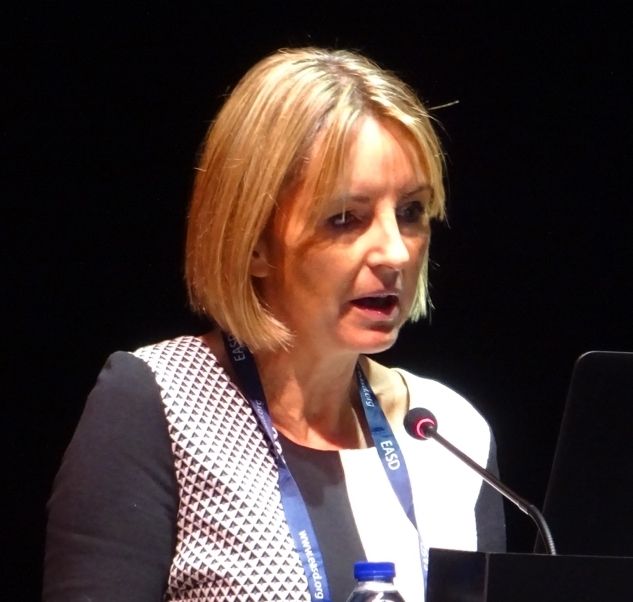
“We would suggest, on the back of these data, that CGM should be offered to all pregnant women with type 1 diabetes using intensive insulin therapy during the first trimester,” Dr. Murphy said, adding that results of the study were simultaneously published online in the Lancet (2017 Sept. 15. doi. 10.1016/S0140-6736(17)32400-5).
“The CONCEPTT study will change the future for pregnant women with diabetes,” commented Elisabeth Mathiesen, MD, who was the EASD’s invited discussant for the study, and who congratulated the investigators for “a well performed study” and being “brave,” as “performing a RCT [randomized controlled trial] in pregnancy is not easy”.
Satish Garg, MD, and Sarit Polsky, MD, of the Barbara Davis Center for Diabetes at the University of Colorado, Denver, agreed in an editorial (Lancet 2017; Sept. 12. doi: 10.1016/S0140-6736(17)32449-2) accompanying the published article that the study findings were clinically important.
“We believe that the CONCEPTT results support CGM use during pregnancy for all women with type 1 diabetes,” they wrote, adding that the mother’s “time in [glycated hemoglobin, HbA1C] range might become an important measure in pregnancies with type 1 diabetes.”
Dr. Garg and Dr. Polsky also suggested that endocrine and obstetric medical societies take note and perhaps revise accordingly their guidelines on the use of CGM during pregnancy in diabetic women.
CONCEPTT involved 325 women with type 1 diabetes; 215 were pregnant at the time of enrollment, and 110 were planning on becoming pregnant in the near future.
Co-principal investigator Denice Feig, MD, of Sinai Health System in Toronto, explained that women were eligible for inclusion in the trial if they had type 1 diabetes for at least 1 year, were aged between 18 and 40 years, and had been using daily insulin delivered by either an insulin pump or multiple daily injections (MDI). At enrollment, the participants’ insulin regimen had to been stable for at least 4 weeks before randomization to CGM with capillary glucose monitoring or capillary glucose monitoring alone and their glycemic control had to be suboptimal.
Two groups of women were studied: a “pre-pregnancy group” of women who were planning on pregnancy and wanted to optimize their glycemic control before conception, and a “pregnancy group” of women in their first trimester (less than 14 weeks’ gestation) who were due to have a live, singleton birth as confirmed by ultrasound.
The primary outcome of the trial was the change in HbA1C from baseline to 34 weeks, with pre-specified secondary outcomes of various CGM measures, neoneonatal outcomes, and patient-reported outcomes.
Pregnant women using CGM had lower HbA1C levels during the trial than women who did not have CGM monitoring, although the difference was small (–0.19%, P = .0207).
The use of CGM was associated with more time spent in target HbA1C range (68% of women using CMG vs. 61% of those not using CGM, P = .0034), with less time being hyperglycemic (27% vs. 37%, P = .0279) and comparable rates of hypoglycemia (17 vs. 21 episodes) and time spent being hypoglycemic (2% vs. 4%, P = .10).“The CGM effects were very comparable among insulin pump and MDI users and across 31 international sites,” Dr. Murphy summarized, although she noted that there was no consistent benefit of using CGM seen in women who were planning a pregnancy. Dr. Feig noted that the strengths of the study were the large sample size and that CGM was used continuously from the first trimester until delivery. Women using both pumps and MDI were included at multiple centers and countries, and HbA1C was centrally assessed, with detailed CGM measures used in an exclusively type 1 diabetes population.“Of note, one needed to treat only six women with CGM to prevent one episode of large for gestational age,” Dr. Feig reported. “One needed to treat only eight women to prevent one neonatal hypoglycemia, and six women to prevent one NICU [neonatal intensive care unit] admission over 24 hours.”
There were some limitations, of course, including: around 20% of women had missing data on their HbA1C level; women using CGM also made more unscheduled visits to their health care providers although there are no data on the frequency of self-monitoring of blood glucose or frequency of insulin bolus dosing; and the study was open label.
In her independent précis of the trial, Dr. Mathiesen, professor of endocrinology and chief physician managing pregnant women with diabetes at the Rigshospitalet University Hospital in Copenhagen, noted that there were some other downsides to using CGM in the study.

The CONCEPTT study was funded by the Juvenile Diabetes Research Foundation, the Canadian Clinical Trial Network, the National Institute for Health Research, the Center for Mother, Infant, and Child Research, and the Jaeb Center for Health Research. Medtronic also supported the study by providing the CGM sensors and systems at a reduced cost. Dr. Feig declared she had no competing interests. Dr. Murphy disclosed sitting on an advisory board for Medtronic and receiving personal fees from Novo Nordisk and Roche, unrelated to the current study. Dr. Mathiesen was the invited EASD independent commentator for the trial and did not give any disclosures. Dr. Garg has received advisory board consulting fees and research grants from Medtronic and several other pharmaceutical companies specializing in diabetes care. Dr. Polsky has received research funding from DexCom for diabetes device use in patients with diabetes paid directly to the University of Denver.
LISBON – , according to the investigators of a prospective, multicenter, randomized, controlled study who found that it improved a number of neonatal outcomes.
In the open-label Continuous Glucose Monitoring in Pregnant Women with Type 1 Diabetes(CONCEPTT) study, infants born to mothers who had used continuous glucose monitoring (CGM) versus those who had not had a 49% lower chance of being large for gestational age (53% vs. 69%, odds ratio [OR] 0.51, P = .0210) and were 52% less likely to need neonatal intensive care lasting for longer than 24 hours (27% vs. 43%, OR 0.48, P = .0157).
Neonates born to mothers who used CGM during their pregnancy were also less likely to experience hypoglycemia (15% vs. 28%, OR 0.45, P = .0250) and were able to leave the hospital with their mother 1 day earlier (P = .0091) than those born to mothers who did not use CGM.However, these were secondary outcomes of the study, which first looked at how CGM affected the glycemic profile of the mother.“To the best of our knowledge, this is the first trial to demonstrate a benefit of CGM on health outcomes beyond glucose control,” Helen Murphy, MD, one of the CONCEPTT trial’s two principal investigators, said at the annual meeting of the European Association for the Study of Diabetes.
“We would suggest, on the back of these data, that CGM should be offered to all pregnant women with type 1 diabetes using intensive insulin therapy during the first trimester,” Dr. Murphy said, adding that results of the study were simultaneously published online in the Lancet (2017 Sept. 15. doi. 10.1016/S0140-6736(17)32400-5).
“The CONCEPTT study will change the future for pregnant women with diabetes,” commented Elisabeth Mathiesen, MD, who was the EASD’s invited discussant for the study, and who congratulated the investigators for “a well performed study” and being “brave,” as “performing a RCT [randomized controlled trial] in pregnancy is not easy”.
Satish Garg, MD, and Sarit Polsky, MD, of the Barbara Davis Center for Diabetes at the University of Colorado, Denver, agreed in an editorial (Lancet 2017; Sept. 12. doi: 10.1016/S0140-6736(17)32449-2) accompanying the published article that the study findings were clinically important.
“We believe that the CONCEPTT results support CGM use during pregnancy for all women with type 1 diabetes,” they wrote, adding that the mother’s “time in [glycated hemoglobin, HbA1C] range might become an important measure in pregnancies with type 1 diabetes.”
Dr. Garg and Dr. Polsky also suggested that endocrine and obstetric medical societies take note and perhaps revise accordingly their guidelines on the use of CGM during pregnancy in diabetic women.
CONCEPTT involved 325 women with type 1 diabetes; 215 were pregnant at the time of enrollment, and 110 were planning on becoming pregnant in the near future.
Co-principal investigator Denice Feig, MD, of Sinai Health System in Toronto, explained that women were eligible for inclusion in the trial if they had type 1 diabetes for at least 1 year, were aged between 18 and 40 years, and had been using daily insulin delivered by either an insulin pump or multiple daily injections (MDI). At enrollment, the participants’ insulin regimen had to been stable for at least 4 weeks before randomization to CGM with capillary glucose monitoring or capillary glucose monitoring alone and their glycemic control had to be suboptimal.
Two groups of women were studied: a “pre-pregnancy group” of women who were planning on pregnancy and wanted to optimize their glycemic control before conception, and a “pregnancy group” of women in their first trimester (less than 14 weeks’ gestation) who were due to have a live, singleton birth as confirmed by ultrasound.
The primary outcome of the trial was the change in HbA1C from baseline to 34 weeks, with pre-specified secondary outcomes of various CGM measures, neoneonatal outcomes, and patient-reported outcomes.
Pregnant women using CGM had lower HbA1C levels during the trial than women who did not have CGM monitoring, although the difference was small (–0.19%, P = .0207).
The use of CGM was associated with more time spent in target HbA1C range (68% of women using CMG vs. 61% of those not using CGM, P = .0034), with less time being hyperglycemic (27% vs. 37%, P = .0279) and comparable rates of hypoglycemia (17 vs. 21 episodes) and time spent being hypoglycemic (2% vs. 4%, P = .10).“The CGM effects were very comparable among insulin pump and MDI users and across 31 international sites,” Dr. Murphy summarized, although she noted that there was no consistent benefit of using CGM seen in women who were planning a pregnancy. Dr. Feig noted that the strengths of the study were the large sample size and that CGM was used continuously from the first trimester until delivery. Women using both pumps and MDI were included at multiple centers and countries, and HbA1C was centrally assessed, with detailed CGM measures used in an exclusively type 1 diabetes population.“Of note, one needed to treat only six women with CGM to prevent one episode of large for gestational age,” Dr. Feig reported. “One needed to treat only eight women to prevent one neonatal hypoglycemia, and six women to prevent one NICU [neonatal intensive care unit] admission over 24 hours.”
There were some limitations, of course, including: around 20% of women had missing data on their HbA1C level; women using CGM also made more unscheduled visits to their health care providers although there are no data on the frequency of self-monitoring of blood glucose or frequency of insulin bolus dosing; and the study was open label.
In her independent précis of the trial, Dr. Mathiesen, professor of endocrinology and chief physician managing pregnant women with diabetes at the Rigshospitalet University Hospital in Copenhagen, noted that there were some other downsides to using CGM in the study.
The CONCEPTT study was funded by the Juvenile Diabetes Research Foundation, the Canadian Clinical Trial Network, the National Institute for Health Research, the Center for Mother, Infant, and Child Research, and the Jaeb Center for Health Research. Medtronic also supported the study by providing the CGM sensors and systems at a reduced cost. Dr. Feig declared she had no competing interests. Dr. Murphy disclosed sitting on an advisory board for Medtronic and receiving personal fees from Novo Nordisk and Roche, unrelated to the current study. Dr. Mathiesen was the invited EASD independent commentator for the trial and did not give any disclosures. Dr. Garg has received advisory board consulting fees and research grants from Medtronic and several other pharmaceutical companies specializing in diabetes care. Dr. Polsky has received research funding from DexCom for diabetes device use in patients with diabetes paid directly to the University of Denver.
LISBON – , according to the investigators of a prospective, multicenter, randomized, controlled study who found that it improved a number of neonatal outcomes.
In the open-label Continuous Glucose Monitoring in Pregnant Women with Type 1 Diabetes(CONCEPTT) study, infants born to mothers who had used continuous glucose monitoring (CGM) versus those who had not had a 49% lower chance of being large for gestational age (53% vs. 69%, odds ratio [OR] 0.51, P = .0210) and were 52% less likely to need neonatal intensive care lasting for longer than 24 hours (27% vs. 43%, OR 0.48, P = .0157).
Neonates born to mothers who used CGM during their pregnancy were also less likely to experience hypoglycemia (15% vs. 28%, OR 0.45, P = .0250) and were able to leave the hospital with their mother 1 day earlier (P = .0091) than those born to mothers who did not use CGM.However, these were secondary outcomes of the study, which first looked at how CGM affected the glycemic profile of the mother.“To the best of our knowledge, this is the first trial to demonstrate a benefit of CGM on health outcomes beyond glucose control,” Helen Murphy, MD, one of the CONCEPTT trial’s two principal investigators, said at the annual meeting of the European Association for the Study of Diabetes.
“We would suggest, on the back of these data, that CGM should be offered to all pregnant women with type 1 diabetes using intensive insulin therapy during the first trimester,” Dr. Murphy said, adding that results of the study were simultaneously published online in the Lancet (2017 Sept. 15. doi. 10.1016/S0140-6736(17)32400-5).
“The CONCEPTT study will change the future for pregnant women with diabetes,” commented Elisabeth Mathiesen, MD, who was the EASD’s invited discussant for the study, and who congratulated the investigators for “a well performed study” and being “brave,” as “performing a RCT [randomized controlled trial] in pregnancy is not easy”.
Satish Garg, MD, and Sarit Polsky, MD, of the Barbara Davis Center for Diabetes at the University of Colorado, Denver, agreed in an editorial (Lancet 2017; Sept. 12. doi: 10.1016/S0140-6736(17)32449-2) accompanying the published article that the study findings were clinically important.
“We believe that the CONCEPTT results support CGM use during pregnancy for all women with type 1 diabetes,” they wrote, adding that the mother’s “time in [glycated hemoglobin, HbA1C] range might become an important measure in pregnancies with type 1 diabetes.”
Dr. Garg and Dr. Polsky also suggested that endocrine and obstetric medical societies take note and perhaps revise accordingly their guidelines on the use of CGM during pregnancy in diabetic women.
CONCEPTT involved 325 women with type 1 diabetes; 215 were pregnant at the time of enrollment, and 110 were planning on becoming pregnant in the near future.
Co-principal investigator Denice Feig, MD, of Sinai Health System in Toronto, explained that women were eligible for inclusion in the trial if they had type 1 diabetes for at least 1 year, were aged between 18 and 40 years, and had been using daily insulin delivered by either an insulin pump or multiple daily injections (MDI). At enrollment, the participants’ insulin regimen had to been stable for at least 4 weeks before randomization to CGM with capillary glucose monitoring or capillary glucose monitoring alone and their glycemic control had to be suboptimal.
Two groups of women were studied: a “pre-pregnancy group” of women who were planning on pregnancy and wanted to optimize their glycemic control before conception, and a “pregnancy group” of women in their first trimester (less than 14 weeks’ gestation) who were due to have a live, singleton birth as confirmed by ultrasound.
The primary outcome of the trial was the change in HbA1C from baseline to 34 weeks, with pre-specified secondary outcomes of various CGM measures, neoneonatal outcomes, and patient-reported outcomes.
Pregnant women using CGM had lower HbA1C levels during the trial than women who did not have CGM monitoring, although the difference was small (–0.19%, P = .0207).
The use of CGM was associated with more time spent in target HbA1C range (68% of women using CMG vs. 61% of those not using CGM, P = .0034), with less time being hyperglycemic (27% vs. 37%, P = .0279) and comparable rates of hypoglycemia (17 vs. 21 episodes) and time spent being hypoglycemic (2% vs. 4%, P = .10).“The CGM effects were very comparable among insulin pump and MDI users and across 31 international sites,” Dr. Murphy summarized, although she noted that there was no consistent benefit of using CGM seen in women who were planning a pregnancy. Dr. Feig noted that the strengths of the study were the large sample size and that CGM was used continuously from the first trimester until delivery. Women using both pumps and MDI were included at multiple centers and countries, and HbA1C was centrally assessed, with detailed CGM measures used in an exclusively type 1 diabetes population.“Of note, one needed to treat only six women with CGM to prevent one episode of large for gestational age,” Dr. Feig reported. “One needed to treat only eight women to prevent one neonatal hypoglycemia, and six women to prevent one NICU [neonatal intensive care unit] admission over 24 hours.”
There were some limitations, of course, including: around 20% of women had missing data on their HbA1C level; women using CGM also made more unscheduled visits to their health care providers although there are no data on the frequency of self-monitoring of blood glucose or frequency of insulin bolus dosing; and the study was open label.
In her independent précis of the trial, Dr. Mathiesen, professor of endocrinology and chief physician managing pregnant women with diabetes at the Rigshospitalet University Hospital in Copenhagen, noted that there were some other downsides to using CGM in the study.
The CONCEPTT study was funded by the Juvenile Diabetes Research Foundation, the Canadian Clinical Trial Network, the National Institute for Health Research, the Center for Mother, Infant, and Child Research, and the Jaeb Center for Health Research. Medtronic also supported the study by providing the CGM sensors and systems at a reduced cost. Dr. Feig declared she had no competing interests. Dr. Murphy disclosed sitting on an advisory board for Medtronic and receiving personal fees from Novo Nordisk and Roche, unrelated to the current study. Dr. Mathiesen was the invited EASD independent commentator for the trial and did not give any disclosures. Dr. Garg has received advisory board consulting fees and research grants from Medtronic and several other pharmaceutical companies specializing in diabetes care. Dr. Polsky has received research funding from DexCom for diabetes device use in patients with diabetes paid directly to the University of Denver.
AT EASD 2017
Key clinical point: Continuous glucose monitoring should be offered to women with type 1 diabetes on intensive insulin therapy during their pregnancy.
Major finding: Neonatal outcomes were significantly better if women used CGM while they were pregnant than if they did not. Some maternal outcomes were also improved.
Data source: CONCEPTT: a prospective, multicenter, open-label, randomized controlled trial of 325 women with type 1 diabetes: 215 were pregnant; 110 were planning a pregnancy.
Disclosures: The study was funded by the Juvenile Diabetes Research Foundation, the Canadian Clinical Trial Network, the National Institute for Health Research, the Center for Mother, Infant, and Child Research, and the Jaeb Center for Health Research. Medtronic also supported the study by providing the CGM sensors and systems at a reduced cost. One of the study presenters disclosed sitting on an advisory board for Medtronic.
Alirocumab’s ODYSSEY continues: Efficacy unaffected by insulin, beats fenofibrate
LISBON – , plus it may have an edge over using older, add-on lipid-lowering therapies such as fibrates.
The findings were presented at the annual meeting of the European Association for the Study of Diabetes.
In one study involving 76 insulin-treated patients with T1DM, treatment with alirocumab (Praluent, Sanofi/Regeneron Pharmaceuticals) reduced low-density lipoprotein cholesterol levels by a mean of 47.8% versus placebo from baseline to week 24 (P less than .0001), the primary endpoint of the study.
Furthermore, in a separate study involving 413 patients with T2DM with mixed hyperlipidemia, alirocumab decreased levels of non–high-density lipoprotein cholesterol (non-HDL-C) by 33.3% compared with fenofibrate (P less than .0001).
These new results from the ODYSSEY DM-INSULIN and ODYSSEY DM-DYSLIPIDEMIA trials, respectively, add to those already presented this year at the annual scientific sessions of the American Diabetes Association.
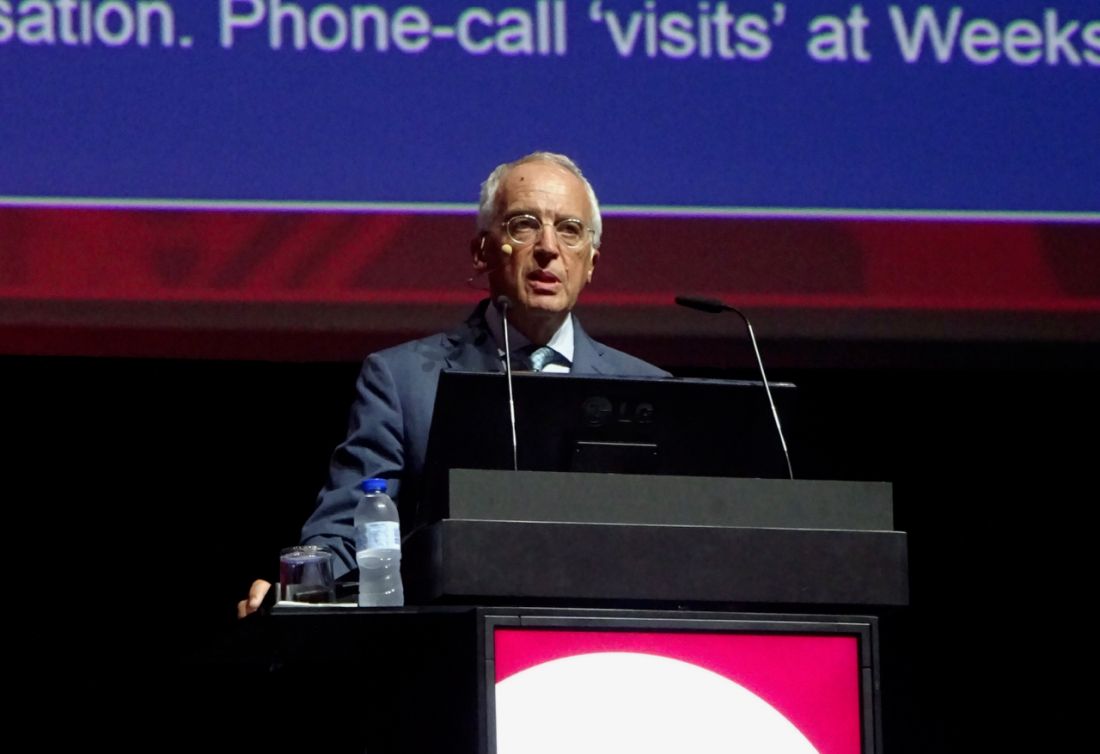
“We have studied two groups of high- to very-high cardiovascular risk patients with diabetes mellitus: those on insulin and those with mixed dyslipidemia in whom previously only secondary data were available,” said Stefano Del Prato, MD, who presented the lipid study. “These are dedicated studies in these specific populations,” he added.
In these high-risk diabetic populations, Dr. Del Prato, professor of endocrinology and metabolism and chief of the section of diabetes, University of Pisa, Italy, observed “alirocumab was superior in lipid-lowering efficacy compared to standard care, with no specific safety issues.”
Efficacy unaffected by co-administration with insulin use
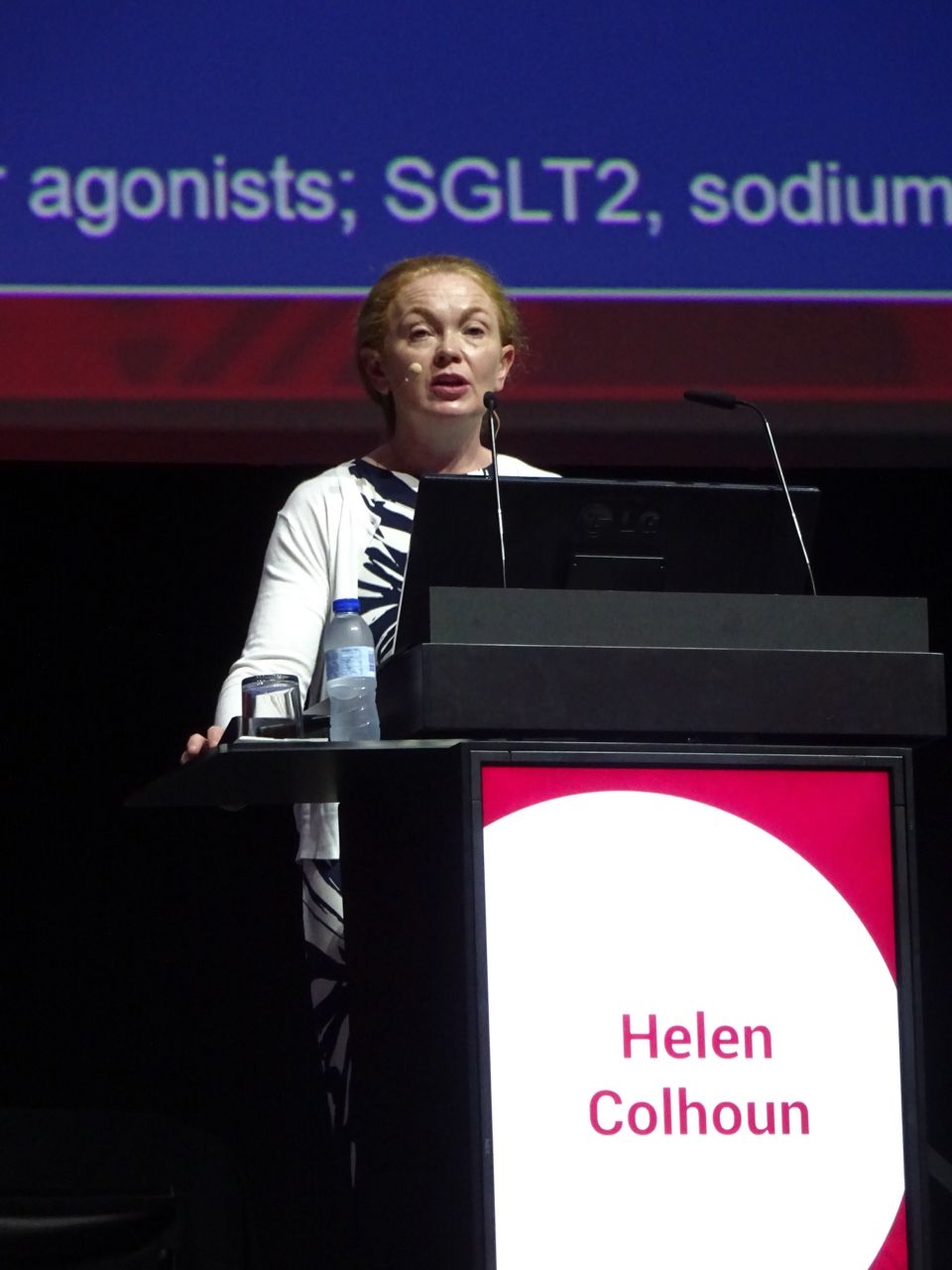
Helen Colhoun, MD, AXA chair of medical informatics and life course epidemiology at the University of Edinburgh, presented the updated findings of the ODYSSEY DM-INSULIN study, which recruited 517 patients, the majority (n = 441) of whom had T2DM.
In the study, alirocumab, a monoclonal antibody that targets proprotein convertase subtilisin–kexin type 9 (PCSK9), was compared with placebo in patients with established atherosclerotic cardiovascular disease or other cardiovascular risk factors, and in whom LDL-C was 70 mg/dL (1.8 mmol/L) or higher.
The percentage change in LDL-C from baseline to week 24 was similarly reduced in T1DM and T2DM, Dr. Colhoun observed, and commensurate with data seen across the ODYSSEY phase III trials program. Of note, the majority of type 2 (80%) and type 1 (63%) patients did not need the dose of alirocumab to be increased and remained on the starting dose of 75 mg every 2 weeks.
The results of the ODYSSEY DM-INSULIN trial, which were published online, Sept. 14, 2017, to coincide with their presentation at the meeting, also showed that the percentage change in LDL-C over time is “well sustained” and that 70% and 76% of patients with T1DM and T2DM, respectively, can achieve an LDL-C target of less than 70 mg/dL (1.8 mmol/L) and 79% and 71% can hit a non-HDL-C target of less than 100 mg/dL (2.6 mmol/L).
Other lipid parameters – including apolipoprotein (Apo) B, total cholesterol, Lp(a), and triglycerides – were also reduced to a greater extent in patients treated with alirocumab versus those given placebo. Dr. Colhoun drew attention to the reduction in Lp(a), which dropped by 23% in patients with T1DM and by 19% in patients with T2DM, as it is an important risk factor for peripheral vascular disease, and it is not affected by statin therapy.
“What this trial has told us is that coadministering alirocumab with insulin does not adversely affect its efficacy,” said Dr. Colhoun. “There’s absolutely no evidence of alirocumab altering HbA1c or fasting plasma glucose,” she added. There was also no affect on how patients were treated, either with insulin therapy or antihyperglycemic drugs.
Overall safety findings were “reassuring” and anti-drug antibodies were rare (2.1%) and did not affect the lipid-lowering effects of alirocumab.
Alirocumab beats fenofibrate as add-on lipid-lowering therapy
Presenting the ODYSSEY DM-DYSLIPIDEMIA data, which involved patients with T2DM, Dr. Del Prato observed that alirocumab was “generally well tolerated” and did not affect HbA1c or fasting plasma glucose levels.
He presented new data from a prespecified analysis that looked at the subgroup of 72 patients who were randomized into an alirocumab (n = 48) or fenofibrate (n = 24) as usual care arm. Dr. Del Prato reminded the audience that the choice of usual treatment was decided by the study investigators prior to randomizing patients, and that other usual care treatments included in the study were ezetimibe, omega-3 fatty acids, nicotinic acid, or no lipid-lowering therapy.
As in the insulin study, the majority (63.6%) of patients treated with alirocumab remained on the starting dose of 75 mg every 2 weeks and did not need up-titration.
Changes in the percentage of non-HDL-C from baseline over time were greater in the alirocumab group than in the usual care group, both in the overall population and in the fenofibrate subanalysis.
Higher percentages of patients treated with alirocumab achieved non-HDL-C compared with those given usual care (66.9% vs. 17.7% in overall population, 65.2% vs. 10.1% in fenofibrate sub-analysis) and LDL-C (70.8% vs. 16.3% and 71.9% vs. 17.5%, respectively) goals at week 24.
Alirocumab also significantly reduced levels of Apo B, total cholesterol, and Lp(a) versus the overall usual care group and also versus the fenofibrate usual care group, Dr. Del Prato said.
Taking the two studies together, he concluded: “These data support alirocumab as a treatment option in people with diabetes mellitus and hypercholesterolemia despite maximally tolerated statins,” Dr. Del Prato said.
Will the lipid-benefits translate into improved cardiovascular outcomes?
The question now is whether the lipid-lowering effects of alirocumab in patients with diabetes will translate into improved cardiovascular outcomes in patients with diabetes.
The results of the ODYSSEY OUTCOMES trial, which is evaluating cardiovascular outcomes during treatment with alirocumab after an acute coronary syndrome, are expected next year. While the trial is not being conducted specifically in patients with diabetes, it is expected that there will be subpopulations of T1DM and T2DM patients included.
Cardiovascular outcomes data on the PCSK9 inhibitor, evolocumab (Repatha, Amgen) in the FOURIER trial were published in March (N Engl J Med 2017;376:1713-22) and provide some evidence that a reduction in major cardiovascular events may be possible with these agents.
Providing independent comment on the study, Angelo Avogaro, MD, of the University of Padova, Italy, said that the additional LDL-C lowering effect of alirocumab on top of statins could theoretically halve the projected 10-year risk of cardiovascular disease using data from the two ODYSSEY studies and the UKPDS Risk Engine. Using a baseline 10-year cardiovascular risk of around 26%-28%, this could be reduced to 11%-13%, he suggested.
Of note, Dr. Avogaro said, was that, at baseline, not all patients were on high intensity statins, the majority received moderate doses, with a good number of patients taking none or who were intolerant to statins included. “This, I like,” he observed.
A reassuring point was that there was no signal of having a detrimental effect on neurocognitive dysfunction, Dr. Avogaro observed, which concurs with recent data published on evolocumab (N Engl J Med 2017; 377:633-43).
Nevertheless, longer-follow-up is needed to examine adverse effects, “especially in those insulin-treated patients experiencing severe hypoglycemic reactions.”
The ODYSSEY DM studies were funded by Sanofi and Regeneron Pharmaceuticals.
Dr. Colhoun has received research grants from AstraZeneca, Bayer, Boehringer Ingelheim, Eli Lilly, Pfizer, Regeneron Pharmaceuticals, Roche Pharmaceuticals, and Sanofi. She has also been a consultant for Eli Lilly, Regeneron Pharmaceuticals, and Sanofi.
Dr. Del Prato has received research funding from AstraZeneca, Boehringer Ingelheim, Novartis, Merck Sharpe & Dohme, and Novo Nordisk. He is a consultant for or has received honoraria from the preceding companies, as well as from Eli Lilly, GlaxoSmithKline, Janssen Pharmaceuticals, Laboratoires Servier, Sanofi-Aventis, and Takeda Pharmaceuticals.
LISBON – , plus it may have an edge over using older, add-on lipid-lowering therapies such as fibrates.
The findings were presented at the annual meeting of the European Association for the Study of Diabetes.
In one study involving 76 insulin-treated patients with T1DM, treatment with alirocumab (Praluent, Sanofi/Regeneron Pharmaceuticals) reduced low-density lipoprotein cholesterol levels by a mean of 47.8% versus placebo from baseline to week 24 (P less than .0001), the primary endpoint of the study.
Furthermore, in a separate study involving 413 patients with T2DM with mixed hyperlipidemia, alirocumab decreased levels of non–high-density lipoprotein cholesterol (non-HDL-C) by 33.3% compared with fenofibrate (P less than .0001).
These new results from the ODYSSEY DM-INSULIN and ODYSSEY DM-DYSLIPIDEMIA trials, respectively, add to those already presented this year at the annual scientific sessions of the American Diabetes Association.
“We have studied two groups of high- to very-high cardiovascular risk patients with diabetes mellitus: those on insulin and those with mixed dyslipidemia in whom previously only secondary data were available,” said Stefano Del Prato, MD, who presented the lipid study. “These are dedicated studies in these specific populations,” he added.
In these high-risk diabetic populations, Dr. Del Prato, professor of endocrinology and metabolism and chief of the section of diabetes, University of Pisa, Italy, observed “alirocumab was superior in lipid-lowering efficacy compared to standard care, with no specific safety issues.”
Efficacy unaffected by co-administration with insulin use
Helen Colhoun, MD, AXA chair of medical informatics and life course epidemiology at the University of Edinburgh, presented the updated findings of the ODYSSEY DM-INSULIN study, which recruited 517 patients, the majority (n = 441) of whom had T2DM.
In the study, alirocumab, a monoclonal antibody that targets proprotein convertase subtilisin–kexin type 9 (PCSK9), was compared with placebo in patients with established atherosclerotic cardiovascular disease or other cardiovascular risk factors, and in whom LDL-C was 70 mg/dL (1.8 mmol/L) or higher.
The percentage change in LDL-C from baseline to week 24 was similarly reduced in T1DM and T2DM, Dr. Colhoun observed, and commensurate with data seen across the ODYSSEY phase III trials program. Of note, the majority of type 2 (80%) and type 1 (63%) patients did not need the dose of alirocumab to be increased and remained on the starting dose of 75 mg every 2 weeks.
The results of the ODYSSEY DM-INSULIN trial, which were published online, Sept. 14, 2017, to coincide with their presentation at the meeting, also showed that the percentage change in LDL-C over time is “well sustained” and that 70% and 76% of patients with T1DM and T2DM, respectively, can achieve an LDL-C target of less than 70 mg/dL (1.8 mmol/L) and 79% and 71% can hit a non-HDL-C target of less than 100 mg/dL (2.6 mmol/L).
Other lipid parameters – including apolipoprotein (Apo) B, total cholesterol, Lp(a), and triglycerides – were also reduced to a greater extent in patients treated with alirocumab versus those given placebo. Dr. Colhoun drew attention to the reduction in Lp(a), which dropped by 23% in patients with T1DM and by 19% in patients with T2DM, as it is an important risk factor for peripheral vascular disease, and it is not affected by statin therapy.
“What this trial has told us is that coadministering alirocumab with insulin does not adversely affect its efficacy,” said Dr. Colhoun. “There’s absolutely no evidence of alirocumab altering HbA1c or fasting plasma glucose,” she added. There was also no affect on how patients were treated, either with insulin therapy or antihyperglycemic drugs.
Overall safety findings were “reassuring” and anti-drug antibodies were rare (2.1%) and did not affect the lipid-lowering effects of alirocumab.
Alirocumab beats fenofibrate as add-on lipid-lowering therapy
Presenting the ODYSSEY DM-DYSLIPIDEMIA data, which involved patients with T2DM, Dr. Del Prato observed that alirocumab was “generally well tolerated” and did not affect HbA1c or fasting plasma glucose levels.
He presented new data from a prespecified analysis that looked at the subgroup of 72 patients who were randomized into an alirocumab (n = 48) or fenofibrate (n = 24) as usual care arm. Dr. Del Prato reminded the audience that the choice of usual treatment was decided by the study investigators prior to randomizing patients, and that other usual care treatments included in the study were ezetimibe, omega-3 fatty acids, nicotinic acid, or no lipid-lowering therapy.
As in the insulin study, the majority (63.6%) of patients treated with alirocumab remained on the starting dose of 75 mg every 2 weeks and did not need up-titration.
Changes in the percentage of non-HDL-C from baseline over time were greater in the alirocumab group than in the usual care group, both in the overall population and in the fenofibrate subanalysis.
Higher percentages of patients treated with alirocumab achieved non-HDL-C compared with those given usual care (66.9% vs. 17.7% in overall population, 65.2% vs. 10.1% in fenofibrate sub-analysis) and LDL-C (70.8% vs. 16.3% and 71.9% vs. 17.5%, respectively) goals at week 24.
Alirocumab also significantly reduced levels of Apo B, total cholesterol, and Lp(a) versus the overall usual care group and also versus the fenofibrate usual care group, Dr. Del Prato said.
Taking the two studies together, he concluded: “These data support alirocumab as a treatment option in people with diabetes mellitus and hypercholesterolemia despite maximally tolerated statins,” Dr. Del Prato said.
Will the lipid-benefits translate into improved cardiovascular outcomes?
The question now is whether the lipid-lowering effects of alirocumab in patients with diabetes will translate into improved cardiovascular outcomes in patients with diabetes.
The results of the ODYSSEY OUTCOMES trial, which is evaluating cardiovascular outcomes during treatment with alirocumab after an acute coronary syndrome, are expected next year. While the trial is not being conducted specifically in patients with diabetes, it is expected that there will be subpopulations of T1DM and T2DM patients included.
Cardiovascular outcomes data on the PCSK9 inhibitor, evolocumab (Repatha, Amgen) in the FOURIER trial were published in March (N Engl J Med 2017;376:1713-22) and provide some evidence that a reduction in major cardiovascular events may be possible with these agents.
Providing independent comment on the study, Angelo Avogaro, MD, of the University of Padova, Italy, said that the additional LDL-C lowering effect of alirocumab on top of statins could theoretically halve the projected 10-year risk of cardiovascular disease using data from the two ODYSSEY studies and the UKPDS Risk Engine. Using a baseline 10-year cardiovascular risk of around 26%-28%, this could be reduced to 11%-13%, he suggested.
Of note, Dr. Avogaro said, was that, at baseline, not all patients were on high intensity statins, the majority received moderate doses, with a good number of patients taking none or who were intolerant to statins included. “This, I like,” he observed.
A reassuring point was that there was no signal of having a detrimental effect on neurocognitive dysfunction, Dr. Avogaro observed, which concurs with recent data published on evolocumab (N Engl J Med 2017; 377:633-43).
Nevertheless, longer-follow-up is needed to examine adverse effects, “especially in those insulin-treated patients experiencing severe hypoglycemic reactions.”
The ODYSSEY DM studies were funded by Sanofi and Regeneron Pharmaceuticals.
Dr. Colhoun has received research grants from AstraZeneca, Bayer, Boehringer Ingelheim, Eli Lilly, Pfizer, Regeneron Pharmaceuticals, Roche Pharmaceuticals, and Sanofi. She has also been a consultant for Eli Lilly, Regeneron Pharmaceuticals, and Sanofi.
Dr. Del Prato has received research funding from AstraZeneca, Boehringer Ingelheim, Novartis, Merck Sharpe & Dohme, and Novo Nordisk. He is a consultant for or has received honoraria from the preceding companies, as well as from Eli Lilly, GlaxoSmithKline, Janssen Pharmaceuticals, Laboratoires Servier, Sanofi-Aventis, and Takeda Pharmaceuticals.
LISBON – , plus it may have an edge over using older, add-on lipid-lowering therapies such as fibrates.
The findings were presented at the annual meeting of the European Association for the Study of Diabetes.
In one study involving 76 insulin-treated patients with T1DM, treatment with alirocumab (Praluent, Sanofi/Regeneron Pharmaceuticals) reduced low-density lipoprotein cholesterol levels by a mean of 47.8% versus placebo from baseline to week 24 (P less than .0001), the primary endpoint of the study.
Furthermore, in a separate study involving 413 patients with T2DM with mixed hyperlipidemia, alirocumab decreased levels of non–high-density lipoprotein cholesterol (non-HDL-C) by 33.3% compared with fenofibrate (P less than .0001).
These new results from the ODYSSEY DM-INSULIN and ODYSSEY DM-DYSLIPIDEMIA trials, respectively, add to those already presented this year at the annual scientific sessions of the American Diabetes Association.
“We have studied two groups of high- to very-high cardiovascular risk patients with diabetes mellitus: those on insulin and those with mixed dyslipidemia in whom previously only secondary data were available,” said Stefano Del Prato, MD, who presented the lipid study. “These are dedicated studies in these specific populations,” he added.
In these high-risk diabetic populations, Dr. Del Prato, professor of endocrinology and metabolism and chief of the section of diabetes, University of Pisa, Italy, observed “alirocumab was superior in lipid-lowering efficacy compared to standard care, with no specific safety issues.”
Efficacy unaffected by co-administration with insulin use
Helen Colhoun, MD, AXA chair of medical informatics and life course epidemiology at the University of Edinburgh, presented the updated findings of the ODYSSEY DM-INSULIN study, which recruited 517 patients, the majority (n = 441) of whom had T2DM.
In the study, alirocumab, a monoclonal antibody that targets proprotein convertase subtilisin–kexin type 9 (PCSK9), was compared with placebo in patients with established atherosclerotic cardiovascular disease or other cardiovascular risk factors, and in whom LDL-C was 70 mg/dL (1.8 mmol/L) or higher.
The percentage change in LDL-C from baseline to week 24 was similarly reduced in T1DM and T2DM, Dr. Colhoun observed, and commensurate with data seen across the ODYSSEY phase III trials program. Of note, the majority of type 2 (80%) and type 1 (63%) patients did not need the dose of alirocumab to be increased and remained on the starting dose of 75 mg every 2 weeks.
The results of the ODYSSEY DM-INSULIN trial, which were published online, Sept. 14, 2017, to coincide with their presentation at the meeting, also showed that the percentage change in LDL-C over time is “well sustained” and that 70% and 76% of patients with T1DM and T2DM, respectively, can achieve an LDL-C target of less than 70 mg/dL (1.8 mmol/L) and 79% and 71% can hit a non-HDL-C target of less than 100 mg/dL (2.6 mmol/L).
Other lipid parameters – including apolipoprotein (Apo) B, total cholesterol, Lp(a), and triglycerides – were also reduced to a greater extent in patients treated with alirocumab versus those given placebo. Dr. Colhoun drew attention to the reduction in Lp(a), which dropped by 23% in patients with T1DM and by 19% in patients with T2DM, as it is an important risk factor for peripheral vascular disease, and it is not affected by statin therapy.
“What this trial has told us is that coadministering alirocumab with insulin does not adversely affect its efficacy,” said Dr. Colhoun. “There’s absolutely no evidence of alirocumab altering HbA1c or fasting plasma glucose,” she added. There was also no affect on how patients were treated, either with insulin therapy or antihyperglycemic drugs.
Overall safety findings were “reassuring” and anti-drug antibodies were rare (2.1%) and did not affect the lipid-lowering effects of alirocumab.
Alirocumab beats fenofibrate as add-on lipid-lowering therapy
Presenting the ODYSSEY DM-DYSLIPIDEMIA data, which involved patients with T2DM, Dr. Del Prato observed that alirocumab was “generally well tolerated” and did not affect HbA1c or fasting plasma glucose levels.
He presented new data from a prespecified analysis that looked at the subgroup of 72 patients who were randomized into an alirocumab (n = 48) or fenofibrate (n = 24) as usual care arm. Dr. Del Prato reminded the audience that the choice of usual treatment was decided by the study investigators prior to randomizing patients, and that other usual care treatments included in the study were ezetimibe, omega-3 fatty acids, nicotinic acid, or no lipid-lowering therapy.
As in the insulin study, the majority (63.6%) of patients treated with alirocumab remained on the starting dose of 75 mg every 2 weeks and did not need up-titration.
Changes in the percentage of non-HDL-C from baseline over time were greater in the alirocumab group than in the usual care group, both in the overall population and in the fenofibrate subanalysis.
Higher percentages of patients treated with alirocumab achieved non-HDL-C compared with those given usual care (66.9% vs. 17.7% in overall population, 65.2% vs. 10.1% in fenofibrate sub-analysis) and LDL-C (70.8% vs. 16.3% and 71.9% vs. 17.5%, respectively) goals at week 24.
Alirocumab also significantly reduced levels of Apo B, total cholesterol, and Lp(a) versus the overall usual care group and also versus the fenofibrate usual care group, Dr. Del Prato said.
Taking the two studies together, he concluded: “These data support alirocumab as a treatment option in people with diabetes mellitus and hypercholesterolemia despite maximally tolerated statins,” Dr. Del Prato said.
Will the lipid-benefits translate into improved cardiovascular outcomes?
The question now is whether the lipid-lowering effects of alirocumab in patients with diabetes will translate into improved cardiovascular outcomes in patients with diabetes.
The results of the ODYSSEY OUTCOMES trial, which is evaluating cardiovascular outcomes during treatment with alirocumab after an acute coronary syndrome, are expected next year. While the trial is not being conducted specifically in patients with diabetes, it is expected that there will be subpopulations of T1DM and T2DM patients included.
Cardiovascular outcomes data on the PCSK9 inhibitor, evolocumab (Repatha, Amgen) in the FOURIER trial were published in March (N Engl J Med 2017;376:1713-22) and provide some evidence that a reduction in major cardiovascular events may be possible with these agents.
Providing independent comment on the study, Angelo Avogaro, MD, of the University of Padova, Italy, said that the additional LDL-C lowering effect of alirocumab on top of statins could theoretically halve the projected 10-year risk of cardiovascular disease using data from the two ODYSSEY studies and the UKPDS Risk Engine. Using a baseline 10-year cardiovascular risk of around 26%-28%, this could be reduced to 11%-13%, he suggested.
Of note, Dr. Avogaro said, was that, at baseline, not all patients were on high intensity statins, the majority received moderate doses, with a good number of patients taking none or who were intolerant to statins included. “This, I like,” he observed.
A reassuring point was that there was no signal of having a detrimental effect on neurocognitive dysfunction, Dr. Avogaro observed, which concurs with recent data published on evolocumab (N Engl J Med 2017; 377:633-43).
Nevertheless, longer-follow-up is needed to examine adverse effects, “especially in those insulin-treated patients experiencing severe hypoglycemic reactions.”
The ODYSSEY DM studies were funded by Sanofi and Regeneron Pharmaceuticals.
Dr. Colhoun has received research grants from AstraZeneca, Bayer, Boehringer Ingelheim, Eli Lilly, Pfizer, Regeneron Pharmaceuticals, Roche Pharmaceuticals, and Sanofi. She has also been a consultant for Eli Lilly, Regeneron Pharmaceuticals, and Sanofi.
Dr. Del Prato has received research funding from AstraZeneca, Boehringer Ingelheim, Novartis, Merck Sharpe & Dohme, and Novo Nordisk. He is a consultant for or has received honoraria from the preceding companies, as well as from Eli Lilly, GlaxoSmithKline, Janssen Pharmaceuticals, Laboratoires Servier, Sanofi-Aventis, and Takeda Pharmaceuticals.
AT EASD 2017
Key clinical point: Alicrocumab significantly reduced lipids in patients with type 1 and type 2 diabetes who remain at high cardiovascular risk despite statin therapy.
Major findings: From baseline to week 24, greater mean differences in low-density lipoprotein cholesterol were seen with alirocumab versus placebo in both T1DM (47.8%) and T2DM (49%) insulin-treated patients. In a separate trial, a 33% mean difference was seen between alirocumab and fenofibrate in the reduction of non–high density lipoprotein cholesterol.
Data source: Two randomized, controlled trials of alirocumab: ODYSSEY DM-INSULIN involving 441 T2DM and 76 T1DM insulin-treated patients and ODYSSEY DM-DYSLIPIDEMIA in 413 T2DM patients with mixed dyslipidemia.
Disclosures: Sanofi and Regeneron Pharmaceuticals funded the studies. All speakers except for the independent commentator disclosed receiving advisory fees, research grants, or both, from Sanofi/Regeneron Pharmaceuticals in addition to other companies involved in the manufacture and sale of drugs to treat diabetes.
AWARD-7: Dulaglutide benefits patients with diabetic renal disease
LISBON – Patients with type 2 diabetes mellitus who also have moderate-to-severe chronic kidney disease (CKD) may be as effectively treated with the glucagonlike peptide–1 receptor agonist dulaglutide (Trulicity) as insulin glargine, the results of an international study showed.
Although comparable effects on glycemic control were seen, patients who received dulaglutide rather than insulin glargine in conjunction with prandial insulin lispro (Humalog) exhibited greater weight loss, had fewer episodes of hypoglycemia, and experienced beneficial effects on two important renal parameters.
The adverse event profile of dulaglutide was typical of that seen with GLP-1 receptor antagonism, noted Dr. Tuttle, who is the executive director of Providence Medical Research Center, Providence Sacred Heart Medical Center in Spokane, Washington, and clinical professor of medicine in the nephrology division at the University of Washington in Seattle.
In Europe, the use of dulaglutide in patients with severely reduced kidney function is not currently recommended, and monitoring is required in the United States in those with gastrointestinal side effects.
AWARD-7 was a randomized, open-label parallel-arm study comparing once-weekly dulaglutide (0.75 mg or 1.5 mg) with insulin glargine plus prandial insulin lispro in 576 subjects who had T2DM and stage 3-4 chronic kidney disease. The aim of the trial was to show noninferiority of the dulaglutide regimen to the insulin glargine regimen.
The trial was open label because the dose of insulin glargine had to be regulated, Dr. Tuttle explained, but the dose of dulaglutide given was blinded. The dose of insulin glargine was targeted to fasting plasma glucose to achieve a value between 5.6 mmol/L and 8.3 mmol/L. The dose of insulin lispro was also adjusted to target preprandial plasma glucose between 6.7 mmol/L and 10.0 mmol/L.
Patients were included if they had a glycated hemoglobin (HbA1c) level of at least 7.5% but less than or equal to 10.5% (at least 57 but less than or equal to 91 mmol/mol) and an eGFR less than 60 but greater than or equal to 15 mL/min per 1.73 m2 at screening.
Approximately 45% of dulaglutide- and 52% of glargine-treated subjects were women; the average age of participants was 65 years, with an average duration of diabetes of around 18 years. The mean HbA1c level at study entry was 8.6% (70.5 mmol/mol), with around half of participants having a HbA1c above 8.5% (69.4 mmol/mol) at entry.
The majority of patients included had an eGFR of less than 45 mL/min per 1.73 m2, and about 30% of patients had stage 4 CKD (eGFR at least 15 but less than 30 mL/min per 1.73 m2), about 45% had macroalbuminuria, and a third or more had microalbuminuria.
The primary endpoint was change in HbA1c from baseline to week 26, and this was comparable for both dulaglutide (at around –1.1% to –1.2%) and insulin glargine (around –1.1%). The effects were maintained at 52 weeks, Dr. Tuttle said, adding that similar percentages (approximately 70% or more) of patients in the groups achieved a target HbA1c of less than 8.0 (64 mmol/mol) at 26 and at 52 weeks. Similar results were seen when the more conventional target of less than 7% (less than 52 mmol/mol) was used, with around 30% of patients achieving this target at 26 and at 52 weeks.
As for weight change, the insulin-treated patients gained about 1 kg in weight over the full course of the study while a dose-dependent decrease in weight of about 2-3 kg was seen with dulaglutide treatment.
“Rates of hypoglycemia were consistently lower in the dulaglutide groups [than in the glargine group],” Dr. Tuttle said, noting “the lowest rates of hypoglycemia were actually seen with the highest dose of dulaglutide.”
The rate of total hypoglycemia (less than or equal to 3.9 mmol/mol) in the 1.5-mg and 0.75-mg dulaglutide groups was 50% and 59.8% of patients, respectively, versus almost 75% of the glargine-treated patients. Rates for documented symptomatic (40.5%, 48.1%, 63.4%), nocturnal (20.5%, 23.8%, 47.9%), and severe (0%, 2.6%, 6.7%) hypoglycemia followed a similar pattern.
“Albuminuria was reduced in all study groups, but there were greater reductions in the patients receiving dulaglutide at 26 weeks,” Dr. Tuttle said. The mean change in UACR from baseline to week 26 was –27.7 for the 1.5-mg dose of dulaglutide, –26.7 for the 0.75-mg dose, and –16.4 for insulin glargine.
The expected rate of eGFR decline at week 26 was also lower with dulaglutide 1.5 mg and 0.75 mg than with glargine, at a respective –0.8%, –3.3%, and –7.7% or –0.1, –0.4, and –1.9 mL/min per 1.73 m2.
“In patients at this stage of CKD, we expect about a 4- to 5-mL per minute loss, so they are right on target or as expected in the insulin group, but this was essentially extinguished in the dulaglutide groups, where there was no significant loss in eGFR during the 26-week time period,” said Dr. Tuttle.
The only difference in side effect profiles between the dulaglutide groups and the glargine group was a higher rate of gastrointestinal side effects. Nausea was seen in 19.8%, 14.2%, and 4.6% of patients given the dulaglutide 1.5 mg, dulaglutide 0.75 mg, and glargine, respectively, with vomiting reported by 13.5%, 8.4%, and 4.6%.
Eli Lilly funded the study. Dr. Tuttle disclosed acting as a consultant on therapies for diabetic kidney disease for Eli Lilly, Boehringer Ingelheim, Gilead, and AstraZeneca.
This article was updated September 28, 2017.
LISBON – Patients with type 2 diabetes mellitus who also have moderate-to-severe chronic kidney disease (CKD) may be as effectively treated with the glucagonlike peptide–1 receptor agonist dulaglutide (Trulicity) as insulin glargine, the results of an international study showed.
Although comparable effects on glycemic control were seen, patients who received dulaglutide rather than insulin glargine in conjunction with prandial insulin lispro (Humalog) exhibited greater weight loss, had fewer episodes of hypoglycemia, and experienced beneficial effects on two important renal parameters.
The adverse event profile of dulaglutide was typical of that seen with GLP-1 receptor antagonism, noted Dr. Tuttle, who is the executive director of Providence Medical Research Center, Providence Sacred Heart Medical Center in Spokane, Washington, and clinical professor of medicine in the nephrology division at the University of Washington in Seattle.
In Europe, the use of dulaglutide in patients with severely reduced kidney function is not currently recommended, and monitoring is required in the United States in those with gastrointestinal side effects.
AWARD-7 was a randomized, open-label parallel-arm study comparing once-weekly dulaglutide (0.75 mg or 1.5 mg) with insulin glargine plus prandial insulin lispro in 576 subjects who had T2DM and stage 3-4 chronic kidney disease. The aim of the trial was to show noninferiority of the dulaglutide regimen to the insulin glargine regimen.
The trial was open label because the dose of insulin glargine had to be regulated, Dr. Tuttle explained, but the dose of dulaglutide given was blinded. The dose of insulin glargine was targeted to fasting plasma glucose to achieve a value between 5.6 mmol/L and 8.3 mmol/L. The dose of insulin lispro was also adjusted to target preprandial plasma glucose between 6.7 mmol/L and 10.0 mmol/L.
Patients were included if they had a glycated hemoglobin (HbA1c) level of at least 7.5% but less than or equal to 10.5% (at least 57 but less than or equal to 91 mmol/mol) and an eGFR less than 60 but greater than or equal to 15 mL/min per 1.73 m2 at screening.
Approximately 45% of dulaglutide- and 52% of glargine-treated subjects were women; the average age of participants was 65 years, with an average duration of diabetes of around 18 years. The mean HbA1c level at study entry was 8.6% (70.5 mmol/mol), with around half of participants having a HbA1c above 8.5% (69.4 mmol/mol) at entry.
The majority of patients included had an eGFR of less than 45 mL/min per 1.73 m2, and about 30% of patients had stage 4 CKD (eGFR at least 15 but less than 30 mL/min per 1.73 m2), about 45% had macroalbuminuria, and a third or more had microalbuminuria.
The primary endpoint was change in HbA1c from baseline to week 26, and this was comparable for both dulaglutide (at around –1.1% to –1.2%) and insulin glargine (around –1.1%). The effects were maintained at 52 weeks, Dr. Tuttle said, adding that similar percentages (approximately 70% or more) of patients in the groups achieved a target HbA1c of less than 8.0 (64 mmol/mol) at 26 and at 52 weeks. Similar results were seen when the more conventional target of less than 7% (less than 52 mmol/mol) was used, with around 30% of patients achieving this target at 26 and at 52 weeks.
As for weight change, the insulin-treated patients gained about 1 kg in weight over the full course of the study while a dose-dependent decrease in weight of about 2-3 kg was seen with dulaglutide treatment.
“Rates of hypoglycemia were consistently lower in the dulaglutide groups [than in the glargine group],” Dr. Tuttle said, noting “the lowest rates of hypoglycemia were actually seen with the highest dose of dulaglutide.”
The rate of total hypoglycemia (less than or equal to 3.9 mmol/mol) in the 1.5-mg and 0.75-mg dulaglutide groups was 50% and 59.8% of patients, respectively, versus almost 75% of the glargine-treated patients. Rates for documented symptomatic (40.5%, 48.1%, 63.4%), nocturnal (20.5%, 23.8%, 47.9%), and severe (0%, 2.6%, 6.7%) hypoglycemia followed a similar pattern.
“Albuminuria was reduced in all study groups, but there were greater reductions in the patients receiving dulaglutide at 26 weeks,” Dr. Tuttle said. The mean change in UACR from baseline to week 26 was –27.7 for the 1.5-mg dose of dulaglutide, –26.7 for the 0.75-mg dose, and –16.4 for insulin glargine.
The expected rate of eGFR decline at week 26 was also lower with dulaglutide 1.5 mg and 0.75 mg than with glargine, at a respective –0.8%, –3.3%, and –7.7% or –0.1, –0.4, and –1.9 mL/min per 1.73 m2.
“In patients at this stage of CKD, we expect about a 4- to 5-mL per minute loss, so they are right on target or as expected in the insulin group, but this was essentially extinguished in the dulaglutide groups, where there was no significant loss in eGFR during the 26-week time period,” said Dr. Tuttle.
The only difference in side effect profiles between the dulaglutide groups and the glargine group was a higher rate of gastrointestinal side effects. Nausea was seen in 19.8%, 14.2%, and 4.6% of patients given the dulaglutide 1.5 mg, dulaglutide 0.75 mg, and glargine, respectively, with vomiting reported by 13.5%, 8.4%, and 4.6%.
Eli Lilly funded the study. Dr. Tuttle disclosed acting as a consultant on therapies for diabetic kidney disease for Eli Lilly, Boehringer Ingelheim, Gilead, and AstraZeneca.
This article was updated September 28, 2017.
LISBON – Patients with type 2 diabetes mellitus who also have moderate-to-severe chronic kidney disease (CKD) may be as effectively treated with the glucagonlike peptide–1 receptor agonist dulaglutide (Trulicity) as insulin glargine, the results of an international study showed.
Although comparable effects on glycemic control were seen, patients who received dulaglutide rather than insulin glargine in conjunction with prandial insulin lispro (Humalog) exhibited greater weight loss, had fewer episodes of hypoglycemia, and experienced beneficial effects on two important renal parameters.
The adverse event profile of dulaglutide was typical of that seen with GLP-1 receptor antagonism, noted Dr. Tuttle, who is the executive director of Providence Medical Research Center, Providence Sacred Heart Medical Center in Spokane, Washington, and clinical professor of medicine in the nephrology division at the University of Washington in Seattle.
In Europe, the use of dulaglutide in patients with severely reduced kidney function is not currently recommended, and monitoring is required in the United States in those with gastrointestinal side effects.
AWARD-7 was a randomized, open-label parallel-arm study comparing once-weekly dulaglutide (0.75 mg or 1.5 mg) with insulin glargine plus prandial insulin lispro in 576 subjects who had T2DM and stage 3-4 chronic kidney disease. The aim of the trial was to show noninferiority of the dulaglutide regimen to the insulin glargine regimen.
The trial was open label because the dose of insulin glargine had to be regulated, Dr. Tuttle explained, but the dose of dulaglutide given was blinded. The dose of insulin glargine was targeted to fasting plasma glucose to achieve a value between 5.6 mmol/L and 8.3 mmol/L. The dose of insulin lispro was also adjusted to target preprandial plasma glucose between 6.7 mmol/L and 10.0 mmol/L.
Patients were included if they had a glycated hemoglobin (HbA1c) level of at least 7.5% but less than or equal to 10.5% (at least 57 but less than or equal to 91 mmol/mol) and an eGFR less than 60 but greater than or equal to 15 mL/min per 1.73 m2 at screening.
Approximately 45% of dulaglutide- and 52% of glargine-treated subjects were women; the average age of participants was 65 years, with an average duration of diabetes of around 18 years. The mean HbA1c level at study entry was 8.6% (70.5 mmol/mol), with around half of participants having a HbA1c above 8.5% (69.4 mmol/mol) at entry.
The majority of patients included had an eGFR of less than 45 mL/min per 1.73 m2, and about 30% of patients had stage 4 CKD (eGFR at least 15 but less than 30 mL/min per 1.73 m2), about 45% had macroalbuminuria, and a third or more had microalbuminuria.
The primary endpoint was change in HbA1c from baseline to week 26, and this was comparable for both dulaglutide (at around –1.1% to –1.2%) and insulin glargine (around –1.1%). The effects were maintained at 52 weeks, Dr. Tuttle said, adding that similar percentages (approximately 70% or more) of patients in the groups achieved a target HbA1c of less than 8.0 (64 mmol/mol) at 26 and at 52 weeks. Similar results were seen when the more conventional target of less than 7% (less than 52 mmol/mol) was used, with around 30% of patients achieving this target at 26 and at 52 weeks.
As for weight change, the insulin-treated patients gained about 1 kg in weight over the full course of the study while a dose-dependent decrease in weight of about 2-3 kg was seen with dulaglutide treatment.
“Rates of hypoglycemia were consistently lower in the dulaglutide groups [than in the glargine group],” Dr. Tuttle said, noting “the lowest rates of hypoglycemia were actually seen with the highest dose of dulaglutide.”
The rate of total hypoglycemia (less than or equal to 3.9 mmol/mol) in the 1.5-mg and 0.75-mg dulaglutide groups was 50% and 59.8% of patients, respectively, versus almost 75% of the glargine-treated patients. Rates for documented symptomatic (40.5%, 48.1%, 63.4%), nocturnal (20.5%, 23.8%, 47.9%), and severe (0%, 2.6%, 6.7%) hypoglycemia followed a similar pattern.
“Albuminuria was reduced in all study groups, but there were greater reductions in the patients receiving dulaglutide at 26 weeks,” Dr. Tuttle said. The mean change in UACR from baseline to week 26 was –27.7 for the 1.5-mg dose of dulaglutide, –26.7 for the 0.75-mg dose, and –16.4 for insulin glargine.
The expected rate of eGFR decline at week 26 was also lower with dulaglutide 1.5 mg and 0.75 mg than with glargine, at a respective –0.8%, –3.3%, and –7.7% or –0.1, –0.4, and –1.9 mL/min per 1.73 m2.
“In patients at this stage of CKD, we expect about a 4- to 5-mL per minute loss, so they are right on target or as expected in the insulin group, but this was essentially extinguished in the dulaglutide groups, where there was no significant loss in eGFR during the 26-week time period,” said Dr. Tuttle.
The only difference in side effect profiles between the dulaglutide groups and the glargine group was a higher rate of gastrointestinal side effects. Nausea was seen in 19.8%, 14.2%, and 4.6% of patients given the dulaglutide 1.5 mg, dulaglutide 0.75 mg, and glargine, respectively, with vomiting reported by 13.5%, 8.4%, and 4.6%.
Eli Lilly funded the study. Dr. Tuttle disclosed acting as a consultant on therapies for diabetic kidney disease for Eli Lilly, Boehringer Ingelheim, Gilead, and AstraZeneca.
This article was updated September 28, 2017.
AT EASD 2017
Key clinical point: Dulaglutide had more beneficial effects on renal parameters than insulin glargine in patients with type 2 diabetes and moderate-to-severe chronic kidney disease.
Major finding: The primary endpoint of change in HbA1c level from baseline to week 26 was comparable for both dulaglutide and insulin glargine.
Data source: A randomized, open-label parallel-arm study comparing once-weekly dulaglutide (0.75 or 1.5 mg) or insulin glargine plus prandial insulin lispro in 576 subjects with type 2 diabetes mellitus and stage 3–4 CKD.
Disclosures: Eli Lilly funded the study. The presenting author has been a consultant on therapies for diabetic kidney disease for Eli Lilly, Boehringer Ingelheim, Gilead, and AstraZeneca.
VIDEO: Triple therapy study and new recommendations provide guidance on CAPS
MADRID – Catastrophic antiphospholipid syndrome (CAPS) is associated with a high mortality rate, but new research presented at the European Congress of Rheumatology shows that patient survival can be significantly improved by a triple therapy treatment approach.
Researchers at the Congress also presented clinical practice guidelines for the diagnosis and management of the rare disease, which accounts for just 1% of patients with antiphospholipid syndrome (APS).
CAPS is characterized by a fast onset of widespread thrombosis, mainly in the small vessels, and, often, microangiopathic hemolytic anemia is seen in the laboratory. If undiagnosed or left untreated, patients may present with multiorgan failure needing intensive care treatment, which can be fatal in up to 50% of cases.
At the Congress, Ignasi Rodríguez-Pintó, MD, presented new data from the CAPS Registry that looks at the combined effect of anticoagulation, corticosteroids, and plasma exchange or intravenous immunoglobulins on the survival of patients with CAPS as well as the new clinical practice guidelines.
CAPS Registry study
The aim of the study Dr. Rodríguez-Pintó presented on behalf of the CAPS Registry Project Group was to determine what, if any, survival benefit would be incurred from a triple therapy approach when compared with other different combinations of anticoagulation, corticosteroids, and plasma exchange or intravenous immunoglobulins, or none of these treatments.
Although the triple therapy treatment approach is already being used in practice, its use is largely empirical, Dr. Rodríguez-Pintó of the department of autoimmune disease at the Hospital Clinic, Barcelona, explained in a video interview.
The investigators derived their data from episodes of CAPS occurring in patients in the CAPS Registry from the European Forum on Antiphospholipid Antibodies. This international registry was set up in 2000 and has been assembling the clinical, laboratory, and therapeutic findings of patients with CAPS for almost 20 years.
“We observed 525 episodes of CAPS in 502 patients. That means that some patients had two to three episodes of CAPS,” Dr. Rodríguez-Pintó said. Data on 38 episodes of CAPS had to be excluded from the analysis because of missing information, which left 487 episodes occurring in 471 patients.
The mean age of the 471 patients included in the analysis was 38 years. The majority (67.9%) were female and had primary (68.8%) APS. Triple therapy was given to about 40% of patients who experienced CAPS, with about 57% receiving other combinations of drugs and 2.5% receiving no treatment for CAPS.
Overall, 177 of the 487 (36.3%) episodes of CAPS were fatal.
“Triple therapy was associated with a higher chance of survival when compared to other combinations or to none of these treatments,” Dr. Rodríguez-Pintó said.
While 28% of patients with CAPS died in the triple therapy group, mortality was 41% with other combinations of treatments and 75% with none of these treatments.
All-cause mortality was reduced by 47% with triple therapy, compared with none of these treatments. The adjusted odds ratio (aOR) when comparing survival between triple therapy and no treatment was 7.7, with a 95% confidence interval of 2.0 to 29.7. The aOR comparing other drug combinations versus none of these treatments was 6.8 (95% CI, 1.7-29.6).
“For a long time, we have been saying that triple therapy would probably be the best approach, but we had no firm evidence,” Dr. Rodríguez-Pintó said.
“So, this is the first time that we have clear clinical evidence of the benefit of these approaches, and I think that these results are important because they will give us more confidence in how we treat patients and help develop guidance on [the treatment’s] use in the future.”
Guidelines
A steering committee composed of representatives from the European Commission–funded RARE-BestPractices project and McMaster University in Hamilton, Ont., used GRADE methodology to develop the guidelines for CAPS diagnosis and management. The committee answered three diagnostic and seven treatment questions that originated from a panel of 19 international stakeholders, including Dr. Rodríguez-Pintó, through systematic reviews of the literature that used Cochrane criteria.
Although the review of studies did not include the study of CAPS Registry data that Dr. Rodríguez-Pintó and his colleagues conducted, he said that the recommendations still confirm the value of using a triple therapy approach to treatment.
The panel created three diagnostic recommendations for patients suspected of having CAPS, all of which were conditional and based on very low certainty of evidence: use preliminary CAPS classification criteria to diagnose CAPS; use or nonuse of biopsy, depending on the circumstances, because of its high specificity but possibly low sensitivity for thrombotic microangiopathy; and test for antiphospholipid antibodies, which should not delay initiation of treatment.
All seven first-line treatment recommendations that the panel developed relied on a very low certainty of evidence, and most were conditional:
- Triple therapy combination treatment with corticosteroids, heparin, and plasma exchange or intravenous immunoglobulins instead of a single agent or other combination treatments.
- Therapeutic dose anticoagulation was one of only two treatment recommendations to be considered “strong,” but use of direct oral anticoagulants is not advised.
- Therapeutic plasma exchange is recommended for use with other therapies and should be strongly considered for patients with microangiopathic hemolytic anemia.
- Intravenous immunoglobulin is advised for use in conjunction with other therapies and should be given special consideration for patients with immune thrombocytopenia or renal insufficiency.
- Antiplatelet agents are conditionally recommended as an add-on therapy, but their potential mortality benefit is tempered by increased risk of bleeding when used with anticoagulants. Strong consideration should be given to their use as an alternative therapy to anticoagulation when anticoagulation is contraindicated for a reason other than bleeding.
- Rituximab (Rituxan) should not be used because of little available data on its use, uncertainty regarding long-term consequences, and its expense – except for refractory cases where other therapies have been insufficient.
- Corticosteroids should not be used because of their lack of efficacy in CAPS when used alone and potential for adverse effects, except for certain circumstances where they may be indicated.
The authors of the guidelines emphasized that these recommendations are not meant to apply to every CAPS patient. They also noted that the available evidence did not allow for temporal analysis of treatments and that conclusions could not be drawn regarding “first-line” versus “second-line” therapies.
None of the authors of the registry study or the guidelines had relevant conflicts of interest to declare.
MADRID – Catastrophic antiphospholipid syndrome (CAPS) is associated with a high mortality rate, but new research presented at the European Congress of Rheumatology shows that patient survival can be significantly improved by a triple therapy treatment approach.
Researchers at the Congress also presented clinical practice guidelines for the diagnosis and management of the rare disease, which accounts for just 1% of patients with antiphospholipid syndrome (APS).
CAPS is characterized by a fast onset of widespread thrombosis, mainly in the small vessels, and, often, microangiopathic hemolytic anemia is seen in the laboratory. If undiagnosed or left untreated, patients may present with multiorgan failure needing intensive care treatment, which can be fatal in up to 50% of cases.
At the Congress, Ignasi Rodríguez-Pintó, MD, presented new data from the CAPS Registry that looks at the combined effect of anticoagulation, corticosteroids, and plasma exchange or intravenous immunoglobulins on the survival of patients with CAPS as well as the new clinical practice guidelines.
CAPS Registry study
The aim of the study Dr. Rodríguez-Pintó presented on behalf of the CAPS Registry Project Group was to determine what, if any, survival benefit would be incurred from a triple therapy approach when compared with other different combinations of anticoagulation, corticosteroids, and plasma exchange or intravenous immunoglobulins, or none of these treatments.
Although the triple therapy treatment approach is already being used in practice, its use is largely empirical, Dr. Rodríguez-Pintó of the department of autoimmune disease at the Hospital Clinic, Barcelona, explained in a video interview.
The investigators derived their data from episodes of CAPS occurring in patients in the CAPS Registry from the European Forum on Antiphospholipid Antibodies. This international registry was set up in 2000 and has been assembling the clinical, laboratory, and therapeutic findings of patients with CAPS for almost 20 years.
“We observed 525 episodes of CAPS in 502 patients. That means that some patients had two to three episodes of CAPS,” Dr. Rodríguez-Pintó said. Data on 38 episodes of CAPS had to be excluded from the analysis because of missing information, which left 487 episodes occurring in 471 patients.
The mean age of the 471 patients included in the analysis was 38 years. The majority (67.9%) were female and had primary (68.8%) APS. Triple therapy was given to about 40% of patients who experienced CAPS, with about 57% receiving other combinations of drugs and 2.5% receiving no treatment for CAPS.
Overall, 177 of the 487 (36.3%) episodes of CAPS were fatal.
“Triple therapy was associated with a higher chance of survival when compared to other combinations or to none of these treatments,” Dr. Rodríguez-Pintó said.
While 28% of patients with CAPS died in the triple therapy group, mortality was 41% with other combinations of treatments and 75% with none of these treatments.
All-cause mortality was reduced by 47% with triple therapy, compared with none of these treatments. The adjusted odds ratio (aOR) when comparing survival between triple therapy and no treatment was 7.7, with a 95% confidence interval of 2.0 to 29.7. The aOR comparing other drug combinations versus none of these treatments was 6.8 (95% CI, 1.7-29.6).
“For a long time, we have been saying that triple therapy would probably be the best approach, but we had no firm evidence,” Dr. Rodríguez-Pintó said.
“So, this is the first time that we have clear clinical evidence of the benefit of these approaches, and I think that these results are important because they will give us more confidence in how we treat patients and help develop guidance on [the treatment’s] use in the future.”
Guidelines
A steering committee composed of representatives from the European Commission–funded RARE-BestPractices project and McMaster University in Hamilton, Ont., used GRADE methodology to develop the guidelines for CAPS diagnosis and management. The committee answered three diagnostic and seven treatment questions that originated from a panel of 19 international stakeholders, including Dr. Rodríguez-Pintó, through systematic reviews of the literature that used Cochrane criteria.
Although the review of studies did not include the study of CAPS Registry data that Dr. Rodríguez-Pintó and his colleagues conducted, he said that the recommendations still confirm the value of using a triple therapy approach to treatment.
The panel created three diagnostic recommendations for patients suspected of having CAPS, all of which were conditional and based on very low certainty of evidence: use preliminary CAPS classification criteria to diagnose CAPS; use or nonuse of biopsy, depending on the circumstances, because of its high specificity but possibly low sensitivity for thrombotic microangiopathy; and test for antiphospholipid antibodies, which should not delay initiation of treatment.
All seven first-line treatment recommendations that the panel developed relied on a very low certainty of evidence, and most were conditional:
- Triple therapy combination treatment with corticosteroids, heparin, and plasma exchange or intravenous immunoglobulins instead of a single agent or other combination treatments.
- Therapeutic dose anticoagulation was one of only two treatment recommendations to be considered “strong,” but use of direct oral anticoagulants is not advised.
- Therapeutic plasma exchange is recommended for use with other therapies and should be strongly considered for patients with microangiopathic hemolytic anemia.
- Intravenous immunoglobulin is advised for use in conjunction with other therapies and should be given special consideration for patients with immune thrombocytopenia or renal insufficiency.
- Antiplatelet agents are conditionally recommended as an add-on therapy, but their potential mortality benefit is tempered by increased risk of bleeding when used with anticoagulants. Strong consideration should be given to their use as an alternative therapy to anticoagulation when anticoagulation is contraindicated for a reason other than bleeding.
- Rituximab (Rituxan) should not be used because of little available data on its use, uncertainty regarding long-term consequences, and its expense – except for refractory cases where other therapies have been insufficient.
- Corticosteroids should not be used because of their lack of efficacy in CAPS when used alone and potential for adverse effects, except for certain circumstances where they may be indicated.
The authors of the guidelines emphasized that these recommendations are not meant to apply to every CAPS patient. They also noted that the available evidence did not allow for temporal analysis of treatments and that conclusions could not be drawn regarding “first-line” versus “second-line” therapies.
None of the authors of the registry study or the guidelines had relevant conflicts of interest to declare.
MADRID – Catastrophic antiphospholipid syndrome (CAPS) is associated with a high mortality rate, but new research presented at the European Congress of Rheumatology shows that patient survival can be significantly improved by a triple therapy treatment approach.
Researchers at the Congress also presented clinical practice guidelines for the diagnosis and management of the rare disease, which accounts for just 1% of patients with antiphospholipid syndrome (APS).
CAPS is characterized by a fast onset of widespread thrombosis, mainly in the small vessels, and, often, microangiopathic hemolytic anemia is seen in the laboratory. If undiagnosed or left untreated, patients may present with multiorgan failure needing intensive care treatment, which can be fatal in up to 50% of cases.
At the Congress, Ignasi Rodríguez-Pintó, MD, presented new data from the CAPS Registry that looks at the combined effect of anticoagulation, corticosteroids, and plasma exchange or intravenous immunoglobulins on the survival of patients with CAPS as well as the new clinical practice guidelines.
CAPS Registry study
The aim of the study Dr. Rodríguez-Pintó presented on behalf of the CAPS Registry Project Group was to determine what, if any, survival benefit would be incurred from a triple therapy approach when compared with other different combinations of anticoagulation, corticosteroids, and plasma exchange or intravenous immunoglobulins, or none of these treatments.
Although the triple therapy treatment approach is already being used in practice, its use is largely empirical, Dr. Rodríguez-Pintó of the department of autoimmune disease at the Hospital Clinic, Barcelona, explained in a video interview.
The investigators derived their data from episodes of CAPS occurring in patients in the CAPS Registry from the European Forum on Antiphospholipid Antibodies. This international registry was set up in 2000 and has been assembling the clinical, laboratory, and therapeutic findings of patients with CAPS for almost 20 years.
“We observed 525 episodes of CAPS in 502 patients. That means that some patients had two to three episodes of CAPS,” Dr. Rodríguez-Pintó said. Data on 38 episodes of CAPS had to be excluded from the analysis because of missing information, which left 487 episodes occurring in 471 patients.
The mean age of the 471 patients included in the analysis was 38 years. The majority (67.9%) were female and had primary (68.8%) APS. Triple therapy was given to about 40% of patients who experienced CAPS, with about 57% receiving other combinations of drugs and 2.5% receiving no treatment for CAPS.
Overall, 177 of the 487 (36.3%) episodes of CAPS were fatal.
“Triple therapy was associated with a higher chance of survival when compared to other combinations or to none of these treatments,” Dr. Rodríguez-Pintó said.
While 28% of patients with CAPS died in the triple therapy group, mortality was 41% with other combinations of treatments and 75% with none of these treatments.
All-cause mortality was reduced by 47% with triple therapy, compared with none of these treatments. The adjusted odds ratio (aOR) when comparing survival between triple therapy and no treatment was 7.7, with a 95% confidence interval of 2.0 to 29.7. The aOR comparing other drug combinations versus none of these treatments was 6.8 (95% CI, 1.7-29.6).
“For a long time, we have been saying that triple therapy would probably be the best approach, but we had no firm evidence,” Dr. Rodríguez-Pintó said.
“So, this is the first time that we have clear clinical evidence of the benefit of these approaches, and I think that these results are important because they will give us more confidence in how we treat patients and help develop guidance on [the treatment’s] use in the future.”
Guidelines
A steering committee composed of representatives from the European Commission–funded RARE-BestPractices project and McMaster University in Hamilton, Ont., used GRADE methodology to develop the guidelines for CAPS diagnosis and management. The committee answered three diagnostic and seven treatment questions that originated from a panel of 19 international stakeholders, including Dr. Rodríguez-Pintó, through systematic reviews of the literature that used Cochrane criteria.
Although the review of studies did not include the study of CAPS Registry data that Dr. Rodríguez-Pintó and his colleagues conducted, he said that the recommendations still confirm the value of using a triple therapy approach to treatment.
The panel created three diagnostic recommendations for patients suspected of having CAPS, all of which were conditional and based on very low certainty of evidence: use preliminary CAPS classification criteria to diagnose CAPS; use or nonuse of biopsy, depending on the circumstances, because of its high specificity but possibly low sensitivity for thrombotic microangiopathy; and test for antiphospholipid antibodies, which should not delay initiation of treatment.
All seven first-line treatment recommendations that the panel developed relied on a very low certainty of evidence, and most were conditional:
- Triple therapy combination treatment with corticosteroids, heparin, and plasma exchange or intravenous immunoglobulins instead of a single agent or other combination treatments.
- Therapeutic dose anticoagulation was one of only two treatment recommendations to be considered “strong,” but use of direct oral anticoagulants is not advised.
- Therapeutic plasma exchange is recommended for use with other therapies and should be strongly considered for patients with microangiopathic hemolytic anemia.
- Intravenous immunoglobulin is advised for use in conjunction with other therapies and should be given special consideration for patients with immune thrombocytopenia or renal insufficiency.
- Antiplatelet agents are conditionally recommended as an add-on therapy, but their potential mortality benefit is tempered by increased risk of bleeding when used with anticoagulants. Strong consideration should be given to their use as an alternative therapy to anticoagulation when anticoagulation is contraindicated for a reason other than bleeding.
- Rituximab (Rituxan) should not be used because of little available data on its use, uncertainty regarding long-term consequences, and its expense – except for refractory cases where other therapies have been insufficient.
- Corticosteroids should not be used because of their lack of efficacy in CAPS when used alone and potential for adverse effects, except for certain circumstances where they may be indicated.
The authors of the guidelines emphasized that these recommendations are not meant to apply to every CAPS patient. They also noted that the available evidence did not allow for temporal analysis of treatments and that conclusions could not be drawn regarding “first-line” versus “second-line” therapies.
None of the authors of the registry study or the guidelines had relevant conflicts of interest to declare.
AT THE EULAR 2017 CONGRESS
Key clinical point:
Major finding: Mortality was 28% with triple therapy, 41% with other combinations of treatments, and 75% with none of these treatments.
Data source: A registry study of 471 CAPS patients and clinical practice guidelines for CAPS.
Disclosures: None of the authors of the registry study or the guidelines had relevant conflicts of interest to declare.
Attitudes and beliefs affecting methotrexate adherence identified
MADRID – Negative beliefs and uncertainty regarding treatment with methotrexate, as well as dislike for the drug, contribute the most to rheumatoid arthritis patients’ nonadherence to the therapy, with one study finding that about one-third were nonadherent at the time they were eligible to start biologic therapy.
The French cross-sectional survey of 244 patients who were not responding to methotrexate found that 34% actually had poor adherence, including 54% who skipped doses and 38% who temporarily stopped treatment without their doctors’ recommendation. In comparison, patients who were deemed adherent had a lower rate of skipping doses (15%) or temporarily stopped treatment without their doctors’ recommendation (4%), both of which were statistically significant differences, Catherine Beauvais, MD, reported at the European Congress of Rheumatology. Nonadherence was defined as taking less than 80% of doses, according to the CQR19 (Compliance Questionnaire for Rheumatology).
“We have identified profiles of adherence,” Dr. Beauvais of Saint-Antoine Hospital in Paris commented in an interview.
“Among nonadherent patients, there are two profiles,” she added. “We have patients who are not responding to methotrexate but they also have negative beliefs, low levels of support, and they have professional impairment. [Then,] there are patients who do not like their treatment [although it is being well tolerated].”
The other profiles identified were of patients with good adherence to methotrexate with a higher or lower impact on patient outcomes.
In a poster presentation, Dr. Beauvais and her coauthors suggested that the “detection of patients’ profiles may allow targeted strategies to improve or maintain adherence.”
The FORGET survey was conducted over a 3-month period starting in July 2016. A total of 78 rheumatologists recruited patients who were inadequately responding to methotrexate and, thus, eligible to start biologic treatment for rheumatoid arthritis. Both the rheumatologists and the patients completed questionnaires, with 200 questionnaires being completed by patients and their rheumatologist.
As might be suspected for an RA population, 72% of respondents were women, with a mean age of 54 years. Over half (58%) had at least one comorbidity, and the mean disease activity score in 28 joints at the time of the survey was 4.07.
Significant factors for nonadherence were feeling constrained about taking treatment, cited by 29% of respondents; feeling “less good” with a change in dosage (31%); and feeling that treatment was “doing me more harm than good” (19% of respondents).
Surprisingly, most rheumatologists seemed to be unaware of their patients’ lack of adherence to their medication, despite saying that they asked about adherence in more than 80% of their patients.
Rheumatologists proposed the addition of a biologic to methotrexate more often if patients were nonadherent than if patients showed good compliance (91% vs. 68%; P less than .01).
Effect of patient attitudes on compliance
A team of U.K. researchers evaluated how attitudes toward treatment with methotrexate affected patients’ compliance in a separate poster presentation at the meeting.

RAMS is a 1-year observational study of patients with RA who are starting treatment with methotrexate. Patients recruited into the study completed weekly diaries, noting whether they took methotrexate (adherence) and, if not, their reasons for not doing so. Patients were deemed nonadherent if they did not take methotrexate correctly for 90% of the time over a period of 6 months.
Lower adherence was significantly associated with negative or uncertain views about treatment, with an odds ratio of 2.7. Conversely, being positive or certain about treatment lowered patients’ odds of being nonadherent (OR, 0.32).
“People who are uncertain about how to attribute illness events are less likely to adhere within the first 6 months of starting methotrexate therapy,” Ms. Hope and her coauthors observed.
“Encouraging patients to actively monitor their progress with therapy and providing them with support to understand likely effects of methotrexate may help optimize disease-modifying antirheumatic drug use,” they concluded.
Ms. Hope and Dr. Beauvais had no conflicts of interest to disclose. The FORGET survey was funded by Chugai Pharma France.
MADRID – Negative beliefs and uncertainty regarding treatment with methotrexate, as well as dislike for the drug, contribute the most to rheumatoid arthritis patients’ nonadherence to the therapy, with one study finding that about one-third were nonadherent at the time they were eligible to start biologic therapy.
The French cross-sectional survey of 244 patients who were not responding to methotrexate found that 34% actually had poor adherence, including 54% who skipped doses and 38% who temporarily stopped treatment without their doctors’ recommendation. In comparison, patients who were deemed adherent had a lower rate of skipping doses (15%) or temporarily stopped treatment without their doctors’ recommendation (4%), both of which were statistically significant differences, Catherine Beauvais, MD, reported at the European Congress of Rheumatology. Nonadherence was defined as taking less than 80% of doses, according to the CQR19 (Compliance Questionnaire for Rheumatology).
“We have identified profiles of adherence,” Dr. Beauvais of Saint-Antoine Hospital in Paris commented in an interview.
“Among nonadherent patients, there are two profiles,” she added. “We have patients who are not responding to methotrexate but they also have negative beliefs, low levels of support, and they have professional impairment. [Then,] there are patients who do not like their treatment [although it is being well tolerated].”
The other profiles identified were of patients with good adherence to methotrexate with a higher or lower impact on patient outcomes.
In a poster presentation, Dr. Beauvais and her coauthors suggested that the “detection of patients’ profiles may allow targeted strategies to improve or maintain adherence.”
The FORGET survey was conducted over a 3-month period starting in July 2016. A total of 78 rheumatologists recruited patients who were inadequately responding to methotrexate and, thus, eligible to start biologic treatment for rheumatoid arthritis. Both the rheumatologists and the patients completed questionnaires, with 200 questionnaires being completed by patients and their rheumatologist.
As might be suspected for an RA population, 72% of respondents were women, with a mean age of 54 years. Over half (58%) had at least one comorbidity, and the mean disease activity score in 28 joints at the time of the survey was 4.07.
Significant factors for nonadherence were feeling constrained about taking treatment, cited by 29% of respondents; feeling “less good” with a change in dosage (31%); and feeling that treatment was “doing me more harm than good” (19% of respondents).
Surprisingly, most rheumatologists seemed to be unaware of their patients’ lack of adherence to their medication, despite saying that they asked about adherence in more than 80% of their patients.
Rheumatologists proposed the addition of a biologic to methotrexate more often if patients were nonadherent than if patients showed good compliance (91% vs. 68%; P less than .01).
Effect of patient attitudes on compliance
A team of U.K. researchers evaluated how attitudes toward treatment with methotrexate affected patients’ compliance in a separate poster presentation at the meeting.
RAMS is a 1-year observational study of patients with RA who are starting treatment with methotrexate. Patients recruited into the study completed weekly diaries, noting whether they took methotrexate (adherence) and, if not, their reasons for not doing so. Patients were deemed nonadherent if they did not take methotrexate correctly for 90% of the time over a period of 6 months.
Lower adherence was significantly associated with negative or uncertain views about treatment, with an odds ratio of 2.7. Conversely, being positive or certain about treatment lowered patients’ odds of being nonadherent (OR, 0.32).
“People who are uncertain about how to attribute illness events are less likely to adhere within the first 6 months of starting methotrexate therapy,” Ms. Hope and her coauthors observed.
“Encouraging patients to actively monitor their progress with therapy and providing them with support to understand likely effects of methotrexate may help optimize disease-modifying antirheumatic drug use,” they concluded.
Ms. Hope and Dr. Beauvais had no conflicts of interest to disclose. The FORGET survey was funded by Chugai Pharma France.
MADRID – Negative beliefs and uncertainty regarding treatment with methotrexate, as well as dislike for the drug, contribute the most to rheumatoid arthritis patients’ nonadherence to the therapy, with one study finding that about one-third were nonadherent at the time they were eligible to start biologic therapy.
The French cross-sectional survey of 244 patients who were not responding to methotrexate found that 34% actually had poor adherence, including 54% who skipped doses and 38% who temporarily stopped treatment without their doctors’ recommendation. In comparison, patients who were deemed adherent had a lower rate of skipping doses (15%) or temporarily stopped treatment without their doctors’ recommendation (4%), both of which were statistically significant differences, Catherine Beauvais, MD, reported at the European Congress of Rheumatology. Nonadherence was defined as taking less than 80% of doses, according to the CQR19 (Compliance Questionnaire for Rheumatology).
“We have identified profiles of adherence,” Dr. Beauvais of Saint-Antoine Hospital in Paris commented in an interview.
“Among nonadherent patients, there are two profiles,” she added. “We have patients who are not responding to methotrexate but they also have negative beliefs, low levels of support, and they have professional impairment. [Then,] there are patients who do not like their treatment [although it is being well tolerated].”
The other profiles identified were of patients with good adherence to methotrexate with a higher or lower impact on patient outcomes.
In a poster presentation, Dr. Beauvais and her coauthors suggested that the “detection of patients’ profiles may allow targeted strategies to improve or maintain adherence.”
The FORGET survey was conducted over a 3-month period starting in July 2016. A total of 78 rheumatologists recruited patients who were inadequately responding to methotrexate and, thus, eligible to start biologic treatment for rheumatoid arthritis. Both the rheumatologists and the patients completed questionnaires, with 200 questionnaires being completed by patients and their rheumatologist.
As might be suspected for an RA population, 72% of respondents were women, with a mean age of 54 years. Over half (58%) had at least one comorbidity, and the mean disease activity score in 28 joints at the time of the survey was 4.07.
Significant factors for nonadherence were feeling constrained about taking treatment, cited by 29% of respondents; feeling “less good” with a change in dosage (31%); and feeling that treatment was “doing me more harm than good” (19% of respondents).
Surprisingly, most rheumatologists seemed to be unaware of their patients’ lack of adherence to their medication, despite saying that they asked about adherence in more than 80% of their patients.
Rheumatologists proposed the addition of a biologic to methotrexate more often if patients were nonadherent than if patients showed good compliance (91% vs. 68%; P less than .01).
Effect of patient attitudes on compliance
A team of U.K. researchers evaluated how attitudes toward treatment with methotrexate affected patients’ compliance in a separate poster presentation at the meeting.
RAMS is a 1-year observational study of patients with RA who are starting treatment with methotrexate. Patients recruited into the study completed weekly diaries, noting whether they took methotrexate (adherence) and, if not, their reasons for not doing so. Patients were deemed nonadherent if they did not take methotrexate correctly for 90% of the time over a period of 6 months.
Lower adherence was significantly associated with negative or uncertain views about treatment, with an odds ratio of 2.7. Conversely, being positive or certain about treatment lowered patients’ odds of being nonadherent (OR, 0.32).
“People who are uncertain about how to attribute illness events are less likely to adhere within the first 6 months of starting methotrexate therapy,” Ms. Hope and her coauthors observed.
“Encouraging patients to actively monitor their progress with therapy and providing them with support to understand likely effects of methotrexate may help optimize disease-modifying antirheumatic drug use,” they concluded.
Ms. Hope and Dr. Beauvais had no conflicts of interest to disclose. The FORGET survey was funded by Chugai Pharma France.
AT THE EULAR 2017 CONGRESS
Key clinical point:
Major finding: One-third (34%) of RA patients were nonadherent to methotrexate at the initiation of biologic therapy; having negative and uncertain beliefs about the effects of treatment increased the odds of nonadherence.
Data source: The cross-sectional FORGET survey of 78 rheumatologists and 269 patients with rheumatoid arthritis conducted in France and the Rheumatoid Arthritis Medications Study (RAMS) of 200 adherent and nonadherent patients.
Disclosures: The authors had no conflicts of interest to disclose. The FORGET survey was funded by Chugai Pharma France.
Novel knee osteoarthritis drugs target pain, joint space narrowing
MADRID – Two independently conducted, randomized, phase 2 trials of novel agents for moderate to severe knee osteoarthritis have produced promising results, as reported at the European Congress of Rheumatology.
In the 24-week, dose-ranging TRIUMPH trial involving 175 patients, treatment with the synthetic trans-capsaicin CNTX-4975 was associated with improvements in several clinical parameters, such as pain when walking, knee stiffness, and physical function, as well as being generally well tolerated.
These findings suggest that both could be future alternatives to using nonsteroidal anti-inflammatory drugs (NSAIDs), injected corticosteroids, and opioid analgesics, which are currently used to help manage knee OA.
Synthetic trans-capsaicin CNTX-4975
“Few effective pharmacologic therapies are available to manage the chronic pain of OA,” said Randall Stevens, MD, chief medical officer for Centrexion Therapeutics (Boston), the company developing CNTX-4975. Both NSAIDs and corticosteroids are associated with substantial toxicities, he argued, and opioid analgesics are not ideal to use long term because of the risk of side effects and addiction.
CNTX-4975 is a nonopioid analgesic that acts directly on the pain fibers in the knee, Dr. Stevens explained. Specifically, after a single injection, it targets the capsaicin receptor (transient receptor potential vanilloid 1, TRPV1) to inactivate only the local fibers transmitting pain signals to the brain. It does not affect other sensory fibers involved in sensation to touch or pressure, he said.
The aim of the phase 2b TRIUMPH trial was to examine the efficacy and safety of two doses (0.5 mg and 1.0 mg) of the synthetic trans-capsaicin versus placebo in patients with chronic, stable, moderate to severe knee OA who had been experiencing knee pain for at least 2 months or more. For inclusion, patients could be aged between 45 and 80 years, have a body mass index of up to 45 kg/m2, and had to have failed treatment or not be able to tolerate oral or intra-articular analgesics. Patients who had undergone recent knee surgery were excluded.
The primary endpoint was the change in pain with walking from baseline to week 12 measured as the area under the curve (AUC) for daily Western Ontario and McMaster Universities Osteoarthritis Index (WOMAC) A1 score. Significant improvements were seen, with a least squares mean difference (LSMD) of –0.8 (P = .07) and –1.6 (P less than .0001) with the 0.5 mg and 1.0 mg doses of CNTX-4975, respectively, versus placebo.
The effects of CNTX-4975 were maintained to 24 weeks, Dr. Stevens reported, with significant improvements in pain with walking, comparing the 1.0-mg dose with placebo (LSMD, –1.35; P = .0002).
“These are the largest effect sizes I’ve seen with osteoarthritis knee pain,” Dr. Stevens said.
The investigators saw improvements in other efficacy endpoints, such as the weekly pain with walking (WOMAC A1) score and the change in weekly average joint stiffness (WOMAC B subscale, LSMD: −2.5; P = .0013) and physical function (WOMAC C subscale, LSMD: −18.3; P = .004) versus placebo at week 12. Numerically greater improvements occurred at week 24.
A similar percentage of patients experienced any treatment-emergent adverse events in the 1.0-mg (29.6%) CNTX-4975 treated and placebo groups (30%). Although a higher percentage of patients given the lower CNTX-4975 dose reported side effects (47.1%), most were mild to moderate and were considered unrelated to study treatment. Arthralgia was the most common side effect with CNTX-4975 1.0 mg versus placebo (7% vs. 5.7%).
“With these findings, we are moving in to phase 3 with the 1.0-mg dose,” Dr. Stevens said.
Wnt inhibitor SM04690
Promising data from the phase 2 trial of the Wnt inhibitor SM04690 also suggest that it, too, could soon be heading into phase 3 trials.
Several early clinical studies have been completed already, noted Yusuf Yazici, MD, chief medical officer of Samumed (San Diego), the California-based company that is developing SMO4690.
SM04690 is a small molecule inhibitor of the Wnt pathway, which is involved in increased bone formation and turnover, he explained. The hypothesis is that by blocking this pathway, the joint can be protected and cartilage could perhaps be regenerated.
Dr. Yazici presented radiographic outcomes at 26 weeks from a 52-week trial that “demonstrated SM04690 treatment maintained or increased medial joint space width compared to placebo.” This is important, as “joint space narrowing is indicative of OA progression and is predictive of knee surgery,” and radiographic progression remains a “gold standard” for assessing potential disease modification in OA, said Dr. Yazici, who is also clinical associate professor and director of the Seligman Center for Advanced Therapeutics at New York University.
In the phase 2 trial he presented, three doses of SM04690 (0.03 mg, 0.07 mg, and 0.23 mg), given as one 2-mL intra-articular injection into a single target knee, were tested and compared against placebo. The target knee was the knee designated as causing the patient the most pain, according to the study investigator.
Radiographs of both knees were taken at the start of treatment, at week 26, and again at week 52, with the change in medial joint space width analyzed. Clinical assessments included changes in WOMAC total, function, and pain subscale scores, and patients’ and physicians’ global assessments.
A total of 455 subjects, mean age 60 years, were randomized into the trial.
Considering all patients, the mean increase in medial joint space width from baseline to 26-week assessment versus placebo was –0.07 mm in the SM04690 0.03-mg group, –0.16 mm in the SM04690 0.07-mg group, and –0.03 mm in the SM04690 0.23-mg group.
An improvement in mean medial joint space narrowing was observed in 47.6% with SM04690 0.03 mg, 40.5% with 0.07 mg, 39.6% with 0.23 mg, and 30.5% with placebo. There was no change in a respective 7.6%, 9%, 17.8%, and 11.4%, and narrowing in the remainder (44.8%, 50.5%, 42,6%, and 58.1%) in this intent-to-treat population.
The investigators conducted prespecified subanalyses in a “unilateral symptomatic” population of 164 patients, and this showed slightly better results, with a higher probability of improved medial joint space width with SM04690 than with placebo (odds ratio, 5.2; 95% confidence interval, 2.1-12.8; P less than .001).
However, an important limitation of the study is that it was not formerly powered to look at radiographic progression, Dr. Yazici said. Nevertheless, radiographs were centrally read and high intra- and inter-observer reproducibility was observed.
Safety and clinical outcomes from the trial, which were reported separately in a poster at the meeting, showed no undue concerns and clinically meaningful improvements in both patients’ and physicians’ global assessments of pain with SM04690 versus placebo.
“Radiographic and clinical outcomes from this 26-week interim analysis of a 52-week trial suggest that SM04690 has potential as a disease-modifying osteoarthritis drug (DMOAD) for knee OA,” Dr. Yazici concluded.
The studies were supported by Samumed and by Centrexion Therapeutics. Dr. Yazici is an employee and shareholder of Samumed. Dr. Stevens is an employee and shareholder of Centrexion Therapeutics.
MADRID – Two independently conducted, randomized, phase 2 trials of novel agents for moderate to severe knee osteoarthritis have produced promising results, as reported at the European Congress of Rheumatology.
In the 24-week, dose-ranging TRIUMPH trial involving 175 patients, treatment with the synthetic trans-capsaicin CNTX-4975 was associated with improvements in several clinical parameters, such as pain when walking, knee stiffness, and physical function, as well as being generally well tolerated.
These findings suggest that both could be future alternatives to using nonsteroidal anti-inflammatory drugs (NSAIDs), injected corticosteroids, and opioid analgesics, which are currently used to help manage knee OA.
Synthetic trans-capsaicin CNTX-4975
“Few effective pharmacologic therapies are available to manage the chronic pain of OA,” said Randall Stevens, MD, chief medical officer for Centrexion Therapeutics (Boston), the company developing CNTX-4975. Both NSAIDs and corticosteroids are associated with substantial toxicities, he argued, and opioid analgesics are not ideal to use long term because of the risk of side effects and addiction.
CNTX-4975 is a nonopioid analgesic that acts directly on the pain fibers in the knee, Dr. Stevens explained. Specifically, after a single injection, it targets the capsaicin receptor (transient receptor potential vanilloid 1, TRPV1) to inactivate only the local fibers transmitting pain signals to the brain. It does not affect other sensory fibers involved in sensation to touch or pressure, he said.
The aim of the phase 2b TRIUMPH trial was to examine the efficacy and safety of two doses (0.5 mg and 1.0 mg) of the synthetic trans-capsaicin versus placebo in patients with chronic, stable, moderate to severe knee OA who had been experiencing knee pain for at least 2 months or more. For inclusion, patients could be aged between 45 and 80 years, have a body mass index of up to 45 kg/m2, and had to have failed treatment or not be able to tolerate oral or intra-articular analgesics. Patients who had undergone recent knee surgery were excluded.
The primary endpoint was the change in pain with walking from baseline to week 12 measured as the area under the curve (AUC) for daily Western Ontario and McMaster Universities Osteoarthritis Index (WOMAC) A1 score. Significant improvements were seen, with a least squares mean difference (LSMD) of –0.8 (P = .07) and –1.6 (P less than .0001) with the 0.5 mg and 1.0 mg doses of CNTX-4975, respectively, versus placebo.
The effects of CNTX-4975 were maintained to 24 weeks, Dr. Stevens reported, with significant improvements in pain with walking, comparing the 1.0-mg dose with placebo (LSMD, –1.35; P = .0002).
“These are the largest effect sizes I’ve seen with osteoarthritis knee pain,” Dr. Stevens said.
The investigators saw improvements in other efficacy endpoints, such as the weekly pain with walking (WOMAC A1) score and the change in weekly average joint stiffness (WOMAC B subscale, LSMD: −2.5; P = .0013) and physical function (WOMAC C subscale, LSMD: −18.3; P = .004) versus placebo at week 12. Numerically greater improvements occurred at week 24.
A similar percentage of patients experienced any treatment-emergent adverse events in the 1.0-mg (29.6%) CNTX-4975 treated and placebo groups (30%). Although a higher percentage of patients given the lower CNTX-4975 dose reported side effects (47.1%), most were mild to moderate and were considered unrelated to study treatment. Arthralgia was the most common side effect with CNTX-4975 1.0 mg versus placebo (7% vs. 5.7%).
“With these findings, we are moving in to phase 3 with the 1.0-mg dose,” Dr. Stevens said.
Wnt inhibitor SM04690
Promising data from the phase 2 trial of the Wnt inhibitor SM04690 also suggest that it, too, could soon be heading into phase 3 trials.
Several early clinical studies have been completed already, noted Yusuf Yazici, MD, chief medical officer of Samumed (San Diego), the California-based company that is developing SMO4690.
SM04690 is a small molecule inhibitor of the Wnt pathway, which is involved in increased bone formation and turnover, he explained. The hypothesis is that by blocking this pathway, the joint can be protected and cartilage could perhaps be regenerated.
Dr. Yazici presented radiographic outcomes at 26 weeks from a 52-week trial that “demonstrated SM04690 treatment maintained or increased medial joint space width compared to placebo.” This is important, as “joint space narrowing is indicative of OA progression and is predictive of knee surgery,” and radiographic progression remains a “gold standard” for assessing potential disease modification in OA, said Dr. Yazici, who is also clinical associate professor and director of the Seligman Center for Advanced Therapeutics at New York University.
In the phase 2 trial he presented, three doses of SM04690 (0.03 mg, 0.07 mg, and 0.23 mg), given as one 2-mL intra-articular injection into a single target knee, were tested and compared against placebo. The target knee was the knee designated as causing the patient the most pain, according to the study investigator.
Radiographs of both knees were taken at the start of treatment, at week 26, and again at week 52, with the change in medial joint space width analyzed. Clinical assessments included changes in WOMAC total, function, and pain subscale scores, and patients’ and physicians’ global assessments.
A total of 455 subjects, mean age 60 years, were randomized into the trial.
Considering all patients, the mean increase in medial joint space width from baseline to 26-week assessment versus placebo was –0.07 mm in the SM04690 0.03-mg group, –0.16 mm in the SM04690 0.07-mg group, and –0.03 mm in the SM04690 0.23-mg group.
An improvement in mean medial joint space narrowing was observed in 47.6% with SM04690 0.03 mg, 40.5% with 0.07 mg, 39.6% with 0.23 mg, and 30.5% with placebo. There was no change in a respective 7.6%, 9%, 17.8%, and 11.4%, and narrowing in the remainder (44.8%, 50.5%, 42,6%, and 58.1%) in this intent-to-treat population.
The investigators conducted prespecified subanalyses in a “unilateral symptomatic” population of 164 patients, and this showed slightly better results, with a higher probability of improved medial joint space width with SM04690 than with placebo (odds ratio, 5.2; 95% confidence interval, 2.1-12.8; P less than .001).
However, an important limitation of the study is that it was not formerly powered to look at radiographic progression, Dr. Yazici said. Nevertheless, radiographs were centrally read and high intra- and inter-observer reproducibility was observed.
Safety and clinical outcomes from the trial, which were reported separately in a poster at the meeting, showed no undue concerns and clinically meaningful improvements in both patients’ and physicians’ global assessments of pain with SM04690 versus placebo.
“Radiographic and clinical outcomes from this 26-week interim analysis of a 52-week trial suggest that SM04690 has potential as a disease-modifying osteoarthritis drug (DMOAD) for knee OA,” Dr. Yazici concluded.
The studies were supported by Samumed and by Centrexion Therapeutics. Dr. Yazici is an employee and shareholder of Samumed. Dr. Stevens is an employee and shareholder of Centrexion Therapeutics.
MADRID – Two independently conducted, randomized, phase 2 trials of novel agents for moderate to severe knee osteoarthritis have produced promising results, as reported at the European Congress of Rheumatology.
In the 24-week, dose-ranging TRIUMPH trial involving 175 patients, treatment with the synthetic trans-capsaicin CNTX-4975 was associated with improvements in several clinical parameters, such as pain when walking, knee stiffness, and physical function, as well as being generally well tolerated.
These findings suggest that both could be future alternatives to using nonsteroidal anti-inflammatory drugs (NSAIDs), injected corticosteroids, and opioid analgesics, which are currently used to help manage knee OA.
Synthetic trans-capsaicin CNTX-4975
“Few effective pharmacologic therapies are available to manage the chronic pain of OA,” said Randall Stevens, MD, chief medical officer for Centrexion Therapeutics (Boston), the company developing CNTX-4975. Both NSAIDs and corticosteroids are associated with substantial toxicities, he argued, and opioid analgesics are not ideal to use long term because of the risk of side effects and addiction.
CNTX-4975 is a nonopioid analgesic that acts directly on the pain fibers in the knee, Dr. Stevens explained. Specifically, after a single injection, it targets the capsaicin receptor (transient receptor potential vanilloid 1, TRPV1) to inactivate only the local fibers transmitting pain signals to the brain. It does not affect other sensory fibers involved in sensation to touch or pressure, he said.
The aim of the phase 2b TRIUMPH trial was to examine the efficacy and safety of two doses (0.5 mg and 1.0 mg) of the synthetic trans-capsaicin versus placebo in patients with chronic, stable, moderate to severe knee OA who had been experiencing knee pain for at least 2 months or more. For inclusion, patients could be aged between 45 and 80 years, have a body mass index of up to 45 kg/m2, and had to have failed treatment or not be able to tolerate oral or intra-articular analgesics. Patients who had undergone recent knee surgery were excluded.
The primary endpoint was the change in pain with walking from baseline to week 12 measured as the area under the curve (AUC) for daily Western Ontario and McMaster Universities Osteoarthritis Index (WOMAC) A1 score. Significant improvements were seen, with a least squares mean difference (LSMD) of –0.8 (P = .07) and –1.6 (P less than .0001) with the 0.5 mg and 1.0 mg doses of CNTX-4975, respectively, versus placebo.
The effects of CNTX-4975 were maintained to 24 weeks, Dr. Stevens reported, with significant improvements in pain with walking, comparing the 1.0-mg dose with placebo (LSMD, –1.35; P = .0002).
“These are the largest effect sizes I’ve seen with osteoarthritis knee pain,” Dr. Stevens said.
The investigators saw improvements in other efficacy endpoints, such as the weekly pain with walking (WOMAC A1) score and the change in weekly average joint stiffness (WOMAC B subscale, LSMD: −2.5; P = .0013) and physical function (WOMAC C subscale, LSMD: −18.3; P = .004) versus placebo at week 12. Numerically greater improvements occurred at week 24.
A similar percentage of patients experienced any treatment-emergent adverse events in the 1.0-mg (29.6%) CNTX-4975 treated and placebo groups (30%). Although a higher percentage of patients given the lower CNTX-4975 dose reported side effects (47.1%), most were mild to moderate and were considered unrelated to study treatment. Arthralgia was the most common side effect with CNTX-4975 1.0 mg versus placebo (7% vs. 5.7%).
“With these findings, we are moving in to phase 3 with the 1.0-mg dose,” Dr. Stevens said.
Wnt inhibitor SM04690
Promising data from the phase 2 trial of the Wnt inhibitor SM04690 also suggest that it, too, could soon be heading into phase 3 trials.
Several early clinical studies have been completed already, noted Yusuf Yazici, MD, chief medical officer of Samumed (San Diego), the California-based company that is developing SMO4690.
SM04690 is a small molecule inhibitor of the Wnt pathway, which is involved in increased bone formation and turnover, he explained. The hypothesis is that by blocking this pathway, the joint can be protected and cartilage could perhaps be regenerated.
Dr. Yazici presented radiographic outcomes at 26 weeks from a 52-week trial that “demonstrated SM04690 treatment maintained or increased medial joint space width compared to placebo.” This is important, as “joint space narrowing is indicative of OA progression and is predictive of knee surgery,” and radiographic progression remains a “gold standard” for assessing potential disease modification in OA, said Dr. Yazici, who is also clinical associate professor and director of the Seligman Center for Advanced Therapeutics at New York University.
In the phase 2 trial he presented, three doses of SM04690 (0.03 mg, 0.07 mg, and 0.23 mg), given as one 2-mL intra-articular injection into a single target knee, were tested and compared against placebo. The target knee was the knee designated as causing the patient the most pain, according to the study investigator.
Radiographs of both knees were taken at the start of treatment, at week 26, and again at week 52, with the change in medial joint space width analyzed. Clinical assessments included changes in WOMAC total, function, and pain subscale scores, and patients’ and physicians’ global assessments.
A total of 455 subjects, mean age 60 years, were randomized into the trial.
Considering all patients, the mean increase in medial joint space width from baseline to 26-week assessment versus placebo was –0.07 mm in the SM04690 0.03-mg group, –0.16 mm in the SM04690 0.07-mg group, and –0.03 mm in the SM04690 0.23-mg group.
An improvement in mean medial joint space narrowing was observed in 47.6% with SM04690 0.03 mg, 40.5% with 0.07 mg, 39.6% with 0.23 mg, and 30.5% with placebo. There was no change in a respective 7.6%, 9%, 17.8%, and 11.4%, and narrowing in the remainder (44.8%, 50.5%, 42,6%, and 58.1%) in this intent-to-treat population.
The investigators conducted prespecified subanalyses in a “unilateral symptomatic” population of 164 patients, and this showed slightly better results, with a higher probability of improved medial joint space width with SM04690 than with placebo (odds ratio, 5.2; 95% confidence interval, 2.1-12.8; P less than .001).
However, an important limitation of the study is that it was not formerly powered to look at radiographic progression, Dr. Yazici said. Nevertheless, radiographs were centrally read and high intra- and inter-observer reproducibility was observed.
Safety and clinical outcomes from the trial, which were reported separately in a poster at the meeting, showed no undue concerns and clinically meaningful improvements in both patients’ and physicians’ global assessments of pain with SM04690 versus placebo.
“Radiographic and clinical outcomes from this 26-week interim analysis of a 52-week trial suggest that SM04690 has potential as a disease-modifying osteoarthritis drug (DMOAD) for knee OA,” Dr. Yazici concluded.
The studies were supported by Samumed and by Centrexion Therapeutics. Dr. Yazici is an employee and shareholder of Samumed. Dr. Stevens is an employee and shareholder of Centrexion Therapeutics.
AT THE EULAR 2017 CONGRESS
Key clinical point:
Major finding: Radiographic joint space narrowing was no worse or improved after treatment with the Wnt pathway inhibitor SM04690. Treatment with the synthetic trans-capsaicin CNTX-4975 improved pain when walking, knee stiffness, and physical function.
Data source: Two independently conducted randomized, phase 2 trials of patients with moderate to severe knee OA: a 52-week trial with SM04690 in 455 patients and a 24-week trial of CNTX-4975 in 175 patients.
Disclosures: Samumed and Centrexion Therapeutics sponsored the two separate studies. The presenting authors were employees and shareholders of their respective companies.
Erosive hand OA evades dual IL-1 blocker’s effects
MADRID – Treatment with the dual interleukin (IL) 1 blocker ABT-981 did not improve pain scores or erosive joint damage in patients with hand osteoarthritis (OA) in a phase 2a trial reported at the European Congress of Rheumatology.
The disappointing findings suggest that IL-1 may not be an effective target in erosive hand OA, said Margreet Kloppenburg, MD, of Leiden (the Netherlands) University Medical Center, even though the investigators obtained adequate pharmacodynamic results that suggested it was effectively blocking both IL-1 alpha and IL-1 beta.

The phase 2a, multicenter, randomized, double-blind, placebo-controlled study she reported followed on from a phase 1 trial showing that ABT-981 could dose-dependently reduce neutrophil counts and markers of joint inflammation in patients with knee OA. So it was perhaps natural to see if it could potentially have an effect in patients with erosive hand OA.
The aim of the phase 2a trial was to evaluate the safety and efficacy of ABT-981 in the treatment of 131 patients with erosive hand OA. After screening and a 45-day washout period, patients with confirmed erosive hand OA were randomized to receive ABT-981 200 mg injected every 2 weeks or matching placebo.
The primary endpoint was the change in Australian/Canadian Hand Osteoarthritis Index (AUSCAN) pain from baseline to 16 weeks, but no significant difference was observed. The mean change in AUSCAN pain was –9.2 for the 64 ABT-981-treated patients and –10.7 for placebo-treated patients (P = .039).
“There were similar results with AUSCAN function and tender and swollen joint counts,” Dr. Kloppenburg said.
There were also no differences seen in radiographic or MRI endpoints, such as the number of erosive joints, Kellgren and Lawrence scores, joint-space narrowing, or the presence of osteophytes.
Nevertheless, there was evidence that ABT-981 was decreasing inflammatory markers, such as high-sensitivity C-reactive protein and neutrophils. IL-1 alpha and IL-1 beta were difficult to measure, but data suggested that IL-1 was being blocked.
Disappointing results with cytokine targeting
Hand OA affects around 11% of the OA population and erosive hand OA is a very painful phenotype that affects multiple joints, Xavier Chevalier, MD, of Henri-Mondor Hospital, Paris XII University (France), said during a separate session at the congress.
While there is a rationale for using anti-inflammatory drugs for erosive hand OA, so far there just have not been many, if any, real successes. “The effect sizes are small,” Dr. Chevalier said. “There are not a lot of drugs when compared to hip and knee OA,” he observed.
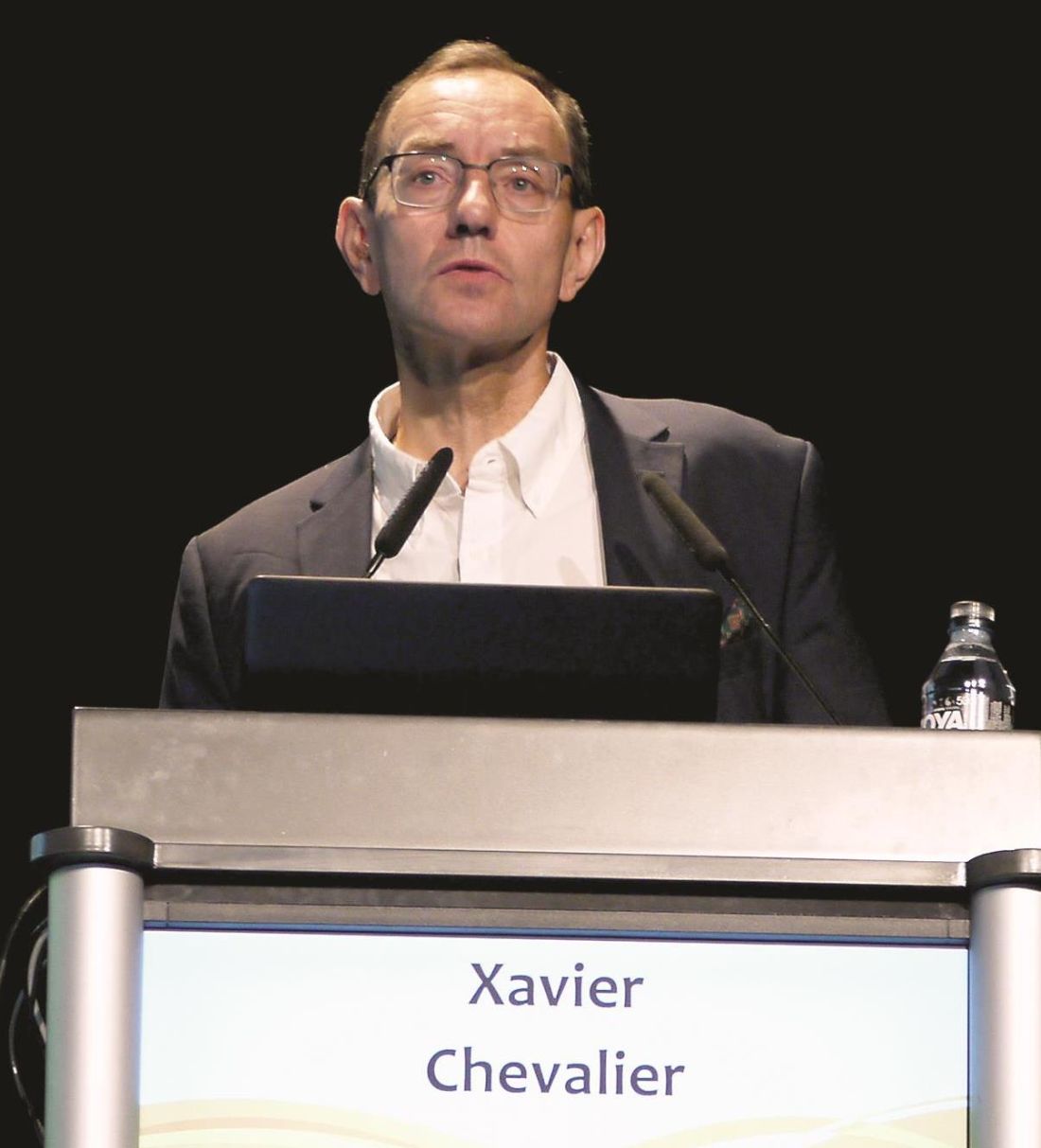
His general conclusion was that targeting cytokines in hand OA had been “disappointing” with “small effect in subgroup of clinically inflamed IP [interphalangeal] joints.”
Dr. Chevalier questioned: “Is hand OA a real OA?” There are features of the disease that imply it could be more of a ligamentous or enthesitis disease, or perhaps a subchondral bone disorder.
Is erosive hand OA even an inflammatory disease? he asked. Are TNF and IL-1 the right targets? Perhaps not, given the research presented by Dr. Kloppenburg and others, he suggested. Further research needs to look for surrogate markers and try to quantify the structural evolution of the disease, he proposed.
It is important to talk about negative studies and to not make excuses for why they might be negative, Tonia Vincent, PhD, observed during the discussion that followed Dr. Chevalier’s presentation.
“If you do proper, randomized, controlled studies in decent numbers and you don’t see effect sizes, and the only times when you see things are when they are open-label, they are not randomized, you’re looking at small numbers, it just goes to show easy it is to over interpret the results of those small studies,” said Dr. Vincent, professor of musculoskeletal biology at the Kennedy Institute of Rheumatology in Oxford, England.
“My conclusion, from my own in vivo studies and from what you’ve [Dr. Chevalier] just said, is that these are the wrong targets. Just because we are rheumatologists does not mean to say everything is about cytokines,” she said.
AbbVie funded the study. Dr. Kloppenburg acknowledged receiving research support from Pfizer and consultancy fees from AbbVie, GlaxoSmithKline, Merck, and Levicept. Dr. Chevalier disclosed working as an advisor to IBSA [Institut Biochimique SA], Sanofi, and Flexion Therapeutics; as an advisory board member for Laboratoires Genevrier and Labpharma; and receiving travel and accommodation support to attend the meeting from Nordic Pharma. Dr. Vincent did not report her disclosures.
[email protected]
On Twitter @rheumnews1
MADRID – Treatment with the dual interleukin (IL) 1 blocker ABT-981 did not improve pain scores or erosive joint damage in patients with hand osteoarthritis (OA) in a phase 2a trial reported at the European Congress of Rheumatology.
The disappointing findings suggest that IL-1 may not be an effective target in erosive hand OA, said Margreet Kloppenburg, MD, of Leiden (the Netherlands) University Medical Center, even though the investigators obtained adequate pharmacodynamic results that suggested it was effectively blocking both IL-1 alpha and IL-1 beta.
The phase 2a, multicenter, randomized, double-blind, placebo-controlled study she reported followed on from a phase 1 trial showing that ABT-981 could dose-dependently reduce neutrophil counts and markers of joint inflammation in patients with knee OA. So it was perhaps natural to see if it could potentially have an effect in patients with erosive hand OA.
The aim of the phase 2a trial was to evaluate the safety and efficacy of ABT-981 in the treatment of 131 patients with erosive hand OA. After screening and a 45-day washout period, patients with confirmed erosive hand OA were randomized to receive ABT-981 200 mg injected every 2 weeks or matching placebo.
The primary endpoint was the change in Australian/Canadian Hand Osteoarthritis Index (AUSCAN) pain from baseline to 16 weeks, but no significant difference was observed. The mean change in AUSCAN pain was –9.2 for the 64 ABT-981-treated patients and –10.7 for placebo-treated patients (P = .039).
“There were similar results with AUSCAN function and tender and swollen joint counts,” Dr. Kloppenburg said.
There were also no differences seen in radiographic or MRI endpoints, such as the number of erosive joints, Kellgren and Lawrence scores, joint-space narrowing, or the presence of osteophytes.
Nevertheless, there was evidence that ABT-981 was decreasing inflammatory markers, such as high-sensitivity C-reactive protein and neutrophils. IL-1 alpha and IL-1 beta were difficult to measure, but data suggested that IL-1 was being blocked.
Disappointing results with cytokine targeting
Hand OA affects around 11% of the OA population and erosive hand OA is a very painful phenotype that affects multiple joints, Xavier Chevalier, MD, of Henri-Mondor Hospital, Paris XII University (France), said during a separate session at the congress.
While there is a rationale for using anti-inflammatory drugs for erosive hand OA, so far there just have not been many, if any, real successes. “The effect sizes are small,” Dr. Chevalier said. “There are not a lot of drugs when compared to hip and knee OA,” he observed.
His general conclusion was that targeting cytokines in hand OA had been “disappointing” with “small effect in subgroup of clinically inflamed IP [interphalangeal] joints.”
Dr. Chevalier questioned: “Is hand OA a real OA?” There are features of the disease that imply it could be more of a ligamentous or enthesitis disease, or perhaps a subchondral bone disorder.
Is erosive hand OA even an inflammatory disease? he asked. Are TNF and IL-1 the right targets? Perhaps not, given the research presented by Dr. Kloppenburg and others, he suggested. Further research needs to look for surrogate markers and try to quantify the structural evolution of the disease, he proposed.
It is important to talk about negative studies and to not make excuses for why they might be negative, Tonia Vincent, PhD, observed during the discussion that followed Dr. Chevalier’s presentation.
“If you do proper, randomized, controlled studies in decent numbers and you don’t see effect sizes, and the only times when you see things are when they are open-label, they are not randomized, you’re looking at small numbers, it just goes to show easy it is to over interpret the results of those small studies,” said Dr. Vincent, professor of musculoskeletal biology at the Kennedy Institute of Rheumatology in Oxford, England.
“My conclusion, from my own in vivo studies and from what you’ve [Dr. Chevalier] just said, is that these are the wrong targets. Just because we are rheumatologists does not mean to say everything is about cytokines,” she said.
AbbVie funded the study. Dr. Kloppenburg acknowledged receiving research support from Pfizer and consultancy fees from AbbVie, GlaxoSmithKline, Merck, and Levicept. Dr. Chevalier disclosed working as an advisor to IBSA [Institut Biochimique SA], Sanofi, and Flexion Therapeutics; as an advisory board member for Laboratoires Genevrier and Labpharma; and receiving travel and accommodation support to attend the meeting from Nordic Pharma. Dr. Vincent did not report her disclosures.
[email protected]
On Twitter @rheumnews1
MADRID – Treatment with the dual interleukin (IL) 1 blocker ABT-981 did not improve pain scores or erosive joint damage in patients with hand osteoarthritis (OA) in a phase 2a trial reported at the European Congress of Rheumatology.
The disappointing findings suggest that IL-1 may not be an effective target in erosive hand OA, said Margreet Kloppenburg, MD, of Leiden (the Netherlands) University Medical Center, even though the investigators obtained adequate pharmacodynamic results that suggested it was effectively blocking both IL-1 alpha and IL-1 beta.
The phase 2a, multicenter, randomized, double-blind, placebo-controlled study she reported followed on from a phase 1 trial showing that ABT-981 could dose-dependently reduce neutrophil counts and markers of joint inflammation in patients with knee OA. So it was perhaps natural to see if it could potentially have an effect in patients with erosive hand OA.
The aim of the phase 2a trial was to evaluate the safety and efficacy of ABT-981 in the treatment of 131 patients with erosive hand OA. After screening and a 45-day washout period, patients with confirmed erosive hand OA were randomized to receive ABT-981 200 mg injected every 2 weeks or matching placebo.
The primary endpoint was the change in Australian/Canadian Hand Osteoarthritis Index (AUSCAN) pain from baseline to 16 weeks, but no significant difference was observed. The mean change in AUSCAN pain was –9.2 for the 64 ABT-981-treated patients and –10.7 for placebo-treated patients (P = .039).
“There were similar results with AUSCAN function and tender and swollen joint counts,” Dr. Kloppenburg said.
There were also no differences seen in radiographic or MRI endpoints, such as the number of erosive joints, Kellgren and Lawrence scores, joint-space narrowing, or the presence of osteophytes.
Nevertheless, there was evidence that ABT-981 was decreasing inflammatory markers, such as high-sensitivity C-reactive protein and neutrophils. IL-1 alpha and IL-1 beta were difficult to measure, but data suggested that IL-1 was being blocked.
Disappointing results with cytokine targeting
Hand OA affects around 11% of the OA population and erosive hand OA is a very painful phenotype that affects multiple joints, Xavier Chevalier, MD, of Henri-Mondor Hospital, Paris XII University (France), said during a separate session at the congress.
While there is a rationale for using anti-inflammatory drugs for erosive hand OA, so far there just have not been many, if any, real successes. “The effect sizes are small,” Dr. Chevalier said. “There are not a lot of drugs when compared to hip and knee OA,” he observed.
His general conclusion was that targeting cytokines in hand OA had been “disappointing” with “small effect in subgroup of clinically inflamed IP [interphalangeal] joints.”
Dr. Chevalier questioned: “Is hand OA a real OA?” There are features of the disease that imply it could be more of a ligamentous or enthesitis disease, or perhaps a subchondral bone disorder.
Is erosive hand OA even an inflammatory disease? he asked. Are TNF and IL-1 the right targets? Perhaps not, given the research presented by Dr. Kloppenburg and others, he suggested. Further research needs to look for surrogate markers and try to quantify the structural evolution of the disease, he proposed.
It is important to talk about negative studies and to not make excuses for why they might be negative, Tonia Vincent, PhD, observed during the discussion that followed Dr. Chevalier’s presentation.
“If you do proper, randomized, controlled studies in decent numbers and you don’t see effect sizes, and the only times when you see things are when they are open-label, they are not randomized, you’re looking at small numbers, it just goes to show easy it is to over interpret the results of those small studies,” said Dr. Vincent, professor of musculoskeletal biology at the Kennedy Institute of Rheumatology in Oxford, England.
“My conclusion, from my own in vivo studies and from what you’ve [Dr. Chevalier] just said, is that these are the wrong targets. Just because we are rheumatologists does not mean to say everything is about cytokines,” she said.
AbbVie funded the study. Dr. Kloppenburg acknowledged receiving research support from Pfizer and consultancy fees from AbbVie, GlaxoSmithKline, Merck, and Levicept. Dr. Chevalier disclosed working as an advisor to IBSA [Institut Biochimique SA], Sanofi, and Flexion Therapeutics; as an advisory board member for Laboratoires Genevrier and Labpharma; and receiving travel and accommodation support to attend the meeting from Nordic Pharma. Dr. Vincent did not report her disclosures.
[email protected]
On Twitter @rheumnews1
AT THE EULAR 2017 CONGRESS
Key clinical point:
Major finding: The mean change in AUSCAN pain from baseline to week 16 was –9.2 and –10.7 comparing ABT-981 and placebo-treated patients (P = .039).
Data source: A phase 2a, multicenter, randomized, double-blind, placebo-controlled study evaluating the safety and efficacy of ABT-981 in the treatment of 131 patients with erosive hand OA.
Disclosures: AbbVie funded the study. The study presenter acknowledged receiving research support from Pfizer and consultancy fees from AbbVie, GlaxoSmithKline, Merck, and Levicept. The other speaker disclosed working as an adviser to IBSA [Institut Biochimique SA], Sanofi, and Flexion Therapeutics; as an advisory board member for Laboratoires Genevrier and Labpharma; and receiving travel and accommodation support to attend the meeting from Nordic Pharma.
Selection of strategy for high-risk early RA remission induction hinges on safety
MADRID – Two-year results from the Care in early RA (CareRA) trial demonstrated the sustained effectiveness of a treat-to-target approach in patients with early rheumatoid arthritis at high risk for progression.
The percentage of patients who achieved clinical remission with one of three disease-modifying antirheumatic drug (DMARD) and glucocorticoid-containing regimens ranged from 60% to 65% at 1 year, and the percentage of those patients who were able to maintain their remission at all time points in year 2 ranged from 55% to 70%, none of which were significantly different from each other.

Ms. Stouten added that, according to international guidelines, achieving clinical remission means treating patients early, as soon as possible after the diagnosis of rheumatoid arthritis is made; intensively, with a DMARD, preferably methotrexate if not contraindicated, combined with short-term glucocorticoids; and to target, meaning treatment should be targeted at achieving remission or at least low disease activity in every patient.
The CareRA trial was a prospective, randomized, multicenter trial set up to see which of three methotrexate-based, steroid-containing intensive regimens would be best for inducing remission in patients with high-risk RA. The pragmatic trial was conducted in 13 Belgian rheumatology practices recruiting 400 patients, 300 of whom were designated as high risk for progression based on factors such as their antibody status and presence of joint erosions. CareRA trial investigators defined clinical remission as less than 2.6 on the 28-joint Disease Activity Score using C-reactive protein (DAS28-CRP).
The three regimens all contained a weekly 15-mg dose of methotrexate and prednisone 30 mg or 60 mg that was then tapered weekly after the first 6-7 weeks.
In the COBRA Classic regimen, methotrexate was partnered with sulfasalazine, given as a 2-g daily dose. Prednisone was initially given at a dose of 60 mg and then taped to 5.7 mg starting at week 7.
For the COBRA Slim regimen, just methotrexate and prednisone were used, with the latter started at a dose of 30 mg and then tapered to 5 mg starting at week 6.
Lastly, the COBRA Avant-Garde regimen saw methotrexate combined with leflunomide, 10 mg daily, and the same step-down prednisone regimen as COBRA Slim.
In the first year, treatment in each group was adjusted to achieve a target of low disease activity (DAS28-CRP of 3.2 or lower), with measurements taken every 3 months. The steroid component was stepped down further after 28 weeks and stopped altogether by 34 weeks. The aim was also to reduce the number of DMARDs used, such that everyone was on DMARD monotherapy if possible. In the second year, rheumatologists could treat patients at their own discretion, with adjustments to treatment made according to DAS28-CRP at visits every 3 months.
Ms. Stouten reported that all three of the intensive induction regimens “were very effective in our high-risk population and that they showed persistently high remission rates at year 2.”
The percentage of patients with a DAS28-CRP of less than 2.6 at 2 years was 65.3% for the COBRA Classic regimen, 73.5% for COBRA Slim, and 73.1% for COBRA Avant-Garde.
For inducing remission, however, she suggested that the COBRA Slim regimen might have the edge from a benefit-to-risk perspective.
A total of 60.2% of COBRA Slim patients were in remission at year 1, and 67.8% of them remained in remission throughout year 2. Also, fewer COBRA Slim patients needed biologic therapy, both overall (n = 11) and in the first year (n = 2), when compared with the other two regimens. However, in the COBRA Classic arm, 65.3% were in remission at year 1, and 54.7% of those patients maintained it throughout year 2, whereas in the COBRA Avant-Garde arm the rates were 61.3% at year 1, with 70.2% of those maintaining remission throughout year 2. A total of 18 patients in the COBRA Classic group started biologics, including 10 in the first year, compared with 15 in the COBRA Avant-Garde group, 7 of those in the first year.
“For maintaining remission, there were no statistically significant differences observed in remission rates at year 2 between treatment groups,” Ms. Stouten observed. “However, COBRA Avant-Garde had numerically better CDAI [clinical disease activity index] remission rates at year 2 [48.2% vs. 33.7% for COBRA Slim and 34.7% for COBRA Classic; P = .068].”
The total numbers of patients reporting adverse events related to treatment were lower with the COBRA Slim regimen (n = 164) than with COBRA Classic (n = 209) and COBRA Avant-Garde (n = 208). Fewer COBRA Slim patients also had to stop treatment (5 vs. 9 with COBRA Classic and 12 with COBRA Avant-Garde) or have interrupted treatment (12 vs. 17 and 19, respectively) because of adverse events.
Ms. Stouten had no personal disclosures. The study was supported by a Flemish governmental grant provided by IWT (Innovatie door Wetenschap en Technologie).
[email protected]
On Twitter @rheumnews1
MADRID – Two-year results from the Care in early RA (CareRA) trial demonstrated the sustained effectiveness of a treat-to-target approach in patients with early rheumatoid arthritis at high risk for progression.
The percentage of patients who achieved clinical remission with one of three disease-modifying antirheumatic drug (DMARD) and glucocorticoid-containing regimens ranged from 60% to 65% at 1 year, and the percentage of those patients who were able to maintain their remission at all time points in year 2 ranged from 55% to 70%, none of which were significantly different from each other.
Ms. Stouten added that, according to international guidelines, achieving clinical remission means treating patients early, as soon as possible after the diagnosis of rheumatoid arthritis is made; intensively, with a DMARD, preferably methotrexate if not contraindicated, combined with short-term glucocorticoids; and to target, meaning treatment should be targeted at achieving remission or at least low disease activity in every patient.
The CareRA trial was a prospective, randomized, multicenter trial set up to see which of three methotrexate-based, steroid-containing intensive regimens would be best for inducing remission in patients with high-risk RA. The pragmatic trial was conducted in 13 Belgian rheumatology practices recruiting 400 patients, 300 of whom were designated as high risk for progression based on factors such as their antibody status and presence of joint erosions. CareRA trial investigators defined clinical remission as less than 2.6 on the 28-joint Disease Activity Score using C-reactive protein (DAS28-CRP).
The three regimens all contained a weekly 15-mg dose of methotrexate and prednisone 30 mg or 60 mg that was then tapered weekly after the first 6-7 weeks.
In the COBRA Classic regimen, methotrexate was partnered with sulfasalazine, given as a 2-g daily dose. Prednisone was initially given at a dose of 60 mg and then taped to 5.7 mg starting at week 7.
For the COBRA Slim regimen, just methotrexate and prednisone were used, with the latter started at a dose of 30 mg and then tapered to 5 mg starting at week 6.
Lastly, the COBRA Avant-Garde regimen saw methotrexate combined with leflunomide, 10 mg daily, and the same step-down prednisone regimen as COBRA Slim.
In the first year, treatment in each group was adjusted to achieve a target of low disease activity (DAS28-CRP of 3.2 or lower), with measurements taken every 3 months. The steroid component was stepped down further after 28 weeks and stopped altogether by 34 weeks. The aim was also to reduce the number of DMARDs used, such that everyone was on DMARD monotherapy if possible. In the second year, rheumatologists could treat patients at their own discretion, with adjustments to treatment made according to DAS28-CRP at visits every 3 months.
Ms. Stouten reported that all three of the intensive induction regimens “were very effective in our high-risk population and that they showed persistently high remission rates at year 2.”
The percentage of patients with a DAS28-CRP of less than 2.6 at 2 years was 65.3% for the COBRA Classic regimen, 73.5% for COBRA Slim, and 73.1% for COBRA Avant-Garde.
For inducing remission, however, she suggested that the COBRA Slim regimen might have the edge from a benefit-to-risk perspective.
A total of 60.2% of COBRA Slim patients were in remission at year 1, and 67.8% of them remained in remission throughout year 2. Also, fewer COBRA Slim patients needed biologic therapy, both overall (n = 11) and in the first year (n = 2), when compared with the other two regimens. However, in the COBRA Classic arm, 65.3% were in remission at year 1, and 54.7% of those patients maintained it throughout year 2, whereas in the COBRA Avant-Garde arm the rates were 61.3% at year 1, with 70.2% of those maintaining remission throughout year 2. A total of 18 patients in the COBRA Classic group started biologics, including 10 in the first year, compared with 15 in the COBRA Avant-Garde group, 7 of those in the first year.
“For maintaining remission, there were no statistically significant differences observed in remission rates at year 2 between treatment groups,” Ms. Stouten observed. “However, COBRA Avant-Garde had numerically better CDAI [clinical disease activity index] remission rates at year 2 [48.2% vs. 33.7% for COBRA Slim and 34.7% for COBRA Classic; P = .068].”
The total numbers of patients reporting adverse events related to treatment were lower with the COBRA Slim regimen (n = 164) than with COBRA Classic (n = 209) and COBRA Avant-Garde (n = 208). Fewer COBRA Slim patients also had to stop treatment (5 vs. 9 with COBRA Classic and 12 with COBRA Avant-Garde) or have interrupted treatment (12 vs. 17 and 19, respectively) because of adverse events.
Ms. Stouten had no personal disclosures. The study was supported by a Flemish governmental grant provided by IWT (Innovatie door Wetenschap en Technologie).
[email protected]
On Twitter @rheumnews1
MADRID – Two-year results from the Care in early RA (CareRA) trial demonstrated the sustained effectiveness of a treat-to-target approach in patients with early rheumatoid arthritis at high risk for progression.
The percentage of patients who achieved clinical remission with one of three disease-modifying antirheumatic drug (DMARD) and glucocorticoid-containing regimens ranged from 60% to 65% at 1 year, and the percentage of those patients who were able to maintain their remission at all time points in year 2 ranged from 55% to 70%, none of which were significantly different from each other.
Ms. Stouten added that, according to international guidelines, achieving clinical remission means treating patients early, as soon as possible after the diagnosis of rheumatoid arthritis is made; intensively, with a DMARD, preferably methotrexate if not contraindicated, combined with short-term glucocorticoids; and to target, meaning treatment should be targeted at achieving remission or at least low disease activity in every patient.
The CareRA trial was a prospective, randomized, multicenter trial set up to see which of three methotrexate-based, steroid-containing intensive regimens would be best for inducing remission in patients with high-risk RA. The pragmatic trial was conducted in 13 Belgian rheumatology practices recruiting 400 patients, 300 of whom were designated as high risk for progression based on factors such as their antibody status and presence of joint erosions. CareRA trial investigators defined clinical remission as less than 2.6 on the 28-joint Disease Activity Score using C-reactive protein (DAS28-CRP).
The three regimens all contained a weekly 15-mg dose of methotrexate and prednisone 30 mg or 60 mg that was then tapered weekly after the first 6-7 weeks.
In the COBRA Classic regimen, methotrexate was partnered with sulfasalazine, given as a 2-g daily dose. Prednisone was initially given at a dose of 60 mg and then taped to 5.7 mg starting at week 7.
For the COBRA Slim regimen, just methotrexate and prednisone were used, with the latter started at a dose of 30 mg and then tapered to 5 mg starting at week 6.
Lastly, the COBRA Avant-Garde regimen saw methotrexate combined with leflunomide, 10 mg daily, and the same step-down prednisone regimen as COBRA Slim.
In the first year, treatment in each group was adjusted to achieve a target of low disease activity (DAS28-CRP of 3.2 or lower), with measurements taken every 3 months. The steroid component was stepped down further after 28 weeks and stopped altogether by 34 weeks. The aim was also to reduce the number of DMARDs used, such that everyone was on DMARD monotherapy if possible. In the second year, rheumatologists could treat patients at their own discretion, with adjustments to treatment made according to DAS28-CRP at visits every 3 months.
Ms. Stouten reported that all three of the intensive induction regimens “were very effective in our high-risk population and that they showed persistently high remission rates at year 2.”
The percentage of patients with a DAS28-CRP of less than 2.6 at 2 years was 65.3% for the COBRA Classic regimen, 73.5% for COBRA Slim, and 73.1% for COBRA Avant-Garde.
For inducing remission, however, she suggested that the COBRA Slim regimen might have the edge from a benefit-to-risk perspective.
A total of 60.2% of COBRA Slim patients were in remission at year 1, and 67.8% of them remained in remission throughout year 2. Also, fewer COBRA Slim patients needed biologic therapy, both overall (n = 11) and in the first year (n = 2), when compared with the other two regimens. However, in the COBRA Classic arm, 65.3% were in remission at year 1, and 54.7% of those patients maintained it throughout year 2, whereas in the COBRA Avant-Garde arm the rates were 61.3% at year 1, with 70.2% of those maintaining remission throughout year 2. A total of 18 patients in the COBRA Classic group started biologics, including 10 in the first year, compared with 15 in the COBRA Avant-Garde group, 7 of those in the first year.
“For maintaining remission, there were no statistically significant differences observed in remission rates at year 2 between treatment groups,” Ms. Stouten observed. “However, COBRA Avant-Garde had numerically better CDAI [clinical disease activity index] remission rates at year 2 [48.2% vs. 33.7% for COBRA Slim and 34.7% for COBRA Classic; P = .068].”
The total numbers of patients reporting adverse events related to treatment were lower with the COBRA Slim regimen (n = 164) than with COBRA Classic (n = 209) and COBRA Avant-Garde (n = 208). Fewer COBRA Slim patients also had to stop treatment (5 vs. 9 with COBRA Classic and 12 with COBRA Avant-Garde) or have interrupted treatment (12 vs. 17 and 19, respectively) because of adverse events.
Ms. Stouten had no personal disclosures. The study was supported by a Flemish governmental grant provided by IWT (Innovatie door Wetenschap en Technologie).
[email protected]
On Twitter @rheumnews1
AT THE EULAR 2017 CONGRESS
Key clinical point:
Major finding: The percentage of patients with a DAS28-CRP of less than 2.6 at 2 years was 73.5% for the COBRA Slim regimen, 73.1% for COBRA Avant-Garde, and 65.3% for COBRA Classic.
Data source: The Care in early RA (CareRA) trial, a prospective, randomized, multicenter trial of 379 patients with treatment-naive, early rheumatoid arthritis.
Disclosures: The presenter had no personal disclosures. The study was supported by a Flemish governmental grant provided by IWT (Innovatie door Wetenschap en Technologie).