User login
Guideline change advocated on using acetaminophen for OA
AMSTERDAM – Further evidence that acetaminophen has limited benefits in patients with osteoarthritis was presented at the World Congress on Osteoarthritis, with authors of a systematic review calling for reconsideration of guidelines recommending the common analgesic as a first-line option.
“[Acetaminophen] provides minimal short-term benefits for people with hip or knee OA,” said presenting author and rheumatologist Dr. David J. Hunter of the University of Sydney. The treatment effects for both pain relief and for improving physical function were smallest in people with knee OA, he said. “In general, the small effect sizes are unlikely to be clinically relevant,” Dr. Hunter observed.

“These are mean differences across large populations in the clinical trials, and there may be certain individuals with knee or hip osteoarthritis that this may not necessarily apply to,” he conceded during a discussion following his presentation, “but I think from the perspective of the recommendations that come from guidelines, we have got to think about what would be do-able in the general population.”
The findings come shortly after the publication of a large meta-analysis of 74 trials evaluating pain-relieving medications that highlighted the ineffectiveness of acetaminophen for OA pain, particularly when compared against diclofenac and other nonsteroidal anti-inflammatory drugs (Lancet. 2016 Mar 17. doi: 10.1016/S0140-6736(16)30002-2).
Dr. Hunter and coworkers searched clinical trial and medical databases from inception to September 2015 for records relating to acetaminophen use in patients with hip or knee OA. Only placebo-controlled, randomized trials were included, and nine records were found that reported 10 trials involving 3,541 patients. Part of the analysis was published in the BMJ last year (BMJ. 2015;350:h1225. doi: 10.1136/bmj.h1225). The last prior systematic review on the topic was published in 2004 (Ann Rheum Dis. 2004;Aug;63[8]:901–7).
Pain scores were converted to a common 0-100 scale with 0 signifying no pain or disability and 100 the worst possible pain or disability and then expressed as a mean difference between the acetaminophen and placebo groups. Physical function scores were pooled to give a standardized mean difference.
There was high-quality evidence that acetaminophen given at a dose of 3-4 g per day had a significant effect on pain and physical function during a short period of more than 2 weeks to less than 3 months and a more immediate time frame of 2 weeks or less, but it was unlikely to be clinically significant, with a mean difference of just –3.14 for pain and a standardized mean difference of –0.12 to –0.15 for physical function. Differences would need to be at least 9 points for pain and greater than 0.2 for physical function to be clinically significant, Dr. Hunter explained.
Four of the trials considered knee OA only. The mean and standardized mean differences between the acetaminophen and placebo groups in those trials was just –1.09 for pain and –0.06 for physical function.
Similar numbers of patients reported being adherent to their assigned treatment group, with less rescue analgesic use in the acetaminophen-treated patients. Although no differences in adverse events, serious adverse events, or withdrawals because of adverse events were seen, there was a higher risk of liver function test (LFT) abnormalities in the acetaminophen-treated patients. The relative risk for abnormal LFTs was 3.79, but the clinical significance of this is uncertain according to the review’s authors.
“Current guidelines consistently recommend [acetaminophen] as the first line of analgesic medication for this condition,” Dr. Hunter said at the meeting, sponsored by the Osteoarthritis Research Society International. “But these results call for reconsideration of these recommendations.”
The results highlight the importance of using other, nonpharmacologic means to manage pain and physical function, the authors conclude, such as lifestyle changes, weight control, and regular physical exercise.
Dr. Hunter had no disclosures relevant to his comments.
AMSTERDAM – Further evidence that acetaminophen has limited benefits in patients with osteoarthritis was presented at the World Congress on Osteoarthritis, with authors of a systematic review calling for reconsideration of guidelines recommending the common analgesic as a first-line option.
“[Acetaminophen] provides minimal short-term benefits for people with hip or knee OA,” said presenting author and rheumatologist Dr. David J. Hunter of the University of Sydney. The treatment effects for both pain relief and for improving physical function were smallest in people with knee OA, he said. “In general, the small effect sizes are unlikely to be clinically relevant,” Dr. Hunter observed.
“These are mean differences across large populations in the clinical trials, and there may be certain individuals with knee or hip osteoarthritis that this may not necessarily apply to,” he conceded during a discussion following his presentation, “but I think from the perspective of the recommendations that come from guidelines, we have got to think about what would be do-able in the general population.”
The findings come shortly after the publication of a large meta-analysis of 74 trials evaluating pain-relieving medications that highlighted the ineffectiveness of acetaminophen for OA pain, particularly when compared against diclofenac and other nonsteroidal anti-inflammatory drugs (Lancet. 2016 Mar 17. doi: 10.1016/S0140-6736(16)30002-2).
Dr. Hunter and coworkers searched clinical trial and medical databases from inception to September 2015 for records relating to acetaminophen use in patients with hip or knee OA. Only placebo-controlled, randomized trials were included, and nine records were found that reported 10 trials involving 3,541 patients. Part of the analysis was published in the BMJ last year (BMJ. 2015;350:h1225. doi: 10.1136/bmj.h1225). The last prior systematic review on the topic was published in 2004 (Ann Rheum Dis. 2004;Aug;63[8]:901–7).
Pain scores were converted to a common 0-100 scale with 0 signifying no pain or disability and 100 the worst possible pain or disability and then expressed as a mean difference between the acetaminophen and placebo groups. Physical function scores were pooled to give a standardized mean difference.
There was high-quality evidence that acetaminophen given at a dose of 3-4 g per day had a significant effect on pain and physical function during a short period of more than 2 weeks to less than 3 months and a more immediate time frame of 2 weeks or less, but it was unlikely to be clinically significant, with a mean difference of just –3.14 for pain and a standardized mean difference of –0.12 to –0.15 for physical function. Differences would need to be at least 9 points for pain and greater than 0.2 for physical function to be clinically significant, Dr. Hunter explained.
Four of the trials considered knee OA only. The mean and standardized mean differences between the acetaminophen and placebo groups in those trials was just –1.09 for pain and –0.06 for physical function.
Similar numbers of patients reported being adherent to their assigned treatment group, with less rescue analgesic use in the acetaminophen-treated patients. Although no differences in adverse events, serious adverse events, or withdrawals because of adverse events were seen, there was a higher risk of liver function test (LFT) abnormalities in the acetaminophen-treated patients. The relative risk for abnormal LFTs was 3.79, but the clinical significance of this is uncertain according to the review’s authors.
“Current guidelines consistently recommend [acetaminophen] as the first line of analgesic medication for this condition,” Dr. Hunter said at the meeting, sponsored by the Osteoarthritis Research Society International. “But these results call for reconsideration of these recommendations.”
The results highlight the importance of using other, nonpharmacologic means to manage pain and physical function, the authors conclude, such as lifestyle changes, weight control, and regular physical exercise.
Dr. Hunter had no disclosures relevant to his comments.
AMSTERDAM – Further evidence that acetaminophen has limited benefits in patients with osteoarthritis was presented at the World Congress on Osteoarthritis, with authors of a systematic review calling for reconsideration of guidelines recommending the common analgesic as a first-line option.
“[Acetaminophen] provides minimal short-term benefits for people with hip or knee OA,” said presenting author and rheumatologist Dr. David J. Hunter of the University of Sydney. The treatment effects for both pain relief and for improving physical function were smallest in people with knee OA, he said. “In general, the small effect sizes are unlikely to be clinically relevant,” Dr. Hunter observed.
“These are mean differences across large populations in the clinical trials, and there may be certain individuals with knee or hip osteoarthritis that this may not necessarily apply to,” he conceded during a discussion following his presentation, “but I think from the perspective of the recommendations that come from guidelines, we have got to think about what would be do-able in the general population.”
The findings come shortly after the publication of a large meta-analysis of 74 trials evaluating pain-relieving medications that highlighted the ineffectiveness of acetaminophen for OA pain, particularly when compared against diclofenac and other nonsteroidal anti-inflammatory drugs (Lancet. 2016 Mar 17. doi: 10.1016/S0140-6736(16)30002-2).
Dr. Hunter and coworkers searched clinical trial and medical databases from inception to September 2015 for records relating to acetaminophen use in patients with hip or knee OA. Only placebo-controlled, randomized trials were included, and nine records were found that reported 10 trials involving 3,541 patients. Part of the analysis was published in the BMJ last year (BMJ. 2015;350:h1225. doi: 10.1136/bmj.h1225). The last prior systematic review on the topic was published in 2004 (Ann Rheum Dis. 2004;Aug;63[8]:901–7).
Pain scores were converted to a common 0-100 scale with 0 signifying no pain or disability and 100 the worst possible pain or disability and then expressed as a mean difference between the acetaminophen and placebo groups. Physical function scores were pooled to give a standardized mean difference.
There was high-quality evidence that acetaminophen given at a dose of 3-4 g per day had a significant effect on pain and physical function during a short period of more than 2 weeks to less than 3 months and a more immediate time frame of 2 weeks or less, but it was unlikely to be clinically significant, with a mean difference of just –3.14 for pain and a standardized mean difference of –0.12 to –0.15 for physical function. Differences would need to be at least 9 points for pain and greater than 0.2 for physical function to be clinically significant, Dr. Hunter explained.
Four of the trials considered knee OA only. The mean and standardized mean differences between the acetaminophen and placebo groups in those trials was just –1.09 for pain and –0.06 for physical function.
Similar numbers of patients reported being adherent to their assigned treatment group, with less rescue analgesic use in the acetaminophen-treated patients. Although no differences in adverse events, serious adverse events, or withdrawals because of adverse events were seen, there was a higher risk of liver function test (LFT) abnormalities in the acetaminophen-treated patients. The relative risk for abnormal LFTs was 3.79, but the clinical significance of this is uncertain according to the review’s authors.
“Current guidelines consistently recommend [acetaminophen] as the first line of analgesic medication for this condition,” Dr. Hunter said at the meeting, sponsored by the Osteoarthritis Research Society International. “But these results call for reconsideration of these recommendations.”
The results highlight the importance of using other, nonpharmacologic means to manage pain and physical function, the authors conclude, such as lifestyle changes, weight control, and regular physical exercise.
Dr. Hunter had no disclosures relevant to his comments.
AT OARSI 2016
Key clinical point: Acetaminophen has minimal effects on pain and physical function in patients with hip and knee osteoarthritis.
Major finding: Doses of 3-4 g of acetaminophen resulted in a mean difference of just –3.14 for pain and a standardized mean difference of –0.12 to –0.15 for physical function versus placebo.
Data source: Cochrane systematic review of 10 trials involving 3,541 patients with hip or knee OA.
Disclosures: Dr. Hunter had no disclosures relevant to his comments.

Physical therapy underused for knee osteoarthritis
AMSTERDAM – Physical therapy is underused as a first conservative treatment option for knee osteoarthritis, according to a review of data of more than 130,000 men and women serving in the U.S. military.
Data from the Military Health System Data Repository (MDR) show that clinical practice is often out of step with guidelines, as many patients are treated with intra-articular corticosteroid injections rather than physical therapy.

Within a week of an initial episode of knee OA, patients were four times more likely to be given steroid injections than receive physical therapy (14,290 vs. 3,177 patients), although a similar number of patients received injections or physical therapy within 30 days (8,228 vs. 8,407) and 90 days (9,125 vs. 10,059). Of the patients given injections early, 12,311 received them on the day of the index episode.
“What was interesting, anecdotally, was how few patients had been to physical therapy prior to surgery and how many of them had had injections before physical therapy,” Dr. Dan Rhon, director of physical therapy at Brooke Army Medical Center, Houston, said in an interview at the World Congress on Osteoarthritis.
“We wanted to look at the practice patterns because guidelines generally say that you should try physical therapy before surgery and that invasive procedures such as injections should be utilized further down the road,” he said at the meeting, which was sponsored by Osteoarthritis Research Society International.
Dr. Rhon noted that in a study of clinical practice patterns over a 5-year period from the United Healthcare Database, researchers found that physical rehabilitation was used in about one-quarter of patients, with 10% of those who went on to have surgery receiving physical therapy specific for OA, and 16% had been given intra-articular injections (Arthroscopy. 2014;30:65-71).
Results from the MDR data, which considered records from 2008 to 2013 and 1 year of follow-up, now show similar findings with 29% of patients receiving physical rehabilitation, 17.5% prior to knee arthroplasty, and 36% of patients receiving corticosteroid injections first.
What this shows, Dr. Rhon said, is that clinical practice patterns in the Military Health System do not appear to be following established guidelines. “It’s a little bit worrisome because most of these patients should at least have a trial of conservative management.” Perhaps there is some confusion over what constitutes conservative management, but when there is a choice between physical therapy and corticosteroid injections, it seems that the latter is more commonly being selected. Patients themselves could also be opting for injections over physical rehabilitation, so there may be a need for education on what options are available before surgical intervention.
Further research is needed to examine the clinical outcomes of this and perhaps look at how cost savings could be made if clinical practice more closely adhered to the OA guidelines. Looking at a longer follow-up period, say 2-5 years post diagnosis, might also give a better reflection of the use of physical therapy before surgery.
Dr. Rhon had no financial disclosures.
AMSTERDAM – Physical therapy is underused as a first conservative treatment option for knee osteoarthritis, according to a review of data of more than 130,000 men and women serving in the U.S. military.
Data from the Military Health System Data Repository (MDR) show that clinical practice is often out of step with guidelines, as many patients are treated with intra-articular corticosteroid injections rather than physical therapy.
Within a week of an initial episode of knee OA, patients were four times more likely to be given steroid injections than receive physical therapy (14,290 vs. 3,177 patients), although a similar number of patients received injections or physical therapy within 30 days (8,228 vs. 8,407) and 90 days (9,125 vs. 10,059). Of the patients given injections early, 12,311 received them on the day of the index episode.
“What was interesting, anecdotally, was how few patients had been to physical therapy prior to surgery and how many of them had had injections before physical therapy,” Dr. Dan Rhon, director of physical therapy at Brooke Army Medical Center, Houston, said in an interview at the World Congress on Osteoarthritis.
“We wanted to look at the practice patterns because guidelines generally say that you should try physical therapy before surgery and that invasive procedures such as injections should be utilized further down the road,” he said at the meeting, which was sponsored by Osteoarthritis Research Society International.
Dr. Rhon noted that in a study of clinical practice patterns over a 5-year period from the United Healthcare Database, researchers found that physical rehabilitation was used in about one-quarter of patients, with 10% of those who went on to have surgery receiving physical therapy specific for OA, and 16% had been given intra-articular injections (Arthroscopy. 2014;30:65-71).
Results from the MDR data, which considered records from 2008 to 2013 and 1 year of follow-up, now show similar findings with 29% of patients receiving physical rehabilitation, 17.5% prior to knee arthroplasty, and 36% of patients receiving corticosteroid injections first.
What this shows, Dr. Rhon said, is that clinical practice patterns in the Military Health System do not appear to be following established guidelines. “It’s a little bit worrisome because most of these patients should at least have a trial of conservative management.” Perhaps there is some confusion over what constitutes conservative management, but when there is a choice between physical therapy and corticosteroid injections, it seems that the latter is more commonly being selected. Patients themselves could also be opting for injections over physical rehabilitation, so there may be a need for education on what options are available before surgical intervention.
Further research is needed to examine the clinical outcomes of this and perhaps look at how cost savings could be made if clinical practice more closely adhered to the OA guidelines. Looking at a longer follow-up period, say 2-5 years post diagnosis, might also give a better reflection of the use of physical therapy before surgery.
Dr. Rhon had no financial disclosures.
AMSTERDAM – Physical therapy is underused as a first conservative treatment option for knee osteoarthritis, according to a review of data of more than 130,000 men and women serving in the U.S. military.
Data from the Military Health System Data Repository (MDR) show that clinical practice is often out of step with guidelines, as many patients are treated with intra-articular corticosteroid injections rather than physical therapy.
Within a week of an initial episode of knee OA, patients were four times more likely to be given steroid injections than receive physical therapy (14,290 vs. 3,177 patients), although a similar number of patients received injections or physical therapy within 30 days (8,228 vs. 8,407) and 90 days (9,125 vs. 10,059). Of the patients given injections early, 12,311 received them on the day of the index episode.
“What was interesting, anecdotally, was how few patients had been to physical therapy prior to surgery and how many of them had had injections before physical therapy,” Dr. Dan Rhon, director of physical therapy at Brooke Army Medical Center, Houston, said in an interview at the World Congress on Osteoarthritis.
“We wanted to look at the practice patterns because guidelines generally say that you should try physical therapy before surgery and that invasive procedures such as injections should be utilized further down the road,” he said at the meeting, which was sponsored by Osteoarthritis Research Society International.
Dr. Rhon noted that in a study of clinical practice patterns over a 5-year period from the United Healthcare Database, researchers found that physical rehabilitation was used in about one-quarter of patients, with 10% of those who went on to have surgery receiving physical therapy specific for OA, and 16% had been given intra-articular injections (Arthroscopy. 2014;30:65-71).
Results from the MDR data, which considered records from 2008 to 2013 and 1 year of follow-up, now show similar findings with 29% of patients receiving physical rehabilitation, 17.5% prior to knee arthroplasty, and 36% of patients receiving corticosteroid injections first.
What this shows, Dr. Rhon said, is that clinical practice patterns in the Military Health System do not appear to be following established guidelines. “It’s a little bit worrisome because most of these patients should at least have a trial of conservative management.” Perhaps there is some confusion over what constitutes conservative management, but when there is a choice between physical therapy and corticosteroid injections, it seems that the latter is more commonly being selected. Patients themselves could also be opting for injections over physical rehabilitation, so there may be a need for education on what options are available before surgical intervention.
Further research is needed to examine the clinical outcomes of this and perhaps look at how cost savings could be made if clinical practice more closely adhered to the OA guidelines. Looking at a longer follow-up period, say 2-5 years post diagnosis, might also give a better reflection of the use of physical therapy before surgery.
Dr. Rhon had no financial disclosures.
AT OARSI 2016
Key clinical point: Contrary to guidelines, physical therapy is being underused as a first treatment option for osteoarthritis.
Major finding: Only 29% of patients received physical rehabilitation while 36% were given intra-articular steroid injections first.
Data source: Retrospective review of data from the U.S. Military Health Care System Data Repository from 2008 to 2013 on more than 130,000 patients with OA.
Disclosures: Dr. Rhon had no financial disclosures.

Young Women’s Weight Gain Predicts Later Low Back Pain
AMSTERDAM – Data from a longitudinal study reported at the World Congress on Osteoarthritis show that weight gain in young women is an independent predictor of future low back pain.
Indeed, for every 5 kg in weight gained, the risk for low back pain in the coming decade was increased by 5%, after researchers accounted for women’s age, height, physical activity, education level, and mental health (depressive status).

“Low back pain is the greatest contributor to disability worldwide,” said the presenting author Dr. YuanYuan Wang of Monash University, in Melbourne. “Since treatment options have limited efficacy, understanding the role of lifestyle factors will be very important for prevention,” she said at the meeting, which was sponsored by Osteoarthritis Research Society International.
Dr. Wang noted that prior studies had looked at the relationship between obesity and physical activity, and back pain, but that there were inconsistent findings and a lack of longitudinal data. Few studies had been done on younger populations of adults, and there was evidence that previous episodes of back pain can predict further recurrence. So the team at Monash University decided to look further at the issue by taking data from the Australian Longitudinal Study on Women’s Health. They obtained information on women born between 1973 and 1978 who had completed health surveys every 3 years between 2000 and 2012.
Of more than 9,000 women included, 3,688 had low back pain and 5,417 did not at the start of the study, for a baseline low back pain prevalence of 41%. Women with low back pain at baseline were slightly older than those without (24.6 vs. 24.5; P = .008) and more likely to be heavier, with mean weights of 66 kg and 65 kg, respectively (P less than .001). Women with low back pain at baseline were more likely to have depression (14.2% vs. 10.2%; P less than .001), be less physically active (P = .022), and not in paid work (P less than .001). Only 38% of those with low back pain had sought help.
Over the 12-year study period, the prevalence of low back pain increased from 41% to 50% by the fourth follow-up, and the predictors for having any back pain over the course of the 12 years were increasing age, with an adjusted odds ratio of 1.15 for every 5 additional years; weight (OR, 1.05); inadequate physical activity (OR, 1.14); and depression (OR, 1.17).
Similar results were seen when a time-lag statistical model was used to predict the likelihood of low back pain within the next 3 years.
“Increasing weight, decreasing physical activity, and depression are independent predictors of back pain over the following decade,” Dr. Wang reported. The adverse effects of weight on back pain were not affected by the level of physical activity, with similar OR for weight leading to back pain regardless of how active the participants were.
There are limitations to these data, notably that both weight and back pain were self-reported, Dr. Wang said. Nevertheless, the findings show that low back pain is prevalent in this community-based sample of young women and that targeting weight gain through diet rather than physical exercise may be important.
In another study, Dr. Wang and her associates looked at the relationship between physical activity and back pain in a different community-based sample, using television viewing as a marker of sedentary behavior. Dr. Wang’s colleague, Dr. Sultana Hussain, also of Monash University, presented the findings from a prospective study of more than 5,000 men and women in the Australian Diabetes and Lifestyle Study (AusDiab).
Of the 11,247 participants in AusDiab, just over 6,000 were contacted and asked to complete a chronic back pain questionnaire between 2013 and 2014, and roughly 80% responded. Data on respondents’ physical activity level, amount of TV viewing, and demographics that had been collected within AusDiab between 1999 and 2000 also were obtained.
The 2,197 men and 2,777 women, aged 46-51 years, who responded to the chronic back pain questionnaire were divided into groups based on the presence and intensity of their back pain, with 63.3% of men and 60.6% of women reporting low-intensity back pain and 18.1% and 21.5%, respectively, reporting high-intensity back pain. The number of physical activity hours per week was around 6 hours for men and 4 hours for women, and the number of hours of TV watched was similar for each at 1.5-2.0 per day.
The team also looked at back pain disability and found that although three-quarters of men and about 72% of women had no disability, about 15% of men and women had a low level of disability, and 10%-13% had a high level of disability.
“Increased television viewing is associated with an increase in low back pain disability but not intensity, but only in women,” Dr. Hussain reported. “Insufficient physical activity was not associated with back pain intensity or disability in either men or women.”
She suggested that television viewing time and other prolonged sedentary behaviors could be targeted to prevent low back pain disability, particularly in women, but perhaps also in men.
The Australian Government Department of Health funded the Australian Longitudinal Study on Women’s Health. The University of Newcastle and the University of Queensland provided additional funding. Dr. Wang and coauthors were supported by the National Health and Medical Research Council in Australia. Dr. Hussain is supported by Arthritis Australia.
AMSTERDAM – Data from a longitudinal study reported at the World Congress on Osteoarthritis show that weight gain in young women is an independent predictor of future low back pain.
Indeed, for every 5 kg in weight gained, the risk for low back pain in the coming decade was increased by 5%, after researchers accounted for women’s age, height, physical activity, education level, and mental health (depressive status).
“Low back pain is the greatest contributor to disability worldwide,” said the presenting author Dr. YuanYuan Wang of Monash University, in Melbourne. “Since treatment options have limited efficacy, understanding the role of lifestyle factors will be very important for prevention,” she said at the meeting, which was sponsored by Osteoarthritis Research Society International.
Dr. Wang noted that prior studies had looked at the relationship between obesity and physical activity, and back pain, but that there were inconsistent findings and a lack of longitudinal data. Few studies had been done on younger populations of adults, and there was evidence that previous episodes of back pain can predict further recurrence. So the team at Monash University decided to look further at the issue by taking data from the Australian Longitudinal Study on Women’s Health. They obtained information on women born between 1973 and 1978 who had completed health surveys every 3 years between 2000 and 2012.
Of more than 9,000 women included, 3,688 had low back pain and 5,417 did not at the start of the study, for a baseline low back pain prevalence of 41%. Women with low back pain at baseline were slightly older than those without (24.6 vs. 24.5; P = .008) and more likely to be heavier, with mean weights of 66 kg and 65 kg, respectively (P less than .001). Women with low back pain at baseline were more likely to have depression (14.2% vs. 10.2%; P less than .001), be less physically active (P = .022), and not in paid work (P less than .001). Only 38% of those with low back pain had sought help.
Over the 12-year study period, the prevalence of low back pain increased from 41% to 50% by the fourth follow-up, and the predictors for having any back pain over the course of the 12 years were increasing age, with an adjusted odds ratio of 1.15 for every 5 additional years; weight (OR, 1.05); inadequate physical activity (OR, 1.14); and depression (OR, 1.17).
Similar results were seen when a time-lag statistical model was used to predict the likelihood of low back pain within the next 3 years.
“Increasing weight, decreasing physical activity, and depression are independent predictors of back pain over the following decade,” Dr. Wang reported. The adverse effects of weight on back pain were not affected by the level of physical activity, with similar OR for weight leading to back pain regardless of how active the participants were.
There are limitations to these data, notably that both weight and back pain were self-reported, Dr. Wang said. Nevertheless, the findings show that low back pain is prevalent in this community-based sample of young women and that targeting weight gain through diet rather than physical exercise may be important.
In another study, Dr. Wang and her associates looked at the relationship between physical activity and back pain in a different community-based sample, using television viewing as a marker of sedentary behavior. Dr. Wang’s colleague, Dr. Sultana Hussain, also of Monash University, presented the findings from a prospective study of more than 5,000 men and women in the Australian Diabetes and Lifestyle Study (AusDiab).
Of the 11,247 participants in AusDiab, just over 6,000 were contacted and asked to complete a chronic back pain questionnaire between 2013 and 2014, and roughly 80% responded. Data on respondents’ physical activity level, amount of TV viewing, and demographics that had been collected within AusDiab between 1999 and 2000 also were obtained.
The 2,197 men and 2,777 women, aged 46-51 years, who responded to the chronic back pain questionnaire were divided into groups based on the presence and intensity of their back pain, with 63.3% of men and 60.6% of women reporting low-intensity back pain and 18.1% and 21.5%, respectively, reporting high-intensity back pain. The number of physical activity hours per week was around 6 hours for men and 4 hours for women, and the number of hours of TV watched was similar for each at 1.5-2.0 per day.
The team also looked at back pain disability and found that although three-quarters of men and about 72% of women had no disability, about 15% of men and women had a low level of disability, and 10%-13% had a high level of disability.
“Increased television viewing is associated with an increase in low back pain disability but not intensity, but only in women,” Dr. Hussain reported. “Insufficient physical activity was not associated with back pain intensity or disability in either men or women.”
She suggested that television viewing time and other prolonged sedentary behaviors could be targeted to prevent low back pain disability, particularly in women, but perhaps also in men.
The Australian Government Department of Health funded the Australian Longitudinal Study on Women’s Health. The University of Newcastle and the University of Queensland provided additional funding. Dr. Wang and coauthors were supported by the National Health and Medical Research Council in Australia. Dr. Hussain is supported by Arthritis Australia.
AMSTERDAM – Data from a longitudinal study reported at the World Congress on Osteoarthritis show that weight gain in young women is an independent predictor of future low back pain.
Indeed, for every 5 kg in weight gained, the risk for low back pain in the coming decade was increased by 5%, after researchers accounted for women’s age, height, physical activity, education level, and mental health (depressive status).
“Low back pain is the greatest contributor to disability worldwide,” said the presenting author Dr. YuanYuan Wang of Monash University, in Melbourne. “Since treatment options have limited efficacy, understanding the role of lifestyle factors will be very important for prevention,” she said at the meeting, which was sponsored by Osteoarthritis Research Society International.
Dr. Wang noted that prior studies had looked at the relationship between obesity and physical activity, and back pain, but that there were inconsistent findings and a lack of longitudinal data. Few studies had been done on younger populations of adults, and there was evidence that previous episodes of back pain can predict further recurrence. So the team at Monash University decided to look further at the issue by taking data from the Australian Longitudinal Study on Women’s Health. They obtained information on women born between 1973 and 1978 who had completed health surveys every 3 years between 2000 and 2012.
Of more than 9,000 women included, 3,688 had low back pain and 5,417 did not at the start of the study, for a baseline low back pain prevalence of 41%. Women with low back pain at baseline were slightly older than those without (24.6 vs. 24.5; P = .008) and more likely to be heavier, with mean weights of 66 kg and 65 kg, respectively (P less than .001). Women with low back pain at baseline were more likely to have depression (14.2% vs. 10.2%; P less than .001), be less physically active (P = .022), and not in paid work (P less than .001). Only 38% of those with low back pain had sought help.
Over the 12-year study period, the prevalence of low back pain increased from 41% to 50% by the fourth follow-up, and the predictors for having any back pain over the course of the 12 years were increasing age, with an adjusted odds ratio of 1.15 for every 5 additional years; weight (OR, 1.05); inadequate physical activity (OR, 1.14); and depression (OR, 1.17).
Similar results were seen when a time-lag statistical model was used to predict the likelihood of low back pain within the next 3 years.
“Increasing weight, decreasing physical activity, and depression are independent predictors of back pain over the following decade,” Dr. Wang reported. The adverse effects of weight on back pain were not affected by the level of physical activity, with similar OR for weight leading to back pain regardless of how active the participants were.
There are limitations to these data, notably that both weight and back pain were self-reported, Dr. Wang said. Nevertheless, the findings show that low back pain is prevalent in this community-based sample of young women and that targeting weight gain through diet rather than physical exercise may be important.
In another study, Dr. Wang and her associates looked at the relationship between physical activity and back pain in a different community-based sample, using television viewing as a marker of sedentary behavior. Dr. Wang’s colleague, Dr. Sultana Hussain, also of Monash University, presented the findings from a prospective study of more than 5,000 men and women in the Australian Diabetes and Lifestyle Study (AusDiab).
Of the 11,247 participants in AusDiab, just over 6,000 were contacted and asked to complete a chronic back pain questionnaire between 2013 and 2014, and roughly 80% responded. Data on respondents’ physical activity level, amount of TV viewing, and demographics that had been collected within AusDiab between 1999 and 2000 also were obtained.
The 2,197 men and 2,777 women, aged 46-51 years, who responded to the chronic back pain questionnaire were divided into groups based on the presence and intensity of their back pain, with 63.3% of men and 60.6% of women reporting low-intensity back pain and 18.1% and 21.5%, respectively, reporting high-intensity back pain. The number of physical activity hours per week was around 6 hours for men and 4 hours for women, and the number of hours of TV watched was similar for each at 1.5-2.0 per day.
The team also looked at back pain disability and found that although three-quarters of men and about 72% of women had no disability, about 15% of men and women had a low level of disability, and 10%-13% had a high level of disability.
“Increased television viewing is associated with an increase in low back pain disability but not intensity, but only in women,” Dr. Hussain reported. “Insufficient physical activity was not associated with back pain intensity or disability in either men or women.”
She suggested that television viewing time and other prolonged sedentary behaviors could be targeted to prevent low back pain disability, particularly in women, but perhaps also in men.
The Australian Government Department of Health funded the Australian Longitudinal Study on Women’s Health. The University of Newcastle and the University of Queensland provided additional funding. Dr. Wang and coauthors were supported by the National Health and Medical Research Council in Australia. Dr. Hussain is supported by Arthritis Australia.
AT OARSI 2016

Young women’s weight gain predicts later low back pain
AMSTERDAM – Data from a longitudinal study reported at the World Congress on Osteoarthritis show that weight gain in young women is an independent predictor of future low back pain.
Indeed, for every 5 kg in weight gained, the risk for low back pain in the coming decade was increased by 5%, after researchers accounted for women’s age, height, physical activity, education level, and mental health (depressive status).

“Low back pain is the greatest contributor to disability worldwide,” said the presenting author Dr. YuanYuan Wang of Monash University, in Melbourne. “Since treatment options have limited efficacy, understanding the role of lifestyle factors will be very important for prevention,” she said at the meeting, which was sponsored by Osteoarthritis Research Society International.
Dr. Wang noted that prior studies had looked at the relationship between obesity and physical activity, and back pain, but that there were inconsistent findings and a lack of longitudinal data. Few studies had been done on younger populations of adults, and there was evidence that previous episodes of back pain can predict further recurrence. So the team at Monash University decided to look further at the issue by taking data from the Australian Longitudinal Study on Women’s Health. They obtained information on women born between 1973 and 1978 who had completed health surveys every 3 years between 2000 and 2012.
Of more than 9,000 women included, 3,688 had low back pain and 5,417 did not at the start of the study, for a baseline low back pain prevalence of 41%. Women with low back pain at baseline were slightly older than those without (24.6 vs. 24.5; P = .008) and more likely to be heavier, with mean weights of 66 kg and 65 kg, respectively (P less than .001). Women with low back pain at baseline were more likely to have depression (14.2% vs. 10.2%; P less than .001), be less physically active (P = .022), and not in paid work (P less than .001). Only 38% of those with low back pain had sought help.
Over the 12-year study period, the prevalence of low back pain increased from 41% to 50% by the fourth follow-up, and the predictors for having any back pain over the course of the 12 years were increasing age, with an adjusted odds ratio of 1.15 for every 5 additional years; weight (OR, 1.05); inadequate physical activity (OR, 1.14); and depression (OR, 1.17).
Similar results were seen when a time-lag statistical model was used to predict the likelihood of low back pain within the next 3 years.
“Increasing weight, decreasing physical activity, and depression are independent predictors of back pain over the following decade,” Dr. Wang reported. The adverse effects of weight on back pain were not affected by the level of physical activity, with similar OR for weight leading to back pain regardless of how active the participants were.
There are limitations to these data, notably that both weight and back pain were self-reported, Dr. Wang said. Nevertheless, the findings show that low back pain is prevalent in this community-based sample of young women and that targeting weight gain through diet rather than physical exercise may be important.
In another study, Dr. Wang and her associates looked at the relationship between physical activity and back pain in a different community-based sample, using television viewing as a marker of sedentary behavior. Dr. Wang’s colleague, Dr. Sultana Hussain, also of Monash University, presented the findings from a prospective study of more than 5,000 men and women in the Australian Diabetes and Lifestyle Study (AusDiab).
Of the 11,247 participants in AusDiab, just over 6,000 were contacted and asked to complete a chronic back pain questionnaire between 2013 and 2014, and roughly 80% responded. Data on respondents’ physical activity level, amount of TV viewing, and demographics that had been collected within AusDiab between 1999 and 2000 also were obtained.
The 2,197 men and 2,777 women, aged 46-51 years, who responded to the chronic back pain questionnaire were divided into groups based on the presence and intensity of their back pain, with 63.3% of men and 60.6% of women reporting low-intensity back pain and 18.1% and 21.5%, respectively, reporting high-intensity back pain. The number of physical activity hours per week was around 6 hours for men and 4 hours for women, and the number of hours of TV watched was similar for each at 1.5-2.0 per day.
The team also looked at back pain disability and found that although three-quarters of men and about 72% of women had no disability, about 15% of men and women had a low level of disability, and 10%-13% had a high level of disability.
“Increased television viewing is associated with an increase in low back pain disability but not intensity, but only in women,” Dr. Hussain reported. “Insufficient physical activity was not associated with back pain intensity or disability in either men or women.”
She suggested that television viewing time and other prolonged sedentary behaviors could be targeted to prevent low back pain disability, particularly in women, but perhaps also in men.
The Australian Government Department of Health funded the Australian Longitudinal Study on Women’s Health. The University of Newcastle and the University of Queensland provided additional funding. Dr. Wang and coauthors were supported by the National Health and Medical Research Council in Australia. Dr. Hussain is supported by Arthritis Australia.
AMSTERDAM – Data from a longitudinal study reported at the World Congress on Osteoarthritis show that weight gain in young women is an independent predictor of future low back pain.
Indeed, for every 5 kg in weight gained, the risk for low back pain in the coming decade was increased by 5%, after researchers accounted for women’s age, height, physical activity, education level, and mental health (depressive status).
“Low back pain is the greatest contributor to disability worldwide,” said the presenting author Dr. YuanYuan Wang of Monash University, in Melbourne. “Since treatment options have limited efficacy, understanding the role of lifestyle factors will be very important for prevention,” she said at the meeting, which was sponsored by Osteoarthritis Research Society International.
Dr. Wang noted that prior studies had looked at the relationship between obesity and physical activity, and back pain, but that there were inconsistent findings and a lack of longitudinal data. Few studies had been done on younger populations of adults, and there was evidence that previous episodes of back pain can predict further recurrence. So the team at Monash University decided to look further at the issue by taking data from the Australian Longitudinal Study on Women’s Health. They obtained information on women born between 1973 and 1978 who had completed health surveys every 3 years between 2000 and 2012.
Of more than 9,000 women included, 3,688 had low back pain and 5,417 did not at the start of the study, for a baseline low back pain prevalence of 41%. Women with low back pain at baseline were slightly older than those without (24.6 vs. 24.5; P = .008) and more likely to be heavier, with mean weights of 66 kg and 65 kg, respectively (P less than .001). Women with low back pain at baseline were more likely to have depression (14.2% vs. 10.2%; P less than .001), be less physically active (P = .022), and not in paid work (P less than .001). Only 38% of those with low back pain had sought help.
Over the 12-year study period, the prevalence of low back pain increased from 41% to 50% by the fourth follow-up, and the predictors for having any back pain over the course of the 12 years were increasing age, with an adjusted odds ratio of 1.15 for every 5 additional years; weight (OR, 1.05); inadequate physical activity (OR, 1.14); and depression (OR, 1.17).
Similar results were seen when a time-lag statistical model was used to predict the likelihood of low back pain within the next 3 years.
“Increasing weight, decreasing physical activity, and depression are independent predictors of back pain over the following decade,” Dr. Wang reported. The adverse effects of weight on back pain were not affected by the level of physical activity, with similar OR for weight leading to back pain regardless of how active the participants were.
There are limitations to these data, notably that both weight and back pain were self-reported, Dr. Wang said. Nevertheless, the findings show that low back pain is prevalent in this community-based sample of young women and that targeting weight gain through diet rather than physical exercise may be important.
In another study, Dr. Wang and her associates looked at the relationship between physical activity and back pain in a different community-based sample, using television viewing as a marker of sedentary behavior. Dr. Wang’s colleague, Dr. Sultana Hussain, also of Monash University, presented the findings from a prospective study of more than 5,000 men and women in the Australian Diabetes and Lifestyle Study (AusDiab).
Of the 11,247 participants in AusDiab, just over 6,000 were contacted and asked to complete a chronic back pain questionnaire between 2013 and 2014, and roughly 80% responded. Data on respondents’ physical activity level, amount of TV viewing, and demographics that had been collected within AusDiab between 1999 and 2000 also were obtained.
The 2,197 men and 2,777 women, aged 46-51 years, who responded to the chronic back pain questionnaire were divided into groups based on the presence and intensity of their back pain, with 63.3% of men and 60.6% of women reporting low-intensity back pain and 18.1% and 21.5%, respectively, reporting high-intensity back pain. The number of physical activity hours per week was around 6 hours for men and 4 hours for women, and the number of hours of TV watched was similar for each at 1.5-2.0 per day.
The team also looked at back pain disability and found that although three-quarters of men and about 72% of women had no disability, about 15% of men and women had a low level of disability, and 10%-13% had a high level of disability.
“Increased television viewing is associated with an increase in low back pain disability but not intensity, but only in women,” Dr. Hussain reported. “Insufficient physical activity was not associated with back pain intensity or disability in either men or women.”
She suggested that television viewing time and other prolonged sedentary behaviors could be targeted to prevent low back pain disability, particularly in women, but perhaps also in men.
The Australian Government Department of Health funded the Australian Longitudinal Study on Women’s Health. The University of Newcastle and the University of Queensland provided additional funding. Dr. Wang and coauthors were supported by the National Health and Medical Research Council in Australia. Dr. Hussain is supported by Arthritis Australia.
AMSTERDAM – Data from a longitudinal study reported at the World Congress on Osteoarthritis show that weight gain in young women is an independent predictor of future low back pain.
Indeed, for every 5 kg in weight gained, the risk for low back pain in the coming decade was increased by 5%, after researchers accounted for women’s age, height, physical activity, education level, and mental health (depressive status).
“Low back pain is the greatest contributor to disability worldwide,” said the presenting author Dr. YuanYuan Wang of Monash University, in Melbourne. “Since treatment options have limited efficacy, understanding the role of lifestyle factors will be very important for prevention,” she said at the meeting, which was sponsored by Osteoarthritis Research Society International.
Dr. Wang noted that prior studies had looked at the relationship between obesity and physical activity, and back pain, but that there were inconsistent findings and a lack of longitudinal data. Few studies had been done on younger populations of adults, and there was evidence that previous episodes of back pain can predict further recurrence. So the team at Monash University decided to look further at the issue by taking data from the Australian Longitudinal Study on Women’s Health. They obtained information on women born between 1973 and 1978 who had completed health surveys every 3 years between 2000 and 2012.
Of more than 9,000 women included, 3,688 had low back pain and 5,417 did not at the start of the study, for a baseline low back pain prevalence of 41%. Women with low back pain at baseline were slightly older than those without (24.6 vs. 24.5; P = .008) and more likely to be heavier, with mean weights of 66 kg and 65 kg, respectively (P less than .001). Women with low back pain at baseline were more likely to have depression (14.2% vs. 10.2%; P less than .001), be less physically active (P = .022), and not in paid work (P less than .001). Only 38% of those with low back pain had sought help.
Over the 12-year study period, the prevalence of low back pain increased from 41% to 50% by the fourth follow-up, and the predictors for having any back pain over the course of the 12 years were increasing age, with an adjusted odds ratio of 1.15 for every 5 additional years; weight (OR, 1.05); inadequate physical activity (OR, 1.14); and depression (OR, 1.17).
Similar results were seen when a time-lag statistical model was used to predict the likelihood of low back pain within the next 3 years.
“Increasing weight, decreasing physical activity, and depression are independent predictors of back pain over the following decade,” Dr. Wang reported. The adverse effects of weight on back pain were not affected by the level of physical activity, with similar OR for weight leading to back pain regardless of how active the participants were.
There are limitations to these data, notably that both weight and back pain were self-reported, Dr. Wang said. Nevertheless, the findings show that low back pain is prevalent in this community-based sample of young women and that targeting weight gain through diet rather than physical exercise may be important.
In another study, Dr. Wang and her associates looked at the relationship between physical activity and back pain in a different community-based sample, using television viewing as a marker of sedentary behavior. Dr. Wang’s colleague, Dr. Sultana Hussain, also of Monash University, presented the findings from a prospective study of more than 5,000 men and women in the Australian Diabetes and Lifestyle Study (AusDiab).
Of the 11,247 participants in AusDiab, just over 6,000 were contacted and asked to complete a chronic back pain questionnaire between 2013 and 2014, and roughly 80% responded. Data on respondents’ physical activity level, amount of TV viewing, and demographics that had been collected within AusDiab between 1999 and 2000 also were obtained.
The 2,197 men and 2,777 women, aged 46-51 years, who responded to the chronic back pain questionnaire were divided into groups based on the presence and intensity of their back pain, with 63.3% of men and 60.6% of women reporting low-intensity back pain and 18.1% and 21.5%, respectively, reporting high-intensity back pain. The number of physical activity hours per week was around 6 hours for men and 4 hours for women, and the number of hours of TV watched was similar for each at 1.5-2.0 per day.
The team also looked at back pain disability and found that although three-quarters of men and about 72% of women had no disability, about 15% of men and women had a low level of disability, and 10%-13% had a high level of disability.
“Increased television viewing is associated with an increase in low back pain disability but not intensity, but only in women,” Dr. Hussain reported. “Insufficient physical activity was not associated with back pain intensity or disability in either men or women.”
She suggested that television viewing time and other prolonged sedentary behaviors could be targeted to prevent low back pain disability, particularly in women, but perhaps also in men.
The Australian Government Department of Health funded the Australian Longitudinal Study on Women’s Health. The University of Newcastle and the University of Queensland provided additional funding. Dr. Wang and coauthors were supported by the National Health and Medical Research Council in Australia. Dr. Hussain is supported by Arthritis Australia.
AT OARSI 2016
Key clinical point: Weight and physical inactivity are potentially modifiable risk factors for low back pain.
Major finding: The risk for low back pain increased by 5% for every extra 5 kg in women’s weight; television viewing was found to be linked to low back pain in women, but not men.
Data sources: Data on more than 9,000 women born between 1973 and 1978 participating in the Australian Longitudinal Study on Women’s Health, and more than 6,000 men and women participating in the Australian Diabetes and Lifestyle Study.
Disclosures: The Australian Government Department of Health funded the Australian Longitudinal Study on Women’s Health. The University of Newcastle and the University of Queensland provided additional funding. Dr. Wang and coauthors were supported by the National Health and Medical Research Council in Australia. Dr. Hussain is supported by Arthritis Australia.

Blood biomarker panel studies aim to predict knee osteoarthritis, progression
AMSTERDAM – Results of separate U.S. and European studies hold promise that predictive blood tests for the diagnosis and progression of knee osteoarthritis could soon be developed.
Researchers at Duke University in Durham, N.C., and at the Hospital Universitario de A Coruña, Spain, reported their studies’ findings at the World Congress on Osteoarthritis sponsored by the Osteoarthritis Research Society International.
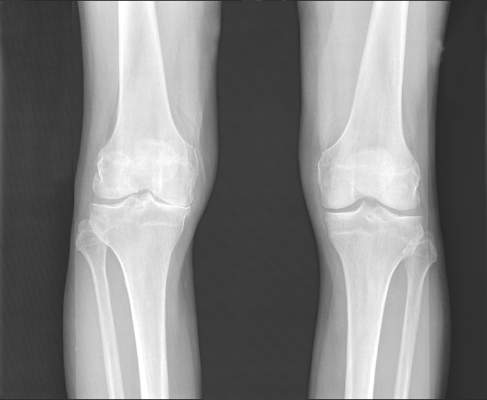
Clinical trials are often statistically underpowered to measure progression of knee osteoarthritis, noted Dr. Virginia B. Kraus of Duke University, because of inefficient methods for identifying patients who would progress.
“This is because, with the exception of generalized OA, traditional risk factors are very poor predictors, and that includes age, gender, BMI [body mass index], knee pain, and baseline joint space width,” she explained. Radiographic changes and changes in Kellgren-Lawrence grade are often slow to appear and may only occur in a few subjects at a time. Imaging biomarkers have been identified but are a “rather expensive way of predicting progression,” Dr. Kraus said. There have been some associations between OA progression and biomarkers in the urine and serum, she said, but still not at a level that could be put to clinical use.
“We hypothesized that we could improve the utility of OA biomarkers by using a nonbiased, nontargeted [mass spectrometry] approach,” Dr. Kraus said, explaining that this allowed them to create a Multiple Reaction Monitoring (MRM) panel of 146 serum peptides that were based on analyses of serum, synovial fluid, and urine samples from knee OA radiographic progressors and nonprogressors. The MRM panel was used first to identify candidate biomarkers and then confirm their differential expression patterns, followed by a process of verifying and validating the selected serum biomarkers.
The main aim of the study was to look for serum biomarkers in data from the Prediction of Osteoarthritis Progression (POP) and Genetics of Generalized Osteoarthritis (GOGO) patient cohorts that would be highly predictive for knee OA progression, with a secondary aim to look at potential early diagnostic biomarkers. The investigators used data from 83 patients with symptomatic knee progression to search for prognostic biomarkers and 126 with symptoms but without knee progression to find diagnostic biomarkers. The mean age of patients was 64 years, and 82% were female. The mean BMI was 28 kg/m2.
As expected, clinical predictors alone – age, gender, and BMI – had low predictive power for OA progression, with an area under the curve (AUC) of about 0.7. However, these clinical parameters in conjunction with a panel of 10 markers identified via MRM improved the AUC to 0.9 in the verification set and 0.8 in the validation set. For diagnosis, the AUC for clinical covariates alone was 0.8, but combined with a set of 19 MRM-identified markers, the AUC was 1.0 for the verification set and 0.9 for the validation set.

Dr. Kraus said that the serum peptide biomarkers identified from the MRM panel predicted that OA progression pathways would involve aggregation of cells, complement activation, cell movement of leukocytes, and cellular infiltration of leukocytes. The pathways predicted to be involved in a diagnosis of OA included skeletal function, cell movement, formation of filaments, cellular protrusions, and hemostasis.
“Results from this work in progress suggest that a select set of biomarkers from nontargeted analyses could significantly improve prediction of knee OA progression,” Dr. Kraus concluded. They also suggest a set of biomarkers could be used for diagnosis because of their distinction from those for progression, with one exception. Future work will look at whether the diagnostic panel could be used in patients with nonradiographic OA to potentially diagnose and perhaps help treat OA early before structural damage is apparent, she said.
The proteomics group at the Hospital Universitario de A Coruña collaborated with researchers at the KTH-Royal Institute of Technology in Stockholm and the University of Oxford (England) to also identify a serum protein biomarker panel that might prove useful for the diagnosis of OA.
Their study compared serum samples taken from 461 patients with knee OA with those taken from 412 patients with rheumatoid arthritis and 159 nonarthritic individuals. Serum samples from each of these groups were divided into a screening (n = 593) and a verification set (n = 439). The data were adjusted for variations in participant’s age, BMI, and gender.
In the screening phase, the investigators used an antibody suspension bead array composed of 174 antibodies to examine 78 protein targets to try to identify the best serum protein biomarker candidates. They replicated the findings in an adapted array of 79 antibodies and 34 protein targets and then used this array in the verification set of serum samples.
There were three proteins that could potentially differentiate patients with OA from controls and perhaps be used to diagnose OA. These were: complement 3, which is involved in inflammation; inter-alpha-trypsin inhibitor heavy chain I, which is involved in the stability of the extracellular matrix; and S100 calcium-binding protein A6, which has a role in chondrocyte differentiation and thus bone remodeling.
“Compared to rheumatoid arthritis patients, we observed that the level of complement 3 and inter-alpha-trypsin inhibitor heavy chain I are significantly increased in osteoarthritis patients,” said the presenting study author Lucía Maria Lourido Salas, PhD. “This suggests the potential of these two proteins as specific proteins for osteoarthritis,” she proposed. A further 28 proteins were found that might also help to differentiate OA from RA; 16 of these were increased and 12 decreased in OA patients. Together these 30 proteins could potentially help identify a specific serum protein signature of OA, Dr. Salas said.
Dr. Kraus and Dr. Salas did not report having any financial disclosures. Dr. Kraus’ research is funded by the Duke Biomarker Factory.
AMSTERDAM – Results of separate U.S. and European studies hold promise that predictive blood tests for the diagnosis and progression of knee osteoarthritis could soon be developed.
Researchers at Duke University in Durham, N.C., and at the Hospital Universitario de A Coruña, Spain, reported their studies’ findings at the World Congress on Osteoarthritis sponsored by the Osteoarthritis Research Society International.
Clinical trials are often statistically underpowered to measure progression of knee osteoarthritis, noted Dr. Virginia B. Kraus of Duke University, because of inefficient methods for identifying patients who would progress.
“This is because, with the exception of generalized OA, traditional risk factors are very poor predictors, and that includes age, gender, BMI [body mass index], knee pain, and baseline joint space width,” she explained. Radiographic changes and changes in Kellgren-Lawrence grade are often slow to appear and may only occur in a few subjects at a time. Imaging biomarkers have been identified but are a “rather expensive way of predicting progression,” Dr. Kraus said. There have been some associations between OA progression and biomarkers in the urine and serum, she said, but still not at a level that could be put to clinical use.
“We hypothesized that we could improve the utility of OA biomarkers by using a nonbiased, nontargeted [mass spectrometry] approach,” Dr. Kraus said, explaining that this allowed them to create a Multiple Reaction Monitoring (MRM) panel of 146 serum peptides that were based on analyses of serum, synovial fluid, and urine samples from knee OA radiographic progressors and nonprogressors. The MRM panel was used first to identify candidate biomarkers and then confirm their differential expression patterns, followed by a process of verifying and validating the selected serum biomarkers.
The main aim of the study was to look for serum biomarkers in data from the Prediction of Osteoarthritis Progression (POP) and Genetics of Generalized Osteoarthritis (GOGO) patient cohorts that would be highly predictive for knee OA progression, with a secondary aim to look at potential early diagnostic biomarkers. The investigators used data from 83 patients with symptomatic knee progression to search for prognostic biomarkers and 126 with symptoms but without knee progression to find diagnostic biomarkers. The mean age of patients was 64 years, and 82% were female. The mean BMI was 28 kg/m2.
As expected, clinical predictors alone – age, gender, and BMI – had low predictive power for OA progression, with an area under the curve (AUC) of about 0.7. However, these clinical parameters in conjunction with a panel of 10 markers identified via MRM improved the AUC to 0.9 in the verification set and 0.8 in the validation set. For diagnosis, the AUC for clinical covariates alone was 0.8, but combined with a set of 19 MRM-identified markers, the AUC was 1.0 for the verification set and 0.9 for the validation set.
Dr. Kraus said that the serum peptide biomarkers identified from the MRM panel predicted that OA progression pathways would involve aggregation of cells, complement activation, cell movement of leukocytes, and cellular infiltration of leukocytes. The pathways predicted to be involved in a diagnosis of OA included skeletal function, cell movement, formation of filaments, cellular protrusions, and hemostasis.
“Results from this work in progress suggest that a select set of biomarkers from nontargeted analyses could significantly improve prediction of knee OA progression,” Dr. Kraus concluded. They also suggest a set of biomarkers could be used for diagnosis because of their distinction from those for progression, with one exception. Future work will look at whether the diagnostic panel could be used in patients with nonradiographic OA to potentially diagnose and perhaps help treat OA early before structural damage is apparent, she said.
The proteomics group at the Hospital Universitario de A Coruña collaborated with researchers at the KTH-Royal Institute of Technology in Stockholm and the University of Oxford (England) to also identify a serum protein biomarker panel that might prove useful for the diagnosis of OA.
Their study compared serum samples taken from 461 patients with knee OA with those taken from 412 patients with rheumatoid arthritis and 159 nonarthritic individuals. Serum samples from each of these groups were divided into a screening (n = 593) and a verification set (n = 439). The data were adjusted for variations in participant’s age, BMI, and gender.
In the screening phase, the investigators used an antibody suspension bead array composed of 174 antibodies to examine 78 protein targets to try to identify the best serum protein biomarker candidates. They replicated the findings in an adapted array of 79 antibodies and 34 protein targets and then used this array in the verification set of serum samples.
There were three proteins that could potentially differentiate patients with OA from controls and perhaps be used to diagnose OA. These were: complement 3, which is involved in inflammation; inter-alpha-trypsin inhibitor heavy chain I, which is involved in the stability of the extracellular matrix; and S100 calcium-binding protein A6, which has a role in chondrocyte differentiation and thus bone remodeling.
“Compared to rheumatoid arthritis patients, we observed that the level of complement 3 and inter-alpha-trypsin inhibitor heavy chain I are significantly increased in osteoarthritis patients,” said the presenting study author Lucía Maria Lourido Salas, PhD. “This suggests the potential of these two proteins as specific proteins for osteoarthritis,” she proposed. A further 28 proteins were found that might also help to differentiate OA from RA; 16 of these were increased and 12 decreased in OA patients. Together these 30 proteins could potentially help identify a specific serum protein signature of OA, Dr. Salas said.
Dr. Kraus and Dr. Salas did not report having any financial disclosures. Dr. Kraus’ research is funded by the Duke Biomarker Factory.
AMSTERDAM – Results of separate U.S. and European studies hold promise that predictive blood tests for the diagnosis and progression of knee osteoarthritis could soon be developed.
Researchers at Duke University in Durham, N.C., and at the Hospital Universitario de A Coruña, Spain, reported their studies’ findings at the World Congress on Osteoarthritis sponsored by the Osteoarthritis Research Society International.
Clinical trials are often statistically underpowered to measure progression of knee osteoarthritis, noted Dr. Virginia B. Kraus of Duke University, because of inefficient methods for identifying patients who would progress.
“This is because, with the exception of generalized OA, traditional risk factors are very poor predictors, and that includes age, gender, BMI [body mass index], knee pain, and baseline joint space width,” she explained. Radiographic changes and changes in Kellgren-Lawrence grade are often slow to appear and may only occur in a few subjects at a time. Imaging biomarkers have been identified but are a “rather expensive way of predicting progression,” Dr. Kraus said. There have been some associations between OA progression and biomarkers in the urine and serum, she said, but still not at a level that could be put to clinical use.
“We hypothesized that we could improve the utility of OA biomarkers by using a nonbiased, nontargeted [mass spectrometry] approach,” Dr. Kraus said, explaining that this allowed them to create a Multiple Reaction Monitoring (MRM) panel of 146 serum peptides that were based on analyses of serum, synovial fluid, and urine samples from knee OA radiographic progressors and nonprogressors. The MRM panel was used first to identify candidate biomarkers and then confirm their differential expression patterns, followed by a process of verifying and validating the selected serum biomarkers.
The main aim of the study was to look for serum biomarkers in data from the Prediction of Osteoarthritis Progression (POP) and Genetics of Generalized Osteoarthritis (GOGO) patient cohorts that would be highly predictive for knee OA progression, with a secondary aim to look at potential early diagnostic biomarkers. The investigators used data from 83 patients with symptomatic knee progression to search for prognostic biomarkers and 126 with symptoms but without knee progression to find diagnostic biomarkers. The mean age of patients was 64 years, and 82% were female. The mean BMI was 28 kg/m2.
As expected, clinical predictors alone – age, gender, and BMI – had low predictive power for OA progression, with an area under the curve (AUC) of about 0.7. However, these clinical parameters in conjunction with a panel of 10 markers identified via MRM improved the AUC to 0.9 in the verification set and 0.8 in the validation set. For diagnosis, the AUC for clinical covariates alone was 0.8, but combined with a set of 19 MRM-identified markers, the AUC was 1.0 for the verification set and 0.9 for the validation set.
Dr. Kraus said that the serum peptide biomarkers identified from the MRM panel predicted that OA progression pathways would involve aggregation of cells, complement activation, cell movement of leukocytes, and cellular infiltration of leukocytes. The pathways predicted to be involved in a diagnosis of OA included skeletal function, cell movement, formation of filaments, cellular protrusions, and hemostasis.
“Results from this work in progress suggest that a select set of biomarkers from nontargeted analyses could significantly improve prediction of knee OA progression,” Dr. Kraus concluded. They also suggest a set of biomarkers could be used for diagnosis because of their distinction from those for progression, with one exception. Future work will look at whether the diagnostic panel could be used in patients with nonradiographic OA to potentially diagnose and perhaps help treat OA early before structural damage is apparent, she said.
The proteomics group at the Hospital Universitario de A Coruña collaborated with researchers at the KTH-Royal Institute of Technology in Stockholm and the University of Oxford (England) to also identify a serum protein biomarker panel that might prove useful for the diagnosis of OA.
Their study compared serum samples taken from 461 patients with knee OA with those taken from 412 patients with rheumatoid arthritis and 159 nonarthritic individuals. Serum samples from each of these groups were divided into a screening (n = 593) and a verification set (n = 439). The data were adjusted for variations in participant’s age, BMI, and gender.
In the screening phase, the investigators used an antibody suspension bead array composed of 174 antibodies to examine 78 protein targets to try to identify the best serum protein biomarker candidates. They replicated the findings in an adapted array of 79 antibodies and 34 protein targets and then used this array in the verification set of serum samples.
There were three proteins that could potentially differentiate patients with OA from controls and perhaps be used to diagnose OA. These were: complement 3, which is involved in inflammation; inter-alpha-trypsin inhibitor heavy chain I, which is involved in the stability of the extracellular matrix; and S100 calcium-binding protein A6, which has a role in chondrocyte differentiation and thus bone remodeling.
“Compared to rheumatoid arthritis patients, we observed that the level of complement 3 and inter-alpha-trypsin inhibitor heavy chain I are significantly increased in osteoarthritis patients,” said the presenting study author Lucía Maria Lourido Salas, PhD. “This suggests the potential of these two proteins as specific proteins for osteoarthritis,” she proposed. A further 28 proteins were found that might also help to differentiate OA from RA; 16 of these were increased and 12 decreased in OA patients. Together these 30 proteins could potentially help identify a specific serum protein signature of OA, Dr. Salas said.
Dr. Kraus and Dr. Salas did not report having any financial disclosures. Dr. Kraus’ research is funded by the Duke Biomarker Factory.
AT OARSI 2016
Key clinical point: Distinct serum biomarker panels have been identified for OA progression and diagnosis.
Major finding: The predictive power of clinical variables was improved by using serum biomarker panels in one U.S. study, with area under the curve of 0.7 for progression and 0.8 for diagnosis increasing to 0.9 and 1.0.
Data source: U.S. and European studies investigating serum biomarkers for OA diagnosis and progression.
Disclosures: Dr. Kraus and Dr. Salas did not report having any financial disclosures.
Osteoarthritis hip pain follows four distinct paths
AMSTERDAM – There are four distinct patterns of pain in patients with early presumed hip osteoarthritis, and several factors could help identify patients most likely to experience more severe pain, according to analysis from a Dutch study.
The majority of the 545 patients included in the analysis from the Cohort Hip and Knee (CHECK) study experienced a low or a mild constant hip pain over a 5-year follow-up period (231 patients, 42.4%). Around one-quarter had moderate hip pain with moderate pain progression (132 patients, 24.2%), about one in six (88 patients, 16.1%) had moderate hip pain with moderate pain regression, and the remainder (94 patients, 17.2%) had constant, severe hip pain.
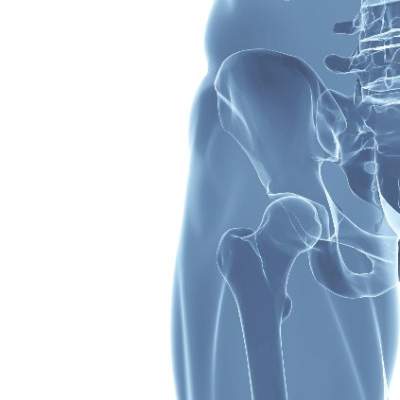
Factors associated with these pain trajectories included the level of education achieved, ability to cope with pain, the Western Ontario and McMaster Universities Arthritis Index (WOMAC) physical function subscale, and pain experienced from internal rotation of the hip.
The findings were reported at the World Congress on Osteoarthritis sponsored by the Osteoarthritis Research Society International. They were also published online in Osteoarthritis and Cartilage (2106 Feb 5. doi: 10.1016/j.joca.2015.11.023).
Although prior studies examined progression predictors in hip OA, none looked specifically at how pain changes over time, noted study author Dr. Alex Bastick of Erasmus University Medical Center, Rotterdam, the Netherlands. Thus, the current aim was to define the trajectory of hip pain among individuals with early symptoms of hip OA, and identify any baseline factors that might help clinicians predict which pain trajectory patients may follow.
The CHECK study is a 10-year nationwide cohort study of 1,002 participants in the Netherlands with assumed early symptomatic OA of the knee, hip, or both. For the current analysis, Dr. Bastick and his associates considered only those patients with hip pain or stiffness who had completed 5 years of follow-up. At baseline, the mean age of the total population was 55.7 years, and 81% of participants were female. About one-quarter (26%) of participants had a clinical OA diagnosis according to American College of Rheumatology criteria.
Baseline radiographic severity was not associated with the various pain trajectories identified, Dr. Bastick observed, but patients who had achieved a lower level of education were roughly three times more likely to experience severe pain than mild or low constant pain. Patients experiencing severe pain were more likely to use pain transformation as a coping strategy, have higher activity limitation scores, and experience painful internal hip rotation.
Because around 60% of patients follow the mild or moderately progressing pain trajectories, conservative treatment in the early stages of hip OA appears appropriate, Dr. Bastick and his associates suggested. Their findings highlight the importance of a physical examination, and that reassessment of clinical symptoms should perhaps be undertaken in the first year of follow-up.
“Future research should be aimed at measuring symptomatic progression of hip OA with even more frequent symptom assessment,” the researchers proposed.
Reumafonds, the Dutch Arthritis Foundation, funded the study. Dr. Bastick did not have financial disclosures.
AMSTERDAM – There are four distinct patterns of pain in patients with early presumed hip osteoarthritis, and several factors could help identify patients most likely to experience more severe pain, according to analysis from a Dutch study.
The majority of the 545 patients included in the analysis from the Cohort Hip and Knee (CHECK) study experienced a low or a mild constant hip pain over a 5-year follow-up period (231 patients, 42.4%). Around one-quarter had moderate hip pain with moderate pain progression (132 patients, 24.2%), about one in six (88 patients, 16.1%) had moderate hip pain with moderate pain regression, and the remainder (94 patients, 17.2%) had constant, severe hip pain.
Factors associated with these pain trajectories included the level of education achieved, ability to cope with pain, the Western Ontario and McMaster Universities Arthritis Index (WOMAC) physical function subscale, and pain experienced from internal rotation of the hip.
The findings were reported at the World Congress on Osteoarthritis sponsored by the Osteoarthritis Research Society International. They were also published online in Osteoarthritis and Cartilage (2106 Feb 5. doi: 10.1016/j.joca.2015.11.023).
Although prior studies examined progression predictors in hip OA, none looked specifically at how pain changes over time, noted study author Dr. Alex Bastick of Erasmus University Medical Center, Rotterdam, the Netherlands. Thus, the current aim was to define the trajectory of hip pain among individuals with early symptoms of hip OA, and identify any baseline factors that might help clinicians predict which pain trajectory patients may follow.
The CHECK study is a 10-year nationwide cohort study of 1,002 participants in the Netherlands with assumed early symptomatic OA of the knee, hip, or both. For the current analysis, Dr. Bastick and his associates considered only those patients with hip pain or stiffness who had completed 5 years of follow-up. At baseline, the mean age of the total population was 55.7 years, and 81% of participants were female. About one-quarter (26%) of participants had a clinical OA diagnosis according to American College of Rheumatology criteria.
Baseline radiographic severity was not associated with the various pain trajectories identified, Dr. Bastick observed, but patients who had achieved a lower level of education were roughly three times more likely to experience severe pain than mild or low constant pain. Patients experiencing severe pain were more likely to use pain transformation as a coping strategy, have higher activity limitation scores, and experience painful internal hip rotation.
Because around 60% of patients follow the mild or moderately progressing pain trajectories, conservative treatment in the early stages of hip OA appears appropriate, Dr. Bastick and his associates suggested. Their findings highlight the importance of a physical examination, and that reassessment of clinical symptoms should perhaps be undertaken in the first year of follow-up.
“Future research should be aimed at measuring symptomatic progression of hip OA with even more frequent symptom assessment,” the researchers proposed.
Reumafonds, the Dutch Arthritis Foundation, funded the study. Dr. Bastick did not have financial disclosures.
AMSTERDAM – There are four distinct patterns of pain in patients with early presumed hip osteoarthritis, and several factors could help identify patients most likely to experience more severe pain, according to analysis from a Dutch study.
The majority of the 545 patients included in the analysis from the Cohort Hip and Knee (CHECK) study experienced a low or a mild constant hip pain over a 5-year follow-up period (231 patients, 42.4%). Around one-quarter had moderate hip pain with moderate pain progression (132 patients, 24.2%), about one in six (88 patients, 16.1%) had moderate hip pain with moderate pain regression, and the remainder (94 patients, 17.2%) had constant, severe hip pain.
Factors associated with these pain trajectories included the level of education achieved, ability to cope with pain, the Western Ontario and McMaster Universities Arthritis Index (WOMAC) physical function subscale, and pain experienced from internal rotation of the hip.
The findings were reported at the World Congress on Osteoarthritis sponsored by the Osteoarthritis Research Society International. They were also published online in Osteoarthritis and Cartilage (2106 Feb 5. doi: 10.1016/j.joca.2015.11.023).
Although prior studies examined progression predictors in hip OA, none looked specifically at how pain changes over time, noted study author Dr. Alex Bastick of Erasmus University Medical Center, Rotterdam, the Netherlands. Thus, the current aim was to define the trajectory of hip pain among individuals with early symptoms of hip OA, and identify any baseline factors that might help clinicians predict which pain trajectory patients may follow.
The CHECK study is a 10-year nationwide cohort study of 1,002 participants in the Netherlands with assumed early symptomatic OA of the knee, hip, or both. For the current analysis, Dr. Bastick and his associates considered only those patients with hip pain or stiffness who had completed 5 years of follow-up. At baseline, the mean age of the total population was 55.7 years, and 81% of participants were female. About one-quarter (26%) of participants had a clinical OA diagnosis according to American College of Rheumatology criteria.
Baseline radiographic severity was not associated with the various pain trajectories identified, Dr. Bastick observed, but patients who had achieved a lower level of education were roughly three times more likely to experience severe pain than mild or low constant pain. Patients experiencing severe pain were more likely to use pain transformation as a coping strategy, have higher activity limitation scores, and experience painful internal hip rotation.
Because around 60% of patients follow the mild or moderately progressing pain trajectories, conservative treatment in the early stages of hip OA appears appropriate, Dr. Bastick and his associates suggested. Their findings highlight the importance of a physical examination, and that reassessment of clinical symptoms should perhaps be undertaken in the first year of follow-up.
“Future research should be aimed at measuring symptomatic progression of hip OA with even more frequent symptom assessment,” the researchers proposed.
Reumafonds, the Dutch Arthritis Foundation, funded the study. Dr. Bastick did not have financial disclosures.
AT OARSI 2016
Key clinical point: Understanding how osteoarthritis hip pain changes over time may help manage those who experience severe pain.
Major finding: Four hip pain trajectories were identified: low, mild constant pain (42.4%, n = 231); moderate, with moderate pain progression (24.2%, n = 132); moderate, with moderate pain regression (16.1%, n = 88); and constant severe pain (17.2%, n = 94).
Data source: The Cohort Hip and Knee (CHECK) study, a Dutch, prospective, nationwide study of 1,002 participants with assumed early symptomatic osteoarthritis of the knee, hip, or both.
Disclosures: Reumafonds, the Dutch Arthritis Foundation, funded the study. Dr. Bastick did not have financial disclosures.
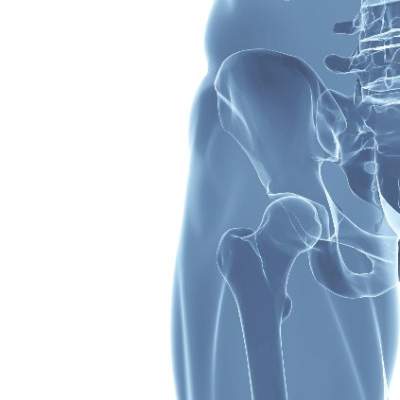
Sustained-release steroid provides prolonged OA pain relief
AMSTERDAM – A single intra-articular injection of a novel corticosteroid formulation provided substantial and persistent pain relief for at least 12 weeks in patients with knee osteoarthritis in a phase III trial that was presented at the World Congress on Osteoarthritis.
FX006 (Zilretta), given at a dose of 40 mg, significantly (P less than .05) reduced the mean daily pain intensity score from around 2 weeks onwards in the region of 3.0 to 3.5 points on a 0-10 scale compared with a reduction of around 1.5 to 2.0 points for placebo. There were also significant reductions in additional efficacy outcomes such as Western Ontario and McMaster Universities Index (WOMAC) pain and function versus placebo and a standard formulation of triamcinolone acetate (TCA).

Data from a phase IIb trial had originally been scheduled to be presented at the meeting – which is sponsored by the Osteoarthritis Research Society International – but the phase III findings had just become available, said Dr. Philip Conaghan of the University of Leeds (England). The phase II findings showed that there was a substantial and persistent pain relieving effect of FX006 versus placebo and that there was evidence of a dose response.
These data provide “proof of concept that we can develop long-acting steroids that have real potential for changing how we might manage knee OA,” said Dr. Conaghan, professor of musculoskeletal medicine and deputy director of the Leeds Musculoskeletal Biomedical Research Unit.
Intra-articular steroids have long been used to treat OA and they can be effective, albeit for a short period of time. FX006 is an investigational formulation of TCA in polylactic-co-glycolic acid microspheres that has been designed to try to extend the analgesic effects of the steroid and to reduce overall systemic exposure and thus side effects. Each microsphere is around 45 microns in diameter.
The aim of the phase IIb study was to examine the efficacy of two doses of FX006 (20 mg and 40 mg) versus placebo in patients with moderate to severe OA knee pain. The double-blind, randomized trial involved 310 patients who were followed for 24 weeks. The primary outcome was the change from baseline to week 12 in the weekly mean of the average daily pain intensity scores, compared with placebo.
There was evidence of a dose response, with the 40-mg dose of FX006 producing statistically significantly greater changes in pain scores versus placebo. Although the primary endpoint of a statistical difference at 12 weeks was not met, there were significant differences at all other time points from week 1 to 13. WOMAC pain and function scores were also significantly reduced with the 40-mg dose versus placebo.
The phase III trial involved 484 patients who were randomized to intra-articular injections of FX006 40 mg, standard TCA 40 mg, or placebo. As in the phase IIb trial patients were well matched at baseline, with a mean overall age of 62 years, a body mass index of 30 kg/m2 and around two-thirds having OA in both knees.
Dr. Conaghan reported that there were “no unexpected safety signals” during the trials. A combined safety summary showed that treatment-emergent adverse events occurred in 42.2% and 50.9% of patients treated with FX006 20 mg and 40 mg, respectively, in 49.2% of placebo-treated patients, and in 56.5% of TCA-treated patients. Serious adverse event rates were 1%, 3%, 1.1%, and 2.5%, respectively, and were assessed as being unrelated to treatment. Adverse events related to the knee occurred in 14.7%, 16.6%, 14.1%, and 9.9%, and injection-related adverse events in 2%, 1.9%, 4.2%, and 1.9%, respectively.
The studies were funded by Flexion Therapeutics. Dr. Conaghan did not report his financial disclosures.
AMSTERDAM – A single intra-articular injection of a novel corticosteroid formulation provided substantial and persistent pain relief for at least 12 weeks in patients with knee osteoarthritis in a phase III trial that was presented at the World Congress on Osteoarthritis.
FX006 (Zilretta), given at a dose of 40 mg, significantly (P less than .05) reduced the mean daily pain intensity score from around 2 weeks onwards in the region of 3.0 to 3.5 points on a 0-10 scale compared with a reduction of around 1.5 to 2.0 points for placebo. There were also significant reductions in additional efficacy outcomes such as Western Ontario and McMaster Universities Index (WOMAC) pain and function versus placebo and a standard formulation of triamcinolone acetate (TCA).
Data from a phase IIb trial had originally been scheduled to be presented at the meeting – which is sponsored by the Osteoarthritis Research Society International – but the phase III findings had just become available, said Dr. Philip Conaghan of the University of Leeds (England). The phase II findings showed that there was a substantial and persistent pain relieving effect of FX006 versus placebo and that there was evidence of a dose response.
These data provide “proof of concept that we can develop long-acting steroids that have real potential for changing how we might manage knee OA,” said Dr. Conaghan, professor of musculoskeletal medicine and deputy director of the Leeds Musculoskeletal Biomedical Research Unit.
Intra-articular steroids have long been used to treat OA and they can be effective, albeit for a short period of time. FX006 is an investigational formulation of TCA in polylactic-co-glycolic acid microspheres that has been designed to try to extend the analgesic effects of the steroid and to reduce overall systemic exposure and thus side effects. Each microsphere is around 45 microns in diameter.
The aim of the phase IIb study was to examine the efficacy of two doses of FX006 (20 mg and 40 mg) versus placebo in patients with moderate to severe OA knee pain. The double-blind, randomized trial involved 310 patients who were followed for 24 weeks. The primary outcome was the change from baseline to week 12 in the weekly mean of the average daily pain intensity scores, compared with placebo.
There was evidence of a dose response, with the 40-mg dose of FX006 producing statistically significantly greater changes in pain scores versus placebo. Although the primary endpoint of a statistical difference at 12 weeks was not met, there were significant differences at all other time points from week 1 to 13. WOMAC pain and function scores were also significantly reduced with the 40-mg dose versus placebo.
The phase III trial involved 484 patients who were randomized to intra-articular injections of FX006 40 mg, standard TCA 40 mg, or placebo. As in the phase IIb trial patients were well matched at baseline, with a mean overall age of 62 years, a body mass index of 30 kg/m2 and around two-thirds having OA in both knees.
Dr. Conaghan reported that there were “no unexpected safety signals” during the trials. A combined safety summary showed that treatment-emergent adverse events occurred in 42.2% and 50.9% of patients treated with FX006 20 mg and 40 mg, respectively, in 49.2% of placebo-treated patients, and in 56.5% of TCA-treated patients. Serious adverse event rates were 1%, 3%, 1.1%, and 2.5%, respectively, and were assessed as being unrelated to treatment. Adverse events related to the knee occurred in 14.7%, 16.6%, 14.1%, and 9.9%, and injection-related adverse events in 2%, 1.9%, 4.2%, and 1.9%, respectively.
The studies were funded by Flexion Therapeutics. Dr. Conaghan did not report his financial disclosures.
AMSTERDAM – A single intra-articular injection of a novel corticosteroid formulation provided substantial and persistent pain relief for at least 12 weeks in patients with knee osteoarthritis in a phase III trial that was presented at the World Congress on Osteoarthritis.
FX006 (Zilretta), given at a dose of 40 mg, significantly (P less than .05) reduced the mean daily pain intensity score from around 2 weeks onwards in the region of 3.0 to 3.5 points on a 0-10 scale compared with a reduction of around 1.5 to 2.0 points for placebo. There were also significant reductions in additional efficacy outcomes such as Western Ontario and McMaster Universities Index (WOMAC) pain and function versus placebo and a standard formulation of triamcinolone acetate (TCA).
Data from a phase IIb trial had originally been scheduled to be presented at the meeting – which is sponsored by the Osteoarthritis Research Society International – but the phase III findings had just become available, said Dr. Philip Conaghan of the University of Leeds (England). The phase II findings showed that there was a substantial and persistent pain relieving effect of FX006 versus placebo and that there was evidence of a dose response.
These data provide “proof of concept that we can develop long-acting steroids that have real potential for changing how we might manage knee OA,” said Dr. Conaghan, professor of musculoskeletal medicine and deputy director of the Leeds Musculoskeletal Biomedical Research Unit.
Intra-articular steroids have long been used to treat OA and they can be effective, albeit for a short period of time. FX006 is an investigational formulation of TCA in polylactic-co-glycolic acid microspheres that has been designed to try to extend the analgesic effects of the steroid and to reduce overall systemic exposure and thus side effects. Each microsphere is around 45 microns in diameter.
The aim of the phase IIb study was to examine the efficacy of two doses of FX006 (20 mg and 40 mg) versus placebo in patients with moderate to severe OA knee pain. The double-blind, randomized trial involved 310 patients who were followed for 24 weeks. The primary outcome was the change from baseline to week 12 in the weekly mean of the average daily pain intensity scores, compared with placebo.
There was evidence of a dose response, with the 40-mg dose of FX006 producing statistically significantly greater changes in pain scores versus placebo. Although the primary endpoint of a statistical difference at 12 weeks was not met, there were significant differences at all other time points from week 1 to 13. WOMAC pain and function scores were also significantly reduced with the 40-mg dose versus placebo.
The phase III trial involved 484 patients who were randomized to intra-articular injections of FX006 40 mg, standard TCA 40 mg, or placebo. As in the phase IIb trial patients were well matched at baseline, with a mean overall age of 62 years, a body mass index of 30 kg/m2 and around two-thirds having OA in both knees.
Dr. Conaghan reported that there were “no unexpected safety signals” during the trials. A combined safety summary showed that treatment-emergent adverse events occurred in 42.2% and 50.9% of patients treated with FX006 20 mg and 40 mg, respectively, in 49.2% of placebo-treated patients, and in 56.5% of TCA-treated patients. Serious adverse event rates were 1%, 3%, 1.1%, and 2.5%, respectively, and were assessed as being unrelated to treatment. Adverse events related to the knee occurred in 14.7%, 16.6%, 14.1%, and 9.9%, and injection-related adverse events in 2%, 1.9%, 4.2%, and 1.9%, respectively.
The studies were funded by Flexion Therapeutics. Dr. Conaghan did not report his financial disclosures.
AT OARSI 2016
Key clinical point: A single intra-articular injection of FX006 provided pain relief for up to 12 weeks.
Major finding: The mean daily pain intensity score was significantly reduced by 3.0 to 3.5 points with FX006 versus 1.5 to 2.0 points for placebo.
Data source: A phase IIb (n = 310) and a phase III (n = 454) study conducted in patients with moderate to severe knee OA.
Disclosures: The studies were funded by Flexion Therapeutics. Dr. Conaghan did not report his financial disclosures.

Persistent Knee Pain Predicts Structural Osteoarthritis Early
AMSTERDAM – Persistent knee pain is an important predictor of structural joint damage and could potentially be used to predict knee osteoarthritis (OA) earlier, according to Dutch research reported at the World Congress on Osteoarthritis.
The analysis found that women participating in the Rotterdam Study who had knee pain on most days of the preceding month were more than four times more likely to develop knee OA within 5 years on MRI (odds ratio, 4.53) than were those without frequent knee pain.
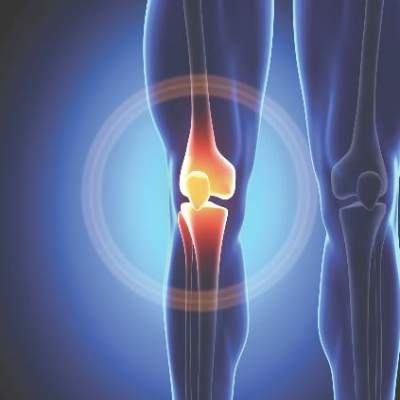
Other signs and symptoms predictive of later OA on MRI included a history of knee injury (OR, 2.52), pain on palpation (OR, 2.30) or during activity (OR, 2.13), the feeling of the knee giving way (OR, 2.13), joint line tenderness (OR, 2.04), crepitus (or grating sounds or sensations; OR, 1.85), and Heberden’s nodes (OR, 1.67).
“Signs and symptoms can predict structural knee OA in 5 years in women without knee OA at baseline,” said the presenting study author Dieuwke Schiphof, Ph.D., a postdoctoral researcher at Erasmus University Medical Center in Rotterdam, at the meeting sponsored by the Osteoarthritis Research Society International.
“Knee pain on most days of the last month is an important predictive symptom for all structural OA definitions,” she said, adding that crepitus was an important sign of patellofemoral OA, and the feeling of giving way and joint line tenderness were important signs for tibiofemoral OA.
The aim of their study was to try to determine the value of previously identified clinical signs and symptoms for determining the onset of structural knee OA. Around 600 women aged 45-60 years without OA at baseline were included from the population-based cohort Rotterdam study. Participants had completed a standard questionnaire and had physical, radiographic, and MRI examination of both knees at baseline and at a mean follow-up of 5 years later.
The mean age of women was 59.5 years and 33 of 1,137 knees had isolated patellofemoral OA and 69 had isolated tibiofemoral OA, 111 one or the other, and 22 had radiographic knee OA.
Results showed that knee pain on most days of the last month (OR, 7.57) and crepitus (OR, 3.05) were most predictive of isolated patellofemoral OA on MRI. The prevalence of patellofemoral OA was 3% but this increased to 20% if both these signs and symptoms were present.
Knee pain on most days of the last month (OR, 4.13) was also predictive of isolated tibiofemoral OA on MRI, together with a history of knee pain (OR, 2.48), knee pain during activities (OR, 2.04), and the feeling of the knee giving way (OR, 3.15). If two or three or more signs and symptoms were present, the predictive value increased from a prevalence of 6% to 12% to 18%.
Knee pain on most days of the last month was also highly predictive of radiographic OA (OR, 7.77), as was pain at palpation (OR, 4.36), prior injury (OR, 3.64), and the feeling of the knee giving way (OR, 2.75). Again, when additional signs or symptoms were present the prevalence increased from a prevalence of 3% at follow-up to 4% with one, 8% with two, and up to 14% for three or more.
These signs and symptoms could potentially be used to help identify patients that may benefit from preventive treatment for knee OA, the researchers believe.
The study was funded by The Netherlands Organisation for Health Research and Development and Reumafonds, the Dutch Arthritis Association. Dr. Schiphof had no financial disclosures.
AMSTERDAM – Persistent knee pain is an important predictor of structural joint damage and could potentially be used to predict knee osteoarthritis (OA) earlier, according to Dutch research reported at the World Congress on Osteoarthritis.
The analysis found that women participating in the Rotterdam Study who had knee pain on most days of the preceding month were more than four times more likely to develop knee OA within 5 years on MRI (odds ratio, 4.53) than were those without frequent knee pain.
Other signs and symptoms predictive of later OA on MRI included a history of knee injury (OR, 2.52), pain on palpation (OR, 2.30) or during activity (OR, 2.13), the feeling of the knee giving way (OR, 2.13), joint line tenderness (OR, 2.04), crepitus (or grating sounds or sensations; OR, 1.85), and Heberden’s nodes (OR, 1.67).
“Signs and symptoms can predict structural knee OA in 5 years in women without knee OA at baseline,” said the presenting study author Dieuwke Schiphof, Ph.D., a postdoctoral researcher at Erasmus University Medical Center in Rotterdam, at the meeting sponsored by the Osteoarthritis Research Society International.
“Knee pain on most days of the last month is an important predictive symptom for all structural OA definitions,” she said, adding that crepitus was an important sign of patellofemoral OA, and the feeling of giving way and joint line tenderness were important signs for tibiofemoral OA.
The aim of their study was to try to determine the value of previously identified clinical signs and symptoms for determining the onset of structural knee OA. Around 600 women aged 45-60 years without OA at baseline were included from the population-based cohort Rotterdam study. Participants had completed a standard questionnaire and had physical, radiographic, and MRI examination of both knees at baseline and at a mean follow-up of 5 years later.
The mean age of women was 59.5 years and 33 of 1,137 knees had isolated patellofemoral OA and 69 had isolated tibiofemoral OA, 111 one or the other, and 22 had radiographic knee OA.
Results showed that knee pain on most days of the last month (OR, 7.57) and crepitus (OR, 3.05) were most predictive of isolated patellofemoral OA on MRI. The prevalence of patellofemoral OA was 3% but this increased to 20% if both these signs and symptoms were present.
Knee pain on most days of the last month (OR, 4.13) was also predictive of isolated tibiofemoral OA on MRI, together with a history of knee pain (OR, 2.48), knee pain during activities (OR, 2.04), and the feeling of the knee giving way (OR, 3.15). If two or three or more signs and symptoms were present, the predictive value increased from a prevalence of 6% to 12% to 18%.
Knee pain on most days of the last month was also highly predictive of radiographic OA (OR, 7.77), as was pain at palpation (OR, 4.36), prior injury (OR, 3.64), and the feeling of the knee giving way (OR, 2.75). Again, when additional signs or symptoms were present the prevalence increased from a prevalence of 3% at follow-up to 4% with one, 8% with two, and up to 14% for three or more.
These signs and symptoms could potentially be used to help identify patients that may benefit from preventive treatment for knee OA, the researchers believe.
The study was funded by The Netherlands Organisation for Health Research and Development and Reumafonds, the Dutch Arthritis Association. Dr. Schiphof had no financial disclosures.
AMSTERDAM – Persistent knee pain is an important predictor of structural joint damage and could potentially be used to predict knee osteoarthritis (OA) earlier, according to Dutch research reported at the World Congress on Osteoarthritis.
The analysis found that women participating in the Rotterdam Study who had knee pain on most days of the preceding month were more than four times more likely to develop knee OA within 5 years on MRI (odds ratio, 4.53) than were those without frequent knee pain.
Other signs and symptoms predictive of later OA on MRI included a history of knee injury (OR, 2.52), pain on palpation (OR, 2.30) or during activity (OR, 2.13), the feeling of the knee giving way (OR, 2.13), joint line tenderness (OR, 2.04), crepitus (or grating sounds or sensations; OR, 1.85), and Heberden’s nodes (OR, 1.67).
“Signs and symptoms can predict structural knee OA in 5 years in women without knee OA at baseline,” said the presenting study author Dieuwke Schiphof, Ph.D., a postdoctoral researcher at Erasmus University Medical Center in Rotterdam, at the meeting sponsored by the Osteoarthritis Research Society International.
“Knee pain on most days of the last month is an important predictive symptom for all structural OA definitions,” she said, adding that crepitus was an important sign of patellofemoral OA, and the feeling of giving way and joint line tenderness were important signs for tibiofemoral OA.
The aim of their study was to try to determine the value of previously identified clinical signs and symptoms for determining the onset of structural knee OA. Around 600 women aged 45-60 years without OA at baseline were included from the population-based cohort Rotterdam study. Participants had completed a standard questionnaire and had physical, radiographic, and MRI examination of both knees at baseline and at a mean follow-up of 5 years later.
The mean age of women was 59.5 years and 33 of 1,137 knees had isolated patellofemoral OA and 69 had isolated tibiofemoral OA, 111 one or the other, and 22 had radiographic knee OA.
Results showed that knee pain on most days of the last month (OR, 7.57) and crepitus (OR, 3.05) were most predictive of isolated patellofemoral OA on MRI. The prevalence of patellofemoral OA was 3% but this increased to 20% if both these signs and symptoms were present.
Knee pain on most days of the last month (OR, 4.13) was also predictive of isolated tibiofemoral OA on MRI, together with a history of knee pain (OR, 2.48), knee pain during activities (OR, 2.04), and the feeling of the knee giving way (OR, 3.15). If two or three or more signs and symptoms were present, the predictive value increased from a prevalence of 6% to 12% to 18%.
Knee pain on most days of the last month was also highly predictive of radiographic OA (OR, 7.77), as was pain at palpation (OR, 4.36), prior injury (OR, 3.64), and the feeling of the knee giving way (OR, 2.75). Again, when additional signs or symptoms were present the prevalence increased from a prevalence of 3% at follow-up to 4% with one, 8% with two, and up to 14% for three or more.
These signs and symptoms could potentially be used to help identify patients that may benefit from preventive treatment for knee OA, the researchers believe.
The study was funded by The Netherlands Organisation for Health Research and Development and Reumafonds, the Dutch Arthritis Association. Dr. Schiphof had no financial disclosures.
AT OARSI 2016
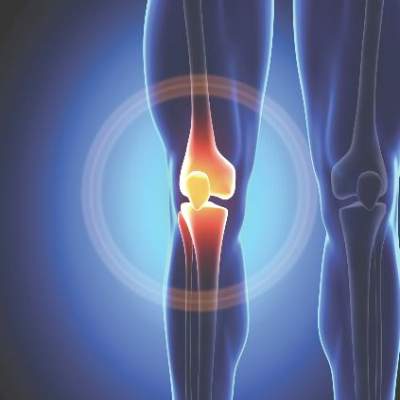
Persistent knee pain predicts structural osteoarthritis early
AMSTERDAM – Persistent knee pain is an important predictor of structural joint damage and could potentially be used to predict knee osteoarthritis (OA) earlier, according to Dutch research reported at the World Congress on Osteoarthritis.
The analysis found that women participating in the Rotterdam Study who had knee pain on most days of the preceding month were more than four times more likely to develop knee OA within 5 years on MRI (odds ratio, 4.53) than were those without frequent knee pain.
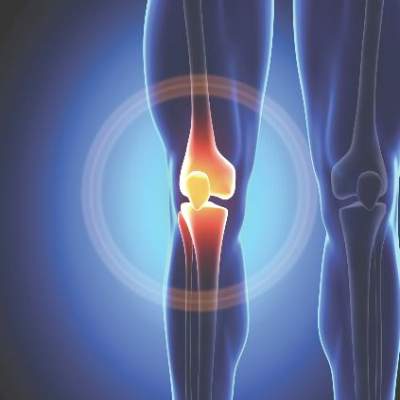
Other signs and symptoms predictive of later OA on MRI included a history of knee injury (OR, 2.52), pain on palpation (OR, 2.30) or during activity (OR, 2.13), the feeling of the knee giving way (OR, 2.13), joint line tenderness (OR, 2.04), crepitus (or grating sounds or sensations; OR, 1.85), and Heberden’s nodes (OR, 1.67).
“Signs and symptoms can predict structural knee OA in 5 years in women without knee OA at baseline,” said the presenting study author Dieuwke Schiphof, Ph.D., a postdoctoral researcher at Erasmus University Medical Center in Rotterdam, at the meeting sponsored by the Osteoarthritis Research Society International.
“Knee pain on most days of the last month is an important predictive symptom for all structural OA definitions,” she said, adding that crepitus was an important sign of patellofemoral OA, and the feeling of giving way and joint line tenderness were important signs for tibiofemoral OA.
The aim of their study was to try to determine the value of previously identified clinical signs and symptoms for determining the onset of structural knee OA. Around 600 women aged 45-60 years without OA at baseline were included from the population-based cohort Rotterdam study. Participants had completed a standard questionnaire and had physical, radiographic, and MRI examination of both knees at baseline and at a mean follow-up of 5 years later.
The mean age of women was 59.5 years and 33 of 1,137 knees had isolated patellofemoral OA and 69 had isolated tibiofemoral OA, 111 one or the other, and 22 had radiographic knee OA.
Results showed that knee pain on most days of the last month (OR, 7.57) and crepitus (OR, 3.05) were most predictive of isolated patellofemoral OA on MRI. The prevalence of patellofemoral OA was 3% but this increased to 20% if both these signs and symptoms were present.
Knee pain on most days of the last month (OR, 4.13) was also predictive of isolated tibiofemoral OA on MRI, together with a history of knee pain (OR, 2.48), knee pain during activities (OR, 2.04), and the feeling of the knee giving way (OR, 3.15). If two or three or more signs and symptoms were present, the predictive value increased from a prevalence of 6% to 12% to 18%.
Knee pain on most days of the last month was also highly predictive of radiographic OA (OR, 7.77), as was pain at palpation (OR, 4.36), prior injury (OR, 3.64), and the feeling of the knee giving way (OR, 2.75). Again, when additional signs or symptoms were present the prevalence increased from a prevalence of 3% at follow-up to 4% with one, 8% with two, and up to 14% for three or more.
These signs and symptoms could potentially be used to help identify patients that may benefit from preventive treatment for knee OA, the researchers believe.
The study was funded by The Netherlands Organisation for Health Research and Development and Reumafonds, the Dutch Arthritis Association. Dr. Schiphof had no financial disclosures.
AMSTERDAM – Persistent knee pain is an important predictor of structural joint damage and could potentially be used to predict knee osteoarthritis (OA) earlier, according to Dutch research reported at the World Congress on Osteoarthritis.
The analysis found that women participating in the Rotterdam Study who had knee pain on most days of the preceding month were more than four times more likely to develop knee OA within 5 years on MRI (odds ratio, 4.53) than were those without frequent knee pain.
Other signs and symptoms predictive of later OA on MRI included a history of knee injury (OR, 2.52), pain on palpation (OR, 2.30) or during activity (OR, 2.13), the feeling of the knee giving way (OR, 2.13), joint line tenderness (OR, 2.04), crepitus (or grating sounds or sensations; OR, 1.85), and Heberden’s nodes (OR, 1.67).
“Signs and symptoms can predict structural knee OA in 5 years in women without knee OA at baseline,” said the presenting study author Dieuwke Schiphof, Ph.D., a postdoctoral researcher at Erasmus University Medical Center in Rotterdam, at the meeting sponsored by the Osteoarthritis Research Society International.
“Knee pain on most days of the last month is an important predictive symptom for all structural OA definitions,” she said, adding that crepitus was an important sign of patellofemoral OA, and the feeling of giving way and joint line tenderness were important signs for tibiofemoral OA.
The aim of their study was to try to determine the value of previously identified clinical signs and symptoms for determining the onset of structural knee OA. Around 600 women aged 45-60 years without OA at baseline were included from the population-based cohort Rotterdam study. Participants had completed a standard questionnaire and had physical, radiographic, and MRI examination of both knees at baseline and at a mean follow-up of 5 years later.
The mean age of women was 59.5 years and 33 of 1,137 knees had isolated patellofemoral OA and 69 had isolated tibiofemoral OA, 111 one or the other, and 22 had radiographic knee OA.
Results showed that knee pain on most days of the last month (OR, 7.57) and crepitus (OR, 3.05) were most predictive of isolated patellofemoral OA on MRI. The prevalence of patellofemoral OA was 3% but this increased to 20% if both these signs and symptoms were present.
Knee pain on most days of the last month (OR, 4.13) was also predictive of isolated tibiofemoral OA on MRI, together with a history of knee pain (OR, 2.48), knee pain during activities (OR, 2.04), and the feeling of the knee giving way (OR, 3.15). If two or three or more signs and symptoms were present, the predictive value increased from a prevalence of 6% to 12% to 18%.
Knee pain on most days of the last month was also highly predictive of radiographic OA (OR, 7.77), as was pain at palpation (OR, 4.36), prior injury (OR, 3.64), and the feeling of the knee giving way (OR, 2.75). Again, when additional signs or symptoms were present the prevalence increased from a prevalence of 3% at follow-up to 4% with one, 8% with two, and up to 14% for three or more.
These signs and symptoms could potentially be used to help identify patients that may benefit from preventive treatment for knee OA, the researchers believe.
The study was funded by The Netherlands Organisation for Health Research and Development and Reumafonds, the Dutch Arthritis Association. Dr. Schiphof had no financial disclosures.
AMSTERDAM – Persistent knee pain is an important predictor of structural joint damage and could potentially be used to predict knee osteoarthritis (OA) earlier, according to Dutch research reported at the World Congress on Osteoarthritis.
The analysis found that women participating in the Rotterdam Study who had knee pain on most days of the preceding month were more than four times more likely to develop knee OA within 5 years on MRI (odds ratio, 4.53) than were those without frequent knee pain.
Other signs and symptoms predictive of later OA on MRI included a history of knee injury (OR, 2.52), pain on palpation (OR, 2.30) or during activity (OR, 2.13), the feeling of the knee giving way (OR, 2.13), joint line tenderness (OR, 2.04), crepitus (or grating sounds or sensations; OR, 1.85), and Heberden’s nodes (OR, 1.67).
“Signs and symptoms can predict structural knee OA in 5 years in women without knee OA at baseline,” said the presenting study author Dieuwke Schiphof, Ph.D., a postdoctoral researcher at Erasmus University Medical Center in Rotterdam, at the meeting sponsored by the Osteoarthritis Research Society International.
“Knee pain on most days of the last month is an important predictive symptom for all structural OA definitions,” she said, adding that crepitus was an important sign of patellofemoral OA, and the feeling of giving way and joint line tenderness were important signs for tibiofemoral OA.
The aim of their study was to try to determine the value of previously identified clinical signs and symptoms for determining the onset of structural knee OA. Around 600 women aged 45-60 years without OA at baseline were included from the population-based cohort Rotterdam study. Participants had completed a standard questionnaire and had physical, radiographic, and MRI examination of both knees at baseline and at a mean follow-up of 5 years later.
The mean age of women was 59.5 years and 33 of 1,137 knees had isolated patellofemoral OA and 69 had isolated tibiofemoral OA, 111 one or the other, and 22 had radiographic knee OA.
Results showed that knee pain on most days of the last month (OR, 7.57) and crepitus (OR, 3.05) were most predictive of isolated patellofemoral OA on MRI. The prevalence of patellofemoral OA was 3% but this increased to 20% if both these signs and symptoms were present.
Knee pain on most days of the last month (OR, 4.13) was also predictive of isolated tibiofemoral OA on MRI, together with a history of knee pain (OR, 2.48), knee pain during activities (OR, 2.04), and the feeling of the knee giving way (OR, 3.15). If two or three or more signs and symptoms were present, the predictive value increased from a prevalence of 6% to 12% to 18%.
Knee pain on most days of the last month was also highly predictive of radiographic OA (OR, 7.77), as was pain at palpation (OR, 4.36), prior injury (OR, 3.64), and the feeling of the knee giving way (OR, 2.75). Again, when additional signs or symptoms were present the prevalence increased from a prevalence of 3% at follow-up to 4% with one, 8% with two, and up to 14% for three or more.
These signs and symptoms could potentially be used to help identify patients that may benefit from preventive treatment for knee OA, the researchers believe.
The study was funded by The Netherlands Organisation for Health Research and Development and Reumafonds, the Dutch Arthritis Association. Dr. Schiphof had no financial disclosures.
AT OARSI 2016
Key clinical point: Several signs and symptoms could be used to help identify patients with osteoarthritis (OA) up to 5 years before joint damage occurs.
Major finding: Knee pain on most days of the last month was predictive of both MRI and radiographic knee damage.
Data source: 592 women from the Rotterdam Study without knee OA at baseline.
Disclosures: The study was funded by The Netherlands Organisation for Health Research and Development and Reumafonds, the Dutch Arthritis Association. Dr. Schiphof had no financial disclosures.
Less symptomatic patients ‘worse off’ after knee surgery
AMSTERDAM – Patients with milder knee osteoarthritis symptoms or better quality of life before undergoing total knee replacement surgery gained less benefit from the surgery than did those who had more severe symptoms in two separate analyses of British and U.S. patients.
Additional evidence from total knee replacements (TKRs) performed on U.S. participants of the Osteoarthritis Initiative also suggest that as the use of TKR has increased to include less symptomatic patients, the overall cost-effectiveness of the procedure has declined.
“Knee replacements are one of those interventions that are known to be very effective and very cost-effective,” Rafael Pinedo-Villanueva, Ph.D., of the University of Oxford (England) said during his presentation of National Health Service data from England at the World Congress on Osteoarthritis. Indeed, knee replacements are associated with significant improvements in pain, function, and quality of life, he said, but that is if you look at the mean values.
As the deciles for baseline knee pain and function decrease in severity, there are diminishing mean improvements and an increasing proportion of patients who do worse after the operation, he reported. Up to 17% of patients had unchanged or improved knee pain scores and up to 27% had lower quality of life scores. If minimally important differences were considered, these percentages rose to 40% and 48% of patients being worse off, respectively.
“The significant improvements seem to be overshadowing what happens to those patients who are doing worse,” Dr. Pinedo-Villanueva suggested. “So essentially cost-effectiveness is being driven by the magnitude of the change in those who do improve, and we don’t really see much about what is happening to those who are doing worse.”
Of over 215,000 records of knee replacement collected from all patients undergoing TKR in England during 2008-2012, Dr. Pinedo-Villanueva and his study coauthors found 117,844 had data on pre- and post-operative knee pain assessed using the Oxford Knee Score (OKS) and quality of life measured with the EQ-5D instrument. The majority of replacements were in women (55%) and almost three quarters of patients had one or no comorbidities. Overall, the mean change in OKS was 15 points, improving from 19 to 34 (the higher the score the lesser the knee pain). EQ-5D scores also improved by a mean difference of 0.30 (from 0.41 to 0.70 where 1.0 is perfect health). Although the vast majority of patients had improved OKS and EQ-5D scores after surgery, unchanged or decreased scores were seen in 8% and 22% of patients, respectively.
“As we breakdown these data by deciles of baseline pain and function we see clearly that those starting at the lower decile improved the most, and that’s to be expected; they’ve a lot more to improve than the ones that came into the operation at the higher decile,” Dr. Pinedo-Villanueva said at the Congress, sponsored by the Osteoarthritis Research Society International. But there were patients who fared worse at every decile, he noted.
Dr. Pinedo-Villanueva concluded that outcome prediction models were needed to try to reduce the number of patients who are apparently worse off after knee replacement and improve the efficiency of resource allocation.
The value of TKR in a contemporary U.S. population was the focus of a separate presentation by Dr. Bart Ferket of Mount Sinai Hospital in New York. Dr. Ferket reported the results of a study looking at the impact of TKR on patients’ quality of life, lifetime costs, and quality-adjusted life years (QALYs) while varying the use of TKR by patients’ functional status at baseline.
“In the United States, the rate at which total knee replacement is performed has doubled in the last two decades,” Dr. Ferket observed. This “disproportionate” increase has been attributed to expanding the eligibility criteria to include less symptomatic patients.
Using data collected over an 8-year period on 1,327 participants from the Osteoarthritis Initiative, Dr. Ferket and his associates at Mount Sinai and Erasmus University Medical Center in Rotterdam (The Netherlands) discovered that the increased uptake of TKR might have affected the likely benefit and reduced the overall cost-effectiveness of the procedure.
At baseline, 17% of the participants, who all had knee osteoarthritis, had had a prior knee replacement.
Quality of life measured on the physical component scores (PCS) of the 12-item Short Form (SF-12) were generally improved after TKR but decreased in those who did not have a knee replaced. The effect on the mental component of the SF-12 was less clear, with possibly a decrease seen in some patients. Changes on the Western Ontario and McMaster Universities Arthritis Index (WOMAC) and Knee injury and Osteoarthritis Outcome Score (KOOS) showed a considerable benefit for knee replacement and there was a general decrease in pain medication over time in those who had surgery. The overall effect was more pronounced if patients with greater baseline symptoms were considered.
Cost-effectiveness modeling showed that reserving TKR for more seriously affected patients may make it more economically attractive. The QALYs gained from TKR was about 11 but as the number of QALYs increased, so did the relative lifetime cost, with increasing incremental cost-effectiveness ratios (ICERs) as SF-12 PCS rose. ICERs were around $143,000, $160,000, $217,000, $385,000, and $1,175,000 considering patients with SF-12 PCS of less than 30, 35, 40, 45, and 50, respectively.
“The more lenient the eligibility criteria are, the higher the effectiveness, but also the higher the costs,” Dr. Ferket said. “The most cost-effective scenarios are actually more restrictive that what is currently seen in current practice in the U.S.”
Dr. Pinedo-Villanueva and Dr. Ferket reported having no financial disclosures.
AMSTERDAM – Patients with milder knee osteoarthritis symptoms or better quality of life before undergoing total knee replacement surgery gained less benefit from the surgery than did those who had more severe symptoms in two separate analyses of British and U.S. patients.
Additional evidence from total knee replacements (TKRs) performed on U.S. participants of the Osteoarthritis Initiative also suggest that as the use of TKR has increased to include less symptomatic patients, the overall cost-effectiveness of the procedure has declined.
“Knee replacements are one of those interventions that are known to be very effective and very cost-effective,” Rafael Pinedo-Villanueva, Ph.D., of the University of Oxford (England) said during his presentation of National Health Service data from England at the World Congress on Osteoarthritis. Indeed, knee replacements are associated with significant improvements in pain, function, and quality of life, he said, but that is if you look at the mean values.
As the deciles for baseline knee pain and function decrease in severity, there are diminishing mean improvements and an increasing proportion of patients who do worse after the operation, he reported. Up to 17% of patients had unchanged or improved knee pain scores and up to 27% had lower quality of life scores. If minimally important differences were considered, these percentages rose to 40% and 48% of patients being worse off, respectively.
“The significant improvements seem to be overshadowing what happens to those patients who are doing worse,” Dr. Pinedo-Villanueva suggested. “So essentially cost-effectiveness is being driven by the magnitude of the change in those who do improve, and we don’t really see much about what is happening to those who are doing worse.”
Of over 215,000 records of knee replacement collected from all patients undergoing TKR in England during 2008-2012, Dr. Pinedo-Villanueva and his study coauthors found 117,844 had data on pre- and post-operative knee pain assessed using the Oxford Knee Score (OKS) and quality of life measured with the EQ-5D instrument. The majority of replacements were in women (55%) and almost three quarters of patients had one or no comorbidities. Overall, the mean change in OKS was 15 points, improving from 19 to 34 (the higher the score the lesser the knee pain). EQ-5D scores also improved by a mean difference of 0.30 (from 0.41 to 0.70 where 1.0 is perfect health). Although the vast majority of patients had improved OKS and EQ-5D scores after surgery, unchanged or decreased scores were seen in 8% and 22% of patients, respectively.
“As we breakdown these data by deciles of baseline pain and function we see clearly that those starting at the lower decile improved the most, and that’s to be expected; they’ve a lot more to improve than the ones that came into the operation at the higher decile,” Dr. Pinedo-Villanueva said at the Congress, sponsored by the Osteoarthritis Research Society International. But there were patients who fared worse at every decile, he noted.
Dr. Pinedo-Villanueva concluded that outcome prediction models were needed to try to reduce the number of patients who are apparently worse off after knee replacement and improve the efficiency of resource allocation.
The value of TKR in a contemporary U.S. population was the focus of a separate presentation by Dr. Bart Ferket of Mount Sinai Hospital in New York. Dr. Ferket reported the results of a study looking at the impact of TKR on patients’ quality of life, lifetime costs, and quality-adjusted life years (QALYs) while varying the use of TKR by patients’ functional status at baseline.
“In the United States, the rate at which total knee replacement is performed has doubled in the last two decades,” Dr. Ferket observed. This “disproportionate” increase has been attributed to expanding the eligibility criteria to include less symptomatic patients.
Using data collected over an 8-year period on 1,327 participants from the Osteoarthritis Initiative, Dr. Ferket and his associates at Mount Sinai and Erasmus University Medical Center in Rotterdam (The Netherlands) discovered that the increased uptake of TKR might have affected the likely benefit and reduced the overall cost-effectiveness of the procedure.
At baseline, 17% of the participants, who all had knee osteoarthritis, had had a prior knee replacement.
Quality of life measured on the physical component scores (PCS) of the 12-item Short Form (SF-12) were generally improved after TKR but decreased in those who did not have a knee replaced. The effect on the mental component of the SF-12 was less clear, with possibly a decrease seen in some patients. Changes on the Western Ontario and McMaster Universities Arthritis Index (WOMAC) and Knee injury and Osteoarthritis Outcome Score (KOOS) showed a considerable benefit for knee replacement and there was a general decrease in pain medication over time in those who had surgery. The overall effect was more pronounced if patients with greater baseline symptoms were considered.
Cost-effectiveness modeling showed that reserving TKR for more seriously affected patients may make it more economically attractive. The QALYs gained from TKR was about 11 but as the number of QALYs increased, so did the relative lifetime cost, with increasing incremental cost-effectiveness ratios (ICERs) as SF-12 PCS rose. ICERs were around $143,000, $160,000, $217,000, $385,000, and $1,175,000 considering patients with SF-12 PCS of less than 30, 35, 40, 45, and 50, respectively.
“The more lenient the eligibility criteria are, the higher the effectiveness, but also the higher the costs,” Dr. Ferket said. “The most cost-effective scenarios are actually more restrictive that what is currently seen in current practice in the U.S.”
Dr. Pinedo-Villanueva and Dr. Ferket reported having no financial disclosures.
AMSTERDAM – Patients with milder knee osteoarthritis symptoms or better quality of life before undergoing total knee replacement surgery gained less benefit from the surgery than did those who had more severe symptoms in two separate analyses of British and U.S. patients.
Additional evidence from total knee replacements (TKRs) performed on U.S. participants of the Osteoarthritis Initiative also suggest that as the use of TKR has increased to include less symptomatic patients, the overall cost-effectiveness of the procedure has declined.
“Knee replacements are one of those interventions that are known to be very effective and very cost-effective,” Rafael Pinedo-Villanueva, Ph.D., of the University of Oxford (England) said during his presentation of National Health Service data from England at the World Congress on Osteoarthritis. Indeed, knee replacements are associated with significant improvements in pain, function, and quality of life, he said, but that is if you look at the mean values.
As the deciles for baseline knee pain and function decrease in severity, there are diminishing mean improvements and an increasing proportion of patients who do worse after the operation, he reported. Up to 17% of patients had unchanged or improved knee pain scores and up to 27% had lower quality of life scores. If minimally important differences were considered, these percentages rose to 40% and 48% of patients being worse off, respectively.
“The significant improvements seem to be overshadowing what happens to those patients who are doing worse,” Dr. Pinedo-Villanueva suggested. “So essentially cost-effectiveness is being driven by the magnitude of the change in those who do improve, and we don’t really see much about what is happening to those who are doing worse.”
Of over 215,000 records of knee replacement collected from all patients undergoing TKR in England during 2008-2012, Dr. Pinedo-Villanueva and his study coauthors found 117,844 had data on pre- and post-operative knee pain assessed using the Oxford Knee Score (OKS) and quality of life measured with the EQ-5D instrument. The majority of replacements were in women (55%) and almost three quarters of patients had one or no comorbidities. Overall, the mean change in OKS was 15 points, improving from 19 to 34 (the higher the score the lesser the knee pain). EQ-5D scores also improved by a mean difference of 0.30 (from 0.41 to 0.70 where 1.0 is perfect health). Although the vast majority of patients had improved OKS and EQ-5D scores after surgery, unchanged or decreased scores were seen in 8% and 22% of patients, respectively.
“As we breakdown these data by deciles of baseline pain and function we see clearly that those starting at the lower decile improved the most, and that’s to be expected; they’ve a lot more to improve than the ones that came into the operation at the higher decile,” Dr. Pinedo-Villanueva said at the Congress, sponsored by the Osteoarthritis Research Society International. But there were patients who fared worse at every decile, he noted.
Dr. Pinedo-Villanueva concluded that outcome prediction models were needed to try to reduce the number of patients who are apparently worse off after knee replacement and improve the efficiency of resource allocation.
The value of TKR in a contemporary U.S. population was the focus of a separate presentation by Dr. Bart Ferket of Mount Sinai Hospital in New York. Dr. Ferket reported the results of a study looking at the impact of TKR on patients’ quality of life, lifetime costs, and quality-adjusted life years (QALYs) while varying the use of TKR by patients’ functional status at baseline.
“In the United States, the rate at which total knee replacement is performed has doubled in the last two decades,” Dr. Ferket observed. This “disproportionate” increase has been attributed to expanding the eligibility criteria to include less symptomatic patients.
Using data collected over an 8-year period on 1,327 participants from the Osteoarthritis Initiative, Dr. Ferket and his associates at Mount Sinai and Erasmus University Medical Center in Rotterdam (The Netherlands) discovered that the increased uptake of TKR might have affected the likely benefit and reduced the overall cost-effectiveness of the procedure.
At baseline, 17% of the participants, who all had knee osteoarthritis, had had a prior knee replacement.
Quality of life measured on the physical component scores (PCS) of the 12-item Short Form (SF-12) were generally improved after TKR but decreased in those who did not have a knee replaced. The effect on the mental component of the SF-12 was less clear, with possibly a decrease seen in some patients. Changes on the Western Ontario and McMaster Universities Arthritis Index (WOMAC) and Knee injury and Osteoarthritis Outcome Score (KOOS) showed a considerable benefit for knee replacement and there was a general decrease in pain medication over time in those who had surgery. The overall effect was more pronounced if patients with greater baseline symptoms were considered.
Cost-effectiveness modeling showed that reserving TKR for more seriously affected patients may make it more economically attractive. The QALYs gained from TKR was about 11 but as the number of QALYs increased, so did the relative lifetime cost, with increasing incremental cost-effectiveness ratios (ICERs) as SF-12 PCS rose. ICERs were around $143,000, $160,000, $217,000, $385,000, and $1,175,000 considering patients with SF-12 PCS of less than 30, 35, 40, 45, and 50, respectively.
“The more lenient the eligibility criteria are, the higher the effectiveness, but also the higher the costs,” Dr. Ferket said. “The most cost-effective scenarios are actually more restrictive that what is currently seen in current practice in the U.S.”
Dr. Pinedo-Villanueva and Dr. Ferket reported having no financial disclosures.
AT OARSI 2016
Key clinical point: Patients with milder osteoarthritis can fare worse after knee replacement surgery, and the cost-effectiveness of the procedure is lower.
Major finding: Knee pain and quality of life scores were unchanged or worse after the operation in 8% and 22% of patients, respectively.
Data source: Two separate studies looking at the value of knee replacement in patients with knee osteoarthritis.
Disclosures: Dr. Pinedo-Villanueva and Dr. Ferket reported having no financial disclosures.