User login
Long-term use of opioids for musculoskeletal pain incurs major risks
GLASGOW, SCOTLAND – Adverse events ranging from major trauma to osteoporosis to death from any cause occurred at significantly higher rates among people who were prescribed opioids long term for musculoskeletal pain in comparison to those who used a single prescription, in a large retrospective matched cohort study.
The analysis of almost 200,000 patient records from 190 primary care practices held within the U.K. Clinical Practice Research Datalink found that use of opioids to control pain for more than 3 months was associated with an increased risk for major trauma and almost doubled the risk of overdose of nonopioid drugs, compared with short-term use.

The absolute risk for major trauma, which included bone fracture, joint dislocation, ligament or tendon rupture, or head trauma, was 387.4 per 10,000 person-years with long-term opioid use and 269.7 per 10,000 person-years for short-term opioid use, with a hazard ratio (HR) of 1.26 and a 95% confident interval (CI) of 1.20 to 1.33. The absolute risk for overdose with drugs other than opioids was 37.7 and 12.9 per 10,000 person-years, respectively (HR 2.03; 95% CI 1.63-2.53).
Long-term use of opioids led to a significant increase in the risk of accidental poisoning (HR 4.12; 95% CI 1.66-10.19) and becoming newly addicted (HR 2.76; 95% CI 1.76-4.35) in comparison with short-term opioid use. The risk of addiction significantly rose with long-term users of nonopioid drugs (HR 2.16; 95% CI 1.78-2.62), compared with short-term users.
Other risks included an increase in falls (HR 1.20; 95% CI 1.14-1.25) and new cases of osteoporosis (HR 1.65; 95% CI 1.52-1.79), incident depression (HR 1.45; 95% CI 1.37-1.53), new gastric (HR 1.38; 95% CI 1.20-1.60) and nongastric (1.33; 95% CI 1.21-1.45) gastrointestinal bleeding, incident iron deficiency anemia (HR 1.22; 95% CI 1.12-1.33), and death from any cause (HR 1.20; 95% CI 1.12-1.29).
There was no increase in the risk for attempted suicide or self-harm, however, nor in a couple of control outcomes (new cases of eczema or psoriasis) that were tested.
“Long-term users [of opioids] appear to be a very vulnerable group at high risk of experiencing quite a lot of adverse events,” said Dr. John Bedson of Keele (England) University who presented the findings at the British Society for Rheumatology annual conference. “So GPs [general practitioners], naturally, need to be actively managing these patients and ... as this is in the very early stages of prescribing, they need to be assessing the benefit and whether there is a need to carry on taking these medications and stop them if appropriate.”
The use of opioids in patients with musculoskeletal conditions has been increasing in the past 10 years, particularly the use of more potent and long-acting opioids, Dr. Bedson observed. He noted that of all the adults who newly present with musculoskeletal conditions in the United Kingdom – estimated to be 20% of all primary care consulters annually – one in seven will be prescribed an opioid analgesic. In fact, as it was noted during the discussion, U.K. clinicians are now often opting to use opioids over nonsteroidal anti-inflammatory drugs (NSAIDs) to avoid gastrointestinal bleeding.
While there has been some evidence obtained on the risks associated with long-term opioid use in the United States, there has not been data on the risks in a U.K. population. With differing health systems, guidelines, and practices between the two countries, the aim of the retrospective matched cohort study was to compare the adverse event profiles of long- and short-term opioids users over a period of 12 months in a U.K. primary care practice population.
Between 2002 and 2013 there were 98,140 patients with musculoskeletal conditions who had been prescribed opioids and had received two or more further opioid prescriptions within a 90-day period. These were the long-term opioid users; they were matched according to age, gender, and practice to 98,140 short-term opioid users who were patients with musculoskeletal conditions who did not fulfill the criteria for the long-term definition. The median age of patients was 61 years and 41% were male.
Numerous covariates were taken into account, including previous adverse events in the 15 months prior to the start of follow-up, smoking status, alcohol consumption, body mass index, where patients lived and their socioeconomic status, the presence of any comorbidities, and the coprescription of NSAIDs.
Further research into how and why patients on long-term opioids experience more adverse effects needs to be conducted, Dr. Bedson noted, adding that causality had not been found in this study. The next step would be to look at the morphine equivalent doses of the opioids used to see if that had an effect.
But how does the risk compare to long-term use of NSAIDs? Has the preference for opioids been mistaken as being safer?
“The problem is that we have started using these drugs and we don’t know if they work,” Dr. Bedson said. “So we are now at the point of identifying more and more risks, but do they do any good? So I think the jury is still out, and I think GPs have very little else to use at the moment because of the worries over anti-inflammatories, but from an anecdotal point of view I think people are beginning to swing back to using them again.”
Dr. Bedson had no conflicts of interest to disclose.
GLASGOW, SCOTLAND – Adverse events ranging from major trauma to osteoporosis to death from any cause occurred at significantly higher rates among people who were prescribed opioids long term for musculoskeletal pain in comparison to those who used a single prescription, in a large retrospective matched cohort study.
The analysis of almost 200,000 patient records from 190 primary care practices held within the U.K. Clinical Practice Research Datalink found that use of opioids to control pain for more than 3 months was associated with an increased risk for major trauma and almost doubled the risk of overdose of nonopioid drugs, compared with short-term use.
The absolute risk for major trauma, which included bone fracture, joint dislocation, ligament or tendon rupture, or head trauma, was 387.4 per 10,000 person-years with long-term opioid use and 269.7 per 10,000 person-years for short-term opioid use, with a hazard ratio (HR) of 1.26 and a 95% confident interval (CI) of 1.20 to 1.33. The absolute risk for overdose with drugs other than opioids was 37.7 and 12.9 per 10,000 person-years, respectively (HR 2.03; 95% CI 1.63-2.53).
Long-term use of opioids led to a significant increase in the risk of accidental poisoning (HR 4.12; 95% CI 1.66-10.19) and becoming newly addicted (HR 2.76; 95% CI 1.76-4.35) in comparison with short-term opioid use. The risk of addiction significantly rose with long-term users of nonopioid drugs (HR 2.16; 95% CI 1.78-2.62), compared with short-term users.
Other risks included an increase in falls (HR 1.20; 95% CI 1.14-1.25) and new cases of osteoporosis (HR 1.65; 95% CI 1.52-1.79), incident depression (HR 1.45; 95% CI 1.37-1.53), new gastric (HR 1.38; 95% CI 1.20-1.60) and nongastric (1.33; 95% CI 1.21-1.45) gastrointestinal bleeding, incident iron deficiency anemia (HR 1.22; 95% CI 1.12-1.33), and death from any cause (HR 1.20; 95% CI 1.12-1.29).
There was no increase in the risk for attempted suicide or self-harm, however, nor in a couple of control outcomes (new cases of eczema or psoriasis) that were tested.
“Long-term users [of opioids] appear to be a very vulnerable group at high risk of experiencing quite a lot of adverse events,” said Dr. John Bedson of Keele (England) University who presented the findings at the British Society for Rheumatology annual conference. “So GPs [general practitioners], naturally, need to be actively managing these patients and ... as this is in the very early stages of prescribing, they need to be assessing the benefit and whether there is a need to carry on taking these medications and stop them if appropriate.”
The use of opioids in patients with musculoskeletal conditions has been increasing in the past 10 years, particularly the use of more potent and long-acting opioids, Dr. Bedson observed. He noted that of all the adults who newly present with musculoskeletal conditions in the United Kingdom – estimated to be 20% of all primary care consulters annually – one in seven will be prescribed an opioid analgesic. In fact, as it was noted during the discussion, U.K. clinicians are now often opting to use opioids over nonsteroidal anti-inflammatory drugs (NSAIDs) to avoid gastrointestinal bleeding.
While there has been some evidence obtained on the risks associated with long-term opioid use in the United States, there has not been data on the risks in a U.K. population. With differing health systems, guidelines, and practices between the two countries, the aim of the retrospective matched cohort study was to compare the adverse event profiles of long- and short-term opioids users over a period of 12 months in a U.K. primary care practice population.
Between 2002 and 2013 there were 98,140 patients with musculoskeletal conditions who had been prescribed opioids and had received two or more further opioid prescriptions within a 90-day period. These were the long-term opioid users; they were matched according to age, gender, and practice to 98,140 short-term opioid users who were patients with musculoskeletal conditions who did not fulfill the criteria for the long-term definition. The median age of patients was 61 years and 41% were male.
Numerous covariates were taken into account, including previous adverse events in the 15 months prior to the start of follow-up, smoking status, alcohol consumption, body mass index, where patients lived and their socioeconomic status, the presence of any comorbidities, and the coprescription of NSAIDs.
Further research into how and why patients on long-term opioids experience more adverse effects needs to be conducted, Dr. Bedson noted, adding that causality had not been found in this study. The next step would be to look at the morphine equivalent doses of the opioids used to see if that had an effect.
But how does the risk compare to long-term use of NSAIDs? Has the preference for opioids been mistaken as being safer?
“The problem is that we have started using these drugs and we don’t know if they work,” Dr. Bedson said. “So we are now at the point of identifying more and more risks, but do they do any good? So I think the jury is still out, and I think GPs have very little else to use at the moment because of the worries over anti-inflammatories, but from an anecdotal point of view I think people are beginning to swing back to using them again.”
Dr. Bedson had no conflicts of interest to disclose.
GLASGOW, SCOTLAND – Adverse events ranging from major trauma to osteoporosis to death from any cause occurred at significantly higher rates among people who were prescribed opioids long term for musculoskeletal pain in comparison to those who used a single prescription, in a large retrospective matched cohort study.
The analysis of almost 200,000 patient records from 190 primary care practices held within the U.K. Clinical Practice Research Datalink found that use of opioids to control pain for more than 3 months was associated with an increased risk for major trauma and almost doubled the risk of overdose of nonopioid drugs, compared with short-term use.
The absolute risk for major trauma, which included bone fracture, joint dislocation, ligament or tendon rupture, or head trauma, was 387.4 per 10,000 person-years with long-term opioid use and 269.7 per 10,000 person-years for short-term opioid use, with a hazard ratio (HR) of 1.26 and a 95% confident interval (CI) of 1.20 to 1.33. The absolute risk for overdose with drugs other than opioids was 37.7 and 12.9 per 10,000 person-years, respectively (HR 2.03; 95% CI 1.63-2.53).
Long-term use of opioids led to a significant increase in the risk of accidental poisoning (HR 4.12; 95% CI 1.66-10.19) and becoming newly addicted (HR 2.76; 95% CI 1.76-4.35) in comparison with short-term opioid use. The risk of addiction significantly rose with long-term users of nonopioid drugs (HR 2.16; 95% CI 1.78-2.62), compared with short-term users.
Other risks included an increase in falls (HR 1.20; 95% CI 1.14-1.25) and new cases of osteoporosis (HR 1.65; 95% CI 1.52-1.79), incident depression (HR 1.45; 95% CI 1.37-1.53), new gastric (HR 1.38; 95% CI 1.20-1.60) and nongastric (1.33; 95% CI 1.21-1.45) gastrointestinal bleeding, incident iron deficiency anemia (HR 1.22; 95% CI 1.12-1.33), and death from any cause (HR 1.20; 95% CI 1.12-1.29).
There was no increase in the risk for attempted suicide or self-harm, however, nor in a couple of control outcomes (new cases of eczema or psoriasis) that were tested.
“Long-term users [of opioids] appear to be a very vulnerable group at high risk of experiencing quite a lot of adverse events,” said Dr. John Bedson of Keele (England) University who presented the findings at the British Society for Rheumatology annual conference. “So GPs [general practitioners], naturally, need to be actively managing these patients and ... as this is in the very early stages of prescribing, they need to be assessing the benefit and whether there is a need to carry on taking these medications and stop them if appropriate.”
The use of opioids in patients with musculoskeletal conditions has been increasing in the past 10 years, particularly the use of more potent and long-acting opioids, Dr. Bedson observed. He noted that of all the adults who newly present with musculoskeletal conditions in the United Kingdom – estimated to be 20% of all primary care consulters annually – one in seven will be prescribed an opioid analgesic. In fact, as it was noted during the discussion, U.K. clinicians are now often opting to use opioids over nonsteroidal anti-inflammatory drugs (NSAIDs) to avoid gastrointestinal bleeding.
While there has been some evidence obtained on the risks associated with long-term opioid use in the United States, there has not been data on the risks in a U.K. population. With differing health systems, guidelines, and practices between the two countries, the aim of the retrospective matched cohort study was to compare the adverse event profiles of long- and short-term opioids users over a period of 12 months in a U.K. primary care practice population.
Between 2002 and 2013 there were 98,140 patients with musculoskeletal conditions who had been prescribed opioids and had received two or more further opioid prescriptions within a 90-day period. These were the long-term opioid users; they were matched according to age, gender, and practice to 98,140 short-term opioid users who were patients with musculoskeletal conditions who did not fulfill the criteria for the long-term definition. The median age of patients was 61 years and 41% were male.
Numerous covariates were taken into account, including previous adverse events in the 15 months prior to the start of follow-up, smoking status, alcohol consumption, body mass index, where patients lived and their socioeconomic status, the presence of any comorbidities, and the coprescription of NSAIDs.
Further research into how and why patients on long-term opioids experience more adverse effects needs to be conducted, Dr. Bedson noted, adding that causality had not been found in this study. The next step would be to look at the morphine equivalent doses of the opioids used to see if that had an effect.
But how does the risk compare to long-term use of NSAIDs? Has the preference for opioids been mistaken as being safer?
“The problem is that we have started using these drugs and we don’t know if they work,” Dr. Bedson said. “So we are now at the point of identifying more and more risks, but do they do any good? So I think the jury is still out, and I think GPs have very little else to use at the moment because of the worries over anti-inflammatories, but from an anecdotal point of view I think people are beginning to swing back to using them again.”
Dr. Bedson had no conflicts of interest to disclose.
AT RHEUMATOLOGY 2016
Key clinical point: The use of opioids for musculoskeletal pain for more than 3 months is associated with significantly increased risk for many adverse events, compared with single-prescription use.
Major finding: Long-term opioid users were 26% more likely to experience major trauma such as a bone fracture, compared with short-term opioid users.
Data source: Retrospective matched cohort study of almost 200,000 patients using opioids to manage musculoskeletal pain in the United Kingdom.
Disclosures: Dr. Bedson had no conflicts of interest to disclose.

Algorithm predicts late liver disease ICU benefit
AT THE INTERNATIONAL LIVER CONGRESS 2016
BARCELONA – An algorithm that has been developed to help clinicians decide whether or not to refer a patient with end-stage liver disease (ESLD) with organ failure for intensive care treatment predicted mortality in the vast majority of cases, but came under fire during discussion as being potentially “quite dangerous” at the International Liver Congress.
When retrospectively applied to data on 465 patients with end-stage liver disease (ESLD), the algorithm correctly predicted 30-day mortality in 87% of cases.

Determining which patients with severe cirrhosis and acute-on-chronic liver failure (ACLF) should be transferred for intensive care is challenging, explained presenting study author Dr. Katrine Lindvig of Odense University Hospital in Denmark.
“More than 30 studies have looked at mortality in cirrhotic patients with organ failure, and we know that the mortality ranges from 35% to 89% between 15 centers,” Dr. Lindvig said at the meeting sponsored by the European Association for the Study of the Liver. But, she asked, what is an acceptable mortality rate? With limited health care resources was there a point of no return at which referral for intensive care became futile or perhaps unethical?
Dr. Lindvig and colleagues developed an algorithm to help decide if a patient with ESLD is a candidate or not for intensive care based on three scoring systems: the premorbid Child-Pugh Score, the Model of End stage Liver Disease (MELD) score, and the ACLF grade. Data were obtained from four centers in Belgium, Austria, and Denmark, which included two hepatology wards and two ICUs.
A green light for ICU referral was given to patients’ with premorbid Child-Pugh A or B, or a premorbid MELD score of less than 20. Patients with premorbid Child-Pugh C or higher MELD score could also be referred if they had an ACLF grade of 2 or less.
Conversely, patients with Child-Pugh C or a premorbid MELD score of 20 or higher and who had an ACLF grade of 3 or more were given a red light as they would be unlikely to benefit from ICU therapy. Special cases could be discussed, of course, such as those listed for liver transplantation.
Results showed that 394 would get the green light to be referred to ICU and 70 would get a red light, indicating that there would probably be no benefit. Of these 155 (39%) and 53 (75%) in each group, respectively, died within 30 days. Of the 17 patients who survived in the red light group, 12 were still alive at 6 months, and nine were still alive at 1 year.
Comparing the results with the ACLF, there were 35 (30%) of 114 patients with a score of three or higher that were still alive at 30 days and had been coded red by the algorithm. Dr. Lindvig noted, however, that the ACLF was purely descriptive and not developed as a predictive tool.
“However, when we combine the ACLF with the premorbid liver function the algorithm is significantly superior to the ACLF grade alone,” Dr. Lindvig said.
“We have no intention to replace good clinical judgment,” she added. “We simply want to assist the clinical decision making to make the decision more objective.” A computer-based program and app is now being developed in order to optimize and test the algorithm further.
“If the first duty of a physician is to do no harm, then we must continually review our decision-making tools and favor those that have the highest predictive value of treatment success and – importantly – treatment failure,” EASL spokesman Dr. Tom Hemming Karlsen of Oslo University Hospital Rikhospitalet said in a press release. “This study adds to our knowledge of existing, well-recognized scoring systems, and provides an interesting approach for review and wider discussion by the liver community.”
However, the dichotomous nature of the algorithm’s output was criticized during the discussion session by several concerned delegates who felt that it was oversimplified and potentially “quite dangerous” to be giving a green or red light for ICU referral. “There are lots of different variables to consider,” maintained one. Another argued that futility was “clearly not proven” in almost one-third of cases when compared with using the ACLF. Another said that the output should “not be a verdict.”
Nevertheless, others thought that while it was “provocative,” there were perhaps signs of “getting close” to a very good prediction tool.
In an interview, Dr. Lindvig defended the algorithm by reemphasizing that this was envisaged purely as a decision aid. “It is dichotomous, and we are just trying to aid the decision-making process,” she said, noting that this was particularly relevant perhaps for more junior doctors who may have to make a life-saving decision in the middle of the night.
Dr. Lindvig had nothing to disclose.
AT THE INTERNATIONAL LIVER CONGRESS 2016
BARCELONA – An algorithm that has been developed to help clinicians decide whether or not to refer a patient with end-stage liver disease (ESLD) with organ failure for intensive care treatment predicted mortality in the vast majority of cases, but came under fire during discussion as being potentially “quite dangerous” at the International Liver Congress.
When retrospectively applied to data on 465 patients with end-stage liver disease (ESLD), the algorithm correctly predicted 30-day mortality in 87% of cases.
Determining which patients with severe cirrhosis and acute-on-chronic liver failure (ACLF) should be transferred for intensive care is challenging, explained presenting study author Dr. Katrine Lindvig of Odense University Hospital in Denmark.
“More than 30 studies have looked at mortality in cirrhotic patients with organ failure, and we know that the mortality ranges from 35% to 89% between 15 centers,” Dr. Lindvig said at the meeting sponsored by the European Association for the Study of the Liver. But, she asked, what is an acceptable mortality rate? With limited health care resources was there a point of no return at which referral for intensive care became futile or perhaps unethical?
Dr. Lindvig and colleagues developed an algorithm to help decide if a patient with ESLD is a candidate or not for intensive care based on three scoring systems: the premorbid Child-Pugh Score, the Model of End stage Liver Disease (MELD) score, and the ACLF grade. Data were obtained from four centers in Belgium, Austria, and Denmark, which included two hepatology wards and two ICUs.
A green light for ICU referral was given to patients’ with premorbid Child-Pugh A or B, or a premorbid MELD score of less than 20. Patients with premorbid Child-Pugh C or higher MELD score could also be referred if they had an ACLF grade of 2 or less.
Conversely, patients with Child-Pugh C or a premorbid MELD score of 20 or higher and who had an ACLF grade of 3 or more were given a red light as they would be unlikely to benefit from ICU therapy. Special cases could be discussed, of course, such as those listed for liver transplantation.
Results showed that 394 would get the green light to be referred to ICU and 70 would get a red light, indicating that there would probably be no benefit. Of these 155 (39%) and 53 (75%) in each group, respectively, died within 30 days. Of the 17 patients who survived in the red light group, 12 were still alive at 6 months, and nine were still alive at 1 year.
Comparing the results with the ACLF, there were 35 (30%) of 114 patients with a score of three or higher that were still alive at 30 days and had been coded red by the algorithm. Dr. Lindvig noted, however, that the ACLF was purely descriptive and not developed as a predictive tool.
“However, when we combine the ACLF with the premorbid liver function the algorithm is significantly superior to the ACLF grade alone,” Dr. Lindvig said.
“We have no intention to replace good clinical judgment,” she added. “We simply want to assist the clinical decision making to make the decision more objective.” A computer-based program and app is now being developed in order to optimize and test the algorithm further.
“If the first duty of a physician is to do no harm, then we must continually review our decision-making tools and favor those that have the highest predictive value of treatment success and – importantly – treatment failure,” EASL spokesman Dr. Tom Hemming Karlsen of Oslo University Hospital Rikhospitalet said in a press release. “This study adds to our knowledge of existing, well-recognized scoring systems, and provides an interesting approach for review and wider discussion by the liver community.”
However, the dichotomous nature of the algorithm’s output was criticized during the discussion session by several concerned delegates who felt that it was oversimplified and potentially “quite dangerous” to be giving a green or red light for ICU referral. “There are lots of different variables to consider,” maintained one. Another argued that futility was “clearly not proven” in almost one-third of cases when compared with using the ACLF. Another said that the output should “not be a verdict.”
Nevertheless, others thought that while it was “provocative,” there were perhaps signs of “getting close” to a very good prediction tool.
In an interview, Dr. Lindvig defended the algorithm by reemphasizing that this was envisaged purely as a decision aid. “It is dichotomous, and we are just trying to aid the decision-making process,” she said, noting that this was particularly relevant perhaps for more junior doctors who may have to make a life-saving decision in the middle of the night.
Dr. Lindvig had nothing to disclose.
AT THE INTERNATIONAL LIVER CONGRESS 2016
BARCELONA – An algorithm that has been developed to help clinicians decide whether or not to refer a patient with end-stage liver disease (ESLD) with organ failure for intensive care treatment predicted mortality in the vast majority of cases, but came under fire during discussion as being potentially “quite dangerous” at the International Liver Congress.
When retrospectively applied to data on 465 patients with end-stage liver disease (ESLD), the algorithm correctly predicted 30-day mortality in 87% of cases.
Determining which patients with severe cirrhosis and acute-on-chronic liver failure (ACLF) should be transferred for intensive care is challenging, explained presenting study author Dr. Katrine Lindvig of Odense University Hospital in Denmark.
“More than 30 studies have looked at mortality in cirrhotic patients with organ failure, and we know that the mortality ranges from 35% to 89% between 15 centers,” Dr. Lindvig said at the meeting sponsored by the European Association for the Study of the Liver. But, she asked, what is an acceptable mortality rate? With limited health care resources was there a point of no return at which referral for intensive care became futile or perhaps unethical?
Dr. Lindvig and colleagues developed an algorithm to help decide if a patient with ESLD is a candidate or not for intensive care based on three scoring systems: the premorbid Child-Pugh Score, the Model of End stage Liver Disease (MELD) score, and the ACLF grade. Data were obtained from four centers in Belgium, Austria, and Denmark, which included two hepatology wards and two ICUs.
A green light for ICU referral was given to patients’ with premorbid Child-Pugh A or B, or a premorbid MELD score of less than 20. Patients with premorbid Child-Pugh C or higher MELD score could also be referred if they had an ACLF grade of 2 or less.
Conversely, patients with Child-Pugh C or a premorbid MELD score of 20 or higher and who had an ACLF grade of 3 or more were given a red light as they would be unlikely to benefit from ICU therapy. Special cases could be discussed, of course, such as those listed for liver transplantation.
Results showed that 394 would get the green light to be referred to ICU and 70 would get a red light, indicating that there would probably be no benefit. Of these 155 (39%) and 53 (75%) in each group, respectively, died within 30 days. Of the 17 patients who survived in the red light group, 12 were still alive at 6 months, and nine were still alive at 1 year.
Comparing the results with the ACLF, there were 35 (30%) of 114 patients with a score of three or higher that were still alive at 30 days and had been coded red by the algorithm. Dr. Lindvig noted, however, that the ACLF was purely descriptive and not developed as a predictive tool.
“However, when we combine the ACLF with the premorbid liver function the algorithm is significantly superior to the ACLF grade alone,” Dr. Lindvig said.
“We have no intention to replace good clinical judgment,” she added. “We simply want to assist the clinical decision making to make the decision more objective.” A computer-based program and app is now being developed in order to optimize and test the algorithm further.
“If the first duty of a physician is to do no harm, then we must continually review our decision-making tools and favor those that have the highest predictive value of treatment success and – importantly – treatment failure,” EASL spokesman Dr. Tom Hemming Karlsen of Oslo University Hospital Rikhospitalet said in a press release. “This study adds to our knowledge of existing, well-recognized scoring systems, and provides an interesting approach for review and wider discussion by the liver community.”
However, the dichotomous nature of the algorithm’s output was criticized during the discussion session by several concerned delegates who felt that it was oversimplified and potentially “quite dangerous” to be giving a green or red light for ICU referral. “There are lots of different variables to consider,” maintained one. Another argued that futility was “clearly not proven” in almost one-third of cases when compared with using the ACLF. Another said that the output should “not be a verdict.”
Nevertheless, others thought that while it was “provocative,” there were perhaps signs of “getting close” to a very good prediction tool.
In an interview, Dr. Lindvig defended the algorithm by reemphasizing that this was envisaged purely as a decision aid. “It is dichotomous, and we are just trying to aid the decision-making process,” she said, noting that this was particularly relevant perhaps for more junior doctors who may have to make a life-saving decision in the middle of the night.
Dr. Lindvig had nothing to disclose.
Key clinical point:The algorithm could aid clinical decision making but requires further validation.
Major finding: 30-day mortality in the ICU was accurately predicted in 87% of cases.
Data source: Retrospective study of 465 patients with end-stage liver disease.
Disclosures: Dr. Lindvig had nothing to disclose.

DAAs, HCV-positive livers could reduce transplant waiting list
BARCELONA – Using direct-acting antiviral therapy and livers from HCV-positive donors are separate approaches that could help reduce waiting lists and ensure that patients with HCV in most need get a liver transplant, according to data from two studies presented at the International Liver Congress.
In a retrospective European cohort study, 33% of HCV-positive patients with decompensated cirrhosis who were awaiting a transplant were no longer considered to be in urgent need and almost 20% could be removed from the list altogether 60 weeks after starting treatment with direct-acting antivirals (DAAs).
Dr. Luca Belli of Niguarda Hospital, Milan, who presented the findings at the meeting, cautioned that while the results were encouraging, it is not clear how long the clinical improvement will last. “It will be critical to assess the long-term risks of death, further redeterioration, and developments of hepatocellular carcinoma more specifically, as all these factors still need to be verified,” he said at the meeting, sponsored by the European Association for the Study of the Liver (EASL).
Meanwhile, data from a large analysis of all solid transplant recipients in the United States showed that using livers from HCV-positive donors in HCV-positive recipients was associated with long-term patient outcomes similar to outcomes of using livers from non–HCV-negative donors in HCV-positive recipients, with no difference in mortality or graft survival.

“Over the past 2 decades, the use of HCV-positive organs for liver transplantation has tripled in the United States,” said Maria Stepanova, Ph.D., a senior biostatistician for Inova Health System in Falls Church, Va., who presented her findings at the meeting.
“Despite this, the medium- to long-term outcomes of HCV-positive liver transplant recipients transplanted from HCV-positive donors were not affected by HCV-positivity of a donor,” added Dr. Stepanova, who also works at the Center for Outcomes Research in Liver Disease in Washington, D.C.
Dr. Zobair Younossi, chairman of the department of medicine at Inova Fairfax (Va.) Hospital, and coauthor of the study, said during a press briefing that this does not mean that livers from HCV-positive donor could be used in HCV-negative recipients. The reason for that is that it would be causing an acute infection regardless of whether or not antiviral treatment is available and “at this point the evidence is not there,” he said.
Dr. Laurent Castera of Hôpital Beaujon in Paris, and Dr. Tom Hemming Karlsen of Oslo University Hospital Rikshospitalet in Norway commented on the significance of these data in press releases issued by the EASL. Both experts, who were not involved in the studies, noted the findings could help take the strain off the liver transplant list in the future.
“Treating patients with direct-acting antiviral therapy could result in those with a more pressing need for a liver transplant receiving the donation they need, potentially reducing the number of deaths that occur on the waiting list,” Dr. Castera said.
“With the number of people waiting for a liver transplant expected to rise, the study results should give hope over the coming years for those on the waiting list,” Dr. Karlsen said. Referring to the U.S. study, he said the results “clearly demonstrate a greater opportunity for use of HCV-positive livers over the coming years due to their comparable outcomes with healthy livers.”
The European study presented by Dr. Belli involved 134 patients with HCV and decompensated cirrhosis but without hepatocellular carcinoma listed for liver transplant between February 2014 and February 2015 at 11 centers in Austria, Italy, and France. Of these patients, 103 had been treated with DAAs while on the transplant list; approximately half had been treated with a single DAA (sofosbuvir plus ribavirin for 24-48 weeks) and half with two DAAs (sofosbuvir with either daclatasvir or ledipasvir for 12-24 weeks).
The primary endpoint was the probability of being “inactivated” and then “delisted.” Inactivated meant that there was clinical improvement resulting in patients being put “on hold,” and “delisted” was defined as patients being taken off the transplant list after a variable period of inactivation.
The median age of patients in the study was 54 years and 68% were male. Just under 50% of patients had a low (less than 16) MELD score, around 37% had a MELD score of 16-20, and 13% had a MELD score of more than 20. Around 45% had Child-Pugh B and 55% had Child-Pugh C cirrhosis. Two-thirds had medically controlled and 26% had medically uncontrolled ascites, and 46% had medically controlled and 1% had medically uncontrolled hepatic encephalopathy.
Good virologic efficacy was seen with both single- and dual-agent DAA therapy, with rapid virologic responses of 61% and 67% and early virologic responses of 98% and 98%. Of the 52 patients given single-agent DAA treatment, 22 had a transplant and one patient had a posttransplant relapse. Of the remaining 30 patients on the transplant list, four relapsed. Nineteen of 51 patients given dual-DAA therapy were transplanted and there was one relapse, with no relapses in the 32 patients who remained on the transplant list.
After about 60 weeks of follow-up, one in three patients were “inactivated” and not considered in urgent need of a transplant, but inactivation occurred as early as 12 weeks after DAA therapy, Dr. Belli observed.
Inactivation was associated with a 3.3 decrease in MELD score, a 2-point reduction in Child-Turcotte-Pugh score, and a 0.5-g/dL increase in serum albumin after 24 weeks. There was also regression or improvement in ascites and hepatic encephalopathy in most patients. The median time of delisting was 48 weeks.
These results suggest that there could be a wider role for DAA therapy even in the sickest of HCV-positive patients who are urgently awaiting a liver transplant. Another approach to increase the number of people receiving a transplant is to use HCV-positive livers. The practice has been increasing over the years, but it is not known if the approach is safe and if the risks outweigh the benefits.
To investigate, Dr. Stepanova and associates obtained data from the Scientific Registry of Transplant Recipients (SRTR) on all liver transplants performed in the United States between 1995 and 2003 involving HCV-positive patients. A total of 37,317 records were found, of which 33,668 had data on the donors’ HCV status and on the recipients’ mortality status. Of these, 1,930 (5.7%) had received a liver from an HCV-positive donor. Dr. Stepanova noted that there had been an increase in the percentage of patients who had received an HCV-positive liver, from less than 3% in 1995 to more than 9% in 2013.
Compared with HCV-negative donors, HCV-positive donors were older, were more likely to have a history of drug abuse, and more likely to be non–heart beating at the time of procurement.
The HCV-positive liver recipients also tended to be older, to be of African-American ethnicity, and to have liver cancer but lower MELD scores than those who received an HCV-negative liver. “So these are patients that cannot wait for a long time so maybe elect to use an HCV-positive donor,” Dr. Younossi said.
Adjusted hazard ratios (aHR) showed no statistically significant difference in posttransplant survival or posttransplant graft loss between HCV-positive and HCV-negative livers; aHR were a respective 1.03 and 0.905, with tight 95% confidence intervals. However, a more recent year of transplant did appear to suggest a possible advantage of using an HCV-positive donor liver in an HCV-positive patient, with lower mortality (aHR = 0.978 per year, P less than .0001) and graft failure (aHR = 0.960 per year, P less than .0001) rates.
While the use of HCV-positive livers in HCV-positive recipients was felt to be “reasonably safe,” these findings “cannot be used in support of indiscriminate use of HCV-positive donors,” Dr. Stepanova observed. Further studies are needed to establish criteria on which to select donors that would provide patients with the best possible risk-to-benefit ratio, she said.
Further avenues for research would also be to see if HCV-positive livers could be given to HCV-negative patients and if genotype matters. It would also need to be seen if posttransplantation antiviral treatment would be necessary.
Dr. Belli has received research support from Gilead, AbbVie and BMS and acted as a consultant to Gilead. Dr. Stepanova did not have conflicts of interest to disclose. Dr. Younossi has acted as a consultant to BMS, AbbVie, Gilead, GlaxoSmithKline, and Intercept. Dr. Castera and Dr. Karlsen had no conflicts of interest to disclose.
BARCELONA – Using direct-acting antiviral therapy and livers from HCV-positive donors are separate approaches that could help reduce waiting lists and ensure that patients with HCV in most need get a liver transplant, according to data from two studies presented at the International Liver Congress.
In a retrospective European cohort study, 33% of HCV-positive patients with decompensated cirrhosis who were awaiting a transplant were no longer considered to be in urgent need and almost 20% could be removed from the list altogether 60 weeks after starting treatment with direct-acting antivirals (DAAs).
Dr. Luca Belli of Niguarda Hospital, Milan, who presented the findings at the meeting, cautioned that while the results were encouraging, it is not clear how long the clinical improvement will last. “It will be critical to assess the long-term risks of death, further redeterioration, and developments of hepatocellular carcinoma more specifically, as all these factors still need to be verified,” he said at the meeting, sponsored by the European Association for the Study of the Liver (EASL).
Meanwhile, data from a large analysis of all solid transplant recipients in the United States showed that using livers from HCV-positive donors in HCV-positive recipients was associated with long-term patient outcomes similar to outcomes of using livers from non–HCV-negative donors in HCV-positive recipients, with no difference in mortality or graft survival.
“Over the past 2 decades, the use of HCV-positive organs for liver transplantation has tripled in the United States,” said Maria Stepanova, Ph.D., a senior biostatistician for Inova Health System in Falls Church, Va., who presented her findings at the meeting.
“Despite this, the medium- to long-term outcomes of HCV-positive liver transplant recipients transplanted from HCV-positive donors were not affected by HCV-positivity of a donor,” added Dr. Stepanova, who also works at the Center for Outcomes Research in Liver Disease in Washington, D.C.
Dr. Zobair Younossi, chairman of the department of medicine at Inova Fairfax (Va.) Hospital, and coauthor of the study, said during a press briefing that this does not mean that livers from HCV-positive donor could be used in HCV-negative recipients. The reason for that is that it would be causing an acute infection regardless of whether or not antiviral treatment is available and “at this point the evidence is not there,” he said.
Dr. Laurent Castera of Hôpital Beaujon in Paris, and Dr. Tom Hemming Karlsen of Oslo University Hospital Rikshospitalet in Norway commented on the significance of these data in press releases issued by the EASL. Both experts, who were not involved in the studies, noted the findings could help take the strain off the liver transplant list in the future.
“Treating patients with direct-acting antiviral therapy could result in those with a more pressing need for a liver transplant receiving the donation they need, potentially reducing the number of deaths that occur on the waiting list,” Dr. Castera said.
“With the number of people waiting for a liver transplant expected to rise, the study results should give hope over the coming years for those on the waiting list,” Dr. Karlsen said. Referring to the U.S. study, he said the results “clearly demonstrate a greater opportunity for use of HCV-positive livers over the coming years due to their comparable outcomes with healthy livers.”
The European study presented by Dr. Belli involved 134 patients with HCV and decompensated cirrhosis but without hepatocellular carcinoma listed for liver transplant between February 2014 and February 2015 at 11 centers in Austria, Italy, and France. Of these patients, 103 had been treated with DAAs while on the transplant list; approximately half had been treated with a single DAA (sofosbuvir plus ribavirin for 24-48 weeks) and half with two DAAs (sofosbuvir with either daclatasvir or ledipasvir for 12-24 weeks).
The primary endpoint was the probability of being “inactivated” and then “delisted.” Inactivated meant that there was clinical improvement resulting in patients being put “on hold,” and “delisted” was defined as patients being taken off the transplant list after a variable period of inactivation.
The median age of patients in the study was 54 years and 68% were male. Just under 50% of patients had a low (less than 16) MELD score, around 37% had a MELD score of 16-20, and 13% had a MELD score of more than 20. Around 45% had Child-Pugh B and 55% had Child-Pugh C cirrhosis. Two-thirds had medically controlled and 26% had medically uncontrolled ascites, and 46% had medically controlled and 1% had medically uncontrolled hepatic encephalopathy.
Good virologic efficacy was seen with both single- and dual-agent DAA therapy, with rapid virologic responses of 61% and 67% and early virologic responses of 98% and 98%. Of the 52 patients given single-agent DAA treatment, 22 had a transplant and one patient had a posttransplant relapse. Of the remaining 30 patients on the transplant list, four relapsed. Nineteen of 51 patients given dual-DAA therapy were transplanted and there was one relapse, with no relapses in the 32 patients who remained on the transplant list.
After about 60 weeks of follow-up, one in three patients were “inactivated” and not considered in urgent need of a transplant, but inactivation occurred as early as 12 weeks after DAA therapy, Dr. Belli observed.
Inactivation was associated with a 3.3 decrease in MELD score, a 2-point reduction in Child-Turcotte-Pugh score, and a 0.5-g/dL increase in serum albumin after 24 weeks. There was also regression or improvement in ascites and hepatic encephalopathy in most patients. The median time of delisting was 48 weeks.
These results suggest that there could be a wider role for DAA therapy even in the sickest of HCV-positive patients who are urgently awaiting a liver transplant. Another approach to increase the number of people receiving a transplant is to use HCV-positive livers. The practice has been increasing over the years, but it is not known if the approach is safe and if the risks outweigh the benefits.
To investigate, Dr. Stepanova and associates obtained data from the Scientific Registry of Transplant Recipients (SRTR) on all liver transplants performed in the United States between 1995 and 2003 involving HCV-positive patients. A total of 37,317 records were found, of which 33,668 had data on the donors’ HCV status and on the recipients’ mortality status. Of these, 1,930 (5.7%) had received a liver from an HCV-positive donor. Dr. Stepanova noted that there had been an increase in the percentage of patients who had received an HCV-positive liver, from less than 3% in 1995 to more than 9% in 2013.
Compared with HCV-negative donors, HCV-positive donors were older, were more likely to have a history of drug abuse, and more likely to be non–heart beating at the time of procurement.
The HCV-positive liver recipients also tended to be older, to be of African-American ethnicity, and to have liver cancer but lower MELD scores than those who received an HCV-negative liver. “So these are patients that cannot wait for a long time so maybe elect to use an HCV-positive donor,” Dr. Younossi said.
Adjusted hazard ratios (aHR) showed no statistically significant difference in posttransplant survival or posttransplant graft loss between HCV-positive and HCV-negative livers; aHR were a respective 1.03 and 0.905, with tight 95% confidence intervals. However, a more recent year of transplant did appear to suggest a possible advantage of using an HCV-positive donor liver in an HCV-positive patient, with lower mortality (aHR = 0.978 per year, P less than .0001) and graft failure (aHR = 0.960 per year, P less than .0001) rates.
While the use of HCV-positive livers in HCV-positive recipients was felt to be “reasonably safe,” these findings “cannot be used in support of indiscriminate use of HCV-positive donors,” Dr. Stepanova observed. Further studies are needed to establish criteria on which to select donors that would provide patients with the best possible risk-to-benefit ratio, she said.
Further avenues for research would also be to see if HCV-positive livers could be given to HCV-negative patients and if genotype matters. It would also need to be seen if posttransplantation antiviral treatment would be necessary.
Dr. Belli has received research support from Gilead, AbbVie and BMS and acted as a consultant to Gilead. Dr. Stepanova did not have conflicts of interest to disclose. Dr. Younossi has acted as a consultant to BMS, AbbVie, Gilead, GlaxoSmithKline, and Intercept. Dr. Castera and Dr. Karlsen had no conflicts of interest to disclose.
BARCELONA – Using direct-acting antiviral therapy and livers from HCV-positive donors are separate approaches that could help reduce waiting lists and ensure that patients with HCV in most need get a liver transplant, according to data from two studies presented at the International Liver Congress.
In a retrospective European cohort study, 33% of HCV-positive patients with decompensated cirrhosis who were awaiting a transplant were no longer considered to be in urgent need and almost 20% could be removed from the list altogether 60 weeks after starting treatment with direct-acting antivirals (DAAs).
Dr. Luca Belli of Niguarda Hospital, Milan, who presented the findings at the meeting, cautioned that while the results were encouraging, it is not clear how long the clinical improvement will last. “It will be critical to assess the long-term risks of death, further redeterioration, and developments of hepatocellular carcinoma more specifically, as all these factors still need to be verified,” he said at the meeting, sponsored by the European Association for the Study of the Liver (EASL).
Meanwhile, data from a large analysis of all solid transplant recipients in the United States showed that using livers from HCV-positive donors in HCV-positive recipients was associated with long-term patient outcomes similar to outcomes of using livers from non–HCV-negative donors in HCV-positive recipients, with no difference in mortality or graft survival.
“Over the past 2 decades, the use of HCV-positive organs for liver transplantation has tripled in the United States,” said Maria Stepanova, Ph.D., a senior biostatistician for Inova Health System in Falls Church, Va., who presented her findings at the meeting.
“Despite this, the medium- to long-term outcomes of HCV-positive liver transplant recipients transplanted from HCV-positive donors were not affected by HCV-positivity of a donor,” added Dr. Stepanova, who also works at the Center for Outcomes Research in Liver Disease in Washington, D.C.
Dr. Zobair Younossi, chairman of the department of medicine at Inova Fairfax (Va.) Hospital, and coauthor of the study, said during a press briefing that this does not mean that livers from HCV-positive donor could be used in HCV-negative recipients. The reason for that is that it would be causing an acute infection regardless of whether or not antiviral treatment is available and “at this point the evidence is not there,” he said.
Dr. Laurent Castera of Hôpital Beaujon in Paris, and Dr. Tom Hemming Karlsen of Oslo University Hospital Rikshospitalet in Norway commented on the significance of these data in press releases issued by the EASL. Both experts, who were not involved in the studies, noted the findings could help take the strain off the liver transplant list in the future.
“Treating patients with direct-acting antiviral therapy could result in those with a more pressing need for a liver transplant receiving the donation they need, potentially reducing the number of deaths that occur on the waiting list,” Dr. Castera said.
“With the number of people waiting for a liver transplant expected to rise, the study results should give hope over the coming years for those on the waiting list,” Dr. Karlsen said. Referring to the U.S. study, he said the results “clearly demonstrate a greater opportunity for use of HCV-positive livers over the coming years due to their comparable outcomes with healthy livers.”
The European study presented by Dr. Belli involved 134 patients with HCV and decompensated cirrhosis but without hepatocellular carcinoma listed for liver transplant between February 2014 and February 2015 at 11 centers in Austria, Italy, and France. Of these patients, 103 had been treated with DAAs while on the transplant list; approximately half had been treated with a single DAA (sofosbuvir plus ribavirin for 24-48 weeks) and half with two DAAs (sofosbuvir with either daclatasvir or ledipasvir for 12-24 weeks).
The primary endpoint was the probability of being “inactivated” and then “delisted.” Inactivated meant that there was clinical improvement resulting in patients being put “on hold,” and “delisted” was defined as patients being taken off the transplant list after a variable period of inactivation.
The median age of patients in the study was 54 years and 68% were male. Just under 50% of patients had a low (less than 16) MELD score, around 37% had a MELD score of 16-20, and 13% had a MELD score of more than 20. Around 45% had Child-Pugh B and 55% had Child-Pugh C cirrhosis. Two-thirds had medically controlled and 26% had medically uncontrolled ascites, and 46% had medically controlled and 1% had medically uncontrolled hepatic encephalopathy.
Good virologic efficacy was seen with both single- and dual-agent DAA therapy, with rapid virologic responses of 61% and 67% and early virologic responses of 98% and 98%. Of the 52 patients given single-agent DAA treatment, 22 had a transplant and one patient had a posttransplant relapse. Of the remaining 30 patients on the transplant list, four relapsed. Nineteen of 51 patients given dual-DAA therapy were transplanted and there was one relapse, with no relapses in the 32 patients who remained on the transplant list.
After about 60 weeks of follow-up, one in three patients were “inactivated” and not considered in urgent need of a transplant, but inactivation occurred as early as 12 weeks after DAA therapy, Dr. Belli observed.
Inactivation was associated with a 3.3 decrease in MELD score, a 2-point reduction in Child-Turcotte-Pugh score, and a 0.5-g/dL increase in serum albumin after 24 weeks. There was also regression or improvement in ascites and hepatic encephalopathy in most patients. The median time of delisting was 48 weeks.
These results suggest that there could be a wider role for DAA therapy even in the sickest of HCV-positive patients who are urgently awaiting a liver transplant. Another approach to increase the number of people receiving a transplant is to use HCV-positive livers. The practice has been increasing over the years, but it is not known if the approach is safe and if the risks outweigh the benefits.
To investigate, Dr. Stepanova and associates obtained data from the Scientific Registry of Transplant Recipients (SRTR) on all liver transplants performed in the United States between 1995 and 2003 involving HCV-positive patients. A total of 37,317 records were found, of which 33,668 had data on the donors’ HCV status and on the recipients’ mortality status. Of these, 1,930 (5.7%) had received a liver from an HCV-positive donor. Dr. Stepanova noted that there had been an increase in the percentage of patients who had received an HCV-positive liver, from less than 3% in 1995 to more than 9% in 2013.
Compared with HCV-negative donors, HCV-positive donors were older, were more likely to have a history of drug abuse, and more likely to be non–heart beating at the time of procurement.
The HCV-positive liver recipients also tended to be older, to be of African-American ethnicity, and to have liver cancer but lower MELD scores than those who received an HCV-negative liver. “So these are patients that cannot wait for a long time so maybe elect to use an HCV-positive donor,” Dr. Younossi said.
Adjusted hazard ratios (aHR) showed no statistically significant difference in posttransplant survival or posttransplant graft loss between HCV-positive and HCV-negative livers; aHR were a respective 1.03 and 0.905, with tight 95% confidence intervals. However, a more recent year of transplant did appear to suggest a possible advantage of using an HCV-positive donor liver in an HCV-positive patient, with lower mortality (aHR = 0.978 per year, P less than .0001) and graft failure (aHR = 0.960 per year, P less than .0001) rates.
While the use of HCV-positive livers in HCV-positive recipients was felt to be “reasonably safe,” these findings “cannot be used in support of indiscriminate use of HCV-positive donors,” Dr. Stepanova observed. Further studies are needed to establish criteria on which to select donors that would provide patients with the best possible risk-to-benefit ratio, she said.
Further avenues for research would also be to see if HCV-positive livers could be given to HCV-negative patients and if genotype matters. It would also need to be seen if posttransplantation antiviral treatment would be necessary.
Dr. Belli has received research support from Gilead, AbbVie and BMS and acted as a consultant to Gilead. Dr. Stepanova did not have conflicts of interest to disclose. Dr. Younossi has acted as a consultant to BMS, AbbVie, Gilead, GlaxoSmithKline, and Intercept. Dr. Castera and Dr. Karlsen had no conflicts of interest to disclose.
AT THE INTERNATIONAL LIVER CONGRESS 2016
Key clinical point: Using direct-acting antiviral (DAA) therapy and HCV-positive livers could help reduce the strain on liver transplant lists.
Major finding: One in three HCV-positive patients treated with DAAs were considered nonurgent cases and one in five could be delisted. HCV-positive livers were associated with similar graft and host survival.
Data source: A retrospective European cohort study of 103 patients with decompensated cirrhosis who were treated with DAAs while awaiting liver transplant and an analysis of more than 33,000 HCV patients awaiting a liver transplant in the United States.
Disclosures: Dr. Belli has received research support from Gilead, AbbVie, and BMS and acted as a consultant to Gilead. Dr. Stepanova did not have conflicts of interest to disclose. Dr. Younossi has acted as a consultant to BMS, AbbVie, Gilead, GlaxoSmithKline, and Intercept. Dr. Castera and Dr. Karlsen had no conflicts of interest to disclose.

Large placebo effect seen in trial of maralixibat for primary biliary cholangitis
BARCELONA – An international phase II trial with the investigational bile acid transporter inhibitor maralixibat chloride failed to meet its primary endpoint of reducing the weekly itch score to a greater extent than placebo in patients with primary biliary cholangitis.
Results of the CLARITY trial reported at the International Liver Congress showed similar mean reductions in the Adult Itch Reported Outcome (ItchRO) weekly sum score with maralixibat and placebo from the start to end of treatment at 13 weeks (–26.49 vs. –23.36), giving a nonsignificant –3.13 difference vs. placebo.

Dr. Marlyn Mayo of the University of Texas, Dallas, reported the findings at the meeting, which was sponsored by the European Association for the Study of the Liver. Dr. Mayo pointed out that the “pronounced placebo effect may have confounded pruritus assessments.”
Ursodeoxycholic acid (UDCA) is the only therapy for primary biliary cholangitis at the moment, but approximately 40% of patients have an inadequate biochemical response, Dr. Mayo said. Therefore, other treatments are being sought that might help improve liver function and cholestatic pruritus.
Maralixibat, which was previously known as LUM001, is an apical sodium–dependent bile acid transporter inhibitor and the aim of the randomized, double-blind, placebo-controlled CLARITY trial was to evaluate its efficacy, safety, and tolerability when used in adults with primary biliary cholangitis and itching.
CLARITY was conducted in 24 centers in the U.S., U.K., and Canada. It was designed to assess the benefit of 13 weeks of treatment with maralixibat or placebo on top of daily treatment with UDCA. For inclusion in the study, adults aged 18-80 years had to have a confirmed diagnosis of primary biliary cholangitis with moderate pruritus for 2 consecutive weeks. This was defined as a score of 4 or more on a scale of 1-10 (with 10 being the worst possible itch) of the self-assessed ItchRO score. Patients needed to be intolerant to or not responding to UDCA. Those who were taking UDCA needed to have been on the drug for at least 6 months and taking stable doses for at least 3 months before study entry.
A total of 66 patients were randomized into the study, which consisted of an initial (up to 5 weeks) screening phase, a 3 to 4 week dose escalation phase, then a 9 to 10 week stable dose phase, and 4 weeks of follow up. Two cohorts of patients were studied with one eventually receiving a 10-mg daily dose of maralixibat and the second a 20-mg dose.
The primary efficacy endpoint was the weekly change in ItchRO sum score from baseline to week 13 of treatment, or early termination. Dr. Mayo highlighted that patients used a handheld electronic device that reminded patients to record the level of itch twice daily and the average of the morning and evening reading taken. From this an average daily score over 7 days was derived, and the primary endpoint of a weekly sum score was the sum of daily scores during each 7-day evaluation, with the final total score ranging from 0 to 70.
The average age of patients was about 53 years and the majority was female (more than 80%). There was variability in the time since diagnosis, averaging around 6.5 to 7 years. Baseline ItchRO weekly sum scores averaged about 50, the 5-D itch score was around 19 (scores can range up to 25 indicating the worst possible itch). “So patients had moderate to severe pruritus at baseline,” Dr. Mayo said. Serum bile acids were “all over the map,” she added, ranging from around 33 micromol/L in the maralixibat 10-mg group to 55 micromol/L in the placebo group.
“There was a significant reduction in itch in all of the maralixibat groups as well as placebo,” Dr. Mayo reported. As well as no difference between the active and placebo groups using the ItchRO weekly sum score, there was no difference using the 5-D itch score or another pruritus measure, the PBC-40 itch domain score.
There was a significant reduction in serum bile acids in the maralixibat groups: –14 micromol/L overall, and –11 and –17 micromol/L for the 10-mg and 20-mg groups, respectively, whereas there was an increase of 10 micromol/L in the placebo group. The expected opposite pattern was seen for C4 levels, with an overall increase of 13 ng/mL for maralixibat and –2.21 ng/mL for placebo. This indicates that bile acid transport is successfully being inhibited in the terminal ileum, Dr. Mayo noted.
One patient treated with 10 mg maralixibat needed a dose reduction to 5 mg and overall two (4.8% vs. 0% for placebo) discontinued treatment. Gastrointestinal-related disorders were the most common treatment-related adverse events, occurring in around 60% of patients (vs. 25% for placebo). There was also a higher percentage of patients with upper abdominal pain (23.8% vs. 8.3%) or abdominal pain generally (23.8% vs. 4.2%), and 11.9% (vs. 0%) experienced cough.
Dr. Mayo noted that the GI side effects were “consistent with the mechanism of action and localized exposure of the drug in the gut.” Despite having looser stools, she observed that “very few patients wanted to stop treatment for it”.
As for the high placebo response, this is not uncommon in trials, with rates of 20% being previously seen in studies evaluating pain or itching. “There are some interesting theories about what goes on with the placebo effect, it is real and physiologic,” she said.
The study was funded by Lumena (part of the Shire Group of Companies). Dr. Mayo disclosed receiving honoraria or research funding from Gilead Sciences, Intercept Pharmaceuticals, Lumena, NGM Biopharmaceuticals, and Salix Pharmaceuticals.
BARCELONA – An international phase II trial with the investigational bile acid transporter inhibitor maralixibat chloride failed to meet its primary endpoint of reducing the weekly itch score to a greater extent than placebo in patients with primary biliary cholangitis.
Results of the CLARITY trial reported at the International Liver Congress showed similar mean reductions in the Adult Itch Reported Outcome (ItchRO) weekly sum score with maralixibat and placebo from the start to end of treatment at 13 weeks (–26.49 vs. –23.36), giving a nonsignificant –3.13 difference vs. placebo.
Dr. Marlyn Mayo of the University of Texas, Dallas, reported the findings at the meeting, which was sponsored by the European Association for the Study of the Liver. Dr. Mayo pointed out that the “pronounced placebo effect may have confounded pruritus assessments.”
Ursodeoxycholic acid (UDCA) is the only therapy for primary biliary cholangitis at the moment, but approximately 40% of patients have an inadequate biochemical response, Dr. Mayo said. Therefore, other treatments are being sought that might help improve liver function and cholestatic pruritus.
Maralixibat, which was previously known as LUM001, is an apical sodium–dependent bile acid transporter inhibitor and the aim of the randomized, double-blind, placebo-controlled CLARITY trial was to evaluate its efficacy, safety, and tolerability when used in adults with primary biliary cholangitis and itching.
CLARITY was conducted in 24 centers in the U.S., U.K., and Canada. It was designed to assess the benefit of 13 weeks of treatment with maralixibat or placebo on top of daily treatment with UDCA. For inclusion in the study, adults aged 18-80 years had to have a confirmed diagnosis of primary biliary cholangitis with moderate pruritus for 2 consecutive weeks. This was defined as a score of 4 or more on a scale of 1-10 (with 10 being the worst possible itch) of the self-assessed ItchRO score. Patients needed to be intolerant to or not responding to UDCA. Those who were taking UDCA needed to have been on the drug for at least 6 months and taking stable doses for at least 3 months before study entry.
A total of 66 patients were randomized into the study, which consisted of an initial (up to 5 weeks) screening phase, a 3 to 4 week dose escalation phase, then a 9 to 10 week stable dose phase, and 4 weeks of follow up. Two cohorts of patients were studied with one eventually receiving a 10-mg daily dose of maralixibat and the second a 20-mg dose.
The primary efficacy endpoint was the weekly change in ItchRO sum score from baseline to week 13 of treatment, or early termination. Dr. Mayo highlighted that patients used a handheld electronic device that reminded patients to record the level of itch twice daily and the average of the morning and evening reading taken. From this an average daily score over 7 days was derived, and the primary endpoint of a weekly sum score was the sum of daily scores during each 7-day evaluation, with the final total score ranging from 0 to 70.
The average age of patients was about 53 years and the majority was female (more than 80%). There was variability in the time since diagnosis, averaging around 6.5 to 7 years. Baseline ItchRO weekly sum scores averaged about 50, the 5-D itch score was around 19 (scores can range up to 25 indicating the worst possible itch). “So patients had moderate to severe pruritus at baseline,” Dr. Mayo said. Serum bile acids were “all over the map,” she added, ranging from around 33 micromol/L in the maralixibat 10-mg group to 55 micromol/L in the placebo group.
“There was a significant reduction in itch in all of the maralixibat groups as well as placebo,” Dr. Mayo reported. As well as no difference between the active and placebo groups using the ItchRO weekly sum score, there was no difference using the 5-D itch score or another pruritus measure, the PBC-40 itch domain score.
There was a significant reduction in serum bile acids in the maralixibat groups: –14 micromol/L overall, and –11 and –17 micromol/L for the 10-mg and 20-mg groups, respectively, whereas there was an increase of 10 micromol/L in the placebo group. The expected opposite pattern was seen for C4 levels, with an overall increase of 13 ng/mL for maralixibat and –2.21 ng/mL for placebo. This indicates that bile acid transport is successfully being inhibited in the terminal ileum, Dr. Mayo noted.
One patient treated with 10 mg maralixibat needed a dose reduction to 5 mg and overall two (4.8% vs. 0% for placebo) discontinued treatment. Gastrointestinal-related disorders were the most common treatment-related adverse events, occurring in around 60% of patients (vs. 25% for placebo). There was also a higher percentage of patients with upper abdominal pain (23.8% vs. 8.3%) or abdominal pain generally (23.8% vs. 4.2%), and 11.9% (vs. 0%) experienced cough.
Dr. Mayo noted that the GI side effects were “consistent with the mechanism of action and localized exposure of the drug in the gut.” Despite having looser stools, she observed that “very few patients wanted to stop treatment for it”.
As for the high placebo response, this is not uncommon in trials, with rates of 20% being previously seen in studies evaluating pain or itching. “There are some interesting theories about what goes on with the placebo effect, it is real and physiologic,” she said.
The study was funded by Lumena (part of the Shire Group of Companies). Dr. Mayo disclosed receiving honoraria or research funding from Gilead Sciences, Intercept Pharmaceuticals, Lumena, NGM Biopharmaceuticals, and Salix Pharmaceuticals.
BARCELONA – An international phase II trial with the investigational bile acid transporter inhibitor maralixibat chloride failed to meet its primary endpoint of reducing the weekly itch score to a greater extent than placebo in patients with primary biliary cholangitis.
Results of the CLARITY trial reported at the International Liver Congress showed similar mean reductions in the Adult Itch Reported Outcome (ItchRO) weekly sum score with maralixibat and placebo from the start to end of treatment at 13 weeks (–26.49 vs. –23.36), giving a nonsignificant –3.13 difference vs. placebo.
Dr. Marlyn Mayo of the University of Texas, Dallas, reported the findings at the meeting, which was sponsored by the European Association for the Study of the Liver. Dr. Mayo pointed out that the “pronounced placebo effect may have confounded pruritus assessments.”
Ursodeoxycholic acid (UDCA) is the only therapy for primary biliary cholangitis at the moment, but approximately 40% of patients have an inadequate biochemical response, Dr. Mayo said. Therefore, other treatments are being sought that might help improve liver function and cholestatic pruritus.
Maralixibat, which was previously known as LUM001, is an apical sodium–dependent bile acid transporter inhibitor and the aim of the randomized, double-blind, placebo-controlled CLARITY trial was to evaluate its efficacy, safety, and tolerability when used in adults with primary biliary cholangitis and itching.
CLARITY was conducted in 24 centers in the U.S., U.K., and Canada. It was designed to assess the benefit of 13 weeks of treatment with maralixibat or placebo on top of daily treatment with UDCA. For inclusion in the study, adults aged 18-80 years had to have a confirmed diagnosis of primary biliary cholangitis with moderate pruritus for 2 consecutive weeks. This was defined as a score of 4 or more on a scale of 1-10 (with 10 being the worst possible itch) of the self-assessed ItchRO score. Patients needed to be intolerant to or not responding to UDCA. Those who were taking UDCA needed to have been on the drug for at least 6 months and taking stable doses for at least 3 months before study entry.
A total of 66 patients were randomized into the study, which consisted of an initial (up to 5 weeks) screening phase, a 3 to 4 week dose escalation phase, then a 9 to 10 week stable dose phase, and 4 weeks of follow up. Two cohorts of patients were studied with one eventually receiving a 10-mg daily dose of maralixibat and the second a 20-mg dose.
The primary efficacy endpoint was the weekly change in ItchRO sum score from baseline to week 13 of treatment, or early termination. Dr. Mayo highlighted that patients used a handheld electronic device that reminded patients to record the level of itch twice daily and the average of the morning and evening reading taken. From this an average daily score over 7 days was derived, and the primary endpoint of a weekly sum score was the sum of daily scores during each 7-day evaluation, with the final total score ranging from 0 to 70.
The average age of patients was about 53 years and the majority was female (more than 80%). There was variability in the time since diagnosis, averaging around 6.5 to 7 years. Baseline ItchRO weekly sum scores averaged about 50, the 5-D itch score was around 19 (scores can range up to 25 indicating the worst possible itch). “So patients had moderate to severe pruritus at baseline,” Dr. Mayo said. Serum bile acids were “all over the map,” she added, ranging from around 33 micromol/L in the maralixibat 10-mg group to 55 micromol/L in the placebo group.
“There was a significant reduction in itch in all of the maralixibat groups as well as placebo,” Dr. Mayo reported. As well as no difference between the active and placebo groups using the ItchRO weekly sum score, there was no difference using the 5-D itch score or another pruritus measure, the PBC-40 itch domain score.
There was a significant reduction in serum bile acids in the maralixibat groups: –14 micromol/L overall, and –11 and –17 micromol/L for the 10-mg and 20-mg groups, respectively, whereas there was an increase of 10 micromol/L in the placebo group. The expected opposite pattern was seen for C4 levels, with an overall increase of 13 ng/mL for maralixibat and –2.21 ng/mL for placebo. This indicates that bile acid transport is successfully being inhibited in the terminal ileum, Dr. Mayo noted.
One patient treated with 10 mg maralixibat needed a dose reduction to 5 mg and overall two (4.8% vs. 0% for placebo) discontinued treatment. Gastrointestinal-related disorders were the most common treatment-related adverse events, occurring in around 60% of patients (vs. 25% for placebo). There was also a higher percentage of patients with upper abdominal pain (23.8% vs. 8.3%) or abdominal pain generally (23.8% vs. 4.2%), and 11.9% (vs. 0%) experienced cough.
Dr. Mayo noted that the GI side effects were “consistent with the mechanism of action and localized exposure of the drug in the gut.” Despite having looser stools, she observed that “very few patients wanted to stop treatment for it”.
As for the high placebo response, this is not uncommon in trials, with rates of 20% being previously seen in studies evaluating pain or itching. “There are some interesting theories about what goes on with the placebo effect, it is real and physiologic,” she said.
The study was funded by Lumena (part of the Shire Group of Companies). Dr. Mayo disclosed receiving honoraria or research funding from Gilead Sciences, Intercept Pharmaceuticals, Lumena, NGM Biopharmaceuticals, and Salix Pharmaceuticals.
AT THE INTERNATIONAL LIVER CONGRESS 2016
Key clinical point: Maralixibat did not achieve its primary endpoint in the trial.
Major finding: There was a nonsignificant –3.13 difference between the maralixibat and placebo-treated groups in the Adult Itch Reported Outcome weekly sum score after 13 weeks of treatment.
Data source: CLARITY, a randomized, double-blind, phase II, multicenter trial of 64 patients with primary biliary cholangitis treated with ursodeoxycholic acid in combination with 10 or 20 mg of maralixibat or placebo.
Disclosures: The study was funded by Lumena (part of the Shire Group). Dr. Mayo disclosed receiving honoraria or research funding from Gilead Sciences, Intercept Pharmaceuticals, Lumena, NGM Biopharmaceuticals, and Salix Pharmaceuticals.

Secukinumab improves patient-reported outcomes in ankylosing spondylitis
GLASGOW, SCOTLAND – Treatment with the anti–interleukin-17A monoclonal antibody secukinumab improved a range of patient-reported outcome measures in a phase III trial of patients with ankylosing spondylitis.
Physical function, quality of life, fatigue, and work productivity were all significantly improved from baseline after 16 weeks of treatment with secukinumab (Cosentyx) versus placebo, and the effects were sustained for up to 1 year.

“PROMs [patient-reported outcome measures] are increasingly seen as the most important outcome measures [in trials] because of their importance to patients,” and they are very closely related to long-term retention and patients’ overall quality of life, Dr. Paul Emery said at the British Society for Rheumatology annual conference.
The new findings come from the MEASURE 2 study, a randomized, double-blind trial of 219 patients treated with one of two doses of secukinumab (150 mg or 75 mg) or placebo. Around 60% of the patient population was male, 95% were white, with a mean age around 42-44 years.
The primary endpoint data from the trial, which was the proportion of patients with at least as 20% improvement in Assessment of Spondyloarthritis International Society (ASAS 20) response criteria at 16 weeks, were published recently (N Engl J Med. 2015;373:2534-48) with the results of the MEASURE 1 study. These showed that a significantly higher percentage of patients treated with the recommended dose of 150 mg, given as a subcutaneous injection every week for the first 3 weeks, then every 4 weeks from week 4, achieved ASAS 20 versus placebo (61% vs. 28%, P less than .001). Effects were sustained, with 62.5%-73.8% of patients still at ASAS 20 at 1 year depending on the type of data analysis performed, and 75% of those who switched from placebo at 16 weeks. The highest response rates were seen in patients who had not received prior anti-TNF therapy (82% vs. 60% for prior therapy at 1 year).
Changes in patients’ general and disease-specific quality of life from baseline to week 16 were predefined secondary endpoints assessed in the MEASURE 2 trial and were determined by the Short-Form (SF) 36 Physical Component Score (PCS) and the AS Quality of Life (ASQoL) questionnaire. Other exploratory endpoints included assessment of these measures at 1 year and the effect of treatment on the SF-36 Mental Component Score (MCS), Functional Assessment of Chronic Illness Therapy (FACIT) Fatigue questionnaire, and the Work Productivity and Activity Impairment-General Health (WPAI-GH) questionnaire.
“One of the things about secukinumab is that you do get very fast responses in the things that matter,” said Dr. Emery of the Leeds (England) Institute of Rheumatic and Musculoskeletal Medicine at the University of Leeds.
Improvement in SF-36 PCS showed improvement as early as week 4, with a mean increase of 6 points from baseline with secukinumab 150 mg versus only 1.9 points for placebo at week 16, and a sustained improvement of 8 points by 1 year. The minimal clinically important difference (MCID) for change in SF-36 is 2.5 points or more. There was not such a clear-cut difference for the SF-36 MCS, but there was a clinically significant improvement of about 4 points at 16 weeks and 6.5 by 1 year.
There was a significant improvement in quality of life versus placebo measured using the ASQoL instrument, with a mean reduction of 4 points for the recommended dose of secukinumab at 16 weeks versus a 1.4 reduction for placebo, and a 5.23 reduction for secukinumab at 1 year. Here the MCID is a change of 1.8 points, Dr. Emery reported.
The MCID for changes in the FACIT-Fatigue score is 4 points or more and this was passed by secukinumab 150 mg at both 16 weeks, with a change of 8 points versus 3.3 points for placebo, and at 1 year, with an increase of 11.5 points for secukinumab.
Work productivity impairment was also improved with active treatment, with mean changes in the WPAI-GH from baseline to week 16 of –16.36 versus –10.22 for placebo, and a sustained reduction of 21.33 at 1 year. Higher scores on this outcome measure mean that work productivity is more severely affected.
Secukinumab was approved for use in ankylosing spondylitis by the European Medicines Agency in October 2015 and more recently by the Food and Drug Administration in January this year. Its availability could be a potential “game changer” for these patients, Dr. Emery suggested, because its mode of action is different from other available therapies, notably the tumor necrosis factor inhibitors. It could become the treatment of choice for AS patients, partially those with enthesitis and psoriasis, at least before drugs that target interleukin (IL)-23 become available that may be better for addressing the spinal component of the disease, he noted during the Q&A that followed his presentation.
Data on radiographic progression will be presented separately, Dr. Emery noted during discussion. He added that secukinumab “certainly works” to reduce radiographic progression, but whether or not it is better than anti-TNF therapy remains to be seen. Because of the mechanism of action on IL-17A, secukinumab could potentially offer an advantage, he said.
“I think it is a game changer because we’ve had such restricted access to therapy previously,” Dr. Emery said. Now having drugs with two different modes of action is a bonus. Deciding which to use first, and in which patients, is the next issue to address.
Novartis supported the study. Dr. Emery has been a paid consultant to AbbVie, Bristol-Myers Squibb, Merck, Novartis, Pfizer, Roche, UCB, Lilly, Samsung, and Sandoz.
GLASGOW, SCOTLAND – Treatment with the anti–interleukin-17A monoclonal antibody secukinumab improved a range of patient-reported outcome measures in a phase III trial of patients with ankylosing spondylitis.
Physical function, quality of life, fatigue, and work productivity were all significantly improved from baseline after 16 weeks of treatment with secukinumab (Cosentyx) versus placebo, and the effects were sustained for up to 1 year.
“PROMs [patient-reported outcome measures] are increasingly seen as the most important outcome measures [in trials] because of their importance to patients,” and they are very closely related to long-term retention and patients’ overall quality of life, Dr. Paul Emery said at the British Society for Rheumatology annual conference.
The new findings come from the MEASURE 2 study, a randomized, double-blind trial of 219 patients treated with one of two doses of secukinumab (150 mg or 75 mg) or placebo. Around 60% of the patient population was male, 95% were white, with a mean age around 42-44 years.
The primary endpoint data from the trial, which was the proportion of patients with at least as 20% improvement in Assessment of Spondyloarthritis International Society (ASAS 20) response criteria at 16 weeks, were published recently (N Engl J Med. 2015;373:2534-48) with the results of the MEASURE 1 study. These showed that a significantly higher percentage of patients treated with the recommended dose of 150 mg, given as a subcutaneous injection every week for the first 3 weeks, then every 4 weeks from week 4, achieved ASAS 20 versus placebo (61% vs. 28%, P less than .001). Effects were sustained, with 62.5%-73.8% of patients still at ASAS 20 at 1 year depending on the type of data analysis performed, and 75% of those who switched from placebo at 16 weeks. The highest response rates were seen in patients who had not received prior anti-TNF therapy (82% vs. 60% for prior therapy at 1 year).
Changes in patients’ general and disease-specific quality of life from baseline to week 16 were predefined secondary endpoints assessed in the MEASURE 2 trial and were determined by the Short-Form (SF) 36 Physical Component Score (PCS) and the AS Quality of Life (ASQoL) questionnaire. Other exploratory endpoints included assessment of these measures at 1 year and the effect of treatment on the SF-36 Mental Component Score (MCS), Functional Assessment of Chronic Illness Therapy (FACIT) Fatigue questionnaire, and the Work Productivity and Activity Impairment-General Health (WPAI-GH) questionnaire.
“One of the things about secukinumab is that you do get very fast responses in the things that matter,” said Dr. Emery of the Leeds (England) Institute of Rheumatic and Musculoskeletal Medicine at the University of Leeds.
Improvement in SF-36 PCS showed improvement as early as week 4, with a mean increase of 6 points from baseline with secukinumab 150 mg versus only 1.9 points for placebo at week 16, and a sustained improvement of 8 points by 1 year. The minimal clinically important difference (MCID) for change in SF-36 is 2.5 points or more. There was not such a clear-cut difference for the SF-36 MCS, but there was a clinically significant improvement of about 4 points at 16 weeks and 6.5 by 1 year.
There was a significant improvement in quality of life versus placebo measured using the ASQoL instrument, with a mean reduction of 4 points for the recommended dose of secukinumab at 16 weeks versus a 1.4 reduction for placebo, and a 5.23 reduction for secukinumab at 1 year. Here the MCID is a change of 1.8 points, Dr. Emery reported.
The MCID for changes in the FACIT-Fatigue score is 4 points or more and this was passed by secukinumab 150 mg at both 16 weeks, with a change of 8 points versus 3.3 points for placebo, and at 1 year, with an increase of 11.5 points for secukinumab.
Work productivity impairment was also improved with active treatment, with mean changes in the WPAI-GH from baseline to week 16 of –16.36 versus –10.22 for placebo, and a sustained reduction of 21.33 at 1 year. Higher scores on this outcome measure mean that work productivity is more severely affected.
Secukinumab was approved for use in ankylosing spondylitis by the European Medicines Agency in October 2015 and more recently by the Food and Drug Administration in January this year. Its availability could be a potential “game changer” for these patients, Dr. Emery suggested, because its mode of action is different from other available therapies, notably the tumor necrosis factor inhibitors. It could become the treatment of choice for AS patients, partially those with enthesitis and psoriasis, at least before drugs that target interleukin (IL)-23 become available that may be better for addressing the spinal component of the disease, he noted during the Q&A that followed his presentation.
Data on radiographic progression will be presented separately, Dr. Emery noted during discussion. He added that secukinumab “certainly works” to reduce radiographic progression, but whether or not it is better than anti-TNF therapy remains to be seen. Because of the mechanism of action on IL-17A, secukinumab could potentially offer an advantage, he said.
“I think it is a game changer because we’ve had such restricted access to therapy previously,” Dr. Emery said. Now having drugs with two different modes of action is a bonus. Deciding which to use first, and in which patients, is the next issue to address.
Novartis supported the study. Dr. Emery has been a paid consultant to AbbVie, Bristol-Myers Squibb, Merck, Novartis, Pfizer, Roche, UCB, Lilly, Samsung, and Sandoz.
GLASGOW, SCOTLAND – Treatment with the anti–interleukin-17A monoclonal antibody secukinumab improved a range of patient-reported outcome measures in a phase III trial of patients with ankylosing spondylitis.
Physical function, quality of life, fatigue, and work productivity were all significantly improved from baseline after 16 weeks of treatment with secukinumab (Cosentyx) versus placebo, and the effects were sustained for up to 1 year.
“PROMs [patient-reported outcome measures] are increasingly seen as the most important outcome measures [in trials] because of their importance to patients,” and they are very closely related to long-term retention and patients’ overall quality of life, Dr. Paul Emery said at the British Society for Rheumatology annual conference.
The new findings come from the MEASURE 2 study, a randomized, double-blind trial of 219 patients treated with one of two doses of secukinumab (150 mg or 75 mg) or placebo. Around 60% of the patient population was male, 95% were white, with a mean age around 42-44 years.
The primary endpoint data from the trial, which was the proportion of patients with at least as 20% improvement in Assessment of Spondyloarthritis International Society (ASAS 20) response criteria at 16 weeks, were published recently (N Engl J Med. 2015;373:2534-48) with the results of the MEASURE 1 study. These showed that a significantly higher percentage of patients treated with the recommended dose of 150 mg, given as a subcutaneous injection every week for the first 3 weeks, then every 4 weeks from week 4, achieved ASAS 20 versus placebo (61% vs. 28%, P less than .001). Effects were sustained, with 62.5%-73.8% of patients still at ASAS 20 at 1 year depending on the type of data analysis performed, and 75% of those who switched from placebo at 16 weeks. The highest response rates were seen in patients who had not received prior anti-TNF therapy (82% vs. 60% for prior therapy at 1 year).
Changes in patients’ general and disease-specific quality of life from baseline to week 16 were predefined secondary endpoints assessed in the MEASURE 2 trial and were determined by the Short-Form (SF) 36 Physical Component Score (PCS) and the AS Quality of Life (ASQoL) questionnaire. Other exploratory endpoints included assessment of these measures at 1 year and the effect of treatment on the SF-36 Mental Component Score (MCS), Functional Assessment of Chronic Illness Therapy (FACIT) Fatigue questionnaire, and the Work Productivity and Activity Impairment-General Health (WPAI-GH) questionnaire.
“One of the things about secukinumab is that you do get very fast responses in the things that matter,” said Dr. Emery of the Leeds (England) Institute of Rheumatic and Musculoskeletal Medicine at the University of Leeds.
Improvement in SF-36 PCS showed improvement as early as week 4, with a mean increase of 6 points from baseline with secukinumab 150 mg versus only 1.9 points for placebo at week 16, and a sustained improvement of 8 points by 1 year. The minimal clinically important difference (MCID) for change in SF-36 is 2.5 points or more. There was not such a clear-cut difference for the SF-36 MCS, but there was a clinically significant improvement of about 4 points at 16 weeks and 6.5 by 1 year.
There was a significant improvement in quality of life versus placebo measured using the ASQoL instrument, with a mean reduction of 4 points for the recommended dose of secukinumab at 16 weeks versus a 1.4 reduction for placebo, and a 5.23 reduction for secukinumab at 1 year. Here the MCID is a change of 1.8 points, Dr. Emery reported.
The MCID for changes in the FACIT-Fatigue score is 4 points or more and this was passed by secukinumab 150 mg at both 16 weeks, with a change of 8 points versus 3.3 points for placebo, and at 1 year, with an increase of 11.5 points for secukinumab.
Work productivity impairment was also improved with active treatment, with mean changes in the WPAI-GH from baseline to week 16 of –16.36 versus –10.22 for placebo, and a sustained reduction of 21.33 at 1 year. Higher scores on this outcome measure mean that work productivity is more severely affected.
Secukinumab was approved for use in ankylosing spondylitis by the European Medicines Agency in October 2015 and more recently by the Food and Drug Administration in January this year. Its availability could be a potential “game changer” for these patients, Dr. Emery suggested, because its mode of action is different from other available therapies, notably the tumor necrosis factor inhibitors. It could become the treatment of choice for AS patients, partially those with enthesitis and psoriasis, at least before drugs that target interleukin (IL)-23 become available that may be better for addressing the spinal component of the disease, he noted during the Q&A that followed his presentation.
Data on radiographic progression will be presented separately, Dr. Emery noted during discussion. He added that secukinumab “certainly works” to reduce radiographic progression, but whether or not it is better than anti-TNF therapy remains to be seen. Because of the mechanism of action on IL-17A, secukinumab could potentially offer an advantage, he said.
“I think it is a game changer because we’ve had such restricted access to therapy previously,” Dr. Emery said. Now having drugs with two different modes of action is a bonus. Deciding which to use first, and in which patients, is the next issue to address.
Novartis supported the study. Dr. Emery has been a paid consultant to AbbVie, Bristol-Myers Squibb, Merck, Novartis, Pfizer, Roche, UCB, Lilly, Samsung, and Sandoz.
AT RHEUMATOLOGY 2016
Key clinical point: Patient-reported outcome measures were improved by secukinumab and sustained at 1 year.
Major finding: Minimal clinically important differences in multiple PROMs were passed, including the SF-36 PCS and ASQoL.
Data source: The MEASURE 2 phase III, randomized, double-blind, placebo-controlled trial of 219 patients with ankylosing spondylitis treated with secukinumab or placebo.
Disclosures: Novartis supported the study. Dr. Emery has been a paid consultant to AbbVie, Bristol-Myers Squibb, Merck, Novartis, Pfizer, Roche, UCB, Lilly, Samsung, and Sandoz.

Investigational HBV core inhibitor shows early clinical promise
BARCELONA – An investigational drug that targets the hepatitis B virus (HBV) core protein is a “totally new approach” to treating chronic HBV infection according to the results of an early-phase clinical study.
In an ongoing, international, phase I study presented during the late-breaker session at the International Liver Congress, 4 weeks of treatment with NVR 3-778 was well tolerated and did not result in any drug discontinuations in chronically infected patients. There were dose-related reductions in HBV DNA and early reductions in HBeAg were observed.

“NVR 3-778 is a first-in-class HBV core inhibitor,” study investigator Dr. Man-Fung Yuen, Queen Mary Hospital, Hong Kong, said at a press briefing held at the meeting, which is sponsored by the European Association for the Study of the Liver (EASL). “The HBV core protein has many functions and is responsible for the most important pathway of the virus’ replication – nucleocapsid formation,” he explained.
The rationale behind its development is that although there are effective treatments such as nucleoside and nucleotide analogs (NAs) and pegylated interferon (peg-IFN) that can suppress the activity of HBV for many years and thus slow down damage to the liver, it is unusual to clear the virus permanently. Furthermore, as most patients require potentially life-long treatment, issues such as long-term safety, patients’ adherence, resistance, and cost of therapy come into play.
Dr. Yuen observed that achieving durable responses in patients with chronic HBV is likely to require combinations of potential agents, probably with complementary modes of action.
Preclinical data have shown that NVR 3-778 induces the rapid assembly of nonfunctional capsids and that it inhibits viral replication in a humanized mouse hepatocyte cell model. It has also been shown to reduce HBV DNA to a comparable extent as entecavir when used alone in a mouse model, with undetectable levels reached when used in combination with peg-IFN alpha-2a.
Dr. Yuen reported the preliminary results from the second part of the phase I study in 64 adults with chronic HBV, noting that the first part of the study in healthy volunteers had been completed successfully.
The aim was to examine the safety and efficacy of NVR 3-778 alone and in combination with peg-IFN alpha-2a in previously untreated patients aged between 18 and 65 years who were HBsAg- and HbeAg-positive, had HBV DNA of 20,000 or more copies per IU/mL, with no cirrhosis of the liver, as determined by liver biopsy or imaging.
Patients were randomly assigned to six groups, with four groups receiving the investigational therapy alone at four increasing doses (100, 200, 400, once daily and 600 mg twice daily). There was a staged initiation of each escalating dose of NVR 3-778 used in these groups, with the 100 mg initiated first and if, after 2 weeks, there were no interim safety concerns, the next dose groups, 200 mg, then 400 mg, then 600 mg were started. The other two groups of patients received NVR 3-788 (600 mg) with peg-IFN alpha-2a (180 microg/week) or peg-IFN alpha-2a plus placebo. Treatment for all groups was for 28 days with 28 days of follow-up.
The mean age of patients in each group ranged from 32 to 48 years, with the older patients more likely to be treated with peg-IFN alpha-2a alone or with NVR 3-788. Most of the patients studied were Chinese and the mean baseline HBV DNA was 7.5-8.3 log10 IU/mL.
A total of 98 adverse events were seen in 40 of 64 patients treated, although there was not any trend for more effects with the investigational treatment versus placebo as doses escalated. There were 21 adverse events seen in 20 of 46 patients that were possibly or probably related to the study drug, of which most were grade 1 nausea. Grade 2 nausea occurred only once in a patient given the 100-mg dose. There was one serious adverse event, a grade 3 papulovesicular rash on the hands and feet that occurred in a patient in the 100-mg group, but this responded to therapy. This side effect started about 20 days after treatment and resolved over a period of 7 months.
Although generally mild, more adverse effects were seen in the patients treated with a combination of NVR 3-788 and peg-IFN alpha-2a, which Dr. Yuen noted was thought to be more likely a result of the IFN therapy.
There was not much difference in the mean change in HBV DNA from baseline for the 100-400-mg groups, but there was a 1.72-log10 IU/mL decrease achieved with the 600-mg twice-daily dose. The greatest reduction, however, was seen when NVR 3-788 was combined with peg-IFN alpha-2a, with a 1.97-log10 IU/mL change.
“Encouraging early reductions in HBV RNA and quantitative serum HBeAg were observed,” Dr. Yuen said. He noted that the longer-term safety and efficacy of the novel agent in combination with peg-IFN alpha-2a and first-line HBV NAs will now be further assessed in phase II studies.
“At the moment we do not have a cure for hepatitis B, only treatment,” said Dr. Frank Tacke of the University Hospital Aachen (Germany), who chaired the press briefing where Dr. Yuen first aired the findings. NVR 3-788 represents “a totally new approach to this disease that we hope will lead to a cure,” Dr. Tacke said.
In an EASL-issued press release, Dr. Tacke also noted: “The results from this study are certainly interesting and promising for the treatment of patients with hepatitis B. The medical community is always on the lookout for treatments which can cure this condition, as opposed to simply suppressing the replication of the virus. More research is needed to confirm whether NVR 3-778 could really change the treatment paradigm.”
Novira Therapeutics financed the study. Dr. Yuen has been a consultant, speaker, or both for Arrowhead, Bristol-Myers Squibb, GlaxoSmithKline, Gilead, Novartis, and Roche. Dr. Tacke did not have any relevant disclosures.
BARCELONA – An investigational drug that targets the hepatitis B virus (HBV) core protein is a “totally new approach” to treating chronic HBV infection according to the results of an early-phase clinical study.
In an ongoing, international, phase I study presented during the late-breaker session at the International Liver Congress, 4 weeks of treatment with NVR 3-778 was well tolerated and did not result in any drug discontinuations in chronically infected patients. There were dose-related reductions in HBV DNA and early reductions in HBeAg were observed.
“NVR 3-778 is a first-in-class HBV core inhibitor,” study investigator Dr. Man-Fung Yuen, Queen Mary Hospital, Hong Kong, said at a press briefing held at the meeting, which is sponsored by the European Association for the Study of the Liver (EASL). “The HBV core protein has many functions and is responsible for the most important pathway of the virus’ replication – nucleocapsid formation,” he explained.
The rationale behind its development is that although there are effective treatments such as nucleoside and nucleotide analogs (NAs) and pegylated interferon (peg-IFN) that can suppress the activity of HBV for many years and thus slow down damage to the liver, it is unusual to clear the virus permanently. Furthermore, as most patients require potentially life-long treatment, issues such as long-term safety, patients’ adherence, resistance, and cost of therapy come into play.
Dr. Yuen observed that achieving durable responses in patients with chronic HBV is likely to require combinations of potential agents, probably with complementary modes of action.
Preclinical data have shown that NVR 3-778 induces the rapid assembly of nonfunctional capsids and that it inhibits viral replication in a humanized mouse hepatocyte cell model. It has also been shown to reduce HBV DNA to a comparable extent as entecavir when used alone in a mouse model, with undetectable levels reached when used in combination with peg-IFN alpha-2a.
Dr. Yuen reported the preliminary results from the second part of the phase I study in 64 adults with chronic HBV, noting that the first part of the study in healthy volunteers had been completed successfully.
The aim was to examine the safety and efficacy of NVR 3-778 alone and in combination with peg-IFN alpha-2a in previously untreated patients aged between 18 and 65 years who were HBsAg- and HbeAg-positive, had HBV DNA of 20,000 or more copies per IU/mL, with no cirrhosis of the liver, as determined by liver biopsy or imaging.
Patients were randomly assigned to six groups, with four groups receiving the investigational therapy alone at four increasing doses (100, 200, 400, once daily and 600 mg twice daily). There was a staged initiation of each escalating dose of NVR 3-778 used in these groups, with the 100 mg initiated first and if, after 2 weeks, there were no interim safety concerns, the next dose groups, 200 mg, then 400 mg, then 600 mg were started. The other two groups of patients received NVR 3-788 (600 mg) with peg-IFN alpha-2a (180 microg/week) or peg-IFN alpha-2a plus placebo. Treatment for all groups was for 28 days with 28 days of follow-up.
The mean age of patients in each group ranged from 32 to 48 years, with the older patients more likely to be treated with peg-IFN alpha-2a alone or with NVR 3-788. Most of the patients studied were Chinese and the mean baseline HBV DNA was 7.5-8.3 log10 IU/mL.
A total of 98 adverse events were seen in 40 of 64 patients treated, although there was not any trend for more effects with the investigational treatment versus placebo as doses escalated. There were 21 adverse events seen in 20 of 46 patients that were possibly or probably related to the study drug, of which most were grade 1 nausea. Grade 2 nausea occurred only once in a patient given the 100-mg dose. There was one serious adverse event, a grade 3 papulovesicular rash on the hands and feet that occurred in a patient in the 100-mg group, but this responded to therapy. This side effect started about 20 days after treatment and resolved over a period of 7 months.
Although generally mild, more adverse effects were seen in the patients treated with a combination of NVR 3-788 and peg-IFN alpha-2a, which Dr. Yuen noted was thought to be more likely a result of the IFN therapy.
There was not much difference in the mean change in HBV DNA from baseline for the 100-400-mg groups, but there was a 1.72-log10 IU/mL decrease achieved with the 600-mg twice-daily dose. The greatest reduction, however, was seen when NVR 3-788 was combined with peg-IFN alpha-2a, with a 1.97-log10 IU/mL change.
“Encouraging early reductions in HBV RNA and quantitative serum HBeAg were observed,” Dr. Yuen said. He noted that the longer-term safety and efficacy of the novel agent in combination with peg-IFN alpha-2a and first-line HBV NAs will now be further assessed in phase II studies.
“At the moment we do not have a cure for hepatitis B, only treatment,” said Dr. Frank Tacke of the University Hospital Aachen (Germany), who chaired the press briefing where Dr. Yuen first aired the findings. NVR 3-788 represents “a totally new approach to this disease that we hope will lead to a cure,” Dr. Tacke said.
In an EASL-issued press release, Dr. Tacke also noted: “The results from this study are certainly interesting and promising for the treatment of patients with hepatitis B. The medical community is always on the lookout for treatments which can cure this condition, as opposed to simply suppressing the replication of the virus. More research is needed to confirm whether NVR 3-778 could really change the treatment paradigm.”
Novira Therapeutics financed the study. Dr. Yuen has been a consultant, speaker, or both for Arrowhead, Bristol-Myers Squibb, GlaxoSmithKline, Gilead, Novartis, and Roche. Dr. Tacke did not have any relevant disclosures.
BARCELONA – An investigational drug that targets the hepatitis B virus (HBV) core protein is a “totally new approach” to treating chronic HBV infection according to the results of an early-phase clinical study.
In an ongoing, international, phase I study presented during the late-breaker session at the International Liver Congress, 4 weeks of treatment with NVR 3-778 was well tolerated and did not result in any drug discontinuations in chronically infected patients. There were dose-related reductions in HBV DNA and early reductions in HBeAg were observed.
“NVR 3-778 is a first-in-class HBV core inhibitor,” study investigator Dr. Man-Fung Yuen, Queen Mary Hospital, Hong Kong, said at a press briefing held at the meeting, which is sponsored by the European Association for the Study of the Liver (EASL). “The HBV core protein has many functions and is responsible for the most important pathway of the virus’ replication – nucleocapsid formation,” he explained.
The rationale behind its development is that although there are effective treatments such as nucleoside and nucleotide analogs (NAs) and pegylated interferon (peg-IFN) that can suppress the activity of HBV for many years and thus slow down damage to the liver, it is unusual to clear the virus permanently. Furthermore, as most patients require potentially life-long treatment, issues such as long-term safety, patients’ adherence, resistance, and cost of therapy come into play.
Dr. Yuen observed that achieving durable responses in patients with chronic HBV is likely to require combinations of potential agents, probably with complementary modes of action.
Preclinical data have shown that NVR 3-778 induces the rapid assembly of nonfunctional capsids and that it inhibits viral replication in a humanized mouse hepatocyte cell model. It has also been shown to reduce HBV DNA to a comparable extent as entecavir when used alone in a mouse model, with undetectable levels reached when used in combination with peg-IFN alpha-2a.
Dr. Yuen reported the preliminary results from the second part of the phase I study in 64 adults with chronic HBV, noting that the first part of the study in healthy volunteers had been completed successfully.
The aim was to examine the safety and efficacy of NVR 3-778 alone and in combination with peg-IFN alpha-2a in previously untreated patients aged between 18 and 65 years who were HBsAg- and HbeAg-positive, had HBV DNA of 20,000 or more copies per IU/mL, with no cirrhosis of the liver, as determined by liver biopsy or imaging.
Patients were randomly assigned to six groups, with four groups receiving the investigational therapy alone at four increasing doses (100, 200, 400, once daily and 600 mg twice daily). There was a staged initiation of each escalating dose of NVR 3-778 used in these groups, with the 100 mg initiated first and if, after 2 weeks, there were no interim safety concerns, the next dose groups, 200 mg, then 400 mg, then 600 mg were started. The other two groups of patients received NVR 3-788 (600 mg) with peg-IFN alpha-2a (180 microg/week) or peg-IFN alpha-2a plus placebo. Treatment for all groups was for 28 days with 28 days of follow-up.
The mean age of patients in each group ranged from 32 to 48 years, with the older patients more likely to be treated with peg-IFN alpha-2a alone or with NVR 3-788. Most of the patients studied were Chinese and the mean baseline HBV DNA was 7.5-8.3 log10 IU/mL.
A total of 98 adverse events were seen in 40 of 64 patients treated, although there was not any trend for more effects with the investigational treatment versus placebo as doses escalated. There were 21 adverse events seen in 20 of 46 patients that were possibly or probably related to the study drug, of which most were grade 1 nausea. Grade 2 nausea occurred only once in a patient given the 100-mg dose. There was one serious adverse event, a grade 3 papulovesicular rash on the hands and feet that occurred in a patient in the 100-mg group, but this responded to therapy. This side effect started about 20 days after treatment and resolved over a period of 7 months.
Although generally mild, more adverse effects were seen in the patients treated with a combination of NVR 3-788 and peg-IFN alpha-2a, which Dr. Yuen noted was thought to be more likely a result of the IFN therapy.
There was not much difference in the mean change in HBV DNA from baseline for the 100-400-mg groups, but there was a 1.72-log10 IU/mL decrease achieved with the 600-mg twice-daily dose. The greatest reduction, however, was seen when NVR 3-788 was combined with peg-IFN alpha-2a, with a 1.97-log10 IU/mL change.
“Encouraging early reductions in HBV RNA and quantitative serum HBeAg were observed,” Dr. Yuen said. He noted that the longer-term safety and efficacy of the novel agent in combination with peg-IFN alpha-2a and first-line HBV NAs will now be further assessed in phase II studies.
“At the moment we do not have a cure for hepatitis B, only treatment,” said Dr. Frank Tacke of the University Hospital Aachen (Germany), who chaired the press briefing where Dr. Yuen first aired the findings. NVR 3-788 represents “a totally new approach to this disease that we hope will lead to a cure,” Dr. Tacke said.
In an EASL-issued press release, Dr. Tacke also noted: “The results from this study are certainly interesting and promising for the treatment of patients with hepatitis B. The medical community is always on the lookout for treatments which can cure this condition, as opposed to simply suppressing the replication of the virus. More research is needed to confirm whether NVR 3-778 could really change the treatment paradigm.”
Novira Therapeutics financed the study. Dr. Yuen has been a consultant, speaker, or both for Arrowhead, Bristol-Myers Squibb, GlaxoSmithKline, Gilead, Novartis, and Roche. Dr. Tacke did not have any relevant disclosures.
AT THE INTERNATIONAL LIVER CONGRESS 2016
Key clinical point: NVR 3-778 is a “first-in-class” HBV core inhibitor in early clinical development showing promising results.
Major finding: There were no safety concerns. HBV DNA decreased by a respective 1.72 and 1.97 log10 IU/mL from baseline with a 600-mg twice-daily dose alone or in combination with peg-IFN alpha-2a.
Data source: Phase Ib study of 64 patients with chronic HBV infection treated with escalating doses of NVR 3-788.
Disclosures: Novira Therapeutics financed the study. Dr. Yuen has been a consultant, speaker, or both for Arrowhead, Bristol-Myers Squibb, GlaxoSmithKline, Gilead, Novartis, and Roche. Dr. Tacke did not have any relevant disclosures.

Biliary inflammation reduced by IBD drug
BARCELONA – The monoclonal antibody vedolizumab may reduce biliary inflammation in patients with primary sclerosing cholangitis and comorbid inflammatory bowel disease, according to early, open-label study findings reported at the meeting sponsored by the European Association for the Study of the Liver.
Vedolizumab given to 27 patients with primary sclerosing cholangitis (PSC) and inflammatory bowel disease (IBD) resulted in a 50% reduction or normalization of serum alkaline phosphatase levels in 17 cases (63%).
The findings are important as there is currently no medical treatment approved by the Food and Drug Administration for PSC. Although ursodeoxycholic acid is commonly used, there is no proof that it actually works in PSC, and the only option for patients, who are aged 30-40 years at diagnosis, is to wait until the disease has progressed far enough to warrant liver transplantation, which usually happens within 10-15 years.
The findings provide proof of concept that aberrant gut immunity could be behind the development of PSC, said Dr. Bertus Eksteenof the Snyder Institute for Chronic Diseases at the University of Calgary (Alta.).
“Many years ago we proposed that aberrant gut immunity has a significant role to play in PSC,” Dr. Eksteen said. He explained that the gut adhesion molecules CCL25 and MAdCAM-1 are possibly to blame as these can be aberrantly expressed in the liver of patients with PSC. This results in the recruitment of T cells expressing CCR9 and alpha 4 beta 7, which move from the gut and home in on the liver.
Vedolizumab (Entyvio), which targets alpha 4 beta 7, is licensed in the United States and in Europe for the treatment of IBD. The interest in using this particular drug in patients with PSC also stems from the fact that between 70% and 85% of patients with PSC have ulcerative colitis or Crohn’s disease.
More than two-thirds of patients were aged between 20 and 40 years old, around 38% had mild and 38% had moderate fibrosis, and only two had received prior treatment with ursodeoxycholic acid. Most (n = 17) of those studied had ulcerative colitis.
Three intravenous doses of vedolizumab (300 mg) were given at week 0, 2, and 6. Dr. Eksteen noted that this was the induction phase and the maintenance dosing phase of the study was ongoing. Vedolizumab is being given every 8 weeks for maintenance, he noted during discussion.
There was no change in fibrosis but that is not surprising with a short induction treatment period. Reductions in alkaline phosphatase levels often preceded clinical IBD responses, Dr. Eksteen said.
The most common adverse events were tiredness within 24 hours in six patients and redness at the infusion site in two patients, but no serious adverse events were reported.
Whether vedolizumab would be beneficial in patients with PSC without comorbid IBD remains to be seen and specifically studied. Dr. Eksteen suggested that because many of the patients included in the study had inactive or mild to moderate IBD at baseline the results were encouraging that an effect may be seen regardless of IBD.
A grant from the Canadian Institutes of Health Research funded the study. Dr. Eksteen did not report having any relevant financial disclosures. His research is funded by grants from the American Liver Foundation, the Medical Research Council (U.K.), and the Bowel Disease Research Foundation (U.K.).
BARCELONA – The monoclonal antibody vedolizumab may reduce biliary inflammation in patients with primary sclerosing cholangitis and comorbid inflammatory bowel disease, according to early, open-label study findings reported at the meeting sponsored by the European Association for the Study of the Liver.
Vedolizumab given to 27 patients with primary sclerosing cholangitis (PSC) and inflammatory bowel disease (IBD) resulted in a 50% reduction or normalization of serum alkaline phosphatase levels in 17 cases (63%).
The findings are important as there is currently no medical treatment approved by the Food and Drug Administration for PSC. Although ursodeoxycholic acid is commonly used, there is no proof that it actually works in PSC, and the only option for patients, who are aged 30-40 years at diagnosis, is to wait until the disease has progressed far enough to warrant liver transplantation, which usually happens within 10-15 years.
The findings provide proof of concept that aberrant gut immunity could be behind the development of PSC, said Dr. Bertus Eksteenof the Snyder Institute for Chronic Diseases at the University of Calgary (Alta.).
“Many years ago we proposed that aberrant gut immunity has a significant role to play in PSC,” Dr. Eksteen said. He explained that the gut adhesion molecules CCL25 and MAdCAM-1 are possibly to blame as these can be aberrantly expressed in the liver of patients with PSC. This results in the recruitment of T cells expressing CCR9 and alpha 4 beta 7, which move from the gut and home in on the liver.
Vedolizumab (Entyvio), which targets alpha 4 beta 7, is licensed in the United States and in Europe for the treatment of IBD. The interest in using this particular drug in patients with PSC also stems from the fact that between 70% and 85% of patients with PSC have ulcerative colitis or Crohn’s disease.
More than two-thirds of patients were aged between 20 and 40 years old, around 38% had mild and 38% had moderate fibrosis, and only two had received prior treatment with ursodeoxycholic acid. Most (n = 17) of those studied had ulcerative colitis.
Three intravenous doses of vedolizumab (300 mg) were given at week 0, 2, and 6. Dr. Eksteen noted that this was the induction phase and the maintenance dosing phase of the study was ongoing. Vedolizumab is being given every 8 weeks for maintenance, he noted during discussion.
There was no change in fibrosis but that is not surprising with a short induction treatment period. Reductions in alkaline phosphatase levels often preceded clinical IBD responses, Dr. Eksteen said.
The most common adverse events were tiredness within 24 hours in six patients and redness at the infusion site in two patients, but no serious adverse events were reported.
Whether vedolizumab would be beneficial in patients with PSC without comorbid IBD remains to be seen and specifically studied. Dr. Eksteen suggested that because many of the patients included in the study had inactive or mild to moderate IBD at baseline the results were encouraging that an effect may be seen regardless of IBD.
A grant from the Canadian Institutes of Health Research funded the study. Dr. Eksteen did not report having any relevant financial disclosures. His research is funded by grants from the American Liver Foundation, the Medical Research Council (U.K.), and the Bowel Disease Research Foundation (U.K.).
BARCELONA – The monoclonal antibody vedolizumab may reduce biliary inflammation in patients with primary sclerosing cholangitis and comorbid inflammatory bowel disease, according to early, open-label study findings reported at the meeting sponsored by the European Association for the Study of the Liver.
Vedolizumab given to 27 patients with primary sclerosing cholangitis (PSC) and inflammatory bowel disease (IBD) resulted in a 50% reduction or normalization of serum alkaline phosphatase levels in 17 cases (63%).
The findings are important as there is currently no medical treatment approved by the Food and Drug Administration for PSC. Although ursodeoxycholic acid is commonly used, there is no proof that it actually works in PSC, and the only option for patients, who are aged 30-40 years at diagnosis, is to wait until the disease has progressed far enough to warrant liver transplantation, which usually happens within 10-15 years.
The findings provide proof of concept that aberrant gut immunity could be behind the development of PSC, said Dr. Bertus Eksteenof the Snyder Institute for Chronic Diseases at the University of Calgary (Alta.).
“Many years ago we proposed that aberrant gut immunity has a significant role to play in PSC,” Dr. Eksteen said. He explained that the gut adhesion molecules CCL25 and MAdCAM-1 are possibly to blame as these can be aberrantly expressed in the liver of patients with PSC. This results in the recruitment of T cells expressing CCR9 and alpha 4 beta 7, which move from the gut and home in on the liver.
Vedolizumab (Entyvio), which targets alpha 4 beta 7, is licensed in the United States and in Europe for the treatment of IBD. The interest in using this particular drug in patients with PSC also stems from the fact that between 70% and 85% of patients with PSC have ulcerative colitis or Crohn’s disease.
More than two-thirds of patients were aged between 20 and 40 years old, around 38% had mild and 38% had moderate fibrosis, and only two had received prior treatment with ursodeoxycholic acid. Most (n = 17) of those studied had ulcerative colitis.
Three intravenous doses of vedolizumab (300 mg) were given at week 0, 2, and 6. Dr. Eksteen noted that this was the induction phase and the maintenance dosing phase of the study was ongoing. Vedolizumab is being given every 8 weeks for maintenance, he noted during discussion.
There was no change in fibrosis but that is not surprising with a short induction treatment period. Reductions in alkaline phosphatase levels often preceded clinical IBD responses, Dr. Eksteen said.
The most common adverse events were tiredness within 24 hours in six patients and redness at the infusion site in two patients, but no serious adverse events were reported.
Whether vedolizumab would be beneficial in patients with PSC without comorbid IBD remains to be seen and specifically studied. Dr. Eksteen suggested that because many of the patients included in the study had inactive or mild to moderate IBD at baseline the results were encouraging that an effect may be seen regardless of IBD.
A grant from the Canadian Institutes of Health Research funded the study. Dr. Eksteen did not report having any relevant financial disclosures. His research is funded by grants from the American Liver Foundation, the Medical Research Council (U.K.), and the Bowel Disease Research Foundation (U.K.).
AT THE INTERNATIONAL LIVER CONGRESS 2016
Key clinical point: The findings support an underlying inflammatory cause for primary biliary sclerosis.
Major finding: Alkaline phosphatase levels were reduced or normalized by 50% in 63% of patients (17 of 27) taking vedolizumab.
Data source: An open-label, proof-of-concept study involving 27 patients aged 25-30 years with PSC and comorbid IBD.
Disclosures: A grant from the Canadian Institutes of Health Research funded the study. Dr. Eksteen did not report having any disclosures. His research is funded by grants from the American Liver Foundation, the Medical Research Council (U.K.), and the Bowel Disease Research Foundation (U.K.).
Allogeneic cell therapy fares well in phase III osteoarthritis trial
AMSTERDAM – A novel intra-articular allogeneic cell therapy improved knee osteoarthritis pain, physical activity, and patients’ quality of life in a randomized, placebo-controlled, double-blind, phase III trial reported at the World Congress on Osteoarthritis.
During a 1-year follow up, single-dose treatment with TissueGene C (Invossa) in patients with degenerative knee osteoarthritis (OA) led to significantly greater improvements in International Knee Documentation Committee (IKDC) knee pain, Likert visual analog scale (VAS) pain score, and Western Ontario and McMaster Universities Osteoarthritis Index (WOMAC) scores than in those given a saline placebo.

The positive results of the trial, which was conducted exclusively in Korea, now pave the way for a similar phase III clinical trial to be run in the United States. The study design is being finalized and will follow the usual criteria for a phase III trial, but it will add one refinement on the design used in the Korean trial in that the TissueGene C (TG-C) will be given by image-guided intra-articular injection.
TG-C consists of two different populations of chondrocytes derived from a single human subject with polydactyly finger, of which one cell population has been genetically modified to express the gene for transforming growth factor-beta 1 (TGF-B1). It is a single-dose treatment that is intended to provide symptomatic relief and delay the structural progression of knee OA.
The proposed mode of action is that it targets cartilage degradation by enhancing chondrocyte proliferation, essentially improving cartilage structure by redirecting immune responses via effects on interleukin-10 and on M2 macrophages.
The target population is patients with with Kellgren-Lawrence grade II and III knee OA, Dr. Bumsup Lee of Kolon Life Science said during a company-sponsored symposium held during the congress, which was sponsored by Osteoarthritis Research Society International. Dr. Lee is chief operating officer of TissueGene Inc. in the United States, which is collaborating with Kolon Life Science, the Korean-based biochemical company that developed the novel OA therapy.
The aim is to develop a disease-modifying osteoarthritis drug (DMOAD) that fits criteria suggested by the Food and Drug Administration and the European Medicines Agency, Dr. Lee said. The clinical development program started in 2006, with phase I, II, and III studies now completed in Korea and phase II and III studies underway in the United States.
The results of the phase III Korean trial, which involved 163 patients, were presented during a poster session and during the industry-sponsored symposium. These showed that IKDC scores progressively increased (improved) for TG-C–treated patients from baseline through months 1, 3, 6, 9, and 12 with scores of 40.3, 42.9, 48.9, 53.2, 53.6, and 55.4, respectively, versus placebo scores at the same time points of 39.6, 44.6, 45.2, 36.5, 47.1, and 44.6. The differences became significant at 6 months. Changes in IKDC scores from baseline were also only significantly in favor of TG-C versus placebo starting at 6 months (12.9 vs. 6.9), then extending to 9 months (13.3 vs. 7.5) and 12 months (15.1 vs. 5.0).
TG-C proved superior to placebo in improving VAS pain scores at 6, 9, and 12 months, and changes in WOMAC scores were significant after 12 months with a mean change of –13.9 with TG-C and –6.2 with placebo.
The OMERACT-OARSI response rate was also assessed. A responder was identified as someone with an improvement in VAS pain score of 50% or more and an absolute change in score of at least 10 points and at least a 50% improvement in IKDC score with an absolute change of at least 20 points. The response rate for TG-C and placebo was 70% versus 52% (P = .02) at 6 months, 77% versus 52% at 9 months (P = .0011), and 84% versus 45% (P less than .001) at 12 months.
The most common adverse events seen were related to the intra-articular injection, Dr. Lee noted. Two serious adverse events – arthralgia and joint swelling – occurred in one subject who received the novel treatment, but this resolved within 10 days of administration.
Biomarker analyses have been performed and it appears that patients with greater joint space width, and higher baseline levels of CTX-II and C3M may be more likely to respond to TG-C. Some changes in CTX-I and CTX-II were clinically meaningful, and although the MRI data are still being evaluated, there was one striking feature: Patients treated with TG-C did not grow any osteophytes, compared with patients on placebo.
“Invossa holds great potential for a disease-modifying osteoarthritis drug,” said Dr. Gurdyal Kalsi, chief medical officer of TissueGene Inc. Based on the evidence today, which includes a phase II trial conducted in the United States (Osteoarthritis Cartilage. 2015;23:2109-18), he said that the novel treatment “offers sustained improvement of pain and function over 2 years with a single injection.” OMERACT-OARSI response rates were 81%-86% in patients not responding to conservative therapies in the phase II study.
It is envisioned that the phase III U.S. trial will start enrolling patients from the start of next year, with the last patient enrolled around May 2018 and the first results appearing around the summer of 2019. TissueGene Inc. would then expect to have the full trial results by 2020 and make a Biologics License Application to the FDA in early 2021.
“We believe we truly have something that we hope would fulfill a DMOAD application,” Dr. Kalsi said.
Kolon Life Science and TissueGene Inc. sponsored the studies. Dr. Lee and Dr. Kalsi are employees of TissueGene Inc.
AMSTERDAM – A novel intra-articular allogeneic cell therapy improved knee osteoarthritis pain, physical activity, and patients’ quality of life in a randomized, placebo-controlled, double-blind, phase III trial reported at the World Congress on Osteoarthritis.
During a 1-year follow up, single-dose treatment with TissueGene C (Invossa) in patients with degenerative knee osteoarthritis (OA) led to significantly greater improvements in International Knee Documentation Committee (IKDC) knee pain, Likert visual analog scale (VAS) pain score, and Western Ontario and McMaster Universities Osteoarthritis Index (WOMAC) scores than in those given a saline placebo.
The positive results of the trial, which was conducted exclusively in Korea, now pave the way for a similar phase III clinical trial to be run in the United States. The study design is being finalized and will follow the usual criteria for a phase III trial, but it will add one refinement on the design used in the Korean trial in that the TissueGene C (TG-C) will be given by image-guided intra-articular injection.
TG-C consists of two different populations of chondrocytes derived from a single human subject with polydactyly finger, of which one cell population has been genetically modified to express the gene for transforming growth factor-beta 1 (TGF-B1). It is a single-dose treatment that is intended to provide symptomatic relief and delay the structural progression of knee OA.
The proposed mode of action is that it targets cartilage degradation by enhancing chondrocyte proliferation, essentially improving cartilage structure by redirecting immune responses via effects on interleukin-10 and on M2 macrophages.
The target population is patients with with Kellgren-Lawrence grade II and III knee OA, Dr. Bumsup Lee of Kolon Life Science said during a company-sponsored symposium held during the congress, which was sponsored by Osteoarthritis Research Society International. Dr. Lee is chief operating officer of TissueGene Inc. in the United States, which is collaborating with Kolon Life Science, the Korean-based biochemical company that developed the novel OA therapy.
The aim is to develop a disease-modifying osteoarthritis drug (DMOAD) that fits criteria suggested by the Food and Drug Administration and the European Medicines Agency, Dr. Lee said. The clinical development program started in 2006, with phase I, II, and III studies now completed in Korea and phase II and III studies underway in the United States.
The results of the phase III Korean trial, which involved 163 patients, were presented during a poster session and during the industry-sponsored symposium. These showed that IKDC scores progressively increased (improved) for TG-C–treated patients from baseline through months 1, 3, 6, 9, and 12 with scores of 40.3, 42.9, 48.9, 53.2, 53.6, and 55.4, respectively, versus placebo scores at the same time points of 39.6, 44.6, 45.2, 36.5, 47.1, and 44.6. The differences became significant at 6 months. Changes in IKDC scores from baseline were also only significantly in favor of TG-C versus placebo starting at 6 months (12.9 vs. 6.9), then extending to 9 months (13.3 vs. 7.5) and 12 months (15.1 vs. 5.0).
TG-C proved superior to placebo in improving VAS pain scores at 6, 9, and 12 months, and changes in WOMAC scores were significant after 12 months with a mean change of –13.9 with TG-C and –6.2 with placebo.
The OMERACT-OARSI response rate was also assessed. A responder was identified as someone with an improvement in VAS pain score of 50% or more and an absolute change in score of at least 10 points and at least a 50% improvement in IKDC score with an absolute change of at least 20 points. The response rate for TG-C and placebo was 70% versus 52% (P = .02) at 6 months, 77% versus 52% at 9 months (P = .0011), and 84% versus 45% (P less than .001) at 12 months.
The most common adverse events seen were related to the intra-articular injection, Dr. Lee noted. Two serious adverse events – arthralgia and joint swelling – occurred in one subject who received the novel treatment, but this resolved within 10 days of administration.
Biomarker analyses have been performed and it appears that patients with greater joint space width, and higher baseline levels of CTX-II and C3M may be more likely to respond to TG-C. Some changes in CTX-I and CTX-II were clinically meaningful, and although the MRI data are still being evaluated, there was one striking feature: Patients treated with TG-C did not grow any osteophytes, compared with patients on placebo.
“Invossa holds great potential for a disease-modifying osteoarthritis drug,” said Dr. Gurdyal Kalsi, chief medical officer of TissueGene Inc. Based on the evidence today, which includes a phase II trial conducted in the United States (Osteoarthritis Cartilage. 2015;23:2109-18), he said that the novel treatment “offers sustained improvement of pain and function over 2 years with a single injection.” OMERACT-OARSI response rates were 81%-86% in patients not responding to conservative therapies in the phase II study.
It is envisioned that the phase III U.S. trial will start enrolling patients from the start of next year, with the last patient enrolled around May 2018 and the first results appearing around the summer of 2019. TissueGene Inc. would then expect to have the full trial results by 2020 and make a Biologics License Application to the FDA in early 2021.
“We believe we truly have something that we hope would fulfill a DMOAD application,” Dr. Kalsi said.
Kolon Life Science and TissueGene Inc. sponsored the studies. Dr. Lee and Dr. Kalsi are employees of TissueGene Inc.
AMSTERDAM – A novel intra-articular allogeneic cell therapy improved knee osteoarthritis pain, physical activity, and patients’ quality of life in a randomized, placebo-controlled, double-blind, phase III trial reported at the World Congress on Osteoarthritis.
During a 1-year follow up, single-dose treatment with TissueGene C (Invossa) in patients with degenerative knee osteoarthritis (OA) led to significantly greater improvements in International Knee Documentation Committee (IKDC) knee pain, Likert visual analog scale (VAS) pain score, and Western Ontario and McMaster Universities Osteoarthritis Index (WOMAC) scores than in those given a saline placebo.
The positive results of the trial, which was conducted exclusively in Korea, now pave the way for a similar phase III clinical trial to be run in the United States. The study design is being finalized and will follow the usual criteria for a phase III trial, but it will add one refinement on the design used in the Korean trial in that the TissueGene C (TG-C) will be given by image-guided intra-articular injection.
TG-C consists of two different populations of chondrocytes derived from a single human subject with polydactyly finger, of which one cell population has been genetically modified to express the gene for transforming growth factor-beta 1 (TGF-B1). It is a single-dose treatment that is intended to provide symptomatic relief and delay the structural progression of knee OA.
The proposed mode of action is that it targets cartilage degradation by enhancing chondrocyte proliferation, essentially improving cartilage structure by redirecting immune responses via effects on interleukin-10 and on M2 macrophages.
The target population is patients with with Kellgren-Lawrence grade II and III knee OA, Dr. Bumsup Lee of Kolon Life Science said during a company-sponsored symposium held during the congress, which was sponsored by Osteoarthritis Research Society International. Dr. Lee is chief operating officer of TissueGene Inc. in the United States, which is collaborating with Kolon Life Science, the Korean-based biochemical company that developed the novel OA therapy.
The aim is to develop a disease-modifying osteoarthritis drug (DMOAD) that fits criteria suggested by the Food and Drug Administration and the European Medicines Agency, Dr. Lee said. The clinical development program started in 2006, with phase I, II, and III studies now completed in Korea and phase II and III studies underway in the United States.
The results of the phase III Korean trial, which involved 163 patients, were presented during a poster session and during the industry-sponsored symposium. These showed that IKDC scores progressively increased (improved) for TG-C–treated patients from baseline through months 1, 3, 6, 9, and 12 with scores of 40.3, 42.9, 48.9, 53.2, 53.6, and 55.4, respectively, versus placebo scores at the same time points of 39.6, 44.6, 45.2, 36.5, 47.1, and 44.6. The differences became significant at 6 months. Changes in IKDC scores from baseline were also only significantly in favor of TG-C versus placebo starting at 6 months (12.9 vs. 6.9), then extending to 9 months (13.3 vs. 7.5) and 12 months (15.1 vs. 5.0).
TG-C proved superior to placebo in improving VAS pain scores at 6, 9, and 12 months, and changes in WOMAC scores were significant after 12 months with a mean change of –13.9 with TG-C and –6.2 with placebo.
The OMERACT-OARSI response rate was also assessed. A responder was identified as someone with an improvement in VAS pain score of 50% or more and an absolute change in score of at least 10 points and at least a 50% improvement in IKDC score with an absolute change of at least 20 points. The response rate for TG-C and placebo was 70% versus 52% (P = .02) at 6 months, 77% versus 52% at 9 months (P = .0011), and 84% versus 45% (P less than .001) at 12 months.
The most common adverse events seen were related to the intra-articular injection, Dr. Lee noted. Two serious adverse events – arthralgia and joint swelling – occurred in one subject who received the novel treatment, but this resolved within 10 days of administration.
Biomarker analyses have been performed and it appears that patients with greater joint space width, and higher baseline levels of CTX-II and C3M may be more likely to respond to TG-C. Some changes in CTX-I and CTX-II were clinically meaningful, and although the MRI data are still being evaluated, there was one striking feature: Patients treated with TG-C did not grow any osteophytes, compared with patients on placebo.
“Invossa holds great potential for a disease-modifying osteoarthritis drug,” said Dr. Gurdyal Kalsi, chief medical officer of TissueGene Inc. Based on the evidence today, which includes a phase II trial conducted in the United States (Osteoarthritis Cartilage. 2015;23:2109-18), he said that the novel treatment “offers sustained improvement of pain and function over 2 years with a single injection.” OMERACT-OARSI response rates were 81%-86% in patients not responding to conservative therapies in the phase II study.
It is envisioned that the phase III U.S. trial will start enrolling patients from the start of next year, with the last patient enrolled around May 2018 and the first results appearing around the summer of 2019. TissueGene Inc. would then expect to have the full trial results by 2020 and make a Biologics License Application to the FDA in early 2021.
“We believe we truly have something that we hope would fulfill a DMOAD application,” Dr. Kalsi said.
Kolon Life Science and TissueGene Inc. sponsored the studies. Dr. Lee and Dr. Kalsi are employees of TissueGene Inc.
AT OARSI 2016
Key clinical point: A single intra-articular injection of TissueGene C provided symptomatic relief and could be the first disease-modifying osteoarthritis drug.
Major finding: Changes in IKDC, VAS pain, and WOMAC scores at 1 year of follow-up with TG-C and saline placebo were a respective 15.1 and 5.0 points (P less than .05), –24.5 and –0.3 points (P less than .05), and –13.9 and –6.2 points (P less than .05).
Data source: Phase III, randomized, double-blind, placebo-controlled trial conducted in Korea in 163 patients with knee osteoarthritis.
Disclosures: Kolon Life Science and TissueGene Inc. sponsored the studies. Dr. Lee and Dr. Kalsi are employees of TissueGene Inc.

New hope for primary sclerosing cholangitis treatment
BARCELONA – A modified form of ursodeoxycholic acid (UDCA) could offer patients with primary sclerosing cholangitis the first real pharmacologic treatment option, it was reported at the International Liver Congress.
Phase II study findings showed that a 1,500-mg daily dose of norursodeoxycholic acid (norUDCA) significantly (P less than .0001) reduced the primary endpoint of serum alkaline phosphatase (ALP) by 26% versus baseline levels within 12 weeks of treatment.
Other doses of norUDCA that were tested in the multicenter, randomized, double-blind, dose-finding study also produced significant reductions in serum ALP: –17.3% with a 1,000-mg dose (P = .0003), and –12.3% (P = .0029) with a 500-mg dose. The 1,500-mg dose has been selected for the follow-on phase III trial.
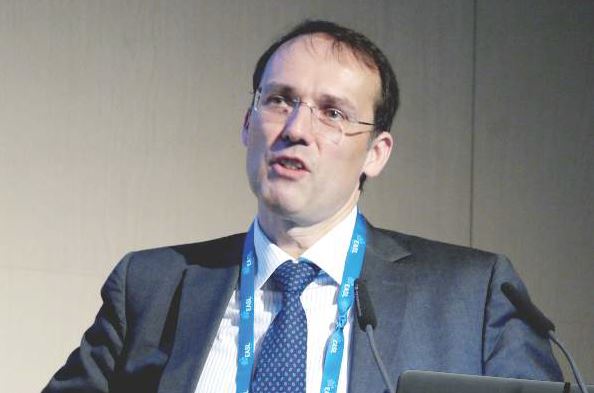
While this investigational drug is still only a symptomatic therapy and not a cure, it brings a viable option for managing the devastating but rare liver disease that currently lacks any effective therapy other than liver transplantation.
Primary sclerosing cholangitis (PSC) is an orphan disease that affects 1-16 in 100,000 people and typically strikes at a relatively young age, at around 30-40 years, with a male predominance. Often asymptomatic at first, the chronic disease can lead to liver transplant within 13-21 years of a diagnosis, with around half of all patients needing a transplant in 10-15 years.
This is the first trial of norUDCA in patients, lead study author Dr. Michael Trauner of the Medical University Vienna pointed out during the late-breaker session at the meeting sponsored by the European Association for the Study of the Liver (EASL).
“The role of UDCA in the treatment of PSC is still under debate and discussed controversially in the current guidelines,” Dr. Trauner noted. At a press briefing earlier in the day he had observed that there was not really any good evidence that it really worked in PSC, although it was approved as a treatment for primary biliary cholangitis.
norUDCA is a derivative of UDCA that has had a side-chain shortened by removing an ethylene group, he explained, and the resulting molecule is resistant to conjugation with taurine and glycine, which is part of process known as cholehepatic shunting. The resulting effect is protection of the bile ducts through the generation of bicarbonate-rich bile flow. Preclinical studies in mice have shown that norUDCA has potent antiproliferative, antifibrotic, and anti-inflammatory effects that, if translated into humans, could mean that norUDCA could have benefits beyond just addressing cholestasis.
“At the moment there is no medical treatment for PSC,” EASL spokesperson Dr. Frank Tacke of the University Hospital Aachen (Germany) commented at the press briefing. “We are very excited about these data because it is a new hope for this type of patient.” He added: “The fact that we have nothing to offer at the moment that works as a medical treatment makes this study so particular.”
Of 222 patients who were screened for inclusion into the study at 45 centers in 12 European countries, 161 met the criteria and were randomized, with 159 actually receiving their allocated treatment. There were 40 patients in the placebo arm, and 39, 41, and 39 patients, respectively, in the 500-, 1,000-, and 1,500-mg norUDCA arms. The two patients that did not receive allocated treatment had withdrawn their consent.
As expected, around 60%-70% of the patients in each group were male. The mean age was around 41-44 years, around one-fifth had a new diagnosis of PSC, and more than half (50%-77%) had inflammatory bowel disease (IBD) at screening, which was predominantly ulcerative colitis, Dr. Trauner observed. Patients also had pronounced cholestasis at the start of the study, signified by mean serum ALP of 400-500 IU/L. The normal range is between 44 and 147 IU/L.
“norUDCA reduced ALP in a dose-dependent fashion,” Dr. Trauner said. He noted that looking at changes in ALP over time, it was evident that there was a rebound effect after the treatment was stopped. The percentage of patients reaching an ALP equal to or below 1.5-fold the upper limit of normal, which has been shown to be prognostically meaningful in the disease, was 12.5% for placebo and 12.8%, 41.5%, and 30.8% for the three ascending doses of norUDCA.
Changes in serum levels of other important liver enzymes – gamma-glutamyl transferase, alanine aminotransferase, aspartate aminotransferase – showed a similar pattern in terms of absolute changes from baseline over time, with rebound effects once treatment stopped.
There were a comparable number of adverse drug reactions – 28%, 23%, 32%, and 28%, respectively, in the placebo, 500-, 1,000-, and 1,500-mg norUDCA groups. Treatment-emergent adverse events occurred in 80%, 59%, 73%, and 67%. The most common of these were gastrointestinal effects such as abdominal pain (12.5% for placebo vs. 2.6%-9.8% in the norUDCA groups) and diarrhea (10% vs. 0-7.7%), fatigue (10% vs. 4.9%-12.8%), arthralgia (10% vs. 0-2.4%), back pain (10% vs. 0-7.7%), headache (7.5% vs. 2.4%-17.9%), nasopharyngitis (17.5% vs. 15.4%-22%), and pruritus (10% vs. 7.7%-15.4%).
“We don’t think pruritus is an issue with norUDCA,” Dr. Trauner said in response to a delegate’s query on the numerically higher rates of itching in the active treatment groups. “Of course, we paid much attention to this, but overall pruritus was extremely mild, it led to no discontinuation of the study drug.” There is an ongoing, similar-dose study in nonalcoholic fatty liver disease where so far 150 patients have been treated and only a single patient so far has reported this side effect.
Based on these “highly encouraging” results, “the planning of the phase III trial in PSC is already ongoing,” Dr. Trauner said. Asked what the primary endpoint may be, he acknowledged that change in serum ALP was not an accepted endpoint in PSC by itself and that the trial would most likely use a combined endpoint of serum ALP and assessment of fibrosis, perhaps noninvasively with FibroScan.
He also noted that quality of life had been assessed in the phase II trial but no significant differences were seen. It could be that, at 12 weeks, the trial was too short to assess this parameter, he suggested, and that would be perhaps something to also address in the phase III trial. There was no change in IBD disease activity, which was important, he said.
Dr. Heiner Wedemeyer of Hannover (Germany) Medical School and who was not involved in the trial also commented on the importance of the study at the press briefing. Dr. Wedemeyer said that he was “extremely excited” by these data. “This is the most awful liver disease that we have because it is so difficult to judge when to transplant the patient,” he noted. This is a very difficult group of patients to handle and “this is the first time in decades that there is some hope on the horizon. This is the first time we see something that may work.”
Dr. Falk Pharma, Frieburg, Germany, sponsored the trial. Dr. Trauner has received honoraria, research grants, and travel support from Dr. Falk Pharma, and is listed as co-inventor on a patent for the medical use of norUDCA. Dr. Trauner has also received honoraria, research grants, or travel support from Albireo, Genfit, Gilead, Intercept, Merck Sharp & Dohme, Novartis, Phenex, and Roche. Dr. Tacke and Dr. Wedemeyer had no relevant disclosures.
BARCELONA – A modified form of ursodeoxycholic acid (UDCA) could offer patients with primary sclerosing cholangitis the first real pharmacologic treatment option, it was reported at the International Liver Congress.
Phase II study findings showed that a 1,500-mg daily dose of norursodeoxycholic acid (norUDCA) significantly (P less than .0001) reduced the primary endpoint of serum alkaline phosphatase (ALP) by 26% versus baseline levels within 12 weeks of treatment.
Other doses of norUDCA that were tested in the multicenter, randomized, double-blind, dose-finding study also produced significant reductions in serum ALP: –17.3% with a 1,000-mg dose (P = .0003), and –12.3% (P = .0029) with a 500-mg dose. The 1,500-mg dose has been selected for the follow-on phase III trial.
While this investigational drug is still only a symptomatic therapy and not a cure, it brings a viable option for managing the devastating but rare liver disease that currently lacks any effective therapy other than liver transplantation.
Primary sclerosing cholangitis (PSC) is an orphan disease that affects 1-16 in 100,000 people and typically strikes at a relatively young age, at around 30-40 years, with a male predominance. Often asymptomatic at first, the chronic disease can lead to liver transplant within 13-21 years of a diagnosis, with around half of all patients needing a transplant in 10-15 years.
This is the first trial of norUDCA in patients, lead study author Dr. Michael Trauner of the Medical University Vienna pointed out during the late-breaker session at the meeting sponsored by the European Association for the Study of the Liver (EASL).
“The role of UDCA in the treatment of PSC is still under debate and discussed controversially in the current guidelines,” Dr. Trauner noted. At a press briefing earlier in the day he had observed that there was not really any good evidence that it really worked in PSC, although it was approved as a treatment for primary biliary cholangitis.
norUDCA is a derivative of UDCA that has had a side-chain shortened by removing an ethylene group, he explained, and the resulting molecule is resistant to conjugation with taurine and glycine, which is part of process known as cholehepatic shunting. The resulting effect is protection of the bile ducts through the generation of bicarbonate-rich bile flow. Preclinical studies in mice have shown that norUDCA has potent antiproliferative, antifibrotic, and anti-inflammatory effects that, if translated into humans, could mean that norUDCA could have benefits beyond just addressing cholestasis.
“At the moment there is no medical treatment for PSC,” EASL spokesperson Dr. Frank Tacke of the University Hospital Aachen (Germany) commented at the press briefing. “We are very excited about these data because it is a new hope for this type of patient.” He added: “The fact that we have nothing to offer at the moment that works as a medical treatment makes this study so particular.”
Of 222 patients who were screened for inclusion into the study at 45 centers in 12 European countries, 161 met the criteria and were randomized, with 159 actually receiving their allocated treatment. There were 40 patients in the placebo arm, and 39, 41, and 39 patients, respectively, in the 500-, 1,000-, and 1,500-mg norUDCA arms. The two patients that did not receive allocated treatment had withdrawn their consent.
As expected, around 60%-70% of the patients in each group were male. The mean age was around 41-44 years, around one-fifth had a new diagnosis of PSC, and more than half (50%-77%) had inflammatory bowel disease (IBD) at screening, which was predominantly ulcerative colitis, Dr. Trauner observed. Patients also had pronounced cholestasis at the start of the study, signified by mean serum ALP of 400-500 IU/L. The normal range is between 44 and 147 IU/L.
“norUDCA reduced ALP in a dose-dependent fashion,” Dr. Trauner said. He noted that looking at changes in ALP over time, it was evident that there was a rebound effect after the treatment was stopped. The percentage of patients reaching an ALP equal to or below 1.5-fold the upper limit of normal, which has been shown to be prognostically meaningful in the disease, was 12.5% for placebo and 12.8%, 41.5%, and 30.8% for the three ascending doses of norUDCA.
Changes in serum levels of other important liver enzymes – gamma-glutamyl transferase, alanine aminotransferase, aspartate aminotransferase – showed a similar pattern in terms of absolute changes from baseline over time, with rebound effects once treatment stopped.
There were a comparable number of adverse drug reactions – 28%, 23%, 32%, and 28%, respectively, in the placebo, 500-, 1,000-, and 1,500-mg norUDCA groups. Treatment-emergent adverse events occurred in 80%, 59%, 73%, and 67%. The most common of these were gastrointestinal effects such as abdominal pain (12.5% for placebo vs. 2.6%-9.8% in the norUDCA groups) and diarrhea (10% vs. 0-7.7%), fatigue (10% vs. 4.9%-12.8%), arthralgia (10% vs. 0-2.4%), back pain (10% vs. 0-7.7%), headache (7.5% vs. 2.4%-17.9%), nasopharyngitis (17.5% vs. 15.4%-22%), and pruritus (10% vs. 7.7%-15.4%).
“We don’t think pruritus is an issue with norUDCA,” Dr. Trauner said in response to a delegate’s query on the numerically higher rates of itching in the active treatment groups. “Of course, we paid much attention to this, but overall pruritus was extremely mild, it led to no discontinuation of the study drug.” There is an ongoing, similar-dose study in nonalcoholic fatty liver disease where so far 150 patients have been treated and only a single patient so far has reported this side effect.
Based on these “highly encouraging” results, “the planning of the phase III trial in PSC is already ongoing,” Dr. Trauner said. Asked what the primary endpoint may be, he acknowledged that change in serum ALP was not an accepted endpoint in PSC by itself and that the trial would most likely use a combined endpoint of serum ALP and assessment of fibrosis, perhaps noninvasively with FibroScan.
He also noted that quality of life had been assessed in the phase II trial but no significant differences were seen. It could be that, at 12 weeks, the trial was too short to assess this parameter, he suggested, and that would be perhaps something to also address in the phase III trial. There was no change in IBD disease activity, which was important, he said.
Dr. Heiner Wedemeyer of Hannover (Germany) Medical School and who was not involved in the trial also commented on the importance of the study at the press briefing. Dr. Wedemeyer said that he was “extremely excited” by these data. “This is the most awful liver disease that we have because it is so difficult to judge when to transplant the patient,” he noted. This is a very difficult group of patients to handle and “this is the first time in decades that there is some hope on the horizon. This is the first time we see something that may work.”
Dr. Falk Pharma, Frieburg, Germany, sponsored the trial. Dr. Trauner has received honoraria, research grants, and travel support from Dr. Falk Pharma, and is listed as co-inventor on a patent for the medical use of norUDCA. Dr. Trauner has also received honoraria, research grants, or travel support from Albireo, Genfit, Gilead, Intercept, Merck Sharp & Dohme, Novartis, Phenex, and Roche. Dr. Tacke and Dr. Wedemeyer had no relevant disclosures.
BARCELONA – A modified form of ursodeoxycholic acid (UDCA) could offer patients with primary sclerosing cholangitis the first real pharmacologic treatment option, it was reported at the International Liver Congress.
Phase II study findings showed that a 1,500-mg daily dose of norursodeoxycholic acid (norUDCA) significantly (P less than .0001) reduced the primary endpoint of serum alkaline phosphatase (ALP) by 26% versus baseline levels within 12 weeks of treatment.
Other doses of norUDCA that were tested in the multicenter, randomized, double-blind, dose-finding study also produced significant reductions in serum ALP: –17.3% with a 1,000-mg dose (P = .0003), and –12.3% (P = .0029) with a 500-mg dose. The 1,500-mg dose has been selected for the follow-on phase III trial.
While this investigational drug is still only a symptomatic therapy and not a cure, it brings a viable option for managing the devastating but rare liver disease that currently lacks any effective therapy other than liver transplantation.
Primary sclerosing cholangitis (PSC) is an orphan disease that affects 1-16 in 100,000 people and typically strikes at a relatively young age, at around 30-40 years, with a male predominance. Often asymptomatic at first, the chronic disease can lead to liver transplant within 13-21 years of a diagnosis, with around half of all patients needing a transplant in 10-15 years.
This is the first trial of norUDCA in patients, lead study author Dr. Michael Trauner of the Medical University Vienna pointed out during the late-breaker session at the meeting sponsored by the European Association for the Study of the Liver (EASL).
“The role of UDCA in the treatment of PSC is still under debate and discussed controversially in the current guidelines,” Dr. Trauner noted. At a press briefing earlier in the day he had observed that there was not really any good evidence that it really worked in PSC, although it was approved as a treatment for primary biliary cholangitis.
norUDCA is a derivative of UDCA that has had a side-chain shortened by removing an ethylene group, he explained, and the resulting molecule is resistant to conjugation with taurine and glycine, which is part of process known as cholehepatic shunting. The resulting effect is protection of the bile ducts through the generation of bicarbonate-rich bile flow. Preclinical studies in mice have shown that norUDCA has potent antiproliferative, antifibrotic, and anti-inflammatory effects that, if translated into humans, could mean that norUDCA could have benefits beyond just addressing cholestasis.
“At the moment there is no medical treatment for PSC,” EASL spokesperson Dr. Frank Tacke of the University Hospital Aachen (Germany) commented at the press briefing. “We are very excited about these data because it is a new hope for this type of patient.” He added: “The fact that we have nothing to offer at the moment that works as a medical treatment makes this study so particular.”
Of 222 patients who were screened for inclusion into the study at 45 centers in 12 European countries, 161 met the criteria and were randomized, with 159 actually receiving their allocated treatment. There were 40 patients in the placebo arm, and 39, 41, and 39 patients, respectively, in the 500-, 1,000-, and 1,500-mg norUDCA arms. The two patients that did not receive allocated treatment had withdrawn their consent.
As expected, around 60%-70% of the patients in each group were male. The mean age was around 41-44 years, around one-fifth had a new diagnosis of PSC, and more than half (50%-77%) had inflammatory bowel disease (IBD) at screening, which was predominantly ulcerative colitis, Dr. Trauner observed. Patients also had pronounced cholestasis at the start of the study, signified by mean serum ALP of 400-500 IU/L. The normal range is between 44 and 147 IU/L.
“norUDCA reduced ALP in a dose-dependent fashion,” Dr. Trauner said. He noted that looking at changes in ALP over time, it was evident that there was a rebound effect after the treatment was stopped. The percentage of patients reaching an ALP equal to or below 1.5-fold the upper limit of normal, which has been shown to be prognostically meaningful in the disease, was 12.5% for placebo and 12.8%, 41.5%, and 30.8% for the three ascending doses of norUDCA.
Changes in serum levels of other important liver enzymes – gamma-glutamyl transferase, alanine aminotransferase, aspartate aminotransferase – showed a similar pattern in terms of absolute changes from baseline over time, with rebound effects once treatment stopped.
There were a comparable number of adverse drug reactions – 28%, 23%, 32%, and 28%, respectively, in the placebo, 500-, 1,000-, and 1,500-mg norUDCA groups. Treatment-emergent adverse events occurred in 80%, 59%, 73%, and 67%. The most common of these were gastrointestinal effects such as abdominal pain (12.5% for placebo vs. 2.6%-9.8% in the norUDCA groups) and diarrhea (10% vs. 0-7.7%), fatigue (10% vs. 4.9%-12.8%), arthralgia (10% vs. 0-2.4%), back pain (10% vs. 0-7.7%), headache (7.5% vs. 2.4%-17.9%), nasopharyngitis (17.5% vs. 15.4%-22%), and pruritus (10% vs. 7.7%-15.4%).
“We don’t think pruritus is an issue with norUDCA,” Dr. Trauner said in response to a delegate’s query on the numerically higher rates of itching in the active treatment groups. “Of course, we paid much attention to this, but overall pruritus was extremely mild, it led to no discontinuation of the study drug.” There is an ongoing, similar-dose study in nonalcoholic fatty liver disease where so far 150 patients have been treated and only a single patient so far has reported this side effect.
Based on these “highly encouraging” results, “the planning of the phase III trial in PSC is already ongoing,” Dr. Trauner said. Asked what the primary endpoint may be, he acknowledged that change in serum ALP was not an accepted endpoint in PSC by itself and that the trial would most likely use a combined endpoint of serum ALP and assessment of fibrosis, perhaps noninvasively with FibroScan.
He also noted that quality of life had been assessed in the phase II trial but no significant differences were seen. It could be that, at 12 weeks, the trial was too short to assess this parameter, he suggested, and that would be perhaps something to also address in the phase III trial. There was no change in IBD disease activity, which was important, he said.
Dr. Heiner Wedemeyer of Hannover (Germany) Medical School and who was not involved in the trial also commented on the importance of the study at the press briefing. Dr. Wedemeyer said that he was “extremely excited” by these data. “This is the most awful liver disease that we have because it is so difficult to judge when to transplant the patient,” he noted. This is a very difficult group of patients to handle and “this is the first time in decades that there is some hope on the horizon. This is the first time we see something that may work.”
Dr. Falk Pharma, Frieburg, Germany, sponsored the trial. Dr. Trauner has received honoraria, research grants, and travel support from Dr. Falk Pharma, and is listed as co-inventor on a patent for the medical use of norUDCA. Dr. Trauner has also received honoraria, research grants, or travel support from Albireo, Genfit, Gilead, Intercept, Merck Sharp & Dohme, Novartis, Phenex, and Roche. Dr. Tacke and Dr. Wedemeyer had no relevant disclosures.
AT THE INTERNATIONAL LIVER CONGRESS 2016
Key clinical point: Norursodeoxycholic acid (norUDCA) is a promising investigational treatment for primary sclerosing cholangitis (PSC).
Major finding: Serum alkaline phosphatase (ALP) was reduced by 26% (P less than .0001 versus baseline) within 12 weeks of treatment with the highest dose of norUDCA.
Data source: Multicenter, randomized, double-blind, placebo-controlled phase II dosing study of norUDCA in 159 patients with chronic PSC.
Disclosures: Dr. Falk Pharma, Frieburg, Germany, sponsored the trial. Dr. Trauner has received honoraria, research grants, and travel support from Dr. Falk Pharma, and is listed as co-inventor on a patent for the medical use of norUDCA. Dr. Trauner has also received honoraria, research grants, or travel support from Albireo, Genfit, Gilead, Intercept, Merck Sharp & Dohme, Novartis, Phenex, and Roche.
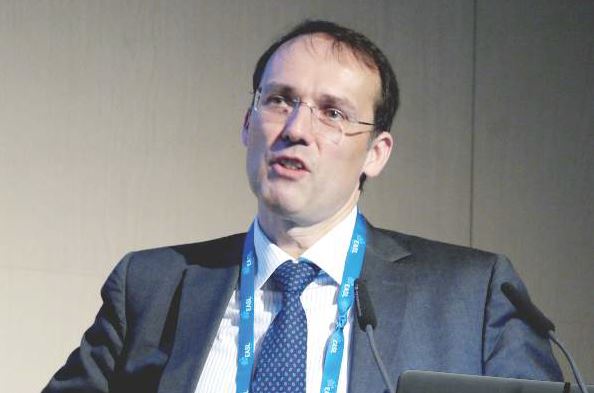
Fibrosis still key to predicting NAFLD mortality
BARCELONA – Although a new histological scoring system was able to predict mortality from nonalcoholic fatty liver disease (NAFLD), fibrosis remains the key predictor of whether an individual is likely to die decades later.
Patients with severe NAFLD, as determined by having a high steatosis, activity, and fibrosis (SAF) score, were more than twice as likely to die than those with mild-to-moderate disease up to 41 years later.
However, when a sensitivity analysis was performed to adjust for fibrosis stage or exclude patients with stage 3-4 fibrosis, the hazard ratio for mortality was no longer significant.
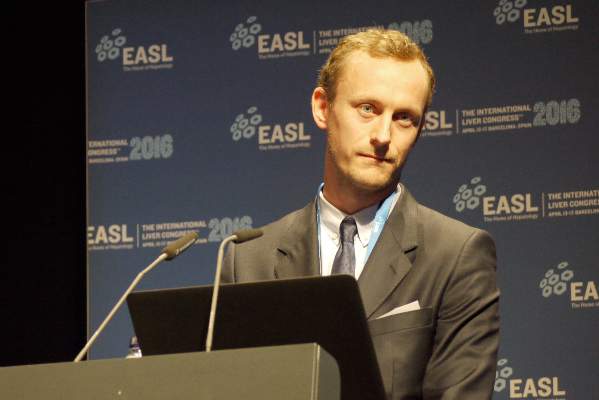
“Severe SAF score was associated with increased mortality, but this largely depended on fibrosis stage,” Dr. Hannes Hagström of the Karolinska Institutet in Stockholm reported at the International Liver Congress.
Although it is known that the more severe the disease the more likely the risk for death, assessing the severity of NAFLD can be challenging for clinicians because it is a continuum of disease, he explained. “NAFLD is the most prevalent liver disease globally with a prevalence of around 25%; it is very heterogeneous and makes prognostication difficult.” This has implications for including people in trials and for determining what the clinical endpoints should be, as well as making it difficult to determine the outlook for individual patients.
There are several histological scoring systems developed over the years trying to help with this issue, including the Brunt score, the NAFLD activity score (NAS), and fibrosis stage.
While the latter has previously been shown to be a robust marker for mortality, the NAS has been criticized, Dr. Hagström noted. This is because the effect of steatosis may be overestimated and because NAS does not measure fibrosis. Thus, there is a need for new means to risk-stratify patients and one relatively new method is the SAF score.
The SAF score was developed to evaluate the severity of fatty liver lesions, originally in morbidly obese individuals (Hepatology. 2012 Oct;56:1751-9). Using this score, the extent of fatty accumulation in the liver can be assessed, with a score of 0 signifying that steatosis is present in less than 5% of the liver and a score of 3 signifying that more than two-thirds of the liver is affected. NAFLD activity is determined on a scale of 0 to 4 by assessing the degree of ballooning and lobular inflammation. Finally, the score looks at the extent of fibrosis, rating it from 0 (not present) to 4 (cirrhosis).
The aim of the study was to examine the impact of this score on overall mortality in a previously published (Hepatology. 2015 Mar;61:1547-54) cohort of patients with long follow-up, Dr. Hagström explained at the meeting sponsored by the European Association for the Study of the Liver (EASL). Data on 139 patients with biopsy-proven NAFLD were obtained from a historical cohort of patients who had undergone liver biopsy between 1974 and 1994. Their biopsies were reclassified using the SAF score and the presence of nonalcoholic steatohepatitis was also determined using the FLIP algorithm and the NAS score. Data on causes of death were taken from a national Swedish population register. At baseline, 35 patients had mild, 35 had moderate, and 69 had severe NAFLD.
After a median follow-up of 25 years, ranging from 2 to 41 years, 74 patients died. Of these deaths, 45 occurred in patients with severe NAFLD, representing 65% of the severe NAFLD group. Half (n = 18; 51%) of the patients with moderate NAFLD and just under one-third (n = 11; 31%) of those with mild NAFLD had also died. The median time to death was 18 years after liver biopsy.
Dr. Hagström reported that cardiovascular causes were the main cause of mortality, in 21% of patients; extrahepatic malignancy caused 12% of deaths, 7% of deaths were liver related, and 13% were due to other reasons. Patients with severe NAFLD identified by a high SAF score were more than two and a half times more likely to die than those with mild NAFLD, with a hazard ratio of 2.65 (P = .02). Patients with moderate NAFLD were no more likely than those with mild liver disease to die (HR = 1.23; P = .84). Data had been adjusted for gender, body mass index, and for the presence of type 2 diabetes.
HRs for mortality comparing high with low SAF scores after adjusting for fibrosis stage and excluding patients with fibrosis stages 3-4 were a respective 1.85 (P = .18) and 1.94 (P = .15). In a press statement issued by EASL, Dr. Laurent Castera of Hôpital Beaujon in Paris noted that these data were an important step forward for the medical community in being able to identify the patients who are most at risk of death from NAFLD. Dr. Castera, who is the secretary general of EASL, noted that these long-term study data also demonstrated the importance of having sufficient follow-up periods for patients with NAFLD.
In an interview after his presentation Dr. Hagström also emphasized the importance of long-term follow-up of patients.
“The clinical importance of this is that it is most important for clinicians to look at fibrosis stage, and I think to have to follow these patients a little bit more,” he said. “You can’t just do a liver biopsy, say ‘you just have steatosis, you don’t have NASH [nonalcoholic steatohepatitis], [so] you are fine’,” he added. Equally, it is not possible to say that because NASH is not present that patients won’t advance in the future. Patients need to be followed up for a long period of time.
“Fibrosis is the most important thing, both for clinicians and for patients,” Dr. Hagström said.Dr. Hagström has been a consultant to Novo Nordisk. Dr. Castera had no relevant financial disclosures.
BARCELONA – Although a new histological scoring system was able to predict mortality from nonalcoholic fatty liver disease (NAFLD), fibrosis remains the key predictor of whether an individual is likely to die decades later.
Patients with severe NAFLD, as determined by having a high steatosis, activity, and fibrosis (SAF) score, were more than twice as likely to die than those with mild-to-moderate disease up to 41 years later.
However, when a sensitivity analysis was performed to adjust for fibrosis stage or exclude patients with stage 3-4 fibrosis, the hazard ratio for mortality was no longer significant.
“Severe SAF score was associated with increased mortality, but this largely depended on fibrosis stage,” Dr. Hannes Hagström of the Karolinska Institutet in Stockholm reported at the International Liver Congress.
Although it is known that the more severe the disease the more likely the risk for death, assessing the severity of NAFLD can be challenging for clinicians because it is a continuum of disease, he explained. “NAFLD is the most prevalent liver disease globally with a prevalence of around 25%; it is very heterogeneous and makes prognostication difficult.” This has implications for including people in trials and for determining what the clinical endpoints should be, as well as making it difficult to determine the outlook for individual patients.
There are several histological scoring systems developed over the years trying to help with this issue, including the Brunt score, the NAFLD activity score (NAS), and fibrosis stage.
While the latter has previously been shown to be a robust marker for mortality, the NAS has been criticized, Dr. Hagström noted. This is because the effect of steatosis may be overestimated and because NAS does not measure fibrosis. Thus, there is a need for new means to risk-stratify patients and one relatively new method is the SAF score.
The SAF score was developed to evaluate the severity of fatty liver lesions, originally in morbidly obese individuals (Hepatology. 2012 Oct;56:1751-9). Using this score, the extent of fatty accumulation in the liver can be assessed, with a score of 0 signifying that steatosis is present in less than 5% of the liver and a score of 3 signifying that more than two-thirds of the liver is affected. NAFLD activity is determined on a scale of 0 to 4 by assessing the degree of ballooning and lobular inflammation. Finally, the score looks at the extent of fibrosis, rating it from 0 (not present) to 4 (cirrhosis).
The aim of the study was to examine the impact of this score on overall mortality in a previously published (Hepatology. 2015 Mar;61:1547-54) cohort of patients with long follow-up, Dr. Hagström explained at the meeting sponsored by the European Association for the Study of the Liver (EASL). Data on 139 patients with biopsy-proven NAFLD were obtained from a historical cohort of patients who had undergone liver biopsy between 1974 and 1994. Their biopsies were reclassified using the SAF score and the presence of nonalcoholic steatohepatitis was also determined using the FLIP algorithm and the NAS score. Data on causes of death were taken from a national Swedish population register. At baseline, 35 patients had mild, 35 had moderate, and 69 had severe NAFLD.
After a median follow-up of 25 years, ranging from 2 to 41 years, 74 patients died. Of these deaths, 45 occurred in patients with severe NAFLD, representing 65% of the severe NAFLD group. Half (n = 18; 51%) of the patients with moderate NAFLD and just under one-third (n = 11; 31%) of those with mild NAFLD had also died. The median time to death was 18 years after liver biopsy.
Dr. Hagström reported that cardiovascular causes were the main cause of mortality, in 21% of patients; extrahepatic malignancy caused 12% of deaths, 7% of deaths were liver related, and 13% were due to other reasons. Patients with severe NAFLD identified by a high SAF score were more than two and a half times more likely to die than those with mild NAFLD, with a hazard ratio of 2.65 (P = .02). Patients with moderate NAFLD were no more likely than those with mild liver disease to die (HR = 1.23; P = .84). Data had been adjusted for gender, body mass index, and for the presence of type 2 diabetes.
HRs for mortality comparing high with low SAF scores after adjusting for fibrosis stage and excluding patients with fibrosis stages 3-4 were a respective 1.85 (P = .18) and 1.94 (P = .15). In a press statement issued by EASL, Dr. Laurent Castera of Hôpital Beaujon in Paris noted that these data were an important step forward for the medical community in being able to identify the patients who are most at risk of death from NAFLD. Dr. Castera, who is the secretary general of EASL, noted that these long-term study data also demonstrated the importance of having sufficient follow-up periods for patients with NAFLD.
In an interview after his presentation Dr. Hagström also emphasized the importance of long-term follow-up of patients.
“The clinical importance of this is that it is most important for clinicians to look at fibrosis stage, and I think to have to follow these patients a little bit more,” he said. “You can’t just do a liver biopsy, say ‘you just have steatosis, you don’t have NASH [nonalcoholic steatohepatitis], [so] you are fine’,” he added. Equally, it is not possible to say that because NASH is not present that patients won’t advance in the future. Patients need to be followed up for a long period of time.
“Fibrosis is the most important thing, both for clinicians and for patients,” Dr. Hagström said.Dr. Hagström has been a consultant to Novo Nordisk. Dr. Castera had no relevant financial disclosures.
BARCELONA – Although a new histological scoring system was able to predict mortality from nonalcoholic fatty liver disease (NAFLD), fibrosis remains the key predictor of whether an individual is likely to die decades later.
Patients with severe NAFLD, as determined by having a high steatosis, activity, and fibrosis (SAF) score, were more than twice as likely to die than those with mild-to-moderate disease up to 41 years later.
However, when a sensitivity analysis was performed to adjust for fibrosis stage or exclude patients with stage 3-4 fibrosis, the hazard ratio for mortality was no longer significant.
“Severe SAF score was associated with increased mortality, but this largely depended on fibrosis stage,” Dr. Hannes Hagström of the Karolinska Institutet in Stockholm reported at the International Liver Congress.
Although it is known that the more severe the disease the more likely the risk for death, assessing the severity of NAFLD can be challenging for clinicians because it is a continuum of disease, he explained. “NAFLD is the most prevalent liver disease globally with a prevalence of around 25%; it is very heterogeneous and makes prognostication difficult.” This has implications for including people in trials and for determining what the clinical endpoints should be, as well as making it difficult to determine the outlook for individual patients.
There are several histological scoring systems developed over the years trying to help with this issue, including the Brunt score, the NAFLD activity score (NAS), and fibrosis stage.
While the latter has previously been shown to be a robust marker for mortality, the NAS has been criticized, Dr. Hagström noted. This is because the effect of steatosis may be overestimated and because NAS does not measure fibrosis. Thus, there is a need for new means to risk-stratify patients and one relatively new method is the SAF score.
The SAF score was developed to evaluate the severity of fatty liver lesions, originally in morbidly obese individuals (Hepatology. 2012 Oct;56:1751-9). Using this score, the extent of fatty accumulation in the liver can be assessed, with a score of 0 signifying that steatosis is present in less than 5% of the liver and a score of 3 signifying that more than two-thirds of the liver is affected. NAFLD activity is determined on a scale of 0 to 4 by assessing the degree of ballooning and lobular inflammation. Finally, the score looks at the extent of fibrosis, rating it from 0 (not present) to 4 (cirrhosis).
The aim of the study was to examine the impact of this score on overall mortality in a previously published (Hepatology. 2015 Mar;61:1547-54) cohort of patients with long follow-up, Dr. Hagström explained at the meeting sponsored by the European Association for the Study of the Liver (EASL). Data on 139 patients with biopsy-proven NAFLD were obtained from a historical cohort of patients who had undergone liver biopsy between 1974 and 1994. Their biopsies were reclassified using the SAF score and the presence of nonalcoholic steatohepatitis was also determined using the FLIP algorithm and the NAS score. Data on causes of death were taken from a national Swedish population register. At baseline, 35 patients had mild, 35 had moderate, and 69 had severe NAFLD.
After a median follow-up of 25 years, ranging from 2 to 41 years, 74 patients died. Of these deaths, 45 occurred in patients with severe NAFLD, representing 65% of the severe NAFLD group. Half (n = 18; 51%) of the patients with moderate NAFLD and just under one-third (n = 11; 31%) of those with mild NAFLD had also died. The median time to death was 18 years after liver biopsy.
Dr. Hagström reported that cardiovascular causes were the main cause of mortality, in 21% of patients; extrahepatic malignancy caused 12% of deaths, 7% of deaths were liver related, and 13% were due to other reasons. Patients with severe NAFLD identified by a high SAF score were more than two and a half times more likely to die than those with mild NAFLD, with a hazard ratio of 2.65 (P = .02). Patients with moderate NAFLD were no more likely than those with mild liver disease to die (HR = 1.23; P = .84). Data had been adjusted for gender, body mass index, and for the presence of type 2 diabetes.
HRs for mortality comparing high with low SAF scores after adjusting for fibrosis stage and excluding patients with fibrosis stages 3-4 were a respective 1.85 (P = .18) and 1.94 (P = .15). In a press statement issued by EASL, Dr. Laurent Castera of Hôpital Beaujon in Paris noted that these data were an important step forward for the medical community in being able to identify the patients who are most at risk of death from NAFLD. Dr. Castera, who is the secretary general of EASL, noted that these long-term study data also demonstrated the importance of having sufficient follow-up periods for patients with NAFLD.
In an interview after his presentation Dr. Hagström also emphasized the importance of long-term follow-up of patients.
“The clinical importance of this is that it is most important for clinicians to look at fibrosis stage, and I think to have to follow these patients a little bit more,” he said. “You can’t just do a liver biopsy, say ‘you just have steatosis, you don’t have NASH [nonalcoholic steatohepatitis], [so] you are fine’,” he added. Equally, it is not possible to say that because NASH is not present that patients won’t advance in the future. Patients need to be followed up for a long period of time.
“Fibrosis is the most important thing, both for clinicians and for patients,” Dr. Hagström said.Dr. Hagström has been a consultant to Novo Nordisk. Dr. Castera had no relevant financial disclosures.
AT THE INTERNATIONAL LIVER CONGRESS 2016
Key clinical point: The steatosis, activity, and fibrosis (SAF) score predicted NAFLD mortality but fibrosis remains the most important factor.
Major finding: The adjusted hazard ratio (HR) for mortality with a high SAF score (severe NAFLD) versus low SAF score (mild NAFLD) was 2.65 (P = .02). HRs for mortality comparing high with low SAF scores after adjusting for fibrosis stage and excluding patients with fibrosis stage 3-4 were a respective 1.85 (P = .18) and 1.94 (P = .15).
Data source: 139 patients with biopsy-proven NAFLD from a historical cohort (1974-2015).
Disclosures: Dr. Hagström has been a consultant to Novo Nordisk.