User login
ASTRO: Metformin use during radiotherapy associated with better gynecologic cancer outcomes
SAN ANTONIO – Metformin use during radiotherapy for endometrial cancer was associated with significantly better disease-free survival (DFS) in a retrospective study presented at the annual of the American Society for Radiation Oncology.
Dr. Jim Zhong of Emory University, Atlanta, who reported the findings also said that there was a “positive trend” in local control and in metastasis-free survival (MFS). “These hypothesis-generating data warrant further study,” he said.
The study included 185 women who had been diagnosed and treated with definitive surgery and adjuvant radiotherapy at Emory University Hospitals between 1999 and 2013. The median age of women was 61.5 years, and 32 were treated with metformin vs. 153 who were not. The majority of women in both study arms had early-stage (IA) disease (50% in the metformin arm and 41% in the no metformin arm; P = .44).
After a median follow-up of 49 months, all disease-related endpoints favored the use of metformin, Dr. Zhong said. DFS was 80.3% in the metformin-treated women and 59.5% in the women who did not receive this oral antidiabetic drug (P =.03). The hazard ratio was 0.32 with a 95% confidence interval of 0.12-0.89.
Local control was 83.5% vs. 69.9% (HR, 0.37; 95% CI 0.11-1.19; P = .08), MFS was 96.2% vs. 85.2% (P = .13) and overall survival was 83.2% vs. 79.1% (HR, 1.02; 95% CI 0.42-2.46; P = .09).
In another retrospective study, reported by Dr. Kathy Han of the Princess Margaret Cancer Center at the University of Toronto, the cumulative dose of metformin was independently associated with reduced cancer-specific mortality in women who had received definitive treatment for cervical cancer that had included radiotherapy.
“There has been a lot of interest in repurposing metformin as an anticancer agent because retrospective epidemiological studies have shown that diabetic patients who took metformin had lower cancer incidence and mortality, compared to those that did not take metformin ” Dr. Han explained. None of the previous studies had looked at cervical cancer, she added.
Data from several Ontario and Canadian health databases were used to conduct a population-based cohort study involving 181 women aged 65 years or older who had diabetes and had been diagnosed with and received definitive treatment for cervical cancer between 1997 and 2010. At a median follow-up was 5.8 years, there were 61 (34%) cervical cancer-specific and 68 (38%) noncancer deaths.
Dr. Han reported that for each additional 365g of metformin used, the hazard ratio for cervical cancer-specific death was 0.79 (95% CI 0.63-0.98; P = .03). There was no such association for other antidiabetic drugs used.
“To explore this further we recently activated a phase II randomized study of standard chemoradiation with or without metformin in nondiabetic women with locally advanced cervical cancer,” Dr. Han said. “In this study we are only including women with hypoxic tumors,” she noted, the reason being that hypoxic tumors are known to be resistant to radiation so if metformin does have an effect there should be a better response to radiation therapy.
In a separate presentation, Dr. Jeffrey Gross of Northwestern University in Chicago reported the results of a retrospective case review study that investigated the impact of hyperglycemia on outcomes in 84 women with stage IB1 to IVB cervical cancer who had definitive chemoradiation at his institution over a 9-year period starting in 2000. The median age of women was 48 years. Four women had type 2 diabetes mellitus and three were taking antidiabetic medications (two metformin and one insulin). The median follow up was 38.5 months.
Posttreatment hyperglycemia, defined as an average of random blood glucose measurements of 110 g/dL or higher, was found to be associated with poorer locoregional control at 5 years. Locoregional control rates were 67.1% in women who had high posttreatment blood glucose levels compared 90.6% in women with normal glycemic status (P = .02).
There was also a nonsignificant trend toward worse OS at 5 years in the women who had hyperglycemia following chemoradiation vs. those who did not (76.8% vs. 55.7%; P = .08).
There was no observable correlation between the high level of blood glucose and standard prognostic factors such as stage or nodal positivity, Dr. Gross said.
“The suggestion that hyperglycemia after chemoradiation for cervical cancer confers a poor prognosis is a novel finding,” Dr. Gross and coauthors concluded in their abstract. “Further investigation is needed to characterize the relationship between hyperglycemia, tumor genomics, and treatment outcomes,” they added.
Commenting on the potential for metformin and countering hyperglycemia to improve the outcomes of (chemo)radiation in these gynecologic tumors, Dr. Larissa Lee of Brigham and Women’s Hospital in Boston who comoderated the session at which the studies were presented said: “It is very much an exciting area for clinical research, but we do need to do a lot more steps in terms of validation.”
Metformin could have an effect on radiation response, she noted, but “it is something we have only been seeing in the retrospective studies presented today, but it would be interesting to look at this in a prospective study.”
SAN ANTONIO – Metformin use during radiotherapy for endometrial cancer was associated with significantly better disease-free survival (DFS) in a retrospective study presented at the annual of the American Society for Radiation Oncology.
Dr. Jim Zhong of Emory University, Atlanta, who reported the findings also said that there was a “positive trend” in local control and in metastasis-free survival (MFS). “These hypothesis-generating data warrant further study,” he said.
The study included 185 women who had been diagnosed and treated with definitive surgery and adjuvant radiotherapy at Emory University Hospitals between 1999 and 2013. The median age of women was 61.5 years, and 32 were treated with metformin vs. 153 who were not. The majority of women in both study arms had early-stage (IA) disease (50% in the metformin arm and 41% in the no metformin arm; P = .44).
After a median follow-up of 49 months, all disease-related endpoints favored the use of metformin, Dr. Zhong said. DFS was 80.3% in the metformin-treated women and 59.5% in the women who did not receive this oral antidiabetic drug (P =.03). The hazard ratio was 0.32 with a 95% confidence interval of 0.12-0.89.
Local control was 83.5% vs. 69.9% (HR, 0.37; 95% CI 0.11-1.19; P = .08), MFS was 96.2% vs. 85.2% (P = .13) and overall survival was 83.2% vs. 79.1% (HR, 1.02; 95% CI 0.42-2.46; P = .09).
In another retrospective study, reported by Dr. Kathy Han of the Princess Margaret Cancer Center at the University of Toronto, the cumulative dose of metformin was independently associated with reduced cancer-specific mortality in women who had received definitive treatment for cervical cancer that had included radiotherapy.
“There has been a lot of interest in repurposing metformin as an anticancer agent because retrospective epidemiological studies have shown that diabetic patients who took metformin had lower cancer incidence and mortality, compared to those that did not take metformin ” Dr. Han explained. None of the previous studies had looked at cervical cancer, she added.
Data from several Ontario and Canadian health databases were used to conduct a population-based cohort study involving 181 women aged 65 years or older who had diabetes and had been diagnosed with and received definitive treatment for cervical cancer between 1997 and 2010. At a median follow-up was 5.8 years, there were 61 (34%) cervical cancer-specific and 68 (38%) noncancer deaths.
Dr. Han reported that for each additional 365g of metformin used, the hazard ratio for cervical cancer-specific death was 0.79 (95% CI 0.63-0.98; P = .03). There was no such association for other antidiabetic drugs used.
“To explore this further we recently activated a phase II randomized study of standard chemoradiation with or without metformin in nondiabetic women with locally advanced cervical cancer,” Dr. Han said. “In this study we are only including women with hypoxic tumors,” she noted, the reason being that hypoxic tumors are known to be resistant to radiation so if metformin does have an effect there should be a better response to radiation therapy.
In a separate presentation, Dr. Jeffrey Gross of Northwestern University in Chicago reported the results of a retrospective case review study that investigated the impact of hyperglycemia on outcomes in 84 women with stage IB1 to IVB cervical cancer who had definitive chemoradiation at his institution over a 9-year period starting in 2000. The median age of women was 48 years. Four women had type 2 diabetes mellitus and three were taking antidiabetic medications (two metformin and one insulin). The median follow up was 38.5 months.
Posttreatment hyperglycemia, defined as an average of random blood glucose measurements of 110 g/dL or higher, was found to be associated with poorer locoregional control at 5 years. Locoregional control rates were 67.1% in women who had high posttreatment blood glucose levels compared 90.6% in women with normal glycemic status (P = .02).
There was also a nonsignificant trend toward worse OS at 5 years in the women who had hyperglycemia following chemoradiation vs. those who did not (76.8% vs. 55.7%; P = .08).
There was no observable correlation between the high level of blood glucose and standard prognostic factors such as stage or nodal positivity, Dr. Gross said.
“The suggestion that hyperglycemia after chemoradiation for cervical cancer confers a poor prognosis is a novel finding,” Dr. Gross and coauthors concluded in their abstract. “Further investigation is needed to characterize the relationship between hyperglycemia, tumor genomics, and treatment outcomes,” they added.
Commenting on the potential for metformin and countering hyperglycemia to improve the outcomes of (chemo)radiation in these gynecologic tumors, Dr. Larissa Lee of Brigham and Women’s Hospital in Boston who comoderated the session at which the studies were presented said: “It is very much an exciting area for clinical research, but we do need to do a lot more steps in terms of validation.”
Metformin could have an effect on radiation response, she noted, but “it is something we have only been seeing in the retrospective studies presented today, but it would be interesting to look at this in a prospective study.”
SAN ANTONIO – Metformin use during radiotherapy for endometrial cancer was associated with significantly better disease-free survival (DFS) in a retrospective study presented at the annual of the American Society for Radiation Oncology.
Dr. Jim Zhong of Emory University, Atlanta, who reported the findings also said that there was a “positive trend” in local control and in metastasis-free survival (MFS). “These hypothesis-generating data warrant further study,” he said.
The study included 185 women who had been diagnosed and treated with definitive surgery and adjuvant radiotherapy at Emory University Hospitals between 1999 and 2013. The median age of women was 61.5 years, and 32 were treated with metformin vs. 153 who were not. The majority of women in both study arms had early-stage (IA) disease (50% in the metformin arm and 41% in the no metformin arm; P = .44).
After a median follow-up of 49 months, all disease-related endpoints favored the use of metformin, Dr. Zhong said. DFS was 80.3% in the metformin-treated women and 59.5% in the women who did not receive this oral antidiabetic drug (P =.03). The hazard ratio was 0.32 with a 95% confidence interval of 0.12-0.89.
Local control was 83.5% vs. 69.9% (HR, 0.37; 95% CI 0.11-1.19; P = .08), MFS was 96.2% vs. 85.2% (P = .13) and overall survival was 83.2% vs. 79.1% (HR, 1.02; 95% CI 0.42-2.46; P = .09).
In another retrospective study, reported by Dr. Kathy Han of the Princess Margaret Cancer Center at the University of Toronto, the cumulative dose of metformin was independently associated with reduced cancer-specific mortality in women who had received definitive treatment for cervical cancer that had included radiotherapy.
“There has been a lot of interest in repurposing metformin as an anticancer agent because retrospective epidemiological studies have shown that diabetic patients who took metformin had lower cancer incidence and mortality, compared to those that did not take metformin ” Dr. Han explained. None of the previous studies had looked at cervical cancer, she added.
Data from several Ontario and Canadian health databases were used to conduct a population-based cohort study involving 181 women aged 65 years or older who had diabetes and had been diagnosed with and received definitive treatment for cervical cancer between 1997 and 2010. At a median follow-up was 5.8 years, there were 61 (34%) cervical cancer-specific and 68 (38%) noncancer deaths.
Dr. Han reported that for each additional 365g of metformin used, the hazard ratio for cervical cancer-specific death was 0.79 (95% CI 0.63-0.98; P = .03). There was no such association for other antidiabetic drugs used.
“To explore this further we recently activated a phase II randomized study of standard chemoradiation with or without metformin in nondiabetic women with locally advanced cervical cancer,” Dr. Han said. “In this study we are only including women with hypoxic tumors,” she noted, the reason being that hypoxic tumors are known to be resistant to radiation so if metformin does have an effect there should be a better response to radiation therapy.
In a separate presentation, Dr. Jeffrey Gross of Northwestern University in Chicago reported the results of a retrospective case review study that investigated the impact of hyperglycemia on outcomes in 84 women with stage IB1 to IVB cervical cancer who had definitive chemoradiation at his institution over a 9-year period starting in 2000. The median age of women was 48 years. Four women had type 2 diabetes mellitus and three were taking antidiabetic medications (two metformin and one insulin). The median follow up was 38.5 months.
Posttreatment hyperglycemia, defined as an average of random blood glucose measurements of 110 g/dL or higher, was found to be associated with poorer locoregional control at 5 years. Locoregional control rates were 67.1% in women who had high posttreatment blood glucose levels compared 90.6% in women with normal glycemic status (P = .02).
There was also a nonsignificant trend toward worse OS at 5 years in the women who had hyperglycemia following chemoradiation vs. those who did not (76.8% vs. 55.7%; P = .08).
There was no observable correlation between the high level of blood glucose and standard prognostic factors such as stage or nodal positivity, Dr. Gross said.
“The suggestion that hyperglycemia after chemoradiation for cervical cancer confers a poor prognosis is a novel finding,” Dr. Gross and coauthors concluded in their abstract. “Further investigation is needed to characterize the relationship between hyperglycemia, tumor genomics, and treatment outcomes,” they added.
Commenting on the potential for metformin and countering hyperglycemia to improve the outcomes of (chemo)radiation in these gynecologic tumors, Dr. Larissa Lee of Brigham and Women’s Hospital in Boston who comoderated the session at which the studies were presented said: “It is very much an exciting area for clinical research, but we do need to do a lot more steps in terms of validation.”
Metformin could have an effect on radiation response, she noted, but “it is something we have only been seeing in the retrospective studies presented today, but it would be interesting to look at this in a prospective study.”
AT THE ASTRO ANNUAL MEETING
Key clinical point: Metformin could improve responses to radiation therapy but data are hypothesis generating at this stage.
Major finding: Improved disease-free survival was seen in patients with endometrial cancer undergoing radiotherapy who used metformin versus those who did not (80.3% vs. 59.5%, P = .03).
Data source: Three separate studies: two looking at use of metformin in patients with endometrial or cervical cancer and one looking at the effect of hyperglycemia on cancer outcomes during chemoradiation.
Disclosures: None of the speakers had disclosures to report.
ASTRO: Novel adjuvant approach ‘encouraging’ for pancreatic cancer
SAN ANTONIO – The sequential use of a tumor cell vaccine, stereotactic body radiation therapy (SBRT), and a dose-modified FOLFIRINOX regimen as adjuvant treatment for resected pancreatic cancer produced ‘encouraging’ results in a pilot study presented at the annual scientific meeting of the American Society for Radiation Oncology.

This is the first time that the vaccine, SBRT, and mFOLFIRINOX have been prospectively assessed in the adjuvant setting, reported Dr. Joseph Herman of Johns Hopkins University, Baltimore, noting that “SBRT and the GVAX vaccine appear safe” and mFOLFIRINIOX for 6 months thereafter was “fairly tolerable.”
Overall survival (OS) and progression-free survival (PFS) appeared favorable, he said, noting that there was only failure for a patient in the target area where the radiation therapy was used. At a median follow-up of 16 months, OS was not met in patients who received the novel adjuvant strategy and median PFS was 19.6 months. At this point 47% patients have not recurred.
“Pancreatic cancer remains a challenging disease with high mortality,” observed Dr. Daniel Chang of Stanford (Calif.) University, who commented on the results of the study after the presentation and on the general use of radiotherapy in patients with pancreatic cancer. “Radiotherapy does not benefit all patients, but that does not mean that all patients will not benefit,” he said.
“This study showed good tolerance, a good safety profile, and no adverse events,” he said, as well as “very encouraging early results,” Dr. Chang noted. Although the results are early, studies such as this that test novel therapies “should continue to be explored as a way to synergize with radiation,” Dr. Chang said.
The use of radiotherapy remains somewhat controversial in the adjuvant setting, Dr. Herman acknowledged during his presentation, as its use does limit the duration for which chemotherapy can be used and it is unlikely to sterilize positive margins. Although most patients who recur following surgery have systemic disease, evidence from autopsy studies suggests that around 30% have localized disease only and potentially have a local tumor volume that could be targeted with radiation treatment.
So one of the aims of the pilot study was to look at the use of SBRT and to investigate the potential for the use of the granulocyte-macrophage colony-stimulating factor (GM-CSF) whole pancreatic tumor cell vaccine (GVAX), the rationale being that SBRT might enhance the immune response to the vaccine. A final aim was to look at the adjuvant use of FOLFIRINOX as data had shown it was superior to gemcitabine in the metastatic setting but this had not been fully tested prospectively in patients at an earlier stage of the disease.
A total of 16 patients aged a median of 58 years at diagnosis were studied; 80% had stage IIB disease with all of tumors located in the head of the pancreas and most (67%) being 3 cm or smaller in size. Patients had a good performance (58% 0, 42% 1) at study entry and the majority (89.5%) had undergone a classic pancreaticoduodenectomy.
There were three treatment groups. In the first group, three patients received 5 days of SBRT (33 Gray as five 6.6 Gray fractions) to the tumor bed followed by six cycles of FOLFIRINOX. The standard is to use 5-6 weeks of radiotherapy, Dr. Herman said, so this trial looked at using a reduced radiotherapy course.
In the second group, four patients received SBRT and mFOLFIRINOX. The modified regimen (which removed 5-flurouracil) was used as patients found the full dose regimen intolerable. So an overall recommendation is that standard dose FOLFIRINOX should not be used in this setting, Dr. Herman said.
In the third arm, 12 patients were given a single dose of the vaccine together with low-dose cyclophosphamide, which was used to enhance T-cells’ response to the vaccine. This was followed by the 5 days of SBRT, mFOLFIRINOX for six cycles, and then four further doses of GVAX with low-dose cyclophosphamide were given 1 month apart starting at week 40 and then every 6 months as a boost.
GVAX resulted in minor skin reactions at the site of injection and SBRT was generally well tolerated. Grade 3-4 toxicities associated with mFOLFIRINOX included those previously reported with the regimen, such as neutropenia in two (12.5%), thrombocytopenia in three (18.75%), anemia in one (6.25%) and lymphopenia in seven (43.75%) patients. Other nonhematologic toxicities occurring in two (12.5%) patients each were diarrhea and hypokalemia and in one (6.25%) patient each were hypokalemia, hyponatremia, hypoalbuminuria, and syncope. There was also one case of small bowel obstruction, which resolved without the need for intervention.
“Future questions are whether SBRT should be given prior to or after chemotherapy,” Dr. Herman said. There is also the question of what the target area should be and if higher doses of SBRT would be needed.
The study was supported by the Viragh Family Foundation and the Gonzalez and McKnight Family Foundation, with partial funding by Aduro, which manufactures the tumor cell vaccine used in the study. Dr. Herman did not report having personal disclosures.
SAN ANTONIO – The sequential use of a tumor cell vaccine, stereotactic body radiation therapy (SBRT), and a dose-modified FOLFIRINOX regimen as adjuvant treatment for resected pancreatic cancer produced ‘encouraging’ results in a pilot study presented at the annual scientific meeting of the American Society for Radiation Oncology.
This is the first time that the vaccine, SBRT, and mFOLFIRINOX have been prospectively assessed in the adjuvant setting, reported Dr. Joseph Herman of Johns Hopkins University, Baltimore, noting that “SBRT and the GVAX vaccine appear safe” and mFOLFIRINIOX for 6 months thereafter was “fairly tolerable.”
Overall survival (OS) and progression-free survival (PFS) appeared favorable, he said, noting that there was only failure for a patient in the target area where the radiation therapy was used. At a median follow-up of 16 months, OS was not met in patients who received the novel adjuvant strategy and median PFS was 19.6 months. At this point 47% patients have not recurred.
“Pancreatic cancer remains a challenging disease with high mortality,” observed Dr. Daniel Chang of Stanford (Calif.) University, who commented on the results of the study after the presentation and on the general use of radiotherapy in patients with pancreatic cancer. “Radiotherapy does not benefit all patients, but that does not mean that all patients will not benefit,” he said.
“This study showed good tolerance, a good safety profile, and no adverse events,” he said, as well as “very encouraging early results,” Dr. Chang noted. Although the results are early, studies such as this that test novel therapies “should continue to be explored as a way to synergize with radiation,” Dr. Chang said.
The use of radiotherapy remains somewhat controversial in the adjuvant setting, Dr. Herman acknowledged during his presentation, as its use does limit the duration for which chemotherapy can be used and it is unlikely to sterilize positive margins. Although most patients who recur following surgery have systemic disease, evidence from autopsy studies suggests that around 30% have localized disease only and potentially have a local tumor volume that could be targeted with radiation treatment.
So one of the aims of the pilot study was to look at the use of SBRT and to investigate the potential for the use of the granulocyte-macrophage colony-stimulating factor (GM-CSF) whole pancreatic tumor cell vaccine (GVAX), the rationale being that SBRT might enhance the immune response to the vaccine. A final aim was to look at the adjuvant use of FOLFIRINOX as data had shown it was superior to gemcitabine in the metastatic setting but this had not been fully tested prospectively in patients at an earlier stage of the disease.
A total of 16 patients aged a median of 58 years at diagnosis were studied; 80% had stage IIB disease with all of tumors located in the head of the pancreas and most (67%) being 3 cm or smaller in size. Patients had a good performance (58% 0, 42% 1) at study entry and the majority (89.5%) had undergone a classic pancreaticoduodenectomy.
There were three treatment groups. In the first group, three patients received 5 days of SBRT (33 Gray as five 6.6 Gray fractions) to the tumor bed followed by six cycles of FOLFIRINOX. The standard is to use 5-6 weeks of radiotherapy, Dr. Herman said, so this trial looked at using a reduced radiotherapy course.
In the second group, four patients received SBRT and mFOLFIRINOX. The modified regimen (which removed 5-flurouracil) was used as patients found the full dose regimen intolerable. So an overall recommendation is that standard dose FOLFIRINOX should not be used in this setting, Dr. Herman said.
In the third arm, 12 patients were given a single dose of the vaccine together with low-dose cyclophosphamide, which was used to enhance T-cells’ response to the vaccine. This was followed by the 5 days of SBRT, mFOLFIRINOX for six cycles, and then four further doses of GVAX with low-dose cyclophosphamide were given 1 month apart starting at week 40 and then every 6 months as a boost.
GVAX resulted in minor skin reactions at the site of injection and SBRT was generally well tolerated. Grade 3-4 toxicities associated with mFOLFIRINOX included those previously reported with the regimen, such as neutropenia in two (12.5%), thrombocytopenia in three (18.75%), anemia in one (6.25%) and lymphopenia in seven (43.75%) patients. Other nonhematologic toxicities occurring in two (12.5%) patients each were diarrhea and hypokalemia and in one (6.25%) patient each were hypokalemia, hyponatremia, hypoalbuminuria, and syncope. There was also one case of small bowel obstruction, which resolved without the need for intervention.
“Future questions are whether SBRT should be given prior to or after chemotherapy,” Dr. Herman said. There is also the question of what the target area should be and if higher doses of SBRT would be needed.
The study was supported by the Viragh Family Foundation and the Gonzalez and McKnight Family Foundation, with partial funding by Aduro, which manufactures the tumor cell vaccine used in the study. Dr. Herman did not report having personal disclosures.
SAN ANTONIO – The sequential use of a tumor cell vaccine, stereotactic body radiation therapy (SBRT), and a dose-modified FOLFIRINOX regimen as adjuvant treatment for resected pancreatic cancer produced ‘encouraging’ results in a pilot study presented at the annual scientific meeting of the American Society for Radiation Oncology.
This is the first time that the vaccine, SBRT, and mFOLFIRINOX have been prospectively assessed in the adjuvant setting, reported Dr. Joseph Herman of Johns Hopkins University, Baltimore, noting that “SBRT and the GVAX vaccine appear safe” and mFOLFIRINIOX for 6 months thereafter was “fairly tolerable.”
Overall survival (OS) and progression-free survival (PFS) appeared favorable, he said, noting that there was only failure for a patient in the target area where the radiation therapy was used. At a median follow-up of 16 months, OS was not met in patients who received the novel adjuvant strategy and median PFS was 19.6 months. At this point 47% patients have not recurred.
“Pancreatic cancer remains a challenging disease with high mortality,” observed Dr. Daniel Chang of Stanford (Calif.) University, who commented on the results of the study after the presentation and on the general use of radiotherapy in patients with pancreatic cancer. “Radiotherapy does not benefit all patients, but that does not mean that all patients will not benefit,” he said.
“This study showed good tolerance, a good safety profile, and no adverse events,” he said, as well as “very encouraging early results,” Dr. Chang noted. Although the results are early, studies such as this that test novel therapies “should continue to be explored as a way to synergize with radiation,” Dr. Chang said.
The use of radiotherapy remains somewhat controversial in the adjuvant setting, Dr. Herman acknowledged during his presentation, as its use does limit the duration for which chemotherapy can be used and it is unlikely to sterilize positive margins. Although most patients who recur following surgery have systemic disease, evidence from autopsy studies suggests that around 30% have localized disease only and potentially have a local tumor volume that could be targeted with radiation treatment.
So one of the aims of the pilot study was to look at the use of SBRT and to investigate the potential for the use of the granulocyte-macrophage colony-stimulating factor (GM-CSF) whole pancreatic tumor cell vaccine (GVAX), the rationale being that SBRT might enhance the immune response to the vaccine. A final aim was to look at the adjuvant use of FOLFIRINOX as data had shown it was superior to gemcitabine in the metastatic setting but this had not been fully tested prospectively in patients at an earlier stage of the disease.
A total of 16 patients aged a median of 58 years at diagnosis were studied; 80% had stage IIB disease with all of tumors located in the head of the pancreas and most (67%) being 3 cm or smaller in size. Patients had a good performance (58% 0, 42% 1) at study entry and the majority (89.5%) had undergone a classic pancreaticoduodenectomy.
There were three treatment groups. In the first group, three patients received 5 days of SBRT (33 Gray as five 6.6 Gray fractions) to the tumor bed followed by six cycles of FOLFIRINOX. The standard is to use 5-6 weeks of radiotherapy, Dr. Herman said, so this trial looked at using a reduced radiotherapy course.
In the second group, four patients received SBRT and mFOLFIRINOX. The modified regimen (which removed 5-flurouracil) was used as patients found the full dose regimen intolerable. So an overall recommendation is that standard dose FOLFIRINOX should not be used in this setting, Dr. Herman said.
In the third arm, 12 patients were given a single dose of the vaccine together with low-dose cyclophosphamide, which was used to enhance T-cells’ response to the vaccine. This was followed by the 5 days of SBRT, mFOLFIRINOX for six cycles, and then four further doses of GVAX with low-dose cyclophosphamide were given 1 month apart starting at week 40 and then every 6 months as a boost.
GVAX resulted in minor skin reactions at the site of injection and SBRT was generally well tolerated. Grade 3-4 toxicities associated with mFOLFIRINOX included those previously reported with the regimen, such as neutropenia in two (12.5%), thrombocytopenia in three (18.75%), anemia in one (6.25%) and lymphopenia in seven (43.75%) patients. Other nonhematologic toxicities occurring in two (12.5%) patients each were diarrhea and hypokalemia and in one (6.25%) patient each were hypokalemia, hyponatremia, hypoalbuminuria, and syncope. There was also one case of small bowel obstruction, which resolved without the need for intervention.
“Future questions are whether SBRT should be given prior to or after chemotherapy,” Dr. Herman said. There is also the question of what the target area should be and if higher doses of SBRT would be needed.
The study was supported by the Viragh Family Foundation and the Gonzalez and McKnight Family Foundation, with partial funding by Aduro, which manufactures the tumor cell vaccine used in the study. Dr. Herman did not report having personal disclosures.
AT THE ASTRO ANNUAL MEETING
Key clinical point: Stereotactic body radiation therapy used with a novel tumor cell vaccine and a dose-modified FOLFIRINOX regimen represents a novel adjuvant approach in pancreatic cancer.
Major finding: The novel adjuvant approach was well tolerated and produced promising, if early, clinical results.
Data source: Prospective pilot study of 16 patients with mostly stage IIb resected pancreatic cancer.
Disclosures: The study was supported by the Viragh Family Foundation and the Gonzalez and McKnight Family Foundation, with partial funding by Aduro, which manufactures the tumor cell vaccine used in the study. Dr. Herman did not report having personal disclosures.
Less pneumonitis with IMRT than 3D-CRT for non–small-cell lung cancer
SAN ANTONIO – Patients with stage III non–small-cell lung cancer undergoing chemoradiotherapy had less lung inflammation if they were treated with intensity-modulated radiation therapy (IMRT) than three-dimensional conformational radiation therapy (3D-CRT) in a secondary analysis of data from the NRG Oncology/Radiation Therapy Oncology Group (RTOG) 0617 trial.
A 44% reduction in grade 3 or higher pneumonitis cases was observed in the analysis, at 4.5% for IMRT and 8% for 3D-CRT, respectively (P = .046), Dr. Stephen Chun of the MD Anderson Cancer Center, Houston, reported at the annual scientific meeting of the American Society for Radiation Oncology.
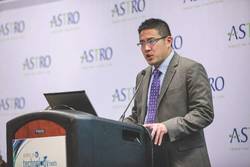
RTOG 0617 was one of the largest studies to look at chemoradiation in patients with locally advanced non–small-cell lung cancer, Dr. Chun explained in an interview. This phase III study examined whether there was any advantage of using high-dose (74-Gray) over standard dose (60-Gray) radiation therapy in combination with chemotherapy consisting of carboplatin and paclitaxel with or without additional cetuximab.
How the radiation therapy was delivered was left to the discretion of the treating physicians participating in the multi-institutional trial, and so the aim of the secondary analysis was to see if there was any difference in outcomes between patients who received IMRT versus those who received 3D-CRT.
“Our main hypothesis was that by using highly complex modulated beam arrangements, we would improve oncologic outcomes, whether that be toxicity or tumor control; we looked at all sorts of outcomes,” Dr. Chun said.
“We defined severe or grade 3+ pneumonitis as that requiring high steroids, oxygen, hospital admission, a ventilator, or death,” he said. “So we were really dealing with the most serious types of pneumonitis.”
Among the 482 patients studied in the analysis, 47% had received IMRT, and 53% had received 3D-RT. During his presentation, Dr. Chun noted that the “deck was stacked against IMRT” at baseline, with significantly more patients with stage IIIB (39% vs. 30%) and smaller mean planned target volumes (PTV, 427 mL vs. 486 mL) and a lower PTV/lung ratio (0.13 vs. 0.15) in the IMRT versus 3D-RT groups.
Despite having less favorable tumors at the outset, patients in the IMRT arm did just as well as those in the conventional radiotherapy group in terms of local tumor control. At 2 years, local control was 30.8% and 37.1% (P = .50), respectively.
There was no statistical difference in 2-year overall (53.2% vs. 49.4%, P = .597), progression-free (25.2% vs. 27.0%, P = .595), or distant metastasis-free survival (45.9% vs. 49.6%, P = .66).
IMRT was associated with more consolidative chemotherapy (37.3% vs. 29.1%, P less than .05), and significantly lower doses of radiation were delivered to the heart, which may confer survival and further toxicity benefits in the future with longer follow-up, Dr. Chun suggested. The potential ramifications of the pneumonitis finding are currently such that they could drastically decrease medical and associated hospitalization costs, he added.
“For the past decade or so, IMRT has been accepted for disease sites like the head and neck, the prostate, the brain, and other sites because of potential toxicity benefits. With what we are seeing here, we believe that these findings support more routine use of IMRT for this population and a similar leap in lung cancer,” Dr. Chun said.
SAN ANTONIO – Patients with stage III non–small-cell lung cancer undergoing chemoradiotherapy had less lung inflammation if they were treated with intensity-modulated radiation therapy (IMRT) than three-dimensional conformational radiation therapy (3D-CRT) in a secondary analysis of data from the NRG Oncology/Radiation Therapy Oncology Group (RTOG) 0617 trial.
A 44% reduction in grade 3 or higher pneumonitis cases was observed in the analysis, at 4.5% for IMRT and 8% for 3D-CRT, respectively (P = .046), Dr. Stephen Chun of the MD Anderson Cancer Center, Houston, reported at the annual scientific meeting of the American Society for Radiation Oncology.
RTOG 0617 was one of the largest studies to look at chemoradiation in patients with locally advanced non–small-cell lung cancer, Dr. Chun explained in an interview. This phase III study examined whether there was any advantage of using high-dose (74-Gray) over standard dose (60-Gray) radiation therapy in combination with chemotherapy consisting of carboplatin and paclitaxel with or without additional cetuximab.
How the radiation therapy was delivered was left to the discretion of the treating physicians participating in the multi-institutional trial, and so the aim of the secondary analysis was to see if there was any difference in outcomes between patients who received IMRT versus those who received 3D-CRT.
“Our main hypothesis was that by using highly complex modulated beam arrangements, we would improve oncologic outcomes, whether that be toxicity or tumor control; we looked at all sorts of outcomes,” Dr. Chun said.
“We defined severe or grade 3+ pneumonitis as that requiring high steroids, oxygen, hospital admission, a ventilator, or death,” he said. “So we were really dealing with the most serious types of pneumonitis.”
Among the 482 patients studied in the analysis, 47% had received IMRT, and 53% had received 3D-RT. During his presentation, Dr. Chun noted that the “deck was stacked against IMRT” at baseline, with significantly more patients with stage IIIB (39% vs. 30%) and smaller mean planned target volumes (PTV, 427 mL vs. 486 mL) and a lower PTV/lung ratio (0.13 vs. 0.15) in the IMRT versus 3D-RT groups.
Despite having less favorable tumors at the outset, patients in the IMRT arm did just as well as those in the conventional radiotherapy group in terms of local tumor control. At 2 years, local control was 30.8% and 37.1% (P = .50), respectively.
There was no statistical difference in 2-year overall (53.2% vs. 49.4%, P = .597), progression-free (25.2% vs. 27.0%, P = .595), or distant metastasis-free survival (45.9% vs. 49.6%, P = .66).
IMRT was associated with more consolidative chemotherapy (37.3% vs. 29.1%, P less than .05), and significantly lower doses of radiation were delivered to the heart, which may confer survival and further toxicity benefits in the future with longer follow-up, Dr. Chun suggested. The potential ramifications of the pneumonitis finding are currently such that they could drastically decrease medical and associated hospitalization costs, he added.
“For the past decade or so, IMRT has been accepted for disease sites like the head and neck, the prostate, the brain, and other sites because of potential toxicity benefits. With what we are seeing here, we believe that these findings support more routine use of IMRT for this population and a similar leap in lung cancer,” Dr. Chun said.
SAN ANTONIO – Patients with stage III non–small-cell lung cancer undergoing chemoradiotherapy had less lung inflammation if they were treated with intensity-modulated radiation therapy (IMRT) than three-dimensional conformational radiation therapy (3D-CRT) in a secondary analysis of data from the NRG Oncology/Radiation Therapy Oncology Group (RTOG) 0617 trial.
A 44% reduction in grade 3 or higher pneumonitis cases was observed in the analysis, at 4.5% for IMRT and 8% for 3D-CRT, respectively (P = .046), Dr. Stephen Chun of the MD Anderson Cancer Center, Houston, reported at the annual scientific meeting of the American Society for Radiation Oncology.
RTOG 0617 was one of the largest studies to look at chemoradiation in patients with locally advanced non–small-cell lung cancer, Dr. Chun explained in an interview. This phase III study examined whether there was any advantage of using high-dose (74-Gray) over standard dose (60-Gray) radiation therapy in combination with chemotherapy consisting of carboplatin and paclitaxel with or without additional cetuximab.
How the radiation therapy was delivered was left to the discretion of the treating physicians participating in the multi-institutional trial, and so the aim of the secondary analysis was to see if there was any difference in outcomes between patients who received IMRT versus those who received 3D-CRT.
“Our main hypothesis was that by using highly complex modulated beam arrangements, we would improve oncologic outcomes, whether that be toxicity or tumor control; we looked at all sorts of outcomes,” Dr. Chun said.
“We defined severe or grade 3+ pneumonitis as that requiring high steroids, oxygen, hospital admission, a ventilator, or death,” he said. “So we were really dealing with the most serious types of pneumonitis.”
Among the 482 patients studied in the analysis, 47% had received IMRT, and 53% had received 3D-RT. During his presentation, Dr. Chun noted that the “deck was stacked against IMRT” at baseline, with significantly more patients with stage IIIB (39% vs. 30%) and smaller mean planned target volumes (PTV, 427 mL vs. 486 mL) and a lower PTV/lung ratio (0.13 vs. 0.15) in the IMRT versus 3D-RT groups.
Despite having less favorable tumors at the outset, patients in the IMRT arm did just as well as those in the conventional radiotherapy group in terms of local tumor control. At 2 years, local control was 30.8% and 37.1% (P = .50), respectively.
There was no statistical difference in 2-year overall (53.2% vs. 49.4%, P = .597), progression-free (25.2% vs. 27.0%, P = .595), or distant metastasis-free survival (45.9% vs. 49.6%, P = .66).
IMRT was associated with more consolidative chemotherapy (37.3% vs. 29.1%, P less than .05), and significantly lower doses of radiation were delivered to the heart, which may confer survival and further toxicity benefits in the future with longer follow-up, Dr. Chun suggested. The potential ramifications of the pneumonitis finding are currently such that they could drastically decrease medical and associated hospitalization costs, he added.
“For the past decade or so, IMRT has been accepted for disease sites like the head and neck, the prostate, the brain, and other sites because of potential toxicity benefits. With what we are seeing here, we believe that these findings support more routine use of IMRT for this population and a similar leap in lung cancer,” Dr. Chun said.
AT THE ASTRO ANNUAL MEETING
Tomotherapy may decrease radiation-induced bowel toxicity in cervical cancer
SAN ANTONIO – Interim results of an ongoing phase III trial show that women who have undergone surgical resection for cervical cancer may be less likely to experience late-onset bowel toxicity if they receive tomotherapy rather than conventionally delivered adjuvant radiotherapy.
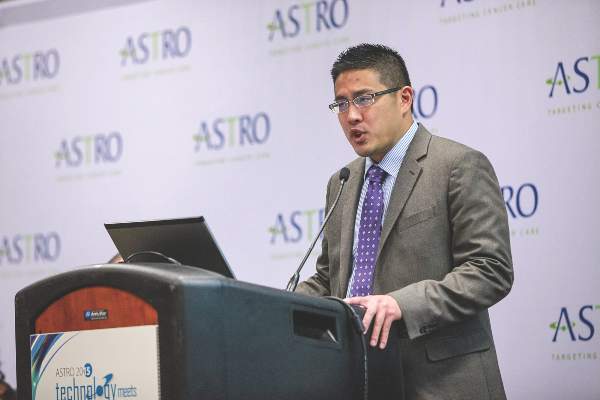
In the PARCER trial, grade III or higher radiation-induced bowel toxicity occurred in just 3.2% of women who had adjuvant image-guided intensity-modulated radiation therapy (IG-IMRT) vs. 17.8% of those who received three-dimensional conformal radiation therapy (3D-CRT) at a median of 20 months. The 14.6% absolute difference was statistically significant (P = .02) but this was an exploratory endpoint.

The primary endpoint of late grade II or higher bowel toxicity was not statistically significant, but also showed around a 14% absolute difference between the arms, at 11.4% in the IG-IMRT- and 25% in the 3D-CRT–treated women (P = .13).
Nevertheless, the results are clinically relevant and the trial continues accrual to a target of 240 patients. The stopping rules were not met and there is the potential for the results to become statistically significant with longer follow-up, said Dr. Supriya Chopra of Tata Memorial Centre in Mumbai, India.
Speaking at a press briefing held during the annual meeting of the American Society for Radiation Oncology, she said: “Although this trial was done for cervical cancer, the trial results would impact practice for all endometrial cancer patients as well who would undergo postoperative radiation, and prostate cancer patients.”
“There was a substantial reduction in serious toxicities, something that justifies the added labor intensity and the added resource utilization of the more sophisticated approaches and still adds value to patients because there is a reduction in hospitalization and there is a reduction in the cost of downstream side effects,” said Dr. Brian Kavanagh of the University of Colorado at Denver, Aurora, and president-elect of the ASTRO Board of Directors, in an interview.
Data on 120 patients randomized to date were presented, of whom 58 had received conventional 3D-CRT, and 62 who had undergone IG-IMRT and received 50 Gy of radiation given in 24 fractions over 5 weeks. Patients also received weekly cisplatin (50 mg/m2) and two additional 6 Gy doses of pelvic radiation delivered via brachytherapy. In the IG-IMRT arm, investigators were careful to ensure that very little radiation reached the small bowel. Toxicity was assessed using the Common Toxicity Criteria for Adverse Events version 3.0.
Bowel toxicity can affect a substantial number of women after pelvic irradiation, and it tends to evolve over time, Dr. Chopra said.
“Most of the patients would be continually bothered about having chronic diarrhea or having abdominal bloating sensation which cannot be cured by anything, or just having some lower abdominal pain, which definitely affects their quality of life,” she explained.
The trial thus aimed to see if using the latest radiation technology could help to reduce these side effects.
“These early results are very encouraging but not robust enough to change practice at the moment,” Dr. Chopra said. If the trial is positive, however, she added that IMRT could become the new standard of care.
Final analyses will be undertaken after accrual has been completed and at a median follow-up of 3 years, so potentially by the end of 2018, she said.
SAN ANTONIO – Interim results of an ongoing phase III trial show that women who have undergone surgical resection for cervical cancer may be less likely to experience late-onset bowel toxicity if they receive tomotherapy rather than conventionally delivered adjuvant radiotherapy.
In the PARCER trial, grade III or higher radiation-induced bowel toxicity occurred in just 3.2% of women who had adjuvant image-guided intensity-modulated radiation therapy (IG-IMRT) vs. 17.8% of those who received three-dimensional conformal radiation therapy (3D-CRT) at a median of 20 months. The 14.6% absolute difference was statistically significant (P = .02) but this was an exploratory endpoint.
The primary endpoint of late grade II or higher bowel toxicity was not statistically significant, but also showed around a 14% absolute difference between the arms, at 11.4% in the IG-IMRT- and 25% in the 3D-CRT–treated women (P = .13).
Nevertheless, the results are clinically relevant and the trial continues accrual to a target of 240 patients. The stopping rules were not met and there is the potential for the results to become statistically significant with longer follow-up, said Dr. Supriya Chopra of Tata Memorial Centre in Mumbai, India.
Speaking at a press briefing held during the annual meeting of the American Society for Radiation Oncology, she said: “Although this trial was done for cervical cancer, the trial results would impact practice for all endometrial cancer patients as well who would undergo postoperative radiation, and prostate cancer patients.”
“There was a substantial reduction in serious toxicities, something that justifies the added labor intensity and the added resource utilization of the more sophisticated approaches and still adds value to patients because there is a reduction in hospitalization and there is a reduction in the cost of downstream side effects,” said Dr. Brian Kavanagh of the University of Colorado at Denver, Aurora, and president-elect of the ASTRO Board of Directors, in an interview.
Data on 120 patients randomized to date were presented, of whom 58 had received conventional 3D-CRT, and 62 who had undergone IG-IMRT and received 50 Gy of radiation given in 24 fractions over 5 weeks. Patients also received weekly cisplatin (50 mg/m2) and two additional 6 Gy doses of pelvic radiation delivered via brachytherapy. In the IG-IMRT arm, investigators were careful to ensure that very little radiation reached the small bowel. Toxicity was assessed using the Common Toxicity Criteria for Adverse Events version 3.0.
Bowel toxicity can affect a substantial number of women after pelvic irradiation, and it tends to evolve over time, Dr. Chopra said.
“Most of the patients would be continually bothered about having chronic diarrhea or having abdominal bloating sensation which cannot be cured by anything, or just having some lower abdominal pain, which definitely affects their quality of life,” she explained.
The trial thus aimed to see if using the latest radiation technology could help to reduce these side effects.
“These early results are very encouraging but not robust enough to change practice at the moment,” Dr. Chopra said. If the trial is positive, however, she added that IMRT could become the new standard of care.
Final analyses will be undertaken after accrual has been completed and at a median follow-up of 3 years, so potentially by the end of 2018, she said.
SAN ANTONIO – Interim results of an ongoing phase III trial show that women who have undergone surgical resection for cervical cancer may be less likely to experience late-onset bowel toxicity if they receive tomotherapy rather than conventionally delivered adjuvant radiotherapy.
In the PARCER trial, grade III or higher radiation-induced bowel toxicity occurred in just 3.2% of women who had adjuvant image-guided intensity-modulated radiation therapy (IG-IMRT) vs. 17.8% of those who received three-dimensional conformal radiation therapy (3D-CRT) at a median of 20 months. The 14.6% absolute difference was statistically significant (P = .02) but this was an exploratory endpoint.
The primary endpoint of late grade II or higher bowel toxicity was not statistically significant, but also showed around a 14% absolute difference between the arms, at 11.4% in the IG-IMRT- and 25% in the 3D-CRT–treated women (P = .13).
Nevertheless, the results are clinically relevant and the trial continues accrual to a target of 240 patients. The stopping rules were not met and there is the potential for the results to become statistically significant with longer follow-up, said Dr. Supriya Chopra of Tata Memorial Centre in Mumbai, India.
Speaking at a press briefing held during the annual meeting of the American Society for Radiation Oncology, she said: “Although this trial was done for cervical cancer, the trial results would impact practice for all endometrial cancer patients as well who would undergo postoperative radiation, and prostate cancer patients.”
“There was a substantial reduction in serious toxicities, something that justifies the added labor intensity and the added resource utilization of the more sophisticated approaches and still adds value to patients because there is a reduction in hospitalization and there is a reduction in the cost of downstream side effects,” said Dr. Brian Kavanagh of the University of Colorado at Denver, Aurora, and president-elect of the ASTRO Board of Directors, in an interview.
Data on 120 patients randomized to date were presented, of whom 58 had received conventional 3D-CRT, and 62 who had undergone IG-IMRT and received 50 Gy of radiation given in 24 fractions over 5 weeks. Patients also received weekly cisplatin (50 mg/m2) and two additional 6 Gy doses of pelvic radiation delivered via brachytherapy. In the IG-IMRT arm, investigators were careful to ensure that very little radiation reached the small bowel. Toxicity was assessed using the Common Toxicity Criteria for Adverse Events version 3.0.
Bowel toxicity can affect a substantial number of women after pelvic irradiation, and it tends to evolve over time, Dr. Chopra said.
“Most of the patients would be continually bothered about having chronic diarrhea or having abdominal bloating sensation which cannot be cured by anything, or just having some lower abdominal pain, which definitely affects their quality of life,” she explained.
The trial thus aimed to see if using the latest radiation technology could help to reduce these side effects.
“These early results are very encouraging but not robust enough to change practice at the moment,” Dr. Chopra said. If the trial is positive, however, she added that IMRT could become the new standard of care.
Final analyses will be undertaken after accrual has been completed and at a median follow-up of 3 years, so potentially by the end of 2018, she said.
AT THE ASTRO ANNUAL MEETING

More evidence for extended ADT after radiation therapy for prostate cancer patients
SAN ANTONIO – Patients who have locally advanced prostate cancer should receive androgen deprivation therapy (ADT) for at least 2 years after radiotherapy according to the long-term findings of the Radiation Therapy Oncology Group (RTOG) 9202 phase III trial.
“Compared to short-term androgen deprivation therapy, long-term androgen-deprivation therapy improves disease-free survival (DFS), local progression, distant metastases, bNED- and disease-specific survival,” reported Dr. Colleen Lawton at the annual scientific meeting of the American Society for Radiation Oncology.

At a median follow-up of 20 years, DFS was 16% and 10% in men given long- and short-term ADT, respectively, with a hazard ratio of 0.72 (95% confidence interval, 0.64-0.80; P less than .0001).
Local progression occurred in 13% and 23% (HR, 0.53; 95% CI, 0.41–0.67; P less than .0001), distant metastases in 17% and 26% (HR, 0.61; 95% CI, 0.49-0.76; P less than .001), and disease-specific survival was 84% and 78% (HR, 0.67; 95% CI, 0.53-0.84; P = .0007), respectively.
The cumulative incidence of biochemical failure was also lower in the long-term versus short-term ADT group (45% vs. 61%, HR, 0.57; 95% CI, 0.50-0.66; P less than .0001). Dr. Lawton of the Medical College of Wisconsin in Milwaukee observed that the benefits of long- over short-term ADT were even greater in higher-risk patients with a Gleason score of 8-10. The respective HRs for DFS, distant metastases, disease-specific survival, and biochemical failure were 0.67, 0.52, 0.55, and 0.51, and all were highly significant.
The RTOG 9202 findings add further to the evidence showing that men undergoing radiotherapy for localized disease should receive ADT for much longer after radiotherapy than may be currently practiced. Whether 2 years is the right duration or not is to be determined, perhaps a shorter course could be as effective, Dr. Lawton said in an interview.
Three other major trials have looked at this question, with results of the EORTC 22961 study showing that 3 years of ADT is better than 6 months (N Engl J Med. 2009;360:2516–27), the PCS IV trial showing that 18 months and 3 years of ADT are as effective, and the DART01/05 GICOR trial finding that just over 2 years of ADT betters 4 months of ADT (Lancet Oncol. 2015;16:320-7).
The RTOG 9202 trial (J Clin Oncol. 2008;26:2497-504) recruited more than 1,500 men with stage T2c-T4 prostate cancer between June 1992 and April 1995. All men were treated with a combination of goserelin (3.6 mg by monthly subcutaneous injection) and flutamide (250 mg three times a day orally) for 2 months before and 2 months during radiotherapy. Conventional radiotherapy of the pelvis was given at a dose of 44-46 Gy followed by a ‘cone down’ to the prostate with 65-75 Gy being given. Men were then randomized to either no further ADT or to continue ADT for 2 years. Men who continued ADT were treated with goserelin only.
Overall survival did not reach statistical significance, with approximately a 3% absolute and 10% reduction in risk, comparing long- with short-term ADT.
“The good news is that both in the short-term and long-term hormone therapy arms there was no difference in other-cause death or things that would really be traumatic for the patient,” Dr. Lawton said in an interview. “That said, there certainly are side effects that need to be mitigated with exercise and diet, because weight gain, muscle mass loss, bone loss, are realities of longer term therapy,” she added.
There was no difference in short- or late toxicities occurring 90 days after the start of radiotherapy generally, but patients in the long-term ADT arm did experience a higher rate of grade 3 or higher gastrointestinal events (3.0% vs. 1.5%, respectively, P = .04).
“I think the most important thing that patients want to know is ‘Doctor, am I going to die of my prostate cancer?,’ and we can tell them honestly, with very good science, that if they get the longer-term hormone therapy, we can really decrease that risk,” Dr. Lawton said.
The RTOG 9202 study was supported by grants from the National Cancer Institute. Dr. Lawton had nothing to disclose.
SAN ANTONIO – Patients who have locally advanced prostate cancer should receive androgen deprivation therapy (ADT) for at least 2 years after radiotherapy according to the long-term findings of the Radiation Therapy Oncology Group (RTOG) 9202 phase III trial.
“Compared to short-term androgen deprivation therapy, long-term androgen-deprivation therapy improves disease-free survival (DFS), local progression, distant metastases, bNED- and disease-specific survival,” reported Dr. Colleen Lawton at the annual scientific meeting of the American Society for Radiation Oncology.
At a median follow-up of 20 years, DFS was 16% and 10% in men given long- and short-term ADT, respectively, with a hazard ratio of 0.72 (95% confidence interval, 0.64-0.80; P less than .0001).
Local progression occurred in 13% and 23% (HR, 0.53; 95% CI, 0.41–0.67; P less than .0001), distant metastases in 17% and 26% (HR, 0.61; 95% CI, 0.49-0.76; P less than .001), and disease-specific survival was 84% and 78% (HR, 0.67; 95% CI, 0.53-0.84; P = .0007), respectively.
The cumulative incidence of biochemical failure was also lower in the long-term versus short-term ADT group (45% vs. 61%, HR, 0.57; 95% CI, 0.50-0.66; P less than .0001). Dr. Lawton of the Medical College of Wisconsin in Milwaukee observed that the benefits of long- over short-term ADT were even greater in higher-risk patients with a Gleason score of 8-10. The respective HRs for DFS, distant metastases, disease-specific survival, and biochemical failure were 0.67, 0.52, 0.55, and 0.51, and all were highly significant.
The RTOG 9202 findings add further to the evidence showing that men undergoing radiotherapy for localized disease should receive ADT for much longer after radiotherapy than may be currently practiced. Whether 2 years is the right duration or not is to be determined, perhaps a shorter course could be as effective, Dr. Lawton said in an interview.
Three other major trials have looked at this question, with results of the EORTC 22961 study showing that 3 years of ADT is better than 6 months (N Engl J Med. 2009;360:2516–27), the PCS IV trial showing that 18 months and 3 years of ADT are as effective, and the DART01/05 GICOR trial finding that just over 2 years of ADT betters 4 months of ADT (Lancet Oncol. 2015;16:320-7).
The RTOG 9202 trial (J Clin Oncol. 2008;26:2497-504) recruited more than 1,500 men with stage T2c-T4 prostate cancer between June 1992 and April 1995. All men were treated with a combination of goserelin (3.6 mg by monthly subcutaneous injection) and flutamide (250 mg three times a day orally) for 2 months before and 2 months during radiotherapy. Conventional radiotherapy of the pelvis was given at a dose of 44-46 Gy followed by a ‘cone down’ to the prostate with 65-75 Gy being given. Men were then randomized to either no further ADT or to continue ADT for 2 years. Men who continued ADT were treated with goserelin only.
Overall survival did not reach statistical significance, with approximately a 3% absolute and 10% reduction in risk, comparing long- with short-term ADT.
“The good news is that both in the short-term and long-term hormone therapy arms there was no difference in other-cause death or things that would really be traumatic for the patient,” Dr. Lawton said in an interview. “That said, there certainly are side effects that need to be mitigated with exercise and diet, because weight gain, muscle mass loss, bone loss, are realities of longer term therapy,” she added.
There was no difference in short- or late toxicities occurring 90 days after the start of radiotherapy generally, but patients in the long-term ADT arm did experience a higher rate of grade 3 or higher gastrointestinal events (3.0% vs. 1.5%, respectively, P = .04).
“I think the most important thing that patients want to know is ‘Doctor, am I going to die of my prostate cancer?,’ and we can tell them honestly, with very good science, that if they get the longer-term hormone therapy, we can really decrease that risk,” Dr. Lawton said.
The RTOG 9202 study was supported by grants from the National Cancer Institute. Dr. Lawton had nothing to disclose.
SAN ANTONIO – Patients who have locally advanced prostate cancer should receive androgen deprivation therapy (ADT) for at least 2 years after radiotherapy according to the long-term findings of the Radiation Therapy Oncology Group (RTOG) 9202 phase III trial.
“Compared to short-term androgen deprivation therapy, long-term androgen-deprivation therapy improves disease-free survival (DFS), local progression, distant metastases, bNED- and disease-specific survival,” reported Dr. Colleen Lawton at the annual scientific meeting of the American Society for Radiation Oncology.
At a median follow-up of 20 years, DFS was 16% and 10% in men given long- and short-term ADT, respectively, with a hazard ratio of 0.72 (95% confidence interval, 0.64-0.80; P less than .0001).
Local progression occurred in 13% and 23% (HR, 0.53; 95% CI, 0.41–0.67; P less than .0001), distant metastases in 17% and 26% (HR, 0.61; 95% CI, 0.49-0.76; P less than .001), and disease-specific survival was 84% and 78% (HR, 0.67; 95% CI, 0.53-0.84; P = .0007), respectively.
The cumulative incidence of biochemical failure was also lower in the long-term versus short-term ADT group (45% vs. 61%, HR, 0.57; 95% CI, 0.50-0.66; P less than .0001). Dr. Lawton of the Medical College of Wisconsin in Milwaukee observed that the benefits of long- over short-term ADT were even greater in higher-risk patients with a Gleason score of 8-10. The respective HRs for DFS, distant metastases, disease-specific survival, and biochemical failure were 0.67, 0.52, 0.55, and 0.51, and all were highly significant.
The RTOG 9202 findings add further to the evidence showing that men undergoing radiotherapy for localized disease should receive ADT for much longer after radiotherapy than may be currently practiced. Whether 2 years is the right duration or not is to be determined, perhaps a shorter course could be as effective, Dr. Lawton said in an interview.
Three other major trials have looked at this question, with results of the EORTC 22961 study showing that 3 years of ADT is better than 6 months (N Engl J Med. 2009;360:2516–27), the PCS IV trial showing that 18 months and 3 years of ADT are as effective, and the DART01/05 GICOR trial finding that just over 2 years of ADT betters 4 months of ADT (Lancet Oncol. 2015;16:320-7).
The RTOG 9202 trial (J Clin Oncol. 2008;26:2497-504) recruited more than 1,500 men with stage T2c-T4 prostate cancer between June 1992 and April 1995. All men were treated with a combination of goserelin (3.6 mg by monthly subcutaneous injection) and flutamide (250 mg three times a day orally) for 2 months before and 2 months during radiotherapy. Conventional radiotherapy of the pelvis was given at a dose of 44-46 Gy followed by a ‘cone down’ to the prostate with 65-75 Gy being given. Men were then randomized to either no further ADT or to continue ADT for 2 years. Men who continued ADT were treated with goserelin only.
Overall survival did not reach statistical significance, with approximately a 3% absolute and 10% reduction in risk, comparing long- with short-term ADT.
“The good news is that both in the short-term and long-term hormone therapy arms there was no difference in other-cause death or things that would really be traumatic for the patient,” Dr. Lawton said in an interview. “That said, there certainly are side effects that need to be mitigated with exercise and diet, because weight gain, muscle mass loss, bone loss, are realities of longer term therapy,” she added.
There was no difference in short- or late toxicities occurring 90 days after the start of radiotherapy generally, but patients in the long-term ADT arm did experience a higher rate of grade 3 or higher gastrointestinal events (3.0% vs. 1.5%, respectively, P = .04).
“I think the most important thing that patients want to know is ‘Doctor, am I going to die of my prostate cancer?,’ and we can tell them honestly, with very good science, that if they get the longer-term hormone therapy, we can really decrease that risk,” Dr. Lawton said.
The RTOG 9202 study was supported by grants from the National Cancer Institute. Dr. Lawton had nothing to disclose.
AT THE ASTRO ANNUAL MEETING
Key clinical point: ADT continued for 2 years is associated with significantly better outcomes than stopping at 4 months in men with localized prostate cancer receiving radiation treatment.
Major finding: Disease-specific survival was 84% and 78% (HR, 0.67; 95% CI, 0.53-0.84; P = .0007),
Data source: Phase III, randomized, double-blind trial of more than 1,500 men with stage T2c-T4 prostate cancer.
Disclosures: The RTOG 9202 study was supported by grants from the National Cancer Institute. Dr. Lawton had nothing to disclose.
ASTRO: Combined radioimmunotherapy proves promising in metastatic melanoma
SAN ANTONIO – The combination of the checkpoint inhibitor ipilimumab with palliative doses of radiation therapy was not associated with any unexpected toxicities, and half of the patients with metastatic melanoma who were treated showed a promising clinical response in a phase II study.
The trial included 22 patients with stage IV disease aged a median of 62 years, of whom 11 (50%) responded to the immunotherapy.

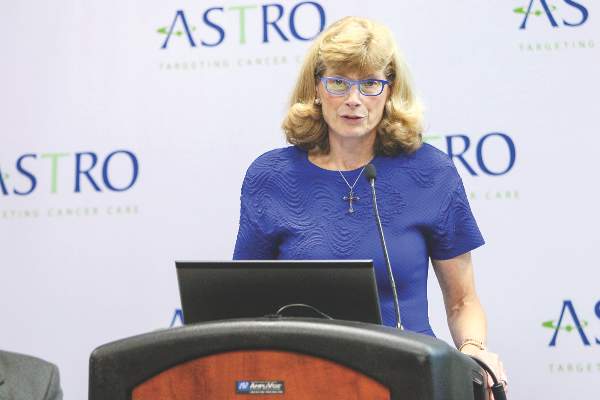
So far 3 (14%) of the 11 patients who responded have achieved a complete response (CR) at a median 55 weeks’ follow-up, and 3 (14%) had a partial response at a median 40 weeks’ follow-up, reported the lead study investigator, Dr. Susan Hiniker of Stanford University, during a press briefing at the annual meeting of the American Society for Radiation Oncology. The remaining five (23%) patients who responded had stable disease at a median 39 weeks’ follow-up.
The trial is one of the first prospective studies to report on the combined use of radiation with systemic immunotherapy in this patient population, she observed, noting that the idea behind the combination was that radiation might enhance the immunogenicity of tumors, that may then in turn make systemic immunotherapy more potent.
“Multiple trials have shown that there is still a minority of patients who respond to ipilimumab, with response rates of approximately 15%”, Dr. Hiniker said.
“As such, new methods of potentiating ipilimumab-induced responses are needed,” she added. “Local irradiation can modulate the local tumor environment such as to promote immune responses in a number of ways,” and other preliminary data have suggested that it may be able to increase overall response rates to ipilimumab.
Patients were recruited for the trial if they had stage IV melanoma and were aged between 18 and 65 years. Treatment consisted of palliative radiation delivered to one or two metastatic sites and at least one nonmetastatic site within 5 days of initial immunotherapy treatment with ipilimumab at a dose of 3 mg/kg every 3 weeks for a total of four treatment cycles. The dose and fractionation schedule was at the discretion of the treating physician.
Tumors were assessed for response using Response Evaluation Criteria in Solid Tumors (RECIST) and Immune Response Criteria (IRC) at baseline, 2-4 weeks after the last dose of ipilimumab was given, and then every 3 months thereafter until disease progression.
This being a phase II trial, the primary objective was to look at the safety of the approach; no additional or unexpected toxicities were seen.
“We saw approximately a 14% rate of grade 3-4 toxicity, which is really on par with what has been reported for ipilimumab monotherapy – on the order of 20%,” Dr. Hiniker said in an interview. “But that being said, we don’t believe that radiation itself caused any additional toxicity.”
One of the patients did have a perforated colon, she acknowledged, and for this reason future research may look at the combination of radiation therapy with the PD-1 (programmed T-cell death) inhibitors.
“I think right now everyone is so excited about the PD-1 inhibitors, and think that they’re safer,” Dr. Hiniker suggested. “It’s hard to give someone ipilimumab alone as the first line at this point; although many patients may not experience toxicity, [in] the ones that do, it can be severe.”
Dr. Hiniker also reported that IRC (independent review committee) analysis results suggested that several proinflammatory cytokines were elevated in some patients who responded to treatment. Higher levels of interleukin 2 at baseline, and at two time points during the study, for example, were associated with better response rates than lower levels. The findings also suggested that there might be a relationship between an increased number of elevated CD8-positive T cells and response.
“I think that we will find biomarkers, but we are not there yet, and it would need to be confirmed in a longer, larger study,” Dr. Hiniker said.
From a practical perspective, if a patient is already being treated with ipilimumab, and a physician is considering radiotherapy, then these results suggest that there will be no additional toxicity, she suggested.
“This combination approach does appear to be promising,” she said. “So for a subset of carefully selected patients – and the problem is we don’t totally know how to select them yet – this can be extremely promising.”
Dr. Hiniker had no disclosures to report.
SAN ANTONIO – The combination of the checkpoint inhibitor ipilimumab with palliative doses of radiation therapy was not associated with any unexpected toxicities, and half of the patients with metastatic melanoma who were treated showed a promising clinical response in a phase II study.
The trial included 22 patients with stage IV disease aged a median of 62 years, of whom 11 (50%) responded to the immunotherapy.
So far 3 (14%) of the 11 patients who responded have achieved a complete response (CR) at a median 55 weeks’ follow-up, and 3 (14%) had a partial response at a median 40 weeks’ follow-up, reported the lead study investigator, Dr. Susan Hiniker of Stanford University, during a press briefing at the annual meeting of the American Society for Radiation Oncology. The remaining five (23%) patients who responded had stable disease at a median 39 weeks’ follow-up.
The trial is one of the first prospective studies to report on the combined use of radiation with systemic immunotherapy in this patient population, she observed, noting that the idea behind the combination was that radiation might enhance the immunogenicity of tumors, that may then in turn make systemic immunotherapy more potent.
“Multiple trials have shown that there is still a minority of patients who respond to ipilimumab, with response rates of approximately 15%”, Dr. Hiniker said.
“As such, new methods of potentiating ipilimumab-induced responses are needed,” she added. “Local irradiation can modulate the local tumor environment such as to promote immune responses in a number of ways,” and other preliminary data have suggested that it may be able to increase overall response rates to ipilimumab.
Patients were recruited for the trial if they had stage IV melanoma and were aged between 18 and 65 years. Treatment consisted of palliative radiation delivered to one or two metastatic sites and at least one nonmetastatic site within 5 days of initial immunotherapy treatment with ipilimumab at a dose of 3 mg/kg every 3 weeks for a total of four treatment cycles. The dose and fractionation schedule was at the discretion of the treating physician.
Tumors were assessed for response using Response Evaluation Criteria in Solid Tumors (RECIST) and Immune Response Criteria (IRC) at baseline, 2-4 weeks after the last dose of ipilimumab was given, and then every 3 months thereafter until disease progression.
This being a phase II trial, the primary objective was to look at the safety of the approach; no additional or unexpected toxicities were seen.
“We saw approximately a 14% rate of grade 3-4 toxicity, which is really on par with what has been reported for ipilimumab monotherapy – on the order of 20%,” Dr. Hiniker said in an interview. “But that being said, we don’t believe that radiation itself caused any additional toxicity.”
One of the patients did have a perforated colon, she acknowledged, and for this reason future research may look at the combination of radiation therapy with the PD-1 (programmed T-cell death) inhibitors.
“I think right now everyone is so excited about the PD-1 inhibitors, and think that they’re safer,” Dr. Hiniker suggested. “It’s hard to give someone ipilimumab alone as the first line at this point; although many patients may not experience toxicity, [in] the ones that do, it can be severe.”
Dr. Hiniker also reported that IRC (independent review committee) analysis results suggested that several proinflammatory cytokines were elevated in some patients who responded to treatment. Higher levels of interleukin 2 at baseline, and at two time points during the study, for example, were associated with better response rates than lower levels. The findings also suggested that there might be a relationship between an increased number of elevated CD8-positive T cells and response.
“I think that we will find biomarkers, but we are not there yet, and it would need to be confirmed in a longer, larger study,” Dr. Hiniker said.
From a practical perspective, if a patient is already being treated with ipilimumab, and a physician is considering radiotherapy, then these results suggest that there will be no additional toxicity, she suggested.
“This combination approach does appear to be promising,” she said. “So for a subset of carefully selected patients – and the problem is we don’t totally know how to select them yet – this can be extremely promising.”
Dr. Hiniker had no disclosures to report.
SAN ANTONIO – The combination of the checkpoint inhibitor ipilimumab with palliative doses of radiation therapy was not associated with any unexpected toxicities, and half of the patients with metastatic melanoma who were treated showed a promising clinical response in a phase II study.
The trial included 22 patients with stage IV disease aged a median of 62 years, of whom 11 (50%) responded to the immunotherapy.
So far 3 (14%) of the 11 patients who responded have achieved a complete response (CR) at a median 55 weeks’ follow-up, and 3 (14%) had a partial response at a median 40 weeks’ follow-up, reported the lead study investigator, Dr. Susan Hiniker of Stanford University, during a press briefing at the annual meeting of the American Society for Radiation Oncology. The remaining five (23%) patients who responded had stable disease at a median 39 weeks’ follow-up.
The trial is one of the first prospective studies to report on the combined use of radiation with systemic immunotherapy in this patient population, she observed, noting that the idea behind the combination was that radiation might enhance the immunogenicity of tumors, that may then in turn make systemic immunotherapy more potent.
“Multiple trials have shown that there is still a minority of patients who respond to ipilimumab, with response rates of approximately 15%”, Dr. Hiniker said.
“As such, new methods of potentiating ipilimumab-induced responses are needed,” she added. “Local irradiation can modulate the local tumor environment such as to promote immune responses in a number of ways,” and other preliminary data have suggested that it may be able to increase overall response rates to ipilimumab.
Patients were recruited for the trial if they had stage IV melanoma and were aged between 18 and 65 years. Treatment consisted of palliative radiation delivered to one or two metastatic sites and at least one nonmetastatic site within 5 days of initial immunotherapy treatment with ipilimumab at a dose of 3 mg/kg every 3 weeks for a total of four treatment cycles. The dose and fractionation schedule was at the discretion of the treating physician.
Tumors were assessed for response using Response Evaluation Criteria in Solid Tumors (RECIST) and Immune Response Criteria (IRC) at baseline, 2-4 weeks after the last dose of ipilimumab was given, and then every 3 months thereafter until disease progression.
This being a phase II trial, the primary objective was to look at the safety of the approach; no additional or unexpected toxicities were seen.
“We saw approximately a 14% rate of grade 3-4 toxicity, which is really on par with what has been reported for ipilimumab monotherapy – on the order of 20%,” Dr. Hiniker said in an interview. “But that being said, we don’t believe that radiation itself caused any additional toxicity.”
One of the patients did have a perforated colon, she acknowledged, and for this reason future research may look at the combination of radiation therapy with the PD-1 (programmed T-cell death) inhibitors.
“I think right now everyone is so excited about the PD-1 inhibitors, and think that they’re safer,” Dr. Hiniker suggested. “It’s hard to give someone ipilimumab alone as the first line at this point; although many patients may not experience toxicity, [in] the ones that do, it can be severe.”
Dr. Hiniker also reported that IRC (independent review committee) analysis results suggested that several proinflammatory cytokines were elevated in some patients who responded to treatment. Higher levels of interleukin 2 at baseline, and at two time points during the study, for example, were associated with better response rates than lower levels. The findings also suggested that there might be a relationship between an increased number of elevated CD8-positive T cells and response.
“I think that we will find biomarkers, but we are not there yet, and it would need to be confirmed in a longer, larger study,” Dr. Hiniker said.
From a practical perspective, if a patient is already being treated with ipilimumab, and a physician is considering radiotherapy, then these results suggest that there will be no additional toxicity, she suggested.
“This combination approach does appear to be promising,” she said. “So for a subset of carefully selected patients – and the problem is we don’t totally know how to select them yet – this can be extremely promising.”
Dr. Hiniker had no disclosures to report.
AT THE ASTRO ANNUAL MEETING
Key clinical point: Some patients with metastatic melanoma may benefit from combined use of novel immunotherapies and radiation treatment.
Major finding: No additional toxicity was seen and 50% of patients had a complete or partial response to the treatment regimen of combined radioimmunotherapy.
Data source: Prospective phase II clinical trial of 22 patients with melanoma treated with ipilimumab and palliative radiation therapy.
Disclosures: Dr. Hiniker had no disclosures to report.

ASTRO: Less intense chemoradiation may be possible for HPV-related oropharyngeal cancers
SAN ANTONIO – Patients who have low-risk, human papillomavirus (HPV)–associated oropharyngeal cancers may be effectively and safely treated with a reduced intensity chemoradiotherapy regimen, according to research presented at the annual meeting of the American Society for Radiation Oncology.
In the prospective, multi-institutional, phase II trial, complete pathologic responses (pCR) were seen in 86% of the 43 patients treated. The six cases that did not show a pCR were limited to microscopic areas of residual cancer.
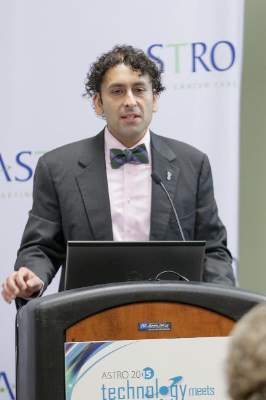
The study provides strong preliminary evidence that reduced intensity chemoradiotherapy may be as effective as standard-dose chemoradiotherapy, Dr. Bhishamjit Chera of the University of North Carolina at Chapel Hill said at a press briefing. While it is too early to use outside of a clinical trial at present, he said, there is the potential for less intensive treatment to be given, and it could be the standard practice in years to come.
“At most institutions, the standard treatment for oropharynx cancer is definite chemoradiation,” Dr. Chera explained. This typically involves delivery of 70 Gy of radiation, given in 2-Gy fractions over 7 weeks for a total 35 days of treatment, and administration of three doses of cisplatin 100 mg/m2 concurrently.
“This treatment provides the best chances of sparing the tonsil, the throat, and the tongue, basically preserving organ function,” he added. Surgery is not usually performed unless there are signs on imaging that the cancer has not completely resolved 12 weeks after treatment.
“We know that many patients are cured with oropharyngeal carcinoma, but many patients live with significant long-term side effects such as dry mouth and difficulty swallowing,” Dr. Chera observed. Thus the aim of the present trial was to see if reducing the intensity of the chemoradiotherapy might avoid some of the side effects seen.
The deintensified regimen used in the study consisted of a 10-Gy reduction in the total dose of radiation delivered to 60 Gy, which was given in 2-Gy fractions once daily over a period of 6 weeks. The dose of cisplatin also was reduced by approximately 40% to 30 mg/m2 given in 6 weekly doses
Patients were eligible for inclusion if they had stage 0-3 squamous cell carcinoma of the oropharynx, with limited nodal (N0-N2c) and no metastatic involvement. Patients had to have a minimal smoking history and be HPV or p16 positive.
After the chemoradiation, all patients underwent a planned biopsy and limited neck dissection to remove any lymph nodes that had cancer in them prior to treatment. Thus the primary endpoint was the pCR rather a radiographically measured tumor response rate, Dr. Chera observed.
Considering just the primary site of the cancer (the base of tongue and tonsil), there were 41 patients who could be evaluated and all but one of these (98%) achieved a pCR. Looking at patients with neck involvement at baseline (n = 39), 84% achieved a pCR.
“All of these 43 patients are alive with no evidence of cancer recurrence with a follow-up of 21 months,” Dr. Chera reported.
Throughout the study, patient-reported outcomes were captured using the National Cancer Institute’s Patient-Reported Outcomes version of the Common Terminology Criteria for Adverse Events (PRO-CTCAE) and the European Organization for Cancer Research and Treatment of Cancer Quality of Life Questionnaire (EORTC QLQ).
While patients did report an increase in adverse effects 6-8 weeks after the chemoradiation, the intensity of these side effects decreased to baseline levels over time. Not surprisingly, the two most common symptoms were dry mouth and problems with swallowing, with 75% and 55% of patients, respectively, experiencing severe or very severe xerostomia and dysphagia. Other grade 3-4 adverse events included mucositis in 45%, pain in 48%, nausea in 52%, and vomiting in 34%.
Results of the quality of life analyses show that patients’ quality of life is returning to baseline levels after 1 year.
“There is a lot of interest in reducing the intensity of treatment in these patients,” Dr. Chera said, adding that patients are likely being overtreated at present. In the current clinical environment, patients are very savvy, he said, so performing a large randomized phase III trial may not be possible if patients learn that deintensified therapy may be an option. So the results of larger and longer phase II trials may be the best evidence that will be obtained.
The NRG Oncology group is going to evaluate the same deintensified chemotherapy regimen in another, larger phase II trial, the NRG-HN002 trial, Dr. Chera said. This trial aims to accrue almost 300 patients and will compare the University of North Carolina regimen versus radiation alone, which will be given at a total dose of 50 Gy 5 days a week for 5 weeks.
And, as for his group’s further research plans, Dr. Chera noted in an interview that further follow-up would be required to determine if the regimen used was efficacious and safe. A second phase II trial with the same deintensified regimen in which surgery or biopsies were not mandated is about to close soon, and there is a third study that will look at using genetic information to determine if it is safe to deintensifty patients’ treatment.
Dr. Chera had no conflicts of interest to disclose.
SAN ANTONIO – Patients who have low-risk, human papillomavirus (HPV)–associated oropharyngeal cancers may be effectively and safely treated with a reduced intensity chemoradiotherapy regimen, according to research presented at the annual meeting of the American Society for Radiation Oncology.
In the prospective, multi-institutional, phase II trial, complete pathologic responses (pCR) were seen in 86% of the 43 patients treated. The six cases that did not show a pCR were limited to microscopic areas of residual cancer.
The study provides strong preliminary evidence that reduced intensity chemoradiotherapy may be as effective as standard-dose chemoradiotherapy, Dr. Bhishamjit Chera of the University of North Carolina at Chapel Hill said at a press briefing. While it is too early to use outside of a clinical trial at present, he said, there is the potential for less intensive treatment to be given, and it could be the standard practice in years to come.
“At most institutions, the standard treatment for oropharynx cancer is definite chemoradiation,” Dr. Chera explained. This typically involves delivery of 70 Gy of radiation, given in 2-Gy fractions over 7 weeks for a total 35 days of treatment, and administration of three doses of cisplatin 100 mg/m2 concurrently.
“This treatment provides the best chances of sparing the tonsil, the throat, and the tongue, basically preserving organ function,” he added. Surgery is not usually performed unless there are signs on imaging that the cancer has not completely resolved 12 weeks after treatment.
“We know that many patients are cured with oropharyngeal carcinoma, but many patients live with significant long-term side effects such as dry mouth and difficulty swallowing,” Dr. Chera observed. Thus the aim of the present trial was to see if reducing the intensity of the chemoradiotherapy might avoid some of the side effects seen.
The deintensified regimen used in the study consisted of a 10-Gy reduction in the total dose of radiation delivered to 60 Gy, which was given in 2-Gy fractions once daily over a period of 6 weeks. The dose of cisplatin also was reduced by approximately 40% to 30 mg/m2 given in 6 weekly doses
Patients were eligible for inclusion if they had stage 0-3 squamous cell carcinoma of the oropharynx, with limited nodal (N0-N2c) and no metastatic involvement. Patients had to have a minimal smoking history and be HPV or p16 positive.
After the chemoradiation, all patients underwent a planned biopsy and limited neck dissection to remove any lymph nodes that had cancer in them prior to treatment. Thus the primary endpoint was the pCR rather a radiographically measured tumor response rate, Dr. Chera observed.
Considering just the primary site of the cancer (the base of tongue and tonsil), there were 41 patients who could be evaluated and all but one of these (98%) achieved a pCR. Looking at patients with neck involvement at baseline (n = 39), 84% achieved a pCR.
“All of these 43 patients are alive with no evidence of cancer recurrence with a follow-up of 21 months,” Dr. Chera reported.
Throughout the study, patient-reported outcomes were captured using the National Cancer Institute’s Patient-Reported Outcomes version of the Common Terminology Criteria for Adverse Events (PRO-CTCAE) and the European Organization for Cancer Research and Treatment of Cancer Quality of Life Questionnaire (EORTC QLQ).
While patients did report an increase in adverse effects 6-8 weeks after the chemoradiation, the intensity of these side effects decreased to baseline levels over time. Not surprisingly, the two most common symptoms were dry mouth and problems with swallowing, with 75% and 55% of patients, respectively, experiencing severe or very severe xerostomia and dysphagia. Other grade 3-4 adverse events included mucositis in 45%, pain in 48%, nausea in 52%, and vomiting in 34%.
Results of the quality of life analyses show that patients’ quality of life is returning to baseline levels after 1 year.
“There is a lot of interest in reducing the intensity of treatment in these patients,” Dr. Chera said, adding that patients are likely being overtreated at present. In the current clinical environment, patients are very savvy, he said, so performing a large randomized phase III trial may not be possible if patients learn that deintensified therapy may be an option. So the results of larger and longer phase II trials may be the best evidence that will be obtained.
The NRG Oncology group is going to evaluate the same deintensified chemotherapy regimen in another, larger phase II trial, the NRG-HN002 trial, Dr. Chera said. This trial aims to accrue almost 300 patients and will compare the University of North Carolina regimen versus radiation alone, which will be given at a total dose of 50 Gy 5 days a week for 5 weeks.
And, as for his group’s further research plans, Dr. Chera noted in an interview that further follow-up would be required to determine if the regimen used was efficacious and safe. A second phase II trial with the same deintensified regimen in which surgery or biopsies were not mandated is about to close soon, and there is a third study that will look at using genetic information to determine if it is safe to deintensifty patients’ treatment.
Dr. Chera had no conflicts of interest to disclose.
SAN ANTONIO – Patients who have low-risk, human papillomavirus (HPV)–associated oropharyngeal cancers may be effectively and safely treated with a reduced intensity chemoradiotherapy regimen, according to research presented at the annual meeting of the American Society for Radiation Oncology.
In the prospective, multi-institutional, phase II trial, complete pathologic responses (pCR) were seen in 86% of the 43 patients treated. The six cases that did not show a pCR were limited to microscopic areas of residual cancer.
The study provides strong preliminary evidence that reduced intensity chemoradiotherapy may be as effective as standard-dose chemoradiotherapy, Dr. Bhishamjit Chera of the University of North Carolina at Chapel Hill said at a press briefing. While it is too early to use outside of a clinical trial at present, he said, there is the potential for less intensive treatment to be given, and it could be the standard practice in years to come.
“At most institutions, the standard treatment for oropharynx cancer is definite chemoradiation,” Dr. Chera explained. This typically involves delivery of 70 Gy of radiation, given in 2-Gy fractions over 7 weeks for a total 35 days of treatment, and administration of three doses of cisplatin 100 mg/m2 concurrently.
“This treatment provides the best chances of sparing the tonsil, the throat, and the tongue, basically preserving organ function,” he added. Surgery is not usually performed unless there are signs on imaging that the cancer has not completely resolved 12 weeks after treatment.
“We know that many patients are cured with oropharyngeal carcinoma, but many patients live with significant long-term side effects such as dry mouth and difficulty swallowing,” Dr. Chera observed. Thus the aim of the present trial was to see if reducing the intensity of the chemoradiotherapy might avoid some of the side effects seen.
The deintensified regimen used in the study consisted of a 10-Gy reduction in the total dose of radiation delivered to 60 Gy, which was given in 2-Gy fractions once daily over a period of 6 weeks. The dose of cisplatin also was reduced by approximately 40% to 30 mg/m2 given in 6 weekly doses
Patients were eligible for inclusion if they had stage 0-3 squamous cell carcinoma of the oropharynx, with limited nodal (N0-N2c) and no metastatic involvement. Patients had to have a minimal smoking history and be HPV or p16 positive.
After the chemoradiation, all patients underwent a planned biopsy and limited neck dissection to remove any lymph nodes that had cancer in them prior to treatment. Thus the primary endpoint was the pCR rather a radiographically measured tumor response rate, Dr. Chera observed.
Considering just the primary site of the cancer (the base of tongue and tonsil), there were 41 patients who could be evaluated and all but one of these (98%) achieved a pCR. Looking at patients with neck involvement at baseline (n = 39), 84% achieved a pCR.
“All of these 43 patients are alive with no evidence of cancer recurrence with a follow-up of 21 months,” Dr. Chera reported.
Throughout the study, patient-reported outcomes were captured using the National Cancer Institute’s Patient-Reported Outcomes version of the Common Terminology Criteria for Adverse Events (PRO-CTCAE) and the European Organization for Cancer Research and Treatment of Cancer Quality of Life Questionnaire (EORTC QLQ).
While patients did report an increase in adverse effects 6-8 weeks after the chemoradiation, the intensity of these side effects decreased to baseline levels over time. Not surprisingly, the two most common symptoms were dry mouth and problems with swallowing, with 75% and 55% of patients, respectively, experiencing severe or very severe xerostomia and dysphagia. Other grade 3-4 adverse events included mucositis in 45%, pain in 48%, nausea in 52%, and vomiting in 34%.
Results of the quality of life analyses show that patients’ quality of life is returning to baseline levels after 1 year.
“There is a lot of interest in reducing the intensity of treatment in these patients,” Dr. Chera said, adding that patients are likely being overtreated at present. In the current clinical environment, patients are very savvy, he said, so performing a large randomized phase III trial may not be possible if patients learn that deintensified therapy may be an option. So the results of larger and longer phase II trials may be the best evidence that will be obtained.
The NRG Oncology group is going to evaluate the same deintensified chemotherapy regimen in another, larger phase II trial, the NRG-HN002 trial, Dr. Chera said. This trial aims to accrue almost 300 patients and will compare the University of North Carolina regimen versus radiation alone, which will be given at a total dose of 50 Gy 5 days a week for 5 weeks.
And, as for his group’s further research plans, Dr. Chera noted in an interview that further follow-up would be required to determine if the regimen used was efficacious and safe. A second phase II trial with the same deintensified regimen in which surgery or biopsies were not mandated is about to close soon, and there is a third study that will look at using genetic information to determine if it is safe to deintensifty patients’ treatment.
Dr. Chera had no conflicts of interest to disclose.
AT THE ASTRO ANNUAL MEETING
Key clinical point: Preliminary evidence shows a reduced dose radiation and chemotherapy regimen was effective and may have lower toxicity than standard regimens.
Major finding: A complete pathologic response was seen in 37/43 (86%) of patients.
Data source: Prospective, multicenter, phase II study of 43 patients with favorable risk (T0-3, N0-N2c, M0) HPV-associated oropharyngeal squamous cell carcinoma.
Disclosures: Dr. Chera had no conflicts of interest to disclose.
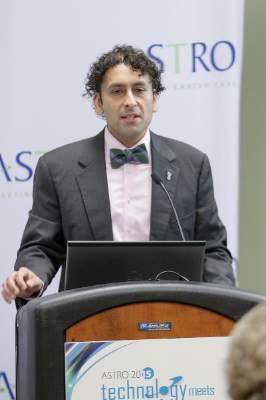
Partial breast irradiation valid option to prevent local recurrence
SAN ANTONIO – Accelerated partial breast irradiation (APBI) using an interstitial multicatheter brachytherapy method is as effective as whole breast irradiation (WBI) at preventing local disease recurrence 5 years after surgery for early breast cancer, according to the long-term results of a large European randomized phase III trial.
The cumulative incidence of local recurrence was 1.44% in the women who received ABPI and 0.92% in the women who received conventional WBI followed by a further boost of radiation to the tumor-bed in the GEC-ESTRO (Groupe Européen de Curiethérapie of European Society for Radiotherapy and Oncology) trial. The 0.52% difference between the two types of radiation therapy was not statistically significant and was within the 3% margin set for noninferiority.
Results of the trial also showed similarly high, and not statistically different, 5-year disease-free (95.03% vs. 94.4%) and overall survival (97.3% vs. 95.5%) for APBI and WBI.

“This is the first phase III study proving noninferiority of APBI in comparison to whole breast irradiation for selected early stage breast cancer patients,” said Dr. Vratislav Strnad of University Hospital Erlangen, Germany, during a press briefing at the annual meeting of the American Society for Radiation Oncology.
Dr. Strnad added, “Based on our results, APBI using multicatheter brachytherapy can be considered as a valid alternative treatment option after breast conserving surgery.” It could be offered to all women with early-stage, low-risk breast cancer patients in routine clinical practice, he observed.
More evidence is needed before APBI can be considered a new standard, said U.K. commentators in an editorial to accompany the published findings (Lancet. 2015 Oct 19. doi: 10.1016/S0140-6736[15]00471-7).
“This trial presents maturing data and further evidence is required from the 14,000 patients in five, as yet unreported, APBI phase III trials,” saidDr. Charlotte Coles of Cambridge (England) University NHS Foundation Trust and Dr. John Yarnold of the Royal Marsden Hospital NHS Foundation Trust in London in the editorial (Lancet. 2015 Oct 19. doi: 10.1016/S0140-6736[15]00518-8).
Continued follow-up for at least 10 years is planned, “which is essential in view of the linear rate of recurrence for lower risk patients and the ongoing effect of radiotherapy after 5 years of treatment,” Dr. Coles and Dr. Yarnold add.
One of the main reasons for APBI is to reduce the number and duration of treatment from weeks to days and thereby radiation exposure that may result in toxicity. The editorialists noted, however, that recent studies have shown it is possible to give WBI over 3 rather than 5 weeks, and the FAST-Forward trial in the United Kingdom, is looking to see if 1 week is possible.
In the current trial, APBI was delivered at a total dose of 30-32 Gy given in seven to eight fractions over 4-5 days to 633 women, and WBI was given at a total dose of 50 Gy in 25-28 fractions over a 5-week period with a 10 Gy boost to the tumor bed given in five fractions to 551 women.
The median age of the women in the trial was 62 years and 39% had stage I and 51% had stage II cancer. The remainder had stage III or unknown stage disease. The majority of patients had invasive carcinoma (95%), and in 86%, the primary tumor was 2 cm or smaller in size.
“The efficacy of partial breast irradiation is the same as whole breast radiation but is more gentle,” Dr. Strnad observed in an interview.
There fewer grade 2-3 adverse events involving the skin (3.2% vs. 5.7%; P = .08) at 5 years’ follow-up with APBI than with WBI. There was no significant difference between the two radiation modalities in grade 2-3 adverse effects involving the subcutaneous tissue (7.6% vs. 6.3%; P = .053) or grade 3 fibrosis (0% vs. 0.2%; P = .46). No grade 4 late side effects were reported.
“I think the take-home message is that we have two alternatives for radiation therapy after breast-conserving surgery,” Dr. Strnad said. “Everybody should know these data and decide on the most appropriate therapy.”
SAN ANTONIO – Accelerated partial breast irradiation (APBI) using an interstitial multicatheter brachytherapy method is as effective as whole breast irradiation (WBI) at preventing local disease recurrence 5 years after surgery for early breast cancer, according to the long-term results of a large European randomized phase III trial.
The cumulative incidence of local recurrence was 1.44% in the women who received ABPI and 0.92% in the women who received conventional WBI followed by a further boost of radiation to the tumor-bed in the GEC-ESTRO (Groupe Européen de Curiethérapie of European Society for Radiotherapy and Oncology) trial. The 0.52% difference between the two types of radiation therapy was not statistically significant and was within the 3% margin set for noninferiority.
Results of the trial also showed similarly high, and not statistically different, 5-year disease-free (95.03% vs. 94.4%) and overall survival (97.3% vs. 95.5%) for APBI and WBI.
“This is the first phase III study proving noninferiority of APBI in comparison to whole breast irradiation for selected early stage breast cancer patients,” said Dr. Vratislav Strnad of University Hospital Erlangen, Germany, during a press briefing at the annual meeting of the American Society for Radiation Oncology.
Dr. Strnad added, “Based on our results, APBI using multicatheter brachytherapy can be considered as a valid alternative treatment option after breast conserving surgery.” It could be offered to all women with early-stage, low-risk breast cancer patients in routine clinical practice, he observed.
More evidence is needed before APBI can be considered a new standard, said U.K. commentators in an editorial to accompany the published findings (Lancet. 2015 Oct 19. doi: 10.1016/S0140-6736[15]00471-7).
“This trial presents maturing data and further evidence is required from the 14,000 patients in five, as yet unreported, APBI phase III trials,” saidDr. Charlotte Coles of Cambridge (England) University NHS Foundation Trust and Dr. John Yarnold of the Royal Marsden Hospital NHS Foundation Trust in London in the editorial (Lancet. 2015 Oct 19. doi: 10.1016/S0140-6736[15]00518-8).
Continued follow-up for at least 10 years is planned, “which is essential in view of the linear rate of recurrence for lower risk patients and the ongoing effect of radiotherapy after 5 years of treatment,” Dr. Coles and Dr. Yarnold add.
One of the main reasons for APBI is to reduce the number and duration of treatment from weeks to days and thereby radiation exposure that may result in toxicity. The editorialists noted, however, that recent studies have shown it is possible to give WBI over 3 rather than 5 weeks, and the FAST-Forward trial in the United Kingdom, is looking to see if 1 week is possible.
In the current trial, APBI was delivered at a total dose of 30-32 Gy given in seven to eight fractions over 4-5 days to 633 women, and WBI was given at a total dose of 50 Gy in 25-28 fractions over a 5-week period with a 10 Gy boost to the tumor bed given in five fractions to 551 women.
The median age of the women in the trial was 62 years and 39% had stage I and 51% had stage II cancer. The remainder had stage III or unknown stage disease. The majority of patients had invasive carcinoma (95%), and in 86%, the primary tumor was 2 cm or smaller in size.
“The efficacy of partial breast irradiation is the same as whole breast radiation but is more gentle,” Dr. Strnad observed in an interview.
There fewer grade 2-3 adverse events involving the skin (3.2% vs. 5.7%; P = .08) at 5 years’ follow-up with APBI than with WBI. There was no significant difference between the two radiation modalities in grade 2-3 adverse effects involving the subcutaneous tissue (7.6% vs. 6.3%; P = .053) or grade 3 fibrosis (0% vs. 0.2%; P = .46). No grade 4 late side effects were reported.
“I think the take-home message is that we have two alternatives for radiation therapy after breast-conserving surgery,” Dr. Strnad said. “Everybody should know these data and decide on the most appropriate therapy.”
SAN ANTONIO – Accelerated partial breast irradiation (APBI) using an interstitial multicatheter brachytherapy method is as effective as whole breast irradiation (WBI) at preventing local disease recurrence 5 years after surgery for early breast cancer, according to the long-term results of a large European randomized phase III trial.
The cumulative incidence of local recurrence was 1.44% in the women who received ABPI and 0.92% in the women who received conventional WBI followed by a further boost of radiation to the tumor-bed in the GEC-ESTRO (Groupe Européen de Curiethérapie of European Society for Radiotherapy and Oncology) trial. The 0.52% difference between the two types of radiation therapy was not statistically significant and was within the 3% margin set for noninferiority.
Results of the trial also showed similarly high, and not statistically different, 5-year disease-free (95.03% vs. 94.4%) and overall survival (97.3% vs. 95.5%) for APBI and WBI.
“This is the first phase III study proving noninferiority of APBI in comparison to whole breast irradiation for selected early stage breast cancer patients,” said Dr. Vratislav Strnad of University Hospital Erlangen, Germany, during a press briefing at the annual meeting of the American Society for Radiation Oncology.
Dr. Strnad added, “Based on our results, APBI using multicatheter brachytherapy can be considered as a valid alternative treatment option after breast conserving surgery.” It could be offered to all women with early-stage, low-risk breast cancer patients in routine clinical practice, he observed.
More evidence is needed before APBI can be considered a new standard, said U.K. commentators in an editorial to accompany the published findings (Lancet. 2015 Oct 19. doi: 10.1016/S0140-6736[15]00471-7).
“This trial presents maturing data and further evidence is required from the 14,000 patients in five, as yet unreported, APBI phase III trials,” saidDr. Charlotte Coles of Cambridge (England) University NHS Foundation Trust and Dr. John Yarnold of the Royal Marsden Hospital NHS Foundation Trust in London in the editorial (Lancet. 2015 Oct 19. doi: 10.1016/S0140-6736[15]00518-8).
Continued follow-up for at least 10 years is planned, “which is essential in view of the linear rate of recurrence for lower risk patients and the ongoing effect of radiotherapy after 5 years of treatment,” Dr. Coles and Dr. Yarnold add.
One of the main reasons for APBI is to reduce the number and duration of treatment from weeks to days and thereby radiation exposure that may result in toxicity. The editorialists noted, however, that recent studies have shown it is possible to give WBI over 3 rather than 5 weeks, and the FAST-Forward trial in the United Kingdom, is looking to see if 1 week is possible.
In the current trial, APBI was delivered at a total dose of 30-32 Gy given in seven to eight fractions over 4-5 days to 633 women, and WBI was given at a total dose of 50 Gy in 25-28 fractions over a 5-week period with a 10 Gy boost to the tumor bed given in five fractions to 551 women.
The median age of the women in the trial was 62 years and 39% had stage I and 51% had stage II cancer. The remainder had stage III or unknown stage disease. The majority of patients had invasive carcinoma (95%), and in 86%, the primary tumor was 2 cm or smaller in size.
“The efficacy of partial breast irradiation is the same as whole breast radiation but is more gentle,” Dr. Strnad observed in an interview.
There fewer grade 2-3 adverse events involving the skin (3.2% vs. 5.7%; P = .08) at 5 years’ follow-up with APBI than with WBI. There was no significant difference between the two radiation modalities in grade 2-3 adverse effects involving the subcutaneous tissue (7.6% vs. 6.3%; P = .053) or grade 3 fibrosis (0% vs. 0.2%; P = .46). No grade 4 late side effects were reported.
“I think the take-home message is that we have two alternatives for radiation therapy after breast-conserving surgery,” Dr. Strnad said. “Everybody should know these data and decide on the most appropriate therapy.”
AT THE ASTRO ANNUAL MEETING
Key clinical point:Accelerated partial breast irradiation (APBI) was as effective as whole breast irradiation (WBI) plus a boost in preventing local recurrence at 5 years in early breast cancer.
Major finding: 5-year local recurrence rates were 1.44% for ABPI and 0.92% for WBI, with the 0.52% difference within the pre-specified 3% noninferiority margin.
Data source: Phase III randomized, noninferiority trial involving 1,184 women with early breast cancer treated 2004 and 2009 in 16 European hospitals and medical centers.
Disclosures: The study was funded by German Cancer Aid. Dr. Strnad has received a grant from German Cancer Aid and consultation fees from Nucletron Operations BV that were not related to the study.
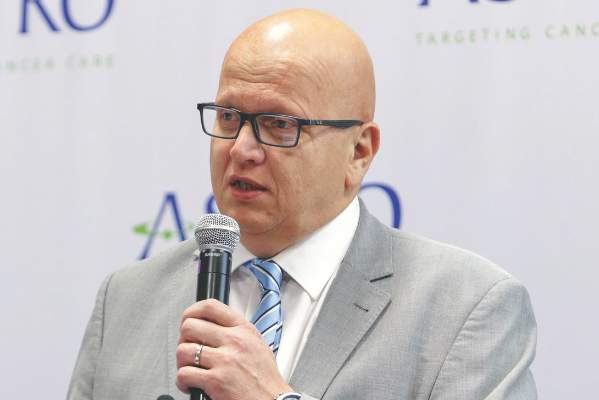
Dexamethasone reduces radiation therapy–induced pain flare
SAN ANTONIO – Dexamethasone given before radiotherapy for bone metastases reduced the risk for subsequent pain flare by 8.9% when compared with placebo in a double blind, randomized phase III trial.
Of the 148 patients treated with the steroid, 26.4% experienced a pain flare up to 10 days after an 8-Gy dose of radiation was given versus 35.3% of the 150 patients who had received placebo (P = .05) in an intent-to-treat analysis. The first 8-mg oral dose of dexamethasone was given at least 1 hour before the single shot of palliative radiotherapy and continued for 4 days.

“Bone metastases are very prevalent in advanced cancer,” Dr. Edward Chow of Sunnybrook Health Sciences Center in Toronto said at the annual meeting of the American Society for Radiation Oncology.
“Palliative radiotherapy is effective in the treatment of painful bone metastases but acute pain flare can occur,” he said. Previous research from three Canadian centers had shown that up to 40% of patients can experience an acute and temporary worsening of pain during, or for up to 10 days after, palliative radiotherapy.
As the impact of these pain flares can be severe, often interfering with patients’ daily activities and ability to function normally, as well as causing additional anxiety about the success of treatment, Dr. Chow and associates aimed to see if the anti-inflammatory action of dexamethasone might stop them from happening. Two prior pilot studies had suggested that it might, but a randomized controlled trial was needed.
The phase III trial (results also published in the Lancet Oncology to coincide with presentation at the meeting) was conducted between May 2011 and Dec 2014 at 23 Canadian centers. Just under 300 patients with a median age of 69 years who were due to undergo palliative radiation therapy were enrolled into the trial, of whom 28% had lung cancer, 25% had prostate cancer, and 22% had breast cancer. The remainder (25%) had other cancers, but these excluded hematologic malignancies since corticosteroids can be used as anticancer therapy in these patients.
Patients recorded their level of pain in a diary using a scale of 0, meaning no pain, to 10, meaning the worst possible pain, before radiation and then for 10 days after treatment. The primary endpoint was the per-patient incidence of pain flare, defined as either a two-point increase in the pain score without a reduction in analgesic use or a 25% or greater reduction in analgesic use without a reduction in the pain score.
Dr. Chow reported that pain flares occurring in the first 5 days of follow-up were significantly less common in the dexamethasone- than placebo-treated patients, at 19.5% and 30.7%, with an absolute difference of 11.1% (P = .03), but that there was no significant difference from days 6-10. Similar results were seen in a sensitivity analysis.
A secondary endpoint was the proportion of patients achieving an overall response to radiation therapy, which showed no difference between the groups. “Whether a patient developed a pain flare or not was not predictive of radiation response in either arm,” Dr. Chow reported.
Adverse effects were mostly grade 1 or 2 and there was no statistical difference between the two groups, he added. Three patients treated with dexamethasone experienced hyperglycemic events identified by biochemistry rather than clinical presentation, none of which required hospitalization. There were a similar number of deaths, 11 in the dexamethasone arm and 15 in the placebo arm, none of which were related to treatment.
Several validated measures were used to assess patient quality of life, including the European Organisation for Research and Treatment of Cancer (EORTC) Quality of Life QLQ-C15-PAL questionnaire, the EORTC QLQ-BM22 bone metastases module, and the Dexamethasone Symptom Questionnaire (DSQ). Results showed patients treated with dexamethasone had significant improvements in nausea, function interference, and appetite by day 10 and improved physical domains and sleep by day 42. There was also an indication of better DSQ depression scores at day 42 with the steroid treatment.
“Given how easy and inexpensive this treatment is we believe that it should become standard of care for patients getting palliative radiotherapy for painful bone metastases as it seems to improve both pain associated with radiation treatment and also quality of life,” said coinvestigator Dr. Alysa Fairchild of the Cross Cancer Institute in Edmonton in an interview.
“We believe that our study results are robust, and this is a fairly large sample size across many Canadian centers so we believe these results are practice changing,” she added. “Ideally it would be nice to be able to predict which of the patients treated with [radiation therapy] are going to experience a pain flare, but at present we are not able to do that, so we do believe that dexamethasone should be given to everybody undergoing this type of [radiation] treatment.”
In an editorial accompanying the published findings, however, Dr. Barry Laird and Dr. Marnie Fallon of the University of Edinburgh in Scotland, comment: “Although the findings are encouraging, caution is advised before dexamethasone is used routinely to prevent pain flares after radiotherapy.”
While they commend the research team for performing the trial in this advanced cancer patient population, they note that the small reduction in pain flares seen may not be sufficient to warrant routine treatment with dexamethasone. They point out that the number needed to treat (NNT) was high, at 9-11, and that other analgesics, such as strong opioids had lower NNT (3-4) and so could perhaps be used instead. Steroids can also have adverse effects on muscle mass and glycemic control, they observed.
Dr. Chow, Dr. Fairchild, and a third investigator reported having no disclosures. The study was funded by a grant from the Canadian Cancer Society Research Institute.
SAN ANTONIO – Dexamethasone given before radiotherapy for bone metastases reduced the risk for subsequent pain flare by 8.9% when compared with placebo in a double blind, randomized phase III trial.
Of the 148 patients treated with the steroid, 26.4% experienced a pain flare up to 10 days after an 8-Gy dose of radiation was given versus 35.3% of the 150 patients who had received placebo (P = .05) in an intent-to-treat analysis. The first 8-mg oral dose of dexamethasone was given at least 1 hour before the single shot of palliative radiotherapy and continued for 4 days.
“Bone metastases are very prevalent in advanced cancer,” Dr. Edward Chow of Sunnybrook Health Sciences Center in Toronto said at the annual meeting of the American Society for Radiation Oncology.
“Palliative radiotherapy is effective in the treatment of painful bone metastases but acute pain flare can occur,” he said. Previous research from three Canadian centers had shown that up to 40% of patients can experience an acute and temporary worsening of pain during, or for up to 10 days after, palliative radiotherapy.
As the impact of these pain flares can be severe, often interfering with patients’ daily activities and ability to function normally, as well as causing additional anxiety about the success of treatment, Dr. Chow and associates aimed to see if the anti-inflammatory action of dexamethasone might stop them from happening. Two prior pilot studies had suggested that it might, but a randomized controlled trial was needed.
The phase III trial (results also published in the Lancet Oncology to coincide with presentation at the meeting) was conducted between May 2011 and Dec 2014 at 23 Canadian centers. Just under 300 patients with a median age of 69 years who were due to undergo palliative radiation therapy were enrolled into the trial, of whom 28% had lung cancer, 25% had prostate cancer, and 22% had breast cancer. The remainder (25%) had other cancers, but these excluded hematologic malignancies since corticosteroids can be used as anticancer therapy in these patients.
Patients recorded their level of pain in a diary using a scale of 0, meaning no pain, to 10, meaning the worst possible pain, before radiation and then for 10 days after treatment. The primary endpoint was the per-patient incidence of pain flare, defined as either a two-point increase in the pain score without a reduction in analgesic use or a 25% or greater reduction in analgesic use without a reduction in the pain score.
Dr. Chow reported that pain flares occurring in the first 5 days of follow-up were significantly less common in the dexamethasone- than placebo-treated patients, at 19.5% and 30.7%, with an absolute difference of 11.1% (P = .03), but that there was no significant difference from days 6-10. Similar results were seen in a sensitivity analysis.
A secondary endpoint was the proportion of patients achieving an overall response to radiation therapy, which showed no difference between the groups. “Whether a patient developed a pain flare or not was not predictive of radiation response in either arm,” Dr. Chow reported.
Adverse effects were mostly grade 1 or 2 and there was no statistical difference between the two groups, he added. Three patients treated with dexamethasone experienced hyperglycemic events identified by biochemistry rather than clinical presentation, none of which required hospitalization. There were a similar number of deaths, 11 in the dexamethasone arm and 15 in the placebo arm, none of which were related to treatment.
Several validated measures were used to assess patient quality of life, including the European Organisation for Research and Treatment of Cancer (EORTC) Quality of Life QLQ-C15-PAL questionnaire, the EORTC QLQ-BM22 bone metastases module, and the Dexamethasone Symptom Questionnaire (DSQ). Results showed patients treated with dexamethasone had significant improvements in nausea, function interference, and appetite by day 10 and improved physical domains and sleep by day 42. There was also an indication of better DSQ depression scores at day 42 with the steroid treatment.
“Given how easy and inexpensive this treatment is we believe that it should become standard of care for patients getting palliative radiotherapy for painful bone metastases as it seems to improve both pain associated with radiation treatment and also quality of life,” said coinvestigator Dr. Alysa Fairchild of the Cross Cancer Institute in Edmonton in an interview.
“We believe that our study results are robust, and this is a fairly large sample size across many Canadian centers so we believe these results are practice changing,” she added. “Ideally it would be nice to be able to predict which of the patients treated with [radiation therapy] are going to experience a pain flare, but at present we are not able to do that, so we do believe that dexamethasone should be given to everybody undergoing this type of [radiation] treatment.”
In an editorial accompanying the published findings, however, Dr. Barry Laird and Dr. Marnie Fallon of the University of Edinburgh in Scotland, comment: “Although the findings are encouraging, caution is advised before dexamethasone is used routinely to prevent pain flares after radiotherapy.”
While they commend the research team for performing the trial in this advanced cancer patient population, they note that the small reduction in pain flares seen may not be sufficient to warrant routine treatment with dexamethasone. They point out that the number needed to treat (NNT) was high, at 9-11, and that other analgesics, such as strong opioids had lower NNT (3-4) and so could perhaps be used instead. Steroids can also have adverse effects on muscle mass and glycemic control, they observed.
Dr. Chow, Dr. Fairchild, and a third investigator reported having no disclosures. The study was funded by a grant from the Canadian Cancer Society Research Institute.
SAN ANTONIO – Dexamethasone given before radiotherapy for bone metastases reduced the risk for subsequent pain flare by 8.9% when compared with placebo in a double blind, randomized phase III trial.
Of the 148 patients treated with the steroid, 26.4% experienced a pain flare up to 10 days after an 8-Gy dose of radiation was given versus 35.3% of the 150 patients who had received placebo (P = .05) in an intent-to-treat analysis. The first 8-mg oral dose of dexamethasone was given at least 1 hour before the single shot of palliative radiotherapy and continued for 4 days.
“Bone metastases are very prevalent in advanced cancer,” Dr. Edward Chow of Sunnybrook Health Sciences Center in Toronto said at the annual meeting of the American Society for Radiation Oncology.
“Palliative radiotherapy is effective in the treatment of painful bone metastases but acute pain flare can occur,” he said. Previous research from three Canadian centers had shown that up to 40% of patients can experience an acute and temporary worsening of pain during, or for up to 10 days after, palliative radiotherapy.
As the impact of these pain flares can be severe, often interfering with patients’ daily activities and ability to function normally, as well as causing additional anxiety about the success of treatment, Dr. Chow and associates aimed to see if the anti-inflammatory action of dexamethasone might stop them from happening. Two prior pilot studies had suggested that it might, but a randomized controlled trial was needed.
The phase III trial (results also published in the Lancet Oncology to coincide with presentation at the meeting) was conducted between May 2011 and Dec 2014 at 23 Canadian centers. Just under 300 patients with a median age of 69 years who were due to undergo palliative radiation therapy were enrolled into the trial, of whom 28% had lung cancer, 25% had prostate cancer, and 22% had breast cancer. The remainder (25%) had other cancers, but these excluded hematologic malignancies since corticosteroids can be used as anticancer therapy in these patients.
Patients recorded their level of pain in a diary using a scale of 0, meaning no pain, to 10, meaning the worst possible pain, before radiation and then for 10 days after treatment. The primary endpoint was the per-patient incidence of pain flare, defined as either a two-point increase in the pain score without a reduction in analgesic use or a 25% or greater reduction in analgesic use without a reduction in the pain score.
Dr. Chow reported that pain flares occurring in the first 5 days of follow-up were significantly less common in the dexamethasone- than placebo-treated patients, at 19.5% and 30.7%, with an absolute difference of 11.1% (P = .03), but that there was no significant difference from days 6-10. Similar results were seen in a sensitivity analysis.
A secondary endpoint was the proportion of patients achieving an overall response to radiation therapy, which showed no difference between the groups. “Whether a patient developed a pain flare or not was not predictive of radiation response in either arm,” Dr. Chow reported.
Adverse effects were mostly grade 1 or 2 and there was no statistical difference between the two groups, he added. Three patients treated with dexamethasone experienced hyperglycemic events identified by biochemistry rather than clinical presentation, none of which required hospitalization. There were a similar number of deaths, 11 in the dexamethasone arm and 15 in the placebo arm, none of which were related to treatment.
Several validated measures were used to assess patient quality of life, including the European Organisation for Research and Treatment of Cancer (EORTC) Quality of Life QLQ-C15-PAL questionnaire, the EORTC QLQ-BM22 bone metastases module, and the Dexamethasone Symptom Questionnaire (DSQ). Results showed patients treated with dexamethasone had significant improvements in nausea, function interference, and appetite by day 10 and improved physical domains and sleep by day 42. There was also an indication of better DSQ depression scores at day 42 with the steroid treatment.
“Given how easy and inexpensive this treatment is we believe that it should become standard of care for patients getting palliative radiotherapy for painful bone metastases as it seems to improve both pain associated with radiation treatment and also quality of life,” said coinvestigator Dr. Alysa Fairchild of the Cross Cancer Institute in Edmonton in an interview.
“We believe that our study results are robust, and this is a fairly large sample size across many Canadian centers so we believe these results are practice changing,” she added. “Ideally it would be nice to be able to predict which of the patients treated with [radiation therapy] are going to experience a pain flare, but at present we are not able to do that, so we do believe that dexamethasone should be given to everybody undergoing this type of [radiation] treatment.”
In an editorial accompanying the published findings, however, Dr. Barry Laird and Dr. Marnie Fallon of the University of Edinburgh in Scotland, comment: “Although the findings are encouraging, caution is advised before dexamethasone is used routinely to prevent pain flares after radiotherapy.”
While they commend the research team for performing the trial in this advanced cancer patient population, they note that the small reduction in pain flares seen may not be sufficient to warrant routine treatment with dexamethasone. They point out that the number needed to treat (NNT) was high, at 9-11, and that other analgesics, such as strong opioids had lower NNT (3-4) and so could perhaps be used instead. Steroids can also have adverse effects on muscle mass and glycemic control, they observed.
Dr. Chow, Dr. Fairchild, and a third investigator reported having no disclosures. The study was funded by a grant from the Canadian Cancer Society Research Institute.
AT THE ASTRO ANNUAL MEETING
Key clinical point:Pain flares associated with radiotherapy for bone metastases could be managed by giving dexamethasone.
Major finding: Fewer patients given dexamethasone experienced pain flares 10 days after receiving palliative radiotherapy (35% vs. 26% for placebo, P = .05)
Data source: Double-blind, placebo-controlled, randomized phase III trial of 298 cancer patients treated at 23 Canadian centers between May 2011 and Dec 2014.
Disclosures: Dr. Chow, Dr. Fairchild, and a third investigator reported having no disclosures. The study was funded by a grant from the Canadian Cancer Society Research Institute.

Every 10° C temperature drop increases STEMI risk by 7%
LONDON – For every 10° C drop in the highest daily air temperature, the risk for ST-elevation myocardial infraction was found to increase by 7% in a Canadian study.
Researchers at the University of Manitoba in Winnipeg performed a retrospective study of all STEMI cases that had occurred in the city during 2009-2014 and linked them to daily air temperatures collected from Environment Canada.

“There is a clear correlation between cold weather and heart attacks,” said Dr. Shuangbo Liu, who presented the findings at the annual congress of the European Society of Cardiology. Previous studies have shown that the incidence of, hospitalization for, and death as a result of, MI are all increased as the weather gets colder. But until now, it wasn’t known what the specific relationship between temperature drops and the rate of STEMI was, she explained.
STEMIs typically occur as a result of acute rupture of an atherosclerotic plaque, but although the risk factors for the development for the plaques have been widely studied, the risk factors for rupture are not so well defined. There is some suggestion that colder weather is linked to factors that might predispose to plaque rupture, such as an increased cardiac workload, higher blood pressure, and an increased procoagulant state.
Winnipeg is one of the coldest large cities in the world in winter, but has more temperate fall and spring seasons with hot and dry summers, and so provided the ideal place to study the effect of environmental temperature on the risk of STEMI, Dr. Liu said.
Over the 6-year retrospective audit period, 1,817 STEMIs were recorded. Only STEMIs that were reported within 12 hours of admission were included in the analyses, with almost all (95%) patients undergoing primary percutaneous coronary intervention.
The highest daily temperature reached was 20° C on 31% of the study days, 0°-20° on 38% of the study days, and less than 0° on 32% of the study days.
The cold – but not warm – weather was associated with the risk of STEMI, with the daily high temperature being the strongest predictor of having a heart attack. On the study days where the highest temperature reached was less than 0°, the STEMI event rate was 0.94 per day. This rate was significantly higher than that when the daily high temperature was above 0°, at a rate of 0.79 per day overall (P less than .001)
STEMI rates on days that were 0°-10°, 10°-20°, 20°-30°, and 30° and above were 0.89, 0.81, 0.74, and 0.61 per day, respectively.
Although any snowfall in the last 2 days was predictive of STEMI on univariate analysis, upping the risk by 20%, it did not remain so after adjustment for temperature.
The daily high temperatures on the 1-2 days preceding STEMI were found to be predictive in univariate analyses, increasing the relative risk by 19%-20% (P less than .001).
Dr. Liu acknowledged the limitations of using retrospective administrative data and that further prospective validation of the results would be needed. However, these data are “thought provoking,” she said, and suggest that increasing public awareness is needed and perhaps health care resources need to be reallocated to help prevent the seasonal surge in STEMI observed in the study.
Dr. Liu reported having no relevant financial disclosures.
LONDON – For every 10° C drop in the highest daily air temperature, the risk for ST-elevation myocardial infraction was found to increase by 7% in a Canadian study.
Researchers at the University of Manitoba in Winnipeg performed a retrospective study of all STEMI cases that had occurred in the city during 2009-2014 and linked them to daily air temperatures collected from Environment Canada.
“There is a clear correlation between cold weather and heart attacks,” said Dr. Shuangbo Liu, who presented the findings at the annual congress of the European Society of Cardiology. Previous studies have shown that the incidence of, hospitalization for, and death as a result of, MI are all increased as the weather gets colder. But until now, it wasn’t known what the specific relationship between temperature drops and the rate of STEMI was, she explained.
STEMIs typically occur as a result of acute rupture of an atherosclerotic plaque, but although the risk factors for the development for the plaques have been widely studied, the risk factors for rupture are not so well defined. There is some suggestion that colder weather is linked to factors that might predispose to plaque rupture, such as an increased cardiac workload, higher blood pressure, and an increased procoagulant state.
Winnipeg is one of the coldest large cities in the world in winter, but has more temperate fall and spring seasons with hot and dry summers, and so provided the ideal place to study the effect of environmental temperature on the risk of STEMI, Dr. Liu said.
Over the 6-year retrospective audit period, 1,817 STEMIs were recorded. Only STEMIs that were reported within 12 hours of admission were included in the analyses, with almost all (95%) patients undergoing primary percutaneous coronary intervention.
The highest daily temperature reached was 20° C on 31% of the study days, 0°-20° on 38% of the study days, and less than 0° on 32% of the study days.
The cold – but not warm – weather was associated with the risk of STEMI, with the daily high temperature being the strongest predictor of having a heart attack. On the study days where the highest temperature reached was less than 0°, the STEMI event rate was 0.94 per day. This rate was significantly higher than that when the daily high temperature was above 0°, at a rate of 0.79 per day overall (P less than .001)
STEMI rates on days that were 0°-10°, 10°-20°, 20°-30°, and 30° and above were 0.89, 0.81, 0.74, and 0.61 per day, respectively.
Although any snowfall in the last 2 days was predictive of STEMI on univariate analysis, upping the risk by 20%, it did not remain so after adjustment for temperature.
The daily high temperatures on the 1-2 days preceding STEMI were found to be predictive in univariate analyses, increasing the relative risk by 19%-20% (P less than .001).
Dr. Liu acknowledged the limitations of using retrospective administrative data and that further prospective validation of the results would be needed. However, these data are “thought provoking,” she said, and suggest that increasing public awareness is needed and perhaps health care resources need to be reallocated to help prevent the seasonal surge in STEMI observed in the study.
Dr. Liu reported having no relevant financial disclosures.
LONDON – For every 10° C drop in the highest daily air temperature, the risk for ST-elevation myocardial infraction was found to increase by 7% in a Canadian study.
Researchers at the University of Manitoba in Winnipeg performed a retrospective study of all STEMI cases that had occurred in the city during 2009-2014 and linked them to daily air temperatures collected from Environment Canada.
“There is a clear correlation between cold weather and heart attacks,” said Dr. Shuangbo Liu, who presented the findings at the annual congress of the European Society of Cardiology. Previous studies have shown that the incidence of, hospitalization for, and death as a result of, MI are all increased as the weather gets colder. But until now, it wasn’t known what the specific relationship between temperature drops and the rate of STEMI was, she explained.
STEMIs typically occur as a result of acute rupture of an atherosclerotic plaque, but although the risk factors for the development for the plaques have been widely studied, the risk factors for rupture are not so well defined. There is some suggestion that colder weather is linked to factors that might predispose to plaque rupture, such as an increased cardiac workload, higher blood pressure, and an increased procoagulant state.
Winnipeg is one of the coldest large cities in the world in winter, but has more temperate fall and spring seasons with hot and dry summers, and so provided the ideal place to study the effect of environmental temperature on the risk of STEMI, Dr. Liu said.
Over the 6-year retrospective audit period, 1,817 STEMIs were recorded. Only STEMIs that were reported within 12 hours of admission were included in the analyses, with almost all (95%) patients undergoing primary percutaneous coronary intervention.
The highest daily temperature reached was 20° C on 31% of the study days, 0°-20° on 38% of the study days, and less than 0° on 32% of the study days.
The cold – but not warm – weather was associated with the risk of STEMI, with the daily high temperature being the strongest predictor of having a heart attack. On the study days where the highest temperature reached was less than 0°, the STEMI event rate was 0.94 per day. This rate was significantly higher than that when the daily high temperature was above 0°, at a rate of 0.79 per day overall (P less than .001)
STEMI rates on days that were 0°-10°, 10°-20°, 20°-30°, and 30° and above were 0.89, 0.81, 0.74, and 0.61 per day, respectively.
Although any snowfall in the last 2 days was predictive of STEMI on univariate analysis, upping the risk by 20%, it did not remain so after adjustment for temperature.
The daily high temperatures on the 1-2 days preceding STEMI were found to be predictive in univariate analyses, increasing the relative risk by 19%-20% (P less than .001).
Dr. Liu acknowledged the limitations of using retrospective administrative data and that further prospective validation of the results would be needed. However, these data are “thought provoking,” she said, and suggest that increasing public awareness is needed and perhaps health care resources need to be reallocated to help prevent the seasonal surge in STEMI observed in the study.
Dr. Liu reported having no relevant financial disclosures.
Key clinical point: As the air temperature gets progressively lower, the STEMI risk increases.
Major finding: The STEMI event rate was 0.94 per day when the daily high temperature was below 0° C vs. 0.79 per day when it was above 0° C (P less than .001).
Data source: A retrospective audit of all 1,817 cases of STEMI occurring in Winnipeg between 2009 and 2014.
Disclosures: Dr. Liu reported having no relevant financial disclosures.