User login
Biologics for RA Do Not Increase Solid Cancer Risk
GLASGOW – Biologic treatment for rheumatoid arthritis does not increase the overall risk of solid cancers beyond that of more traditional, nonbiologic drugs, according to long-awaited data from the British Society for Rheumatology Biologics Register.
At a median follow-up of almost 5 years, the adjusted hazard ratio for all solid cancers was 0.88 (95% confidence interval, 0.65-1.17) in a comparison between anti–tumor necrosis factor (anti-TNF)-alpha therapy and nonbiologic disease-modifying antirheumatic drugs (nbDMARDs, n = 3,543) in patients without a prior history of cancer.
There was no significant difference in cancer risk between the anti-TNF drugs included in the analysis, namely etanercept (adjusted hazard ratio, 0.94; 95% CI, 0.68-1.29), infliximab (aHR, 0.87; 95% CI, 0.61-1.25), and adalimumab (aHR, 0.81; 95% CI, 0.57-1.14) versus nbDMARDs. Neither duration of follow-up nor the overall site where tumors occurred had any effect on the occurrence of solid cancers.
These data lend further support to the general safety of TNF inhibitors, and add to findings reported from the British Society for Rheumatology Biologics Register (BSRBR) and other European registries, such as the Danish Biologics Registry (DANBIO), with regard to malignancy (Rheumatology News, June 2011, p. 22).
"We do still need further follow-up to address site-specific [cancer] risk and to allow for longer latency," said Dr. Louise Mercer, May 3, at the British Society for Rheumatology annual conference (Rheumatology 2012;51:iii40, abstract O37).
Dr. Mercer, a clinical research fellow at the Arthritis Research UK Epidemiology Unit, University of Manchester (England), noted that that cancer risk is already higher in patients with RA than in the general population (Rheumatology News, April 2011, p. 31). However, these latest findings from the BSRBR highlight that the use of biologic therapy doesn’t appear to add to this risk over that seen with nbDMARDs.
Data on 11,719 patients without a history of cancer who were enrolled in the BSRBR between 2001 and 2009 were used for the current analysis. Data after 2009 were not considered in order to allow for the lag time in cancer reporting from the U.K.’s National Cancer Registry into the Biologics Register. A group of 3,543 patients treated with nbDMARDs was used as the reference population.
Data adjustment took account of patients’ age at baseline, gender, duration of disease, use of nonsteroidal anti-inflammatory drugs, comorbidities, and age at time of enrollment in the U.K.-based register.
A total of 295 cancers were reported in patients treated with anti-TNF agents during a mean follow up of 4.6 years, giving a crude cancer rate of 63 per 10,000 patient-years. A total of 91 cancers were reported in patients treated with nbDMARDs over a median follow-up of 3.4 years, representing a crude cancer rate of 84 per 10,000 patient years.
With regard to the site of cancer, anti-TNFs appeared to be associated with a lower risk of lung cancer (aHR, 0.89; 95% CI, 0.46-1.74) and breast cancer (aHR, 0.99; 95% CI, 0.51-1.92) than were nbDMARDs. There was an increase in the risk of colorectal cancer (HR, 1.21; 95% CI, 0.54-2.70), but "the confidence intervals have become wider," Dr. Mercer observed.
Data on patients with a prior history of cancer have already been published by the team (Arthritis Care Res. 2010;62:755-63), but new data on patients with cervical carcinoma in situ (CIS) were reported during a poster presentation at the meeting (Rheumatology 2012;51:iii77, abstract 70).
Considering data collated through March 2011, 238 women had a prior history of cervical CIS – 48 of 2,654 (1.8%) women treated with nbDMARDs and 190 of 9,084 (2.1%) treated with anti-TNFs. Two women subsequently developed genitourinary cancer – both were treated with nbDMARDs. The rate of incident cancer was 13 per 1,000 person-years (95% CI, 2-45).
Dr. Mercer and her associates noted that there was a low level of reporting cervical CIS, which could reflect rheumatologists not being aware of abnormal cervical changes or choosing not to report in situ cancers or these prior cancers at baseline.
They concluded that "there were no new or recurrent female genital cancers among women with preexisting cervical CIS selected for treatment with anti-TNF," which should prove reassuring to women who may have a history of cervical abnormalities and who are considering anti-TNF therapy.
The BSRBR is funded by a grant from the British Society for Rheumatology. The BSR receives funding from Abbott Laboratories, Swedish Orphan Biovitrum (SOBI), Merck, Pfizer, Roche Products, and UCB Pharma. This income finances a separate contract between the BSR and the University of Manchester, which provides and runs the BSRBR. All decisions concerning data analysis, interpretation, and publications are made autonomously of any industrial contribution. Dr. Mercer reported having no personal conflicts of interest.
GLASGOW – Biologic treatment for rheumatoid arthritis does not increase the overall risk of solid cancers beyond that of more traditional, nonbiologic drugs, according to long-awaited data from the British Society for Rheumatology Biologics Register.
At a median follow-up of almost 5 years, the adjusted hazard ratio for all solid cancers was 0.88 (95% confidence interval, 0.65-1.17) in a comparison between anti–tumor necrosis factor (anti-TNF)-alpha therapy and nonbiologic disease-modifying antirheumatic drugs (nbDMARDs, n = 3,543) in patients without a prior history of cancer.
There was no significant difference in cancer risk between the anti-TNF drugs included in the analysis, namely etanercept (adjusted hazard ratio, 0.94; 95% CI, 0.68-1.29), infliximab (aHR, 0.87; 95% CI, 0.61-1.25), and adalimumab (aHR, 0.81; 95% CI, 0.57-1.14) versus nbDMARDs. Neither duration of follow-up nor the overall site where tumors occurred had any effect on the occurrence of solid cancers.
These data lend further support to the general safety of TNF inhibitors, and add to findings reported from the British Society for Rheumatology Biologics Register (BSRBR) and other European registries, such as the Danish Biologics Registry (DANBIO), with regard to malignancy (Rheumatology News, June 2011, p. 22).
"We do still need further follow-up to address site-specific [cancer] risk and to allow for longer latency," said Dr. Louise Mercer, May 3, at the British Society for Rheumatology annual conference (Rheumatology 2012;51:iii40, abstract O37).
Dr. Mercer, a clinical research fellow at the Arthritis Research UK Epidemiology Unit, University of Manchester (England), noted that that cancer risk is already higher in patients with RA than in the general population (Rheumatology News, April 2011, p. 31). However, these latest findings from the BSRBR highlight that the use of biologic therapy doesn’t appear to add to this risk over that seen with nbDMARDs.
Data on 11,719 patients without a history of cancer who were enrolled in the BSRBR between 2001 and 2009 were used for the current analysis. Data after 2009 were not considered in order to allow for the lag time in cancer reporting from the U.K.’s National Cancer Registry into the Biologics Register. A group of 3,543 patients treated with nbDMARDs was used as the reference population.
Data adjustment took account of patients’ age at baseline, gender, duration of disease, use of nonsteroidal anti-inflammatory drugs, comorbidities, and age at time of enrollment in the U.K.-based register.
A total of 295 cancers were reported in patients treated with anti-TNF agents during a mean follow up of 4.6 years, giving a crude cancer rate of 63 per 10,000 patient-years. A total of 91 cancers were reported in patients treated with nbDMARDs over a median follow-up of 3.4 years, representing a crude cancer rate of 84 per 10,000 patient years.
With regard to the site of cancer, anti-TNFs appeared to be associated with a lower risk of lung cancer (aHR, 0.89; 95% CI, 0.46-1.74) and breast cancer (aHR, 0.99; 95% CI, 0.51-1.92) than were nbDMARDs. There was an increase in the risk of colorectal cancer (HR, 1.21; 95% CI, 0.54-2.70), but "the confidence intervals have become wider," Dr. Mercer observed.
Data on patients with a prior history of cancer have already been published by the team (Arthritis Care Res. 2010;62:755-63), but new data on patients with cervical carcinoma in situ (CIS) were reported during a poster presentation at the meeting (Rheumatology 2012;51:iii77, abstract 70).
Considering data collated through March 2011, 238 women had a prior history of cervical CIS – 48 of 2,654 (1.8%) women treated with nbDMARDs and 190 of 9,084 (2.1%) treated with anti-TNFs. Two women subsequently developed genitourinary cancer – both were treated with nbDMARDs. The rate of incident cancer was 13 per 1,000 person-years (95% CI, 2-45).
Dr. Mercer and her associates noted that there was a low level of reporting cervical CIS, which could reflect rheumatologists not being aware of abnormal cervical changes or choosing not to report in situ cancers or these prior cancers at baseline.
They concluded that "there were no new or recurrent female genital cancers among women with preexisting cervical CIS selected for treatment with anti-TNF," which should prove reassuring to women who may have a history of cervical abnormalities and who are considering anti-TNF therapy.
The BSRBR is funded by a grant from the British Society for Rheumatology. The BSR receives funding from Abbott Laboratories, Swedish Orphan Biovitrum (SOBI), Merck, Pfizer, Roche Products, and UCB Pharma. This income finances a separate contract between the BSR and the University of Manchester, which provides and runs the BSRBR. All decisions concerning data analysis, interpretation, and publications are made autonomously of any industrial contribution. Dr. Mercer reported having no personal conflicts of interest.
GLASGOW – Biologic treatment for rheumatoid arthritis does not increase the overall risk of solid cancers beyond that of more traditional, nonbiologic drugs, according to long-awaited data from the British Society for Rheumatology Biologics Register.
At a median follow-up of almost 5 years, the adjusted hazard ratio for all solid cancers was 0.88 (95% confidence interval, 0.65-1.17) in a comparison between anti–tumor necrosis factor (anti-TNF)-alpha therapy and nonbiologic disease-modifying antirheumatic drugs (nbDMARDs, n = 3,543) in patients without a prior history of cancer.
There was no significant difference in cancer risk between the anti-TNF drugs included in the analysis, namely etanercept (adjusted hazard ratio, 0.94; 95% CI, 0.68-1.29), infliximab (aHR, 0.87; 95% CI, 0.61-1.25), and adalimumab (aHR, 0.81; 95% CI, 0.57-1.14) versus nbDMARDs. Neither duration of follow-up nor the overall site where tumors occurred had any effect on the occurrence of solid cancers.
These data lend further support to the general safety of TNF inhibitors, and add to findings reported from the British Society for Rheumatology Biologics Register (BSRBR) and other European registries, such as the Danish Biologics Registry (DANBIO), with regard to malignancy (Rheumatology News, June 2011, p. 22).
"We do still need further follow-up to address site-specific [cancer] risk and to allow for longer latency," said Dr. Louise Mercer, May 3, at the British Society for Rheumatology annual conference (Rheumatology 2012;51:iii40, abstract O37).
Dr. Mercer, a clinical research fellow at the Arthritis Research UK Epidemiology Unit, University of Manchester (England), noted that that cancer risk is already higher in patients with RA than in the general population (Rheumatology News, April 2011, p. 31). However, these latest findings from the BSRBR highlight that the use of biologic therapy doesn’t appear to add to this risk over that seen with nbDMARDs.
Data on 11,719 patients without a history of cancer who were enrolled in the BSRBR between 2001 and 2009 were used for the current analysis. Data after 2009 were not considered in order to allow for the lag time in cancer reporting from the U.K.’s National Cancer Registry into the Biologics Register. A group of 3,543 patients treated with nbDMARDs was used as the reference population.
Data adjustment took account of patients’ age at baseline, gender, duration of disease, use of nonsteroidal anti-inflammatory drugs, comorbidities, and age at time of enrollment in the U.K.-based register.
A total of 295 cancers were reported in patients treated with anti-TNF agents during a mean follow up of 4.6 years, giving a crude cancer rate of 63 per 10,000 patient-years. A total of 91 cancers were reported in patients treated with nbDMARDs over a median follow-up of 3.4 years, representing a crude cancer rate of 84 per 10,000 patient years.
With regard to the site of cancer, anti-TNFs appeared to be associated with a lower risk of lung cancer (aHR, 0.89; 95% CI, 0.46-1.74) and breast cancer (aHR, 0.99; 95% CI, 0.51-1.92) than were nbDMARDs. There was an increase in the risk of colorectal cancer (HR, 1.21; 95% CI, 0.54-2.70), but "the confidence intervals have become wider," Dr. Mercer observed.
Data on patients with a prior history of cancer have already been published by the team (Arthritis Care Res. 2010;62:755-63), but new data on patients with cervical carcinoma in situ (CIS) were reported during a poster presentation at the meeting (Rheumatology 2012;51:iii77, abstract 70).
Considering data collated through March 2011, 238 women had a prior history of cervical CIS – 48 of 2,654 (1.8%) women treated with nbDMARDs and 190 of 9,084 (2.1%) treated with anti-TNFs. Two women subsequently developed genitourinary cancer – both were treated with nbDMARDs. The rate of incident cancer was 13 per 1,000 person-years (95% CI, 2-45).
Dr. Mercer and her associates noted that there was a low level of reporting cervical CIS, which could reflect rheumatologists not being aware of abnormal cervical changes or choosing not to report in situ cancers or these prior cancers at baseline.
They concluded that "there were no new or recurrent female genital cancers among women with preexisting cervical CIS selected for treatment with anti-TNF," which should prove reassuring to women who may have a history of cervical abnormalities and who are considering anti-TNF therapy.
The BSRBR is funded by a grant from the British Society for Rheumatology. The BSR receives funding from Abbott Laboratories, Swedish Orphan Biovitrum (SOBI), Merck, Pfizer, Roche Products, and UCB Pharma. This income finances a separate contract between the BSR and the University of Manchester, which provides and runs the BSRBR. All decisions concerning data analysis, interpretation, and publications are made autonomously of any industrial contribution. Dr. Mercer reported having no personal conflicts of interest.
FROM THE ANNUAL MEETING OF THE BRITISH SOCIETY FOR RHEUMATOLOGY
Exercise Eases Upper-Limb Dysfunction in Early RA
GLASGOW, SCOTLAND – Upper-limb dysfunction in early rheumatoid arthritis patients can be significantly improved by a combined exercise and education strategy compared with usual care, based on preliminary findings of an assessor-blinded, randomized controlled trial.
Disability, function, hand grip strength, and self-efficacy assessed using the patient-rated Arthritis Self-Efficacy Scale (Arthritis Rheum. 1989;32:37-44) were all significantly (P less than .05) improved at 3 months in the EXTRA (Education and Exercise Upper-Limb Training in Early Rheumatoid Arthritis) study
"Whilst self-efficacy improved throughout the study, the [effects of the] other outcome measures did diminish, [and] efficacy was not sustained at 9 months," according to chief investigator for the trial Dr. Lindsay Bearne.
"However, the program is safe in people with early RA with moderate to high disease activity," Dr. Bearne, a lecturer in physiotherapy at King’s College London, added at the annual meeting of the British Society for Rheumatology.
The management approach being tested in the EXTRA study differs from other trials of exercise in RA in that it specifically addresses upper-limb dysfunction. The few previous trials that have been done focused on the effects of whole-body or lower-limb exercise or assessed only disability in the hand and wrist.
The aim of the EXTRA study, therefore, was to specifically look at the combined 12-week efficacy of a home-based exercise regimen supplemented with four group discussion and exercise sessions, versus usual care, for upper-limb rehabilitation in patients with early RA.
The primary hypothesis was that greater upper-limb function and less disability would be achieved with the exercise and education program than with usual care.
A total of 108 adults (82 women) with an average age of 55 years participated. All had early RA, with an average disease duration of 20 months. Patients who had received steroid injections in the previous 4 weeks or who had upper-limb surgery or physiotherapy in the past 6 months had been excluded.
The primary efficacy measure was improvement in upper-limb dysfunction assessed via the Disability of Arm, Shoulder, and Hand (DASH) outcome questionnaire. This is a 30-item disability/symptom scale with which patients rate their responses on a 5-point scale. An overall score from 0 (no disability) to 100 is obtained (BMC Musculoskeletal Disord. 2003;4:11).
Secondary assessments included hand-grip strength, self-efficacy, and a grip ability test for function. The 28-joint disease activity score (DAS28) was also used, and pain was assessed using a visual analog scale.
The daily home exercise program used in the study involved six simple exercises selected to suit the patient from an overall list of 16 exercises. The main "menu" of exercises selected to improve upper-limb strength and function was based on expert opinion and the published literature, Dr. Bearne explained, and included arm curls and squeezing a ball of putty.
DAS28 and pain scores at 3 months were both significantly lower (P less than .05) in the patients who had been randomized to the EXTRA program versus the usual care group. DAS28 and pain scores at baseline and at 9 months’ follow-up were not significantly different between the groups.
These data highlight that personalized, well-described global upper-limb exercises and a self-management program can help improve upper-limb dysfunction, if only temporarily.
"The challenge of sustaining long-term exercise remains," said Dr. Bearne.
"We appear to be able to motivate people to exercise, and to initiate exercise; [the difficulty is] to take that initial burst of enthusiasm and convert it to a longer-term habit."
Further data, including the results of a health economic evaluation, are expected from the EXTRA study.
Dr. Bearne reported no relevant financial disclosures. EXTRA is funded by the Chartered Society of Physiotherapy/Physiotherapy Research Foundation and sponsored by King’s College London.
GLASGOW, SCOTLAND – Upper-limb dysfunction in early rheumatoid arthritis patients can be significantly improved by a combined exercise and education strategy compared with usual care, based on preliminary findings of an assessor-blinded, randomized controlled trial.
Disability, function, hand grip strength, and self-efficacy assessed using the patient-rated Arthritis Self-Efficacy Scale (Arthritis Rheum. 1989;32:37-44) were all significantly (P less than .05) improved at 3 months in the EXTRA (Education and Exercise Upper-Limb Training in Early Rheumatoid Arthritis) study
"Whilst self-efficacy improved throughout the study, the [effects of the] other outcome measures did diminish, [and] efficacy was not sustained at 9 months," according to chief investigator for the trial Dr. Lindsay Bearne.
"However, the program is safe in people with early RA with moderate to high disease activity," Dr. Bearne, a lecturer in physiotherapy at King’s College London, added at the annual meeting of the British Society for Rheumatology.
The management approach being tested in the EXTRA study differs from other trials of exercise in RA in that it specifically addresses upper-limb dysfunction. The few previous trials that have been done focused on the effects of whole-body or lower-limb exercise or assessed only disability in the hand and wrist.
The aim of the EXTRA study, therefore, was to specifically look at the combined 12-week efficacy of a home-based exercise regimen supplemented with four group discussion and exercise sessions, versus usual care, for upper-limb rehabilitation in patients with early RA.
The primary hypothesis was that greater upper-limb function and less disability would be achieved with the exercise and education program than with usual care.
A total of 108 adults (82 women) with an average age of 55 years participated. All had early RA, with an average disease duration of 20 months. Patients who had received steroid injections in the previous 4 weeks or who had upper-limb surgery or physiotherapy in the past 6 months had been excluded.
The primary efficacy measure was improvement in upper-limb dysfunction assessed via the Disability of Arm, Shoulder, and Hand (DASH) outcome questionnaire. This is a 30-item disability/symptom scale with which patients rate their responses on a 5-point scale. An overall score from 0 (no disability) to 100 is obtained (BMC Musculoskeletal Disord. 2003;4:11).
Secondary assessments included hand-grip strength, self-efficacy, and a grip ability test for function. The 28-joint disease activity score (DAS28) was also used, and pain was assessed using a visual analog scale.
The daily home exercise program used in the study involved six simple exercises selected to suit the patient from an overall list of 16 exercises. The main "menu" of exercises selected to improve upper-limb strength and function was based on expert opinion and the published literature, Dr. Bearne explained, and included arm curls and squeezing a ball of putty.
DAS28 and pain scores at 3 months were both significantly lower (P less than .05) in the patients who had been randomized to the EXTRA program versus the usual care group. DAS28 and pain scores at baseline and at 9 months’ follow-up were not significantly different between the groups.
These data highlight that personalized, well-described global upper-limb exercises and a self-management program can help improve upper-limb dysfunction, if only temporarily.
"The challenge of sustaining long-term exercise remains," said Dr. Bearne.
"We appear to be able to motivate people to exercise, and to initiate exercise; [the difficulty is] to take that initial burst of enthusiasm and convert it to a longer-term habit."
Further data, including the results of a health economic evaluation, are expected from the EXTRA study.
Dr. Bearne reported no relevant financial disclosures. EXTRA is funded by the Chartered Society of Physiotherapy/Physiotherapy Research Foundation and sponsored by King’s College London.
GLASGOW, SCOTLAND – Upper-limb dysfunction in early rheumatoid arthritis patients can be significantly improved by a combined exercise and education strategy compared with usual care, based on preliminary findings of an assessor-blinded, randomized controlled trial.
Disability, function, hand grip strength, and self-efficacy assessed using the patient-rated Arthritis Self-Efficacy Scale (Arthritis Rheum. 1989;32:37-44) were all significantly (P less than .05) improved at 3 months in the EXTRA (Education and Exercise Upper-Limb Training in Early Rheumatoid Arthritis) study
"Whilst self-efficacy improved throughout the study, the [effects of the] other outcome measures did diminish, [and] efficacy was not sustained at 9 months," according to chief investigator for the trial Dr. Lindsay Bearne.
"However, the program is safe in people with early RA with moderate to high disease activity," Dr. Bearne, a lecturer in physiotherapy at King’s College London, added at the annual meeting of the British Society for Rheumatology.
The management approach being tested in the EXTRA study differs from other trials of exercise in RA in that it specifically addresses upper-limb dysfunction. The few previous trials that have been done focused on the effects of whole-body or lower-limb exercise or assessed only disability in the hand and wrist.
The aim of the EXTRA study, therefore, was to specifically look at the combined 12-week efficacy of a home-based exercise regimen supplemented with four group discussion and exercise sessions, versus usual care, for upper-limb rehabilitation in patients with early RA.
The primary hypothesis was that greater upper-limb function and less disability would be achieved with the exercise and education program than with usual care.
A total of 108 adults (82 women) with an average age of 55 years participated. All had early RA, with an average disease duration of 20 months. Patients who had received steroid injections in the previous 4 weeks or who had upper-limb surgery or physiotherapy in the past 6 months had been excluded.
The primary efficacy measure was improvement in upper-limb dysfunction assessed via the Disability of Arm, Shoulder, and Hand (DASH) outcome questionnaire. This is a 30-item disability/symptom scale with which patients rate their responses on a 5-point scale. An overall score from 0 (no disability) to 100 is obtained (BMC Musculoskeletal Disord. 2003;4:11).
Secondary assessments included hand-grip strength, self-efficacy, and a grip ability test for function. The 28-joint disease activity score (DAS28) was also used, and pain was assessed using a visual analog scale.
The daily home exercise program used in the study involved six simple exercises selected to suit the patient from an overall list of 16 exercises. The main "menu" of exercises selected to improve upper-limb strength and function was based on expert opinion and the published literature, Dr. Bearne explained, and included arm curls and squeezing a ball of putty.
DAS28 and pain scores at 3 months were both significantly lower (P less than .05) in the patients who had been randomized to the EXTRA program versus the usual care group. DAS28 and pain scores at baseline and at 9 months’ follow-up were not significantly different between the groups.
These data highlight that personalized, well-described global upper-limb exercises and a self-management program can help improve upper-limb dysfunction, if only temporarily.
"The challenge of sustaining long-term exercise remains," said Dr. Bearne.
"We appear to be able to motivate people to exercise, and to initiate exercise; [the difficulty is] to take that initial burst of enthusiasm and convert it to a longer-term habit."
Further data, including the results of a health economic evaluation, are expected from the EXTRA study.
Dr. Bearne reported no relevant financial disclosures. EXTRA is funded by the Chartered Society of Physiotherapy/Physiotherapy Research Foundation and sponsored by King’s College London.
FROM THE ANNUAL MEETING OF THE BRITISH SOCIETY FOR RHEUMATOLOGY
Major Finding: Disability, function, hand grip strength, self-efficacy, and DAS28 and pain scores were all significantly (P less than .05) improved in patients randomized to the EXTRA program versus usual care.
Data Source: The data came from a study of 108 patients with RA and upper-limb dysfunction who were randomized to a combined home exercise, group exercise, and education program versus usual care.
Disclosures: Dr. Bearne reported no relevant financial disclosures. EXTRA is funded by the Chartered Society of Physiotherapy/Physiotherapy Research Foundation and sponsored by King’s College London.
Obese RA Patients Less Likely to Respond to DMARDs at 1 Year
GLASGOW, SCOTLAND – Early arthritis patients who are obese are less likely to achieve a good response to disease-modifying antirheumatic drugs in their first year of treatment than their lighter counterparts, judging from the results of a 212-patient study.
The median 28-joint count disease activity score (DAS28) was higher (3.1 vs. 2.6) and fewer patients achieved DAS28 remission (40.3% vs. 52.3%) comparing obese with normal-weight or underweight patients.
A good EULAR response was achieved by 40% of patient who were classified as obese vs. 58.5% of those classified as being of normal weight or underweight.
"There was not much difference in initial treatment across the whole cohort of patients, but at the endpoint of 1 year we found that the obese patients just were not responding as well," said Dr. Stephanie Ling in an interview at the annual meeting of the British Society for Rheumatology.
"This study has highlighted the alarming levels of obesity and poor fitness in a typical well-controlled RA population."
"There are a number of reasons that could be behind this. It could be we are not adjusting the dose to weight, or it could be because of our hypothesis that inflammatory markers are higher in the obese patients anyway."
Dr. Ling of the University of Liverpool (England) and coworkers have previously assessed how obesity affects disease activity in rheumatoid arthritis (RA), finding that the higher the body mass index (BMI), the greater the DAS28 and inflammatory disease activity (Rheumatology News, May 2011, p. 34).
"When we broke down the disease activity score components, there was not much difference between obese and non-obese patients in the tender and swollen joint counts," she said.
"When you got down to the levels of the inflammatory markers in the blood, however, those were statistically significantly raised in the very obese patients." This could be influencing the response to treatment, and possibly explain the impaired response to disease-modifying antirheumatic drugs (DMARDs) that was seen in the present study (Rheumatology 2012;51:iii162–3, abstract P295).
The current investigation assessed the effects of obesity on disease activity in the first year of DMARD therapy in an inception cohort of RA patients who had a symptom duration of less than 1 year.
The mean age of patients was 57.7 years, 60.1% were female, and 71.2% were positive for anticitrullinated protein antibodies (ACPA). The median body mass index (BMI) was 27.5 kg/m2, with a third (34%) of the cohort classified as being obese (BMI greater than 30).
At 1 year, the median DAS28 score for the entire cohort was 2.6, and 51% were in DAS28 remission; 58% had achieved a good EULAR response. When outcomes were split according to BMI, however, the obese patients did significantly worse.
The median DAS28 score in overweight (BMI 25-29.9) patients at 1 year was 2.4; 45% achieved DAS28 remission, and 66.7% achieved a good EULAR response.
A trend for association between obesity and high baseline DAS28 (greater than 5.1) was found (odds ratio, 1.7; 95% confidence interval, 0.9-3.1), which grew stronger when the analysis was limited to patients who were ACPA-positive (OR, 2.0; 95% CI, 1.0-4.0). However, ACPA-positivity by itself was not associated with treatment response at 1 year.
Inverse correlations between baseline obesity and DAS28 remission and EULAR response at 1 year were found to be more prominent in female than male patients.
"I think we definitely need to think about dosing according to weight instead of giving everyone the same dose," Dr. Ling suggested. Dosing by weight is done in pediatric but not adult practice.
Losing weight may also be of benefit but requires further investigation to see if this in itself could help improve the response to therapy. Anecdotally, Dr. Ling noted the case of a woman who had been on high-dose treatment and lost more than 238 pounds and subsequently went into remission, without further need for drug therapy.
Other work presented by Dr. Corrinne Ellis showed that obesity is linked to greater functional disability (Rheumatology 2012;51:iii163, abstract P296). Analysis of data on 803 patients (21% obese) with inflammatory polyarthritis in the Norfolk Arthritis Register (NOAR) revealed that baseline obesity was associated with higher disability, as determined by the Health Assessment Questionnaire (HAQ) at 1 year.
Perhaps the reason HAQ scores are higher in obese patients is because they are just too unfit or obese to exercise. Indeed, other research presented at this meeting showed that cardiorespiratory fitness assessed using a simple step test was low in patients with RA (Rheumatology 2012;51:iii162–3, abstract P80).
Cardiorespiratory fitness is an independent risk factor for heart disease and was found to be decreased in the study of 100 patients with RA regardless of whether traditional cardiovascular risk factors were also present. Cardiorespiratory fitness was linked to obesity and the metabolic syndrome.
"This study has highlighted the alarming levels of obesity and poor fitness in a typical well-controlled RA population," according to Ms. Jennifer Cooney of the University of Bangor (Wales) and associates.
"Thus more attentions and understanding is required on addressing these factors than the traditional risk factors alone."
Dr. Ling reported no financial disclosures.
GLASGOW, SCOTLAND – Early arthritis patients who are obese are less likely to achieve a good response to disease-modifying antirheumatic drugs in their first year of treatment than their lighter counterparts, judging from the results of a 212-patient study.
The median 28-joint count disease activity score (DAS28) was higher (3.1 vs. 2.6) and fewer patients achieved DAS28 remission (40.3% vs. 52.3%) comparing obese with normal-weight or underweight patients.
A good EULAR response was achieved by 40% of patient who were classified as obese vs. 58.5% of those classified as being of normal weight or underweight.
"There was not much difference in initial treatment across the whole cohort of patients, but at the endpoint of 1 year we found that the obese patients just were not responding as well," said Dr. Stephanie Ling in an interview at the annual meeting of the British Society for Rheumatology.
"This study has highlighted the alarming levels of obesity and poor fitness in a typical well-controlled RA population."
"There are a number of reasons that could be behind this. It could be we are not adjusting the dose to weight, or it could be because of our hypothesis that inflammatory markers are higher in the obese patients anyway."
Dr. Ling of the University of Liverpool (England) and coworkers have previously assessed how obesity affects disease activity in rheumatoid arthritis (RA), finding that the higher the body mass index (BMI), the greater the DAS28 and inflammatory disease activity (Rheumatology News, May 2011, p. 34).
"When we broke down the disease activity score components, there was not much difference between obese and non-obese patients in the tender and swollen joint counts," she said.
"When you got down to the levels of the inflammatory markers in the blood, however, those were statistically significantly raised in the very obese patients." This could be influencing the response to treatment, and possibly explain the impaired response to disease-modifying antirheumatic drugs (DMARDs) that was seen in the present study (Rheumatology 2012;51:iii162–3, abstract P295).
The current investigation assessed the effects of obesity on disease activity in the first year of DMARD therapy in an inception cohort of RA patients who had a symptom duration of less than 1 year.
The mean age of patients was 57.7 years, 60.1% were female, and 71.2% were positive for anticitrullinated protein antibodies (ACPA). The median body mass index (BMI) was 27.5 kg/m2, with a third (34%) of the cohort classified as being obese (BMI greater than 30).
At 1 year, the median DAS28 score for the entire cohort was 2.6, and 51% were in DAS28 remission; 58% had achieved a good EULAR response. When outcomes were split according to BMI, however, the obese patients did significantly worse.
The median DAS28 score in overweight (BMI 25-29.9) patients at 1 year was 2.4; 45% achieved DAS28 remission, and 66.7% achieved a good EULAR response.
A trend for association between obesity and high baseline DAS28 (greater than 5.1) was found (odds ratio, 1.7; 95% confidence interval, 0.9-3.1), which grew stronger when the analysis was limited to patients who were ACPA-positive (OR, 2.0; 95% CI, 1.0-4.0). However, ACPA-positivity by itself was not associated with treatment response at 1 year.
Inverse correlations between baseline obesity and DAS28 remission and EULAR response at 1 year were found to be more prominent in female than male patients.
"I think we definitely need to think about dosing according to weight instead of giving everyone the same dose," Dr. Ling suggested. Dosing by weight is done in pediatric but not adult practice.
Losing weight may also be of benefit but requires further investigation to see if this in itself could help improve the response to therapy. Anecdotally, Dr. Ling noted the case of a woman who had been on high-dose treatment and lost more than 238 pounds and subsequently went into remission, without further need for drug therapy.
Other work presented by Dr. Corrinne Ellis showed that obesity is linked to greater functional disability (Rheumatology 2012;51:iii163, abstract P296). Analysis of data on 803 patients (21% obese) with inflammatory polyarthritis in the Norfolk Arthritis Register (NOAR) revealed that baseline obesity was associated with higher disability, as determined by the Health Assessment Questionnaire (HAQ) at 1 year.
Perhaps the reason HAQ scores are higher in obese patients is because they are just too unfit or obese to exercise. Indeed, other research presented at this meeting showed that cardiorespiratory fitness assessed using a simple step test was low in patients with RA (Rheumatology 2012;51:iii162–3, abstract P80).
Cardiorespiratory fitness is an independent risk factor for heart disease and was found to be decreased in the study of 100 patients with RA regardless of whether traditional cardiovascular risk factors were also present. Cardiorespiratory fitness was linked to obesity and the metabolic syndrome.
"This study has highlighted the alarming levels of obesity and poor fitness in a typical well-controlled RA population," according to Ms. Jennifer Cooney of the University of Bangor (Wales) and associates.
"Thus more attentions and understanding is required on addressing these factors than the traditional risk factors alone."
Dr. Ling reported no financial disclosures.
GLASGOW, SCOTLAND – Early arthritis patients who are obese are less likely to achieve a good response to disease-modifying antirheumatic drugs in their first year of treatment than their lighter counterparts, judging from the results of a 212-patient study.
The median 28-joint count disease activity score (DAS28) was higher (3.1 vs. 2.6) and fewer patients achieved DAS28 remission (40.3% vs. 52.3%) comparing obese with normal-weight or underweight patients.
A good EULAR response was achieved by 40% of patient who were classified as obese vs. 58.5% of those classified as being of normal weight or underweight.
"There was not much difference in initial treatment across the whole cohort of patients, but at the endpoint of 1 year we found that the obese patients just were not responding as well," said Dr. Stephanie Ling in an interview at the annual meeting of the British Society for Rheumatology.
"This study has highlighted the alarming levels of obesity and poor fitness in a typical well-controlled RA population."
"There are a number of reasons that could be behind this. It could be we are not adjusting the dose to weight, or it could be because of our hypothesis that inflammatory markers are higher in the obese patients anyway."
Dr. Ling of the University of Liverpool (England) and coworkers have previously assessed how obesity affects disease activity in rheumatoid arthritis (RA), finding that the higher the body mass index (BMI), the greater the DAS28 and inflammatory disease activity (Rheumatology News, May 2011, p. 34).
"When we broke down the disease activity score components, there was not much difference between obese and non-obese patients in the tender and swollen joint counts," she said.
"When you got down to the levels of the inflammatory markers in the blood, however, those were statistically significantly raised in the very obese patients." This could be influencing the response to treatment, and possibly explain the impaired response to disease-modifying antirheumatic drugs (DMARDs) that was seen in the present study (Rheumatology 2012;51:iii162–3, abstract P295).
The current investigation assessed the effects of obesity on disease activity in the first year of DMARD therapy in an inception cohort of RA patients who had a symptom duration of less than 1 year.
The mean age of patients was 57.7 years, 60.1% were female, and 71.2% were positive for anticitrullinated protein antibodies (ACPA). The median body mass index (BMI) was 27.5 kg/m2, with a third (34%) of the cohort classified as being obese (BMI greater than 30).
At 1 year, the median DAS28 score for the entire cohort was 2.6, and 51% were in DAS28 remission; 58% had achieved a good EULAR response. When outcomes were split according to BMI, however, the obese patients did significantly worse.
The median DAS28 score in overweight (BMI 25-29.9) patients at 1 year was 2.4; 45% achieved DAS28 remission, and 66.7% achieved a good EULAR response.
A trend for association between obesity and high baseline DAS28 (greater than 5.1) was found (odds ratio, 1.7; 95% confidence interval, 0.9-3.1), which grew stronger when the analysis was limited to patients who were ACPA-positive (OR, 2.0; 95% CI, 1.0-4.0). However, ACPA-positivity by itself was not associated with treatment response at 1 year.
Inverse correlations between baseline obesity and DAS28 remission and EULAR response at 1 year were found to be more prominent in female than male patients.
"I think we definitely need to think about dosing according to weight instead of giving everyone the same dose," Dr. Ling suggested. Dosing by weight is done in pediatric but not adult practice.
Losing weight may also be of benefit but requires further investigation to see if this in itself could help improve the response to therapy. Anecdotally, Dr. Ling noted the case of a woman who had been on high-dose treatment and lost more than 238 pounds and subsequently went into remission, without further need for drug therapy.
Other work presented by Dr. Corrinne Ellis showed that obesity is linked to greater functional disability (Rheumatology 2012;51:iii163, abstract P296). Analysis of data on 803 patients (21% obese) with inflammatory polyarthritis in the Norfolk Arthritis Register (NOAR) revealed that baseline obesity was associated with higher disability, as determined by the Health Assessment Questionnaire (HAQ) at 1 year.
Perhaps the reason HAQ scores are higher in obese patients is because they are just too unfit or obese to exercise. Indeed, other research presented at this meeting showed that cardiorespiratory fitness assessed using a simple step test was low in patients with RA (Rheumatology 2012;51:iii162–3, abstract P80).
Cardiorespiratory fitness is an independent risk factor for heart disease and was found to be decreased in the study of 100 patients with RA regardless of whether traditional cardiovascular risk factors were also present. Cardiorespiratory fitness was linked to obesity and the metabolic syndrome.
"This study has highlighted the alarming levels of obesity and poor fitness in a typical well-controlled RA population," according to Ms. Jennifer Cooney of the University of Bangor (Wales) and associates.
"Thus more attentions and understanding is required on addressing these factors than the traditional risk factors alone."
Dr. Ling reported no financial disclosures.
FROM THE ANNUAL MEETING OF THE BRITISH SOCIETY FOR RHEUMATOLOGY
Major Finding: A good EULAR response was achieved by 40% of obese patients vs. 58.5% of those categorized as normal weight or underweight.
Data Source: The findings were based on data from an inception cohort of 212 patients with early rheumatoid arthritis).
Disclosures: Dr. Ling reported no financial disclosures.
Conventional Tests Often Miss Liver Disease
LISBON – Conventional liver function tests may miss a diagnosis of nonalcoholic fatty liver disease in patients with type 2 diabetes, according to prospective study findings.
Data from the NAFLD substudy of the ongoing Edinburgh Type 2 Diabetes Study (ET2DS) found that although hyaluronic acid (HA) may be a reasonably good indicator of whether liver fibrosis was absent, standard enzyme tests missed a significant proportion of fibrosis cases.
“The literature that we have is biased by the fact that when researchers have looked at more advanced liver disease, it's been in patients who have already earned themselves a liver biopsy for whatever reason,” Dr. Rachel Williamson said in an interview at the meeting “So what we add by this study is that this is an unselected population of patients who are essentially otherwise potentially well, from a liver point of view,” said Dr. Williamson of the Western General Hospital in Edinburgh.
Liver assessment was done in 939 of 1,000 individuals aged 60-75 years who were randomly selected from the Lothian Diabetes Register. Mcan age was 69 years, 52% were women, and 98% were white. Mean body mass index was 31.3 kg/m
All patients in the liver cohort underwent abdominal ultrasound, standard liver function tests (LFTs), detailed screening of secondary causes of liver disease, HA level, platelet count, and alpha-fetoprotein measurements. Because HA is found in high concentrations in the synovial joints, patients' history of joint disease was obtained.
“The prevalence of NAFLD in our population was 42%,” which is lower than the 70%-80% seen in some studies, Dr. Williamson said.
The quest to find reliable, noninvasive markers for advanced liver disease led Dr. Williamson and colleagues to examine the relationship between HA and the prevalence of hepatic fibrosis, portal hypertension, and hepatocellular carcinoma (HCC). Another noninvasive marker, the ratio of the platelet count to spleen size, was also used, and the usefulness of LFTs, alanine aminotransferase, aspartate aminotransferase, bilirubin, and gamma-glutamyltransferase were assessed.
An HA level greater than 50 ng/mL has been linked to liver fibrosis, with a higher cut-off of 100 ng/mL deemed to be more predictive of advanced liver disease. Using the lower threshold, 45% of the cohort had high HA levels, which could have been due to liver fibrosis in 24%. In all, 6% of the study population had HA in excess of 100 ng/mL. “We concluded that this 6% almost certainly had liver fibrosis,” Dr. Williamson said.
The prevalence of portal hypertension, cirrhosis and HCC in the entire cohort was 1.1%, 0.4%, and 0.2%, respectively. Figures were slightly lower in patients who had a no secondary cause of liver disease (0.6%, 0.2%, and 0.3%).
Although mean levels of ALT, AST and GGT were highest in patients with liver cirrhosis, compared with those with raised HA (more than 50 ng/mL or more than 100 ng/mL) and no arthritis, steatosis, or normal liver scan, these levels remained within normal limits.
The positive predictive values of ALT and GGT above normal for predicting fibrosis were low (26% and 29%, respectively). The respective negative predictive values were 75% and 75%.
“The use of conventional liver function tests to screen for liver disease missed a significant proportion of cases of fibrosis predicted by raised HA levels, Dr. Williams concluded.
The ET2DS study is funded by Pfizer. Dr. Williamson had no disclosures.
LISBON – Conventional liver function tests may miss a diagnosis of nonalcoholic fatty liver disease in patients with type 2 diabetes, according to prospective study findings.
Data from the NAFLD substudy of the ongoing Edinburgh Type 2 Diabetes Study (ET2DS) found that although hyaluronic acid (HA) may be a reasonably good indicator of whether liver fibrosis was absent, standard enzyme tests missed a significant proportion of fibrosis cases.
“The literature that we have is biased by the fact that when researchers have looked at more advanced liver disease, it's been in patients who have already earned themselves a liver biopsy for whatever reason,” Dr. Rachel Williamson said in an interview at the meeting “So what we add by this study is that this is an unselected population of patients who are essentially otherwise potentially well, from a liver point of view,” said Dr. Williamson of the Western General Hospital in Edinburgh.
Liver assessment was done in 939 of 1,000 individuals aged 60-75 years who were randomly selected from the Lothian Diabetes Register. Mcan age was 69 years, 52% were women, and 98% were white. Mean body mass index was 31.3 kg/m
All patients in the liver cohort underwent abdominal ultrasound, standard liver function tests (LFTs), detailed screening of secondary causes of liver disease, HA level, platelet count, and alpha-fetoprotein measurements. Because HA is found in high concentrations in the synovial joints, patients' history of joint disease was obtained.
“The prevalence of NAFLD in our population was 42%,” which is lower than the 70%-80% seen in some studies, Dr. Williamson said.
The quest to find reliable, noninvasive markers for advanced liver disease led Dr. Williamson and colleagues to examine the relationship between HA and the prevalence of hepatic fibrosis, portal hypertension, and hepatocellular carcinoma (HCC). Another noninvasive marker, the ratio of the platelet count to spleen size, was also used, and the usefulness of LFTs, alanine aminotransferase, aspartate aminotransferase, bilirubin, and gamma-glutamyltransferase were assessed.
An HA level greater than 50 ng/mL has been linked to liver fibrosis, with a higher cut-off of 100 ng/mL deemed to be more predictive of advanced liver disease. Using the lower threshold, 45% of the cohort had high HA levels, which could have been due to liver fibrosis in 24%. In all, 6% of the study population had HA in excess of 100 ng/mL. “We concluded that this 6% almost certainly had liver fibrosis,” Dr. Williamson said.
The prevalence of portal hypertension, cirrhosis and HCC in the entire cohort was 1.1%, 0.4%, and 0.2%, respectively. Figures were slightly lower in patients who had a no secondary cause of liver disease (0.6%, 0.2%, and 0.3%).
Although mean levels of ALT, AST and GGT were highest in patients with liver cirrhosis, compared with those with raised HA (more than 50 ng/mL or more than 100 ng/mL) and no arthritis, steatosis, or normal liver scan, these levels remained within normal limits.
The positive predictive values of ALT and GGT above normal for predicting fibrosis were low (26% and 29%, respectively). The respective negative predictive values were 75% and 75%.
“The use of conventional liver function tests to screen for liver disease missed a significant proportion of cases of fibrosis predicted by raised HA levels, Dr. Williams concluded.
The ET2DS study is funded by Pfizer. Dr. Williamson had no disclosures.
LISBON – Conventional liver function tests may miss a diagnosis of nonalcoholic fatty liver disease in patients with type 2 diabetes, according to prospective study findings.
Data from the NAFLD substudy of the ongoing Edinburgh Type 2 Diabetes Study (ET2DS) found that although hyaluronic acid (HA) may be a reasonably good indicator of whether liver fibrosis was absent, standard enzyme tests missed a significant proportion of fibrosis cases.
“The literature that we have is biased by the fact that when researchers have looked at more advanced liver disease, it's been in patients who have already earned themselves a liver biopsy for whatever reason,” Dr. Rachel Williamson said in an interview at the meeting “So what we add by this study is that this is an unselected population of patients who are essentially otherwise potentially well, from a liver point of view,” said Dr. Williamson of the Western General Hospital in Edinburgh.
Liver assessment was done in 939 of 1,000 individuals aged 60-75 years who were randomly selected from the Lothian Diabetes Register. Mcan age was 69 years, 52% were women, and 98% were white. Mean body mass index was 31.3 kg/m
All patients in the liver cohort underwent abdominal ultrasound, standard liver function tests (LFTs), detailed screening of secondary causes of liver disease, HA level, platelet count, and alpha-fetoprotein measurements. Because HA is found in high concentrations in the synovial joints, patients' history of joint disease was obtained.
“The prevalence of NAFLD in our population was 42%,” which is lower than the 70%-80% seen in some studies, Dr. Williamson said.
The quest to find reliable, noninvasive markers for advanced liver disease led Dr. Williamson and colleagues to examine the relationship between HA and the prevalence of hepatic fibrosis, portal hypertension, and hepatocellular carcinoma (HCC). Another noninvasive marker, the ratio of the platelet count to spleen size, was also used, and the usefulness of LFTs, alanine aminotransferase, aspartate aminotransferase, bilirubin, and gamma-glutamyltransferase were assessed.
An HA level greater than 50 ng/mL has been linked to liver fibrosis, with a higher cut-off of 100 ng/mL deemed to be more predictive of advanced liver disease. Using the lower threshold, 45% of the cohort had high HA levels, which could have been due to liver fibrosis in 24%. In all, 6% of the study population had HA in excess of 100 ng/mL. “We concluded that this 6% almost certainly had liver fibrosis,” Dr. Williamson said.
The prevalence of portal hypertension, cirrhosis and HCC in the entire cohort was 1.1%, 0.4%, and 0.2%, respectively. Figures were slightly lower in patients who had a no secondary cause of liver disease (0.6%, 0.2%, and 0.3%).
Although mean levels of ALT, AST and GGT were highest in patients with liver cirrhosis, compared with those with raised HA (more than 50 ng/mL or more than 100 ng/mL) and no arthritis, steatosis, or normal liver scan, these levels remained within normal limits.
The positive predictive values of ALT and GGT above normal for predicting fibrosis were low (26% and 29%, respectively). The respective negative predictive values were 75% and 75%.
“The use of conventional liver function tests to screen for liver disease missed a significant proportion of cases of fibrosis predicted by raised HA levels, Dr. Williams concluded.
The ET2DS study is funded by Pfizer. Dr. Williamson had no disclosures.
From the Annual Meeting of the European Association for the Study Of Diabetes
Severe Comorbidity Doubles Death Risk in Multiple Myeloma
PARIS – Elderly patients with multiple myeloma and severe comorbid disease are more than twice as likely to die as were those with no comorbidities, data from a single-center, retrospective study show.
Mild or moderate comorbidities did not appear to influence overall survival significantly in the 179-patient study. The hazard ratio (HR) for death in patients with severe comorbidity vs. none was 2.36 (P = .01), which was associated with a median overall survival of 15.1 months.
Median overall survival was 43.1 months for those with no comorbidities and 31.5 and 35 months, respectively, in those with mild (HR, 1.38; P = .26) or moderate (HR, 1.5; P = .19) comorbidities.
"The severity of comorbidities is associated with poorer survival in older adults with multiple myeloma," said lead author Dr. Tanya M. Wildes of Washington University in St. Louis.
Nevertheless, comorbidities are not currently incorporated into any staging systems for the disease, Dr. Wildes observed in an interview at the annual meeting of the International Society of Geriatric Oncology.
The research is part of a wider project that is looking at the value of performing a geriatric assessment to help predict which elderly patients with hematological malignancies may be able to undergo standard cancer treatment, or require additional monitoring for adverse events, or more supportive care.
"The severity of comorbidities is associated with poorer survival in older adults with multiple myeloma."
In the current study, Dr. Wildes and her colleagues identified all patients who were diagnosed and treated for multiple myeloma at Barnes-Jewish Hospital, St. Louis, between January 2000 and March 2010. Demographic, clinical, and survival data were obtained, with concomitant conditions graded using the Adult Comorbidity Evaluation (ACE) 27 index as none, mild, moderate, or severe.
The primary end point of the study was overall survival, the duration of which was calculated from the date of diagnosis until the time of last follow-up.
The median age of patients at baseline was 69 years (range, 65-91 years). There was a similar percentage of men (48.4%) and women (51.4%), and 75% of the population was white. Most of the remainder were black (23.5%).
According to the ACE-27 index, 41.3% of patients had mild, 24.6% had moderate, and 15.6% had severe comorbidities. The remaining 18.5% had no comorbidities.
"The challenge with multiple myeloma is that some of the comorbidities may be disease related as opposed to patient’s underlying comorbidities," Dr. Wildes noted. That would require reviewing the patients’ medical records, which was not done in the current evaluation of this data set but is something that the researchers plan on looking at next.
"These are hypothesis-generating data at the moment," Dr. Wildes said. Further study, to evaluate the impact of comorbidities on survival in multiple myeloma and their influence on patients’ tolerance of therapy and treatment decisions, is needed.
"On average, three comorbidities can be expected in a patient [aged] 65 years and older," said Dr. Lazzaro Repetto of the Istituto Nazionale di Riposo e Cura per Anziani at the Istituto di Ricovero e Cura a Carattere Scientifico in Rome.
Speaking at separate session during the meeting, Dr. Repetto said common comorbidities in elderly cancer patients included cardiovascular disease, renal insufficiency, diabetes, dementia, depression, anemia, osteoporosis, arthritis and arthrosis, and chronic obstructive pulmonary disease. All of these may have an impact on survival.
Indeed, other research presented by a Danish team showed that colorectal and lung cancers in particular were associated with a high number of comorbidities when compared with the general elderly population. A high comorbidity burden was also linked to reduced overall survival, but only in those with lung cancer, reported Dr. Trine Lembrecht Jørgensen of Odense (Denmark) University Hospital and associates.
The presence of comorbidities can alter treatment decisions, influencing the type of treatment offered, said Dr. Repetto. However, although assessing comorbid disease is important, it should always be part of a wider geriatric assessment, he advised. This should include measures of cognition, emotional and physical functioning, medication use, socioeconomic and social support factors, and the patient’s wishes.
"Using the geriatric assessment we can personalize treatment, and optimize the balance between benefit and risk of our decisions," Dr. Repetto suggested.
Dr. Wildes’ research was supported by a grant from the U.S. National Cancer Institute. Dr. Wildes and Dr. Repetto had no conflicts of interest.
PARIS – Elderly patients with multiple myeloma and severe comorbid disease are more than twice as likely to die as were those with no comorbidities, data from a single-center, retrospective study show.
Mild or moderate comorbidities did not appear to influence overall survival significantly in the 179-patient study. The hazard ratio (HR) for death in patients with severe comorbidity vs. none was 2.36 (P = .01), which was associated with a median overall survival of 15.1 months.
Median overall survival was 43.1 months for those with no comorbidities and 31.5 and 35 months, respectively, in those with mild (HR, 1.38; P = .26) or moderate (HR, 1.5; P = .19) comorbidities.
"The severity of comorbidities is associated with poorer survival in older adults with multiple myeloma," said lead author Dr. Tanya M. Wildes of Washington University in St. Louis.
Nevertheless, comorbidities are not currently incorporated into any staging systems for the disease, Dr. Wildes observed in an interview at the annual meeting of the International Society of Geriatric Oncology.
The research is part of a wider project that is looking at the value of performing a geriatric assessment to help predict which elderly patients with hematological malignancies may be able to undergo standard cancer treatment, or require additional monitoring for adverse events, or more supportive care.
"The severity of comorbidities is associated with poorer survival in older adults with multiple myeloma."
In the current study, Dr. Wildes and her colleagues identified all patients who were diagnosed and treated for multiple myeloma at Barnes-Jewish Hospital, St. Louis, between January 2000 and March 2010. Demographic, clinical, and survival data were obtained, with concomitant conditions graded using the Adult Comorbidity Evaluation (ACE) 27 index as none, mild, moderate, or severe.
The primary end point of the study was overall survival, the duration of which was calculated from the date of diagnosis until the time of last follow-up.
The median age of patients at baseline was 69 years (range, 65-91 years). There was a similar percentage of men (48.4%) and women (51.4%), and 75% of the population was white. Most of the remainder were black (23.5%).
According to the ACE-27 index, 41.3% of patients had mild, 24.6% had moderate, and 15.6% had severe comorbidities. The remaining 18.5% had no comorbidities.
"The challenge with multiple myeloma is that some of the comorbidities may be disease related as opposed to patient’s underlying comorbidities," Dr. Wildes noted. That would require reviewing the patients’ medical records, which was not done in the current evaluation of this data set but is something that the researchers plan on looking at next.
"These are hypothesis-generating data at the moment," Dr. Wildes said. Further study, to evaluate the impact of comorbidities on survival in multiple myeloma and their influence on patients’ tolerance of therapy and treatment decisions, is needed.
"On average, three comorbidities can be expected in a patient [aged] 65 years and older," said Dr. Lazzaro Repetto of the Istituto Nazionale di Riposo e Cura per Anziani at the Istituto di Ricovero e Cura a Carattere Scientifico in Rome.
Speaking at separate session during the meeting, Dr. Repetto said common comorbidities in elderly cancer patients included cardiovascular disease, renal insufficiency, diabetes, dementia, depression, anemia, osteoporosis, arthritis and arthrosis, and chronic obstructive pulmonary disease. All of these may have an impact on survival.
Indeed, other research presented by a Danish team showed that colorectal and lung cancers in particular were associated with a high number of comorbidities when compared with the general elderly population. A high comorbidity burden was also linked to reduced overall survival, but only in those with lung cancer, reported Dr. Trine Lembrecht Jørgensen of Odense (Denmark) University Hospital and associates.
The presence of comorbidities can alter treatment decisions, influencing the type of treatment offered, said Dr. Repetto. However, although assessing comorbid disease is important, it should always be part of a wider geriatric assessment, he advised. This should include measures of cognition, emotional and physical functioning, medication use, socioeconomic and social support factors, and the patient’s wishes.
"Using the geriatric assessment we can personalize treatment, and optimize the balance between benefit and risk of our decisions," Dr. Repetto suggested.
Dr. Wildes’ research was supported by a grant from the U.S. National Cancer Institute. Dr. Wildes and Dr. Repetto had no conflicts of interest.
PARIS – Elderly patients with multiple myeloma and severe comorbid disease are more than twice as likely to die as were those with no comorbidities, data from a single-center, retrospective study show.
Mild or moderate comorbidities did not appear to influence overall survival significantly in the 179-patient study. The hazard ratio (HR) for death in patients with severe comorbidity vs. none was 2.36 (P = .01), which was associated with a median overall survival of 15.1 months.
Median overall survival was 43.1 months for those with no comorbidities and 31.5 and 35 months, respectively, in those with mild (HR, 1.38; P = .26) or moderate (HR, 1.5; P = .19) comorbidities.
"The severity of comorbidities is associated with poorer survival in older adults with multiple myeloma," said lead author Dr. Tanya M. Wildes of Washington University in St. Louis.
Nevertheless, comorbidities are not currently incorporated into any staging systems for the disease, Dr. Wildes observed in an interview at the annual meeting of the International Society of Geriatric Oncology.
The research is part of a wider project that is looking at the value of performing a geriatric assessment to help predict which elderly patients with hematological malignancies may be able to undergo standard cancer treatment, or require additional monitoring for adverse events, or more supportive care.
"The severity of comorbidities is associated with poorer survival in older adults with multiple myeloma."
In the current study, Dr. Wildes and her colleagues identified all patients who were diagnosed and treated for multiple myeloma at Barnes-Jewish Hospital, St. Louis, between January 2000 and March 2010. Demographic, clinical, and survival data were obtained, with concomitant conditions graded using the Adult Comorbidity Evaluation (ACE) 27 index as none, mild, moderate, or severe.
The primary end point of the study was overall survival, the duration of which was calculated from the date of diagnosis until the time of last follow-up.
The median age of patients at baseline was 69 years (range, 65-91 years). There was a similar percentage of men (48.4%) and women (51.4%), and 75% of the population was white. Most of the remainder were black (23.5%).
According to the ACE-27 index, 41.3% of patients had mild, 24.6% had moderate, and 15.6% had severe comorbidities. The remaining 18.5% had no comorbidities.
"The challenge with multiple myeloma is that some of the comorbidities may be disease related as opposed to patient’s underlying comorbidities," Dr. Wildes noted. That would require reviewing the patients’ medical records, which was not done in the current evaluation of this data set but is something that the researchers plan on looking at next.
"These are hypothesis-generating data at the moment," Dr. Wildes said. Further study, to evaluate the impact of comorbidities on survival in multiple myeloma and their influence on patients’ tolerance of therapy and treatment decisions, is needed.
"On average, three comorbidities can be expected in a patient [aged] 65 years and older," said Dr. Lazzaro Repetto of the Istituto Nazionale di Riposo e Cura per Anziani at the Istituto di Ricovero e Cura a Carattere Scientifico in Rome.
Speaking at separate session during the meeting, Dr. Repetto said common comorbidities in elderly cancer patients included cardiovascular disease, renal insufficiency, diabetes, dementia, depression, anemia, osteoporosis, arthritis and arthrosis, and chronic obstructive pulmonary disease. All of these may have an impact on survival.
Indeed, other research presented by a Danish team showed that colorectal and lung cancers in particular were associated with a high number of comorbidities when compared with the general elderly population. A high comorbidity burden was also linked to reduced overall survival, but only in those with lung cancer, reported Dr. Trine Lembrecht Jørgensen of Odense (Denmark) University Hospital and associates.
The presence of comorbidities can alter treatment decisions, influencing the type of treatment offered, said Dr. Repetto. However, although assessing comorbid disease is important, it should always be part of a wider geriatric assessment, he advised. This should include measures of cognition, emotional and physical functioning, medication use, socioeconomic and social support factors, and the patient’s wishes.
"Using the geriatric assessment we can personalize treatment, and optimize the balance between benefit and risk of our decisions," Dr. Repetto suggested.
Dr. Wildes’ research was supported by a grant from the U.S. National Cancer Institute. Dr. Wildes and Dr. Repetto had no conflicts of interest.
FROM THE ANNUAL MEETING OF THE INTERNATIONAL SOCIETY OF GERIATRIC ONCOLOGY
Major Finding: Median overall survival in patients with severe comorbidity was 15.1 months vs. 43.1 months in patients with no comorbidity (hazard ratio for death, 2.36; P less than .01).
Data Source: Retrospective, single center study of 179 patients with multiple myeloma aged 65 years or older.
Disclosures: Dr. Wildes’ research was supported by a grant from the US National Cancer Institute. Neither Dr. Wildes nor Dr. Repetto reported any conflicts of interest.
Walking Ability Aids Assessment of Elderly Breast Cancer Patients
PARIS – Women older than 65 years of age with early-stage breast cancer have worse long-term survival if they report poor overall health and have significant limitations in how far they can walk, according to the results of a prospective trial.
At 10 years, 80% of women with a low self-rated health status and a walking limitation had died, compared with 50% of those with a high self-rated health status and no walking limitation (P less than .0001). The probability of survival in women with low self-rated health but no walking limitation was 47%, and in those with high self-rated health and a walking limitation it was 44%.
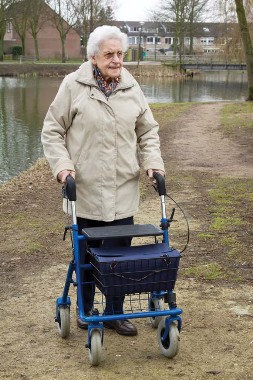
"Approximately 192,000 new cases of invasive breast cancer were diagnosed in the United States in 2009," and more than half of those cases were in women older than age 60, said study investigator Dr. Jessica A. Eng of Boston University.
"There are many challenges in managing cancer in older adults," and one of the major ones is determining what the optimal treatment benefits are, compared with the risks, Dr. Eng added. Having a simple tool that could, early on, help identify those patients who are likely to do worse could be of great practical benefit, she suggested at the annual meeting of the International Society of Geriatric Oncology.
Dr. Eng and colleagues have previously shown that three or more deficits on a cancer-specific geriatric assessment are predictive of 5- and 10-year mortality in older women with breast cancer (Eur. J. Cancer 2011 July 7 [doi:10.1016/j.ejca.2011.06.016]).
In the current study, the researchers looked at whether self-rated health status and mobility could also be linked to mortality in the same population of 660 women who were aged 65 years or older and had stage I-IIIA breast cancer.
All women in the study were asked two questions at baseline: first, to rate their overall health as excellent, very good, good, or poor; and second, whether they could walk a couple of street blocks with no, a little, or a lot of limitation.
The women were followed for 10 years via annual telephone interviews, and the U.S. National Death Index was used to determine mortality rates.
At baseline, the majority of women were aged 65-79 years, with 18% aged 80 years or older. Most (94%) of the women were white, and 84% had 12 years or more of education. At least one comorbidity was present in 59% of participants, 51% had stage I breast cancer, and 76% were estrogen receptor positive.
Dr. Eng reported that 39% of women rated their health status as low, and 28% said that their ability to walk several street blocks was limited a little or a lot.
There was an absolute difference of 27% in the survival of women with a walking limitation plus high vs. low self-rated health, and a 24% absolute difference in the survival of women with low self-rated health plus no vs. some walking limitation.
Adjusted analysis showed that the risk of dying from any cause was doubled by being older than 80 years, with a hazard ratio of 2.11. The presence of at least one comorbidity also increased the risk of death significantly (HR, 1.37), compared with no comorbidity.
The hazard ratio for low self-rated health plus a walking limitation was 1.58. Separately, low self-rated health and a walking limitation did not increase the mortality risk.
"The combination of low self-rated health and limitation in walking several blocks at diagnosis is an important predictor of all-cause mortality at 10 years," concluded Dr. Eng, adding that the effect was independent of age, comorbidity, tumor characteristics, and treatment.
"Using these two easily assessed questions in clinical practice may represent an effective strategy to improve treatment decision making in older adults with cancer," Dr. Eng said.
The study was supported by the U.S. National Cancer Institute. Dr. Eng had no conflicts of interest.
"How many oncologists watch the patient walk?" asked Dr. Stuart M. Lichtman. He noted in an interview that patients are often sitting when the oncologist walks into the examining room, and the oncologist often leaves before the patient gets up.
"Sometimes watching the patient walk can be very revealing." Dr. Lichtman added. The take-home message from this study is that "you can learn a lot with simple things. All they did was ask patients ‘How’s your health?’ and ‘How fast do you walk?’ " he said; this shows that a general geriatric assessment in cancer patients does not need to be complicated.
Dr. Lichtman, an associate editor of The Oncology Report, is a professor of medicine at Cornell University and an attending physician with the 65+ Clinical Geriatrics Program at Memorial Sloan-Kettering Cancer Center, both in New York. He was not involved in the study and reported no conflicts.
"How many oncologists watch the patient walk?" asked Dr. Stuart M. Lichtman. He noted in an interview that patients are often sitting when the oncologist walks into the examining room, and the oncologist often leaves before the patient gets up.
"Sometimes watching the patient walk can be very revealing." Dr. Lichtman added. The take-home message from this study is that "you can learn a lot with simple things. All they did was ask patients ‘How’s your health?’ and ‘How fast do you walk?’ " he said; this shows that a general geriatric assessment in cancer patients does not need to be complicated.
Dr. Lichtman, an associate editor of The Oncology Report, is a professor of medicine at Cornell University and an attending physician with the 65+ Clinical Geriatrics Program at Memorial Sloan-Kettering Cancer Center, both in New York. He was not involved in the study and reported no conflicts.
"How many oncologists watch the patient walk?" asked Dr. Stuart M. Lichtman. He noted in an interview that patients are often sitting when the oncologist walks into the examining room, and the oncologist often leaves before the patient gets up.
"Sometimes watching the patient walk can be very revealing." Dr. Lichtman added. The take-home message from this study is that "you can learn a lot with simple things. All they did was ask patients ‘How’s your health?’ and ‘How fast do you walk?’ " he said; this shows that a general geriatric assessment in cancer patients does not need to be complicated.
Dr. Lichtman, an associate editor of The Oncology Report, is a professor of medicine at Cornell University and an attending physician with the 65+ Clinical Geriatrics Program at Memorial Sloan-Kettering Cancer Center, both in New York. He was not involved in the study and reported no conflicts.
PARIS – Women older than 65 years of age with early-stage breast cancer have worse long-term survival if they report poor overall health and have significant limitations in how far they can walk, according to the results of a prospective trial.
At 10 years, 80% of women with a low self-rated health status and a walking limitation had died, compared with 50% of those with a high self-rated health status and no walking limitation (P less than .0001). The probability of survival in women with low self-rated health but no walking limitation was 47%, and in those with high self-rated health and a walking limitation it was 44%.
"Approximately 192,000 new cases of invasive breast cancer were diagnosed in the United States in 2009," and more than half of those cases were in women older than age 60, said study investigator Dr. Jessica A. Eng of Boston University.
"There are many challenges in managing cancer in older adults," and one of the major ones is determining what the optimal treatment benefits are, compared with the risks, Dr. Eng added. Having a simple tool that could, early on, help identify those patients who are likely to do worse could be of great practical benefit, she suggested at the annual meeting of the International Society of Geriatric Oncology.
Dr. Eng and colleagues have previously shown that three or more deficits on a cancer-specific geriatric assessment are predictive of 5- and 10-year mortality in older women with breast cancer (Eur. J. Cancer 2011 July 7 [doi:10.1016/j.ejca.2011.06.016]).
In the current study, the researchers looked at whether self-rated health status and mobility could also be linked to mortality in the same population of 660 women who were aged 65 years or older and had stage I-IIIA breast cancer.
All women in the study were asked two questions at baseline: first, to rate their overall health as excellent, very good, good, or poor; and second, whether they could walk a couple of street blocks with no, a little, or a lot of limitation.
The women were followed for 10 years via annual telephone interviews, and the U.S. National Death Index was used to determine mortality rates.
At baseline, the majority of women were aged 65-79 years, with 18% aged 80 years or older. Most (94%) of the women were white, and 84% had 12 years or more of education. At least one comorbidity was present in 59% of participants, 51% had stage I breast cancer, and 76% were estrogen receptor positive.
Dr. Eng reported that 39% of women rated their health status as low, and 28% said that their ability to walk several street blocks was limited a little or a lot.
There was an absolute difference of 27% in the survival of women with a walking limitation plus high vs. low self-rated health, and a 24% absolute difference in the survival of women with low self-rated health plus no vs. some walking limitation.
Adjusted analysis showed that the risk of dying from any cause was doubled by being older than 80 years, with a hazard ratio of 2.11. The presence of at least one comorbidity also increased the risk of death significantly (HR, 1.37), compared with no comorbidity.
The hazard ratio for low self-rated health plus a walking limitation was 1.58. Separately, low self-rated health and a walking limitation did not increase the mortality risk.
"The combination of low self-rated health and limitation in walking several blocks at diagnosis is an important predictor of all-cause mortality at 10 years," concluded Dr. Eng, adding that the effect was independent of age, comorbidity, tumor characteristics, and treatment.
"Using these two easily assessed questions in clinical practice may represent an effective strategy to improve treatment decision making in older adults with cancer," Dr. Eng said.
The study was supported by the U.S. National Cancer Institute. Dr. Eng had no conflicts of interest.
PARIS – Women older than 65 years of age with early-stage breast cancer have worse long-term survival if they report poor overall health and have significant limitations in how far they can walk, according to the results of a prospective trial.
At 10 years, 80% of women with a low self-rated health status and a walking limitation had died, compared with 50% of those with a high self-rated health status and no walking limitation (P less than .0001). The probability of survival in women with low self-rated health but no walking limitation was 47%, and in those with high self-rated health and a walking limitation it was 44%.
"Approximately 192,000 new cases of invasive breast cancer were diagnosed in the United States in 2009," and more than half of those cases were in women older than age 60, said study investigator Dr. Jessica A. Eng of Boston University.
"There are many challenges in managing cancer in older adults," and one of the major ones is determining what the optimal treatment benefits are, compared with the risks, Dr. Eng added. Having a simple tool that could, early on, help identify those patients who are likely to do worse could be of great practical benefit, she suggested at the annual meeting of the International Society of Geriatric Oncology.
Dr. Eng and colleagues have previously shown that three or more deficits on a cancer-specific geriatric assessment are predictive of 5- and 10-year mortality in older women with breast cancer (Eur. J. Cancer 2011 July 7 [doi:10.1016/j.ejca.2011.06.016]).
In the current study, the researchers looked at whether self-rated health status and mobility could also be linked to mortality in the same population of 660 women who were aged 65 years or older and had stage I-IIIA breast cancer.
All women in the study were asked two questions at baseline: first, to rate their overall health as excellent, very good, good, or poor; and second, whether they could walk a couple of street blocks with no, a little, or a lot of limitation.
The women were followed for 10 years via annual telephone interviews, and the U.S. National Death Index was used to determine mortality rates.
At baseline, the majority of women were aged 65-79 years, with 18% aged 80 years or older. Most (94%) of the women were white, and 84% had 12 years or more of education. At least one comorbidity was present in 59% of participants, 51% had stage I breast cancer, and 76% were estrogen receptor positive.
Dr. Eng reported that 39% of women rated their health status as low, and 28% said that their ability to walk several street blocks was limited a little or a lot.
There was an absolute difference of 27% in the survival of women with a walking limitation plus high vs. low self-rated health, and a 24% absolute difference in the survival of women with low self-rated health plus no vs. some walking limitation.
Adjusted analysis showed that the risk of dying from any cause was doubled by being older than 80 years, with a hazard ratio of 2.11. The presence of at least one comorbidity also increased the risk of death significantly (HR, 1.37), compared with no comorbidity.
The hazard ratio for low self-rated health plus a walking limitation was 1.58. Separately, low self-rated health and a walking limitation did not increase the mortality risk.
"The combination of low self-rated health and limitation in walking several blocks at diagnosis is an important predictor of all-cause mortality at 10 years," concluded Dr. Eng, adding that the effect was independent of age, comorbidity, tumor characteristics, and treatment.
"Using these two easily assessed questions in clinical practice may represent an effective strategy to improve treatment decision making in older adults with cancer," Dr. Eng said.
The study was supported by the U.S. National Cancer Institute. Dr. Eng had no conflicts of interest.
FROM THE ANNUAL MEETING OF THE INTERNATIONAL SOCIETY OF GERIATRIC ONCOLOGY
Major Finding: At 10 years, 80% of women with low self-rated health status and a walking limitation had died, compared with 50% of those with high self-rated health status and no walking limitation (P less than .0001).
Data Source: A prospective, multicenter study of 660 women aged 65 years or older with stage I–IIIA primary breast cancer.
Disclosures: The study was supported by the U.S. National Cancer Institute. Dr. Eng had no conflicts of interest.
Most Adolescent Self-Harm Stops in Adulthood
LONDON – One in 12 adolescents intentionally harms themselves, but the behavior persists into young adulthood in only 10% cases, according to the findings of a large, population-based, longitudinal study.
Of 1,802 adolescents aged 14-19 years, 149 (8.3%) admitted to self-harm, with more girls (10%) than boys (6.3%) reporting such behavior (hazard ratio, 1.6).
The behavior resolved without intervention in 90% of cases, however, with just 10% of teenagers who admitted to self-harm during adolescence continuing the behavior into their early adulthood.
"We think the findings offer some reassurance to those working with young people, to family members, parents and teachers," said study author Dr. Paul Moran at a press conference on Nov. 16.
Nevertheless, Dr. Moran, of the Institute of Psychiatry at King’s College, London, added: "We also think it’s important that those living and working with young people are able to spot the signs of persistent distress and that they enable young people to get the help that they deserve for those problems."
The study, published online Nov. 17 (Lancet Nov. 17 [Epub doi:10.1016/S0140-6736(11)61141-0]), provides valuable insight into what happens to teenagers who self-harm when they reach adulthood said Dr. Niall Boyce, a psychiatrist turned senior editor at the Lancet.
"Self-harm, especially self-harm in adolescents ... can be very frightening for everybody involved," Dr. Boyce said. "As with many situations it’s a lack of knowledge that is the root of this fear."
Dr. Boyce noted that the study "gives us an idea of how this problem develops, which is extremely useful for clinicians because it means that we can give some idea of prognosis."
The study involved 1,943 adolescents recruited from 44 government, Catholic, and independent schools in the state of Victoria, Australia, between 1992 and 2008 as a representative, random sample of the teenage population. Participants were assessed at nine time points via self-administered online questionnaires and by telephone interviews. At study entry, the mean age of participants was 15 years, and at study end it was 29 years.
Self-harm was broadly categorized into five types: cutting or burning, self-poisoning, deliberate nonrecreational risk-taking, self-battery, and other self-harming behaviors such as self-drowning, hanging, intentional electrocution, and suffocation.
"Underpinning all this was a definition that this was an act with a nonfatal outcome which was initiated deliberately by individuals with the intention of causing harm to themselves," Dr. Moran said.
Although a substantial proportion of self-harm was noted in adolescents, the frequency of self-harm reduced in early adulthood. Indeed, of 1,652 participants who were observed as both adolescents and as young adults, 136 reported self-harm, with only 14 (10%) reporting continued self-harm into adulthood. All but one of these was female.
Cutting and burning were the most common types of self-harm reported by 4.6% of adolescents and by 1.2% of young adults. Self-poisoning or taking an overdose was reported by 1.9% and 0.7%, respectively, with self-battery (1.7% vs. 0.6%), nonrecreational risk taking (1.7% vs. 0.6%), also reported by a higher number of adolescents than young adults.
Dr. Moran noted that self-harm is a clearly a sign of significant emotional difficulties, with depression and anxiety increasing the risk of self-harm almost fourfold (hazard ratio, 3.7). High-risk alcohol use (HR, 2.1) and cannabis misuse (HR, 2.4) doubled the risk of self-harming behavior, with antisocial behavior (HR, 1.9) and smoking cigarettes (HR, 1.8) also influencing the risk of self-harm.
"There was a small group of individuals who started to self-harm as young adults," Dr. Moran said, adding that these individuals "were more likely to report being depressed or anxious in the teenage years."
The research is part of an ongoing project led by Dr. George C. Patton of the Centre for Adolescent Health at the Murdoch Children’s Research Institute in Melbourne. He said that the findings highlight a "window of vulnerability" that occurs around puberty and into the mid-teens.
As to why teenagers might be more vulnerable to self-harming behaviors than adults is unclear, but this could be attributable to structural changes in the brain as much as social and environmental influences.
Self-harm is important, as hospital-based studies have shown that it significantly increases the risk of completed suicide, noted Dr. Keith Hawton, a consultant psychiatrist and the director of the Centre for Suicide Research at Oxford University.
Dr. Hawton, who was not involved in the study, said the findings of this community-based study are applicable worldwide. "We’ve done a comparative study involving a number of countries and the pattern of self-harm seems to be very similar." While there is some international variation, "it is all in the same ballpark."
While the findings can be seen as reassuring because self-harming behavior tends to stop in early adulthood, that is not to say it is not a significant problem that needs to be addressed.
"It has to be taken seriously," Dr. Hawton said in an interview. In the United Kingdom, guidelines on self-harm issued by the National Institute for Health and Clinical Excellence state that a psychosocial assessment must be performed.
Clinicians faced with an adolescent who has self-harmed should first assess the severity of the incident, Dr. Hawton advised. It is also important to try to determine what the individual’s intentions were at the time, such as if they were suicidal, wanting to punish themselves, or perhaps just wanting to relieve tension.
"Assess levels of depression and anxiety, look at what is going on in their lives, such as problems they are currently facing, and I would also ask about media involvement and use of the Internet," Dr. Hawton said. Exposure to friends or other individuals who are self-harming may also be important, as is the willingness to receive help.
The National Health and Medical Research Council in Australia supported the study. Dr. Moran runs a clinical service for people who self harm as part of the U.K. National Health Service. He has also been a member of the National Institute for Health and Clinical Excellence guideline development group on self-harm. Dr. Boyce is a senior editor at the Lancet. Dr. Patton and Dr. Hawton had no conflicts of interest.
LONDON – One in 12 adolescents intentionally harms themselves, but the behavior persists into young adulthood in only 10% cases, according to the findings of a large, population-based, longitudinal study.
Of 1,802 adolescents aged 14-19 years, 149 (8.3%) admitted to self-harm, with more girls (10%) than boys (6.3%) reporting such behavior (hazard ratio, 1.6).
The behavior resolved without intervention in 90% of cases, however, with just 10% of teenagers who admitted to self-harm during adolescence continuing the behavior into their early adulthood.
"We think the findings offer some reassurance to those working with young people, to family members, parents and teachers," said study author Dr. Paul Moran at a press conference on Nov. 16.
Nevertheless, Dr. Moran, of the Institute of Psychiatry at King’s College, London, added: "We also think it’s important that those living and working with young people are able to spot the signs of persistent distress and that they enable young people to get the help that they deserve for those problems."
The study, published online Nov. 17 (Lancet Nov. 17 [Epub doi:10.1016/S0140-6736(11)61141-0]), provides valuable insight into what happens to teenagers who self-harm when they reach adulthood said Dr. Niall Boyce, a psychiatrist turned senior editor at the Lancet.
"Self-harm, especially self-harm in adolescents ... can be very frightening for everybody involved," Dr. Boyce said. "As with many situations it’s a lack of knowledge that is the root of this fear."
Dr. Boyce noted that the study "gives us an idea of how this problem develops, which is extremely useful for clinicians because it means that we can give some idea of prognosis."
The study involved 1,943 adolescents recruited from 44 government, Catholic, and independent schools in the state of Victoria, Australia, between 1992 and 2008 as a representative, random sample of the teenage population. Participants were assessed at nine time points via self-administered online questionnaires and by telephone interviews. At study entry, the mean age of participants was 15 years, and at study end it was 29 years.
Self-harm was broadly categorized into five types: cutting or burning, self-poisoning, deliberate nonrecreational risk-taking, self-battery, and other self-harming behaviors such as self-drowning, hanging, intentional electrocution, and suffocation.
"Underpinning all this was a definition that this was an act with a nonfatal outcome which was initiated deliberately by individuals with the intention of causing harm to themselves," Dr. Moran said.
Although a substantial proportion of self-harm was noted in adolescents, the frequency of self-harm reduced in early adulthood. Indeed, of 1,652 participants who were observed as both adolescents and as young adults, 136 reported self-harm, with only 14 (10%) reporting continued self-harm into adulthood. All but one of these was female.
Cutting and burning were the most common types of self-harm reported by 4.6% of adolescents and by 1.2% of young adults. Self-poisoning or taking an overdose was reported by 1.9% and 0.7%, respectively, with self-battery (1.7% vs. 0.6%), nonrecreational risk taking (1.7% vs. 0.6%), also reported by a higher number of adolescents than young adults.
Dr. Moran noted that self-harm is a clearly a sign of significant emotional difficulties, with depression and anxiety increasing the risk of self-harm almost fourfold (hazard ratio, 3.7). High-risk alcohol use (HR, 2.1) and cannabis misuse (HR, 2.4) doubled the risk of self-harming behavior, with antisocial behavior (HR, 1.9) and smoking cigarettes (HR, 1.8) also influencing the risk of self-harm.
"There was a small group of individuals who started to self-harm as young adults," Dr. Moran said, adding that these individuals "were more likely to report being depressed or anxious in the teenage years."
The research is part of an ongoing project led by Dr. George C. Patton of the Centre for Adolescent Health at the Murdoch Children’s Research Institute in Melbourne. He said that the findings highlight a "window of vulnerability" that occurs around puberty and into the mid-teens.
As to why teenagers might be more vulnerable to self-harming behaviors than adults is unclear, but this could be attributable to structural changes in the brain as much as social and environmental influences.
Self-harm is important, as hospital-based studies have shown that it significantly increases the risk of completed suicide, noted Dr. Keith Hawton, a consultant psychiatrist and the director of the Centre for Suicide Research at Oxford University.
Dr. Hawton, who was not involved in the study, said the findings of this community-based study are applicable worldwide. "We’ve done a comparative study involving a number of countries and the pattern of self-harm seems to be very similar." While there is some international variation, "it is all in the same ballpark."
While the findings can be seen as reassuring because self-harming behavior tends to stop in early adulthood, that is not to say it is not a significant problem that needs to be addressed.
"It has to be taken seriously," Dr. Hawton said in an interview. In the United Kingdom, guidelines on self-harm issued by the National Institute for Health and Clinical Excellence state that a psychosocial assessment must be performed.
Clinicians faced with an adolescent who has self-harmed should first assess the severity of the incident, Dr. Hawton advised. It is also important to try to determine what the individual’s intentions were at the time, such as if they were suicidal, wanting to punish themselves, or perhaps just wanting to relieve tension.
"Assess levels of depression and anxiety, look at what is going on in their lives, such as problems they are currently facing, and I would also ask about media involvement and use of the Internet," Dr. Hawton said. Exposure to friends or other individuals who are self-harming may also be important, as is the willingness to receive help.
The National Health and Medical Research Council in Australia supported the study. Dr. Moran runs a clinical service for people who self harm as part of the U.K. National Health Service. He has also been a member of the National Institute for Health and Clinical Excellence guideline development group on self-harm. Dr. Boyce is a senior editor at the Lancet. Dr. Patton and Dr. Hawton had no conflicts of interest.
LONDON – One in 12 adolescents intentionally harms themselves, but the behavior persists into young adulthood in only 10% cases, according to the findings of a large, population-based, longitudinal study.
Of 1,802 adolescents aged 14-19 years, 149 (8.3%) admitted to self-harm, with more girls (10%) than boys (6.3%) reporting such behavior (hazard ratio, 1.6).
The behavior resolved without intervention in 90% of cases, however, with just 10% of teenagers who admitted to self-harm during adolescence continuing the behavior into their early adulthood.
"We think the findings offer some reassurance to those working with young people, to family members, parents and teachers," said study author Dr. Paul Moran at a press conference on Nov. 16.
Nevertheless, Dr. Moran, of the Institute of Psychiatry at King’s College, London, added: "We also think it’s important that those living and working with young people are able to spot the signs of persistent distress and that they enable young people to get the help that they deserve for those problems."
The study, published online Nov. 17 (Lancet Nov. 17 [Epub doi:10.1016/S0140-6736(11)61141-0]), provides valuable insight into what happens to teenagers who self-harm when they reach adulthood said Dr. Niall Boyce, a psychiatrist turned senior editor at the Lancet.
"Self-harm, especially self-harm in adolescents ... can be very frightening for everybody involved," Dr. Boyce said. "As with many situations it’s a lack of knowledge that is the root of this fear."
Dr. Boyce noted that the study "gives us an idea of how this problem develops, which is extremely useful for clinicians because it means that we can give some idea of prognosis."
The study involved 1,943 adolescents recruited from 44 government, Catholic, and independent schools in the state of Victoria, Australia, between 1992 and 2008 as a representative, random sample of the teenage population. Participants were assessed at nine time points via self-administered online questionnaires and by telephone interviews. At study entry, the mean age of participants was 15 years, and at study end it was 29 years.
Self-harm was broadly categorized into five types: cutting or burning, self-poisoning, deliberate nonrecreational risk-taking, self-battery, and other self-harming behaviors such as self-drowning, hanging, intentional electrocution, and suffocation.
"Underpinning all this was a definition that this was an act with a nonfatal outcome which was initiated deliberately by individuals with the intention of causing harm to themselves," Dr. Moran said.
Although a substantial proportion of self-harm was noted in adolescents, the frequency of self-harm reduced in early adulthood. Indeed, of 1,652 participants who were observed as both adolescents and as young adults, 136 reported self-harm, with only 14 (10%) reporting continued self-harm into adulthood. All but one of these was female.
Cutting and burning were the most common types of self-harm reported by 4.6% of adolescents and by 1.2% of young adults. Self-poisoning or taking an overdose was reported by 1.9% and 0.7%, respectively, with self-battery (1.7% vs. 0.6%), nonrecreational risk taking (1.7% vs. 0.6%), also reported by a higher number of adolescents than young adults.
Dr. Moran noted that self-harm is a clearly a sign of significant emotional difficulties, with depression and anxiety increasing the risk of self-harm almost fourfold (hazard ratio, 3.7). High-risk alcohol use (HR, 2.1) and cannabis misuse (HR, 2.4) doubled the risk of self-harming behavior, with antisocial behavior (HR, 1.9) and smoking cigarettes (HR, 1.8) also influencing the risk of self-harm.
"There was a small group of individuals who started to self-harm as young adults," Dr. Moran said, adding that these individuals "were more likely to report being depressed or anxious in the teenage years."
The research is part of an ongoing project led by Dr. George C. Patton of the Centre for Adolescent Health at the Murdoch Children’s Research Institute in Melbourne. He said that the findings highlight a "window of vulnerability" that occurs around puberty and into the mid-teens.
As to why teenagers might be more vulnerable to self-harming behaviors than adults is unclear, but this could be attributable to structural changes in the brain as much as social and environmental influences.
Self-harm is important, as hospital-based studies have shown that it significantly increases the risk of completed suicide, noted Dr. Keith Hawton, a consultant psychiatrist and the director of the Centre for Suicide Research at Oxford University.
Dr. Hawton, who was not involved in the study, said the findings of this community-based study are applicable worldwide. "We’ve done a comparative study involving a number of countries and the pattern of self-harm seems to be very similar." While there is some international variation, "it is all in the same ballpark."
While the findings can be seen as reassuring because self-harming behavior tends to stop in early adulthood, that is not to say it is not a significant problem that needs to be addressed.
"It has to be taken seriously," Dr. Hawton said in an interview. In the United Kingdom, guidelines on self-harm issued by the National Institute for Health and Clinical Excellence state that a psychosocial assessment must be performed.
Clinicians faced with an adolescent who has self-harmed should first assess the severity of the incident, Dr. Hawton advised. It is also important to try to determine what the individual’s intentions were at the time, such as if they were suicidal, wanting to punish themselves, or perhaps just wanting to relieve tension.
"Assess levels of depression and anxiety, look at what is going on in their lives, such as problems they are currently facing, and I would also ask about media involvement and use of the Internet," Dr. Hawton said. Exposure to friends or other individuals who are self-harming may also be important, as is the willingness to receive help.
The National Health and Medical Research Council in Australia supported the study. Dr. Moran runs a clinical service for people who self harm as part of the U.K. National Health Service. He has also been a member of the National Institute for Health and Clinical Excellence guideline development group on self-harm. Dr. Boyce is a senior editor at the Lancet. Dr. Patton and Dr. Hawton had no conflicts of interest.
FROM THE LANCET
Major Finding: Of 1,652 participants who were observed as both adolescents and as young adults, 136 reported self-harm, with only 14 (10%) reporting continued self-harm into adulthood.
Data Source: Population-based, longitudinal study of 1,943 adolescents living in Victoria, Australia, conducted between 1992 and 2008.
Disclosures: The National Health and Medical Research Council in Australia supported the study. Dr. Moran runs a clinical service for people who self harm as part of the U.K. National Health Service. He has also been a member of the National Institute for Health and Clinical Excellence guideline development group on self-harm. Dr. Boyce is a senior editor at the Lancet. Dr. Patton and Dr. Hawton had no conflicts of interest.
Radionuclide Therapy Alleviates Bone Pain in Prostate Cancer Patients
PARIS – Radionuclide therapy can alleviate painful bone metastases in 63%-75% of men with prostate cancer, reducing the need for narcotic analgesics, according to the results of an 841-patient, retrospective, single-center study.
Investigators concluded that based on their experience at Hôpital René Huguenin in Saint-Cloud, France, treatment with strontium-89 chloride can be suggested as a "valuable supplement" to other treatments currently used. The hospital is part of the Curie Institute Hospital Group.

"Bone metastases are present in more than 90% of patients who die from prostate carcinomas," Dr. Alain Pecking told attendees at the annual meeting of the International Society of Geriatric Oncology. In addition to pain, metastases in the bone can lead to fractures and neurologic symptoms, and can compress the spinal cord, he said, all of which can have a significant impact on the patient’s ability to function normally and can increase their reliance on others to perform daily tasks.
For the past 18 years, Dr. Pecking of the department of nuclear medicine at Hôpital René Huguenin has been using radionuclide therapy with strontium-89 chloride to treat patients with painful bone metastases.
A bone-targeting, beta-emitting radionuclide, strontium-89 chloride (Metastron) is deposited in metabolically active regions of bone. It has a long half-life (more than 50 days); after a single infused dose of 148 MBq – the equivalent of about 9 Gy of radiation – about 80% is retained in the tumor at 100 days.
The rationale for using strontium-89 is that many patients suffer from painful bone metastases despite using current therapies, which includes narcotic analgesics, hormonal treatments, chemotherapy, bisphosphonates, and external beam radiotherapy.
To look at the effects of radionuclide therapy on pain caused by multiple bone metastases secondary to prostate cancer, Dr. Pecking and colleagues retrospectively looked at the medical records of men who were treated with strontium-89 at their institution. All participants were using narcotic analgesics, and the aim was to see whether strontium-89 therapy could reduce the need for their use.
The researchers studied the records of 841 patients with a median age of 73 years. Dr. Pecking reported that if there was a partial response or if the patient relapsed after a complete response to strontium-89, a second infusion was given to 268 men (median age, 71 years) and a third to 86 men (median age, 70 years). Patients who received one or two infusions had 12-16 metastatic sites, of which about 4 were painful, whereas those who needed three doses had about 7 painful sites.
A complete or global response was defined as the disappearance of more than 80% of all painful metastatic bone sites and a significant decrease in the use of narcotic analgesics. A partial response was defined as a reduction in pain of more than 40% without any significant reduction in the daily use of narcotic analgesics. A slight change, no change, or increase in the use of narcotic analgesics was regarded as treatment failure.
"From one infusion [of strontium-89] you have 63% good responses, and after two courses you have 75%," Dr. Pecking said. A "good" response equated to the number of complete plus partial responses, which for one infusion was 12.6% and 50.4%, and for two infusions was 21.4% and 53.7%. The number of complete and partial responses after three doses of strontium-89 was 15.1% and 43%, respectively.
The time to response was 11 days following one infusion, 14 days after two infusions, and just over 15 days after three infusions. The duration of the pain-easing effect was longest (158 days) after one infusion, decreasing to 138 days after two and 101 days after three infusions.
Pain was a common side effect of treatment, occurring in just fewer than quarter of patients during the first 15 days after an infusion.
Prostate-specific antigen levels also spiked after the first infusion in 681 patients (81%), but this is not a problem according to Dr. Pecking. "It is necessary to explain this phenomenon to the patient and to his medical doctor, but it is not a contraindication to the treatment."
Spine neurologic syndrome was observed in three patients within 4 months after the infusion, and external radiation therapy was necessary in one case. Colitis was seen in 4.8% of patients, and grade 2-4 platelet toxicity was seen in 5.1%, 11.9%, and 13.2% of patients after the first, second, and third infusions, respectively.
"Radionuclide therapy of painful bone metastases may improve the patient’s quality of life in more than 60% of all treated cases, and can be suggested as a valuable supplement to other modalities currently used," Dr. Pecking said.
Although not without side effects, strontium-89 was generally well tolerated, he added, noting that it’s important to remember that other treatments used currently also have side effects such as fatigue, nausea, constipation, and anorexia.
"Radionuclide therapy of painful bone metastases may improve the patient’s quality of life in more than 60% of all treated cases."
As for the cost, Dr. Pecking said in an interview that the treatment was not as expensive as people might think. For a single infusion at his institution, the cost is 1,225 euros, but consider that the therapeutic benefit of a single dose can last for up to 150 days, he added.
Comparing the cost with that of other therapies is "really difficult," Dr. Pecking said, noting that patients are usually treated with two or even three analgesics, and that bisphosphonate therapy would probably be in the region of 1,157 euros.
"Today, radionuclide therapy is a palliative option," added Dr. Pecking, used "to reduce analgesic dosages and thus decrease their side effects, particularly when radiation therapy is not a good option, such as in patients with multiple metastatic sites."
In the future, however, it could be used to treat patients with metastatic bone disease, but an alpha-emitter such as radium-223 would need to be used and it would probably be given as an adjuvant therapy and over six courses. Fewer side effects may be expected by switching from a beta-emitter to an alpha-emitter, Dr. Pecking suggested.
The Curie Institute financed the study. Dr. Pecking had no conflicts of interest.

|
|
Dr. Martine Extermann noted that the study involved a "fairly large series of older patients, allowing a quantification of effect and safety assessment."
She added that "the good hematologic tolerance and reasonable effect duration of repeated injections in the elderly is a welcome finding."
Dr. Extermann is a senior member of the senior adult oncology program of the H. Lee Moffitt Cancer Center and Research Institute and a professor at the University of South Florida, both in Tampa. She has received research support, honoraria, or both from Amgen, Sanofi-Aventis, and GTX. She was not involved in the study.
|
|
|
Dr. Martine Extermann noted that the study involved a "fairly large series of older patients, allowing a quantification of effect and safety assessment."
She added that "the good hematologic tolerance and reasonable effect duration of repeated injections in the elderly is a welcome finding."
Dr. Extermann is a senior member of the senior adult oncology program of the H. Lee Moffitt Cancer Center and Research Institute and a professor at the University of South Florida, both in Tampa. She has received research support, honoraria, or both from Amgen, Sanofi-Aventis, and GTX. She was not involved in the study.
|
|
|
Dr. Martine Extermann noted that the study involved a "fairly large series of older patients, allowing a quantification of effect and safety assessment."
She added that "the good hematologic tolerance and reasonable effect duration of repeated injections in the elderly is a welcome finding."
Dr. Extermann is a senior member of the senior adult oncology program of the H. Lee Moffitt Cancer Center and Research Institute and a professor at the University of South Florida, both in Tampa. She has received research support, honoraria, or both from Amgen, Sanofi-Aventis, and GTX. She was not involved in the study.
PARIS – Radionuclide therapy can alleviate painful bone metastases in 63%-75% of men with prostate cancer, reducing the need for narcotic analgesics, according to the results of an 841-patient, retrospective, single-center study.
Investigators concluded that based on their experience at Hôpital René Huguenin in Saint-Cloud, France, treatment with strontium-89 chloride can be suggested as a "valuable supplement" to other treatments currently used. The hospital is part of the Curie Institute Hospital Group.
"Bone metastases are present in more than 90% of patients who die from prostate carcinomas," Dr. Alain Pecking told attendees at the annual meeting of the International Society of Geriatric Oncology. In addition to pain, metastases in the bone can lead to fractures and neurologic symptoms, and can compress the spinal cord, he said, all of which can have a significant impact on the patient’s ability to function normally and can increase their reliance on others to perform daily tasks.
For the past 18 years, Dr. Pecking of the department of nuclear medicine at Hôpital René Huguenin has been using radionuclide therapy with strontium-89 chloride to treat patients with painful bone metastases.
A bone-targeting, beta-emitting radionuclide, strontium-89 chloride (Metastron) is deposited in metabolically active regions of bone. It has a long half-life (more than 50 days); after a single infused dose of 148 MBq – the equivalent of about 9 Gy of radiation – about 80% is retained in the tumor at 100 days.
The rationale for using strontium-89 is that many patients suffer from painful bone metastases despite using current therapies, which includes narcotic analgesics, hormonal treatments, chemotherapy, bisphosphonates, and external beam radiotherapy.
To look at the effects of radionuclide therapy on pain caused by multiple bone metastases secondary to prostate cancer, Dr. Pecking and colleagues retrospectively looked at the medical records of men who were treated with strontium-89 at their institution. All participants were using narcotic analgesics, and the aim was to see whether strontium-89 therapy could reduce the need for their use.
The researchers studied the records of 841 patients with a median age of 73 years. Dr. Pecking reported that if there was a partial response or if the patient relapsed after a complete response to strontium-89, a second infusion was given to 268 men (median age, 71 years) and a third to 86 men (median age, 70 years). Patients who received one or two infusions had 12-16 metastatic sites, of which about 4 were painful, whereas those who needed three doses had about 7 painful sites.
A complete or global response was defined as the disappearance of more than 80% of all painful metastatic bone sites and a significant decrease in the use of narcotic analgesics. A partial response was defined as a reduction in pain of more than 40% without any significant reduction in the daily use of narcotic analgesics. A slight change, no change, or increase in the use of narcotic analgesics was regarded as treatment failure.
"From one infusion [of strontium-89] you have 63% good responses, and after two courses you have 75%," Dr. Pecking said. A "good" response equated to the number of complete plus partial responses, which for one infusion was 12.6% and 50.4%, and for two infusions was 21.4% and 53.7%. The number of complete and partial responses after three doses of strontium-89 was 15.1% and 43%, respectively.
The time to response was 11 days following one infusion, 14 days after two infusions, and just over 15 days after three infusions. The duration of the pain-easing effect was longest (158 days) after one infusion, decreasing to 138 days after two and 101 days after three infusions.
Pain was a common side effect of treatment, occurring in just fewer than quarter of patients during the first 15 days after an infusion.
Prostate-specific antigen levels also spiked after the first infusion in 681 patients (81%), but this is not a problem according to Dr. Pecking. "It is necessary to explain this phenomenon to the patient and to his medical doctor, but it is not a contraindication to the treatment."
Spine neurologic syndrome was observed in three patients within 4 months after the infusion, and external radiation therapy was necessary in one case. Colitis was seen in 4.8% of patients, and grade 2-4 platelet toxicity was seen in 5.1%, 11.9%, and 13.2% of patients after the first, second, and third infusions, respectively.
"Radionuclide therapy of painful bone metastases may improve the patient’s quality of life in more than 60% of all treated cases, and can be suggested as a valuable supplement to other modalities currently used," Dr. Pecking said.
Although not without side effects, strontium-89 was generally well tolerated, he added, noting that it’s important to remember that other treatments used currently also have side effects such as fatigue, nausea, constipation, and anorexia.
"Radionuclide therapy of painful bone metastases may improve the patient’s quality of life in more than 60% of all treated cases."
As for the cost, Dr. Pecking said in an interview that the treatment was not as expensive as people might think. For a single infusion at his institution, the cost is 1,225 euros, but consider that the therapeutic benefit of a single dose can last for up to 150 days, he added.
Comparing the cost with that of other therapies is "really difficult," Dr. Pecking said, noting that patients are usually treated with two or even three analgesics, and that bisphosphonate therapy would probably be in the region of 1,157 euros.
"Today, radionuclide therapy is a palliative option," added Dr. Pecking, used "to reduce analgesic dosages and thus decrease their side effects, particularly when radiation therapy is not a good option, such as in patients with multiple metastatic sites."
In the future, however, it could be used to treat patients with metastatic bone disease, but an alpha-emitter such as radium-223 would need to be used and it would probably be given as an adjuvant therapy and over six courses. Fewer side effects may be expected by switching from a beta-emitter to an alpha-emitter, Dr. Pecking suggested.
The Curie Institute financed the study. Dr. Pecking had no conflicts of interest.
PARIS – Radionuclide therapy can alleviate painful bone metastases in 63%-75% of men with prostate cancer, reducing the need for narcotic analgesics, according to the results of an 841-patient, retrospective, single-center study.
Investigators concluded that based on their experience at Hôpital René Huguenin in Saint-Cloud, France, treatment with strontium-89 chloride can be suggested as a "valuable supplement" to other treatments currently used. The hospital is part of the Curie Institute Hospital Group.
"Bone metastases are present in more than 90% of patients who die from prostate carcinomas," Dr. Alain Pecking told attendees at the annual meeting of the International Society of Geriatric Oncology. In addition to pain, metastases in the bone can lead to fractures and neurologic symptoms, and can compress the spinal cord, he said, all of which can have a significant impact on the patient’s ability to function normally and can increase their reliance on others to perform daily tasks.
For the past 18 years, Dr. Pecking of the department of nuclear medicine at Hôpital René Huguenin has been using radionuclide therapy with strontium-89 chloride to treat patients with painful bone metastases.
A bone-targeting, beta-emitting radionuclide, strontium-89 chloride (Metastron) is deposited in metabolically active regions of bone. It has a long half-life (more than 50 days); after a single infused dose of 148 MBq – the equivalent of about 9 Gy of radiation – about 80% is retained in the tumor at 100 days.
The rationale for using strontium-89 is that many patients suffer from painful bone metastases despite using current therapies, which includes narcotic analgesics, hormonal treatments, chemotherapy, bisphosphonates, and external beam radiotherapy.
To look at the effects of radionuclide therapy on pain caused by multiple bone metastases secondary to prostate cancer, Dr. Pecking and colleagues retrospectively looked at the medical records of men who were treated with strontium-89 at their institution. All participants were using narcotic analgesics, and the aim was to see whether strontium-89 therapy could reduce the need for their use.
The researchers studied the records of 841 patients with a median age of 73 years. Dr. Pecking reported that if there was a partial response or if the patient relapsed after a complete response to strontium-89, a second infusion was given to 268 men (median age, 71 years) and a third to 86 men (median age, 70 years). Patients who received one or two infusions had 12-16 metastatic sites, of which about 4 were painful, whereas those who needed three doses had about 7 painful sites.
A complete or global response was defined as the disappearance of more than 80% of all painful metastatic bone sites and a significant decrease in the use of narcotic analgesics. A partial response was defined as a reduction in pain of more than 40% without any significant reduction in the daily use of narcotic analgesics. A slight change, no change, or increase in the use of narcotic analgesics was regarded as treatment failure.
"From one infusion [of strontium-89] you have 63% good responses, and after two courses you have 75%," Dr. Pecking said. A "good" response equated to the number of complete plus partial responses, which for one infusion was 12.6% and 50.4%, and for two infusions was 21.4% and 53.7%. The number of complete and partial responses after three doses of strontium-89 was 15.1% and 43%, respectively.
The time to response was 11 days following one infusion, 14 days after two infusions, and just over 15 days after three infusions. The duration of the pain-easing effect was longest (158 days) after one infusion, decreasing to 138 days after two and 101 days after three infusions.
Pain was a common side effect of treatment, occurring in just fewer than quarter of patients during the first 15 days after an infusion.
Prostate-specific antigen levels also spiked after the first infusion in 681 patients (81%), but this is not a problem according to Dr. Pecking. "It is necessary to explain this phenomenon to the patient and to his medical doctor, but it is not a contraindication to the treatment."
Spine neurologic syndrome was observed in three patients within 4 months after the infusion, and external radiation therapy was necessary in one case. Colitis was seen in 4.8% of patients, and grade 2-4 platelet toxicity was seen in 5.1%, 11.9%, and 13.2% of patients after the first, second, and third infusions, respectively.
"Radionuclide therapy of painful bone metastases may improve the patient’s quality of life in more than 60% of all treated cases, and can be suggested as a valuable supplement to other modalities currently used," Dr. Pecking said.
Although not without side effects, strontium-89 was generally well tolerated, he added, noting that it’s important to remember that other treatments used currently also have side effects such as fatigue, nausea, constipation, and anorexia.
"Radionuclide therapy of painful bone metastases may improve the patient’s quality of life in more than 60% of all treated cases."
As for the cost, Dr. Pecking said in an interview that the treatment was not as expensive as people might think. For a single infusion at his institution, the cost is 1,225 euros, but consider that the therapeutic benefit of a single dose can last for up to 150 days, he added.
Comparing the cost with that of other therapies is "really difficult," Dr. Pecking said, noting that patients are usually treated with two or even three analgesics, and that bisphosphonate therapy would probably be in the region of 1,157 euros.
"Today, radionuclide therapy is a palliative option," added Dr. Pecking, used "to reduce analgesic dosages and thus decrease their side effects, particularly when radiation therapy is not a good option, such as in patients with multiple metastatic sites."
In the future, however, it could be used to treat patients with metastatic bone disease, but an alpha-emitter such as radium-223 would need to be used and it would probably be given as an adjuvant therapy and over six courses. Fewer side effects may be expected by switching from a beta-emitter to an alpha-emitter, Dr. Pecking suggested.
The Curie Institute financed the study. Dr. Pecking had no conflicts of interest.
FROM THE ANNUAL MEETING OF THE INTERNATIONAL SOCIETY OF GERIATRIC ONCOLOGY
Major Finding: After one infusion, pain was alleviated and narcotic analgesic use reduced or stopped in 63% of elderly patients, with 12.6% achieving a complete response and 50.4% a partial response.
Data Source: Retrospective, single center study of 841 patients with prostate cancer, aged 65-92 years, who were treated with one, two or three infusions of the radionuclide strontium-89 chloride.
Disclosures: The Curie Institute financed the study. Dr. Pecking had no conflicts of interest. Dr. Extermann has received research support, honoraria, or both from Amgen, Sanofi-Aventis, and GTX. She was not involved in the study.
Half of Older Cancer Patients Have Unrecognized Medical Problems
PARIS – About half of older cancer patients have unrecognized medical problems that may need to be addressed, according to the results of a prospective, multicenter study being conducted in Belgium.
Initial findings from the ongoing study of 1,347 elderly individuals with a mean age of 77 years and a variety of malignant diseases indicate that 51.4% of patients assessed using a systematic battery of geriatric screening tests had additional problems.
The additional problems reported were reduced physical functioning (20.4%), nutritional deficiencies coupled with fatigue (19.2%), falls (16.6%), depression (14.3%), pain (12.6%), cognitive impairments (8.3%), and a lack of social support or problems linked to their social status (5.3%).
"Forty-two per cent of physicians were not aware of the geriatric assessment results at the time of treatment decision," said Cindy Kenis, R.N., of the University Hospitals Leuven (Belgium).
At the annual meeting of the International Society of Geriatric Oncology, Ms. Kenis emphasized the need for better communication between health care professionals who treat elderly patients, specifically between geriatricians and oncologists.
The goal of the study is to look at the utility of a systemic geriatric assessment at 10 institutions in patients aged 70 years and older who have one of six specific tumor types. Currently, almost 39% of study participants have breast cancer, about 22% have colorectal cancer, 14% have hematologic malignancies, nearly 12% have lung cancer, approximately 8% have prostate cancer, and roughly 5% have ovarian carcinomas.
"You have to screen, you have to perform a geriatric assessment, and you have to do something with the results."
Nearly two-thirds of the patients being evaluated are women, with 65% undergoing systematic geriatric assessment at diagnosis and 35% at progression of their malignant disease.
Patients in the study were first screened with the G8 questionnaire, an eight-item tool that can be easily used by oncologists. If the G8 score was 14 or less out of a total of 17, indicating some possible impairment, a full geriatric assessment was performed. This was done in 72.5% of the study population.
The full geriatric assessment includes the evaluation of Activities of Daily Living, Independent or Instrumental Activities of Daily Living, fall history, Mobility-Tiredness questionnaire, the Mini-Mental State Examination, the four-item Geriatric Depression Scale, the Mini Nutritional Assessment, the Charlson Comorbidity Index, and polypharmacy.
Physicians also completed a questionnaire about their awareness of the results of geriatric assessment and treatment plans.
The results of the geriatric assessment led to interventions being planned to address previously unknown problems in a third of patients, with treatment decisions influenced in 15.5%.
While all of these assessments have been used in the study, which may have some oncologists reeling from the additional work involved, Dr. Stuart M. Lichtman of the 65+ clinical geriatrics program at Memorial Sloan-Kettering Cancer Center in New York commented that geriatric assessment did not need to be as complicated in practice. A variety of tools are available to physicians, but the key thing is to be aware and to ask a few simple questions, advised Dr. Lichtman, professor of medicine at Cornell University, New York, who chaired the meeting’s scientific committee and was not involved in the study.
Ms. Kenis agreed with his observations in an interview. "One of the main things is that we have to do an assessment, and that we don’t just perform the assessment, but we actually do something with it."
The study findings support a "three-step" approach in geriatric oncology, Ms. Kenis said: "You have to screen, you have to perform a geriatric assessment, and you have to do something with the results."
The study is supported by the Belgian government as part of the National Cancer Plan. Ms. Kenis said she had no relevant financial disclosures. The society is also known as the Société Internationale d’Oncologie Gériatrique (SIOG).
PARIS – About half of older cancer patients have unrecognized medical problems that may need to be addressed, according to the results of a prospective, multicenter study being conducted in Belgium.
Initial findings from the ongoing study of 1,347 elderly individuals with a mean age of 77 years and a variety of malignant diseases indicate that 51.4% of patients assessed using a systematic battery of geriatric screening tests had additional problems.
The additional problems reported were reduced physical functioning (20.4%), nutritional deficiencies coupled with fatigue (19.2%), falls (16.6%), depression (14.3%), pain (12.6%), cognitive impairments (8.3%), and a lack of social support or problems linked to their social status (5.3%).
"Forty-two per cent of physicians were not aware of the geriatric assessment results at the time of treatment decision," said Cindy Kenis, R.N., of the University Hospitals Leuven (Belgium).
At the annual meeting of the International Society of Geriatric Oncology, Ms. Kenis emphasized the need for better communication between health care professionals who treat elderly patients, specifically between geriatricians and oncologists.
The goal of the study is to look at the utility of a systemic geriatric assessment at 10 institutions in patients aged 70 years and older who have one of six specific tumor types. Currently, almost 39% of study participants have breast cancer, about 22% have colorectal cancer, 14% have hematologic malignancies, nearly 12% have lung cancer, approximately 8% have prostate cancer, and roughly 5% have ovarian carcinomas.
"You have to screen, you have to perform a geriatric assessment, and you have to do something with the results."
Nearly two-thirds of the patients being evaluated are women, with 65% undergoing systematic geriatric assessment at diagnosis and 35% at progression of their malignant disease.
Patients in the study were first screened with the G8 questionnaire, an eight-item tool that can be easily used by oncologists. If the G8 score was 14 or less out of a total of 17, indicating some possible impairment, a full geriatric assessment was performed. This was done in 72.5% of the study population.
The full geriatric assessment includes the evaluation of Activities of Daily Living, Independent or Instrumental Activities of Daily Living, fall history, Mobility-Tiredness questionnaire, the Mini-Mental State Examination, the four-item Geriatric Depression Scale, the Mini Nutritional Assessment, the Charlson Comorbidity Index, and polypharmacy.
Physicians also completed a questionnaire about their awareness of the results of geriatric assessment and treatment plans.
The results of the geriatric assessment led to interventions being planned to address previously unknown problems in a third of patients, with treatment decisions influenced in 15.5%.
While all of these assessments have been used in the study, which may have some oncologists reeling from the additional work involved, Dr. Stuart M. Lichtman of the 65+ clinical geriatrics program at Memorial Sloan-Kettering Cancer Center in New York commented that geriatric assessment did not need to be as complicated in practice. A variety of tools are available to physicians, but the key thing is to be aware and to ask a few simple questions, advised Dr. Lichtman, professor of medicine at Cornell University, New York, who chaired the meeting’s scientific committee and was not involved in the study.
Ms. Kenis agreed with his observations in an interview. "One of the main things is that we have to do an assessment, and that we don’t just perform the assessment, but we actually do something with it."
The study findings support a "three-step" approach in geriatric oncology, Ms. Kenis said: "You have to screen, you have to perform a geriatric assessment, and you have to do something with the results."
The study is supported by the Belgian government as part of the National Cancer Plan. Ms. Kenis said she had no relevant financial disclosures. The society is also known as the Société Internationale d’Oncologie Gériatrique (SIOG).
PARIS – About half of older cancer patients have unrecognized medical problems that may need to be addressed, according to the results of a prospective, multicenter study being conducted in Belgium.
Initial findings from the ongoing study of 1,347 elderly individuals with a mean age of 77 years and a variety of malignant diseases indicate that 51.4% of patients assessed using a systematic battery of geriatric screening tests had additional problems.
The additional problems reported were reduced physical functioning (20.4%), nutritional deficiencies coupled with fatigue (19.2%), falls (16.6%), depression (14.3%), pain (12.6%), cognitive impairments (8.3%), and a lack of social support or problems linked to their social status (5.3%).
"Forty-two per cent of physicians were not aware of the geriatric assessment results at the time of treatment decision," said Cindy Kenis, R.N., of the University Hospitals Leuven (Belgium).
At the annual meeting of the International Society of Geriatric Oncology, Ms. Kenis emphasized the need for better communication between health care professionals who treat elderly patients, specifically between geriatricians and oncologists.
The goal of the study is to look at the utility of a systemic geriatric assessment at 10 institutions in patients aged 70 years and older who have one of six specific tumor types. Currently, almost 39% of study participants have breast cancer, about 22% have colorectal cancer, 14% have hematologic malignancies, nearly 12% have lung cancer, approximately 8% have prostate cancer, and roughly 5% have ovarian carcinomas.
"You have to screen, you have to perform a geriatric assessment, and you have to do something with the results."
Nearly two-thirds of the patients being evaluated are women, with 65% undergoing systematic geriatric assessment at diagnosis and 35% at progression of their malignant disease.
Patients in the study were first screened with the G8 questionnaire, an eight-item tool that can be easily used by oncologists. If the G8 score was 14 or less out of a total of 17, indicating some possible impairment, a full geriatric assessment was performed. This was done in 72.5% of the study population.
The full geriatric assessment includes the evaluation of Activities of Daily Living, Independent or Instrumental Activities of Daily Living, fall history, Mobility-Tiredness questionnaire, the Mini-Mental State Examination, the four-item Geriatric Depression Scale, the Mini Nutritional Assessment, the Charlson Comorbidity Index, and polypharmacy.
Physicians also completed a questionnaire about their awareness of the results of geriatric assessment and treatment plans.
The results of the geriatric assessment led to interventions being planned to address previously unknown problems in a third of patients, with treatment decisions influenced in 15.5%.
While all of these assessments have been used in the study, which may have some oncologists reeling from the additional work involved, Dr. Stuart M. Lichtman of the 65+ clinical geriatrics program at Memorial Sloan-Kettering Cancer Center in New York commented that geriatric assessment did not need to be as complicated in practice. A variety of tools are available to physicians, but the key thing is to be aware and to ask a few simple questions, advised Dr. Lichtman, professor of medicine at Cornell University, New York, who chaired the meeting’s scientific committee and was not involved in the study.
Ms. Kenis agreed with his observations in an interview. "One of the main things is that we have to do an assessment, and that we don’t just perform the assessment, but we actually do something with it."
The study findings support a "three-step" approach in geriatric oncology, Ms. Kenis said: "You have to screen, you have to perform a geriatric assessment, and you have to do something with the results."
The study is supported by the Belgian government as part of the National Cancer Plan. Ms. Kenis said she had no relevant financial disclosures. The society is also known as the Société Internationale d’Oncologie Gériatrique (SIOG).
FROM THE ANNUAL MEETING OF THE INTERNATIONAL SOCIETY OF GERIATRIC ONCOLOGY
Major Finding: Additional medical problems, such as reduced physical functioning, nutritional, and other issues, were detected in 51.4% of elderly patients assessed through a systematic battery of geriatric screening tests.
Data Source: 1,347 patients with cancer in an ongoing, prospective, multicenter Belgian study.
Disclosures: The study is supported by the Belgian government as part of the National Cancer Plan. Ms. Kenis said she had no relevant financial disclosures.
Cancer Often Goes Untreated in Nursing Home Residents
PARIS – For elderly nursing home residents, a cancer diagnosis often comes at an advanced stage and fails to trigger appropriate therapy or overall general care, according to data from a study of more than 145,000 nursing home residents in the United States.
Even early-stage cancers are likely to go untreated, and more than 20% of patients in pain receive no medication, regardless of the cancer site or the degree of pain, investigators reported at the annual meeting of the International Society for Geriatric Oncology.

"We saw that late and unstaged cancer was more prevalent in nursing home patients than in other elderly patients," Dr. Giuseppe Colloca, a geriatrician at the Università Cattolica del Sacro Cuore in Rome, told attendees.
"Older age was associated with late-stage diagnosis and death within a few months of diagnosis," Dr. Colloca said, adding that there was "low hospice use and very little cancer-directed treatment – even among patients with early-stage cancer."
The aim of the study was to look at patterns of cancer diagnosis, survival, treatment, and quality of care among elderly individuals recently admitted to nursing homes. In the United States, an estimated 5% of elderly individuals live in nursing homes categorized as offering a high-level of care, with a further 1.5% in residential care that provides lower levels of nursing support, according to Dr. Colloca.
The investigators obtained data on individuals aged 65 years or older whose records were contained with the SAGE (Systematic Assessment of Geriatric Drug Use via Epidemiology) database. This is a multilinked database of clinical care information based on a census of all nursing home residents in the United States.
The study evaluated data on 145,757 elderly individuals who were recently admitted to a nursing home in five U.S. states; of these, 21,064 (14%) had a cancer diagnosis that was made in most cases after admission. Among these residents with cancer, the most common diagnoses were prostate (10.8%) and lung (9%) tumors, with other known cancer types including colon (6.7%), breast (4.5%), bladder (3.1%), anal (2.9%), skin (2.2%), brain (1.6%), pancreas (1.5%), and renal (1.5%).
Analysis of sociodemographic characteristics showed that across all tumor types, the average age was between 75 and 84 years of age but did vary according to the type of tumor. More than 40% of patients with prostate or colon cancer were 85 years or older, while just 13% of lung cancer patients were this old.
Most of the elderly cancer patients were white (83.2%-91.2%), with moderate (49.7%-54.4%) or severe (34.9%-44.1%) limitations in physical function. More than half were moderately (36.4%-44.1%) or severely (7.8%-11.3%) cognitively impaired.
Around a quarter of patients experienced daily symptoms of pain, with other common symptoms including shortness of breath, constipation, unstable cognitive status, edema, and recent falls. "Control of pain symptoms has been shown to be inadequate among nursing home cancer patients," Dr. Colloca said.

"Chemotherapy and radiation treatment were really quite infrequent," he added, noting that while 17.1% of breast cancer patients received chemotherapy, only 2.9% of those with colon cancer received such treatment. Chemotherapy rates also were low among those with lung (3%), prostate (6.3%), and "other" (5.4%) tumors.
Lung cancer patients were more likely to receive radiation with a radiotherapy rate of 10.9%. In the other cancer patients radiotherapy rates ranged from 0.9% for colon cancer to 4.2% for "other." Only 3.8% of breast tumors and 2.9% of prostate cancers were treated with radiation.
A terminal diagnosis of cancer was reported in 8.4% of breast, 8.9% of prostate, 10.5% of colon, 12.4% of "other," and 21.5% of lung tumors. Lung cancer patients also had the highest 1-year mortality rate: 91.9% (lung). But 1-year mortality was high across the board at 80% in breast cancer patients, 78.6% (prostate), 80.9% (colon), and 83.2% ("other’).
Survival time was usually short, at just 54 days for those with lung cancer and 110 days for patients with "other" cancers. The longest survival times were in breast (172 days), prostate (149 days), and colon (142) cancers.
"Cancer appears to be ignored in the nursing home," Dr. Colloca observed in an interview. "Often there is a misdiagnosis of cancer," with patients not being diagnosed with terminal cancer and cancer considered more of a comorbidity." This needs to be addressed, he said.
Dr. Colloca reported no conflicts of interest. The society is also known as the Société Internationale d’Oncologie Gériatrique (SIOG).
Dr. Stuart M. Lichtman, scientific committee chair of the meeting, noted that although a high percentage of patients in this study reported pain, not all pain may be caused by cancer. "The worst pain I see in practice is not due to cancer. The worst pain is usually due to vertebral pain, body collapse, and a lot of people are reluctant to give these old people narcotics, but sometimes that is the best way to go," he said in an interview.
Dr. Lichtman is a professor of medicine at Cornell University and an attending physician with the 65+ Clinical Geriatrics Program at Memorial Sloan-Kettering Cancer Center, both in New York. He was not involved in the study and reported no disclosures.
Dr. Stuart M. Lichtman, scientific committee chair of the meeting, noted that although a high percentage of patients in this study reported pain, not all pain may be caused by cancer. "The worst pain I see in practice is not due to cancer. The worst pain is usually due to vertebral pain, body collapse, and a lot of people are reluctant to give these old people narcotics, but sometimes that is the best way to go," he said in an interview.
Dr. Lichtman is a professor of medicine at Cornell University and an attending physician with the 65+ Clinical Geriatrics Program at Memorial Sloan-Kettering Cancer Center, both in New York. He was not involved in the study and reported no disclosures.
Dr. Stuart M. Lichtman, scientific committee chair of the meeting, noted that although a high percentage of patients in this study reported pain, not all pain may be caused by cancer. "The worst pain I see in practice is not due to cancer. The worst pain is usually due to vertebral pain, body collapse, and a lot of people are reluctant to give these old people narcotics, but sometimes that is the best way to go," he said in an interview.
Dr. Lichtman is a professor of medicine at Cornell University and an attending physician with the 65+ Clinical Geriatrics Program at Memorial Sloan-Kettering Cancer Center, both in New York. He was not involved in the study and reported no disclosures.
PARIS – For elderly nursing home residents, a cancer diagnosis often comes at an advanced stage and fails to trigger appropriate therapy or overall general care, according to data from a study of more than 145,000 nursing home residents in the United States.
Even early-stage cancers are likely to go untreated, and more than 20% of patients in pain receive no medication, regardless of the cancer site or the degree of pain, investigators reported at the annual meeting of the International Society for Geriatric Oncology.
"We saw that late and unstaged cancer was more prevalent in nursing home patients than in other elderly patients," Dr. Giuseppe Colloca, a geriatrician at the Università Cattolica del Sacro Cuore in Rome, told attendees.
"Older age was associated with late-stage diagnosis and death within a few months of diagnosis," Dr. Colloca said, adding that there was "low hospice use and very little cancer-directed treatment – even among patients with early-stage cancer."
The aim of the study was to look at patterns of cancer diagnosis, survival, treatment, and quality of care among elderly individuals recently admitted to nursing homes. In the United States, an estimated 5% of elderly individuals live in nursing homes categorized as offering a high-level of care, with a further 1.5% in residential care that provides lower levels of nursing support, according to Dr. Colloca.
The investigators obtained data on individuals aged 65 years or older whose records were contained with the SAGE (Systematic Assessment of Geriatric Drug Use via Epidemiology) database. This is a multilinked database of clinical care information based on a census of all nursing home residents in the United States.
The study evaluated data on 145,757 elderly individuals who were recently admitted to a nursing home in five U.S. states; of these, 21,064 (14%) had a cancer diagnosis that was made in most cases after admission. Among these residents with cancer, the most common diagnoses were prostate (10.8%) and lung (9%) tumors, with other known cancer types including colon (6.7%), breast (4.5%), bladder (3.1%), anal (2.9%), skin (2.2%), brain (1.6%), pancreas (1.5%), and renal (1.5%).
Analysis of sociodemographic characteristics showed that across all tumor types, the average age was between 75 and 84 years of age but did vary according to the type of tumor. More than 40% of patients with prostate or colon cancer were 85 years or older, while just 13% of lung cancer patients were this old.
Most of the elderly cancer patients were white (83.2%-91.2%), with moderate (49.7%-54.4%) or severe (34.9%-44.1%) limitations in physical function. More than half were moderately (36.4%-44.1%) or severely (7.8%-11.3%) cognitively impaired.
Around a quarter of patients experienced daily symptoms of pain, with other common symptoms including shortness of breath, constipation, unstable cognitive status, edema, and recent falls. "Control of pain symptoms has been shown to be inadequate among nursing home cancer patients," Dr. Colloca said.
"Chemotherapy and radiation treatment were really quite infrequent," he added, noting that while 17.1% of breast cancer patients received chemotherapy, only 2.9% of those with colon cancer received such treatment. Chemotherapy rates also were low among those with lung (3%), prostate (6.3%), and "other" (5.4%) tumors.
Lung cancer patients were more likely to receive radiation with a radiotherapy rate of 10.9%. In the other cancer patients radiotherapy rates ranged from 0.9% for colon cancer to 4.2% for "other." Only 3.8% of breast tumors and 2.9% of prostate cancers were treated with radiation.
A terminal diagnosis of cancer was reported in 8.4% of breast, 8.9% of prostate, 10.5% of colon, 12.4% of "other," and 21.5% of lung tumors. Lung cancer patients also had the highest 1-year mortality rate: 91.9% (lung). But 1-year mortality was high across the board at 80% in breast cancer patients, 78.6% (prostate), 80.9% (colon), and 83.2% ("other’).
Survival time was usually short, at just 54 days for those with lung cancer and 110 days for patients with "other" cancers. The longest survival times were in breast (172 days), prostate (149 days), and colon (142) cancers.
"Cancer appears to be ignored in the nursing home," Dr. Colloca observed in an interview. "Often there is a misdiagnosis of cancer," with patients not being diagnosed with terminal cancer and cancer considered more of a comorbidity." This needs to be addressed, he said.
Dr. Colloca reported no conflicts of interest. The society is also known as the Société Internationale d’Oncologie Gériatrique (SIOG).
PARIS – For elderly nursing home residents, a cancer diagnosis often comes at an advanced stage and fails to trigger appropriate therapy or overall general care, according to data from a study of more than 145,000 nursing home residents in the United States.
Even early-stage cancers are likely to go untreated, and more than 20% of patients in pain receive no medication, regardless of the cancer site or the degree of pain, investigators reported at the annual meeting of the International Society for Geriatric Oncology.
"We saw that late and unstaged cancer was more prevalent in nursing home patients than in other elderly patients," Dr. Giuseppe Colloca, a geriatrician at the Università Cattolica del Sacro Cuore in Rome, told attendees.
"Older age was associated with late-stage diagnosis and death within a few months of diagnosis," Dr. Colloca said, adding that there was "low hospice use and very little cancer-directed treatment – even among patients with early-stage cancer."
The aim of the study was to look at patterns of cancer diagnosis, survival, treatment, and quality of care among elderly individuals recently admitted to nursing homes. In the United States, an estimated 5% of elderly individuals live in nursing homes categorized as offering a high-level of care, with a further 1.5% in residential care that provides lower levels of nursing support, according to Dr. Colloca.
The investigators obtained data on individuals aged 65 years or older whose records were contained with the SAGE (Systematic Assessment of Geriatric Drug Use via Epidemiology) database. This is a multilinked database of clinical care information based on a census of all nursing home residents in the United States.
The study evaluated data on 145,757 elderly individuals who were recently admitted to a nursing home in five U.S. states; of these, 21,064 (14%) had a cancer diagnosis that was made in most cases after admission. Among these residents with cancer, the most common diagnoses were prostate (10.8%) and lung (9%) tumors, with other known cancer types including colon (6.7%), breast (4.5%), bladder (3.1%), anal (2.9%), skin (2.2%), brain (1.6%), pancreas (1.5%), and renal (1.5%).
Analysis of sociodemographic characteristics showed that across all tumor types, the average age was between 75 and 84 years of age but did vary according to the type of tumor. More than 40% of patients with prostate or colon cancer were 85 years or older, while just 13% of lung cancer patients were this old.
Most of the elderly cancer patients were white (83.2%-91.2%), with moderate (49.7%-54.4%) or severe (34.9%-44.1%) limitations in physical function. More than half were moderately (36.4%-44.1%) or severely (7.8%-11.3%) cognitively impaired.
Around a quarter of patients experienced daily symptoms of pain, with other common symptoms including shortness of breath, constipation, unstable cognitive status, edema, and recent falls. "Control of pain symptoms has been shown to be inadequate among nursing home cancer patients," Dr. Colloca said.
"Chemotherapy and radiation treatment were really quite infrequent," he added, noting that while 17.1% of breast cancer patients received chemotherapy, only 2.9% of those with colon cancer received such treatment. Chemotherapy rates also were low among those with lung (3%), prostate (6.3%), and "other" (5.4%) tumors.
Lung cancer patients were more likely to receive radiation with a radiotherapy rate of 10.9%. In the other cancer patients radiotherapy rates ranged from 0.9% for colon cancer to 4.2% for "other." Only 3.8% of breast tumors and 2.9% of prostate cancers were treated with radiation.
A terminal diagnosis of cancer was reported in 8.4% of breast, 8.9% of prostate, 10.5% of colon, 12.4% of "other," and 21.5% of lung tumors. Lung cancer patients also had the highest 1-year mortality rate: 91.9% (lung). But 1-year mortality was high across the board at 80% in breast cancer patients, 78.6% (prostate), 80.9% (colon), and 83.2% ("other’).
Survival time was usually short, at just 54 days for those with lung cancer and 110 days for patients with "other" cancers. The longest survival times were in breast (172 days), prostate (149 days), and colon (142) cancers.
"Cancer appears to be ignored in the nursing home," Dr. Colloca observed in an interview. "Often there is a misdiagnosis of cancer," with patients not being diagnosed with terminal cancer and cancer considered more of a comorbidity." This needs to be addressed, he said.
Dr. Colloca reported no conflicts of interest. The society is also known as the Société Internationale d’Oncologie Gériatrique (SIOG).
FROM A MEETING OF THE INTERNATIONAL SOCIETY OF GERIATRIC ONCOLOGY
Major Finding: Chemotherapy treatment rates ranged from 2.9% of residents with colon cancer to 17.1 % of those diagnosed with breast cancer.
Data Source: Records of than 145,000 elderly individuals newly admitted to nursing homes in the SAGE (Systematic Assessment of Geriatric Drug Use via Epidemiology) database.
Disclosures: Dr. Colloca reported no conflicts of interest.