User login
Bringing you the latest news, research and reviews, exclusive interviews, podcasts, quizzes, and more.
div[contains(@class, 'header__large-screen')]
div[contains(@class, 'read-next-article')]
div[contains(@class, 'main-prefix')]
div[contains(@class, 'nav-primary')]
nav[contains(@class, 'nav-primary')]
section[contains(@class, 'footer-nav-section-wrapper')]
footer[@id='footer']
section[contains(@class, 'nav-hidden')]
div[contains(@class, 'ce-card-content')]
nav[contains(@class, 'nav-ce-stack')]
div[contains(@class, 'view-medstat-quiz-listing-panes')]
div[contains(@class, 'pane-article-sidebar-latest-news')]
div[contains(@class, 'medstat-accordion-set article-series')]
Inflammatory activity needs careful monitoring in late-onset rheumatoid arthritis
Key clinical point: Patients with late-onset rheumatoid arthritis (LORA; disease onset at ≥60 years) had poor control of inflammation after diagnosis compared with those with young-onset RA (YORA), with late onset being associated with a greater cumulative inflammatory burden over time.
Major finding: Moderate-high inflammatory activity (P = .018) was more frequent in LORA vs YORA. The median C-reactive protein (P = .039) and interleukin-6 (P = .045) levels at onset were significantly higher in patients with LORA vs YORA, and late-onset was significantly associated with a high cumulative inflammatory activity of RA (odds ratio 4.694; P = .008).
Study details: This was a nested cohort study of a prospective cohort including 110 patients with incident RA (LORA n = 22; YORA n = 88) and 110 age- and sex-matched control individuals.
Disclosures: This study was supported by grants from Fondos FEDER, University of Malaga, and other sources. The authors declared no conflicts of interest.
Source: Mena-Vázquez N et al. Inflammatory profile of incident cases of late-onset compared with young-onset rheumatoid arthritis: A nested cohort study. Front Med (Lausanne). 2022;9:1016159 (Nov 8). Doi: 10.3389/fmed.2022.1016159
Key clinical point: Patients with late-onset rheumatoid arthritis (LORA; disease onset at ≥60 years) had poor control of inflammation after diagnosis compared with those with young-onset RA (YORA), with late onset being associated with a greater cumulative inflammatory burden over time.
Major finding: Moderate-high inflammatory activity (P = .018) was more frequent in LORA vs YORA. The median C-reactive protein (P = .039) and interleukin-6 (P = .045) levels at onset were significantly higher in patients with LORA vs YORA, and late-onset was significantly associated with a high cumulative inflammatory activity of RA (odds ratio 4.694; P = .008).
Study details: This was a nested cohort study of a prospective cohort including 110 patients with incident RA (LORA n = 22; YORA n = 88) and 110 age- and sex-matched control individuals.
Disclosures: This study was supported by grants from Fondos FEDER, University of Malaga, and other sources. The authors declared no conflicts of interest.
Source: Mena-Vázquez N et al. Inflammatory profile of incident cases of late-onset compared with young-onset rheumatoid arthritis: A nested cohort study. Front Med (Lausanne). 2022;9:1016159 (Nov 8). Doi: 10.3389/fmed.2022.1016159
Key clinical point: Patients with late-onset rheumatoid arthritis (LORA; disease onset at ≥60 years) had poor control of inflammation after diagnosis compared with those with young-onset RA (YORA), with late onset being associated with a greater cumulative inflammatory burden over time.
Major finding: Moderate-high inflammatory activity (P = .018) was more frequent in LORA vs YORA. The median C-reactive protein (P = .039) and interleukin-6 (P = .045) levels at onset were significantly higher in patients with LORA vs YORA, and late-onset was significantly associated with a high cumulative inflammatory activity of RA (odds ratio 4.694; P = .008).
Study details: This was a nested cohort study of a prospective cohort including 110 patients with incident RA (LORA n = 22; YORA n = 88) and 110 age- and sex-matched control individuals.
Disclosures: This study was supported by grants from Fondos FEDER, University of Malaga, and other sources. The authors declared no conflicts of interest.
Source: Mena-Vázquez N et al. Inflammatory profile of incident cases of late-onset compared with young-onset rheumatoid arthritis: A nested cohort study. Front Med (Lausanne). 2022;9:1016159 (Nov 8). Doi: 10.3389/fmed.2022.1016159
Anti-protein arginine deiminase antibodies associated with radiographic injury in RA
Key clinical point: Anti-protein arginine deiminase 3/4 (anti-PAD3/4) antibodies could help identify patients with rheumatoid arthritis (RA) having higher radiographic injury and bone erosion.
Major finding: Anti-PAD4 antibody levels were significantly associated with radiographic injury (P = .027). Patients with anti-PAD3/4 double positivity vs double negativity had a significantly higher radiographic injury (mean Simple Erosion Narrowing Score 48.7 vs 19.4; P = .04) and joint erosion (mean Joint Erosion Score 25.7 vs 9.3; P = .037).
Study details: This was a retrospective cross-sectional study including 71 patients with RA.
Disclosures: This study did not receive any specific funding. M Mahler and L Martinez-Prat declared being employees of Werfen, a company selling autoimmune diagnostic tests.
Source: Palterer B et al. Anti-protein arginine deiminase antibodies are distinctly associated with joint and lung involvement in rheumatoid arthritis. Rheumatology (Oxford). 2022 (Nov 28). Doi: 10.1093/rheumatology/keac667
Key clinical point: Anti-protein arginine deiminase 3/4 (anti-PAD3/4) antibodies could help identify patients with rheumatoid arthritis (RA) having higher radiographic injury and bone erosion.
Major finding: Anti-PAD4 antibody levels were significantly associated with radiographic injury (P = .027). Patients with anti-PAD3/4 double positivity vs double negativity had a significantly higher radiographic injury (mean Simple Erosion Narrowing Score 48.7 vs 19.4; P = .04) and joint erosion (mean Joint Erosion Score 25.7 vs 9.3; P = .037).
Study details: This was a retrospective cross-sectional study including 71 patients with RA.
Disclosures: This study did not receive any specific funding. M Mahler and L Martinez-Prat declared being employees of Werfen, a company selling autoimmune diagnostic tests.
Source: Palterer B et al. Anti-protein arginine deiminase antibodies are distinctly associated with joint and lung involvement in rheumatoid arthritis. Rheumatology (Oxford). 2022 (Nov 28). Doi: 10.1093/rheumatology/keac667
Key clinical point: Anti-protein arginine deiminase 3/4 (anti-PAD3/4) antibodies could help identify patients with rheumatoid arthritis (RA) having higher radiographic injury and bone erosion.
Major finding: Anti-PAD4 antibody levels were significantly associated with radiographic injury (P = .027). Patients with anti-PAD3/4 double positivity vs double negativity had a significantly higher radiographic injury (mean Simple Erosion Narrowing Score 48.7 vs 19.4; P = .04) and joint erosion (mean Joint Erosion Score 25.7 vs 9.3; P = .037).
Study details: This was a retrospective cross-sectional study including 71 patients with RA.
Disclosures: This study did not receive any specific funding. M Mahler and L Martinez-Prat declared being employees of Werfen, a company selling autoimmune diagnostic tests.
Source: Palterer B et al. Anti-protein arginine deiminase antibodies are distinctly associated with joint and lung involvement in rheumatoid arthritis. Rheumatology (Oxford). 2022 (Nov 28). Doi: 10.1093/rheumatology/keac667
Methotrexate protective against lung function decline and mortality in patients with RA
Key clinical point: The use of methotrexate was protective against lung function decline and mortality in patients with rheumatoid arthritis-associated interstitial lung disease (RA-ILD).
Major finding: Use of methotrexate was protective against decline in lung function (adjusted odds ratio [aOR] 0.269; P = .014) and mortality (aOR 0.284; P = .029). However, a high erythrocyte sedimentation rate at baseline was a risk factor for decline in lung function (aOR 3.056; P = .021). Age ≥65 years (aOR 2.723; P = .024) and radiologic pattern of usual interstitial pneumonia (UIP) or probable UIP (aOR 3.948; P = .005) were risk factors for mortality.
Study details: The findings are from a retrospective cohort study including 170 patients with RA-ILD who underwent at least one spirometry test and chest computed tomography scan and were treated with methotrexate or oral glucocorticoids.
Disclosures: This study did not receive any funding. The authors declared no conflicts of interest.
Source: Kim K et al. Protective effect of methotrexate on lung function and mortality in rheumatoid arthritis–related interstitial lung disease: A retrospective cohort study. Ther Adv Respir Dis. 2022;16:17534666221135314 (Nov 8). Doi: 10.1177/17534666221135314
Key clinical point: The use of methotrexate was protective against lung function decline and mortality in patients with rheumatoid arthritis-associated interstitial lung disease (RA-ILD).
Major finding: Use of methotrexate was protective against decline in lung function (adjusted odds ratio [aOR] 0.269; P = .014) and mortality (aOR 0.284; P = .029). However, a high erythrocyte sedimentation rate at baseline was a risk factor for decline in lung function (aOR 3.056; P = .021). Age ≥65 years (aOR 2.723; P = .024) and radiologic pattern of usual interstitial pneumonia (UIP) or probable UIP (aOR 3.948; P = .005) were risk factors for mortality.
Study details: The findings are from a retrospective cohort study including 170 patients with RA-ILD who underwent at least one spirometry test and chest computed tomography scan and were treated with methotrexate or oral glucocorticoids.
Disclosures: This study did not receive any funding. The authors declared no conflicts of interest.
Source: Kim K et al. Protective effect of methotrexate on lung function and mortality in rheumatoid arthritis–related interstitial lung disease: A retrospective cohort study. Ther Adv Respir Dis. 2022;16:17534666221135314 (Nov 8). Doi: 10.1177/17534666221135314
Key clinical point: The use of methotrexate was protective against lung function decline and mortality in patients with rheumatoid arthritis-associated interstitial lung disease (RA-ILD).
Major finding: Use of methotrexate was protective against decline in lung function (adjusted odds ratio [aOR] 0.269; P = .014) and mortality (aOR 0.284; P = .029). However, a high erythrocyte sedimentation rate at baseline was a risk factor for decline in lung function (aOR 3.056; P = .021). Age ≥65 years (aOR 2.723; P = .024) and radiologic pattern of usual interstitial pneumonia (UIP) or probable UIP (aOR 3.948; P = .005) were risk factors for mortality.
Study details: The findings are from a retrospective cohort study including 170 patients with RA-ILD who underwent at least one spirometry test and chest computed tomography scan and were treated with methotrexate or oral glucocorticoids.
Disclosures: This study did not receive any funding. The authors declared no conflicts of interest.
Source: Kim K et al. Protective effect of methotrexate on lung function and mortality in rheumatoid arthritis–related interstitial lung disease: A retrospective cohort study. Ther Adv Respir Dis. 2022;16:17534666221135314 (Nov 8). Doi: 10.1177/17534666221135314
Sarilumab improves disproportionate articular pain in RA
Key clinical point: In patients with active rheumatoid arthritis (RA), disproportionate articular pain (DP) was prevalent and sarilumab fared better than adalimumab or placebo in reducing DP and achieving clinical outcomes.
Major finding: At baseline, 23% of patients had DP. At week 24, a numerically lower proportion of patients experienced DP (15% vs 27%) and a higher proportion of patients achieved a Clinical Disease Activity Index of ≤10 (40% vs 17%) and American College of Rheumatology 50 response (42% vs 28%) with sarilumab vs adalimumab, with results being similar for sarilumab vs placebo.
Study details: This post hoc analysis of three phase 3 trials and their open label extension studies included 1531 patients with RA and intolerance or inadequate response to methotrexate/tumor necrosis factor inhibitors who received sarilumab, adalimumab, or placebo.
Disclosures: This study was funded by Sanofi and Regeneron Pharmaceuticals, Inc. Three authors declared being employees of or holding stock or stock options in Sanofi. Several authors reported ties with Sanofi, Regeneron Pharmaceuticals, and other sources.
Source: Choy E et al. Disproportionate articular pain is a frequent phenomenon in rheumatoid arthritis and responds to treatment with sarilumab. Rheumatology (Oxford). 2022 (Nov 22). Doi: 10.1093/rheumatology/keac659
Key clinical point: In patients with active rheumatoid arthritis (RA), disproportionate articular pain (DP) was prevalent and sarilumab fared better than adalimumab or placebo in reducing DP and achieving clinical outcomes.
Major finding: At baseline, 23% of patients had DP. At week 24, a numerically lower proportion of patients experienced DP (15% vs 27%) and a higher proportion of patients achieved a Clinical Disease Activity Index of ≤10 (40% vs 17%) and American College of Rheumatology 50 response (42% vs 28%) with sarilumab vs adalimumab, with results being similar for sarilumab vs placebo.
Study details: This post hoc analysis of three phase 3 trials and their open label extension studies included 1531 patients with RA and intolerance or inadequate response to methotrexate/tumor necrosis factor inhibitors who received sarilumab, adalimumab, or placebo.
Disclosures: This study was funded by Sanofi and Regeneron Pharmaceuticals, Inc. Three authors declared being employees of or holding stock or stock options in Sanofi. Several authors reported ties with Sanofi, Regeneron Pharmaceuticals, and other sources.
Source: Choy E et al. Disproportionate articular pain is a frequent phenomenon in rheumatoid arthritis and responds to treatment with sarilumab. Rheumatology (Oxford). 2022 (Nov 22). Doi: 10.1093/rheumatology/keac659
Key clinical point: In patients with active rheumatoid arthritis (RA), disproportionate articular pain (DP) was prevalent and sarilumab fared better than adalimumab or placebo in reducing DP and achieving clinical outcomes.
Major finding: At baseline, 23% of patients had DP. At week 24, a numerically lower proportion of patients experienced DP (15% vs 27%) and a higher proportion of patients achieved a Clinical Disease Activity Index of ≤10 (40% vs 17%) and American College of Rheumatology 50 response (42% vs 28%) with sarilumab vs adalimumab, with results being similar for sarilumab vs placebo.
Study details: This post hoc analysis of three phase 3 trials and their open label extension studies included 1531 patients with RA and intolerance or inadequate response to methotrexate/tumor necrosis factor inhibitors who received sarilumab, adalimumab, or placebo.
Disclosures: This study was funded by Sanofi and Regeneron Pharmaceuticals, Inc. Three authors declared being employees of or holding stock or stock options in Sanofi. Several authors reported ties with Sanofi, Regeneron Pharmaceuticals, and other sources.
Source: Choy E et al. Disproportionate articular pain is a frequent phenomenon in rheumatoid arthritis and responds to treatment with sarilumab. Rheumatology (Oxford). 2022 (Nov 22). Doi: 10.1093/rheumatology/keac659
Similar prognosis in late- and younger-onset rheumatoid arthritis
Key clinical point: Patients with late-onset rheumatoid arthritis (LORA) and younger-onset rheumatoid arthritis (YORA) had similar prognosis, but patients with LORA who reached remission were more likely to be on a less intensive treatment regimen.
Major finding: Time to remission was similar among patients with LORA and YORA (P = .36). Patients with LORA vs YORA were less likely to be on biologics or Janus kinase inhibitors (16% vs 27%; P = .0039) and more likely to be on a single conventional synthetic disease-modifying antirheumatic drug (34% vs 27%; P = .0039) and oral glucocorticoids (27% vs 13%; P < .0001) at the time of remission.
Study details: This prospective cohort study included 872 patients diagnosed with RA at an age of ≥60 years (LORA; n = 354) or <60 years (YORA; n = 518).
Disclosures: This study was funded by peer-reviewed grants from the Canadian Arthritis Network and others and unrestricted grants from AbbVie, Novartis, and other sources. The authors declared no conflicts of interest.
Source: Li X et al. Late‑onset rheumatoid arthritis has a similar time to remission as younger‑onset rheumatoid arthritis: Results from the Ontario Best Practices Research Initiative. Arthritis Res Ther. 2022;24:255 (Nov 19). Doi: 10.1186/s13075-022-02952-1
Key clinical point: Patients with late-onset rheumatoid arthritis (LORA) and younger-onset rheumatoid arthritis (YORA) had similar prognosis, but patients with LORA who reached remission were more likely to be on a less intensive treatment regimen.
Major finding: Time to remission was similar among patients with LORA and YORA (P = .36). Patients with LORA vs YORA were less likely to be on biologics or Janus kinase inhibitors (16% vs 27%; P = .0039) and more likely to be on a single conventional synthetic disease-modifying antirheumatic drug (34% vs 27%; P = .0039) and oral glucocorticoids (27% vs 13%; P < .0001) at the time of remission.
Study details: This prospective cohort study included 872 patients diagnosed with RA at an age of ≥60 years (LORA; n = 354) or <60 years (YORA; n = 518).
Disclosures: This study was funded by peer-reviewed grants from the Canadian Arthritis Network and others and unrestricted grants from AbbVie, Novartis, and other sources. The authors declared no conflicts of interest.
Source: Li X et al. Late‑onset rheumatoid arthritis has a similar time to remission as younger‑onset rheumatoid arthritis: Results from the Ontario Best Practices Research Initiative. Arthritis Res Ther. 2022;24:255 (Nov 19). Doi: 10.1186/s13075-022-02952-1
Key clinical point: Patients with late-onset rheumatoid arthritis (LORA) and younger-onset rheumatoid arthritis (YORA) had similar prognosis, but patients with LORA who reached remission were more likely to be on a less intensive treatment regimen.
Major finding: Time to remission was similar among patients with LORA and YORA (P = .36). Patients with LORA vs YORA were less likely to be on biologics or Janus kinase inhibitors (16% vs 27%; P = .0039) and more likely to be on a single conventional synthetic disease-modifying antirheumatic drug (34% vs 27%; P = .0039) and oral glucocorticoids (27% vs 13%; P < .0001) at the time of remission.
Study details: This prospective cohort study included 872 patients diagnosed with RA at an age of ≥60 years (LORA; n = 354) or <60 years (YORA; n = 518).
Disclosures: This study was funded by peer-reviewed grants from the Canadian Arthritis Network and others and unrestricted grants from AbbVie, Novartis, and other sources. The authors declared no conflicts of interest.
Source: Li X et al. Late‑onset rheumatoid arthritis has a similar time to remission as younger‑onset rheumatoid arthritis: Results from the Ontario Best Practices Research Initiative. Arthritis Res Ther. 2022;24:255 (Nov 19). Doi: 10.1186/s13075-022-02952-1
Immunomodulators reduce cardiovascular risk in RA
Key clinical point: The addition of a tumor necrosis factor inhibitor (TNFi) or hydroxychloroquine+sulfasalazine (triple therapy) to weekly methotrexate significantly reduced atherosclerotic vascular inflammation in patients with rheumatoid arthritis (RA); however, TNFi was not associated with greater improvements than triple therapy.
Major finding: Over 24 weeks, the arterial target-to-background ratio (TBR) in carotid arteries or aorta reduced significantly with TNFi (Δ −0.24; P = .001) and triple therapy (Δ −0.19; P = .001), with no significant difference in TBR improvement between the two treatment groups (P = .79).
Study details: Findings are from the phase 4 TARGET trial including 115 patients with active RA despite being on weekly methotrexate who were randomly assigned to add TNFi (adalimumab or etanercept) or hydroxychloroquine+sulfasalazine.
Disclosures: This study was funded by the US National Institutes of Health National Institute of Arthritis and Musculoskeletal and Skin Diseases (NIH-NIAMS). The study drug was supplied by AbbVie and Amgen. Four authors declared receiving research support, unrestricted grants, or royalties, being co-inventors on patents, or consulting for various sources unrelated to current study.
Source: Solomon DH et al for the TARGET Trial Consortium. Reducing cardiovascular risk with immunomodulators: A randomised active comparator trial among patients with rheumatoid arthritis. Ann Rheum Dis. 2022 (Nov 30). Doi: 10.1136/ard-2022-223302
Key clinical point: The addition of a tumor necrosis factor inhibitor (TNFi) or hydroxychloroquine+sulfasalazine (triple therapy) to weekly methotrexate significantly reduced atherosclerotic vascular inflammation in patients with rheumatoid arthritis (RA); however, TNFi was not associated with greater improvements than triple therapy.
Major finding: Over 24 weeks, the arterial target-to-background ratio (TBR) in carotid arteries or aorta reduced significantly with TNFi (Δ −0.24; P = .001) and triple therapy (Δ −0.19; P = .001), with no significant difference in TBR improvement between the two treatment groups (P = .79).
Study details: Findings are from the phase 4 TARGET trial including 115 patients with active RA despite being on weekly methotrexate who were randomly assigned to add TNFi (adalimumab or etanercept) or hydroxychloroquine+sulfasalazine.
Disclosures: This study was funded by the US National Institutes of Health National Institute of Arthritis and Musculoskeletal and Skin Diseases (NIH-NIAMS). The study drug was supplied by AbbVie and Amgen. Four authors declared receiving research support, unrestricted grants, or royalties, being co-inventors on patents, or consulting for various sources unrelated to current study.
Source: Solomon DH et al for the TARGET Trial Consortium. Reducing cardiovascular risk with immunomodulators: A randomised active comparator trial among patients with rheumatoid arthritis. Ann Rheum Dis. 2022 (Nov 30). Doi: 10.1136/ard-2022-223302
Key clinical point: The addition of a tumor necrosis factor inhibitor (TNFi) or hydroxychloroquine+sulfasalazine (triple therapy) to weekly methotrexate significantly reduced atherosclerotic vascular inflammation in patients with rheumatoid arthritis (RA); however, TNFi was not associated with greater improvements than triple therapy.
Major finding: Over 24 weeks, the arterial target-to-background ratio (TBR) in carotid arteries or aorta reduced significantly with TNFi (Δ −0.24; P = .001) and triple therapy (Δ −0.19; P = .001), with no significant difference in TBR improvement between the two treatment groups (P = .79).
Study details: Findings are from the phase 4 TARGET trial including 115 patients with active RA despite being on weekly methotrexate who were randomly assigned to add TNFi (adalimumab or etanercept) or hydroxychloroquine+sulfasalazine.
Disclosures: This study was funded by the US National Institutes of Health National Institute of Arthritis and Musculoskeletal and Skin Diseases (NIH-NIAMS). The study drug was supplied by AbbVie and Amgen. Four authors declared receiving research support, unrestricted grants, or royalties, being co-inventors on patents, or consulting for various sources unrelated to current study.
Source: Solomon DH et al for the TARGET Trial Consortium. Reducing cardiovascular risk with immunomodulators: A randomised active comparator trial among patients with rheumatoid arthritis. Ann Rheum Dis. 2022 (Nov 30). Doi: 10.1136/ard-2022-223302
Baricitinib monotherapy: An attractive option for RA patients with methotrexate intolerance
Key clinical point: Baricitinib monotherapy was as effective as baricitinib plus methotrexate therapy with high drug retention rates in patients with rheumatoid arthritis (RA), suggesting baricitinib monotherapy as a viable option in the case of methotrexate intolerance.
Major finding: The 28-joint Disease Activity Scores based on Erythrocyte Sedimentation Rate were not significantly different at all time points over 96 weeks (log-rank P = .44) and drug survival rates at 1 year (69% vs 67%) and 2 years (62% vs 56%) were comparable in the baricitinib alone vs baricitinib+methotrexate arm. No new safety signals were identified.
Study details: This prospective observational study included 139 patients with RA who switched to baricitinib monotherapy or baricitinib plus methotrexate therapy because of high disease activity or intolerance to previous conventional synthetic and biologic disease-modifying antirheumatic drugs.
Disclosures: This study was supported by the Deutsche Forschungsgemeinschaft and other sources. Several authors reported receiving speaker honoraria or travel support or serving as consultants for various sources.
Source: Bayat S et al. Efficacy and drug persistence of baricitinib monotherapy is similar to combination therapy in patients with active RA: A prospective observational study. RMD Open. 2022;8:e002674 (Nov 21). Doi: 10.1136/rmdopen-2022-002674
Key clinical point: Baricitinib monotherapy was as effective as baricitinib plus methotrexate therapy with high drug retention rates in patients with rheumatoid arthritis (RA), suggesting baricitinib monotherapy as a viable option in the case of methotrexate intolerance.
Major finding: The 28-joint Disease Activity Scores based on Erythrocyte Sedimentation Rate were not significantly different at all time points over 96 weeks (log-rank P = .44) and drug survival rates at 1 year (69% vs 67%) and 2 years (62% vs 56%) were comparable in the baricitinib alone vs baricitinib+methotrexate arm. No new safety signals were identified.
Study details: This prospective observational study included 139 patients with RA who switched to baricitinib monotherapy or baricitinib plus methotrexate therapy because of high disease activity or intolerance to previous conventional synthetic and biologic disease-modifying antirheumatic drugs.
Disclosures: This study was supported by the Deutsche Forschungsgemeinschaft and other sources. Several authors reported receiving speaker honoraria or travel support or serving as consultants for various sources.
Source: Bayat S et al. Efficacy and drug persistence of baricitinib monotherapy is similar to combination therapy in patients with active RA: A prospective observational study. RMD Open. 2022;8:e002674 (Nov 21). Doi: 10.1136/rmdopen-2022-002674
Key clinical point: Baricitinib monotherapy was as effective as baricitinib plus methotrexate therapy with high drug retention rates in patients with rheumatoid arthritis (RA), suggesting baricitinib monotherapy as a viable option in the case of methotrexate intolerance.
Major finding: The 28-joint Disease Activity Scores based on Erythrocyte Sedimentation Rate were not significantly different at all time points over 96 weeks (log-rank P = .44) and drug survival rates at 1 year (69% vs 67%) and 2 years (62% vs 56%) were comparable in the baricitinib alone vs baricitinib+methotrexate arm. No new safety signals were identified.
Study details: This prospective observational study included 139 patients with RA who switched to baricitinib monotherapy or baricitinib plus methotrexate therapy because of high disease activity or intolerance to previous conventional synthetic and biologic disease-modifying antirheumatic drugs.
Disclosures: This study was supported by the Deutsche Forschungsgemeinschaft and other sources. Several authors reported receiving speaker honoraria or travel support or serving as consultants for various sources.
Source: Bayat S et al. Efficacy and drug persistence of baricitinib monotherapy is similar to combination therapy in patients with active RA: A prospective observational study. RMD Open. 2022;8:e002674 (Nov 21). Doi: 10.1136/rmdopen-2022-002674
Leflunomide ups RA-ILD progression risk in patients with severe ILD
Key clinical point: The use of conventional disease-modifying antirheumatic drugs did not increase the risk for rheumatoid arthritis-associated interstitial lung disease (RA-ILD) progression, except leflunomide, which increased the risk for ILD-progression in patients with severe ILD.
Major finding: Overall, the use vs no use of methotrexate, tacrolimus, or leflunomide was not associated with an increased risk for ILD progression; however, leflunomide significantly increased the risk for ILD progression in patients with reduced lung function (adjusted hazard ratio 8.42; 95% CI 2.61-27.15).
Study details: This prospective cohort study included 143 patients with RA-ILD who received methotrexate, leflunomide, or tacrolimus.
Disclosures: This study was supported by Seoul National University Hospital and Korea Health Technology R&D Project funded by the Ministry of Health and Welfare, Republic of Korea. The authors declared no conflicts of interest.
Source: Kim J-W et al. Methotrexate, leflunomide, and tacrolimus use and the progression of rheumatoid arthritis-associated interstitial lung disease. Rheumatology (Oxford). 2022 (Nov 17). Doi: 10.1093/rheumatology/keac651
Key clinical point: The use of conventional disease-modifying antirheumatic drugs did not increase the risk for rheumatoid arthritis-associated interstitial lung disease (RA-ILD) progression, except leflunomide, which increased the risk for ILD-progression in patients with severe ILD.
Major finding: Overall, the use vs no use of methotrexate, tacrolimus, or leflunomide was not associated with an increased risk for ILD progression; however, leflunomide significantly increased the risk for ILD progression in patients with reduced lung function (adjusted hazard ratio 8.42; 95% CI 2.61-27.15).
Study details: This prospective cohort study included 143 patients with RA-ILD who received methotrexate, leflunomide, or tacrolimus.
Disclosures: This study was supported by Seoul National University Hospital and Korea Health Technology R&D Project funded by the Ministry of Health and Welfare, Republic of Korea. The authors declared no conflicts of interest.
Source: Kim J-W et al. Methotrexate, leflunomide, and tacrolimus use and the progression of rheumatoid arthritis-associated interstitial lung disease. Rheumatology (Oxford). 2022 (Nov 17). Doi: 10.1093/rheumatology/keac651
Key clinical point: The use of conventional disease-modifying antirheumatic drugs did not increase the risk for rheumatoid arthritis-associated interstitial lung disease (RA-ILD) progression, except leflunomide, which increased the risk for ILD-progression in patients with severe ILD.
Major finding: Overall, the use vs no use of methotrexate, tacrolimus, or leflunomide was not associated with an increased risk for ILD progression; however, leflunomide significantly increased the risk for ILD progression in patients with reduced lung function (adjusted hazard ratio 8.42; 95% CI 2.61-27.15).
Study details: This prospective cohort study included 143 patients with RA-ILD who received methotrexate, leflunomide, or tacrolimus.
Disclosures: This study was supported by Seoul National University Hospital and Korea Health Technology R&D Project funded by the Ministry of Health and Welfare, Republic of Korea. The authors declared no conflicts of interest.
Source: Kim J-W et al. Methotrexate, leflunomide, and tacrolimus use and the progression of rheumatoid arthritis-associated interstitial lung disease. Rheumatology (Oxford). 2022 (Nov 17). Doi: 10.1093/rheumatology/keac651
Two exercise interventions may ease acute, subacute spine pain
Two conservative interventions are effective for treating acute and subacute spine pain, new research suggests.
Results from the SPINE CARE randomized controlled trial showed that 6-8 weeks of an individualized postural therapy (IPT) or a multidisciplinary biopsychosocial intervention known as ICE (identify, coordinate, and enhance) that includes physical therapy were associated with small but statistically significant reductions in pain-related disability at 3 months compared with usual care.
In addition, spine-related health care spending did not differ significantly between ICE and usual care. However, IPT significantly increased spending compared with usual care.
– long after the interventions were over,” lead author Niteesh K. Choudhry, MD, PhD, Brigham and Women’s Hospital and Harvard Medical School, Boston, told this news organization.
The findings were published online in JAMA.
Common complaint
Spine pain is defined as pain that occurs in the neck or back, the investigators noted. It “accounted for more health spending than any other health condition in the U.S. in 2016,” they added.
“Spine pain is an exceptionally common reason for patients to visit their primary care providers,” Dr. Choudhry said.
The SPINE CARE trial enrolled 2,971 adults (60% were women; mean age was 51 years) with back or neck pain that had lasted less than 12 weeks. All were randomly allocated to usual care (no intervention, n = 992) or to the ICE (n = 829) or IPT (n = 1150) interventions.
The ICE care model stratifies patients on the basis of their risk of progression from acute to chronic pain and addresses biopsychosocial contributors to pain. Low-risk patients received one physical therapy (PT) visit and one coaching call, while higher-risk patients received three PT visits, three coaching calls, and one e-consultation.
The IPT intervention, which was delivered in 8 weekly sessions, focuses on postural realignment. IPT also emphasizes self-efficacy and self-management, including daily exercises to improve postural control, coordination, and muscle balance.
Results at 3 months showed that both the ICE and IPT groups improved significantly more in Oswestry Disability Index (ODI) scores than in the usual care group (ICE, 31.2 to 15.4; IPT, 29.3 to 15.4; usual care, 28.9 to 19.5).
At 3 months, the absolute difference in ODI score vs. usual care was −5.8 for ICE (95% confidence interval [CI], −7.7 to −3.9; P < .001) and −4.3 for IPT (95% CI, −5.9 to −2.6; P < .001) for IPT.
Both interventions reduced resource utilization, such as diagnostic imaging, procedures, and specialist visits, Dr. Choudhry reported. “Because of this, both reduced spending unrelated to the interventions themselves,” he added.
When the intervention costs were included, ICE resulted in lower costs overall than those of usual care ($139 less), while overall spending for IPT was higher than for usual care (by $941).
“We tested the interventions in a way that was integrated into primary care, so implementing them in other practice settings should be quite straightforward,” Dr. Choudhry said.
He noted that the ICE model does not currently exist as a complete program – but its components, such as physical therapy or specialist e-consults, do. “And we think that our results justify exploring how to set this up more broadly,” he said.
Dr. Choudhry added that IPT was tested using a specific provider (Egoscue), “which has locations in a variety of places in the U.S. and internationally, and so should also be straightforward to integrate into routine practice.”
However, other important factors, such as insurance coverage, will need to be explored in the future, he said.
Confirmatory evidence?
In an accompanying editorial, Erin Krebs, MD, Minneapolis VA Health Care System, and colleagues, noted that past systematic reviews have concluded that exercise therapies are “generally effective” for chronic back and neck pain, which is usually defined as pain lasting more than 12 weeks, but not for acute pain, defined as pain lasting less than 4-6 weeks.
“The present trial contributes evidence for effectiveness of exercise therapy among patients with a current episode of less than 12 weeks, meaning not yet chronic, but not necessarily acute,” the editorialists wrote.
“Clinicians should more often recommend structured exercise programs for subacute back or neck pain, especially when the pain is recurrent,” they added.
The study was funded by unrestricted philanthropic gifts to Stanford (Calif.) University. Dr. Choudhry received grants from Stanford University during the conduct of the study.
A version of this article first appeared on Medscape.com.
Two conservative interventions are effective for treating acute and subacute spine pain, new research suggests.
Results from the SPINE CARE randomized controlled trial showed that 6-8 weeks of an individualized postural therapy (IPT) or a multidisciplinary biopsychosocial intervention known as ICE (identify, coordinate, and enhance) that includes physical therapy were associated with small but statistically significant reductions in pain-related disability at 3 months compared with usual care.
In addition, spine-related health care spending did not differ significantly between ICE and usual care. However, IPT significantly increased spending compared with usual care.
– long after the interventions were over,” lead author Niteesh K. Choudhry, MD, PhD, Brigham and Women’s Hospital and Harvard Medical School, Boston, told this news organization.
The findings were published online in JAMA.
Common complaint
Spine pain is defined as pain that occurs in the neck or back, the investigators noted. It “accounted for more health spending than any other health condition in the U.S. in 2016,” they added.
“Spine pain is an exceptionally common reason for patients to visit their primary care providers,” Dr. Choudhry said.
The SPINE CARE trial enrolled 2,971 adults (60% were women; mean age was 51 years) with back or neck pain that had lasted less than 12 weeks. All were randomly allocated to usual care (no intervention, n = 992) or to the ICE (n = 829) or IPT (n = 1150) interventions.
The ICE care model stratifies patients on the basis of their risk of progression from acute to chronic pain and addresses biopsychosocial contributors to pain. Low-risk patients received one physical therapy (PT) visit and one coaching call, while higher-risk patients received three PT visits, three coaching calls, and one e-consultation.
The IPT intervention, which was delivered in 8 weekly sessions, focuses on postural realignment. IPT also emphasizes self-efficacy and self-management, including daily exercises to improve postural control, coordination, and muscle balance.
Results at 3 months showed that both the ICE and IPT groups improved significantly more in Oswestry Disability Index (ODI) scores than in the usual care group (ICE, 31.2 to 15.4; IPT, 29.3 to 15.4; usual care, 28.9 to 19.5).
At 3 months, the absolute difference in ODI score vs. usual care was −5.8 for ICE (95% confidence interval [CI], −7.7 to −3.9; P < .001) and −4.3 for IPT (95% CI, −5.9 to −2.6; P < .001) for IPT.
Both interventions reduced resource utilization, such as diagnostic imaging, procedures, and specialist visits, Dr. Choudhry reported. “Because of this, both reduced spending unrelated to the interventions themselves,” he added.
When the intervention costs were included, ICE resulted in lower costs overall than those of usual care ($139 less), while overall spending for IPT was higher than for usual care (by $941).
“We tested the interventions in a way that was integrated into primary care, so implementing them in other practice settings should be quite straightforward,” Dr. Choudhry said.
He noted that the ICE model does not currently exist as a complete program – but its components, such as physical therapy or specialist e-consults, do. “And we think that our results justify exploring how to set this up more broadly,” he said.
Dr. Choudhry added that IPT was tested using a specific provider (Egoscue), “which has locations in a variety of places in the U.S. and internationally, and so should also be straightforward to integrate into routine practice.”
However, other important factors, such as insurance coverage, will need to be explored in the future, he said.
Confirmatory evidence?
In an accompanying editorial, Erin Krebs, MD, Minneapolis VA Health Care System, and colleagues, noted that past systematic reviews have concluded that exercise therapies are “generally effective” for chronic back and neck pain, which is usually defined as pain lasting more than 12 weeks, but not for acute pain, defined as pain lasting less than 4-6 weeks.
“The present trial contributes evidence for effectiveness of exercise therapy among patients with a current episode of less than 12 weeks, meaning not yet chronic, but not necessarily acute,” the editorialists wrote.
“Clinicians should more often recommend structured exercise programs for subacute back or neck pain, especially when the pain is recurrent,” they added.
The study was funded by unrestricted philanthropic gifts to Stanford (Calif.) University. Dr. Choudhry received grants from Stanford University during the conduct of the study.
A version of this article first appeared on Medscape.com.
Two conservative interventions are effective for treating acute and subacute spine pain, new research suggests.
Results from the SPINE CARE randomized controlled trial showed that 6-8 weeks of an individualized postural therapy (IPT) or a multidisciplinary biopsychosocial intervention known as ICE (identify, coordinate, and enhance) that includes physical therapy were associated with small but statistically significant reductions in pain-related disability at 3 months compared with usual care.
In addition, spine-related health care spending did not differ significantly between ICE and usual care. However, IPT significantly increased spending compared with usual care.
– long after the interventions were over,” lead author Niteesh K. Choudhry, MD, PhD, Brigham and Women’s Hospital and Harvard Medical School, Boston, told this news organization.
The findings were published online in JAMA.
Common complaint
Spine pain is defined as pain that occurs in the neck or back, the investigators noted. It “accounted for more health spending than any other health condition in the U.S. in 2016,” they added.
“Spine pain is an exceptionally common reason for patients to visit their primary care providers,” Dr. Choudhry said.
The SPINE CARE trial enrolled 2,971 adults (60% were women; mean age was 51 years) with back or neck pain that had lasted less than 12 weeks. All were randomly allocated to usual care (no intervention, n = 992) or to the ICE (n = 829) or IPT (n = 1150) interventions.
The ICE care model stratifies patients on the basis of their risk of progression from acute to chronic pain and addresses biopsychosocial contributors to pain. Low-risk patients received one physical therapy (PT) visit and one coaching call, while higher-risk patients received three PT visits, three coaching calls, and one e-consultation.
The IPT intervention, which was delivered in 8 weekly sessions, focuses on postural realignment. IPT also emphasizes self-efficacy and self-management, including daily exercises to improve postural control, coordination, and muscle balance.
Results at 3 months showed that both the ICE and IPT groups improved significantly more in Oswestry Disability Index (ODI) scores than in the usual care group (ICE, 31.2 to 15.4; IPT, 29.3 to 15.4; usual care, 28.9 to 19.5).
At 3 months, the absolute difference in ODI score vs. usual care was −5.8 for ICE (95% confidence interval [CI], −7.7 to −3.9; P < .001) and −4.3 for IPT (95% CI, −5.9 to −2.6; P < .001) for IPT.
Both interventions reduced resource utilization, such as diagnostic imaging, procedures, and specialist visits, Dr. Choudhry reported. “Because of this, both reduced spending unrelated to the interventions themselves,” he added.
When the intervention costs were included, ICE resulted in lower costs overall than those of usual care ($139 less), while overall spending for IPT was higher than for usual care (by $941).
“We tested the interventions in a way that was integrated into primary care, so implementing them in other practice settings should be quite straightforward,” Dr. Choudhry said.
He noted that the ICE model does not currently exist as a complete program – but its components, such as physical therapy or specialist e-consults, do. “And we think that our results justify exploring how to set this up more broadly,” he said.
Dr. Choudhry added that IPT was tested using a specific provider (Egoscue), “which has locations in a variety of places in the U.S. and internationally, and so should also be straightforward to integrate into routine practice.”
However, other important factors, such as insurance coverage, will need to be explored in the future, he said.
Confirmatory evidence?
In an accompanying editorial, Erin Krebs, MD, Minneapolis VA Health Care System, and colleagues, noted that past systematic reviews have concluded that exercise therapies are “generally effective” for chronic back and neck pain, which is usually defined as pain lasting more than 12 weeks, but not for acute pain, defined as pain lasting less than 4-6 weeks.
“The present trial contributes evidence for effectiveness of exercise therapy among patients with a current episode of less than 12 weeks, meaning not yet chronic, but not necessarily acute,” the editorialists wrote.
“Clinicians should more often recommend structured exercise programs for subacute back or neck pain, especially when the pain is recurrent,” they added.
The study was funded by unrestricted philanthropic gifts to Stanford (Calif.) University. Dr. Choudhry received grants from Stanford University during the conduct of the study.
A version of this article first appeared on Medscape.com.
FROM JAMA
Bad breath? Mouthwash is out. Yogurt is in.
Leave the mouthwash. Take the yogurt
Most of us have experienced some sort of bad breath. It’s common in the morning right after waking up, but it also may be a sign for underlying medical issues like dental problems or acid reflux. Wherever it comes from, we always want to get rid of it. A recent meta-analysis in BMJ Open may have found the answer in some common foods.

For those with halitosis, the basic problem is that the bacteria in their mouths are not happy about where they are. The researchers looked at 130 studies and found seven that suggested fermented food has some effect in combating bad breath.
Now when we say fermented food, we’re not talking about that science project waiting to happen in the back of the refrigerator. Think yogurt, sourdough bread, or miso soup. Anything that contains probiotic bacteria.
Matthew J. Messina, DDS, assistant professor of dentistry at Ohio State University, who was not involved with the study, told Healthline that “the whole idea behind probiotics is [bacteria replacement]. Supplant the ‘bad guys’ with the ‘good guys,’ then we’ll end up with a better result.” Essentially balancing the scales in your mouth.
It may not be a long-term solution, Dr. Messina said, but the short-term data are positive. So if you experience bad breath from time to time, try a little bowl of yogurt instead of chewing gum. If nothing else, the bacteria in your mouth will thank you.
You can talk the silly talk, but can you walk the silly walk?
The Ministry of Silly Walks sketch from Monty Python is an enduring comedy classic, and one of surprising relevance for doctors. After all, this isn’t the first time a study has analyzed the unusual strides of Mr. Putey and Mr. Teabag.
The BMJ Christmas edition truly is the gift that keeps on giving. For this plunge into the Flying Circus, the study authors recruited a small group of fairly average adults and had them walk normally around a track for 5 minutes, monitoring their oxygen intake and energy expenditure. After that, the study participants imitated Mr. Putey’s walk and then Mr. Teabag’s.
In the sketch, Mr. Teabag notes that Mr. Putey’s walk is “not particularly silly,” which is borne out in the research. When imitating Mr. Putey’s walk, oxygen intake and energy expenditure were barely higher than a normal walk, not enough to achieve a meaningful difference. Hopefully he’ll get that government grant to further develop his silly walk, because right now Mr. Putey’s walk simply doesn’t cut it.
Mr. Teabag’s walk is a different story and the very image of inefficiency. Oxygen intake was 2.5 times higher than during the normal walk, and energy expenditure was noticeably higher (8 kcal in men and 5.2 kcal in women). In fact, the walk was so inefficient and its effect so drastic it actually reached the level of vigorous exercise. Thanks to this, the study authors noted that just 11 minutes a day of walking like Mr. Teabag would be enough to reach the general goal of 75 minutes of vigorous exercise per week. Boosting that to 12-19 minutes would increase daily energy expenditure by 100 kcal.
The study authors wrote, “Had an initiative to promote inefficient movement been adopted in the early 1970s, we might now be living among a healthier society. Efforts to promote higher energy – and perhaps more joyful – walking should ensure inclusivity and inefficiency for all.” We think they just advocated for a real-life Ministry of Silly Walks. Well, there have been worse ideas. Just look at Twitter.
When efficient gut microbes go bad
With the latest news from the Ministry of Silly Walks, is it time for humans to embrace all things inefficient? Maybe.
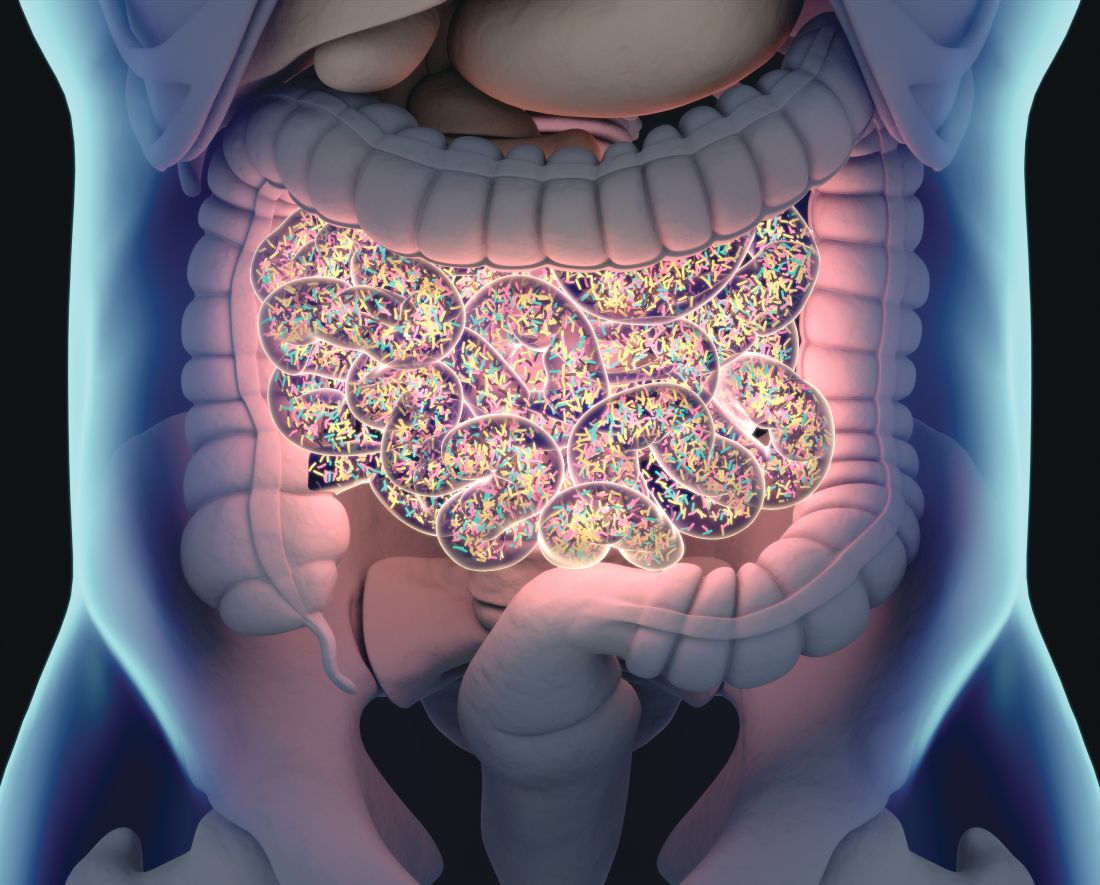
Turns out that individuals with more efficient digestive systems – those that extract more energy from the fuel supplied to them by the busy mouths above – tend to gain more weight than those with less efficient guts, even when they eat the same food, according to a recent study published in Microbiome.
The researchers took a look at the composition of gut microbes in a group of 85 volunteers and found that about 40% had microbiomes dominated by Bacteroides bacteria, which are more effective at extracting nutrients from food. That group also weighed 10% more on average, amounting to an extra 9 kg.
In a rather blatant demonstration of efficiency, the investigators also measured the speed of the participants’ digestion, as they had hypothesized that those with the longest digestive travel times would be the ones who harvested the most nutrition from their food. That was not the case.
The study subjects with the most efficient gut bacteria “also have the fastest passage through the gastrointestinal system, which has given us something to think about,” senior author Henrik Roager of the University of Copenhagen said in a written statement.
You know what gives us something to think about? Stool energy density and intestinal transit time and faecal bacterial cell counts, that’s what. Ick. Sometimes science is gross.
Here’s another thought, though: Seeing faecal instead of fecal is kind of funny to our American eyes, but adding that extra letter is also inefficient, which could mean that it’s good. So, in the spirit of embracing the inefficient as a new year begins, we’re resolving to wrap our editorial arms around faecal and the faeces it represents. Well, not literally, of course. More like we’re embracing the spirit of faeces.
Leave the mouthwash. Take the yogurt
Most of us have experienced some sort of bad breath. It’s common in the morning right after waking up, but it also may be a sign for underlying medical issues like dental problems or acid reflux. Wherever it comes from, we always want to get rid of it. A recent meta-analysis in BMJ Open may have found the answer in some common foods.
For those with halitosis, the basic problem is that the bacteria in their mouths are not happy about where they are. The researchers looked at 130 studies and found seven that suggested fermented food has some effect in combating bad breath.
Now when we say fermented food, we’re not talking about that science project waiting to happen in the back of the refrigerator. Think yogurt, sourdough bread, or miso soup. Anything that contains probiotic bacteria.
Matthew J. Messina, DDS, assistant professor of dentistry at Ohio State University, who was not involved with the study, told Healthline that “the whole idea behind probiotics is [bacteria replacement]. Supplant the ‘bad guys’ with the ‘good guys,’ then we’ll end up with a better result.” Essentially balancing the scales in your mouth.
It may not be a long-term solution, Dr. Messina said, but the short-term data are positive. So if you experience bad breath from time to time, try a little bowl of yogurt instead of chewing gum. If nothing else, the bacteria in your mouth will thank you.
You can talk the silly talk, but can you walk the silly walk?
The Ministry of Silly Walks sketch from Monty Python is an enduring comedy classic, and one of surprising relevance for doctors. After all, this isn’t the first time a study has analyzed the unusual strides of Mr. Putey and Mr. Teabag.
The BMJ Christmas edition truly is the gift that keeps on giving. For this plunge into the Flying Circus, the study authors recruited a small group of fairly average adults and had them walk normally around a track for 5 minutes, monitoring their oxygen intake and energy expenditure. After that, the study participants imitated Mr. Putey’s walk and then Mr. Teabag’s.
In the sketch, Mr. Teabag notes that Mr. Putey’s walk is “not particularly silly,” which is borne out in the research. When imitating Mr. Putey’s walk, oxygen intake and energy expenditure were barely higher than a normal walk, not enough to achieve a meaningful difference. Hopefully he’ll get that government grant to further develop his silly walk, because right now Mr. Putey’s walk simply doesn’t cut it.
Mr. Teabag’s walk is a different story and the very image of inefficiency. Oxygen intake was 2.5 times higher than during the normal walk, and energy expenditure was noticeably higher (8 kcal in men and 5.2 kcal in women). In fact, the walk was so inefficient and its effect so drastic it actually reached the level of vigorous exercise. Thanks to this, the study authors noted that just 11 minutes a day of walking like Mr. Teabag would be enough to reach the general goal of 75 minutes of vigorous exercise per week. Boosting that to 12-19 minutes would increase daily energy expenditure by 100 kcal.
The study authors wrote, “Had an initiative to promote inefficient movement been adopted in the early 1970s, we might now be living among a healthier society. Efforts to promote higher energy – and perhaps more joyful – walking should ensure inclusivity and inefficiency for all.” We think they just advocated for a real-life Ministry of Silly Walks. Well, there have been worse ideas. Just look at Twitter.
When efficient gut microbes go bad
With the latest news from the Ministry of Silly Walks, is it time for humans to embrace all things inefficient? Maybe.
Turns out that individuals with more efficient digestive systems – those that extract more energy from the fuel supplied to them by the busy mouths above – tend to gain more weight than those with less efficient guts, even when they eat the same food, according to a recent study published in Microbiome.
The researchers took a look at the composition of gut microbes in a group of 85 volunteers and found that about 40% had microbiomes dominated by Bacteroides bacteria, which are more effective at extracting nutrients from food. That group also weighed 10% more on average, amounting to an extra 9 kg.
In a rather blatant demonstration of efficiency, the investigators also measured the speed of the participants’ digestion, as they had hypothesized that those with the longest digestive travel times would be the ones who harvested the most nutrition from their food. That was not the case.
The study subjects with the most efficient gut bacteria “also have the fastest passage through the gastrointestinal system, which has given us something to think about,” senior author Henrik Roager of the University of Copenhagen said in a written statement.
You know what gives us something to think about? Stool energy density and intestinal transit time and faecal bacterial cell counts, that’s what. Ick. Sometimes science is gross.
Here’s another thought, though: Seeing faecal instead of fecal is kind of funny to our American eyes, but adding that extra letter is also inefficient, which could mean that it’s good. So, in the spirit of embracing the inefficient as a new year begins, we’re resolving to wrap our editorial arms around faecal and the faeces it represents. Well, not literally, of course. More like we’re embracing the spirit of faeces.
Leave the mouthwash. Take the yogurt
Most of us have experienced some sort of bad breath. It’s common in the morning right after waking up, but it also may be a sign for underlying medical issues like dental problems or acid reflux. Wherever it comes from, we always want to get rid of it. A recent meta-analysis in BMJ Open may have found the answer in some common foods.
For those with halitosis, the basic problem is that the bacteria in their mouths are not happy about where they are. The researchers looked at 130 studies and found seven that suggested fermented food has some effect in combating bad breath.
Now when we say fermented food, we’re not talking about that science project waiting to happen in the back of the refrigerator. Think yogurt, sourdough bread, or miso soup. Anything that contains probiotic bacteria.
Matthew J. Messina, DDS, assistant professor of dentistry at Ohio State University, who was not involved with the study, told Healthline that “the whole idea behind probiotics is [bacteria replacement]. Supplant the ‘bad guys’ with the ‘good guys,’ then we’ll end up with a better result.” Essentially balancing the scales in your mouth.
It may not be a long-term solution, Dr. Messina said, but the short-term data are positive. So if you experience bad breath from time to time, try a little bowl of yogurt instead of chewing gum. If nothing else, the bacteria in your mouth will thank you.
You can talk the silly talk, but can you walk the silly walk?
The Ministry of Silly Walks sketch from Monty Python is an enduring comedy classic, and one of surprising relevance for doctors. After all, this isn’t the first time a study has analyzed the unusual strides of Mr. Putey and Mr. Teabag.
The BMJ Christmas edition truly is the gift that keeps on giving. For this plunge into the Flying Circus, the study authors recruited a small group of fairly average adults and had them walk normally around a track for 5 minutes, monitoring their oxygen intake and energy expenditure. After that, the study participants imitated Mr. Putey’s walk and then Mr. Teabag’s.
In the sketch, Mr. Teabag notes that Mr. Putey’s walk is “not particularly silly,” which is borne out in the research. When imitating Mr. Putey’s walk, oxygen intake and energy expenditure were barely higher than a normal walk, not enough to achieve a meaningful difference. Hopefully he’ll get that government grant to further develop his silly walk, because right now Mr. Putey’s walk simply doesn’t cut it.
Mr. Teabag’s walk is a different story and the very image of inefficiency. Oxygen intake was 2.5 times higher than during the normal walk, and energy expenditure was noticeably higher (8 kcal in men and 5.2 kcal in women). In fact, the walk was so inefficient and its effect so drastic it actually reached the level of vigorous exercise. Thanks to this, the study authors noted that just 11 minutes a day of walking like Mr. Teabag would be enough to reach the general goal of 75 minutes of vigorous exercise per week. Boosting that to 12-19 minutes would increase daily energy expenditure by 100 kcal.
The study authors wrote, “Had an initiative to promote inefficient movement been adopted in the early 1970s, we might now be living among a healthier society. Efforts to promote higher energy – and perhaps more joyful – walking should ensure inclusivity and inefficiency for all.” We think they just advocated for a real-life Ministry of Silly Walks. Well, there have been worse ideas. Just look at Twitter.
When efficient gut microbes go bad
With the latest news from the Ministry of Silly Walks, is it time for humans to embrace all things inefficient? Maybe.
Turns out that individuals with more efficient digestive systems – those that extract more energy from the fuel supplied to them by the busy mouths above – tend to gain more weight than those with less efficient guts, even when they eat the same food, according to a recent study published in Microbiome.
The researchers took a look at the composition of gut microbes in a group of 85 volunteers and found that about 40% had microbiomes dominated by Bacteroides bacteria, which are more effective at extracting nutrients from food. That group also weighed 10% more on average, amounting to an extra 9 kg.
In a rather blatant demonstration of efficiency, the investigators also measured the speed of the participants’ digestion, as they had hypothesized that those with the longest digestive travel times would be the ones who harvested the most nutrition from their food. That was not the case.
The study subjects with the most efficient gut bacteria “also have the fastest passage through the gastrointestinal system, which has given us something to think about,” senior author Henrik Roager of the University of Copenhagen said in a written statement.
You know what gives us something to think about? Stool energy density and intestinal transit time and faecal bacterial cell counts, that’s what. Ick. Sometimes science is gross.
Here’s another thought, though: Seeing faecal instead of fecal is kind of funny to our American eyes, but adding that extra letter is also inefficient, which could mean that it’s good. So, in the spirit of embracing the inefficient as a new year begins, we’re resolving to wrap our editorial arms around faecal and the faeces it represents. Well, not literally, of course. More like we’re embracing the spirit of faeces.