User login
Bringing you the latest news, research and reviews, exclusive interviews, podcasts, quizzes, and more.
div[contains(@class, 'header__large-screen')]
div[contains(@class, 'read-next-article')]
div[contains(@class, 'main-prefix')]
div[contains(@class, 'nav-primary')]
nav[contains(@class, 'nav-primary')]
section[contains(@class, 'footer-nav-section-wrapper')]
footer[@id='footer']
section[contains(@class, 'nav-hidden')]
div[contains(@class, 'ce-card-content')]
nav[contains(@class, 'nav-ce-stack')]
div[contains(@class, 'view-medstat-quiz-listing-panes')]
div[contains(@class, 'pane-article-sidebar-latest-news')]
div[contains(@class, 'medstat-accordion-set article-series')]
Evidence Grows for SGLT2 Inhibitors in Rheumatology
Over just a decade, sodium-glucose cotransporter-2 (SGLT2) inhibitors have revolutionized the second-line treatment of type 2 diabetes by improving the control of blood sugar, and they’re also being used to treat heart failure and chronic kidney disease. Now, there’s growing evidence that the medications have the potential to play a role in the treatment of a variety of rheumatologic diseases — gout, systemic lupus erythematosus (SLE), and lupus nephritis.
“I suspect that SGLT2 inhibitors may have a role in multiple rheumatic diseases,” said rheumatologist April Jorge, MD, of Harvard Medical School and Massachusetts General Hospital, Boston.
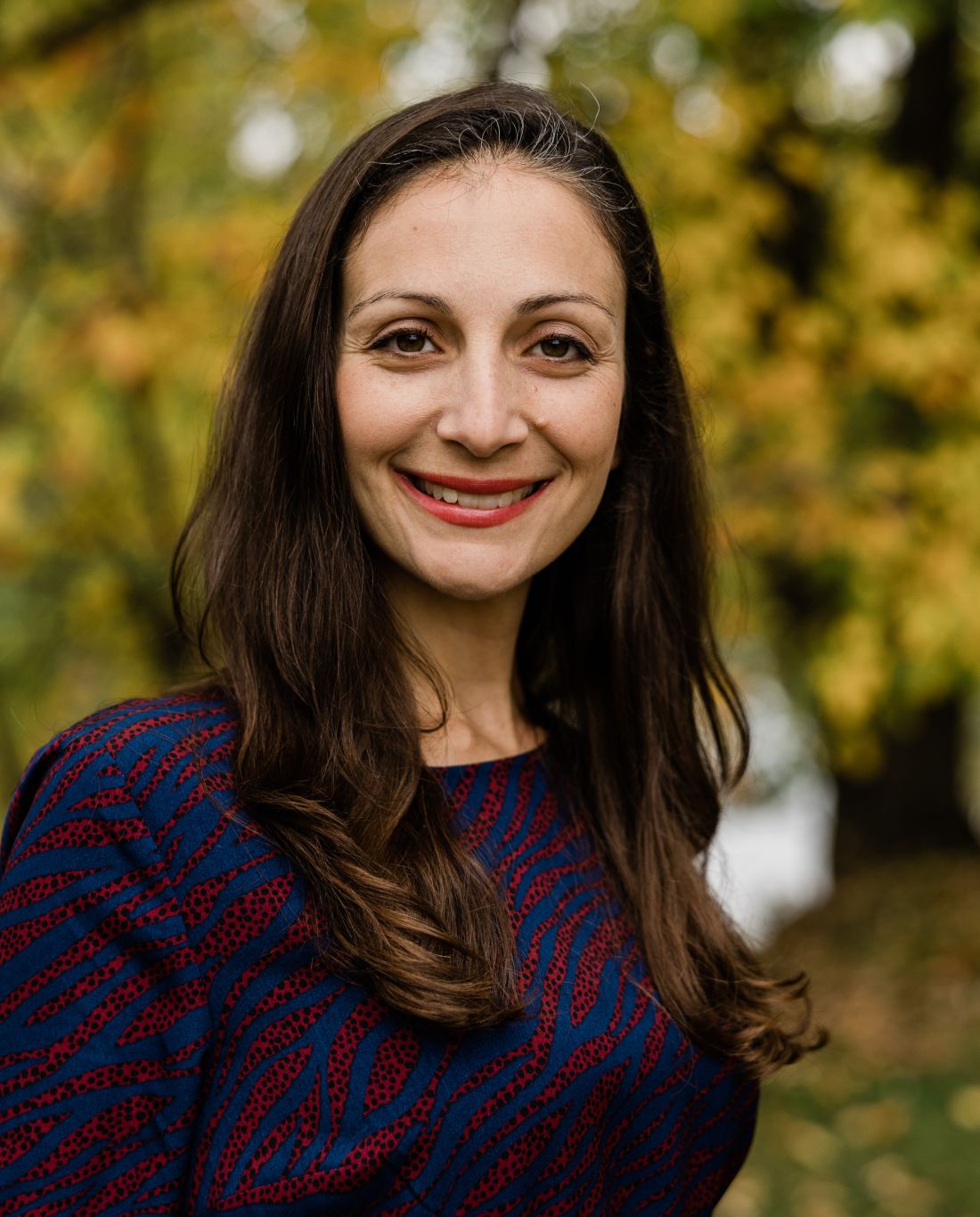
In gout, for example, “SGLT2 inhibitors hold great promise as a multipurpose treatment option,” said rheumatologist Chio Yokose, MD, MSc, also of Harvard Medical School and Massachusetts General Hospital. Both Dr. Jorge and Dr. Yokose spoke at recent medical conferences and in interviews about the potential value of the drugs in rheumatology.
There’s a big caveat. For the moment, SGLT2 inhibitors aren’t cleared for use in the treatment of rheumatologic conditions, and neither physician is ready to recommend prescribing them off-label outside of their FDA-approved indications.
But studies could pave the way toward more approved uses in rheumatology. And there’s good news for now: Many rheumatology patients may already be eligible to take the drugs because of other medical conditions. In gout, for example, “sizable proportions of patients have comorbidities for which they are already indicated,” Dr. Yokose said.
Research Hints at Gout-Busting Potential
The first SGLT2 inhibitor canagliflozin (Invokana), received FDA approval in 2013, followed by dapagliflozin (Farxiga), empagliflozin (Jardiance), ertugliflozin (Steglatro), and bexagliflozin (Brenzavvy). The drugs “lower blood sugar by causing the kidneys to remove sugar from the body through urine,” reports the National Kidney Foundation, and they “help to protect the kidneys and heart in people with CKD [chronic kidney disease].”

As Dr. Yokose noted in a presentation at the 2023 Gout Hyperuricemia and Crystal Associated Disease Network research symposium, SGLT2 inhibitors “have really become blockbuster drugs, and they’ve now been integrated into multiple professional society guidelines and recommendations.”
These drugs should not be confused with the wildly popular medications known as glucagon-like peptide-1 (GLP1) agonists, which include medications such as semaglutide (Ozempic and Wegovy). These drugs are generally administered via injection — unlike the oral SGLT2 inhibitors — and they’re variously indicated for type 2 diabetes and obesity.
Dr. Yokose highlighted research findings about the drugs in gout. A 2020 study, for example, tracked 295,907 US adults with type 2 diabetes who received a new prescription for an SGLT2 inhibitor or GLP1 agonist during 2013-2017. Those in the SGLT2 inhibitor group had a 36% lower risk of newly diagnosed gout (hazard ratio [HR], 0.64; 95% CI, 0.57-0.72), the researchers reported.
A similar study, a 2021 report from Taiwan, also linked SGLT2 inhibitors to improvement in gout incidence vs. dipeptidyl peptidase 4 (DPP4) inhibitors, diabetes drugs that are not linked to lower serum urate levels. In an adjusted analysis, the risk of gout was 11% lower in the SGLT2 inhibitor group (adjusted HR, 0.86; 95% CI, 0.78-0.95).
What about recurrent gout? In a 2023 study, Dr. Yokose and colleagues tracked patients with type 2 diabetes who began SGLT2 inhibitors or DPP4 inhibitors. Over the period from 2013 to 2017, those who took SGLT2 inhibitors were less likely to have gout flares (rate ratio [RR], 0.66; 95% CI, 0.57-0.75) and gout-primary emergency department visits/hospitalizations (RR, 0.52; 95% CI, 0.32-0.84).
“This finding requires further replication in other populations and compared to other drugs,” Dr. Yokose cautioned.
Another 2023 study analyzed UK data and reached similar results regarding risk of recurrent gout.
Lower Urate Levels and Less Inflammation Could Be Key
How might SGLT2 inhibitors reduce the risk of gout? Multiple studies have linked the drugs to lower serum urate levels, Dr. Yokose said, but researchers often excluded patients with gout.
For a small new study presented at the 2023 annual meeting of the American College of Rheumatology but not yet published, Dr. Yokose and colleagues reported that patients with gout who began SGLT2 inhibitors had lower urate levels than those who began a sulfonylurea, another second-line agent for type 2 diabetes. During the study period, up to 3 months before and after initiation, 43.5% of patients in the SGLT2 inhibitor group reached a target serum urate of < 6 mg/dL vs. 4.2% of sulfonylurea initiators.
“The magnitude of this reduction, while not as large as what can be achieved with appropriately titrated urate-lowering therapy such as allopurinol or febuxostat, is also not negligible. It’s believed to be between 1.5-2.0 mg/dL among patients with gout,” Dr. Yokose said. “Also, SGLT2 inhibitors are purported to have some anti-inflammatory effects that may target the same pathways responsible for the profound inflammation associated with acute gout flares. However, both the exact mechanisms underlying the serum urate-lowering and anti-inflammatory effects of SGLT2 [inhibitors] require further research and clarification.”
Moving forward, she said, “I would love to see some prospective studies of SGLT2 inhibitor use among patients with gout, looking at serum urate and clinical gout endpoints, as well as biomarkers to understand better the beneficial effects of SGLT2 inhibitors as it pertains to patients with gout.”
In Lupus, Findings Are More Mixed
Studies of SGLT2 inhibitors have excluded patients with lupus, limiting insight into their benefits in that specific population, said Dr. Jorge of Massachusetts General Hospital and Harvard Medical School. However, “one small phase I/II trial showed an acceptable safety profile of dapagliflozin add-on therapy in adult patients with SLE,” she said.
Her team is working to expand understanding about the drugs in people with lupus. At the 2023 ACR annual meeting, she presented the findings of a study that tracked patients with SLE who took SGLT2 inhibitors (n = 426, including 154 with lupus nephritis) or DPP4 inhibitors (n = 865, including 270 with lupus nephritis). Patients who took SGLT2 inhibitors had lower risks of major adverse cardiac events (HR, 0.69; 95% CI, 0.48-0.99) and renal progression (HR, 0.71; 95% CI, 0.51-0.98).
“Our results are promising, but the majority of patient with lupus who had received SGLT2 inhibitors also had the comorbidity of type 2 diabetes as a separate indication for SGLT2 inhibitor use,” Dr. Jorge said. “We still need to study the impact of SGLT2 inhibitors in patients with SLE and lupus nephritis who do not have a separate indication for the medication.”
Dr. Jorge added that “we do not yet know the ideal time to initiate SGLT2 inhibitors in the treatment of lupus nephritis. Specifically, it is not yet known whether these medications should be used in patients with persistent proteinuria due to damage from lupus nephritis or whether there is also a role to start these medications in patients with active lupus nephritis who are undergoing induction immunosuppression regimens.”
However, another study released at the 2023 ACR annual meeting suggested that SGLT2 inhibitors may not have a beneficial effect in lupus nephritis: “We observed a reduction in decline in eGFR [estimated glomerular filtration rate] after starting SGLT2 inhibitors; however, this reduction was not statistically significant … early experience suggested marginal benefit of SGLT2 inhibitors in SLE,” researchers from Johns Hopkins University, and the University of Maryland, Baltimore, reported.
“My cohort is not showing miracles from SGLT2 inhibitors,” study lead author Michelle Petri, MD, MPH, of Johns Hopkins, said in an interview.
Still, new European Alliance of Associations for Rheumatology recommendations for SLE now advise to consider the use of the drugs in patients with lupus nephritis who have reduced eGFR. Meanwhile, “the American College of Rheumatology is currently developing new treatment guidelines for SLE and for lupus nephritis, and SGLT2 inhibitors will likely be a topic of consideration,” Dr. Jorge added.
As for mechanism, Dr. Jorge said it’s not clear how the drugs may affect lupus. “It’s proposed that they have benefits in hemodynamic effects as well as potentially anti-inflammatory effects. The hemodynamic effects, including reducing intraglomerular hyperfiltration and reducing blood pressure, likely have similar benefits in patients with chronic kidney disease due to diabetic nephropathy or due to lupus nephritis with damage/scarring and persistent proteinuria. Patients with SLE and other chronic, systemic rheumatic diseases such as ANCA [antineutrophilic cytoplasmic antibody]-associated vasculitis also develop kidney disease and cardiovascular events mediated by inflammatory processes.”
Side Effects and Cost: Where Do They Fit In?
According to Dr. Yokose, SGLT2 inhibitors “are generally quite well-tolerated, and very serious adverse effects are rare.” Side effects include disrupted urination, increased thirst, genital infections, flu-like symptoms, and swelling.
Urinary-related problems are understandable “because these drugs cause the kidneys to pass more glucose into the urine,” University of Hong Kong cardiac specialist Bernard Cheung, MBBCh, PhD, who has studied SGLT2 inhibitors, said in an interview.
In Dr. Yokose’s 2023 study of SGLT2 inhibitors in recurrent gout, patients who took the drugs were 2.15 times more likely than the comparison group to have genital infections (hazard ratio, 2.15; 95% CI, 1.39-3.30). This finding “was what we’d expect,” she said.
She added that genital infection rates were higher among patients with diabetes, women, and uncircumcised men. “Fortunately, most experienced just a single mild episode that can readily be treated with topical therapy. There does not appear to be an increased risk of urinary tract infections.”
Dr. Cheung added that “doctors should be aware of a rare adverse effect called euglycemic ketoacidosis, in which the patient has increased ketones in the blood causing it to be more acidic than normal, but the blood glucose remains within the normal range.”
As for cost, goodrx.com reports that several SGLT2 inhibitors run about $550-$683 per month, making them expensive but still cheaper than GLP-1 agonists, which can cost $1,000 or more per month. Unlike the most popular GLP-1 agonists such as Ozempic, none of the SGLT2 inhibitors are in short supply, according to the American Society of Health-System Pharmacists.
“If someone with gout already has a cardiovascular-kidney-metabolic indication for SGLT2 inhibitors and also stands to benefit in terms of lowering serum urate and risk of recurrent gout flares, there is potential for high benefit relative to cost,” Dr. Yokose said.
She added: “It is well-documented that current gout care is suboptimal, and many patients end up in the emergency room or hospitalized for gout, which in and of itself is quite costly both for the patient and the health care system. Therefore, streamlining or integrating gout and comorbidity care with SGLT2 inhibitors could potentially be quite beneficial for patients with gout.”
In regard to lupus, “many patients with lupus undergo multiple hospitalizations related to their disease, which is a source of high health care costs,” Dr. Jorge said. “Additionally, chronic kidney disease and cardiovascular disease are major causes of disability and premature mortality. Further studies will be needed to better understand whether benefits of SGLT2 inhibitors may outweigh the costs of treatment.”
As for prescribing the drugs in lupus now, Dr. Jorge said they can be an option in lupus nephritis. “There is not a clear consensus of the ideal timing to initiate SGLT2 inhibitors — e.g., degree of proteinuria or eGFR range,” she said. “However, it is less controversial that SGLT2 inhibitors should be considered in particular for patients with lupus nephritis with ongoing proteinuria despite adequate treatment with conventional therapies.”
As for gout, Dr. Yokose isn’t ready to prescribe the drugs to patients who don’t have comorbidities that can be treated by the medications. However, she noted that those patients are rare.
“If I see a patient with gout with one or more of these comorbidities, and I see that they are not already on an SGLT2 inhibitor, I definitely take the time to talk to the patient about this exciting class of drugs and will consult with their other physicians about getting them started on an SGLT2 inhibitor.”
Dr. Yokose, Dr. Petri, and Dr. Cheung have no relevant disclosures. Dr. Jorge disclosed serving as a site investigator for SLE clinical trials funded by Bristol-Myers Squibb and Cabaletta Bio; the trials are not related to SGLT2 inhibitors.
Over just a decade, sodium-glucose cotransporter-2 (SGLT2) inhibitors have revolutionized the second-line treatment of type 2 diabetes by improving the control of blood sugar, and they’re also being used to treat heart failure and chronic kidney disease. Now, there’s growing evidence that the medications have the potential to play a role in the treatment of a variety of rheumatologic diseases — gout, systemic lupus erythematosus (SLE), and lupus nephritis.
“I suspect that SGLT2 inhibitors may have a role in multiple rheumatic diseases,” said rheumatologist April Jorge, MD, of Harvard Medical School and Massachusetts General Hospital, Boston.
In gout, for example, “SGLT2 inhibitors hold great promise as a multipurpose treatment option,” said rheumatologist Chio Yokose, MD, MSc, also of Harvard Medical School and Massachusetts General Hospital. Both Dr. Jorge and Dr. Yokose spoke at recent medical conferences and in interviews about the potential value of the drugs in rheumatology.
There’s a big caveat. For the moment, SGLT2 inhibitors aren’t cleared for use in the treatment of rheumatologic conditions, and neither physician is ready to recommend prescribing them off-label outside of their FDA-approved indications.
But studies could pave the way toward more approved uses in rheumatology. And there’s good news for now: Many rheumatology patients may already be eligible to take the drugs because of other medical conditions. In gout, for example, “sizable proportions of patients have comorbidities for which they are already indicated,” Dr. Yokose said.
Research Hints at Gout-Busting Potential
The first SGLT2 inhibitor canagliflozin (Invokana), received FDA approval in 2013, followed by dapagliflozin (Farxiga), empagliflozin (Jardiance), ertugliflozin (Steglatro), and bexagliflozin (Brenzavvy). The drugs “lower blood sugar by causing the kidneys to remove sugar from the body through urine,” reports the National Kidney Foundation, and they “help to protect the kidneys and heart in people with CKD [chronic kidney disease].”
As Dr. Yokose noted in a presentation at the 2023 Gout Hyperuricemia and Crystal Associated Disease Network research symposium, SGLT2 inhibitors “have really become blockbuster drugs, and they’ve now been integrated into multiple professional society guidelines and recommendations.”
These drugs should not be confused with the wildly popular medications known as glucagon-like peptide-1 (GLP1) agonists, which include medications such as semaglutide (Ozempic and Wegovy). These drugs are generally administered via injection — unlike the oral SGLT2 inhibitors — and they’re variously indicated for type 2 diabetes and obesity.
Dr. Yokose highlighted research findings about the drugs in gout. A 2020 study, for example, tracked 295,907 US adults with type 2 diabetes who received a new prescription for an SGLT2 inhibitor or GLP1 agonist during 2013-2017. Those in the SGLT2 inhibitor group had a 36% lower risk of newly diagnosed gout (hazard ratio [HR], 0.64; 95% CI, 0.57-0.72), the researchers reported.
A similar study, a 2021 report from Taiwan, also linked SGLT2 inhibitors to improvement in gout incidence vs. dipeptidyl peptidase 4 (DPP4) inhibitors, diabetes drugs that are not linked to lower serum urate levels. In an adjusted analysis, the risk of gout was 11% lower in the SGLT2 inhibitor group (adjusted HR, 0.86; 95% CI, 0.78-0.95).
What about recurrent gout? In a 2023 study, Dr. Yokose and colleagues tracked patients with type 2 diabetes who began SGLT2 inhibitors or DPP4 inhibitors. Over the period from 2013 to 2017, those who took SGLT2 inhibitors were less likely to have gout flares (rate ratio [RR], 0.66; 95% CI, 0.57-0.75) and gout-primary emergency department visits/hospitalizations (RR, 0.52; 95% CI, 0.32-0.84).
“This finding requires further replication in other populations and compared to other drugs,” Dr. Yokose cautioned.
Another 2023 study analyzed UK data and reached similar results regarding risk of recurrent gout.
Lower Urate Levels and Less Inflammation Could Be Key
How might SGLT2 inhibitors reduce the risk of gout? Multiple studies have linked the drugs to lower serum urate levels, Dr. Yokose said, but researchers often excluded patients with gout.
For a small new study presented at the 2023 annual meeting of the American College of Rheumatology but not yet published, Dr. Yokose and colleagues reported that patients with gout who began SGLT2 inhibitors had lower urate levels than those who began a sulfonylurea, another second-line agent for type 2 diabetes. During the study period, up to 3 months before and after initiation, 43.5% of patients in the SGLT2 inhibitor group reached a target serum urate of < 6 mg/dL vs. 4.2% of sulfonylurea initiators.
“The magnitude of this reduction, while not as large as what can be achieved with appropriately titrated urate-lowering therapy such as allopurinol or febuxostat, is also not negligible. It’s believed to be between 1.5-2.0 mg/dL among patients with gout,” Dr. Yokose said. “Also, SGLT2 inhibitors are purported to have some anti-inflammatory effects that may target the same pathways responsible for the profound inflammation associated with acute gout flares. However, both the exact mechanisms underlying the serum urate-lowering and anti-inflammatory effects of SGLT2 [inhibitors] require further research and clarification.”
Moving forward, she said, “I would love to see some prospective studies of SGLT2 inhibitor use among patients with gout, looking at serum urate and clinical gout endpoints, as well as biomarkers to understand better the beneficial effects of SGLT2 inhibitors as it pertains to patients with gout.”
In Lupus, Findings Are More Mixed
Studies of SGLT2 inhibitors have excluded patients with lupus, limiting insight into their benefits in that specific population, said Dr. Jorge of Massachusetts General Hospital and Harvard Medical School. However, “one small phase I/II trial showed an acceptable safety profile of dapagliflozin add-on therapy in adult patients with SLE,” she said.
Her team is working to expand understanding about the drugs in people with lupus. At the 2023 ACR annual meeting, she presented the findings of a study that tracked patients with SLE who took SGLT2 inhibitors (n = 426, including 154 with lupus nephritis) or DPP4 inhibitors (n = 865, including 270 with lupus nephritis). Patients who took SGLT2 inhibitors had lower risks of major adverse cardiac events (HR, 0.69; 95% CI, 0.48-0.99) and renal progression (HR, 0.71; 95% CI, 0.51-0.98).
“Our results are promising, but the majority of patient with lupus who had received SGLT2 inhibitors also had the comorbidity of type 2 diabetes as a separate indication for SGLT2 inhibitor use,” Dr. Jorge said. “We still need to study the impact of SGLT2 inhibitors in patients with SLE and lupus nephritis who do not have a separate indication for the medication.”
Dr. Jorge added that “we do not yet know the ideal time to initiate SGLT2 inhibitors in the treatment of lupus nephritis. Specifically, it is not yet known whether these medications should be used in patients with persistent proteinuria due to damage from lupus nephritis or whether there is also a role to start these medications in patients with active lupus nephritis who are undergoing induction immunosuppression regimens.”
However, another study released at the 2023 ACR annual meeting suggested that SGLT2 inhibitors may not have a beneficial effect in lupus nephritis: “We observed a reduction in decline in eGFR [estimated glomerular filtration rate] after starting SGLT2 inhibitors; however, this reduction was not statistically significant … early experience suggested marginal benefit of SGLT2 inhibitors in SLE,” researchers from Johns Hopkins University, and the University of Maryland, Baltimore, reported.
“My cohort is not showing miracles from SGLT2 inhibitors,” study lead author Michelle Petri, MD, MPH, of Johns Hopkins, said in an interview.
Still, new European Alliance of Associations for Rheumatology recommendations for SLE now advise to consider the use of the drugs in patients with lupus nephritis who have reduced eGFR. Meanwhile, “the American College of Rheumatology is currently developing new treatment guidelines for SLE and for lupus nephritis, and SGLT2 inhibitors will likely be a topic of consideration,” Dr. Jorge added.
As for mechanism, Dr. Jorge said it’s not clear how the drugs may affect lupus. “It’s proposed that they have benefits in hemodynamic effects as well as potentially anti-inflammatory effects. The hemodynamic effects, including reducing intraglomerular hyperfiltration and reducing blood pressure, likely have similar benefits in patients with chronic kidney disease due to diabetic nephropathy or due to lupus nephritis with damage/scarring and persistent proteinuria. Patients with SLE and other chronic, systemic rheumatic diseases such as ANCA [antineutrophilic cytoplasmic antibody]-associated vasculitis also develop kidney disease and cardiovascular events mediated by inflammatory processes.”
Side Effects and Cost: Where Do They Fit In?
According to Dr. Yokose, SGLT2 inhibitors “are generally quite well-tolerated, and very serious adverse effects are rare.” Side effects include disrupted urination, increased thirst, genital infections, flu-like symptoms, and swelling.
Urinary-related problems are understandable “because these drugs cause the kidneys to pass more glucose into the urine,” University of Hong Kong cardiac specialist Bernard Cheung, MBBCh, PhD, who has studied SGLT2 inhibitors, said in an interview.
In Dr. Yokose’s 2023 study of SGLT2 inhibitors in recurrent gout, patients who took the drugs were 2.15 times more likely than the comparison group to have genital infections (hazard ratio, 2.15; 95% CI, 1.39-3.30). This finding “was what we’d expect,” she said.
She added that genital infection rates were higher among patients with diabetes, women, and uncircumcised men. “Fortunately, most experienced just a single mild episode that can readily be treated with topical therapy. There does not appear to be an increased risk of urinary tract infections.”
Dr. Cheung added that “doctors should be aware of a rare adverse effect called euglycemic ketoacidosis, in which the patient has increased ketones in the blood causing it to be more acidic than normal, but the blood glucose remains within the normal range.”
As for cost, goodrx.com reports that several SGLT2 inhibitors run about $550-$683 per month, making them expensive but still cheaper than GLP-1 agonists, which can cost $1,000 or more per month. Unlike the most popular GLP-1 agonists such as Ozempic, none of the SGLT2 inhibitors are in short supply, according to the American Society of Health-System Pharmacists.
“If someone with gout already has a cardiovascular-kidney-metabolic indication for SGLT2 inhibitors and also stands to benefit in terms of lowering serum urate and risk of recurrent gout flares, there is potential for high benefit relative to cost,” Dr. Yokose said.
She added: “It is well-documented that current gout care is suboptimal, and many patients end up in the emergency room or hospitalized for gout, which in and of itself is quite costly both for the patient and the health care system. Therefore, streamlining or integrating gout and comorbidity care with SGLT2 inhibitors could potentially be quite beneficial for patients with gout.”
In regard to lupus, “many patients with lupus undergo multiple hospitalizations related to their disease, which is a source of high health care costs,” Dr. Jorge said. “Additionally, chronic kidney disease and cardiovascular disease are major causes of disability and premature mortality. Further studies will be needed to better understand whether benefits of SGLT2 inhibitors may outweigh the costs of treatment.”
As for prescribing the drugs in lupus now, Dr. Jorge said they can be an option in lupus nephritis. “There is not a clear consensus of the ideal timing to initiate SGLT2 inhibitors — e.g., degree of proteinuria or eGFR range,” she said. “However, it is less controversial that SGLT2 inhibitors should be considered in particular for patients with lupus nephritis with ongoing proteinuria despite adequate treatment with conventional therapies.”
As for gout, Dr. Yokose isn’t ready to prescribe the drugs to patients who don’t have comorbidities that can be treated by the medications. However, she noted that those patients are rare.
“If I see a patient with gout with one or more of these comorbidities, and I see that they are not already on an SGLT2 inhibitor, I definitely take the time to talk to the patient about this exciting class of drugs and will consult with their other physicians about getting them started on an SGLT2 inhibitor.”
Dr. Yokose, Dr. Petri, and Dr. Cheung have no relevant disclosures. Dr. Jorge disclosed serving as a site investigator for SLE clinical trials funded by Bristol-Myers Squibb and Cabaletta Bio; the trials are not related to SGLT2 inhibitors.
Over just a decade, sodium-glucose cotransporter-2 (SGLT2) inhibitors have revolutionized the second-line treatment of type 2 diabetes by improving the control of blood sugar, and they’re also being used to treat heart failure and chronic kidney disease. Now, there’s growing evidence that the medications have the potential to play a role in the treatment of a variety of rheumatologic diseases — gout, systemic lupus erythematosus (SLE), and lupus nephritis.
“I suspect that SGLT2 inhibitors may have a role in multiple rheumatic diseases,” said rheumatologist April Jorge, MD, of Harvard Medical School and Massachusetts General Hospital, Boston.
In gout, for example, “SGLT2 inhibitors hold great promise as a multipurpose treatment option,” said rheumatologist Chio Yokose, MD, MSc, also of Harvard Medical School and Massachusetts General Hospital. Both Dr. Jorge and Dr. Yokose spoke at recent medical conferences and in interviews about the potential value of the drugs in rheumatology.
There’s a big caveat. For the moment, SGLT2 inhibitors aren’t cleared for use in the treatment of rheumatologic conditions, and neither physician is ready to recommend prescribing them off-label outside of their FDA-approved indications.
But studies could pave the way toward more approved uses in rheumatology. And there’s good news for now: Many rheumatology patients may already be eligible to take the drugs because of other medical conditions. In gout, for example, “sizable proportions of patients have comorbidities for which they are already indicated,” Dr. Yokose said.
Research Hints at Gout-Busting Potential
The first SGLT2 inhibitor canagliflozin (Invokana), received FDA approval in 2013, followed by dapagliflozin (Farxiga), empagliflozin (Jardiance), ertugliflozin (Steglatro), and bexagliflozin (Brenzavvy). The drugs “lower blood sugar by causing the kidneys to remove sugar from the body through urine,” reports the National Kidney Foundation, and they “help to protect the kidneys and heart in people with CKD [chronic kidney disease].”
As Dr. Yokose noted in a presentation at the 2023 Gout Hyperuricemia and Crystal Associated Disease Network research symposium, SGLT2 inhibitors “have really become blockbuster drugs, and they’ve now been integrated into multiple professional society guidelines and recommendations.”
These drugs should not be confused with the wildly popular medications known as glucagon-like peptide-1 (GLP1) agonists, which include medications such as semaglutide (Ozempic and Wegovy). These drugs are generally administered via injection — unlike the oral SGLT2 inhibitors — and they’re variously indicated for type 2 diabetes and obesity.
Dr. Yokose highlighted research findings about the drugs in gout. A 2020 study, for example, tracked 295,907 US adults with type 2 diabetes who received a new prescription for an SGLT2 inhibitor or GLP1 agonist during 2013-2017. Those in the SGLT2 inhibitor group had a 36% lower risk of newly diagnosed gout (hazard ratio [HR], 0.64; 95% CI, 0.57-0.72), the researchers reported.
A similar study, a 2021 report from Taiwan, also linked SGLT2 inhibitors to improvement in gout incidence vs. dipeptidyl peptidase 4 (DPP4) inhibitors, diabetes drugs that are not linked to lower serum urate levels. In an adjusted analysis, the risk of gout was 11% lower in the SGLT2 inhibitor group (adjusted HR, 0.86; 95% CI, 0.78-0.95).
What about recurrent gout? In a 2023 study, Dr. Yokose and colleagues tracked patients with type 2 diabetes who began SGLT2 inhibitors or DPP4 inhibitors. Over the period from 2013 to 2017, those who took SGLT2 inhibitors were less likely to have gout flares (rate ratio [RR], 0.66; 95% CI, 0.57-0.75) and gout-primary emergency department visits/hospitalizations (RR, 0.52; 95% CI, 0.32-0.84).
“This finding requires further replication in other populations and compared to other drugs,” Dr. Yokose cautioned.
Another 2023 study analyzed UK data and reached similar results regarding risk of recurrent gout.
Lower Urate Levels and Less Inflammation Could Be Key
How might SGLT2 inhibitors reduce the risk of gout? Multiple studies have linked the drugs to lower serum urate levels, Dr. Yokose said, but researchers often excluded patients with gout.
For a small new study presented at the 2023 annual meeting of the American College of Rheumatology but not yet published, Dr. Yokose and colleagues reported that patients with gout who began SGLT2 inhibitors had lower urate levels than those who began a sulfonylurea, another second-line agent for type 2 diabetes. During the study period, up to 3 months before and after initiation, 43.5% of patients in the SGLT2 inhibitor group reached a target serum urate of < 6 mg/dL vs. 4.2% of sulfonylurea initiators.
“The magnitude of this reduction, while not as large as what can be achieved with appropriately titrated urate-lowering therapy such as allopurinol or febuxostat, is also not negligible. It’s believed to be between 1.5-2.0 mg/dL among patients with gout,” Dr. Yokose said. “Also, SGLT2 inhibitors are purported to have some anti-inflammatory effects that may target the same pathways responsible for the profound inflammation associated with acute gout flares. However, both the exact mechanisms underlying the serum urate-lowering and anti-inflammatory effects of SGLT2 [inhibitors] require further research and clarification.”
Moving forward, she said, “I would love to see some prospective studies of SGLT2 inhibitor use among patients with gout, looking at serum urate and clinical gout endpoints, as well as biomarkers to understand better the beneficial effects of SGLT2 inhibitors as it pertains to patients with gout.”
In Lupus, Findings Are More Mixed
Studies of SGLT2 inhibitors have excluded patients with lupus, limiting insight into their benefits in that specific population, said Dr. Jorge of Massachusetts General Hospital and Harvard Medical School. However, “one small phase I/II trial showed an acceptable safety profile of dapagliflozin add-on therapy in adult patients with SLE,” she said.
Her team is working to expand understanding about the drugs in people with lupus. At the 2023 ACR annual meeting, she presented the findings of a study that tracked patients with SLE who took SGLT2 inhibitors (n = 426, including 154 with lupus nephritis) or DPP4 inhibitors (n = 865, including 270 with lupus nephritis). Patients who took SGLT2 inhibitors had lower risks of major adverse cardiac events (HR, 0.69; 95% CI, 0.48-0.99) and renal progression (HR, 0.71; 95% CI, 0.51-0.98).
“Our results are promising, but the majority of patient with lupus who had received SGLT2 inhibitors also had the comorbidity of type 2 diabetes as a separate indication for SGLT2 inhibitor use,” Dr. Jorge said. “We still need to study the impact of SGLT2 inhibitors in patients with SLE and lupus nephritis who do not have a separate indication for the medication.”
Dr. Jorge added that “we do not yet know the ideal time to initiate SGLT2 inhibitors in the treatment of lupus nephritis. Specifically, it is not yet known whether these medications should be used in patients with persistent proteinuria due to damage from lupus nephritis or whether there is also a role to start these medications in patients with active lupus nephritis who are undergoing induction immunosuppression regimens.”
However, another study released at the 2023 ACR annual meeting suggested that SGLT2 inhibitors may not have a beneficial effect in lupus nephritis: “We observed a reduction in decline in eGFR [estimated glomerular filtration rate] after starting SGLT2 inhibitors; however, this reduction was not statistically significant … early experience suggested marginal benefit of SGLT2 inhibitors in SLE,” researchers from Johns Hopkins University, and the University of Maryland, Baltimore, reported.
“My cohort is not showing miracles from SGLT2 inhibitors,” study lead author Michelle Petri, MD, MPH, of Johns Hopkins, said in an interview.
Still, new European Alliance of Associations for Rheumatology recommendations for SLE now advise to consider the use of the drugs in patients with lupus nephritis who have reduced eGFR. Meanwhile, “the American College of Rheumatology is currently developing new treatment guidelines for SLE and for lupus nephritis, and SGLT2 inhibitors will likely be a topic of consideration,” Dr. Jorge added.
As for mechanism, Dr. Jorge said it’s not clear how the drugs may affect lupus. “It’s proposed that they have benefits in hemodynamic effects as well as potentially anti-inflammatory effects. The hemodynamic effects, including reducing intraglomerular hyperfiltration and reducing blood pressure, likely have similar benefits in patients with chronic kidney disease due to diabetic nephropathy or due to lupus nephritis with damage/scarring and persistent proteinuria. Patients with SLE and other chronic, systemic rheumatic diseases such as ANCA [antineutrophilic cytoplasmic antibody]-associated vasculitis also develop kidney disease and cardiovascular events mediated by inflammatory processes.”
Side Effects and Cost: Where Do They Fit In?
According to Dr. Yokose, SGLT2 inhibitors “are generally quite well-tolerated, and very serious adverse effects are rare.” Side effects include disrupted urination, increased thirst, genital infections, flu-like symptoms, and swelling.
Urinary-related problems are understandable “because these drugs cause the kidneys to pass more glucose into the urine,” University of Hong Kong cardiac specialist Bernard Cheung, MBBCh, PhD, who has studied SGLT2 inhibitors, said in an interview.
In Dr. Yokose’s 2023 study of SGLT2 inhibitors in recurrent gout, patients who took the drugs were 2.15 times more likely than the comparison group to have genital infections (hazard ratio, 2.15; 95% CI, 1.39-3.30). This finding “was what we’d expect,” she said.
She added that genital infection rates were higher among patients with diabetes, women, and uncircumcised men. “Fortunately, most experienced just a single mild episode that can readily be treated with topical therapy. There does not appear to be an increased risk of urinary tract infections.”
Dr. Cheung added that “doctors should be aware of a rare adverse effect called euglycemic ketoacidosis, in which the patient has increased ketones in the blood causing it to be more acidic than normal, but the blood glucose remains within the normal range.”
As for cost, goodrx.com reports that several SGLT2 inhibitors run about $550-$683 per month, making them expensive but still cheaper than GLP-1 agonists, which can cost $1,000 or more per month. Unlike the most popular GLP-1 agonists such as Ozempic, none of the SGLT2 inhibitors are in short supply, according to the American Society of Health-System Pharmacists.
“If someone with gout already has a cardiovascular-kidney-metabolic indication for SGLT2 inhibitors and also stands to benefit in terms of lowering serum urate and risk of recurrent gout flares, there is potential for high benefit relative to cost,” Dr. Yokose said.
She added: “It is well-documented that current gout care is suboptimal, and many patients end up in the emergency room or hospitalized for gout, which in and of itself is quite costly both for the patient and the health care system. Therefore, streamlining or integrating gout and comorbidity care with SGLT2 inhibitors could potentially be quite beneficial for patients with gout.”
In regard to lupus, “many patients with lupus undergo multiple hospitalizations related to their disease, which is a source of high health care costs,” Dr. Jorge said. “Additionally, chronic kidney disease and cardiovascular disease are major causes of disability and premature mortality. Further studies will be needed to better understand whether benefits of SGLT2 inhibitors may outweigh the costs of treatment.”
As for prescribing the drugs in lupus now, Dr. Jorge said they can be an option in lupus nephritis. “There is not a clear consensus of the ideal timing to initiate SGLT2 inhibitors — e.g., degree of proteinuria or eGFR range,” she said. “However, it is less controversial that SGLT2 inhibitors should be considered in particular for patients with lupus nephritis with ongoing proteinuria despite adequate treatment with conventional therapies.”
As for gout, Dr. Yokose isn’t ready to prescribe the drugs to patients who don’t have comorbidities that can be treated by the medications. However, she noted that those patients are rare.
“If I see a patient with gout with one or more of these comorbidities, and I see that they are not already on an SGLT2 inhibitor, I definitely take the time to talk to the patient about this exciting class of drugs and will consult with their other physicians about getting them started on an SGLT2 inhibitor.”
Dr. Yokose, Dr. Petri, and Dr. Cheung have no relevant disclosures. Dr. Jorge disclosed serving as a site investigator for SLE clinical trials funded by Bristol-Myers Squibb and Cabaletta Bio; the trials are not related to SGLT2 inhibitors.
Why Do MDs Have Such a High Rate of Eating Disorders?
Ten years ago, Clare Gerada, FRCGP, an advocate for physician well-being and today president of the UK’s Royal College of General Practitioners, made a prediction to the audience at the International Conference on Physician Health.
“We have seen a massive increase in eating disorders [among doctors],” she said. “I’m not sure anybody is quite aware of the tsunami of eating disorders,” she believed would soon strike predominantly female physicians.
That was 2014. Did the tsunami hit?
Quite possibly. Data are limited on the prevalence of eating disorders (EDs) among healthcare workers, but studies do exist. A 2019 global review and meta-analysis determined “the summary prevalence of eating disorder (ED) risk among medical students was 10.4%.”
A 2022 update of that review boosted the estimate to 17.35%.
Tsunami or not, that’s nearly double the 9% rate within the US general public (from a 2020 report from STRIPED and the Academy of Eating Disorders). And while the following stat isn’t an indicator of EDs per se,
To her credit, Dr. Gerada, awarded a damehood in 2020, was in a position to know what was coming. Her statement was informed by research showing an increasing number of young doctors seeking treatment for mental health issues, including EDs, through the NHS Practitioner Health program, a mental health service she established in 2008.
So ... what puts doctors at such a high risk for EDs?
Be Careful of ‘Overlap Traits’
As with many mental health issues, EDs have no single cause. Researchers believe they stem from a complex interaction of genetic, biological, behavioral, psychological, and social factors. But the medical field should take note: Some personality traits commonly associated with EDs are often shared by successful physicians.
“I think some of the overlap traits would be being highly driven, goal-oriented and self-critical,” said Lesley Williams, MD, a family medicine physician at the Mayo Clinic in Phoenix, Arizona. “A lot of those traits can make you a very successful physician and physician-in-training but could also potentially spill over into body image and rigidity around food.”
Of course, we want physicians to strive for excellence, and the majority of diligent, driven doctors will not develop an ED.
But when pushed too far, those admirable qualities can easily become perfectionism — which has long been recognized as a risk factor for EDs, an association supported by decades of research.
Medical School: Where EDs Begin and Little Education About Them Happens
“I think medicine in general attracts people that often share similar characteristics to those who struggle with EDs — high-achieving, hardworking perfectionists who put a lot of pressure on themselves,” said Elizabeth McNaught, MD, a general practitioner and medical director at Family Mental Wealth.
Diagnosed with an ED at 14, Dr. McNaught has experienced this firsthand and shared her story in a 2020 memoir, Life Hurts: A Doctor’s Personal Journey Through Anorexia.
Competitive, high-stress environments can also be a trigger, Dr. McNaught explained. “The pressure of medical school,” for example, “can perpetuate an eating disorder if that’s something that you’re struggling with,” she said.
Pressure to perform may not be the only problem. Medical students are taught to view weight as a key indicator of health. Multiple studies suggested that not only does weight stigma exist in healthcare but also it has increased over time and negatively affects patients’ psychological well-being and physical health.
There is far less public discourse about how weight stigma can be harmful to medical students and physicians themselves. Dr. Williams believed the weight-centric paradigm was key.
“For so long, we believed that health presents itself within these confines on a BMI chart and anything outside of that is unhealthy and must be fixed,” she said. “I can say from having gone through medical education, having that continual messaging does make someone feel that if I myself am not within those confines, then I need to do something to fix that immediately if I’m going to continue to care for patients.”
In general, Dr. Williams, and Dr. McNaught agreed that medical training around EDs is lacking, producing doctors who are ill-equipped to diagnose, treat, or even discuss them with patients. Dr. Williams recalled only one lecture on the topic in med school.
“And yet, anorexia carries the second highest death rate of all mental illnesses after opioid-use disorders,” she said, “so it’s astonishing that that just wasn’t included.”
MDs Hiding Mental Health Issues
Claire Anderson, MD (a pseudonym), emphatically stated she would never tell anyone at the hospital where she works in the emergency department that she has an ED.
“There is still a lot of misunderstanding about mental health, and I never want people to doubt my ability to care for people,” Dr. Anderson said. “There’s so much stigma around eating disorders, and I also feel like once it’s out there, I can’t take it back, and I don’t want to feel like people are watching me.”
Melissa Klein, PhD, a clinical psychologist specializing in EDs, has more than 25 years of experience working the inpatient ED unit at New York Presbyterian. Having treated medical professionals, Dr. Klein said they have legitimate concerns about revealing their struggles.
“Sometimes, they do get reported to higher ups — the boards,” Dr. Klein said, “and they’re told that they have to get help in order for them to continue to work in their profession. I think people might be scared to ask for help because of that reason.”
Doctors Often Ignore EDs or Teach ‘Bad Habits’
Dr. Anderson firmly believed that if her early treatment from doctors had been better, she might not be struggling so much today.
The first time Dr. Anderson’s mother brought up her daughter’s sudden weight loss at 14, their family doctor conferred with a chart and said there was no reason to worry; Dr. Anderson’s weight was “normal.” “I was eating like 500 calories a day and swimming for 3 hours, and [by saying that], they assured me I was fine,” she recalls.
At 15, when Dr. Anderson went in for an initial assessment for an ED, she thought she’d be connected with a nutritionist and sent home. “I didn’t have a lot of classic thoughts of wanting to be thin or wanting to lose weight,” she said.
Instead, Dr. Anderson was sent to inpatient care, which she credits with escalating her ED. “I picked up on a lot of really bad habits when I went there — I sort of learned how to have an eating disorder,” she said. “When I left, it was very different than when I went in, which is kind of sad.”
Throughout high school, Dr. Anderson went in and out of so many hospitals and treatment programs that she’s lost track of them. Then, in 2008, she left formal treatment altogether. “I had been really angry with the treatment programs for trying to fit me into their box with a rigid schedule of inpatient and outpatient care,” she recalled. “I didn’t want to live in that world anymore.”
After working with a new psychiatrist, Dr. Anderson’s situation improved until a particularly stressful second year of residency. “That’s when I just tanked,” she said. “Residency, and especially being on my own and with COVID, things have not been great for me.”
Dr. Anderson now sees an eating disorder specialist, but she pays for this out-of-pocket. “I have terrible insurance,” she said with a laugh, aware of that irony.
If You Are Struggling, Don’t Be Ashamed
Some physicians who’ve experienced EDs firsthand are working to improve training on diagnosing and treating the conditions. Dr. McNaught has developed and launched a new eLearning program for healthcare workers on how to recognize the early signs and symptoms of an ED and provide support.
“It’s not only so they can recognize it in their patients but also if colleagues and family and friends are struggling,” she said.
In 2021, the American Psychiatric Association (APA) approved the APA Practice Guideline for the Treatment of Patients With Eating Disorders, which aims to improve patient care and treatment outcomes.
But Dr. Klein is concerned that increased stress since the COVID-19 pandemic may be putting healthcare workers at even greater risk.
“When people are under stress or when they feel like there are things in their life that maybe they can’t control, sometimes turning to an eating disorder is a way to cope,” she said, “In that sense, the stress on medical professionals is something that could lead to eating disorder behaviors.”
Dr. Klein’s message to healthcare workers: Don’t be ashamed. She described an ED as “a monster that takes over your brain. Once it starts, it’s very hard to turn it around on your own. So, I hope anyone who is suffering, in whatever field they’re in, that they are able to ask for help.”
A version of this article appeared on Medscape.com.
Ten years ago, Clare Gerada, FRCGP, an advocate for physician well-being and today president of the UK’s Royal College of General Practitioners, made a prediction to the audience at the International Conference on Physician Health.
“We have seen a massive increase in eating disorders [among doctors],” she said. “I’m not sure anybody is quite aware of the tsunami of eating disorders,” she believed would soon strike predominantly female physicians.
That was 2014. Did the tsunami hit?
Quite possibly. Data are limited on the prevalence of eating disorders (EDs) among healthcare workers, but studies do exist. A 2019 global review and meta-analysis determined “the summary prevalence of eating disorder (ED) risk among medical students was 10.4%.”
A 2022 update of that review boosted the estimate to 17.35%.
Tsunami or not, that’s nearly double the 9% rate within the US general public (from a 2020 report from STRIPED and the Academy of Eating Disorders). And while the following stat isn’t an indicator of EDs per se,
To her credit, Dr. Gerada, awarded a damehood in 2020, was in a position to know what was coming. Her statement was informed by research showing an increasing number of young doctors seeking treatment for mental health issues, including EDs, through the NHS Practitioner Health program, a mental health service she established in 2008.
So ... what puts doctors at such a high risk for EDs?
Be Careful of ‘Overlap Traits’
As with many mental health issues, EDs have no single cause. Researchers believe they stem from a complex interaction of genetic, biological, behavioral, psychological, and social factors. But the medical field should take note: Some personality traits commonly associated with EDs are often shared by successful physicians.
“I think some of the overlap traits would be being highly driven, goal-oriented and self-critical,” said Lesley Williams, MD, a family medicine physician at the Mayo Clinic in Phoenix, Arizona. “A lot of those traits can make you a very successful physician and physician-in-training but could also potentially spill over into body image and rigidity around food.”
Of course, we want physicians to strive for excellence, and the majority of diligent, driven doctors will not develop an ED.
But when pushed too far, those admirable qualities can easily become perfectionism — which has long been recognized as a risk factor for EDs, an association supported by decades of research.
Medical School: Where EDs Begin and Little Education About Them Happens
“I think medicine in general attracts people that often share similar characteristics to those who struggle with EDs — high-achieving, hardworking perfectionists who put a lot of pressure on themselves,” said Elizabeth McNaught, MD, a general practitioner and medical director at Family Mental Wealth.
Diagnosed with an ED at 14, Dr. McNaught has experienced this firsthand and shared her story in a 2020 memoir, Life Hurts: A Doctor’s Personal Journey Through Anorexia.
Competitive, high-stress environments can also be a trigger, Dr. McNaught explained. “The pressure of medical school,” for example, “can perpetuate an eating disorder if that’s something that you’re struggling with,” she said.
Pressure to perform may not be the only problem. Medical students are taught to view weight as a key indicator of health. Multiple studies suggested that not only does weight stigma exist in healthcare but also it has increased over time and negatively affects patients’ psychological well-being and physical health.
There is far less public discourse about how weight stigma can be harmful to medical students and physicians themselves. Dr. Williams believed the weight-centric paradigm was key.
“For so long, we believed that health presents itself within these confines on a BMI chart and anything outside of that is unhealthy and must be fixed,” she said. “I can say from having gone through medical education, having that continual messaging does make someone feel that if I myself am not within those confines, then I need to do something to fix that immediately if I’m going to continue to care for patients.”
In general, Dr. Williams, and Dr. McNaught agreed that medical training around EDs is lacking, producing doctors who are ill-equipped to diagnose, treat, or even discuss them with patients. Dr. Williams recalled only one lecture on the topic in med school.
“And yet, anorexia carries the second highest death rate of all mental illnesses after opioid-use disorders,” she said, “so it’s astonishing that that just wasn’t included.”
MDs Hiding Mental Health Issues
Claire Anderson, MD (a pseudonym), emphatically stated she would never tell anyone at the hospital where she works in the emergency department that she has an ED.
“There is still a lot of misunderstanding about mental health, and I never want people to doubt my ability to care for people,” Dr. Anderson said. “There’s so much stigma around eating disorders, and I also feel like once it’s out there, I can’t take it back, and I don’t want to feel like people are watching me.”
Melissa Klein, PhD, a clinical psychologist specializing in EDs, has more than 25 years of experience working the inpatient ED unit at New York Presbyterian. Having treated medical professionals, Dr. Klein said they have legitimate concerns about revealing their struggles.
“Sometimes, they do get reported to higher ups — the boards,” Dr. Klein said, “and they’re told that they have to get help in order for them to continue to work in their profession. I think people might be scared to ask for help because of that reason.”
Doctors Often Ignore EDs or Teach ‘Bad Habits’
Dr. Anderson firmly believed that if her early treatment from doctors had been better, she might not be struggling so much today.
The first time Dr. Anderson’s mother brought up her daughter’s sudden weight loss at 14, their family doctor conferred with a chart and said there was no reason to worry; Dr. Anderson’s weight was “normal.” “I was eating like 500 calories a day and swimming for 3 hours, and [by saying that], they assured me I was fine,” she recalls.
At 15, when Dr. Anderson went in for an initial assessment for an ED, she thought she’d be connected with a nutritionist and sent home. “I didn’t have a lot of classic thoughts of wanting to be thin or wanting to lose weight,” she said.
Instead, Dr. Anderson was sent to inpatient care, which she credits with escalating her ED. “I picked up on a lot of really bad habits when I went there — I sort of learned how to have an eating disorder,” she said. “When I left, it was very different than when I went in, which is kind of sad.”
Throughout high school, Dr. Anderson went in and out of so many hospitals and treatment programs that she’s lost track of them. Then, in 2008, she left formal treatment altogether. “I had been really angry with the treatment programs for trying to fit me into their box with a rigid schedule of inpatient and outpatient care,” she recalled. “I didn’t want to live in that world anymore.”
After working with a new psychiatrist, Dr. Anderson’s situation improved until a particularly stressful second year of residency. “That’s when I just tanked,” she said. “Residency, and especially being on my own and with COVID, things have not been great for me.”
Dr. Anderson now sees an eating disorder specialist, but she pays for this out-of-pocket. “I have terrible insurance,” she said with a laugh, aware of that irony.
If You Are Struggling, Don’t Be Ashamed
Some physicians who’ve experienced EDs firsthand are working to improve training on diagnosing and treating the conditions. Dr. McNaught has developed and launched a new eLearning program for healthcare workers on how to recognize the early signs and symptoms of an ED and provide support.
“It’s not only so they can recognize it in their patients but also if colleagues and family and friends are struggling,” she said.
In 2021, the American Psychiatric Association (APA) approved the APA Practice Guideline for the Treatment of Patients With Eating Disorders, which aims to improve patient care and treatment outcomes.
But Dr. Klein is concerned that increased stress since the COVID-19 pandemic may be putting healthcare workers at even greater risk.
“When people are under stress or when they feel like there are things in their life that maybe they can’t control, sometimes turning to an eating disorder is a way to cope,” she said, “In that sense, the stress on medical professionals is something that could lead to eating disorder behaviors.”
Dr. Klein’s message to healthcare workers: Don’t be ashamed. She described an ED as “a monster that takes over your brain. Once it starts, it’s very hard to turn it around on your own. So, I hope anyone who is suffering, in whatever field they’re in, that they are able to ask for help.”
A version of this article appeared on Medscape.com.
Ten years ago, Clare Gerada, FRCGP, an advocate for physician well-being and today president of the UK’s Royal College of General Practitioners, made a prediction to the audience at the International Conference on Physician Health.
“We have seen a massive increase in eating disorders [among doctors],” she said. “I’m not sure anybody is quite aware of the tsunami of eating disorders,” she believed would soon strike predominantly female physicians.
That was 2014. Did the tsunami hit?
Quite possibly. Data are limited on the prevalence of eating disorders (EDs) among healthcare workers, but studies do exist. A 2019 global review and meta-analysis determined “the summary prevalence of eating disorder (ED) risk among medical students was 10.4%.”
A 2022 update of that review boosted the estimate to 17.35%.
Tsunami or not, that’s nearly double the 9% rate within the US general public (from a 2020 report from STRIPED and the Academy of Eating Disorders). And while the following stat isn’t an indicator of EDs per se,
To her credit, Dr. Gerada, awarded a damehood in 2020, was in a position to know what was coming. Her statement was informed by research showing an increasing number of young doctors seeking treatment for mental health issues, including EDs, through the NHS Practitioner Health program, a mental health service she established in 2008.
So ... what puts doctors at such a high risk for EDs?
Be Careful of ‘Overlap Traits’
As with many mental health issues, EDs have no single cause. Researchers believe they stem from a complex interaction of genetic, biological, behavioral, psychological, and social factors. But the medical field should take note: Some personality traits commonly associated with EDs are often shared by successful physicians.
“I think some of the overlap traits would be being highly driven, goal-oriented and self-critical,” said Lesley Williams, MD, a family medicine physician at the Mayo Clinic in Phoenix, Arizona. “A lot of those traits can make you a very successful physician and physician-in-training but could also potentially spill over into body image and rigidity around food.”
Of course, we want physicians to strive for excellence, and the majority of diligent, driven doctors will not develop an ED.
But when pushed too far, those admirable qualities can easily become perfectionism — which has long been recognized as a risk factor for EDs, an association supported by decades of research.
Medical School: Where EDs Begin and Little Education About Them Happens
“I think medicine in general attracts people that often share similar characteristics to those who struggle with EDs — high-achieving, hardworking perfectionists who put a lot of pressure on themselves,” said Elizabeth McNaught, MD, a general practitioner and medical director at Family Mental Wealth.
Diagnosed with an ED at 14, Dr. McNaught has experienced this firsthand and shared her story in a 2020 memoir, Life Hurts: A Doctor’s Personal Journey Through Anorexia.
Competitive, high-stress environments can also be a trigger, Dr. McNaught explained. “The pressure of medical school,” for example, “can perpetuate an eating disorder if that’s something that you’re struggling with,” she said.
Pressure to perform may not be the only problem. Medical students are taught to view weight as a key indicator of health. Multiple studies suggested that not only does weight stigma exist in healthcare but also it has increased over time and negatively affects patients’ psychological well-being and physical health.
There is far less public discourse about how weight stigma can be harmful to medical students and physicians themselves. Dr. Williams believed the weight-centric paradigm was key.
“For so long, we believed that health presents itself within these confines on a BMI chart and anything outside of that is unhealthy and must be fixed,” she said. “I can say from having gone through medical education, having that continual messaging does make someone feel that if I myself am not within those confines, then I need to do something to fix that immediately if I’m going to continue to care for patients.”
In general, Dr. Williams, and Dr. McNaught agreed that medical training around EDs is lacking, producing doctors who are ill-equipped to diagnose, treat, or even discuss them with patients. Dr. Williams recalled only one lecture on the topic in med school.
“And yet, anorexia carries the second highest death rate of all mental illnesses after opioid-use disorders,” she said, “so it’s astonishing that that just wasn’t included.”
MDs Hiding Mental Health Issues
Claire Anderson, MD (a pseudonym), emphatically stated she would never tell anyone at the hospital where she works in the emergency department that she has an ED.
“There is still a lot of misunderstanding about mental health, and I never want people to doubt my ability to care for people,” Dr. Anderson said. “There’s so much stigma around eating disorders, and I also feel like once it’s out there, I can’t take it back, and I don’t want to feel like people are watching me.”
Melissa Klein, PhD, a clinical psychologist specializing in EDs, has more than 25 years of experience working the inpatient ED unit at New York Presbyterian. Having treated medical professionals, Dr. Klein said they have legitimate concerns about revealing their struggles.
“Sometimes, they do get reported to higher ups — the boards,” Dr. Klein said, “and they’re told that they have to get help in order for them to continue to work in their profession. I think people might be scared to ask for help because of that reason.”
Doctors Often Ignore EDs or Teach ‘Bad Habits’
Dr. Anderson firmly believed that if her early treatment from doctors had been better, she might not be struggling so much today.
The first time Dr. Anderson’s mother brought up her daughter’s sudden weight loss at 14, their family doctor conferred with a chart and said there was no reason to worry; Dr. Anderson’s weight was “normal.” “I was eating like 500 calories a day and swimming for 3 hours, and [by saying that], they assured me I was fine,” she recalls.
At 15, when Dr. Anderson went in for an initial assessment for an ED, she thought she’d be connected with a nutritionist and sent home. “I didn’t have a lot of classic thoughts of wanting to be thin or wanting to lose weight,” she said.
Instead, Dr. Anderson was sent to inpatient care, which she credits with escalating her ED. “I picked up on a lot of really bad habits when I went there — I sort of learned how to have an eating disorder,” she said. “When I left, it was very different than when I went in, which is kind of sad.”
Throughout high school, Dr. Anderson went in and out of so many hospitals and treatment programs that she’s lost track of them. Then, in 2008, she left formal treatment altogether. “I had been really angry with the treatment programs for trying to fit me into their box with a rigid schedule of inpatient and outpatient care,” she recalled. “I didn’t want to live in that world anymore.”
After working with a new psychiatrist, Dr. Anderson’s situation improved until a particularly stressful second year of residency. “That’s when I just tanked,” she said. “Residency, and especially being on my own and with COVID, things have not been great for me.”
Dr. Anderson now sees an eating disorder specialist, but she pays for this out-of-pocket. “I have terrible insurance,” she said with a laugh, aware of that irony.
If You Are Struggling, Don’t Be Ashamed
Some physicians who’ve experienced EDs firsthand are working to improve training on diagnosing and treating the conditions. Dr. McNaught has developed and launched a new eLearning program for healthcare workers on how to recognize the early signs and symptoms of an ED and provide support.
“It’s not only so they can recognize it in their patients but also if colleagues and family and friends are struggling,” she said.
In 2021, the American Psychiatric Association (APA) approved the APA Practice Guideline for the Treatment of Patients With Eating Disorders, which aims to improve patient care and treatment outcomes.
But Dr. Klein is concerned that increased stress since the COVID-19 pandemic may be putting healthcare workers at even greater risk.
“When people are under stress or when they feel like there are things in their life that maybe they can’t control, sometimes turning to an eating disorder is a way to cope,” she said, “In that sense, the stress on medical professionals is something that could lead to eating disorder behaviors.”
Dr. Klein’s message to healthcare workers: Don’t be ashamed. She described an ED as “a monster that takes over your brain. Once it starts, it’s very hard to turn it around on your own. So, I hope anyone who is suffering, in whatever field they’re in, that they are able to ask for help.”
A version of this article appeared on Medscape.com.
What Is the Best Way to Manage Axial Spondyloarthritis in Primary Care?
When axial spondyloarthritis (SpA) is suspected, a “prompt referral to a rheumatologist” is in order. But with the referral possibly taking several weeks, if not months in some parts of the world, how can primary care practitioners manage patients with this type of chronic back pain in the meantime? And what is the long-term role of the primary care practitioner in managing someone diagnosed with the condition? This news organization asked rheumatologist Marina Magrey, MD, and general internal medicine physician Debra Leizman, MD, for their expert advice.
Steps to Manage Suspected Axial SpA
“As [primary care practitioners] identify patients who they suspect may have axial spondyloarthritis, the first thing they should do is a prompt referral to a rheumatologist so that there is a timely diagnosis,” said Dr. Magrey, who heads up the division of rheumatology at University Hospitals Cleveland Medical Center and is professor of medicine at Case Western Reserve University School of Medicine in Cleveland, Ohio.
Importantly, the referral should “explicitly say that they’re suspecting axial spondyloarthritis” and not just chronic back pain, Dr. Magrey added, otherwise it may not “hit the radar” that patients need to be seen as soon as possible. Results of lab tests such as C-reactive protein, erythrocyte sedimentation rate, and human leukocyte antigen B27, along with basic pelvic imaging results, are useful to note on the referral. “If the patient comes with that information, it makes it much easier for the rheumatologist,” she said.
Additionally,
First-Line Treatment Options
“The goal is to improve the quality of life for our patients: To reduce pain, fatigue, inflammation,” Dr. Magrey noted. “So, starting a nonsteroidal anti-inflammatory drug [NSAID] with physical therapy is very useful” in primary care, she added. These remain the “cornerstone” of treatment for axial SpA even in secondary care.
Dr. Leizman agreed that her “go to” treatment for suspected axial SpA is physical therapy alongside one of the many NSAIDs available, such as naproxen or celecoxib. She may also use topical treatments such as lidocaine or diclofenac.
“I’m not going to start any biologics; I leave that for my rheumatologist,” said Dr. Leizman, who is a senior attending physician in the division of general internal medicine at University Hospitals Cleveland Medical Center and associate professor of medicine at Case Western Reserve University.
“If I think it’s a possibility that the patient will be going on to a biologic; however, I will try to check their TB status, immunizations, and vaccination titers, making sure that the patient is up to date and as healthy otherwise as possible so that they will be primed and ready, hopefully, to go on to the biologics,” she added.
Dr. Magrey cautioned that disease-modifying antirheumatic drugs, such as methotrexate and sulfasalazine, and systemic steroids such as oral prednisone “do not work in axial spondyloarthritis, so they are not recommended.”
Does the Choice of NSAID Matter?
The choice of NSAID is really down to the personal choice of the physician in agreement with the patient, and of course whether the medical insurance will cover it, Dr. Magrey observed. There appears to be little difference between the available NSAIDs, and it doesn’t appear to matter whether they are long-acting and taken once a day — which may be a convenient option for some patients — or short-acting and taken twice a day. The important point is that patients are taking these drugs continuously and not on demand and that they are being given at full dose.
“Start with one NSAID at the maximum strength, and then you try that for 2-4 weeks. If that doesn’t work, switch to another one,” Dr. Magrey advised.
American College of Rheumatology (ACR) guidelines for axial SpA recommend that a trial of at least two NSAIDs is undertaken before any biologic treatment is considered, but because the presentation of axial SpA is so heterogeneous, the decision to escalate treatment — usually to a tumor necrosis factor inhibitor first — is best left until after the referral and the diagnosis had been confirmed, she suggested.
What Type of Physical Therapy Works?
Physical therapy and nonpharmacologic ways to help people are integral to optimal patient management. But these still need to be prescribed and administered by a qualified physiotherapist, which means another, separate referral that can also take time, as it’s important to match the patient to the right physiotherapist, Dr. Leizman observed.
Patients need to be informed about the benefits of regular exercise, and suggesting low-impact exercises for the back can be helpful, Dr. Magrey noted.
“Supervised physical therapy is preferred over unsupervised back exercises,” Dr. Magrey said, summarizing current ACR recommendations, which also suggest that land-based activities are preferred over water-based exercises and group physical therapy rather than home-based exercises, according to the available evidence, although it is of low-to-moderate quality.
What type of physical therapy to recommend really boils down to what services are available, what facilities the patient has access to, and what they feel they are capable of doing or are willing to do.
Back pain can be frustrating for patients, said Dr. Leizman, because they hurt when they move, and there’s not a simple solution of “do this or that and you’ll get better.”
“If it’s possible for a patient to do aqua therapy, that has been a good option for many of my patients who are unable to get moving on land without pain,” she said, and “I’ve had some great success with some yoga therapists who work with my patients.”
Long-term Role of the Primary Care Practitioner
Once referred, patients with axial SpA will usually be seen by their rheumatologists at least twice a year to monitor their response to treatment. Primary care practitioners will also continue to see these people for other reasons and can help monitor for drug toxicity by performing blood and liver function tests, as well as looking for signs of associated conditions such as uveitis, psoriasis, and inflammatory bowel disease and referring patients on to other specialists as required.
Treating the inflammatory back pain may sometimes help treat the related conditions and vice versa, but not always, noted Dr. Leizman. Communication between professionals is thus very important to ensure that everyone is on the same page, and regular updates help enormously.
Dr. Leizman tries to see all her patients regularly, at least once a year, but it can be once or twice a year, depending on their age, how healthy they are, and what underlying conditions they may have that she is also managing along with the inflammatory back condition. It is a balancing act to prevent too many appointments, she said, but also helps patients manage the multiple recommendations.
At these appointments, she’ll not only check on patients’ progress and ensure that they have had all the tests that they should have, but she’ll also discuss general measures that may help with patients’ general health, such as weight control, their ability to manage disease processes with other daily activities of living, and other creative coping mechanisms.
“The weight discussion is never easy, but it is helpful to address the impact of weight if it may be contributing to their discomfort,” Dr. Leizman said. “I also think that there are diets patients can choose that are less inflammatory and that can be beneficial.”
Ultimately, “I want my patients to be on the least amount of medicine possible,” Dr. Leizman said. “If they need medications, I support my rheumatologists’ recommendations. I help my patients as they try whatever works to make them feel better, both the nonpharmaceutical options and the medications,” she said.
“Importantly, I am there for support as a resource and a partner,” Leizman added. “I’m the main quarterback for my patients.”
Key Takeaways
- Prompt referral to a rheumatologist remains key.
- The treatment goal is to improve patients’ quality of life by reducing symptoms such as pain and fatigue.
- Physical therapy and NSAIDs remain first-line treatment in primary care.
- NSAID treatment should be at the full recommended dose and given continuously, not as needed.
- The choice of NSAID does not matter; try switching the NSAID if no effects are seen.
- Physical therapy such as water-based activities and yoga may be beneficial, but exercise programs should be prescribed by a qualified therapist.
- Remember general health advice regarding diet and nutrition can be helpful.
A version of this article appeared on Medscape.com.
When axial spondyloarthritis (SpA) is suspected, a “prompt referral to a rheumatologist” is in order. But with the referral possibly taking several weeks, if not months in some parts of the world, how can primary care practitioners manage patients with this type of chronic back pain in the meantime? And what is the long-term role of the primary care practitioner in managing someone diagnosed with the condition? This news organization asked rheumatologist Marina Magrey, MD, and general internal medicine physician Debra Leizman, MD, for their expert advice.
Steps to Manage Suspected Axial SpA
“As [primary care practitioners] identify patients who they suspect may have axial spondyloarthritis, the first thing they should do is a prompt referral to a rheumatologist so that there is a timely diagnosis,” said Dr. Magrey, who heads up the division of rheumatology at University Hospitals Cleveland Medical Center and is professor of medicine at Case Western Reserve University School of Medicine in Cleveland, Ohio.
Importantly, the referral should “explicitly say that they’re suspecting axial spondyloarthritis” and not just chronic back pain, Dr. Magrey added, otherwise it may not “hit the radar” that patients need to be seen as soon as possible. Results of lab tests such as C-reactive protein, erythrocyte sedimentation rate, and human leukocyte antigen B27, along with basic pelvic imaging results, are useful to note on the referral. “If the patient comes with that information, it makes it much easier for the rheumatologist,” she said.
Additionally,
First-Line Treatment Options
“The goal is to improve the quality of life for our patients: To reduce pain, fatigue, inflammation,” Dr. Magrey noted. “So, starting a nonsteroidal anti-inflammatory drug [NSAID] with physical therapy is very useful” in primary care, she added. These remain the “cornerstone” of treatment for axial SpA even in secondary care.
Dr. Leizman agreed that her “go to” treatment for suspected axial SpA is physical therapy alongside one of the many NSAIDs available, such as naproxen or celecoxib. She may also use topical treatments such as lidocaine or diclofenac.
“I’m not going to start any biologics; I leave that for my rheumatologist,” said Dr. Leizman, who is a senior attending physician in the division of general internal medicine at University Hospitals Cleveland Medical Center and associate professor of medicine at Case Western Reserve University.
“If I think it’s a possibility that the patient will be going on to a biologic; however, I will try to check their TB status, immunizations, and vaccination titers, making sure that the patient is up to date and as healthy otherwise as possible so that they will be primed and ready, hopefully, to go on to the biologics,” she added.
Dr. Magrey cautioned that disease-modifying antirheumatic drugs, such as methotrexate and sulfasalazine, and systemic steroids such as oral prednisone “do not work in axial spondyloarthritis, so they are not recommended.”
Does the Choice of NSAID Matter?
The choice of NSAID is really down to the personal choice of the physician in agreement with the patient, and of course whether the medical insurance will cover it, Dr. Magrey observed. There appears to be little difference between the available NSAIDs, and it doesn’t appear to matter whether they are long-acting and taken once a day — which may be a convenient option for some patients — or short-acting and taken twice a day. The important point is that patients are taking these drugs continuously and not on demand and that they are being given at full dose.
“Start with one NSAID at the maximum strength, and then you try that for 2-4 weeks. If that doesn’t work, switch to another one,” Dr. Magrey advised.
American College of Rheumatology (ACR) guidelines for axial SpA recommend that a trial of at least two NSAIDs is undertaken before any biologic treatment is considered, but because the presentation of axial SpA is so heterogeneous, the decision to escalate treatment — usually to a tumor necrosis factor inhibitor first — is best left until after the referral and the diagnosis had been confirmed, she suggested.
What Type of Physical Therapy Works?
Physical therapy and nonpharmacologic ways to help people are integral to optimal patient management. But these still need to be prescribed and administered by a qualified physiotherapist, which means another, separate referral that can also take time, as it’s important to match the patient to the right physiotherapist, Dr. Leizman observed.
Patients need to be informed about the benefits of regular exercise, and suggesting low-impact exercises for the back can be helpful, Dr. Magrey noted.
“Supervised physical therapy is preferred over unsupervised back exercises,” Dr. Magrey said, summarizing current ACR recommendations, which also suggest that land-based activities are preferred over water-based exercises and group physical therapy rather than home-based exercises, according to the available evidence, although it is of low-to-moderate quality.
What type of physical therapy to recommend really boils down to what services are available, what facilities the patient has access to, and what they feel they are capable of doing or are willing to do.
Back pain can be frustrating for patients, said Dr. Leizman, because they hurt when they move, and there’s not a simple solution of “do this or that and you’ll get better.”
“If it’s possible for a patient to do aqua therapy, that has been a good option for many of my patients who are unable to get moving on land without pain,” she said, and “I’ve had some great success with some yoga therapists who work with my patients.”
Long-term Role of the Primary Care Practitioner
Once referred, patients with axial SpA will usually be seen by their rheumatologists at least twice a year to monitor their response to treatment. Primary care practitioners will also continue to see these people for other reasons and can help monitor for drug toxicity by performing blood and liver function tests, as well as looking for signs of associated conditions such as uveitis, psoriasis, and inflammatory bowel disease and referring patients on to other specialists as required.
Treating the inflammatory back pain may sometimes help treat the related conditions and vice versa, but not always, noted Dr. Leizman. Communication between professionals is thus very important to ensure that everyone is on the same page, and regular updates help enormously.
Dr. Leizman tries to see all her patients regularly, at least once a year, but it can be once or twice a year, depending on their age, how healthy they are, and what underlying conditions they may have that she is also managing along with the inflammatory back condition. It is a balancing act to prevent too many appointments, she said, but also helps patients manage the multiple recommendations.
At these appointments, she’ll not only check on patients’ progress and ensure that they have had all the tests that they should have, but she’ll also discuss general measures that may help with patients’ general health, such as weight control, their ability to manage disease processes with other daily activities of living, and other creative coping mechanisms.
“The weight discussion is never easy, but it is helpful to address the impact of weight if it may be contributing to their discomfort,” Dr. Leizman said. “I also think that there are diets patients can choose that are less inflammatory and that can be beneficial.”
Ultimately, “I want my patients to be on the least amount of medicine possible,” Dr. Leizman said. “If they need medications, I support my rheumatologists’ recommendations. I help my patients as they try whatever works to make them feel better, both the nonpharmaceutical options and the medications,” she said.
“Importantly, I am there for support as a resource and a partner,” Leizman added. “I’m the main quarterback for my patients.”
Key Takeaways
- Prompt referral to a rheumatologist remains key.
- The treatment goal is to improve patients’ quality of life by reducing symptoms such as pain and fatigue.
- Physical therapy and NSAIDs remain first-line treatment in primary care.
- NSAID treatment should be at the full recommended dose and given continuously, not as needed.
- The choice of NSAID does not matter; try switching the NSAID if no effects are seen.
- Physical therapy such as water-based activities and yoga may be beneficial, but exercise programs should be prescribed by a qualified therapist.
- Remember general health advice regarding diet and nutrition can be helpful.
A version of this article appeared on Medscape.com.
When axial spondyloarthritis (SpA) is suspected, a “prompt referral to a rheumatologist” is in order. But with the referral possibly taking several weeks, if not months in some parts of the world, how can primary care practitioners manage patients with this type of chronic back pain in the meantime? And what is the long-term role of the primary care practitioner in managing someone diagnosed with the condition? This news organization asked rheumatologist Marina Magrey, MD, and general internal medicine physician Debra Leizman, MD, for their expert advice.
Steps to Manage Suspected Axial SpA
“As [primary care practitioners] identify patients who they suspect may have axial spondyloarthritis, the first thing they should do is a prompt referral to a rheumatologist so that there is a timely diagnosis,” said Dr. Magrey, who heads up the division of rheumatology at University Hospitals Cleveland Medical Center and is professor of medicine at Case Western Reserve University School of Medicine in Cleveland, Ohio.
Importantly, the referral should “explicitly say that they’re suspecting axial spondyloarthritis” and not just chronic back pain, Dr. Magrey added, otherwise it may not “hit the radar” that patients need to be seen as soon as possible. Results of lab tests such as C-reactive protein, erythrocyte sedimentation rate, and human leukocyte antigen B27, along with basic pelvic imaging results, are useful to note on the referral. “If the patient comes with that information, it makes it much easier for the rheumatologist,” she said.
Additionally,
First-Line Treatment Options
“The goal is to improve the quality of life for our patients: To reduce pain, fatigue, inflammation,” Dr. Magrey noted. “So, starting a nonsteroidal anti-inflammatory drug [NSAID] with physical therapy is very useful” in primary care, she added. These remain the “cornerstone” of treatment for axial SpA even in secondary care.
Dr. Leizman agreed that her “go to” treatment for suspected axial SpA is physical therapy alongside one of the many NSAIDs available, such as naproxen or celecoxib. She may also use topical treatments such as lidocaine or diclofenac.
“I’m not going to start any biologics; I leave that for my rheumatologist,” said Dr. Leizman, who is a senior attending physician in the division of general internal medicine at University Hospitals Cleveland Medical Center and associate professor of medicine at Case Western Reserve University.
“If I think it’s a possibility that the patient will be going on to a biologic; however, I will try to check their TB status, immunizations, and vaccination titers, making sure that the patient is up to date and as healthy otherwise as possible so that they will be primed and ready, hopefully, to go on to the biologics,” she added.
Dr. Magrey cautioned that disease-modifying antirheumatic drugs, such as methotrexate and sulfasalazine, and systemic steroids such as oral prednisone “do not work in axial spondyloarthritis, so they are not recommended.”
Does the Choice of NSAID Matter?
The choice of NSAID is really down to the personal choice of the physician in agreement with the patient, and of course whether the medical insurance will cover it, Dr. Magrey observed. There appears to be little difference between the available NSAIDs, and it doesn’t appear to matter whether they are long-acting and taken once a day — which may be a convenient option for some patients — or short-acting and taken twice a day. The important point is that patients are taking these drugs continuously and not on demand and that they are being given at full dose.
“Start with one NSAID at the maximum strength, and then you try that for 2-4 weeks. If that doesn’t work, switch to another one,” Dr. Magrey advised.
American College of Rheumatology (ACR) guidelines for axial SpA recommend that a trial of at least two NSAIDs is undertaken before any biologic treatment is considered, but because the presentation of axial SpA is so heterogeneous, the decision to escalate treatment — usually to a tumor necrosis factor inhibitor first — is best left until after the referral and the diagnosis had been confirmed, she suggested.
What Type of Physical Therapy Works?
Physical therapy and nonpharmacologic ways to help people are integral to optimal patient management. But these still need to be prescribed and administered by a qualified physiotherapist, which means another, separate referral that can also take time, as it’s important to match the patient to the right physiotherapist, Dr. Leizman observed.
Patients need to be informed about the benefits of regular exercise, and suggesting low-impact exercises for the back can be helpful, Dr. Magrey noted.
“Supervised physical therapy is preferred over unsupervised back exercises,” Dr. Magrey said, summarizing current ACR recommendations, which also suggest that land-based activities are preferred over water-based exercises and group physical therapy rather than home-based exercises, according to the available evidence, although it is of low-to-moderate quality.
What type of physical therapy to recommend really boils down to what services are available, what facilities the patient has access to, and what they feel they are capable of doing or are willing to do.
Back pain can be frustrating for patients, said Dr. Leizman, because they hurt when they move, and there’s not a simple solution of “do this or that and you’ll get better.”
“If it’s possible for a patient to do aqua therapy, that has been a good option for many of my patients who are unable to get moving on land without pain,” she said, and “I’ve had some great success with some yoga therapists who work with my patients.”
Long-term Role of the Primary Care Practitioner
Once referred, patients with axial SpA will usually be seen by their rheumatologists at least twice a year to monitor their response to treatment. Primary care practitioners will also continue to see these people for other reasons and can help monitor for drug toxicity by performing blood and liver function tests, as well as looking for signs of associated conditions such as uveitis, psoriasis, and inflammatory bowel disease and referring patients on to other specialists as required.
Treating the inflammatory back pain may sometimes help treat the related conditions and vice versa, but not always, noted Dr. Leizman. Communication between professionals is thus very important to ensure that everyone is on the same page, and regular updates help enormously.
Dr. Leizman tries to see all her patients regularly, at least once a year, but it can be once or twice a year, depending on their age, how healthy they are, and what underlying conditions they may have that she is also managing along with the inflammatory back condition. It is a balancing act to prevent too many appointments, she said, but also helps patients manage the multiple recommendations.
At these appointments, she’ll not only check on patients’ progress and ensure that they have had all the tests that they should have, but she’ll also discuss general measures that may help with patients’ general health, such as weight control, their ability to manage disease processes with other daily activities of living, and other creative coping mechanisms.
“The weight discussion is never easy, but it is helpful to address the impact of weight if it may be contributing to their discomfort,” Dr. Leizman said. “I also think that there are diets patients can choose that are less inflammatory and that can be beneficial.”
Ultimately, “I want my patients to be on the least amount of medicine possible,” Dr. Leizman said. “If they need medications, I support my rheumatologists’ recommendations. I help my patients as they try whatever works to make them feel better, both the nonpharmaceutical options and the medications,” she said.
“Importantly, I am there for support as a resource and a partner,” Leizman added. “I’m the main quarterback for my patients.”
Key Takeaways
- Prompt referral to a rheumatologist remains key.
- The treatment goal is to improve patients’ quality of life by reducing symptoms such as pain and fatigue.
- Physical therapy and NSAIDs remain first-line treatment in primary care.
- NSAID treatment should be at the full recommended dose and given continuously, not as needed.
- The choice of NSAID does not matter; try switching the NSAID if no effects are seen.
- Physical therapy such as water-based activities and yoga may be beneficial, but exercise programs should be prescribed by a qualified therapist.
- Remember general health advice regarding diet and nutrition can be helpful.
A version of this article appeared on Medscape.com.
Redosing Rituximab to Maintain ANCA Vasculitis Remission: When Is Best?
Maintaining remission in patients with antineutrophil cytoplasmic antibody (ANCA)-associated vasculitis who have kept their autoantibodies in check after at least 2 years on rituximab therapy has proved challenging, but a team of nephrologists in Boston have reported that a longer-term strategy that uses a rise in B-cell levels as a threshold for rituximab infusions may be the better of two strategies at reducing relapse risks.
“The bottom line is with the B-cell strategy, which is that rituximab was redosed when the B cells recovered or started to recover, we only have a 6% rate in relapses by 3 years,” senior study author John L. Niles, MD, assistant professor of medicine at the Harvard Medical School and director of the Vasculitis and Glomerulonephritis Center at Massachusetts General Hospital in Boston, Massachusetts, told Medscape Medical News.

“Whereas in the other strategy, we were waiting for a serologic relapse and hoping we could prevent clinical relapses, but we still have about 30% rate of relapse by 3 years.”
Dr. Niles and his associates reported their findings from the MAINTANCVAS study (for MAINTenance of ANCA VASculitis) December 11, 2023, in Annals of the Rheumatic Diseases. Their single-center study compared two different treatment strategies in patients with ANCA-associated vasculitis in remission after completing at least 2 years of fixed-schedule rituximab therapy: an approach that reinfused rituximab upon B-cell repopulation, called the B-cell arm and a strategy that reinfused rituximab when serologic levels of ANCA increased significantly, which they called the ANCA arm. A total of 115 patients were randomly assigned to either arm.
Study Results
Median follow-up was 4.1 years from study entry. Throughout the study, 5 of 58 patients in the B-cell arm and 14 of 57 in the ANCA arm had relapses. According to Kaplan-Meier analysis, at 3 years after study entry, 4.1% of patients in the B-cell arm had a relapse vs 20.5% of patients in the ANCA arm. At 5 years, the respective relapse rates were 11.3% and 27.7%. Overall, four major relapses occurred in the B-cell arm and seven in the ANCA arm.
The COVID-19 pandemic caused the researchers to halt the study before it was fully enrolled, Dr. Niles said. The study also attributed high rates of serious adverse events (SAEs) in the B-cell arm to cases of COVID-19 in that study population. The overall number of SAEs was identical in both arms: 22 (P = .95). But the B-cell arm had six cases of COVID-19 vs one in the ANCA arm, including two deaths because of COVID-19.
The study findings provided insight into how to best individualize treatment in patients with ANCA-associated vasculitis, Dr. Niles said. “We will typically start with the B-cell strategy after 2 years, but to the extent that people have infections or hypogammaglobulinemia, we’ll start stretching a little longer on the B cells, and if the level is too high in terms of infection, we’ll stop and switch to the ANCA strategy,” he said.
He added, “Relapsers get a more strict B-cell strategy, and people with infections get much longer intervals or even switch entirely to the ANCA strategy.”
Because the study ended before it was fully enrolled, it was underpowered for subgroup analyses, Dr. Niles noted. One such potential subgroup was relapsing patients with interstitial lung disease as the primary clinical finding. “The interstitial lung disease doesn’t seem to respond as well to therapy as the other classic features of ANCA disease,” Dr. Niles said. “It’s the one part that’s the most problematic for the long run. It behaves differently, and there’s going to need to be more research on ILD. Fortunately, it’s a fairly small percentage of the total group, but it’s the most difficult part of this disease.”
Findings in Context
This study brings clarity on how to best manage patients with ANCA-associated vasculitis, Robert Hylland, MD, an assistant clinical professor of rheumatology at Michigan State University College of Osteopathic Medicine, told this news organization.
“Most of us have tried to discern from the literature that exists how to manage [ANCA-associated vasculitis]. There have been a number of different approaches, and they have changed over the course of time,” Dr. Hylland said. “But now this article helps us to understand how to proceed with this disease after we have induced remission. The ability to determine the validity of serology vs B-cell depletion was brought out very nicely in this article.”
The size of the study population was a strength of the study, Dr. Hylland said.
He credited the study authors for providing insight into using positive myeloperoxidase (MPO)- or proteinase 3 (PR3)-ANCA readings to guide treatment for relapses. The study defined a serologic ANCA flare in the ANCA arm as a fivefold increase in MPO and a fourfold rise in PR3.
“Many of us wouldn’t have recognized that a less than fivefold increase, for example, in the MPO could be watched for a while, where most of us would have been treating that serologic flare,” Hylland said.
The study also highlighted the difficulty of evaluating a patient who has neither a positive ANCA nor a significant increase in their B-cell counts and yet still has clinical signs and symptoms of a relapse, such as with granulomatosis with polyangiitis, also known as Wegener’s granulomatosis.
“A lot of physicians tend to feel a little more relaxed when they see their patient is serologically doing well and yet, when they come in, some of the subtle symptoms of Wegener’s could be ignored if you don’t recognize that there’s a considerable number who will come to you with having had treatment and still have negative serology,” Hylland said.
The study had no specific outside funding source. Dr. Niles and Dr. Hylland report no relevant financial relationships. Two co-authors report financial relationships with pharmaceutical companies.
A version of this article appeared on Medscape.com.
Maintaining remission in patients with antineutrophil cytoplasmic antibody (ANCA)-associated vasculitis who have kept their autoantibodies in check after at least 2 years on rituximab therapy has proved challenging, but a team of nephrologists in Boston have reported that a longer-term strategy that uses a rise in B-cell levels as a threshold for rituximab infusions may be the better of two strategies at reducing relapse risks.
“The bottom line is with the B-cell strategy, which is that rituximab was redosed when the B cells recovered or started to recover, we only have a 6% rate in relapses by 3 years,” senior study author John L. Niles, MD, assistant professor of medicine at the Harvard Medical School and director of the Vasculitis and Glomerulonephritis Center at Massachusetts General Hospital in Boston, Massachusetts, told Medscape Medical News.
“Whereas in the other strategy, we were waiting for a serologic relapse and hoping we could prevent clinical relapses, but we still have about 30% rate of relapse by 3 years.”
Dr. Niles and his associates reported their findings from the MAINTANCVAS study (for MAINTenance of ANCA VASculitis) December 11, 2023, in Annals of the Rheumatic Diseases. Their single-center study compared two different treatment strategies in patients with ANCA-associated vasculitis in remission after completing at least 2 years of fixed-schedule rituximab therapy: an approach that reinfused rituximab upon B-cell repopulation, called the B-cell arm and a strategy that reinfused rituximab when serologic levels of ANCA increased significantly, which they called the ANCA arm. A total of 115 patients were randomly assigned to either arm.
Study Results
Median follow-up was 4.1 years from study entry. Throughout the study, 5 of 58 patients in the B-cell arm and 14 of 57 in the ANCA arm had relapses. According to Kaplan-Meier analysis, at 3 years after study entry, 4.1% of patients in the B-cell arm had a relapse vs 20.5% of patients in the ANCA arm. At 5 years, the respective relapse rates were 11.3% and 27.7%. Overall, four major relapses occurred in the B-cell arm and seven in the ANCA arm.
The COVID-19 pandemic caused the researchers to halt the study before it was fully enrolled, Dr. Niles said. The study also attributed high rates of serious adverse events (SAEs) in the B-cell arm to cases of COVID-19 in that study population. The overall number of SAEs was identical in both arms: 22 (P = .95). But the B-cell arm had six cases of COVID-19 vs one in the ANCA arm, including two deaths because of COVID-19.
The study findings provided insight into how to best individualize treatment in patients with ANCA-associated vasculitis, Dr. Niles said. “We will typically start with the B-cell strategy after 2 years, but to the extent that people have infections or hypogammaglobulinemia, we’ll start stretching a little longer on the B cells, and if the level is too high in terms of infection, we’ll stop and switch to the ANCA strategy,” he said.
He added, “Relapsers get a more strict B-cell strategy, and people with infections get much longer intervals or even switch entirely to the ANCA strategy.”
Because the study ended before it was fully enrolled, it was underpowered for subgroup analyses, Dr. Niles noted. One such potential subgroup was relapsing patients with interstitial lung disease as the primary clinical finding. “The interstitial lung disease doesn’t seem to respond as well to therapy as the other classic features of ANCA disease,” Dr. Niles said. “It’s the one part that’s the most problematic for the long run. It behaves differently, and there’s going to need to be more research on ILD. Fortunately, it’s a fairly small percentage of the total group, but it’s the most difficult part of this disease.”
Findings in Context
This study brings clarity on how to best manage patients with ANCA-associated vasculitis, Robert Hylland, MD, an assistant clinical professor of rheumatology at Michigan State University College of Osteopathic Medicine, told this news organization.
“Most of us have tried to discern from the literature that exists how to manage [ANCA-associated vasculitis]. There have been a number of different approaches, and they have changed over the course of time,” Dr. Hylland said. “But now this article helps us to understand how to proceed with this disease after we have induced remission. The ability to determine the validity of serology vs B-cell depletion was brought out very nicely in this article.”
The size of the study population was a strength of the study, Dr. Hylland said.
He credited the study authors for providing insight into using positive myeloperoxidase (MPO)- or proteinase 3 (PR3)-ANCA readings to guide treatment for relapses. The study defined a serologic ANCA flare in the ANCA arm as a fivefold increase in MPO and a fourfold rise in PR3.
“Many of us wouldn’t have recognized that a less than fivefold increase, for example, in the MPO could be watched for a while, where most of us would have been treating that serologic flare,” Hylland said.
The study also highlighted the difficulty of evaluating a patient who has neither a positive ANCA nor a significant increase in their B-cell counts and yet still has clinical signs and symptoms of a relapse, such as with granulomatosis with polyangiitis, also known as Wegener’s granulomatosis.
“A lot of physicians tend to feel a little more relaxed when they see their patient is serologically doing well and yet, when they come in, some of the subtle symptoms of Wegener’s could be ignored if you don’t recognize that there’s a considerable number who will come to you with having had treatment and still have negative serology,” Hylland said.
The study had no specific outside funding source. Dr. Niles and Dr. Hylland report no relevant financial relationships. Two co-authors report financial relationships with pharmaceutical companies.
A version of this article appeared on Medscape.com.
Maintaining remission in patients with antineutrophil cytoplasmic antibody (ANCA)-associated vasculitis who have kept their autoantibodies in check after at least 2 years on rituximab therapy has proved challenging, but a team of nephrologists in Boston have reported that a longer-term strategy that uses a rise in B-cell levels as a threshold for rituximab infusions may be the better of two strategies at reducing relapse risks.
“The bottom line is with the B-cell strategy, which is that rituximab was redosed when the B cells recovered or started to recover, we only have a 6% rate in relapses by 3 years,” senior study author John L. Niles, MD, assistant professor of medicine at the Harvard Medical School and director of the Vasculitis and Glomerulonephritis Center at Massachusetts General Hospital in Boston, Massachusetts, told Medscape Medical News.
“Whereas in the other strategy, we were waiting for a serologic relapse and hoping we could prevent clinical relapses, but we still have about 30% rate of relapse by 3 years.”
Dr. Niles and his associates reported their findings from the MAINTANCVAS study (for MAINTenance of ANCA VASculitis) December 11, 2023, in Annals of the Rheumatic Diseases. Their single-center study compared two different treatment strategies in patients with ANCA-associated vasculitis in remission after completing at least 2 years of fixed-schedule rituximab therapy: an approach that reinfused rituximab upon B-cell repopulation, called the B-cell arm and a strategy that reinfused rituximab when serologic levels of ANCA increased significantly, which they called the ANCA arm. A total of 115 patients were randomly assigned to either arm.
Study Results
Median follow-up was 4.1 years from study entry. Throughout the study, 5 of 58 patients in the B-cell arm and 14 of 57 in the ANCA arm had relapses. According to Kaplan-Meier analysis, at 3 years after study entry, 4.1% of patients in the B-cell arm had a relapse vs 20.5% of patients in the ANCA arm. At 5 years, the respective relapse rates were 11.3% and 27.7%. Overall, four major relapses occurred in the B-cell arm and seven in the ANCA arm.
The COVID-19 pandemic caused the researchers to halt the study before it was fully enrolled, Dr. Niles said. The study also attributed high rates of serious adverse events (SAEs) in the B-cell arm to cases of COVID-19 in that study population. The overall number of SAEs was identical in both arms: 22 (P = .95). But the B-cell arm had six cases of COVID-19 vs one in the ANCA arm, including two deaths because of COVID-19.
The study findings provided insight into how to best individualize treatment in patients with ANCA-associated vasculitis, Dr. Niles said. “We will typically start with the B-cell strategy after 2 years, but to the extent that people have infections or hypogammaglobulinemia, we’ll start stretching a little longer on the B cells, and if the level is too high in terms of infection, we’ll stop and switch to the ANCA strategy,” he said.
He added, “Relapsers get a more strict B-cell strategy, and people with infections get much longer intervals or even switch entirely to the ANCA strategy.”
Because the study ended before it was fully enrolled, it was underpowered for subgroup analyses, Dr. Niles noted. One such potential subgroup was relapsing patients with interstitial lung disease as the primary clinical finding. “The interstitial lung disease doesn’t seem to respond as well to therapy as the other classic features of ANCA disease,” Dr. Niles said. “It’s the one part that’s the most problematic for the long run. It behaves differently, and there’s going to need to be more research on ILD. Fortunately, it’s a fairly small percentage of the total group, but it’s the most difficult part of this disease.”
Findings in Context
This study brings clarity on how to best manage patients with ANCA-associated vasculitis, Robert Hylland, MD, an assistant clinical professor of rheumatology at Michigan State University College of Osteopathic Medicine, told this news organization.
“Most of us have tried to discern from the literature that exists how to manage [ANCA-associated vasculitis]. There have been a number of different approaches, and they have changed over the course of time,” Dr. Hylland said. “But now this article helps us to understand how to proceed with this disease after we have induced remission. The ability to determine the validity of serology vs B-cell depletion was brought out very nicely in this article.”
The size of the study population was a strength of the study, Dr. Hylland said.
He credited the study authors for providing insight into using positive myeloperoxidase (MPO)- or proteinase 3 (PR3)-ANCA readings to guide treatment for relapses. The study defined a serologic ANCA flare in the ANCA arm as a fivefold increase in MPO and a fourfold rise in PR3.
“Many of us wouldn’t have recognized that a less than fivefold increase, for example, in the MPO could be watched for a while, where most of us would have been treating that serologic flare,” Hylland said.
The study also highlighted the difficulty of evaluating a patient who has neither a positive ANCA nor a significant increase in their B-cell counts and yet still has clinical signs and symptoms of a relapse, such as with granulomatosis with polyangiitis, also known as Wegener’s granulomatosis.
“A lot of physicians tend to feel a little more relaxed when they see their patient is serologically doing well and yet, when they come in, some of the subtle symptoms of Wegener’s could be ignored if you don’t recognize that there’s a considerable number who will come to you with having had treatment and still have negative serology,” Hylland said.
The study had no specific outside funding source. Dr. Niles and Dr. Hylland report no relevant financial relationships. Two co-authors report financial relationships with pharmaceutical companies.
A version of this article appeared on Medscape.com.
FROM ANNALS OF THE RHEUMATIC DISEASES
Comments Disputed on Negative Low-Dose Naltrexone Fibromyalgia Trial
Neuroinflammation expert Jarred Younger, PhD, disputes a recent study commentary calling for clinicians to stop prescribing low-dose naltrexone for people with fibromyalgia.
Naltrexone is a nonselective µ-opioid receptor antagonist approved by the US Food and Drug Administration (FDA) at doses of 50-100 mg/day to treat opioid and alcohol dependence. Lower doses, typically 1-5 mg, can produce an analgesic effect via antagonism of receptors on microglial cells that lead to neuroinflammation. The low-dose version, available at compounding pharmacies, is not FDA-approved, but for many years it has been used off-label to treat fibromyalgia and related conditions.
Results from earlier small clinical trials have conflicted, but two conducted by Dr. Younger using doses of 4.5 mg/day showed benefit in reducing pain and other fibromyalgia symptoms. However, a new study from Denmark on 6 mg low-dose naltrexone versus placebo among 99 women with fibromyalgia demonstrated no significant difference in the primary outcome of change in pain intensity from baseline to 12 weeks.
On the other hand, there was a significant improvement in memory, and there were no differences in adverse events or safety, the authors reported in The Lancet Rheumatology.
Nonetheless, an accompanying commentary called the study a “resoundingly negative trial” and advised that while off-label use of low-dose naltrexone could continue for patients already taking it, clinicians should not initiate it for patients who have not previously used it, pending additional data.
Dr. Younger, director of the Neuroinflammation, Pain and Fatigue Laboratory at the University of Alabama, Birmingham, was speaking on December 13, 2023, at a National Institutes of Health meeting about myalgic encephalomyelitis/chronic fatigue syndrome about the potential use of low-dose naltrexone for that patient population. He had checked the literature in preparation for his talk and saw the new study, which had just been published December 5, 2023.
During his talk, Dr. Younger said, “It looks like the study was very well done, and all the decisions made sense to me, so I don’t doubt the quality of their data or the statistics.”
But as for the commentary, he said, “I strongly disagree, and I believe the physicians at this conference strongly disagree with that as well. I know plenty of physicians who would say that is not good advice because this drug is so helpful for so many people.”
Indeed, Anthony L. Komaroff, MD, who heard Dr. Younger’s talk but hadn’t seen the new study, told this news organization that he is a “fan” of low-dose naltrexone based on his own experience with one patient who had a “clearly beneficial response” and that of other clinicians he’s spoken with about it. “My colleagues say it doesn’t work for everyone because the disease is so heterogeneous ... but it definitely works for some patients.”
Dr. Younger noted that the proportion of people in the Danish study who reported a clinically significant, that is 30% reduction, in pain scores was 45% versus 28% with placebo, not far from the 50% he found in his studies. “If they’d had 40 to 60 more people, they would have had statistically significant difference,” Dr. Younger said.
Indeed, the authors themselves pointed this out in their discussion, noting, “Our study was not powered to detect a significant difference regarding responder indices ... Subgroups of patients with fibromyalgia might respond differently to low-dose naltrexone treatment, and we intend to conduct a responder analysis based on levels of inflammatory biomarkers and specific biomarkers of glial activation, hypothesising that an inflammatory subgroup might benefit from the treatment. Results will be published in subsequent papers.”
The commentary authors responded to that, saying that they “appreciate” the intention to conduct that subgroup analysis, but that it is “probable that the current sample size will preclude robust statistical comparisons but could be a step to generate hypotheses.”
Those authors noted that a systematic review has described both pro-inflammatory (tumor necrosis factor, interleukin [IL]-6, and IL-8) and anti-inflammatory (IL-10) cytokines as peripheral inflammatory biomarkers in patients with fibromyalgia. “The specific peripheral biomarkers of glial activation are yet to be identified. The neuroinflammation hypothesis of fibromyalgia could be supported if a reduction of central nervous system inflammation would predict improvement of fibromyalgia symptoms. Subsequent work in this area is eagerly awaited.”
In the meantime, Dr. Younger said, “I do not think this should stop us from looking at low-dose naltrexone [or that] we shouldn’t try it. I’ve talked to over a thousand people over the last 10 years. It would be a very bad thing to give up on low-dose naltrexone now.”
Dr. Younger’s work is funded by the National Institutes of Health, Department of Defense, SolveME, the American Fibromyalgia Association, and ME Research UK. Komaroff has no disclosures.
A version of this article appeared on Medscape.com.
Neuroinflammation expert Jarred Younger, PhD, disputes a recent study commentary calling for clinicians to stop prescribing low-dose naltrexone for people with fibromyalgia.
Naltrexone is a nonselective µ-opioid receptor antagonist approved by the US Food and Drug Administration (FDA) at doses of 50-100 mg/day to treat opioid and alcohol dependence. Lower doses, typically 1-5 mg, can produce an analgesic effect via antagonism of receptors on microglial cells that lead to neuroinflammation. The low-dose version, available at compounding pharmacies, is not FDA-approved, but for many years it has been used off-label to treat fibromyalgia and related conditions.
Results from earlier small clinical trials have conflicted, but two conducted by Dr. Younger using doses of 4.5 mg/day showed benefit in reducing pain and other fibromyalgia symptoms. However, a new study from Denmark on 6 mg low-dose naltrexone versus placebo among 99 women with fibromyalgia demonstrated no significant difference in the primary outcome of change in pain intensity from baseline to 12 weeks.
On the other hand, there was a significant improvement in memory, and there were no differences in adverse events or safety, the authors reported in The Lancet Rheumatology.
Nonetheless, an accompanying commentary called the study a “resoundingly negative trial” and advised that while off-label use of low-dose naltrexone could continue for patients already taking it, clinicians should not initiate it for patients who have not previously used it, pending additional data.
Dr. Younger, director of the Neuroinflammation, Pain and Fatigue Laboratory at the University of Alabama, Birmingham, was speaking on December 13, 2023, at a National Institutes of Health meeting about myalgic encephalomyelitis/chronic fatigue syndrome about the potential use of low-dose naltrexone for that patient population. He had checked the literature in preparation for his talk and saw the new study, which had just been published December 5, 2023.
During his talk, Dr. Younger said, “It looks like the study was very well done, and all the decisions made sense to me, so I don’t doubt the quality of their data or the statistics.”
But as for the commentary, he said, “I strongly disagree, and I believe the physicians at this conference strongly disagree with that as well. I know plenty of physicians who would say that is not good advice because this drug is so helpful for so many people.”
Indeed, Anthony L. Komaroff, MD, who heard Dr. Younger’s talk but hadn’t seen the new study, told this news organization that he is a “fan” of low-dose naltrexone based on his own experience with one patient who had a “clearly beneficial response” and that of other clinicians he’s spoken with about it. “My colleagues say it doesn’t work for everyone because the disease is so heterogeneous ... but it definitely works for some patients.”
Dr. Younger noted that the proportion of people in the Danish study who reported a clinically significant, that is 30% reduction, in pain scores was 45% versus 28% with placebo, not far from the 50% he found in his studies. “If they’d had 40 to 60 more people, they would have had statistically significant difference,” Dr. Younger said.
Indeed, the authors themselves pointed this out in their discussion, noting, “Our study was not powered to detect a significant difference regarding responder indices ... Subgroups of patients with fibromyalgia might respond differently to low-dose naltrexone treatment, and we intend to conduct a responder analysis based on levels of inflammatory biomarkers and specific biomarkers of glial activation, hypothesising that an inflammatory subgroup might benefit from the treatment. Results will be published in subsequent papers.”
The commentary authors responded to that, saying that they “appreciate” the intention to conduct that subgroup analysis, but that it is “probable that the current sample size will preclude robust statistical comparisons but could be a step to generate hypotheses.”
Those authors noted that a systematic review has described both pro-inflammatory (tumor necrosis factor, interleukin [IL]-6, and IL-8) and anti-inflammatory (IL-10) cytokines as peripheral inflammatory biomarkers in patients with fibromyalgia. “The specific peripheral biomarkers of glial activation are yet to be identified. The neuroinflammation hypothesis of fibromyalgia could be supported if a reduction of central nervous system inflammation would predict improvement of fibromyalgia symptoms. Subsequent work in this area is eagerly awaited.”
In the meantime, Dr. Younger said, “I do not think this should stop us from looking at low-dose naltrexone [or that] we shouldn’t try it. I’ve talked to over a thousand people over the last 10 years. It would be a very bad thing to give up on low-dose naltrexone now.”
Dr. Younger’s work is funded by the National Institutes of Health, Department of Defense, SolveME, the American Fibromyalgia Association, and ME Research UK. Komaroff has no disclosures.
A version of this article appeared on Medscape.com.
Neuroinflammation expert Jarred Younger, PhD, disputes a recent study commentary calling for clinicians to stop prescribing low-dose naltrexone for people with fibromyalgia.
Naltrexone is a nonselective µ-opioid receptor antagonist approved by the US Food and Drug Administration (FDA) at doses of 50-100 mg/day to treat opioid and alcohol dependence. Lower doses, typically 1-5 mg, can produce an analgesic effect via antagonism of receptors on microglial cells that lead to neuroinflammation. The low-dose version, available at compounding pharmacies, is not FDA-approved, but for many years it has been used off-label to treat fibromyalgia and related conditions.
Results from earlier small clinical trials have conflicted, but two conducted by Dr. Younger using doses of 4.5 mg/day showed benefit in reducing pain and other fibromyalgia symptoms. However, a new study from Denmark on 6 mg low-dose naltrexone versus placebo among 99 women with fibromyalgia demonstrated no significant difference in the primary outcome of change in pain intensity from baseline to 12 weeks.
On the other hand, there was a significant improvement in memory, and there were no differences in adverse events or safety, the authors reported in The Lancet Rheumatology.
Nonetheless, an accompanying commentary called the study a “resoundingly negative trial” and advised that while off-label use of low-dose naltrexone could continue for patients already taking it, clinicians should not initiate it for patients who have not previously used it, pending additional data.
Dr. Younger, director of the Neuroinflammation, Pain and Fatigue Laboratory at the University of Alabama, Birmingham, was speaking on December 13, 2023, at a National Institutes of Health meeting about myalgic encephalomyelitis/chronic fatigue syndrome about the potential use of low-dose naltrexone for that patient population. He had checked the literature in preparation for his talk and saw the new study, which had just been published December 5, 2023.
During his talk, Dr. Younger said, “It looks like the study was very well done, and all the decisions made sense to me, so I don’t doubt the quality of their data or the statistics.”
But as for the commentary, he said, “I strongly disagree, and I believe the physicians at this conference strongly disagree with that as well. I know plenty of physicians who would say that is not good advice because this drug is so helpful for so many people.”
Indeed, Anthony L. Komaroff, MD, who heard Dr. Younger’s talk but hadn’t seen the new study, told this news organization that he is a “fan” of low-dose naltrexone based on his own experience with one patient who had a “clearly beneficial response” and that of other clinicians he’s spoken with about it. “My colleagues say it doesn’t work for everyone because the disease is so heterogeneous ... but it definitely works for some patients.”
Dr. Younger noted that the proportion of people in the Danish study who reported a clinically significant, that is 30% reduction, in pain scores was 45% versus 28% with placebo, not far from the 50% he found in his studies. “If they’d had 40 to 60 more people, they would have had statistically significant difference,” Dr. Younger said.
Indeed, the authors themselves pointed this out in their discussion, noting, “Our study was not powered to detect a significant difference regarding responder indices ... Subgroups of patients with fibromyalgia might respond differently to low-dose naltrexone treatment, and we intend to conduct a responder analysis based on levels of inflammatory biomarkers and specific biomarkers of glial activation, hypothesising that an inflammatory subgroup might benefit from the treatment. Results will be published in subsequent papers.”
The commentary authors responded to that, saying that they “appreciate” the intention to conduct that subgroup analysis, but that it is “probable that the current sample size will preclude robust statistical comparisons but could be a step to generate hypotheses.”
Those authors noted that a systematic review has described both pro-inflammatory (tumor necrosis factor, interleukin [IL]-6, and IL-8) and anti-inflammatory (IL-10) cytokines as peripheral inflammatory biomarkers in patients with fibromyalgia. “The specific peripheral biomarkers of glial activation are yet to be identified. The neuroinflammation hypothesis of fibromyalgia could be supported if a reduction of central nervous system inflammation would predict improvement of fibromyalgia symptoms. Subsequent work in this area is eagerly awaited.”
In the meantime, Dr. Younger said, “I do not think this should stop us from looking at low-dose naltrexone [or that] we shouldn’t try it. I’ve talked to over a thousand people over the last 10 years. It would be a very bad thing to give up on low-dose naltrexone now.”
Dr. Younger’s work is funded by the National Institutes of Health, Department of Defense, SolveME, the American Fibromyalgia Association, and ME Research UK. Komaroff has no disclosures.
A version of this article appeared on Medscape.com.
ME/CFS and Long COVID: Research Aims to Identify Treatable, Druggable Pathways
BETHESDA, MD — New research into the mechanisms underlying myalgic encephalomyelitis/chronic fatigue syndrome (ME/CFS) and long COVID is aimed at identifying potential approaches to treatment of the two overlapping illnesses.
According to a new data brief from the National Center for Health Statistics, in 2021-2022, 1.3% of US adults had ME/CFS, a complex, multisystem illness characterized by activity-limiting fatigue, worsening of symptoms after exertion, unrefreshing sleep, and other symptoms.
A 2-day conference, Advancing ME/CFS Research: Identifying Targets for Potential Intervention and Learning from Long COVID, was held in December 12-13 on the main campus of the US National Institutes of Health (NIH) and was livestreamed. The last such meeting, also featuring results from NIH-funded research, was held in April 2019.
“Things have changed since 2019 ... The idea of this meeting is to try and identify pathways that will be treatable and druggable and really make an impact for patients based on the things that we’ve learned over the last number of years and including, fortunately or unfortunately, the huge number of people who are suffering from long COVID, where the symptoms overlap so much with those who have been suffering for a long time with ME/CFS,” said Conference Chair Joe Breen, PhD, of the National Institute of Allergy and Infectious Diseases.
As in 2019, the meeting was preceded by a day of research presentations from young investigators, some of whom also presented their findings at the main meeting. New this year were four “lived experience” speakers who described their physical, emotional, and financial struggles with ME/CFS or long COVID. Two of them presented virtually because they were too ill to travel.
Social worker and patient advocate Terri Wilder of Minneapolis, Minnesota, reported some feedback she received on social media after she asked people with ME/CFS about their priorities for the research and clinical communities.
Among the top responses were the need to recognize and study the phenomenon of “post-exertional malaise” and to stop recommending exercise for people with these illnesses, to accelerate research to find effective treatments, and to put an end to stigma around the condition. “People don’t believe us when we tell them we’re sick, people make fun of us, misperceptions persist,” Wilder said.
One person commented, “[Clinicians] shouldn’t be afraid to try off-label meds with us if needed. There may be some secondary effects, but they are better options than us taking our own lives because we can’t stand the suffering.”
Research areas covered at the conference included immunology, virology, metabolism, gene regulation, and neurology of both ME/CFS and long COVID, as well as the latest findings regarding the overlap between the two conditions.
Oxidative Stress in Both ME/CFS and Long COVID: A Role for Metformin?
Mark M. Davis, PhD, professor and director of the Institute for Immunity, Transplantation, and Infection at Stanford University, Palo Alto, California, summarized published data suggesting that oxidative stress is a shared characteristic of both ME/CFS and long COVID. Most cellular reactive oxygen species (ROS) are produced in the cell’s mitochondria, and T-cell activation is ROS-dependent.
Women in particular with ME/CFS show high ROS levels with consistent T-cell hyperproliferation, “which can be suppressed with specific drugs such as metformin. This raises the prospect of optimizing drug treatment and drug discovery with a simple in vitro assay of the effects on a patient’s lymphocytes,” Dr. Davis said. He also cited a study suggesting that metformin may help prevent long COVID.
Asked to comment on that, longtime ME/CFS researcher Anthony L. Komaroff, MD, of Harvard University, Cambridge, Massachusetts, cautioned that although metformin is used safely by millions of people with type 2 diabetes worldwide, it’s possible that some people with ME/CFS may be more likely to experience its known adverse effects such as lactic acidosis.
To repurpose metformin or any other already-marketed drugs for ME/CFS and/or long COVID, Dr. Komaroff said, “We should entertain treatment trials.” However, as he and many others lamented at the conference, funding for off-patent drugs often isn’t forthcoming.
Addressing the Microbiome, Innate Immunity
W. Ian Lipkin, MD, of Columbia University, New York, NY, was one of two speakers who discussed the role of disruptions in the microbiome and innate immunity in ME/CFS. He presented data suggesting that “dysregulation of the gut microbiome in ME/CFS may interfere with butyrate production, resulting in inflammation and porosity to bacteria and bacterial products that trigger innate immunity.”
Dr. Lipkin highlighted a “really intriguing” paper in which exogenous administration of interleukin 37 (IL-37), a naturally occurring inhibitor of inflammation, reversed the decrease in exercise performance observed during inflammation-induced fatigue and increased exercise performance, both in mice.
“Although we do not fully understand the pathophysiology of ME/CFS, it is not premature to consider randomized clinical trials of pro- and pre-biotics that address dysbiosis as well as drugs that modify innate immune responses such as poly (I:C) and IL-37,” Dr. Lipkin said.
Alleviating Endoplasmic Reticulum (ER) Stress: A Strategy to Increase Energy?
Paul M. Hwang, MD, PhD, from the Cardiovascular Branch of the National Heart, Lung, and Blood Institute, Bethesda, Maryland, described work that he and his colleagues recently published around a case of a 38-year-old woman with Li-Fraumeni syndrome, a genetic early-onset cancer, who also had extensive fatigue, exercise intolerance, and post-exertional malaise that began after she contracted mononucleosis as a teenager.
Testing revealed that her cells had increased expression of Wiskott-Aldrich Syndrome Protein Family Member 3 (WASF3), a “top candidate” gene found to be associated with ME/CFS in a bioinformatics study published more than a decade ago. Moreover, immunoblotting of deidentified skeletal muscle biopsy samples obtained from patients with postinfectious ME/CFS also revealed significantly increased WASF3 levels.
Hwang and colleagues showed in mice that ER stress–induced WASF3 protein localizes to mitochondria and disrupts respiratory supercomplex assembly, leading to decreased oxygen consumption and exercise endurance.
However, use of the investigational protein phosphatase 1 inhibitor salubrinal in the female patient’s cells inhibited the ER stress, which in turn decreased WASF3 expression and improved mitochondrial supercomplex formation and respiration, “suggesting a treatment strategy in ME/CFS,” Dr. Hwang said.
Neurovascular Dysregulation During Exercise: A Role for Pyridostigmine?
David M. Systrom, MD, a pulmonary and critical care medicine specialist at the Brigham and Women’s Hospital, Boston, Massachusetts, gave an update of his work investigating neurovascular dysregulation during exercise in both ME/CFS and long COVID using invasive cardiopulmonary testing.
In a 2021 publication, Dr. Systrom and his colleagues identified the mechanism of “preload failure,” or lower filling pressures of blood in the heart chambers because of insufficient vein constriction and reduced return of blood to the right side of the heart in people with ME/CFS, compared with healthy controls.
Subsequently, in a randomized trial of 45 patients with ME/CFS, Systrom and his colleagues published in November 2022, use of the cholinesterase inhibitor pyridostigmine, currently approved for treating myasthenia gravis and related conditions, improved peak Vo2 by increasing cardiac output and filling pressures.
Now, Dr. Systrom’s team is conducting a randomized trial comparing 60 mg pyridostigmine with or without low-dose naltrexone (LDN) vs placebo in 160 patients with ME/CFS for 3 months. Metabolomic, transcriptomic, proteomic, and other assessments will be conducted on urine and blood samples. Participants will also wear devices that measure steps, sleep, heart rate, and other metrics.
Komaroff cautioned that pyridostigmine, too, has potential adverse effects. “I’m not sure pyridostigmine is ready for prime time ... It’s a drug developed for a very different purpose ... Now will it hold up in a larger trial, and will there be any side effects that turn up in larger studies? It’s not unreasonable to study.”
Brain Inflammation: Measuring and Treating It
Hannah F. Bues, clinical research coordinator at Massachusetts General Hospital, Boston, presented data now in preprint (ie, not yet peer-reviewed) in which researchers used [11C]PBR28 PET neuroimaging, a marker of neuroinflammation, to compare 12 individuals with long COVID vs 43 healthy controls. They found significantly increased neuroinflammation in several different brain regions in the long COVID group compared with controls.
Samples of peripheral blood plasma also showed significant correlations between neuroinflammation and circulating analytes related to vascular dysfunction. This work is ongoing in both long COVID and pre-COVID ME/CFS populations, Bues said.
Jarred Younger, PhD, of the Neuroinflammation, Pain, and Fatigue Laboratory at the University of Alabama, Birmingham, also gave an update of his ongoing work demonstrating significant brain inflammation seen in neuroimaging of people with ME/CFS compared with healthy controls.
Dr. Younger has been investigating the use of LDN for pain in fibromyalgia. Anecdotally, there have been reports of fatigue reduction with LDN in ME/CFS.
Dr. Younger conducted a post hoc analysis of his previous trial of LDN for 12 weeks in 30 patients with fibromyalgia. Of those, 16 met older CFS criteria. There was a significant reduction in their fatigue severity, with P <.0001 from baseline and P < .009 compared with placebo. The P values were high because the data included daily symptom reports. The average fatigue reduction was 25%.
“It wasn’t a study designed for ME/CFS, but I think it’s compelling evidence and enough with the other types of data we have to say we need to do a proper clinical trial of low-dose naltrexone in ME/CFS now,” Dr. Younger said.
‘We Need to Do Something’ About the Underfunding
Another NIH-funded ME/CFS researcher, Maureen Hanson, PhD, of Cornell University, Ithaca, NY, noted that the NIH currently funds ME/CFS research at about $13 million compared with $1.15 billion for the Researching COVID to Enhance Recovery Initiative granted to NIH by Congress for “post-acute sequelae of SARS-CoV-2 (PASC)” in 2021 “because of the urgency of studying this. Most of us here are well aware of the underfunding of ME/CFS relative to the burden of illness,” she said.
Current 2024 funding for AIDS research is $3294 million. “There are 1.2 million individuals living with HIV in the United States, and there are over 3 million who are barely living with ME/CFS in the United States. We need to do something about this ... It’s certainly possible that future funding for PASC is now going to disappear,” Dr. Hanson cautioned.
Wilder, the patient advocate, reminded the audience that “There is a cohort of people with ME who got sick in the 1980s and 1990s in the prime of their life ... They have dreamed of a day when there would be a major announcement that a treatment has been discovered to take away the suffering of this disease ... They keep waiting and waiting, year after year, missing more and more of their lives with each passing day ... We’re all depending on you.”
Dr. Systrom has received funding from the Solve ME/CFS Initiative, Department of Defense, and Open Medicine Foundation. Dr. Younger’s work is funded by the NIH, Department of Defense, SolveME, the American Fibromyalgia Association, and ME Research UK. Dr. Lipkin and Dr. Hanson receive NIH funding. Dr. Komaroff has no disclosures.
A version of this article appeared on Medscape.com.
BETHESDA, MD — New research into the mechanisms underlying myalgic encephalomyelitis/chronic fatigue syndrome (ME/CFS) and long COVID is aimed at identifying potential approaches to treatment of the two overlapping illnesses.
According to a new data brief from the National Center for Health Statistics, in 2021-2022, 1.3% of US adults had ME/CFS, a complex, multisystem illness characterized by activity-limiting fatigue, worsening of symptoms after exertion, unrefreshing sleep, and other symptoms.
A 2-day conference, Advancing ME/CFS Research: Identifying Targets for Potential Intervention and Learning from Long COVID, was held in December 12-13 on the main campus of the US National Institutes of Health (NIH) and was livestreamed. The last such meeting, also featuring results from NIH-funded research, was held in April 2019.
“Things have changed since 2019 ... The idea of this meeting is to try and identify pathways that will be treatable and druggable and really make an impact for patients based on the things that we’ve learned over the last number of years and including, fortunately or unfortunately, the huge number of people who are suffering from long COVID, where the symptoms overlap so much with those who have been suffering for a long time with ME/CFS,” said Conference Chair Joe Breen, PhD, of the National Institute of Allergy and Infectious Diseases.
As in 2019, the meeting was preceded by a day of research presentations from young investigators, some of whom also presented their findings at the main meeting. New this year were four “lived experience” speakers who described their physical, emotional, and financial struggles with ME/CFS or long COVID. Two of them presented virtually because they were too ill to travel.
Social worker and patient advocate Terri Wilder of Minneapolis, Minnesota, reported some feedback she received on social media after she asked people with ME/CFS about their priorities for the research and clinical communities.
Among the top responses were the need to recognize and study the phenomenon of “post-exertional malaise” and to stop recommending exercise for people with these illnesses, to accelerate research to find effective treatments, and to put an end to stigma around the condition. “People don’t believe us when we tell them we’re sick, people make fun of us, misperceptions persist,” Wilder said.
One person commented, “[Clinicians] shouldn’t be afraid to try off-label meds with us if needed. There may be some secondary effects, but they are better options than us taking our own lives because we can’t stand the suffering.”
Research areas covered at the conference included immunology, virology, metabolism, gene regulation, and neurology of both ME/CFS and long COVID, as well as the latest findings regarding the overlap between the two conditions.
Oxidative Stress in Both ME/CFS and Long COVID: A Role for Metformin?
Mark M. Davis, PhD, professor and director of the Institute for Immunity, Transplantation, and Infection at Stanford University, Palo Alto, California, summarized published data suggesting that oxidative stress is a shared characteristic of both ME/CFS and long COVID. Most cellular reactive oxygen species (ROS) are produced in the cell’s mitochondria, and T-cell activation is ROS-dependent.
Women in particular with ME/CFS show high ROS levels with consistent T-cell hyperproliferation, “which can be suppressed with specific drugs such as metformin. This raises the prospect of optimizing drug treatment and drug discovery with a simple in vitro assay of the effects on a patient’s lymphocytes,” Dr. Davis said. He also cited a study suggesting that metformin may help prevent long COVID.
Asked to comment on that, longtime ME/CFS researcher Anthony L. Komaroff, MD, of Harvard University, Cambridge, Massachusetts, cautioned that although metformin is used safely by millions of people with type 2 diabetes worldwide, it’s possible that some people with ME/CFS may be more likely to experience its known adverse effects such as lactic acidosis.
To repurpose metformin or any other already-marketed drugs for ME/CFS and/or long COVID, Dr. Komaroff said, “We should entertain treatment trials.” However, as he and many others lamented at the conference, funding for off-patent drugs often isn’t forthcoming.
Addressing the Microbiome, Innate Immunity
W. Ian Lipkin, MD, of Columbia University, New York, NY, was one of two speakers who discussed the role of disruptions in the microbiome and innate immunity in ME/CFS. He presented data suggesting that “dysregulation of the gut microbiome in ME/CFS may interfere with butyrate production, resulting in inflammation and porosity to bacteria and bacterial products that trigger innate immunity.”
Dr. Lipkin highlighted a “really intriguing” paper in which exogenous administration of interleukin 37 (IL-37), a naturally occurring inhibitor of inflammation, reversed the decrease in exercise performance observed during inflammation-induced fatigue and increased exercise performance, both in mice.
“Although we do not fully understand the pathophysiology of ME/CFS, it is not premature to consider randomized clinical trials of pro- and pre-biotics that address dysbiosis as well as drugs that modify innate immune responses such as poly (I:C) and IL-37,” Dr. Lipkin said.
Alleviating Endoplasmic Reticulum (ER) Stress: A Strategy to Increase Energy?
Paul M. Hwang, MD, PhD, from the Cardiovascular Branch of the National Heart, Lung, and Blood Institute, Bethesda, Maryland, described work that he and his colleagues recently published around a case of a 38-year-old woman with Li-Fraumeni syndrome, a genetic early-onset cancer, who also had extensive fatigue, exercise intolerance, and post-exertional malaise that began after she contracted mononucleosis as a teenager.
Testing revealed that her cells had increased expression of Wiskott-Aldrich Syndrome Protein Family Member 3 (WASF3), a “top candidate” gene found to be associated with ME/CFS in a bioinformatics study published more than a decade ago. Moreover, immunoblotting of deidentified skeletal muscle biopsy samples obtained from patients with postinfectious ME/CFS also revealed significantly increased WASF3 levels.
Hwang and colleagues showed in mice that ER stress–induced WASF3 protein localizes to mitochondria and disrupts respiratory supercomplex assembly, leading to decreased oxygen consumption and exercise endurance.
However, use of the investigational protein phosphatase 1 inhibitor salubrinal in the female patient’s cells inhibited the ER stress, which in turn decreased WASF3 expression and improved mitochondrial supercomplex formation and respiration, “suggesting a treatment strategy in ME/CFS,” Dr. Hwang said.
Neurovascular Dysregulation During Exercise: A Role for Pyridostigmine?
David M. Systrom, MD, a pulmonary and critical care medicine specialist at the Brigham and Women’s Hospital, Boston, Massachusetts, gave an update of his work investigating neurovascular dysregulation during exercise in both ME/CFS and long COVID using invasive cardiopulmonary testing.
In a 2021 publication, Dr. Systrom and his colleagues identified the mechanism of “preload failure,” or lower filling pressures of blood in the heart chambers because of insufficient vein constriction and reduced return of blood to the right side of the heart in people with ME/CFS, compared with healthy controls.
Subsequently, in a randomized trial of 45 patients with ME/CFS, Systrom and his colleagues published in November 2022, use of the cholinesterase inhibitor pyridostigmine, currently approved for treating myasthenia gravis and related conditions, improved peak Vo2 by increasing cardiac output and filling pressures.
Now, Dr. Systrom’s team is conducting a randomized trial comparing 60 mg pyridostigmine with or without low-dose naltrexone (LDN) vs placebo in 160 patients with ME/CFS for 3 months. Metabolomic, transcriptomic, proteomic, and other assessments will be conducted on urine and blood samples. Participants will also wear devices that measure steps, sleep, heart rate, and other metrics.
Komaroff cautioned that pyridostigmine, too, has potential adverse effects. “I’m not sure pyridostigmine is ready for prime time ... It’s a drug developed for a very different purpose ... Now will it hold up in a larger trial, and will there be any side effects that turn up in larger studies? It’s not unreasonable to study.”
Brain Inflammation: Measuring and Treating It
Hannah F. Bues, clinical research coordinator at Massachusetts General Hospital, Boston, presented data now in preprint (ie, not yet peer-reviewed) in which researchers used [11C]PBR28 PET neuroimaging, a marker of neuroinflammation, to compare 12 individuals with long COVID vs 43 healthy controls. They found significantly increased neuroinflammation in several different brain regions in the long COVID group compared with controls.
Samples of peripheral blood plasma also showed significant correlations between neuroinflammation and circulating analytes related to vascular dysfunction. This work is ongoing in both long COVID and pre-COVID ME/CFS populations, Bues said.
Jarred Younger, PhD, of the Neuroinflammation, Pain, and Fatigue Laboratory at the University of Alabama, Birmingham, also gave an update of his ongoing work demonstrating significant brain inflammation seen in neuroimaging of people with ME/CFS compared with healthy controls.
Dr. Younger has been investigating the use of LDN for pain in fibromyalgia. Anecdotally, there have been reports of fatigue reduction with LDN in ME/CFS.
Dr. Younger conducted a post hoc analysis of his previous trial of LDN for 12 weeks in 30 patients with fibromyalgia. Of those, 16 met older CFS criteria. There was a significant reduction in their fatigue severity, with P <.0001 from baseline and P < .009 compared with placebo. The P values were high because the data included daily symptom reports. The average fatigue reduction was 25%.
“It wasn’t a study designed for ME/CFS, but I think it’s compelling evidence and enough with the other types of data we have to say we need to do a proper clinical trial of low-dose naltrexone in ME/CFS now,” Dr. Younger said.
‘We Need to Do Something’ About the Underfunding
Another NIH-funded ME/CFS researcher, Maureen Hanson, PhD, of Cornell University, Ithaca, NY, noted that the NIH currently funds ME/CFS research at about $13 million compared with $1.15 billion for the Researching COVID to Enhance Recovery Initiative granted to NIH by Congress for “post-acute sequelae of SARS-CoV-2 (PASC)” in 2021 “because of the urgency of studying this. Most of us here are well aware of the underfunding of ME/CFS relative to the burden of illness,” she said.
Current 2024 funding for AIDS research is $3294 million. “There are 1.2 million individuals living with HIV in the United States, and there are over 3 million who are barely living with ME/CFS in the United States. We need to do something about this ... It’s certainly possible that future funding for PASC is now going to disappear,” Dr. Hanson cautioned.
Wilder, the patient advocate, reminded the audience that “There is a cohort of people with ME who got sick in the 1980s and 1990s in the prime of their life ... They have dreamed of a day when there would be a major announcement that a treatment has been discovered to take away the suffering of this disease ... They keep waiting and waiting, year after year, missing more and more of their lives with each passing day ... We’re all depending on you.”
Dr. Systrom has received funding from the Solve ME/CFS Initiative, Department of Defense, and Open Medicine Foundation. Dr. Younger’s work is funded by the NIH, Department of Defense, SolveME, the American Fibromyalgia Association, and ME Research UK. Dr. Lipkin and Dr. Hanson receive NIH funding. Dr. Komaroff has no disclosures.
A version of this article appeared on Medscape.com.
BETHESDA, MD — New research into the mechanisms underlying myalgic encephalomyelitis/chronic fatigue syndrome (ME/CFS) and long COVID is aimed at identifying potential approaches to treatment of the two overlapping illnesses.
According to a new data brief from the National Center for Health Statistics, in 2021-2022, 1.3% of US adults had ME/CFS, a complex, multisystem illness characterized by activity-limiting fatigue, worsening of symptoms after exertion, unrefreshing sleep, and other symptoms.
A 2-day conference, Advancing ME/CFS Research: Identifying Targets for Potential Intervention and Learning from Long COVID, was held in December 12-13 on the main campus of the US National Institutes of Health (NIH) and was livestreamed. The last such meeting, also featuring results from NIH-funded research, was held in April 2019.
“Things have changed since 2019 ... The idea of this meeting is to try and identify pathways that will be treatable and druggable and really make an impact for patients based on the things that we’ve learned over the last number of years and including, fortunately or unfortunately, the huge number of people who are suffering from long COVID, where the symptoms overlap so much with those who have been suffering for a long time with ME/CFS,” said Conference Chair Joe Breen, PhD, of the National Institute of Allergy and Infectious Diseases.
As in 2019, the meeting was preceded by a day of research presentations from young investigators, some of whom also presented their findings at the main meeting. New this year were four “lived experience” speakers who described their physical, emotional, and financial struggles with ME/CFS or long COVID. Two of them presented virtually because they were too ill to travel.
Social worker and patient advocate Terri Wilder of Minneapolis, Minnesota, reported some feedback she received on social media after she asked people with ME/CFS about their priorities for the research and clinical communities.
Among the top responses were the need to recognize and study the phenomenon of “post-exertional malaise” and to stop recommending exercise for people with these illnesses, to accelerate research to find effective treatments, and to put an end to stigma around the condition. “People don’t believe us when we tell them we’re sick, people make fun of us, misperceptions persist,” Wilder said.
One person commented, “[Clinicians] shouldn’t be afraid to try off-label meds with us if needed. There may be some secondary effects, but they are better options than us taking our own lives because we can’t stand the suffering.”
Research areas covered at the conference included immunology, virology, metabolism, gene regulation, and neurology of both ME/CFS and long COVID, as well as the latest findings regarding the overlap between the two conditions.
Oxidative Stress in Both ME/CFS and Long COVID: A Role for Metformin?
Mark M. Davis, PhD, professor and director of the Institute for Immunity, Transplantation, and Infection at Stanford University, Palo Alto, California, summarized published data suggesting that oxidative stress is a shared characteristic of both ME/CFS and long COVID. Most cellular reactive oxygen species (ROS) are produced in the cell’s mitochondria, and T-cell activation is ROS-dependent.
Women in particular with ME/CFS show high ROS levels with consistent T-cell hyperproliferation, “which can be suppressed with specific drugs such as metformin. This raises the prospect of optimizing drug treatment and drug discovery with a simple in vitro assay of the effects on a patient’s lymphocytes,” Dr. Davis said. He also cited a study suggesting that metformin may help prevent long COVID.
Asked to comment on that, longtime ME/CFS researcher Anthony L. Komaroff, MD, of Harvard University, Cambridge, Massachusetts, cautioned that although metformin is used safely by millions of people with type 2 diabetes worldwide, it’s possible that some people with ME/CFS may be more likely to experience its known adverse effects such as lactic acidosis.
To repurpose metformin or any other already-marketed drugs for ME/CFS and/or long COVID, Dr. Komaroff said, “We should entertain treatment trials.” However, as he and many others lamented at the conference, funding for off-patent drugs often isn’t forthcoming.
Addressing the Microbiome, Innate Immunity
W. Ian Lipkin, MD, of Columbia University, New York, NY, was one of two speakers who discussed the role of disruptions in the microbiome and innate immunity in ME/CFS. He presented data suggesting that “dysregulation of the gut microbiome in ME/CFS may interfere with butyrate production, resulting in inflammation and porosity to bacteria and bacterial products that trigger innate immunity.”
Dr. Lipkin highlighted a “really intriguing” paper in which exogenous administration of interleukin 37 (IL-37), a naturally occurring inhibitor of inflammation, reversed the decrease in exercise performance observed during inflammation-induced fatigue and increased exercise performance, both in mice.
“Although we do not fully understand the pathophysiology of ME/CFS, it is not premature to consider randomized clinical trials of pro- and pre-biotics that address dysbiosis as well as drugs that modify innate immune responses such as poly (I:C) and IL-37,” Dr. Lipkin said.
Alleviating Endoplasmic Reticulum (ER) Stress: A Strategy to Increase Energy?
Paul M. Hwang, MD, PhD, from the Cardiovascular Branch of the National Heart, Lung, and Blood Institute, Bethesda, Maryland, described work that he and his colleagues recently published around a case of a 38-year-old woman with Li-Fraumeni syndrome, a genetic early-onset cancer, who also had extensive fatigue, exercise intolerance, and post-exertional malaise that began after she contracted mononucleosis as a teenager.
Testing revealed that her cells had increased expression of Wiskott-Aldrich Syndrome Protein Family Member 3 (WASF3), a “top candidate” gene found to be associated with ME/CFS in a bioinformatics study published more than a decade ago. Moreover, immunoblotting of deidentified skeletal muscle biopsy samples obtained from patients with postinfectious ME/CFS also revealed significantly increased WASF3 levels.
Hwang and colleagues showed in mice that ER stress–induced WASF3 protein localizes to mitochondria and disrupts respiratory supercomplex assembly, leading to decreased oxygen consumption and exercise endurance.
However, use of the investigational protein phosphatase 1 inhibitor salubrinal in the female patient’s cells inhibited the ER stress, which in turn decreased WASF3 expression and improved mitochondrial supercomplex formation and respiration, “suggesting a treatment strategy in ME/CFS,” Dr. Hwang said.
Neurovascular Dysregulation During Exercise: A Role for Pyridostigmine?
David M. Systrom, MD, a pulmonary and critical care medicine specialist at the Brigham and Women’s Hospital, Boston, Massachusetts, gave an update of his work investigating neurovascular dysregulation during exercise in both ME/CFS and long COVID using invasive cardiopulmonary testing.
In a 2021 publication, Dr. Systrom and his colleagues identified the mechanism of “preload failure,” or lower filling pressures of blood in the heart chambers because of insufficient vein constriction and reduced return of blood to the right side of the heart in people with ME/CFS, compared with healthy controls.
Subsequently, in a randomized trial of 45 patients with ME/CFS, Systrom and his colleagues published in November 2022, use of the cholinesterase inhibitor pyridostigmine, currently approved for treating myasthenia gravis and related conditions, improved peak Vo2 by increasing cardiac output and filling pressures.
Now, Dr. Systrom’s team is conducting a randomized trial comparing 60 mg pyridostigmine with or without low-dose naltrexone (LDN) vs placebo in 160 patients with ME/CFS for 3 months. Metabolomic, transcriptomic, proteomic, and other assessments will be conducted on urine and blood samples. Participants will also wear devices that measure steps, sleep, heart rate, and other metrics.
Komaroff cautioned that pyridostigmine, too, has potential adverse effects. “I’m not sure pyridostigmine is ready for prime time ... It’s a drug developed for a very different purpose ... Now will it hold up in a larger trial, and will there be any side effects that turn up in larger studies? It’s not unreasonable to study.”
Brain Inflammation: Measuring and Treating It
Hannah F. Bues, clinical research coordinator at Massachusetts General Hospital, Boston, presented data now in preprint (ie, not yet peer-reviewed) in which researchers used [11C]PBR28 PET neuroimaging, a marker of neuroinflammation, to compare 12 individuals with long COVID vs 43 healthy controls. They found significantly increased neuroinflammation in several different brain regions in the long COVID group compared with controls.
Samples of peripheral blood plasma also showed significant correlations between neuroinflammation and circulating analytes related to vascular dysfunction. This work is ongoing in both long COVID and pre-COVID ME/CFS populations, Bues said.
Jarred Younger, PhD, of the Neuroinflammation, Pain, and Fatigue Laboratory at the University of Alabama, Birmingham, also gave an update of his ongoing work demonstrating significant brain inflammation seen in neuroimaging of people with ME/CFS compared with healthy controls.
Dr. Younger has been investigating the use of LDN for pain in fibromyalgia. Anecdotally, there have been reports of fatigue reduction with LDN in ME/CFS.
Dr. Younger conducted a post hoc analysis of his previous trial of LDN for 12 weeks in 30 patients with fibromyalgia. Of those, 16 met older CFS criteria. There was a significant reduction in their fatigue severity, with P <.0001 from baseline and P < .009 compared with placebo. The P values were high because the data included daily symptom reports. The average fatigue reduction was 25%.
“It wasn’t a study designed for ME/CFS, but I think it’s compelling evidence and enough with the other types of data we have to say we need to do a proper clinical trial of low-dose naltrexone in ME/CFS now,” Dr. Younger said.
‘We Need to Do Something’ About the Underfunding
Another NIH-funded ME/CFS researcher, Maureen Hanson, PhD, of Cornell University, Ithaca, NY, noted that the NIH currently funds ME/CFS research at about $13 million compared with $1.15 billion for the Researching COVID to Enhance Recovery Initiative granted to NIH by Congress for “post-acute sequelae of SARS-CoV-2 (PASC)” in 2021 “because of the urgency of studying this. Most of us here are well aware of the underfunding of ME/CFS relative to the burden of illness,” she said.
Current 2024 funding for AIDS research is $3294 million. “There are 1.2 million individuals living with HIV in the United States, and there are over 3 million who are barely living with ME/CFS in the United States. We need to do something about this ... It’s certainly possible that future funding for PASC is now going to disappear,” Dr. Hanson cautioned.
Wilder, the patient advocate, reminded the audience that “There is a cohort of people with ME who got sick in the 1980s and 1990s in the prime of their life ... They have dreamed of a day when there would be a major announcement that a treatment has been discovered to take away the suffering of this disease ... They keep waiting and waiting, year after year, missing more and more of their lives with each passing day ... We’re all depending on you.”
Dr. Systrom has received funding from the Solve ME/CFS Initiative, Department of Defense, and Open Medicine Foundation. Dr. Younger’s work is funded by the NIH, Department of Defense, SolveME, the American Fibromyalgia Association, and ME Research UK. Dr. Lipkin and Dr. Hanson receive NIH funding. Dr. Komaroff has no disclosures.
A version of this article appeared on Medscape.com.
FROM AN NIH RESEARCH CONFERENCE
Doctors in 2 More States May Qualify for Student Loan Forgiveness
, possibly bringing much-needed relief to those with cumbersome debt loads after repayments resumed last month. However, the timing is critical, as some doctors may need to consolidate their loans by December 31 to remain eligible.
Updated guidelines for the Public Service Loan Forgiveness Program (PSLF) took effect in July, expanding the number of potential borrowers who could have their federal student loan balances wiped clean after working full time in a government or nonprofit role and making 120 monthly loan payments.
But loan forgiveness also hinges on having the correct employment type and requires applicants to be a “direct hire” of the organization. State laws in California and Texas prohibit nonprofit hospitals and health care entities from directly hiring physicians — a loophole that has barred doctors in those locations from applying.
Both states’ medical and hospital associations worked with the US Department of Education (DOE) to offer an exception. California and Texas physicians can now satisfy the employment type condition by having a written contract or medical staff privileges with a nonprofit hospital or facility, even if the physician is part of a for-profit sole proprietorship, partnership, or medical group.
Eligible loans cannot be in default and must have been received through the Direct Loan Program, which includes Parent PLUS loans. Doctors with non-qualifying student loans, such as Federal Family Education Loans, can become PSLF-eligible and have past time worked counted toward the requirements if they consolidate into a direct loan by December 31.
The California Medical Association (CMA) has an online guide to help doctors and employers navigate the new rules.
The change comes just in time because California and Texas need to expand their physician workforces by tens of thousands over the next decade. “This program will allow us to retain and recruit new physicians to our states to address our growing physician shortages and access to care challenges for the patients who need us most,” Texas Medical Association president Rick W. Snyder II, MD, said in a statement.
Physicians should use the PSLF Help Tool to complete the forgiveness application, said Ashley Harrington, senior advisor at the DOE. During a free on-demand webinar hosted by CMA, she said the form has been streamlined and will ask applicants to list the nonprofit entity where they provide care, its employer identification number, the length of time worked there, and the average hours worked per week. The employer must sign to certify the physician’s reported hours.
Ideally, physicians should submit a PSLF form annually or each time they change jobs, but they can also wait until the end of the 10 years to submit the form, said Ms. Harrington.
With the average medical education loan debt exceeding $200,000, CMA president Donaldo Hernandez, MD, said the rule will ensure low-income and minority students can consider medical careers.
California family medicine physician Ashley Paydar, DO, said that she has already applied for PSLF and found the process relatively easy. While she awaits final approval, she’s planning for the future. “Loan forgiveness will allow me to do a fellowship and save for my children›s college so they can pursue higher education without the debt,” she said.
Still, employers have no legal obligation to certify physicians’ hours, and many may express hesitation as they try to understand the new guidelines, said Long Do, JD, partner at Athene Law in San Francisco and speaker during the webinar. He urged physicians to have patience when working through the application process.
A version of this article appeared on Medscape.com.
, possibly bringing much-needed relief to those with cumbersome debt loads after repayments resumed last month. However, the timing is critical, as some doctors may need to consolidate their loans by December 31 to remain eligible.
Updated guidelines for the Public Service Loan Forgiveness Program (PSLF) took effect in July, expanding the number of potential borrowers who could have their federal student loan balances wiped clean after working full time in a government or nonprofit role and making 120 monthly loan payments.
But loan forgiveness also hinges on having the correct employment type and requires applicants to be a “direct hire” of the organization. State laws in California and Texas prohibit nonprofit hospitals and health care entities from directly hiring physicians — a loophole that has barred doctors in those locations from applying.
Both states’ medical and hospital associations worked with the US Department of Education (DOE) to offer an exception. California and Texas physicians can now satisfy the employment type condition by having a written contract or medical staff privileges with a nonprofit hospital or facility, even if the physician is part of a for-profit sole proprietorship, partnership, or medical group.
Eligible loans cannot be in default and must have been received through the Direct Loan Program, which includes Parent PLUS loans. Doctors with non-qualifying student loans, such as Federal Family Education Loans, can become PSLF-eligible and have past time worked counted toward the requirements if they consolidate into a direct loan by December 31.
The California Medical Association (CMA) has an online guide to help doctors and employers navigate the new rules.
The change comes just in time because California and Texas need to expand their physician workforces by tens of thousands over the next decade. “This program will allow us to retain and recruit new physicians to our states to address our growing physician shortages and access to care challenges for the patients who need us most,” Texas Medical Association president Rick W. Snyder II, MD, said in a statement.
Physicians should use the PSLF Help Tool to complete the forgiveness application, said Ashley Harrington, senior advisor at the DOE. During a free on-demand webinar hosted by CMA, she said the form has been streamlined and will ask applicants to list the nonprofit entity where they provide care, its employer identification number, the length of time worked there, and the average hours worked per week. The employer must sign to certify the physician’s reported hours.
Ideally, physicians should submit a PSLF form annually or each time they change jobs, but they can also wait until the end of the 10 years to submit the form, said Ms. Harrington.
With the average medical education loan debt exceeding $200,000, CMA president Donaldo Hernandez, MD, said the rule will ensure low-income and minority students can consider medical careers.
California family medicine physician Ashley Paydar, DO, said that she has already applied for PSLF and found the process relatively easy. While she awaits final approval, she’s planning for the future. “Loan forgiveness will allow me to do a fellowship and save for my children›s college so they can pursue higher education without the debt,” she said.
Still, employers have no legal obligation to certify physicians’ hours, and many may express hesitation as they try to understand the new guidelines, said Long Do, JD, partner at Athene Law in San Francisco and speaker during the webinar. He urged physicians to have patience when working through the application process.
A version of this article appeared on Medscape.com.
, possibly bringing much-needed relief to those with cumbersome debt loads after repayments resumed last month. However, the timing is critical, as some doctors may need to consolidate their loans by December 31 to remain eligible.
Updated guidelines for the Public Service Loan Forgiveness Program (PSLF) took effect in July, expanding the number of potential borrowers who could have their federal student loan balances wiped clean after working full time in a government or nonprofit role and making 120 monthly loan payments.
But loan forgiveness also hinges on having the correct employment type and requires applicants to be a “direct hire” of the organization. State laws in California and Texas prohibit nonprofit hospitals and health care entities from directly hiring physicians — a loophole that has barred doctors in those locations from applying.
Both states’ medical and hospital associations worked with the US Department of Education (DOE) to offer an exception. California and Texas physicians can now satisfy the employment type condition by having a written contract or medical staff privileges with a nonprofit hospital or facility, even if the physician is part of a for-profit sole proprietorship, partnership, or medical group.
Eligible loans cannot be in default and must have been received through the Direct Loan Program, which includes Parent PLUS loans. Doctors with non-qualifying student loans, such as Federal Family Education Loans, can become PSLF-eligible and have past time worked counted toward the requirements if they consolidate into a direct loan by December 31.
The California Medical Association (CMA) has an online guide to help doctors and employers navigate the new rules.
The change comes just in time because California and Texas need to expand their physician workforces by tens of thousands over the next decade. “This program will allow us to retain and recruit new physicians to our states to address our growing physician shortages and access to care challenges for the patients who need us most,” Texas Medical Association president Rick W. Snyder II, MD, said in a statement.
Physicians should use the PSLF Help Tool to complete the forgiveness application, said Ashley Harrington, senior advisor at the DOE. During a free on-demand webinar hosted by CMA, she said the form has been streamlined and will ask applicants to list the nonprofit entity where they provide care, its employer identification number, the length of time worked there, and the average hours worked per week. The employer must sign to certify the physician’s reported hours.
Ideally, physicians should submit a PSLF form annually or each time they change jobs, but they can also wait until the end of the 10 years to submit the form, said Ms. Harrington.
With the average medical education loan debt exceeding $200,000, CMA president Donaldo Hernandez, MD, said the rule will ensure low-income and minority students can consider medical careers.
California family medicine physician Ashley Paydar, DO, said that she has already applied for PSLF and found the process relatively easy. While she awaits final approval, she’s planning for the future. “Loan forgiveness will allow me to do a fellowship and save for my children›s college so they can pursue higher education without the debt,” she said.
Still, employers have no legal obligation to certify physicians’ hours, and many may express hesitation as they try to understand the new guidelines, said Long Do, JD, partner at Athene Law in San Francisco and speaker during the webinar. He urged physicians to have patience when working through the application process.
A version of this article appeared on Medscape.com.
Commentary: Variations in DMARD Effectiveness and Enthesitis Treatment in PsA, January 2024

Treatment of enthesitis can be challenging. Head-to-head clinical trials using clinical enthesitis indices have indicated that TNF inhibitors and IL-17 inhibitors have similar efficacy in treating enthesitis. However, clinically determined enthesitis may not be true inflammatory enthesitis. Ultrasonography-confirmed enthesitis probably reflects true enthesitis. Therefore, Elliot and colleagues conducted an observational study that compared the change in MAdrid Sonographic Enthesitis Index (MASEI) at 16 weeks of treatment with either TNF inhibitors or secukinumab. They observed that the mean reduction in MASEI that assesses both active and chronic entheseal disease was not significantly different with TNF inhibitors vs secukinumab treatment. However, TNF inhibitors were significantly more effective than secukinumab when only active entheseal lesions were considered. Thus, TNF inhibitors may be more effective for active enthesitis; randomized trials using ultrasonographic enthesitis indices comparing the two treatments are required.
Serum drug levels have previously been shown to be associated with response to bDMARD therapy, but use of drug-level measurement is not routine in rheumatology practice. Moreover, trough levels are emphasized and may not often be feasible to obtain. Curry and colleagues investigated the relationship between serum non-trough drug levels (SDL) and treatment response at 3 months in patients with PsA who initiated treatment with adalimumab (n = 104) or etanercept (n = 97). They demonstrated that patients with higher etanercept SDL or higher adalimumab SDL were significantly more likely to be responders. A non-trough etanercept SDL of 2.0 µg/mL and adalimumab SDL of 3.6 µg/mL could differentiate between responders and nonresponders with ~50% specificity and > 60% sensitivity. However, the area under the receiver operating characteristic curves were only about 65%; thus, the ability of SDL to discriminate between responders and nonresponders is low.
Treatment of enthesitis can be challenging. Head-to-head clinical trials using clinical enthesitis indices have indicated that TNF inhibitors and IL-17 inhibitors have similar efficacy in treating enthesitis. However, clinically determined enthesitis may not be true inflammatory enthesitis. Ultrasonography-confirmed enthesitis probably reflects true enthesitis. Therefore, Elliot and colleagues conducted an observational study that compared the change in MAdrid Sonographic Enthesitis Index (MASEI) at 16 weeks of treatment with either TNF inhibitors or secukinumab. They observed that the mean reduction in MASEI that assesses both active and chronic entheseal disease was not significantly different with TNF inhibitors vs secukinumab treatment. However, TNF inhibitors were significantly more effective than secukinumab when only active entheseal lesions were considered. Thus, TNF inhibitors may be more effective for active enthesitis; randomized trials using ultrasonographic enthesitis indices comparing the two treatments are required.
Serum drug levels have previously been shown to be associated with response to bDMARD therapy, but use of drug-level measurement is not routine in rheumatology practice. Moreover, trough levels are emphasized and may not often be feasible to obtain. Curry and colleagues investigated the relationship between serum non-trough drug levels (SDL) and treatment response at 3 months in patients with PsA who initiated treatment with adalimumab (n = 104) or etanercept (n = 97). They demonstrated that patients with higher etanercept SDL or higher adalimumab SDL were significantly more likely to be responders. A non-trough etanercept SDL of 2.0 µg/mL and adalimumab SDL of 3.6 µg/mL could differentiate between responders and nonresponders with ~50% specificity and > 60% sensitivity. However, the area under the receiver operating characteristic curves were only about 65%; thus, the ability of SDL to discriminate between responders and nonresponders is low.
Treatment of enthesitis can be challenging. Head-to-head clinical trials using clinical enthesitis indices have indicated that TNF inhibitors and IL-17 inhibitors have similar efficacy in treating enthesitis. However, clinically determined enthesitis may not be true inflammatory enthesitis. Ultrasonography-confirmed enthesitis probably reflects true enthesitis. Therefore, Elliot and colleagues conducted an observational study that compared the change in MAdrid Sonographic Enthesitis Index (MASEI) at 16 weeks of treatment with either TNF inhibitors or secukinumab. They observed that the mean reduction in MASEI that assesses both active and chronic entheseal disease was not significantly different with TNF inhibitors vs secukinumab treatment. However, TNF inhibitors were significantly more effective than secukinumab when only active entheseal lesions were considered. Thus, TNF inhibitors may be more effective for active enthesitis; randomized trials using ultrasonographic enthesitis indices comparing the two treatments are required.
Serum drug levels have previously been shown to be associated with response to bDMARD therapy, but use of drug-level measurement is not routine in rheumatology practice. Moreover, trough levels are emphasized and may not often be feasible to obtain. Curry and colleagues investigated the relationship between serum non-trough drug levels (SDL) and treatment response at 3 months in patients with PsA who initiated treatment with adalimumab (n = 104) or etanercept (n = 97). They demonstrated that patients with higher etanercept SDL or higher adalimumab SDL were significantly more likely to be responders. A non-trough etanercept SDL of 2.0 µg/mL and adalimumab SDL of 3.6 µg/mL could differentiate between responders and nonresponders with ~50% specificity and > 60% sensitivity. However, the area under the receiver operating characteristic curves were only about 65%; thus, the ability of SDL to discriminate between responders and nonresponders is low.
Long COVID: New Info on Who Is Most Likely to Get It
The COVID-19 pandemic may no longer be a global public health emergency, but millions continue to struggle with the aftermath: Long COVID. New research and clinical anecdotes suggest that certain individuals are more likely to be afflicted by the condition, nearly 4 years after the virus emerged.
, said doctors who specialize in treating the condition.
Many patients with long COVID struggle with debilitating fatigue, brain fog, and cognitive impairment. The condition is also characterized by a catalog of other symptoms that may be difficult to recognize as long COVID, experts said. That’s especially true when patients may not mention seemingly unrelated information, such as underlying health conditions that might make them more vulnerable. This makes screening for certain conditions and investigating every symptom especially important.
The severity of a patient’s initial infection is not the only determining factor for developing long COVID, experts said.
“Don’t judge the person based on how sick they were initially,” said Mark Bayley, MD, medical director of the Toronto Rehabilitation Institute at University Health Network and a professor with the Temerty Faculty of Medicine at the University of Toronto. “You have to evaluate every symptom as best you can to make sure you’re not missing anything else.”
Someone who only had a bad cough or felt really unwell for just a few days and recovered but started feeling rotten again later — “that’s the person that we are seeing for long COVID,” said Dr. Bayley.
While patients who become severely sick and require hospitalization have a higher risk of developing long COVID, this group size is small compared with the much larger number of people infected overall. As a result, despite the lower risk, those who only become mild to moderately sick make up the vast majority of patients in long COVID clinics.
A small Northwestern Medicine study found that 41% of patients with long COVID never tested positive for COVID-19 but were found to have antibodies that indicated exposure to the virus.
Doctors treating patients with long COVID should consider several risk factors, specialists said. They include:
- A history of asthma, eczema, or allergies
- Signs of autonomic nervous system dysfunction
- Preexisting immune system issues
- Chronic infections
- Diabetes
- Being slightly overweight
- A preexisting history of anxiety or depression
- Joint hypermobility ( being “double-jointed” with pain and other symptoms)
Screening for Allergies
Alba Azola, MD, assistant professor of Physical Medicine and Rehabilitation at Johns Hopkins Medicine, said a history of asthma, allergies, and eczema and an onset of new food allergies may be an important factor in long COVID that doctors should consider when evaluating at-risk patients.
It is important to identify this subgroup of patients because they respond to antihistamines and mast cell stabilizers, which not only relieve their allergy symptoms but may also help improve overall fatigue and their tolerance for basic activities like standing, Dr. Azola said.
A recently published systemic review of prospective cohort studies on long COVID also found that patients with preexisting allergic conditions like asthma or rhinitis may be linked to a higher risk of developing long COVID. The authors cautioned, however, that the evidence for the link is uncertain and more rigorous research is needed.
“It stands to reason that if your immune system tends to be a bit hyperactive that triggering it with a virus will make it worse,” said Dr. Bayley.
Signs of Dysautonomia, Joint Hypermobility
Patients should also be screened for signs and symptoms of dysautonomia, or autonomic nervous system disorder, such as postural orthostatic tachycardia syndrome (POTS) or another type of autonomic dysfunction, doctors said.
“There’s a whole list because the autonomic nervous system involves every part of your body, every system,” Dr. Azola said.
Issues with standing, vision, digestion, urination, and bowel movement, for example, appear to be multisystemic problems but may all be linked to autonomic dysfunction, she explained.
Patients who have POTS usually experience a worsening of symptoms after COVID infection, Dr. Azola said, adding that some patients may have even assumed their pre-COVID symptoms of POTS were normal.
She also screens for joint hypermobility or hypermobile Ehlers-Danlos syndrome, which affects connective tissue. Research has long shown a relationship between autonomic dysfunction, mast cell activation syndrome (repeated severe allergy symptoms that affect multiple systems), and the presence of hypermobility, Dr. Azola said. She added that gentle physical therapy can be helpful for patients with hypermobility issues.
Previous studies before and during the pandemic have also found that a substantial subset of patients with myalgic encephalomyelitis/chronic fatigue syndrome, which shares many similarities with long COVID, also have connective tissue/hypermobility disorders.
Depression, Anxiety, and Female Patients
People with a preexisting history of anxiety or depression also appear to be at a higher risk for long COVID, Dr. Bayley said, noting that patients with these conditions appear more vulnerable to brain fog and other difficulties brought on by COVID infection. Earlier research found biochemical evidence of brain inflammation that correlates with symptoms of anxiety in patients with long COVID.
“We know that depression is related to neurotransmitters like adrenaline and serotonin,” Dr. Bayley said. “The chronic inflammation that’s associated with COVID — this will make people feel more depressed because they’re not getting the neurotransmitters in their brain releasing at the right times.”
It may also put patients at a risk for anxiety due to fears of post-exertional malaise (PEM), where symptoms worsen after even very minor physical or mental exertion and can last days or weeks.
“You can see how that leads to a bit of a vicious cycle,” said Dr. Bayley, explaining that the cycle of fear and avoidance makes patients less active and deconditioned. But he added that learning to manage their activity can actually help mitigate PEM due to the anti-inflammatory effects of exercise, its positive impact on mood, and benefits to the immune and cardiovascular systems.
Meanwhile, a number of epidemiologic studies have found a higher prevalence of long COVID among women. Perimenopausal and menopausal women in particular appeared more prone, and at least one study reported that women under 50 years were five times more likely to develop post-COVID symptoms than men.
A recent small UK study that focused on COVID-19 hospitalizations found that women who had lower levels of inflammatory biomarkers at admission were more likely to experience certain long-term symptoms like muscle ache, low mood and anxiety, adding to earlier research linking female patients, long COVID, and neuropsychiatric symptoms.
History of Immune Dysfunction, Diabetes, Elevated Body Mass Index (BMI)
Immune dysfunction, a history of recurrent infections, or chronic sinus infections are also common among patients under Dr. Azola and her team’s care. Those who have arthritis or other autoimmune diseases such as lupus also appear more vulnerable, Dr. Bayley said, along with patients who have diabetes or a little overweight.
Recent research out of the University of Queensland found that being overweight can negatively affect the body’s immune response to the SARS-CoV-2 virus. Blood samples collected 13 months after infection, for example, found that individuals with a higher BMI had lower antibody activity and a reduced percentage of relevant B cells that help build antibodies to fight the virus. Being overweight did not affect the antibody response to the COVID-19 vaccines, however, giving further support for vaccination over infection-induced immunity as an important protective factor, researchers said.
Narrowing the Information Gap
The latest Centers for Centers for Disease Control and Prevention’s Household Pulse Survey estimates that 14% of all American adults have had long COVID at some point, with more than 5% of the entire adult population currently experiencing long COVID. With millions of Americans affected, experts and advocates highlight the importance of bridging the knowledge gap with primary care doctors.
Long COVID specialists said understanding these connections helps guide treatment plans and manage symptoms, such as finding the right medications, improving tolerance, optimizing sleep, applying cognitive strategies for brain fog, dietary changes, respiratory exercises to help with shortness of breath, and finding the fine line between what causes PEM and what doesn’t.
“Whenever you see a disease like this one, you always have to ask yourself, is there an alternative way of looking at this that might explain what we’re seeing?” said Dr. Bayley. “It remains to be said that all bets are still open and that we need to continue to be very broad thinking about this.”
A version of this article appeared on Medscape.com.
The COVID-19 pandemic may no longer be a global public health emergency, but millions continue to struggle with the aftermath: Long COVID. New research and clinical anecdotes suggest that certain individuals are more likely to be afflicted by the condition, nearly 4 years after the virus emerged.
, said doctors who specialize in treating the condition.
Many patients with long COVID struggle with debilitating fatigue, brain fog, and cognitive impairment. The condition is also characterized by a catalog of other symptoms that may be difficult to recognize as long COVID, experts said. That’s especially true when patients may not mention seemingly unrelated information, such as underlying health conditions that might make them more vulnerable. This makes screening for certain conditions and investigating every symptom especially important.
The severity of a patient’s initial infection is not the only determining factor for developing long COVID, experts said.
“Don’t judge the person based on how sick they were initially,” said Mark Bayley, MD, medical director of the Toronto Rehabilitation Institute at University Health Network and a professor with the Temerty Faculty of Medicine at the University of Toronto. “You have to evaluate every symptom as best you can to make sure you’re not missing anything else.”
Someone who only had a bad cough or felt really unwell for just a few days and recovered but started feeling rotten again later — “that’s the person that we are seeing for long COVID,” said Dr. Bayley.
While patients who become severely sick and require hospitalization have a higher risk of developing long COVID, this group size is small compared with the much larger number of people infected overall. As a result, despite the lower risk, those who only become mild to moderately sick make up the vast majority of patients in long COVID clinics.
A small Northwestern Medicine study found that 41% of patients with long COVID never tested positive for COVID-19 but were found to have antibodies that indicated exposure to the virus.
Doctors treating patients with long COVID should consider several risk factors, specialists said. They include:
- A history of asthma, eczema, or allergies
- Signs of autonomic nervous system dysfunction
- Preexisting immune system issues
- Chronic infections
- Diabetes
- Being slightly overweight
- A preexisting history of anxiety or depression
- Joint hypermobility ( being “double-jointed” with pain and other symptoms)
Screening for Allergies
Alba Azola, MD, assistant professor of Physical Medicine and Rehabilitation at Johns Hopkins Medicine, said a history of asthma, allergies, and eczema and an onset of new food allergies may be an important factor in long COVID that doctors should consider when evaluating at-risk patients.
It is important to identify this subgroup of patients because they respond to antihistamines and mast cell stabilizers, which not only relieve their allergy symptoms but may also help improve overall fatigue and their tolerance for basic activities like standing, Dr. Azola said.
A recently published systemic review of prospective cohort studies on long COVID also found that patients with preexisting allergic conditions like asthma or rhinitis may be linked to a higher risk of developing long COVID. The authors cautioned, however, that the evidence for the link is uncertain and more rigorous research is needed.
“It stands to reason that if your immune system tends to be a bit hyperactive that triggering it with a virus will make it worse,” said Dr. Bayley.
Signs of Dysautonomia, Joint Hypermobility
Patients should also be screened for signs and symptoms of dysautonomia, or autonomic nervous system disorder, such as postural orthostatic tachycardia syndrome (POTS) or another type of autonomic dysfunction, doctors said.
“There’s a whole list because the autonomic nervous system involves every part of your body, every system,” Dr. Azola said.
Issues with standing, vision, digestion, urination, and bowel movement, for example, appear to be multisystemic problems but may all be linked to autonomic dysfunction, she explained.
Patients who have POTS usually experience a worsening of symptoms after COVID infection, Dr. Azola said, adding that some patients may have even assumed their pre-COVID symptoms of POTS were normal.
She also screens for joint hypermobility or hypermobile Ehlers-Danlos syndrome, which affects connective tissue. Research has long shown a relationship between autonomic dysfunction, mast cell activation syndrome (repeated severe allergy symptoms that affect multiple systems), and the presence of hypermobility, Dr. Azola said. She added that gentle physical therapy can be helpful for patients with hypermobility issues.
Previous studies before and during the pandemic have also found that a substantial subset of patients with myalgic encephalomyelitis/chronic fatigue syndrome, which shares many similarities with long COVID, also have connective tissue/hypermobility disorders.
Depression, Anxiety, and Female Patients
People with a preexisting history of anxiety or depression also appear to be at a higher risk for long COVID, Dr. Bayley said, noting that patients with these conditions appear more vulnerable to brain fog and other difficulties brought on by COVID infection. Earlier research found biochemical evidence of brain inflammation that correlates with symptoms of anxiety in patients with long COVID.
“We know that depression is related to neurotransmitters like adrenaline and serotonin,” Dr. Bayley said. “The chronic inflammation that’s associated with COVID — this will make people feel more depressed because they’re not getting the neurotransmitters in their brain releasing at the right times.”
It may also put patients at a risk for anxiety due to fears of post-exertional malaise (PEM), where symptoms worsen after even very minor physical or mental exertion and can last days or weeks.
“You can see how that leads to a bit of a vicious cycle,” said Dr. Bayley, explaining that the cycle of fear and avoidance makes patients less active and deconditioned. But he added that learning to manage their activity can actually help mitigate PEM due to the anti-inflammatory effects of exercise, its positive impact on mood, and benefits to the immune and cardiovascular systems.
Meanwhile, a number of epidemiologic studies have found a higher prevalence of long COVID among women. Perimenopausal and menopausal women in particular appeared more prone, and at least one study reported that women under 50 years were five times more likely to develop post-COVID symptoms than men.
A recent small UK study that focused on COVID-19 hospitalizations found that women who had lower levels of inflammatory biomarkers at admission were more likely to experience certain long-term symptoms like muscle ache, low mood and anxiety, adding to earlier research linking female patients, long COVID, and neuropsychiatric symptoms.
History of Immune Dysfunction, Diabetes, Elevated Body Mass Index (BMI)
Immune dysfunction, a history of recurrent infections, or chronic sinus infections are also common among patients under Dr. Azola and her team’s care. Those who have arthritis or other autoimmune diseases such as lupus also appear more vulnerable, Dr. Bayley said, along with patients who have diabetes or a little overweight.
Recent research out of the University of Queensland found that being overweight can negatively affect the body’s immune response to the SARS-CoV-2 virus. Blood samples collected 13 months after infection, for example, found that individuals with a higher BMI had lower antibody activity and a reduced percentage of relevant B cells that help build antibodies to fight the virus. Being overweight did not affect the antibody response to the COVID-19 vaccines, however, giving further support for vaccination over infection-induced immunity as an important protective factor, researchers said.
Narrowing the Information Gap
The latest Centers for Centers for Disease Control and Prevention’s Household Pulse Survey estimates that 14% of all American adults have had long COVID at some point, with more than 5% of the entire adult population currently experiencing long COVID. With millions of Americans affected, experts and advocates highlight the importance of bridging the knowledge gap with primary care doctors.
Long COVID specialists said understanding these connections helps guide treatment plans and manage symptoms, such as finding the right medications, improving tolerance, optimizing sleep, applying cognitive strategies for brain fog, dietary changes, respiratory exercises to help with shortness of breath, and finding the fine line between what causes PEM and what doesn’t.
“Whenever you see a disease like this one, you always have to ask yourself, is there an alternative way of looking at this that might explain what we’re seeing?” said Dr. Bayley. “It remains to be said that all bets are still open and that we need to continue to be very broad thinking about this.”
A version of this article appeared on Medscape.com.
The COVID-19 pandemic may no longer be a global public health emergency, but millions continue to struggle with the aftermath: Long COVID. New research and clinical anecdotes suggest that certain individuals are more likely to be afflicted by the condition, nearly 4 years after the virus emerged.
, said doctors who specialize in treating the condition.
Many patients with long COVID struggle with debilitating fatigue, brain fog, and cognitive impairment. The condition is also characterized by a catalog of other symptoms that may be difficult to recognize as long COVID, experts said. That’s especially true when patients may not mention seemingly unrelated information, such as underlying health conditions that might make them more vulnerable. This makes screening for certain conditions and investigating every symptom especially important.
The severity of a patient’s initial infection is not the only determining factor for developing long COVID, experts said.
“Don’t judge the person based on how sick they were initially,” said Mark Bayley, MD, medical director of the Toronto Rehabilitation Institute at University Health Network and a professor with the Temerty Faculty of Medicine at the University of Toronto. “You have to evaluate every symptom as best you can to make sure you’re not missing anything else.”
Someone who only had a bad cough or felt really unwell for just a few days and recovered but started feeling rotten again later — “that’s the person that we are seeing for long COVID,” said Dr. Bayley.
While patients who become severely sick and require hospitalization have a higher risk of developing long COVID, this group size is small compared with the much larger number of people infected overall. As a result, despite the lower risk, those who only become mild to moderately sick make up the vast majority of patients in long COVID clinics.
A small Northwestern Medicine study found that 41% of patients with long COVID never tested positive for COVID-19 but were found to have antibodies that indicated exposure to the virus.
Doctors treating patients with long COVID should consider several risk factors, specialists said. They include:
- A history of asthma, eczema, or allergies
- Signs of autonomic nervous system dysfunction
- Preexisting immune system issues
- Chronic infections
- Diabetes
- Being slightly overweight
- A preexisting history of anxiety or depression
- Joint hypermobility ( being “double-jointed” with pain and other symptoms)
Screening for Allergies
Alba Azola, MD, assistant professor of Physical Medicine and Rehabilitation at Johns Hopkins Medicine, said a history of asthma, allergies, and eczema and an onset of new food allergies may be an important factor in long COVID that doctors should consider when evaluating at-risk patients.
It is important to identify this subgroup of patients because they respond to antihistamines and mast cell stabilizers, which not only relieve their allergy symptoms but may also help improve overall fatigue and their tolerance for basic activities like standing, Dr. Azola said.
A recently published systemic review of prospective cohort studies on long COVID also found that patients with preexisting allergic conditions like asthma or rhinitis may be linked to a higher risk of developing long COVID. The authors cautioned, however, that the evidence for the link is uncertain and more rigorous research is needed.
“It stands to reason that if your immune system tends to be a bit hyperactive that triggering it with a virus will make it worse,” said Dr. Bayley.
Signs of Dysautonomia, Joint Hypermobility
Patients should also be screened for signs and symptoms of dysautonomia, or autonomic nervous system disorder, such as postural orthostatic tachycardia syndrome (POTS) or another type of autonomic dysfunction, doctors said.
“There’s a whole list because the autonomic nervous system involves every part of your body, every system,” Dr. Azola said.
Issues with standing, vision, digestion, urination, and bowel movement, for example, appear to be multisystemic problems but may all be linked to autonomic dysfunction, she explained.
Patients who have POTS usually experience a worsening of symptoms after COVID infection, Dr. Azola said, adding that some patients may have even assumed their pre-COVID symptoms of POTS were normal.
She also screens for joint hypermobility or hypermobile Ehlers-Danlos syndrome, which affects connective tissue. Research has long shown a relationship between autonomic dysfunction, mast cell activation syndrome (repeated severe allergy symptoms that affect multiple systems), and the presence of hypermobility, Dr. Azola said. She added that gentle physical therapy can be helpful for patients with hypermobility issues.
Previous studies before and during the pandemic have also found that a substantial subset of patients with myalgic encephalomyelitis/chronic fatigue syndrome, which shares many similarities with long COVID, also have connective tissue/hypermobility disorders.
Depression, Anxiety, and Female Patients
People with a preexisting history of anxiety or depression also appear to be at a higher risk for long COVID, Dr. Bayley said, noting that patients with these conditions appear more vulnerable to brain fog and other difficulties brought on by COVID infection. Earlier research found biochemical evidence of brain inflammation that correlates with symptoms of anxiety in patients with long COVID.
“We know that depression is related to neurotransmitters like adrenaline and serotonin,” Dr. Bayley said. “The chronic inflammation that’s associated with COVID — this will make people feel more depressed because they’re not getting the neurotransmitters in their brain releasing at the right times.”
It may also put patients at a risk for anxiety due to fears of post-exertional malaise (PEM), where symptoms worsen after even very minor physical or mental exertion and can last days or weeks.
“You can see how that leads to a bit of a vicious cycle,” said Dr. Bayley, explaining that the cycle of fear and avoidance makes patients less active and deconditioned. But he added that learning to manage their activity can actually help mitigate PEM due to the anti-inflammatory effects of exercise, its positive impact on mood, and benefits to the immune and cardiovascular systems.
Meanwhile, a number of epidemiologic studies have found a higher prevalence of long COVID among women. Perimenopausal and menopausal women in particular appeared more prone, and at least one study reported that women under 50 years were five times more likely to develop post-COVID symptoms than men.
A recent small UK study that focused on COVID-19 hospitalizations found that women who had lower levels of inflammatory biomarkers at admission were more likely to experience certain long-term symptoms like muscle ache, low mood and anxiety, adding to earlier research linking female patients, long COVID, and neuropsychiatric symptoms.
History of Immune Dysfunction, Diabetes, Elevated Body Mass Index (BMI)
Immune dysfunction, a history of recurrent infections, or chronic sinus infections are also common among patients under Dr. Azola and her team’s care. Those who have arthritis or other autoimmune diseases such as lupus also appear more vulnerable, Dr. Bayley said, along with patients who have diabetes or a little overweight.
Recent research out of the University of Queensland found that being overweight can negatively affect the body’s immune response to the SARS-CoV-2 virus. Blood samples collected 13 months after infection, for example, found that individuals with a higher BMI had lower antibody activity and a reduced percentage of relevant B cells that help build antibodies to fight the virus. Being overweight did not affect the antibody response to the COVID-19 vaccines, however, giving further support for vaccination over infection-induced immunity as an important protective factor, researchers said.
Narrowing the Information Gap
The latest Centers for Centers for Disease Control and Prevention’s Household Pulse Survey estimates that 14% of all American adults have had long COVID at some point, with more than 5% of the entire adult population currently experiencing long COVID. With millions of Americans affected, experts and advocates highlight the importance of bridging the knowledge gap with primary care doctors.
Long COVID specialists said understanding these connections helps guide treatment plans and manage symptoms, such as finding the right medications, improving tolerance, optimizing sleep, applying cognitive strategies for brain fog, dietary changes, respiratory exercises to help with shortness of breath, and finding the fine line between what causes PEM and what doesn’t.
“Whenever you see a disease like this one, you always have to ask yourself, is there an alternative way of looking at this that might explain what we’re seeing?” said Dr. Bayley. “It remains to be said that all bets are still open and that we need to continue to be very broad thinking about this.”
A version of this article appeared on Medscape.com.
Monoclonal Antibodies: A New Treatment for Long COVID?
A treatment used to treat acute COVID-19 infection has also been found to be effective against long COVID, a new small study has found. The research, which assessed the benefits of monoclonal antibodies, suggests relief may finally be ahead for millions of Americans with long COVID for whom treatment has remained elusive.
The study, published in the American Journal of Emergency Medicine, found
“We were struck by how rapid and complete the remissions were,” said study coauthor Paul Pepe, MD, MPH, a professor of management, policy, and community health at the School of Public Health at the University of Texas Health Sciences Center. “We found that no matter how long the patients were sick for — whether it was 5, 8, or 18 months — within 5 days, they appeared to be completely cured.”
All three patients had been initially infected with COVID-19 early in the pandemic, in 2020 or the first half of 2021. They were given Regeneron either after a reinfection or exposure to COVID-19, as a preventative, at state-run COVID clinics in Florida.
“In each case, the infusions were given to help prevent their long COVID from worsening,” said Dr. Pepe.
The researchers collected medical histories for all three patients, asking about symptoms such as physical fatigue, exercise intolerance, chest pain, heart palpitations, shortness of breath, cognitive fatigue, and memory problems. They asked patients to rate symptoms pre-COVID (baseline), during the long COVID phase, post-vaccine, and finally a week after their monoclonal antibody treatment. They also interviewed family members.
They found that across the board, symptoms improved significantly and often completely vanished. Their loved ones corroborated these reports as well.
One of the patients, a 63-year-old Floridian woman, came down with a mild case of COVID-19 at the start of the pandemic in March 2020 that lasted about 2 weeks. But several weeks later, she developed extreme, debilitating fatigue, along with chest pain and shortness of breath.
“I was chasing my 6-pound Yorkie one day after she got loose, and I was struck with such intense chest pain I fell down,” the woman, asking not to be identified, said in an interview.
Her symptoms progressed to the point where she no longer felt safe babysitting her grandchildren or driving to the grocery store.
“My short-term memory was completely gone. I couldn’t even read more than a paragraph at a time,” she said.
When she was exposed to COVID-19 in October 2021, her doctor suggested Regeneron as a preventative. She agreed to it.
“I was terrified that a second round would leave me permanently disabled and stuck in bed for the rest of my life,” she said.
About 4 days after her monoclonal antibody treatment, she noticed that some of the brain fog that had persisted after COVID was lifting.
“By day 5, it felt almost like a heavy-weighted blanket had been lifted off of me,” she recalled. “I was able to take my dog for a walk and go to the grocery store. It felt like I had gone from 0 to 100. As quickly as I went downhill, I quickly went back up.”
Reasons for Recovery
Researchers have come up with a few theories about why monoclonal antibodies may help treat long COVID, said study coauthor Aileen Marty, MD, professor of translational medicine at the Herbert Wertheim College of Medicine at Florida International University. Among them:
- It stimulates the body to fight off any residual virus. “We suspect that many of these patients simply have levels of virus that are so low they can’t be picked up by conventional testing,” said Dr. Marty. “The virus lingers in their body and causes long COVID symptoms. The monoclonal antibodies can zero in on them and knock them out.” This may also help explain why some patients with long COVID reported a temporary improvement of symptoms after their COVID-19 vaccination.
- It combats dysfunctional antibodies. Another theory is that people with long COVID have symptoms “not because of residual virus but because of junky antibodies,” said Dr. Marty. These antibodies go into overdrive and attack your own cells, which is what causes long COVID symptoms. “This may be why monoclonal antibodies work because they displace the dysfunctional antibodies that are attached to a patient’s cells,” she explained.
- Reactivation of other viruses. Long COVID is very similar to chronic fatigue syndrome, which is often thought to be triggered by reactivation of viruses like the Epstein-Barr virus, noted coauthor Nancy Klimas, MD, director of the Institute for Neuro-Immune Medicine at Nova Southeastern University in Fort Lauderdale. “It may not explain all of the cases of long COVID, but it could make up a subgroup,” she said. It’s thought that the monoclonal antibodies may perhaps neutralize this reactivation.
Where Research Is Headed
While Regeneron worked well in all three patients, it may be because they developed long COVID from either the initial virus or from early variants like Alpha, Beta, and Delta, said Dr. Pepe. As a result, it’s unclear whether this treatment would work for patients who developed long COVID from newer strains like Omicron.
“What concerns me is I believe there may be many people walking around with mild long COVID from these strains who don’t realize it,” he said. “They may assume that if they have difficulty walking upstairs, or forget why they went into another room, that it’s age related.”
The next step, the researchers said, is to create a registry of volunteer patients with severe long COVID. Dr. Klimas plans to enroll 20 volunteers who were infected before September 2022 to see how they respond to another monoclonal antibody initially used to treat COVID-19, bebtelovimab. (Like Regeneron, bebtelovimab is no longer approved for use against COVID-19 by the US Food and Drug Administration because it is no longer effective against variants of the virus circulating today.)
As for patients who developed long COVID after September 2022, research is ongoing to see if they respond to other monoclonal antibodies that are in development. One such study is currently enrolling participants at the University of California San Francisco. The center is recruiting 30 patients with long COVID to try a monoclonal antibody developed by Aerium Therapeutics.
“They created an investigational monoclonal antibody to treat acute COVID, but it proved less effective against variants that emerged in late 2022,” said lead investigator Michael Peluso, MD, an assistant professor of medicine in the Division of HIV, Infectious Diseases, and Global Medicine at the University of California San Francisco. The hope is it may still work to fight long COVID among patients infected with those variants.
In the meantime, the three patients with long COVID who responded to Regeneron have resumed life as they knew it pre-COVID. Although two subsequently became infected with COVID again, they recovered quickly and did not see symptoms return, something which, for them, seems nothing short of miraculous.
“I had prepared myself to be disabled for life,” said one of the patients, a 46-year-old Floridian woman who developed long COVID after an infection in January 2021. “I had crippling fatigue and dizziness so intense I felt like I was walking on a trampoline. My brain fog was so pronounced I had to write everything down constantly. Otherwise, I’d forget.”
When she became infected with COVID again in September 2021, “I thought I was going to die because I had no idea how I could possibly get worse,” she recalled. Her doctors recommended Regeneron infusion treatment. Forty-eight hours later, her symptoms improved significantly.
“I was able to go out to a cocktail party and dinner for the first time in months,” she said. “I would not have been able to do either of those things a week before.”
It’s also profoundly affected her husband, who had had to take over running the household and raising their five children, aged 11-22 years, for months.
“I can’t tell you how many school events and sports games I missed because I physically didn’t have the strength to get to them,” she noted. “To this day, my husband gets upset whenever we talk about that time. Long COVID literally took over all of our lives. It was devastating to me, but it’s just as devastating for loved ones, too. My family is just grateful to have me back.”
A version of this article first appeared on Medscape.com.
A treatment used to treat acute COVID-19 infection has also been found to be effective against long COVID, a new small study has found. The research, which assessed the benefits of monoclonal antibodies, suggests relief may finally be ahead for millions of Americans with long COVID for whom treatment has remained elusive.
The study, published in the American Journal of Emergency Medicine, found
“We were struck by how rapid and complete the remissions were,” said study coauthor Paul Pepe, MD, MPH, a professor of management, policy, and community health at the School of Public Health at the University of Texas Health Sciences Center. “We found that no matter how long the patients were sick for — whether it was 5, 8, or 18 months — within 5 days, they appeared to be completely cured.”
All three patients had been initially infected with COVID-19 early in the pandemic, in 2020 or the first half of 2021. They were given Regeneron either after a reinfection or exposure to COVID-19, as a preventative, at state-run COVID clinics in Florida.
“In each case, the infusions were given to help prevent their long COVID from worsening,” said Dr. Pepe.
The researchers collected medical histories for all three patients, asking about symptoms such as physical fatigue, exercise intolerance, chest pain, heart palpitations, shortness of breath, cognitive fatigue, and memory problems. They asked patients to rate symptoms pre-COVID (baseline), during the long COVID phase, post-vaccine, and finally a week after their monoclonal antibody treatment. They also interviewed family members.
They found that across the board, symptoms improved significantly and often completely vanished. Their loved ones corroborated these reports as well.
One of the patients, a 63-year-old Floridian woman, came down with a mild case of COVID-19 at the start of the pandemic in March 2020 that lasted about 2 weeks. But several weeks later, she developed extreme, debilitating fatigue, along with chest pain and shortness of breath.
“I was chasing my 6-pound Yorkie one day after she got loose, and I was struck with such intense chest pain I fell down,” the woman, asking not to be identified, said in an interview.
Her symptoms progressed to the point where she no longer felt safe babysitting her grandchildren or driving to the grocery store.
“My short-term memory was completely gone. I couldn’t even read more than a paragraph at a time,” she said.
When she was exposed to COVID-19 in October 2021, her doctor suggested Regeneron as a preventative. She agreed to it.
“I was terrified that a second round would leave me permanently disabled and stuck in bed for the rest of my life,” she said.
About 4 days after her monoclonal antibody treatment, she noticed that some of the brain fog that had persisted after COVID was lifting.
“By day 5, it felt almost like a heavy-weighted blanket had been lifted off of me,” she recalled. “I was able to take my dog for a walk and go to the grocery store. It felt like I had gone from 0 to 100. As quickly as I went downhill, I quickly went back up.”
Reasons for Recovery
Researchers have come up with a few theories about why monoclonal antibodies may help treat long COVID, said study coauthor Aileen Marty, MD, professor of translational medicine at the Herbert Wertheim College of Medicine at Florida International University. Among them:
- It stimulates the body to fight off any residual virus. “We suspect that many of these patients simply have levels of virus that are so low they can’t be picked up by conventional testing,” said Dr. Marty. “The virus lingers in their body and causes long COVID symptoms. The monoclonal antibodies can zero in on them and knock them out.” This may also help explain why some patients with long COVID reported a temporary improvement of symptoms after their COVID-19 vaccination.
- It combats dysfunctional antibodies. Another theory is that people with long COVID have symptoms “not because of residual virus but because of junky antibodies,” said Dr. Marty. These antibodies go into overdrive and attack your own cells, which is what causes long COVID symptoms. “This may be why monoclonal antibodies work because they displace the dysfunctional antibodies that are attached to a patient’s cells,” she explained.
- Reactivation of other viruses. Long COVID is very similar to chronic fatigue syndrome, which is often thought to be triggered by reactivation of viruses like the Epstein-Barr virus, noted coauthor Nancy Klimas, MD, director of the Institute for Neuro-Immune Medicine at Nova Southeastern University in Fort Lauderdale. “It may not explain all of the cases of long COVID, but it could make up a subgroup,” she said. It’s thought that the monoclonal antibodies may perhaps neutralize this reactivation.
Where Research Is Headed
While Regeneron worked well in all three patients, it may be because they developed long COVID from either the initial virus or from early variants like Alpha, Beta, and Delta, said Dr. Pepe. As a result, it’s unclear whether this treatment would work for patients who developed long COVID from newer strains like Omicron.
“What concerns me is I believe there may be many people walking around with mild long COVID from these strains who don’t realize it,” he said. “They may assume that if they have difficulty walking upstairs, or forget why they went into another room, that it’s age related.”
The next step, the researchers said, is to create a registry of volunteer patients with severe long COVID. Dr. Klimas plans to enroll 20 volunteers who were infected before September 2022 to see how they respond to another monoclonal antibody initially used to treat COVID-19, bebtelovimab. (Like Regeneron, bebtelovimab is no longer approved for use against COVID-19 by the US Food and Drug Administration because it is no longer effective against variants of the virus circulating today.)
As for patients who developed long COVID after September 2022, research is ongoing to see if they respond to other monoclonal antibodies that are in development. One such study is currently enrolling participants at the University of California San Francisco. The center is recruiting 30 patients with long COVID to try a monoclonal antibody developed by Aerium Therapeutics.
“They created an investigational monoclonal antibody to treat acute COVID, but it proved less effective against variants that emerged in late 2022,” said lead investigator Michael Peluso, MD, an assistant professor of medicine in the Division of HIV, Infectious Diseases, and Global Medicine at the University of California San Francisco. The hope is it may still work to fight long COVID among patients infected with those variants.
In the meantime, the three patients with long COVID who responded to Regeneron have resumed life as they knew it pre-COVID. Although two subsequently became infected with COVID again, they recovered quickly and did not see symptoms return, something which, for them, seems nothing short of miraculous.
“I had prepared myself to be disabled for life,” said one of the patients, a 46-year-old Floridian woman who developed long COVID after an infection in January 2021. “I had crippling fatigue and dizziness so intense I felt like I was walking on a trampoline. My brain fog was so pronounced I had to write everything down constantly. Otherwise, I’d forget.”
When she became infected with COVID again in September 2021, “I thought I was going to die because I had no idea how I could possibly get worse,” she recalled. Her doctors recommended Regeneron infusion treatment. Forty-eight hours later, her symptoms improved significantly.
“I was able to go out to a cocktail party and dinner for the first time in months,” she said. “I would not have been able to do either of those things a week before.”
It’s also profoundly affected her husband, who had had to take over running the household and raising their five children, aged 11-22 years, for months.
“I can’t tell you how many school events and sports games I missed because I physically didn’t have the strength to get to them,” she noted. “To this day, my husband gets upset whenever we talk about that time. Long COVID literally took over all of our lives. It was devastating to me, but it’s just as devastating for loved ones, too. My family is just grateful to have me back.”
A version of this article first appeared on Medscape.com.
A treatment used to treat acute COVID-19 infection has also been found to be effective against long COVID, a new small study has found. The research, which assessed the benefits of monoclonal antibodies, suggests relief may finally be ahead for millions of Americans with long COVID for whom treatment has remained elusive.
The study, published in the American Journal of Emergency Medicine, found
“We were struck by how rapid and complete the remissions were,” said study coauthor Paul Pepe, MD, MPH, a professor of management, policy, and community health at the School of Public Health at the University of Texas Health Sciences Center. “We found that no matter how long the patients were sick for — whether it was 5, 8, or 18 months — within 5 days, they appeared to be completely cured.”
All three patients had been initially infected with COVID-19 early in the pandemic, in 2020 or the first half of 2021. They were given Regeneron either after a reinfection or exposure to COVID-19, as a preventative, at state-run COVID clinics in Florida.
“In each case, the infusions were given to help prevent their long COVID from worsening,” said Dr. Pepe.
The researchers collected medical histories for all three patients, asking about symptoms such as physical fatigue, exercise intolerance, chest pain, heart palpitations, shortness of breath, cognitive fatigue, and memory problems. They asked patients to rate symptoms pre-COVID (baseline), during the long COVID phase, post-vaccine, and finally a week after their monoclonal antibody treatment. They also interviewed family members.
They found that across the board, symptoms improved significantly and often completely vanished. Their loved ones corroborated these reports as well.
One of the patients, a 63-year-old Floridian woman, came down with a mild case of COVID-19 at the start of the pandemic in March 2020 that lasted about 2 weeks. But several weeks later, she developed extreme, debilitating fatigue, along with chest pain and shortness of breath.
“I was chasing my 6-pound Yorkie one day after she got loose, and I was struck with such intense chest pain I fell down,” the woman, asking not to be identified, said in an interview.
Her symptoms progressed to the point where she no longer felt safe babysitting her grandchildren or driving to the grocery store.
“My short-term memory was completely gone. I couldn’t even read more than a paragraph at a time,” she said.
When she was exposed to COVID-19 in October 2021, her doctor suggested Regeneron as a preventative. She agreed to it.
“I was terrified that a second round would leave me permanently disabled and stuck in bed for the rest of my life,” she said.
About 4 days after her monoclonal antibody treatment, she noticed that some of the brain fog that had persisted after COVID was lifting.
“By day 5, it felt almost like a heavy-weighted blanket had been lifted off of me,” she recalled. “I was able to take my dog for a walk and go to the grocery store. It felt like I had gone from 0 to 100. As quickly as I went downhill, I quickly went back up.”
Reasons for Recovery
Researchers have come up with a few theories about why monoclonal antibodies may help treat long COVID, said study coauthor Aileen Marty, MD, professor of translational medicine at the Herbert Wertheim College of Medicine at Florida International University. Among them:
- It stimulates the body to fight off any residual virus. “We suspect that many of these patients simply have levels of virus that are so low they can’t be picked up by conventional testing,” said Dr. Marty. “The virus lingers in their body and causes long COVID symptoms. The monoclonal antibodies can zero in on them and knock them out.” This may also help explain why some patients with long COVID reported a temporary improvement of symptoms after their COVID-19 vaccination.
- It combats dysfunctional antibodies. Another theory is that people with long COVID have symptoms “not because of residual virus but because of junky antibodies,” said Dr. Marty. These antibodies go into overdrive and attack your own cells, which is what causes long COVID symptoms. “This may be why monoclonal antibodies work because they displace the dysfunctional antibodies that are attached to a patient’s cells,” she explained.
- Reactivation of other viruses. Long COVID is very similar to chronic fatigue syndrome, which is often thought to be triggered by reactivation of viruses like the Epstein-Barr virus, noted coauthor Nancy Klimas, MD, director of the Institute for Neuro-Immune Medicine at Nova Southeastern University in Fort Lauderdale. “It may not explain all of the cases of long COVID, but it could make up a subgroup,” she said. It’s thought that the monoclonal antibodies may perhaps neutralize this reactivation.
Where Research Is Headed
While Regeneron worked well in all three patients, it may be because they developed long COVID from either the initial virus or from early variants like Alpha, Beta, and Delta, said Dr. Pepe. As a result, it’s unclear whether this treatment would work for patients who developed long COVID from newer strains like Omicron.
“What concerns me is I believe there may be many people walking around with mild long COVID from these strains who don’t realize it,” he said. “They may assume that if they have difficulty walking upstairs, or forget why they went into another room, that it’s age related.”
The next step, the researchers said, is to create a registry of volunteer patients with severe long COVID. Dr. Klimas plans to enroll 20 volunteers who were infected before September 2022 to see how they respond to another monoclonal antibody initially used to treat COVID-19, bebtelovimab. (Like Regeneron, bebtelovimab is no longer approved for use against COVID-19 by the US Food and Drug Administration because it is no longer effective against variants of the virus circulating today.)
As for patients who developed long COVID after September 2022, research is ongoing to see if they respond to other monoclonal antibodies that are in development. One such study is currently enrolling participants at the University of California San Francisco. The center is recruiting 30 patients with long COVID to try a monoclonal antibody developed by Aerium Therapeutics.
“They created an investigational monoclonal antibody to treat acute COVID, but it proved less effective against variants that emerged in late 2022,” said lead investigator Michael Peluso, MD, an assistant professor of medicine in the Division of HIV, Infectious Diseases, and Global Medicine at the University of California San Francisco. The hope is it may still work to fight long COVID among patients infected with those variants.
In the meantime, the three patients with long COVID who responded to Regeneron have resumed life as they knew it pre-COVID. Although two subsequently became infected with COVID again, they recovered quickly and did not see symptoms return, something which, for them, seems nothing short of miraculous.
“I had prepared myself to be disabled for life,” said one of the patients, a 46-year-old Floridian woman who developed long COVID after an infection in January 2021. “I had crippling fatigue and dizziness so intense I felt like I was walking on a trampoline. My brain fog was so pronounced I had to write everything down constantly. Otherwise, I’d forget.”
When she became infected with COVID again in September 2021, “I thought I was going to die because I had no idea how I could possibly get worse,” she recalled. Her doctors recommended Regeneron infusion treatment. Forty-eight hours later, her symptoms improved significantly.
“I was able to go out to a cocktail party and dinner for the first time in months,” she said. “I would not have been able to do either of those things a week before.”
It’s also profoundly affected her husband, who had had to take over running the household and raising their five children, aged 11-22 years, for months.
“I can’t tell you how many school events and sports games I missed because I physically didn’t have the strength to get to them,” she noted. “To this day, my husband gets upset whenever we talk about that time. Long COVID literally took over all of our lives. It was devastating to me, but it’s just as devastating for loved ones, too. My family is just grateful to have me back.”
A version of this article first appeared on Medscape.com.
FROM THE AMERICAN JOURNAL OF EMERGENCY MEDICINe