User login
AMA calls for background checks for all gun purchases
CHICAGO – The American Medical Association said it will back legislation to require criminal background checks for all gun sales, whether they are public or private.
The House of Delegates voted at its annual meeting to approve the new policy position as a public health issue. The debate and vote took place June 10, the same day as an Oregon school shooting where a high school student and the shooter died.
The resolution to support background checks was brought forward by the Illinois delegation to the House.

Dr. Maryanne C. Bombaugh, an alternate delegate with the Massachusetts Medical Society, introduced an amendment to extend background checks to all gun transfers, as well.
Dr. Bombaugh, an ob.gyn. in Falmouth, Mass., said that adding transfers would help close many loopholes that private sellers use to skirt background checks.
But some delegates said that might be impossible to enforce, and might interfere with transfers among family members. Louisiana delegate Dr. Vincent Culotta said that he had been given a gun by his father to use for hunting when he was younger, and that he did not think that type of transfer should be subject to a background check.
Another delegate, a psychiatrist, said that background checks on transfers could potentially stop family members from taking possession of guns that relatives might use in suicide attempts.
But others said they supported more scrutiny of transfers. One delegate said it might prevent one person from buying a gun for someone else who could not pass a background check.
Another suggested that requiring checks on transfers – even for family members – made sense, just as transferring ownership of a vehicle required a check that the recipient possessed a driver’s license.
On Twitter @aliciaault
CHICAGO – The American Medical Association said it will back legislation to require criminal background checks for all gun sales, whether they are public or private.
The House of Delegates voted at its annual meeting to approve the new policy position as a public health issue. The debate and vote took place June 10, the same day as an Oregon school shooting where a high school student and the shooter died.
The resolution to support background checks was brought forward by the Illinois delegation to the House.
Dr. Maryanne C. Bombaugh, an alternate delegate with the Massachusetts Medical Society, introduced an amendment to extend background checks to all gun transfers, as well.
Dr. Bombaugh, an ob.gyn. in Falmouth, Mass., said that adding transfers would help close many loopholes that private sellers use to skirt background checks.
But some delegates said that might be impossible to enforce, and might interfere with transfers among family members. Louisiana delegate Dr. Vincent Culotta said that he had been given a gun by his father to use for hunting when he was younger, and that he did not think that type of transfer should be subject to a background check.
Another delegate, a psychiatrist, said that background checks on transfers could potentially stop family members from taking possession of guns that relatives might use in suicide attempts.
But others said they supported more scrutiny of transfers. One delegate said it might prevent one person from buying a gun for someone else who could not pass a background check.
Another suggested that requiring checks on transfers – even for family members – made sense, just as transferring ownership of a vehicle required a check that the recipient possessed a driver’s license.
On Twitter @aliciaault
CHICAGO – The American Medical Association said it will back legislation to require criminal background checks for all gun sales, whether they are public or private.
The House of Delegates voted at its annual meeting to approve the new policy position as a public health issue. The debate and vote took place June 10, the same day as an Oregon school shooting where a high school student and the shooter died.
The resolution to support background checks was brought forward by the Illinois delegation to the House.
Dr. Maryanne C. Bombaugh, an alternate delegate with the Massachusetts Medical Society, introduced an amendment to extend background checks to all gun transfers, as well.
Dr. Bombaugh, an ob.gyn. in Falmouth, Mass., said that adding transfers would help close many loopholes that private sellers use to skirt background checks.
But some delegates said that might be impossible to enforce, and might interfere with transfers among family members. Louisiana delegate Dr. Vincent Culotta said that he had been given a gun by his father to use for hunting when he was younger, and that he did not think that type of transfer should be subject to a background check.
Another delegate, a psychiatrist, said that background checks on transfers could potentially stop family members from taking possession of guns that relatives might use in suicide attempts.
But others said they supported more scrutiny of transfers. One delegate said it might prevent one person from buying a gun for someone else who could not pass a background check.
Another suggested that requiring checks on transfers – even for family members – made sense, just as transferring ownership of a vehicle required a check that the recipient possessed a driver’s license.
On Twitter @aliciaault
AT THE AMA HOD MEETING
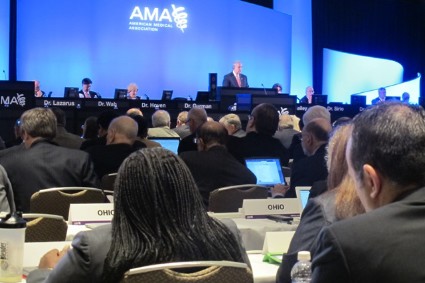
ACA exchange plans present reimbursement challenges
Physicians face a number of new hurdles in getting paid for the care they provide to patients covered by the Affordable Care Act’s health care marketplace plans.
Texas physicians are reporting difficulties in getting information on patients’ coverage from exchange plans, as well as a lack of understanding from patients about their coverage and financial responsibilities, according to Dr. Austin King, president of the Texas Medical Association and an otolaryngologist in Abilene.

Without this information, it is difficult to have a clear conversation about what patients will owe out of pocket, Dr. King said, adding that patients have a steep learning curve when it comes to the marketplace plans. "It’s a matter of educating patients as to what to expect from these policies."
Another looming problem: The 90-day "grace period" for plan members who have not paid their premiums. During the first 30 days of the grace period, plans must pay claims, but for the next 60 days, they can withhold payment, and if a policy is canceled because of nonpayment of premiums, plans are not required to pay physicians for claims.
Dr. King noted that in Texas, some plans are refusing to pay claims in that 60-day period. However, the single statewide carrier, a Blue Cross Blue Shield plan, is paying claims during the final 60 days of the grace period, but will seek to recoup payments made to physicians if coverage is canceled because of premium nonpayment.
The severity of this problem is not yet known, Dr. King said, but "it will be interesting to see how this impacts the bottom line," particularly for primary care doctors, who he expects to be more severely impacted than specialists.
Dr. King’s observations mirror the results of a recent survey by the Medical Group Management Association.
More than half (60%) of respondents to an April survey said that they believe that the ACA marketplaces will have a "very unfavorable" or "unfavorable" impact on their practices. Nearly 94% have seen patients with marketplace coverage.
Half of respondents said that payment rates offered by the marketplace plans are either "much lower" or "somewhat lower" than those offered by traditional commercial contracts. A little less than half (46%) said the rates are "much lower" or "somewhat lower" than other traditional products offered by the same payer.
The majority of respondents reported having a "somewhat more difficult" or "much more difficult" experience with marketplace plans in verifying patient eligibility (63%), obtaining cost-sharing information (62%), and obtaining provider network information to facilitate referrals (57%).
It is that difficulty in obtaining information that is driving the dissatisfaction in dealing with ACA marketplace plans, said Anders Gilberg, senior vice president of government affairs at MGMA. He added that practices are hiring staff just to deal with getting information from exchange plans.
The MGMA survey gleaned responses from 728 medical groups composed of more than 40,000 physicians nationwide.
Physicians face a number of new hurdles in getting paid for the care they provide to patients covered by the Affordable Care Act’s health care marketplace plans.
Texas physicians are reporting difficulties in getting information on patients’ coverage from exchange plans, as well as a lack of understanding from patients about their coverage and financial responsibilities, according to Dr. Austin King, president of the Texas Medical Association and an otolaryngologist in Abilene.
Without this information, it is difficult to have a clear conversation about what patients will owe out of pocket, Dr. King said, adding that patients have a steep learning curve when it comes to the marketplace plans. "It’s a matter of educating patients as to what to expect from these policies."
Another looming problem: The 90-day "grace period" for plan members who have not paid their premiums. During the first 30 days of the grace period, plans must pay claims, but for the next 60 days, they can withhold payment, and if a policy is canceled because of nonpayment of premiums, plans are not required to pay physicians for claims.
Dr. King noted that in Texas, some plans are refusing to pay claims in that 60-day period. However, the single statewide carrier, a Blue Cross Blue Shield plan, is paying claims during the final 60 days of the grace period, but will seek to recoup payments made to physicians if coverage is canceled because of premium nonpayment.
The severity of this problem is not yet known, Dr. King said, but "it will be interesting to see how this impacts the bottom line," particularly for primary care doctors, who he expects to be more severely impacted than specialists.
Dr. King’s observations mirror the results of a recent survey by the Medical Group Management Association.
More than half (60%) of respondents to an April survey said that they believe that the ACA marketplaces will have a "very unfavorable" or "unfavorable" impact on their practices. Nearly 94% have seen patients with marketplace coverage.
Half of respondents said that payment rates offered by the marketplace plans are either "much lower" or "somewhat lower" than those offered by traditional commercial contracts. A little less than half (46%) said the rates are "much lower" or "somewhat lower" than other traditional products offered by the same payer.
The majority of respondents reported having a "somewhat more difficult" or "much more difficult" experience with marketplace plans in verifying patient eligibility (63%), obtaining cost-sharing information (62%), and obtaining provider network information to facilitate referrals (57%).
It is that difficulty in obtaining information that is driving the dissatisfaction in dealing with ACA marketplace plans, said Anders Gilberg, senior vice president of government affairs at MGMA. He added that practices are hiring staff just to deal with getting information from exchange plans.
The MGMA survey gleaned responses from 728 medical groups composed of more than 40,000 physicians nationwide.
Physicians face a number of new hurdles in getting paid for the care they provide to patients covered by the Affordable Care Act’s health care marketplace plans.
Texas physicians are reporting difficulties in getting information on patients’ coverage from exchange plans, as well as a lack of understanding from patients about their coverage and financial responsibilities, according to Dr. Austin King, president of the Texas Medical Association and an otolaryngologist in Abilene.
Without this information, it is difficult to have a clear conversation about what patients will owe out of pocket, Dr. King said, adding that patients have a steep learning curve when it comes to the marketplace plans. "It’s a matter of educating patients as to what to expect from these policies."
Another looming problem: The 90-day "grace period" for plan members who have not paid their premiums. During the first 30 days of the grace period, plans must pay claims, but for the next 60 days, they can withhold payment, and if a policy is canceled because of nonpayment of premiums, plans are not required to pay physicians for claims.
Dr. King noted that in Texas, some plans are refusing to pay claims in that 60-day period. However, the single statewide carrier, a Blue Cross Blue Shield plan, is paying claims during the final 60 days of the grace period, but will seek to recoup payments made to physicians if coverage is canceled because of premium nonpayment.
The severity of this problem is not yet known, Dr. King said, but "it will be interesting to see how this impacts the bottom line," particularly for primary care doctors, who he expects to be more severely impacted than specialists.
Dr. King’s observations mirror the results of a recent survey by the Medical Group Management Association.
More than half (60%) of respondents to an April survey said that they believe that the ACA marketplaces will have a "very unfavorable" or "unfavorable" impact on their practices. Nearly 94% have seen patients with marketplace coverage.
Half of respondents said that payment rates offered by the marketplace plans are either "much lower" or "somewhat lower" than those offered by traditional commercial contracts. A little less than half (46%) said the rates are "much lower" or "somewhat lower" than other traditional products offered by the same payer.
The majority of respondents reported having a "somewhat more difficult" or "much more difficult" experience with marketplace plans in verifying patient eligibility (63%), obtaining cost-sharing information (62%), and obtaining provider network information to facilitate referrals (57%).
It is that difficulty in obtaining information that is driving the dissatisfaction in dealing with ACA marketplace plans, said Anders Gilberg, senior vice president of government affairs at MGMA. He added that practices are hiring staff just to deal with getting information from exchange plans.
The MGMA survey gleaned responses from 728 medical groups composed of more than 40,000 physicians nationwide.

Burwell confirmed as HHS secretary
Sylvia Mathews Burwell is the new secretary of the Department of Health & Human Services and the de facto face of the controversial Affordable Care Act.
On June 5, the Senate voted 78-17 to confirm Ms. Burwell to lead HHS. Her nomination garnered a good deal of bipartisan support, with several GOP senators praising her competence. However, several Republicans refused to vote for the West Virginia native because of their opposition to the ACA, including Senate Minority Leader Mitch McConnell (R-Ky.).
"By most accounts, Sylvia Burwell is a smart and skilled public servant. But her embrace of Obamacare calls her policy judgment into question," Sen. McConnell said on the floor of the Senate. "And when it comes to the task of implementing this ill-conceived and disastrous law, the president may as well have nominated Sisyphus. Because, as I indicated, Ms. Burwell is being asked to do the impossible here."
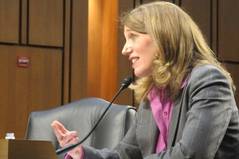
On April 11, President Obama nominated Ms. Burwell, then director of the Office of Management and Budget, to replace outgoing HHS Secretary Kathleen Sebelius whose 5-year tenure at HHS was marred by the rocky rollout of healthcare.gov.
During two Senate confirmation hearings, Ms. Burwell gave a glimpse of how she will approach the job at HHS.
When asked about her approach to employing the controversial Independent Payment Advisory Board, Ms. Burwell said she hopes that it will never be triggered because the government will keep health care costs under control.
In addressing the mishandled rollout of healthcare.gov, Ms. Burwell said learned that there needs to be a different approach to handling information technology procurement and delivery. She pledged to ensure there was "ownership and accountability" in the IT operations in the future.
She also promised GOP senators that she would share information with them.
Ms. Burwell, a Rhodes Scholar from Hinton, W.Va., previously served as president of the Walmart Foundation and as president of the global development program at the Bill & Melinda Gates Foundation. During the Clinton administration, she was deputy director of the Office of Management and Budget.
On Twitter @maryellenny
Sylvia Mathews Burwell is the new secretary of the Department of Health & Human Services and the de facto face of the controversial Affordable Care Act.
On June 5, the Senate voted 78-17 to confirm Ms. Burwell to lead HHS. Her nomination garnered a good deal of bipartisan support, with several GOP senators praising her competence. However, several Republicans refused to vote for the West Virginia native because of their opposition to the ACA, including Senate Minority Leader Mitch McConnell (R-Ky.).
"By most accounts, Sylvia Burwell is a smart and skilled public servant. But her embrace of Obamacare calls her policy judgment into question," Sen. McConnell said on the floor of the Senate. "And when it comes to the task of implementing this ill-conceived and disastrous law, the president may as well have nominated Sisyphus. Because, as I indicated, Ms. Burwell is being asked to do the impossible here."
On April 11, President Obama nominated Ms. Burwell, then director of the Office of Management and Budget, to replace outgoing HHS Secretary Kathleen Sebelius whose 5-year tenure at HHS was marred by the rocky rollout of healthcare.gov.
During two Senate confirmation hearings, Ms. Burwell gave a glimpse of how she will approach the job at HHS.
When asked about her approach to employing the controversial Independent Payment Advisory Board, Ms. Burwell said she hopes that it will never be triggered because the government will keep health care costs under control.
In addressing the mishandled rollout of healthcare.gov, Ms. Burwell said learned that there needs to be a different approach to handling information technology procurement and delivery. She pledged to ensure there was "ownership and accountability" in the IT operations in the future.
She also promised GOP senators that she would share information with them.
Ms. Burwell, a Rhodes Scholar from Hinton, W.Va., previously served as president of the Walmart Foundation and as president of the global development program at the Bill & Melinda Gates Foundation. During the Clinton administration, she was deputy director of the Office of Management and Budget.
On Twitter @maryellenny
Sylvia Mathews Burwell is the new secretary of the Department of Health & Human Services and the de facto face of the controversial Affordable Care Act.
On June 5, the Senate voted 78-17 to confirm Ms. Burwell to lead HHS. Her nomination garnered a good deal of bipartisan support, with several GOP senators praising her competence. However, several Republicans refused to vote for the West Virginia native because of their opposition to the ACA, including Senate Minority Leader Mitch McConnell (R-Ky.).
"By most accounts, Sylvia Burwell is a smart and skilled public servant. But her embrace of Obamacare calls her policy judgment into question," Sen. McConnell said on the floor of the Senate. "And when it comes to the task of implementing this ill-conceived and disastrous law, the president may as well have nominated Sisyphus. Because, as I indicated, Ms. Burwell is being asked to do the impossible here."
On April 11, President Obama nominated Ms. Burwell, then director of the Office of Management and Budget, to replace outgoing HHS Secretary Kathleen Sebelius whose 5-year tenure at HHS was marred by the rocky rollout of healthcare.gov.
During two Senate confirmation hearings, Ms. Burwell gave a glimpse of how she will approach the job at HHS.
When asked about her approach to employing the controversial Independent Payment Advisory Board, Ms. Burwell said she hopes that it will never be triggered because the government will keep health care costs under control.
In addressing the mishandled rollout of healthcare.gov, Ms. Burwell said learned that there needs to be a different approach to handling information technology procurement and delivery. She pledged to ensure there was "ownership and accountability" in the IT operations in the future.
She also promised GOP senators that she would share information with them.
Ms. Burwell, a Rhodes Scholar from Hinton, W.Va., previously served as president of the Walmart Foundation and as president of the global development program at the Bill & Melinda Gates Foundation. During the Clinton administration, she was deputy director of the Office of Management and Budget.
On Twitter @maryellenny
ICD-10 delay: Proceed with caution, experts advise
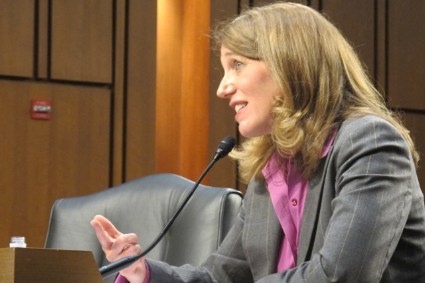
When it comes to ICD-10 readiness, invest in low-cost, high-impact steps that will benefit the October 2015 switch to new code set, but will also improve the general health of the medical practice.
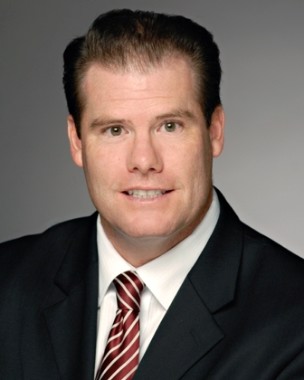
Now that implementation of ICD-10 has been delayed a full year, "I’d avoid spending too much money at this stage," said Robert Tennant, senior policy advisor at the Medical Group Management Association (MGMA).
Practical steps include checking claims already paid under ICD-9 to see whether the documentation was sufficient to assign an ICD-10 code. In the case of a sprained wrist, for example, make sure the documentation includes whether the injury was to the left or right wrist, Mr. Tennant said.
Consider dual coding – coding the same claims in both ICD-9 and ICD-10 – for some most commonly used codes, Mr. Tennant advised. If you "go through the clinical documentation improvement exercises, you will produce a better quality medical record and that can help the practice in a number of ways even if ICD-10 never goes forward."
Other low-cost, high-impact steps include reaching out to clearinghouses to request reports on the practice’s top diagnosis codes, the top pended or rejected claims, and the most frequently used unspecified codes.
"That should really focus the practice in on those claims that are the most problematic," he said.
One tough decision is when to upgrade software. Upgrade too early and the practice could lose money if there’s another delay. Wait too long and the practice risks being unprepared for the compliance date, Mr. Tennant said.
He advised finding out when the vendor will be ready with upgrades and how long it will take them to install the software and provide training. Use that to build an implementation timeline.
"It’s such a tightrope that practices have to walk," Mr. Tennant said.
Dallas-based pediatrician Joseph Schneider has been helping physicians prepare for ICD-10 in his role as chair of the Texas Medical Association’s Practice Management Services Council. The association’s official policy is that the move to ICD-10 should be scrapped, but the group is urging physicians and hospitals to prepare anyway.
Dr. Schneider said smaller practices should check in with payers, vendors, and clearinghouses now, but save significant investments and training for next year.
"If you’re in a small physician practice, probably doing not very much between now and December might be a pretty good strategy," he said. "From January forward, you have to start your engines and get everything ready."
But larger practices and health systems don’t have the luxury of waiting, he said.

Dr. George Abraham, who is part of a six-physician practice in Worcester, Mass., was ready for ICD-10 to take effect this year. His practice spent more than $25,000 preparing for the scheduled switch and had done some initial testing of systems when the delay was announced.
Now the practice faces an additional expenditure on upgrades and refresher courses for coders and physicians.
"After everything, poof, it’s gone in a puff of smoke because everything came to a standstill when ICD-10 got suspended for a year," said Dr. Abraham, governor of the Massachusetts chapter of the American College of Physicians. "It will be déjà vu all over again come summer of next year. We’ll be doing the same thing in preparation for ICD-10 being rolled out in October 2015."
Most health plans won’t begin end-to-end testing of claims until next year, Dr. Abraham said, and that’s worrisome because it may not provide enough time to work out potential glitches.
"A delay in claims being processed is our biggest anxiety," he said. "A delay in payments will lead to a severe cash flow crunch."
Waiting on the CMS for ICD-10 details
Few details have emerged from the Centers for Medicare & Medicaid Services since Congress delayed the implementation of the ICD-10 coding system earlier this year.
As part of Protecting Access to Medicare Act of 2014 (H.R. 4302), Congress delayed implementation of ICD-10 for at least a year. In May, CMS officials announced that the new compliance date would be Oct. 1, 2015, and that physicians and hospitals must continue to use ICD-9 through Sept. 30, 2015.
The agency said it would release an interim final rule in the "near future" with additional details about the compliance date.
Since then, the CMS canceled the end-to-end system testing that had been scheduled for July. The testing will be held sometime in 2015 instead, according to the agency.
But the CMS did report on results of acknowledgement testing conducted with Medicare fee-for-service contractors in March. During the test, providers, suppliers, billing companies, and clearinghouses sent more than 127,000 claims with ICD-10 codes to the Medicare fee-for-service claims system. They received an electronic acknowledgement if their claims were accepted. The exercise did not test whether the claims test had sufficient documentation to be paid by Medicare.
Overall, the CMS accepted 89% of the test claims, below the normal average Medicare claims acceptance rates of 95% to 98%.
Negative testing – the purposeful submission of error-filled claims to force a rejection – could be one reason for the lower acceptance rate, according to Niall Brennan, acting director of the CMS Offices of Enterprise Management.
While physicians and other providers can submit claims for acknowledgement testing anytime up to the implementation date, Mr. Brennan recommended waiting until after Oct. 6, 2014, when Medicare updates its systems.
Physicians should contact their local Medicare Administrative Contractor for information on acknowledgement testing, according to the CMS.
On Twitter @maryellenny
When it comes to ICD-10 readiness, invest in low-cost, high-impact steps that will benefit the October 2015 switch to new code set, but will also improve the general health of the medical practice.
Now that implementation of ICD-10 has been delayed a full year, "I’d avoid spending too much money at this stage," said Robert Tennant, senior policy advisor at the Medical Group Management Association (MGMA).
Practical steps include checking claims already paid under ICD-9 to see whether the documentation was sufficient to assign an ICD-10 code. In the case of a sprained wrist, for example, make sure the documentation includes whether the injury was to the left or right wrist, Mr. Tennant said.
Consider dual coding – coding the same claims in both ICD-9 and ICD-10 – for some most commonly used codes, Mr. Tennant advised. If you "go through the clinical documentation improvement exercises, you will produce a better quality medical record and that can help the practice in a number of ways even if ICD-10 never goes forward."
Other low-cost, high-impact steps include reaching out to clearinghouses to request reports on the practice’s top diagnosis codes, the top pended or rejected claims, and the most frequently used unspecified codes.
"That should really focus the practice in on those claims that are the most problematic," he said.
One tough decision is when to upgrade software. Upgrade too early and the practice could lose money if there’s another delay. Wait too long and the practice risks being unprepared for the compliance date, Mr. Tennant said.
He advised finding out when the vendor will be ready with upgrades and how long it will take them to install the software and provide training. Use that to build an implementation timeline.
"It’s such a tightrope that practices have to walk," Mr. Tennant said.
Dallas-based pediatrician Joseph Schneider has been helping physicians prepare for ICD-10 in his role as chair of the Texas Medical Association’s Practice Management Services Council. The association’s official policy is that the move to ICD-10 should be scrapped, but the group is urging physicians and hospitals to prepare anyway.
Dr. Schneider said smaller practices should check in with payers, vendors, and clearinghouses now, but save significant investments and training for next year.
"If you’re in a small physician practice, probably doing not very much between now and December might be a pretty good strategy," he said. "From January forward, you have to start your engines and get everything ready."
But larger practices and health systems don’t have the luxury of waiting, he said.
Dr. George Abraham, who is part of a six-physician practice in Worcester, Mass., was ready for ICD-10 to take effect this year. His practice spent more than $25,000 preparing for the scheduled switch and had done some initial testing of systems when the delay was announced.
Now the practice faces an additional expenditure on upgrades and refresher courses for coders and physicians.
"After everything, poof, it’s gone in a puff of smoke because everything came to a standstill when ICD-10 got suspended for a year," said Dr. Abraham, governor of the Massachusetts chapter of the American College of Physicians. "It will be déjà vu all over again come summer of next year. We’ll be doing the same thing in preparation for ICD-10 being rolled out in October 2015."
Most health plans won’t begin end-to-end testing of claims until next year, Dr. Abraham said, and that’s worrisome because it may not provide enough time to work out potential glitches.
"A delay in claims being processed is our biggest anxiety," he said. "A delay in payments will lead to a severe cash flow crunch."
Waiting on the CMS for ICD-10 details
Few details have emerged from the Centers for Medicare & Medicaid Services since Congress delayed the implementation of the ICD-10 coding system earlier this year.
As part of Protecting Access to Medicare Act of 2014 (H.R. 4302), Congress delayed implementation of ICD-10 for at least a year. In May, CMS officials announced that the new compliance date would be Oct. 1, 2015, and that physicians and hospitals must continue to use ICD-9 through Sept. 30, 2015.
The agency said it would release an interim final rule in the "near future" with additional details about the compliance date.
Since then, the CMS canceled the end-to-end system testing that had been scheduled for July. The testing will be held sometime in 2015 instead, according to the agency.
But the CMS did report on results of acknowledgement testing conducted with Medicare fee-for-service contractors in March. During the test, providers, suppliers, billing companies, and clearinghouses sent more than 127,000 claims with ICD-10 codes to the Medicare fee-for-service claims system. They received an electronic acknowledgement if their claims were accepted. The exercise did not test whether the claims test had sufficient documentation to be paid by Medicare.
Overall, the CMS accepted 89% of the test claims, below the normal average Medicare claims acceptance rates of 95% to 98%.
Negative testing – the purposeful submission of error-filled claims to force a rejection – could be one reason for the lower acceptance rate, according to Niall Brennan, acting director of the CMS Offices of Enterprise Management.
While physicians and other providers can submit claims for acknowledgement testing anytime up to the implementation date, Mr. Brennan recommended waiting until after Oct. 6, 2014, when Medicare updates its systems.
Physicians should contact their local Medicare Administrative Contractor for information on acknowledgement testing, according to the CMS.
On Twitter @maryellenny
When it comes to ICD-10 readiness, invest in low-cost, high-impact steps that will benefit the October 2015 switch to new code set, but will also improve the general health of the medical practice.
Now that implementation of ICD-10 has been delayed a full year, "I’d avoid spending too much money at this stage," said Robert Tennant, senior policy advisor at the Medical Group Management Association (MGMA).
Practical steps include checking claims already paid under ICD-9 to see whether the documentation was sufficient to assign an ICD-10 code. In the case of a sprained wrist, for example, make sure the documentation includes whether the injury was to the left or right wrist, Mr. Tennant said.
Consider dual coding – coding the same claims in both ICD-9 and ICD-10 – for some most commonly used codes, Mr. Tennant advised. If you "go through the clinical documentation improvement exercises, you will produce a better quality medical record and that can help the practice in a number of ways even if ICD-10 never goes forward."
Other low-cost, high-impact steps include reaching out to clearinghouses to request reports on the practice’s top diagnosis codes, the top pended or rejected claims, and the most frequently used unspecified codes.
"That should really focus the practice in on those claims that are the most problematic," he said.
One tough decision is when to upgrade software. Upgrade too early and the practice could lose money if there’s another delay. Wait too long and the practice risks being unprepared for the compliance date, Mr. Tennant said.
He advised finding out when the vendor will be ready with upgrades and how long it will take them to install the software and provide training. Use that to build an implementation timeline.
"It’s such a tightrope that practices have to walk," Mr. Tennant said.
Dallas-based pediatrician Joseph Schneider has been helping physicians prepare for ICD-10 in his role as chair of the Texas Medical Association’s Practice Management Services Council. The association’s official policy is that the move to ICD-10 should be scrapped, but the group is urging physicians and hospitals to prepare anyway.
Dr. Schneider said smaller practices should check in with payers, vendors, and clearinghouses now, but save significant investments and training for next year.
"If you’re in a small physician practice, probably doing not very much between now and December might be a pretty good strategy," he said. "From January forward, you have to start your engines and get everything ready."
But larger practices and health systems don’t have the luxury of waiting, he said.
Dr. George Abraham, who is part of a six-physician practice in Worcester, Mass., was ready for ICD-10 to take effect this year. His practice spent more than $25,000 preparing for the scheduled switch and had done some initial testing of systems when the delay was announced.
Now the practice faces an additional expenditure on upgrades and refresher courses for coders and physicians.
"After everything, poof, it’s gone in a puff of smoke because everything came to a standstill when ICD-10 got suspended for a year," said Dr. Abraham, governor of the Massachusetts chapter of the American College of Physicians. "It will be déjà vu all over again come summer of next year. We’ll be doing the same thing in preparation for ICD-10 being rolled out in October 2015."
Most health plans won’t begin end-to-end testing of claims until next year, Dr. Abraham said, and that’s worrisome because it may not provide enough time to work out potential glitches.
"A delay in claims being processed is our biggest anxiety," he said. "A delay in payments will lead to a severe cash flow crunch."
Waiting on the CMS for ICD-10 details
Few details have emerged from the Centers for Medicare & Medicaid Services since Congress delayed the implementation of the ICD-10 coding system earlier this year.
As part of Protecting Access to Medicare Act of 2014 (H.R. 4302), Congress delayed implementation of ICD-10 for at least a year. In May, CMS officials announced that the new compliance date would be Oct. 1, 2015, and that physicians and hospitals must continue to use ICD-9 through Sept. 30, 2015.
The agency said it would release an interim final rule in the "near future" with additional details about the compliance date.
Since then, the CMS canceled the end-to-end system testing that had been scheduled for July. The testing will be held sometime in 2015 instead, according to the agency.
But the CMS did report on results of acknowledgement testing conducted with Medicare fee-for-service contractors in March. During the test, providers, suppliers, billing companies, and clearinghouses sent more than 127,000 claims with ICD-10 codes to the Medicare fee-for-service claims system. They received an electronic acknowledgement if their claims were accepted. The exercise did not test whether the claims test had sufficient documentation to be paid by Medicare.
Overall, the CMS accepted 89% of the test claims, below the normal average Medicare claims acceptance rates of 95% to 98%.
Negative testing – the purposeful submission of error-filled claims to force a rejection – could be one reason for the lower acceptance rate, according to Niall Brennan, acting director of the CMS Offices of Enterprise Management.
While physicians and other providers can submit claims for acknowledgement testing anytime up to the implementation date, Mr. Brennan recommended waiting until after Oct. 6, 2014, when Medicare updates its systems.
Physicians should contact their local Medicare Administrative Contractor for information on acknowledgement testing, according to the CMS.
On Twitter @maryellenny
Nearly 30 million uninsured Americans to gain health coverage by 2016
Fifty-six percent of uninsured patients in the United States are now eligible for financial assistance with insurance coverage through Medicaid, the Children\'s Health Insurance Program, or subsidized private coverage under the Affordable Care Act, according to a report from the Robert Wood Johnson Foundation and the Urban Institute.
The analysis estimates the ACA ultimately will lead to more than 27 million previously uninsured patients gaining health insurance coverage by 2016.
In states that have expanded Medicaid eligibility under the ACA, 68% of the uninsured have become eligible for assistance, compared with 44% of newly eligible patients in states that have not expanded Medicaid.
Significant state variation remains in the number of uninsured newly eligible for financial assistance. West Virginia tops the list with a high of 83% of the formerly uninsured now covered, while Texas has the lowest number of newly insured at 40%.
"Financial assistance is a big factor in whether or not an individual obtains health insurance under the Affordable Care Act," said Katherine Hempstead, Robert Wood Johnson Foundation team director and senior program officer. "Early data suggest that the [uninsured] rate in states that expanded Medicaid has dropped more sharply than in states that decided against the expansion."
Fifty-six percent of uninsured patients in the United States are now eligible for financial assistance with insurance coverage through Medicaid, the Children\'s Health Insurance Program, or subsidized private coverage under the Affordable Care Act, according to a report from the Robert Wood Johnson Foundation and the Urban Institute.
The analysis estimates the ACA ultimately will lead to more than 27 million previously uninsured patients gaining health insurance coverage by 2016.
In states that have expanded Medicaid eligibility under the ACA, 68% of the uninsured have become eligible for assistance, compared with 44% of newly eligible patients in states that have not expanded Medicaid.
Significant state variation remains in the number of uninsured newly eligible for financial assistance. West Virginia tops the list with a high of 83% of the formerly uninsured now covered, while Texas has the lowest number of newly insured at 40%.
"Financial assistance is a big factor in whether or not an individual obtains health insurance under the Affordable Care Act," said Katherine Hempstead, Robert Wood Johnson Foundation team director and senior program officer. "Early data suggest that the [uninsured] rate in states that expanded Medicaid has dropped more sharply than in states that decided against the expansion."
Fifty-six percent of uninsured patients in the United States are now eligible for financial assistance with insurance coverage through Medicaid, the Children\'s Health Insurance Program, or subsidized private coverage under the Affordable Care Act, according to a report from the Robert Wood Johnson Foundation and the Urban Institute.
The analysis estimates the ACA ultimately will lead to more than 27 million previously uninsured patients gaining health insurance coverage by 2016.
In states that have expanded Medicaid eligibility under the ACA, 68% of the uninsured have become eligible for assistance, compared with 44% of newly eligible patients in states that have not expanded Medicaid.
Significant state variation remains in the number of uninsured newly eligible for financial assistance. West Virginia tops the list with a high of 83% of the formerly uninsured now covered, while Texas has the lowest number of newly insured at 40%.
"Financial assistance is a big factor in whether or not an individual obtains health insurance under the Affordable Care Act," said Katherine Hempstead, Robert Wood Johnson Foundation team director and senior program officer. "Early data suggest that the [uninsured] rate in states that expanded Medicaid has dropped more sharply than in states that decided against the expansion."
Emergency docs worry about low pay under the ACA
Emergency departments are bracing for lower expected payments for the delivery of heath services as a result of the Affordable Care Act, according to a recent survey by the American College of Emergency Physicians.
Just over half (51%) of 1,845 current ACEP members who responded to the survey predicted that payments for emergency care will be reduced as a result of the health care reform bill, 19% expected it to remain the same, 13% forecasted an increase. And 17% were unsure.
The nature of the plans for sale in the ACA’s health care marketplaces is a key factor in the expected decline of payments to hospitals. Dr. Alexander M. Rosenau, ACEP president, noted that bronze-level plans, aimed at people with lower incomes typically come with high deductibles. Those deductibles could reach as high as $6,000, which could make it "difficult for people to actually pay these bills," he said.
The specter of lower payments comes as emergency physicians expect volume to increase. According to the survey, 45% of respondents look for volume to increase either slightly, while 41% expect it to increase greatly.
The expansion of Medicaid under the ACA also could contribute to the expected decline of payments to hospitals, Dr. Rosenau said.
Lower payments to hospitals could lead to additional issues, survey respondents noted. Almost half (42%) expressed concern that their ED would become financially unsustainable if balance billing were disallowed, while 37% forecast longer wait times for patients and 30% said they expected access to care to decline.
Marketing General Inc. conducted the survey on behalf of ACEP.
Emergency departments are bracing for lower expected payments for the delivery of heath services as a result of the Affordable Care Act, according to a recent survey by the American College of Emergency Physicians.
Just over half (51%) of 1,845 current ACEP members who responded to the survey predicted that payments for emergency care will be reduced as a result of the health care reform bill, 19% expected it to remain the same, 13% forecasted an increase. And 17% were unsure.
The nature of the plans for sale in the ACA’s health care marketplaces is a key factor in the expected decline of payments to hospitals. Dr. Alexander M. Rosenau, ACEP president, noted that bronze-level plans, aimed at people with lower incomes typically come with high deductibles. Those deductibles could reach as high as $6,000, which could make it "difficult for people to actually pay these bills," he said.
The specter of lower payments comes as emergency physicians expect volume to increase. According to the survey, 45% of respondents look for volume to increase either slightly, while 41% expect it to increase greatly.
The expansion of Medicaid under the ACA also could contribute to the expected decline of payments to hospitals, Dr. Rosenau said.
Lower payments to hospitals could lead to additional issues, survey respondents noted. Almost half (42%) expressed concern that their ED would become financially unsustainable if balance billing were disallowed, while 37% forecast longer wait times for patients and 30% said they expected access to care to decline.
Marketing General Inc. conducted the survey on behalf of ACEP.
Emergency departments are bracing for lower expected payments for the delivery of heath services as a result of the Affordable Care Act, according to a recent survey by the American College of Emergency Physicians.
Just over half (51%) of 1,845 current ACEP members who responded to the survey predicted that payments for emergency care will be reduced as a result of the health care reform bill, 19% expected it to remain the same, 13% forecasted an increase. And 17% were unsure.
The nature of the plans for sale in the ACA’s health care marketplaces is a key factor in the expected decline of payments to hospitals. Dr. Alexander M. Rosenau, ACEP president, noted that bronze-level plans, aimed at people with lower incomes typically come with high deductibles. Those deductibles could reach as high as $6,000, which could make it "difficult for people to actually pay these bills," he said.
The specter of lower payments comes as emergency physicians expect volume to increase. According to the survey, 45% of respondents look for volume to increase either slightly, while 41% expect it to increase greatly.
The expansion of Medicaid under the ACA also could contribute to the expected decline of payments to hospitals, Dr. Rosenau said.
Lower payments to hospitals could lead to additional issues, survey respondents noted. Almost half (42%) expressed concern that their ED would become financially unsustainable if balance billing were disallowed, while 37% forecast longer wait times for patients and 30% said they expected access to care to decline.
Marketing General Inc. conducted the survey on behalf of ACEP.
Doctors' political giving starts to shift from Republicans
A gradual shift in physicians’ contributions from Republican candidates and organizations – and to their Democratic counterparts – has accompanied the increasing numbers of female physicians and physician employees in the workforce, Adam Bonica, Ph.D., and his colleagues reported June 2 in JAMA Internal Medicine.
The researchers used publicly available data from the Federal Elections Commission and the Database on Ideology, Money in Politics, and Elections for the 1992 and 2012 election cycles. Doctors were identified using the National Provider Identified public use file from the National Plan and Provider Enumeration System and the Unique Physician Identifier Number database (JAMA Intern. Med. [doi:10.1001/jamainternmed.2014.2105]).

A total of 140,423 physicians contributed at least $200 to a candidate or organization (including super political action committees) during at least one election cycle in that time, Dr. Bonica of Stanford (Calif.) University and his colleagues reported.
In the 1992 election cycle (spanning 1991 and 1992), 2.6% of physicians made $20 million in political contributions; by the 2012 cycle, 9.4% of physicians donated $189 million. The authors calculated the percentage of total contributions that went to Republican candidates or organizations during those 2 decades.
During the entire study period, an average 57% of male physicians and 31% of female physicians contributed to Republicans; however, the overall percentage of physician contributions to Republicans began decreasing in 1996. In both the 2008 and 2012 election cycles, less than half of political contributions from physicians went to Republicans.
The gender gap in contributions also increased over time. In the 2012 election cycles, twice as many men (52%) as women (24%) donated to Republicans. The gap was similar between doctors practicing at for-profit (53%) versus nonprofit (26%) organizations.
The biggest contrast in contributions was by specialty and also showed increased polarization during the study period. Although 66% of surgeons and 33% of pediatricians contributed to Republicans in the 1992 election cycle, that gulf widened to include 70% of surgeons and 22% of pediatricians in 2012.
Much of this gap appeared to be explained by average earnings by specialty: As average earnings by each specialty increased, the percentage of physicians in that specialty contributing to Republicans also increased.
The authors reported no conflicts of interest.
Dr. Bonica and colleagues are careful not to extrapolate much beyond their findings. Their data show a recent shift toward the Democrats in the traditional physician support of Republicans, and they believe that this shift is likely to continue. However, these data may not be representative of the rank and file of physicians.
Predictions of how physicians will behave in the future are at best uncertain. We simply do not know how most physicians will react to the problems that will probably emerge as the Affordable Care Act plays out.
Physicians have the unique power to reshape the medical care system. But if they never unite to press for major reform, the future of health care in the United States will indeed be bleak. We will end up with either a system controlled by blind market forces or a system entangled in complicated and intrusive government regulations. In either case it would be impossible to practice good patient-centered medicine, and the quality and effectiveness of our health care system would sink even lower among the ranks of developed countries. It is up to the medical profession to see that this does not happen.
Dr. Arnold S. Relman is retired from the department of medicine at Brigham and Women’s Hospital in Boston. His comments were adapted from an editorial (doi:10.1001/jamainternmed.2014.509) accompanying Dr. Bonica’s study. He reported no conflicts of interest.
Dr. Bonica and colleagues are careful not to extrapolate much beyond their findings. Their data show a recent shift toward the Democrats in the traditional physician support of Republicans, and they believe that this shift is likely to continue. However, these data may not be representative of the rank and file of physicians.
Predictions of how physicians will behave in the future are at best uncertain. We simply do not know how most physicians will react to the problems that will probably emerge as the Affordable Care Act plays out.
Physicians have the unique power to reshape the medical care system. But if they never unite to press for major reform, the future of health care in the United States will indeed be bleak. We will end up with either a system controlled by blind market forces or a system entangled in complicated and intrusive government regulations. In either case it would be impossible to practice good patient-centered medicine, and the quality and effectiveness of our health care system would sink even lower among the ranks of developed countries. It is up to the medical profession to see that this does not happen.
Dr. Arnold S. Relman is retired from the department of medicine at Brigham and Women’s Hospital in Boston. His comments were adapted from an editorial (doi:10.1001/jamainternmed.2014.509) accompanying Dr. Bonica’s study. He reported no conflicts of interest.
Dr. Bonica and colleagues are careful not to extrapolate much beyond their findings. Their data show a recent shift toward the Democrats in the traditional physician support of Republicans, and they believe that this shift is likely to continue. However, these data may not be representative of the rank and file of physicians.
Predictions of how physicians will behave in the future are at best uncertain. We simply do not know how most physicians will react to the problems that will probably emerge as the Affordable Care Act plays out.
Physicians have the unique power to reshape the medical care system. But if they never unite to press for major reform, the future of health care in the United States will indeed be bleak. We will end up with either a system controlled by blind market forces or a system entangled in complicated and intrusive government regulations. In either case it would be impossible to practice good patient-centered medicine, and the quality and effectiveness of our health care system would sink even lower among the ranks of developed countries. It is up to the medical profession to see that this does not happen.
Dr. Arnold S. Relman is retired from the department of medicine at Brigham and Women’s Hospital in Boston. His comments were adapted from an editorial (doi:10.1001/jamainternmed.2014.509) accompanying Dr. Bonica’s study. He reported no conflicts of interest.
A gradual shift in physicians’ contributions from Republican candidates and organizations – and to their Democratic counterparts – has accompanied the increasing numbers of female physicians and physician employees in the workforce, Adam Bonica, Ph.D., and his colleagues reported June 2 in JAMA Internal Medicine.
The researchers used publicly available data from the Federal Elections Commission and the Database on Ideology, Money in Politics, and Elections for the 1992 and 2012 election cycles. Doctors were identified using the National Provider Identified public use file from the National Plan and Provider Enumeration System and the Unique Physician Identifier Number database (JAMA Intern. Med. [doi:10.1001/jamainternmed.2014.2105]).
A total of 140,423 physicians contributed at least $200 to a candidate or organization (including super political action committees) during at least one election cycle in that time, Dr. Bonica of Stanford (Calif.) University and his colleagues reported.
In the 1992 election cycle (spanning 1991 and 1992), 2.6% of physicians made $20 million in political contributions; by the 2012 cycle, 9.4% of physicians donated $189 million. The authors calculated the percentage of total contributions that went to Republican candidates or organizations during those 2 decades.
During the entire study period, an average 57% of male physicians and 31% of female physicians contributed to Republicans; however, the overall percentage of physician contributions to Republicans began decreasing in 1996. In both the 2008 and 2012 election cycles, less than half of political contributions from physicians went to Republicans.
The gender gap in contributions also increased over time. In the 2012 election cycles, twice as many men (52%) as women (24%) donated to Republicans. The gap was similar between doctors practicing at for-profit (53%) versus nonprofit (26%) organizations.
The biggest contrast in contributions was by specialty and also showed increased polarization during the study period. Although 66% of surgeons and 33% of pediatricians contributed to Republicans in the 1992 election cycle, that gulf widened to include 70% of surgeons and 22% of pediatricians in 2012.
Much of this gap appeared to be explained by average earnings by specialty: As average earnings by each specialty increased, the percentage of physicians in that specialty contributing to Republicans also increased.
The authors reported no conflicts of interest.
A gradual shift in physicians’ contributions from Republican candidates and organizations – and to their Democratic counterparts – has accompanied the increasing numbers of female physicians and physician employees in the workforce, Adam Bonica, Ph.D., and his colleagues reported June 2 in JAMA Internal Medicine.
The researchers used publicly available data from the Federal Elections Commission and the Database on Ideology, Money in Politics, and Elections for the 1992 and 2012 election cycles. Doctors were identified using the National Provider Identified public use file from the National Plan and Provider Enumeration System and the Unique Physician Identifier Number database (JAMA Intern. Med. [doi:10.1001/jamainternmed.2014.2105]).
A total of 140,423 physicians contributed at least $200 to a candidate or organization (including super political action committees) during at least one election cycle in that time, Dr. Bonica of Stanford (Calif.) University and his colleagues reported.
In the 1992 election cycle (spanning 1991 and 1992), 2.6% of physicians made $20 million in political contributions; by the 2012 cycle, 9.4% of physicians donated $189 million. The authors calculated the percentage of total contributions that went to Republican candidates or organizations during those 2 decades.
During the entire study period, an average 57% of male physicians and 31% of female physicians contributed to Republicans; however, the overall percentage of physician contributions to Republicans began decreasing in 1996. In both the 2008 and 2012 election cycles, less than half of political contributions from physicians went to Republicans.
The gender gap in contributions also increased over time. In the 2012 election cycles, twice as many men (52%) as women (24%) donated to Republicans. The gap was similar between doctors practicing at for-profit (53%) versus nonprofit (26%) organizations.
The biggest contrast in contributions was by specialty and also showed increased polarization during the study period. Although 66% of surgeons and 33% of pediatricians contributed to Republicans in the 1992 election cycle, that gulf widened to include 70% of surgeons and 22% of pediatricians in 2012.
Much of this gap appeared to be explained by average earnings by specialty: As average earnings by each specialty increased, the percentage of physicians in that specialty contributing to Republicans also increased.
The authors reported no conflicts of interest.
FROM JAMA INTERNAL MEDICINE
Key clinical point: Physicians’ political preferences have changed as the profession’s demographics have changed.
Major finding: In both the 2008 and 2012 election cycles, less than half of political contributions from physicians went to Republicans.
Data source: The Federal Elections Commission and the Database on Ideology, Money in Politics, and Elections.
Disclosures: The authors reported no conflicts of interest.

Why Hospitalists Should Heed Choosing Wisely Recommendations

By now, most hospitalists are at least familiar with the Choosing Wisely campaign, which has been widely published and embraced by numerous medical societies, including the Society of Hospital Medicine.1 This campaign was conceived in 2009 by the National Physicians Alliance, which developed simple lists for three primary care specialties—internal medicine, pediatrics, and family medicine—to help them become more effective in utilizing specific resources.
The effort was first published in the Archives of Internal Medicine in 2011 by the “Good Stewardship Working Group,” which outlined the five most overutilized types of care by the three groups, including items such as routinely ordering complete blood counts or electrocardiograms, prescribing brand name versus generic statin drugs, and prescribing antibiotics for pediatric pharyngitis. From this small list alone, they found incredible variability among primary care practices, with utilization of these services ranging from 1% to 56% and resulting in an estimated annual cost of $6.8 billion. Although this first pilot found simple reductions in utilization can have a powerful impact on cost, the group estimated that this overutilization in primary care is only a very small fraction of overutilization cost in the U.S. As such, they called upon other specialties outside of primary care to identify their own sets of targets to reduce unnecessary utilization of low-value services.
Many specialty groups heeded this call to action, which resulted in the Choosing Wisely campaign, launched in April 2012. In just two short years, this simple effort has expanded to published recommendations about resource use in more than 60 specialty societies.2 Like the original primary care list, most recommendations have focused on overutilization of diagnostic testing (imaging, cardiac testing, labs, pathology) and medication use. Later this year, the campaign will expand to include non-physician provider organizations, including the American Dental Association, the American Physical Therapy Association, and the American Academy of Nursing.
The Next Phase
The program has evolved from asking specialty groups to develop consensus and abide by their lists to targeting patients and their families so that they can understand and abide by those same lists. In fact, one of the major aims of the campaign is empowering patients to insist on care that is evidence based, necessary, not duplicative, and more beneficial than harmful. To do this, Consumer Reports has partnered up with the Choosing Wisely campaign to develop patient-friendly educational materials and with multiple consumer groups to help these materials reach their target audience. Major funding for the project has been provided by the American Board of Internal Medicine (ABIM) Foundation and the Robert Wood Johnson Foundation (RWJF). So far, they have awarded 21 projects.
These grants have been awarded to medical societies (see “SHM Choosing Wisely Case Study Competition,” p. 4), regional health organizations, and consumer advocate groups. Many of the tactics will include educational campaigns to teach practitioners about the content of the recommendations, programs aimed to enhance physician communication skills geared toward practicing physicians, other educational campaigns geared toward patients and families, and the establishment of a learning network to assist practices in quickly and effectively learning from one another how to implement the various recommendations.3
The three major assets of the Choosing Wisely campaign are:
- It attacks a core issue within the medical industry: Healthcare costs are higher here than in any other industrialized nation in the world, without clear evidence of higher quality to justify that cost;
- The lists are created by those who are responsible for most of the spending; and
- The campaign is spending resources to get information to the patients and their families so that there will be bilateral exchange and acceptance of the recommendations.
Without widespread patient education, overutilization will likely continue; a recent survey sponsored by the Choosing Wisely campaign found about half of physicians admitted they would order a test they know is unnecessary if the patient is insistent.4
Variable Outcomes
While there are many reasons to celebrate the success of the campaign, there is some concern that the Choosing Wisely campaign may have unintended consequences. Although a major driver in the success of the program is the fact that the lists have been created and endorsed by physician societies, a sort of “self-governance,” with no influence or impact from payers, critics of the program note the variability that each list has on the actual practice or revenue of the physician groups enacting the lists.
For example, a recent New England Journal of Medicine (NEJM) essay notes that the list produced by the American Academy of Orthopedic Surgeons does not include procedures that are high volume and variably valuable (such as knee arthoplasty) but does include over-the-counter medication use and low-volume procedures (such as needle lavage for knee osteoarthritis).5 Some societies list specialty services that need to be curbed but neglect to mention their own.
And, although the campaign specifically states on its website that the “recommendations should not be used to establish coverage decisions or exclusions,” some are legitimately concerned that these Choosing Wisely lists might very well be used by payers and/or quality reporting bodies to determine payments. This is undeniably tempting: How can practitioners argue against public display and reimbursement schemes being tightly tethered to their performance on metrics that they themselves have deemed unnecessary? As the NEJM editorial summarizes, these efforts should be embraced as long as there is thoughtful discussion about inclusion criteria, exclusion criteria, and measurement beforehand.5
In Sum
Despite concerns, the impact of the Choosing Wisely campaign has been widespread and impressive. The full extent to which this will have an impact on utilization and healthcare cost remains to be seen, but this yeoman’s attempt to reduce waste by providers is long overdue. Whether the program will be used for unintended purposes, such as public reporting, financial penalties, or incentives for performance, is still unknown, but physician groups should be paying close attention to the lists that we can impact, and we should pledge to be good stewards of the finite healthcare resources available to our patients.
Dr. Scheurer is a hospitalist and chief quality officer at the Medical University of South Carolina in Charleston. She is physician editor of The Hospitalist. Email her at [email protected].
References
- Choosing Wisely Campaign. Available at: http://www.choosingwisely.org. Accessed May 11, 2014.
- Choosing Wisely Consumer Partners. Available at: http://www.choosingwisely.org/partners. Access May 11, 2014.
- Choosing Wisely Grantees. Available at: http://www.choosingwisely.org/grantees. Accessed May 11, 2014.
- Choosing Wisely & Consumer Reports. Available at: http://consumerhealthchoices.org/wp-content/uploads/2014/03/ChoosingWiselyAndConsumerHealthChoices.pdf. Accessed May 11, 2014.
- Morden ME, Colla CH, Sequist TD, Rosenthal MB. Choosing Wisely—the politics and economics of labeling low-value services. Available at: http://www.nejm.org/doi/full/10.1056/NEJMp1314965. Accessed May 11, 2014.
By now, most hospitalists are at least familiar with the Choosing Wisely campaign, which has been widely published and embraced by numerous medical societies, including the Society of Hospital Medicine.1 This campaign was conceived in 2009 by the National Physicians Alliance, which developed simple lists for three primary care specialties—internal medicine, pediatrics, and family medicine—to help them become more effective in utilizing specific resources.
The effort was first published in the Archives of Internal Medicine in 2011 by the “Good Stewardship Working Group,” which outlined the five most overutilized types of care by the three groups, including items such as routinely ordering complete blood counts or electrocardiograms, prescribing brand name versus generic statin drugs, and prescribing antibiotics for pediatric pharyngitis. From this small list alone, they found incredible variability among primary care practices, with utilization of these services ranging from 1% to 56% and resulting in an estimated annual cost of $6.8 billion. Although this first pilot found simple reductions in utilization can have a powerful impact on cost, the group estimated that this overutilization in primary care is only a very small fraction of overutilization cost in the U.S. As such, they called upon other specialties outside of primary care to identify their own sets of targets to reduce unnecessary utilization of low-value services.
Many specialty groups heeded this call to action, which resulted in the Choosing Wisely campaign, launched in April 2012. In just two short years, this simple effort has expanded to published recommendations about resource use in more than 60 specialty societies.2 Like the original primary care list, most recommendations have focused on overutilization of diagnostic testing (imaging, cardiac testing, labs, pathology) and medication use. Later this year, the campaign will expand to include non-physician provider organizations, including the American Dental Association, the American Physical Therapy Association, and the American Academy of Nursing.
The Next Phase
The program has evolved from asking specialty groups to develop consensus and abide by their lists to targeting patients and their families so that they can understand and abide by those same lists. In fact, one of the major aims of the campaign is empowering patients to insist on care that is evidence based, necessary, not duplicative, and more beneficial than harmful. To do this, Consumer Reports has partnered up with the Choosing Wisely campaign to develop patient-friendly educational materials and with multiple consumer groups to help these materials reach their target audience. Major funding for the project has been provided by the American Board of Internal Medicine (ABIM) Foundation and the Robert Wood Johnson Foundation (RWJF). So far, they have awarded 21 projects.
These grants have been awarded to medical societies (see “SHM Choosing Wisely Case Study Competition,” p. 4), regional health organizations, and consumer advocate groups. Many of the tactics will include educational campaigns to teach practitioners about the content of the recommendations, programs aimed to enhance physician communication skills geared toward practicing physicians, other educational campaigns geared toward patients and families, and the establishment of a learning network to assist practices in quickly and effectively learning from one another how to implement the various recommendations.3
The three major assets of the Choosing Wisely campaign are:
- It attacks a core issue within the medical industry: Healthcare costs are higher here than in any other industrialized nation in the world, without clear evidence of higher quality to justify that cost;
- The lists are created by those who are responsible for most of the spending; and
- The campaign is spending resources to get information to the patients and their families so that there will be bilateral exchange and acceptance of the recommendations.
Without widespread patient education, overutilization will likely continue; a recent survey sponsored by the Choosing Wisely campaign found about half of physicians admitted they would order a test they know is unnecessary if the patient is insistent.4
Variable Outcomes
While there are many reasons to celebrate the success of the campaign, there is some concern that the Choosing Wisely campaign may have unintended consequences. Although a major driver in the success of the program is the fact that the lists have been created and endorsed by physician societies, a sort of “self-governance,” with no influence or impact from payers, critics of the program note the variability that each list has on the actual practice or revenue of the physician groups enacting the lists.
For example, a recent New England Journal of Medicine (NEJM) essay notes that the list produced by the American Academy of Orthopedic Surgeons does not include procedures that are high volume and variably valuable (such as knee arthoplasty) but does include over-the-counter medication use and low-volume procedures (such as needle lavage for knee osteoarthritis).5 Some societies list specialty services that need to be curbed but neglect to mention their own.
And, although the campaign specifically states on its website that the “recommendations should not be used to establish coverage decisions or exclusions,” some are legitimately concerned that these Choosing Wisely lists might very well be used by payers and/or quality reporting bodies to determine payments. This is undeniably tempting: How can practitioners argue against public display and reimbursement schemes being tightly tethered to their performance on metrics that they themselves have deemed unnecessary? As the NEJM editorial summarizes, these efforts should be embraced as long as there is thoughtful discussion about inclusion criteria, exclusion criteria, and measurement beforehand.5
In Sum
Despite concerns, the impact of the Choosing Wisely campaign has been widespread and impressive. The full extent to which this will have an impact on utilization and healthcare cost remains to be seen, but this yeoman’s attempt to reduce waste by providers is long overdue. Whether the program will be used for unintended purposes, such as public reporting, financial penalties, or incentives for performance, is still unknown, but physician groups should be paying close attention to the lists that we can impact, and we should pledge to be good stewards of the finite healthcare resources available to our patients.
Dr. Scheurer is a hospitalist and chief quality officer at the Medical University of South Carolina in Charleston. She is physician editor of The Hospitalist. Email her at [email protected].
References
- Choosing Wisely Campaign. Available at: http://www.choosingwisely.org. Accessed May 11, 2014.
- Choosing Wisely Consumer Partners. Available at: http://www.choosingwisely.org/partners. Access May 11, 2014.
- Choosing Wisely Grantees. Available at: http://www.choosingwisely.org/grantees. Accessed May 11, 2014.
- Choosing Wisely & Consumer Reports. Available at: http://consumerhealthchoices.org/wp-content/uploads/2014/03/ChoosingWiselyAndConsumerHealthChoices.pdf. Accessed May 11, 2014.
- Morden ME, Colla CH, Sequist TD, Rosenthal MB. Choosing Wisely—the politics and economics of labeling low-value services. Available at: http://www.nejm.org/doi/full/10.1056/NEJMp1314965. Accessed May 11, 2014.
By now, most hospitalists are at least familiar with the Choosing Wisely campaign, which has been widely published and embraced by numerous medical societies, including the Society of Hospital Medicine.1 This campaign was conceived in 2009 by the National Physicians Alliance, which developed simple lists for three primary care specialties—internal medicine, pediatrics, and family medicine—to help them become more effective in utilizing specific resources.
The effort was first published in the Archives of Internal Medicine in 2011 by the “Good Stewardship Working Group,” which outlined the five most overutilized types of care by the three groups, including items such as routinely ordering complete blood counts or electrocardiograms, prescribing brand name versus generic statin drugs, and prescribing antibiotics for pediatric pharyngitis. From this small list alone, they found incredible variability among primary care practices, with utilization of these services ranging from 1% to 56% and resulting in an estimated annual cost of $6.8 billion. Although this first pilot found simple reductions in utilization can have a powerful impact on cost, the group estimated that this overutilization in primary care is only a very small fraction of overutilization cost in the U.S. As such, they called upon other specialties outside of primary care to identify their own sets of targets to reduce unnecessary utilization of low-value services.
Many specialty groups heeded this call to action, which resulted in the Choosing Wisely campaign, launched in April 2012. In just two short years, this simple effort has expanded to published recommendations about resource use in more than 60 specialty societies.2 Like the original primary care list, most recommendations have focused on overutilization of diagnostic testing (imaging, cardiac testing, labs, pathology) and medication use. Later this year, the campaign will expand to include non-physician provider organizations, including the American Dental Association, the American Physical Therapy Association, and the American Academy of Nursing.
The Next Phase
The program has evolved from asking specialty groups to develop consensus and abide by their lists to targeting patients and their families so that they can understand and abide by those same lists. In fact, one of the major aims of the campaign is empowering patients to insist on care that is evidence based, necessary, not duplicative, and more beneficial than harmful. To do this, Consumer Reports has partnered up with the Choosing Wisely campaign to develop patient-friendly educational materials and with multiple consumer groups to help these materials reach their target audience. Major funding for the project has been provided by the American Board of Internal Medicine (ABIM) Foundation and the Robert Wood Johnson Foundation (RWJF). So far, they have awarded 21 projects.
These grants have been awarded to medical societies (see “SHM Choosing Wisely Case Study Competition,” p. 4), regional health organizations, and consumer advocate groups. Many of the tactics will include educational campaigns to teach practitioners about the content of the recommendations, programs aimed to enhance physician communication skills geared toward practicing physicians, other educational campaigns geared toward patients and families, and the establishment of a learning network to assist practices in quickly and effectively learning from one another how to implement the various recommendations.3
The three major assets of the Choosing Wisely campaign are:
- It attacks a core issue within the medical industry: Healthcare costs are higher here than in any other industrialized nation in the world, without clear evidence of higher quality to justify that cost;
- The lists are created by those who are responsible for most of the spending; and
- The campaign is spending resources to get information to the patients and their families so that there will be bilateral exchange and acceptance of the recommendations.
Without widespread patient education, overutilization will likely continue; a recent survey sponsored by the Choosing Wisely campaign found about half of physicians admitted they would order a test they know is unnecessary if the patient is insistent.4
Variable Outcomes
While there are many reasons to celebrate the success of the campaign, there is some concern that the Choosing Wisely campaign may have unintended consequences. Although a major driver in the success of the program is the fact that the lists have been created and endorsed by physician societies, a sort of “self-governance,” with no influence or impact from payers, critics of the program note the variability that each list has on the actual practice or revenue of the physician groups enacting the lists.
For example, a recent New England Journal of Medicine (NEJM) essay notes that the list produced by the American Academy of Orthopedic Surgeons does not include procedures that are high volume and variably valuable (such as knee arthoplasty) but does include over-the-counter medication use and low-volume procedures (such as needle lavage for knee osteoarthritis).5 Some societies list specialty services that need to be curbed but neglect to mention their own.
And, although the campaign specifically states on its website that the “recommendations should not be used to establish coverage decisions or exclusions,” some are legitimately concerned that these Choosing Wisely lists might very well be used by payers and/or quality reporting bodies to determine payments. This is undeniably tempting: How can practitioners argue against public display and reimbursement schemes being tightly tethered to their performance on metrics that they themselves have deemed unnecessary? As the NEJM editorial summarizes, these efforts should be embraced as long as there is thoughtful discussion about inclusion criteria, exclusion criteria, and measurement beforehand.5
In Sum
Despite concerns, the impact of the Choosing Wisely campaign has been widespread and impressive. The full extent to which this will have an impact on utilization and healthcare cost remains to be seen, but this yeoman’s attempt to reduce waste by providers is long overdue. Whether the program will be used for unintended purposes, such as public reporting, financial penalties, or incentives for performance, is still unknown, but physician groups should be paying close attention to the lists that we can impact, and we should pledge to be good stewards of the finite healthcare resources available to our patients.
Dr. Scheurer is a hospitalist and chief quality officer at the Medical University of South Carolina in Charleston. She is physician editor of The Hospitalist. Email her at [email protected].
References
- Choosing Wisely Campaign. Available at: http://www.choosingwisely.org. Accessed May 11, 2014.
- Choosing Wisely Consumer Partners. Available at: http://www.choosingwisely.org/partners. Access May 11, 2014.
- Choosing Wisely Grantees. Available at: http://www.choosingwisely.org/grantees. Accessed May 11, 2014.
- Choosing Wisely & Consumer Reports. Available at: http://consumerhealthchoices.org/wp-content/uploads/2014/03/ChoosingWiselyAndConsumerHealthChoices.pdf. Accessed May 11, 2014.
- Morden ME, Colla CH, Sequist TD, Rosenthal MB. Choosing Wisely—the politics and economics of labeling low-value services. Available at: http://www.nejm.org/doi/full/10.1056/NEJMp1314965. Accessed May 11, 2014.
American Board of Internal Medicine Foundation's Choosing Wisely Campaign Promotes Evidence-Based Patient Care

The American Board of Internal Medicine (ABIM) established the ABIM Foundation to advance professionalism in improving healthcare. The foundation initiated the Choosing Wisely campaign [www.choosingwisely.org] in April 2012 to promote conversations that help physicians guide patients in selecting care that is supported by evidence, not duplicative of other tests or procedures, not harmful, and truly necessary. In order to achieve this, national organizations representing medical specialists were asked to identify five common tests or procedures whose necessity should be questioned.
John Bulger, DO, MBA, SFHM, chief quality officer at Geisinger Health System in Danville, Pa., chaired SHM’s Choosing Wisely recommendations committee. He says the “proximal concern over these tests may be the unnecessary cost of the test itself, [but] there are other unintended consequences.
“False positive or false negative results of unsupported testing may cause unwarranted emotional harm for the patient or may give a false sense of security,” he adds. “The latter may also be true for physicians who may fail to further investigate other ailments based on a previous false negative test. Tests ordered with little evidence tend to lead to more tests ordered with little evidence.”
To date, more than 60 specialty societies and 17 consumer groups have joined the Choosing Wisely effort, citing more than 300 potentially harmful tests and procedures that physicians should discuss with patients. New lists will be published throughout 2014.
—Karen Appold
The American Board of Internal Medicine (ABIM) established the ABIM Foundation to advance professionalism in improving healthcare. The foundation initiated the Choosing Wisely campaign [www.choosingwisely.org] in April 2012 to promote conversations that help physicians guide patients in selecting care that is supported by evidence, not duplicative of other tests or procedures, not harmful, and truly necessary. In order to achieve this, national organizations representing medical specialists were asked to identify five common tests or procedures whose necessity should be questioned.
John Bulger, DO, MBA, SFHM, chief quality officer at Geisinger Health System in Danville, Pa., chaired SHM’s Choosing Wisely recommendations committee. He says the “proximal concern over these tests may be the unnecessary cost of the test itself, [but] there are other unintended consequences.
“False positive or false negative results of unsupported testing may cause unwarranted emotional harm for the patient or may give a false sense of security,” he adds. “The latter may also be true for physicians who may fail to further investigate other ailments based on a previous false negative test. Tests ordered with little evidence tend to lead to more tests ordered with little evidence.”
To date, more than 60 specialty societies and 17 consumer groups have joined the Choosing Wisely effort, citing more than 300 potentially harmful tests and procedures that physicians should discuss with patients. New lists will be published throughout 2014.
—Karen Appold
The American Board of Internal Medicine (ABIM) established the ABIM Foundation to advance professionalism in improving healthcare. The foundation initiated the Choosing Wisely campaign [www.choosingwisely.org] in April 2012 to promote conversations that help physicians guide patients in selecting care that is supported by evidence, not duplicative of other tests or procedures, not harmful, and truly necessary. In order to achieve this, national organizations representing medical specialists were asked to identify five common tests or procedures whose necessity should be questioned.
John Bulger, DO, MBA, SFHM, chief quality officer at Geisinger Health System in Danville, Pa., chaired SHM’s Choosing Wisely recommendations committee. He says the “proximal concern over these tests may be the unnecessary cost of the test itself, [but] there are other unintended consequences.
“False positive or false negative results of unsupported testing may cause unwarranted emotional harm for the patient or may give a false sense of security,” he adds. “The latter may also be true for physicians who may fail to further investigate other ailments based on a previous false negative test. Tests ordered with little evidence tend to lead to more tests ordered with little evidence.”
To date, more than 60 specialty societies and 17 consumer groups have joined the Choosing Wisely effort, citing more than 300 potentially harmful tests and procedures that physicians should discuss with patients. New lists will be published throughout 2014.
—Karen Appold
Society of Hospital Medicine Sponsors Glycemic Control Mentored Implementation Program
Hyperglycemia is associated with poor outcomes in a broad range of hospitalized patients, and several studies demonstrate improved outcomes with improved glycemic control. Hospitalization presents a frequently missed opportunity to diagnose diabetes, identify those at risk for diabetes, and optimize the care of patients with diabetes via education and medical therapy.
Despite authoritative guidelines and effective methods to achieve good glycemic control safely, poor glycemic control, suboptimal medication regimens, incomplete patient education, and uneven communication with outpatient care providers are prevalent problems in medical centers.
SHM is accepting applications to the Fall 2014 Glycemic Control Mentored Implementation (GCMI) Program (www.hospitalmedicine.org/gcmi). Participants will work directly with SHM mentors, benchmark against other participants, and join the Glycemic Control Community to network with peers.
Hyperglycemia is associated with poor outcomes in a broad range of hospitalized patients, and several studies demonstrate improved outcomes with improved glycemic control. Hospitalization presents a frequently missed opportunity to diagnose diabetes, identify those at risk for diabetes, and optimize the care of patients with diabetes via education and medical therapy.
Despite authoritative guidelines and effective methods to achieve good glycemic control safely, poor glycemic control, suboptimal medication regimens, incomplete patient education, and uneven communication with outpatient care providers are prevalent problems in medical centers.
SHM is accepting applications to the Fall 2014 Glycemic Control Mentored Implementation (GCMI) Program (www.hospitalmedicine.org/gcmi). Participants will work directly with SHM mentors, benchmark against other participants, and join the Glycemic Control Community to network with peers.
Hyperglycemia is associated with poor outcomes in a broad range of hospitalized patients, and several studies demonstrate improved outcomes with improved glycemic control. Hospitalization presents a frequently missed opportunity to diagnose diabetes, identify those at risk for diabetes, and optimize the care of patients with diabetes via education and medical therapy.
Despite authoritative guidelines and effective methods to achieve good glycemic control safely, poor glycemic control, suboptimal medication regimens, incomplete patient education, and uneven communication with outpatient care providers are prevalent problems in medical centers.
SHM is accepting applications to the Fall 2014 Glycemic Control Mentored Implementation (GCMI) Program (www.hospitalmedicine.org/gcmi). Participants will work directly with SHM mentors, benchmark against other participants, and join the Glycemic Control Community to network with peers.