User login
Romidepsin-Decitabine Duo Battles Breast and Kidney Cancers
Two blood cancer drugs, romidepsin and decitabine, may form a partnership that can treat specific types of breast and kidney cancers, based on data from a stem cell study published online in Molecular Cancer Therapeutics.
Each drug is approved by the Food and Drug Administration to treat hematologic cancer, but this study uniquely combined romidepsin (Istodax) and decitabine (Dacogen) to activate a tumor suppressor gene that is inactive in triple-negative breast cancer and clear cell renal cell carcinoma.
Activating the gene known as secreted frizzled-related protein 1 (sFRP1) killed kidney and breast cancer cells in multiple cell lines tested, but only when the drugs were used in tandem (Mol. Cancer Ther. July 23, 2012 [doi:10.1158/1535-7163.MCT-11-0873]).
Ultimately, clinicians may be able to target treatment of triple-negative breast cancer and clear cell renal cell carcinoma by identifying which patients have tumors in which sFRP1 is inactivated, the researchers noted. "We predict that there are a number of drug targetable genes that are re-expressed after combinatorial treatment that possess antitumor activity," they said.
"We now have the basis for a clinical trial aimed at providing effective therapy for two drug-resistant cancers and perhaps many more tumor types in the future," senior author John A. Copland, Ph.D., of the Mayo Clinic in Jacksonville, Florida, added in a statement issued July 31 by the Mayo Clinic.
The researchers had no financial conflicts to disclose. The study was funded in part by grants from several organizations, including the National Cancer Institute; Kidney Cancer Research at Mayo Clinic, Florida; and the Breast Cancer Research Foundation.
Two blood cancer drugs, romidepsin and decitabine, may form a partnership that can treat specific types of breast and kidney cancers, based on data from a stem cell study published online in Molecular Cancer Therapeutics.
Each drug is approved by the Food and Drug Administration to treat hematologic cancer, but this study uniquely combined romidepsin (Istodax) and decitabine (Dacogen) to activate a tumor suppressor gene that is inactive in triple-negative breast cancer and clear cell renal cell carcinoma.
Activating the gene known as secreted frizzled-related protein 1 (sFRP1) killed kidney and breast cancer cells in multiple cell lines tested, but only when the drugs were used in tandem (Mol. Cancer Ther. July 23, 2012 [doi:10.1158/1535-7163.MCT-11-0873]).
Ultimately, clinicians may be able to target treatment of triple-negative breast cancer and clear cell renal cell carcinoma by identifying which patients have tumors in which sFRP1 is inactivated, the researchers noted. "We predict that there are a number of drug targetable genes that are re-expressed after combinatorial treatment that possess antitumor activity," they said.
"We now have the basis for a clinical trial aimed at providing effective therapy for two drug-resistant cancers and perhaps many more tumor types in the future," senior author John A. Copland, Ph.D., of the Mayo Clinic in Jacksonville, Florida, added in a statement issued July 31 by the Mayo Clinic.
The researchers had no financial conflicts to disclose. The study was funded in part by grants from several organizations, including the National Cancer Institute; Kidney Cancer Research at Mayo Clinic, Florida; and the Breast Cancer Research Foundation.
Two blood cancer drugs, romidepsin and decitabine, may form a partnership that can treat specific types of breast and kidney cancers, based on data from a stem cell study published online in Molecular Cancer Therapeutics.
Each drug is approved by the Food and Drug Administration to treat hematologic cancer, but this study uniquely combined romidepsin (Istodax) and decitabine (Dacogen) to activate a tumor suppressor gene that is inactive in triple-negative breast cancer and clear cell renal cell carcinoma.
Activating the gene known as secreted frizzled-related protein 1 (sFRP1) killed kidney and breast cancer cells in multiple cell lines tested, but only when the drugs were used in tandem (Mol. Cancer Ther. July 23, 2012 [doi:10.1158/1535-7163.MCT-11-0873]).
Ultimately, clinicians may be able to target treatment of triple-negative breast cancer and clear cell renal cell carcinoma by identifying which patients have tumors in which sFRP1 is inactivated, the researchers noted. "We predict that there are a number of drug targetable genes that are re-expressed after combinatorial treatment that possess antitumor activity," they said.
"We now have the basis for a clinical trial aimed at providing effective therapy for two drug-resistant cancers and perhaps many more tumor types in the future," senior author John A. Copland, Ph.D., of the Mayo Clinic in Jacksonville, Florida, added in a statement issued July 31 by the Mayo Clinic.
The researchers had no financial conflicts to disclose. The study was funded in part by grants from several organizations, including the National Cancer Institute; Kidney Cancer Research at Mayo Clinic, Florida; and the Breast Cancer Research Foundation.
FROM MOLECULAR CANCER THERAPEUTICS
Faster Injectable Trastuzumab Matches Intravenous in Response Rates
A subcutaneous injectable form of trastuzumab achieved pharmacokinetic and clinical outcomes that equaled those of intravenous infusion for women with HER2-positive breast cancers in a randomized open-label phase III study.
The international HannaH trial found no significant differences in presurgical serum trough levels at any time during the six-cycle neoadjuvant treatment. At the end of the year-long study, 45% of the subcutaneous group and 41% of the intravenous group had a pathological complete response (pCR).
The subcutaneous form of trastuzumab (Herceptin) takes 5 minutes to administer; patients can self-administer the drug at home. The infusion takes 90 minutes and must be done in the clinic.
If clinical results are equivalent, the injection could become an attractive alternative to intravenous treatment, Dr. Gustavo Ismael of the Hospital Amaral Carvalho, Jaú, Brazil, and his coauthors proposed in the Aug. 9 online issue of the Lancet Oncology (2012 [doi.org/10.1016/S1470-2045(12)70329-7]).*
"The shortened duration of administration with subcutaneous trastuzumab ... suggests the potential for substantial time saving for patients, physicians, and nursing staff," the investigators wrote.
Susan Willson, a spokesperson for Genentech, said the company is looking at the HannaH data, as well as that of other studies, to determine whether the subcutaneous form of trastuzumab will be put forth to the Food and Drug Administration.
Earlier this year, Roche, Genetech’s parent company, submitted a line extension application for subcutaneous trastuzumab to the European Medicines Association. The requested indication is the treatment of HER-2-positive breast cancer.
Trastuzumab Given with Neoadjuvant Chemo
The HannaH (enHANced treatment with NeoAdjuvant Herceptin) trial randomized 596 women with HER-2 positive breast cancer to six cycles of neoadjuvant chemotherapy with either the injections or intravenous infusions; both were administered once every 3 weeks.
The injection was a fixed dose of 600 mg trastuzumab with recombinant hyaluronidase PH-20 delivered to the thigh by study nurses. The enzyme temporarily degrades interstitial hyaluronan, expanding the space to accommodate the volume of the injection.
Women in the subcutaneous group did not take a loading dose of the medication. Those in the intravenous group received an 8 mg/kg loading dose followed by a 6 mg/kg maintenance dose. The follow-up period was 24 months or until disease recurrence
The chemotherapy regimen for both groups consisted of four 3-week cycles of docetaxel (Taxotere) followed by four cycles of fluorouracil and cyclophosphamide. After surgery, all patients continued their trastuzumab regimen for 1 year.
Median patient age was 50 years. About 50% were positive for estrogen receptor tumors. More than half had operable cancer; more than a third had locally advanced cancer; and about 6% had inflammatory breast cancer. Median follow-up in both groups was a little more than 1 year.
The pharmacokinetic profile was similar between the two forms of trastuzumab. After the first cycle, the mean trough serum level was similar between the injectable and intravenous forms (32.7 mcg/mL vs. 34.5 mcg/mL). The levels were also similar before the third cycle (45 and 48 mcg/mL). Almost all patients (98%) reached the therapeutic level of more than 20 micrograms/ml by cycle 8.
The mean presurgical trough level of the subcutaneous form was 58 mcg/mL; for the intravenous form, the mean level was 79 mcg/mL.
Similar Efficacy and Toxicity
The efficacy analysis included 523 patients and showed noninferiority of subcutaneous trastuzumab to intravenous trastuzumab. A pathological complete response occurred in 45% of the subcutaneous group and in 41% of the intravenous group in a per-protocol analysis. An intent-to-treat analysis showed similar numbers, with a complete pathological response in 42% of the subcutaneous group an 37% of the intravenous group.
Overall responses rates, including complete and partial responses, were comparable. Event-free and overall survival data were not yet mature, and have yet to be reported.
The rate of adverse events was similar between the subcutaneous and intravenous groups: alopecia (63% each), nausea (49% each), neutropenia (44% subcutaneous vs. 46% intravenous), diarrhea (34% subcutaneous vs. 37% intravenous), asthenia (25% each), and fatigue (23% subcutaneous vs. 26% intravenous).
The same proportion of patients in each group experienced at least one serious adverse event (52%). The most common were neutropenia, leucopenia, and febrile neutropenia.
Four adverse events lead to death – one in the subcutaneous group and three in the intravenous group during neoadjuvant treatment. These included a fatal acute pneumonia in an obese 66-year-old with pulmonary fibrosis in the subcutaneous group. In the intravenous group, the deaths were a myocardial infarction in an obese patient with a history of hypertension; a sudden death in an overweight patient who with hypertension and diabetes; fatal septic shock in a patient who developed febrile neutropenia. The septic shock and cardiac deaths were attributed to the treatment, the investigators said.
The proportion of grade 3 adverse events was similar in both groups, but the relative percentage of those classified as serious adverse events was 7.7% for the intravenous group and 18% for the subcutaneous group. "A similar finding was made for grade 2 adverse events, of which 0.5% was classed as serous ... in the intravenous group versus 1.5% in the subcutaneous group," they wrote. The investigators could not find an explanation for the imbalance in reporting of serious adverse events, but suggested that they may have been more conservative in assessing the subcutaneous arm of the trial.
Two patients in the subcutaneous group had mild congestive heart failure; both were obese with a history of hypertension. Six patients in the intravenous group and seven in the subcutaneous group had a significant decrease in left ventricular ejection fraction.
Antitrastuzumab antibodies developed in 10 patients in the intravenous group and 20 in the subcutaneous group, but these did not affect serum trough levels.
F. Hoffman-LaRoche funded the study Dr. Ismael disclosed that he has received honoraria from the company. His co-investigators also reported several financial relationships, including travels grants, speakers fees, research support, and employment.
Click here to hear Dr. Ismael discuss the trial in a podcast at the Lancet Oncology website.
*Correction, 08/13/12: This sentence was corrected to state that injectable trastuzumab could become an alternative to intravenous treatment. Weekly treatment was not specified.
A rapid, subcutaneous delivery of trastuzumab could come with several big advantages, Dr. Jose Perez-Garcia and Dr. Javier Cortes wrote in an accompanying editorial (Lancet Onc. 2012 Aug. 9 [doi.org/10.1016/S1470-2045(12)70367-4]).
"First, the ability to deliver the drug in about 5 minutes without the need to secure intravenous access makes subcutaneous treatment more convenient," wrote Dr. Perez-Garcia and Dr. Cortes of Vall d’Hebron Institute of Oncology, Barcelona. "Second, in addition to time savings, once the drug can be administered at home, patients will be able to continue their lives with less hospital dependence, which is an important psychological aspect."
The study didn’t address which drug delivery method patients preferred, or how an at-home subcutaneous administration might affect their quality of life. But another randomized study, PrefHer, aims to explore that, they wrote. PrefHer will evaluate patients' preference and healthcare satisfaction with subcutaneous vs. intravenous trastuzumab.
They also noted that the HannaH study could set a precedent for rapid approval of neoadjuvant drugs based on the pathological complete response (pCR) – but that pCR as an end point has not yet been fully vetted. "This approach appears to have at least two major limitations. First, we do not know what improvement in pCR would be necessary to translate into disease-free survival or overall survival benefit. Second, we also do not know what proportion of patients achieving a pCR would be needed to establish noninferiority between two drugs or between two methods of administering the same drug."
Finally, they wrote. "Third, the method of categorizing long-term adverse effects might be insufficient because many adverse events might appear after pCR, so if pCR is enough for regulatory purposes, the consequences of these long-term events might not be taken into account."
Dr. Perez-Garcia is an oncologist in the breast cancer program at Vall d’Hebron Institute of Oncology, Barcelona. He had no financial disclosures. Dr. Cortes, of the same institution, disclosed relationships with Roche and other companies.
A rapid, subcutaneous delivery of trastuzumab could come with several big advantages, Dr. Jose Perez-Garcia and Dr. Javier Cortes wrote in an accompanying editorial (Lancet Onc. 2012 Aug. 9 [doi.org/10.1016/S1470-2045(12)70367-4]).
"First, the ability to deliver the drug in about 5 minutes without the need to secure intravenous access makes subcutaneous treatment more convenient," wrote Dr. Perez-Garcia and Dr. Cortes of Vall d’Hebron Institute of Oncology, Barcelona. "Second, in addition to time savings, once the drug can be administered at home, patients will be able to continue their lives with less hospital dependence, which is an important psychological aspect."
The study didn’t address which drug delivery method patients preferred, or how an at-home subcutaneous administration might affect their quality of life. But another randomized study, PrefHer, aims to explore that, they wrote. PrefHer will evaluate patients' preference and healthcare satisfaction with subcutaneous vs. intravenous trastuzumab.
They also noted that the HannaH study could set a precedent for rapid approval of neoadjuvant drugs based on the pathological complete response (pCR) – but that pCR as an end point has not yet been fully vetted. "This approach appears to have at least two major limitations. First, we do not know what improvement in pCR would be necessary to translate into disease-free survival or overall survival benefit. Second, we also do not know what proportion of patients achieving a pCR would be needed to establish noninferiority between two drugs or between two methods of administering the same drug."
Finally, they wrote. "Third, the method of categorizing long-term adverse effects might be insufficient because many adverse events might appear after pCR, so if pCR is enough for regulatory purposes, the consequences of these long-term events might not be taken into account."
Dr. Perez-Garcia is an oncologist in the breast cancer program at Vall d’Hebron Institute of Oncology, Barcelona. He had no financial disclosures. Dr. Cortes, of the same institution, disclosed relationships with Roche and other companies.
A rapid, subcutaneous delivery of trastuzumab could come with several big advantages, Dr. Jose Perez-Garcia and Dr. Javier Cortes wrote in an accompanying editorial (Lancet Onc. 2012 Aug. 9 [doi.org/10.1016/S1470-2045(12)70367-4]).
"First, the ability to deliver the drug in about 5 minutes without the need to secure intravenous access makes subcutaneous treatment more convenient," wrote Dr. Perez-Garcia and Dr. Cortes of Vall d’Hebron Institute of Oncology, Barcelona. "Second, in addition to time savings, once the drug can be administered at home, patients will be able to continue their lives with less hospital dependence, which is an important psychological aspect."
The study didn’t address which drug delivery method patients preferred, or how an at-home subcutaneous administration might affect their quality of life. But another randomized study, PrefHer, aims to explore that, they wrote. PrefHer will evaluate patients' preference and healthcare satisfaction with subcutaneous vs. intravenous trastuzumab.
They also noted that the HannaH study could set a precedent for rapid approval of neoadjuvant drugs based on the pathological complete response (pCR) – but that pCR as an end point has not yet been fully vetted. "This approach appears to have at least two major limitations. First, we do not know what improvement in pCR would be necessary to translate into disease-free survival or overall survival benefit. Second, we also do not know what proportion of patients achieving a pCR would be needed to establish noninferiority between two drugs or between two methods of administering the same drug."
Finally, they wrote. "Third, the method of categorizing long-term adverse effects might be insufficient because many adverse events might appear after pCR, so if pCR is enough for regulatory purposes, the consequences of these long-term events might not be taken into account."
Dr. Perez-Garcia is an oncologist in the breast cancer program at Vall d’Hebron Institute of Oncology, Barcelona. He had no financial disclosures. Dr. Cortes, of the same institution, disclosed relationships with Roche and other companies.
A subcutaneous injectable form of trastuzumab achieved pharmacokinetic and clinical outcomes that equaled those of intravenous infusion for women with HER2-positive breast cancers in a randomized open-label phase III study.
The international HannaH trial found no significant differences in presurgical serum trough levels at any time during the six-cycle neoadjuvant treatment. At the end of the year-long study, 45% of the subcutaneous group and 41% of the intravenous group had a pathological complete response (pCR).
The subcutaneous form of trastuzumab (Herceptin) takes 5 minutes to administer; patients can self-administer the drug at home. The infusion takes 90 minutes and must be done in the clinic.
If clinical results are equivalent, the injection could become an attractive alternative to intravenous treatment, Dr. Gustavo Ismael of the Hospital Amaral Carvalho, Jaú, Brazil, and his coauthors proposed in the Aug. 9 online issue of the Lancet Oncology (2012 [doi.org/10.1016/S1470-2045(12)70329-7]).*
"The shortened duration of administration with subcutaneous trastuzumab ... suggests the potential for substantial time saving for patients, physicians, and nursing staff," the investigators wrote.
Susan Willson, a spokesperson for Genentech, said the company is looking at the HannaH data, as well as that of other studies, to determine whether the subcutaneous form of trastuzumab will be put forth to the Food and Drug Administration.
Earlier this year, Roche, Genetech’s parent company, submitted a line extension application for subcutaneous trastuzumab to the European Medicines Association. The requested indication is the treatment of HER-2-positive breast cancer.
Trastuzumab Given with Neoadjuvant Chemo
The HannaH (enHANced treatment with NeoAdjuvant Herceptin) trial randomized 596 women with HER-2 positive breast cancer to six cycles of neoadjuvant chemotherapy with either the injections or intravenous infusions; both were administered once every 3 weeks.
The injection was a fixed dose of 600 mg trastuzumab with recombinant hyaluronidase PH-20 delivered to the thigh by study nurses. The enzyme temporarily degrades interstitial hyaluronan, expanding the space to accommodate the volume of the injection.
Women in the subcutaneous group did not take a loading dose of the medication. Those in the intravenous group received an 8 mg/kg loading dose followed by a 6 mg/kg maintenance dose. The follow-up period was 24 months or until disease recurrence
The chemotherapy regimen for both groups consisted of four 3-week cycles of docetaxel (Taxotere) followed by four cycles of fluorouracil and cyclophosphamide. After surgery, all patients continued their trastuzumab regimen for 1 year.
Median patient age was 50 years. About 50% were positive for estrogen receptor tumors. More than half had operable cancer; more than a third had locally advanced cancer; and about 6% had inflammatory breast cancer. Median follow-up in both groups was a little more than 1 year.
The pharmacokinetic profile was similar between the two forms of trastuzumab. After the first cycle, the mean trough serum level was similar between the injectable and intravenous forms (32.7 mcg/mL vs. 34.5 mcg/mL). The levels were also similar before the third cycle (45 and 48 mcg/mL). Almost all patients (98%) reached the therapeutic level of more than 20 micrograms/ml by cycle 8.
The mean presurgical trough level of the subcutaneous form was 58 mcg/mL; for the intravenous form, the mean level was 79 mcg/mL.
Similar Efficacy and Toxicity
The efficacy analysis included 523 patients and showed noninferiority of subcutaneous trastuzumab to intravenous trastuzumab. A pathological complete response occurred in 45% of the subcutaneous group and in 41% of the intravenous group in a per-protocol analysis. An intent-to-treat analysis showed similar numbers, with a complete pathological response in 42% of the subcutaneous group an 37% of the intravenous group.
Overall responses rates, including complete and partial responses, were comparable. Event-free and overall survival data were not yet mature, and have yet to be reported.
The rate of adverse events was similar between the subcutaneous and intravenous groups: alopecia (63% each), nausea (49% each), neutropenia (44% subcutaneous vs. 46% intravenous), diarrhea (34% subcutaneous vs. 37% intravenous), asthenia (25% each), and fatigue (23% subcutaneous vs. 26% intravenous).
The same proportion of patients in each group experienced at least one serious adverse event (52%). The most common were neutropenia, leucopenia, and febrile neutropenia.
Four adverse events lead to death – one in the subcutaneous group and three in the intravenous group during neoadjuvant treatment. These included a fatal acute pneumonia in an obese 66-year-old with pulmonary fibrosis in the subcutaneous group. In the intravenous group, the deaths were a myocardial infarction in an obese patient with a history of hypertension; a sudden death in an overweight patient who with hypertension and diabetes; fatal septic shock in a patient who developed febrile neutropenia. The septic shock and cardiac deaths were attributed to the treatment, the investigators said.
The proportion of grade 3 adverse events was similar in both groups, but the relative percentage of those classified as serious adverse events was 7.7% for the intravenous group and 18% for the subcutaneous group. "A similar finding was made for grade 2 adverse events, of which 0.5% was classed as serous ... in the intravenous group versus 1.5% in the subcutaneous group," they wrote. The investigators could not find an explanation for the imbalance in reporting of serious adverse events, but suggested that they may have been more conservative in assessing the subcutaneous arm of the trial.
Two patients in the subcutaneous group had mild congestive heart failure; both were obese with a history of hypertension. Six patients in the intravenous group and seven in the subcutaneous group had a significant decrease in left ventricular ejection fraction.
Antitrastuzumab antibodies developed in 10 patients in the intravenous group and 20 in the subcutaneous group, but these did not affect serum trough levels.
F. Hoffman-LaRoche funded the study Dr. Ismael disclosed that he has received honoraria from the company. His co-investigators also reported several financial relationships, including travels grants, speakers fees, research support, and employment.
Click here to hear Dr. Ismael discuss the trial in a podcast at the Lancet Oncology website.
*Correction, 08/13/12: This sentence was corrected to state that injectable trastuzumab could become an alternative to intravenous treatment. Weekly treatment was not specified.
A subcutaneous injectable form of trastuzumab achieved pharmacokinetic and clinical outcomes that equaled those of intravenous infusion for women with HER2-positive breast cancers in a randomized open-label phase III study.
The international HannaH trial found no significant differences in presurgical serum trough levels at any time during the six-cycle neoadjuvant treatment. At the end of the year-long study, 45% of the subcutaneous group and 41% of the intravenous group had a pathological complete response (pCR).
The subcutaneous form of trastuzumab (Herceptin) takes 5 minutes to administer; patients can self-administer the drug at home. The infusion takes 90 minutes and must be done in the clinic.
If clinical results are equivalent, the injection could become an attractive alternative to intravenous treatment, Dr. Gustavo Ismael of the Hospital Amaral Carvalho, Jaú, Brazil, and his coauthors proposed in the Aug. 9 online issue of the Lancet Oncology (2012 [doi.org/10.1016/S1470-2045(12)70329-7]).*
"The shortened duration of administration with subcutaneous trastuzumab ... suggests the potential for substantial time saving for patients, physicians, and nursing staff," the investigators wrote.
Susan Willson, a spokesperson for Genentech, said the company is looking at the HannaH data, as well as that of other studies, to determine whether the subcutaneous form of trastuzumab will be put forth to the Food and Drug Administration.
Earlier this year, Roche, Genetech’s parent company, submitted a line extension application for subcutaneous trastuzumab to the European Medicines Association. The requested indication is the treatment of HER-2-positive breast cancer.
Trastuzumab Given with Neoadjuvant Chemo
The HannaH (enHANced treatment with NeoAdjuvant Herceptin) trial randomized 596 women with HER-2 positive breast cancer to six cycles of neoadjuvant chemotherapy with either the injections or intravenous infusions; both were administered once every 3 weeks.
The injection was a fixed dose of 600 mg trastuzumab with recombinant hyaluronidase PH-20 delivered to the thigh by study nurses. The enzyme temporarily degrades interstitial hyaluronan, expanding the space to accommodate the volume of the injection.
Women in the subcutaneous group did not take a loading dose of the medication. Those in the intravenous group received an 8 mg/kg loading dose followed by a 6 mg/kg maintenance dose. The follow-up period was 24 months or until disease recurrence
The chemotherapy regimen for both groups consisted of four 3-week cycles of docetaxel (Taxotere) followed by four cycles of fluorouracil and cyclophosphamide. After surgery, all patients continued their trastuzumab regimen for 1 year.
Median patient age was 50 years. About 50% were positive for estrogen receptor tumors. More than half had operable cancer; more than a third had locally advanced cancer; and about 6% had inflammatory breast cancer. Median follow-up in both groups was a little more than 1 year.
The pharmacokinetic profile was similar between the two forms of trastuzumab. After the first cycle, the mean trough serum level was similar between the injectable and intravenous forms (32.7 mcg/mL vs. 34.5 mcg/mL). The levels were also similar before the third cycle (45 and 48 mcg/mL). Almost all patients (98%) reached the therapeutic level of more than 20 micrograms/ml by cycle 8.
The mean presurgical trough level of the subcutaneous form was 58 mcg/mL; for the intravenous form, the mean level was 79 mcg/mL.
Similar Efficacy and Toxicity
The efficacy analysis included 523 patients and showed noninferiority of subcutaneous trastuzumab to intravenous trastuzumab. A pathological complete response occurred in 45% of the subcutaneous group and in 41% of the intravenous group in a per-protocol analysis. An intent-to-treat analysis showed similar numbers, with a complete pathological response in 42% of the subcutaneous group an 37% of the intravenous group.
Overall responses rates, including complete and partial responses, were comparable. Event-free and overall survival data were not yet mature, and have yet to be reported.
The rate of adverse events was similar between the subcutaneous and intravenous groups: alopecia (63% each), nausea (49% each), neutropenia (44% subcutaneous vs. 46% intravenous), diarrhea (34% subcutaneous vs. 37% intravenous), asthenia (25% each), and fatigue (23% subcutaneous vs. 26% intravenous).
The same proportion of patients in each group experienced at least one serious adverse event (52%). The most common were neutropenia, leucopenia, and febrile neutropenia.
Four adverse events lead to death – one in the subcutaneous group and three in the intravenous group during neoadjuvant treatment. These included a fatal acute pneumonia in an obese 66-year-old with pulmonary fibrosis in the subcutaneous group. In the intravenous group, the deaths were a myocardial infarction in an obese patient with a history of hypertension; a sudden death in an overweight patient who with hypertension and diabetes; fatal septic shock in a patient who developed febrile neutropenia. The septic shock and cardiac deaths were attributed to the treatment, the investigators said.
The proportion of grade 3 adverse events was similar in both groups, but the relative percentage of those classified as serious adverse events was 7.7% for the intravenous group and 18% for the subcutaneous group. "A similar finding was made for grade 2 adverse events, of which 0.5% was classed as serous ... in the intravenous group versus 1.5% in the subcutaneous group," they wrote. The investigators could not find an explanation for the imbalance in reporting of serious adverse events, but suggested that they may have been more conservative in assessing the subcutaneous arm of the trial.
Two patients in the subcutaneous group had mild congestive heart failure; both were obese with a history of hypertension. Six patients in the intravenous group and seven in the subcutaneous group had a significant decrease in left ventricular ejection fraction.
Antitrastuzumab antibodies developed in 10 patients in the intravenous group and 20 in the subcutaneous group, but these did not affect serum trough levels.
F. Hoffman-LaRoche funded the study Dr. Ismael disclosed that he has received honoraria from the company. His co-investigators also reported several financial relationships, including travels grants, speakers fees, research support, and employment.
Click here to hear Dr. Ismael discuss the trial in a podcast at the Lancet Oncology website.
*Correction, 08/13/12: This sentence was corrected to state that injectable trastuzumab could become an alternative to intravenous treatment. Weekly treatment was not specified.
FROM LANCET ONCOLOGY
Major Finding: A pathologic complete response occurred in 45% of those who used a subcutaneous injectable trastuzumab and 41% of those who underwent the traditional intravenous treatment.
Data Source: HannaH was an open-label, randomized study of 596 women with HER2-positive breast cancer.
Disclosures: F. Hoffman-LaRoche funded the study Dr. Ismael disclosed that he has received honoraria from the company. His co-investigators also reported financial relationships, including travels grants, speakers’ fees, research support, and employment.
Pregnancy-Related Cancers: Rise Is Largely Unrelated to Delayed Childbearing
MINNEAPOLIS – Pregnancy-associated cancers are increasing, although the phenomenon of delayed childbirth is only partially responsible, researchers suggest.
From 1994 to 2008, the crude incidence of pregnancy-associated cancer increased from 112 to 192 per 100,000 pregnancies (P less than .001) in an analysis of 787,907 Australian women.
During the same period, the number of Australian mothers aged 35 years or more nearly doubled from 13% to 24%, including an increase from 2% to 4% of mothers over age 40, Christine L. Roberts, Ph.D., said at the annual meeting of the Society for Pediatric and Perinatal Epidemiologic Research.
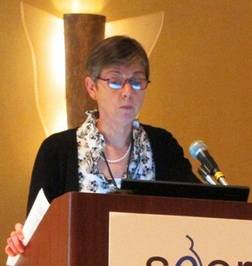
After the cancer rate was standardized to the age of the 1994 population, however, only 14% of the increase in cancer was explained by increasing maternal age, said Dr. Roberts of the University of Sydney, New South Wales, Australia.
"Improved diagnostic techniques, detection, and interracial health services likely contribute to the unexplained portion," she said. "The increasing incidence of cancer confirmed a clinical impression that obstetricians were seeing women with cancer more frequently, although of course it remains uncommon."
The growing number of women postponing childbearing has raised concerns that the incidence of pregnancy-associated cancer would rise. The incidence is generally reported to be about 1 in 1,000 pregnancies, but estimates based largely on cancer reports have been imprecise, Dr. Roberts said.
The investigators obtained cancer and maternal information from linked cancer registry, birth, and hospital records for 1.31 million pregnancies and 1.33 million infants among 781,907 women in Australia.
During the study period, 1,798 women had a new cancer diagnosis: 499 during pregnancy and 1,299 within 12 months of delivery. This equates to 137.3 cancers per 100,000 pregnancies, Dr. Roberts said.
There were 42 cancer deaths, or 3.2 deaths per 100,000 pregnancies.
The highest proportion of cancers (14.5%) was diagnosed in the first 2 months post partum, lending support to the rationale that women and physicians may incorrectly attribute cancer-related symptoms to the physiologic changes of pregnancy and may be reluctant to use radiographs or invasive procedures during pregnancy, she observed.
The cancers were predominantly melanoma (599) or breast cancer (377), followed by thyroid/endocrine (228) and lymphohematopoietic (151) cancers.
Melanoma was twice as likely to be observed in pregnant women as in women of similar reproductive age (observed to expected ratio, 2.2), according to the authors, led by Dr. Yuen Yi (Cathy) Lee of the New South Wales Ministry of Health in North Sydney, Australia.
In prior studies, breast and thyroid cancer were the most common pregnancy-related cancers in California in the 1990s (Am. J. Obstet. Gynecol. 2003;189:1128-35), whereas more recently, melanoma and cervical cancer were the most common cancers during pregnancy in Norway (J. Clin. Oncol. 2009;27:45-51), Dr. Roberts noted.
In logistic regression analysis adjusted for age, country of birth, socioeconomic status, rural residence, parity, plurality, previous cancer, and assisted reproductive technology, significant risk factors for a pregnancy-associated cancer were previous cancer diagnosis (adjusted odds ratio, 3.8), multiple pregnancy (OR, 1.5), age 30-34 years (OR, 2.1), age 35-39 years (OR, 3.0), and age 40 years or older (OR, 3.6).
Women with a cancer diagnosis had a significantly higher risk of thromboembolic events (OR, 10.2), sepsis (OR, 4.3), and life-threatening maternal morbidity (OR, 6.9) after adjustment for maternal age, socioeconomic status, plurality, parity, previous preterm birth, diabetes, and hypertension.
A novel finding was that cancer during pregnancy also was associated with large-for-gestational age infants (OR, 1.5), said Dr. Roberts, who pointed out that large-for-gestational age is also a risk factor for pediatric cancer.
"Elevated levels of maternal hormone angiogenic factors during pregnancy may influence both infant size and tumor growth," she speculated.
Dr. Roberts said there is an Australian national policy on cervical screening recommending that Pap smears be offered to every woman presenting for antenatal care who has not had cervical screening within the past 2 years; however, this was introduced in 2008 at the end of the study period. "We are not aware of other policies for screening during pregnancy," she added.
Full details of the study are expected to be published in the coming weeks (BJOG 2012 [doi: 10.111/j.1471-0528.2012.03475.x]).
The authors report no conflicts of interest.
postponing childbearing, pregnancy-associated cancer,
MINNEAPOLIS – Pregnancy-associated cancers are increasing, although the phenomenon of delayed childbirth is only partially responsible, researchers suggest.
From 1994 to 2008, the crude incidence of pregnancy-associated cancer increased from 112 to 192 per 100,000 pregnancies (P less than .001) in an analysis of 787,907 Australian women.
During the same period, the number of Australian mothers aged 35 years or more nearly doubled from 13% to 24%, including an increase from 2% to 4% of mothers over age 40, Christine L. Roberts, Ph.D., said at the annual meeting of the Society for Pediatric and Perinatal Epidemiologic Research.
After the cancer rate was standardized to the age of the 1994 population, however, only 14% of the increase in cancer was explained by increasing maternal age, said Dr. Roberts of the University of Sydney, New South Wales, Australia.
"Improved diagnostic techniques, detection, and interracial health services likely contribute to the unexplained portion," she said. "The increasing incidence of cancer confirmed a clinical impression that obstetricians were seeing women with cancer more frequently, although of course it remains uncommon."
The growing number of women postponing childbearing has raised concerns that the incidence of pregnancy-associated cancer would rise. The incidence is generally reported to be about 1 in 1,000 pregnancies, but estimates based largely on cancer reports have been imprecise, Dr. Roberts said.
The investigators obtained cancer and maternal information from linked cancer registry, birth, and hospital records for 1.31 million pregnancies and 1.33 million infants among 781,907 women in Australia.
During the study period, 1,798 women had a new cancer diagnosis: 499 during pregnancy and 1,299 within 12 months of delivery. This equates to 137.3 cancers per 100,000 pregnancies, Dr. Roberts said.
There were 42 cancer deaths, or 3.2 deaths per 100,000 pregnancies.
The highest proportion of cancers (14.5%) was diagnosed in the first 2 months post partum, lending support to the rationale that women and physicians may incorrectly attribute cancer-related symptoms to the physiologic changes of pregnancy and may be reluctant to use radiographs or invasive procedures during pregnancy, she observed.
The cancers were predominantly melanoma (599) or breast cancer (377), followed by thyroid/endocrine (228) and lymphohematopoietic (151) cancers.
Melanoma was twice as likely to be observed in pregnant women as in women of similar reproductive age (observed to expected ratio, 2.2), according to the authors, led by Dr. Yuen Yi (Cathy) Lee of the New South Wales Ministry of Health in North Sydney, Australia.
In prior studies, breast and thyroid cancer were the most common pregnancy-related cancers in California in the 1990s (Am. J. Obstet. Gynecol. 2003;189:1128-35), whereas more recently, melanoma and cervical cancer were the most common cancers during pregnancy in Norway (J. Clin. Oncol. 2009;27:45-51), Dr. Roberts noted.
In logistic regression analysis adjusted for age, country of birth, socioeconomic status, rural residence, parity, plurality, previous cancer, and assisted reproductive technology, significant risk factors for a pregnancy-associated cancer were previous cancer diagnosis (adjusted odds ratio, 3.8), multiple pregnancy (OR, 1.5), age 30-34 years (OR, 2.1), age 35-39 years (OR, 3.0), and age 40 years or older (OR, 3.6).
Women with a cancer diagnosis had a significantly higher risk of thromboembolic events (OR, 10.2), sepsis (OR, 4.3), and life-threatening maternal morbidity (OR, 6.9) after adjustment for maternal age, socioeconomic status, plurality, parity, previous preterm birth, diabetes, and hypertension.
A novel finding was that cancer during pregnancy also was associated with large-for-gestational age infants (OR, 1.5), said Dr. Roberts, who pointed out that large-for-gestational age is also a risk factor for pediatric cancer.
"Elevated levels of maternal hormone angiogenic factors during pregnancy may influence both infant size and tumor growth," she speculated.
Dr. Roberts said there is an Australian national policy on cervical screening recommending that Pap smears be offered to every woman presenting for antenatal care who has not had cervical screening within the past 2 years; however, this was introduced in 2008 at the end of the study period. "We are not aware of other policies for screening during pregnancy," she added.
Full details of the study are expected to be published in the coming weeks (BJOG 2012 [doi: 10.111/j.1471-0528.2012.03475.x]).
The authors report no conflicts of interest.
MINNEAPOLIS – Pregnancy-associated cancers are increasing, although the phenomenon of delayed childbirth is only partially responsible, researchers suggest.
From 1994 to 2008, the crude incidence of pregnancy-associated cancer increased from 112 to 192 per 100,000 pregnancies (P less than .001) in an analysis of 787,907 Australian women.
During the same period, the number of Australian mothers aged 35 years or more nearly doubled from 13% to 24%, including an increase from 2% to 4% of mothers over age 40, Christine L. Roberts, Ph.D., said at the annual meeting of the Society for Pediatric and Perinatal Epidemiologic Research.
After the cancer rate was standardized to the age of the 1994 population, however, only 14% of the increase in cancer was explained by increasing maternal age, said Dr. Roberts of the University of Sydney, New South Wales, Australia.
"Improved diagnostic techniques, detection, and interracial health services likely contribute to the unexplained portion," she said. "The increasing incidence of cancer confirmed a clinical impression that obstetricians were seeing women with cancer more frequently, although of course it remains uncommon."
The growing number of women postponing childbearing has raised concerns that the incidence of pregnancy-associated cancer would rise. The incidence is generally reported to be about 1 in 1,000 pregnancies, but estimates based largely on cancer reports have been imprecise, Dr. Roberts said.
The investigators obtained cancer and maternal information from linked cancer registry, birth, and hospital records for 1.31 million pregnancies and 1.33 million infants among 781,907 women in Australia.
During the study period, 1,798 women had a new cancer diagnosis: 499 during pregnancy and 1,299 within 12 months of delivery. This equates to 137.3 cancers per 100,000 pregnancies, Dr. Roberts said.
There were 42 cancer deaths, or 3.2 deaths per 100,000 pregnancies.
The highest proportion of cancers (14.5%) was diagnosed in the first 2 months post partum, lending support to the rationale that women and physicians may incorrectly attribute cancer-related symptoms to the physiologic changes of pregnancy and may be reluctant to use radiographs or invasive procedures during pregnancy, she observed.
The cancers were predominantly melanoma (599) or breast cancer (377), followed by thyroid/endocrine (228) and lymphohematopoietic (151) cancers.
Melanoma was twice as likely to be observed in pregnant women as in women of similar reproductive age (observed to expected ratio, 2.2), according to the authors, led by Dr. Yuen Yi (Cathy) Lee of the New South Wales Ministry of Health in North Sydney, Australia.
In prior studies, breast and thyroid cancer were the most common pregnancy-related cancers in California in the 1990s (Am. J. Obstet. Gynecol. 2003;189:1128-35), whereas more recently, melanoma and cervical cancer were the most common cancers during pregnancy in Norway (J. Clin. Oncol. 2009;27:45-51), Dr. Roberts noted.
In logistic regression analysis adjusted for age, country of birth, socioeconomic status, rural residence, parity, plurality, previous cancer, and assisted reproductive technology, significant risk factors for a pregnancy-associated cancer were previous cancer diagnosis (adjusted odds ratio, 3.8), multiple pregnancy (OR, 1.5), age 30-34 years (OR, 2.1), age 35-39 years (OR, 3.0), and age 40 years or older (OR, 3.6).
Women with a cancer diagnosis had a significantly higher risk of thromboembolic events (OR, 10.2), sepsis (OR, 4.3), and life-threatening maternal morbidity (OR, 6.9) after adjustment for maternal age, socioeconomic status, plurality, parity, previous preterm birth, diabetes, and hypertension.
A novel finding was that cancer during pregnancy also was associated with large-for-gestational age infants (OR, 1.5), said Dr. Roberts, who pointed out that large-for-gestational age is also a risk factor for pediatric cancer.
"Elevated levels of maternal hormone angiogenic factors during pregnancy may influence both infant size and tumor growth," she speculated.
Dr. Roberts said there is an Australian national policy on cervical screening recommending that Pap smears be offered to every woman presenting for antenatal care who has not had cervical screening within the past 2 years; however, this was introduced in 2008 at the end of the study period. "We are not aware of other policies for screening during pregnancy," she added.
Full details of the study are expected to be published in the coming weeks (BJOG 2012 [doi: 10.111/j.1471-0528.2012.03475.x]).
The authors report no conflicts of interest.
postponing childbearing, pregnancy-associated cancer,
postponing childbearing, pregnancy-associated cancer,
AT THE ANNUAL MEETING OF THE SOCIETY FOR PEDIATRIC AND PERINATAL EPIDEMIOLOGIC RESEARCH
Radiation Oncologists Say Medicare Cuts Could Shutter Practices
Radiation oncologists say they could be forced to shut their doors or consolidate their practices, if the proposed cuts to radiation therapy in the 2013 Medicare physician fee schedule are allowed to stay in place.
And this is likely to hasten a shift of services out of the community and into the hospital, according to officials at the American Society for Radiation Oncology (ASTRO), which surveyed its membership in the wake of the Centers for Medicare and Medicaid Services’ proposed rule in early July.
"Some patients will likely receive their care in radiation therapy centers at a far greater distance from their home in both hospital-based facilities and larger freestanding centers that survive these cuts," said Dr. Michael L. Steinberg, president of the ASTRO’s board of directors, in an interview.
With the closure of radiation therapy centers, physicians would seek employment in surviving freestanding or hospital-based facilities, he added,
The CMS is proposing a 15% reduction in payment for IMRT (Intensity Modulated Radiation Therapy) and SBRT (Stereotactic Body Radiation Therapy). The agency also proposed a 19% cut for community-based radiation therapy centers.
IMRT and SBRT account for about a third of Medicare spending on radiation therapy, according to a spokeswoman for the ASTRO. Medicare and Medicaid are the predominant payers for radiation therapy, which is delivered to two-thirds of the nation’s 1.5 million cancer patients annually.
The ASTRO survey, which was conducted online, received about 600 responses. (There are about 4,500 radiation oncologists in the United States.) Of the 599 who participated, almost 60% were from community practices or combined community- and hospital-based practices. The results reported were only for that 60%.
Physicians were not asked about the impact of the almost-29% overall cut in physician pay called for by Medicare’s Sustainable Growth Rate (SGR) formula.
If just the close-to-20% cut for radiation therapy centers goes into effect, 35% of practices said they would probably have to close their doors, and 64% said they would consolidate. Both actions would lead to longer wait times for treatment, said ASTRO CEO Laura Thevenot in a briefing with reporters.
The consequences may also mean that physicians will spend less time with patients – that is, with those patients who would still be able to access a radiation oncologist. Some 70% of respondents said they would limit Medicare patients if the cuts go through, and 49% said they would stop accepting Medicare patients altogether.
Radiation oncologists also said they would cut back on purchases of new technology and lay off support staff and other nonphysician employees.
"The likely end result for limited access to radiation therapy – an integral form of care used in nearly 70% of all cancer patients – would be an erosion in the gains in cure rates, quality of life, and other clinical outcomes that have been achieved in our country over the last 20 years," said Dr. Constantine A. Mantz, a radiation oncologist in Ft. Myers, Fla., during the press briefing.
Ms. Thevenot said that the CMS had used faulty information to calculate the true costs of IMRT and SBRT, and that the agency should revisit the codes for both procedures.
Added Dr. Steinberg in a statement, "ASTRO welcomes a comprehensive review of these procedure codes and supports the necessary sophistication of a process, such as provided by the [American Medical Association’s Relative Value Scale Update Committee (RUC)], to value complex medical procedures including IMRT and SBRT." He is also professor and chairman of radiation oncology at the University of California, Los Angeles.
According to Ms. Thevenot, IMRT was reviewed by AMA’s RUC in fall 2010, and SBRT was reviewed in February 2011.
The ASTRO has also enlisted the support of Congress to overturn the cuts. Representatives Joe Pitts (R-Penn.) and Frank Pallone (D-N.J.), along with Rep. Mike Rogers (R-Mich.), have been circulating a letter decrying the cuts that will eventually be sent to officials at the CMS. The organization says that a "similar bipartisan letter is being drafted in the Senate."
Radiation oncologists say they could be forced to shut their doors or consolidate their practices, if the proposed cuts to radiation therapy in the 2013 Medicare physician fee schedule are allowed to stay in place.
And this is likely to hasten a shift of services out of the community and into the hospital, according to officials at the American Society for Radiation Oncology (ASTRO), which surveyed its membership in the wake of the Centers for Medicare and Medicaid Services’ proposed rule in early July.
"Some patients will likely receive their care in radiation therapy centers at a far greater distance from their home in both hospital-based facilities and larger freestanding centers that survive these cuts," said Dr. Michael L. Steinberg, president of the ASTRO’s board of directors, in an interview.
With the closure of radiation therapy centers, physicians would seek employment in surviving freestanding or hospital-based facilities, he added,
The CMS is proposing a 15% reduction in payment for IMRT (Intensity Modulated Radiation Therapy) and SBRT (Stereotactic Body Radiation Therapy). The agency also proposed a 19% cut for community-based radiation therapy centers.
IMRT and SBRT account for about a third of Medicare spending on radiation therapy, according to a spokeswoman for the ASTRO. Medicare and Medicaid are the predominant payers for radiation therapy, which is delivered to two-thirds of the nation’s 1.5 million cancer patients annually.
The ASTRO survey, which was conducted online, received about 600 responses. (There are about 4,500 radiation oncologists in the United States.) Of the 599 who participated, almost 60% were from community practices or combined community- and hospital-based practices. The results reported were only for that 60%.
Physicians were not asked about the impact of the almost-29% overall cut in physician pay called for by Medicare’s Sustainable Growth Rate (SGR) formula.
If just the close-to-20% cut for radiation therapy centers goes into effect, 35% of practices said they would probably have to close their doors, and 64% said they would consolidate. Both actions would lead to longer wait times for treatment, said ASTRO CEO Laura Thevenot in a briefing with reporters.
The consequences may also mean that physicians will spend less time with patients – that is, with those patients who would still be able to access a radiation oncologist. Some 70% of respondents said they would limit Medicare patients if the cuts go through, and 49% said they would stop accepting Medicare patients altogether.
Radiation oncologists also said they would cut back on purchases of new technology and lay off support staff and other nonphysician employees.
"The likely end result for limited access to radiation therapy – an integral form of care used in nearly 70% of all cancer patients – would be an erosion in the gains in cure rates, quality of life, and other clinical outcomes that have been achieved in our country over the last 20 years," said Dr. Constantine A. Mantz, a radiation oncologist in Ft. Myers, Fla., during the press briefing.
Ms. Thevenot said that the CMS had used faulty information to calculate the true costs of IMRT and SBRT, and that the agency should revisit the codes for both procedures.
Added Dr. Steinberg in a statement, "ASTRO welcomes a comprehensive review of these procedure codes and supports the necessary sophistication of a process, such as provided by the [American Medical Association’s Relative Value Scale Update Committee (RUC)], to value complex medical procedures including IMRT and SBRT." He is also professor and chairman of radiation oncology at the University of California, Los Angeles.
According to Ms. Thevenot, IMRT was reviewed by AMA’s RUC in fall 2010, and SBRT was reviewed in February 2011.
The ASTRO has also enlisted the support of Congress to overturn the cuts. Representatives Joe Pitts (R-Penn.) and Frank Pallone (D-N.J.), along with Rep. Mike Rogers (R-Mich.), have been circulating a letter decrying the cuts that will eventually be sent to officials at the CMS. The organization says that a "similar bipartisan letter is being drafted in the Senate."
Radiation oncologists say they could be forced to shut their doors or consolidate their practices, if the proposed cuts to radiation therapy in the 2013 Medicare physician fee schedule are allowed to stay in place.
And this is likely to hasten a shift of services out of the community and into the hospital, according to officials at the American Society for Radiation Oncology (ASTRO), which surveyed its membership in the wake of the Centers for Medicare and Medicaid Services’ proposed rule in early July.
"Some patients will likely receive their care in radiation therapy centers at a far greater distance from their home in both hospital-based facilities and larger freestanding centers that survive these cuts," said Dr. Michael L. Steinberg, president of the ASTRO’s board of directors, in an interview.
With the closure of radiation therapy centers, physicians would seek employment in surviving freestanding or hospital-based facilities, he added,
The CMS is proposing a 15% reduction in payment for IMRT (Intensity Modulated Radiation Therapy) and SBRT (Stereotactic Body Radiation Therapy). The agency also proposed a 19% cut for community-based radiation therapy centers.
IMRT and SBRT account for about a third of Medicare spending on radiation therapy, according to a spokeswoman for the ASTRO. Medicare and Medicaid are the predominant payers for radiation therapy, which is delivered to two-thirds of the nation’s 1.5 million cancer patients annually.
The ASTRO survey, which was conducted online, received about 600 responses. (There are about 4,500 radiation oncologists in the United States.) Of the 599 who participated, almost 60% were from community practices or combined community- and hospital-based practices. The results reported were only for that 60%.
Physicians were not asked about the impact of the almost-29% overall cut in physician pay called for by Medicare’s Sustainable Growth Rate (SGR) formula.
If just the close-to-20% cut for radiation therapy centers goes into effect, 35% of practices said they would probably have to close their doors, and 64% said they would consolidate. Both actions would lead to longer wait times for treatment, said ASTRO CEO Laura Thevenot in a briefing with reporters.
The consequences may also mean that physicians will spend less time with patients – that is, with those patients who would still be able to access a radiation oncologist. Some 70% of respondents said they would limit Medicare patients if the cuts go through, and 49% said they would stop accepting Medicare patients altogether.
Radiation oncologists also said they would cut back on purchases of new technology and lay off support staff and other nonphysician employees.
"The likely end result for limited access to radiation therapy – an integral form of care used in nearly 70% of all cancer patients – would be an erosion in the gains in cure rates, quality of life, and other clinical outcomes that have been achieved in our country over the last 20 years," said Dr. Constantine A. Mantz, a radiation oncologist in Ft. Myers, Fla., during the press briefing.
Ms. Thevenot said that the CMS had used faulty information to calculate the true costs of IMRT and SBRT, and that the agency should revisit the codes for both procedures.
Added Dr. Steinberg in a statement, "ASTRO welcomes a comprehensive review of these procedure codes and supports the necessary sophistication of a process, such as provided by the [American Medical Association’s Relative Value Scale Update Committee (RUC)], to value complex medical procedures including IMRT and SBRT." He is also professor and chairman of radiation oncology at the University of California, Los Angeles.
According to Ms. Thevenot, IMRT was reviewed by AMA’s RUC in fall 2010, and SBRT was reviewed in February 2011.
The ASTRO has also enlisted the support of Congress to overturn the cuts. Representatives Joe Pitts (R-Penn.) and Frank Pallone (D-N.J.), along with Rep. Mike Rogers (R-Mich.), have been circulating a letter decrying the cuts that will eventually be sent to officials at the CMS. The organization says that a "similar bipartisan letter is being drafted in the Senate."
Ahead of the Journals: Breast Cancer Patients Live Longer with Anastrozole-Fulvestrant Duo
A regimen combining anastrozole with fulvestrant added 6 months to the lives of postmenopausal women with previously untreated, hormone receptor–positive metastatic breast cancer, according to clinical trial results published August 2 in the New England Journal of Medicine.
Overall survival increased significantly from a median of 41.3 months with anastrozole (Arimidex) alone to 47.7 months with anastrozole and fulvestrant (Faslodex) in the Southwest Oncology Group (SWOG) S0226 trial. The combination’s survival advantage prevailed with a hazard ratio for death of 0.81 despite crossover to single-agent fulvestrant by 41% of patients in the control group after disease progression.
Median progression-free survival, the trial’s primary end point, also showed a statistically significant improvement from 13.5 months to 15 months, Dr. Rita S. Mehta of the University of California, Irvine, Medical Center, and her associates report (N. Engl. J. Med. 2012; 367: 435-4 [doi: 10.1056/NEJMoa1201622]).
The study randomized 707 patients, of whom 694 were included in the intention-to-treat analysis. All participants received 1 mg of anastrozole orally each day. Those assigned to the experimental arm also received a 500 mg loading dose of fulvestrant administered intramuscularly on day 1, followed by 250 mg on days 14 and 28 of 28-day cycles. The fulvestrant dose is lower than the 500-mg dose approved by the Food and Drug Administration, and the protocol was amended on Feb. 2, 2011 to allow patients in both study arms to receive the higher dose upon progression.*
Although three deaths may have been associated with the combination treatment, the investigators report that grade 3-5 adverse events were not significantly different between the two arms of the trial.
The study was funded by the National Cancer Institute and AstraZeneca. Disclosures for the individual authors are posted at www.nejm.com.
The NEJM report expands on results presented at the San Antonio Breast Cancer Symposium in December 2012. Dr. Hope Rugo and Dr. William Gradishar, associate editors of The Oncology Report, a publication of Elsevier, discussed the regimen at that meeting in the accompanying video.
*Correction, 8/1/2012: An earlier version of this story misstated the date of FDA approval for the 500-mg dose of fulvestrant.
A regimen combining anastrozole with fulvestrant added 6 months to the lives of postmenopausal women with previously untreated, hormone receptor–positive metastatic breast cancer, according to clinical trial results published August 2 in the New England Journal of Medicine.
Overall survival increased significantly from a median of 41.3 months with anastrozole (Arimidex) alone to 47.7 months with anastrozole and fulvestrant (Faslodex) in the Southwest Oncology Group (SWOG) S0226 trial. The combination’s survival advantage prevailed with a hazard ratio for death of 0.81 despite crossover to single-agent fulvestrant by 41% of patients in the control group after disease progression.
Median progression-free survival, the trial’s primary end point, also showed a statistically significant improvement from 13.5 months to 15 months, Dr. Rita S. Mehta of the University of California, Irvine, Medical Center, and her associates report (N. Engl. J. Med. 2012; 367: 435-4 [doi: 10.1056/NEJMoa1201622]).
The study randomized 707 patients, of whom 694 were included in the intention-to-treat analysis. All participants received 1 mg of anastrozole orally each day. Those assigned to the experimental arm also received a 500 mg loading dose of fulvestrant administered intramuscularly on day 1, followed by 250 mg on days 14 and 28 of 28-day cycles. The fulvestrant dose is lower than the 500-mg dose approved by the Food and Drug Administration, and the protocol was amended on Feb. 2, 2011 to allow patients in both study arms to receive the higher dose upon progression.*
Although three deaths may have been associated with the combination treatment, the investigators report that grade 3-5 adverse events were not significantly different between the two arms of the trial.
The study was funded by the National Cancer Institute and AstraZeneca. Disclosures for the individual authors are posted at www.nejm.com.
The NEJM report expands on results presented at the San Antonio Breast Cancer Symposium in December 2012. Dr. Hope Rugo and Dr. William Gradishar, associate editors of The Oncology Report, a publication of Elsevier, discussed the regimen at that meeting in the accompanying video.
*Correction, 8/1/2012: An earlier version of this story misstated the date of FDA approval for the 500-mg dose of fulvestrant.
A regimen combining anastrozole with fulvestrant added 6 months to the lives of postmenopausal women with previously untreated, hormone receptor–positive metastatic breast cancer, according to clinical trial results published August 2 in the New England Journal of Medicine.
Overall survival increased significantly from a median of 41.3 months with anastrozole (Arimidex) alone to 47.7 months with anastrozole and fulvestrant (Faslodex) in the Southwest Oncology Group (SWOG) S0226 trial. The combination’s survival advantage prevailed with a hazard ratio for death of 0.81 despite crossover to single-agent fulvestrant by 41% of patients in the control group after disease progression.
Median progression-free survival, the trial’s primary end point, also showed a statistically significant improvement from 13.5 months to 15 months, Dr. Rita S. Mehta of the University of California, Irvine, Medical Center, and her associates report (N. Engl. J. Med. 2012; 367: 435-4 [doi: 10.1056/NEJMoa1201622]).
The study randomized 707 patients, of whom 694 were included in the intention-to-treat analysis. All participants received 1 mg of anastrozole orally each day. Those assigned to the experimental arm also received a 500 mg loading dose of fulvestrant administered intramuscularly on day 1, followed by 250 mg on days 14 and 28 of 28-day cycles. The fulvestrant dose is lower than the 500-mg dose approved by the Food and Drug Administration, and the protocol was amended on Feb. 2, 2011 to allow patients in both study arms to receive the higher dose upon progression.*
Although three deaths may have been associated with the combination treatment, the investigators report that grade 3-5 adverse events were not significantly different between the two arms of the trial.
The study was funded by the National Cancer Institute and AstraZeneca. Disclosures for the individual authors are posted at www.nejm.com.
The NEJM report expands on results presented at the San Antonio Breast Cancer Symposium in December 2012. Dr. Hope Rugo and Dr. William Gradishar, associate editors of The Oncology Report, a publication of Elsevier, discussed the regimen at that meeting in the accompanying video.
*Correction, 8/1/2012: An earlier version of this story misstated the date of FDA approval for the 500-mg dose of fulvestrant.
FROM NEJM
Major Finding: Overall survival increased significantly from a median of 41.3 months with anastrozole alone to 47.7 months with anastrozole and fulvestrant.
Data Source: The SWOG S0226 trial randomized 707 patients, of whom 694 were included in the intention-to-treat analysis.
Disclosures: The study was funded by the National Cancer Institute and AstraZeneca. Disclosures for the individual authors are posted at www.nejm.com.
Nasal septum perforation induced by bevacizumab therapy in patients with breast cancer
Bevacizumab is a recombinant monoclonal immunoglobulin G1 antibody that selectively binds to vascular endothelial growth factor (VEGF), thus preventing it from binding to the VEGF receptors, VEGFR-1 and VEGFR-2, which leads to the inhibition of angiogenesis.1 Numerous landmark clinical trials have shown overall and/or progression-free survival benefit with bevacizumab-based chemotherapy regimens for patients with metastatic colorectal,2,3 lung,4 breast,5 and renal cell6 carcinomas.
*For a PDF of the full article, click on the link to the left of this introduction.
Bevacizumab is a recombinant monoclonal immunoglobulin G1 antibody that selectively binds to vascular endothelial growth factor (VEGF), thus preventing it from binding to the VEGF receptors, VEGFR-1 and VEGFR-2, which leads to the inhibition of angiogenesis.1 Numerous landmark clinical trials have shown overall and/or progression-free survival benefit with bevacizumab-based chemotherapy regimens for patients with metastatic colorectal,2,3 lung,4 breast,5 and renal cell6 carcinomas.
*For a PDF of the full article, click on the link to the left of this introduction.
Bevacizumab is a recombinant monoclonal immunoglobulin G1 antibody that selectively binds to vascular endothelial growth factor (VEGF), thus preventing it from binding to the VEGF receptors, VEGFR-1 and VEGFR-2, which leads to the inhibition of angiogenesis.1 Numerous landmark clinical trials have shown overall and/or progression-free survival benefit with bevacizumab-based chemotherapy regimens for patients with metastatic colorectal,2,3 lung,4 breast,5 and renal cell6 carcinomas.
*For a PDF of the full article, click on the link to the left of this introduction.
Europe Approves Everolimus in Advanced Breast Cancer
Everolimus in combination with exemestane is now endorsed on both sides of the Atlantic for the treatment of advanced hormone receptor–positive breast cancer that is also HER2-negative.
Approval by the European Commission, announced by drugmaker Novartis on July 30, closely follows approval by the Food and Drug Administration July 20 and a favorable recommendation by the European Medicines Agency June 21. The EC and the FDA specify that the combination is to be used in patients whose breast cancer has recurred or progressed after treatment with an aromatase inhibitor.
The regulators based their decisions on results of the randomized, placebo-controlled, phase III BOLERO-2 trial. In that study, adding everolimus (Afinitor) to exemestane (Aromasin) increased median progression-free survival from 3.2 to 7.8 months in women whose disease had advanced after treatment with letrozole (Femara) or anastrozole (Arimidex).
Everolimus is the first mTOR inhibitor approved in breast cancer. It also has indications in pancreatic cancer, kidney cancer, and subependymal giant cell astrocytoma.
Results of the BOLERO-II trial were presented in December at the annual San Antonio Breast Cancer Symposium. Dr. Howard Burris, Dr. Hope Rugo, and Dr. William Gradishar, editors of The Oncology Report, discuss these findings in the video below:
Everolimus in combination with exemestane is now endorsed on both sides of the Atlantic for the treatment of advanced hormone receptor–positive breast cancer that is also HER2-negative.
Approval by the European Commission, announced by drugmaker Novartis on July 30, closely follows approval by the Food and Drug Administration July 20 and a favorable recommendation by the European Medicines Agency June 21. The EC and the FDA specify that the combination is to be used in patients whose breast cancer has recurred or progressed after treatment with an aromatase inhibitor.
The regulators based their decisions on results of the randomized, placebo-controlled, phase III BOLERO-2 trial. In that study, adding everolimus (Afinitor) to exemestane (Aromasin) increased median progression-free survival from 3.2 to 7.8 months in women whose disease had advanced after treatment with letrozole (Femara) or anastrozole (Arimidex).
Everolimus is the first mTOR inhibitor approved in breast cancer. It also has indications in pancreatic cancer, kidney cancer, and subependymal giant cell astrocytoma.
Results of the BOLERO-II trial were presented in December at the annual San Antonio Breast Cancer Symposium. Dr. Howard Burris, Dr. Hope Rugo, and Dr. William Gradishar, editors of The Oncology Report, discuss these findings in the video below:
Everolimus in combination with exemestane is now endorsed on both sides of the Atlantic for the treatment of advanced hormone receptor–positive breast cancer that is also HER2-negative.
Approval by the European Commission, announced by drugmaker Novartis on July 30, closely follows approval by the Food and Drug Administration July 20 and a favorable recommendation by the European Medicines Agency June 21. The EC and the FDA specify that the combination is to be used in patients whose breast cancer has recurred or progressed after treatment with an aromatase inhibitor.
The regulators based their decisions on results of the randomized, placebo-controlled, phase III BOLERO-2 trial. In that study, adding everolimus (Afinitor) to exemestane (Aromasin) increased median progression-free survival from 3.2 to 7.8 months in women whose disease had advanced after treatment with letrozole (Femara) or anastrozole (Arimidex).
Everolimus is the first mTOR inhibitor approved in breast cancer. It also has indications in pancreatic cancer, kidney cancer, and subependymal giant cell astrocytoma.
Results of the BOLERO-II trial were presented in December at the annual San Antonio Breast Cancer Symposium. Dr. Howard Burris, Dr. Hope Rugo, and Dr. William Gradishar, editors of The Oncology Report, discuss these findings in the video below:
FDA Approves mTOR Inhibitor Everolimus for Breast Cancer
The approval of everolimus has been expanded to include a group of postmenopausal women with advanced hormone receptor–positive, HER2-negative breast cancer, the Food and Drug Administration announced on July 20.
A mammalian target of rapamycin (mTOR) inhibitor marketed as Afinitor, everolimus is indicated in combination with exemestane (Aromasin) for this group of women when they have had recurrence or progression of disease after treatment with letrozole (Femara) or anastrozole (Arimidex).
The drug becomes the first mTOR inhibitor approved for advanced hormone receptor–positive breast cancer. Exemestane, letrozole, and anastrozole are aromatase inhibitors, a class of drugs that has become an alternative to tamoxifen for adjuvant treatment of women with estrogen receptor– and/or progesterone receptor–positive breast cancer.
The new approval is based on the phase III BOLERO-2 trial, a randomized, double-blind, placebo-controlled study of 724 postmenopausal women who matched the population in the new indication.
Median progression-free survival, the primary end point, more than doubled among those treated with everolimus (the approved tablet dose of 10 mg per day) plus exemestane (25 mg per day). The median reached 7.8 months in this group, vs. 3.2 months among those treated with exemestane (25 mg per day) and placebo, a difference that was highly significant statistically.
The objective response rate was 12.6% among those on the combination, compared with 1.7% in the control group. There were 3 complete responses (0.6%) and 58 partial responses (12%) in women who received everolimus, compared with no complete responses and 4 partial responses (1.7%) among those given placebo.
Overall survival results "were not mature at the time of the interim analysis, and no statistically significant treatment-related difference in OS was noted," according to the prescribing information.
The most common adverse effects reported in patients treated with everolimus included stomatitis, infections, rash, fatigue, diarrhea, and decreased appetite. Adverse events are more common among patients aged 65 years and older, who should be monitored closely, according to the FDA statement announcing the approval.
Everolimus was first approved in 2009 as a treatment for advanced renal cell carcinoma that has progressed after treatment with other cancer therapies. This was followed by approvals for adults with progressive advanced neuroendocrine tumors of pancreatic origin, patients with renal angiomyolipoma and tuberous sclerosis complex (TSC) not requiring immediate surgery, and adults and children with subependymal giant cell astrocytoma associated with TSC who require treatment but are not candidates for curative surgery.
"This approval redefines the treatment and management of advanced hormone receptor–positive breast cancer, offering a critical new option for physicians and patients," Dr. Gabriel Hortobagyi, chair of Breast Medical Oncology, at the University of Texas M.D. Anderson Cancer Center, said in a statement released by Novartis Pharmaceuticals Corp., which markets everolimus. The company noted that two ongoing phase III trials are studying everolimus in HER2-positive breast cancer.
The approval of everolimus has been expanded to include a group of postmenopausal women with advanced hormone receptor–positive, HER2-negative breast cancer, the Food and Drug Administration announced on July 20.
A mammalian target of rapamycin (mTOR) inhibitor marketed as Afinitor, everolimus is indicated in combination with exemestane (Aromasin) for this group of women when they have had recurrence or progression of disease after treatment with letrozole (Femara) or anastrozole (Arimidex).
The drug becomes the first mTOR inhibitor approved for advanced hormone receptor–positive breast cancer. Exemestane, letrozole, and anastrozole are aromatase inhibitors, a class of drugs that has become an alternative to tamoxifen for adjuvant treatment of women with estrogen receptor– and/or progesterone receptor–positive breast cancer.
The new approval is based on the phase III BOLERO-2 trial, a randomized, double-blind, placebo-controlled study of 724 postmenopausal women who matched the population in the new indication.
Median progression-free survival, the primary end point, more than doubled among those treated with everolimus (the approved tablet dose of 10 mg per day) plus exemestane (25 mg per day). The median reached 7.8 months in this group, vs. 3.2 months among those treated with exemestane (25 mg per day) and placebo, a difference that was highly significant statistically.
The objective response rate was 12.6% among those on the combination, compared with 1.7% in the control group. There were 3 complete responses (0.6%) and 58 partial responses (12%) in women who received everolimus, compared with no complete responses and 4 partial responses (1.7%) among those given placebo.
Overall survival results "were not mature at the time of the interim analysis, and no statistically significant treatment-related difference in OS was noted," according to the prescribing information.
The most common adverse effects reported in patients treated with everolimus included stomatitis, infections, rash, fatigue, diarrhea, and decreased appetite. Adverse events are more common among patients aged 65 years and older, who should be monitored closely, according to the FDA statement announcing the approval.
Everolimus was first approved in 2009 as a treatment for advanced renal cell carcinoma that has progressed after treatment with other cancer therapies. This was followed by approvals for adults with progressive advanced neuroendocrine tumors of pancreatic origin, patients with renal angiomyolipoma and tuberous sclerosis complex (TSC) not requiring immediate surgery, and adults and children with subependymal giant cell astrocytoma associated with TSC who require treatment but are not candidates for curative surgery.
"This approval redefines the treatment and management of advanced hormone receptor–positive breast cancer, offering a critical new option for physicians and patients," Dr. Gabriel Hortobagyi, chair of Breast Medical Oncology, at the University of Texas M.D. Anderson Cancer Center, said in a statement released by Novartis Pharmaceuticals Corp., which markets everolimus. The company noted that two ongoing phase III trials are studying everolimus in HER2-positive breast cancer.
The approval of everolimus has been expanded to include a group of postmenopausal women with advanced hormone receptor–positive, HER2-negative breast cancer, the Food and Drug Administration announced on July 20.
A mammalian target of rapamycin (mTOR) inhibitor marketed as Afinitor, everolimus is indicated in combination with exemestane (Aromasin) for this group of women when they have had recurrence or progression of disease after treatment with letrozole (Femara) or anastrozole (Arimidex).
The drug becomes the first mTOR inhibitor approved for advanced hormone receptor–positive breast cancer. Exemestane, letrozole, and anastrozole are aromatase inhibitors, a class of drugs that has become an alternative to tamoxifen for adjuvant treatment of women with estrogen receptor– and/or progesterone receptor–positive breast cancer.
The new approval is based on the phase III BOLERO-2 trial, a randomized, double-blind, placebo-controlled study of 724 postmenopausal women who matched the population in the new indication.
Median progression-free survival, the primary end point, more than doubled among those treated with everolimus (the approved tablet dose of 10 mg per day) plus exemestane (25 mg per day). The median reached 7.8 months in this group, vs. 3.2 months among those treated with exemestane (25 mg per day) and placebo, a difference that was highly significant statistically.
The objective response rate was 12.6% among those on the combination, compared with 1.7% in the control group. There were 3 complete responses (0.6%) and 58 partial responses (12%) in women who received everolimus, compared with no complete responses and 4 partial responses (1.7%) among those given placebo.
Overall survival results "were not mature at the time of the interim analysis, and no statistically significant treatment-related difference in OS was noted," according to the prescribing information.
The most common adverse effects reported in patients treated with everolimus included stomatitis, infections, rash, fatigue, diarrhea, and decreased appetite. Adverse events are more common among patients aged 65 years and older, who should be monitored closely, according to the FDA statement announcing the approval.
Everolimus was first approved in 2009 as a treatment for advanced renal cell carcinoma that has progressed after treatment with other cancer therapies. This was followed by approvals for adults with progressive advanced neuroendocrine tumors of pancreatic origin, patients with renal angiomyolipoma and tuberous sclerosis complex (TSC) not requiring immediate surgery, and adults and children with subependymal giant cell astrocytoma associated with TSC who require treatment but are not candidates for curative surgery.
"This approval redefines the treatment and management of advanced hormone receptor–positive breast cancer, offering a critical new option for physicians and patients," Dr. Gabriel Hortobagyi, chair of Breast Medical Oncology, at the University of Texas M.D. Anderson Cancer Center, said in a statement released by Novartis Pharmaceuticals Corp., which markets everolimus. The company noted that two ongoing phase III trials are studying everolimus in HER2-positive breast cancer.
Washington Post Blasts Proliferation of ESAs for Anemia
Anemia drugs sold under the brand names of Procrit, Aranesp, and Epogen come under new and scathing scrutiny in an exclusive report published July 20 in the Washington Post.
The investigative article by Peter Whoriskey alleges that pharmaceutical giants Amgen and Johnson & Johnson "wildly overstated" benefits while understating potentially lethal side effects of these erythropoiesis-stimulating agents (ESAs).
While safety trials required by the Food and Drug Administration lagged for more than a decade, the companies successfully lobbied for a payment system that rewarded physicians for giving large doses of their high-priced drugs, according to the report.
Use of the drugs declined in recent years after studies showed higher mortality rates in patients given ESAs. Epoetin-alfa (Procrit and Epogen) and darbepoetin alfa (Aranesp) are used to treat anemia in patients undergoing cancer chemotherapy or dialysis for chronic kidney disease.
Anemia drugs sold under the brand names of Procrit, Aranesp, and Epogen come under new and scathing scrutiny in an exclusive report published July 20 in the Washington Post.
The investigative article by Peter Whoriskey alleges that pharmaceutical giants Amgen and Johnson & Johnson "wildly overstated" benefits while understating potentially lethal side effects of these erythropoiesis-stimulating agents (ESAs).
While safety trials required by the Food and Drug Administration lagged for more than a decade, the companies successfully lobbied for a payment system that rewarded physicians for giving large doses of their high-priced drugs, according to the report.
Use of the drugs declined in recent years after studies showed higher mortality rates in patients given ESAs. Epoetin-alfa (Procrit and Epogen) and darbepoetin alfa (Aranesp) are used to treat anemia in patients undergoing cancer chemotherapy or dialysis for chronic kidney disease.
Anemia drugs sold under the brand names of Procrit, Aranesp, and Epogen come under new and scathing scrutiny in an exclusive report published July 20 in the Washington Post.
The investigative article by Peter Whoriskey alleges that pharmaceutical giants Amgen and Johnson & Johnson "wildly overstated" benefits while understating potentially lethal side effects of these erythropoiesis-stimulating agents (ESAs).
While safety trials required by the Food and Drug Administration lagged for more than a decade, the companies successfully lobbied for a payment system that rewarded physicians for giving large doses of their high-priced drugs, according to the report.
Use of the drugs declined in recent years after studies showed higher mortality rates in patients given ESAs. Epoetin-alfa (Procrit and Epogen) and darbepoetin alfa (Aranesp) are used to treat anemia in patients undergoing cancer chemotherapy or dialysis for chronic kidney disease.
Brain Mets in Breast Cancer: Breaking Through the Barrier
BOSTON – Although brain metastasis is a notoriously formidable foe in the battle against breast cancer, recent breakthroughs in some patient subgroups suggest a challenge to its reign of terror.
As the ranks of women living with advanced breast cancer have swelled, thanks to treatment advances that alter the natural history of the disease, so has the incidence of tumor progression in the brain, according to Dr. Nancy U. Lin. The brain is a particularly hospitable sanctuary for cancer cells because few of the current chemotherapy agents penetrate the blood-brain barrier.

Current strategies for managing brain metastases have not substantially altered patient outcomes, Dr. Lin told attendees at a breast cancer program sponsored by Harvard Medical School in Boston.
But improved understanding of the biology of primary tumors and the specific sensitivities of tumor subtypes to various therapies (along with the identification of mediators of CNS progression) promises to usher in a new era in the treatment – and possibly prevention – of brain metastases in breast cancer, predicted Dr. Lin of the Dana-Farber Cancer Institute and Harvard Medical School, both in Boston.
Most Common in HER2 and Triple-Negative Disease
A critical consideration in the development of treatment and prevention strategies is tumor subtype. The highest incidences of brain metastases in breast cancer occur in women with HER2-positive disease and those with triple-negative (estrogen receptor–, progesterone receptor–, and HER2-negative) disease, Dr. Lin said, noting that there is also significant variation in prognosis within these subtypes.
Although estimates for median survival after a diagnosis of brain metastasis from breast cancer have been 6 months on average in historical series, many recent series have reported a median survival of 1-2 years for metastatic breast cancer patients who are HER2-positive, she said. The median survival for patients with triple-negative disease is less than 6 months, however.
These survival differences have important management implications, Dr. Lin explained. Effective, targeted, extracranial therapies extend the survival of many HER2-positive patients relative to historical estimates, and ultimately, more than half of these patients die as a result of CNS progression. In contrast, the shorter survival of women with triple-negative disease is generally attributable to progression in both the brain and distant sites.
For this reason, she said, therapies targeting the central nervous system specifically are warranted in the HER2-positive setting, whereas improved systemic treatments that target all metastatic sites are needed for patients with triple-negative disease.
Despite advances in the understanding of brain metastasis in breast cancer, the currently available treatment options are limited; as yet, no guidelines have been published for the management of brain metastasis associated specifically with breast cancer, according to Dr. Lin.
Surgery, stereotactic radiosurgery, and whole-brain radiotherapy are potential local therapeutic options, depending on the number, size, and site of metastatic lesions, she said; conventional breast cancer chemotherapies also have demonstrated efficacy in the first-line setting.
Along with her Dana-Farber colleague, Dr. ElgeneLim, she recently published a review article outlining the range of local and systemic therapeutic considerations for this patient population (Oncology 2012 July 12 [Epub ahead of print]). First-line therapies "typically have better response rates than therapies in heavily pretreated disease, and there is a need to identify therapies that will work in CNS disease that progresses following local and systemic therapies," the authors observed.
Lapatinib Studied for CNS Penetration
Among HER2-directed therapies, the small-molecule TKI (tyrosine kinase inhibitor) lapatinib (Tykerb) continues to pique interest. Because of its micromolecular structure, the agent can achieve greater CNS penetration than can the macromolecular agents, including monoclonal antibodies.
To date, this theoretical advantage has been associated with modest clinical benefit in trials. For example, in a clinical trial of single agent lapatinib, Dr. Lin and colleagues demonstrated a 2.6% objective response and an approximately 20% clinical benefit (J. Clin. Oncol. 2008;26:1993-9).
In a trial comparing the drug in combination with capecitabine (Xeloda) or topotecan (Hycamtin) in patients with brain metastasis following radiotherapy (J. Neurooncol. 2011;105: 613-20), "the objective central nervous system response was 38%," in the lapatinib plus capecitabine arm, Dr. Lin said.
Although the study was closed early because of toxicity and lack of efficacy in the topotecan arm, the observation of CNS activity in the lapatinib-capecitabine arm was promising, as were updated results from the pivotal randomized registration trial of lapatinib, suggesting that lapatinib may delay the onset of brain metastases in breast cancer patients with HER2-positive metastatic disease (Oncologist 2010;15:924-34).
In an editorial accompanying the review article by Dr. Lim and Dr. Lin, Dr. Mark D. Pegram of Stanford (Calif.) University observed that the lapatinib data suggest that "an ‘adjuvant’ HER2-TKI immediately following primary neurosurgery and/or radiotherapy for newly diagnosed [breast cancer brain metastasis] might be a more compelling treatment strategy than waiting for measurable relapse to occur following primary local therapy for HER2-positive CNS metastasis"(Oncology 2012 July 12 [Epub ahead of print]).
The ongoing ALTTO (Adjuvant Lapatinib and/or Trastuzumab Treatment Optimization) trial, comparing adjuvant trastuzumab (Herceptin) with trastuzumab plus lapatinib, will offer important insight into the potential preventive value of lapatinib with respect to CNS relapse in early-stage HER2-positive disease, he wrote.
New Agents Also in Trials
Additional systemic and combination therapies representing a range of potential approaches are also under investigation, said Dr. Lin. These include the novel HER2-targeted therapies neratinib and afatinib, both of which are being evaluated in phase II trials, as well as cytotoxic agents targeting brain metastases specifically. The latter agents include the peptide-taxane conjugate GRN1005, the glutathione-pegylated liposomal doxorubicin 2B3-101, and the third-generation taxane TPI 287 – all three of which are being evaluated in phase I and II trials.
Also under investigation, she added, are PIK3CA inhibitors, mTOR (mammalian target of rapamycin) inhibitors, PARP (poly[ADP-ribose] polymerase) inhibitors, and VEGF (vascular endothelial growth factor)–targeting agents.
In order for research in this arena to bear fruit that translates into clinically effective strategies, the improvement of clinical trial availability and access should be a top priority, Dr. Lin stressed.
"Breast cancer patients with brain metastasis have been routinely excluded from clinical trials," which limits investigators’ ability to evaluate novel therapies, she said. "Our goal should be to increase and continue efforts to study novel agents in patients with brain metastases to establish better historical control data."
Dr. Lin disclosed financial relationships with GlaxoSmithKline, Genentech, Geron, Boehringer Ingelheim, Bayer, and Novartis.
BOSTON – Although brain metastasis is a notoriously formidable foe in the battle against breast cancer, recent breakthroughs in some patient subgroups suggest a challenge to its reign of terror.
As the ranks of women living with advanced breast cancer have swelled, thanks to treatment advances that alter the natural history of the disease, so has the incidence of tumor progression in the brain, according to Dr. Nancy U. Lin. The brain is a particularly hospitable sanctuary for cancer cells because few of the current chemotherapy agents penetrate the blood-brain barrier.
Current strategies for managing brain metastases have not substantially altered patient outcomes, Dr. Lin told attendees at a breast cancer program sponsored by Harvard Medical School in Boston.
But improved understanding of the biology of primary tumors and the specific sensitivities of tumor subtypes to various therapies (along with the identification of mediators of CNS progression) promises to usher in a new era in the treatment – and possibly prevention – of brain metastases in breast cancer, predicted Dr. Lin of the Dana-Farber Cancer Institute and Harvard Medical School, both in Boston.
Most Common in HER2 and Triple-Negative Disease
A critical consideration in the development of treatment and prevention strategies is tumor subtype. The highest incidences of brain metastases in breast cancer occur in women with HER2-positive disease and those with triple-negative (estrogen receptor–, progesterone receptor–, and HER2-negative) disease, Dr. Lin said, noting that there is also significant variation in prognosis within these subtypes.
Although estimates for median survival after a diagnosis of brain metastasis from breast cancer have been 6 months on average in historical series, many recent series have reported a median survival of 1-2 years for metastatic breast cancer patients who are HER2-positive, she said. The median survival for patients with triple-negative disease is less than 6 months, however.
These survival differences have important management implications, Dr. Lin explained. Effective, targeted, extracranial therapies extend the survival of many HER2-positive patients relative to historical estimates, and ultimately, more than half of these patients die as a result of CNS progression. In contrast, the shorter survival of women with triple-negative disease is generally attributable to progression in both the brain and distant sites.
For this reason, she said, therapies targeting the central nervous system specifically are warranted in the HER2-positive setting, whereas improved systemic treatments that target all metastatic sites are needed for patients with triple-negative disease.
Despite advances in the understanding of brain metastasis in breast cancer, the currently available treatment options are limited; as yet, no guidelines have been published for the management of brain metastasis associated specifically with breast cancer, according to Dr. Lin.
Surgery, stereotactic radiosurgery, and whole-brain radiotherapy are potential local therapeutic options, depending on the number, size, and site of metastatic lesions, she said; conventional breast cancer chemotherapies also have demonstrated efficacy in the first-line setting.
Along with her Dana-Farber colleague, Dr. ElgeneLim, she recently published a review article outlining the range of local and systemic therapeutic considerations for this patient population (Oncology 2012 July 12 [Epub ahead of print]). First-line therapies "typically have better response rates than therapies in heavily pretreated disease, and there is a need to identify therapies that will work in CNS disease that progresses following local and systemic therapies," the authors observed.
Lapatinib Studied for CNS Penetration
Among HER2-directed therapies, the small-molecule TKI (tyrosine kinase inhibitor) lapatinib (Tykerb) continues to pique interest. Because of its micromolecular structure, the agent can achieve greater CNS penetration than can the macromolecular agents, including monoclonal antibodies.
To date, this theoretical advantage has been associated with modest clinical benefit in trials. For example, in a clinical trial of single agent lapatinib, Dr. Lin and colleagues demonstrated a 2.6% objective response and an approximately 20% clinical benefit (J. Clin. Oncol. 2008;26:1993-9).
In a trial comparing the drug in combination with capecitabine (Xeloda) or topotecan (Hycamtin) in patients with brain metastasis following radiotherapy (J. Neurooncol. 2011;105: 613-20), "the objective central nervous system response was 38%," in the lapatinib plus capecitabine arm, Dr. Lin said.
Although the study was closed early because of toxicity and lack of efficacy in the topotecan arm, the observation of CNS activity in the lapatinib-capecitabine arm was promising, as were updated results from the pivotal randomized registration trial of lapatinib, suggesting that lapatinib may delay the onset of brain metastases in breast cancer patients with HER2-positive metastatic disease (Oncologist 2010;15:924-34).
In an editorial accompanying the review article by Dr. Lim and Dr. Lin, Dr. Mark D. Pegram of Stanford (Calif.) University observed that the lapatinib data suggest that "an ‘adjuvant’ HER2-TKI immediately following primary neurosurgery and/or radiotherapy for newly diagnosed [breast cancer brain metastasis] might be a more compelling treatment strategy than waiting for measurable relapse to occur following primary local therapy for HER2-positive CNS metastasis"(Oncology 2012 July 12 [Epub ahead of print]).
The ongoing ALTTO (Adjuvant Lapatinib and/or Trastuzumab Treatment Optimization) trial, comparing adjuvant trastuzumab (Herceptin) with trastuzumab plus lapatinib, will offer important insight into the potential preventive value of lapatinib with respect to CNS relapse in early-stage HER2-positive disease, he wrote.
New Agents Also in Trials
Additional systemic and combination therapies representing a range of potential approaches are also under investigation, said Dr. Lin. These include the novel HER2-targeted therapies neratinib and afatinib, both of which are being evaluated in phase II trials, as well as cytotoxic agents targeting brain metastases specifically. The latter agents include the peptide-taxane conjugate GRN1005, the glutathione-pegylated liposomal doxorubicin 2B3-101, and the third-generation taxane TPI 287 – all three of which are being evaluated in phase I and II trials.
Also under investigation, she added, are PIK3CA inhibitors, mTOR (mammalian target of rapamycin) inhibitors, PARP (poly[ADP-ribose] polymerase) inhibitors, and VEGF (vascular endothelial growth factor)–targeting agents.
In order for research in this arena to bear fruit that translates into clinically effective strategies, the improvement of clinical trial availability and access should be a top priority, Dr. Lin stressed.
"Breast cancer patients with brain metastasis have been routinely excluded from clinical trials," which limits investigators’ ability to evaluate novel therapies, she said. "Our goal should be to increase and continue efforts to study novel agents in patients with brain metastases to establish better historical control data."
Dr. Lin disclosed financial relationships with GlaxoSmithKline, Genentech, Geron, Boehringer Ingelheim, Bayer, and Novartis.
BOSTON – Although brain metastasis is a notoriously formidable foe in the battle against breast cancer, recent breakthroughs in some patient subgroups suggest a challenge to its reign of terror.
As the ranks of women living with advanced breast cancer have swelled, thanks to treatment advances that alter the natural history of the disease, so has the incidence of tumor progression in the brain, according to Dr. Nancy U. Lin. The brain is a particularly hospitable sanctuary for cancer cells because few of the current chemotherapy agents penetrate the blood-brain barrier.
Current strategies for managing brain metastases have not substantially altered patient outcomes, Dr. Lin told attendees at a breast cancer program sponsored by Harvard Medical School in Boston.
But improved understanding of the biology of primary tumors and the specific sensitivities of tumor subtypes to various therapies (along with the identification of mediators of CNS progression) promises to usher in a new era in the treatment – and possibly prevention – of brain metastases in breast cancer, predicted Dr. Lin of the Dana-Farber Cancer Institute and Harvard Medical School, both in Boston.
Most Common in HER2 and Triple-Negative Disease
A critical consideration in the development of treatment and prevention strategies is tumor subtype. The highest incidences of brain metastases in breast cancer occur in women with HER2-positive disease and those with triple-negative (estrogen receptor–, progesterone receptor–, and HER2-negative) disease, Dr. Lin said, noting that there is also significant variation in prognosis within these subtypes.
Although estimates for median survival after a diagnosis of brain metastasis from breast cancer have been 6 months on average in historical series, many recent series have reported a median survival of 1-2 years for metastatic breast cancer patients who are HER2-positive, she said. The median survival for patients with triple-negative disease is less than 6 months, however.
These survival differences have important management implications, Dr. Lin explained. Effective, targeted, extracranial therapies extend the survival of many HER2-positive patients relative to historical estimates, and ultimately, more than half of these patients die as a result of CNS progression. In contrast, the shorter survival of women with triple-negative disease is generally attributable to progression in both the brain and distant sites.
For this reason, she said, therapies targeting the central nervous system specifically are warranted in the HER2-positive setting, whereas improved systemic treatments that target all metastatic sites are needed for patients with triple-negative disease.
Despite advances in the understanding of brain metastasis in breast cancer, the currently available treatment options are limited; as yet, no guidelines have been published for the management of brain metastasis associated specifically with breast cancer, according to Dr. Lin.
Surgery, stereotactic radiosurgery, and whole-brain radiotherapy are potential local therapeutic options, depending on the number, size, and site of metastatic lesions, she said; conventional breast cancer chemotherapies also have demonstrated efficacy in the first-line setting.
Along with her Dana-Farber colleague, Dr. ElgeneLim, she recently published a review article outlining the range of local and systemic therapeutic considerations for this patient population (Oncology 2012 July 12 [Epub ahead of print]). First-line therapies "typically have better response rates than therapies in heavily pretreated disease, and there is a need to identify therapies that will work in CNS disease that progresses following local and systemic therapies," the authors observed.
Lapatinib Studied for CNS Penetration
Among HER2-directed therapies, the small-molecule TKI (tyrosine kinase inhibitor) lapatinib (Tykerb) continues to pique interest. Because of its micromolecular structure, the agent can achieve greater CNS penetration than can the macromolecular agents, including monoclonal antibodies.
To date, this theoretical advantage has been associated with modest clinical benefit in trials. For example, in a clinical trial of single agent lapatinib, Dr. Lin and colleagues demonstrated a 2.6% objective response and an approximately 20% clinical benefit (J. Clin. Oncol. 2008;26:1993-9).
In a trial comparing the drug in combination with capecitabine (Xeloda) or topotecan (Hycamtin) in patients with brain metastasis following radiotherapy (J. Neurooncol. 2011;105: 613-20), "the objective central nervous system response was 38%," in the lapatinib plus capecitabine arm, Dr. Lin said.
Although the study was closed early because of toxicity and lack of efficacy in the topotecan arm, the observation of CNS activity in the lapatinib-capecitabine arm was promising, as were updated results from the pivotal randomized registration trial of lapatinib, suggesting that lapatinib may delay the onset of brain metastases in breast cancer patients with HER2-positive metastatic disease (Oncologist 2010;15:924-34).
In an editorial accompanying the review article by Dr. Lim and Dr. Lin, Dr. Mark D. Pegram of Stanford (Calif.) University observed that the lapatinib data suggest that "an ‘adjuvant’ HER2-TKI immediately following primary neurosurgery and/or radiotherapy for newly diagnosed [breast cancer brain metastasis] might be a more compelling treatment strategy than waiting for measurable relapse to occur following primary local therapy for HER2-positive CNS metastasis"(Oncology 2012 July 12 [Epub ahead of print]).
The ongoing ALTTO (Adjuvant Lapatinib and/or Trastuzumab Treatment Optimization) trial, comparing adjuvant trastuzumab (Herceptin) with trastuzumab plus lapatinib, will offer important insight into the potential preventive value of lapatinib with respect to CNS relapse in early-stage HER2-positive disease, he wrote.
New Agents Also in Trials
Additional systemic and combination therapies representing a range of potential approaches are also under investigation, said Dr. Lin. These include the novel HER2-targeted therapies neratinib and afatinib, both of which are being evaluated in phase II trials, as well as cytotoxic agents targeting brain metastases specifically. The latter agents include the peptide-taxane conjugate GRN1005, the glutathione-pegylated liposomal doxorubicin 2B3-101, and the third-generation taxane TPI 287 – all three of which are being evaluated in phase I and II trials.
Also under investigation, she added, are PIK3CA inhibitors, mTOR (mammalian target of rapamycin) inhibitors, PARP (poly[ADP-ribose] polymerase) inhibitors, and VEGF (vascular endothelial growth factor)–targeting agents.
In order for research in this arena to bear fruit that translates into clinically effective strategies, the improvement of clinical trial availability and access should be a top priority, Dr. Lin stressed.
"Breast cancer patients with brain metastasis have been routinely excluded from clinical trials," which limits investigators’ ability to evaluate novel therapies, she said. "Our goal should be to increase and continue efforts to study novel agents in patients with brain metastases to establish better historical control data."
Dr. Lin disclosed financial relationships with GlaxoSmithKline, Genentech, Geron, Boehringer Ingelheim, Bayer, and Novartis.
EXPERT ANALYSIS FROM A BREAST CANCER PROGRAM SPONSORED BY HARVARD MEDICAL SCHOOL