User login
Opioids linked to mortality in IBD
Among patients with inflammatory bowel disease (IBD), opioid prescriptions tripled during a recent 20-year period, and heavy use of strong opioids was a significant predictor of all-cause mortality, according to a large cohort study reported in the April issue of Clinical Gastroenterology and Hepatology.
Because this study was retrospective, it could not establish causality, said Nicholas E. Burr, MD, of the University of Leeds (England) and his associates. But “[de]signing and conducting a large-scale randomized controlled trial may not be feasible,” they wrote. “Despite the limitations of observational data, population data sets may be the best method to investigate a potential effect.”
The gastrointestinal side effects of many analgesics complicate pain management for patients with IBD, who not only live with chronic abdominal pain but also can develop arthropathy-related musculoskeletal pain, chronic widespread pain, and fibromyalgia. In addition to the risk of narcotic bowel associated with opioid use in IBD, opioids can mask flares in IBD or can cause toxic dilatation if administered during acute flares, the researchers noted. Because few studies had examined opioid use in IBD, the investigators retrospectively studied 3,517 individuals with Crohn’s disease and 5,349 patients with ulcerative colitis from ResearchOne, a primary care electronic health records database that covers about 10% of patients in England. The data set excluded patients with indeterminate colitis or who underwent colectomy for ulcerative colitis.
From 1990 through 1993, only 10% of patients with IBD were prescribed opioids, vs. 30% from 2010 through 2013 (P less than .005). After the investigators controlled for numerous demographic and clinical variables, being prescribed a strong opioid (morphine, oxycodone, fentanyl, buprenorphine, methadone, hydromorphone, or pethidine) more than three times per year significantly correlated with all-cause mortality in both Crohn’s disease (hazard ratio, 2.2; 95% confidence interval, 1.2-4.0) and ulcerative colitis (HR, 3.3; 95% CI, 1.8-6.2), the researchers reported.Among patients with ulcerative colitis, more moderate use of strong opioids (one to three prescriptions annually) also significantly correlated with all-cause mortality (HR, 2.4; 95% CI, 1.2-5.2), as did heavy use of codeine (HR, 1.8; 95% CI, 1.1-3.1), but these associations did not reach statistical significance among patients with Crohn’s disease. Tramadol was not linked to mortality in either IBD subtype when used alone or in combination with codeine.
Dr. Burr and his associates said they could not control for several important potential confounders, including fistulating disease, quality of life, mental illness, substance abuse, and history of abuse, all of which have been linked to opioid use in IBD. Nonetheless, they found dose-dependent correlations with mortality that highlight a need for pharmacovigilance of opioids in IBD, particularly given dramatic increases in prescriptions, they said. These were primary care data, which tend to accurately reflect long-term medication use, they noted.
Crohn’s and Colitis U.K. and the Leeds Teaching Hospitals NHS Trust Charitable Foundation provided funding. The investigators reported having no conflicts of interest.
SOURCE: Burr NE et al. Clin Gastroenterol Hepatol. doi: 10.1016/j.cgh.2017.10.022.
Balancing control of pain and prevention of opioid-related morbidity and mortality remains a major challenge for health care providers, particularly in IBD. This study by Burr et al. highlights the potential dangers of opiate use among patients with IBD with the finding that opioid prescriptions at least three times per year were associated with a two- to threefold increase in mortality. Another important observation from this study was that the prevalence of opioid use among IBD patients increased from 10% to 30% during 1990-2013. One would like to believe that, with better treatment modalities for IBD, fewer patients would require chronic opioid medications over time; however, this observation suggests that there has been a shift in the perception and acceptance of opioids for IBD patients.
Studying opioid use among IBD patients remains challenging as even well-controlled retrospective studies are unable to fully separate whether opioid use is merely associated with more aggressive IBD courses and hence worse outcomes, or whether opioid use directly results in increased mortality. As clinicians, we are left with the difficult balance of addressing true symptoms of pain with the potential harm from opioids; we often counsel against the use of nonsteroidal anti-inflammatory medications in IBD, and yet there is growing concern about use of opioids in this same population. Further research is needed to address patients with pain not directly tied to inflammation or complications of IBD, as well as nonmedical, behavioral approaches to pain management.

Jason K. Hou, MD, MS, is an investigator in the clinical epidemiology and outcomes program, Center for Innovations in Quality, Effectiveness and Safety at the Michael E. DeBakey VA Medical Center, Houston; assistant professor, department of medicine, section of gastroenterology & hepatology, Baylor College of Medicine, Houston; and codirector of Inflammatory Bowel Disease Center at the VA Medical Center at Baylor. He has no conflicts of interest.
Balancing control of pain and prevention of opioid-related morbidity and mortality remains a major challenge for health care providers, particularly in IBD. This study by Burr et al. highlights the potential dangers of opiate use among patients with IBD with the finding that opioid prescriptions at least three times per year were associated with a two- to threefold increase in mortality. Another important observation from this study was that the prevalence of opioid use among IBD patients increased from 10% to 30% during 1990-2013. One would like to believe that, with better treatment modalities for IBD, fewer patients would require chronic opioid medications over time; however, this observation suggests that there has been a shift in the perception and acceptance of opioids for IBD patients.
Studying opioid use among IBD patients remains challenging as even well-controlled retrospective studies are unable to fully separate whether opioid use is merely associated with more aggressive IBD courses and hence worse outcomes, or whether opioid use directly results in increased mortality. As clinicians, we are left with the difficult balance of addressing true symptoms of pain with the potential harm from opioids; we often counsel against the use of nonsteroidal anti-inflammatory medications in IBD, and yet there is growing concern about use of opioids in this same population. Further research is needed to address patients with pain not directly tied to inflammation or complications of IBD, as well as nonmedical, behavioral approaches to pain management.
Jason K. Hou, MD, MS, is an investigator in the clinical epidemiology and outcomes program, Center for Innovations in Quality, Effectiveness and Safety at the Michael E. DeBakey VA Medical Center, Houston; assistant professor, department of medicine, section of gastroenterology & hepatology, Baylor College of Medicine, Houston; and codirector of Inflammatory Bowel Disease Center at the VA Medical Center at Baylor. He has no conflicts of interest.
Balancing control of pain and prevention of opioid-related morbidity and mortality remains a major challenge for health care providers, particularly in IBD. This study by Burr et al. highlights the potential dangers of opiate use among patients with IBD with the finding that opioid prescriptions at least three times per year were associated with a two- to threefold increase in mortality. Another important observation from this study was that the prevalence of opioid use among IBD patients increased from 10% to 30% during 1990-2013. One would like to believe that, with better treatment modalities for IBD, fewer patients would require chronic opioid medications over time; however, this observation suggests that there has been a shift in the perception and acceptance of opioids for IBD patients.
Studying opioid use among IBD patients remains challenging as even well-controlled retrospective studies are unable to fully separate whether opioid use is merely associated with more aggressive IBD courses and hence worse outcomes, or whether opioid use directly results in increased mortality. As clinicians, we are left with the difficult balance of addressing true symptoms of pain with the potential harm from opioids; we often counsel against the use of nonsteroidal anti-inflammatory medications in IBD, and yet there is growing concern about use of opioids in this same population. Further research is needed to address patients with pain not directly tied to inflammation or complications of IBD, as well as nonmedical, behavioral approaches to pain management.
Jason K. Hou, MD, MS, is an investigator in the clinical epidemiology and outcomes program, Center for Innovations in Quality, Effectiveness and Safety at the Michael E. DeBakey VA Medical Center, Houston; assistant professor, department of medicine, section of gastroenterology & hepatology, Baylor College of Medicine, Houston; and codirector of Inflammatory Bowel Disease Center at the VA Medical Center at Baylor. He has no conflicts of interest.
Among patients with inflammatory bowel disease (IBD), opioid prescriptions tripled during a recent 20-year period, and heavy use of strong opioids was a significant predictor of all-cause mortality, according to a large cohort study reported in the April issue of Clinical Gastroenterology and Hepatology.
Because this study was retrospective, it could not establish causality, said Nicholas E. Burr, MD, of the University of Leeds (England) and his associates. But “[de]signing and conducting a large-scale randomized controlled trial may not be feasible,” they wrote. “Despite the limitations of observational data, population data sets may be the best method to investigate a potential effect.”
The gastrointestinal side effects of many analgesics complicate pain management for patients with IBD, who not only live with chronic abdominal pain but also can develop arthropathy-related musculoskeletal pain, chronic widespread pain, and fibromyalgia. In addition to the risk of narcotic bowel associated with opioid use in IBD, opioids can mask flares in IBD or can cause toxic dilatation if administered during acute flares, the researchers noted. Because few studies had examined opioid use in IBD, the investigators retrospectively studied 3,517 individuals with Crohn’s disease and 5,349 patients with ulcerative colitis from ResearchOne, a primary care electronic health records database that covers about 10% of patients in England. The data set excluded patients with indeterminate colitis or who underwent colectomy for ulcerative colitis.
From 1990 through 1993, only 10% of patients with IBD were prescribed opioids, vs. 30% from 2010 through 2013 (P less than .005). After the investigators controlled for numerous demographic and clinical variables, being prescribed a strong opioid (morphine, oxycodone, fentanyl, buprenorphine, methadone, hydromorphone, or pethidine) more than three times per year significantly correlated with all-cause mortality in both Crohn’s disease (hazard ratio, 2.2; 95% confidence interval, 1.2-4.0) and ulcerative colitis (HR, 3.3; 95% CI, 1.8-6.2), the researchers reported.Among patients with ulcerative colitis, more moderate use of strong opioids (one to three prescriptions annually) also significantly correlated with all-cause mortality (HR, 2.4; 95% CI, 1.2-5.2), as did heavy use of codeine (HR, 1.8; 95% CI, 1.1-3.1), but these associations did not reach statistical significance among patients with Crohn’s disease. Tramadol was not linked to mortality in either IBD subtype when used alone or in combination with codeine.
Dr. Burr and his associates said they could not control for several important potential confounders, including fistulating disease, quality of life, mental illness, substance abuse, and history of abuse, all of which have been linked to opioid use in IBD. Nonetheless, they found dose-dependent correlations with mortality that highlight a need for pharmacovigilance of opioids in IBD, particularly given dramatic increases in prescriptions, they said. These were primary care data, which tend to accurately reflect long-term medication use, they noted.
Crohn’s and Colitis U.K. and the Leeds Teaching Hospitals NHS Trust Charitable Foundation provided funding. The investigators reported having no conflicts of interest.
SOURCE: Burr NE et al. Clin Gastroenterol Hepatol. doi: 10.1016/j.cgh.2017.10.022.
Among patients with inflammatory bowel disease (IBD), opioid prescriptions tripled during a recent 20-year period, and heavy use of strong opioids was a significant predictor of all-cause mortality, according to a large cohort study reported in the April issue of Clinical Gastroenterology and Hepatology.
Because this study was retrospective, it could not establish causality, said Nicholas E. Burr, MD, of the University of Leeds (England) and his associates. But “[de]signing and conducting a large-scale randomized controlled trial may not be feasible,” they wrote. “Despite the limitations of observational data, population data sets may be the best method to investigate a potential effect.”
The gastrointestinal side effects of many analgesics complicate pain management for patients with IBD, who not only live with chronic abdominal pain but also can develop arthropathy-related musculoskeletal pain, chronic widespread pain, and fibromyalgia. In addition to the risk of narcotic bowel associated with opioid use in IBD, opioids can mask flares in IBD or can cause toxic dilatation if administered during acute flares, the researchers noted. Because few studies had examined opioid use in IBD, the investigators retrospectively studied 3,517 individuals with Crohn’s disease and 5,349 patients with ulcerative colitis from ResearchOne, a primary care electronic health records database that covers about 10% of patients in England. The data set excluded patients with indeterminate colitis or who underwent colectomy for ulcerative colitis.
From 1990 through 1993, only 10% of patients with IBD were prescribed opioids, vs. 30% from 2010 through 2013 (P less than .005). After the investigators controlled for numerous demographic and clinical variables, being prescribed a strong opioid (morphine, oxycodone, fentanyl, buprenorphine, methadone, hydromorphone, or pethidine) more than three times per year significantly correlated with all-cause mortality in both Crohn’s disease (hazard ratio, 2.2; 95% confidence interval, 1.2-4.0) and ulcerative colitis (HR, 3.3; 95% CI, 1.8-6.2), the researchers reported.Among patients with ulcerative colitis, more moderate use of strong opioids (one to three prescriptions annually) also significantly correlated with all-cause mortality (HR, 2.4; 95% CI, 1.2-5.2), as did heavy use of codeine (HR, 1.8; 95% CI, 1.1-3.1), but these associations did not reach statistical significance among patients with Crohn’s disease. Tramadol was not linked to mortality in either IBD subtype when used alone or in combination with codeine.
Dr. Burr and his associates said they could not control for several important potential confounders, including fistulating disease, quality of life, mental illness, substance abuse, and history of abuse, all of which have been linked to opioid use in IBD. Nonetheless, they found dose-dependent correlations with mortality that highlight a need for pharmacovigilance of opioids in IBD, particularly given dramatic increases in prescriptions, they said. These were primary care data, which tend to accurately reflect long-term medication use, they noted.
Crohn’s and Colitis U.K. and the Leeds Teaching Hospitals NHS Trust Charitable Foundation provided funding. The investigators reported having no conflicts of interest.
SOURCE: Burr NE et al. Clin Gastroenterol Hepatol. doi: 10.1016/j.cgh.2017.10.022.
FROM CLINICAL GASTROENTEROLOGY AND HEPATOLOGY
Key clinical point:
Major finding: Thirty percent of patients were prescribed opioids in 2010-2013 vs. only 10% in 1990-1993 (P less than .005 for trend). Heavy use of strong opioids significantly correlated with all-cause mortality in both Crohn’s disease (hazard ratio, 2.2; 95% confidence interval, 1.2-4.0) and ulcerative colitis (HR, 3.3; 95% CI, 1.8- 6.2).
Study details: A retrospective cohort study of 3,517 individuals with Crohn’s disease and 5,349 individuals with ulcerative colitis.
Disclosures: Crohn’s and Colitis U.K. and the Leeds Teaching Hospitals NHS Trust Charitable Foundation provided funding. The investigators reported having no conflicts.
Source: Burr NE et al. Clin Gastroenterol Hepatol. doi: 10.1016/j.cgh.2017.10.022.
VIDEO: Nanotechnology is making a mark in gastroenterology
BOSTON – Nanotechnology, though small in scale, is making a big difference in gastroenterology. Nanoparticles can deliver therapeutic compounds or enable other diagnostic tools, said Vadim Backman, PhD, the Walter Dill Scott Professor of Biomedical Engineering at Northwestern University, Chicago, in a video interview at the AGA Tech Summit, sponsored by the AGA Center for GI Innovation and Technology. Nanotechnology can treat disease by reprogramming gene expression or gene regulation. Nanoparticle formulations are FDA approved now for treatment of esophageal, colon, and pancreatic cancers, said Dr. Backman in a video interview, but the ability of nanotechnology to reprogram biological processes at the genetic level has researchers looking at treating inflammatory diseases and regenerating tissues.
BOSTON – Nanotechnology, though small in scale, is making a big difference in gastroenterology. Nanoparticles can deliver therapeutic compounds or enable other diagnostic tools, said Vadim Backman, PhD, the Walter Dill Scott Professor of Biomedical Engineering at Northwestern University, Chicago, in a video interview at the AGA Tech Summit, sponsored by the AGA Center for GI Innovation and Technology. Nanotechnology can treat disease by reprogramming gene expression or gene regulation. Nanoparticle formulations are FDA approved now for treatment of esophageal, colon, and pancreatic cancers, said Dr. Backman in a video interview, but the ability of nanotechnology to reprogram biological processes at the genetic level has researchers looking at treating inflammatory diseases and regenerating tissues.
BOSTON – Nanotechnology, though small in scale, is making a big difference in gastroenterology. Nanoparticles can deliver therapeutic compounds or enable other diagnostic tools, said Vadim Backman, PhD, the Walter Dill Scott Professor of Biomedical Engineering at Northwestern University, Chicago, in a video interview at the AGA Tech Summit, sponsored by the AGA Center for GI Innovation and Technology. Nanotechnology can treat disease by reprogramming gene expression or gene regulation. Nanoparticle formulations are FDA approved now for treatment of esophageal, colon, and pancreatic cancers, said Dr. Backman in a video interview, but the ability of nanotechnology to reprogram biological processes at the genetic level has researchers looking at treating inflammatory diseases and regenerating tissues.
FROM THE 2018 AGA TECH SUMMIT

Medical treatment of perianal fistulae often warranted, despite limited evidence
PHILADELPHIA – Perianal fistulae are a common and difficult-to-treat complication of Crohn’s disease that may often require medical therapy, though not all treatment options have robust data supporting their use in this setting, according to Mark T. Osterman, MD.
“Most studies done on fistulae actually didn’t have that as the primary endpoint – it was a secondary endpoint, so they weren’t really designed to look at fistulae, specifically,” said Dr. Osterman, associate professor of medicine in the division of gastroenterology at the University of Pennsylvania in Philadelphia.
Dr. Osterman shared his own approach to medical treatment of perianal fistulae in a presentation he gave at Digestive Diseases: New Advances, jointly provided by Rutgers and Global Academy for Medical Education.
For simple perianal fistula with no rectal inflammation, a fistulotomy is reasonable, but medical treatment may be preferable, Dr. Osterman said.
“I always favor medical therapy because it attacks the root of the problem, which is the immune system,” he explained.
Helpful treatments in this scenario include antibiotics, along with anti–tumor necrosis factor therapy with or without immunomodulators, he said.
Antibiotic use in this setting is based on uncontrolled data, and efficacy is modest at best, according to Dr. Osterman, who noted that the treatments may reduce fistula drainage but likely do not heal fistulae.
The most commonly used antibiotics are metronidazole and ciprofloxacin given for up to 2-4 months, he added.
Infliximab is the drug that has by far the most robust fistula data, and one of only two drugs where a fistula was the primary outcome of the studies, according to Dr. Osterman.
In a randomized trial, infliximab induction treatment more than doubled fistula-related response and remission rates, compared with placebo, he said.
Maintenance infliximab treatment likewise showed an approximate doubling of both response and remission of fistula versus placebo, he added.
While not designed to look at fistulae as a primary outcome, the randomized CHARM study of adalimumab versus placebo for maintenance of Crohn’s disease remission did demonstrate remission rates about twice as high with the use of adalimumab, compared with placebo, in 117 patients who had draining fistulae at baseline, Dr. Osterman recounted.
For patients with complex fistulae, as well as patients with rectal inflammation, a seton and aggressive medical therapy are likely needed, Dr. Osterman said in his presentation.
An advancement flap or medical therapies such as vedolizumab or tacrolimus might be warranted for patients who fail other medical approaches, he added.
Relevant vedolizumab data come from GEMINI 2, a large clinical trial for Crohn’s disease that included 57 patients who had draining fistulas at baseline.
“We see an improvement in remission rates with fistula with vedolizumab, compared to placebo, but again, (GEMINI 2) wasn’t designed to look at fistula, but we do use it,” said Dr. Osterman.
Tacrolimus is the only drug besides infliximab that has randomized data for fistula, according to Dr. Osterman.
In the small randomized study, 48 patients with Crohn’s disease and draining perianal or enterocutaneous fistulae were treated for 10 weeks with oral tacrolimus at 0.2 mg/kg per day or placebo.
Fistula improvement was seen in 43% of tacrolimus-treated patients and 8% of placebo-treated patients (P = .004), while remission was seen in 10% and 8% of those groups, respectively (P = .86), according to published data on the trial.
“[Tacrolimus] showed a nice improvement in response rates, but very similar remission rates,” Dr. Osterman said, “but it does represent an option for us, for our patients.”
Dr. Osterman reported grant/research support from UCB and serving as a consultant for AbbVie, Janssen, Lycera, Merck, Pfizer, Takeda, and UCB.
Global Academy and this news organization are owned by the same company.
PHILADELPHIA – Perianal fistulae are a common and difficult-to-treat complication of Crohn’s disease that may often require medical therapy, though not all treatment options have robust data supporting their use in this setting, according to Mark T. Osterman, MD.
“Most studies done on fistulae actually didn’t have that as the primary endpoint – it was a secondary endpoint, so they weren’t really designed to look at fistulae, specifically,” said Dr. Osterman, associate professor of medicine in the division of gastroenterology at the University of Pennsylvania in Philadelphia.
Dr. Osterman shared his own approach to medical treatment of perianal fistulae in a presentation he gave at Digestive Diseases: New Advances, jointly provided by Rutgers and Global Academy for Medical Education.
For simple perianal fistula with no rectal inflammation, a fistulotomy is reasonable, but medical treatment may be preferable, Dr. Osterman said.
“I always favor medical therapy because it attacks the root of the problem, which is the immune system,” he explained.
Helpful treatments in this scenario include antibiotics, along with anti–tumor necrosis factor therapy with or without immunomodulators, he said.
Antibiotic use in this setting is based on uncontrolled data, and efficacy is modest at best, according to Dr. Osterman, who noted that the treatments may reduce fistula drainage but likely do not heal fistulae.
The most commonly used antibiotics are metronidazole and ciprofloxacin given for up to 2-4 months, he added.
Infliximab is the drug that has by far the most robust fistula data, and one of only two drugs where a fistula was the primary outcome of the studies, according to Dr. Osterman.
In a randomized trial, infliximab induction treatment more than doubled fistula-related response and remission rates, compared with placebo, he said.
Maintenance infliximab treatment likewise showed an approximate doubling of both response and remission of fistula versus placebo, he added.
While not designed to look at fistulae as a primary outcome, the randomized CHARM study of adalimumab versus placebo for maintenance of Crohn’s disease remission did demonstrate remission rates about twice as high with the use of adalimumab, compared with placebo, in 117 patients who had draining fistulae at baseline, Dr. Osterman recounted.
For patients with complex fistulae, as well as patients with rectal inflammation, a seton and aggressive medical therapy are likely needed, Dr. Osterman said in his presentation.
An advancement flap or medical therapies such as vedolizumab or tacrolimus might be warranted for patients who fail other medical approaches, he added.
Relevant vedolizumab data come from GEMINI 2, a large clinical trial for Crohn’s disease that included 57 patients who had draining fistulas at baseline.
“We see an improvement in remission rates with fistula with vedolizumab, compared to placebo, but again, (GEMINI 2) wasn’t designed to look at fistula, but we do use it,” said Dr. Osterman.
Tacrolimus is the only drug besides infliximab that has randomized data for fistula, according to Dr. Osterman.
In the small randomized study, 48 patients with Crohn’s disease and draining perianal or enterocutaneous fistulae were treated for 10 weeks with oral tacrolimus at 0.2 mg/kg per day or placebo.
Fistula improvement was seen in 43% of tacrolimus-treated patients and 8% of placebo-treated patients (P = .004), while remission was seen in 10% and 8% of those groups, respectively (P = .86), according to published data on the trial.
“[Tacrolimus] showed a nice improvement in response rates, but very similar remission rates,” Dr. Osterman said, “but it does represent an option for us, for our patients.”
Dr. Osterman reported grant/research support from UCB and serving as a consultant for AbbVie, Janssen, Lycera, Merck, Pfizer, Takeda, and UCB.
Global Academy and this news organization are owned by the same company.
PHILADELPHIA – Perianal fistulae are a common and difficult-to-treat complication of Crohn’s disease that may often require medical therapy, though not all treatment options have robust data supporting their use in this setting, according to Mark T. Osterman, MD.
“Most studies done on fistulae actually didn’t have that as the primary endpoint – it was a secondary endpoint, so they weren’t really designed to look at fistulae, specifically,” said Dr. Osterman, associate professor of medicine in the division of gastroenterology at the University of Pennsylvania in Philadelphia.
Dr. Osterman shared his own approach to medical treatment of perianal fistulae in a presentation he gave at Digestive Diseases: New Advances, jointly provided by Rutgers and Global Academy for Medical Education.
For simple perianal fistula with no rectal inflammation, a fistulotomy is reasonable, but medical treatment may be preferable, Dr. Osterman said.
“I always favor medical therapy because it attacks the root of the problem, which is the immune system,” he explained.
Helpful treatments in this scenario include antibiotics, along with anti–tumor necrosis factor therapy with or without immunomodulators, he said.
Antibiotic use in this setting is based on uncontrolled data, and efficacy is modest at best, according to Dr. Osterman, who noted that the treatments may reduce fistula drainage but likely do not heal fistulae.
The most commonly used antibiotics are metronidazole and ciprofloxacin given for up to 2-4 months, he added.
Infliximab is the drug that has by far the most robust fistula data, and one of only two drugs where a fistula was the primary outcome of the studies, according to Dr. Osterman.
In a randomized trial, infliximab induction treatment more than doubled fistula-related response and remission rates, compared with placebo, he said.
Maintenance infliximab treatment likewise showed an approximate doubling of both response and remission of fistula versus placebo, he added.
While not designed to look at fistulae as a primary outcome, the randomized CHARM study of adalimumab versus placebo for maintenance of Crohn’s disease remission did demonstrate remission rates about twice as high with the use of adalimumab, compared with placebo, in 117 patients who had draining fistulae at baseline, Dr. Osterman recounted.
For patients with complex fistulae, as well as patients with rectal inflammation, a seton and aggressive medical therapy are likely needed, Dr. Osterman said in his presentation.
An advancement flap or medical therapies such as vedolizumab or tacrolimus might be warranted for patients who fail other medical approaches, he added.
Relevant vedolizumab data come from GEMINI 2, a large clinical trial for Crohn’s disease that included 57 patients who had draining fistulas at baseline.
“We see an improvement in remission rates with fistula with vedolizumab, compared to placebo, but again, (GEMINI 2) wasn’t designed to look at fistula, but we do use it,” said Dr. Osterman.
Tacrolimus is the only drug besides infliximab that has randomized data for fistula, according to Dr. Osterman.
In the small randomized study, 48 patients with Crohn’s disease and draining perianal or enterocutaneous fistulae were treated for 10 weeks with oral tacrolimus at 0.2 mg/kg per day or placebo.
Fistula improvement was seen in 43% of tacrolimus-treated patients and 8% of placebo-treated patients (P = .004), while remission was seen in 10% and 8% of those groups, respectively (P = .86), according to published data on the trial.
“[Tacrolimus] showed a nice improvement in response rates, but very similar remission rates,” Dr. Osterman said, “but it does represent an option for us, for our patients.”
Dr. Osterman reported grant/research support from UCB and serving as a consultant for AbbVie, Janssen, Lycera, Merck, Pfizer, Takeda, and UCB.
Global Academy and this news organization are owned by the same company.
EXPERT ANALYSIS FROM DIGESTIVE DISEASES: NEW ADVANCES
Update on AGA-Medtronic Research & Development Pilot Award in Technology
BOSTON – It’s been just a year since Bani Chander Roland, MD, FACG, was awarded the 2017 AGA-Medtronic Research & Development Pilot Award in Technology by the AGA Research Foundation, and her team already has recruited 30 patients with irritable bowel syndrome (IBS) and small intestinal bacterial overgrowth (SIBO) for a study of the gut microbiome and its function. Interim data from her grant will be presented at Digestive Disease Week® 2018 in June in Washington as a poster of distinction.
“Dr. Roland’s research is innovative and clinically relevant. It’s great to see the progress her team has made since receiving this grant from the AGA Research Foundation,” said Robert S. Sandler, MD, MPH, AGAF, chair of the AGA Research Foundation. “I want to thank Medtronic for their partnership on this award and their shared commitment to funding innovative research projects.”

Dr. Roland and her team are testing the hypothesis that IBS and SIBO result from several distinct pathophysiological mechanisms, each of which are associated with their own distinct microbial and inflammatory profile. For the study, they are using a wireless motility capsule (PillCam) – just the kind of technology fostered by the AGA GI Center for Innovation and Technology – to assess alterations in gastrointestinal pathophysiology in patients with suspected IBS and SIBO. They also are obtaining microflora from oropharyngeal, gastric, small bowel, and fecal samples for DNA sequencing. In addition, the team is beginning to study serum samples to test the hypothesis that patients with both IBS and SIBO have increased expression of proinflammatory markers, compared with those with IBS only; they are attempting to correlate the inflammatory markers to specific bacteria.
“IBS is a very common gastrointestinal disorder, and we’re continuing to see an increase in prevalence in Western countries without understanding the etiology for this syndrome,” said Dr. Roland, the director of gastrointestinal motility at Lenox Hill Hospital and Northwell Health System in New York. “Unfortunately, we don’t have any specific or targeted therapies for this patient population because the underlying physiological mechanisms that cause IBS are not very well understood. When we treat these patients with antibiotics, often their symptoms come right back. If we can target the causes of disease in subsets of these patients, we may be able to successfully treat them.”
“We’re very excited to see what changes in the microbiome exist in this patient population, to determine if the microbiome may be another potential area that we can target for treatment,” she added.
To capture the data to be presented in the DDW poster, Dr. Roland’s team used the wireless motility capsule to measure the gastrointestinal transit times, pH, and ileocecal junction pressures of patients with IBS and SIBO as compared with patients who have IBS without evidence of SIBO
“Interestingly, patients who had IBS and SIBO had significantly higher contraction frequency in the stomach and small bowel compared to patients with IBS alone,” Dr. Roland said. Those with both conditions also had lower ileocecal junction pressures. “These are physiological mechanisms that have not been well understood before,” Dr. Roland said. “We have been able to begin delineating some of the underlying physiological mechanisms in this challenging patient population for the first time, using a noninvasive, wireless motility capsule.”
Dr. Roland’s team is now partnering with the hospital’s endocrinology division to compare the circulating inflammatory markers in patients with IBS and SIBO, such as tumor necrosis factor–alpha and interleukin 6, with those in patients who have only IBS. They will use their data to apply for future funding.
Since 2014, the AGA Research Foundation has partnered with medical technology companies such as Medtronic to provide a total of over $450,000 in research grants to six investigators working on novel and innovative technology projects. The AGA Research Foundation will begin accepting applications for the next round of research grants in summer 2018. Stay tuned to www.gastro.org/research-funding.
BOSTON – It’s been just a year since Bani Chander Roland, MD, FACG, was awarded the 2017 AGA-Medtronic Research & Development Pilot Award in Technology by the AGA Research Foundation, and her team already has recruited 30 patients with irritable bowel syndrome (IBS) and small intestinal bacterial overgrowth (SIBO) for a study of the gut microbiome and its function. Interim data from her grant will be presented at Digestive Disease Week® 2018 in June in Washington as a poster of distinction.
“Dr. Roland’s research is innovative and clinically relevant. It’s great to see the progress her team has made since receiving this grant from the AGA Research Foundation,” said Robert S. Sandler, MD, MPH, AGAF, chair of the AGA Research Foundation. “I want to thank Medtronic for their partnership on this award and their shared commitment to funding innovative research projects.”
Dr. Roland and her team are testing the hypothesis that IBS and SIBO result from several distinct pathophysiological mechanisms, each of which are associated with their own distinct microbial and inflammatory profile. For the study, they are using a wireless motility capsule (PillCam) – just the kind of technology fostered by the AGA GI Center for Innovation and Technology – to assess alterations in gastrointestinal pathophysiology in patients with suspected IBS and SIBO. They also are obtaining microflora from oropharyngeal, gastric, small bowel, and fecal samples for DNA sequencing. In addition, the team is beginning to study serum samples to test the hypothesis that patients with both IBS and SIBO have increased expression of proinflammatory markers, compared with those with IBS only; they are attempting to correlate the inflammatory markers to specific bacteria.
“IBS is a very common gastrointestinal disorder, and we’re continuing to see an increase in prevalence in Western countries without understanding the etiology for this syndrome,” said Dr. Roland, the director of gastrointestinal motility at Lenox Hill Hospital and Northwell Health System in New York. “Unfortunately, we don’t have any specific or targeted therapies for this patient population because the underlying physiological mechanisms that cause IBS are not very well understood. When we treat these patients with antibiotics, often their symptoms come right back. If we can target the causes of disease in subsets of these patients, we may be able to successfully treat them.”
“We’re very excited to see what changes in the microbiome exist in this patient population, to determine if the microbiome may be another potential area that we can target for treatment,” she added.
To capture the data to be presented in the DDW poster, Dr. Roland’s team used the wireless motility capsule to measure the gastrointestinal transit times, pH, and ileocecal junction pressures of patients with IBS and SIBO as compared with patients who have IBS without evidence of SIBO
“Interestingly, patients who had IBS and SIBO had significantly higher contraction frequency in the stomach and small bowel compared to patients with IBS alone,” Dr. Roland said. Those with both conditions also had lower ileocecal junction pressures. “These are physiological mechanisms that have not been well understood before,” Dr. Roland said. “We have been able to begin delineating some of the underlying physiological mechanisms in this challenging patient population for the first time, using a noninvasive, wireless motility capsule.”
Dr. Roland’s team is now partnering with the hospital’s endocrinology division to compare the circulating inflammatory markers in patients with IBS and SIBO, such as tumor necrosis factor–alpha and interleukin 6, with those in patients who have only IBS. They will use their data to apply for future funding.
Since 2014, the AGA Research Foundation has partnered with medical technology companies such as Medtronic to provide a total of over $450,000 in research grants to six investigators working on novel and innovative technology projects. The AGA Research Foundation will begin accepting applications for the next round of research grants in summer 2018. Stay tuned to www.gastro.org/research-funding.
BOSTON – It’s been just a year since Bani Chander Roland, MD, FACG, was awarded the 2017 AGA-Medtronic Research & Development Pilot Award in Technology by the AGA Research Foundation, and her team already has recruited 30 patients with irritable bowel syndrome (IBS) and small intestinal bacterial overgrowth (SIBO) for a study of the gut microbiome and its function. Interim data from her grant will be presented at Digestive Disease Week® 2018 in June in Washington as a poster of distinction.
“Dr. Roland’s research is innovative and clinically relevant. It’s great to see the progress her team has made since receiving this grant from the AGA Research Foundation,” said Robert S. Sandler, MD, MPH, AGAF, chair of the AGA Research Foundation. “I want to thank Medtronic for their partnership on this award and their shared commitment to funding innovative research projects.”
Dr. Roland and her team are testing the hypothesis that IBS and SIBO result from several distinct pathophysiological mechanisms, each of which are associated with their own distinct microbial and inflammatory profile. For the study, they are using a wireless motility capsule (PillCam) – just the kind of technology fostered by the AGA GI Center for Innovation and Technology – to assess alterations in gastrointestinal pathophysiology in patients with suspected IBS and SIBO. They also are obtaining microflora from oropharyngeal, gastric, small bowel, and fecal samples for DNA sequencing. In addition, the team is beginning to study serum samples to test the hypothesis that patients with both IBS and SIBO have increased expression of proinflammatory markers, compared with those with IBS only; they are attempting to correlate the inflammatory markers to specific bacteria.
“IBS is a very common gastrointestinal disorder, and we’re continuing to see an increase in prevalence in Western countries without understanding the etiology for this syndrome,” said Dr. Roland, the director of gastrointestinal motility at Lenox Hill Hospital and Northwell Health System in New York. “Unfortunately, we don’t have any specific or targeted therapies for this patient population because the underlying physiological mechanisms that cause IBS are not very well understood. When we treat these patients with antibiotics, often their symptoms come right back. If we can target the causes of disease in subsets of these patients, we may be able to successfully treat them.”
“We’re very excited to see what changes in the microbiome exist in this patient population, to determine if the microbiome may be another potential area that we can target for treatment,” she added.
To capture the data to be presented in the DDW poster, Dr. Roland’s team used the wireless motility capsule to measure the gastrointestinal transit times, pH, and ileocecal junction pressures of patients with IBS and SIBO as compared with patients who have IBS without evidence of SIBO
“Interestingly, patients who had IBS and SIBO had significantly higher contraction frequency in the stomach and small bowel compared to patients with IBS alone,” Dr. Roland said. Those with both conditions also had lower ileocecal junction pressures. “These are physiological mechanisms that have not been well understood before,” Dr. Roland said. “We have been able to begin delineating some of the underlying physiological mechanisms in this challenging patient population for the first time, using a noninvasive, wireless motility capsule.”
Dr. Roland’s team is now partnering with the hospital’s endocrinology division to compare the circulating inflammatory markers in patients with IBS and SIBO, such as tumor necrosis factor–alpha and interleukin 6, with those in patients who have only IBS. They will use their data to apply for future funding.
Since 2014, the AGA Research Foundation has partnered with medical technology companies such as Medtronic to provide a total of over $450,000 in research grants to six investigators working on novel and innovative technology projects. The AGA Research Foundation will begin accepting applications for the next round of research grants in summer 2018. Stay tuned to www.gastro.org/research-funding.
REPORTING FROM 2018 AGA TECH SUMMIT
Putting IBD medication risks into perspective
MAUI, HAWAII – Prolonged corticosteroid therapy for inflammatory bowel disease (IBD) was associated with a significantly increased mortality risk compared with anti–tumor necrosis factor therapy in a landmark study spotlighted by Edward V. Loftus Jr., MD, at the Gastroenterology Updates, IBD, Liver Disease meeting.
This was one of several key studies on safety issues involving IBD medications published in the past year. Others highlighted by Dr. Loftus and copanelist William J. Sandborn, MD, included a study that provided persuasive evidence that TNF inhibitors modestly increase lymphoma risk in IBD patients to a degree similar to that of thiopurines, and several reports addressing the question of whether preoperative use of vedolizumab in patients undergoing major abdominal operations for IBD boosts postoperative infection risk.
Mortality impact of prolonged steroids vs. anti-TNF therapy

That will come as an unpleasant surprise to many physicians. There is a widespread reluctance to turn to continuous chronic immunosuppression via anti-TNF therapy in patients with challenging IBD, particularly in elderly individuals with multiple comorbid conditions. Many physicians have heard and read so much about the biologics’ risks of serious adverse events that they opt instead for multiple courses of corticosteroids for disease control. This is a serious mistake, emphasized Dr. Loftus, professor of medicine and director of the IBD Interest Group at the Mayo Clinic in Rochester, Minn.
“When you say, ‘Oh, I’ll just give that patient another prednisone taper, he doesn’t want to start taking a TNF inhibitor,’ you’re actually doing the patient harm. You’re actually affecting the patient’s life expectancy when you do that,” he declared. “The message is, yes, steroids are cheap, steroids are easy, nobody’s afraid of steroids, but you should be afraid of steroids.”
The 1,879 Crohn’s disease patients who entered the cohort as new users of anti-TNF therapy had a subsequent mortality incidence rate of 21.4 per 1,000 person-years, compared with a rate of 30.1 per 1,000 person-years in the 7,694 who entered the study period as prolonged steroid users. In a multivariate analysis accounting for 57 potential confounding factors, this translated to a highly significant 22% relative risk reduction in mortality in the patients who went with anti-TNF therapy (Am J Gastroenterol. 2018 Jan 16. doi: 10.1038/ajg.2017.479).
A similar trend was seen in the ulcerative colitis cohort. The 459 ulcerative colitis patients who entered the cohort as new anti-TNF therapy users had a mortality incidence rate of 23.0 per 1,000 person-years, compared with a rate of 30.9 in the 3,224 who received more than 3,000 mg of prednisone in the next 12 months. This represented a 14% relative risk reduction, although this favorable trend did not achieve statistical significance, perhaps because of the smaller size of the ulcerative colitis cohort.
In addition to demonstrably greater life expectancy, anti-TNF therapy offered additional benefits: a 32% reduction in the risk of major adverse cardiovascular events and a 46% lower incidence of hip fracture.
Dr. Sandborn, professor of medicine and chief of the division of gastroenterology at the University of California, San Diego, spun the study data another way: “It shows the number needed to kill is 33. So for every 33 patients you put on prolonged corticosteroids, you’re killing one extra patient by doing that. Of course, you probably blame it on their age and comorbidities, but this is it. This is the data.”
TNF blockers, thiopurines, and lymphoma
The use of thiopurines for treatment of IBD is widely recognized to be associated with a small but real increased risk of lymphoma. Now a large French national study has demonstrated for the first time that anti-TNF therapy for IBD is also associated with an increased risk that needs to be discussed with patients. And in IBD patients on combination therapy with both classes of medication, that risk jumps to 6.1-fold greater than in unexposed IBD patients (JAMA 2017 Nov 7;318[17]:1679-86).
Dr. Loftus and Dr. Sandborn urged their colleagues to keep this increased risk in perspective in counseling patients by focusing on the modest absolute increase in risk rather than the scarier-sounding relative risk. Notably, two-thirds of lymphomas in the French study occurred in patients not on thiopurines or anti-TNF agents.
“The most interesting thing to me is that we worry and worry about lymphoma, and guess what? In this study and in multiple other studies, the majority of lymphomas occurring in IBD patients have nothing to do with their medications. They’re due to the usual risk factors for lymphoma, which include age and male gender,” Dr. Loftus observed.
The French study included more than 189,000 IBD patients followed for a median of 6.7 years, during which 336 cases of lymphoma occurred. The incidence rate was 0.26 cases per 1,000 person-years in unexposed patients. The rate was significantly higher at 0.54 per 1,000 person-years in those on thiopurine monotherapy, increased to a similar extent at 0.41 cases per 1,000 person-years in patients on anti-TNF monotherapy, and 0.95 per 1,000 person-years in those on combination therapy.
In a multivariate analysis, the lymphoma risk was an adjusted 2.6-fold greater in patients exposed to thiopurine monotherapy than in unexposed patients, 2.41-fold greater in patients exposed to anti-TNF monotherapy, and 6.1-fold greater in those exposed to combination therapy.
“The point I want to make is the lymphoma rates in the thiopurine monotherapy and anti-TNF monotherapy groups are not significantly different. So the claim that’s been out there that the increased lymphoma risk in IBD patients can be completely explained by thiopurines is wrong. This study is showing us that with anti-TNF monotherapy there is still a low-level risk of lymphoma,” Dr. Loftus said.
“It is somewhat eyebrow-raising when you see that relative risk of 6.1, and that’s what patients are going to focus on, but when you counsel patients you have to redirect them to the absolute risk. You can say, ‘Even on combination therapy, your risk is 1 in 1,000,’ ” the gastroenterologist said.
Dr. Sandborn said the lymphoma signal hadn’t been spotted previously because the individual registries of IBD patients on anti-TNF agents are too small to allow for identification of a small increase in risk. The French investigators overcame that limitation by tapping into the country’s national health care system.
“This is a huge dataset and I think the message is unequivocal,” Dr. Sandborn said.
He noted that strongly risk-averse patients may find ustekinumab (Stelara) and vedolizumab (Entyvio) to be attractive treatment options. Neither has any link to lymphoma.
Preoperative vedolizumab and postoperative infection risk
“The overall safety profile of vedolizumab is pretty good,” Dr. Loftus observed. “The one unanswered question is its safety when used within 8-12 weeks of a major abdominal operation.”
It’s a clinically relevant question because vedolizumab selectively inhibits leukocyte migration into the intestinal tract, which could provide a mechanism for impaired postoperative wound healing in patients undergoing major abdominal surgery. And sooner or later a high proportion of IBD patients have a major abdominal operation.
Dr. Loftus and his coinvestigators kicked off a controversy by reporting a 37% incidence of surgical site infections in IBD patients who received vedolizumab within 30 days of a major abdominal operation in a retrospective chart review of the Mayo Clinic experience, a postoperative infection rate strikingly higher than in their patients on anti-TNF or nonbiologic therapy (J Crohns Colitis. 2017 Feb;11[2]:185-90).
This prompted investigators at the University of Chicago to look retrospectively at their institutional experience. They reported no increased risk in IBD patients on vedolizumab (Am J Gastroenterol. 2017 Sep;112[9]:1423-9). Neither did Belgian gastroenterologists at the Catholic University of Leuven (J Crohns Colitis. 2017 Oct 27;11[11]:1353-61).
Most recently, the Mayo Clinic group along with gastroenterologists at three other U.S. centers collaborated in a multicenter retrospective review of 146 adult IBD patients who received vedolizumab within 12 weeks before major abdominal surgery and 289 who received anti-TNF therapy. In a multivariate analysis, perioperative use of vedolizumab was independently associated with a 5.8-fold increased risk of developing a surgical site infection (J Inflamm Bowel Dis. 2018 Mar 19. doi: 10.1093/ibd/izx076).
Dr. Sandborn, who like Dr. Loftus was a coauthor of the multicenter study, drew back to look at the big picture.
“Is vedolizumab really causal? I doubt it, although it’s remotely possible. But I bet vedolizumab therapy is a really good marker for sick patients, and sick patients have worse operative outcomes, so we ought to be conservative with their surgery. My read of this is this [postoperative infection risk] isn’t unique to vedolizumab. Just be careful with sick patients when you’re operating and do more conservative surgeries,” he said.
Both gastroenterologists reported serving as consultants to and receiving research grants from numerous pharmaceutical companies.
MAUI, HAWAII – Prolonged corticosteroid therapy for inflammatory bowel disease (IBD) was associated with a significantly increased mortality risk compared with anti–tumor necrosis factor therapy in a landmark study spotlighted by Edward V. Loftus Jr., MD, at the Gastroenterology Updates, IBD, Liver Disease meeting.
This was one of several key studies on safety issues involving IBD medications published in the past year. Others highlighted by Dr. Loftus and copanelist William J. Sandborn, MD, included a study that provided persuasive evidence that TNF inhibitors modestly increase lymphoma risk in IBD patients to a degree similar to that of thiopurines, and several reports addressing the question of whether preoperative use of vedolizumab in patients undergoing major abdominal operations for IBD boosts postoperative infection risk.
Mortality impact of prolonged steroids vs. anti-TNF therapy
That will come as an unpleasant surprise to many physicians. There is a widespread reluctance to turn to continuous chronic immunosuppression via anti-TNF therapy in patients with challenging IBD, particularly in elderly individuals with multiple comorbid conditions. Many physicians have heard and read so much about the biologics’ risks of serious adverse events that they opt instead for multiple courses of corticosteroids for disease control. This is a serious mistake, emphasized Dr. Loftus, professor of medicine and director of the IBD Interest Group at the Mayo Clinic in Rochester, Minn.
“When you say, ‘Oh, I’ll just give that patient another prednisone taper, he doesn’t want to start taking a TNF inhibitor,’ you’re actually doing the patient harm. You’re actually affecting the patient’s life expectancy when you do that,” he declared. “The message is, yes, steroids are cheap, steroids are easy, nobody’s afraid of steroids, but you should be afraid of steroids.”
The 1,879 Crohn’s disease patients who entered the cohort as new users of anti-TNF therapy had a subsequent mortality incidence rate of 21.4 per 1,000 person-years, compared with a rate of 30.1 per 1,000 person-years in the 7,694 who entered the study period as prolonged steroid users. In a multivariate analysis accounting for 57 potential confounding factors, this translated to a highly significant 22% relative risk reduction in mortality in the patients who went with anti-TNF therapy (Am J Gastroenterol. 2018 Jan 16. doi: 10.1038/ajg.2017.479).
A similar trend was seen in the ulcerative colitis cohort. The 459 ulcerative colitis patients who entered the cohort as new anti-TNF therapy users had a mortality incidence rate of 23.0 per 1,000 person-years, compared with a rate of 30.9 in the 3,224 who received more than 3,000 mg of prednisone in the next 12 months. This represented a 14% relative risk reduction, although this favorable trend did not achieve statistical significance, perhaps because of the smaller size of the ulcerative colitis cohort.
In addition to demonstrably greater life expectancy, anti-TNF therapy offered additional benefits: a 32% reduction in the risk of major adverse cardiovascular events and a 46% lower incidence of hip fracture.
Dr. Sandborn, professor of medicine and chief of the division of gastroenterology at the University of California, San Diego, spun the study data another way: “It shows the number needed to kill is 33. So for every 33 patients you put on prolonged corticosteroids, you’re killing one extra patient by doing that. Of course, you probably blame it on their age and comorbidities, but this is it. This is the data.”
TNF blockers, thiopurines, and lymphoma
The use of thiopurines for treatment of IBD is widely recognized to be associated with a small but real increased risk of lymphoma. Now a large French national study has demonstrated for the first time that anti-TNF therapy for IBD is also associated with an increased risk that needs to be discussed with patients. And in IBD patients on combination therapy with both classes of medication, that risk jumps to 6.1-fold greater than in unexposed IBD patients (JAMA 2017 Nov 7;318[17]:1679-86).
Dr. Loftus and Dr. Sandborn urged their colleagues to keep this increased risk in perspective in counseling patients by focusing on the modest absolute increase in risk rather than the scarier-sounding relative risk. Notably, two-thirds of lymphomas in the French study occurred in patients not on thiopurines or anti-TNF agents.
“The most interesting thing to me is that we worry and worry about lymphoma, and guess what? In this study and in multiple other studies, the majority of lymphomas occurring in IBD patients have nothing to do with their medications. They’re due to the usual risk factors for lymphoma, which include age and male gender,” Dr. Loftus observed.
The French study included more than 189,000 IBD patients followed for a median of 6.7 years, during which 336 cases of lymphoma occurred. The incidence rate was 0.26 cases per 1,000 person-years in unexposed patients. The rate was significantly higher at 0.54 per 1,000 person-years in those on thiopurine monotherapy, increased to a similar extent at 0.41 cases per 1,000 person-years in patients on anti-TNF monotherapy, and 0.95 per 1,000 person-years in those on combination therapy.
In a multivariate analysis, the lymphoma risk was an adjusted 2.6-fold greater in patients exposed to thiopurine monotherapy than in unexposed patients, 2.41-fold greater in patients exposed to anti-TNF monotherapy, and 6.1-fold greater in those exposed to combination therapy.
“The point I want to make is the lymphoma rates in the thiopurine monotherapy and anti-TNF monotherapy groups are not significantly different. So the claim that’s been out there that the increased lymphoma risk in IBD patients can be completely explained by thiopurines is wrong. This study is showing us that with anti-TNF monotherapy there is still a low-level risk of lymphoma,” Dr. Loftus said.
“It is somewhat eyebrow-raising when you see that relative risk of 6.1, and that’s what patients are going to focus on, but when you counsel patients you have to redirect them to the absolute risk. You can say, ‘Even on combination therapy, your risk is 1 in 1,000,’ ” the gastroenterologist said.
Dr. Sandborn said the lymphoma signal hadn’t been spotted previously because the individual registries of IBD patients on anti-TNF agents are too small to allow for identification of a small increase in risk. The French investigators overcame that limitation by tapping into the country’s national health care system.
“This is a huge dataset and I think the message is unequivocal,” Dr. Sandborn said.
He noted that strongly risk-averse patients may find ustekinumab (Stelara) and vedolizumab (Entyvio) to be attractive treatment options. Neither has any link to lymphoma.
Preoperative vedolizumab and postoperative infection risk
“The overall safety profile of vedolizumab is pretty good,” Dr. Loftus observed. “The one unanswered question is its safety when used within 8-12 weeks of a major abdominal operation.”
It’s a clinically relevant question because vedolizumab selectively inhibits leukocyte migration into the intestinal tract, which could provide a mechanism for impaired postoperative wound healing in patients undergoing major abdominal surgery. And sooner or later a high proportion of IBD patients have a major abdominal operation.
Dr. Loftus and his coinvestigators kicked off a controversy by reporting a 37% incidence of surgical site infections in IBD patients who received vedolizumab within 30 days of a major abdominal operation in a retrospective chart review of the Mayo Clinic experience, a postoperative infection rate strikingly higher than in their patients on anti-TNF or nonbiologic therapy (J Crohns Colitis. 2017 Feb;11[2]:185-90).
This prompted investigators at the University of Chicago to look retrospectively at their institutional experience. They reported no increased risk in IBD patients on vedolizumab (Am J Gastroenterol. 2017 Sep;112[9]:1423-9). Neither did Belgian gastroenterologists at the Catholic University of Leuven (J Crohns Colitis. 2017 Oct 27;11[11]:1353-61).
Most recently, the Mayo Clinic group along with gastroenterologists at three other U.S. centers collaborated in a multicenter retrospective review of 146 adult IBD patients who received vedolizumab within 12 weeks before major abdominal surgery and 289 who received anti-TNF therapy. In a multivariate analysis, perioperative use of vedolizumab was independently associated with a 5.8-fold increased risk of developing a surgical site infection (J Inflamm Bowel Dis. 2018 Mar 19. doi: 10.1093/ibd/izx076).
Dr. Sandborn, who like Dr. Loftus was a coauthor of the multicenter study, drew back to look at the big picture.
“Is vedolizumab really causal? I doubt it, although it’s remotely possible. But I bet vedolizumab therapy is a really good marker for sick patients, and sick patients have worse operative outcomes, so we ought to be conservative with their surgery. My read of this is this [postoperative infection risk] isn’t unique to vedolizumab. Just be careful with sick patients when you’re operating and do more conservative surgeries,” he said.
Both gastroenterologists reported serving as consultants to and receiving research grants from numerous pharmaceutical companies.
MAUI, HAWAII – Prolonged corticosteroid therapy for inflammatory bowel disease (IBD) was associated with a significantly increased mortality risk compared with anti–tumor necrosis factor therapy in a landmark study spotlighted by Edward V. Loftus Jr., MD, at the Gastroenterology Updates, IBD, Liver Disease meeting.
This was one of several key studies on safety issues involving IBD medications published in the past year. Others highlighted by Dr. Loftus and copanelist William J. Sandborn, MD, included a study that provided persuasive evidence that TNF inhibitors modestly increase lymphoma risk in IBD patients to a degree similar to that of thiopurines, and several reports addressing the question of whether preoperative use of vedolizumab in patients undergoing major abdominal operations for IBD boosts postoperative infection risk.
Mortality impact of prolonged steroids vs. anti-TNF therapy
That will come as an unpleasant surprise to many physicians. There is a widespread reluctance to turn to continuous chronic immunosuppression via anti-TNF therapy in patients with challenging IBD, particularly in elderly individuals with multiple comorbid conditions. Many physicians have heard and read so much about the biologics’ risks of serious adverse events that they opt instead for multiple courses of corticosteroids for disease control. This is a serious mistake, emphasized Dr. Loftus, professor of medicine and director of the IBD Interest Group at the Mayo Clinic in Rochester, Minn.
“When you say, ‘Oh, I’ll just give that patient another prednisone taper, he doesn’t want to start taking a TNF inhibitor,’ you’re actually doing the patient harm. You’re actually affecting the patient’s life expectancy when you do that,” he declared. “The message is, yes, steroids are cheap, steroids are easy, nobody’s afraid of steroids, but you should be afraid of steroids.”
The 1,879 Crohn’s disease patients who entered the cohort as new users of anti-TNF therapy had a subsequent mortality incidence rate of 21.4 per 1,000 person-years, compared with a rate of 30.1 per 1,000 person-years in the 7,694 who entered the study period as prolonged steroid users. In a multivariate analysis accounting for 57 potential confounding factors, this translated to a highly significant 22% relative risk reduction in mortality in the patients who went with anti-TNF therapy (Am J Gastroenterol. 2018 Jan 16. doi: 10.1038/ajg.2017.479).
A similar trend was seen in the ulcerative colitis cohort. The 459 ulcerative colitis patients who entered the cohort as new anti-TNF therapy users had a mortality incidence rate of 23.0 per 1,000 person-years, compared with a rate of 30.9 in the 3,224 who received more than 3,000 mg of prednisone in the next 12 months. This represented a 14% relative risk reduction, although this favorable trend did not achieve statistical significance, perhaps because of the smaller size of the ulcerative colitis cohort.
In addition to demonstrably greater life expectancy, anti-TNF therapy offered additional benefits: a 32% reduction in the risk of major adverse cardiovascular events and a 46% lower incidence of hip fracture.
Dr. Sandborn, professor of medicine and chief of the division of gastroenterology at the University of California, San Diego, spun the study data another way: “It shows the number needed to kill is 33. So for every 33 patients you put on prolonged corticosteroids, you’re killing one extra patient by doing that. Of course, you probably blame it on their age and comorbidities, but this is it. This is the data.”
TNF blockers, thiopurines, and lymphoma
The use of thiopurines for treatment of IBD is widely recognized to be associated with a small but real increased risk of lymphoma. Now a large French national study has demonstrated for the first time that anti-TNF therapy for IBD is also associated with an increased risk that needs to be discussed with patients. And in IBD patients on combination therapy with both classes of medication, that risk jumps to 6.1-fold greater than in unexposed IBD patients (JAMA 2017 Nov 7;318[17]:1679-86).
Dr. Loftus and Dr. Sandborn urged their colleagues to keep this increased risk in perspective in counseling patients by focusing on the modest absolute increase in risk rather than the scarier-sounding relative risk. Notably, two-thirds of lymphomas in the French study occurred in patients not on thiopurines or anti-TNF agents.
“The most interesting thing to me is that we worry and worry about lymphoma, and guess what? In this study and in multiple other studies, the majority of lymphomas occurring in IBD patients have nothing to do with their medications. They’re due to the usual risk factors for lymphoma, which include age and male gender,” Dr. Loftus observed.
The French study included more than 189,000 IBD patients followed for a median of 6.7 years, during which 336 cases of lymphoma occurred. The incidence rate was 0.26 cases per 1,000 person-years in unexposed patients. The rate was significantly higher at 0.54 per 1,000 person-years in those on thiopurine monotherapy, increased to a similar extent at 0.41 cases per 1,000 person-years in patients on anti-TNF monotherapy, and 0.95 per 1,000 person-years in those on combination therapy.
In a multivariate analysis, the lymphoma risk was an adjusted 2.6-fold greater in patients exposed to thiopurine monotherapy than in unexposed patients, 2.41-fold greater in patients exposed to anti-TNF monotherapy, and 6.1-fold greater in those exposed to combination therapy.
“The point I want to make is the lymphoma rates in the thiopurine monotherapy and anti-TNF monotherapy groups are not significantly different. So the claim that’s been out there that the increased lymphoma risk in IBD patients can be completely explained by thiopurines is wrong. This study is showing us that with anti-TNF monotherapy there is still a low-level risk of lymphoma,” Dr. Loftus said.
“It is somewhat eyebrow-raising when you see that relative risk of 6.1, and that’s what patients are going to focus on, but when you counsel patients you have to redirect them to the absolute risk. You can say, ‘Even on combination therapy, your risk is 1 in 1,000,’ ” the gastroenterologist said.
Dr. Sandborn said the lymphoma signal hadn’t been spotted previously because the individual registries of IBD patients on anti-TNF agents are too small to allow for identification of a small increase in risk. The French investigators overcame that limitation by tapping into the country’s national health care system.
“This is a huge dataset and I think the message is unequivocal,” Dr. Sandborn said.
He noted that strongly risk-averse patients may find ustekinumab (Stelara) and vedolizumab (Entyvio) to be attractive treatment options. Neither has any link to lymphoma.
Preoperative vedolizumab and postoperative infection risk
“The overall safety profile of vedolizumab is pretty good,” Dr. Loftus observed. “The one unanswered question is its safety when used within 8-12 weeks of a major abdominal operation.”
It’s a clinically relevant question because vedolizumab selectively inhibits leukocyte migration into the intestinal tract, which could provide a mechanism for impaired postoperative wound healing in patients undergoing major abdominal surgery. And sooner or later a high proportion of IBD patients have a major abdominal operation.
Dr. Loftus and his coinvestigators kicked off a controversy by reporting a 37% incidence of surgical site infections in IBD patients who received vedolizumab within 30 days of a major abdominal operation in a retrospective chart review of the Mayo Clinic experience, a postoperative infection rate strikingly higher than in their patients on anti-TNF or nonbiologic therapy (J Crohns Colitis. 2017 Feb;11[2]:185-90).
This prompted investigators at the University of Chicago to look retrospectively at their institutional experience. They reported no increased risk in IBD patients on vedolizumab (Am J Gastroenterol. 2017 Sep;112[9]:1423-9). Neither did Belgian gastroenterologists at the Catholic University of Leuven (J Crohns Colitis. 2017 Oct 27;11[11]:1353-61).
Most recently, the Mayo Clinic group along with gastroenterologists at three other U.S. centers collaborated in a multicenter retrospective review of 146 adult IBD patients who received vedolizumab within 12 weeks before major abdominal surgery and 289 who received anti-TNF therapy. In a multivariate analysis, perioperative use of vedolizumab was independently associated with a 5.8-fold increased risk of developing a surgical site infection (J Inflamm Bowel Dis. 2018 Mar 19. doi: 10.1093/ibd/izx076).
Dr. Sandborn, who like Dr. Loftus was a coauthor of the multicenter study, drew back to look at the big picture.
“Is vedolizumab really causal? I doubt it, although it’s remotely possible. But I bet vedolizumab therapy is a really good marker for sick patients, and sick patients have worse operative outcomes, so we ought to be conservative with their surgery. My read of this is this [postoperative infection risk] isn’t unique to vedolizumab. Just be careful with sick patients when you’re operating and do more conservative surgeries,” he said.
Both gastroenterologists reported serving as consultants to and receiving research grants from numerous pharmaceutical companies.
EXPERT ANALYSIS FROM GUILD 2018
DPP-4 inhibitors increase IBD risk in diabetes
a study has found.

Researchers reported the results of an observational cohort study of 141,170 patients with type 2 diabetes newly treated with noninsulin antidiabetic drugs, with 552,413 person years of follow-up. Of these, 30,488 patients (21.6%) received at least one prescription for a dipeptidyl peptidase-4 inhibitor, and median duration of use was 1.6 years.
The report was published March 21 in the BMJ.
The researchers found that dipeptidyl peptidase-4 (DPP-4) inhibitors were associated with a 75% increased risk of IBD, compared with other antidiabetic drugs (53.4 vs. 34.5 per 100,000 per year, 95% confidence interval, 1.22-2.49).
The risk increased with longer duration of use, peaking at a nearly threefold increase in the risk of IBD after 3-4 years of taking DPP-4 inhibitors (hazard ratio 2.9, 95% CI, 1.31-6.41), and declining to a 45% increase in risk with 4 years of use.
“Although the absolute risk is low, physicians should be aware of this possible association and perhaps refrain from prescribing dipeptidyl peptidase-4 inhibitors for people at high risk (that is, those with a family history of disease or with known autoimmune conditions),” wrote Devin Abrahami of McGill University, Montreal, and coauthors. “Moreover, patients presenting with persistent gastrointestinal symptoms such as abdominal pain or diarrhoea should be closely monitored for worsening of symptoms.”
The same pattern was seen with years since initiation of medication, with a peak in the risk of IBD seen at 3-4 years after initiation followed by a decline.
“This gradual increase in the risk is consistent with the hypothesis of a possible delayed effect of the use of dipeptidyl peptidase-4 inhibitors on the incidence of inflammatory bowel disease,” the authors wrote.
When compared directly with insulin, the use of DPP-4 inhibitors was associated with an over twofold increase in the risk of IBD (HR, 2.28, 95% CI, 1.07-4.85).
The use of DPP-4 inhibitors was also associated with a greater than twofold increase in the risk of ulcerative colitis but no significant effect was seen for Crohn’s disease. However, the authors noted that this result was based on relatively few events and should be interpreted with caution.
The research did not find any difference in risk across different DPP-4 inhibitor drugs.
The DPP-4 enzyme is known to be expressed on the surface of cell types involved in immune response, and patients with IBD have been found to have lower serum DPP-4 enzyme concentrations than healthy controls.
Yet the authors said this was the first study to their knowledge that specifically investigated the effect of DPP-4 inhibitor use on the incidence of IBD.
One previous observational study actually found a decreased risk of a composite outcome of several autoimmune disorders – including IBD – with the use of DPP-4 inhibitors, but it did not report on IBD specifically. The authors also noted that DPP-4 may have a different biological function in IBD.
The Canadian Institutes of Health Research funded the study. No conflicts of interest were declared.
SOURCE: Abrahami D et al. BMJ. 2018;360:k872.
a study has found.
Researchers reported the results of an observational cohort study of 141,170 patients with type 2 diabetes newly treated with noninsulin antidiabetic drugs, with 552,413 person years of follow-up. Of these, 30,488 patients (21.6%) received at least one prescription for a dipeptidyl peptidase-4 inhibitor, and median duration of use was 1.6 years.
The report was published March 21 in the BMJ.
The researchers found that dipeptidyl peptidase-4 (DPP-4) inhibitors were associated with a 75% increased risk of IBD, compared with other antidiabetic drugs (53.4 vs. 34.5 per 100,000 per year, 95% confidence interval, 1.22-2.49).
The risk increased with longer duration of use, peaking at a nearly threefold increase in the risk of IBD after 3-4 years of taking DPP-4 inhibitors (hazard ratio 2.9, 95% CI, 1.31-6.41), and declining to a 45% increase in risk with 4 years of use.
“Although the absolute risk is low, physicians should be aware of this possible association and perhaps refrain from prescribing dipeptidyl peptidase-4 inhibitors for people at high risk (that is, those with a family history of disease or with known autoimmune conditions),” wrote Devin Abrahami of McGill University, Montreal, and coauthors. “Moreover, patients presenting with persistent gastrointestinal symptoms such as abdominal pain or diarrhoea should be closely monitored for worsening of symptoms.”
The same pattern was seen with years since initiation of medication, with a peak in the risk of IBD seen at 3-4 years after initiation followed by a decline.
“This gradual increase in the risk is consistent with the hypothesis of a possible delayed effect of the use of dipeptidyl peptidase-4 inhibitors on the incidence of inflammatory bowel disease,” the authors wrote.
When compared directly with insulin, the use of DPP-4 inhibitors was associated with an over twofold increase in the risk of IBD (HR, 2.28, 95% CI, 1.07-4.85).
The use of DPP-4 inhibitors was also associated with a greater than twofold increase in the risk of ulcerative colitis but no significant effect was seen for Crohn’s disease. However, the authors noted that this result was based on relatively few events and should be interpreted with caution.
The research did not find any difference in risk across different DPP-4 inhibitor drugs.
The DPP-4 enzyme is known to be expressed on the surface of cell types involved in immune response, and patients with IBD have been found to have lower serum DPP-4 enzyme concentrations than healthy controls.
Yet the authors said this was the first study to their knowledge that specifically investigated the effect of DPP-4 inhibitor use on the incidence of IBD.
One previous observational study actually found a decreased risk of a composite outcome of several autoimmune disorders – including IBD – with the use of DPP-4 inhibitors, but it did not report on IBD specifically. The authors also noted that DPP-4 may have a different biological function in IBD.
The Canadian Institutes of Health Research funded the study. No conflicts of interest were declared.
SOURCE: Abrahami D et al. BMJ. 2018;360:k872.
a study has found.
Researchers reported the results of an observational cohort study of 141,170 patients with type 2 diabetes newly treated with noninsulin antidiabetic drugs, with 552,413 person years of follow-up. Of these, 30,488 patients (21.6%) received at least one prescription for a dipeptidyl peptidase-4 inhibitor, and median duration of use was 1.6 years.
The report was published March 21 in the BMJ.
The researchers found that dipeptidyl peptidase-4 (DPP-4) inhibitors were associated with a 75% increased risk of IBD, compared with other antidiabetic drugs (53.4 vs. 34.5 per 100,000 per year, 95% confidence interval, 1.22-2.49).
The risk increased with longer duration of use, peaking at a nearly threefold increase in the risk of IBD after 3-4 years of taking DPP-4 inhibitors (hazard ratio 2.9, 95% CI, 1.31-6.41), and declining to a 45% increase in risk with 4 years of use.
“Although the absolute risk is low, physicians should be aware of this possible association and perhaps refrain from prescribing dipeptidyl peptidase-4 inhibitors for people at high risk (that is, those with a family history of disease or with known autoimmune conditions),” wrote Devin Abrahami of McGill University, Montreal, and coauthors. “Moreover, patients presenting with persistent gastrointestinal symptoms such as abdominal pain or diarrhoea should be closely monitored for worsening of symptoms.”
The same pattern was seen with years since initiation of medication, with a peak in the risk of IBD seen at 3-4 years after initiation followed by a decline.
“This gradual increase in the risk is consistent with the hypothesis of a possible delayed effect of the use of dipeptidyl peptidase-4 inhibitors on the incidence of inflammatory bowel disease,” the authors wrote.
When compared directly with insulin, the use of DPP-4 inhibitors was associated with an over twofold increase in the risk of IBD (HR, 2.28, 95% CI, 1.07-4.85).
The use of DPP-4 inhibitors was also associated with a greater than twofold increase in the risk of ulcerative colitis but no significant effect was seen for Crohn’s disease. However, the authors noted that this result was based on relatively few events and should be interpreted with caution.
The research did not find any difference in risk across different DPP-4 inhibitor drugs.
The DPP-4 enzyme is known to be expressed on the surface of cell types involved in immune response, and patients with IBD have been found to have lower serum DPP-4 enzyme concentrations than healthy controls.
Yet the authors said this was the first study to their knowledge that specifically investigated the effect of DPP-4 inhibitor use on the incidence of IBD.
One previous observational study actually found a decreased risk of a composite outcome of several autoimmune disorders – including IBD – with the use of DPP-4 inhibitors, but it did not report on IBD specifically. The authors also noted that DPP-4 may have a different biological function in IBD.
The Canadian Institutes of Health Research funded the study. No conflicts of interest were declared.
SOURCE: Abrahami D et al. BMJ. 2018;360:k872.
FROM THE BMJ
Key clinical point: Use of DPP-4 inhibitors may put patients with type 2 diabetes at increased risk of developing IBD.
Major finding: Use of DPP-4 inhibitors linked to 75% increase in IBD risk in type 2 diabetes.
Study details: An observational cohort study of 141,170 patients with type 2 diabetes.
Disclosures: The Canadian Institutes of Health Research funded the study. No conflicts of interest were declared.
Source: Abrahami D et al. BMJ. 2018;360:k872.
Inflammatory Bowel Disease 4-Part Video Roundtable
Inflammatory bowel disease (IBD) is a term that is used to describe disorders involving chronic inflammation of the digestive tract, such as ulcerative colitis or Crohn’s disease.

In this 4-part video series, a panel of experts discuss diagnosis, identifying moderate or severe IBD patients, treatment, and patient education.
Disclosure: The faculty received modest honoraria from Frontline Medical Communications for their participation in this roundtable and maintained complete editorial control over all content presented. The views of the faculty do not necessarily reflect those of Frontline Medical Communications, the American Gastroenterological Association (AGA), or the sponsor. This video roundtable was produced by the Custom Programs division of Frontline Medical Communications. The editorial staff of GI & Hepatology News was not involved in developing the video roundtable.
Inflammatory bowel disease (IBD) is a term that is used to describe disorders involving chronic inflammation of the digestive tract, such as ulcerative colitis or Crohn’s disease.
In this 4-part video series, a panel of experts discuss diagnosis, identifying moderate or severe IBD patients, treatment, and patient education.
Disclosure: The faculty received modest honoraria from Frontline Medical Communications for their participation in this roundtable and maintained complete editorial control over all content presented. The views of the faculty do not necessarily reflect those of Frontline Medical Communications, the American Gastroenterological Association (AGA), or the sponsor. This video roundtable was produced by the Custom Programs division of Frontline Medical Communications. The editorial staff of GI & Hepatology News was not involved in developing the video roundtable.
Inflammatory bowel disease (IBD) is a term that is used to describe disorders involving chronic inflammation of the digestive tract, such as ulcerative colitis or Crohn’s disease.
In this 4-part video series, a panel of experts discuss diagnosis, identifying moderate or severe IBD patients, treatment, and patient education.
Disclosure: The faculty received modest honoraria from Frontline Medical Communications for their participation in this roundtable and maintained complete editorial control over all content presented. The views of the faculty do not necessarily reflect those of Frontline Medical Communications, the American Gastroenterological Association (AGA), or the sponsor. This video roundtable was produced by the Custom Programs division of Frontline Medical Communications. The editorial staff of GI & Hepatology News was not involved in developing the video roundtable.
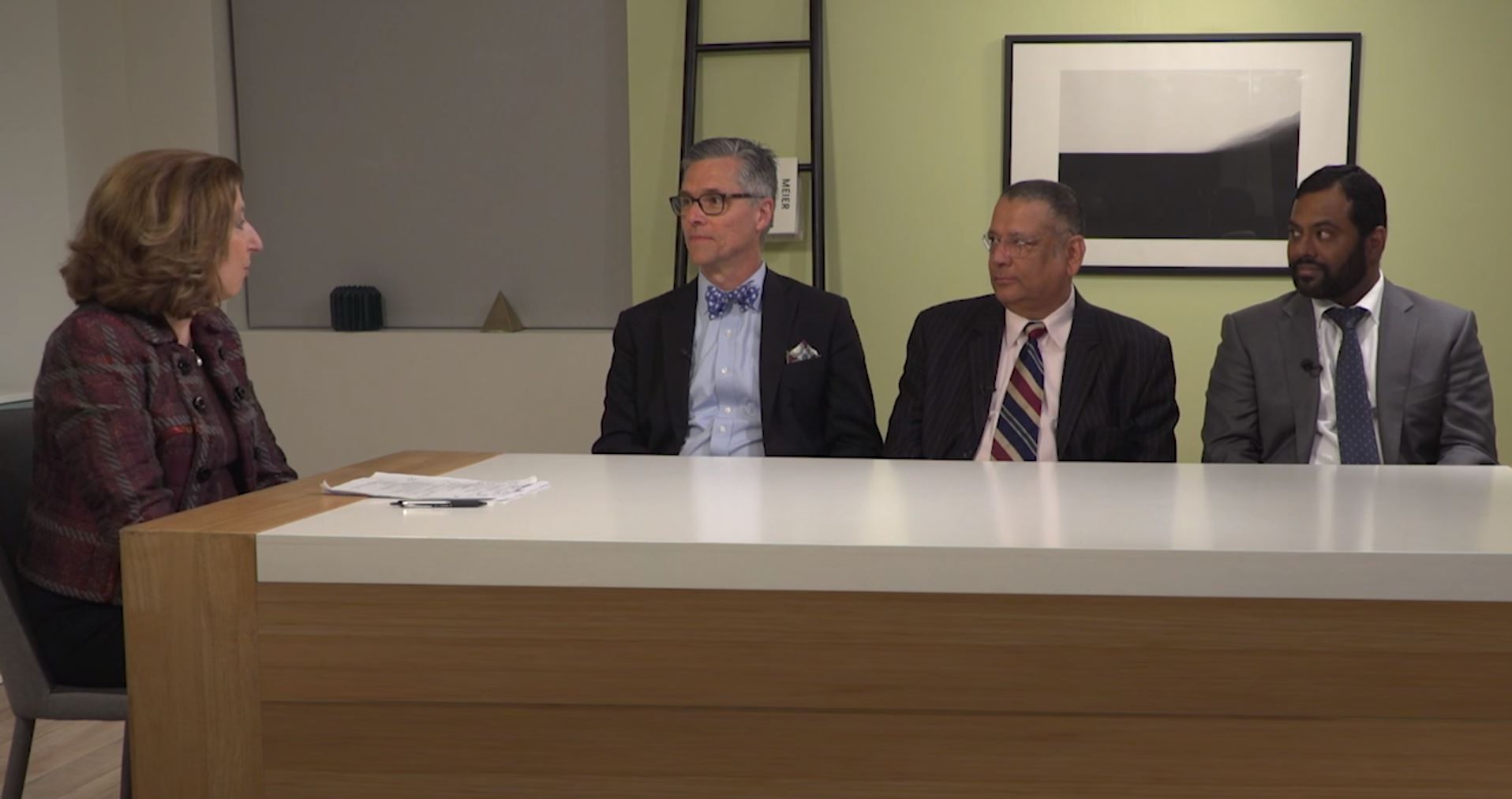
Tofacitinib: FDA panel recommends ulcerative colitis indication
SILVER SPRING, MD. – Federal advisors to the Food and Drug Administration on March 8 voted unanimously to recommend approval of an additional indication for tofacitinib (Xeljanz), this time for ulcerative colitis.
Members of the Gastrointestinal Drugs Advisory Committee unanimously voted to recommend two different dosing regimens: 10 mg twice daily for 16 weeks in patients who have not experienced a therapeutic benefit after 8 weeks of treatment, as well as 10 mg twice daily for patients who have an inadequate or loss of response to TNF-blocker therapy, based on the results of several phase 3 clinical trials.
The recommended ulcerative colitis (UC) indication was based on the OCTAVE trials (N Engl J Med 2017;376:1723-36), including a phase 2 study; two identical phase 3 induction trials (OCTAVE Induction 1 and OCTAVE Induction 2); a 53-week, phase 3 maintenance trial (OCTAVE Sustain); and an open-label extension study.
The induction trials enrolled a total of 1,139 patients with moderate to severe UC. Patients in both studies were administered tofacitinib 10 mg twice daily or placebo and were assessed after 8 weeks to judge clinical response. Patients in both studies displayed notable remission rates (18.5% and 16.6%), compared with placebo, according to Eric Maller, MD, executive director of the UC development program at Pfizer.
Patients who did not achieve remission but showed some clinical response (decrease in Mayo score of at least 3 points) were then enrolled in the 53-week OCTAVE Sustain, where they were randomized to receive tofacitinib 10 mg twice daily, 5 mg twice daily, or placebo.
During maintenance treatment, both 5-mg and 10-mg doses demonstrated substantial treatment benefits, with 32.4% and 41.0% of patients achieving remission, an increase of 22.0% and 30.7%, compared with placebo, respectively.
As part of the maintenance study, Pfizer analyzed patients with or without prior tumor necrosis factor–blocker failure. This analysis revealed that patients who had previously failed TNF-blocker therapy experienced a greater treatment benefit than those who had not. While the benefit was noticeable in both dosage groups, patients taking the 10-mg dose experienced the greatest benefit, with 70% increase in remission rates, 39% increase in mucosal healing, and 75% increase in steroid-free remission among baseline remitters, compared with patients in the 5-mg group, Dr. Maller said.
Researchers also looked at a subgroup of 295 patients who had no clinical response to tofacitinib 10 mg twice daily after 8 weeks and subsequently treated them for an additional 8 weeks, as part of an open-label extension study. After the additional 8 weeks of treatment, over half (51.2%) displayed clinical responses and 8.6% were in remission.
“This is a desperate patient population. These are impressive results,” stated Darrell Pardi, MD, vice chair of the advisory committee and professor of medicine at the Mayo Clinic, Rochester, Minn.
Serious adverse events were seen in 4% of tofacitinib-treated patients in the induction trials, compared with 6% of placebo-treated patients, according to Lesley Hanes, MD, medical officer with the FDA Center for Drug Evaluation and Research.
Adverse events appeared to be dose dependent, with risk of deaths and malignancies (excluding nonmelanoma skin cancer), opportunistic infections, herpes zoster infection, “possible” drug-induced liver injury, and cardiovascular and thromboembolic events more common with the 10-mg dose, Dr. Hanes said.
“I think the safety concerns, though, they are dose dependent, the difference between the 5 [mg] and 10 [mg] were not large,” according to Dr. Pardi. “Several of these are mitigatable by dermatologic exam or, hopefully, a vaccine.”
Several of the advisory committee members submitted conflict of interest waivers. Chair Jean-Pierre Raufman, MD, and vice chair Darrell Pardi, MD, disclosed funding from competing pharmaceutical manufacturers.
Visit www.gastro.org/IBD for patient education guides that you can share with your ulcerative colitis patients.
SILVER SPRING, MD. – Federal advisors to the Food and Drug Administration on March 8 voted unanimously to recommend approval of an additional indication for tofacitinib (Xeljanz), this time for ulcerative colitis.
Members of the Gastrointestinal Drugs Advisory Committee unanimously voted to recommend two different dosing regimens: 10 mg twice daily for 16 weeks in patients who have not experienced a therapeutic benefit after 8 weeks of treatment, as well as 10 mg twice daily for patients who have an inadequate or loss of response to TNF-blocker therapy, based on the results of several phase 3 clinical trials.
The recommended ulcerative colitis (UC) indication was based on the OCTAVE trials (N Engl J Med 2017;376:1723-36), including a phase 2 study; two identical phase 3 induction trials (OCTAVE Induction 1 and OCTAVE Induction 2); a 53-week, phase 3 maintenance trial (OCTAVE Sustain); and an open-label extension study.
The induction trials enrolled a total of 1,139 patients with moderate to severe UC. Patients in both studies were administered tofacitinib 10 mg twice daily or placebo and were assessed after 8 weeks to judge clinical response. Patients in both studies displayed notable remission rates (18.5% and 16.6%), compared with placebo, according to Eric Maller, MD, executive director of the UC development program at Pfizer.
Patients who did not achieve remission but showed some clinical response (decrease in Mayo score of at least 3 points) were then enrolled in the 53-week OCTAVE Sustain, where they were randomized to receive tofacitinib 10 mg twice daily, 5 mg twice daily, or placebo.
During maintenance treatment, both 5-mg and 10-mg doses demonstrated substantial treatment benefits, with 32.4% and 41.0% of patients achieving remission, an increase of 22.0% and 30.7%, compared with placebo, respectively.
As part of the maintenance study, Pfizer analyzed patients with or without prior tumor necrosis factor–blocker failure. This analysis revealed that patients who had previously failed TNF-blocker therapy experienced a greater treatment benefit than those who had not. While the benefit was noticeable in both dosage groups, patients taking the 10-mg dose experienced the greatest benefit, with 70% increase in remission rates, 39% increase in mucosal healing, and 75% increase in steroid-free remission among baseline remitters, compared with patients in the 5-mg group, Dr. Maller said.
Researchers also looked at a subgroup of 295 patients who had no clinical response to tofacitinib 10 mg twice daily after 8 weeks and subsequently treated them for an additional 8 weeks, as part of an open-label extension study. After the additional 8 weeks of treatment, over half (51.2%) displayed clinical responses and 8.6% were in remission.
“This is a desperate patient population. These are impressive results,” stated Darrell Pardi, MD, vice chair of the advisory committee and professor of medicine at the Mayo Clinic, Rochester, Minn.
Serious adverse events were seen in 4% of tofacitinib-treated patients in the induction trials, compared with 6% of placebo-treated patients, according to Lesley Hanes, MD, medical officer with the FDA Center for Drug Evaluation and Research.
Adverse events appeared to be dose dependent, with risk of deaths and malignancies (excluding nonmelanoma skin cancer), opportunistic infections, herpes zoster infection, “possible” drug-induced liver injury, and cardiovascular and thromboembolic events more common with the 10-mg dose, Dr. Hanes said.
“I think the safety concerns, though, they are dose dependent, the difference between the 5 [mg] and 10 [mg] were not large,” according to Dr. Pardi. “Several of these are mitigatable by dermatologic exam or, hopefully, a vaccine.”
Several of the advisory committee members submitted conflict of interest waivers. Chair Jean-Pierre Raufman, MD, and vice chair Darrell Pardi, MD, disclosed funding from competing pharmaceutical manufacturers.
Visit www.gastro.org/IBD for patient education guides that you can share with your ulcerative colitis patients.
SILVER SPRING, MD. – Federal advisors to the Food and Drug Administration on March 8 voted unanimously to recommend approval of an additional indication for tofacitinib (Xeljanz), this time for ulcerative colitis.
Members of the Gastrointestinal Drugs Advisory Committee unanimously voted to recommend two different dosing regimens: 10 mg twice daily for 16 weeks in patients who have not experienced a therapeutic benefit after 8 weeks of treatment, as well as 10 mg twice daily for patients who have an inadequate or loss of response to TNF-blocker therapy, based on the results of several phase 3 clinical trials.
The recommended ulcerative colitis (UC) indication was based on the OCTAVE trials (N Engl J Med 2017;376:1723-36), including a phase 2 study; two identical phase 3 induction trials (OCTAVE Induction 1 and OCTAVE Induction 2); a 53-week, phase 3 maintenance trial (OCTAVE Sustain); and an open-label extension study.
The induction trials enrolled a total of 1,139 patients with moderate to severe UC. Patients in both studies were administered tofacitinib 10 mg twice daily or placebo and were assessed after 8 weeks to judge clinical response. Patients in both studies displayed notable remission rates (18.5% and 16.6%), compared with placebo, according to Eric Maller, MD, executive director of the UC development program at Pfizer.
Patients who did not achieve remission but showed some clinical response (decrease in Mayo score of at least 3 points) were then enrolled in the 53-week OCTAVE Sustain, where they were randomized to receive tofacitinib 10 mg twice daily, 5 mg twice daily, or placebo.
During maintenance treatment, both 5-mg and 10-mg doses demonstrated substantial treatment benefits, with 32.4% and 41.0% of patients achieving remission, an increase of 22.0% and 30.7%, compared with placebo, respectively.
As part of the maintenance study, Pfizer analyzed patients with or without prior tumor necrosis factor–blocker failure. This analysis revealed that patients who had previously failed TNF-blocker therapy experienced a greater treatment benefit than those who had not. While the benefit was noticeable in both dosage groups, patients taking the 10-mg dose experienced the greatest benefit, with 70% increase in remission rates, 39% increase in mucosal healing, and 75% increase in steroid-free remission among baseline remitters, compared with patients in the 5-mg group, Dr. Maller said.
Researchers also looked at a subgroup of 295 patients who had no clinical response to tofacitinib 10 mg twice daily after 8 weeks and subsequently treated them for an additional 8 weeks, as part of an open-label extension study. After the additional 8 weeks of treatment, over half (51.2%) displayed clinical responses and 8.6% were in remission.
“This is a desperate patient population. These are impressive results,” stated Darrell Pardi, MD, vice chair of the advisory committee and professor of medicine at the Mayo Clinic, Rochester, Minn.
Serious adverse events were seen in 4% of tofacitinib-treated patients in the induction trials, compared with 6% of placebo-treated patients, according to Lesley Hanes, MD, medical officer with the FDA Center for Drug Evaluation and Research.
Adverse events appeared to be dose dependent, with risk of deaths and malignancies (excluding nonmelanoma skin cancer), opportunistic infections, herpes zoster infection, “possible” drug-induced liver injury, and cardiovascular and thromboembolic events more common with the 10-mg dose, Dr. Hanes said.
“I think the safety concerns, though, they are dose dependent, the difference between the 5 [mg] and 10 [mg] were not large,” according to Dr. Pardi. “Several of these are mitigatable by dermatologic exam or, hopefully, a vaccine.”
Several of the advisory committee members submitted conflict of interest waivers. Chair Jean-Pierre Raufman, MD, and vice chair Darrell Pardi, MD, disclosed funding from competing pharmaceutical manufacturers.
Visit www.gastro.org/IBD for patient education guides that you can share with your ulcerative colitis patients.
REPORTING FROM AN FDA ADVISORY COMMITTEE MEETING
Nonendoscopic nonmalignant polyp surgery increasing despite greater risk
Rate of nonendoscopic surgeries for nonmalignant colorectal polyps significantly increased from 5.9 to 9.4 per 100,000 people from 2000 to 2014, according to a study in Gastroenterology.
These surgeries are not only associated with a much higher risk to patients than endoscopic procedures, but they are significantly less cost effective, confusing investigators as to the cause of the increase.
“The literature to date is clear that endoscopic resection is the preferred management of nonmalignant colorectal polyps,” Anne Peery, MD, gastroenterologist at the University of North Carolina at Chapel Hill, and colleagues explained. “Among patients who have surgery for a nonmalignant colorectal polyp, 14% will have at least one major short-term postoperative event.”
Data from 1,230,458 surgeries conducted during 2000-2014 and recorded in the Healthcare Cost and Utilization Project National Inpatients Sample were included in this study. Patients who underwent a nonendoscopic procedure for nonmalignant polyps were predominantly non-Hispanic white, covered by Medicare, from the highest household income range, and an average age of 66 years.
While non-Hispanic white patients had the highest overall rate increase by ethnicity, rising from 5.6 to 10.5 per 100,000 population, rates in non-Hispanic black and Hispanic patients also rose significantly, increasing from 3.5 to 5.8 per 100,000 population, and from 1.1 to 3.7 per 100,000 population, respectively.
Regionally, rates of surgery were higher in the Midwest (10.8 per 100,000) and the South (10.6 per 100,000) than in the Northeast (7.8 per 100,000) and West (7.5 per 100,000). Incidence rates rose equally during the study period for both men and women.
Large urban teaching hospitals were found to have the largest rate increase when data were stratified by teaching status, a finding which caught Dr. Peery and fellow investigators by surprise.
“We had hypothesized that surgery for nonmalignant colorectal polyps would be both uncommon and declining in teaching hospitals where providers are more likely to be familiar with current guidelines and to have access to endoscopic mucosal resection,” wrote the investigators. “Instead, we found that surgery for nonmalignant colorectal polyps is both common and significantly increasing in teaching hospitals.”
The investigators first hypothesized the increased rate in teaching hospitals could be due to a higher concentration of case referrals to these high-volume centers, following a trend of centralizing cancer procedures. However, there has been no other sign that colon and rectal cancer procedures are following this trend.
Another option considered by Dr. Peery and her colleagues was that increased procedures may stem from a rise in colorectal cancer screening; however, the data indicate screenings did not change from 2010 to 2015, leaving investigators with few final guesses to go on.
“It is also conceivable that increasing production pressure and inadequate reimbursement for endoscopic mucosal resection may persuade endoscopists to refer patients with complex nonmalignant colorectal polyps for surgery,” said Dr. Peery and fellow investigators. “Finally, there is the issue of risk ... for endoscopists without additional training in advanced endoscopic resection, these risks may be perceived as too great, especially when they have the option of referring for a surgical resection.”
There is a possibility that the incidence of surgery was over- or underestimated, as investigators were using ICD-9 codes to identify cases, and patients with diverticulitis were also excluded, which may have affected results.
The investigators reported no relevant financial disclosures.
SOURCE: Peery A et al. Gastroenterology. 2018 Jan 6. doi: 10.1053/j.gastro.2018.01.003.
In this comprehensive analysis, Peery et al. found a rising incidence of surgery for nonmalignant colorectal polyps despite relatively stable colorectal cancer screening rates and with decreasing incidence of colorectal cancer surgery.
In a separate study, the authors found that 14% of patients who underwent surgical resection of nonmalignant colorectal polyps had a major postoperative event. Other population-based studies have reported similar incidence of surgical complications.
This report thus raises concern for inappropriate surgical referral. While reimbursement models may play a role, many factors are involved with surgical referral. Complex polypectomy, often using endoscopic mucosal resection techniques to remove large polyps, is associated with higher rates of bleeding, perforation, and incomplete resection, compared with standard polypectomies. The decision to refer to surgery or to attempt endoscopic resection is based on provider experience and polyp characteristics, including suspicion for malignancy. Current literature suggests that surgical removal is recommended less frequently by specialists in complex polypectomy, compared with nonspecialists.
Given this study’s findings, health systems should consider including surgical referral rates in their quality measures. Thus, high-quality endoscopy centers would ensure that complex polyps are appropriately characterized and initially managed by endoscopists experienced in complex polypectomy. This is especially important with the increasing repertoire of endoscopic alternatives to surgery that we can offer our patients.
Gyanprakash A. Ketwaroo, MD, MSc, is an an assistant professor, division of gastroenterology and hepatology, Baylor College of Medicine, Houston. He has no conflicts.
In this comprehensive analysis, Peery et al. found a rising incidence of surgery for nonmalignant colorectal polyps despite relatively stable colorectal cancer screening rates and with decreasing incidence of colorectal cancer surgery.
In a separate study, the authors found that 14% of patients who underwent surgical resection of nonmalignant colorectal polyps had a major postoperative event. Other population-based studies have reported similar incidence of surgical complications.
This report thus raises concern for inappropriate surgical referral. While reimbursement models may play a role, many factors are involved with surgical referral. Complex polypectomy, often using endoscopic mucosal resection techniques to remove large polyps, is associated with higher rates of bleeding, perforation, and incomplete resection, compared with standard polypectomies. The decision to refer to surgery or to attempt endoscopic resection is based on provider experience and polyp characteristics, including suspicion for malignancy. Current literature suggests that surgical removal is recommended less frequently by specialists in complex polypectomy, compared with nonspecialists.
Given this study’s findings, health systems should consider including surgical referral rates in their quality measures. Thus, high-quality endoscopy centers would ensure that complex polyps are appropriately characterized and initially managed by endoscopists experienced in complex polypectomy. This is especially important with the increasing repertoire of endoscopic alternatives to surgery that we can offer our patients.
Gyanprakash A. Ketwaroo, MD, MSc, is an an assistant professor, division of gastroenterology and hepatology, Baylor College of Medicine, Houston. He has no conflicts.
In this comprehensive analysis, Peery et al. found a rising incidence of surgery for nonmalignant colorectal polyps despite relatively stable colorectal cancer screening rates and with decreasing incidence of colorectal cancer surgery.
In a separate study, the authors found that 14% of patients who underwent surgical resection of nonmalignant colorectal polyps had a major postoperative event. Other population-based studies have reported similar incidence of surgical complications.
This report thus raises concern for inappropriate surgical referral. While reimbursement models may play a role, many factors are involved with surgical referral. Complex polypectomy, often using endoscopic mucosal resection techniques to remove large polyps, is associated with higher rates of bleeding, perforation, and incomplete resection, compared with standard polypectomies. The decision to refer to surgery or to attempt endoscopic resection is based on provider experience and polyp characteristics, including suspicion for malignancy. Current literature suggests that surgical removal is recommended less frequently by specialists in complex polypectomy, compared with nonspecialists.
Given this study’s findings, health systems should consider including surgical referral rates in their quality measures. Thus, high-quality endoscopy centers would ensure that complex polyps are appropriately characterized and initially managed by endoscopists experienced in complex polypectomy. This is especially important with the increasing repertoire of endoscopic alternatives to surgery that we can offer our patients.
Gyanprakash A. Ketwaroo, MD, MSc, is an an assistant professor, division of gastroenterology and hepatology, Baylor College of Medicine, Houston. He has no conflicts.
Rate of nonendoscopic surgeries for nonmalignant colorectal polyps significantly increased from 5.9 to 9.4 per 100,000 people from 2000 to 2014, according to a study in Gastroenterology.
These surgeries are not only associated with a much higher risk to patients than endoscopic procedures, but they are significantly less cost effective, confusing investigators as to the cause of the increase.
“The literature to date is clear that endoscopic resection is the preferred management of nonmalignant colorectal polyps,” Anne Peery, MD, gastroenterologist at the University of North Carolina at Chapel Hill, and colleagues explained. “Among patients who have surgery for a nonmalignant colorectal polyp, 14% will have at least one major short-term postoperative event.”
Data from 1,230,458 surgeries conducted during 2000-2014 and recorded in the Healthcare Cost and Utilization Project National Inpatients Sample were included in this study. Patients who underwent a nonendoscopic procedure for nonmalignant polyps were predominantly non-Hispanic white, covered by Medicare, from the highest household income range, and an average age of 66 years.
While non-Hispanic white patients had the highest overall rate increase by ethnicity, rising from 5.6 to 10.5 per 100,000 population, rates in non-Hispanic black and Hispanic patients also rose significantly, increasing from 3.5 to 5.8 per 100,000 population, and from 1.1 to 3.7 per 100,000 population, respectively.
Regionally, rates of surgery were higher in the Midwest (10.8 per 100,000) and the South (10.6 per 100,000) than in the Northeast (7.8 per 100,000) and West (7.5 per 100,000). Incidence rates rose equally during the study period for both men and women.
Large urban teaching hospitals were found to have the largest rate increase when data were stratified by teaching status, a finding which caught Dr. Peery and fellow investigators by surprise.
“We had hypothesized that surgery for nonmalignant colorectal polyps would be both uncommon and declining in teaching hospitals where providers are more likely to be familiar with current guidelines and to have access to endoscopic mucosal resection,” wrote the investigators. “Instead, we found that surgery for nonmalignant colorectal polyps is both common and significantly increasing in teaching hospitals.”
The investigators first hypothesized the increased rate in teaching hospitals could be due to a higher concentration of case referrals to these high-volume centers, following a trend of centralizing cancer procedures. However, there has been no other sign that colon and rectal cancer procedures are following this trend.
Another option considered by Dr. Peery and her colleagues was that increased procedures may stem from a rise in colorectal cancer screening; however, the data indicate screenings did not change from 2010 to 2015, leaving investigators with few final guesses to go on.
“It is also conceivable that increasing production pressure and inadequate reimbursement for endoscopic mucosal resection may persuade endoscopists to refer patients with complex nonmalignant colorectal polyps for surgery,” said Dr. Peery and fellow investigators. “Finally, there is the issue of risk ... for endoscopists without additional training in advanced endoscopic resection, these risks may be perceived as too great, especially when they have the option of referring for a surgical resection.”
There is a possibility that the incidence of surgery was over- or underestimated, as investigators were using ICD-9 codes to identify cases, and patients with diverticulitis were also excluded, which may have affected results.
The investigators reported no relevant financial disclosures.
SOURCE: Peery A et al. Gastroenterology. 2018 Jan 6. doi: 10.1053/j.gastro.2018.01.003.
Rate of nonendoscopic surgeries for nonmalignant colorectal polyps significantly increased from 5.9 to 9.4 per 100,000 people from 2000 to 2014, according to a study in Gastroenterology.
These surgeries are not only associated with a much higher risk to patients than endoscopic procedures, but they are significantly less cost effective, confusing investigators as to the cause of the increase.
“The literature to date is clear that endoscopic resection is the preferred management of nonmalignant colorectal polyps,” Anne Peery, MD, gastroenterologist at the University of North Carolina at Chapel Hill, and colleagues explained. “Among patients who have surgery for a nonmalignant colorectal polyp, 14% will have at least one major short-term postoperative event.”
Data from 1,230,458 surgeries conducted during 2000-2014 and recorded in the Healthcare Cost and Utilization Project National Inpatients Sample were included in this study. Patients who underwent a nonendoscopic procedure for nonmalignant polyps were predominantly non-Hispanic white, covered by Medicare, from the highest household income range, and an average age of 66 years.
While non-Hispanic white patients had the highest overall rate increase by ethnicity, rising from 5.6 to 10.5 per 100,000 population, rates in non-Hispanic black and Hispanic patients also rose significantly, increasing from 3.5 to 5.8 per 100,000 population, and from 1.1 to 3.7 per 100,000 population, respectively.
Regionally, rates of surgery were higher in the Midwest (10.8 per 100,000) and the South (10.6 per 100,000) than in the Northeast (7.8 per 100,000) and West (7.5 per 100,000). Incidence rates rose equally during the study period for both men and women.
Large urban teaching hospitals were found to have the largest rate increase when data were stratified by teaching status, a finding which caught Dr. Peery and fellow investigators by surprise.
“We had hypothesized that surgery for nonmalignant colorectal polyps would be both uncommon and declining in teaching hospitals where providers are more likely to be familiar with current guidelines and to have access to endoscopic mucosal resection,” wrote the investigators. “Instead, we found that surgery for nonmalignant colorectal polyps is both common and significantly increasing in teaching hospitals.”
The investigators first hypothesized the increased rate in teaching hospitals could be due to a higher concentration of case referrals to these high-volume centers, following a trend of centralizing cancer procedures. However, there has been no other sign that colon and rectal cancer procedures are following this trend.
Another option considered by Dr. Peery and her colleagues was that increased procedures may stem from a rise in colorectal cancer screening; however, the data indicate screenings did not change from 2010 to 2015, leaving investigators with few final guesses to go on.
“It is also conceivable that increasing production pressure and inadequate reimbursement for endoscopic mucosal resection may persuade endoscopists to refer patients with complex nonmalignant colorectal polyps for surgery,” said Dr. Peery and fellow investigators. “Finally, there is the issue of risk ... for endoscopists without additional training in advanced endoscopic resection, these risks may be perceived as too great, especially when they have the option of referring for a surgical resection.”
There is a possibility that the incidence of surgery was over- or underestimated, as investigators were using ICD-9 codes to identify cases, and patients with diverticulitis were also excluded, which may have affected results.
The investigators reported no relevant financial disclosures.
SOURCE: Peery A et al. Gastroenterology. 2018 Jan 6. doi: 10.1053/j.gastro.2018.01.003.
FROM GASTROENTEROLOGY
Key clinical point: Surgical resections for nonmalignant colorectal polyps are increasing while safer endoscopic procedures are available.
Major finding: Incidence rate of surgery for nonmalignant polyps has increased from 5.9 to 9.4 per 100,000 adults from 2000 to 2014.
Study details: A retrospective study of 1,230,458 surgeries recorded in the Healthcare Cost and Utilization Project National Inpatient Sample from 2000 to 2014.
Disclosures: The authors reported no relevant financial disclosures.
Source: Peery A et al. Gastroenterology. 2018 Jan 6. doi: 10.1053/j.gastro.2018.01.003.
Xeljanz: FDA panel recommends ulcerative colitis indication
SILVER SPRING, MD. – Federal advisors to the Food and Drug Administration on March 8 voted unanimously to recommend approval of an additional indication for tofacitinib (Xeljanz), this time for ulcerative colitis.
Members of the Gastrointestinal Drugs Advisory Committee unanimously voted to recommend two different dosing regimens: 10 mg twice daily for 16 weeks in patients who have not experienced a therapeutic benefit after 8 weeks of treatment, as well as 10 mg twice daily for patients who have an inadequate or loss of response to TNF-blocker therapy, based on the results of several phase 3 clinical trials.
The recommended ulcerative colitis (UC) indication was based on the OCTAVE trials (N Engl J Med 2017;376:1723-36), including a phase 2 study, two identical phase 3 induction trials (OCTAVE Induction 1 and OCTAVE Induction 2), a 53-week, phase 3 maintenance trial (OCTAVE Sustain), and an open-label extension study.
The induction trials enrolled a total of 1,139 patients with moderate to severe UC. Patients in both studies were administered tofacitinib 10 mg twice daily or placebo and were assessed after 8 weeks to judge clinical response. Patients in both studies displayed notable remission rates (18.5% and 16.6%), compared with placebo, according to Eric Maller, MD, executive director of the UC development program at Pfizer.*
Patients who did not achieve remission, but showed some clinical response (decrease in Mayo score of at least 3 points), were then enrolled in the 53-week OCTAVE Sustain, where they were randomized to receive tofacitinib 10 mg twice daily, 5 mg twice daily, or placebo.
During maintenance treatment, both 5 mg and 10 mg doses demonstrated substantial treatment benefits, with 32.4% and 41.0% of patients achieving remission, an increase of 22.0% and 30.7%, compared with placebo, respectively.
As part of the maintenance study, Pfizer analyzed patients with or without prior TNF-blocker failure. This analysis revealed that patients who had previously failed TNF-blocker therapy experienced a greater treatment benefit than those who had not. While the benefit was noticeable in both dosage groups, patients taking the 10-mg dose experienced the greatest benefit, with 70% increase in remission rates, 39% increase in mucosal healing, and 75% increase in steroid-free remission among baseline remitters, compared with patients in the 5-mg group, Dr. Maller said.
Researchers also looked at a subgroup of 295 patients as part of an open-label extension study who had no clinical response to tofacitinib 10 mg twice daily after 8 weeks and subsequently treated them for an additional 8 weeks. After the additional 8 weeks of treatment, over half (51.2%) displayed clinical responses and 8.6% were in remission.
“This is a desperate patient population. These are impressive results,” stated Darrell Pardi, MD, vice chair of the advisory committee and professor of medicine at the Mayo Clinic, Rochester, Minn.
Serious adverse events were seen in 4% of tofacitinib-treated patients in the induction trials, compared with 6% of placebo-treated, according to Lesley Hanes, MD, medical officer with the FDA Center for Drug Evaluation and Research.
Adverse events appeared to be dose dependent, with risk of deaths and malignancies (excluding nonmelanoma skin cancer), opportunistic infections, herpes zoster infection (HZ), “possible” drug-induced liver injury, and cardiovascular and thromboembolic events more common with the 10-mg dose, Dr. Hanes said.
“I think the safety concerns, though, they are dose dependent, the difference between the 5 [mg] and 10 [mg] were not large,” according to Dr. Pardi. “Several of these are mitigatable by dermatologic exam or, hopefully, a vaccine.”
Several of the advisory committee members submitted conflict of interest waivers. Chair and vice chair Jean-Pierre Raufman, MD, and Darrell Pardi, MD, disclosed funding from competing pharmaceutical manufacturers.
*This article was updated on March 12, 2018.
SILVER SPRING, MD. – Federal advisors to the Food and Drug Administration on March 8 voted unanimously to recommend approval of an additional indication for tofacitinib (Xeljanz), this time for ulcerative colitis.
Members of the Gastrointestinal Drugs Advisory Committee unanimously voted to recommend two different dosing regimens: 10 mg twice daily for 16 weeks in patients who have not experienced a therapeutic benefit after 8 weeks of treatment, as well as 10 mg twice daily for patients who have an inadequate or loss of response to TNF-blocker therapy, based on the results of several phase 3 clinical trials.
The recommended ulcerative colitis (UC) indication was based on the OCTAVE trials (N Engl J Med 2017;376:1723-36), including a phase 2 study, two identical phase 3 induction trials (OCTAVE Induction 1 and OCTAVE Induction 2), a 53-week, phase 3 maintenance trial (OCTAVE Sustain), and an open-label extension study.
The induction trials enrolled a total of 1,139 patients with moderate to severe UC. Patients in both studies were administered tofacitinib 10 mg twice daily or placebo and were assessed after 8 weeks to judge clinical response. Patients in both studies displayed notable remission rates (18.5% and 16.6%), compared with placebo, according to Eric Maller, MD, executive director of the UC development program at Pfizer.*
Patients who did not achieve remission, but showed some clinical response (decrease in Mayo score of at least 3 points), were then enrolled in the 53-week OCTAVE Sustain, where they were randomized to receive tofacitinib 10 mg twice daily, 5 mg twice daily, or placebo.
During maintenance treatment, both 5 mg and 10 mg doses demonstrated substantial treatment benefits, with 32.4% and 41.0% of patients achieving remission, an increase of 22.0% and 30.7%, compared with placebo, respectively.
As part of the maintenance study, Pfizer analyzed patients with or without prior TNF-blocker failure. This analysis revealed that patients who had previously failed TNF-blocker therapy experienced a greater treatment benefit than those who had not. While the benefit was noticeable in both dosage groups, patients taking the 10-mg dose experienced the greatest benefit, with 70% increase in remission rates, 39% increase in mucosal healing, and 75% increase in steroid-free remission among baseline remitters, compared with patients in the 5-mg group, Dr. Maller said.
Researchers also looked at a subgroup of 295 patients as part of an open-label extension study who had no clinical response to tofacitinib 10 mg twice daily after 8 weeks and subsequently treated them for an additional 8 weeks. After the additional 8 weeks of treatment, over half (51.2%) displayed clinical responses and 8.6% were in remission.
“This is a desperate patient population. These are impressive results,” stated Darrell Pardi, MD, vice chair of the advisory committee and professor of medicine at the Mayo Clinic, Rochester, Minn.
Serious adverse events were seen in 4% of tofacitinib-treated patients in the induction trials, compared with 6% of placebo-treated, according to Lesley Hanes, MD, medical officer with the FDA Center for Drug Evaluation and Research.
Adverse events appeared to be dose dependent, with risk of deaths and malignancies (excluding nonmelanoma skin cancer), opportunistic infections, herpes zoster infection (HZ), “possible” drug-induced liver injury, and cardiovascular and thromboembolic events more common with the 10-mg dose, Dr. Hanes said.
“I think the safety concerns, though, they are dose dependent, the difference between the 5 [mg] and 10 [mg] were not large,” according to Dr. Pardi. “Several of these are mitigatable by dermatologic exam or, hopefully, a vaccine.”
Several of the advisory committee members submitted conflict of interest waivers. Chair and vice chair Jean-Pierre Raufman, MD, and Darrell Pardi, MD, disclosed funding from competing pharmaceutical manufacturers.
*This article was updated on March 12, 2018.
SILVER SPRING, MD. – Federal advisors to the Food and Drug Administration on March 8 voted unanimously to recommend approval of an additional indication for tofacitinib (Xeljanz), this time for ulcerative colitis.
Members of the Gastrointestinal Drugs Advisory Committee unanimously voted to recommend two different dosing regimens: 10 mg twice daily for 16 weeks in patients who have not experienced a therapeutic benefit after 8 weeks of treatment, as well as 10 mg twice daily for patients who have an inadequate or loss of response to TNF-blocker therapy, based on the results of several phase 3 clinical trials.
The recommended ulcerative colitis (UC) indication was based on the OCTAVE trials (N Engl J Med 2017;376:1723-36), including a phase 2 study, two identical phase 3 induction trials (OCTAVE Induction 1 and OCTAVE Induction 2), a 53-week, phase 3 maintenance trial (OCTAVE Sustain), and an open-label extension study.
The induction trials enrolled a total of 1,139 patients with moderate to severe UC. Patients in both studies were administered tofacitinib 10 mg twice daily or placebo and were assessed after 8 weeks to judge clinical response. Patients in both studies displayed notable remission rates (18.5% and 16.6%), compared with placebo, according to Eric Maller, MD, executive director of the UC development program at Pfizer.*
Patients who did not achieve remission, but showed some clinical response (decrease in Mayo score of at least 3 points), were then enrolled in the 53-week OCTAVE Sustain, where they were randomized to receive tofacitinib 10 mg twice daily, 5 mg twice daily, or placebo.
During maintenance treatment, both 5 mg and 10 mg doses demonstrated substantial treatment benefits, with 32.4% and 41.0% of patients achieving remission, an increase of 22.0% and 30.7%, compared with placebo, respectively.
As part of the maintenance study, Pfizer analyzed patients with or without prior TNF-blocker failure. This analysis revealed that patients who had previously failed TNF-blocker therapy experienced a greater treatment benefit than those who had not. While the benefit was noticeable in both dosage groups, patients taking the 10-mg dose experienced the greatest benefit, with 70% increase in remission rates, 39% increase in mucosal healing, and 75% increase in steroid-free remission among baseline remitters, compared with patients in the 5-mg group, Dr. Maller said.
Researchers also looked at a subgroup of 295 patients as part of an open-label extension study who had no clinical response to tofacitinib 10 mg twice daily after 8 weeks and subsequently treated them for an additional 8 weeks. After the additional 8 weeks of treatment, over half (51.2%) displayed clinical responses and 8.6% were in remission.
“This is a desperate patient population. These are impressive results,” stated Darrell Pardi, MD, vice chair of the advisory committee and professor of medicine at the Mayo Clinic, Rochester, Minn.
Serious adverse events were seen in 4% of tofacitinib-treated patients in the induction trials, compared with 6% of placebo-treated, according to Lesley Hanes, MD, medical officer with the FDA Center for Drug Evaluation and Research.
Adverse events appeared to be dose dependent, with risk of deaths and malignancies (excluding nonmelanoma skin cancer), opportunistic infections, herpes zoster infection (HZ), “possible” drug-induced liver injury, and cardiovascular and thromboembolic events more common with the 10-mg dose, Dr. Hanes said.
“I think the safety concerns, though, they are dose dependent, the difference between the 5 [mg] and 10 [mg] were not large,” according to Dr. Pardi. “Several of these are mitigatable by dermatologic exam or, hopefully, a vaccine.”
Several of the advisory committee members submitted conflict of interest waivers. Chair and vice chair Jean-Pierre Raufman, MD, and Darrell Pardi, MD, disclosed funding from competing pharmaceutical manufacturers.
*This article was updated on March 12, 2018.
REPORTING FROM AN FDA ADVISORY COMMITTEE MEETING