User login
VIDEO: Stroop app predicts hepatic encephalopathy
WASHINGTON – One of the many comorbidities of cirrhosis is hepatic encephalopathy and its development is insidious. Often the patient is unaware and symptoms may not be so obvious to the physician that testing seems imperative, according to Dr. Jasmohan Bajaj of Virginia Commonwealth University in Richmond and McGuire VAMC.
He and his coworkers have developed an easy-to-use smartphone screening tool that tests the patient’s cognitive speed and flexibility, which physicians can administer themselves without having to refer the patient to psychiatric services. Currently, the need for a referral often means that these end-stage liver patients are not screened or treated for hepatic encephalopathy until their cognitive symptoms are overt.
Dr. Bajaj has received support or consulting fees from, or has been on advisory committees for, Merz, Otsuka, Salix, and Grifols.
The video associated with this article is no longer available on this site. Please view all of our videos on the MDedge YouTube channel
WASHINGTON – One of the many comorbidities of cirrhosis is hepatic encephalopathy and its development is insidious. Often the patient is unaware and symptoms may not be so obvious to the physician that testing seems imperative, according to Dr. Jasmohan Bajaj of Virginia Commonwealth University in Richmond and McGuire VAMC.
He and his coworkers have developed an easy-to-use smartphone screening tool that tests the patient’s cognitive speed and flexibility, which physicians can administer themselves without having to refer the patient to psychiatric services. Currently, the need for a referral often means that these end-stage liver patients are not screened or treated for hepatic encephalopathy until their cognitive symptoms are overt.
Dr. Bajaj has received support or consulting fees from, or has been on advisory committees for, Merz, Otsuka, Salix, and Grifols.
The video associated with this article is no longer available on this site. Please view all of our videos on the MDedge YouTube channel
WASHINGTON – One of the many comorbidities of cirrhosis is hepatic encephalopathy and its development is insidious. Often the patient is unaware and symptoms may not be so obvious to the physician that testing seems imperative, according to Dr. Jasmohan Bajaj of Virginia Commonwealth University in Richmond and McGuire VAMC.
He and his coworkers have developed an easy-to-use smartphone screening tool that tests the patient’s cognitive speed and flexibility, which physicians can administer themselves without having to refer the patient to psychiatric services. Currently, the need for a referral often means that these end-stage liver patients are not screened or treated for hepatic encephalopathy until their cognitive symptoms are overt.
Dr. Bajaj has received support or consulting fees from, or has been on advisory committees for, Merz, Otsuka, Salix, and Grifols.
The video associated with this article is no longer available on this site. Please view all of our videos on the MDedge YouTube channel
AT DDW 2015

DDW: VIDEO: What we don’t know in the management of liver disease and coagulopathy
WASHINGTON – Your patient has cirrhosis, platelets 60,000 mm3, an INR of 2.0, serum creatinine of 1.2 mg/dL, and requires an endoscopic retrograde cholangiopancreatography with sphincterotomy.
What do you do next?
Management of a patient such as this is challenging, but not just because of the long-perceived risk for bleeding, Dr. Patrick S. Kamath of the Mayo Clinic in Rochester, Minn., said during a clinical symposium at the annual Digestive Disease Week.
Several other factors must be considered, including the clotting risk in patients with liver disease and the fact that procedure-related bleeding risk cannot be adequately determined preprocedure. Transfusions also carry their own dangers in this patient population and should be approached with caution, he said.
To hear more from this world-renowned liver expert, check out our interview as we sat down with Dr. Kamath at this year’s DDW.
Dr. Kamath reported no relevant financial conflicts.
The video associated with this article is no longer available on this site. Please view all of our videos on the MDedge YouTube channel
On Twitter @pwendl
WASHINGTON – Your patient has cirrhosis, platelets 60,000 mm3, an INR of 2.0, serum creatinine of 1.2 mg/dL, and requires an endoscopic retrograde cholangiopancreatography with sphincterotomy.
What do you do next?
Management of a patient such as this is challenging, but not just because of the long-perceived risk for bleeding, Dr. Patrick S. Kamath of the Mayo Clinic in Rochester, Minn., said during a clinical symposium at the annual Digestive Disease Week.
Several other factors must be considered, including the clotting risk in patients with liver disease and the fact that procedure-related bleeding risk cannot be adequately determined preprocedure. Transfusions also carry their own dangers in this patient population and should be approached with caution, he said.
To hear more from this world-renowned liver expert, check out our interview as we sat down with Dr. Kamath at this year’s DDW.
Dr. Kamath reported no relevant financial conflicts.
The video associated with this article is no longer available on this site. Please view all of our videos on the MDedge YouTube channel
On Twitter @pwendl
WASHINGTON – Your patient has cirrhosis, platelets 60,000 mm3, an INR of 2.0, serum creatinine of 1.2 mg/dL, and requires an endoscopic retrograde cholangiopancreatography with sphincterotomy.
What do you do next?
Management of a patient such as this is challenging, but not just because of the long-perceived risk for bleeding, Dr. Patrick S. Kamath of the Mayo Clinic in Rochester, Minn., said during a clinical symposium at the annual Digestive Disease Week.
Several other factors must be considered, including the clotting risk in patients with liver disease and the fact that procedure-related bleeding risk cannot be adequately determined preprocedure. Transfusions also carry their own dangers in this patient population and should be approached with caution, he said.
To hear more from this world-renowned liver expert, check out our interview as we sat down with Dr. Kamath at this year’s DDW.
Dr. Kamath reported no relevant financial conflicts.
The video associated with this article is no longer available on this site. Please view all of our videos on the MDedge YouTube channel
On Twitter @pwendl
AT DDW 2015

DDW: Significant worker productivity gains with newer hepatitis C drugs
Achieving a cure in hepatitis C infection could result in significant economic gains, with a study estimating that the beneficial effects in terms of improved worker productivity could total around $3.23 billion per year for the United States alone.
Researchers used data on work productivity and activity scores from patients enrolled in clinical trials of the all-oral sofosbuvir and lepidasvir combo to estimate the impact of achieving sustained virologic response at 12 weeks (SVR-12) on workers’ productivity.
They calculated an average work productivity loss of $4,954 for each employed patient with chronic hepatitis C infection per year in the United States and $1,129 per year for the five European Union countries included in the mix.
“These new all-oral combinations such as lepidasvir and sofosbuvir have cure rates between 95% and 99% with minimum side effects, [so] treating patients with these combinations results in improved work productivity, improved quality of life, and patient-reported outcomes that can translate into economic benefit,” Dr. Zobair M. Younossi of the Inova Fairfax Medical Campus, Falls Church, Va., said at the annual Digestive Disease Week.
No conflicts of interest were disclosed.
Achieving a cure in hepatitis C infection could result in significant economic gains, with a study estimating that the beneficial effects in terms of improved worker productivity could total around $3.23 billion per year for the United States alone.
Researchers used data on work productivity and activity scores from patients enrolled in clinical trials of the all-oral sofosbuvir and lepidasvir combo to estimate the impact of achieving sustained virologic response at 12 weeks (SVR-12) on workers’ productivity.
They calculated an average work productivity loss of $4,954 for each employed patient with chronic hepatitis C infection per year in the United States and $1,129 per year for the five European Union countries included in the mix.
“These new all-oral combinations such as lepidasvir and sofosbuvir have cure rates between 95% and 99% with minimum side effects, [so] treating patients with these combinations results in improved work productivity, improved quality of life, and patient-reported outcomes that can translate into economic benefit,” Dr. Zobair M. Younossi of the Inova Fairfax Medical Campus, Falls Church, Va., said at the annual Digestive Disease Week.
No conflicts of interest were disclosed.
Achieving a cure in hepatitis C infection could result in significant economic gains, with a study estimating that the beneficial effects in terms of improved worker productivity could total around $3.23 billion per year for the United States alone.
Researchers used data on work productivity and activity scores from patients enrolled in clinical trials of the all-oral sofosbuvir and lepidasvir combo to estimate the impact of achieving sustained virologic response at 12 weeks (SVR-12) on workers’ productivity.
They calculated an average work productivity loss of $4,954 for each employed patient with chronic hepatitis C infection per year in the United States and $1,129 per year for the five European Union countries included in the mix.
“These new all-oral combinations such as lepidasvir and sofosbuvir have cure rates between 95% and 99% with minimum side effects, [so] treating patients with these combinations results in improved work productivity, improved quality of life, and patient-reported outcomes that can translate into economic benefit,” Dr. Zobair M. Younossi of the Inova Fairfax Medical Campus, Falls Church, Va., said at the annual Digestive Disease Week.
No conflicts of interest were disclosed.
FROM DDW 2015
Key clinical point: Achieving a cure in hepatitis C infection could result in significant economic gains from improved worker productivity.
Major finding: The beneficial effects in terms of improved worker productivity could total around $3.23 billion per year for the United States alone.
Data source: Economic model using data from hepatitis C clinical trials in the United States and Europe.
Disclosures: No conflicts of interest were disclosed.
Consider HCV ‘a cardiovascular risk factor’
VIENNA – Major cardiovascular (CV) events are significantly increased in hospital patients who are infected with the hepatitis C virus (HCV) versus those who are not, according to data presented at the meeting sponsored by the European Association for the Study of the Liver.
A retrospective analysis of more than 200,000 inpatients with and without HCV infection at discharge showed that those with HCV were 29% more likely to have had an acute MI, 98% more likely to have had a cerebral vascular accident (CVA), and 88% times more likely to have coronary artery disease (CAD). There was also an 8% increased risk for heart failure (HF).
“HCV infection is strongly linked to an increase in cardiovascular outcome, length of hospital stay, and cost of care,” Dr. Firew Wubiee and Dr. Charles Howell of Howard University, Washington, D.C., reported in an ePoster at the meeting.
For their retrospective analysis, data were obtained from the 2011 Nationwide Inpatient Sample, which is a large all-payer inpatient care database in the United States that contains information on more than 7 million hospital stays.
ICD-9 codes were used to identify all inpatient cases with and without HCV infection at discharge and those with major CV events, excluding those with liver cirrhosis, hepatocellular carcinoma, and cases of liver transplantation. Dr. Wubiee and Dr. Howell found that inpatients with HCV infection were significantly (P < .001) younger than were those without HCV (mean age 52.8 vs. 57.9 years). They were significantly more likely (P < .001) to be male (62.2% vs. 40%), have a smoking history (45.5% vs. 22.7%), be from ethnic or racial minorities (26.4% vs. 5.1%), and have a household income of less than $39,000 (41% vs. 29.1%).
While inpatients with HCV were also significantly (P < .001) more likely than were those without HCV to have diabetes mellitus (2.1% vs. 1.8%), they were significantly less likely (P < .001) to have other known CV risk factors such as obesity (8.7% vs. 11.8%), dyslipidemia (13.2% vs. 28.1%), and hypertension (49.7% vs. 51%).
Odds ratios for CV outcomes were adjusted for multiple confounding factors, including age, race, obesity, diabetes, dyslipidemia, smoking, alcohol use, hypertension, and hepatitis B infection. The adjusted odds ratios for major CV outcomes were 2.29 for AMI, 1.98 for CVA, 1.88 for CAD, and 1.08 for HF (all P < .001).
The duration of in-hospital treatment was longer for patients with HCV than for those without, with adjusted differences of 1.3 days for AMI (P < .001), 2.02 days for CVA (P < .003), 0.52 days for CAD (P < .001), and 0.37 days for HF (P < .001).
The adjusted cost of inpatient care was also higher for HCV-infected versus noninfected individuals with a mean cost difference of $10,126 for AMI, (P < .001), $10,105 for CVA (P < .002), $2,703 for CAD (P < .001), and $1,895 for HF (P < .001).
“We hypothesized that the inflammation and insulin resistance related to HCV increases the prevalence of cardiovascular diseases compared to patients without HCV,” Dr. Wubiee and Dr. Howell observed.
“The results are consistent with mounting evidence for [a] biological and epidemiological association between HCV infection and cardiovascular morbidity,” they said and suggested “HCV needs to be considered a cardiovascular risk factor.”
VIENNA – Major cardiovascular (CV) events are significantly increased in hospital patients who are infected with the hepatitis C virus (HCV) versus those who are not, according to data presented at the meeting sponsored by the European Association for the Study of the Liver.
A retrospective analysis of more than 200,000 inpatients with and without HCV infection at discharge showed that those with HCV were 29% more likely to have had an acute MI, 98% more likely to have had a cerebral vascular accident (CVA), and 88% times more likely to have coronary artery disease (CAD). There was also an 8% increased risk for heart failure (HF).
“HCV infection is strongly linked to an increase in cardiovascular outcome, length of hospital stay, and cost of care,” Dr. Firew Wubiee and Dr. Charles Howell of Howard University, Washington, D.C., reported in an ePoster at the meeting.
For their retrospective analysis, data were obtained from the 2011 Nationwide Inpatient Sample, which is a large all-payer inpatient care database in the United States that contains information on more than 7 million hospital stays.
ICD-9 codes were used to identify all inpatient cases with and without HCV infection at discharge and those with major CV events, excluding those with liver cirrhosis, hepatocellular carcinoma, and cases of liver transplantation. Dr. Wubiee and Dr. Howell found that inpatients with HCV infection were significantly (P < .001) younger than were those without HCV (mean age 52.8 vs. 57.9 years). They were significantly more likely (P < .001) to be male (62.2% vs. 40%), have a smoking history (45.5% vs. 22.7%), be from ethnic or racial minorities (26.4% vs. 5.1%), and have a household income of less than $39,000 (41% vs. 29.1%).
While inpatients with HCV were also significantly (P < .001) more likely than were those without HCV to have diabetes mellitus (2.1% vs. 1.8%), they were significantly less likely (P < .001) to have other known CV risk factors such as obesity (8.7% vs. 11.8%), dyslipidemia (13.2% vs. 28.1%), and hypertension (49.7% vs. 51%).
Odds ratios for CV outcomes were adjusted for multiple confounding factors, including age, race, obesity, diabetes, dyslipidemia, smoking, alcohol use, hypertension, and hepatitis B infection. The adjusted odds ratios for major CV outcomes were 2.29 for AMI, 1.98 for CVA, 1.88 for CAD, and 1.08 for HF (all P < .001).
The duration of in-hospital treatment was longer for patients with HCV than for those without, with adjusted differences of 1.3 days for AMI (P < .001), 2.02 days for CVA (P < .003), 0.52 days for CAD (P < .001), and 0.37 days for HF (P < .001).
The adjusted cost of inpatient care was also higher for HCV-infected versus noninfected individuals with a mean cost difference of $10,126 for AMI, (P < .001), $10,105 for CVA (P < .002), $2,703 for CAD (P < .001), and $1,895 for HF (P < .001).
“We hypothesized that the inflammation and insulin resistance related to HCV increases the prevalence of cardiovascular diseases compared to patients without HCV,” Dr. Wubiee and Dr. Howell observed.
“The results are consistent with mounting evidence for [a] biological and epidemiological association between HCV infection and cardiovascular morbidity,” they said and suggested “HCV needs to be considered a cardiovascular risk factor.”
VIENNA – Major cardiovascular (CV) events are significantly increased in hospital patients who are infected with the hepatitis C virus (HCV) versus those who are not, according to data presented at the meeting sponsored by the European Association for the Study of the Liver.
A retrospective analysis of more than 200,000 inpatients with and without HCV infection at discharge showed that those with HCV were 29% more likely to have had an acute MI, 98% more likely to have had a cerebral vascular accident (CVA), and 88% times more likely to have coronary artery disease (CAD). There was also an 8% increased risk for heart failure (HF).
“HCV infection is strongly linked to an increase in cardiovascular outcome, length of hospital stay, and cost of care,” Dr. Firew Wubiee and Dr. Charles Howell of Howard University, Washington, D.C., reported in an ePoster at the meeting.
For their retrospective analysis, data were obtained from the 2011 Nationwide Inpatient Sample, which is a large all-payer inpatient care database in the United States that contains information on more than 7 million hospital stays.
ICD-9 codes were used to identify all inpatient cases with and without HCV infection at discharge and those with major CV events, excluding those with liver cirrhosis, hepatocellular carcinoma, and cases of liver transplantation. Dr. Wubiee and Dr. Howell found that inpatients with HCV infection were significantly (P < .001) younger than were those without HCV (mean age 52.8 vs. 57.9 years). They were significantly more likely (P < .001) to be male (62.2% vs. 40%), have a smoking history (45.5% vs. 22.7%), be from ethnic or racial minorities (26.4% vs. 5.1%), and have a household income of less than $39,000 (41% vs. 29.1%).
While inpatients with HCV were also significantly (P < .001) more likely than were those without HCV to have diabetes mellitus (2.1% vs. 1.8%), they were significantly less likely (P < .001) to have other known CV risk factors such as obesity (8.7% vs. 11.8%), dyslipidemia (13.2% vs. 28.1%), and hypertension (49.7% vs. 51%).
Odds ratios for CV outcomes were adjusted for multiple confounding factors, including age, race, obesity, diabetes, dyslipidemia, smoking, alcohol use, hypertension, and hepatitis B infection. The adjusted odds ratios for major CV outcomes were 2.29 for AMI, 1.98 for CVA, 1.88 for CAD, and 1.08 for HF (all P < .001).
The duration of in-hospital treatment was longer for patients with HCV than for those without, with adjusted differences of 1.3 days for AMI (P < .001), 2.02 days for CVA (P < .003), 0.52 days for CAD (P < .001), and 0.37 days for HF (P < .001).
The adjusted cost of inpatient care was also higher for HCV-infected versus noninfected individuals with a mean cost difference of $10,126 for AMI, (P < .001), $10,105 for CVA (P < .002), $2,703 for CAD (P < .001), and $1,895 for HF (P < .001).
“We hypothesized that the inflammation and insulin resistance related to HCV increases the prevalence of cardiovascular diseases compared to patients without HCV,” Dr. Wubiee and Dr. Howell observed.
“The results are consistent with mounting evidence for [a] biological and epidemiological association between HCV infection and cardiovascular morbidity,” they said and suggested “HCV needs to be considered a cardiovascular risk factor.”
AT THE INTERNATIONAL LIVER CONGRESS 2015
Key clinical point: Chronic HCV infection was strongly linked to CV outcome and needs to be considered a CV risk factor.
Major finding: Adjusted odds ratios for major cardiovascular events were higher in patients with HCV than without HCV, at 2.29 for acute MI, 1.98 for cerebral vascular accident, 1.88 for coronary artery disease, and 1.08 for heart failure.
Data source: Retrospective analysis of more than 200,000 hospital inpatients with and without HCV infection at discharge from the 2011 Nationwide Inpatient Sample (NIS).
Disclosures: The authors had no disclosures.
ILC: Statins linked to better outcomes in hepatitis C cirrhosis
VIENNA – Patients infected with hepatitis C virus who developed cirrhosis and received statin treatment had significantly lower rates of both death and cirrhosis decompensation, compared with cirrhosis patients who did not receive a statin in a confounder-adjusted analysis of data from more than 2,700 patients in a U.S. Department of Veterans Affairs database.
While this suggestive evidence is not strong enough to warrant routinely prescribing statins to cirrhosis patients, it does highlight the need to prescribe a statin to any cirrhosis patient who qualifies for the drug by standard criteria because of established cardiovascular disease or as part of primary prevention when there is elevated cardiovascular risk, Dr. Arpan Mohanty said at the meeting sponsored by the European Association for the Study of the Liver.

Conventional wisdom has often led to withholding statins from patients with liver disease out of concern for risk of statin-induced hepatotoxicity, said Dr. Mohanty, a gastroenterology researcher at Yale University in New Haven, Conn. But the new findings suggesting such overwhelming benefit from statin treatment in these patients indicates that “statin use should not be avoided” when patients with liver disease would otherwise qualify for statin treatment. “Statins should be prescribed when required for atherosclerosis,” she said, adding that in New Haven her program has run sessions to educate primary care physicians on this.
The study used data collected during 1996-2009 by the Hepatitis C Virus Clinical Case Registry of the U.S. Department of Veterans Affairs, which includes more than 340,000 veterans, of whom more than 45,000 had been diagnosed with cirrhosis. Further analysis identified 1,323 eligible veterans from this group on statin treatment, and 12,522 not on statin treatment. Propensity score matching narrowed the study group down to 685 hepatitis C virus–infected veterans with cirrhosis who were on statin treatment, and 2,062 closely matched veterans infected with HCV and with cirrhosis but not receiving statin therapy.
The patients averaged 56 years old, 98% were men, and comorbidities were common; a third had a history of coronary artery disease, more than 80% had hypertension, more than half had diabetes, and more than half had alcohol dependency. Among patients with a serum cholesterol level greater than 200 mg/dL, 57% were not on a statin; among those with a serum low-density cholesterol level of about 160 mg/dL, 35% were not receiving a statin. “Statin use is low in patients with cirrhosis, even in those with high cardiovascular risk,” Dr. Mohanty said.
She and her associates tracked the incidence of death for a median of more than 2 years in these patients, and they followed new episodes of cirrhosis decompensation for nearly 2 years. With adjustment for age, body mass index, serum albumin, and fibrosis-4 and MELD (Model for End-Stage Liver Disease) scores, the rates of both death and cirrhosis decompensation were each a statistically significant 45% lower among the patients on statins, compared with those not on a statin, they reported.
[email protected]
On Twitter @mitchelzoler
VIENNA – Patients infected with hepatitis C virus who developed cirrhosis and received statin treatment had significantly lower rates of both death and cirrhosis decompensation, compared with cirrhosis patients who did not receive a statin in a confounder-adjusted analysis of data from more than 2,700 patients in a U.S. Department of Veterans Affairs database.
While this suggestive evidence is not strong enough to warrant routinely prescribing statins to cirrhosis patients, it does highlight the need to prescribe a statin to any cirrhosis patient who qualifies for the drug by standard criteria because of established cardiovascular disease or as part of primary prevention when there is elevated cardiovascular risk, Dr. Arpan Mohanty said at the meeting sponsored by the European Association for the Study of the Liver.
Conventional wisdom has often led to withholding statins from patients with liver disease out of concern for risk of statin-induced hepatotoxicity, said Dr. Mohanty, a gastroenterology researcher at Yale University in New Haven, Conn. But the new findings suggesting such overwhelming benefit from statin treatment in these patients indicates that “statin use should not be avoided” when patients with liver disease would otherwise qualify for statin treatment. “Statins should be prescribed when required for atherosclerosis,” she said, adding that in New Haven her program has run sessions to educate primary care physicians on this.
The study used data collected during 1996-2009 by the Hepatitis C Virus Clinical Case Registry of the U.S. Department of Veterans Affairs, which includes more than 340,000 veterans, of whom more than 45,000 had been diagnosed with cirrhosis. Further analysis identified 1,323 eligible veterans from this group on statin treatment, and 12,522 not on statin treatment. Propensity score matching narrowed the study group down to 685 hepatitis C virus–infected veterans with cirrhosis who were on statin treatment, and 2,062 closely matched veterans infected with HCV and with cirrhosis but not receiving statin therapy.
The patients averaged 56 years old, 98% were men, and comorbidities were common; a third had a history of coronary artery disease, more than 80% had hypertension, more than half had diabetes, and more than half had alcohol dependency. Among patients with a serum cholesterol level greater than 200 mg/dL, 57% were not on a statin; among those with a serum low-density cholesterol level of about 160 mg/dL, 35% were not receiving a statin. “Statin use is low in patients with cirrhosis, even in those with high cardiovascular risk,” Dr. Mohanty said.
She and her associates tracked the incidence of death for a median of more than 2 years in these patients, and they followed new episodes of cirrhosis decompensation for nearly 2 years. With adjustment for age, body mass index, serum albumin, and fibrosis-4 and MELD (Model for End-Stage Liver Disease) scores, the rates of both death and cirrhosis decompensation were each a statistically significant 45% lower among the patients on statins, compared with those not on a statin, they reported.
[email protected]
On Twitter @mitchelzoler
VIENNA – Patients infected with hepatitis C virus who developed cirrhosis and received statin treatment had significantly lower rates of both death and cirrhosis decompensation, compared with cirrhosis patients who did not receive a statin in a confounder-adjusted analysis of data from more than 2,700 patients in a U.S. Department of Veterans Affairs database.
While this suggestive evidence is not strong enough to warrant routinely prescribing statins to cirrhosis patients, it does highlight the need to prescribe a statin to any cirrhosis patient who qualifies for the drug by standard criteria because of established cardiovascular disease or as part of primary prevention when there is elevated cardiovascular risk, Dr. Arpan Mohanty said at the meeting sponsored by the European Association for the Study of the Liver.
Conventional wisdom has often led to withholding statins from patients with liver disease out of concern for risk of statin-induced hepatotoxicity, said Dr. Mohanty, a gastroenterology researcher at Yale University in New Haven, Conn. But the new findings suggesting such overwhelming benefit from statin treatment in these patients indicates that “statin use should not be avoided” when patients with liver disease would otherwise qualify for statin treatment. “Statins should be prescribed when required for atherosclerosis,” she said, adding that in New Haven her program has run sessions to educate primary care physicians on this.
The study used data collected during 1996-2009 by the Hepatitis C Virus Clinical Case Registry of the U.S. Department of Veterans Affairs, which includes more than 340,000 veterans, of whom more than 45,000 had been diagnosed with cirrhosis. Further analysis identified 1,323 eligible veterans from this group on statin treatment, and 12,522 not on statin treatment. Propensity score matching narrowed the study group down to 685 hepatitis C virus–infected veterans with cirrhosis who were on statin treatment, and 2,062 closely matched veterans infected with HCV and with cirrhosis but not receiving statin therapy.
The patients averaged 56 years old, 98% were men, and comorbidities were common; a third had a history of coronary artery disease, more than 80% had hypertension, more than half had diabetes, and more than half had alcohol dependency. Among patients with a serum cholesterol level greater than 200 mg/dL, 57% were not on a statin; among those with a serum low-density cholesterol level of about 160 mg/dL, 35% were not receiving a statin. “Statin use is low in patients with cirrhosis, even in those with high cardiovascular risk,” Dr. Mohanty said.
She and her associates tracked the incidence of death for a median of more than 2 years in these patients, and they followed new episodes of cirrhosis decompensation for nearly 2 years. With adjustment for age, body mass index, serum albumin, and fibrosis-4 and MELD (Model for End-Stage Liver Disease) scores, the rates of both death and cirrhosis decompensation were each a statistically significant 45% lower among the patients on statins, compared with those not on a statin, they reported.
[email protected]
On Twitter @mitchelzoler
AT THE INTERNATIONAL LIVER CONGRESS 2015
Key clinical point: Hepatitis C–infected patients with associated cirrhosis had fewer deaths and decompensations when receiving statin treatment.
Major finding: Statin treatment linked with 45% reductions in both death and decompensation after a roughly 2-year follow-up.
Data source: A retrospective analysis of data collected by the U.S. Department of Veterans Affairs on about 2,700 veterans with cirrhosis and infected with hepatitis C virus.
Disclosures: Dr. Mohanty had no relevant financial disclosures.
Oxidized low-density lipoprotein predicted chronic HCV interferon response
Oxidized low-density lipoprotein prevented hepatitis C virus from entering liver cells and predicted interferon response among patients with chronic HCV infection, researchers reported online in the May issue of Cellular and Molecular Gastroenterology and Hepatology (2015 March 14 [doi:10.1016/j.jcmgh.2015.03.002]).
“Even as all-oral regimens begin to reach the market, interferon-based treatment will continue to be used in cost-restrained settings. Thus, there is a need for predictors of who is likely to respond to interferon and who will require a more expensive direct-acting antiviral combination regimen,” said Dr. Philipp Solbach of Medizinische Hochschule Hannover and the German Center for Infection Research and his associates. Combinations of interferon and viral entry inhibitors might benefit patients with chronic HCV infection (CHC), the investigators added.
Hepatitis C virus spreads between hepatocytes with the help of several cell surface receptors, including scavenger receptor class B type 1 (SR-BI). Research has shown that oxidized low-density lipoprotein (oxLDL) noncompetitively inhibits the interaction between SR-B1 and HCV. To further study the role of oxLDL in CHC pathology, the investigators used a commercial enzyme-linked immunosorbent assay test to measure serum levels in 379 patients with genotype 1 CHC from the INDIV-2 study. Patients in that study received a pegylated interferon-ribavirin combination for 24-72 weeks, depending on baseline viral load. Dr. Solbach and his associates also studied the effects of oxLDL on HCV replication in hepatoma cells.
Average serum oxLDL levels were significantly higher among patients who achieved SVR on peg-IFN/RBV than in those who did not (7.1 mU/L [standard deviation, 3.2] vs. 5.9 mU/L [SD, 2.6]; P < .001), the researchers reported. In the multivariate analysis, oxLDL levels independently predicted SVR, but were not associated with increased ALT or ferritin levels, both of which point to liver inflammation. Increased serum oxLDL also was linked to decreased infected cell loss rate, further supporting the idea that oxLDL helps inhibit cell-to-cell spread of HCV in chronically infected patients, they said.
Area under the receiver operative curve (AUROC) values were similar for LDL and oxLDL, indicating that one value was a good clinical indicator of the other, the investigators said. The optimal cutoff points to predict SVR in their model were 8.85 mU/L for oxLDL and 3.6 mmol/L for LDL.
In the in vitro study, oxLDL did not affect the sensitivity of HCV replication to interferon, but strongly inhibited the spread of HCV between adjacent hepatocytes, the investigators reported. “We found that oxLDL but not LDL potently inhibits cell-to-cell spread between neighboring cells,” they noted. “Cell-to-cell spread is thought to be the dominant route of new cell infection within the chronically infected liver.”
Taken together, the findings suggest that HCV needs to interact with SR-BI in order to spread between hepatocytes, that oxLDL can impede that interaction and thereby limit infection of naive cells, and that oxLDL is neither an inflammatory marker nor a modulator of interferon response, Dr. Solback and his associates said. “The slower second-phase decline of viral load during interferon-based therapy is thought to reflect a declining pool of infected hepatocytes, and the slope of second-phase decline and even more the estimated viral kinetic parameter describing the infected cell loss rate is predictive of eventual SVR,” they added. “The presence of an agent reducing the rate at which naive cells get infected might thus be beneficial.”
The Germany Center for Infection Research partially funded the study. Five coauthors reported having served as clinical researchers, consultants, or speakers for MSD/Merck and Roche. The other authors declared no conflicts of interest.
Despite the fact that significant advances in the treatment of hepatitis C have been made, it is still a major global health burden. In order to follow up on their previous observation that oxLDL acts as a hepatitis C virus (HCV) entry inhibitor by disrupting the interaction between HCV and one of its entry factors, scavenger receptor type B class I (SR-BI), Dr. Solbach and his associates analyzed the oxLDL levels of 379 patients from the INDIV-2 study chronically infected with HCV genotype 1. The authors demonstrated that baseline oxLDL serum levels were an independent predictor of a sustained virologic response in interferon-based treatment regimens and that LDL is a sufficient surrogate marker.
Clinicians, especially in resource-limited environments, may take oxLDL or LDL serum levels into consideration for treatment decisions, although these predictors are unlikely to broadly affect treatment decisions in real-world settings. The significance of this study lies more in adding to our understanding of the pathophysiology of HCV. The data presented here indicate that the observed effect of oxLDL is possibly due to an oxLDL-mediated inhibition of HCV cell-to-cell spread. Taken together with their previous observation that oxLDL interferes with the interaction of HCV and its entry factor SR-BI, the authors provide additional evidence that SR-BI may be needed for cell-to-cell spread of HCV and might thereby have implications for the further development of HCV entry inhibitors.
Dr. Markus von Schaewen and Dr. Alexander Ploss are in the department of molecular biology, Princeton University, Princeton, N.J. They had no conflicts of interest.
Despite the fact that significant advances in the treatment of hepatitis C have been made, it is still a major global health burden. In order to follow up on their previous observation that oxLDL acts as a hepatitis C virus (HCV) entry inhibitor by disrupting the interaction between HCV and one of its entry factors, scavenger receptor type B class I (SR-BI), Dr. Solbach and his associates analyzed the oxLDL levels of 379 patients from the INDIV-2 study chronically infected with HCV genotype 1. The authors demonstrated that baseline oxLDL serum levels were an independent predictor of a sustained virologic response in interferon-based treatment regimens and that LDL is a sufficient surrogate marker.
Clinicians, especially in resource-limited environments, may take oxLDL or LDL serum levels into consideration for treatment decisions, although these predictors are unlikely to broadly affect treatment decisions in real-world settings. The significance of this study lies more in adding to our understanding of the pathophysiology of HCV. The data presented here indicate that the observed effect of oxLDL is possibly due to an oxLDL-mediated inhibition of HCV cell-to-cell spread. Taken together with their previous observation that oxLDL interferes with the interaction of HCV and its entry factor SR-BI, the authors provide additional evidence that SR-BI may be needed for cell-to-cell spread of HCV and might thereby have implications for the further development of HCV entry inhibitors.
Dr. Markus von Schaewen and Dr. Alexander Ploss are in the department of molecular biology, Princeton University, Princeton, N.J. They had no conflicts of interest.
Despite the fact that significant advances in the treatment of hepatitis C have been made, it is still a major global health burden. In order to follow up on their previous observation that oxLDL acts as a hepatitis C virus (HCV) entry inhibitor by disrupting the interaction between HCV and one of its entry factors, scavenger receptor type B class I (SR-BI), Dr. Solbach and his associates analyzed the oxLDL levels of 379 patients from the INDIV-2 study chronically infected with HCV genotype 1. The authors demonstrated that baseline oxLDL serum levels were an independent predictor of a sustained virologic response in interferon-based treatment regimens and that LDL is a sufficient surrogate marker.
Clinicians, especially in resource-limited environments, may take oxLDL or LDL serum levels into consideration for treatment decisions, although these predictors are unlikely to broadly affect treatment decisions in real-world settings. The significance of this study lies more in adding to our understanding of the pathophysiology of HCV. The data presented here indicate that the observed effect of oxLDL is possibly due to an oxLDL-mediated inhibition of HCV cell-to-cell spread. Taken together with their previous observation that oxLDL interferes with the interaction of HCV and its entry factor SR-BI, the authors provide additional evidence that SR-BI may be needed for cell-to-cell spread of HCV and might thereby have implications for the further development of HCV entry inhibitors.
Dr. Markus von Schaewen and Dr. Alexander Ploss are in the department of molecular biology, Princeton University, Princeton, N.J. They had no conflicts of interest.
Oxidized low-density lipoprotein prevented hepatitis C virus from entering liver cells and predicted interferon response among patients with chronic HCV infection, researchers reported online in the May issue of Cellular and Molecular Gastroenterology and Hepatology (2015 March 14 [doi:10.1016/j.jcmgh.2015.03.002]).
“Even as all-oral regimens begin to reach the market, interferon-based treatment will continue to be used in cost-restrained settings. Thus, there is a need for predictors of who is likely to respond to interferon and who will require a more expensive direct-acting antiviral combination regimen,” said Dr. Philipp Solbach of Medizinische Hochschule Hannover and the German Center for Infection Research and his associates. Combinations of interferon and viral entry inhibitors might benefit patients with chronic HCV infection (CHC), the investigators added.
Hepatitis C virus spreads between hepatocytes with the help of several cell surface receptors, including scavenger receptor class B type 1 (SR-BI). Research has shown that oxidized low-density lipoprotein (oxLDL) noncompetitively inhibits the interaction between SR-B1 and HCV. To further study the role of oxLDL in CHC pathology, the investigators used a commercial enzyme-linked immunosorbent assay test to measure serum levels in 379 patients with genotype 1 CHC from the INDIV-2 study. Patients in that study received a pegylated interferon-ribavirin combination for 24-72 weeks, depending on baseline viral load. Dr. Solbach and his associates also studied the effects of oxLDL on HCV replication in hepatoma cells.
Average serum oxLDL levels were significantly higher among patients who achieved SVR on peg-IFN/RBV than in those who did not (7.1 mU/L [standard deviation, 3.2] vs. 5.9 mU/L [SD, 2.6]; P < .001), the researchers reported. In the multivariate analysis, oxLDL levels independently predicted SVR, but were not associated with increased ALT or ferritin levels, both of which point to liver inflammation. Increased serum oxLDL also was linked to decreased infected cell loss rate, further supporting the idea that oxLDL helps inhibit cell-to-cell spread of HCV in chronically infected patients, they said.
Area under the receiver operative curve (AUROC) values were similar for LDL and oxLDL, indicating that one value was a good clinical indicator of the other, the investigators said. The optimal cutoff points to predict SVR in their model were 8.85 mU/L for oxLDL and 3.6 mmol/L for LDL.
In the in vitro study, oxLDL did not affect the sensitivity of HCV replication to interferon, but strongly inhibited the spread of HCV between adjacent hepatocytes, the investigators reported. “We found that oxLDL but not LDL potently inhibits cell-to-cell spread between neighboring cells,” they noted. “Cell-to-cell spread is thought to be the dominant route of new cell infection within the chronically infected liver.”
Taken together, the findings suggest that HCV needs to interact with SR-BI in order to spread between hepatocytes, that oxLDL can impede that interaction and thereby limit infection of naive cells, and that oxLDL is neither an inflammatory marker nor a modulator of interferon response, Dr. Solback and his associates said. “The slower second-phase decline of viral load during interferon-based therapy is thought to reflect a declining pool of infected hepatocytes, and the slope of second-phase decline and even more the estimated viral kinetic parameter describing the infected cell loss rate is predictive of eventual SVR,” they added. “The presence of an agent reducing the rate at which naive cells get infected might thus be beneficial.”
The Germany Center for Infection Research partially funded the study. Five coauthors reported having served as clinical researchers, consultants, or speakers for MSD/Merck and Roche. The other authors declared no conflicts of interest.
Oxidized low-density lipoprotein prevented hepatitis C virus from entering liver cells and predicted interferon response among patients with chronic HCV infection, researchers reported online in the May issue of Cellular and Molecular Gastroenterology and Hepatology (2015 March 14 [doi:10.1016/j.jcmgh.2015.03.002]).
“Even as all-oral regimens begin to reach the market, interferon-based treatment will continue to be used in cost-restrained settings. Thus, there is a need for predictors of who is likely to respond to interferon and who will require a more expensive direct-acting antiviral combination regimen,” said Dr. Philipp Solbach of Medizinische Hochschule Hannover and the German Center for Infection Research and his associates. Combinations of interferon and viral entry inhibitors might benefit patients with chronic HCV infection (CHC), the investigators added.
Hepatitis C virus spreads between hepatocytes with the help of several cell surface receptors, including scavenger receptor class B type 1 (SR-BI). Research has shown that oxidized low-density lipoprotein (oxLDL) noncompetitively inhibits the interaction between SR-B1 and HCV. To further study the role of oxLDL in CHC pathology, the investigators used a commercial enzyme-linked immunosorbent assay test to measure serum levels in 379 patients with genotype 1 CHC from the INDIV-2 study. Patients in that study received a pegylated interferon-ribavirin combination for 24-72 weeks, depending on baseline viral load. Dr. Solbach and his associates also studied the effects of oxLDL on HCV replication in hepatoma cells.
Average serum oxLDL levels were significantly higher among patients who achieved SVR on peg-IFN/RBV than in those who did not (7.1 mU/L [standard deviation, 3.2] vs. 5.9 mU/L [SD, 2.6]; P < .001), the researchers reported. In the multivariate analysis, oxLDL levels independently predicted SVR, but were not associated with increased ALT or ferritin levels, both of which point to liver inflammation. Increased serum oxLDL also was linked to decreased infected cell loss rate, further supporting the idea that oxLDL helps inhibit cell-to-cell spread of HCV in chronically infected patients, they said.
Area under the receiver operative curve (AUROC) values were similar for LDL and oxLDL, indicating that one value was a good clinical indicator of the other, the investigators said. The optimal cutoff points to predict SVR in their model were 8.85 mU/L for oxLDL and 3.6 mmol/L for LDL.
In the in vitro study, oxLDL did not affect the sensitivity of HCV replication to interferon, but strongly inhibited the spread of HCV between adjacent hepatocytes, the investigators reported. “We found that oxLDL but not LDL potently inhibits cell-to-cell spread between neighboring cells,” they noted. “Cell-to-cell spread is thought to be the dominant route of new cell infection within the chronically infected liver.”
Taken together, the findings suggest that HCV needs to interact with SR-BI in order to spread between hepatocytes, that oxLDL can impede that interaction and thereby limit infection of naive cells, and that oxLDL is neither an inflammatory marker nor a modulator of interferon response, Dr. Solback and his associates said. “The slower second-phase decline of viral load during interferon-based therapy is thought to reflect a declining pool of infected hepatocytes, and the slope of second-phase decline and even more the estimated viral kinetic parameter describing the infected cell loss rate is predictive of eventual SVR,” they added. “The presence of an agent reducing the rate at which naive cells get infected might thus be beneficial.”
The Germany Center for Infection Research partially funded the study. Five coauthors reported having served as clinical researchers, consultants, or speakers for MSD/Merck and Roche. The other authors declared no conflicts of interest.
FROM CELLULAR AND MOLECULAR GASTROENTEROLOGY AND HEPATOLOGY
Key clinical point: Oxidized low-density lipoprotein prevented hepatitis C virus from entering hepatocytes and predicted interferon-based treatment response among patients with chronic HCV infection.
Major finding: Serum oxLDL levels independently predicted SVR after treatment with pegylated interferon/ribavirin (P < .001).
Data source: In vivo study of 379 patients with chronic genotype 1 HCV infection, and in vitro study of HCV replication in hepatoma cells.
Disclosures: The Germany Center for Infection Research partially funded the study. Five coauthors reported having served as clinical researchers, consultants, or speakers for MSD/Merck and Roche. The other authors reported no relevant conflicts of interest.
Inpatient cirrhosis mortality has dropped, except when patients had sepsis
Hospital mortality among patients with cirrhosis fell by 41% in the United States between 2002 and 2010, far outpacing improvements in survival among inpatients who did not have cirrhosis, researchers reported in the May issue of Gastroenterology (2015 [doi:10.1053/j.gastro.2015.01.032]).
The drop occurred even though cirrhosis inpatients were older and had more comorbidities by the end, compared with the beginning of the study, said Monica Schmidtat the University of North Carolina Liver Center and the Gillings School of Global Public Health in Chapel Hill, N.C., and her associates. The finding was “remarkably consistent across several cirrhosis complications, and [suggested] improving cirrhosis care that may extend beyond general improvements in inpatient care,” the researchers added. “On the other hand, sepsis had an increasing mortality risk, suggesting that cirrhotic patients may need a more tailored approach to sepsis,” they said.
Source: American Gastroenterological Association
New treatments have emerged in the past 10-15 years for several complications of cirrhosis, including hepatorenal syndrome, variceal bleeding, spontaneous bacterial peritonitis, ascites, and hepatocellular carcinoma, Ms. Schmidt and her associates noted. To study the extent to which these advances and updated guidelines have entered hospital practice, they examined 781,515 hospitalizations with a diagnosis of cirrhosis, and equal numbers of hospitalizations without cirrhosis or with congestive heart failure. Data were from the National Inpatient Sample of the Healthcare Cost and Utilization Project, which includes 46 states and is the single largest all-payer inpatient database in the country. Cohorts were matched by age, sex, and year of hospital discharge from 2002 through 2010.
Hospital mortality among cirrhosis patients dropped by 41% (from 9.1% to 5.4%) during the 8 years of the study, compared with declines of 44% for inpatients with congestive heart failure and 19% for inpatients without cirrhosis, the investigators said. Furthermore, the independent risk of dying in the hospital among cirrhosis patients declined steadily to 0.50 by the end of the study (95% confidence interval, 0.48-0.52), despite the population’s increasing age and medical complexity. Hospital mortality rates were higher for subgroups of cirrhosis patients with hepatorenal syndrome, hepatocellular carcinoma, variceal bleeding, and spontaneous bacterial peritonitis, but independent mortality risks for each of these conditions fell progressively over time, the investigators noted.
In contrast, cirrhosis inpatients with sepsis were 22% more likely to die in the hospital in 2010 than in 2002 (relative risk in 2002, 3.6; 95% CI, 3.3-3.95; RR in 2010, 4.6; 95% CI, 4.4-4.8), the researchers found. The increase was so marked that the mortality risk related to sepsis in 2010 exceeded even that for hepatorenal syndrome, they said. The unexpected finding contradicted a report of declining overall sepsis-related mortality, which was based on the same data source and a similar time period, the investigators noted.
“Cirrhosis patients have particularly poor hemodynamic reserve, with wider perturbations in immune inflammatory and compensatory responses that could hinder survival,” they commented. “Therefore, it is possible that cirrhosis patients are doing much worse with sepsis, compared with other patients. The surviving sepsis campaign may need guidelines that specifically target cirrhosis patients.”
The National Institutes of Health partly funded the study. The authors reported having no relevant conflicts of interest.
Hospital mortality among patients with cirrhosis fell by 41% in the United States between 2002 and 2010, far outpacing improvements in survival among inpatients who did not have cirrhosis, researchers reported in the May issue of Gastroenterology (2015 [doi:10.1053/j.gastro.2015.01.032]).
The drop occurred even though cirrhosis inpatients were older and had more comorbidities by the end, compared with the beginning of the study, said Monica Schmidtat the University of North Carolina Liver Center and the Gillings School of Global Public Health in Chapel Hill, N.C., and her associates. The finding was “remarkably consistent across several cirrhosis complications, and [suggested] improving cirrhosis care that may extend beyond general improvements in inpatient care,” the researchers added. “On the other hand, sepsis had an increasing mortality risk, suggesting that cirrhotic patients may need a more tailored approach to sepsis,” they said.
Source: American Gastroenterological Association
New treatments have emerged in the past 10-15 years for several complications of cirrhosis, including hepatorenal syndrome, variceal bleeding, spontaneous bacterial peritonitis, ascites, and hepatocellular carcinoma, Ms. Schmidt and her associates noted. To study the extent to which these advances and updated guidelines have entered hospital practice, they examined 781,515 hospitalizations with a diagnosis of cirrhosis, and equal numbers of hospitalizations without cirrhosis or with congestive heart failure. Data were from the National Inpatient Sample of the Healthcare Cost and Utilization Project, which includes 46 states and is the single largest all-payer inpatient database in the country. Cohorts were matched by age, sex, and year of hospital discharge from 2002 through 2010.
Hospital mortality among cirrhosis patients dropped by 41% (from 9.1% to 5.4%) during the 8 years of the study, compared with declines of 44% for inpatients with congestive heart failure and 19% for inpatients without cirrhosis, the investigators said. Furthermore, the independent risk of dying in the hospital among cirrhosis patients declined steadily to 0.50 by the end of the study (95% confidence interval, 0.48-0.52), despite the population’s increasing age and medical complexity. Hospital mortality rates were higher for subgroups of cirrhosis patients with hepatorenal syndrome, hepatocellular carcinoma, variceal bleeding, and spontaneous bacterial peritonitis, but independent mortality risks for each of these conditions fell progressively over time, the investigators noted.
In contrast, cirrhosis inpatients with sepsis were 22% more likely to die in the hospital in 2010 than in 2002 (relative risk in 2002, 3.6; 95% CI, 3.3-3.95; RR in 2010, 4.6; 95% CI, 4.4-4.8), the researchers found. The increase was so marked that the mortality risk related to sepsis in 2010 exceeded even that for hepatorenal syndrome, they said. The unexpected finding contradicted a report of declining overall sepsis-related mortality, which was based on the same data source and a similar time period, the investigators noted.
“Cirrhosis patients have particularly poor hemodynamic reserve, with wider perturbations in immune inflammatory and compensatory responses that could hinder survival,” they commented. “Therefore, it is possible that cirrhosis patients are doing much worse with sepsis, compared with other patients. The surviving sepsis campaign may need guidelines that specifically target cirrhosis patients.”
The National Institutes of Health partly funded the study. The authors reported having no relevant conflicts of interest.
Hospital mortality among patients with cirrhosis fell by 41% in the United States between 2002 and 2010, far outpacing improvements in survival among inpatients who did not have cirrhosis, researchers reported in the May issue of Gastroenterology (2015 [doi:10.1053/j.gastro.2015.01.032]).
The drop occurred even though cirrhosis inpatients were older and had more comorbidities by the end, compared with the beginning of the study, said Monica Schmidtat the University of North Carolina Liver Center and the Gillings School of Global Public Health in Chapel Hill, N.C., and her associates. The finding was “remarkably consistent across several cirrhosis complications, and [suggested] improving cirrhosis care that may extend beyond general improvements in inpatient care,” the researchers added. “On the other hand, sepsis had an increasing mortality risk, suggesting that cirrhotic patients may need a more tailored approach to sepsis,” they said.
Source: American Gastroenterological Association
New treatments have emerged in the past 10-15 years for several complications of cirrhosis, including hepatorenal syndrome, variceal bleeding, spontaneous bacterial peritonitis, ascites, and hepatocellular carcinoma, Ms. Schmidt and her associates noted. To study the extent to which these advances and updated guidelines have entered hospital practice, they examined 781,515 hospitalizations with a diagnosis of cirrhosis, and equal numbers of hospitalizations without cirrhosis or with congestive heart failure. Data were from the National Inpatient Sample of the Healthcare Cost and Utilization Project, which includes 46 states and is the single largest all-payer inpatient database in the country. Cohorts were matched by age, sex, and year of hospital discharge from 2002 through 2010.
Hospital mortality among cirrhosis patients dropped by 41% (from 9.1% to 5.4%) during the 8 years of the study, compared with declines of 44% for inpatients with congestive heart failure and 19% for inpatients without cirrhosis, the investigators said. Furthermore, the independent risk of dying in the hospital among cirrhosis patients declined steadily to 0.50 by the end of the study (95% confidence interval, 0.48-0.52), despite the population’s increasing age and medical complexity. Hospital mortality rates were higher for subgroups of cirrhosis patients with hepatorenal syndrome, hepatocellular carcinoma, variceal bleeding, and spontaneous bacterial peritonitis, but independent mortality risks for each of these conditions fell progressively over time, the investigators noted.
In contrast, cirrhosis inpatients with sepsis were 22% more likely to die in the hospital in 2010 than in 2002 (relative risk in 2002, 3.6; 95% CI, 3.3-3.95; RR in 2010, 4.6; 95% CI, 4.4-4.8), the researchers found. The increase was so marked that the mortality risk related to sepsis in 2010 exceeded even that for hepatorenal syndrome, they said. The unexpected finding contradicted a report of declining overall sepsis-related mortality, which was based on the same data source and a similar time period, the investigators noted.
“Cirrhosis patients have particularly poor hemodynamic reserve, with wider perturbations in immune inflammatory and compensatory responses that could hinder survival,” they commented. “Therefore, it is possible that cirrhosis patients are doing much worse with sepsis, compared with other patients. The surviving sepsis campaign may need guidelines that specifically target cirrhosis patients.”
The National Institutes of Health partly funded the study. The authors reported having no relevant conflicts of interest.
Key clinical point: Hospital mortality among cirrhosis patients has fallen markedly, but not when they also had sepsis.
Major finding: Inpatient mortality fell by 41%, but risk of death among cirrhosis patients who had sepsis rose by 22%.
Data source: Analysis of 781,515 hospitalizations of patients with cirrhosis and equal numbers of hospitalizations without cirrhosis or with congestive heart failure.
Disclosures: The National Institutes of Health partly funded the study. The authors reported having no relevant conflicts of interest.
HCV increases general cancer risk
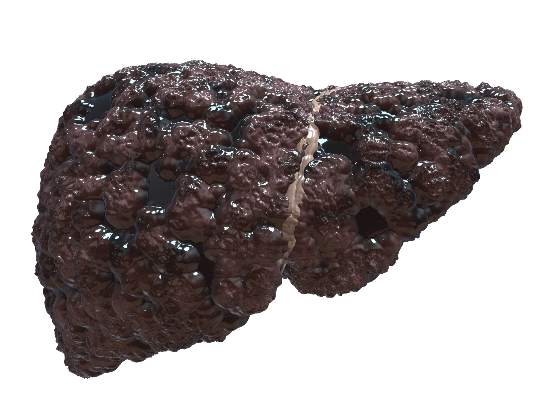
VIENNA– In addition to dramatically increasing the risk of liver cancer more than 68-fold, chronic hepatitis C virus (HCV) infection more than doubled or tripled the risk of a host of other solid tumors and hematologic malignancies in a large retrospective, cross-sectional study.
Data from the Kaiser Permanente Southern California HMO accounting for more than 145,000 patient-years of follow-up for HCV-infected individuals and 14,000,000 patient-years of follow-up for non–HCV-infected individuals showed the crude rate ratio for the development of all cancers including hepatocellular carcinoma (HCC) was 2.33 (P < .0001), and excluding HCC, was 1.84.
The crude rate ratios for individual cancers in HCV-infected, compared with non–HCV-infected individuals were 68.67 for hepatocellular carcinoma (HCC); 3.59 for non-Hodgkin’s lymphoma (NHL); 3.41 for multiple myeloma; 3.05 for renal cancer; 3.03 for stomach cancer; 2.79 for pancreatic cancer; 2.56 for head and neck cancer; 2.51 for esophageal cancer; 2.44 for lung cancer; 2.05 for prostate cancer; and 1.88 for colorectal cancer.

“We need to interpret these results cautiously,” Dr. Anders Nyberg, a hepatologist at Kaiser Permanente Southern California in San Diego, acknowledged at the International Liver Congress sponsored by the European Association for the Study of the Liver.
“The strength of the study is that it is a large database in a ‘real-world’ population,” but one limitation is that it cannot establish causality and how chronic HCV infection might be linked to the increased risk of these cancers.
The link between chronic HCV infection and liver cancer is well established, and Swedish researchers have also previously reported a link with NHL and multiple myeloma (Hepatology 2005;13:652-9; doi:10.1002/hep.20608). Dr. Nyberg noted, however, that there are sporadic data on HCV and other cancer types.
The objective of the present study was therefore to look further at the possible association between HCV infection and cancer in a large population by linking the Kaiser Permanente Southern California data to the National Cancer Institute’s Surveillance, Epidemiology, and End Results (SEER) database. Patients were included if they had HCV diagnosed between 2008 and 2012 and were aged 18 years or older but excluded if they had HIV coinfection or a history of solid organ or bone marrow transplantation.
The study population consisted of 1,831 patients with a mean age of 62 years who had chronic HCV and a cancer diagnosis, 33,881 patients aged a mean of 59 years who had HCV but no cancer diagnosis, and 5,297,191 individuals aged 72 years without HCV. Dr. Nyberg noted that study subjects were predominantly male (around 50%-60%) and from white or Hispanic backgrounds.
Baseline comorbidities were more common in patients with HCV and cancer, with a Charlson Comorbidity Index of 2.1, than in those with HCV but no cancer (Charlson index of 1.5) or those in the non–HCV-infected cohort (Charlson index 0.5). There was a higher percentage of patients who smoked tobacco or with alcohol abuse in the HCV vs. non–HCV-infected cohort groups, and HCV patients were more likely to have diabetes mellitus and cirrhosis, but a lower body mass index.
When HCV and non–HCV-infected cohorts were stratified according to tobacco use, alcohol abuse, diabetes mellitus, and body weight, the increase in the cancer rate ratio for all cancer sites remained significant, as did the increase in rate of HCC and NHL.
“In the absence of alcohol abuse, tobacco use, and diabetes mellitus, there was an increase in the rate of many cancer types among those with HCV,” Dr. Nyberg said. However, when those variables were present, HCV had a more moderate effect on the cancer rates than the variables themselves, but rates were still increased.
“I interpret these data that the increased overall cancer rate is multifactorial. It may be related to hepatitis C, but it is also related to alcohol abuse, tobacco use, and diabetes mellitus,” Dr. Nyberg said at a press conference. “In the short term, my take-home message is that we can take HCV out of the equation.”
He qualified this further in an interview saying, “It is important not to just address the hepatitis C but also to address the other risk factors like stopping smoking, cutting down on drinking, reducing weight, and trying to prevent diabetes.”
This is a descriptive study, Dr. Nyberg added, and more research will be needed to further evaluate the findings.
The study was supported by a grant from Gilead Sciences paid to Kaiser Permanente Southern California. Dr. Anders Nyberg and Dr. Lisa Nyberg are employees of Kaiser Permanente Southern California but had no personal financial conflicts of interest.
VIENNA– In addition to dramatically increasing the risk of liver cancer more than 68-fold, chronic hepatitis C virus (HCV) infection more than doubled or tripled the risk of a host of other solid tumors and hematologic malignancies in a large retrospective, cross-sectional study.
Data from the Kaiser Permanente Southern California HMO accounting for more than 145,000 patient-years of follow-up for HCV-infected individuals and 14,000,000 patient-years of follow-up for non–HCV-infected individuals showed the crude rate ratio for the development of all cancers including hepatocellular carcinoma (HCC) was 2.33 (P < .0001), and excluding HCC, was 1.84.
The crude rate ratios for individual cancers in HCV-infected, compared with non–HCV-infected individuals were 68.67 for hepatocellular carcinoma (HCC); 3.59 for non-Hodgkin’s lymphoma (NHL); 3.41 for multiple myeloma; 3.05 for renal cancer; 3.03 for stomach cancer; 2.79 for pancreatic cancer; 2.56 for head and neck cancer; 2.51 for esophageal cancer; 2.44 for lung cancer; 2.05 for prostate cancer; and 1.88 for colorectal cancer.
“We need to interpret these results cautiously,” Dr. Anders Nyberg, a hepatologist at Kaiser Permanente Southern California in San Diego, acknowledged at the International Liver Congress sponsored by the European Association for the Study of the Liver.
“The strength of the study is that it is a large database in a ‘real-world’ population,” but one limitation is that it cannot establish causality and how chronic HCV infection might be linked to the increased risk of these cancers.
The link between chronic HCV infection and liver cancer is well established, and Swedish researchers have also previously reported a link with NHL and multiple myeloma (Hepatology 2005;13:652-9; doi:10.1002/hep.20608). Dr. Nyberg noted, however, that there are sporadic data on HCV and other cancer types.
The objective of the present study was therefore to look further at the possible association between HCV infection and cancer in a large population by linking the Kaiser Permanente Southern California data to the National Cancer Institute’s Surveillance, Epidemiology, and End Results (SEER) database. Patients were included if they had HCV diagnosed between 2008 and 2012 and were aged 18 years or older but excluded if they had HIV coinfection or a history of solid organ or bone marrow transplantation.
The study population consisted of 1,831 patients with a mean age of 62 years who had chronic HCV and a cancer diagnosis, 33,881 patients aged a mean of 59 years who had HCV but no cancer diagnosis, and 5,297,191 individuals aged 72 years without HCV. Dr. Nyberg noted that study subjects were predominantly male (around 50%-60%) and from white or Hispanic backgrounds.
Baseline comorbidities were more common in patients with HCV and cancer, with a Charlson Comorbidity Index of 2.1, than in those with HCV but no cancer (Charlson index of 1.5) or those in the non–HCV-infected cohort (Charlson index 0.5). There was a higher percentage of patients who smoked tobacco or with alcohol abuse in the HCV vs. non–HCV-infected cohort groups, and HCV patients were more likely to have diabetes mellitus and cirrhosis, but a lower body mass index.
When HCV and non–HCV-infected cohorts were stratified according to tobacco use, alcohol abuse, diabetes mellitus, and body weight, the increase in the cancer rate ratio for all cancer sites remained significant, as did the increase in rate of HCC and NHL.
“In the absence of alcohol abuse, tobacco use, and diabetes mellitus, there was an increase in the rate of many cancer types among those with HCV,” Dr. Nyberg said. However, when those variables were present, HCV had a more moderate effect on the cancer rates than the variables themselves, but rates were still increased.
“I interpret these data that the increased overall cancer rate is multifactorial. It may be related to hepatitis C, but it is also related to alcohol abuse, tobacco use, and diabetes mellitus,” Dr. Nyberg said at a press conference. “In the short term, my take-home message is that we can take HCV out of the equation.”
He qualified this further in an interview saying, “It is important not to just address the hepatitis C but also to address the other risk factors like stopping smoking, cutting down on drinking, reducing weight, and trying to prevent diabetes.”
This is a descriptive study, Dr. Nyberg added, and more research will be needed to further evaluate the findings.
The study was supported by a grant from Gilead Sciences paid to Kaiser Permanente Southern California. Dr. Anders Nyberg and Dr. Lisa Nyberg are employees of Kaiser Permanente Southern California but had no personal financial conflicts of interest.
VIENNA– In addition to dramatically increasing the risk of liver cancer more than 68-fold, chronic hepatitis C virus (HCV) infection more than doubled or tripled the risk of a host of other solid tumors and hematologic malignancies in a large retrospective, cross-sectional study.
Data from the Kaiser Permanente Southern California HMO accounting for more than 145,000 patient-years of follow-up for HCV-infected individuals and 14,000,000 patient-years of follow-up for non–HCV-infected individuals showed the crude rate ratio for the development of all cancers including hepatocellular carcinoma (HCC) was 2.33 (P < .0001), and excluding HCC, was 1.84.
The crude rate ratios for individual cancers in HCV-infected, compared with non–HCV-infected individuals were 68.67 for hepatocellular carcinoma (HCC); 3.59 for non-Hodgkin’s lymphoma (NHL); 3.41 for multiple myeloma; 3.05 for renal cancer; 3.03 for stomach cancer; 2.79 for pancreatic cancer; 2.56 for head and neck cancer; 2.51 for esophageal cancer; 2.44 for lung cancer; 2.05 for prostate cancer; and 1.88 for colorectal cancer.
“We need to interpret these results cautiously,” Dr. Anders Nyberg, a hepatologist at Kaiser Permanente Southern California in San Diego, acknowledged at the International Liver Congress sponsored by the European Association for the Study of the Liver.
“The strength of the study is that it is a large database in a ‘real-world’ population,” but one limitation is that it cannot establish causality and how chronic HCV infection might be linked to the increased risk of these cancers.
The link between chronic HCV infection and liver cancer is well established, and Swedish researchers have also previously reported a link with NHL and multiple myeloma (Hepatology 2005;13:652-9; doi:10.1002/hep.20608). Dr. Nyberg noted, however, that there are sporadic data on HCV and other cancer types.
The objective of the present study was therefore to look further at the possible association between HCV infection and cancer in a large population by linking the Kaiser Permanente Southern California data to the National Cancer Institute’s Surveillance, Epidemiology, and End Results (SEER) database. Patients were included if they had HCV diagnosed between 2008 and 2012 and were aged 18 years or older but excluded if they had HIV coinfection or a history of solid organ or bone marrow transplantation.
The study population consisted of 1,831 patients with a mean age of 62 years who had chronic HCV and a cancer diagnosis, 33,881 patients aged a mean of 59 years who had HCV but no cancer diagnosis, and 5,297,191 individuals aged 72 years without HCV. Dr. Nyberg noted that study subjects were predominantly male (around 50%-60%) and from white or Hispanic backgrounds.
Baseline comorbidities were more common in patients with HCV and cancer, with a Charlson Comorbidity Index of 2.1, than in those with HCV but no cancer (Charlson index of 1.5) or those in the non–HCV-infected cohort (Charlson index 0.5). There was a higher percentage of patients who smoked tobacco or with alcohol abuse in the HCV vs. non–HCV-infected cohort groups, and HCV patients were more likely to have diabetes mellitus and cirrhosis, but a lower body mass index.
When HCV and non–HCV-infected cohorts were stratified according to tobacco use, alcohol abuse, diabetes mellitus, and body weight, the increase in the cancer rate ratio for all cancer sites remained significant, as did the increase in rate of HCC and NHL.
“In the absence of alcohol abuse, tobacco use, and diabetes mellitus, there was an increase in the rate of many cancer types among those with HCV,” Dr. Nyberg said. However, when those variables were present, HCV had a more moderate effect on the cancer rates than the variables themselves, but rates were still increased.
“I interpret these data that the increased overall cancer rate is multifactorial. It may be related to hepatitis C, but it is also related to alcohol abuse, tobacco use, and diabetes mellitus,” Dr. Nyberg said at a press conference. “In the short term, my take-home message is that we can take HCV out of the equation.”
He qualified this further in an interview saying, “It is important not to just address the hepatitis C but also to address the other risk factors like stopping smoking, cutting down on drinking, reducing weight, and trying to prevent diabetes.”
This is a descriptive study, Dr. Nyberg added, and more research will be needed to further evaluate the findings.
The study was supported by a grant from Gilead Sciences paid to Kaiser Permanente Southern California. Dr. Anders Nyberg and Dr. Lisa Nyberg are employees of Kaiser Permanente Southern California but had no personal financial conflicts of interest.
AT THE INTERNATIONAL LIVER CONGRESS 2015
Key clinical point: Chronic hepatitis C virus (HCV) infection raises the risk of all types of cancer, not just liver cancer.
Major finding: The rate ratio for the development of all cancers, excluding liver cancer, was 1.84 (P < .0001) and including liver cancer was 2.33 comparing HCV- vs. non–HCV-infected individuals.
Data source: Retrospective, cross-sectional study of data collected from 2008 to 2012 involving more than 145,000 patient-years of follow-up in the chronic HCV cohort and almost 14,000,000 patient-years of follow-up in the non-HCV cohort.
Disclosures: The study was funded by a grant from Gilead Sciences paid to Kaiser Permanente Southern California. Dr. Anders Nyberg and Dr. Lisa Nyberg are employees of Kaiser Permanente Southern California but had no personal financial conflicts of interest.
VIDEO: NAFLD increasingly causing U.S. hepatocellular carcinomas
VIENNA – Nonalcoholic fatty liver disease (NAFLD) now stands as the second most common cause of U.S. cases of hepatocellular carcinoma, and with highly effective drug regimens now sharply dropping the prevalence of hepatitis C virus infection, NAFLD – a complication of obesity – is poised to snag the top spot, Dr. Zobair Younossi said in a video interview at the meeting sponsored by the European Association for the Study of the Liver.
In an analysis that combined U.S. national cancer registry data collected by the National Cancer Institute and morbidity diagnostic codes collected by Medicare, Dr. Younossi calculated that, during 2004-2009 among U.S. adults covered by Medicare, 24% of patients newly diagnosed with hepatocellular carcinoma (HCC) had NAFLD as their pre-existing chronic liver disease, compared with 48% who had hepatitis C virus infection as their trigger. The third most common cause of HCC was alcoholic liver disease (14%), followed by hepatitis B virus infection (8%).
Dr. Younossi’s analysis also included survival data for each HCC case in the first year following diagnosis, which showed that NAFLD-associated cases also were deadlier, linking with a statistically significant 20% increase in mortality compared with HCC associated with other causes. Quicker lethality of NAFLD-linked HCC is probably due to the more advanced stage at diagnosis, he said.
The findings highlight the need for improved surveillance in these patients, a process complicated by the challenge of imaging the liver in obese patients, said Dr. Younossi, chairman of medicine and head of the Center for Liver Diseases at Inova Fairfax Hospital in Falls Church, Va.
Dr. Younossi has been a consultant to Gilead, Abbvie, Bristol-Myers Squibb, GlaxoSmithKline, Intercept, and Salix.
The video associated with this article is no longer available on this site. Please view all of our videos on the MDedge YouTube channel
VIENNA – Nonalcoholic fatty liver disease (NAFLD) now stands as the second most common cause of U.S. cases of hepatocellular carcinoma, and with highly effective drug regimens now sharply dropping the prevalence of hepatitis C virus infection, NAFLD – a complication of obesity – is poised to snag the top spot, Dr. Zobair Younossi said in a video interview at the meeting sponsored by the European Association for the Study of the Liver.
In an analysis that combined U.S. national cancer registry data collected by the National Cancer Institute and morbidity diagnostic codes collected by Medicare, Dr. Younossi calculated that, during 2004-2009 among U.S. adults covered by Medicare, 24% of patients newly diagnosed with hepatocellular carcinoma (HCC) had NAFLD as their pre-existing chronic liver disease, compared with 48% who had hepatitis C virus infection as their trigger. The third most common cause of HCC was alcoholic liver disease (14%), followed by hepatitis B virus infection (8%).
Dr. Younossi’s analysis also included survival data for each HCC case in the first year following diagnosis, which showed that NAFLD-associated cases also were deadlier, linking with a statistically significant 20% increase in mortality compared with HCC associated with other causes. Quicker lethality of NAFLD-linked HCC is probably due to the more advanced stage at diagnosis, he said.
The findings highlight the need for improved surveillance in these patients, a process complicated by the challenge of imaging the liver in obese patients, said Dr. Younossi, chairman of medicine and head of the Center for Liver Diseases at Inova Fairfax Hospital in Falls Church, Va.
Dr. Younossi has been a consultant to Gilead, Abbvie, Bristol-Myers Squibb, GlaxoSmithKline, Intercept, and Salix.
The video associated with this article is no longer available on this site. Please view all of our videos on the MDedge YouTube channel
VIENNA – Nonalcoholic fatty liver disease (NAFLD) now stands as the second most common cause of U.S. cases of hepatocellular carcinoma, and with highly effective drug regimens now sharply dropping the prevalence of hepatitis C virus infection, NAFLD – a complication of obesity – is poised to snag the top spot, Dr. Zobair Younossi said in a video interview at the meeting sponsored by the European Association for the Study of the Liver.
In an analysis that combined U.S. national cancer registry data collected by the National Cancer Institute and morbidity diagnostic codes collected by Medicare, Dr. Younossi calculated that, during 2004-2009 among U.S. adults covered by Medicare, 24% of patients newly diagnosed with hepatocellular carcinoma (HCC) had NAFLD as their pre-existing chronic liver disease, compared with 48% who had hepatitis C virus infection as their trigger. The third most common cause of HCC was alcoholic liver disease (14%), followed by hepatitis B virus infection (8%).
Dr. Younossi’s analysis also included survival data for each HCC case in the first year following diagnosis, which showed that NAFLD-associated cases also were deadlier, linking with a statistically significant 20% increase in mortality compared with HCC associated with other causes. Quicker lethality of NAFLD-linked HCC is probably due to the more advanced stage at diagnosis, he said.
The findings highlight the need for improved surveillance in these patients, a process complicated by the challenge of imaging the liver in obese patients, said Dr. Younossi, chairman of medicine and head of the Center for Liver Diseases at Inova Fairfax Hospital in Falls Church, Va.
Dr. Younossi has been a consultant to Gilead, Abbvie, Bristol-Myers Squibb, GlaxoSmithKline, Intercept, and Salix.
The video associated with this article is no longer available on this site. Please view all of our videos on the MDedge YouTube channel
AT THE INTERNATIONAL LIVER CONGRESS 2015

ILC: Unrecognized hepatitis C linked with advanced hepatic fibrosis
VIENNA – Roughly half of American adults with chronic hepatitis C infection are unaware of their infection, and about one-fifth of these people with unsuspected infection likely have advanced liver fibrosis, according to a new analysis of U.S. data.
These findings “strengthen the recommendation for hepatitis C virus (HCV) screening in asymptomatic individuals,” Dr. Prowpanga Udompap said at the meeting sponsored by the European Association for the Study of the Liver.

People infected by HCV with advanced liver fibrosis have top priority for receiving curative drug treatment, according to recommendations by the American Association for the Study of the Liver and the Infectious Diseases Society of America.
People who have HCV-associated liver fibrosis that goes untreated also risk having their infection become more refractory to cure over time, they risk progressive hepatic deterioration that will eventually become symptomatic, and they face increasing risk for developing liver cancer, noted Dr. W. Ray Kim, senior author of the study and professor of medicine and chief of gastroenterology and hepatology at Stanford (Calif.) University.

Dr. Kim said he was surprised that such a large percentage of Americans who have unrecognized HCV infection also probably have substantial hepatic damage.
“To me it’s alarming that 20% of people who are not aware of their HCV infection are treatment candidates. These people are out there, but not getting treated,” he said in an interview.
Current U.S. HCV screening recommendations from the Centers for Disease Control and Prevention call for screening all Americans born during 1945-1965, “but there is no incentive to screen” and many U.S. primary care physicians don’t have HCV screening on their radar, he said.
The analysis conducted by Dr. Udompap and Dr. Kim used data collected by the National Health and Nutrition Examination Survey during 2001-2012, when the National Center for Health Statistics administered HCV testing to 45,000 of the 62,000 individuals who participated in the survey during this period.
Of the 45,000 people tested, 420 (0.9%) screened antibody positive and had infection confirmed by a second, RNA-based test. The HCV positive patients then received a survey that included a question of whether they were aware of their HCV status before their current test result notification. One hundred sixty-three people (39%) completed and returned the survey: Eighty-three said they had previously been unaware they were HCV positive, and 80 said that they had known about their infection. The 50% rate of awareness of HCV chronic infection is consistent with a previously reported rate (Hepatology 2012;55:1652-61), said Dr. Udompap, a gastroenterology researcher at Stanford.

Individuals who were aware of their infection and those who were not had very similar demographic and clinical parameters. The average age was 53 years, and about two-thirds were men.
Dr. Udompap ran estimates of each respondent’s liver fibrosis and cirrhosis severity using the FIB-4 score and APRI score and data collected during the survey on age, liver enzyme levels, and platelet counts. These calculations showed that 22% of those ignorant of their HCV-positive status had a high probability of having advanced fibrosis, and 11% had a high probability of having cirrhosis, Dr. Udompap reported.
These rates tracked close to those of the people who knew about their HCV-positive status, of whom 15% had a high probability of having advanced liver fibrosis and 11% were highly likely to have cirrhosis.
Dr. Udompap reported having no financial disclosures. Dr. Kim has been a consultant to several drug companies that market, or are developing drugs, used to eradicate hepatitis C infections.
On Twitter @mitchelzoler
VIENNA – Roughly half of American adults with chronic hepatitis C infection are unaware of their infection, and about one-fifth of these people with unsuspected infection likely have advanced liver fibrosis, according to a new analysis of U.S. data.
These findings “strengthen the recommendation for hepatitis C virus (HCV) screening in asymptomatic individuals,” Dr. Prowpanga Udompap said at the meeting sponsored by the European Association for the Study of the Liver.
People infected by HCV with advanced liver fibrosis have top priority for receiving curative drug treatment, according to recommendations by the American Association for the Study of the Liver and the Infectious Diseases Society of America.
People who have HCV-associated liver fibrosis that goes untreated also risk having their infection become more refractory to cure over time, they risk progressive hepatic deterioration that will eventually become symptomatic, and they face increasing risk for developing liver cancer, noted Dr. W. Ray Kim, senior author of the study and professor of medicine and chief of gastroenterology and hepatology at Stanford (Calif.) University.
Dr. Kim said he was surprised that such a large percentage of Americans who have unrecognized HCV infection also probably have substantial hepatic damage.
“To me it’s alarming that 20% of people who are not aware of their HCV infection are treatment candidates. These people are out there, but not getting treated,” he said in an interview.
Current U.S. HCV screening recommendations from the Centers for Disease Control and Prevention call for screening all Americans born during 1945-1965, “but there is no incentive to screen” and many U.S. primary care physicians don’t have HCV screening on their radar, he said.
The analysis conducted by Dr. Udompap and Dr. Kim used data collected by the National Health and Nutrition Examination Survey during 2001-2012, when the National Center for Health Statistics administered HCV testing to 45,000 of the 62,000 individuals who participated in the survey during this period.
Of the 45,000 people tested, 420 (0.9%) screened antibody positive and had infection confirmed by a second, RNA-based test. The HCV positive patients then received a survey that included a question of whether they were aware of their HCV status before their current test result notification. One hundred sixty-three people (39%) completed and returned the survey: Eighty-three said they had previously been unaware they were HCV positive, and 80 said that they had known about their infection. The 50% rate of awareness of HCV chronic infection is consistent with a previously reported rate (Hepatology 2012;55:1652-61), said Dr. Udompap, a gastroenterology researcher at Stanford.
Individuals who were aware of their infection and those who were not had very similar demographic and clinical parameters. The average age was 53 years, and about two-thirds were men.
Dr. Udompap ran estimates of each respondent’s liver fibrosis and cirrhosis severity using the FIB-4 score and APRI score and data collected during the survey on age, liver enzyme levels, and platelet counts. These calculations showed that 22% of those ignorant of their HCV-positive status had a high probability of having advanced fibrosis, and 11% had a high probability of having cirrhosis, Dr. Udompap reported.
These rates tracked close to those of the people who knew about their HCV-positive status, of whom 15% had a high probability of having advanced liver fibrosis and 11% were highly likely to have cirrhosis.
Dr. Udompap reported having no financial disclosures. Dr. Kim has been a consultant to several drug companies that market, or are developing drugs, used to eradicate hepatitis C infections.
On Twitter @mitchelzoler
VIENNA – Roughly half of American adults with chronic hepatitis C infection are unaware of their infection, and about one-fifth of these people with unsuspected infection likely have advanced liver fibrosis, according to a new analysis of U.S. data.
These findings “strengthen the recommendation for hepatitis C virus (HCV) screening in asymptomatic individuals,” Dr. Prowpanga Udompap said at the meeting sponsored by the European Association for the Study of the Liver.
People infected by HCV with advanced liver fibrosis have top priority for receiving curative drug treatment, according to recommendations by the American Association for the Study of the Liver and the Infectious Diseases Society of America.
People who have HCV-associated liver fibrosis that goes untreated also risk having their infection become more refractory to cure over time, they risk progressive hepatic deterioration that will eventually become symptomatic, and they face increasing risk for developing liver cancer, noted Dr. W. Ray Kim, senior author of the study and professor of medicine and chief of gastroenterology and hepatology at Stanford (Calif.) University.
Dr. Kim said he was surprised that such a large percentage of Americans who have unrecognized HCV infection also probably have substantial hepatic damage.
“To me it’s alarming that 20% of people who are not aware of their HCV infection are treatment candidates. These people are out there, but not getting treated,” he said in an interview.
Current U.S. HCV screening recommendations from the Centers for Disease Control and Prevention call for screening all Americans born during 1945-1965, “but there is no incentive to screen” and many U.S. primary care physicians don’t have HCV screening on their radar, he said.
The analysis conducted by Dr. Udompap and Dr. Kim used data collected by the National Health and Nutrition Examination Survey during 2001-2012, when the National Center for Health Statistics administered HCV testing to 45,000 of the 62,000 individuals who participated in the survey during this period.
Of the 45,000 people tested, 420 (0.9%) screened antibody positive and had infection confirmed by a second, RNA-based test. The HCV positive patients then received a survey that included a question of whether they were aware of their HCV status before their current test result notification. One hundred sixty-three people (39%) completed and returned the survey: Eighty-three said they had previously been unaware they were HCV positive, and 80 said that they had known about their infection. The 50% rate of awareness of HCV chronic infection is consistent with a previously reported rate (Hepatology 2012;55:1652-61), said Dr. Udompap, a gastroenterology researcher at Stanford.
Individuals who were aware of their infection and those who were not had very similar demographic and clinical parameters. The average age was 53 years, and about two-thirds were men.
Dr. Udompap ran estimates of each respondent’s liver fibrosis and cirrhosis severity using the FIB-4 score and APRI score and data collected during the survey on age, liver enzyme levels, and platelet counts. These calculations showed that 22% of those ignorant of their HCV-positive status had a high probability of having advanced fibrosis, and 11% had a high probability of having cirrhosis, Dr. Udompap reported.
These rates tracked close to those of the people who knew about their HCV-positive status, of whom 15% had a high probability of having advanced liver fibrosis and 11% were highly likely to have cirrhosis.
Dr. Udompap reported having no financial disclosures. Dr. Kim has been a consultant to several drug companies that market, or are developing drugs, used to eradicate hepatitis C infections.
On Twitter @mitchelzoler
AT THE INTERNATIONAL LIVER CONGRESS 2015
Key clinical point: One-fifth of Americans with unrecognized chronic hepatitis C infection likely have advanced hepatic fibrosis.
Major finding: Among U.S. adults with unrecognized chronic hepatitis C infection, 22% had laboratory results indicating a high probability of advanced hepatic fibrosis.
Data source: Data collected from 420 Americans found to have a chronic hepatitis C infection in the National Health and Nutrition Examination Survey during 2001-2012.
Disclosures: Dr. Udompap reported having no financial disclosures. Dr. Kim has been a consultant to several drug companies that market or develop drugs to eradicate hepatitis C infections.