User login
Ondansetron: New and troubling data
For some time, the potent antiemetic ondansetron, a 5-HT3 receptor antagonist approved for preventing nausea and vomiting related to cancer chemotherapy and surgery, has been used to treat morning sickness, mostly for severe cases of nausea and vomiting in pregnancy (NVP). Ondansetron, which blocks the action of serotonin, is marketed as Zofran in the United States and Canada, and is also available in generic formulations.
Like most drugs, ondansetron is not labeled for use in pregnancy. But until recently, the limited reproductive safety data available on ondansetron have been somewhat reassuring. The first published report was a Motherisk study comparing pregnancy outcomes of three groups of women who called a teratogen information service. My colleagues and I found no increase in the major malformation rate among the 176 pregnancies of women exposed to ondansetron (a 3.6% rate of major malformations), compared with the rates among women exposed to other antiemetics and those exposed to drugs known not be teratogenic (BJOG 2004;111:940-3). However, this sample size could not rule out less than a threefold increase in malformation rates.
More reassuring data became available earlier this year with the publication of a study using data from Danish pregnancy, birth, and prescription registries. The study compared pregnancy outcomes among almost 2,000 women exposed to ondansetron in pregnancy, and women not exposed to the drug between 2004 and 2011. Exposure to ondansetron was not associated with an increased rate of major malformations (at about 3%), or other adverse fetal outcomes, including stillbirth, preterm delivery, and low birth weight, compared with the unexposed pregnancies (N. Engl. J. Med. 2013;368:814-23).
However, the mean gestational age of exposure was 10 weeks, so half the women who took ondansetron started treatment after that time, past the window of risk for malformations, which may have diluted the risk, if it existed. Still, this limitation did not deter from the strength of the conclusions of the study.
But new and troubling evidence suggesting that the drug may be associated with increased risks during pregnancy – both maternal and fetal – has recently become available in the medical literature and elsewhere.
In August 2013, at the International Society of Pharmacoepidemiology meeting in Montreal, the results of a different group of Danish researchers using data from the same national registries employed in the study published in February, but with more pregnancies (almost 900,000) over a longer period (1997 to 2010), detected a twofold increase in congenital heart defects associated with ondansetron during the first trimester of pregnancy. Of the 1,248 women who filled a prescription for ondansetron during the first trimester, 4.7% (58) had a baby with a congenital malformation, compared with 3.5% (31,357) of those who were not exposed to ondansetron; this represented a 30% increased risk (adjusted odds ratio, 1.3). The increased risk was mostly due to the increased prevalence of heart defects. There was no association with congenital malformations and first-trimester prescriptions for metoclopramide, another drug used to treat hyperemesis gravidarum.
In January 2012, a study from the Center for Birth Defects Research and Prevention identified a twofold increased risk for cleft palate associated with ondansetron exposure used for NVP in the first trimester. There were over 9,000 pregnant women in the study overall, both cases and controls; 67% reported NVP and 15% used some kind of agent to treat NVP. The study used data from the National Birth Defects Prevention Study, looking at the association between NVP and treatments for NVP and cleft palate, and other noncardiac birth detects (Birth Defects Res. A Clin. Mol. Teratol. 2012;94:22-30).
With these recent studies, we are left with contradictory results regarding the risk of birth defects associated with ondansetron exposure in the first trimester, and more studies may be needed.
Importantly, potential risks of ondansetron, namely, cardiac arrhythmias and serotonin syndrome – which can be harmful to both the mother and fetus – also should be considered. In June 2012, the Food and Drug Administration (FDA) issued an updated warning about the possible increased risk of prolongation of the QT interval, which can result in the potentially fatal arrhythmia Torsade de pointes, associated with ondansetron. The warning advised against using ondansetron in patients with congenital long-QT syndrome, and recommended ECG monitoring for certain patients on ondansetron, including those with electrolyte abnormalities, such as hypokalemia or hypomagnesemia.
Based on what we hear from women who have been treated with ondansetron during pregnancy and contact Motherisk, most clinicians are not following these recommendations in pregnant women. But monitoring pregnant women taking ondansetron for NVP for these adverse effects is just as important – particularly because they are prone to electrolyte imbalances, including hypokalemia and hypomagnesemia, specified in the FDA warning.
Another recent development is the FDA’s announcement in May 2013 that an increased risk for serotonin syndrome in patients taking 5-HT3 receptor antagonists, including Zofran, has been identified as a "potential safety issue" in the FDA’s adverse event reporting database during the first quarter of 2013, and that the agency was investigating this possible association further.
Typically, serotonin syndrome occurs with the coadministration of two or more dugs that affect serotonin, usually selective serotonin reuptake inhibitors (SSRIs) or monoamine oxidase (MAO) inhibitors. Cases of possible or probable serotonin syndrome have been reported with the use of ondansetron, and because many pregnant women are treated with SSRIs during pregnancy, the potential for serotonin syndrome with an SSRI and ondansetron should be considered. Therefore, life-threatening serotonin syndrome – characterized by a triad of cognitive or behavioral changes, such as confusion or agitation; autonomic instability; and neuromuscular changes – should be kept in mind as another potential risk for pregnant women taking ondansetron.
Based on the available data, one therefore needs to be cautious with ondansetron, considering the potential risks of cardiac malformations and oral clefts with first-trimester exposure, which needs to be studied further, and the maternal risks of serotonin syndrome and cardiac arrhythmias.
For about 30 years, there was no drug labeled in the United States for morning sickness, after the unjustified removal of Bendectin (doxylamine-pyridoxine). Hence, ondansetron has been increasingly used off-label for this indication. But now that the FDA has approved Diclegis (doxylamine succinate and pyridoxine hydrochloride) for morning sickness – the doxylamine-pyridoxine combination that has been studied in hundreds of thousands of pregnant women and is a pregnancy category A drug – there is now a safer option for women with NVP. Therefore, ondansetron should be used cautiously in pregnant women, and only after drugs with a more established safety record – particularly doxylamine-pyridoxine – have been prescribed.
Dr. Koren is professor of pediatrics, pharmacology, pharmacy, medicine, and medical genetics at the University of Toronto. He heads the Research Leadership for Better Pharmacotherapy During Pregnancy and Lactation at the Hospital for Sick Children, Toronto, where he is director of the Motherisk Program. He also holds the Ivey Chair in Molecular Toxicology at the department of medicine, University of Western Ontario, London. Dr. Koren was a principal investigator in the U.S. study that resulted in the approval of Diclegis, marketed by Duchesnay USA, and he has served as a consultant to Duchesnay. E-mail him at [email protected].
For some time, the potent antiemetic ondansetron, a 5-HT3 receptor antagonist approved for preventing nausea and vomiting related to cancer chemotherapy and surgery, has been used to treat morning sickness, mostly for severe cases of nausea and vomiting in pregnancy (NVP). Ondansetron, which blocks the action of serotonin, is marketed as Zofran in the United States and Canada, and is also available in generic formulations.
Like most drugs, ondansetron is not labeled for use in pregnancy. But until recently, the limited reproductive safety data available on ondansetron have been somewhat reassuring. The first published report was a Motherisk study comparing pregnancy outcomes of three groups of women who called a teratogen information service. My colleagues and I found no increase in the major malformation rate among the 176 pregnancies of women exposed to ondansetron (a 3.6% rate of major malformations), compared with the rates among women exposed to other antiemetics and those exposed to drugs known not be teratogenic (BJOG 2004;111:940-3). However, this sample size could not rule out less than a threefold increase in malformation rates.
More reassuring data became available earlier this year with the publication of a study using data from Danish pregnancy, birth, and prescription registries. The study compared pregnancy outcomes among almost 2,000 women exposed to ondansetron in pregnancy, and women not exposed to the drug between 2004 and 2011. Exposure to ondansetron was not associated with an increased rate of major malformations (at about 3%), or other adverse fetal outcomes, including stillbirth, preterm delivery, and low birth weight, compared with the unexposed pregnancies (N. Engl. J. Med. 2013;368:814-23).
However, the mean gestational age of exposure was 10 weeks, so half the women who took ondansetron started treatment after that time, past the window of risk for malformations, which may have diluted the risk, if it existed. Still, this limitation did not deter from the strength of the conclusions of the study.
But new and troubling evidence suggesting that the drug may be associated with increased risks during pregnancy – both maternal and fetal – has recently become available in the medical literature and elsewhere.
In August 2013, at the International Society of Pharmacoepidemiology meeting in Montreal, the results of a different group of Danish researchers using data from the same national registries employed in the study published in February, but with more pregnancies (almost 900,000) over a longer period (1997 to 2010), detected a twofold increase in congenital heart defects associated with ondansetron during the first trimester of pregnancy. Of the 1,248 women who filled a prescription for ondansetron during the first trimester, 4.7% (58) had a baby with a congenital malformation, compared with 3.5% (31,357) of those who were not exposed to ondansetron; this represented a 30% increased risk (adjusted odds ratio, 1.3). The increased risk was mostly due to the increased prevalence of heart defects. There was no association with congenital malformations and first-trimester prescriptions for metoclopramide, another drug used to treat hyperemesis gravidarum.
In January 2012, a study from the Center for Birth Defects Research and Prevention identified a twofold increased risk for cleft palate associated with ondansetron exposure used for NVP in the first trimester. There were over 9,000 pregnant women in the study overall, both cases and controls; 67% reported NVP and 15% used some kind of agent to treat NVP. The study used data from the National Birth Defects Prevention Study, looking at the association between NVP and treatments for NVP and cleft palate, and other noncardiac birth detects (Birth Defects Res. A Clin. Mol. Teratol. 2012;94:22-30).
With these recent studies, we are left with contradictory results regarding the risk of birth defects associated with ondansetron exposure in the first trimester, and more studies may be needed.
Importantly, potential risks of ondansetron, namely, cardiac arrhythmias and serotonin syndrome – which can be harmful to both the mother and fetus – also should be considered. In June 2012, the Food and Drug Administration (FDA) issued an updated warning about the possible increased risk of prolongation of the QT interval, which can result in the potentially fatal arrhythmia Torsade de pointes, associated with ondansetron. The warning advised against using ondansetron in patients with congenital long-QT syndrome, and recommended ECG monitoring for certain patients on ondansetron, including those with electrolyte abnormalities, such as hypokalemia or hypomagnesemia.
Based on what we hear from women who have been treated with ondansetron during pregnancy and contact Motherisk, most clinicians are not following these recommendations in pregnant women. But monitoring pregnant women taking ondansetron for NVP for these adverse effects is just as important – particularly because they are prone to electrolyte imbalances, including hypokalemia and hypomagnesemia, specified in the FDA warning.
Another recent development is the FDA’s announcement in May 2013 that an increased risk for serotonin syndrome in patients taking 5-HT3 receptor antagonists, including Zofran, has been identified as a "potential safety issue" in the FDA’s adverse event reporting database during the first quarter of 2013, and that the agency was investigating this possible association further.
Typically, serotonin syndrome occurs with the coadministration of two or more dugs that affect serotonin, usually selective serotonin reuptake inhibitors (SSRIs) or monoamine oxidase (MAO) inhibitors. Cases of possible or probable serotonin syndrome have been reported with the use of ondansetron, and because many pregnant women are treated with SSRIs during pregnancy, the potential for serotonin syndrome with an SSRI and ondansetron should be considered. Therefore, life-threatening serotonin syndrome – characterized by a triad of cognitive or behavioral changes, such as confusion or agitation; autonomic instability; and neuromuscular changes – should be kept in mind as another potential risk for pregnant women taking ondansetron.
Based on the available data, one therefore needs to be cautious with ondansetron, considering the potential risks of cardiac malformations and oral clefts with first-trimester exposure, which needs to be studied further, and the maternal risks of serotonin syndrome and cardiac arrhythmias.
For about 30 years, there was no drug labeled in the United States for morning sickness, after the unjustified removal of Bendectin (doxylamine-pyridoxine). Hence, ondansetron has been increasingly used off-label for this indication. But now that the FDA has approved Diclegis (doxylamine succinate and pyridoxine hydrochloride) for morning sickness – the doxylamine-pyridoxine combination that has been studied in hundreds of thousands of pregnant women and is a pregnancy category A drug – there is now a safer option for women with NVP. Therefore, ondansetron should be used cautiously in pregnant women, and only after drugs with a more established safety record – particularly doxylamine-pyridoxine – have been prescribed.
Dr. Koren is professor of pediatrics, pharmacology, pharmacy, medicine, and medical genetics at the University of Toronto. He heads the Research Leadership for Better Pharmacotherapy During Pregnancy and Lactation at the Hospital for Sick Children, Toronto, where he is director of the Motherisk Program. He also holds the Ivey Chair in Molecular Toxicology at the department of medicine, University of Western Ontario, London. Dr. Koren was a principal investigator in the U.S. study that resulted in the approval of Diclegis, marketed by Duchesnay USA, and he has served as a consultant to Duchesnay. E-mail him at [email protected].
For some time, the potent antiemetic ondansetron, a 5-HT3 receptor antagonist approved for preventing nausea and vomiting related to cancer chemotherapy and surgery, has been used to treat morning sickness, mostly for severe cases of nausea and vomiting in pregnancy (NVP). Ondansetron, which blocks the action of serotonin, is marketed as Zofran in the United States and Canada, and is also available in generic formulations.
Like most drugs, ondansetron is not labeled for use in pregnancy. But until recently, the limited reproductive safety data available on ondansetron have been somewhat reassuring. The first published report was a Motherisk study comparing pregnancy outcomes of three groups of women who called a teratogen information service. My colleagues and I found no increase in the major malformation rate among the 176 pregnancies of women exposed to ondansetron (a 3.6% rate of major malformations), compared with the rates among women exposed to other antiemetics and those exposed to drugs known not be teratogenic (BJOG 2004;111:940-3). However, this sample size could not rule out less than a threefold increase in malformation rates.
More reassuring data became available earlier this year with the publication of a study using data from Danish pregnancy, birth, and prescription registries. The study compared pregnancy outcomes among almost 2,000 women exposed to ondansetron in pregnancy, and women not exposed to the drug between 2004 and 2011. Exposure to ondansetron was not associated with an increased rate of major malformations (at about 3%), or other adverse fetal outcomes, including stillbirth, preterm delivery, and low birth weight, compared with the unexposed pregnancies (N. Engl. J. Med. 2013;368:814-23).
However, the mean gestational age of exposure was 10 weeks, so half the women who took ondansetron started treatment after that time, past the window of risk for malformations, which may have diluted the risk, if it existed. Still, this limitation did not deter from the strength of the conclusions of the study.
But new and troubling evidence suggesting that the drug may be associated with increased risks during pregnancy – both maternal and fetal – has recently become available in the medical literature and elsewhere.
In August 2013, at the International Society of Pharmacoepidemiology meeting in Montreal, the results of a different group of Danish researchers using data from the same national registries employed in the study published in February, but with more pregnancies (almost 900,000) over a longer period (1997 to 2010), detected a twofold increase in congenital heart defects associated with ondansetron during the first trimester of pregnancy. Of the 1,248 women who filled a prescription for ondansetron during the first trimester, 4.7% (58) had a baby with a congenital malformation, compared with 3.5% (31,357) of those who were not exposed to ondansetron; this represented a 30% increased risk (adjusted odds ratio, 1.3). The increased risk was mostly due to the increased prevalence of heart defects. There was no association with congenital malformations and first-trimester prescriptions for metoclopramide, another drug used to treat hyperemesis gravidarum.
In January 2012, a study from the Center for Birth Defects Research and Prevention identified a twofold increased risk for cleft palate associated with ondansetron exposure used for NVP in the first trimester. There were over 9,000 pregnant women in the study overall, both cases and controls; 67% reported NVP and 15% used some kind of agent to treat NVP. The study used data from the National Birth Defects Prevention Study, looking at the association between NVP and treatments for NVP and cleft palate, and other noncardiac birth detects (Birth Defects Res. A Clin. Mol. Teratol. 2012;94:22-30).
With these recent studies, we are left with contradictory results regarding the risk of birth defects associated with ondansetron exposure in the first trimester, and more studies may be needed.
Importantly, potential risks of ondansetron, namely, cardiac arrhythmias and serotonin syndrome – which can be harmful to both the mother and fetus – also should be considered. In June 2012, the Food and Drug Administration (FDA) issued an updated warning about the possible increased risk of prolongation of the QT interval, which can result in the potentially fatal arrhythmia Torsade de pointes, associated with ondansetron. The warning advised against using ondansetron in patients with congenital long-QT syndrome, and recommended ECG monitoring for certain patients on ondansetron, including those with electrolyte abnormalities, such as hypokalemia or hypomagnesemia.
Based on what we hear from women who have been treated with ondansetron during pregnancy and contact Motherisk, most clinicians are not following these recommendations in pregnant women. But monitoring pregnant women taking ondansetron for NVP for these adverse effects is just as important – particularly because they are prone to electrolyte imbalances, including hypokalemia and hypomagnesemia, specified in the FDA warning.
Another recent development is the FDA’s announcement in May 2013 that an increased risk for serotonin syndrome in patients taking 5-HT3 receptor antagonists, including Zofran, has been identified as a "potential safety issue" in the FDA’s adverse event reporting database during the first quarter of 2013, and that the agency was investigating this possible association further.
Typically, serotonin syndrome occurs with the coadministration of two or more dugs that affect serotonin, usually selective serotonin reuptake inhibitors (SSRIs) or monoamine oxidase (MAO) inhibitors. Cases of possible or probable serotonin syndrome have been reported with the use of ondansetron, and because many pregnant women are treated with SSRIs during pregnancy, the potential for serotonin syndrome with an SSRI and ondansetron should be considered. Therefore, life-threatening serotonin syndrome – characterized by a triad of cognitive or behavioral changes, such as confusion or agitation; autonomic instability; and neuromuscular changes – should be kept in mind as another potential risk for pregnant women taking ondansetron.
Based on the available data, one therefore needs to be cautious with ondansetron, considering the potential risks of cardiac malformations and oral clefts with first-trimester exposure, which needs to be studied further, and the maternal risks of serotonin syndrome and cardiac arrhythmias.
For about 30 years, there was no drug labeled in the United States for morning sickness, after the unjustified removal of Bendectin (doxylamine-pyridoxine). Hence, ondansetron has been increasingly used off-label for this indication. But now that the FDA has approved Diclegis (doxylamine succinate and pyridoxine hydrochloride) for morning sickness – the doxylamine-pyridoxine combination that has been studied in hundreds of thousands of pregnant women and is a pregnancy category A drug – there is now a safer option for women with NVP. Therefore, ondansetron should be used cautiously in pregnant women, and only after drugs with a more established safety record – particularly doxylamine-pyridoxine – have been prescribed.
Dr. Koren is professor of pediatrics, pharmacology, pharmacy, medicine, and medical genetics at the University of Toronto. He heads the Research Leadership for Better Pharmacotherapy During Pregnancy and Lactation at the Hospital for Sick Children, Toronto, where he is director of the Motherisk Program. He also holds the Ivey Chair in Molecular Toxicology at the department of medicine, University of Western Ontario, London. Dr. Koren was a principal investigator in the U.S. study that resulted in the approval of Diclegis, marketed by Duchesnay USA, and he has served as a consultant to Duchesnay. E-mail him at [email protected].

Sprout Pregnancy Essentials
An app to help your patient with chronic pelvic pain (February 2013)
An app to help your patient remember to take her OC (July 2012)
An app to help your patient lose weight (May 2012)
This handy toolkit helps mothers-to-be record important details like weight gain, kicks, and contraction times, with personalized timelines, checklists, comprehensive information about fetal development, and a journaling option.
In this series, I review what I call prescription apps—apps that you might consider recommending to your patient to enhance her medical care. Many patients are already looking at medical apps and want to hear your opinion. Often the free apps I recommend to patients are downloaded before they leave my office. When recommending apps, their cost (not necessarily a measure of quality or utility) and platform (device that the app has been designed for) should be taken into account. It is important to know whether the app you are recommending is supported by your patient’s smartphone.

For moms-to-be: quality information and a tracking tool
When I practiced obstetrics, my group provided patients with a pocket-sized, trifold pregnancy tracker at their first prenatal visit for them to bring to each subsequent appointment. In addition to data such as Rh status and estimated due date, blood pressure, weight, and fundal height were also recorded. The pregnancy tracker served two purposes: 1) a backup mini medical record in case their chart didn’t make it from the medical records department to the clinic on a particular day and 2) a keepsake.
Pregnancy apps take the concept of that little piece of cardboard to a whole new level. One highly rated pregnancy app is Sprout™ Pregnancy Essentials (recommended by Consumer Reports2 and named one of the 50 Best iPhone Apps in 2012 by Time magazine3) from Med ART Studios.4
With Sprout, the user enters her due date and the app automatically tracks the pregnancy week by week. Each time the app is accessed, the screen shows a realistic image of a developing fetus at the appropriate gestational age along with a pregnancy timeline. Tools allow the user to track her weight at each Ob visit. There is also a kick counter as well as a contraction timer for when the time comes.
Each week of the pregnancy is linked to medical information appropriate for the gestational age, such as second trimester screening at week 15 and group B streptococcus testing at week 35. The information is brief, but high-quality, and covers everything from prenatal testing and screening for gestational diabetes to stretch marks and carpal tunnel syndrome. From each topic, the user seamlessly can add preloaded questions to an “M.D. visit planner” or pregnancy-related tasks (such as making an appointment for a glucose challenge test) to a “to do” list.
A free version called Sprout Lite comes in English and Japanese. The premium version for $3.99 is available in English, Spanish, Chinese, German, Italian, Japanese, and Portuguese. The premium version is free of ads; has more advanced images of a developing fetus, with striking graphics; allows the user to share information via Facebook and e-mail; and has a timeline that adjusts to the baby’s gestational age. Both Sprout apps are currently only available for the iPhone and iPad.
Pros. Sprout is easy to use, has beautiful graphics, and the medical information is accurate and accessible. Sprout Lite contains the same high-quality information.
Cons. There is no way to track other medical data in addition to weight, such as fundal height, Rh status, or vaccinations. There is also a price tag to have the app be free of advertisements, get the best graphics, and have a more interactive user experience.
Verdict. It is always nice to be able to recommend a product with high-quality medical information. Sprout Lite always can be road tested first, but for those who live on Facebook, enjoy a more interactive product, hate advertisements, or love impressive graphics, the $3.99 may very well be worth it.
Keep a journal and create a book
While leaving the app with its data on the iPhone or iPad may be enough of a keepsake for some women, those who want to create a pregnancy book can obtain a separate Sprout Pregnancy Journal app-to-book™.5
This app allows the user to write journal entries, upload photos, and then, if desired, download a PDF of the journal or incorporate the beautiful images from the Sprout app to create a bound pregnancy journal (softcover: $19.95 for the first 40 pages; hardcover: $34.95 for the first 40 pages; additional charge for added pages).
The journal app is free to download for a 2-week trial. At the end of 2 weeks there is a choice:
- $4.99 to continue to use the app; includes cloud backup of data
- $7.99 to get cloud backup plus the PDF download (includes a discount for prepaying for the PDF plus $7.99 discount for a print book)
- If the $7.99 prepaid option isn’t chosen at the end of the 2-week trial, the PDF is $9.95.
The Sprout Pregnancy Journal app is available for iPhone, iPad Touch, and iPad.
We want to hear from you! Tell us what you think.
Why (and how) you should encourage your patients’ search for health information on the Web
(December 2011)
To blog or not to blog? What’s the answer for you and your practice?
(August 2011)
For better or, maybe worse, patients are judging your care online
(March 2011)
Twitter 101 for ObGyns: Pearls, pitfalls, and potential
(September 2010)
1. Smith A. Nearly half of American adults are Smartphone owners. Pew Internet & American Life Project. http://pewinternet.org/Reports/2012/Smartphone-Update-2012/Findings.aspx. Published March 1, 2012. Accessed August 14, 2012.
2. Morris N. App review: Sprout for iPad and iPhone. Consumer Reports Web site. http://news.consumerreports.org/baby/2011/10/app-review-sprout-for-ipad-and-iphone.html. Published October 10, 2011. Accessed August 13, 2012.
3. Peckham M. 50 best iPhone apps 2012: Pregnancy (Sprout). http://techland.time.com/2012/02/15/50-best-iphone-apps-2012/?iid=tl-article-mostpop1#all. Published February 15, 2012. Accessed August 13, 2012.
4. Sprout Pregnancy Essentials. Med ART Studios Web site. http://medart-studios.com/sprout-pregnancy-iphone-app/. Accessed August 13, 2012.
5. Sprout Pregnancy Journal. Med ART Studios Web site. http://medart-studios.com/sprout-pregnancy-journal-iphone-app/. Accessed August 13, 2012.

Jennifer Gunter, MD
Dr. Gunter is an ObGyn in San Francisco. She is the author of The Preemie Primer: A Complete Guide for Parents of Premature Babies–from Birth through the Toddler Years and Beyond (Da Capo Press, 2010). Dr. Gunter blogs at http://www.drjengunter.com/. Find her on Twitter at @DrJenGunter.
Dr. Gunter reports no financial relationships relevant to this article.
Jennifer Gunter, MD
Dr. Gunter is an ObGyn in San Francisco. She is the author of The Preemie Primer: A Complete Guide for Parents of Premature Babies–from Birth through the Toddler Years and Beyond (Da Capo Press, 2010). Dr. Gunter blogs at http://www.drjengunter.com/. Find her on Twitter at @DrJenGunter.
Dr. Gunter reports no financial relationships relevant to this article.
Jennifer Gunter, MD
Dr. Gunter is an ObGyn in San Francisco. She is the author of The Preemie Primer: A Complete Guide for Parents of Premature Babies–from Birth through the Toddler Years and Beyond (Da Capo Press, 2010). Dr. Gunter blogs at http://www.drjengunter.com/. Find her on Twitter at @DrJenGunter.
Dr. Gunter reports no financial relationships relevant to this article.
An app to help your patient with chronic pelvic pain (February 2013)
An app to help your patient remember to take her OC (July 2012)
An app to help your patient lose weight (May 2012)
This handy toolkit helps mothers-to-be record important details like weight gain, kicks, and contraction times, with personalized timelines, checklists, comprehensive information about fetal development, and a journaling option.
In this series, I review what I call prescription apps—apps that you might consider recommending to your patient to enhance her medical care. Many patients are already looking at medical apps and want to hear your opinion. Often the free apps I recommend to patients are downloaded before they leave my office. When recommending apps, their cost (not necessarily a measure of quality or utility) and platform (device that the app has been designed for) should be taken into account. It is important to know whether the app you are recommending is supported by your patient’s smartphone.
For moms-to-be: quality information and a tracking tool
When I practiced obstetrics, my group provided patients with a pocket-sized, trifold pregnancy tracker at their first prenatal visit for them to bring to each subsequent appointment. In addition to data such as Rh status and estimated due date, blood pressure, weight, and fundal height were also recorded. The pregnancy tracker served two purposes: 1) a backup mini medical record in case their chart didn’t make it from the medical records department to the clinic on a particular day and 2) a keepsake.
Pregnancy apps take the concept of that little piece of cardboard to a whole new level. One highly rated pregnancy app is Sprout™ Pregnancy Essentials (recommended by Consumer Reports2 and named one of the 50 Best iPhone Apps in 2012 by Time magazine3) from Med ART Studios.4
With Sprout, the user enters her due date and the app automatically tracks the pregnancy week by week. Each time the app is accessed, the screen shows a realistic image of a developing fetus at the appropriate gestational age along with a pregnancy timeline. Tools allow the user to track her weight at each Ob visit. There is also a kick counter as well as a contraction timer for when the time comes.
Each week of the pregnancy is linked to medical information appropriate for the gestational age, such as second trimester screening at week 15 and group B streptococcus testing at week 35. The information is brief, but high-quality, and covers everything from prenatal testing and screening for gestational diabetes to stretch marks and carpal tunnel syndrome. From each topic, the user seamlessly can add preloaded questions to an “M.D. visit planner” or pregnancy-related tasks (such as making an appointment for a glucose challenge test) to a “to do” list.
A free version called Sprout Lite comes in English and Japanese. The premium version for $3.99 is available in English, Spanish, Chinese, German, Italian, Japanese, and Portuguese. The premium version is free of ads; has more advanced images of a developing fetus, with striking graphics; allows the user to share information via Facebook and e-mail; and has a timeline that adjusts to the baby’s gestational age. Both Sprout apps are currently only available for the iPhone and iPad.
Pros. Sprout is easy to use, has beautiful graphics, and the medical information is accurate and accessible. Sprout Lite contains the same high-quality information.
Cons. There is no way to track other medical data in addition to weight, such as fundal height, Rh status, or vaccinations. There is also a price tag to have the app be free of advertisements, get the best graphics, and have a more interactive user experience.
Verdict. It is always nice to be able to recommend a product with high-quality medical information. Sprout Lite always can be road tested first, but for those who live on Facebook, enjoy a more interactive product, hate advertisements, or love impressive graphics, the $3.99 may very well be worth it.
Keep a journal and create a book
While leaving the app with its data on the iPhone or iPad may be enough of a keepsake for some women, those who want to create a pregnancy book can obtain a separate Sprout Pregnancy Journal app-to-book™.5
This app allows the user to write journal entries, upload photos, and then, if desired, download a PDF of the journal or incorporate the beautiful images from the Sprout app to create a bound pregnancy journal (softcover: $19.95 for the first 40 pages; hardcover: $34.95 for the first 40 pages; additional charge for added pages).
The journal app is free to download for a 2-week trial. At the end of 2 weeks there is a choice:
- $4.99 to continue to use the app; includes cloud backup of data
- $7.99 to get cloud backup plus the PDF download (includes a discount for prepaying for the PDF plus $7.99 discount for a print book)
- If the $7.99 prepaid option isn’t chosen at the end of the 2-week trial, the PDF is $9.95.
The Sprout Pregnancy Journal app is available for iPhone, iPad Touch, and iPad.
We want to hear from you! Tell us what you think.
Why (and how) you should encourage your patients’ search for health information on the Web
(December 2011)
To blog or not to blog? What’s the answer for you and your practice?
(August 2011)
For better or, maybe worse, patients are judging your care online
(March 2011)
Twitter 101 for ObGyns: Pearls, pitfalls, and potential
(September 2010)
An app to help your patient with chronic pelvic pain (February 2013)
An app to help your patient remember to take her OC (July 2012)
An app to help your patient lose weight (May 2012)
This handy toolkit helps mothers-to-be record important details like weight gain, kicks, and contraction times, with personalized timelines, checklists, comprehensive information about fetal development, and a journaling option.
In this series, I review what I call prescription apps—apps that you might consider recommending to your patient to enhance her medical care. Many patients are already looking at medical apps and want to hear your opinion. Often the free apps I recommend to patients are downloaded before they leave my office. When recommending apps, their cost (not necessarily a measure of quality or utility) and platform (device that the app has been designed for) should be taken into account. It is important to know whether the app you are recommending is supported by your patient’s smartphone.
For moms-to-be: quality information and a tracking tool
When I practiced obstetrics, my group provided patients with a pocket-sized, trifold pregnancy tracker at their first prenatal visit for them to bring to each subsequent appointment. In addition to data such as Rh status and estimated due date, blood pressure, weight, and fundal height were also recorded. The pregnancy tracker served two purposes: 1) a backup mini medical record in case their chart didn’t make it from the medical records department to the clinic on a particular day and 2) a keepsake.
Pregnancy apps take the concept of that little piece of cardboard to a whole new level. One highly rated pregnancy app is Sprout™ Pregnancy Essentials (recommended by Consumer Reports2 and named one of the 50 Best iPhone Apps in 2012 by Time magazine3) from Med ART Studios.4
With Sprout, the user enters her due date and the app automatically tracks the pregnancy week by week. Each time the app is accessed, the screen shows a realistic image of a developing fetus at the appropriate gestational age along with a pregnancy timeline. Tools allow the user to track her weight at each Ob visit. There is also a kick counter as well as a contraction timer for when the time comes.
Each week of the pregnancy is linked to medical information appropriate for the gestational age, such as second trimester screening at week 15 and group B streptococcus testing at week 35. The information is brief, but high-quality, and covers everything from prenatal testing and screening for gestational diabetes to stretch marks and carpal tunnel syndrome. From each topic, the user seamlessly can add preloaded questions to an “M.D. visit planner” or pregnancy-related tasks (such as making an appointment for a glucose challenge test) to a “to do” list.
A free version called Sprout Lite comes in English and Japanese. The premium version for $3.99 is available in English, Spanish, Chinese, German, Italian, Japanese, and Portuguese. The premium version is free of ads; has more advanced images of a developing fetus, with striking graphics; allows the user to share information via Facebook and e-mail; and has a timeline that adjusts to the baby’s gestational age. Both Sprout apps are currently only available for the iPhone and iPad.
Pros. Sprout is easy to use, has beautiful graphics, and the medical information is accurate and accessible. Sprout Lite contains the same high-quality information.
Cons. There is no way to track other medical data in addition to weight, such as fundal height, Rh status, or vaccinations. There is also a price tag to have the app be free of advertisements, get the best graphics, and have a more interactive user experience.
Verdict. It is always nice to be able to recommend a product with high-quality medical information. Sprout Lite always can be road tested first, but for those who live on Facebook, enjoy a more interactive product, hate advertisements, or love impressive graphics, the $3.99 may very well be worth it.
Keep a journal and create a book
While leaving the app with its data on the iPhone or iPad may be enough of a keepsake for some women, those who want to create a pregnancy book can obtain a separate Sprout Pregnancy Journal app-to-book™.5
This app allows the user to write journal entries, upload photos, and then, if desired, download a PDF of the journal or incorporate the beautiful images from the Sprout app to create a bound pregnancy journal (softcover: $19.95 for the first 40 pages; hardcover: $34.95 for the first 40 pages; additional charge for added pages).
The journal app is free to download for a 2-week trial. At the end of 2 weeks there is a choice:
- $4.99 to continue to use the app; includes cloud backup of data
- $7.99 to get cloud backup plus the PDF download (includes a discount for prepaying for the PDF plus $7.99 discount for a print book)
- If the $7.99 prepaid option isn’t chosen at the end of the 2-week trial, the PDF is $9.95.
The Sprout Pregnancy Journal app is available for iPhone, iPad Touch, and iPad.
We want to hear from you! Tell us what you think.
Why (and how) you should encourage your patients’ search for health information on the Web
(December 2011)
To blog or not to blog? What’s the answer for you and your practice?
(August 2011)
For better or, maybe worse, patients are judging your care online
(March 2011)
Twitter 101 for ObGyns: Pearls, pitfalls, and potential
(September 2010)
1. Smith A. Nearly half of American adults are Smartphone owners. Pew Internet & American Life Project. http://pewinternet.org/Reports/2012/Smartphone-Update-2012/Findings.aspx. Published March 1, 2012. Accessed August 14, 2012.
2. Morris N. App review: Sprout for iPad and iPhone. Consumer Reports Web site. http://news.consumerreports.org/baby/2011/10/app-review-sprout-for-ipad-and-iphone.html. Published October 10, 2011. Accessed August 13, 2012.
3. Peckham M. 50 best iPhone apps 2012: Pregnancy (Sprout). http://techland.time.com/2012/02/15/50-best-iphone-apps-2012/?iid=tl-article-mostpop1#all. Published February 15, 2012. Accessed August 13, 2012.
4. Sprout Pregnancy Essentials. Med ART Studios Web site. http://medart-studios.com/sprout-pregnancy-iphone-app/. Accessed August 13, 2012.
5. Sprout Pregnancy Journal. Med ART Studios Web site. http://medart-studios.com/sprout-pregnancy-journal-iphone-app/. Accessed August 13, 2012.
1. Smith A. Nearly half of American adults are Smartphone owners. Pew Internet & American Life Project. http://pewinternet.org/Reports/2012/Smartphone-Update-2012/Findings.aspx. Published March 1, 2012. Accessed August 14, 2012.
2. Morris N. App review: Sprout for iPad and iPhone. Consumer Reports Web site. http://news.consumerreports.org/baby/2011/10/app-review-sprout-for-ipad-and-iphone.html. Published October 10, 2011. Accessed August 13, 2012.
3. Peckham M. 50 best iPhone apps 2012: Pregnancy (Sprout). http://techland.time.com/2012/02/15/50-best-iphone-apps-2012/?iid=tl-article-mostpop1#all. Published February 15, 2012. Accessed August 13, 2012.
4. Sprout Pregnancy Essentials. Med ART Studios Web site. http://medart-studios.com/sprout-pregnancy-iphone-app/. Accessed August 13, 2012.
5. Sprout Pregnancy Journal. Med ART Studios Web site. http://medart-studios.com/sprout-pregnancy-journal-iphone-app/. Accessed August 13, 2012.
In Hormone Therapy Fight, Bioidenticals Come Out Swinging
With seemingly ageless celebrities touting the benefits of bioidentical, compounded hormones, and the cloud of the Women’s Health Initiative still obscuring the view, both physicians and patients want to know the truth about natural hormone replacement.
But as in so many areas of life, the truth can be many things to many people, Dr. Jan L. Shifren shared at the annual meeting of the North American Menopause Society (NAMS).
"For a woman with bothersome menopausal symptoms and concerns about potential hormone therapy [HT] risks, ‘bioHT’ may mean a formulation of hormones with all of the benefits and no risks, as it’s ‘natural’ and contains no package insert with a black box warning," said Dr. Shifren, director of the menopause program at Massachusetts General Hospital, Boston. "For a bioHT practitioner, it may mean a way of helping menopausal women disenfranchised with the medical establishment, while providing a steady source of income. For a clinician or pharmacist practicing within the current standard of care, an FDA inspector, or a lawyer for a women with endometrial cancer associated with its use, bioHT may mean something quite different!"
Bioidentical hormones are typically plant-based compounds with a molecular structure identical to that of the corresponding human hormone. Dosing is individual and based on a woman’s salivary hormone levels. Prescriptions are pharmacist compounded, typically in a topical preparation, but sometimes in an oral tablet or injected pellet.
All of this may sound reasonable at first glance, Dr. Shifren said. But science and money just keep getting in the way of the celebrity endorsements.
"Hormone therapy should be guided by symptoms. There are no data to support the use of blood or saliva measurements to improve treatment efficacy," Dr. Shifren said. Serum hormone levels constantly fluctuate – not only within the menstrual cycle, but also within a single day, "so it’s impossible to ‘match’ any individual woman’s ‘ideal’ hormone levels."
Additionally, Dr. Shifren said, salivary levels don’t even correspond to serum levels.
Safety is one of the biggest problems with such compounds. Because their manufacture is in the hands of a single individual, there’s no quality oversight. Women can’t count on getting the correct prescribed dose of hormone – and sometimes not even close to it.
A recent study commissioned by MORE magazine examined the exact hormone content in 12 bioHT prescriptions, which were filled by 12 pharmacies. Two pharmacies were retail stores and 10 were online companies.
Flora Research Labs analyzed the medications with mass spectrometry. The values varied widely: 96%-260% of the prescribed estrogen dose and 60%-80% of the prescribed progesterone dose.
"None of these would have met FDA standards," Dr. Shifren said. "The purity, bioavailability, and dose-to-dose consistency of any given prescription is an unknown."
Concern about the safety of conventional HT frequently drives women to seek out what they consider a more natural alternative. Although much more data have emerged, the original furor over the Women’s Health Initiative still casts HT in a negative light for many, Dr. Shifren said.
For women in good health, who start combination estrogen/progesterone HT early in menopause, at the lowest effective dose, the increased risks of cardiovascular disease and cancer are negligible. A 2010 British study of 15,710 cases and almost 60,000 controls found that low-dose transdermal HT had no effect on stroke risk. High-dose patch estrogen increased the risk by 89%, and both low- and high-dose oral estrogen increased the risk by 69%; however, each of those increases translated to an absolute increase of only about 1 stroke per year (BMJ 2010;340:c2519 [doi: 10.1136/bmj.c2519]).
A 2008 French study of almost 81,000 women found no significant associations between breast cancer and route of HT administration. However, the study did conclude that the combination of estrogen and progesterone was probably the safest, with a risk ratio of 1.0. Estrogen plus dydrogesterone resulted in a nonsignificant risk increase (relative risk, 1.16). Estrogen in combination with other progestogens carried a significant 69% risk increase (Breast Cancer Res. Treat. 2008;107:103-11).
Finally, Dr. Shifren said, it’s just about impossible to take profit out of the picture. Compounding HT sales are reaching more than $2 billion per year now.
"Many practitioners who prescribe compounded hormones also sell them, or benefit financially from relationships with compounders. This poses a potential conflict of interest and violates standards of professional ethical conduct," she said.
Dr. Shifren provides research consulting for New England Research Institutes.
With seemingly ageless celebrities touting the benefits of bioidentical, compounded hormones, and the cloud of the Women’s Health Initiative still obscuring the view, both physicians and patients want to know the truth about natural hormone replacement.
But as in so many areas of life, the truth can be many things to many people, Dr. Jan L. Shifren shared at the annual meeting of the North American Menopause Society (NAMS).
"For a woman with bothersome menopausal symptoms and concerns about potential hormone therapy [HT] risks, ‘bioHT’ may mean a formulation of hormones with all of the benefits and no risks, as it’s ‘natural’ and contains no package insert with a black box warning," said Dr. Shifren, director of the menopause program at Massachusetts General Hospital, Boston. "For a bioHT practitioner, it may mean a way of helping menopausal women disenfranchised with the medical establishment, while providing a steady source of income. For a clinician or pharmacist practicing within the current standard of care, an FDA inspector, or a lawyer for a women with endometrial cancer associated with its use, bioHT may mean something quite different!"
Bioidentical hormones are typically plant-based compounds with a molecular structure identical to that of the corresponding human hormone. Dosing is individual and based on a woman’s salivary hormone levels. Prescriptions are pharmacist compounded, typically in a topical preparation, but sometimes in an oral tablet or injected pellet.
All of this may sound reasonable at first glance, Dr. Shifren said. But science and money just keep getting in the way of the celebrity endorsements.
"Hormone therapy should be guided by symptoms. There are no data to support the use of blood or saliva measurements to improve treatment efficacy," Dr. Shifren said. Serum hormone levels constantly fluctuate – not only within the menstrual cycle, but also within a single day, "so it’s impossible to ‘match’ any individual woman’s ‘ideal’ hormone levels."
Additionally, Dr. Shifren said, salivary levels don’t even correspond to serum levels.
Safety is one of the biggest problems with such compounds. Because their manufacture is in the hands of a single individual, there’s no quality oversight. Women can’t count on getting the correct prescribed dose of hormone – and sometimes not even close to it.
A recent study commissioned by MORE magazine examined the exact hormone content in 12 bioHT prescriptions, which were filled by 12 pharmacies. Two pharmacies were retail stores and 10 were online companies.
Flora Research Labs analyzed the medications with mass spectrometry. The values varied widely: 96%-260% of the prescribed estrogen dose and 60%-80% of the prescribed progesterone dose.
"None of these would have met FDA standards," Dr. Shifren said. "The purity, bioavailability, and dose-to-dose consistency of any given prescription is an unknown."
Concern about the safety of conventional HT frequently drives women to seek out what they consider a more natural alternative. Although much more data have emerged, the original furor over the Women’s Health Initiative still casts HT in a negative light for many, Dr. Shifren said.
For women in good health, who start combination estrogen/progesterone HT early in menopause, at the lowest effective dose, the increased risks of cardiovascular disease and cancer are negligible. A 2010 British study of 15,710 cases and almost 60,000 controls found that low-dose transdermal HT had no effect on stroke risk. High-dose patch estrogen increased the risk by 89%, and both low- and high-dose oral estrogen increased the risk by 69%; however, each of those increases translated to an absolute increase of only about 1 stroke per year (BMJ 2010;340:c2519 [doi: 10.1136/bmj.c2519]).
A 2008 French study of almost 81,000 women found no significant associations between breast cancer and route of HT administration. However, the study did conclude that the combination of estrogen and progesterone was probably the safest, with a risk ratio of 1.0. Estrogen plus dydrogesterone resulted in a nonsignificant risk increase (relative risk, 1.16). Estrogen in combination with other progestogens carried a significant 69% risk increase (Breast Cancer Res. Treat. 2008;107:103-11).
Finally, Dr. Shifren said, it’s just about impossible to take profit out of the picture. Compounding HT sales are reaching more than $2 billion per year now.
"Many practitioners who prescribe compounded hormones also sell them, or benefit financially from relationships with compounders. This poses a potential conflict of interest and violates standards of professional ethical conduct," she said.
Dr. Shifren provides research consulting for New England Research Institutes.
With seemingly ageless celebrities touting the benefits of bioidentical, compounded hormones, and the cloud of the Women’s Health Initiative still obscuring the view, both physicians and patients want to know the truth about natural hormone replacement.
But as in so many areas of life, the truth can be many things to many people, Dr. Jan L. Shifren shared at the annual meeting of the North American Menopause Society (NAMS).
"For a woman with bothersome menopausal symptoms and concerns about potential hormone therapy [HT] risks, ‘bioHT’ may mean a formulation of hormones with all of the benefits and no risks, as it’s ‘natural’ and contains no package insert with a black box warning," said Dr. Shifren, director of the menopause program at Massachusetts General Hospital, Boston. "For a bioHT practitioner, it may mean a way of helping menopausal women disenfranchised with the medical establishment, while providing a steady source of income. For a clinician or pharmacist practicing within the current standard of care, an FDA inspector, or a lawyer for a women with endometrial cancer associated with its use, bioHT may mean something quite different!"
Bioidentical hormones are typically plant-based compounds with a molecular structure identical to that of the corresponding human hormone. Dosing is individual and based on a woman’s salivary hormone levels. Prescriptions are pharmacist compounded, typically in a topical preparation, but sometimes in an oral tablet or injected pellet.
All of this may sound reasonable at first glance, Dr. Shifren said. But science and money just keep getting in the way of the celebrity endorsements.
"Hormone therapy should be guided by symptoms. There are no data to support the use of blood or saliva measurements to improve treatment efficacy," Dr. Shifren said. Serum hormone levels constantly fluctuate – not only within the menstrual cycle, but also within a single day, "so it’s impossible to ‘match’ any individual woman’s ‘ideal’ hormone levels."
Additionally, Dr. Shifren said, salivary levels don’t even correspond to serum levels.
Safety is one of the biggest problems with such compounds. Because their manufacture is in the hands of a single individual, there’s no quality oversight. Women can’t count on getting the correct prescribed dose of hormone – and sometimes not even close to it.
A recent study commissioned by MORE magazine examined the exact hormone content in 12 bioHT prescriptions, which were filled by 12 pharmacies. Two pharmacies were retail stores and 10 were online companies.
Flora Research Labs analyzed the medications with mass spectrometry. The values varied widely: 96%-260% of the prescribed estrogen dose and 60%-80% of the prescribed progesterone dose.
"None of these would have met FDA standards," Dr. Shifren said. "The purity, bioavailability, and dose-to-dose consistency of any given prescription is an unknown."
Concern about the safety of conventional HT frequently drives women to seek out what they consider a more natural alternative. Although much more data have emerged, the original furor over the Women’s Health Initiative still casts HT in a negative light for many, Dr. Shifren said.
For women in good health, who start combination estrogen/progesterone HT early in menopause, at the lowest effective dose, the increased risks of cardiovascular disease and cancer are negligible. A 2010 British study of 15,710 cases and almost 60,000 controls found that low-dose transdermal HT had no effect on stroke risk. High-dose patch estrogen increased the risk by 89%, and both low- and high-dose oral estrogen increased the risk by 69%; however, each of those increases translated to an absolute increase of only about 1 stroke per year (BMJ 2010;340:c2519 [doi: 10.1136/bmj.c2519]).
A 2008 French study of almost 81,000 women found no significant associations between breast cancer and route of HT administration. However, the study did conclude that the combination of estrogen and progesterone was probably the safest, with a risk ratio of 1.0. Estrogen plus dydrogesterone resulted in a nonsignificant risk increase (relative risk, 1.16). Estrogen in combination with other progestogens carried a significant 69% risk increase (Breast Cancer Res. Treat. 2008;107:103-11).
Finally, Dr. Shifren said, it’s just about impossible to take profit out of the picture. Compounding HT sales are reaching more than $2 billion per year now.
"Many practitioners who prescribe compounded hormones also sell them, or benefit financially from relationships with compounders. This poses a potential conflict of interest and violates standards of professional ethical conduct," she said.
Dr. Shifren provides research consulting for New England Research Institutes.
EXPERT ANALYSIS FROM THE NAMS 2013 ANNUAL MEETING

Maternal Influenza Vaccination Effects Vary by Maternal Characteristics
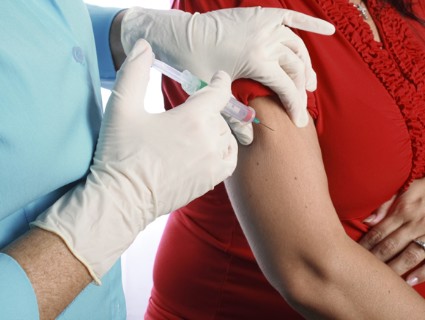
SAN FRANCISCO – Influenza vaccination during pregnancy was associated with significantly lower odds of delivering a preterm or small for gestational age infant during a period of widespread influenza activity, but the effects varied based on maternal characteristics, according to findings from a large retrospective cohort study.
A highly significant overall association was seen between maternal vaccination with trivalent inactivated influenza vaccine and reduced odds of preterm birth among all 8,393 women with live births between Jan. 1, 2005, and Dec. 31, 2008, who were included in the study (odds ratio, 0.39). However, vaccination was most protective against preterm birth among white women (OR, 0.34) and women of higher socioeconomic status (OR, 0.30), Dr. Saad Omer of Emory University, Atlanta, reported an annual scientific meeting on infectious diseases.
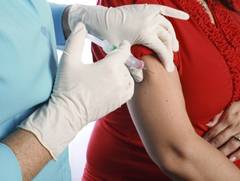
Vaccination protected against small for gestational age birth only among those at higher risk for influenza-related morbidity, including those enrolled in the WIC (Women, Infant, and Children) program (OR, 0.20) and black women (OR, 0.15), Dr. Omer said at the combined annual meetings of the Infectious Diseases Society of America, the Society for Healthcare Epidemiology of America, the HIV Medicine Association, and the Pediatric Infectious Diseases Society.
Data for this study were derived from the Georgia pregnancy risk assessment and monitoring system, as well as from hospital discharges and birth certificates. A number of prior studies have demonstrated beneficial effects of maternal immunization on maternal outcomes, and a 2011 study by Dr. Omer was the first to demonstrate overall beneficial effects on fetal outcomes following maternal influenza vaccine.
In that study, maternal vaccination was associated with reduced odds of preterm birth during local, regional, and widespread periods of influenza activity (OR, 0.44, 0.41, and 0.28, respectively), and with reduced odds of delivering a small for gestational age infant during the widespread activity period (OR, 0.31), he said (PLoS Med. 2011;8:e1000441). These findings have been replicated in subsequent studies.
But this is a complex process, and there is increasing recognition that inflammation and other factors play a role in preterm birth, he explained, noting: "There is substantial epidemiological and biological evidence that maternal characteristics are associated with adverse birth outcomes."
The current study is the first to look at fetal outcomes stratified by some of these maternal characteristics, he noted.
The outcomes were similar in magnitude to those in his 2011 study – but were restricted to the period of widespread influenza activity.
"And essentially, we had restriction of effect by race," he added, noting that there also was heterogeneity among the two outcomes (preterm birth and small for gestational age birth).
"So the bottom line is, yes, we saw – especially during the period of widespread influenza activity – that there was reduction of odds in both preterm birth and small for gestational age, but there’s more to this story. There is heterogeneity, perhaps based on underlying risk factors and mechanisms through which these extraneous factors have an impact on birth outcome," he said.
Currently, three international trials looking at some of these outcomes are underway, he said, adding: One hopes that from these trials "we’ll have a little bit more clarity both in terms of the actual clinical effect of these interventions, but also in terms of biologic pathways that are involved."
Dr. Omer reported having no disclosures.
SAN FRANCISCO – Influenza vaccination during pregnancy was associated with significantly lower odds of delivering a preterm or small for gestational age infant during a period of widespread influenza activity, but the effects varied based on maternal characteristics, according to findings from a large retrospective cohort study.
A highly significant overall association was seen between maternal vaccination with trivalent inactivated influenza vaccine and reduced odds of preterm birth among all 8,393 women with live births between Jan. 1, 2005, and Dec. 31, 2008, who were included in the study (odds ratio, 0.39). However, vaccination was most protective against preterm birth among white women (OR, 0.34) and women of higher socioeconomic status (OR, 0.30), Dr. Saad Omer of Emory University, Atlanta, reported an annual scientific meeting on infectious diseases.
Vaccination protected against small for gestational age birth only among those at higher risk for influenza-related morbidity, including those enrolled in the WIC (Women, Infant, and Children) program (OR, 0.20) and black women (OR, 0.15), Dr. Omer said at the combined annual meetings of the Infectious Diseases Society of America, the Society for Healthcare Epidemiology of America, the HIV Medicine Association, and the Pediatric Infectious Diseases Society.
Data for this study were derived from the Georgia pregnancy risk assessment and monitoring system, as well as from hospital discharges and birth certificates. A number of prior studies have demonstrated beneficial effects of maternal immunization on maternal outcomes, and a 2011 study by Dr. Omer was the first to demonstrate overall beneficial effects on fetal outcomes following maternal influenza vaccine.
In that study, maternal vaccination was associated with reduced odds of preterm birth during local, regional, and widespread periods of influenza activity (OR, 0.44, 0.41, and 0.28, respectively), and with reduced odds of delivering a small for gestational age infant during the widespread activity period (OR, 0.31), he said (PLoS Med. 2011;8:e1000441). These findings have been replicated in subsequent studies.
But this is a complex process, and there is increasing recognition that inflammation and other factors play a role in preterm birth, he explained, noting: "There is substantial epidemiological and biological evidence that maternal characteristics are associated with adverse birth outcomes."
The current study is the first to look at fetal outcomes stratified by some of these maternal characteristics, he noted.
The outcomes were similar in magnitude to those in his 2011 study – but were restricted to the period of widespread influenza activity.
"And essentially, we had restriction of effect by race," he added, noting that there also was heterogeneity among the two outcomes (preterm birth and small for gestational age birth).
"So the bottom line is, yes, we saw – especially during the period of widespread influenza activity – that there was reduction of odds in both preterm birth and small for gestational age, but there’s more to this story. There is heterogeneity, perhaps based on underlying risk factors and mechanisms through which these extraneous factors have an impact on birth outcome," he said.
Currently, three international trials looking at some of these outcomes are underway, he said, adding: One hopes that from these trials "we’ll have a little bit more clarity both in terms of the actual clinical effect of these interventions, but also in terms of biologic pathways that are involved."
Dr. Omer reported having no disclosures.
SAN FRANCISCO – Influenza vaccination during pregnancy was associated with significantly lower odds of delivering a preterm or small for gestational age infant during a period of widespread influenza activity, but the effects varied based on maternal characteristics, according to findings from a large retrospective cohort study.
A highly significant overall association was seen between maternal vaccination with trivalent inactivated influenza vaccine and reduced odds of preterm birth among all 8,393 women with live births between Jan. 1, 2005, and Dec. 31, 2008, who were included in the study (odds ratio, 0.39). However, vaccination was most protective against preterm birth among white women (OR, 0.34) and women of higher socioeconomic status (OR, 0.30), Dr. Saad Omer of Emory University, Atlanta, reported an annual scientific meeting on infectious diseases.
Vaccination protected against small for gestational age birth only among those at higher risk for influenza-related morbidity, including those enrolled in the WIC (Women, Infant, and Children) program (OR, 0.20) and black women (OR, 0.15), Dr. Omer said at the combined annual meetings of the Infectious Diseases Society of America, the Society for Healthcare Epidemiology of America, the HIV Medicine Association, and the Pediatric Infectious Diseases Society.
Data for this study were derived from the Georgia pregnancy risk assessment and monitoring system, as well as from hospital discharges and birth certificates. A number of prior studies have demonstrated beneficial effects of maternal immunization on maternal outcomes, and a 2011 study by Dr. Omer was the first to demonstrate overall beneficial effects on fetal outcomes following maternal influenza vaccine.
In that study, maternal vaccination was associated with reduced odds of preterm birth during local, regional, and widespread periods of influenza activity (OR, 0.44, 0.41, and 0.28, respectively), and with reduced odds of delivering a small for gestational age infant during the widespread activity period (OR, 0.31), he said (PLoS Med. 2011;8:e1000441). These findings have been replicated in subsequent studies.
But this is a complex process, and there is increasing recognition that inflammation and other factors play a role in preterm birth, he explained, noting: "There is substantial epidemiological and biological evidence that maternal characteristics are associated with adverse birth outcomes."
The current study is the first to look at fetal outcomes stratified by some of these maternal characteristics, he noted.
The outcomes were similar in magnitude to those in his 2011 study – but were restricted to the period of widespread influenza activity.
"And essentially, we had restriction of effect by race," he added, noting that there also was heterogeneity among the two outcomes (preterm birth and small for gestational age birth).
"So the bottom line is, yes, we saw – especially during the period of widespread influenza activity – that there was reduction of odds in both preterm birth and small for gestational age, but there’s more to this story. There is heterogeneity, perhaps based on underlying risk factors and mechanisms through which these extraneous factors have an impact on birth outcome," he said.
Currently, three international trials looking at some of these outcomes are underway, he said, adding: One hopes that from these trials "we’ll have a little bit more clarity both in terms of the actual clinical effect of these interventions, but also in terms of biologic pathways that are involved."
Dr. Omer reported having no disclosures.
AT IDWEEK 2013
Early embryonic growth discordance predicts single fetal loss in twins
SYDNEY, AUSTRALIA – Embryonic growth discordance at 7.0-9.6 weeks’ gestation is predictive of spontaneous single fetal loss in the first trimester, regardless of chorionicity, a retrospective study has found.
Researchers examined the association between crown rump length (CRL) discordance in 1,356 twin pregnancies, measured by ultrasound at 7.0-9.6 weeks, and spontaneous single fetal demise diagnosed at the 11- to 14-week scan, and presented the data at the International Society of Ultrasound in Obstetrics and Gynecology world congress,.
Data from the STORK (Southwest Thames Obstetric Research Collaborative) cohort showed CRL discordance was associated with a significant increase in single fetal loss at 11-14 weeks (odds ratio, 1.2).

The study found a predictive accuracy of CRL discordance at 7.0-9.6 weeks of area under the curve (AUC) equals 0.93, and the degree of discordance was significantly associated with the likelihood of early fetal loss.
At least one twin having a CRL below the fifth centile also was significantly associated with single fetal loss (OR, 2.21). However, there was no relationship between single fetal loss and maternal age or chorionicity.
At the same time, another retrospective cohort study of 1,733 dichorionic twin pregnancies presented in the same session concluded that CRL discordance at 11-14 weeks was associated with, but was not a strong predictor of, adverse outcomes such as fetal loss or preterm birth.
Dr. Francesco D’Antonio, a researcher for the first study, said evidence was building that CRL discordance at the 11- to 14-week mark was not a useful indicator of pregnancy outcomes.
"This is a big issue, because most of the doctors believe that actually this is useful, and they counsel the patient about a possible occurrence of adverse outcomes," said Dr. D’Antonio of the fetal medicine unit at St George’s, University of London.
"If you see there is a discrepancy in the first trimester, don’t tell the patient that the baby is going to die, or something bad is going to happen, because the predictivity is poor," Dr. D’Antonio said in an interview.
Dr. D’Antonio said the association between CRL discordance at 7.0-9.6 weeks and fetal loss by 11-14 weeks likely reflected the fact that a not-insignificant proportion of singleton pregnancies started as multiple pregnancies, but one fetus was lost before the 11- to 14-week scan.
"We didn’t pick these up in the past because we used to scan patients at 11 weeks, so when the IVF specialists started to scan patients at 4-5-6 weeks, this phenomenon became evident," he said.
The study observed 111 cases (8.2%) of single fetal loss at 11-14 weeks.
No conflicts of interest were declared.
SYDNEY, AUSTRALIA – Embryonic growth discordance at 7.0-9.6 weeks’ gestation is predictive of spontaneous single fetal loss in the first trimester, regardless of chorionicity, a retrospective study has found.
Researchers examined the association between crown rump length (CRL) discordance in 1,356 twin pregnancies, measured by ultrasound at 7.0-9.6 weeks, and spontaneous single fetal demise diagnosed at the 11- to 14-week scan, and presented the data at the International Society of Ultrasound in Obstetrics and Gynecology world congress,.
Data from the STORK (Southwest Thames Obstetric Research Collaborative) cohort showed CRL discordance was associated with a significant increase in single fetal loss at 11-14 weeks (odds ratio, 1.2).
The study found a predictive accuracy of CRL discordance at 7.0-9.6 weeks of area under the curve (AUC) equals 0.93, and the degree of discordance was significantly associated with the likelihood of early fetal loss.
At least one twin having a CRL below the fifth centile also was significantly associated with single fetal loss (OR, 2.21). However, there was no relationship between single fetal loss and maternal age or chorionicity.
At the same time, another retrospective cohort study of 1,733 dichorionic twin pregnancies presented in the same session concluded that CRL discordance at 11-14 weeks was associated with, but was not a strong predictor of, adverse outcomes such as fetal loss or preterm birth.
Dr. Francesco D’Antonio, a researcher for the first study, said evidence was building that CRL discordance at the 11- to 14-week mark was not a useful indicator of pregnancy outcomes.
"This is a big issue, because most of the doctors believe that actually this is useful, and they counsel the patient about a possible occurrence of adverse outcomes," said Dr. D’Antonio of the fetal medicine unit at St George’s, University of London.
"If you see there is a discrepancy in the first trimester, don’t tell the patient that the baby is going to die, or something bad is going to happen, because the predictivity is poor," Dr. D’Antonio said in an interview.
Dr. D’Antonio said the association between CRL discordance at 7.0-9.6 weeks and fetal loss by 11-14 weeks likely reflected the fact that a not-insignificant proportion of singleton pregnancies started as multiple pregnancies, but one fetus was lost before the 11- to 14-week scan.
"We didn’t pick these up in the past because we used to scan patients at 11 weeks, so when the IVF specialists started to scan patients at 4-5-6 weeks, this phenomenon became evident," he said.
The study observed 111 cases (8.2%) of single fetal loss at 11-14 weeks.
No conflicts of interest were declared.
SYDNEY, AUSTRALIA – Embryonic growth discordance at 7.0-9.6 weeks’ gestation is predictive of spontaneous single fetal loss in the first trimester, regardless of chorionicity, a retrospective study has found.
Researchers examined the association between crown rump length (CRL) discordance in 1,356 twin pregnancies, measured by ultrasound at 7.0-9.6 weeks, and spontaneous single fetal demise diagnosed at the 11- to 14-week scan, and presented the data at the International Society of Ultrasound in Obstetrics and Gynecology world congress,.
Data from the STORK (Southwest Thames Obstetric Research Collaborative) cohort showed CRL discordance was associated with a significant increase in single fetal loss at 11-14 weeks (odds ratio, 1.2).
The study found a predictive accuracy of CRL discordance at 7.0-9.6 weeks of area under the curve (AUC) equals 0.93, and the degree of discordance was significantly associated with the likelihood of early fetal loss.
At least one twin having a CRL below the fifth centile also was significantly associated with single fetal loss (OR, 2.21). However, there was no relationship between single fetal loss and maternal age or chorionicity.
At the same time, another retrospective cohort study of 1,733 dichorionic twin pregnancies presented in the same session concluded that CRL discordance at 11-14 weeks was associated with, but was not a strong predictor of, adverse outcomes such as fetal loss or preterm birth.
Dr. Francesco D’Antonio, a researcher for the first study, said evidence was building that CRL discordance at the 11- to 14-week mark was not a useful indicator of pregnancy outcomes.
"This is a big issue, because most of the doctors believe that actually this is useful, and they counsel the patient about a possible occurrence of adverse outcomes," said Dr. D’Antonio of the fetal medicine unit at St George’s, University of London.
"If you see there is a discrepancy in the first trimester, don’t tell the patient that the baby is going to die, or something bad is going to happen, because the predictivity is poor," Dr. D’Antonio said in an interview.
Dr. D’Antonio said the association between CRL discordance at 7.0-9.6 weeks and fetal loss by 11-14 weeks likely reflected the fact that a not-insignificant proportion of singleton pregnancies started as multiple pregnancies, but one fetus was lost before the 11- to 14-week scan.
"We didn’t pick these up in the past because we used to scan patients at 11 weeks, so when the IVF specialists started to scan patients at 4-5-6 weeks, this phenomenon became evident," he said.
The study observed 111 cases (8.2%) of single fetal loss at 11-14 weeks.
No conflicts of interest were declared.
AT THE ISUOG WORLD CONGRESS
Major finding: Embryonic growth discordance at 7.0-9.6 weeks in twin pregnancies is significantly associated with spontaneous single fetal loss by 11-14 weeks.
Data source: Retrospective cohort study of 1,356 twin pregnancies in the STORK study.
Disclosures: No conflicts of interest were declared.

ART babies show cardiovascular remodeling in utero
SYDNEY, AUSTRALIA – Assisted reproductive technologies are associated with cardiovascular remodeling that is present early in fetal life, a study has shown.
The prospective cohort study of 70 fetuses conceived using assisted reproductive technologies (ART) and 70 fetuses conceived spontaneously found significantly increased aortic mean intima-media thickness in ART fetuses compared with controls (0.55 vs. 0.46 mm, P = 0.016).
ART fetuses had dilated atria compared with controls, as measured by the right atrium/heart ratio (1.6% vs. 1.45%, P = 0.011), more globular hearts, thicker myocardial walls (interventricular septum thickness, 2.8 vs. 2.4 mm; P = 0.001), and impaired relaxation (mitral e’, 8 vs. 8.4 cm/s, P = 0.002).
While the results were statistically highly significant, Dr. Fátima Crispi said that clinically these changes did not represent a disease state, but rather a risk factor.
"To have, for example, increased intima-media thickness or a more hypertrophic heart is not a disease, so it doesn’t mean that these children will have symptoms or problems in the short term, but some of the changes that we are reporting are well-known risk factors for later in life," Dr. Crispi said in an interview.
The study also found ART fetuses had significantly decreased tricuspid ring displacement (5.5 vs. 6.5 mm, P less than 0.001), according to a presentation at the International Society of Ultrasound in Obstetrics and Gynecology world congress.
Dr. Crispi said awareness of cardiovascular issues in ART children had come about only relatively recently, with studies suggesting an increased incidence of hypertension and vascular dysfunction. However, she said this was the first study to examine the cardiovascular systems of ART babies in utero.
"Just by our experience in other prenatal conditions that are remodeling [the cardiovascular system], then you could see that the children have hypertension, so we could infer that if these [in vitro fertilization] children had changes in blood pressure, we would be able to see something prenatally," said Dr. Crispi, a fetal medicine specialist at the fetal medicine research center, Hospital Clinic of Barcelona.
"We did echocardiography and we looked at everything that could be measured; we looked at all the function because we really didn’t know what we were going to find."
Researchers conducted fetal echocardiography at 28 weeks’ gestation, including cardiac morphometry and tissue Doppler ultrasound, and the results were adjusted for birth weight and preeclampsia.
The mechanism of the association is unclear; however, Dr. Crispi suggested it was likely to be a combination of maternal risk and the impact of fertility treatments.
"We have these couples who have some infertility problems; usually the mothers are older – although we adjusted by age; they have more medical diseases, and they have most probably more genetic predisposition to have problems," Dr. Crispi said. "Then this couple goes through all this manipulation of the embryo, and then they receive treatment – hormones and things that could also affect the fetus – so we don’t know if it’s one factor or several factors."
While Dr Crispi stressed that the cardiovascular remodeling did not represent cardiovascular disease, she said awareness of the potential increased risk could help with early prevention and risk factor management in later life.
No conflicts of interest were reported.
SYDNEY, AUSTRALIA – Assisted reproductive technologies are associated with cardiovascular remodeling that is present early in fetal life, a study has shown.
The prospective cohort study of 70 fetuses conceived using assisted reproductive technologies (ART) and 70 fetuses conceived spontaneously found significantly increased aortic mean intima-media thickness in ART fetuses compared with controls (0.55 vs. 0.46 mm, P = 0.016).
ART fetuses had dilated atria compared with controls, as measured by the right atrium/heart ratio (1.6% vs. 1.45%, P = 0.011), more globular hearts, thicker myocardial walls (interventricular septum thickness, 2.8 vs. 2.4 mm; P = 0.001), and impaired relaxation (mitral e’, 8 vs. 8.4 cm/s, P = 0.002).
While the results were statistically highly significant, Dr. Fátima Crispi said that clinically these changes did not represent a disease state, but rather a risk factor.
"To have, for example, increased intima-media thickness or a more hypertrophic heart is not a disease, so it doesn’t mean that these children will have symptoms or problems in the short term, but some of the changes that we are reporting are well-known risk factors for later in life," Dr. Crispi said in an interview.
The study also found ART fetuses had significantly decreased tricuspid ring displacement (5.5 vs. 6.5 mm, P less than 0.001), according to a presentation at the International Society of Ultrasound in Obstetrics and Gynecology world congress.
Dr. Crispi said awareness of cardiovascular issues in ART children had come about only relatively recently, with studies suggesting an increased incidence of hypertension and vascular dysfunction. However, she said this was the first study to examine the cardiovascular systems of ART babies in utero.
"Just by our experience in other prenatal conditions that are remodeling [the cardiovascular system], then you could see that the children have hypertension, so we could infer that if these [in vitro fertilization] children had changes in blood pressure, we would be able to see something prenatally," said Dr. Crispi, a fetal medicine specialist at the fetal medicine research center, Hospital Clinic of Barcelona.
"We did echocardiography and we looked at everything that could be measured; we looked at all the function because we really didn’t know what we were going to find."
Researchers conducted fetal echocardiography at 28 weeks’ gestation, including cardiac morphometry and tissue Doppler ultrasound, and the results were adjusted for birth weight and preeclampsia.
The mechanism of the association is unclear; however, Dr. Crispi suggested it was likely to be a combination of maternal risk and the impact of fertility treatments.
"We have these couples who have some infertility problems; usually the mothers are older – although we adjusted by age; they have more medical diseases, and they have most probably more genetic predisposition to have problems," Dr. Crispi said. "Then this couple goes through all this manipulation of the embryo, and then they receive treatment – hormones and things that could also affect the fetus – so we don’t know if it’s one factor or several factors."
While Dr Crispi stressed that the cardiovascular remodeling did not represent cardiovascular disease, she said awareness of the potential increased risk could help with early prevention and risk factor management in later life.
No conflicts of interest were reported.
SYDNEY, AUSTRALIA – Assisted reproductive technologies are associated with cardiovascular remodeling that is present early in fetal life, a study has shown.
The prospective cohort study of 70 fetuses conceived using assisted reproductive technologies (ART) and 70 fetuses conceived spontaneously found significantly increased aortic mean intima-media thickness in ART fetuses compared with controls (0.55 vs. 0.46 mm, P = 0.016).
ART fetuses had dilated atria compared with controls, as measured by the right atrium/heart ratio (1.6% vs. 1.45%, P = 0.011), more globular hearts, thicker myocardial walls (interventricular septum thickness, 2.8 vs. 2.4 mm; P = 0.001), and impaired relaxation (mitral e’, 8 vs. 8.4 cm/s, P = 0.002).
While the results were statistically highly significant, Dr. Fátima Crispi said that clinically these changes did not represent a disease state, but rather a risk factor.
"To have, for example, increased intima-media thickness or a more hypertrophic heart is not a disease, so it doesn’t mean that these children will have symptoms or problems in the short term, but some of the changes that we are reporting are well-known risk factors for later in life," Dr. Crispi said in an interview.
The study also found ART fetuses had significantly decreased tricuspid ring displacement (5.5 vs. 6.5 mm, P less than 0.001), according to a presentation at the International Society of Ultrasound in Obstetrics and Gynecology world congress.
Dr. Crispi said awareness of cardiovascular issues in ART children had come about only relatively recently, with studies suggesting an increased incidence of hypertension and vascular dysfunction. However, she said this was the first study to examine the cardiovascular systems of ART babies in utero.
"Just by our experience in other prenatal conditions that are remodeling [the cardiovascular system], then you could see that the children have hypertension, so we could infer that if these [in vitro fertilization] children had changes in blood pressure, we would be able to see something prenatally," said Dr. Crispi, a fetal medicine specialist at the fetal medicine research center, Hospital Clinic of Barcelona.
"We did echocardiography and we looked at everything that could be measured; we looked at all the function because we really didn’t know what we were going to find."
Researchers conducted fetal echocardiography at 28 weeks’ gestation, including cardiac morphometry and tissue Doppler ultrasound, and the results were adjusted for birth weight and preeclampsia.
The mechanism of the association is unclear; however, Dr. Crispi suggested it was likely to be a combination of maternal risk and the impact of fertility treatments.
"We have these couples who have some infertility problems; usually the mothers are older – although we adjusted by age; they have more medical diseases, and they have most probably more genetic predisposition to have problems," Dr. Crispi said. "Then this couple goes through all this manipulation of the embryo, and then they receive treatment – hormones and things that could also affect the fetus – so we don’t know if it’s one factor or several factors."
While Dr Crispi stressed that the cardiovascular remodeling did not represent cardiovascular disease, she said awareness of the potential increased risk could help with early prevention and risk factor management in later life.
No conflicts of interest were reported.
AT THE ISUOG WORLD CONGRESS
Major finding: ART fetuses had dilated atria compared with controls, as measured by the right atrium/heart ratio (1.6% vs. 1.45%, P = 0.011), more globular hearts, thicker myocardial walls (interventricular septum thickness, 2.8 vs. 2.4 mm; P = 0.001), and impaired relaxation (mitral e’, 8 vs. 8.4 cm/s; P = 0.002).
Data source: A prospective cohort study of 70 ART babies and 70 spontaneously conceived controls.
Disclosures: No conflicts of interest were reported.
Anticipate the many challenges of cesarean section in superobese
DENVER – In current practice, the majority of superobese pregnant women – those having a prepregnancy body mass index of 50 kg/m2 or more – will end up having a cesarean section. The inherent technical challenges make it crucial to have a plan in place before heading to the operating room.
"There’s a lot to think about: patient positioning, choice of incision, antibiotic prophylaxis, deep vein thrombosis prophylaxis, wound care," Dr. Mark Alanis observed at the annual meeting of the Society of Ob/Gyn Hospitalists.

Also, it’s important to understand up front that one in three of these superobese patients will have a significant wound complication. Eighty-five percent of these are cellulitis or wound disruptions, mostly seromas, which will require packing. But one in seven of the wound complications are abscesses, and affected superobese patients require hospital readmission, said Dr. Alanis of the University of Colorado, Denver.
He presented lessons learned from his own retrospective study of 194 superobese patients who underwent cesarean section, plus several studies by other investigators. Among the highlights:
• Anesthesia evaluation. Bring the anesthesiologist in on the case early. Finding the landmarks for spinal anesthesia is tough in a superobese patient. Failed regional anesthesia is more common. In Dr. Alanis’ series, general anesthesia was required in 15% of patients – a far higher rate than in leaner women – so a careful preoperative airway assessment is essential.
• Patient positioning. Understand that positioning the superobese patient at a 20-degree tilt puts the midline far away from the surgeon, who’ll have to operate bending forward. "My back is killing me when I do these operations," the ob.gyn. said.
• Choice of incision. Dr. Alanis recommends the Pfannenstiel incision. This horizontal incision is faster than a vertical incision, the wound hurts less, healing is better, and the classic teaching that it poses an increased risk of infection in massively obese patients is a myth unsupported by data.
The key is to first mobilize the panniculus, moving it up off the suprapubic region, then securing it with a Montgomery strap tied off to the bedposts.
"It takes 5 minutes to secure the pannis. It’s the easiest thing in the world, and you don’t need an assistant for the operation once it’s done," he explained.
• Operative characteristics. The mean skin-to-delivery time in Dr. Alanis’ series was 15 minutes, with an incision-to-closure time of 64 minutes and an estimated blood loss of 1,000 mL, all considerably greater than in leaner patients.
In another investigator’s study involving 193 superobese women, the incision-to-delivery time was nearly identical at 16 minutes, and the fetal distress rate as measured by cord pH, Apgar score, and neonatal ICU admission was significantly higher than in patients with a lower body mass index (Am. J. Obstet. Gynecol. 2013;209:386.e1-386.e6).
This increased risk of fetal distress was confirmed recently in a study from the National Institutes of Health Maternal-Fetal Medicine Units Network. The analysis of 5,742 mother/singleton term neonate pairs delivered by prelabor cesarean section demonstrated that fetal distress increased with greater body mass index category. For every 10-unit increase in BMI, the cord arterial pH decreased by an adjusted value of 0.01 and the base deficit increased by 0.26 mmol/L. The relationship wasn’t linear, though; the steepest increase in fetal distress was seen in women with a prepregnancy BMI of 40 kg/L or more (Obstet. Gynecol. 2013;122:262-7).
"We want these women to deliver vaginally, but be cognizant that it’s going to take longer to take that woman to the OR, and it’s going to take longer to get that baby out," he observed.
• Antibiotic prophylaxis. A major practice trend in the past several years has been a shift to routine administration of preincision antibiotics.
• Deep vein thrombosis prophylaxis. Two-thirds of postsurgical DVTs are deemed preventable. The risk in pregnancy jumps from a fourfold increase with vaginal delivery over that in daily life, to a 13-fold increase with cesarean delivery, to a 26-fold increase with emergent cesarean section – and emergent cesarean section is considerably more common in superobese patients than in those of lesser BMI. Also, a BMI of 40 or more is an independent risk factor for DVT.
Dr. Alanis strongly recommends having an order set in place. While the risk of postpartum hemorrhage climbs with increasing BMI, this is not due to the use of anticoagulation. Nor does anticoagulation in superobese patients undergoing cesarean section raise their risk of hematoma or wound complications, he added.
• Wound closure. An audience show of hands indicated a strong preference for subcutaneous closure. Dr. Alanis said that’s probably fine for patients who are merely overweight, but in the superobese – women who often have 5-10 cm of subcutaneous thickness – it doesn’t improve the risk of seroma. He believes retention sutures are a good idea that hasn’t been well studied. Subcutaneous drains proved to be a bust in his study, as well as in every other study ever published.
"I would abandon the practice if I were you," the ob.gyn. advised.
Similarly, negative pressure dressings sound like a good idea but have proved disappointing in randomized clinical trials.
Dr. Alanis favors delayed closure. He’ll pack the wound for 3-4 days while granulation tissue forms, and then sew the wound closed in the office.
• Managing wound complications. To Dr. Alanis’ surprise, factors that proved unrelated to the risk of wound complications in his study of the superobese included labor as opposed to nonlabor, labor duration, rupture of membranes, chorioamnionitis, operative time, and emergent vs. routine vs. urgent cesarean section. Indeed, the only predictors of wound complications in his series were subcutaneous drains, associated with a 2.4-fold increased risk, and smoking, with a 2.9-fold elevated risk.
Eighty-six percent of wound complications in the superobese women were diagnosed post discharge. Wound disruption was diagnosed on median postoperative day 8.5. A total of 24% of patients with a wound complication were readmitted; 14% underwent reoperation.
Delayed closure is a very attractive way to manage seromas and hematomas. It requires healthy pink tissue and is not a technique for patients with a postoperative abscess.
Dr. Alanis reported having no financial interests germane to his presentation.
DENVER – In current practice, the majority of superobese pregnant women – those having a prepregnancy body mass index of 50 kg/m2 or more – will end up having a cesarean section. The inherent technical challenges make it crucial to have a plan in place before heading to the operating room.
"There’s a lot to think about: patient positioning, choice of incision, antibiotic prophylaxis, deep vein thrombosis prophylaxis, wound care," Dr. Mark Alanis observed at the annual meeting of the Society of Ob/Gyn Hospitalists.
Also, it’s important to understand up front that one in three of these superobese patients will have a significant wound complication. Eighty-five percent of these are cellulitis or wound disruptions, mostly seromas, which will require packing. But one in seven of the wound complications are abscesses, and affected superobese patients require hospital readmission, said Dr. Alanis of the University of Colorado, Denver.
He presented lessons learned from his own retrospective study of 194 superobese patients who underwent cesarean section, plus several studies by other investigators. Among the highlights:
• Anesthesia evaluation. Bring the anesthesiologist in on the case early. Finding the landmarks for spinal anesthesia is tough in a superobese patient. Failed regional anesthesia is more common. In Dr. Alanis’ series, general anesthesia was required in 15% of patients – a far higher rate than in leaner women – so a careful preoperative airway assessment is essential.
• Patient positioning. Understand that positioning the superobese patient at a 20-degree tilt puts the midline far away from the surgeon, who’ll have to operate bending forward. "My back is killing me when I do these operations," the ob.gyn. said.
• Choice of incision. Dr. Alanis recommends the Pfannenstiel incision. This horizontal incision is faster than a vertical incision, the wound hurts less, healing is better, and the classic teaching that it poses an increased risk of infection in massively obese patients is a myth unsupported by data.
The key is to first mobilize the panniculus, moving it up off the suprapubic region, then securing it with a Montgomery strap tied off to the bedposts.
"It takes 5 minutes to secure the pannis. It’s the easiest thing in the world, and you don’t need an assistant for the operation once it’s done," he explained.
• Operative characteristics. The mean skin-to-delivery time in Dr. Alanis’ series was 15 minutes, with an incision-to-closure time of 64 minutes and an estimated blood loss of 1,000 mL, all considerably greater than in leaner patients.
In another investigator’s study involving 193 superobese women, the incision-to-delivery time was nearly identical at 16 minutes, and the fetal distress rate as measured by cord pH, Apgar score, and neonatal ICU admission was significantly higher than in patients with a lower body mass index (Am. J. Obstet. Gynecol. 2013;209:386.e1-386.e6).
This increased risk of fetal distress was confirmed recently in a study from the National Institutes of Health Maternal-Fetal Medicine Units Network. The analysis of 5,742 mother/singleton term neonate pairs delivered by prelabor cesarean section demonstrated that fetal distress increased with greater body mass index category. For every 10-unit increase in BMI, the cord arterial pH decreased by an adjusted value of 0.01 and the base deficit increased by 0.26 mmol/L. The relationship wasn’t linear, though; the steepest increase in fetal distress was seen in women with a prepregnancy BMI of 40 kg/L or more (Obstet. Gynecol. 2013;122:262-7).
"We want these women to deliver vaginally, but be cognizant that it’s going to take longer to take that woman to the OR, and it’s going to take longer to get that baby out," he observed.
• Antibiotic prophylaxis. A major practice trend in the past several years has been a shift to routine administration of preincision antibiotics.
• Deep vein thrombosis prophylaxis. Two-thirds of postsurgical DVTs are deemed preventable. The risk in pregnancy jumps from a fourfold increase with vaginal delivery over that in daily life, to a 13-fold increase with cesarean delivery, to a 26-fold increase with emergent cesarean section – and emergent cesarean section is considerably more common in superobese patients than in those of lesser BMI. Also, a BMI of 40 or more is an independent risk factor for DVT.
Dr. Alanis strongly recommends having an order set in place. While the risk of postpartum hemorrhage climbs with increasing BMI, this is not due to the use of anticoagulation. Nor does anticoagulation in superobese patients undergoing cesarean section raise their risk of hematoma or wound complications, he added.
• Wound closure. An audience show of hands indicated a strong preference for subcutaneous closure. Dr. Alanis said that’s probably fine for patients who are merely overweight, but in the superobese – women who often have 5-10 cm of subcutaneous thickness – it doesn’t improve the risk of seroma. He believes retention sutures are a good idea that hasn’t been well studied. Subcutaneous drains proved to be a bust in his study, as well as in every other study ever published.
"I would abandon the practice if I were you," the ob.gyn. advised.
Similarly, negative pressure dressings sound like a good idea but have proved disappointing in randomized clinical trials.
Dr. Alanis favors delayed closure. He’ll pack the wound for 3-4 days while granulation tissue forms, and then sew the wound closed in the office.
• Managing wound complications. To Dr. Alanis’ surprise, factors that proved unrelated to the risk of wound complications in his study of the superobese included labor as opposed to nonlabor, labor duration, rupture of membranes, chorioamnionitis, operative time, and emergent vs. routine vs. urgent cesarean section. Indeed, the only predictors of wound complications in his series were subcutaneous drains, associated with a 2.4-fold increased risk, and smoking, with a 2.9-fold elevated risk.
Eighty-six percent of wound complications in the superobese women were diagnosed post discharge. Wound disruption was diagnosed on median postoperative day 8.5. A total of 24% of patients with a wound complication were readmitted; 14% underwent reoperation.
Delayed closure is a very attractive way to manage seromas and hematomas. It requires healthy pink tissue and is not a technique for patients with a postoperative abscess.
Dr. Alanis reported having no financial interests germane to his presentation.
DENVER – In current practice, the majority of superobese pregnant women – those having a prepregnancy body mass index of 50 kg/m2 or more – will end up having a cesarean section. The inherent technical challenges make it crucial to have a plan in place before heading to the operating room.
"There’s a lot to think about: patient positioning, choice of incision, antibiotic prophylaxis, deep vein thrombosis prophylaxis, wound care," Dr. Mark Alanis observed at the annual meeting of the Society of Ob/Gyn Hospitalists.
Also, it’s important to understand up front that one in three of these superobese patients will have a significant wound complication. Eighty-five percent of these are cellulitis or wound disruptions, mostly seromas, which will require packing. But one in seven of the wound complications are abscesses, and affected superobese patients require hospital readmission, said Dr. Alanis of the University of Colorado, Denver.
He presented lessons learned from his own retrospective study of 194 superobese patients who underwent cesarean section, plus several studies by other investigators. Among the highlights:
• Anesthesia evaluation. Bring the anesthesiologist in on the case early. Finding the landmarks for spinal anesthesia is tough in a superobese patient. Failed regional anesthesia is more common. In Dr. Alanis’ series, general anesthesia was required in 15% of patients – a far higher rate than in leaner women – so a careful preoperative airway assessment is essential.
• Patient positioning. Understand that positioning the superobese patient at a 20-degree tilt puts the midline far away from the surgeon, who’ll have to operate bending forward. "My back is killing me when I do these operations," the ob.gyn. said.
• Choice of incision. Dr. Alanis recommends the Pfannenstiel incision. This horizontal incision is faster than a vertical incision, the wound hurts less, healing is better, and the classic teaching that it poses an increased risk of infection in massively obese patients is a myth unsupported by data.
The key is to first mobilize the panniculus, moving it up off the suprapubic region, then securing it with a Montgomery strap tied off to the bedposts.
"It takes 5 minutes to secure the pannis. It’s the easiest thing in the world, and you don’t need an assistant for the operation once it’s done," he explained.
• Operative characteristics. The mean skin-to-delivery time in Dr. Alanis’ series was 15 minutes, with an incision-to-closure time of 64 minutes and an estimated blood loss of 1,000 mL, all considerably greater than in leaner patients.
In another investigator’s study involving 193 superobese women, the incision-to-delivery time was nearly identical at 16 minutes, and the fetal distress rate as measured by cord pH, Apgar score, and neonatal ICU admission was significantly higher than in patients with a lower body mass index (Am. J. Obstet. Gynecol. 2013;209:386.e1-386.e6).
This increased risk of fetal distress was confirmed recently in a study from the National Institutes of Health Maternal-Fetal Medicine Units Network. The analysis of 5,742 mother/singleton term neonate pairs delivered by prelabor cesarean section demonstrated that fetal distress increased with greater body mass index category. For every 10-unit increase in BMI, the cord arterial pH decreased by an adjusted value of 0.01 and the base deficit increased by 0.26 mmol/L. The relationship wasn’t linear, though; the steepest increase in fetal distress was seen in women with a prepregnancy BMI of 40 kg/L or more (Obstet. Gynecol. 2013;122:262-7).
"We want these women to deliver vaginally, but be cognizant that it’s going to take longer to take that woman to the OR, and it’s going to take longer to get that baby out," he observed.
• Antibiotic prophylaxis. A major practice trend in the past several years has been a shift to routine administration of preincision antibiotics.
• Deep vein thrombosis prophylaxis. Two-thirds of postsurgical DVTs are deemed preventable. The risk in pregnancy jumps from a fourfold increase with vaginal delivery over that in daily life, to a 13-fold increase with cesarean delivery, to a 26-fold increase with emergent cesarean section – and emergent cesarean section is considerably more common in superobese patients than in those of lesser BMI. Also, a BMI of 40 or more is an independent risk factor for DVT.
Dr. Alanis strongly recommends having an order set in place. While the risk of postpartum hemorrhage climbs with increasing BMI, this is not due to the use of anticoagulation. Nor does anticoagulation in superobese patients undergoing cesarean section raise their risk of hematoma or wound complications, he added.
• Wound closure. An audience show of hands indicated a strong preference for subcutaneous closure. Dr. Alanis said that’s probably fine for patients who are merely overweight, but in the superobese – women who often have 5-10 cm of subcutaneous thickness – it doesn’t improve the risk of seroma. He believes retention sutures are a good idea that hasn’t been well studied. Subcutaneous drains proved to be a bust in his study, as well as in every other study ever published.
"I would abandon the practice if I were you," the ob.gyn. advised.
Similarly, negative pressure dressings sound like a good idea but have proved disappointing in randomized clinical trials.
Dr. Alanis favors delayed closure. He’ll pack the wound for 3-4 days while granulation tissue forms, and then sew the wound closed in the office.
• Managing wound complications. To Dr. Alanis’ surprise, factors that proved unrelated to the risk of wound complications in his study of the superobese included labor as opposed to nonlabor, labor duration, rupture of membranes, chorioamnionitis, operative time, and emergent vs. routine vs. urgent cesarean section. Indeed, the only predictors of wound complications in his series were subcutaneous drains, associated with a 2.4-fold increased risk, and smoking, with a 2.9-fold elevated risk.
Eighty-six percent of wound complications in the superobese women were diagnosed post discharge. Wound disruption was diagnosed on median postoperative day 8.5. A total of 24% of patients with a wound complication were readmitted; 14% underwent reoperation.
Delayed closure is a very attractive way to manage seromas and hematomas. It requires healthy pink tissue and is not a technique for patients with a postoperative abscess.
Dr. Alanis reported having no financial interests germane to his presentation.
EXPERT ANALYSIS FROM THE SOGH ANNUAL CLINICAL MEETING

Maternal cardiac function may predict outcomes in preeclampsia
SYDNEY, AUSTRALIA – Women at high risk of early preeclampsia who show signs of abnormal hemodynamic function earlier in pregnancy may be more likely to have adverse pregnancy outcomes, new data suggest.
A prospective cohort study in 36 women at high risk for early preeclampsia (at less than 34 weeks’ gestation) showed that those who experienced adverse outcomes had significantly higher total peripheral resistance at 14 weeks (1,710 vs. 1,307 dyne/sec/cm–5, P = .02), 24 weeks (1,564 vs. 1,305 dyne/sec/cm–5, P less than .001), and 30 weeks (1,603 vs. 1,323 dyne/sec/cm–5, P = .002) of gestation, compared with high-risk women who had normal outcomes.

According to data presented at the International Society of Ultrasound in Obstetrics and Gynecology world congress, cardiac output also was significantly lower at 14 weeks (4.41 vs. 5.18 L/min, P = .04) and 30 weeks (4.79 vs. 5.36 L/min, P = .04) of gestation in women who experienced adverse outcomes.
The results suggest that women at high risk for early preeclampsia and a subsequent adverse pregnancy outcome show signs of abnormal cardiac function as early as 14 weeks’ gestation, the researchers said.
Researcher Kate Russo said the results could help to differentiate between those who are likely to have a normal outcome and those who may develop an adverse outcome, in women who have already been identified as high risk through preeclampsia screening.
"We want to reduce the 10% false-positive rate of this screening, which has a 90% detection rate for early-onset preeclampsia," said Ms. Russo, a sonographer and Ph.D. candidate in the fetal medicine unit at the Royal Prince Alfred Hospital in Sydney.
"Performing a maternal echocardiogram in high-risk women is an easy, well-tolerated examination that can be utilized for the assessment of the women’s hemodynamic profile," she said.
The adverse outcomes, observed in 15 (42%) of the women enrolled in the study, included preeclampsia (11%), gestational hypertension (14%), low birth weight (14%), and preterm birth (3%).
Being able to identify women who were at greater risk of adverse pregnancy outcomes might help reduce the anxiety of some women deemed at high risk of early preeclampsia, as well as guide treatment, Ms. Russo said in an interview.
"You know who to look at, and potentially, if women develop hypertension, you can target their antihypertensive medication depending on their hemodynamic profile," she said.
The study is continuing to recruit participants, with the aim of comparing the hemodynamic profiles of women with early-onset preeclampsia, late-onset preeclampsia, and small-for-gestational-age babies.
No conflicts of interest were declared.
SYDNEY, AUSTRALIA – Women at high risk of early preeclampsia who show signs of abnormal hemodynamic function earlier in pregnancy may be more likely to have adverse pregnancy outcomes, new data suggest.
A prospective cohort study in 36 women at high risk for early preeclampsia (at less than 34 weeks’ gestation) showed that those who experienced adverse outcomes had significantly higher total peripheral resistance at 14 weeks (1,710 vs. 1,307 dyne/sec/cm–5, P = .02), 24 weeks (1,564 vs. 1,305 dyne/sec/cm–5, P less than .001), and 30 weeks (1,603 vs. 1,323 dyne/sec/cm–5, P = .002) of gestation, compared with high-risk women who had normal outcomes.
According to data presented at the International Society of Ultrasound in Obstetrics and Gynecology world congress, cardiac output also was significantly lower at 14 weeks (4.41 vs. 5.18 L/min, P = .04) and 30 weeks (4.79 vs. 5.36 L/min, P = .04) of gestation in women who experienced adverse outcomes.
The results suggest that women at high risk for early preeclampsia and a subsequent adverse pregnancy outcome show signs of abnormal cardiac function as early as 14 weeks’ gestation, the researchers said.
Researcher Kate Russo said the results could help to differentiate between those who are likely to have a normal outcome and those who may develop an adverse outcome, in women who have already been identified as high risk through preeclampsia screening.
"We want to reduce the 10% false-positive rate of this screening, which has a 90% detection rate for early-onset preeclampsia," said Ms. Russo, a sonographer and Ph.D. candidate in the fetal medicine unit at the Royal Prince Alfred Hospital in Sydney.
"Performing a maternal echocardiogram in high-risk women is an easy, well-tolerated examination that can be utilized for the assessment of the women’s hemodynamic profile," she said.
The adverse outcomes, observed in 15 (42%) of the women enrolled in the study, included preeclampsia (11%), gestational hypertension (14%), low birth weight (14%), and preterm birth (3%).
Being able to identify women who were at greater risk of adverse pregnancy outcomes might help reduce the anxiety of some women deemed at high risk of early preeclampsia, as well as guide treatment, Ms. Russo said in an interview.
"You know who to look at, and potentially, if women develop hypertension, you can target their antihypertensive medication depending on their hemodynamic profile," she said.
The study is continuing to recruit participants, with the aim of comparing the hemodynamic profiles of women with early-onset preeclampsia, late-onset preeclampsia, and small-for-gestational-age babies.
No conflicts of interest were declared.
SYDNEY, AUSTRALIA – Women at high risk of early preeclampsia who show signs of abnormal hemodynamic function earlier in pregnancy may be more likely to have adverse pregnancy outcomes, new data suggest.
A prospective cohort study in 36 women at high risk for early preeclampsia (at less than 34 weeks’ gestation) showed that those who experienced adverse outcomes had significantly higher total peripheral resistance at 14 weeks (1,710 vs. 1,307 dyne/sec/cm–5, P = .02), 24 weeks (1,564 vs. 1,305 dyne/sec/cm–5, P less than .001), and 30 weeks (1,603 vs. 1,323 dyne/sec/cm–5, P = .002) of gestation, compared with high-risk women who had normal outcomes.
According to data presented at the International Society of Ultrasound in Obstetrics and Gynecology world congress, cardiac output also was significantly lower at 14 weeks (4.41 vs. 5.18 L/min, P = .04) and 30 weeks (4.79 vs. 5.36 L/min, P = .04) of gestation in women who experienced adverse outcomes.
The results suggest that women at high risk for early preeclampsia and a subsequent adverse pregnancy outcome show signs of abnormal cardiac function as early as 14 weeks’ gestation, the researchers said.
Researcher Kate Russo said the results could help to differentiate between those who are likely to have a normal outcome and those who may develop an adverse outcome, in women who have already been identified as high risk through preeclampsia screening.
"We want to reduce the 10% false-positive rate of this screening, which has a 90% detection rate for early-onset preeclampsia," said Ms. Russo, a sonographer and Ph.D. candidate in the fetal medicine unit at the Royal Prince Alfred Hospital in Sydney.
"Performing a maternal echocardiogram in high-risk women is an easy, well-tolerated examination that can be utilized for the assessment of the women’s hemodynamic profile," she said.
The adverse outcomes, observed in 15 (42%) of the women enrolled in the study, included preeclampsia (11%), gestational hypertension (14%), low birth weight (14%), and preterm birth (3%).
Being able to identify women who were at greater risk of adverse pregnancy outcomes might help reduce the anxiety of some women deemed at high risk of early preeclampsia, as well as guide treatment, Ms. Russo said in an interview.
"You know who to look at, and potentially, if women develop hypertension, you can target their antihypertensive medication depending on their hemodynamic profile," she said.
The study is continuing to recruit participants, with the aim of comparing the hemodynamic profiles of women with early-onset preeclampsia, late-onset preeclampsia, and small-for-gestational-age babies.
No conflicts of interest were declared.
AT THE ISUOG WORLD CONGRESS
Major finding: Abnormal maternal hemodynamic function as early as 14 weeks’ gestation may predict which women at high risk of preeclampsia are more likely to have adverse outcomes.
Data source: Prospective cohort study in 36 women.
Disclosures: No conflicts of interest were declared.

Safety of metoclopramide in pregnancy affirmed
The use of metoclopramide during pregnancy was not associated with any increased risk of major congenital malformations, spontaneous abortion, stillbirth, preterm birth, low birth weight, or fetal growth restriction in a study assessing 10 times as many exposed pregnancies as all previous cohort studies of this issue combined.
This registry-based cohort study assessed 1,222,503 pregnancies throughout Denmark from 1997 through 2011, including 45,002 (3.7%) in which the mother took metoclopramide, presumably to treat nausea or vomiting. It examined 20 different categories of congenital malformation, said Dr. Björn Pasternak and his associates of the Statens Serum Institut, Copenhagen.
"The number of included pregnancies in our study permitted analyses with precise estimation of risk for most outcomes and allowed analyses of serious adverse outcomes that are rare," the authors noted in a report online Oct. 15 in JAMA.

The findings confirm and significantly extend those of previously published cohort studies of metoclopramide taken during pregnancy, which included only 4,261 exposed pregnancies in total.
Dr. Pasternak and his colleagues first assessed major congenital malformations in 28,486 liveborn infants exposed to metoclopramide during the first trimester and 113,698 infants who were not exposed and who were matched for age, year of birth, and propensity score. The rate of any major malformation was 25.3 per 1,000 among the exposed infants and 26.6 per 1,000 among the unexposed infants, a nonsignificant difference.
They then analyzed 20 individual categories of congenital malformation, such as neural tube defects, hydronephrosis, ventricular or atrial septal defects, hypospadias, clubfoot, or cleft lip. There were no significant associations between metoclopramide and any type of malformation.
The researchers also assessed 10,171 cases of spontaneous abortion that occurred among 37,946 metoclopramide-exposed pregnancies and 151,661 matched unexposed pregnancies. The rate of spontaneous abortion was slightly lower in exposed than in unexposed pregnancies.
This finding was "not unexpected" because the drug is given to treat nausea and vomiting, conditions that are known to correlate with lower rates of spontaneous abortion in the general population. "Indeed, the strength of the association between nausea and vomiting and spontaneous abortion in previous studies was similar in magnitude to the association between metoclopramide exposure and spontaneous abortion observed in our study," Dr. Pasternak and his associates reported (JAMA 2013;310:1601-11).
They also found that the rate of stillbirth among 40,306 metoclopramide-exposed pregnancies (3.5 per 1,000) was not significantly different from that among 161,098 matched unexposed pregnancies (3.9 per 1,000). So the drug did not raise the risk of stillbirth.
Further analyses showed that metoclopramide exposure was not associated with any of the secondary outcomes of preterm birth, low birth weight, or small-for-gestational-age infants.
The investigators also performed several sensitivity analyses, all of which yielded results similar to those of the primary analyses. For example, the rates of all adverse outcomes were not significantly different between women who filled only one prescription for the drug and those who filled multiple prescriptions, indicating that there was no dose-response effect.
They also assessed a possible exposure effect among pregnancies that were terminated because of major fetal malformations. Again, there was no evidence of an increased risk of malformations overall or of particular types of malformations after exposure to metoclopramide.
These findings "may help inform clinical decisions when treatment with metoclopramide is considered in pregnancy," Dr. Pasternak and his associates said.
This study was supported by the Danish Medical Research Council. No financial conflicts of interest were reported.
The use of metoclopramide during pregnancy was not associated with any increased risk of major congenital malformations, spontaneous abortion, stillbirth, preterm birth, low birth weight, or fetal growth restriction in a study assessing 10 times as many exposed pregnancies as all previous cohort studies of this issue combined.
This registry-based cohort study assessed 1,222,503 pregnancies throughout Denmark from 1997 through 2011, including 45,002 (3.7%) in which the mother took metoclopramide, presumably to treat nausea or vomiting. It examined 20 different categories of congenital malformation, said Dr. Björn Pasternak and his associates of the Statens Serum Institut, Copenhagen.
"The number of included pregnancies in our study permitted analyses with precise estimation of risk for most outcomes and allowed analyses of serious adverse outcomes that are rare," the authors noted in a report online Oct. 15 in JAMA.
The findings confirm and significantly extend those of previously published cohort studies of metoclopramide taken during pregnancy, which included only 4,261 exposed pregnancies in total.
Dr. Pasternak and his colleagues first assessed major congenital malformations in 28,486 liveborn infants exposed to metoclopramide during the first trimester and 113,698 infants who were not exposed and who were matched for age, year of birth, and propensity score. The rate of any major malformation was 25.3 per 1,000 among the exposed infants and 26.6 per 1,000 among the unexposed infants, a nonsignificant difference.
They then analyzed 20 individual categories of congenital malformation, such as neural tube defects, hydronephrosis, ventricular or atrial septal defects, hypospadias, clubfoot, or cleft lip. There were no significant associations between metoclopramide and any type of malformation.
The researchers also assessed 10,171 cases of spontaneous abortion that occurred among 37,946 metoclopramide-exposed pregnancies and 151,661 matched unexposed pregnancies. The rate of spontaneous abortion was slightly lower in exposed than in unexposed pregnancies.
This finding was "not unexpected" because the drug is given to treat nausea and vomiting, conditions that are known to correlate with lower rates of spontaneous abortion in the general population. "Indeed, the strength of the association between nausea and vomiting and spontaneous abortion in previous studies was similar in magnitude to the association between metoclopramide exposure and spontaneous abortion observed in our study," Dr. Pasternak and his associates reported (JAMA 2013;310:1601-11).
They also found that the rate of stillbirth among 40,306 metoclopramide-exposed pregnancies (3.5 per 1,000) was not significantly different from that among 161,098 matched unexposed pregnancies (3.9 per 1,000). So the drug did not raise the risk of stillbirth.
Further analyses showed that metoclopramide exposure was not associated with any of the secondary outcomes of preterm birth, low birth weight, or small-for-gestational-age infants.
The investigators also performed several sensitivity analyses, all of which yielded results similar to those of the primary analyses. For example, the rates of all adverse outcomes were not significantly different between women who filled only one prescription for the drug and those who filled multiple prescriptions, indicating that there was no dose-response effect.
They also assessed a possible exposure effect among pregnancies that were terminated because of major fetal malformations. Again, there was no evidence of an increased risk of malformations overall or of particular types of malformations after exposure to metoclopramide.
These findings "may help inform clinical decisions when treatment with metoclopramide is considered in pregnancy," Dr. Pasternak and his associates said.
This study was supported by the Danish Medical Research Council. No financial conflicts of interest were reported.
The use of metoclopramide during pregnancy was not associated with any increased risk of major congenital malformations, spontaneous abortion, stillbirth, preterm birth, low birth weight, or fetal growth restriction in a study assessing 10 times as many exposed pregnancies as all previous cohort studies of this issue combined.
This registry-based cohort study assessed 1,222,503 pregnancies throughout Denmark from 1997 through 2011, including 45,002 (3.7%) in which the mother took metoclopramide, presumably to treat nausea or vomiting. It examined 20 different categories of congenital malformation, said Dr. Björn Pasternak and his associates of the Statens Serum Institut, Copenhagen.
"The number of included pregnancies in our study permitted analyses with precise estimation of risk for most outcomes and allowed analyses of serious adverse outcomes that are rare," the authors noted in a report online Oct. 15 in JAMA.
The findings confirm and significantly extend those of previously published cohort studies of metoclopramide taken during pregnancy, which included only 4,261 exposed pregnancies in total.
Dr. Pasternak and his colleagues first assessed major congenital malformations in 28,486 liveborn infants exposed to metoclopramide during the first trimester and 113,698 infants who were not exposed and who were matched for age, year of birth, and propensity score. The rate of any major malformation was 25.3 per 1,000 among the exposed infants and 26.6 per 1,000 among the unexposed infants, a nonsignificant difference.
They then analyzed 20 individual categories of congenital malformation, such as neural tube defects, hydronephrosis, ventricular or atrial septal defects, hypospadias, clubfoot, or cleft lip. There were no significant associations between metoclopramide and any type of malformation.
The researchers also assessed 10,171 cases of spontaneous abortion that occurred among 37,946 metoclopramide-exposed pregnancies and 151,661 matched unexposed pregnancies. The rate of spontaneous abortion was slightly lower in exposed than in unexposed pregnancies.
This finding was "not unexpected" because the drug is given to treat nausea and vomiting, conditions that are known to correlate with lower rates of spontaneous abortion in the general population. "Indeed, the strength of the association between nausea and vomiting and spontaneous abortion in previous studies was similar in magnitude to the association between metoclopramide exposure and spontaneous abortion observed in our study," Dr. Pasternak and his associates reported (JAMA 2013;310:1601-11).
They also found that the rate of stillbirth among 40,306 metoclopramide-exposed pregnancies (3.5 per 1,000) was not significantly different from that among 161,098 matched unexposed pregnancies (3.9 per 1,000). So the drug did not raise the risk of stillbirth.
Further analyses showed that metoclopramide exposure was not associated with any of the secondary outcomes of preterm birth, low birth weight, or small-for-gestational-age infants.
The investigators also performed several sensitivity analyses, all of which yielded results similar to those of the primary analyses. For example, the rates of all adverse outcomes were not significantly different between women who filled only one prescription for the drug and those who filled multiple prescriptions, indicating that there was no dose-response effect.
They also assessed a possible exposure effect among pregnancies that were terminated because of major fetal malformations. Again, there was no evidence of an increased risk of malformations overall or of particular types of malformations after exposure to metoclopramide.
These findings "may help inform clinical decisions when treatment with metoclopramide is considered in pregnancy," Dr. Pasternak and his associates said.
This study was supported by the Danish Medical Research Council. No financial conflicts of interest were reported.
FROM JAMA
Major finding: The rate of any major congenital malformation was 25.3 per 1,000 among infants exposed to metoclopramide during the first trimester and 26.6 per 1,000 among unexposed infants, a nonsignificant difference.
Data source: A nationwide cohort study of 1,222,503 pregnancies throughout Denmark in 1997-2011, in which 45,002 mothers took metoclopramide and the remainder did not.
Disclosures: This study was supported by the Danish Medical Research Council. No financial conflicts of interest were reported.

Short fetal femur in second trimester linked to chromosome abnormalities
SYDNEY, AUSTRALIA – Short fetal femur length in the second trimester was associated with a significantly increased risk of Down syndrome, trisomy 13 and 18, and unbalanced autosomal structural abnormality in a large population study.
The study of 147,766 Danish singleton pregnancies with a second-trimester malformation scan showed that short femur length – defined as below the fifth percentile – was present in 16.2% of the fetuses affected by trisomy 21 (odds ratio, 10.3).

The data were collected from the Danish National Fetal Medicine database and presented at the International Society of Ultrasound in Obstetrics and Gynecology world congress.
Individuals with trisomy 13/18 also had a significantly higher incidence of short femur length (OR, 7.3), as did individuals with unbalanced autosomal structural abnormality (OR, 23.8).
Researchers also found that pregnancies in which the fetus had a short femur length also were more likely to result in delivery before 34 weeks’ gestation (OR, 4.2) and small-for-gestational-age infants (OR, 4.3).
Dr. Ann Tabor said the first-trimester screening program in Denmark was extremely rigorous, resulting in detection of the vast majority of cases of Down syndrome; some cases, however, still slip through the net.
"We only have a detection rate of around 90%-92%, so we inform women that we will not be able to detect all of the Down syndrome fetuses," said Dr. Tabor, professor of fetal medicine at Copenhagen University Hospital. "This would offer a way to pick up some of the ones we haven’t found the first time."
The overall incidence of short femur length in the cohort was 2,718 cases (1.8%).
Dr. Tabor said that short femur length was a well-known feature of Down syndrome, although she was surprised by the strength of the association between short femur length and unbalanced autosomal structural abnormality.
"Every day in your clinical life, when you have a fetus where you measure this short femur length, you wonder ‘Should I do something about it or do I just ignore it?’ " Dr. Tabor said in an interview. "Do you want to do an amniocentesis if you don’t have a karyotype for the fetus, or should you really monitor the growth because they are more likely to be growth retarded or to be delivered preterm?"
Dr. Tabor said her decision about whether to act on a short femur length detected in the second trimester would depend a lot on the mother’s risk of abnormality in the first trimester.
"So if she had a risk estimate like 1 in 10,000, you probably wouldn’t do anything, but if it was 1 in 400, then you’d have to counsel her," she said.
There were no conflicts of interest declared.
SYDNEY, AUSTRALIA – Short fetal femur length in the second trimester was associated with a significantly increased risk of Down syndrome, trisomy 13 and 18, and unbalanced autosomal structural abnormality in a large population study.
The study of 147,766 Danish singleton pregnancies with a second-trimester malformation scan showed that short femur length – defined as below the fifth percentile – was present in 16.2% of the fetuses affected by trisomy 21 (odds ratio, 10.3).
The data were collected from the Danish National Fetal Medicine database and presented at the International Society of Ultrasound in Obstetrics and Gynecology world congress.
Individuals with trisomy 13/18 also had a significantly higher incidence of short femur length (OR, 7.3), as did individuals with unbalanced autosomal structural abnormality (OR, 23.8).
Researchers also found that pregnancies in which the fetus had a short femur length also were more likely to result in delivery before 34 weeks’ gestation (OR, 4.2) and small-for-gestational-age infants (OR, 4.3).
Dr. Ann Tabor said the first-trimester screening program in Denmark was extremely rigorous, resulting in detection of the vast majority of cases of Down syndrome; some cases, however, still slip through the net.
"We only have a detection rate of around 90%-92%, so we inform women that we will not be able to detect all of the Down syndrome fetuses," said Dr. Tabor, professor of fetal medicine at Copenhagen University Hospital. "This would offer a way to pick up some of the ones we haven’t found the first time."
The overall incidence of short femur length in the cohort was 2,718 cases (1.8%).
Dr. Tabor said that short femur length was a well-known feature of Down syndrome, although she was surprised by the strength of the association between short femur length and unbalanced autosomal structural abnormality.
"Every day in your clinical life, when you have a fetus where you measure this short femur length, you wonder ‘Should I do something about it or do I just ignore it?’ " Dr. Tabor said in an interview. "Do you want to do an amniocentesis if you don’t have a karyotype for the fetus, or should you really monitor the growth because they are more likely to be growth retarded or to be delivered preterm?"
Dr. Tabor said her decision about whether to act on a short femur length detected in the second trimester would depend a lot on the mother’s risk of abnormality in the first trimester.
"So if she had a risk estimate like 1 in 10,000, you probably wouldn’t do anything, but if it was 1 in 400, then you’d have to counsel her," she said.
There were no conflicts of interest declared.
SYDNEY, AUSTRALIA – Short fetal femur length in the second trimester was associated with a significantly increased risk of Down syndrome, trisomy 13 and 18, and unbalanced autosomal structural abnormality in a large population study.
The study of 147,766 Danish singleton pregnancies with a second-trimester malformation scan showed that short femur length – defined as below the fifth percentile – was present in 16.2% of the fetuses affected by trisomy 21 (odds ratio, 10.3).
The data were collected from the Danish National Fetal Medicine database and presented at the International Society of Ultrasound in Obstetrics and Gynecology world congress.
Individuals with trisomy 13/18 also had a significantly higher incidence of short femur length (OR, 7.3), as did individuals with unbalanced autosomal structural abnormality (OR, 23.8).
Researchers also found that pregnancies in which the fetus had a short femur length also were more likely to result in delivery before 34 weeks’ gestation (OR, 4.2) and small-for-gestational-age infants (OR, 4.3).
Dr. Ann Tabor said the first-trimester screening program in Denmark was extremely rigorous, resulting in detection of the vast majority of cases of Down syndrome; some cases, however, still slip through the net.
"We only have a detection rate of around 90%-92%, so we inform women that we will not be able to detect all of the Down syndrome fetuses," said Dr. Tabor, professor of fetal medicine at Copenhagen University Hospital. "This would offer a way to pick up some of the ones we haven’t found the first time."
The overall incidence of short femur length in the cohort was 2,718 cases (1.8%).
Dr. Tabor said that short femur length was a well-known feature of Down syndrome, although she was surprised by the strength of the association between short femur length and unbalanced autosomal structural abnormality.
"Every day in your clinical life, when you have a fetus where you measure this short femur length, you wonder ‘Should I do something about it or do I just ignore it?’ " Dr. Tabor said in an interview. "Do you want to do an amniocentesis if you don’t have a karyotype for the fetus, or should you really monitor the growth because they are more likely to be growth retarded or to be delivered preterm?"
Dr. Tabor said her decision about whether to act on a short femur length detected in the second trimester would depend a lot on the mother’s risk of abnormality in the first trimester.
"So if she had a risk estimate like 1 in 10,000, you probably wouldn’t do anything, but if it was 1 in 400, then you’d have to counsel her," she said.
There were no conflicts of interest declared.
AT THE ISUOG WORLD CONGRESS