User login
CDC: Test for hepatitis C in all baby boomers
The Centers for Disease Control and Prevention is urging hepatitis C testing for all Americans born between 1945 and 1965, as new data indicate that the baby boomers account for the largest proportion of cases yet are largely ignorant of their status.
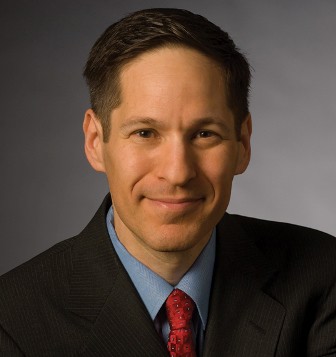
"The take-home message from today’s report is that you may not remember everything that happened in the ’60s and ’70s, but your liver does," said CDC Director Thomas Frieden in a briefing with reporters.

"The bottom line here is, if you were born between those years, get tested," he said. "And if you’re positive, get follow-up testing."
Besides targeting consumers, the CDC also issued updated testing recommendations for physicians.
The guidelines, published May 7 in Morbidity and Mortality Weekly Report (MMWR), update the CDC’s 2003 testing recommendations.
The agency issued the update "because of changes in the availability of certain commercial HCV [hepatitis C virus] antibody tests, evidence that many persons who are identified as reactive by an HCV antibody test might not subsequently be evaluated to determine if they have current HCV infection, and significant advances in the development of antiviral agents with improved efficacy against HCV," according to the report.
The CDC first proposed such broad testing a year ago. New surveillance data published in MMWR give credence to the idea that baby boomers seem to be at particular risk.
Researchers from the CDC and the New York City Department of Health and Mental Hygiene analyzed hepatitis C testing data from 2005 to 2011 from eight U.S. sites: Colorado, Connecticut, Minnesota, New Mexico, New York City, New York State, Oregon, and San Francisco. Health officials at all of the sites received CDC funding for conducting enhanced surveillance.
The analysis found that 63% of the 217,755 people with newly reported positive HCV were born in the years 1945-1965. Of the total who tested positive, 107,209 (49%) had a positive antibody test, and 110,546 (51%) had a positive follow-up RNA test. That means about half of those who have an initial positive test are not following up with a confirmatory RNA test.
That is discouraging, said Dr. Frieden. "Right now, there are better hepatitis C treatments available than ever, and there are more treatments coming in the coming year," he said. "So, confirming that someone is infected is more important than ever."
The CDC estimates 100,000-120,000 deaths could be prevented with proper testing and follow-up care.
About 3 million people are currently infected; half will end up with cirrhosis, and at least a third will die from complications. Eighty percent of people with hepatitis C are chronically infected.
The CDC is updating its 2003 guidance for physicians on hepatitis C testing by urging that a positive HCV antibody test be followed up with RNA testing.
The findings in the MMWR study "give us an idea of the gap between those who are and are not receiving the test, and show us that we have a substantial challenge in front of us," said Dr. John Ward, director of the division of viral hepatitis in the CDC’s National Center for HIV/AIDS, Viral Hepatitis, STD, and TB Prevention.
Baby boomers are likely to have been infected in their teens or 20s through transfusions or risky behaviors such as injection drug use. The CDC says risk factors for hepatitis C infection also include:
• Receiving clotting factor concentrates made before 1987, when more advanced methods for manufacturing those products were developed.
• Having a solid organ transplant before July 1992, when better testing became available.
• Chronic hemodialysis.
• Known exposure to HCV, such as needlesticks involving HCV-positive blood.
• HIV infection.
• Being born to an HCV-positive mother.
The CDC is exploring ways to make testing more available and to reach out to patients, Dr. Ward said. The agency has funded 25-30 demonstration projects, he added. Among the projects being tested: routine screening in the emergency department, and built-in reminders for physicians to test patients born in the target years.
Dr. Frieden urged immediate adoption of those reminders. "For health care providers, it’s very important to put in automatic systems to make sure that if someone has a positive antibody test, they go on to have follow-up testing and then get into care," he said.
The CDC issued its testing recommendations to coincide with Hepatitis Awareness Month and Hepatitis Testing Day, which is May 19.
On Twitter @aliciaault
The Centers for Disease Control and Prevention is urging hepatitis C testing for all Americans born between 1945 and 1965, as new data indicate that the baby boomers account for the largest proportion of cases yet are largely ignorant of their status.
"The take-home message from today’s report is that you may not remember everything that happened in the ’60s and ’70s, but your liver does," said CDC Director Thomas Frieden in a briefing with reporters.
"The bottom line here is, if you were born between those years, get tested," he said. "And if you’re positive, get follow-up testing."
Besides targeting consumers, the CDC also issued updated testing recommendations for physicians.
The guidelines, published May 7 in Morbidity and Mortality Weekly Report (MMWR), update the CDC’s 2003 testing recommendations.
The agency issued the update "because of changes in the availability of certain commercial HCV [hepatitis C virus] antibody tests, evidence that many persons who are identified as reactive by an HCV antibody test might not subsequently be evaluated to determine if they have current HCV infection, and significant advances in the development of antiviral agents with improved efficacy against HCV," according to the report.
The CDC first proposed such broad testing a year ago. New surveillance data published in MMWR give credence to the idea that baby boomers seem to be at particular risk.
Researchers from the CDC and the New York City Department of Health and Mental Hygiene analyzed hepatitis C testing data from 2005 to 2011 from eight U.S. sites: Colorado, Connecticut, Minnesota, New Mexico, New York City, New York State, Oregon, and San Francisco. Health officials at all of the sites received CDC funding for conducting enhanced surveillance.
The analysis found that 63% of the 217,755 people with newly reported positive HCV were born in the years 1945-1965. Of the total who tested positive, 107,209 (49%) had a positive antibody test, and 110,546 (51%) had a positive follow-up RNA test. That means about half of those who have an initial positive test are not following up with a confirmatory RNA test.
That is discouraging, said Dr. Frieden. "Right now, there are better hepatitis C treatments available than ever, and there are more treatments coming in the coming year," he said. "So, confirming that someone is infected is more important than ever."
The CDC estimates 100,000-120,000 deaths could be prevented with proper testing and follow-up care.
About 3 million people are currently infected; half will end up with cirrhosis, and at least a third will die from complications. Eighty percent of people with hepatitis C are chronically infected.
The CDC is updating its 2003 guidance for physicians on hepatitis C testing by urging that a positive HCV antibody test be followed up with RNA testing.
The findings in the MMWR study "give us an idea of the gap between those who are and are not receiving the test, and show us that we have a substantial challenge in front of us," said Dr. John Ward, director of the division of viral hepatitis in the CDC’s National Center for HIV/AIDS, Viral Hepatitis, STD, and TB Prevention.
Baby boomers are likely to have been infected in their teens or 20s through transfusions or risky behaviors such as injection drug use. The CDC says risk factors for hepatitis C infection also include:
• Receiving clotting factor concentrates made before 1987, when more advanced methods for manufacturing those products were developed.
• Having a solid organ transplant before July 1992, when better testing became available.
• Chronic hemodialysis.
• Known exposure to HCV, such as needlesticks involving HCV-positive blood.
• HIV infection.
• Being born to an HCV-positive mother.
The CDC is exploring ways to make testing more available and to reach out to patients, Dr. Ward said. The agency has funded 25-30 demonstration projects, he added. Among the projects being tested: routine screening in the emergency department, and built-in reminders for physicians to test patients born in the target years.
Dr. Frieden urged immediate adoption of those reminders. "For health care providers, it’s very important to put in automatic systems to make sure that if someone has a positive antibody test, they go on to have follow-up testing and then get into care," he said.
The CDC issued its testing recommendations to coincide with Hepatitis Awareness Month and Hepatitis Testing Day, which is May 19.
On Twitter @aliciaault
The Centers for Disease Control and Prevention is urging hepatitis C testing for all Americans born between 1945 and 1965, as new data indicate that the baby boomers account for the largest proportion of cases yet are largely ignorant of their status.
"The take-home message from today’s report is that you may not remember everything that happened in the ’60s and ’70s, but your liver does," said CDC Director Thomas Frieden in a briefing with reporters.
"The bottom line here is, if you were born between those years, get tested," he said. "And if you’re positive, get follow-up testing."
Besides targeting consumers, the CDC also issued updated testing recommendations for physicians.
The guidelines, published May 7 in Morbidity and Mortality Weekly Report (MMWR), update the CDC’s 2003 testing recommendations.
The agency issued the update "because of changes in the availability of certain commercial HCV [hepatitis C virus] antibody tests, evidence that many persons who are identified as reactive by an HCV antibody test might not subsequently be evaluated to determine if they have current HCV infection, and significant advances in the development of antiviral agents with improved efficacy against HCV," according to the report.
The CDC first proposed such broad testing a year ago. New surveillance data published in MMWR give credence to the idea that baby boomers seem to be at particular risk.
Researchers from the CDC and the New York City Department of Health and Mental Hygiene analyzed hepatitis C testing data from 2005 to 2011 from eight U.S. sites: Colorado, Connecticut, Minnesota, New Mexico, New York City, New York State, Oregon, and San Francisco. Health officials at all of the sites received CDC funding for conducting enhanced surveillance.
The analysis found that 63% of the 217,755 people with newly reported positive HCV were born in the years 1945-1965. Of the total who tested positive, 107,209 (49%) had a positive antibody test, and 110,546 (51%) had a positive follow-up RNA test. That means about half of those who have an initial positive test are not following up with a confirmatory RNA test.
That is discouraging, said Dr. Frieden. "Right now, there are better hepatitis C treatments available than ever, and there are more treatments coming in the coming year," he said. "So, confirming that someone is infected is more important than ever."
The CDC estimates 100,000-120,000 deaths could be prevented with proper testing and follow-up care.
About 3 million people are currently infected; half will end up with cirrhosis, and at least a third will die from complications. Eighty percent of people with hepatitis C are chronically infected.
The CDC is updating its 2003 guidance for physicians on hepatitis C testing by urging that a positive HCV antibody test be followed up with RNA testing.
The findings in the MMWR study "give us an idea of the gap between those who are and are not receiving the test, and show us that we have a substantial challenge in front of us," said Dr. John Ward, director of the division of viral hepatitis in the CDC’s National Center for HIV/AIDS, Viral Hepatitis, STD, and TB Prevention.
Baby boomers are likely to have been infected in their teens or 20s through transfusions or risky behaviors such as injection drug use. The CDC says risk factors for hepatitis C infection also include:
• Receiving clotting factor concentrates made before 1987, when more advanced methods for manufacturing those products were developed.
• Having a solid organ transplant before July 1992, when better testing became available.
• Chronic hemodialysis.
• Known exposure to HCV, such as needlesticks involving HCV-positive blood.
• HIV infection.
• Being born to an HCV-positive mother.
The CDC is exploring ways to make testing more available and to reach out to patients, Dr. Ward said. The agency has funded 25-30 demonstration projects, he added. Among the projects being tested: routine screening in the emergency department, and built-in reminders for physicians to test patients born in the target years.
Dr. Frieden urged immediate adoption of those reminders. "For health care providers, it’s very important to put in automatic systems to make sure that if someone has a positive antibody test, they go on to have follow-up testing and then get into care," he said.
The CDC issued its testing recommendations to coincide with Hepatitis Awareness Month and Hepatitis Testing Day, which is May 19.
On Twitter @aliciaault
Know your values to achieve professional balance
SAN FRANCISCO – Maintaining balance and enthusiasm – at home and at your practice – can seem to be an impossible challenge. And yet, without it – in every aspect of your life – you will be a less-capable physician, a less-engaged and happy spouse or friend, a less satisfied person, and not on top of your game.
That’s according to Dr. Linda Clever, an internist who is president of Renew, a project of the Institute for Health & Healing at California Pacific Medical Center in San Francisco.
"It turns out that if we’re bored, if we’re sad, if we’re frightened, it leads to a loss of creativity, a loss of enthusiasm and engagement, and resilience and effectiveness, not just at work, but at home," Dr. Clever told attendees at the annual meeting of the American College of Physicians.
She was not discussing burnout, but something different. "If you’re rushing through the day just to get through the day, that’s an incipient sign of not being engaged," she said, calling that "a danger signal."
The key is to use your values as your foundation. "What gets you to happiness is living your values."
Dr. Clever said that people who are balanced, and at the top of their game:
• Have strong relationships.
• Have a religious or spiritual life of some sort, which might just be having a constant sense of wonder at the world.
• Take care of themselves.
• Like their work.
• Have the basic conviction that they can play the hand that’s dealt them. That is, the ways things are might not be the preferred way, but life is manageable.
During her presentation at the meeting, Dr. Clever led attendees through a variation on the workshops she gives at Renew. The program helps people identify and define their personal values, and offers ways to live out those values even while managing complex responsibilities and priorities. She asked attendees for their definition of success. Among the terms she collected: balance, happiness, peace, wellness, making a difference, money, and positive feedback. Control was also mentioned.
Dr. Clever said that control is a common term among physicians. Doctors "like to control things," she said. It’s not surprising, as they really have to be obsessive-compulsive, said Dr. Clever. "Who else is going to get a second creatinine? Who else is going to take a picture of that lesion and follow it for 3 days? Who else is going to draw a circle around that erythema and look at it again in 2 hours?" she asked.
But that creates what she called a "soft underbelly." The desire for control is a vulnerability because "when we aren’t perfect, it’s very hard on us, and it’s very disturbing," said Dr. Clever.
There are some things that physicians can control. The most important thing is to live your values. Values are what someone believes is good or bad, right or wrong, and what gives meaning, fuel, and joy. Once you know your values, then you can define success, and know how you will spend your time," she said.
When physician attendees were asked to share some of their values, they mentioned honesty, integrity, humor, empathy, compassion, self-sacrifice, tolerance, service, humility, charity, sustainability, spirituality, and respect for self and others. Values should be written down, discussed out loud and shared with loved ones, advised Dr. Clever.
Physicians, like anyone striving for balance, can also control their attitudes and how they respond and cope when faced with adversity. In that vein, she said, many people have been inspired by "Man's Search for Meaning," (Boston: Beacon Press, 2006) a memoir by psychiatrist Viktor Frankl, who spent several years in Nazi concentration camps.
"Frankl wrote that the last human freedom is the freedom to choose your attitude in a given set of circumstances," said Dr. Clever. She said that physicians could adopt this philosophy and talk to their patients, or to their teenagers, about this concept. "You can choose to be a victim and you can choose to be a winner."
If you’re feeling overwhelmed, get help, advised Dr. Clever, adding, "That’s what money is for." Consider a gardener or a housekeeper or even a life coach. And, if things aren’t going well, don’t just complain. Also, give up what Dr. Clever calls "BMW": bitching, moaning, and whining.
Learn new tricks, she advised, especially if the old way isn’t working. "We have to get more comfortable with change."
"One new trick is to learn how to say ‘no,’ " Dr. Clever said. Physicians like to please and "it turns out if we’re doing too much, we can’t do anything well."
One tip for saying no gracefully is to employ what she called the "no sandwich." On the top, you thank the person for asking you. In the middle is the "no," and on the bottom, you thank the person again and say that you are honored to have been asked.
On Twitter @aliciaault
SAN FRANCISCO – Maintaining balance and enthusiasm – at home and at your practice – can seem to be an impossible challenge. And yet, without it – in every aspect of your life – you will be a less-capable physician, a less-engaged and happy spouse or friend, a less satisfied person, and not on top of your game.
That’s according to Dr. Linda Clever, an internist who is president of Renew, a project of the Institute for Health & Healing at California Pacific Medical Center in San Francisco.
"It turns out that if we’re bored, if we’re sad, if we’re frightened, it leads to a loss of creativity, a loss of enthusiasm and engagement, and resilience and effectiveness, not just at work, but at home," Dr. Clever told attendees at the annual meeting of the American College of Physicians.
She was not discussing burnout, but something different. "If you’re rushing through the day just to get through the day, that’s an incipient sign of not being engaged," she said, calling that "a danger signal."
The key is to use your values as your foundation. "What gets you to happiness is living your values."
Dr. Clever said that people who are balanced, and at the top of their game:
• Have strong relationships.
• Have a religious or spiritual life of some sort, which might just be having a constant sense of wonder at the world.
• Take care of themselves.
• Like their work.
• Have the basic conviction that they can play the hand that’s dealt them. That is, the ways things are might not be the preferred way, but life is manageable.
During her presentation at the meeting, Dr. Clever led attendees through a variation on the workshops she gives at Renew. The program helps people identify and define their personal values, and offers ways to live out those values even while managing complex responsibilities and priorities. She asked attendees for their definition of success. Among the terms she collected: balance, happiness, peace, wellness, making a difference, money, and positive feedback. Control was also mentioned.
Dr. Clever said that control is a common term among physicians. Doctors "like to control things," she said. It’s not surprising, as they really have to be obsessive-compulsive, said Dr. Clever. "Who else is going to get a second creatinine? Who else is going to take a picture of that lesion and follow it for 3 days? Who else is going to draw a circle around that erythema and look at it again in 2 hours?" she asked.
But that creates what she called a "soft underbelly." The desire for control is a vulnerability because "when we aren’t perfect, it’s very hard on us, and it’s very disturbing," said Dr. Clever.
There are some things that physicians can control. The most important thing is to live your values. Values are what someone believes is good or bad, right or wrong, and what gives meaning, fuel, and joy. Once you know your values, then you can define success, and know how you will spend your time," she said.
When physician attendees were asked to share some of their values, they mentioned honesty, integrity, humor, empathy, compassion, self-sacrifice, tolerance, service, humility, charity, sustainability, spirituality, and respect for self and others. Values should be written down, discussed out loud and shared with loved ones, advised Dr. Clever.
Physicians, like anyone striving for balance, can also control their attitudes and how they respond and cope when faced with adversity. In that vein, she said, many people have been inspired by "Man's Search for Meaning," (Boston: Beacon Press, 2006) a memoir by psychiatrist Viktor Frankl, who spent several years in Nazi concentration camps.
"Frankl wrote that the last human freedom is the freedom to choose your attitude in a given set of circumstances," said Dr. Clever. She said that physicians could adopt this philosophy and talk to their patients, or to their teenagers, about this concept. "You can choose to be a victim and you can choose to be a winner."
If you’re feeling overwhelmed, get help, advised Dr. Clever, adding, "That’s what money is for." Consider a gardener or a housekeeper or even a life coach. And, if things aren’t going well, don’t just complain. Also, give up what Dr. Clever calls "BMW": bitching, moaning, and whining.
Learn new tricks, she advised, especially if the old way isn’t working. "We have to get more comfortable with change."
"One new trick is to learn how to say ‘no,’ " Dr. Clever said. Physicians like to please and "it turns out if we’re doing too much, we can’t do anything well."
One tip for saying no gracefully is to employ what she called the "no sandwich." On the top, you thank the person for asking you. In the middle is the "no," and on the bottom, you thank the person again and say that you are honored to have been asked.
On Twitter @aliciaault
SAN FRANCISCO – Maintaining balance and enthusiasm – at home and at your practice – can seem to be an impossible challenge. And yet, without it – in every aspect of your life – you will be a less-capable physician, a less-engaged and happy spouse or friend, a less satisfied person, and not on top of your game.
That’s according to Dr. Linda Clever, an internist who is president of Renew, a project of the Institute for Health & Healing at California Pacific Medical Center in San Francisco.
"It turns out that if we’re bored, if we’re sad, if we’re frightened, it leads to a loss of creativity, a loss of enthusiasm and engagement, and resilience and effectiveness, not just at work, but at home," Dr. Clever told attendees at the annual meeting of the American College of Physicians.
She was not discussing burnout, but something different. "If you’re rushing through the day just to get through the day, that’s an incipient sign of not being engaged," she said, calling that "a danger signal."
The key is to use your values as your foundation. "What gets you to happiness is living your values."
Dr. Clever said that people who are balanced, and at the top of their game:
• Have strong relationships.
• Have a religious or spiritual life of some sort, which might just be having a constant sense of wonder at the world.
• Take care of themselves.
• Like their work.
• Have the basic conviction that they can play the hand that’s dealt them. That is, the ways things are might not be the preferred way, but life is manageable.
During her presentation at the meeting, Dr. Clever led attendees through a variation on the workshops she gives at Renew. The program helps people identify and define their personal values, and offers ways to live out those values even while managing complex responsibilities and priorities. She asked attendees for their definition of success. Among the terms she collected: balance, happiness, peace, wellness, making a difference, money, and positive feedback. Control was also mentioned.
Dr. Clever said that control is a common term among physicians. Doctors "like to control things," she said. It’s not surprising, as they really have to be obsessive-compulsive, said Dr. Clever. "Who else is going to get a second creatinine? Who else is going to take a picture of that lesion and follow it for 3 days? Who else is going to draw a circle around that erythema and look at it again in 2 hours?" she asked.
But that creates what she called a "soft underbelly." The desire for control is a vulnerability because "when we aren’t perfect, it’s very hard on us, and it’s very disturbing," said Dr. Clever.
There are some things that physicians can control. The most important thing is to live your values. Values are what someone believes is good or bad, right or wrong, and what gives meaning, fuel, and joy. Once you know your values, then you can define success, and know how you will spend your time," she said.
When physician attendees were asked to share some of their values, they mentioned honesty, integrity, humor, empathy, compassion, self-sacrifice, tolerance, service, humility, charity, sustainability, spirituality, and respect for self and others. Values should be written down, discussed out loud and shared with loved ones, advised Dr. Clever.
Physicians, like anyone striving for balance, can also control their attitudes and how they respond and cope when faced with adversity. In that vein, she said, many people have been inspired by "Man's Search for Meaning," (Boston: Beacon Press, 2006) a memoir by psychiatrist Viktor Frankl, who spent several years in Nazi concentration camps.
"Frankl wrote that the last human freedom is the freedom to choose your attitude in a given set of circumstances," said Dr. Clever. She said that physicians could adopt this philosophy and talk to their patients, or to their teenagers, about this concept. "You can choose to be a victim and you can choose to be a winner."
If you’re feeling overwhelmed, get help, advised Dr. Clever, adding, "That’s what money is for." Consider a gardener or a housekeeper or even a life coach. And, if things aren’t going well, don’t just complain. Also, give up what Dr. Clever calls "BMW": bitching, moaning, and whining.
Learn new tricks, she advised, especially if the old way isn’t working. "We have to get more comfortable with change."
"One new trick is to learn how to say ‘no,’ " Dr. Clever said. Physicians like to please and "it turns out if we’re doing too much, we can’t do anything well."
One tip for saying no gracefully is to employ what she called the "no sandwich." On the top, you thank the person for asking you. In the middle is the "no," and on the bottom, you thank the person again and say that you are honored to have been asked.
On Twitter @aliciaault
EXPERT ANALYSIS FROM INTERNAL MEDICINE 2013
FDA approves PCC to reverse warfarin-induced acute bleeding
The Food and Drug Administration has approved a new agent – Kcentra (Prothrombin Complex Concentrate, Human) – for the urgent reversal of vitamin K antagonist (VKA) anticoagulation in adults with acute major bleeding.
Kcentra, manufactured by CSL Behring of *King of Prussia, Pa., is a nonactivated 4-factor prothrombin complex concentrate (PCC). It contains the coagulation factors that are low in warfarin-treated patients: factors II (prothrombin), VII, IX, and X. The product also contains antithrombotic proteins C and S. Fresh frozen plasma is the only FDA-approved product for reversing warfarin-induced acute bleeding. Like plasma, Kcentra is used with administration of vitamin K to reverse the anticoagulation effect and stop bleeding. Unlike plasma, Kcentra can be given quickly because it does not require thawing or determination of blood type.

"The FDA’s approval of this new product gives physicians a choice when deciding how to treat patients requiring urgent reversal of VKA anticoagulation," Dr. Karen Midthun, director of the FDA’s Center for Biologics Evaluation and Research, said in a statement. "Kcentra is administered in a significantly lower volume than plasma at recommended doses, providing an alternative for those patients who may not tolerate the volume of plasma required to reverse VKA anticoagulation."
The American College of Chest Physicians endorsed use of PCC for rapid reversal of VKA-associated bleeding in its 2012 consensus guidelines on anticoagulant therapy (CHEST 2012;141(Suppl):e152S-e184S).
"Kcentra has been shown to restore the decreased vitamin K–dependent clotting factors significantly faster than plasma in patients on warfarin," Dr. Ravi Sarode, the coordinating investigator for the pivotal Kcentra trial and director of transfusion medicine and hemostasis reference laboratory at the University of Texas Southwestern Medical Center, said in a statement issued by CSL Behring.
According to the company, 3-4 million people in the United States each year receive warfarin to prevent clots after a stroke, heart attack, heart valve surgery, or deep vein thrombosis/pulmonary embolism, or for atrial fibrillation. Severe bleeding is possible, however, because of the warfarin-induced clotting factor deficiency. CSL Behring said that some 29,000 emergency department visits annually are for warfarin-associated bleeding.
The FDA said that Kcentra will carry a boxed warning on the risk of blood clots. Patients should be monitored for signs and symptoms of thromboembolic events. "Both fatal and nonfatal arterial and venous thromboembolic complications have been reported in clinical trials and postmarketing surveillance," said the FDA. The warning further states that Kcentra was not studied in subjects who had a thromboembolic event, myocardial infarction, disseminated intravascular coagulation (DIC), cerebral vascular accident, transient ischemic attack, unstable angina pectoris, or severe peripheral vascular disease within the prior 3 months, and as such might not be suitable in patients who had any of those events in the 3 months before starting therapy.
Kcentra, made from pooled plasma of healthy donors, is processed to minimize risk of transmitting viral and other diseases, the agency said. It is marketed as Beriplex or Confidex in 25 countries.
Dr. Sarode received compensation as coordinating principal investigator of the study.
On Twitter @aliciaault
*Clarification (5/2/13): A previous version of this story said that the manufacturer of Kcentra, CSL Behring, was based in Marburg, Germany. Kcentra will be manufactured in the Marburg facility.
The Food and Drug Administration has approved a new agent – Kcentra (Prothrombin Complex Concentrate, Human) – for the urgent reversal of vitamin K antagonist (VKA) anticoagulation in adults with acute major bleeding.
Kcentra, manufactured by CSL Behring of *King of Prussia, Pa., is a nonactivated 4-factor prothrombin complex concentrate (PCC). It contains the coagulation factors that are low in warfarin-treated patients: factors II (prothrombin), VII, IX, and X. The product also contains antithrombotic proteins C and S. Fresh frozen plasma is the only FDA-approved product for reversing warfarin-induced acute bleeding. Like plasma, Kcentra is used with administration of vitamin K to reverse the anticoagulation effect and stop bleeding. Unlike plasma, Kcentra can be given quickly because it does not require thawing or determination of blood type.
"The FDA’s approval of this new product gives physicians a choice when deciding how to treat patients requiring urgent reversal of VKA anticoagulation," Dr. Karen Midthun, director of the FDA’s Center for Biologics Evaluation and Research, said in a statement. "Kcentra is administered in a significantly lower volume than plasma at recommended doses, providing an alternative for those patients who may not tolerate the volume of plasma required to reverse VKA anticoagulation."
The American College of Chest Physicians endorsed use of PCC for rapid reversal of VKA-associated bleeding in its 2012 consensus guidelines on anticoagulant therapy (CHEST 2012;141(Suppl):e152S-e184S).
"Kcentra has been shown to restore the decreased vitamin K–dependent clotting factors significantly faster than plasma in patients on warfarin," Dr. Ravi Sarode, the coordinating investigator for the pivotal Kcentra trial and director of transfusion medicine and hemostasis reference laboratory at the University of Texas Southwestern Medical Center, said in a statement issued by CSL Behring.
According to the company, 3-4 million people in the United States each year receive warfarin to prevent clots after a stroke, heart attack, heart valve surgery, or deep vein thrombosis/pulmonary embolism, or for atrial fibrillation. Severe bleeding is possible, however, because of the warfarin-induced clotting factor deficiency. CSL Behring said that some 29,000 emergency department visits annually are for warfarin-associated bleeding.
The FDA said that Kcentra will carry a boxed warning on the risk of blood clots. Patients should be monitored for signs and symptoms of thromboembolic events. "Both fatal and nonfatal arterial and venous thromboembolic complications have been reported in clinical trials and postmarketing surveillance," said the FDA. The warning further states that Kcentra was not studied in subjects who had a thromboembolic event, myocardial infarction, disseminated intravascular coagulation (DIC), cerebral vascular accident, transient ischemic attack, unstable angina pectoris, or severe peripheral vascular disease within the prior 3 months, and as such might not be suitable in patients who had any of those events in the 3 months before starting therapy.
Kcentra, made from pooled plasma of healthy donors, is processed to minimize risk of transmitting viral and other diseases, the agency said. It is marketed as Beriplex or Confidex in 25 countries.
Dr. Sarode received compensation as coordinating principal investigator of the study.
On Twitter @aliciaault
*Clarification (5/2/13): A previous version of this story said that the manufacturer of Kcentra, CSL Behring, was based in Marburg, Germany. Kcentra will be manufactured in the Marburg facility.
The Food and Drug Administration has approved a new agent – Kcentra (Prothrombin Complex Concentrate, Human) – for the urgent reversal of vitamin K antagonist (VKA) anticoagulation in adults with acute major bleeding.
Kcentra, manufactured by CSL Behring of *King of Prussia, Pa., is a nonactivated 4-factor prothrombin complex concentrate (PCC). It contains the coagulation factors that are low in warfarin-treated patients: factors II (prothrombin), VII, IX, and X. The product also contains antithrombotic proteins C and S. Fresh frozen plasma is the only FDA-approved product for reversing warfarin-induced acute bleeding. Like plasma, Kcentra is used with administration of vitamin K to reverse the anticoagulation effect and stop bleeding. Unlike plasma, Kcentra can be given quickly because it does not require thawing or determination of blood type.
"The FDA’s approval of this new product gives physicians a choice when deciding how to treat patients requiring urgent reversal of VKA anticoagulation," Dr. Karen Midthun, director of the FDA’s Center for Biologics Evaluation and Research, said in a statement. "Kcentra is administered in a significantly lower volume than plasma at recommended doses, providing an alternative for those patients who may not tolerate the volume of plasma required to reverse VKA anticoagulation."
The American College of Chest Physicians endorsed use of PCC for rapid reversal of VKA-associated bleeding in its 2012 consensus guidelines on anticoagulant therapy (CHEST 2012;141(Suppl):e152S-e184S).
"Kcentra has been shown to restore the decreased vitamin K–dependent clotting factors significantly faster than plasma in patients on warfarin," Dr. Ravi Sarode, the coordinating investigator for the pivotal Kcentra trial and director of transfusion medicine and hemostasis reference laboratory at the University of Texas Southwestern Medical Center, said in a statement issued by CSL Behring.
According to the company, 3-4 million people in the United States each year receive warfarin to prevent clots after a stroke, heart attack, heart valve surgery, or deep vein thrombosis/pulmonary embolism, or for atrial fibrillation. Severe bleeding is possible, however, because of the warfarin-induced clotting factor deficiency. CSL Behring said that some 29,000 emergency department visits annually are for warfarin-associated bleeding.
The FDA said that Kcentra will carry a boxed warning on the risk of blood clots. Patients should be monitored for signs and symptoms of thromboembolic events. "Both fatal and nonfatal arterial and venous thromboembolic complications have been reported in clinical trials and postmarketing surveillance," said the FDA. The warning further states that Kcentra was not studied in subjects who had a thromboembolic event, myocardial infarction, disseminated intravascular coagulation (DIC), cerebral vascular accident, transient ischemic attack, unstable angina pectoris, or severe peripheral vascular disease within the prior 3 months, and as such might not be suitable in patients who had any of those events in the 3 months before starting therapy.
Kcentra, made from pooled plasma of healthy donors, is processed to minimize risk of transmitting viral and other diseases, the agency said. It is marketed as Beriplex or Confidex in 25 countries.
Dr. Sarode received compensation as coordinating principal investigator of the study.
On Twitter @aliciaault
*Clarification (5/2/13): A previous version of this story said that the manufacturer of Kcentra, CSL Behring, was based in Marburg, Germany. Kcentra will be manufactured in the Marburg facility.

AMA launches attack against CVD and diabetes
WASHINGTON – The American Medical Association says that it is going to spend millions of dollars over the next 5 years to help physicians and patients do a better job of preventing and managing cardiovascular disease and diabetes.
AMA President Jeremy Lazarus announced the initiative at the National Minority Quality Forum’s Health Disparities Leadership Summit here, in part, because the two conditions disproportionately affect minorities. They have a significant impact on American life. Dr. Lazarus noted that 100 million Americans have prediabetes or diabetes – that’s one-third of the U.S. population. One of every three deaths is caused by cardiovascular disease. The cost of treating diabetes and CVD runs at least $500 billion a year, said Dr. Lazarus.
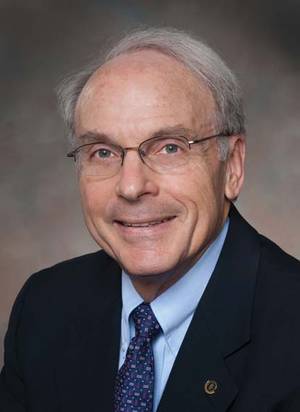
"The AMA will dedicate resources, expertise and reach to reduce the significant patient suffering and cost burdens associated with these diseases," said Dr. Lazarus.
Initially, the program will focus on helping physicians and patients focus on three risk factors for CVD and diabetes: hypertension, blood glucose, and lipids. The AMA plans to spend $6 million on the initiative in the first year alone, said Dr. Lazarus, in an interview.
The AMA will continue to evaluate the program as it goes along, possibly tweaking the goals, and eventually adding other conditions, said Dr. Lazarus. And, for physicians who participate, there may be another benefit: financial rewards for putting patients on the path to better health. Dr. Lazarus noted that many accountable care organizations and insurers were providing incentives for preventing and managing chronic conditions. "The health care system is moving in this direction," he said.
In hypertension, the AMA seeks to meet or exceed the goal of the Dept. of Health and Human Services’ Million Hearts campaign. That program aims to bring 10 million more Americans under control by 2017. To do that, the AMA has enlisted the Armstrong Institute for Patient Safety and Quality at the Johns Hopkins School of Medicine. The Armstrong Institute, directed by Dr. Peter J. Pronovost, is best known for creating a program to reduce central line-associated bloodstream infections in intensive care units.
The Institute will be sending people out to meet with physicians to figure out what factors in their patient population contributes to high blood pressure, said Dr. Lazarus, in the interview. That information, in conjunction with evidence-based interventions, will be used to help physicians determine how to best help their patients. "We think [physicians] will welcome the opportunity to work with the Armstrong Institute," Dr. Lazarus said.
For diabetes, the AMA is working with the YMCA to increase referrals to the evidence-based prevention program offered by the organization. The AMA wants to have 10,000 additional participants in the program by July 2015.
"Connecting physician practices to the YMCA’s Diabetes Prevention Program will ensure that those at greatest risk have the opportunity to prevent or delay diabetes," said Jonathan Lever, vice president of health innovation and strategy, YMCA of the USA, in a statement. "This novel collaboration between medical practices and community-based programs could prove to be a model for promoting health and wellness."
At the disparities meeting, Dr. Cedric Bright, director of special programs at the University of North Carolina, Chapel Hill, said that YMCA’s are not always in communities of color, and he suggested that the AMA also work with Boys and Girls Clubs. Dr. Lazarus agreed, and said, "We’re going to be looking for all kinds of partners to get the information out."
Dr. Rodney Hood, president of the Multicultural Primary Care Medical Group, an independent practice association in San Diego said he congratulated the AMA for starting the initiative. "Dr. Lazarus, I think this is a big deal," said Dr. Hood.
On Twitter @aliciaault
WASHINGTON – The American Medical Association says that it is going to spend millions of dollars over the next 5 years to help physicians and patients do a better job of preventing and managing cardiovascular disease and diabetes.
AMA President Jeremy Lazarus announced the initiative at the National Minority Quality Forum’s Health Disparities Leadership Summit here, in part, because the two conditions disproportionately affect minorities. They have a significant impact on American life. Dr. Lazarus noted that 100 million Americans have prediabetes or diabetes – that’s one-third of the U.S. population. One of every three deaths is caused by cardiovascular disease. The cost of treating diabetes and CVD runs at least $500 billion a year, said Dr. Lazarus.
"The AMA will dedicate resources, expertise and reach to reduce the significant patient suffering and cost burdens associated with these diseases," said Dr. Lazarus.
Initially, the program will focus on helping physicians and patients focus on three risk factors for CVD and diabetes: hypertension, blood glucose, and lipids. The AMA plans to spend $6 million on the initiative in the first year alone, said Dr. Lazarus, in an interview.
The AMA will continue to evaluate the program as it goes along, possibly tweaking the goals, and eventually adding other conditions, said Dr. Lazarus. And, for physicians who participate, there may be another benefit: financial rewards for putting patients on the path to better health. Dr. Lazarus noted that many accountable care organizations and insurers were providing incentives for preventing and managing chronic conditions. "The health care system is moving in this direction," he said.
In hypertension, the AMA seeks to meet or exceed the goal of the Dept. of Health and Human Services’ Million Hearts campaign. That program aims to bring 10 million more Americans under control by 2017. To do that, the AMA has enlisted the Armstrong Institute for Patient Safety and Quality at the Johns Hopkins School of Medicine. The Armstrong Institute, directed by Dr. Peter J. Pronovost, is best known for creating a program to reduce central line-associated bloodstream infections in intensive care units.
The Institute will be sending people out to meet with physicians to figure out what factors in their patient population contributes to high blood pressure, said Dr. Lazarus, in the interview. That information, in conjunction with evidence-based interventions, will be used to help physicians determine how to best help their patients. "We think [physicians] will welcome the opportunity to work with the Armstrong Institute," Dr. Lazarus said.
For diabetes, the AMA is working with the YMCA to increase referrals to the evidence-based prevention program offered by the organization. The AMA wants to have 10,000 additional participants in the program by July 2015.
"Connecting physician practices to the YMCA’s Diabetes Prevention Program will ensure that those at greatest risk have the opportunity to prevent or delay diabetes," said Jonathan Lever, vice president of health innovation and strategy, YMCA of the USA, in a statement. "This novel collaboration between medical practices and community-based programs could prove to be a model for promoting health and wellness."
At the disparities meeting, Dr. Cedric Bright, director of special programs at the University of North Carolina, Chapel Hill, said that YMCA’s are not always in communities of color, and he suggested that the AMA also work with Boys and Girls Clubs. Dr. Lazarus agreed, and said, "We’re going to be looking for all kinds of partners to get the information out."
Dr. Rodney Hood, president of the Multicultural Primary Care Medical Group, an independent practice association in San Diego said he congratulated the AMA for starting the initiative. "Dr. Lazarus, I think this is a big deal," said Dr. Hood.
On Twitter @aliciaault
WASHINGTON – The American Medical Association says that it is going to spend millions of dollars over the next 5 years to help physicians and patients do a better job of preventing and managing cardiovascular disease and diabetes.
AMA President Jeremy Lazarus announced the initiative at the National Minority Quality Forum’s Health Disparities Leadership Summit here, in part, because the two conditions disproportionately affect minorities. They have a significant impact on American life. Dr. Lazarus noted that 100 million Americans have prediabetes or diabetes – that’s one-third of the U.S. population. One of every three deaths is caused by cardiovascular disease. The cost of treating diabetes and CVD runs at least $500 billion a year, said Dr. Lazarus.
"The AMA will dedicate resources, expertise and reach to reduce the significant patient suffering and cost burdens associated with these diseases," said Dr. Lazarus.
Initially, the program will focus on helping physicians and patients focus on three risk factors for CVD and diabetes: hypertension, blood glucose, and lipids. The AMA plans to spend $6 million on the initiative in the first year alone, said Dr. Lazarus, in an interview.
The AMA will continue to evaluate the program as it goes along, possibly tweaking the goals, and eventually adding other conditions, said Dr. Lazarus. And, for physicians who participate, there may be another benefit: financial rewards for putting patients on the path to better health. Dr. Lazarus noted that many accountable care organizations and insurers were providing incentives for preventing and managing chronic conditions. "The health care system is moving in this direction," he said.
In hypertension, the AMA seeks to meet or exceed the goal of the Dept. of Health and Human Services’ Million Hearts campaign. That program aims to bring 10 million more Americans under control by 2017. To do that, the AMA has enlisted the Armstrong Institute for Patient Safety and Quality at the Johns Hopkins School of Medicine. The Armstrong Institute, directed by Dr. Peter J. Pronovost, is best known for creating a program to reduce central line-associated bloodstream infections in intensive care units.
The Institute will be sending people out to meet with physicians to figure out what factors in their patient population contributes to high blood pressure, said Dr. Lazarus, in the interview. That information, in conjunction with evidence-based interventions, will be used to help physicians determine how to best help their patients. "We think [physicians] will welcome the opportunity to work with the Armstrong Institute," Dr. Lazarus said.
For diabetes, the AMA is working with the YMCA to increase referrals to the evidence-based prevention program offered by the organization. The AMA wants to have 10,000 additional participants in the program by July 2015.
"Connecting physician practices to the YMCA’s Diabetes Prevention Program will ensure that those at greatest risk have the opportunity to prevent or delay diabetes," said Jonathan Lever, vice president of health innovation and strategy, YMCA of the USA, in a statement. "This novel collaboration between medical practices and community-based programs could prove to be a model for promoting health and wellness."
At the disparities meeting, Dr. Cedric Bright, director of special programs at the University of North Carolina, Chapel Hill, said that YMCA’s are not always in communities of color, and he suggested that the AMA also work with Boys and Girls Clubs. Dr. Lazarus agreed, and said, "We’re going to be looking for all kinds of partners to get the information out."
Dr. Rodney Hood, president of the Multicultural Primary Care Medical Group, an independent practice association in San Diego said he congratulated the AMA for starting the initiative. "Dr. Lazarus, I think this is a big deal," said Dr. Hood.
On Twitter @aliciaault
AT THE HEALTH DISPARITIES LEADERSHIP SUMMIT
Only 11% of health plan payments are value based
WASHINGTON – Only about 11% of health plan payments to physicians and hospitals are tied to performance or efficiency – meaning that almost 90% of payments are still fee for service, according to a report released by Catalyst for Payment Reform.
The San Francisco–based nonprofit is a collaborative of employers and health plans that advocates the overhaul of the nation’s health care payment infrastructure by encouraging more value-based payment.

Using data provided by commercial health plans, the group determined that 11% of hospital payments, 6% of outpatient specialist payments, and 6% of primary care physician payments are "value oriented."
Of those payment arrangements, 57% involve provider risk such as bundled payment, capitation, and shared risk payment. The remaining 43% provide incentives, such as shared savings or pay for performance.
The main goal of Catalyst for Payment Reform (CPR) is to raise the volume of value-based commercial payments to health care providers to 20% by 2020. Coalition members said that they saw reason for both pessimism and optimism in the report’s findings.
"Obviously, these results are pretty disappointing," said Dr. Robert Galvin, chief executive officer of Equity Healthcare, which buys health care coverage for private equity companies. Even so, the report itself represents "the triumph of transparency," he said at the press briefing. "It is just simply good to know."
Susan Delbanco, executive director of CPR, noted that in 2010, 1%-3% of provider payments were tied to performance. Given the latest information, "it looks to me like we are on a fast track and that we may get there before 2020,"she said.
The group’s research also found that about 2% of health plan enrollees are enrolled in an accountable care organization or a patient-centered medical home.
Most health plan payments (about 75%) are still made to specialists, while 25% go to primary care physicians, according to their analysis. Non–fee-for-service payments are still not entirely rewarding or providing incentives to improve the quality of care. Only 35% of those value-based payments have quality of care as a factor.
Dr. Richard Gilfillan, director of the Center for Medicare and Medicaid Innovation at the Centers for Medicare and Medicaid Services, said that the agency was "thrilled" with the report, noting that it showed that private payers were helping encourage a transformation in payment.
"We’re not discouraged – we think that change is happening, it’s underway," Dr. Gilfillan said at the press briefing.
The growing number of physicians participating in new payment models reflects a cultural shift, said Dr. Mark Smith, president and chief executive officer of the California HealthCare Foundation. "I think we have turned the corner on providers recognizing the feasibility, the desirability, and in fact, the inevitability of the kinds of payment reforms that you’ve heard about."
The California HealthCare Foundation and the Commonwealth Fund provided the funding for the National Scorecard on Payment Reform, and a sister effort, the National Compendium on Payment Reform.
The scorecard tabulated data that 57 health plans provided to the National Business Coalition on Health. Participation is voluntary, and not all 57 plans answered all questions posed. The plans represent 104 million people in the commercial group market, or about two-thirds of the total commercially insured population in the United States. Respondents were primarily large health plans, which means the results may not necessarily reflect the entire group market.
Most vascular surgeons deal predominantly with Medicare, which is leading the shift to value-based reimbursement, bundling, and ACO management. This report indicates that the commercial insurance programs surveyed are starting to follow suit. Whether the shift away from fee-for-service to value-based reimbursement is "inevitable" will depend in large part on the strength and integrity of the means of measuring value, including notable contributions from the SVS Vascular Quality Initiative (VQI) and the ACS NSQIP programs.
Predictable challenges include adjusting the system to minimize "gaming" and entrepreneurial bias. In addition, despite the accountability implicit in a name on the operative report, it is not entirely clear how the new system will apply rewards or penalties to individual surgeons as we work more and more within teams of midlevel providers and subspecialists. As we move away from "piece work" and "widget" accounting to protocol-driven pathways and squad care, there will probably be more pressure for many surgeons to work within a larger organization on a salaried model. As is increasingly the case around the country, "productivity" will be measured by RVUs and "value" will be measured by quality metrics, with compensation calculated by a formula resulting in fair allocation of the organization’s global earnings among its members. The soundness and "value" of this monumental change will become clear as we track further developments in the commercial insurance sector. We won't know until the changes in health care are fully implemented if Catalyst for Payment Reform will mean CPR for private practice as we know it.
Dr. Magruder C. Donaldson is chairman of Surgery at Metrowest Medical Center, Framingham, Mass., and an associate medical editor for Vascular Specialist.
Most vascular surgeons deal predominantly with Medicare, which is leading the shift to value-based reimbursement, bundling, and ACO management. This report indicates that the commercial insurance programs surveyed are starting to follow suit. Whether the shift away from fee-for-service to value-based reimbursement is "inevitable" will depend in large part on the strength and integrity of the means of measuring value, including notable contributions from the SVS Vascular Quality Initiative (VQI) and the ACS NSQIP programs.
Predictable challenges include adjusting the system to minimize "gaming" and entrepreneurial bias. In addition, despite the accountability implicit in a name on the operative report, it is not entirely clear how the new system will apply rewards or penalties to individual surgeons as we work more and more within teams of midlevel providers and subspecialists. As we move away from "piece work" and "widget" accounting to protocol-driven pathways and squad care, there will probably be more pressure for many surgeons to work within a larger organization on a salaried model. As is increasingly the case around the country, "productivity" will be measured by RVUs and "value" will be measured by quality metrics, with compensation calculated by a formula resulting in fair allocation of the organization’s global earnings among its members. The soundness and "value" of this monumental change will become clear as we track further developments in the commercial insurance sector. We won't know until the changes in health care are fully implemented if Catalyst for Payment Reform will mean CPR for private practice as we know it.
Dr. Magruder C. Donaldson is chairman of Surgery at Metrowest Medical Center, Framingham, Mass., and an associate medical editor for Vascular Specialist.
Most vascular surgeons deal predominantly with Medicare, which is leading the shift to value-based reimbursement, bundling, and ACO management. This report indicates that the commercial insurance programs surveyed are starting to follow suit. Whether the shift away from fee-for-service to value-based reimbursement is "inevitable" will depend in large part on the strength and integrity of the means of measuring value, including notable contributions from the SVS Vascular Quality Initiative (VQI) and the ACS NSQIP programs.
Predictable challenges include adjusting the system to minimize "gaming" and entrepreneurial bias. In addition, despite the accountability implicit in a name on the operative report, it is not entirely clear how the new system will apply rewards or penalties to individual surgeons as we work more and more within teams of midlevel providers and subspecialists. As we move away from "piece work" and "widget" accounting to protocol-driven pathways and squad care, there will probably be more pressure for many surgeons to work within a larger organization on a salaried model. As is increasingly the case around the country, "productivity" will be measured by RVUs and "value" will be measured by quality metrics, with compensation calculated by a formula resulting in fair allocation of the organization’s global earnings among its members. The soundness and "value" of this monumental change will become clear as we track further developments in the commercial insurance sector. We won't know until the changes in health care are fully implemented if Catalyst for Payment Reform will mean CPR for private practice as we know it.
Dr. Magruder C. Donaldson is chairman of Surgery at Metrowest Medical Center, Framingham, Mass., and an associate medical editor for Vascular Specialist.
WASHINGTON – Only about 11% of health plan payments to physicians and hospitals are tied to performance or efficiency – meaning that almost 90% of payments are still fee for service, according to a report released by Catalyst for Payment Reform.
The San Francisco–based nonprofit is a collaborative of employers and health plans that advocates the overhaul of the nation’s health care payment infrastructure by encouraging more value-based payment.
Using data provided by commercial health plans, the group determined that 11% of hospital payments, 6% of outpatient specialist payments, and 6% of primary care physician payments are "value oriented."
Of those payment arrangements, 57% involve provider risk such as bundled payment, capitation, and shared risk payment. The remaining 43% provide incentives, such as shared savings or pay for performance.
The main goal of Catalyst for Payment Reform (CPR) is to raise the volume of value-based commercial payments to health care providers to 20% by 2020. Coalition members said that they saw reason for both pessimism and optimism in the report’s findings.
"Obviously, these results are pretty disappointing," said Dr. Robert Galvin, chief executive officer of Equity Healthcare, which buys health care coverage for private equity companies. Even so, the report itself represents "the triumph of transparency," he said at the press briefing. "It is just simply good to know."
Susan Delbanco, executive director of CPR, noted that in 2010, 1%-3% of provider payments were tied to performance. Given the latest information, "it looks to me like we are on a fast track and that we may get there before 2020,"she said.
The group’s research also found that about 2% of health plan enrollees are enrolled in an accountable care organization or a patient-centered medical home.
Most health plan payments (about 75%) are still made to specialists, while 25% go to primary care physicians, according to their analysis. Non–fee-for-service payments are still not entirely rewarding or providing incentives to improve the quality of care. Only 35% of those value-based payments have quality of care as a factor.
Dr. Richard Gilfillan, director of the Center for Medicare and Medicaid Innovation at the Centers for Medicare and Medicaid Services, said that the agency was "thrilled" with the report, noting that it showed that private payers were helping encourage a transformation in payment.
"We’re not discouraged – we think that change is happening, it’s underway," Dr. Gilfillan said at the press briefing.
The growing number of physicians participating in new payment models reflects a cultural shift, said Dr. Mark Smith, president and chief executive officer of the California HealthCare Foundation. "I think we have turned the corner on providers recognizing the feasibility, the desirability, and in fact, the inevitability of the kinds of payment reforms that you’ve heard about."
The California HealthCare Foundation and the Commonwealth Fund provided the funding for the National Scorecard on Payment Reform, and a sister effort, the National Compendium on Payment Reform.
The scorecard tabulated data that 57 health plans provided to the National Business Coalition on Health. Participation is voluntary, and not all 57 plans answered all questions posed. The plans represent 104 million people in the commercial group market, or about two-thirds of the total commercially insured population in the United States. Respondents were primarily large health plans, which means the results may not necessarily reflect the entire group market.
WASHINGTON – Only about 11% of health plan payments to physicians and hospitals are tied to performance or efficiency – meaning that almost 90% of payments are still fee for service, according to a report released by Catalyst for Payment Reform.
The San Francisco–based nonprofit is a collaborative of employers and health plans that advocates the overhaul of the nation’s health care payment infrastructure by encouraging more value-based payment.
Using data provided by commercial health plans, the group determined that 11% of hospital payments, 6% of outpatient specialist payments, and 6% of primary care physician payments are "value oriented."
Of those payment arrangements, 57% involve provider risk such as bundled payment, capitation, and shared risk payment. The remaining 43% provide incentives, such as shared savings or pay for performance.
The main goal of Catalyst for Payment Reform (CPR) is to raise the volume of value-based commercial payments to health care providers to 20% by 2020. Coalition members said that they saw reason for both pessimism and optimism in the report’s findings.
"Obviously, these results are pretty disappointing," said Dr. Robert Galvin, chief executive officer of Equity Healthcare, which buys health care coverage for private equity companies. Even so, the report itself represents "the triumph of transparency," he said at the press briefing. "It is just simply good to know."
Susan Delbanco, executive director of CPR, noted that in 2010, 1%-3% of provider payments were tied to performance. Given the latest information, "it looks to me like we are on a fast track and that we may get there before 2020,"she said.
The group’s research also found that about 2% of health plan enrollees are enrolled in an accountable care organization or a patient-centered medical home.
Most health plan payments (about 75%) are still made to specialists, while 25% go to primary care physicians, according to their analysis. Non–fee-for-service payments are still not entirely rewarding or providing incentives to improve the quality of care. Only 35% of those value-based payments have quality of care as a factor.
Dr. Richard Gilfillan, director of the Center for Medicare and Medicaid Innovation at the Centers for Medicare and Medicaid Services, said that the agency was "thrilled" with the report, noting that it showed that private payers were helping encourage a transformation in payment.
"We’re not discouraged – we think that change is happening, it’s underway," Dr. Gilfillan said at the press briefing.
The growing number of physicians participating in new payment models reflects a cultural shift, said Dr. Mark Smith, president and chief executive officer of the California HealthCare Foundation. "I think we have turned the corner on providers recognizing the feasibility, the desirability, and in fact, the inevitability of the kinds of payment reforms that you’ve heard about."
The California HealthCare Foundation and the Commonwealth Fund provided the funding for the National Scorecard on Payment Reform, and a sister effort, the National Compendium on Payment Reform.
The scorecard tabulated data that 57 health plans provided to the National Business Coalition on Health. Participation is voluntary, and not all 57 plans answered all questions posed. The plans represent 104 million people in the commercial group market, or about two-thirds of the total commercially insured population in the United States. Respondents were primarily large health plans, which means the results may not necessarily reflect the entire group market.
AT A PRESS BRIEFING HELD BY CATALYST FOR PAYMENT REFORM

Despite new approaches, surgery underused for epilepsy
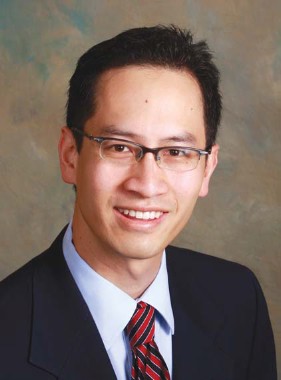
BETHESDA, MD. – Surgery is curative in half of patients with refractory temporal lobe epilepsy, yet it is still highly underused – in part because of misperceptions about the risks and benefits, according to Dr. Edward F. Chang.
Dr. Chang, assistant professor of neurological surgery and physiology at the University of California, San Francisco, said that numerous studies have shown that 60%-70% of patients are free of seizures 1 year after surgery and that at least half have seizure freedom over the long term. Also, there are "well-documented quality of life improvements," he said at the meeting sponsored by the National Institute of Neurological Disorders and Stroke.
Sixty percent of people with epilepsy have focal seizures, and the temporal lobe form is the most common type of epilepsy that is characterized by focal seizures, according to NINDS. The Epilepsy Foundation estimates that there are at least 200,000 new cases of epilepsy (any type) in the United States each year.
Based on the totality of the evidence, in 2003 the American Academy of Neurology, the American Epilepsy Society, and the American Association of Neurological Surgeons jointly published a guideline statement (Neurology 2003;60:538-47), urging referral of refractory patients for surgery.
But physicians are still not heeding that guidance, said Dr. Chang. His own survey of clinicians (Neurology 2012;78:1200-6) showed that there had been no increase in surgery in a 5-year period after the joint recommendation. Dr. Chang characterized that as "very depressing in terms of how we are using evidence," especially since there has been an increasing burden of epilepsy. In some cases, patients have lived with epilepsy for 20-30 years before being referred for surgery, he said.
Surgery is safe and effective and the side effects are predictable, he noted, adding that the number needed to treat for one patient with refractory temporal lobe epilepsy to become free of disabling seizures is only two – a number that parallels the use of antibiotics for pneumonia.
"We are below the standard of care," Dr. Chang said. Clinicians and patients shy away from surgery because "of the idea that brain surgery is too dangerous," he said. And physicians don’t understand the data. Drug and device makers also are "spending millions of dollars a year telling patients there are other options," he said, but if "we address this basic utilization problem we’d see an immediate and substantial reduction ... in the burden of epilepsy worldwide."
There have been several advances in surgical technique in the last few years that might make neurologists and patients – who might be spooked by looking at photos and videos of temporal lobe surgery on the Internet – more comfortable. For instance, there are transcortical approaches, which use a small incision to go through the white matter to the hippocampus. With the subtemporal approach, "you don’t have to go through any lateral cortex at all," he noted.
"Even for relatively large lesions that are quite deep in the brain we can actually do these minimally invasive approaches by just going underneath the lateral temporal cortex and selectively removing the hippocampus," Dr. Chang said.
On the horizon, there are nonsurgical minimally invasive techniques under development that have the potential to yield outcomes similar to surgery, he added. NINDS is funding a pivotal trial of stereotactic radiosurgery. The device selectively delivers radiation to the hippocampus and mesial lobe and spares the lateral temporal areas en route. Overall, it is fairly safe, but some patients have severe swelling as long as a year after the procedure and most have no effect for at least a year.
Another approach under study is using MRI to guide laser thermoablation. "A lot of us are quite excited about this," Dr. Chang said. The MRI allows the clinician to accurately place the laser and study how much the tissue is heated, which can help researchers determine whether there is damage and if it might be irreversible.
Finally, there is MRI-guided focused ultrasound, which uses the same principles as radiosurgery to target structures deep in the brain, he said. The procedure is currently in phase III trials for essential tremor.
There is, however, "a lot of irrational exuberance with these technologies," he pointed out.
It is not clear how to validate them, especially since clinicians are currently struggling with how to validate different surgical approaches. A big issue for the surgery trials is that it is difficult to recruit patients. Many have said that they don’t want to participate because they don’t want to be randomized.
Researchers also are trying to better understand epileptogenesis and how to reduce procedural side effects, including how to predict effects on cognitive function. To get there, "we need to understand more about how human cognition works," Dr. Chang said. Brain-mapping studies are showing that most aspects of cognition are not centered in one specific, focused area.
"Just like we’re thinking now that seizures are part of a distributed network, we also need to understand comorbidities and morbidity from surgical approaches in the same kind of framework," he said.
Until surgery is better used and studied, it is unlikely that neurology can move forward to truly understand the safety and effectiveness of the minimally invasive approaches, Dr. Chang said.
Dr. Chang has received grants from the National Institutes of Health and the Esther A. and Joseph Klingenstein Fund.
On Twitter @aliciaault
BETHESDA, MD. – Surgery is curative in half of patients with refractory temporal lobe epilepsy, yet it is still highly underused – in part because of misperceptions about the risks and benefits, according to Dr. Edward F. Chang.
Dr. Chang, assistant professor of neurological surgery and physiology at the University of California, San Francisco, said that numerous studies have shown that 60%-70% of patients are free of seizures 1 year after surgery and that at least half have seizure freedom over the long term. Also, there are "well-documented quality of life improvements," he said at the meeting sponsored by the National Institute of Neurological Disorders and Stroke.
Sixty percent of people with epilepsy have focal seizures, and the temporal lobe form is the most common type of epilepsy that is characterized by focal seizures, according to NINDS. The Epilepsy Foundation estimates that there are at least 200,000 new cases of epilepsy (any type) in the United States each year.
Based on the totality of the evidence, in 2003 the American Academy of Neurology, the American Epilepsy Society, and the American Association of Neurological Surgeons jointly published a guideline statement (Neurology 2003;60:538-47), urging referral of refractory patients for surgery.
But physicians are still not heeding that guidance, said Dr. Chang. His own survey of clinicians (Neurology 2012;78:1200-6) showed that there had been no increase in surgery in a 5-year period after the joint recommendation. Dr. Chang characterized that as "very depressing in terms of how we are using evidence," especially since there has been an increasing burden of epilepsy. In some cases, patients have lived with epilepsy for 20-30 years before being referred for surgery, he said.
Surgery is safe and effective and the side effects are predictable, he noted, adding that the number needed to treat for one patient with refractory temporal lobe epilepsy to become free of disabling seizures is only two – a number that parallels the use of antibiotics for pneumonia.
"We are below the standard of care," Dr. Chang said. Clinicians and patients shy away from surgery because "of the idea that brain surgery is too dangerous," he said. And physicians don’t understand the data. Drug and device makers also are "spending millions of dollars a year telling patients there are other options," he said, but if "we address this basic utilization problem we’d see an immediate and substantial reduction ... in the burden of epilepsy worldwide."
There have been several advances in surgical technique in the last few years that might make neurologists and patients – who might be spooked by looking at photos and videos of temporal lobe surgery on the Internet – more comfortable. For instance, there are transcortical approaches, which use a small incision to go through the white matter to the hippocampus. With the subtemporal approach, "you don’t have to go through any lateral cortex at all," he noted.
"Even for relatively large lesions that are quite deep in the brain we can actually do these minimally invasive approaches by just going underneath the lateral temporal cortex and selectively removing the hippocampus," Dr. Chang said.
On the horizon, there are nonsurgical minimally invasive techniques under development that have the potential to yield outcomes similar to surgery, he added. NINDS is funding a pivotal trial of stereotactic radiosurgery. The device selectively delivers radiation to the hippocampus and mesial lobe and spares the lateral temporal areas en route. Overall, it is fairly safe, but some patients have severe swelling as long as a year after the procedure and most have no effect for at least a year.
Another approach under study is using MRI to guide laser thermoablation. "A lot of us are quite excited about this," Dr. Chang said. The MRI allows the clinician to accurately place the laser and study how much the tissue is heated, which can help researchers determine whether there is damage and if it might be irreversible.
Finally, there is MRI-guided focused ultrasound, which uses the same principles as radiosurgery to target structures deep in the brain, he said. The procedure is currently in phase III trials for essential tremor.
There is, however, "a lot of irrational exuberance with these technologies," he pointed out.
It is not clear how to validate them, especially since clinicians are currently struggling with how to validate different surgical approaches. A big issue for the surgery trials is that it is difficult to recruit patients. Many have said that they don’t want to participate because they don’t want to be randomized.
Researchers also are trying to better understand epileptogenesis and how to reduce procedural side effects, including how to predict effects on cognitive function. To get there, "we need to understand more about how human cognition works," Dr. Chang said. Brain-mapping studies are showing that most aspects of cognition are not centered in one specific, focused area.
"Just like we’re thinking now that seizures are part of a distributed network, we also need to understand comorbidities and morbidity from surgical approaches in the same kind of framework," he said.
Until surgery is better used and studied, it is unlikely that neurology can move forward to truly understand the safety and effectiveness of the minimally invasive approaches, Dr. Chang said.
Dr. Chang has received grants from the National Institutes of Health and the Esther A. and Joseph Klingenstein Fund.
On Twitter @aliciaault
BETHESDA, MD. – Surgery is curative in half of patients with refractory temporal lobe epilepsy, yet it is still highly underused – in part because of misperceptions about the risks and benefits, according to Dr. Edward F. Chang.
Dr. Chang, assistant professor of neurological surgery and physiology at the University of California, San Francisco, said that numerous studies have shown that 60%-70% of patients are free of seizures 1 year after surgery and that at least half have seizure freedom over the long term. Also, there are "well-documented quality of life improvements," he said at the meeting sponsored by the National Institute of Neurological Disorders and Stroke.
Sixty percent of people with epilepsy have focal seizures, and the temporal lobe form is the most common type of epilepsy that is characterized by focal seizures, according to NINDS. The Epilepsy Foundation estimates that there are at least 200,000 new cases of epilepsy (any type) in the United States each year.
Based on the totality of the evidence, in 2003 the American Academy of Neurology, the American Epilepsy Society, and the American Association of Neurological Surgeons jointly published a guideline statement (Neurology 2003;60:538-47), urging referral of refractory patients for surgery.
But physicians are still not heeding that guidance, said Dr. Chang. His own survey of clinicians (Neurology 2012;78:1200-6) showed that there had been no increase in surgery in a 5-year period after the joint recommendation. Dr. Chang characterized that as "very depressing in terms of how we are using evidence," especially since there has been an increasing burden of epilepsy. In some cases, patients have lived with epilepsy for 20-30 years before being referred for surgery, he said.
Surgery is safe and effective and the side effects are predictable, he noted, adding that the number needed to treat for one patient with refractory temporal lobe epilepsy to become free of disabling seizures is only two – a number that parallels the use of antibiotics for pneumonia.
"We are below the standard of care," Dr. Chang said. Clinicians and patients shy away from surgery because "of the idea that brain surgery is too dangerous," he said. And physicians don’t understand the data. Drug and device makers also are "spending millions of dollars a year telling patients there are other options," he said, but if "we address this basic utilization problem we’d see an immediate and substantial reduction ... in the burden of epilepsy worldwide."
There have been several advances in surgical technique in the last few years that might make neurologists and patients – who might be spooked by looking at photos and videos of temporal lobe surgery on the Internet – more comfortable. For instance, there are transcortical approaches, which use a small incision to go through the white matter to the hippocampus. With the subtemporal approach, "you don’t have to go through any lateral cortex at all," he noted.
"Even for relatively large lesions that are quite deep in the brain we can actually do these minimally invasive approaches by just going underneath the lateral temporal cortex and selectively removing the hippocampus," Dr. Chang said.
On the horizon, there are nonsurgical minimally invasive techniques under development that have the potential to yield outcomes similar to surgery, he added. NINDS is funding a pivotal trial of stereotactic radiosurgery. The device selectively delivers radiation to the hippocampus and mesial lobe and spares the lateral temporal areas en route. Overall, it is fairly safe, but some patients have severe swelling as long as a year after the procedure and most have no effect for at least a year.
Another approach under study is using MRI to guide laser thermoablation. "A lot of us are quite excited about this," Dr. Chang said. The MRI allows the clinician to accurately place the laser and study how much the tissue is heated, which can help researchers determine whether there is damage and if it might be irreversible.
Finally, there is MRI-guided focused ultrasound, which uses the same principles as radiosurgery to target structures deep in the brain, he said. The procedure is currently in phase III trials for essential tremor.
There is, however, "a lot of irrational exuberance with these technologies," he pointed out.
It is not clear how to validate them, especially since clinicians are currently struggling with how to validate different surgical approaches. A big issue for the surgery trials is that it is difficult to recruit patients. Many have said that they don’t want to participate because they don’t want to be randomized.
Researchers also are trying to better understand epileptogenesis and how to reduce procedural side effects, including how to predict effects on cognitive function. To get there, "we need to understand more about how human cognition works," Dr. Chang said. Brain-mapping studies are showing that most aspects of cognition are not centered in one specific, focused area.
"Just like we’re thinking now that seizures are part of a distributed network, we also need to understand comorbidities and morbidity from surgical approaches in the same kind of framework," he said.
Until surgery is better used and studied, it is unlikely that neurology can move forward to truly understand the safety and effectiveness of the minimally invasive approaches, Dr. Chang said.
Dr. Chang has received grants from the National Institutes of Health and the Esther A. and Joseph Klingenstein Fund.
On Twitter @aliciaault
EXPERT ANALYSIS FROM CURING THE EPILEPSIES 2013
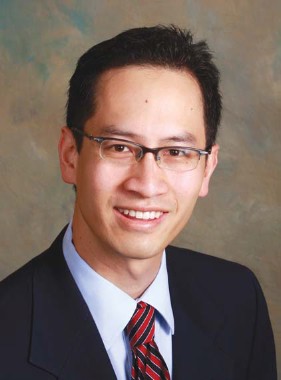
ACP will update policy on gun violence
SAN FRANCISCO – The American College of Physicians plans to issue an exhaustive, evidence-based review of firearms policy and gun violence later this year.
The current policies are "a little dated," so "we’re going through an evidence-based review on firearms policy and gun violence [to] come up with more contemporary recommendations," said Dr. David L. Bronson, immediate past president of the ACP.
"We are aware that firearms are part of the American culture, and this can be a divisive issue for this country and for some of our members," said Dr. Bronson at the annual meeting of the ACP. He said that’s one reason why the college will take an evidence-based approach to formulating its new recommendations.

The college plans to issue a series of policy recommendations for state, local, and federal agencies, and for the medical and public health communities, noted Bob Doherty, ACP’s senior vice president for governmental affairs and public policy.
To get those recommendations, the ACP will analyze peer-reviewed literature on the causes and effects of firearm injuries and death, and on the effectiveness of various policy interventions to reduce preventable injuries and deaths, said Mr. Doherty.
It will be a multifaceted statement, "looking not only at laws on access to firearms and ammunition, but also public health interventions, mental health, substance abuse, culture, video games that simulate gun violence, and other contributing factors – as well as the role of physicians in asking patients about firearms and counseling them on how to reduce the risks," he said.
The ACP last reviewed evidence on gun violence in 1996.
Even as the ACP reformulates its policy recommendations, a bill aimed at preventing gun violence failed to pass the Senate April 17. The Safe Communities, Safe Schools Act of 2013 (S. 649) was introduced March 21 by Sen. Harry Reid (D-Nev.) and was supported by the ACP. The college wrote to Sen. Reid April 5 stating that it backed the bill’s provisions to improve the National Instant Criminal Background Check System (NICS), require a background check for every firearm sale, and to levy stricter penalties for "straw man" purchases of guns.
The bill did not, however, include a ban on assault weapons or high-capacity magazines, which the ACP would like to see, said Mr. Doherty.
Even if the Senate tries again to pass gun violence legislation, the House has not yet indicated whether it would take up any such bill that the Senate might pass. In any case, a gun violence bill would face a tougher road in the House, Mr. Doherty said. First, it would have to go through the House Judiciary Committee, "which is very conservative," he said. To pass the full House, a proposal would need the support of almost all Democrats and at least a few Republicans, he said.
"We are going to just keep pushing it and hope we prevail," said Mr. Doherty.
Dr. Bronson noted that opponents of proposals to rein in firearms may also find ways to reassert their rights and desires in legislation unrelated to gun violence. "You have to keep your eye on the ball," he said, adding, "they have a relentless lobby."
On Twitter @aliciaault
SAN FRANCISCO – The American College of Physicians plans to issue an exhaustive, evidence-based review of firearms policy and gun violence later this year.
The current policies are "a little dated," so "we’re going through an evidence-based review on firearms policy and gun violence [to] come up with more contemporary recommendations," said Dr. David L. Bronson, immediate past president of the ACP.
"We are aware that firearms are part of the American culture, and this can be a divisive issue for this country and for some of our members," said Dr. Bronson at the annual meeting of the ACP. He said that’s one reason why the college will take an evidence-based approach to formulating its new recommendations.
The college plans to issue a series of policy recommendations for state, local, and federal agencies, and for the medical and public health communities, noted Bob Doherty, ACP’s senior vice president for governmental affairs and public policy.
To get those recommendations, the ACP will analyze peer-reviewed literature on the causes and effects of firearm injuries and death, and on the effectiveness of various policy interventions to reduce preventable injuries and deaths, said Mr. Doherty.
It will be a multifaceted statement, "looking not only at laws on access to firearms and ammunition, but also public health interventions, mental health, substance abuse, culture, video games that simulate gun violence, and other contributing factors – as well as the role of physicians in asking patients about firearms and counseling them on how to reduce the risks," he said.
The ACP last reviewed evidence on gun violence in 1996.
Even as the ACP reformulates its policy recommendations, a bill aimed at preventing gun violence failed to pass the Senate April 17. The Safe Communities, Safe Schools Act of 2013 (S. 649) was introduced March 21 by Sen. Harry Reid (D-Nev.) and was supported by the ACP. The college wrote to Sen. Reid April 5 stating that it backed the bill’s provisions to improve the National Instant Criminal Background Check System (NICS), require a background check for every firearm sale, and to levy stricter penalties for "straw man" purchases of guns.
The bill did not, however, include a ban on assault weapons or high-capacity magazines, which the ACP would like to see, said Mr. Doherty.
Even if the Senate tries again to pass gun violence legislation, the House has not yet indicated whether it would take up any such bill that the Senate might pass. In any case, a gun violence bill would face a tougher road in the House, Mr. Doherty said. First, it would have to go through the House Judiciary Committee, "which is very conservative," he said. To pass the full House, a proposal would need the support of almost all Democrats and at least a few Republicans, he said.
"We are going to just keep pushing it and hope we prevail," said Mr. Doherty.
Dr. Bronson noted that opponents of proposals to rein in firearms may also find ways to reassert their rights and desires in legislation unrelated to gun violence. "You have to keep your eye on the ball," he said, adding, "they have a relentless lobby."
On Twitter @aliciaault
SAN FRANCISCO – The American College of Physicians plans to issue an exhaustive, evidence-based review of firearms policy and gun violence later this year.
The current policies are "a little dated," so "we’re going through an evidence-based review on firearms policy and gun violence [to] come up with more contemporary recommendations," said Dr. David L. Bronson, immediate past president of the ACP.
"We are aware that firearms are part of the American culture, and this can be a divisive issue for this country and for some of our members," said Dr. Bronson at the annual meeting of the ACP. He said that’s one reason why the college will take an evidence-based approach to formulating its new recommendations.
The college plans to issue a series of policy recommendations for state, local, and federal agencies, and for the medical and public health communities, noted Bob Doherty, ACP’s senior vice president for governmental affairs and public policy.
To get those recommendations, the ACP will analyze peer-reviewed literature on the causes and effects of firearm injuries and death, and on the effectiveness of various policy interventions to reduce preventable injuries and deaths, said Mr. Doherty.
It will be a multifaceted statement, "looking not only at laws on access to firearms and ammunition, but also public health interventions, mental health, substance abuse, culture, video games that simulate gun violence, and other contributing factors – as well as the role of physicians in asking patients about firearms and counseling them on how to reduce the risks," he said.
The ACP last reviewed evidence on gun violence in 1996.
Even as the ACP reformulates its policy recommendations, a bill aimed at preventing gun violence failed to pass the Senate April 17. The Safe Communities, Safe Schools Act of 2013 (S. 649) was introduced March 21 by Sen. Harry Reid (D-Nev.) and was supported by the ACP. The college wrote to Sen. Reid April 5 stating that it backed the bill’s provisions to improve the National Instant Criminal Background Check System (NICS), require a background check for every firearm sale, and to levy stricter penalties for "straw man" purchases of guns.
The bill did not, however, include a ban on assault weapons or high-capacity magazines, which the ACP would like to see, said Mr. Doherty.
Even if the Senate tries again to pass gun violence legislation, the House has not yet indicated whether it would take up any such bill that the Senate might pass. In any case, a gun violence bill would face a tougher road in the House, Mr. Doherty said. First, it would have to go through the House Judiciary Committee, "which is very conservative," he said. To pass the full House, a proposal would need the support of almost all Democrats and at least a few Republicans, he said.
"We are going to just keep pushing it and hope we prevail," said Mr. Doherty.
Dr. Bronson noted that opponents of proposals to rein in firearms may also find ways to reassert their rights and desires in legislation unrelated to gun violence. "You have to keep your eye on the ball," he said, adding, "they have a relentless lobby."
On Twitter @aliciaault
AT ACP iNTERNAL MEDICINE 2013

Health exchanges could bring unpleasant surprises
SAN FRANCISCO – Stand by for some unexpected and potentially nasty surprises when the health insurance exchanges start up in 2014.
The exchanges will start enrolling patients this fall and begin sending information to patients and physicians as soon as this summer. Health insurers will begin sending new contracts to physicians at around the same time.
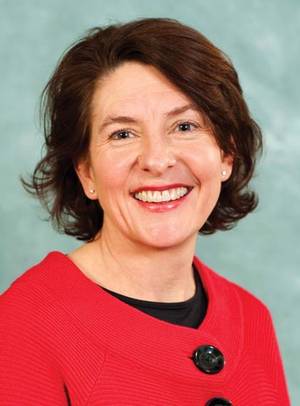
But there’s information available now that should send shivers up physicians’ spines, Elizabeth McNeil, vice president of the center for federal government relations at the California Medical Association, said at the annual meeting of the American College of Physicians.
A little-noticed provision of the Affordable Care Act gives exchange participants a 90-day grace period to pay their premiums. This was designed to provide a cushion for people who might not be used to paying health insurance premiums.
Insurers have to pay all claims incurred by the patient in the first month, but in the second month, if the patient is still delinquent, all claims can be held as pending. By the third month, if the patient still has not paid, the insurer can terminate him or her.
The physician then has to collect payment for all outstanding claims from the patient.
"This is going to put you at a lot of risk," Ms. McNeil said. "You’re going to have to be very vigilant with the exchange patients in watching what’s going on."
Ms. McNeil added in an interview later, "Why would a doctor sign up if they are going to be completely at risk and have to collect from the patient for the care?"
The CMA is seeking a change in the federal regulation on the grace period, which was included in the overall health insurance regulations issued in November 2012.
So far, none of the California insurers who have issued materials about their health insurance exchange plans have mentioned the grace period, Ms. McNeil said. She added that 33 health plans have said they were interested in participating in the California exchange, which is called Covered California.
Many patients who get insurance coverage through the health insurance exchanges will also have much larger out-of-pocket costs than they are used to paying, Ms. McNeil said. In California, the CMA estimates that an individual could face as much as $6,400 in uncovered expenses, and a family, up to $12,800.
Physicians also will need to pay close attention to the contracts they sign with health insurers that are participating in the exchanges. The exchange could bring a large number of new patients to the practice and physicians need to think about how many additional patients they can actually accommodate, she said.
Another thing to keep in mind: Does the contract have an all-payer clause that requires your practice to accept exchange patients? Can the practice opt in or out of a network? Many plans in California still have not determined their premiums or benefits for the exchange policies, which means they also have not set their reimbursement rates, Ms. McNeil said.
When negotiating rates, be aware that many of the patients who gain coverage via the health insurance exchanges will have pent-up demand for health care because they have previously been uninsured or underinsured, Ms. McNeil advised. Their care could be more complex and time consuming, so doctors will want to be sure that reimbursement rates are adequate to cover this care.
"There are a lot of issues here. You’re going to have to watch your practice and the big picture," she said.
On Twitter @aliciaault
SAN FRANCISCO – Stand by for some unexpected and potentially nasty surprises when the health insurance exchanges start up in 2014.
The exchanges will start enrolling patients this fall and begin sending information to patients and physicians as soon as this summer. Health insurers will begin sending new contracts to physicians at around the same time.
But there’s information available now that should send shivers up physicians’ spines, Elizabeth McNeil, vice president of the center for federal government relations at the California Medical Association, said at the annual meeting of the American College of Physicians.
A little-noticed provision of the Affordable Care Act gives exchange participants a 90-day grace period to pay their premiums. This was designed to provide a cushion for people who might not be used to paying health insurance premiums.
Insurers have to pay all claims incurred by the patient in the first month, but in the second month, if the patient is still delinquent, all claims can be held as pending. By the third month, if the patient still has not paid, the insurer can terminate him or her.
The physician then has to collect payment for all outstanding claims from the patient.
"This is going to put you at a lot of risk," Ms. McNeil said. "You’re going to have to be very vigilant with the exchange patients in watching what’s going on."
Ms. McNeil added in an interview later, "Why would a doctor sign up if they are going to be completely at risk and have to collect from the patient for the care?"
The CMA is seeking a change in the federal regulation on the grace period, which was included in the overall health insurance regulations issued in November 2012.
So far, none of the California insurers who have issued materials about their health insurance exchange plans have mentioned the grace period, Ms. McNeil said. She added that 33 health plans have said they were interested in participating in the California exchange, which is called Covered California.
Many patients who get insurance coverage through the health insurance exchanges will also have much larger out-of-pocket costs than they are used to paying, Ms. McNeil said. In California, the CMA estimates that an individual could face as much as $6,400 in uncovered expenses, and a family, up to $12,800.
Physicians also will need to pay close attention to the contracts they sign with health insurers that are participating in the exchanges. The exchange could bring a large number of new patients to the practice and physicians need to think about how many additional patients they can actually accommodate, she said.
Another thing to keep in mind: Does the contract have an all-payer clause that requires your practice to accept exchange patients? Can the practice opt in or out of a network? Many plans in California still have not determined their premiums or benefits for the exchange policies, which means they also have not set their reimbursement rates, Ms. McNeil said.
When negotiating rates, be aware that many of the patients who gain coverage via the health insurance exchanges will have pent-up demand for health care because they have previously been uninsured or underinsured, Ms. McNeil advised. Their care could be more complex and time consuming, so doctors will want to be sure that reimbursement rates are adequate to cover this care.
"There are a lot of issues here. You’re going to have to watch your practice and the big picture," she said.
On Twitter @aliciaault
SAN FRANCISCO – Stand by for some unexpected and potentially nasty surprises when the health insurance exchanges start up in 2014.
The exchanges will start enrolling patients this fall and begin sending information to patients and physicians as soon as this summer. Health insurers will begin sending new contracts to physicians at around the same time.
But there’s information available now that should send shivers up physicians’ spines, Elizabeth McNeil, vice president of the center for federal government relations at the California Medical Association, said at the annual meeting of the American College of Physicians.
A little-noticed provision of the Affordable Care Act gives exchange participants a 90-day grace period to pay their premiums. This was designed to provide a cushion for people who might not be used to paying health insurance premiums.
Insurers have to pay all claims incurred by the patient in the first month, but in the second month, if the patient is still delinquent, all claims can be held as pending. By the third month, if the patient still has not paid, the insurer can terminate him or her.
The physician then has to collect payment for all outstanding claims from the patient.
"This is going to put you at a lot of risk," Ms. McNeil said. "You’re going to have to be very vigilant with the exchange patients in watching what’s going on."
Ms. McNeil added in an interview later, "Why would a doctor sign up if they are going to be completely at risk and have to collect from the patient for the care?"
The CMA is seeking a change in the federal regulation on the grace period, which was included in the overall health insurance regulations issued in November 2012.
So far, none of the California insurers who have issued materials about their health insurance exchange plans have mentioned the grace period, Ms. McNeil said. She added that 33 health plans have said they were interested in participating in the California exchange, which is called Covered California.
Many patients who get insurance coverage through the health insurance exchanges will also have much larger out-of-pocket costs than they are used to paying, Ms. McNeil said. In California, the CMA estimates that an individual could face as much as $6,400 in uncovered expenses, and a family, up to $12,800.
Physicians also will need to pay close attention to the contracts they sign with health insurers that are participating in the exchanges. The exchange could bring a large number of new patients to the practice and physicians need to think about how many additional patients they can actually accommodate, she said.
Another thing to keep in mind: Does the contract have an all-payer clause that requires your practice to accept exchange patients? Can the practice opt in or out of a network? Many plans in California still have not determined their premiums or benefits for the exchange policies, which means they also have not set their reimbursement rates, Ms. McNeil said.
When negotiating rates, be aware that many of the patients who gain coverage via the health insurance exchanges will have pent-up demand for health care because they have previously been uninsured or underinsured, Ms. McNeil advised. Their care could be more complex and time consuming, so doctors will want to be sure that reimbursement rates are adequate to cover this care.
"There are a lot of issues here. You’re going to have to watch your practice and the big picture," she said.
On Twitter @aliciaault
AT ACP INTERNAL MEDICINE 2013
ACP and FSMB offer social media guidelines
SAN FRANCISCO – Tempted to "friend" a patient on your personal Facebook page? That’s probably not a good idea, according to new guidelines issued by the American College of Physicians and the Federation of State Medical Boards.
The ACP and federation guidelines outline many benefits from use of e-mail and social media, including improving access to care, but "the boundaries between professional and social spheres can blur online," said Dr. Humayun J. Chaudhry, president and chief executive officer of the Federation of State Medical Boards (FSMB) and an author of the guidelines. "Physicians should keep the spheres separate and comport themselves professionally online."

Opportunities for misadventure abound with online communications and texting, Dr. Chaudhry said at the annual meeting of the American College of Physicians. Confidentiality can be breached, as can the patient-physician relationship; the communications can be taken out of context or be spread widely beyond the original conversation.
And disciplinary actions are likely to increase. In a recent study of state medical boards, 92% reported that they had dealt with at least one case of unprofessional online behavior that led to punishment, including license revocation (Ann. Intern. Med. 2013;158:124-30).
The ACP and FSMB guidelines, published online Apr. 11 in the Annals of Internal Medicine, are meant "to serve as a wake-up call to physicians, to make them aware of some of the dangers that are out there," he said. Aside from not "friending" patients, the guidelines also recommend the following to physicians:
• Don’t use text messaging for medical interactions, even with established patients, except with caution and the patient’s consent.
• Only use e-mail within the context of an established relationship with a patient, and with that patient’s consent.
• Establish a professional online profile so that it appears at the top of a web-based search, above any physician rating site.
• Discourage e-mail or on-line communications with individuals who are not patients, instead referring them to make an appointment or visit an appropriate health provider.
• Manage their digital image, including refraining from posting about personal social activities that might not reflect positively or providing less-than-measured comments on Twitter, blogs, or in response to online articles.
E-mail presents several dangers, said Dr. David A. Fleming, a member of the ACP Board of Regents and chairman of the ACP Ethics, Professionalism, and Human Rights Committee. The new guidelines urge e-mail communications only with established patients who have a relationship with the physician and understand that the communication might not be secure, he said, adding that information sent via e-mail also can be discoverable for legal purposes.
An e-mail from a patient in a crisis situation presents a different present challenge. "As soon as we respond in any way, then the relationship forms and we have a fiduciary responsibility to, first of all, know our limits, but also the extent to which an intervention is needed," Dr. Fleming said. If the crisis warrants intervention, then the physician is obligated to help the patient.
Social media can be a great way to encourage patients to get vaccinated or exercise or watch their weight, but postings on Twitter or Facebook can still be fraught with peril, Dr. Fleming and Dr. Chaudhry said. Physicians need to be clear when they are expressing their personal opinion or representing a professional organization, for instance.
Both physicians said that the ACP and the FSMB are not advocating censorship.
"We’re not telling people what to say, what not to say, we’re just asking them to think before you press send," said Dr. Chaudhry.
On Twitter @aliciaault
SAN FRANCISCO – Tempted to "friend" a patient on your personal Facebook page? That’s probably not a good idea, according to new guidelines issued by the American College of Physicians and the Federation of State Medical Boards.
The ACP and federation guidelines outline many benefits from use of e-mail and social media, including improving access to care, but "the boundaries between professional and social spheres can blur online," said Dr. Humayun J. Chaudhry, president and chief executive officer of the Federation of State Medical Boards (FSMB) and an author of the guidelines. "Physicians should keep the spheres separate and comport themselves professionally online."
Opportunities for misadventure abound with online communications and texting, Dr. Chaudhry said at the annual meeting of the American College of Physicians. Confidentiality can be breached, as can the patient-physician relationship; the communications can be taken out of context or be spread widely beyond the original conversation.
And disciplinary actions are likely to increase. In a recent study of state medical boards, 92% reported that they had dealt with at least one case of unprofessional online behavior that led to punishment, including license revocation (Ann. Intern. Med. 2013;158:124-30).
The ACP and FSMB guidelines, published online Apr. 11 in the Annals of Internal Medicine, are meant "to serve as a wake-up call to physicians, to make them aware of some of the dangers that are out there," he said. Aside from not "friending" patients, the guidelines also recommend the following to physicians:
• Don’t use text messaging for medical interactions, even with established patients, except with caution and the patient’s consent.
• Only use e-mail within the context of an established relationship with a patient, and with that patient’s consent.
• Establish a professional online profile so that it appears at the top of a web-based search, above any physician rating site.
• Discourage e-mail or on-line communications with individuals who are not patients, instead referring them to make an appointment or visit an appropriate health provider.
• Manage their digital image, including refraining from posting about personal social activities that might not reflect positively or providing less-than-measured comments on Twitter, blogs, or in response to online articles.
E-mail presents several dangers, said Dr. David A. Fleming, a member of the ACP Board of Regents and chairman of the ACP Ethics, Professionalism, and Human Rights Committee. The new guidelines urge e-mail communications only with established patients who have a relationship with the physician and understand that the communication might not be secure, he said, adding that information sent via e-mail also can be discoverable for legal purposes.
An e-mail from a patient in a crisis situation presents a different present challenge. "As soon as we respond in any way, then the relationship forms and we have a fiduciary responsibility to, first of all, know our limits, but also the extent to which an intervention is needed," Dr. Fleming said. If the crisis warrants intervention, then the physician is obligated to help the patient.
Social media can be a great way to encourage patients to get vaccinated or exercise or watch their weight, but postings on Twitter or Facebook can still be fraught with peril, Dr. Fleming and Dr. Chaudhry said. Physicians need to be clear when they are expressing their personal opinion or representing a professional organization, for instance.
Both physicians said that the ACP and the FSMB are not advocating censorship.
"We’re not telling people what to say, what not to say, we’re just asking them to think before you press send," said Dr. Chaudhry.
On Twitter @aliciaault
SAN FRANCISCO – Tempted to "friend" a patient on your personal Facebook page? That’s probably not a good idea, according to new guidelines issued by the American College of Physicians and the Federation of State Medical Boards.
The ACP and federation guidelines outline many benefits from use of e-mail and social media, including improving access to care, but "the boundaries between professional and social spheres can blur online," said Dr. Humayun J. Chaudhry, president and chief executive officer of the Federation of State Medical Boards (FSMB) and an author of the guidelines. "Physicians should keep the spheres separate and comport themselves professionally online."
Opportunities for misadventure abound with online communications and texting, Dr. Chaudhry said at the annual meeting of the American College of Physicians. Confidentiality can be breached, as can the patient-physician relationship; the communications can be taken out of context or be spread widely beyond the original conversation.
And disciplinary actions are likely to increase. In a recent study of state medical boards, 92% reported that they had dealt with at least one case of unprofessional online behavior that led to punishment, including license revocation (Ann. Intern. Med. 2013;158:124-30).
The ACP and FSMB guidelines, published online Apr. 11 in the Annals of Internal Medicine, are meant "to serve as a wake-up call to physicians, to make them aware of some of the dangers that are out there," he said. Aside from not "friending" patients, the guidelines also recommend the following to physicians:
• Don’t use text messaging for medical interactions, even with established patients, except with caution and the patient’s consent.
• Only use e-mail within the context of an established relationship with a patient, and with that patient’s consent.
• Establish a professional online profile so that it appears at the top of a web-based search, above any physician rating site.
• Discourage e-mail or on-line communications with individuals who are not patients, instead referring them to make an appointment or visit an appropriate health provider.
• Manage their digital image, including refraining from posting about personal social activities that might not reflect positively or providing less-than-measured comments on Twitter, blogs, or in response to online articles.
E-mail presents several dangers, said Dr. David A. Fleming, a member of the ACP Board of Regents and chairman of the ACP Ethics, Professionalism, and Human Rights Committee. The new guidelines urge e-mail communications only with established patients who have a relationship with the physician and understand that the communication might not be secure, he said, adding that information sent via e-mail also can be discoverable for legal purposes.
An e-mail from a patient in a crisis situation presents a different present challenge. "As soon as we respond in any way, then the relationship forms and we have a fiduciary responsibility to, first of all, know our limits, but also the extent to which an intervention is needed," Dr. Fleming said. If the crisis warrants intervention, then the physician is obligated to help the patient.
Social media can be a great way to encourage patients to get vaccinated or exercise or watch their weight, but postings on Twitter or Facebook can still be fraught with peril, Dr. Fleming and Dr. Chaudhry said. Physicians need to be clear when they are expressing their personal opinion or representing a professional organization, for instance.
Both physicians said that the ACP and the FSMB are not advocating censorship.
"We’re not telling people what to say, what not to say, we’re just asking them to think before you press send," said Dr. Chaudhry.
On Twitter @aliciaault
AT ACP INTERNAL MEDICINE 2013

Groups seek to curb tobacco use in cancer patients
WASHINGTON – A new policy statement aims to help cancer patients to quit using tobacco and encourage more physicians to consider tobacco use as a measure in trials and as a key vital sign.
"Today, we call on the oncology community in this statement to assess and document tobacco use by, and to provide cessation support to all cancer patients," Dr. Roy S. Herbst said at a press briefing April 9 at the annual meeting of the American Association for Cancer Research.
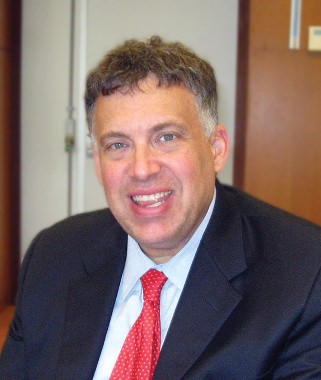
Dr. Herbst is a member of the AACR Tobacco and Cancer Subcommittee that wrote the statement, and chief of medical oncology at Yale Cancer Center and Smilow Cancer Hospital at Yale-New Haven in Conn.
The report’s two main recommendations:
• Patients with cancer, participants in cancer trials, and patients being screened for cancer and who use tobacco or who have recently quit, should be given evidence-based tobacco-cessation assistance, ideally within an oncology practice.
• Tobacco use should be comprehensively and repeatedly documented in all cancer patients – both in practices and in trials – so as to gauge the effect of tobacco on treatment, disease progression, comorbidities, and survival.
Addressing tobacco use is urgent because up to a third of all cancer-related deaths and 87% of lung cancer deaths are because of tobacco use, Dr. Herbst said. Tobacco use plays a role in 18 different cancers. Prevention is the goal, but it’s also important to urge people who have cancer – or who have survived it – to stop using tobacco, he said.
Patients who use tobacco have worse outcomes and more difficult treatment. According to the policy statement, tobacco use decreases the effectiveness of chemotherapies and interferes with drug metabolism. The data also shows that it decreases survival in cancer of the lung, head and neck, breast, prostate, colon, esophagus, cervix, bladder, and ovaries and in leukemia.
Evidence-based tobacco cessation models developed by the U.S. Public Health Service are endorsed by the AACR, the American Society of Clinical Oncology, and others, and yet few clinicians offer cessation services.
The AACR committee also reported that only 38% of National Cancer Institute–designated Cancer Centers record smoking as a vital sign and less than half have dedicated tobacco cessation personnel. And, in a survey by the International Association for the Study of Lung Cancer, only about 40% of lung cancer specialists said they discussed medication or offered cessation support to patients.
Tobacco assessment in cancer patients may be underperformed in part because of physician and patient perceptions that it’s too late to have an impact, Dr. Herbst said. "There is the feeling that someone’s smoking, they already have cancer, why worry about it."
There is also the issue of payment.
Smoking cessation generally has been not covered in the past, although Medicare covers up to eight visits a year for counseling. The Affordable Care Act requires coverage of tobacco cessation by all insurers starting in 2014.
"It’s true that reimbursement in the past was very poor," said Benjamin A. Toll, Ph.D., a psychiatrist and program director of the smoking cessation service at Smilow Cancer Hospital at Yale-New Haven. "It’s still not particularly high, but it’s getting better," he said, at the briefing.
Clinicians and researchers also have not been diligent about assessing tobacco use in trials. A survey of 155 NCI Cooperative Group Trials showed that only 29% of trials assessed tobacco use at enrollment; far fewer recorded smoking status during the trial. Less than 5% followed up subsequently on tobacco use status during or after the trial.
None of the studies evaluated nicotine dependence or the patient’s interest in quitting.
"It really is incredible that so many of these NCI trials are done and these data are not recorded," said Dr. Herbst.
"Assessing Tobacco Use in Cancer Patients and Facilitating Cessation" is the third statement on tobacco use by the AACR, published online in Clinical Cancer Research (2013;19:1-8).
The statement was Dr. Herbst reported that he received consulting fees from Biothera, Diatech, and Quintiles. Mr. Toll reported that he received support from Pfizer, for medicine only.
On Twitter @aliciaault
WASHINGTON – A new policy statement aims to help cancer patients to quit using tobacco and encourage more physicians to consider tobacco use as a measure in trials and as a key vital sign.
"Today, we call on the oncology community in this statement to assess and document tobacco use by, and to provide cessation support to all cancer patients," Dr. Roy S. Herbst said at a press briefing April 9 at the annual meeting of the American Association for Cancer Research.
Dr. Herbst is a member of the AACR Tobacco and Cancer Subcommittee that wrote the statement, and chief of medical oncology at Yale Cancer Center and Smilow Cancer Hospital at Yale-New Haven in Conn.
The report’s two main recommendations:
• Patients with cancer, participants in cancer trials, and patients being screened for cancer and who use tobacco or who have recently quit, should be given evidence-based tobacco-cessation assistance, ideally within an oncology practice.
• Tobacco use should be comprehensively and repeatedly documented in all cancer patients – both in practices and in trials – so as to gauge the effect of tobacco on treatment, disease progression, comorbidities, and survival.
Addressing tobacco use is urgent because up to a third of all cancer-related deaths and 87% of lung cancer deaths are because of tobacco use, Dr. Herbst said. Tobacco use plays a role in 18 different cancers. Prevention is the goal, but it’s also important to urge people who have cancer – or who have survived it – to stop using tobacco, he said.
Patients who use tobacco have worse outcomes and more difficult treatment. According to the policy statement, tobacco use decreases the effectiveness of chemotherapies and interferes with drug metabolism. The data also shows that it decreases survival in cancer of the lung, head and neck, breast, prostate, colon, esophagus, cervix, bladder, and ovaries and in leukemia.
Evidence-based tobacco cessation models developed by the U.S. Public Health Service are endorsed by the AACR, the American Society of Clinical Oncology, and others, and yet few clinicians offer cessation services.
The AACR committee also reported that only 38% of National Cancer Institute–designated Cancer Centers record smoking as a vital sign and less than half have dedicated tobacco cessation personnel. And, in a survey by the International Association for the Study of Lung Cancer, only about 40% of lung cancer specialists said they discussed medication or offered cessation support to patients.
Tobacco assessment in cancer patients may be underperformed in part because of physician and patient perceptions that it’s too late to have an impact, Dr. Herbst said. "There is the feeling that someone’s smoking, they already have cancer, why worry about it."
There is also the issue of payment.
Smoking cessation generally has been not covered in the past, although Medicare covers up to eight visits a year for counseling. The Affordable Care Act requires coverage of tobacco cessation by all insurers starting in 2014.
"It’s true that reimbursement in the past was very poor," said Benjamin A. Toll, Ph.D., a psychiatrist and program director of the smoking cessation service at Smilow Cancer Hospital at Yale-New Haven. "It’s still not particularly high, but it’s getting better," he said, at the briefing.
Clinicians and researchers also have not been diligent about assessing tobacco use in trials. A survey of 155 NCI Cooperative Group Trials showed that only 29% of trials assessed tobacco use at enrollment; far fewer recorded smoking status during the trial. Less than 5% followed up subsequently on tobacco use status during or after the trial.
None of the studies evaluated nicotine dependence or the patient’s interest in quitting.
"It really is incredible that so many of these NCI trials are done and these data are not recorded," said Dr. Herbst.
"Assessing Tobacco Use in Cancer Patients and Facilitating Cessation" is the third statement on tobacco use by the AACR, published online in Clinical Cancer Research (2013;19:1-8).
The statement was Dr. Herbst reported that he received consulting fees from Biothera, Diatech, and Quintiles. Mr. Toll reported that he received support from Pfizer, for medicine only.
On Twitter @aliciaault
WASHINGTON – A new policy statement aims to help cancer patients to quit using tobacco and encourage more physicians to consider tobacco use as a measure in trials and as a key vital sign.
"Today, we call on the oncology community in this statement to assess and document tobacco use by, and to provide cessation support to all cancer patients," Dr. Roy S. Herbst said at a press briefing April 9 at the annual meeting of the American Association for Cancer Research.
Dr. Herbst is a member of the AACR Tobacco and Cancer Subcommittee that wrote the statement, and chief of medical oncology at Yale Cancer Center and Smilow Cancer Hospital at Yale-New Haven in Conn.
The report’s two main recommendations:
• Patients with cancer, participants in cancer trials, and patients being screened for cancer and who use tobacco or who have recently quit, should be given evidence-based tobacco-cessation assistance, ideally within an oncology practice.
• Tobacco use should be comprehensively and repeatedly documented in all cancer patients – both in practices and in trials – so as to gauge the effect of tobacco on treatment, disease progression, comorbidities, and survival.
Addressing tobacco use is urgent because up to a third of all cancer-related deaths and 87% of lung cancer deaths are because of tobacco use, Dr. Herbst said. Tobacco use plays a role in 18 different cancers. Prevention is the goal, but it’s also important to urge people who have cancer – or who have survived it – to stop using tobacco, he said.
Patients who use tobacco have worse outcomes and more difficult treatment. According to the policy statement, tobacco use decreases the effectiveness of chemotherapies and interferes with drug metabolism. The data also shows that it decreases survival in cancer of the lung, head and neck, breast, prostate, colon, esophagus, cervix, bladder, and ovaries and in leukemia.
Evidence-based tobacco cessation models developed by the U.S. Public Health Service are endorsed by the AACR, the American Society of Clinical Oncology, and others, and yet few clinicians offer cessation services.
The AACR committee also reported that only 38% of National Cancer Institute–designated Cancer Centers record smoking as a vital sign and less than half have dedicated tobacco cessation personnel. And, in a survey by the International Association for the Study of Lung Cancer, only about 40% of lung cancer specialists said they discussed medication or offered cessation support to patients.
Tobacco assessment in cancer patients may be underperformed in part because of physician and patient perceptions that it’s too late to have an impact, Dr. Herbst said. "There is the feeling that someone’s smoking, they already have cancer, why worry about it."
There is also the issue of payment.
Smoking cessation generally has been not covered in the past, although Medicare covers up to eight visits a year for counseling. The Affordable Care Act requires coverage of tobacco cessation by all insurers starting in 2014.
"It’s true that reimbursement in the past was very poor," said Benjamin A. Toll, Ph.D., a psychiatrist and program director of the smoking cessation service at Smilow Cancer Hospital at Yale-New Haven. "It’s still not particularly high, but it’s getting better," he said, at the briefing.
Clinicians and researchers also have not been diligent about assessing tobacco use in trials. A survey of 155 NCI Cooperative Group Trials showed that only 29% of trials assessed tobacco use at enrollment; far fewer recorded smoking status during the trial. Less than 5% followed up subsequently on tobacco use status during or after the trial.
None of the studies evaluated nicotine dependence or the patient’s interest in quitting.
"It really is incredible that so many of these NCI trials are done and these data are not recorded," said Dr. Herbst.
"Assessing Tobacco Use in Cancer Patients and Facilitating Cessation" is the third statement on tobacco use by the AACR, published online in Clinical Cancer Research (2013;19:1-8).
The statement was Dr. Herbst reported that he received consulting fees from Biothera, Diatech, and Quintiles. Mr. Toll reported that he received support from Pfizer, for medicine only.
On Twitter @aliciaault
AT THE AACR ANNUAL MEETING