User login
Doug Brunk is a San Diego-based award-winning reporter who began covering health care in 1991. Before joining the company, he wrote for the health sciences division of Columbia University and was an associate editor at Contemporary Long Term Care magazine when it won a Jesse H. Neal Award. His work has been syndicated by the Los Angeles Times and he is the author of two books related to the University of Kentucky Wildcats men's basketball program. Doug has a master’s degree in magazine journalism from the S.I. Newhouse School of Public Communications at Syracuse University. Follow him on Twitter @dougbrunk.
Infliximab Switch Clears Psoriasis in Etanercept Nonresponders
Switching to infliximab after an inadequate response to etanercept was associated with a Physician Global Assessment score of clear or minimal in nearly two-thirds of patients with plaque psoriasis, based on results of a multicenter, open-label study.
This approach "offers an alternative therapeutic paradigm for patients with psoriasis who do not respond to initial treatment with a TNF [tumor necrosis factor]-alpha antagonist or those who lose response during anti-TNF-alpha treatment," the researchers wrote in a report that appeared online Dec. 8, 2011, in the Journal of the American Academy of Dermatology (doi:10.1016/j.jaad.2011.10.020). "Additional studies are necessary to fully define the risks and benefits of transitions of this type for the treatment of psoriasis."

In an interview, lead study author Dr. Alice B. Gottlieb, professor and chair of dermatology at Tufts Medical Center, Boston, characterized the findings as important, "because many practitioners assume that if a patient does not respond to one TNF-alpha blocker – or if they have lost response to one TNF-alpha blocker – that another TNF-alpha blocker will not work. That’s just not true."
For the open-label study, known as PSUNRISE, Dr. Gottlieb and her associates at 49 centers in North America enrolled 215 adults with moderate to severe plaque psoriasis and an inadequate response to at least 4 months of treatment with etanercept (Enbrel). They were eligible for the trial if they had a Physician Global Assessment (PGA) score of at least 2 (mild) on a 5-point scale with etanercept, with or without concomitant oral systemic methotrexate or cyclosporine at baseline and during the study. Treatment consisted of intravenous infusions of infliximab (Remicade) 5 mg/kg at baseline and weeks 2, 6, 14, and 22.
The study’s primary end point was the proportion of patients who achieved a PGA score of clear (0) or minimal (1) at week 10. Secondary end points included the proportion of patients who achieved a PGA score of 0 or 1 at week 26. Adverse events were documented through week 30.
Of the 215 patients, 36 withdrew consent or terminated their participation, one of whom returned at week 30. This left 179 patients who completed the study and 180 who completed the 30-week follow-up. The mean age of patients was 44 years, 64% were male, and 90% were white.
By week 10, 65% of patients achieved a PGA of 0 or 1, a score that was maintained in 61% of patients at week 26. Overall, 54% of patients had at least two grades of improvement in their PGA score.
In addition, mean Psoriasis Area and Severity Index scores decreased from 11.6 at baseline to 2.8 at week 10 and week 26, while Dermatology Life Quality Index scores of 0 or 1 were achieved by 44% of patients at week 10 and 41% of patients at week 26.
No unexpected side effects or safety concerns were reported. Eight patients (4%) had a serious adverse event; no cases of tuberculosis were observed. "Overall, the type and incidence of adverse events observed after switching from etanercept to infliximab in this study were similar to those reported in large, controlled trials of infliximab in patients with moderate to severe psoriasis," the researchers wrote.
They acknowledged certain limitations of their study, including data bias "and uncontrolled systematic errors, that are not present in a blinded, controlled randomized study. In addition, it would be easier to interpret the study results if a comparator group were included in the study design."
Dr. Gottlieb, who reported the first double-blind, placebo-controlled study of infliximab monotherapy in psoriasis (Lancet 2001;357:1842-7), encouraged more dermatologists to add infliximab to their drug repertoire for severe psoriasis, "because it works in a high percentage of patients, it works quickly, and it can work when other TNF-alpha blockers don’t."
The study was supported by Janssen Biotech, which manufactures Remicade and is a subsidiary of Johnson & Johnson. Dr. Gottlieb disclosed that she has current consulting/advisory board agreements with several pharmaceutical companies, including Amgen and Pfizer, which market Enbrel, but not with Janssen Biotech. Two of the study authors, Dr. Marc Chevrier and Stephen Calabro, are employees of Janssen Biotech.
Switching to infliximab after an inadequate response to etanercept was associated with a Physician Global Assessment score of clear or minimal in nearly two-thirds of patients with plaque psoriasis, based on results of a multicenter, open-label study.
This approach "offers an alternative therapeutic paradigm for patients with psoriasis who do not respond to initial treatment with a TNF [tumor necrosis factor]-alpha antagonist or those who lose response during anti-TNF-alpha treatment," the researchers wrote in a report that appeared online Dec. 8, 2011, in the Journal of the American Academy of Dermatology (doi:10.1016/j.jaad.2011.10.020). "Additional studies are necessary to fully define the risks and benefits of transitions of this type for the treatment of psoriasis."
In an interview, lead study author Dr. Alice B. Gottlieb, professor and chair of dermatology at Tufts Medical Center, Boston, characterized the findings as important, "because many practitioners assume that if a patient does not respond to one TNF-alpha blocker – or if they have lost response to one TNF-alpha blocker – that another TNF-alpha blocker will not work. That’s just not true."
For the open-label study, known as PSUNRISE, Dr. Gottlieb and her associates at 49 centers in North America enrolled 215 adults with moderate to severe plaque psoriasis and an inadequate response to at least 4 months of treatment with etanercept (Enbrel). They were eligible for the trial if they had a Physician Global Assessment (PGA) score of at least 2 (mild) on a 5-point scale with etanercept, with or without concomitant oral systemic methotrexate or cyclosporine at baseline and during the study. Treatment consisted of intravenous infusions of infliximab (Remicade) 5 mg/kg at baseline and weeks 2, 6, 14, and 22.
The study’s primary end point was the proportion of patients who achieved a PGA score of clear (0) or minimal (1) at week 10. Secondary end points included the proportion of patients who achieved a PGA score of 0 or 1 at week 26. Adverse events were documented through week 30.
Of the 215 patients, 36 withdrew consent or terminated their participation, one of whom returned at week 30. This left 179 patients who completed the study and 180 who completed the 30-week follow-up. The mean age of patients was 44 years, 64% were male, and 90% were white.
By week 10, 65% of patients achieved a PGA of 0 or 1, a score that was maintained in 61% of patients at week 26. Overall, 54% of patients had at least two grades of improvement in their PGA score.
In addition, mean Psoriasis Area and Severity Index scores decreased from 11.6 at baseline to 2.8 at week 10 and week 26, while Dermatology Life Quality Index scores of 0 or 1 were achieved by 44% of patients at week 10 and 41% of patients at week 26.
No unexpected side effects or safety concerns were reported. Eight patients (4%) had a serious adverse event; no cases of tuberculosis were observed. "Overall, the type and incidence of adverse events observed after switching from etanercept to infliximab in this study were similar to those reported in large, controlled trials of infliximab in patients with moderate to severe psoriasis," the researchers wrote.
They acknowledged certain limitations of their study, including data bias "and uncontrolled systematic errors, that are not present in a blinded, controlled randomized study. In addition, it would be easier to interpret the study results if a comparator group were included in the study design."
Dr. Gottlieb, who reported the first double-blind, placebo-controlled study of infliximab monotherapy in psoriasis (Lancet 2001;357:1842-7), encouraged more dermatologists to add infliximab to their drug repertoire for severe psoriasis, "because it works in a high percentage of patients, it works quickly, and it can work when other TNF-alpha blockers don’t."
The study was supported by Janssen Biotech, which manufactures Remicade and is a subsidiary of Johnson & Johnson. Dr. Gottlieb disclosed that she has current consulting/advisory board agreements with several pharmaceutical companies, including Amgen and Pfizer, which market Enbrel, but not with Janssen Biotech. Two of the study authors, Dr. Marc Chevrier and Stephen Calabro, are employees of Janssen Biotech.
Switching to infliximab after an inadequate response to etanercept was associated with a Physician Global Assessment score of clear or minimal in nearly two-thirds of patients with plaque psoriasis, based on results of a multicenter, open-label study.
This approach "offers an alternative therapeutic paradigm for patients with psoriasis who do not respond to initial treatment with a TNF [tumor necrosis factor]-alpha antagonist or those who lose response during anti-TNF-alpha treatment," the researchers wrote in a report that appeared online Dec. 8, 2011, in the Journal of the American Academy of Dermatology (doi:10.1016/j.jaad.2011.10.020). "Additional studies are necessary to fully define the risks and benefits of transitions of this type for the treatment of psoriasis."
In an interview, lead study author Dr. Alice B. Gottlieb, professor and chair of dermatology at Tufts Medical Center, Boston, characterized the findings as important, "because many practitioners assume that if a patient does not respond to one TNF-alpha blocker – or if they have lost response to one TNF-alpha blocker – that another TNF-alpha blocker will not work. That’s just not true."
For the open-label study, known as PSUNRISE, Dr. Gottlieb and her associates at 49 centers in North America enrolled 215 adults with moderate to severe plaque psoriasis and an inadequate response to at least 4 months of treatment with etanercept (Enbrel). They were eligible for the trial if they had a Physician Global Assessment (PGA) score of at least 2 (mild) on a 5-point scale with etanercept, with or without concomitant oral systemic methotrexate or cyclosporine at baseline and during the study. Treatment consisted of intravenous infusions of infliximab (Remicade) 5 mg/kg at baseline and weeks 2, 6, 14, and 22.
The study’s primary end point was the proportion of patients who achieved a PGA score of clear (0) or minimal (1) at week 10. Secondary end points included the proportion of patients who achieved a PGA score of 0 or 1 at week 26. Adverse events were documented through week 30.
Of the 215 patients, 36 withdrew consent or terminated their participation, one of whom returned at week 30. This left 179 patients who completed the study and 180 who completed the 30-week follow-up. The mean age of patients was 44 years, 64% were male, and 90% were white.
By week 10, 65% of patients achieved a PGA of 0 or 1, a score that was maintained in 61% of patients at week 26. Overall, 54% of patients had at least two grades of improvement in their PGA score.
In addition, mean Psoriasis Area and Severity Index scores decreased from 11.6 at baseline to 2.8 at week 10 and week 26, while Dermatology Life Quality Index scores of 0 or 1 were achieved by 44% of patients at week 10 and 41% of patients at week 26.
No unexpected side effects or safety concerns were reported. Eight patients (4%) had a serious adverse event; no cases of tuberculosis were observed. "Overall, the type and incidence of adverse events observed after switching from etanercept to infliximab in this study were similar to those reported in large, controlled trials of infliximab in patients with moderate to severe psoriasis," the researchers wrote.
They acknowledged certain limitations of their study, including data bias "and uncontrolled systematic errors, that are not present in a blinded, controlled randomized study. In addition, it would be easier to interpret the study results if a comparator group were included in the study design."
Dr. Gottlieb, who reported the first double-blind, placebo-controlled study of infliximab monotherapy in psoriasis (Lancet 2001;357:1842-7), encouraged more dermatologists to add infliximab to their drug repertoire for severe psoriasis, "because it works in a high percentage of patients, it works quickly, and it can work when other TNF-alpha blockers don’t."
The study was supported by Janssen Biotech, which manufactures Remicade and is a subsidiary of Johnson & Johnson. Dr. Gottlieb disclosed that she has current consulting/advisory board agreements with several pharmaceutical companies, including Amgen and Pfizer, which market Enbrel, but not with Janssen Biotech. Two of the study authors, Dr. Marc Chevrier and Stephen Calabro, are employees of Janssen Biotech.
FROM THE JOURNAL OF THE AMERICAN ACADEMY OF DERMATOLOGY
Major Finding: After switching to infliximab, 65% of patients with plaque psoriasis had a Physician Global Assessment score of clear (0) or minimal (1) at week 10. This response was durable through week 26.
Data Source: An open-label, multicenter study of 215 patients with plaque psoriasis who had an inadequate response to etanercept and who received intravenous infusions of infliximab 5 mg/kg at weeks 0, 2, 6, 14, and 22.
Disclosures: Dr. Gottlieb disclosed that she has current consulting/advisory board agreements with several pharmaceutical companies, including Amgen and Pfizer, but not with Janssen Biotech. Two of the study authors, Dr. Marc Chevrier and Stephen Calabro, are employees of Janssen Biotech.
IGF-I Doesn't Predict Late Complications in Childhood Cancer Survivors
SAN DIEGO – Insulinlike growth factor I level was not useful as a marker of growth hormone deficiency or altered body composition in a retrospective review of a large cohort of adult survivors of childhood cancers.
Late cancer treatment–related complications – metabolic syndrome, osteogenic side effects, thyroid dysfunction, and growth hormone deficiency – are increasing as a result of increased childhood cancer survivorship; 1 in 640 young adults is now a survivor of childhood cancer, she said.

Insulinlike growth factor I (IGF-I) is often used as a marker for growth hormone deficiency, said Dr. Blijdorp of the department of pediatric oncology at Erasmus University, Rotterdam, the Netherlands. Low IGF-I has been associated with a high body mass index and high visceral fat percentage, she said. Because BMI, dual x-ray absorptiometry (DXA), and waist-hip ratio are limited in their ability to determine body composition, "it would be useful to have an easy-to-measure serum marker, such as IGF-I, that predicts alterations in body composition, she added.
Dr. Blijdorp and her associates retrospectively reviewed 610 adult childhood cancer survivors who were treated at the university. Their median age at diagnosis was 6 years and the median follow-up time was 18 years. The researchers reviewed IGF-I z scores, anthropometrical measures, growth hormone–stimulation tests in patients with clinical suspicion of growth hormone deficiency, and measures of body composition on DXA.
About 30% of the patients had leukemia. Of the 610 survivors, 158 had cranial irradiation. A history of cranial irradiation was associated with a higher incidence of metabolic syndrome, with an increased BMI, waist-hip ratio, visceral fat percentage, and total body fat percentage, as well as lower lean body mass, Dr. Karin Blijdorp said at the annual meeting of the American Society of Hematology.
Significantly lower IGF-I z-scores (P less than .001) were noted in the acute leukemia survivors who had cranial irradiation (25 Gy; range, 24-25 Gy) and the brain tumor survivors who had local irradiation (42 Gy; range, 35-54 Gy). Compared with survivors who did not undergo cranial irradiation, survivors who underwent cranial irradiation also had lower height standard deviation scores (P less than .001), higher BMI (P less than .01), higher waist-hip ratios (P less than .001), higher visceral fat percentages (P less than .001), higher total body fat percentages (P less than .001), and lower lean body mass (P less than .001).
IGF-I was not strongly correlated with BMI (r = 0.12; P = .04), waist-hip ratio (r = 0.15; P = .01), total fat percentage (r = 0.14; P = .02), and lean body mass (r = 0.15; P = .01).
Among survivors who had low IGF-I levels and received growth hormone stimulation, IGF-I z scores did not did not significantly differ between those with and without severe growth hormone deficiency (P = .39).
Dr. Blijdorp said that she had no relevant financial conflicts to disclose.
Late cancer treatment–related complications, metabolic syndrome, osteogenic side effects, thyroid dysfunction, growth hormone deficiency, childhood cancer survivorship, IGF-I, Dr. Karin Blijdorp, American Society of Hematology,
SAN DIEGO – Insulinlike growth factor I level was not useful as a marker of growth hormone deficiency or altered body composition in a retrospective review of a large cohort of adult survivors of childhood cancers.
Late cancer treatment–related complications – metabolic syndrome, osteogenic side effects, thyroid dysfunction, and growth hormone deficiency – are increasing as a result of increased childhood cancer survivorship; 1 in 640 young adults is now a survivor of childhood cancer, she said.
Insulinlike growth factor I (IGF-I) is often used as a marker for growth hormone deficiency, said Dr. Blijdorp of the department of pediatric oncology at Erasmus University, Rotterdam, the Netherlands. Low IGF-I has been associated with a high body mass index and high visceral fat percentage, she said. Because BMI, dual x-ray absorptiometry (DXA), and waist-hip ratio are limited in their ability to determine body composition, "it would be useful to have an easy-to-measure serum marker, such as IGF-I, that predicts alterations in body composition, she added.
Dr. Blijdorp and her associates retrospectively reviewed 610 adult childhood cancer survivors who were treated at the university. Their median age at diagnosis was 6 years and the median follow-up time was 18 years. The researchers reviewed IGF-I z scores, anthropometrical measures, growth hormone–stimulation tests in patients with clinical suspicion of growth hormone deficiency, and measures of body composition on DXA.
About 30% of the patients had leukemia. Of the 610 survivors, 158 had cranial irradiation. A history of cranial irradiation was associated with a higher incidence of metabolic syndrome, with an increased BMI, waist-hip ratio, visceral fat percentage, and total body fat percentage, as well as lower lean body mass, Dr. Karin Blijdorp said at the annual meeting of the American Society of Hematology.
Significantly lower IGF-I z-scores (P less than .001) were noted in the acute leukemia survivors who had cranial irradiation (25 Gy; range, 24-25 Gy) and the brain tumor survivors who had local irradiation (42 Gy; range, 35-54 Gy). Compared with survivors who did not undergo cranial irradiation, survivors who underwent cranial irradiation also had lower height standard deviation scores (P less than .001), higher BMI (P less than .01), higher waist-hip ratios (P less than .001), higher visceral fat percentages (P less than .001), higher total body fat percentages (P less than .001), and lower lean body mass (P less than .001).
IGF-I was not strongly correlated with BMI (r = 0.12; P = .04), waist-hip ratio (r = 0.15; P = .01), total fat percentage (r = 0.14; P = .02), and lean body mass (r = 0.15; P = .01).
Among survivors who had low IGF-I levels and received growth hormone stimulation, IGF-I z scores did not did not significantly differ between those with and without severe growth hormone deficiency (P = .39).
Dr. Blijdorp said that she had no relevant financial conflicts to disclose.
SAN DIEGO – Insulinlike growth factor I level was not useful as a marker of growth hormone deficiency or altered body composition in a retrospective review of a large cohort of adult survivors of childhood cancers.
Late cancer treatment–related complications – metabolic syndrome, osteogenic side effects, thyroid dysfunction, and growth hormone deficiency – are increasing as a result of increased childhood cancer survivorship; 1 in 640 young adults is now a survivor of childhood cancer, she said.
Insulinlike growth factor I (IGF-I) is often used as a marker for growth hormone deficiency, said Dr. Blijdorp of the department of pediatric oncology at Erasmus University, Rotterdam, the Netherlands. Low IGF-I has been associated with a high body mass index and high visceral fat percentage, she said. Because BMI, dual x-ray absorptiometry (DXA), and waist-hip ratio are limited in their ability to determine body composition, "it would be useful to have an easy-to-measure serum marker, such as IGF-I, that predicts alterations in body composition, she added.
Dr. Blijdorp and her associates retrospectively reviewed 610 adult childhood cancer survivors who were treated at the university. Their median age at diagnosis was 6 years and the median follow-up time was 18 years. The researchers reviewed IGF-I z scores, anthropometrical measures, growth hormone–stimulation tests in patients with clinical suspicion of growth hormone deficiency, and measures of body composition on DXA.
About 30% of the patients had leukemia. Of the 610 survivors, 158 had cranial irradiation. A history of cranial irradiation was associated with a higher incidence of metabolic syndrome, with an increased BMI, waist-hip ratio, visceral fat percentage, and total body fat percentage, as well as lower lean body mass, Dr. Karin Blijdorp said at the annual meeting of the American Society of Hematology.
Significantly lower IGF-I z-scores (P less than .001) were noted in the acute leukemia survivors who had cranial irradiation (25 Gy; range, 24-25 Gy) and the brain tumor survivors who had local irradiation (42 Gy; range, 35-54 Gy). Compared with survivors who did not undergo cranial irradiation, survivors who underwent cranial irradiation also had lower height standard deviation scores (P less than .001), higher BMI (P less than .01), higher waist-hip ratios (P less than .001), higher visceral fat percentages (P less than .001), higher total body fat percentages (P less than .001), and lower lean body mass (P less than .001).
IGF-I was not strongly correlated with BMI (r = 0.12; P = .04), waist-hip ratio (r = 0.15; P = .01), total fat percentage (r = 0.14; P = .02), and lean body mass (r = 0.15; P = .01).
Among survivors who had low IGF-I levels and received growth hormone stimulation, IGF-I z scores did not did not significantly differ between those with and without severe growth hormone deficiency (P = .39).
Dr. Blijdorp said that she had no relevant financial conflicts to disclose.
Late cancer treatment–related complications, metabolic syndrome, osteogenic side effects, thyroid dysfunction, growth hormone deficiency, childhood cancer survivorship, IGF-I, Dr. Karin Blijdorp, American Society of Hematology,
Late cancer treatment–related complications, metabolic syndrome, osteogenic side effects, thyroid dysfunction, growth hormone deficiency, childhood cancer survivorship, IGF-I, Dr. Karin Blijdorp, American Society of Hematology,
FROM THE ANNUAL MEETING OF THE AMERICAN SOCIETY OF HEMATOLOGY
Major Finding: Among childhood cancer survivors who had low IGF-I levels and received growth hormone stimulation, IGF-I z scores did not did not significantly differ between those with and without severe growth hormone deficiency (P = .39).
Data Source: A retrospective study of 610 adult childhood cancer survivors who were treated at Erasmus University, Rotterdam, the Netherlands.
Disclosures: Dr. Blijdorp said that she had no relevant financial conflicts to disclose.
Heparin Bridging Associated With Increased Bleeding Risk
SAN DIEGO – Patients who receive heparin bridging during an interruption of oral anticoagulation appear to be at a 5.4-fold increased risk of overall bleeding and a 3.6-fold increased risk of major bleeding, without a reduction in risk of thromboembolic events.
Those are key findings from a systematic review and meta-analysis of recently published medical literature presented by Dr. Jovana Yudin at the annual meeting of the American Society of Hematology.
Antithrombotic and thrombolytic therapy guidelines published by the American College of Chest Physicians in 2008 recommended bridging according to an individualized approach (Chest 2008;133[suppl. 6]:299S-339S).
"They suggested bridging according to patients’ bleeding and thromboembolic risk," said Dr. Yudin, a fellow in the hematology residency program at McMaster University, Hamilton, Ont. "Within the last decade, several new studies have been published using periprocedural bridging. In these studies, low-molecular-weight heparin has been used with increased frequency. However, optimal strategies for bridging remain unclear. Our objective was to do a systematic review and meta-analysis of bridging trials published in the last decade to look at thromboembolic risk as well as bleeding risk."
Dr. Yudin and her associates searched the MEDLINE, EMBASE, and Cochrane Collaboration databases for systematic reviews and meta-analyses of studies published between Jan. 1, 2001, and July 31, 2010, that examined bleeding and thromboembolic events in patients receiving bridging therapy during temporary oral anticoagulation interruption for elective surgical or invasive procedures. Studies were excluded if the reporting of thromboembolic or bleeding outcomes was unclear, or if they focused exclusively on patients with renal failure (ASH 2011; abstract 545). All studies were reviewed by two independent investigators.
The researchers identified and screened 1,164 studies for review. Of these, 35 studies that included 7,169 bridged patients were selected for the final review. Most of the studies (33) were observational, and only two were randomized. The median follow-up was 30 days.
The most common indication for anticoagulation was atrial fibrillation (44%), followed by mechanical valve (24%), prior venous thromboembolism (22%), and other (10%).
The most common preoperative strategy was to discontinue oral anticoagulation more than 3 days in advance. Low-molecular-weight heparin was most commonly used, both preoperatively and postoperatively.
Dr. Yudin reported that thromboembolic events, which were primarily arterial in nature, occurred in 73 of the 7,169 patients (mean rate, 0.96%). The mean rate of overall bleeding was 13.01%, whereas the mean rate of major bleeding was 4.32%.
Eight of the studies included in the final analysis had control groups from which the researchers were able to pull data to determine an odds ratio for thromboembolism with bridging vs. no bridging. These studies included 1,691 bridged patients and 3,493 nonbridged patients. The odds ratio for thromboembolic events was 0.80, with a 95% confidence interval (CI) of 0.42-1.54, "suggesting no risk reduction for thromboembolic events with heparin or low-molecular-weight bridging," Dr. Yudin said. "There was also no difference between these two groups in the risk for arterial or venous thromboembolism."
To determine the risk of overall bleeding, the researchers pulled data from 13 studies that included control groups. These studies included 1,935 bridged patients and 5,160 nonbridged patients. The odds ratio for overall bleeding with bridging was 5.40 (95% CI, 3.00-9.74). "This suggested an increased risk of overall bleeding with bridging anticoagulation, but there was significant heterogeneity noted across these studies."
For major bleeding, five studies with control groups were assessed. These included 1,397 bridged patients and 2,104 nonbridged patients. The odds ratio for major bleeding was 3.60 (95% CI, 1.52-8.50), "again suggesting an increased risk in major bleeding with bridging," she said. "There was significant heterogeneity noted across studies."
Dr. Yudin acknowledged that the review had certain limitations: Most of the studies included in the analysis were observational, and only about a third had control groups. "Our control groups consisted largely of low-thromboembolic-risk patients, or patients who were not chronically on vitamin K antagonists, suggesting that they had a different risk profile for thromboembolism than many of the bridged patients," she said.
The findings "underline the need for studies of higher [methodological] quality in periprocedural bridging," she concluded. "It also tells us that there is a need for standardized definitions in terms of outcomes. We suspect that much of our heterogeneity had to do with varying definitions for outcomes such as major bleeding."
Dr. Yudin said that she had no relevant financial conflicts to disclose.
SAN DIEGO – Patients who receive heparin bridging during an interruption of oral anticoagulation appear to be at a 5.4-fold increased risk of overall bleeding and a 3.6-fold increased risk of major bleeding, without a reduction in risk of thromboembolic events.
Those are key findings from a systematic review and meta-analysis of recently published medical literature presented by Dr. Jovana Yudin at the annual meeting of the American Society of Hematology.
Antithrombotic and thrombolytic therapy guidelines published by the American College of Chest Physicians in 2008 recommended bridging according to an individualized approach (Chest 2008;133[suppl. 6]:299S-339S).
"They suggested bridging according to patients’ bleeding and thromboembolic risk," said Dr. Yudin, a fellow in the hematology residency program at McMaster University, Hamilton, Ont. "Within the last decade, several new studies have been published using periprocedural bridging. In these studies, low-molecular-weight heparin has been used with increased frequency. However, optimal strategies for bridging remain unclear. Our objective was to do a systematic review and meta-analysis of bridging trials published in the last decade to look at thromboembolic risk as well as bleeding risk."
Dr. Yudin and her associates searched the MEDLINE, EMBASE, and Cochrane Collaboration databases for systematic reviews and meta-analyses of studies published between Jan. 1, 2001, and July 31, 2010, that examined bleeding and thromboembolic events in patients receiving bridging therapy during temporary oral anticoagulation interruption for elective surgical or invasive procedures. Studies were excluded if the reporting of thromboembolic or bleeding outcomes was unclear, or if they focused exclusively on patients with renal failure (ASH 2011; abstract 545). All studies were reviewed by two independent investigators.
The researchers identified and screened 1,164 studies for review. Of these, 35 studies that included 7,169 bridged patients were selected for the final review. Most of the studies (33) were observational, and only two were randomized. The median follow-up was 30 days.
The most common indication for anticoagulation was atrial fibrillation (44%), followed by mechanical valve (24%), prior venous thromboembolism (22%), and other (10%).
The most common preoperative strategy was to discontinue oral anticoagulation more than 3 days in advance. Low-molecular-weight heparin was most commonly used, both preoperatively and postoperatively.
Dr. Yudin reported that thromboembolic events, which were primarily arterial in nature, occurred in 73 of the 7,169 patients (mean rate, 0.96%). The mean rate of overall bleeding was 13.01%, whereas the mean rate of major bleeding was 4.32%.
Eight of the studies included in the final analysis had control groups from which the researchers were able to pull data to determine an odds ratio for thromboembolism with bridging vs. no bridging. These studies included 1,691 bridged patients and 3,493 nonbridged patients. The odds ratio for thromboembolic events was 0.80, with a 95% confidence interval (CI) of 0.42-1.54, "suggesting no risk reduction for thromboembolic events with heparin or low-molecular-weight bridging," Dr. Yudin said. "There was also no difference between these two groups in the risk for arterial or venous thromboembolism."
To determine the risk of overall bleeding, the researchers pulled data from 13 studies that included control groups. These studies included 1,935 bridged patients and 5,160 nonbridged patients. The odds ratio for overall bleeding with bridging was 5.40 (95% CI, 3.00-9.74). "This suggested an increased risk of overall bleeding with bridging anticoagulation, but there was significant heterogeneity noted across these studies."
For major bleeding, five studies with control groups were assessed. These included 1,397 bridged patients and 2,104 nonbridged patients. The odds ratio for major bleeding was 3.60 (95% CI, 1.52-8.50), "again suggesting an increased risk in major bleeding with bridging," she said. "There was significant heterogeneity noted across studies."
Dr. Yudin acknowledged that the review had certain limitations: Most of the studies included in the analysis were observational, and only about a third had control groups. "Our control groups consisted largely of low-thromboembolic-risk patients, or patients who were not chronically on vitamin K antagonists, suggesting that they had a different risk profile for thromboembolism than many of the bridged patients," she said.
The findings "underline the need for studies of higher [methodological] quality in periprocedural bridging," she concluded. "It also tells us that there is a need for standardized definitions in terms of outcomes. We suspect that much of our heterogeneity had to do with varying definitions for outcomes such as major bleeding."
Dr. Yudin said that she had no relevant financial conflicts to disclose.
SAN DIEGO – Patients who receive heparin bridging during an interruption of oral anticoagulation appear to be at a 5.4-fold increased risk of overall bleeding and a 3.6-fold increased risk of major bleeding, without a reduction in risk of thromboembolic events.
Those are key findings from a systematic review and meta-analysis of recently published medical literature presented by Dr. Jovana Yudin at the annual meeting of the American Society of Hematology.
Antithrombotic and thrombolytic therapy guidelines published by the American College of Chest Physicians in 2008 recommended bridging according to an individualized approach (Chest 2008;133[suppl. 6]:299S-339S).
"They suggested bridging according to patients’ bleeding and thromboembolic risk," said Dr. Yudin, a fellow in the hematology residency program at McMaster University, Hamilton, Ont. "Within the last decade, several new studies have been published using periprocedural bridging. In these studies, low-molecular-weight heparin has been used with increased frequency. However, optimal strategies for bridging remain unclear. Our objective was to do a systematic review and meta-analysis of bridging trials published in the last decade to look at thromboembolic risk as well as bleeding risk."
Dr. Yudin and her associates searched the MEDLINE, EMBASE, and Cochrane Collaboration databases for systematic reviews and meta-analyses of studies published between Jan. 1, 2001, and July 31, 2010, that examined bleeding and thromboembolic events in patients receiving bridging therapy during temporary oral anticoagulation interruption for elective surgical or invasive procedures. Studies were excluded if the reporting of thromboembolic or bleeding outcomes was unclear, or if they focused exclusively on patients with renal failure (ASH 2011; abstract 545). All studies were reviewed by two independent investigators.
The researchers identified and screened 1,164 studies for review. Of these, 35 studies that included 7,169 bridged patients were selected for the final review. Most of the studies (33) were observational, and only two were randomized. The median follow-up was 30 days.
The most common indication for anticoagulation was atrial fibrillation (44%), followed by mechanical valve (24%), prior venous thromboembolism (22%), and other (10%).
The most common preoperative strategy was to discontinue oral anticoagulation more than 3 days in advance. Low-molecular-weight heparin was most commonly used, both preoperatively and postoperatively.
Dr. Yudin reported that thromboembolic events, which were primarily arterial in nature, occurred in 73 of the 7,169 patients (mean rate, 0.96%). The mean rate of overall bleeding was 13.01%, whereas the mean rate of major bleeding was 4.32%.
Eight of the studies included in the final analysis had control groups from which the researchers were able to pull data to determine an odds ratio for thromboembolism with bridging vs. no bridging. These studies included 1,691 bridged patients and 3,493 nonbridged patients. The odds ratio for thromboembolic events was 0.80, with a 95% confidence interval (CI) of 0.42-1.54, "suggesting no risk reduction for thromboembolic events with heparin or low-molecular-weight bridging," Dr. Yudin said. "There was also no difference between these two groups in the risk for arterial or venous thromboembolism."
To determine the risk of overall bleeding, the researchers pulled data from 13 studies that included control groups. These studies included 1,935 bridged patients and 5,160 nonbridged patients. The odds ratio for overall bleeding with bridging was 5.40 (95% CI, 3.00-9.74). "This suggested an increased risk of overall bleeding with bridging anticoagulation, but there was significant heterogeneity noted across these studies."
For major bleeding, five studies with control groups were assessed. These included 1,397 bridged patients and 2,104 nonbridged patients. The odds ratio for major bleeding was 3.60 (95% CI, 1.52-8.50), "again suggesting an increased risk in major bleeding with bridging," she said. "There was significant heterogeneity noted across studies."
Dr. Yudin acknowledged that the review had certain limitations: Most of the studies included in the analysis were observational, and only about a third had control groups. "Our control groups consisted largely of low-thromboembolic-risk patients, or patients who were not chronically on vitamin K antagonists, suggesting that they had a different risk profile for thromboembolism than many of the bridged patients," she said.
The findings "underline the need for studies of higher [methodological] quality in periprocedural bridging," she concluded. "It also tells us that there is a need for standardized definitions in terms of outcomes. We suspect that much of our heterogeneity had to do with varying definitions for outcomes such as major bleeding."
Dr. Yudin said that she had no relevant financial conflicts to disclose.
FROM THE ANNUAL MEETING OF THE AMERICAN SOCIETY OF HEMATOLOGY
Major Finding: Patients who received heparin bridging during interruption of oral anticoagulation had a significantly increased risk of overall bleeding (odds ratio 5.4) and major bleeding (OR 3.6), compared with nonbridged patients.
Data Source: A meta-analysis of 35 studies that examined bleeding and thromboembolic events in patients receiving bridging therapy during temporary interruption of oral anticoagulants for elective procedures.
Disclosures: Dr. Yudin said that she had no relevant financial conflicts to disclose.
D-Dimer May Be Marker of VTE Risk
SAN DIEGO – Obtaining a baseline D-dimer level can identify acutely ill patients at high risk of venous thromboembolism, results from a large analysis have shown.
In fact, the rate of venous thromboembolism (VTE) was 3.5- to 4-fold higher for patients with a baseline D-dimer level more than twice the upper limit of normal, compared with patients whose D-dimer was twice the upper limit of normal or less, Dr. Alexander T. Cohen reported at the annual meeting of the American Society of Hematology.

The findings come from a subset analysis of patients in MAGELLAN, a trial of 8,101 acutely ill, hospitalized adults who were randomized to either oral rivaroxaban (Xarelto) prophylaxis 10 mg once daily for 35 days or to standard enoxaparin (Lovenox) 40 mg once daily for 10 days, followed by placebo. The patients were assessed with ultrasonography on day 10 and day 35. In the overall study population, rivaroxaban met both of its primary outcomes: noninferiority at day 10 vs. enoxaparin and superiority at day 35 vs. enoxaparin, followed by placebo. Rates of clinically relevant bleeding were low in general but were higher for rivaroxaban than for enoxaparin with placebo. MAGELLAN’s primary findings were presented at the 2011 annual meeting of the American College of Cardiology but have not yet been published.
For the current study, outcomes in MAGELLAN were analyzed to investigate the relationship between D-dimer levels and VTE risk, and the effect of rivaroxaban on this risk. Dr. Cohen of the department of surgery at King’s College Hospital, London, and his associates divided patients into two groups: those with D-dimer levels less than or equal to two times the upper limit of normal or less (group 1) and those with D-dimer levels greater than two times the upper limit of normal (group 2).
The primary efficacy outcome was a composite of asymptomatic proximal deep vein thrombosis (DVT), symptomatic DVT, symptomatic nonfatal pulmonary embolism, and VTE-related death. The principal safety outcomes were major and nonmajor clinically relevant bleeding recorded within 2 days after the last intake of study medication. Both outcomes were assessed on day 10 and day 35, and the prespecified net clinical benefit was defined as a composite of the primary efficacy and principal safety outcomes.
The mean age of the patients was 67 years in group 1 and 71 years in group 2. The baseline median D-dimer level was 0.94 mg/L in all patients. Baseline D-dimer level was higher in patients who experienced a primary efficacy outcome event, compared with those who did not have such an event (a median of 1.98 mg/L vs. 0.92 mg/L). Patients in group 2 were about four times as likely to have a VTE by day 10, compared with those in group 1. At day 10, rivaroxaban was noninferior for the primary efficacy outcome, compared with enoxaparin, among patients in group 2.
At day 35, patients in group 2 who were assigned to the rivaroxaban arm had a reduction in their relative risk of the primary efficacy outcome by 29%, compared with those who were assigned to the enoxaparin-placebo arm, a significant difference that translated into an absolute risk reduction of 2.8% (P = .01). No such differences were observed in group 1.
Patients who had a high D-dimer level at baseline were at increased risk of an event occurring between day 11 and day 35, and rivaroxaban reduced that risk, compared with placebo, during this time period, Dr. Cohen said. "Perhaps assessment of D-dimer after 10 days of standard prophylaxis may indicate which patients benefit from rivaroxaban prophylaxis," he noted.
In both D-dimer groups, the rate of clinically relevant bleeding was significantly higher among patients treated with rivaroxaban, compared with those treated with enoxaparin, followed by placebo, across the entire study period. In the net clinical benefit outcomes analysis, the hazard ratio at day 10 was 1.63 for group 1 and 0.96 for group 2, while the hazard ratio at day 35 was 1.71 for group 1 and 1.03 for group 2.
MAGELLAN was funded by Bayer (which licenses rivaroxaban) and Johnson & Johnson (parent company of Janssen Pharmaceuticals, which manufactures rivaroxaban). Dr. Cohen disclosed that he has served as a medical consultant for, and has received honoraria and clinical trial funding from, numerous pharmaceutical companies, including Bayer, Johnson & Johnson, and Sanofi-Aventis.
SAN DIEGO – Obtaining a baseline D-dimer level can identify acutely ill patients at high risk of venous thromboembolism, results from a large analysis have shown.
In fact, the rate of venous thromboembolism (VTE) was 3.5- to 4-fold higher for patients with a baseline D-dimer level more than twice the upper limit of normal, compared with patients whose D-dimer was twice the upper limit of normal or less, Dr. Alexander T. Cohen reported at the annual meeting of the American Society of Hematology.
The findings come from a subset analysis of patients in MAGELLAN, a trial of 8,101 acutely ill, hospitalized adults who were randomized to either oral rivaroxaban (Xarelto) prophylaxis 10 mg once daily for 35 days or to standard enoxaparin (Lovenox) 40 mg once daily for 10 days, followed by placebo. The patients were assessed with ultrasonography on day 10 and day 35. In the overall study population, rivaroxaban met both of its primary outcomes: noninferiority at day 10 vs. enoxaparin and superiority at day 35 vs. enoxaparin, followed by placebo. Rates of clinically relevant bleeding were low in general but were higher for rivaroxaban than for enoxaparin with placebo. MAGELLAN’s primary findings were presented at the 2011 annual meeting of the American College of Cardiology but have not yet been published.
For the current study, outcomes in MAGELLAN were analyzed to investigate the relationship between D-dimer levels and VTE risk, and the effect of rivaroxaban on this risk. Dr. Cohen of the department of surgery at King’s College Hospital, London, and his associates divided patients into two groups: those with D-dimer levels less than or equal to two times the upper limit of normal or less (group 1) and those with D-dimer levels greater than two times the upper limit of normal (group 2).
The primary efficacy outcome was a composite of asymptomatic proximal deep vein thrombosis (DVT), symptomatic DVT, symptomatic nonfatal pulmonary embolism, and VTE-related death. The principal safety outcomes were major and nonmajor clinically relevant bleeding recorded within 2 days after the last intake of study medication. Both outcomes were assessed on day 10 and day 35, and the prespecified net clinical benefit was defined as a composite of the primary efficacy and principal safety outcomes.
The mean age of the patients was 67 years in group 1 and 71 years in group 2. The baseline median D-dimer level was 0.94 mg/L in all patients. Baseline D-dimer level was higher in patients who experienced a primary efficacy outcome event, compared with those who did not have such an event (a median of 1.98 mg/L vs. 0.92 mg/L). Patients in group 2 were about four times as likely to have a VTE by day 10, compared with those in group 1. At day 10, rivaroxaban was noninferior for the primary efficacy outcome, compared with enoxaparin, among patients in group 2.
At day 35, patients in group 2 who were assigned to the rivaroxaban arm had a reduction in their relative risk of the primary efficacy outcome by 29%, compared with those who were assigned to the enoxaparin-placebo arm, a significant difference that translated into an absolute risk reduction of 2.8% (P = .01). No such differences were observed in group 1.
Patients who had a high D-dimer level at baseline were at increased risk of an event occurring between day 11 and day 35, and rivaroxaban reduced that risk, compared with placebo, during this time period, Dr. Cohen said. "Perhaps assessment of D-dimer after 10 days of standard prophylaxis may indicate which patients benefit from rivaroxaban prophylaxis," he noted.
In both D-dimer groups, the rate of clinically relevant bleeding was significantly higher among patients treated with rivaroxaban, compared with those treated with enoxaparin, followed by placebo, across the entire study period. In the net clinical benefit outcomes analysis, the hazard ratio at day 10 was 1.63 for group 1 and 0.96 for group 2, while the hazard ratio at day 35 was 1.71 for group 1 and 1.03 for group 2.
MAGELLAN was funded by Bayer (which licenses rivaroxaban) and Johnson & Johnson (parent company of Janssen Pharmaceuticals, which manufactures rivaroxaban). Dr. Cohen disclosed that he has served as a medical consultant for, and has received honoraria and clinical trial funding from, numerous pharmaceutical companies, including Bayer, Johnson & Johnson, and Sanofi-Aventis.
SAN DIEGO – Obtaining a baseline D-dimer level can identify acutely ill patients at high risk of venous thromboembolism, results from a large analysis have shown.
In fact, the rate of venous thromboembolism (VTE) was 3.5- to 4-fold higher for patients with a baseline D-dimer level more than twice the upper limit of normal, compared with patients whose D-dimer was twice the upper limit of normal or less, Dr. Alexander T. Cohen reported at the annual meeting of the American Society of Hematology.
The findings come from a subset analysis of patients in MAGELLAN, a trial of 8,101 acutely ill, hospitalized adults who were randomized to either oral rivaroxaban (Xarelto) prophylaxis 10 mg once daily for 35 days or to standard enoxaparin (Lovenox) 40 mg once daily for 10 days, followed by placebo. The patients were assessed with ultrasonography on day 10 and day 35. In the overall study population, rivaroxaban met both of its primary outcomes: noninferiority at day 10 vs. enoxaparin and superiority at day 35 vs. enoxaparin, followed by placebo. Rates of clinically relevant bleeding were low in general but were higher for rivaroxaban than for enoxaparin with placebo. MAGELLAN’s primary findings were presented at the 2011 annual meeting of the American College of Cardiology but have not yet been published.
For the current study, outcomes in MAGELLAN were analyzed to investigate the relationship between D-dimer levels and VTE risk, and the effect of rivaroxaban on this risk. Dr. Cohen of the department of surgery at King’s College Hospital, London, and his associates divided patients into two groups: those with D-dimer levels less than or equal to two times the upper limit of normal or less (group 1) and those with D-dimer levels greater than two times the upper limit of normal (group 2).
The primary efficacy outcome was a composite of asymptomatic proximal deep vein thrombosis (DVT), symptomatic DVT, symptomatic nonfatal pulmonary embolism, and VTE-related death. The principal safety outcomes were major and nonmajor clinically relevant bleeding recorded within 2 days after the last intake of study medication. Both outcomes were assessed on day 10 and day 35, and the prespecified net clinical benefit was defined as a composite of the primary efficacy and principal safety outcomes.
The mean age of the patients was 67 years in group 1 and 71 years in group 2. The baseline median D-dimer level was 0.94 mg/L in all patients. Baseline D-dimer level was higher in patients who experienced a primary efficacy outcome event, compared with those who did not have such an event (a median of 1.98 mg/L vs. 0.92 mg/L). Patients in group 2 were about four times as likely to have a VTE by day 10, compared with those in group 1. At day 10, rivaroxaban was noninferior for the primary efficacy outcome, compared with enoxaparin, among patients in group 2.
At day 35, patients in group 2 who were assigned to the rivaroxaban arm had a reduction in their relative risk of the primary efficacy outcome by 29%, compared with those who were assigned to the enoxaparin-placebo arm, a significant difference that translated into an absolute risk reduction of 2.8% (P = .01). No such differences were observed in group 1.
Patients who had a high D-dimer level at baseline were at increased risk of an event occurring between day 11 and day 35, and rivaroxaban reduced that risk, compared with placebo, during this time period, Dr. Cohen said. "Perhaps assessment of D-dimer after 10 days of standard prophylaxis may indicate which patients benefit from rivaroxaban prophylaxis," he noted.
In both D-dimer groups, the rate of clinically relevant bleeding was significantly higher among patients treated with rivaroxaban, compared with those treated with enoxaparin, followed by placebo, across the entire study period. In the net clinical benefit outcomes analysis, the hazard ratio at day 10 was 1.63 for group 1 and 0.96 for group 2, while the hazard ratio at day 35 was 1.71 for group 1 and 1.03 for group 2.
MAGELLAN was funded by Bayer (which licenses rivaroxaban) and Johnson & Johnson (parent company of Janssen Pharmaceuticals, which manufactures rivaroxaban). Dr. Cohen disclosed that he has served as a medical consultant for, and has received honoraria and clinical trial funding from, numerous pharmaceutical companies, including Bayer, Johnson & Johnson, and Sanofi-Aventis.
FROM THE ANNUAL MEETING OF THE AMERICAN SOCIETY OF HEMATOLOGY
Major Finding: The rate of VTE was 3.5- to 4-fold higher in patients with a baseline D-dimer more than twice the upper limit of normal, compared with patients whose D-dimer was lower.
Data Source: A study of 8,101 acutely ill, hospitalized adults randomized to either oral rivaroxaban prophylaxis 10 mg once daily for 35 days or to standard enoxaparin 40 mg once daily for 10 days, followed by placebo.
Disclosures: MAGELLAN was funded by Bayer (which licenses rivaroxaban) and Johnson & Johnson (the parent company of Janssen Pharmaceuticals, which manufactures rivaroxaban). Dr. Cohen disclosed that he has served as a medical consultant for, and has received honoraria and clinical trial funding from, numerous pharmaceutical companies, including Bayer, Johnson & Johnson, and Sanofi-Aventis.
Preoperative Transfusions Benefit Severe Sickle Cell Patients
SAN DIEGO – Patients who had severe sickle cell disease and underwent surgery without a preoperative blood transfusion had more than twice as many perioperative complications and 10 times as many severe adverse events as similar patients who received transfusions.
Those are key findings from the TAPS (Transfusion Alternatives Preoperatively in Sickle Cell Disease) trial, a randomized study that was carried out between November 2007 and March 2011 at 22 sites in the United Kingdom, the Netherlands, and Canada.

The findings "show that patients with severe sickle cell disease should be given a blood transfusion before surgery," Dr. Jo Howard said during a press briefing at the annual meeting of the American Society of Hematology. "In addition, it suggests that we should consider giving a blood transfusion to patients with other types of sickle cell disease."
The purpose of TAPS was to assess the clinical benefit of preoperative transfusion to alleviate perioperative complications in patients with sickle cell disease who had sickle cell anemia (HbSS) and sickle-beta0-thalassemia (HbSbeta0) and who were undergoing low- or medium-risk procedures such as abdominal surgery or tonsillectomy.
"Prior to the trial, it was clear that patients with sickle cell disease having surgery were more likely to have complications, but it wasn’t clear whether transfusion decreased these or not, and in which situations [transfusion] should be used," said Dr. Howard, a consultant hematologist at Guy’s and St. Thomas’ Hospitals, London. "In the United Kingdom in 2005, there was a wide variation in practice, and in fact a decrease in use of blood transfusions in part because of concern about the risks of transfusions."
The primary outcome of the trial was the number of patients with severe sickle cell disease who had significant complications from randomization to 30 days post surgery. The researchers also tracked the amount of blood received, the number of days spent in the hospital, and the readmission rates.
Of 343 patients initially screened for the trial, 70 were randomized into one of two groups. The 35 patients in group 1 did not receive a blood transfusion. The 35 in group 2 received a top-up transfusion if their hemoglobin levels were less than 9g/dL, or a partial exchange if their hemoglobin levels were 9g/dL or higher. The trial was closed in March of 2011 because a higher proportion of serious adverse events occurred in group 1, compared with group 2.
The final analysis included 33 patients in group 1 and 34 patients in group 2. Dr. Howard reported that 39% of patients in group 1 experienced a perioperative complication, compared with 15% of patients in group 2.
In addition, 30% of patients in group 1 and 3% in group 2 experienced a serious adverse event, primarily acute chest syndrome (seen in 27% of patients in group 1 and in 3% of patients in group 2).
Dr. Howard acknowledged certain limitations of TAPS, including its early closure and the relatively small number of patients enrolled in the trial.
The TAPS trial was sponsored and funded by National Health Service Blood and Transplant in the United Kingdom.
SAN DIEGO – Patients who had severe sickle cell disease and underwent surgery without a preoperative blood transfusion had more than twice as many perioperative complications and 10 times as many severe adverse events as similar patients who received transfusions.
Those are key findings from the TAPS (Transfusion Alternatives Preoperatively in Sickle Cell Disease) trial, a randomized study that was carried out between November 2007 and March 2011 at 22 sites in the United Kingdom, the Netherlands, and Canada.
The findings "show that patients with severe sickle cell disease should be given a blood transfusion before surgery," Dr. Jo Howard said during a press briefing at the annual meeting of the American Society of Hematology. "In addition, it suggests that we should consider giving a blood transfusion to patients with other types of sickle cell disease."
The purpose of TAPS was to assess the clinical benefit of preoperative transfusion to alleviate perioperative complications in patients with sickle cell disease who had sickle cell anemia (HbSS) and sickle-beta0-thalassemia (HbSbeta0) and who were undergoing low- or medium-risk procedures such as abdominal surgery or tonsillectomy.
"Prior to the trial, it was clear that patients with sickle cell disease having surgery were more likely to have complications, but it wasn’t clear whether transfusion decreased these or not, and in which situations [transfusion] should be used," said Dr. Howard, a consultant hematologist at Guy’s and St. Thomas’ Hospitals, London. "In the United Kingdom in 2005, there was a wide variation in practice, and in fact a decrease in use of blood transfusions in part because of concern about the risks of transfusions."
The primary outcome of the trial was the number of patients with severe sickle cell disease who had significant complications from randomization to 30 days post surgery. The researchers also tracked the amount of blood received, the number of days spent in the hospital, and the readmission rates.
Of 343 patients initially screened for the trial, 70 were randomized into one of two groups. The 35 patients in group 1 did not receive a blood transfusion. The 35 in group 2 received a top-up transfusion if their hemoglobin levels were less than 9g/dL, or a partial exchange if their hemoglobin levels were 9g/dL or higher. The trial was closed in March of 2011 because a higher proportion of serious adverse events occurred in group 1, compared with group 2.
The final analysis included 33 patients in group 1 and 34 patients in group 2. Dr. Howard reported that 39% of patients in group 1 experienced a perioperative complication, compared with 15% of patients in group 2.
In addition, 30% of patients in group 1 and 3% in group 2 experienced a serious adverse event, primarily acute chest syndrome (seen in 27% of patients in group 1 and in 3% of patients in group 2).
Dr. Howard acknowledged certain limitations of TAPS, including its early closure and the relatively small number of patients enrolled in the trial.
The TAPS trial was sponsored and funded by National Health Service Blood and Transplant in the United Kingdom.
SAN DIEGO – Patients who had severe sickle cell disease and underwent surgery without a preoperative blood transfusion had more than twice as many perioperative complications and 10 times as many severe adverse events as similar patients who received transfusions.
Those are key findings from the TAPS (Transfusion Alternatives Preoperatively in Sickle Cell Disease) trial, a randomized study that was carried out between November 2007 and March 2011 at 22 sites in the United Kingdom, the Netherlands, and Canada.
The findings "show that patients with severe sickle cell disease should be given a blood transfusion before surgery," Dr. Jo Howard said during a press briefing at the annual meeting of the American Society of Hematology. "In addition, it suggests that we should consider giving a blood transfusion to patients with other types of sickle cell disease."
The purpose of TAPS was to assess the clinical benefit of preoperative transfusion to alleviate perioperative complications in patients with sickle cell disease who had sickle cell anemia (HbSS) and sickle-beta0-thalassemia (HbSbeta0) and who were undergoing low- or medium-risk procedures such as abdominal surgery or tonsillectomy.
"Prior to the trial, it was clear that patients with sickle cell disease having surgery were more likely to have complications, but it wasn’t clear whether transfusion decreased these or not, and in which situations [transfusion] should be used," said Dr. Howard, a consultant hematologist at Guy’s and St. Thomas’ Hospitals, London. "In the United Kingdom in 2005, there was a wide variation in practice, and in fact a decrease in use of blood transfusions in part because of concern about the risks of transfusions."
The primary outcome of the trial was the number of patients with severe sickle cell disease who had significant complications from randomization to 30 days post surgery. The researchers also tracked the amount of blood received, the number of days spent in the hospital, and the readmission rates.
Of 343 patients initially screened for the trial, 70 were randomized into one of two groups. The 35 patients in group 1 did not receive a blood transfusion. The 35 in group 2 received a top-up transfusion if their hemoglobin levels were less than 9g/dL, or a partial exchange if their hemoglobin levels were 9g/dL or higher. The trial was closed in March of 2011 because a higher proportion of serious adverse events occurred in group 1, compared with group 2.
The final analysis included 33 patients in group 1 and 34 patients in group 2. Dr. Howard reported that 39% of patients in group 1 experienced a perioperative complication, compared with 15% of patients in group 2.
In addition, 30% of patients in group 1 and 3% in group 2 experienced a serious adverse event, primarily acute chest syndrome (seen in 27% of patients in group 1 and in 3% of patients in group 2).
Dr. Howard acknowledged certain limitations of TAPS, including its early closure and the relatively small number of patients enrolled in the trial.
The TAPS trial was sponsored and funded by National Health Service Blood and Transplant in the United Kingdom.
FROM THE ANNUAL MEETING OF THE AMERICAN SOCIETY OF HEMATOLOGY
Iron Deficiency 'Unintended Consequence' of Gastric Bypass
SAN DIEGO – About one-quarter of patients referred to a group hematology practice had iron deficiency associated with gastric bypass surgery, a study has shown.
In addition, 57% demonstrated symptoms of pica syndrome – a craving for and compulsive eating of nonfood substances such as ice and starch.
“As morbid obesity has become a large problem in this country and more and more people are undergoing gastric bypass surgery, iron deficiency anemia is an unintended consequence,” Dr. Thomas A. Bensinger said at the meeting “Some of these patients get very severely anemic.”
Dr. Bensinger and his associates at a group practice in Greenbelt reviewed the medical records of 300 adults referred to the practice between March and November of 2010 with a diagnosis of anemia.
Of the total, 130 demonstrated iron deficiency anemia after undergoing laboratory studies that included a complete blood count, a ferritin level, an iron/total iron-binding capacity, a reticulocyte count, and a review of the peripheral blood film.
Of the 130 patients, 122 (94%) were women, 4 of whom were pregnant. Heavy menstrual bleeding was the most common cause of iron deficiency anemia (62%), followed by gastric bypass surgery (24%), gastrointestinal abnormalities (6%), and heavy menstrual bleeding associated with the presence of uterine fibroid (5%). In addition, 12% of patients had heavy menstrual bleeding and had undergone gastric bypass surgery. The remaining 3% of patients were male.
More than half of the patients (57%) demonstrated symptoms of pica syndrome, primarily the urge to eat ice. Two patients reported an urge to eat toilet paper while one patient reported eating leaves that were stripped from a plant in her garden. Such symptoms “were often not reported by the patient unless the patient was questioned in detail, with the exception of a small subset of patients who had performed an Internet search and found pica for ice to be associated with iron deficiency anemia,” Dr. Bensinger said.
Pica syndrome symptoms typically resolved within 7-21 days of intravenous iron administration. “I speculate that the craving for ice is related to enzymes that are in the oral cavity in the mucosa,” he said.
“They get iron depleted and somehow the ice makes them feel better. When you give them the iron, those enzymes get repleted. It's a very interesting phenomenon. Some of our patients know when they start to get iron deficient again, because they realize they're eating ice.”
The study's overall findings underscore the importance of paying close attention to key indicators of iron deficiency anemia, including low mean corpuscular volume and various forms of pica syndrome.
“You have to keep paying attention to the causes of anemia,” he said.
Dr. Bensinger reported having no relevant financial disclosures.

It is important to pay attention to key indicators of iron deficiency anemia, including various forms of pica syndrome.
Source DR. BENSINGER
SAN DIEGO – About one-quarter of patients referred to a group hematology practice had iron deficiency associated with gastric bypass surgery, a study has shown.
In addition, 57% demonstrated symptoms of pica syndrome – a craving for and compulsive eating of nonfood substances such as ice and starch.
“As morbid obesity has become a large problem in this country and more and more people are undergoing gastric bypass surgery, iron deficiency anemia is an unintended consequence,” Dr. Thomas A. Bensinger said at the meeting “Some of these patients get very severely anemic.”
Dr. Bensinger and his associates at a group practice in Greenbelt reviewed the medical records of 300 adults referred to the practice between March and November of 2010 with a diagnosis of anemia.
Of the total, 130 demonstrated iron deficiency anemia after undergoing laboratory studies that included a complete blood count, a ferritin level, an iron/total iron-binding capacity, a reticulocyte count, and a review of the peripheral blood film.
Of the 130 patients, 122 (94%) were women, 4 of whom were pregnant. Heavy menstrual bleeding was the most common cause of iron deficiency anemia (62%), followed by gastric bypass surgery (24%), gastrointestinal abnormalities (6%), and heavy menstrual bleeding associated with the presence of uterine fibroid (5%). In addition, 12% of patients had heavy menstrual bleeding and had undergone gastric bypass surgery. The remaining 3% of patients were male.
More than half of the patients (57%) demonstrated symptoms of pica syndrome, primarily the urge to eat ice. Two patients reported an urge to eat toilet paper while one patient reported eating leaves that were stripped from a plant in her garden. Such symptoms “were often not reported by the patient unless the patient was questioned in detail, with the exception of a small subset of patients who had performed an Internet search and found pica for ice to be associated with iron deficiency anemia,” Dr. Bensinger said.
Pica syndrome symptoms typically resolved within 7-21 days of intravenous iron administration. “I speculate that the craving for ice is related to enzymes that are in the oral cavity in the mucosa,” he said.
“They get iron depleted and somehow the ice makes them feel better. When you give them the iron, those enzymes get repleted. It's a very interesting phenomenon. Some of our patients know when they start to get iron deficient again, because they realize they're eating ice.”
The study's overall findings underscore the importance of paying close attention to key indicators of iron deficiency anemia, including low mean corpuscular volume and various forms of pica syndrome.
“You have to keep paying attention to the causes of anemia,” he said.
Dr. Bensinger reported having no relevant financial disclosures.
It is important to pay attention to key indicators of iron deficiency anemia, including various forms of pica syndrome.
Source DR. BENSINGER
SAN DIEGO – About one-quarter of patients referred to a group hematology practice had iron deficiency associated with gastric bypass surgery, a study has shown.
In addition, 57% demonstrated symptoms of pica syndrome – a craving for and compulsive eating of nonfood substances such as ice and starch.
“As morbid obesity has become a large problem in this country and more and more people are undergoing gastric bypass surgery, iron deficiency anemia is an unintended consequence,” Dr. Thomas A. Bensinger said at the meeting “Some of these patients get very severely anemic.”
Dr. Bensinger and his associates at a group practice in Greenbelt reviewed the medical records of 300 adults referred to the practice between March and November of 2010 with a diagnosis of anemia.
Of the total, 130 demonstrated iron deficiency anemia after undergoing laboratory studies that included a complete blood count, a ferritin level, an iron/total iron-binding capacity, a reticulocyte count, and a review of the peripheral blood film.
Of the 130 patients, 122 (94%) were women, 4 of whom were pregnant. Heavy menstrual bleeding was the most common cause of iron deficiency anemia (62%), followed by gastric bypass surgery (24%), gastrointestinal abnormalities (6%), and heavy menstrual bleeding associated with the presence of uterine fibroid (5%). In addition, 12% of patients had heavy menstrual bleeding and had undergone gastric bypass surgery. The remaining 3% of patients were male.
More than half of the patients (57%) demonstrated symptoms of pica syndrome, primarily the urge to eat ice. Two patients reported an urge to eat toilet paper while one patient reported eating leaves that were stripped from a plant in her garden. Such symptoms “were often not reported by the patient unless the patient was questioned in detail, with the exception of a small subset of patients who had performed an Internet search and found pica for ice to be associated with iron deficiency anemia,” Dr. Bensinger said.
Pica syndrome symptoms typically resolved within 7-21 days of intravenous iron administration. “I speculate that the craving for ice is related to enzymes that are in the oral cavity in the mucosa,” he said.
“They get iron depleted and somehow the ice makes them feel better. When you give them the iron, those enzymes get repleted. It's a very interesting phenomenon. Some of our patients know when they start to get iron deficient again, because they realize they're eating ice.”
The study's overall findings underscore the importance of paying close attention to key indicators of iron deficiency anemia, including low mean corpuscular volume and various forms of pica syndrome.
“You have to keep paying attention to the causes of anemia,” he said.
Dr. Bensinger reported having no relevant financial disclosures.
It is important to pay attention to key indicators of iron deficiency anemia, including various forms of pica syndrome.
Source DR. BENSINGER
From the Annual Meeting of the American Society of Hematologysan
Hematologists, Hospitalists Differ in Care of Sickle Cell Patients
SAN DIEGO – When caring for patients with sickle cell disease who were hospitalized for vaso-occlusive crisis, hospitalists more often used demand-only patient-controlled analgesia, compared with hematologists.
In addition, symptoms of acute chest syndrome were reported more often among patients cared for by hospitalists than by those cared for by hematologists.
The findings, reported during a poster session at the annual meeting of the American Society of Hematology, underscore the need for improved collaboration between hematologists and hospitalists in the care of patients with sickle cell disease.
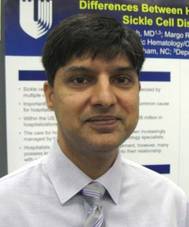
These patients have been "increasingly managed by hospitalists rather than adult hematology specialists," the researchers, led by Dr. Nirmish Shah, wrote in their abstract. "Hospitalists provide efficient inpatient management; however, many possess knowledge gaps and carry biases into their relationship with patients with sickle cell disease."
In an effort to better understand the differences between hematologists and hospitalists in the care practices of this patient population, Dr. Shah and his associates reviewed the records of 298 patients with sickle cell disease who were hospitalized for vaso-occlusive crisis at Duke University Medical Center, Durham, N.C., between Sept. 1, 2008, and Jan. 31, 2011. In November of 2009, all inpatient care for patients with sickle cell disease was moved from the hematologists to the hospitalist service, said Dr. Shah, who directs the medical center’s sickle cell transition program.
Of the 298 patients, 120 were cared for by hematologists over 13 months while 178 were cared for by hospitalists over 13 months. The mean age of patients was 32 years.
There were no significant differences between hematologists and hospitalists in standard ordering practices including incentive spirometry, a bowel regimen, an anti-itching medication, and DVT prophylaxis. However, patients cared for by a hematologist had a higher total number of hours on a patient-controlled analgesia device (212 vs. 171 hours).
Dr. Shah also reported that, compared with hospitalists, hematologists were significantly less likely to use demand-only patient-controlled analgesia (23% vs. 42%) and significantly more likely to use both continuous and demand patient-controlled analgesia (67% vs. 54%).
Transfusions were similarly used by clinicians in both specialties. However, the number of units transfused was higher for hematologists, compared with hospitalists (a mean of 2.6 units vs. 1.9 units).
Erythrocytapheresis was used more often by hematologists than by hospitalists, but this difference did not reach statistical significance (6.7% vs. 2.2%).
No patients cared for by hematologists were diagnosed with acute chest syndrome, but 5.6% of those cared for by hospitalists were. In addition, patients cared for by hematologists had a significantly longer hospitalization, compared with those cared for by hospitalists (a mean of 10 days vs. 8.4 days, respectively) and a nonsignificantly lower 7-day readmission rate (6.7% vs. 7.2%) and 30-day readmission rate (35% vs. 40%).
"There often is a knowledge gap in hospitalist care of sickle cell patients," Dr. Shah said in an interview. "Because they may have a gap, it is our job as hematologists to be available as consultants. In addition, we should decide on the right method for controlling pain in this population of patients. I’m not trying to say that [hospitalists are] doing something in a wrong fashion. I think it brings up the idea that we need to collaborate more. At our hospital we’re assigning a nurse practitioner to round independently and help assist hospitalists now, in an attempt to improve our care for patients with sickle cell disease."
Dr. Shah said that he had no relevant financial disclosures.
(**Corrected: An earlier version of this story referred to "anesthesia" rather than "analgesia.")
SAN DIEGO – When caring for patients with sickle cell disease who were hospitalized for vaso-occlusive crisis, hospitalists more often used demand-only patient-controlled analgesia, compared with hematologists.
In addition, symptoms of acute chest syndrome were reported more often among patients cared for by hospitalists than by those cared for by hematologists.
The findings, reported during a poster session at the annual meeting of the American Society of Hematology, underscore the need for improved collaboration between hematologists and hospitalists in the care of patients with sickle cell disease.
These patients have been "increasingly managed by hospitalists rather than adult hematology specialists," the researchers, led by Dr. Nirmish Shah, wrote in their abstract. "Hospitalists provide efficient inpatient management; however, many possess knowledge gaps and carry biases into their relationship with patients with sickle cell disease."
In an effort to better understand the differences between hematologists and hospitalists in the care practices of this patient population, Dr. Shah and his associates reviewed the records of 298 patients with sickle cell disease who were hospitalized for vaso-occlusive crisis at Duke University Medical Center, Durham, N.C., between Sept. 1, 2008, and Jan. 31, 2011. In November of 2009, all inpatient care for patients with sickle cell disease was moved from the hematologists to the hospitalist service, said Dr. Shah, who directs the medical center’s sickle cell transition program.
Of the 298 patients, 120 were cared for by hematologists over 13 months while 178 were cared for by hospitalists over 13 months. The mean age of patients was 32 years.
There were no significant differences between hematologists and hospitalists in standard ordering practices including incentive spirometry, a bowel regimen, an anti-itching medication, and DVT prophylaxis. However, patients cared for by a hematologist had a higher total number of hours on a patient-controlled analgesia device (212 vs. 171 hours).
Dr. Shah also reported that, compared with hospitalists, hematologists were significantly less likely to use demand-only patient-controlled analgesia (23% vs. 42%) and significantly more likely to use both continuous and demand patient-controlled analgesia (67% vs. 54%).
Transfusions were similarly used by clinicians in both specialties. However, the number of units transfused was higher for hematologists, compared with hospitalists (a mean of 2.6 units vs. 1.9 units).
Erythrocytapheresis was used more often by hematologists than by hospitalists, but this difference did not reach statistical significance (6.7% vs. 2.2%).
No patients cared for by hematologists were diagnosed with acute chest syndrome, but 5.6% of those cared for by hospitalists were. In addition, patients cared for by hematologists had a significantly longer hospitalization, compared with those cared for by hospitalists (a mean of 10 days vs. 8.4 days, respectively) and a nonsignificantly lower 7-day readmission rate (6.7% vs. 7.2%) and 30-day readmission rate (35% vs. 40%).
"There often is a knowledge gap in hospitalist care of sickle cell patients," Dr. Shah said in an interview. "Because they may have a gap, it is our job as hematologists to be available as consultants. In addition, we should decide on the right method for controlling pain in this population of patients. I’m not trying to say that [hospitalists are] doing something in a wrong fashion. I think it brings up the idea that we need to collaborate more. At our hospital we’re assigning a nurse practitioner to round independently and help assist hospitalists now, in an attempt to improve our care for patients with sickle cell disease."
Dr. Shah said that he had no relevant financial disclosures.
(**Corrected: An earlier version of this story referred to "anesthesia" rather than "analgesia.")
SAN DIEGO – When caring for patients with sickle cell disease who were hospitalized for vaso-occlusive crisis, hospitalists more often used demand-only patient-controlled analgesia, compared with hematologists.
In addition, symptoms of acute chest syndrome were reported more often among patients cared for by hospitalists than by those cared for by hematologists.
The findings, reported during a poster session at the annual meeting of the American Society of Hematology, underscore the need for improved collaboration between hematologists and hospitalists in the care of patients with sickle cell disease.
These patients have been "increasingly managed by hospitalists rather than adult hematology specialists," the researchers, led by Dr. Nirmish Shah, wrote in their abstract. "Hospitalists provide efficient inpatient management; however, many possess knowledge gaps and carry biases into their relationship with patients with sickle cell disease."
In an effort to better understand the differences between hematologists and hospitalists in the care practices of this patient population, Dr. Shah and his associates reviewed the records of 298 patients with sickle cell disease who were hospitalized for vaso-occlusive crisis at Duke University Medical Center, Durham, N.C., between Sept. 1, 2008, and Jan. 31, 2011. In November of 2009, all inpatient care for patients with sickle cell disease was moved from the hematologists to the hospitalist service, said Dr. Shah, who directs the medical center’s sickle cell transition program.
Of the 298 patients, 120 were cared for by hematologists over 13 months while 178 were cared for by hospitalists over 13 months. The mean age of patients was 32 years.
There were no significant differences between hematologists and hospitalists in standard ordering practices including incentive spirometry, a bowel regimen, an anti-itching medication, and DVT prophylaxis. However, patients cared for by a hematologist had a higher total number of hours on a patient-controlled analgesia device (212 vs. 171 hours).
Dr. Shah also reported that, compared with hospitalists, hematologists were significantly less likely to use demand-only patient-controlled analgesia (23% vs. 42%) and significantly more likely to use both continuous and demand patient-controlled analgesia (67% vs. 54%).
Transfusions were similarly used by clinicians in both specialties. However, the number of units transfused was higher for hematologists, compared with hospitalists (a mean of 2.6 units vs. 1.9 units).
Erythrocytapheresis was used more often by hematologists than by hospitalists, but this difference did not reach statistical significance (6.7% vs. 2.2%).
No patients cared for by hematologists were diagnosed with acute chest syndrome, but 5.6% of those cared for by hospitalists were. In addition, patients cared for by hematologists had a significantly longer hospitalization, compared with those cared for by hospitalists (a mean of 10 days vs. 8.4 days, respectively) and a nonsignificantly lower 7-day readmission rate (6.7% vs. 7.2%) and 30-day readmission rate (35% vs. 40%).
"There often is a knowledge gap in hospitalist care of sickle cell patients," Dr. Shah said in an interview. "Because they may have a gap, it is our job as hematologists to be available as consultants. In addition, we should decide on the right method for controlling pain in this population of patients. I’m not trying to say that [hospitalists are] doing something in a wrong fashion. I think it brings up the idea that we need to collaborate more. At our hospital we’re assigning a nurse practitioner to round independently and help assist hospitalists now, in an attempt to improve our care for patients with sickle cell disease."
Dr. Shah said that he had no relevant financial disclosures.
(**Corrected: An earlier version of this story referred to "anesthesia" rather than "analgesia.")
FROM THE ANNUAL MEETING OF THE AMERICAN SOCIETY OF HEMATOLOGY
Major Finding: Compared with sickle cell patients cared for by a hospitalist, those cared for by a hematologist had more hours on a patient-controlled analgesia device (212 vs. 171 hours). In addition, hematologists were significantly less likely than were hospitalists to use demand-only patient-controlled analgesia (23% vs. 42%) and more likely to use both continuous and demand patient-controlled analgesia (67% vs. 54%).
Data Source: A study of 298 patients with sickle cell disease who were hospitalized for vaso-occlusive crisis at Duke University Medical Center between Sept. 1, 2008, and Jan. 31, 2011.
Disclosures: Dr. Shah said that he had no relevant financial disclosures.
Iron Deficiency Anemia 'Unintended Consequence' of Gastric Bypass
SAN DIEGO – About one-quarter of patients referred to a private hematology practice had iron deficiency associated with gastric bypass surgery.
In addition, 57% demonstrated symptoms of pica syndrome – a craving for and compulsive eating of non-food substances such as ice and starch.
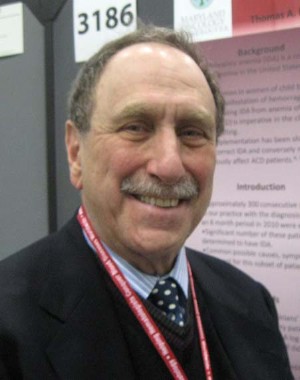
"As morbid obesity has become a large problem in this country and more and more people are undergoing gastric bypass surgery, iron deficiency anemia is an unintended consequence," Dr. Thomas A. Bensinger said at the annual meeting of the American Society of Hematology. "Some of these patients get very severely anemic."
Dr. Bensinger and his associates at Maryland Oncology Hematology in Greenbelt reviewed the medical records of 300 adults referred to the practice between March and November of 2010 with a diagnosis of anemia. Of the total, 130 demonstrated iron deficiency anemia after undergoing laboratory studies that included complete blood count, ferritin, iron/total iron-binding capacity, reticulocyte count and review of the peripheral blood film.
Of the 130 patients, 122 (94%) were women, 4 of whom were pregnant. Heavy menstrual bleeding was the most common cause of iron deficiency anemia (62%), followed by gastric bypass surgery (24%), gastrointestinal abnormalities (6%), and heavy menstrual bleeding associated with the presence of uterine fibroid (5%). In addition, 12% of patients had both heavy menstrual bleeding and had undergone gastric bypass surgery. The remaining 3% of patients were male.
More than half of patients (57%) demonstrated symptoms of pica syndrome, primarily the urge to eat ice. Two patients reported an urge to eat toilet paper while one patient reported eating leaves that were stripped from a plant in her garden. Such symptoms "were often not reported by the patient unless the patient was questioned in detail with the exception of a small subset of patients who had performed an internet search and found pica for ice to be associated with iron deficiency anemia," Dr. Bensinger said.
Pica syndrome symptoms typically resolved within 7-21 days of intravenous iron administration. "I speculate that the craving for ice is related to enzymes that are in the oral cavity in the mucosa," he said. "They get iron depleted and somehow the ice makes them feel better. When you give them the iron, those enzymes get repleted. It’s a very interesting phenomenon. Some of our patients know when they start to get iron deficient again because they realize they’re eating ice."
The study’s overall findings underscore the importance of paying close attention to key indicators of iron deficiency anemia, including low mean corpuscular volume and various forms of pica syndrome.
"You have to keep paying attention to the causes of anemia," he said.
Dr. Bensinger reported having no relevant financial disclosures.
SAN DIEGO – About one-quarter of patients referred to a private hematology practice had iron deficiency associated with gastric bypass surgery.
In addition, 57% demonstrated symptoms of pica syndrome – a craving for and compulsive eating of non-food substances such as ice and starch.
"As morbid obesity has become a large problem in this country and more and more people are undergoing gastric bypass surgery, iron deficiency anemia is an unintended consequence," Dr. Thomas A. Bensinger said at the annual meeting of the American Society of Hematology. "Some of these patients get very severely anemic."
Dr. Bensinger and his associates at Maryland Oncology Hematology in Greenbelt reviewed the medical records of 300 adults referred to the practice between March and November of 2010 with a diagnosis of anemia. Of the total, 130 demonstrated iron deficiency anemia after undergoing laboratory studies that included complete blood count, ferritin, iron/total iron-binding capacity, reticulocyte count and review of the peripheral blood film.
Of the 130 patients, 122 (94%) were women, 4 of whom were pregnant. Heavy menstrual bleeding was the most common cause of iron deficiency anemia (62%), followed by gastric bypass surgery (24%), gastrointestinal abnormalities (6%), and heavy menstrual bleeding associated with the presence of uterine fibroid (5%). In addition, 12% of patients had both heavy menstrual bleeding and had undergone gastric bypass surgery. The remaining 3% of patients were male.
More than half of patients (57%) demonstrated symptoms of pica syndrome, primarily the urge to eat ice. Two patients reported an urge to eat toilet paper while one patient reported eating leaves that were stripped from a plant in her garden. Such symptoms "were often not reported by the patient unless the patient was questioned in detail with the exception of a small subset of patients who had performed an internet search and found pica for ice to be associated with iron deficiency anemia," Dr. Bensinger said.
Pica syndrome symptoms typically resolved within 7-21 days of intravenous iron administration. "I speculate that the craving for ice is related to enzymes that are in the oral cavity in the mucosa," he said. "They get iron depleted and somehow the ice makes them feel better. When you give them the iron, those enzymes get repleted. It’s a very interesting phenomenon. Some of our patients know when they start to get iron deficient again because they realize they’re eating ice."
The study’s overall findings underscore the importance of paying close attention to key indicators of iron deficiency anemia, including low mean corpuscular volume and various forms of pica syndrome.
"You have to keep paying attention to the causes of anemia," he said.
Dr. Bensinger reported having no relevant financial disclosures.
SAN DIEGO – About one-quarter of patients referred to a private hematology practice had iron deficiency associated with gastric bypass surgery.
In addition, 57% demonstrated symptoms of pica syndrome – a craving for and compulsive eating of non-food substances such as ice and starch.
"As morbid obesity has become a large problem in this country and more and more people are undergoing gastric bypass surgery, iron deficiency anemia is an unintended consequence," Dr. Thomas A. Bensinger said at the annual meeting of the American Society of Hematology. "Some of these patients get very severely anemic."
Dr. Bensinger and his associates at Maryland Oncology Hematology in Greenbelt reviewed the medical records of 300 adults referred to the practice between March and November of 2010 with a diagnosis of anemia. Of the total, 130 demonstrated iron deficiency anemia after undergoing laboratory studies that included complete blood count, ferritin, iron/total iron-binding capacity, reticulocyte count and review of the peripheral blood film.
Of the 130 patients, 122 (94%) were women, 4 of whom were pregnant. Heavy menstrual bleeding was the most common cause of iron deficiency anemia (62%), followed by gastric bypass surgery (24%), gastrointestinal abnormalities (6%), and heavy menstrual bleeding associated with the presence of uterine fibroid (5%). In addition, 12% of patients had both heavy menstrual bleeding and had undergone gastric bypass surgery. The remaining 3% of patients were male.
More than half of patients (57%) demonstrated symptoms of pica syndrome, primarily the urge to eat ice. Two patients reported an urge to eat toilet paper while one patient reported eating leaves that were stripped from a plant in her garden. Such symptoms "were often not reported by the patient unless the patient was questioned in detail with the exception of a small subset of patients who had performed an internet search and found pica for ice to be associated with iron deficiency anemia," Dr. Bensinger said.
Pica syndrome symptoms typically resolved within 7-21 days of intravenous iron administration. "I speculate that the craving for ice is related to enzymes that are in the oral cavity in the mucosa," he said. "They get iron depleted and somehow the ice makes them feel better. When you give them the iron, those enzymes get repleted. It’s a very interesting phenomenon. Some of our patients know when they start to get iron deficient again because they realize they’re eating ice."
The study’s overall findings underscore the importance of paying close attention to key indicators of iron deficiency anemia, including low mean corpuscular volume and various forms of pica syndrome.
"You have to keep paying attention to the causes of anemia," he said.
Dr. Bensinger reported having no relevant financial disclosures.
FROM THE ANNUAL MEETING OF THE AMERICAN SOCIETY OF HEMATOLOGY
Major Finding: Gastric bypass surgery was determined to be the cause of iron deficiency anemia in 24% of cases.
Data Source: A study of 130 patients referred to a private hematology practice who, following referral, demonstrated iron deficiency anemia after numerous laboratory studies.
Disclosures: Dr. Bensinger said that he had no relevant financial disclosures.
Return ED Visits by Sickle Cell Patients Common
SAN DIEGO – More than 40% of patients with sickle cell disease return for acute care within 14 days following an emergency department treat-and-release visit, with young adults and those with public insurance having the highest rates of return.
Those are key findings from a large analysis of data from the 2005 and 2006 State Emergency Department Databases and State Inpatient Databases managed by the Healthcare Cost and Utilization Project, a federal, state, and industry partnership sponsored by the Agency for Healthcare Research and Quality.

"Patients with sickle cell disease who are discharged from the hospital have higher rates of rehospitalization than [patients with] almost any other chronic disease," lead study author Dr. David C. Brousseau said at the annual meeting of the American Society of Hematology. "Because of the high rate of rehospitalizations, many hospitals have been developing programs to decrease rehospitalization rates for sickle cell disease. This effort is primarily driven by two factors: the recent federal emphasis on rehospitalizations, and a desire to improve care, with the belief that rehospitalizations represent a deficiency in care quality, or at least an opportunity to improve care."
Previous studies have shown that about half of ED visits made by patients with sickle cell disease result in inpatient hospitalization, he continued, "yet little emphasis has been placed on what happens after an ED treat-and-release visit."
Dr. Brousseau and his associates conducted a retrospective cohort study of all sickle cell disease–related ED visits and hospitalizations during 2005 and 2006 in the states of Arizona, California, Florida, Massachusetts, Missouri, New York, South Carolina, and Tennessee. "One-third of patients with sickle cell disease in the United States reside in these eight states," said Dr. Brousseau, of the pediatrics department at the Medical College of Wisconsin and an emergency medicine specialist at Children’s Hospital of Wisconsin, Milwaukee.
The researchers hypothesized that patients with sickle cell disease who were treated and released from an ED would have high rates of 14-day return visits to both the ED and an inpatient unit. A 14-day window was chosen "to more accurately reflect a time period ... where a revisit would not be due to a new crisis," he said.
During the 2-year study period, 12,109 people with sickle cell disease made 39,775 index ED visits. The 14-day return visit rate was 42.1%, "meaning that 42.1% of all ED treat-and-release visits were followed within 14 days by a return visit to either the ED or the inpatient unit," Dr. Brousseau said. A higher proportion of the return visits were to the ED than to the inpatient unit (25.4% vs. 16.7%, respectively).
Analysis of data by patient age and insurance provider revealed that the highest proportion of return visits within 14 days was made by patients aged 18-30 years (49%) and by those who carried public insurance (46.5%).
The 7-day return rate was 31.6%. Of these, 18.6% were to the ED and 13% were to the inpatient unit.
The 14-day revisit rate to the same hospital was 31.2%. Children were more likely than adults to make return visits to the same hospital (84.3% vs. 72.7%, respectively).
"We conclude that an ED treat-and-release visit should serve as a trigger to focus enhanced outpatient care to prevent subsequent inpatient visits and to improve patient care," Dr. Brousseau said.
Dr. Brousseau said he had no relevant financial disclosures.
SAN DIEGO – More than 40% of patients with sickle cell disease return for acute care within 14 days following an emergency department treat-and-release visit, with young adults and those with public insurance having the highest rates of return.
Those are key findings from a large analysis of data from the 2005 and 2006 State Emergency Department Databases and State Inpatient Databases managed by the Healthcare Cost and Utilization Project, a federal, state, and industry partnership sponsored by the Agency for Healthcare Research and Quality.
"Patients with sickle cell disease who are discharged from the hospital have higher rates of rehospitalization than [patients with] almost any other chronic disease," lead study author Dr. David C. Brousseau said at the annual meeting of the American Society of Hematology. "Because of the high rate of rehospitalizations, many hospitals have been developing programs to decrease rehospitalization rates for sickle cell disease. This effort is primarily driven by two factors: the recent federal emphasis on rehospitalizations, and a desire to improve care, with the belief that rehospitalizations represent a deficiency in care quality, or at least an opportunity to improve care."
Previous studies have shown that about half of ED visits made by patients with sickle cell disease result in inpatient hospitalization, he continued, "yet little emphasis has been placed on what happens after an ED treat-and-release visit."
Dr. Brousseau and his associates conducted a retrospective cohort study of all sickle cell disease–related ED visits and hospitalizations during 2005 and 2006 in the states of Arizona, California, Florida, Massachusetts, Missouri, New York, South Carolina, and Tennessee. "One-third of patients with sickle cell disease in the United States reside in these eight states," said Dr. Brousseau, of the pediatrics department at the Medical College of Wisconsin and an emergency medicine specialist at Children’s Hospital of Wisconsin, Milwaukee.
The researchers hypothesized that patients with sickle cell disease who were treated and released from an ED would have high rates of 14-day return visits to both the ED and an inpatient unit. A 14-day window was chosen "to more accurately reflect a time period ... where a revisit would not be due to a new crisis," he said.
During the 2-year study period, 12,109 people with sickle cell disease made 39,775 index ED visits. The 14-day return visit rate was 42.1%, "meaning that 42.1% of all ED treat-and-release visits were followed within 14 days by a return visit to either the ED or the inpatient unit," Dr. Brousseau said. A higher proportion of the return visits were to the ED than to the inpatient unit (25.4% vs. 16.7%, respectively).
Analysis of data by patient age and insurance provider revealed that the highest proportion of return visits within 14 days was made by patients aged 18-30 years (49%) and by those who carried public insurance (46.5%).
The 7-day return rate was 31.6%. Of these, 18.6% were to the ED and 13% were to the inpatient unit.
The 14-day revisit rate to the same hospital was 31.2%. Children were more likely than adults to make return visits to the same hospital (84.3% vs. 72.7%, respectively).
"We conclude that an ED treat-and-release visit should serve as a trigger to focus enhanced outpatient care to prevent subsequent inpatient visits and to improve patient care," Dr. Brousseau said.
Dr. Brousseau said he had no relevant financial disclosures.
SAN DIEGO – More than 40% of patients with sickle cell disease return for acute care within 14 days following an emergency department treat-and-release visit, with young adults and those with public insurance having the highest rates of return.
Those are key findings from a large analysis of data from the 2005 and 2006 State Emergency Department Databases and State Inpatient Databases managed by the Healthcare Cost and Utilization Project, a federal, state, and industry partnership sponsored by the Agency for Healthcare Research and Quality.
"Patients with sickle cell disease who are discharged from the hospital have higher rates of rehospitalization than [patients with] almost any other chronic disease," lead study author Dr. David C. Brousseau said at the annual meeting of the American Society of Hematology. "Because of the high rate of rehospitalizations, many hospitals have been developing programs to decrease rehospitalization rates for sickle cell disease. This effort is primarily driven by two factors: the recent federal emphasis on rehospitalizations, and a desire to improve care, with the belief that rehospitalizations represent a deficiency in care quality, or at least an opportunity to improve care."
Previous studies have shown that about half of ED visits made by patients with sickle cell disease result in inpatient hospitalization, he continued, "yet little emphasis has been placed on what happens after an ED treat-and-release visit."
Dr. Brousseau and his associates conducted a retrospective cohort study of all sickle cell disease–related ED visits and hospitalizations during 2005 and 2006 in the states of Arizona, California, Florida, Massachusetts, Missouri, New York, South Carolina, and Tennessee. "One-third of patients with sickle cell disease in the United States reside in these eight states," said Dr. Brousseau, of the pediatrics department at the Medical College of Wisconsin and an emergency medicine specialist at Children’s Hospital of Wisconsin, Milwaukee.
The researchers hypothesized that patients with sickle cell disease who were treated and released from an ED would have high rates of 14-day return visits to both the ED and an inpatient unit. A 14-day window was chosen "to more accurately reflect a time period ... where a revisit would not be due to a new crisis," he said.
During the 2-year study period, 12,109 people with sickle cell disease made 39,775 index ED visits. The 14-day return visit rate was 42.1%, "meaning that 42.1% of all ED treat-and-release visits were followed within 14 days by a return visit to either the ED or the inpatient unit," Dr. Brousseau said. A higher proportion of the return visits were to the ED than to the inpatient unit (25.4% vs. 16.7%, respectively).
Analysis of data by patient age and insurance provider revealed that the highest proportion of return visits within 14 days was made by patients aged 18-30 years (49%) and by those who carried public insurance (46.5%).
The 7-day return rate was 31.6%. Of these, 18.6% were to the ED and 13% were to the inpatient unit.
The 14-day revisit rate to the same hospital was 31.2%. Children were more likely than adults to make return visits to the same hospital (84.3% vs. 72.7%, respectively).
"We conclude that an ED treat-and-release visit should serve as a trigger to focus enhanced outpatient care to prevent subsequent inpatient visits and to improve patient care," Dr. Brousseau said.
Dr. Brousseau said he had no relevant financial disclosures.
FROM THE ANNUAL MEETING OF THE AMERICAN SOCIETY OF HEMATOLOGY
Major Finding: More than 40% of patients with sickle cell disease return for acute care following an ED treat-and-release visit.
Data Source: A study of 12,109 people with sickle cell disease in eight states who made 39,775 index ED visits in 2005 and 2006, based on Healthcare Cost and Utilization Project data.
Disclosures: Dr. Brousseau said he had no relevant financial disclosures.
Aspirin Reduces Risk of Recurrent Blood Clots
SAN DIEGO – Aspirin reduced the risk of recurrent symptomatic venous thromboembolism by about 40% when given over a 2-year period following 6-12 months of warfarin therapy, with no apparent increase in major bleeding.
The findings, presented during a press briefing at the annual meeting of the American Society of Hematology, suggest that aspirin is a valid alternative to oral anticoagulants in the extended treatment of venous thromboembolism (VTE).
"This has great implications for clinical practice because many patients on anticoagulant treatment after a first-ever VTE are stopped after the initial 6 months of therapy and then they receive nothing for secondary prevention," lead author Dr. Cecilia Becattini, an internist in the stroke unit at the University of Perugia (Italy), said in an interview. "Maybe aspirin is a great opportunity [for VTE prevention] instead of nothing, because warfarin has the complication of major bleeding."
For the multicenter study known as WARFASA, 402 patients with a first-ever unprovoked VTE who had completed 6-12 months of oral anticoagulant treatment were randomized to receive aspirin 100 mg daily (aspirin group) or placebo for at least 2 years (placebo group).
The primary efficacy outcome was objectively confirmed recurrent symptomatic VTE and VTE-related death. Clinically relevant (major and nonmajor) bleeding were the main safety outcomes. Bleeding was considered major if it was fatal, occurred in a critical organ, or was associated with a decrease in hemoglobin of greater than 2.0 g/dL or led to a transfusion of two units or greater of whole blood or red cells.
The mean age of patients was 64 years and 56% were male. Of the 402 patients, 205 were randomized to the aspirin group while 197 were randomized to the placebo group. During the study period, which was a mean 25 months, Dr. Becattini reported that a VTE recurrence occurred in 28 patients in the aspirin group (6.6% per patient-year) and in 43 patients in the placebo group (11.0% per patient-year). This translated into a hazard ratio of 0.58.
During the on-treatment study period, which was a mean of 22 months, a VTE recurrence occurred in 23 patients in the aspirin group (5.9% per patient-year) and in 39 patients in the placebo group (11% per patient-year). This translated into a hazard ratio of 0.55.
There was one case of major bleeding in each group and three cases of clinically relevant nonmajor bleeding in each group. There were six deaths in the aspirin group (1.4% per patient-year) and five deaths in the placebo group (1.3% per patient-year), a difference that was not statistically significant (HR 1.04).
In an interview, Dr. Charles S. Abrams, professor of medicine at the University of Pennsylvania, Philadelphia, called the study findings "intriguing" and said that a larger trial will be needed to confirm the findings. "I’m not sure what the reason for the difference [between the placebo and aspiring groups] is," said Dr. Abrams.
"One possibility is that it’s a relatively small trial. If you look at the incidence of recurrent clots in most circumstances, it’s usually about 8% per year when you stop that anticoagulant." In the WARFASA trial, he continued, the incidence of recurrent clots in the placebo and aspirin groups "flanked what you would normally expect. It makes you worry that’s some sort of a fluke."
For her part, Dr. Becattini acknowledged that a larger confirmatory trial is needed before the use of aspirin for extended treatment of VTE can be recommended. She said that she discusses the option with patients who are candidates for aspirin therapy. With aspirin, she said, "we can have an alternative to nothing. It is not just an alternative, but it is a safe alternative."
The study was supported by a grant-in-aid from Bayer Pharma to the University of Perugia. Dr. Becattini and her coauthors said they had no relevant conflicts of interest to declare.
SAN DIEGO – Aspirin reduced the risk of recurrent symptomatic venous thromboembolism by about 40% when given over a 2-year period following 6-12 months of warfarin therapy, with no apparent increase in major bleeding.
The findings, presented during a press briefing at the annual meeting of the American Society of Hematology, suggest that aspirin is a valid alternative to oral anticoagulants in the extended treatment of venous thromboembolism (VTE).
"This has great implications for clinical practice because many patients on anticoagulant treatment after a first-ever VTE are stopped after the initial 6 months of therapy and then they receive nothing for secondary prevention," lead author Dr. Cecilia Becattini, an internist in the stroke unit at the University of Perugia (Italy), said in an interview. "Maybe aspirin is a great opportunity [for VTE prevention] instead of nothing, because warfarin has the complication of major bleeding."
For the multicenter study known as WARFASA, 402 patients with a first-ever unprovoked VTE who had completed 6-12 months of oral anticoagulant treatment were randomized to receive aspirin 100 mg daily (aspirin group) or placebo for at least 2 years (placebo group).
The primary efficacy outcome was objectively confirmed recurrent symptomatic VTE and VTE-related death. Clinically relevant (major and nonmajor) bleeding were the main safety outcomes. Bleeding was considered major if it was fatal, occurred in a critical organ, or was associated with a decrease in hemoglobin of greater than 2.0 g/dL or led to a transfusion of two units or greater of whole blood or red cells.
The mean age of patients was 64 years and 56% were male. Of the 402 patients, 205 were randomized to the aspirin group while 197 were randomized to the placebo group. During the study period, which was a mean 25 months, Dr. Becattini reported that a VTE recurrence occurred in 28 patients in the aspirin group (6.6% per patient-year) and in 43 patients in the placebo group (11.0% per patient-year). This translated into a hazard ratio of 0.58.
During the on-treatment study period, which was a mean of 22 months, a VTE recurrence occurred in 23 patients in the aspirin group (5.9% per patient-year) and in 39 patients in the placebo group (11% per patient-year). This translated into a hazard ratio of 0.55.
There was one case of major bleeding in each group and three cases of clinically relevant nonmajor bleeding in each group. There were six deaths in the aspirin group (1.4% per patient-year) and five deaths in the placebo group (1.3% per patient-year), a difference that was not statistically significant (HR 1.04).
In an interview, Dr. Charles S. Abrams, professor of medicine at the University of Pennsylvania, Philadelphia, called the study findings "intriguing" and said that a larger trial will be needed to confirm the findings. "I’m not sure what the reason for the difference [between the placebo and aspiring groups] is," said Dr. Abrams.
"One possibility is that it’s a relatively small trial. If you look at the incidence of recurrent clots in most circumstances, it’s usually about 8% per year when you stop that anticoagulant." In the WARFASA trial, he continued, the incidence of recurrent clots in the placebo and aspirin groups "flanked what you would normally expect. It makes you worry that’s some sort of a fluke."
For her part, Dr. Becattini acknowledged that a larger confirmatory trial is needed before the use of aspirin for extended treatment of VTE can be recommended. She said that she discusses the option with patients who are candidates for aspirin therapy. With aspirin, she said, "we can have an alternative to nothing. It is not just an alternative, but it is a safe alternative."
The study was supported by a grant-in-aid from Bayer Pharma to the University of Perugia. Dr. Becattini and her coauthors said they had no relevant conflicts of interest to declare.
SAN DIEGO – Aspirin reduced the risk of recurrent symptomatic venous thromboembolism by about 40% when given over a 2-year period following 6-12 months of warfarin therapy, with no apparent increase in major bleeding.
The findings, presented during a press briefing at the annual meeting of the American Society of Hematology, suggest that aspirin is a valid alternative to oral anticoagulants in the extended treatment of venous thromboembolism (VTE).
"This has great implications for clinical practice because many patients on anticoagulant treatment after a first-ever VTE are stopped after the initial 6 months of therapy and then they receive nothing for secondary prevention," lead author Dr. Cecilia Becattini, an internist in the stroke unit at the University of Perugia (Italy), said in an interview. "Maybe aspirin is a great opportunity [for VTE prevention] instead of nothing, because warfarin has the complication of major bleeding."
For the multicenter study known as WARFASA, 402 patients with a first-ever unprovoked VTE who had completed 6-12 months of oral anticoagulant treatment were randomized to receive aspirin 100 mg daily (aspirin group) or placebo for at least 2 years (placebo group).
The primary efficacy outcome was objectively confirmed recurrent symptomatic VTE and VTE-related death. Clinically relevant (major and nonmajor) bleeding were the main safety outcomes. Bleeding was considered major if it was fatal, occurred in a critical organ, or was associated with a decrease in hemoglobin of greater than 2.0 g/dL or led to a transfusion of two units or greater of whole blood or red cells.
The mean age of patients was 64 years and 56% were male. Of the 402 patients, 205 were randomized to the aspirin group while 197 were randomized to the placebo group. During the study period, which was a mean 25 months, Dr. Becattini reported that a VTE recurrence occurred in 28 patients in the aspirin group (6.6% per patient-year) and in 43 patients in the placebo group (11.0% per patient-year). This translated into a hazard ratio of 0.58.
During the on-treatment study period, which was a mean of 22 months, a VTE recurrence occurred in 23 patients in the aspirin group (5.9% per patient-year) and in 39 patients in the placebo group (11% per patient-year). This translated into a hazard ratio of 0.55.
There was one case of major bleeding in each group and three cases of clinically relevant nonmajor bleeding in each group. There were six deaths in the aspirin group (1.4% per patient-year) and five deaths in the placebo group (1.3% per patient-year), a difference that was not statistically significant (HR 1.04).
In an interview, Dr. Charles S. Abrams, professor of medicine at the University of Pennsylvania, Philadelphia, called the study findings "intriguing" and said that a larger trial will be needed to confirm the findings. "I’m not sure what the reason for the difference [between the placebo and aspiring groups] is," said Dr. Abrams.
"One possibility is that it’s a relatively small trial. If you look at the incidence of recurrent clots in most circumstances, it’s usually about 8% per year when you stop that anticoagulant." In the WARFASA trial, he continued, the incidence of recurrent clots in the placebo and aspirin groups "flanked what you would normally expect. It makes you worry that’s some sort of a fluke."
For her part, Dr. Becattini acknowledged that a larger confirmatory trial is needed before the use of aspirin for extended treatment of VTE can be recommended. She said that she discusses the option with patients who are candidates for aspirin therapy. With aspirin, she said, "we can have an alternative to nothing. It is not just an alternative, but it is a safe alternative."
The study was supported by a grant-in-aid from Bayer Pharma to the University of Perugia. Dr. Becattini and her coauthors said they had no relevant conflicts of interest to declare.
FROM THE ANNUAL MEETING OF THE AMERICAN SOCIETY OF HEMATOLOGY
Major Finding: In a population of patients with unprovoked venous thromboembolism who had completed 6-12 months of oral anticoagulant treatment, aspirin reduced the incidence of recurrent VTE by about 40%, compared with placebo.
Data Source: A multicenter study of 402 patients with a mean age of 64 years who were randomized to receive to receive aspirin, 100 mg daily, or placebo for at least 2 years.
Disclosures: The study was supported by a grant-in-aid from Bayer Pharma to the University of Perugia, Italy. Dr. Becattini and her coauthors said they had no relevant conflicts of interest to declare.