User login
Restless legs syndrome surged early during pandemic
according to data from 500 participants in the National Restless Legs Syndrome Opioid Registry.
Sufferers of restless legs syndrome (RLS) experience not only sleep disturbance, but also daytime sleepiness, and high levels of depression, anxiety, and panic, wrote Benjamin Wipper of Harvard Medical School, Boston, and colleagues.
“Considering the link between RLS and psychiatric illness, it has been speculated that there may have been increases in RLS symptom severity alongside the recent rise in depression and anxiety,” but this association has not been explored, they said.
In a study published in Sleep Medicine , the researchers reviewed data from 500 adult participants in the National RLS Opioid Registry, a longitudinal observational study. Participants reported RLS symptom severity before and during the COVID-19 pandemic at 6-month intervals. Survey responses were collected from the early phase of the pandemic in the United States in January/February 2020, then in April/May 2020, and then 6 months later, from September 2020 through February 2021, and also 1 year later, in March 2021 through June 2021.
Participants completed a baseline phone interview and online survey, with symptoms assessed via the International Restless Legs Syndrome Study Group severity scale (IRLS), the Insomnia Severity Index (ISI), the General Anxiety Disorder-7 scale (GAD-7), and the Patient Health Questionnaire (PHQ-9).
In all, 153 participants completed surveys during January and February 2020, and 155 completed surveys during April and May 2020. Baseline characteristics were similar for all participants.
In a between-subjects analysis for these time periods, symptom scores on the IRLS were significantly higher in January/February 2020; participants were approximately twice as likely to have IRLS scores of 20 or higher compared to April/May 2020 (37.7% vs. 20.9%).
The researchers also compared responses by the same participants at baseline and 6 months later, from September 2020 through February 2021, and 1 year later, from March 2021 through June 2021. In this within-subjects analysis, 51.3% of the participants had increased IRLS scores in spring 2020. Participants were significantly more likely to have IRLS scores of 20 or above in the early COVID-19 period in April and May 2020 compared with baseline (37.7% vs. 26.6%). Both PHQ-9 and GAD-7 scores were higher during early COVID-19 in April and May 2020 than at baseline.
“Changes in IRLS were also significantly correlated with changes in both PHQ-9 and GAD-7 scores, providing further support for the associations of RLS to both depression and anxiety,” the researchers wrote. “Notably, individuals who completed surveys in January and February 2020 did not see increases in RLS severity or other mental health questionnaire values on subsequent six-month surveys completed during the pandemic or on the following iteration of surveys 1 year later. We suspect that these findings may be at least partially related to the timing of the surveys,” the researchers said. Six-month survey data for most patients were collected during a decline in cases and hospitalizations, and 1-year data in early 2021 may have reflected optimism with the availability of vaccines, they said.
The study findings were limited by several factors including the observational design, which prevented conclusions about causality, and the lack of data on the effect of COVID-19 infection on RLS symptoms, which should be investigated in future studies, the researchers said.
However, the results are the first evidence of increased RLS symptom severity during the COVID-19 pandemic, and elevated scores were associated with sleep disturbance, depression, and anxiety, they wrote. “These data suggest that clinicians should attend to RLS symptoms during the current pandemic and in future instances of socioeconomic and/or political uncertainty. Future studies need to confirm these findings in other populations of patients with RLS,” they concluded.
The National RLS Opioid Registry has received research funding from the RLS Foundation, the Baszucki Brain Research Fund, Florence Petrlik Family Foundation, Diane and Richard Brainerd, Steven Silin, and Jerry Blakeley. The researchers had no financial conflicts to disclose.
according to data from 500 participants in the National Restless Legs Syndrome Opioid Registry.
Sufferers of restless legs syndrome (RLS) experience not only sleep disturbance, but also daytime sleepiness, and high levels of depression, anxiety, and panic, wrote Benjamin Wipper of Harvard Medical School, Boston, and colleagues.
“Considering the link between RLS and psychiatric illness, it has been speculated that there may have been increases in RLS symptom severity alongside the recent rise in depression and anxiety,” but this association has not been explored, they said.
In a study published in Sleep Medicine , the researchers reviewed data from 500 adult participants in the National RLS Opioid Registry, a longitudinal observational study. Participants reported RLS symptom severity before and during the COVID-19 pandemic at 6-month intervals. Survey responses were collected from the early phase of the pandemic in the United States in January/February 2020, then in April/May 2020, and then 6 months later, from September 2020 through February 2021, and also 1 year later, in March 2021 through June 2021.
Participants completed a baseline phone interview and online survey, with symptoms assessed via the International Restless Legs Syndrome Study Group severity scale (IRLS), the Insomnia Severity Index (ISI), the General Anxiety Disorder-7 scale (GAD-7), and the Patient Health Questionnaire (PHQ-9).
In all, 153 participants completed surveys during January and February 2020, and 155 completed surveys during April and May 2020. Baseline characteristics were similar for all participants.
In a between-subjects analysis for these time periods, symptom scores on the IRLS were significantly higher in January/February 2020; participants were approximately twice as likely to have IRLS scores of 20 or higher compared to April/May 2020 (37.7% vs. 20.9%).
The researchers also compared responses by the same participants at baseline and 6 months later, from September 2020 through February 2021, and 1 year later, from March 2021 through June 2021. In this within-subjects analysis, 51.3% of the participants had increased IRLS scores in spring 2020. Participants were significantly more likely to have IRLS scores of 20 or above in the early COVID-19 period in April and May 2020 compared with baseline (37.7% vs. 26.6%). Both PHQ-9 and GAD-7 scores were higher during early COVID-19 in April and May 2020 than at baseline.
“Changes in IRLS were also significantly correlated with changes in both PHQ-9 and GAD-7 scores, providing further support for the associations of RLS to both depression and anxiety,” the researchers wrote. “Notably, individuals who completed surveys in January and February 2020 did not see increases in RLS severity or other mental health questionnaire values on subsequent six-month surveys completed during the pandemic or on the following iteration of surveys 1 year later. We suspect that these findings may be at least partially related to the timing of the surveys,” the researchers said. Six-month survey data for most patients were collected during a decline in cases and hospitalizations, and 1-year data in early 2021 may have reflected optimism with the availability of vaccines, they said.
The study findings were limited by several factors including the observational design, which prevented conclusions about causality, and the lack of data on the effect of COVID-19 infection on RLS symptoms, which should be investigated in future studies, the researchers said.
However, the results are the first evidence of increased RLS symptom severity during the COVID-19 pandemic, and elevated scores were associated with sleep disturbance, depression, and anxiety, they wrote. “These data suggest that clinicians should attend to RLS symptoms during the current pandemic and in future instances of socioeconomic and/or political uncertainty. Future studies need to confirm these findings in other populations of patients with RLS,” they concluded.
The National RLS Opioid Registry has received research funding from the RLS Foundation, the Baszucki Brain Research Fund, Florence Petrlik Family Foundation, Diane and Richard Brainerd, Steven Silin, and Jerry Blakeley. The researchers had no financial conflicts to disclose.
according to data from 500 participants in the National Restless Legs Syndrome Opioid Registry.
Sufferers of restless legs syndrome (RLS) experience not only sleep disturbance, but also daytime sleepiness, and high levels of depression, anxiety, and panic, wrote Benjamin Wipper of Harvard Medical School, Boston, and colleagues.
“Considering the link between RLS and psychiatric illness, it has been speculated that there may have been increases in RLS symptom severity alongside the recent rise in depression and anxiety,” but this association has not been explored, they said.
In a study published in Sleep Medicine , the researchers reviewed data from 500 adult participants in the National RLS Opioid Registry, a longitudinal observational study. Participants reported RLS symptom severity before and during the COVID-19 pandemic at 6-month intervals. Survey responses were collected from the early phase of the pandemic in the United States in January/February 2020, then in April/May 2020, and then 6 months later, from September 2020 through February 2021, and also 1 year later, in March 2021 through June 2021.
Participants completed a baseline phone interview and online survey, with symptoms assessed via the International Restless Legs Syndrome Study Group severity scale (IRLS), the Insomnia Severity Index (ISI), the General Anxiety Disorder-7 scale (GAD-7), and the Patient Health Questionnaire (PHQ-9).
In all, 153 participants completed surveys during January and February 2020, and 155 completed surveys during April and May 2020. Baseline characteristics were similar for all participants.
In a between-subjects analysis for these time periods, symptom scores on the IRLS were significantly higher in January/February 2020; participants were approximately twice as likely to have IRLS scores of 20 or higher compared to April/May 2020 (37.7% vs. 20.9%).
The researchers also compared responses by the same participants at baseline and 6 months later, from September 2020 through February 2021, and 1 year later, from March 2021 through June 2021. In this within-subjects analysis, 51.3% of the participants had increased IRLS scores in spring 2020. Participants were significantly more likely to have IRLS scores of 20 or above in the early COVID-19 period in April and May 2020 compared with baseline (37.7% vs. 26.6%). Both PHQ-9 and GAD-7 scores were higher during early COVID-19 in April and May 2020 than at baseline.
“Changes in IRLS were also significantly correlated with changes in both PHQ-9 and GAD-7 scores, providing further support for the associations of RLS to both depression and anxiety,” the researchers wrote. “Notably, individuals who completed surveys in January and February 2020 did not see increases in RLS severity or other mental health questionnaire values on subsequent six-month surveys completed during the pandemic or on the following iteration of surveys 1 year later. We suspect that these findings may be at least partially related to the timing of the surveys,” the researchers said. Six-month survey data for most patients were collected during a decline in cases and hospitalizations, and 1-year data in early 2021 may have reflected optimism with the availability of vaccines, they said.
The study findings were limited by several factors including the observational design, which prevented conclusions about causality, and the lack of data on the effect of COVID-19 infection on RLS symptoms, which should be investigated in future studies, the researchers said.
However, the results are the first evidence of increased RLS symptom severity during the COVID-19 pandemic, and elevated scores were associated with sleep disturbance, depression, and anxiety, they wrote. “These data suggest that clinicians should attend to RLS symptoms during the current pandemic and in future instances of socioeconomic and/or political uncertainty. Future studies need to confirm these findings in other populations of patients with RLS,” they concluded.
The National RLS Opioid Registry has received research funding from the RLS Foundation, the Baszucki Brain Research Fund, Florence Petrlik Family Foundation, Diane and Richard Brainerd, Steven Silin, and Jerry Blakeley. The researchers had no financial conflicts to disclose.
FROM SLEEP MEDICINE
Biomarkers predict cardiovascular risk in chronic kidney disease patients
Chronic kidney disease (CKD) patients may be at increased risk for atherosclerotic cardiovascular disease, but no ASCVD risk prediction models are currently in place to inform clinical care and prevention strategies, Joshua Bundy, PhD, of Tulane University, New Orleans, and colleagues wrote in their paper, published in the Journal of the American Society of Nephrology.

To improve the accuracy of ASCVD risk prediction, the researchers developed several models using data from the Chronic Renal Insufficiency Cohort (CRIC) study. This longitudinal cohort study included more than 2,500 adult CKD patients. The participants’ ages ranged from 21-74 years, with the mean age having been 55.8 years, and 52.0% of the cohort was male.
Kidney function was defined using the glomerular filtration rate; the mean estimated glomerular filtration rate (eGFR) of the study participants was 56.0 mL/min per 1.73m2. The primary endpoint for the prediction models was incident ASCVD, defined as a composite of incident fatal or nonfatal stroke or MI.
A total of 252 incident ASCVD events occurred during the first 10 years of follow-up from baseline (1.9 events per 1,000 person-years). Patients with ASCVD events were more likely to be older, Black, and current smokers. They also were more likely than those who did not experience ASCVD events to have less than a college level education, to have a history of diabetes, and to use blood pressure–lowering medications.
“In our study, we created two new prediction tools for patients with CKD: the first is a simple model that includes factors routinely measured by health care providers and the second is an expanded model with additional variables particularly important to patients with CKD, including measures of long-term blood sugar, inflammation, and kidney and heart injury,” he explained. “We found that the new models are better able to classify patients who will or will not have a stroke or heart attack within 10 years, compared with the standard models. The new tools may better assist health care providers and patients with CKD in shared decision-making for prevention of heart disease.”
Results
The area under the curve for a prediction model using coefficients estimated within the CRIC sample was 0.736. This represented an accuracy higher than the American College of Cardiology/American Heart Association Pooled Cohort Equations (PCE), which have shown an AUC of 0.730 (P = .03). The PCE were developed by the ACC and the AHA in 2013 to estimate ASCVD risk in the primary prevention population.
The second CRIC model that was developed using clinically available variables had an AUC of 0.760. However, the third CRIC biomarker-enriched model was even more effective, with an AUC of 0.771 – significantly higher than the clinical model (P = .001).
Model 1 included the ACC/AHA PCE variables with coefficients recalculated in the CRIC study sample. Model 2 (the CRIC Clinical Model) included age, HDL cholesterol, systolic BP, current smoking, urinary albumin-to-creatinine ratio (ACR), hemoglobin A1c, and hemoglobin. Model 3 (the CRIC Enriched Model) included age, total cholesterol, HDL cholesterol, current smoking, urinary ACR, A1c, apolipoprotein B, high-sensitivity C-reactive protein (hsCRP), troponin T, and N-terminal of the prohormone brain natriuretic peptide (NT-proBNP).
Both the clinical and biomarker models improved reclassification of non-ASCVD events, compared with the PCEs (6.6% and 10.0%, respectively).
Several factors not included in prior prediction models were important for atherosclerotic CVD prediction among patients with CKD, the researchers noted. These included variables routinely measured in clinical practice as well as biomarkers: measures of long-term glycemia (A1c), inflammation (hsCRP), kidney injury (urinary ACR), and cardiac injury (troponin T and NT-proBNP).
Patients who had an ASCVD event had higher levels of A1c, systolic and diastolic BP, urinary ACR, troponin T, and NT-proBNP; these patients also had lower levels of HDL cholesterol, eGFR, and hemoglobin, compared with those who did not have an event.
The study findings were limited by several factors including the selection of study participants based on a single assessment of kidney function, who had an above average baseline ASCVD risk, the researchers noted. Other limitations included the inability to include imaging variables in the models, and the overestimated risk in the highest predicted probability groups in the CRIC study.
However, the models significantly improve prediction beyond the ACC/AHA PCE in patients with CKD, they concluded.
Models may inform shared decision-making
The development of new prediction models is important, because cardiovascular disease is the leading cause of death among U.S. adults and preventing CVD is a major public health challenge, lead author Dr. Bundy said in an interview.
“In an effort to prevent CVD, risk prediction equations can help identify patients who are at high risk for developing CVD and who may benefit from initiation or intensification of preventive and/or therapeutic measures. Simultaneously, chronic kidney disease is prevalent and those with CKD are often considered at high risk for CVD,” he said.
“However, common risk prediction tools were developed for the general population and may not work as well in patients with CKD, who may have different risk factors. Improving risk prediction in patients with CKD may help identify those among this growing population who are truly at high risk, as well as identify those who are at low risk and less likely to benefit from invasive procedures,” Dr. Bundy explained.
Glomerular filtration rate was not a strong predictor of atherosclerotic CVD
“One of the surprising findings was that estimated glomerular filtration rate was not a strong predictor and was not included in our final models,” Dr. Bundy said.
“We know that eGFR is a very important measurement in this population, but our results suggest that, at least in our sample, urinary albumin-to-creatinine ratio and cardiac biomarkers like troponin T and NT-proBNP are stronger predictors of atherosclerotic CVD in a population with reduced kidney function,” he said.
“Patient characteristics like age, blood pressure, and cholesterol are used by health care providers to predict whether a person will have a heart attack or stroke. However, most currently available prediction tools were not made for use in patients with CKD, which is a condition that is becoming more common and is likely to be seen by more health care providers in family practice,” said Dr. Bundy. “These people with CKD may have different risk factors for heart disease.”
Models are useful for clinical practice
“We are seeing rising numbers of patients with CKD in the population because of increasing age, rising rates of diabetes, and hypertension,” Noel Deep, MD, said in an interview. “The current practice of medicine does not have CKD-specific prediction models for ASCVD development, and current risks are calculated based on prediction models developed for the general population.”

“Having a prediction model that incorporates criteria/variables associated with CKD improves our ability to accurately identify and address the risk of ASCVD in this particular patient population,” said Dr. Deep, who is a general internist in a multispecialty group practice with Aspirus Antigo (Wisc.) Clinic and the chief medical officer and a staff physician at Aspirus Langlade Hospital, also in Antigo.
“We always knew that CKD does place the individual at higher risk for developing ASCVD, but I was impressed by the significant improvement in the prediction models using CKD specific tools, such as cardiac biomarkers (NT-proBNP), intensity of diabetes control (A1c), tobacco use, urinary albuminuria, in addition to advancing age,” he said. “Many of the laboratory tests listed in this study are commonly available and can be easily incorporated into our evaluation for and management of ASCVD in our patients with CKD.”
“As a practicing primary care physician, I would say that this study emphasizes the importance of identifying and working toward mitigating the associated health risks that our patients with CKD might have coexisting and that significantly contribute to progression of CKD,” said Dr. Deep, who is also assistant clinical professor at the Medical College of Wisconsin, Wausau. “By addressing these risk factors, we can positively impact the health of our patients with CKD and decrease the morbidity and mortality, and health care costs. These predictive models can hopefully help us more accurately identify the risk of ASCVD thereby decreasing unnecessary diagnostic procedures and interventions which carry their own risks and morbidity.”
Looking ahead, “these predictive models should be assessed and validated in large studies in diverse populations and those with different risk factors for ASCVD because CKD can be caused by several different medical conditions each with potential to contribute to ASCVD,” Dr. Deep added.
Limitations and next steps
“Although we externally validated our models in two population-based cohort studies, the individuals in these datasets were selected based on only one assessment of kidney function,” Dr. Bundy noted. “Furthermore, the best practices for implementing risk prediction models in the clinic remain to be determined, especially as new models are developed.
“While our models show promising performance for predicting 10-year risk of atherosclerotic CVD, more clinical trials are needed to test implementation of these models for improving patient care and disease prevention.”
The study was supported by the National Institute of Diabetes and Digestive and Kidney Diseases. Additional support came from the University of Pennsylvania Clinical and Translational Science Award, Johns Hopkins University, the University of Maryland, Clinical and Translational Science Collaborative of Cleveland, the National Center for Advancing Translational Sciences component of the National Institutes of Health and NIH roadmap for Medical Research, Michigan Institute for Clinical and Health Research, University of Illinois at Chicago, Tulane COBRE for Clinical and Translational Research in Cardiometabolic Diseases, Kaiser Permanente, and the University of New Mexico. Lead author Dr. Bundy was supported by the National Institutes of Health/Eunice Kennedy Shriver National Institute of Child Health and Human Development. The researchers had no financial conflicts to disclose. Dr. Deep had no financial conflicts to disclose.
This article was updated on 2/17/2021.
Chronic kidney disease (CKD) patients may be at increased risk for atherosclerotic cardiovascular disease, but no ASCVD risk prediction models are currently in place to inform clinical care and prevention strategies, Joshua Bundy, PhD, of Tulane University, New Orleans, and colleagues wrote in their paper, published in the Journal of the American Society of Nephrology.
To improve the accuracy of ASCVD risk prediction, the researchers developed several models using data from the Chronic Renal Insufficiency Cohort (CRIC) study. This longitudinal cohort study included more than 2,500 adult CKD patients. The participants’ ages ranged from 21-74 years, with the mean age having been 55.8 years, and 52.0% of the cohort was male.
Kidney function was defined using the glomerular filtration rate; the mean estimated glomerular filtration rate (eGFR) of the study participants was 56.0 mL/min per 1.73m2. The primary endpoint for the prediction models was incident ASCVD, defined as a composite of incident fatal or nonfatal stroke or MI.
A total of 252 incident ASCVD events occurred during the first 10 years of follow-up from baseline (1.9 events per 1,000 person-years). Patients with ASCVD events were more likely to be older, Black, and current smokers. They also were more likely than those who did not experience ASCVD events to have less than a college level education, to have a history of diabetes, and to use blood pressure–lowering medications.
“In our study, we created two new prediction tools for patients with CKD: the first is a simple model that includes factors routinely measured by health care providers and the second is an expanded model with additional variables particularly important to patients with CKD, including measures of long-term blood sugar, inflammation, and kidney and heart injury,” he explained. “We found that the new models are better able to classify patients who will or will not have a stroke or heart attack within 10 years, compared with the standard models. The new tools may better assist health care providers and patients with CKD in shared decision-making for prevention of heart disease.”
Results
The area under the curve for a prediction model using coefficients estimated within the CRIC sample was 0.736. This represented an accuracy higher than the American College of Cardiology/American Heart Association Pooled Cohort Equations (PCE), which have shown an AUC of 0.730 (P = .03). The PCE were developed by the ACC and the AHA in 2013 to estimate ASCVD risk in the primary prevention population.
The second CRIC model that was developed using clinically available variables had an AUC of 0.760. However, the third CRIC biomarker-enriched model was even more effective, with an AUC of 0.771 – significantly higher than the clinical model (P = .001).
Model 1 included the ACC/AHA PCE variables with coefficients recalculated in the CRIC study sample. Model 2 (the CRIC Clinical Model) included age, HDL cholesterol, systolic BP, current smoking, urinary albumin-to-creatinine ratio (ACR), hemoglobin A1c, and hemoglobin. Model 3 (the CRIC Enriched Model) included age, total cholesterol, HDL cholesterol, current smoking, urinary ACR, A1c, apolipoprotein B, high-sensitivity C-reactive protein (hsCRP), troponin T, and N-terminal of the prohormone brain natriuretic peptide (NT-proBNP).
Both the clinical and biomarker models improved reclassification of non-ASCVD events, compared with the PCEs (6.6% and 10.0%, respectively).
Several factors not included in prior prediction models were important for atherosclerotic CVD prediction among patients with CKD, the researchers noted. These included variables routinely measured in clinical practice as well as biomarkers: measures of long-term glycemia (A1c), inflammation (hsCRP), kidney injury (urinary ACR), and cardiac injury (troponin T and NT-proBNP).
Patients who had an ASCVD event had higher levels of A1c, systolic and diastolic BP, urinary ACR, troponin T, and NT-proBNP; these patients also had lower levels of HDL cholesterol, eGFR, and hemoglobin, compared with those who did not have an event.
The study findings were limited by several factors including the selection of study participants based on a single assessment of kidney function, who had an above average baseline ASCVD risk, the researchers noted. Other limitations included the inability to include imaging variables in the models, and the overestimated risk in the highest predicted probability groups in the CRIC study.
However, the models significantly improve prediction beyond the ACC/AHA PCE in patients with CKD, they concluded.
Models may inform shared decision-making
The development of new prediction models is important, because cardiovascular disease is the leading cause of death among U.S. adults and preventing CVD is a major public health challenge, lead author Dr. Bundy said in an interview.
“In an effort to prevent CVD, risk prediction equations can help identify patients who are at high risk for developing CVD and who may benefit from initiation or intensification of preventive and/or therapeutic measures. Simultaneously, chronic kidney disease is prevalent and those with CKD are often considered at high risk for CVD,” he said.
“However, common risk prediction tools were developed for the general population and may not work as well in patients with CKD, who may have different risk factors. Improving risk prediction in patients with CKD may help identify those among this growing population who are truly at high risk, as well as identify those who are at low risk and less likely to benefit from invasive procedures,” Dr. Bundy explained.
Glomerular filtration rate was not a strong predictor of atherosclerotic CVD
“One of the surprising findings was that estimated glomerular filtration rate was not a strong predictor and was not included in our final models,” Dr. Bundy said.
“We know that eGFR is a very important measurement in this population, but our results suggest that, at least in our sample, urinary albumin-to-creatinine ratio and cardiac biomarkers like troponin T and NT-proBNP are stronger predictors of atherosclerotic CVD in a population with reduced kidney function,” he said.
“Patient characteristics like age, blood pressure, and cholesterol are used by health care providers to predict whether a person will have a heart attack or stroke. However, most currently available prediction tools were not made for use in patients with CKD, which is a condition that is becoming more common and is likely to be seen by more health care providers in family practice,” said Dr. Bundy. “These people with CKD may have different risk factors for heart disease.”
Models are useful for clinical practice
“We are seeing rising numbers of patients with CKD in the population because of increasing age, rising rates of diabetes, and hypertension,” Noel Deep, MD, said in an interview. “The current practice of medicine does not have CKD-specific prediction models for ASCVD development, and current risks are calculated based on prediction models developed for the general population.”
“Having a prediction model that incorporates criteria/variables associated with CKD improves our ability to accurately identify and address the risk of ASCVD in this particular patient population,” said Dr. Deep, who is a general internist in a multispecialty group practice with Aspirus Antigo (Wisc.) Clinic and the chief medical officer and a staff physician at Aspirus Langlade Hospital, also in Antigo.
“We always knew that CKD does place the individual at higher risk for developing ASCVD, but I was impressed by the significant improvement in the prediction models using CKD specific tools, such as cardiac biomarkers (NT-proBNP), intensity of diabetes control (A1c), tobacco use, urinary albuminuria, in addition to advancing age,” he said. “Many of the laboratory tests listed in this study are commonly available and can be easily incorporated into our evaluation for and management of ASCVD in our patients with CKD.”
“As a practicing primary care physician, I would say that this study emphasizes the importance of identifying and working toward mitigating the associated health risks that our patients with CKD might have coexisting and that significantly contribute to progression of CKD,” said Dr. Deep, who is also assistant clinical professor at the Medical College of Wisconsin, Wausau. “By addressing these risk factors, we can positively impact the health of our patients with CKD and decrease the morbidity and mortality, and health care costs. These predictive models can hopefully help us more accurately identify the risk of ASCVD thereby decreasing unnecessary diagnostic procedures and interventions which carry their own risks and morbidity.”
Looking ahead, “these predictive models should be assessed and validated in large studies in diverse populations and those with different risk factors for ASCVD because CKD can be caused by several different medical conditions each with potential to contribute to ASCVD,” Dr. Deep added.
Limitations and next steps
“Although we externally validated our models in two population-based cohort studies, the individuals in these datasets were selected based on only one assessment of kidney function,” Dr. Bundy noted. “Furthermore, the best practices for implementing risk prediction models in the clinic remain to be determined, especially as new models are developed.
“While our models show promising performance for predicting 10-year risk of atherosclerotic CVD, more clinical trials are needed to test implementation of these models for improving patient care and disease prevention.”
The study was supported by the National Institute of Diabetes and Digestive and Kidney Diseases. Additional support came from the University of Pennsylvania Clinical and Translational Science Award, Johns Hopkins University, the University of Maryland, Clinical and Translational Science Collaborative of Cleveland, the National Center for Advancing Translational Sciences component of the National Institutes of Health and NIH roadmap for Medical Research, Michigan Institute for Clinical and Health Research, University of Illinois at Chicago, Tulane COBRE for Clinical and Translational Research in Cardiometabolic Diseases, Kaiser Permanente, and the University of New Mexico. Lead author Dr. Bundy was supported by the National Institutes of Health/Eunice Kennedy Shriver National Institute of Child Health and Human Development. The researchers had no financial conflicts to disclose. Dr. Deep had no financial conflicts to disclose.
This article was updated on 2/17/2021.
Chronic kidney disease (CKD) patients may be at increased risk for atherosclerotic cardiovascular disease, but no ASCVD risk prediction models are currently in place to inform clinical care and prevention strategies, Joshua Bundy, PhD, of Tulane University, New Orleans, and colleagues wrote in their paper, published in the Journal of the American Society of Nephrology.
To improve the accuracy of ASCVD risk prediction, the researchers developed several models using data from the Chronic Renal Insufficiency Cohort (CRIC) study. This longitudinal cohort study included more than 2,500 adult CKD patients. The participants’ ages ranged from 21-74 years, with the mean age having been 55.8 years, and 52.0% of the cohort was male.
Kidney function was defined using the glomerular filtration rate; the mean estimated glomerular filtration rate (eGFR) of the study participants was 56.0 mL/min per 1.73m2. The primary endpoint for the prediction models was incident ASCVD, defined as a composite of incident fatal or nonfatal stroke or MI.
A total of 252 incident ASCVD events occurred during the first 10 years of follow-up from baseline (1.9 events per 1,000 person-years). Patients with ASCVD events were more likely to be older, Black, and current smokers. They also were more likely than those who did not experience ASCVD events to have less than a college level education, to have a history of diabetes, and to use blood pressure–lowering medications.
“In our study, we created two new prediction tools for patients with CKD: the first is a simple model that includes factors routinely measured by health care providers and the second is an expanded model with additional variables particularly important to patients with CKD, including measures of long-term blood sugar, inflammation, and kidney and heart injury,” he explained. “We found that the new models are better able to classify patients who will or will not have a stroke or heart attack within 10 years, compared with the standard models. The new tools may better assist health care providers and patients with CKD in shared decision-making for prevention of heart disease.”
Results
The area under the curve for a prediction model using coefficients estimated within the CRIC sample was 0.736. This represented an accuracy higher than the American College of Cardiology/American Heart Association Pooled Cohort Equations (PCE), which have shown an AUC of 0.730 (P = .03). The PCE were developed by the ACC and the AHA in 2013 to estimate ASCVD risk in the primary prevention population.
The second CRIC model that was developed using clinically available variables had an AUC of 0.760. However, the third CRIC biomarker-enriched model was even more effective, with an AUC of 0.771 – significantly higher than the clinical model (P = .001).
Model 1 included the ACC/AHA PCE variables with coefficients recalculated in the CRIC study sample. Model 2 (the CRIC Clinical Model) included age, HDL cholesterol, systolic BP, current smoking, urinary albumin-to-creatinine ratio (ACR), hemoglobin A1c, and hemoglobin. Model 3 (the CRIC Enriched Model) included age, total cholesterol, HDL cholesterol, current smoking, urinary ACR, A1c, apolipoprotein B, high-sensitivity C-reactive protein (hsCRP), troponin T, and N-terminal of the prohormone brain natriuretic peptide (NT-proBNP).
Both the clinical and biomarker models improved reclassification of non-ASCVD events, compared with the PCEs (6.6% and 10.0%, respectively).
Several factors not included in prior prediction models were important for atherosclerotic CVD prediction among patients with CKD, the researchers noted. These included variables routinely measured in clinical practice as well as biomarkers: measures of long-term glycemia (A1c), inflammation (hsCRP), kidney injury (urinary ACR), and cardiac injury (troponin T and NT-proBNP).
Patients who had an ASCVD event had higher levels of A1c, systolic and diastolic BP, urinary ACR, troponin T, and NT-proBNP; these patients also had lower levels of HDL cholesterol, eGFR, and hemoglobin, compared with those who did not have an event.
The study findings were limited by several factors including the selection of study participants based on a single assessment of kidney function, who had an above average baseline ASCVD risk, the researchers noted. Other limitations included the inability to include imaging variables in the models, and the overestimated risk in the highest predicted probability groups in the CRIC study.
However, the models significantly improve prediction beyond the ACC/AHA PCE in patients with CKD, they concluded.
Models may inform shared decision-making
The development of new prediction models is important, because cardiovascular disease is the leading cause of death among U.S. adults and preventing CVD is a major public health challenge, lead author Dr. Bundy said in an interview.
“In an effort to prevent CVD, risk prediction equations can help identify patients who are at high risk for developing CVD and who may benefit from initiation or intensification of preventive and/or therapeutic measures. Simultaneously, chronic kidney disease is prevalent and those with CKD are often considered at high risk for CVD,” he said.
“However, common risk prediction tools were developed for the general population and may not work as well in patients with CKD, who may have different risk factors. Improving risk prediction in patients with CKD may help identify those among this growing population who are truly at high risk, as well as identify those who are at low risk and less likely to benefit from invasive procedures,” Dr. Bundy explained.
Glomerular filtration rate was not a strong predictor of atherosclerotic CVD
“One of the surprising findings was that estimated glomerular filtration rate was not a strong predictor and was not included in our final models,” Dr. Bundy said.
“We know that eGFR is a very important measurement in this population, but our results suggest that, at least in our sample, urinary albumin-to-creatinine ratio and cardiac biomarkers like troponin T and NT-proBNP are stronger predictors of atherosclerotic CVD in a population with reduced kidney function,” he said.
“Patient characteristics like age, blood pressure, and cholesterol are used by health care providers to predict whether a person will have a heart attack or stroke. However, most currently available prediction tools were not made for use in patients with CKD, which is a condition that is becoming more common and is likely to be seen by more health care providers in family practice,” said Dr. Bundy. “These people with CKD may have different risk factors for heart disease.”
Models are useful for clinical practice
“We are seeing rising numbers of patients with CKD in the population because of increasing age, rising rates of diabetes, and hypertension,” Noel Deep, MD, said in an interview. “The current practice of medicine does not have CKD-specific prediction models for ASCVD development, and current risks are calculated based on prediction models developed for the general population.”
“Having a prediction model that incorporates criteria/variables associated with CKD improves our ability to accurately identify and address the risk of ASCVD in this particular patient population,” said Dr. Deep, who is a general internist in a multispecialty group practice with Aspirus Antigo (Wisc.) Clinic and the chief medical officer and a staff physician at Aspirus Langlade Hospital, also in Antigo.
“We always knew that CKD does place the individual at higher risk for developing ASCVD, but I was impressed by the significant improvement in the prediction models using CKD specific tools, such as cardiac biomarkers (NT-proBNP), intensity of diabetes control (A1c), tobacco use, urinary albuminuria, in addition to advancing age,” he said. “Many of the laboratory tests listed in this study are commonly available and can be easily incorporated into our evaluation for and management of ASCVD in our patients with CKD.”
“As a practicing primary care physician, I would say that this study emphasizes the importance of identifying and working toward mitigating the associated health risks that our patients with CKD might have coexisting and that significantly contribute to progression of CKD,” said Dr. Deep, who is also assistant clinical professor at the Medical College of Wisconsin, Wausau. “By addressing these risk factors, we can positively impact the health of our patients with CKD and decrease the morbidity and mortality, and health care costs. These predictive models can hopefully help us more accurately identify the risk of ASCVD thereby decreasing unnecessary diagnostic procedures and interventions which carry their own risks and morbidity.”
Looking ahead, “these predictive models should be assessed and validated in large studies in diverse populations and those with different risk factors for ASCVD because CKD can be caused by several different medical conditions each with potential to contribute to ASCVD,” Dr. Deep added.
Limitations and next steps
“Although we externally validated our models in two population-based cohort studies, the individuals in these datasets were selected based on only one assessment of kidney function,” Dr. Bundy noted. “Furthermore, the best practices for implementing risk prediction models in the clinic remain to be determined, especially as new models are developed.
“While our models show promising performance for predicting 10-year risk of atherosclerotic CVD, more clinical trials are needed to test implementation of these models for improving patient care and disease prevention.”
The study was supported by the National Institute of Diabetes and Digestive and Kidney Diseases. Additional support came from the University of Pennsylvania Clinical and Translational Science Award, Johns Hopkins University, the University of Maryland, Clinical and Translational Science Collaborative of Cleveland, the National Center for Advancing Translational Sciences component of the National Institutes of Health and NIH roadmap for Medical Research, Michigan Institute for Clinical and Health Research, University of Illinois at Chicago, Tulane COBRE for Clinical and Translational Research in Cardiometabolic Diseases, Kaiser Permanente, and the University of New Mexico. Lead author Dr. Bundy was supported by the National Institutes of Health/Eunice Kennedy Shriver National Institute of Child Health and Human Development. The researchers had no financial conflicts to disclose. Dr. Deep had no financial conflicts to disclose.
This article was updated on 2/17/2021.
FROM THE JOURNAL OF THE AMERICAN SOCIETY OF NEPHROLOGY
Review finds anti-staphylococcus treatments have little impact on eczema
published in Clinical and Experimental Allergy.
Eczema remains a huge disease burden worldwide, and colonization with S. aureus in eczema patients is common, but no standard intervention exists to relieve symptoms, wrote Nandini Banerjee, MD, of Addenbrooke’s Hospital, Cambridge, England. “While antibiotic treatment of clinically obvious infections such as cellulitis is beneficial, it is not clear whether antibiotic treatment of eczema influences eczema severity,” Dr. Banerjee noted.
The 41 studies included 1,753 participants and 10 treatment categories. Most of the studies were conducted in secondary care centers in Western Europe, North America, and the Far East. Twelve studies included children, four included only adults, 19 included children and adults, and in six studies, the participant age range was unclear. Among the studies with reported ages, the mean age ranged from 1.1 to 34.6 years. Eczema severity ranged from mild to severe, and treatment durations ranged from 10 minutes to 3 months.
The review presented comparisons of topical steroid/antibiotic combinations, oral antibiotics, and bleach baths. In 14 studies that compared topical steroid/antibiotic combinations to topical steroids alone, patients showed slightly greater global improvement in symptoms with the combination, but the impact on quality of life was not significantly different. Severe adverse events, including flare of dermatitis, worsening of eczema, and folliculitis, were reported by the patients who received the combination and the topical steroid–only patients. One study reported similar rates of antibiotic resistance in children treated with steroid only and with an antibiotic/steroid combination at 3 months’ follow-up.
In four studies, oral antibiotics “may make no difference in terms of good or excellent global improvement in infants and children at 14 to 28 days follow-up compared to placebo,” according to the review. The reviewers said that there was likely little or no difference in quality of life for infants and children given oral antibiotics, although they noted the low quality of evidence on this topic.
Five studies evaluated the impact of bleach baths on eczema patients with and without S. aureus infections. These studies showed no difference in global improvement measures compared with placebo and little or no difference in quality of life. Also, patients who underwent bleach baths compared with placebo patients reported similar adverse events of burning/stinging or dry skin at 2 months’ follow-up.
“Low-quality evidence, due to risk of bias, imprecise effect estimates, and heterogeneity, made pooling of results difficult,” Dr. Banerjee wrote. “Topical steroid/antibiotic combinations may be associated with possible small improvements in good or excellent signs/symptoms compared with topical steroid alone. High-quality trials evaluating efficacy, QOL, and antibiotic resistance are required,” she concluded.
In a commentary section after the review, Dr. Banerjee and colleagues noted that the United Kingdom’s NICE guidelines for managing atopic eczema in children younger than 12 years of age, published in March 2021, include evidence from the current updated Cochrane Review. The NICE guidelines emphasize that “in people who are not systemically unwell, clinicians should not routinely offer either a topical or oral antibiotic for secondary bacterial infection of eczema,” the Cochrane authors said. They added in their commentary that the use of antibiotics in cases of nonsevere infections can worsen eczema. Also, “the risk of antimicrobial resistance is high with topical antibiotics, and therefore extended doses of the same antibiotics should be avoided to prevent resistance,” they said. However, the authors acknowledged a role for antibiotics in certain situations. “In patients with systemic signs of infection such as cellulitis, systemic antibiotics have an important role in helping clear infection,” they noted.
Reasons for varying disease severity elude research
The current study is important because of the abundance of preclinical and clinical data that implicate S. aureus in atopic dermatitis pathogenesis, Brian Kim, MD, of the Icahn School of Medicine at Mount Sinai, New York, said in an interview.
Dr. Kim said that he was surprised by some of the study findings but not others. “On the one hand, I thought there would be data supporting antimicrobial therapy, albeit not strong support,” he said. “However, AD is a very complex disease, and understanding what a disease modifier does to it is hard to capture across studies of various different designs,” he said.
“The data supporting antimicrobial therapy for S. aureus in AD is not as clear as our clinical impressions may indicate,” said Dr. Kim. “We need to understand the relationship better, perhaps in particular subsets of patients,” he emphasized. In addition, “We need a better understanding of why some people are colonized with S. aureus, yet with little effect on AD itself, while others experience severe exacerbation of disease,” said Dr. Kim. Therefore, a key research question for future studies is whether the exacerbation is caused by the particular strain of the bug, the host susceptibility, or both, he said.
The review received no outside funding. Dr. Banerjee and Dr. Kim have disclosed that they had no relevant financial relationships.
A version of this article first appeared on Medscape.com.
published in Clinical and Experimental Allergy.
Eczema remains a huge disease burden worldwide, and colonization with S. aureus in eczema patients is common, but no standard intervention exists to relieve symptoms, wrote Nandini Banerjee, MD, of Addenbrooke’s Hospital, Cambridge, England. “While antibiotic treatment of clinically obvious infections such as cellulitis is beneficial, it is not clear whether antibiotic treatment of eczema influences eczema severity,” Dr. Banerjee noted.
The 41 studies included 1,753 participants and 10 treatment categories. Most of the studies were conducted in secondary care centers in Western Europe, North America, and the Far East. Twelve studies included children, four included only adults, 19 included children and adults, and in six studies, the participant age range was unclear. Among the studies with reported ages, the mean age ranged from 1.1 to 34.6 years. Eczema severity ranged from mild to severe, and treatment durations ranged from 10 minutes to 3 months.
The review presented comparisons of topical steroid/antibiotic combinations, oral antibiotics, and bleach baths. In 14 studies that compared topical steroid/antibiotic combinations to topical steroids alone, patients showed slightly greater global improvement in symptoms with the combination, but the impact on quality of life was not significantly different. Severe adverse events, including flare of dermatitis, worsening of eczema, and folliculitis, were reported by the patients who received the combination and the topical steroid–only patients. One study reported similar rates of antibiotic resistance in children treated with steroid only and with an antibiotic/steroid combination at 3 months’ follow-up.
In four studies, oral antibiotics “may make no difference in terms of good or excellent global improvement in infants and children at 14 to 28 days follow-up compared to placebo,” according to the review. The reviewers said that there was likely little or no difference in quality of life for infants and children given oral antibiotics, although they noted the low quality of evidence on this topic.
Five studies evaluated the impact of bleach baths on eczema patients with and without S. aureus infections. These studies showed no difference in global improvement measures compared with placebo and little or no difference in quality of life. Also, patients who underwent bleach baths compared with placebo patients reported similar adverse events of burning/stinging or dry skin at 2 months’ follow-up.
“Low-quality evidence, due to risk of bias, imprecise effect estimates, and heterogeneity, made pooling of results difficult,” Dr. Banerjee wrote. “Topical steroid/antibiotic combinations may be associated with possible small improvements in good or excellent signs/symptoms compared with topical steroid alone. High-quality trials evaluating efficacy, QOL, and antibiotic resistance are required,” she concluded.
In a commentary section after the review, Dr. Banerjee and colleagues noted that the United Kingdom’s NICE guidelines for managing atopic eczema in children younger than 12 years of age, published in March 2021, include evidence from the current updated Cochrane Review. The NICE guidelines emphasize that “in people who are not systemically unwell, clinicians should not routinely offer either a topical or oral antibiotic for secondary bacterial infection of eczema,” the Cochrane authors said. They added in their commentary that the use of antibiotics in cases of nonsevere infections can worsen eczema. Also, “the risk of antimicrobial resistance is high with topical antibiotics, and therefore extended doses of the same antibiotics should be avoided to prevent resistance,” they said. However, the authors acknowledged a role for antibiotics in certain situations. “In patients with systemic signs of infection such as cellulitis, systemic antibiotics have an important role in helping clear infection,” they noted.
Reasons for varying disease severity elude research
The current study is important because of the abundance of preclinical and clinical data that implicate S. aureus in atopic dermatitis pathogenesis, Brian Kim, MD, of the Icahn School of Medicine at Mount Sinai, New York, said in an interview.
Dr. Kim said that he was surprised by some of the study findings but not others. “On the one hand, I thought there would be data supporting antimicrobial therapy, albeit not strong support,” he said. “However, AD is a very complex disease, and understanding what a disease modifier does to it is hard to capture across studies of various different designs,” he said.
“The data supporting antimicrobial therapy for S. aureus in AD is not as clear as our clinical impressions may indicate,” said Dr. Kim. “We need to understand the relationship better, perhaps in particular subsets of patients,” he emphasized. In addition, “We need a better understanding of why some people are colonized with S. aureus, yet with little effect on AD itself, while others experience severe exacerbation of disease,” said Dr. Kim. Therefore, a key research question for future studies is whether the exacerbation is caused by the particular strain of the bug, the host susceptibility, or both, he said.
The review received no outside funding. Dr. Banerjee and Dr. Kim have disclosed that they had no relevant financial relationships.
A version of this article first appeared on Medscape.com.
published in Clinical and Experimental Allergy.
Eczema remains a huge disease burden worldwide, and colonization with S. aureus in eczema patients is common, but no standard intervention exists to relieve symptoms, wrote Nandini Banerjee, MD, of Addenbrooke’s Hospital, Cambridge, England. “While antibiotic treatment of clinically obvious infections such as cellulitis is beneficial, it is not clear whether antibiotic treatment of eczema influences eczema severity,” Dr. Banerjee noted.
The 41 studies included 1,753 participants and 10 treatment categories. Most of the studies were conducted in secondary care centers in Western Europe, North America, and the Far East. Twelve studies included children, four included only adults, 19 included children and adults, and in six studies, the participant age range was unclear. Among the studies with reported ages, the mean age ranged from 1.1 to 34.6 years. Eczema severity ranged from mild to severe, and treatment durations ranged from 10 minutes to 3 months.
The review presented comparisons of topical steroid/antibiotic combinations, oral antibiotics, and bleach baths. In 14 studies that compared topical steroid/antibiotic combinations to topical steroids alone, patients showed slightly greater global improvement in symptoms with the combination, but the impact on quality of life was not significantly different. Severe adverse events, including flare of dermatitis, worsening of eczema, and folliculitis, were reported by the patients who received the combination and the topical steroid–only patients. One study reported similar rates of antibiotic resistance in children treated with steroid only and with an antibiotic/steroid combination at 3 months’ follow-up.
In four studies, oral antibiotics “may make no difference in terms of good or excellent global improvement in infants and children at 14 to 28 days follow-up compared to placebo,” according to the review. The reviewers said that there was likely little or no difference in quality of life for infants and children given oral antibiotics, although they noted the low quality of evidence on this topic.
Five studies evaluated the impact of bleach baths on eczema patients with and without S. aureus infections. These studies showed no difference in global improvement measures compared with placebo and little or no difference in quality of life. Also, patients who underwent bleach baths compared with placebo patients reported similar adverse events of burning/stinging or dry skin at 2 months’ follow-up.
“Low-quality evidence, due to risk of bias, imprecise effect estimates, and heterogeneity, made pooling of results difficult,” Dr. Banerjee wrote. “Topical steroid/antibiotic combinations may be associated with possible small improvements in good or excellent signs/symptoms compared with topical steroid alone. High-quality trials evaluating efficacy, QOL, and antibiotic resistance are required,” she concluded.
In a commentary section after the review, Dr. Banerjee and colleagues noted that the United Kingdom’s NICE guidelines for managing atopic eczema in children younger than 12 years of age, published in March 2021, include evidence from the current updated Cochrane Review. The NICE guidelines emphasize that “in people who are not systemically unwell, clinicians should not routinely offer either a topical or oral antibiotic for secondary bacterial infection of eczema,” the Cochrane authors said. They added in their commentary that the use of antibiotics in cases of nonsevere infections can worsen eczema. Also, “the risk of antimicrobial resistance is high with topical antibiotics, and therefore extended doses of the same antibiotics should be avoided to prevent resistance,” they said. However, the authors acknowledged a role for antibiotics in certain situations. “In patients with systemic signs of infection such as cellulitis, systemic antibiotics have an important role in helping clear infection,” they noted.
Reasons for varying disease severity elude research
The current study is important because of the abundance of preclinical and clinical data that implicate S. aureus in atopic dermatitis pathogenesis, Brian Kim, MD, of the Icahn School of Medicine at Mount Sinai, New York, said in an interview.
Dr. Kim said that he was surprised by some of the study findings but not others. “On the one hand, I thought there would be data supporting antimicrobial therapy, albeit not strong support,” he said. “However, AD is a very complex disease, and understanding what a disease modifier does to it is hard to capture across studies of various different designs,” he said.
“The data supporting antimicrobial therapy for S. aureus in AD is not as clear as our clinical impressions may indicate,” said Dr. Kim. “We need to understand the relationship better, perhaps in particular subsets of patients,” he emphasized. In addition, “We need a better understanding of why some people are colonized with S. aureus, yet with little effect on AD itself, while others experience severe exacerbation of disease,” said Dr. Kim. Therefore, a key research question for future studies is whether the exacerbation is caused by the particular strain of the bug, the host susceptibility, or both, he said.
The review received no outside funding. Dr. Banerjee and Dr. Kim have disclosed that they had no relevant financial relationships.
A version of this article first appeared on Medscape.com.
FROM CLINICAL AND EXPERIMENTAL ALLERGY
Dupilumab under FDA review for atopic dermatitis in children aged 6 months to 5 years
The and Sanofi.
If approved, dupilumab would be the first biologic approved for children in this age group in the United States, according to the statement. The proposed indication is as add-on therapy for children with moderate to severe AD not adequately controlled with topical prescription therapies or for whom topical therapies are not advised. The FDA granted breakthrough therapy designation for dupilumab for the treatment of severe AD in children aged 6 months to 11 years in 2016.
Approximately 85%-95% of atopic dermatitis patients develop symptoms before 5 years of age, and these symptoms often continue into adulthood, with an increased risk of skin infections and a significant impact on quality of life, according to the statement.
The sBLA is based on data from a phase 3 pivotal study of 162 children aged 6 months to 5 years in which dupilumab was added to standard-of-care topical corticosteroids, presented in December 2021. In the study, dupilumab plus standard of care significantly improved skin clearance and reduced overall disease severity and itch at 16 weeks compared with standard of care alone. Overall, 28% of the children randomized to dupilumab achieved the primary endpoint of clear or almost-clear skin, compared with 4% with those on standard of care alone (P < .0001), according to the manufacturers. Patients in the dupilumab group received either 200 mg (for children weighing ≥ 5 to < 15 kg) or 300 mg (for children weighing ≥ 15 to < 30 kg) every 4 weeks. Safety results were similar to those seen with dupilumab for children aged 6 years and older.
Conjunctivitis and herpes infections were among the most common adverse events associated with dupilumab in the study, according to the statement.
The target action date for the FDA decision on this application is June 9, 2022.
The and Sanofi.
If approved, dupilumab would be the first biologic approved for children in this age group in the United States, according to the statement. The proposed indication is as add-on therapy for children with moderate to severe AD not adequately controlled with topical prescription therapies or for whom topical therapies are not advised. The FDA granted breakthrough therapy designation for dupilumab for the treatment of severe AD in children aged 6 months to 11 years in 2016.
Approximately 85%-95% of atopic dermatitis patients develop symptoms before 5 years of age, and these symptoms often continue into adulthood, with an increased risk of skin infections and a significant impact on quality of life, according to the statement.
The sBLA is based on data from a phase 3 pivotal study of 162 children aged 6 months to 5 years in which dupilumab was added to standard-of-care topical corticosteroids, presented in December 2021. In the study, dupilumab plus standard of care significantly improved skin clearance and reduced overall disease severity and itch at 16 weeks compared with standard of care alone. Overall, 28% of the children randomized to dupilumab achieved the primary endpoint of clear or almost-clear skin, compared with 4% with those on standard of care alone (P < .0001), according to the manufacturers. Patients in the dupilumab group received either 200 mg (for children weighing ≥ 5 to < 15 kg) or 300 mg (for children weighing ≥ 15 to < 30 kg) every 4 weeks. Safety results were similar to those seen with dupilumab for children aged 6 years and older.
Conjunctivitis and herpes infections were among the most common adverse events associated with dupilumab in the study, according to the statement.
The target action date for the FDA decision on this application is June 9, 2022.
The and Sanofi.
If approved, dupilumab would be the first biologic approved for children in this age group in the United States, according to the statement. The proposed indication is as add-on therapy for children with moderate to severe AD not adequately controlled with topical prescription therapies or for whom topical therapies are not advised. The FDA granted breakthrough therapy designation for dupilumab for the treatment of severe AD in children aged 6 months to 11 years in 2016.
Approximately 85%-95% of atopic dermatitis patients develop symptoms before 5 years of age, and these symptoms often continue into adulthood, with an increased risk of skin infections and a significant impact on quality of life, according to the statement.
The sBLA is based on data from a phase 3 pivotal study of 162 children aged 6 months to 5 years in which dupilumab was added to standard-of-care topical corticosteroids, presented in December 2021. In the study, dupilumab plus standard of care significantly improved skin clearance and reduced overall disease severity and itch at 16 weeks compared with standard of care alone. Overall, 28% of the children randomized to dupilumab achieved the primary endpoint of clear or almost-clear skin, compared with 4% with those on standard of care alone (P < .0001), according to the manufacturers. Patients in the dupilumab group received either 200 mg (for children weighing ≥ 5 to < 15 kg) or 300 mg (for children weighing ≥ 15 to < 30 kg) every 4 weeks. Safety results were similar to those seen with dupilumab for children aged 6 years and older.
Conjunctivitis and herpes infections were among the most common adverse events associated with dupilumab in the study, according to the statement.
The target action date for the FDA decision on this application is June 9, 2022.
FROM THE FDA
E-cigarettes don’t help smokers quit, suggests new research
From 2013 to 2017, e-cigarette sales in the United States nearly doubled, driven by a rapid uptake of use by adolescents, wrote Riufeng Chen, MD, of the University of California, San Diego, and colleagues, in their paper published in Tobacco Control. However, the subsequent effect of increased e-cigarette use on smoking cessation have not been examined, they said.
In their study, Dr. Chen and colleagues analyzed data from 3,578 previous-year smokers with a recent quit attempt and 1,323 recent former smokers who were part of the PATH cohort in 2017. The participants reported using e-cigarettes or other products to quit cigarette smoking. The primary outcomes were at least 12 months of cigarette abstinence, and tobacco abstinence in 2019. In 2017, 32.8% of established smokers reported trying to quit. Of these, 12.6% used e-cigarettes to help them quit. Cigarette abstinence for at least 12 months for these individuals was 9.9%, which was lower than for those who used either nicotine replacement therapy or a pharmaceutical aid only (15.2%), and about half of the 18.6% abstinence in those who used no products to help them quit.
“In our study, e-cigarettes resulted in seven fewer successful quitters than those who used pharmaceutical aids,” emphasized corresponding author, John P. Pierce, PhD, of the University of California, San Diego.
Among smokers attempting to quit, the adjusted risk difference for cigarette abstinence for a least 12 months with e-cigarettes vs. pharmaceutical aids was –7.3%, and –7.7% for e-cigarettes vs. other smoking cessation methods.
*“Among recent former smokers who had switched to daily use of e-cigarettes in 2017, 43.2% had successfully quit cigarette smoking by 2019, which was similar to those who used e-cigarettes on a nondaily basis (34.6%) or to those who switched to another tobacco product, whether daily (43.6%) or nondaily (44.7%),” the researchers wrote.
The rapid growth in e-cigarette use between 2014 and 2017 has been attributed in part to aggressive marketing of high-nicotine e-cigarettes, they said. “The high-nicotine JUUL e-cigarette has been noted as the closest match to cigarettes in both nicotine delivery and user satisfaction, which should make it one of the best candidates as a product to which smokers could switch in order to maintain their nicotine habit,” they said in their discussion of the findings.
More research needed
The researchers acknowledged the need to review more recent data.
“When we looked ahead to 2019, recent former smokers had started using high-nicotine e-cigarettes. The effectiveness of high-nicotine e-cigarettes at preventing relapse will require another follow-up PATH survey,” they said.
Among recent former smokers, 2.2% reported switching to a high-nicotine e-cigarette. Although individuals who switched to e-cigarettes showed a higher rate of relapse to cigarettes than those who did not switch to other tobacco or e-cigarette products, this difference was not significant.
The study findings were limited by several factors including the observational design and inability to control for all potential confounding factors, the researchers noted. However, the results were strengthened by the use of a large and representative study population, and the inclusion of biological samples to validate self-reported smoking, they said.
Several findings surprised study author
Dr. Pierce said he was surprised by several aspects of the study findings.
“First of all, contrary to what we expected, there was a 25% decline in using e-cigarettes to quit, compared to the previous year (not the 40% increase that was expected from the increase in e-cigarette sales) and almost no smokers were using high-nicotine JUUL products to help them quit,” he said. “In this study, e-cigarettes were much less helpful (7 less successful quitters per 100) than pharmaceutical cessation aids in helping people quit,” he added.
“The fact that the proportion of smokers using e-cigarettes for cessation dropped from 17% to 12% was unexpected, and it suggests that the belief that they are a cessation aid is declining,” he said.
The implication for clinical practice is that e-cigarettes are not a useful tool for smoking cessation, Dr. Pierce said. “We are not finding any evidence in this very large nationally representative study that smokers who switch to getting their nicotine from e-cigarettes are less likely to relapse back to cigarette smoking,” he said.
“We don’t know about the high-nicotine versions,” he added.
New review advises against e-cigarettes for cessation
A recent review article published in JAMA supported the use of pharmacotherapy and behavioral support for smokers wanting to quit. In the review, Nancy A. Rigotti, MD, of Massachusetts General Hospital, Boston, and colleagues summarized the evidence for managing tobacco smoking in clinical practice.
“The health risk from cigarette smoking is primarily due to chemicals produced by the burning of tobacco and not to nicotine,” they noted. However, the physical dependence on nicotine makes quitting a challenge, but it is one worth pursuing, the authors said.
The authors of this review identified 30 reviews, 12 randomized clinical trials, and 7 recent guidelines and evidence reviews. Their key message: Pharmacotherapy and behavioral support are effective when used alone, but even more effective when combined. Pharmacotherapy helps reduce the symptoms of nicotine withdrawal, while behavioral intervention tackles the challenge of changing learned behaviors associated with smoking, the researchers said.
Although combining medications, such as varenicline and nicotine replacement therapy or bupropion might improve successful quit rates, these combinations have not been well studied, they noted.
With regard to e-cigarettes, the researchers cited a 2021 Cochrane review of 16,759 individuals who used e-cigarettes for smoking cessation, which found no evidence of harm, but insufficient evidence to asses the balance of risks vs. benefits.
In addition to the lack of randomized trials, “the FDA regulates e-cigarettes as tobacco products, not as medical products and has not evaluated any e-cigarette for medical use as a cessation aid,” the authors of the new review noted.
The review was limited by several factors, including the lack of quality assessment for the selected studies and the exclusion of pharmacotherapy not licensed in the United States.
Commenting on the JAMA paper, Dr. Pierce said, “This review looks like a number of Cochrane Reports that have been published recently. Of course, it only considers randomized trials and not population evidence.”
“If public health had limited itself to this form of evidence, then we still would not know that smoking caused cancer,” he noted. “Randomized trials are very important for testing new drugs; they use selected populations and provide considerable support that is not available in the real world. Sometimes they do not generalize to the population.”
Findings may guide patient conversations
The Tobacco Control study was important, because few studies on e-cigarettes have been conducted, said Linda Girgis, MD, a family physician in private practice in South River, N.J., in an interview.
“As clinicians, we do not have a lot of data available in order to make clinical decisions that are evidence based. Also, getting patients to quit smoking is often very difficult, and having more tools available is a great benefit; however, we need to have the evidence that these tools are effective,” she said.
Dr. Girgis also said she was not surprised by the findings.
“Patients still have the same concerns from e-cigarettes regarding nicotine exposure, but just to a lesser degree; and we still don’t know the long-term effects of e-cigarette use, she said. Based on these studies, recommending e-cigarettes for smokers looking to quit may not be the best method, she noted.
“While it may seem reasonable that exposing lungs to lower doses of nicotine will reduce harm, we need to see actual evidence of this. Also, we also need to study the additives that are frequently used in e-cigs, such as artificial flavorings, to see what harms they may pose, she emphasized.
With regard to the JAMA review, Dr. Girgis said she agreed with the recommendations for pharmacotherapy and behavior therapy as first-line treatments for smoking cessation. “There is evidence regarding the efficacy and safety of these methods, and they have been used for decades,” she said.
Dr. Girgis added that there is a role for e-cigarettes in smoking cessation strategies as a method of harm reduction, but pointed out the problem of many people thinking these products are safe and not understanding the hazards they pose.
“They think they can replace smoking with e-cigarettes and be safe from the health risks associated with smoking. I think if the plan were to switch to e-cigarettes for a short period and then quit, there would be a role,” Dr. Girgis said. “However, replacing one risk for another may reduce harm, but doesn’t eliminate it.”
“To continue to use e-cigarettes indefinitely should not be the goal,” she added.
The Tobacco Control study was funded by the National Institutes of Health and the Tobacco-Related Disease Research Program of the University of California. The researchers had no financial conflicts to disclose.
The JAMA study was funded in part by a grant from the National Institute for Health Research, via Cochrane Infrastructure funds to the Cochrane Tobacco Addiction Group. Lead author Dr. Rigotti disclosed funding from the National Heart, Lung, and Blood Institute and Achieve Life Sciences and personal fees from UpToDate and Achieve Life Sciences. Dr. Girgis had no financial conflicts to disclose.
*This article was updated on 2/28/2022.
From 2013 to 2017, e-cigarette sales in the United States nearly doubled, driven by a rapid uptake of use by adolescents, wrote Riufeng Chen, MD, of the University of California, San Diego, and colleagues, in their paper published in Tobacco Control. However, the subsequent effect of increased e-cigarette use on smoking cessation have not been examined, they said.
In their study, Dr. Chen and colleagues analyzed data from 3,578 previous-year smokers with a recent quit attempt and 1,323 recent former smokers who were part of the PATH cohort in 2017. The participants reported using e-cigarettes or other products to quit cigarette smoking. The primary outcomes were at least 12 months of cigarette abstinence, and tobacco abstinence in 2019. In 2017, 32.8% of established smokers reported trying to quit. Of these, 12.6% used e-cigarettes to help them quit. Cigarette abstinence for at least 12 months for these individuals was 9.9%, which was lower than for those who used either nicotine replacement therapy or a pharmaceutical aid only (15.2%), and about half of the 18.6% abstinence in those who used no products to help them quit.
“In our study, e-cigarettes resulted in seven fewer successful quitters than those who used pharmaceutical aids,” emphasized corresponding author, John P. Pierce, PhD, of the University of California, San Diego.
Among smokers attempting to quit, the adjusted risk difference for cigarette abstinence for a least 12 months with e-cigarettes vs. pharmaceutical aids was –7.3%, and –7.7% for e-cigarettes vs. other smoking cessation methods.
*“Among recent former smokers who had switched to daily use of e-cigarettes in 2017, 43.2% had successfully quit cigarette smoking by 2019, which was similar to those who used e-cigarettes on a nondaily basis (34.6%) or to those who switched to another tobacco product, whether daily (43.6%) or nondaily (44.7%),” the researchers wrote.
The rapid growth in e-cigarette use between 2014 and 2017 has been attributed in part to aggressive marketing of high-nicotine e-cigarettes, they said. “The high-nicotine JUUL e-cigarette has been noted as the closest match to cigarettes in both nicotine delivery and user satisfaction, which should make it one of the best candidates as a product to which smokers could switch in order to maintain their nicotine habit,” they said in their discussion of the findings.
More research needed
The researchers acknowledged the need to review more recent data.
“When we looked ahead to 2019, recent former smokers had started using high-nicotine e-cigarettes. The effectiveness of high-nicotine e-cigarettes at preventing relapse will require another follow-up PATH survey,” they said.
Among recent former smokers, 2.2% reported switching to a high-nicotine e-cigarette. Although individuals who switched to e-cigarettes showed a higher rate of relapse to cigarettes than those who did not switch to other tobacco or e-cigarette products, this difference was not significant.
The study findings were limited by several factors including the observational design and inability to control for all potential confounding factors, the researchers noted. However, the results were strengthened by the use of a large and representative study population, and the inclusion of biological samples to validate self-reported smoking, they said.
Several findings surprised study author
Dr. Pierce said he was surprised by several aspects of the study findings.
“First of all, contrary to what we expected, there was a 25% decline in using e-cigarettes to quit, compared to the previous year (not the 40% increase that was expected from the increase in e-cigarette sales) and almost no smokers were using high-nicotine JUUL products to help them quit,” he said. “In this study, e-cigarettes were much less helpful (7 less successful quitters per 100) than pharmaceutical cessation aids in helping people quit,” he added.
“The fact that the proportion of smokers using e-cigarettes for cessation dropped from 17% to 12% was unexpected, and it suggests that the belief that they are a cessation aid is declining,” he said.
The implication for clinical practice is that e-cigarettes are not a useful tool for smoking cessation, Dr. Pierce said. “We are not finding any evidence in this very large nationally representative study that smokers who switch to getting their nicotine from e-cigarettes are less likely to relapse back to cigarette smoking,” he said.
“We don’t know about the high-nicotine versions,” he added.
New review advises against e-cigarettes for cessation
A recent review article published in JAMA supported the use of pharmacotherapy and behavioral support for smokers wanting to quit. In the review, Nancy A. Rigotti, MD, of Massachusetts General Hospital, Boston, and colleagues summarized the evidence for managing tobacco smoking in clinical practice.
“The health risk from cigarette smoking is primarily due to chemicals produced by the burning of tobacco and not to nicotine,” they noted. However, the physical dependence on nicotine makes quitting a challenge, but it is one worth pursuing, the authors said.
The authors of this review identified 30 reviews, 12 randomized clinical trials, and 7 recent guidelines and evidence reviews. Their key message: Pharmacotherapy and behavioral support are effective when used alone, but even more effective when combined. Pharmacotherapy helps reduce the symptoms of nicotine withdrawal, while behavioral intervention tackles the challenge of changing learned behaviors associated with smoking, the researchers said.
Although combining medications, such as varenicline and nicotine replacement therapy or bupropion might improve successful quit rates, these combinations have not been well studied, they noted.
With regard to e-cigarettes, the researchers cited a 2021 Cochrane review of 16,759 individuals who used e-cigarettes for smoking cessation, which found no evidence of harm, but insufficient evidence to asses the balance of risks vs. benefits.
In addition to the lack of randomized trials, “the FDA regulates e-cigarettes as tobacco products, not as medical products and has not evaluated any e-cigarette for medical use as a cessation aid,” the authors of the new review noted.
The review was limited by several factors, including the lack of quality assessment for the selected studies and the exclusion of pharmacotherapy not licensed in the United States.
Commenting on the JAMA paper, Dr. Pierce said, “This review looks like a number of Cochrane Reports that have been published recently. Of course, it only considers randomized trials and not population evidence.”
“If public health had limited itself to this form of evidence, then we still would not know that smoking caused cancer,” he noted. “Randomized trials are very important for testing new drugs; they use selected populations and provide considerable support that is not available in the real world. Sometimes they do not generalize to the population.”
Findings may guide patient conversations
The Tobacco Control study was important, because few studies on e-cigarettes have been conducted, said Linda Girgis, MD, a family physician in private practice in South River, N.J., in an interview.
“As clinicians, we do not have a lot of data available in order to make clinical decisions that are evidence based. Also, getting patients to quit smoking is often very difficult, and having more tools available is a great benefit; however, we need to have the evidence that these tools are effective,” she said.
Dr. Girgis also said she was not surprised by the findings.
“Patients still have the same concerns from e-cigarettes regarding nicotine exposure, but just to a lesser degree; and we still don’t know the long-term effects of e-cigarette use, she said. Based on these studies, recommending e-cigarettes for smokers looking to quit may not be the best method, she noted.
“While it may seem reasonable that exposing lungs to lower doses of nicotine will reduce harm, we need to see actual evidence of this. Also, we also need to study the additives that are frequently used in e-cigs, such as artificial flavorings, to see what harms they may pose, she emphasized.
With regard to the JAMA review, Dr. Girgis said she agreed with the recommendations for pharmacotherapy and behavior therapy as first-line treatments for smoking cessation. “There is evidence regarding the efficacy and safety of these methods, and they have been used for decades,” she said.
Dr. Girgis added that there is a role for e-cigarettes in smoking cessation strategies as a method of harm reduction, but pointed out the problem of many people thinking these products are safe and not understanding the hazards they pose.
“They think they can replace smoking with e-cigarettes and be safe from the health risks associated with smoking. I think if the plan were to switch to e-cigarettes for a short period and then quit, there would be a role,” Dr. Girgis said. “However, replacing one risk for another may reduce harm, but doesn’t eliminate it.”
“To continue to use e-cigarettes indefinitely should not be the goal,” she added.
The Tobacco Control study was funded by the National Institutes of Health and the Tobacco-Related Disease Research Program of the University of California. The researchers had no financial conflicts to disclose.
The JAMA study was funded in part by a grant from the National Institute for Health Research, via Cochrane Infrastructure funds to the Cochrane Tobacco Addiction Group. Lead author Dr. Rigotti disclosed funding from the National Heart, Lung, and Blood Institute and Achieve Life Sciences and personal fees from UpToDate and Achieve Life Sciences. Dr. Girgis had no financial conflicts to disclose.
*This article was updated on 2/28/2022.
From 2013 to 2017, e-cigarette sales in the United States nearly doubled, driven by a rapid uptake of use by adolescents, wrote Riufeng Chen, MD, of the University of California, San Diego, and colleagues, in their paper published in Tobacco Control. However, the subsequent effect of increased e-cigarette use on smoking cessation have not been examined, they said.
In their study, Dr. Chen and colleagues analyzed data from 3,578 previous-year smokers with a recent quit attempt and 1,323 recent former smokers who were part of the PATH cohort in 2017. The participants reported using e-cigarettes or other products to quit cigarette smoking. The primary outcomes were at least 12 months of cigarette abstinence, and tobacco abstinence in 2019. In 2017, 32.8% of established smokers reported trying to quit. Of these, 12.6% used e-cigarettes to help them quit. Cigarette abstinence for at least 12 months for these individuals was 9.9%, which was lower than for those who used either nicotine replacement therapy or a pharmaceutical aid only (15.2%), and about half of the 18.6% abstinence in those who used no products to help them quit.
“In our study, e-cigarettes resulted in seven fewer successful quitters than those who used pharmaceutical aids,” emphasized corresponding author, John P. Pierce, PhD, of the University of California, San Diego.
Among smokers attempting to quit, the adjusted risk difference for cigarette abstinence for a least 12 months with e-cigarettes vs. pharmaceutical aids was –7.3%, and –7.7% for e-cigarettes vs. other smoking cessation methods.
*“Among recent former smokers who had switched to daily use of e-cigarettes in 2017, 43.2% had successfully quit cigarette smoking by 2019, which was similar to those who used e-cigarettes on a nondaily basis (34.6%) or to those who switched to another tobacco product, whether daily (43.6%) or nondaily (44.7%),” the researchers wrote.
The rapid growth in e-cigarette use between 2014 and 2017 has been attributed in part to aggressive marketing of high-nicotine e-cigarettes, they said. “The high-nicotine JUUL e-cigarette has been noted as the closest match to cigarettes in both nicotine delivery and user satisfaction, which should make it one of the best candidates as a product to which smokers could switch in order to maintain their nicotine habit,” they said in their discussion of the findings.
More research needed
The researchers acknowledged the need to review more recent data.
“When we looked ahead to 2019, recent former smokers had started using high-nicotine e-cigarettes. The effectiveness of high-nicotine e-cigarettes at preventing relapse will require another follow-up PATH survey,” they said.
Among recent former smokers, 2.2% reported switching to a high-nicotine e-cigarette. Although individuals who switched to e-cigarettes showed a higher rate of relapse to cigarettes than those who did not switch to other tobacco or e-cigarette products, this difference was not significant.
The study findings were limited by several factors including the observational design and inability to control for all potential confounding factors, the researchers noted. However, the results were strengthened by the use of a large and representative study population, and the inclusion of biological samples to validate self-reported smoking, they said.
Several findings surprised study author
Dr. Pierce said he was surprised by several aspects of the study findings.
“First of all, contrary to what we expected, there was a 25% decline in using e-cigarettes to quit, compared to the previous year (not the 40% increase that was expected from the increase in e-cigarette sales) and almost no smokers were using high-nicotine JUUL products to help them quit,” he said. “In this study, e-cigarettes were much less helpful (7 less successful quitters per 100) than pharmaceutical cessation aids in helping people quit,” he added.
“The fact that the proportion of smokers using e-cigarettes for cessation dropped from 17% to 12% was unexpected, and it suggests that the belief that they are a cessation aid is declining,” he said.
The implication for clinical practice is that e-cigarettes are not a useful tool for smoking cessation, Dr. Pierce said. “We are not finding any evidence in this very large nationally representative study that smokers who switch to getting their nicotine from e-cigarettes are less likely to relapse back to cigarette smoking,” he said.
“We don’t know about the high-nicotine versions,” he added.
New review advises against e-cigarettes for cessation
A recent review article published in JAMA supported the use of pharmacotherapy and behavioral support for smokers wanting to quit. In the review, Nancy A. Rigotti, MD, of Massachusetts General Hospital, Boston, and colleagues summarized the evidence for managing tobacco smoking in clinical practice.
“The health risk from cigarette smoking is primarily due to chemicals produced by the burning of tobacco and not to nicotine,” they noted. However, the physical dependence on nicotine makes quitting a challenge, but it is one worth pursuing, the authors said.
The authors of this review identified 30 reviews, 12 randomized clinical trials, and 7 recent guidelines and evidence reviews. Their key message: Pharmacotherapy and behavioral support are effective when used alone, but even more effective when combined. Pharmacotherapy helps reduce the symptoms of nicotine withdrawal, while behavioral intervention tackles the challenge of changing learned behaviors associated with smoking, the researchers said.
Although combining medications, such as varenicline and nicotine replacement therapy or bupropion might improve successful quit rates, these combinations have not been well studied, they noted.
With regard to e-cigarettes, the researchers cited a 2021 Cochrane review of 16,759 individuals who used e-cigarettes for smoking cessation, which found no evidence of harm, but insufficient evidence to asses the balance of risks vs. benefits.
In addition to the lack of randomized trials, “the FDA regulates e-cigarettes as tobacco products, not as medical products and has not evaluated any e-cigarette for medical use as a cessation aid,” the authors of the new review noted.
The review was limited by several factors, including the lack of quality assessment for the selected studies and the exclusion of pharmacotherapy not licensed in the United States.
Commenting on the JAMA paper, Dr. Pierce said, “This review looks like a number of Cochrane Reports that have been published recently. Of course, it only considers randomized trials and not population evidence.”
“If public health had limited itself to this form of evidence, then we still would not know that smoking caused cancer,” he noted. “Randomized trials are very important for testing new drugs; they use selected populations and provide considerable support that is not available in the real world. Sometimes they do not generalize to the population.”
Findings may guide patient conversations
The Tobacco Control study was important, because few studies on e-cigarettes have been conducted, said Linda Girgis, MD, a family physician in private practice in South River, N.J., in an interview.
“As clinicians, we do not have a lot of data available in order to make clinical decisions that are evidence based. Also, getting patients to quit smoking is often very difficult, and having more tools available is a great benefit; however, we need to have the evidence that these tools are effective,” she said.
Dr. Girgis also said she was not surprised by the findings.
“Patients still have the same concerns from e-cigarettes regarding nicotine exposure, but just to a lesser degree; and we still don’t know the long-term effects of e-cigarette use, she said. Based on these studies, recommending e-cigarettes for smokers looking to quit may not be the best method, she noted.
“While it may seem reasonable that exposing lungs to lower doses of nicotine will reduce harm, we need to see actual evidence of this. Also, we also need to study the additives that are frequently used in e-cigs, such as artificial flavorings, to see what harms they may pose, she emphasized.
With regard to the JAMA review, Dr. Girgis said she agreed with the recommendations for pharmacotherapy and behavior therapy as first-line treatments for smoking cessation. “There is evidence regarding the efficacy and safety of these methods, and they have been used for decades,” she said.
Dr. Girgis added that there is a role for e-cigarettes in smoking cessation strategies as a method of harm reduction, but pointed out the problem of many people thinking these products are safe and not understanding the hazards they pose.
“They think they can replace smoking with e-cigarettes and be safe from the health risks associated with smoking. I think if the plan were to switch to e-cigarettes for a short period and then quit, there would be a role,” Dr. Girgis said. “However, replacing one risk for another may reduce harm, but doesn’t eliminate it.”
“To continue to use e-cigarettes indefinitely should not be the goal,” she added.
The Tobacco Control study was funded by the National Institutes of Health and the Tobacco-Related Disease Research Program of the University of California. The researchers had no financial conflicts to disclose.
The JAMA study was funded in part by a grant from the National Institute for Health Research, via Cochrane Infrastructure funds to the Cochrane Tobacco Addiction Group. Lead author Dr. Rigotti disclosed funding from the National Heart, Lung, and Blood Institute and Achieve Life Sciences and personal fees from UpToDate and Achieve Life Sciences. Dr. Girgis had no financial conflicts to disclose.
*This article was updated on 2/28/2022.
FROM TOBACCO CONTROL
Growth in early life may predict early puberty
Faster gains in weight, length or height, or body mass index in the first 5 years of life were associated with an earlier onset of puberty in boys and girls, based on data from a cohort study of more than 7,000 children.
In recent decades, clinicians and parents have raised concerns about an earlier onset of puberty in children in the United States and other countries, Izzudin M. Aris, PhD, of Harvard Medical School, Boston, and colleagues wrote.
“Children with earlier pubertal onset not only may be at increased risk for long-term chronic diseases, but also may experience adverse consequences during adolescence, including psychosocial difficulties and dysmetabolism,” they said. However, the effect of growth in the first 5 years of life on pubertal onset has not been well studied.
In a study published in JAMA Network Open, the researchers identified 7,495 children from 36 cohorts participating in the Environmental Influences on Child Health Outcomes program from Jan. 1, 1986, to Dec. 31, 2015.
The study population included 3,772 girls and 3,723 boys; 60% reported as White, 23% as Black, 15% as Hispanic, 12% as one of the following: American Indian or Alaska Native, Native Hawaiian or Pacific Islander, multiple races, or other race. Most (84.1%) were born during or after the year 2000.
The primary outcome was the pubertal growth spurt, also known as age at peak height velocity (APHV). The researchers measured growth at 3 age periods in the first 5 years (early infancy, late infancy, and early childhood) and estimated rates of weight, length or height, and body mass index (BMI) gain. Secondary outcomes included self-reported pubic hair staging and scores on the Pubertal Development Scale.
Overall, weight and length or height gain velocities declined in the first 5 years of life, and boys had faster gains in early infancy, compared with girls.
APHV was negatively correlated with puberty scores and Tanner staging for pubic hair development in both boys and girls, while puberty score was positively correlated with Tanner staging for pubic hair in both sexes.
After controlling for maternal and child confounders including maternal age at delivery, maternal education level, and year of birth, faster gains in weight, length or height, or BMI at each of the three measurement periods in early life was associated with earlier APHV in boys. No effect was noted for race, maternal education level, or birth year.
In girls, faster gains in weight, length, or height, only at the latest measurement period (early childhood) were associated with younger APHV. No associations with APHV occurred for velocities of BMI gain at any age period in girls, the researchers noted. However, age at menarche was positively correlated with early APHV and negatively correlated with puberty score and Tanner staging for pubic hair.
The findings support previous studies of associations between child growth and pubertal onset, the researchers wrote. The mechanisms of action are many, and have not been explained, the researchers wrote in their discussion of the findings.
“We speculate that insulinlike growth factor 1 may be a factor in the associations observed in the present study, either directly or indirectly through sex steroid synthesis and secretion. Alternatively, in girls, androgens and adipokines may be factors in the observed associations for pubic hair staging and menarche, respectively,” they said. Genetics and other factors including social factors, environmental exposures, diet, and physical activity also affect growth in early life.
The study findings were limited by several factors including the use of child-reported measures of pubic hair staging and parent reports of pubertal scores, with the potential for error and misclassification, the researchers noted. Other limitations include a lack of data on maternal age at menarche and the use of weight-for-length rather than BMI for children younger than 2 years.
However, the results were strengthened by the large sample size, long-term follow-up, and especially the use of a nationally representative contemporary cohort that addresses gaps in the current literature from later time periods. The results support the associations of sex-specific early pubertal onset in children with faster growth early in life. “In the long term, results of the present study may inform future research that aims to develop and/or test preventive interventions to optimize nutrition, environmental exposures, physical activity, and other behaviors related to growth during these age periods,” they concluded.
Time and timing limit practical application of results
The current study addresses two issues that are ongoing concerns for clinicians, specifically, the rise in obesity in childhood and its potential link to an earlier age of entry into puberty, M. Susan Jay, MD, of the Medical College of Wisconsin, Milwaukee, said in an interview.
“Authors in prior studies have suggested that earlier puberty, and indeed earlier menarche, in females may be associated with the potential of long-term health issues,” Dr. Jay noted. “It has also been suggested that both early maturing females and males may be impacted psychosocially. Others have suggested that the pathways through puberty are key and environmental factors as well as nutrition can have an impact on adolescence as well as health consequences later in life.”
The current study is important because it focused on children born in the present era of the obesity epidemic, while earlier studies were conducted on a group in the 1960s-1980s. “This study suggests that there are sex-specific associations of faster growth and earlier entry into puberty,” Dr. Jay said.
“While it is exciting to consider closer monitoring of pubertal progression in pediatric settings, often patients and families do not present in a timely manner for assessment,” she said. “Also, the authors suggest that preventive support may be offered to children who are traversing puberty at earlier ages. However, given the current stress on practices with COVID as well as stress on providers offering clinical services, identifying supportive interventions may be a stretch at best for practitioners already burdened by clinical and administrative demands.
“Ongoing studies are needed to address the knowledge gaps that exist in the arena of pubertal onset and growth during childhood across life periods,” said Dr. Jay. “In the long term, the present study may help direct research that could focus on preventive interventions to optimize nutrition, physical activity, environmental exposures, and other factors that intersect growth during infancy through early childhood, which may hasten early pubertal development’s later sequelae in adulthood.”
The study was supported by various grants to the researchers from the Environmental Influences on Child Health Outcomes program, Office of the Director, National Institutes of Health, as well as the Colorado Clinical and Translational Sciences Institute, University of Colorado at Denver. Lead author Dr. Aris had no financial conflicts to disclose. Dr. Jay had no conflicts to disclose and serves on the editorial advisory board of Pediatric News.
Faster gains in weight, length or height, or body mass index in the first 5 years of life were associated with an earlier onset of puberty in boys and girls, based on data from a cohort study of more than 7,000 children.
In recent decades, clinicians and parents have raised concerns about an earlier onset of puberty in children in the United States and other countries, Izzudin M. Aris, PhD, of Harvard Medical School, Boston, and colleagues wrote.
“Children with earlier pubertal onset not only may be at increased risk for long-term chronic diseases, but also may experience adverse consequences during adolescence, including psychosocial difficulties and dysmetabolism,” they said. However, the effect of growth in the first 5 years of life on pubertal onset has not been well studied.
In a study published in JAMA Network Open, the researchers identified 7,495 children from 36 cohorts participating in the Environmental Influences on Child Health Outcomes program from Jan. 1, 1986, to Dec. 31, 2015.
The study population included 3,772 girls and 3,723 boys; 60% reported as White, 23% as Black, 15% as Hispanic, 12% as one of the following: American Indian or Alaska Native, Native Hawaiian or Pacific Islander, multiple races, or other race. Most (84.1%) were born during or after the year 2000.
The primary outcome was the pubertal growth spurt, also known as age at peak height velocity (APHV). The researchers measured growth at 3 age periods in the first 5 years (early infancy, late infancy, and early childhood) and estimated rates of weight, length or height, and body mass index (BMI) gain. Secondary outcomes included self-reported pubic hair staging and scores on the Pubertal Development Scale.
Overall, weight and length or height gain velocities declined in the first 5 years of life, and boys had faster gains in early infancy, compared with girls.
APHV was negatively correlated with puberty scores and Tanner staging for pubic hair development in both boys and girls, while puberty score was positively correlated with Tanner staging for pubic hair in both sexes.
After controlling for maternal and child confounders including maternal age at delivery, maternal education level, and year of birth, faster gains in weight, length or height, or BMI at each of the three measurement periods in early life was associated with earlier APHV in boys. No effect was noted for race, maternal education level, or birth year.
In girls, faster gains in weight, length, or height, only at the latest measurement period (early childhood) were associated with younger APHV. No associations with APHV occurred for velocities of BMI gain at any age period in girls, the researchers noted. However, age at menarche was positively correlated with early APHV and negatively correlated with puberty score and Tanner staging for pubic hair.
The findings support previous studies of associations between child growth and pubertal onset, the researchers wrote. The mechanisms of action are many, and have not been explained, the researchers wrote in their discussion of the findings.
“We speculate that insulinlike growth factor 1 may be a factor in the associations observed in the present study, either directly or indirectly through sex steroid synthesis and secretion. Alternatively, in girls, androgens and adipokines may be factors in the observed associations for pubic hair staging and menarche, respectively,” they said. Genetics and other factors including social factors, environmental exposures, diet, and physical activity also affect growth in early life.
The study findings were limited by several factors including the use of child-reported measures of pubic hair staging and parent reports of pubertal scores, with the potential for error and misclassification, the researchers noted. Other limitations include a lack of data on maternal age at menarche and the use of weight-for-length rather than BMI for children younger than 2 years.
However, the results were strengthened by the large sample size, long-term follow-up, and especially the use of a nationally representative contemporary cohort that addresses gaps in the current literature from later time periods. The results support the associations of sex-specific early pubertal onset in children with faster growth early in life. “In the long term, results of the present study may inform future research that aims to develop and/or test preventive interventions to optimize nutrition, environmental exposures, physical activity, and other behaviors related to growth during these age periods,” they concluded.
Time and timing limit practical application of results
The current study addresses two issues that are ongoing concerns for clinicians, specifically, the rise in obesity in childhood and its potential link to an earlier age of entry into puberty, M. Susan Jay, MD, of the Medical College of Wisconsin, Milwaukee, said in an interview.
“Authors in prior studies have suggested that earlier puberty, and indeed earlier menarche, in females may be associated with the potential of long-term health issues,” Dr. Jay noted. “It has also been suggested that both early maturing females and males may be impacted psychosocially. Others have suggested that the pathways through puberty are key and environmental factors as well as nutrition can have an impact on adolescence as well as health consequences later in life.”
The current study is important because it focused on children born in the present era of the obesity epidemic, while earlier studies were conducted on a group in the 1960s-1980s. “This study suggests that there are sex-specific associations of faster growth and earlier entry into puberty,” Dr. Jay said.
“While it is exciting to consider closer monitoring of pubertal progression in pediatric settings, often patients and families do not present in a timely manner for assessment,” she said. “Also, the authors suggest that preventive support may be offered to children who are traversing puberty at earlier ages. However, given the current stress on practices with COVID as well as stress on providers offering clinical services, identifying supportive interventions may be a stretch at best for practitioners already burdened by clinical and administrative demands.
“Ongoing studies are needed to address the knowledge gaps that exist in the arena of pubertal onset and growth during childhood across life periods,” said Dr. Jay. “In the long term, the present study may help direct research that could focus on preventive interventions to optimize nutrition, physical activity, environmental exposures, and other factors that intersect growth during infancy through early childhood, which may hasten early pubertal development’s later sequelae in adulthood.”
The study was supported by various grants to the researchers from the Environmental Influences on Child Health Outcomes program, Office of the Director, National Institutes of Health, as well as the Colorado Clinical and Translational Sciences Institute, University of Colorado at Denver. Lead author Dr. Aris had no financial conflicts to disclose. Dr. Jay had no conflicts to disclose and serves on the editorial advisory board of Pediatric News.
Faster gains in weight, length or height, or body mass index in the first 5 years of life were associated with an earlier onset of puberty in boys and girls, based on data from a cohort study of more than 7,000 children.
In recent decades, clinicians and parents have raised concerns about an earlier onset of puberty in children in the United States and other countries, Izzudin M. Aris, PhD, of Harvard Medical School, Boston, and colleagues wrote.
“Children with earlier pubertal onset not only may be at increased risk for long-term chronic diseases, but also may experience adverse consequences during adolescence, including psychosocial difficulties and dysmetabolism,” they said. However, the effect of growth in the first 5 years of life on pubertal onset has not been well studied.
In a study published in JAMA Network Open, the researchers identified 7,495 children from 36 cohorts participating in the Environmental Influences on Child Health Outcomes program from Jan. 1, 1986, to Dec. 31, 2015.
The study population included 3,772 girls and 3,723 boys; 60% reported as White, 23% as Black, 15% as Hispanic, 12% as one of the following: American Indian or Alaska Native, Native Hawaiian or Pacific Islander, multiple races, or other race. Most (84.1%) were born during or after the year 2000.
The primary outcome was the pubertal growth spurt, also known as age at peak height velocity (APHV). The researchers measured growth at 3 age periods in the first 5 years (early infancy, late infancy, and early childhood) and estimated rates of weight, length or height, and body mass index (BMI) gain. Secondary outcomes included self-reported pubic hair staging and scores on the Pubertal Development Scale.
Overall, weight and length or height gain velocities declined in the first 5 years of life, and boys had faster gains in early infancy, compared with girls.
APHV was negatively correlated with puberty scores and Tanner staging for pubic hair development in both boys and girls, while puberty score was positively correlated with Tanner staging for pubic hair in both sexes.
After controlling for maternal and child confounders including maternal age at delivery, maternal education level, and year of birth, faster gains in weight, length or height, or BMI at each of the three measurement periods in early life was associated with earlier APHV in boys. No effect was noted for race, maternal education level, or birth year.
In girls, faster gains in weight, length, or height, only at the latest measurement period (early childhood) were associated with younger APHV. No associations with APHV occurred for velocities of BMI gain at any age period in girls, the researchers noted. However, age at menarche was positively correlated with early APHV and negatively correlated with puberty score and Tanner staging for pubic hair.
The findings support previous studies of associations between child growth and pubertal onset, the researchers wrote. The mechanisms of action are many, and have not been explained, the researchers wrote in their discussion of the findings.
“We speculate that insulinlike growth factor 1 may be a factor in the associations observed in the present study, either directly or indirectly through sex steroid synthesis and secretion. Alternatively, in girls, androgens and adipokines may be factors in the observed associations for pubic hair staging and menarche, respectively,” they said. Genetics and other factors including social factors, environmental exposures, diet, and physical activity also affect growth in early life.
The study findings were limited by several factors including the use of child-reported measures of pubic hair staging and parent reports of pubertal scores, with the potential for error and misclassification, the researchers noted. Other limitations include a lack of data on maternal age at menarche and the use of weight-for-length rather than BMI for children younger than 2 years.
However, the results were strengthened by the large sample size, long-term follow-up, and especially the use of a nationally representative contemporary cohort that addresses gaps in the current literature from later time periods. The results support the associations of sex-specific early pubertal onset in children with faster growth early in life. “In the long term, results of the present study may inform future research that aims to develop and/or test preventive interventions to optimize nutrition, environmental exposures, physical activity, and other behaviors related to growth during these age periods,” they concluded.
Time and timing limit practical application of results
The current study addresses two issues that are ongoing concerns for clinicians, specifically, the rise in obesity in childhood and its potential link to an earlier age of entry into puberty, M. Susan Jay, MD, of the Medical College of Wisconsin, Milwaukee, said in an interview.
“Authors in prior studies have suggested that earlier puberty, and indeed earlier menarche, in females may be associated with the potential of long-term health issues,” Dr. Jay noted. “It has also been suggested that both early maturing females and males may be impacted psychosocially. Others have suggested that the pathways through puberty are key and environmental factors as well as nutrition can have an impact on adolescence as well as health consequences later in life.”
The current study is important because it focused on children born in the present era of the obesity epidemic, while earlier studies were conducted on a group in the 1960s-1980s. “This study suggests that there are sex-specific associations of faster growth and earlier entry into puberty,” Dr. Jay said.
“While it is exciting to consider closer monitoring of pubertal progression in pediatric settings, often patients and families do not present in a timely manner for assessment,” she said. “Also, the authors suggest that preventive support may be offered to children who are traversing puberty at earlier ages. However, given the current stress on practices with COVID as well as stress on providers offering clinical services, identifying supportive interventions may be a stretch at best for practitioners already burdened by clinical and administrative demands.
“Ongoing studies are needed to address the knowledge gaps that exist in the arena of pubertal onset and growth during childhood across life periods,” said Dr. Jay. “In the long term, the present study may help direct research that could focus on preventive interventions to optimize nutrition, physical activity, environmental exposures, and other factors that intersect growth during infancy through early childhood, which may hasten early pubertal development’s later sequelae in adulthood.”
The study was supported by various grants to the researchers from the Environmental Influences on Child Health Outcomes program, Office of the Director, National Institutes of Health, as well as the Colorado Clinical and Translational Sciences Institute, University of Colorado at Denver. Lead author Dr. Aris had no financial conflicts to disclose. Dr. Jay had no conflicts to disclose and serves on the editorial advisory board of Pediatric News.
FROM JAMA NETWORK OPEN
Updated endometriosis guidelines emphasize less laparoscopy, more hormone therapy
Updated guidelines for the management and treatment of endometriosis reflect changes in clinical practice to guide clinician and patient decision-making, according to a statement from the European Society of Human Reproduction and Embryology, which issued the guidelines in February 2022.
Although the exact prevalence of endometriosis remains unclear, estimates suggest that approximately 190 million women and adolescent girls are affected by endometriosis during their reproductive years, and women continue to suffer beyond menopause, according to the authors. Endometriosis has a significant impact on society through both direct and indirect health care costs comparable to those of type 2 diabetes, rheumatoid arthritis, and Crohn’s disease, they noted.
The guidelines are the first update on the topic of endometriosis since 2014, and include more than 100 recommendations, according to the European Society of Human Reproduction and Embryology (ESHRE). The target audience, according to the authors, is secondary and tertiary health care providers who treat women with endometriosis. The recommendations were based on research papers published up to Dec. 1, 2020.
Although most of the recent studies confirm previous ESHRE recommendations, several topics reflect significant changes in clinical practice.
Notably, laparoscopy is no longer recommended as the diagnostic gold standard, and should be used only in patients with negative imaging for whom empirical treatment was unsuccessful.
For pain management, studies support the use of GnRH antagonists as a second-line treatment, while laparoscopic uterosacral nerve ablation and presacral neurectomy are no longer included in the recommendations.
The guidelines include new information on pregnancy and fertility preservation for women with endometriosis. The Endometriosis Fertility Index (EFI) was added to support joint decision-making for women seeking pregnancy after surgery. However, the extended use of GnRH antagonist prior to assisted reproductive technology treatments to improve live birth rate is not recommended.
Endometriosis in adolescent patients is included in the guidelines for the first time, and strong recommendations include taking a careful history and using ultrasound if appropriate, but the use of serum biomarkers is not recommended for diagnosis. Strong recommendations for treatment strategies for adolescents include hormonal contraceptives or progestins as a first-line therapy.
Recommendations for managing endometriosis in menopause are more extensive than in previous guidelines and the strongest update is against the use of estrogen-only treatment in these patients. However, the guidelines continue to recommend treating women with a history of endometriosis after surgical menopause with combined estrogen-progestogen therapy “at least up to the age of natural menopause.”
Expanded recommendations related to endometriosis and cancer begin with a strong recommendation for clinicians to advise women that endometriosis is not associated with a significantly higher risk of cancer overall. “Although endometriosis is associated with a higher risk of ovarian, breast, and thyroid cancers in particular, the increase in absolute risk compared with women in the general population is low,” the authors wrote. Other strong recommendations include reassuring women with endometriosis of the low risk of malignancy associated with hormonal contraceptive use, and performing cancer screening according to the existing population-based guidelines without additional screening. Epidemiologic data show that complete excision of visible endometriosis may reduce the risk of ovarian cancer, but the potential benefits must be weighed against the risks of surgery, including morbidity, pain, and ovarian reserve, the authors said.
The guidelines include recommendations related to asymptomatic endometriosis, extrapelvic endometriosis, and primary prevention of endometriosis, but without major changes to the 2014 guidelines.
Guidelines expand strategies, but research gaps remain
In 2021, an international working group of the American Association of Gynecologic Laparoscopists, the European Society for Gynecologic Endoscopy, ESHRE, and the World Endometriosis Society defined endometriosis as “a disease characterized by the presence of endometrium-like epithelium and/or stroma outside the endometrium and myometrium, usually with an associated inflammatory process,” Mark P. Trolice, MD, director of The IVF Center, Orlando, Fla., and professor of obstetrics and gynecology at the University of Central Florida, said in an interview.
Although the current guidelines represent the second update since 2005, many unanswered questions remain, Dr. Trolice said. “There is a large diagnostic void between the onset of symptoms and the time to a reliable diagnosis averaging between 8 and 12 years,” he emphasized.
Dr. Trolice noted the change of the addition of an oral GnRH antagonist, “now FDA approved for the treatment of pain associated with endometriosis,” he said. However, “Extended GnRH agonist prior to ART is not recommended due to the lack of any clear benefit,” he noted.
Dr. Trolice noted the inclusion of the Endometriosis Fertility Index (EFI), published in 2010, “as a useful scoring system to predict postoperative non-IVF pregnancy rates (both by natural means and IUI [intrauterine insemination]) based on patient characteristics, revised ASRM staging, and ‘least function score of the adnexa.’ ” He agreed with the need for expanded information on the topics of endometriosis and adolescence and endometriosis and cancer.
The most important changes for clinical practice include reducing unnecessary laparoscopy and procedures without benefit, such as laparoscopic uterosacral nerve ablation and presacral neurectomy, and GnRH suppression using an oral antagonist, said Dr. Trolice. Other especially practical guidance includes the recommendation to discontinue advising patients that pregnancy will reduce symptoms of endometriosis, and to avoid prescribing estrogen-only treatment in menopause given the risk of malignant transformation of endometriosis, he said.
Another clinically useful recommendation, though not a significant update, is the need to identify extrapelvic endometriosis symptoms, such as cyclical shoulder pain, cyclical spontaneous pneumothorax, cyclical cough, or nodules that enlarge during menses, Dr. Trolice added.
Barriers to implementing the updated guidelines include lack of education of clinicians, including primary care providers, and the lack of definitive evidence for many areas, he noted.
As for additional research, more data are needed to explore the genetic, mutational, and epigenetic profile of endometriosis, and to identify biomarkers to noninvasively detect and provide a prognosis for endometriosis, and optimal methods for prevention and management, said Dr. Trolice. Other research gaps include “definitive medical and surgical treatment of endometriosis for improvement of fertility, quality of life, and reduction of pain,” he noted. From a fertility standpoint, more studies are needed on “the use of ovarian tissue or oocytes cryopreservation in adolescents and adults who undergo ovarian surgery for endometriomas, and the role of the EFI as a presurgical triage tool and to predict IUI outcomes,” said Dr. Trolice.
Overall, society recommendations such as these from ESHRE “serve as guides for physicians by providing evidence-based medicine and dispelling prior unproven practices so patients may receive the most effective care of endometriosis, throughout a woman’s life,” Dr. Trolice emphasized.
The current guideline will be considered for revision in 2025, and the full version is available on the ESHRE website.
Members of the ESHRE guideline development group received no payment for participating in the development process, although they were reimbursed for travel expenses related to guideline meetings.
Dr. Trolice had no financial conflicts to disclose and serves on the editorial advisory board of Ob.Gyn News.
Updated guidelines for the management and treatment of endometriosis reflect changes in clinical practice to guide clinician and patient decision-making, according to a statement from the European Society of Human Reproduction and Embryology, which issued the guidelines in February 2022.
Although the exact prevalence of endometriosis remains unclear, estimates suggest that approximately 190 million women and adolescent girls are affected by endometriosis during their reproductive years, and women continue to suffer beyond menopause, according to the authors. Endometriosis has a significant impact on society through both direct and indirect health care costs comparable to those of type 2 diabetes, rheumatoid arthritis, and Crohn’s disease, they noted.
The guidelines are the first update on the topic of endometriosis since 2014, and include more than 100 recommendations, according to the European Society of Human Reproduction and Embryology (ESHRE). The target audience, according to the authors, is secondary and tertiary health care providers who treat women with endometriosis. The recommendations were based on research papers published up to Dec. 1, 2020.
Although most of the recent studies confirm previous ESHRE recommendations, several topics reflect significant changes in clinical practice.
Notably, laparoscopy is no longer recommended as the diagnostic gold standard, and should be used only in patients with negative imaging for whom empirical treatment was unsuccessful.
For pain management, studies support the use of GnRH antagonists as a second-line treatment, while laparoscopic uterosacral nerve ablation and presacral neurectomy are no longer included in the recommendations.
The guidelines include new information on pregnancy and fertility preservation for women with endometriosis. The Endometriosis Fertility Index (EFI) was added to support joint decision-making for women seeking pregnancy after surgery. However, the extended use of GnRH antagonist prior to assisted reproductive technology treatments to improve live birth rate is not recommended.
Endometriosis in adolescent patients is included in the guidelines for the first time, and strong recommendations include taking a careful history and using ultrasound if appropriate, but the use of serum biomarkers is not recommended for diagnosis. Strong recommendations for treatment strategies for adolescents include hormonal contraceptives or progestins as a first-line therapy.
Recommendations for managing endometriosis in menopause are more extensive than in previous guidelines and the strongest update is against the use of estrogen-only treatment in these patients. However, the guidelines continue to recommend treating women with a history of endometriosis after surgical menopause with combined estrogen-progestogen therapy “at least up to the age of natural menopause.”
Expanded recommendations related to endometriosis and cancer begin with a strong recommendation for clinicians to advise women that endometriosis is not associated with a significantly higher risk of cancer overall. “Although endometriosis is associated with a higher risk of ovarian, breast, and thyroid cancers in particular, the increase in absolute risk compared with women in the general population is low,” the authors wrote. Other strong recommendations include reassuring women with endometriosis of the low risk of malignancy associated with hormonal contraceptive use, and performing cancer screening according to the existing population-based guidelines without additional screening. Epidemiologic data show that complete excision of visible endometriosis may reduce the risk of ovarian cancer, but the potential benefits must be weighed against the risks of surgery, including morbidity, pain, and ovarian reserve, the authors said.
The guidelines include recommendations related to asymptomatic endometriosis, extrapelvic endometriosis, and primary prevention of endometriosis, but without major changes to the 2014 guidelines.
Guidelines expand strategies, but research gaps remain
In 2021, an international working group of the American Association of Gynecologic Laparoscopists, the European Society for Gynecologic Endoscopy, ESHRE, and the World Endometriosis Society defined endometriosis as “a disease characterized by the presence of endometrium-like epithelium and/or stroma outside the endometrium and myometrium, usually with an associated inflammatory process,” Mark P. Trolice, MD, director of The IVF Center, Orlando, Fla., and professor of obstetrics and gynecology at the University of Central Florida, said in an interview.
Although the current guidelines represent the second update since 2005, many unanswered questions remain, Dr. Trolice said. “There is a large diagnostic void between the onset of symptoms and the time to a reliable diagnosis averaging between 8 and 12 years,” he emphasized.
Dr. Trolice noted the change of the addition of an oral GnRH antagonist, “now FDA approved for the treatment of pain associated with endometriosis,” he said. However, “Extended GnRH agonist prior to ART is not recommended due to the lack of any clear benefit,” he noted.
Dr. Trolice noted the inclusion of the Endometriosis Fertility Index (EFI), published in 2010, “as a useful scoring system to predict postoperative non-IVF pregnancy rates (both by natural means and IUI [intrauterine insemination]) based on patient characteristics, revised ASRM staging, and ‘least function score of the adnexa.’ ” He agreed with the need for expanded information on the topics of endometriosis and adolescence and endometriosis and cancer.
The most important changes for clinical practice include reducing unnecessary laparoscopy and procedures without benefit, such as laparoscopic uterosacral nerve ablation and presacral neurectomy, and GnRH suppression using an oral antagonist, said Dr. Trolice. Other especially practical guidance includes the recommendation to discontinue advising patients that pregnancy will reduce symptoms of endometriosis, and to avoid prescribing estrogen-only treatment in menopause given the risk of malignant transformation of endometriosis, he said.
Another clinically useful recommendation, though not a significant update, is the need to identify extrapelvic endometriosis symptoms, such as cyclical shoulder pain, cyclical spontaneous pneumothorax, cyclical cough, or nodules that enlarge during menses, Dr. Trolice added.
Barriers to implementing the updated guidelines include lack of education of clinicians, including primary care providers, and the lack of definitive evidence for many areas, he noted.
As for additional research, more data are needed to explore the genetic, mutational, and epigenetic profile of endometriosis, and to identify biomarkers to noninvasively detect and provide a prognosis for endometriosis, and optimal methods for prevention and management, said Dr. Trolice. Other research gaps include “definitive medical and surgical treatment of endometriosis for improvement of fertility, quality of life, and reduction of pain,” he noted. From a fertility standpoint, more studies are needed on “the use of ovarian tissue or oocytes cryopreservation in adolescents and adults who undergo ovarian surgery for endometriomas, and the role of the EFI as a presurgical triage tool and to predict IUI outcomes,” said Dr. Trolice.
Overall, society recommendations such as these from ESHRE “serve as guides for physicians by providing evidence-based medicine and dispelling prior unproven practices so patients may receive the most effective care of endometriosis, throughout a woman’s life,” Dr. Trolice emphasized.
The current guideline will be considered for revision in 2025, and the full version is available on the ESHRE website.
Members of the ESHRE guideline development group received no payment for participating in the development process, although they were reimbursed for travel expenses related to guideline meetings.
Dr. Trolice had no financial conflicts to disclose and serves on the editorial advisory board of Ob.Gyn News.
Updated guidelines for the management and treatment of endometriosis reflect changes in clinical practice to guide clinician and patient decision-making, according to a statement from the European Society of Human Reproduction and Embryology, which issued the guidelines in February 2022.
Although the exact prevalence of endometriosis remains unclear, estimates suggest that approximately 190 million women and adolescent girls are affected by endometriosis during their reproductive years, and women continue to suffer beyond menopause, according to the authors. Endometriosis has a significant impact on society through both direct and indirect health care costs comparable to those of type 2 diabetes, rheumatoid arthritis, and Crohn’s disease, they noted.
The guidelines are the first update on the topic of endometriosis since 2014, and include more than 100 recommendations, according to the European Society of Human Reproduction and Embryology (ESHRE). The target audience, according to the authors, is secondary and tertiary health care providers who treat women with endometriosis. The recommendations were based on research papers published up to Dec. 1, 2020.
Although most of the recent studies confirm previous ESHRE recommendations, several topics reflect significant changes in clinical practice.
Notably, laparoscopy is no longer recommended as the diagnostic gold standard, and should be used only in patients with negative imaging for whom empirical treatment was unsuccessful.
For pain management, studies support the use of GnRH antagonists as a second-line treatment, while laparoscopic uterosacral nerve ablation and presacral neurectomy are no longer included in the recommendations.
The guidelines include new information on pregnancy and fertility preservation for women with endometriosis. The Endometriosis Fertility Index (EFI) was added to support joint decision-making for women seeking pregnancy after surgery. However, the extended use of GnRH antagonist prior to assisted reproductive technology treatments to improve live birth rate is not recommended.
Endometriosis in adolescent patients is included in the guidelines for the first time, and strong recommendations include taking a careful history and using ultrasound if appropriate, but the use of serum biomarkers is not recommended for diagnosis. Strong recommendations for treatment strategies for adolescents include hormonal contraceptives or progestins as a first-line therapy.
Recommendations for managing endometriosis in menopause are more extensive than in previous guidelines and the strongest update is against the use of estrogen-only treatment in these patients. However, the guidelines continue to recommend treating women with a history of endometriosis after surgical menopause with combined estrogen-progestogen therapy “at least up to the age of natural menopause.”
Expanded recommendations related to endometriosis and cancer begin with a strong recommendation for clinicians to advise women that endometriosis is not associated with a significantly higher risk of cancer overall. “Although endometriosis is associated with a higher risk of ovarian, breast, and thyroid cancers in particular, the increase in absolute risk compared with women in the general population is low,” the authors wrote. Other strong recommendations include reassuring women with endometriosis of the low risk of malignancy associated with hormonal contraceptive use, and performing cancer screening according to the existing population-based guidelines without additional screening. Epidemiologic data show that complete excision of visible endometriosis may reduce the risk of ovarian cancer, but the potential benefits must be weighed against the risks of surgery, including morbidity, pain, and ovarian reserve, the authors said.
The guidelines include recommendations related to asymptomatic endometriosis, extrapelvic endometriosis, and primary prevention of endometriosis, but without major changes to the 2014 guidelines.
Guidelines expand strategies, but research gaps remain
In 2021, an international working group of the American Association of Gynecologic Laparoscopists, the European Society for Gynecologic Endoscopy, ESHRE, and the World Endometriosis Society defined endometriosis as “a disease characterized by the presence of endometrium-like epithelium and/or stroma outside the endometrium and myometrium, usually with an associated inflammatory process,” Mark P. Trolice, MD, director of The IVF Center, Orlando, Fla., and professor of obstetrics and gynecology at the University of Central Florida, said in an interview.
Although the current guidelines represent the second update since 2005, many unanswered questions remain, Dr. Trolice said. “There is a large diagnostic void between the onset of symptoms and the time to a reliable diagnosis averaging between 8 and 12 years,” he emphasized.
Dr. Trolice noted the change of the addition of an oral GnRH antagonist, “now FDA approved for the treatment of pain associated with endometriosis,” he said. However, “Extended GnRH agonist prior to ART is not recommended due to the lack of any clear benefit,” he noted.
Dr. Trolice noted the inclusion of the Endometriosis Fertility Index (EFI), published in 2010, “as a useful scoring system to predict postoperative non-IVF pregnancy rates (both by natural means and IUI [intrauterine insemination]) based on patient characteristics, revised ASRM staging, and ‘least function score of the adnexa.’ ” He agreed with the need for expanded information on the topics of endometriosis and adolescence and endometriosis and cancer.
The most important changes for clinical practice include reducing unnecessary laparoscopy and procedures without benefit, such as laparoscopic uterosacral nerve ablation and presacral neurectomy, and GnRH suppression using an oral antagonist, said Dr. Trolice. Other especially practical guidance includes the recommendation to discontinue advising patients that pregnancy will reduce symptoms of endometriosis, and to avoid prescribing estrogen-only treatment in menopause given the risk of malignant transformation of endometriosis, he said.
Another clinically useful recommendation, though not a significant update, is the need to identify extrapelvic endometriosis symptoms, such as cyclical shoulder pain, cyclical spontaneous pneumothorax, cyclical cough, or nodules that enlarge during menses, Dr. Trolice added.
Barriers to implementing the updated guidelines include lack of education of clinicians, including primary care providers, and the lack of definitive evidence for many areas, he noted.
As for additional research, more data are needed to explore the genetic, mutational, and epigenetic profile of endometriosis, and to identify biomarkers to noninvasively detect and provide a prognosis for endometriosis, and optimal methods for prevention and management, said Dr. Trolice. Other research gaps include “definitive medical and surgical treatment of endometriosis for improvement of fertility, quality of life, and reduction of pain,” he noted. From a fertility standpoint, more studies are needed on “the use of ovarian tissue or oocytes cryopreservation in adolescents and adults who undergo ovarian surgery for endometriomas, and the role of the EFI as a presurgical triage tool and to predict IUI outcomes,” said Dr. Trolice.
Overall, society recommendations such as these from ESHRE “serve as guides for physicians by providing evidence-based medicine and dispelling prior unproven practices so patients may receive the most effective care of endometriosis, throughout a woman’s life,” Dr. Trolice emphasized.
The current guideline will be considered for revision in 2025, and the full version is available on the ESHRE website.
Members of the ESHRE guideline development group received no payment for participating in the development process, although they were reimbursed for travel expenses related to guideline meetings.
Dr. Trolice had no financial conflicts to disclose and serves on the editorial advisory board of Ob.Gyn News.
Bowel prep: Electrolyte disturbances remain rare but serious
Patients undergoing bowel prep for colonoscopy had significantly greater decreases in potassium after prep with sodium phosphate, compared with those whose prep involved polyethylene glycol, based on data from a meta-analysis of more than 2,000 patients.
Electrolyte disturbances, though rare, represent a serious adverse event associated with bowel preparation, and the prevalence remains unclear, Atsushi Sakuraba, MD, of the University of Chicago said in an interview. Dr. Sakuraba, who was not involved in the study, said he was surprised by some of the study findings. “The incidence and degree of hypokalemia associated with sodium phosphate bowel preparation was greater than what I would have thought.”
Authors of the current analysis, led by Ankie Reumkens, MD, of Maastricht (the Netherlands) University Medical Center, noted in Digestive Endoscopy that the severity of adverse events is not directly related to the degree of electrolyte disturbance. “Electrolyte disturbances may vary from asymptomatic via mild and moderate symptoms (i.e., muscle weakness, constipation, nausea, and vomiting), to severe symptoms (i.e., paralysis, seizures, cardiac arrhythmias, coma, and death).” Although current guidelines do not include recommendations for electrolyte measurement, the European Society of Gastrointestinal Endoscopy recommends against routine use of sodium phosphate (NaP) despite a low level of evidence. Although polyethylene glycol (PEG) is the preferred choice for older patients and in patients with renal impairment, heart failure, and inflammatory bowel disease, the investigators noted that NaP and picosulfate with magnesium titrate (SPMC) have been associated with higher patient tolerance and compliance.
Bowel preparation solutions are available in high-volume versions that include high-volume PEG, while low-volume options include low-volume PEG, NaP, and SPMC; despite the variety of choices, bowel preparations of any type may cause electrolyte disturbances, and their extent, magnitude, and risk factors have not been well studied.
In their systemic review and meta-analysis, the researchers examined the pooled prevalence of electrolyte disturbances; the primary endpoint was the pooled prevalence of hypokalemia, hyponatremia, hyperphosphatemia, and hypocalcemia after bowel preparation, and the changes in mean potassium values. The review was based on 13 studies published between Jan. 1, 1995, and July 1, 2021, with a total of 2,386 patients.
Overall, hypokalemia occurred in 17.2 % of patients who underwent NaP for bowel preparation versus 4.8% of those who underwent PEG. Hyponatremia occurred in 0.9% of NaP patients versus3.3% of PEG patients; hyperphosphatemia occurred in 37.3% and 0.65% of NaP and PEG patients, respectively; and hypocalcemia occurred in 15.6% and 8.1% of NaP and PEG patients, respectively.
Pharmacokinetics may explain the increased disturbances in electrolyte balance with NaP, the researchers noted.
“PEG is iso-osmotic with plasma, causing no net absorption or excretion of water or ions,” they said, but “NaP is highly osmotic and therefore results in fluid shifts from the systemic compartment to the gastrointestinal tract.”
The study findings were limited by several factors including the potential underreporting of the prevalence of electrolyte disturbances, the exclusion of patients with renal insufficiency, heart failure, and bowel problems, and the incomplete data on bowel cleansing scores and adverse events, the researchers noted. More data on the prevalences of electrolyte disturbances after low-volume bowel preparations are needed to inform evidence-based recommendations, especially in light of the increased numbers of colonoscopies and increasing numbers of older patients and patients with comorbidities.
From a clinical practice perspective, Dr. Sakuraba agreed with the authors’ conclusion that the results support the recommendations of some current guidelines against the routine use of sodium phosphate for bowel preparation, even if the number of included studies was small.
The study received no outside funding. The researchers had no financial conflicts to disclose. Dr. Sakuraba had no financial conflicts to disclose.
Patients undergoing bowel prep for colonoscopy had significantly greater decreases in potassium after prep with sodium phosphate, compared with those whose prep involved polyethylene glycol, based on data from a meta-analysis of more than 2,000 patients.
Electrolyte disturbances, though rare, represent a serious adverse event associated with bowel preparation, and the prevalence remains unclear, Atsushi Sakuraba, MD, of the University of Chicago said in an interview. Dr. Sakuraba, who was not involved in the study, said he was surprised by some of the study findings. “The incidence and degree of hypokalemia associated with sodium phosphate bowel preparation was greater than what I would have thought.”
Authors of the current analysis, led by Ankie Reumkens, MD, of Maastricht (the Netherlands) University Medical Center, noted in Digestive Endoscopy that the severity of adverse events is not directly related to the degree of electrolyte disturbance. “Electrolyte disturbances may vary from asymptomatic via mild and moderate symptoms (i.e., muscle weakness, constipation, nausea, and vomiting), to severe symptoms (i.e., paralysis, seizures, cardiac arrhythmias, coma, and death).” Although current guidelines do not include recommendations for electrolyte measurement, the European Society of Gastrointestinal Endoscopy recommends against routine use of sodium phosphate (NaP) despite a low level of evidence. Although polyethylene glycol (PEG) is the preferred choice for older patients and in patients with renal impairment, heart failure, and inflammatory bowel disease, the investigators noted that NaP and picosulfate with magnesium titrate (SPMC) have been associated with higher patient tolerance and compliance.
Bowel preparation solutions are available in high-volume versions that include high-volume PEG, while low-volume options include low-volume PEG, NaP, and SPMC; despite the variety of choices, bowel preparations of any type may cause electrolyte disturbances, and their extent, magnitude, and risk factors have not been well studied.
In their systemic review and meta-analysis, the researchers examined the pooled prevalence of electrolyte disturbances; the primary endpoint was the pooled prevalence of hypokalemia, hyponatremia, hyperphosphatemia, and hypocalcemia after bowel preparation, and the changes in mean potassium values. The review was based on 13 studies published between Jan. 1, 1995, and July 1, 2021, with a total of 2,386 patients.
Overall, hypokalemia occurred in 17.2 % of patients who underwent NaP for bowel preparation versus 4.8% of those who underwent PEG. Hyponatremia occurred in 0.9% of NaP patients versus3.3% of PEG patients; hyperphosphatemia occurred in 37.3% and 0.65% of NaP and PEG patients, respectively; and hypocalcemia occurred in 15.6% and 8.1% of NaP and PEG patients, respectively.
Pharmacokinetics may explain the increased disturbances in electrolyte balance with NaP, the researchers noted.
“PEG is iso-osmotic with plasma, causing no net absorption or excretion of water or ions,” they said, but “NaP is highly osmotic and therefore results in fluid shifts from the systemic compartment to the gastrointestinal tract.”
The study findings were limited by several factors including the potential underreporting of the prevalence of electrolyte disturbances, the exclusion of patients with renal insufficiency, heart failure, and bowel problems, and the incomplete data on bowel cleansing scores and adverse events, the researchers noted. More data on the prevalences of electrolyte disturbances after low-volume bowel preparations are needed to inform evidence-based recommendations, especially in light of the increased numbers of colonoscopies and increasing numbers of older patients and patients with comorbidities.
From a clinical practice perspective, Dr. Sakuraba agreed with the authors’ conclusion that the results support the recommendations of some current guidelines against the routine use of sodium phosphate for bowel preparation, even if the number of included studies was small.
The study received no outside funding. The researchers had no financial conflicts to disclose. Dr. Sakuraba had no financial conflicts to disclose.
Patients undergoing bowel prep for colonoscopy had significantly greater decreases in potassium after prep with sodium phosphate, compared with those whose prep involved polyethylene glycol, based on data from a meta-analysis of more than 2,000 patients.
Electrolyte disturbances, though rare, represent a serious adverse event associated with bowel preparation, and the prevalence remains unclear, Atsushi Sakuraba, MD, of the University of Chicago said in an interview. Dr. Sakuraba, who was not involved in the study, said he was surprised by some of the study findings. “The incidence and degree of hypokalemia associated with sodium phosphate bowel preparation was greater than what I would have thought.”
Authors of the current analysis, led by Ankie Reumkens, MD, of Maastricht (the Netherlands) University Medical Center, noted in Digestive Endoscopy that the severity of adverse events is not directly related to the degree of electrolyte disturbance. “Electrolyte disturbances may vary from asymptomatic via mild and moderate symptoms (i.e., muscle weakness, constipation, nausea, and vomiting), to severe symptoms (i.e., paralysis, seizures, cardiac arrhythmias, coma, and death).” Although current guidelines do not include recommendations for electrolyte measurement, the European Society of Gastrointestinal Endoscopy recommends against routine use of sodium phosphate (NaP) despite a low level of evidence. Although polyethylene glycol (PEG) is the preferred choice for older patients and in patients with renal impairment, heart failure, and inflammatory bowel disease, the investigators noted that NaP and picosulfate with magnesium titrate (SPMC) have been associated with higher patient tolerance and compliance.
Bowel preparation solutions are available in high-volume versions that include high-volume PEG, while low-volume options include low-volume PEG, NaP, and SPMC; despite the variety of choices, bowel preparations of any type may cause electrolyte disturbances, and their extent, magnitude, and risk factors have not been well studied.
In their systemic review and meta-analysis, the researchers examined the pooled prevalence of electrolyte disturbances; the primary endpoint was the pooled prevalence of hypokalemia, hyponatremia, hyperphosphatemia, and hypocalcemia after bowel preparation, and the changes in mean potassium values. The review was based on 13 studies published between Jan. 1, 1995, and July 1, 2021, with a total of 2,386 patients.
Overall, hypokalemia occurred in 17.2 % of patients who underwent NaP for bowel preparation versus 4.8% of those who underwent PEG. Hyponatremia occurred in 0.9% of NaP patients versus3.3% of PEG patients; hyperphosphatemia occurred in 37.3% and 0.65% of NaP and PEG patients, respectively; and hypocalcemia occurred in 15.6% and 8.1% of NaP and PEG patients, respectively.
Pharmacokinetics may explain the increased disturbances in electrolyte balance with NaP, the researchers noted.
“PEG is iso-osmotic with plasma, causing no net absorption or excretion of water or ions,” they said, but “NaP is highly osmotic and therefore results in fluid shifts from the systemic compartment to the gastrointestinal tract.”
The study findings were limited by several factors including the potential underreporting of the prevalence of electrolyte disturbances, the exclusion of patients with renal insufficiency, heart failure, and bowel problems, and the incomplete data on bowel cleansing scores and adverse events, the researchers noted. More data on the prevalences of electrolyte disturbances after low-volume bowel preparations are needed to inform evidence-based recommendations, especially in light of the increased numbers of colonoscopies and increasing numbers of older patients and patients with comorbidities.
From a clinical practice perspective, Dr. Sakuraba agreed with the authors’ conclusion that the results support the recommendations of some current guidelines against the routine use of sodium phosphate for bowel preparation, even if the number of included studies was small.
The study received no outside funding. The researchers had no financial conflicts to disclose. Dr. Sakuraba had no financial conflicts to disclose.
FROM DIGESTIVE ENDOSCOPY
IBD classification needs an upgrade
The current clinical classification tools for inflammatory bowel disease (IBD) are suboptimal, and revision beyond the broad categories of Crohn’s disease (CD) and ulcerative colitis (UC) could improve trial design, research, and ultimately patient outcomes, according to the authors of a recent review.
“Despite clear improvements in our understanding of disease biology and increasing treatment options, we still face an important therapeutic ceiling [in IBD],” wrote Bram Verstockt, MD, of University Hospitals Leuven, Belgium, and colleagues.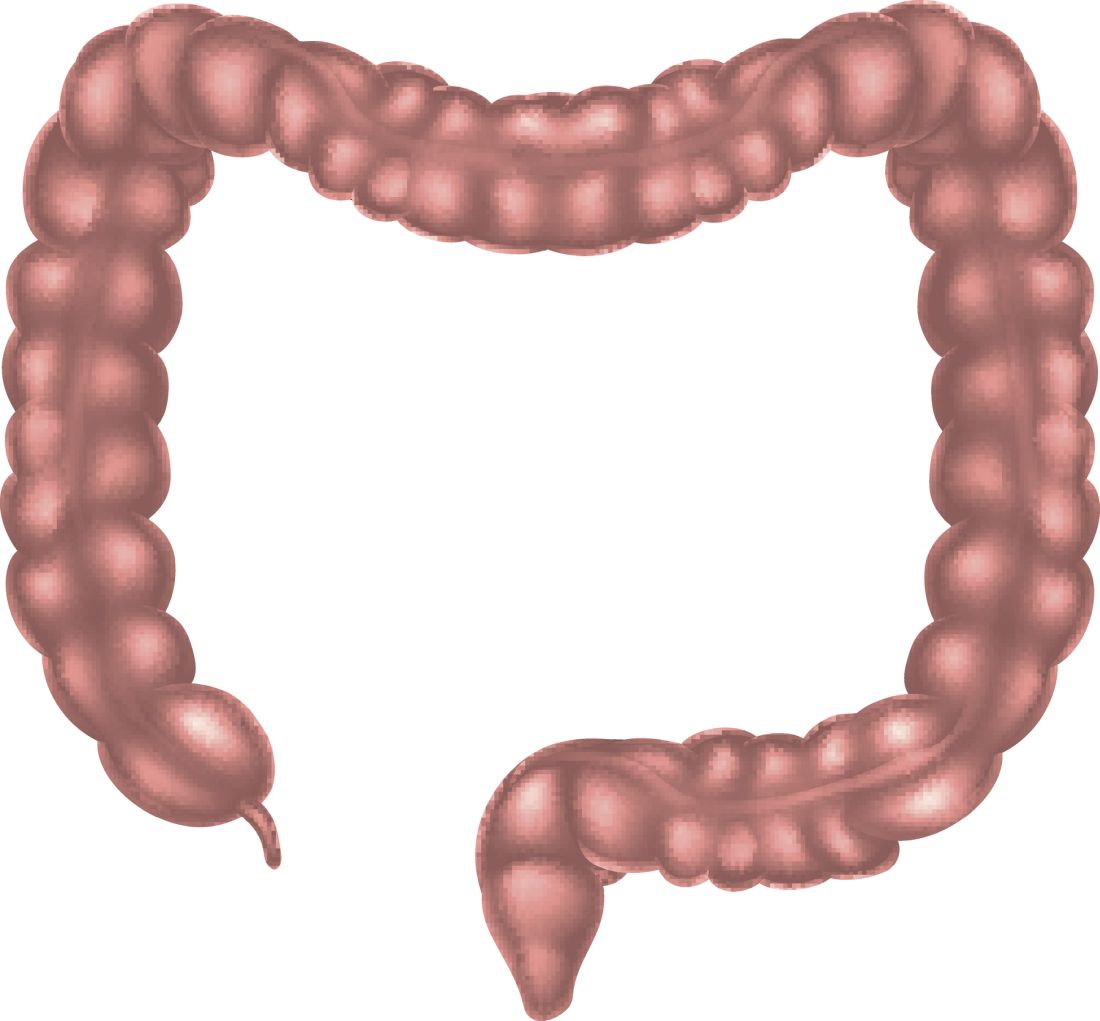
“In part, our limited therapeutic successes can be attributed to the disease heterogeneity of IBD: There is not one CD, nor a single UC phenotype,” therefore, a revision of the current systems based on better understanding of IBD is needed, the researchers said.
In a review article published in Gastroenterology, the researchers identified clinical features important to IBD heterogeneity, examined limitations of the current classifications, and proposed improvements.
Characterizing a complex condition
IBD diagnosis is challenging not only because of the overlapping phenotypes, but because other pathologies, including infections, can mimic IBD, the authors noted.
Age of onset should be considered in characterizing IBD, they wrote. Notably, patients with late-onset CD should be distinguished from elderly patients who have had CD for years. The authors cited research showing that “the development of IBD at extremes of age are specific sub-groups that require a different clinical recognition and clinical management,” and that large sample sizes and unbiased statistical methods are needed to define subgroups of IBD patients.
Current CD classification (the Montreal Classification) involves disease location, disease behavior, and age at diagnosis, and considers four phenotypes within disease location: involvement of the ileum, involvement of the colon, involvement of both the ileum and the colon, or isolated upper disease.* “Recently, there has been notable interest in the differential response rates among ileal predominant CD compared to colonic CD,” the authors wrote. Consequently, they proposed a revision of CD classification based on location. Genetic data appear to support this revision. In an IBD genotype-phenotype study including nearly 30,000 patients, three loci (NOD2, MHC, MST1 3p21) were strongly associated with disease location, they said. Other emerging evidence suggests that gut microbiota may vary according to disease location. The authors identified clinical aspects of CD classification based on disease location that distinguish small bowel predominant CD versus colonic predominant CD. Ileal disease patients have shown an increased risk for undergoing surgery, while those with colonic involvement have an increased risk for developing extraintestinal manifestations.
They also emphasized the value of considering rectal inflammation, which significantly impacts surgical procedures in CD.
Standard UC classification is based on macroscopic disease in the colon at the time of inflammation, the authors said. Although this approach allows for quick assessment of a patient’s risk of colectomy, the authors proposed improvements, including the use of serum biomarkers (C-reactive protein or erythrocyte sedimentation rate) to identify patients at highest risk for colectomy and colon cancer based on inflammation. The authors also suggested that patients with refractory proctitis be enrolled in UC clinical trials or in studies focusing on refractory proctitis in particular.
The pelvic pouch has become the most often performed surgical procedure for patients undergoing colectomy, but there is no agreement on classification of inflammatory pelvic pouch disorders, and studies of etiology and treatment are lacking, the authors noted. They advised a clinical assessment based on symptoms, including stool frequency, urgency, and incontinence. They also suggested that afferent limb ulcers of erosions should be classified separately from pouch inflammation.
The authors ended by noting that extraintestinal manifestations (EIMs) that occur in up to half of IBD patients may or may not be directly related to intestinal disease, and may represent a different phenotype, and the presence and type of EIM should be included in a revised IBD classification system, they said.
The authors emphasized that continuing to refer to IBD as only CD and UC “does a great disservice to our attempts to better understand IBD pathogenesis and to improve clinical patient management.”
They concluded: “Although revised clinical classification tools alone will not be sufficient and should be complemented by deeper and more detailed study into molecular subclassification of disease, the considerations here could be used as a springboard toward improved trial design, future translational research approaches and better treatment outcomes for patients.”
Review reflects complexity of IBD and challenges of change
The review is important at this time because of the growing recognition that IBD, while traditionally categorized as either UC or CD, is most likely composed of a range of heterogeneous conditions involving inflammation of the gastrointestinal tract, Jatin Roper, MD, of Duke University in Durham, N.C., said in an interview.
“Evidence that our current classification of IBD is suboptimal comes from both the wide range of clinical phenotypes as well as complexity in genetic markers that are associated with IBD,” he said. “It is well accepted in the gastroenterology community that IBD is a complex condition; so it is surprising to me that the dichotomy of UC vs. Crohn’s disease has rarely been challenged,” said Dr. Roper. “The authors of this review should be commended for raising the question of whether IBD deserves a more nuanced classification system that reflects the growing recognition of the wide heterogeneity of patient presentations and genetics,” he said.
“Challenging medical definitions is inherently difficult because patient diagnoses, treatment plans, as well as decades of clinical research have been based on well-accepted disease categories. Another major challenge in reclassification is that the course of IBD can vary greatly over time in the same patient in severity, range, and complexity, and potentially includes many disease subtypes noted by the authors of this review,” he added. “Therefore, I believe that the current system of dividing IBD in UC and CD is here to stay until subtypes based on mechanisms of disease pathogenesis are discovered.
“Additional research is needed to understand the molecular basis of IBD,” Dr. Roper emphasized. “Recent advances in RNA expression and proteomics at the single cell level may reveal distinct cell types or cell functions in tissues from IBD patients that may help us understand clinical phenotype or response to therapy.”
The study received no outside funding. The authors disclosed financial relationships with AbbVie, Biogen, Chiesi, Falk, Ferring, Galapagos, Janssen, MSD, Pfizer, R-Biopharm, Takeda, and Truvion. Dr. Roper had no financial conflicts to disclose.
Help your patients better understand their IBD treatment options by sharing AGA’s patient education, “Living with IBD,” in the AGA GI Patient Center at www.gastro.org/IBD.
*Correction, 4/11/22: An earlier version of this article misstated the Montreal Classification.
The current clinical classification tools for inflammatory bowel disease (IBD) are suboptimal, and revision beyond the broad categories of Crohn’s disease (CD) and ulcerative colitis (UC) could improve trial design, research, and ultimately patient outcomes, according to the authors of a recent review.
“Despite clear improvements in our understanding of disease biology and increasing treatment options, we still face an important therapeutic ceiling [in IBD],” wrote Bram Verstockt, MD, of University Hospitals Leuven, Belgium, and colleagues.
“In part, our limited therapeutic successes can be attributed to the disease heterogeneity of IBD: There is not one CD, nor a single UC phenotype,” therefore, a revision of the current systems based on better understanding of IBD is needed, the researchers said.
In a review article published in Gastroenterology, the researchers identified clinical features important to IBD heterogeneity, examined limitations of the current classifications, and proposed improvements.
Characterizing a complex condition
IBD diagnosis is challenging not only because of the overlapping phenotypes, but because other pathologies, including infections, can mimic IBD, the authors noted.
Age of onset should be considered in characterizing IBD, they wrote. Notably, patients with late-onset CD should be distinguished from elderly patients who have had CD for years. The authors cited research showing that “the development of IBD at extremes of age are specific sub-groups that require a different clinical recognition and clinical management,” and that large sample sizes and unbiased statistical methods are needed to define subgroups of IBD patients.
Current CD classification (the Montreal Classification) involves disease location, disease behavior, and age at diagnosis, and considers four phenotypes within disease location: involvement of the ileum, involvement of the colon, involvement of both the ileum and the colon, or isolated upper disease.* “Recently, there has been notable interest in the differential response rates among ileal predominant CD compared to colonic CD,” the authors wrote. Consequently, they proposed a revision of CD classification based on location. Genetic data appear to support this revision. In an IBD genotype-phenotype study including nearly 30,000 patients, three loci (NOD2, MHC, MST1 3p21) were strongly associated with disease location, they said. Other emerging evidence suggests that gut microbiota may vary according to disease location. The authors identified clinical aspects of CD classification based on disease location that distinguish small bowel predominant CD versus colonic predominant CD. Ileal disease patients have shown an increased risk for undergoing surgery, while those with colonic involvement have an increased risk for developing extraintestinal manifestations.
They also emphasized the value of considering rectal inflammation, which significantly impacts surgical procedures in CD.
Standard UC classification is based on macroscopic disease in the colon at the time of inflammation, the authors said. Although this approach allows for quick assessment of a patient’s risk of colectomy, the authors proposed improvements, including the use of serum biomarkers (C-reactive protein or erythrocyte sedimentation rate) to identify patients at highest risk for colectomy and colon cancer based on inflammation. The authors also suggested that patients with refractory proctitis be enrolled in UC clinical trials or in studies focusing on refractory proctitis in particular.
The pelvic pouch has become the most often performed surgical procedure for patients undergoing colectomy, but there is no agreement on classification of inflammatory pelvic pouch disorders, and studies of etiology and treatment are lacking, the authors noted. They advised a clinical assessment based on symptoms, including stool frequency, urgency, and incontinence. They also suggested that afferent limb ulcers of erosions should be classified separately from pouch inflammation.
The authors ended by noting that extraintestinal manifestations (EIMs) that occur in up to half of IBD patients may or may not be directly related to intestinal disease, and may represent a different phenotype, and the presence and type of EIM should be included in a revised IBD classification system, they said.
The authors emphasized that continuing to refer to IBD as only CD and UC “does a great disservice to our attempts to better understand IBD pathogenesis and to improve clinical patient management.”
They concluded: “Although revised clinical classification tools alone will not be sufficient and should be complemented by deeper and more detailed study into molecular subclassification of disease, the considerations here could be used as a springboard toward improved trial design, future translational research approaches and better treatment outcomes for patients.”
Review reflects complexity of IBD and challenges of change
The review is important at this time because of the growing recognition that IBD, while traditionally categorized as either UC or CD, is most likely composed of a range of heterogeneous conditions involving inflammation of the gastrointestinal tract, Jatin Roper, MD, of Duke University in Durham, N.C., said in an interview.
“Evidence that our current classification of IBD is suboptimal comes from both the wide range of clinical phenotypes as well as complexity in genetic markers that are associated with IBD,” he said. “It is well accepted in the gastroenterology community that IBD is a complex condition; so it is surprising to me that the dichotomy of UC vs. Crohn’s disease has rarely been challenged,” said Dr. Roper. “The authors of this review should be commended for raising the question of whether IBD deserves a more nuanced classification system that reflects the growing recognition of the wide heterogeneity of patient presentations and genetics,” he said.
“Challenging medical definitions is inherently difficult because patient diagnoses, treatment plans, as well as decades of clinical research have been based on well-accepted disease categories. Another major challenge in reclassification is that the course of IBD can vary greatly over time in the same patient in severity, range, and complexity, and potentially includes many disease subtypes noted by the authors of this review,” he added. “Therefore, I believe that the current system of dividing IBD in UC and CD is here to stay until subtypes based on mechanisms of disease pathogenesis are discovered.
“Additional research is needed to understand the molecular basis of IBD,” Dr. Roper emphasized. “Recent advances in RNA expression and proteomics at the single cell level may reveal distinct cell types or cell functions in tissues from IBD patients that may help us understand clinical phenotype or response to therapy.”
The study received no outside funding. The authors disclosed financial relationships with AbbVie, Biogen, Chiesi, Falk, Ferring, Galapagos, Janssen, MSD, Pfizer, R-Biopharm, Takeda, and Truvion. Dr. Roper had no financial conflicts to disclose.
Help your patients better understand their IBD treatment options by sharing AGA’s patient education, “Living with IBD,” in the AGA GI Patient Center at www.gastro.org/IBD.
*Correction, 4/11/22: An earlier version of this article misstated the Montreal Classification.
The current clinical classification tools for inflammatory bowel disease (IBD) are suboptimal, and revision beyond the broad categories of Crohn’s disease (CD) and ulcerative colitis (UC) could improve trial design, research, and ultimately patient outcomes, according to the authors of a recent review.
“Despite clear improvements in our understanding of disease biology and increasing treatment options, we still face an important therapeutic ceiling [in IBD],” wrote Bram Verstockt, MD, of University Hospitals Leuven, Belgium, and colleagues.
“In part, our limited therapeutic successes can be attributed to the disease heterogeneity of IBD: There is not one CD, nor a single UC phenotype,” therefore, a revision of the current systems based on better understanding of IBD is needed, the researchers said.
In a review article published in Gastroenterology, the researchers identified clinical features important to IBD heterogeneity, examined limitations of the current classifications, and proposed improvements.
Characterizing a complex condition
IBD diagnosis is challenging not only because of the overlapping phenotypes, but because other pathologies, including infections, can mimic IBD, the authors noted.
Age of onset should be considered in characterizing IBD, they wrote. Notably, patients with late-onset CD should be distinguished from elderly patients who have had CD for years. The authors cited research showing that “the development of IBD at extremes of age are specific sub-groups that require a different clinical recognition and clinical management,” and that large sample sizes and unbiased statistical methods are needed to define subgroups of IBD patients.
Current CD classification (the Montreal Classification) involves disease location, disease behavior, and age at diagnosis, and considers four phenotypes within disease location: involvement of the ileum, involvement of the colon, involvement of both the ileum and the colon, or isolated upper disease.* “Recently, there has been notable interest in the differential response rates among ileal predominant CD compared to colonic CD,” the authors wrote. Consequently, they proposed a revision of CD classification based on location. Genetic data appear to support this revision. In an IBD genotype-phenotype study including nearly 30,000 patients, three loci (NOD2, MHC, MST1 3p21) were strongly associated with disease location, they said. Other emerging evidence suggests that gut microbiota may vary according to disease location. The authors identified clinical aspects of CD classification based on disease location that distinguish small bowel predominant CD versus colonic predominant CD. Ileal disease patients have shown an increased risk for undergoing surgery, while those with colonic involvement have an increased risk for developing extraintestinal manifestations.
They also emphasized the value of considering rectal inflammation, which significantly impacts surgical procedures in CD.
Standard UC classification is based on macroscopic disease in the colon at the time of inflammation, the authors said. Although this approach allows for quick assessment of a patient’s risk of colectomy, the authors proposed improvements, including the use of serum biomarkers (C-reactive protein or erythrocyte sedimentation rate) to identify patients at highest risk for colectomy and colon cancer based on inflammation. The authors also suggested that patients with refractory proctitis be enrolled in UC clinical trials or in studies focusing on refractory proctitis in particular.
The pelvic pouch has become the most often performed surgical procedure for patients undergoing colectomy, but there is no agreement on classification of inflammatory pelvic pouch disorders, and studies of etiology and treatment are lacking, the authors noted. They advised a clinical assessment based on symptoms, including stool frequency, urgency, and incontinence. They also suggested that afferent limb ulcers of erosions should be classified separately from pouch inflammation.
The authors ended by noting that extraintestinal manifestations (EIMs) that occur in up to half of IBD patients may or may not be directly related to intestinal disease, and may represent a different phenotype, and the presence and type of EIM should be included in a revised IBD classification system, they said.
The authors emphasized that continuing to refer to IBD as only CD and UC “does a great disservice to our attempts to better understand IBD pathogenesis and to improve clinical patient management.”
They concluded: “Although revised clinical classification tools alone will not be sufficient and should be complemented by deeper and more detailed study into molecular subclassification of disease, the considerations here could be used as a springboard toward improved trial design, future translational research approaches and better treatment outcomes for patients.”
Review reflects complexity of IBD and challenges of change
The review is important at this time because of the growing recognition that IBD, while traditionally categorized as either UC or CD, is most likely composed of a range of heterogeneous conditions involving inflammation of the gastrointestinal tract, Jatin Roper, MD, of Duke University in Durham, N.C., said in an interview.
“Evidence that our current classification of IBD is suboptimal comes from both the wide range of clinical phenotypes as well as complexity in genetic markers that are associated with IBD,” he said. “It is well accepted in the gastroenterology community that IBD is a complex condition; so it is surprising to me that the dichotomy of UC vs. Crohn’s disease has rarely been challenged,” said Dr. Roper. “The authors of this review should be commended for raising the question of whether IBD deserves a more nuanced classification system that reflects the growing recognition of the wide heterogeneity of patient presentations and genetics,” he said.
“Challenging medical definitions is inherently difficult because patient diagnoses, treatment plans, as well as decades of clinical research have been based on well-accepted disease categories. Another major challenge in reclassification is that the course of IBD can vary greatly over time in the same patient in severity, range, and complexity, and potentially includes many disease subtypes noted by the authors of this review,” he added. “Therefore, I believe that the current system of dividing IBD in UC and CD is here to stay until subtypes based on mechanisms of disease pathogenesis are discovered.
“Additional research is needed to understand the molecular basis of IBD,” Dr. Roper emphasized. “Recent advances in RNA expression and proteomics at the single cell level may reveal distinct cell types or cell functions in tissues from IBD patients that may help us understand clinical phenotype or response to therapy.”
The study received no outside funding. The authors disclosed financial relationships with AbbVie, Biogen, Chiesi, Falk, Ferring, Galapagos, Janssen, MSD, Pfizer, R-Biopharm, Takeda, and Truvion. Dr. Roper had no financial conflicts to disclose.
Help your patients better understand their IBD treatment options by sharing AGA’s patient education, “Living with IBD,” in the AGA GI Patient Center at www.gastro.org/IBD.
*Correction, 4/11/22: An earlier version of this article misstated the Montreal Classification.
FROM GASTROENTEROLOGY
IBD classification needs an upgrade
The current clinical classification tools for inflammatory bowel disease (IBD) are suboptimal, and revision beyond the broad categories of Crohn’s disease (CD) and ulcerative colitis (UC) could improve trial design, research, and ultimately patient outcomes, according to the authors of a recent review.
“Despite clear improvements in our understanding of disease biology and increasing treatment options, we still face an important therapeutic ceiling [in IBD],” wrote Bram Verstockt, MD, of University Hospitals Leuven, Belgium, and colleagues.
“In part, our limited therapeutic successes can be attributed to the disease heterogeneity of IBD: There is not one CD, nor a single UC phenotype,” therefore, a revision of the current systems based on better understanding of IBD is needed, the researchers said.
In a review article published in Gastroenterology, the researchers identified clinical features important to IBD heterogeneity, examined limitations of the current classifications, and proposed improvements.
Characterizing a complex condition
IBD diagnosis is challenging not only because of the overlapping phenotypes, but because other pathologies, including infections, can mimic IBD, the authors noted.
Age of onset should be considered in characterizing IBD, they wrote. Notably, patients with late-onset CD should be distinguished from elderly patients who have had CD for years. The authors cited research showing that “the development of IBD at extremes of age are specific sub-groups that require a different clinical recognition and clinical management,” and that large sample sizes and unbiased statistical methods are needed to define subgroups of IBD patients.
Current CD classification (the Montreal Classification) involves disease location, disease behavior, and age at diagnosis, and considers four phenotypes within disease location: involvement of the ileum, involvement of the colon, involvement of both the ileum and the colon, or isolated upper disease.* “Recently, there has been notable interest in the differential response rates among ileal predominant CD compared to colonic CD,” the authors wrote. Consequently, they proposed a revision of CD classification based on location. Genetic data appear to support this revision. In an IBD genotype-phenotype study including nearly 30,000 patients, three loci (NOD2, MHC, MST1 3p21) were strongly associated with disease location, they said. Other emerging evidence suggests that gut microbiota may vary according to disease location. The authors identified clinical aspects of CD classification based on disease location that distinguish small bowel predominant CD versus colonic predominant CD. Ileal disease patients have shown an increased risk for undergoing surgery, while those with colonic involvement have an increased risk for developing extraintestinal manifestations.
They also emphasized the value of considering rectal inflammation, which significantly impacts surgical procedures in CD.
Standard UC classification is based on macroscopic disease in the colon at the time of inflammation, the authors said. Although this approach allows for quick assessment of a patient’s risk of colectomy, the authors proposed improvements, including the use of serum biomarkers (C-reactive protein or erythrocyte sedimentation rate) to identify patients at highest risk for colectomy and colon cancer based on inflammation. The authors also suggested that patients with refractory proctitis be enrolled in UC clinical trials or in studies focusing on refractory proctitis in particular.
The pelvic pouch has become the most often performed surgical procedure for patients undergoing colectomy, but there is no agreement on classification of inflammatory pelvic pouch disorders, and studies of etiology and treatment are lacking, the authors noted. They advised a clinical assessment based on symptoms, including stool frequency, urgency, and incontinence. They also suggested that afferent limb ulcers of erosions should be classified separately from pouch inflammation.
The authors ended by noting that extraintestinal manifestations (EIMs) that occur in up to half of IBD patients may or may not be directly related to intestinal disease, and may represent a different phenotype, and the presence and type of EIM should be included in a revised IBD classification system, they said.
The authors emphasized that continuing to refer to IBD as only CD and UC “does a great disservice to our attempts to better understand IBD pathogenesis and to improve clinical patient management.”
They concluded: “Although revised clinical classification tools alone will not be sufficient and should be complemented by deeper and more detailed study into molecular subclassification of disease, the considerations here could be used as a springboard toward improved trial design, future translational research approaches and better treatment outcomes for patients.”
Review reflects complexity of IBD and challenges of change
The review is important at this time because of the growing recognition that IBD, while traditionally categorized as either UC or CD, is most likely composed of a range of heterogeneous conditions involving inflammation of the gastrointestinal tract, Jatin Roper, MD, of Duke University in Durham, N.C., said in an interview.
“Evidence that our current classification of IBD is suboptimal comes from both the wide range of clinical phenotypes as well as complexity in genetic markers that are associated with IBD,” he said. “It is well accepted in the gastroenterology community that IBD is a complex condition; so it is surprising to me that the dichotomy of UC vs. Crohn’s disease has rarely been challenged,” said Dr. Roper. “The authors of this review should be commended for raising the question of whether IBD deserves a more nuanced classification system that reflects the growing recognition of the wide heterogeneity of patient presentations and genetics,” he said.
“Challenging medical definitions is inherently difficult because patient diagnoses, treatment plans, as well as decades of clinical research have been based on well-accepted disease categories. Another major challenge in reclassification is that the course of IBD can vary greatly over time in the same patient in severity, range, and complexity, and potentially includes many disease subtypes noted by the authors of this review,” he added. “Therefore, I believe that the current system of dividing IBD in UC and CD is here to stay until subtypes based on mechanisms of disease pathogenesis are discovered.
“Additional research is needed to understand the molecular basis of IBD,” Dr. Roper emphasized. “Recent advances in RNA expression and proteomics at the single cell level may reveal distinct cell types or cell functions in tissues from IBD patients that may help us understand clinical phenotype or response to therapy.”
The study received no outside funding. The authors disclosed financial relationships with AbbVie, Biogen, Chiesi, Falk, Ferring, Galapagos, Janssen, MSD, Pfizer, R-Biopharm, Takeda, and Truvion. Dr. Roper had no financial conflicts to disclose.
Correction, 4/13/22: An earlier version of this article misstated the Montreal Classification.
The current clinical classification tools for inflammatory bowel disease (IBD) are suboptimal, and revision beyond the broad categories of Crohn’s disease (CD) and ulcerative colitis (UC) could improve trial design, research, and ultimately patient outcomes, according to the authors of a recent review.
“Despite clear improvements in our understanding of disease biology and increasing treatment options, we still face an important therapeutic ceiling [in IBD],” wrote Bram Verstockt, MD, of University Hospitals Leuven, Belgium, and colleagues.
“In part, our limited therapeutic successes can be attributed to the disease heterogeneity of IBD: There is not one CD, nor a single UC phenotype,” therefore, a revision of the current systems based on better understanding of IBD is needed, the researchers said.
In a review article published in Gastroenterology, the researchers identified clinical features important to IBD heterogeneity, examined limitations of the current classifications, and proposed improvements.
Characterizing a complex condition
IBD diagnosis is challenging not only because of the overlapping phenotypes, but because other pathologies, including infections, can mimic IBD, the authors noted.
Age of onset should be considered in characterizing IBD, they wrote. Notably, patients with late-onset CD should be distinguished from elderly patients who have had CD for years. The authors cited research showing that “the development of IBD at extremes of age are specific sub-groups that require a different clinical recognition and clinical management,” and that large sample sizes and unbiased statistical methods are needed to define subgroups of IBD patients.
Current CD classification (the Montreal Classification) involves disease location, disease behavior, and age at diagnosis, and considers four phenotypes within disease location: involvement of the ileum, involvement of the colon, involvement of both the ileum and the colon, or isolated upper disease.* “Recently, there has been notable interest in the differential response rates among ileal predominant CD compared to colonic CD,” the authors wrote. Consequently, they proposed a revision of CD classification based on location. Genetic data appear to support this revision. In an IBD genotype-phenotype study including nearly 30,000 patients, three loci (NOD2, MHC, MST1 3p21) were strongly associated with disease location, they said. Other emerging evidence suggests that gut microbiota may vary according to disease location. The authors identified clinical aspects of CD classification based on disease location that distinguish small bowel predominant CD versus colonic predominant CD. Ileal disease patients have shown an increased risk for undergoing surgery, while those with colonic involvement have an increased risk for developing extraintestinal manifestations.
They also emphasized the value of considering rectal inflammation, which significantly impacts surgical procedures in CD.
Standard UC classification is based on macroscopic disease in the colon at the time of inflammation, the authors said. Although this approach allows for quick assessment of a patient’s risk of colectomy, the authors proposed improvements, including the use of serum biomarkers (C-reactive protein or erythrocyte sedimentation rate) to identify patients at highest risk for colectomy and colon cancer based on inflammation. The authors also suggested that patients with refractory proctitis be enrolled in UC clinical trials or in studies focusing on refractory proctitis in particular.
The pelvic pouch has become the most often performed surgical procedure for patients undergoing colectomy, but there is no agreement on classification of inflammatory pelvic pouch disorders, and studies of etiology and treatment are lacking, the authors noted. They advised a clinical assessment based on symptoms, including stool frequency, urgency, and incontinence. They also suggested that afferent limb ulcers of erosions should be classified separately from pouch inflammation.
The authors ended by noting that extraintestinal manifestations (EIMs) that occur in up to half of IBD patients may or may not be directly related to intestinal disease, and may represent a different phenotype, and the presence and type of EIM should be included in a revised IBD classification system, they said.
The authors emphasized that continuing to refer to IBD as only CD and UC “does a great disservice to our attempts to better understand IBD pathogenesis and to improve clinical patient management.”
They concluded: “Although revised clinical classification tools alone will not be sufficient and should be complemented by deeper and more detailed study into molecular subclassification of disease, the considerations here could be used as a springboard toward improved trial design, future translational research approaches and better treatment outcomes for patients.”
Review reflects complexity of IBD and challenges of change
The review is important at this time because of the growing recognition that IBD, while traditionally categorized as either UC or CD, is most likely composed of a range of heterogeneous conditions involving inflammation of the gastrointestinal tract, Jatin Roper, MD, of Duke University in Durham, N.C., said in an interview.
“Evidence that our current classification of IBD is suboptimal comes from both the wide range of clinical phenotypes as well as complexity in genetic markers that are associated with IBD,” he said. “It is well accepted in the gastroenterology community that IBD is a complex condition; so it is surprising to me that the dichotomy of UC vs. Crohn’s disease has rarely been challenged,” said Dr. Roper. “The authors of this review should be commended for raising the question of whether IBD deserves a more nuanced classification system that reflects the growing recognition of the wide heterogeneity of patient presentations and genetics,” he said.
“Challenging medical definitions is inherently difficult because patient diagnoses, treatment plans, as well as decades of clinical research have been based on well-accepted disease categories. Another major challenge in reclassification is that the course of IBD can vary greatly over time in the same patient in severity, range, and complexity, and potentially includes many disease subtypes noted by the authors of this review,” he added. “Therefore, I believe that the current system of dividing IBD in UC and CD is here to stay until subtypes based on mechanisms of disease pathogenesis are discovered.
“Additional research is needed to understand the molecular basis of IBD,” Dr. Roper emphasized. “Recent advances in RNA expression and proteomics at the single cell level may reveal distinct cell types or cell functions in tissues from IBD patients that may help us understand clinical phenotype or response to therapy.”
The study received no outside funding. The authors disclosed financial relationships with AbbVie, Biogen, Chiesi, Falk, Ferring, Galapagos, Janssen, MSD, Pfizer, R-Biopharm, Takeda, and Truvion. Dr. Roper had no financial conflicts to disclose.
Correction, 4/13/22: An earlier version of this article misstated the Montreal Classification.
The current clinical classification tools for inflammatory bowel disease (IBD) are suboptimal, and revision beyond the broad categories of Crohn’s disease (CD) and ulcerative colitis (UC) could improve trial design, research, and ultimately patient outcomes, according to the authors of a recent review.
“Despite clear improvements in our understanding of disease biology and increasing treatment options, we still face an important therapeutic ceiling [in IBD],” wrote Bram Verstockt, MD, of University Hospitals Leuven, Belgium, and colleagues.
“In part, our limited therapeutic successes can be attributed to the disease heterogeneity of IBD: There is not one CD, nor a single UC phenotype,” therefore, a revision of the current systems based on better understanding of IBD is needed, the researchers said.
In a review article published in Gastroenterology, the researchers identified clinical features important to IBD heterogeneity, examined limitations of the current classifications, and proposed improvements.
Characterizing a complex condition
IBD diagnosis is challenging not only because of the overlapping phenotypes, but because other pathologies, including infections, can mimic IBD, the authors noted.
Age of onset should be considered in characterizing IBD, they wrote. Notably, patients with late-onset CD should be distinguished from elderly patients who have had CD for years. The authors cited research showing that “the development of IBD at extremes of age are specific sub-groups that require a different clinical recognition and clinical management,” and that large sample sizes and unbiased statistical methods are needed to define subgroups of IBD patients.
Current CD classification (the Montreal Classification) involves disease location, disease behavior, and age at diagnosis, and considers four phenotypes within disease location: involvement of the ileum, involvement of the colon, involvement of both the ileum and the colon, or isolated upper disease.* “Recently, there has been notable interest in the differential response rates among ileal predominant CD compared to colonic CD,” the authors wrote. Consequently, they proposed a revision of CD classification based on location. Genetic data appear to support this revision. In an IBD genotype-phenotype study including nearly 30,000 patients, three loci (NOD2, MHC, MST1 3p21) were strongly associated with disease location, they said. Other emerging evidence suggests that gut microbiota may vary according to disease location. The authors identified clinical aspects of CD classification based on disease location that distinguish small bowel predominant CD versus colonic predominant CD. Ileal disease patients have shown an increased risk for undergoing surgery, while those with colonic involvement have an increased risk for developing extraintestinal manifestations.
They also emphasized the value of considering rectal inflammation, which significantly impacts surgical procedures in CD.
Standard UC classification is based on macroscopic disease in the colon at the time of inflammation, the authors said. Although this approach allows for quick assessment of a patient’s risk of colectomy, the authors proposed improvements, including the use of serum biomarkers (C-reactive protein or erythrocyte sedimentation rate) to identify patients at highest risk for colectomy and colon cancer based on inflammation. The authors also suggested that patients with refractory proctitis be enrolled in UC clinical trials or in studies focusing on refractory proctitis in particular.
The pelvic pouch has become the most often performed surgical procedure for patients undergoing colectomy, but there is no agreement on classification of inflammatory pelvic pouch disorders, and studies of etiology and treatment are lacking, the authors noted. They advised a clinical assessment based on symptoms, including stool frequency, urgency, and incontinence. They also suggested that afferent limb ulcers of erosions should be classified separately from pouch inflammation.
The authors ended by noting that extraintestinal manifestations (EIMs) that occur in up to half of IBD patients may or may not be directly related to intestinal disease, and may represent a different phenotype, and the presence and type of EIM should be included in a revised IBD classification system, they said.
The authors emphasized that continuing to refer to IBD as only CD and UC “does a great disservice to our attempts to better understand IBD pathogenesis and to improve clinical patient management.”
They concluded: “Although revised clinical classification tools alone will not be sufficient and should be complemented by deeper and more detailed study into molecular subclassification of disease, the considerations here could be used as a springboard toward improved trial design, future translational research approaches and better treatment outcomes for patients.”
Review reflects complexity of IBD and challenges of change
The review is important at this time because of the growing recognition that IBD, while traditionally categorized as either UC or CD, is most likely composed of a range of heterogeneous conditions involving inflammation of the gastrointestinal tract, Jatin Roper, MD, of Duke University in Durham, N.C., said in an interview.
“Evidence that our current classification of IBD is suboptimal comes from both the wide range of clinical phenotypes as well as complexity in genetic markers that are associated with IBD,” he said. “It is well accepted in the gastroenterology community that IBD is a complex condition; so it is surprising to me that the dichotomy of UC vs. Crohn’s disease has rarely been challenged,” said Dr. Roper. “The authors of this review should be commended for raising the question of whether IBD deserves a more nuanced classification system that reflects the growing recognition of the wide heterogeneity of patient presentations and genetics,” he said.
“Challenging medical definitions is inherently difficult because patient diagnoses, treatment plans, as well as decades of clinical research have been based on well-accepted disease categories. Another major challenge in reclassification is that the course of IBD can vary greatly over time in the same patient in severity, range, and complexity, and potentially includes many disease subtypes noted by the authors of this review,” he added. “Therefore, I believe that the current system of dividing IBD in UC and CD is here to stay until subtypes based on mechanisms of disease pathogenesis are discovered.
“Additional research is needed to understand the molecular basis of IBD,” Dr. Roper emphasized. “Recent advances in RNA expression and proteomics at the single cell level may reveal distinct cell types or cell functions in tissues from IBD patients that may help us understand clinical phenotype or response to therapy.”
The study received no outside funding. The authors disclosed financial relationships with AbbVie, Biogen, Chiesi, Falk, Ferring, Galapagos, Janssen, MSD, Pfizer, R-Biopharm, Takeda, and Truvion. Dr. Roper had no financial conflicts to disclose.
Correction, 4/13/22: An earlier version of this article misstated the Montreal Classification.
FROM GASTROENTEROLOGY