User login
Lucas Franki is an associate editor for MDedge News, and has been with the company since 2014. He has a BA in English from Penn State University and is an Eagle Scout.
LAIV no better than IIV for influenza protection in children
Live attenuated influenza vaccine (LAIV) was no more effective than inactivated influenza vaccine (IIV) in small, compact, rural communities, according to Mark Loeb, MD, and his associates.
For the study, vaccinations were given to children aged 36 months to 15 years living in Hutterite colonies in Canada. Hutterite colonies are isolated, their residents live communally, and influenza is prevalent, making them suited for this cluster randomized trial.
Of the 1,186 children included in the study, mean coverage was 76.7% in the LAIV group, compared with 72.4% in the IIV group. Incidence of influenza was 5.3% in the LAIV group and 5.2% in the IIV group. Compared to IIV, the hazard ratio for LAIV for influenza A or B was 1.03.
Children vaccinated with LAIV were at a higher risk for influenza A (hazard ratio, 1.62), but were at lower risk for influenza B (HR, 0.66). Influenza attack rates were similar in children younger and older than 6 years old. Adverse reactions were more likely in the IIV group than in the LAIV group, but no serious adverse events were reported.
“Although influenza transmission networks in Hutterite communities may differ from that in other communities, there are no data to confirm this. In fact, there may be more variability in social networks between urban and rural communities – or even among various urban communities – than between Hutterite and other (rural) communities. Even if variability exists, if a clear benefit of LAIV over IIV in reducing influenza-associated illness cannot be detected in this setting it is unlikely to be seen in other communities,” the investigators noted.
Find the full study in Annals of Internal Medicine (doi: 10.7326/M16-0513).
Live attenuated influenza vaccine (LAIV) was no more effective than inactivated influenza vaccine (IIV) in small, compact, rural communities, according to Mark Loeb, MD, and his associates.
For the study, vaccinations were given to children aged 36 months to 15 years living in Hutterite colonies in Canada. Hutterite colonies are isolated, their residents live communally, and influenza is prevalent, making them suited for this cluster randomized trial.
Of the 1,186 children included in the study, mean coverage was 76.7% in the LAIV group, compared with 72.4% in the IIV group. Incidence of influenza was 5.3% in the LAIV group and 5.2% in the IIV group. Compared to IIV, the hazard ratio for LAIV for influenza A or B was 1.03.
Children vaccinated with LAIV were at a higher risk for influenza A (hazard ratio, 1.62), but were at lower risk for influenza B (HR, 0.66). Influenza attack rates were similar in children younger and older than 6 years old. Adverse reactions were more likely in the IIV group than in the LAIV group, but no serious adverse events were reported.
“Although influenza transmission networks in Hutterite communities may differ from that in other communities, there are no data to confirm this. In fact, there may be more variability in social networks between urban and rural communities – or even among various urban communities – than between Hutterite and other (rural) communities. Even if variability exists, if a clear benefit of LAIV over IIV in reducing influenza-associated illness cannot be detected in this setting it is unlikely to be seen in other communities,” the investigators noted.
Find the full study in Annals of Internal Medicine (doi: 10.7326/M16-0513).
Live attenuated influenza vaccine (LAIV) was no more effective than inactivated influenza vaccine (IIV) in small, compact, rural communities, according to Mark Loeb, MD, and his associates.
For the study, vaccinations were given to children aged 36 months to 15 years living in Hutterite colonies in Canada. Hutterite colonies are isolated, their residents live communally, and influenza is prevalent, making them suited for this cluster randomized trial.
Of the 1,186 children included in the study, mean coverage was 76.7% in the LAIV group, compared with 72.4% in the IIV group. Incidence of influenza was 5.3% in the LAIV group and 5.2% in the IIV group. Compared to IIV, the hazard ratio for LAIV for influenza A or B was 1.03.
Children vaccinated with LAIV were at a higher risk for influenza A (hazard ratio, 1.62), but were at lower risk for influenza B (HR, 0.66). Influenza attack rates were similar in children younger and older than 6 years old. Adverse reactions were more likely in the IIV group than in the LAIV group, but no serious adverse events were reported.
“Although influenza transmission networks in Hutterite communities may differ from that in other communities, there are no data to confirm this. In fact, there may be more variability in social networks between urban and rural communities – or even among various urban communities – than between Hutterite and other (rural) communities. Even if variability exists, if a clear benefit of LAIV over IIV in reducing influenza-associated illness cannot be detected in this setting it is unlikely to be seen in other communities,” the investigators noted.
Find the full study in Annals of Internal Medicine (doi: 10.7326/M16-0513).
FROM ANNALS OF INTERNAL MEDICINE
More countries report cVDPV in 2015-2016, but fewer cases overall
Incidence of circulating vaccine-derived poliovirus (cVDPV ) decreased during the period from January 2015 to May 2016, but cases were reported in a larger number of countries, according to a report from the Centers for Disease Control and Prevention.
Seven countries reported cases of cVDPV, up from four during the previous reporting period. Seven cases were reported in Guinea, 11 in Laos, 10 in Madagascar, 2 in Myanmar, 1 in Nigeria, 2 in Pakistan, and 2 cases were reported in the Ukraine. Case incidence in Nigeria and Pakistan was significantly less than in the previous reporting period.
Immunodeficiency-associated VDPVs were reported in 21 countries during the study period, up from 8 countries in 2014; however, this was due to a newly implemented intensive surveillance program. Ambiguous VDPVs were reported in 19 countries.
“The expansion of environmental surveillance in countries at high risk has increased the sensitivity of poliovirus detection. However, detection of polioviruses from sewage presents logistical and technical challenges, including determination of VDPV genetic signatures. Determination of epidemiologic linkages from sequence data in environmental isolates represents an additional challenge,” the CDC investigators said.
Find the full report in Morbidity and Mortality Weekly Report (doi: 10.15585/mmwr.mm6530a3).
Incidence of circulating vaccine-derived poliovirus (cVDPV ) decreased during the period from January 2015 to May 2016, but cases were reported in a larger number of countries, according to a report from the Centers for Disease Control and Prevention.
Seven countries reported cases of cVDPV, up from four during the previous reporting period. Seven cases were reported in Guinea, 11 in Laos, 10 in Madagascar, 2 in Myanmar, 1 in Nigeria, 2 in Pakistan, and 2 cases were reported in the Ukraine. Case incidence in Nigeria and Pakistan was significantly less than in the previous reporting period.
Immunodeficiency-associated VDPVs were reported in 21 countries during the study period, up from 8 countries in 2014; however, this was due to a newly implemented intensive surveillance program. Ambiguous VDPVs were reported in 19 countries.
“The expansion of environmental surveillance in countries at high risk has increased the sensitivity of poliovirus detection. However, detection of polioviruses from sewage presents logistical and technical challenges, including determination of VDPV genetic signatures. Determination of epidemiologic linkages from sequence data in environmental isolates represents an additional challenge,” the CDC investigators said.
Find the full report in Morbidity and Mortality Weekly Report (doi: 10.15585/mmwr.mm6530a3).
Incidence of circulating vaccine-derived poliovirus (cVDPV ) decreased during the period from January 2015 to May 2016, but cases were reported in a larger number of countries, according to a report from the Centers for Disease Control and Prevention.
Seven countries reported cases of cVDPV, up from four during the previous reporting period. Seven cases were reported in Guinea, 11 in Laos, 10 in Madagascar, 2 in Myanmar, 1 in Nigeria, 2 in Pakistan, and 2 cases were reported in the Ukraine. Case incidence in Nigeria and Pakistan was significantly less than in the previous reporting period.
Immunodeficiency-associated VDPVs were reported in 21 countries during the study period, up from 8 countries in 2014; however, this was due to a newly implemented intensive surveillance program. Ambiguous VDPVs were reported in 19 countries.
“The expansion of environmental surveillance in countries at high risk has increased the sensitivity of poliovirus detection. However, detection of polioviruses from sewage presents logistical and technical challenges, including determination of VDPV genetic signatures. Determination of epidemiologic linkages from sequence data in environmental isolates represents an additional challenge,” the CDC investigators said.
Find the full report in Morbidity and Mortality Weekly Report (doi: 10.15585/mmwr.mm6530a3).
FROM MMWR
West Nile testing underutilized in endemic areas
Testing for West Nile virus (WNV) is underutilized in areas where the disease is endemic, according to Jakapat Vanichanan, MD, and his associates.
In a sample of 751 patients admitted to Houston hospitals for meningitis or encephalitis, 390 patients experienced onset of symptoms during the WNV peak season between June and October, but only 281 of the 751 patients received WNV testing. Of the 281 patients tested for WNV, 32 were diagnosed with acute infection.

Patients tested for WNV were more likely to have acute focal neurologic deficits, be of older age, require an MRI, be prescribed antiviral therapy, have worse clinical outcomes, and experience concomitant testing for mycobacterial, fungal, or other viral infections. Of the 32 patients diagnosed with WNV, 16 were admitted with meningitis and 16 were admitted with encephalitis.
“Although supportive treatment remains the standard of care for patients with WNND [West Nile neuroinvasive diseases], performing appropriate WNV testing may yield several benefits. An accurate diagnosis more precisely defines disease burden and epidemiology, an ongoing surveillance deficiency. Moreover, identifying WNV may lead to early detection of long-term neurologic and neurocognitive sequelae after WNND and thus enable earlier intervention,” the investigators said.
Find the full study in Emerging Infectious Diseases (doi: 10.3201/eid2209.152050).
Testing for West Nile virus (WNV) is underutilized in areas where the disease is endemic, according to Jakapat Vanichanan, MD, and his associates.
In a sample of 751 patients admitted to Houston hospitals for meningitis or encephalitis, 390 patients experienced onset of symptoms during the WNV peak season between June and October, but only 281 of the 751 patients received WNV testing. Of the 281 patients tested for WNV, 32 were diagnosed with acute infection.
Patients tested for WNV were more likely to have acute focal neurologic deficits, be of older age, require an MRI, be prescribed antiviral therapy, have worse clinical outcomes, and experience concomitant testing for mycobacterial, fungal, or other viral infections. Of the 32 patients diagnosed with WNV, 16 were admitted with meningitis and 16 were admitted with encephalitis.
“Although supportive treatment remains the standard of care for patients with WNND [West Nile neuroinvasive diseases], performing appropriate WNV testing may yield several benefits. An accurate diagnosis more precisely defines disease burden and epidemiology, an ongoing surveillance deficiency. Moreover, identifying WNV may lead to early detection of long-term neurologic and neurocognitive sequelae after WNND and thus enable earlier intervention,” the investigators said.
Find the full study in Emerging Infectious Diseases (doi: 10.3201/eid2209.152050).
Testing for West Nile virus (WNV) is underutilized in areas where the disease is endemic, according to Jakapat Vanichanan, MD, and his associates.
In a sample of 751 patients admitted to Houston hospitals for meningitis or encephalitis, 390 patients experienced onset of symptoms during the WNV peak season between June and October, but only 281 of the 751 patients received WNV testing. Of the 281 patients tested for WNV, 32 were diagnosed with acute infection.
Patients tested for WNV were more likely to have acute focal neurologic deficits, be of older age, require an MRI, be prescribed antiviral therapy, have worse clinical outcomes, and experience concomitant testing for mycobacterial, fungal, or other viral infections. Of the 32 patients diagnosed with WNV, 16 were admitted with meningitis and 16 were admitted with encephalitis.
“Although supportive treatment remains the standard of care for patients with WNND [West Nile neuroinvasive diseases], performing appropriate WNV testing may yield several benefits. An accurate diagnosis more precisely defines disease burden and epidemiology, an ongoing surveillance deficiency. Moreover, identifying WNV may lead to early detection of long-term neurologic and neurocognitive sequelae after WNND and thus enable earlier intervention,” the investigators said.
Find the full study in Emerging Infectious Diseases (doi: 10.3201/eid2209.152050).
FROM EMERGING INFECTIOUS DISEASES

HPV vaccination provides protection for immunocompromised children
A quadrivalent human papillomavirus vaccine provided adequate seroconversion response rates in immunocompromised children, according to Dr. C. Raina MacIntyre, MBBS, PhD, and her associates.
In a clinical trial of 59 immunocompromised children aged 5-18, seroconversion rates for HPV types 6, 11, 16, and 18 were 93.3%, 100%, 100%, and 88.9%, respectively, 7 months after receiving the first dose of vaccine. After 2 years, seroconversion rates for HPV types 6, 11, 16, and 18 were 82.2%, 91.1%, 91.1%, and 68.9%, respectively.
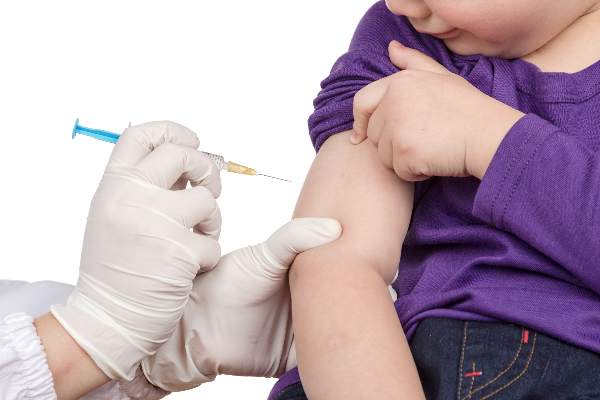
Local adverse events occurred in 16 patients after the first dose, but incidence decreased after the second and third doses. Injection site erythema, pain, and swelling were the most commonly reported adverse events. Minor disease flare occurred in two patients during the follow-up period, and one patient developed a squamous cell oral carcinoma, but the tumor could not be tested for HPV.
The data suggest “that HPV vaccine could be given earlier for immunosuppressed children, who are at higher risk of earlier onset cancers, but long-term follow-up studies are required to determine persistence of immunity,” the investigators said.
Find the full study in Vaccine (doi: 10.1016/j.vaccine.2016.06.049).
A quadrivalent human papillomavirus vaccine provided adequate seroconversion response rates in immunocompromised children, according to Dr. C. Raina MacIntyre, MBBS, PhD, and her associates.
In a clinical trial of 59 immunocompromised children aged 5-18, seroconversion rates for HPV types 6, 11, 16, and 18 were 93.3%, 100%, 100%, and 88.9%, respectively, 7 months after receiving the first dose of vaccine. After 2 years, seroconversion rates for HPV types 6, 11, 16, and 18 were 82.2%, 91.1%, 91.1%, and 68.9%, respectively.
Local adverse events occurred in 16 patients after the first dose, but incidence decreased after the second and third doses. Injection site erythema, pain, and swelling were the most commonly reported adverse events. Minor disease flare occurred in two patients during the follow-up period, and one patient developed a squamous cell oral carcinoma, but the tumor could not be tested for HPV.
The data suggest “that HPV vaccine could be given earlier for immunosuppressed children, who are at higher risk of earlier onset cancers, but long-term follow-up studies are required to determine persistence of immunity,” the investigators said.
Find the full study in Vaccine (doi: 10.1016/j.vaccine.2016.06.049).
A quadrivalent human papillomavirus vaccine provided adequate seroconversion response rates in immunocompromised children, according to Dr. C. Raina MacIntyre, MBBS, PhD, and her associates.
In a clinical trial of 59 immunocompromised children aged 5-18, seroconversion rates for HPV types 6, 11, 16, and 18 were 93.3%, 100%, 100%, and 88.9%, respectively, 7 months after receiving the first dose of vaccine. After 2 years, seroconversion rates for HPV types 6, 11, 16, and 18 were 82.2%, 91.1%, 91.1%, and 68.9%, respectively.
Local adverse events occurred in 16 patients after the first dose, but incidence decreased after the second and third doses. Injection site erythema, pain, and swelling were the most commonly reported adverse events. Minor disease flare occurred in two patients during the follow-up period, and one patient developed a squamous cell oral carcinoma, but the tumor could not be tested for HPV.
The data suggest “that HPV vaccine could be given earlier for immunosuppressed children, who are at higher risk of earlier onset cancers, but long-term follow-up studies are required to determine persistence of immunity,” the investigators said.
Find the full study in Vaccine (doi: 10.1016/j.vaccine.2016.06.049).
FROM VACCINE
Psychotropic drug use more likely with ASD diagnosis at older age
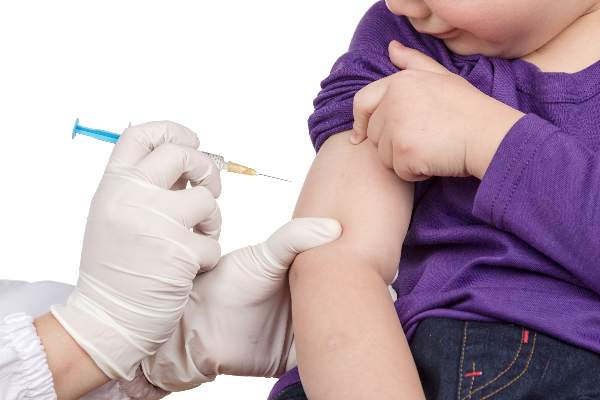
Older age at the time of autism spectrum disorder diagnosis was associated with a higher likelihood of psychotropic medication in children aged 6-11, according to Katharine Zuckerman, MD, and her associates.
The mean age at diagnosis for the 722 children included in the study was 4.4 years, with a mean diagnostic delay of 2.2 years. The adjusted odds ratio for psychotropic drug use in children who were diagnosed with autism spectrum disorder (ASD) after the age of 4 was 3.09, compared with children diagnosed before the age of 4. Children diagnosed at a later age were less likely to receive behavioral intervention (BI) therapy (adjusted odds ratio = 0.44), complementary and alternative medicine (aOR = 0.63), and school-based therapy (aOR = 0.38).

Children who experienced at least 2 years of delay before diagnosis were also significantly more likely to use psychotropic drugs (aOR = 1.77), and less likely to receive BI therapy (aOR = 0.54) and school-based therapy (aOR = 0.59). However, a delay of at least 2 years was associated with a greater chance of receiving complementary and alternative medicine (aOR = 2.81).
“Results suggest that if long-term ASD therapy use is a priority, payers and policymakers may need to proactively accelerate diagnosis by incentivizing screening or enhancing case management of children at high risk of diagnostic delays. From a population standpoint, as children receive earlier ASD diagnoses, payers may expect changes in service use patterns toward more therapy use and less pharmacology,” the investigators wrote.
Find the full study online in Psychiatric Services (doi:10.1176/appi.ps.201500549).
Older age at the time of autism spectrum disorder diagnosis was associated with a higher likelihood of psychotropic medication in children aged 6-11, according to Katharine Zuckerman, MD, and her associates.
The mean age at diagnosis for the 722 children included in the study was 4.4 years, with a mean diagnostic delay of 2.2 years. The adjusted odds ratio for psychotropic drug use in children who were diagnosed with autism spectrum disorder (ASD) after the age of 4 was 3.09, compared with children diagnosed before the age of 4. Children diagnosed at a later age were less likely to receive behavioral intervention (BI) therapy (adjusted odds ratio = 0.44), complementary and alternative medicine (aOR = 0.63), and school-based therapy (aOR = 0.38).
Children who experienced at least 2 years of delay before diagnosis were also significantly more likely to use psychotropic drugs (aOR = 1.77), and less likely to receive BI therapy (aOR = 0.54) and school-based therapy (aOR = 0.59). However, a delay of at least 2 years was associated with a greater chance of receiving complementary and alternative medicine (aOR = 2.81).
“Results suggest that if long-term ASD therapy use is a priority, payers and policymakers may need to proactively accelerate diagnosis by incentivizing screening or enhancing case management of children at high risk of diagnostic delays. From a population standpoint, as children receive earlier ASD diagnoses, payers may expect changes in service use patterns toward more therapy use and less pharmacology,” the investigators wrote.
Find the full study online in Psychiatric Services (doi:10.1176/appi.ps.201500549).
Older age at the time of autism spectrum disorder diagnosis was associated with a higher likelihood of psychotropic medication in children aged 6-11, according to Katharine Zuckerman, MD, and her associates.
The mean age at diagnosis for the 722 children included in the study was 4.4 years, with a mean diagnostic delay of 2.2 years. The adjusted odds ratio for psychotropic drug use in children who were diagnosed with autism spectrum disorder (ASD) after the age of 4 was 3.09, compared with children diagnosed before the age of 4. Children diagnosed at a later age were less likely to receive behavioral intervention (BI) therapy (adjusted odds ratio = 0.44), complementary and alternative medicine (aOR = 0.63), and school-based therapy (aOR = 0.38).
Children who experienced at least 2 years of delay before diagnosis were also significantly more likely to use psychotropic drugs (aOR = 1.77), and less likely to receive BI therapy (aOR = 0.54) and school-based therapy (aOR = 0.59). However, a delay of at least 2 years was associated with a greater chance of receiving complementary and alternative medicine (aOR = 2.81).
“Results suggest that if long-term ASD therapy use is a priority, payers and policymakers may need to proactively accelerate diagnosis by incentivizing screening or enhancing case management of children at high risk of diagnostic delays. From a population standpoint, as children receive earlier ASD diagnoses, payers may expect changes in service use patterns toward more therapy use and less pharmacology,” the investigators wrote.
Find the full study online in Psychiatric Services (doi:10.1176/appi.ps.201500549).
FROM PSYCHIATRIC SERVICES

Combo MenC vaccine loses effectiveness after 5 years
A majority of children were not protected from Neisseria meningitidis serogroup C 5 years after receiving a combined Haemophilus influenzae type b–N. meningitidis serogroup C–tetanus toxoid conjugate vaccine or other MenC combination vaccines, according to Dr. Juan Carlos Tejedor of Hospital Universitario de Móstoles, Madrid, and his associates.
A total of 530 children approximately 6 years old were included in the study. Participants received vaccinations at 2, 4, and 6 months, and received a booster vaccination at 11-18 months. Patients were separated into four groups, receiving either Hib–MenC plus a 10-valent pneumococcal nontypeable H. influenzae protein D conjugate vaccine (PHiD-CV), Hib–MenC plus 7-valent cross-reacting material 197 (CRM197) conjugate vaccine (7vCRM), MenC plus CRM, or MenC plus tetanus toxoid vaccinations. MenC antibody titers were measured with a serum bactericidal antibody assay using rabbit complement (in other words, rabbit SBA [rSBA]).
The rate of seropositivity for rSBA–MenC titers ranged from 24% to 40%. All groups maintained a seropositivity rate of at least 98.5% for anti-Hib polyribosylribitol phosphate antibodies, and at least 72.8% of children maintained seropositivity for hepatitis B.
“The low MenC titers at 5 years after vaccination suggested that individuals may no longer be protected or contribute to herd immunity,” the investigators noted.
Find the full study in Clinical and Vaccine Immunology (2016 Jul. doi: 10. 1128/CVI.00057-16).
A majority of children were not protected from Neisseria meningitidis serogroup C 5 years after receiving a combined Haemophilus influenzae type b–N. meningitidis serogroup C–tetanus toxoid conjugate vaccine or other MenC combination vaccines, according to Dr. Juan Carlos Tejedor of Hospital Universitario de Móstoles, Madrid, and his associates.
A total of 530 children approximately 6 years old were included in the study. Participants received vaccinations at 2, 4, and 6 months, and received a booster vaccination at 11-18 months. Patients were separated into four groups, receiving either Hib–MenC plus a 10-valent pneumococcal nontypeable H. influenzae protein D conjugate vaccine (PHiD-CV), Hib–MenC plus 7-valent cross-reacting material 197 (CRM197) conjugate vaccine (7vCRM), MenC plus CRM, or MenC plus tetanus toxoid vaccinations. MenC antibody titers were measured with a serum bactericidal antibody assay using rabbit complement (in other words, rabbit SBA [rSBA]).
The rate of seropositivity for rSBA–MenC titers ranged from 24% to 40%. All groups maintained a seropositivity rate of at least 98.5% for anti-Hib polyribosylribitol phosphate antibodies, and at least 72.8% of children maintained seropositivity for hepatitis B.
“The low MenC titers at 5 years after vaccination suggested that individuals may no longer be protected or contribute to herd immunity,” the investigators noted.
Find the full study in Clinical and Vaccine Immunology (2016 Jul. doi: 10. 1128/CVI.00057-16).
A majority of children were not protected from Neisseria meningitidis serogroup C 5 years after receiving a combined Haemophilus influenzae type b–N. meningitidis serogroup C–tetanus toxoid conjugate vaccine or other MenC combination vaccines, according to Dr. Juan Carlos Tejedor of Hospital Universitario de Móstoles, Madrid, and his associates.
A total of 530 children approximately 6 years old were included in the study. Participants received vaccinations at 2, 4, and 6 months, and received a booster vaccination at 11-18 months. Patients were separated into four groups, receiving either Hib–MenC plus a 10-valent pneumococcal nontypeable H. influenzae protein D conjugate vaccine (PHiD-CV), Hib–MenC plus 7-valent cross-reacting material 197 (CRM197) conjugate vaccine (7vCRM), MenC plus CRM, or MenC plus tetanus toxoid vaccinations. MenC antibody titers were measured with a serum bactericidal antibody assay using rabbit complement (in other words, rabbit SBA [rSBA]).
The rate of seropositivity for rSBA–MenC titers ranged from 24% to 40%. All groups maintained a seropositivity rate of at least 98.5% for anti-Hib polyribosylribitol phosphate antibodies, and at least 72.8% of children maintained seropositivity for hepatitis B.
“The low MenC titers at 5 years after vaccination suggested that individuals may no longer be protected or contribute to herd immunity,” the investigators noted.
Find the full study in Clinical and Vaccine Immunology (2016 Jul. doi: 10. 1128/CVI.00057-16).
FROM CLINICAL AND VACCINE IMMUNOLOGY
LABA achieves better asthma control when combined with FDC inhaler
Long-acting beta-2 agonists achieve better asthma control when added to inhaled corticosteroids in a fixed-dose combination, compared with use of a LABA as a separate inhaler, according to Steve Turner, MD, and his associates.
At baseline, 35% of children in the FDC ICS (fixed-dose combination inhaled corticosteroids)/LABA cohort and in the separate ICS+LABA cohort had achieved overall asthma control. After 2 years, 43% of children in the FDC ICS/LABA cohort had achieved overall asthma control, compared with 37% of children in the separate ICS+LABA cohort. The adjusted odds ratio for overall asthma control in the separate ICS+LABA cohort was 0.77.
The adjusted relative risk of acute respiratory events for the separate ICS+LABA cohort was 1.21, compared with the FDC ICS/LABA cohort, and the aRR for severe exacerbations was 1.31 for the separate ICS+LABA cohort. More children in the separate ICS+LABA cohort were treated with antibiotics; however, the incidence of thrush was higher in the FDC ICS/LABA cohort.
“This small effect may be partly explained by improvement in all outcomes in both groups as the children became older. An additional factor may be that adherence was relatively poor for all participants (22%-33%), and poor adherence is associated with poor control. This may have led to the decision to step up and also to a relatively disappointing response to treatment,” the investigators wrote.
Find the full study in the Journal of Allergy and Clinical Immunology (doi:10.1016/j.jaip.2016.06.009).
Long-acting beta-2 agonists achieve better asthma control when added to inhaled corticosteroids in a fixed-dose combination, compared with use of a LABA as a separate inhaler, according to Steve Turner, MD, and his associates.
At baseline, 35% of children in the FDC ICS (fixed-dose combination inhaled corticosteroids)/LABA cohort and in the separate ICS+LABA cohort had achieved overall asthma control. After 2 years, 43% of children in the FDC ICS/LABA cohort had achieved overall asthma control, compared with 37% of children in the separate ICS+LABA cohort. The adjusted odds ratio for overall asthma control in the separate ICS+LABA cohort was 0.77.
The adjusted relative risk of acute respiratory events for the separate ICS+LABA cohort was 1.21, compared with the FDC ICS/LABA cohort, and the aRR for severe exacerbations was 1.31 for the separate ICS+LABA cohort. More children in the separate ICS+LABA cohort were treated with antibiotics; however, the incidence of thrush was higher in the FDC ICS/LABA cohort.
“This small effect may be partly explained by improvement in all outcomes in both groups as the children became older. An additional factor may be that adherence was relatively poor for all participants (22%-33%), and poor adherence is associated with poor control. This may have led to the decision to step up and also to a relatively disappointing response to treatment,” the investigators wrote.
Find the full study in the Journal of Allergy and Clinical Immunology (doi:10.1016/j.jaip.2016.06.009).
Long-acting beta-2 agonists achieve better asthma control when added to inhaled corticosteroids in a fixed-dose combination, compared with use of a LABA as a separate inhaler, according to Steve Turner, MD, and his associates.
At baseline, 35% of children in the FDC ICS (fixed-dose combination inhaled corticosteroids)/LABA cohort and in the separate ICS+LABA cohort had achieved overall asthma control. After 2 years, 43% of children in the FDC ICS/LABA cohort had achieved overall asthma control, compared with 37% of children in the separate ICS+LABA cohort. The adjusted odds ratio for overall asthma control in the separate ICS+LABA cohort was 0.77.
The adjusted relative risk of acute respiratory events for the separate ICS+LABA cohort was 1.21, compared with the FDC ICS/LABA cohort, and the aRR for severe exacerbations was 1.31 for the separate ICS+LABA cohort. More children in the separate ICS+LABA cohort were treated with antibiotics; however, the incidence of thrush was higher in the FDC ICS/LABA cohort.
“This small effect may be partly explained by improvement in all outcomes in both groups as the children became older. An additional factor may be that adherence was relatively poor for all participants (22%-33%), and poor adherence is associated with poor control. This may have led to the decision to step up and also to a relatively disappointing response to treatment,” the investigators wrote.
Find the full study in the Journal of Allergy and Clinical Immunology (doi:10.1016/j.jaip.2016.06.009).
FROM THE JOURNAL OF ALLERGY AND CLINICAL IMMUNOLOGY
C6 EIA testing can guide Lyme disease treatment in children
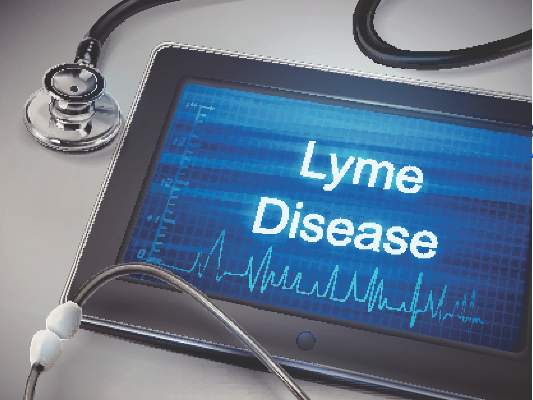
The C6 Lyme enzyme immunoassay is an effective diagnostic tool for children who are being tested for Lyme disease, according to Susan C. Lipsett, MD, and her associates.
Of the 944 samples collected for the study, 114 were positive for Lyme disease. The sensitivity of C6 enzyme immunoassay (EIA) testing alone was 79.8% and the specificity was 94.2%, slightly less than the standard two-tiered testing approach, which had a sensitivity of 81.6% and a specificity of 98.8%. The specificity of C6 EIA testing was increased to 98.6% when a supplemental immunoblot was added to testing.
The specificity of C6 EIA testing alone was significantly lower than standard testing in the control group. When the supplemental immunoblot was added to testing, the specificity of C6 EIA testing did match the specificity of standard testing in children who did not have Lyme disease.
“Although supplemental immunoblots are still required to confirm a Lyme disease diagnosis, our study supports using the C6 EIA as a first-line diagnostic test in children undergoing evaluation for Lyme disease. In the appropriate clinical scenario, the C6 EIA could limit unnecessary procedures and allow for prompt initiation of appropriate therapy,” the investigators concluded.
Find the full study in Clinical Infectious Diseases (doi:10.1093/cid/ciw427).
The C6 Lyme enzyme immunoassay is an effective diagnostic tool for children who are being tested for Lyme disease, according to Susan C. Lipsett, MD, and her associates.
Of the 944 samples collected for the study, 114 were positive for Lyme disease. The sensitivity of C6 enzyme immunoassay (EIA) testing alone was 79.8% and the specificity was 94.2%, slightly less than the standard two-tiered testing approach, which had a sensitivity of 81.6% and a specificity of 98.8%. The specificity of C6 EIA testing was increased to 98.6% when a supplemental immunoblot was added to testing.
The specificity of C6 EIA testing alone was significantly lower than standard testing in the control group. When the supplemental immunoblot was added to testing, the specificity of C6 EIA testing did match the specificity of standard testing in children who did not have Lyme disease.
“Although supplemental immunoblots are still required to confirm a Lyme disease diagnosis, our study supports using the C6 EIA as a first-line diagnostic test in children undergoing evaluation for Lyme disease. In the appropriate clinical scenario, the C6 EIA could limit unnecessary procedures and allow for prompt initiation of appropriate therapy,” the investigators concluded.
Find the full study in Clinical Infectious Diseases (doi:10.1093/cid/ciw427).
The C6 Lyme enzyme immunoassay is an effective diagnostic tool for children who are being tested for Lyme disease, according to Susan C. Lipsett, MD, and her associates.
Of the 944 samples collected for the study, 114 were positive for Lyme disease. The sensitivity of C6 enzyme immunoassay (EIA) testing alone was 79.8% and the specificity was 94.2%, slightly less than the standard two-tiered testing approach, which had a sensitivity of 81.6% and a specificity of 98.8%. The specificity of C6 EIA testing was increased to 98.6% when a supplemental immunoblot was added to testing.
The specificity of C6 EIA testing alone was significantly lower than standard testing in the control group. When the supplemental immunoblot was added to testing, the specificity of C6 EIA testing did match the specificity of standard testing in children who did not have Lyme disease.
“Although supplemental immunoblots are still required to confirm a Lyme disease diagnosis, our study supports using the C6 EIA as a first-line diagnostic test in children undergoing evaluation for Lyme disease. In the appropriate clinical scenario, the C6 EIA could limit unnecessary procedures and allow for prompt initiation of appropriate therapy,” the investigators concluded.
Find the full study in Clinical Infectious Diseases (doi:10.1093/cid/ciw427).
FROM CLINICAL INFECTIOUS DISEASES
PBC can present asymptomatically in elderly patients
An 83-year-old woman who was admitted to an emergency department for unsteadiness and dizziness was eventually diagnosed with primary biliary cirrhosis (PBC), according to a case report by Patrice Baptiste, MBBS, and F. Akinshipo.
Although admitted for unsteadiness, the patient denied falling over, loss of consciousness, chest pain, palpitations, and shortness of breath. Background conditions included hypertension, hypercholesterolemia, atrial fibrillation, a transient ischemic attack, varicose veins, and tinnitus. There was nothing significant in family history, and the patient was an occasional drinker but had never smoked.
An additional review of symptoms before investigation began found coryzal symptoms, dysuria, urinary frequency, and pruritus. After an initial investigation, viral hepatitis was suspected, but additional investigations and a series of negative test results for viral hepatitis led to a diagnosis of PBC. The patient was prescribed ursodeoxycholic acid and discharged from the emergency department.
“There were little findings in this patient’s presentation to suggest PBC; the revelation of pruritus was the only clue before the investigations were conducted,” the investigators wrote. “It is well known that patients can present with nonspecific symptoms or no symptoms at all. Therefore, PBC is an important differential to consider in elderly patients, especially when we know a large proportion of over 65-year-olds are diagnosed with PBC.”
Find the full case report in European Geriatric Medicine (2016 Mar 31. doi: 10.1016/j.eurger.2016.03.002).
An 83-year-old woman who was admitted to an emergency department for unsteadiness and dizziness was eventually diagnosed with primary biliary cirrhosis (PBC), according to a case report by Patrice Baptiste, MBBS, and F. Akinshipo.
Although admitted for unsteadiness, the patient denied falling over, loss of consciousness, chest pain, palpitations, and shortness of breath. Background conditions included hypertension, hypercholesterolemia, atrial fibrillation, a transient ischemic attack, varicose veins, and tinnitus. There was nothing significant in family history, and the patient was an occasional drinker but had never smoked.
An additional review of symptoms before investigation began found coryzal symptoms, dysuria, urinary frequency, and pruritus. After an initial investigation, viral hepatitis was suspected, but additional investigations and a series of negative test results for viral hepatitis led to a diagnosis of PBC. The patient was prescribed ursodeoxycholic acid and discharged from the emergency department.
“There were little findings in this patient’s presentation to suggest PBC; the revelation of pruritus was the only clue before the investigations were conducted,” the investigators wrote. “It is well known that patients can present with nonspecific symptoms or no symptoms at all. Therefore, PBC is an important differential to consider in elderly patients, especially when we know a large proportion of over 65-year-olds are diagnosed with PBC.”
Find the full case report in European Geriatric Medicine (2016 Mar 31. doi: 10.1016/j.eurger.2016.03.002).
An 83-year-old woman who was admitted to an emergency department for unsteadiness and dizziness was eventually diagnosed with primary biliary cirrhosis (PBC), according to a case report by Patrice Baptiste, MBBS, and F. Akinshipo.
Although admitted for unsteadiness, the patient denied falling over, loss of consciousness, chest pain, palpitations, and shortness of breath. Background conditions included hypertension, hypercholesterolemia, atrial fibrillation, a transient ischemic attack, varicose veins, and tinnitus. There was nothing significant in family history, and the patient was an occasional drinker but had never smoked.
An additional review of symptoms before investigation began found coryzal symptoms, dysuria, urinary frequency, and pruritus. After an initial investigation, viral hepatitis was suspected, but additional investigations and a series of negative test results for viral hepatitis led to a diagnosis of PBC. The patient was prescribed ursodeoxycholic acid and discharged from the emergency department.
“There were little findings in this patient’s presentation to suggest PBC; the revelation of pruritus was the only clue before the investigations were conducted,” the investigators wrote. “It is well known that patients can present with nonspecific symptoms or no symptoms at all. Therefore, PBC is an important differential to consider in elderly patients, especially when we know a large proportion of over 65-year-olds are diagnosed with PBC.”
Find the full case report in European Geriatric Medicine (2016 Mar 31. doi: 10.1016/j.eurger.2016.03.002).
FROM EUROPEAN GERIATRIC MEDICINE
Hospitalization costs unaffected by Medicaid status for children with asthma
Medicaid status did not significantly affect costs for children who were hospitalized because of asthma, according to Jeffrey H. Silber, MD, and his associates.
In a study of 17,739 matched pairs of children with and without Medicaid who were hospitalized because of asthma, the median cost for Medicaid patients was $4,263; for non-Medicaid patients, it was $4,160. The median difference in cost between Medicaid and non-Medicaid patients was $84, and the mean difference in cost was $49.
Both Medicaid and non-Medicaid patients had similar lengths of stay, with a median of 1 day for both groups. Intensive care unit use was similar, with 10.1% of Medicaid patients visiting the ICU, compared with 10.6% of non-Medicaid patients.
“Our study should serve to provide potential benchmarks for use and reimbursement standards, with implications for care and payment even when children are hospitalized outside the [Pediatric Hospital Information System],” the investigators wrote.
Find the full study in Pediatrics (doi: 10.1542/peds.2016-0371).
Medicaid status did not significantly affect costs for children who were hospitalized because of asthma, according to Jeffrey H. Silber, MD, and his associates.
In a study of 17,739 matched pairs of children with and without Medicaid who were hospitalized because of asthma, the median cost for Medicaid patients was $4,263; for non-Medicaid patients, it was $4,160. The median difference in cost between Medicaid and non-Medicaid patients was $84, and the mean difference in cost was $49.
Both Medicaid and non-Medicaid patients had similar lengths of stay, with a median of 1 day for both groups. Intensive care unit use was similar, with 10.1% of Medicaid patients visiting the ICU, compared with 10.6% of non-Medicaid patients.
“Our study should serve to provide potential benchmarks for use and reimbursement standards, with implications for care and payment even when children are hospitalized outside the [Pediatric Hospital Information System],” the investigators wrote.
Find the full study in Pediatrics (doi: 10.1542/peds.2016-0371).
Medicaid status did not significantly affect costs for children who were hospitalized because of asthma, according to Jeffrey H. Silber, MD, and his associates.
In a study of 17,739 matched pairs of children with and without Medicaid who were hospitalized because of asthma, the median cost for Medicaid patients was $4,263; for non-Medicaid patients, it was $4,160. The median difference in cost between Medicaid and non-Medicaid patients was $84, and the mean difference in cost was $49.
Both Medicaid and non-Medicaid patients had similar lengths of stay, with a median of 1 day for both groups. Intensive care unit use was similar, with 10.1% of Medicaid patients visiting the ICU, compared with 10.6% of non-Medicaid patients.
“Our study should serve to provide potential benchmarks for use and reimbursement standards, with implications for care and payment even when children are hospitalized outside the [Pediatric Hospital Information System],” the investigators wrote.
Find the full study in Pediatrics (doi: 10.1542/peds.2016-0371).
FROM PEDIATRICS