User login
Nursing Homes That Invest In Quality Improvement Reap Financial Rewards
Nursing homes that improve their quality of care can reap financial rewards from that investment, according to a review of a federally maintained database on quality measures.
Unfortunately, the investment strategy may not work well for low-performing facilities that also have limited means to make improvements, Jeongyoung Park, Ph. D., and his colleagues wrote in the November issue of the journal Health Services Research (doi:10.1111/j.1475-6773.2010.01197.x).
"If the financial benefits of public reporting are targeted toward high-performing providers that are also well financed, [the policy] may merely direct financial resources to the providers that need these resources for quality improvement the least," wrote Dr. Park, a health services researcher at the American Board of Internal Medicine, Philadelphia, and his coauthors. "As a result, low-performing providers may improve at a slower rate or remain stagnant due to a lack of resources. ... In this way, public reporting may widen the disparities in quality between rich and poor providers."
The Nursing Home Compare tool, created and sponsored by the Centers for Medicare and Medicaid Services, was established in 2002. The site provides general information about nursing home characteristics, staffing, clinical quality measures, and inspection results. Consumers can navigate the site by geographic area and compare sites according to star ratings. Facilities receive 1-5 stars, representing quality, in each of four areas: health inspections, staffing, quality measures, and overall.
The researchers compared four financial outcomes (net resident revenue, total operating expenses, operating profit margin, and total profit margin) during two periods: 3 years before public reporting was instituted (1999-2002) and 3 years after (2003-2005). They examined the record of 6,286 Medicare-certified, freestanding facilities across the United States. Hospital nursing facilities were not included. The final analysis comprised 42,542 facility-years of data.
The study focused on changes in 15 clinical quality measures included in the Nursing Home Compare (NHC) tool, including percentage of long-stay patients, pain levels, pressure sores, depression/anxiety, incontinence, permanent urinary catheterization, mobility changes, urinary tract infections, and weight changes.
Each measure was calculated by year and facility. The results were then compared with financial performance in the periods before and after public reporting began. Facilities were considered high scoring if all 15 quality measures were above the median each year. Facilities were low scoring if all 15 clinical measures were below the median.
In the before period, 812 facilities ranked high in quality, 4,672 ranked in the middle, and 802 ranked as low. In the post-reporting period, 1,507 ranked as improved, 4,337 ranked as no change, and 442 ranked as worse. Facilities that improved after public quality reporting began averaged $8,412,762 in net resident revenues (2005 dollars). Those that didn’t improve averaged $8,206,766, and those whose quality got worse average $7,388,145.
"Generally, the high-scoring nursing homes and those that improved had better financial performance in the post-NHC period, compared with facilities that did not perform as well," the authors noted. However, facilities with increased revenues also showed increases in operating expenses "consistent with the expectation that quality improvement requires some investment of resources."
The pattern for total profit margins was not as clear, the authors wrote. "Better financial performance among facilities that improved was mostly driven by facilities where improvement led them to be ranked as high- or middle-quality facilities, while those that improved but remained low-quality did not exhibit improvements in financial performance. ... This threshold effect raises the concern that low-scoring facilities may find it increasingly difficult to respond to quality incentives over time, as substantial improvement is needed before financial rewards are experienced."
This finding "raises an important policy concern that over time, public reporting potentially reduces a low-scoring facility’s ability to further respond to quality improvement incentives" because these facilities often are poorly financed to begin with.
The analysis also identified Medicare coverage for residents as important to quality and financial return. "Our analyses indicate that the most important link between performing well on NHC and reaping financial rewards is an increase in Medicare admission," the authors wrote. "This path has face validity in that Medicare margins are known to be higher than Medicaid margins, and facilities compete to attract both Medicare and private-pay patients; this was true long before NHC. However, performing well or improving on NHC measures may give nursing homes an extra tool in attracting the more desirable residents," through marketing aimed at hospital discharge planners and families.
The study could be the basis of several key policy issues, the researchers concluded. The prospect of attracting a more lucrative patient population is a spur for nursing homes to improve their quality of care. Even if they do not achieve the highest rating, improvement translates into financial gain. But the researchers suggested, "Safeguards may be necessary to ensure that low-quality facilities have the necessary resources to improve" as well.
The study was funded by a grant from the Agency for Healthcare Research and Quality. The researchers declared no disclosures.
Nursing homes that improve their quality of care can reap financial rewards from that investment, according to a review of a federally maintained database on quality measures.
Unfortunately, the investment strategy may not work well for low-performing facilities that also have limited means to make improvements, Jeongyoung Park, Ph. D., and his colleagues wrote in the November issue of the journal Health Services Research (doi:10.1111/j.1475-6773.2010.01197.x).
"If the financial benefits of public reporting are targeted toward high-performing providers that are also well financed, [the policy] may merely direct financial resources to the providers that need these resources for quality improvement the least," wrote Dr. Park, a health services researcher at the American Board of Internal Medicine, Philadelphia, and his coauthors. "As a result, low-performing providers may improve at a slower rate or remain stagnant due to a lack of resources. ... In this way, public reporting may widen the disparities in quality between rich and poor providers."
The Nursing Home Compare tool, created and sponsored by the Centers for Medicare and Medicaid Services, was established in 2002. The site provides general information about nursing home characteristics, staffing, clinical quality measures, and inspection results. Consumers can navigate the site by geographic area and compare sites according to star ratings. Facilities receive 1-5 stars, representing quality, in each of four areas: health inspections, staffing, quality measures, and overall.
The researchers compared four financial outcomes (net resident revenue, total operating expenses, operating profit margin, and total profit margin) during two periods: 3 years before public reporting was instituted (1999-2002) and 3 years after (2003-2005). They examined the record of 6,286 Medicare-certified, freestanding facilities across the United States. Hospital nursing facilities were not included. The final analysis comprised 42,542 facility-years of data.
The study focused on changes in 15 clinical quality measures included in the Nursing Home Compare (NHC) tool, including percentage of long-stay patients, pain levels, pressure sores, depression/anxiety, incontinence, permanent urinary catheterization, mobility changes, urinary tract infections, and weight changes.
Each measure was calculated by year and facility. The results were then compared with financial performance in the periods before and after public reporting began. Facilities were considered high scoring if all 15 quality measures were above the median each year. Facilities were low scoring if all 15 clinical measures were below the median.
In the before period, 812 facilities ranked high in quality, 4,672 ranked in the middle, and 802 ranked as low. In the post-reporting period, 1,507 ranked as improved, 4,337 ranked as no change, and 442 ranked as worse. Facilities that improved after public quality reporting began averaged $8,412,762 in net resident revenues (2005 dollars). Those that didn’t improve averaged $8,206,766, and those whose quality got worse average $7,388,145.
"Generally, the high-scoring nursing homes and those that improved had better financial performance in the post-NHC period, compared with facilities that did not perform as well," the authors noted. However, facilities with increased revenues also showed increases in operating expenses "consistent with the expectation that quality improvement requires some investment of resources."
The pattern for total profit margins was not as clear, the authors wrote. "Better financial performance among facilities that improved was mostly driven by facilities where improvement led them to be ranked as high- or middle-quality facilities, while those that improved but remained low-quality did not exhibit improvements in financial performance. ... This threshold effect raises the concern that low-scoring facilities may find it increasingly difficult to respond to quality incentives over time, as substantial improvement is needed before financial rewards are experienced."
This finding "raises an important policy concern that over time, public reporting potentially reduces a low-scoring facility’s ability to further respond to quality improvement incentives" because these facilities often are poorly financed to begin with.
The analysis also identified Medicare coverage for residents as important to quality and financial return. "Our analyses indicate that the most important link between performing well on NHC and reaping financial rewards is an increase in Medicare admission," the authors wrote. "This path has face validity in that Medicare margins are known to be higher than Medicaid margins, and facilities compete to attract both Medicare and private-pay patients; this was true long before NHC. However, performing well or improving on NHC measures may give nursing homes an extra tool in attracting the more desirable residents," through marketing aimed at hospital discharge planners and families.
The study could be the basis of several key policy issues, the researchers concluded. The prospect of attracting a more lucrative patient population is a spur for nursing homes to improve their quality of care. Even if they do not achieve the highest rating, improvement translates into financial gain. But the researchers suggested, "Safeguards may be necessary to ensure that low-quality facilities have the necessary resources to improve" as well.
The study was funded by a grant from the Agency for Healthcare Research and Quality. The researchers declared no disclosures.
Nursing homes that improve their quality of care can reap financial rewards from that investment, according to a review of a federally maintained database on quality measures.
Unfortunately, the investment strategy may not work well for low-performing facilities that also have limited means to make improvements, Jeongyoung Park, Ph. D., and his colleagues wrote in the November issue of the journal Health Services Research (doi:10.1111/j.1475-6773.2010.01197.x).
"If the financial benefits of public reporting are targeted toward high-performing providers that are also well financed, [the policy] may merely direct financial resources to the providers that need these resources for quality improvement the least," wrote Dr. Park, a health services researcher at the American Board of Internal Medicine, Philadelphia, and his coauthors. "As a result, low-performing providers may improve at a slower rate or remain stagnant due to a lack of resources. ... In this way, public reporting may widen the disparities in quality between rich and poor providers."
The Nursing Home Compare tool, created and sponsored by the Centers for Medicare and Medicaid Services, was established in 2002. The site provides general information about nursing home characteristics, staffing, clinical quality measures, and inspection results. Consumers can navigate the site by geographic area and compare sites according to star ratings. Facilities receive 1-5 stars, representing quality, in each of four areas: health inspections, staffing, quality measures, and overall.
The researchers compared four financial outcomes (net resident revenue, total operating expenses, operating profit margin, and total profit margin) during two periods: 3 years before public reporting was instituted (1999-2002) and 3 years after (2003-2005). They examined the record of 6,286 Medicare-certified, freestanding facilities across the United States. Hospital nursing facilities were not included. The final analysis comprised 42,542 facility-years of data.
The study focused on changes in 15 clinical quality measures included in the Nursing Home Compare (NHC) tool, including percentage of long-stay patients, pain levels, pressure sores, depression/anxiety, incontinence, permanent urinary catheterization, mobility changes, urinary tract infections, and weight changes.
Each measure was calculated by year and facility. The results were then compared with financial performance in the periods before and after public reporting began. Facilities were considered high scoring if all 15 quality measures were above the median each year. Facilities were low scoring if all 15 clinical measures were below the median.
In the before period, 812 facilities ranked high in quality, 4,672 ranked in the middle, and 802 ranked as low. In the post-reporting period, 1,507 ranked as improved, 4,337 ranked as no change, and 442 ranked as worse. Facilities that improved after public quality reporting began averaged $8,412,762 in net resident revenues (2005 dollars). Those that didn’t improve averaged $8,206,766, and those whose quality got worse average $7,388,145.
"Generally, the high-scoring nursing homes and those that improved had better financial performance in the post-NHC period, compared with facilities that did not perform as well," the authors noted. However, facilities with increased revenues also showed increases in operating expenses "consistent with the expectation that quality improvement requires some investment of resources."
The pattern for total profit margins was not as clear, the authors wrote. "Better financial performance among facilities that improved was mostly driven by facilities where improvement led them to be ranked as high- or middle-quality facilities, while those that improved but remained low-quality did not exhibit improvements in financial performance. ... This threshold effect raises the concern that low-scoring facilities may find it increasingly difficult to respond to quality incentives over time, as substantial improvement is needed before financial rewards are experienced."
This finding "raises an important policy concern that over time, public reporting potentially reduces a low-scoring facility’s ability to further respond to quality improvement incentives" because these facilities often are poorly financed to begin with.
The analysis also identified Medicare coverage for residents as important to quality and financial return. "Our analyses indicate that the most important link between performing well on NHC and reaping financial rewards is an increase in Medicare admission," the authors wrote. "This path has face validity in that Medicare margins are known to be higher than Medicaid margins, and facilities compete to attract both Medicare and private-pay patients; this was true long before NHC. However, performing well or improving on NHC measures may give nursing homes an extra tool in attracting the more desirable residents," through marketing aimed at hospital discharge planners and families.
The study could be the basis of several key policy issues, the researchers concluded. The prospect of attracting a more lucrative patient population is a spur for nursing homes to improve their quality of care. Even if they do not achieve the highest rating, improvement translates into financial gain. But the researchers suggested, "Safeguards may be necessary to ensure that low-quality facilities have the necessary resources to improve" as well.
The study was funded by a grant from the Agency for Healthcare Research and Quality. The researchers declared no disclosures.
FROM THE JOURNAL HEALTH SERVICES RESEARCH
Major Finding: Nursing homes that improved on quality measures after the federal government began reporting them publicly averaged $8,412,762 in net resident revenue (2005 dollars), while facilities that didn’t improve averaged $8,206,766, and those whose quality got worse averaged $7,388,145.
Data Source: A 6-year study of the relationship between revenue and publicly reported outcomes measures in more than 6,800 U.S. nursing homes.
Disclosures: The study was funded by a grant from the Agency for Healthcare Research and Quality. The authors declared no disclosures.
Methotrexate, Cyclosporine Present Unique Clinical Challenges
Methotrexate and cyclosporine are proven effective treatments for psoriasis, but each presents unique clinical challenges, according to Dr. Bruce Strober.
"Both drugs are effective and safe if used correctly," said Dr. Strober of the New York University. Despite being relatively "old" medications, they remain important tools for the dermatologist, because not every patient is a good candidate for the newer biologics. Additionally, Dr. Strober noted at the Las Vegas Dermatology Seminar sponsored by Skin Disease Education Foundation (SDEF), "Biologics may fail as monotherapy, but succeed in combination with these traditional systemic medications." They can also be useful rescue therapies in tough clinical scenarios.

Methotrexate is especially attractive because of its moderate efficacy, simplicity of dosing, and low cost. Dr. Strober maintained that methotrexate should be considered as a first-line agent for many patients, whether they have Medicare, private insurance, or no insurance.
The downside of methotrexate can be its GI side effects; it also can exert some stress on the liver. Folic acid can help with both of those problems. "Folate supplementation reduces the incidence of hepatotoxicity and gastrointestinal intolerance without impairing the efficacy of methotrexate," Dr. Strober said. Folic acid and folinic acid are both equally effective, although folic acid is less expensive, and folinic acid must be dosed more than 6 hours from the dose of methotrexate.
Methotrexate must never be administered to women who are trying to conceive, are pregnant or breastfeeding, he added. There are also some relative contraindications, including high alcohol intake; renal or liver disease, including fatty liver; hematologic abnormalities; active infectious disease; and latent infections with hepatitis B and C.
Although the risk of liver damage is low for cumulative doses of less than 3 g of methotrexate, higher doses and long-term therapy can raise the chance of hepatotoxicity as much as 25%. A liver biopsy should be considered in patients who surpass this cumulative level. But the liver biopsy should be viewed as an imperfect test with poor sensitivity, specificity, and procedural risks, he said.
Patients taking methotrexate should always undergo a complete blood count, liver function tests, a blood urea nitrogen and creatinine level check, and hepatitis serologies at baseline; blood counts and liver function tests should be monitored periodically throughout the treatment period.
Although rare, patients may experience idiopathic pulmonary disease due to methotrexate; therefore, unexplained cough and shortness of breath should be evaluated immediately.
Cyclosporine is more suited for patients with severe disease that requires rapid clearing. Also, cyclosporine is safe for pregnant patients and can be used for those who fail other treatments. At lower doses, it can be combined with biologics, noted Dr. Strober.
It is associated with more potential adverse effects than is methotrexate, however. Nephrotoxicity, hypertension, and an increased risk of some cancers are the primary risks, he reported. The drug can also cause electrolyte imbalances (including hypomagnesemia), increase lipid levels, and can cause headache or nausea, hypertrichosis, gingival hyperplasia, and paresthesias. "Cyclosporine has predictable toxicities, and, therefore, its use needs to be short in duration," said Dr. Strober.
Cyclosporine is relatively contraindicated in hypertensive patients, those with a history of nonmelanoma skin cancer, and patients with kidney problems, significant cardiovascular disease, or infections.
Baseline monitoring should include a complete blood count, a metabolic profile, serum magnesium, tuberculosis skin testing, and blood pressure. "Stress the risk of drug interactions to the patient, because cyclosporine is associated with many."
Dr. Strober is a consultant and on the advisory boards of Abbott, Amgen, Centocor Ortho Biotech, Pfizer, and Celgene. He has received honoraria from Abbott, Amgen, Centocor, and Pfizer. SDEF and this news organization are owned by Elsevier.
Methotrexate and cyclosporine are proven effective treatments for psoriasis, but each presents unique clinical challenges, according to Dr. Bruce Strober.
"Both drugs are effective and safe if used correctly," said Dr. Strober of the New York University. Despite being relatively "old" medications, they remain important tools for the dermatologist, because not every patient is a good candidate for the newer biologics. Additionally, Dr. Strober noted at the Las Vegas Dermatology Seminar sponsored by Skin Disease Education Foundation (SDEF), "Biologics may fail as monotherapy, but succeed in combination with these traditional systemic medications." They can also be useful rescue therapies in tough clinical scenarios.
Methotrexate is especially attractive because of its moderate efficacy, simplicity of dosing, and low cost. Dr. Strober maintained that methotrexate should be considered as a first-line agent for many patients, whether they have Medicare, private insurance, or no insurance.
The downside of methotrexate can be its GI side effects; it also can exert some stress on the liver. Folic acid can help with both of those problems. "Folate supplementation reduces the incidence of hepatotoxicity and gastrointestinal intolerance without impairing the efficacy of methotrexate," Dr. Strober said. Folic acid and folinic acid are both equally effective, although folic acid is less expensive, and folinic acid must be dosed more than 6 hours from the dose of methotrexate.
Methotrexate must never be administered to women who are trying to conceive, are pregnant or breastfeeding, he added. There are also some relative contraindications, including high alcohol intake; renal or liver disease, including fatty liver; hematologic abnormalities; active infectious disease; and latent infections with hepatitis B and C.
Although the risk of liver damage is low for cumulative doses of less than 3 g of methotrexate, higher doses and long-term therapy can raise the chance of hepatotoxicity as much as 25%. A liver biopsy should be considered in patients who surpass this cumulative level. But the liver biopsy should be viewed as an imperfect test with poor sensitivity, specificity, and procedural risks, he said.
Patients taking methotrexate should always undergo a complete blood count, liver function tests, a blood urea nitrogen and creatinine level check, and hepatitis serologies at baseline; blood counts and liver function tests should be monitored periodically throughout the treatment period.
Although rare, patients may experience idiopathic pulmonary disease due to methotrexate; therefore, unexplained cough and shortness of breath should be evaluated immediately.
Cyclosporine is more suited for patients with severe disease that requires rapid clearing. Also, cyclosporine is safe for pregnant patients and can be used for those who fail other treatments. At lower doses, it can be combined with biologics, noted Dr. Strober.
It is associated with more potential adverse effects than is methotrexate, however. Nephrotoxicity, hypertension, and an increased risk of some cancers are the primary risks, he reported. The drug can also cause electrolyte imbalances (including hypomagnesemia), increase lipid levels, and can cause headache or nausea, hypertrichosis, gingival hyperplasia, and paresthesias. "Cyclosporine has predictable toxicities, and, therefore, its use needs to be short in duration," said Dr. Strober.
Cyclosporine is relatively contraindicated in hypertensive patients, those with a history of nonmelanoma skin cancer, and patients with kidney problems, significant cardiovascular disease, or infections.
Baseline monitoring should include a complete blood count, a metabolic profile, serum magnesium, tuberculosis skin testing, and blood pressure. "Stress the risk of drug interactions to the patient, because cyclosporine is associated with many."
Dr. Strober is a consultant and on the advisory boards of Abbott, Amgen, Centocor Ortho Biotech, Pfizer, and Celgene. He has received honoraria from Abbott, Amgen, Centocor, and Pfizer. SDEF and this news organization are owned by Elsevier.
Methotrexate and cyclosporine are proven effective treatments for psoriasis, but each presents unique clinical challenges, according to Dr. Bruce Strober.
"Both drugs are effective and safe if used correctly," said Dr. Strober of the New York University. Despite being relatively "old" medications, they remain important tools for the dermatologist, because not every patient is a good candidate for the newer biologics. Additionally, Dr. Strober noted at the Las Vegas Dermatology Seminar sponsored by Skin Disease Education Foundation (SDEF), "Biologics may fail as monotherapy, but succeed in combination with these traditional systemic medications." They can also be useful rescue therapies in tough clinical scenarios.
Methotrexate is especially attractive because of its moderate efficacy, simplicity of dosing, and low cost. Dr. Strober maintained that methotrexate should be considered as a first-line agent for many patients, whether they have Medicare, private insurance, or no insurance.
The downside of methotrexate can be its GI side effects; it also can exert some stress on the liver. Folic acid can help with both of those problems. "Folate supplementation reduces the incidence of hepatotoxicity and gastrointestinal intolerance without impairing the efficacy of methotrexate," Dr. Strober said. Folic acid and folinic acid are both equally effective, although folic acid is less expensive, and folinic acid must be dosed more than 6 hours from the dose of methotrexate.
Methotrexate must never be administered to women who are trying to conceive, are pregnant or breastfeeding, he added. There are also some relative contraindications, including high alcohol intake; renal or liver disease, including fatty liver; hematologic abnormalities; active infectious disease; and latent infections with hepatitis B and C.
Although the risk of liver damage is low for cumulative doses of less than 3 g of methotrexate, higher doses and long-term therapy can raise the chance of hepatotoxicity as much as 25%. A liver biopsy should be considered in patients who surpass this cumulative level. But the liver biopsy should be viewed as an imperfect test with poor sensitivity, specificity, and procedural risks, he said.
Patients taking methotrexate should always undergo a complete blood count, liver function tests, a blood urea nitrogen and creatinine level check, and hepatitis serologies at baseline; blood counts and liver function tests should be monitored periodically throughout the treatment period.
Although rare, patients may experience idiopathic pulmonary disease due to methotrexate; therefore, unexplained cough and shortness of breath should be evaluated immediately.
Cyclosporine is more suited for patients with severe disease that requires rapid clearing. Also, cyclosporine is safe for pregnant patients and can be used for those who fail other treatments. At lower doses, it can be combined with biologics, noted Dr. Strober.
It is associated with more potential adverse effects than is methotrexate, however. Nephrotoxicity, hypertension, and an increased risk of some cancers are the primary risks, he reported. The drug can also cause electrolyte imbalances (including hypomagnesemia), increase lipid levels, and can cause headache or nausea, hypertrichosis, gingival hyperplasia, and paresthesias. "Cyclosporine has predictable toxicities, and, therefore, its use needs to be short in duration," said Dr. Strober.
Cyclosporine is relatively contraindicated in hypertensive patients, those with a history of nonmelanoma skin cancer, and patients with kidney problems, significant cardiovascular disease, or infections.
Baseline monitoring should include a complete blood count, a metabolic profile, serum magnesium, tuberculosis skin testing, and blood pressure. "Stress the risk of drug interactions to the patient, because cyclosporine is associated with many."
Dr. Strober is a consultant and on the advisory boards of Abbott, Amgen, Centocor Ortho Biotech, Pfizer, and Celgene. He has received honoraria from Abbott, Amgen, Centocor, and Pfizer. SDEF and this news organization are owned by Elsevier.
EXPERT ANALYSIS FROM THE SDEF LAS VEGAS DERMATOLOGY SEMINAR
Methotrexate, Cyclosporine Present Unique Clinical Challenges
Methotrexate and cyclosporine are proven effective treatments for psoriasis, but each presents unique clinical challenges, according to Dr. Bruce Strober.
"Both drugs are effective and safe if used correctly," said Dr. Strober of the New York University. Despite being relatively "old" medications, they remain important tools for the dermatologist, because not every patient is a good candidate for the newer biologics. Additionally, Dr. Strober noted at the seminar sponsored by Skin Disease Education Foundation (SDEF), "Biologics may fail as monotherapy, but succeed in combination with these traditional systemic medications." They can also be useful rescue therapies in tough clinical scenarios.

Methotrexate is especially attractive because of its moderate efficacy, simplicity of dosing, and low cost. Dr. Strober maintained that methotrexate should be considered as a first-line agent for many patients, whether they have Medicare, private insurance, or no insurance.
The downside of methotrexate can be its GI side effects; it also can exert some stress on the liver. Folic acid can help with both of those problems. "Folate supplementation reduces the incidence of hepatotoxicity and gastrointestinal intolerance without impairing the efficacy of methotrexate," Dr. Strober said. Folic acid and folinic acid are both equally effective, although folic acid is less expensive, and folinic acid must be dosed more than 6 hours from the dose of methotrexate
Methotrexate must never be administered to women who are trying to conceive, are pregnant or breastfeeding, he added. There are also some relative contraindications, including high alcohol intake; renal or liver disease, including fatty liver; hematologic abnormalities; active infectious disease; and latent infections with hepatitis B and C.
Although the risk of liver damage is low for cumulative doses of less than 3 g of methotrexate, higher doses and long-term therapy can raise the chance of hepatotoxicity as much as 25%. A liver biopsy should be considered in patients who surpass this cumulative level. But the liver biopsy should be viewed as an imperfect test with poor sensitivity, specificity, and procedural risks, he said.
Patients taking methotrexate should always undergo a complete blood count, liver function tests, a blood urea nitrogen and creatinine level check, and hepatitis serologies at baseline; blood counts and liver function tests should be monitored periodically throughout the treatment period.
Although rare, patients may experience idiopathic pulmonary disease due to methotrexate; therefore, unexplained cough and shortness of breath should be evaluated immediately.
Cyclosporine is more suited for patients with severe disease that requires rapid clearing. Also, cyclosporine is safe for pregnant patients and can be used for those who fail other treatments. At lower doses, it can be combined with biologics, noted Dr. Strober.
It is associated with more potential adverse effects than is methotrexate, however. Nephrotoxicity, hypertension, and an increased risk of some cancers are the primary risks, he reported. The drug can also cause electrolyte imbalances (including hypomagnesemia), increase lipid levels, and can cause headache or nausea, hypertrichosis, gingival hyperplasia, and paresthesias. "Cyclosporine has predictable toxicities, and, therefore, its use needs to be short in duration," said Dr. Strober.
Cyclosporine is relatively contraindicated in hypertensive patients, those with a history of nonmelanoma skin cancer, and patients with kidney problems, significant cardiovascular disease, or infections.
Baseline monitoring should include a complete blood count, a metabolic profile, serum magnesium, tuberculosis skin testing, and blood pressure. "Stress the risk of drug interactions to the patient, because cyclosporine is associated with many."
Dr. Strober is a consultant and on the advisory boards of Abbott, Amgen, Centocor Ortho Biotech, Pfizer, and Celgene. He has received honoraria from Abbott, Amgen, Centocor, and Pfizer. SDEF and this news organization are owned by Elsevier.
Methotrexate and cyclosporine are proven effective treatments for psoriasis, but each presents unique clinical challenges, according to Dr. Bruce Strober.
"Both drugs are effective and safe if used correctly," said Dr. Strober of the New York University. Despite being relatively "old" medications, they remain important tools for the dermatologist, because not every patient is a good candidate for the newer biologics. Additionally, Dr. Strober noted at the seminar sponsored by Skin Disease Education Foundation (SDEF), "Biologics may fail as monotherapy, but succeed in combination with these traditional systemic medications." They can also be useful rescue therapies in tough clinical scenarios.
Methotrexate is especially attractive because of its moderate efficacy, simplicity of dosing, and low cost. Dr. Strober maintained that methotrexate should be considered as a first-line agent for many patients, whether they have Medicare, private insurance, or no insurance.
The downside of methotrexate can be its GI side effects; it also can exert some stress on the liver. Folic acid can help with both of those problems. "Folate supplementation reduces the incidence of hepatotoxicity and gastrointestinal intolerance without impairing the efficacy of methotrexate," Dr. Strober said. Folic acid and folinic acid are both equally effective, although folic acid is less expensive, and folinic acid must be dosed more than 6 hours from the dose of methotrexate
Methotrexate must never be administered to women who are trying to conceive, are pregnant or breastfeeding, he added. There are also some relative contraindications, including high alcohol intake; renal or liver disease, including fatty liver; hematologic abnormalities; active infectious disease; and latent infections with hepatitis B and C.
Although the risk of liver damage is low for cumulative doses of less than 3 g of methotrexate, higher doses and long-term therapy can raise the chance of hepatotoxicity as much as 25%. A liver biopsy should be considered in patients who surpass this cumulative level. But the liver biopsy should be viewed as an imperfect test with poor sensitivity, specificity, and procedural risks, he said.
Patients taking methotrexate should always undergo a complete blood count, liver function tests, a blood urea nitrogen and creatinine level check, and hepatitis serologies at baseline; blood counts and liver function tests should be monitored periodically throughout the treatment period.
Although rare, patients may experience idiopathic pulmonary disease due to methotrexate; therefore, unexplained cough and shortness of breath should be evaluated immediately.
Cyclosporine is more suited for patients with severe disease that requires rapid clearing. Also, cyclosporine is safe for pregnant patients and can be used for those who fail other treatments. At lower doses, it can be combined with biologics, noted Dr. Strober.
It is associated with more potential adverse effects than is methotrexate, however. Nephrotoxicity, hypertension, and an increased risk of some cancers are the primary risks, he reported. The drug can also cause electrolyte imbalances (including hypomagnesemia), increase lipid levels, and can cause headache or nausea, hypertrichosis, gingival hyperplasia, and paresthesias. "Cyclosporine has predictable toxicities, and, therefore, its use needs to be short in duration," said Dr. Strober.
Cyclosporine is relatively contraindicated in hypertensive patients, those with a history of nonmelanoma skin cancer, and patients with kidney problems, significant cardiovascular disease, or infections.
Baseline monitoring should include a complete blood count, a metabolic profile, serum magnesium, tuberculosis skin testing, and blood pressure. "Stress the risk of drug interactions to the patient, because cyclosporine is associated with many."
Dr. Strober is a consultant and on the advisory boards of Abbott, Amgen, Centocor Ortho Biotech, Pfizer, and Celgene. He has received honoraria from Abbott, Amgen, Centocor, and Pfizer. SDEF and this news organization are owned by Elsevier.
Methotrexate and cyclosporine are proven effective treatments for psoriasis, but each presents unique clinical challenges, according to Dr. Bruce Strober.
"Both drugs are effective and safe if used correctly," said Dr. Strober of the New York University. Despite being relatively "old" medications, they remain important tools for the dermatologist, because not every patient is a good candidate for the newer biologics. Additionally, Dr. Strober noted at the seminar sponsored by Skin Disease Education Foundation (SDEF), "Biologics may fail as monotherapy, but succeed in combination with these traditional systemic medications." They can also be useful rescue therapies in tough clinical scenarios.
Methotrexate is especially attractive because of its moderate efficacy, simplicity of dosing, and low cost. Dr. Strober maintained that methotrexate should be considered as a first-line agent for many patients, whether they have Medicare, private insurance, or no insurance.
The downside of methotrexate can be its GI side effects; it also can exert some stress on the liver. Folic acid can help with both of those problems. "Folate supplementation reduces the incidence of hepatotoxicity and gastrointestinal intolerance without impairing the efficacy of methotrexate," Dr. Strober said. Folic acid and folinic acid are both equally effective, although folic acid is less expensive, and folinic acid must be dosed more than 6 hours from the dose of methotrexate
Methotrexate must never be administered to women who are trying to conceive, are pregnant or breastfeeding, he added. There are also some relative contraindications, including high alcohol intake; renal or liver disease, including fatty liver; hematologic abnormalities; active infectious disease; and latent infections with hepatitis B and C.
Although the risk of liver damage is low for cumulative doses of less than 3 g of methotrexate, higher doses and long-term therapy can raise the chance of hepatotoxicity as much as 25%. A liver biopsy should be considered in patients who surpass this cumulative level. But the liver biopsy should be viewed as an imperfect test with poor sensitivity, specificity, and procedural risks, he said.
Patients taking methotrexate should always undergo a complete blood count, liver function tests, a blood urea nitrogen and creatinine level check, and hepatitis serologies at baseline; blood counts and liver function tests should be monitored periodically throughout the treatment period.
Although rare, patients may experience idiopathic pulmonary disease due to methotrexate; therefore, unexplained cough and shortness of breath should be evaluated immediately.
Cyclosporine is more suited for patients with severe disease that requires rapid clearing. Also, cyclosporine is safe for pregnant patients and can be used for those who fail other treatments. At lower doses, it can be combined with biologics, noted Dr. Strober.
It is associated with more potential adverse effects than is methotrexate, however. Nephrotoxicity, hypertension, and an increased risk of some cancers are the primary risks, he reported. The drug can also cause electrolyte imbalances (including hypomagnesemia), increase lipid levels, and can cause headache or nausea, hypertrichosis, gingival hyperplasia, and paresthesias. "Cyclosporine has predictable toxicities, and, therefore, its use needs to be short in duration," said Dr. Strober.
Cyclosporine is relatively contraindicated in hypertensive patients, those with a history of nonmelanoma skin cancer, and patients with kidney problems, significant cardiovascular disease, or infections.
Baseline monitoring should include a complete blood count, a metabolic profile, serum magnesium, tuberculosis skin testing, and blood pressure. "Stress the risk of drug interactions to the patient, because cyclosporine is associated with many."
Dr. Strober is a consultant and on the advisory boards of Abbott, Amgen, Centocor Ortho Biotech, Pfizer, and Celgene. He has received honoraria from Abbott, Amgen, Centocor, and Pfizer. SDEF and this news organization are owned by Elsevier.
EXPERT ANALYSIS FROM THE SDEF LAS VEGAS DERMATOLOGY SEMINAR
Sunscreens May Help--Or Hurt
Sunscreens are an important part of a dermatologist’s tool kit, but they’re not a panacea for UV-induced damage, according to Dr. Timothy Berger.
Although sunscreens work well in laboratory testing, almost no one applies them in a way that will provide the advertised UV protection, Dr. Berger noted at the seminar sponsored by Skin Disease Education Foundation (SDEF). And for some patients, sunscreens can exacerbate their UV-induced problems.
Sunscreens themselves, not the vehicular preservatives, are usually the culprit when a patient presents with a complaint of being allergic to sunscreens, said Dr. Berger, a professor of dermatology at the University of California, San Francisco.
"You will usually find that the dermatitis only occurs in areas touched by the sun," he said in an interview. "The problem is often an allergy to the PABA or PABA-related substances in the sunscreen they are using."
For patients like this, the best alternative is a PABA-free sunscreen that contains zinc and titanium oxide – inert compounds that are physical barriers against UV light, rather than chemical barriers.
And although SPF ratings might look great in advertisements, it is almost a sure bet that sun-seeking patients are not getting nearly the protection promised, Dr. Berger noted. "Some interesting recent studies have looked at what SPF you actually get what you put on sunscreen. The amount used in testing is actually about four times more than what people really use."
One study found that most people apply about 0.5 mg/cm2, while the lab tests use a volume of 2 mg/cm2 to achieve the advertised SPF (J. Am. Acad. Dermatol. 2010;62:218-22). "The problem is, efficacy falls off in a very sharp way," Dr. Berger said. "If you apply SPF 30 sun block [at one-quarter the recommended amount], you only end up with an actual SPF of about 3."
"We need to make sure our patients understand this. And while most people are still not going to use the necessary amount, we can stress the importance of reapplying frequently, which can help keep the protective value up somewhat," he said.
Light Therapy for Atopy
UV light therapy is a frequent treatment for eczema and other atopic dermatoses, but for about 3% of patients, it the wrong thing to offer, Dr. Berger said. "For this small population, sun exposure actually makes the condition worse. Put them in the light box and the eczema will flare."
More than a cursory skin exam should be performed on patients with atopic dermatitis, he recommended. "Have them remove their clothing at least from the waist up. Look for eczema that has a photo distribution: It might be worse on the face and side of the neck, but beneath the chin the skin could be spared. If it looks like a photo-distributed rash, and they report a history of flare with sun exposure, then prescribing aggressive sun protection might make a big difference."
A frequently missed diagnosis in young children – particularly infants – is erythropoietic protoporphyria (EPP). "The first time these infants go out into the sun, they will start screaming, because their skin is burning," Dr. Berger said. As quickly as 1 hour after sun exposure, they may develop erythema, edema, urticarial lesions, or purpura on exposed skin.
Europeans are somewhat ahead in drug research for treating EPP, Dr. Berger noted, but the United States is catching up. The University of California is one of six U.S. study sites participating in a phase II placebo-controlled trial of afamelanotide, a synthetically produced analog of human alpha-melanocytic–stimulating hormone (alpha-MSH).
"The hope is that the drug will stimulate the production of melanin, which actually has two benefits," Dr. Berger said. "First, it’s a photo protectant, but it’s also an antioxidant."
When porphyrins absorb UV rays, they release free radicals that lead to the acute and chronic damage that occurs on EPP patient skin. The porphyrins can accumulate and damage other tissues – including the liver, which causes problems for about 20% of EPP patients. The extra melanin can help neutralize these highly reactive oxygen species and provide protection from the acute symptoms patients suffer when skin is exposed.
While afamelanotide can never cure EPP, Dr. Berger said, it might afford patients the opportunity to live a more normal life. "While they will never be going out looking for a tan, at least they may be able to enjoy being outdoors without having to be completely encased in clothing."
Dr. Berger disclosed serving as a consultant for Prescription Solutions. SDEF and this news organization are owned by Elsevier.
Sunscreens are an important part of a dermatologist’s tool kit, but they’re not a panacea for UV-induced damage, according to Dr. Timothy Berger.
Although sunscreens work well in laboratory testing, almost no one applies them in a way that will provide the advertised UV protection, Dr. Berger noted at the seminar sponsored by Skin Disease Education Foundation (SDEF). And for some patients, sunscreens can exacerbate their UV-induced problems.
Sunscreens themselves, not the vehicular preservatives, are usually the culprit when a patient presents with a complaint of being allergic to sunscreens, said Dr. Berger, a professor of dermatology at the University of California, San Francisco.
"You will usually find that the dermatitis only occurs in areas touched by the sun," he said in an interview. "The problem is often an allergy to the PABA or PABA-related substances in the sunscreen they are using."
For patients like this, the best alternative is a PABA-free sunscreen that contains zinc and titanium oxide – inert compounds that are physical barriers against UV light, rather than chemical barriers.
And although SPF ratings might look great in advertisements, it is almost a sure bet that sun-seeking patients are not getting nearly the protection promised, Dr. Berger noted. "Some interesting recent studies have looked at what SPF you actually get what you put on sunscreen. The amount used in testing is actually about four times more than what people really use."
One study found that most people apply about 0.5 mg/cm2, while the lab tests use a volume of 2 mg/cm2 to achieve the advertised SPF (J. Am. Acad. Dermatol. 2010;62:218-22). "The problem is, efficacy falls off in a very sharp way," Dr. Berger said. "If you apply SPF 30 sun block [at one-quarter the recommended amount], you only end up with an actual SPF of about 3."
"We need to make sure our patients understand this. And while most people are still not going to use the necessary amount, we can stress the importance of reapplying frequently, which can help keep the protective value up somewhat," he said.
Light Therapy for Atopy
UV light therapy is a frequent treatment for eczema and other atopic dermatoses, but for about 3% of patients, it the wrong thing to offer, Dr. Berger said. "For this small population, sun exposure actually makes the condition worse. Put them in the light box and the eczema will flare."
More than a cursory skin exam should be performed on patients with atopic dermatitis, he recommended. "Have them remove their clothing at least from the waist up. Look for eczema that has a photo distribution: It might be worse on the face and side of the neck, but beneath the chin the skin could be spared. If it looks like a photo-distributed rash, and they report a history of flare with sun exposure, then prescribing aggressive sun protection might make a big difference."
A frequently missed diagnosis in young children – particularly infants – is erythropoietic protoporphyria (EPP). "The first time these infants go out into the sun, they will start screaming, because their skin is burning," Dr. Berger said. As quickly as 1 hour after sun exposure, they may develop erythema, edema, urticarial lesions, or purpura on exposed skin.
Europeans are somewhat ahead in drug research for treating EPP, Dr. Berger noted, but the United States is catching up. The University of California is one of six U.S. study sites participating in a phase II placebo-controlled trial of afamelanotide, a synthetically produced analog of human alpha-melanocytic–stimulating hormone (alpha-MSH).
"The hope is that the drug will stimulate the production of melanin, which actually has two benefits," Dr. Berger said. "First, it’s a photo protectant, but it’s also an antioxidant."
When porphyrins absorb UV rays, they release free radicals that lead to the acute and chronic damage that occurs on EPP patient skin. The porphyrins can accumulate and damage other tissues – including the liver, which causes problems for about 20% of EPP patients. The extra melanin can help neutralize these highly reactive oxygen species and provide protection from the acute symptoms patients suffer when skin is exposed.
While afamelanotide can never cure EPP, Dr. Berger said, it might afford patients the opportunity to live a more normal life. "While they will never be going out looking for a tan, at least they may be able to enjoy being outdoors without having to be completely encased in clothing."
Dr. Berger disclosed serving as a consultant for Prescription Solutions. SDEF and this news organization are owned by Elsevier.
Sunscreens are an important part of a dermatologist’s tool kit, but they’re not a panacea for UV-induced damage, according to Dr. Timothy Berger.
Although sunscreens work well in laboratory testing, almost no one applies them in a way that will provide the advertised UV protection, Dr. Berger noted at the seminar sponsored by Skin Disease Education Foundation (SDEF). And for some patients, sunscreens can exacerbate their UV-induced problems.
Sunscreens themselves, not the vehicular preservatives, are usually the culprit when a patient presents with a complaint of being allergic to sunscreens, said Dr. Berger, a professor of dermatology at the University of California, San Francisco.
"You will usually find that the dermatitis only occurs in areas touched by the sun," he said in an interview. "The problem is often an allergy to the PABA or PABA-related substances in the sunscreen they are using."
For patients like this, the best alternative is a PABA-free sunscreen that contains zinc and titanium oxide – inert compounds that are physical barriers against UV light, rather than chemical barriers.
And although SPF ratings might look great in advertisements, it is almost a sure bet that sun-seeking patients are not getting nearly the protection promised, Dr. Berger noted. "Some interesting recent studies have looked at what SPF you actually get what you put on sunscreen. The amount used in testing is actually about four times more than what people really use."
One study found that most people apply about 0.5 mg/cm2, while the lab tests use a volume of 2 mg/cm2 to achieve the advertised SPF (J. Am. Acad. Dermatol. 2010;62:218-22). "The problem is, efficacy falls off in a very sharp way," Dr. Berger said. "If you apply SPF 30 sun block [at one-quarter the recommended amount], you only end up with an actual SPF of about 3."
"We need to make sure our patients understand this. And while most people are still not going to use the necessary amount, we can stress the importance of reapplying frequently, which can help keep the protective value up somewhat," he said.
Light Therapy for Atopy
UV light therapy is a frequent treatment for eczema and other atopic dermatoses, but for about 3% of patients, it the wrong thing to offer, Dr. Berger said. "For this small population, sun exposure actually makes the condition worse. Put them in the light box and the eczema will flare."
More than a cursory skin exam should be performed on patients with atopic dermatitis, he recommended. "Have them remove their clothing at least from the waist up. Look for eczema that has a photo distribution: It might be worse on the face and side of the neck, but beneath the chin the skin could be spared. If it looks like a photo-distributed rash, and they report a history of flare with sun exposure, then prescribing aggressive sun protection might make a big difference."
A frequently missed diagnosis in young children – particularly infants – is erythropoietic protoporphyria (EPP). "The first time these infants go out into the sun, they will start screaming, because their skin is burning," Dr. Berger said. As quickly as 1 hour after sun exposure, they may develop erythema, edema, urticarial lesions, or purpura on exposed skin.
Europeans are somewhat ahead in drug research for treating EPP, Dr. Berger noted, but the United States is catching up. The University of California is one of six U.S. study sites participating in a phase II placebo-controlled trial of afamelanotide, a synthetically produced analog of human alpha-melanocytic–stimulating hormone (alpha-MSH).
"The hope is that the drug will stimulate the production of melanin, which actually has two benefits," Dr. Berger said. "First, it’s a photo protectant, but it’s also an antioxidant."
When porphyrins absorb UV rays, they release free radicals that lead to the acute and chronic damage that occurs on EPP patient skin. The porphyrins can accumulate and damage other tissues – including the liver, which causes problems for about 20% of EPP patients. The extra melanin can help neutralize these highly reactive oxygen species and provide protection from the acute symptoms patients suffer when skin is exposed.
While afamelanotide can never cure EPP, Dr. Berger said, it might afford patients the opportunity to live a more normal life. "While they will never be going out looking for a tan, at least they may be able to enjoy being outdoors without having to be completely encased in clothing."
Dr. Berger disclosed serving as a consultant for Prescription Solutions. SDEF and this news organization are owned by Elsevier.
EXPERT ANALYSIS FROM THE SDEF LAS VEGAS DERMATOLOGY SEMINAR
Sunscreens Don't Always Live Up to Advertising Promises
Sunscreens are an important part of a dermatologist's tool kit, but they're not a panacea for UV-induced damage, according to Dr. Timothy Berger.
Although sunscreens work well in laboratory testing, almost no one applies them in a way that will provide the advertised UV protection, Dr. Berger noted at the Las Vegas Dermatology Seminar sponsored by Skin Disease Education Foundation (SDEF). And for some patients, sunscreens can exacerbate their UV-induced problems.
Sunscreens themselves, not the vehicular preservatives, are usually the culprit when a patient presents with a complaint of being allergic to sunscreens, said Dr. Berger, a professor of dermatology at the University of California, San Francisco.
"You will usually find that the dermatitis only occurs in areas touched by the sun," he said in an interview. "The problem is often an allergy to the PABA or PABA-related substances in the sunscreen they are using."
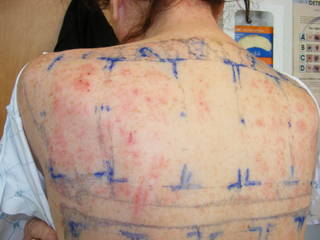
For patients like this, the best alternative is a PABA-free sunscreen that contains zinc and titanium oxide – inert compounds that are physical barriers against UV light, rather than chemical barriers.
And although SPF ratings might look great in advertisements, it is almost a sure bet that sun-seeking patients are not getting nearly the protection promised, Dr. Berger noted. "Some interesting recent studies have looked at what SPF you actually get what you put on sunscreen. The amount used in testing is actually about four times more than what people really use."
One study found that most people apply about 0.5 mg/cm2, while the lab tests use a volume of 2 mg/cm2 to achieve the advertised SPF (J. Am. Acad. Dermatol. 2010;62:218-22). "The problem is, efficacy falls off in a very sharp way," Dr. Berger said. "If you apply SPF 30 sun block [at one-quarter the recommended amount], you only end up with an actual SPF of about 3."
"We need to make sure our patients understand this. And while most people are still not going to use the necessary amount, we can stress the importance of reapplying frequently, which can help keep the protective value up somewhat," he said.
Light Therapy for Atopy
UV light therapy is a frequent treatment for eczema and other atopic dermatoses, but for about 3% of patients, it the wrong thing to offer, Dr. Berger said. "For this small population, sun exposure actually makes the condition worse. Put them in the light box and the eczema will flare."
More than a cursory skin exam should be performed on patients with atopic dermatitis, he recommended. "Have them remove their clothing at least from the waist up. Look for eczema that has a photo distribution: It might be worse on the face and side of the neck, but beneath the chin the skin could be spared. If it looks like a photo-distributed rash, and they report a history of flare with sun exposure, then prescribing aggressive sun protection might make a big difference."
A frequently missed diagnosis in young children – particularly infants – is erythropoietic protoporphyria (EPP). "The first time these infants go out into the sun, they will start screaming, because their skin is burning," Dr. Berger said. As quickly as 1 hour after sun exposure, they may develop erythema, edema, urticarial lesions, or purpura on exposed skin.
Europeans are somewhat ahead in drug research for treating EPP, Dr. Berger noted, but the United States is catching up. The University of California is one of six U.S. study sites participating in a phase II placebo-controlled trial of afamelanotide, a synthetically produced analog of human alpha-melanocytic–stimulating hormone (alpha-MSH).
"The hope is that the drug will stimulate the production of melanin, which actually has two benefits," Dr. Berger said. "First, it's a photo protectant, but it's also an antioxidant."
When porphyrins absorb UV rays, they release free radicals that lead to the acute and chronic damage that occurs on EPP patient skin. The porphyrins can accumulate and damage other tissues – including the liver, which causes problems for about 20% of EPP patients. The extra melanin can help neutralize these highly reactive oxygen species and provide protection from the acute symptoms patients suffer when skin is exposed.
While afamelanotide can never cure EPP, Dr. Berger said, it might afford patients the opportunity to live a more normal life. "While they will never be going out looking for a tan, at least they may be able to enjoy being outdoors without having to be completely encased in clothing."
Dr. Berger disclosed serving as a consultant for Prescription Solutions. SDEF and this news organization are owned by Elsevier.
Sunscreens are an important part of a dermatologist's tool kit, but they're not a panacea for UV-induced damage, according to Dr. Timothy Berger.
Although sunscreens work well in laboratory testing, almost no one applies them in a way that will provide the advertised UV protection, Dr. Berger noted at the Las Vegas Dermatology Seminar sponsored by Skin Disease Education Foundation (SDEF). And for some patients, sunscreens can exacerbate their UV-induced problems.
Sunscreens themselves, not the vehicular preservatives, are usually the culprit when a patient presents with a complaint of being allergic to sunscreens, said Dr. Berger, a professor of dermatology at the University of California, San Francisco.
"You will usually find that the dermatitis only occurs in areas touched by the sun," he said in an interview. "The problem is often an allergy to the PABA or PABA-related substances in the sunscreen they are using."
For patients like this, the best alternative is a PABA-free sunscreen that contains zinc and titanium oxide – inert compounds that are physical barriers against UV light, rather than chemical barriers.
And although SPF ratings might look great in advertisements, it is almost a sure bet that sun-seeking patients are not getting nearly the protection promised, Dr. Berger noted. "Some interesting recent studies have looked at what SPF you actually get what you put on sunscreen. The amount used in testing is actually about four times more than what people really use."
One study found that most people apply about 0.5 mg/cm2, while the lab tests use a volume of 2 mg/cm2 to achieve the advertised SPF (J. Am. Acad. Dermatol. 2010;62:218-22). "The problem is, efficacy falls off in a very sharp way," Dr. Berger said. "If you apply SPF 30 sun block [at one-quarter the recommended amount], you only end up with an actual SPF of about 3."
"We need to make sure our patients understand this. And while most people are still not going to use the necessary amount, we can stress the importance of reapplying frequently, which can help keep the protective value up somewhat," he said.
Light Therapy for Atopy
UV light therapy is a frequent treatment for eczema and other atopic dermatoses, but for about 3% of patients, it the wrong thing to offer, Dr. Berger said. "For this small population, sun exposure actually makes the condition worse. Put them in the light box and the eczema will flare."
More than a cursory skin exam should be performed on patients with atopic dermatitis, he recommended. "Have them remove their clothing at least from the waist up. Look for eczema that has a photo distribution: It might be worse on the face and side of the neck, but beneath the chin the skin could be spared. If it looks like a photo-distributed rash, and they report a history of flare with sun exposure, then prescribing aggressive sun protection might make a big difference."
A frequently missed diagnosis in young children – particularly infants – is erythropoietic protoporphyria (EPP). "The first time these infants go out into the sun, they will start screaming, because their skin is burning," Dr. Berger said. As quickly as 1 hour after sun exposure, they may develop erythema, edema, urticarial lesions, or purpura on exposed skin.
Europeans are somewhat ahead in drug research for treating EPP, Dr. Berger noted, but the United States is catching up. The University of California is one of six U.S. study sites participating in a phase II placebo-controlled trial of afamelanotide, a synthetically produced analog of human alpha-melanocytic–stimulating hormone (alpha-MSH).
"The hope is that the drug will stimulate the production of melanin, which actually has two benefits," Dr. Berger said. "First, it's a photo protectant, but it's also an antioxidant."
When porphyrins absorb UV rays, they release free radicals that lead to the acute and chronic damage that occurs on EPP patient skin. The porphyrins can accumulate and damage other tissues – including the liver, which causes problems for about 20% of EPP patients. The extra melanin can help neutralize these highly reactive oxygen species and provide protection from the acute symptoms patients suffer when skin is exposed.
While afamelanotide can never cure EPP, Dr. Berger said, it might afford patients the opportunity to live a more normal life. "While they will never be going out looking for a tan, at least they may be able to enjoy being outdoors without having to be completely encased in clothing."
Dr. Berger disclosed serving as a consultant for Prescription Solutions. SDEF and this news organization are owned by Elsevier.
Sunscreens are an important part of a dermatologist's tool kit, but they're not a panacea for UV-induced damage, according to Dr. Timothy Berger.
Although sunscreens work well in laboratory testing, almost no one applies them in a way that will provide the advertised UV protection, Dr. Berger noted at the Las Vegas Dermatology Seminar sponsored by Skin Disease Education Foundation (SDEF). And for some patients, sunscreens can exacerbate their UV-induced problems.
Sunscreens themselves, not the vehicular preservatives, are usually the culprit when a patient presents with a complaint of being allergic to sunscreens, said Dr. Berger, a professor of dermatology at the University of California, San Francisco.
"You will usually find that the dermatitis only occurs in areas touched by the sun," he said in an interview. "The problem is often an allergy to the PABA or PABA-related substances in the sunscreen they are using."
For patients like this, the best alternative is a PABA-free sunscreen that contains zinc and titanium oxide – inert compounds that are physical barriers against UV light, rather than chemical barriers.
And although SPF ratings might look great in advertisements, it is almost a sure bet that sun-seeking patients are not getting nearly the protection promised, Dr. Berger noted. "Some interesting recent studies have looked at what SPF you actually get what you put on sunscreen. The amount used in testing is actually about four times more than what people really use."
One study found that most people apply about 0.5 mg/cm2, while the lab tests use a volume of 2 mg/cm2 to achieve the advertised SPF (J. Am. Acad. Dermatol. 2010;62:218-22). "The problem is, efficacy falls off in a very sharp way," Dr. Berger said. "If you apply SPF 30 sun block [at one-quarter the recommended amount], you only end up with an actual SPF of about 3."
"We need to make sure our patients understand this. And while most people are still not going to use the necessary amount, we can stress the importance of reapplying frequently, which can help keep the protective value up somewhat," he said.
Light Therapy for Atopy
UV light therapy is a frequent treatment for eczema and other atopic dermatoses, but for about 3% of patients, it the wrong thing to offer, Dr. Berger said. "For this small population, sun exposure actually makes the condition worse. Put them in the light box and the eczema will flare."
More than a cursory skin exam should be performed on patients with atopic dermatitis, he recommended. "Have them remove their clothing at least from the waist up. Look for eczema that has a photo distribution: It might be worse on the face and side of the neck, but beneath the chin the skin could be spared. If it looks like a photo-distributed rash, and they report a history of flare with sun exposure, then prescribing aggressive sun protection might make a big difference."
A frequently missed diagnosis in young children – particularly infants – is erythropoietic protoporphyria (EPP). "The first time these infants go out into the sun, they will start screaming, because their skin is burning," Dr. Berger said. As quickly as 1 hour after sun exposure, they may develop erythema, edema, urticarial lesions, or purpura on exposed skin.
Europeans are somewhat ahead in drug research for treating EPP, Dr. Berger noted, but the United States is catching up. The University of California is one of six U.S. study sites participating in a phase II placebo-controlled trial of afamelanotide, a synthetically produced analog of human alpha-melanocytic–stimulating hormone (alpha-MSH).
"The hope is that the drug will stimulate the production of melanin, which actually has two benefits," Dr. Berger said. "First, it's a photo protectant, but it's also an antioxidant."
When porphyrins absorb UV rays, they release free radicals that lead to the acute and chronic damage that occurs on EPP patient skin. The porphyrins can accumulate and damage other tissues – including the liver, which causes problems for about 20% of EPP patients. The extra melanin can help neutralize these highly reactive oxygen species and provide protection from the acute symptoms patients suffer when skin is exposed.
While afamelanotide can never cure EPP, Dr. Berger said, it might afford patients the opportunity to live a more normal life. "While they will never be going out looking for a tan, at least they may be able to enjoy being outdoors without having to be completely encased in clothing."
Dr. Berger disclosed serving as a consultant for Prescription Solutions. SDEF and this news organization are owned by Elsevier.
EXPERT ANALYSIS FROM THE SDEF LAS VEGAS DERMATOLOGY SEMINAR
Treating JIA Early: The Future May Be Here
Can early, aggressive treatment stop the often-relentless march of juvenile idiopathic arthritis?
Is there a short window of opportunity, early in the disease, to radically change its course and prevent joint damage?
Is inactive disease not only a worthy – but entirely possible – goal for children with JIA?
Within 6 months, according to Dr. Carol A. Wallace, findings from a small but powerful clinical trial could answer these questions, carrying the potential to completely change the treatment approach used in young patients with JIA.
"I think evidence is growing that early, aggressive therapy can fundamentally change this disease in the first year after diagnosis," she said in an interview. "And if we are looking at an opportunity for change, it behooves us to do everything possible to hit this disease early and hard."
At the annual meeting of the Pediatric Rheumatology European Society, Dr. Wallace, a pediatric rheumatologist and researcher at Seattle Children’s Hospital, spoke about what has, in the past, been considered an unrealistic goal: turning a progressive childhood rheumatologic disease into a manageable disorder, with a minimum of medical therapy and a maximum quality of life.
"People have long underestimated the burden of this disease in children," she said. "They haven’t recognized the value of completely inactive disease, or understood that having no disease activity is a truly achievable goal."
Traditionally, the JIA treatment mantra has been "start low, go slow," adding more powerful medications only as symptoms increase and joint damage becomes apparent. But in the last 10 years or so, researchers have begun to ask another question: What would happen if we hit JIA with more effective treatments, earlier on?
For some, the idea has been a hard sell.
"Yes, our most effective medications are expensive, high powered, and with potential side effects, so many physicians are afraid of using them in children," Dr. Wallace said. "But on the other hand, what would be the real value of inactive disease for these kids? What if they could have a very high quality of life – running around and playing soccer – instead of going to the doctor frequently? Getting off medication sooner could mean less overall drug exposure" than that experienced by children who are treated with less-powerful medications but who, after years of treatment, are still on drugs with active or smoldering disease.
Even administrators who guard the bottom line could be happier because of the expected savings, she said. "This way of treating might actually be more cost effective in the long run. With better quality of life and inactive disease, there could be fewer visits to the doctor, less overall utilization of health care resources, fewer joint replacements, fewer parents missing work for a child’s illness – there are a lot of purely economic ramifications from having complete disease response."
Bit by bit, the evidence supporting this idea has grown, she said at the meeting. In 2008, a retrospective study of 125 patients with at least 5 years of follow-up found that those who achieved an ACR Pedi 70 (American College of Rheumatology Pediatric 70) score by 6 months after initiation of treatment showed sustained, significantly greater improvement over the long run than did nonresponders. At the end of the study, 55% of the responders had inactive disease, compared with 17% of the nonresponders and 29% of those who responded less favorably to treatment (Ann. Rheum. Dis. 2008;67:370-4).
Imaging studies have shown that joint damage in JIA progresses fastest during the first year of the disease. A 2005 study of 13 children with newly diagnosed polyarticular JIA found progressive joint damage in six children after only 14 months. These children started disease-modifying antirheumatic drugs (DMARDs) at an average of 7.5 months after symptoms appeared. The others – who started DMARDs earlier, at an average of 1.6 months after diagnosis – had no progression (Ann. Rheum. Dis. 2005:64:491-3).
Findings from studies involving adults send a similar message: Treatment timing matters. "The evidence tells us that the disease continues to spread to additional joints, and the burden of disease becomes greater with time," Dr. Wallace said. "The adult and pediatric evidence now tells us that if we treat earlier and get it quieted down early, patients do better in the long run."
The data also confirm that treatment type matters. The most recent evidence comes from a 2010 meta-analysis of 15 randomized, controlled trials comprising 4,200 patients with rheumatoid arthritis of less than 3 years’ duration. Treatment regimens in the studies included DMARDs, a combination of tumor necrosis factor (TNF) blockers plus methotrexate, and methotrexate alone. "Both the DMARDs and the combination therapy were superior to methotrexate alone," Dr. Wallace said. Patients taking the anti-TNF and methotrexate had higher ACR responses, fewer withdrawals for inefficacy or toxicity, lower disability scores, and less erosive damage on imaging (Rheumatology 2010;49:91-8).
Again, childhood data show similar findings. A study reported at the 2009 ACR annual meeting randomized 60 DMARD-naive JIA patients with just 6 weeks’ disease duration to methotrexate, methotrexate plus infliximab, or a combo of methotrexate, sulfasalazine, and hydroxychloroquine. At 6 months, an ACR Pedi 75 response occurred in 100% of the double therapy group, 65% of the triple therapy group, and 10% of the methotrexate-only group. By 54 weeks, 68% of the double therapy, 40% of the triple therapy, and 25% of the methotrexate groups had inactive disease.
All of these encouraging data lead to the TREAT (Trial of Early Aggressive Therapy) in JIA trial, the results of which Dr. Carol Wallace is eagerly awaiting. The yearlong study randomized 85 children with polyarticular or extended oligoarticular JIA to one of two aggressive treatment regimens. Because all of the subjects had a disease duration of less than 12 months, TREAT may provide answers about optimal timing as well as optimal therapy.
The study is being conducted by CARRA (Childhood Arthritis and Rheumatology Research Alliance). Founded by researchers, CARRA conducts investigator-initiated clinical trials not only for JIA, but also for other childhood rheumatic diseases (www.carragroup.org). CARRA now comprises 92 pediatric rheumatology centers and more than 300 clinician members all over North America.
TREAT was conducted at 15 CARRA sites. Both weekly treatment arms included subcutaneous methotrexate at 0.5 mg/kg. Group A also received placebo etanercept, folate, NSAIDs as necessary, and a placebo prednisone taper. Group B received, in addition to methotrexate, weekly subcutaneous injections of etanercept at 0.8 mg/kg; folate; NSAIDs as needed; and a 4-month prednisone taper that started at 0.5 mg/kg.
The study’s primary end point is the rate of inactive disease at 6 months. Secondary end points include the rate of ACR Pedi 70 by 4 months; clinical remission on medication by 12 months; safety of the treatment, and MRI of the knee to show potential biologic changes associated with active and inactive disease.
The children’s mean age was 11 years and their mean disease duration was just over 4 months. They had a mean of 22 active joints and a mean erythrocyte sedimentation rate of 37. Their mean Physician Global Assessment score was nearly 7. Most of the children (69%) were positive for antinuclear antibodies; 36% were rheumatoid factor positive.
The last subject visits have just occurred, and so full data analysis has not been completed. Dr. Wallace said that 77 patients finished out the pivotal first 6 months of the trial. At that point, those who achieved a state of inactive disease continued on their assigned treatment arm until the end of the trial, or until they had a flare. Those who still had active disease at 6 months could opt for up to 6 months of open-label etanercept plus methotrexate and a prednisone taper, or up to two intra-articular injections while continuing on their blinded treatment. If they then experienced a flare, they discontinued the trial.
By the end of October, 67 patients (77%) had completed 12 months of the trial. Dr. Wallace and her coinvestigators expect to release the results in the first quarter of 2011.
Despite its relatively small size, she said, TREAT could be practice transforming. "Whatever the result, we plan to deploy this treatment as quickly as we can in clinical practice. That’s actually the beauty of the CARRA network. We can, through our members, make a standard of care based on data. And that’s what this study is all about – finding evidence. We must continue to look for evidence that supports the best way to treat JIA."
Although Amgen supplied the etanercept for TREAT, the study was funded by the National Institute of Arthritis and Musculoskeletal and Skin Diseases of the National Institutes of Health. Dr. Wallace has no financial disclosures with regard to the study.
Can early, aggressive treatment stop the often-relentless march of juvenile idiopathic arthritis?
Is there a short window of opportunity, early in the disease, to radically change its course and prevent joint damage?
Is inactive disease not only a worthy – but entirely possible – goal for children with JIA?
Within 6 months, according to Dr. Carol A. Wallace, findings from a small but powerful clinical trial could answer these questions, carrying the potential to completely change the treatment approach used in young patients with JIA.
"I think evidence is growing that early, aggressive therapy can fundamentally change this disease in the first year after diagnosis," she said in an interview. "And if we are looking at an opportunity for change, it behooves us to do everything possible to hit this disease early and hard."
At the annual meeting of the Pediatric Rheumatology European Society, Dr. Wallace, a pediatric rheumatologist and researcher at Seattle Children’s Hospital, spoke about what has, in the past, been considered an unrealistic goal: turning a progressive childhood rheumatologic disease into a manageable disorder, with a minimum of medical therapy and a maximum quality of life.
"People have long underestimated the burden of this disease in children," she said. "They haven’t recognized the value of completely inactive disease, or understood that having no disease activity is a truly achievable goal."
Traditionally, the JIA treatment mantra has been "start low, go slow," adding more powerful medications only as symptoms increase and joint damage becomes apparent. But in the last 10 years or so, researchers have begun to ask another question: What would happen if we hit JIA with more effective treatments, earlier on?
For some, the idea has been a hard sell.
"Yes, our most effective medications are expensive, high powered, and with potential side effects, so many physicians are afraid of using them in children," Dr. Wallace said. "But on the other hand, what would be the real value of inactive disease for these kids? What if they could have a very high quality of life – running around and playing soccer – instead of going to the doctor frequently? Getting off medication sooner could mean less overall drug exposure" than that experienced by children who are treated with less-powerful medications but who, after years of treatment, are still on drugs with active or smoldering disease.
Even administrators who guard the bottom line could be happier because of the expected savings, she said. "This way of treating might actually be more cost effective in the long run. With better quality of life and inactive disease, there could be fewer visits to the doctor, less overall utilization of health care resources, fewer joint replacements, fewer parents missing work for a child’s illness – there are a lot of purely economic ramifications from having complete disease response."
Bit by bit, the evidence supporting this idea has grown, she said at the meeting. In 2008, a retrospective study of 125 patients with at least 5 years of follow-up found that those who achieved an ACR Pedi 70 (American College of Rheumatology Pediatric 70) score by 6 months after initiation of treatment showed sustained, significantly greater improvement over the long run than did nonresponders. At the end of the study, 55% of the responders had inactive disease, compared with 17% of the nonresponders and 29% of those who responded less favorably to treatment (Ann. Rheum. Dis. 2008;67:370-4).
Imaging studies have shown that joint damage in JIA progresses fastest during the first year of the disease. A 2005 study of 13 children with newly diagnosed polyarticular JIA found progressive joint damage in six children after only 14 months. These children started disease-modifying antirheumatic drugs (DMARDs) at an average of 7.5 months after symptoms appeared. The others – who started DMARDs earlier, at an average of 1.6 months after diagnosis – had no progression (Ann. Rheum. Dis. 2005:64:491-3).
Findings from studies involving adults send a similar message: Treatment timing matters. "The evidence tells us that the disease continues to spread to additional joints, and the burden of disease becomes greater with time," Dr. Wallace said. "The adult and pediatric evidence now tells us that if we treat earlier and get it quieted down early, patients do better in the long run."
The data also confirm that treatment type matters. The most recent evidence comes from a 2010 meta-analysis of 15 randomized, controlled trials comprising 4,200 patients with rheumatoid arthritis of less than 3 years’ duration. Treatment regimens in the studies included DMARDs, a combination of tumor necrosis factor (TNF) blockers plus methotrexate, and methotrexate alone. "Both the DMARDs and the combination therapy were superior to methotrexate alone," Dr. Wallace said. Patients taking the anti-TNF and methotrexate had higher ACR responses, fewer withdrawals for inefficacy or toxicity, lower disability scores, and less erosive damage on imaging (Rheumatology 2010;49:91-8).
Again, childhood data show similar findings. A study reported at the 2009 ACR annual meeting randomized 60 DMARD-naive JIA patients with just 6 weeks’ disease duration to methotrexate, methotrexate plus infliximab, or a combo of methotrexate, sulfasalazine, and hydroxychloroquine. At 6 months, an ACR Pedi 75 response occurred in 100% of the double therapy group, 65% of the triple therapy group, and 10% of the methotrexate-only group. By 54 weeks, 68% of the double therapy, 40% of the triple therapy, and 25% of the methotrexate groups had inactive disease.
All of these encouraging data lead to the TREAT (Trial of Early Aggressive Therapy) in JIA trial, the results of which Dr. Carol Wallace is eagerly awaiting. The yearlong study randomized 85 children with polyarticular or extended oligoarticular JIA to one of two aggressive treatment regimens. Because all of the subjects had a disease duration of less than 12 months, TREAT may provide answers about optimal timing as well as optimal therapy.
The study is being conducted by CARRA (Childhood Arthritis and Rheumatology Research Alliance). Founded by researchers, CARRA conducts investigator-initiated clinical trials not only for JIA, but also for other childhood rheumatic diseases (www.carragroup.org). CARRA now comprises 92 pediatric rheumatology centers and more than 300 clinician members all over North America.
TREAT was conducted at 15 CARRA sites. Both weekly treatment arms included subcutaneous methotrexate at 0.5 mg/kg. Group A also received placebo etanercept, folate, NSAIDs as necessary, and a placebo prednisone taper. Group B received, in addition to methotrexate, weekly subcutaneous injections of etanercept at 0.8 mg/kg; folate; NSAIDs as needed; and a 4-month prednisone taper that started at 0.5 mg/kg.
The study’s primary end point is the rate of inactive disease at 6 months. Secondary end points include the rate of ACR Pedi 70 by 4 months; clinical remission on medication by 12 months; safety of the treatment, and MRI of the knee to show potential biologic changes associated with active and inactive disease.
The children’s mean age was 11 years and their mean disease duration was just over 4 months. They had a mean of 22 active joints and a mean erythrocyte sedimentation rate of 37. Their mean Physician Global Assessment score was nearly 7. Most of the children (69%) were positive for antinuclear antibodies; 36% were rheumatoid factor positive.
The last subject visits have just occurred, and so full data analysis has not been completed. Dr. Wallace said that 77 patients finished out the pivotal first 6 months of the trial. At that point, those who achieved a state of inactive disease continued on their assigned treatment arm until the end of the trial, or until they had a flare. Those who still had active disease at 6 months could opt for up to 6 months of open-label etanercept plus methotrexate and a prednisone taper, or up to two intra-articular injections while continuing on their blinded treatment. If they then experienced a flare, they discontinued the trial.
By the end of October, 67 patients (77%) had completed 12 months of the trial. Dr. Wallace and her coinvestigators expect to release the results in the first quarter of 2011.
Despite its relatively small size, she said, TREAT could be practice transforming. "Whatever the result, we plan to deploy this treatment as quickly as we can in clinical practice. That’s actually the beauty of the CARRA network. We can, through our members, make a standard of care based on data. And that’s what this study is all about – finding evidence. We must continue to look for evidence that supports the best way to treat JIA."
Although Amgen supplied the etanercept for TREAT, the study was funded by the National Institute of Arthritis and Musculoskeletal and Skin Diseases of the National Institutes of Health. Dr. Wallace has no financial disclosures with regard to the study.
Can early, aggressive treatment stop the often-relentless march of juvenile idiopathic arthritis?
Is there a short window of opportunity, early in the disease, to radically change its course and prevent joint damage?
Is inactive disease not only a worthy – but entirely possible – goal for children with JIA?
Within 6 months, according to Dr. Carol A. Wallace, findings from a small but powerful clinical trial could answer these questions, carrying the potential to completely change the treatment approach used in young patients with JIA.
"I think evidence is growing that early, aggressive therapy can fundamentally change this disease in the first year after diagnosis," she said in an interview. "And if we are looking at an opportunity for change, it behooves us to do everything possible to hit this disease early and hard."
At the annual meeting of the Pediatric Rheumatology European Society, Dr. Wallace, a pediatric rheumatologist and researcher at Seattle Children’s Hospital, spoke about what has, in the past, been considered an unrealistic goal: turning a progressive childhood rheumatologic disease into a manageable disorder, with a minimum of medical therapy and a maximum quality of life.
"People have long underestimated the burden of this disease in children," she said. "They haven’t recognized the value of completely inactive disease, or understood that having no disease activity is a truly achievable goal."
Traditionally, the JIA treatment mantra has been "start low, go slow," adding more powerful medications only as symptoms increase and joint damage becomes apparent. But in the last 10 years or so, researchers have begun to ask another question: What would happen if we hit JIA with more effective treatments, earlier on?
For some, the idea has been a hard sell.
"Yes, our most effective medications are expensive, high powered, and with potential side effects, so many physicians are afraid of using them in children," Dr. Wallace said. "But on the other hand, what would be the real value of inactive disease for these kids? What if they could have a very high quality of life – running around and playing soccer – instead of going to the doctor frequently? Getting off medication sooner could mean less overall drug exposure" than that experienced by children who are treated with less-powerful medications but who, after years of treatment, are still on drugs with active or smoldering disease.
Even administrators who guard the bottom line could be happier because of the expected savings, she said. "This way of treating might actually be more cost effective in the long run. With better quality of life and inactive disease, there could be fewer visits to the doctor, less overall utilization of health care resources, fewer joint replacements, fewer parents missing work for a child’s illness – there are a lot of purely economic ramifications from having complete disease response."
Bit by bit, the evidence supporting this idea has grown, she said at the meeting. In 2008, a retrospective study of 125 patients with at least 5 years of follow-up found that those who achieved an ACR Pedi 70 (American College of Rheumatology Pediatric 70) score by 6 months after initiation of treatment showed sustained, significantly greater improvement over the long run than did nonresponders. At the end of the study, 55% of the responders had inactive disease, compared with 17% of the nonresponders and 29% of those who responded less favorably to treatment (Ann. Rheum. Dis. 2008;67:370-4).
Imaging studies have shown that joint damage in JIA progresses fastest during the first year of the disease. A 2005 study of 13 children with newly diagnosed polyarticular JIA found progressive joint damage in six children after only 14 months. These children started disease-modifying antirheumatic drugs (DMARDs) at an average of 7.5 months after symptoms appeared. The others – who started DMARDs earlier, at an average of 1.6 months after diagnosis – had no progression (Ann. Rheum. Dis. 2005:64:491-3).
Findings from studies involving adults send a similar message: Treatment timing matters. "The evidence tells us that the disease continues to spread to additional joints, and the burden of disease becomes greater with time," Dr. Wallace said. "The adult and pediatric evidence now tells us that if we treat earlier and get it quieted down early, patients do better in the long run."
The data also confirm that treatment type matters. The most recent evidence comes from a 2010 meta-analysis of 15 randomized, controlled trials comprising 4,200 patients with rheumatoid arthritis of less than 3 years’ duration. Treatment regimens in the studies included DMARDs, a combination of tumor necrosis factor (TNF) blockers plus methotrexate, and methotrexate alone. "Both the DMARDs and the combination therapy were superior to methotrexate alone," Dr. Wallace said. Patients taking the anti-TNF and methotrexate had higher ACR responses, fewer withdrawals for inefficacy or toxicity, lower disability scores, and less erosive damage on imaging (Rheumatology 2010;49:91-8).
Again, childhood data show similar findings. A study reported at the 2009 ACR annual meeting randomized 60 DMARD-naive JIA patients with just 6 weeks’ disease duration to methotrexate, methotrexate plus infliximab, or a combo of methotrexate, sulfasalazine, and hydroxychloroquine. At 6 months, an ACR Pedi 75 response occurred in 100% of the double therapy group, 65% of the triple therapy group, and 10% of the methotrexate-only group. By 54 weeks, 68% of the double therapy, 40% of the triple therapy, and 25% of the methotrexate groups had inactive disease.
All of these encouraging data lead to the TREAT (Trial of Early Aggressive Therapy) in JIA trial, the results of which Dr. Carol Wallace is eagerly awaiting. The yearlong study randomized 85 children with polyarticular or extended oligoarticular JIA to one of two aggressive treatment regimens. Because all of the subjects had a disease duration of less than 12 months, TREAT may provide answers about optimal timing as well as optimal therapy.
The study is being conducted by CARRA (Childhood Arthritis and Rheumatology Research Alliance). Founded by researchers, CARRA conducts investigator-initiated clinical trials not only for JIA, but also for other childhood rheumatic diseases (www.carragroup.org). CARRA now comprises 92 pediatric rheumatology centers and more than 300 clinician members all over North America.
TREAT was conducted at 15 CARRA sites. Both weekly treatment arms included subcutaneous methotrexate at 0.5 mg/kg. Group A also received placebo etanercept, folate, NSAIDs as necessary, and a placebo prednisone taper. Group B received, in addition to methotrexate, weekly subcutaneous injections of etanercept at 0.8 mg/kg; folate; NSAIDs as needed; and a 4-month prednisone taper that started at 0.5 mg/kg.
The study’s primary end point is the rate of inactive disease at 6 months. Secondary end points include the rate of ACR Pedi 70 by 4 months; clinical remission on medication by 12 months; safety of the treatment, and MRI of the knee to show potential biologic changes associated with active and inactive disease.
The children’s mean age was 11 years and their mean disease duration was just over 4 months. They had a mean of 22 active joints and a mean erythrocyte sedimentation rate of 37. Their mean Physician Global Assessment score was nearly 7. Most of the children (69%) were positive for antinuclear antibodies; 36% were rheumatoid factor positive.
The last subject visits have just occurred, and so full data analysis has not been completed. Dr. Wallace said that 77 patients finished out the pivotal first 6 months of the trial. At that point, those who achieved a state of inactive disease continued on their assigned treatment arm until the end of the trial, or until they had a flare. Those who still had active disease at 6 months could opt for up to 6 months of open-label etanercept plus methotrexate and a prednisone taper, or up to two intra-articular injections while continuing on their blinded treatment. If they then experienced a flare, they discontinued the trial.
By the end of October, 67 patients (77%) had completed 12 months of the trial. Dr. Wallace and her coinvestigators expect to release the results in the first quarter of 2011.
Despite its relatively small size, she said, TREAT could be practice transforming. "Whatever the result, we plan to deploy this treatment as quickly as we can in clinical practice. That’s actually the beauty of the CARRA network. We can, through our members, make a standard of care based on data. And that’s what this study is all about – finding evidence. We must continue to look for evidence that supports the best way to treat JIA."
Although Amgen supplied the etanercept for TREAT, the study was funded by the National Institute of Arthritis and Musculoskeletal and Skin Diseases of the National Institutes of Health. Dr. Wallace has no financial disclosures with regard to the study.
Treating JIA Early: The Future May Be Here
Can early, aggressive treatment stop the often-relentless march of juvenile idiopathic arthritis?
Is there a short window of opportunity, early in the disease, to radically change its course and prevent joint damage?
Is inactive disease not only a worthy – but entirely possible – goal for children with JIA?
Within 6 months, according to Dr. Carol A. Wallace, findings from a small but powerful clinical trial could answer these questions, carrying the potential to completely change the treatment approach used in young patients with JIA.
"I think evidence is growing that early, aggressive therapy can fundamentally change this disease in the first year after diagnosis," she said in an interview. "And if we are looking at an opportunity for change, it behooves us to do everything possible to hit this disease early and hard."
At the annual meeting of the Pediatric Rheumatology European Society, Dr. Wallace, a pediatric rheumatologist and researcher at Seattle Children’s Hospital, spoke about what has, in the past, been considered an unrealistic goal: turning a progressive childhood rheumatologic disease into a manageable disorder, with a minimum of medical therapy and a maximum quality of life.
"People have long underestimated the burden of this disease in children," she said. "They haven’t recognized the value of completely inactive disease, or understood that having no disease activity is a truly achievable goal."
Traditionally, the JIA treatment mantra has been "start low, go slow," adding more powerful medications only as symptoms increase and joint damage becomes apparent. But in the last 10 years or so, researchers have begun to ask another question: What would happen if we hit JIA with more effective treatments, earlier on?
For some, the idea has been a hard sell.
"Yes, our most effective medications are expensive, high powered, and with potential side effects, so many physicians are afraid of using them in children," Dr. Wallace said. "But on the other hand, what would be the real value of inactive disease for these kids? What if they could have a very high quality of life – running around and playing soccer – instead of going to the doctor frequently? Getting off medication sooner could mean less overall drug exposure" than that experienced by children who are treated with less-powerful medications but who, after years of treatment, are still on drugs with active or smoldering disease.
Even administrators who guard the bottom line could be happier because of the expected savings, she said. "This way of treating might actually be more cost effective in the long run. With better quality of life and inactive disease, there could be fewer visits to the doctor, less overall utilization of health care resources, fewer joint replacements, fewer parents missing work for a child’s illness – there are a lot of purely economic ramifications from having complete disease response."
Bit by bit, the evidence supporting this idea has grown, she said at the meeting. In 2008, a retrospective study of 125 patients with at least 5 years of follow-up found that those who achieved an ACR Pedi 70 (American College of Rheumatology Pediatric 70) score by 6 months after initiation of treatment showed sustained, significantly greater improvement over the long run than did nonresponders. At the end of the study, 55% of the responders had inactive disease, compared with 17% of the nonresponders and 29% of those who responded less favorably to treatment (Ann. Rheum. Dis. 2008;67:370-4).
Imaging studies have shown that joint damage in JIA progresses fastest during the first year of the disease. A 2005 study of 13 children with newly diagnosed polyarticular JIA found progressive joint damage in six children after only 14 months. These children started disease-modifying antirheumatic drugs (DMARDs) at an average of 7.5 months after symptoms appeared. The others – who started DMARDs earlier, at an average of 1.6 months after diagnosis – had no progression (Ann. Rheum. Dis. 2005:64:491-3).
Findings from studies involving adults send a similar message: Treatment timing matters. "The evidence tells us that the disease continues to spread to additional joints, and the burden of disease becomes greater with time," Dr. Wallace said. "The adult and pediatric evidence now tells us that if we treat earlier and get it quieted down early, patients do better in the long run."
The data also confirm that treatment type matters. The most recent evidence comes from a 2010 meta-analysis of 15 randomized, controlled trials comprising 4,200 patients with rheumatoid arthritis of less than 3 years’ duration. Treatment regimens in the studies included DMARDs, a combination of tumor necrosis factor (TNF) blockers plus methotrexate, and methotrexate alone. "Both the DMARDs and the combination therapy were superior to methotrexate alone," Dr. Wallace said. Patients taking the anti-TNF and methotrexate had higher ACR responses, fewer withdrawals for inefficacy or toxicity, lower disability scores, and less erosive damage on imaging (Rheumatology 2010;49:91-8).
Again, childhood data show similar findings. A study reported at the 2009 ACR annual meeting randomized 60 DMARD-naive JIA patients with just 6 weeks’ disease duration to methotrexate, methotrexate plus infliximab, or a combo of methotrexate, sulfasalazine, and hydroxychloroquine. At 6 months, an ACR Pedi 75 response occurred in 100% of the double therapy group, 65% of the triple therapy group, and 10% of the methotrexate-only group. By 54 weeks, 68% of the double therapy, 40% of the triple therapy, and 25% of the methotrexate groups had inactive disease.
All of these encouraging data lead to the TREAT (Trial of Early Aggressive Therapy) in JIA trial, the results of which Dr. Carol Wallace is eagerly awaiting. The yearlong study randomized 85 children with polyarticular or extended oligoarticular JIA to one of two aggressive treatment regimens. Because all of the subjects had a disease duration of less than 12 months, TREAT may provide answers about optimal timing as well as optimal therapy.
The study is being conducted by CARRA (Childhood Arthritis and Rheumatology Research Alliance). Founded by researchers, CARRA conducts investigator-initiated clinical trials not only for JIA, but also for other childhood rheumatic diseases (www.carragroup.org). CARRA now comprises 92 pediatric rheumatology centers and more than 300 clinician members all over North America.
TREAT was conducted at 15 CARRA sites. Both weekly treatment arms included subcutaneous methotrexate at 0.5 mg/kg. Group A also received placebo etanercept, folate, NSAIDs as necessary, and a placebo prednisone taper. Group B received, in addition to methotrexate, weekly subcutaneous injections of etanercept at 0.8 mg/kg; folate; NSAIDs as needed; and a 4-month prednisone taper that started at 0.5 mg/kg.
The study’s primary end point is the rate of inactive disease at 6 months. Secondary end points include the rate of ACR Pedi 70 by 4 months; clinical remission on medication by 12 months; safety of the treatment, and MRI of the knee to show potential biologic changes associated with active and inactive disease.
The children’s mean age was 11 years and their mean disease duration was just over 4 months. They had a mean of 22 active joints and a mean erythrocyte sedimentation rate of 37. Their mean Physician Global Assessment score was nearly 7. Most of the children (69%) were positive for antinuclear antibodies; 36% were rheumatoid factor positive.
The last subject visits have just occurred, and so full data analysis has not been completed. Dr. Wallace said that 77 patients finished out the pivotal first 6 months of the trial. At that point, those who achieved a state of inactive disease continued on their assigned treatment arm until the end of the trial, or until they had a flare. Those who still had active disease at 6 months could opt for up to 6 months of open-label etanercept plus methotrexate and a prednisone taper, or up to two intra-articular injections while continuing on their blinded treatment. If they then experienced a flare, they discontinued the trial.
By the end of October, 67 patients (77%) had completed 12 months of the trial. Dr. Wallace and her coinvestigators expect to release the results in the first quarter of 2011.
Despite its relatively small size, she said, TREAT could be practice transforming. "Whatever the result, we plan to deploy this treatment as quickly as we can in clinical practice. That’s actually the beauty of the CARRA network. We can, through our members, make a standard of care based on data. And that’s what this study is all about – finding evidence. We must continue to look for evidence that supports the best way to treat JIA."
Although Amgen supplied the etanercept for TREAT, the study was funded by the National Institute of Arthritis and Musculoskeletal and Skin Diseases of the National Institutes of Health. Dr. Wallace has no financial disclosures with regard to the study.
Can early, aggressive treatment stop the often-relentless march of juvenile idiopathic arthritis?
Is there a short window of opportunity, early in the disease, to radically change its course and prevent joint damage?
Is inactive disease not only a worthy – but entirely possible – goal for children with JIA?
Within 6 months, according to Dr. Carol A. Wallace, findings from a small but powerful clinical trial could answer these questions, carrying the potential to completely change the treatment approach used in young patients with JIA.
"I think evidence is growing that early, aggressive therapy can fundamentally change this disease in the first year after diagnosis," she said in an interview. "And if we are looking at an opportunity for change, it behooves us to do everything possible to hit this disease early and hard."
At the annual meeting of the Pediatric Rheumatology European Society, Dr. Wallace, a pediatric rheumatologist and researcher at Seattle Children’s Hospital, spoke about what has, in the past, been considered an unrealistic goal: turning a progressive childhood rheumatologic disease into a manageable disorder, with a minimum of medical therapy and a maximum quality of life.
"People have long underestimated the burden of this disease in children," she said. "They haven’t recognized the value of completely inactive disease, or understood that having no disease activity is a truly achievable goal."
Traditionally, the JIA treatment mantra has been "start low, go slow," adding more powerful medications only as symptoms increase and joint damage becomes apparent. But in the last 10 years or so, researchers have begun to ask another question: What would happen if we hit JIA with more effective treatments, earlier on?
For some, the idea has been a hard sell.
"Yes, our most effective medications are expensive, high powered, and with potential side effects, so many physicians are afraid of using them in children," Dr. Wallace said. "But on the other hand, what would be the real value of inactive disease for these kids? What if they could have a very high quality of life – running around and playing soccer – instead of going to the doctor frequently? Getting off medication sooner could mean less overall drug exposure" than that experienced by children who are treated with less-powerful medications but who, after years of treatment, are still on drugs with active or smoldering disease.
Even administrators who guard the bottom line could be happier because of the expected savings, she said. "This way of treating might actually be more cost effective in the long run. With better quality of life and inactive disease, there could be fewer visits to the doctor, less overall utilization of health care resources, fewer joint replacements, fewer parents missing work for a child’s illness – there are a lot of purely economic ramifications from having complete disease response."
Bit by bit, the evidence supporting this idea has grown, she said at the meeting. In 2008, a retrospective study of 125 patients with at least 5 years of follow-up found that those who achieved an ACR Pedi 70 (American College of Rheumatology Pediatric 70) score by 6 months after initiation of treatment showed sustained, significantly greater improvement over the long run than did nonresponders. At the end of the study, 55% of the responders had inactive disease, compared with 17% of the nonresponders and 29% of those who responded less favorably to treatment (Ann. Rheum. Dis. 2008;67:370-4).
Imaging studies have shown that joint damage in JIA progresses fastest during the first year of the disease. A 2005 study of 13 children with newly diagnosed polyarticular JIA found progressive joint damage in six children after only 14 months. These children started disease-modifying antirheumatic drugs (DMARDs) at an average of 7.5 months after symptoms appeared. The others – who started DMARDs earlier, at an average of 1.6 months after diagnosis – had no progression (Ann. Rheum. Dis. 2005:64:491-3).
Findings from studies involving adults send a similar message: Treatment timing matters. "The evidence tells us that the disease continues to spread to additional joints, and the burden of disease becomes greater with time," Dr. Wallace said. "The adult and pediatric evidence now tells us that if we treat earlier and get it quieted down early, patients do better in the long run."
The data also confirm that treatment type matters. The most recent evidence comes from a 2010 meta-analysis of 15 randomized, controlled trials comprising 4,200 patients with rheumatoid arthritis of less than 3 years’ duration. Treatment regimens in the studies included DMARDs, a combination of tumor necrosis factor (TNF) blockers plus methotrexate, and methotrexate alone. "Both the DMARDs and the combination therapy were superior to methotrexate alone," Dr. Wallace said. Patients taking the anti-TNF and methotrexate had higher ACR responses, fewer withdrawals for inefficacy or toxicity, lower disability scores, and less erosive damage on imaging (Rheumatology 2010;49:91-8).
Again, childhood data show similar findings. A study reported at the 2009 ACR annual meeting randomized 60 DMARD-naive JIA patients with just 6 weeks’ disease duration to methotrexate, methotrexate plus infliximab, or a combo of methotrexate, sulfasalazine, and hydroxychloroquine. At 6 months, an ACR Pedi 75 response occurred in 100% of the double therapy group, 65% of the triple therapy group, and 10% of the methotrexate-only group. By 54 weeks, 68% of the double therapy, 40% of the triple therapy, and 25% of the methotrexate groups had inactive disease.
All of these encouraging data lead to the TREAT (Trial of Early Aggressive Therapy) in JIA trial, the results of which Dr. Carol Wallace is eagerly awaiting. The yearlong study randomized 85 children with polyarticular or extended oligoarticular JIA to one of two aggressive treatment regimens. Because all of the subjects had a disease duration of less than 12 months, TREAT may provide answers about optimal timing as well as optimal therapy.
The study is being conducted by CARRA (Childhood Arthritis and Rheumatology Research Alliance). Founded by researchers, CARRA conducts investigator-initiated clinical trials not only for JIA, but also for other childhood rheumatic diseases (www.carragroup.org). CARRA now comprises 92 pediatric rheumatology centers and more than 300 clinician members all over North America.
TREAT was conducted at 15 CARRA sites. Both weekly treatment arms included subcutaneous methotrexate at 0.5 mg/kg. Group A also received placebo etanercept, folate, NSAIDs as necessary, and a placebo prednisone taper. Group B received, in addition to methotrexate, weekly subcutaneous injections of etanercept at 0.8 mg/kg; folate; NSAIDs as needed; and a 4-month prednisone taper that started at 0.5 mg/kg.
The study’s primary end point is the rate of inactive disease at 6 months. Secondary end points include the rate of ACR Pedi 70 by 4 months; clinical remission on medication by 12 months; safety of the treatment, and MRI of the knee to show potential biologic changes associated with active and inactive disease.
The children’s mean age was 11 years and their mean disease duration was just over 4 months. They had a mean of 22 active joints and a mean erythrocyte sedimentation rate of 37. Their mean Physician Global Assessment score was nearly 7. Most of the children (69%) were positive for antinuclear antibodies; 36% were rheumatoid factor positive.
The last subject visits have just occurred, and so full data analysis has not been completed. Dr. Wallace said that 77 patients finished out the pivotal first 6 months of the trial. At that point, those who achieved a state of inactive disease continued on their assigned treatment arm until the end of the trial, or until they had a flare. Those who still had active disease at 6 months could opt for up to 6 months of open-label etanercept plus methotrexate and a prednisone taper, or up to two intra-articular injections while continuing on their blinded treatment. If they then experienced a flare, they discontinued the trial.
By the end of October, 67 patients (77%) had completed 12 months of the trial. Dr. Wallace and her coinvestigators expect to release the results in the first quarter of 2011.
Despite its relatively small size, she said, TREAT could be practice transforming. "Whatever the result, we plan to deploy this treatment as quickly as we can in clinical practice. That’s actually the beauty of the CARRA network. We can, through our members, make a standard of care based on data. And that’s what this study is all about – finding evidence. We must continue to look for evidence that supports the best way to treat JIA."
Although Amgen supplied the etanercept for TREAT, the study was funded by the National Institute of Arthritis and Musculoskeletal and Skin Diseases of the National Institutes of Health. Dr. Wallace has no financial disclosures with regard to the study.
Can early, aggressive treatment stop the often-relentless march of juvenile idiopathic arthritis?
Is there a short window of opportunity, early in the disease, to radically change its course and prevent joint damage?
Is inactive disease not only a worthy – but entirely possible – goal for children with JIA?
Within 6 months, according to Dr. Carol A. Wallace, findings from a small but powerful clinical trial could answer these questions, carrying the potential to completely change the treatment approach used in young patients with JIA.
"I think evidence is growing that early, aggressive therapy can fundamentally change this disease in the first year after diagnosis," she said in an interview. "And if we are looking at an opportunity for change, it behooves us to do everything possible to hit this disease early and hard."
At the annual meeting of the Pediatric Rheumatology European Society, Dr. Wallace, a pediatric rheumatologist and researcher at Seattle Children’s Hospital, spoke about what has, in the past, been considered an unrealistic goal: turning a progressive childhood rheumatologic disease into a manageable disorder, with a minimum of medical therapy and a maximum quality of life.
"People have long underestimated the burden of this disease in children," she said. "They haven’t recognized the value of completely inactive disease, or understood that having no disease activity is a truly achievable goal."
Traditionally, the JIA treatment mantra has been "start low, go slow," adding more powerful medications only as symptoms increase and joint damage becomes apparent. But in the last 10 years or so, researchers have begun to ask another question: What would happen if we hit JIA with more effective treatments, earlier on?
For some, the idea has been a hard sell.
"Yes, our most effective medications are expensive, high powered, and with potential side effects, so many physicians are afraid of using them in children," Dr. Wallace said. "But on the other hand, what would be the real value of inactive disease for these kids? What if they could have a very high quality of life – running around and playing soccer – instead of going to the doctor frequently? Getting off medication sooner could mean less overall drug exposure" than that experienced by children who are treated with less-powerful medications but who, after years of treatment, are still on drugs with active or smoldering disease.
Even administrators who guard the bottom line could be happier because of the expected savings, she said. "This way of treating might actually be more cost effective in the long run. With better quality of life and inactive disease, there could be fewer visits to the doctor, less overall utilization of health care resources, fewer joint replacements, fewer parents missing work for a child’s illness – there are a lot of purely economic ramifications from having complete disease response."
Bit by bit, the evidence supporting this idea has grown, she said at the meeting. In 2008, a retrospective study of 125 patients with at least 5 years of follow-up found that those who achieved an ACR Pedi 70 (American College of Rheumatology Pediatric 70) score by 6 months after initiation of treatment showed sustained, significantly greater improvement over the long run than did nonresponders. At the end of the study, 55% of the responders had inactive disease, compared with 17% of the nonresponders and 29% of those who responded less favorably to treatment (Ann. Rheum. Dis. 2008;67:370-4).
Imaging studies have shown that joint damage in JIA progresses fastest during the first year of the disease. A 2005 study of 13 children with newly diagnosed polyarticular JIA found progressive joint damage in six children after only 14 months. These children started disease-modifying antirheumatic drugs (DMARDs) at an average of 7.5 months after symptoms appeared. The others – who started DMARDs earlier, at an average of 1.6 months after diagnosis – had no progression (Ann. Rheum. Dis. 2005:64:491-3).
Findings from studies involving adults send a similar message: Treatment timing matters. "The evidence tells us that the disease continues to spread to additional joints, and the burden of disease becomes greater with time," Dr. Wallace said. "The adult and pediatric evidence now tells us that if we treat earlier and get it quieted down early, patients do better in the long run."
The data also confirm that treatment type matters. The most recent evidence comes from a 2010 meta-analysis of 15 randomized, controlled trials comprising 4,200 patients with rheumatoid arthritis of less than 3 years’ duration. Treatment regimens in the studies included DMARDs, a combination of tumor necrosis factor (TNF) blockers plus methotrexate, and methotrexate alone. "Both the DMARDs and the combination therapy were superior to methotrexate alone," Dr. Wallace said. Patients taking the anti-TNF and methotrexate had higher ACR responses, fewer withdrawals for inefficacy or toxicity, lower disability scores, and less erosive damage on imaging (Rheumatology 2010;49:91-8).
Again, childhood data show similar findings. A study reported at the 2009 ACR annual meeting randomized 60 DMARD-naive JIA patients with just 6 weeks’ disease duration to methotrexate, methotrexate plus infliximab, or a combo of methotrexate, sulfasalazine, and hydroxychloroquine. At 6 months, an ACR Pedi 75 response occurred in 100% of the double therapy group, 65% of the triple therapy group, and 10% of the methotrexate-only group. By 54 weeks, 68% of the double therapy, 40% of the triple therapy, and 25% of the methotrexate groups had inactive disease.
All of these encouraging data lead to the TREAT (Trial of Early Aggressive Therapy) in JIA trial, the results of which Dr. Carol Wallace is eagerly awaiting. The yearlong study randomized 85 children with polyarticular or extended oligoarticular JIA to one of two aggressive treatment regimens. Because all of the subjects had a disease duration of less than 12 months, TREAT may provide answers about optimal timing as well as optimal therapy.
The study is being conducted by CARRA (Childhood Arthritis and Rheumatology Research Alliance). Founded by researchers, CARRA conducts investigator-initiated clinical trials not only for JIA, but also for other childhood rheumatic diseases (www.carragroup.org). CARRA now comprises 92 pediatric rheumatology centers and more than 300 clinician members all over North America.
TREAT was conducted at 15 CARRA sites. Both weekly treatment arms included subcutaneous methotrexate at 0.5 mg/kg. Group A also received placebo etanercept, folate, NSAIDs as necessary, and a placebo prednisone taper. Group B received, in addition to methotrexate, weekly subcutaneous injections of etanercept at 0.8 mg/kg; folate; NSAIDs as needed; and a 4-month prednisone taper that started at 0.5 mg/kg.
The study’s primary end point is the rate of inactive disease at 6 months. Secondary end points include the rate of ACR Pedi 70 by 4 months; clinical remission on medication by 12 months; safety of the treatment, and MRI of the knee to show potential biologic changes associated with active and inactive disease.
The children’s mean age was 11 years and their mean disease duration was just over 4 months. They had a mean of 22 active joints and a mean erythrocyte sedimentation rate of 37. Their mean Physician Global Assessment score was nearly 7. Most of the children (69%) were positive for antinuclear antibodies; 36% were rheumatoid factor positive.
The last subject visits have just occurred, and so full data analysis has not been completed. Dr. Wallace said that 77 patients finished out the pivotal first 6 months of the trial. At that point, those who achieved a state of inactive disease continued on their assigned treatment arm until the end of the trial, or until they had a flare. Those who still had active disease at 6 months could opt for up to 6 months of open-label etanercept plus methotrexate and a prednisone taper, or up to two intra-articular injections while continuing on their blinded treatment. If they then experienced a flare, they discontinued the trial.
By the end of October, 67 patients (77%) had completed 12 months of the trial. Dr. Wallace and her coinvestigators expect to release the results in the first quarter of 2011.
Despite its relatively small size, she said, TREAT could be practice transforming. "Whatever the result, we plan to deploy this treatment as quickly as we can in clinical practice. That’s actually the beauty of the CARRA network. We can, through our members, make a standard of care based on data. And that’s what this study is all about – finding evidence. We must continue to look for evidence that supports the best way to treat JIA."
Although Amgen supplied the etanercept for TREAT, the study was funded by the National Institute of Arthritis and Musculoskeletal and Skin Diseases of the National Institutes of Health. Dr. Wallace has no financial disclosures with regard to the study.
AAN: Put Concussion Experts on the Front Line of Sports
Athletes who might have sustained a concussion during a sporting event should be immediately pulled from play and not return until they have been properly evaluated by a trained health care provider – preferably a neurologist, according to a position statement released Nov. 1 by the American Academy of Neurology.
The academy issued the new set of recommendations in light of the still-unknown long-term effects of concussion on a young person’s developing brain, and because of the risk of sometimes-fatal second-impact syndrome, Dr. Jeffrey Kutcher said in an interview.

The recommendations ideally apply to athletes in any age group but may be of greatest benefit to athletes aged 15-24 years. In this age group, sports are now second only to motor vehicle accidents as the leading cause of traumatic brain injury, according to the statement.
"The essence is that we need a more individualized, hands-on approach to return-to-play decisions, so we can prevent longer symptoms, and more common symptoms," said Dr. Kutcher, lead author of the paper and director and chief of inpatient neurologic services at the University of Michigan’s NeuroSport Program in Ann Arbor. "If you get hit and stay in the game, and get another hit, you’ll have more symptoms, longer symptoms, be out of school longer, and have more interruption of your daily life."
Although football is the sport that springs to mind as potentially the most dangerous, Dr. Kutcher said others hold risk as well, including ice hockey, water polo, field hockey, and diving.
The position paper also calls for a certified athletic trainer to be present at all events that pose a risk for concussion, including practices. The idea that certified trainers and physicians should be more consistently involved in contact sports might be a difficult one for some programs to swallow, Dr. Kutcher admitted – especially small, rural areas that may already be short on money and resources.
However, he said, "if we are going to allow our children to be exposed to this kind of risk, shouldn’t we at least require a certified athletic trainer who is able to identify possible concussions [to be] at each practice and game? If not, then maybe we should be readjusting our thinking about having contact sports until the right people are around to protect our children."
The paper represents an interim update of the academy’s 1997 guideline "The Management of Concussion in Sports."including how repeat concussion plays into second-impact syndrome, cognitive impairment, and even the possibility of a concussion-related dementia, which may develop years after the traumatic brain injury of repeat concussions.
Recent long-term studies have found an association between repeat concussions and the onset of "chronic traumatic encephalopathy," Dr. Kutcher said. "This term has been used to describe pathologic changes seen in the brain at autopsy," which include tau deposition similar to that of Alzheimer’s disease although not in the typical Alzheimer’s brain regions. The pathologic changes are visible on microscopy, but we really don’t know what these changes might mean clinically," he said. "That is still under investigation."
Recently Dr. Kutcher and other members of the practice update committee held conference calls with several national organizations that oversee youth sports, including the American Association of Health Educators.
"We need these groups to partner with the American Academy of Neurology to get this message out – as well as other messages that convey the benefits of fitness [to] brain development and health," he said. "We hope these are some very positive steps in increasing education about this important issue on a larger scale."
Dr. Kutcher testified about the issue earlier this year before a congressional Judiciary Committee hearing, held in Detroit. During that hearing, he made the case for an individualized approach to managing concussion during contact sports.
"Because the brain is a highly complex, individualized, and dynamic organ, concussion management does not lend itself well to the use of protocols. It is, rather, an injury that is best managed by people with neurological expertise and experience treating athletes," he said in his written testimony.
"Unfortunately, the vast majority of athletes who sustain a concussion do not have access to concussion experts. Add to this the fact that approximately half of all high school athletes in this country do not have access to certified athletic trainers or any other medical specialist on site, and the problem deepens. Because of these shortages, sports concussion is a public health issue that could use protocols that can be followed by our country’s network of primary care providers, as well as more simple guidelines that can be followed by parents, coaches, friends, and teammates."
Athletes who might have sustained a concussion during a sporting event should be immediately pulled from play and not return until they have been properly evaluated by a trained health care provider – preferably a neurologist, according to a position statement released Nov. 1 by the American Academy of Neurology.
The academy issued the new set of recommendations in light of the still-unknown long-term effects of concussion on a young person’s developing brain, and because of the risk of sometimes-fatal second-impact syndrome, Dr. Jeffrey Kutcher said in an interview.
The recommendations ideally apply to athletes in any age group but may be of greatest benefit to athletes aged 15-24 years. In this age group, sports are now second only to motor vehicle accidents as the leading cause of traumatic brain injury, according to the statement.
"The essence is that we need a more individualized, hands-on approach to return-to-play decisions, so we can prevent longer symptoms, and more common symptoms," said Dr. Kutcher, lead author of the paper and director and chief of inpatient neurologic services at the University of Michigan’s NeuroSport Program in Ann Arbor. "If you get hit and stay in the game, and get another hit, you’ll have more symptoms, longer symptoms, be out of school longer, and have more interruption of your daily life."
Although football is the sport that springs to mind as potentially the most dangerous, Dr. Kutcher said others hold risk as well, including ice hockey, water polo, field hockey, and diving.
The position paper also calls for a certified athletic trainer to be present at all events that pose a risk for concussion, including practices. The idea that certified trainers and physicians should be more consistently involved in contact sports might be a difficult one for some programs to swallow, Dr. Kutcher admitted – especially small, rural areas that may already be short on money and resources.
However, he said, "if we are going to allow our children to be exposed to this kind of risk, shouldn’t we at least require a certified athletic trainer who is able to identify possible concussions [to be] at each practice and game? If not, then maybe we should be readjusting our thinking about having contact sports until the right people are around to protect our children."
The paper represents an interim update of the academy’s 1997 guideline "The Management of Concussion in Sports."including how repeat concussion plays into second-impact syndrome, cognitive impairment, and even the possibility of a concussion-related dementia, which may develop years after the traumatic brain injury of repeat concussions.
Recent long-term studies have found an association between repeat concussions and the onset of "chronic traumatic encephalopathy," Dr. Kutcher said. "This term has been used to describe pathologic changes seen in the brain at autopsy," which include tau deposition similar to that of Alzheimer’s disease although not in the typical Alzheimer’s brain regions. The pathologic changes are visible on microscopy, but we really don’t know what these changes might mean clinically," he said. "That is still under investigation."
Recently Dr. Kutcher and other members of the practice update committee held conference calls with several national organizations that oversee youth sports, including the American Association of Health Educators.
"We need these groups to partner with the American Academy of Neurology to get this message out – as well as other messages that convey the benefits of fitness [to] brain development and health," he said. "We hope these are some very positive steps in increasing education about this important issue on a larger scale."
Dr. Kutcher testified about the issue earlier this year before a congressional Judiciary Committee hearing, held in Detroit. During that hearing, he made the case for an individualized approach to managing concussion during contact sports.
"Because the brain is a highly complex, individualized, and dynamic organ, concussion management does not lend itself well to the use of protocols. It is, rather, an injury that is best managed by people with neurological expertise and experience treating athletes," he said in his written testimony.
"Unfortunately, the vast majority of athletes who sustain a concussion do not have access to concussion experts. Add to this the fact that approximately half of all high school athletes in this country do not have access to certified athletic trainers or any other medical specialist on site, and the problem deepens. Because of these shortages, sports concussion is a public health issue that could use protocols that can be followed by our country’s network of primary care providers, as well as more simple guidelines that can be followed by parents, coaches, friends, and teammates."
Athletes who might have sustained a concussion during a sporting event should be immediately pulled from play and not return until they have been properly evaluated by a trained health care provider – preferably a neurologist, according to a position statement released Nov. 1 by the American Academy of Neurology.
The academy issued the new set of recommendations in light of the still-unknown long-term effects of concussion on a young person’s developing brain, and because of the risk of sometimes-fatal second-impact syndrome, Dr. Jeffrey Kutcher said in an interview.
The recommendations ideally apply to athletes in any age group but may be of greatest benefit to athletes aged 15-24 years. In this age group, sports are now second only to motor vehicle accidents as the leading cause of traumatic brain injury, according to the statement.
"The essence is that we need a more individualized, hands-on approach to return-to-play decisions, so we can prevent longer symptoms, and more common symptoms," said Dr. Kutcher, lead author of the paper and director and chief of inpatient neurologic services at the University of Michigan’s NeuroSport Program in Ann Arbor. "If you get hit and stay in the game, and get another hit, you’ll have more symptoms, longer symptoms, be out of school longer, and have more interruption of your daily life."
Although football is the sport that springs to mind as potentially the most dangerous, Dr. Kutcher said others hold risk as well, including ice hockey, water polo, field hockey, and diving.
The position paper also calls for a certified athletic trainer to be present at all events that pose a risk for concussion, including practices. The idea that certified trainers and physicians should be more consistently involved in contact sports might be a difficult one for some programs to swallow, Dr. Kutcher admitted – especially small, rural areas that may already be short on money and resources.
However, he said, "if we are going to allow our children to be exposed to this kind of risk, shouldn’t we at least require a certified athletic trainer who is able to identify possible concussions [to be] at each practice and game? If not, then maybe we should be readjusting our thinking about having contact sports until the right people are around to protect our children."
The paper represents an interim update of the academy’s 1997 guideline "The Management of Concussion in Sports."including how repeat concussion plays into second-impact syndrome, cognitive impairment, and even the possibility of a concussion-related dementia, which may develop years after the traumatic brain injury of repeat concussions.
Recent long-term studies have found an association between repeat concussions and the onset of "chronic traumatic encephalopathy," Dr. Kutcher said. "This term has been used to describe pathologic changes seen in the brain at autopsy," which include tau deposition similar to that of Alzheimer’s disease although not in the typical Alzheimer’s brain regions. The pathologic changes are visible on microscopy, but we really don’t know what these changes might mean clinically," he said. "That is still under investigation."
Recently Dr. Kutcher and other members of the practice update committee held conference calls with several national organizations that oversee youth sports, including the American Association of Health Educators.
"We need these groups to partner with the American Academy of Neurology to get this message out – as well as other messages that convey the benefits of fitness [to] brain development and health," he said. "We hope these are some very positive steps in increasing education about this important issue on a larger scale."
Dr. Kutcher testified about the issue earlier this year before a congressional Judiciary Committee hearing, held in Detroit. During that hearing, he made the case for an individualized approach to managing concussion during contact sports.
"Because the brain is a highly complex, individualized, and dynamic organ, concussion management does not lend itself well to the use of protocols. It is, rather, an injury that is best managed by people with neurological expertise and experience treating athletes," he said in his written testimony.
"Unfortunately, the vast majority of athletes who sustain a concussion do not have access to concussion experts. Add to this the fact that approximately half of all high school athletes in this country do not have access to certified athletic trainers or any other medical specialist on site, and the problem deepens. Because of these shortages, sports concussion is a public health issue that could use protocols that can be followed by our country’s network of primary care providers, as well as more simple guidelines that can be followed by parents, coaches, friends, and teammates."
Earlier Biologics Use in JIA Allows Less Steroids : More remissions are not the new rule with aggressive therapy, but other markers show improvement.
Major Finding: Treatment for idiopathic juvenile arthritis has changed dramatically since 1992, with a decrease in corticosteroids and an increase in biologic therapy, and possibly with improved clinical outcomes.
Data Source: Two retrospective studies of 1,346 children found significant changes in medication regimens and less joint damage, and pointed to improved remission rates.
Disclosures: The German Etanercept Registry is sponsored by Wyeth Biopharma. Dr. Foeldvari has been on advisory boards for Abbott, Bristol-Myers Squibb, Essex Pharma GmbH, Roche, and Wyeth. Dr. Russo did not present any disclosure information.
VALENCIA, SPAIN — Over the past 18 years, remission rates in juvenile idiopathic arthritis may have increased, steroid therapy has decreased, and treatment has been started earlier for children with the disorder, findings from two retrospective database studies suggest.
The studies examined the changing roles of medication and differences in clinical response among a total of 1,346 patients. Both studies showed that medical therapy has undergone a dramatic change.
Dr. Ricardo Russo said he did not find any evidence of improved remission rates in his cohort of 80 patients, followed from 1992 to 2009.
However, other disease markers showed improvement, he said. Specifically, “patients with disease onset [between 1992 and 2009] were exposed to more intensive, earlier immunomo-dulotherapy, including the new biologics, resulting in reduced corticosteroid usage, less joint damage, and possibly lower rates of disability,” said Dr. Russo of the Hospital de Pediatria “Prof. Dr. Juan P. Garrahan,” Buenos Aires.
Data from the German Juvenile Idiopathic Arthritis Etanercept Registry showed even better outcomes, according to Dr. Ivan Foeldvari of the Hamburg (Germany) Rheumatology Center for Children and Young People.
For 1,266 children who took etanercept from 2000 to 2008, the results “indicate that patients starting etanercept in recent years were treated earlier, received less pretreatment, [and] less concomitant corticosteroids.”
With earlier, aggressive treatment, more children have achieved a pediatric ACR 70 and are in remission after 1 year of treatment, Dr. Foeldvari said.
During the first few years of the analysis, the average disease duration at the time of beginning etanercept was 6 years; by 2008, that had decreased to 3 years. The percentage of patients who began taking the drug within the first 2 years of active disease increased from 17% in 2000 to 40% in 2008.
The german regsitry's data from 2000, which marks the beginning of the study period, showed that it was common for children to receive pretreatment with numerous antirheumatic agents, including cytotoxic agents. Children received an average of three such agents during that era of juvenile idiopathic arthritis (JIA) treatment; some children got as many as nine such agents.
However, once the biologics era was resolutely underway in 2008, children were receiving a mean of one pretreatment disease-modifying antirheumatic drug (DMARD), Dr. Foeldvari said.
In 2000, most patients took corticosteroids (95% of children in the registry), methotrexate (83% of children in the registry), and other DMARDs (45% of children in the registry) before starting etanercept.
By 2007, 31% of children in the registry used concomitant corticosteroids, 61% received methotrexate, and 14% received other DMARDs.
Clinical outcomes showed significant improvement over the years, he said. The number of patients reaching a pediatric ACR 70 response increased from 57% to 74%. The rate of inactive disease within 1 year was 24% in 2000, compared with 54% in 2008, according to Dr. Foeldvari.
Over the course of his investigation, Dr. Russo found similar trends in children's therapy, which compared treatment and clinical results in 80 patients [34 treated from 1992 to 1998 and 46 from 2000 to 2009]. The median follow-up period was 55 months.
During the 1990s, methotrexate was used by a total of 91% of children in the registry during their first year of treatment and by 87% during their second year.
In contrast, during the 2000s, 62% of children in the registry used methotrexate during their first year of treatment and 65% during their second year. Corticosteroid use followed a similar decline, he said.
The study also pointed up the ever-more-important role being played by biologic medications in JIA therapy, with these drugs used in a mean of 50% of patients in the 2000s era, and in no patient during the 1990s.
The most widely used biologic agents were the tumor necrosis factor antagonists (23 of 46 children treated between 2000 and 2009, 50%), followed by abatacept (2 children, 4%), and anakinra (2 children, 4%).
In addition, Dr. Russo said he found evidence of patients being treated at an earlier stage of their disease and more effectively, because those who started treatment in the 1990s showed a significantly lower rate of joint damage over a 5-year period than did those who started therapy during the 2000s.
However, Dr. Russo said he did not see any significant differences in clinical measures of disease activity, including inactive disease or remission, on or off medication.
“It was difficult to compare disability rates because in the two eras, we used different measures of disability,” he added.
“But it was my clinical impression that there was a tendency toward a lower percentage of disabled patients in the 2000s.”
Dr. Russo also did not look specifically at osteoporosis in the groups, but said “I have the feeling that we now see fewer patients with short stature than we did in the past.”
Major Finding: Treatment for idiopathic juvenile arthritis has changed dramatically since 1992, with a decrease in corticosteroids and an increase in biologic therapy, and possibly with improved clinical outcomes.
Data Source: Two retrospective studies of 1,346 children found significant changes in medication regimens and less joint damage, and pointed to improved remission rates.
Disclosures: The German Etanercept Registry is sponsored by Wyeth Biopharma. Dr. Foeldvari has been on advisory boards for Abbott, Bristol-Myers Squibb, Essex Pharma GmbH, Roche, and Wyeth. Dr. Russo did not present any disclosure information.
VALENCIA, SPAIN — Over the past 18 years, remission rates in juvenile idiopathic arthritis may have increased, steroid therapy has decreased, and treatment has been started earlier for children with the disorder, findings from two retrospective database studies suggest.
The studies examined the changing roles of medication and differences in clinical response among a total of 1,346 patients. Both studies showed that medical therapy has undergone a dramatic change.
Dr. Ricardo Russo said he did not find any evidence of improved remission rates in his cohort of 80 patients, followed from 1992 to 2009.
However, other disease markers showed improvement, he said. Specifically, “patients with disease onset [between 1992 and 2009] were exposed to more intensive, earlier immunomo-dulotherapy, including the new biologics, resulting in reduced corticosteroid usage, less joint damage, and possibly lower rates of disability,” said Dr. Russo of the Hospital de Pediatria “Prof. Dr. Juan P. Garrahan,” Buenos Aires.
Data from the German Juvenile Idiopathic Arthritis Etanercept Registry showed even better outcomes, according to Dr. Ivan Foeldvari of the Hamburg (Germany) Rheumatology Center for Children and Young People.
For 1,266 children who took etanercept from 2000 to 2008, the results “indicate that patients starting etanercept in recent years were treated earlier, received less pretreatment, [and] less concomitant corticosteroids.”
With earlier, aggressive treatment, more children have achieved a pediatric ACR 70 and are in remission after 1 year of treatment, Dr. Foeldvari said.
During the first few years of the analysis, the average disease duration at the time of beginning etanercept was 6 years; by 2008, that had decreased to 3 years. The percentage of patients who began taking the drug within the first 2 years of active disease increased from 17% in 2000 to 40% in 2008.
The german regsitry's data from 2000, which marks the beginning of the study period, showed that it was common for children to receive pretreatment with numerous antirheumatic agents, including cytotoxic agents. Children received an average of three such agents during that era of juvenile idiopathic arthritis (JIA) treatment; some children got as many as nine such agents.
However, once the biologics era was resolutely underway in 2008, children were receiving a mean of one pretreatment disease-modifying antirheumatic drug (DMARD), Dr. Foeldvari said.
In 2000, most patients took corticosteroids (95% of children in the registry), methotrexate (83% of children in the registry), and other DMARDs (45% of children in the registry) before starting etanercept.
By 2007, 31% of children in the registry used concomitant corticosteroids, 61% received methotrexate, and 14% received other DMARDs.
Clinical outcomes showed significant improvement over the years, he said. The number of patients reaching a pediatric ACR 70 response increased from 57% to 74%. The rate of inactive disease within 1 year was 24% in 2000, compared with 54% in 2008, according to Dr. Foeldvari.
Over the course of his investigation, Dr. Russo found similar trends in children's therapy, which compared treatment and clinical results in 80 patients [34 treated from 1992 to 1998 and 46 from 2000 to 2009]. The median follow-up period was 55 months.
During the 1990s, methotrexate was used by a total of 91% of children in the registry during their first year of treatment and by 87% during their second year.
In contrast, during the 2000s, 62% of children in the registry used methotrexate during their first year of treatment and 65% during their second year. Corticosteroid use followed a similar decline, he said.
The study also pointed up the ever-more-important role being played by biologic medications in JIA therapy, with these drugs used in a mean of 50% of patients in the 2000s era, and in no patient during the 1990s.
The most widely used biologic agents were the tumor necrosis factor antagonists (23 of 46 children treated between 2000 and 2009, 50%), followed by abatacept (2 children, 4%), and anakinra (2 children, 4%).
In addition, Dr. Russo said he found evidence of patients being treated at an earlier stage of their disease and more effectively, because those who started treatment in the 1990s showed a significantly lower rate of joint damage over a 5-year period than did those who started therapy during the 2000s.
However, Dr. Russo said he did not see any significant differences in clinical measures of disease activity, including inactive disease or remission, on or off medication.
“It was difficult to compare disability rates because in the two eras, we used different measures of disability,” he added.
“But it was my clinical impression that there was a tendency toward a lower percentage of disabled patients in the 2000s.”
Dr. Russo also did not look specifically at osteoporosis in the groups, but said “I have the feeling that we now see fewer patients with short stature than we did in the past.”
Major Finding: Treatment for idiopathic juvenile arthritis has changed dramatically since 1992, with a decrease in corticosteroids and an increase in biologic therapy, and possibly with improved clinical outcomes.
Data Source: Two retrospective studies of 1,346 children found significant changes in medication regimens and less joint damage, and pointed to improved remission rates.
Disclosures: The German Etanercept Registry is sponsored by Wyeth Biopharma. Dr. Foeldvari has been on advisory boards for Abbott, Bristol-Myers Squibb, Essex Pharma GmbH, Roche, and Wyeth. Dr. Russo did not present any disclosure information.
VALENCIA, SPAIN — Over the past 18 years, remission rates in juvenile idiopathic arthritis may have increased, steroid therapy has decreased, and treatment has been started earlier for children with the disorder, findings from two retrospective database studies suggest.
The studies examined the changing roles of medication and differences in clinical response among a total of 1,346 patients. Both studies showed that medical therapy has undergone a dramatic change.
Dr. Ricardo Russo said he did not find any evidence of improved remission rates in his cohort of 80 patients, followed from 1992 to 2009.
However, other disease markers showed improvement, he said. Specifically, “patients with disease onset [between 1992 and 2009] were exposed to more intensive, earlier immunomo-dulotherapy, including the new biologics, resulting in reduced corticosteroid usage, less joint damage, and possibly lower rates of disability,” said Dr. Russo of the Hospital de Pediatria “Prof. Dr. Juan P. Garrahan,” Buenos Aires.
Data from the German Juvenile Idiopathic Arthritis Etanercept Registry showed even better outcomes, according to Dr. Ivan Foeldvari of the Hamburg (Germany) Rheumatology Center for Children and Young People.
For 1,266 children who took etanercept from 2000 to 2008, the results “indicate that patients starting etanercept in recent years were treated earlier, received less pretreatment, [and] less concomitant corticosteroids.”
With earlier, aggressive treatment, more children have achieved a pediatric ACR 70 and are in remission after 1 year of treatment, Dr. Foeldvari said.
During the first few years of the analysis, the average disease duration at the time of beginning etanercept was 6 years; by 2008, that had decreased to 3 years. The percentage of patients who began taking the drug within the first 2 years of active disease increased from 17% in 2000 to 40% in 2008.
The german regsitry's data from 2000, which marks the beginning of the study period, showed that it was common for children to receive pretreatment with numerous antirheumatic agents, including cytotoxic agents. Children received an average of three such agents during that era of juvenile idiopathic arthritis (JIA) treatment; some children got as many as nine such agents.
However, once the biologics era was resolutely underway in 2008, children were receiving a mean of one pretreatment disease-modifying antirheumatic drug (DMARD), Dr. Foeldvari said.
In 2000, most patients took corticosteroids (95% of children in the registry), methotrexate (83% of children in the registry), and other DMARDs (45% of children in the registry) before starting etanercept.
By 2007, 31% of children in the registry used concomitant corticosteroids, 61% received methotrexate, and 14% received other DMARDs.
Clinical outcomes showed significant improvement over the years, he said. The number of patients reaching a pediatric ACR 70 response increased from 57% to 74%. The rate of inactive disease within 1 year was 24% in 2000, compared with 54% in 2008, according to Dr. Foeldvari.
Over the course of his investigation, Dr. Russo found similar trends in children's therapy, which compared treatment and clinical results in 80 patients [34 treated from 1992 to 1998 and 46 from 2000 to 2009]. The median follow-up period was 55 months.
During the 1990s, methotrexate was used by a total of 91% of children in the registry during their first year of treatment and by 87% during their second year.
In contrast, during the 2000s, 62% of children in the registry used methotrexate during their first year of treatment and 65% during their second year. Corticosteroid use followed a similar decline, he said.
The study also pointed up the ever-more-important role being played by biologic medications in JIA therapy, with these drugs used in a mean of 50% of patients in the 2000s era, and in no patient during the 1990s.
The most widely used biologic agents were the tumor necrosis factor antagonists (23 of 46 children treated between 2000 and 2009, 50%), followed by abatacept (2 children, 4%), and anakinra (2 children, 4%).
In addition, Dr. Russo said he found evidence of patients being treated at an earlier stage of their disease and more effectively, because those who started treatment in the 1990s showed a significantly lower rate of joint damage over a 5-year period than did those who started therapy during the 2000s.
However, Dr. Russo said he did not see any significant differences in clinical measures of disease activity, including inactive disease or remission, on or off medication.
“It was difficult to compare disability rates because in the two eras, we used different measures of disability,” he added.
“But it was my clinical impression that there was a tendency toward a lower percentage of disabled patients in the 2000s.”
Dr. Russo also did not look specifically at osteoporosis in the groups, but said “I have the feeling that we now see fewer patients with short stature than we did in the past.”
Dental Splint Can Correct Facial Deformities in TMJ Arthritis
VALENCIA, SPAIN — An acrylic dental splint that is gradually adjusted over a long treatment period can accelerate mandibular growth in children with temporomandibular joint involvement in juvenile idiopathic arthritis, lengthening the affected side and normalizing jaw appearance and function.
“We found that we were able to speed up the metabolic growth rate of the affected side more than the unaffected side,” when the splint was used, Peter Stoustrup, D.D.S., reported at the congress. “We have also seen that this splint treatment seems to exert a protective effect on the inflamed joint, which can reduce soft-tissue damage and pain.”
He reported results of a series of 22 patients with JIA that was complicated by TMJ arthritis. Mean age at disease onset was 7.5 years, and the mean treatment time was 57 months, although this varied widely (1–11 years).
The primary outcomes, determined by baseline and final radiographs, were changes in the ratio between the unaffected and affected sides in condylar height, vertical ramus length, and total vertical mandibular height.
At the end of the study, the ratio of condylar height between the affected and unaffected sides was reduced from 1.18 to 1.14, which was not a significant change.
The ratio for vertical ramus length did change significantly, from 1.11 to 1.03. The ratio for total vertical mandibular height also significantly improved, dropping from 1.12 to 1.06.
The treatment was deemed successful in 19 (86%) of the patients. Three did not have satisfactory results and were referred for surgery.
TMJ arthritis occurs in about 62% of children with JIA, at least as confirmed by radiologic studies, said Dr. Stoustrup of the school of dentistry at Aarhus (Denmark) University. However, he noted, contrast-enhanced MRI suggests that the disorder could be even more common.
TMJ arthritis can lead to mandibular growth deviation resulting in micrognathia and shortened ramus length, an external rotation of the joint, open mandibular angle, cystic bone in the joint, and pain during chewing. The asymmetric growth can also result in a very specific appearance to the lower face. This facial deformity, often referred to as “bird face,” gives the lateral profile a reduced mandibular projection, with mandibular retrognathia, an open anterior bite, lower incisor crowding, and incisal protrusion.
“This is very difficult to correct orthodontically,” Dr. Stoustrup said. Most children are eventually referred for surgical correction.
The acrylic temporomandibular splint was first described by Dr. Thomas Pedersen in 1995 (Eur. J. Orthod. 1995;17:385–94). The splint covers the occlusal surfaces of the teeth in the lower dental arch and is worn 24 hours a day. The splint's posterior height is adjusted slightly upward every 8–10 weeks on the affected side. “This normalizes dentoalveolar vertical development,” Dr. Stoustrup said.
What does this mean clinically for children who were successfully treated?
Dr. Stoustrup described the case of a 13-year-old boy whose left TMJ arthritis was beginning to manifest as mandibular asymmetry. A frontal facial photo before treatment showed that the patient's chin had deviated to the side of the affected joint, because of shortening of the mandible. He also displayed an open mandibular angle and posterior joint rotation pattern.
“We treated him with the distraction splint for 1.5 years,” Dr. Stoustrup said. At the end of treatment, the patient showed a much more anterior joint rotation pattern “because the mandible angle was increased.” The associated soft-tissue appearance was also much improved; the final facial photos showed that his chin was much more centered because of symmetrical jaw lengths. Dr. Stoustrup did not disclose
Dr. Stoustrup did not disclose any financial conflicts of interest.
VALENCIA, SPAIN — An acrylic dental splint that is gradually adjusted over a long treatment period can accelerate mandibular growth in children with temporomandibular joint involvement in juvenile idiopathic arthritis, lengthening the affected side and normalizing jaw appearance and function.
“We found that we were able to speed up the metabolic growth rate of the affected side more than the unaffected side,” when the splint was used, Peter Stoustrup, D.D.S., reported at the congress. “We have also seen that this splint treatment seems to exert a protective effect on the inflamed joint, which can reduce soft-tissue damage and pain.”
He reported results of a series of 22 patients with JIA that was complicated by TMJ arthritis. Mean age at disease onset was 7.5 years, and the mean treatment time was 57 months, although this varied widely (1–11 years).
The primary outcomes, determined by baseline and final radiographs, were changes in the ratio between the unaffected and affected sides in condylar height, vertical ramus length, and total vertical mandibular height.
At the end of the study, the ratio of condylar height between the affected and unaffected sides was reduced from 1.18 to 1.14, which was not a significant change.
The ratio for vertical ramus length did change significantly, from 1.11 to 1.03. The ratio for total vertical mandibular height also significantly improved, dropping from 1.12 to 1.06.
The treatment was deemed successful in 19 (86%) of the patients. Three did not have satisfactory results and were referred for surgery.
TMJ arthritis occurs in about 62% of children with JIA, at least as confirmed by radiologic studies, said Dr. Stoustrup of the school of dentistry at Aarhus (Denmark) University. However, he noted, contrast-enhanced MRI suggests that the disorder could be even more common.
TMJ arthritis can lead to mandibular growth deviation resulting in micrognathia and shortened ramus length, an external rotation of the joint, open mandibular angle, cystic bone in the joint, and pain during chewing. The asymmetric growth can also result in a very specific appearance to the lower face. This facial deformity, often referred to as “bird face,” gives the lateral profile a reduced mandibular projection, with mandibular retrognathia, an open anterior bite, lower incisor crowding, and incisal protrusion.
“This is very difficult to correct orthodontically,” Dr. Stoustrup said. Most children are eventually referred for surgical correction.
The acrylic temporomandibular splint was first described by Dr. Thomas Pedersen in 1995 (Eur. J. Orthod. 1995;17:385–94). The splint covers the occlusal surfaces of the teeth in the lower dental arch and is worn 24 hours a day. The splint's posterior height is adjusted slightly upward every 8–10 weeks on the affected side. “This normalizes dentoalveolar vertical development,” Dr. Stoustrup said.
What does this mean clinically for children who were successfully treated?
Dr. Stoustrup described the case of a 13-year-old boy whose left TMJ arthritis was beginning to manifest as mandibular asymmetry. A frontal facial photo before treatment showed that the patient's chin had deviated to the side of the affected joint, because of shortening of the mandible. He also displayed an open mandibular angle and posterior joint rotation pattern.
“We treated him with the distraction splint for 1.5 years,” Dr. Stoustrup said. At the end of treatment, the patient showed a much more anterior joint rotation pattern “because the mandible angle was increased.” The associated soft-tissue appearance was also much improved; the final facial photos showed that his chin was much more centered because of symmetrical jaw lengths. Dr. Stoustrup did not disclose
Dr. Stoustrup did not disclose any financial conflicts of interest.
VALENCIA, SPAIN — An acrylic dental splint that is gradually adjusted over a long treatment period can accelerate mandibular growth in children with temporomandibular joint involvement in juvenile idiopathic arthritis, lengthening the affected side and normalizing jaw appearance and function.
“We found that we were able to speed up the metabolic growth rate of the affected side more than the unaffected side,” when the splint was used, Peter Stoustrup, D.D.S., reported at the congress. “We have also seen that this splint treatment seems to exert a protective effect on the inflamed joint, which can reduce soft-tissue damage and pain.”
He reported results of a series of 22 patients with JIA that was complicated by TMJ arthritis. Mean age at disease onset was 7.5 years, and the mean treatment time was 57 months, although this varied widely (1–11 years).
The primary outcomes, determined by baseline and final radiographs, were changes in the ratio between the unaffected and affected sides in condylar height, vertical ramus length, and total vertical mandibular height.
At the end of the study, the ratio of condylar height between the affected and unaffected sides was reduced from 1.18 to 1.14, which was not a significant change.
The ratio for vertical ramus length did change significantly, from 1.11 to 1.03. The ratio for total vertical mandibular height also significantly improved, dropping from 1.12 to 1.06.
The treatment was deemed successful in 19 (86%) of the patients. Three did not have satisfactory results and were referred for surgery.
TMJ arthritis occurs in about 62% of children with JIA, at least as confirmed by radiologic studies, said Dr. Stoustrup of the school of dentistry at Aarhus (Denmark) University. However, he noted, contrast-enhanced MRI suggests that the disorder could be even more common.
TMJ arthritis can lead to mandibular growth deviation resulting in micrognathia and shortened ramus length, an external rotation of the joint, open mandibular angle, cystic bone in the joint, and pain during chewing. The asymmetric growth can also result in a very specific appearance to the lower face. This facial deformity, often referred to as “bird face,” gives the lateral profile a reduced mandibular projection, with mandibular retrognathia, an open anterior bite, lower incisor crowding, and incisal protrusion.
“This is very difficult to correct orthodontically,” Dr. Stoustrup said. Most children are eventually referred for surgical correction.
The acrylic temporomandibular splint was first described by Dr. Thomas Pedersen in 1995 (Eur. J. Orthod. 1995;17:385–94). The splint covers the occlusal surfaces of the teeth in the lower dental arch and is worn 24 hours a day. The splint's posterior height is adjusted slightly upward every 8–10 weeks on the affected side. “This normalizes dentoalveolar vertical development,” Dr. Stoustrup said.
What does this mean clinically for children who were successfully treated?
Dr. Stoustrup described the case of a 13-year-old boy whose left TMJ arthritis was beginning to manifest as mandibular asymmetry. A frontal facial photo before treatment showed that the patient's chin had deviated to the side of the affected joint, because of shortening of the mandible. He also displayed an open mandibular angle and posterior joint rotation pattern.
“We treated him with the distraction splint for 1.5 years,” Dr. Stoustrup said. At the end of treatment, the patient showed a much more anterior joint rotation pattern “because the mandible angle was increased.” The associated soft-tissue appearance was also much improved; the final facial photos showed that his chin was much more centered because of symmetrical jaw lengths. Dr. Stoustrup did not disclose
Dr. Stoustrup did not disclose any financial conflicts of interest.