User login
VIDEO: Troponin acts as atherosclerotic biomarker in patients with lupus
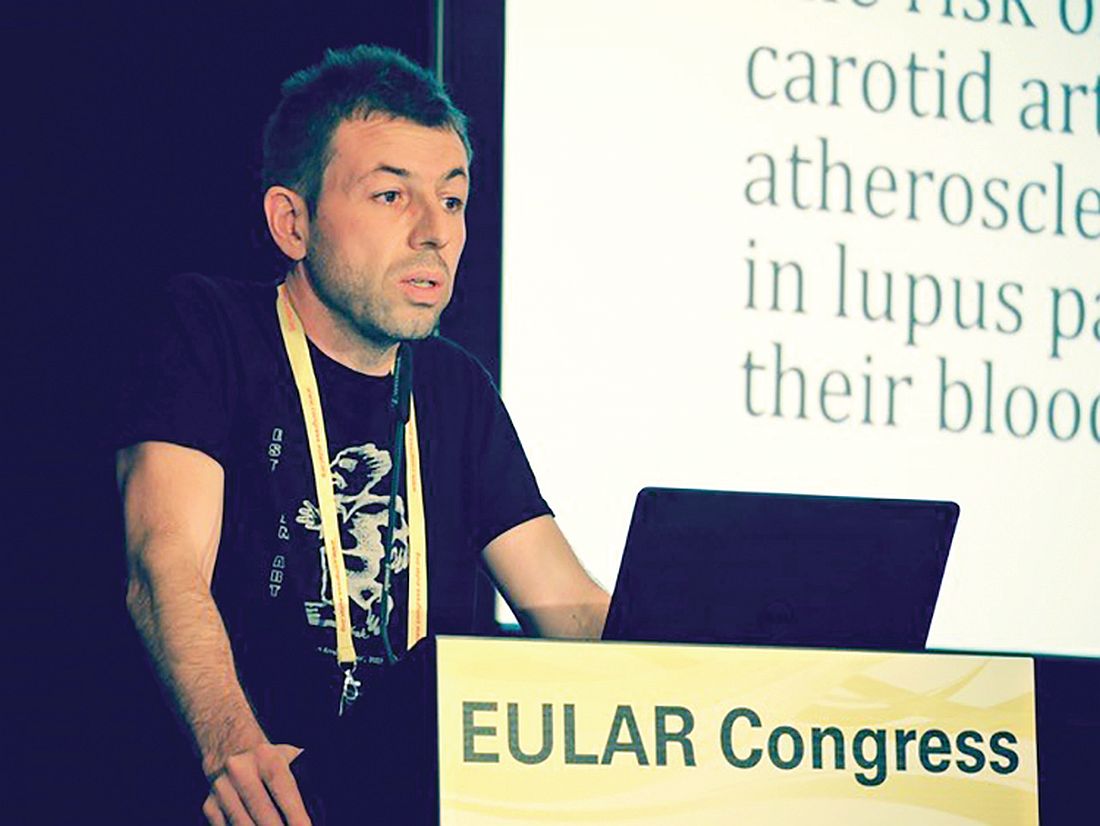
MADRID – Measuring levels of troponin, a well-known cardiac biomarker, could help identify patients with systemic lupus erythematosus (SLE) at particularly high risk for cardiovascular (CV) events, according to the results of a cross-sectional study presented at the European Congress of Rheumatology.
Karim Sacré, MD, presented the findings of the study that looked for possible biomarkers of atherosclerosis in patients with SLE and provide preliminary evidence that high-sensitivity troponin T (HS-cTnT) was predictive regardless of whether or not patients already had visible atherosclerotic plaques on vascular ultrasound.
“Patients with SLE have been known to be at risk for cardiovascular disease for at least a decade,” Dr. Sacré of Bichat Hospital, University of Paris-Diderot, France, said in an interview at the meeting. Today, SLE is considered an independent risk factor for CV events, much like diabetes, he added.
However, determining which patients with lupus will and which will not develop cardiac problems is still tricky in routine practice. This is because the traditional ways of assessing CV events do not fully account for the increased risk seen in lupus patients. Indeed, the Framingham risk score, which is based on several risk factors such as tobacco use, hypertension, and dyslipidemia, has been shown to underestimate the cardiovascular risk of lupus patients, he observed.
“So, we need something that will help clinicians to better define the real risk of cardiovascular disease in such populations,” he said at an earlier press conference.
Thus, the objective of the study he presented was to try to find a biomarker in the blood that might aid clinicians in identifying which patients who had SLE and no obvious cardiac symptoms might be at risk for future CV events.
The study involved 63 patients with SLE who were consecutively recruited and 18 individuals without SLE who were used as controls. None had any symptoms of cardiovascular disease at recruitment, and all were assessed prospectively by vascular ultrasound for the presence of atherosclerotic plaques in the carotid artery.
The concentration of HS-cTnT was measured in the serum by using an electrochemiluminescence method, which could detect a concentration level greater than 3 ng/L .
At recruitment, the Framingham risk score was low (2.1) in both patients and controls, none of whom showed any signs of already having cardiovascular disease. The results of the carotid ultrasound, however, showed a different story for the SLE patients, with 23 (36.5%) identified as having carotid plaques, compared with just 2 (11.1%) of the control group.
Serum HS-cTNT could be detected in more SLE patients than controls (58.7% vs. 33.3%; P = .057), and the SLE patients who had detectable levels were nine times more likely than controls to have a carotid plaque, Dr. Sacré reported, although the 95% confidence interval was wide (1.55 to 90.07; P = .033).
Interestingly, a higher percentage of SLE patients with carotid plaques than those without had detectable HS-cTNT (87% vs. 42.5%; P less than .001). Conversely, more patients with detectable HS-cTnT than without had a carotid plaque (54.5% vs. 11.5%; P less than .001).
In multivariate analyses, only SLE status and age were significantly associated with having carotid plaques, and body mass index and HS-cTnT (P = .033) were statistically associated with the presence of carotid plaques in SLE patients.
The research is, of course, preliminary, Dr. Sacré emphasized, and further investigation is needed. The study looked at subclinical disease rather than actual CV events, and that is something to look at next in a larger cohort of patients with a longer follow-up period, he said.
Dr. Sacré disclosed that he had received support for travel to the EULAR Congress from Roche Diagnostics France.
*This story was updated 6/20/2017.
The video associated with this article is no longer available on this site. Please view all of our videos on the MDedge YouTube channel
MADRID – Measuring levels of troponin, a well-known cardiac biomarker, could help identify patients with systemic lupus erythematosus (SLE) at particularly high risk for cardiovascular (CV) events, according to the results of a cross-sectional study presented at the European Congress of Rheumatology.
Karim Sacré, MD, presented the findings of the study that looked for possible biomarkers of atherosclerosis in patients with SLE and provide preliminary evidence that high-sensitivity troponin T (HS-cTnT) was predictive regardless of whether or not patients already had visible atherosclerotic plaques on vascular ultrasound.
“Patients with SLE have been known to be at risk for cardiovascular disease for at least a decade,” Dr. Sacré of Bichat Hospital, University of Paris-Diderot, France, said in an interview at the meeting. Today, SLE is considered an independent risk factor for CV events, much like diabetes, he added.
However, determining which patients with lupus will and which will not develop cardiac problems is still tricky in routine practice. This is because the traditional ways of assessing CV events do not fully account for the increased risk seen in lupus patients. Indeed, the Framingham risk score, which is based on several risk factors such as tobacco use, hypertension, and dyslipidemia, has been shown to underestimate the cardiovascular risk of lupus patients, he observed.
“So, we need something that will help clinicians to better define the real risk of cardiovascular disease in such populations,” he said at an earlier press conference.
Thus, the objective of the study he presented was to try to find a biomarker in the blood that might aid clinicians in identifying which patients who had SLE and no obvious cardiac symptoms might be at risk for future CV events.
The study involved 63 patients with SLE who were consecutively recruited and 18 individuals without SLE who were used as controls. None had any symptoms of cardiovascular disease at recruitment, and all were assessed prospectively by vascular ultrasound for the presence of atherosclerotic plaques in the carotid artery.
The concentration of HS-cTnT was measured in the serum by using an electrochemiluminescence method, which could detect a concentration level greater than 3 ng/L .
At recruitment, the Framingham risk score was low (2.1) in both patients and controls, none of whom showed any signs of already having cardiovascular disease. The results of the carotid ultrasound, however, showed a different story for the SLE patients, with 23 (36.5%) identified as having carotid plaques, compared with just 2 (11.1%) of the control group.
Serum HS-cTNT could be detected in more SLE patients than controls (58.7% vs. 33.3%; P = .057), and the SLE patients who had detectable levels were nine times more likely than controls to have a carotid plaque, Dr. Sacré reported, although the 95% confidence interval was wide (1.55 to 90.07; P = .033).
Interestingly, a higher percentage of SLE patients with carotid plaques than those without had detectable HS-cTNT (87% vs. 42.5%; P less than .001). Conversely, more patients with detectable HS-cTnT than without had a carotid plaque (54.5% vs. 11.5%; P less than .001).
In multivariate analyses, only SLE status and age were significantly associated with having carotid plaques, and body mass index and HS-cTnT (P = .033) were statistically associated with the presence of carotid plaques in SLE patients.
The research is, of course, preliminary, Dr. Sacré emphasized, and further investigation is needed. The study looked at subclinical disease rather than actual CV events, and that is something to look at next in a larger cohort of patients with a longer follow-up period, he said.
Dr. Sacré disclosed that he had received support for travel to the EULAR Congress from Roche Diagnostics France.
*This story was updated 6/20/2017.
The video associated with this article is no longer available on this site. Please view all of our videos on the MDedge YouTube channel
MADRID – Measuring levels of troponin, a well-known cardiac biomarker, could help identify patients with systemic lupus erythematosus (SLE) at particularly high risk for cardiovascular (CV) events, according to the results of a cross-sectional study presented at the European Congress of Rheumatology.
Karim Sacré, MD, presented the findings of the study that looked for possible biomarkers of atherosclerosis in patients with SLE and provide preliminary evidence that high-sensitivity troponin T (HS-cTnT) was predictive regardless of whether or not patients already had visible atherosclerotic plaques on vascular ultrasound.
“Patients with SLE have been known to be at risk for cardiovascular disease for at least a decade,” Dr. Sacré of Bichat Hospital, University of Paris-Diderot, France, said in an interview at the meeting. Today, SLE is considered an independent risk factor for CV events, much like diabetes, he added.
However, determining which patients with lupus will and which will not develop cardiac problems is still tricky in routine practice. This is because the traditional ways of assessing CV events do not fully account for the increased risk seen in lupus patients. Indeed, the Framingham risk score, which is based on several risk factors such as tobacco use, hypertension, and dyslipidemia, has been shown to underestimate the cardiovascular risk of lupus patients, he observed.
“So, we need something that will help clinicians to better define the real risk of cardiovascular disease in such populations,” he said at an earlier press conference.
Thus, the objective of the study he presented was to try to find a biomarker in the blood that might aid clinicians in identifying which patients who had SLE and no obvious cardiac symptoms might be at risk for future CV events.
The study involved 63 patients with SLE who were consecutively recruited and 18 individuals without SLE who were used as controls. None had any symptoms of cardiovascular disease at recruitment, and all were assessed prospectively by vascular ultrasound for the presence of atherosclerotic plaques in the carotid artery.
The concentration of HS-cTnT was measured in the serum by using an electrochemiluminescence method, which could detect a concentration level greater than 3 ng/L .
At recruitment, the Framingham risk score was low (2.1) in both patients and controls, none of whom showed any signs of already having cardiovascular disease. The results of the carotid ultrasound, however, showed a different story for the SLE patients, with 23 (36.5%) identified as having carotid plaques, compared with just 2 (11.1%) of the control group.
Serum HS-cTNT could be detected in more SLE patients than controls (58.7% vs. 33.3%; P = .057), and the SLE patients who had detectable levels were nine times more likely than controls to have a carotid plaque, Dr. Sacré reported, although the 95% confidence interval was wide (1.55 to 90.07; P = .033).
Interestingly, a higher percentage of SLE patients with carotid plaques than those without had detectable HS-cTNT (87% vs. 42.5%; P less than .001). Conversely, more patients with detectable HS-cTnT than without had a carotid plaque (54.5% vs. 11.5%; P less than .001).
In multivariate analyses, only SLE status and age were significantly associated with having carotid plaques, and body mass index and HS-cTnT (P = .033) were statistically associated with the presence of carotid plaques in SLE patients.
The research is, of course, preliminary, Dr. Sacré emphasized, and further investigation is needed. The study looked at subclinical disease rather than actual CV events, and that is something to look at next in a larger cohort of patients with a longer follow-up period, he said.
Dr. Sacré disclosed that he had received support for travel to the EULAR Congress from Roche Diagnostics France.
*This story was updated 6/20/2017.
The video associated with this article is no longer available on this site. Please view all of our videos on the MDedge YouTube channel
AT THE EULAR 2017 CONGRESS
Prophylaxis prevents PCP in rheumatic disease patients
MADRID – The benefits of primary prophylaxis for pneumocystis pneumonia (PCP) outweighed the risks of treatment in patients taking prolonged, high-dose corticosteroids for various rheumatic diseases in a study presented at the European Congress of Rheumatology.
In a single-center, retrospective cohort study of 1,522 corticosteroid treatment episodes in 1,092 patients with a variety of rheumatic conditions given over a 12-year follow-up period, the estimated incidence of PCP was 2.37 per 100 person-years.
Significantly fewer cases of PCP occurred at 1 year, however, in the 262 patients who were cotreated with the antibiotic combination of trimethoprim and sulfamethoxazole (TMP-SMX), than in the 1,260 patients who received no such antibiotic prophylaxis in addition to their steroid therapy.

The adjusted hazard ratio (HR) for no PCP at 1 year of follow-up in the prophylaxis group, versus the no prophylaxis group, was 0.096 (P = .022).
The TMP-SMX combination also significantly reduced the mortality associated with PCP, with an adjusted HR of 0.09, versus no prophylaxis (P = .023).
“Pneumocystis pneumonia is a major opportunistic infection in immunocompromised patients associated with high morbidity and mortality,” explained the presenting study investigator Jun Won Park, MD, of Seoul National University Hospital in the Republic of Korea.
Dr. Park added that corticosteroid therapy was an important risk factor for PCP but that the risk-benefit ratio had not been evaluated sufficiently in patients with rheumatic diseases and that there was “different opinion among rheumatologists regarding [the value of] PCP prophylaxis.”
The current study aimed to see if primary antibiotic prophylaxis could prevent PCP in patients with rheumatic diseases, which included patients with systemic lupus erythematosus (SLE), dermatomyositis, rheumatoid arthritis, and Behçet’s disease.
For inclusion, patients had to have been treated with prednisolone at a dose of 30 mg/day or more (or its equivalent) for at least 4 weeks and observed for 1 year. Patients with a prior history of PCP or conditions associated with this opportunistic infection, such as HIV, cancer, or solid organ or hematopoietic stem cell transplantation, were excluded.
Dr. Park reported that PCP prophylaxis was given at the discretion of the treating physician, and the mean duration of TMP-SMX was 230 days.
In the prophylaxis group, 34 adverse drug reactions occurred. Two of these reactions were serious – one case of pancytopenia and one case of Steven’s Johnson syndrome – but both resolved after the antibiotic treatment was discontinued.
A sensitivity analysis was performed, giving consistent results, and a risk-benefit analysis showed that the number needed to treat to prevent one case of PCP was 52, considering all rheumatic disease studied, while the number needed to cause one serious adverse drug reaction was 131.
Taken together, these results suggest a role for TMP-SMX as primary prophylaxis for PCP in patients with rheumatic diseases who need prolonged treatment with high-dose corticosteroids, Dr. Park said.
Dr. Park reported having no relevant financial disclosures.

MADRID – The benefits of primary prophylaxis for pneumocystis pneumonia (PCP) outweighed the risks of treatment in patients taking prolonged, high-dose corticosteroids for various rheumatic diseases in a study presented at the European Congress of Rheumatology.
In a single-center, retrospective cohort study of 1,522 corticosteroid treatment episodes in 1,092 patients with a variety of rheumatic conditions given over a 12-year follow-up period, the estimated incidence of PCP was 2.37 per 100 person-years.
Significantly fewer cases of PCP occurred at 1 year, however, in the 262 patients who were cotreated with the antibiotic combination of trimethoprim and sulfamethoxazole (TMP-SMX), than in the 1,260 patients who received no such antibiotic prophylaxis in addition to their steroid therapy.
The adjusted hazard ratio (HR) for no PCP at 1 year of follow-up in the prophylaxis group, versus the no prophylaxis group, was 0.096 (P = .022).
The TMP-SMX combination also significantly reduced the mortality associated with PCP, with an adjusted HR of 0.09, versus no prophylaxis (P = .023).
“Pneumocystis pneumonia is a major opportunistic infection in immunocompromised patients associated with high morbidity and mortality,” explained the presenting study investigator Jun Won Park, MD, of Seoul National University Hospital in the Republic of Korea.
Dr. Park added that corticosteroid therapy was an important risk factor for PCP but that the risk-benefit ratio had not been evaluated sufficiently in patients with rheumatic diseases and that there was “different opinion among rheumatologists regarding [the value of] PCP prophylaxis.”
The current study aimed to see if primary antibiotic prophylaxis could prevent PCP in patients with rheumatic diseases, which included patients with systemic lupus erythematosus (SLE), dermatomyositis, rheumatoid arthritis, and Behçet’s disease.
For inclusion, patients had to have been treated with prednisolone at a dose of 30 mg/day or more (or its equivalent) for at least 4 weeks and observed for 1 year. Patients with a prior history of PCP or conditions associated with this opportunistic infection, such as HIV, cancer, or solid organ or hematopoietic stem cell transplantation, were excluded.
Dr. Park reported that PCP prophylaxis was given at the discretion of the treating physician, and the mean duration of TMP-SMX was 230 days.
In the prophylaxis group, 34 adverse drug reactions occurred. Two of these reactions were serious – one case of pancytopenia and one case of Steven’s Johnson syndrome – but both resolved after the antibiotic treatment was discontinued.
A sensitivity analysis was performed, giving consistent results, and a risk-benefit analysis showed that the number needed to treat to prevent one case of PCP was 52, considering all rheumatic disease studied, while the number needed to cause one serious adverse drug reaction was 131.
Taken together, these results suggest a role for TMP-SMX as primary prophylaxis for PCP in patients with rheumatic diseases who need prolonged treatment with high-dose corticosteroids, Dr. Park said.
Dr. Park reported having no relevant financial disclosures.
MADRID – The benefits of primary prophylaxis for pneumocystis pneumonia (PCP) outweighed the risks of treatment in patients taking prolonged, high-dose corticosteroids for various rheumatic diseases in a study presented at the European Congress of Rheumatology.
In a single-center, retrospective cohort study of 1,522 corticosteroid treatment episodes in 1,092 patients with a variety of rheumatic conditions given over a 12-year follow-up period, the estimated incidence of PCP was 2.37 per 100 person-years.
Significantly fewer cases of PCP occurred at 1 year, however, in the 262 patients who were cotreated with the antibiotic combination of trimethoprim and sulfamethoxazole (TMP-SMX), than in the 1,260 patients who received no such antibiotic prophylaxis in addition to their steroid therapy.
The adjusted hazard ratio (HR) for no PCP at 1 year of follow-up in the prophylaxis group, versus the no prophylaxis group, was 0.096 (P = .022).
The TMP-SMX combination also significantly reduced the mortality associated with PCP, with an adjusted HR of 0.09, versus no prophylaxis (P = .023).
“Pneumocystis pneumonia is a major opportunistic infection in immunocompromised patients associated with high morbidity and mortality,” explained the presenting study investigator Jun Won Park, MD, of Seoul National University Hospital in the Republic of Korea.
Dr. Park added that corticosteroid therapy was an important risk factor for PCP but that the risk-benefit ratio had not been evaluated sufficiently in patients with rheumatic diseases and that there was “different opinion among rheumatologists regarding [the value of] PCP prophylaxis.”
The current study aimed to see if primary antibiotic prophylaxis could prevent PCP in patients with rheumatic diseases, which included patients with systemic lupus erythematosus (SLE), dermatomyositis, rheumatoid arthritis, and Behçet’s disease.
For inclusion, patients had to have been treated with prednisolone at a dose of 30 mg/day or more (or its equivalent) for at least 4 weeks and observed for 1 year. Patients with a prior history of PCP or conditions associated with this opportunistic infection, such as HIV, cancer, or solid organ or hematopoietic stem cell transplantation, were excluded.
Dr. Park reported that PCP prophylaxis was given at the discretion of the treating physician, and the mean duration of TMP-SMX was 230 days.
In the prophylaxis group, 34 adverse drug reactions occurred. Two of these reactions were serious – one case of pancytopenia and one case of Steven’s Johnson syndrome – but both resolved after the antibiotic treatment was discontinued.
A sensitivity analysis was performed, giving consistent results, and a risk-benefit analysis showed that the number needed to treat to prevent one case of PCP was 52, considering all rheumatic disease studied, while the number needed to cause one serious adverse drug reaction was 131.
Taken together, these results suggest a role for TMP-SMX as primary prophylaxis for PCP in patients with rheumatic diseases who need prolonged treatment with high-dose corticosteroids, Dr. Park said.
Dr. Park reported having no relevant financial disclosures.
AT THE EULAR 2017 CONGRESS
Key clinical point:
Major finding: The adjusted hazard ratio (HR) for no PCP at 1 year of follow-up in the prophylaxis group, versus the no prophylaxis group, was 0.096 (P = .022).
Data source: A single-center, retrospective cohort study of 1,522 episodes of prolonged, high-dose steroid use in 1,092 patients with various rheumatic diseases.
Disclosures: Dr. Park reported having no relevant financial disclosures.
Blood test could aid steroid decision in alcoholic hepatitis
AMSTERDAM – Determining the ratio of neutrophils to leukocytes in the blood could help identify patients with alcoholic hepatitis that would and would not benefit from steroid treatment.
Patients who had a neutrophil to lymphocyte ratio (NLR) of between 5 and 8 before being treated with the corticosteroid prednisolone appeared to obtain a benefit versus no-steroid treatment (P = .007) while those with higher and lower NLR values did not, in an analysis presented at the International Liver Congress.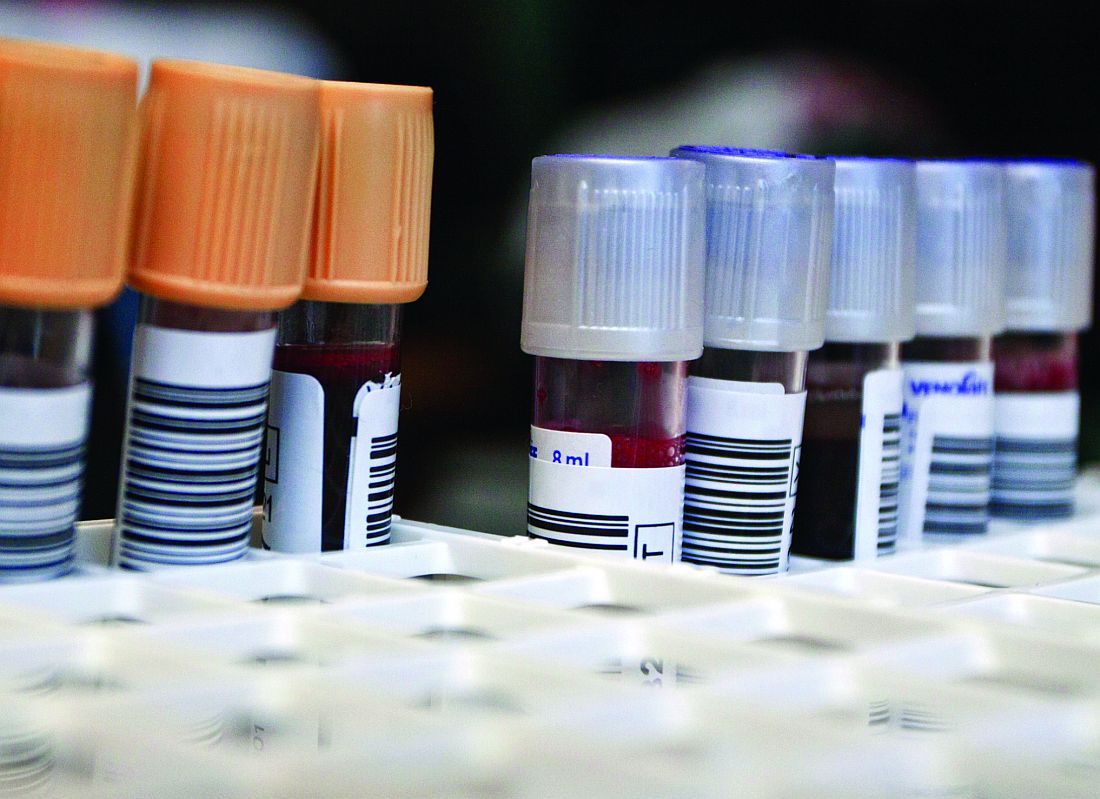
This could potentially help clinicians avoid putting some patients through a futile trial of steroid therapy, study author Ewan H. Forrest, MD, explained in an interview at the meeting, which is sponsored by the European Association for the Study of the Liver (EASL).
“The traditional approach would be to give steroids to patients with severe alcoholic hepatitis, wait 7 days, see if they are getting better, and if so, keep them on the steroids,” Dr. Forrest of the liver unit at Glasgow Royal Infirmary observed. Conversely, if patients are not doing better then steroids should be stopped.
“What we are increasingly aware of is that not only do some people not do well with steroids but also they actually do considerably more badly,” Dr. Forrest cautioned.
Usually, the response to steroid treatment in alcoholic hepatitis is measured by changes in serum bilirubin after a week of treatment, but this, of course, exposes patients to a “futile course of treatment with a risk of complication such as sepsis,” Dr. Forrest and his coauthors noted in a a late-breaking poster.
Determining the NLR has already been shown to help predict the prognosis of patients with several diseases with an underlying inflammatory component, such as cardiovascular diseases and several types of cancer. It also has proven useful in patients with liver disease, although not specifically in alcoholic hepatitis before this study, Dr. Forrest observed.
Data on patients with alcoholic hepatitis who had participated in the multicenter, double-blind, randomized STOPAH trial were used to see if the baseline NLR could help stratify patients who would benefit from steroid therapy.
STOPAH had compared the use of prednisolone or pentoxifylline for the treatment of alcoholic hepatitis but found no benefit for the latter, although there was a possible benefit of steroids for improving overall survival, at least in the short term (N Engl J Med. 2015 Apr;372:1619-28).
Dr. Forrest noted that measurement of the lymphocyte count was not part of the original study design, so data to calculate the NLR were obtained retrospectively. As there had been little or no response to pentoxifylline in the trial, patients who had taken this drug were regarded as having had no treatment in the analysis.
In all, baseline NLR values could be worked out for 630 patients from the STOPAH trial, but 113 were excluded from further analysis as they met the prespecified exclusion criteria of gastrointestinal bleeding or sepsis.
Overall, a NLR of 5 or less, indicating milder liver disease, was associated with significantly better survival at 3 months than if the NLR was 5 or more (85.5% vs. 67.3%; P less than .0001), study findings suggested.
Dr. Forest noted that 29% of patients fell into the “sweet spot” of the NLR of between 5 and 8, where patients did benefit from steroids, but that the 23% of study subjects who had an NLR ratio above 8 did not. These patients may have had disease too severe to benefit from the prednisolone, he suggested, and tended to have a worse prognosis regardless. A baseline NLR greater than 8 was associated with acute kidney infection but not sepsis, the team found.
There was also no great effect of the steroid in the 48% of patients who had an NLR ratio less than 5, suggesting that maybe they had disease that was too mild to warrant such treatment and did well regardless.
Of course, these findings still need further validation, but they are “not far off” from clinical application, Dr. Forrest offered. Calculating the ratio is simple, can be done during a routine whole-blood cell count, and is potentially cost saving because it reduces the standard practice in the United Kingdom of giving “all-comers” 7 days of corticosteroid therapy as a trial to see if they get better, he said.
Dr. Forrest had no conflicts of interest to disclose.
AMSTERDAM – Determining the ratio of neutrophils to leukocytes in the blood could help identify patients with alcoholic hepatitis that would and would not benefit from steroid treatment.
Patients who had a neutrophil to lymphocyte ratio (NLR) of between 5 and 8 before being treated with the corticosteroid prednisolone appeared to obtain a benefit versus no-steroid treatment (P = .007) while those with higher and lower NLR values did not, in an analysis presented at the International Liver Congress.
This could potentially help clinicians avoid putting some patients through a futile trial of steroid therapy, study author Ewan H. Forrest, MD, explained in an interview at the meeting, which is sponsored by the European Association for the Study of the Liver (EASL).
“The traditional approach would be to give steroids to patients with severe alcoholic hepatitis, wait 7 days, see if they are getting better, and if so, keep them on the steroids,” Dr. Forrest of the liver unit at Glasgow Royal Infirmary observed. Conversely, if patients are not doing better then steroids should be stopped.
“What we are increasingly aware of is that not only do some people not do well with steroids but also they actually do considerably more badly,” Dr. Forrest cautioned.
Usually, the response to steroid treatment in alcoholic hepatitis is measured by changes in serum bilirubin after a week of treatment, but this, of course, exposes patients to a “futile course of treatment with a risk of complication such as sepsis,” Dr. Forrest and his coauthors noted in a a late-breaking poster.
Determining the NLR has already been shown to help predict the prognosis of patients with several diseases with an underlying inflammatory component, such as cardiovascular diseases and several types of cancer. It also has proven useful in patients with liver disease, although not specifically in alcoholic hepatitis before this study, Dr. Forrest observed.
Data on patients with alcoholic hepatitis who had participated in the multicenter, double-blind, randomized STOPAH trial were used to see if the baseline NLR could help stratify patients who would benefit from steroid therapy.
STOPAH had compared the use of prednisolone or pentoxifylline for the treatment of alcoholic hepatitis but found no benefit for the latter, although there was a possible benefit of steroids for improving overall survival, at least in the short term (N Engl J Med. 2015 Apr;372:1619-28).
Dr. Forrest noted that measurement of the lymphocyte count was not part of the original study design, so data to calculate the NLR were obtained retrospectively. As there had been little or no response to pentoxifylline in the trial, patients who had taken this drug were regarded as having had no treatment in the analysis.
In all, baseline NLR values could be worked out for 630 patients from the STOPAH trial, but 113 were excluded from further analysis as they met the prespecified exclusion criteria of gastrointestinal bleeding or sepsis.
Overall, a NLR of 5 or less, indicating milder liver disease, was associated with significantly better survival at 3 months than if the NLR was 5 or more (85.5% vs. 67.3%; P less than .0001), study findings suggested.
Dr. Forest noted that 29% of patients fell into the “sweet spot” of the NLR of between 5 and 8, where patients did benefit from steroids, but that the 23% of study subjects who had an NLR ratio above 8 did not. These patients may have had disease too severe to benefit from the prednisolone, he suggested, and tended to have a worse prognosis regardless. A baseline NLR greater than 8 was associated with acute kidney infection but not sepsis, the team found.
There was also no great effect of the steroid in the 48% of patients who had an NLR ratio less than 5, suggesting that maybe they had disease that was too mild to warrant such treatment and did well regardless.
Of course, these findings still need further validation, but they are “not far off” from clinical application, Dr. Forrest offered. Calculating the ratio is simple, can be done during a routine whole-blood cell count, and is potentially cost saving because it reduces the standard practice in the United Kingdom of giving “all-comers” 7 days of corticosteroid therapy as a trial to see if they get better, he said.
Dr. Forrest had no conflicts of interest to disclose.
AMSTERDAM – Determining the ratio of neutrophils to leukocytes in the blood could help identify patients with alcoholic hepatitis that would and would not benefit from steroid treatment.
Patients who had a neutrophil to lymphocyte ratio (NLR) of between 5 and 8 before being treated with the corticosteroid prednisolone appeared to obtain a benefit versus no-steroid treatment (P = .007) while those with higher and lower NLR values did not, in an analysis presented at the International Liver Congress.
This could potentially help clinicians avoid putting some patients through a futile trial of steroid therapy, study author Ewan H. Forrest, MD, explained in an interview at the meeting, which is sponsored by the European Association for the Study of the Liver (EASL).
“The traditional approach would be to give steroids to patients with severe alcoholic hepatitis, wait 7 days, see if they are getting better, and if so, keep them on the steroids,” Dr. Forrest of the liver unit at Glasgow Royal Infirmary observed. Conversely, if patients are not doing better then steroids should be stopped.
“What we are increasingly aware of is that not only do some people not do well with steroids but also they actually do considerably more badly,” Dr. Forrest cautioned.
Usually, the response to steroid treatment in alcoholic hepatitis is measured by changes in serum bilirubin after a week of treatment, but this, of course, exposes patients to a “futile course of treatment with a risk of complication such as sepsis,” Dr. Forrest and his coauthors noted in a a late-breaking poster.
Determining the NLR has already been shown to help predict the prognosis of patients with several diseases with an underlying inflammatory component, such as cardiovascular diseases and several types of cancer. It also has proven useful in patients with liver disease, although not specifically in alcoholic hepatitis before this study, Dr. Forrest observed.
Data on patients with alcoholic hepatitis who had participated in the multicenter, double-blind, randomized STOPAH trial were used to see if the baseline NLR could help stratify patients who would benefit from steroid therapy.
STOPAH had compared the use of prednisolone or pentoxifylline for the treatment of alcoholic hepatitis but found no benefit for the latter, although there was a possible benefit of steroids for improving overall survival, at least in the short term (N Engl J Med. 2015 Apr;372:1619-28).
Dr. Forrest noted that measurement of the lymphocyte count was not part of the original study design, so data to calculate the NLR were obtained retrospectively. As there had been little or no response to pentoxifylline in the trial, patients who had taken this drug were regarded as having had no treatment in the analysis.
In all, baseline NLR values could be worked out for 630 patients from the STOPAH trial, but 113 were excluded from further analysis as they met the prespecified exclusion criteria of gastrointestinal bleeding or sepsis.
Overall, a NLR of 5 or less, indicating milder liver disease, was associated with significantly better survival at 3 months than if the NLR was 5 or more (85.5% vs. 67.3%; P less than .0001), study findings suggested.
Dr. Forest noted that 29% of patients fell into the “sweet spot” of the NLR of between 5 and 8, where patients did benefit from steroids, but that the 23% of study subjects who had an NLR ratio above 8 did not. These patients may have had disease too severe to benefit from the prednisolone, he suggested, and tended to have a worse prognosis regardless. A baseline NLR greater than 8 was associated with acute kidney infection but not sepsis, the team found.
There was also no great effect of the steroid in the 48% of patients who had an NLR ratio less than 5, suggesting that maybe they had disease that was too mild to warrant such treatment and did well regardless.
Of course, these findings still need further validation, but they are “not far off” from clinical application, Dr. Forrest offered. Calculating the ratio is simple, can be done during a routine whole-blood cell count, and is potentially cost saving because it reduces the standard practice in the United Kingdom of giving “all-comers” 7 days of corticosteroid therapy as a trial to see if they get better, he said.
Dr. Forrest had no conflicts of interest to disclose.
Key clinical point: Calculating the neutrophil to leukocyte ratio (NLR) could save some patients with alcoholic hepatitis from having steroid therapy.
Major finding: 90-day survival was 85.5% vs. 67.3%, (P less than .0001), comparing an NLR less than 5 with an NLR of 5 or greater in all patients.
Data source: 513 patients with alcoholic hepatitis who had participated in the multicenter, double-blind, randomized STOPAH trial.
Disclosures: Dr. Forrest had no conflicts of interest to disclose.
Long-term TNFi tapering possible for some with ankylosing spondylitis
BIRMINGHAM, ENGLAND – A proportion of patients with ankylosing spondylitis (AS) were able to remain on a reduced-dose regimen of a tumor necrosis factor inhibitor (TNFi) for almost 4 years, according to data from a small study presented at the British Society for Rheumatology annual conference.
In an extension of the ANSWERS (Ankylosing Spondylitis with Etanercept Regimens) trial, 4 of 12 patients receiving a once-weekly 25-mg dose of etanercept (Enbrel) had a sustained response as did 14 of 21 patients who remained on the usual once-weekly dose of 50 mg.
“Although a minority of patients maintained response to the lower dose of etanercept over the longer term, the costs savings are substantial,” said Lauren Steel and coauthors from the Norfolk and Norwich Hospitals NHS Foundation Trust in a poster presentation. Almost 18,000 pounds sterling ($23,000) could be saved per each patient who is able to stay on the lower dose for 50 months.
Further, patients who did not maintain a response on the lower dose were usually able to regain their responses when the higher dose therapy was reinstituted. On average, disease control was reestablished in three out of four patients within 14 months of reverting to standard therapy.
ANSWERS was an open-label, multicenter, randomized, pilot study that sought to determine if tapering the dose of etanercept from the recommended 50 mg to 25 mg was feasible in 47 patients with AS (J Rheumatol. 2015;42:1177–85). The premise was that dose tapering in patients who achieved a response would perhaps reduce the risk for side effects in the long term, as well as provide considerable cost savings.
About half of the patients studied achieved a response to full-dose etanercept and were able to reduce their dose. At 6 months, a clinical response was maintained by 52% of the patients taking 25 mg and 92% of the patients taking 50 mg (P = .003).
The current prospective extension of the study looked at the longer-term outcomes of the patients who successfully maintained a response to the lower dose of etanercept.
Maintenance of response was defined as no change in the primary outcome of a reduction of 50% or more or a fall of at least 2 units in the Bath Ankylosing Spondylitis Disease Activity Index (BASDAI), and at least a 2-unit reduction in spinal pain measured using a 10-point scale.
In all, 12 patients, 9 of them male, with a mean age of 52 years entered the extension study. The comparator group consisted of 21 patients who had continued taking the 50-mg dose, 20 of them male, with a mean age of 60 years.
Of the 12 patients in the 25-mg group, 1 discontinued treatment because of side effects and did not restart any further biologic treatment; 7 patients experienced a disease flare after a median of 16 months and were retreated with the 50-mg dose. Five of the seven patients who reverted to the higher dose of etanercept regained a good response; the other two patients were switched to adalimumab (Humira) because of a loss of efficacy.
Pfizer funded the original study. One author disclosed he had received research funding and acted as an adviser to Pfizer and other pharmaceutical companies.
BIRMINGHAM, ENGLAND – A proportion of patients with ankylosing spondylitis (AS) were able to remain on a reduced-dose regimen of a tumor necrosis factor inhibitor (TNFi) for almost 4 years, according to data from a small study presented at the British Society for Rheumatology annual conference.
In an extension of the ANSWERS (Ankylosing Spondylitis with Etanercept Regimens) trial, 4 of 12 patients receiving a once-weekly 25-mg dose of etanercept (Enbrel) had a sustained response as did 14 of 21 patients who remained on the usual once-weekly dose of 50 mg.
“Although a minority of patients maintained response to the lower dose of etanercept over the longer term, the costs savings are substantial,” said Lauren Steel and coauthors from the Norfolk and Norwich Hospitals NHS Foundation Trust in a poster presentation. Almost 18,000 pounds sterling ($23,000) could be saved per each patient who is able to stay on the lower dose for 50 months.
Further, patients who did not maintain a response on the lower dose were usually able to regain their responses when the higher dose therapy was reinstituted. On average, disease control was reestablished in three out of four patients within 14 months of reverting to standard therapy.
ANSWERS was an open-label, multicenter, randomized, pilot study that sought to determine if tapering the dose of etanercept from the recommended 50 mg to 25 mg was feasible in 47 patients with AS (J Rheumatol. 2015;42:1177–85). The premise was that dose tapering in patients who achieved a response would perhaps reduce the risk for side effects in the long term, as well as provide considerable cost savings.
About half of the patients studied achieved a response to full-dose etanercept and were able to reduce their dose. At 6 months, a clinical response was maintained by 52% of the patients taking 25 mg and 92% of the patients taking 50 mg (P = .003).
The current prospective extension of the study looked at the longer-term outcomes of the patients who successfully maintained a response to the lower dose of etanercept.
Maintenance of response was defined as no change in the primary outcome of a reduction of 50% or more or a fall of at least 2 units in the Bath Ankylosing Spondylitis Disease Activity Index (BASDAI), and at least a 2-unit reduction in spinal pain measured using a 10-point scale.
In all, 12 patients, 9 of them male, with a mean age of 52 years entered the extension study. The comparator group consisted of 21 patients who had continued taking the 50-mg dose, 20 of them male, with a mean age of 60 years.
Of the 12 patients in the 25-mg group, 1 discontinued treatment because of side effects and did not restart any further biologic treatment; 7 patients experienced a disease flare after a median of 16 months and were retreated with the 50-mg dose. Five of the seven patients who reverted to the higher dose of etanercept regained a good response; the other two patients were switched to adalimumab (Humira) because of a loss of efficacy.
Pfizer funded the original study. One author disclosed he had received research funding and acted as an adviser to Pfizer and other pharmaceutical companies.
BIRMINGHAM, ENGLAND – A proportion of patients with ankylosing spondylitis (AS) were able to remain on a reduced-dose regimen of a tumor necrosis factor inhibitor (TNFi) for almost 4 years, according to data from a small study presented at the British Society for Rheumatology annual conference.
In an extension of the ANSWERS (Ankylosing Spondylitis with Etanercept Regimens) trial, 4 of 12 patients receiving a once-weekly 25-mg dose of etanercept (Enbrel) had a sustained response as did 14 of 21 patients who remained on the usual once-weekly dose of 50 mg.
“Although a minority of patients maintained response to the lower dose of etanercept over the longer term, the costs savings are substantial,” said Lauren Steel and coauthors from the Norfolk and Norwich Hospitals NHS Foundation Trust in a poster presentation. Almost 18,000 pounds sterling ($23,000) could be saved per each patient who is able to stay on the lower dose for 50 months.
Further, patients who did not maintain a response on the lower dose were usually able to regain their responses when the higher dose therapy was reinstituted. On average, disease control was reestablished in three out of four patients within 14 months of reverting to standard therapy.
ANSWERS was an open-label, multicenter, randomized, pilot study that sought to determine if tapering the dose of etanercept from the recommended 50 mg to 25 mg was feasible in 47 patients with AS (J Rheumatol. 2015;42:1177–85). The premise was that dose tapering in patients who achieved a response would perhaps reduce the risk for side effects in the long term, as well as provide considerable cost savings.
About half of the patients studied achieved a response to full-dose etanercept and were able to reduce their dose. At 6 months, a clinical response was maintained by 52% of the patients taking 25 mg and 92% of the patients taking 50 mg (P = .003).
The current prospective extension of the study looked at the longer-term outcomes of the patients who successfully maintained a response to the lower dose of etanercept.
Maintenance of response was defined as no change in the primary outcome of a reduction of 50% or more or a fall of at least 2 units in the Bath Ankylosing Spondylitis Disease Activity Index (BASDAI), and at least a 2-unit reduction in spinal pain measured using a 10-point scale.
In all, 12 patients, 9 of them male, with a mean age of 52 years entered the extension study. The comparator group consisted of 21 patients who had continued taking the 50-mg dose, 20 of them male, with a mean age of 60 years.
Of the 12 patients in the 25-mg group, 1 discontinued treatment because of side effects and did not restart any further biologic treatment; 7 patients experienced a disease flare after a median of 16 months and were retreated with the 50-mg dose. Five of the seven patients who reverted to the higher dose of etanercept regained a good response; the other two patients were switched to adalimumab (Humira) because of a loss of efficacy.
Pfizer funded the original study. One author disclosed he had received research funding and acted as an adviser to Pfizer and other pharmaceutical companies.
AT RHEUMATOLOGY 2017
Key clinical point:
Major finding: Four of 12 patients treated with etanercept 25 mg once weekly maintained a response at 50 months.
Data source: An extension study of 33 patients in the open-label, multicenter, randomized Ankylosing Spondylitis with Etanercept Regimens (ANSWERS) trial.
Disclosures: Pfizer funded the original study. One author disclosed he had received research funding and acted as an adviser to Pfizer and other pharmaceutical companies.
Targeted treatment does not address RA patients’ mental health
BIRMINGHAM, ENGLAND – Improvements in physical health with response to treatment of rheumatoid arthritis (RA) don’t necessarily translate into improvements in patients’ mental health, based on results of a systematic review presented at the British Society for Rheumatology annual conference.
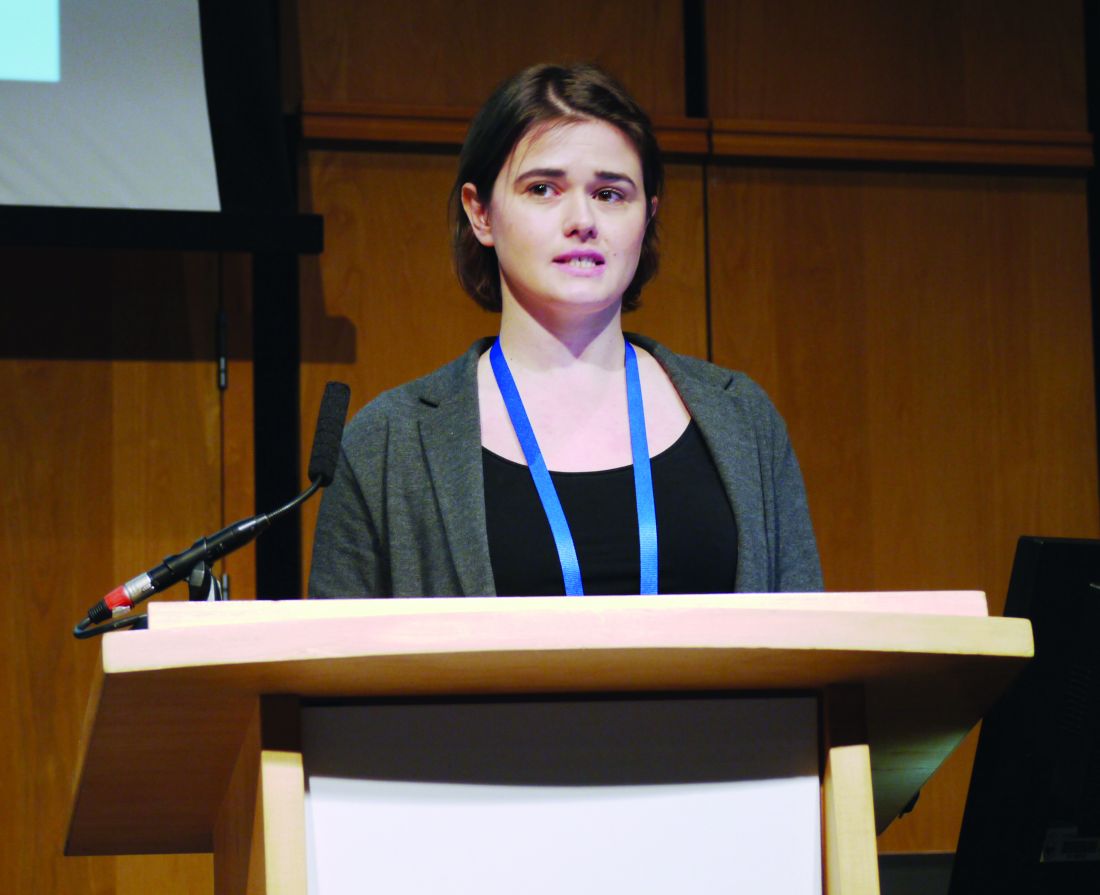
Reducing levels of joint pain and inflammation did not appreciably improve mental well-being, said Faith Matcham, PhD, of the Institute of Psychiatry, Psychology, and Neuroscience, King’s College London. The standardized mean difference between biologics and disease-modifying antirheumatic drugs (DMARDs) in improving the physical and mental components of the 36-item Short Form survey were a respective 0.47 and 0.25.
A pairwise meta-analysis was performed on 58 and 48 randomized controlled trials, respectively. More than 34,000 patients had been treated in these trials with 28 current or investigational RA therapies, and treatment outcomes were compared with an active, placebo, or usual-care arm. Studies were included if they had assessed any type of mood outcome.
Mental health had been measured in more than half of the RA treatment trials found on the original search, but just 40% of those trials reported mental health outcomes with enough information to be used in the meta-analyses.
Although studies that had compared biologics with placebo accounted for only four studies, none of those showed significant change in mental health outcomes with active therapy.
“Providing effective pharmacotherapy alone is going to be insufficient to produce meaningful improvement in mental health outcomes for the majority,” Dr. Matcham observed. She added that, even after treatment, mental health measures in RA patients remained lower than those in the general population. “It is essential to optimize both mental and physical health care outcomes,” she concluded, and an integrated approach needs to be taken.
Dr. Matcham reported having no financial disclosures.
BIRMINGHAM, ENGLAND – Improvements in physical health with response to treatment of rheumatoid arthritis (RA) don’t necessarily translate into improvements in patients’ mental health, based on results of a systematic review presented at the British Society for Rheumatology annual conference.
Reducing levels of joint pain and inflammation did not appreciably improve mental well-being, said Faith Matcham, PhD, of the Institute of Psychiatry, Psychology, and Neuroscience, King’s College London. The standardized mean difference between biologics and disease-modifying antirheumatic drugs (DMARDs) in improving the physical and mental components of the 36-item Short Form survey were a respective 0.47 and 0.25.
A pairwise meta-analysis was performed on 58 and 48 randomized controlled trials, respectively. More than 34,000 patients had been treated in these trials with 28 current or investigational RA therapies, and treatment outcomes were compared with an active, placebo, or usual-care arm. Studies were included if they had assessed any type of mood outcome.
Mental health had been measured in more than half of the RA treatment trials found on the original search, but just 40% of those trials reported mental health outcomes with enough information to be used in the meta-analyses.
Although studies that had compared biologics with placebo accounted for only four studies, none of those showed significant change in mental health outcomes with active therapy.
“Providing effective pharmacotherapy alone is going to be insufficient to produce meaningful improvement in mental health outcomes for the majority,” Dr. Matcham observed. She added that, even after treatment, mental health measures in RA patients remained lower than those in the general population. “It is essential to optimize both mental and physical health care outcomes,” she concluded, and an integrated approach needs to be taken.
Dr. Matcham reported having no financial disclosures.
BIRMINGHAM, ENGLAND – Improvements in physical health with response to treatment of rheumatoid arthritis (RA) don’t necessarily translate into improvements in patients’ mental health, based on results of a systematic review presented at the British Society for Rheumatology annual conference.
Reducing levels of joint pain and inflammation did not appreciably improve mental well-being, said Faith Matcham, PhD, of the Institute of Psychiatry, Psychology, and Neuroscience, King’s College London. The standardized mean difference between biologics and disease-modifying antirheumatic drugs (DMARDs) in improving the physical and mental components of the 36-item Short Form survey were a respective 0.47 and 0.25.
A pairwise meta-analysis was performed on 58 and 48 randomized controlled trials, respectively. More than 34,000 patients had been treated in these trials with 28 current or investigational RA therapies, and treatment outcomes were compared with an active, placebo, or usual-care arm. Studies were included if they had assessed any type of mood outcome.
Mental health had been measured in more than half of the RA treatment trials found on the original search, but just 40% of those trials reported mental health outcomes with enough information to be used in the meta-analyses.
Although studies that had compared biologics with placebo accounted for only four studies, none of those showed significant change in mental health outcomes with active therapy.
“Providing effective pharmacotherapy alone is going to be insufficient to produce meaningful improvement in mental health outcomes for the majority,” Dr. Matcham observed. She added that, even after treatment, mental health measures in RA patients remained lower than those in the general population. “It is essential to optimize both mental and physical health care outcomes,” she concluded, and an integrated approach needs to be taken.
Dr. Matcham reported having no financial disclosures.
AT RHEUMATOLOGY 2017
Key clinical point: A response to pharmacotherapy per se is not directly related to improved mental health outcomes in patients with rheumatoid arthritis.
Major finding: The standardized mean difference between biologics and DMARDs in improving the physical and mental components of the 36-item Short Form survey were 0.47 and 0.25, respectively.
Data source: A systematic review and meta-analysis of RA treatment trials involving 34,087 patients.
Disclosures: Dr. Matcham reported having no relevant financial disclosures.
‘Rich pipeline’ of novel NASH treatments being studied
AMSTERDAM – There is a “very, very rich pipeline” of drugs being developed for the treatment of nonalcoholic steatohepatitis (NASH), Jean-François Dufour, MD, the head of hepatology and director of the University Clinic for Visceral Surgery and Medicine at the University of Berne (Switzerland) said at the International Liver Congress.
“We have many therapeutic options [under investigation],” Dr. Dufour noted at the Congress, which is sponsored by the European Association for the Study of the Liver (EASL). These include drugs that target metabolic homeostasis, insulin resistance, inflammation, oxidative stress, or fibrosis (Liver Int. 2017 May;37:634-47).
In fact, there is such a range of options that target different pathways, from fatty acid and bile acid synthesis to the early and late stages of fibrosis, that it is very likely that these drugs will be used in combination, Dr. Dufour observed as he gave an overview of the current trials that are underway in NASH.
There are currently five ongoing multicenter phase III trials being undertaken with four drugs. First, there is the REGENERATE trial with Intercept’s farnesoid X receptor obeticholic acid(Ocaliva). This is a placebo-controlled trial comparing two daily doses of obeticholic acid (10 and 25 mg) on top of the standard of care. The trial will recruit just over 2,000 patients with biopsy-proven stage 2-3 NASH fibrosis, and the primary endpoint is the resolution of NASH without fibrosis worsening or improvement in fibrosis without worsening of NASH at week 72.
Second there is the RESOLVE-IT trial with Genfit’s peroxisome proliferator-activated receptor alpha/delta agonist elafibranor. This randomized, double-blind trial hopes to recruit 2,000 patients with biopsy-proven NASH stage 1-3 fibrosis and will compare elafibranor 120 mg given once a day with placebo. The primary endpoint is the resolution of NASH without worsening of fibrosis at week 72.
Next, Tobira Therapeutics’ C-C chemokine receptor type 2 and 5 antagonist cenicriviroc is being studied in the AURORA trial. Again, recruiting around 2,000 patients is the target, but this time with stage 2-3 biopsy-proven NASH fibrosis. Cenicriviroc will be given daily at a dose of 150 mg and will be compared against placebo. The primary endpoint is the improvement of fibrosis by one or more stage with no worsening of steatohepatitis at 1 year.
Finally, there are the STELLA 3 and STELLA 4 trials with Gilead’s apoptosis signal-regulated kinase-1 inhibitor selonsertib. Target accrual in both studies is 800 patients with STELLA 3 recruiting patients with stage-3 NASH fibrosis and STELLA 4 recruiting those with compensated cirrhosis from NASH. Both trials will compared two daily doses of selonsertib (6 mg and 18 mg) versus placebo. The primary endpoints are the improvement of at least one or more fibrosis stage with no worsening of steatohepatitis at 48 weeks and event-free survival at week 240.
In addition, there are at least 20 phase 2b and 2a studies looking at a variety of other novel drugs with different therapeutic targets, Dr. Dufour said, and during separate presentations at the congress, results of several early trials with novel drugs being tested for NASH were given.
Eric J. Lawitz, MD, reported the promising results of a “proof of concept” open-label study in which the safety and efficacy of 12 weeks’ treatment with the oral acetyl-CoA carboxylase (ACC) inhibitor, GS-0976, was examined in 10 patients with a clinical diagnosis of nonalcoholic fatty liver disease (NAFLD).
“ACC catalyzes the rate-limiting step in de novo hepatic lipogenesis (DNL),” which is an underlying pathologic process in NASH, Dr. Lawitz, who is vice president of scientific and research development at the Texas Liver Institute, San Antonio, observed.
He reported that 12 weeks’ treatment with the ACC inhibitor GS-0976 suppressed DNL by 29%, compared with baseline (P = .022). There was also a 43% decrease in hepatic steatosis from baseline to 12 weeks (P = .006), as measured by the magnetic resonance imaging–proton-density fat fraction (MRI-PDFF), and a nonsignificant 9% reduction in liver stiffness measured using magnetic resonance elastography (MRE).
Two markers of fibrosis and cell death (TIMP-1 and CK18) were also improved, he said, noting that overall, the drug was well tolerated, bar a trend to an increase in triglycerides and reduction in high-density lipoprotein cholesterol that needs further follow up.
“There is a placebo-controlled phase II trial of GS-0976 in patients with NASH that is ongoing,” Dr. Lawitz said. Results of two phase II studies presented during the late-breaking abstracts session at the meeting showed similar promising results could be achieved with drugs mimicking the activity of different fibroblast growth factors.
“Fibroblast growth factor 21 (FGF21) is a nonmitogenic hormone produced in the liver that is an important regulator of energy metabolism,” said Arun J. Sanyal, MD, who presented the findings of a study with the FGF21 inhibitor BMS-986036.
”From a NASH perspective, it improves insulin sensitivity and by doing that, decreases lipogenesis, and it also has been shown to have some antifibrotic effects,” Dr. Sanyal of Virginia Commonwealth University in Richmond, added.
FGF21 has a short half-life, however, and BMS-986036 is a recombinant human analog of this hormone that could potentially allow it to be given up to once weekly.
The study involved 74 patients with stage 1-3 biopsy-proven NASH fibrosis and a hepatic fat fraction of 10% or greater measured by MRI-PDFF. Patients were randomized to treatment with BMS-986036 at subcutaneously administered doses of 10 mg given once daily or 20 mg given once weekly or to placebo for 16 weeks.
A significant reduction in the hepatic fat fraction was seen in patients treated with both the once-daily and once-weekly regimen of the active treatment relative to placebo, with absolute changes from baseline of –6.8% (P = .008) and –5.2% (P = .0004), respectively, and just –1.3% for placebo.
“Results suggest that BMS-986036 had beneficial effects on steatosis, liver injury, and fibrosis in NASH,” said Dr. Sanyal, who also noted that there were no deaths and no signal that there could be any safety concerns.
NGM282 is another recombinant human analog mimicking the action of an FGF, this time FGF19, and early data also suggest that it also reduces hepatic steatosis and key biomarkers of NASH. Dr. Stephen Harrison, MD, the medical director of Pinnacle Clinical Research in Live Oak, reported data on 82 patients with stage 1-3 NASH fibrosis who had been treated with NGM-282 3 mg or 6 mg subcutaneously once a day or placebo for 12 weeks.
“The primary endpoint [decrease in absolute liver fat content greater than or equal to 5%] was met in 79% of NGM-282-treated subjects, with over one-third of subjects achieving normalization of liver fat content with 12 weeks of therapy,” Dr. Harrison reported.
“There were significant and rapid reductions in multiple markers that are relevant to the resolution of NASH and improvement in fibrosis,” Dr. Harrison added.
One serious adverse event of acute pancreatitis occurred in a patient treated with FGF19, which was possibly thought to be treatment related, but otherwise adverse events were generally mild and included gastrointestinal effects such as diarrhea and nausea, and injection site reactions.
“These data strongly support the continued development of NGM282 in NASH,” Dr. Harrison said.
During his presentation at a symposium session on current and future approaches to NAFLD and NASH, Dr. Dufour was keen to point out that a combination of diet and exercise remains central to managing patients with NASH.
“We should not forget, that the first line of discussion with these patients should be about changing their lifestyles.” Improving diet and exercise is something that everybody can do, he said, it is widely available and inexpensive, associated with few side effects and can produce good results.
However, convincing some patients can be difficult and those with a low acceptance to lifestyle changes often prefer to take medication. That is likely to come at a cost, not just in terms of money but there are likely to be some side effects, and, of course, efficacy in NASH is yet to be proven in many cases, Dr. Dufour said.
Dr. Dufour disclosed he had been part of a number of advisory committees or received speaking and teaching fees from a host of pharmaceutical companies, many of whom have an interest in the development of treatments for NASH.
Gilead Sciences supported the study reported by Dr. Lawitz and he disclosed receiving research grants or other support from the company, as well as several other pharmaceutical companies.
The study presented by Dr. Sanyal was financed by Bristol-Myers Squibb and he disclosed research funding was provided to his institution. Dr. Sanyal also disclosed receiving research support and consulting fees from multiple other pharmaceutical companies.
Dr. Harrison acknowledged receiving research funding from and acting as a consultant to NGM Bio, who sponsored the study he presented. He also disclosed acting as an adviser or speaker, and receiving grants from other pharmaceutical companies in the past 12 months.
AMSTERDAM – There is a “very, very rich pipeline” of drugs being developed for the treatment of nonalcoholic steatohepatitis (NASH), Jean-François Dufour, MD, the head of hepatology and director of the University Clinic for Visceral Surgery and Medicine at the University of Berne (Switzerland) said at the International Liver Congress.
“We have many therapeutic options [under investigation],” Dr. Dufour noted at the Congress, which is sponsored by the European Association for the Study of the Liver (EASL). These include drugs that target metabolic homeostasis, insulin resistance, inflammation, oxidative stress, or fibrosis (Liver Int. 2017 May;37:634-47).
In fact, there is such a range of options that target different pathways, from fatty acid and bile acid synthesis to the early and late stages of fibrosis, that it is very likely that these drugs will be used in combination, Dr. Dufour observed as he gave an overview of the current trials that are underway in NASH.
There are currently five ongoing multicenter phase III trials being undertaken with four drugs. First, there is the REGENERATE trial with Intercept’s farnesoid X receptor obeticholic acid(Ocaliva). This is a placebo-controlled trial comparing two daily doses of obeticholic acid (10 and 25 mg) on top of the standard of care. The trial will recruit just over 2,000 patients with biopsy-proven stage 2-3 NASH fibrosis, and the primary endpoint is the resolution of NASH without fibrosis worsening or improvement in fibrosis without worsening of NASH at week 72.
Second there is the RESOLVE-IT trial with Genfit’s peroxisome proliferator-activated receptor alpha/delta agonist elafibranor. This randomized, double-blind trial hopes to recruit 2,000 patients with biopsy-proven NASH stage 1-3 fibrosis and will compare elafibranor 120 mg given once a day with placebo. The primary endpoint is the resolution of NASH without worsening of fibrosis at week 72.
Next, Tobira Therapeutics’ C-C chemokine receptor type 2 and 5 antagonist cenicriviroc is being studied in the AURORA trial. Again, recruiting around 2,000 patients is the target, but this time with stage 2-3 biopsy-proven NASH fibrosis. Cenicriviroc will be given daily at a dose of 150 mg and will be compared against placebo. The primary endpoint is the improvement of fibrosis by one or more stage with no worsening of steatohepatitis at 1 year.
Finally, there are the STELLA 3 and STELLA 4 trials with Gilead’s apoptosis signal-regulated kinase-1 inhibitor selonsertib. Target accrual in both studies is 800 patients with STELLA 3 recruiting patients with stage-3 NASH fibrosis and STELLA 4 recruiting those with compensated cirrhosis from NASH. Both trials will compared two daily doses of selonsertib (6 mg and 18 mg) versus placebo. The primary endpoints are the improvement of at least one or more fibrosis stage with no worsening of steatohepatitis at 48 weeks and event-free survival at week 240.
In addition, there are at least 20 phase 2b and 2a studies looking at a variety of other novel drugs with different therapeutic targets, Dr. Dufour said, and during separate presentations at the congress, results of several early trials with novel drugs being tested for NASH were given.
Eric J. Lawitz, MD, reported the promising results of a “proof of concept” open-label study in which the safety and efficacy of 12 weeks’ treatment with the oral acetyl-CoA carboxylase (ACC) inhibitor, GS-0976, was examined in 10 patients with a clinical diagnosis of nonalcoholic fatty liver disease (NAFLD).
“ACC catalyzes the rate-limiting step in de novo hepatic lipogenesis (DNL),” which is an underlying pathologic process in NASH, Dr. Lawitz, who is vice president of scientific and research development at the Texas Liver Institute, San Antonio, observed.
He reported that 12 weeks’ treatment with the ACC inhibitor GS-0976 suppressed DNL by 29%, compared with baseline (P = .022). There was also a 43% decrease in hepatic steatosis from baseline to 12 weeks (P = .006), as measured by the magnetic resonance imaging–proton-density fat fraction (MRI-PDFF), and a nonsignificant 9% reduction in liver stiffness measured using magnetic resonance elastography (MRE).
Two markers of fibrosis and cell death (TIMP-1 and CK18) were also improved, he said, noting that overall, the drug was well tolerated, bar a trend to an increase in triglycerides and reduction in high-density lipoprotein cholesterol that needs further follow up.
“There is a placebo-controlled phase II trial of GS-0976 in patients with NASH that is ongoing,” Dr. Lawitz said. Results of two phase II studies presented during the late-breaking abstracts session at the meeting showed similar promising results could be achieved with drugs mimicking the activity of different fibroblast growth factors.
“Fibroblast growth factor 21 (FGF21) is a nonmitogenic hormone produced in the liver that is an important regulator of energy metabolism,” said Arun J. Sanyal, MD, who presented the findings of a study with the FGF21 inhibitor BMS-986036.
”From a NASH perspective, it improves insulin sensitivity and by doing that, decreases lipogenesis, and it also has been shown to have some antifibrotic effects,” Dr. Sanyal of Virginia Commonwealth University in Richmond, added.
FGF21 has a short half-life, however, and BMS-986036 is a recombinant human analog of this hormone that could potentially allow it to be given up to once weekly.
The study involved 74 patients with stage 1-3 biopsy-proven NASH fibrosis and a hepatic fat fraction of 10% or greater measured by MRI-PDFF. Patients were randomized to treatment with BMS-986036 at subcutaneously administered doses of 10 mg given once daily or 20 mg given once weekly or to placebo for 16 weeks.
A significant reduction in the hepatic fat fraction was seen in patients treated with both the once-daily and once-weekly regimen of the active treatment relative to placebo, with absolute changes from baseline of –6.8% (P = .008) and –5.2% (P = .0004), respectively, and just –1.3% for placebo.
“Results suggest that BMS-986036 had beneficial effects on steatosis, liver injury, and fibrosis in NASH,” said Dr. Sanyal, who also noted that there were no deaths and no signal that there could be any safety concerns.
NGM282 is another recombinant human analog mimicking the action of an FGF, this time FGF19, and early data also suggest that it also reduces hepatic steatosis and key biomarkers of NASH. Dr. Stephen Harrison, MD, the medical director of Pinnacle Clinical Research in Live Oak, reported data on 82 patients with stage 1-3 NASH fibrosis who had been treated with NGM-282 3 mg or 6 mg subcutaneously once a day or placebo for 12 weeks.
“The primary endpoint [decrease in absolute liver fat content greater than or equal to 5%] was met in 79% of NGM-282-treated subjects, with over one-third of subjects achieving normalization of liver fat content with 12 weeks of therapy,” Dr. Harrison reported.
“There were significant and rapid reductions in multiple markers that are relevant to the resolution of NASH and improvement in fibrosis,” Dr. Harrison added.
One serious adverse event of acute pancreatitis occurred in a patient treated with FGF19, which was possibly thought to be treatment related, but otherwise adverse events were generally mild and included gastrointestinal effects such as diarrhea and nausea, and injection site reactions.
“These data strongly support the continued development of NGM282 in NASH,” Dr. Harrison said.
During his presentation at a symposium session on current and future approaches to NAFLD and NASH, Dr. Dufour was keen to point out that a combination of diet and exercise remains central to managing patients with NASH.
“We should not forget, that the first line of discussion with these patients should be about changing their lifestyles.” Improving diet and exercise is something that everybody can do, he said, it is widely available and inexpensive, associated with few side effects and can produce good results.
However, convincing some patients can be difficult and those with a low acceptance to lifestyle changes often prefer to take medication. That is likely to come at a cost, not just in terms of money but there are likely to be some side effects, and, of course, efficacy in NASH is yet to be proven in many cases, Dr. Dufour said.
Dr. Dufour disclosed he had been part of a number of advisory committees or received speaking and teaching fees from a host of pharmaceutical companies, many of whom have an interest in the development of treatments for NASH.
Gilead Sciences supported the study reported by Dr. Lawitz and he disclosed receiving research grants or other support from the company, as well as several other pharmaceutical companies.
The study presented by Dr. Sanyal was financed by Bristol-Myers Squibb and he disclosed research funding was provided to his institution. Dr. Sanyal also disclosed receiving research support and consulting fees from multiple other pharmaceutical companies.
Dr. Harrison acknowledged receiving research funding from and acting as a consultant to NGM Bio, who sponsored the study he presented. He also disclosed acting as an adviser or speaker, and receiving grants from other pharmaceutical companies in the past 12 months.
AMSTERDAM – There is a “very, very rich pipeline” of drugs being developed for the treatment of nonalcoholic steatohepatitis (NASH), Jean-François Dufour, MD, the head of hepatology and director of the University Clinic for Visceral Surgery and Medicine at the University of Berne (Switzerland) said at the International Liver Congress.
“We have many therapeutic options [under investigation],” Dr. Dufour noted at the Congress, which is sponsored by the European Association for the Study of the Liver (EASL). These include drugs that target metabolic homeostasis, insulin resistance, inflammation, oxidative stress, or fibrosis (Liver Int. 2017 May;37:634-47).
In fact, there is such a range of options that target different pathways, from fatty acid and bile acid synthesis to the early and late stages of fibrosis, that it is very likely that these drugs will be used in combination, Dr. Dufour observed as he gave an overview of the current trials that are underway in NASH.
There are currently five ongoing multicenter phase III trials being undertaken with four drugs. First, there is the REGENERATE trial with Intercept’s farnesoid X receptor obeticholic acid(Ocaliva). This is a placebo-controlled trial comparing two daily doses of obeticholic acid (10 and 25 mg) on top of the standard of care. The trial will recruit just over 2,000 patients with biopsy-proven stage 2-3 NASH fibrosis, and the primary endpoint is the resolution of NASH without fibrosis worsening or improvement in fibrosis without worsening of NASH at week 72.
Second there is the RESOLVE-IT trial with Genfit’s peroxisome proliferator-activated receptor alpha/delta agonist elafibranor. This randomized, double-blind trial hopes to recruit 2,000 patients with biopsy-proven NASH stage 1-3 fibrosis and will compare elafibranor 120 mg given once a day with placebo. The primary endpoint is the resolution of NASH without worsening of fibrosis at week 72.
Next, Tobira Therapeutics’ C-C chemokine receptor type 2 and 5 antagonist cenicriviroc is being studied in the AURORA trial. Again, recruiting around 2,000 patients is the target, but this time with stage 2-3 biopsy-proven NASH fibrosis. Cenicriviroc will be given daily at a dose of 150 mg and will be compared against placebo. The primary endpoint is the improvement of fibrosis by one or more stage with no worsening of steatohepatitis at 1 year.
Finally, there are the STELLA 3 and STELLA 4 trials with Gilead’s apoptosis signal-regulated kinase-1 inhibitor selonsertib. Target accrual in both studies is 800 patients with STELLA 3 recruiting patients with stage-3 NASH fibrosis and STELLA 4 recruiting those with compensated cirrhosis from NASH. Both trials will compared two daily doses of selonsertib (6 mg and 18 mg) versus placebo. The primary endpoints are the improvement of at least one or more fibrosis stage with no worsening of steatohepatitis at 48 weeks and event-free survival at week 240.
In addition, there are at least 20 phase 2b and 2a studies looking at a variety of other novel drugs with different therapeutic targets, Dr. Dufour said, and during separate presentations at the congress, results of several early trials with novel drugs being tested for NASH were given.
Eric J. Lawitz, MD, reported the promising results of a “proof of concept” open-label study in which the safety and efficacy of 12 weeks’ treatment with the oral acetyl-CoA carboxylase (ACC) inhibitor, GS-0976, was examined in 10 patients with a clinical diagnosis of nonalcoholic fatty liver disease (NAFLD).
“ACC catalyzes the rate-limiting step in de novo hepatic lipogenesis (DNL),” which is an underlying pathologic process in NASH, Dr. Lawitz, who is vice president of scientific and research development at the Texas Liver Institute, San Antonio, observed.
He reported that 12 weeks’ treatment with the ACC inhibitor GS-0976 suppressed DNL by 29%, compared with baseline (P = .022). There was also a 43% decrease in hepatic steatosis from baseline to 12 weeks (P = .006), as measured by the magnetic resonance imaging–proton-density fat fraction (MRI-PDFF), and a nonsignificant 9% reduction in liver stiffness measured using magnetic resonance elastography (MRE).
Two markers of fibrosis and cell death (TIMP-1 and CK18) were also improved, he said, noting that overall, the drug was well tolerated, bar a trend to an increase in triglycerides and reduction in high-density lipoprotein cholesterol that needs further follow up.
“There is a placebo-controlled phase II trial of GS-0976 in patients with NASH that is ongoing,” Dr. Lawitz said. Results of two phase II studies presented during the late-breaking abstracts session at the meeting showed similar promising results could be achieved with drugs mimicking the activity of different fibroblast growth factors.
“Fibroblast growth factor 21 (FGF21) is a nonmitogenic hormone produced in the liver that is an important regulator of energy metabolism,” said Arun J. Sanyal, MD, who presented the findings of a study with the FGF21 inhibitor BMS-986036.
”From a NASH perspective, it improves insulin sensitivity and by doing that, decreases lipogenesis, and it also has been shown to have some antifibrotic effects,” Dr. Sanyal of Virginia Commonwealth University in Richmond, added.
FGF21 has a short half-life, however, and BMS-986036 is a recombinant human analog of this hormone that could potentially allow it to be given up to once weekly.
The study involved 74 patients with stage 1-3 biopsy-proven NASH fibrosis and a hepatic fat fraction of 10% or greater measured by MRI-PDFF. Patients were randomized to treatment with BMS-986036 at subcutaneously administered doses of 10 mg given once daily or 20 mg given once weekly or to placebo for 16 weeks.
A significant reduction in the hepatic fat fraction was seen in patients treated with both the once-daily and once-weekly regimen of the active treatment relative to placebo, with absolute changes from baseline of –6.8% (P = .008) and –5.2% (P = .0004), respectively, and just –1.3% for placebo.
“Results suggest that BMS-986036 had beneficial effects on steatosis, liver injury, and fibrosis in NASH,” said Dr. Sanyal, who also noted that there were no deaths and no signal that there could be any safety concerns.
NGM282 is another recombinant human analog mimicking the action of an FGF, this time FGF19, and early data also suggest that it also reduces hepatic steatosis and key biomarkers of NASH. Dr. Stephen Harrison, MD, the medical director of Pinnacle Clinical Research in Live Oak, reported data on 82 patients with stage 1-3 NASH fibrosis who had been treated with NGM-282 3 mg or 6 mg subcutaneously once a day or placebo for 12 weeks.
“The primary endpoint [decrease in absolute liver fat content greater than or equal to 5%] was met in 79% of NGM-282-treated subjects, with over one-third of subjects achieving normalization of liver fat content with 12 weeks of therapy,” Dr. Harrison reported.
“There were significant and rapid reductions in multiple markers that are relevant to the resolution of NASH and improvement in fibrosis,” Dr. Harrison added.
One serious adverse event of acute pancreatitis occurred in a patient treated with FGF19, which was possibly thought to be treatment related, but otherwise adverse events were generally mild and included gastrointestinal effects such as diarrhea and nausea, and injection site reactions.
“These data strongly support the continued development of NGM282 in NASH,” Dr. Harrison said.
During his presentation at a symposium session on current and future approaches to NAFLD and NASH, Dr. Dufour was keen to point out that a combination of diet and exercise remains central to managing patients with NASH.
“We should not forget, that the first line of discussion with these patients should be about changing their lifestyles.” Improving diet and exercise is something that everybody can do, he said, it is widely available and inexpensive, associated with few side effects and can produce good results.
However, convincing some patients can be difficult and those with a low acceptance to lifestyle changes often prefer to take medication. That is likely to come at a cost, not just in terms of money but there are likely to be some side effects, and, of course, efficacy in NASH is yet to be proven in many cases, Dr. Dufour said.
Dr. Dufour disclosed he had been part of a number of advisory committees or received speaking and teaching fees from a host of pharmaceutical companies, many of whom have an interest in the development of treatments for NASH.
Gilead Sciences supported the study reported by Dr. Lawitz and he disclosed receiving research grants or other support from the company, as well as several other pharmaceutical companies.
The study presented by Dr. Sanyal was financed by Bristol-Myers Squibb and he disclosed research funding was provided to his institution. Dr. Sanyal also disclosed receiving research support and consulting fees from multiple other pharmaceutical companies.
Dr. Harrison acknowledged receiving research funding from and acting as a consultant to NGM Bio, who sponsored the study he presented. He also disclosed acting as an adviser or speaker, and receiving grants from other pharmaceutical companies in the past 12 months.
Key clinical point: Lots of new approaches to treating nonalcoholic steatohepatitis are being investigated, some with phase III trials underway.
Major finding: Hepatic steatosis was significantly reduced by the GS-0976, BMS-986036, and NGM282.
Data source: An expert review and three early-phase studies testing of the safety and efficacy of novel NASH treatments.
Disclosures: Dr. Dufour disclosed he had been part of a number of advisory committees or received speaking and teaching fees from a host of pharmaceutical companies, many of whom have an interested in the development of treatments for NASH. Gilead Sciences supported the study reported by Dr. Lawitz and he disclosed receiving research grants or other support from the company, as well as several other pharmaceutical companies. The study presented by Dr. Sanyal was financed by Bristol-Myers Squibb and he disclosed research funding was provided to his institution. Dr. Sanyal also disclosed receiving research support and consulting fees from multiple other pharmaceutical companies. Dr. Harrison acknowledged receiving research funding from and acting as a consultant to NGM Bio, who sponsored the study he presented. He also disclosed acting as an adviser or speaker and receiving grants from other pharmaceutical companies in the past 12 months.
Smartphone apps may aid home rheumatoid arthritis monitoring
BIRMINGHAM, ENGLAND – Researchers in the United Kingdom are looking at how smartphone technology can help to improve how patients with rheumatoid arthritis (RA) monitor their disease at home and between clinic visits.
As part of the Remote Monitoring of Rheumatoid Arthritis (REMORA) study, a team led by Will Dixon, MD, at the University of Manchester (England), has developed an app that links directly into electronic patient records to help collect information from patients between their regular clinic visits for both self-monitoring and research purposes.
“REMORA is motivated by the need to learn about what happens to patients in between clinic visits, and that’s both for clinical care and for research but also to have the opportunity to support self-management, so we’ve designed the study to meet those three needs,” Dr. Dixon, professor and chair of digital epidemiology in Manchester University’s division of musculoskeletal and dermatological sciences, said in an interview at the British Society for Rheumatology annual conference.

Dr. Dixon explained that when patients are seen every few months they might forget or underplay events that could have significance for their clinical care. Use of the beta version of the app between clinic consultations in the study proved there was recall error.
“In the consultation, we’d ask people how they’d been doing before looking at the graphs in the app, and even people who had said they’d been absolutely fine since they’d last been seen, even in the previous month of beta-testing, have signs that they could have been [having] pain flares,” Dr. Dixon said. This sort of prospective data collection by the app could enable discussion of any irregularities even if more stoic patients reported having no problems.
The responses showed that there were some similarities in the information that clinicians and researchers and patients want to record, but also some key differences.
All groups wanted the app to be able to collect information about possible changes in disease activity (indicated by levels of pain, joint swelling, or disease flares) and the impact that these had on physical and emotional well-being.
Patients were open to regular monitoring, if not too burdensome, but would prefer to note things down “when something happened.” On the other hand, clinicians and researchers wanted regularity and consistency in the monitoring, although they saw the benefit of a more “ad hoc” approach.
Clinicians and researchers felt no need to “reinvent the wheel” and indicated that existing validated tools could be used to collect the information. Conversely, patients preferred a more pictorial or free-text approach, although were aware of some standardized tools in common use.
Daily, weekly, and monthly question sets were developed, with a diary that uses emojis to indicate how people using the app are feeling and a free-text area to allow them to note down any significant health events or thoughts.
Pilot testing of the app has been done in one hospital so far, but it was so well received that patients did not want to have to stop using it at the end of the study, Dr. Austin said in an interview.
Linking into the patient records is a unique approach, and if it proves successful in RA, it could be rolled out across the country’s National Health Service (NHS) and perhaps even into other chronic conditions where self-monitoring is needed.
“We all know we have a limited time in our consultations, so we need to develop a system whereby a clinician, in the 15 minutes they have got for a follow-up appointment, can set somebody up with an ‘app prescription,’ ” Dr. Dixon said. “We’re looking to really develop a blueprint for how apps can successfully connect into the NHS,” Dr. Dixon said. At present, however, the next step is to try to scale up the app for use in several hospitals within an area rather than roll it out nationally, he said.
Using built-in accelerometer for research
Another approach to harnessing smartphone technology is being taken by researchers at the University of Southampton (England), where engineering postgraduate student Jimmy Caroupapoulle and his collaborators are working on an app that continually uses the built-in sensors in a phone to detect movements, and thus how physically active someone is.
“What we are trying to achieve is to develop an application that can just run in the background so people do not have to do too much,” Mr. Caroupapoulle explained in an interview around his poster presentation.
Using the app, called RApp, patients will be able to answer daily questions based on existing tools (RAPID3 and MDHAQ) to record their levels of pain, joint inflammation, and physical activity. The latter would be recorded via the phone’s onboard accelerometer to give a more objective view of whether the patient is moving around, as well as the patient’s speed in getting up from a seated position. The app collects data using the 28-joint Disease Activity Score so an indication of the severity of joint pain or inflammation can be assessed.
The aim is to give the patients the power to monitor themselves but also to facilitate discussion with their physicians. Data from the app will be integrated into an online portal so that patients and their doctors can see the information provided.
So far, 5 patients with RA have tested the application and the next stage is to release the application to a wider group, perhaps 20 patients, Mr. Caroupapoulle said.
“There are lots of apps out there, but this is something that looks at the quality of movement.” consultant rheumatologist Christopher Edwards, MD, a member of the team behind the RApp, said in an interview.
As opposed to pedometers or other devices that monitor physical activity to varying degrees of accuracy, RApp looks at how people accelerate as they stand up or move, which can be important for those with arthritis, and how that relates to their disease activity, said Dr. Edwards, professor of rheumatology at the University of Southampton.
“You can’t guarantee that someone always had their phone in their hand or in their bag,” Dr. Edwards said, “so what you want to do is get a sample from time during the day that gives you an overall representation, even if that is a very short period, just once during the day, then we’ll see if that makes a difference over time and whether that correlates with someone’s disease activity.”
The REMORA study is sponsored by Arthritis Research UK and the National Institute of Health Research Collaboration for Leadership in Applied Health Research and Care Greater Manchester. RApp is being developed without commercial funding. Dr. Austin, Dr. Dixon, Mr. Caroupapoulle, and Dr. Edwards stated they had no conflicts of interest.
BIRMINGHAM, ENGLAND – Researchers in the United Kingdom are looking at how smartphone technology can help to improve how patients with rheumatoid arthritis (RA) monitor their disease at home and between clinic visits.
As part of the Remote Monitoring of Rheumatoid Arthritis (REMORA) study, a team led by Will Dixon, MD, at the University of Manchester (England), has developed an app that links directly into electronic patient records to help collect information from patients between their regular clinic visits for both self-monitoring and research purposes.
“REMORA is motivated by the need to learn about what happens to patients in between clinic visits, and that’s both for clinical care and for research but also to have the opportunity to support self-management, so we’ve designed the study to meet those three needs,” Dr. Dixon, professor and chair of digital epidemiology in Manchester University’s division of musculoskeletal and dermatological sciences, said in an interview at the British Society for Rheumatology annual conference.
Dr. Dixon explained that when patients are seen every few months they might forget or underplay events that could have significance for their clinical care. Use of the beta version of the app between clinic consultations in the study proved there was recall error.
“In the consultation, we’d ask people how they’d been doing before looking at the graphs in the app, and even people who had said they’d been absolutely fine since they’d last been seen, even in the previous month of beta-testing, have signs that they could have been [having] pain flares,” Dr. Dixon said. This sort of prospective data collection by the app could enable discussion of any irregularities even if more stoic patients reported having no problems.
The responses showed that there were some similarities in the information that clinicians and researchers and patients want to record, but also some key differences.
All groups wanted the app to be able to collect information about possible changes in disease activity (indicated by levels of pain, joint swelling, or disease flares) and the impact that these had on physical and emotional well-being.
Patients were open to regular monitoring, if not too burdensome, but would prefer to note things down “when something happened.” On the other hand, clinicians and researchers wanted regularity and consistency in the monitoring, although they saw the benefit of a more “ad hoc” approach.
Clinicians and researchers felt no need to “reinvent the wheel” and indicated that existing validated tools could be used to collect the information. Conversely, patients preferred a more pictorial or free-text approach, although were aware of some standardized tools in common use.
Daily, weekly, and monthly question sets were developed, with a diary that uses emojis to indicate how people using the app are feeling and a free-text area to allow them to note down any significant health events or thoughts.
Pilot testing of the app has been done in one hospital so far, but it was so well received that patients did not want to have to stop using it at the end of the study, Dr. Austin said in an interview.
Linking into the patient records is a unique approach, and if it proves successful in RA, it could be rolled out across the country’s National Health Service (NHS) and perhaps even into other chronic conditions where self-monitoring is needed.
“We all know we have a limited time in our consultations, so we need to develop a system whereby a clinician, in the 15 minutes they have got for a follow-up appointment, can set somebody up with an ‘app prescription,’ ” Dr. Dixon said. “We’re looking to really develop a blueprint for how apps can successfully connect into the NHS,” Dr. Dixon said. At present, however, the next step is to try to scale up the app for use in several hospitals within an area rather than roll it out nationally, he said.
Using built-in accelerometer for research
Another approach to harnessing smartphone technology is being taken by researchers at the University of Southampton (England), where engineering postgraduate student Jimmy Caroupapoulle and his collaborators are working on an app that continually uses the built-in sensors in a phone to detect movements, and thus how physically active someone is.
“What we are trying to achieve is to develop an application that can just run in the background so people do not have to do too much,” Mr. Caroupapoulle explained in an interview around his poster presentation.
Using the app, called RApp, patients will be able to answer daily questions based on existing tools (RAPID3 and MDHAQ) to record their levels of pain, joint inflammation, and physical activity. The latter would be recorded via the phone’s onboard accelerometer to give a more objective view of whether the patient is moving around, as well as the patient’s speed in getting up from a seated position. The app collects data using the 28-joint Disease Activity Score so an indication of the severity of joint pain or inflammation can be assessed.
The aim is to give the patients the power to monitor themselves but also to facilitate discussion with their physicians. Data from the app will be integrated into an online portal so that patients and their doctors can see the information provided.
So far, 5 patients with RA have tested the application and the next stage is to release the application to a wider group, perhaps 20 patients, Mr. Caroupapoulle said.
“There are lots of apps out there, but this is something that looks at the quality of movement.” consultant rheumatologist Christopher Edwards, MD, a member of the team behind the RApp, said in an interview.
As opposed to pedometers or other devices that monitor physical activity to varying degrees of accuracy, RApp looks at how people accelerate as they stand up or move, which can be important for those with arthritis, and how that relates to their disease activity, said Dr. Edwards, professor of rheumatology at the University of Southampton.
“You can’t guarantee that someone always had their phone in their hand or in their bag,” Dr. Edwards said, “so what you want to do is get a sample from time during the day that gives you an overall representation, even if that is a very short period, just once during the day, then we’ll see if that makes a difference over time and whether that correlates with someone’s disease activity.”
The REMORA study is sponsored by Arthritis Research UK and the National Institute of Health Research Collaboration for Leadership in Applied Health Research and Care Greater Manchester. RApp is being developed without commercial funding. Dr. Austin, Dr. Dixon, Mr. Caroupapoulle, and Dr. Edwards stated they had no conflicts of interest.
BIRMINGHAM, ENGLAND – Researchers in the United Kingdom are looking at how smartphone technology can help to improve how patients with rheumatoid arthritis (RA) monitor their disease at home and between clinic visits.
As part of the Remote Monitoring of Rheumatoid Arthritis (REMORA) study, a team led by Will Dixon, MD, at the University of Manchester (England), has developed an app that links directly into electronic patient records to help collect information from patients between their regular clinic visits for both self-monitoring and research purposes.
“REMORA is motivated by the need to learn about what happens to patients in between clinic visits, and that’s both for clinical care and for research but also to have the opportunity to support self-management, so we’ve designed the study to meet those three needs,” Dr. Dixon, professor and chair of digital epidemiology in Manchester University’s division of musculoskeletal and dermatological sciences, said in an interview at the British Society for Rheumatology annual conference.
Dr. Dixon explained that when patients are seen every few months they might forget or underplay events that could have significance for their clinical care. Use of the beta version of the app between clinic consultations in the study proved there was recall error.
“In the consultation, we’d ask people how they’d been doing before looking at the graphs in the app, and even people who had said they’d been absolutely fine since they’d last been seen, even in the previous month of beta-testing, have signs that they could have been [having] pain flares,” Dr. Dixon said. This sort of prospective data collection by the app could enable discussion of any irregularities even if more stoic patients reported having no problems.
The responses showed that there were some similarities in the information that clinicians and researchers and patients want to record, but also some key differences.
All groups wanted the app to be able to collect information about possible changes in disease activity (indicated by levels of pain, joint swelling, or disease flares) and the impact that these had on physical and emotional well-being.
Patients were open to regular monitoring, if not too burdensome, but would prefer to note things down “when something happened.” On the other hand, clinicians and researchers wanted regularity and consistency in the monitoring, although they saw the benefit of a more “ad hoc” approach.
Clinicians and researchers felt no need to “reinvent the wheel” and indicated that existing validated tools could be used to collect the information. Conversely, patients preferred a more pictorial or free-text approach, although were aware of some standardized tools in common use.
Daily, weekly, and monthly question sets were developed, with a diary that uses emojis to indicate how people using the app are feeling and a free-text area to allow them to note down any significant health events or thoughts.
Pilot testing of the app has been done in one hospital so far, but it was so well received that patients did not want to have to stop using it at the end of the study, Dr. Austin said in an interview.
Linking into the patient records is a unique approach, and if it proves successful in RA, it could be rolled out across the country’s National Health Service (NHS) and perhaps even into other chronic conditions where self-monitoring is needed.
“We all know we have a limited time in our consultations, so we need to develop a system whereby a clinician, in the 15 minutes they have got for a follow-up appointment, can set somebody up with an ‘app prescription,’ ” Dr. Dixon said. “We’re looking to really develop a blueprint for how apps can successfully connect into the NHS,” Dr. Dixon said. At present, however, the next step is to try to scale up the app for use in several hospitals within an area rather than roll it out nationally, he said.
Using built-in accelerometer for research
Another approach to harnessing smartphone technology is being taken by researchers at the University of Southampton (England), where engineering postgraduate student Jimmy Caroupapoulle and his collaborators are working on an app that continually uses the built-in sensors in a phone to detect movements, and thus how physically active someone is.
“What we are trying to achieve is to develop an application that can just run in the background so people do not have to do too much,” Mr. Caroupapoulle explained in an interview around his poster presentation.
Using the app, called RApp, patients will be able to answer daily questions based on existing tools (RAPID3 and MDHAQ) to record their levels of pain, joint inflammation, and physical activity. The latter would be recorded via the phone’s onboard accelerometer to give a more objective view of whether the patient is moving around, as well as the patient’s speed in getting up from a seated position. The app collects data using the 28-joint Disease Activity Score so an indication of the severity of joint pain or inflammation can be assessed.
The aim is to give the patients the power to monitor themselves but also to facilitate discussion with their physicians. Data from the app will be integrated into an online portal so that patients and their doctors can see the information provided.
So far, 5 patients with RA have tested the application and the next stage is to release the application to a wider group, perhaps 20 patients, Mr. Caroupapoulle said.
“There are lots of apps out there, but this is something that looks at the quality of movement.” consultant rheumatologist Christopher Edwards, MD, a member of the team behind the RApp, said in an interview.
As opposed to pedometers or other devices that monitor physical activity to varying degrees of accuracy, RApp looks at how people accelerate as they stand up or move, which can be important for those with arthritis, and how that relates to their disease activity, said Dr. Edwards, professor of rheumatology at the University of Southampton.
“You can’t guarantee that someone always had their phone in their hand or in their bag,” Dr. Edwards said, “so what you want to do is get a sample from time during the day that gives you an overall representation, even if that is a very short period, just once during the day, then we’ll see if that makes a difference over time and whether that correlates with someone’s disease activity.”
The REMORA study is sponsored by Arthritis Research UK and the National Institute of Health Research Collaboration for Leadership in Applied Health Research and Care Greater Manchester. RApp is being developed without commercial funding. Dr. Austin, Dr. Dixon, Mr. Caroupapoulle, and Dr. Edwards stated they had no conflicts of interest.
Ankylosing spondylitis disease severity worsened by smoking
BIRMINGHAM, ENGLAND – Patients with axial spondyloarthritis who currently smoke have been found to have worse disease activity than those who do not in an early analysis of data from the British Society for Rheumatology Biologics Register for Ankylosing Spondylitis (BSRBR-AS).
Smoking was associated with worse disease not only when comparing ever smokers with never smokers, but also when current smokers were compared to ex-smokers, and there was some evidence that the amount of smoking was important with heavier smokers having worse disease activity than light smokers.

Dr. Zhao, of Aintree University Hospital in Liverpool, England, added that, as in previous studies, these data show that “smoking is associated with worse disease activity at baseline and this needs to be accounted for in the next stage of longitudinal analysis.”
An association between smoking and worse disease activity in patients with axSpA has been reported previously, Dr. Zhao acknowledged, but this is not as clear cut as in rheumatoid arthritis where smoking is known to have a pathogenic effect. The small number of earlier studies looking at the possible effect of smoking in AS have been limited by their size and varying methodology, he added, and the studies’ researchers were not able to see if there was any potential dose effect of smoking.
The BSRBR-AS, which started recruiting patients with an Assessment of SpondyloArthritis international Society (ASAS) classification of axSpA in 2012, offers a unique opportunity to explore the association between smoking and axSpA further, he said. More than 2,500 patients are included in the register at present, none of whom should have not been treated with biologic agents at the time of recruitment.
The aim of the present analysis that looked at data on 932 patients was to quantify the effect of smoking status and quantity on several disease outcomes as measured by the Bath Ankylosing Spondylitis Disease Activity Index (BASDAI), the Bath Ankylosing Spondylitis Functional Index (BASFI), and the Bath Ankylosing Spondylitis Metrology Index (BASMI). Spinal pain was also assessed, by way of a visual analog scale (VAS), and quality of life was determined via the disease-specific Ankylosing Spondylitis Quality of Life Instruments (ASQoL).
Most of the patients recruited were male (71%), and the mean age was 50 years. HLA-B27 data were available for 64% of the cohort, and 84% were positive.
Self-reported smoking status was recorded, with 19% saying they were current smokers, 37% saying they were ex-smokers, and 44% saying they had never smoked. If patients reported being ever smokers, the frequency with which they smoked (daily, weekly, monthly, once or twice, or never) was recorded, and if patients smoked daily, then the number of cigarettes smoked per day was obtained. Heavy smoking was defined as smoking 10 or more cigarettes per day and light smoking as fewer than 10 cigarettes per day. By this definition, around 37% of daily smokers were classed as heavy smokers.
In a comparison of ever smokers with never smokers, the mean BASDAI, BASFI, BASMI, spinal VAS, and ASQoL were significantly higher if patients had smoked at some point. All comparisons were adjusted for age, gender, body mass index, and HLA-B27 status.
The mean BASDAI score, for example, was more than 1 unit higher in a comparison of ever smokers with never smokers, with an adjusted regression coefficient of 1.04 and a 95% confidence interval (CI) of 0.72-1.36.
The adjusted regression coefficients for the other measures assessed were 1.34 (95% CI, 0.98-1.69) for BASFI, 0.61 (95% CI 0.36-0.87) for BASMI, 1.11 (95% CI, 0.74-1.49) for spinal VAS, and 2.71 (95% CI, 2.01–3.41) for ASQoL.
Similar findings were seen in the analysis comparing current with ex-smokers across all measures studied, and there was a trend for disease activity to be worse in heavier than in lighter smokers. The latter may not have reached significance because of the smaller number of patients (n = 172) involved in that part of the analysis. Nevertheless, these preliminary findings suggest that even being a light smoker can affect disease outcomes and so cutting down (i.e., to fewer than 10 cigarettes per day) may not be sufficient to reduce the effect that smoking has on disease activity.
“We should be actively encouraging our patients [with axSpA] to stop smoking,” Dr. Zhao concluded.
The BSRBR-AS is managed by a team of investigators based at the University of Aberdeen in collaboration with 83 centers throughout the United Kingdom. It is funded by the BSR, which in turn receives funding from the manufacturers of the biologic therapies included in this study (currently AbbVie, Pfizer, and UCB). Dr. Zhao and coauthors had no conflicts of interest to disclose.
BIRMINGHAM, ENGLAND – Patients with axial spondyloarthritis who currently smoke have been found to have worse disease activity than those who do not in an early analysis of data from the British Society for Rheumatology Biologics Register for Ankylosing Spondylitis (BSRBR-AS).
Smoking was associated with worse disease not only when comparing ever smokers with never smokers, but also when current smokers were compared to ex-smokers, and there was some evidence that the amount of smoking was important with heavier smokers having worse disease activity than light smokers.
Dr. Zhao, of Aintree University Hospital in Liverpool, England, added that, as in previous studies, these data show that “smoking is associated with worse disease activity at baseline and this needs to be accounted for in the next stage of longitudinal analysis.”
An association between smoking and worse disease activity in patients with axSpA has been reported previously, Dr. Zhao acknowledged, but this is not as clear cut as in rheumatoid arthritis where smoking is known to have a pathogenic effect. The small number of earlier studies looking at the possible effect of smoking in AS have been limited by their size and varying methodology, he added, and the studies’ researchers were not able to see if there was any potential dose effect of smoking.
The BSRBR-AS, which started recruiting patients with an Assessment of SpondyloArthritis international Society (ASAS) classification of axSpA in 2012, offers a unique opportunity to explore the association between smoking and axSpA further, he said. More than 2,500 patients are included in the register at present, none of whom should have not been treated with biologic agents at the time of recruitment.
The aim of the present analysis that looked at data on 932 patients was to quantify the effect of smoking status and quantity on several disease outcomes as measured by the Bath Ankylosing Spondylitis Disease Activity Index (BASDAI), the Bath Ankylosing Spondylitis Functional Index (BASFI), and the Bath Ankylosing Spondylitis Metrology Index (BASMI). Spinal pain was also assessed, by way of a visual analog scale (VAS), and quality of life was determined via the disease-specific Ankylosing Spondylitis Quality of Life Instruments (ASQoL).
Most of the patients recruited were male (71%), and the mean age was 50 years. HLA-B27 data were available for 64% of the cohort, and 84% were positive.
Self-reported smoking status was recorded, with 19% saying they were current smokers, 37% saying they were ex-smokers, and 44% saying they had never smoked. If patients reported being ever smokers, the frequency with which they smoked (daily, weekly, monthly, once or twice, or never) was recorded, and if patients smoked daily, then the number of cigarettes smoked per day was obtained. Heavy smoking was defined as smoking 10 or more cigarettes per day and light smoking as fewer than 10 cigarettes per day. By this definition, around 37% of daily smokers were classed as heavy smokers.
In a comparison of ever smokers with never smokers, the mean BASDAI, BASFI, BASMI, spinal VAS, and ASQoL were significantly higher if patients had smoked at some point. All comparisons were adjusted for age, gender, body mass index, and HLA-B27 status.
The mean BASDAI score, for example, was more than 1 unit higher in a comparison of ever smokers with never smokers, with an adjusted regression coefficient of 1.04 and a 95% confidence interval (CI) of 0.72-1.36.
The adjusted regression coefficients for the other measures assessed were 1.34 (95% CI, 0.98-1.69) for BASFI, 0.61 (95% CI 0.36-0.87) for BASMI, 1.11 (95% CI, 0.74-1.49) for spinal VAS, and 2.71 (95% CI, 2.01–3.41) for ASQoL.
Similar findings were seen in the analysis comparing current with ex-smokers across all measures studied, and there was a trend for disease activity to be worse in heavier than in lighter smokers. The latter may not have reached significance because of the smaller number of patients (n = 172) involved in that part of the analysis. Nevertheless, these preliminary findings suggest that even being a light smoker can affect disease outcomes and so cutting down (i.e., to fewer than 10 cigarettes per day) may not be sufficient to reduce the effect that smoking has on disease activity.
“We should be actively encouraging our patients [with axSpA] to stop smoking,” Dr. Zhao concluded.
The BSRBR-AS is managed by a team of investigators based at the University of Aberdeen in collaboration with 83 centers throughout the United Kingdom. It is funded by the BSR, which in turn receives funding from the manufacturers of the biologic therapies included in this study (currently AbbVie, Pfizer, and UCB). Dr. Zhao and coauthors had no conflicts of interest to disclose.
BIRMINGHAM, ENGLAND – Patients with axial spondyloarthritis who currently smoke have been found to have worse disease activity than those who do not in an early analysis of data from the British Society for Rheumatology Biologics Register for Ankylosing Spondylitis (BSRBR-AS).
Smoking was associated with worse disease not only when comparing ever smokers with never smokers, but also when current smokers were compared to ex-smokers, and there was some evidence that the amount of smoking was important with heavier smokers having worse disease activity than light smokers.
Dr. Zhao, of Aintree University Hospital in Liverpool, England, added that, as in previous studies, these data show that “smoking is associated with worse disease activity at baseline and this needs to be accounted for in the next stage of longitudinal analysis.”
An association between smoking and worse disease activity in patients with axSpA has been reported previously, Dr. Zhao acknowledged, but this is not as clear cut as in rheumatoid arthritis where smoking is known to have a pathogenic effect. The small number of earlier studies looking at the possible effect of smoking in AS have been limited by their size and varying methodology, he added, and the studies’ researchers were not able to see if there was any potential dose effect of smoking.
The BSRBR-AS, which started recruiting patients with an Assessment of SpondyloArthritis international Society (ASAS) classification of axSpA in 2012, offers a unique opportunity to explore the association between smoking and axSpA further, he said. More than 2,500 patients are included in the register at present, none of whom should have not been treated with biologic agents at the time of recruitment.
The aim of the present analysis that looked at data on 932 patients was to quantify the effect of smoking status and quantity on several disease outcomes as measured by the Bath Ankylosing Spondylitis Disease Activity Index (BASDAI), the Bath Ankylosing Spondylitis Functional Index (BASFI), and the Bath Ankylosing Spondylitis Metrology Index (BASMI). Spinal pain was also assessed, by way of a visual analog scale (VAS), and quality of life was determined via the disease-specific Ankylosing Spondylitis Quality of Life Instruments (ASQoL).
Most of the patients recruited were male (71%), and the mean age was 50 years. HLA-B27 data were available for 64% of the cohort, and 84% were positive.
Self-reported smoking status was recorded, with 19% saying they were current smokers, 37% saying they were ex-smokers, and 44% saying they had never smoked. If patients reported being ever smokers, the frequency with which they smoked (daily, weekly, monthly, once or twice, or never) was recorded, and if patients smoked daily, then the number of cigarettes smoked per day was obtained. Heavy smoking was defined as smoking 10 or more cigarettes per day and light smoking as fewer than 10 cigarettes per day. By this definition, around 37% of daily smokers were classed as heavy smokers.
In a comparison of ever smokers with never smokers, the mean BASDAI, BASFI, BASMI, spinal VAS, and ASQoL were significantly higher if patients had smoked at some point. All comparisons were adjusted for age, gender, body mass index, and HLA-B27 status.
The mean BASDAI score, for example, was more than 1 unit higher in a comparison of ever smokers with never smokers, with an adjusted regression coefficient of 1.04 and a 95% confidence interval (CI) of 0.72-1.36.
The adjusted regression coefficients for the other measures assessed were 1.34 (95% CI, 0.98-1.69) for BASFI, 0.61 (95% CI 0.36-0.87) for BASMI, 1.11 (95% CI, 0.74-1.49) for spinal VAS, and 2.71 (95% CI, 2.01–3.41) for ASQoL.
Similar findings were seen in the analysis comparing current with ex-smokers across all measures studied, and there was a trend for disease activity to be worse in heavier than in lighter smokers. The latter may not have reached significance because of the smaller number of patients (n = 172) involved in that part of the analysis. Nevertheless, these preliminary findings suggest that even being a light smoker can affect disease outcomes and so cutting down (i.e., to fewer than 10 cigarettes per day) may not be sufficient to reduce the effect that smoking has on disease activity.
“We should be actively encouraging our patients [with axSpA] to stop smoking,” Dr. Zhao concluded.
The BSRBR-AS is managed by a team of investigators based at the University of Aberdeen in collaboration with 83 centers throughout the United Kingdom. It is funded by the BSR, which in turn receives funding from the manufacturers of the biologic therapies included in this study (currently AbbVie, Pfizer, and UCB). Dr. Zhao and coauthors had no conflicts of interest to disclose.
AT RHEUMATOLOGY 2017
Key clinical point:
Major finding: Mean BASDAI, BASFI, BASMI, spinal VAS, and ASQoL were all significantly higher in ever vs. never smokers.
Data source: The British Society for Rheumatology Biologics Register for Ankylosing Spondylitis (BSRBR-AS).
Disclosures: The BSRBR-AS is managed by a team of investigators based at the University of Aberdeen in collaboration with 83 centers throughout the United Kingdom. It is funded by the BSR, which in turn receives funding from the manufacturers of the biologic therapies included in this study (currently AbbVie, Pfizer, and UCB). Dr. Zhao and coauthors had no conflicts of interest to disclose.
New ACR-EULAR diagnostic criteria proposed for ANCA-associated vasculitides
BIRMINGHAM, ENGLAND – New criteria for classifying granulomatosis with polyangiitis (GPA) have been proposed by the American College of Rheumatology (ACR) and the European League Against Rheumatism (EULAR) .
GPA, a type of antineutrophil cytoplasmic antibody (ANCA)–associated systemic vasculitis, was formerly known as Wegener’s granulomatosis. When a small or medium vessel vasculitis has been diagnosed, the new criteria – which are provisional at present – are invoked to confirm the GPA diagnosis. Patients are assessed for five clinical and four laboratory variables.
The new criteria were developed as part of the Diagnostic and Classification of the Systemic Vasculitides (DCVAS) study. An international project set up to update the classification criteria for all types of systemic vasculitis, DCVAS involves more than 6,000 patients from 133 sites in 32 countries.
To develop the criteria for GPA, a team of 49 vasculitis experts was asked to review over 1, 400 clinical vignettes of newly diagnosed vasculitis based on cases submitted to the DCVAS. The expert panel was not told the suspected diagnosis. When the panel did not reach consensus on a case, it was further reviewed by seven members of the DCVAS study steering committee.
Using this approach, 85% of 578 cases submitted as GPA were confirmed. Compared with other vasculitides, GPA occurred in younger patients (53 vs. 58 years), was more likely to be proteinase 3–ANCA (81% vs. 3.4%) and c-ANCA (72% vs. 5.5%) positive, and was less likely to be p-ANCA (10.3% vs. 47.3%) and myeloperoxidase-antibody (8% vs. 59.3%) positive.
The next stage was to identify data-driven items that might be used to distinguish GPA from other vasculitides and obtain a clinical consensus on those that were the most important for a diagnosis. Of 1000 possible items that included clinical, laboratory, imaging, and biopsy findings, 91 were retained after regression analysis and 22 appeared independently predictive for GPA.
The top five data-driven items had both c-ANCA and PR3-ANCA antibodies, bloody nasal discharge, nasal ulcers, crusting, or sinonasal congestion or blockage; a high (greater than 1 x 10⁹/L) eosinophil count; and the presence of nasal polyps. There were also some clinical and data-driven items that were considered and used in a final nine-item model, Dr. Robson explained.
A point-based risk score was subsequently developed, with a total score of 5 or more suggesting GPA.
The presence of c-ANCA and PR3-ANCA antibodies, an almost certain indicator of GPA with an odds ratio of 134.8 (95% confidence interval, 62.4–291.1; P less than .001), was given the highest score of 5.
Having bloody or nasal discharge or other nasal symptoms or seeing a granuloma on biopsy were both given a score of 3. A score of 2 was awarded if there were nodules, a mass or cavity on chest imaging, or if there was cartilaginous involvement. A score of 1 was given if there was a loss or reduction in hearing or if the patient had red or painful eyes. Two items – the presence of a high eosinophil count and nasal polyps – were given negative scores (-3 and -4, respectively).
Dr. Robson reported that the nine-item model had an area under the curve of 0.98 and high sensitivity (90.7%) and specificity (93.5%).
Dr. Robson reported having no conflicts of interest.
BIRMINGHAM, ENGLAND – New criteria for classifying granulomatosis with polyangiitis (GPA) have been proposed by the American College of Rheumatology (ACR) and the European League Against Rheumatism (EULAR) .
GPA, a type of antineutrophil cytoplasmic antibody (ANCA)–associated systemic vasculitis, was formerly known as Wegener’s granulomatosis. When a small or medium vessel vasculitis has been diagnosed, the new criteria – which are provisional at present – are invoked to confirm the GPA diagnosis. Patients are assessed for five clinical and four laboratory variables.
The new criteria were developed as part of the Diagnostic and Classification of the Systemic Vasculitides (DCVAS) study. An international project set up to update the classification criteria for all types of systemic vasculitis, DCVAS involves more than 6,000 patients from 133 sites in 32 countries.
To develop the criteria for GPA, a team of 49 vasculitis experts was asked to review over 1, 400 clinical vignettes of newly diagnosed vasculitis based on cases submitted to the DCVAS. The expert panel was not told the suspected diagnosis. When the panel did not reach consensus on a case, it was further reviewed by seven members of the DCVAS study steering committee.
Using this approach, 85% of 578 cases submitted as GPA were confirmed. Compared with other vasculitides, GPA occurred in younger patients (53 vs. 58 years), was more likely to be proteinase 3–ANCA (81% vs. 3.4%) and c-ANCA (72% vs. 5.5%) positive, and was less likely to be p-ANCA (10.3% vs. 47.3%) and myeloperoxidase-antibody (8% vs. 59.3%) positive.
The next stage was to identify data-driven items that might be used to distinguish GPA from other vasculitides and obtain a clinical consensus on those that were the most important for a diagnosis. Of 1000 possible items that included clinical, laboratory, imaging, and biopsy findings, 91 were retained after regression analysis and 22 appeared independently predictive for GPA.
The top five data-driven items had both c-ANCA and PR3-ANCA antibodies, bloody nasal discharge, nasal ulcers, crusting, or sinonasal congestion or blockage; a high (greater than 1 x 10⁹/L) eosinophil count; and the presence of nasal polyps. There were also some clinical and data-driven items that were considered and used in a final nine-item model, Dr. Robson explained.
A point-based risk score was subsequently developed, with a total score of 5 or more suggesting GPA.
The presence of c-ANCA and PR3-ANCA antibodies, an almost certain indicator of GPA with an odds ratio of 134.8 (95% confidence interval, 62.4–291.1; P less than .001), was given the highest score of 5.
Having bloody or nasal discharge or other nasal symptoms or seeing a granuloma on biopsy were both given a score of 3. A score of 2 was awarded if there were nodules, a mass or cavity on chest imaging, or if there was cartilaginous involvement. A score of 1 was given if there was a loss or reduction in hearing or if the patient had red or painful eyes. Two items – the presence of a high eosinophil count and nasal polyps – were given negative scores (-3 and -4, respectively).
Dr. Robson reported that the nine-item model had an area under the curve of 0.98 and high sensitivity (90.7%) and specificity (93.5%).
Dr. Robson reported having no conflicts of interest.
BIRMINGHAM, ENGLAND – New criteria for classifying granulomatosis with polyangiitis (GPA) have been proposed by the American College of Rheumatology (ACR) and the European League Against Rheumatism (EULAR) .
GPA, a type of antineutrophil cytoplasmic antibody (ANCA)–associated systemic vasculitis, was formerly known as Wegener’s granulomatosis. When a small or medium vessel vasculitis has been diagnosed, the new criteria – which are provisional at present – are invoked to confirm the GPA diagnosis. Patients are assessed for five clinical and four laboratory variables.
The new criteria were developed as part of the Diagnostic and Classification of the Systemic Vasculitides (DCVAS) study. An international project set up to update the classification criteria for all types of systemic vasculitis, DCVAS involves more than 6,000 patients from 133 sites in 32 countries.
To develop the criteria for GPA, a team of 49 vasculitis experts was asked to review over 1, 400 clinical vignettes of newly diagnosed vasculitis based on cases submitted to the DCVAS. The expert panel was not told the suspected diagnosis. When the panel did not reach consensus on a case, it was further reviewed by seven members of the DCVAS study steering committee.
Using this approach, 85% of 578 cases submitted as GPA were confirmed. Compared with other vasculitides, GPA occurred in younger patients (53 vs. 58 years), was more likely to be proteinase 3–ANCA (81% vs. 3.4%) and c-ANCA (72% vs. 5.5%) positive, and was less likely to be p-ANCA (10.3% vs. 47.3%) and myeloperoxidase-antibody (8% vs. 59.3%) positive.
The next stage was to identify data-driven items that might be used to distinguish GPA from other vasculitides and obtain a clinical consensus on those that were the most important for a diagnosis. Of 1000 possible items that included clinical, laboratory, imaging, and biopsy findings, 91 were retained after regression analysis and 22 appeared independently predictive for GPA.
The top five data-driven items had both c-ANCA and PR3-ANCA antibodies, bloody nasal discharge, nasal ulcers, crusting, or sinonasal congestion or blockage; a high (greater than 1 x 10⁹/L) eosinophil count; and the presence of nasal polyps. There were also some clinical and data-driven items that were considered and used in a final nine-item model, Dr. Robson explained.
A point-based risk score was subsequently developed, with a total score of 5 or more suggesting GPA.
The presence of c-ANCA and PR3-ANCA antibodies, an almost certain indicator of GPA with an odds ratio of 134.8 (95% confidence interval, 62.4–291.1; P less than .001), was given the highest score of 5.
Having bloody or nasal discharge or other nasal symptoms or seeing a granuloma on biopsy were both given a score of 3. A score of 2 was awarded if there were nodules, a mass or cavity on chest imaging, or if there was cartilaginous involvement. A score of 1 was given if there was a loss or reduction in hearing or if the patient had red or painful eyes. Two items – the presence of a high eosinophil count and nasal polyps – were given negative scores (-3 and -4, respectively).
Dr. Robson reported that the nine-item model had an area under the curve of 0.98 and high sensitivity (90.7%) and specificity (93.5%).
Dr. Robson reported having no conflicts of interest.
AT RHEUMATOLOGY 2017
Key clinical point: Provisional classification criteria have been developed to identify patients with granulomatosis with polyangiitis.
Major finding: The nine-item classification criteria model has an area under the curve of 0.98, with high sensitivity (90.7%) and specificity (93.5%).
Data source: More than 1,400 vasculitis cases submitted to the Diagnostic and Classification of the Systemic Vasculitides (DCVAS) study.
Disclosures: Dr. Robson reported having no conflicts of interest.
Opportunistic infection rates are low with biologics
BIRMINGHAM, ENGLAND – Patients being treated with biologics for rheumatoid arthritis have a low risk for developing opportunistic infections, based on a new analysis of data from one of the largest and longest running biologics registers.
Data on 19,162 patients included in the British Society for Rheumatology Biologics Register for Rheumatoid Arthritis (BSRBR-RA) showed that the incidence rate of opportunistic infections was 1.33 cases per 1,000 patient years when using any biologic drug, including anti–tumor necrosis factor (anti-TNF) drugs, rituximab (Rituxan/MabThera), or the interleukin-6 receptor inhibitor tocilizumab (Actemra).
Incidence rates for opportunistic infections appeared to be lowest with tocilizumab at 0.88 per 1,000 patient years, although the duration of follow-up with this drug was the shortest. Rates for anti-TNF drugs as a whole and rituximab were a respective 1.30 and 1.58 per 1,000 patient years.
“Opportunistic infections remain very rare events,” said Dr. Andrew Rutherford, a rheumatology clinical fellow at King’s College London, England.
The potential for serious infections to develop with biologic treatment is well known, and several analyses have already been performed on the BSRBR-RA data, Dr. Rutherford acknowledged at the British Society for Rheumatology annual conference. However, these prior analyses have become somewhat outdated and don’t reflect current practice or the current cohort of patients starting biologic therapy, he said.
“Using the old comparator arm of continuing patients on DMARD [disease-modifying anti-rheumatic drug] therapy isn’t really relevant for us in clinical practice any more,” he said. “I think for the majority of us, when we’re faced with a patient who’s got high disease activity, we are going to start them on a biologic, and the question is ‘Which biologic is safest or most effective?’ as opposed to ‘Should they just remain on DMARDs?’ ”
Patients currently starting biologic treatments who are included in the Register are also less likely to have been treated with steroids and more likely to have been diagnosed with RA for less than 5 years. Then, there are the newer biologics, such as tocilizumab and even more recently the Janus kinase (JAK) inhibitors.
“So, I think, clearly, there is a need to do updated analyses using the BSRBR,” Dr. Rutherford reasoned.
In the current analysis, which covers more than 99,000 patient years of follow-up overall, the primary aim was to estimate the incidence of opportunistic infections other than tuberculosis (TB) by biologic drug class.
Of 106 cases of opportunistic infections seen in patients treated with anti-TNF drugs, most (48%) resulted from herpes zoster, Pneumocystis pneumonia (PCP; 11.3%), or Aspergillus (11.3%).
There were 24 opportunistic infections in patients treated with rituximab, of which PCP (33.3%) or herpes zoster (29%) were the most common causes.
There were just three opportunistic infections in patients treated with tocilizumab, which were all different organisms, Dr. Rutherford reported.
Using anti-TNF therapy as the control, the unadjusted and adjusted hazard ratios for an opportunistic infection were a respective 1.21 and 0.92 for rituximab and 0.60 and 0.28 for tocilizumab. The confidence intervals were wide, however, crossing 1.0 in all comparisons, Dr. Rutherford emphasized.
PCP is rare with all biologics, but the incidence was almost four-times higher (HR, 3.91) with rituximab versus anti-TNF therapy, but the 95% CIs were wide (1.60–9.92) and probably not enough to influence practice.
A secondary analysis also looked at the incidence of TB by biologic drug class, although this was originally excluded from the study design. Not only has it been previously reported on from BSRBR, “guidelines have come into place that have probably changed the rates of TB dramatically over the years,” Dr. Rutherford said, so comparing older and new cohorts of biologic-treated patients might be “a little bit unfair.”
The incidence of TB per 100,000 patient years was 67.8 for all anti-TNF therapies, with a lower rate seen with rituximab (13.2 per 100,000 patient years) than any individual anti-TNF drug (48.9 for etanercept, 75.5 for infliximab, 84.6 for adalimumab, and 99.0 for certolizumab per 100,000 patient years).
These rates might potentially influence the choice of drug for a patient with a high-risk for reactivation of TB, Dr. Rutherford suggested.
Overall, rates of TB have fallen year over year in the Register. However, that likely reflects better screening and treatment of the infection, he added.
The BSRBR-RA is funded by the BSR through restricted grants from UK pharmaceutical companies. Past and present participating companies include Abbvie, Celltrion, Hospira, Pfizer, UCB, Roche, Merck and Samsung. Dr. Rutherford had no conflicts of interest.
BIRMINGHAM, ENGLAND – Patients being treated with biologics for rheumatoid arthritis have a low risk for developing opportunistic infections, based on a new analysis of data from one of the largest and longest running biologics registers.
Data on 19,162 patients included in the British Society for Rheumatology Biologics Register for Rheumatoid Arthritis (BSRBR-RA) showed that the incidence rate of opportunistic infections was 1.33 cases per 1,000 patient years when using any biologic drug, including anti–tumor necrosis factor (anti-TNF) drugs, rituximab (Rituxan/MabThera), or the interleukin-6 receptor inhibitor tocilizumab (Actemra).
Incidence rates for opportunistic infections appeared to be lowest with tocilizumab at 0.88 per 1,000 patient years, although the duration of follow-up with this drug was the shortest. Rates for anti-TNF drugs as a whole and rituximab were a respective 1.30 and 1.58 per 1,000 patient years.
“Opportunistic infections remain very rare events,” said Dr. Andrew Rutherford, a rheumatology clinical fellow at King’s College London, England.
The potential for serious infections to develop with biologic treatment is well known, and several analyses have already been performed on the BSRBR-RA data, Dr. Rutherford acknowledged at the British Society for Rheumatology annual conference. However, these prior analyses have become somewhat outdated and don’t reflect current practice or the current cohort of patients starting biologic therapy, he said.
“Using the old comparator arm of continuing patients on DMARD [disease-modifying anti-rheumatic drug] therapy isn’t really relevant for us in clinical practice any more,” he said. “I think for the majority of us, when we’re faced with a patient who’s got high disease activity, we are going to start them on a biologic, and the question is ‘Which biologic is safest or most effective?’ as opposed to ‘Should they just remain on DMARDs?’ ”
Patients currently starting biologic treatments who are included in the Register are also less likely to have been treated with steroids and more likely to have been diagnosed with RA for less than 5 years. Then, there are the newer biologics, such as tocilizumab and even more recently the Janus kinase (JAK) inhibitors.
“So, I think, clearly, there is a need to do updated analyses using the BSRBR,” Dr. Rutherford reasoned.
In the current analysis, which covers more than 99,000 patient years of follow-up overall, the primary aim was to estimate the incidence of opportunistic infections other than tuberculosis (TB) by biologic drug class.
Of 106 cases of opportunistic infections seen in patients treated with anti-TNF drugs, most (48%) resulted from herpes zoster, Pneumocystis pneumonia (PCP; 11.3%), or Aspergillus (11.3%).
There were 24 opportunistic infections in patients treated with rituximab, of which PCP (33.3%) or herpes zoster (29%) were the most common causes.
There were just three opportunistic infections in patients treated with tocilizumab, which were all different organisms, Dr. Rutherford reported.
Using anti-TNF therapy as the control, the unadjusted and adjusted hazard ratios for an opportunistic infection were a respective 1.21 and 0.92 for rituximab and 0.60 and 0.28 for tocilizumab. The confidence intervals were wide, however, crossing 1.0 in all comparisons, Dr. Rutherford emphasized.
PCP is rare with all biologics, but the incidence was almost four-times higher (HR, 3.91) with rituximab versus anti-TNF therapy, but the 95% CIs were wide (1.60–9.92) and probably not enough to influence practice.
A secondary analysis also looked at the incidence of TB by biologic drug class, although this was originally excluded from the study design. Not only has it been previously reported on from BSRBR, “guidelines have come into place that have probably changed the rates of TB dramatically over the years,” Dr. Rutherford said, so comparing older and new cohorts of biologic-treated patients might be “a little bit unfair.”
The incidence of TB per 100,000 patient years was 67.8 for all anti-TNF therapies, with a lower rate seen with rituximab (13.2 per 100,000 patient years) than any individual anti-TNF drug (48.9 for etanercept, 75.5 for infliximab, 84.6 for adalimumab, and 99.0 for certolizumab per 100,000 patient years).
These rates might potentially influence the choice of drug for a patient with a high-risk for reactivation of TB, Dr. Rutherford suggested.
Overall, rates of TB have fallen year over year in the Register. However, that likely reflects better screening and treatment of the infection, he added.
The BSRBR-RA is funded by the BSR through restricted grants from UK pharmaceutical companies. Past and present participating companies include Abbvie, Celltrion, Hospira, Pfizer, UCB, Roche, Merck and Samsung. Dr. Rutherford had no conflicts of interest.
BIRMINGHAM, ENGLAND – Patients being treated with biologics for rheumatoid arthritis have a low risk for developing opportunistic infections, based on a new analysis of data from one of the largest and longest running biologics registers.
Data on 19,162 patients included in the British Society for Rheumatology Biologics Register for Rheumatoid Arthritis (BSRBR-RA) showed that the incidence rate of opportunistic infections was 1.33 cases per 1,000 patient years when using any biologic drug, including anti–tumor necrosis factor (anti-TNF) drugs, rituximab (Rituxan/MabThera), or the interleukin-6 receptor inhibitor tocilizumab (Actemra).
Incidence rates for opportunistic infections appeared to be lowest with tocilizumab at 0.88 per 1,000 patient years, although the duration of follow-up with this drug was the shortest. Rates for anti-TNF drugs as a whole and rituximab were a respective 1.30 and 1.58 per 1,000 patient years.
“Opportunistic infections remain very rare events,” said Dr. Andrew Rutherford, a rheumatology clinical fellow at King’s College London, England.
The potential for serious infections to develop with biologic treatment is well known, and several analyses have already been performed on the BSRBR-RA data, Dr. Rutherford acknowledged at the British Society for Rheumatology annual conference. However, these prior analyses have become somewhat outdated and don’t reflect current practice or the current cohort of patients starting biologic therapy, he said.
“Using the old comparator arm of continuing patients on DMARD [disease-modifying anti-rheumatic drug] therapy isn’t really relevant for us in clinical practice any more,” he said. “I think for the majority of us, when we’re faced with a patient who’s got high disease activity, we are going to start them on a biologic, and the question is ‘Which biologic is safest or most effective?’ as opposed to ‘Should they just remain on DMARDs?’ ”
Patients currently starting biologic treatments who are included in the Register are also less likely to have been treated with steroids and more likely to have been diagnosed with RA for less than 5 years. Then, there are the newer biologics, such as tocilizumab and even more recently the Janus kinase (JAK) inhibitors.
“So, I think, clearly, there is a need to do updated analyses using the BSRBR,” Dr. Rutherford reasoned.
In the current analysis, which covers more than 99,000 patient years of follow-up overall, the primary aim was to estimate the incidence of opportunistic infections other than tuberculosis (TB) by biologic drug class.
Of 106 cases of opportunistic infections seen in patients treated with anti-TNF drugs, most (48%) resulted from herpes zoster, Pneumocystis pneumonia (PCP; 11.3%), or Aspergillus (11.3%).
There were 24 opportunistic infections in patients treated with rituximab, of which PCP (33.3%) or herpes zoster (29%) were the most common causes.
There were just three opportunistic infections in patients treated with tocilizumab, which were all different organisms, Dr. Rutherford reported.
Using anti-TNF therapy as the control, the unadjusted and adjusted hazard ratios for an opportunistic infection were a respective 1.21 and 0.92 for rituximab and 0.60 and 0.28 for tocilizumab. The confidence intervals were wide, however, crossing 1.0 in all comparisons, Dr. Rutherford emphasized.
PCP is rare with all biologics, but the incidence was almost four-times higher (HR, 3.91) with rituximab versus anti-TNF therapy, but the 95% CIs were wide (1.60–9.92) and probably not enough to influence practice.
A secondary analysis also looked at the incidence of TB by biologic drug class, although this was originally excluded from the study design. Not only has it been previously reported on from BSRBR, “guidelines have come into place that have probably changed the rates of TB dramatically over the years,” Dr. Rutherford said, so comparing older and new cohorts of biologic-treated patients might be “a little bit unfair.”
The incidence of TB per 100,000 patient years was 67.8 for all anti-TNF therapies, with a lower rate seen with rituximab (13.2 per 100,000 patient years) than any individual anti-TNF drug (48.9 for etanercept, 75.5 for infliximab, 84.6 for adalimumab, and 99.0 for certolizumab per 100,000 patient years).
These rates might potentially influence the choice of drug for a patient with a high-risk for reactivation of TB, Dr. Rutherford suggested.
Overall, rates of TB have fallen year over year in the Register. However, that likely reflects better screening and treatment of the infection, he added.
The BSRBR-RA is funded by the BSR through restricted grants from UK pharmaceutical companies. Past and present participating companies include Abbvie, Celltrion, Hospira, Pfizer, UCB, Roche, Merck and Samsung. Dr. Rutherford had no conflicts of interest.
AT RHEUMATOLOGY 2017
Key clinical point: Opportunistic infections rarely occur in patients being treated with biologic drugs for rheumatoid arthritis.
Major finding: The unadjusted rate for opportunistic infections was 1.33 per 1000 patient years for all biologics.
Data source: 19,162 patient records held within the British Society for Rheumatology Biologics Register for Rheumatoid Arthritis (BSRBR-RA).
Disclosures: The BSRBR-RA is funded by the BSR through restricted grants from UK pharmaceutical companies. Past and present participating companies include Abbvie, Celltrion, Hospira, Pfizer, UCB, Roche, Merck and Samsung. Dr. Rutherford did not provide disclosures.