User login
MDedge conference coverage features onsite reporting of the latest study results and expert perspectives from leading researchers.
Breakthroughs and challenges in hepatology
CHICAGO – The most notable is the progress from discovery of the hepatitis C virus (previously non-A, non-B hepatitis) in 1989 to a near 100% cure with 8-12 weeks of oral medications in just 30 years, culminating in the The Nobel Prize in Physiology or Medicine in 2020.
This remarkable feat is matched by the progress from discovery of the hepatitis B virus (initially coined Australia antigen) and a 1976 Nobel Prize to an effective vaccine in 1981, to a list of antiviral drugs approved beginning in 1992 (with currently available nucleos(t)ide analogues associated with near zero risk of antiviral drug resistance even when used as monotherapy), to demonstration that both hepatitis B vaccine and antivirals can prevent liver cancer. Other major breakthroughs include blood-based and image-based noninvasive assessment of liver fibrosis obviating the need for liver biopsy to stage liver disease, and multiple systemic therapies for advanced liver cancer.

However, there remain many challenges. While we have the tools to eliminate hepatitis B and hepatitis C, resources and coordinated efforts are needed to realize this feasible goal. Development of a vaccine for hepatitis C and a cure for hepatitis B will facilitate this goal.
The biggest present-day challenges in hepatology are the epidemics of nonalcoholic fatty liver disease (NAFLD) and alcohol-associated liver disease (ALD), particularly since both are increasingly impacting young people, socially disadvantaged populations, and those with mental health problems. Social isolation and mental and financial stressors associated with the COVID pandemic have aggravated both NAFLD and ALD, which have now become the leading indications for liver transplantation. Multi-pronged approaches, including public policies and education, destigmatization, easy access to mental health care, provider training, and provision of multi-disciplinary care, are needed to curb this tsunami. NAFLD affects more than 30% of the global population, and screening with simple biomarker(s) followed by liver stiffness measurement using elastography has been proposed to identify patients with or at high risk of advanced fibrosis or cirrhosis for specialist care. NAFLD is a heterogeneous disease and the requirement for paired liver biopsies to demonstrate benefit have made drug development challenging. Better phenotyping of disease and surrogates for outcomes are needed. Liver cancer is one of the top cancer killers globally, but it is also a preventable cancer making prevention and early treatment of liver disease a top public health priority.
Dr. Lok is director of clinical hepatology and assistant dean for clinical research, University of Michigan Medical School, Ann Arbor. She disclosed research grants with AstraZeneca, Kowa, and Target. She has served as a consultant/adviser to Abbott, Chroma, GlaxoSmithKline, Roche, Virion, and Novo Nordisk. These remarks were made during one of the AGA Postgraduate Course sessions held at DDW 2023. DDW is sponsored by the American Association for the Study of Liver Diseases (AASLD), the American Gastroenterological Association (AGA), the American Society for Gastrointestinal Endoscopy (ASGE) and The Society for Surgery of the Alimentary Tract (SSAT).
CHICAGO – The most notable is the progress from discovery of the hepatitis C virus (previously non-A, non-B hepatitis) in 1989 to a near 100% cure with 8-12 weeks of oral medications in just 30 years, culminating in the The Nobel Prize in Physiology or Medicine in 2020.
This remarkable feat is matched by the progress from discovery of the hepatitis B virus (initially coined Australia antigen) and a 1976 Nobel Prize to an effective vaccine in 1981, to a list of antiviral drugs approved beginning in 1992 (with currently available nucleos(t)ide analogues associated with near zero risk of antiviral drug resistance even when used as monotherapy), to demonstration that both hepatitis B vaccine and antivirals can prevent liver cancer. Other major breakthroughs include blood-based and image-based noninvasive assessment of liver fibrosis obviating the need for liver biopsy to stage liver disease, and multiple systemic therapies for advanced liver cancer.
However, there remain many challenges. While we have the tools to eliminate hepatitis B and hepatitis C, resources and coordinated efforts are needed to realize this feasible goal. Development of a vaccine for hepatitis C and a cure for hepatitis B will facilitate this goal.
The biggest present-day challenges in hepatology are the epidemics of nonalcoholic fatty liver disease (NAFLD) and alcohol-associated liver disease (ALD), particularly since both are increasingly impacting young people, socially disadvantaged populations, and those with mental health problems. Social isolation and mental and financial stressors associated with the COVID pandemic have aggravated both NAFLD and ALD, which have now become the leading indications for liver transplantation. Multi-pronged approaches, including public policies and education, destigmatization, easy access to mental health care, provider training, and provision of multi-disciplinary care, are needed to curb this tsunami. NAFLD affects more than 30% of the global population, and screening with simple biomarker(s) followed by liver stiffness measurement using elastography has been proposed to identify patients with or at high risk of advanced fibrosis or cirrhosis for specialist care. NAFLD is a heterogeneous disease and the requirement for paired liver biopsies to demonstrate benefit have made drug development challenging. Better phenotyping of disease and surrogates for outcomes are needed. Liver cancer is one of the top cancer killers globally, but it is also a preventable cancer making prevention and early treatment of liver disease a top public health priority.
Dr. Lok is director of clinical hepatology and assistant dean for clinical research, University of Michigan Medical School, Ann Arbor. She disclosed research grants with AstraZeneca, Kowa, and Target. She has served as a consultant/adviser to Abbott, Chroma, GlaxoSmithKline, Roche, Virion, and Novo Nordisk. These remarks were made during one of the AGA Postgraduate Course sessions held at DDW 2023. DDW is sponsored by the American Association for the Study of Liver Diseases (AASLD), the American Gastroenterological Association (AGA), the American Society for Gastrointestinal Endoscopy (ASGE) and The Society for Surgery of the Alimentary Tract (SSAT).
CHICAGO – The most notable is the progress from discovery of the hepatitis C virus (previously non-A, non-B hepatitis) in 1989 to a near 100% cure with 8-12 weeks of oral medications in just 30 years, culminating in the The Nobel Prize in Physiology or Medicine in 2020.
This remarkable feat is matched by the progress from discovery of the hepatitis B virus (initially coined Australia antigen) and a 1976 Nobel Prize to an effective vaccine in 1981, to a list of antiviral drugs approved beginning in 1992 (with currently available nucleos(t)ide analogues associated with near zero risk of antiviral drug resistance even when used as monotherapy), to demonstration that both hepatitis B vaccine and antivirals can prevent liver cancer. Other major breakthroughs include blood-based and image-based noninvasive assessment of liver fibrosis obviating the need for liver biopsy to stage liver disease, and multiple systemic therapies for advanced liver cancer.
However, there remain many challenges. While we have the tools to eliminate hepatitis B and hepatitis C, resources and coordinated efforts are needed to realize this feasible goal. Development of a vaccine for hepatitis C and a cure for hepatitis B will facilitate this goal.
The biggest present-day challenges in hepatology are the epidemics of nonalcoholic fatty liver disease (NAFLD) and alcohol-associated liver disease (ALD), particularly since both are increasingly impacting young people, socially disadvantaged populations, and those with mental health problems. Social isolation and mental and financial stressors associated with the COVID pandemic have aggravated both NAFLD and ALD, which have now become the leading indications for liver transplantation. Multi-pronged approaches, including public policies and education, destigmatization, easy access to mental health care, provider training, and provision of multi-disciplinary care, are needed to curb this tsunami. NAFLD affects more than 30% of the global population, and screening with simple biomarker(s) followed by liver stiffness measurement using elastography has been proposed to identify patients with or at high risk of advanced fibrosis or cirrhosis for specialist care. NAFLD is a heterogeneous disease and the requirement for paired liver biopsies to demonstrate benefit have made drug development challenging. Better phenotyping of disease and surrogates for outcomes are needed. Liver cancer is one of the top cancer killers globally, but it is also a preventable cancer making prevention and early treatment of liver disease a top public health priority.
Dr. Lok is director of clinical hepatology and assistant dean for clinical research, University of Michigan Medical School, Ann Arbor. She disclosed research grants with AstraZeneca, Kowa, and Target. She has served as a consultant/adviser to Abbott, Chroma, GlaxoSmithKline, Roche, Virion, and Novo Nordisk. These remarks were made during one of the AGA Postgraduate Course sessions held at DDW 2023. DDW is sponsored by the American Association for the Study of Liver Diseases (AASLD), the American Gastroenterological Association (AGA), the American Society for Gastrointestinal Endoscopy (ASGE) and The Society for Surgery of the Alimentary Tract (SSAT).
AT DDW 2023
Residency match process under scrutiny again, this time by AMA
The American Medical Association is considering whether to study alternatives to the current residency matching program in an effort to improve residents’ compensation and other job-related issues. A recent call-to-action resolution by the AMA’s House of Delegates is the latest in a long string of debates about whether to change the annual process that matches future doctors with compatible residency programs.
AMA’s Resident and Fellow Section introduced the resolution in March, and the delegates approved it earlier in June at AMA’s annual meeting. The resolution states that the match process of the National Resident Matching Program (NRMP) “poses significant anticompetition concerns.” Those include preventing residents from negotiating for higher wages, better benefits, and improved working conditions, according to the approved resolution.
The full AMA board still has to consider the resolution and hasn’t set a date for that review, though it’s expected to be in the next few months, according to Jennifer Sellers, AMA’s public information officer. She said in an interview that the organization declined to comment, wanting to hold off until the board decides how to proceed.
The NRMP, which oversees the matching process, told this news organization that the AMA doesn’t play a role in the Match.
The organization doesn’t believe studying alternative placement methods benefits applicants and residents, and returning to a pre-Match environment, would harm applicants and programs, according to Donna Lamb, DHSc, MBA, BSN, president and CEO.
“The NRMP has no role in determining, publishing, or setting resident salaries nor does the NRMP have a role in the contracting or employment of residents, and it never has.”
Dr. Lamb said changing the Match would “subject applicants to undue pressure and coercion to accept an offer of training. This will exacerbate disparities in candidate selection already evident in medical education and potentially result in salary reductions in more competitive specialties and in more desirable geographic locations.”
The latest push to reform the match process dates back two decades to a 2002 class action antitrust lawsuit by residents and doctors against the NRMP and other organizations involved in the Match.
The residents argued at that time that by restraining competition among teaching hospitals, the matching system allowed hospitals to keep residents’ wages artificially low. The defendants, which included large teaching hospitals, successfully lobbied Congress for an exemption to the antitrust laws, and the case was subsequently dismissed.
The AMA was one of the defendants, so if it moves forward to review the match process, it likely would pit the organization against the NRMP.
Sherman Marek, the attorney who represented the residents, said in an interview that he was not surprised by the latest AMA resolution. “Maybe the AMA leadership has come around to the idea that it’s better for young physicians to not have the match in place,” he says. “I would applaud that sort of evolution.”
Tyler Ramsey, DO, an internal medicine resident and AMA member, said he believes the group’s current president, Jesse Ehrenfeld, MD, MPH, empathizes with doctors in training. “I think he understands [our] views and is more progressive.”
The NRMP also has considered ways to improve the match process to make it easier and more equitable for applicants. In its latest effort, the organization is studying whether programs should certify their rank order list in advance of applicants. This change would give applicants more flexibility to visit residency locations before the programs consider changing their rankings, Dr. Lamb explained. The NRMP also is mulling the possibilities of a two-phase match after deciding in 2022 not to move forward with a previous version of the proposal.
The recent House of Delegates resolution states that “residents are using other means to obtain fair wages, safe working conditions, and other benefits that are unable to be negotiated within the current system.”
Dr. Ramsey, who trains in North Carolina, said the “other means” may include negotiating through a union. “The AMA realizes that there is a problem and that people are unionizing,” he said. “Obviously, as an organization, we’re not doing something correctly, to the point where people are feeling the need to get their rights a different way.”
The Committee of Interns and Residents, which represents 30,000 members, reported a rise in medical trainee unions across the country in 2022.
Not everyone believes that ditching the Match would benefit applicants and residents. Sam Payabvash, MD, assistant professor of radiology at Yale, New Haven, Conn., School of Medicine, tweeted about the resolution as part of a larger Twitter discussion that alternatives are likely to be “more onerous and expensive for applicants.”
An advantage of the match program, Dr. Lamb argued, is that it “improves the reach of applicants into medically underserved communities through widespread program participation.”
Dr. Ramsey agreed that the match program has benefits and drawbacks, but he believes it favors programs over residents. “It comes as no surprise that numerous residents suffer from depression and our suicide rates are the highest amongst all professions due to the lack of control or negotiation of fair salary and working conditions. Overall, the way things are now, residents just do not have a lot of rights.”
A version of this article originally appeared on Medscape.com.
The American Medical Association is considering whether to study alternatives to the current residency matching program in an effort to improve residents’ compensation and other job-related issues. A recent call-to-action resolution by the AMA’s House of Delegates is the latest in a long string of debates about whether to change the annual process that matches future doctors with compatible residency programs.
AMA’s Resident and Fellow Section introduced the resolution in March, and the delegates approved it earlier in June at AMA’s annual meeting. The resolution states that the match process of the National Resident Matching Program (NRMP) “poses significant anticompetition concerns.” Those include preventing residents from negotiating for higher wages, better benefits, and improved working conditions, according to the approved resolution.
The full AMA board still has to consider the resolution and hasn’t set a date for that review, though it’s expected to be in the next few months, according to Jennifer Sellers, AMA’s public information officer. She said in an interview that the organization declined to comment, wanting to hold off until the board decides how to proceed.
The NRMP, which oversees the matching process, told this news organization that the AMA doesn’t play a role in the Match.
The organization doesn’t believe studying alternative placement methods benefits applicants and residents, and returning to a pre-Match environment, would harm applicants and programs, according to Donna Lamb, DHSc, MBA, BSN, president and CEO.
“The NRMP has no role in determining, publishing, or setting resident salaries nor does the NRMP have a role in the contracting or employment of residents, and it never has.”
Dr. Lamb said changing the Match would “subject applicants to undue pressure and coercion to accept an offer of training. This will exacerbate disparities in candidate selection already evident in medical education and potentially result in salary reductions in more competitive specialties and in more desirable geographic locations.”
The latest push to reform the match process dates back two decades to a 2002 class action antitrust lawsuit by residents and doctors against the NRMP and other organizations involved in the Match.
The residents argued at that time that by restraining competition among teaching hospitals, the matching system allowed hospitals to keep residents’ wages artificially low. The defendants, which included large teaching hospitals, successfully lobbied Congress for an exemption to the antitrust laws, and the case was subsequently dismissed.
The AMA was one of the defendants, so if it moves forward to review the match process, it likely would pit the organization against the NRMP.
Sherman Marek, the attorney who represented the residents, said in an interview that he was not surprised by the latest AMA resolution. “Maybe the AMA leadership has come around to the idea that it’s better for young physicians to not have the match in place,” he says. “I would applaud that sort of evolution.”
Tyler Ramsey, DO, an internal medicine resident and AMA member, said he believes the group’s current president, Jesse Ehrenfeld, MD, MPH, empathizes with doctors in training. “I think he understands [our] views and is more progressive.”
The NRMP also has considered ways to improve the match process to make it easier and more equitable for applicants. In its latest effort, the organization is studying whether programs should certify their rank order list in advance of applicants. This change would give applicants more flexibility to visit residency locations before the programs consider changing their rankings, Dr. Lamb explained. The NRMP also is mulling the possibilities of a two-phase match after deciding in 2022 not to move forward with a previous version of the proposal.
The recent House of Delegates resolution states that “residents are using other means to obtain fair wages, safe working conditions, and other benefits that are unable to be negotiated within the current system.”
Dr. Ramsey, who trains in North Carolina, said the “other means” may include negotiating through a union. “The AMA realizes that there is a problem and that people are unionizing,” he said. “Obviously, as an organization, we’re not doing something correctly, to the point where people are feeling the need to get their rights a different way.”
The Committee of Interns and Residents, which represents 30,000 members, reported a rise in medical trainee unions across the country in 2022.
Not everyone believes that ditching the Match would benefit applicants and residents. Sam Payabvash, MD, assistant professor of radiology at Yale, New Haven, Conn., School of Medicine, tweeted about the resolution as part of a larger Twitter discussion that alternatives are likely to be “more onerous and expensive for applicants.”
An advantage of the match program, Dr. Lamb argued, is that it “improves the reach of applicants into medically underserved communities through widespread program participation.”
Dr. Ramsey agreed that the match program has benefits and drawbacks, but he believes it favors programs over residents. “It comes as no surprise that numerous residents suffer from depression and our suicide rates are the highest amongst all professions due to the lack of control or negotiation of fair salary and working conditions. Overall, the way things are now, residents just do not have a lot of rights.”
A version of this article originally appeared on Medscape.com.
The American Medical Association is considering whether to study alternatives to the current residency matching program in an effort to improve residents’ compensation and other job-related issues. A recent call-to-action resolution by the AMA’s House of Delegates is the latest in a long string of debates about whether to change the annual process that matches future doctors with compatible residency programs.
AMA’s Resident and Fellow Section introduced the resolution in March, and the delegates approved it earlier in June at AMA’s annual meeting. The resolution states that the match process of the National Resident Matching Program (NRMP) “poses significant anticompetition concerns.” Those include preventing residents from negotiating for higher wages, better benefits, and improved working conditions, according to the approved resolution.
The full AMA board still has to consider the resolution and hasn’t set a date for that review, though it’s expected to be in the next few months, according to Jennifer Sellers, AMA’s public information officer. She said in an interview that the organization declined to comment, wanting to hold off until the board decides how to proceed.
The NRMP, which oversees the matching process, told this news organization that the AMA doesn’t play a role in the Match.
The organization doesn’t believe studying alternative placement methods benefits applicants and residents, and returning to a pre-Match environment, would harm applicants and programs, according to Donna Lamb, DHSc, MBA, BSN, president and CEO.
“The NRMP has no role in determining, publishing, or setting resident salaries nor does the NRMP have a role in the contracting or employment of residents, and it never has.”
Dr. Lamb said changing the Match would “subject applicants to undue pressure and coercion to accept an offer of training. This will exacerbate disparities in candidate selection already evident in medical education and potentially result in salary reductions in more competitive specialties and in more desirable geographic locations.”
The latest push to reform the match process dates back two decades to a 2002 class action antitrust lawsuit by residents and doctors against the NRMP and other organizations involved in the Match.
The residents argued at that time that by restraining competition among teaching hospitals, the matching system allowed hospitals to keep residents’ wages artificially low. The defendants, which included large teaching hospitals, successfully lobbied Congress for an exemption to the antitrust laws, and the case was subsequently dismissed.
The AMA was one of the defendants, so if it moves forward to review the match process, it likely would pit the organization against the NRMP.
Sherman Marek, the attorney who represented the residents, said in an interview that he was not surprised by the latest AMA resolution. “Maybe the AMA leadership has come around to the idea that it’s better for young physicians to not have the match in place,” he says. “I would applaud that sort of evolution.”
Tyler Ramsey, DO, an internal medicine resident and AMA member, said he believes the group’s current president, Jesse Ehrenfeld, MD, MPH, empathizes with doctors in training. “I think he understands [our] views and is more progressive.”
The NRMP also has considered ways to improve the match process to make it easier and more equitable for applicants. In its latest effort, the organization is studying whether programs should certify their rank order list in advance of applicants. This change would give applicants more flexibility to visit residency locations before the programs consider changing their rankings, Dr. Lamb explained. The NRMP also is mulling the possibilities of a two-phase match after deciding in 2022 not to move forward with a previous version of the proposal.
The recent House of Delegates resolution states that “residents are using other means to obtain fair wages, safe working conditions, and other benefits that are unable to be negotiated within the current system.”
Dr. Ramsey, who trains in North Carolina, said the “other means” may include negotiating through a union. “The AMA realizes that there is a problem and that people are unionizing,” he said. “Obviously, as an organization, we’re not doing something correctly, to the point where people are feeling the need to get their rights a different way.”
The Committee of Interns and Residents, which represents 30,000 members, reported a rise in medical trainee unions across the country in 2022.
Not everyone believes that ditching the Match would benefit applicants and residents. Sam Payabvash, MD, assistant professor of radiology at Yale, New Haven, Conn., School of Medicine, tweeted about the resolution as part of a larger Twitter discussion that alternatives are likely to be “more onerous and expensive for applicants.”
An advantage of the match program, Dr. Lamb argued, is that it “improves the reach of applicants into medically underserved communities through widespread program participation.”
Dr. Ramsey agreed that the match program has benefits and drawbacks, but he believes it favors programs over residents. “It comes as no surprise that numerous residents suffer from depression and our suicide rates are the highest amongst all professions due to the lack of control or negotiation of fair salary and working conditions. Overall, the way things are now, residents just do not have a lot of rights.”
A version of this article originally appeared on Medscape.com.
Migraine treatment with rimegepant linked to reduced barbiturate use
AUSTIN – , according to a real-world analysis. Butalbital is the only commonly prescribed short-acting barbiturate in the United States, according to Noah Rosen, MD, who presented the study at the annual meeting of the American Headache Society.
Despite its effectiveness, the drug carries a risk of abuse as well as neurologic side effects, and has also been linked to an increase in medication overuse headache, which in turn can affect quality of life and lead to more disability and health care costs. “Although acute treatment recommendations supported by AHS discourage the use of barbiturates for the acute treatment of migraine, butalbital and associated medications are still widely prescribed, so effective, low-risk novel abortive and preventive therapies that have potential barbiturate-sparing characteristics do have the potential to help people with migraine,” said Dr. Rosen during his presentation. He is the program director of neurology at Hofstra Northwell Health, Hempstead, N.Y.
His group previously showed an association between rimegepant initiation and a reduction in opioid use in another real-world analysis.
The present study retrospectively analyzed data from 34,486 patients drawn from the U.S.-based Longitudinal Access and Adjudication Data (LAAD) produced by IQVIA, which is an anonymized integrated commercial medical and prescription claims database. The period studied was between November 2015 and November 2022. The median age was 47 and 89% were female. Eligibility criteria included the presence of at least 6 months of baseline data before exposure to rimegepant and at least 6 months of follow-up, at least two rimegepant refills, and at least one butalbital prescription during the baseline period.
During the baseline period, the mean number of milligrams of butalbital dispensed was 1,012, and this dropped to 742 during follow-up (–26.7%). The mean number of butalbital prescription fills dropped from 0.47 to 0.32 (–32.0%). About half of patients (49.4%) had no butalbital refills after starting rimegepant. The researchers also examined triptan use and found no difference. “We saw that it actually made no significant difference with the deflection from baseline or discontinuation if they had been given a triptan or not. This seemed to concur with my own experiences with triptan use and not affecting barbiturate dosing,” said Dr. Rosen.
‘Good news’
The results are good news, according to Jason Sico, MD, who comoderated the session. “I remember being a PGY-2 neurology resident and hearing a lecture from Stew Tepper [now professor of medicine at Geisel School of Medicine at Dartmouth, Hanover, N.H.] that fiorinal and fioricet were the F words of headache medicine, so it’s really great to see a modality that could lower barbiturate use,” said Dr. Sico, who is an associate professor of neurology and internal medicine at Yale University, New Haven, Conn.
Dr. Rosen responded: “I don’t mean to malign a single chemical, because fioricet has provided many people treatment over time, but with the introduction of newer options, we would hope to see a trend toward that use.”
A listener on the virtual platform asked whether the decline in barbiturate use could be due to education by the provider on the dangers of barbiturate use when rimegepant was prescribed. “This is one of those big limitations of claims data analysis is we can speculate what the influence or the cause is, because this type of data analysis does not show causation. There are many different things that could influence the discontinuation. Education is a huge one, although you would hope that if somebody is prescribed butalbital on a regular basis, that there’s some physician contact or education that’s part of that as well. But it’s possible it plays a role,” said Dr. Rosen.
Any strategy to reduce butalbital use in migraine is important
Alan Rapoport, MD, who attended the session, was also asked to comment on the study. “Butalbital-containing medications can help headache pain but have not been approved by the FDA for a migraine indication. They can also decrease anxiety in the migraine patient, but if used frequently, they cause dependency. When used too often, butalbital-containing medications are major causes of medication overuse headache. They’re often used with other acute care medications such as triptans and over-the-counter products, and combinations of these drugs can be even more of a problem because one only needs to use any of these medicines in combination for 10 days a month or more, for at least 3 months, for a doctor to diagnose a patient with medication overuse headache. So any attempt and success to reduce the frequency of taking butalbital-containing medication is important. That can be done by counseling the patient to take fewer tablets per month, but this often does not work. This study shows a good success rate in reducing the use of these medications by treating the patient with rimegepant 75 mg ODT given once every other day. This dose has been approved by the FDA for prevention in migraine, but has not previously been shown as a treatment for overuse of butalbital or medication. Previous studies have shown that rimegepant reduced migraine days per month and the use of acute care medications monthly. It this study, rimegepant decreases the number of butalbital-containing medications taken,” said Dr. Rapoport, who is a clinical professor of neurology at the University of California, Los Angeles, and editor in chief of Neurology Reviews.
Dr. Rosen has financial ties to Allergan/Abbvie, Amgen, BioHaven, Eli Lilly, Lundbeck, Novartis, Supernus, and Teva. Dr. Sico did not disclose any conflicts of interest. Dr. Rapoport advises AbbVie, Biohaven, Cala Health, Dr. Reddy’s, Pfizer, Satsuma, Teva Pharmaceutical Industries, and Theranica. He is on the speakers bureaus of AbbVie, Dr. Reddy’s, Impel, Pfizer, and Teva Pharmaceutical Industries. He is editor in chief of Neurology Reviews and on the editorial board of CNS Drugs.
AUSTIN – , according to a real-world analysis. Butalbital is the only commonly prescribed short-acting barbiturate in the United States, according to Noah Rosen, MD, who presented the study at the annual meeting of the American Headache Society.
Despite its effectiveness, the drug carries a risk of abuse as well as neurologic side effects, and has also been linked to an increase in medication overuse headache, which in turn can affect quality of life and lead to more disability and health care costs. “Although acute treatment recommendations supported by AHS discourage the use of barbiturates for the acute treatment of migraine, butalbital and associated medications are still widely prescribed, so effective, low-risk novel abortive and preventive therapies that have potential barbiturate-sparing characteristics do have the potential to help people with migraine,” said Dr. Rosen during his presentation. He is the program director of neurology at Hofstra Northwell Health, Hempstead, N.Y.
His group previously showed an association between rimegepant initiation and a reduction in opioid use in another real-world analysis.
The present study retrospectively analyzed data from 34,486 patients drawn from the U.S.-based Longitudinal Access and Adjudication Data (LAAD) produced by IQVIA, which is an anonymized integrated commercial medical and prescription claims database. The period studied was between November 2015 and November 2022. The median age was 47 and 89% were female. Eligibility criteria included the presence of at least 6 months of baseline data before exposure to rimegepant and at least 6 months of follow-up, at least two rimegepant refills, and at least one butalbital prescription during the baseline period.
During the baseline period, the mean number of milligrams of butalbital dispensed was 1,012, and this dropped to 742 during follow-up (–26.7%). The mean number of butalbital prescription fills dropped from 0.47 to 0.32 (–32.0%). About half of patients (49.4%) had no butalbital refills after starting rimegepant. The researchers also examined triptan use and found no difference. “We saw that it actually made no significant difference with the deflection from baseline or discontinuation if they had been given a triptan or not. This seemed to concur with my own experiences with triptan use and not affecting barbiturate dosing,” said Dr. Rosen.
‘Good news’
The results are good news, according to Jason Sico, MD, who comoderated the session. “I remember being a PGY-2 neurology resident and hearing a lecture from Stew Tepper [now professor of medicine at Geisel School of Medicine at Dartmouth, Hanover, N.H.] that fiorinal and fioricet were the F words of headache medicine, so it’s really great to see a modality that could lower barbiturate use,” said Dr. Sico, who is an associate professor of neurology and internal medicine at Yale University, New Haven, Conn.
Dr. Rosen responded: “I don’t mean to malign a single chemical, because fioricet has provided many people treatment over time, but with the introduction of newer options, we would hope to see a trend toward that use.”
A listener on the virtual platform asked whether the decline in barbiturate use could be due to education by the provider on the dangers of barbiturate use when rimegepant was prescribed. “This is one of those big limitations of claims data analysis is we can speculate what the influence or the cause is, because this type of data analysis does not show causation. There are many different things that could influence the discontinuation. Education is a huge one, although you would hope that if somebody is prescribed butalbital on a regular basis, that there’s some physician contact or education that’s part of that as well. But it’s possible it plays a role,” said Dr. Rosen.
Any strategy to reduce butalbital use in migraine is important
Alan Rapoport, MD, who attended the session, was also asked to comment on the study. “Butalbital-containing medications can help headache pain but have not been approved by the FDA for a migraine indication. They can also decrease anxiety in the migraine patient, but if used frequently, they cause dependency. When used too often, butalbital-containing medications are major causes of medication overuse headache. They’re often used with other acute care medications such as triptans and over-the-counter products, and combinations of these drugs can be even more of a problem because one only needs to use any of these medicines in combination for 10 days a month or more, for at least 3 months, for a doctor to diagnose a patient with medication overuse headache. So any attempt and success to reduce the frequency of taking butalbital-containing medication is important. That can be done by counseling the patient to take fewer tablets per month, but this often does not work. This study shows a good success rate in reducing the use of these medications by treating the patient with rimegepant 75 mg ODT given once every other day. This dose has been approved by the FDA for prevention in migraine, but has not previously been shown as a treatment for overuse of butalbital or medication. Previous studies have shown that rimegepant reduced migraine days per month and the use of acute care medications monthly. It this study, rimegepant decreases the number of butalbital-containing medications taken,” said Dr. Rapoport, who is a clinical professor of neurology at the University of California, Los Angeles, and editor in chief of Neurology Reviews.
Dr. Rosen has financial ties to Allergan/Abbvie, Amgen, BioHaven, Eli Lilly, Lundbeck, Novartis, Supernus, and Teva. Dr. Sico did not disclose any conflicts of interest. Dr. Rapoport advises AbbVie, Biohaven, Cala Health, Dr. Reddy’s, Pfizer, Satsuma, Teva Pharmaceutical Industries, and Theranica. He is on the speakers bureaus of AbbVie, Dr. Reddy’s, Impel, Pfizer, and Teva Pharmaceutical Industries. He is editor in chief of Neurology Reviews and on the editorial board of CNS Drugs.
AUSTIN – , according to a real-world analysis. Butalbital is the only commonly prescribed short-acting barbiturate in the United States, according to Noah Rosen, MD, who presented the study at the annual meeting of the American Headache Society.
Despite its effectiveness, the drug carries a risk of abuse as well as neurologic side effects, and has also been linked to an increase in medication overuse headache, which in turn can affect quality of life and lead to more disability and health care costs. “Although acute treatment recommendations supported by AHS discourage the use of barbiturates for the acute treatment of migraine, butalbital and associated medications are still widely prescribed, so effective, low-risk novel abortive and preventive therapies that have potential barbiturate-sparing characteristics do have the potential to help people with migraine,” said Dr. Rosen during his presentation. He is the program director of neurology at Hofstra Northwell Health, Hempstead, N.Y.
His group previously showed an association between rimegepant initiation and a reduction in opioid use in another real-world analysis.
The present study retrospectively analyzed data from 34,486 patients drawn from the U.S.-based Longitudinal Access and Adjudication Data (LAAD) produced by IQVIA, which is an anonymized integrated commercial medical and prescription claims database. The period studied was between November 2015 and November 2022. The median age was 47 and 89% were female. Eligibility criteria included the presence of at least 6 months of baseline data before exposure to rimegepant and at least 6 months of follow-up, at least two rimegepant refills, and at least one butalbital prescription during the baseline period.
During the baseline period, the mean number of milligrams of butalbital dispensed was 1,012, and this dropped to 742 during follow-up (–26.7%). The mean number of butalbital prescription fills dropped from 0.47 to 0.32 (–32.0%). About half of patients (49.4%) had no butalbital refills after starting rimegepant. The researchers also examined triptan use and found no difference. “We saw that it actually made no significant difference with the deflection from baseline or discontinuation if they had been given a triptan or not. This seemed to concur with my own experiences with triptan use and not affecting barbiturate dosing,” said Dr. Rosen.
‘Good news’
The results are good news, according to Jason Sico, MD, who comoderated the session. “I remember being a PGY-2 neurology resident and hearing a lecture from Stew Tepper [now professor of medicine at Geisel School of Medicine at Dartmouth, Hanover, N.H.] that fiorinal and fioricet were the F words of headache medicine, so it’s really great to see a modality that could lower barbiturate use,” said Dr. Sico, who is an associate professor of neurology and internal medicine at Yale University, New Haven, Conn.
Dr. Rosen responded: “I don’t mean to malign a single chemical, because fioricet has provided many people treatment over time, but with the introduction of newer options, we would hope to see a trend toward that use.”
A listener on the virtual platform asked whether the decline in barbiturate use could be due to education by the provider on the dangers of barbiturate use when rimegepant was prescribed. “This is one of those big limitations of claims data analysis is we can speculate what the influence or the cause is, because this type of data analysis does not show causation. There are many different things that could influence the discontinuation. Education is a huge one, although you would hope that if somebody is prescribed butalbital on a regular basis, that there’s some physician contact or education that’s part of that as well. But it’s possible it plays a role,” said Dr. Rosen.
Any strategy to reduce butalbital use in migraine is important
Alan Rapoport, MD, who attended the session, was also asked to comment on the study. “Butalbital-containing medications can help headache pain but have not been approved by the FDA for a migraine indication. They can also decrease anxiety in the migraine patient, but if used frequently, they cause dependency. When used too often, butalbital-containing medications are major causes of medication overuse headache. They’re often used with other acute care medications such as triptans and over-the-counter products, and combinations of these drugs can be even more of a problem because one only needs to use any of these medicines in combination for 10 days a month or more, for at least 3 months, for a doctor to diagnose a patient with medication overuse headache. So any attempt and success to reduce the frequency of taking butalbital-containing medication is important. That can be done by counseling the patient to take fewer tablets per month, but this often does not work. This study shows a good success rate in reducing the use of these medications by treating the patient with rimegepant 75 mg ODT given once every other day. This dose has been approved by the FDA for prevention in migraine, but has not previously been shown as a treatment for overuse of butalbital or medication. Previous studies have shown that rimegepant reduced migraine days per month and the use of acute care medications monthly. It this study, rimegepant decreases the number of butalbital-containing medications taken,” said Dr. Rapoport, who is a clinical professor of neurology at the University of California, Los Angeles, and editor in chief of Neurology Reviews.
Dr. Rosen has financial ties to Allergan/Abbvie, Amgen, BioHaven, Eli Lilly, Lundbeck, Novartis, Supernus, and Teva. Dr. Sico did not disclose any conflicts of interest. Dr. Rapoport advises AbbVie, Biohaven, Cala Health, Dr. Reddy’s, Pfizer, Satsuma, Teva Pharmaceutical Industries, and Theranica. He is on the speakers bureaus of AbbVie, Dr. Reddy’s, Impel, Pfizer, and Teva Pharmaceutical Industries. He is editor in chief of Neurology Reviews and on the editorial board of CNS Drugs.
FROM AHS 2023
Anti-CGRP monoclonal antibody offers relief from migraine and comorbid depression
AUSTIN, TEX. – , new research shows.
Patients with both conditions who were randomly assigned to receive fremanezumab showed a statistically significant reduction in both the 17-item Hamilton Depression Rating Scale (HAMD-17) and the nine-criteria Patient Health Questionnaire (PHQ-9) scores, compared with matched controls who received placebo.
The results from the UNITE trial were presented at the annual meeting of the American Headache Society.
Long-standing questions
“It’s been well known for a long time that migraine is comorbid with a number of illnesses, and one of the most common is depression,” said study investigator Richard B. Lipton, a professor of neurology at Albert Einstein College of Medicine and the director of the Montefiore Headache Center, New York.
“Do you treat the depression? Do you treat the migraine? Do you independently treat both? Those have been long-standing questions for clinicians,” Dr. Lipton said.
Investigators randomly assigned 330 adults with migraine who were diagnosed with moderate-to-severe MDD (defined as a PHQ-9 score of 10 or greater) to receive 225 mg subcutaneous monthly fremanezumab (n = 164) or placebo (n = 166) for 12 weeks.
The trial continued as an open-label trial for another 12 weeks.
During the double-blind phase of the study, the mean change from baseline in the HAMD-17 score with placebo was –4.6 at week 8 and –5.4 at week 12, compared with –6.0 with fremanezumab at week 8 (P = .0205) and –6.7 at week 12 (P = .0228).
The change from baseline in PHQ-9 total score at week 8 was –5.8 for placebo and –7.1 for fremanezumab (P = .0283). At week 12, the change was –6.3 for placebo versus –7.8 for fremanezumab (P = .0108). These reductions were maintained throughout the open-label period of the trial.
The beneficial effect on depression and migraine demonstrated in the study is interesting on several levels, Dr. Lipton said.
“One, it tells us that if the patient has migraine and depression and you treat with fremanezumab, both disorders get better to a statistically significant degree. That’s critically important,” he said.
“The other thing, and this is actually what I find most interesting about this study, is that fremanezumab doesn’t get into the brain. There are many antimigraine therapies that do, so you can treat a patient with migraine and depression with a tricyclic antidepressant.”
“It may make the migraine better and the depression better, but you don’t know if the benefit in depression comes from the improvement in migraine, because of course the antidepressant works for both conditions. Maybe there are people who would disagree with this, but my interpretation [of the trial results] is that the depression got better because the migraine got better,” he added.
The link between migraine and depression is well established, Dr. Lipton added. Longitudinal studies have shown that people with depression but without migraine develop migraine at increased rates, compared with people with no depression. Conversely, people with migraine but no depression develop depression at increased rates.
“Both disorders may have a common substrate, but I also think many forms of chronic pain lead to depression, and that’s the part we’re making better,” he said.
If fremanezumab has this dual effect on migraine and depression, it is possible that other anti-CGRP drugs will have a similar effect, Dr. Lipton said.
“Honestly, my hope is that other companies that make effective drugs will do similar studies to see if other monoclonal antibodies that target CGRP have the same effect. My guess is that all of them work but until the studies are done, I’m going to use fremanezumab, the one that has been studied, in my patients.”
He added that depression is an important comorbidity of migraine and represents a huge challenge for clinicians. “A lot of headache patients want to know what to do about comorbid anxiety or comorbid depression. I run a headache center in a specialty practice, and when people come in with migraine, they almost always come in with migraine and depression or anxiety or another pain disorder, or something else, and one of the great challenges in the practice is managing these comorbidities,” he said.
A bidirectional relationship
The overlap between migraine and depression and anxiety has been known for quite a while, agreed Elizabeth W. Loder, MD, MPH, vice chair of academic affairs, department of neurology, Brigham and Women’s Hospital, and professor of neurology at Harvard Medical School, both in Boston.
“I think the relationship is generally viewed as bidirectional and causality is uncertain. I still do not think I would assume that any drug that reduces migraine would reduce depression,” said Dr. Loder.
However, she added, the fremanezumab study data are interesting. “The effects of any drug on depression could be due to improvement of migraine or it could be due to some other effect of the treatment on depression. That is what makes these results so intriguing. If the findings are borne out by other studies, it could mean that these treatments would be preferred to those older ones in patients with depression,” Dr. Loder said.
Also commenting on the findings, Huma Sheikh, MD, CEO of NY Neurology Medicine PC, said the study is important because it confirms the strong association between migraine and depression. “Both conditions have similar underlying neurobiological pathophysiologies, and if you are impacting one area in the brain with the CGRP inhibitors, you might also be targeting some of the receptors or pathways that are involved in depression,” Dr. Sheikh said.
The study was funded by Teva Pharmaceuticals. Dr. Lipton reported financial relationships with Teva and multiple other pharmaceutical companies. Dr. Loder and Dr. Sheikh have disclosed no relevant financial relationships.
A version of this article originally appeared on Medscape.com.
AUSTIN, TEX. – , new research shows.
Patients with both conditions who were randomly assigned to receive fremanezumab showed a statistically significant reduction in both the 17-item Hamilton Depression Rating Scale (HAMD-17) and the nine-criteria Patient Health Questionnaire (PHQ-9) scores, compared with matched controls who received placebo.
The results from the UNITE trial were presented at the annual meeting of the American Headache Society.
Long-standing questions
“It’s been well known for a long time that migraine is comorbid with a number of illnesses, and one of the most common is depression,” said study investigator Richard B. Lipton, a professor of neurology at Albert Einstein College of Medicine and the director of the Montefiore Headache Center, New York.
“Do you treat the depression? Do you treat the migraine? Do you independently treat both? Those have been long-standing questions for clinicians,” Dr. Lipton said.
Investigators randomly assigned 330 adults with migraine who were diagnosed with moderate-to-severe MDD (defined as a PHQ-9 score of 10 or greater) to receive 225 mg subcutaneous monthly fremanezumab (n = 164) or placebo (n = 166) for 12 weeks.
The trial continued as an open-label trial for another 12 weeks.
During the double-blind phase of the study, the mean change from baseline in the HAMD-17 score with placebo was –4.6 at week 8 and –5.4 at week 12, compared with –6.0 with fremanezumab at week 8 (P = .0205) and –6.7 at week 12 (P = .0228).
The change from baseline in PHQ-9 total score at week 8 was –5.8 for placebo and –7.1 for fremanezumab (P = .0283). At week 12, the change was –6.3 for placebo versus –7.8 for fremanezumab (P = .0108). These reductions were maintained throughout the open-label period of the trial.
The beneficial effect on depression and migraine demonstrated in the study is interesting on several levels, Dr. Lipton said.
“One, it tells us that if the patient has migraine and depression and you treat with fremanezumab, both disorders get better to a statistically significant degree. That’s critically important,” he said.
“The other thing, and this is actually what I find most interesting about this study, is that fremanezumab doesn’t get into the brain. There are many antimigraine therapies that do, so you can treat a patient with migraine and depression with a tricyclic antidepressant.”
“It may make the migraine better and the depression better, but you don’t know if the benefit in depression comes from the improvement in migraine, because of course the antidepressant works for both conditions. Maybe there are people who would disagree with this, but my interpretation [of the trial results] is that the depression got better because the migraine got better,” he added.
The link between migraine and depression is well established, Dr. Lipton added. Longitudinal studies have shown that people with depression but without migraine develop migraine at increased rates, compared with people with no depression. Conversely, people with migraine but no depression develop depression at increased rates.
“Both disorders may have a common substrate, but I also think many forms of chronic pain lead to depression, and that’s the part we’re making better,” he said.
If fremanezumab has this dual effect on migraine and depression, it is possible that other anti-CGRP drugs will have a similar effect, Dr. Lipton said.
“Honestly, my hope is that other companies that make effective drugs will do similar studies to see if other monoclonal antibodies that target CGRP have the same effect. My guess is that all of them work but until the studies are done, I’m going to use fremanezumab, the one that has been studied, in my patients.”
He added that depression is an important comorbidity of migraine and represents a huge challenge for clinicians. “A lot of headache patients want to know what to do about comorbid anxiety or comorbid depression. I run a headache center in a specialty practice, and when people come in with migraine, they almost always come in with migraine and depression or anxiety or another pain disorder, or something else, and one of the great challenges in the practice is managing these comorbidities,” he said.
A bidirectional relationship
The overlap between migraine and depression and anxiety has been known for quite a while, agreed Elizabeth W. Loder, MD, MPH, vice chair of academic affairs, department of neurology, Brigham and Women’s Hospital, and professor of neurology at Harvard Medical School, both in Boston.
“I think the relationship is generally viewed as bidirectional and causality is uncertain. I still do not think I would assume that any drug that reduces migraine would reduce depression,” said Dr. Loder.
However, she added, the fremanezumab study data are interesting. “The effects of any drug on depression could be due to improvement of migraine or it could be due to some other effect of the treatment on depression. That is what makes these results so intriguing. If the findings are borne out by other studies, it could mean that these treatments would be preferred to those older ones in patients with depression,” Dr. Loder said.
Also commenting on the findings, Huma Sheikh, MD, CEO of NY Neurology Medicine PC, said the study is important because it confirms the strong association between migraine and depression. “Both conditions have similar underlying neurobiological pathophysiologies, and if you are impacting one area in the brain with the CGRP inhibitors, you might also be targeting some of the receptors or pathways that are involved in depression,” Dr. Sheikh said.
The study was funded by Teva Pharmaceuticals. Dr. Lipton reported financial relationships with Teva and multiple other pharmaceutical companies. Dr. Loder and Dr. Sheikh have disclosed no relevant financial relationships.
A version of this article originally appeared on Medscape.com.
AUSTIN, TEX. – , new research shows.
Patients with both conditions who were randomly assigned to receive fremanezumab showed a statistically significant reduction in both the 17-item Hamilton Depression Rating Scale (HAMD-17) and the nine-criteria Patient Health Questionnaire (PHQ-9) scores, compared with matched controls who received placebo.
The results from the UNITE trial were presented at the annual meeting of the American Headache Society.
Long-standing questions
“It’s been well known for a long time that migraine is comorbid with a number of illnesses, and one of the most common is depression,” said study investigator Richard B. Lipton, a professor of neurology at Albert Einstein College of Medicine and the director of the Montefiore Headache Center, New York.
“Do you treat the depression? Do you treat the migraine? Do you independently treat both? Those have been long-standing questions for clinicians,” Dr. Lipton said.
Investigators randomly assigned 330 adults with migraine who were diagnosed with moderate-to-severe MDD (defined as a PHQ-9 score of 10 or greater) to receive 225 mg subcutaneous monthly fremanezumab (n = 164) or placebo (n = 166) for 12 weeks.
The trial continued as an open-label trial for another 12 weeks.
During the double-blind phase of the study, the mean change from baseline in the HAMD-17 score with placebo was –4.6 at week 8 and –5.4 at week 12, compared with –6.0 with fremanezumab at week 8 (P = .0205) and –6.7 at week 12 (P = .0228).
The change from baseline in PHQ-9 total score at week 8 was –5.8 for placebo and –7.1 for fremanezumab (P = .0283). At week 12, the change was –6.3 for placebo versus –7.8 for fremanezumab (P = .0108). These reductions were maintained throughout the open-label period of the trial.
The beneficial effect on depression and migraine demonstrated in the study is interesting on several levels, Dr. Lipton said.
“One, it tells us that if the patient has migraine and depression and you treat with fremanezumab, both disorders get better to a statistically significant degree. That’s critically important,” he said.
“The other thing, and this is actually what I find most interesting about this study, is that fremanezumab doesn’t get into the brain. There are many antimigraine therapies that do, so you can treat a patient with migraine and depression with a tricyclic antidepressant.”
“It may make the migraine better and the depression better, but you don’t know if the benefit in depression comes from the improvement in migraine, because of course the antidepressant works for both conditions. Maybe there are people who would disagree with this, but my interpretation [of the trial results] is that the depression got better because the migraine got better,” he added.
The link between migraine and depression is well established, Dr. Lipton added. Longitudinal studies have shown that people with depression but without migraine develop migraine at increased rates, compared with people with no depression. Conversely, people with migraine but no depression develop depression at increased rates.
“Both disorders may have a common substrate, but I also think many forms of chronic pain lead to depression, and that’s the part we’re making better,” he said.
If fremanezumab has this dual effect on migraine and depression, it is possible that other anti-CGRP drugs will have a similar effect, Dr. Lipton said.
“Honestly, my hope is that other companies that make effective drugs will do similar studies to see if other monoclonal antibodies that target CGRP have the same effect. My guess is that all of them work but until the studies are done, I’m going to use fremanezumab, the one that has been studied, in my patients.”
He added that depression is an important comorbidity of migraine and represents a huge challenge for clinicians. “A lot of headache patients want to know what to do about comorbid anxiety or comorbid depression. I run a headache center in a specialty practice, and when people come in with migraine, they almost always come in with migraine and depression or anxiety or another pain disorder, or something else, and one of the great challenges in the practice is managing these comorbidities,” he said.
A bidirectional relationship
The overlap between migraine and depression and anxiety has been known for quite a while, agreed Elizabeth W. Loder, MD, MPH, vice chair of academic affairs, department of neurology, Brigham and Women’s Hospital, and professor of neurology at Harvard Medical School, both in Boston.
“I think the relationship is generally viewed as bidirectional and causality is uncertain. I still do not think I would assume that any drug that reduces migraine would reduce depression,” said Dr. Loder.
However, she added, the fremanezumab study data are interesting. “The effects of any drug on depression could be due to improvement of migraine or it could be due to some other effect of the treatment on depression. That is what makes these results so intriguing. If the findings are borne out by other studies, it could mean that these treatments would be preferred to those older ones in patients with depression,” Dr. Loder said.
Also commenting on the findings, Huma Sheikh, MD, CEO of NY Neurology Medicine PC, said the study is important because it confirms the strong association between migraine and depression. “Both conditions have similar underlying neurobiological pathophysiologies, and if you are impacting one area in the brain with the CGRP inhibitors, you might also be targeting some of the receptors or pathways that are involved in depression,” Dr. Sheikh said.
The study was funded by Teva Pharmaceuticals. Dr. Lipton reported financial relationships with Teva and multiple other pharmaceutical companies. Dr. Loder and Dr. Sheikh have disclosed no relevant financial relationships.
A version of this article originally appeared on Medscape.com.
AT AHS 2023
Can a puff of cool air up the nose stop acute migraine?
AUSTIN, TEX. – , according to the results of a small study. Most patients reported relief of their symptoms after receiving 15 minutes of transnasal evaporative cooling, without any need for rescue medication.
The cooling may modulate the sphenopalatine ganglion, a large ganglion implicated in migraine, said lead author Larry Charleston IV, MD, director of the headache and facial pain division, and professor of neurology at Michigan State University, East Lansing.
“The transnasal evaporative cooling device cools by blowing dry, ambient air across the nasal turbinates and may work by neuromodulation via the sphenopalatine ganglion for migraine,” Dr. Charleston said.
The findings were presented at the annual meeting of the American Headache Society.
A ‘cool’ approach to migraine treatment
“Everyone who has migraine disease needs abortive treatment,” Dr. Charleston said. “There is a need for safe and effective acute treatment for migraine. As we understand more about the pathophysiology of migraine, we learn that peripheral input plays a role in migraine disease.
“I was excited to learn of the device and to learn how we might take advantage of our knowledge of the sphenopalatine ganglia in the treatment of migraine, and was very enthusiastic to be involved in researching a nonpharmacological treatment to abort migraine attacks,” he said. “I thought this approach to migraine treatment was really ‘cool.’ ”
Twenty-four patients who met diagnostic criteria for episodic migraine with or without aura were randomized to receive 15 minutes of cooling induced by the CoolStat Transnasal Thermal Regulating Device (CoolTech LLC), or to a sham treatment with a CoolStat sham device.
Participants receiving active treatment were further randomized to receive one of the following flow rates: 24 liters per minute (LPM; n = 6 patients), 18 LPM (n = 9 patients), and 6 LPM (n = 9 patients).
All patients were instructed to get to their headache clinic during a migraine attack to start treatment.
The researchers looked at pain levels and most bothersome symptoms at baseline, and then at 2 and 24 hours after treatment. The primary endpoint was pain relief at 2 hours. Other endpoints included tolerability, relief from most bothersome symptoms, and freedom from pain at 2 hours.
The results showed that 88% (8/9 patients) of the 6-LPM group reported pain relief at 2 hours. Of these, 44% (4/9) reported being pain free at 2 hours, all without need for rescue medication. Similarly, pain relief at 2 hours occurred in 44% (4/9) of patients in the 18-LPM group, and in 50% (3/6) of the patients in the 24-LPM group.
No participants in the 18-LPM or the 24-LPM groups reported pain freedom at 2 hours.
Most bothersome symptoms were reduced. Response was greater with 6-LPM treatment. At 2 hours, 77% (7/9) of patients in the 6-LPM group reported relief of their symptoms, followed by 66% (6/9) of the 18-LPM group and 50% (3/6) of the 24-LPM group.
However, nasal discomfort was a bothersome adverse effect, Dr. Charleston noted. The rate of nasal discomfort occurred in all groups but was lower in the 6-LPM group.
Moderate intranasal discomfort during treatment was reported by 11% of the 6-LPM group, compared with 33% (3/9) in the 18-LPM group and 83% (5/6) in the 24-LPM group.
However, the study was terminated due to insufficient subject accrual rate.
“Originally, 87 participants were recruited and consented. It may have been challenging for some to come in to study clinic sites for the study treatment at the onset of their migraine attacks. The next iteration of the treatment device is a more portable model and study treatment may be used at home. This will likely be more convenient and enhance study participation,” Dr. Charleston said.
The data in the current study will help inform dose ranging analyses in future studies, to optimize efficacy and increase tolerability, he added.
The findings are promising and merit further assessment in a larger study with a sham control group, said Richard B. Lipton, MD, Edwin S. Lowe Professor and vice chair of neurology, and director of the Montefiore Headache Center, Albert Einstein College of Medicine, New York.
“Charleston et al. report that the lowest flow dose (6 liters per minute) was most effective, with a 2-hour pain-relief rate of 88% and a 2-hour pain-free rate of 50%, but, though these rates of pain relief and pain freedom are high, caution in interpretation is required,” Dr. Lipton said.
“The sample size is very modest with only nine patients in the 6-liter-per-minute treatment arm. In addition, the study lacks results from the group that got the sham device, making it difficult to contextualize the findings,” Dr. Lipton said.
He added that it is unusual for higher doses to be less effective but that may be because air flow higher than 6 LPM is irritating to the nasal mucosa during migraine attacks.
Always a need for effective nonpharmaceuticals
Also commenting on this study, Nina Riggins, MD, director of the Headache Center at the University of California, San Diego, said she found the novel device “exciting and really clever.
“I really enjoyed reviewing this abstract because I am a big fan of sphenopalatine ganglion block in the palatine ganglion. When we do those, we basically apply numbing medication to decrease the sensation and discharges coming from this group of neural cells in order to decrease pain,” Dr. Riggins said. “The procedure is very well tolerated and usually sphenopalatine ganglion blocks are used in patients when we do not want any side effects, such as in pregnant and postpartum women.”
The novel technique has the potential to have fewer side effects than those of oral medications, she said. “For example, the triptans are effective drugs but they constrict the blood vessels and we don’t want to use them in people with heart disease or history of stroke. This is where these potentially safer devices can play an important role. We can have more options to offer our patients,” Dr. Riggins said.
“I am super excited and looking forward to see what will come out of future research. I am really grateful that the authors are looking into new neuromodulation devices which can be so useful,” she said.
Migraine is the second leading cause of disability worldwide, Dr. Riggins noted. “It peaks in the years when people are most productive and affects families and communities. Medications are good, of course, but now with these novel devices, these are wonderful areas for research. Also now, we can offer so much more to people with migraine and other headache disorders,” she said.
“When I started in the field, I remember we were very limited in resources, and now, it’s just so wonderful.”
The study was sponsored by CoolTech Corp LLC. Dr. Charleston reports financial relationships with Allergan/AbbVie, Amgen, Amneal, Biohaven, Haleon, Linpharma, Satsuma, and Teva, and that he has received CME honoraria from the American Headache Society and the American Academy of Neurology. Dr. Lipton reports financial relationships with multiple pharmaceutical companies. Dr. Riggins reports no relevant financial relationships.
A version of this article originally appeared on Medscape.com.
AUSTIN, TEX. – , according to the results of a small study. Most patients reported relief of their symptoms after receiving 15 minutes of transnasal evaporative cooling, without any need for rescue medication.
The cooling may modulate the sphenopalatine ganglion, a large ganglion implicated in migraine, said lead author Larry Charleston IV, MD, director of the headache and facial pain division, and professor of neurology at Michigan State University, East Lansing.
“The transnasal evaporative cooling device cools by blowing dry, ambient air across the nasal turbinates and may work by neuromodulation via the sphenopalatine ganglion for migraine,” Dr. Charleston said.
The findings were presented at the annual meeting of the American Headache Society.
A ‘cool’ approach to migraine treatment
“Everyone who has migraine disease needs abortive treatment,” Dr. Charleston said. “There is a need for safe and effective acute treatment for migraine. As we understand more about the pathophysiology of migraine, we learn that peripheral input plays a role in migraine disease.
“I was excited to learn of the device and to learn how we might take advantage of our knowledge of the sphenopalatine ganglia in the treatment of migraine, and was very enthusiastic to be involved in researching a nonpharmacological treatment to abort migraine attacks,” he said. “I thought this approach to migraine treatment was really ‘cool.’ ”
Twenty-four patients who met diagnostic criteria for episodic migraine with or without aura were randomized to receive 15 minutes of cooling induced by the CoolStat Transnasal Thermal Regulating Device (CoolTech LLC), or to a sham treatment with a CoolStat sham device.
Participants receiving active treatment were further randomized to receive one of the following flow rates: 24 liters per minute (LPM; n = 6 patients), 18 LPM (n = 9 patients), and 6 LPM (n = 9 patients).
All patients were instructed to get to their headache clinic during a migraine attack to start treatment.
The researchers looked at pain levels and most bothersome symptoms at baseline, and then at 2 and 24 hours after treatment. The primary endpoint was pain relief at 2 hours. Other endpoints included tolerability, relief from most bothersome symptoms, and freedom from pain at 2 hours.
The results showed that 88% (8/9 patients) of the 6-LPM group reported pain relief at 2 hours. Of these, 44% (4/9) reported being pain free at 2 hours, all without need for rescue medication. Similarly, pain relief at 2 hours occurred in 44% (4/9) of patients in the 18-LPM group, and in 50% (3/6) of the patients in the 24-LPM group.
No participants in the 18-LPM or the 24-LPM groups reported pain freedom at 2 hours.
Most bothersome symptoms were reduced. Response was greater with 6-LPM treatment. At 2 hours, 77% (7/9) of patients in the 6-LPM group reported relief of their symptoms, followed by 66% (6/9) of the 18-LPM group and 50% (3/6) of the 24-LPM group.
However, nasal discomfort was a bothersome adverse effect, Dr. Charleston noted. The rate of nasal discomfort occurred in all groups but was lower in the 6-LPM group.
Moderate intranasal discomfort during treatment was reported by 11% of the 6-LPM group, compared with 33% (3/9) in the 18-LPM group and 83% (5/6) in the 24-LPM group.
However, the study was terminated due to insufficient subject accrual rate.
“Originally, 87 participants were recruited and consented. It may have been challenging for some to come in to study clinic sites for the study treatment at the onset of their migraine attacks. The next iteration of the treatment device is a more portable model and study treatment may be used at home. This will likely be more convenient and enhance study participation,” Dr. Charleston said.
The data in the current study will help inform dose ranging analyses in future studies, to optimize efficacy and increase tolerability, he added.
The findings are promising and merit further assessment in a larger study with a sham control group, said Richard B. Lipton, MD, Edwin S. Lowe Professor and vice chair of neurology, and director of the Montefiore Headache Center, Albert Einstein College of Medicine, New York.
“Charleston et al. report that the lowest flow dose (6 liters per minute) was most effective, with a 2-hour pain-relief rate of 88% and a 2-hour pain-free rate of 50%, but, though these rates of pain relief and pain freedom are high, caution in interpretation is required,” Dr. Lipton said.
“The sample size is very modest with only nine patients in the 6-liter-per-minute treatment arm. In addition, the study lacks results from the group that got the sham device, making it difficult to contextualize the findings,” Dr. Lipton said.
He added that it is unusual for higher doses to be less effective but that may be because air flow higher than 6 LPM is irritating to the nasal mucosa during migraine attacks.
Always a need for effective nonpharmaceuticals
Also commenting on this study, Nina Riggins, MD, director of the Headache Center at the University of California, San Diego, said she found the novel device “exciting and really clever.
“I really enjoyed reviewing this abstract because I am a big fan of sphenopalatine ganglion block in the palatine ganglion. When we do those, we basically apply numbing medication to decrease the sensation and discharges coming from this group of neural cells in order to decrease pain,” Dr. Riggins said. “The procedure is very well tolerated and usually sphenopalatine ganglion blocks are used in patients when we do not want any side effects, such as in pregnant and postpartum women.”
The novel technique has the potential to have fewer side effects than those of oral medications, she said. “For example, the triptans are effective drugs but they constrict the blood vessels and we don’t want to use them in people with heart disease or history of stroke. This is where these potentially safer devices can play an important role. We can have more options to offer our patients,” Dr. Riggins said.
“I am super excited and looking forward to see what will come out of future research. I am really grateful that the authors are looking into new neuromodulation devices which can be so useful,” she said.
Migraine is the second leading cause of disability worldwide, Dr. Riggins noted. “It peaks in the years when people are most productive and affects families and communities. Medications are good, of course, but now with these novel devices, these are wonderful areas for research. Also now, we can offer so much more to people with migraine and other headache disorders,” she said.
“When I started in the field, I remember we were very limited in resources, and now, it’s just so wonderful.”
The study was sponsored by CoolTech Corp LLC. Dr. Charleston reports financial relationships with Allergan/AbbVie, Amgen, Amneal, Biohaven, Haleon, Linpharma, Satsuma, and Teva, and that he has received CME honoraria from the American Headache Society and the American Academy of Neurology. Dr. Lipton reports financial relationships with multiple pharmaceutical companies. Dr. Riggins reports no relevant financial relationships.
A version of this article originally appeared on Medscape.com.
AUSTIN, TEX. – , according to the results of a small study. Most patients reported relief of their symptoms after receiving 15 minutes of transnasal evaporative cooling, without any need for rescue medication.
The cooling may modulate the sphenopalatine ganglion, a large ganglion implicated in migraine, said lead author Larry Charleston IV, MD, director of the headache and facial pain division, and professor of neurology at Michigan State University, East Lansing.
“The transnasal evaporative cooling device cools by blowing dry, ambient air across the nasal turbinates and may work by neuromodulation via the sphenopalatine ganglion for migraine,” Dr. Charleston said.
The findings were presented at the annual meeting of the American Headache Society.
A ‘cool’ approach to migraine treatment
“Everyone who has migraine disease needs abortive treatment,” Dr. Charleston said. “There is a need for safe and effective acute treatment for migraine. As we understand more about the pathophysiology of migraine, we learn that peripheral input plays a role in migraine disease.
“I was excited to learn of the device and to learn how we might take advantage of our knowledge of the sphenopalatine ganglia in the treatment of migraine, and was very enthusiastic to be involved in researching a nonpharmacological treatment to abort migraine attacks,” he said. “I thought this approach to migraine treatment was really ‘cool.’ ”
Twenty-four patients who met diagnostic criteria for episodic migraine with or without aura were randomized to receive 15 minutes of cooling induced by the CoolStat Transnasal Thermal Regulating Device (CoolTech LLC), or to a sham treatment with a CoolStat sham device.
Participants receiving active treatment were further randomized to receive one of the following flow rates: 24 liters per minute (LPM; n = 6 patients), 18 LPM (n = 9 patients), and 6 LPM (n = 9 patients).
All patients were instructed to get to their headache clinic during a migraine attack to start treatment.
The researchers looked at pain levels and most bothersome symptoms at baseline, and then at 2 and 24 hours after treatment. The primary endpoint was pain relief at 2 hours. Other endpoints included tolerability, relief from most bothersome symptoms, and freedom from pain at 2 hours.
The results showed that 88% (8/9 patients) of the 6-LPM group reported pain relief at 2 hours. Of these, 44% (4/9) reported being pain free at 2 hours, all without need for rescue medication. Similarly, pain relief at 2 hours occurred in 44% (4/9) of patients in the 18-LPM group, and in 50% (3/6) of the patients in the 24-LPM group.
No participants in the 18-LPM or the 24-LPM groups reported pain freedom at 2 hours.
Most bothersome symptoms were reduced. Response was greater with 6-LPM treatment. At 2 hours, 77% (7/9) of patients in the 6-LPM group reported relief of their symptoms, followed by 66% (6/9) of the 18-LPM group and 50% (3/6) of the 24-LPM group.
However, nasal discomfort was a bothersome adverse effect, Dr. Charleston noted. The rate of nasal discomfort occurred in all groups but was lower in the 6-LPM group.
Moderate intranasal discomfort during treatment was reported by 11% of the 6-LPM group, compared with 33% (3/9) in the 18-LPM group and 83% (5/6) in the 24-LPM group.
However, the study was terminated due to insufficient subject accrual rate.
“Originally, 87 participants were recruited and consented. It may have been challenging for some to come in to study clinic sites for the study treatment at the onset of their migraine attacks. The next iteration of the treatment device is a more portable model and study treatment may be used at home. This will likely be more convenient and enhance study participation,” Dr. Charleston said.
The data in the current study will help inform dose ranging analyses in future studies, to optimize efficacy and increase tolerability, he added.
The findings are promising and merit further assessment in a larger study with a sham control group, said Richard B. Lipton, MD, Edwin S. Lowe Professor and vice chair of neurology, and director of the Montefiore Headache Center, Albert Einstein College of Medicine, New York.
“Charleston et al. report that the lowest flow dose (6 liters per minute) was most effective, with a 2-hour pain-relief rate of 88% and a 2-hour pain-free rate of 50%, but, though these rates of pain relief and pain freedom are high, caution in interpretation is required,” Dr. Lipton said.
“The sample size is very modest with only nine patients in the 6-liter-per-minute treatment arm. In addition, the study lacks results from the group that got the sham device, making it difficult to contextualize the findings,” Dr. Lipton said.
He added that it is unusual for higher doses to be less effective but that may be because air flow higher than 6 LPM is irritating to the nasal mucosa during migraine attacks.
Always a need for effective nonpharmaceuticals
Also commenting on this study, Nina Riggins, MD, director of the Headache Center at the University of California, San Diego, said she found the novel device “exciting and really clever.
“I really enjoyed reviewing this abstract because I am a big fan of sphenopalatine ganglion block in the palatine ganglion. When we do those, we basically apply numbing medication to decrease the sensation and discharges coming from this group of neural cells in order to decrease pain,” Dr. Riggins said. “The procedure is very well tolerated and usually sphenopalatine ganglion blocks are used in patients when we do not want any side effects, such as in pregnant and postpartum women.”
The novel technique has the potential to have fewer side effects than those of oral medications, she said. “For example, the triptans are effective drugs but they constrict the blood vessels and we don’t want to use them in people with heart disease or history of stroke. This is where these potentially safer devices can play an important role. We can have more options to offer our patients,” Dr. Riggins said.
“I am super excited and looking forward to see what will come out of future research. I am really grateful that the authors are looking into new neuromodulation devices which can be so useful,” she said.
Migraine is the second leading cause of disability worldwide, Dr. Riggins noted. “It peaks in the years when people are most productive and affects families and communities. Medications are good, of course, but now with these novel devices, these are wonderful areas for research. Also now, we can offer so much more to people with migraine and other headache disorders,” she said.
“When I started in the field, I remember we were very limited in resources, and now, it’s just so wonderful.”
The study was sponsored by CoolTech Corp LLC. Dr. Charleston reports financial relationships with Allergan/AbbVie, Amgen, Amneal, Biohaven, Haleon, Linpharma, Satsuma, and Teva, and that he has received CME honoraria from the American Headache Society and the American Academy of Neurology. Dr. Lipton reports financial relationships with multiple pharmaceutical companies. Dr. Riggins reports no relevant financial relationships.
A version of this article originally appeared on Medscape.com.
At ASH 2023
Once-weekly basal insulin nears market for type 2 diabetes
SAN DIEGO – results from two new phase 3a studies suggest.
Data from Novo Nordisk’s ONWARDS 1, comparing once-weekly icodec with once-daily glargine, and ONWARDS 3, comparing once-weekly icodec with daily degludec (Tresiba, Novo Nordisk), both in insulin-naive patients with type 2 diabetes, were presented at the annual scientific sessions of the American Diabetes Association.
In both trials, primary endpoints of superiority and noninferiority in A1c reduction were achieved, and in ONWARDS 1, patients spent more time in target blood glucose range.
“I feel that weekly insulins have the potential to become transformational as preferred options for basal insulin replacement in people with type 2 diabetes in need of initiation of insulin therapy,” said Julio Rosenstock, MD, the lead author of ONWARDS 1.
Asked to comment, independent diabetes industry consultant Charles Alexander, MD, said: “The data certainly support approval of Icodec.”
Dr. Alexander said that an ideal candidate for once-weekly insulin “is someone who’s already on once-weekly [glucagon-like peptide-1 (GLP-1) agonist]. Then, taking your GLP-1 [agonist] and your basal insulin at the same time once a week makes a lot of sense ... Since they’re taking a weekly injection anyway, it’s relatively easy for a person to remember ‘When I take my weekly GLP-1 [agonist], I’ll take my weekly basal insulin.’ ”
However, he also pointed out: “Payers may say they don’t care about the convenience of once-weekly and they prefer to pay for the cheaper daily basal [insulin] ... I think a lot of people will continue to use [insulin] glargine because it is cheaper than either degludec or icodec.”
The data from ONWARDS 1 was published in the New England Journal of Medicine, and the data from ONWARDS 3 was published in JAMA.
Six ONWARDS trials make up Novo Nordisk’s phase 3a clinical development program comparing the efficacy and safety of once-weekly insulin icodec with once-daily basal insulin comparators.
Previously, findings from ONWARDS 2, in which patients with type 2 diabetes taking basal insulin had improved A1c after being switched to once-weekly icodec or once-daily degludec, were presented at the annual meeting of the European Association for the Study of Diabetes.
Insulin icodec has been submitted for regulatory review in the United States, Canada, Europe, China, Australia, Switzerland, and Brazil, with decisions anticipated starting in the first half of 2024.
Hypoglycemia: Is the slight increase clinically significant?
One concern about the once-weekly insulins is that they might result in higher rates of hypoglycemia because they stay active in the body for so long.
Differences in rates of combined level 2 (clinically significant) and level 3 (severe) hypoglycemia were increased with borderline significance in ONWARDS 1.
In ONWARDS 3 there was a threefold significant difference, but the overall risk was still low, equating to one episode per patient per 3 years, said Ildiko Lingvay, MD, of University of Texas Southwestern Medical Center, Dallas, who is lead author for ONWARDS 1 and a co-author for ONWARDS 3.

“Insulin is insulin. When we use insulin there will always be hypoglycemia. But we only have less than one event per year,” added Dr. Rosenstock, of Velocity Clinical Research at Medical City, Dallas.
Dr. Alexander pointed out that in ONWARDS 3 just under half of both groups were taking a sulfonylurea, although the trial design allowed for cutting the dose in half when the basal insulin was added.
In ONWARDS 1, in contrast, sulfonylureas and glinides were stopped at the time of randomization. “That’s not definitive, but I would argue that’s the explanation, to be proven by formal testing.”
Indeed, an audience member asked about that during the discussion, and Dr. Lingvay said they were still analyzing those data. “We’re working on that. It’s very important.”
Dr. Alexander noted, “I think the message here is don’t continue sulfonylureas or glinides in someone you’re giving insulin to because you’re going to get hypoglycemia.”
Better glycemic control, with fewer injections
ONWARDS 1 was a 78-week, randomized, open-label, treat-to-target trial, with a main 52-week phase and a 26-week extension phase. A total of 984 patients with type 2 diabetes and A1c 7%-11% with no prior insulin treatment were randomized 1:1 to once-weekly icodec or daily insulin glargine. All baseline medications except sulfonylureas and glinides were continued.
The primary endpoint was change in A1c from baseline to week 52, and this dropped from 8.5% to 6.9% with icodec, versus 8.4% to 7.1% with glargine, a significant difference, confirming both noninferiority (P < .001) and superiority (P = .02) of icodec, Dr. Rosenstock said.
The percentage of time in blood glucose range (70-180 mg/dL) was also significantly higher with icodec than glargine (71.9% vs. 66.9%; P < .001), also confirming superiority.
Rates of combined clinically significant or severe hypoglycemia at 83 weeks were 0.30 versus 0.16 events per person-year of exposure at week 83 (P = .043). No new safety signals were identified, and incidences of adverse events were similar in the two groups.
A significantly higher proportion of participants achieved an A1c of less than 7% without clinically significant or severe hypoglycemia with once-weekly basal insulin icodec versus once-daily basal insulin glargine (52.6% vs. 42.6%).
ONWARDS 3 randomized 588 patients each to once-weekly insulin icodec plus once-weekly placebo or once-daily insulin degludec plus once-weekly placebo. The primary endpoint, change in A1c from baseline to week 26, fell from 8.6% to 7.0% with icodec and from 8.5% to 7.2% with degludec, confirming both noninferiority (P < .001) and superiority (P = .002).
There were no significant differences between the two insulins in change in fasting plasma glucose, mean weekly insulin dose, or body weight.
Combined level 2 or 3 hypoglycemia rates were numerically higher in the icodec group than in the degludec group from week 0 to 31 (0.31 vs. 0.15 events per patient-year exposure; P = .11) and statistically higher in the icodec group from week 0 to 26 (0.35 vs. 0.12 events per patient-year exposure; P = .01).
The percentage of patients achieving an A1c of less than 7% without level 2 or 3 hypoglycemia was 52.1% with icodec versus 39.9% with degludec.
Dr. Lingvay and Dr. Rosenstock have reported financial relationships with multiple companies.
A version of this article originally appeared on Medscape.com.
SAN DIEGO – results from two new phase 3a studies suggest.
Data from Novo Nordisk’s ONWARDS 1, comparing once-weekly icodec with once-daily glargine, and ONWARDS 3, comparing once-weekly icodec with daily degludec (Tresiba, Novo Nordisk), both in insulin-naive patients with type 2 diabetes, were presented at the annual scientific sessions of the American Diabetes Association.
In both trials, primary endpoints of superiority and noninferiority in A1c reduction were achieved, and in ONWARDS 1, patients spent more time in target blood glucose range.
“I feel that weekly insulins have the potential to become transformational as preferred options for basal insulin replacement in people with type 2 diabetes in need of initiation of insulin therapy,” said Julio Rosenstock, MD, the lead author of ONWARDS 1.
Asked to comment, independent diabetes industry consultant Charles Alexander, MD, said: “The data certainly support approval of Icodec.”
Dr. Alexander said that an ideal candidate for once-weekly insulin “is someone who’s already on once-weekly [glucagon-like peptide-1 (GLP-1) agonist]. Then, taking your GLP-1 [agonist] and your basal insulin at the same time once a week makes a lot of sense ... Since they’re taking a weekly injection anyway, it’s relatively easy for a person to remember ‘When I take my weekly GLP-1 [agonist], I’ll take my weekly basal insulin.’ ”
However, he also pointed out: “Payers may say they don’t care about the convenience of once-weekly and they prefer to pay for the cheaper daily basal [insulin] ... I think a lot of people will continue to use [insulin] glargine because it is cheaper than either degludec or icodec.”
The data from ONWARDS 1 was published in the New England Journal of Medicine, and the data from ONWARDS 3 was published in JAMA.
Six ONWARDS trials make up Novo Nordisk’s phase 3a clinical development program comparing the efficacy and safety of once-weekly insulin icodec with once-daily basal insulin comparators.
Previously, findings from ONWARDS 2, in which patients with type 2 diabetes taking basal insulin had improved A1c after being switched to once-weekly icodec or once-daily degludec, were presented at the annual meeting of the European Association for the Study of Diabetes.
Insulin icodec has been submitted for regulatory review in the United States, Canada, Europe, China, Australia, Switzerland, and Brazil, with decisions anticipated starting in the first half of 2024.
Hypoglycemia: Is the slight increase clinically significant?
One concern about the once-weekly insulins is that they might result in higher rates of hypoglycemia because they stay active in the body for so long.
Differences in rates of combined level 2 (clinically significant) and level 3 (severe) hypoglycemia were increased with borderline significance in ONWARDS 1.
In ONWARDS 3 there was a threefold significant difference, but the overall risk was still low, equating to one episode per patient per 3 years, said Ildiko Lingvay, MD, of University of Texas Southwestern Medical Center, Dallas, who is lead author for ONWARDS 1 and a co-author for ONWARDS 3.
“Insulin is insulin. When we use insulin there will always be hypoglycemia. But we only have less than one event per year,” added Dr. Rosenstock, of Velocity Clinical Research at Medical City, Dallas.
Dr. Alexander pointed out that in ONWARDS 3 just under half of both groups were taking a sulfonylurea, although the trial design allowed for cutting the dose in half when the basal insulin was added.
In ONWARDS 1, in contrast, sulfonylureas and glinides were stopped at the time of randomization. “That’s not definitive, but I would argue that’s the explanation, to be proven by formal testing.”
Indeed, an audience member asked about that during the discussion, and Dr. Lingvay said they were still analyzing those data. “We’re working on that. It’s very important.”
Dr. Alexander noted, “I think the message here is don’t continue sulfonylureas or glinides in someone you’re giving insulin to because you’re going to get hypoglycemia.”
Better glycemic control, with fewer injections
ONWARDS 1 was a 78-week, randomized, open-label, treat-to-target trial, with a main 52-week phase and a 26-week extension phase. A total of 984 patients with type 2 diabetes and A1c 7%-11% with no prior insulin treatment were randomized 1:1 to once-weekly icodec or daily insulin glargine. All baseline medications except sulfonylureas and glinides were continued.
The primary endpoint was change in A1c from baseline to week 52, and this dropped from 8.5% to 6.9% with icodec, versus 8.4% to 7.1% with glargine, a significant difference, confirming both noninferiority (P < .001) and superiority (P = .02) of icodec, Dr. Rosenstock said.
The percentage of time in blood glucose range (70-180 mg/dL) was also significantly higher with icodec than glargine (71.9% vs. 66.9%; P < .001), also confirming superiority.
Rates of combined clinically significant or severe hypoglycemia at 83 weeks were 0.30 versus 0.16 events per person-year of exposure at week 83 (P = .043). No new safety signals were identified, and incidences of adverse events were similar in the two groups.
A significantly higher proportion of participants achieved an A1c of less than 7% without clinically significant or severe hypoglycemia with once-weekly basal insulin icodec versus once-daily basal insulin glargine (52.6% vs. 42.6%).
ONWARDS 3 randomized 588 patients each to once-weekly insulin icodec plus once-weekly placebo or once-daily insulin degludec plus once-weekly placebo. The primary endpoint, change in A1c from baseline to week 26, fell from 8.6% to 7.0% with icodec and from 8.5% to 7.2% with degludec, confirming both noninferiority (P < .001) and superiority (P = .002).
There were no significant differences between the two insulins in change in fasting plasma glucose, mean weekly insulin dose, or body weight.
Combined level 2 or 3 hypoglycemia rates were numerically higher in the icodec group than in the degludec group from week 0 to 31 (0.31 vs. 0.15 events per patient-year exposure; P = .11) and statistically higher in the icodec group from week 0 to 26 (0.35 vs. 0.12 events per patient-year exposure; P = .01).
The percentage of patients achieving an A1c of less than 7% without level 2 or 3 hypoglycemia was 52.1% with icodec versus 39.9% with degludec.
Dr. Lingvay and Dr. Rosenstock have reported financial relationships with multiple companies.
A version of this article originally appeared on Medscape.com.
SAN DIEGO – results from two new phase 3a studies suggest.
Data from Novo Nordisk’s ONWARDS 1, comparing once-weekly icodec with once-daily glargine, and ONWARDS 3, comparing once-weekly icodec with daily degludec (Tresiba, Novo Nordisk), both in insulin-naive patients with type 2 diabetes, were presented at the annual scientific sessions of the American Diabetes Association.
In both trials, primary endpoints of superiority and noninferiority in A1c reduction were achieved, and in ONWARDS 1, patients spent more time in target blood glucose range.
“I feel that weekly insulins have the potential to become transformational as preferred options for basal insulin replacement in people with type 2 diabetes in need of initiation of insulin therapy,” said Julio Rosenstock, MD, the lead author of ONWARDS 1.
Asked to comment, independent diabetes industry consultant Charles Alexander, MD, said: “The data certainly support approval of Icodec.”
Dr. Alexander said that an ideal candidate for once-weekly insulin “is someone who’s already on once-weekly [glucagon-like peptide-1 (GLP-1) agonist]. Then, taking your GLP-1 [agonist] and your basal insulin at the same time once a week makes a lot of sense ... Since they’re taking a weekly injection anyway, it’s relatively easy for a person to remember ‘When I take my weekly GLP-1 [agonist], I’ll take my weekly basal insulin.’ ”
However, he also pointed out: “Payers may say they don’t care about the convenience of once-weekly and they prefer to pay for the cheaper daily basal [insulin] ... I think a lot of people will continue to use [insulin] glargine because it is cheaper than either degludec or icodec.”
The data from ONWARDS 1 was published in the New England Journal of Medicine, and the data from ONWARDS 3 was published in JAMA.
Six ONWARDS trials make up Novo Nordisk’s phase 3a clinical development program comparing the efficacy and safety of once-weekly insulin icodec with once-daily basal insulin comparators.
Previously, findings from ONWARDS 2, in which patients with type 2 diabetes taking basal insulin had improved A1c after being switched to once-weekly icodec or once-daily degludec, were presented at the annual meeting of the European Association for the Study of Diabetes.
Insulin icodec has been submitted for regulatory review in the United States, Canada, Europe, China, Australia, Switzerland, and Brazil, with decisions anticipated starting in the first half of 2024.
Hypoglycemia: Is the slight increase clinically significant?
One concern about the once-weekly insulins is that they might result in higher rates of hypoglycemia because they stay active in the body for so long.
Differences in rates of combined level 2 (clinically significant) and level 3 (severe) hypoglycemia were increased with borderline significance in ONWARDS 1.
In ONWARDS 3 there was a threefold significant difference, but the overall risk was still low, equating to one episode per patient per 3 years, said Ildiko Lingvay, MD, of University of Texas Southwestern Medical Center, Dallas, who is lead author for ONWARDS 1 and a co-author for ONWARDS 3.
“Insulin is insulin. When we use insulin there will always be hypoglycemia. But we only have less than one event per year,” added Dr. Rosenstock, of Velocity Clinical Research at Medical City, Dallas.
Dr. Alexander pointed out that in ONWARDS 3 just under half of both groups were taking a sulfonylurea, although the trial design allowed for cutting the dose in half when the basal insulin was added.
In ONWARDS 1, in contrast, sulfonylureas and glinides were stopped at the time of randomization. “That’s not definitive, but I would argue that’s the explanation, to be proven by formal testing.”
Indeed, an audience member asked about that during the discussion, and Dr. Lingvay said they were still analyzing those data. “We’re working on that. It’s very important.”
Dr. Alexander noted, “I think the message here is don’t continue sulfonylureas or glinides in someone you’re giving insulin to because you’re going to get hypoglycemia.”
Better glycemic control, with fewer injections
ONWARDS 1 was a 78-week, randomized, open-label, treat-to-target trial, with a main 52-week phase and a 26-week extension phase. A total of 984 patients with type 2 diabetes and A1c 7%-11% with no prior insulin treatment were randomized 1:1 to once-weekly icodec or daily insulin glargine. All baseline medications except sulfonylureas and glinides were continued.
The primary endpoint was change in A1c from baseline to week 52, and this dropped from 8.5% to 6.9% with icodec, versus 8.4% to 7.1% with glargine, a significant difference, confirming both noninferiority (P < .001) and superiority (P = .02) of icodec, Dr. Rosenstock said.
The percentage of time in blood glucose range (70-180 mg/dL) was also significantly higher with icodec than glargine (71.9% vs. 66.9%; P < .001), also confirming superiority.
Rates of combined clinically significant or severe hypoglycemia at 83 weeks were 0.30 versus 0.16 events per person-year of exposure at week 83 (P = .043). No new safety signals were identified, and incidences of adverse events were similar in the two groups.
A significantly higher proportion of participants achieved an A1c of less than 7% without clinically significant or severe hypoglycemia with once-weekly basal insulin icodec versus once-daily basal insulin glargine (52.6% vs. 42.6%).
ONWARDS 3 randomized 588 patients each to once-weekly insulin icodec plus once-weekly placebo or once-daily insulin degludec plus once-weekly placebo. The primary endpoint, change in A1c from baseline to week 26, fell from 8.6% to 7.0% with icodec and from 8.5% to 7.2% with degludec, confirming both noninferiority (P < .001) and superiority (P = .002).
There were no significant differences between the two insulins in change in fasting plasma glucose, mean weekly insulin dose, or body weight.
Combined level 2 or 3 hypoglycemia rates were numerically higher in the icodec group than in the degludec group from week 0 to 31 (0.31 vs. 0.15 events per patient-year exposure; P = .11) and statistically higher in the icodec group from week 0 to 26 (0.35 vs. 0.12 events per patient-year exposure; P = .01).
The percentage of patients achieving an A1c of less than 7% without level 2 or 3 hypoglycemia was 52.1% with icodec versus 39.9% with degludec.
Dr. Lingvay and Dr. Rosenstock have reported financial relationships with multiple companies.
A version of this article originally appeared on Medscape.com.
AT ADA 2023
ADA: Screen all with type 2 diabetes for fatty liver disease
SAN DIEGO – and provides new recommendations for management in those with the condition or who are at risk for it.
Liver disease affects up to 70% of people with type 2 diabetes and is common in people with prediabetes and in those with type 1 diabetes who also have obesity. Non-alcoholic fatty liver disease (NAFLD) is the most common form of liver disease in people with diabetes. It can lead to cirrhosis and liver cancer and is associated with an increased risk for cardiovascular disease and death. The condition includes non-alcoholic steatohepatitis (NASH).
“The ADA has recognized that this has become a big problem for their patients because NASH is becoming the number one cause of cirrhosis in people with type 2 diabetes and the number one cause of liver transplantation in the United States, so we have to do something about it,” Kenneth Cusi, MD, who presented a summary of the new guidance at the annual scientific sessions of the American Diabetes Association, said in an interview.
The new ADA guidance was published as a mid-year update to the ADA’s Standards of Care in Diabetes–2023 in the section on “Comprehensive Medical Evaluation and Assessment of Comorbidities.”
Asked to comment, Atlanta endocrinologist Scott Isaacs, MD, said, “It is wonderful to see that the ADA has recognized NAFLD ... as the hepatic complication of type 2 diabetes and has updated the Standards of Care reflecting the current knowledge and evidence of this ubiquitous and often silent disease.”
The new ADA guidance aligns with those of other professional societies, including the American Association for the Study of Liver Diseases, the American Gastroenterological Society, and the American Association of Clinical Endocrinology.
Dr. Isaacs, who chaired the AACE guidance writing panel, noted, “The ADA update essentially repeats the same guidance in the AACE and AASLD documents. It is excellent to see this type of alignment of guidance among the major organizations.”
FIB-4: Easy calculation in the EHR
The ADA now advises screening all adults with type 2 diabetes or prediabetes, particularly those with obesity or cardiometabolic risk factors or established cardiovascular disease – even those with normal liver enzyme levels. People with type 1 diabetes who have obesity and/or cardiovascular risk factors are also to be screened for NAFLD.
The recommended screening tool is the fibrosis-4 index (FIB-4), a calculation that includes the patient’s age, liver enzyme levels, and platelet counts. A score of 1.3 or higher is considered high risk for clinically significant fibrosis and above 2.6 is very high-risk.
Dr. Cusi noted, “The reason we advise using the FIB-4 ... instead of liver enzymes as ADA advised in the past, is that now we know that 70% of people with type 2 diabetes have steatosis already and about one in five have fibrosis, but if you go by liver enzymes you will miss most of them. Liver enzymes are ineffective as a screening tool.”
The FIB-4 is “a simple tool we already have in our electronic health records (EHR) but we’re just simply not using it,” noted Dr. Cusi, chief of endocrinology, diabetes, and metabolism at the University of Florida, Gainesville.
Indeed, Dr. Isaacs said, “The FIB-4 is a simple ... great screening test because it is essentially free.” But he cautioned that it has some limitations.
“It is a good test for ruling out advanced liver disease but can have false positives and false negatives. The FIB-4 cutoffs need to be adjusted for persons over 65 years old and [should] not to be used for persons under 30 years old.”
Dr. Isaacs also pointed out that, while the calculation can be done from a website, “even this adds time to a clinician’s busy day. Ideally, the FIB-4 should be automatically calculated in the EHR or on the lab report, similar to the [estimated glomerular filtration rate] calculation [for kidney function] and flagged if greater than 1.3.”
The ADA update also provides guidance on follow-up for patients flagged with the FIB-4, including when referral to a gastroenterologist or hepatologist is appropriate.
Treatment: Lifestyle modification plus GLP-1 agonists or pioglitazone
Lifestyle modification is recommended for all adults with diabetes or prediabetes and NAFLD, particularly those with overweight or obesity.
In addition, the ADA now advises consideration of a using a glucagonlike peptide–1 (GLP-1) agonist with demonstrated benefits in NAFLD as adjunctive therapy to lifestyle interventions for weight loss in those with type 2 diabetes, particularly with overweight/obesity.
And for those with biopsy-proven NASH or who are identified with clinically significant liver fibrosis using non-invasive tests, either a GLP-1 agonist or pioglitazone are the “preferred treatments.”
However, insulin is the preferred treatment for hyperglycemia in adults with type 2 diabetes who have decompensated cirrhosis.
Dr. Isaacs commented, “Pioglitazone has so many benefits and a few known risks ... it is an underused medication. It is very inexpensive. Pioglitazone should be considered as a first line treatment for patients with type 2 diabetes and NAFLD.”
The ADA update also advises statin therapy for people with type 2 diabetes and NAFLD, given their increased cardiovascular risk. However, statins are not recommended for people with decompensated cirrhosis because of limited safety and efficacy data.
Dr. Cusi noted that he has been advocating for fatty liver screening in people with type 2 diabetes for over a decade.
“Doctors have already been adopting it, but ADA as an organization in diabetes care has a big impact. I dreamed many years ago that the day would come when we would screen all people with type 2 diabetes, and that day is today.”
Dr. Cusi is a consultant for Altimmune, Akero, Arrowhead, AstraZeneca, 89Bio, BMS, Coherus, Intercept, Lilly, Madrigal, Merck, Novo Nordisk, Quest, Sagimet, Sonic Incytes, Terns, Thera Technologies, and MSD. Dr. Isaacs reports no relevant financial relationships.
A version of this article first appeared on Medscape.com.
SAN DIEGO – and provides new recommendations for management in those with the condition or who are at risk for it.
Liver disease affects up to 70% of people with type 2 diabetes and is common in people with prediabetes and in those with type 1 diabetes who also have obesity. Non-alcoholic fatty liver disease (NAFLD) is the most common form of liver disease in people with diabetes. It can lead to cirrhosis and liver cancer and is associated with an increased risk for cardiovascular disease and death. The condition includes non-alcoholic steatohepatitis (NASH).
“The ADA has recognized that this has become a big problem for their patients because NASH is becoming the number one cause of cirrhosis in people with type 2 diabetes and the number one cause of liver transplantation in the United States, so we have to do something about it,” Kenneth Cusi, MD, who presented a summary of the new guidance at the annual scientific sessions of the American Diabetes Association, said in an interview.
The new ADA guidance was published as a mid-year update to the ADA’s Standards of Care in Diabetes–2023 in the section on “Comprehensive Medical Evaluation and Assessment of Comorbidities.”
Asked to comment, Atlanta endocrinologist Scott Isaacs, MD, said, “It is wonderful to see that the ADA has recognized NAFLD ... as the hepatic complication of type 2 diabetes and has updated the Standards of Care reflecting the current knowledge and evidence of this ubiquitous and often silent disease.”
The new ADA guidance aligns with those of other professional societies, including the American Association for the Study of Liver Diseases, the American Gastroenterological Society, and the American Association of Clinical Endocrinology.
Dr. Isaacs, who chaired the AACE guidance writing panel, noted, “The ADA update essentially repeats the same guidance in the AACE and AASLD documents. It is excellent to see this type of alignment of guidance among the major organizations.”
FIB-4: Easy calculation in the EHR
The ADA now advises screening all adults with type 2 diabetes or prediabetes, particularly those with obesity or cardiometabolic risk factors or established cardiovascular disease – even those with normal liver enzyme levels. People with type 1 diabetes who have obesity and/or cardiovascular risk factors are also to be screened for NAFLD.
The recommended screening tool is the fibrosis-4 index (FIB-4), a calculation that includes the patient’s age, liver enzyme levels, and platelet counts. A score of 1.3 or higher is considered high risk for clinically significant fibrosis and above 2.6 is very high-risk.
Dr. Cusi noted, “The reason we advise using the FIB-4 ... instead of liver enzymes as ADA advised in the past, is that now we know that 70% of people with type 2 diabetes have steatosis already and about one in five have fibrosis, but if you go by liver enzymes you will miss most of them. Liver enzymes are ineffective as a screening tool.”
The FIB-4 is “a simple tool we already have in our electronic health records (EHR) but we’re just simply not using it,” noted Dr. Cusi, chief of endocrinology, diabetes, and metabolism at the University of Florida, Gainesville.
Indeed, Dr. Isaacs said, “The FIB-4 is a simple ... great screening test because it is essentially free.” But he cautioned that it has some limitations.
“It is a good test for ruling out advanced liver disease but can have false positives and false negatives. The FIB-4 cutoffs need to be adjusted for persons over 65 years old and [should] not to be used for persons under 30 years old.”
Dr. Isaacs also pointed out that, while the calculation can be done from a website, “even this adds time to a clinician’s busy day. Ideally, the FIB-4 should be automatically calculated in the EHR or on the lab report, similar to the [estimated glomerular filtration rate] calculation [for kidney function] and flagged if greater than 1.3.”
The ADA update also provides guidance on follow-up for patients flagged with the FIB-4, including when referral to a gastroenterologist or hepatologist is appropriate.
Treatment: Lifestyle modification plus GLP-1 agonists or pioglitazone
Lifestyle modification is recommended for all adults with diabetes or prediabetes and NAFLD, particularly those with overweight or obesity.
In addition, the ADA now advises consideration of a using a glucagonlike peptide–1 (GLP-1) agonist with demonstrated benefits in NAFLD as adjunctive therapy to lifestyle interventions for weight loss in those with type 2 diabetes, particularly with overweight/obesity.
And for those with biopsy-proven NASH or who are identified with clinically significant liver fibrosis using non-invasive tests, either a GLP-1 agonist or pioglitazone are the “preferred treatments.”
However, insulin is the preferred treatment for hyperglycemia in adults with type 2 diabetes who have decompensated cirrhosis.
Dr. Isaacs commented, “Pioglitazone has so many benefits and a few known risks ... it is an underused medication. It is very inexpensive. Pioglitazone should be considered as a first line treatment for patients with type 2 diabetes and NAFLD.”
The ADA update also advises statin therapy for people with type 2 diabetes and NAFLD, given their increased cardiovascular risk. However, statins are not recommended for people with decompensated cirrhosis because of limited safety and efficacy data.
Dr. Cusi noted that he has been advocating for fatty liver screening in people with type 2 diabetes for over a decade.
“Doctors have already been adopting it, but ADA as an organization in diabetes care has a big impact. I dreamed many years ago that the day would come when we would screen all people with type 2 diabetes, and that day is today.”
Dr. Cusi is a consultant for Altimmune, Akero, Arrowhead, AstraZeneca, 89Bio, BMS, Coherus, Intercept, Lilly, Madrigal, Merck, Novo Nordisk, Quest, Sagimet, Sonic Incytes, Terns, Thera Technologies, and MSD. Dr. Isaacs reports no relevant financial relationships.
A version of this article first appeared on Medscape.com.
SAN DIEGO – and provides new recommendations for management in those with the condition or who are at risk for it.
Liver disease affects up to 70% of people with type 2 diabetes and is common in people with prediabetes and in those with type 1 diabetes who also have obesity. Non-alcoholic fatty liver disease (NAFLD) is the most common form of liver disease in people with diabetes. It can lead to cirrhosis and liver cancer and is associated with an increased risk for cardiovascular disease and death. The condition includes non-alcoholic steatohepatitis (NASH).
“The ADA has recognized that this has become a big problem for their patients because NASH is becoming the number one cause of cirrhosis in people with type 2 diabetes and the number one cause of liver transplantation in the United States, so we have to do something about it,” Kenneth Cusi, MD, who presented a summary of the new guidance at the annual scientific sessions of the American Diabetes Association, said in an interview.
The new ADA guidance was published as a mid-year update to the ADA’s Standards of Care in Diabetes–2023 in the section on “Comprehensive Medical Evaluation and Assessment of Comorbidities.”
Asked to comment, Atlanta endocrinologist Scott Isaacs, MD, said, “It is wonderful to see that the ADA has recognized NAFLD ... as the hepatic complication of type 2 diabetes and has updated the Standards of Care reflecting the current knowledge and evidence of this ubiquitous and often silent disease.”
The new ADA guidance aligns with those of other professional societies, including the American Association for the Study of Liver Diseases, the American Gastroenterological Society, and the American Association of Clinical Endocrinology.
Dr. Isaacs, who chaired the AACE guidance writing panel, noted, “The ADA update essentially repeats the same guidance in the AACE and AASLD documents. It is excellent to see this type of alignment of guidance among the major organizations.”
FIB-4: Easy calculation in the EHR
The ADA now advises screening all adults with type 2 diabetes or prediabetes, particularly those with obesity or cardiometabolic risk factors or established cardiovascular disease – even those with normal liver enzyme levels. People with type 1 diabetes who have obesity and/or cardiovascular risk factors are also to be screened for NAFLD.
The recommended screening tool is the fibrosis-4 index (FIB-4), a calculation that includes the patient’s age, liver enzyme levels, and platelet counts. A score of 1.3 or higher is considered high risk for clinically significant fibrosis and above 2.6 is very high-risk.
Dr. Cusi noted, “The reason we advise using the FIB-4 ... instead of liver enzymes as ADA advised in the past, is that now we know that 70% of people with type 2 diabetes have steatosis already and about one in five have fibrosis, but if you go by liver enzymes you will miss most of them. Liver enzymes are ineffective as a screening tool.”
The FIB-4 is “a simple tool we already have in our electronic health records (EHR) but we’re just simply not using it,” noted Dr. Cusi, chief of endocrinology, diabetes, and metabolism at the University of Florida, Gainesville.
Indeed, Dr. Isaacs said, “The FIB-4 is a simple ... great screening test because it is essentially free.” But he cautioned that it has some limitations.
“It is a good test for ruling out advanced liver disease but can have false positives and false negatives. The FIB-4 cutoffs need to be adjusted for persons over 65 years old and [should] not to be used for persons under 30 years old.”
Dr. Isaacs also pointed out that, while the calculation can be done from a website, “even this adds time to a clinician’s busy day. Ideally, the FIB-4 should be automatically calculated in the EHR or on the lab report, similar to the [estimated glomerular filtration rate] calculation [for kidney function] and flagged if greater than 1.3.”
The ADA update also provides guidance on follow-up for patients flagged with the FIB-4, including when referral to a gastroenterologist or hepatologist is appropriate.
Treatment: Lifestyle modification plus GLP-1 agonists or pioglitazone
Lifestyle modification is recommended for all adults with diabetes or prediabetes and NAFLD, particularly those with overweight or obesity.
In addition, the ADA now advises consideration of a using a glucagonlike peptide–1 (GLP-1) agonist with demonstrated benefits in NAFLD as adjunctive therapy to lifestyle interventions for weight loss in those with type 2 diabetes, particularly with overweight/obesity.
And for those with biopsy-proven NASH or who are identified with clinically significant liver fibrosis using non-invasive tests, either a GLP-1 agonist or pioglitazone are the “preferred treatments.”
However, insulin is the preferred treatment for hyperglycemia in adults with type 2 diabetes who have decompensated cirrhosis.
Dr. Isaacs commented, “Pioglitazone has so many benefits and a few known risks ... it is an underused medication. It is very inexpensive. Pioglitazone should be considered as a first line treatment for patients with type 2 diabetes and NAFLD.”
The ADA update also advises statin therapy for people with type 2 diabetes and NAFLD, given their increased cardiovascular risk. However, statins are not recommended for people with decompensated cirrhosis because of limited safety and efficacy data.
Dr. Cusi noted that he has been advocating for fatty liver screening in people with type 2 diabetes for over a decade.
“Doctors have already been adopting it, but ADA as an organization in diabetes care has a big impact. I dreamed many years ago that the day would come when we would screen all people with type 2 diabetes, and that day is today.”
Dr. Cusi is a consultant for Altimmune, Akero, Arrowhead, AstraZeneca, 89Bio, BMS, Coherus, Intercept, Lilly, Madrigal, Merck, Novo Nordisk, Quest, Sagimet, Sonic Incytes, Terns, Thera Technologies, and MSD. Dr. Isaacs reports no relevant financial relationships.
A version of this article first appeared on Medscape.com.
AT ADA 2023
Triple-agonist retatrutide hits new weight loss highs
SAN DIEGO – New designer molecules that target weight loss via multiple mechanisms continue to raise the bar of how many pounds people with overweight or obesity can lose.
Retatrutide (Eli Lilly), an investigational agent that combines agonism to three key hormones that influence eating and metabolism into a single molecule, safely produced weight loss at levels never seen before in a pair of phase 2 studies that together randomized more than 600 people with overweight or obesity, with or without type 2 diabetes.
Among 338 randomized people with overweight or obesity and no type 2 diabetes,
Among 281 randomized people with overweight or obesity and type 2 diabetes, the same dose of retatrutide produced a nearly 17% cut in weight from baseline after 36 weeks of treatment.
Never before seen weight loss
“I have never seen weight loss at this level” after nearly 1 year of treatment, Ania M. Jastreboff, MD, PhD, who led the obesity study, said during a press briefing at the annual scientific sessions of the American Diabetes Association.

The average weight loss by study participants taking high-dose retatrutide in the two studies “is really impressive, way beyond my wildest dreams,” said Carel le Roux, MBChB, PhD, an obesity and diabetes researcher at University College Dublin, Ireland, who was not involved with the retatrutide studies.
And Robert A. Gabbay, MD, chief scientific and medical officer of the ADA, called the results “stunning,” and added, “we are now witnessing the first triple-hormone combination being highly effective for not only weight loss but liver disease and diabetes.”

A prespecified subgroup analysis of the obesity study showed that at both 8-mg and 12-mg weekly doses, 24 weeks of retatrutide produced complete resolution of excess liver fat (hepatic steatosis) in about 80% of the people eligible for the analysis (those with at least 10% of their liver volume as fat at study entry); that figure increased to about 90% of people on these doses after 48 weeks, Lee M. Kaplan, MD, reported during a separate presentation at the meeting.
Adding glucagon agonism ups liver-fat clearance
“When you add glucagon activity,” one of the three agonist actions of retatrutide, “liver-fat clearance goes up tremendously,” said Dr. Kaplan, director of the Obesity, Metabolism and Nutrition Institute at Massachusetts General Hospital in Boston.
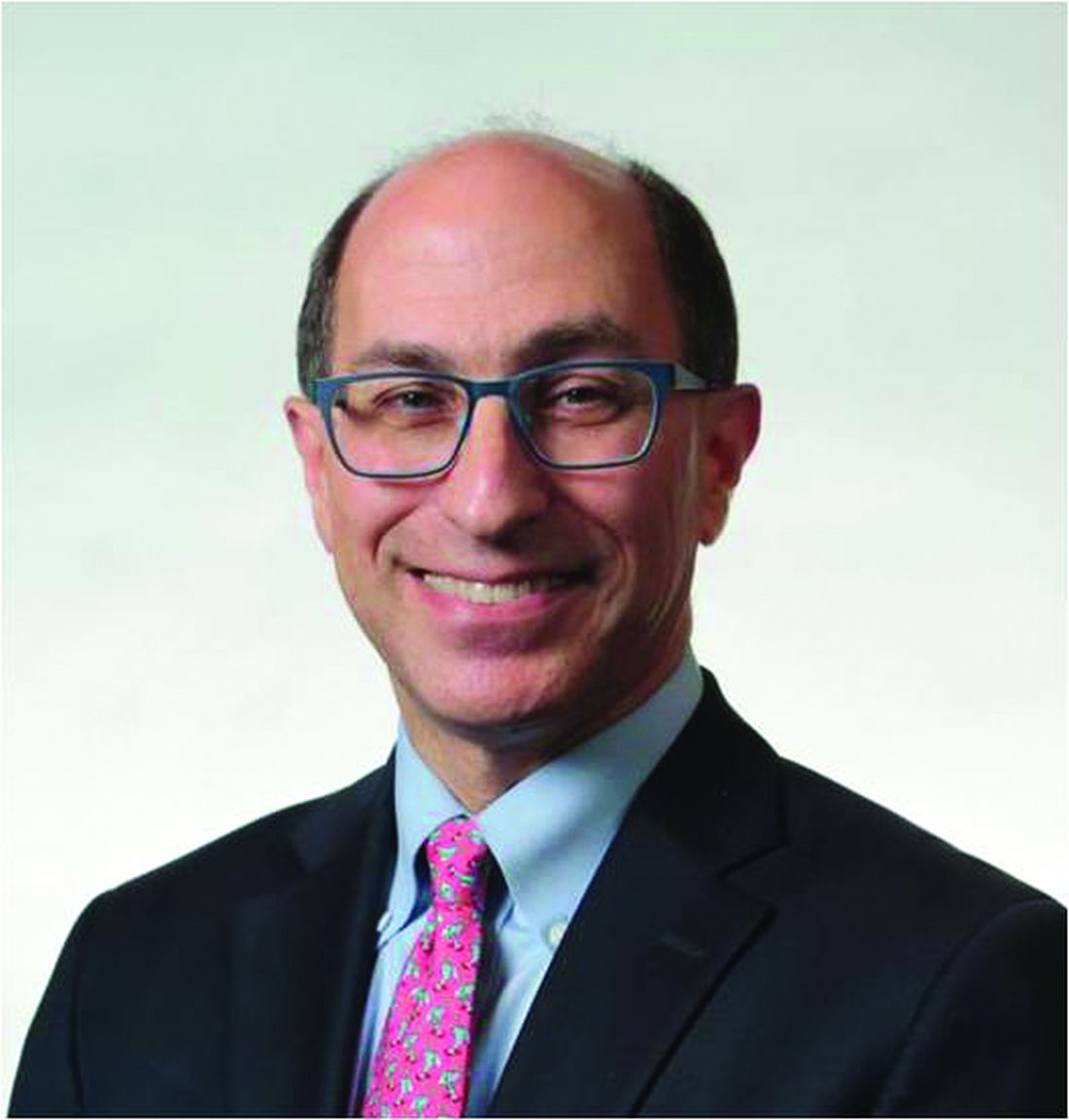
“To my knowledge, no mono-agonist of the glucagon-like peptide-1 (GLP-1) receptor [such as semaglutide or liraglutide] produces more than 50% clearance of liver fat,” added Dr. Kaplan.
The separate, randomized study of people with type 2 diabetes showed that in addition to producing an unprecedented average level of weight loss at the highest retatrutide dose, the agent also produced an average reduction from baseline levels of A1c of about 2 percentage points, an efficacy roughly comparable to maximum doses of the most potent GLP-1 mono-agonist semaglutide (Ozempic, Novo Nordisk), as well as by tirzepatide (Mounjaro, Eli Lilly), a dual agonist for the GLP-1 and glucose-dependent insulinotropic polypeptide (GIP) receptors.
“No other medication has shown an average 17% reduction from baseline bodyweight after 36 weeks in people with type 2 diabetes,” said Julio Rosenstock, MD, director of the Dallas Diabetes Research Center at Medical City, Texas, who presented the results from the type 2 diabetes study of retatrutide.
For the obesity study, people with a body mass index of 27-50 kg/m2 and no diabetes were randomized to placebo or any of four retatrutide target dosages using specified dose-escalation protocols. Participants were an average of 48 years old, and by design, 52% were men. (The study sought to enroll roughly equal numbers of men and women.) Average BMI at study entry was 37 kg/m2.
Weight loss levels after 24 and 48 weeks of retatrutide treatment followed a clear dose-related pattern. (Weight loss averaged about 2% among the 70 controls who received placebo.)
Twenty-six percent without diabetes lost at least 30% of body weight
Every person who escalated to receive the 8-mg or 12-mg weekly dose of retatrutide lost at least 5% of their bodyweight after 48 weeks, 83% of those taking the 12-mg dose lost at least 15%, 63% of those on the 12-mg dose lost at least 20%, and 26% of those on the highest dose lost at least 30% of their starting bodyweight, reported Dr. Jastreboff, director of the Yale Obesity Research Center of Yale University in New Haven, Conn.
The highest dose was also associated with an average 40% relative reduction in triglyceride levels from baseline and an average 22% relative drop in LDL cholesterol levels.
The results were simultaneously published online in the New England Journal of Medicine.
The incidence of serious adverse events with retatrutide was low, similar to the rate in those who received placebo, and showed no dose relationship.
The most common adverse events were gastrointestinal, in as many as 16% of those on the highest dose; these were mild to moderate in severity and usually occurred during dose escalation. In general, adverse events were comparable to what is seen with a GLP-1 agonist or the dual agonist tirzepatide, Dr. Jastreboff said.
A1c normalization in 26% at the highest dose
A similar safety pattern occurred in the study of people with type 2 diabetes, which randomized people with an average A1c of 8.3% and an average BMI of 35.0 kg/m2. After 36 weeks of treatment, the 12-mg weekly dose of retatrutide led to normalization of A1c < 5.7% in 27% of people and A1c ≤ 6.5% in 77%.
“The number of people we were able to revert to a normal A1c was impressive,” said Dr. Rosenstock. These results were simultaneously published online in The Lancet.
The additional findings on liver-fat mobilization in people without diabetes enrolled in the obesity study are notable because no agent currently has labeling from the Food and Drug Administration for the indication of reducing excess liver fat, said Dr. Kaplan.
The researchers measured liver fat at baseline and then during treatment using MRI.
“With the level of fat clearance from the liver that we see with retatrutide it is highly likely that we’ll also see improvements in liver fibrosis” in retatrutide-treated patients, Dr. Kaplan predicted.
Next up for retatrutide is testing in pivotal trials, including the TRIUMPH-3 trial that will enroll about 1,800 people with severe obesity and cardiovascular disease, with findings expected toward the end of 2025.
The retatrutide studies are sponsored by Eli Lilly. Dr. Jastreboff, Dr. Rosenstock, Dr. Kaplan, and Dr. Le Roux have reported financial relationships with Eli Lilly as well as other companies.
A version of this article first appeared on Medscape.com.
SAN DIEGO – New designer molecules that target weight loss via multiple mechanisms continue to raise the bar of how many pounds people with overweight or obesity can lose.
Retatrutide (Eli Lilly), an investigational agent that combines agonism to three key hormones that influence eating and metabolism into a single molecule, safely produced weight loss at levels never seen before in a pair of phase 2 studies that together randomized more than 600 people with overweight or obesity, with or without type 2 diabetes.
Among 338 randomized people with overweight or obesity and no type 2 diabetes,
Among 281 randomized people with overweight or obesity and type 2 diabetes, the same dose of retatrutide produced a nearly 17% cut in weight from baseline after 36 weeks of treatment.
Never before seen weight loss
“I have never seen weight loss at this level” after nearly 1 year of treatment, Ania M. Jastreboff, MD, PhD, who led the obesity study, said during a press briefing at the annual scientific sessions of the American Diabetes Association.
The average weight loss by study participants taking high-dose retatrutide in the two studies “is really impressive, way beyond my wildest dreams,” said Carel le Roux, MBChB, PhD, an obesity and diabetes researcher at University College Dublin, Ireland, who was not involved with the retatrutide studies.
And Robert A. Gabbay, MD, chief scientific and medical officer of the ADA, called the results “stunning,” and added, “we are now witnessing the first triple-hormone combination being highly effective for not only weight loss but liver disease and diabetes.”
A prespecified subgroup analysis of the obesity study showed that at both 8-mg and 12-mg weekly doses, 24 weeks of retatrutide produced complete resolution of excess liver fat (hepatic steatosis) in about 80% of the people eligible for the analysis (those with at least 10% of their liver volume as fat at study entry); that figure increased to about 90% of people on these doses after 48 weeks, Lee M. Kaplan, MD, reported during a separate presentation at the meeting.
Adding glucagon agonism ups liver-fat clearance
“When you add glucagon activity,” one of the three agonist actions of retatrutide, “liver-fat clearance goes up tremendously,” said Dr. Kaplan, director of the Obesity, Metabolism and Nutrition Institute at Massachusetts General Hospital in Boston.
“To my knowledge, no mono-agonist of the glucagon-like peptide-1 (GLP-1) receptor [such as semaglutide or liraglutide] produces more than 50% clearance of liver fat,” added Dr. Kaplan.
The separate, randomized study of people with type 2 diabetes showed that in addition to producing an unprecedented average level of weight loss at the highest retatrutide dose, the agent also produced an average reduction from baseline levels of A1c of about 2 percentage points, an efficacy roughly comparable to maximum doses of the most potent GLP-1 mono-agonist semaglutide (Ozempic, Novo Nordisk), as well as by tirzepatide (Mounjaro, Eli Lilly), a dual agonist for the GLP-1 and glucose-dependent insulinotropic polypeptide (GIP) receptors.
“No other medication has shown an average 17% reduction from baseline bodyweight after 36 weeks in people with type 2 diabetes,” said Julio Rosenstock, MD, director of the Dallas Diabetes Research Center at Medical City, Texas, who presented the results from the type 2 diabetes study of retatrutide.
For the obesity study, people with a body mass index of 27-50 kg/m2 and no diabetes were randomized to placebo or any of four retatrutide target dosages using specified dose-escalation protocols. Participants were an average of 48 years old, and by design, 52% were men. (The study sought to enroll roughly equal numbers of men and women.) Average BMI at study entry was 37 kg/m2.
Weight loss levels after 24 and 48 weeks of retatrutide treatment followed a clear dose-related pattern. (Weight loss averaged about 2% among the 70 controls who received placebo.)
Twenty-six percent without diabetes lost at least 30% of body weight
Every person who escalated to receive the 8-mg or 12-mg weekly dose of retatrutide lost at least 5% of their bodyweight after 48 weeks, 83% of those taking the 12-mg dose lost at least 15%, 63% of those on the 12-mg dose lost at least 20%, and 26% of those on the highest dose lost at least 30% of their starting bodyweight, reported Dr. Jastreboff, director of the Yale Obesity Research Center of Yale University in New Haven, Conn.
The highest dose was also associated with an average 40% relative reduction in triglyceride levels from baseline and an average 22% relative drop in LDL cholesterol levels.
The results were simultaneously published online in the New England Journal of Medicine.
The incidence of serious adverse events with retatrutide was low, similar to the rate in those who received placebo, and showed no dose relationship.
The most common adverse events were gastrointestinal, in as many as 16% of those on the highest dose; these were mild to moderate in severity and usually occurred during dose escalation. In general, adverse events were comparable to what is seen with a GLP-1 agonist or the dual agonist tirzepatide, Dr. Jastreboff said.
A1c normalization in 26% at the highest dose
A similar safety pattern occurred in the study of people with type 2 diabetes, which randomized people with an average A1c of 8.3% and an average BMI of 35.0 kg/m2. After 36 weeks of treatment, the 12-mg weekly dose of retatrutide led to normalization of A1c < 5.7% in 27% of people and A1c ≤ 6.5% in 77%.
“The number of people we were able to revert to a normal A1c was impressive,” said Dr. Rosenstock. These results were simultaneously published online in The Lancet.
The additional findings on liver-fat mobilization in people without diabetes enrolled in the obesity study are notable because no agent currently has labeling from the Food and Drug Administration for the indication of reducing excess liver fat, said Dr. Kaplan.
The researchers measured liver fat at baseline and then during treatment using MRI.
“With the level of fat clearance from the liver that we see with retatrutide it is highly likely that we’ll also see improvements in liver fibrosis” in retatrutide-treated patients, Dr. Kaplan predicted.
Next up for retatrutide is testing in pivotal trials, including the TRIUMPH-3 trial that will enroll about 1,800 people with severe obesity and cardiovascular disease, with findings expected toward the end of 2025.
The retatrutide studies are sponsored by Eli Lilly. Dr. Jastreboff, Dr. Rosenstock, Dr. Kaplan, and Dr. Le Roux have reported financial relationships with Eli Lilly as well as other companies.
A version of this article first appeared on Medscape.com.
SAN DIEGO – New designer molecules that target weight loss via multiple mechanisms continue to raise the bar of how many pounds people with overweight or obesity can lose.
Retatrutide (Eli Lilly), an investigational agent that combines agonism to three key hormones that influence eating and metabolism into a single molecule, safely produced weight loss at levels never seen before in a pair of phase 2 studies that together randomized more than 600 people with overweight or obesity, with or without type 2 diabetes.
Among 338 randomized people with overweight or obesity and no type 2 diabetes,
Among 281 randomized people with overweight or obesity and type 2 diabetes, the same dose of retatrutide produced a nearly 17% cut in weight from baseline after 36 weeks of treatment.
Never before seen weight loss
“I have never seen weight loss at this level” after nearly 1 year of treatment, Ania M. Jastreboff, MD, PhD, who led the obesity study, said during a press briefing at the annual scientific sessions of the American Diabetes Association.
The average weight loss by study participants taking high-dose retatrutide in the two studies “is really impressive, way beyond my wildest dreams,” said Carel le Roux, MBChB, PhD, an obesity and diabetes researcher at University College Dublin, Ireland, who was not involved with the retatrutide studies.
And Robert A. Gabbay, MD, chief scientific and medical officer of the ADA, called the results “stunning,” and added, “we are now witnessing the first triple-hormone combination being highly effective for not only weight loss but liver disease and diabetes.”
A prespecified subgroup analysis of the obesity study showed that at both 8-mg and 12-mg weekly doses, 24 weeks of retatrutide produced complete resolution of excess liver fat (hepatic steatosis) in about 80% of the people eligible for the analysis (those with at least 10% of their liver volume as fat at study entry); that figure increased to about 90% of people on these doses after 48 weeks, Lee M. Kaplan, MD, reported during a separate presentation at the meeting.
Adding glucagon agonism ups liver-fat clearance
“When you add glucagon activity,” one of the three agonist actions of retatrutide, “liver-fat clearance goes up tremendously,” said Dr. Kaplan, director of the Obesity, Metabolism and Nutrition Institute at Massachusetts General Hospital in Boston.
“To my knowledge, no mono-agonist of the glucagon-like peptide-1 (GLP-1) receptor [such as semaglutide or liraglutide] produces more than 50% clearance of liver fat,” added Dr. Kaplan.
The separate, randomized study of people with type 2 diabetes showed that in addition to producing an unprecedented average level of weight loss at the highest retatrutide dose, the agent also produced an average reduction from baseline levels of A1c of about 2 percentage points, an efficacy roughly comparable to maximum doses of the most potent GLP-1 mono-agonist semaglutide (Ozempic, Novo Nordisk), as well as by tirzepatide (Mounjaro, Eli Lilly), a dual agonist for the GLP-1 and glucose-dependent insulinotropic polypeptide (GIP) receptors.
“No other medication has shown an average 17% reduction from baseline bodyweight after 36 weeks in people with type 2 diabetes,” said Julio Rosenstock, MD, director of the Dallas Diabetes Research Center at Medical City, Texas, who presented the results from the type 2 diabetes study of retatrutide.
For the obesity study, people with a body mass index of 27-50 kg/m2 and no diabetes were randomized to placebo or any of four retatrutide target dosages using specified dose-escalation protocols. Participants were an average of 48 years old, and by design, 52% were men. (The study sought to enroll roughly equal numbers of men and women.) Average BMI at study entry was 37 kg/m2.
Weight loss levels after 24 and 48 weeks of retatrutide treatment followed a clear dose-related pattern. (Weight loss averaged about 2% among the 70 controls who received placebo.)
Twenty-six percent without diabetes lost at least 30% of body weight
Every person who escalated to receive the 8-mg or 12-mg weekly dose of retatrutide lost at least 5% of their bodyweight after 48 weeks, 83% of those taking the 12-mg dose lost at least 15%, 63% of those on the 12-mg dose lost at least 20%, and 26% of those on the highest dose lost at least 30% of their starting bodyweight, reported Dr. Jastreboff, director of the Yale Obesity Research Center of Yale University in New Haven, Conn.
The highest dose was also associated with an average 40% relative reduction in triglyceride levels from baseline and an average 22% relative drop in LDL cholesterol levels.
The results were simultaneously published online in the New England Journal of Medicine.
The incidence of serious adverse events with retatrutide was low, similar to the rate in those who received placebo, and showed no dose relationship.
The most common adverse events were gastrointestinal, in as many as 16% of those on the highest dose; these were mild to moderate in severity and usually occurred during dose escalation. In general, adverse events were comparable to what is seen with a GLP-1 agonist or the dual agonist tirzepatide, Dr. Jastreboff said.
A1c normalization in 26% at the highest dose
A similar safety pattern occurred in the study of people with type 2 diabetes, which randomized people with an average A1c of 8.3% and an average BMI of 35.0 kg/m2. After 36 weeks of treatment, the 12-mg weekly dose of retatrutide led to normalization of A1c < 5.7% in 27% of people and A1c ≤ 6.5% in 77%.
“The number of people we were able to revert to a normal A1c was impressive,” said Dr. Rosenstock. These results were simultaneously published online in The Lancet.
The additional findings on liver-fat mobilization in people without diabetes enrolled in the obesity study are notable because no agent currently has labeling from the Food and Drug Administration for the indication of reducing excess liver fat, said Dr. Kaplan.
The researchers measured liver fat at baseline and then during treatment using MRI.
“With the level of fat clearance from the liver that we see with retatrutide it is highly likely that we’ll also see improvements in liver fibrosis” in retatrutide-treated patients, Dr. Kaplan predicted.
Next up for retatrutide is testing in pivotal trials, including the TRIUMPH-3 trial that will enroll about 1,800 people with severe obesity and cardiovascular disease, with findings expected toward the end of 2025.
The retatrutide studies are sponsored by Eli Lilly. Dr. Jastreboff, Dr. Rosenstock, Dr. Kaplan, and Dr. Le Roux have reported financial relationships with Eli Lilly as well as other companies.
A version of this article first appeared on Medscape.com.
AT ADA 2023
SAFE algorithm detects liver disease in general population
VIENNA – An algorithm, the Steatosis-Associated Fibrosis Estimator (SAFE), was developed to detect clinically significant fibrosis in patients with nonalcoholic fatty liver disease (NAFLD). It is effective at detecting chronic liver disease from all causes with or without NAFLD in the general population, according the results of a U.S. population-based study. The algorithm was designed for use in primary care to help slow the steep rise in liver disease burden.
On the basis of the SAFE score, 61.3% of participants were at low risk for clinically significant fibrosis; 11.2% were at high risk; and 27.5% were at intermediate risk. Upon validation, very few of the low-risk participants had liver fibrosis, while nearly a third of those with a high-risk score had clinically significant fibrosis. In addition, a high percentage of the patients with high-risk SAFE scores had viral hepatitis and elevations in ferritin level.
“This is the first time that there has been a test that provides a score to detect low-risk liver disease in primary care,” said Ray Kim, MD, from Stanford (Calif.) University, senior investigator, who was speaking to this news organization at the annual International Liver Congress sponsored by the European Association for the Study of the Liver
“Primary care doctors currently detect liver disease through a serendipitous abnormal finding on ultrasound or blood tests that detect elevated transaminases, and then the patient is referred to a hepatologist, who figures out what is really going on,” said Dr. Kim.
“This approach is limited, so we need to get SAFE into primary care so these doctors can automatically calculate their scores, and if the patient is over 100 [high risk of chronic liver disease], then they need help [referral to a hepatologist].”
Liver deaths sharply rising
Public health data show that more people are dying of liver disease today than previously. Deaths in the United States have doubled over the past 20 years, said Dr. Kim. “If our mission is to help these patients and prevent death, [things are] moving in the wrong direction.”
He stressed that in order to change the direction, “primary care doctors need to engage with the issue and have appropriate tools to identify people with liver disease.”
Most often, the reason for this rise in deaths is that cases are being diagnosed at advanced stages of disease in which reversibility is limited, he added. “We want to move upstream where people might have early-stage disease and where we can intervene and make a difference.”
In an effort to help earlier detection of liver disease, the SAFE score was developed and validated by Dr. Kim and his colleagues to detect clinically significant (greater than stage 2) fibrosis in patients with NAFLD in primary care. The score is based upon age, body mass index, diabetes, platelet level, aspartate and alanine aminotransferase levels, and globulin level. A score of less than zero signifies that a patient is at low risk for liver fibrosis, while a score greater than 100 signifies a high risk of fibrosis. A score between 0 and 99 denotes intermediate risk of fibrosis.
“Unlike other noninvasive tests that detect advanced fibrosis, this one detects early-stage fibrosis. We’ve shown that the SAFE estimator is better than all other blood-based markers,” explained Dr. Kim.
Applying SAFE to the general population
In the study presented here at EASL, Dr. Kim aimed to expand the horizon for SAFE testing to the U.S. general population and to assess whether SAFE was effective in screening for chronic liver disease regardless of steatosis of the liver.
Together with first author Nakia Chung, MD, also from Stanford University, Dr. Kim applied the SAFE score to data from 7,156 participants of the National Health and Nutrition Examination Survey (NHANES) for 2017-2020. NHANES is representative of the noninstitutionalized, civilian population of the United States. It includes broad demographic, clinical, and laboratory data, including transient elastography data. FibroScans were first used in 2017, so the investigators had 3 years of FibroScan data with which to validate the score.
The researchers extrapolated the NHANES sample data to the U.S. population. They found that the proportion of adults with steatosis (CAP score > 274 dB/m) and significant fibrosis (LSM > 8.0 kPa) was 42.7% (95% confidence interval, 41.0%- 44.3%) and 8.9% (7.6%-10.2%), respectively. In addition, 11.3% (10.2%-12.5%) of the adult U.S. population demonstrated a significant amount of alcohol use, 2.3% (1.4%-3.3%) showed evidence of hepatitis B or C, and 5.4% (4.6%-6.2%) had elevated serum ferritin levels.
The researchers then stratified the patients according to previously defined SAFE tiers of low, intermediate, and high risk and projected findings to the U.S. general population.
“When we applied our score to the general population, we found multiple abnormalities in the high-risk groups [SAFE >100] having Fibroscan data that are consistent with stage 2 or higher fibrosis regardless of etiology, “Dr. Kim pointed out.
Results also showed that very few patients with SAFE less than 0 had liver fibrosis (4% among those with liver stiffness measure [LSM] > 8kPa, and 0.8% with LSM > 12kPa). Among those with SAFE > 100, nearly a third (31.5%) had LSM of > 8kPa, and 16.5% had LSM > 12kPa.
In addition to fibrosis, liver abnormalities were common among patients with SAFE greater than 100, including steatosis (68.0%), viral hepatitis (7.0%), and abnormal ferritin levels (12.9%); 10.8% of these patients used alcohol.
“Right now, some patients are referred, but on examination and FibroScan, they might actually be okay, so it it’s a waste of time and money for everyone. We can preempt all of this by doing a blood test and focusing on those people who really need a scan,” said Dr. Kim.
The researcher is now working with primary care colleagues to help further develop and integrate SAFE into the primary care setting.
Fibrosis score in patients with metabolic dysfunction
Also presenting at the same session on population health was Willem Pieter Brouwer, MD, PhD, from Erasmus University Medical Center, Rotterdam, the Netherlands. He reported results of a validation study of a new risk score – the Metabolic Dysfunction-Associated Fibrosis–5 (MAF-5) score – for use for people with metabolic dysfunction who are recommended for screening for liver fibrosis.
“We believe the MAF-5 score may be a good alternative to the FIB-4 [a liver fibrosis biomarker] for use in the referral pathway for liver health evaluation,” remarked Dr. Brouwer. “The clinical practice guidelines recommend using FIB-4 scores, but these have a poor-moderate performance in the population setting.
“We developed and validated our score in a population of 5,500 from the NHANES 2017-2020 cycle and validated the score in populations from Rotterdam, which is a cohort of elderly participants, and in fibrosis among patients with biopsy-proven NAFLD from Colombia and Belgium,” he explained.
He also validated the score against different existing scoring systems and different methods of measuring liver stiffness and validated it for prognostic use to predict all-cause mortality in the NHANES III cohort.
Dr. Brouwer removed age as a factor of his new MAF-5 score; the score is thus stable for patients of all ages and is suitable for detecting liver disease in younger patients. “This is very important because these patients are currently underserved and have the most years of life to win.”
Referring to the SAFE score discussed by Dr. Kim, as well as other scores, he said, “The FIB-4, SAFE, and NFS [NAFLD fibrosis score] all include age in the scores, which causes problems and limitations in aging populations, as more and more patients will be referred due to an increasing score. Hence, the elderly are mostly all referred for liver checkups.”
Dr. Kim and Dr. Brouwer have disclosed no relevant financial relationships.
A version of this article first appeared on Medscape.com.
VIENNA – An algorithm, the Steatosis-Associated Fibrosis Estimator (SAFE), was developed to detect clinically significant fibrosis in patients with nonalcoholic fatty liver disease (NAFLD). It is effective at detecting chronic liver disease from all causes with or without NAFLD in the general population, according the results of a U.S. population-based study. The algorithm was designed for use in primary care to help slow the steep rise in liver disease burden.
On the basis of the SAFE score, 61.3% of participants were at low risk for clinically significant fibrosis; 11.2% were at high risk; and 27.5% were at intermediate risk. Upon validation, very few of the low-risk participants had liver fibrosis, while nearly a third of those with a high-risk score had clinically significant fibrosis. In addition, a high percentage of the patients with high-risk SAFE scores had viral hepatitis and elevations in ferritin level.
“This is the first time that there has been a test that provides a score to detect low-risk liver disease in primary care,” said Ray Kim, MD, from Stanford (Calif.) University, senior investigator, who was speaking to this news organization at the annual International Liver Congress sponsored by the European Association for the Study of the Liver
“Primary care doctors currently detect liver disease through a serendipitous abnormal finding on ultrasound or blood tests that detect elevated transaminases, and then the patient is referred to a hepatologist, who figures out what is really going on,” said Dr. Kim.
“This approach is limited, so we need to get SAFE into primary care so these doctors can automatically calculate their scores, and if the patient is over 100 [high risk of chronic liver disease], then they need help [referral to a hepatologist].”
Liver deaths sharply rising
Public health data show that more people are dying of liver disease today than previously. Deaths in the United States have doubled over the past 20 years, said Dr. Kim. “If our mission is to help these patients and prevent death, [things are] moving in the wrong direction.”
He stressed that in order to change the direction, “primary care doctors need to engage with the issue and have appropriate tools to identify people with liver disease.”
Most often, the reason for this rise in deaths is that cases are being diagnosed at advanced stages of disease in which reversibility is limited, he added. “We want to move upstream where people might have early-stage disease and where we can intervene and make a difference.”
In an effort to help earlier detection of liver disease, the SAFE score was developed and validated by Dr. Kim and his colleagues to detect clinically significant (greater than stage 2) fibrosis in patients with NAFLD in primary care. The score is based upon age, body mass index, diabetes, platelet level, aspartate and alanine aminotransferase levels, and globulin level. A score of less than zero signifies that a patient is at low risk for liver fibrosis, while a score greater than 100 signifies a high risk of fibrosis. A score between 0 and 99 denotes intermediate risk of fibrosis.
“Unlike other noninvasive tests that detect advanced fibrosis, this one detects early-stage fibrosis. We’ve shown that the SAFE estimator is better than all other blood-based markers,” explained Dr. Kim.
Applying SAFE to the general population
In the study presented here at EASL, Dr. Kim aimed to expand the horizon for SAFE testing to the U.S. general population and to assess whether SAFE was effective in screening for chronic liver disease regardless of steatosis of the liver.
Together with first author Nakia Chung, MD, also from Stanford University, Dr. Kim applied the SAFE score to data from 7,156 participants of the National Health and Nutrition Examination Survey (NHANES) for 2017-2020. NHANES is representative of the noninstitutionalized, civilian population of the United States. It includes broad demographic, clinical, and laboratory data, including transient elastography data. FibroScans were first used in 2017, so the investigators had 3 years of FibroScan data with which to validate the score.
The researchers extrapolated the NHANES sample data to the U.S. population. They found that the proportion of adults with steatosis (CAP score > 274 dB/m) and significant fibrosis (LSM > 8.0 kPa) was 42.7% (95% confidence interval, 41.0%- 44.3%) and 8.9% (7.6%-10.2%), respectively. In addition, 11.3% (10.2%-12.5%) of the adult U.S. population demonstrated a significant amount of alcohol use, 2.3% (1.4%-3.3%) showed evidence of hepatitis B or C, and 5.4% (4.6%-6.2%) had elevated serum ferritin levels.
The researchers then stratified the patients according to previously defined SAFE tiers of low, intermediate, and high risk and projected findings to the U.S. general population.
“When we applied our score to the general population, we found multiple abnormalities in the high-risk groups [SAFE >100] having Fibroscan data that are consistent with stage 2 or higher fibrosis regardless of etiology, “Dr. Kim pointed out.
Results also showed that very few patients with SAFE less than 0 had liver fibrosis (4% among those with liver stiffness measure [LSM] > 8kPa, and 0.8% with LSM > 12kPa). Among those with SAFE > 100, nearly a third (31.5%) had LSM of > 8kPa, and 16.5% had LSM > 12kPa.
In addition to fibrosis, liver abnormalities were common among patients with SAFE greater than 100, including steatosis (68.0%), viral hepatitis (7.0%), and abnormal ferritin levels (12.9%); 10.8% of these patients used alcohol.
“Right now, some patients are referred, but on examination and FibroScan, they might actually be okay, so it it’s a waste of time and money for everyone. We can preempt all of this by doing a blood test and focusing on those people who really need a scan,” said Dr. Kim.
The researcher is now working with primary care colleagues to help further develop and integrate SAFE into the primary care setting.
Fibrosis score in patients with metabolic dysfunction
Also presenting at the same session on population health was Willem Pieter Brouwer, MD, PhD, from Erasmus University Medical Center, Rotterdam, the Netherlands. He reported results of a validation study of a new risk score – the Metabolic Dysfunction-Associated Fibrosis–5 (MAF-5) score – for use for people with metabolic dysfunction who are recommended for screening for liver fibrosis.
“We believe the MAF-5 score may be a good alternative to the FIB-4 [a liver fibrosis biomarker] for use in the referral pathway for liver health evaluation,” remarked Dr. Brouwer. “The clinical practice guidelines recommend using FIB-4 scores, but these have a poor-moderate performance in the population setting.
“We developed and validated our score in a population of 5,500 from the NHANES 2017-2020 cycle and validated the score in populations from Rotterdam, which is a cohort of elderly participants, and in fibrosis among patients with biopsy-proven NAFLD from Colombia and Belgium,” he explained.
He also validated the score against different existing scoring systems and different methods of measuring liver stiffness and validated it for prognostic use to predict all-cause mortality in the NHANES III cohort.
Dr. Brouwer removed age as a factor of his new MAF-5 score; the score is thus stable for patients of all ages and is suitable for detecting liver disease in younger patients. “This is very important because these patients are currently underserved and have the most years of life to win.”
Referring to the SAFE score discussed by Dr. Kim, as well as other scores, he said, “The FIB-4, SAFE, and NFS [NAFLD fibrosis score] all include age in the scores, which causes problems and limitations in aging populations, as more and more patients will be referred due to an increasing score. Hence, the elderly are mostly all referred for liver checkups.”
Dr. Kim and Dr. Brouwer have disclosed no relevant financial relationships.
A version of this article first appeared on Medscape.com.
VIENNA – An algorithm, the Steatosis-Associated Fibrosis Estimator (SAFE), was developed to detect clinically significant fibrosis in patients with nonalcoholic fatty liver disease (NAFLD). It is effective at detecting chronic liver disease from all causes with or without NAFLD in the general population, according the results of a U.S. population-based study. The algorithm was designed for use in primary care to help slow the steep rise in liver disease burden.
On the basis of the SAFE score, 61.3% of participants were at low risk for clinically significant fibrosis; 11.2% were at high risk; and 27.5% were at intermediate risk. Upon validation, very few of the low-risk participants had liver fibrosis, while nearly a third of those with a high-risk score had clinically significant fibrosis. In addition, a high percentage of the patients with high-risk SAFE scores had viral hepatitis and elevations in ferritin level.
“This is the first time that there has been a test that provides a score to detect low-risk liver disease in primary care,” said Ray Kim, MD, from Stanford (Calif.) University, senior investigator, who was speaking to this news organization at the annual International Liver Congress sponsored by the European Association for the Study of the Liver
“Primary care doctors currently detect liver disease through a serendipitous abnormal finding on ultrasound or blood tests that detect elevated transaminases, and then the patient is referred to a hepatologist, who figures out what is really going on,” said Dr. Kim.
“This approach is limited, so we need to get SAFE into primary care so these doctors can automatically calculate their scores, and if the patient is over 100 [high risk of chronic liver disease], then they need help [referral to a hepatologist].”
Liver deaths sharply rising
Public health data show that more people are dying of liver disease today than previously. Deaths in the United States have doubled over the past 20 years, said Dr. Kim. “If our mission is to help these patients and prevent death, [things are] moving in the wrong direction.”
He stressed that in order to change the direction, “primary care doctors need to engage with the issue and have appropriate tools to identify people with liver disease.”
Most often, the reason for this rise in deaths is that cases are being diagnosed at advanced stages of disease in which reversibility is limited, he added. “We want to move upstream where people might have early-stage disease and where we can intervene and make a difference.”
In an effort to help earlier detection of liver disease, the SAFE score was developed and validated by Dr. Kim and his colleagues to detect clinically significant (greater than stage 2) fibrosis in patients with NAFLD in primary care. The score is based upon age, body mass index, diabetes, platelet level, aspartate and alanine aminotransferase levels, and globulin level. A score of less than zero signifies that a patient is at low risk for liver fibrosis, while a score greater than 100 signifies a high risk of fibrosis. A score between 0 and 99 denotes intermediate risk of fibrosis.
“Unlike other noninvasive tests that detect advanced fibrosis, this one detects early-stage fibrosis. We’ve shown that the SAFE estimator is better than all other blood-based markers,” explained Dr. Kim.
Applying SAFE to the general population
In the study presented here at EASL, Dr. Kim aimed to expand the horizon for SAFE testing to the U.S. general population and to assess whether SAFE was effective in screening for chronic liver disease regardless of steatosis of the liver.
Together with first author Nakia Chung, MD, also from Stanford University, Dr. Kim applied the SAFE score to data from 7,156 participants of the National Health and Nutrition Examination Survey (NHANES) for 2017-2020. NHANES is representative of the noninstitutionalized, civilian population of the United States. It includes broad demographic, clinical, and laboratory data, including transient elastography data. FibroScans were first used in 2017, so the investigators had 3 years of FibroScan data with which to validate the score.
The researchers extrapolated the NHANES sample data to the U.S. population. They found that the proportion of adults with steatosis (CAP score > 274 dB/m) and significant fibrosis (LSM > 8.0 kPa) was 42.7% (95% confidence interval, 41.0%- 44.3%) and 8.9% (7.6%-10.2%), respectively. In addition, 11.3% (10.2%-12.5%) of the adult U.S. population demonstrated a significant amount of alcohol use, 2.3% (1.4%-3.3%) showed evidence of hepatitis B or C, and 5.4% (4.6%-6.2%) had elevated serum ferritin levels.
The researchers then stratified the patients according to previously defined SAFE tiers of low, intermediate, and high risk and projected findings to the U.S. general population.
“When we applied our score to the general population, we found multiple abnormalities in the high-risk groups [SAFE >100] having Fibroscan data that are consistent with stage 2 or higher fibrosis regardless of etiology, “Dr. Kim pointed out.
Results also showed that very few patients with SAFE less than 0 had liver fibrosis (4% among those with liver stiffness measure [LSM] > 8kPa, and 0.8% with LSM > 12kPa). Among those with SAFE > 100, nearly a third (31.5%) had LSM of > 8kPa, and 16.5% had LSM > 12kPa.
In addition to fibrosis, liver abnormalities were common among patients with SAFE greater than 100, including steatosis (68.0%), viral hepatitis (7.0%), and abnormal ferritin levels (12.9%); 10.8% of these patients used alcohol.
“Right now, some patients are referred, but on examination and FibroScan, they might actually be okay, so it it’s a waste of time and money for everyone. We can preempt all of this by doing a blood test and focusing on those people who really need a scan,” said Dr. Kim.
The researcher is now working with primary care colleagues to help further develop and integrate SAFE into the primary care setting.
Fibrosis score in patients with metabolic dysfunction
Also presenting at the same session on population health was Willem Pieter Brouwer, MD, PhD, from Erasmus University Medical Center, Rotterdam, the Netherlands. He reported results of a validation study of a new risk score – the Metabolic Dysfunction-Associated Fibrosis–5 (MAF-5) score – for use for people with metabolic dysfunction who are recommended for screening for liver fibrosis.
“We believe the MAF-5 score may be a good alternative to the FIB-4 [a liver fibrosis biomarker] for use in the referral pathway for liver health evaluation,” remarked Dr. Brouwer. “The clinical practice guidelines recommend using FIB-4 scores, but these have a poor-moderate performance in the population setting.
“We developed and validated our score in a population of 5,500 from the NHANES 2017-2020 cycle and validated the score in populations from Rotterdam, which is a cohort of elderly participants, and in fibrosis among patients with biopsy-proven NAFLD from Colombia and Belgium,” he explained.
He also validated the score against different existing scoring systems and different methods of measuring liver stiffness and validated it for prognostic use to predict all-cause mortality in the NHANES III cohort.
Dr. Brouwer removed age as a factor of his new MAF-5 score; the score is thus stable for patients of all ages and is suitable for detecting liver disease in younger patients. “This is very important because these patients are currently underserved and have the most years of life to win.”
Referring to the SAFE score discussed by Dr. Kim, as well as other scores, he said, “The FIB-4, SAFE, and NFS [NAFLD fibrosis score] all include age in the scores, which causes problems and limitations in aging populations, as more and more patients will be referred due to an increasing score. Hence, the elderly are mostly all referred for liver checkups.”
Dr. Kim and Dr. Brouwer have disclosed no relevant financial relationships.
A version of this article first appeared on Medscape.com.
AT ILC 2023
Surgery, radioactive iodine for hyperthyroidism up survival
CHICAGO – new data from a large cohort study suggest.
“I think this is something we need to take into our discussions with patients because treatment for hyperthyroidism is very much individualized decision-making ... The effects on mortality are not usually one of the factors we discuss there. But now, we have strong data from a very large cohort of patients indicating that this is something that does need to be discussed,” lead author Kristien Boelaert, MD, who is the current president of the British Thyroid Association, said in an interview.
Dr. Boelaert presented the findings of the EGRET (Weight Changes, Cardio-Metabolic Risks and Mortality in Patients With Hyperthyroidism) study at the Annual Meeting of the Endocrine Society.
Other notable findings from EGRET were that the patients on antithyroid medication were thinner than expected, suggesting undertreatment, and that no differences were found for major adverse cardiac events (MACE) across the treatment options, leaving unexplained the reasons for the increased mortality in the medicated group.
Asked to comment, session moderator Spyridoula Maraka, MD, said: “I think this is very important work because so far when we counsel our patients about the different treatment modalities we focus more on risk for recurrence and other short-term outcomes.”
“But these data give us a bigger perspective on mortality and cardiovascular outcomes ... We haven’t had such good quality data to accurately counsel our patients,” added Dr. Maraka, of the University of Arkansas for Medical Sciences, Little Rock.
Mortality higher for medication-treated, but why?
“Hyperthyroidism or an overactive thyroid gland is common, affecting up to 3% of the population, and is associated with long-term adverse cardiac and metabolic consequences. The optimal treatment choice remains unclear,” explained Dr. Boelaert, professor of endocrinology at the University of Birmingham, England, outlining the reasons they conducted the EGRET study.
The study population was 55,318 patients (77% women) with newly diagnosed hyperthyroidism identified from a U.K. population-based primary care electronic health record database. Of those, 77.8% were treated with antithyroid medication, 14.6% with radioactive iodine, and 7.8% with surgery (total or hemithyroidectomy). The health records were linked with national mortality data and Health Survey England data on body mass index (BMI) for comparison.
Dr. Boelaert noted that the trial design “is the best we have” because a randomized clinical trial comparing hyperthyroid treatments would be extremely difficult given the need to individualize therapy and the impossibility of blinding. On the other hand, with the current study, “it’s certainly the largest patient group we’ve looked at.”
Over an average 12.1 years of follow-up, the proportion of patients who died was 14.1% in the medication group, 18.7% of those who had radioiodine therapy, and 9.2% of those who underwent surgery.
Compared with the number who would have been expected to die based on the general background population, the likelihood of reduced life expectancy for the treated groups was increased 2.10-fold for radioiodine, 2.13-fold for surgery, and 2.71-fold for medication. All were significantly higher than the general population (P < .0001).
After further adjustment for multiple confounders, mortality risk was reduced in patients treated with radioiodine (by 13%) or surgery (by 20%), compared with those treated with antithyroid medication, both significant reductions (P < .0001).
After exclusion of the 3.9% with baseline cardiovascular disease, MACE (defined as cardiovascular death or hospitalization for stroke or myocardial infarction) occurred in 9.9%, 13.4%, and 8.0% of the medication, radioiodine, and surgery groups, respectively.
After adjustments, there were no differences in MACE, compared with medications, with hazard ratios of 1.00 (P = .94) for radioactive iodine and 0.97 for surgery (P = .61).
“We were expecting to see a reduction in cardiovascular events, as previous studies suggest that radioactive iodine patients have fewer cardiovascular deaths. We did not see that but our protocol wasn’t set up to get every single specific cause of death. That will require further ongoing analysis,” said Dr. Boelaert.
Weight gain: Worth it for longer life
Compared with the background population, thyroidectomy was associated with an increased likelihood of developing obesity (BMI > 30 kg/m2) in both men (odds ratio, 1.56; P < .001), and women (OR, 1.27; P < .001), while radioiodine increased obesity risk in women (OR, 1.12; P < .001) but not in men (OR, 1.03; P = .55).
Among the women, those treated with antithyroid medications had an average 0.28 kg/m2 lower BMI, compared with the background population, and those treated with surgery had a 0.83 kg/m2 higher BMI. Both differences were significant (P < .001).
The BMI differences were not significant for radioactive iodine in women and for medications and radioactive iodine in men, although the men treated surgically also had a significantly higher BMI (1.09 kg/m2; P < .001).
“The patients on antithyroid drugs were lighter than we would expect. I think that’s ongoing hyperthyroidism. I strongly believe that ... to get rid of hyperthyroidism you have to make patients hypothyroid ... It’s really important that you get good control,” Dr. Boelaert commented.
Dr. Maraka, who is also endocrine section chief of the Arkansas Veteran’s Healthcare System, Little Rock, commented: “[Dr. Boelaert’s] concern is that the patients on antithyroid drugs are not adequately controlled, and we know very well that uncontrolled hyperthyroidism is associated with increased mortality and increased cardiovascular outcomes. This suggests that if patients are on antithyroid medications, they should at least be monitored very well.”
Regarding the possible cause of the increased mortality, if not cardiovascular, Dr. Maraka also pointed out that typically once antithyroid medications are stopped, about half of patients will stay in remission and the other half will return to hyperthyroidism.
“It might be that this kind of ‘yo-yo’ is what’s actually leading to the increased mortality, compared to patients who had definitive treatment and this problem was taken care of. This is speculation but it might be what we’re seeing,” Dr. Maraka observed.
The BMI differences worked out to a weight gain with surgery of approximately 2.1 kg (4.6 lb) for a woman with a height of 160 cm and 2.4 kg for 170 cm. Among men, those differences were 3.2 kg and 3.5 kg for heights of 170 cm and 190 cm, respectively.
Dr. Boelaert said, “I think we should discuss this with patients. They will say they don’t want to get fat, but the absolute weight gain is ... not that much.”
“I personally think that 2 kg is not a big price to pay to live longer. I hope that’s what we’ll be telling our patients in clinic in the next few years after we get this published.”
Dr. Boelaert and Dr. Maraka have reported no relevant financial relationships.
A version of this article first appeared on Medscape.com.
CHICAGO – new data from a large cohort study suggest.
“I think this is something we need to take into our discussions with patients because treatment for hyperthyroidism is very much individualized decision-making ... The effects on mortality are not usually one of the factors we discuss there. But now, we have strong data from a very large cohort of patients indicating that this is something that does need to be discussed,” lead author Kristien Boelaert, MD, who is the current president of the British Thyroid Association, said in an interview.
Dr. Boelaert presented the findings of the EGRET (Weight Changes, Cardio-Metabolic Risks and Mortality in Patients With Hyperthyroidism) study at the Annual Meeting of the Endocrine Society.
Other notable findings from EGRET were that the patients on antithyroid medication were thinner than expected, suggesting undertreatment, and that no differences were found for major adverse cardiac events (MACE) across the treatment options, leaving unexplained the reasons for the increased mortality in the medicated group.
Asked to comment, session moderator Spyridoula Maraka, MD, said: “I think this is very important work because so far when we counsel our patients about the different treatment modalities we focus more on risk for recurrence and other short-term outcomes.”
“But these data give us a bigger perspective on mortality and cardiovascular outcomes ... We haven’t had such good quality data to accurately counsel our patients,” added Dr. Maraka, of the University of Arkansas for Medical Sciences, Little Rock.
Mortality higher for medication-treated, but why?
“Hyperthyroidism or an overactive thyroid gland is common, affecting up to 3% of the population, and is associated with long-term adverse cardiac and metabolic consequences. The optimal treatment choice remains unclear,” explained Dr. Boelaert, professor of endocrinology at the University of Birmingham, England, outlining the reasons they conducted the EGRET study.
The study population was 55,318 patients (77% women) with newly diagnosed hyperthyroidism identified from a U.K. population-based primary care electronic health record database. Of those, 77.8% were treated with antithyroid medication, 14.6% with radioactive iodine, and 7.8% with surgery (total or hemithyroidectomy). The health records were linked with national mortality data and Health Survey England data on body mass index (BMI) for comparison.
Dr. Boelaert noted that the trial design “is the best we have” because a randomized clinical trial comparing hyperthyroid treatments would be extremely difficult given the need to individualize therapy and the impossibility of blinding. On the other hand, with the current study, “it’s certainly the largest patient group we’ve looked at.”
Over an average 12.1 years of follow-up, the proportion of patients who died was 14.1% in the medication group, 18.7% of those who had radioiodine therapy, and 9.2% of those who underwent surgery.
Compared with the number who would have been expected to die based on the general background population, the likelihood of reduced life expectancy for the treated groups was increased 2.10-fold for radioiodine, 2.13-fold for surgery, and 2.71-fold for medication. All were significantly higher than the general population (P < .0001).
After further adjustment for multiple confounders, mortality risk was reduced in patients treated with radioiodine (by 13%) or surgery (by 20%), compared with those treated with antithyroid medication, both significant reductions (P < .0001).
After exclusion of the 3.9% with baseline cardiovascular disease, MACE (defined as cardiovascular death or hospitalization for stroke or myocardial infarction) occurred in 9.9%, 13.4%, and 8.0% of the medication, radioiodine, and surgery groups, respectively.
After adjustments, there were no differences in MACE, compared with medications, with hazard ratios of 1.00 (P = .94) for radioactive iodine and 0.97 for surgery (P = .61).
“We were expecting to see a reduction in cardiovascular events, as previous studies suggest that radioactive iodine patients have fewer cardiovascular deaths. We did not see that but our protocol wasn’t set up to get every single specific cause of death. That will require further ongoing analysis,” said Dr. Boelaert.
Weight gain: Worth it for longer life
Compared with the background population, thyroidectomy was associated with an increased likelihood of developing obesity (BMI > 30 kg/m2) in both men (odds ratio, 1.56; P < .001), and women (OR, 1.27; P < .001), while radioiodine increased obesity risk in women (OR, 1.12; P < .001) but not in men (OR, 1.03; P = .55).
Among the women, those treated with antithyroid medications had an average 0.28 kg/m2 lower BMI, compared with the background population, and those treated with surgery had a 0.83 kg/m2 higher BMI. Both differences were significant (P < .001).
The BMI differences were not significant for radioactive iodine in women and for medications and radioactive iodine in men, although the men treated surgically also had a significantly higher BMI (1.09 kg/m2; P < .001).
“The patients on antithyroid drugs were lighter than we would expect. I think that’s ongoing hyperthyroidism. I strongly believe that ... to get rid of hyperthyroidism you have to make patients hypothyroid ... It’s really important that you get good control,” Dr. Boelaert commented.
Dr. Maraka, who is also endocrine section chief of the Arkansas Veteran’s Healthcare System, Little Rock, commented: “[Dr. Boelaert’s] concern is that the patients on antithyroid drugs are not adequately controlled, and we know very well that uncontrolled hyperthyroidism is associated with increased mortality and increased cardiovascular outcomes. This suggests that if patients are on antithyroid medications, they should at least be monitored very well.”
Regarding the possible cause of the increased mortality, if not cardiovascular, Dr. Maraka also pointed out that typically once antithyroid medications are stopped, about half of patients will stay in remission and the other half will return to hyperthyroidism.
“It might be that this kind of ‘yo-yo’ is what’s actually leading to the increased mortality, compared to patients who had definitive treatment and this problem was taken care of. This is speculation but it might be what we’re seeing,” Dr. Maraka observed.
The BMI differences worked out to a weight gain with surgery of approximately 2.1 kg (4.6 lb) for a woman with a height of 160 cm and 2.4 kg for 170 cm. Among men, those differences were 3.2 kg and 3.5 kg for heights of 170 cm and 190 cm, respectively.
Dr. Boelaert said, “I think we should discuss this with patients. They will say they don’t want to get fat, but the absolute weight gain is ... not that much.”
“I personally think that 2 kg is not a big price to pay to live longer. I hope that’s what we’ll be telling our patients in clinic in the next few years after we get this published.”
Dr. Boelaert and Dr. Maraka have reported no relevant financial relationships.
A version of this article first appeared on Medscape.com.
CHICAGO – new data from a large cohort study suggest.
“I think this is something we need to take into our discussions with patients because treatment for hyperthyroidism is very much individualized decision-making ... The effects on mortality are not usually one of the factors we discuss there. But now, we have strong data from a very large cohort of patients indicating that this is something that does need to be discussed,” lead author Kristien Boelaert, MD, who is the current president of the British Thyroid Association, said in an interview.
Dr. Boelaert presented the findings of the EGRET (Weight Changes, Cardio-Metabolic Risks and Mortality in Patients With Hyperthyroidism) study at the Annual Meeting of the Endocrine Society.
Other notable findings from EGRET were that the patients on antithyroid medication were thinner than expected, suggesting undertreatment, and that no differences were found for major adverse cardiac events (MACE) across the treatment options, leaving unexplained the reasons for the increased mortality in the medicated group.
Asked to comment, session moderator Spyridoula Maraka, MD, said: “I think this is very important work because so far when we counsel our patients about the different treatment modalities we focus more on risk for recurrence and other short-term outcomes.”
“But these data give us a bigger perspective on mortality and cardiovascular outcomes ... We haven’t had such good quality data to accurately counsel our patients,” added Dr. Maraka, of the University of Arkansas for Medical Sciences, Little Rock.
Mortality higher for medication-treated, but why?
“Hyperthyroidism or an overactive thyroid gland is common, affecting up to 3% of the population, and is associated with long-term adverse cardiac and metabolic consequences. The optimal treatment choice remains unclear,” explained Dr. Boelaert, professor of endocrinology at the University of Birmingham, England, outlining the reasons they conducted the EGRET study.
The study population was 55,318 patients (77% women) with newly diagnosed hyperthyroidism identified from a U.K. population-based primary care electronic health record database. Of those, 77.8% were treated with antithyroid medication, 14.6% with radioactive iodine, and 7.8% with surgery (total or hemithyroidectomy). The health records were linked with national mortality data and Health Survey England data on body mass index (BMI) for comparison.
Dr. Boelaert noted that the trial design “is the best we have” because a randomized clinical trial comparing hyperthyroid treatments would be extremely difficult given the need to individualize therapy and the impossibility of blinding. On the other hand, with the current study, “it’s certainly the largest patient group we’ve looked at.”
Over an average 12.1 years of follow-up, the proportion of patients who died was 14.1% in the medication group, 18.7% of those who had radioiodine therapy, and 9.2% of those who underwent surgery.
Compared with the number who would have been expected to die based on the general background population, the likelihood of reduced life expectancy for the treated groups was increased 2.10-fold for radioiodine, 2.13-fold for surgery, and 2.71-fold for medication. All were significantly higher than the general population (P < .0001).
After further adjustment for multiple confounders, mortality risk was reduced in patients treated with radioiodine (by 13%) or surgery (by 20%), compared with those treated with antithyroid medication, both significant reductions (P < .0001).
After exclusion of the 3.9% with baseline cardiovascular disease, MACE (defined as cardiovascular death or hospitalization for stroke or myocardial infarction) occurred in 9.9%, 13.4%, and 8.0% of the medication, radioiodine, and surgery groups, respectively.
After adjustments, there were no differences in MACE, compared with medications, with hazard ratios of 1.00 (P = .94) for radioactive iodine and 0.97 for surgery (P = .61).
“We were expecting to see a reduction in cardiovascular events, as previous studies suggest that radioactive iodine patients have fewer cardiovascular deaths. We did not see that but our protocol wasn’t set up to get every single specific cause of death. That will require further ongoing analysis,” said Dr. Boelaert.
Weight gain: Worth it for longer life
Compared with the background population, thyroidectomy was associated with an increased likelihood of developing obesity (BMI > 30 kg/m2) in both men (odds ratio, 1.56; P < .001), and women (OR, 1.27; P < .001), while radioiodine increased obesity risk in women (OR, 1.12; P < .001) but not in men (OR, 1.03; P = .55).
Among the women, those treated with antithyroid medications had an average 0.28 kg/m2 lower BMI, compared with the background population, and those treated with surgery had a 0.83 kg/m2 higher BMI. Both differences were significant (P < .001).
The BMI differences were not significant for radioactive iodine in women and for medications and radioactive iodine in men, although the men treated surgically also had a significantly higher BMI (1.09 kg/m2; P < .001).
“The patients on antithyroid drugs were lighter than we would expect. I think that’s ongoing hyperthyroidism. I strongly believe that ... to get rid of hyperthyroidism you have to make patients hypothyroid ... It’s really important that you get good control,” Dr. Boelaert commented.
Dr. Maraka, who is also endocrine section chief of the Arkansas Veteran’s Healthcare System, Little Rock, commented: “[Dr. Boelaert’s] concern is that the patients on antithyroid drugs are not adequately controlled, and we know very well that uncontrolled hyperthyroidism is associated with increased mortality and increased cardiovascular outcomes. This suggests that if patients are on antithyroid medications, they should at least be monitored very well.”
Regarding the possible cause of the increased mortality, if not cardiovascular, Dr. Maraka also pointed out that typically once antithyroid medications are stopped, about half of patients will stay in remission and the other half will return to hyperthyroidism.
“It might be that this kind of ‘yo-yo’ is what’s actually leading to the increased mortality, compared to patients who had definitive treatment and this problem was taken care of. This is speculation but it might be what we’re seeing,” Dr. Maraka observed.
The BMI differences worked out to a weight gain with surgery of approximately 2.1 kg (4.6 lb) for a woman with a height of 160 cm and 2.4 kg for 170 cm. Among men, those differences were 3.2 kg and 3.5 kg for heights of 170 cm and 190 cm, respectively.
Dr. Boelaert said, “I think we should discuss this with patients. They will say they don’t want to get fat, but the absolute weight gain is ... not that much.”
“I personally think that 2 kg is not a big price to pay to live longer. I hope that’s what we’ll be telling our patients in clinic in the next few years after we get this published.”
Dr. Boelaert and Dr. Maraka have reported no relevant financial relationships.
A version of this article first appeared on Medscape.com.
AT ENDO 2023