User login
monarchE: Abemaciclib reigns on in high-risk breast cancer
The addition of the CDK4/6 inhibitor abemaciclib (Verzenio) to endocrine therapy continues to offer improved event-free survival in women with high-risk hormone receptor-positive (HR+), HER2-negative breast cancer, indicate updated results, which now extend to about a year and a half, from the landmark monarchE trial.
However, experts warned that longer follow-up – at least to 5 years – will be required to understand the impact of the combination treatment on survival, particularly as HR+ breast cancer is associated with a high rate of late recurrences.
The research was presented Dec. 9 at the 2020 San Antonio Breast Cancer Symposium, being held online this year because of the pandemic.
An earlier preplanned interim analysis the phase 3 trial of over 5600 patients was presented at the ESMO Virtual Congress 2020, and simultaneously published in the Journal of Clinical Oncology.
As previously reported by Medscape Medical News, this showed that, after a median follow-up of 15.5 months, abemaciclib plus endocrine therapy was associated with a 25% relative risk reduction in the primary endpoint of invasive disease-free survival (IDFS) vs endocrine therapy alone.
At the time, the findings were hailed as practice changing and, once approved for high-risk HR+ HER2-negative early breast cancer, as the “new standard of care” by one expert.
Now, with median follow-up extended to 19.1 months, Priya Rastogi, MD, associate professor at the University of Pittsburgh Department of Medicine, Pittsburgh, Pennsylvania, presented new study data, including additional results on patients with a Ki-67 index ≥20%, which is indicative of fast tumor growth.
Abemaciclib plus endocrine therapy was associated with a significant 28.7% reduction in the relative risk of developing an IDFS event vs endocrine therapy alone across the whole patient population, and with a 30.9% risk reduction in those with a Ki-67 index ≥20%.
Moreover, patients taking the drug combination had a significant 31.3% reduction in the relative risk of a distant relapse-free survival (DRFS) event.
Crucially, these improvements, which were deemed clinically meaningful, were not gained at the expense of additional safety concerns, although high rates of any grade diarrhea, fatigue, and neutropenia were noted.
Rastogi said the findings underline that abemaciclib combined with standard endocrine therapy “is the first CDK4/6 inhibitor to demonstrate efficacy and tolerability for patients with HR+ HER2-negative, node-positive, high-risk early breast cancer.”
Longer follow-up is ‘reassuring’ but still ‘quite short’
George W. Sledge Jr, MD, professor of medicine at Stanford University Medical Center, Palo Alto, California, was the study discussant for the earlier interim analysis presented at ESMO 2020.
At the time, he said that the study had “very, very short follow-up,” and it was consequently unclear whether the improvements will “lead to what we really care about: improved overall survival.”
Approached to comment on the current analysis, Sledge told Medscape Medical News the data “appear quite consistent” with those presented earlier this year, “which is certainly reassuring.”
Referring to the analysis in patients with a Ki-67 index ≥20%, he added the results “show a higher absolute benefit in patients with more rapidly proliferating tumors, as might be expected for a drug affecting cell-cycle division.”
However, Sledge underlined that the median follow-up time “is still quite short for a study of ER-positive adjuvant therapy, where the majority of recurrences and deaths occur after 5 years in many studies”.
Consequently, “we still have a long way to go to understand the ultimate effects of CDK4/6 inhibition on early-stage, ER-positive breast cancer, particularly on late recurrences.”
Agreed, said C. Kent Osborne, MD, codirector of SABCS and founding director of the Duncan Cancer Center at Baylor College of Medicine, Houston, Texas.
Commenting in a press conference, he said the results are “very encouraging, especially in the subgroup of tumors with high proliferation.”
However, Osborne also urged “caution” in the interpretation of the results “given the still rather short follow-up [and] given that ER+ disease is known for its persistent recurrence rate, even past 10 years.”
He also noted “this class of inhibitors is likely cytostatic, rather than cytocidal, meaning that it blocks cell proliferation rather than killing the cells.” Questions therefore remain over whether the survival curves for combination therapy will come together with those for endocrine therapy alone once the drug is stopped.
Osborne nevertheless said that, “with these caveats in mind, this is still an extremely important trial that could be practice changing in this very high-risk patient population…if the results continue to be positive and show improved overall survival with longer follow-up.”
During the press conference, Rastogi confirmed that the study will indeed to continue out to 10 years until the final assessment of overall survival.
More study details
The 5637 women who were enrolled in monarchE were divided into two cohorts:
Cohort 1, which included patients with four or more positive nodes, or those with up to three positive nodes and a tumor size ≥5 cm or grade 3 disease
Cohort 2, which included women with up to three positive nodes and a Ki-67 index ≥20% based on a standard assay
“Cohort 2 opened one year after Cohort 1 and enrolled 517 patients,” Rastogi said.
Regardless of cohort, the patients were randomly assigned in a 1:1 fashion to abemaciclib for 2 years plus endocrine therapy for 5 to 10 years, as clinically indicated, or endocrine therapy alone.
At the primary efficacy outcome analysis, 395 IDFS events had occurred in the intention-to-treat analysis. The median follow-up was 19.1 months, and 25.5% of patients had completed the 2-year treatment period. A further 58.2% were still on treatment.
The results showed 163 IDFS events had occurred with abemaciclib plus endocrine therapy vs 232 with endocrine therapy alone, to give a 2-year IDFS rate of 92.3% vs 89.3%, at a hazard ratio of 0.713 (P = .0009).
Moving on to the subgroup analysis, Rastogi added that there were “no statistically significant interactions observed, indicating a consistent treatment benefit across all groups.”
The researchers also looked at IDFS rates in patients from both cohorts with Ki-67 index ≥20%, again finding that abemaciclib plus endocrine therapy was associated with significantly fewer events than endocrine therapy alone.
There were 82 events with the combination treatment vs 115 with endocrine therapy, at a 2-year IDFS rate of 91.6% vs 87.1% and a hazard ratio of 0.691 (P = .0111).
DRFS also significantly improved with abemaciclib plus endocrine therapy vs endocrine therapy alone, at a 2-year DRFS rate of 93.8% vs 90% or a hazard ratio of 0.687 (P = .0009).
“Safety remained consistent with the known profile of abemaciclib,” Rastogi said, “and what was observed at the second interim analysis, [with] minimal increases in any grade and grade ≥3 treatment-related adverse events.”
The most common adverse events were diarrhea, fatigue, and neutropenia, which were largely grades 1 and 2.
Notably, 2.4% of combination therapy patients experienced a venous thromboembolic event of any grade vs 0.6% of endocrine therapy patients, while 2.9% and 1.2%, respectively, had any grade interstitial lung disease.
At least one dose hold because of an adverse event was reported by 59.5% of patients on abemaciclib plus endocrine therapy, while 42.5% had at least one dose reduction because of an adverse event. In both cases, the primary reason was diarrhea.
Finally, Rastogi said that “over half of the discontinuations of abemaciclib due to adverse events occurred during the first 5 months of treatment, with the highest number…in the first month.”
Ki-67 issues
During the press conference, Virginia Kaklamani, MD, codirector of SABCS and leader of the Breast Cancer Program at the UT Health San Antonio Cancer Center, Texas, asked about the practicalities of the Ki-67 index.
She said that testing is “great when it’s centrally done, but what do we expect physicians to do when some institutions do it, some don’t, and obviously it’s not really validated in most institutions around the world?”
Rastogi replied that is a “great question,” adding “this is something that is going to have to be sorted as we continue to have discussions and get more granularity of what to do when abemaciclib is administered in that patient population.”
Carlos L. Arteaga, MD, codirector of SABCS and director of the Simmons Comprehensive Cancer Center at UT Southwestern Medical Center, Dallas, Texas, added that “most of us think of 10% as a cutoff between high and low” for the Ki-67 index, rather than ≥20%.
He said that he knows it is “arbitrary” but he thinks of 20% as “extremely high” and asked whether the researchers would be able to conduct a retrospective analysis to look at Ki-67 as a gradient to determine “at what point it stops predicting.”
Rastogi replied that, at the time monarchE was developed, some of the international guidelines used a Ki-67 index ≥20% as the cutoff.
She also noted that, although Ki-67 index ≥20% was an entry criterion for cohort 2, cohort 1 patients also provided tissue after randomization, “and so we’ll be able to look at these types of questions with our translational research committee.”
This study was sponsored by Eli Lilly. Rastogi has financial ties to AstraZeneca, Genentech/Roche, and the study sponsor, Eli Lilly. Regan has ties to Lilly and multiple other pharmaceutical companies. Sledge has ties to Lilly and other companies. Osborne has ties to Lilly and other companies.
This article first appeared on Medscape.com.
The addition of the CDK4/6 inhibitor abemaciclib (Verzenio) to endocrine therapy continues to offer improved event-free survival in women with high-risk hormone receptor-positive (HR+), HER2-negative breast cancer, indicate updated results, which now extend to about a year and a half, from the landmark monarchE trial.
However, experts warned that longer follow-up – at least to 5 years – will be required to understand the impact of the combination treatment on survival, particularly as HR+ breast cancer is associated with a high rate of late recurrences.
The research was presented Dec. 9 at the 2020 San Antonio Breast Cancer Symposium, being held online this year because of the pandemic.
An earlier preplanned interim analysis the phase 3 trial of over 5600 patients was presented at the ESMO Virtual Congress 2020, and simultaneously published in the Journal of Clinical Oncology.
As previously reported by Medscape Medical News, this showed that, after a median follow-up of 15.5 months, abemaciclib plus endocrine therapy was associated with a 25% relative risk reduction in the primary endpoint of invasive disease-free survival (IDFS) vs endocrine therapy alone.
At the time, the findings were hailed as practice changing and, once approved for high-risk HR+ HER2-negative early breast cancer, as the “new standard of care” by one expert.
Now, with median follow-up extended to 19.1 months, Priya Rastogi, MD, associate professor at the University of Pittsburgh Department of Medicine, Pittsburgh, Pennsylvania, presented new study data, including additional results on patients with a Ki-67 index ≥20%, which is indicative of fast tumor growth.
Abemaciclib plus endocrine therapy was associated with a significant 28.7% reduction in the relative risk of developing an IDFS event vs endocrine therapy alone across the whole patient population, and with a 30.9% risk reduction in those with a Ki-67 index ≥20%.
Moreover, patients taking the drug combination had a significant 31.3% reduction in the relative risk of a distant relapse-free survival (DRFS) event.
Crucially, these improvements, which were deemed clinically meaningful, were not gained at the expense of additional safety concerns, although high rates of any grade diarrhea, fatigue, and neutropenia were noted.
Rastogi said the findings underline that abemaciclib combined with standard endocrine therapy “is the first CDK4/6 inhibitor to demonstrate efficacy and tolerability for patients with HR+ HER2-negative, node-positive, high-risk early breast cancer.”
Longer follow-up is ‘reassuring’ but still ‘quite short’
George W. Sledge Jr, MD, professor of medicine at Stanford University Medical Center, Palo Alto, California, was the study discussant for the earlier interim analysis presented at ESMO 2020.
At the time, he said that the study had “very, very short follow-up,” and it was consequently unclear whether the improvements will “lead to what we really care about: improved overall survival.”
Approached to comment on the current analysis, Sledge told Medscape Medical News the data “appear quite consistent” with those presented earlier this year, “which is certainly reassuring.”
Referring to the analysis in patients with a Ki-67 index ≥20%, he added the results “show a higher absolute benefit in patients with more rapidly proliferating tumors, as might be expected for a drug affecting cell-cycle division.”
However, Sledge underlined that the median follow-up time “is still quite short for a study of ER-positive adjuvant therapy, where the majority of recurrences and deaths occur after 5 years in many studies”.
Consequently, “we still have a long way to go to understand the ultimate effects of CDK4/6 inhibition on early-stage, ER-positive breast cancer, particularly on late recurrences.”
Agreed, said C. Kent Osborne, MD, codirector of SABCS and founding director of the Duncan Cancer Center at Baylor College of Medicine, Houston, Texas.
Commenting in a press conference, he said the results are “very encouraging, especially in the subgroup of tumors with high proliferation.”
However, Osborne also urged “caution” in the interpretation of the results “given the still rather short follow-up [and] given that ER+ disease is known for its persistent recurrence rate, even past 10 years.”
He also noted “this class of inhibitors is likely cytostatic, rather than cytocidal, meaning that it blocks cell proliferation rather than killing the cells.” Questions therefore remain over whether the survival curves for combination therapy will come together with those for endocrine therapy alone once the drug is stopped.
Osborne nevertheless said that, “with these caveats in mind, this is still an extremely important trial that could be practice changing in this very high-risk patient population…if the results continue to be positive and show improved overall survival with longer follow-up.”
During the press conference, Rastogi confirmed that the study will indeed to continue out to 10 years until the final assessment of overall survival.
More study details
The 5637 women who were enrolled in monarchE were divided into two cohorts:
Cohort 1, which included patients with four or more positive nodes, or those with up to three positive nodes and a tumor size ≥5 cm or grade 3 disease
Cohort 2, which included women with up to three positive nodes and a Ki-67 index ≥20% based on a standard assay
“Cohort 2 opened one year after Cohort 1 and enrolled 517 patients,” Rastogi said.
Regardless of cohort, the patients were randomly assigned in a 1:1 fashion to abemaciclib for 2 years plus endocrine therapy for 5 to 10 years, as clinically indicated, or endocrine therapy alone.
At the primary efficacy outcome analysis, 395 IDFS events had occurred in the intention-to-treat analysis. The median follow-up was 19.1 months, and 25.5% of patients had completed the 2-year treatment period. A further 58.2% were still on treatment.
The results showed 163 IDFS events had occurred with abemaciclib plus endocrine therapy vs 232 with endocrine therapy alone, to give a 2-year IDFS rate of 92.3% vs 89.3%, at a hazard ratio of 0.713 (P = .0009).
Moving on to the subgroup analysis, Rastogi added that there were “no statistically significant interactions observed, indicating a consistent treatment benefit across all groups.”
The researchers also looked at IDFS rates in patients from both cohorts with Ki-67 index ≥20%, again finding that abemaciclib plus endocrine therapy was associated with significantly fewer events than endocrine therapy alone.
There were 82 events with the combination treatment vs 115 with endocrine therapy, at a 2-year IDFS rate of 91.6% vs 87.1% and a hazard ratio of 0.691 (P = .0111).
DRFS also significantly improved with abemaciclib plus endocrine therapy vs endocrine therapy alone, at a 2-year DRFS rate of 93.8% vs 90% or a hazard ratio of 0.687 (P = .0009).
“Safety remained consistent with the known profile of abemaciclib,” Rastogi said, “and what was observed at the second interim analysis, [with] minimal increases in any grade and grade ≥3 treatment-related adverse events.”
The most common adverse events were diarrhea, fatigue, and neutropenia, which were largely grades 1 and 2.
Notably, 2.4% of combination therapy patients experienced a venous thromboembolic event of any grade vs 0.6% of endocrine therapy patients, while 2.9% and 1.2%, respectively, had any grade interstitial lung disease.
At least one dose hold because of an adverse event was reported by 59.5% of patients on abemaciclib plus endocrine therapy, while 42.5% had at least one dose reduction because of an adverse event. In both cases, the primary reason was diarrhea.
Finally, Rastogi said that “over half of the discontinuations of abemaciclib due to adverse events occurred during the first 5 months of treatment, with the highest number…in the first month.”
Ki-67 issues
During the press conference, Virginia Kaklamani, MD, codirector of SABCS and leader of the Breast Cancer Program at the UT Health San Antonio Cancer Center, Texas, asked about the practicalities of the Ki-67 index.
She said that testing is “great when it’s centrally done, but what do we expect physicians to do when some institutions do it, some don’t, and obviously it’s not really validated in most institutions around the world?”
Rastogi replied that is a “great question,” adding “this is something that is going to have to be sorted as we continue to have discussions and get more granularity of what to do when abemaciclib is administered in that patient population.”
Carlos L. Arteaga, MD, codirector of SABCS and director of the Simmons Comprehensive Cancer Center at UT Southwestern Medical Center, Dallas, Texas, added that “most of us think of 10% as a cutoff between high and low” for the Ki-67 index, rather than ≥20%.
He said that he knows it is “arbitrary” but he thinks of 20% as “extremely high” and asked whether the researchers would be able to conduct a retrospective analysis to look at Ki-67 as a gradient to determine “at what point it stops predicting.”
Rastogi replied that, at the time monarchE was developed, some of the international guidelines used a Ki-67 index ≥20% as the cutoff.
She also noted that, although Ki-67 index ≥20% was an entry criterion for cohort 2, cohort 1 patients also provided tissue after randomization, “and so we’ll be able to look at these types of questions with our translational research committee.”
This study was sponsored by Eli Lilly. Rastogi has financial ties to AstraZeneca, Genentech/Roche, and the study sponsor, Eli Lilly. Regan has ties to Lilly and multiple other pharmaceutical companies. Sledge has ties to Lilly and other companies. Osborne has ties to Lilly and other companies.
This article first appeared on Medscape.com.
The addition of the CDK4/6 inhibitor abemaciclib (Verzenio) to endocrine therapy continues to offer improved event-free survival in women with high-risk hormone receptor-positive (HR+), HER2-negative breast cancer, indicate updated results, which now extend to about a year and a half, from the landmark monarchE trial.
However, experts warned that longer follow-up – at least to 5 years – will be required to understand the impact of the combination treatment on survival, particularly as HR+ breast cancer is associated with a high rate of late recurrences.
The research was presented Dec. 9 at the 2020 San Antonio Breast Cancer Symposium, being held online this year because of the pandemic.
An earlier preplanned interim analysis the phase 3 trial of over 5600 patients was presented at the ESMO Virtual Congress 2020, and simultaneously published in the Journal of Clinical Oncology.
As previously reported by Medscape Medical News, this showed that, after a median follow-up of 15.5 months, abemaciclib plus endocrine therapy was associated with a 25% relative risk reduction in the primary endpoint of invasive disease-free survival (IDFS) vs endocrine therapy alone.
At the time, the findings were hailed as practice changing and, once approved for high-risk HR+ HER2-negative early breast cancer, as the “new standard of care” by one expert.
Now, with median follow-up extended to 19.1 months, Priya Rastogi, MD, associate professor at the University of Pittsburgh Department of Medicine, Pittsburgh, Pennsylvania, presented new study data, including additional results on patients with a Ki-67 index ≥20%, which is indicative of fast tumor growth.
Abemaciclib plus endocrine therapy was associated with a significant 28.7% reduction in the relative risk of developing an IDFS event vs endocrine therapy alone across the whole patient population, and with a 30.9% risk reduction in those with a Ki-67 index ≥20%.
Moreover, patients taking the drug combination had a significant 31.3% reduction in the relative risk of a distant relapse-free survival (DRFS) event.
Crucially, these improvements, which were deemed clinically meaningful, were not gained at the expense of additional safety concerns, although high rates of any grade diarrhea, fatigue, and neutropenia were noted.
Rastogi said the findings underline that abemaciclib combined with standard endocrine therapy “is the first CDK4/6 inhibitor to demonstrate efficacy and tolerability for patients with HR+ HER2-negative, node-positive, high-risk early breast cancer.”
Longer follow-up is ‘reassuring’ but still ‘quite short’
George W. Sledge Jr, MD, professor of medicine at Stanford University Medical Center, Palo Alto, California, was the study discussant for the earlier interim analysis presented at ESMO 2020.
At the time, he said that the study had “very, very short follow-up,” and it was consequently unclear whether the improvements will “lead to what we really care about: improved overall survival.”
Approached to comment on the current analysis, Sledge told Medscape Medical News the data “appear quite consistent” with those presented earlier this year, “which is certainly reassuring.”
Referring to the analysis in patients with a Ki-67 index ≥20%, he added the results “show a higher absolute benefit in patients with more rapidly proliferating tumors, as might be expected for a drug affecting cell-cycle division.”
However, Sledge underlined that the median follow-up time “is still quite short for a study of ER-positive adjuvant therapy, where the majority of recurrences and deaths occur after 5 years in many studies”.
Consequently, “we still have a long way to go to understand the ultimate effects of CDK4/6 inhibition on early-stage, ER-positive breast cancer, particularly on late recurrences.”
Agreed, said C. Kent Osborne, MD, codirector of SABCS and founding director of the Duncan Cancer Center at Baylor College of Medicine, Houston, Texas.
Commenting in a press conference, he said the results are “very encouraging, especially in the subgroup of tumors with high proliferation.”
However, Osborne also urged “caution” in the interpretation of the results “given the still rather short follow-up [and] given that ER+ disease is known for its persistent recurrence rate, even past 10 years.”
He also noted “this class of inhibitors is likely cytostatic, rather than cytocidal, meaning that it blocks cell proliferation rather than killing the cells.” Questions therefore remain over whether the survival curves for combination therapy will come together with those for endocrine therapy alone once the drug is stopped.
Osborne nevertheless said that, “with these caveats in mind, this is still an extremely important trial that could be practice changing in this very high-risk patient population…if the results continue to be positive and show improved overall survival with longer follow-up.”
During the press conference, Rastogi confirmed that the study will indeed to continue out to 10 years until the final assessment of overall survival.
More study details
The 5637 women who were enrolled in monarchE were divided into two cohorts:
Cohort 1, which included patients with four or more positive nodes, or those with up to three positive nodes and a tumor size ≥5 cm or grade 3 disease
Cohort 2, which included women with up to three positive nodes and a Ki-67 index ≥20% based on a standard assay
“Cohort 2 opened one year after Cohort 1 and enrolled 517 patients,” Rastogi said.
Regardless of cohort, the patients were randomly assigned in a 1:1 fashion to abemaciclib for 2 years plus endocrine therapy for 5 to 10 years, as clinically indicated, or endocrine therapy alone.
At the primary efficacy outcome analysis, 395 IDFS events had occurred in the intention-to-treat analysis. The median follow-up was 19.1 months, and 25.5% of patients had completed the 2-year treatment period. A further 58.2% were still on treatment.
The results showed 163 IDFS events had occurred with abemaciclib plus endocrine therapy vs 232 with endocrine therapy alone, to give a 2-year IDFS rate of 92.3% vs 89.3%, at a hazard ratio of 0.713 (P = .0009).
Moving on to the subgroup analysis, Rastogi added that there were “no statistically significant interactions observed, indicating a consistent treatment benefit across all groups.”
The researchers also looked at IDFS rates in patients from both cohorts with Ki-67 index ≥20%, again finding that abemaciclib plus endocrine therapy was associated with significantly fewer events than endocrine therapy alone.
There were 82 events with the combination treatment vs 115 with endocrine therapy, at a 2-year IDFS rate of 91.6% vs 87.1% and a hazard ratio of 0.691 (P = .0111).
DRFS also significantly improved with abemaciclib plus endocrine therapy vs endocrine therapy alone, at a 2-year DRFS rate of 93.8% vs 90% or a hazard ratio of 0.687 (P = .0009).
“Safety remained consistent with the known profile of abemaciclib,” Rastogi said, “and what was observed at the second interim analysis, [with] minimal increases in any grade and grade ≥3 treatment-related adverse events.”
The most common adverse events were diarrhea, fatigue, and neutropenia, which were largely grades 1 and 2.
Notably, 2.4% of combination therapy patients experienced a venous thromboembolic event of any grade vs 0.6% of endocrine therapy patients, while 2.9% and 1.2%, respectively, had any grade interstitial lung disease.
At least one dose hold because of an adverse event was reported by 59.5% of patients on abemaciclib plus endocrine therapy, while 42.5% had at least one dose reduction because of an adverse event. In both cases, the primary reason was diarrhea.
Finally, Rastogi said that “over half of the discontinuations of abemaciclib due to adverse events occurred during the first 5 months of treatment, with the highest number…in the first month.”
Ki-67 issues
During the press conference, Virginia Kaklamani, MD, codirector of SABCS and leader of the Breast Cancer Program at the UT Health San Antonio Cancer Center, Texas, asked about the practicalities of the Ki-67 index.
She said that testing is “great when it’s centrally done, but what do we expect physicians to do when some institutions do it, some don’t, and obviously it’s not really validated in most institutions around the world?”
Rastogi replied that is a “great question,” adding “this is something that is going to have to be sorted as we continue to have discussions and get more granularity of what to do when abemaciclib is administered in that patient population.”
Carlos L. Arteaga, MD, codirector of SABCS and director of the Simmons Comprehensive Cancer Center at UT Southwestern Medical Center, Dallas, Texas, added that “most of us think of 10% as a cutoff between high and low” for the Ki-67 index, rather than ≥20%.
He said that he knows it is “arbitrary” but he thinks of 20% as “extremely high” and asked whether the researchers would be able to conduct a retrospective analysis to look at Ki-67 as a gradient to determine “at what point it stops predicting.”
Rastogi replied that, at the time monarchE was developed, some of the international guidelines used a Ki-67 index ≥20% as the cutoff.
She also noted that, although Ki-67 index ≥20% was an entry criterion for cohort 2, cohort 1 patients also provided tissue after randomization, “and so we’ll be able to look at these types of questions with our translational research committee.”
This study was sponsored by Eli Lilly. Rastogi has financial ties to AstraZeneca, Genentech/Roche, and the study sponsor, Eli Lilly. Regan has ties to Lilly and multiple other pharmaceutical companies. Sledge has ties to Lilly and other companies. Osborne has ties to Lilly and other companies.
This article first appeared on Medscape.com.
FROM SABCS 2020
PENELOPE-B: Palbociclib disappoints in HR+, HER2– breast cancer
The CDK4/6 inhibitor palbociclib provides no significant benefit in patients with hormone receptor–positive (HR+), HER2-negative primary breast cancer, according to first results from the PENELOPE-B trial.
In this phase 3 trial, adding palbociclib to standard endocrine therapy did not improve invasive disease-free survival (iDFS) in patients who were at high risk of relapse following neoadjuvant chemotherapy (NACT).
There was no significant difference in iDFS rates with palbociclib or placebo at 2 years (88.3% vs. 84%), 3 years (81.2% vs. 77.7%), or even 4 years (73% vs. 72.4%), with a stratified hazard ratio of 0.93 (P = .525).
“This, unfortunately, was a negative trial,” said Ruth M. O’Regan, MD, of the University of Wisconsin–Madison, who independently commented after the trial’s virtual presentation at the 2020 San Antonio Breast Cancer Symposium.
Discussing the iDFS curves for palbociclib and placebo over time, Dr. O’Regan observed that there was a slight benefit for palbociclib in the range of 4.3%, compared with placebo at 2 years and 3.5% at 3 years. The benefit was small but “still meaningful,” she added. However, “at 4 years, you can see the curves have completely come together.”
“This begs the question of whether this trial was just treating patients with occult metastatic disease because I think these curves kind of mirror what we might see in the first-line metastatic setting,” Dr. O’Regan suggested.
Study details
The PENELOPE-B trial was designed to see if palbociclib could improve iDFS in women with HR+, HER2-negative primary breast cancer who were at high risk of relapse following NACT.
The clinical-pathologic stage plus estrogen receptor and grade (CPS-EG) staging system was used to identify patients at high risk for relapse. A CPS-EG score of 3 or higher or 2 or higher with nodal involvement was used as an entry criterion. This has been associated with a 3-year disease-free survival rate of 77%, noted Sibylle Loibl, MD, PhD, head of the German Breast Group in Neu-Isenburg, who presented PENELOPE-B data at the meeting.
The trial enrolled 1,250 women who did not have a pathological complete response after NACT. After surgery, with or without radiotherapy, patients were randomized to receive 13 cycles of either palbociclib or placebo (125 mg once daily; 21 days on and 7 days off treatment). All patients received concomitant endocrine therapy according to local standards.
“Although the compliance was lower in the palbociclib arm than the placebo arm, it was still satisfactory, and the relative dose intensity was over 80%,” Dr. Loibl noted.
The primary endpoint was iDFS rate. As noted previously, there were no significant between-arm differences in 2-, 3-, or 4-year iDFS rates.
Likewise, there were no significant differences between palbociclib and placebo in terms of the secondary endpoints, which included the type of iDFS event (distant recurrences, invasive locoregional recurrences, contralateral breast cancer, second primary invasive nonbreast cancer, and death without previous event).
Subgroup iDFS analyses showed no differences between the study arms. “No group could be identified with a higher benefit from palbociclib,” Dr. Loibl reported.
An interim overall survival (OS) analysis showed no significant differences between palbociclib and placebo. The 2-year OS rate was 96.3% with palbociclib and 94.5% with placebo. The 3-year OS rates were 93.6% and 90.5%, respectively. The 4-year OS rates were 90.4% and 87.3%, respectively.
“Today, the results of the PENELOPE-B study do not support the addition of 1 year of palbociclib to endocrine therapy. Long-term follow up from all neoadjuvant CDK4/6 inhibitor studies should continue and must be awaited,” Dr. Loibl concluded.
Findings in context
PENELOPE-B is the second phase 3 trial to show no benefit for palbociclib in the treatment of early high-risk breast cancer. The first was the PALLAS trial, which was reported only a few months ago at the European Society for Medical Oncology Virtual Congress 2020.
In PALLAS, palbociclib plus endocrine therapy was compared with endocrine therapy alone in the treatment of women with HR+, HER2-negative early breast cancer, but there was no additional benefit seen.
The results of both PENELOPE-B and PALLAS contrast those recently seen with another CDK4/6 inhibitor, abemaciclib, in HR+/HER2-negative early breast cancer.
Results of the phase 3 monarchE trial showed that, when abemaciclib was added to endocrine treatment, there was a significant (P = .0096) 25% relative risk reduction (HR, 0.75; 95% confidence interval, 0.60-0.93) in iDFS, compared with endocrine therapy alone. These results were also presented at the ESMO Virtual Congress 2020 and published in the Journal of Clinical Oncology.
While it’s not clear why one CDK4/6 inhibitor may be of benefit in HR+/HER2-negative early breast cancer while the other is not, “PENELOPE-B is clearly quite a different trial to the other two adjuvant CDK inhibitor trials,” Dr. O’Regan observed.
For one thing, PENELOPE-B participants were only eligible for the trial if they did not have a pathological complete response after NACT. In addition, PENELOPE-B is a smaller trial, enrolling well under a third of the number of patients who participated in the PALLAS and monarchE trials. Furthermore, the CPS-EG score, rather than anatomic staging, was used to determine eligibility.
“Abemaciclib could be a more effective CDK inhibitor; that’s most certainly a possibility,” Dr. O’Regan suggested. “However, it’s not supported by the metastatic first-line trials, which have remarkably similar hazard ratios and favor CDK inhibitors.”
Perhaps the shorter duration of palbociclib treatment in the PENELOPE-B trial (12 months vs. 24 months) had an effect.
“Clearly, we need to await the results of NATALEE that uses 3 years of ribociclib,” Dr. O’Regan said. It also remains to be seen if the results of the monarchE trial hold up with longer follow-up.
The PENELOPE-B trial was sponsored by the German Breast Group in collaboration with Pfizer, the AGO Study Group, NSABP Foundation, and the Breast International Group. Dr. Loibl disclosed grant and other support from Pfizer during the conduct of the study and relationships with other companies outside the submitted work. She also disclosed intellectual property rights and being a pending patent holder (EP14153692.0) for a method to predict response to anti-HER2–containing therapy and/or chemotherapy in patients with breast cancer, and she disclosed a relationship with Medscape, which is owned by the same company as MDedge. Dr. O’Regan disclosed relationships with Novartis, Eli Lilly, Genentech, PUMA, Macrogenics, Immunomedics, Biotheranostics, and Eisai.
SOURCE: Loibl S et al. SABCS 2020, Abstract GS1-02.
The CDK4/6 inhibitor palbociclib provides no significant benefit in patients with hormone receptor–positive (HR+), HER2-negative primary breast cancer, according to first results from the PENELOPE-B trial.
In this phase 3 trial, adding palbociclib to standard endocrine therapy did not improve invasive disease-free survival (iDFS) in patients who were at high risk of relapse following neoadjuvant chemotherapy (NACT).
There was no significant difference in iDFS rates with palbociclib or placebo at 2 years (88.3% vs. 84%), 3 years (81.2% vs. 77.7%), or even 4 years (73% vs. 72.4%), with a stratified hazard ratio of 0.93 (P = .525).
“This, unfortunately, was a negative trial,” said Ruth M. O’Regan, MD, of the University of Wisconsin–Madison, who independently commented after the trial’s virtual presentation at the 2020 San Antonio Breast Cancer Symposium.
Discussing the iDFS curves for palbociclib and placebo over time, Dr. O’Regan observed that there was a slight benefit for palbociclib in the range of 4.3%, compared with placebo at 2 years and 3.5% at 3 years. The benefit was small but “still meaningful,” she added. However, “at 4 years, you can see the curves have completely come together.”
“This begs the question of whether this trial was just treating patients with occult metastatic disease because I think these curves kind of mirror what we might see in the first-line metastatic setting,” Dr. O’Regan suggested.
Study details
The PENELOPE-B trial was designed to see if palbociclib could improve iDFS in women with HR+, HER2-negative primary breast cancer who were at high risk of relapse following NACT.
The clinical-pathologic stage plus estrogen receptor and grade (CPS-EG) staging system was used to identify patients at high risk for relapse. A CPS-EG score of 3 or higher or 2 or higher with nodal involvement was used as an entry criterion. This has been associated with a 3-year disease-free survival rate of 77%, noted Sibylle Loibl, MD, PhD, head of the German Breast Group in Neu-Isenburg, who presented PENELOPE-B data at the meeting.
The trial enrolled 1,250 women who did not have a pathological complete response after NACT. After surgery, with or without radiotherapy, patients were randomized to receive 13 cycles of either palbociclib or placebo (125 mg once daily; 21 days on and 7 days off treatment). All patients received concomitant endocrine therapy according to local standards.
“Although the compliance was lower in the palbociclib arm than the placebo arm, it was still satisfactory, and the relative dose intensity was over 80%,” Dr. Loibl noted.
The primary endpoint was iDFS rate. As noted previously, there were no significant between-arm differences in 2-, 3-, or 4-year iDFS rates.
Likewise, there were no significant differences between palbociclib and placebo in terms of the secondary endpoints, which included the type of iDFS event (distant recurrences, invasive locoregional recurrences, contralateral breast cancer, second primary invasive nonbreast cancer, and death without previous event).
Subgroup iDFS analyses showed no differences between the study arms. “No group could be identified with a higher benefit from palbociclib,” Dr. Loibl reported.
An interim overall survival (OS) analysis showed no significant differences between palbociclib and placebo. The 2-year OS rate was 96.3% with palbociclib and 94.5% with placebo. The 3-year OS rates were 93.6% and 90.5%, respectively. The 4-year OS rates were 90.4% and 87.3%, respectively.
“Today, the results of the PENELOPE-B study do not support the addition of 1 year of palbociclib to endocrine therapy. Long-term follow up from all neoadjuvant CDK4/6 inhibitor studies should continue and must be awaited,” Dr. Loibl concluded.
Findings in context
PENELOPE-B is the second phase 3 trial to show no benefit for palbociclib in the treatment of early high-risk breast cancer. The first was the PALLAS trial, which was reported only a few months ago at the European Society for Medical Oncology Virtual Congress 2020.
In PALLAS, palbociclib plus endocrine therapy was compared with endocrine therapy alone in the treatment of women with HR+, HER2-negative early breast cancer, but there was no additional benefit seen.
The results of both PENELOPE-B and PALLAS contrast those recently seen with another CDK4/6 inhibitor, abemaciclib, in HR+/HER2-negative early breast cancer.
Results of the phase 3 monarchE trial showed that, when abemaciclib was added to endocrine treatment, there was a significant (P = .0096) 25% relative risk reduction (HR, 0.75; 95% confidence interval, 0.60-0.93) in iDFS, compared with endocrine therapy alone. These results were also presented at the ESMO Virtual Congress 2020 and published in the Journal of Clinical Oncology.
While it’s not clear why one CDK4/6 inhibitor may be of benefit in HR+/HER2-negative early breast cancer while the other is not, “PENELOPE-B is clearly quite a different trial to the other two adjuvant CDK inhibitor trials,” Dr. O’Regan observed.
For one thing, PENELOPE-B participants were only eligible for the trial if they did not have a pathological complete response after NACT. In addition, PENELOPE-B is a smaller trial, enrolling well under a third of the number of patients who participated in the PALLAS and monarchE trials. Furthermore, the CPS-EG score, rather than anatomic staging, was used to determine eligibility.
“Abemaciclib could be a more effective CDK inhibitor; that’s most certainly a possibility,” Dr. O’Regan suggested. “However, it’s not supported by the metastatic first-line trials, which have remarkably similar hazard ratios and favor CDK inhibitors.”
Perhaps the shorter duration of palbociclib treatment in the PENELOPE-B trial (12 months vs. 24 months) had an effect.
“Clearly, we need to await the results of NATALEE that uses 3 years of ribociclib,” Dr. O’Regan said. It also remains to be seen if the results of the monarchE trial hold up with longer follow-up.
The PENELOPE-B trial was sponsored by the German Breast Group in collaboration with Pfizer, the AGO Study Group, NSABP Foundation, and the Breast International Group. Dr. Loibl disclosed grant and other support from Pfizer during the conduct of the study and relationships with other companies outside the submitted work. She also disclosed intellectual property rights and being a pending patent holder (EP14153692.0) for a method to predict response to anti-HER2–containing therapy and/or chemotherapy in patients with breast cancer, and she disclosed a relationship with Medscape, which is owned by the same company as MDedge. Dr. O’Regan disclosed relationships with Novartis, Eli Lilly, Genentech, PUMA, Macrogenics, Immunomedics, Biotheranostics, and Eisai.
SOURCE: Loibl S et al. SABCS 2020, Abstract GS1-02.
The CDK4/6 inhibitor palbociclib provides no significant benefit in patients with hormone receptor–positive (HR+), HER2-negative primary breast cancer, according to first results from the PENELOPE-B trial.
In this phase 3 trial, adding palbociclib to standard endocrine therapy did not improve invasive disease-free survival (iDFS) in patients who were at high risk of relapse following neoadjuvant chemotherapy (NACT).
There was no significant difference in iDFS rates with palbociclib or placebo at 2 years (88.3% vs. 84%), 3 years (81.2% vs. 77.7%), or even 4 years (73% vs. 72.4%), with a stratified hazard ratio of 0.93 (P = .525).
“This, unfortunately, was a negative trial,” said Ruth M. O’Regan, MD, of the University of Wisconsin–Madison, who independently commented after the trial’s virtual presentation at the 2020 San Antonio Breast Cancer Symposium.
Discussing the iDFS curves for palbociclib and placebo over time, Dr. O’Regan observed that there was a slight benefit for palbociclib in the range of 4.3%, compared with placebo at 2 years and 3.5% at 3 years. The benefit was small but “still meaningful,” she added. However, “at 4 years, you can see the curves have completely come together.”
“This begs the question of whether this trial was just treating patients with occult metastatic disease because I think these curves kind of mirror what we might see in the first-line metastatic setting,” Dr. O’Regan suggested.
Study details
The PENELOPE-B trial was designed to see if palbociclib could improve iDFS in women with HR+, HER2-negative primary breast cancer who were at high risk of relapse following NACT.
The clinical-pathologic stage plus estrogen receptor and grade (CPS-EG) staging system was used to identify patients at high risk for relapse. A CPS-EG score of 3 or higher or 2 or higher with nodal involvement was used as an entry criterion. This has been associated with a 3-year disease-free survival rate of 77%, noted Sibylle Loibl, MD, PhD, head of the German Breast Group in Neu-Isenburg, who presented PENELOPE-B data at the meeting.
The trial enrolled 1,250 women who did not have a pathological complete response after NACT. After surgery, with or without radiotherapy, patients were randomized to receive 13 cycles of either palbociclib or placebo (125 mg once daily; 21 days on and 7 days off treatment). All patients received concomitant endocrine therapy according to local standards.
“Although the compliance was lower in the palbociclib arm than the placebo arm, it was still satisfactory, and the relative dose intensity was over 80%,” Dr. Loibl noted.
The primary endpoint was iDFS rate. As noted previously, there were no significant between-arm differences in 2-, 3-, or 4-year iDFS rates.
Likewise, there were no significant differences between palbociclib and placebo in terms of the secondary endpoints, which included the type of iDFS event (distant recurrences, invasive locoregional recurrences, contralateral breast cancer, second primary invasive nonbreast cancer, and death without previous event).
Subgroup iDFS analyses showed no differences between the study arms. “No group could be identified with a higher benefit from palbociclib,” Dr. Loibl reported.
An interim overall survival (OS) analysis showed no significant differences between palbociclib and placebo. The 2-year OS rate was 96.3% with palbociclib and 94.5% with placebo. The 3-year OS rates were 93.6% and 90.5%, respectively. The 4-year OS rates were 90.4% and 87.3%, respectively.
“Today, the results of the PENELOPE-B study do not support the addition of 1 year of palbociclib to endocrine therapy. Long-term follow up from all neoadjuvant CDK4/6 inhibitor studies should continue and must be awaited,” Dr. Loibl concluded.
Findings in context
PENELOPE-B is the second phase 3 trial to show no benefit for palbociclib in the treatment of early high-risk breast cancer. The first was the PALLAS trial, which was reported only a few months ago at the European Society for Medical Oncology Virtual Congress 2020.
In PALLAS, palbociclib plus endocrine therapy was compared with endocrine therapy alone in the treatment of women with HR+, HER2-negative early breast cancer, but there was no additional benefit seen.
The results of both PENELOPE-B and PALLAS contrast those recently seen with another CDK4/6 inhibitor, abemaciclib, in HR+/HER2-negative early breast cancer.
Results of the phase 3 monarchE trial showed that, when abemaciclib was added to endocrine treatment, there was a significant (P = .0096) 25% relative risk reduction (HR, 0.75; 95% confidence interval, 0.60-0.93) in iDFS, compared with endocrine therapy alone. These results were also presented at the ESMO Virtual Congress 2020 and published in the Journal of Clinical Oncology.
While it’s not clear why one CDK4/6 inhibitor may be of benefit in HR+/HER2-negative early breast cancer while the other is not, “PENELOPE-B is clearly quite a different trial to the other two adjuvant CDK inhibitor trials,” Dr. O’Regan observed.
For one thing, PENELOPE-B participants were only eligible for the trial if they did not have a pathological complete response after NACT. In addition, PENELOPE-B is a smaller trial, enrolling well under a third of the number of patients who participated in the PALLAS and monarchE trials. Furthermore, the CPS-EG score, rather than anatomic staging, was used to determine eligibility.
“Abemaciclib could be a more effective CDK inhibitor; that’s most certainly a possibility,” Dr. O’Regan suggested. “However, it’s not supported by the metastatic first-line trials, which have remarkably similar hazard ratios and favor CDK inhibitors.”
Perhaps the shorter duration of palbociclib treatment in the PENELOPE-B trial (12 months vs. 24 months) had an effect.
“Clearly, we need to await the results of NATALEE that uses 3 years of ribociclib,” Dr. O’Regan said. It also remains to be seen if the results of the monarchE trial hold up with longer follow-up.
The PENELOPE-B trial was sponsored by the German Breast Group in collaboration with Pfizer, the AGO Study Group, NSABP Foundation, and the Breast International Group. Dr. Loibl disclosed grant and other support from Pfizer during the conduct of the study and relationships with other companies outside the submitted work. She also disclosed intellectual property rights and being a pending patent holder (EP14153692.0) for a method to predict response to anti-HER2–containing therapy and/or chemotherapy in patients with breast cancer, and she disclosed a relationship with Medscape, which is owned by the same company as MDedge. Dr. O’Regan disclosed relationships with Novartis, Eli Lilly, Genentech, PUMA, Macrogenics, Immunomedics, Biotheranostics, and Eisai.
SOURCE: Loibl S et al. SABCS 2020, Abstract GS1-02.
FROM SABCS 2020
Breast surgery may be a gateway to addictive medication use

After their surgery, 13.1% of opioid-naive patients become new persistent opioid users, and 6.6% of sedative-hypnotic–naive patients become new persistent users of sedative-hypnotics. Risk factors for persistent substance use included younger age, a breast cancer diagnosis, and chemotherapy.
“As the opioid epidemic in the United States continues, the rate of opioid dependence in the cancer population continues to increase as well,” study investigator Jacob Cogan, MD, of NewYork-Presbyterian/Columbia University Irving Medical Center in New York, said during a press conference.
“The perioperative period is one of high risk for cancer patients, with up to 10% becoming new persistent opioid users after cancer-related surgery. The rates surrounding mastectomy and reconstruction, however, are unknown. Another class of controlled substances worth our attention are the sedative-hypnotics. Despite the high rates of psychiatric disorders in the cancer population, there is little research into the rates of persistent sedative-hypnotic use in these patients.”
With this in mind, Dr. Cogan and colleagues analyzed MarketScan health care claims data for patients who underwent mastectomy and reconstruction (whether therapeutic or prophylactic) between 2008 and 2017.
The researchers then identified prescription claims for opioids and sedative-hypnotics during three periods:
- Preoperative period – 365 days to 31 days before surgery.
- Perioperative period – 31 days before to 90 days after surgery.
- Postoperative period – 90 days to 365 days after surgery.
‘Striking’ results
Analyses were based on 25,270 women who were not prior users of opioids and 27,651 women who were not prior users of sedative-hypnotics.
Women were considered new persistent substance users if they had no use in the preoperative period but filled at least one prescription in the perioperative period and at least two in the postoperative period.
Overall, 13.1% of opioid-naive patients became persistent opioid users, and 6.6% of sedative-hypnotic-naive patients became persistent sedative-hypnotic users after their mastectomy and reconstruction.
Proportions of substance use were even higher, 17.5% for opioids and 17.0% for sedative-hypnotics, after excluding women who did not receive or fill a perioperative prescription.
In multivariate analysis, patients were significantly more likely to become new persistent opioid users if they had Medicaid insurance (odds ratio, 2.31), had a breast cancer diagnosis vs a prophylactic indication (OR, 1.44), received chemotherapy (OR, 1.33), and were 50-64 years of age (OR, 1.29) or 49 years or younger (OR, 1.27), compared with 65 years or older.
Similarly, patients were significantly more likely to become new persistent sedative-hypnotic users if they received chemotherapy (OR, 2.24), had Medicaid insurance (OR, 1.85), had a breast cancer diagnosis (OR, 1.79), and were 50 to 64 years (OR, 1.65) or 49 years or younger (OR, 1.79).
Finally, patients’ likelihood of new persistent use increased with their number of risk factors. For persistent opioid use, the odds ratio rose from 2.27 in patients with two risk factors to 6.34 in those with five risk factors. For persistent sedative-hypnotic use, the odds ratio rose from 2.55 to 7.71, respectively.
The observed incidences of new persistent substance use in this patient population are “striking,” according to Dr. Cogan. Although the identified risk factors can help providers spot patients who should be monitored more closely, a proactive, systematic approach to postoperative follow-up for all patients is likely needed.
“When you are seeing patients in follow-up, this is something that you might want to explicitly ask about, for example, and not just assume that the postoperative opioids were taken and then disposed of,” Dr. Cogan recommended. “Ask them, ‘Are you still taking opioids, are you still taking your Ambien or whatever medication you were prescribed?’ That’s something to diligently follow up on and make sure the drug is disposed of, or if it somebody is still taking it, refer them for the appropriate services.”
In addition, patients should be encouraged to use over-the-counter medications as much as possible, he advised.
Prescribing: It’s complicated

“I wonder if perhaps we should not be giving opioids at all to certain patients. For example, a mastectomy and implant reconstruction, oftentimes, surprisingly, that’s not a terribly painful procedure. But a TRAM [transverse rectus abdominis] flap or abdominal flap, that really is,” commented press conference comoderator C. Kent Osborne, MD, of Baylor College of Medicine in Houston.
“I’ve been surprised that a lot of my patients get the prescription, but they don’t even use the pills, and I wonder if the prescription is given just so that we’re not bothered at nighttime by somebody calling with pain,” Dr. Osbourne added.
Prescribing opioids for postoperative pain is complicated, Dr. Cogan said, noting that the study did not assess the specific type of reconstruction patients had.
“You don’t want people in pain. Even if they need just one or two pills, it’s still reasonable for them to have it, and we certainly don’t want to imply from our study that people shouldn’t be getting these prescriptions if they need them,” Dr. Cogan elaborated. “But once patients have them, don’t just leave them there in their home because other studies have shown that that’s when people really get addicted to these medications, when they use them later on for other reasons, or they keep using them just because they have them around.”
The risk for persistent use of controlled substances “is something that all physicians need to be aware of for their patients. This is something that we are missing,” maintained press conference comoderator Virginia Kaklamani, MD, DSc, of UT Health San Antonio.
“It’s easy to just give a prescription instead of arguing with a patient about why you are not going to give them a prescription,” Dr. Kaklamani said. “And ultimately ... pain is subjective. If a patient tells you they are in pain, you are, quote-endquote, a bad physician if you tell them they should not be in pain.”
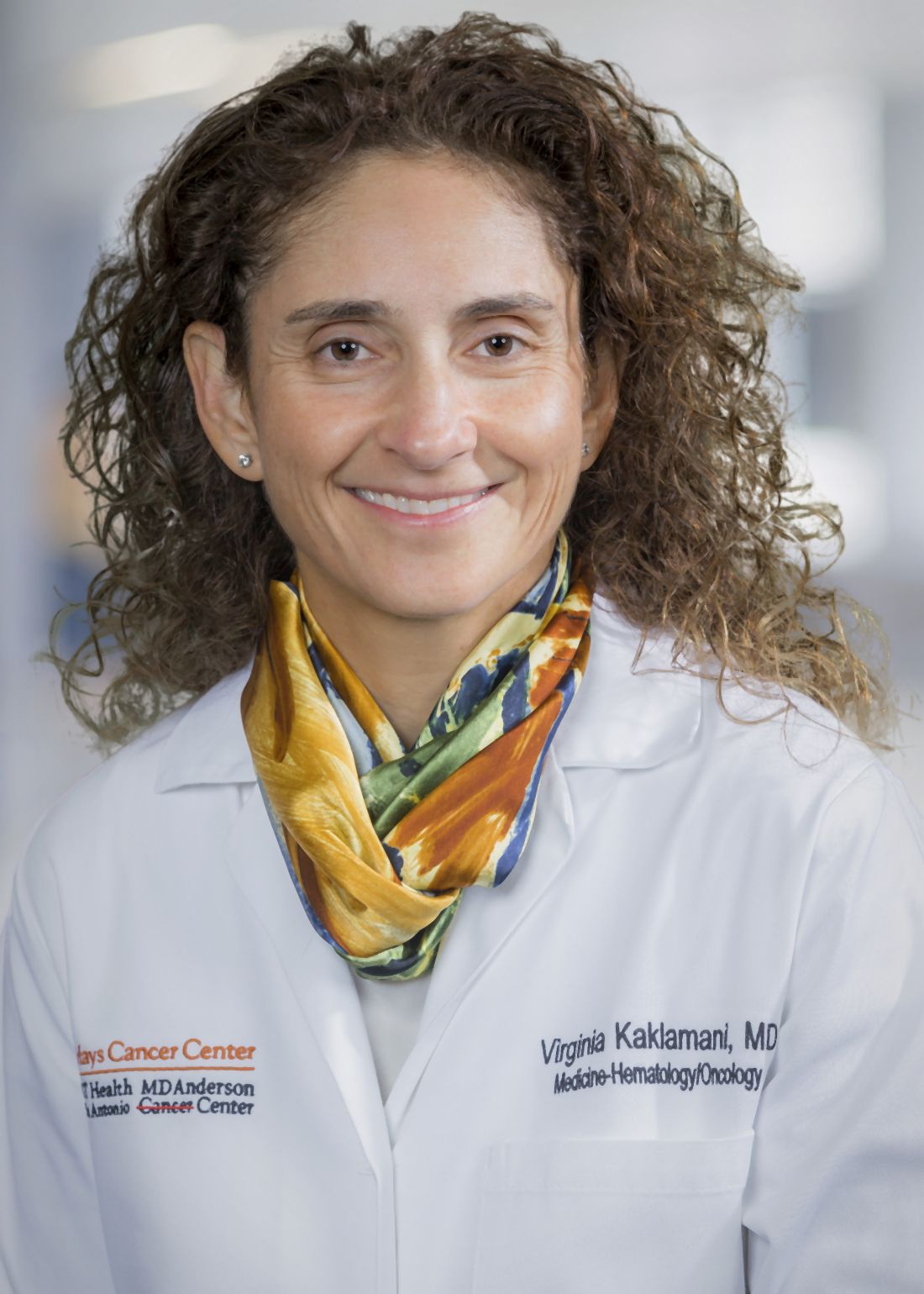
“We need to focus on other ways to deal with the pain, like physical therapy, sending patients to physical medicine and rehab physicians who are trained to help with symptoms from the surgery, with range of motion and all that; that can help with pain,” she recommended. “It’s much harder to do that, right, than to send a prescription in for a narcotic? But that easy answer is always the worst answer.”
This study was funded by the Breast Cancer Research Foundation and the National Institutes of Health. Dr. Cogan declared no conflicts of interest. Dr. Osborne disclosed relationships with Wolters Kluwer, Lilly, Tolmar, and GeneTex. Dr. Kaklamani disclosed relationships with Amgen, AstraZeneca, Athenex, Celgene, Celldex, Daiichi, Eisai, Genentech, Genomic Health, Immunomedics, Novartis, Pfizer, Puma, and Seattle Genetics.
SOURCE: Cogan JC et al. SABCS 2020, Abstract GS3-08.
After their surgery, 13.1% of opioid-naive patients become new persistent opioid users, and 6.6% of sedative-hypnotic–naive patients become new persistent users of sedative-hypnotics. Risk factors for persistent substance use included younger age, a breast cancer diagnosis, and chemotherapy.
“As the opioid epidemic in the United States continues, the rate of opioid dependence in the cancer population continues to increase as well,” study investigator Jacob Cogan, MD, of NewYork-Presbyterian/Columbia University Irving Medical Center in New York, said during a press conference.
“The perioperative period is one of high risk for cancer patients, with up to 10% becoming new persistent opioid users after cancer-related surgery. The rates surrounding mastectomy and reconstruction, however, are unknown. Another class of controlled substances worth our attention are the sedative-hypnotics. Despite the high rates of psychiatric disorders in the cancer population, there is little research into the rates of persistent sedative-hypnotic use in these patients.”
With this in mind, Dr. Cogan and colleagues analyzed MarketScan health care claims data for patients who underwent mastectomy and reconstruction (whether therapeutic or prophylactic) between 2008 and 2017.
The researchers then identified prescription claims for opioids and sedative-hypnotics during three periods:
- Preoperative period – 365 days to 31 days before surgery.
- Perioperative period – 31 days before to 90 days after surgery.
- Postoperative period – 90 days to 365 days after surgery.
‘Striking’ results
Analyses were based on 25,270 women who were not prior users of opioids and 27,651 women who were not prior users of sedative-hypnotics.
Women were considered new persistent substance users if they had no use in the preoperative period but filled at least one prescription in the perioperative period and at least two in the postoperative period.
Overall, 13.1% of opioid-naive patients became persistent opioid users, and 6.6% of sedative-hypnotic-naive patients became persistent sedative-hypnotic users after their mastectomy and reconstruction.
Proportions of substance use were even higher, 17.5% for opioids and 17.0% for sedative-hypnotics, after excluding women who did not receive or fill a perioperative prescription.
In multivariate analysis, patients were significantly more likely to become new persistent opioid users if they had Medicaid insurance (odds ratio, 2.31), had a breast cancer diagnosis vs a prophylactic indication (OR, 1.44), received chemotherapy (OR, 1.33), and were 50-64 years of age (OR, 1.29) or 49 years or younger (OR, 1.27), compared with 65 years or older.
Similarly, patients were significantly more likely to become new persistent sedative-hypnotic users if they received chemotherapy (OR, 2.24), had Medicaid insurance (OR, 1.85), had a breast cancer diagnosis (OR, 1.79), and were 50 to 64 years (OR, 1.65) or 49 years or younger (OR, 1.79).
Finally, patients’ likelihood of new persistent use increased with their number of risk factors. For persistent opioid use, the odds ratio rose from 2.27 in patients with two risk factors to 6.34 in those with five risk factors. For persistent sedative-hypnotic use, the odds ratio rose from 2.55 to 7.71, respectively.
The observed incidences of new persistent substance use in this patient population are “striking,” according to Dr. Cogan. Although the identified risk factors can help providers spot patients who should be monitored more closely, a proactive, systematic approach to postoperative follow-up for all patients is likely needed.
“When you are seeing patients in follow-up, this is something that you might want to explicitly ask about, for example, and not just assume that the postoperative opioids were taken and then disposed of,” Dr. Cogan recommended. “Ask them, ‘Are you still taking opioids, are you still taking your Ambien or whatever medication you were prescribed?’ That’s something to diligently follow up on and make sure the drug is disposed of, or if it somebody is still taking it, refer them for the appropriate services.”
In addition, patients should be encouraged to use over-the-counter medications as much as possible, he advised.
Prescribing: It’s complicated
“I wonder if perhaps we should not be giving opioids at all to certain patients. For example, a mastectomy and implant reconstruction, oftentimes, surprisingly, that’s not a terribly painful procedure. But a TRAM [transverse rectus abdominis] flap or abdominal flap, that really is,” commented press conference comoderator C. Kent Osborne, MD, of Baylor College of Medicine in Houston.
“I’ve been surprised that a lot of my patients get the prescription, but they don’t even use the pills, and I wonder if the prescription is given just so that we’re not bothered at nighttime by somebody calling with pain,” Dr. Osbourne added.
Prescribing opioids for postoperative pain is complicated, Dr. Cogan said, noting that the study did not assess the specific type of reconstruction patients had.
“You don’t want people in pain. Even if they need just one or two pills, it’s still reasonable for them to have it, and we certainly don’t want to imply from our study that people shouldn’t be getting these prescriptions if they need them,” Dr. Cogan elaborated. “But once patients have them, don’t just leave them there in their home because other studies have shown that that’s when people really get addicted to these medications, when they use them later on for other reasons, or they keep using them just because they have them around.”
The risk for persistent use of controlled substances “is something that all physicians need to be aware of for their patients. This is something that we are missing,” maintained press conference comoderator Virginia Kaklamani, MD, DSc, of UT Health San Antonio.
“It’s easy to just give a prescription instead of arguing with a patient about why you are not going to give them a prescription,” Dr. Kaklamani said. “And ultimately ... pain is subjective. If a patient tells you they are in pain, you are, quote-endquote, a bad physician if you tell them they should not be in pain.”
“We need to focus on other ways to deal with the pain, like physical therapy, sending patients to physical medicine and rehab physicians who are trained to help with symptoms from the surgery, with range of motion and all that; that can help with pain,” she recommended. “It’s much harder to do that, right, than to send a prescription in for a narcotic? But that easy answer is always the worst answer.”
This study was funded by the Breast Cancer Research Foundation and the National Institutes of Health. Dr. Cogan declared no conflicts of interest. Dr. Osborne disclosed relationships with Wolters Kluwer, Lilly, Tolmar, and GeneTex. Dr. Kaklamani disclosed relationships with Amgen, AstraZeneca, Athenex, Celgene, Celldex, Daiichi, Eisai, Genentech, Genomic Health, Immunomedics, Novartis, Pfizer, Puma, and Seattle Genetics.
SOURCE: Cogan JC et al. SABCS 2020, Abstract GS3-08.
After their surgery, 13.1% of opioid-naive patients become new persistent opioid users, and 6.6% of sedative-hypnotic–naive patients become new persistent users of sedative-hypnotics. Risk factors for persistent substance use included younger age, a breast cancer diagnosis, and chemotherapy.
“As the opioid epidemic in the United States continues, the rate of opioid dependence in the cancer population continues to increase as well,” study investigator Jacob Cogan, MD, of NewYork-Presbyterian/Columbia University Irving Medical Center in New York, said during a press conference.
“The perioperative period is one of high risk for cancer patients, with up to 10% becoming new persistent opioid users after cancer-related surgery. The rates surrounding mastectomy and reconstruction, however, are unknown. Another class of controlled substances worth our attention are the sedative-hypnotics. Despite the high rates of psychiatric disorders in the cancer population, there is little research into the rates of persistent sedative-hypnotic use in these patients.”
With this in mind, Dr. Cogan and colleagues analyzed MarketScan health care claims data for patients who underwent mastectomy and reconstruction (whether therapeutic or prophylactic) between 2008 and 2017.
The researchers then identified prescription claims for opioids and sedative-hypnotics during three periods:
- Preoperative period – 365 days to 31 days before surgery.
- Perioperative period – 31 days before to 90 days after surgery.
- Postoperative period – 90 days to 365 days after surgery.
‘Striking’ results
Analyses were based on 25,270 women who were not prior users of opioids and 27,651 women who were not prior users of sedative-hypnotics.
Women were considered new persistent substance users if they had no use in the preoperative period but filled at least one prescription in the perioperative period and at least two in the postoperative period.
Overall, 13.1% of opioid-naive patients became persistent opioid users, and 6.6% of sedative-hypnotic-naive patients became persistent sedative-hypnotic users after their mastectomy and reconstruction.
Proportions of substance use were even higher, 17.5% for opioids and 17.0% for sedative-hypnotics, after excluding women who did not receive or fill a perioperative prescription.
In multivariate analysis, patients were significantly more likely to become new persistent opioid users if they had Medicaid insurance (odds ratio, 2.31), had a breast cancer diagnosis vs a prophylactic indication (OR, 1.44), received chemotherapy (OR, 1.33), and were 50-64 years of age (OR, 1.29) or 49 years or younger (OR, 1.27), compared with 65 years or older.
Similarly, patients were significantly more likely to become new persistent sedative-hypnotic users if they received chemotherapy (OR, 2.24), had Medicaid insurance (OR, 1.85), had a breast cancer diagnosis (OR, 1.79), and were 50 to 64 years (OR, 1.65) or 49 years or younger (OR, 1.79).
Finally, patients’ likelihood of new persistent use increased with their number of risk factors. For persistent opioid use, the odds ratio rose from 2.27 in patients with two risk factors to 6.34 in those with five risk factors. For persistent sedative-hypnotic use, the odds ratio rose from 2.55 to 7.71, respectively.
The observed incidences of new persistent substance use in this patient population are “striking,” according to Dr. Cogan. Although the identified risk factors can help providers spot patients who should be monitored more closely, a proactive, systematic approach to postoperative follow-up for all patients is likely needed.
“When you are seeing patients in follow-up, this is something that you might want to explicitly ask about, for example, and not just assume that the postoperative opioids were taken and then disposed of,” Dr. Cogan recommended. “Ask them, ‘Are you still taking opioids, are you still taking your Ambien or whatever medication you were prescribed?’ That’s something to diligently follow up on and make sure the drug is disposed of, or if it somebody is still taking it, refer them for the appropriate services.”
In addition, patients should be encouraged to use over-the-counter medications as much as possible, he advised.
Prescribing: It’s complicated
“I wonder if perhaps we should not be giving opioids at all to certain patients. For example, a mastectomy and implant reconstruction, oftentimes, surprisingly, that’s not a terribly painful procedure. But a TRAM [transverse rectus abdominis] flap or abdominal flap, that really is,” commented press conference comoderator C. Kent Osborne, MD, of Baylor College of Medicine in Houston.
“I’ve been surprised that a lot of my patients get the prescription, but they don’t even use the pills, and I wonder if the prescription is given just so that we’re not bothered at nighttime by somebody calling with pain,” Dr. Osbourne added.
Prescribing opioids for postoperative pain is complicated, Dr. Cogan said, noting that the study did not assess the specific type of reconstruction patients had.
“You don’t want people in pain. Even if they need just one or two pills, it’s still reasonable for them to have it, and we certainly don’t want to imply from our study that people shouldn’t be getting these prescriptions if they need them,” Dr. Cogan elaborated. “But once patients have them, don’t just leave them there in their home because other studies have shown that that’s when people really get addicted to these medications, when they use them later on for other reasons, or they keep using them just because they have them around.”
The risk for persistent use of controlled substances “is something that all physicians need to be aware of for their patients. This is something that we are missing,” maintained press conference comoderator Virginia Kaklamani, MD, DSc, of UT Health San Antonio.
“It’s easy to just give a prescription instead of arguing with a patient about why you are not going to give them a prescription,” Dr. Kaklamani said. “And ultimately ... pain is subjective. If a patient tells you they are in pain, you are, quote-endquote, a bad physician if you tell them they should not be in pain.”
“We need to focus on other ways to deal with the pain, like physical therapy, sending patients to physical medicine and rehab physicians who are trained to help with symptoms from the surgery, with range of motion and all that; that can help with pain,” she recommended. “It’s much harder to do that, right, than to send a prescription in for a narcotic? But that easy answer is always the worst answer.”
This study was funded by the Breast Cancer Research Foundation and the National Institutes of Health. Dr. Cogan declared no conflicts of interest. Dr. Osborne disclosed relationships with Wolters Kluwer, Lilly, Tolmar, and GeneTex. Dr. Kaklamani disclosed relationships with Amgen, AstraZeneca, Athenex, Celgene, Celldex, Daiichi, Eisai, Genentech, Genomic Health, Immunomedics, Novartis, Pfizer, Puma, and Seattle Genetics.
SOURCE: Cogan JC et al. SABCS 2020, Abstract GS3-08.
FROM SABCS 2020
CTCs predict overall survival in metastatic breast cancer
The CTC results are available about 4 weeks after start of therapy. Conventional imaging is carried out after about 3 months.
But an expert is not convinced that this approach is currently ready for clinical use and suggests that, for now, it should remain a tool for use in research.
The new meta-analysis, which involved data on more than 4000 patients, showed that the presence or the absence of CTCs “strongly” predicts overall survival (OS).
Median OS was greatest (47 months) for patients who had no CTCs at baseline and at follow-up. In contrast, the median OS was shortest (17.8 months) for patients who had CTCs at both time points.
The risk for death was more than 200% greater for patients in the latter group than in the former group.
The results “suggest the potential for clinical utility” of CTC monitoring as an early response marker in metastatic breast cancer, said lead author Wolfgang Janni, MD, PhD, of the Ulm University Hospital, Ulm, Germany. He was speaking at an online press conference for the virtual San Antonio Breast Cancer Symposium (SABCS) 2020, where the new study will be presented this week.
The investigators say the findings from this meta-analysis add to literature in which “several studies suggest clinical utility” of measuring CTC levels as a means of assessing response status for patients with metastatic breast cancer.
Unfortunately, the new study does not show that assessing CTCs over time improves clinical outcomes, which is an ongoing problem in the literature, said Virginia Kaklamani, MD, University of Texas Health Sciences Center, San Antonio, Texas, who is also a meeting co-director.
“Previous randomized clinical trial data have shown that assessing CTCs does not benefit patients (vs not assessing),” Kaklamani told Medscape Medical News.
Kaklamani explained how CTC assessments have worked in practice. “You do these circulating tumor cell tests and you find, for example, that the number increases. The assumption is the treatment’s not working. So you switch treatments around,” she explained. That pattern can be repeated every 3 to 4 weeks, resulting in more toxicity, which, in turn, may nullify any treatment benefit.
However, she noted that, so far, key data have come from the era of chemotherapy and do not reflect targeted therapies, which may make a difference. In addition, the more recent ability to assess and identify circulating tumor DNA may allow clinicians to match drugs to mutations, which may have greater impact on cancer outcomes.
Currently, CTCs are best used by researchers, Kaklamani said during the press conference, because they have not been definitively proven to improve patient results.
Investigator Janni did not object to that description.
But in a press statement, he suggested that CTCs can be used currently by clinicians.
“These data indicate that CTC dynamics can predict the trajectory of the disease a little more than four weeks after initiating treatment,” Janni said in the press statement. “This provides an advantage over conventional imaging methods and can help physicians determine very early on whether a treatment should be continued.”
But, to Kaklamani’s point, an article published in November in JAMA Oncology showed that use of CTCs did not yield significant clinical benefit in comparison with use of other clinical factors in determining whether to choose endocrine therapy or chemotherapy. In that randomized trial, which was conducted in Europe and included women with HR-positive, HER2-negative breast cancer, progression-free survival was similar in both arms, as reported by Medscape Medical News. However, use of chemotherapy (and attendant toxicity) was greater among women in the CTC arm, which was considered an undesirable outcome by experts not involved with the trial.
Details of the study results
For their study, Janni and colleagues conducted a comprehensive pooled analysis of globally available data. They identified 4079 metastatic breast cancer patients who had undergone baseline and follow-up CTC measurements (at least one, at a median of 29 days later) in previous clinical trials.
The investigators analyzed changes in CTC levels between baseline and follow-up to determine whether they were associated with OS.
Of the 2961 patients who were CTC-positive at baseline, 1855 remained CTC-positive after treatment was initiated (positive/positive), and 1106 patients had converted to CTC-negative status (positive/negative).
Of the 1118 patients who were CTC-negative at baseline, 813 remained CTC-negative (negative/negative), and 305 had become CTC-positive (negative/positive).
As noted above, median OS was greatest for patients who were negative/negative (47 months), followed by patients who were positive/negative (32.2 months), negative/positive (29.6 months), and positive/positive (17.8 months).
Hazard ratios in which the reference group was negative/negative were 1.52 for the positive/negative group, 1.74 for the negative/positive group, and 3.15 for the positive/positive group (P < .0001 for all groups).
These CTC dynamics were found across all breast cancer subtypes, said Janni.
“These data indicate that CTC dynamics can predict the trajectory of the disease a little more than four weeks after initiating treatment,” said Janni in the press statement. “This provides an advantage over conventional imaging methods and can help physicians determine very early on whether a treatment should be continued. It is also very reassuring that CTC dynamics predicted outcomes for all breast cancer subtypes.”
The study was supported by Menarini Silicon Biosystems, the makers of CellSearch, the CTC test used for all of the patients and studies in the meta-analysis. Janni received a research grant from Menarini Silicon Biosystems. Other study authors have financial ties to healthcare industries. Kaklamani has received consulting fees from Amgen, Eisai, Puma, Celldex, AstraZeneca, and Athenex; fees for non-CME services received directly from commercial interest or their agents from Pfizer, Celgene, Genentech, Genomic Health, Puma, Eisai, and Novartis; and has contracted research with Eisai.
This article first appeared on Medscape.com.
The CTC results are available about 4 weeks after start of therapy. Conventional imaging is carried out after about 3 months.
But an expert is not convinced that this approach is currently ready for clinical use and suggests that, for now, it should remain a tool for use in research.
The new meta-analysis, which involved data on more than 4000 patients, showed that the presence or the absence of CTCs “strongly” predicts overall survival (OS).
Median OS was greatest (47 months) for patients who had no CTCs at baseline and at follow-up. In contrast, the median OS was shortest (17.8 months) for patients who had CTCs at both time points.
The risk for death was more than 200% greater for patients in the latter group than in the former group.
The results “suggest the potential for clinical utility” of CTC monitoring as an early response marker in metastatic breast cancer, said lead author Wolfgang Janni, MD, PhD, of the Ulm University Hospital, Ulm, Germany. He was speaking at an online press conference for the virtual San Antonio Breast Cancer Symposium (SABCS) 2020, where the new study will be presented this week.
The investigators say the findings from this meta-analysis add to literature in which “several studies suggest clinical utility” of measuring CTC levels as a means of assessing response status for patients with metastatic breast cancer.
Unfortunately, the new study does not show that assessing CTCs over time improves clinical outcomes, which is an ongoing problem in the literature, said Virginia Kaklamani, MD, University of Texas Health Sciences Center, San Antonio, Texas, who is also a meeting co-director.
“Previous randomized clinical trial data have shown that assessing CTCs does not benefit patients (vs not assessing),” Kaklamani told Medscape Medical News.
Kaklamani explained how CTC assessments have worked in practice. “You do these circulating tumor cell tests and you find, for example, that the number increases. The assumption is the treatment’s not working. So you switch treatments around,” she explained. That pattern can be repeated every 3 to 4 weeks, resulting in more toxicity, which, in turn, may nullify any treatment benefit.
However, she noted that, so far, key data have come from the era of chemotherapy and do not reflect targeted therapies, which may make a difference. In addition, the more recent ability to assess and identify circulating tumor DNA may allow clinicians to match drugs to mutations, which may have greater impact on cancer outcomes.
Currently, CTCs are best used by researchers, Kaklamani said during the press conference, because they have not been definitively proven to improve patient results.
Investigator Janni did not object to that description.
But in a press statement, he suggested that CTCs can be used currently by clinicians.
“These data indicate that CTC dynamics can predict the trajectory of the disease a little more than four weeks after initiating treatment,” Janni said in the press statement. “This provides an advantage over conventional imaging methods and can help physicians determine very early on whether a treatment should be continued.”
But, to Kaklamani’s point, an article published in November in JAMA Oncology showed that use of CTCs did not yield significant clinical benefit in comparison with use of other clinical factors in determining whether to choose endocrine therapy or chemotherapy. In that randomized trial, which was conducted in Europe and included women with HR-positive, HER2-negative breast cancer, progression-free survival was similar in both arms, as reported by Medscape Medical News. However, use of chemotherapy (and attendant toxicity) was greater among women in the CTC arm, which was considered an undesirable outcome by experts not involved with the trial.
Details of the study results
For their study, Janni and colleagues conducted a comprehensive pooled analysis of globally available data. They identified 4079 metastatic breast cancer patients who had undergone baseline and follow-up CTC measurements (at least one, at a median of 29 days later) in previous clinical trials.
The investigators analyzed changes in CTC levels between baseline and follow-up to determine whether they were associated with OS.
Of the 2961 patients who were CTC-positive at baseline, 1855 remained CTC-positive after treatment was initiated (positive/positive), and 1106 patients had converted to CTC-negative status (positive/negative).
Of the 1118 patients who were CTC-negative at baseline, 813 remained CTC-negative (negative/negative), and 305 had become CTC-positive (negative/positive).
As noted above, median OS was greatest for patients who were negative/negative (47 months), followed by patients who were positive/negative (32.2 months), negative/positive (29.6 months), and positive/positive (17.8 months).
Hazard ratios in which the reference group was negative/negative were 1.52 for the positive/negative group, 1.74 for the negative/positive group, and 3.15 for the positive/positive group (P < .0001 for all groups).
These CTC dynamics were found across all breast cancer subtypes, said Janni.
“These data indicate that CTC dynamics can predict the trajectory of the disease a little more than four weeks after initiating treatment,” said Janni in the press statement. “This provides an advantage over conventional imaging methods and can help physicians determine very early on whether a treatment should be continued. It is also very reassuring that CTC dynamics predicted outcomes for all breast cancer subtypes.”
The study was supported by Menarini Silicon Biosystems, the makers of CellSearch, the CTC test used for all of the patients and studies in the meta-analysis. Janni received a research grant from Menarini Silicon Biosystems. Other study authors have financial ties to healthcare industries. Kaklamani has received consulting fees from Amgen, Eisai, Puma, Celldex, AstraZeneca, and Athenex; fees for non-CME services received directly from commercial interest or their agents from Pfizer, Celgene, Genentech, Genomic Health, Puma, Eisai, and Novartis; and has contracted research with Eisai.
This article first appeared on Medscape.com.
The CTC results are available about 4 weeks after start of therapy. Conventional imaging is carried out after about 3 months.
But an expert is not convinced that this approach is currently ready for clinical use and suggests that, for now, it should remain a tool for use in research.
The new meta-analysis, which involved data on more than 4000 patients, showed that the presence or the absence of CTCs “strongly” predicts overall survival (OS).
Median OS was greatest (47 months) for patients who had no CTCs at baseline and at follow-up. In contrast, the median OS was shortest (17.8 months) for patients who had CTCs at both time points.
The risk for death was more than 200% greater for patients in the latter group than in the former group.
The results “suggest the potential for clinical utility” of CTC monitoring as an early response marker in metastatic breast cancer, said lead author Wolfgang Janni, MD, PhD, of the Ulm University Hospital, Ulm, Germany. He was speaking at an online press conference for the virtual San Antonio Breast Cancer Symposium (SABCS) 2020, where the new study will be presented this week.
The investigators say the findings from this meta-analysis add to literature in which “several studies suggest clinical utility” of measuring CTC levels as a means of assessing response status for patients with metastatic breast cancer.
Unfortunately, the new study does not show that assessing CTCs over time improves clinical outcomes, which is an ongoing problem in the literature, said Virginia Kaklamani, MD, University of Texas Health Sciences Center, San Antonio, Texas, who is also a meeting co-director.
“Previous randomized clinical trial data have shown that assessing CTCs does not benefit patients (vs not assessing),” Kaklamani told Medscape Medical News.
Kaklamani explained how CTC assessments have worked in practice. “You do these circulating tumor cell tests and you find, for example, that the number increases. The assumption is the treatment’s not working. So you switch treatments around,” she explained. That pattern can be repeated every 3 to 4 weeks, resulting in more toxicity, which, in turn, may nullify any treatment benefit.
However, she noted that, so far, key data have come from the era of chemotherapy and do not reflect targeted therapies, which may make a difference. In addition, the more recent ability to assess and identify circulating tumor DNA may allow clinicians to match drugs to mutations, which may have greater impact on cancer outcomes.
Currently, CTCs are best used by researchers, Kaklamani said during the press conference, because they have not been definitively proven to improve patient results.
Investigator Janni did not object to that description.
But in a press statement, he suggested that CTCs can be used currently by clinicians.
“These data indicate that CTC dynamics can predict the trajectory of the disease a little more than four weeks after initiating treatment,” Janni said in the press statement. “This provides an advantage over conventional imaging methods and can help physicians determine very early on whether a treatment should be continued.”
But, to Kaklamani’s point, an article published in November in JAMA Oncology showed that use of CTCs did not yield significant clinical benefit in comparison with use of other clinical factors in determining whether to choose endocrine therapy or chemotherapy. In that randomized trial, which was conducted in Europe and included women with HR-positive, HER2-negative breast cancer, progression-free survival was similar in both arms, as reported by Medscape Medical News. However, use of chemotherapy (and attendant toxicity) was greater among women in the CTC arm, which was considered an undesirable outcome by experts not involved with the trial.
Details of the study results
For their study, Janni and colleagues conducted a comprehensive pooled analysis of globally available data. They identified 4079 metastatic breast cancer patients who had undergone baseline and follow-up CTC measurements (at least one, at a median of 29 days later) in previous clinical trials.
The investigators analyzed changes in CTC levels between baseline and follow-up to determine whether they were associated with OS.
Of the 2961 patients who were CTC-positive at baseline, 1855 remained CTC-positive after treatment was initiated (positive/positive), and 1106 patients had converted to CTC-negative status (positive/negative).
Of the 1118 patients who were CTC-negative at baseline, 813 remained CTC-negative (negative/negative), and 305 had become CTC-positive (negative/positive).
As noted above, median OS was greatest for patients who were negative/negative (47 months), followed by patients who were positive/negative (32.2 months), negative/positive (29.6 months), and positive/positive (17.8 months).
Hazard ratios in which the reference group was negative/negative were 1.52 for the positive/negative group, 1.74 for the negative/positive group, and 3.15 for the positive/positive group (P < .0001 for all groups).
These CTC dynamics were found across all breast cancer subtypes, said Janni.
“These data indicate that CTC dynamics can predict the trajectory of the disease a little more than four weeks after initiating treatment,” said Janni in the press statement. “This provides an advantage over conventional imaging methods and can help physicians determine very early on whether a treatment should be continued. It is also very reassuring that CTC dynamics predicted outcomes for all breast cancer subtypes.”
The study was supported by Menarini Silicon Biosystems, the makers of CellSearch, the CTC test used for all of the patients and studies in the meta-analysis. Janni received a research grant from Menarini Silicon Biosystems. Other study authors have financial ties to healthcare industries. Kaklamani has received consulting fees from Amgen, Eisai, Puma, Celldex, AstraZeneca, and Athenex; fees for non-CME services received directly from commercial interest or their agents from Pfizer, Celgene, Genentech, Genomic Health, Puma, Eisai, and Novartis; and has contracted research with Eisai.
This article first appeared on Medscape.com.
FROM SABCS 2020
NHS England starts pilot trial of blood test for many cancers
“Early detection, particularly for hard-to-treat conditions like ovarian and pancreatic cancer, has the potential to save many lives,” said NHS Chief Executive Sir Simon Stevens in a statement.
The pilot trial will use the Galleri blood test, developed by Grail. Sir Stevens described the blood test as “promising” and said it could “be a game changer in cancer care, helping thousands more people to get successful treatment.”
However, some clinicians have expressed concerns over the potential for false-positive results with the test.
Results of a study of the Galleri blood test, published earlier this year, showed that the test detected 50 types of cancer with a specificity of 99.3% and a false positive rate of 0.7%.
It also correctly identified the originating tissue in 90% of cases. However, the sensitivity was lower, at 67%, for the 12 most common cancers, as reported at the time.
The senior author of that study, Michael Seiden, MD, PhD, president of the U.S. Oncology Network, The Woodlands, Tex., noted that it was not a screening study: the test had been used in patients with cancer and in healthy volunteers. He said the test “is intended to be complementary to, and not replace, existing guideline-recommended screening tests and might provide new avenues of investigation for cancers that don’t currently have screening tests.”
The Galleri test uses next-generation sequencing to analyze the arrangement of methyl groups on circulating cell-free DNA in a blood sample.
Several other blood tests for cancer are under development, including the CancerSEEK test, which has been reported to be able to identify eight common cancers. It measures circulating tumor DNA from 16 genes and eight protein biomarkers and then uses machine learning to analyze the data.
Improving early detection rates
The pilot trial of the blood test is due to start in mid-2021 and will involve 165,000 people.
The trial will include 140,000 individuals aged 50-79 years who were identified through their health records and who have no cancer symptoms. They will undergo blood tests annually for 3 years and will be referred for investigation if a test result is positive.
A second group will include 25,000 people with potential cancer symptoms. These patients will be offered the blood test to speed up their diagnosis after referral to a hospital via the normal channels.
The results of the pilot are expected in 2023. If successful, the test will be rolled out to 1 million individuals from 2024 to 2025.
The pilot trial is part of the NHS Long Term Plan, which aims to increase early detection of cancer. At present, around half of cancers in England are diagnosed in stage I or II; the NHS aims to increase this to 75% by 2028.
“The NHS has set itself an ambitious target,” commented Peter Johnson, MD, PhD, national clinical director for cancer at NHS England and Improvement.
“Tests like this may help us get there far faster, and I am excited to see how this cutting-edge technology will work out as we test it in clinics across the NHS,” he added.
Lord David Prior, chair of NHS England, noted that almost 200,000 people die from cancer in the United Kingdom every year and that “many of these people are diagnosed too late for treatment to be effective.
“This collaboration between the NHS and Grail offers the chance for a wide range of cancers to be diagnosed much earlier and could fundamentally change the outlook for people with cancer,” he said.
However, some clinicians raised potential concerns.
Stephen Duffy, PhD, Center for Cancer Prevention, Queen Mary University of London, described the pilot as “very exciting,” but cautioned: “We will need to find out just how early the test detects cancers and whether it can it be used in a way which minimizes anxiety from false positives.”
Yong-Jie Lu, MD, PhD, also at Queen Mary University of London, said: “It is not clear how early it aims to catch cancer. For a cancer screen test, it needs very high specificity (>99%), otherwise it may end up in a similar situation as the PSA [prostate-specific antigen] test for prostate cancer, or even worse.”
Mangesh Thorat, MD, Cancer Prevention Trials Unit, King’s College London, warned: “It is likely that for every testing round ... there will be about 1,000 false-positive results, and the test may not be able to pinpoint the location of cancer in 3%-4% of those with a true positive result, necessitating a range of imaging and other investigations in these participants.”
No funding for the study has been declared. The investigators have disclosed no relevant financial relationships.
This article first appeared on Medscape.com.
“Early detection, particularly for hard-to-treat conditions like ovarian and pancreatic cancer, has the potential to save many lives,” said NHS Chief Executive Sir Simon Stevens in a statement.
The pilot trial will use the Galleri blood test, developed by Grail. Sir Stevens described the blood test as “promising” and said it could “be a game changer in cancer care, helping thousands more people to get successful treatment.”
However, some clinicians have expressed concerns over the potential for false-positive results with the test.
Results of a study of the Galleri blood test, published earlier this year, showed that the test detected 50 types of cancer with a specificity of 99.3% and a false positive rate of 0.7%.
It also correctly identified the originating tissue in 90% of cases. However, the sensitivity was lower, at 67%, for the 12 most common cancers, as reported at the time.
The senior author of that study, Michael Seiden, MD, PhD, president of the U.S. Oncology Network, The Woodlands, Tex., noted that it was not a screening study: the test had been used in patients with cancer and in healthy volunteers. He said the test “is intended to be complementary to, and not replace, existing guideline-recommended screening tests and might provide new avenues of investigation for cancers that don’t currently have screening tests.”
The Galleri test uses next-generation sequencing to analyze the arrangement of methyl groups on circulating cell-free DNA in a blood sample.
Several other blood tests for cancer are under development, including the CancerSEEK test, which has been reported to be able to identify eight common cancers. It measures circulating tumor DNA from 16 genes and eight protein biomarkers and then uses machine learning to analyze the data.
Improving early detection rates
The pilot trial of the blood test is due to start in mid-2021 and will involve 165,000 people.
The trial will include 140,000 individuals aged 50-79 years who were identified through their health records and who have no cancer symptoms. They will undergo blood tests annually for 3 years and will be referred for investigation if a test result is positive.
A second group will include 25,000 people with potential cancer symptoms. These patients will be offered the blood test to speed up their diagnosis after referral to a hospital via the normal channels.
The results of the pilot are expected in 2023. If successful, the test will be rolled out to 1 million individuals from 2024 to 2025.
The pilot trial is part of the NHS Long Term Plan, which aims to increase early detection of cancer. At present, around half of cancers in England are diagnosed in stage I or II; the NHS aims to increase this to 75% by 2028.
“The NHS has set itself an ambitious target,” commented Peter Johnson, MD, PhD, national clinical director for cancer at NHS England and Improvement.
“Tests like this may help us get there far faster, and I am excited to see how this cutting-edge technology will work out as we test it in clinics across the NHS,” he added.
Lord David Prior, chair of NHS England, noted that almost 200,000 people die from cancer in the United Kingdom every year and that “many of these people are diagnosed too late for treatment to be effective.
“This collaboration between the NHS and Grail offers the chance for a wide range of cancers to be diagnosed much earlier and could fundamentally change the outlook for people with cancer,” he said.
However, some clinicians raised potential concerns.
Stephen Duffy, PhD, Center for Cancer Prevention, Queen Mary University of London, described the pilot as “very exciting,” but cautioned: “We will need to find out just how early the test detects cancers and whether it can it be used in a way which minimizes anxiety from false positives.”
Yong-Jie Lu, MD, PhD, also at Queen Mary University of London, said: “It is not clear how early it aims to catch cancer. For a cancer screen test, it needs very high specificity (>99%), otherwise it may end up in a similar situation as the PSA [prostate-specific antigen] test for prostate cancer, or even worse.”
Mangesh Thorat, MD, Cancer Prevention Trials Unit, King’s College London, warned: “It is likely that for every testing round ... there will be about 1,000 false-positive results, and the test may not be able to pinpoint the location of cancer in 3%-4% of those with a true positive result, necessitating a range of imaging and other investigations in these participants.”
No funding for the study has been declared. The investigators have disclosed no relevant financial relationships.
This article first appeared on Medscape.com.
“Early detection, particularly for hard-to-treat conditions like ovarian and pancreatic cancer, has the potential to save many lives,” said NHS Chief Executive Sir Simon Stevens in a statement.
The pilot trial will use the Galleri blood test, developed by Grail. Sir Stevens described the blood test as “promising” and said it could “be a game changer in cancer care, helping thousands more people to get successful treatment.”
However, some clinicians have expressed concerns over the potential for false-positive results with the test.
Results of a study of the Galleri blood test, published earlier this year, showed that the test detected 50 types of cancer with a specificity of 99.3% and a false positive rate of 0.7%.
It also correctly identified the originating tissue in 90% of cases. However, the sensitivity was lower, at 67%, for the 12 most common cancers, as reported at the time.
The senior author of that study, Michael Seiden, MD, PhD, president of the U.S. Oncology Network, The Woodlands, Tex., noted that it was not a screening study: the test had been used in patients with cancer and in healthy volunteers. He said the test “is intended to be complementary to, and not replace, existing guideline-recommended screening tests and might provide new avenues of investigation for cancers that don’t currently have screening tests.”
The Galleri test uses next-generation sequencing to analyze the arrangement of methyl groups on circulating cell-free DNA in a blood sample.
Several other blood tests for cancer are under development, including the CancerSEEK test, which has been reported to be able to identify eight common cancers. It measures circulating tumor DNA from 16 genes and eight protein biomarkers and then uses machine learning to analyze the data.
Improving early detection rates
The pilot trial of the blood test is due to start in mid-2021 and will involve 165,000 people.
The trial will include 140,000 individuals aged 50-79 years who were identified through their health records and who have no cancer symptoms. They will undergo blood tests annually for 3 years and will be referred for investigation if a test result is positive.
A second group will include 25,000 people with potential cancer symptoms. These patients will be offered the blood test to speed up their diagnosis after referral to a hospital via the normal channels.
The results of the pilot are expected in 2023. If successful, the test will be rolled out to 1 million individuals from 2024 to 2025.
The pilot trial is part of the NHS Long Term Plan, which aims to increase early detection of cancer. At present, around half of cancers in England are diagnosed in stage I or II; the NHS aims to increase this to 75% by 2028.
“The NHS has set itself an ambitious target,” commented Peter Johnson, MD, PhD, national clinical director for cancer at NHS England and Improvement.
“Tests like this may help us get there far faster, and I am excited to see how this cutting-edge technology will work out as we test it in clinics across the NHS,” he added.
Lord David Prior, chair of NHS England, noted that almost 200,000 people die from cancer in the United Kingdom every year and that “many of these people are diagnosed too late for treatment to be effective.
“This collaboration between the NHS and Grail offers the chance for a wide range of cancers to be diagnosed much earlier and could fundamentally change the outlook for people with cancer,” he said.
However, some clinicians raised potential concerns.
Stephen Duffy, PhD, Center for Cancer Prevention, Queen Mary University of London, described the pilot as “very exciting,” but cautioned: “We will need to find out just how early the test detects cancers and whether it can it be used in a way which minimizes anxiety from false positives.”
Yong-Jie Lu, MD, PhD, also at Queen Mary University of London, said: “It is not clear how early it aims to catch cancer. For a cancer screen test, it needs very high specificity (>99%), otherwise it may end up in a similar situation as the PSA [prostate-specific antigen] test for prostate cancer, or even worse.”
Mangesh Thorat, MD, Cancer Prevention Trials Unit, King’s College London, warned: “It is likely that for every testing round ... there will be about 1,000 false-positive results, and the test may not be able to pinpoint the location of cancer in 3%-4% of those with a true positive result, necessitating a range of imaging and other investigations in these participants.”
No funding for the study has been declared. The investigators have disclosed no relevant financial relationships.
This article first appeared on Medscape.com.
SABCS 2020: What’s hot, including a major chemotherapy trial
That’s the word from Virginia Kaklamani, MD, from the University of Texas Health Sciences Center San Antonio. Dr. Kaklamani, a professor of medicine in the division of hematology/oncology, is codirector of the meeting that runs online Dec. 8-11.
If the new trial sounds familiar, that’s because it’s a lot like the TAILORx trial, the results of which were first presented in 2018 and have changed practice in women with early-stage disease and no lymph node involvement.
“This is the lymph-node positive TAILORx. It’s extremely important,” Dr. Kaklamani said in an interview, adding that both trials involved women with hormone receptor (HR)–positive, HER2-negative disease.
If the RxPONDER trial shows similar outcomes between women randomized to adjuvant endocrine therapy alone versus endocrine therapy plus chemotherapy, then clinicians “can potentially avoid giving chemotherapy to a large number of women who are currently receiving it,” she explained.
Because women with nodal involvement (one to three positive axillary nodes) are at a higher risk of recurrence, RxPONDER may provide needed insight on the management of these types of breast cancers, Dr. Kaklamani suggested.
Both trials have used the 21-tumor gene expression assay (Oncotype Dx) to determine recurrence-risk status.
Dr. Kaklamani also spotlighted the phase 3 CONTESSA trial (abstract GS4-01) in 600+ patients with locally advanced or metastatic breast cancer that is HR positive and HER2 negative and has been previously treated with a taxane.
The trial features an experimental oral taxane, tesetaxel. The primary objective is to compare the efficacy of tesetaxel plus a reduced dose of capecitabine (Xeloda) versus the approved dose of capecitabine alone. Presented data will include progression-free survival results, indicating about a 3-month PFS advantage with tesetaxel, which is taken once every 3 weeks.
“Oral drugs are convenient for patients and, despite limitations, they are, all in all, a revolution in cancer treatment,” noted Dr. Kaklamani, adding that they beneficially eliminate the need for time-consuming infusions and related clinic visits as well as drug ports.
It will be interesting to see what Steven Vogl, MD, a private practitioner in New Yorky, has to say about CONTESSA and the rest of the SABCS.
He is usually a commentator from the meeting floor, whose self-introduction, “Vogl, New York,” is well known to perennial meeting attendees, according to a profile piece published some years ago.
This year the medical oncologist will also serve as the chair of the “View from the Trenches” session, which is devoted to summarizing the meeting’s most important findings for everyday practitioners.
A number of years ago, Dr. Vogl proposed the idea of this where-the-rubber-meets-the-road session to SABCS meeting planners, which they then adopted. This year, Dr. Kaklamani invited Dr. Vogl to run the session and he accepted.
Dr. Vogl is a “really smart guy who is always right on” with his comments and questions, and he will be the first-ever independent, community-based oncologist to chair a meeting session, said Dr. Kaklamani.
Other hot topics
Another hot topic featured at the meeting will be the use of CDK4/6 inhibitors in the adjuvant treatment of HR-positive and HER2-negative disease that has a high risk of recurrence, Dr. Kaklamani said. New data from two trials, monarchE and PENELOPE-B, will be presented.
First, there will be an update from the monarchE trial (abstract GS1-01). The first results from this trial were reported in September at the European Society for Medical Oncology Virtual Congress 2020. They showed that adding abemaciclib (Verzenio) to endocrine therapy reduced the risk of early recurrence. The positive outcome represented the first treatment improvement in this high-risk setting in more than 20 years, according to experts.
A similar trial, PENELOPE-B (abstract GS1-02), looks at palbociclib (Ibrance) in a somewhat different population – those patients with high relapse risk after neoadjuvant chemotherapy. “These are even higher risk ER+ patients [than those in monarchE], which is why they received chemotherapy before surgery,” commented Dr. Kaklamani.
In triple-negative disease, there will be overall survival (OS) results from the phase 3 KEYNOTE-355 study (abstract GS3-01) of pembrolizumab (Keytruda) versus placebo (plus chemotherapy for all patients) as first-line therapy for locally recurrent inoperable or metastatic triple-negative breast cancer. “It’s potentially a huge deal,” said Dr. Kaklamani about the OS data, if they are statistically significant.
A meta-analysis (abstract GS4-08) of data on circulating tumor cells (CTCs), which are shed from the primary tumor into the bloodstream, may point to their value as a tool to determine whether or not a breast cancer treatment is effective. “CTCs allow you to assess how a treatment is doing before you do scans, which typically occur 3 months or so later,” explained Dr. Kaklamani.
CTC results can be assessed in 3-4 weeks and allow clinicians to change treatments if CTC volume increases. However, a previous study of CTCs did not show a clinical benefit with the tool among patients treated mainly with chemotherapies. What’s different about the new study, which is from an international group of investigators, is in the treatments patients with metastatic breast cancer received. “This study is from a different era – with targeted therapies,” said Dr. Kaklamani.
In the new study, changes in CTC levels (with a reduction being a good result) between baseline (pretreatment) and follow-up were analyzed to determine whether they were associated with overall survival.
COVID sessions
On the meeting’s first day, SABCS will feature a special session on COVID-19 and breast cancer. The meeting organizers sought to separate the wheat from the chaff in this subject, as much has already been written, published, or presented.
“We received a lot of abstracts on COVID that were studies that were poorly done. We tried to tease through them and select the well-researched ones,” acknowledged Dr. Kaklamani.
The organizers included two patient advocates who have had COVID-19, including during treatment for breast cancer, as participants in the meeting session. The session will also feature global perspectives, with presenters from Brazil, Italy, and the Netherlands.
Plenary lectures
The meeting’s two plenary lectures will focus, respectively, on the increasingly used clinical approach of neoadjuvant therapy in breast cancer, and research in the time of a pandemic.
Elizabeth Mittendorf, MD, PhD, a surgical oncologist and director of the Breast lmmuno-Oncology program and co-director of the Breast Cancer Clinical Research Program at the Dana-Farber/Brigham and Women’s Cancer Center, Boston, will present “Local regional management following neoadjuvant therapy: Minding the knowledge gaps.”
Ned Sharpless, MD, director of the National Cancer Institute, will present “Advancing cancer research during challenging times.”
Dr. Kaklamani disclosed recieving consulting fees with Amgen, Eisai, Puma, Celldex, AstraZeneca, and Athenex; receiving fees for non-CME services received directly from commercial interest or their agents from Pfizer, Celgene, Genentech, Genomic Health, Puma, Eisai, and Novartis; and contracted research with Eisai.
This article first appeared on Medscape.com.
That’s the word from Virginia Kaklamani, MD, from the University of Texas Health Sciences Center San Antonio. Dr. Kaklamani, a professor of medicine in the division of hematology/oncology, is codirector of the meeting that runs online Dec. 8-11.
If the new trial sounds familiar, that’s because it’s a lot like the TAILORx trial, the results of which were first presented in 2018 and have changed practice in women with early-stage disease and no lymph node involvement.
“This is the lymph-node positive TAILORx. It’s extremely important,” Dr. Kaklamani said in an interview, adding that both trials involved women with hormone receptor (HR)–positive, HER2-negative disease.
If the RxPONDER trial shows similar outcomes between women randomized to adjuvant endocrine therapy alone versus endocrine therapy plus chemotherapy, then clinicians “can potentially avoid giving chemotherapy to a large number of women who are currently receiving it,” she explained.
Because women with nodal involvement (one to three positive axillary nodes) are at a higher risk of recurrence, RxPONDER may provide needed insight on the management of these types of breast cancers, Dr. Kaklamani suggested.
Both trials have used the 21-tumor gene expression assay (Oncotype Dx) to determine recurrence-risk status.
Dr. Kaklamani also spotlighted the phase 3 CONTESSA trial (abstract GS4-01) in 600+ patients with locally advanced or metastatic breast cancer that is HR positive and HER2 negative and has been previously treated with a taxane.
The trial features an experimental oral taxane, tesetaxel. The primary objective is to compare the efficacy of tesetaxel plus a reduced dose of capecitabine (Xeloda) versus the approved dose of capecitabine alone. Presented data will include progression-free survival results, indicating about a 3-month PFS advantage with tesetaxel, which is taken once every 3 weeks.
“Oral drugs are convenient for patients and, despite limitations, they are, all in all, a revolution in cancer treatment,” noted Dr. Kaklamani, adding that they beneficially eliminate the need for time-consuming infusions and related clinic visits as well as drug ports.
It will be interesting to see what Steven Vogl, MD, a private practitioner in New Yorky, has to say about CONTESSA and the rest of the SABCS.
He is usually a commentator from the meeting floor, whose self-introduction, “Vogl, New York,” is well known to perennial meeting attendees, according to a profile piece published some years ago.
This year the medical oncologist will also serve as the chair of the “View from the Trenches” session, which is devoted to summarizing the meeting’s most important findings for everyday practitioners.
A number of years ago, Dr. Vogl proposed the idea of this where-the-rubber-meets-the-road session to SABCS meeting planners, which they then adopted. This year, Dr. Kaklamani invited Dr. Vogl to run the session and he accepted.
Dr. Vogl is a “really smart guy who is always right on” with his comments and questions, and he will be the first-ever independent, community-based oncologist to chair a meeting session, said Dr. Kaklamani.
Other hot topics
Another hot topic featured at the meeting will be the use of CDK4/6 inhibitors in the adjuvant treatment of HR-positive and HER2-negative disease that has a high risk of recurrence, Dr. Kaklamani said. New data from two trials, monarchE and PENELOPE-B, will be presented.
First, there will be an update from the monarchE trial (abstract GS1-01). The first results from this trial were reported in September at the European Society for Medical Oncology Virtual Congress 2020. They showed that adding abemaciclib (Verzenio) to endocrine therapy reduced the risk of early recurrence. The positive outcome represented the first treatment improvement in this high-risk setting in more than 20 years, according to experts.
A similar trial, PENELOPE-B (abstract GS1-02), looks at palbociclib (Ibrance) in a somewhat different population – those patients with high relapse risk after neoadjuvant chemotherapy. “These are even higher risk ER+ patients [than those in monarchE], which is why they received chemotherapy before surgery,” commented Dr. Kaklamani.
In triple-negative disease, there will be overall survival (OS) results from the phase 3 KEYNOTE-355 study (abstract GS3-01) of pembrolizumab (Keytruda) versus placebo (plus chemotherapy for all patients) as first-line therapy for locally recurrent inoperable or metastatic triple-negative breast cancer. “It’s potentially a huge deal,” said Dr. Kaklamani about the OS data, if they are statistically significant.
A meta-analysis (abstract GS4-08) of data on circulating tumor cells (CTCs), which are shed from the primary tumor into the bloodstream, may point to their value as a tool to determine whether or not a breast cancer treatment is effective. “CTCs allow you to assess how a treatment is doing before you do scans, which typically occur 3 months or so later,” explained Dr. Kaklamani.
CTC results can be assessed in 3-4 weeks and allow clinicians to change treatments if CTC volume increases. However, a previous study of CTCs did not show a clinical benefit with the tool among patients treated mainly with chemotherapies. What’s different about the new study, which is from an international group of investigators, is in the treatments patients with metastatic breast cancer received. “This study is from a different era – with targeted therapies,” said Dr. Kaklamani.
In the new study, changes in CTC levels (with a reduction being a good result) between baseline (pretreatment) and follow-up were analyzed to determine whether they were associated with overall survival.
COVID sessions
On the meeting’s first day, SABCS will feature a special session on COVID-19 and breast cancer. The meeting organizers sought to separate the wheat from the chaff in this subject, as much has already been written, published, or presented.
“We received a lot of abstracts on COVID that were studies that were poorly done. We tried to tease through them and select the well-researched ones,” acknowledged Dr. Kaklamani.
The organizers included two patient advocates who have had COVID-19, including during treatment for breast cancer, as participants in the meeting session. The session will also feature global perspectives, with presenters from Brazil, Italy, and the Netherlands.
Plenary lectures
The meeting’s two plenary lectures will focus, respectively, on the increasingly used clinical approach of neoadjuvant therapy in breast cancer, and research in the time of a pandemic.
Elizabeth Mittendorf, MD, PhD, a surgical oncologist and director of the Breast lmmuno-Oncology program and co-director of the Breast Cancer Clinical Research Program at the Dana-Farber/Brigham and Women’s Cancer Center, Boston, will present “Local regional management following neoadjuvant therapy: Minding the knowledge gaps.”
Ned Sharpless, MD, director of the National Cancer Institute, will present “Advancing cancer research during challenging times.”
Dr. Kaklamani disclosed recieving consulting fees with Amgen, Eisai, Puma, Celldex, AstraZeneca, and Athenex; receiving fees for non-CME services received directly from commercial interest or their agents from Pfizer, Celgene, Genentech, Genomic Health, Puma, Eisai, and Novartis; and contracted research with Eisai.
This article first appeared on Medscape.com.
That’s the word from Virginia Kaklamani, MD, from the University of Texas Health Sciences Center San Antonio. Dr. Kaklamani, a professor of medicine in the division of hematology/oncology, is codirector of the meeting that runs online Dec. 8-11.
If the new trial sounds familiar, that’s because it’s a lot like the TAILORx trial, the results of which were first presented in 2018 and have changed practice in women with early-stage disease and no lymph node involvement.
“This is the lymph-node positive TAILORx. It’s extremely important,” Dr. Kaklamani said in an interview, adding that both trials involved women with hormone receptor (HR)–positive, HER2-negative disease.
If the RxPONDER trial shows similar outcomes between women randomized to adjuvant endocrine therapy alone versus endocrine therapy plus chemotherapy, then clinicians “can potentially avoid giving chemotherapy to a large number of women who are currently receiving it,” she explained.
Because women with nodal involvement (one to three positive axillary nodes) are at a higher risk of recurrence, RxPONDER may provide needed insight on the management of these types of breast cancers, Dr. Kaklamani suggested.
Both trials have used the 21-tumor gene expression assay (Oncotype Dx) to determine recurrence-risk status.
Dr. Kaklamani also spotlighted the phase 3 CONTESSA trial (abstract GS4-01) in 600+ patients with locally advanced or metastatic breast cancer that is HR positive and HER2 negative and has been previously treated with a taxane.
The trial features an experimental oral taxane, tesetaxel. The primary objective is to compare the efficacy of tesetaxel plus a reduced dose of capecitabine (Xeloda) versus the approved dose of capecitabine alone. Presented data will include progression-free survival results, indicating about a 3-month PFS advantage with tesetaxel, which is taken once every 3 weeks.
“Oral drugs are convenient for patients and, despite limitations, they are, all in all, a revolution in cancer treatment,” noted Dr. Kaklamani, adding that they beneficially eliminate the need for time-consuming infusions and related clinic visits as well as drug ports.
It will be interesting to see what Steven Vogl, MD, a private practitioner in New Yorky, has to say about CONTESSA and the rest of the SABCS.
He is usually a commentator from the meeting floor, whose self-introduction, “Vogl, New York,” is well known to perennial meeting attendees, according to a profile piece published some years ago.
This year the medical oncologist will also serve as the chair of the “View from the Trenches” session, which is devoted to summarizing the meeting’s most important findings for everyday practitioners.
A number of years ago, Dr. Vogl proposed the idea of this where-the-rubber-meets-the-road session to SABCS meeting planners, which they then adopted. This year, Dr. Kaklamani invited Dr. Vogl to run the session and he accepted.
Dr. Vogl is a “really smart guy who is always right on” with his comments and questions, and he will be the first-ever independent, community-based oncologist to chair a meeting session, said Dr. Kaklamani.
Other hot topics
Another hot topic featured at the meeting will be the use of CDK4/6 inhibitors in the adjuvant treatment of HR-positive and HER2-negative disease that has a high risk of recurrence, Dr. Kaklamani said. New data from two trials, monarchE and PENELOPE-B, will be presented.
First, there will be an update from the monarchE trial (abstract GS1-01). The first results from this trial were reported in September at the European Society for Medical Oncology Virtual Congress 2020. They showed that adding abemaciclib (Verzenio) to endocrine therapy reduced the risk of early recurrence. The positive outcome represented the first treatment improvement in this high-risk setting in more than 20 years, according to experts.
A similar trial, PENELOPE-B (abstract GS1-02), looks at palbociclib (Ibrance) in a somewhat different population – those patients with high relapse risk after neoadjuvant chemotherapy. “These are even higher risk ER+ patients [than those in monarchE], which is why they received chemotherapy before surgery,” commented Dr. Kaklamani.
In triple-negative disease, there will be overall survival (OS) results from the phase 3 KEYNOTE-355 study (abstract GS3-01) of pembrolizumab (Keytruda) versus placebo (plus chemotherapy for all patients) as first-line therapy for locally recurrent inoperable or metastatic triple-negative breast cancer. “It’s potentially a huge deal,” said Dr. Kaklamani about the OS data, if they are statistically significant.
A meta-analysis (abstract GS4-08) of data on circulating tumor cells (CTCs), which are shed from the primary tumor into the bloodstream, may point to their value as a tool to determine whether or not a breast cancer treatment is effective. “CTCs allow you to assess how a treatment is doing before you do scans, which typically occur 3 months or so later,” explained Dr. Kaklamani.
CTC results can be assessed in 3-4 weeks and allow clinicians to change treatments if CTC volume increases. However, a previous study of CTCs did not show a clinical benefit with the tool among patients treated mainly with chemotherapies. What’s different about the new study, which is from an international group of investigators, is in the treatments patients with metastatic breast cancer received. “This study is from a different era – with targeted therapies,” said Dr. Kaklamani.
In the new study, changes in CTC levels (with a reduction being a good result) between baseline (pretreatment) and follow-up were analyzed to determine whether they were associated with overall survival.
COVID sessions
On the meeting’s first day, SABCS will feature a special session on COVID-19 and breast cancer. The meeting organizers sought to separate the wheat from the chaff in this subject, as much has already been written, published, or presented.
“We received a lot of abstracts on COVID that were studies that were poorly done. We tried to tease through them and select the well-researched ones,” acknowledged Dr. Kaklamani.
The organizers included two patient advocates who have had COVID-19, including during treatment for breast cancer, as participants in the meeting session. The session will also feature global perspectives, with presenters from Brazil, Italy, and the Netherlands.
Plenary lectures
The meeting’s two plenary lectures will focus, respectively, on the increasingly used clinical approach of neoadjuvant therapy in breast cancer, and research in the time of a pandemic.
Elizabeth Mittendorf, MD, PhD, a surgical oncologist and director of the Breast lmmuno-Oncology program and co-director of the Breast Cancer Clinical Research Program at the Dana-Farber/Brigham and Women’s Cancer Center, Boston, will present “Local regional management following neoadjuvant therapy: Minding the knowledge gaps.”
Ned Sharpless, MD, director of the National Cancer Institute, will present “Advancing cancer research during challenging times.”
Dr. Kaklamani disclosed recieving consulting fees with Amgen, Eisai, Puma, Celldex, AstraZeneca, and Athenex; receiving fees for non-CME services received directly from commercial interest or their agents from Pfizer, Celgene, Genentech, Genomic Health, Puma, Eisai, and Novartis; and contracted research with Eisai.
This article first appeared on Medscape.com.
FROM SABCS 2020
Cancer rates on the rise in adolescents and young adults
Rates of cancer increased by 30% from 1973 to 2015 in adolescents and young adults (AYAs) aged 15–39 years in the United States, according to a review of almost a half million cases in the National Institutes of Health’s Surveillance, Epidemiology, and End Results database.
There was an annual increase of 0.537 new cases per 100,000 people, from 57.2 cases per 100,000 in 1973 to 74.2 in 2015.
Kidney carcinoma led with the highest rate increase. There were also marked increases in thyroid and colorectal carcinoma, germ cell and trophoblastic neoplasms, and melanoma, among others.
The report was published online December 1 in JAMA Network Open.
“Clinicians should be on the lookout for these cancers in their adolescent and young adult patients,” said senior investigator Nicholas Zaorsky, MD, an assistant professor of radiation oncology and public health sciences at the Penn State Cancer Institute, Hershey, Pennsylvania.
“Now that there is a better understanding of the types of cancer that are prevalent and rising in this age group, prevention, screening, diagnosis and treatment protocols specifically targeted to this population should be developed,” he said in a press release.
The reasons for the increases are unclear, but environmental and dietary factors, increasing obesity, and changing screening practices are likely in play, the authors comment. In addition, “cancer screening and overdiagnosis are thought to account for much of the increasing rates of thyroid and kidney carcinoma, among others,” they add.
The American Cancer Society (ACS) recently found similar increases in thyroid, kidney, and colorectal cancer among AYAs, as well as an increase in uterine cancer.
It’s important to note, however, that “this phenomenon is largely driven by trends for thyroid cancer, which is thought to be a result of overdiagnosis,” said ACS surveillance researcher Kimberly Miller, MPH, when asked to comment on the new study.
“As such, it is extremely important to also consider trends in cancer mortality rates among this age group, which are declining overall but are increasing for colorectal and uterine cancers. The fact that both incidence and mortality rates are increasing for these two cancers suggests a true increase in disease burden and certainly requires further attention and research,” she said.
Historically, management of cancer in AYAs has fallen somewhere between pediatric and adult oncology, neither of which capture the distinct biological, social, and economic needs of AYAs. Research has also focused on childhood and adult cancers, leaving cancer in AYAs inadequately studied.
The new findings are “valuable to guide more targeted research and interventions specifically to AYAs,” Zaorsky and colleagues say in their report.
Among female patients ― 59.1% of the study population ― incidence increased for 15 cancers, including kidney carcinoma (annual percent change [APC], 3.632), thyroid carcinoma (APC, 3.456), and myeloma, mast cell, and miscellaneous lymphoreticular neoplasms not otherwise specified (APC, 2.805). Rates of five cancers declined, led by astrocytoma not otherwise specified (APC, –3.369) and carcinoma of the gonads (APC, –1.743).
Among male patients, incidence increased for 14 cancers, including kidney carcinoma (APC, 3.572), unspecified soft tissue sarcoma (APC 2.543), and thyroid carcinoma (APC, 2.273). Incidence fell for seven, led by astrocytoma not otherwise specified (APC, –3.759) and carcinoma of the trachea, bronchus, and lung (APC, –2.635).
Increased testicular cancer rates (APC, 1.246) could be related to greater prenatal exposure to estrogen and progesterone or through dairy consumption; increasing survival of premature infants; and greater exposure to cannabis, among other possibilities, the investigators say.
Increases in colorectal cancer might be related to fewer vegetables and more fat and processed meat in the diet; lack of exercise; and increasing obesity. Human papillomavirus infection has also been implicated.
Higher rates of melanoma could be related to tanning bed use.
Declines in some cancers could be related to greater use of oral contraceptives; laws reducing exposure to benzene and other chemicals; and fewer people smoking.
Although kidney carcinoma has increased at the greatest rate, it’s uncommon. Colorectal and thyroid carcinoma, melanoma, non-Hodgkin lymphoma, and germ cell and trophoblastic neoplasms of the gonads contribute more to the overall increase in cancers among AYAs, the investigators note.
Almost 80% of the patients were White; 10.3% were Black.
The study was funded by the National Center for Advancing Translational Sciences. The investigators have disclosed no relevant financial relationships.
This article first appeared on Medscape.com.
Rates of cancer increased by 30% from 1973 to 2015 in adolescents and young adults (AYAs) aged 15–39 years in the United States, according to a review of almost a half million cases in the National Institutes of Health’s Surveillance, Epidemiology, and End Results database.
There was an annual increase of 0.537 new cases per 100,000 people, from 57.2 cases per 100,000 in 1973 to 74.2 in 2015.
Kidney carcinoma led with the highest rate increase. There were also marked increases in thyroid and colorectal carcinoma, germ cell and trophoblastic neoplasms, and melanoma, among others.
The report was published online December 1 in JAMA Network Open.
“Clinicians should be on the lookout for these cancers in their adolescent and young adult patients,” said senior investigator Nicholas Zaorsky, MD, an assistant professor of radiation oncology and public health sciences at the Penn State Cancer Institute, Hershey, Pennsylvania.
“Now that there is a better understanding of the types of cancer that are prevalent and rising in this age group, prevention, screening, diagnosis and treatment protocols specifically targeted to this population should be developed,” he said in a press release.
The reasons for the increases are unclear, but environmental and dietary factors, increasing obesity, and changing screening practices are likely in play, the authors comment. In addition, “cancer screening and overdiagnosis are thought to account for much of the increasing rates of thyroid and kidney carcinoma, among others,” they add.
The American Cancer Society (ACS) recently found similar increases in thyroid, kidney, and colorectal cancer among AYAs, as well as an increase in uterine cancer.
It’s important to note, however, that “this phenomenon is largely driven by trends for thyroid cancer, which is thought to be a result of overdiagnosis,” said ACS surveillance researcher Kimberly Miller, MPH, when asked to comment on the new study.
“As such, it is extremely important to also consider trends in cancer mortality rates among this age group, which are declining overall but are increasing for colorectal and uterine cancers. The fact that both incidence and mortality rates are increasing for these two cancers suggests a true increase in disease burden and certainly requires further attention and research,” she said.
Historically, management of cancer in AYAs has fallen somewhere between pediatric and adult oncology, neither of which capture the distinct biological, social, and economic needs of AYAs. Research has also focused on childhood and adult cancers, leaving cancer in AYAs inadequately studied.
The new findings are “valuable to guide more targeted research and interventions specifically to AYAs,” Zaorsky and colleagues say in their report.
Among female patients ― 59.1% of the study population ― incidence increased for 15 cancers, including kidney carcinoma (annual percent change [APC], 3.632), thyroid carcinoma (APC, 3.456), and myeloma, mast cell, and miscellaneous lymphoreticular neoplasms not otherwise specified (APC, 2.805). Rates of five cancers declined, led by astrocytoma not otherwise specified (APC, –3.369) and carcinoma of the gonads (APC, –1.743).
Among male patients, incidence increased for 14 cancers, including kidney carcinoma (APC, 3.572), unspecified soft tissue sarcoma (APC 2.543), and thyroid carcinoma (APC, 2.273). Incidence fell for seven, led by astrocytoma not otherwise specified (APC, –3.759) and carcinoma of the trachea, bronchus, and lung (APC, –2.635).
Increased testicular cancer rates (APC, 1.246) could be related to greater prenatal exposure to estrogen and progesterone or through dairy consumption; increasing survival of premature infants; and greater exposure to cannabis, among other possibilities, the investigators say.
Increases in colorectal cancer might be related to fewer vegetables and more fat and processed meat in the diet; lack of exercise; and increasing obesity. Human papillomavirus infection has also been implicated.
Higher rates of melanoma could be related to tanning bed use.
Declines in some cancers could be related to greater use of oral contraceptives; laws reducing exposure to benzene and other chemicals; and fewer people smoking.
Although kidney carcinoma has increased at the greatest rate, it’s uncommon. Colorectal and thyroid carcinoma, melanoma, non-Hodgkin lymphoma, and germ cell and trophoblastic neoplasms of the gonads contribute more to the overall increase in cancers among AYAs, the investigators note.
Almost 80% of the patients were White; 10.3% were Black.
The study was funded by the National Center for Advancing Translational Sciences. The investigators have disclosed no relevant financial relationships.
This article first appeared on Medscape.com.
Rates of cancer increased by 30% from 1973 to 2015 in adolescents and young adults (AYAs) aged 15–39 years in the United States, according to a review of almost a half million cases in the National Institutes of Health’s Surveillance, Epidemiology, and End Results database.
There was an annual increase of 0.537 new cases per 100,000 people, from 57.2 cases per 100,000 in 1973 to 74.2 in 2015.
Kidney carcinoma led with the highest rate increase. There were also marked increases in thyroid and colorectal carcinoma, germ cell and trophoblastic neoplasms, and melanoma, among others.
The report was published online December 1 in JAMA Network Open.
“Clinicians should be on the lookout for these cancers in their adolescent and young adult patients,” said senior investigator Nicholas Zaorsky, MD, an assistant professor of radiation oncology and public health sciences at the Penn State Cancer Institute, Hershey, Pennsylvania.
“Now that there is a better understanding of the types of cancer that are prevalent and rising in this age group, prevention, screening, diagnosis and treatment protocols specifically targeted to this population should be developed,” he said in a press release.
The reasons for the increases are unclear, but environmental and dietary factors, increasing obesity, and changing screening practices are likely in play, the authors comment. In addition, “cancer screening and overdiagnosis are thought to account for much of the increasing rates of thyroid and kidney carcinoma, among others,” they add.
The American Cancer Society (ACS) recently found similar increases in thyroid, kidney, and colorectal cancer among AYAs, as well as an increase in uterine cancer.
It’s important to note, however, that “this phenomenon is largely driven by trends for thyroid cancer, which is thought to be a result of overdiagnosis,” said ACS surveillance researcher Kimberly Miller, MPH, when asked to comment on the new study.
“As such, it is extremely important to also consider trends in cancer mortality rates among this age group, which are declining overall but are increasing for colorectal and uterine cancers. The fact that both incidence and mortality rates are increasing for these two cancers suggests a true increase in disease burden and certainly requires further attention and research,” she said.
Historically, management of cancer in AYAs has fallen somewhere between pediatric and adult oncology, neither of which capture the distinct biological, social, and economic needs of AYAs. Research has also focused on childhood and adult cancers, leaving cancer in AYAs inadequately studied.
The new findings are “valuable to guide more targeted research and interventions specifically to AYAs,” Zaorsky and colleagues say in their report.
Among female patients ― 59.1% of the study population ― incidence increased for 15 cancers, including kidney carcinoma (annual percent change [APC], 3.632), thyroid carcinoma (APC, 3.456), and myeloma, mast cell, and miscellaneous lymphoreticular neoplasms not otherwise specified (APC, 2.805). Rates of five cancers declined, led by astrocytoma not otherwise specified (APC, –3.369) and carcinoma of the gonads (APC, –1.743).
Among male patients, incidence increased for 14 cancers, including kidney carcinoma (APC, 3.572), unspecified soft tissue sarcoma (APC 2.543), and thyroid carcinoma (APC, 2.273). Incidence fell for seven, led by astrocytoma not otherwise specified (APC, –3.759) and carcinoma of the trachea, bronchus, and lung (APC, –2.635).
Increased testicular cancer rates (APC, 1.246) could be related to greater prenatal exposure to estrogen and progesterone or through dairy consumption; increasing survival of premature infants; and greater exposure to cannabis, among other possibilities, the investigators say.
Increases in colorectal cancer might be related to fewer vegetables and more fat and processed meat in the diet; lack of exercise; and increasing obesity. Human papillomavirus infection has also been implicated.
Higher rates of melanoma could be related to tanning bed use.
Declines in some cancers could be related to greater use of oral contraceptives; laws reducing exposure to benzene and other chemicals; and fewer people smoking.
Although kidney carcinoma has increased at the greatest rate, it’s uncommon. Colorectal and thyroid carcinoma, melanoma, non-Hodgkin lymphoma, and germ cell and trophoblastic neoplasms of the gonads contribute more to the overall increase in cancers among AYAs, the investigators note.
Almost 80% of the patients were White; 10.3% were Black.
The study was funded by the National Center for Advancing Translational Sciences. The investigators have disclosed no relevant financial relationships.
This article first appeared on Medscape.com.
Should CTCs guide treatment choice in HR+, HER2– breast cancer?
investigators wrote in JAMA Oncology.
However, authors of a related editorial suggested CTC counts are not adequate for guiding treatment choice in this population.
In a phase 3 trial, investigators compared the use of CTC counts and the use of clinical factors to guide the decision between chemotherapy and endocrine therapy. Results showed similar progression-free survival (PFS) and overall survival (OS) with both methods but more chemotherapy use with the CTC method.
“The results of this trial demonstrate the reliability and clinical utility of CTC count to guide the choice between single-agent endocrine therapy and chemotherapy as first-line treatment,” but “at the cost of a higher proportion of patients treated with chemotherapy,” study author François-Clement Bidard, MD, PhD, of Institut Curie in Saint-Cloud, France, and colleagues wrote.
The investigators explained that endocrine therapy is the preferred first-line treatment option in this patient population, but chemotherapy is used when women are in visceral crisis, with rapidly progressive, symptomatic disease. The decision usually rests on clinical factors, such as tumor subtype and performance status, but there’s interphysician variability.
The team hoped to find a “more reliable, standardized, and reproducible” biomarker to help remove some of the uncertainty from the situation. They tested CTC count, a well-established prognostic indicator of PFS and OS, as a candidate.
Study results
The trial included 755 patients with hormone receptor–positive, HER2-negative breast cancer in the per-protocol population. The patients’ median age was 63 years (range, 30-88 years).
Among the 377 patients randomized to the CTC arm, those with counts at or above 5 CTCs per 7.5 mL received chemotherapy, while those with a lower count received endocrine therapy.
The 378 patients in the standard-care group received endocrine therapy or chemotherapy based on provider choice guided by clinical factors.
Chemotherapy was given to 37% of patients in the CTC arm and 27% of those in the standard arm.
The median PFS was 15.5 months in the CTC arm and 13.9 months in the standard arm, which meant the primary endpoint of noninferiority was met (hazard ratio, 0.94; 90% confidence interval, 0.81-1.09).
Age older than 60 years was the only baseline characteristic associated with better PFS with CTC-driven decision-making. This may be because of the greater “use of endocrine therapy as the clinically favored treatment, whatever the other clinicopathologic characteristics,” in older subjects, the investigators wrote.
As with PFS, the median OS was similar between the study arms – 47.3 months in the CTC arm and 42.8 months in the standard arm (HR, 0.91; 95% CI, 0.71-1.16).
‘Not good enough’
The investigators behind this study had “a worthy goal,” according to authors of a related editorial.
Without “predictive biomarkers, we are left with our clinical knowledge, experience, and intuition. Patients are left with uncertainty, doubt, and fear,” Tarah Ballinger, MD,, of Indiana University, Indianapolis, and colleagues wrote in the editorial.
However, the editorialists had concerns about the findings. For one thing, the investigators hypothesized that relying on CTC would lead to a deescalation from chemotherapy to endocrine therapy, but use of chemotherapy was actually 10% higher in the CTC arm.
“Adding to or replacing the parameters we use to make a clinical decision should help us improve the lives of patients. ... We should demand an improvement in outcomes before accepting a strategy that exposes more patients to more toxic therapy. Not worse simply is not good enough,” the editorialists wrote.
In addition, the trial was completed before CDK4/6 inhibitors became a standard add-on with endocrine therapy for hormone receptor–positive, HER2-negative patients.
“The overall response rate to CDK4/6 inhibitor therapy is higher than with traditional chemotherapy, and several randomized trials have failed to show a survival benefit of upfront chemotherapy compared with CDK4/6 inhibitor use. ... Thus, it is even less likely that we can assume that baseline high CTC count corresponds to a need for chemotherapy in a modern treatment landscape that offers more patients more benefit from hormone therapy,” Dr. Ballinger and colleagues wrote.
The editorialists concluded that CTC count “alone at baseline primarily reflects disease bulk, much like anatomic staging, rather than disease biology. As treatments become more rooted in our knowledge of breast cancer biology, decisions based on disease bulk are decidedly out of place.”
Perhaps a better use, they suggested, is for treatment personalization. For instance, patients with persistently elevated CTCs despite standard approaches could consider trials of novel targeted therapies, or CTCs could be sequenced to identify actionable molecular targets, achieving a “clinical utility that merely counting CTCs lacks,” the editorialists wrote.
This study was funded by the Institut Curie, the French National Cancer Institute, and Menarini Silicon Biosystems, the maker of the CTC assay used in the trial. The investigators disclosed relationships with Menarini and many other companies. Dr. Ballinger receives honoraria from Medscape, which is owned by the same company as this news organization.
SOURCE: Bidard FC et al. JAMA Oncol. 2020 Nov 5. doi: 10.1001/jamaoncol.2020.5660.
investigators wrote in JAMA Oncology.
However, authors of a related editorial suggested CTC counts are not adequate for guiding treatment choice in this population.
In a phase 3 trial, investigators compared the use of CTC counts and the use of clinical factors to guide the decision between chemotherapy and endocrine therapy. Results showed similar progression-free survival (PFS) and overall survival (OS) with both methods but more chemotherapy use with the CTC method.
“The results of this trial demonstrate the reliability and clinical utility of CTC count to guide the choice between single-agent endocrine therapy and chemotherapy as first-line treatment,” but “at the cost of a higher proportion of patients treated with chemotherapy,” study author François-Clement Bidard, MD, PhD, of Institut Curie in Saint-Cloud, France, and colleagues wrote.
The investigators explained that endocrine therapy is the preferred first-line treatment option in this patient population, but chemotherapy is used when women are in visceral crisis, with rapidly progressive, symptomatic disease. The decision usually rests on clinical factors, such as tumor subtype and performance status, but there’s interphysician variability.
The team hoped to find a “more reliable, standardized, and reproducible” biomarker to help remove some of the uncertainty from the situation. They tested CTC count, a well-established prognostic indicator of PFS and OS, as a candidate.
Study results
The trial included 755 patients with hormone receptor–positive, HER2-negative breast cancer in the per-protocol population. The patients’ median age was 63 years (range, 30-88 years).
Among the 377 patients randomized to the CTC arm, those with counts at or above 5 CTCs per 7.5 mL received chemotherapy, while those with a lower count received endocrine therapy.
The 378 patients in the standard-care group received endocrine therapy or chemotherapy based on provider choice guided by clinical factors.
Chemotherapy was given to 37% of patients in the CTC arm and 27% of those in the standard arm.
The median PFS was 15.5 months in the CTC arm and 13.9 months in the standard arm, which meant the primary endpoint of noninferiority was met (hazard ratio, 0.94; 90% confidence interval, 0.81-1.09).
Age older than 60 years was the only baseline characteristic associated with better PFS with CTC-driven decision-making. This may be because of the greater “use of endocrine therapy as the clinically favored treatment, whatever the other clinicopathologic characteristics,” in older subjects, the investigators wrote.
As with PFS, the median OS was similar between the study arms – 47.3 months in the CTC arm and 42.8 months in the standard arm (HR, 0.91; 95% CI, 0.71-1.16).
‘Not good enough’
The investigators behind this study had “a worthy goal,” according to authors of a related editorial.
Without “predictive biomarkers, we are left with our clinical knowledge, experience, and intuition. Patients are left with uncertainty, doubt, and fear,” Tarah Ballinger, MD,, of Indiana University, Indianapolis, and colleagues wrote in the editorial.
However, the editorialists had concerns about the findings. For one thing, the investigators hypothesized that relying on CTC would lead to a deescalation from chemotherapy to endocrine therapy, but use of chemotherapy was actually 10% higher in the CTC arm.
“Adding to or replacing the parameters we use to make a clinical decision should help us improve the lives of patients. ... We should demand an improvement in outcomes before accepting a strategy that exposes more patients to more toxic therapy. Not worse simply is not good enough,” the editorialists wrote.
In addition, the trial was completed before CDK4/6 inhibitors became a standard add-on with endocrine therapy for hormone receptor–positive, HER2-negative patients.
“The overall response rate to CDK4/6 inhibitor therapy is higher than with traditional chemotherapy, and several randomized trials have failed to show a survival benefit of upfront chemotherapy compared with CDK4/6 inhibitor use. ... Thus, it is even less likely that we can assume that baseline high CTC count corresponds to a need for chemotherapy in a modern treatment landscape that offers more patients more benefit from hormone therapy,” Dr. Ballinger and colleagues wrote.
The editorialists concluded that CTC count “alone at baseline primarily reflects disease bulk, much like anatomic staging, rather than disease biology. As treatments become more rooted in our knowledge of breast cancer biology, decisions based on disease bulk are decidedly out of place.”
Perhaps a better use, they suggested, is for treatment personalization. For instance, patients with persistently elevated CTCs despite standard approaches could consider trials of novel targeted therapies, or CTCs could be sequenced to identify actionable molecular targets, achieving a “clinical utility that merely counting CTCs lacks,” the editorialists wrote.
This study was funded by the Institut Curie, the French National Cancer Institute, and Menarini Silicon Biosystems, the maker of the CTC assay used in the trial. The investigators disclosed relationships with Menarini and many other companies. Dr. Ballinger receives honoraria from Medscape, which is owned by the same company as this news organization.
SOURCE: Bidard FC et al. JAMA Oncol. 2020 Nov 5. doi: 10.1001/jamaoncol.2020.5660.
investigators wrote in JAMA Oncology.
However, authors of a related editorial suggested CTC counts are not adequate for guiding treatment choice in this population.
In a phase 3 trial, investigators compared the use of CTC counts and the use of clinical factors to guide the decision between chemotherapy and endocrine therapy. Results showed similar progression-free survival (PFS) and overall survival (OS) with both methods but more chemotherapy use with the CTC method.
“The results of this trial demonstrate the reliability and clinical utility of CTC count to guide the choice between single-agent endocrine therapy and chemotherapy as first-line treatment,” but “at the cost of a higher proportion of patients treated with chemotherapy,” study author François-Clement Bidard, MD, PhD, of Institut Curie in Saint-Cloud, France, and colleagues wrote.
The investigators explained that endocrine therapy is the preferred first-line treatment option in this patient population, but chemotherapy is used when women are in visceral crisis, with rapidly progressive, symptomatic disease. The decision usually rests on clinical factors, such as tumor subtype and performance status, but there’s interphysician variability.
The team hoped to find a “more reliable, standardized, and reproducible” biomarker to help remove some of the uncertainty from the situation. They tested CTC count, a well-established prognostic indicator of PFS and OS, as a candidate.
Study results
The trial included 755 patients with hormone receptor–positive, HER2-negative breast cancer in the per-protocol population. The patients’ median age was 63 years (range, 30-88 years).
Among the 377 patients randomized to the CTC arm, those with counts at or above 5 CTCs per 7.5 mL received chemotherapy, while those with a lower count received endocrine therapy.
The 378 patients in the standard-care group received endocrine therapy or chemotherapy based on provider choice guided by clinical factors.
Chemotherapy was given to 37% of patients in the CTC arm and 27% of those in the standard arm.
The median PFS was 15.5 months in the CTC arm and 13.9 months in the standard arm, which meant the primary endpoint of noninferiority was met (hazard ratio, 0.94; 90% confidence interval, 0.81-1.09).
Age older than 60 years was the only baseline characteristic associated with better PFS with CTC-driven decision-making. This may be because of the greater “use of endocrine therapy as the clinically favored treatment, whatever the other clinicopathologic characteristics,” in older subjects, the investigators wrote.
As with PFS, the median OS was similar between the study arms – 47.3 months in the CTC arm and 42.8 months in the standard arm (HR, 0.91; 95% CI, 0.71-1.16).
‘Not good enough’
The investigators behind this study had “a worthy goal,” according to authors of a related editorial.
Without “predictive biomarkers, we are left with our clinical knowledge, experience, and intuition. Patients are left with uncertainty, doubt, and fear,” Tarah Ballinger, MD,, of Indiana University, Indianapolis, and colleagues wrote in the editorial.
However, the editorialists had concerns about the findings. For one thing, the investigators hypothesized that relying on CTC would lead to a deescalation from chemotherapy to endocrine therapy, but use of chemotherapy was actually 10% higher in the CTC arm.
“Adding to or replacing the parameters we use to make a clinical decision should help us improve the lives of patients. ... We should demand an improvement in outcomes before accepting a strategy that exposes more patients to more toxic therapy. Not worse simply is not good enough,” the editorialists wrote.
In addition, the trial was completed before CDK4/6 inhibitors became a standard add-on with endocrine therapy for hormone receptor–positive, HER2-negative patients.
“The overall response rate to CDK4/6 inhibitor therapy is higher than with traditional chemotherapy, and several randomized trials have failed to show a survival benefit of upfront chemotherapy compared with CDK4/6 inhibitor use. ... Thus, it is even less likely that we can assume that baseline high CTC count corresponds to a need for chemotherapy in a modern treatment landscape that offers more patients more benefit from hormone therapy,” Dr. Ballinger and colleagues wrote.
The editorialists concluded that CTC count “alone at baseline primarily reflects disease bulk, much like anatomic staging, rather than disease biology. As treatments become more rooted in our knowledge of breast cancer biology, decisions based on disease bulk are decidedly out of place.”
Perhaps a better use, they suggested, is for treatment personalization. For instance, patients with persistently elevated CTCs despite standard approaches could consider trials of novel targeted therapies, or CTCs could be sequenced to identify actionable molecular targets, achieving a “clinical utility that merely counting CTCs lacks,” the editorialists wrote.
This study was funded by the Institut Curie, the French National Cancer Institute, and Menarini Silicon Biosystems, the maker of the CTC assay used in the trial. The investigators disclosed relationships with Menarini and many other companies. Dr. Ballinger receives honoraria from Medscape, which is owned by the same company as this news organization.
SOURCE: Bidard FC et al. JAMA Oncol. 2020 Nov 5. doi: 10.1001/jamaoncol.2020.5660.
FROM JAMA ONCOLOGY
Reduced cancer mortality with Medicaid expansion
Researchers reviewed data on 523,802 patients in the National Cancer Database who were diagnosed with cancer from 2012 through 2015. Slightly more than half of patients (55.2%) lived in Medicaid expansion states.
After expansion, mortality significantly decreased in expansion states (hazard ratio, 0.98; P = .008) but not in nonexpansion states (HR, 1.01; P = .43). The difference was significant in a difference-in-difference analysis (HR, 1.03; P = .01).
Across 69,000 patients with newly diagnosed cancer in Medicaid expansion states, the 2% decrease in the hazard of death would translate to 1,384 lives saved annually.
The benefit was primarily observed in patients with nonmetastatic cancer. For patients with stage I-III cancer, the risk of death was increased in nonexpansion states (HR, 1.05; P < .001) and unchanged in expansion states (HR, 0.99; P = .64). Mortality significantly improved in expansion states vs. nonexpansion states (HR, 1.05; P = .003).
For patients with stage IV cancer, both expansion and nonexpansion states had improvements in mortality, but the differences were not significant.
“Earlier stage at diagnosis appears to explain the mortality improvement,” wrote study author Miranda Lam, MD, of Harvard Medical School, Boston, and colleagues.
Clinical benefits, ‘no economic downside’
Under the Affordable Care Act, passed in 2010, states have the option of expanding Medicaid eligibility to adults with incomes at or below 138% of the federal poverty level. As of March 2020, 36 states and the District of Columbia had expanded Medicaid, with more than 20 million residents obtaining coverage.
Previous studies have associated Medicaid expansion with fewer patients being uninsured, increased cancer screening, and earlier stage of diagnosis, as well as reduced racial disparities in access to high-volume hospitals for cancer surgery and increased rates of cancer surgery among low-income patients.
“This study adds to an increasingly large body of research finding that Medicaid expansion has improved our ability to fight cancer,” said Coleman Drake, PhD, of the University of Pittsburgh, who was not involved in this study.
“Obtaining health insurance through Medicaid allows patients to receive recommended preventive cancer screenings, which explains the increase in early-stage diagnosis rates. Detecting cancer early is critical for successful cancer treatment,” Dr. Drake noted.
“It is hard to overstate the positive effects of Medicaid expansion on health outcomes. At the same time, concerns that Medicaid expansion would be costly to state governments’ budgets have not been realized. In short, Medicaid expansion yields many benefits and has no economic downside for state policymakers. Clinical and economic evidence make an overwhelming case for states to expand Medicaid,” Dr. Drake said.
Significant difference for lung cancer
Most patients in this study were women (73.6%), and the patients’ mean age was 54.8 years (range, 40-64 years). Patients had newly diagnosed breast cancer (52.2%), colorectal cancer (21.3%), and lung cancer (26.5%).
The benefits of Medicaid expansion persisted after adjustment for education, income, insurance, and race.
The lower mortality in expansion states compared with nonexpansion states was similar across all three cancer types. However, in stratified analyses, the difference was significant only for lung cancer (P = .03).
“Lung cancer has a higher mortality rate than breast and colorectal cancer, and with longer follow-up, it is possible that the lower mortality rates seen for breast and colorectal cancer may also become significant,” the authors wrote.
This research was funded by Harvard Catalyst, the Harvard Clinical and Translational Science Center, and the National Center for Advancing Translational Sciences at the National Institutes of Health. The investigators and Dr. Drake had no relevant disclosures.
SOURCE: Lam MB et al. JAMA Netw Open. 2020 Nov 2;3(11):e2024366.
Researchers reviewed data on 523,802 patients in the National Cancer Database who were diagnosed with cancer from 2012 through 2015. Slightly more than half of patients (55.2%) lived in Medicaid expansion states.
After expansion, mortality significantly decreased in expansion states (hazard ratio, 0.98; P = .008) but not in nonexpansion states (HR, 1.01; P = .43). The difference was significant in a difference-in-difference analysis (HR, 1.03; P = .01).
Across 69,000 patients with newly diagnosed cancer in Medicaid expansion states, the 2% decrease in the hazard of death would translate to 1,384 lives saved annually.
The benefit was primarily observed in patients with nonmetastatic cancer. For patients with stage I-III cancer, the risk of death was increased in nonexpansion states (HR, 1.05; P < .001) and unchanged in expansion states (HR, 0.99; P = .64). Mortality significantly improved in expansion states vs. nonexpansion states (HR, 1.05; P = .003).
For patients with stage IV cancer, both expansion and nonexpansion states had improvements in mortality, but the differences were not significant.
“Earlier stage at diagnosis appears to explain the mortality improvement,” wrote study author Miranda Lam, MD, of Harvard Medical School, Boston, and colleagues.
Clinical benefits, ‘no economic downside’
Under the Affordable Care Act, passed in 2010, states have the option of expanding Medicaid eligibility to adults with incomes at or below 138% of the federal poverty level. As of March 2020, 36 states and the District of Columbia had expanded Medicaid, with more than 20 million residents obtaining coverage.
Previous studies have associated Medicaid expansion with fewer patients being uninsured, increased cancer screening, and earlier stage of diagnosis, as well as reduced racial disparities in access to high-volume hospitals for cancer surgery and increased rates of cancer surgery among low-income patients.
“This study adds to an increasingly large body of research finding that Medicaid expansion has improved our ability to fight cancer,” said Coleman Drake, PhD, of the University of Pittsburgh, who was not involved in this study.
“Obtaining health insurance through Medicaid allows patients to receive recommended preventive cancer screenings, which explains the increase in early-stage diagnosis rates. Detecting cancer early is critical for successful cancer treatment,” Dr. Drake noted.
“It is hard to overstate the positive effects of Medicaid expansion on health outcomes. At the same time, concerns that Medicaid expansion would be costly to state governments’ budgets have not been realized. In short, Medicaid expansion yields many benefits and has no economic downside for state policymakers. Clinical and economic evidence make an overwhelming case for states to expand Medicaid,” Dr. Drake said.
Significant difference for lung cancer
Most patients in this study were women (73.6%), and the patients’ mean age was 54.8 years (range, 40-64 years). Patients had newly diagnosed breast cancer (52.2%), colorectal cancer (21.3%), and lung cancer (26.5%).
The benefits of Medicaid expansion persisted after adjustment for education, income, insurance, and race.
The lower mortality in expansion states compared with nonexpansion states was similar across all three cancer types. However, in stratified analyses, the difference was significant only for lung cancer (P = .03).
“Lung cancer has a higher mortality rate than breast and colorectal cancer, and with longer follow-up, it is possible that the lower mortality rates seen for breast and colorectal cancer may also become significant,” the authors wrote.
This research was funded by Harvard Catalyst, the Harvard Clinical and Translational Science Center, and the National Center for Advancing Translational Sciences at the National Institutes of Health. The investigators and Dr. Drake had no relevant disclosures.
SOURCE: Lam MB et al. JAMA Netw Open. 2020 Nov 2;3(11):e2024366.
Researchers reviewed data on 523,802 patients in the National Cancer Database who were diagnosed with cancer from 2012 through 2015. Slightly more than half of patients (55.2%) lived in Medicaid expansion states.
After expansion, mortality significantly decreased in expansion states (hazard ratio, 0.98; P = .008) but not in nonexpansion states (HR, 1.01; P = .43). The difference was significant in a difference-in-difference analysis (HR, 1.03; P = .01).
Across 69,000 patients with newly diagnosed cancer in Medicaid expansion states, the 2% decrease in the hazard of death would translate to 1,384 lives saved annually.
The benefit was primarily observed in patients with nonmetastatic cancer. For patients with stage I-III cancer, the risk of death was increased in nonexpansion states (HR, 1.05; P < .001) and unchanged in expansion states (HR, 0.99; P = .64). Mortality significantly improved in expansion states vs. nonexpansion states (HR, 1.05; P = .003).
For patients with stage IV cancer, both expansion and nonexpansion states had improvements in mortality, but the differences were not significant.
“Earlier stage at diagnosis appears to explain the mortality improvement,” wrote study author Miranda Lam, MD, of Harvard Medical School, Boston, and colleagues.
Clinical benefits, ‘no economic downside’
Under the Affordable Care Act, passed in 2010, states have the option of expanding Medicaid eligibility to adults with incomes at or below 138% of the federal poverty level. As of March 2020, 36 states and the District of Columbia had expanded Medicaid, with more than 20 million residents obtaining coverage.
Previous studies have associated Medicaid expansion with fewer patients being uninsured, increased cancer screening, and earlier stage of diagnosis, as well as reduced racial disparities in access to high-volume hospitals for cancer surgery and increased rates of cancer surgery among low-income patients.
“This study adds to an increasingly large body of research finding that Medicaid expansion has improved our ability to fight cancer,” said Coleman Drake, PhD, of the University of Pittsburgh, who was not involved in this study.
“Obtaining health insurance through Medicaid allows patients to receive recommended preventive cancer screenings, which explains the increase in early-stage diagnosis rates. Detecting cancer early is critical for successful cancer treatment,” Dr. Drake noted.
“It is hard to overstate the positive effects of Medicaid expansion on health outcomes. At the same time, concerns that Medicaid expansion would be costly to state governments’ budgets have not been realized. In short, Medicaid expansion yields many benefits and has no economic downside for state policymakers. Clinical and economic evidence make an overwhelming case for states to expand Medicaid,” Dr. Drake said.
Significant difference for lung cancer
Most patients in this study were women (73.6%), and the patients’ mean age was 54.8 years (range, 40-64 years). Patients had newly diagnosed breast cancer (52.2%), colorectal cancer (21.3%), and lung cancer (26.5%).
The benefits of Medicaid expansion persisted after adjustment for education, income, insurance, and race.
The lower mortality in expansion states compared with nonexpansion states was similar across all three cancer types. However, in stratified analyses, the difference was significant only for lung cancer (P = .03).
“Lung cancer has a higher mortality rate than breast and colorectal cancer, and with longer follow-up, it is possible that the lower mortality rates seen for breast and colorectal cancer may also become significant,” the authors wrote.
This research was funded by Harvard Catalyst, the Harvard Clinical and Translational Science Center, and the National Center for Advancing Translational Sciences at the National Institutes of Health. The investigators and Dr. Drake had no relevant disclosures.
SOURCE: Lam MB et al. JAMA Netw Open. 2020 Nov 2;3(11):e2024366.
FROM JAMA OPEN NETWORK
New findings on ‘exceptional responders’ to cancer therapies
An ongoing research project is studying why some patients have exceptional responses. The researchers have found particular molecular features in the tumors of about a quarter of these patients. In some cases, there are multiple rare genetic changes in the tumor genome. In other cases, the tumors are infiltrated with certain types of immune cells.
The findings were published online November 19 in Cancer Cell. They come from a genomic analysis of tumor biopsy specimens from 111 patients who were identified by the National Cancer Institute’s (NCI’s) Exceptional Responders Initiative, a national project launched in 2014.
An exceptional responder is defined as an individual who achieves a partial or complete response to a treatment that would be effective in fewer than 10% of similar patients. For exceptional response, the duration of response is at least three times longer than the usual median response time.
In this study of 111 such patients, about one quarter (24%, n = 26 patients) were found to have tumors in which there were molecular features that could potentially explain exceptional responses to treatment.
“We won’t be able to identify, in every patient, which particular drugs will be beneficial,” said Louis Staudt, MD, PhD, director of the NCI’s Center for Cancer Genomics, who co-led the study. “We are nowhere near that. But what it does say is that we have identified particular mutations, some of which we knew about in some types of cancer but can also occur less commonly in other cancer types.”
Staudt noted that these mutations can “illuminate” the path that the cancer will take — and potentially can be used to predict whether the cancer will be aggressive and will require treatment or could be managed with surveillance. This is why this research can be useful in the short term, he said.
“In the longer term, this is the kind of research that inspires future work,” he told Medscape Medical News. “That would encompass clinical trials involving drugs that target some of the pathways we found to be genetically inactivated in some of these responders.”
These results support the use of genetic testing in routine clinical care, he said.
Earlier this year, the NCI team published the results of a pilot study that affirmed the feasibility of this approach. Of the more than 100 cases that were analyzed, six were identified as involving potentially clinically actionable germline mutations.
‘Curiosity drove the research’
“We had these wonderful and gratifying experiences with our patients, so we were immediately curious how that happened, so it was pretty much that curiosity that drove a lot of this work,” said Staudt.
In the current study, Staudt and colleagues used multiple genomic methodologies to detect mutations, copy number changes, aberrant methylation, outlier gene expression, and the cellular makeup of the tumor microenvironment.
The hypothesized mechanisms for exceptional responses were broadly divided into the following four categories: DNA damage response (n = 15), intracellular signaling pathway (n = 9), prognostic genetics (n = 9), and immunologic engagement (n = 16). For many patients, two or more of these mechanisms were involved.
The authors note that the “predominance of plausible DNA damage response mechanisms parallels the frequent use of cytotoxic chemotherapy in routine cancer treatment reflected in this cohort.”
Twenty-six patients were identified as exceptional responders. Among these patients, a variety of cancer types was represented: brain (8); gastrointestinal tract (6); breast (4); cholangiocarcinoma (2); lung (2); pancreas, endometrium, ovarian, and bladder (1 each). Many of these patients (65%, n = 17) were treated with chemotherapy that included DNA-damaging agents. For more than half (54%, n = 14), targeted therapies were used, and some patients received both.
The authors highlight several patients as examples of exceptional responders:
- One patient with glioblastoma multiforme (GBM) was treated sequentially with surgery, localized carmustine, and radiotherapy. When the cancer recurred, temozolomide was administered. This induced a complete response that has lasted for more than a decade.
- A patient with metastatic colon adenocarcinoma has had an ongoing and nearly complete response that has lasted 45 months (last follow-up) after receiving temozolomide in combination with the investigational drug TRC102 (methoxyamine, under development by Tracon) in a phase 1 clinical trial. TRC102 is an inhibitor of the DNA base excision repair pathway, which is a pathway that causes resistance to alkylating and antimetabolite chemotherapeutics.
- A patient with metastatic, estrogen receptor–positive breast cancer received trastuzumab because of a high-level ERBB2 amplification, together with anastrozole. This resulted in an ongoing 2.4-year partial response.
- Although the patient was clinically HER2 positive, her tumor had exceedingly low expression of ERBB2 mRNA. Molecular profiling had classified the tumor as of the basal-like subtype rather than the HER2-enriched subtype. This meant that it was unlikely that trastuzumab contributed to the exceptional response, the authors note. Because the patient was estrogen-receptor positive, she received anastrozole, an inhibitor of aromatase (CYP19A), which converts testosterone into estradiol.
- A patient who had a gastrointestinal stromal tumor with a deletion of KIT exon 11 experienced relapse after an initial response to imatinib, which targets KIT and other tyrosine kinases, but then achieved a complete response with sunitinib. Gene expression profiling revealed high expression not only of KIT but also of genes encoding several tyrosine kinases that are targeted by sunitinib (KDR, FLT1, and FLT3). This may have accounted for the patient’s response.
Favorable genomic characteristics
The authors defined a “prognostic genetics” category of tumors, characterized by genetic lesions that are now known to be associated with a favorable prognosis but that were not addressed through routine care that these patients received when they were first diagnosed. Although the patients experienced relapse after first-line treatment, their exceptional survival after salvage therapy could be linked to favorable genomic characteristics.
For example, several of the patients with high-grade GBMs and astrocytomas had genetic lesions that are generally more common in low-grade glioma and that have been associated with an indolent clinical course following standard therapy.
The authors also assessed immune response. Examining immune cell infiltration in responder tumors in comparison with control cases, the team found that signatures of B cells and activated (CD56dim) natural killer cells were higher in exceptional-responder tumors.
In one patient with metastatic urothelial cancer who experienced disease progression after chemotherapy, radiotherapy, and surgery, treatment with nivolumab produced a complete response that lasted 7 months. Such an outcome occurs in only about 3% of bladder cancer patients. The tumor expressed high mRNA levels of PDCD1, which encodes the nivolumab target PD-1, and CD274, which encodes the PD-1 ligand PD-L1. There was also a high level of amplification of IFNG, which encodes interferon-gamma, a cytokine that has been linked to favorable response to immune checkpoint blockade.
Moving to precision medicine
“It is very valuable to be tested up front and again when the disease progresses, because there may have been some genetic changes, and this may change the treatment,” said co–lead author S. Percy Ivy, MD, of the NCI’s Division of Cancer Treatment and Diagnosis.
“The goal of this study was to understand what was unique about these patients and their genetic makeup that led them to be classified as exceptional responders, and hopefully we will be able to tease that out,” she added.
“As researchers, we have a lot to learn from these patients, and they have a lot to teach us,” she added. “In the future, they will help us as we move closer to the goal of delivering precision oncology to all of our patients. We’re not there yet, but every time we study more deeply and learn more, we are able to provide better care.”
To encourage participation in this effort by investigators around the world, the NCI team and their colleagues have made their molecular profiling results and clinical information publicly available in the NCI Genomic Data Commons.
The study was supported by the NCI’s Intramural Research Program, the National Institutes of Health, the Center for Cancer Research, and the NCI’s Center for Cancer Genomics. Staudt and Ivy have disclosed no relevant financial relationships.
This article first appeared on Medscape.com.
An ongoing research project is studying why some patients have exceptional responses. The researchers have found particular molecular features in the tumors of about a quarter of these patients. In some cases, there are multiple rare genetic changes in the tumor genome. In other cases, the tumors are infiltrated with certain types of immune cells.
The findings were published online November 19 in Cancer Cell. They come from a genomic analysis of tumor biopsy specimens from 111 patients who were identified by the National Cancer Institute’s (NCI’s) Exceptional Responders Initiative, a national project launched in 2014.
An exceptional responder is defined as an individual who achieves a partial or complete response to a treatment that would be effective in fewer than 10% of similar patients. For exceptional response, the duration of response is at least three times longer than the usual median response time.
In this study of 111 such patients, about one quarter (24%, n = 26 patients) were found to have tumors in which there were molecular features that could potentially explain exceptional responses to treatment.
“We won’t be able to identify, in every patient, which particular drugs will be beneficial,” said Louis Staudt, MD, PhD, director of the NCI’s Center for Cancer Genomics, who co-led the study. “We are nowhere near that. But what it does say is that we have identified particular mutations, some of which we knew about in some types of cancer but can also occur less commonly in other cancer types.”
Staudt noted that these mutations can “illuminate” the path that the cancer will take — and potentially can be used to predict whether the cancer will be aggressive and will require treatment or could be managed with surveillance. This is why this research can be useful in the short term, he said.
“In the longer term, this is the kind of research that inspires future work,” he told Medscape Medical News. “That would encompass clinical trials involving drugs that target some of the pathways we found to be genetically inactivated in some of these responders.”
These results support the use of genetic testing in routine clinical care, he said.
Earlier this year, the NCI team published the results of a pilot study that affirmed the feasibility of this approach. Of the more than 100 cases that were analyzed, six were identified as involving potentially clinically actionable germline mutations.
‘Curiosity drove the research’
“We had these wonderful and gratifying experiences with our patients, so we were immediately curious how that happened, so it was pretty much that curiosity that drove a lot of this work,” said Staudt.
In the current study, Staudt and colleagues used multiple genomic methodologies to detect mutations, copy number changes, aberrant methylation, outlier gene expression, and the cellular makeup of the tumor microenvironment.
The hypothesized mechanisms for exceptional responses were broadly divided into the following four categories: DNA damage response (n = 15), intracellular signaling pathway (n = 9), prognostic genetics (n = 9), and immunologic engagement (n = 16). For many patients, two or more of these mechanisms were involved.
The authors note that the “predominance of plausible DNA damage response mechanisms parallels the frequent use of cytotoxic chemotherapy in routine cancer treatment reflected in this cohort.”
Twenty-six patients were identified as exceptional responders. Among these patients, a variety of cancer types was represented: brain (8); gastrointestinal tract (6); breast (4); cholangiocarcinoma (2); lung (2); pancreas, endometrium, ovarian, and bladder (1 each). Many of these patients (65%, n = 17) were treated with chemotherapy that included DNA-damaging agents. For more than half (54%, n = 14), targeted therapies were used, and some patients received both.
The authors highlight several patients as examples of exceptional responders:
- One patient with glioblastoma multiforme (GBM) was treated sequentially with surgery, localized carmustine, and radiotherapy. When the cancer recurred, temozolomide was administered. This induced a complete response that has lasted for more than a decade.
- A patient with metastatic colon adenocarcinoma has had an ongoing and nearly complete response that has lasted 45 months (last follow-up) after receiving temozolomide in combination with the investigational drug TRC102 (methoxyamine, under development by Tracon) in a phase 1 clinical trial. TRC102 is an inhibitor of the DNA base excision repair pathway, which is a pathway that causes resistance to alkylating and antimetabolite chemotherapeutics.
- A patient with metastatic, estrogen receptor–positive breast cancer received trastuzumab because of a high-level ERBB2 amplification, together with anastrozole. This resulted in an ongoing 2.4-year partial response.
- Although the patient was clinically HER2 positive, her tumor had exceedingly low expression of ERBB2 mRNA. Molecular profiling had classified the tumor as of the basal-like subtype rather than the HER2-enriched subtype. This meant that it was unlikely that trastuzumab contributed to the exceptional response, the authors note. Because the patient was estrogen-receptor positive, she received anastrozole, an inhibitor of aromatase (CYP19A), which converts testosterone into estradiol.
- A patient who had a gastrointestinal stromal tumor with a deletion of KIT exon 11 experienced relapse after an initial response to imatinib, which targets KIT and other tyrosine kinases, but then achieved a complete response with sunitinib. Gene expression profiling revealed high expression not only of KIT but also of genes encoding several tyrosine kinases that are targeted by sunitinib (KDR, FLT1, and FLT3). This may have accounted for the patient’s response.
Favorable genomic characteristics
The authors defined a “prognostic genetics” category of tumors, characterized by genetic lesions that are now known to be associated with a favorable prognosis but that were not addressed through routine care that these patients received when they were first diagnosed. Although the patients experienced relapse after first-line treatment, their exceptional survival after salvage therapy could be linked to favorable genomic characteristics.
For example, several of the patients with high-grade GBMs and astrocytomas had genetic lesions that are generally more common in low-grade glioma and that have been associated with an indolent clinical course following standard therapy.
The authors also assessed immune response. Examining immune cell infiltration in responder tumors in comparison with control cases, the team found that signatures of B cells and activated (CD56dim) natural killer cells were higher in exceptional-responder tumors.
In one patient with metastatic urothelial cancer who experienced disease progression after chemotherapy, radiotherapy, and surgery, treatment with nivolumab produced a complete response that lasted 7 months. Such an outcome occurs in only about 3% of bladder cancer patients. The tumor expressed high mRNA levels of PDCD1, which encodes the nivolumab target PD-1, and CD274, which encodes the PD-1 ligand PD-L1. There was also a high level of amplification of IFNG, which encodes interferon-gamma, a cytokine that has been linked to favorable response to immune checkpoint blockade.
Moving to precision medicine
“It is very valuable to be tested up front and again when the disease progresses, because there may have been some genetic changes, and this may change the treatment,” said co–lead author S. Percy Ivy, MD, of the NCI’s Division of Cancer Treatment and Diagnosis.
“The goal of this study was to understand what was unique about these patients and their genetic makeup that led them to be classified as exceptional responders, and hopefully we will be able to tease that out,” she added.
“As researchers, we have a lot to learn from these patients, and they have a lot to teach us,” she added. “In the future, they will help us as we move closer to the goal of delivering precision oncology to all of our patients. We’re not there yet, but every time we study more deeply and learn more, we are able to provide better care.”
To encourage participation in this effort by investigators around the world, the NCI team and their colleagues have made their molecular profiling results and clinical information publicly available in the NCI Genomic Data Commons.
The study was supported by the NCI’s Intramural Research Program, the National Institutes of Health, the Center for Cancer Research, and the NCI’s Center for Cancer Genomics. Staudt and Ivy have disclosed no relevant financial relationships.
This article first appeared on Medscape.com.
An ongoing research project is studying why some patients have exceptional responses. The researchers have found particular molecular features in the tumors of about a quarter of these patients. In some cases, there are multiple rare genetic changes in the tumor genome. In other cases, the tumors are infiltrated with certain types of immune cells.
The findings were published online November 19 in Cancer Cell. They come from a genomic analysis of tumor biopsy specimens from 111 patients who were identified by the National Cancer Institute’s (NCI’s) Exceptional Responders Initiative, a national project launched in 2014.
An exceptional responder is defined as an individual who achieves a partial or complete response to a treatment that would be effective in fewer than 10% of similar patients. For exceptional response, the duration of response is at least three times longer than the usual median response time.
In this study of 111 such patients, about one quarter (24%, n = 26 patients) were found to have tumors in which there were molecular features that could potentially explain exceptional responses to treatment.
“We won’t be able to identify, in every patient, which particular drugs will be beneficial,” said Louis Staudt, MD, PhD, director of the NCI’s Center for Cancer Genomics, who co-led the study. “We are nowhere near that. But what it does say is that we have identified particular mutations, some of which we knew about in some types of cancer but can also occur less commonly in other cancer types.”
Staudt noted that these mutations can “illuminate” the path that the cancer will take — and potentially can be used to predict whether the cancer will be aggressive and will require treatment or could be managed with surveillance. This is why this research can be useful in the short term, he said.
“In the longer term, this is the kind of research that inspires future work,” he told Medscape Medical News. “That would encompass clinical trials involving drugs that target some of the pathways we found to be genetically inactivated in some of these responders.”
These results support the use of genetic testing in routine clinical care, he said.
Earlier this year, the NCI team published the results of a pilot study that affirmed the feasibility of this approach. Of the more than 100 cases that were analyzed, six were identified as involving potentially clinically actionable germline mutations.
‘Curiosity drove the research’
“We had these wonderful and gratifying experiences with our patients, so we were immediately curious how that happened, so it was pretty much that curiosity that drove a lot of this work,” said Staudt.
In the current study, Staudt and colleagues used multiple genomic methodologies to detect mutations, copy number changes, aberrant methylation, outlier gene expression, and the cellular makeup of the tumor microenvironment.
The hypothesized mechanisms for exceptional responses were broadly divided into the following four categories: DNA damage response (n = 15), intracellular signaling pathway (n = 9), prognostic genetics (n = 9), and immunologic engagement (n = 16). For many patients, two or more of these mechanisms were involved.
The authors note that the “predominance of plausible DNA damage response mechanisms parallels the frequent use of cytotoxic chemotherapy in routine cancer treatment reflected in this cohort.”
Twenty-six patients were identified as exceptional responders. Among these patients, a variety of cancer types was represented: brain (8); gastrointestinal tract (6); breast (4); cholangiocarcinoma (2); lung (2); pancreas, endometrium, ovarian, and bladder (1 each). Many of these patients (65%, n = 17) were treated with chemotherapy that included DNA-damaging agents. For more than half (54%, n = 14), targeted therapies were used, and some patients received both.
The authors highlight several patients as examples of exceptional responders:
- One patient with glioblastoma multiforme (GBM) was treated sequentially with surgery, localized carmustine, and radiotherapy. When the cancer recurred, temozolomide was administered. This induced a complete response that has lasted for more than a decade.
- A patient with metastatic colon adenocarcinoma has had an ongoing and nearly complete response that has lasted 45 months (last follow-up) after receiving temozolomide in combination with the investigational drug TRC102 (methoxyamine, under development by Tracon) in a phase 1 clinical trial. TRC102 is an inhibitor of the DNA base excision repair pathway, which is a pathway that causes resistance to alkylating and antimetabolite chemotherapeutics.
- A patient with metastatic, estrogen receptor–positive breast cancer received trastuzumab because of a high-level ERBB2 amplification, together with anastrozole. This resulted in an ongoing 2.4-year partial response.
- Although the patient was clinically HER2 positive, her tumor had exceedingly low expression of ERBB2 mRNA. Molecular profiling had classified the tumor as of the basal-like subtype rather than the HER2-enriched subtype. This meant that it was unlikely that trastuzumab contributed to the exceptional response, the authors note. Because the patient was estrogen-receptor positive, she received anastrozole, an inhibitor of aromatase (CYP19A), which converts testosterone into estradiol.
- A patient who had a gastrointestinal stromal tumor with a deletion of KIT exon 11 experienced relapse after an initial response to imatinib, which targets KIT and other tyrosine kinases, but then achieved a complete response with sunitinib. Gene expression profiling revealed high expression not only of KIT but also of genes encoding several tyrosine kinases that are targeted by sunitinib (KDR, FLT1, and FLT3). This may have accounted for the patient’s response.
Favorable genomic characteristics
The authors defined a “prognostic genetics” category of tumors, characterized by genetic lesions that are now known to be associated with a favorable prognosis but that were not addressed through routine care that these patients received when they were first diagnosed. Although the patients experienced relapse after first-line treatment, their exceptional survival after salvage therapy could be linked to favorable genomic characteristics.
For example, several of the patients with high-grade GBMs and astrocytomas had genetic lesions that are generally more common in low-grade glioma and that have been associated with an indolent clinical course following standard therapy.
The authors also assessed immune response. Examining immune cell infiltration in responder tumors in comparison with control cases, the team found that signatures of B cells and activated (CD56dim) natural killer cells were higher in exceptional-responder tumors.
In one patient with metastatic urothelial cancer who experienced disease progression after chemotherapy, radiotherapy, and surgery, treatment with nivolumab produced a complete response that lasted 7 months. Such an outcome occurs in only about 3% of bladder cancer patients. The tumor expressed high mRNA levels of PDCD1, which encodes the nivolumab target PD-1, and CD274, which encodes the PD-1 ligand PD-L1. There was also a high level of amplification of IFNG, which encodes interferon-gamma, a cytokine that has been linked to favorable response to immune checkpoint blockade.
Moving to precision medicine
“It is very valuable to be tested up front and again when the disease progresses, because there may have been some genetic changes, and this may change the treatment,” said co–lead author S. Percy Ivy, MD, of the NCI’s Division of Cancer Treatment and Diagnosis.
“The goal of this study was to understand what was unique about these patients and their genetic makeup that led them to be classified as exceptional responders, and hopefully we will be able to tease that out,” she added.
“As researchers, we have a lot to learn from these patients, and they have a lot to teach us,” she added. “In the future, they will help us as we move closer to the goal of delivering precision oncology to all of our patients. We’re not there yet, but every time we study more deeply and learn more, we are able to provide better care.”
To encourage participation in this effort by investigators around the world, the NCI team and their colleagues have made their molecular profiling results and clinical information publicly available in the NCI Genomic Data Commons.
The study was supported by the NCI’s Intramural Research Program, the National Institutes of Health, the Center for Cancer Research, and the NCI’s Center for Cancer Genomics. Staudt and Ivy have disclosed no relevant financial relationships.
This article first appeared on Medscape.com.