User login
Beefed up inpatient/outpatient care transition is key to suicide prevention
The care transition period between inpatient psychiatric hospitalization and initiation of outpatient mental health services is a time of extraordinarily heightened suicide risk that has been woefully neglected, according to speakers from the National Action Alliance for Suicide Prevention at the virtual annual meeting of the American Association of Suicidology.
This transition period traditionally has been a time when nobody really takes responsibility for patient care. In an effort to close this potentially deadly gap in services, the alliance recently has issued a report entitled, “Best Practices in Care Transitions for Individuals with Suicide Risk: Inpatient Care to Outpatient Care.” The recommendations focus on specific, innovative, evidence-based strategies that health care systems can use to prevent patients from falling through the cracks in care, mainly by implementing protocols aimed at fostering interorganizational teamwork between inpatient and outpatient behavioral health services.
“I believe that improving care transitions in the United States is the area where we can likely save the most lives. It’s within our grasp if we can just do this better,” declared Richard McKeon, PhD, MPH, chief of the Suicide Prevention Branch at the Center for Mental Health Services within SAMHSA, the Substance Abuse and Mental Health Services Administration.
He cited a recent meta-analysis that concluded that the risk of suicide during the first week post discharge after psychiatric hospitalization is a staggering 300 times greater than in the general population, while in the first month, the risk is increased 200-fold. The meta-analysis included 29 studies encompassing 3,551 suicides during the first month and 24 studies reporting 1,928 suicides during the first week post discharge (BMJ Open. 2019 Mar 23;9[3]:e023883. doi: 10.1136/bmjopen-2018-023883).
Everyone in the mental health field as well as patients and their families should know those statistics, but they don’t.
“I think it’s natural for people to think someone who’s been discharged from an inpatient unit or the emergency department is not at risk, when in reality it’s still a high-risk time. Suicide risk is not like a light switch that you can just switch off,” the clinical psychologist observed.
He cited other harrowing statistics that underscore the vast problem of poor care transitions. Nationally, fully one-third of patients don’t complete a single outpatient visit within the first 30 days after discharge from inpatient behavioral health care. And one in seven people who die by suicide have had contact with inpatient mental health services in the year before they died.
“That doesn’t mean that inpatient care did not do everything that they could do. What it does reflect is the need to make sure that there’s follow-up care after inpatient discharge. Too often, people don’t get the follow-up care that they need. And the research literature is clear that intervention can save lives,” Dr. McKeon said.
Panelist Becky Stoll, LCSW, vice president for crisis and disaster management at Centerstone Health in Nashville, Tenn., noted, “We see a lot of no-shows on the outpatient side, because nobody ever asked the patients if they can actually get to the outpatient appointment that’s been made.
“We have got to figure out this care transition and do better. The road to mental health is paved with Swiss cheese. There are so many holes to fall into, even if you know how to navigate the system – and most of the people we’re serving don’t know how,” observed Ms. Stoll, who, like Dr. McKeon, was among the coauthors of the alliance’s guidelines on best practices in care transitions. Ms. Stoll also serves on the AAS board as crisis services division chair.*
The National Action Alliance for Suicide Prevention is a public/private partnership whose goal is to advance the National Strategy for Suicide Prevention, which was developed by the alliance and the U.S. Surgeon General. The alliance includes mental health professionals as well as influential leaders from the military, journalism, entertainment, railroad, health insurance, law enforcement, defense, education, technology, and other industries.
Dr. McKeon and Ms. Stall were joined by Karen Johnson, MSW, another coauthor of the guidelines. They shared highlights of the report.
Inpatient provider strategies
Discharge and crisis safety planning should begin upon admission, according to Ms. Johnson, senior vice president for clinical services and division compliance at Universal Health Services, which owns and operates more than 200 behavioral health facilities across the United States.
Inpatient and outpatient care providers need to sit down and develop collaborative protocols and negotiate a memorandum of understanding regarding expectations, which absolutely must include procedures to ensure timely electronic delivery of medical records and other key documents to the outpatient care providers. The inpatient providers need to work collaboratively with the patient, family, and community support resources to develop a safety plan – including reduced access to lethal mean – as part of predischarge planning.
Among the strategies routinely employed on the inpatient side at Universal Health Services are advance scheduling of an initial outpatient appointment within 24-72 hours post discharge. Also, someone on the inpatient team is tasked with connecting with the outpatient provider prior to discharge to develop rapport.
“If our outpatient providers are located in our facility, as many of them are, we ask them to come in and attend inpatient team meetings to identify and meet with patients who are appropriate for continuing care in outpatient settings,” she explained. “A soft, warm handoff is critical.”
At these team meetings, the appropriateness of step-down care in the form of partial hospitalization or intensive outpatient care is weighed. Someone from the inpatient side is charged with maintaining contact with the patient until after the first outpatient appointment. Ongoing caring contact in the form of brief, encouraging postcards, emails, or texts that do not require a response from the patient should be maintained for several months.
Strategies for outpatient providers
Ms. Stoll is a big believer in the guideline-recommended practice of notifying the inpatient provider that the patient kept the outpatient appointment, along with having a system for red-flagging no-shows for prompt follow-up by a crisis management team.
She and her colleagues at Centerstone Health have conducted two studies of an intensive patient outreach program designed for the first 30 days of the care transition. The program included many elements of the alliance’s best practices guidelines. The yearlong first study, funded by Blue Cross/Blue Shield of Tennessee, documented zero suicides and 92% freedom from emergency department visits during the care transition period, along with greater than $400,000 savings in health care costs, compared with usual care. The second study, funded by SAMHSA, showed much the same over a 2-year period.
She emphasized that this was not a high-tech, intensive intervention. She characterized it, instead as “high-touch follow-up.
“It’s some staff and a phone and a laptop, nothing fancy, just a person who’s competent and confident and skilled with a laptop. With that, you can do some pretty amazing stuff: Get people what they need, keep them alive, and oh, guess what? You can also save a lot of health care dollars that can be put back into the system,” Ms. Stoll said.
She recognizes that it’s a lot to ask busy outpatient providers to leave their practice during the workday to participate in inpatient team meetings addressing discharge planning, as recommended in the alliance guidelines. But in this regard, she sees a silver lining to the COVID-19 pandemic, in that it forces health professionals to rely upon newly opened channels of telemedicine.
“COVID-19 is giving us an opportunity to do things in a different way. Things don’t just have to be done in person. , where we can do things in a more innovative way,” she said.
Dr. McKeon agreed that reimbursement issues have long impeded efforts to improve the inpatient to outpatient care transition. He added that it will be really important that adequate reimbursement of remote forms of care remain in place after COVID-19 fades.
“This is exactly the kind of thing that’s needed to improve care transitions,” according to Dr. McKeon.
*This story was updated 7/9/2020.
The care transition period between inpatient psychiatric hospitalization and initiation of outpatient mental health services is a time of extraordinarily heightened suicide risk that has been woefully neglected, according to speakers from the National Action Alliance for Suicide Prevention at the virtual annual meeting of the American Association of Suicidology.
This transition period traditionally has been a time when nobody really takes responsibility for patient care. In an effort to close this potentially deadly gap in services, the alliance recently has issued a report entitled, “Best Practices in Care Transitions for Individuals with Suicide Risk: Inpatient Care to Outpatient Care.” The recommendations focus on specific, innovative, evidence-based strategies that health care systems can use to prevent patients from falling through the cracks in care, mainly by implementing protocols aimed at fostering interorganizational teamwork between inpatient and outpatient behavioral health services.
“I believe that improving care transitions in the United States is the area where we can likely save the most lives. It’s within our grasp if we can just do this better,” declared Richard McKeon, PhD, MPH, chief of the Suicide Prevention Branch at the Center for Mental Health Services within SAMHSA, the Substance Abuse and Mental Health Services Administration.
He cited a recent meta-analysis that concluded that the risk of suicide during the first week post discharge after psychiatric hospitalization is a staggering 300 times greater than in the general population, while in the first month, the risk is increased 200-fold. The meta-analysis included 29 studies encompassing 3,551 suicides during the first month and 24 studies reporting 1,928 suicides during the first week post discharge (BMJ Open. 2019 Mar 23;9[3]:e023883. doi: 10.1136/bmjopen-2018-023883).
Everyone in the mental health field as well as patients and their families should know those statistics, but they don’t.
“I think it’s natural for people to think someone who’s been discharged from an inpatient unit or the emergency department is not at risk, when in reality it’s still a high-risk time. Suicide risk is not like a light switch that you can just switch off,” the clinical psychologist observed.
He cited other harrowing statistics that underscore the vast problem of poor care transitions. Nationally, fully one-third of patients don’t complete a single outpatient visit within the first 30 days after discharge from inpatient behavioral health care. And one in seven people who die by suicide have had contact with inpatient mental health services in the year before they died.
“That doesn’t mean that inpatient care did not do everything that they could do. What it does reflect is the need to make sure that there’s follow-up care after inpatient discharge. Too often, people don’t get the follow-up care that they need. And the research literature is clear that intervention can save lives,” Dr. McKeon said.
Panelist Becky Stoll, LCSW, vice president for crisis and disaster management at Centerstone Health in Nashville, Tenn., noted, “We see a lot of no-shows on the outpatient side, because nobody ever asked the patients if they can actually get to the outpatient appointment that’s been made.
“We have got to figure out this care transition and do better. The road to mental health is paved with Swiss cheese. There are so many holes to fall into, even if you know how to navigate the system – and most of the people we’re serving don’t know how,” observed Ms. Stoll, who, like Dr. McKeon, was among the coauthors of the alliance’s guidelines on best practices in care transitions. Ms. Stoll also serves on the AAS board as crisis services division chair.*
The National Action Alliance for Suicide Prevention is a public/private partnership whose goal is to advance the National Strategy for Suicide Prevention, which was developed by the alliance and the U.S. Surgeon General. The alliance includes mental health professionals as well as influential leaders from the military, journalism, entertainment, railroad, health insurance, law enforcement, defense, education, technology, and other industries.
Dr. McKeon and Ms. Stall were joined by Karen Johnson, MSW, another coauthor of the guidelines. They shared highlights of the report.
Inpatient provider strategies
Discharge and crisis safety planning should begin upon admission, according to Ms. Johnson, senior vice president for clinical services and division compliance at Universal Health Services, which owns and operates more than 200 behavioral health facilities across the United States.
Inpatient and outpatient care providers need to sit down and develop collaborative protocols and negotiate a memorandum of understanding regarding expectations, which absolutely must include procedures to ensure timely electronic delivery of medical records and other key documents to the outpatient care providers. The inpatient providers need to work collaboratively with the patient, family, and community support resources to develop a safety plan – including reduced access to lethal mean – as part of predischarge planning.
Among the strategies routinely employed on the inpatient side at Universal Health Services are advance scheduling of an initial outpatient appointment within 24-72 hours post discharge. Also, someone on the inpatient team is tasked with connecting with the outpatient provider prior to discharge to develop rapport.
“If our outpatient providers are located in our facility, as many of them are, we ask them to come in and attend inpatient team meetings to identify and meet with patients who are appropriate for continuing care in outpatient settings,” she explained. “A soft, warm handoff is critical.”
At these team meetings, the appropriateness of step-down care in the form of partial hospitalization or intensive outpatient care is weighed. Someone from the inpatient side is charged with maintaining contact with the patient until after the first outpatient appointment. Ongoing caring contact in the form of brief, encouraging postcards, emails, or texts that do not require a response from the patient should be maintained for several months.
Strategies for outpatient providers
Ms. Stoll is a big believer in the guideline-recommended practice of notifying the inpatient provider that the patient kept the outpatient appointment, along with having a system for red-flagging no-shows for prompt follow-up by a crisis management team.
She and her colleagues at Centerstone Health have conducted two studies of an intensive patient outreach program designed for the first 30 days of the care transition. The program included many elements of the alliance’s best practices guidelines. The yearlong first study, funded by Blue Cross/Blue Shield of Tennessee, documented zero suicides and 92% freedom from emergency department visits during the care transition period, along with greater than $400,000 savings in health care costs, compared with usual care. The second study, funded by SAMHSA, showed much the same over a 2-year period.
She emphasized that this was not a high-tech, intensive intervention. She characterized it, instead as “high-touch follow-up.
“It’s some staff and a phone and a laptop, nothing fancy, just a person who’s competent and confident and skilled with a laptop. With that, you can do some pretty amazing stuff: Get people what they need, keep them alive, and oh, guess what? You can also save a lot of health care dollars that can be put back into the system,” Ms. Stoll said.
She recognizes that it’s a lot to ask busy outpatient providers to leave their practice during the workday to participate in inpatient team meetings addressing discharge planning, as recommended in the alliance guidelines. But in this regard, she sees a silver lining to the COVID-19 pandemic, in that it forces health professionals to rely upon newly opened channels of telemedicine.
“COVID-19 is giving us an opportunity to do things in a different way. Things don’t just have to be done in person. , where we can do things in a more innovative way,” she said.
Dr. McKeon agreed that reimbursement issues have long impeded efforts to improve the inpatient to outpatient care transition. He added that it will be really important that adequate reimbursement of remote forms of care remain in place after COVID-19 fades.
“This is exactly the kind of thing that’s needed to improve care transitions,” according to Dr. McKeon.
*This story was updated 7/9/2020.
The care transition period between inpatient psychiatric hospitalization and initiation of outpatient mental health services is a time of extraordinarily heightened suicide risk that has been woefully neglected, according to speakers from the National Action Alliance for Suicide Prevention at the virtual annual meeting of the American Association of Suicidology.
This transition period traditionally has been a time when nobody really takes responsibility for patient care. In an effort to close this potentially deadly gap in services, the alliance recently has issued a report entitled, “Best Practices in Care Transitions for Individuals with Suicide Risk: Inpatient Care to Outpatient Care.” The recommendations focus on specific, innovative, evidence-based strategies that health care systems can use to prevent patients from falling through the cracks in care, mainly by implementing protocols aimed at fostering interorganizational teamwork between inpatient and outpatient behavioral health services.
“I believe that improving care transitions in the United States is the area where we can likely save the most lives. It’s within our grasp if we can just do this better,” declared Richard McKeon, PhD, MPH, chief of the Suicide Prevention Branch at the Center for Mental Health Services within SAMHSA, the Substance Abuse and Mental Health Services Administration.
He cited a recent meta-analysis that concluded that the risk of suicide during the first week post discharge after psychiatric hospitalization is a staggering 300 times greater than in the general population, while in the first month, the risk is increased 200-fold. The meta-analysis included 29 studies encompassing 3,551 suicides during the first month and 24 studies reporting 1,928 suicides during the first week post discharge (BMJ Open. 2019 Mar 23;9[3]:e023883. doi: 10.1136/bmjopen-2018-023883).
Everyone in the mental health field as well as patients and their families should know those statistics, but they don’t.
“I think it’s natural for people to think someone who’s been discharged from an inpatient unit or the emergency department is not at risk, when in reality it’s still a high-risk time. Suicide risk is not like a light switch that you can just switch off,” the clinical psychologist observed.
He cited other harrowing statistics that underscore the vast problem of poor care transitions. Nationally, fully one-third of patients don’t complete a single outpatient visit within the first 30 days after discharge from inpatient behavioral health care. And one in seven people who die by suicide have had contact with inpatient mental health services in the year before they died.
“That doesn’t mean that inpatient care did not do everything that they could do. What it does reflect is the need to make sure that there’s follow-up care after inpatient discharge. Too often, people don’t get the follow-up care that they need. And the research literature is clear that intervention can save lives,” Dr. McKeon said.
Panelist Becky Stoll, LCSW, vice president for crisis and disaster management at Centerstone Health in Nashville, Tenn., noted, “We see a lot of no-shows on the outpatient side, because nobody ever asked the patients if they can actually get to the outpatient appointment that’s been made.
“We have got to figure out this care transition and do better. The road to mental health is paved with Swiss cheese. There are so many holes to fall into, even if you know how to navigate the system – and most of the people we’re serving don’t know how,” observed Ms. Stoll, who, like Dr. McKeon, was among the coauthors of the alliance’s guidelines on best practices in care transitions. Ms. Stoll also serves on the AAS board as crisis services division chair.*
The National Action Alliance for Suicide Prevention is a public/private partnership whose goal is to advance the National Strategy for Suicide Prevention, which was developed by the alliance and the U.S. Surgeon General. The alliance includes mental health professionals as well as influential leaders from the military, journalism, entertainment, railroad, health insurance, law enforcement, defense, education, technology, and other industries.
Dr. McKeon and Ms. Stall were joined by Karen Johnson, MSW, another coauthor of the guidelines. They shared highlights of the report.
Inpatient provider strategies
Discharge and crisis safety planning should begin upon admission, according to Ms. Johnson, senior vice president for clinical services and division compliance at Universal Health Services, which owns and operates more than 200 behavioral health facilities across the United States.
Inpatient and outpatient care providers need to sit down and develop collaborative protocols and negotiate a memorandum of understanding regarding expectations, which absolutely must include procedures to ensure timely electronic delivery of medical records and other key documents to the outpatient care providers. The inpatient providers need to work collaboratively with the patient, family, and community support resources to develop a safety plan – including reduced access to lethal mean – as part of predischarge planning.
Among the strategies routinely employed on the inpatient side at Universal Health Services are advance scheduling of an initial outpatient appointment within 24-72 hours post discharge. Also, someone on the inpatient team is tasked with connecting with the outpatient provider prior to discharge to develop rapport.
“If our outpatient providers are located in our facility, as many of them are, we ask them to come in and attend inpatient team meetings to identify and meet with patients who are appropriate for continuing care in outpatient settings,” she explained. “A soft, warm handoff is critical.”
At these team meetings, the appropriateness of step-down care in the form of partial hospitalization or intensive outpatient care is weighed. Someone from the inpatient side is charged with maintaining contact with the patient until after the first outpatient appointment. Ongoing caring contact in the form of brief, encouraging postcards, emails, or texts that do not require a response from the patient should be maintained for several months.
Strategies for outpatient providers
Ms. Stoll is a big believer in the guideline-recommended practice of notifying the inpatient provider that the patient kept the outpatient appointment, along with having a system for red-flagging no-shows for prompt follow-up by a crisis management team.
She and her colleagues at Centerstone Health have conducted two studies of an intensive patient outreach program designed for the first 30 days of the care transition. The program included many elements of the alliance’s best practices guidelines. The yearlong first study, funded by Blue Cross/Blue Shield of Tennessee, documented zero suicides and 92% freedom from emergency department visits during the care transition period, along with greater than $400,000 savings in health care costs, compared with usual care. The second study, funded by SAMHSA, showed much the same over a 2-year period.
She emphasized that this was not a high-tech, intensive intervention. She characterized it, instead as “high-touch follow-up.
“It’s some staff and a phone and a laptop, nothing fancy, just a person who’s competent and confident and skilled with a laptop. With that, you can do some pretty amazing stuff: Get people what they need, keep them alive, and oh, guess what? You can also save a lot of health care dollars that can be put back into the system,” Ms. Stoll said.
She recognizes that it’s a lot to ask busy outpatient providers to leave their practice during the workday to participate in inpatient team meetings addressing discharge planning, as recommended in the alliance guidelines. But in this regard, she sees a silver lining to the COVID-19 pandemic, in that it forces health professionals to rely upon newly opened channels of telemedicine.
“COVID-19 is giving us an opportunity to do things in a different way. Things don’t just have to be done in person. , where we can do things in a more innovative way,” she said.
Dr. McKeon agreed that reimbursement issues have long impeded efforts to improve the inpatient to outpatient care transition. He added that it will be really important that adequate reimbursement of remote forms of care remain in place after COVID-19 fades.
“This is exactly the kind of thing that’s needed to improve care transitions,” according to Dr. McKeon.
*This story was updated 7/9/2020.
FROM AAS20
Psychiatric manifestations of sport-related concussion
Ms. J, age 19, is a Division I collegiate volleyball player who recently sustained her third sport-related concussion (SRC). She has no psychiatric history but does have a history of migraine, and her headaches have worsened since the most recent SRC. She has a family history of depression (mother and her sole sibling). Ms. J recently experienced the loss of her coach, someone she greatly admired, in a motor vehicle accident. She is referred to outpatient psychiatry for assessment of mood symptoms that are persisting 1 month after the SRC. Upon assessment, she is found to meet 8 of the 9 criteria for a major depressive episode, including suicidality with vague plans but no intent to end her life.
Although Ms. J does not have a history of psychiatric illness, her psychiatrist recognizes that she has factors that increase her risk of developing depression post-SRC, and of poor recovery from SRC. These include pre-existing symptoms, such as her history of migraine, which is common in patients after SRC. Additionally, a family history of psychiatric disorders and high life stressors (eg, recent loss of her coach) are risk factors for a poor SRC recovery.1 Due to these risk factors and the severity of Ms. J’s symptoms—which include suicidal ideation—the psychiatrist believes that her depressive symptoms might be unlikely to improve in the coming weeks, so he establishes a diagnosis of “depressive disorder due to another medical condition (concussion)” because the development of her depressive symptoms coincided with the SRC. If Ms. J had a pre-existing mood disorder, or if her depression had not developed until later in the post-injury period, it would have been more difficult to establish confidently that the depressive episode was a direct physiologic consequence of the SRC; if that had been the case, the diagnosis probably would have been unspecified or other specified depressive disorder.2
SRC is a traumatic brain injury (TBI) induced by biomechanical forces, typically resulting in short-lived impairment of neurologic function, although signs and symptoms may evolve over minutes to hours.3 It largely reflects functional, rather than structural, brain disturbances.3 SRC has been deemed a “neuropsychiatric syndrome” because psychiatric manifestations are common.4 There may be a myriad of biopsychosocial factors involved in the etiology of psychiatric symptoms in an individual who sustains an SRC. For example, SRC may have a direct physiologic cause of psychiatric symptoms based on the location and degree of injury to the brain. Additionally, pre-existing psychiatric symptoms might increase the likelihood of sustaining an SRC. Finally, as with any major injury, illness, or event, stressors associated with SRC may cause psychiatric symptoms.
Regardless of causal factors, psychiatrists should be comfortable with managing psychiatric symptoms that commonly accompany this condition. This article highlights possible psychiatric manifestations of SRC and delineates high-yield management considerations. Although it focuses on concussions that occur in the context of sport, much of the information applies to patients who experience concussions from other causes.
SRC and depression
Changes in mood, emotion, and behavior are common following SRC. On the Sport Concussion Assessment Tool 5 (SCAT5),5 which is a standardized tool used to evaluate athletes suspected of having sustained a concussion, most symptoms overlap with those attributable to anxiety and depression.4,6 These include5:
- feeling slowed down
- “not feeling right”
- difficulty concentrating
- fatigue or loss of energy
- feeling more emotional
- irritability
- sadness
- feeling nervous or anxious
- difficulty falling asleep.
A recent systematic review of mental health outcomes of SRC in athletes found that the most commonly described and studied psychiatric symptoms following SRC were depression, anxiety, and impulsivity.7 The most rigorous study included in this review found depressive symptoms in 20% of collegiate athletes following SRC (all tested within 41 days of the SRC) vs 5% in the control group.8 These researchers delineated factors that predicted depressive symptoms after SRC (Box 18). Data were insufficient to draw conclusions about the association between SRC and other psychiatric symptoms, such as anxiety.8
Box 1
- Baseline depressive symptoms
- Baseline “post-concussion” symptoms
- Lower estimated premorbid intelligence
- Nonwhite ethnicity
- Increased number of games missed following injury
- Age of first participation in organized sport (more depression in athletes with fewer years of experience)
Source: Reference 8
Psychiatric manifestations of concussion in retired athletes may shed light on the long-term impact of SRC on psychiatric disorders, particularly depression. Hutchison et al9 conducted a systematic review of mental health outcomes of SRC in retired athletes.Two of the included studies that measured clinically diagnosed disorders found positive associations between self-reported concussion and clinically diagnosed depression.10,11 Hutchison et al9 found insufficient data to draw conclusions about depression and a lifetime history of subconcussive impacts—a topic that is receiving growing attention.
Continue to: Regarding a dose-response relationship...
Regarding a dose-response relationship in retired athletes, Guskiewicz et al11 reported a 3-fold increased risk of depression among retired professional football players who had experienced ≥3 SRCs. Five years later, the same research group reported a 5.8-fold increased risk of depression in retired professional football players after 5 to 9 concussions.10 In sum, there is evidence to suggest that the more SRCs an athlete sustains, the more likely they are to develop depression. Moreover, depression may persist or develop long after an SRC occurs.
Suicide risk
While suicide among athletes, especially football players, who have experienced concussion has received relatively widespread media attention, the risk of suicide in former professional football players appears to be significantly lower than in the general population.12 A recent large systematic review and meta-analysis reported on 713,706 individuals diagnosed with concussion and/or mild TBI and 6,236,010 individuals with no such diagnoses.13 It found a 2-fold higher risk of suicide in individuals who experienced concussion and/or mild TBI, but because participants were not necessarily athletes, it is difficult to extrapolate these findings to the athlete population.
Other psychiatric symptoms associated with SRC
Posttraumatic stress disorder (PTSD). Some athletes experience PTSD symptoms shortly after SRC, and these can be missed if clinicians do not specifically ask about them.14 For example, substantial proportions of athletes who have had an SRC report making efforts to avoid sport situations that are similar to how and where their SRC occurred (19%), having trouble keeping thoughts about sustaining the SRC out of their heads (18%), experiencing flashbacks of sustaining the SRC (13%), and having nightmares about sustaining the SRC (8%).14 Posttraumatic stress disorder may have a negative impact on an athlete’s performance because a fear of re-injury might lead them to avoid rehabilitation exercises and inhibit their effort.15-18
Attention-deficit/hyperactivity disorder (ADHD) is commonly comorbid with SRC.19,20 It is not known if pre-existing ADHD makes sustaining a concussion more likely (eg, because the athlete is distractible and thus does not notice when an opponent is about to hit them hard) and/or if a history of concussion makes ADHD more likely to develop (eg, because something about the concussed brain is changed in a way that leads to ADHD). Additionally, in some cases, ADHD has been associated with prolonged recovery from SRC.3,21
Immediate medical evaluation and cognitive assessment
Any patient in whom an SRC is suspected should undergo a medical evaluation immediately, whether in a physician’s office, emergency department, or on the sideline of a sports event. This medical evaluation should incorporate a clinical neurologic assessment, including evaluation of mental status/cognition, oculomotor function, gross sensorimotor, coordination, gait, vestibular function, and balance.3
Continue to: There is no single guideline...
There is no single guideline on how and when a neuropsychology referral is warranted.22 Insurance coverage for neurocognitive testing varies. Regardless of formal referral to neuropsychology, assessment of cognitive function is an important aspect of SRC management and is a factor in return-to-school and return-to-play decisions.3,22 Screening tools, such as the SCAT5, are useful in acute and subacute settings (ie, up to 3 to 5 days after injury); clinicians often use serial monitoring to track the resolution of symptoms.3 If pre-season baseline cognitive test results are available, clinicians may compare them to post-SRC results, but this should not be the sole basis of management decisions.3,22
Diagnosing psychiatric disorders in patients with SRC
Diagnosis of psychiatric symptoms and disorders associated with SRC can be challenging.7 There are no concussion-specific rating scales or diagnostic criteria for psychiatric disorders unique to patients who have sustained SRC. As a result, clinicians are left to use standard DSM-5 criteria for the diagnosis of psychiatric disorders in patients with SRC. Importantly, psychiatric symptoms must be distinguished from disorders. For example, Kontos et al23 reported significantly worse depressive symptoms following SRC, but not at the level to meet the criteria for major depressive disorder. This is an important distinction, because a psychiatrist might be less likely to initiate pharmacotherapy for a patient with SRC who has only a few depressive symptoms and is only 1 week post-SRC, vs for one who has had most symptoms of a major depressive episode for several weeks.
The American Medical Society for Sports Medicine has proposed 6 overlapping clinical profiles in patients with SRC (see the Table).24 Most patients with SRC have features of multiple clinical profiles.24 Anxiety/mood is one of these profiles. The impetus for developing these profiles was the recognition of heterogeneity among concussion presentations. Identification of the clinical profile(s) into which a patient’s symptoms fall might allow for more specific prognostication and targeted treatment.24 For example, referral to a psychiatrist obviously would be appropriate for a patient for whom anxiety/mood symptoms are prominent.
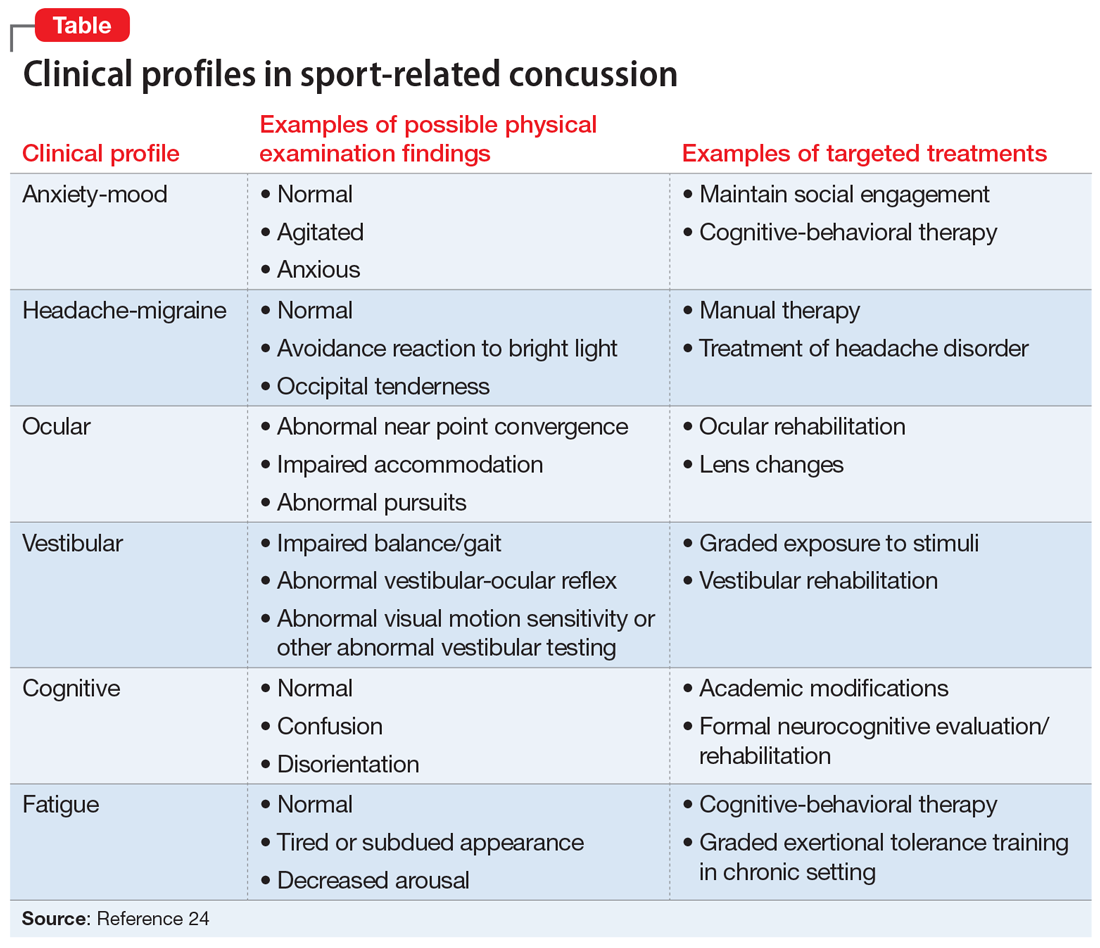
Treatment options for psychiatric sequelae of SRC
Both psychosocial and medical principles of management of psychiatric manifestations of SRC are important. Psychosocially, clinicians should address factors that may contribute to delayed SRC recovery (Box 225-30).
Box 2
- Recommend a progressive increase in exercise after a brief period of rest (often ameliorates psychiatric symptoms, as opposed to the historical approach of “cocoon therapy” in which the patient was to rest for prolonged periods of time in a darkened room so as to minimize brain stimulation)25
- Allow social activities, including team meetings (restriction of such activities has been associated with increased post-SRC depression)26
- Encourage members of the athlete’s “entourage” (team physicians, athletic trainers, coaches, teammates, and parents) to provide support27
- Educate coaches and teammates about how to make supportive statements because they often have trouble knowing how to do so27
- Recommend psychotherapy for mental and other physical symptoms of SRC that are moderate to severe or that persist longer than 4 weeks after the SRC28
- Recommend minimization of use of alcohol and other substances29,30
SRC: sport-related concussion
No medications are FDA-approved for SRC or associated psychiatric symptoms, and there is minimal evidence to support the use of specific medications.31 Most athletes with SRC recover quickly—typically within 2 weeks—and do not need medication.4,32 When medications are needed, start with low dosing and titrate slowly.33,34
Continue to: For patients with SRC who experience insomnia...
For patients with SRC who experience insomnia, clinicians should focus on sleep hygiene and, if needed, cognitive-behavioral therapy for insomnia (CBT-I).31 If medication is needed, melatonin may be a first-line agent.31,35,36 Trazodone may be a second option.32 Benzodiazepines typically are avoided because of their negative impact on cognition.31
For patients with SRC who have depression, selective serotonin reuptake inhibitors (SSRIs) may simultaneously improve depressed mood31 and cognition.37 Tricyclic antidepressants (TCAs) are sometimes used to treat headaches, depression, anxiety, and/or insomnia after SRC,32 but adverse effects such as sedation and weight gain may limit their use in athletes. Theoretically, serotonin-norepinephrine reuptake inhibitors might have some of the same benefits as TCAs with fewer adverse effects, but they have not been well studied in patients with SRC.
For patients with SRC who have cognitive dysfunction (eg, deficits in attention and processing speed), there is some evidence for treatment with stimulants.31,37 However, these medications are prohibited by many athletic governing organizations, including professional sports leagues, the National Collegiate Athletic Association (NCAA), and the World Anti-Doping Agency.4 If an athlete was receiving stimulants for ADHD before sustaining an SRC, there is no evidence that these medications should be stopped.
Consider interdisciplinary collaboration
Throughout the course of management, psychiatrists should consider if and when it is necessary to consult with other specialties such as primary care, sports medicine, neurology, and neuropsychology. As with many psychiatric symptoms and disorders, collaboration with an interdisciplinary team is recommended. Primary care, sports medicine, or neurology should be involved in the management of patients with SRC. Choice of which of those 3 specialties in particular will depend on comfort level and experience with managing SRC of the individual providers in question as well as availability of each provider type in a given community.
Additionally, psychiatrists may wonder if and when they should refer patients with SRC for neuroimaging. Because SRC is a functional, rather than structural, brain disturbance, neuroimaging is not typically pursued because results would be expected to be normal.3 However, when in doubt, consultation with the interdisciplinary team can guide this decision. Factors that may lead to a decision to obtain neuroimaging include:
- an abnormal neurologic examination
- prolonged loss of consciousness
- unexpected persistence of symptoms (eg, 6 to 12 weeks)
- worsening symptoms.22
Continue to: If imaging is deemed necessary...
If imaging is deemed necessary for a patient with an acute SRC, brain CT is typically the imaging modality of choice; however, if imaging is deemed necessary due to the persistence of symptoms, then MRI is often the preferred test because it provides more detailed information and does not expose the patient to ionizing radiation.22 While results are often normal, the ordering clinician should be prepared for the possibility of incidental findings, such as cysts or aneurysms, and the need for further consultation with other clinicians to weigh in on such findings.22
CASE CONTINUED
Ms. J is prescribed extended-release venlafaxine, 37.5 mg every morning for 5 days, and then is switched to 75 mg every morning. The psychiatrist hopes that venlafaxine might simultaneously offer benefit for Ms. J’s depression and migraine headaches. Venlafaxine is not FDA-approved for migraine, and there is more evidence supporting TCAs for preventing migraine. However, Ms. J is adamant that she does not want to take a medication, such as a TCA, that could cause weight gain or sedation, which could be problematic in her sport. The psychiatrist also tells Ms. J to avoid substances of abuse, and emphasizes the importance of good sleep hygiene. Finally, the psychiatrist communicates with the interdisciplinary medical team, which is helping Ms. J with gradual return-to-school and return-to-sport strategies and ensuring continued social involvement with the team even as she is held out from sport.
Ultimately, Ms. J’s extended-release venlafaxine is titrated to 150 mg every morning. After 2 months on this dose, her depressive symptoms remit. After her other symptoms remit, Ms. J has difficulty returning to certain practice drills that remind her of what she was doing when she sustained the SRC. She says that while participating in these drills, she has intrusive thoughts and images of the experience of her most recent concussion. She works with her psychiatrist on a gradual program of exposure therapy so she can return to all types of practice. Ms. J says she wishes to continue playing volleyball; however, together with her parents and treatment team, she decides that any additional SRCs might lead her to retire from the sport.
Bottom Line
Psychiatric symptoms are common after sport-related concussion (SRC). The nature of the relationship between concussion and mental health is not firmly established. Post-SRC psychiatric symptoms need to be carefully managed to avoid unnecessary treatment or restrictions.
Related Resources
- National Collegiate Athletic Association. Concussion. www.ncaa.org/sport-science-institute/concussion.
- American Academy of Neurology. Sports concussion resources. www.aan.com/tools-and-resources/practicing-neurologists-administrators/patient-resources/sports-concussion-resources. Published 2020.
Drug Brand Names
Trazodone • Desyrel
Venlafaxine • Effexor
1. Morgan CD, Zuckerman SL, Lee YM, et al. Predictors of postconcussion syndrome after sports-related concussion in young athletes: a matched case-control study. J Neurosurg Pediatr. 2015;15(6):589-598.
2. Jorge RE, Arciniegas DB. Mood disorders after TBI. Psychiatr Clin North Am. 2014;37(1):13-29.
3. McCrory P, Meeuwisse W, Dvor˘ák J, et al. Consensus statement on concussion in sport—the 5th International Conference on concussion in sport held in Berlin, October 2016. Br J Sports Med. 2017;51(11):838-847.
4. Reardon CL, Hainline B, Aron CM, et al. Mental health in elite athletes: International Olympic Committee consensus statement (2019). Br J Sports Med. 2019;53(11):667-699.
5. Echemendia RJ, Meeuwisse W, McCrory P, et al. The sport concussion assessment tool 5th edition (SCAT5): background and rationale. Br J Sports Med. 2017;51:848-850.
6. Thompson E. Hamilton rating scale for anxiety (HAM-A). Occup Med. 2015;65(7):601.
7. Rice SM, Parker AG, Rosenbaum S, et al. Sport-related concussion outcomes in elite athletes: a systematic review. Sports Med. 2018;48(2):447-465.
8. Vargas G, Rabinowitz A, Meyer J, et al. Predictors and prevalence of postconcussion depression symptoms in collegiate athletes. J Athl Train. 2015;50(3):250-255.
9. Hutchison MG, Di Battista AP, McCoskey J, et al. Systematic review of mental health measures associated with concussive and subconcussive head trauma in former athletes. Int J Psychophysiol. 2018;132(Pt A):55-61.
10. Kerr GA, Stirling AE. Parents’ reflections on their child’s experiences of emotionally abusive coaching practices. J Appl Sport Psychol. 2012;24(2):191-206.
11. Guskiewicz KM, Marshall SW, Bailes J, et al. Recurrent concussion and risk of depression in retired professional football players. Med Sci Sports Exerc. 2007;39(6):903-909.
12. Lehman EJ, Hein MJ, Gersic CM. Suicide mortality among retired National Football League players who played 5 or more seasons. Am J Sports Med. 2016;44(10):2486-2491.
13. Fralick M, Sy E, Hassan A, et al. Association of concussion with the risk of suicide: a systematic review and meta-analysis. JAMA Neurol. 2018;76(2):144-151.
14. Brassil HE, Salvatore AP. The frequency of post-traumatic stress disorder symptoms in athletes with and without sports related concussion. Clin Transl Med. 2018;7:25.
15. Bateman A, Morgan KAD. The postinjury psychological sequelae of high-level Jamaican athletes: exploration of a posttraumatic stress disorder-self-efficacy conceptualization. J Sport Rehabil. 2019;28(2):144-152.
16. Brewer BW, Van Raalte JL, Cornelius AE, et al. Psychological factors, rehabilitation adherence, and rehabilitation outcome after anterior cruciate ligament reconstruction. Rehabil Psychol. 2000;45(1):20-37.
17. Putukian M, Echemendia RJ. Psychological aspects of serious head injury in the competitive athlete. Clin Sports Med. 2003;22(33):617-630.
18. James LM, Strom TQ, Leskela J. Risk-taking behaviors and impulsivity among Veterans with and without PTSD and mild TBI. Mil Med. 2014;179(4):357-363.
19. Harmon KG, Drezner J, Gammons M, et al. American Medical Society for Sports Medicine position statement: concussion in sport. Clin J Sport Med. 2013;47(1):15-26.
20. Nelson LD, Guskiewicz KM, Marshall SW, et al. Multiple self-reported concussions are more prevalent in athletes with ADHD and learning disability. Clin J Sport Med. 2016;26(2):120-127.
21. Esfandiari A, Broshek DK, Freeman JR. Psychiatric and neuropsychological issues in sports medicine. Clin Sports Med. 2011;30(3):611-627.
22. Mahooti N. Sport-related concussion: acute management and chronic postconcussive issues. Chld Adolesc Psychiatric Clin N Am. 2018;27(1):93-108.
23. Kontos AP, Covassin T, Elbin RJ, et al. Depression and neurocognitive performance after concussion among male and female high school and collegiate athletes. Arch Phys Med Rehabil. 2012;93(10):1751-1756.
24. Harmon KG, Clugston JR, Dec K, et al. American Medical Society for Sports Medicine position statement on concussion in sport. Clin J Sport Med. 2019;29(2):87-100.
25. Leddy JJ, Willer B. Use of graded exercise testing in concussion and return-to-activity management. Current Sports Medicine Reports. 2013;12(6):370-376.
26. Schneider KJ, Iverson GL, Emery CA, et al. The effects of rest and treatment following sport-related concussion: a systematic review of the literature. Br J Sports Med. 2013;47(5):304-307.
27. Wayment HA, Huffman AH. Psychosocial experiences of concussed collegiate athletes: the role of emotional support in the recovery process. J Am Coll Health. 2020;68(4):438-443.
28. Todd R, Bhalerao S, Vu MT, et al. Understanding the psychiatric effects of concussion on constructed identity in hockey players: implications for health professionals. PLoS ONE. 2018;13(2):e0192125.
29. Iverson GL, Silverberg ND, Mannix R, et al. Factors associated with concussion-like symptom reporting in high school athletes. JAMA Pediatr. 2015;169(12):1132-1140.
30. Gaetz M. The multi-factorial origins of chronic traumatic encephalopathy (CTE) symptomatology in post-career athletes: the athlete post-career adjustment (AP-CA) model. Med Hypotheses. 2017;102:130-143.
31. Meehan WP. Medical therapies for concussion. Clin Sports Med. 2011;30(1):115-124.
32. Broglio SP, Collins MW, Williams RM, et al. Current and emerging rehabilitation for concussion: a review of the evidence. Clin Sports Med. 2015;34(2):213-231.
33. Arciniegas DB, Silver JM, McAllister TW. Stimulants and acetylcholinesterase inhibitors for the treatment of cognitive impairment after traumatic brain injury. Psychopharm Review. 2008;43(12):91-97.
34. Warden DL, Gordon B, McAllister TW, et al. Guidelines for the pharmacologic treatment of neurobehavioral sequelae of traumatic brain injury. J Neurotrauma. 2006;23(10):1468-1501.
35. Maldonado MD, Murillo-Cabezas F, Terron MP, et al. The potential of melatonin in reducing morbidity/mortality after craniocerebral trauma. J Pineal Res. 2007;42(1):1-11.
36. Samantaray S, Das A, Thakore NP, et al. Therapeutic potential of melatonin in traumatic central nervous system injury. J Pineal Res. 2009;47(2):134-142.
37. Chew E, Zafonte RD. Pharmacological management of neurobehavioral disorders following traumatic brain injury—a state-of-the-art review. J Rehabil Res Dev. 2009;46(6):851-879.
Ms. J, age 19, is a Division I collegiate volleyball player who recently sustained her third sport-related concussion (SRC). She has no psychiatric history but does have a history of migraine, and her headaches have worsened since the most recent SRC. She has a family history of depression (mother and her sole sibling). Ms. J recently experienced the loss of her coach, someone she greatly admired, in a motor vehicle accident. She is referred to outpatient psychiatry for assessment of mood symptoms that are persisting 1 month after the SRC. Upon assessment, she is found to meet 8 of the 9 criteria for a major depressive episode, including suicidality with vague plans but no intent to end her life.
Although Ms. J does not have a history of psychiatric illness, her psychiatrist recognizes that she has factors that increase her risk of developing depression post-SRC, and of poor recovery from SRC. These include pre-existing symptoms, such as her history of migraine, which is common in patients after SRC. Additionally, a family history of psychiatric disorders and high life stressors (eg, recent loss of her coach) are risk factors for a poor SRC recovery.1 Due to these risk factors and the severity of Ms. J’s symptoms—which include suicidal ideation—the psychiatrist believes that her depressive symptoms might be unlikely to improve in the coming weeks, so he establishes a diagnosis of “depressive disorder due to another medical condition (concussion)” because the development of her depressive symptoms coincided with the SRC. If Ms. J had a pre-existing mood disorder, or if her depression had not developed until later in the post-injury period, it would have been more difficult to establish confidently that the depressive episode was a direct physiologic consequence of the SRC; if that had been the case, the diagnosis probably would have been unspecified or other specified depressive disorder.2
SRC is a traumatic brain injury (TBI) induced by biomechanical forces, typically resulting in short-lived impairment of neurologic function, although signs and symptoms may evolve over minutes to hours.3 It largely reflects functional, rather than structural, brain disturbances.3 SRC has been deemed a “neuropsychiatric syndrome” because psychiatric manifestations are common.4 There may be a myriad of biopsychosocial factors involved in the etiology of psychiatric symptoms in an individual who sustains an SRC. For example, SRC may have a direct physiologic cause of psychiatric symptoms based on the location and degree of injury to the brain. Additionally, pre-existing psychiatric symptoms might increase the likelihood of sustaining an SRC. Finally, as with any major injury, illness, or event, stressors associated with SRC may cause psychiatric symptoms.
Regardless of causal factors, psychiatrists should be comfortable with managing psychiatric symptoms that commonly accompany this condition. This article highlights possible psychiatric manifestations of SRC and delineates high-yield management considerations. Although it focuses on concussions that occur in the context of sport, much of the information applies to patients who experience concussions from other causes.
SRC and depression
Changes in mood, emotion, and behavior are common following SRC. On the Sport Concussion Assessment Tool 5 (SCAT5),5 which is a standardized tool used to evaluate athletes suspected of having sustained a concussion, most symptoms overlap with those attributable to anxiety and depression.4,6 These include5:
- feeling slowed down
- “not feeling right”
- difficulty concentrating
- fatigue or loss of energy
- feeling more emotional
- irritability
- sadness
- feeling nervous or anxious
- difficulty falling asleep.
A recent systematic review of mental health outcomes of SRC in athletes found that the most commonly described and studied psychiatric symptoms following SRC were depression, anxiety, and impulsivity.7 The most rigorous study included in this review found depressive symptoms in 20% of collegiate athletes following SRC (all tested within 41 days of the SRC) vs 5% in the control group.8 These researchers delineated factors that predicted depressive symptoms after SRC (Box 18). Data were insufficient to draw conclusions about the association between SRC and other psychiatric symptoms, such as anxiety.8
Box 1
- Baseline depressive symptoms
- Baseline “post-concussion” symptoms
- Lower estimated premorbid intelligence
- Nonwhite ethnicity
- Increased number of games missed following injury
- Age of first participation in organized sport (more depression in athletes with fewer years of experience)
Source: Reference 8
Psychiatric manifestations of concussion in retired athletes may shed light on the long-term impact of SRC on psychiatric disorders, particularly depression. Hutchison et al9 conducted a systematic review of mental health outcomes of SRC in retired athletes.Two of the included studies that measured clinically diagnosed disorders found positive associations between self-reported concussion and clinically diagnosed depression.10,11 Hutchison et al9 found insufficient data to draw conclusions about depression and a lifetime history of subconcussive impacts—a topic that is receiving growing attention.
Continue to: Regarding a dose-response relationship...
Regarding a dose-response relationship in retired athletes, Guskiewicz et al11 reported a 3-fold increased risk of depression among retired professional football players who had experienced ≥3 SRCs. Five years later, the same research group reported a 5.8-fold increased risk of depression in retired professional football players after 5 to 9 concussions.10 In sum, there is evidence to suggest that the more SRCs an athlete sustains, the more likely they are to develop depression. Moreover, depression may persist or develop long after an SRC occurs.
Suicide risk
While suicide among athletes, especially football players, who have experienced concussion has received relatively widespread media attention, the risk of suicide in former professional football players appears to be significantly lower than in the general population.12 A recent large systematic review and meta-analysis reported on 713,706 individuals diagnosed with concussion and/or mild TBI and 6,236,010 individuals with no such diagnoses.13 It found a 2-fold higher risk of suicide in individuals who experienced concussion and/or mild TBI, but because participants were not necessarily athletes, it is difficult to extrapolate these findings to the athlete population.
Other psychiatric symptoms associated with SRC
Posttraumatic stress disorder (PTSD). Some athletes experience PTSD symptoms shortly after SRC, and these can be missed if clinicians do not specifically ask about them.14 For example, substantial proportions of athletes who have had an SRC report making efforts to avoid sport situations that are similar to how and where their SRC occurred (19%), having trouble keeping thoughts about sustaining the SRC out of their heads (18%), experiencing flashbacks of sustaining the SRC (13%), and having nightmares about sustaining the SRC (8%).14 Posttraumatic stress disorder may have a negative impact on an athlete’s performance because a fear of re-injury might lead them to avoid rehabilitation exercises and inhibit their effort.15-18
Attention-deficit/hyperactivity disorder (ADHD) is commonly comorbid with SRC.19,20 It is not known if pre-existing ADHD makes sustaining a concussion more likely (eg, because the athlete is distractible and thus does not notice when an opponent is about to hit them hard) and/or if a history of concussion makes ADHD more likely to develop (eg, because something about the concussed brain is changed in a way that leads to ADHD). Additionally, in some cases, ADHD has been associated with prolonged recovery from SRC.3,21
Immediate medical evaluation and cognitive assessment
Any patient in whom an SRC is suspected should undergo a medical evaluation immediately, whether in a physician’s office, emergency department, or on the sideline of a sports event. This medical evaluation should incorporate a clinical neurologic assessment, including evaluation of mental status/cognition, oculomotor function, gross sensorimotor, coordination, gait, vestibular function, and balance.3
Continue to: There is no single guideline...
There is no single guideline on how and when a neuropsychology referral is warranted.22 Insurance coverage for neurocognitive testing varies. Regardless of formal referral to neuropsychology, assessment of cognitive function is an important aspect of SRC management and is a factor in return-to-school and return-to-play decisions.3,22 Screening tools, such as the SCAT5, are useful in acute and subacute settings (ie, up to 3 to 5 days after injury); clinicians often use serial monitoring to track the resolution of symptoms.3 If pre-season baseline cognitive test results are available, clinicians may compare them to post-SRC results, but this should not be the sole basis of management decisions.3,22
Diagnosing psychiatric disorders in patients with SRC
Diagnosis of psychiatric symptoms and disorders associated with SRC can be challenging.7 There are no concussion-specific rating scales or diagnostic criteria for psychiatric disorders unique to patients who have sustained SRC. As a result, clinicians are left to use standard DSM-5 criteria for the diagnosis of psychiatric disorders in patients with SRC. Importantly, psychiatric symptoms must be distinguished from disorders. For example, Kontos et al23 reported significantly worse depressive symptoms following SRC, but not at the level to meet the criteria for major depressive disorder. This is an important distinction, because a psychiatrist might be less likely to initiate pharmacotherapy for a patient with SRC who has only a few depressive symptoms and is only 1 week post-SRC, vs for one who has had most symptoms of a major depressive episode for several weeks.
The American Medical Society for Sports Medicine has proposed 6 overlapping clinical profiles in patients with SRC (see the Table).24 Most patients with SRC have features of multiple clinical profiles.24 Anxiety/mood is one of these profiles. The impetus for developing these profiles was the recognition of heterogeneity among concussion presentations. Identification of the clinical profile(s) into which a patient’s symptoms fall might allow for more specific prognostication and targeted treatment.24 For example, referral to a psychiatrist obviously would be appropriate for a patient for whom anxiety/mood symptoms are prominent.
Treatment options for psychiatric sequelae of SRC
Both psychosocial and medical principles of management of psychiatric manifestations of SRC are important. Psychosocially, clinicians should address factors that may contribute to delayed SRC recovery (Box 225-30).
Box 2
- Recommend a progressive increase in exercise after a brief period of rest (often ameliorates psychiatric symptoms, as opposed to the historical approach of “cocoon therapy” in which the patient was to rest for prolonged periods of time in a darkened room so as to minimize brain stimulation)25
- Allow social activities, including team meetings (restriction of such activities has been associated with increased post-SRC depression)26
- Encourage members of the athlete’s “entourage” (team physicians, athletic trainers, coaches, teammates, and parents) to provide support27
- Educate coaches and teammates about how to make supportive statements because they often have trouble knowing how to do so27
- Recommend psychotherapy for mental and other physical symptoms of SRC that are moderate to severe or that persist longer than 4 weeks after the SRC28
- Recommend minimization of use of alcohol and other substances29,30
SRC: sport-related concussion
No medications are FDA-approved for SRC or associated psychiatric symptoms, and there is minimal evidence to support the use of specific medications.31 Most athletes with SRC recover quickly—typically within 2 weeks—and do not need medication.4,32 When medications are needed, start with low dosing and titrate slowly.33,34
Continue to: For patients with SRC who experience insomnia...
For patients with SRC who experience insomnia, clinicians should focus on sleep hygiene and, if needed, cognitive-behavioral therapy for insomnia (CBT-I).31 If medication is needed, melatonin may be a first-line agent.31,35,36 Trazodone may be a second option.32 Benzodiazepines typically are avoided because of their negative impact on cognition.31
For patients with SRC who have depression, selective serotonin reuptake inhibitors (SSRIs) may simultaneously improve depressed mood31 and cognition.37 Tricyclic antidepressants (TCAs) are sometimes used to treat headaches, depression, anxiety, and/or insomnia after SRC,32 but adverse effects such as sedation and weight gain may limit their use in athletes. Theoretically, serotonin-norepinephrine reuptake inhibitors might have some of the same benefits as TCAs with fewer adverse effects, but they have not been well studied in patients with SRC.
For patients with SRC who have cognitive dysfunction (eg, deficits in attention and processing speed), there is some evidence for treatment with stimulants.31,37 However, these medications are prohibited by many athletic governing organizations, including professional sports leagues, the National Collegiate Athletic Association (NCAA), and the World Anti-Doping Agency.4 If an athlete was receiving stimulants for ADHD before sustaining an SRC, there is no evidence that these medications should be stopped.
Consider interdisciplinary collaboration
Throughout the course of management, psychiatrists should consider if and when it is necessary to consult with other specialties such as primary care, sports medicine, neurology, and neuropsychology. As with many psychiatric symptoms and disorders, collaboration with an interdisciplinary team is recommended. Primary care, sports medicine, or neurology should be involved in the management of patients with SRC. Choice of which of those 3 specialties in particular will depend on comfort level and experience with managing SRC of the individual providers in question as well as availability of each provider type in a given community.
Additionally, psychiatrists may wonder if and when they should refer patients with SRC for neuroimaging. Because SRC is a functional, rather than structural, brain disturbance, neuroimaging is not typically pursued because results would be expected to be normal.3 However, when in doubt, consultation with the interdisciplinary team can guide this decision. Factors that may lead to a decision to obtain neuroimaging include:
- an abnormal neurologic examination
- prolonged loss of consciousness
- unexpected persistence of symptoms (eg, 6 to 12 weeks)
- worsening symptoms.22
Continue to: If imaging is deemed necessary...
If imaging is deemed necessary for a patient with an acute SRC, brain CT is typically the imaging modality of choice; however, if imaging is deemed necessary due to the persistence of symptoms, then MRI is often the preferred test because it provides more detailed information and does not expose the patient to ionizing radiation.22 While results are often normal, the ordering clinician should be prepared for the possibility of incidental findings, such as cysts or aneurysms, and the need for further consultation with other clinicians to weigh in on such findings.22
CASE CONTINUED
Ms. J is prescribed extended-release venlafaxine, 37.5 mg every morning for 5 days, and then is switched to 75 mg every morning. The psychiatrist hopes that venlafaxine might simultaneously offer benefit for Ms. J’s depression and migraine headaches. Venlafaxine is not FDA-approved for migraine, and there is more evidence supporting TCAs for preventing migraine. However, Ms. J is adamant that she does not want to take a medication, such as a TCA, that could cause weight gain or sedation, which could be problematic in her sport. The psychiatrist also tells Ms. J to avoid substances of abuse, and emphasizes the importance of good sleep hygiene. Finally, the psychiatrist communicates with the interdisciplinary medical team, which is helping Ms. J with gradual return-to-school and return-to-sport strategies and ensuring continued social involvement with the team even as she is held out from sport.
Ultimately, Ms. J’s extended-release venlafaxine is titrated to 150 mg every morning. After 2 months on this dose, her depressive symptoms remit. After her other symptoms remit, Ms. J has difficulty returning to certain practice drills that remind her of what she was doing when she sustained the SRC. She says that while participating in these drills, she has intrusive thoughts and images of the experience of her most recent concussion. She works with her psychiatrist on a gradual program of exposure therapy so she can return to all types of practice. Ms. J says she wishes to continue playing volleyball; however, together with her parents and treatment team, she decides that any additional SRCs might lead her to retire from the sport.
Bottom Line
Psychiatric symptoms are common after sport-related concussion (SRC). The nature of the relationship between concussion and mental health is not firmly established. Post-SRC psychiatric symptoms need to be carefully managed to avoid unnecessary treatment or restrictions.
Related Resources
- National Collegiate Athletic Association. Concussion. www.ncaa.org/sport-science-institute/concussion.
- American Academy of Neurology. Sports concussion resources. www.aan.com/tools-and-resources/practicing-neurologists-administrators/patient-resources/sports-concussion-resources. Published 2020.
Drug Brand Names
Trazodone • Desyrel
Venlafaxine • Effexor
Ms. J, age 19, is a Division I collegiate volleyball player who recently sustained her third sport-related concussion (SRC). She has no psychiatric history but does have a history of migraine, and her headaches have worsened since the most recent SRC. She has a family history of depression (mother and her sole sibling). Ms. J recently experienced the loss of her coach, someone she greatly admired, in a motor vehicle accident. She is referred to outpatient psychiatry for assessment of mood symptoms that are persisting 1 month after the SRC. Upon assessment, she is found to meet 8 of the 9 criteria for a major depressive episode, including suicidality with vague plans but no intent to end her life.
Although Ms. J does not have a history of psychiatric illness, her psychiatrist recognizes that she has factors that increase her risk of developing depression post-SRC, and of poor recovery from SRC. These include pre-existing symptoms, such as her history of migraine, which is common in patients after SRC. Additionally, a family history of psychiatric disorders and high life stressors (eg, recent loss of her coach) are risk factors for a poor SRC recovery.1 Due to these risk factors and the severity of Ms. J’s symptoms—which include suicidal ideation—the psychiatrist believes that her depressive symptoms might be unlikely to improve in the coming weeks, so he establishes a diagnosis of “depressive disorder due to another medical condition (concussion)” because the development of her depressive symptoms coincided with the SRC. If Ms. J had a pre-existing mood disorder, or if her depression had not developed until later in the post-injury period, it would have been more difficult to establish confidently that the depressive episode was a direct physiologic consequence of the SRC; if that had been the case, the diagnosis probably would have been unspecified or other specified depressive disorder.2
SRC is a traumatic brain injury (TBI) induced by biomechanical forces, typically resulting in short-lived impairment of neurologic function, although signs and symptoms may evolve over minutes to hours.3 It largely reflects functional, rather than structural, brain disturbances.3 SRC has been deemed a “neuropsychiatric syndrome” because psychiatric manifestations are common.4 There may be a myriad of biopsychosocial factors involved in the etiology of psychiatric symptoms in an individual who sustains an SRC. For example, SRC may have a direct physiologic cause of psychiatric symptoms based on the location and degree of injury to the brain. Additionally, pre-existing psychiatric symptoms might increase the likelihood of sustaining an SRC. Finally, as with any major injury, illness, or event, stressors associated with SRC may cause psychiatric symptoms.
Regardless of causal factors, psychiatrists should be comfortable with managing psychiatric symptoms that commonly accompany this condition. This article highlights possible psychiatric manifestations of SRC and delineates high-yield management considerations. Although it focuses on concussions that occur in the context of sport, much of the information applies to patients who experience concussions from other causes.
SRC and depression
Changes in mood, emotion, and behavior are common following SRC. On the Sport Concussion Assessment Tool 5 (SCAT5),5 which is a standardized tool used to evaluate athletes suspected of having sustained a concussion, most symptoms overlap with those attributable to anxiety and depression.4,6 These include5:
- feeling slowed down
- “not feeling right”
- difficulty concentrating
- fatigue or loss of energy
- feeling more emotional
- irritability
- sadness
- feeling nervous or anxious
- difficulty falling asleep.
A recent systematic review of mental health outcomes of SRC in athletes found that the most commonly described and studied psychiatric symptoms following SRC were depression, anxiety, and impulsivity.7 The most rigorous study included in this review found depressive symptoms in 20% of collegiate athletes following SRC (all tested within 41 days of the SRC) vs 5% in the control group.8 These researchers delineated factors that predicted depressive symptoms after SRC (Box 18). Data were insufficient to draw conclusions about the association between SRC and other psychiatric symptoms, such as anxiety.8
Box 1
- Baseline depressive symptoms
- Baseline “post-concussion” symptoms
- Lower estimated premorbid intelligence
- Nonwhite ethnicity
- Increased number of games missed following injury
- Age of first participation in organized sport (more depression in athletes with fewer years of experience)
Source: Reference 8
Psychiatric manifestations of concussion in retired athletes may shed light on the long-term impact of SRC on psychiatric disorders, particularly depression. Hutchison et al9 conducted a systematic review of mental health outcomes of SRC in retired athletes.Two of the included studies that measured clinically diagnosed disorders found positive associations between self-reported concussion and clinically diagnosed depression.10,11 Hutchison et al9 found insufficient data to draw conclusions about depression and a lifetime history of subconcussive impacts—a topic that is receiving growing attention.
Continue to: Regarding a dose-response relationship...
Regarding a dose-response relationship in retired athletes, Guskiewicz et al11 reported a 3-fold increased risk of depression among retired professional football players who had experienced ≥3 SRCs. Five years later, the same research group reported a 5.8-fold increased risk of depression in retired professional football players after 5 to 9 concussions.10 In sum, there is evidence to suggest that the more SRCs an athlete sustains, the more likely they are to develop depression. Moreover, depression may persist or develop long after an SRC occurs.
Suicide risk
While suicide among athletes, especially football players, who have experienced concussion has received relatively widespread media attention, the risk of suicide in former professional football players appears to be significantly lower than in the general population.12 A recent large systematic review and meta-analysis reported on 713,706 individuals diagnosed with concussion and/or mild TBI and 6,236,010 individuals with no such diagnoses.13 It found a 2-fold higher risk of suicide in individuals who experienced concussion and/or mild TBI, but because participants were not necessarily athletes, it is difficult to extrapolate these findings to the athlete population.
Other psychiatric symptoms associated with SRC
Posttraumatic stress disorder (PTSD). Some athletes experience PTSD symptoms shortly after SRC, and these can be missed if clinicians do not specifically ask about them.14 For example, substantial proportions of athletes who have had an SRC report making efforts to avoid sport situations that are similar to how and where their SRC occurred (19%), having trouble keeping thoughts about sustaining the SRC out of their heads (18%), experiencing flashbacks of sustaining the SRC (13%), and having nightmares about sustaining the SRC (8%).14 Posttraumatic stress disorder may have a negative impact on an athlete’s performance because a fear of re-injury might lead them to avoid rehabilitation exercises and inhibit their effort.15-18
Attention-deficit/hyperactivity disorder (ADHD) is commonly comorbid with SRC.19,20 It is not known if pre-existing ADHD makes sustaining a concussion more likely (eg, because the athlete is distractible and thus does not notice when an opponent is about to hit them hard) and/or if a history of concussion makes ADHD more likely to develop (eg, because something about the concussed brain is changed in a way that leads to ADHD). Additionally, in some cases, ADHD has been associated with prolonged recovery from SRC.3,21
Immediate medical evaluation and cognitive assessment
Any patient in whom an SRC is suspected should undergo a medical evaluation immediately, whether in a physician’s office, emergency department, or on the sideline of a sports event. This medical evaluation should incorporate a clinical neurologic assessment, including evaluation of mental status/cognition, oculomotor function, gross sensorimotor, coordination, gait, vestibular function, and balance.3
Continue to: There is no single guideline...
There is no single guideline on how and when a neuropsychology referral is warranted.22 Insurance coverage for neurocognitive testing varies. Regardless of formal referral to neuropsychology, assessment of cognitive function is an important aspect of SRC management and is a factor in return-to-school and return-to-play decisions.3,22 Screening tools, such as the SCAT5, are useful in acute and subacute settings (ie, up to 3 to 5 days after injury); clinicians often use serial monitoring to track the resolution of symptoms.3 If pre-season baseline cognitive test results are available, clinicians may compare them to post-SRC results, but this should not be the sole basis of management decisions.3,22
Diagnosing psychiatric disorders in patients with SRC
Diagnosis of psychiatric symptoms and disorders associated with SRC can be challenging.7 There are no concussion-specific rating scales or diagnostic criteria for psychiatric disorders unique to patients who have sustained SRC. As a result, clinicians are left to use standard DSM-5 criteria for the diagnosis of psychiatric disorders in patients with SRC. Importantly, psychiatric symptoms must be distinguished from disorders. For example, Kontos et al23 reported significantly worse depressive symptoms following SRC, but not at the level to meet the criteria for major depressive disorder. This is an important distinction, because a psychiatrist might be less likely to initiate pharmacotherapy for a patient with SRC who has only a few depressive symptoms and is only 1 week post-SRC, vs for one who has had most symptoms of a major depressive episode for several weeks.
The American Medical Society for Sports Medicine has proposed 6 overlapping clinical profiles in patients with SRC (see the Table).24 Most patients with SRC have features of multiple clinical profiles.24 Anxiety/mood is one of these profiles. The impetus for developing these profiles was the recognition of heterogeneity among concussion presentations. Identification of the clinical profile(s) into which a patient’s symptoms fall might allow for more specific prognostication and targeted treatment.24 For example, referral to a psychiatrist obviously would be appropriate for a patient for whom anxiety/mood symptoms are prominent.
Treatment options for psychiatric sequelae of SRC
Both psychosocial and medical principles of management of psychiatric manifestations of SRC are important. Psychosocially, clinicians should address factors that may contribute to delayed SRC recovery (Box 225-30).
Box 2
- Recommend a progressive increase in exercise after a brief period of rest (often ameliorates psychiatric symptoms, as opposed to the historical approach of “cocoon therapy” in which the patient was to rest for prolonged periods of time in a darkened room so as to minimize brain stimulation)25
- Allow social activities, including team meetings (restriction of such activities has been associated with increased post-SRC depression)26
- Encourage members of the athlete’s “entourage” (team physicians, athletic trainers, coaches, teammates, and parents) to provide support27
- Educate coaches and teammates about how to make supportive statements because they often have trouble knowing how to do so27
- Recommend psychotherapy for mental and other physical symptoms of SRC that are moderate to severe or that persist longer than 4 weeks after the SRC28
- Recommend minimization of use of alcohol and other substances29,30
SRC: sport-related concussion
No medications are FDA-approved for SRC or associated psychiatric symptoms, and there is minimal evidence to support the use of specific medications.31 Most athletes with SRC recover quickly—typically within 2 weeks—and do not need medication.4,32 When medications are needed, start with low dosing and titrate slowly.33,34
Continue to: For patients with SRC who experience insomnia...
For patients with SRC who experience insomnia, clinicians should focus on sleep hygiene and, if needed, cognitive-behavioral therapy for insomnia (CBT-I).31 If medication is needed, melatonin may be a first-line agent.31,35,36 Trazodone may be a second option.32 Benzodiazepines typically are avoided because of their negative impact on cognition.31
For patients with SRC who have depression, selective serotonin reuptake inhibitors (SSRIs) may simultaneously improve depressed mood31 and cognition.37 Tricyclic antidepressants (TCAs) are sometimes used to treat headaches, depression, anxiety, and/or insomnia after SRC,32 but adverse effects such as sedation and weight gain may limit their use in athletes. Theoretically, serotonin-norepinephrine reuptake inhibitors might have some of the same benefits as TCAs with fewer adverse effects, but they have not been well studied in patients with SRC.
For patients with SRC who have cognitive dysfunction (eg, deficits in attention and processing speed), there is some evidence for treatment with stimulants.31,37 However, these medications are prohibited by many athletic governing organizations, including professional sports leagues, the National Collegiate Athletic Association (NCAA), and the World Anti-Doping Agency.4 If an athlete was receiving stimulants for ADHD before sustaining an SRC, there is no evidence that these medications should be stopped.
Consider interdisciplinary collaboration
Throughout the course of management, psychiatrists should consider if and when it is necessary to consult with other specialties such as primary care, sports medicine, neurology, and neuropsychology. As with many psychiatric symptoms and disorders, collaboration with an interdisciplinary team is recommended. Primary care, sports medicine, or neurology should be involved in the management of patients with SRC. Choice of which of those 3 specialties in particular will depend on comfort level and experience with managing SRC of the individual providers in question as well as availability of each provider type in a given community.
Additionally, psychiatrists may wonder if and when they should refer patients with SRC for neuroimaging. Because SRC is a functional, rather than structural, brain disturbance, neuroimaging is not typically pursued because results would be expected to be normal.3 However, when in doubt, consultation with the interdisciplinary team can guide this decision. Factors that may lead to a decision to obtain neuroimaging include:
- an abnormal neurologic examination
- prolonged loss of consciousness
- unexpected persistence of symptoms (eg, 6 to 12 weeks)
- worsening symptoms.22
Continue to: If imaging is deemed necessary...
If imaging is deemed necessary for a patient with an acute SRC, brain CT is typically the imaging modality of choice; however, if imaging is deemed necessary due to the persistence of symptoms, then MRI is often the preferred test because it provides more detailed information and does not expose the patient to ionizing radiation.22 While results are often normal, the ordering clinician should be prepared for the possibility of incidental findings, such as cysts or aneurysms, and the need for further consultation with other clinicians to weigh in on such findings.22
CASE CONTINUED
Ms. J is prescribed extended-release venlafaxine, 37.5 mg every morning for 5 days, and then is switched to 75 mg every morning. The psychiatrist hopes that venlafaxine might simultaneously offer benefit for Ms. J’s depression and migraine headaches. Venlafaxine is not FDA-approved for migraine, and there is more evidence supporting TCAs for preventing migraine. However, Ms. J is adamant that she does not want to take a medication, such as a TCA, that could cause weight gain or sedation, which could be problematic in her sport. The psychiatrist also tells Ms. J to avoid substances of abuse, and emphasizes the importance of good sleep hygiene. Finally, the psychiatrist communicates with the interdisciplinary medical team, which is helping Ms. J with gradual return-to-school and return-to-sport strategies and ensuring continued social involvement with the team even as she is held out from sport.
Ultimately, Ms. J’s extended-release venlafaxine is titrated to 150 mg every morning. After 2 months on this dose, her depressive symptoms remit. After her other symptoms remit, Ms. J has difficulty returning to certain practice drills that remind her of what she was doing when she sustained the SRC. She says that while participating in these drills, she has intrusive thoughts and images of the experience of her most recent concussion. She works with her psychiatrist on a gradual program of exposure therapy so she can return to all types of practice. Ms. J says she wishes to continue playing volleyball; however, together with her parents and treatment team, she decides that any additional SRCs might lead her to retire from the sport.
Bottom Line
Psychiatric symptoms are common after sport-related concussion (SRC). The nature of the relationship between concussion and mental health is not firmly established. Post-SRC psychiatric symptoms need to be carefully managed to avoid unnecessary treatment or restrictions.
Related Resources
- National Collegiate Athletic Association. Concussion. www.ncaa.org/sport-science-institute/concussion.
- American Academy of Neurology. Sports concussion resources. www.aan.com/tools-and-resources/practicing-neurologists-administrators/patient-resources/sports-concussion-resources. Published 2020.
Drug Brand Names
Trazodone • Desyrel
Venlafaxine • Effexor
1. Morgan CD, Zuckerman SL, Lee YM, et al. Predictors of postconcussion syndrome after sports-related concussion in young athletes: a matched case-control study. J Neurosurg Pediatr. 2015;15(6):589-598.
2. Jorge RE, Arciniegas DB. Mood disorders after TBI. Psychiatr Clin North Am. 2014;37(1):13-29.
3. McCrory P, Meeuwisse W, Dvor˘ák J, et al. Consensus statement on concussion in sport—the 5th International Conference on concussion in sport held in Berlin, October 2016. Br J Sports Med. 2017;51(11):838-847.
4. Reardon CL, Hainline B, Aron CM, et al. Mental health in elite athletes: International Olympic Committee consensus statement (2019). Br J Sports Med. 2019;53(11):667-699.
5. Echemendia RJ, Meeuwisse W, McCrory P, et al. The sport concussion assessment tool 5th edition (SCAT5): background and rationale. Br J Sports Med. 2017;51:848-850.
6. Thompson E. Hamilton rating scale for anxiety (HAM-A). Occup Med. 2015;65(7):601.
7. Rice SM, Parker AG, Rosenbaum S, et al. Sport-related concussion outcomes in elite athletes: a systematic review. Sports Med. 2018;48(2):447-465.
8. Vargas G, Rabinowitz A, Meyer J, et al. Predictors and prevalence of postconcussion depression symptoms in collegiate athletes. J Athl Train. 2015;50(3):250-255.
9. Hutchison MG, Di Battista AP, McCoskey J, et al. Systematic review of mental health measures associated with concussive and subconcussive head trauma in former athletes. Int J Psychophysiol. 2018;132(Pt A):55-61.
10. Kerr GA, Stirling AE. Parents’ reflections on their child’s experiences of emotionally abusive coaching practices. J Appl Sport Psychol. 2012;24(2):191-206.
11. Guskiewicz KM, Marshall SW, Bailes J, et al. Recurrent concussion and risk of depression in retired professional football players. Med Sci Sports Exerc. 2007;39(6):903-909.
12. Lehman EJ, Hein MJ, Gersic CM. Suicide mortality among retired National Football League players who played 5 or more seasons. Am J Sports Med. 2016;44(10):2486-2491.
13. Fralick M, Sy E, Hassan A, et al. Association of concussion with the risk of suicide: a systematic review and meta-analysis. JAMA Neurol. 2018;76(2):144-151.
14. Brassil HE, Salvatore AP. The frequency of post-traumatic stress disorder symptoms in athletes with and without sports related concussion. Clin Transl Med. 2018;7:25.
15. Bateman A, Morgan KAD. The postinjury psychological sequelae of high-level Jamaican athletes: exploration of a posttraumatic stress disorder-self-efficacy conceptualization. J Sport Rehabil. 2019;28(2):144-152.
16. Brewer BW, Van Raalte JL, Cornelius AE, et al. Psychological factors, rehabilitation adherence, and rehabilitation outcome after anterior cruciate ligament reconstruction. Rehabil Psychol. 2000;45(1):20-37.
17. Putukian M, Echemendia RJ. Psychological aspects of serious head injury in the competitive athlete. Clin Sports Med. 2003;22(33):617-630.
18. James LM, Strom TQ, Leskela J. Risk-taking behaviors and impulsivity among Veterans with and without PTSD and mild TBI. Mil Med. 2014;179(4):357-363.
19. Harmon KG, Drezner J, Gammons M, et al. American Medical Society for Sports Medicine position statement: concussion in sport. Clin J Sport Med. 2013;47(1):15-26.
20. Nelson LD, Guskiewicz KM, Marshall SW, et al. Multiple self-reported concussions are more prevalent in athletes with ADHD and learning disability. Clin J Sport Med. 2016;26(2):120-127.
21. Esfandiari A, Broshek DK, Freeman JR. Psychiatric and neuropsychological issues in sports medicine. Clin Sports Med. 2011;30(3):611-627.
22. Mahooti N. Sport-related concussion: acute management and chronic postconcussive issues. Chld Adolesc Psychiatric Clin N Am. 2018;27(1):93-108.
23. Kontos AP, Covassin T, Elbin RJ, et al. Depression and neurocognitive performance after concussion among male and female high school and collegiate athletes. Arch Phys Med Rehabil. 2012;93(10):1751-1756.
24. Harmon KG, Clugston JR, Dec K, et al. American Medical Society for Sports Medicine position statement on concussion in sport. Clin J Sport Med. 2019;29(2):87-100.
25. Leddy JJ, Willer B. Use of graded exercise testing in concussion and return-to-activity management. Current Sports Medicine Reports. 2013;12(6):370-376.
26. Schneider KJ, Iverson GL, Emery CA, et al. The effects of rest and treatment following sport-related concussion: a systematic review of the literature. Br J Sports Med. 2013;47(5):304-307.
27. Wayment HA, Huffman AH. Psychosocial experiences of concussed collegiate athletes: the role of emotional support in the recovery process. J Am Coll Health. 2020;68(4):438-443.
28. Todd R, Bhalerao S, Vu MT, et al. Understanding the psychiatric effects of concussion on constructed identity in hockey players: implications for health professionals. PLoS ONE. 2018;13(2):e0192125.
29. Iverson GL, Silverberg ND, Mannix R, et al. Factors associated with concussion-like symptom reporting in high school athletes. JAMA Pediatr. 2015;169(12):1132-1140.
30. Gaetz M. The multi-factorial origins of chronic traumatic encephalopathy (CTE) symptomatology in post-career athletes: the athlete post-career adjustment (AP-CA) model. Med Hypotheses. 2017;102:130-143.
31. Meehan WP. Medical therapies for concussion. Clin Sports Med. 2011;30(1):115-124.
32. Broglio SP, Collins MW, Williams RM, et al. Current and emerging rehabilitation for concussion: a review of the evidence. Clin Sports Med. 2015;34(2):213-231.
33. Arciniegas DB, Silver JM, McAllister TW. Stimulants and acetylcholinesterase inhibitors for the treatment of cognitive impairment after traumatic brain injury. Psychopharm Review. 2008;43(12):91-97.
34. Warden DL, Gordon B, McAllister TW, et al. Guidelines for the pharmacologic treatment of neurobehavioral sequelae of traumatic brain injury. J Neurotrauma. 2006;23(10):1468-1501.
35. Maldonado MD, Murillo-Cabezas F, Terron MP, et al. The potential of melatonin in reducing morbidity/mortality after craniocerebral trauma. J Pineal Res. 2007;42(1):1-11.
36. Samantaray S, Das A, Thakore NP, et al. Therapeutic potential of melatonin in traumatic central nervous system injury. J Pineal Res. 2009;47(2):134-142.
37. Chew E, Zafonte RD. Pharmacological management of neurobehavioral disorders following traumatic brain injury—a state-of-the-art review. J Rehabil Res Dev. 2009;46(6):851-879.
1. Morgan CD, Zuckerman SL, Lee YM, et al. Predictors of postconcussion syndrome after sports-related concussion in young athletes: a matched case-control study. J Neurosurg Pediatr. 2015;15(6):589-598.
2. Jorge RE, Arciniegas DB. Mood disorders after TBI. Psychiatr Clin North Am. 2014;37(1):13-29.
3. McCrory P, Meeuwisse W, Dvor˘ák J, et al. Consensus statement on concussion in sport—the 5th International Conference on concussion in sport held in Berlin, October 2016. Br J Sports Med. 2017;51(11):838-847.
4. Reardon CL, Hainline B, Aron CM, et al. Mental health in elite athletes: International Olympic Committee consensus statement (2019). Br J Sports Med. 2019;53(11):667-699.
5. Echemendia RJ, Meeuwisse W, McCrory P, et al. The sport concussion assessment tool 5th edition (SCAT5): background and rationale. Br J Sports Med. 2017;51:848-850.
6. Thompson E. Hamilton rating scale for anxiety (HAM-A). Occup Med. 2015;65(7):601.
7. Rice SM, Parker AG, Rosenbaum S, et al. Sport-related concussion outcomes in elite athletes: a systematic review. Sports Med. 2018;48(2):447-465.
8. Vargas G, Rabinowitz A, Meyer J, et al. Predictors and prevalence of postconcussion depression symptoms in collegiate athletes. J Athl Train. 2015;50(3):250-255.
9. Hutchison MG, Di Battista AP, McCoskey J, et al. Systematic review of mental health measures associated with concussive and subconcussive head trauma in former athletes. Int J Psychophysiol. 2018;132(Pt A):55-61.
10. Kerr GA, Stirling AE. Parents’ reflections on their child’s experiences of emotionally abusive coaching practices. J Appl Sport Psychol. 2012;24(2):191-206.
11. Guskiewicz KM, Marshall SW, Bailes J, et al. Recurrent concussion and risk of depression in retired professional football players. Med Sci Sports Exerc. 2007;39(6):903-909.
12. Lehman EJ, Hein MJ, Gersic CM. Suicide mortality among retired National Football League players who played 5 or more seasons. Am J Sports Med. 2016;44(10):2486-2491.
13. Fralick M, Sy E, Hassan A, et al. Association of concussion with the risk of suicide: a systematic review and meta-analysis. JAMA Neurol. 2018;76(2):144-151.
14. Brassil HE, Salvatore AP. The frequency of post-traumatic stress disorder symptoms in athletes with and without sports related concussion. Clin Transl Med. 2018;7:25.
15. Bateman A, Morgan KAD. The postinjury psychological sequelae of high-level Jamaican athletes: exploration of a posttraumatic stress disorder-self-efficacy conceptualization. J Sport Rehabil. 2019;28(2):144-152.
16. Brewer BW, Van Raalte JL, Cornelius AE, et al. Psychological factors, rehabilitation adherence, and rehabilitation outcome after anterior cruciate ligament reconstruction. Rehabil Psychol. 2000;45(1):20-37.
17. Putukian M, Echemendia RJ. Psychological aspects of serious head injury in the competitive athlete. Clin Sports Med. 2003;22(33):617-630.
18. James LM, Strom TQ, Leskela J. Risk-taking behaviors and impulsivity among Veterans with and without PTSD and mild TBI. Mil Med. 2014;179(4):357-363.
19. Harmon KG, Drezner J, Gammons M, et al. American Medical Society for Sports Medicine position statement: concussion in sport. Clin J Sport Med. 2013;47(1):15-26.
20. Nelson LD, Guskiewicz KM, Marshall SW, et al. Multiple self-reported concussions are more prevalent in athletes with ADHD and learning disability. Clin J Sport Med. 2016;26(2):120-127.
21. Esfandiari A, Broshek DK, Freeman JR. Psychiatric and neuropsychological issues in sports medicine. Clin Sports Med. 2011;30(3):611-627.
22. Mahooti N. Sport-related concussion: acute management and chronic postconcussive issues. Chld Adolesc Psychiatric Clin N Am. 2018;27(1):93-108.
23. Kontos AP, Covassin T, Elbin RJ, et al. Depression and neurocognitive performance after concussion among male and female high school and collegiate athletes. Arch Phys Med Rehabil. 2012;93(10):1751-1756.
24. Harmon KG, Clugston JR, Dec K, et al. American Medical Society for Sports Medicine position statement on concussion in sport. Clin J Sport Med. 2019;29(2):87-100.
25. Leddy JJ, Willer B. Use of graded exercise testing in concussion and return-to-activity management. Current Sports Medicine Reports. 2013;12(6):370-376.
26. Schneider KJ, Iverson GL, Emery CA, et al. The effects of rest and treatment following sport-related concussion: a systematic review of the literature. Br J Sports Med. 2013;47(5):304-307.
27. Wayment HA, Huffman AH. Psychosocial experiences of concussed collegiate athletes: the role of emotional support in the recovery process. J Am Coll Health. 2020;68(4):438-443.
28. Todd R, Bhalerao S, Vu MT, et al. Understanding the psychiatric effects of concussion on constructed identity in hockey players: implications for health professionals. PLoS ONE. 2018;13(2):e0192125.
29. Iverson GL, Silverberg ND, Mannix R, et al. Factors associated with concussion-like symptom reporting in high school athletes. JAMA Pediatr. 2015;169(12):1132-1140.
30. Gaetz M. The multi-factorial origins of chronic traumatic encephalopathy (CTE) symptomatology in post-career athletes: the athlete post-career adjustment (AP-CA) model. Med Hypotheses. 2017;102:130-143.
31. Meehan WP. Medical therapies for concussion. Clin Sports Med. 2011;30(1):115-124.
32. Broglio SP, Collins MW, Williams RM, et al. Current and emerging rehabilitation for concussion: a review of the evidence. Clin Sports Med. 2015;34(2):213-231.
33. Arciniegas DB, Silver JM, McAllister TW. Stimulants and acetylcholinesterase inhibitors for the treatment of cognitive impairment after traumatic brain injury. Psychopharm Review. 2008;43(12):91-97.
34. Warden DL, Gordon B, McAllister TW, et al. Guidelines for the pharmacologic treatment of neurobehavioral sequelae of traumatic brain injury. J Neurotrauma. 2006;23(10):1468-1501.
35. Maldonado MD, Murillo-Cabezas F, Terron MP, et al. The potential of melatonin in reducing morbidity/mortality after craniocerebral trauma. J Pineal Res. 2007;42(1):1-11.
36. Samantaray S, Das A, Thakore NP, et al. Therapeutic potential of melatonin in traumatic central nervous system injury. J Pineal Res. 2009;47(2):134-142.
37. Chew E, Zafonte RD. Pharmacological management of neurobehavioral disorders following traumatic brain injury—a state-of-the-art review. J Rehabil Res Dev. 2009;46(6):851-879.
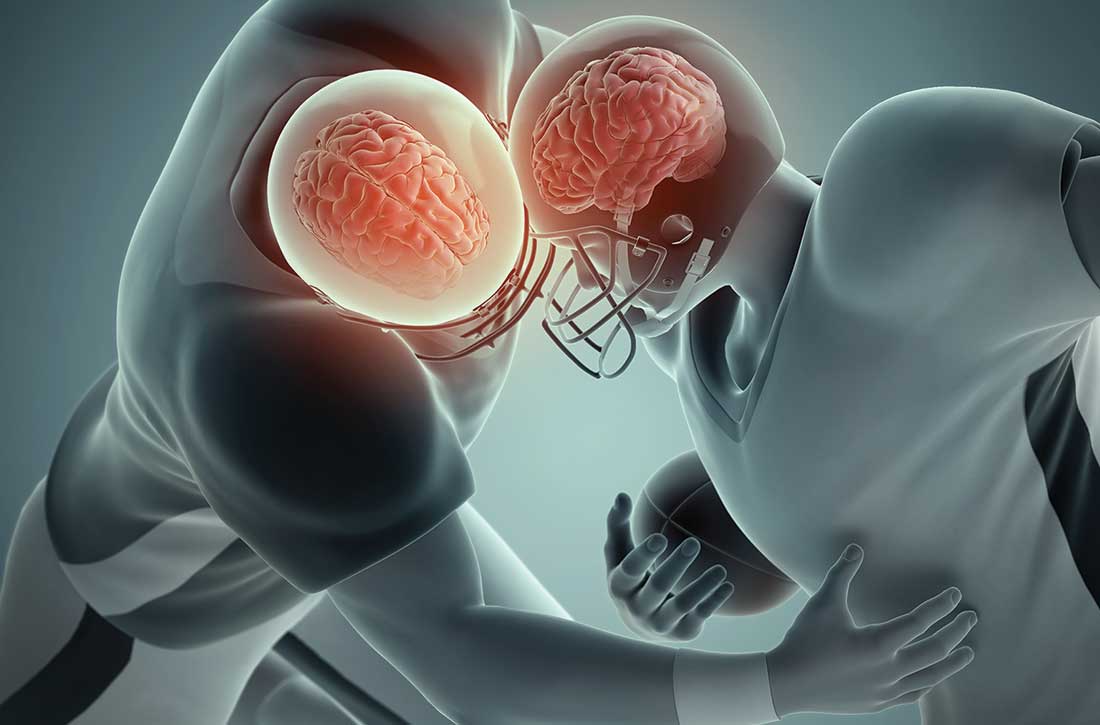
‘Nietzsche was wrong’: Past stressors do not create psychological resilience.
The famous quote from the German philosopher Friedrich Nietzsche, “That which does not kill us makes us stronger,” may not be true after all – at least when it comes to mental health.
Results of a new study show that individuals who have a history of a stressful life events are more likely to develop posttraumatic stress disorder (PTSD) and/or major depressive disorder (MDD) following a major natural disaster than their counterparts who do not have such a history.
The investigation of more than a thousand Chilean residents – all of whom experienced one of the most powerful earthquakes in the country’s history – showed that the odds of developing postdisaster PTSD or MDD increased according to the number of predisaster stressors participants had experienced.
“We’ve learned that Nietzsche was wrong in this case and that the people who have had prior stressful and traumatic histories were more likely to develop PTSD and depression than those with fewer, study investigator Stephen L. Buka, PhD, professor of epidemiology at Brown University, Providence, Rhode Island, said in an interview.
The study was published online June 11 in the British Journal of Psychiatry.
Stress inoculation hypothesis
The so-called stress inoculation hypothesis proposes that individuals who experience manageable stressors may be able to better cope with subsequent stressors, inasmuch as such experience affords them opportunities to practice effective coping skills and develop a sense of mastery over stressors.
, particularly with respect to such common mental health disorders as MDD and PTSD. Although less severe day-to-day stressors may be easier to cope with, major trauma can overwhelm an individual’s coping mechanisms.
Findings from previous research have been mixed. Some studiessuggest that prior stressors can increase the risk of developing later psychiatric disorders. On the other hand, previous research has also shown that exposure to prior trauma alone does not predict subsequent PTSD.
Given these contradictions, the investigators wanted to determine whether a history of prior stressors was associated with psychiatric resilience among individuals who had no psychiatric history of MDD or PTSD.
“Only a small minority of people who have experienced a traumatic event go on to develop PTSD or MDD,” said lead author Cristina Fernandez, PhD, a psychiatric epidemiologist at the PAHO/WHO Collaborating Center for Research on Psychiatric Epidemiology and Mental Health, Brown University, Providence, R.I.
“So most people are resilient and move on without developing these disorders. But what is unique about this minority of individuals that makes them more susceptible to developing these disorders?” she continued. “It’s one of the most significant questions in the PTSD literature,” she added.
The analysis included data from 10 sites in the Chilean cities of Concepción and Talcahuano that had participated in the PREDICT investigation, a prospective cohort study that sought to predict mental health outcomes among primary care patients.
While the PREDICT study was being conducted, in February 2010, a major earthquake struck the coast of central Chile, killing more than 500 people and displacing 800,000. Concepción and Talcahuano experienced the most damage from the earthquake and its subsequent effects, including a tsunami that ravaged Talcahuano.
Dose-dependent effect
At baseline and 1 year after the disaster, all participants completed the Composite International Diagnostic Interview, which assesses for the presence of PTSD and/or MDD. Participants also completed the List of Threatening Experiences, a 12-item questionnaire that measures major stressful life events.
Of 3,000 participants who initially agreed to take part in the trial, 1708 completed both the predisaster assessment in 2003 and the postdisaster assessment in 2011, 1 year after the earthquake and tsunami occurred. After excluding for a variety other criteria, 1,160 individuals were included in the final analysis.
“As it turns out, it was a very natural experiment,” said Dr. Buka. “We had a group of people whose past traumatic experiences we knew about, and then they were all subjected to this terrible earthquake, and then we were able to look forward into time and see who did and didn’t develop PTSD and MDD.”
When the study began in 2003, none of the 1,160 participants had a history of PTSD or MDD. After the 2010 earthquake, 9.1% of the survivors (n = 106) were diagnosed with PTSD, and 14.4% were diagnosed with MDD (n = 167).
Further analyses showed that prior disaster exposure was not a significant predictor of postdisaster PTSD. Nevertheless, for every unit increase in prior nondisaster stressors, the odds of developing postdisaster PTSD increased (odds ratio, 1.21; 95% confidence interval, 1.08-1.37; P = .001).
When categorizing predisaster stressors, the investigators found that individuals who had four or more predisaster stressors had a significantly greater chance of developing postdisaster PTSD than those with no predisaster stressors (OR, 2.77; 95% CI, 1.52 – 5.04).
Similar logistic regression analyses were performed for MDD, with comparable results. Although prior disaster exposure was not a significant predictor of postdisaster MDD, each one-unit increase in prior nondisaster stressors increased the odds of developing postdisaster MDD by 16% (OR, 1.16; 95% CI, 1.06-1.27; P = .001).
Categorization of these stressors revealed that experiencing any number of stressors significantly increased the odds of developing postdisaster MDD in a dose-response fashion.
In other words, every predisaster stressor – even a single one – increased an individual’s risk of developing postdisaster MDD, and each additional stressor further increased the risk.
Predisaster stressors
Interestingly, the study also showed that the risk of developing both PTSD and MDD was particularly high among those who had experienced multiple predisaster stressors, such as serious illness or injury, death of a loved one, divorce, unemployment, financial struggles, legal troubles, or the loss of a valuable possession.
These findings, the researchers note, demonstrate that a history of stressors increases what they called “stress sensitization,” which may make individuals more vulnerable to the negative effects of subsequent stressors rather than more resilient.
As such, individuals who have experienced several stressors over the course of a lifetime are at higher risk of developing a psychiatric disorder.
This was the case with PTSD, in which exposure to at least four previous manageable stressors was associated with greater odds of developing postdisaster PTSD. For MDD, on the other hand, there was a distinct dose-response relationship between the number of manageable predisaster stressors and the risk for postdisaster MDD.
The investigators explain that these findings are particularly relevant in light of the COVID-19 pandemic and the current focus on racial and economic inequality in the United States. “The findings highlight the sectors of the population that are at greatest risk,” Dr. Buka said. “And those are the ones who’ve had more challenging and traumatic lives and more hardship.
“So it certainly calls for greater concentration of psychiatric services in traditionally underserved areas, because those are also areas that have greater histories of trauma.”
“Fascinating” research
Commenting on the findings fin an interview, Patricia A. Resick, PhD, who was not involved in the study, said she found the research fascinating.
“The fact that they had preexisting data and then had the wherewithal to go back after the earthquake is quite amazing,” she said.
The findings came as little surprise to Dr. Resick, professor of psychiatry and behavioral sciences at Duke University Medical Center in Durham, N.C.
“I think most people are in agreement that the more stress you have, the more likely you are to get PTSD when you experience a traumatic stressor,” she said.
Treating these individuals remains a challenge, Dr. Resick noted, though knowing their history of stressors and traumas is an important starting point.
“We have to get a good history and figure out where to start treating them, because we always want to start with the event that causes the most PTSD symptoms,” she explained.
She also characterized the issue as being as much a public health concern as one for psychiatrists. “These are people you will want to have surveillance on and encourage them to get help,” Dr. Resick added.
Dr. Fernandez agreed.
“In the face of a disaster,” she said, “there needs to be more attention paid to vulnerable populations, because they likely don’t have the support they need.
“At the clinical level, these findings help the clinician know which patients are more likely to need more intensive services,” Dr. Buka added. “And the more trauma and hardship they’ve experienced, the more attention they need and the less likely they’re going to be able to cope and manage on their own.”
The study was funded by the U.S. National Institute of Mental Health and FONDEF Chile. Dr. Fernandez, Dr. Buka, and Dr. Resick have disclosed no relevant financial relationships.
A version of this article originally appeared on Medscape.com.
The famous quote from the German philosopher Friedrich Nietzsche, “That which does not kill us makes us stronger,” may not be true after all – at least when it comes to mental health.
Results of a new study show that individuals who have a history of a stressful life events are more likely to develop posttraumatic stress disorder (PTSD) and/or major depressive disorder (MDD) following a major natural disaster than their counterparts who do not have such a history.
The investigation of more than a thousand Chilean residents – all of whom experienced one of the most powerful earthquakes in the country’s history – showed that the odds of developing postdisaster PTSD or MDD increased according to the number of predisaster stressors participants had experienced.
“We’ve learned that Nietzsche was wrong in this case and that the people who have had prior stressful and traumatic histories were more likely to develop PTSD and depression than those with fewer, study investigator Stephen L. Buka, PhD, professor of epidemiology at Brown University, Providence, Rhode Island, said in an interview.
The study was published online June 11 in the British Journal of Psychiatry.
Stress inoculation hypothesis
The so-called stress inoculation hypothesis proposes that individuals who experience manageable stressors may be able to better cope with subsequent stressors, inasmuch as such experience affords them opportunities to practice effective coping skills and develop a sense of mastery over stressors.
, particularly with respect to such common mental health disorders as MDD and PTSD. Although less severe day-to-day stressors may be easier to cope with, major trauma can overwhelm an individual’s coping mechanisms.
Findings from previous research have been mixed. Some studiessuggest that prior stressors can increase the risk of developing later psychiatric disorders. On the other hand, previous research has also shown that exposure to prior trauma alone does not predict subsequent PTSD.
Given these contradictions, the investigators wanted to determine whether a history of prior stressors was associated with psychiatric resilience among individuals who had no psychiatric history of MDD or PTSD.
“Only a small minority of people who have experienced a traumatic event go on to develop PTSD or MDD,” said lead author Cristina Fernandez, PhD, a psychiatric epidemiologist at the PAHO/WHO Collaborating Center for Research on Psychiatric Epidemiology and Mental Health, Brown University, Providence, R.I.
“So most people are resilient and move on without developing these disorders. But what is unique about this minority of individuals that makes them more susceptible to developing these disorders?” she continued. “It’s one of the most significant questions in the PTSD literature,” she added.
The analysis included data from 10 sites in the Chilean cities of Concepción and Talcahuano that had participated in the PREDICT investigation, a prospective cohort study that sought to predict mental health outcomes among primary care patients.
While the PREDICT study was being conducted, in February 2010, a major earthquake struck the coast of central Chile, killing more than 500 people and displacing 800,000. Concepción and Talcahuano experienced the most damage from the earthquake and its subsequent effects, including a tsunami that ravaged Talcahuano.
Dose-dependent effect
At baseline and 1 year after the disaster, all participants completed the Composite International Diagnostic Interview, which assesses for the presence of PTSD and/or MDD. Participants also completed the List of Threatening Experiences, a 12-item questionnaire that measures major stressful life events.
Of 3,000 participants who initially agreed to take part in the trial, 1708 completed both the predisaster assessment in 2003 and the postdisaster assessment in 2011, 1 year after the earthquake and tsunami occurred. After excluding for a variety other criteria, 1,160 individuals were included in the final analysis.
“As it turns out, it was a very natural experiment,” said Dr. Buka. “We had a group of people whose past traumatic experiences we knew about, and then they were all subjected to this terrible earthquake, and then we were able to look forward into time and see who did and didn’t develop PTSD and MDD.”
When the study began in 2003, none of the 1,160 participants had a history of PTSD or MDD. After the 2010 earthquake, 9.1% of the survivors (n = 106) were diagnosed with PTSD, and 14.4% were diagnosed with MDD (n = 167).
Further analyses showed that prior disaster exposure was not a significant predictor of postdisaster PTSD. Nevertheless, for every unit increase in prior nondisaster stressors, the odds of developing postdisaster PTSD increased (odds ratio, 1.21; 95% confidence interval, 1.08-1.37; P = .001).
When categorizing predisaster stressors, the investigators found that individuals who had four or more predisaster stressors had a significantly greater chance of developing postdisaster PTSD than those with no predisaster stressors (OR, 2.77; 95% CI, 1.52 – 5.04).
Similar logistic regression analyses were performed for MDD, with comparable results. Although prior disaster exposure was not a significant predictor of postdisaster MDD, each one-unit increase in prior nondisaster stressors increased the odds of developing postdisaster MDD by 16% (OR, 1.16; 95% CI, 1.06-1.27; P = .001).
Categorization of these stressors revealed that experiencing any number of stressors significantly increased the odds of developing postdisaster MDD in a dose-response fashion.
In other words, every predisaster stressor – even a single one – increased an individual’s risk of developing postdisaster MDD, and each additional stressor further increased the risk.
Predisaster stressors
Interestingly, the study also showed that the risk of developing both PTSD and MDD was particularly high among those who had experienced multiple predisaster stressors, such as serious illness or injury, death of a loved one, divorce, unemployment, financial struggles, legal troubles, or the loss of a valuable possession.
These findings, the researchers note, demonstrate that a history of stressors increases what they called “stress sensitization,” which may make individuals more vulnerable to the negative effects of subsequent stressors rather than more resilient.
As such, individuals who have experienced several stressors over the course of a lifetime are at higher risk of developing a psychiatric disorder.
This was the case with PTSD, in which exposure to at least four previous manageable stressors was associated with greater odds of developing postdisaster PTSD. For MDD, on the other hand, there was a distinct dose-response relationship between the number of manageable predisaster stressors and the risk for postdisaster MDD.
The investigators explain that these findings are particularly relevant in light of the COVID-19 pandemic and the current focus on racial and economic inequality in the United States. “The findings highlight the sectors of the population that are at greatest risk,” Dr. Buka said. “And those are the ones who’ve had more challenging and traumatic lives and more hardship.
“So it certainly calls for greater concentration of psychiatric services in traditionally underserved areas, because those are also areas that have greater histories of trauma.”
“Fascinating” research
Commenting on the findings fin an interview, Patricia A. Resick, PhD, who was not involved in the study, said she found the research fascinating.
“The fact that they had preexisting data and then had the wherewithal to go back after the earthquake is quite amazing,” she said.
The findings came as little surprise to Dr. Resick, professor of psychiatry and behavioral sciences at Duke University Medical Center in Durham, N.C.
“I think most people are in agreement that the more stress you have, the more likely you are to get PTSD when you experience a traumatic stressor,” she said.
Treating these individuals remains a challenge, Dr. Resick noted, though knowing their history of stressors and traumas is an important starting point.
“We have to get a good history and figure out where to start treating them, because we always want to start with the event that causes the most PTSD symptoms,” she explained.
She also characterized the issue as being as much a public health concern as one for psychiatrists. “These are people you will want to have surveillance on and encourage them to get help,” Dr. Resick added.
Dr. Fernandez agreed.
“In the face of a disaster,” she said, “there needs to be more attention paid to vulnerable populations, because they likely don’t have the support they need.
“At the clinical level, these findings help the clinician know which patients are more likely to need more intensive services,” Dr. Buka added. “And the more trauma and hardship they’ve experienced, the more attention they need and the less likely they’re going to be able to cope and manage on their own.”
The study was funded by the U.S. National Institute of Mental Health and FONDEF Chile. Dr. Fernandez, Dr. Buka, and Dr. Resick have disclosed no relevant financial relationships.
A version of this article originally appeared on Medscape.com.
The famous quote from the German philosopher Friedrich Nietzsche, “That which does not kill us makes us stronger,” may not be true after all – at least when it comes to mental health.
Results of a new study show that individuals who have a history of a stressful life events are more likely to develop posttraumatic stress disorder (PTSD) and/or major depressive disorder (MDD) following a major natural disaster than their counterparts who do not have such a history.
The investigation of more than a thousand Chilean residents – all of whom experienced one of the most powerful earthquakes in the country’s history – showed that the odds of developing postdisaster PTSD or MDD increased according to the number of predisaster stressors participants had experienced.
“We’ve learned that Nietzsche was wrong in this case and that the people who have had prior stressful and traumatic histories were more likely to develop PTSD and depression than those with fewer, study investigator Stephen L. Buka, PhD, professor of epidemiology at Brown University, Providence, Rhode Island, said in an interview.
The study was published online June 11 in the British Journal of Psychiatry.
Stress inoculation hypothesis
The so-called stress inoculation hypothesis proposes that individuals who experience manageable stressors may be able to better cope with subsequent stressors, inasmuch as such experience affords them opportunities to practice effective coping skills and develop a sense of mastery over stressors.
, particularly with respect to such common mental health disorders as MDD and PTSD. Although less severe day-to-day stressors may be easier to cope with, major trauma can overwhelm an individual’s coping mechanisms.
Findings from previous research have been mixed. Some studiessuggest that prior stressors can increase the risk of developing later psychiatric disorders. On the other hand, previous research has also shown that exposure to prior trauma alone does not predict subsequent PTSD.
Given these contradictions, the investigators wanted to determine whether a history of prior stressors was associated with psychiatric resilience among individuals who had no psychiatric history of MDD or PTSD.
“Only a small minority of people who have experienced a traumatic event go on to develop PTSD or MDD,” said lead author Cristina Fernandez, PhD, a psychiatric epidemiologist at the PAHO/WHO Collaborating Center for Research on Psychiatric Epidemiology and Mental Health, Brown University, Providence, R.I.
“So most people are resilient and move on without developing these disorders. But what is unique about this minority of individuals that makes them more susceptible to developing these disorders?” she continued. “It’s one of the most significant questions in the PTSD literature,” she added.
The analysis included data from 10 sites in the Chilean cities of Concepción and Talcahuano that had participated in the PREDICT investigation, a prospective cohort study that sought to predict mental health outcomes among primary care patients.
While the PREDICT study was being conducted, in February 2010, a major earthquake struck the coast of central Chile, killing more than 500 people and displacing 800,000. Concepción and Talcahuano experienced the most damage from the earthquake and its subsequent effects, including a tsunami that ravaged Talcahuano.
Dose-dependent effect
At baseline and 1 year after the disaster, all participants completed the Composite International Diagnostic Interview, which assesses for the presence of PTSD and/or MDD. Participants also completed the List of Threatening Experiences, a 12-item questionnaire that measures major stressful life events.
Of 3,000 participants who initially agreed to take part in the trial, 1708 completed both the predisaster assessment in 2003 and the postdisaster assessment in 2011, 1 year after the earthquake and tsunami occurred. After excluding for a variety other criteria, 1,160 individuals were included in the final analysis.
“As it turns out, it was a very natural experiment,” said Dr. Buka. “We had a group of people whose past traumatic experiences we knew about, and then they were all subjected to this terrible earthquake, and then we were able to look forward into time and see who did and didn’t develop PTSD and MDD.”
When the study began in 2003, none of the 1,160 participants had a history of PTSD or MDD. After the 2010 earthquake, 9.1% of the survivors (n = 106) were diagnosed with PTSD, and 14.4% were diagnosed with MDD (n = 167).
Further analyses showed that prior disaster exposure was not a significant predictor of postdisaster PTSD. Nevertheless, for every unit increase in prior nondisaster stressors, the odds of developing postdisaster PTSD increased (odds ratio, 1.21; 95% confidence interval, 1.08-1.37; P = .001).
When categorizing predisaster stressors, the investigators found that individuals who had four or more predisaster stressors had a significantly greater chance of developing postdisaster PTSD than those with no predisaster stressors (OR, 2.77; 95% CI, 1.52 – 5.04).
Similar logistic regression analyses were performed for MDD, with comparable results. Although prior disaster exposure was not a significant predictor of postdisaster MDD, each one-unit increase in prior nondisaster stressors increased the odds of developing postdisaster MDD by 16% (OR, 1.16; 95% CI, 1.06-1.27; P = .001).
Categorization of these stressors revealed that experiencing any number of stressors significantly increased the odds of developing postdisaster MDD in a dose-response fashion.
In other words, every predisaster stressor – even a single one – increased an individual’s risk of developing postdisaster MDD, and each additional stressor further increased the risk.
Predisaster stressors
Interestingly, the study also showed that the risk of developing both PTSD and MDD was particularly high among those who had experienced multiple predisaster stressors, such as serious illness or injury, death of a loved one, divorce, unemployment, financial struggles, legal troubles, or the loss of a valuable possession.
These findings, the researchers note, demonstrate that a history of stressors increases what they called “stress sensitization,” which may make individuals more vulnerable to the negative effects of subsequent stressors rather than more resilient.
As such, individuals who have experienced several stressors over the course of a lifetime are at higher risk of developing a psychiatric disorder.
This was the case with PTSD, in which exposure to at least four previous manageable stressors was associated with greater odds of developing postdisaster PTSD. For MDD, on the other hand, there was a distinct dose-response relationship between the number of manageable predisaster stressors and the risk for postdisaster MDD.
The investigators explain that these findings are particularly relevant in light of the COVID-19 pandemic and the current focus on racial and economic inequality in the United States. “The findings highlight the sectors of the population that are at greatest risk,” Dr. Buka said. “And those are the ones who’ve had more challenging and traumatic lives and more hardship.
“So it certainly calls for greater concentration of psychiatric services in traditionally underserved areas, because those are also areas that have greater histories of trauma.”
“Fascinating” research
Commenting on the findings fin an interview, Patricia A. Resick, PhD, who was not involved in the study, said she found the research fascinating.
“The fact that they had preexisting data and then had the wherewithal to go back after the earthquake is quite amazing,” she said.
The findings came as little surprise to Dr. Resick, professor of psychiatry and behavioral sciences at Duke University Medical Center in Durham, N.C.
“I think most people are in agreement that the more stress you have, the more likely you are to get PTSD when you experience a traumatic stressor,” she said.
Treating these individuals remains a challenge, Dr. Resick noted, though knowing their history of stressors and traumas is an important starting point.
“We have to get a good history and figure out where to start treating them, because we always want to start with the event that causes the most PTSD symptoms,” she explained.
She also characterized the issue as being as much a public health concern as one for psychiatrists. “These are people you will want to have surveillance on and encourage them to get help,” Dr. Resick added.
Dr. Fernandez agreed.
“In the face of a disaster,” she said, “there needs to be more attention paid to vulnerable populations, because they likely don’t have the support they need.
“At the clinical level, these findings help the clinician know which patients are more likely to need more intensive services,” Dr. Buka added. “And the more trauma and hardship they’ve experienced, the more attention they need and the less likely they’re going to be able to cope and manage on their own.”
The study was funded by the U.S. National Institute of Mental Health and FONDEF Chile. Dr. Fernandez, Dr. Buka, and Dr. Resick have disclosed no relevant financial relationships.
A version of this article originally appeared on Medscape.com.
Ringing the alarm about black youth suicide
A “growing and disturbing” increase in suicidal behavior among black youth has quietly been underway in the United States during the past several decades, even while rates in white and Latino youth have declined, Michael A. Lindsey, PhD, MSW, MPH, declared at the virtual annual meeting of the American Association of Suicidology.
Until recently this trend remained below the radar of public awareness. That’s changing. Dr. Lindsey was coauthor of a December 2019 report to Congress prepared in collaboration with the Congressional Black Caucus entitled, “Ring the Alarm: The Crisis of Black Youth Suicide In America.” Release of the report was accompanied by submission of an omnibus bill aimed at addressing the issue comprehensively, including what Dr. Lindsey considers to be the single most important policy imperative: providing federal resources to support more and better school mental health services proportionate to student needs.
“Black youth, relative to white youth, do not receive treatment for depression, which may be a precursor issue. They’re often disconnected from mental health therapy. This is perhaps a reason why we’re seeing this uptick in suicide expression among black youth,” according to Dr. Lindsey, executive director of the McSilver Institute for Poverty Policy and Research and professor of poverty studies at New York University.
Investigators at Ohio State University analyzed youth suicide data for the years 2001-2015 obtained from the Centers for Disease Control and Prevention. They determined that black children aged 5-12 years had an 82% higher incidence of completed suicide than white children (JAMA Pediatr. 2018 Jul 1;172[7]:697-9).
This report was followed by a study of trends in suicidal behaviors among U.S. high school students during 1991-2017. The study, led by Dr. Lindsey, used data from the Youth Risk Behavior Survey covering the years 1991-2017 to document an overall 19% prevalence of thoughts about suicide, while 15% of high school students had a suicide plan. During the study years there was a 73% increase in suicide attempts among black adolescents, while rates in white and Latino teens fell by 7.5% and 11.4%, respectively (Pediatrics. 2019 Nov;144[5]:e20191187).
Dr. Lindsey cited multiple reasons for undertreatment of depression in black youth. The lack of adequate mental health services in many schools figures prominently. As a result of this situation, mental health problems in black youth are often misinterpreted as conduct problems, leading to well-documented overuse of school suspensions and expulsions.
“We tend to oversuspend and expel black kids from school for problems that are treatable. This becomes a major, major issue in the pathway from schools to prisons,” he said.
Another factor in underutilization of mental health services by black youth is the stigma involved. Many black families see mental health therapy as irrelevant. Dr. Lindsey has received grant support from the National Institute of Mental Health for development of engagement interventions that focus on stigma reduction and enhancing family support for mental health therapy in black youth. He has found that, once those barriers are lowered, therapies seem to be as effective in black youth as in other populations, despite the cultural differences.
Yet another potential explanation for the racial disparity in pediatric suicide might be that suicide may, in some cases, be more of an impulsive behavior in black youth. Dr. Lindsey presented data from a soon-to-be-published analysis of Youth Risk Behavior Survey data on nearly 5,000 adolescents with suicidal thoughts, plans, and/or attempts within the previous 12 months. About 23% had suicidal thoughts only, 37% had suicidal thoughts and a plan, another 37% had thoughts, plans, and suicide attempts, and 3% had attempts without thoughts or a plan.
Black youth were 3.7 times more likely than white youth to have attempted suicide in the absence of background suicidal thoughts and 3.3 times more likely to have attempted suicide without having suicidal thoughts and plans.
He and his coinvestigators identified a similar pattern of suicide as an impulsive behavior in youths of all races with a history of sexual assault. They were 4.2 times more likely to have attempted suicide without prior suicidal thoughts than individuals without such a history and 3.9 times more likely to have attempted suicide without thinking about it or having a plan.
“This has implications for screening and prevention; warning signs may not be present,” he said.
Dr. Lindsey reported having no financial conflicts regarding his presentation.
A “growing and disturbing” increase in suicidal behavior among black youth has quietly been underway in the United States during the past several decades, even while rates in white and Latino youth have declined, Michael A. Lindsey, PhD, MSW, MPH, declared at the virtual annual meeting of the American Association of Suicidology.
Until recently this trend remained below the radar of public awareness. That’s changing. Dr. Lindsey was coauthor of a December 2019 report to Congress prepared in collaboration with the Congressional Black Caucus entitled, “Ring the Alarm: The Crisis of Black Youth Suicide In America.” Release of the report was accompanied by submission of an omnibus bill aimed at addressing the issue comprehensively, including what Dr. Lindsey considers to be the single most important policy imperative: providing federal resources to support more and better school mental health services proportionate to student needs.
“Black youth, relative to white youth, do not receive treatment for depression, which may be a precursor issue. They’re often disconnected from mental health therapy. This is perhaps a reason why we’re seeing this uptick in suicide expression among black youth,” according to Dr. Lindsey, executive director of the McSilver Institute for Poverty Policy and Research and professor of poverty studies at New York University.
Investigators at Ohio State University analyzed youth suicide data for the years 2001-2015 obtained from the Centers for Disease Control and Prevention. They determined that black children aged 5-12 years had an 82% higher incidence of completed suicide than white children (JAMA Pediatr. 2018 Jul 1;172[7]:697-9).
This report was followed by a study of trends in suicidal behaviors among U.S. high school students during 1991-2017. The study, led by Dr. Lindsey, used data from the Youth Risk Behavior Survey covering the years 1991-2017 to document an overall 19% prevalence of thoughts about suicide, while 15% of high school students had a suicide plan. During the study years there was a 73% increase in suicide attempts among black adolescents, while rates in white and Latino teens fell by 7.5% and 11.4%, respectively (Pediatrics. 2019 Nov;144[5]:e20191187).
Dr. Lindsey cited multiple reasons for undertreatment of depression in black youth. The lack of adequate mental health services in many schools figures prominently. As a result of this situation, mental health problems in black youth are often misinterpreted as conduct problems, leading to well-documented overuse of school suspensions and expulsions.
“We tend to oversuspend and expel black kids from school for problems that are treatable. This becomes a major, major issue in the pathway from schools to prisons,” he said.
Another factor in underutilization of mental health services by black youth is the stigma involved. Many black families see mental health therapy as irrelevant. Dr. Lindsey has received grant support from the National Institute of Mental Health for development of engagement interventions that focus on stigma reduction and enhancing family support for mental health therapy in black youth. He has found that, once those barriers are lowered, therapies seem to be as effective in black youth as in other populations, despite the cultural differences.
Yet another potential explanation for the racial disparity in pediatric suicide might be that suicide may, in some cases, be more of an impulsive behavior in black youth. Dr. Lindsey presented data from a soon-to-be-published analysis of Youth Risk Behavior Survey data on nearly 5,000 adolescents with suicidal thoughts, plans, and/or attempts within the previous 12 months. About 23% had suicidal thoughts only, 37% had suicidal thoughts and a plan, another 37% had thoughts, plans, and suicide attempts, and 3% had attempts without thoughts or a plan.
Black youth were 3.7 times more likely than white youth to have attempted suicide in the absence of background suicidal thoughts and 3.3 times more likely to have attempted suicide without having suicidal thoughts and plans.
He and his coinvestigators identified a similar pattern of suicide as an impulsive behavior in youths of all races with a history of sexual assault. They were 4.2 times more likely to have attempted suicide without prior suicidal thoughts than individuals without such a history and 3.9 times more likely to have attempted suicide without thinking about it or having a plan.
“This has implications for screening and prevention; warning signs may not be present,” he said.
Dr. Lindsey reported having no financial conflicts regarding his presentation.
A “growing and disturbing” increase in suicidal behavior among black youth has quietly been underway in the United States during the past several decades, even while rates in white and Latino youth have declined, Michael A. Lindsey, PhD, MSW, MPH, declared at the virtual annual meeting of the American Association of Suicidology.
Until recently this trend remained below the radar of public awareness. That’s changing. Dr. Lindsey was coauthor of a December 2019 report to Congress prepared in collaboration with the Congressional Black Caucus entitled, “Ring the Alarm: The Crisis of Black Youth Suicide In America.” Release of the report was accompanied by submission of an omnibus bill aimed at addressing the issue comprehensively, including what Dr. Lindsey considers to be the single most important policy imperative: providing federal resources to support more and better school mental health services proportionate to student needs.
“Black youth, relative to white youth, do not receive treatment for depression, which may be a precursor issue. They’re often disconnected from mental health therapy. This is perhaps a reason why we’re seeing this uptick in suicide expression among black youth,” according to Dr. Lindsey, executive director of the McSilver Institute for Poverty Policy and Research and professor of poverty studies at New York University.
Investigators at Ohio State University analyzed youth suicide data for the years 2001-2015 obtained from the Centers for Disease Control and Prevention. They determined that black children aged 5-12 years had an 82% higher incidence of completed suicide than white children (JAMA Pediatr. 2018 Jul 1;172[7]:697-9).
This report was followed by a study of trends in suicidal behaviors among U.S. high school students during 1991-2017. The study, led by Dr. Lindsey, used data from the Youth Risk Behavior Survey covering the years 1991-2017 to document an overall 19% prevalence of thoughts about suicide, while 15% of high school students had a suicide plan. During the study years there was a 73% increase in suicide attempts among black adolescents, while rates in white and Latino teens fell by 7.5% and 11.4%, respectively (Pediatrics. 2019 Nov;144[5]:e20191187).
Dr. Lindsey cited multiple reasons for undertreatment of depression in black youth. The lack of adequate mental health services in many schools figures prominently. As a result of this situation, mental health problems in black youth are often misinterpreted as conduct problems, leading to well-documented overuse of school suspensions and expulsions.
“We tend to oversuspend and expel black kids from school for problems that are treatable. This becomes a major, major issue in the pathway from schools to prisons,” he said.
Another factor in underutilization of mental health services by black youth is the stigma involved. Many black families see mental health therapy as irrelevant. Dr. Lindsey has received grant support from the National Institute of Mental Health for development of engagement interventions that focus on stigma reduction and enhancing family support for mental health therapy in black youth. He has found that, once those barriers are lowered, therapies seem to be as effective in black youth as in other populations, despite the cultural differences.
Yet another potential explanation for the racial disparity in pediatric suicide might be that suicide may, in some cases, be more of an impulsive behavior in black youth. Dr. Lindsey presented data from a soon-to-be-published analysis of Youth Risk Behavior Survey data on nearly 5,000 adolescents with suicidal thoughts, plans, and/or attempts within the previous 12 months. About 23% had suicidal thoughts only, 37% had suicidal thoughts and a plan, another 37% had thoughts, plans, and suicide attempts, and 3% had attempts without thoughts or a plan.
Black youth were 3.7 times more likely than white youth to have attempted suicide in the absence of background suicidal thoughts and 3.3 times more likely to have attempted suicide without having suicidal thoughts and plans.
He and his coinvestigators identified a similar pattern of suicide as an impulsive behavior in youths of all races with a history of sexual assault. They were 4.2 times more likely to have attempted suicide without prior suicidal thoughts than individuals without such a history and 3.9 times more likely to have attempted suicide without thinking about it or having a plan.
“This has implications for screening and prevention; warning signs may not be present,” he said.
Dr. Lindsey reported having no financial conflicts regarding his presentation.
FROM AAS 2020
How can we better engage black men as patients?
I’m a black man, husband, father, son, brother, and a board-certified psychiatrist, child and adolescent psychiatry fellow, and addiction medicine fellow. I write this article as the latter, a colleague, from the former’s perspective, which you would not need to verify via Google, social media, or a badge upon meeting me.

July is Minority Mental Health Awareness Month, established to bring awareness to the unique struggles that marginalized groups face concerning mental illness in the United States.
Given the events of the last few months, including a global pandemic and videotaped killings of Ahmaud Arbery and George Floyd, two unarmed black men, America’s structural racism and inequality are being challenged in historic ways. Black people are suffering. In fact, I was not surprised to learn1 that some black families with sons have expanded the “talk” – which traditionally has focused on dealing with police officers – to include vigilantes.
Because of my extensive work with and treatment of men of color, I would like to answer a key question: “How do psychiatrists and other mental health clinicians better engage men of color? Before the “how,” let’s review the state of black men’s mental health.
According to Healthy People 2020, mental disorders are the leading cause of disability in the United States.2 Among those with diagnosable mental disorders, black people are more likely than are their white counterparts to experience severe symptoms and protracted diseases. Roughly 7% of black men meet the criteria for a lifetime prevalence of major depressive disorder.3 Applying that figure to recent national population estimates means that there are 1.4 million black men currently suffering from major depression. Suicide has been on a continued uptrend among black male youth for more than 2 decades. Moreover, given the high rates of stigma and unmet need in this population, it is likely that these figures are even more dire.
Compared with other groups, black men in the United States face a disproportionate burden of preventable morbidity and mortality rates. Of all the health concerns faced by black men, mental health challenges may be among the most stigmatized.4 Evidence suggests that black men have more adverse life experiences than do men of other racial/ethnic groups, and consequently, experience poorer mental health.5 Black men experience high rates of poverty, unemployment, and underemployment, and are incarcerated at much higher rates than those of men of other racial/ethnic groups.6 It is notable that black male youth are often perceived as older by law enforcement, beginning as early as 10 years old, often resulting in negative interactions.7
Despite those challenges, black men are often expected to project strength, they are expected to minimize displays of emotion when off the field or court (i.e., “Just shut up and dribble”), and they are expected to be true versions of folk hero John Henry. This caricature of black males is used at times to validate shootings of unarmed black males (adults and youth).
Black men’s mental health should be a priority for those in the mental health field. This is particularly the case light of our field’s historical involvement in and promotion of stereotyped clinical descriptions of black men and contributing to health disparities that persist. Black men are nearly six times as likely to be diagnosed with schizophrenia as are white men. To read about holdovers from the days of targeted advertising against black protesters of the 1960s and 1970s, check out “The Protest Psychosis” (Beacon Press, 2010) by psychiatrist and anthropologist Jonathan Metzl, MD, PhD. If you go further back in psychiatric history, the late 1800s, you can learn about the devious diagnosis of drapetomania attributed to enslaved people who were seeking freedom.
Those on the front lines providing mental health services should understand black men’s mental health from an ecological perspective. Beyond the emotional burden that mental illness imposes on the individual, there are more considerable interpersonal and societal implications for the state of black men’s mental health. As such, in our full capacity like other men, black men play an essential role within families, churches, neighborhoods, and organizations.
Given our brief review, we can reconsider our question, “How do psychiatrists and mental health clinicians better engage men of color?”
I will suggest a few fundamental principles that honestly can be applied to any patient but should be strongly considered with your black male patients – given they are likely not accustomed to engaging with the health care system, let alone with a mental health clinician:
1. Create a comfortable environment. Because of stigma, persistent myths, and lack of normalcy with talking to a mental health professional, many patients, including black men, do not have a framework for a psychiatric/psychological evaluation or treatment. It would be essential to set the frame of your encounter. Evidence suggests this can improve engagement and follow-up care among black men.8 In addition, keep in mind that “fictive kin”9 tend to play a major role in the transmission of culture, health promotion, and decision-making in the black community. This helps explain why barbershop initiatives10 are effective. If clinicians are able to allow black male patients to feel comfortable, the clinician, too, might become part of that fictive community and enhance the patient-provider relationship.
2. Allow for storytelling. In the age of the checklist, it can be relatively easy to lose sight that our patients, including black men, have their own narratives. Evidence suggests that physicians interrupt patients early and often. Challenge yourself to allow the patient to tell his story. In consideration of an initial evaluation, it may help to begin by first gathering sociodemographic information (i.e. housing, education, employment, family, etc.); doing so will allow the patient time to get comfortable before you assess possible psychiatric symptoms.
3. Confidentiality assurance. Many black men have a distrust for the health care profession; as such, it is vital that clinicians emphasize that their patients’ information and history will be used only to help the patient. It will be important to inform black male patients of their rights, because often in the greater society, their rights seem to be negated.
4. Be aware of nonverbal language. Given black men’s stereotyped roles in society and recognition that they are regularly perceived as threats, many black men have become adept at reading nonverbal cues (i.e., purse clutched, side comment, etc.). In doing so, clinicians must be attuned to their own nonverbal language. For example, a glance at one’s watch might be interpreted as you’re not listening. It would be better to be upfront and candid by saying something like, “I need to check the time,” rather than attempting to be stealth. Being transparent in that way will let the patient know that you will be upfront with him.
5. Be respectful. During an encounter, and in particular when discussing treatment plans, clinicians must allow the patient space to process and be involved in his care. Allowing the patient time to think through how he would want to proceed provides him a sense of personal agency and lets him know that he is capable of improving his mental wellness.
Black male patients need to feel comfortable, safe, able to trust the clinician. They must feel listened to, understood, and respected. This information might help some clinicians better understand what needs to happen between a black male patient and a nonblack clinician so the patient can feel good about his mental health engagement. To some, these recommendations might seem obvious or too simple, yet if we consider the countless reports of poor patient treatment engagement, adherence, and retention, we cannot deny the need for change. Having black male patients disclose important information during encounters could prevent poor clinical interactions that leave them feeling uncomfortable, uncertain, skeptical, disrespected, and further cynical about mental health care.
Dr. Simon practices at Boston Children’s Hospital. He has no disclosures.
References
1. Bunn C. After Arbery shooting, black parents are rethinking “the talk” to explain white vigilantes. NBC News. 2020 May 19.
2. U.S. Department of Health and Human Services. Office of Disease Prevention and Promotion. Healthy People 2020.
3. Ward E and Mangesha M. Am J Orthopsychiatry. 2013 Apr-Jul;83(2 0 3):386-97.
4. Holden KB et al. J Mens health. 2012 Jun 1;9(2):63-9.
5. Brown TH et al. Fam Community Health. 2015 Oct-Dec;38(4):307-18.
6. Jäggi et al. Soc Ment Health. 2016 Nov;6(3):187-296.
7. Goff PA et al. J Pers Soc Psychol. 2014;106(4):526-45.
8. Alsan M et al. National Bureau of Economic Research. NBER Working Paper No. 24787. 2018 Jun. Revised 2019 Aug.
9. Spruill IJ. J Nat Black Nurses Assoc. 2014 Dec;25(2):23-30.
10. Graham LF et al. Am J Mens Health. 2018 Sep;12(5):1307-16.
I’m a black man, husband, father, son, brother, and a board-certified psychiatrist, child and adolescent psychiatry fellow, and addiction medicine fellow. I write this article as the latter, a colleague, from the former’s perspective, which you would not need to verify via Google, social media, or a badge upon meeting me.
July is Minority Mental Health Awareness Month, established to bring awareness to the unique struggles that marginalized groups face concerning mental illness in the United States.
Given the events of the last few months, including a global pandemic and videotaped killings of Ahmaud Arbery and George Floyd, two unarmed black men, America’s structural racism and inequality are being challenged in historic ways. Black people are suffering. In fact, I was not surprised to learn1 that some black families with sons have expanded the “talk” – which traditionally has focused on dealing with police officers – to include vigilantes.
Because of my extensive work with and treatment of men of color, I would like to answer a key question: “How do psychiatrists and other mental health clinicians better engage men of color? Before the “how,” let’s review the state of black men’s mental health.
According to Healthy People 2020, mental disorders are the leading cause of disability in the United States.2 Among those with diagnosable mental disorders, black people are more likely than are their white counterparts to experience severe symptoms and protracted diseases. Roughly 7% of black men meet the criteria for a lifetime prevalence of major depressive disorder.3 Applying that figure to recent national population estimates means that there are 1.4 million black men currently suffering from major depression. Suicide has been on a continued uptrend among black male youth for more than 2 decades. Moreover, given the high rates of stigma and unmet need in this population, it is likely that these figures are even more dire.
Compared with other groups, black men in the United States face a disproportionate burden of preventable morbidity and mortality rates. Of all the health concerns faced by black men, mental health challenges may be among the most stigmatized.4 Evidence suggests that black men have more adverse life experiences than do men of other racial/ethnic groups, and consequently, experience poorer mental health.5 Black men experience high rates of poverty, unemployment, and underemployment, and are incarcerated at much higher rates than those of men of other racial/ethnic groups.6 It is notable that black male youth are often perceived as older by law enforcement, beginning as early as 10 years old, often resulting in negative interactions.7
Despite those challenges, black men are often expected to project strength, they are expected to minimize displays of emotion when off the field or court (i.e., “Just shut up and dribble”), and they are expected to be true versions of folk hero John Henry. This caricature of black males is used at times to validate shootings of unarmed black males (adults and youth).
Black men’s mental health should be a priority for those in the mental health field. This is particularly the case light of our field’s historical involvement in and promotion of stereotyped clinical descriptions of black men and contributing to health disparities that persist. Black men are nearly six times as likely to be diagnosed with schizophrenia as are white men. To read about holdovers from the days of targeted advertising against black protesters of the 1960s and 1970s, check out “The Protest Psychosis” (Beacon Press, 2010) by psychiatrist and anthropologist Jonathan Metzl, MD, PhD. If you go further back in psychiatric history, the late 1800s, you can learn about the devious diagnosis of drapetomania attributed to enslaved people who were seeking freedom.
Those on the front lines providing mental health services should understand black men’s mental health from an ecological perspective. Beyond the emotional burden that mental illness imposes on the individual, there are more considerable interpersonal and societal implications for the state of black men’s mental health. As such, in our full capacity like other men, black men play an essential role within families, churches, neighborhoods, and organizations.
Given our brief review, we can reconsider our question, “How do psychiatrists and mental health clinicians better engage men of color?”
I will suggest a few fundamental principles that honestly can be applied to any patient but should be strongly considered with your black male patients – given they are likely not accustomed to engaging with the health care system, let alone with a mental health clinician:
1. Create a comfortable environment. Because of stigma, persistent myths, and lack of normalcy with talking to a mental health professional, many patients, including black men, do not have a framework for a psychiatric/psychological evaluation or treatment. It would be essential to set the frame of your encounter. Evidence suggests this can improve engagement and follow-up care among black men.8 In addition, keep in mind that “fictive kin”9 tend to play a major role in the transmission of culture, health promotion, and decision-making in the black community. This helps explain why barbershop initiatives10 are effective. If clinicians are able to allow black male patients to feel comfortable, the clinician, too, might become part of that fictive community and enhance the patient-provider relationship.
2. Allow for storytelling. In the age of the checklist, it can be relatively easy to lose sight that our patients, including black men, have their own narratives. Evidence suggests that physicians interrupt patients early and often. Challenge yourself to allow the patient to tell his story. In consideration of an initial evaluation, it may help to begin by first gathering sociodemographic information (i.e. housing, education, employment, family, etc.); doing so will allow the patient time to get comfortable before you assess possible psychiatric symptoms.
3. Confidentiality assurance. Many black men have a distrust for the health care profession; as such, it is vital that clinicians emphasize that their patients’ information and history will be used only to help the patient. It will be important to inform black male patients of their rights, because often in the greater society, their rights seem to be negated.
4. Be aware of nonverbal language. Given black men’s stereotyped roles in society and recognition that they are regularly perceived as threats, many black men have become adept at reading nonverbal cues (i.e., purse clutched, side comment, etc.). In doing so, clinicians must be attuned to their own nonverbal language. For example, a glance at one’s watch might be interpreted as you’re not listening. It would be better to be upfront and candid by saying something like, “I need to check the time,” rather than attempting to be stealth. Being transparent in that way will let the patient know that you will be upfront with him.
5. Be respectful. During an encounter, and in particular when discussing treatment plans, clinicians must allow the patient space to process and be involved in his care. Allowing the patient time to think through how he would want to proceed provides him a sense of personal agency and lets him know that he is capable of improving his mental wellness.
Black male patients need to feel comfortable, safe, able to trust the clinician. They must feel listened to, understood, and respected. This information might help some clinicians better understand what needs to happen between a black male patient and a nonblack clinician so the patient can feel good about his mental health engagement. To some, these recommendations might seem obvious or too simple, yet if we consider the countless reports of poor patient treatment engagement, adherence, and retention, we cannot deny the need for change. Having black male patients disclose important information during encounters could prevent poor clinical interactions that leave them feeling uncomfortable, uncertain, skeptical, disrespected, and further cynical about mental health care.
Dr. Simon practices at Boston Children’s Hospital. He has no disclosures.
References
1. Bunn C. After Arbery shooting, black parents are rethinking “the talk” to explain white vigilantes. NBC News. 2020 May 19.
2. U.S. Department of Health and Human Services. Office of Disease Prevention and Promotion. Healthy People 2020.
3. Ward E and Mangesha M. Am J Orthopsychiatry. 2013 Apr-Jul;83(2 0 3):386-97.
4. Holden KB et al. J Mens health. 2012 Jun 1;9(2):63-9.
5. Brown TH et al. Fam Community Health. 2015 Oct-Dec;38(4):307-18.
6. Jäggi et al. Soc Ment Health. 2016 Nov;6(3):187-296.
7. Goff PA et al. J Pers Soc Psychol. 2014;106(4):526-45.
8. Alsan M et al. National Bureau of Economic Research. NBER Working Paper No. 24787. 2018 Jun. Revised 2019 Aug.
9. Spruill IJ. J Nat Black Nurses Assoc. 2014 Dec;25(2):23-30.
10. Graham LF et al. Am J Mens Health. 2018 Sep;12(5):1307-16.
I’m a black man, husband, father, son, brother, and a board-certified psychiatrist, child and adolescent psychiatry fellow, and addiction medicine fellow. I write this article as the latter, a colleague, from the former’s perspective, which you would not need to verify via Google, social media, or a badge upon meeting me.
July is Minority Mental Health Awareness Month, established to bring awareness to the unique struggles that marginalized groups face concerning mental illness in the United States.
Given the events of the last few months, including a global pandemic and videotaped killings of Ahmaud Arbery and George Floyd, two unarmed black men, America’s structural racism and inequality are being challenged in historic ways. Black people are suffering. In fact, I was not surprised to learn1 that some black families with sons have expanded the “talk” – which traditionally has focused on dealing with police officers – to include vigilantes.
Because of my extensive work with and treatment of men of color, I would like to answer a key question: “How do psychiatrists and other mental health clinicians better engage men of color? Before the “how,” let’s review the state of black men’s mental health.
According to Healthy People 2020, mental disorders are the leading cause of disability in the United States.2 Among those with diagnosable mental disorders, black people are more likely than are their white counterparts to experience severe symptoms and protracted diseases. Roughly 7% of black men meet the criteria for a lifetime prevalence of major depressive disorder.3 Applying that figure to recent national population estimates means that there are 1.4 million black men currently suffering from major depression. Suicide has been on a continued uptrend among black male youth for more than 2 decades. Moreover, given the high rates of stigma and unmet need in this population, it is likely that these figures are even more dire.
Compared with other groups, black men in the United States face a disproportionate burden of preventable morbidity and mortality rates. Of all the health concerns faced by black men, mental health challenges may be among the most stigmatized.4 Evidence suggests that black men have more adverse life experiences than do men of other racial/ethnic groups, and consequently, experience poorer mental health.5 Black men experience high rates of poverty, unemployment, and underemployment, and are incarcerated at much higher rates than those of men of other racial/ethnic groups.6 It is notable that black male youth are often perceived as older by law enforcement, beginning as early as 10 years old, often resulting in negative interactions.7
Despite those challenges, black men are often expected to project strength, they are expected to minimize displays of emotion when off the field or court (i.e., “Just shut up and dribble”), and they are expected to be true versions of folk hero John Henry. This caricature of black males is used at times to validate shootings of unarmed black males (adults and youth).
Black men’s mental health should be a priority for those in the mental health field. This is particularly the case light of our field’s historical involvement in and promotion of stereotyped clinical descriptions of black men and contributing to health disparities that persist. Black men are nearly six times as likely to be diagnosed with schizophrenia as are white men. To read about holdovers from the days of targeted advertising against black protesters of the 1960s and 1970s, check out “The Protest Psychosis” (Beacon Press, 2010) by psychiatrist and anthropologist Jonathan Metzl, MD, PhD. If you go further back in psychiatric history, the late 1800s, you can learn about the devious diagnosis of drapetomania attributed to enslaved people who were seeking freedom.
Those on the front lines providing mental health services should understand black men’s mental health from an ecological perspective. Beyond the emotional burden that mental illness imposes on the individual, there are more considerable interpersonal and societal implications for the state of black men’s mental health. As such, in our full capacity like other men, black men play an essential role within families, churches, neighborhoods, and organizations.
Given our brief review, we can reconsider our question, “How do psychiatrists and mental health clinicians better engage men of color?”
I will suggest a few fundamental principles that honestly can be applied to any patient but should be strongly considered with your black male patients – given they are likely not accustomed to engaging with the health care system, let alone with a mental health clinician:
1. Create a comfortable environment. Because of stigma, persistent myths, and lack of normalcy with talking to a mental health professional, many patients, including black men, do not have a framework for a psychiatric/psychological evaluation or treatment. It would be essential to set the frame of your encounter. Evidence suggests this can improve engagement and follow-up care among black men.8 In addition, keep in mind that “fictive kin”9 tend to play a major role in the transmission of culture, health promotion, and decision-making in the black community. This helps explain why barbershop initiatives10 are effective. If clinicians are able to allow black male patients to feel comfortable, the clinician, too, might become part of that fictive community and enhance the patient-provider relationship.
2. Allow for storytelling. In the age of the checklist, it can be relatively easy to lose sight that our patients, including black men, have their own narratives. Evidence suggests that physicians interrupt patients early and often. Challenge yourself to allow the patient to tell his story. In consideration of an initial evaluation, it may help to begin by first gathering sociodemographic information (i.e. housing, education, employment, family, etc.); doing so will allow the patient time to get comfortable before you assess possible psychiatric symptoms.
3. Confidentiality assurance. Many black men have a distrust for the health care profession; as such, it is vital that clinicians emphasize that their patients’ information and history will be used only to help the patient. It will be important to inform black male patients of their rights, because often in the greater society, their rights seem to be negated.
4. Be aware of nonverbal language. Given black men’s stereotyped roles in society and recognition that they are regularly perceived as threats, many black men have become adept at reading nonverbal cues (i.e., purse clutched, side comment, etc.). In doing so, clinicians must be attuned to their own nonverbal language. For example, a glance at one’s watch might be interpreted as you’re not listening. It would be better to be upfront and candid by saying something like, “I need to check the time,” rather than attempting to be stealth. Being transparent in that way will let the patient know that you will be upfront with him.
5. Be respectful. During an encounter, and in particular when discussing treatment plans, clinicians must allow the patient space to process and be involved in his care. Allowing the patient time to think through how he would want to proceed provides him a sense of personal agency and lets him know that he is capable of improving his mental wellness.
Black male patients need to feel comfortable, safe, able to trust the clinician. They must feel listened to, understood, and respected. This information might help some clinicians better understand what needs to happen between a black male patient and a nonblack clinician so the patient can feel good about his mental health engagement. To some, these recommendations might seem obvious or too simple, yet if we consider the countless reports of poor patient treatment engagement, adherence, and retention, we cannot deny the need for change. Having black male patients disclose important information during encounters could prevent poor clinical interactions that leave them feeling uncomfortable, uncertain, skeptical, disrespected, and further cynical about mental health care.
Dr. Simon practices at Boston Children’s Hospital. He has no disclosures.
References
1. Bunn C. After Arbery shooting, black parents are rethinking “the talk” to explain white vigilantes. NBC News. 2020 May 19.
2. U.S. Department of Health and Human Services. Office of Disease Prevention and Promotion. Healthy People 2020.
3. Ward E and Mangesha M. Am J Orthopsychiatry. 2013 Apr-Jul;83(2 0 3):386-97.
4. Holden KB et al. J Mens health. 2012 Jun 1;9(2):63-9.
5. Brown TH et al. Fam Community Health. 2015 Oct-Dec;38(4):307-18.
6. Jäggi et al. Soc Ment Health. 2016 Nov;6(3):187-296.
7. Goff PA et al. J Pers Soc Psychol. 2014;106(4):526-45.
8. Alsan M et al. National Bureau of Economic Research. NBER Working Paper No. 24787. 2018 Jun. Revised 2019 Aug.
9. Spruill IJ. J Nat Black Nurses Assoc. 2014 Dec;25(2):23-30.
10. Graham LF et al. Am J Mens Health. 2018 Sep;12(5):1307-16.
George Floyd, race, and psychiatry: How to talk to patients
Editor’s Note: This transcript from the June 5 special episode of the Psychcast has been edited for clarity.
Nick Andrews: This is the Psychcast, the official podcast of MDedge Psychiatry. I am the voice of the MDedge podcasts, Nick Andrews. We are bringing this special edition of the Psychcast from MDedge in response to all of the unrest, peaceful or otherwise, in the United States in the aftermath of the shocking murder of George Floyd in late May of 2020.
Dr. Lorenzo Norris agreed to have this “after hours” discussion, believing the most appropriate response would be for us to have a real conversation about it. So welcome aboard.
Lorenzo Norris, MD: I’m happy to be here, Nick, and I’m so pleased to be talking with our guest, Dr. Brandon Newsome, a young black male psychiatrist. Dr. Newsome, sir, tell us a little about yourself and where you’re coming from.
Brandon Newsome, MD: I’m a 4th-year psychiatry resident at Boston Medical Center, so I’m about to graduate and to become a first-year fellow, as of July, at Children’s National Medical Center in Washington, D.C. I was born and raised in the South so I can talk about those experiences, and now I’ve been in the Northeast for the past 4 years.
Dr. Norris: Let’s get right into it. This is a time in our country that we’ve not seen – I shouldn’t say we, because depending on where you live in America, you have seen this and you’ve seen this multiple times.
I see a lot of myself in Dr. Newsome right now, and I am struggling with this: I’m talking to you about the same stuff I was talking about when I was a 4th-year resident. I’m talking to you about the same stuff I was talking about when I was a college student. I’m still talking about the same stuff I was talking about when I was a medical student. I’m still talking about the same things that were the impetus for the hip-hop generation regarding police brutality and violence.
We are still talking about the use of lethal force and abuse of power, particularly by police or law enforcement officers, and how that is perpetrated against African American men in particular, and the unfortunate and tragic murder of Mr. George Floyd. Dr. Newsome, tell me how you’re thinking about this. Before we even get into how our patients or our colleagues are doing, how are you doing with this?
Dr. Newsome: It’s been difficult. Like you, I’ve heard this story time and time again. I was just on a panel, having a conversation about race and policing, and I realized we had the same conversation during my first or second year of residency because there had been another death. But even though all of these unfortunate deaths are triggering us, this one is a little different for me for a few reasons. As you know, this is happening with the backdrop of the COVID-19 crisis and we’re already seeing so many people, especially from black and brown communities, dying from that.
And then I’m witnessing what happened, watching that video and thinking about all the interventions we’ve already tried. We tried body cameras, and the dude was wearing a body camera. We tried to get our police officers to be engaged, to try to check their roles, but people were there, witnessing everything, and nothing happened. An upstander was there, a white upstander, a firefighter who was telling them to check his pulse. Still nothing happened; it didn’t stop them.
I believe the backdrop of the COVID-19 crisis makes it a whole lot more painful for me and many others. I am part of a black physician email group and it’s been triggering for all of us because we all imagine that this could be me one day, especially when you think about the Amy Coopers of the world, among other things.
Dr. Norris: I completely agree. We’re dealing with loss of life due to a virus, including, [personally speaking] that of my departed grandmother Why am I bringing this up? I bring it up because, regardless of one’s socioeconomic strata or title or whatnot, particularly in the black community, this is the kind of mess we’re dealing with. We’re dealing with the stress of COVID-19 that is disproportionately affecting African Americans. We’re dealing with social isolation, we’re dealing with the economic recession and the collapse that everyone else is dealing with, and on top of that we are now dealing with another murder. But this particular murder resonates very differently because, as you said, it seemed like every single thing that could have been done was done.
You will read reports that Mr. Floyd was resisting arrest. But you look at this video; this is not a man resisting arrest. This is a man trying to say, please, you are killing me. These are other people saying the same thing. These are police officers not acting right. This is so many different things going on, and when you hear this and look at this video, you can come to no other conclusion than it is murder.
As psychiatrists, we frequently have to restrain people, and it is always understood that restraint can turn into assault extremely quickly. But in this particular case, there was no thought or concern about this man’s life or his health. There are many good police officers that do think of that, and so this was shocking. It was jarring. It was another thing piled on an already taxed black America. I was talking with my black male colleagues about this, and I think a lot of people don’t actually realize that, while there are black male psychiatrists, there are only a few of us.
Dr. Newsome: True that.
Dr. Norris: There are only so many black male physicians, period, and black male psychiatrists in particular. At different points in time we are called on to take leadership roles, and to talk, to speak on things and be a voice. Well, I have to tell you, after a while, this is pretty goddamn tiring for us to contain our disappointment, our anger, and our rage and still stay hopeful, optimistic, and still be a voice for those who are not able to speak.
Dr. Newsome: I agree that sometimes it can be tiring to have to take leadership roles and continue to talk about all these things, but I also feel that, at least for me, it gives me some sort of route to address the angst and do something with it. I believe all of us are just figuring out how to deal with these feelings that we shouldn’t have to feel because of a murder that was televised.
Dr. Norris: Thank you. For a murder that was televised; that was tweeted; that was broadbanded; that was streamed.
Now we’ve laid the framework, in terms of what we’re feeling. Let’s move on to why you and I are in this profession, and that’s our patients. What are you seeing on the front lines? What are you seeing with our patients?
Dr. Newsome: I was speaking with one of my black male patients, and he was fearful. He had been perfectly fine, even in the COVID crisis, he was doing well. But when you get this milieu of police violence, now he’s feeling this intense fear. Should I be walking alone at night? What happens if I am the one who is at the wrong place at the wrong time?
I also find that some of my nonminority patients sometimes find difficulty making sense of it. Minority individuals already know these things are happening. But some of the nonminorities are wondering how or why would something like this happen in America? This is just how America is for the black folks.
Dr. Norris: Could you elaborate on that? I always found that to be a very interesting dynamic for those who are not minorities or people of color. I will have folks in a psychotherapy session who are just bewildered by events like this. It is not the America they think they know – they are shocked that this is actually what’s going on.
Dr. Newsome: It’s all about experiences. If you didn’t grow up around a lot of minorities, you haven’t necessarily had these conversations. Even speaking for myself, sometimes I don’t want to discuss these things; you never know what you’re going to get. You might find an ally, or you might find someone who isn’t at all supportive. I think the surprise is from lack of exposure. If you don’t have to live through racism, you can most certainly have blinders on and not notice.
Dr. Norris: Can you comment on the fear you’re seeing in some folks? Can it get to the point of reactivating PTSD?
Dr. Newsome: I notice it more with black individuals, a fear that they might be the ones who may die; or with black mothers, wondering, what about my child? Is this what they are going to have to live with for the rest of their lives? Older people would say that we fought already and it’s still going on. What are the fruits of the labor we put in?
Dr. Norris: I agree with you completely. What are the fruits? You’re going to see those strong reactions. You’re going to see fear, you’re going to see anger, and you’re also going to see guilt that they could not stop this. I’m speaking particularly about some of my nonminority patients. It goes along with that confusion. This manifests in a desperate need to do something.
But here’s the problem: You don’t really know what to do because no one is educated on it. And as you said before, race is a very polarized subject. No one even likes to talk about racism because it’s so, oh my goodness. We’ve run away from it so much to the point that we can’t deal with it. We all have to start to own that. You can’t just stay siloed, because eventually, it’s going to come back and affect you.
I could easily be Mr. Floyd, but at the same time, due to my station and things of that nature, I have a certain level of privilege and autonomy. There could be a tendency to put your head under the sand, you know, look at how far we’ve come, Barack Obama. But you’ve got to say, no, we still have enormous amounts of work to do.
We’ve been talking about the patients. What have you noticed in your colleagues and how they’ve been feeling about this?
Dr. Newsome: Again, I see them feeling saddened by the events. One of the other things I’ve noticed is that some people are in environments where they have program directors and chairs who will directly condemn certain behaviors and say, “This is racist, this shouldn’t happen.” But then there are other programs that have been more silent. I’ve had people say that this is the first time that they have felt isolated in a long while.
We all participate in these physician WhatsApp groups, and according to some of the comments, people are realizing that these folks that they were just on the front lines with, fighting COVID, are perhaps not the allies that they originally thought they were, based on the things these people are saying.
Dr. Norris: Wow. It’s good that we’re talking about this from the viewpoint of two different generations. You’ve got the WhatsApp group and Google Hangouts and all that kind of good stuff, and I’m still with pagers and such. That’s interesting – the reality that folks you thought were your allies turn out not to be, because you’re bringing up difficult conversations that we don’t normally talk about.
I have noticed that some people around me have been silent because they don’t know what to say. They’re so concerned that I’m going to be offended or they’re going to hurt me or say the wrong thing, so they stay quiet. As I reflect now, this is the wrong thing to do. Own your concern. I’ve been in two large meetings now, and I’ve had multiple people whom I consider friends say, I wanted to email or text you right then and ask you how you’re doing, but I didn’t because I didn’t know what to say. I have entered meetings recently, and the meeting felt tense, and I’m thinking, what’s going on? And now I realize they did not know what to say or how to approach it.
That’s been a very interesting dynamic and tells us where we are with this. Today, for example, I was pleased to have the support of my dean’s group. I felt I had to speak out, I just had to straight out tell them. Do you want to know what I’m feeling? I’m feeling rage. I’m feeling rage. And you all have to understand that, because I have to speak for those who aren’t necessarily going to be able to express themselves. More importantly, I have to speak for myself and I’m feeling rage.
How our colleagues are processing this and how they’re thinking about this runs the gamut. But I think about people not necessarily knowing what to say or how to approach it. I absolutely agree that with the leadership, you’re going to get many different responses, and sometimes you’re left to wonder, do I have to watch what I say? But I’m definitely supported at my institution.
What else are you seeing out there in terms of your colleagues or how people think about it?
Dr. Newsome: This also spurs some folks to activism. Some have been participating in protests. There will be White Coats for Black Lives protests, among other things. So it’s spurred folks to action, and it’s also spurred folks to try to be part of a community. Of course, with the whole COVID crisis, we can’t necessarily come together, so we’ve been doing Zoom gatherings more than anything else. But it has encouraged folks to want to do that more, too, because they want to check in on their brother or their sister to make sure they are doing well, and also to be able to express what’s going on with them in a community where they know they can get validation.
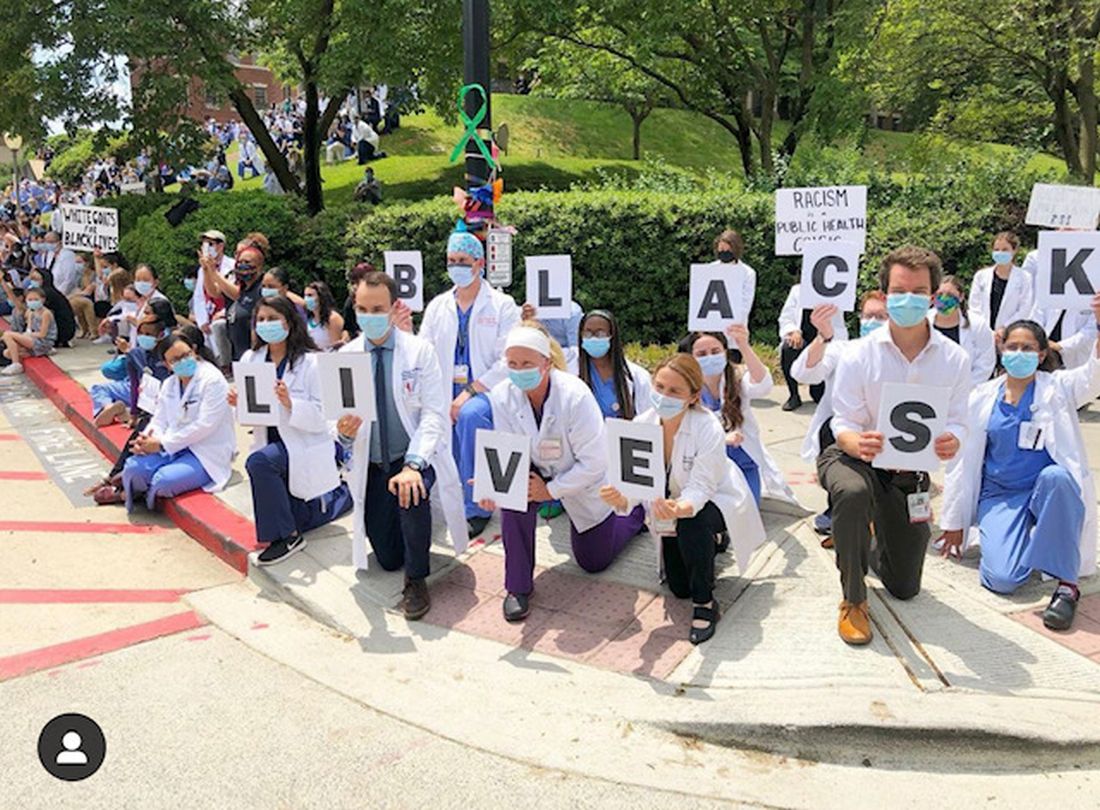
Dr. Norris: I’m going to push you a bit because I detect in your tone something similar to what I’m feeling. I just got the email, the White Coats For Black Lives email. But I think your feeling is similar to mine – I’ve done this before. I’ve done White Coats for Black Lives. You all may have protested. But this display in Washington, D.C., of the use of military and law enforcement to clear a public square of peaceful protesters is above and beyond the pale of anything I’ve ever seen in my life. We have to label that for the danger it is, for the threat to everything this country and the people that bled for this country stand for.
So while I’m going to participate in White Coats for Black Lives and many other things, I am looking for what is actually going to move the needle. I think the protests are great, but at this point in time I want institutions, I want money, I want lawyers, I want a systematic approach.
Dr. Newsome: I most certainly agree. Of course, the protests are really important, but depending on where you are, you have a different lens. As physicians, especially as black physicians, since there are so few of us, we have a unique opportunity to leverage that, whether that means communicating through op-eds or calling your senators and talking with them to try to move things forward.
Physicians are mobilizing. In the last few days, a physician created a Zoom event and hundreds of physicians joined to try to figure out how we can structurally fix this problem. So I most certainly believe that in this effort to address racism, we physicians will need to lend our voices and our privilege to move the needle as best we can.
Dr. Norris: Some of our colleagues in Black Psychiatrists of America have put out a press release on racism in which they propose some actions that should be taken immediately. I think this is a useful thing to talk about.
The first action: “Declare racism a public health problem and establish national goals for addressing this as a health equity issue. Give priority to addressing the issues of health care disparities, including the mental health needs of historically marginalized communities across the U.S.”
What do you think about that?
Dr. Newsome: Those are two extremely important steps. The question is: How do you make that happen?
Dr. Norris: You’re reading my mind. I love that our colleagues put that out there, but that was my next question.
Dr. Newsome: There is going to be a town hall about this and I’m hoping that we can plan how we envision this happening. I can imagine that 20 or 30 years ago there was also a fear in society that there would be episodes of police brutality. I can imagine that there were similar ideals and hopes. But I think we need to put all of our minds together and ask: How are we going to accomplish this? Is this going to be something we’re going to put our money into? Is this going to be something we’re going to get senators and legislatures onboard with to make policy?
Dr. Norris: Let me read off some of the other action points they put out. There are six of them.
“Establish a governmental multidisciplinary and ethnically diverse commission with representatives from the major health care professional associations in medicine, nursing, psychiatry, public health, psychology, social work, etc., and the faith-based community to provide recommendations to Congress regarding policies on how to best improve the health and well-being of our nation’s black citizens.”
That’s a very solid overall recommendation. My question is, doesn’t that, in some way, shape, or form already exist? Could we not put up policy statements from all of these folks regarding racism and things of that nature? I agree with what they’re saying, but part of me wonders why certain things in the current system aren’t working. That becomes the question. Are we not integrated enough? Do we not have enough cross talk? Do we not have enough money behind it? So I agree with that goal, but I would be curious if that doesn’t already exist. What are your thoughts about that, Dr. Newsome?
Dr. Newsome: I would imagine that the National Institute on Minority Mental Health and Health Disparities would have something similar. I believe one of the things you mentioned is really important. In addition to making these recommendations, we need to be looking at where these leaks are occurring that keep them from working. What is the current structure and why is it the way it is with regard to the governance?
Dr. Norris: Here is another of their action statements: “Declare ‘civic mental health’ a national priority and incorporate it into the educational curriculum from K through college, as well as in the training of local, state, and national officials, law enforcement, and the criminal justice system.”
Let me be clear, I like every single one of these action statements. I encourage everyone to participate in dialogue and discussion. You may agree with some of these, and some of them you may not, but if there is one you agree with, that you really are motivated about, that’s one that you need to explore and dig into a bit more, because it’s too big for us to handle on our own, just like racism and equality.
I’m going to tell you, I like this statement. I do like this. Obviously these are broad points, but I do like the idea of training law enforcement officers about “civic mental health.” For example, Dr. Michael Compton, who has done a lot of great work in the area of mental health and prevention, has worked with police officers to help them interact with those with mental health conditions by modulating their own emotional response. I’m very interested in these types of recommendations that particularly target law enforcement officers, and helping with that ”emotional quotient.” I’m interested in seeing how far that can spread in the country. What do you think, Dr. Newsome?
Dr. Newsome: Educating police officers about how to interact would be quite important. I believe the National Alliance on Mental Illness does some of that work, partnering with law enforcement agencies, talking about mental health and cues to look at. There also are some programs where people ride along with mental health clinicians and police officers, which I find to be really helpful. But clearly, what’s going on right now isn’t working. So I would be open to any reasonable idea.
Dr. Norris: Here’s one last action point: “Establish police community review boards with power to take action in areas of police misconduct pending formal review by the appropriate authorities. This will offer a level of empowerment when communities feel they have a voice that can be heard.”
This is where I want my focus to be, as I move forward to try to do something sustainable. To deal with police brutality and abuse of power in general, but specifically as it relates to African American men and the lethal use of force. We need to work on policies that will enable African American men to make it to court, so that every encounter with a police officer is not literally viewed as a potentially lethal encounter.
A lot of people aren’t going to like me saying that, but it’s the absolute truth. You have to think like that, as an African American male, regardless of your station, regardless of where you live, this is the reality. There are many, many good police officers out there. I have a few friends who are law enforcement officers. I work with security at the George Washington Hospital constantly. But that still does not change the fact that if I get pulled over at a traffic stop, I know precisely certain things I need to do and not do, or the encounter could end badly. By that I mean loss of life.
So I encourage anything where we can start to take a systematic look at law enforcement and empower communities to look at who is doing it right and who is doing it wrong. Information is coming out now about the man who murdered Mr. Floyd, and this was not the first time he was involved in misconduct. There were red flags; we have to start to confront this. We have to learn from every single one of these situations and grow because another one is going to happen next week, it’s just whether or not you hear about it. That’s the reality of the state of America. You may not like to hear it, but that’s just a fact.
To hear the entire conversation, go to mdedge.com/podcasts or listen wherever you find your podcasts.
Editor’s Note: This transcript from the June 5 special episode of the Psychcast has been edited for clarity.
Nick Andrews: This is the Psychcast, the official podcast of MDedge Psychiatry. I am the voice of the MDedge podcasts, Nick Andrews. We are bringing this special edition of the Psychcast from MDedge in response to all of the unrest, peaceful or otherwise, in the United States in the aftermath of the shocking murder of George Floyd in late May of 2020.
Dr. Lorenzo Norris agreed to have this “after hours” discussion, believing the most appropriate response would be for us to have a real conversation about it. So welcome aboard.
Lorenzo Norris, MD: I’m happy to be here, Nick, and I’m so pleased to be talking with our guest, Dr. Brandon Newsome, a young black male psychiatrist. Dr. Newsome, sir, tell us a little about yourself and where you’re coming from.
Brandon Newsome, MD: I’m a 4th-year psychiatry resident at Boston Medical Center, so I’m about to graduate and to become a first-year fellow, as of July, at Children’s National Medical Center in Washington, D.C. I was born and raised in the South so I can talk about those experiences, and now I’ve been in the Northeast for the past 4 years.
Dr. Norris: Let’s get right into it. This is a time in our country that we’ve not seen – I shouldn’t say we, because depending on where you live in America, you have seen this and you’ve seen this multiple times.
I see a lot of myself in Dr. Newsome right now, and I am struggling with this: I’m talking to you about the same stuff I was talking about when I was a 4th-year resident. I’m talking to you about the same stuff I was talking about when I was a college student. I’m still talking about the same stuff I was talking about when I was a medical student. I’m still talking about the same things that were the impetus for the hip-hop generation regarding police brutality and violence.
We are still talking about the use of lethal force and abuse of power, particularly by police or law enforcement officers, and how that is perpetrated against African American men in particular, and the unfortunate and tragic murder of Mr. George Floyd. Dr. Newsome, tell me how you’re thinking about this. Before we even get into how our patients or our colleagues are doing, how are you doing with this?
Dr. Newsome: It’s been difficult. Like you, I’ve heard this story time and time again. I was just on a panel, having a conversation about race and policing, and I realized we had the same conversation during my first or second year of residency because there had been another death. But even though all of these unfortunate deaths are triggering us, this one is a little different for me for a few reasons. As you know, this is happening with the backdrop of the COVID-19 crisis and we’re already seeing so many people, especially from black and brown communities, dying from that.
And then I’m witnessing what happened, watching that video and thinking about all the interventions we’ve already tried. We tried body cameras, and the dude was wearing a body camera. We tried to get our police officers to be engaged, to try to check their roles, but people were there, witnessing everything, and nothing happened. An upstander was there, a white upstander, a firefighter who was telling them to check his pulse. Still nothing happened; it didn’t stop them.
I believe the backdrop of the COVID-19 crisis makes it a whole lot more painful for me and many others. I am part of a black physician email group and it’s been triggering for all of us because we all imagine that this could be me one day, especially when you think about the Amy Coopers of the world, among other things.
Dr. Norris: I completely agree. We’re dealing with loss of life due to a virus, including, [personally speaking] that of my departed grandmother Why am I bringing this up? I bring it up because, regardless of one’s socioeconomic strata or title or whatnot, particularly in the black community, this is the kind of mess we’re dealing with. We’re dealing with the stress of COVID-19 that is disproportionately affecting African Americans. We’re dealing with social isolation, we’re dealing with the economic recession and the collapse that everyone else is dealing with, and on top of that we are now dealing with another murder. But this particular murder resonates very differently because, as you said, it seemed like every single thing that could have been done was done.
You will read reports that Mr. Floyd was resisting arrest. But you look at this video; this is not a man resisting arrest. This is a man trying to say, please, you are killing me. These are other people saying the same thing. These are police officers not acting right. This is so many different things going on, and when you hear this and look at this video, you can come to no other conclusion than it is murder.
As psychiatrists, we frequently have to restrain people, and it is always understood that restraint can turn into assault extremely quickly. But in this particular case, there was no thought or concern about this man’s life or his health. There are many good police officers that do think of that, and so this was shocking. It was jarring. It was another thing piled on an already taxed black America. I was talking with my black male colleagues about this, and I think a lot of people don’t actually realize that, while there are black male psychiatrists, there are only a few of us.
Dr. Newsome: True that.
Dr. Norris: There are only so many black male physicians, period, and black male psychiatrists in particular. At different points in time we are called on to take leadership roles, and to talk, to speak on things and be a voice. Well, I have to tell you, after a while, this is pretty goddamn tiring for us to contain our disappointment, our anger, and our rage and still stay hopeful, optimistic, and still be a voice for those who are not able to speak.
Dr. Newsome: I agree that sometimes it can be tiring to have to take leadership roles and continue to talk about all these things, but I also feel that, at least for me, it gives me some sort of route to address the angst and do something with it. I believe all of us are just figuring out how to deal with these feelings that we shouldn’t have to feel because of a murder that was televised.
Dr. Norris: Thank you. For a murder that was televised; that was tweeted; that was broadbanded; that was streamed.
Now we’ve laid the framework, in terms of what we’re feeling. Let’s move on to why you and I are in this profession, and that’s our patients. What are you seeing on the front lines? What are you seeing with our patients?
Dr. Newsome: I was speaking with one of my black male patients, and he was fearful. He had been perfectly fine, even in the COVID crisis, he was doing well. But when you get this milieu of police violence, now he’s feeling this intense fear. Should I be walking alone at night? What happens if I am the one who is at the wrong place at the wrong time?
I also find that some of my nonminority patients sometimes find difficulty making sense of it. Minority individuals already know these things are happening. But some of the nonminorities are wondering how or why would something like this happen in America? This is just how America is for the black folks.
Dr. Norris: Could you elaborate on that? I always found that to be a very interesting dynamic for those who are not minorities or people of color. I will have folks in a psychotherapy session who are just bewildered by events like this. It is not the America they think they know – they are shocked that this is actually what’s going on.
Dr. Newsome: It’s all about experiences. If you didn’t grow up around a lot of minorities, you haven’t necessarily had these conversations. Even speaking for myself, sometimes I don’t want to discuss these things; you never know what you’re going to get. You might find an ally, or you might find someone who isn’t at all supportive. I think the surprise is from lack of exposure. If you don’t have to live through racism, you can most certainly have blinders on and not notice.
Dr. Norris: Can you comment on the fear you’re seeing in some folks? Can it get to the point of reactivating PTSD?
Dr. Newsome: I notice it more with black individuals, a fear that they might be the ones who may die; or with black mothers, wondering, what about my child? Is this what they are going to have to live with for the rest of their lives? Older people would say that we fought already and it’s still going on. What are the fruits of the labor we put in?
Dr. Norris: I agree with you completely. What are the fruits? You’re going to see those strong reactions. You’re going to see fear, you’re going to see anger, and you’re also going to see guilt that they could not stop this. I’m speaking particularly about some of my nonminority patients. It goes along with that confusion. This manifests in a desperate need to do something.
But here’s the problem: You don’t really know what to do because no one is educated on it. And as you said before, race is a very polarized subject. No one even likes to talk about racism because it’s so, oh my goodness. We’ve run away from it so much to the point that we can’t deal with it. We all have to start to own that. You can’t just stay siloed, because eventually, it’s going to come back and affect you.
I could easily be Mr. Floyd, but at the same time, due to my station and things of that nature, I have a certain level of privilege and autonomy. There could be a tendency to put your head under the sand, you know, look at how far we’ve come, Barack Obama. But you’ve got to say, no, we still have enormous amounts of work to do.
We’ve been talking about the patients. What have you noticed in your colleagues and how they’ve been feeling about this?
Dr. Newsome: Again, I see them feeling saddened by the events. One of the other things I’ve noticed is that some people are in environments where they have program directors and chairs who will directly condemn certain behaviors and say, “This is racist, this shouldn’t happen.” But then there are other programs that have been more silent. I’ve had people say that this is the first time that they have felt isolated in a long while.
We all participate in these physician WhatsApp groups, and according to some of the comments, people are realizing that these folks that they were just on the front lines with, fighting COVID, are perhaps not the allies that they originally thought they were, based on the things these people are saying.
Dr. Norris: Wow. It’s good that we’re talking about this from the viewpoint of two different generations. You’ve got the WhatsApp group and Google Hangouts and all that kind of good stuff, and I’m still with pagers and such. That’s interesting – the reality that folks you thought were your allies turn out not to be, because you’re bringing up difficult conversations that we don’t normally talk about.
I have noticed that some people around me have been silent because they don’t know what to say. They’re so concerned that I’m going to be offended or they’re going to hurt me or say the wrong thing, so they stay quiet. As I reflect now, this is the wrong thing to do. Own your concern. I’ve been in two large meetings now, and I’ve had multiple people whom I consider friends say, I wanted to email or text you right then and ask you how you’re doing, but I didn’t because I didn’t know what to say. I have entered meetings recently, and the meeting felt tense, and I’m thinking, what’s going on? And now I realize they did not know what to say or how to approach it.
That’s been a very interesting dynamic and tells us where we are with this. Today, for example, I was pleased to have the support of my dean’s group. I felt I had to speak out, I just had to straight out tell them. Do you want to know what I’m feeling? I’m feeling rage. I’m feeling rage. And you all have to understand that, because I have to speak for those who aren’t necessarily going to be able to express themselves. More importantly, I have to speak for myself and I’m feeling rage.
How our colleagues are processing this and how they’re thinking about this runs the gamut. But I think about people not necessarily knowing what to say or how to approach it. I absolutely agree that with the leadership, you’re going to get many different responses, and sometimes you’re left to wonder, do I have to watch what I say? But I’m definitely supported at my institution.
What else are you seeing out there in terms of your colleagues or how people think about it?
Dr. Newsome: This also spurs some folks to activism. Some have been participating in protests. There will be White Coats for Black Lives protests, among other things. So it’s spurred folks to action, and it’s also spurred folks to try to be part of a community. Of course, with the whole COVID crisis, we can’t necessarily come together, so we’ve been doing Zoom gatherings more than anything else. But it has encouraged folks to want to do that more, too, because they want to check in on their brother or their sister to make sure they are doing well, and also to be able to express what’s going on with them in a community where they know they can get validation.
Dr. Norris: I’m going to push you a bit because I detect in your tone something similar to what I’m feeling. I just got the email, the White Coats For Black Lives email. But I think your feeling is similar to mine – I’ve done this before. I’ve done White Coats for Black Lives. You all may have protested. But this display in Washington, D.C., of the use of military and law enforcement to clear a public square of peaceful protesters is above and beyond the pale of anything I’ve ever seen in my life. We have to label that for the danger it is, for the threat to everything this country and the people that bled for this country stand for.
So while I’m going to participate in White Coats for Black Lives and many other things, I am looking for what is actually going to move the needle. I think the protests are great, but at this point in time I want institutions, I want money, I want lawyers, I want a systematic approach.
Dr. Newsome: I most certainly agree. Of course, the protests are really important, but depending on where you are, you have a different lens. As physicians, especially as black physicians, since there are so few of us, we have a unique opportunity to leverage that, whether that means communicating through op-eds or calling your senators and talking with them to try to move things forward.
Physicians are mobilizing. In the last few days, a physician created a Zoom event and hundreds of physicians joined to try to figure out how we can structurally fix this problem. So I most certainly believe that in this effort to address racism, we physicians will need to lend our voices and our privilege to move the needle as best we can.
Dr. Norris: Some of our colleagues in Black Psychiatrists of America have put out a press release on racism in which they propose some actions that should be taken immediately. I think this is a useful thing to talk about.
The first action: “Declare racism a public health problem and establish national goals for addressing this as a health equity issue. Give priority to addressing the issues of health care disparities, including the mental health needs of historically marginalized communities across the U.S.”
What do you think about that?
Dr. Newsome: Those are two extremely important steps. The question is: How do you make that happen?
Dr. Norris: You’re reading my mind. I love that our colleagues put that out there, but that was my next question.
Dr. Newsome: There is going to be a town hall about this and I’m hoping that we can plan how we envision this happening. I can imagine that 20 or 30 years ago there was also a fear in society that there would be episodes of police brutality. I can imagine that there were similar ideals and hopes. But I think we need to put all of our minds together and ask: How are we going to accomplish this? Is this going to be something we’re going to put our money into? Is this going to be something we’re going to get senators and legislatures onboard with to make policy?
Dr. Norris: Let me read off some of the other action points they put out. There are six of them.
“Establish a governmental multidisciplinary and ethnically diverse commission with representatives from the major health care professional associations in medicine, nursing, psychiatry, public health, psychology, social work, etc., and the faith-based community to provide recommendations to Congress regarding policies on how to best improve the health and well-being of our nation’s black citizens.”
That’s a very solid overall recommendation. My question is, doesn’t that, in some way, shape, or form already exist? Could we not put up policy statements from all of these folks regarding racism and things of that nature? I agree with what they’re saying, but part of me wonders why certain things in the current system aren’t working. That becomes the question. Are we not integrated enough? Do we not have enough cross talk? Do we not have enough money behind it? So I agree with that goal, but I would be curious if that doesn’t already exist. What are your thoughts about that, Dr. Newsome?
Dr. Newsome: I would imagine that the National Institute on Minority Mental Health and Health Disparities would have something similar. I believe one of the things you mentioned is really important. In addition to making these recommendations, we need to be looking at where these leaks are occurring that keep them from working. What is the current structure and why is it the way it is with regard to the governance?
Dr. Norris: Here is another of their action statements: “Declare ‘civic mental health’ a national priority and incorporate it into the educational curriculum from K through college, as well as in the training of local, state, and national officials, law enforcement, and the criminal justice system.”
Let me be clear, I like every single one of these action statements. I encourage everyone to participate in dialogue and discussion. You may agree with some of these, and some of them you may not, but if there is one you agree with, that you really are motivated about, that’s one that you need to explore and dig into a bit more, because it’s too big for us to handle on our own, just like racism and equality.
I’m going to tell you, I like this statement. I do like this. Obviously these are broad points, but I do like the idea of training law enforcement officers about “civic mental health.” For example, Dr. Michael Compton, who has done a lot of great work in the area of mental health and prevention, has worked with police officers to help them interact with those with mental health conditions by modulating their own emotional response. I’m very interested in these types of recommendations that particularly target law enforcement officers, and helping with that ”emotional quotient.” I’m interested in seeing how far that can spread in the country. What do you think, Dr. Newsome?
Dr. Newsome: Educating police officers about how to interact would be quite important. I believe the National Alliance on Mental Illness does some of that work, partnering with law enforcement agencies, talking about mental health and cues to look at. There also are some programs where people ride along with mental health clinicians and police officers, which I find to be really helpful. But clearly, what’s going on right now isn’t working. So I would be open to any reasonable idea.
Dr. Norris: Here’s one last action point: “Establish police community review boards with power to take action in areas of police misconduct pending formal review by the appropriate authorities. This will offer a level of empowerment when communities feel they have a voice that can be heard.”
This is where I want my focus to be, as I move forward to try to do something sustainable. To deal with police brutality and abuse of power in general, but specifically as it relates to African American men and the lethal use of force. We need to work on policies that will enable African American men to make it to court, so that every encounter with a police officer is not literally viewed as a potentially lethal encounter.
A lot of people aren’t going to like me saying that, but it’s the absolute truth. You have to think like that, as an African American male, regardless of your station, regardless of where you live, this is the reality. There are many, many good police officers out there. I have a few friends who are law enforcement officers. I work with security at the George Washington Hospital constantly. But that still does not change the fact that if I get pulled over at a traffic stop, I know precisely certain things I need to do and not do, or the encounter could end badly. By that I mean loss of life.
So I encourage anything where we can start to take a systematic look at law enforcement and empower communities to look at who is doing it right and who is doing it wrong. Information is coming out now about the man who murdered Mr. Floyd, and this was not the first time he was involved in misconduct. There were red flags; we have to start to confront this. We have to learn from every single one of these situations and grow because another one is going to happen next week, it’s just whether or not you hear about it. That’s the reality of the state of America. You may not like to hear it, but that’s just a fact.
To hear the entire conversation, go to mdedge.com/podcasts or listen wherever you find your podcasts.
Editor’s Note: This transcript from the June 5 special episode of the Psychcast has been edited for clarity.
Nick Andrews: This is the Psychcast, the official podcast of MDedge Psychiatry. I am the voice of the MDedge podcasts, Nick Andrews. We are bringing this special edition of the Psychcast from MDedge in response to all of the unrest, peaceful or otherwise, in the United States in the aftermath of the shocking murder of George Floyd in late May of 2020.
Dr. Lorenzo Norris agreed to have this “after hours” discussion, believing the most appropriate response would be for us to have a real conversation about it. So welcome aboard.
Lorenzo Norris, MD: I’m happy to be here, Nick, and I’m so pleased to be talking with our guest, Dr. Brandon Newsome, a young black male psychiatrist. Dr. Newsome, sir, tell us a little about yourself and where you’re coming from.
Brandon Newsome, MD: I’m a 4th-year psychiatry resident at Boston Medical Center, so I’m about to graduate and to become a first-year fellow, as of July, at Children’s National Medical Center in Washington, D.C. I was born and raised in the South so I can talk about those experiences, and now I’ve been in the Northeast for the past 4 years.
Dr. Norris: Let’s get right into it. This is a time in our country that we’ve not seen – I shouldn’t say we, because depending on where you live in America, you have seen this and you’ve seen this multiple times.
I see a lot of myself in Dr. Newsome right now, and I am struggling with this: I’m talking to you about the same stuff I was talking about when I was a 4th-year resident. I’m talking to you about the same stuff I was talking about when I was a college student. I’m still talking about the same stuff I was talking about when I was a medical student. I’m still talking about the same things that were the impetus for the hip-hop generation regarding police brutality and violence.
We are still talking about the use of lethal force and abuse of power, particularly by police or law enforcement officers, and how that is perpetrated against African American men in particular, and the unfortunate and tragic murder of Mr. George Floyd. Dr. Newsome, tell me how you’re thinking about this. Before we even get into how our patients or our colleagues are doing, how are you doing with this?
Dr. Newsome: It’s been difficult. Like you, I’ve heard this story time and time again. I was just on a panel, having a conversation about race and policing, and I realized we had the same conversation during my first or second year of residency because there had been another death. But even though all of these unfortunate deaths are triggering us, this one is a little different for me for a few reasons. As you know, this is happening with the backdrop of the COVID-19 crisis and we’re already seeing so many people, especially from black and brown communities, dying from that.
And then I’m witnessing what happened, watching that video and thinking about all the interventions we’ve already tried. We tried body cameras, and the dude was wearing a body camera. We tried to get our police officers to be engaged, to try to check their roles, but people were there, witnessing everything, and nothing happened. An upstander was there, a white upstander, a firefighter who was telling them to check his pulse. Still nothing happened; it didn’t stop them.
I believe the backdrop of the COVID-19 crisis makes it a whole lot more painful for me and many others. I am part of a black physician email group and it’s been triggering for all of us because we all imagine that this could be me one day, especially when you think about the Amy Coopers of the world, among other things.
Dr. Norris: I completely agree. We’re dealing with loss of life due to a virus, including, [personally speaking] that of my departed grandmother Why am I bringing this up? I bring it up because, regardless of one’s socioeconomic strata or title or whatnot, particularly in the black community, this is the kind of mess we’re dealing with. We’re dealing with the stress of COVID-19 that is disproportionately affecting African Americans. We’re dealing with social isolation, we’re dealing with the economic recession and the collapse that everyone else is dealing with, and on top of that we are now dealing with another murder. But this particular murder resonates very differently because, as you said, it seemed like every single thing that could have been done was done.
You will read reports that Mr. Floyd was resisting arrest. But you look at this video; this is not a man resisting arrest. This is a man trying to say, please, you are killing me. These are other people saying the same thing. These are police officers not acting right. This is so many different things going on, and when you hear this and look at this video, you can come to no other conclusion than it is murder.
As psychiatrists, we frequently have to restrain people, and it is always understood that restraint can turn into assault extremely quickly. But in this particular case, there was no thought or concern about this man’s life or his health. There are many good police officers that do think of that, and so this was shocking. It was jarring. It was another thing piled on an already taxed black America. I was talking with my black male colleagues about this, and I think a lot of people don’t actually realize that, while there are black male psychiatrists, there are only a few of us.
Dr. Newsome: True that.
Dr. Norris: There are only so many black male physicians, period, and black male psychiatrists in particular. At different points in time we are called on to take leadership roles, and to talk, to speak on things and be a voice. Well, I have to tell you, after a while, this is pretty goddamn tiring for us to contain our disappointment, our anger, and our rage and still stay hopeful, optimistic, and still be a voice for those who are not able to speak.
Dr. Newsome: I agree that sometimes it can be tiring to have to take leadership roles and continue to talk about all these things, but I also feel that, at least for me, it gives me some sort of route to address the angst and do something with it. I believe all of us are just figuring out how to deal with these feelings that we shouldn’t have to feel because of a murder that was televised.
Dr. Norris: Thank you. For a murder that was televised; that was tweeted; that was broadbanded; that was streamed.
Now we’ve laid the framework, in terms of what we’re feeling. Let’s move on to why you and I are in this profession, and that’s our patients. What are you seeing on the front lines? What are you seeing with our patients?
Dr. Newsome: I was speaking with one of my black male patients, and he was fearful. He had been perfectly fine, even in the COVID crisis, he was doing well. But when you get this milieu of police violence, now he’s feeling this intense fear. Should I be walking alone at night? What happens if I am the one who is at the wrong place at the wrong time?
I also find that some of my nonminority patients sometimes find difficulty making sense of it. Minority individuals already know these things are happening. But some of the nonminorities are wondering how or why would something like this happen in America? This is just how America is for the black folks.
Dr. Norris: Could you elaborate on that? I always found that to be a very interesting dynamic for those who are not minorities or people of color. I will have folks in a psychotherapy session who are just bewildered by events like this. It is not the America they think they know – they are shocked that this is actually what’s going on.
Dr. Newsome: It’s all about experiences. If you didn’t grow up around a lot of minorities, you haven’t necessarily had these conversations. Even speaking for myself, sometimes I don’t want to discuss these things; you never know what you’re going to get. You might find an ally, or you might find someone who isn’t at all supportive. I think the surprise is from lack of exposure. If you don’t have to live through racism, you can most certainly have blinders on and not notice.
Dr. Norris: Can you comment on the fear you’re seeing in some folks? Can it get to the point of reactivating PTSD?
Dr. Newsome: I notice it more with black individuals, a fear that they might be the ones who may die; or with black mothers, wondering, what about my child? Is this what they are going to have to live with for the rest of their lives? Older people would say that we fought already and it’s still going on. What are the fruits of the labor we put in?
Dr. Norris: I agree with you completely. What are the fruits? You’re going to see those strong reactions. You’re going to see fear, you’re going to see anger, and you’re also going to see guilt that they could not stop this. I’m speaking particularly about some of my nonminority patients. It goes along with that confusion. This manifests in a desperate need to do something.
But here’s the problem: You don’t really know what to do because no one is educated on it. And as you said before, race is a very polarized subject. No one even likes to talk about racism because it’s so, oh my goodness. We’ve run away from it so much to the point that we can’t deal with it. We all have to start to own that. You can’t just stay siloed, because eventually, it’s going to come back and affect you.
I could easily be Mr. Floyd, but at the same time, due to my station and things of that nature, I have a certain level of privilege and autonomy. There could be a tendency to put your head under the sand, you know, look at how far we’ve come, Barack Obama. But you’ve got to say, no, we still have enormous amounts of work to do.
We’ve been talking about the patients. What have you noticed in your colleagues and how they’ve been feeling about this?
Dr. Newsome: Again, I see them feeling saddened by the events. One of the other things I’ve noticed is that some people are in environments where they have program directors and chairs who will directly condemn certain behaviors and say, “This is racist, this shouldn’t happen.” But then there are other programs that have been more silent. I’ve had people say that this is the first time that they have felt isolated in a long while.
We all participate in these physician WhatsApp groups, and according to some of the comments, people are realizing that these folks that they were just on the front lines with, fighting COVID, are perhaps not the allies that they originally thought they were, based on the things these people are saying.
Dr. Norris: Wow. It’s good that we’re talking about this from the viewpoint of two different generations. You’ve got the WhatsApp group and Google Hangouts and all that kind of good stuff, and I’m still with pagers and such. That’s interesting – the reality that folks you thought were your allies turn out not to be, because you’re bringing up difficult conversations that we don’t normally talk about.
I have noticed that some people around me have been silent because they don’t know what to say. They’re so concerned that I’m going to be offended or they’re going to hurt me or say the wrong thing, so they stay quiet. As I reflect now, this is the wrong thing to do. Own your concern. I’ve been in two large meetings now, and I’ve had multiple people whom I consider friends say, I wanted to email or text you right then and ask you how you’re doing, but I didn’t because I didn’t know what to say. I have entered meetings recently, and the meeting felt tense, and I’m thinking, what’s going on? And now I realize they did not know what to say or how to approach it.
That’s been a very interesting dynamic and tells us where we are with this. Today, for example, I was pleased to have the support of my dean’s group. I felt I had to speak out, I just had to straight out tell them. Do you want to know what I’m feeling? I’m feeling rage. I’m feeling rage. And you all have to understand that, because I have to speak for those who aren’t necessarily going to be able to express themselves. More importantly, I have to speak for myself and I’m feeling rage.
How our colleagues are processing this and how they’re thinking about this runs the gamut. But I think about people not necessarily knowing what to say or how to approach it. I absolutely agree that with the leadership, you’re going to get many different responses, and sometimes you’re left to wonder, do I have to watch what I say? But I’m definitely supported at my institution.
What else are you seeing out there in terms of your colleagues or how people think about it?
Dr. Newsome: This also spurs some folks to activism. Some have been participating in protests. There will be White Coats for Black Lives protests, among other things. So it’s spurred folks to action, and it’s also spurred folks to try to be part of a community. Of course, with the whole COVID crisis, we can’t necessarily come together, so we’ve been doing Zoom gatherings more than anything else. But it has encouraged folks to want to do that more, too, because they want to check in on their brother or their sister to make sure they are doing well, and also to be able to express what’s going on with them in a community where they know they can get validation.
Dr. Norris: I’m going to push you a bit because I detect in your tone something similar to what I’m feeling. I just got the email, the White Coats For Black Lives email. But I think your feeling is similar to mine – I’ve done this before. I’ve done White Coats for Black Lives. You all may have protested. But this display in Washington, D.C., of the use of military and law enforcement to clear a public square of peaceful protesters is above and beyond the pale of anything I’ve ever seen in my life. We have to label that for the danger it is, for the threat to everything this country and the people that bled for this country stand for.
So while I’m going to participate in White Coats for Black Lives and many other things, I am looking for what is actually going to move the needle. I think the protests are great, but at this point in time I want institutions, I want money, I want lawyers, I want a systematic approach.
Dr. Newsome: I most certainly agree. Of course, the protests are really important, but depending on where you are, you have a different lens. As physicians, especially as black physicians, since there are so few of us, we have a unique opportunity to leverage that, whether that means communicating through op-eds or calling your senators and talking with them to try to move things forward.
Physicians are mobilizing. In the last few days, a physician created a Zoom event and hundreds of physicians joined to try to figure out how we can structurally fix this problem. So I most certainly believe that in this effort to address racism, we physicians will need to lend our voices and our privilege to move the needle as best we can.
Dr. Norris: Some of our colleagues in Black Psychiatrists of America have put out a press release on racism in which they propose some actions that should be taken immediately. I think this is a useful thing to talk about.
The first action: “Declare racism a public health problem and establish national goals for addressing this as a health equity issue. Give priority to addressing the issues of health care disparities, including the mental health needs of historically marginalized communities across the U.S.”
What do you think about that?
Dr. Newsome: Those are two extremely important steps. The question is: How do you make that happen?
Dr. Norris: You’re reading my mind. I love that our colleagues put that out there, but that was my next question.
Dr. Newsome: There is going to be a town hall about this and I’m hoping that we can plan how we envision this happening. I can imagine that 20 or 30 years ago there was also a fear in society that there would be episodes of police brutality. I can imagine that there were similar ideals and hopes. But I think we need to put all of our minds together and ask: How are we going to accomplish this? Is this going to be something we’re going to put our money into? Is this going to be something we’re going to get senators and legislatures onboard with to make policy?
Dr. Norris: Let me read off some of the other action points they put out. There are six of them.
“Establish a governmental multidisciplinary and ethnically diverse commission with representatives from the major health care professional associations in medicine, nursing, psychiatry, public health, psychology, social work, etc., and the faith-based community to provide recommendations to Congress regarding policies on how to best improve the health and well-being of our nation’s black citizens.”
That’s a very solid overall recommendation. My question is, doesn’t that, in some way, shape, or form already exist? Could we not put up policy statements from all of these folks regarding racism and things of that nature? I agree with what they’re saying, but part of me wonders why certain things in the current system aren’t working. That becomes the question. Are we not integrated enough? Do we not have enough cross talk? Do we not have enough money behind it? So I agree with that goal, but I would be curious if that doesn’t already exist. What are your thoughts about that, Dr. Newsome?
Dr. Newsome: I would imagine that the National Institute on Minority Mental Health and Health Disparities would have something similar. I believe one of the things you mentioned is really important. In addition to making these recommendations, we need to be looking at where these leaks are occurring that keep them from working. What is the current structure and why is it the way it is with regard to the governance?
Dr. Norris: Here is another of their action statements: “Declare ‘civic mental health’ a national priority and incorporate it into the educational curriculum from K through college, as well as in the training of local, state, and national officials, law enforcement, and the criminal justice system.”
Let me be clear, I like every single one of these action statements. I encourage everyone to participate in dialogue and discussion. You may agree with some of these, and some of them you may not, but if there is one you agree with, that you really are motivated about, that’s one that you need to explore and dig into a bit more, because it’s too big for us to handle on our own, just like racism and equality.
I’m going to tell you, I like this statement. I do like this. Obviously these are broad points, but I do like the idea of training law enforcement officers about “civic mental health.” For example, Dr. Michael Compton, who has done a lot of great work in the area of mental health and prevention, has worked with police officers to help them interact with those with mental health conditions by modulating their own emotional response. I’m very interested in these types of recommendations that particularly target law enforcement officers, and helping with that ”emotional quotient.” I’m interested in seeing how far that can spread in the country. What do you think, Dr. Newsome?
Dr. Newsome: Educating police officers about how to interact would be quite important. I believe the National Alliance on Mental Illness does some of that work, partnering with law enforcement agencies, talking about mental health and cues to look at. There also are some programs where people ride along with mental health clinicians and police officers, which I find to be really helpful. But clearly, what’s going on right now isn’t working. So I would be open to any reasonable idea.
Dr. Norris: Here’s one last action point: “Establish police community review boards with power to take action in areas of police misconduct pending formal review by the appropriate authorities. This will offer a level of empowerment when communities feel they have a voice that can be heard.”
This is where I want my focus to be, as I move forward to try to do something sustainable. To deal with police brutality and abuse of power in general, but specifically as it relates to African American men and the lethal use of force. We need to work on policies that will enable African American men to make it to court, so that every encounter with a police officer is not literally viewed as a potentially lethal encounter.
A lot of people aren’t going to like me saying that, but it’s the absolute truth. You have to think like that, as an African American male, regardless of your station, regardless of where you live, this is the reality. There are many, many good police officers out there. I have a few friends who are law enforcement officers. I work with security at the George Washington Hospital constantly. But that still does not change the fact that if I get pulled over at a traffic stop, I know precisely certain things I need to do and not do, or the encounter could end badly. By that I mean loss of life.
So I encourage anything where we can start to take a systematic look at law enforcement and empower communities to look at who is doing it right and who is doing it wrong. Information is coming out now about the man who murdered Mr. Floyd, and this was not the first time he was involved in misconduct. There were red flags; we have to start to confront this. We have to learn from every single one of these situations and grow because another one is going to happen next week, it’s just whether or not you hear about it. That’s the reality of the state of America. You may not like to hear it, but that’s just a fact.
To hear the entire conversation, go to mdedge.com/podcasts or listen wherever you find your podcasts.
Do SSRIs raise the risk of violent crime?
Selective serotonin reuptake inhibitors (SSRIs) are associated with an increased risk of committing a violent crime, an effect that may linger up to 12 weeks after treatment discontinuation, new research suggests. However,
A large population-based study of more than 800,000 individuals showed those taking these antidepressants had an overall 2.7% increased risk of committing a violent crime while on the medications compared with when they were not taking them.
The increased risk persisted up to 12 weeks after discontinuing SSRIs and then returned to pretreatment levels. The risk was highest in younger individuals and those with a history of a prior violent crime.
“Our findings should be interpreted with caution [because] we do not know how far the association between SSRI medication and violent crime reflect causation,” lead author Tyra Lagerberg, MSc, a PhD candidate at Karolinska Institute, Sweden, said in an interview.
“Our findings should not be used as grounds for individuals to go off their [SSRI] medication or for clinicians to withhold medication from those who might benefit from it,” Ms. Lagerberg said.
The study was published online May 29 in European Neuropsychopharmacology.
Previous concerns
There has been “apprehension” about a possible association between SSRIs and elevated risk of aggression and violence, especially in young people, but it “remains unclear” if there is a similar risk in middle-aged and older adults, the authors noted. Moreover, it is unclear whether the risk of violence varies with time after initiating and discontinuing SSRI treatment.
To assess how the risk of violent crime might vary by age and time after SSRI treatment initiation and discontinuation, the researchers calculated absolute rates of violent crime per 1000 person-years during on- and off-treatment periods and also conducted within-group analyses.
The cohort, which was derived from several Swedish national registers, included all individuals in Sweden prescribed an SSRI between Jan. 1, 2006, and Dec. 31, 2013 (n = 785,337, 64.2% female) over an average follow-up of 7.3 years.
Some of the covariates used in the analyses included age, recent or previous violent crime, use of non-SSRI medications, sex, family income, education, county of residence, birth country, and lifetime diagnoses.
“Rare” effect
Almost the entire study cohort (99%) changed their SSRI treatment over the follow-up period. During this time, of the full study cohort, 2.7% committed violent crimes (21,203 crimes in 5,707,293 person-years).
More men than women were convicted of a violent crime (5.7% vs 1.0%, respectively).
Absolute rates of violent crime were lower in treated versus nontreated periods across all age categories (other than those between 15 and 24 years) when covariates were not taken into account.
However, when hazards during the on- and off-treatment periods were compared and adjusted for covariables, SSRI treatment was associated with a “modest increased” risk of violent crime (HR, 1.10) – particularly in those ages 15-25 years and ages 25–34 years (HR, 1.19 and 1.16, respectively).
Moreover, further analysis stratifying the cohort according to previous violent crime revealed that the elevated risk for violent crime convictions “seemed to be confined to the individuals with previous criminality,” compared to those with no criminal history (HR, 1.13 vs. 1.07).
The within-individual analysis included 2.6% of the overall cohort who experienced SSRI treatment switching as well as ≥1 violent event.
These individuals differed from the overall cohort in that they tended to be younger (close to half were aged 15-24 years compared with one quarter in the overall cohort) and predominantly male (77% vs. 36%, respectively).
When the hazard of violent crime was compared between individuals’ periods on and off medication, there was a significantly increased hazard during treatment in the whole cohort (HR, 1.26), but in particular, in those aged 25-34 years and 35-44 years (HR, 1.35 and 1.15, respectively).
The within-individual HRs remained elevated for up to 12 weeks post discontinuation of the SSRI (HR, 1.37 during the first 28 days; HR, 1.20 during days 29-84). Although women had a significantly elevated on-treatment hazard in the youngest age category, they had a lower incidence of crime across ages.
Treatment with benzodiazepines was associated with a significantly higher hazard of violent crime and treatment with non-SSRI antidepressants was associated with a “modest but nonsignificantly elevated” hazard.
By contrast, treatment with other psychotropic drugs was not associated with elevated risk.
Warn patients
Commenting on the study, Eduard Vieta, MD, PhD, professor of psychiatry, Institute of Neuroscience, University of Barcelona, Spain, and author of an accompanying editorial, said it’s still not known if the mediating factor in the increased risk of violent crime was the SSRI or the underlying mental condition that prompted the prescription.
Dr. Vieta, who was not involved with the study, added that the results “raise a note of caution in terms of making a very accurate diagnosis and treatment in patients with a history of conviction, violence, or criminality, and opting ideally for psychosocial therapies whenever possible in this population.”
Also commenting on the study, Michael Thase, MD, professor of psychiatry, University of Pennsylvania, Philadelphia, said the findings are “not easy to brush away or explain away.”
Dr. Thase, who was not involved with the study, continued, “although it is a small finding, it is also a serious problem.”
He suggested the risk should be treated in a similar way to the risk for suicidal thoughts or behaviors.
“Just as you might caution patients [initiating treatment with SSRIs] regarding that risk, you might broaden your counsel to include other types of violent behavior because the same process that provokes the risk of self-harm for a given person may be externalized and provoke harm or violence toward others.”
Ms. Lagerberg added that further research is needed to confirm their findings and “inform whether – and if so, how – clinical practice should change.”
The study was supported by the Swedish Research Council, Horizon 2020 ACTION project, Stockholm County Council, and Thurings Foundation. Ms. Lagerberg has reported no relevant financial relationships. Other author disclosures are listed in the article. Dr. Vieta and coauthors have reported no relevant financial relationships. Dr. Thase has reported consulting with and receiving research funding from many of the companies that manufacture/sell antidepressants.
This article first appeared on Medscape.com.
Selective serotonin reuptake inhibitors (SSRIs) are associated with an increased risk of committing a violent crime, an effect that may linger up to 12 weeks after treatment discontinuation, new research suggests. However,
A large population-based study of more than 800,000 individuals showed those taking these antidepressants had an overall 2.7% increased risk of committing a violent crime while on the medications compared with when they were not taking them.
The increased risk persisted up to 12 weeks after discontinuing SSRIs and then returned to pretreatment levels. The risk was highest in younger individuals and those with a history of a prior violent crime.
“Our findings should be interpreted with caution [because] we do not know how far the association between SSRI medication and violent crime reflect causation,” lead author Tyra Lagerberg, MSc, a PhD candidate at Karolinska Institute, Sweden, said in an interview.
“Our findings should not be used as grounds for individuals to go off their [SSRI] medication or for clinicians to withhold medication from those who might benefit from it,” Ms. Lagerberg said.
The study was published online May 29 in European Neuropsychopharmacology.
Previous concerns
There has been “apprehension” about a possible association between SSRIs and elevated risk of aggression and violence, especially in young people, but it “remains unclear” if there is a similar risk in middle-aged and older adults, the authors noted. Moreover, it is unclear whether the risk of violence varies with time after initiating and discontinuing SSRI treatment.
To assess how the risk of violent crime might vary by age and time after SSRI treatment initiation and discontinuation, the researchers calculated absolute rates of violent crime per 1000 person-years during on- and off-treatment periods and also conducted within-group analyses.
The cohort, which was derived from several Swedish national registers, included all individuals in Sweden prescribed an SSRI between Jan. 1, 2006, and Dec. 31, 2013 (n = 785,337, 64.2% female) over an average follow-up of 7.3 years.
Some of the covariates used in the analyses included age, recent or previous violent crime, use of non-SSRI medications, sex, family income, education, county of residence, birth country, and lifetime diagnoses.
“Rare” effect
Almost the entire study cohort (99%) changed their SSRI treatment over the follow-up period. During this time, of the full study cohort, 2.7% committed violent crimes (21,203 crimes in 5,707,293 person-years).
More men than women were convicted of a violent crime (5.7% vs 1.0%, respectively).
Absolute rates of violent crime were lower in treated versus nontreated periods across all age categories (other than those between 15 and 24 years) when covariates were not taken into account.
However, when hazards during the on- and off-treatment periods were compared and adjusted for covariables, SSRI treatment was associated with a “modest increased” risk of violent crime (HR, 1.10) – particularly in those ages 15-25 years and ages 25–34 years (HR, 1.19 and 1.16, respectively).
Moreover, further analysis stratifying the cohort according to previous violent crime revealed that the elevated risk for violent crime convictions “seemed to be confined to the individuals with previous criminality,” compared to those with no criminal history (HR, 1.13 vs. 1.07).
The within-individual analysis included 2.6% of the overall cohort who experienced SSRI treatment switching as well as ≥1 violent event.
These individuals differed from the overall cohort in that they tended to be younger (close to half were aged 15-24 years compared with one quarter in the overall cohort) and predominantly male (77% vs. 36%, respectively).
When the hazard of violent crime was compared between individuals’ periods on and off medication, there was a significantly increased hazard during treatment in the whole cohort (HR, 1.26), but in particular, in those aged 25-34 years and 35-44 years (HR, 1.35 and 1.15, respectively).
The within-individual HRs remained elevated for up to 12 weeks post discontinuation of the SSRI (HR, 1.37 during the first 28 days; HR, 1.20 during days 29-84). Although women had a significantly elevated on-treatment hazard in the youngest age category, they had a lower incidence of crime across ages.
Treatment with benzodiazepines was associated with a significantly higher hazard of violent crime and treatment with non-SSRI antidepressants was associated with a “modest but nonsignificantly elevated” hazard.
By contrast, treatment with other psychotropic drugs was not associated with elevated risk.
Warn patients
Commenting on the study, Eduard Vieta, MD, PhD, professor of psychiatry, Institute of Neuroscience, University of Barcelona, Spain, and author of an accompanying editorial, said it’s still not known if the mediating factor in the increased risk of violent crime was the SSRI or the underlying mental condition that prompted the prescription.
Dr. Vieta, who was not involved with the study, added that the results “raise a note of caution in terms of making a very accurate diagnosis and treatment in patients with a history of conviction, violence, or criminality, and opting ideally for psychosocial therapies whenever possible in this population.”
Also commenting on the study, Michael Thase, MD, professor of psychiatry, University of Pennsylvania, Philadelphia, said the findings are “not easy to brush away or explain away.”
Dr. Thase, who was not involved with the study, continued, “although it is a small finding, it is also a serious problem.”
He suggested the risk should be treated in a similar way to the risk for suicidal thoughts or behaviors.
“Just as you might caution patients [initiating treatment with SSRIs] regarding that risk, you might broaden your counsel to include other types of violent behavior because the same process that provokes the risk of self-harm for a given person may be externalized and provoke harm or violence toward others.”
Ms. Lagerberg added that further research is needed to confirm their findings and “inform whether – and if so, how – clinical practice should change.”
The study was supported by the Swedish Research Council, Horizon 2020 ACTION project, Stockholm County Council, and Thurings Foundation. Ms. Lagerberg has reported no relevant financial relationships. Other author disclosures are listed in the article. Dr. Vieta and coauthors have reported no relevant financial relationships. Dr. Thase has reported consulting with and receiving research funding from many of the companies that manufacture/sell antidepressants.
This article first appeared on Medscape.com.
Selective serotonin reuptake inhibitors (SSRIs) are associated with an increased risk of committing a violent crime, an effect that may linger up to 12 weeks after treatment discontinuation, new research suggests. However,
A large population-based study of more than 800,000 individuals showed those taking these antidepressants had an overall 2.7% increased risk of committing a violent crime while on the medications compared with when they were not taking them.
The increased risk persisted up to 12 weeks after discontinuing SSRIs and then returned to pretreatment levels. The risk was highest in younger individuals and those with a history of a prior violent crime.
“Our findings should be interpreted with caution [because] we do not know how far the association between SSRI medication and violent crime reflect causation,” lead author Tyra Lagerberg, MSc, a PhD candidate at Karolinska Institute, Sweden, said in an interview.
“Our findings should not be used as grounds for individuals to go off their [SSRI] medication or for clinicians to withhold medication from those who might benefit from it,” Ms. Lagerberg said.
The study was published online May 29 in European Neuropsychopharmacology.
Previous concerns
There has been “apprehension” about a possible association between SSRIs and elevated risk of aggression and violence, especially in young people, but it “remains unclear” if there is a similar risk in middle-aged and older adults, the authors noted. Moreover, it is unclear whether the risk of violence varies with time after initiating and discontinuing SSRI treatment.
To assess how the risk of violent crime might vary by age and time after SSRI treatment initiation and discontinuation, the researchers calculated absolute rates of violent crime per 1000 person-years during on- and off-treatment periods and also conducted within-group analyses.
The cohort, which was derived from several Swedish national registers, included all individuals in Sweden prescribed an SSRI between Jan. 1, 2006, and Dec. 31, 2013 (n = 785,337, 64.2% female) over an average follow-up of 7.3 years.
Some of the covariates used in the analyses included age, recent or previous violent crime, use of non-SSRI medications, sex, family income, education, county of residence, birth country, and lifetime diagnoses.
“Rare” effect
Almost the entire study cohort (99%) changed their SSRI treatment over the follow-up period. During this time, of the full study cohort, 2.7% committed violent crimes (21,203 crimes in 5,707,293 person-years).
More men than women were convicted of a violent crime (5.7% vs 1.0%, respectively).
Absolute rates of violent crime were lower in treated versus nontreated periods across all age categories (other than those between 15 and 24 years) when covariates were not taken into account.
However, when hazards during the on- and off-treatment periods were compared and adjusted for covariables, SSRI treatment was associated with a “modest increased” risk of violent crime (HR, 1.10) – particularly in those ages 15-25 years and ages 25–34 years (HR, 1.19 and 1.16, respectively).
Moreover, further analysis stratifying the cohort according to previous violent crime revealed that the elevated risk for violent crime convictions “seemed to be confined to the individuals with previous criminality,” compared to those with no criminal history (HR, 1.13 vs. 1.07).
The within-individual analysis included 2.6% of the overall cohort who experienced SSRI treatment switching as well as ≥1 violent event.
These individuals differed from the overall cohort in that they tended to be younger (close to half were aged 15-24 years compared with one quarter in the overall cohort) and predominantly male (77% vs. 36%, respectively).
When the hazard of violent crime was compared between individuals’ periods on and off medication, there was a significantly increased hazard during treatment in the whole cohort (HR, 1.26), but in particular, in those aged 25-34 years and 35-44 years (HR, 1.35 and 1.15, respectively).
The within-individual HRs remained elevated for up to 12 weeks post discontinuation of the SSRI (HR, 1.37 during the first 28 days; HR, 1.20 during days 29-84). Although women had a significantly elevated on-treatment hazard in the youngest age category, they had a lower incidence of crime across ages.
Treatment with benzodiazepines was associated with a significantly higher hazard of violent crime and treatment with non-SSRI antidepressants was associated with a “modest but nonsignificantly elevated” hazard.
By contrast, treatment with other psychotropic drugs was not associated with elevated risk.
Warn patients
Commenting on the study, Eduard Vieta, MD, PhD, professor of psychiatry, Institute of Neuroscience, University of Barcelona, Spain, and author of an accompanying editorial, said it’s still not known if the mediating factor in the increased risk of violent crime was the SSRI or the underlying mental condition that prompted the prescription.
Dr. Vieta, who was not involved with the study, added that the results “raise a note of caution in terms of making a very accurate diagnosis and treatment in patients with a history of conviction, violence, or criminality, and opting ideally for psychosocial therapies whenever possible in this population.”
Also commenting on the study, Michael Thase, MD, professor of psychiatry, University of Pennsylvania, Philadelphia, said the findings are “not easy to brush away or explain away.”
Dr. Thase, who was not involved with the study, continued, “although it is a small finding, it is also a serious problem.”
He suggested the risk should be treated in a similar way to the risk for suicidal thoughts or behaviors.
“Just as you might caution patients [initiating treatment with SSRIs] regarding that risk, you might broaden your counsel to include other types of violent behavior because the same process that provokes the risk of self-harm for a given person may be externalized and provoke harm or violence toward others.”
Ms. Lagerberg added that further research is needed to confirm their findings and “inform whether – and if so, how – clinical practice should change.”
The study was supported by the Swedish Research Council, Horizon 2020 ACTION project, Stockholm County Council, and Thurings Foundation. Ms. Lagerberg has reported no relevant financial relationships. Other author disclosures are listed in the article. Dr. Vieta and coauthors have reported no relevant financial relationships. Dr. Thase has reported consulting with and receiving research funding from many of the companies that manufacture/sell antidepressants.
This article first appeared on Medscape.com.
What’s pushing cannabis use in first-episode psychosis?
The desire to feel better is a major driver for patients with first-episode psychosis (FEP) to turn to cannabis, new research shows.
An analysis of more than 1,300 individuals from six European countries showed patients with FEP were four times more likely than their healthy peers to start smoking cannabis in order to make themselves feel better.
The results also revealed that initiating cannabis use to feel better was associated with a more than tripled risk of being a daily user.
as well as offer an opportunity for psychoeducation – particularly as the reasons for starting cannabis appear to influence frequency of use, study investigator Edoardo Spinazzola, MD, Institute of Psychiatry, Psychology, and Neuroscience at King’s College London, said in an interview.
Patients who start smoking cannabis because their friends or family partakes may benefit from therapies that encourage more “assertiveness” and being “socially comfortable without the substance,” Dr. Spinazzola said, noting that it might also be beneficial to identify the specific cause of the psychological discomfort driving cannabis use, such as depression, and specifically treat that issue.
The results were scheduled to be presented at the Congress of the Schizophrenia International Research Society 2020, but the meeting was canceled because of the coronavirus pandemic.
Answering the skeptics
Previous studies suggest that cannabis use can increase risk for psychosis up to 290%, with both frequency of use and potency playing a role, the researchers noted.
However, they added that “skeptics” argue the association could be caused by individuals with psychosis using cannabis as a form of self-medication, the comorbid effect of other psychogenic drugs, or a common genetic vulnerability between cannabis use and psychosis.
The reasons for starting cannabis use remain “largely unexplored,” so the researchers examined records from the European network of national schizophrenia networks studying Gene-Environment Interactions (EU-GEI) database, which includes patients with FEP and healthy individuals acting as controls from France, Italy, the Netherlands, Spain, United Kingdom, and Brazil.
The analysis included 1,347 individuals, of whom 446 had a diagnosis of nonaffective psychosis, 89 had bipolar disorder, and 58 had psychotic depression.
Reasons to start smoking cannabis and patterns of use were determined using the modified version of the Cannabis Experiences Questionnaire.
Results showed that participants who started cannabis to feel better were significantly more likely to be younger, have fewer years of education, to be black or of mixed ethnicity, to be single, or to not be living independently than those who started it because their friends or family were using it (P < .001 for all comparisons).
In addition, 68% of the patients with FEP and 85% of the healthy controls started using cannabis because friends or family were using it. In contrast, 18% of those with FEP versus 5% of controls starting using cannabis to feel better; 13% versus 10%, respectively, started using for “other reasons.”
After taking into account gender, age, ethnicity, and study site, the patients with FEP were significantly more likely than their healthy peers to have started using cannabis to feel better (relative risk ratio, 4.67; P < .001).
Starting to smoke cannabis to feel better versus any other reason was associated with an increased frequency of use in both those with and without FEP, with an RRR of 2.9 for using the drug more than once a week (P = .001) and an RRR of 3.13 for daily use (P < .001). However, the association was stronger in the healthy controls than in those with FEP, with an RRR for daily use of 4.45 versus 3.11, respectively.
The investigators also examined whether there was a link between reasons to start smoking and an individual’s polygenic risk score (PRS) for developing schizophrenia.
Multinomial regression indicated that PRS was not associated with starting cannabis to feel better or because friends were using it. However, there was an association between PRS score and starting the drug because family members were using it (RRR, 0.68; P < .05).
Complex association
Gabriella Gobbi, MD, PhD, professor in the neurobiological psychiatry unit, department of psychiatry, at McGill University, Montreal, said the data confirm “what we already know about cannabis.”
She noted that one of the “major causes” of young people starting cannabis is the social environment, while the desire to use the drug to feel better is linked to “the fact that cannabis, in a lot of cases, is used as a self-medication” in order to be calmer and as a relief from anxiety.
There is a “very complex” association between using cannabis to feel better and the self-medication seen with cigarette smoking and alcohol in patients with schizophrenia, said Dr. Gobbi, who was not involved with the research.
“When we talk about [patients using] cannabis, alcohol, and cigarettes, actually we’re talking about the same group of people,” she said.
Although “it is true they say that people look to cigarettes, tobacco, and alcohol to feel happier because they are depressed, the risk of psychosis is only for cannabis,” she added. “It is very low for alcohol and tobacco.”
As a result, Dr. Gobbi said she and her colleagues are “very worried” about the consequences for mental health of the legalization of cannabis consumption in Canada in October 2018 with the passing of the Cannabis Act.
Although there are no firm statistics yet, she has observed that since the law was passed, cannabis use has stabilized at a lower level among adolescents. “But now we have another population of people aged 34 and older that consume cannabis,” she said.
Particularly when considering the impact of higher strength cannabis on psychosis risk, Dr. Gobbi believes the increase in consumption in this age group will result in a “more elevated” risk for mental health issues.
Dr. Spinazzola and Dr. Gobbi have reported no relevant financial relationships.
A version of this article originally appeared on Medscape.com.
The desire to feel better is a major driver for patients with first-episode psychosis (FEP) to turn to cannabis, new research shows.
An analysis of more than 1,300 individuals from six European countries showed patients with FEP were four times more likely than their healthy peers to start smoking cannabis in order to make themselves feel better.
The results also revealed that initiating cannabis use to feel better was associated with a more than tripled risk of being a daily user.
as well as offer an opportunity for psychoeducation – particularly as the reasons for starting cannabis appear to influence frequency of use, study investigator Edoardo Spinazzola, MD, Institute of Psychiatry, Psychology, and Neuroscience at King’s College London, said in an interview.
Patients who start smoking cannabis because their friends or family partakes may benefit from therapies that encourage more “assertiveness” and being “socially comfortable without the substance,” Dr. Spinazzola said, noting that it might also be beneficial to identify the specific cause of the psychological discomfort driving cannabis use, such as depression, and specifically treat that issue.
The results were scheduled to be presented at the Congress of the Schizophrenia International Research Society 2020, but the meeting was canceled because of the coronavirus pandemic.
Answering the skeptics
Previous studies suggest that cannabis use can increase risk for psychosis up to 290%, with both frequency of use and potency playing a role, the researchers noted.
However, they added that “skeptics” argue the association could be caused by individuals with psychosis using cannabis as a form of self-medication, the comorbid effect of other psychogenic drugs, or a common genetic vulnerability between cannabis use and psychosis.
The reasons for starting cannabis use remain “largely unexplored,” so the researchers examined records from the European network of national schizophrenia networks studying Gene-Environment Interactions (EU-GEI) database, which includes patients with FEP and healthy individuals acting as controls from France, Italy, the Netherlands, Spain, United Kingdom, and Brazil.
The analysis included 1,347 individuals, of whom 446 had a diagnosis of nonaffective psychosis, 89 had bipolar disorder, and 58 had psychotic depression.
Reasons to start smoking cannabis and patterns of use were determined using the modified version of the Cannabis Experiences Questionnaire.
Results showed that participants who started cannabis to feel better were significantly more likely to be younger, have fewer years of education, to be black or of mixed ethnicity, to be single, or to not be living independently than those who started it because their friends or family were using it (P < .001 for all comparisons).
In addition, 68% of the patients with FEP and 85% of the healthy controls started using cannabis because friends or family were using it. In contrast, 18% of those with FEP versus 5% of controls starting using cannabis to feel better; 13% versus 10%, respectively, started using for “other reasons.”
After taking into account gender, age, ethnicity, and study site, the patients with FEP were significantly more likely than their healthy peers to have started using cannabis to feel better (relative risk ratio, 4.67; P < .001).
Starting to smoke cannabis to feel better versus any other reason was associated with an increased frequency of use in both those with and without FEP, with an RRR of 2.9 for using the drug more than once a week (P = .001) and an RRR of 3.13 for daily use (P < .001). However, the association was stronger in the healthy controls than in those with FEP, with an RRR for daily use of 4.45 versus 3.11, respectively.
The investigators also examined whether there was a link between reasons to start smoking and an individual’s polygenic risk score (PRS) for developing schizophrenia.
Multinomial regression indicated that PRS was not associated with starting cannabis to feel better or because friends were using it. However, there was an association between PRS score and starting the drug because family members were using it (RRR, 0.68; P < .05).
Complex association
Gabriella Gobbi, MD, PhD, professor in the neurobiological psychiatry unit, department of psychiatry, at McGill University, Montreal, said the data confirm “what we already know about cannabis.”
She noted that one of the “major causes” of young people starting cannabis is the social environment, while the desire to use the drug to feel better is linked to “the fact that cannabis, in a lot of cases, is used as a self-medication” in order to be calmer and as a relief from anxiety.
There is a “very complex” association between using cannabis to feel better and the self-medication seen with cigarette smoking and alcohol in patients with schizophrenia, said Dr. Gobbi, who was not involved with the research.
“When we talk about [patients using] cannabis, alcohol, and cigarettes, actually we’re talking about the same group of people,” she said.
Although “it is true they say that people look to cigarettes, tobacco, and alcohol to feel happier because they are depressed, the risk of psychosis is only for cannabis,” she added. “It is very low for alcohol and tobacco.”
As a result, Dr. Gobbi said she and her colleagues are “very worried” about the consequences for mental health of the legalization of cannabis consumption in Canada in October 2018 with the passing of the Cannabis Act.
Although there are no firm statistics yet, she has observed that since the law was passed, cannabis use has stabilized at a lower level among adolescents. “But now we have another population of people aged 34 and older that consume cannabis,” she said.
Particularly when considering the impact of higher strength cannabis on psychosis risk, Dr. Gobbi believes the increase in consumption in this age group will result in a “more elevated” risk for mental health issues.
Dr. Spinazzola and Dr. Gobbi have reported no relevant financial relationships.
A version of this article originally appeared on Medscape.com.
The desire to feel better is a major driver for patients with first-episode psychosis (FEP) to turn to cannabis, new research shows.
An analysis of more than 1,300 individuals from six European countries showed patients with FEP were four times more likely than their healthy peers to start smoking cannabis in order to make themselves feel better.
The results also revealed that initiating cannabis use to feel better was associated with a more than tripled risk of being a daily user.
as well as offer an opportunity for psychoeducation – particularly as the reasons for starting cannabis appear to influence frequency of use, study investigator Edoardo Spinazzola, MD, Institute of Psychiatry, Psychology, and Neuroscience at King’s College London, said in an interview.
Patients who start smoking cannabis because their friends or family partakes may benefit from therapies that encourage more “assertiveness” and being “socially comfortable without the substance,” Dr. Spinazzola said, noting that it might also be beneficial to identify the specific cause of the psychological discomfort driving cannabis use, such as depression, and specifically treat that issue.
The results were scheduled to be presented at the Congress of the Schizophrenia International Research Society 2020, but the meeting was canceled because of the coronavirus pandemic.
Answering the skeptics
Previous studies suggest that cannabis use can increase risk for psychosis up to 290%, with both frequency of use and potency playing a role, the researchers noted.
However, they added that “skeptics” argue the association could be caused by individuals with psychosis using cannabis as a form of self-medication, the comorbid effect of other psychogenic drugs, or a common genetic vulnerability between cannabis use and psychosis.
The reasons for starting cannabis use remain “largely unexplored,” so the researchers examined records from the European network of national schizophrenia networks studying Gene-Environment Interactions (EU-GEI) database, which includes patients with FEP and healthy individuals acting as controls from France, Italy, the Netherlands, Spain, United Kingdom, and Brazil.
The analysis included 1,347 individuals, of whom 446 had a diagnosis of nonaffective psychosis, 89 had bipolar disorder, and 58 had psychotic depression.
Reasons to start smoking cannabis and patterns of use were determined using the modified version of the Cannabis Experiences Questionnaire.
Results showed that participants who started cannabis to feel better were significantly more likely to be younger, have fewer years of education, to be black or of mixed ethnicity, to be single, or to not be living independently than those who started it because their friends or family were using it (P < .001 for all comparisons).
In addition, 68% of the patients with FEP and 85% of the healthy controls started using cannabis because friends or family were using it. In contrast, 18% of those with FEP versus 5% of controls starting using cannabis to feel better; 13% versus 10%, respectively, started using for “other reasons.”
After taking into account gender, age, ethnicity, and study site, the patients with FEP were significantly more likely than their healthy peers to have started using cannabis to feel better (relative risk ratio, 4.67; P < .001).
Starting to smoke cannabis to feel better versus any other reason was associated with an increased frequency of use in both those with and without FEP, with an RRR of 2.9 for using the drug more than once a week (P = .001) and an RRR of 3.13 for daily use (P < .001). However, the association was stronger in the healthy controls than in those with FEP, with an RRR for daily use of 4.45 versus 3.11, respectively.
The investigators also examined whether there was a link between reasons to start smoking and an individual’s polygenic risk score (PRS) for developing schizophrenia.
Multinomial regression indicated that PRS was not associated with starting cannabis to feel better or because friends were using it. However, there was an association between PRS score and starting the drug because family members were using it (RRR, 0.68; P < .05).
Complex association
Gabriella Gobbi, MD, PhD, professor in the neurobiological psychiatry unit, department of psychiatry, at McGill University, Montreal, said the data confirm “what we already know about cannabis.”
She noted that one of the “major causes” of young people starting cannabis is the social environment, while the desire to use the drug to feel better is linked to “the fact that cannabis, in a lot of cases, is used as a self-medication” in order to be calmer and as a relief from anxiety.
There is a “very complex” association between using cannabis to feel better and the self-medication seen with cigarette smoking and alcohol in patients with schizophrenia, said Dr. Gobbi, who was not involved with the research.
“When we talk about [patients using] cannabis, alcohol, and cigarettes, actually we’re talking about the same group of people,” she said.
Although “it is true they say that people look to cigarettes, tobacco, and alcohol to feel happier because they are depressed, the risk of psychosis is only for cannabis,” she added. “It is very low for alcohol and tobacco.”
As a result, Dr. Gobbi said she and her colleagues are “very worried” about the consequences for mental health of the legalization of cannabis consumption in Canada in October 2018 with the passing of the Cannabis Act.
Although there are no firm statistics yet, she has observed that since the law was passed, cannabis use has stabilized at a lower level among adolescents. “But now we have another population of people aged 34 and older that consume cannabis,” she said.
Particularly when considering the impact of higher strength cannabis on psychosis risk, Dr. Gobbi believes the increase in consumption in this age group will result in a “more elevated” risk for mental health issues.
Dr. Spinazzola and Dr. Gobbi have reported no relevant financial relationships.
A version of this article originally appeared on Medscape.com.
FROM SIRS 2020
Amid pandemic, prison psychiatrists adjust and persist
Maryland psychiatrist Annette Hanson, MD, hasn’t changed her morning routine much since the coronavirus pandemic began. She still avoids putting on a necklace or earrings, which could be torn away or used as a ligature, and heads to work.

The only difference is that Dr. Hanson wears easy-to-clean scrubs instead of business attire. “That way I can strip down and shower as soon as I get home. I’m not sure that’s necessary, but I’m being cautious,” said Dr. Hanson, a forensic psychiatrist who is an assistant professor of psychiatry at the University of Maryland and at Johns Hopkins University, both in Baltimore.
As many of her colleagues shelter in place and work from home with the help of telemedicine, prison psychiatrists such as Dr. Hanson continue to evaluate and treat patients in person – behind bars. That hasn’t changed. But so much else has, from the elimination of family visits to the suspension of many court hearings, leaving already vulnerable inmates in limbo.
“Prisons continue to be a poor place to receive mental health care. The setting is destructive to physical and mental health, and the pandemic has made it worse,” said Bandy X. Lee, MD, MDiv, of Yale University, New Haven, Conn., who treats inmates in several states.
Like the inmates they treat, “The most challenging part is to continue care in a system that has essentially been frozen in place,” Dr. Hanson said.
As of June 9, nearly 44,000 inmates in federal and state prisons had tested positive for coronavirus, according to the Associated Press and the Marshall Project. At least 500 people have died. Those numbers do not include inmates and staff members in local jails or juvenile detention centers.
Statistics about COVID-19 in prison staff members are incomplete since only 20 states reported them, and it’s not clear where they contracted the virus. Even so, at least 9,180 cases in staff members were reported, along with 38 deaths, the AP/Marshall Project report.
Using telemedicine is impossible at many jails and prisons, forcing many psychiatrists to protect themselves and their patients as best they can. At the Los Angeles County Jail, which does not use telemedicine, group sessions have been greatly reduced. Instead, psychiatrists are spending more time talking to inmates at the doors to cells or modules, said supervising psychiatrist Joseph R. Simpson, MD, PhD.
The risk of transmission still exists, he said. “Our health system has a comprehensive testing, monitoring, and isolation system in place now to slow the spread and flatten the curve,” Dr. Simpson said. “However, once COVID enters any correctional facility, preventing it from spreading entirely is difficult or impossible given the nature of the living arrangements.”
In interviews, psychiatrists said inmates are more stressed by the limitations spawned by the pandemic than the risk of infection. Many facilities have banned in-person visits, and telephone calls are an expensive alternative, said Nicolas Badre, MD, who treats inmates at jails in the San Diego region.
“That one lifeline you had is no longer there. The second lifeline is that your public defender will get you a plea deal, but they’ve postponed hearings,” he said. “I’ve seen cases of folks who are more anxious and more depressed because COVID is delaying their case or because they’re unable to speak with their families and friends.”
Restrictions on contact with people on the outside are especially difficult for inmates at risk of psychosis, Dr. Badre said. “You add those two [limitations], and how does that not sound to someone with schizophrenia like the government is out to get you? And when someone asks you to wear a mask, how do you trust them?”
According to Dr. Lee, some patients with severe mental illness are unable to comprehend the risk of the pandemic, and they fail to protect themselves. While she’s begun to rely on telemedicine, “it’s a very blunt instrument. Many of my patients are very sick and less able to interact with a screen. And sometimes you’re exhausted at the end of the day because you’ve been yelling at the screen and trying different ways to gain the attention of individuals who are responding to external stimuli and can’t engage.”
The pandemic has improved conditions in prisons and jails on one front: Many are releasing inmates to lower the risk of spreading infection. And Dr. Badre said, “a lot of people are doing just fine, finding themselves to be completely resilient and finding meaning at this time.”
Other than anxiety, the psychiatrists did not report seeing higher percentages of any specific conditions. And they said they are not prescribing any more medications than before COVID-19. But many of the perennial treatments for anxiety – improving the diet, getting out and exercising, developing a hobby, reaching out to others – can be difficult at the best of times behind bars. Those treatments might be impossible now.
At the juvenile justice system in the Chicago area, for example, the pandemic has forced the cancellation of activities such as writing, taking art classes, and barber training. In-person visits are banned, too. “For a lot of them, seeing their family relieves stress, makes them feel more hopeful. It gives them a sense of normalcy to hug their mom,” said Yana Oskin, MD.
But it’s still possible to urge the young people to read, write, work with puzzles, and exercise daily even if it’s just in their rooms, she said. “While their movements have been limited, they do still get to go outside. If they can’t go to the gym, the recreation specialist comes to their pod.”
And while some psychiatrists and older inmates might not be thrilled to have to adjust to therapy via screen during the pandemic, young people are a different story. Dr. Oskin is working with them via telemedicine, which allowed at least one inmate to gain a kind of victory.
“We have an assistant who sets up Skype visits, and the camera was not angled properly,” she recalled. “She couldn’t figure out. The kid sat down and fixed it in 2 seconds.”
Dr. Hanson is the coauthor of “Committed: The Battle Over Involuntary Psychiatric Care” (Baltimore: Johns Hopkins University, 2016). She has no other disclosures. Dr. Lee is the author of “Violence: An Interdisciplinary Approach to Causes, Consequences and Cures” (Wiley Blackwell, 2019). She has no other disclosures. Dr. Simpson is coauthor of “Neuroimaging in Forensic Psychiatry: From the Clinic to the Courtroom” (Wiley Blackwell, 2012). He has no other disclosures. Dr. Badre and Dr. Oskin reported no disclosures.
Maryland psychiatrist Annette Hanson, MD, hasn’t changed her morning routine much since the coronavirus pandemic began. She still avoids putting on a necklace or earrings, which could be torn away or used as a ligature, and heads to work.
The only difference is that Dr. Hanson wears easy-to-clean scrubs instead of business attire. “That way I can strip down and shower as soon as I get home. I’m not sure that’s necessary, but I’m being cautious,” said Dr. Hanson, a forensic psychiatrist who is an assistant professor of psychiatry at the University of Maryland and at Johns Hopkins University, both in Baltimore.
As many of her colleagues shelter in place and work from home with the help of telemedicine, prison psychiatrists such as Dr. Hanson continue to evaluate and treat patients in person – behind bars. That hasn’t changed. But so much else has, from the elimination of family visits to the suspension of many court hearings, leaving already vulnerable inmates in limbo.
“Prisons continue to be a poor place to receive mental health care. The setting is destructive to physical and mental health, and the pandemic has made it worse,” said Bandy X. Lee, MD, MDiv, of Yale University, New Haven, Conn., who treats inmates in several states.
Like the inmates they treat, “The most challenging part is to continue care in a system that has essentially been frozen in place,” Dr. Hanson said.
As of June 9, nearly 44,000 inmates in federal and state prisons had tested positive for coronavirus, according to the Associated Press and the Marshall Project. At least 500 people have died. Those numbers do not include inmates and staff members in local jails or juvenile detention centers.
Statistics about COVID-19 in prison staff members are incomplete since only 20 states reported them, and it’s not clear where they contracted the virus. Even so, at least 9,180 cases in staff members were reported, along with 38 deaths, the AP/Marshall Project report.
Using telemedicine is impossible at many jails and prisons, forcing many psychiatrists to protect themselves and their patients as best they can. At the Los Angeles County Jail, which does not use telemedicine, group sessions have been greatly reduced. Instead, psychiatrists are spending more time talking to inmates at the doors to cells or modules, said supervising psychiatrist Joseph R. Simpson, MD, PhD.
The risk of transmission still exists, he said. “Our health system has a comprehensive testing, monitoring, and isolation system in place now to slow the spread and flatten the curve,” Dr. Simpson said. “However, once COVID enters any correctional facility, preventing it from spreading entirely is difficult or impossible given the nature of the living arrangements.”
In interviews, psychiatrists said inmates are more stressed by the limitations spawned by the pandemic than the risk of infection. Many facilities have banned in-person visits, and telephone calls are an expensive alternative, said Nicolas Badre, MD, who treats inmates at jails in the San Diego region.
“That one lifeline you had is no longer there. The second lifeline is that your public defender will get you a plea deal, but they’ve postponed hearings,” he said. “I’ve seen cases of folks who are more anxious and more depressed because COVID is delaying their case or because they’re unable to speak with their families and friends.”
Restrictions on contact with people on the outside are especially difficult for inmates at risk of psychosis, Dr. Badre said. “You add those two [limitations], and how does that not sound to someone with schizophrenia like the government is out to get you? And when someone asks you to wear a mask, how do you trust them?”
According to Dr. Lee, some patients with severe mental illness are unable to comprehend the risk of the pandemic, and they fail to protect themselves. While she’s begun to rely on telemedicine, “it’s a very blunt instrument. Many of my patients are very sick and less able to interact with a screen. And sometimes you’re exhausted at the end of the day because you’ve been yelling at the screen and trying different ways to gain the attention of individuals who are responding to external stimuli and can’t engage.”
The pandemic has improved conditions in prisons and jails on one front: Many are releasing inmates to lower the risk of spreading infection. And Dr. Badre said, “a lot of people are doing just fine, finding themselves to be completely resilient and finding meaning at this time.”
Other than anxiety, the psychiatrists did not report seeing higher percentages of any specific conditions. And they said they are not prescribing any more medications than before COVID-19. But many of the perennial treatments for anxiety – improving the diet, getting out and exercising, developing a hobby, reaching out to others – can be difficult at the best of times behind bars. Those treatments might be impossible now.
At the juvenile justice system in the Chicago area, for example, the pandemic has forced the cancellation of activities such as writing, taking art classes, and barber training. In-person visits are banned, too. “For a lot of them, seeing their family relieves stress, makes them feel more hopeful. It gives them a sense of normalcy to hug their mom,” said Yana Oskin, MD.
But it’s still possible to urge the young people to read, write, work with puzzles, and exercise daily even if it’s just in their rooms, she said. “While their movements have been limited, they do still get to go outside. If they can’t go to the gym, the recreation specialist comes to their pod.”
And while some psychiatrists and older inmates might not be thrilled to have to adjust to therapy via screen during the pandemic, young people are a different story. Dr. Oskin is working with them via telemedicine, which allowed at least one inmate to gain a kind of victory.
“We have an assistant who sets up Skype visits, and the camera was not angled properly,” she recalled. “She couldn’t figure out. The kid sat down and fixed it in 2 seconds.”
Dr. Hanson is the coauthor of “Committed: The Battle Over Involuntary Psychiatric Care” (Baltimore: Johns Hopkins University, 2016). She has no other disclosures. Dr. Lee is the author of “Violence: An Interdisciplinary Approach to Causes, Consequences and Cures” (Wiley Blackwell, 2019). She has no other disclosures. Dr. Simpson is coauthor of “Neuroimaging in Forensic Psychiatry: From the Clinic to the Courtroom” (Wiley Blackwell, 2012). He has no other disclosures. Dr. Badre and Dr. Oskin reported no disclosures.
Maryland psychiatrist Annette Hanson, MD, hasn’t changed her morning routine much since the coronavirus pandemic began. She still avoids putting on a necklace or earrings, which could be torn away or used as a ligature, and heads to work.
The only difference is that Dr. Hanson wears easy-to-clean scrubs instead of business attire. “That way I can strip down and shower as soon as I get home. I’m not sure that’s necessary, but I’m being cautious,” said Dr. Hanson, a forensic psychiatrist who is an assistant professor of psychiatry at the University of Maryland and at Johns Hopkins University, both in Baltimore.
As many of her colleagues shelter in place and work from home with the help of telemedicine, prison psychiatrists such as Dr. Hanson continue to evaluate and treat patients in person – behind bars. That hasn’t changed. But so much else has, from the elimination of family visits to the suspension of many court hearings, leaving already vulnerable inmates in limbo.
“Prisons continue to be a poor place to receive mental health care. The setting is destructive to physical and mental health, and the pandemic has made it worse,” said Bandy X. Lee, MD, MDiv, of Yale University, New Haven, Conn., who treats inmates in several states.
Like the inmates they treat, “The most challenging part is to continue care in a system that has essentially been frozen in place,” Dr. Hanson said.
As of June 9, nearly 44,000 inmates in federal and state prisons had tested positive for coronavirus, according to the Associated Press and the Marshall Project. At least 500 people have died. Those numbers do not include inmates and staff members in local jails or juvenile detention centers.
Statistics about COVID-19 in prison staff members are incomplete since only 20 states reported them, and it’s not clear where they contracted the virus. Even so, at least 9,180 cases in staff members were reported, along with 38 deaths, the AP/Marshall Project report.
Using telemedicine is impossible at many jails and prisons, forcing many psychiatrists to protect themselves and their patients as best they can. At the Los Angeles County Jail, which does not use telemedicine, group sessions have been greatly reduced. Instead, psychiatrists are spending more time talking to inmates at the doors to cells or modules, said supervising psychiatrist Joseph R. Simpson, MD, PhD.
The risk of transmission still exists, he said. “Our health system has a comprehensive testing, monitoring, and isolation system in place now to slow the spread and flatten the curve,” Dr. Simpson said. “However, once COVID enters any correctional facility, preventing it from spreading entirely is difficult or impossible given the nature of the living arrangements.”
In interviews, psychiatrists said inmates are more stressed by the limitations spawned by the pandemic than the risk of infection. Many facilities have banned in-person visits, and telephone calls are an expensive alternative, said Nicolas Badre, MD, who treats inmates at jails in the San Diego region.
“That one lifeline you had is no longer there. The second lifeline is that your public defender will get you a plea deal, but they’ve postponed hearings,” he said. “I’ve seen cases of folks who are more anxious and more depressed because COVID is delaying their case or because they’re unable to speak with their families and friends.”
Restrictions on contact with people on the outside are especially difficult for inmates at risk of psychosis, Dr. Badre said. “You add those two [limitations], and how does that not sound to someone with schizophrenia like the government is out to get you? And when someone asks you to wear a mask, how do you trust them?”
According to Dr. Lee, some patients with severe mental illness are unable to comprehend the risk of the pandemic, and they fail to protect themselves. While she’s begun to rely on telemedicine, “it’s a very blunt instrument. Many of my patients are very sick and less able to interact with a screen. And sometimes you’re exhausted at the end of the day because you’ve been yelling at the screen and trying different ways to gain the attention of individuals who are responding to external stimuli and can’t engage.”
The pandemic has improved conditions in prisons and jails on one front: Many are releasing inmates to lower the risk of spreading infection. And Dr. Badre said, “a lot of people are doing just fine, finding themselves to be completely resilient and finding meaning at this time.”
Other than anxiety, the psychiatrists did not report seeing higher percentages of any specific conditions. And they said they are not prescribing any more medications than before COVID-19. But many of the perennial treatments for anxiety – improving the diet, getting out and exercising, developing a hobby, reaching out to others – can be difficult at the best of times behind bars. Those treatments might be impossible now.
At the juvenile justice system in the Chicago area, for example, the pandemic has forced the cancellation of activities such as writing, taking art classes, and barber training. In-person visits are banned, too. “For a lot of them, seeing their family relieves stress, makes them feel more hopeful. It gives them a sense of normalcy to hug their mom,” said Yana Oskin, MD.
But it’s still possible to urge the young people to read, write, work with puzzles, and exercise daily even if it’s just in their rooms, she said. “While their movements have been limited, they do still get to go outside. If they can’t go to the gym, the recreation specialist comes to their pod.”
And while some psychiatrists and older inmates might not be thrilled to have to adjust to therapy via screen during the pandemic, young people are a different story. Dr. Oskin is working with them via telemedicine, which allowed at least one inmate to gain a kind of victory.
“We have an assistant who sets up Skype visits, and the camera was not angled properly,” she recalled. “She couldn’t figure out. The kid sat down and fixed it in 2 seconds.”
Dr. Hanson is the coauthor of “Committed: The Battle Over Involuntary Psychiatric Care” (Baltimore: Johns Hopkins University, 2016). She has no other disclosures. Dr. Lee is the author of “Violence: An Interdisciplinary Approach to Causes, Consequences and Cures” (Wiley Blackwell, 2019). She has no other disclosures. Dr. Simpson is coauthor of “Neuroimaging in Forensic Psychiatry: From the Clinic to the Courtroom” (Wiley Blackwell, 2012). He has no other disclosures. Dr. Badre and Dr. Oskin reported no disclosures.
Food addiction in MDD tied to peripheral dopamine levels
Key clinical point: Depressogenic excess eating and weight gain are common in patients with major depressive disorder (MDD) and linked with peripheral dopamine levels.
Major finding: The Yale Food Addiction Scale (YFAS) criteria were met by 29% of patients with MDD vs. 3% of control group individuals. Patients with MDD who met the YFAS criteria showed a significantly higher weight (P = .003), body mass index (P = .001), and waist circumference (P less than .001) than those with MDD not meeting YFAS criteria and control individuals. A positive correlation was observed between plasma dopamine levels and disordered eating behaviors in women.
Study details: The study evaluated patients with MDD (n = 80) and control individuals (n = 60) aged 18-63 years.
Disclosures: No study sponsor was identified. The authors declared no conflicts of interest.
Citation: Mills JG et al. Appetite. 2020 May 01. doi: 10.1016/j.appet.2020.104586.
Key clinical point: Depressogenic excess eating and weight gain are common in patients with major depressive disorder (MDD) and linked with peripheral dopamine levels.
Major finding: The Yale Food Addiction Scale (YFAS) criteria were met by 29% of patients with MDD vs. 3% of control group individuals. Patients with MDD who met the YFAS criteria showed a significantly higher weight (P = .003), body mass index (P = .001), and waist circumference (P less than .001) than those with MDD not meeting YFAS criteria and control individuals. A positive correlation was observed between plasma dopamine levels and disordered eating behaviors in women.
Study details: The study evaluated patients with MDD (n = 80) and control individuals (n = 60) aged 18-63 years.
Disclosures: No study sponsor was identified. The authors declared no conflicts of interest.
Citation: Mills JG et al. Appetite. 2020 May 01. doi: 10.1016/j.appet.2020.104586.
Key clinical point: Depressogenic excess eating and weight gain are common in patients with major depressive disorder (MDD) and linked with peripheral dopamine levels.
Major finding: The Yale Food Addiction Scale (YFAS) criteria were met by 29% of patients with MDD vs. 3% of control group individuals. Patients with MDD who met the YFAS criteria showed a significantly higher weight (P = .003), body mass index (P = .001), and waist circumference (P less than .001) than those with MDD not meeting YFAS criteria and control individuals. A positive correlation was observed between plasma dopamine levels and disordered eating behaviors in women.
Study details: The study evaluated patients with MDD (n = 80) and control individuals (n = 60) aged 18-63 years.
Disclosures: No study sponsor was identified. The authors declared no conflicts of interest.
Citation: Mills JG et al. Appetite. 2020 May 01. doi: 10.1016/j.appet.2020.104586.