User login
Zinc Chloride Paste for Melanoma
Zinc chloride paste -- a remedy that has been used for nearly 2 centuries -- is still a valuable adjuvant therapy for melanoma, according to Dr. Norman Brooks.
Zinc chloride paste -- a remedy that has been used for nearly 2 centuries -- is still a valuable adjuvant therapy for melanoma, according to Dr. Norman Brooks.
Zinc chloride paste -- a remedy that has been used for nearly 2 centuries -- is still a valuable adjuvant therapy for melanoma, according to Dr. Norman Brooks.
Shave Biopsies Accurately Identify Most Melanomas
PALM BEACH, FLA. - Shave biopsy of possible melanomas usually provides enough diagnostic information to plan a successful surgical treatment, judging by a retrospective study of 600 patients.
The procedure has been controversial, because many surgeons believe it fails to give a full clinical picture of the lesion – especially thickness, said Dr. Stephen Grobmyer of the University of Florida, Gainesville. However, in his review of 600 patients who had shave biopsies at two surgical centers in 2006-2009, just 22% of patients had residual melanoma after the procedure, with tumor upstaging required in 2% and a wider margin excision in 1%.
"We feel the definitive treatment planning for melanoma can be reliably made on results of shave biopsy. We advocate the liberal use of shave biopsy for suspicious cutaneous lesions; this should be emphasized over other techniques of biopsy, as this would advance the early diagnosis of melanoma and improve outcomes," Dr. Grobmyer said at the annual meeting of the Southern Surgical Association.
Dermatologists and family physicians can easily perform the shave biopsy, which Dr. Grobmyer said is "easy, quick, cheap, safe, and doesn't require suture closure or postoperative follow-up."
All patients in the study had undergone shave biopsies of lesions less than 2 mm in depth. This was considered the cut-off point because patients with deeper lesions usually go on to have a wide excision and sentinel node biopsy, Dr. Grobmyer said.
The patients' median age was 62 years, and 40% were female. "It's interesting to note that dermatologists performed about 90% of the shave biopsies on patients who were referred, and that on clinical exam, more than two-thirds did not have a diagnosis of melanoma. Most had a diagnosis of nonmelanoma skin cancer or a benign skin lesion."
Based on the results of the shave biopsy, however, 88% of the lesions were confirmed as melanoma. Of these, 11% were invasive, with a median Breslow depth of 0.73 mm. Ulceration was present in 6% of patients, and 37% had a positive deep margin on the shave biopsy.
All who had the shave biopsy went to initial surgical management based on the depth of the shave. "After the sentinel node biopsy, only 3% of patients needed additional surgery," Dr. Grobmyer pointed out.
The researchers especially wanted to analyze the subset of patients who had a diagnosis of melanoma made on clinical observation before the biopsy was done – a total of 179 patients (30%). "On shave, we found that 22% had a positive deep margin, which is statistically significantly less than those patients who did not have a preshave diagnosis of melanoma, suggesting that the shaves were done in a way as to more completely excise the lesion."
Evaluation of these patients after initial surgical management revealed that there were very few instances of tumor upstaging (3%), need for wider excision (3%), or a change in the need for sentinel node biopsy (1%).
Dr. Grobmyer acknowledged that the study's 12-month follow-up period was fairly short. "We saw a 2.3% overall recurrence rate with 1.7% local regional and 0.7% distant recurrences. It’s also important to note that the patients with recurrence had much deeper lesions than those who did not, with an average depth of 1.7 mm."
"It may be time to stop bashing shave biopsies," Dr. Kelly McMasters said during the discussion period. "The conventional dogma among melanoma experts against shave biopsy has been that they're bad because they underestimate true tumor thickness," said Dr. McMasters of the University of Louisville (Ky.) "This suggests that shave biopsies fall below the standard of care, but nearly every melanoma patient I've seen has had a shave biopsy for diagnosis. Are all these physicians practicing below the standard of care? It seems [that] because shave biopsies are what’s being performed most commonly, they are the standard of care."
The most important point of the study, however, is that the easily accessible shave biopsy, in the hands of primary care physicians, can get melanoma patients into surgical treatment faster – and time is life in this case, said Dr. Hiram C. Polk Jr.
"The only improvement in survival in melanoma has been due to earlier diagnosis, and you don't want to do anything to discourage the dermatologists or the family physicians from doing a biopsy," said Dr. Polk, the Ben A. Reid Sr. Professor of Surgery at the University of Louisville. "The worst thing they can do is say 'come back in 3 months,' or cauterize them. This paper encourages people with lesser surgical skills to get any piece of the lesion, as long as they won't be doing the diagnosis. The shave biopsy is a good thing, and we need to share this and encourage those in dermatology and family medicine to do more of them."
Dr. Grobmyer had no financial conflicts.
PALM BEACH, FLA. - Shave biopsy of possible melanomas usually provides enough diagnostic information to plan a successful surgical treatment, judging by a retrospective study of 600 patients.
The procedure has been controversial, because many surgeons believe it fails to give a full clinical picture of the lesion – especially thickness, said Dr. Stephen Grobmyer of the University of Florida, Gainesville. However, in his review of 600 patients who had shave biopsies at two surgical centers in 2006-2009, just 22% of patients had residual melanoma after the procedure, with tumor upstaging required in 2% and a wider margin excision in 1%.
"We feel the definitive treatment planning for melanoma can be reliably made on results of shave biopsy. We advocate the liberal use of shave biopsy for suspicious cutaneous lesions; this should be emphasized over other techniques of biopsy, as this would advance the early diagnosis of melanoma and improve outcomes," Dr. Grobmyer said at the annual meeting of the Southern Surgical Association.
Dermatologists and family physicians can easily perform the shave biopsy, which Dr. Grobmyer said is "easy, quick, cheap, safe, and doesn't require suture closure or postoperative follow-up."
All patients in the study had undergone shave biopsies of lesions less than 2 mm in depth. This was considered the cut-off point because patients with deeper lesions usually go on to have a wide excision and sentinel node biopsy, Dr. Grobmyer said.
The patients' median age was 62 years, and 40% were female. "It's interesting to note that dermatologists performed about 90% of the shave biopsies on patients who were referred, and that on clinical exam, more than two-thirds did not have a diagnosis of melanoma. Most had a diagnosis of nonmelanoma skin cancer or a benign skin lesion."
Based on the results of the shave biopsy, however, 88% of the lesions were confirmed as melanoma. Of these, 11% were invasive, with a median Breslow depth of 0.73 mm. Ulceration was present in 6% of patients, and 37% had a positive deep margin on the shave biopsy.
All who had the shave biopsy went to initial surgical management based on the depth of the shave. "After the sentinel node biopsy, only 3% of patients needed additional surgery," Dr. Grobmyer pointed out.
The researchers especially wanted to analyze the subset of patients who had a diagnosis of melanoma made on clinical observation before the biopsy was done – a total of 179 patients (30%). "On shave, we found that 22% had a positive deep margin, which is statistically significantly less than those patients who did not have a preshave diagnosis of melanoma, suggesting that the shaves were done in a way as to more completely excise the lesion."
Evaluation of these patients after initial surgical management revealed that there were very few instances of tumor upstaging (3%), need for wider excision (3%), or a change in the need for sentinel node biopsy (1%).
Dr. Grobmyer acknowledged that the study's 12-month follow-up period was fairly short. "We saw a 2.3% overall recurrence rate with 1.7% local regional and 0.7% distant recurrences. It’s also important to note that the patients with recurrence had much deeper lesions than those who did not, with an average depth of 1.7 mm."
"It may be time to stop bashing shave biopsies," Dr. Kelly McMasters said during the discussion period. "The conventional dogma among melanoma experts against shave biopsy has been that they're bad because they underestimate true tumor thickness," said Dr. McMasters of the University of Louisville (Ky.) "This suggests that shave biopsies fall below the standard of care, but nearly every melanoma patient I've seen has had a shave biopsy for diagnosis. Are all these physicians practicing below the standard of care? It seems [that] because shave biopsies are what’s being performed most commonly, they are the standard of care."
The most important point of the study, however, is that the easily accessible shave biopsy, in the hands of primary care physicians, can get melanoma patients into surgical treatment faster – and time is life in this case, said Dr. Hiram C. Polk Jr.
"The only improvement in survival in melanoma has been due to earlier diagnosis, and you don't want to do anything to discourage the dermatologists or the family physicians from doing a biopsy," said Dr. Polk, the Ben A. Reid Sr. Professor of Surgery at the University of Louisville. "The worst thing they can do is say 'come back in 3 months,' or cauterize them. This paper encourages people with lesser surgical skills to get any piece of the lesion, as long as they won't be doing the diagnosis. The shave biopsy is a good thing, and we need to share this and encourage those in dermatology and family medicine to do more of them."
Dr. Grobmyer had no financial conflicts.
PALM BEACH, FLA. - Shave biopsy of possible melanomas usually provides enough diagnostic information to plan a successful surgical treatment, judging by a retrospective study of 600 patients.
The procedure has been controversial, because many surgeons believe it fails to give a full clinical picture of the lesion – especially thickness, said Dr. Stephen Grobmyer of the University of Florida, Gainesville. However, in his review of 600 patients who had shave biopsies at two surgical centers in 2006-2009, just 22% of patients had residual melanoma after the procedure, with tumor upstaging required in 2% and a wider margin excision in 1%.
"We feel the definitive treatment planning for melanoma can be reliably made on results of shave biopsy. We advocate the liberal use of shave biopsy for suspicious cutaneous lesions; this should be emphasized over other techniques of biopsy, as this would advance the early diagnosis of melanoma and improve outcomes," Dr. Grobmyer said at the annual meeting of the Southern Surgical Association.
Dermatologists and family physicians can easily perform the shave biopsy, which Dr. Grobmyer said is "easy, quick, cheap, safe, and doesn't require suture closure or postoperative follow-up."
All patients in the study had undergone shave biopsies of lesions less than 2 mm in depth. This was considered the cut-off point because patients with deeper lesions usually go on to have a wide excision and sentinel node biopsy, Dr. Grobmyer said.
The patients' median age was 62 years, and 40% were female. "It's interesting to note that dermatologists performed about 90% of the shave biopsies on patients who were referred, and that on clinical exam, more than two-thirds did not have a diagnosis of melanoma. Most had a diagnosis of nonmelanoma skin cancer or a benign skin lesion."
Based on the results of the shave biopsy, however, 88% of the lesions were confirmed as melanoma. Of these, 11% were invasive, with a median Breslow depth of 0.73 mm. Ulceration was present in 6% of patients, and 37% had a positive deep margin on the shave biopsy.
All who had the shave biopsy went to initial surgical management based on the depth of the shave. "After the sentinel node biopsy, only 3% of patients needed additional surgery," Dr. Grobmyer pointed out.
The researchers especially wanted to analyze the subset of patients who had a diagnosis of melanoma made on clinical observation before the biopsy was done – a total of 179 patients (30%). "On shave, we found that 22% had a positive deep margin, which is statistically significantly less than those patients who did not have a preshave diagnosis of melanoma, suggesting that the shaves were done in a way as to more completely excise the lesion."
Evaluation of these patients after initial surgical management revealed that there were very few instances of tumor upstaging (3%), need for wider excision (3%), or a change in the need for sentinel node biopsy (1%).
Dr. Grobmyer acknowledged that the study's 12-month follow-up period was fairly short. "We saw a 2.3% overall recurrence rate with 1.7% local regional and 0.7% distant recurrences. It’s also important to note that the patients with recurrence had much deeper lesions than those who did not, with an average depth of 1.7 mm."
"It may be time to stop bashing shave biopsies," Dr. Kelly McMasters said during the discussion period. "The conventional dogma among melanoma experts against shave biopsy has been that they're bad because they underestimate true tumor thickness," said Dr. McMasters of the University of Louisville (Ky.) "This suggests that shave biopsies fall below the standard of care, but nearly every melanoma patient I've seen has had a shave biopsy for diagnosis. Are all these physicians practicing below the standard of care? It seems [that] because shave biopsies are what’s being performed most commonly, they are the standard of care."
The most important point of the study, however, is that the easily accessible shave biopsy, in the hands of primary care physicians, can get melanoma patients into surgical treatment faster – and time is life in this case, said Dr. Hiram C. Polk Jr.
"The only improvement in survival in melanoma has been due to earlier diagnosis, and you don't want to do anything to discourage the dermatologists or the family physicians from doing a biopsy," said Dr. Polk, the Ben A. Reid Sr. Professor of Surgery at the University of Louisville. "The worst thing they can do is say 'come back in 3 months,' or cauterize them. This paper encourages people with lesser surgical skills to get any piece of the lesion, as long as they won't be doing the diagnosis. The shave biopsy is a good thing, and we need to share this and encourage those in dermatology and family medicine to do more of them."
Dr. Grobmyer had no financial conflicts.
FROM THE ANNUAL MEETING OF THE SOUTHERN SURGICAL ASSOCIATION
Major Finding: Eighty-eight percent of shaved biopsy lesions were confirmed as melanoma. Of these, 11% were invasive.
Data Source: A retrospective study of 600 patients with prediagnostic shave biopsies.
Disclosures: Dr.
Grobmyer had no financial conflicts.
Few Women, Men See Indoor Tanning as Harmful
Only 13% of women and 4% of men in a nationally representative sample of 2,869 adults recognized that indoor tanning raises the risk of skin cancer, according to a report in the December issue of the Archives of Dermatology.
In addition, 18% of women and 6% of men reported they had used indoor tanning in the previous year, reported Kelvin Choi, Ph.D., of the division of epidemiology and community health at the University of Minnesota, Minneapolis, and his associates.
Although several studies have characterized indoor tanning use among adolescents, few have addressed the practice among adults, and those few have been restricted to regional samples only or to the parents of adolescents. Dr. Choi and his colleagues examined adult indoor tanning via data from a National Cancer Institute survey of a nationally representative, random sample of white subjects aged 18-64 years.
It is "concerning" that such a small proportion of adults understand the potential damage from indoor tanning. "Perhaps people are confused by the messages from the indoor tanning industry on possible benefits ... [such as] getting vitamin D from moderate exposure to artificial UV radiation," the investigators wrote.
"Effective dissemination of the harms of indoor tanning use may reduce the prevalence of its use among adults. Interventions to reduce indoor tanning use to date have focused on the appearance-damaging effect of indoor tanning, but such an approach may not change participants' perceived susceptibility to skin damage or cancer," they noted (Arch. Dermatol. 2010;146:1356-61).
Strategies such as clinician-patient communication may be necessary to address this knowledge gap, since brief health advice from physicians has been effective for other health behaviors such as smoking cessation, Dr. Choi and his associates added.
The prevalence of indoor tanning use was highest in the youngest members of the study sample and declined steadily with age. Residents of the Midwest were the most likely to use indoor tanning, and residents of the South also were significantly more likely to do so than residents of the eastern or western United States. "The regional differences may reflect greater availability of tanning salons, as the Midwest region has been shown to have the highest per capita [number of] indoor tanning facilities in the country," the researchers wrote.
Among men, those living in metropolitan areas were more likely to use indoor tanning, but this was not true of women. "Although we did not have sufficient information to investigate reasons for this finding, we speculate that differences in appearance motives between men living in metropolitan and nonmetropolitan areas could be one possibility. Alternatively, differences in marketing strategies used by the indoor tanning industry or in access to tanning salons between these areas could explain" this difference, they added.
Unexpectedly, people who used spray tanning products were more likely than those who did not to use indoor tanning. This suggests that people do not substitute tanning products for actual tanning, but instead use both means to achieve a tanned appearance.
Women who used sunscreen and other methods of protection, such as wearing protective clothing or seeking shade, were significantly less likely to use indoor tanning, probably because they recognized the need to protect their skin from damage. This means that women who use indoor tanning devices are likely not to use sunscreen or other methods of protection, putting them at additional risk for skin cancer.
In an accompanying editorial, Dr. Robert P. Dellavalle noted that the high prevalence of indoor tanning means that physicians will once again be called on to counsel patients against a risky behavior. But clinicians – dermatologists no less than primary-care physicians – are already under distinct time pressure and may not have the luxury of devoting several minutes to routine advice against the use of tanning beds. "Primary care clinicians should not reduce the time that they spend counseling teens on seat belt and bicycle helmet use or on tobacco avoidance and cessation [in order] to spend more time on sun safety and tanning bed avoidance," he wrote (Arch. Dermatol. 2010;146:1361-2).
Besides, the most recent U.S. Preventive Services Task Force guidelines "found little evidence to determine the effects of counseling on the sun protection behaviors of adults, including avoiding sunlamps and tanning beds, and did not recommend any routine counseling by primary care clinicians to prevent skin cancer," noted Dr. Dellavalle of the department of dermatology at the University of Colorado at Denver, and the Colorado School of Public Health, Aurora. "This guideline recommendation is unlikely to change soon as no major (and expensive) randomized controlled trial on skin cancer counseling efficacy appears on the horizon," he wrote.
The study was supported by the National Cancer Institute. No financial disclosures were reported by the investigators, nor by Dr. Dellavalle.
Given the high prevalence of indoor tanning use that was discovered in this study, physicians will once again be called on to counsel patients against a risky behavior, said Dr. Robert P. Dellavalle.
But clinicians – dermatologists no less than primary-care physicians – are already under distinct time pressure and may not have the luxury of devoting several minutes to routine advice against the use of tanning beds. "Primary care clinicians should not reduce the time that they spend counseling teens on seat belt and bicycle helmet use or on tobacco avoidance and cessation [in order] to spend more time on sun safety and tanning bed avoidance," he wrote.
Besides, the efficacy of such advice is questionable. The most recent U.S. Preventive Services Task Force guidelines "found little evidence to determine the effects of counseling on the sun protection behaviors of adults, including avoiding sunlamps and tanning beds, and did not recommend any routine counseling by primary care clinicians to prevent skin cancer," Dr. Dellavalle noted.
"This guideline recommendation is unlikely to change soon as no major (and expensive) randomized controlled trial on skin cancer counseling efficacy appears on the horizon," he wrote.
Dr. Dellavalle is in the department of dermatology at the University of Colorado at Denver, and the Colorado School of Public Health, Aurora. He reported no financial disclosures. These comments were adapted from his editorial accompanying Dr. Choi’s report (Arch. Dermatol. 2010;146:1361-2).
Given the high prevalence of indoor tanning use that was discovered in this study, physicians will once again be called on to counsel patients against a risky behavior, said Dr. Robert P. Dellavalle.
But clinicians – dermatologists no less than primary-care physicians – are already under distinct time pressure and may not have the luxury of devoting several minutes to routine advice against the use of tanning beds. "Primary care clinicians should not reduce the time that they spend counseling teens on seat belt and bicycle helmet use or on tobacco avoidance and cessation [in order] to spend more time on sun safety and tanning bed avoidance," he wrote.
Besides, the efficacy of such advice is questionable. The most recent U.S. Preventive Services Task Force guidelines "found little evidence to determine the effects of counseling on the sun protection behaviors of adults, including avoiding sunlamps and tanning beds, and did not recommend any routine counseling by primary care clinicians to prevent skin cancer," Dr. Dellavalle noted.
"This guideline recommendation is unlikely to change soon as no major (and expensive) randomized controlled trial on skin cancer counseling efficacy appears on the horizon," he wrote.
Dr. Dellavalle is in the department of dermatology at the University of Colorado at Denver, and the Colorado School of Public Health, Aurora. He reported no financial disclosures. These comments were adapted from his editorial accompanying Dr. Choi’s report (Arch. Dermatol. 2010;146:1361-2).
Given the high prevalence of indoor tanning use that was discovered in this study, physicians will once again be called on to counsel patients against a risky behavior, said Dr. Robert P. Dellavalle.
But clinicians – dermatologists no less than primary-care physicians – are already under distinct time pressure and may not have the luxury of devoting several minutes to routine advice against the use of tanning beds. "Primary care clinicians should not reduce the time that they spend counseling teens on seat belt and bicycle helmet use or on tobacco avoidance and cessation [in order] to spend more time on sun safety and tanning bed avoidance," he wrote.
Besides, the efficacy of such advice is questionable. The most recent U.S. Preventive Services Task Force guidelines "found little evidence to determine the effects of counseling on the sun protection behaviors of adults, including avoiding sunlamps and tanning beds, and did not recommend any routine counseling by primary care clinicians to prevent skin cancer," Dr. Dellavalle noted.
"This guideline recommendation is unlikely to change soon as no major (and expensive) randomized controlled trial on skin cancer counseling efficacy appears on the horizon," he wrote.
Dr. Dellavalle is in the department of dermatology at the University of Colorado at Denver, and the Colorado School of Public Health, Aurora. He reported no financial disclosures. These comments were adapted from his editorial accompanying Dr. Choi’s report (Arch. Dermatol. 2010;146:1361-2).
Only 13% of women and 4% of men in a nationally representative sample of 2,869 adults recognized that indoor tanning raises the risk of skin cancer, according to a report in the December issue of the Archives of Dermatology.
In addition, 18% of women and 6% of men reported they had used indoor tanning in the previous year, reported Kelvin Choi, Ph.D., of the division of epidemiology and community health at the University of Minnesota, Minneapolis, and his associates.
Although several studies have characterized indoor tanning use among adolescents, few have addressed the practice among adults, and those few have been restricted to regional samples only or to the parents of adolescents. Dr. Choi and his colleagues examined adult indoor tanning via data from a National Cancer Institute survey of a nationally representative, random sample of white subjects aged 18-64 years.
It is "concerning" that such a small proportion of adults understand the potential damage from indoor tanning. "Perhaps people are confused by the messages from the indoor tanning industry on possible benefits ... [such as] getting vitamin D from moderate exposure to artificial UV radiation," the investigators wrote.
"Effective dissemination of the harms of indoor tanning use may reduce the prevalence of its use among adults. Interventions to reduce indoor tanning use to date have focused on the appearance-damaging effect of indoor tanning, but such an approach may not change participants' perceived susceptibility to skin damage or cancer," they noted (Arch. Dermatol. 2010;146:1356-61).
Strategies such as clinician-patient communication may be necessary to address this knowledge gap, since brief health advice from physicians has been effective for other health behaviors such as smoking cessation, Dr. Choi and his associates added.
The prevalence of indoor tanning use was highest in the youngest members of the study sample and declined steadily with age. Residents of the Midwest were the most likely to use indoor tanning, and residents of the South also were significantly more likely to do so than residents of the eastern or western United States. "The regional differences may reflect greater availability of tanning salons, as the Midwest region has been shown to have the highest per capita [number of] indoor tanning facilities in the country," the researchers wrote.
Among men, those living in metropolitan areas were more likely to use indoor tanning, but this was not true of women. "Although we did not have sufficient information to investigate reasons for this finding, we speculate that differences in appearance motives between men living in metropolitan and nonmetropolitan areas could be one possibility. Alternatively, differences in marketing strategies used by the indoor tanning industry or in access to tanning salons between these areas could explain" this difference, they added.
Unexpectedly, people who used spray tanning products were more likely than those who did not to use indoor tanning. This suggests that people do not substitute tanning products for actual tanning, but instead use both means to achieve a tanned appearance.
Women who used sunscreen and other methods of protection, such as wearing protective clothing or seeking shade, were significantly less likely to use indoor tanning, probably because they recognized the need to protect their skin from damage. This means that women who use indoor tanning devices are likely not to use sunscreen or other methods of protection, putting them at additional risk for skin cancer.
In an accompanying editorial, Dr. Robert P. Dellavalle noted that the high prevalence of indoor tanning means that physicians will once again be called on to counsel patients against a risky behavior. But clinicians – dermatologists no less than primary-care physicians – are already under distinct time pressure and may not have the luxury of devoting several minutes to routine advice against the use of tanning beds. "Primary care clinicians should not reduce the time that they spend counseling teens on seat belt and bicycle helmet use or on tobacco avoidance and cessation [in order] to spend more time on sun safety and tanning bed avoidance," he wrote (Arch. Dermatol. 2010;146:1361-2).
Besides, the most recent U.S. Preventive Services Task Force guidelines "found little evidence to determine the effects of counseling on the sun protection behaviors of adults, including avoiding sunlamps and tanning beds, and did not recommend any routine counseling by primary care clinicians to prevent skin cancer," noted Dr. Dellavalle of the department of dermatology at the University of Colorado at Denver, and the Colorado School of Public Health, Aurora. "This guideline recommendation is unlikely to change soon as no major (and expensive) randomized controlled trial on skin cancer counseling efficacy appears on the horizon," he wrote.
The study was supported by the National Cancer Institute. No financial disclosures were reported by the investigators, nor by Dr. Dellavalle.
Only 13% of women and 4% of men in a nationally representative sample of 2,869 adults recognized that indoor tanning raises the risk of skin cancer, according to a report in the December issue of the Archives of Dermatology.
In addition, 18% of women and 6% of men reported they had used indoor tanning in the previous year, reported Kelvin Choi, Ph.D., of the division of epidemiology and community health at the University of Minnesota, Minneapolis, and his associates.
Although several studies have characterized indoor tanning use among adolescents, few have addressed the practice among adults, and those few have been restricted to regional samples only or to the parents of adolescents. Dr. Choi and his colleagues examined adult indoor tanning via data from a National Cancer Institute survey of a nationally representative, random sample of white subjects aged 18-64 years.
It is "concerning" that such a small proportion of adults understand the potential damage from indoor tanning. "Perhaps people are confused by the messages from the indoor tanning industry on possible benefits ... [such as] getting vitamin D from moderate exposure to artificial UV radiation," the investigators wrote.
"Effective dissemination of the harms of indoor tanning use may reduce the prevalence of its use among adults. Interventions to reduce indoor tanning use to date have focused on the appearance-damaging effect of indoor tanning, but such an approach may not change participants' perceived susceptibility to skin damage or cancer," they noted (Arch. Dermatol. 2010;146:1356-61).
Strategies such as clinician-patient communication may be necessary to address this knowledge gap, since brief health advice from physicians has been effective for other health behaviors such as smoking cessation, Dr. Choi and his associates added.
The prevalence of indoor tanning use was highest in the youngest members of the study sample and declined steadily with age. Residents of the Midwest were the most likely to use indoor tanning, and residents of the South also were significantly more likely to do so than residents of the eastern or western United States. "The regional differences may reflect greater availability of tanning salons, as the Midwest region has been shown to have the highest per capita [number of] indoor tanning facilities in the country," the researchers wrote.
Among men, those living in metropolitan areas were more likely to use indoor tanning, but this was not true of women. "Although we did not have sufficient information to investigate reasons for this finding, we speculate that differences in appearance motives between men living in metropolitan and nonmetropolitan areas could be one possibility. Alternatively, differences in marketing strategies used by the indoor tanning industry or in access to tanning salons between these areas could explain" this difference, they added.
Unexpectedly, people who used spray tanning products were more likely than those who did not to use indoor tanning. This suggests that people do not substitute tanning products for actual tanning, but instead use both means to achieve a tanned appearance.
Women who used sunscreen and other methods of protection, such as wearing protective clothing or seeking shade, were significantly less likely to use indoor tanning, probably because they recognized the need to protect their skin from damage. This means that women who use indoor tanning devices are likely not to use sunscreen or other methods of protection, putting them at additional risk for skin cancer.
In an accompanying editorial, Dr. Robert P. Dellavalle noted that the high prevalence of indoor tanning means that physicians will once again be called on to counsel patients against a risky behavior. But clinicians – dermatologists no less than primary-care physicians – are already under distinct time pressure and may not have the luxury of devoting several minutes to routine advice against the use of tanning beds. "Primary care clinicians should not reduce the time that they spend counseling teens on seat belt and bicycle helmet use or on tobacco avoidance and cessation [in order] to spend more time on sun safety and tanning bed avoidance," he wrote (Arch. Dermatol. 2010;146:1361-2).
Besides, the most recent U.S. Preventive Services Task Force guidelines "found little evidence to determine the effects of counseling on the sun protection behaviors of adults, including avoiding sunlamps and tanning beds, and did not recommend any routine counseling by primary care clinicians to prevent skin cancer," noted Dr. Dellavalle of the department of dermatology at the University of Colorado at Denver, and the Colorado School of Public Health, Aurora. "This guideline recommendation is unlikely to change soon as no major (and expensive) randomized controlled trial on skin cancer counseling efficacy appears on the horizon," he wrote.
The study was supported by the National Cancer Institute. No financial disclosures were reported by the investigators, nor by Dr. Dellavalle.
FROM THE ARCHIVES OF DERMATOLOGY
Major Finding: Overall, 18% of women and 6% of men reported that they had used indoor tanning in the previous year.
Data Source: A cross-sectional study of a random sample of 2,869 white adults who participated in an extended telephone interview concerning health behaviors.
Disclosures: This study was supported by the National Cancer Institute. No financial disclosures were reported.
Eli Lilly Suspends Phase III Trial of Tasisulam for Melanoma
Eli Lilly & Co. announced Dec. 13, 2010, the immediate suspension of their phase III trial of tasisulam for unresectable or metastatic melanoma.
The company said in a statement that its action was taken in consultation with an independent data monitoring committee that recommended a "full clinical hold" because of safety concerns. The statement did not specify the nature of those safety concerns.
Lilly is testing tasisulam in other cancers, including soft tissue sarcoma; breast, ovarian, and renal cancers; non-small cell lung cancer; and acute leukemia. The company is continuing those trials without modification because the dosing of tasisulam is different.
Eli Lilly & Co. announced Dec. 13, 2010, the immediate suspension of their phase III trial of tasisulam for unresectable or metastatic melanoma.
The company said in a statement that its action was taken in consultation with an independent data monitoring committee that recommended a "full clinical hold" because of safety concerns. The statement did not specify the nature of those safety concerns.
Lilly is testing tasisulam in other cancers, including soft tissue sarcoma; breast, ovarian, and renal cancers; non-small cell lung cancer; and acute leukemia. The company is continuing those trials without modification because the dosing of tasisulam is different.
Eli Lilly & Co. announced Dec. 13, 2010, the immediate suspension of their phase III trial of tasisulam for unresectable or metastatic melanoma.
The company said in a statement that its action was taken in consultation with an independent data monitoring committee that recommended a "full clinical hold" because of safety concerns. The statement did not specify the nature of those safety concerns.
Lilly is testing tasisulam in other cancers, including soft tissue sarcoma; breast, ovarian, and renal cancers; non-small cell lung cancer; and acute leukemia. The company is continuing those trials without modification because the dosing of tasisulam is different.
Expert Reveals Secrets to Mohs Coding
SAN DIEGO – To receive appropriate payment for Mohs surgery, using the correct codes is key.
While there are not many CPT codes for Mohs, it is crucial to use the right ones, and the right add-on codes, to get full payment for work and to avoid the headache of resubmission and third-payer arguments, Denise Harriman Koger said at a meeting sponsored by the American Society for Mohs Surgery.
One aspect of Mohs makes it unique among all other dermatologic surgeries, said Ms. Kroger, a billing specialist from San Diego. "You must act as both surgeon and pathologist for this, and if you don't, you are not doing Mohs, and you can’t use Mohs codes to bill. If either of these responsibilities is delegated to another physician who reports his services separately, these codes are not appropriate."
The money trail begins with clear documentation of why Mohs is the best treatment, she said. "You need to document this – whether it's an aggressive tumor, one with poorly defined margins – whatever it is. If you are subject to a post-review audit after submitting the claim, they will want to see your reasoning about why you chose Mohs rather than a simple excision."
CPT code 17311 is probably the "most-utilized code for stage I Mohs," she said. It covers procedures on the head, neck, hands, feet, genitals, or any other location that directly involves any of those areas – including muscle, cartilage, bone, tendon, major nerves, or blood vessels. "These are the areas where Mohs is most indicated, especially the face, because lesions on the face are where you want to preserve as much tissue as possible." This code covers up to five tissue blocks from stage I.
For every additional stage performed, use the 17312 code and bill it in units. "For example, if you do three more stages, you would bill 17312 times three," Ms. Koger said. Code 17312 is only used in conjunction with 17311. "That primary code is rarely billed in units unless you are doing two separate lesions. And a lot of insurance companies won't pay for two first stages on the same day." But if two separate lesions are addressed on the same day, continue to bill each one as a unit of the 17312 code.
Again, each additional stage is covered for up to five tissue blocks. Since 17312 is an add-on code, it is not subject to the multiple surgical reduction rules. "If your billing staff sees the payer reducing the fee on this code, they should appeal," Ms. Koger advised.
Code 17313 covers the first stage of Mohs surgery on the trunk, arms, or legs. Again, up to five tissue blocks are covered. The add-on code for additional stages is 17314, which should be billed in units and is not subject to the multiple surgical reduction rule.
"Sometimes you might get a lot of referred patients, who may or may not arrive with a biopsy slide and report," she said. "If you don’t have it, there are some rules as to whether you can bill for a biopsy and frozen section done on the same day as Mohs."
If a biopsy has been done in the previous 60 days and the surgeon has access to it, then no billing can be submitted for a same-day biopsy. "But if you've tried to get it and were not able to, document that and do another biopsy that day."
In order to get paid for that biopsy, however, the billing code modifier 59 is necessary. "This is very important because it's how you get paid for those same-day biopsies and frozen sections. If you bill 17311 without the 59 modifier [after a same-day biopsy] it will be denied because the payer will consider it bundled in."
If more than five tissue blocks are required for any stage, the billing code is 17315. This billing code should be listed separately in addition to the primary procedural code.
Three other important modifier codes are 58, 78 and 79, Ms. Koger said. Modifier 58 covers related procedures done by the same physician during the 90-day postoperative period, including major surgery. It also covers Mohs on a different site, or an incision or excision on the day of Mohs surgery.
If a patient needs to return for a related procedure to the operating room in an outpatient surgery center or hospital during the post-op period, code 78 is the one to use. "Modifier 79 is used if you are doing Mohs during the global period of a previous surgery; it tells the payer that the Mohs is unrelated to the prior work. You need to use that to tell them it’s unrelated to the work you did. For example, if you perform Mohs on the scalp and repair the defect and then 3 weeks later you excise a cyst somewhere else."
The patient who needs to go home overnight and have Mohs completed the next day can be a billing problem, she added. "It might not make sense, but if you have this situation, on the second day you have to start all over again with the stage I code, even though it’s not really a stage I procedure," she said. "Then you follow with the code for additional stages. It seems wrong but that is the only way you can get paid." Staggering patients to force them to come back the next day, to take advantage of this rule, is sometimes done by "unscrupulous" surgeons trying to increase their payment, she said.
Finally she offered a few caveats about billing propriety.
"Excising really small lesions or every basal or squamous cell lesion with Mohs is not a good idea; it looks really suspicious. And don't divide really small specimens into a lot of blocks to be able to bill that. That is definitely not a good idea," she said
Ms. Koger disclosed having no financial disclosures.
SAN DIEGO – To receive appropriate payment for Mohs surgery, using the correct codes is key.
While there are not many CPT codes for Mohs, it is crucial to use the right ones, and the right add-on codes, to get full payment for work and to avoid the headache of resubmission and third-payer arguments, Denise Harriman Koger said at a meeting sponsored by the American Society for Mohs Surgery.
One aspect of Mohs makes it unique among all other dermatologic surgeries, said Ms. Kroger, a billing specialist from San Diego. "You must act as both surgeon and pathologist for this, and if you don't, you are not doing Mohs, and you can’t use Mohs codes to bill. If either of these responsibilities is delegated to another physician who reports his services separately, these codes are not appropriate."
The money trail begins with clear documentation of why Mohs is the best treatment, she said. "You need to document this – whether it's an aggressive tumor, one with poorly defined margins – whatever it is. If you are subject to a post-review audit after submitting the claim, they will want to see your reasoning about why you chose Mohs rather than a simple excision."
CPT code 17311 is probably the "most-utilized code for stage I Mohs," she said. It covers procedures on the head, neck, hands, feet, genitals, or any other location that directly involves any of those areas – including muscle, cartilage, bone, tendon, major nerves, or blood vessels. "These are the areas where Mohs is most indicated, especially the face, because lesions on the face are where you want to preserve as much tissue as possible." This code covers up to five tissue blocks from stage I.
For every additional stage performed, use the 17312 code and bill it in units. "For example, if you do three more stages, you would bill 17312 times three," Ms. Koger said. Code 17312 is only used in conjunction with 17311. "That primary code is rarely billed in units unless you are doing two separate lesions. And a lot of insurance companies won't pay for two first stages on the same day." But if two separate lesions are addressed on the same day, continue to bill each one as a unit of the 17312 code.
Again, each additional stage is covered for up to five tissue blocks. Since 17312 is an add-on code, it is not subject to the multiple surgical reduction rules. "If your billing staff sees the payer reducing the fee on this code, they should appeal," Ms. Koger advised.
Code 17313 covers the first stage of Mohs surgery on the trunk, arms, or legs. Again, up to five tissue blocks are covered. The add-on code for additional stages is 17314, which should be billed in units and is not subject to the multiple surgical reduction rule.
"Sometimes you might get a lot of referred patients, who may or may not arrive with a biopsy slide and report," she said. "If you don’t have it, there are some rules as to whether you can bill for a biopsy and frozen section done on the same day as Mohs."
If a biopsy has been done in the previous 60 days and the surgeon has access to it, then no billing can be submitted for a same-day biopsy. "But if you've tried to get it and were not able to, document that and do another biopsy that day."
In order to get paid for that biopsy, however, the billing code modifier 59 is necessary. "This is very important because it's how you get paid for those same-day biopsies and frozen sections. If you bill 17311 without the 59 modifier [after a same-day biopsy] it will be denied because the payer will consider it bundled in."
If more than five tissue blocks are required for any stage, the billing code is 17315. This billing code should be listed separately in addition to the primary procedural code.
Three other important modifier codes are 58, 78 and 79, Ms. Koger said. Modifier 58 covers related procedures done by the same physician during the 90-day postoperative period, including major surgery. It also covers Mohs on a different site, or an incision or excision on the day of Mohs surgery.
If a patient needs to return for a related procedure to the operating room in an outpatient surgery center or hospital during the post-op period, code 78 is the one to use. "Modifier 79 is used if you are doing Mohs during the global period of a previous surgery; it tells the payer that the Mohs is unrelated to the prior work. You need to use that to tell them it’s unrelated to the work you did. For example, if you perform Mohs on the scalp and repair the defect and then 3 weeks later you excise a cyst somewhere else."
The patient who needs to go home overnight and have Mohs completed the next day can be a billing problem, she added. "It might not make sense, but if you have this situation, on the second day you have to start all over again with the stage I code, even though it’s not really a stage I procedure," she said. "Then you follow with the code for additional stages. It seems wrong but that is the only way you can get paid." Staggering patients to force them to come back the next day, to take advantage of this rule, is sometimes done by "unscrupulous" surgeons trying to increase their payment, she said.
Finally she offered a few caveats about billing propriety.
"Excising really small lesions or every basal or squamous cell lesion with Mohs is not a good idea; it looks really suspicious. And don't divide really small specimens into a lot of blocks to be able to bill that. That is definitely not a good idea," she said
Ms. Koger disclosed having no financial disclosures.
SAN DIEGO – To receive appropriate payment for Mohs surgery, using the correct codes is key.
While there are not many CPT codes for Mohs, it is crucial to use the right ones, and the right add-on codes, to get full payment for work and to avoid the headache of resubmission and third-payer arguments, Denise Harriman Koger said at a meeting sponsored by the American Society for Mohs Surgery.
One aspect of Mohs makes it unique among all other dermatologic surgeries, said Ms. Kroger, a billing specialist from San Diego. "You must act as both surgeon and pathologist for this, and if you don't, you are not doing Mohs, and you can’t use Mohs codes to bill. If either of these responsibilities is delegated to another physician who reports his services separately, these codes are not appropriate."
The money trail begins with clear documentation of why Mohs is the best treatment, she said. "You need to document this – whether it's an aggressive tumor, one with poorly defined margins – whatever it is. If you are subject to a post-review audit after submitting the claim, they will want to see your reasoning about why you chose Mohs rather than a simple excision."
CPT code 17311 is probably the "most-utilized code for stage I Mohs," she said. It covers procedures on the head, neck, hands, feet, genitals, or any other location that directly involves any of those areas – including muscle, cartilage, bone, tendon, major nerves, or blood vessels. "These are the areas where Mohs is most indicated, especially the face, because lesions on the face are where you want to preserve as much tissue as possible." This code covers up to five tissue blocks from stage I.
For every additional stage performed, use the 17312 code and bill it in units. "For example, if you do three more stages, you would bill 17312 times three," Ms. Koger said. Code 17312 is only used in conjunction with 17311. "That primary code is rarely billed in units unless you are doing two separate lesions. And a lot of insurance companies won't pay for two first stages on the same day." But if two separate lesions are addressed on the same day, continue to bill each one as a unit of the 17312 code.
Again, each additional stage is covered for up to five tissue blocks. Since 17312 is an add-on code, it is not subject to the multiple surgical reduction rules. "If your billing staff sees the payer reducing the fee on this code, they should appeal," Ms. Koger advised.
Code 17313 covers the first stage of Mohs surgery on the trunk, arms, or legs. Again, up to five tissue blocks are covered. The add-on code for additional stages is 17314, which should be billed in units and is not subject to the multiple surgical reduction rule.
"Sometimes you might get a lot of referred patients, who may or may not arrive with a biopsy slide and report," she said. "If you don’t have it, there are some rules as to whether you can bill for a biopsy and frozen section done on the same day as Mohs."
If a biopsy has been done in the previous 60 days and the surgeon has access to it, then no billing can be submitted for a same-day biopsy. "But if you've tried to get it and were not able to, document that and do another biopsy that day."
In order to get paid for that biopsy, however, the billing code modifier 59 is necessary. "This is very important because it's how you get paid for those same-day biopsies and frozen sections. If you bill 17311 without the 59 modifier [after a same-day biopsy] it will be denied because the payer will consider it bundled in."
If more than five tissue blocks are required for any stage, the billing code is 17315. This billing code should be listed separately in addition to the primary procedural code.
Three other important modifier codes are 58, 78 and 79, Ms. Koger said. Modifier 58 covers related procedures done by the same physician during the 90-day postoperative period, including major surgery. It also covers Mohs on a different site, or an incision or excision on the day of Mohs surgery.
If a patient needs to return for a related procedure to the operating room in an outpatient surgery center or hospital during the post-op period, code 78 is the one to use. "Modifier 79 is used if you are doing Mohs during the global period of a previous surgery; it tells the payer that the Mohs is unrelated to the prior work. You need to use that to tell them it’s unrelated to the work you did. For example, if you perform Mohs on the scalp and repair the defect and then 3 weeks later you excise a cyst somewhere else."
The patient who needs to go home overnight and have Mohs completed the next day can be a billing problem, she added. "It might not make sense, but if you have this situation, on the second day you have to start all over again with the stage I code, even though it’s not really a stage I procedure," she said. "Then you follow with the code for additional stages. It seems wrong but that is the only way you can get paid." Staggering patients to force them to come back the next day, to take advantage of this rule, is sometimes done by "unscrupulous" surgeons trying to increase their payment, she said.
Finally she offered a few caveats about billing propriety.
"Excising really small lesions or every basal or squamous cell lesion with Mohs is not a good idea; it looks really suspicious. And don't divide really small specimens into a lot of blocks to be able to bill that. That is definitely not a good idea," she said
Ms. Koger disclosed having no financial disclosures.
EXPERT ANALYSIS FROM A MEETING SPONSORED BY THE AMERICAN SOCIETY FOR MOHS SURGERY
Sunscreen Found to Reduce New Primary Melanomas
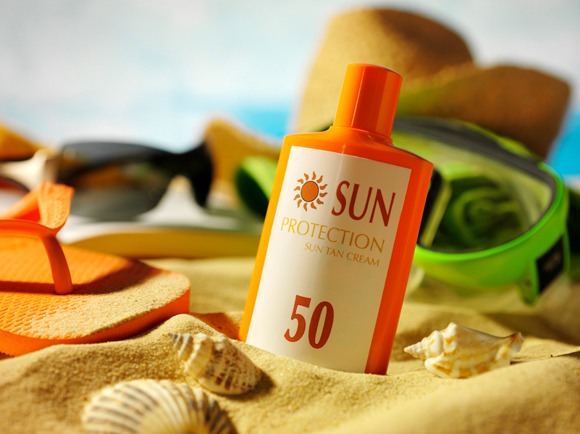
Regular use of sunscreen during a clinical trial of basal cell and squamous cell carcinomas was found to reduce the incidence of a different skin malignancy – new primary melanomas – up to 10 years later, according to a study published online Dec. 6 in the Journal of Clinical Oncology.
The number of invasive melanomas in particular decreased by 73%, but this was an exploratory finding "and should be interpreted cautiously," said Dr. Adéle C. Green and her associates at the Queensland Institute of Medical Research, Royal Brisbane (Australia) Hospital.
The original clinical trial, conducted in 1992-1996 and involving 1,621 white Queensland residents aged 25-75 years at baseline, examined the effects of 5 years of sunscreen application and beta-carotene supplementation on the incidence of basal and squamous cell carcinoma.
Dr. Green and her colleagues new report focuses on the incidence of melanoma as a secondary end point in the same study population. "Despite the known etiologic role of sun exposure, the question regarding sunscreen use to prevent melanoma remains open and controversial," they noted.
During the trial, 812 patients were given a free, unlimited supply of SPF-16 sunscreen and instructed to use it daily on their head, neck, arms, and hands. A comparison group of 809 patients was randomly assigned to continue using sunscreen of any SPF at their own discretion, which included no use at all in 38% and infrequent use in another 35%.
The two groups were similar in established risk factors for skin cancer, degree of sun exposure, and use of sun protection measures other than sunscreen.
Between baseline in 1992 and the end of the extended follow-up in 2006, 36 study patients developed first primary melanomas. These were in-situ malignancies in 22 subjects and invasive in 14; none of the melanomas was metastatic. Three patients who had melanoma diagnosed in 1992 were excluded.
Only 11 subjects in the sunscreen group developed melanoma, compared with 22 in the comparison group. "Risk of melanoma overall was reduced in those randomly assigned to daily sunscreen compared with discretionary use, although the result was of borderline statistical significance," the investigators reported (J. Clin. Oncol. 2010 [doi:10.1200/JCO.2010.28.7078]).
The average melanoma thickness was 0.53 mm in the sunscreen group, compared with 1.2 mm in the comparison group. The incidence of invasive melanoma was decreased by 73% with sunscreen, while the incidence of in situ lesions was not significantly different between the two groups.
Melanoma incidence was decreased at all sites on the body, not just on the sites assigned to protection by sunscreen. This is probably because many study patients in the sunscreen group applied sunscreen to their trunks and lower limbs regularly, even though they had not been instructed to do so, Dr. Green and her associates noted.
"Our findings provide reassurance in view of the widespread uncertainty to date about sunscreen's ability to prevent melanoma," they reported.
"Although the results are directly relevant to people who live in sunny climates like Australia’s and who receive relatively high levels of ambient sun exposure as a matter of course, they also have implications for white people living in temperate climates in North America and Europe who are at increased risk of melanoma because of increased solar UV exposure caused by the predilection for holidays in sunny places," they concluded.
There appears to be some contradiction between the investigators' strongly worded conclusions and the P values that they reported for their evidence, which were only of borderline significance. But a closer look at the data makes the strength of the evidence more clear, said Phyllis A. Gimotty, Ph.D., and Karen Glanz, Ph.D.
Analyzing the data in terms of hazard ratios, the authors reported a 50% reduction in the hazard related to in situ and invasive melanoma and a 73% reduction in the hazard related to invasive melanoma alone, compared with the hazards of patients who were not assigned to the intervention. But Dr. Green and colleagues did not present the estimated hazard ratios for the comparison group in the text of the article, which would have been useful so that readers could make that comparison.
Also, it would have been more convincing if Dr. Green and colleagues had "translated these estimates into what might be observed in a similar population." For example, using data in the tables accompanying the article, Dr. Gimotty and Dr. Glanz calculated that "in 100,000 adults in Queensland with baseline characteristics similar to those of the patients in the study by [Dr. Green and colleagues], all other characteristics being equal, one would expect a reduction in the number of in situ and invasive melanomas to be 1,370 and the reduction in the number of invasive melanomas to be 990 for those using sunscreen compared with those not using sunscreen."
Dr. Gimotty and Dr. Glanz are at the center for clinical epidemiology and biostatistics at the University of Pennsylvania, Philadelphia. They reported no financial conflicts of interest. These comments were taken from their editorial accompanying Dr. Green's report (J. Clin. Oncol. 2010 [doi:10.1200/JCO.2010.31.7529]).
There appears to be some contradiction between the investigators' strongly worded conclusions and the P values that they reported for their evidence, which were only of borderline significance. But a closer look at the data makes the strength of the evidence more clear, said Phyllis A. Gimotty, Ph.D., and Karen Glanz, Ph.D.
Analyzing the data in terms of hazard ratios, the authors reported a 50% reduction in the hazard related to in situ and invasive melanoma and a 73% reduction in the hazard related to invasive melanoma alone, compared with the hazards of patients who were not assigned to the intervention. But Dr. Green and colleagues did not present the estimated hazard ratios for the comparison group in the text of the article, which would have been useful so that readers could make that comparison.
Also, it would have been more convincing if Dr. Green and colleagues had "translated these estimates into what might be observed in a similar population." For example, using data in the tables accompanying the article, Dr. Gimotty and Dr. Glanz calculated that "in 100,000 adults in Queensland with baseline characteristics similar to those of the patients in the study by [Dr. Green and colleagues], all other characteristics being equal, one would expect a reduction in the number of in situ and invasive melanomas to be 1,370 and the reduction in the number of invasive melanomas to be 990 for those using sunscreen compared with those not using sunscreen."
Dr. Gimotty and Dr. Glanz are at the center for clinical epidemiology and biostatistics at the University of Pennsylvania, Philadelphia. They reported no financial conflicts of interest. These comments were taken from their editorial accompanying Dr. Green's report (J. Clin. Oncol. 2010 [doi:10.1200/JCO.2010.31.7529]).
There appears to be some contradiction between the investigators' strongly worded conclusions and the P values that they reported for their evidence, which were only of borderline significance. But a closer look at the data makes the strength of the evidence more clear, said Phyllis A. Gimotty, Ph.D., and Karen Glanz, Ph.D.
Analyzing the data in terms of hazard ratios, the authors reported a 50% reduction in the hazard related to in situ and invasive melanoma and a 73% reduction in the hazard related to invasive melanoma alone, compared with the hazards of patients who were not assigned to the intervention. But Dr. Green and colleagues did not present the estimated hazard ratios for the comparison group in the text of the article, which would have been useful so that readers could make that comparison.
Also, it would have been more convincing if Dr. Green and colleagues had "translated these estimates into what might be observed in a similar population." For example, using data in the tables accompanying the article, Dr. Gimotty and Dr. Glanz calculated that "in 100,000 adults in Queensland with baseline characteristics similar to those of the patients in the study by [Dr. Green and colleagues], all other characteristics being equal, one would expect a reduction in the number of in situ and invasive melanomas to be 1,370 and the reduction in the number of invasive melanomas to be 990 for those using sunscreen compared with those not using sunscreen."
Dr. Gimotty and Dr. Glanz are at the center for clinical epidemiology and biostatistics at the University of Pennsylvania, Philadelphia. They reported no financial conflicts of interest. These comments were taken from their editorial accompanying Dr. Green's report (J. Clin. Oncol. 2010 [doi:10.1200/JCO.2010.31.7529]).
Regular use of sunscreen during a clinical trial of basal cell and squamous cell carcinomas was found to reduce the incidence of a different skin malignancy – new primary melanomas – up to 10 years later, according to a study published online Dec. 6 in the Journal of Clinical Oncology.
The number of invasive melanomas in particular decreased by 73%, but this was an exploratory finding "and should be interpreted cautiously," said Dr. Adéle C. Green and her associates at the Queensland Institute of Medical Research, Royal Brisbane (Australia) Hospital.
The original clinical trial, conducted in 1992-1996 and involving 1,621 white Queensland residents aged 25-75 years at baseline, examined the effects of 5 years of sunscreen application and beta-carotene supplementation on the incidence of basal and squamous cell carcinoma.
Dr. Green and her colleagues new report focuses on the incidence of melanoma as a secondary end point in the same study population. "Despite the known etiologic role of sun exposure, the question regarding sunscreen use to prevent melanoma remains open and controversial," they noted.
During the trial, 812 patients were given a free, unlimited supply of SPF-16 sunscreen and instructed to use it daily on their head, neck, arms, and hands. A comparison group of 809 patients was randomly assigned to continue using sunscreen of any SPF at their own discretion, which included no use at all in 38% and infrequent use in another 35%.
The two groups were similar in established risk factors for skin cancer, degree of sun exposure, and use of sun protection measures other than sunscreen.
Between baseline in 1992 and the end of the extended follow-up in 2006, 36 study patients developed first primary melanomas. These were in-situ malignancies in 22 subjects and invasive in 14; none of the melanomas was metastatic. Three patients who had melanoma diagnosed in 1992 were excluded.
Only 11 subjects in the sunscreen group developed melanoma, compared with 22 in the comparison group. "Risk of melanoma overall was reduced in those randomly assigned to daily sunscreen compared with discretionary use, although the result was of borderline statistical significance," the investigators reported (J. Clin. Oncol. 2010 [doi:10.1200/JCO.2010.28.7078]).
The average melanoma thickness was 0.53 mm in the sunscreen group, compared with 1.2 mm in the comparison group. The incidence of invasive melanoma was decreased by 73% with sunscreen, while the incidence of in situ lesions was not significantly different between the two groups.
Melanoma incidence was decreased at all sites on the body, not just on the sites assigned to protection by sunscreen. This is probably because many study patients in the sunscreen group applied sunscreen to their trunks and lower limbs regularly, even though they had not been instructed to do so, Dr. Green and her associates noted.
"Our findings provide reassurance in view of the widespread uncertainty to date about sunscreen's ability to prevent melanoma," they reported.
"Although the results are directly relevant to people who live in sunny climates like Australia’s and who receive relatively high levels of ambient sun exposure as a matter of course, they also have implications for white people living in temperate climates in North America and Europe who are at increased risk of melanoma because of increased solar UV exposure caused by the predilection for holidays in sunny places," they concluded.
Regular use of sunscreen during a clinical trial of basal cell and squamous cell carcinomas was found to reduce the incidence of a different skin malignancy – new primary melanomas – up to 10 years later, according to a study published online Dec. 6 in the Journal of Clinical Oncology.
The number of invasive melanomas in particular decreased by 73%, but this was an exploratory finding "and should be interpreted cautiously," said Dr. Adéle C. Green and her associates at the Queensland Institute of Medical Research, Royal Brisbane (Australia) Hospital.
The original clinical trial, conducted in 1992-1996 and involving 1,621 white Queensland residents aged 25-75 years at baseline, examined the effects of 5 years of sunscreen application and beta-carotene supplementation on the incidence of basal and squamous cell carcinoma.
Dr. Green and her colleagues new report focuses on the incidence of melanoma as a secondary end point in the same study population. "Despite the known etiologic role of sun exposure, the question regarding sunscreen use to prevent melanoma remains open and controversial," they noted.
During the trial, 812 patients were given a free, unlimited supply of SPF-16 sunscreen and instructed to use it daily on their head, neck, arms, and hands. A comparison group of 809 patients was randomly assigned to continue using sunscreen of any SPF at their own discretion, which included no use at all in 38% and infrequent use in another 35%.
The two groups were similar in established risk factors for skin cancer, degree of sun exposure, and use of sun protection measures other than sunscreen.
Between baseline in 1992 and the end of the extended follow-up in 2006, 36 study patients developed first primary melanomas. These were in-situ malignancies in 22 subjects and invasive in 14; none of the melanomas was metastatic. Three patients who had melanoma diagnosed in 1992 were excluded.
Only 11 subjects in the sunscreen group developed melanoma, compared with 22 in the comparison group. "Risk of melanoma overall was reduced in those randomly assigned to daily sunscreen compared with discretionary use, although the result was of borderline statistical significance," the investigators reported (J. Clin. Oncol. 2010 [doi:10.1200/JCO.2010.28.7078]).
The average melanoma thickness was 0.53 mm in the sunscreen group, compared with 1.2 mm in the comparison group. The incidence of invasive melanoma was decreased by 73% with sunscreen, while the incidence of in situ lesions was not significantly different between the two groups.
Melanoma incidence was decreased at all sites on the body, not just on the sites assigned to protection by sunscreen. This is probably because many study patients in the sunscreen group applied sunscreen to their trunks and lower limbs regularly, even though they had not been instructed to do so, Dr. Green and her associates noted.
"Our findings provide reassurance in view of the widespread uncertainty to date about sunscreen's ability to prevent melanoma," they reported.
"Although the results are directly relevant to people who live in sunny climates like Australia’s and who receive relatively high levels of ambient sun exposure as a matter of course, they also have implications for white people living in temperate climates in North America and Europe who are at increased risk of melanoma because of increased solar UV exposure caused by the predilection for holidays in sunny places," they concluded.
FROM THE JOURNAL OF CLINICAL ONCOLOGY
Major Finding: Patient randomly assigned to use sunscreen daily for 5 years had a lower incidence of melanoma during 10 further years of follow-up than patients who used sunscreen at their own discretion.
Data Source: A single-center, randomized clinical trial involving 1,621 white Australian adults.
Disclosures: This study was supported by the National Health and Medical Research Council of Australia. Dr. Green reported receiving research funding from L’Oreal Recherche.
Sun Exposure Recommendations to Boost Vitamin D Criticized
GOTHENBURG, SWEDEN – The popular practice of trying to improve serum vitamin D status through controlled sun exposure is a no-win proposition that's unlikely to result in adequate vitamin D levels year-round without compromising skin health, according to Brian L. Diffey, Ph.D.
"Failure to understand the nature of human exposure to sunlight has led to widespread misguided public health advice concerning the sun exposure necessary for adequate vitamin D status. Messages concerning sun exposure should remain focused on the detrimental effects of excessive sun exposure and avoid giving specific advice on what may be thought to be optimal sun exposure," said Dr. Diffey, professor emeritus of photobiology at the University of Newcastle (England) who has been publishing studies on the relationship between sun exposure and skin cancer for more than 20 years.

"The recommendation for short, casual sun exposure as adequate for a healthy vitamin D status is simply ubiquitous. We read it everywhere. It has become part of our conventional wisdom. Nobody really questions it. But there's been a gross oversight in all of these recommendations: These calculations relate only to exposure under a clear sky with no clouds, [while] lying horizontal in the middle of the day in midsummer with no shade and roughly 25% of our body surface exposed," he explained.
That's simply not how sun exposure occurs in contemporary life. A person walking around in an urban environment with shade from nearby buildings and trees receives a sun exposure on the vertical body surfaces that’s typically one-sixth of that of a sunbather lying horizontally, Dr. Diffey continued.
As examples of the widespread public health messages encouraging limited sun exposure to enhance vitamin D levels, he noted that the U.K.'s National Osteoporosis Society recommends trying to get 10 minutes of sun exposure once or twice a day without sunscreen between May and September for bone health. The U.K. Health Protection Agency states that short periods outdoors will produce sufficient vitamin D. And "The UV Advantage," by Dr. Michael Holick, professor of medicine at Boston University and winner of the 2009 Linus Pauling prize for health research, containing the "Holick formula for safe sun," is a brisk seller.
Dr. Diffey pointed to a recent large international study of serum vitamin D levels month-by-month for individuals living at various latitudes which concluded most people have adequate but suboptimal levels during the summer months, with a mean of 70 nmol/L. The investigators deemed a level greater than 75 nmol/L to be optimal. In the winter months, most people fall into the 'inadequate' range, with a mean serum vitamin D of 48 nmol/L (BMJ 2010;340:b5664. [doi: 10.1136/bmj.b5664].
In light of study data showing that most people in Europe and North America spend an average of 1-2 hours per day outdoors during the summer, they are generally regarded as having suboptimal vitamin D levels during those months and are vitamin D insufficient the rest of the year. A recommendation for 10-20 minutes of daily casual sun exposure followed by sun avoidance would be "grossly insufficient" to maintain adequate vitamin D levels, he said.
"In fact, if people really did follow the conventional public health advice, we would be much more vitamin D insufficient than we now are," according to the photobiologist.
The safe and effective ways to raise vitamin D levels, Dr. Diffey said, are more widespread fortification of foods or the use of supplements, especially during the winter months.
For dermatologists, he added, there's another effective option: "Pop into your UVB cabin once a week from November to February when nobody's looking and give yourself 1 SED [standard erythema dose], which is about one-third of the minimal erythema dose." His recently published mathematical model (Br. J. Dermatol. 2010; 162:1,342-8) predicts this modest UVB exposure, adding up to a little over one-tenth of a typical UVB treatment course for psoriasis, would keep the recipient in the adequate range for serum vitamin D throughout the dark months.
Dr. Diffey said he has no relevant financial conflicts of interests.
GOTHENBURG, SWEDEN – The popular practice of trying to improve serum vitamin D status through controlled sun exposure is a no-win proposition that's unlikely to result in adequate vitamin D levels year-round without compromising skin health, according to Brian L. Diffey, Ph.D.
"Failure to understand the nature of human exposure to sunlight has led to widespread misguided public health advice concerning the sun exposure necessary for adequate vitamin D status. Messages concerning sun exposure should remain focused on the detrimental effects of excessive sun exposure and avoid giving specific advice on what may be thought to be optimal sun exposure," said Dr. Diffey, professor emeritus of photobiology at the University of Newcastle (England) who has been publishing studies on the relationship between sun exposure and skin cancer for more than 20 years.
"The recommendation for short, casual sun exposure as adequate for a healthy vitamin D status is simply ubiquitous. We read it everywhere. It has become part of our conventional wisdom. Nobody really questions it. But there's been a gross oversight in all of these recommendations: These calculations relate only to exposure under a clear sky with no clouds, [while] lying horizontal in the middle of the day in midsummer with no shade and roughly 25% of our body surface exposed," he explained.
That's simply not how sun exposure occurs in contemporary life. A person walking around in an urban environment with shade from nearby buildings and trees receives a sun exposure on the vertical body surfaces that’s typically one-sixth of that of a sunbather lying horizontally, Dr. Diffey continued.
As examples of the widespread public health messages encouraging limited sun exposure to enhance vitamin D levels, he noted that the U.K.'s National Osteoporosis Society recommends trying to get 10 minutes of sun exposure once or twice a day without sunscreen between May and September for bone health. The U.K. Health Protection Agency states that short periods outdoors will produce sufficient vitamin D. And "The UV Advantage," by Dr. Michael Holick, professor of medicine at Boston University and winner of the 2009 Linus Pauling prize for health research, containing the "Holick formula for safe sun," is a brisk seller.
Dr. Diffey pointed to a recent large international study of serum vitamin D levels month-by-month for individuals living at various latitudes which concluded most people have adequate but suboptimal levels during the summer months, with a mean of 70 nmol/L. The investigators deemed a level greater than 75 nmol/L to be optimal. In the winter months, most people fall into the 'inadequate' range, with a mean serum vitamin D of 48 nmol/L (BMJ 2010;340:b5664. [doi: 10.1136/bmj.b5664].
In light of study data showing that most people in Europe and North America spend an average of 1-2 hours per day outdoors during the summer, they are generally regarded as having suboptimal vitamin D levels during those months and are vitamin D insufficient the rest of the year. A recommendation for 10-20 minutes of daily casual sun exposure followed by sun avoidance would be "grossly insufficient" to maintain adequate vitamin D levels, he said.
"In fact, if people really did follow the conventional public health advice, we would be much more vitamin D insufficient than we now are," according to the photobiologist.
The safe and effective ways to raise vitamin D levels, Dr. Diffey said, are more widespread fortification of foods or the use of supplements, especially during the winter months.
For dermatologists, he added, there's another effective option: "Pop into your UVB cabin once a week from November to February when nobody's looking and give yourself 1 SED [standard erythema dose], which is about one-third of the minimal erythema dose." His recently published mathematical model (Br. J. Dermatol. 2010; 162:1,342-8) predicts this modest UVB exposure, adding up to a little over one-tenth of a typical UVB treatment course for psoriasis, would keep the recipient in the adequate range for serum vitamin D throughout the dark months.
Dr. Diffey said he has no relevant financial conflicts of interests.
GOTHENBURG, SWEDEN – The popular practice of trying to improve serum vitamin D status through controlled sun exposure is a no-win proposition that's unlikely to result in adequate vitamin D levels year-round without compromising skin health, according to Brian L. Diffey, Ph.D.
"Failure to understand the nature of human exposure to sunlight has led to widespread misguided public health advice concerning the sun exposure necessary for adequate vitamin D status. Messages concerning sun exposure should remain focused on the detrimental effects of excessive sun exposure and avoid giving specific advice on what may be thought to be optimal sun exposure," said Dr. Diffey, professor emeritus of photobiology at the University of Newcastle (England) who has been publishing studies on the relationship between sun exposure and skin cancer for more than 20 years.
"The recommendation for short, casual sun exposure as adequate for a healthy vitamin D status is simply ubiquitous. We read it everywhere. It has become part of our conventional wisdom. Nobody really questions it. But there's been a gross oversight in all of these recommendations: These calculations relate only to exposure under a clear sky with no clouds, [while] lying horizontal in the middle of the day in midsummer with no shade and roughly 25% of our body surface exposed," he explained.
That's simply not how sun exposure occurs in contemporary life. A person walking around in an urban environment with shade from nearby buildings and trees receives a sun exposure on the vertical body surfaces that’s typically one-sixth of that of a sunbather lying horizontally, Dr. Diffey continued.
As examples of the widespread public health messages encouraging limited sun exposure to enhance vitamin D levels, he noted that the U.K.'s National Osteoporosis Society recommends trying to get 10 minutes of sun exposure once or twice a day without sunscreen between May and September for bone health. The U.K. Health Protection Agency states that short periods outdoors will produce sufficient vitamin D. And "The UV Advantage," by Dr. Michael Holick, professor of medicine at Boston University and winner of the 2009 Linus Pauling prize for health research, containing the "Holick formula for safe sun," is a brisk seller.
Dr. Diffey pointed to a recent large international study of serum vitamin D levels month-by-month for individuals living at various latitudes which concluded most people have adequate but suboptimal levels during the summer months, with a mean of 70 nmol/L. The investigators deemed a level greater than 75 nmol/L to be optimal. In the winter months, most people fall into the 'inadequate' range, with a mean serum vitamin D of 48 nmol/L (BMJ 2010;340:b5664. [doi: 10.1136/bmj.b5664].
In light of study data showing that most people in Europe and North America spend an average of 1-2 hours per day outdoors during the summer, they are generally regarded as having suboptimal vitamin D levels during those months and are vitamin D insufficient the rest of the year. A recommendation for 10-20 minutes of daily casual sun exposure followed by sun avoidance would be "grossly insufficient" to maintain adequate vitamin D levels, he said.
"In fact, if people really did follow the conventional public health advice, we would be much more vitamin D insufficient than we now are," according to the photobiologist.
The safe and effective ways to raise vitamin D levels, Dr. Diffey said, are more widespread fortification of foods or the use of supplements, especially during the winter months.
For dermatologists, he added, there's another effective option: "Pop into your UVB cabin once a week from November to February when nobody's looking and give yourself 1 SED [standard erythema dose], which is about one-third of the minimal erythema dose." His recently published mathematical model (Br. J. Dermatol. 2010; 162:1,342-8) predicts this modest UVB exposure, adding up to a little over one-tenth of a typical UVB treatment course for psoriasis, would keep the recipient in the adequate range for serum vitamin D throughout the dark months.
Dr. Diffey said he has no relevant financial conflicts of interests.
EXPERT ANALYSIS FROM THE ANNUAL CONGRESS OF THE EUROPEAN ACADEMY OF DERMATOLOGY AND VENEREOLOGY
Epidemiology of Melanoma
Darrell S. Rigel, MD
Malignant melanoma represents a significant and growing public health burden in the US and worldwide. It is estimated that 68, 130 cases of invasive malignant melanoma and at least 48,000 cases of melanoma in-situ will be diagnosed in the US this year. Melanoma is also one of the few remaining cancers with increasing US incidence. In the 1930s, the lifetime risk of an American developing invasive malignant melanoma was 1 in 1,500. Currently, that risk is 1 in 59. Deaths from malignant melanoma are also increasing. The mortality rate from malignant melanoma has risen about 2% annually since 1960. This year, it is estimated that 8,700 Americans will die from this cancer. The identification of individuals at high risk for malignant melanoma is important for the development of focused and efficient prevention efforts. Acute sun exposure resulting in sunburn remains a significant risk factor for the development of melanoma, but numerous other potential risk factors have been cited. Included among these are atypical mole syndrome/dysplastic nevus syndrome, blistering sunburns, immunosuppression, prior therapy with psoralen with ultraviolet A light (UVA) light, UV exposure at tanning salons, elevated socioeconomic status, and history of melanoma in a first-degree relative. With a better understanding of the reasons for the increasing rate of this cancer, and with enhanced early detection approaches, we may be able to decrease the incidence and mortality of malignant melanoma.
*For a PDF of the full article, click on the link to the left of this introduction.
Darrell S. Rigel, MD
Malignant melanoma represents a significant and growing public health burden in the US and worldwide. It is estimated that 68, 130 cases of invasive malignant melanoma and at least 48,000 cases of melanoma in-situ will be diagnosed in the US this year. Melanoma is also one of the few remaining cancers with increasing US incidence. In the 1930s, the lifetime risk of an American developing invasive malignant melanoma was 1 in 1,500. Currently, that risk is 1 in 59. Deaths from malignant melanoma are also increasing. The mortality rate from malignant melanoma has risen about 2% annually since 1960. This year, it is estimated that 8,700 Americans will die from this cancer. The identification of individuals at high risk for malignant melanoma is important for the development of focused and efficient prevention efforts. Acute sun exposure resulting in sunburn remains a significant risk factor for the development of melanoma, but numerous other potential risk factors have been cited. Included among these are atypical mole syndrome/dysplastic nevus syndrome, blistering sunburns, immunosuppression, prior therapy with psoralen with ultraviolet A light (UVA) light, UV exposure at tanning salons, elevated socioeconomic status, and history of melanoma in a first-degree relative. With a better understanding of the reasons for the increasing rate of this cancer, and with enhanced early detection approaches, we may be able to decrease the incidence and mortality of malignant melanoma.
*For a PDF of the full article, click on the link to the left of this introduction.
Darrell S. Rigel, MD
Malignant melanoma represents a significant and growing public health burden in the US and worldwide. It is estimated that 68, 130 cases of invasive malignant melanoma and at least 48,000 cases of melanoma in-situ will be diagnosed in the US this year. Melanoma is also one of the few remaining cancers with increasing US incidence. In the 1930s, the lifetime risk of an American developing invasive malignant melanoma was 1 in 1,500. Currently, that risk is 1 in 59. Deaths from malignant melanoma are also increasing. The mortality rate from malignant melanoma has risen about 2% annually since 1960. This year, it is estimated that 8,700 Americans will die from this cancer. The identification of individuals at high risk for malignant melanoma is important for the development of focused and efficient prevention efforts. Acute sun exposure resulting in sunburn remains a significant risk factor for the development of melanoma, but numerous other potential risk factors have been cited. Included among these are atypical mole syndrome/dysplastic nevus syndrome, blistering sunburns, immunosuppression, prior therapy with psoralen with ultraviolet A light (UVA) light, UV exposure at tanning salons, elevated socioeconomic status, and history of melanoma in a first-degree relative. With a better understanding of the reasons for the increasing rate of this cancer, and with enhanced early detection approaches, we may be able to decrease the incidence and mortality of malignant melanoma.
*For a PDF of the full article, click on the link to the left of this introduction.
Pathways to Melanoma
Justin M. Ko, MD, MBA, Nicole F. Velez, MD, and Hensin Tsao, MD, PhD
Melanoma is one of the most aggressive and yet poorly understood of human malignancies. Advances in genomics has allowed a more nuanced understanding of the disease, moving beyond the traditional dysplastic nevus-to-melanoma model and identifying multiple divergent oncogenic pathways leading to melanoma. An understanding of the molecular mechanisms driving melanoma has opened the doors for the development of targeted therapeutic approaches. As we enter the era of personalized medicine, it will be critical for clinicians to both appreciate and be able to determine the molecular profile of their patients’ melanoma because this profile will guide risk stratification, genetic counseling, and treatment customization. A review of the divergent pathways of melanoma development is presented here, with a particular emphasis on recently identified mutations, and their implications for patient care.
*For a PDF of the full article, click on the link to the left of this introduction.
Justin M. Ko, MD, MBA, Nicole F. Velez, MD, and Hensin Tsao, MD, PhD
Melanoma is one of the most aggressive and yet poorly understood of human malignancies. Advances in genomics has allowed a more nuanced understanding of the disease, moving beyond the traditional dysplastic nevus-to-melanoma model and identifying multiple divergent oncogenic pathways leading to melanoma. An understanding of the molecular mechanisms driving melanoma has opened the doors for the development of targeted therapeutic approaches. As we enter the era of personalized medicine, it will be critical for clinicians to both appreciate and be able to determine the molecular profile of their patients’ melanoma because this profile will guide risk stratification, genetic counseling, and treatment customization. A review of the divergent pathways of melanoma development is presented here, with a particular emphasis on recently identified mutations, and their implications for patient care.
*For a PDF of the full article, click on the link to the left of this introduction.
Justin M. Ko, MD, MBA, Nicole F. Velez, MD, and Hensin Tsao, MD, PhD
Melanoma is one of the most aggressive and yet poorly understood of human malignancies. Advances in genomics has allowed a more nuanced understanding of the disease, moving beyond the traditional dysplastic nevus-to-melanoma model and identifying multiple divergent oncogenic pathways leading to melanoma. An understanding of the molecular mechanisms driving melanoma has opened the doors for the development of targeted therapeutic approaches. As we enter the era of personalized medicine, it will be critical for clinicians to both appreciate and be able to determine the molecular profile of their patients’ melanoma because this profile will guide risk stratification, genetic counseling, and treatment customization. A review of the divergent pathways of melanoma development is presented here, with a particular emphasis on recently identified mutations, and their implications for patient care.
*For a PDF of the full article, click on the link to the left of this introduction.
Dermoscopy of Benign and Malignant Neoplasms in the Pediatric Population
Helen C. Haliasos, MD, Iris Zalaudek, MD, Josep Malvehy, MD, Christoph Lanschuetzer, MD, Helmut Hinter, MD, Rainer Hofmann-Wellenhof, MD, Ralph Braun, MD, and Ashfaq A. Marghoob, MD
Dermoscopy is a noninvasive technique that enables visualization of subsurface colors and structures within the skin that are imperceptible to the naked eye. The dermatoscope allows the physician to examine both the macroscopic and microscopic primary morphology of skin lesions, identify subtle clinical clues, confirm naked-eye clinical diagnoses, and monitor treatment progress while posing little threat to the young patient. Dermoscopic findings have been formulated into diagnostic criteria that assist experienced clinicians in differentiating benign and malignant neoplasms. In this review, clinical morphology of melanocytic nevi and melanoma in the pediatric population is examined and the relevant dermoscopic findings and histopathologic correlates that aid in the diagnosis and management of these lesions are described.
*For a PDF of the full article, click on the link to the left of this introduction.
Helen C. Haliasos, MD, Iris Zalaudek, MD, Josep Malvehy, MD, Christoph Lanschuetzer, MD, Helmut Hinter, MD, Rainer Hofmann-Wellenhof, MD, Ralph Braun, MD, and Ashfaq A. Marghoob, MD
Dermoscopy is a noninvasive technique that enables visualization of subsurface colors and structures within the skin that are imperceptible to the naked eye. The dermatoscope allows the physician to examine both the macroscopic and microscopic primary morphology of skin lesions, identify subtle clinical clues, confirm naked-eye clinical diagnoses, and monitor treatment progress while posing little threat to the young patient. Dermoscopic findings have been formulated into diagnostic criteria that assist experienced clinicians in differentiating benign and malignant neoplasms. In this review, clinical morphology of melanocytic nevi and melanoma in the pediatric population is examined and the relevant dermoscopic findings and histopathologic correlates that aid in the diagnosis and management of these lesions are described.
*For a PDF of the full article, click on the link to the left of this introduction.
Helen C. Haliasos, MD, Iris Zalaudek, MD, Josep Malvehy, MD, Christoph Lanschuetzer, MD, Helmut Hinter, MD, Rainer Hofmann-Wellenhof, MD, Ralph Braun, MD, and Ashfaq A. Marghoob, MD
Dermoscopy is a noninvasive technique that enables visualization of subsurface colors and structures within the skin that are imperceptible to the naked eye. The dermatoscope allows the physician to examine both the macroscopic and microscopic primary morphology of skin lesions, identify subtle clinical clues, confirm naked-eye clinical diagnoses, and monitor treatment progress while posing little threat to the young patient. Dermoscopic findings have been formulated into diagnostic criteria that assist experienced clinicians in differentiating benign and malignant neoplasms. In this review, clinical morphology of melanocytic nevi and melanoma in the pediatric population is examined and the relevant dermoscopic findings and histopathologic correlates that aid in the diagnosis and management of these lesions are described.
*For a PDF of the full article, click on the link to the left of this introduction.