User login
No benefit seen with extended prednisolone in pediatric FRNS
ATLANTA – Extending the duration of initial prednisolone treatment from 2 months to 6 months while escalating the dose failed to reduce the incidence of frequently relapsing nephrotic syndrome in children in a randomized, open-label, noninferiority trial.
The time to relapse did not differ significantly among 255 children with an initial episode of steroid-sensitive nephrotic syndrome who presented to any of 91 participating hospitals in Japan and who were randomized to receive either 2 or 6 months of initial prednisolone treatment with cumulative doses of 2,240 mg/m2 and 3,885 mg/m2, respectively, followed by relapse prednisolone treatment per study protocol for a total of 24 months.
At 24 months, the frequently relapsing nephrotic syndrome (FRNS)-free rates were 56.2% and 50.8% in the groups, respectively (hazard ratio, 0.86), Norishige Yoshikawa, Ph.D., reported in a late-breaking poster at Kidney Week 2013.
The hazard ratio met the prespecified noninferiority margin (HR, 1.3), said Dr. Yoshikawa of the department of pediatrics at Wakayama Medical University, Japan.
Furthermore, the groups did not differ with respect to number of relapses: 1.25 per person-year in the 2-month group vs. 1.30 per person-year in the 6-month group, for a relapse rate ratio of 0.94.
The initial approach to treatment in children with FRNS varies considerably, and these findings conflict with those of a 2007 Cochrane Review (Cochrane Database Syst. Rev. 2007;4:CD001533 [doi: 10.1002/14651858.CD001533.pub4]). That review identified 24 related trials that suggested longer duration of prednisone or prednisolone treatment (3 or more months vs. 2 months) reduced the risk of relapse at 12-24 months (risk ratio, 0.70), that there was an inverse linear relationship between treatment duration and risk of relapse (RR, 1.26), and that 6 months (vs. 3 months) of treatment was more effective for reducing the risk of relapse (RR, 0.57).
Although the Cochrane Review authors concluded that children with a first episode of steroid-sensitive nephrotic syndrome should be treated for at least 3 months – and that there appears to be an increase in benefit with up to 7 months of treatment – they also noted that additional well-designed and adequately powered randomized clinical trials were needed to assess the appropriate duration of initial steroid treatment in children with FRNS, Dr. Yoshikawa said.
The meeting was sponsored by the American Society of Nephrology. Dr. Yoshikawa’s study was supported with non–U.S. government funding. Dr. Yoshikawa reported having no disclosures.
ATLANTA – Extending the duration of initial prednisolone treatment from 2 months to 6 months while escalating the dose failed to reduce the incidence of frequently relapsing nephrotic syndrome in children in a randomized, open-label, noninferiority trial.
The time to relapse did not differ significantly among 255 children with an initial episode of steroid-sensitive nephrotic syndrome who presented to any of 91 participating hospitals in Japan and who were randomized to receive either 2 or 6 months of initial prednisolone treatment with cumulative doses of 2,240 mg/m2 and 3,885 mg/m2, respectively, followed by relapse prednisolone treatment per study protocol for a total of 24 months.
At 24 months, the frequently relapsing nephrotic syndrome (FRNS)-free rates were 56.2% and 50.8% in the groups, respectively (hazard ratio, 0.86), Norishige Yoshikawa, Ph.D., reported in a late-breaking poster at Kidney Week 2013.
The hazard ratio met the prespecified noninferiority margin (HR, 1.3), said Dr. Yoshikawa of the department of pediatrics at Wakayama Medical University, Japan.
Furthermore, the groups did not differ with respect to number of relapses: 1.25 per person-year in the 2-month group vs. 1.30 per person-year in the 6-month group, for a relapse rate ratio of 0.94.
The initial approach to treatment in children with FRNS varies considerably, and these findings conflict with those of a 2007 Cochrane Review (Cochrane Database Syst. Rev. 2007;4:CD001533 [doi: 10.1002/14651858.CD001533.pub4]). That review identified 24 related trials that suggested longer duration of prednisone or prednisolone treatment (3 or more months vs. 2 months) reduced the risk of relapse at 12-24 months (risk ratio, 0.70), that there was an inverse linear relationship between treatment duration and risk of relapse (RR, 1.26), and that 6 months (vs. 3 months) of treatment was more effective for reducing the risk of relapse (RR, 0.57).
Although the Cochrane Review authors concluded that children with a first episode of steroid-sensitive nephrotic syndrome should be treated for at least 3 months – and that there appears to be an increase in benefit with up to 7 months of treatment – they also noted that additional well-designed and adequately powered randomized clinical trials were needed to assess the appropriate duration of initial steroid treatment in children with FRNS, Dr. Yoshikawa said.
The meeting was sponsored by the American Society of Nephrology. Dr. Yoshikawa’s study was supported with non–U.S. government funding. Dr. Yoshikawa reported having no disclosures.
ATLANTA – Extending the duration of initial prednisolone treatment from 2 months to 6 months while escalating the dose failed to reduce the incidence of frequently relapsing nephrotic syndrome in children in a randomized, open-label, noninferiority trial.
The time to relapse did not differ significantly among 255 children with an initial episode of steroid-sensitive nephrotic syndrome who presented to any of 91 participating hospitals in Japan and who were randomized to receive either 2 or 6 months of initial prednisolone treatment with cumulative doses of 2,240 mg/m2 and 3,885 mg/m2, respectively, followed by relapse prednisolone treatment per study protocol for a total of 24 months.
At 24 months, the frequently relapsing nephrotic syndrome (FRNS)-free rates were 56.2% and 50.8% in the groups, respectively (hazard ratio, 0.86), Norishige Yoshikawa, Ph.D., reported in a late-breaking poster at Kidney Week 2013.
The hazard ratio met the prespecified noninferiority margin (HR, 1.3), said Dr. Yoshikawa of the department of pediatrics at Wakayama Medical University, Japan.
Furthermore, the groups did not differ with respect to number of relapses: 1.25 per person-year in the 2-month group vs. 1.30 per person-year in the 6-month group, for a relapse rate ratio of 0.94.
The initial approach to treatment in children with FRNS varies considerably, and these findings conflict with those of a 2007 Cochrane Review (Cochrane Database Syst. Rev. 2007;4:CD001533 [doi: 10.1002/14651858.CD001533.pub4]). That review identified 24 related trials that suggested longer duration of prednisone or prednisolone treatment (3 or more months vs. 2 months) reduced the risk of relapse at 12-24 months (risk ratio, 0.70), that there was an inverse linear relationship between treatment duration and risk of relapse (RR, 1.26), and that 6 months (vs. 3 months) of treatment was more effective for reducing the risk of relapse (RR, 0.57).
Although the Cochrane Review authors concluded that children with a first episode of steroid-sensitive nephrotic syndrome should be treated for at least 3 months – and that there appears to be an increase in benefit with up to 7 months of treatment – they also noted that additional well-designed and adequately powered randomized clinical trials were needed to assess the appropriate duration of initial steroid treatment in children with FRNS, Dr. Yoshikawa said.
The meeting was sponsored by the American Society of Nephrology. Dr. Yoshikawa’s study was supported with non–U.S. government funding. Dr. Yoshikawa reported having no disclosures.
AT KIDNEY WEEK 2013
Major finding: At 24 months, FRNS-free rates were 56.2% and 50.8% in the 2- and 6-month treatment groups, respectively (hazard ratio, 0.86).
Data source: A randomized, open-label, noninferiority trial involving 255 children.
Disclosures: The meeting was sponsored by the American Society of Nephrology. Dr. Yoshikawa’s study was supported with non–U.S. government funding. Dr. Yoshikawa reported having no disclosures.
Gene variant ups chronic kidney disease risk, speeds progression in African Americans
ATLANTA – Variants in the gene encoding apolipoprotein L1 are associated with a nearly twofold increased risk of chronic kidney disease progression in African American patients, according to an analysis of data from the Chronic Renal Insufficiency Cohort and the African American Study of Kidney Disease and Hypertension.
In addition, kidney function is lost at double the rate in patients with the apolipoprotein L1 (APOL1) renal risk variants.
The findings – which persisted regardless of chronic kidney disease (CKD) etiology and well-controlled blood pressure – may explain, in part, the markedly increased risk of end-stage renal disease (ESRD) in African American patients, compared with European American patients, Dr. Afshin Parsa of the University of Maryland, Baltimore, reported at Kidney Week 2013.
The findings were published simultaneously online Nov. 9 in the New England Journal of Medicine (2013 Nov. 9 [doi:10.1056/NEJMoa1310345]), and will appear in the Dec. 5 print issue.
In the CRIC (Chronic Renal Insufficiency Cohort) study, 2,955 patients with CKD, nearly half of whom (46%) had diabetes, were evaluated based on whether they had zero or one copy of the APOL1 variants (low-risk group) or two copies of the variants (high-risk group). The primary outcomes in that cohort were the slope in the estimated glomerular filtration rate (eGFR), and the composite of ESRD, or a reduction of 50% in the eGFR from baseline, said Dr. Parsa, who was one of the CRIC investigators.
Among black patients in the high-risk group, the decline in eGFR was significantly more rapid and the rate of the composite renal outcome significantly higher than in white patients in that group, regardless of diabetes status. The rate of decline was similar among black and white patients in the low-risk group.
Among African American patients with diabetes in the low-risk group, white patients with diabetes, and African American patients with diabetes in the high-risk group, the eGFR slopes were –2.7, –1.5, and –4.3 mL/min per 1.73 m2 per year, respectively. Among those without diabetes, the corresponding slopes were –0.7, –1.0, and –2.9.
The adjusted hazard ratios for a renal event were 1.95 and 1.40 for African American patients, compared with white patients in the high-risk and low-risk groups with diabetes, respectively. The corresponding hazard ratios among those without diabetes were 2.68 and 1.57. The adjusted hazard ratio for the composite renal outcome was 1.61 for African American patients in the high-risk vs. the low-risk groups.
In the AASK (African American Study of Kidney Disease and Hypertension) study, 693 African American patients with hypertension-related chronic kidney disease and without diabetes were evaluated, and the primary outcome measure was a composite of end-stage renal disease or a doubling of the serum creatinine level.
The primary outcome occurred in 58.1% of those in the high risk group, compared with 36.6% of those in the low-risk group (hazard ratio, 1.88). No interactions between APOL1 status and trial interventions or the presence of baseline proteinuria were seen in AASK, Dr. Parsa said during a press briefing at the conference, which was sponsored by the American Society of Nephrology.
Also, the effect of APOL1 on CKD progression was not confounded by blood pressure levels, he noted.
The findings of the current analysis build on those from landmark 2008 research that led to identification of the APOL1 gene variants as a risk factor for kidney disease not associated with diabetes, he said, adding that the current findings are the first to provide direct evidence that the APOL1 high-risk variants are associated with increased disease progression over time.
This could potentially lead to genotyping of African Americans to assess their risk for disease progression, and could also lead to new treatment strategies for slowing the progression of CKD, the investigators said, noting that such strategies are currently limited.
The findings do not, however, fully explain the well-documented racial disparities in ESRD. In the United States, African Americans patients have about twice the risk of ESRD as do white patients, even after accounting for differences in socioeconomic and clinical risk factors.
The study results highlight the need to identify other risk factors that can account for residual disparities in end-stage renal disease between African American and white patients, they concluded.
This study was supported by the National Institute of Diabetes and Digestive and Kidney Diseases. Dr. Parsa reported having no disclosures.
ATLANTA – Variants in the gene encoding apolipoprotein L1 are associated with a nearly twofold increased risk of chronic kidney disease progression in African American patients, according to an analysis of data from the Chronic Renal Insufficiency Cohort and the African American Study of Kidney Disease and Hypertension.
In addition, kidney function is lost at double the rate in patients with the apolipoprotein L1 (APOL1) renal risk variants.
The findings – which persisted regardless of chronic kidney disease (CKD) etiology and well-controlled blood pressure – may explain, in part, the markedly increased risk of end-stage renal disease (ESRD) in African American patients, compared with European American patients, Dr. Afshin Parsa of the University of Maryland, Baltimore, reported at Kidney Week 2013.
The findings were published simultaneously online Nov. 9 in the New England Journal of Medicine (2013 Nov. 9 [doi:10.1056/NEJMoa1310345]), and will appear in the Dec. 5 print issue.
In the CRIC (Chronic Renal Insufficiency Cohort) study, 2,955 patients with CKD, nearly half of whom (46%) had diabetes, were evaluated based on whether they had zero or one copy of the APOL1 variants (low-risk group) or two copies of the variants (high-risk group). The primary outcomes in that cohort were the slope in the estimated glomerular filtration rate (eGFR), and the composite of ESRD, or a reduction of 50% in the eGFR from baseline, said Dr. Parsa, who was one of the CRIC investigators.
Among black patients in the high-risk group, the decline in eGFR was significantly more rapid and the rate of the composite renal outcome significantly higher than in white patients in that group, regardless of diabetes status. The rate of decline was similar among black and white patients in the low-risk group.
Among African American patients with diabetes in the low-risk group, white patients with diabetes, and African American patients with diabetes in the high-risk group, the eGFR slopes were –2.7, –1.5, and –4.3 mL/min per 1.73 m2 per year, respectively. Among those without diabetes, the corresponding slopes were –0.7, –1.0, and –2.9.
The adjusted hazard ratios for a renal event were 1.95 and 1.40 for African American patients, compared with white patients in the high-risk and low-risk groups with diabetes, respectively. The corresponding hazard ratios among those without diabetes were 2.68 and 1.57. The adjusted hazard ratio for the composite renal outcome was 1.61 for African American patients in the high-risk vs. the low-risk groups.
In the AASK (African American Study of Kidney Disease and Hypertension) study, 693 African American patients with hypertension-related chronic kidney disease and without diabetes were evaluated, and the primary outcome measure was a composite of end-stage renal disease or a doubling of the serum creatinine level.
The primary outcome occurred in 58.1% of those in the high risk group, compared with 36.6% of those in the low-risk group (hazard ratio, 1.88). No interactions between APOL1 status and trial interventions or the presence of baseline proteinuria were seen in AASK, Dr. Parsa said during a press briefing at the conference, which was sponsored by the American Society of Nephrology.
Also, the effect of APOL1 on CKD progression was not confounded by blood pressure levels, he noted.
The findings of the current analysis build on those from landmark 2008 research that led to identification of the APOL1 gene variants as a risk factor for kidney disease not associated with diabetes, he said, adding that the current findings are the first to provide direct evidence that the APOL1 high-risk variants are associated with increased disease progression over time.
This could potentially lead to genotyping of African Americans to assess their risk for disease progression, and could also lead to new treatment strategies for slowing the progression of CKD, the investigators said, noting that such strategies are currently limited.
The findings do not, however, fully explain the well-documented racial disparities in ESRD. In the United States, African Americans patients have about twice the risk of ESRD as do white patients, even after accounting for differences in socioeconomic and clinical risk factors.
The study results highlight the need to identify other risk factors that can account for residual disparities in end-stage renal disease between African American and white patients, they concluded.
This study was supported by the National Institute of Diabetes and Digestive and Kidney Diseases. Dr. Parsa reported having no disclosures.
ATLANTA – Variants in the gene encoding apolipoprotein L1 are associated with a nearly twofold increased risk of chronic kidney disease progression in African American patients, according to an analysis of data from the Chronic Renal Insufficiency Cohort and the African American Study of Kidney Disease and Hypertension.
In addition, kidney function is lost at double the rate in patients with the apolipoprotein L1 (APOL1) renal risk variants.
The findings – which persisted regardless of chronic kidney disease (CKD) etiology and well-controlled blood pressure – may explain, in part, the markedly increased risk of end-stage renal disease (ESRD) in African American patients, compared with European American patients, Dr. Afshin Parsa of the University of Maryland, Baltimore, reported at Kidney Week 2013.
The findings were published simultaneously online Nov. 9 in the New England Journal of Medicine (2013 Nov. 9 [doi:10.1056/NEJMoa1310345]), and will appear in the Dec. 5 print issue.
In the CRIC (Chronic Renal Insufficiency Cohort) study, 2,955 patients with CKD, nearly half of whom (46%) had diabetes, were evaluated based on whether they had zero or one copy of the APOL1 variants (low-risk group) or two copies of the variants (high-risk group). The primary outcomes in that cohort were the slope in the estimated glomerular filtration rate (eGFR), and the composite of ESRD, or a reduction of 50% in the eGFR from baseline, said Dr. Parsa, who was one of the CRIC investigators.
Among black patients in the high-risk group, the decline in eGFR was significantly more rapid and the rate of the composite renal outcome significantly higher than in white patients in that group, regardless of diabetes status. The rate of decline was similar among black and white patients in the low-risk group.
Among African American patients with diabetes in the low-risk group, white patients with diabetes, and African American patients with diabetes in the high-risk group, the eGFR slopes were –2.7, –1.5, and –4.3 mL/min per 1.73 m2 per year, respectively. Among those without diabetes, the corresponding slopes were –0.7, –1.0, and –2.9.
The adjusted hazard ratios for a renal event were 1.95 and 1.40 for African American patients, compared with white patients in the high-risk and low-risk groups with diabetes, respectively. The corresponding hazard ratios among those without diabetes were 2.68 and 1.57. The adjusted hazard ratio for the composite renal outcome was 1.61 for African American patients in the high-risk vs. the low-risk groups.
In the AASK (African American Study of Kidney Disease and Hypertension) study, 693 African American patients with hypertension-related chronic kidney disease and without diabetes were evaluated, and the primary outcome measure was a composite of end-stage renal disease or a doubling of the serum creatinine level.
The primary outcome occurred in 58.1% of those in the high risk group, compared with 36.6% of those in the low-risk group (hazard ratio, 1.88). No interactions between APOL1 status and trial interventions or the presence of baseline proteinuria were seen in AASK, Dr. Parsa said during a press briefing at the conference, which was sponsored by the American Society of Nephrology.
Also, the effect of APOL1 on CKD progression was not confounded by blood pressure levels, he noted.
The findings of the current analysis build on those from landmark 2008 research that led to identification of the APOL1 gene variants as a risk factor for kidney disease not associated with diabetes, he said, adding that the current findings are the first to provide direct evidence that the APOL1 high-risk variants are associated with increased disease progression over time.
This could potentially lead to genotyping of African Americans to assess their risk for disease progression, and could also lead to new treatment strategies for slowing the progression of CKD, the investigators said, noting that such strategies are currently limited.
The findings do not, however, fully explain the well-documented racial disparities in ESRD. In the United States, African Americans patients have about twice the risk of ESRD as do white patients, even after accounting for differences in socioeconomic and clinical risk factors.
The study results highlight the need to identify other risk factors that can account for residual disparities in end-stage renal disease between African American and white patients, they concluded.
This study was supported by the National Institute of Diabetes and Digestive and Kidney Diseases. Dr. Parsa reported having no disclosures.
AT KIDNEY WEEK 2013
Major finding: APOL1 renal risk variants double the risk of CKD and the rate at which kidney function is lost in African American patients.
Data source: Joint findings from the Chronic Renal Insufficiency Cohort and the African American Study of Kidney Disease and Hypertension, including a total of 3,648 patients.
Disclosures: This study was supported by the National Institute of Diabetes and Dialysis and Kidney Diseases. Dr. Parsa reported having no disclosures.
Urolithiasis in a Patient With HIV Receiving Atazanavir
Fluoroquinolones and the Risk of Kidney Damage
Battle brews over screening for asymptomatic kidney disease
Adults who don’t show symptoms of, or have risk factors for, early chronic kidney disease should not be screened for it, according to new guidelines from the American College of Physicians.
But the ACP’s recommendation prompted the American Society of Nephrology to counter with its own strong recommendation in favor of kidney disease screening regardless of a patient’s risk factors.
"There is no evidence that obtaining a ‘baseline creatinine’ level, or screening for renal dysfunction in asymptomatic individuals with no risk factors for kidney disease, improves outcomes for patients," said ACP President Molly Cooke in an interview.
The clinical practice guidelines are the first issued by the ACP for the screening, monitoring, and treatment of stage 1-3 chronic kidney disease in adults. Major risk factors for CKD in adults include diabetes, hypertension, and cardiovascular disease.
The ACP published the guidelines online in Annals of Internal Medicine 2013 Oct. 22 [doi:10.7326/0003-4819-159-12-201312170-00726]).

The college’s Clinical Guidelines Committee used Medline and Cochrane databases to systematically review all relevant data published between 1985 and November 2011. Outcomes assessed for the guidelines included all-cause mortality, cardiovascular events and disease, composite renal and vascular outcomes, end-stage renal disease, quality of life, physical function, and activities of daily living.
The investigators determined that there was not enough evidence to evaluate the benefits and harms of screening for early CKD, and so they recommended that clinicians not perform it.
The ACP specifically recommended against proteinuria testing in adults with or without diabetes and who are currently taking angiotensin-converting enzyme (ACE) inhibitors or angiotensin II receptor blockers (ARBs). That recommendation was a “reminder to physicians not to do tests that will not change patient management,” Dr. Cooke said. ACE inhibitors or ARBs are already the treatment for microalbuminuria, a form of low-grade proteinuria. “There is no evidence that monitoring proteinuria to assess the effects of pharmacological hypertension management produces better outcomes,” she added.
ASN: No screen? No way!
The ACP’s recommendations spurred an immediate rebuke from the American Society of Nephrology.
“Early detection is the key to preventing patients from progressing to relying on dialysis to stay alive,” Dr. Tod Ibrahim, the ASN’s executive director, said in a statement. “ASN and its nearly 15,000 members – all of whom are experts in kidney disease – are disappointed by ACP’s irresponsible recommendation.”
The lack of evidence on the benefits and harms of early CKD screening is precisely why physicians should test for early-stage CKD, according to ASN President Bruce Molitoris.
“One of the problems with CKD is we don’t have effective mechanisms to detect it early,” he said in an interview. “What we do have is screening for proteinuria, which is a very simple, extremely inexpensive test that can give great insight.”
As for proteinuria testing in adults taking ACE inhibitors or ARBs, there might be a more nuanced benefit, Dr. Molitoris explained. “It’s a little bit more incentive to increase compliance in a patient who is taking a medication for hypertension if you tell them they’re getting progressive kidney disease if they don’t control their blood pressure,” he said. “Not all patients with hypertension are started out on those first-line drugs,” he added.
The ACP endorses treating patients who have hypertension or stage 1-3 CKD with ACE inhibitors or ARBs, as well as giving patients with early CKD appropriate statin therapy to manage elevated levels of low-density lipoprotein. However, the college calls additional screening and treatment largely superfluous.
“For doctors who have been using a thiazide diuretic or a beta-blocker as their initial antihypertensive of choice, this guideline should change their practice,” said Dr. Cooke. However, because many practice “report cards” call for an annual urine microalbumin test in diabetic patients, many physicians perform the test on patients who are already on an ACE inhibitor or an ARB, she said.
“This guideline should prompt them to respond ‘test not indicated’ when it is requested,” Dr. Cooke said.
The ACP found no significant differences in outcomes between ACE inhibitors and ARBs, although it did note that the risk of adverse effects (cough, hyperkalemia, hypotension, and dialysis) significantly increased in combined ACE inhibitor and ARB therapy.
Meanwhile, the National Kidney Foundation recommends that anyone with diabetes, hypertension, cardiovascular disease, age over 60, or a family history of kidney failure have a blood test to estimate their glomerular filtration rate (GFR) and a urine test for proteinuria.
“The ACP guidelines looked at the clinical outcomes of CKD very differently than our guidelines did,” cautioned Sean Roach, spokesperson for the NKF, in an e-mail. The ACP put “CKD stages 1-3 together when they have markedly different risks of adverse outcomes, and [didn’t take] into account all of the patient safety issues that arise due to ignorance of a patient’s level of kidney function.
“We acknowledge that there have been no randomized trials of CKD screening,” Mr. Roach noted, “but our recommendations are based on extensive analysis of observational trials, clinical trials of diabetes and antihypertensive drugs, and clinical experience.”
Critics question CKD criteria
A recent U.S. Preventive Services Task Force (USPSTF) report took a position similar to the ACP’s, stating there is currently insufficient evidence to recommend general population-based screening. That report noted that although early screening could affect outcomes for people already diagnosed with conditions such as diabetes or hypertension, no evidence existed to show the benefits of early treatment in people without these risk factors.
The ASN swiftly responded. "We sent [the USPSTF] a letter asking them to reconsider," said Dr. Molitoris. "That was within the last 6 months. They came back with a ‘high recommendation’ for collecting more data to analyze the cost effectiveness of screening."
In 2002, the NFK-sponsored Kidney Disease: Improving Global Outcomes (KDIGO) released landmark guidelines on CKD. In a 2012 guidelines update, KDIGO kept the criteria it established in 2002 for CKD, including diagnostic thresholds of a GFR less than 60 mL/min per 1.73 m2 and an albumin/creatinine ratio (ACR) of at least 30 mg/g. And it maintained its five-stage CKD classification system.
But it expanded the existing five-stage classification system to include two subcategories of grade 3 GFR categories – G3a, with a GFR of 45-59; and G3b, with a GFR of 30-44 – and three additional categories of albuminuria (Ann. Intern. Med. 2013;158:825-30).
Those CKD criteria raised eyebrows not just at the ACP, but also with some evidence-based medicine scholars. In an analysis published online earlier this year in BMJ, Dr. Roy Moynihan of the Centre for Research in Evidence-Based Practice, Robina, Australia, cited data that the GFR value used by KDIGO to determine early CKD falls within the normal range for men over age 60 and women over age 50.
By "labeling so many people at low risk of symptoms as having chronic kidney disease, the new definition axiomatically produces overdiagnosis," Dr. Moynihan and his colleagues cautioned (BMJ 2013;347:f4298).
Prior to the 2002 publication of the KDIGO criteria for CKD, according to Dr. Moynihan, the incidence rate for CKD in U.S. adults was estimated to be around 1.7%. After 2002, using the KDIGO criteria, it rose to 1 in 8 adults, or about 14% of the adult population.
"The controversial aspect around that is, at what point as your GFR decreases does it become abnormal?" cautioned Dr. Molitoris. "If you have a reduced GFR, and proteinuria, we know that’s abnormal. That’s why the screening for proteinuria is so important. If you just have a reduced GFR to a certain extent, it may be a normal aging process. That’s the European perspective, and I think they have a point there."
‘Different worldview’
While the ACP guidelines for CKD refer to the KDIGO criteria as their counterpoint, Dr. Cooke said she did not know what motivated KDIGO to expand the criteria. She suggested it might be the "different worldview" phenomenon that often occurs between subspecialists and generalists.
"It’s tempting to say, ‘Let’s just test everybody’s creatinine,’ " Dr. Cooke noted. "But it’s just like with prostate cancer screening: Once you start to factor in all the costs – and not just the money – of testing on that broad of a scale, it doesn’t [add up]."
But Dr. Molitoris countered that CKD screening is more akin to testing for cardiovascular disease.
"One could make the comparison to checking for cholesterol, only that’s invasive – that’s drawing blood," he said. "This is just taking urine, and yet, how many people do we screen for cholesterol? There is no risk in doing the proteinuria test. You collect the urine, put a stick into it, and read it. If it’s positive, then you will follow up with a more sophisticated chemical test." He also noted that false positives in proteinuria tests are rare.
The ACP guidelines offer physicians what it calls "high-value care advice": Skip early CKD screening, because in the absence of evidence that screening improves clinical outcomes, "testing will add costs, owing to both the screening test and additional follow-up tests (including those resulting from false-positive findings), increased medical visits, and costs of keeping or obtaining health insurance."
Dr. Molitoris disagreed, citing "the aggressive and silent nature" of kidney disease in all its stages.
"You have to think of the cost analysis as how many screenings you can do for the cost of one patient who goes on to need dialysis. That costs between $80,000 and $90,000 a year to maintain for every year [a patient is] on it," Dr. Molitoris explained. "You can do a lot of screening on that."
Dr. Cooke said the ACP was calling for a "middle ground" to bring the discussion back to what is best for the patient, not the practitioner.
"We are saying that unless the patient has a reason for you to be concerned, other than the fact that they are a human being, there is no reason to screen for CKD every year," she explained. "There is no evidence that diagnosing the average person on the street as stage 1 or 2 [CKD] does them any good if they don’t have any risk factors."
The American College of Physicians funded the guidelines. The guidelines’ authors had no relevant disclosures.
Adults who don’t show symptoms of, or have risk factors for, early chronic kidney disease should not be screened for it, according to new guidelines from the American College of Physicians.
But the ACP’s recommendation prompted the American Society of Nephrology to counter with its own strong recommendation in favor of kidney disease screening regardless of a patient’s risk factors.
"There is no evidence that obtaining a ‘baseline creatinine’ level, or screening for renal dysfunction in asymptomatic individuals with no risk factors for kidney disease, improves outcomes for patients," said ACP President Molly Cooke in an interview.
The clinical practice guidelines are the first issued by the ACP for the screening, monitoring, and treatment of stage 1-3 chronic kidney disease in adults. Major risk factors for CKD in adults include diabetes, hypertension, and cardiovascular disease.
The ACP published the guidelines online in Annals of Internal Medicine 2013 Oct. 22 [doi:10.7326/0003-4819-159-12-201312170-00726]).
The college’s Clinical Guidelines Committee used Medline and Cochrane databases to systematically review all relevant data published between 1985 and November 2011. Outcomes assessed for the guidelines included all-cause mortality, cardiovascular events and disease, composite renal and vascular outcomes, end-stage renal disease, quality of life, physical function, and activities of daily living.
The investigators determined that there was not enough evidence to evaluate the benefits and harms of screening for early CKD, and so they recommended that clinicians not perform it.
The ACP specifically recommended against proteinuria testing in adults with or without diabetes and who are currently taking angiotensin-converting enzyme (ACE) inhibitors or angiotensin II receptor blockers (ARBs). That recommendation was a “reminder to physicians not to do tests that will not change patient management,” Dr. Cooke said. ACE inhibitors or ARBs are already the treatment for microalbuminuria, a form of low-grade proteinuria. “There is no evidence that monitoring proteinuria to assess the effects of pharmacological hypertension management produces better outcomes,” she added.
ASN: No screen? No way!
The ACP’s recommendations spurred an immediate rebuke from the American Society of Nephrology.
“Early detection is the key to preventing patients from progressing to relying on dialysis to stay alive,” Dr. Tod Ibrahim, the ASN’s executive director, said in a statement. “ASN and its nearly 15,000 members – all of whom are experts in kidney disease – are disappointed by ACP’s irresponsible recommendation.”
The lack of evidence on the benefits and harms of early CKD screening is precisely why physicians should test for early-stage CKD, according to ASN President Bruce Molitoris.
“One of the problems with CKD is we don’t have effective mechanisms to detect it early,” he said in an interview. “What we do have is screening for proteinuria, which is a very simple, extremely inexpensive test that can give great insight.”
As for proteinuria testing in adults taking ACE inhibitors or ARBs, there might be a more nuanced benefit, Dr. Molitoris explained. “It’s a little bit more incentive to increase compliance in a patient who is taking a medication for hypertension if you tell them they’re getting progressive kidney disease if they don’t control their blood pressure,” he said. “Not all patients with hypertension are started out on those first-line drugs,” he added.
The ACP endorses treating patients who have hypertension or stage 1-3 CKD with ACE inhibitors or ARBs, as well as giving patients with early CKD appropriate statin therapy to manage elevated levels of low-density lipoprotein. However, the college calls additional screening and treatment largely superfluous.
“For doctors who have been using a thiazide diuretic or a beta-blocker as their initial antihypertensive of choice, this guideline should change their practice,” said Dr. Cooke. However, because many practice “report cards” call for an annual urine microalbumin test in diabetic patients, many physicians perform the test on patients who are already on an ACE inhibitor or an ARB, she said.
“This guideline should prompt them to respond ‘test not indicated’ when it is requested,” Dr. Cooke said.
The ACP found no significant differences in outcomes between ACE inhibitors and ARBs, although it did note that the risk of adverse effects (cough, hyperkalemia, hypotension, and dialysis) significantly increased in combined ACE inhibitor and ARB therapy.
Meanwhile, the National Kidney Foundation recommends that anyone with diabetes, hypertension, cardiovascular disease, age over 60, or a family history of kidney failure have a blood test to estimate their glomerular filtration rate (GFR) and a urine test for proteinuria.
“The ACP guidelines looked at the clinical outcomes of CKD very differently than our guidelines did,” cautioned Sean Roach, spokesperson for the NKF, in an e-mail. The ACP put “CKD stages 1-3 together when they have markedly different risks of adverse outcomes, and [didn’t take] into account all of the patient safety issues that arise due to ignorance of a patient’s level of kidney function.
“We acknowledge that there have been no randomized trials of CKD screening,” Mr. Roach noted, “but our recommendations are based on extensive analysis of observational trials, clinical trials of diabetes and antihypertensive drugs, and clinical experience.”
Critics question CKD criteria
A recent U.S. Preventive Services Task Force (USPSTF) report took a position similar to the ACP’s, stating there is currently insufficient evidence to recommend general population-based screening. That report noted that although early screening could affect outcomes for people already diagnosed with conditions such as diabetes or hypertension, no evidence existed to show the benefits of early treatment in people without these risk factors.
The ASN swiftly responded. "We sent [the USPSTF] a letter asking them to reconsider," said Dr. Molitoris. "That was within the last 6 months. They came back with a ‘high recommendation’ for collecting more data to analyze the cost effectiveness of screening."
In 2002, the NFK-sponsored Kidney Disease: Improving Global Outcomes (KDIGO) released landmark guidelines on CKD. In a 2012 guidelines update, KDIGO kept the criteria it established in 2002 for CKD, including diagnostic thresholds of a GFR less than 60 mL/min per 1.73 m2 and an albumin/creatinine ratio (ACR) of at least 30 mg/g. And it maintained its five-stage CKD classification system.
But it expanded the existing five-stage classification system to include two subcategories of grade 3 GFR categories – G3a, with a GFR of 45-59; and G3b, with a GFR of 30-44 – and three additional categories of albuminuria (Ann. Intern. Med. 2013;158:825-30).
Those CKD criteria raised eyebrows not just at the ACP, but also with some evidence-based medicine scholars. In an analysis published online earlier this year in BMJ, Dr. Roy Moynihan of the Centre for Research in Evidence-Based Practice, Robina, Australia, cited data that the GFR value used by KDIGO to determine early CKD falls within the normal range for men over age 60 and women over age 50.
By "labeling so many people at low risk of symptoms as having chronic kidney disease, the new definition axiomatically produces overdiagnosis," Dr. Moynihan and his colleagues cautioned (BMJ 2013;347:f4298).
Prior to the 2002 publication of the KDIGO criteria for CKD, according to Dr. Moynihan, the incidence rate for CKD in U.S. adults was estimated to be around 1.7%. After 2002, using the KDIGO criteria, it rose to 1 in 8 adults, or about 14% of the adult population.
"The controversial aspect around that is, at what point as your GFR decreases does it become abnormal?" cautioned Dr. Molitoris. "If you have a reduced GFR, and proteinuria, we know that’s abnormal. That’s why the screening for proteinuria is so important. If you just have a reduced GFR to a certain extent, it may be a normal aging process. That’s the European perspective, and I think they have a point there."
‘Different worldview’
While the ACP guidelines for CKD refer to the KDIGO criteria as their counterpoint, Dr. Cooke said she did not know what motivated KDIGO to expand the criteria. She suggested it might be the "different worldview" phenomenon that often occurs between subspecialists and generalists.
"It’s tempting to say, ‘Let’s just test everybody’s creatinine,’ " Dr. Cooke noted. "But it’s just like with prostate cancer screening: Once you start to factor in all the costs – and not just the money – of testing on that broad of a scale, it doesn’t [add up]."
But Dr. Molitoris countered that CKD screening is more akin to testing for cardiovascular disease.
"One could make the comparison to checking for cholesterol, only that’s invasive – that’s drawing blood," he said. "This is just taking urine, and yet, how many people do we screen for cholesterol? There is no risk in doing the proteinuria test. You collect the urine, put a stick into it, and read it. If it’s positive, then you will follow up with a more sophisticated chemical test." He also noted that false positives in proteinuria tests are rare.
The ACP guidelines offer physicians what it calls "high-value care advice": Skip early CKD screening, because in the absence of evidence that screening improves clinical outcomes, "testing will add costs, owing to both the screening test and additional follow-up tests (including those resulting from false-positive findings), increased medical visits, and costs of keeping or obtaining health insurance."
Dr. Molitoris disagreed, citing "the aggressive and silent nature" of kidney disease in all its stages.
"You have to think of the cost analysis as how many screenings you can do for the cost of one patient who goes on to need dialysis. That costs between $80,000 and $90,000 a year to maintain for every year [a patient is] on it," Dr. Molitoris explained. "You can do a lot of screening on that."
Dr. Cooke said the ACP was calling for a "middle ground" to bring the discussion back to what is best for the patient, not the practitioner.
"We are saying that unless the patient has a reason for you to be concerned, other than the fact that they are a human being, there is no reason to screen for CKD every year," she explained. "There is no evidence that diagnosing the average person on the street as stage 1 or 2 [CKD] does them any good if they don’t have any risk factors."
The American College of Physicians funded the guidelines. The guidelines’ authors had no relevant disclosures.
Adults who don’t show symptoms of, or have risk factors for, early chronic kidney disease should not be screened for it, according to new guidelines from the American College of Physicians.
But the ACP’s recommendation prompted the American Society of Nephrology to counter with its own strong recommendation in favor of kidney disease screening regardless of a patient’s risk factors.
"There is no evidence that obtaining a ‘baseline creatinine’ level, or screening for renal dysfunction in asymptomatic individuals with no risk factors for kidney disease, improves outcomes for patients," said ACP President Molly Cooke in an interview.
The clinical practice guidelines are the first issued by the ACP for the screening, monitoring, and treatment of stage 1-3 chronic kidney disease in adults. Major risk factors for CKD in adults include diabetes, hypertension, and cardiovascular disease.
The ACP published the guidelines online in Annals of Internal Medicine 2013 Oct. 22 [doi:10.7326/0003-4819-159-12-201312170-00726]).
The college’s Clinical Guidelines Committee used Medline and Cochrane databases to systematically review all relevant data published between 1985 and November 2011. Outcomes assessed for the guidelines included all-cause mortality, cardiovascular events and disease, composite renal and vascular outcomes, end-stage renal disease, quality of life, physical function, and activities of daily living.
The investigators determined that there was not enough evidence to evaluate the benefits and harms of screening for early CKD, and so they recommended that clinicians not perform it.
The ACP specifically recommended against proteinuria testing in adults with or without diabetes and who are currently taking angiotensin-converting enzyme (ACE) inhibitors or angiotensin II receptor blockers (ARBs). That recommendation was a “reminder to physicians not to do tests that will not change patient management,” Dr. Cooke said. ACE inhibitors or ARBs are already the treatment for microalbuminuria, a form of low-grade proteinuria. “There is no evidence that monitoring proteinuria to assess the effects of pharmacological hypertension management produces better outcomes,” she added.
ASN: No screen? No way!
The ACP’s recommendations spurred an immediate rebuke from the American Society of Nephrology.
“Early detection is the key to preventing patients from progressing to relying on dialysis to stay alive,” Dr. Tod Ibrahim, the ASN’s executive director, said in a statement. “ASN and its nearly 15,000 members – all of whom are experts in kidney disease – are disappointed by ACP’s irresponsible recommendation.”
The lack of evidence on the benefits and harms of early CKD screening is precisely why physicians should test for early-stage CKD, according to ASN President Bruce Molitoris.
“One of the problems with CKD is we don’t have effective mechanisms to detect it early,” he said in an interview. “What we do have is screening for proteinuria, which is a very simple, extremely inexpensive test that can give great insight.”
As for proteinuria testing in adults taking ACE inhibitors or ARBs, there might be a more nuanced benefit, Dr. Molitoris explained. “It’s a little bit more incentive to increase compliance in a patient who is taking a medication for hypertension if you tell them they’re getting progressive kidney disease if they don’t control their blood pressure,” he said. “Not all patients with hypertension are started out on those first-line drugs,” he added.
The ACP endorses treating patients who have hypertension or stage 1-3 CKD with ACE inhibitors or ARBs, as well as giving patients with early CKD appropriate statin therapy to manage elevated levels of low-density lipoprotein. However, the college calls additional screening and treatment largely superfluous.
“For doctors who have been using a thiazide diuretic or a beta-blocker as their initial antihypertensive of choice, this guideline should change their practice,” said Dr. Cooke. However, because many practice “report cards” call for an annual urine microalbumin test in diabetic patients, many physicians perform the test on patients who are already on an ACE inhibitor or an ARB, she said.
“This guideline should prompt them to respond ‘test not indicated’ when it is requested,” Dr. Cooke said.
The ACP found no significant differences in outcomes between ACE inhibitors and ARBs, although it did note that the risk of adverse effects (cough, hyperkalemia, hypotension, and dialysis) significantly increased in combined ACE inhibitor and ARB therapy.
Meanwhile, the National Kidney Foundation recommends that anyone with diabetes, hypertension, cardiovascular disease, age over 60, or a family history of kidney failure have a blood test to estimate their glomerular filtration rate (GFR) and a urine test for proteinuria.
“The ACP guidelines looked at the clinical outcomes of CKD very differently than our guidelines did,” cautioned Sean Roach, spokesperson for the NKF, in an e-mail. The ACP put “CKD stages 1-3 together when they have markedly different risks of adverse outcomes, and [didn’t take] into account all of the patient safety issues that arise due to ignorance of a patient’s level of kidney function.
“We acknowledge that there have been no randomized trials of CKD screening,” Mr. Roach noted, “but our recommendations are based on extensive analysis of observational trials, clinical trials of diabetes and antihypertensive drugs, and clinical experience.”
Critics question CKD criteria
A recent U.S. Preventive Services Task Force (USPSTF) report took a position similar to the ACP’s, stating there is currently insufficient evidence to recommend general population-based screening. That report noted that although early screening could affect outcomes for people already diagnosed with conditions such as diabetes or hypertension, no evidence existed to show the benefits of early treatment in people without these risk factors.
The ASN swiftly responded. "We sent [the USPSTF] a letter asking them to reconsider," said Dr. Molitoris. "That was within the last 6 months. They came back with a ‘high recommendation’ for collecting more data to analyze the cost effectiveness of screening."
In 2002, the NFK-sponsored Kidney Disease: Improving Global Outcomes (KDIGO) released landmark guidelines on CKD. In a 2012 guidelines update, KDIGO kept the criteria it established in 2002 for CKD, including diagnostic thresholds of a GFR less than 60 mL/min per 1.73 m2 and an albumin/creatinine ratio (ACR) of at least 30 mg/g. And it maintained its five-stage CKD classification system.
But it expanded the existing five-stage classification system to include two subcategories of grade 3 GFR categories – G3a, with a GFR of 45-59; and G3b, with a GFR of 30-44 – and three additional categories of albuminuria (Ann. Intern. Med. 2013;158:825-30).
Those CKD criteria raised eyebrows not just at the ACP, but also with some evidence-based medicine scholars. In an analysis published online earlier this year in BMJ, Dr. Roy Moynihan of the Centre for Research in Evidence-Based Practice, Robina, Australia, cited data that the GFR value used by KDIGO to determine early CKD falls within the normal range for men over age 60 and women over age 50.
By "labeling so many people at low risk of symptoms as having chronic kidney disease, the new definition axiomatically produces overdiagnosis," Dr. Moynihan and his colleagues cautioned (BMJ 2013;347:f4298).
Prior to the 2002 publication of the KDIGO criteria for CKD, according to Dr. Moynihan, the incidence rate for CKD in U.S. adults was estimated to be around 1.7%. After 2002, using the KDIGO criteria, it rose to 1 in 8 adults, or about 14% of the adult population.
"The controversial aspect around that is, at what point as your GFR decreases does it become abnormal?" cautioned Dr. Molitoris. "If you have a reduced GFR, and proteinuria, we know that’s abnormal. That’s why the screening for proteinuria is so important. If you just have a reduced GFR to a certain extent, it may be a normal aging process. That’s the European perspective, and I think they have a point there."
‘Different worldview’
While the ACP guidelines for CKD refer to the KDIGO criteria as their counterpoint, Dr. Cooke said she did not know what motivated KDIGO to expand the criteria. She suggested it might be the "different worldview" phenomenon that often occurs between subspecialists and generalists.
"It’s tempting to say, ‘Let’s just test everybody’s creatinine,’ " Dr. Cooke noted. "But it’s just like with prostate cancer screening: Once you start to factor in all the costs – and not just the money – of testing on that broad of a scale, it doesn’t [add up]."
But Dr. Molitoris countered that CKD screening is more akin to testing for cardiovascular disease.
"One could make the comparison to checking for cholesterol, only that’s invasive – that’s drawing blood," he said. "This is just taking urine, and yet, how many people do we screen for cholesterol? There is no risk in doing the proteinuria test. You collect the urine, put a stick into it, and read it. If it’s positive, then you will follow up with a more sophisticated chemical test." He also noted that false positives in proteinuria tests are rare.
The ACP guidelines offer physicians what it calls "high-value care advice": Skip early CKD screening, because in the absence of evidence that screening improves clinical outcomes, "testing will add costs, owing to both the screening test and additional follow-up tests (including those resulting from false-positive findings), increased medical visits, and costs of keeping or obtaining health insurance."
Dr. Molitoris disagreed, citing "the aggressive and silent nature" of kidney disease in all its stages.
"You have to think of the cost analysis as how many screenings you can do for the cost of one patient who goes on to need dialysis. That costs between $80,000 and $90,000 a year to maintain for every year [a patient is] on it," Dr. Molitoris explained. "You can do a lot of screening on that."
Dr. Cooke said the ACP was calling for a "middle ground" to bring the discussion back to what is best for the patient, not the practitioner.
"We are saying that unless the patient has a reason for you to be concerned, other than the fact that they are a human being, there is no reason to screen for CKD every year," she explained. "There is no evidence that diagnosing the average person on the street as stage 1 or 2 [CKD] does them any good if they don’t have any risk factors."
The American College of Physicians funded the guidelines. The guidelines’ authors had no relevant disclosures.
FROM ANNALS OF INTERNAL MEDICINE
Major finding: New guidelines from the American College of Physicians warn that the risks outweigh the benefits of screening asymptomatic adults with no risk factors for stage 1-3 chronic kidney disease.
Data source: Systematic evidence review of relevant studies in the 1985-2011 Medline and Cochrane databases.
Disclosures: The American College of Physicians funded the guidelines. The guidelines’ authors had no relevant disclosures.

Low serum uric acid levels protect against progressions of renal disease
SAN DIEGO – Patients who achieve a serum uric acid level of less than 6 mg/dL based on current gout management guidelines demonstrated a 37% reduction in progression of renal disease, a large retrospective study showed.
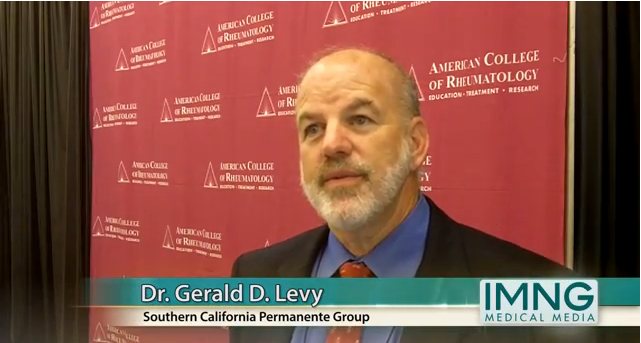
"There are numerous studies showing that people with renal disease can develop hyperuricemia," Dr. Gerald D. Levy said during a press briefing at the annual meeting of the American College of Rheumatology. "Some of them will also develop gout. There are a few small studies showing that in humans, you can reverse hyperuricemia with urate lowering therapy and make an impact in renal disease. We wanted to see if this is true."
Dr. Levy of the division of rheumatology in the department of internal medicine at Kaiser Permanente Medical Group, Downey, Calif., was the lead investigators in a study of 111,992 Kaiser Permanente Southern California patients with a serum uric acid (SUA) level of 7 mg/dL or greater from Jan. 1, 2002, to Dec. 31, 2010. Patients with at least 12 months of health plan membership, including drug benefit prior to the index date, were studied. All patients had at least one SUA and glomerular filtration rate (GFR) level measurement in the 6-month period prior to the index date and at least one SUA and one GFR in the follow-up period following the index date. Primary outcome events were at least a 30% worsening of renal function, initiation of dialysis, having a GFR of less than 15 mL/min, and undergoing a kidney transplant.
Patients with a new diagnosis of cancer were excluded from the analysis, as were those with HIV, glomerulonephritis, and/or organ transplant other than a kidney transplant.
Dr. Levy reported results from 16,186 patients who were divided into three groups: those who were never treated with urate-lowering therapy (ULT; 11,192); those who were treated with ULT less than 80% of the time from the index date to the end of follow-up period (3,902); and those who were treated with ULT 80% of the time or more from the index date to the end of the follow-up period (1,092). Of the three treatment groups, those who were treated with ULT 80% of the time or more during the study tended to be older and have more comorbid conditions, compared with the other two groups. They also began their ULT therapy earlier.
Among all patients combined, factors significantly associated with renal disease progression included having diabetes (hazard ratio, 1.96), hypertension (HR, 1.50), heart failure (HR, 1.39), previous hospitalizations (HR, 1.33), and being female (HR, 1.49) and older (HR, 1.03). The researchers found that time on ULT was not significantly associated with a reduction in renal disease progression outcome events (HR, 1.27, among those on ULT less than 80% of the time during the study vs. HR, 1.08, among those on ULT 80% of the time or more during the study). However, patients who achieved an SUA level below 6 mg/dL – a treatment goal in the 2012 ACR guidelines for management of gout – demonstrated a 37% reduction in renal disease progression (HR, 0.63; P less than .0001).
Dr. Levy acknowledged certain limitations of the study, including its retrospective design and the fact that patients with stage 4 and 5 chronic kidney disease were not included. "This is an important area, because if we can delay the worsening of renal disease in these folks, perhaps we’re abetting dialysis, which is growing by leaps and bounds in this country," he said. "Each dialysis patient now costs about $80,000 per year to take care of. If we could push that back even for a few years it would have a tremendous impact."
Dr. Levy had no relevant financial conflicts to disclose.
SAN DIEGO – Patients who achieve a serum uric acid level of less than 6 mg/dL based on current gout management guidelines demonstrated a 37% reduction in progression of renal disease, a large retrospective study showed.
"There are numerous studies showing that people with renal disease can develop hyperuricemia," Dr. Gerald D. Levy said during a press briefing at the annual meeting of the American College of Rheumatology. "Some of them will also develop gout. There are a few small studies showing that in humans, you can reverse hyperuricemia with urate lowering therapy and make an impact in renal disease. We wanted to see if this is true."
Dr. Levy of the division of rheumatology in the department of internal medicine at Kaiser Permanente Medical Group, Downey, Calif., was the lead investigators in a study of 111,992 Kaiser Permanente Southern California patients with a serum uric acid (SUA) level of 7 mg/dL or greater from Jan. 1, 2002, to Dec. 31, 2010. Patients with at least 12 months of health plan membership, including drug benefit prior to the index date, were studied. All patients had at least one SUA and glomerular filtration rate (GFR) level measurement in the 6-month period prior to the index date and at least one SUA and one GFR in the follow-up period following the index date. Primary outcome events were at least a 30% worsening of renal function, initiation of dialysis, having a GFR of less than 15 mL/min, and undergoing a kidney transplant.
Patients with a new diagnosis of cancer were excluded from the analysis, as were those with HIV, glomerulonephritis, and/or organ transplant other than a kidney transplant.
Dr. Levy reported results from 16,186 patients who were divided into three groups: those who were never treated with urate-lowering therapy (ULT; 11,192); those who were treated with ULT less than 80% of the time from the index date to the end of follow-up period (3,902); and those who were treated with ULT 80% of the time or more from the index date to the end of the follow-up period (1,092). Of the three treatment groups, those who were treated with ULT 80% of the time or more during the study tended to be older and have more comorbid conditions, compared with the other two groups. They also began their ULT therapy earlier.
Among all patients combined, factors significantly associated with renal disease progression included having diabetes (hazard ratio, 1.96), hypertension (HR, 1.50), heart failure (HR, 1.39), previous hospitalizations (HR, 1.33), and being female (HR, 1.49) and older (HR, 1.03). The researchers found that time on ULT was not significantly associated with a reduction in renal disease progression outcome events (HR, 1.27, among those on ULT less than 80% of the time during the study vs. HR, 1.08, among those on ULT 80% of the time or more during the study). However, patients who achieved an SUA level below 6 mg/dL – a treatment goal in the 2012 ACR guidelines for management of gout – demonstrated a 37% reduction in renal disease progression (HR, 0.63; P less than .0001).
Dr. Levy acknowledged certain limitations of the study, including its retrospective design and the fact that patients with stage 4 and 5 chronic kidney disease were not included. "This is an important area, because if we can delay the worsening of renal disease in these folks, perhaps we’re abetting dialysis, which is growing by leaps and bounds in this country," he said. "Each dialysis patient now costs about $80,000 per year to take care of. If we could push that back even for a few years it would have a tremendous impact."
Dr. Levy had no relevant financial conflicts to disclose.
SAN DIEGO – Patients who achieve a serum uric acid level of less than 6 mg/dL based on current gout management guidelines demonstrated a 37% reduction in progression of renal disease, a large retrospective study showed.
"There are numerous studies showing that people with renal disease can develop hyperuricemia," Dr. Gerald D. Levy said during a press briefing at the annual meeting of the American College of Rheumatology. "Some of them will also develop gout. There are a few small studies showing that in humans, you can reverse hyperuricemia with urate lowering therapy and make an impact in renal disease. We wanted to see if this is true."
Dr. Levy of the division of rheumatology in the department of internal medicine at Kaiser Permanente Medical Group, Downey, Calif., was the lead investigators in a study of 111,992 Kaiser Permanente Southern California patients with a serum uric acid (SUA) level of 7 mg/dL or greater from Jan. 1, 2002, to Dec. 31, 2010. Patients with at least 12 months of health plan membership, including drug benefit prior to the index date, were studied. All patients had at least one SUA and glomerular filtration rate (GFR) level measurement in the 6-month period prior to the index date and at least one SUA and one GFR in the follow-up period following the index date. Primary outcome events were at least a 30% worsening of renal function, initiation of dialysis, having a GFR of less than 15 mL/min, and undergoing a kidney transplant.
Patients with a new diagnosis of cancer were excluded from the analysis, as were those with HIV, glomerulonephritis, and/or organ transplant other than a kidney transplant.
Dr. Levy reported results from 16,186 patients who were divided into three groups: those who were never treated with urate-lowering therapy (ULT; 11,192); those who were treated with ULT less than 80% of the time from the index date to the end of follow-up period (3,902); and those who were treated with ULT 80% of the time or more from the index date to the end of the follow-up period (1,092). Of the three treatment groups, those who were treated with ULT 80% of the time or more during the study tended to be older and have more comorbid conditions, compared with the other two groups. They also began their ULT therapy earlier.
Among all patients combined, factors significantly associated with renal disease progression included having diabetes (hazard ratio, 1.96), hypertension (HR, 1.50), heart failure (HR, 1.39), previous hospitalizations (HR, 1.33), and being female (HR, 1.49) and older (HR, 1.03). The researchers found that time on ULT was not significantly associated with a reduction in renal disease progression outcome events (HR, 1.27, among those on ULT less than 80% of the time during the study vs. HR, 1.08, among those on ULT 80% of the time or more during the study). However, patients who achieved an SUA level below 6 mg/dL – a treatment goal in the 2012 ACR guidelines for management of gout – demonstrated a 37% reduction in renal disease progression (HR, 0.63; P less than .0001).
Dr. Levy acknowledged certain limitations of the study, including its retrospective design and the fact that patients with stage 4 and 5 chronic kidney disease were not included. "This is an important area, because if we can delay the worsening of renal disease in these folks, perhaps we’re abetting dialysis, which is growing by leaps and bounds in this country," he said. "Each dialysis patient now costs about $80,000 per year to take care of. If we could push that back even for a few years it would have a tremendous impact."
Dr. Levy had no relevant financial conflicts to disclose.
AT THE ACR ANNUAL MEETING
Major finding: Patients who achieved a serum uric acid level below 6 mg/dL – a treatment goal in the 2012 ACR guidelines for management of gout – demonstrated a 37% reduction in renal disease progression (HR, 0.63; P less than .0001).
Data source: A study of 16,186 patients who were divided into three groups: those who were never treated with urate-lowering therapy (ULT; 11,192), those who were treated with ULT less than 80% of the time from the index date to the end of follow-up period (3,902), and those who were treated with ULT 80% of the time or more from the index date to the end of the follow-up period (1,092).
Disclosures: Dr. Levy said that he had no relevant financial conflicts to disclose.
Novel SUN dipstick identifies advanced acute kidney injury at bedside
ATLANTA – A novel, low-resource bedside diagnostic tool that measures saliva urea nitrogen appears useful for identifying patients with advanced acute kidney injury who have an increased likelihood of requiring dialysis.
In a study involving 44 patients, the tool – a dipstick that measures saliva urea nitrogen (SUN), a marker of kidney function – reliably discriminated Acute Kidney Injury Network (AKIN) stage 3 AKI from earlier AKI stages, Dr. Roberto Picoits-Filho reported at Kidney Week 2013.
SUN, as measured using the dipstick, was significantly correlated with blood urea nitrogen, or BUN (Rs = 0.77), irrespective of AKIN stage or AKI etiology, Dr. Picoits-Filho reported during a press briefing at the conference, which was sponsored by the American Society of Nephrology
The diagnostic performances of the tests were comparable: For SUN, the area under the curve of a receiver operating characteristic curve (AUC ROC) was 0.76, and for BUN the value was 0.69, he said.
"We saw that the test was actually very good, particularly in patients with very severe stages of kidney injury, which is important, because those are the patients who most likely will need to go into dialysis or more complex treatment," said Dr. Picoits-Filho of the Pro-rim Foundation and Pontifícia Universidade Católica do Parana, Curitiba, Brazil.
Patients included in the study were adults (mean age, 59.5 years; 58% women) who were hospitalized with prerenal (67%), renal (24%), or postrenal (9%) suspected AKI. A third had AKIN stage 1 disease, 27% had stage 2 disease, and 40% had stage 3 disease.
Unstimulated saliva was applied to the dipstick to measure whether SUN concentrations were 5-14, 15-24, 25-34, 35-54, 55-74, or 75 or greater mg/dL; BUN was measured concomitantly.
The findings are notable because while AKI in the intensive care unit setting is usually due to acute tubular necrosis, a large proportion of AKI cases outside of the ICU are due to prerenal AKI, which is reversible if diagnosed early and treated aggressively, Dr. Picoits-Filho said.
One way of detecting AKI early on in both the hospital and outpatient settings is by criteria defined by recent consensus: "basically by glomerular filtration rate, but also by urine output," he said.
By using serum creatinine to estimate GFR, you can actually detect patients with AKI. This defines risk for developing more severe AKI (and can help in preventing the need for renal replacement therapy), and also predicts in-hospital mortality, he said.
"The problem is that you need a laboratory facility to get this measurement, and this is not always available, especially in remote areas of the world," he added.
The current findings suggest the SUN dipstick could improve the diagnosis of advanced AKI and aid in triaging patients – particularly in remote areas with limited access to clinical chemistry facilities – and may improve outcomes, he said.
While the test did not prove efficient as a screening tool for chronic kidney disease, it could potentially have a role in monitoring those with chronic kidney disease, he noted.
This study was supported by the Renal Research Institute, New York, and the International Society of Nephrology. Dr. Picoits-Filho reported having no other disclosures.
ATLANTA – A novel, low-resource bedside diagnostic tool that measures saliva urea nitrogen appears useful for identifying patients with advanced acute kidney injury who have an increased likelihood of requiring dialysis.
In a study involving 44 patients, the tool – a dipstick that measures saliva urea nitrogen (SUN), a marker of kidney function – reliably discriminated Acute Kidney Injury Network (AKIN) stage 3 AKI from earlier AKI stages, Dr. Roberto Picoits-Filho reported at Kidney Week 2013.
SUN, as measured using the dipstick, was significantly correlated with blood urea nitrogen, or BUN (Rs = 0.77), irrespective of AKIN stage or AKI etiology, Dr. Picoits-Filho reported during a press briefing at the conference, which was sponsored by the American Society of Nephrology
The diagnostic performances of the tests were comparable: For SUN, the area under the curve of a receiver operating characteristic curve (AUC ROC) was 0.76, and for BUN the value was 0.69, he said.
"We saw that the test was actually very good, particularly in patients with very severe stages of kidney injury, which is important, because those are the patients who most likely will need to go into dialysis or more complex treatment," said Dr. Picoits-Filho of the Pro-rim Foundation and Pontifícia Universidade Católica do Parana, Curitiba, Brazil.
Patients included in the study were adults (mean age, 59.5 years; 58% women) who were hospitalized with prerenal (67%), renal (24%), or postrenal (9%) suspected AKI. A third had AKIN stage 1 disease, 27% had stage 2 disease, and 40% had stage 3 disease.
Unstimulated saliva was applied to the dipstick to measure whether SUN concentrations were 5-14, 15-24, 25-34, 35-54, 55-74, or 75 or greater mg/dL; BUN was measured concomitantly.
The findings are notable because while AKI in the intensive care unit setting is usually due to acute tubular necrosis, a large proportion of AKI cases outside of the ICU are due to prerenal AKI, which is reversible if diagnosed early and treated aggressively, Dr. Picoits-Filho said.
One way of detecting AKI early on in both the hospital and outpatient settings is by criteria defined by recent consensus: "basically by glomerular filtration rate, but also by urine output," he said.
By using serum creatinine to estimate GFR, you can actually detect patients with AKI. This defines risk for developing more severe AKI (and can help in preventing the need for renal replacement therapy), and also predicts in-hospital mortality, he said.
"The problem is that you need a laboratory facility to get this measurement, and this is not always available, especially in remote areas of the world," he added.
The current findings suggest the SUN dipstick could improve the diagnosis of advanced AKI and aid in triaging patients – particularly in remote areas with limited access to clinical chemistry facilities – and may improve outcomes, he said.
While the test did not prove efficient as a screening tool for chronic kidney disease, it could potentially have a role in monitoring those with chronic kidney disease, he noted.
This study was supported by the Renal Research Institute, New York, and the International Society of Nephrology. Dr. Picoits-Filho reported having no other disclosures.
ATLANTA – A novel, low-resource bedside diagnostic tool that measures saliva urea nitrogen appears useful for identifying patients with advanced acute kidney injury who have an increased likelihood of requiring dialysis.
In a study involving 44 patients, the tool – a dipstick that measures saliva urea nitrogen (SUN), a marker of kidney function – reliably discriminated Acute Kidney Injury Network (AKIN) stage 3 AKI from earlier AKI stages, Dr. Roberto Picoits-Filho reported at Kidney Week 2013.
SUN, as measured using the dipstick, was significantly correlated with blood urea nitrogen, or BUN (Rs = 0.77), irrespective of AKIN stage or AKI etiology, Dr. Picoits-Filho reported during a press briefing at the conference, which was sponsored by the American Society of Nephrology
The diagnostic performances of the tests were comparable: For SUN, the area under the curve of a receiver operating characteristic curve (AUC ROC) was 0.76, and for BUN the value was 0.69, he said.
"We saw that the test was actually very good, particularly in patients with very severe stages of kidney injury, which is important, because those are the patients who most likely will need to go into dialysis or more complex treatment," said Dr. Picoits-Filho of the Pro-rim Foundation and Pontifícia Universidade Católica do Parana, Curitiba, Brazil.
Patients included in the study were adults (mean age, 59.5 years; 58% women) who were hospitalized with prerenal (67%), renal (24%), or postrenal (9%) suspected AKI. A third had AKIN stage 1 disease, 27% had stage 2 disease, and 40% had stage 3 disease.
Unstimulated saliva was applied to the dipstick to measure whether SUN concentrations were 5-14, 15-24, 25-34, 35-54, 55-74, or 75 or greater mg/dL; BUN was measured concomitantly.
The findings are notable because while AKI in the intensive care unit setting is usually due to acute tubular necrosis, a large proportion of AKI cases outside of the ICU are due to prerenal AKI, which is reversible if diagnosed early and treated aggressively, Dr. Picoits-Filho said.
One way of detecting AKI early on in both the hospital and outpatient settings is by criteria defined by recent consensus: "basically by glomerular filtration rate, but also by urine output," he said.
By using serum creatinine to estimate GFR, you can actually detect patients with AKI. This defines risk for developing more severe AKI (and can help in preventing the need for renal replacement therapy), and also predicts in-hospital mortality, he said.
"The problem is that you need a laboratory facility to get this measurement, and this is not always available, especially in remote areas of the world," he added.
The current findings suggest the SUN dipstick could improve the diagnosis of advanced AKI and aid in triaging patients – particularly in remote areas with limited access to clinical chemistry facilities – and may improve outcomes, he said.
While the test did not prove efficient as a screening tool for chronic kidney disease, it could potentially have a role in monitoring those with chronic kidney disease, he noted.
This study was supported by the Renal Research Institute, New York, and the International Society of Nephrology. Dr. Picoits-Filho reported having no other disclosures.
AT KIDNEY WEEK 2013
Mindful meditation shows promise for BP lowering in CKD
ATLANTA – Mindfulness meditation may improve blood pressure in hypertensive patients with chronic kidney disease, according to findings from a small randomized study.
This study involved 15 patients who had stage 3 chronic kidney disease and hypertension. Compared with a control condition involving blood pressure education, mindfulness meditation was associated with significantly greater reductions in systolic blood pressure (–10.2 vs. –0.8 mm Hg), diastolic blood pressure (–6.4 vs. –1.8 mm Hg), and mean arterial pressure (–7.7 vs. –1.4 mm Hg), Dr. Jeanie Park reported at Kidney Week 2013, sponsored by the American Society of Nephrology.

Mindfulness meditation – a "type of meditation that is focused on awareness of sensations of the present moment without any type of cognitive elaboration of those sensations, without judgment, without trying to modify those sensations" – also was associated with a significantly greater reduction in muscle sympathetic nerve activity as measured using microneurography (–10.7 vs. 1.9 bursts/min), said Dr. Park of Emory University, Atlanta.
Study participants were male veterans who completed two study visits, undergoing – in randomized crossover fashion – 14 minutes of guided mindfulness meditation at one visit, and 14 minutes of a control condition involving blood pressure education at one visit.
Because a lower breathing rate was observed during mindfulness meditation, a subset of the patients completed a third visit in which they used controlled breathing as a second control measure. During this visit, they lowered their breathing rate to the same rate achieved during mindfulness meditation.
"What we saw was that during mindfulness meditation, there was a significant reduction in sympathetic nerve activity compared with the control, but during controlled breathing ... there was no difference in sympathetic activity. This suggests that slow breathing by itself is not sufficient to lower blood pressure and sympathetic activity, and that there is something unique about mindfulness meditation that might be modulating sympathetic activity and blood pressure in our patients," Dr. Park said.
Although mindfulness meditation has been shown in prior studies to have "modest but meaningful" effects in patients with high blood pressure, the current findings are among the first to demonstrate an association between mindfulness meditation and decreased blood pressure in hypertensive patients with chronic kidney disease. The effect appeared to be mediated by an acute reduction in sympathetic nervous system activity, Dr. Park said.
Chronic kidney disease is characterized by chronic sympathetic nervous system overactivity, which contributes to hypertension and mortality, she explained.
"In clinical practice, we aim to counteract sympathetic activity to lower blood pressure. We do this using antihypertensive medications such as beta-blockers and [clonazepam], but the problem with these medications is that oftentimes their use is limited due to their side effects ... so there certainly is a need to investigate alternative or additive therapies to counteract sympathetic activity and lower blood pressure in our patient group," she said.
The findings of this study suggest that mindfulness meditation may have real physiological effects on autonomic control, and may prove useful as a complementary therapy in chronic kidney disease patients, she concluded, noting that future studies are needed to determine whether long-term reductions in blood pressure can be achieved by using mindfulness meditation.
Dr. Park reported having no disclosures.
ATLANTA – Mindfulness meditation may improve blood pressure in hypertensive patients with chronic kidney disease, according to findings from a small randomized study.
This study involved 15 patients who had stage 3 chronic kidney disease and hypertension. Compared with a control condition involving blood pressure education, mindfulness meditation was associated with significantly greater reductions in systolic blood pressure (–10.2 vs. –0.8 mm Hg), diastolic blood pressure (–6.4 vs. –1.8 mm Hg), and mean arterial pressure (–7.7 vs. –1.4 mm Hg), Dr. Jeanie Park reported at Kidney Week 2013, sponsored by the American Society of Nephrology.
Mindfulness meditation – a "type of meditation that is focused on awareness of sensations of the present moment without any type of cognitive elaboration of those sensations, without judgment, without trying to modify those sensations" – also was associated with a significantly greater reduction in muscle sympathetic nerve activity as measured using microneurography (–10.7 vs. 1.9 bursts/min), said Dr. Park of Emory University, Atlanta.
Study participants were male veterans who completed two study visits, undergoing – in randomized crossover fashion – 14 minutes of guided mindfulness meditation at one visit, and 14 minutes of a control condition involving blood pressure education at one visit.
Because a lower breathing rate was observed during mindfulness meditation, a subset of the patients completed a third visit in which they used controlled breathing as a second control measure. During this visit, they lowered their breathing rate to the same rate achieved during mindfulness meditation.
"What we saw was that during mindfulness meditation, there was a significant reduction in sympathetic nerve activity compared with the control, but during controlled breathing ... there was no difference in sympathetic activity. This suggests that slow breathing by itself is not sufficient to lower blood pressure and sympathetic activity, and that there is something unique about mindfulness meditation that might be modulating sympathetic activity and blood pressure in our patients," Dr. Park said.
Although mindfulness meditation has been shown in prior studies to have "modest but meaningful" effects in patients with high blood pressure, the current findings are among the first to demonstrate an association between mindfulness meditation and decreased blood pressure in hypertensive patients with chronic kidney disease. The effect appeared to be mediated by an acute reduction in sympathetic nervous system activity, Dr. Park said.
Chronic kidney disease is characterized by chronic sympathetic nervous system overactivity, which contributes to hypertension and mortality, she explained.
"In clinical practice, we aim to counteract sympathetic activity to lower blood pressure. We do this using antihypertensive medications such as beta-blockers and [clonazepam], but the problem with these medications is that oftentimes their use is limited due to their side effects ... so there certainly is a need to investigate alternative or additive therapies to counteract sympathetic activity and lower blood pressure in our patient group," she said.
The findings of this study suggest that mindfulness meditation may have real physiological effects on autonomic control, and may prove useful as a complementary therapy in chronic kidney disease patients, she concluded, noting that future studies are needed to determine whether long-term reductions in blood pressure can be achieved by using mindfulness meditation.
Dr. Park reported having no disclosures.
ATLANTA – Mindfulness meditation may improve blood pressure in hypertensive patients with chronic kidney disease, according to findings from a small randomized study.
This study involved 15 patients who had stage 3 chronic kidney disease and hypertension. Compared with a control condition involving blood pressure education, mindfulness meditation was associated with significantly greater reductions in systolic blood pressure (–10.2 vs. –0.8 mm Hg), diastolic blood pressure (–6.4 vs. –1.8 mm Hg), and mean arterial pressure (–7.7 vs. –1.4 mm Hg), Dr. Jeanie Park reported at Kidney Week 2013, sponsored by the American Society of Nephrology.
Mindfulness meditation – a "type of meditation that is focused on awareness of sensations of the present moment without any type of cognitive elaboration of those sensations, without judgment, without trying to modify those sensations" – also was associated with a significantly greater reduction in muscle sympathetic nerve activity as measured using microneurography (–10.7 vs. 1.9 bursts/min), said Dr. Park of Emory University, Atlanta.
Study participants were male veterans who completed two study visits, undergoing – in randomized crossover fashion – 14 minutes of guided mindfulness meditation at one visit, and 14 minutes of a control condition involving blood pressure education at one visit.
Because a lower breathing rate was observed during mindfulness meditation, a subset of the patients completed a third visit in which they used controlled breathing as a second control measure. During this visit, they lowered their breathing rate to the same rate achieved during mindfulness meditation.
"What we saw was that during mindfulness meditation, there was a significant reduction in sympathetic nerve activity compared with the control, but during controlled breathing ... there was no difference in sympathetic activity. This suggests that slow breathing by itself is not sufficient to lower blood pressure and sympathetic activity, and that there is something unique about mindfulness meditation that might be modulating sympathetic activity and blood pressure in our patients," Dr. Park said.
Although mindfulness meditation has been shown in prior studies to have "modest but meaningful" effects in patients with high blood pressure, the current findings are among the first to demonstrate an association between mindfulness meditation and decreased blood pressure in hypertensive patients with chronic kidney disease. The effect appeared to be mediated by an acute reduction in sympathetic nervous system activity, Dr. Park said.
Chronic kidney disease is characterized by chronic sympathetic nervous system overactivity, which contributes to hypertension and mortality, she explained.
"In clinical practice, we aim to counteract sympathetic activity to lower blood pressure. We do this using antihypertensive medications such as beta-blockers and [clonazepam], but the problem with these medications is that oftentimes their use is limited due to their side effects ... so there certainly is a need to investigate alternative or additive therapies to counteract sympathetic activity and lower blood pressure in our patient group," she said.
The findings of this study suggest that mindfulness meditation may have real physiological effects on autonomic control, and may prove useful as a complementary therapy in chronic kidney disease patients, she concluded, noting that future studies are needed to determine whether long-term reductions in blood pressure can be achieved by using mindfulness meditation.
Dr. Park reported having no disclosures.
AT KIDNEY WEEK 2013
Major finding: Mindful meditation vs. blood pressure education was associated with significantly greater reductions in systolic blood pressure (–10.2 vs. –0.8 mm Hg), diastolic blood pressure (–6.4 vs. –1.8), and mean arterial pressure (–7.7 vs. –1.4 mm Hg).
Data source: A randomized, controlled, crossover study of 15 patients.
Disclosures: Dr. Park reported having no disclosures.

Abatacept may reduce maintenance immunosuppression need in lupus nephritis
ATLANTA – Adding abatacept to low-dose intravenous cyclophosphamide did not improve the rate of complete renal response at 1 year, compared with IV cyclophosphamide alone, in patients with class III or IV lupus nephritis in the randomized, controlled ACCESS Trial.
The phase II findings suggested, however, that abatacept reduced the need for maintenance immunosuppression, and they also demonstrated for the first time that low-dose IV cyclophosphamide may have applicability in racially and ethnically diverse patients with lupus nephritis, Dr. Brad H. Rovin reported at Kidney Week 2013.
The overall complete renal response rates were similar at 33% and 31%, respectively, in 134 patients with class III or IV lupus nephritis who were enrolled in the trial, treated with a steroid taper and 500 mg of IV cyclophosphamide every 2 weeks for 6 weeks followed by 2 mg/kg of azathioprine daily. Patients then were randomized to receive abatacept or placebo at week 0, 2, and 4 and then monthly.

Complete plus partial responses occurred in 59% of patients in each arm, Dr. Rovin said at the conference, which was sponsored by the American Society of Nephrology.
Patients in the study had a urine protein-to-creatinine ratio (UPCR) greater than 1. Complete renal response was defined as a UPCR of less than 0.5, serum creatinine at normal or within 25% of baseline, and prednisone dose tapered to 10 mg daily or less. African Americans comprised 39% of the cohort, and Hispanic/Mestizo patients comprised 40%.
Among the African American patients, 33% in the treatment group, compared with 16% in the placebo group, achieved complete renal response. This difference was not statistically significant.
This finding is important, because while low-dose cyclophosphamide – the "Euro-Lupus regimen" – has been shown to be as effective as standard and more toxic higher dosing, studies had primarily included a European Caucasian population. It was unclear whether the low-dose regimen would be as effective in a multiracial and multiethnic population, said Dr. Rovin of Ohio State University Medical Center.
No differences were seen between the treatment and control groups with respect to anti-dsDNA or complement levels and/or the frequency of serious or infectious adverse events or study withdrawals.
Of note, azathioprine was stopped in treatment group patients who achieved complete renal response – but not control group patients who achieved complete renal response. These patients were followed to 52 weeks. At that time, 50% and 62% of the treatment group and control group patients, respectively, who were complete responders at 24 weeks still met the criteria for complete response, Dr. Rovin said.
While abatacept did not increase complete response rates, the treatment was associated with maintenance of complete renal response to 1 year despite discontinuation of maintenance immunosuppression in the treated patients and continued azathioprine treatment in the control group. This suggests that abatacept may reduce the need for maintenance immunosuppression, he said.
While it was disappointing that the addition of abatacept to background induction therapy with low-dose IV cyclophosphamide and corticosteroids did not improve the complete renal response rate in this study – despite murine models suggesting that the use of abatacept and IV cyclophosphamide act synergistically to arrest lupus nephritis progression – the findings offer two very important lessons for clinical practice, he said.
"We can take the low-dose cyclophosphamide regimen and potentially use that with good results in our [multiethnic, multiracial] patient population that we see here in this country, and I think that’s a huge step forward. It gives us another option to use besides mycophenolate mofetil and high-dose cyclophosphamide," he said, adding that the low-dose IV cyclophosphamide regimen is well tolerated and delivers a total dose of only 3 g of the drug – a dose that generally does not predispose to premature ovarian failure.
This is particularly important, because women of childbearing years comprise a majority of the patient population with lupus nephritis, he explained.
"We know from the Euro-Lupus trial that the low-dose regimen, over 10 years, provided the same maintenance of renal function as the high-dose regimen, so we have very good long-term follow-up. We don’t quite have that yet with mycophenolate mofetil, so I think that for those of us who are very frequent users of cyclophosphamide, this is a very good alternative to the high-dose, highly toxic regimen that has for so long been the standard of care," he said.
This study was funded by the National Institute of Allergy and Infectious Diseases via the Immune Tolerance Network. Bristol Myers Squibb provided the study drug. Dr. Rovin reported ties to Genentech, Questcor, TEVA, Biogen-IDEC, HGS, Johnson & Johnson, Roche, BMS, and TG Therapeutics.
ATLANTA – Adding abatacept to low-dose intravenous cyclophosphamide did not improve the rate of complete renal response at 1 year, compared with IV cyclophosphamide alone, in patients with class III or IV lupus nephritis in the randomized, controlled ACCESS Trial.
The phase II findings suggested, however, that abatacept reduced the need for maintenance immunosuppression, and they also demonstrated for the first time that low-dose IV cyclophosphamide may have applicability in racially and ethnically diverse patients with lupus nephritis, Dr. Brad H. Rovin reported at Kidney Week 2013.
The overall complete renal response rates were similar at 33% and 31%, respectively, in 134 patients with class III or IV lupus nephritis who were enrolled in the trial, treated with a steroid taper and 500 mg of IV cyclophosphamide every 2 weeks for 6 weeks followed by 2 mg/kg of azathioprine daily. Patients then were randomized to receive abatacept or placebo at week 0, 2, and 4 and then monthly.
Complete plus partial responses occurred in 59% of patients in each arm, Dr. Rovin said at the conference, which was sponsored by the American Society of Nephrology.
Patients in the study had a urine protein-to-creatinine ratio (UPCR) greater than 1. Complete renal response was defined as a UPCR of less than 0.5, serum creatinine at normal or within 25% of baseline, and prednisone dose tapered to 10 mg daily or less. African Americans comprised 39% of the cohort, and Hispanic/Mestizo patients comprised 40%.
Among the African American patients, 33% in the treatment group, compared with 16% in the placebo group, achieved complete renal response. This difference was not statistically significant.
This finding is important, because while low-dose cyclophosphamide – the "Euro-Lupus regimen" – has been shown to be as effective as standard and more toxic higher dosing, studies had primarily included a European Caucasian population. It was unclear whether the low-dose regimen would be as effective in a multiracial and multiethnic population, said Dr. Rovin of Ohio State University Medical Center.
No differences were seen between the treatment and control groups with respect to anti-dsDNA or complement levels and/or the frequency of serious or infectious adverse events or study withdrawals.
Of note, azathioprine was stopped in treatment group patients who achieved complete renal response – but not control group patients who achieved complete renal response. These patients were followed to 52 weeks. At that time, 50% and 62% of the treatment group and control group patients, respectively, who were complete responders at 24 weeks still met the criteria for complete response, Dr. Rovin said.
While abatacept did not increase complete response rates, the treatment was associated with maintenance of complete renal response to 1 year despite discontinuation of maintenance immunosuppression in the treated patients and continued azathioprine treatment in the control group. This suggests that abatacept may reduce the need for maintenance immunosuppression, he said.
While it was disappointing that the addition of abatacept to background induction therapy with low-dose IV cyclophosphamide and corticosteroids did not improve the complete renal response rate in this study – despite murine models suggesting that the use of abatacept and IV cyclophosphamide act synergistically to arrest lupus nephritis progression – the findings offer two very important lessons for clinical practice, he said.
"We can take the low-dose cyclophosphamide regimen and potentially use that with good results in our [multiethnic, multiracial] patient population that we see here in this country, and I think that’s a huge step forward. It gives us another option to use besides mycophenolate mofetil and high-dose cyclophosphamide," he said, adding that the low-dose IV cyclophosphamide regimen is well tolerated and delivers a total dose of only 3 g of the drug – a dose that generally does not predispose to premature ovarian failure.
This is particularly important, because women of childbearing years comprise a majority of the patient population with lupus nephritis, he explained.
"We know from the Euro-Lupus trial that the low-dose regimen, over 10 years, provided the same maintenance of renal function as the high-dose regimen, so we have very good long-term follow-up. We don’t quite have that yet with mycophenolate mofetil, so I think that for those of us who are very frequent users of cyclophosphamide, this is a very good alternative to the high-dose, highly toxic regimen that has for so long been the standard of care," he said.
This study was funded by the National Institute of Allergy and Infectious Diseases via the Immune Tolerance Network. Bristol Myers Squibb provided the study drug. Dr. Rovin reported ties to Genentech, Questcor, TEVA, Biogen-IDEC, HGS, Johnson & Johnson, Roche, BMS, and TG Therapeutics.
ATLANTA – Adding abatacept to low-dose intravenous cyclophosphamide did not improve the rate of complete renal response at 1 year, compared with IV cyclophosphamide alone, in patients with class III or IV lupus nephritis in the randomized, controlled ACCESS Trial.
The phase II findings suggested, however, that abatacept reduced the need for maintenance immunosuppression, and they also demonstrated for the first time that low-dose IV cyclophosphamide may have applicability in racially and ethnically diverse patients with lupus nephritis, Dr. Brad H. Rovin reported at Kidney Week 2013.
The overall complete renal response rates were similar at 33% and 31%, respectively, in 134 patients with class III or IV lupus nephritis who were enrolled in the trial, treated with a steroid taper and 500 mg of IV cyclophosphamide every 2 weeks for 6 weeks followed by 2 mg/kg of azathioprine daily. Patients then were randomized to receive abatacept or placebo at week 0, 2, and 4 and then monthly.
Complete plus partial responses occurred in 59% of patients in each arm, Dr. Rovin said at the conference, which was sponsored by the American Society of Nephrology.
Patients in the study had a urine protein-to-creatinine ratio (UPCR) greater than 1. Complete renal response was defined as a UPCR of less than 0.5, serum creatinine at normal or within 25% of baseline, and prednisone dose tapered to 10 mg daily or less. African Americans comprised 39% of the cohort, and Hispanic/Mestizo patients comprised 40%.
Among the African American patients, 33% in the treatment group, compared with 16% in the placebo group, achieved complete renal response. This difference was not statistically significant.
This finding is important, because while low-dose cyclophosphamide – the "Euro-Lupus regimen" – has been shown to be as effective as standard and more toxic higher dosing, studies had primarily included a European Caucasian population. It was unclear whether the low-dose regimen would be as effective in a multiracial and multiethnic population, said Dr. Rovin of Ohio State University Medical Center.
No differences were seen between the treatment and control groups with respect to anti-dsDNA or complement levels and/or the frequency of serious or infectious adverse events or study withdrawals.
Of note, azathioprine was stopped in treatment group patients who achieved complete renal response – but not control group patients who achieved complete renal response. These patients were followed to 52 weeks. At that time, 50% and 62% of the treatment group and control group patients, respectively, who were complete responders at 24 weeks still met the criteria for complete response, Dr. Rovin said.
While abatacept did not increase complete response rates, the treatment was associated with maintenance of complete renal response to 1 year despite discontinuation of maintenance immunosuppression in the treated patients and continued azathioprine treatment in the control group. This suggests that abatacept may reduce the need for maintenance immunosuppression, he said.
While it was disappointing that the addition of abatacept to background induction therapy with low-dose IV cyclophosphamide and corticosteroids did not improve the complete renal response rate in this study – despite murine models suggesting that the use of abatacept and IV cyclophosphamide act synergistically to arrest lupus nephritis progression – the findings offer two very important lessons for clinical practice, he said.
"We can take the low-dose cyclophosphamide regimen and potentially use that with good results in our [multiethnic, multiracial] patient population that we see here in this country, and I think that’s a huge step forward. It gives us another option to use besides mycophenolate mofetil and high-dose cyclophosphamide," he said, adding that the low-dose IV cyclophosphamide regimen is well tolerated and delivers a total dose of only 3 g of the drug – a dose that generally does not predispose to premature ovarian failure.
This is particularly important, because women of childbearing years comprise a majority of the patient population with lupus nephritis, he explained.
"We know from the Euro-Lupus trial that the low-dose regimen, over 10 years, provided the same maintenance of renal function as the high-dose regimen, so we have very good long-term follow-up. We don’t quite have that yet with mycophenolate mofetil, so I think that for those of us who are very frequent users of cyclophosphamide, this is a very good alternative to the high-dose, highly toxic regimen that has for so long been the standard of care," he said.
This study was funded by the National Institute of Allergy and Infectious Diseases via the Immune Tolerance Network. Bristol Myers Squibb provided the study drug. Dr. Rovin reported ties to Genentech, Questcor, TEVA, Biogen-IDEC, HGS, Johnson & Johnson, Roche, BMS, and TG Therapeutics.
AT KIDNEY WEEK 2013
Major finding: Complete renal response rates were similar at 33% and 31% in treatment vs. placebo group patients, respectively.
Data source: Phase II of the randomized, placebo-controlled ACCESS trial involving 134 patients.
Disclosures: This study was funded by the National Institute of Allergy and Infectious Diseases via the Immune Tolerance Network. Bristol Myers Squibb provided the study drug. Dr. Rovin reported ties to Genentech, Questcor, TEVA, Biogen-IDEC, HGS, Johnson & Johnson, Roche, BMS, and TG Therapeutics.

World’s Dialysis Burden Has Grown 165%
ATLANTA – The global prevalence of maintenance dialysis for end-stage renal disease has increased 165% over the past 2 decades – a rate that has far outpaced that of population growth in most regions of the world, according to Dr. Bernadette A. Thomas.
The findings – the first to quantify the global burden of end-stage renal disease – underscore a need for improved detection of early chronic kidney disease and for treatment aimed at preventing end-stage renal disease (ESRD), because a continued rise in the prevalence of maintenance dialysis may not be sustainable, Dr. Thomas of the University of Washington, Seattle, said at Kidney Week 2013.

From 1990 to 2010, the global prevalence of maintenance dialysis in areas with universal dialysis access increased 134%, after adjustment for population growth and aging. The increase was 145% among women and 123% among men. Even in countries with a lack of universal access, the adjusted prevalence increased by 102% (116% for women and 90% for men).
The regions that did not experience an increase in dialysis prevalence included Oceania, South Asia, Central Sub-Saharan Africa, Eastern Europe, and tropical Latin America, Dr. Thomas said at the conference, which was sponsored by the American Society of Nephrology.
The findings are based on data extracted from the Global Burden of Disease database, the largest existing database for global causes of morbidity and mortality. Prevalence estimates were based on national and regional ESRD registries and a structured literature review. Data from 23 countries with universal dialysis access and from 138 countries with partial access were included; data from 26 countries that lack routine access were excluded.
"The statistics are appalling," American Society of Nephrology President Bruce A. Molitoris of Indiana University, Indianapolis, noted during a press briefing. Dr. Molitoris called for stepped-up efforts to educate the public about the importance of kidney health.
"We have targeted the patients in the past [via] patient education, and we have not presented, I think, a fair outlook to the public of the potential importance of kidney disease," he said.
Up to one-third of U.S. residents will, at some point in their lives, have severe kidney disease, Dr. Molitoris said, and 8% of African Americans and 3.6% of the total population will go on dialysis or need a transplant.
"And yet, people think they are immune to kidney disease," he cautioned. "The field is in need of innovation; the field is in need of individualization of care. And to do that, we have to have public awareness."
Kidney disease ranks near the bottom when it comes to research funding, and public awareness will go a long way toward changing that, he added.
Dr. Molitoris said he is optimistic that as the pharmaceutical industry continues taking an interest in kidney disease, and as public awareness increases, funding – and therefore innovation – will also increase. He said he envisions a time when the public will be as aware of their kidney function level as they are of their cholesterol level.
"With what is going on in science and technology and biology, it’s not a far leap for us to make major strides," he said.
The study by Dr. Thomas was supported by a private foundation. Dr. Thomas reported having no relevant financial disclosures. Dr. Molitoris reported consultancy, ownership interest, research funding, honoraria, and/or a scientific advisory or membership role for numerous companies. He also reported a patent/invention with FAST Diagnostics, Indiana University.
ATLANTA – The global prevalence of maintenance dialysis for end-stage renal disease has increased 165% over the past 2 decades – a rate that has far outpaced that of population growth in most regions of the world, according to Dr. Bernadette A. Thomas.
The findings – the first to quantify the global burden of end-stage renal disease – underscore a need for improved detection of early chronic kidney disease and for treatment aimed at preventing end-stage renal disease (ESRD), because a continued rise in the prevalence of maintenance dialysis may not be sustainable, Dr. Thomas of the University of Washington, Seattle, said at Kidney Week 2013.
From 1990 to 2010, the global prevalence of maintenance dialysis in areas with universal dialysis access increased 134%, after adjustment for population growth and aging. The increase was 145% among women and 123% among men. Even in countries with a lack of universal access, the adjusted prevalence increased by 102% (116% for women and 90% for men).
The regions that did not experience an increase in dialysis prevalence included Oceania, South Asia, Central Sub-Saharan Africa, Eastern Europe, and tropical Latin America, Dr. Thomas said at the conference, which was sponsored by the American Society of Nephrology.
The findings are based on data extracted from the Global Burden of Disease database, the largest existing database for global causes of morbidity and mortality. Prevalence estimates were based on national and regional ESRD registries and a structured literature review. Data from 23 countries with universal dialysis access and from 138 countries with partial access were included; data from 26 countries that lack routine access were excluded.
"The statistics are appalling," American Society of Nephrology President Bruce A. Molitoris of Indiana University, Indianapolis, noted during a press briefing. Dr. Molitoris called for stepped-up efforts to educate the public about the importance of kidney health.
"We have targeted the patients in the past [via] patient education, and we have not presented, I think, a fair outlook to the public of the potential importance of kidney disease," he said.
Up to one-third of U.S. residents will, at some point in their lives, have severe kidney disease, Dr. Molitoris said, and 8% of African Americans and 3.6% of the total population will go on dialysis or need a transplant.
"And yet, people think they are immune to kidney disease," he cautioned. "The field is in need of innovation; the field is in need of individualization of care. And to do that, we have to have public awareness."
Kidney disease ranks near the bottom when it comes to research funding, and public awareness will go a long way toward changing that, he added.
Dr. Molitoris said he is optimistic that as the pharmaceutical industry continues taking an interest in kidney disease, and as public awareness increases, funding – and therefore innovation – will also increase. He said he envisions a time when the public will be as aware of their kidney function level as they are of their cholesterol level.
"With what is going on in science and technology and biology, it’s not a far leap for us to make major strides," he said.
The study by Dr. Thomas was supported by a private foundation. Dr. Thomas reported having no relevant financial disclosures. Dr. Molitoris reported consultancy, ownership interest, research funding, honoraria, and/or a scientific advisory or membership role for numerous companies. He also reported a patent/invention with FAST Diagnostics, Indiana University.
ATLANTA – The global prevalence of maintenance dialysis for end-stage renal disease has increased 165% over the past 2 decades – a rate that has far outpaced that of population growth in most regions of the world, according to Dr. Bernadette A. Thomas.
The findings – the first to quantify the global burden of end-stage renal disease – underscore a need for improved detection of early chronic kidney disease and for treatment aimed at preventing end-stage renal disease (ESRD), because a continued rise in the prevalence of maintenance dialysis may not be sustainable, Dr. Thomas of the University of Washington, Seattle, said at Kidney Week 2013.
From 1990 to 2010, the global prevalence of maintenance dialysis in areas with universal dialysis access increased 134%, after adjustment for population growth and aging. The increase was 145% among women and 123% among men. Even in countries with a lack of universal access, the adjusted prevalence increased by 102% (116% for women and 90% for men).
The regions that did not experience an increase in dialysis prevalence included Oceania, South Asia, Central Sub-Saharan Africa, Eastern Europe, and tropical Latin America, Dr. Thomas said at the conference, which was sponsored by the American Society of Nephrology.
The findings are based on data extracted from the Global Burden of Disease database, the largest existing database for global causes of morbidity and mortality. Prevalence estimates were based on national and regional ESRD registries and a structured literature review. Data from 23 countries with universal dialysis access and from 138 countries with partial access were included; data from 26 countries that lack routine access were excluded.
"The statistics are appalling," American Society of Nephrology President Bruce A. Molitoris of Indiana University, Indianapolis, noted during a press briefing. Dr. Molitoris called for stepped-up efforts to educate the public about the importance of kidney health.
"We have targeted the patients in the past [via] patient education, and we have not presented, I think, a fair outlook to the public of the potential importance of kidney disease," he said.
Up to one-third of U.S. residents will, at some point in their lives, have severe kidney disease, Dr. Molitoris said, and 8% of African Americans and 3.6% of the total population will go on dialysis or need a transplant.
"And yet, people think they are immune to kidney disease," he cautioned. "The field is in need of innovation; the field is in need of individualization of care. And to do that, we have to have public awareness."
Kidney disease ranks near the bottom when it comes to research funding, and public awareness will go a long way toward changing that, he added.
Dr. Molitoris said he is optimistic that as the pharmaceutical industry continues taking an interest in kidney disease, and as public awareness increases, funding – and therefore innovation – will also increase. He said he envisions a time when the public will be as aware of their kidney function level as they are of their cholesterol level.
"With what is going on in science and technology and biology, it’s not a far leap for us to make major strides," he said.
The study by Dr. Thomas was supported by a private foundation. Dr. Thomas reported having no relevant financial disclosures. Dr. Molitoris reported consultancy, ownership interest, research funding, honoraria, and/or a scientific advisory or membership role for numerous companies. He also reported a patent/invention with FAST Diagnostics, Indiana University.
AT KIDNEY WEEK 2013