User login
Official Newspaper of the American College of Surgeons
Observation might be best in advanced-stage, low-grade ovarian CA
SAN DIEGO – Surgery, chemotherapy, and radiation do not prolong survival in advanced-stage but low-grade papillary serous ovarian cancer, according to a review of 1,159 low-grade cases in the National Cancer Data Base.

“All you are doing is exposing patients to the toxicity without any benefit. You [should] think really hard about whether or not to give [low-grade] patients radiation or chemotherapy, instead of just following them,” said investigator Dr. Allison Gockley, an ob.gyn. at Brigham and Women’s Hospital and Massachusetts General Hospital in Boston.
Seventy-four percent of the women received platinum-based chemotherapy, but it made no difference in survival (hazard ratio, 0.94; 95% CI, 0.75 -1.19); likewise, radiation made no difference in the seven women (0.6%) who received it.
Lymphadenectomy was the only thing associated with improved survival (HR, 0.5; 95% CI, 0.4-0.7). Dr. Gockley said she suspects it was a marker for careful surgery, but even surgery didn’t improve survival in low-grade cases (HR, 0.93; 95% CI, 0.51-1.70), although most patients had an operation.
The percentages of women who had surgery, chemotherapy, and radiation were almost identical among the 24,073 advanced-stage, high-grade cases also considered in the review, except that low-grade patients were more likely to get radiation. The approaches help high-grade cases, but “it feels very unsatisfying to me to treat low-grade” patients the same way when “they obviously have” different tumor biology, Dr. Gockley said at the annual meeting of the Society of Gynecologic Oncology.
She said she’s found similar issues with early-stage uterine clear cell carcinoma. The problem is that there just aren’t much data to guide treatment in less-dangerous gynecologic cancers, so patients end up being treated like they have advanced disease. “We need to step up and focus [study] on patients with these tumors so we can have specific treatments. For a lot of these rare tumors” – advanced-stage, low-grade disease represents about 5% of ovarian cancer – “these patients would probably do better if we had supertargeted chemotherapy,” she said.
In the absence of evidence, some patients opt for aggressive treatment “because it makes them feel that they can do something to control their disease.” As for doctors, “I’ve been in rooms where it’s very highly advocated, and others where physicians are more hesitant. What happens in the end is very much about how doctors [frame] the discussion,” Dr. Gockley said.
Her institutions follow national trends; very few patients get radiation, but most get chemotherapy, sometimes three cycles instead of six, or in low dose.
She and her colleagues looked into the issue because “we’ve seen a bunch of patients on our services recently who have low-grade, advanced-stage” ovarian cancer. The investigators wanted to know how other institutions handle the situation.
Most of the low-grade patients had stage III disease, and the rest had stage IV. Their mean age at diagnosis was 54 years, 9 years earlier than for high-grade diagnoses. About half of stage III patients were alive at 10 years, vs. about 20% of stage IV patients. As expected, high-grade patients died sooner.
SAN DIEGO – Surgery, chemotherapy, and radiation do not prolong survival in advanced-stage but low-grade papillary serous ovarian cancer, according to a review of 1,159 low-grade cases in the National Cancer Data Base.
“All you are doing is exposing patients to the toxicity without any benefit. You [should] think really hard about whether or not to give [low-grade] patients radiation or chemotherapy, instead of just following them,” said investigator Dr. Allison Gockley, an ob.gyn. at Brigham and Women’s Hospital and Massachusetts General Hospital in Boston.
Seventy-four percent of the women received platinum-based chemotherapy, but it made no difference in survival (hazard ratio, 0.94; 95% CI, 0.75 -1.19); likewise, radiation made no difference in the seven women (0.6%) who received it.
Lymphadenectomy was the only thing associated with improved survival (HR, 0.5; 95% CI, 0.4-0.7). Dr. Gockley said she suspects it was a marker for careful surgery, but even surgery didn’t improve survival in low-grade cases (HR, 0.93; 95% CI, 0.51-1.70), although most patients had an operation.
The percentages of women who had surgery, chemotherapy, and radiation were almost identical among the 24,073 advanced-stage, high-grade cases also considered in the review, except that low-grade patients were more likely to get radiation. The approaches help high-grade cases, but “it feels very unsatisfying to me to treat low-grade” patients the same way when “they obviously have” different tumor biology, Dr. Gockley said at the annual meeting of the Society of Gynecologic Oncology.
She said she’s found similar issues with early-stage uterine clear cell carcinoma. The problem is that there just aren’t much data to guide treatment in less-dangerous gynecologic cancers, so patients end up being treated like they have advanced disease. “We need to step up and focus [study] on patients with these tumors so we can have specific treatments. For a lot of these rare tumors” – advanced-stage, low-grade disease represents about 5% of ovarian cancer – “these patients would probably do better if we had supertargeted chemotherapy,” she said.
In the absence of evidence, some patients opt for aggressive treatment “because it makes them feel that they can do something to control their disease.” As for doctors, “I’ve been in rooms where it’s very highly advocated, and others where physicians are more hesitant. What happens in the end is very much about how doctors [frame] the discussion,” Dr. Gockley said.
Her institutions follow national trends; very few patients get radiation, but most get chemotherapy, sometimes three cycles instead of six, or in low dose.
She and her colleagues looked into the issue because “we’ve seen a bunch of patients on our services recently who have low-grade, advanced-stage” ovarian cancer. The investigators wanted to know how other institutions handle the situation.
Most of the low-grade patients had stage III disease, and the rest had stage IV. Their mean age at diagnosis was 54 years, 9 years earlier than for high-grade diagnoses. About half of stage III patients were alive at 10 years, vs. about 20% of stage IV patients. As expected, high-grade patients died sooner.
SAN DIEGO – Surgery, chemotherapy, and radiation do not prolong survival in advanced-stage but low-grade papillary serous ovarian cancer, according to a review of 1,159 low-grade cases in the National Cancer Data Base.
“All you are doing is exposing patients to the toxicity without any benefit. You [should] think really hard about whether or not to give [low-grade] patients radiation or chemotherapy, instead of just following them,” said investigator Dr. Allison Gockley, an ob.gyn. at Brigham and Women’s Hospital and Massachusetts General Hospital in Boston.
Seventy-four percent of the women received platinum-based chemotherapy, but it made no difference in survival (hazard ratio, 0.94; 95% CI, 0.75 -1.19); likewise, radiation made no difference in the seven women (0.6%) who received it.
Lymphadenectomy was the only thing associated with improved survival (HR, 0.5; 95% CI, 0.4-0.7). Dr. Gockley said she suspects it was a marker for careful surgery, but even surgery didn’t improve survival in low-grade cases (HR, 0.93; 95% CI, 0.51-1.70), although most patients had an operation.
The percentages of women who had surgery, chemotherapy, and radiation were almost identical among the 24,073 advanced-stage, high-grade cases also considered in the review, except that low-grade patients were more likely to get radiation. The approaches help high-grade cases, but “it feels very unsatisfying to me to treat low-grade” patients the same way when “they obviously have” different tumor biology, Dr. Gockley said at the annual meeting of the Society of Gynecologic Oncology.
She said she’s found similar issues with early-stage uterine clear cell carcinoma. The problem is that there just aren’t much data to guide treatment in less-dangerous gynecologic cancers, so patients end up being treated like they have advanced disease. “We need to step up and focus [study] on patients with these tumors so we can have specific treatments. For a lot of these rare tumors” – advanced-stage, low-grade disease represents about 5% of ovarian cancer – “these patients would probably do better if we had supertargeted chemotherapy,” she said.
In the absence of evidence, some patients opt for aggressive treatment “because it makes them feel that they can do something to control their disease.” As for doctors, “I’ve been in rooms where it’s very highly advocated, and others where physicians are more hesitant. What happens in the end is very much about how doctors [frame] the discussion,” Dr. Gockley said.
Her institutions follow national trends; very few patients get radiation, but most get chemotherapy, sometimes three cycles instead of six, or in low dose.
She and her colleagues looked into the issue because “we’ve seen a bunch of patients on our services recently who have low-grade, advanced-stage” ovarian cancer. The investigators wanted to know how other institutions handle the situation.
Most of the low-grade patients had stage III disease, and the rest had stage IV. Their mean age at diagnosis was 54 years, 9 years earlier than for high-grade diagnoses. About half of stage III patients were alive at 10 years, vs. about 20% of stage IV patients. As expected, high-grade patients died sooner.
AT THE ANNUAL MEETING ON WOMEN’S CANCER
Key clinical point: Low-grade ovarian cancer is overtreated.
Major finding: Seventy-four percent of the women received platinum-based chemotherapy, but it made no difference in survival (HR, 0.94; 95% CI, 0.75-1.19).
Data source: A review of more than 25,000 ovarian cancer cases in the National Cancer Data Base.
Disclosures: The presenter had no disclosures, and there was no outside funding for the work.

Malpractice claims for small bowel obstruction costly, frequent for general surgeons
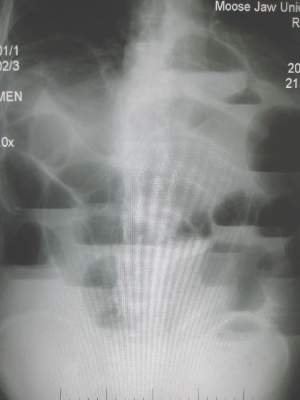
MONTREAL – When surgeons are sued and lose or settle in cases relating to management of small bowel obstruction, the payout is often costly, according a study involving a close examination of 158 such cases.
The odds of a positive outcome aren’t great. “When looking at award payouts, close to half of cases resulted in a verdict with monetary compensation for the patient,” said Dr. Asad Choudhry, a postdoctoral fellow in the department of trauma, critical care, and surgery at the Mayo Clinic, Rochester, Minn.
Dr. Choudhry, presenting his findings at the annual meeting of the Central Surgical Association, said that general surgeons are the third most likely specialty to be sued, coming only after neurosurgeons and cardiothoracic surgeons. In a given year, about 15% of all general surgeons will be sued, with almost a third of those suits resulting in a payment to the plaintiff. By age 65 years, said Dr. Choudhry, 99% of physicians in higher-risk specialties will face a malpractice claim, compared with 75% of those in lower-risk specialties.
Overall, one-third of malpractice payments come from suits that allege diagnostic error; 24% of suits allege malpractice in surgery. “Small bowel obstruction accounts for 12% to 16% of surgical admissions, with 300,000 operations performed each year,” he said.
Dr. Choudhry and his colleagues searched the Westlaw database using key search terms to identify U.S. malpractice cases that involved small bowel obstruction (SBO), focusing only on cases in which management of SBO was the primary reason for the suit. Cases from 1982 to 2015 were included.
Looking more closely at the 158 cases that resulted from the search, Dr. Choudhry examined variables that included patient demographics, the alleged reason for the malpractice, the settlement or verdict, and the amount paid out, adjusted to 2015 dollars.
In this sample of SBO cases, 139 patients were adults and 19 were children. The median age was 45 years. Over half of the patients in the group died (94/158, 60%), although neither age nor patient death were factors significantly associated with verdict outcome or award amount, he said.
The decade-over-decade growth in the number of suits was striking, increasing 188% during the 1994-2004 period from the previous decade and another 87% from 2005 to 2015.
In a lawsuit involving a SBO, the defendant is more likely to be a general surgeon than to belong to any other specialty. General surgeons were the defendant in 37% of cases, followed by internists in 24% and emergency physicians in 11%.
Dr. Choudhry and his associates conceptually grouped the reasons for the suits into preoperative, intraoperative, and postoperative care. Among the reasons for litigation, by far the most common was untimely intervention in managing of the SBO, a preoperative care component. This was the primary allegation in over 100 of the 158 cases; the next most common reason for bringing suit was incomplete or incorrect surgical procedure, deemed an intraoperative problem and seen in fewer than 20 of the suits.
Almost half of the cases resulted either in a verdict in favor of the plaintiff (n = 37, 23%) or a settlement (n = 36, 23%). When verdicts were returned against the defendant physician, payout amounts varied widely. The smallest amount paid was $29,575 and the largest was over $12 million. Payment amounts were larger with a verdict in favor of the plaintiff, at a median $1,438,800, compared with the median of $1,043,100 received by the plaintiff in a settlement.
Dr. Choudhry noted that early intervention may improve mortality from SBO in some patient groups. “Small bowel obstruction protocols which identify patients at high risk for adverse outcomes and ensure timely management may lessen the chance of litigation,” he said.
Dr. Choudhry acknowledged that the Westlaw database included just a limited amount of medical information. Various tort reform initiatives may have had a confounding effect on award size. It’s possible that using malpractice insurance data could provide more detailed medical information, he said.
Dr. Choudhry reported no relevant disclosures.
On Twitter @karioakes
MONTREAL – When surgeons are sued and lose or settle in cases relating to management of small bowel obstruction, the payout is often costly, according a study involving a close examination of 158 such cases.
The odds of a positive outcome aren’t great. “When looking at award payouts, close to half of cases resulted in a verdict with monetary compensation for the patient,” said Dr. Asad Choudhry, a postdoctoral fellow in the department of trauma, critical care, and surgery at the Mayo Clinic, Rochester, Minn.
Dr. Choudhry, presenting his findings at the annual meeting of the Central Surgical Association, said that general surgeons are the third most likely specialty to be sued, coming only after neurosurgeons and cardiothoracic surgeons. In a given year, about 15% of all general surgeons will be sued, with almost a third of those suits resulting in a payment to the plaintiff. By age 65 years, said Dr. Choudhry, 99% of physicians in higher-risk specialties will face a malpractice claim, compared with 75% of those in lower-risk specialties.
Overall, one-third of malpractice payments come from suits that allege diagnostic error; 24% of suits allege malpractice in surgery. “Small bowel obstruction accounts for 12% to 16% of surgical admissions, with 300,000 operations performed each year,” he said.
Dr. Choudhry and his colleagues searched the Westlaw database using key search terms to identify U.S. malpractice cases that involved small bowel obstruction (SBO), focusing only on cases in which management of SBO was the primary reason for the suit. Cases from 1982 to 2015 were included.
Looking more closely at the 158 cases that resulted from the search, Dr. Choudhry examined variables that included patient demographics, the alleged reason for the malpractice, the settlement or verdict, and the amount paid out, adjusted to 2015 dollars.
In this sample of SBO cases, 139 patients were adults and 19 were children. The median age was 45 years. Over half of the patients in the group died (94/158, 60%), although neither age nor patient death were factors significantly associated with verdict outcome or award amount, he said.
The decade-over-decade growth in the number of suits was striking, increasing 188% during the 1994-2004 period from the previous decade and another 87% from 2005 to 2015.
In a lawsuit involving a SBO, the defendant is more likely to be a general surgeon than to belong to any other specialty. General surgeons were the defendant in 37% of cases, followed by internists in 24% and emergency physicians in 11%.
Dr. Choudhry and his associates conceptually grouped the reasons for the suits into preoperative, intraoperative, and postoperative care. Among the reasons for litigation, by far the most common was untimely intervention in managing of the SBO, a preoperative care component. This was the primary allegation in over 100 of the 158 cases; the next most common reason for bringing suit was incomplete or incorrect surgical procedure, deemed an intraoperative problem and seen in fewer than 20 of the suits.
Almost half of the cases resulted either in a verdict in favor of the plaintiff (n = 37, 23%) or a settlement (n = 36, 23%). When verdicts were returned against the defendant physician, payout amounts varied widely. The smallest amount paid was $29,575 and the largest was over $12 million. Payment amounts were larger with a verdict in favor of the plaintiff, at a median $1,438,800, compared with the median of $1,043,100 received by the plaintiff in a settlement.
Dr. Choudhry noted that early intervention may improve mortality from SBO in some patient groups. “Small bowel obstruction protocols which identify patients at high risk for adverse outcomes and ensure timely management may lessen the chance of litigation,” he said.
Dr. Choudhry acknowledged that the Westlaw database included just a limited amount of medical information. Various tort reform initiatives may have had a confounding effect on award size. It’s possible that using malpractice insurance data could provide more detailed medical information, he said.
Dr. Choudhry reported no relevant disclosures.
On Twitter @karioakes
MONTREAL – When surgeons are sued and lose or settle in cases relating to management of small bowel obstruction, the payout is often costly, according a study involving a close examination of 158 such cases.
The odds of a positive outcome aren’t great. “When looking at award payouts, close to half of cases resulted in a verdict with monetary compensation for the patient,” said Dr. Asad Choudhry, a postdoctoral fellow in the department of trauma, critical care, and surgery at the Mayo Clinic, Rochester, Minn.
Dr. Choudhry, presenting his findings at the annual meeting of the Central Surgical Association, said that general surgeons are the third most likely specialty to be sued, coming only after neurosurgeons and cardiothoracic surgeons. In a given year, about 15% of all general surgeons will be sued, with almost a third of those suits resulting in a payment to the plaintiff. By age 65 years, said Dr. Choudhry, 99% of physicians in higher-risk specialties will face a malpractice claim, compared with 75% of those in lower-risk specialties.
Overall, one-third of malpractice payments come from suits that allege diagnostic error; 24% of suits allege malpractice in surgery. “Small bowel obstruction accounts for 12% to 16% of surgical admissions, with 300,000 operations performed each year,” he said.
Dr. Choudhry and his colleagues searched the Westlaw database using key search terms to identify U.S. malpractice cases that involved small bowel obstruction (SBO), focusing only on cases in which management of SBO was the primary reason for the suit. Cases from 1982 to 2015 were included.
Looking more closely at the 158 cases that resulted from the search, Dr. Choudhry examined variables that included patient demographics, the alleged reason for the malpractice, the settlement or verdict, and the amount paid out, adjusted to 2015 dollars.
In this sample of SBO cases, 139 patients were adults and 19 were children. The median age was 45 years. Over half of the patients in the group died (94/158, 60%), although neither age nor patient death were factors significantly associated with verdict outcome or award amount, he said.
The decade-over-decade growth in the number of suits was striking, increasing 188% during the 1994-2004 period from the previous decade and another 87% from 2005 to 2015.
In a lawsuit involving a SBO, the defendant is more likely to be a general surgeon than to belong to any other specialty. General surgeons were the defendant in 37% of cases, followed by internists in 24% and emergency physicians in 11%.
Dr. Choudhry and his associates conceptually grouped the reasons for the suits into preoperative, intraoperative, and postoperative care. Among the reasons for litigation, by far the most common was untimely intervention in managing of the SBO, a preoperative care component. This was the primary allegation in over 100 of the 158 cases; the next most common reason for bringing suit was incomplete or incorrect surgical procedure, deemed an intraoperative problem and seen in fewer than 20 of the suits.
Almost half of the cases resulted either in a verdict in favor of the plaintiff (n = 37, 23%) or a settlement (n = 36, 23%). When verdicts were returned against the defendant physician, payout amounts varied widely. The smallest amount paid was $29,575 and the largest was over $12 million. Payment amounts were larger with a verdict in favor of the plaintiff, at a median $1,438,800, compared with the median of $1,043,100 received by the plaintiff in a settlement.
Dr. Choudhry noted that early intervention may improve mortality from SBO in some patient groups. “Small bowel obstruction protocols which identify patients at high risk for adverse outcomes and ensure timely management may lessen the chance of litigation,” he said.
Dr. Choudhry acknowledged that the Westlaw database included just a limited amount of medical information. Various tort reform initiatives may have had a confounding effect on award size. It’s possible that using malpractice insurance data could provide more detailed medical information, he said.
Dr. Choudhry reported no relevant disclosures.
On Twitter @karioakes
AT THE ANNUAL MEETING OF THE CENTRAL SURGICAL ASSOCIATION
Key clinical point: Almost half of surgical small bowel obstruction lawsuits involved a payout of a median $1.1 million.
Major finding: About 15% of general surgeons are sued annually, and SBO is a common diagnosis in these suits.
Data source: Review of the Westlaw database that identified 158 lawsuits involving general surgeons and small bowel obstruction from 1982 to 2015.
Disclosures: The study authors reported no relevant disclosures.
Should esophageal cancer follow-up ever end?
About one third of patients who have esophagectomy for locally advanced esophageal cancer can survive disease-free for 5 years or longer, and once they reach that milestone, they have a good chance of living another 5 years, but previous studies have not explored if these patients continue disease-free or determined any independent predictors for long-term survival.
To get answers, investigators at Cornell University, New York conducted a retrospective review of a prospective database of 355 patients who underwent esophagectomy for cT2N0M0 or higher disease between 1988 and 2009, 126 of whom were alive and disease-free after 5 years.
The actuarial overall survival of this group was 94% at 7 years and 80% at 10 years, according to results published in the March issue of the Journal of Thoracic and Cardiovascular Surgery (2016 Mar;151:726-32). The findings were first presented at the 95th annual meeting of the American Association for Thoracic Surgery in April 2015 in Seattle. A video of the presentation is available at the AATS website (www.aats.org).
The 33% disease-free survival rate of these patients is “promising,” Dr. Galal Ghaly and colleagues said. “These excellent results are likely the result of accurate preoperative staging, standardization of surgical and perioperative management, and the use of multimodality treatment strategies,” they said.
But even after 5 years without disease, these patients were at risk of recurrence or other problems. Twenty-three patients (18%) experienced a second primary cancer elsewhere and eight (6.3%) had recurrence of esophageal cancer. Pulmonary-related deaths accounted for 10 (7.9%) of 22 (17.5%) non-cancer deaths after 5 years. “Careful follow-up is necessary for these patients, even after the 5-year mark,” Dr. Ghaly and colleagues said.
The study identified en bloc resection as the sole independent predictor of disease-free survival in these patients, a finding the investigators called “surprising,” but one with an explanation: “It is possible that patients undergoing en bloc resection were selected for that surgical procedure because of better performance status, fewer comorbidities or less frail appearance,” Dr. Ghaly and colleagues said. “Such a group might be expected to have a longer [overall survival] on the basis of those differences alone.”
Dr. Ghaly and coauthors acknowledged that over the 20-year term of the study changes in treatment approaches could have influenced patient outcomes, but a multivariable analysis accounted for that. They did find variability in preoperative staging, however. “Another limitation is the lack of a consistent method of preoperative staging, with 55% to 63% of patients staged by endoscopic ultrasonography and PET scanning,” Dr. Ghaly and coauthors said. However, that only resulted in 13 patients (10%) eventually found to have pT1N0 disease, and the results remained the same after those patients were excluded from the analysis.
Coauthor Dr. Paul J. Christos disclosed he had received a grant from the Clinical and Translational Science Center at Cornell University, New York. The other coauthors had no financial relationships to disclose.
The study by Dr. Ghaly and colleagues “provides some much-needed good news in esophageal cancer,” Dr. Gail Darling of the University of Toronto said in her invited commentary (J Thorac Cardiovasc Surg. 2016 Mar;151:733-4). She noted that 5-year survival after esophagectomy was once considered a cure, but increased survival after 5 years thanks to the use of neoadjuvant therapy raises the question: Has it simply delayed recurrence?

|
Dr. Gail Darling |
The study has shown that not all patients are cured even if they’re disease-free after 5 years, Dr. Darling said, making the case for follow-up beyond 5 years. Besides the risk of recurrence of esophageal cancer, a second reason for longer-term follow-up is the risk of second cancers. “This paper reminds us that we should not give up on our patients,” Dr. Darling said. “What a terrible thing it would be to be cured of one of the deadliest cancers, only to die from one that is more often curable.”
The role of pulmonary disease as a leading cause of death in these patients after 5 years cannot be ignored either, she said. People who have had esophagectomy often have chronic cough and reflux, and 25% of 5-year survivors had preexisting pulmonary disease. “Did patients die of their preexisting pulmonary disease, or did chronic reflux and aspiration contribute to their deaths?” she asked. “Perhaps chronic reflux is more than a quality-of-life issue.”
Dr. Darling acknowledged the study delivers “some much needed good news in esophageal cancer.” At the same time, “much work needs to be done.” That work includes addressing surgical quality. “We count lymph nodes and measure margins,” she said. “Is this enough? Is en bloc esophagectomy the answer?” The infrequency of esophageal cancer probably obviates a randomized trial, but the capabilities for collaborating on data collection and analysis provide an opportunity to determine the best surgical approach, she said. “At that point, the task of delivering high-quality surgery will rest with us.”
Dr. Darling had no financial relationships to disclose.
The study by Dr. Ghaly and colleagues “provides some much-needed good news in esophageal cancer,” Dr. Gail Darling of the University of Toronto said in her invited commentary (J Thorac Cardiovasc Surg. 2016 Mar;151:733-4). She noted that 5-year survival after esophagectomy was once considered a cure, but increased survival after 5 years thanks to the use of neoadjuvant therapy raises the question: Has it simply delayed recurrence?
|
|
Dr. Gail Darling |
The study has shown that not all patients are cured even if they’re disease-free after 5 years, Dr. Darling said, making the case for follow-up beyond 5 years. Besides the risk of recurrence of esophageal cancer, a second reason for longer-term follow-up is the risk of second cancers. “This paper reminds us that we should not give up on our patients,” Dr. Darling said. “What a terrible thing it would be to be cured of one of the deadliest cancers, only to die from one that is more often curable.”
The role of pulmonary disease as a leading cause of death in these patients after 5 years cannot be ignored either, she said. People who have had esophagectomy often have chronic cough and reflux, and 25% of 5-year survivors had preexisting pulmonary disease. “Did patients die of their preexisting pulmonary disease, or did chronic reflux and aspiration contribute to their deaths?” she asked. “Perhaps chronic reflux is more than a quality-of-life issue.”
Dr. Darling acknowledged the study delivers “some much needed good news in esophageal cancer.” At the same time, “much work needs to be done.” That work includes addressing surgical quality. “We count lymph nodes and measure margins,” she said. “Is this enough? Is en bloc esophagectomy the answer?” The infrequency of esophageal cancer probably obviates a randomized trial, but the capabilities for collaborating on data collection and analysis provide an opportunity to determine the best surgical approach, she said. “At that point, the task of delivering high-quality surgery will rest with us.”
Dr. Darling had no financial relationships to disclose.
The study by Dr. Ghaly and colleagues “provides some much-needed good news in esophageal cancer,” Dr. Gail Darling of the University of Toronto said in her invited commentary (J Thorac Cardiovasc Surg. 2016 Mar;151:733-4). She noted that 5-year survival after esophagectomy was once considered a cure, but increased survival after 5 years thanks to the use of neoadjuvant therapy raises the question: Has it simply delayed recurrence?
|
|
Dr. Gail Darling |
The study has shown that not all patients are cured even if they’re disease-free after 5 years, Dr. Darling said, making the case for follow-up beyond 5 years. Besides the risk of recurrence of esophageal cancer, a second reason for longer-term follow-up is the risk of second cancers. “This paper reminds us that we should not give up on our patients,” Dr. Darling said. “What a terrible thing it would be to be cured of one of the deadliest cancers, only to die from one that is more often curable.”
The role of pulmonary disease as a leading cause of death in these patients after 5 years cannot be ignored either, she said. People who have had esophagectomy often have chronic cough and reflux, and 25% of 5-year survivors had preexisting pulmonary disease. “Did patients die of their preexisting pulmonary disease, or did chronic reflux and aspiration contribute to their deaths?” she asked. “Perhaps chronic reflux is more than a quality-of-life issue.”
Dr. Darling acknowledged the study delivers “some much needed good news in esophageal cancer.” At the same time, “much work needs to be done.” That work includes addressing surgical quality. “We count lymph nodes and measure margins,” she said. “Is this enough? Is en bloc esophagectomy the answer?” The infrequency of esophageal cancer probably obviates a randomized trial, but the capabilities for collaborating on data collection and analysis provide an opportunity to determine the best surgical approach, she said. “At that point, the task of delivering high-quality surgery will rest with us.”
Dr. Darling had no financial relationships to disclose.
About one third of patients who have esophagectomy for locally advanced esophageal cancer can survive disease-free for 5 years or longer, and once they reach that milestone, they have a good chance of living another 5 years, but previous studies have not explored if these patients continue disease-free or determined any independent predictors for long-term survival.
To get answers, investigators at Cornell University, New York conducted a retrospective review of a prospective database of 355 patients who underwent esophagectomy for cT2N0M0 or higher disease between 1988 and 2009, 126 of whom were alive and disease-free after 5 years.
The actuarial overall survival of this group was 94% at 7 years and 80% at 10 years, according to results published in the March issue of the Journal of Thoracic and Cardiovascular Surgery (2016 Mar;151:726-32). The findings were first presented at the 95th annual meeting of the American Association for Thoracic Surgery in April 2015 in Seattle. A video of the presentation is available at the AATS website (www.aats.org).
The 33% disease-free survival rate of these patients is “promising,” Dr. Galal Ghaly and colleagues said. “These excellent results are likely the result of accurate preoperative staging, standardization of surgical and perioperative management, and the use of multimodality treatment strategies,” they said.
But even after 5 years without disease, these patients were at risk of recurrence or other problems. Twenty-three patients (18%) experienced a second primary cancer elsewhere and eight (6.3%) had recurrence of esophageal cancer. Pulmonary-related deaths accounted for 10 (7.9%) of 22 (17.5%) non-cancer deaths after 5 years. “Careful follow-up is necessary for these patients, even after the 5-year mark,” Dr. Ghaly and colleagues said.
The study identified en bloc resection as the sole independent predictor of disease-free survival in these patients, a finding the investigators called “surprising,” but one with an explanation: “It is possible that patients undergoing en bloc resection were selected for that surgical procedure because of better performance status, fewer comorbidities or less frail appearance,” Dr. Ghaly and colleagues said. “Such a group might be expected to have a longer [overall survival] on the basis of those differences alone.”
Dr. Ghaly and coauthors acknowledged that over the 20-year term of the study changes in treatment approaches could have influenced patient outcomes, but a multivariable analysis accounted for that. They did find variability in preoperative staging, however. “Another limitation is the lack of a consistent method of preoperative staging, with 55% to 63% of patients staged by endoscopic ultrasonography and PET scanning,” Dr. Ghaly and coauthors said. However, that only resulted in 13 patients (10%) eventually found to have pT1N0 disease, and the results remained the same after those patients were excluded from the analysis.
Coauthor Dr. Paul J. Christos disclosed he had received a grant from the Clinical and Translational Science Center at Cornell University, New York. The other coauthors had no financial relationships to disclose.
About one third of patients who have esophagectomy for locally advanced esophageal cancer can survive disease-free for 5 years or longer, and once they reach that milestone, they have a good chance of living another 5 years, but previous studies have not explored if these patients continue disease-free or determined any independent predictors for long-term survival.
To get answers, investigators at Cornell University, New York conducted a retrospective review of a prospective database of 355 patients who underwent esophagectomy for cT2N0M0 or higher disease between 1988 and 2009, 126 of whom were alive and disease-free after 5 years.
The actuarial overall survival of this group was 94% at 7 years and 80% at 10 years, according to results published in the March issue of the Journal of Thoracic and Cardiovascular Surgery (2016 Mar;151:726-32). The findings were first presented at the 95th annual meeting of the American Association for Thoracic Surgery in April 2015 in Seattle. A video of the presentation is available at the AATS website (www.aats.org).
The 33% disease-free survival rate of these patients is “promising,” Dr. Galal Ghaly and colleagues said. “These excellent results are likely the result of accurate preoperative staging, standardization of surgical and perioperative management, and the use of multimodality treatment strategies,” they said.
But even after 5 years without disease, these patients were at risk of recurrence or other problems. Twenty-three patients (18%) experienced a second primary cancer elsewhere and eight (6.3%) had recurrence of esophageal cancer. Pulmonary-related deaths accounted for 10 (7.9%) of 22 (17.5%) non-cancer deaths after 5 years. “Careful follow-up is necessary for these patients, even after the 5-year mark,” Dr. Ghaly and colleagues said.
The study identified en bloc resection as the sole independent predictor of disease-free survival in these patients, a finding the investigators called “surprising,” but one with an explanation: “It is possible that patients undergoing en bloc resection were selected for that surgical procedure because of better performance status, fewer comorbidities or less frail appearance,” Dr. Ghaly and colleagues said. “Such a group might be expected to have a longer [overall survival] on the basis of those differences alone.”
Dr. Ghaly and coauthors acknowledged that over the 20-year term of the study changes in treatment approaches could have influenced patient outcomes, but a multivariable analysis accounted for that. They did find variability in preoperative staging, however. “Another limitation is the lack of a consistent method of preoperative staging, with 55% to 63% of patients staged by endoscopic ultrasonography and PET scanning,” Dr. Ghaly and coauthors said. However, that only resulted in 13 patients (10%) eventually found to have pT1N0 disease, and the results remained the same after those patients were excluded from the analysis.
Coauthor Dr. Paul J. Christos disclosed he had received a grant from the Clinical and Translational Science Center at Cornell University, New York. The other coauthors had no financial relationships to disclose.
FROM THE JOURNAL OF THORACIC AND CARDIOVASCULAR SURGERY
Key clinical point: Patients who achieve 5-year disease-free survival after esophagectomy for cancer should continue on follow-up beyond 5 years.
Major finding: After 5 years of disease-free survival, 6.3% of patients had recurrence of esophageal cancer, 18% had a second cancer elsewhere, and 7.9% died of pulmonary-related problems.
Data source: Retrospective review of a prospectively assembled thoracic surgery database of 355 patients who had esophagectomy for cT2N0M0 esophageal cancer from 1988 to 2009.
Disclosures: Coauthor Dr. Paul J. Christos disclosed partial support of a grant from Cornell University, New York. The other authors had no relationships to disclose.

Study: Tricuspid annuloplasty with mitral replacement appeared safe and effective
Controversy has surrounded the idea of concomitant tricuspid annuloplasty (TAP) with mitral valve surgery (MVR) as a way to prevent further progression of tricuspid regurgitation, and while several reports have suggested the procedures can be done safely and effectively, few reports have explored the idea of concomitant procedures in people with moderate or mild tricuspid regurgitation (TR) as a measure to prevent progression to more severe TR.
But investigators at Sungkyunkwan University in Seoul have found that TAP at the same time as MVR can be done without increasing surgical risks for patients, according to a report in the March issue of the Journal of Thoracic and Cardiovascular Surgery (2016;151:788-95).
“Although prophylactic TAP showed marginal clinical benefits for patients with less than moderate TR, we believe it is plausible to anticipate a long-term trend of a benefit of TAP in longer-term follow-up studies,“ Dr. Heemoon Lee and coauthors wrote. “Many other longer-term prospective randomized studies are needed to confirm our study findings and to ascertain clinical benefits of prophylactic TAP during mitral valve surgery.”
Despite existing clinical guidelines that recommend tricuspid valve repair for severe TR associated with mitral valve disease that requires MVR, prophylactic TAP for patients with less than moderate TR at the time of left-side valve surgery remains controversial because TR has been linked to multiple complex factors. They include etiology, whether degenerative or rheumatic; concomitant atrial fibrillation (AF); unreliable TR grading; or measurement of tricuspid annular diameter.
The investigators performed primary mechanical MVR on two groups of patients between November 1994 and December 2010: 151 with TAP; and 142 without TAP. All operations were performed through a standard median sternotomy and median follow-up was 107 months.
They looked at both early and late outcomes. There was no early mortality in either group; two bleeding episodes that required further surgery and one pacemaker insertion in the no-TAP group; and no bleeding complications and heart blocks requiring pacemaker insertion in the TAP group. While ICU stays were similar for both groups, the TAP group had significantly shorter hospital stays: 9 days vs. 11 days (P less than .001).
In terms of overall and cardiac-related deaths at 10 years, the investigators reported no significant differences between the two groups. “TAP did not appear to improve cardiac-related mortality,” Dr. Lee and coauthors said. Nor did freedom from tricuspid valve–related events differ appreciably between the two groups: 84.8% in TAP and 77.5% in no-TAP at year 10 (P = .087).
But the TAP group showed far lower rates of progression to late TR at 10 years – one in the TAP group; one (less than 1%) vs. nine (6.3%) in the no-TAP group; 96.8% in the TAP group were free from TR recurrence of grade 2 or greater vs. 85.6% in no-TAP.
“TAP can be performed safely without increases in early mortality and morbidities, including heart block,” Dr. Lee and coauthors said. “We also found that prophylactic TAP can prevent progression of late moderate or greater TR. TAP showed a tendency to prevent tricuspid valve–related events and was marginally significant.”
The researchers also evaluated the role of AF as a risk factor for progression of late TR; the effects of TAP on recurrence of moderate or greater TR were “prominent” in patients with sinus rhythm vs. AF at discharge. “These findings may reflect that the maze procedure is more important than prophylactic TAP in improving late outcomes in mitral valve disease with AF,” Dr. Lee and colleagues wrote.
The investigators acknowledged a number of limits of their study: its retrospective nature; how indications and techniques of MVR, TAP, and the maze procedure evolved over the study duration; and that the maze procedure and prophylactic TAP were not widely embraced in the early years of the study.
Dr. Lee and colleagues had no financial relationships to disclose.
The proposition of performing a concomitant TAP during MVR to prevent late progression of tricuspid regurgitation (TR) “raises safety concerns, Dr. J. Hunter Mehaffey and Dr. Irving L. Kron of the University of Virginia, Charlottesville, said in their invited commentary (J. Thorac. Cardiovasc. Surg. 2016;151:796-7). They cited their own study of 400 patients that reported higher death and complication rates in concomitant TAP-MVR procedures than in MVR alone (Ann. Thorac. Surg. 2012;52-8).

|
| M. Alex Otto/Frontline Medical News Dr. Hunter Mehaffey |
While Dr. Mehaffey and Dr. Kron commended Dr. Lee and colleagues for including atrial fibrillation in their risk analysis, they also questioned why the investigators did not address how to identify patients who would benefit from TAP to reduce the potential for long-term tricuspid, valve-related problems like reoperation for TR, right heart failure and pacemaker insertion. Nor do the investigators explain why they performed TAP in some patients and not others.
They called the study by Dr. Lee and colleagues an “interesting retrospective analysis” of concomitant TAP with MVR. “Unfortunately, this study raises numerous questions that cannot be adequately answered by propensity matching,” the coauthors wrote. A randomized, prospective trial would resolve many of these issues, they said.
Dr. Mehaffey and Dr. Kron had no financial relationships to disclose.
The proposition of performing a concomitant TAP during MVR to prevent late progression of tricuspid regurgitation (TR) “raises safety concerns, Dr. J. Hunter Mehaffey and Dr. Irving L. Kron of the University of Virginia, Charlottesville, said in their invited commentary (J. Thorac. Cardiovasc. Surg. 2016;151:796-7). They cited their own study of 400 patients that reported higher death and complication rates in concomitant TAP-MVR procedures than in MVR alone (Ann. Thorac. Surg. 2012;52-8).
|
|
| M. Alex Otto/Frontline Medical News Dr. Hunter Mehaffey |
While Dr. Mehaffey and Dr. Kron commended Dr. Lee and colleagues for including atrial fibrillation in their risk analysis, they also questioned why the investigators did not address how to identify patients who would benefit from TAP to reduce the potential for long-term tricuspid, valve-related problems like reoperation for TR, right heart failure and pacemaker insertion. Nor do the investigators explain why they performed TAP in some patients and not others.
They called the study by Dr. Lee and colleagues an “interesting retrospective analysis” of concomitant TAP with MVR. “Unfortunately, this study raises numerous questions that cannot be adequately answered by propensity matching,” the coauthors wrote. A randomized, prospective trial would resolve many of these issues, they said.
Dr. Mehaffey and Dr. Kron had no financial relationships to disclose.
The proposition of performing a concomitant TAP during MVR to prevent late progression of tricuspid regurgitation (TR) “raises safety concerns, Dr. J. Hunter Mehaffey and Dr. Irving L. Kron of the University of Virginia, Charlottesville, said in their invited commentary (J. Thorac. Cardiovasc. Surg. 2016;151:796-7). They cited their own study of 400 patients that reported higher death and complication rates in concomitant TAP-MVR procedures than in MVR alone (Ann. Thorac. Surg. 2012;52-8).
|
|
| M. Alex Otto/Frontline Medical News Dr. Hunter Mehaffey |
While Dr. Mehaffey and Dr. Kron commended Dr. Lee and colleagues for including atrial fibrillation in their risk analysis, they also questioned why the investigators did not address how to identify patients who would benefit from TAP to reduce the potential for long-term tricuspid, valve-related problems like reoperation for TR, right heart failure and pacemaker insertion. Nor do the investigators explain why they performed TAP in some patients and not others.
They called the study by Dr. Lee and colleagues an “interesting retrospective analysis” of concomitant TAP with MVR. “Unfortunately, this study raises numerous questions that cannot be adequately answered by propensity matching,” the coauthors wrote. A randomized, prospective trial would resolve many of these issues, they said.
Dr. Mehaffey and Dr. Kron had no financial relationships to disclose.
Controversy has surrounded the idea of concomitant tricuspid annuloplasty (TAP) with mitral valve surgery (MVR) as a way to prevent further progression of tricuspid regurgitation, and while several reports have suggested the procedures can be done safely and effectively, few reports have explored the idea of concomitant procedures in people with moderate or mild tricuspid regurgitation (TR) as a measure to prevent progression to more severe TR.
But investigators at Sungkyunkwan University in Seoul have found that TAP at the same time as MVR can be done without increasing surgical risks for patients, according to a report in the March issue of the Journal of Thoracic and Cardiovascular Surgery (2016;151:788-95).
“Although prophylactic TAP showed marginal clinical benefits for patients with less than moderate TR, we believe it is plausible to anticipate a long-term trend of a benefit of TAP in longer-term follow-up studies,“ Dr. Heemoon Lee and coauthors wrote. “Many other longer-term prospective randomized studies are needed to confirm our study findings and to ascertain clinical benefits of prophylactic TAP during mitral valve surgery.”
Despite existing clinical guidelines that recommend tricuspid valve repair for severe TR associated with mitral valve disease that requires MVR, prophylactic TAP for patients with less than moderate TR at the time of left-side valve surgery remains controversial because TR has been linked to multiple complex factors. They include etiology, whether degenerative or rheumatic; concomitant atrial fibrillation (AF); unreliable TR grading; or measurement of tricuspid annular diameter.
The investigators performed primary mechanical MVR on two groups of patients between November 1994 and December 2010: 151 with TAP; and 142 without TAP. All operations were performed through a standard median sternotomy and median follow-up was 107 months.
They looked at both early and late outcomes. There was no early mortality in either group; two bleeding episodes that required further surgery and one pacemaker insertion in the no-TAP group; and no bleeding complications and heart blocks requiring pacemaker insertion in the TAP group. While ICU stays were similar for both groups, the TAP group had significantly shorter hospital stays: 9 days vs. 11 days (P less than .001).
In terms of overall and cardiac-related deaths at 10 years, the investigators reported no significant differences between the two groups. “TAP did not appear to improve cardiac-related mortality,” Dr. Lee and coauthors said. Nor did freedom from tricuspid valve–related events differ appreciably between the two groups: 84.8% in TAP and 77.5% in no-TAP at year 10 (P = .087).
But the TAP group showed far lower rates of progression to late TR at 10 years – one in the TAP group; one (less than 1%) vs. nine (6.3%) in the no-TAP group; 96.8% in the TAP group were free from TR recurrence of grade 2 or greater vs. 85.6% in no-TAP.
“TAP can be performed safely without increases in early mortality and morbidities, including heart block,” Dr. Lee and coauthors said. “We also found that prophylactic TAP can prevent progression of late moderate or greater TR. TAP showed a tendency to prevent tricuspid valve–related events and was marginally significant.”
The researchers also evaluated the role of AF as a risk factor for progression of late TR; the effects of TAP on recurrence of moderate or greater TR were “prominent” in patients with sinus rhythm vs. AF at discharge. “These findings may reflect that the maze procedure is more important than prophylactic TAP in improving late outcomes in mitral valve disease with AF,” Dr. Lee and colleagues wrote.
The investigators acknowledged a number of limits of their study: its retrospective nature; how indications and techniques of MVR, TAP, and the maze procedure evolved over the study duration; and that the maze procedure and prophylactic TAP were not widely embraced in the early years of the study.
Dr. Lee and colleagues had no financial relationships to disclose.
Controversy has surrounded the idea of concomitant tricuspid annuloplasty (TAP) with mitral valve surgery (MVR) as a way to prevent further progression of tricuspid regurgitation, and while several reports have suggested the procedures can be done safely and effectively, few reports have explored the idea of concomitant procedures in people with moderate or mild tricuspid regurgitation (TR) as a measure to prevent progression to more severe TR.
But investigators at Sungkyunkwan University in Seoul have found that TAP at the same time as MVR can be done without increasing surgical risks for patients, according to a report in the March issue of the Journal of Thoracic and Cardiovascular Surgery (2016;151:788-95).
“Although prophylactic TAP showed marginal clinical benefits for patients with less than moderate TR, we believe it is plausible to anticipate a long-term trend of a benefit of TAP in longer-term follow-up studies,“ Dr. Heemoon Lee and coauthors wrote. “Many other longer-term prospective randomized studies are needed to confirm our study findings and to ascertain clinical benefits of prophylactic TAP during mitral valve surgery.”
Despite existing clinical guidelines that recommend tricuspid valve repair for severe TR associated with mitral valve disease that requires MVR, prophylactic TAP for patients with less than moderate TR at the time of left-side valve surgery remains controversial because TR has been linked to multiple complex factors. They include etiology, whether degenerative or rheumatic; concomitant atrial fibrillation (AF); unreliable TR grading; or measurement of tricuspid annular diameter.
The investigators performed primary mechanical MVR on two groups of patients between November 1994 and December 2010: 151 with TAP; and 142 without TAP. All operations were performed through a standard median sternotomy and median follow-up was 107 months.
They looked at both early and late outcomes. There was no early mortality in either group; two bleeding episodes that required further surgery and one pacemaker insertion in the no-TAP group; and no bleeding complications and heart blocks requiring pacemaker insertion in the TAP group. While ICU stays were similar for both groups, the TAP group had significantly shorter hospital stays: 9 days vs. 11 days (P less than .001).
In terms of overall and cardiac-related deaths at 10 years, the investigators reported no significant differences between the two groups. “TAP did not appear to improve cardiac-related mortality,” Dr. Lee and coauthors said. Nor did freedom from tricuspid valve–related events differ appreciably between the two groups: 84.8% in TAP and 77.5% in no-TAP at year 10 (P = .087).
But the TAP group showed far lower rates of progression to late TR at 10 years – one in the TAP group; one (less than 1%) vs. nine (6.3%) in the no-TAP group; 96.8% in the TAP group were free from TR recurrence of grade 2 or greater vs. 85.6% in no-TAP.
“TAP can be performed safely without increases in early mortality and morbidities, including heart block,” Dr. Lee and coauthors said. “We also found that prophylactic TAP can prevent progression of late moderate or greater TR. TAP showed a tendency to prevent tricuspid valve–related events and was marginally significant.”
The researchers also evaluated the role of AF as a risk factor for progression of late TR; the effects of TAP on recurrence of moderate or greater TR were “prominent” in patients with sinus rhythm vs. AF at discharge. “These findings may reflect that the maze procedure is more important than prophylactic TAP in improving late outcomes in mitral valve disease with AF,” Dr. Lee and colleagues wrote.
The investigators acknowledged a number of limits of their study: its retrospective nature; how indications and techniques of MVR, TAP, and the maze procedure evolved over the study duration; and that the maze procedure and prophylactic TAP were not widely embraced in the early years of the study.
Dr. Lee and colleagues had no financial relationships to disclose.
FROM THE JOURNAL OF THORACIC AND CARDIOVASCULAR SURGERY
Key clinical point: Tricuspid annuloplasty performed at the same time as mitral valve surgery in people with moderate or less tricuspid regurgitation can be performed safely and achieve its clinical objective.
Major finding: Patients who had the concomitant procedure had similar rates of surgery-related death and complications as did those who had mitral valve surgery only and lower rates of late progression of tricuspid regurgitation.
Data source: Retrospective review of data for 293 patients who underwent primary mitral valve repair with mechanical prosthesis at a single center from November 1994 to December 2010.
Disclosures: The study authors had no financial relationships to disclose.

FDA requires boxed warnings for short-acting opioids
The Food and Drug Administration will require boxed warnings on the risks of abuse, misuse, addiction, overdose, and death for all immediate-release opioids.
The decision is part of the latest wave of efforts by federal officials to combat the ballooning opioid epidemic. It comes a week after the Centers for Disease Control and Prevention issued guidelines recommending nonopioid analgesia for noncancer pain, and 3 years after FDA required boxed warnings for all extended-release opioids, Dr. Douglas Throckmorton, deputy director of regulatory programs at the FDA Center for Drug Evaluation and Research, said during a news conference March 22.

The FDA has faced criticism for doing too little, too late to curtail opioid-related deaths, which have surpassed motor vehicle accidents as the leading cause of injury-related fatality in the United States. The agency initially limited its boxed warning to extended-release opioids because they contain more drug per tablet, are more attractive to substance abusers, and have a longer temporal risk of potentially fatal respiratory depression, Dr. Throckmorton said.
“This change will remind prescribers that immediate-release opioids are also powerful drugs with important safety concerns,” he said. “We will continue to monitor the situation, and as we need to do more, we will.”
The new boxed warning requirement affects 87 innovator products and 141 generic immediate-release opioids, whereas the 2013 decision involved just 8 long-acting products. The FDA notified manufacturers of its decision today and expects to finish reviewing label updates by the end of 2016, officials said.
In addition, all prescription opioids will be required to include warnings about potentially harmful drug interactions; serotonin syndrome; adrenal insufficiency and other endocrine problems; and neonatal opioid withdrawal syndrome, FDA Commissioner Dr. Robert Califf said during the press conference. While some pregnant women with chronic pain may need to stay on opioids, providers should be prepared to treat withdrawal syndrome in newborns, Dr. Throckmorton added.
The American Congress of Obstetricians and Gynecologists responded to the CDC guidelines and FDA announcement by advising women who are already taking opioids to consider staying on them during pregnancy. Neonatal opioid withdrawal is treatable and has not been clearly linked to long-term problems, while withdrawal during pregnancy can cause fetal demise, according to an ACOG statement.
Dr. Califf emphasized that the FDA does not intend to stop physicians from prescribing opioids to patients with serious pain.
Most physicians do not read labels, but label changes trigger discussions, which lead to formulary changes and updates to electronic prescription monitoring programs, he added. “That really starts with a label from the FDA. I can assure you the label will have an impact.”
The FDA will convene an advisory committee meeting on May 3 to May 4 to discuss the impact of boxed warnings for extended-release opioids and approvals of abuse-deterrent formulations, Dr. Throckmorton said. Advisers also will discuss whether to add immediate-release opioids to the existing Risk Evaluation and Mitigation Strategies (REMS) for extended-release formulations.
“The totality of these actions is what’s going to be needed for change,” Dr. Throckmorton said. “The labeling is an important part, but its not the only thing that’s going to be necessary.”
The Food and Drug Administration will require boxed warnings on the risks of abuse, misuse, addiction, overdose, and death for all immediate-release opioids.
The decision is part of the latest wave of efforts by federal officials to combat the ballooning opioid epidemic. It comes a week after the Centers for Disease Control and Prevention issued guidelines recommending nonopioid analgesia for noncancer pain, and 3 years after FDA required boxed warnings for all extended-release opioids, Dr. Douglas Throckmorton, deputy director of regulatory programs at the FDA Center for Drug Evaluation and Research, said during a news conference March 22.
The FDA has faced criticism for doing too little, too late to curtail opioid-related deaths, which have surpassed motor vehicle accidents as the leading cause of injury-related fatality in the United States. The agency initially limited its boxed warning to extended-release opioids because they contain more drug per tablet, are more attractive to substance abusers, and have a longer temporal risk of potentially fatal respiratory depression, Dr. Throckmorton said.
“This change will remind prescribers that immediate-release opioids are also powerful drugs with important safety concerns,” he said. “We will continue to monitor the situation, and as we need to do more, we will.”
The new boxed warning requirement affects 87 innovator products and 141 generic immediate-release opioids, whereas the 2013 decision involved just 8 long-acting products. The FDA notified manufacturers of its decision today and expects to finish reviewing label updates by the end of 2016, officials said.
In addition, all prescription opioids will be required to include warnings about potentially harmful drug interactions; serotonin syndrome; adrenal insufficiency and other endocrine problems; and neonatal opioid withdrawal syndrome, FDA Commissioner Dr. Robert Califf said during the press conference. While some pregnant women with chronic pain may need to stay on opioids, providers should be prepared to treat withdrawal syndrome in newborns, Dr. Throckmorton added.
The American Congress of Obstetricians and Gynecologists responded to the CDC guidelines and FDA announcement by advising women who are already taking opioids to consider staying on them during pregnancy. Neonatal opioid withdrawal is treatable and has not been clearly linked to long-term problems, while withdrawal during pregnancy can cause fetal demise, according to an ACOG statement.
Dr. Califf emphasized that the FDA does not intend to stop physicians from prescribing opioids to patients with serious pain.
Most physicians do not read labels, but label changes trigger discussions, which lead to formulary changes and updates to electronic prescription monitoring programs, he added. “That really starts with a label from the FDA. I can assure you the label will have an impact.”
The FDA will convene an advisory committee meeting on May 3 to May 4 to discuss the impact of boxed warnings for extended-release opioids and approvals of abuse-deterrent formulations, Dr. Throckmorton said. Advisers also will discuss whether to add immediate-release opioids to the existing Risk Evaluation and Mitigation Strategies (REMS) for extended-release formulations.
“The totality of these actions is what’s going to be needed for change,” Dr. Throckmorton said. “The labeling is an important part, but its not the only thing that’s going to be necessary.”
The Food and Drug Administration will require boxed warnings on the risks of abuse, misuse, addiction, overdose, and death for all immediate-release opioids.
The decision is part of the latest wave of efforts by federal officials to combat the ballooning opioid epidemic. It comes a week after the Centers for Disease Control and Prevention issued guidelines recommending nonopioid analgesia for noncancer pain, and 3 years after FDA required boxed warnings for all extended-release opioids, Dr. Douglas Throckmorton, deputy director of regulatory programs at the FDA Center for Drug Evaluation and Research, said during a news conference March 22.
The FDA has faced criticism for doing too little, too late to curtail opioid-related deaths, which have surpassed motor vehicle accidents as the leading cause of injury-related fatality in the United States. The agency initially limited its boxed warning to extended-release opioids because they contain more drug per tablet, are more attractive to substance abusers, and have a longer temporal risk of potentially fatal respiratory depression, Dr. Throckmorton said.
“This change will remind prescribers that immediate-release opioids are also powerful drugs with important safety concerns,” he said. “We will continue to monitor the situation, and as we need to do more, we will.”
The new boxed warning requirement affects 87 innovator products and 141 generic immediate-release opioids, whereas the 2013 decision involved just 8 long-acting products. The FDA notified manufacturers of its decision today and expects to finish reviewing label updates by the end of 2016, officials said.
In addition, all prescription opioids will be required to include warnings about potentially harmful drug interactions; serotonin syndrome; adrenal insufficiency and other endocrine problems; and neonatal opioid withdrawal syndrome, FDA Commissioner Dr. Robert Califf said during the press conference. While some pregnant women with chronic pain may need to stay on opioids, providers should be prepared to treat withdrawal syndrome in newborns, Dr. Throckmorton added.
The American Congress of Obstetricians and Gynecologists responded to the CDC guidelines and FDA announcement by advising women who are already taking opioids to consider staying on them during pregnancy. Neonatal opioid withdrawal is treatable and has not been clearly linked to long-term problems, while withdrawal during pregnancy can cause fetal demise, according to an ACOG statement.
Dr. Califf emphasized that the FDA does not intend to stop physicians from prescribing opioids to patients with serious pain.
Most physicians do not read labels, but label changes trigger discussions, which lead to formulary changes and updates to electronic prescription monitoring programs, he added. “That really starts with a label from the FDA. I can assure you the label will have an impact.”
The FDA will convene an advisory committee meeting on May 3 to May 4 to discuss the impact of boxed warnings for extended-release opioids and approvals of abuse-deterrent formulations, Dr. Throckmorton said. Advisers also will discuss whether to add immediate-release opioids to the existing Risk Evaluation and Mitigation Strategies (REMS) for extended-release formulations.
“The totality of these actions is what’s going to be needed for change,” Dr. Throckmorton said. “The labeling is an important part, but its not the only thing that’s going to be necessary.”

Bilateral sentinel lymph node biopsy safe alternative for assessing early cervical cancer
SAN DIEGO – Bilateral sentinel lymph node biopsy alone is a safe alternative to bilateral pelvic lymphadenectomy for stage I cervical cancer and might reduce morbidity, results from an observational study suggest.
“Prior studies have shown detection rates for sentinel lymph nodes and sensitivity for metastases of approximately 95% for cervical tumors less than 2 cm,” Dr. Genevieve K. Lennox said at the annual meeting of the Society of Gynecologic Oncology. “To our knowledge, ours is the first study specifically investigating the long-term outcomes for patients who have had bilateral sentinel lymph node biopsy alone for lymph node assessment in stage I cervical cancer.”

Dr. Lennox, a gynecologic oncology fellow in the department of ob.gyn. at the University of Toronto, and her associates used the university’s prospective cervical cancer database to identify 1,188 patients with stage IA/IB cervical cancer with negative lymph nodes on pathology after primary surgery with either bilateral pelvic lymphadenectomy (BPLND) or bilateral sentinel lymph node biopsy (BSLNB). They used Wilcoxon rank sum, chi square, and Fisher’s exact tests to compare the two groups, and a Cox proportional hazards model to identify predictors of recurrence-free survival.
The researchers observed no differences in recurrence-free survival between BPLND and BSLNB at 2 years (95% vs. 97%, respectively) or at 5 years (92% vs. 93%), nor in tumor size, histology, depth of invasion, intra-operative complications, or short-term morbidity. BPLND was, however, associated with increased surgical time (2.8 vs. 2 hours for BSLNB; P less than .001), blood loss (500 mL vs. 100 mL; P less than .001), transfusion (23% vs. 0%; P less than .001), and postoperative infection (11% vs. 0%; P = .001). Age, surgical date, stage, lymphovascular space invasion, and radicality of surgery differed between groups, she reported.
After controlling for confounders on multivariable cox regression analysis, only tumor size, lymphovascular space invasion, and histology were prognostic for recurrence-free survival, but mode of lymph node assessment was not.
“Seeing the data, it struck me how much less invasive the treatment of early cervical cancer has become over the past 20 years,” Dr. Lennox said. “Based on our data, it appears that bilateral sentinel lymph node biopsy alone is a safe alternative to bilateral pelvic lymphadenectomy for stage I cervical cancer and might reduce morbidity.”
She acknowledged certain limitations of the study, including its observational design and low recurrence rate. “However, to conduct a noninferiority trial with a 3% margin, assuming a 5-year recurrence rate of 7% in the pelvic lymphadenectomy group and 10% in the sentinel lymph node biopsy group, would require approximately 1,400 patients,” Dr. Lennox noted. “Since such a study is not feasible, we will have to continue accumulating data from prospective observational studies to inform decision making about the use of the sentinel lymph node strategy in cervical cancer.”
SAN DIEGO – Bilateral sentinel lymph node biopsy alone is a safe alternative to bilateral pelvic lymphadenectomy for stage I cervical cancer and might reduce morbidity, results from an observational study suggest.
“Prior studies have shown detection rates for sentinel lymph nodes and sensitivity for metastases of approximately 95% for cervical tumors less than 2 cm,” Dr. Genevieve K. Lennox said at the annual meeting of the Society of Gynecologic Oncology. “To our knowledge, ours is the first study specifically investigating the long-term outcomes for patients who have had bilateral sentinel lymph node biopsy alone for lymph node assessment in stage I cervical cancer.”
Dr. Lennox, a gynecologic oncology fellow in the department of ob.gyn. at the University of Toronto, and her associates used the university’s prospective cervical cancer database to identify 1,188 patients with stage IA/IB cervical cancer with negative lymph nodes on pathology after primary surgery with either bilateral pelvic lymphadenectomy (BPLND) or bilateral sentinel lymph node biopsy (BSLNB). They used Wilcoxon rank sum, chi square, and Fisher’s exact tests to compare the two groups, and a Cox proportional hazards model to identify predictors of recurrence-free survival.
The researchers observed no differences in recurrence-free survival between BPLND and BSLNB at 2 years (95% vs. 97%, respectively) or at 5 years (92% vs. 93%), nor in tumor size, histology, depth of invasion, intra-operative complications, or short-term morbidity. BPLND was, however, associated with increased surgical time (2.8 vs. 2 hours for BSLNB; P less than .001), blood loss (500 mL vs. 100 mL; P less than .001), transfusion (23% vs. 0%; P less than .001), and postoperative infection (11% vs. 0%; P = .001). Age, surgical date, stage, lymphovascular space invasion, and radicality of surgery differed between groups, she reported.
After controlling for confounders on multivariable cox regression analysis, only tumor size, lymphovascular space invasion, and histology were prognostic for recurrence-free survival, but mode of lymph node assessment was not.
“Seeing the data, it struck me how much less invasive the treatment of early cervical cancer has become over the past 20 years,” Dr. Lennox said. “Based on our data, it appears that bilateral sentinel lymph node biopsy alone is a safe alternative to bilateral pelvic lymphadenectomy for stage I cervical cancer and might reduce morbidity.”
She acknowledged certain limitations of the study, including its observational design and low recurrence rate. “However, to conduct a noninferiority trial with a 3% margin, assuming a 5-year recurrence rate of 7% in the pelvic lymphadenectomy group and 10% in the sentinel lymph node biopsy group, would require approximately 1,400 patients,” Dr. Lennox noted. “Since such a study is not feasible, we will have to continue accumulating data from prospective observational studies to inform decision making about the use of the sentinel lymph node strategy in cervical cancer.”
SAN DIEGO – Bilateral sentinel lymph node biopsy alone is a safe alternative to bilateral pelvic lymphadenectomy for stage I cervical cancer and might reduce morbidity, results from an observational study suggest.
“Prior studies have shown detection rates for sentinel lymph nodes and sensitivity for metastases of approximately 95% for cervical tumors less than 2 cm,” Dr. Genevieve K. Lennox said at the annual meeting of the Society of Gynecologic Oncology. “To our knowledge, ours is the first study specifically investigating the long-term outcomes for patients who have had bilateral sentinel lymph node biopsy alone for lymph node assessment in stage I cervical cancer.”
Dr. Lennox, a gynecologic oncology fellow in the department of ob.gyn. at the University of Toronto, and her associates used the university’s prospective cervical cancer database to identify 1,188 patients with stage IA/IB cervical cancer with negative lymph nodes on pathology after primary surgery with either bilateral pelvic lymphadenectomy (BPLND) or bilateral sentinel lymph node biopsy (BSLNB). They used Wilcoxon rank sum, chi square, and Fisher’s exact tests to compare the two groups, and a Cox proportional hazards model to identify predictors of recurrence-free survival.
The researchers observed no differences in recurrence-free survival between BPLND and BSLNB at 2 years (95% vs. 97%, respectively) or at 5 years (92% vs. 93%), nor in tumor size, histology, depth of invasion, intra-operative complications, or short-term morbidity. BPLND was, however, associated with increased surgical time (2.8 vs. 2 hours for BSLNB; P less than .001), blood loss (500 mL vs. 100 mL; P less than .001), transfusion (23% vs. 0%; P less than .001), and postoperative infection (11% vs. 0%; P = .001). Age, surgical date, stage, lymphovascular space invasion, and radicality of surgery differed between groups, she reported.
After controlling for confounders on multivariable cox regression analysis, only tumor size, lymphovascular space invasion, and histology were prognostic for recurrence-free survival, but mode of lymph node assessment was not.
“Seeing the data, it struck me how much less invasive the treatment of early cervical cancer has become over the past 20 years,” Dr. Lennox said. “Based on our data, it appears that bilateral sentinel lymph node biopsy alone is a safe alternative to bilateral pelvic lymphadenectomy for stage I cervical cancer and might reduce morbidity.”
She acknowledged certain limitations of the study, including its observational design and low recurrence rate. “However, to conduct a noninferiority trial with a 3% margin, assuming a 5-year recurrence rate of 7% in the pelvic lymphadenectomy group and 10% in the sentinel lymph node biopsy group, would require approximately 1,400 patients,” Dr. Lennox noted. “Since such a study is not feasible, we will have to continue accumulating data from prospective observational studies to inform decision making about the use of the sentinel lymph node strategy in cervical cancer.”
AT THE ANNUAL MEETING ON WOMEN’S CANCER
Key clinical point: Bilateral sentinel lymph node biopsy (BSLNB) alone is a safe alternative to bilateral pelvic lymphadenectomy (BPLND) for stage I cervical cancer and might reduce morbidity.
Major finding: No differences in recurrence-free survival were observed between BPLND and BSLNB at 2 years (95% vs. 97%, respectively) or at 5 years (92% vs. 93%), but BPLND was associated with increased surgical time (2.8 vs. 2 hours; P less than .001), blood loss (500 mL vs. 100 mL; P less than .001), transfusion (23% vs. 0%; P less than .001), and postoperative infection (11% vs. 0%; P = .001).
Data source: Observational study of 1,188 patients with stage IA/IB cervical cancer who had negative lymph nodes on pathology after primary surgery with either BPLND or BSLNB.
Disclosures: Dr. Lennox reported having no financial disclosures.

FDA proposes ban on powdered gloves
The Food and Drug Administration has proposed a ban on most powdered gloves used during surgery and for patient examination, and on absorbable powder used for lubricating surgeons’ gloves.
Aerosolized glove powder on natural rubber latex gloves can cause respiratory allergic reactions, and while powdered synthetic gloves don’t present the risk of allergic reactions, all powdered gloves have been associated with numerous potentially serious adverse events, including severe airway inflammation, wound inflammation, and postsurgical adhesions, according to an FDA statement.

The proposed ban would not apply to powdered radiographic protection gloves; the agency is not aware of any such gloves that are currently on the market. The ban also would not affect non-powdered gloves.
The decision to move forward with the proposed ban was based on a determination that the affected products “are dangerous and present an unreasonable and substantial risk,” according to the statement.
In making this determination, the FDA considered the available evidence, including a literature review and the 285 comments received on a February 2011 Federal Register Notice.
That notice announced the establishment of a public docket to receive comments related to powdered gloves and followed the FDA’s receipt of two citizen petitions requesting a ban on such gloves because of the adverse health effects associated with use of the gloves. The comments overwhelmingly supported a warning or ban.
The FDA determined that the risks associated with powdered gloves cannot be corrected through new or updated labeling, and thus moved forward with the proposed ban.
“This ban is about protecting patients and health care professionals from a danger they might not even be aware of,” Dr. Jeffrey Shuren, director of the FDA Center for Devices and Radiological Health said in the statement. “We take bans very seriously and only take this action when we feel it’s necessary to protect the public health.”
In fact, should this ban be put into place, it would be only the second such ban; the first was the 1983 ban of prosthetic hair fibers, which were found to provide no public health benefit. The benefits cited for powdered gloves were almost entirely related to greater ease of putting the gloves on and taking them off, Eric Pahon of the FDA said in an interview.
A ban on the gloves was not proposed sooner in part because when concerns were first raised about the risks associated with powdered gloves, a ban would have created a shortage, and the risks of a glove shortage outweighed the benefits of banning the gloves, Mr. Pahon said.
However, a recent economic analysis conducted by the FDA because of the critical role medical gloves play in protecting patients and health care providers showed that a powdered glove ban would not cause a glove shortage or have a significant economic impact, and that a ban would not be likely to affect medical practice since numerous non-powdered gloves options are now available, the agency noted.
The proposed rule will be available online March 22 at the Federal Register, and is open for public comment for 90 days.
If finalized, the powdered gloves and absorbable powder used for lubricating surgeons’ gloves would be removed from the marketplace.
The Food and Drug Administration has proposed a ban on most powdered gloves used during surgery and for patient examination, and on absorbable powder used for lubricating surgeons’ gloves.
Aerosolized glove powder on natural rubber latex gloves can cause respiratory allergic reactions, and while powdered synthetic gloves don’t present the risk of allergic reactions, all powdered gloves have been associated with numerous potentially serious adverse events, including severe airway inflammation, wound inflammation, and postsurgical adhesions, according to an FDA statement.
The proposed ban would not apply to powdered radiographic protection gloves; the agency is not aware of any such gloves that are currently on the market. The ban also would not affect non-powdered gloves.
The decision to move forward with the proposed ban was based on a determination that the affected products “are dangerous and present an unreasonable and substantial risk,” according to the statement.
In making this determination, the FDA considered the available evidence, including a literature review and the 285 comments received on a February 2011 Federal Register Notice.
That notice announced the establishment of a public docket to receive comments related to powdered gloves and followed the FDA’s receipt of two citizen petitions requesting a ban on such gloves because of the adverse health effects associated with use of the gloves. The comments overwhelmingly supported a warning or ban.
The FDA determined that the risks associated with powdered gloves cannot be corrected through new or updated labeling, and thus moved forward with the proposed ban.
“This ban is about protecting patients and health care professionals from a danger they might not even be aware of,” Dr. Jeffrey Shuren, director of the FDA Center for Devices and Radiological Health said in the statement. “We take bans very seriously and only take this action when we feel it’s necessary to protect the public health.”
In fact, should this ban be put into place, it would be only the second such ban; the first was the 1983 ban of prosthetic hair fibers, which were found to provide no public health benefit. The benefits cited for powdered gloves were almost entirely related to greater ease of putting the gloves on and taking them off, Eric Pahon of the FDA said in an interview.
A ban on the gloves was not proposed sooner in part because when concerns were first raised about the risks associated with powdered gloves, a ban would have created a shortage, and the risks of a glove shortage outweighed the benefits of banning the gloves, Mr. Pahon said.
However, a recent economic analysis conducted by the FDA because of the critical role medical gloves play in protecting patients and health care providers showed that a powdered glove ban would not cause a glove shortage or have a significant economic impact, and that a ban would not be likely to affect medical practice since numerous non-powdered gloves options are now available, the agency noted.
The proposed rule will be available online March 22 at the Federal Register, and is open for public comment for 90 days.
If finalized, the powdered gloves and absorbable powder used for lubricating surgeons’ gloves would be removed from the marketplace.
The Food and Drug Administration has proposed a ban on most powdered gloves used during surgery and for patient examination, and on absorbable powder used for lubricating surgeons’ gloves.
Aerosolized glove powder on natural rubber latex gloves can cause respiratory allergic reactions, and while powdered synthetic gloves don’t present the risk of allergic reactions, all powdered gloves have been associated with numerous potentially serious adverse events, including severe airway inflammation, wound inflammation, and postsurgical adhesions, according to an FDA statement.
The proposed ban would not apply to powdered radiographic protection gloves; the agency is not aware of any such gloves that are currently on the market. The ban also would not affect non-powdered gloves.
The decision to move forward with the proposed ban was based on a determination that the affected products “are dangerous and present an unreasonable and substantial risk,” according to the statement.
In making this determination, the FDA considered the available evidence, including a literature review and the 285 comments received on a February 2011 Federal Register Notice.
That notice announced the establishment of a public docket to receive comments related to powdered gloves and followed the FDA’s receipt of two citizen petitions requesting a ban on such gloves because of the adverse health effects associated with use of the gloves. The comments overwhelmingly supported a warning or ban.
The FDA determined that the risks associated with powdered gloves cannot be corrected through new or updated labeling, and thus moved forward with the proposed ban.
“This ban is about protecting patients and health care professionals from a danger they might not even be aware of,” Dr. Jeffrey Shuren, director of the FDA Center for Devices and Radiological Health said in the statement. “We take bans very seriously and only take this action when we feel it’s necessary to protect the public health.”
In fact, should this ban be put into place, it would be only the second such ban; the first was the 1983 ban of prosthetic hair fibers, which were found to provide no public health benefit. The benefits cited for powdered gloves were almost entirely related to greater ease of putting the gloves on and taking them off, Eric Pahon of the FDA said in an interview.
A ban on the gloves was not proposed sooner in part because when concerns were first raised about the risks associated with powdered gloves, a ban would have created a shortage, and the risks of a glove shortage outweighed the benefits of banning the gloves, Mr. Pahon said.
However, a recent economic analysis conducted by the FDA because of the critical role medical gloves play in protecting patients and health care providers showed that a powdered glove ban would not cause a glove shortage or have a significant economic impact, and that a ban would not be likely to affect medical practice since numerous non-powdered gloves options are now available, the agency noted.
The proposed rule will be available online March 22 at the Federal Register, and is open for public comment for 90 days.
If finalized, the powdered gloves and absorbable powder used for lubricating surgeons’ gloves would be removed from the marketplace.

Feds launch phase 2 of HIPAA audits
The federal government has launched the second phase of its HIPAA Audit Program and will soon be identifying health providers it plans to target.
For the 2016 Phase 2 HIPAA Audit Program, auditors will review policies and procedures enacted by covered entities and their business associates to meet selected standards of the Privacy, Security, and Breach Notification Rules, according to a March 21 announcement by the Department of Health & Human Services Office for Civil Rights (OCR).

Physicians and other covered entities can expect an email at some point this year requesting that updated contact information be provided to the OCR. The office will then send health providers a pre-audit questionnaire to gather data about the practice’s size, type, and operations, according to the announcement. The government will use the data as well as other information to create audit subject pools. If an entity does not respond to the OCR’s contact request or the pre-audit questionnaire, the agency will use publicly available information about the practice.
Every covered entity and business associate is eligible for an audit, the OCR noted. For Phase 2, the government plans to identify health providers and business associates that represent a wide range of health care providers, health plans, health care clearinghouses and business associates to access HIPAA compliance across the industry. Sampling criteria for auditee selection will include size of the entity, affiliation with other health care organizations, whether an organization is public or private, geographic factors, and present enforcement activity with OCR. Entities with open complaints or that are currently undergoing investigations will not be chosen.
The first set of audits will be desk audits of covered entities followed by a second round of desk audits of business associates, OCR stated. OCR plans to complete all desk audits by December 2016. A third set of audits will be on site and will examine a broader scope of requirements under the HIPAA rules. Some desk auditees may be subject to a subsequent on-site audit, the government noted.
A list of frequently asked questions about the 2016 Phase 2 HIPAA Audit Program can be found on the OCR’s website.
Round 2 of the HIPAA audits follows a pilot program launched in 2011 and 2012 by OCR that assessed HIPAA controls and processes implemented by 115 covered entities. The second phase will draw on the results and experiences learned from the pilot program, according to OCR.
On Twitter @legal_med
The federal government has launched the second phase of its HIPAA Audit Program and will soon be identifying health providers it plans to target.
For the 2016 Phase 2 HIPAA Audit Program, auditors will review policies and procedures enacted by covered entities and their business associates to meet selected standards of the Privacy, Security, and Breach Notification Rules, according to a March 21 announcement by the Department of Health & Human Services Office for Civil Rights (OCR).
Physicians and other covered entities can expect an email at some point this year requesting that updated contact information be provided to the OCR. The office will then send health providers a pre-audit questionnaire to gather data about the practice’s size, type, and operations, according to the announcement. The government will use the data as well as other information to create audit subject pools. If an entity does not respond to the OCR’s contact request or the pre-audit questionnaire, the agency will use publicly available information about the practice.
Every covered entity and business associate is eligible for an audit, the OCR noted. For Phase 2, the government plans to identify health providers and business associates that represent a wide range of health care providers, health plans, health care clearinghouses and business associates to access HIPAA compliance across the industry. Sampling criteria for auditee selection will include size of the entity, affiliation with other health care organizations, whether an organization is public or private, geographic factors, and present enforcement activity with OCR. Entities with open complaints or that are currently undergoing investigations will not be chosen.
The first set of audits will be desk audits of covered entities followed by a second round of desk audits of business associates, OCR stated. OCR plans to complete all desk audits by December 2016. A third set of audits will be on site and will examine a broader scope of requirements under the HIPAA rules. Some desk auditees may be subject to a subsequent on-site audit, the government noted.
A list of frequently asked questions about the 2016 Phase 2 HIPAA Audit Program can be found on the OCR’s website.
Round 2 of the HIPAA audits follows a pilot program launched in 2011 and 2012 by OCR that assessed HIPAA controls and processes implemented by 115 covered entities. The second phase will draw on the results and experiences learned from the pilot program, according to OCR.
On Twitter @legal_med
The federal government has launched the second phase of its HIPAA Audit Program and will soon be identifying health providers it plans to target.
For the 2016 Phase 2 HIPAA Audit Program, auditors will review policies and procedures enacted by covered entities and their business associates to meet selected standards of the Privacy, Security, and Breach Notification Rules, according to a March 21 announcement by the Department of Health & Human Services Office for Civil Rights (OCR).
Physicians and other covered entities can expect an email at some point this year requesting that updated contact information be provided to the OCR. The office will then send health providers a pre-audit questionnaire to gather data about the practice’s size, type, and operations, according to the announcement. The government will use the data as well as other information to create audit subject pools. If an entity does not respond to the OCR’s contact request or the pre-audit questionnaire, the agency will use publicly available information about the practice.
Every covered entity and business associate is eligible for an audit, the OCR noted. For Phase 2, the government plans to identify health providers and business associates that represent a wide range of health care providers, health plans, health care clearinghouses and business associates to access HIPAA compliance across the industry. Sampling criteria for auditee selection will include size of the entity, affiliation with other health care organizations, whether an organization is public or private, geographic factors, and present enforcement activity with OCR. Entities with open complaints or that are currently undergoing investigations will not be chosen.
The first set of audits will be desk audits of covered entities followed by a second round of desk audits of business associates, OCR stated. OCR plans to complete all desk audits by December 2016. A third set of audits will be on site and will examine a broader scope of requirements under the HIPAA rules. Some desk auditees may be subject to a subsequent on-site audit, the government noted.
A list of frequently asked questions about the 2016 Phase 2 HIPAA Audit Program can be found on the OCR’s website.
Round 2 of the HIPAA audits follows a pilot program launched in 2011 and 2012 by OCR that assessed HIPAA controls and processes implemented by 115 covered entities. The second phase will draw on the results and experiences learned from the pilot program, according to OCR.
On Twitter @legal_med

10-year DCIS recurrence risk dwindles with age
BOSTON – Recurrence rates of cancer following breast-conserving surgery for ductal carcinoma in situ differ significantly with patient age, with younger women having a three-fold higher 10-year recurrence rate than older women.
The lower risk for 10-year recurrence among older women was independent of whether they had received adjuvant radiation therapy, reported Dr. Patricia A. Cronin, a surgical fellow at Memorial Sloan Kettering Cancer Center in New York City.

“Women over 80 are at low risk of recurrence, even in the absence of adjuvant therapies, whilst young age is a highly significant risk factor for any recurrence, in particular invasive recurrence, and therefore age is an important factor that should be weighed when considering other treatment options, including surgical options and adjuvant therapy,” she said at the annual Society of Surgical Oncology Cancer Symposium.
Ductal carcinoma in situ (DCIS) now accounts for more than 20% of all breast cancers. It can be treated with breast conserving surgery (BCS) alone or in conjunction with adjuvant therapy, radiation, and endocrine therapy, or by mastectomy.
“All treatment options have excellent survival but there can be markedly different recurrence rates,” Dr. Cronin said.
She noted that age is recognized as a risk factor for recurrence after BCS for DCIS, an observation confirmed in radiotherapy trials, but added that “the full nature of the relationship between age and recurrence and its interaction with other factors is not clear.”
DCIS through the ages
To get a better handle on the effect of age on recurrence, the investigators looked at data on patients who underwent breast-conserving surgery from 1978 through 2010. The women were stratified by age into six categories, beginning with those under age 40 and continuing at 10-year increments to age 80 and older.
Clinical, pathological, and treatment factors included in the analysis were family history, clinical vs. radiologic presentation, nuclear grade, necrosis, number of excision, margin status, radiotherapy, endocrine therapy, and treatment period.
Outcomes included ipsilateral DCIS recurrence, ipsilateral invasive breast cancer, ipsilateral axillary node recurrence, and distant recurrence in the absence of both ipsilateral recurrence and contralateral breast cancer.
A total of 2,996 women were identified, 363 of whom (12%) had local recurrences, either as DCIS in 192 patients, invasive disease in 160, of unknown status in 11.
An analysis of recurrence rates by age showed decreasing risk with each advance in age category, compared with women under age 40, with women aged 40-49 having a hazard ratio (HR) of 0.68 (P = .05), and women age 80 and over having an HR of 0.34 (P = .01), with 10-year recurrence rates ranging from 27% in the youngest cohort to about 8% in the oldest (log rank P less than .0001 for the overall effect of age on recurrence).
Looking at the individual factors associated with age, women under age 40 had a significantly higher proportion of clinical vs. radiologic presentation, with either a mass, nipple discharge, or Paget disease. Younger women also had less endocrine therapy.
Older women less frequently underwent multiple excisions, and more frequently had close or positive surgical margins, as well as lower rates of adjuvant therapy, and less endocrine therapy than women in the middle-age categories.
In a multivariable analysis for recurrence risk by age controlling for presentation, family history, necrosis, excision number, margin status, adjuvant radiation, endocrine therapy, and treatment period, the association between age and risk remained significant beginning in patients aged 50-59 (HR, 0.46; P = .0005) and continuing to dwindle through the decades to those age 80 and older (HR, 0.21; P = .001).
Age was also significantly associated with recurrence both among who received radiation and those who did not.
Women under age 40 were also found to be at greater risk for invasive recurrences, with 15.8% of all patients in this age group having invasive recurrences, and 11.5% having recurrent DCIS. In contrast, among all women aged 80 and older, 3.2% had invasive recurrences, and 3.4% had recurrent DCIS.
Question of mammography
Following Dr. Cronin’s presentation, Dr. Nicholas Tranakas from Broward Health Medical Center in Fort Lauderdale, Fla., asked whether, since the evidence shows that the majority of younger patients do not have indolent disease, they should be screened with mammography at earlier age than current guidelines recommend.
Dr. Cronin noted that although women under 40 don’t routinely undergo screening, “you can see that most patients under 40 present clinically, and therefore it’s hard in this study to make any recommendations in regards to screening.”
Asked how she counsels younger patients, she noted that although the data on recurrence risk in younger women are provocative, overall survival rates are excellent for both breast-conserving procedures and mastectomy, and the decision about which procedure to choose may rely on the patient’s degree of aversion to risk.
“We don’t automatically recommend mastectomy under 40, but I think this data does make us very concerned about recurrence, and particularly invasive recurrence and its potential influence then on distant disease,” she said.
The study funding source was not reported. The authors reported having no disclosures. Dr. Tranakas reported no disclosures.
BOSTON – Recurrence rates of cancer following breast-conserving surgery for ductal carcinoma in situ differ significantly with patient age, with younger women having a three-fold higher 10-year recurrence rate than older women.
The lower risk for 10-year recurrence among older women was independent of whether they had received adjuvant radiation therapy, reported Dr. Patricia A. Cronin, a surgical fellow at Memorial Sloan Kettering Cancer Center in New York City.
“Women over 80 are at low risk of recurrence, even in the absence of adjuvant therapies, whilst young age is a highly significant risk factor for any recurrence, in particular invasive recurrence, and therefore age is an important factor that should be weighed when considering other treatment options, including surgical options and adjuvant therapy,” she said at the annual Society of Surgical Oncology Cancer Symposium.
Ductal carcinoma in situ (DCIS) now accounts for more than 20% of all breast cancers. It can be treated with breast conserving surgery (BCS) alone or in conjunction with adjuvant therapy, radiation, and endocrine therapy, or by mastectomy.
“All treatment options have excellent survival but there can be markedly different recurrence rates,” Dr. Cronin said.
She noted that age is recognized as a risk factor for recurrence after BCS for DCIS, an observation confirmed in radiotherapy trials, but added that “the full nature of the relationship between age and recurrence and its interaction with other factors is not clear.”
DCIS through the ages
To get a better handle on the effect of age on recurrence, the investigators looked at data on patients who underwent breast-conserving surgery from 1978 through 2010. The women were stratified by age into six categories, beginning with those under age 40 and continuing at 10-year increments to age 80 and older.
Clinical, pathological, and treatment factors included in the analysis were family history, clinical vs. radiologic presentation, nuclear grade, necrosis, number of excision, margin status, radiotherapy, endocrine therapy, and treatment period.
Outcomes included ipsilateral DCIS recurrence, ipsilateral invasive breast cancer, ipsilateral axillary node recurrence, and distant recurrence in the absence of both ipsilateral recurrence and contralateral breast cancer.
A total of 2,996 women were identified, 363 of whom (12%) had local recurrences, either as DCIS in 192 patients, invasive disease in 160, of unknown status in 11.
An analysis of recurrence rates by age showed decreasing risk with each advance in age category, compared with women under age 40, with women aged 40-49 having a hazard ratio (HR) of 0.68 (P = .05), and women age 80 and over having an HR of 0.34 (P = .01), with 10-year recurrence rates ranging from 27% in the youngest cohort to about 8% in the oldest (log rank P less than .0001 for the overall effect of age on recurrence).
Looking at the individual factors associated with age, women under age 40 had a significantly higher proportion of clinical vs. radiologic presentation, with either a mass, nipple discharge, or Paget disease. Younger women also had less endocrine therapy.
Older women less frequently underwent multiple excisions, and more frequently had close or positive surgical margins, as well as lower rates of adjuvant therapy, and less endocrine therapy than women in the middle-age categories.
In a multivariable analysis for recurrence risk by age controlling for presentation, family history, necrosis, excision number, margin status, adjuvant radiation, endocrine therapy, and treatment period, the association between age and risk remained significant beginning in patients aged 50-59 (HR, 0.46; P = .0005) and continuing to dwindle through the decades to those age 80 and older (HR, 0.21; P = .001).
Age was also significantly associated with recurrence both among who received radiation and those who did not.
Women under age 40 were also found to be at greater risk for invasive recurrences, with 15.8% of all patients in this age group having invasive recurrences, and 11.5% having recurrent DCIS. In contrast, among all women aged 80 and older, 3.2% had invasive recurrences, and 3.4% had recurrent DCIS.
Question of mammography
Following Dr. Cronin’s presentation, Dr. Nicholas Tranakas from Broward Health Medical Center in Fort Lauderdale, Fla., asked whether, since the evidence shows that the majority of younger patients do not have indolent disease, they should be screened with mammography at earlier age than current guidelines recommend.
Dr. Cronin noted that although women under 40 don’t routinely undergo screening, “you can see that most patients under 40 present clinically, and therefore it’s hard in this study to make any recommendations in regards to screening.”
Asked how she counsels younger patients, she noted that although the data on recurrence risk in younger women are provocative, overall survival rates are excellent for both breast-conserving procedures and mastectomy, and the decision about which procedure to choose may rely on the patient’s degree of aversion to risk.
“We don’t automatically recommend mastectomy under 40, but I think this data does make us very concerned about recurrence, and particularly invasive recurrence and its potential influence then on distant disease,” she said.
The study funding source was not reported. The authors reported having no disclosures. Dr. Tranakas reported no disclosures.
BOSTON – Recurrence rates of cancer following breast-conserving surgery for ductal carcinoma in situ differ significantly with patient age, with younger women having a three-fold higher 10-year recurrence rate than older women.
The lower risk for 10-year recurrence among older women was independent of whether they had received adjuvant radiation therapy, reported Dr. Patricia A. Cronin, a surgical fellow at Memorial Sloan Kettering Cancer Center in New York City.
“Women over 80 are at low risk of recurrence, even in the absence of adjuvant therapies, whilst young age is a highly significant risk factor for any recurrence, in particular invasive recurrence, and therefore age is an important factor that should be weighed when considering other treatment options, including surgical options and adjuvant therapy,” she said at the annual Society of Surgical Oncology Cancer Symposium.
Ductal carcinoma in situ (DCIS) now accounts for more than 20% of all breast cancers. It can be treated with breast conserving surgery (BCS) alone or in conjunction with adjuvant therapy, radiation, and endocrine therapy, or by mastectomy.
“All treatment options have excellent survival but there can be markedly different recurrence rates,” Dr. Cronin said.
She noted that age is recognized as a risk factor for recurrence after BCS for DCIS, an observation confirmed in radiotherapy trials, but added that “the full nature of the relationship between age and recurrence and its interaction with other factors is not clear.”
DCIS through the ages
To get a better handle on the effect of age on recurrence, the investigators looked at data on patients who underwent breast-conserving surgery from 1978 through 2010. The women were stratified by age into six categories, beginning with those under age 40 and continuing at 10-year increments to age 80 and older.
Clinical, pathological, and treatment factors included in the analysis were family history, clinical vs. radiologic presentation, nuclear grade, necrosis, number of excision, margin status, radiotherapy, endocrine therapy, and treatment period.
Outcomes included ipsilateral DCIS recurrence, ipsilateral invasive breast cancer, ipsilateral axillary node recurrence, and distant recurrence in the absence of both ipsilateral recurrence and contralateral breast cancer.
A total of 2,996 women were identified, 363 of whom (12%) had local recurrences, either as DCIS in 192 patients, invasive disease in 160, of unknown status in 11.
An analysis of recurrence rates by age showed decreasing risk with each advance in age category, compared with women under age 40, with women aged 40-49 having a hazard ratio (HR) of 0.68 (P = .05), and women age 80 and over having an HR of 0.34 (P = .01), with 10-year recurrence rates ranging from 27% in the youngest cohort to about 8% in the oldest (log rank P less than .0001 for the overall effect of age on recurrence).
Looking at the individual factors associated with age, women under age 40 had a significantly higher proportion of clinical vs. radiologic presentation, with either a mass, nipple discharge, or Paget disease. Younger women also had less endocrine therapy.
Older women less frequently underwent multiple excisions, and more frequently had close or positive surgical margins, as well as lower rates of adjuvant therapy, and less endocrine therapy than women in the middle-age categories.
In a multivariable analysis for recurrence risk by age controlling for presentation, family history, necrosis, excision number, margin status, adjuvant radiation, endocrine therapy, and treatment period, the association between age and risk remained significant beginning in patients aged 50-59 (HR, 0.46; P = .0005) and continuing to dwindle through the decades to those age 80 and older (HR, 0.21; P = .001).
Age was also significantly associated with recurrence both among who received radiation and those who did not.
Women under age 40 were also found to be at greater risk for invasive recurrences, with 15.8% of all patients in this age group having invasive recurrences, and 11.5% having recurrent DCIS. In contrast, among all women aged 80 and older, 3.2% had invasive recurrences, and 3.4% had recurrent DCIS.
Question of mammography
Following Dr. Cronin’s presentation, Dr. Nicholas Tranakas from Broward Health Medical Center in Fort Lauderdale, Fla., asked whether, since the evidence shows that the majority of younger patients do not have indolent disease, they should be screened with mammography at earlier age than current guidelines recommend.
Dr. Cronin noted that although women under 40 don’t routinely undergo screening, “you can see that most patients under 40 present clinically, and therefore it’s hard in this study to make any recommendations in regards to screening.”
Asked how she counsels younger patients, she noted that although the data on recurrence risk in younger women are provocative, overall survival rates are excellent for both breast-conserving procedures and mastectomy, and the decision about which procedure to choose may rely on the patient’s degree of aversion to risk.
“We don’t automatically recommend mastectomy under 40, but I think this data does make us very concerned about recurrence, and particularly invasive recurrence and its potential influence then on distant disease,” she said.
The study funding source was not reported. The authors reported having no disclosures. Dr. Tranakas reported no disclosures.
Key clinical point: The risk of 10-year recurrence of ductal carcinoma in situ diminishes significantly with age.
Major finding: The risk for recurrence within 10 years among women younger than age 40 was 27%, compared with approximately 8% for women age 80 and older.
Data source: Retrospective study of 2,996 treated for DCIS from 1978 through 2010.
Disclosures: The study funding source was not reported. The authors reported having no disclosures. Dr. Tranakas reported no disclosures.

CMS announces application schedule for Next Gen ACOs
Organizations looking to become a next generation accountable care organization (ACO) must have their letter of intent to apply submitted to the Centers for Medicare & Medicaid Services by May 2.
This deadline represents the second and final round of applications the agency is accepting to become next generation ACOs. New ACOs under this model will begin in the second year of the next generation program in January 2017, joining 21 other organizations already designated as next generation ACOs.

CMS is hosting a number of open door forums to provide guidance to applicants:
• March 22: Letter of intent overview
• March 29: Application overview
• April 5: Financial methodology
• April 12: Participating provider list
• April 19: Benefit enhancements
Additional information on the next generation ACO model, along with application instructions, can be found here.
Organizations looking to become a next generation accountable care organization (ACO) must have their letter of intent to apply submitted to the Centers for Medicare & Medicaid Services by May 2.
This deadline represents the second and final round of applications the agency is accepting to become next generation ACOs. New ACOs under this model will begin in the second year of the next generation program in January 2017, joining 21 other organizations already designated as next generation ACOs.
CMS is hosting a number of open door forums to provide guidance to applicants:
• March 22: Letter of intent overview
• March 29: Application overview
• April 5: Financial methodology
• April 12: Participating provider list
• April 19: Benefit enhancements
Additional information on the next generation ACO model, along with application instructions, can be found here.
Organizations looking to become a next generation accountable care organization (ACO) must have their letter of intent to apply submitted to the Centers for Medicare & Medicaid Services by May 2.
This deadline represents the second and final round of applications the agency is accepting to become next generation ACOs. New ACOs under this model will begin in the second year of the next generation program in January 2017, joining 21 other organizations already designated as next generation ACOs.
CMS is hosting a number of open door forums to provide guidance to applicants:
• March 22: Letter of intent overview
• March 29: Application overview
• April 5: Financial methodology
• April 12: Participating provider list
• April 19: Benefit enhancements
Additional information on the next generation ACO model, along with application instructions, can be found here.