User login
High total and LDL cholesterol levels increased risk of chronic kidney disease
MELBOURNE – Elevated total cholesterol and low-density lipoprotein cholesterol levels in patients with coronary heart disease were significantly associated with an increased risk of chronic kidney disease, according to a retrospective analysis of data from two large, randomized, controlled trials.

Data presented at the World Congress of Cardiology 2014 showed total cholesterol levels above 240 mg/dL were associated with a significant 78% increase in the risk of chronic kidney disease, while LDL cholesterol greater than 190 mg/dL was associated with a 72% increase in risk.
Elevated non–high-density lipoprotein cholesterol levels and the ratio of total cholesterol to HDL cholesterol were both associated with elevated risk of chronic kidney disease, but reduced HDL cholesterol and the ratio of apolipoprotein B/apolipoprotein A did not significantly affect risk.
Dyslipidemia is present in around 60% of patients with chronic kidney disease, noted presenter Dr. Prakash Deedwania, professor of medicine at the University of California, San Francisco. Previous studies in patients with coronary heart disease and chronic kidney disease also have shown that statins have a renoprotective effect.
However, Dr. Deedwania said there has been little exploration of the impact of baseline lipid parameters on renal function.
"We have found that there is a significant increase in not only the prevalence but also the morbidity and mortality in people with chronic kidney disease with coronary events and other cardiovascular events," Dr. Deedwania said in an interview.
Using data from the Treating to New Targets (TNT) study and Incremental Decrease in End Points Through Aggressive Lipid Lowering (IDEAL) study, in which patients were treated with either atorvastatin or simvastatin, researchers were able to examine the relationship between baseline lipoprotein parameters and kidney function in a combined cohort of more than 19,000 patients with coronary heart disease.
"That showed very good relationship between total cholesterol and LDL cholesterol with progressive decline in renal function, which then helped me explain what I had observed earlier in terms of improvement in kidney function in early-stage patients with statins," Dr. Deedwania said at the meeting, which was sponsored by the World Heart Federation.
The relationship between lipoprotein parameters and chronic kidney disease persisted even after adjustment for age, body mass index, smoking status, diabetes history and status, hypertension, and treatment assignment.
The study defined chronic kidney disease as an estimated glomerular filtration rate below 60 mL/min per 1.73 m2. However, Dr. Deedwania said no patients achieved stage 4 kidney disease, and all eGFR measurements fell between 45 and 60 mL/min per 1.73 m2.
The analysis used a relatively early definition of kidney disease as the outcome of interest, observed session chair Dr. Vlado Perkovic, professor of medicine at the University of Sydney (Australia).
Dr. Deedwania later said he believed the key was to focus on early-stage interventions rather than waiting until the disease progressed and suggested some interventional trials had failed to achieve an effect because they were done in more advanced patients.
The researchers declared a range of speakers fees, consultancies, and honoraria from the pharmaceutical industry; two of the authors were employees of Pfizer.
MELBOURNE – Elevated total cholesterol and low-density lipoprotein cholesterol levels in patients with coronary heart disease were significantly associated with an increased risk of chronic kidney disease, according to a retrospective analysis of data from two large, randomized, controlled trials.
Data presented at the World Congress of Cardiology 2014 showed total cholesterol levels above 240 mg/dL were associated with a significant 78% increase in the risk of chronic kidney disease, while LDL cholesterol greater than 190 mg/dL was associated with a 72% increase in risk.
Elevated non–high-density lipoprotein cholesterol levels and the ratio of total cholesterol to HDL cholesterol were both associated with elevated risk of chronic kidney disease, but reduced HDL cholesterol and the ratio of apolipoprotein B/apolipoprotein A did not significantly affect risk.
Dyslipidemia is present in around 60% of patients with chronic kidney disease, noted presenter Dr. Prakash Deedwania, professor of medicine at the University of California, San Francisco. Previous studies in patients with coronary heart disease and chronic kidney disease also have shown that statins have a renoprotective effect.
However, Dr. Deedwania said there has been little exploration of the impact of baseline lipid parameters on renal function.
"We have found that there is a significant increase in not only the prevalence but also the morbidity and mortality in people with chronic kidney disease with coronary events and other cardiovascular events," Dr. Deedwania said in an interview.
Using data from the Treating to New Targets (TNT) study and Incremental Decrease in End Points Through Aggressive Lipid Lowering (IDEAL) study, in which patients were treated with either atorvastatin or simvastatin, researchers were able to examine the relationship between baseline lipoprotein parameters and kidney function in a combined cohort of more than 19,000 patients with coronary heart disease.
"That showed very good relationship between total cholesterol and LDL cholesterol with progressive decline in renal function, which then helped me explain what I had observed earlier in terms of improvement in kidney function in early-stage patients with statins," Dr. Deedwania said at the meeting, which was sponsored by the World Heart Federation.
The relationship between lipoprotein parameters and chronic kidney disease persisted even after adjustment for age, body mass index, smoking status, diabetes history and status, hypertension, and treatment assignment.
The study defined chronic kidney disease as an estimated glomerular filtration rate below 60 mL/min per 1.73 m2. However, Dr. Deedwania said no patients achieved stage 4 kidney disease, and all eGFR measurements fell between 45 and 60 mL/min per 1.73 m2.
The analysis used a relatively early definition of kidney disease as the outcome of interest, observed session chair Dr. Vlado Perkovic, professor of medicine at the University of Sydney (Australia).
Dr. Deedwania later said he believed the key was to focus on early-stage interventions rather than waiting until the disease progressed and suggested some interventional trials had failed to achieve an effect because they were done in more advanced patients.
The researchers declared a range of speakers fees, consultancies, and honoraria from the pharmaceutical industry; two of the authors were employees of Pfizer.
MELBOURNE – Elevated total cholesterol and low-density lipoprotein cholesterol levels in patients with coronary heart disease were significantly associated with an increased risk of chronic kidney disease, according to a retrospective analysis of data from two large, randomized, controlled trials.
Data presented at the World Congress of Cardiology 2014 showed total cholesterol levels above 240 mg/dL were associated with a significant 78% increase in the risk of chronic kidney disease, while LDL cholesterol greater than 190 mg/dL was associated with a 72% increase in risk.
Elevated non–high-density lipoprotein cholesterol levels and the ratio of total cholesterol to HDL cholesterol were both associated with elevated risk of chronic kidney disease, but reduced HDL cholesterol and the ratio of apolipoprotein B/apolipoprotein A did not significantly affect risk.
Dyslipidemia is present in around 60% of patients with chronic kidney disease, noted presenter Dr. Prakash Deedwania, professor of medicine at the University of California, San Francisco. Previous studies in patients with coronary heart disease and chronic kidney disease also have shown that statins have a renoprotective effect.
However, Dr. Deedwania said there has been little exploration of the impact of baseline lipid parameters on renal function.
"We have found that there is a significant increase in not only the prevalence but also the morbidity and mortality in people with chronic kidney disease with coronary events and other cardiovascular events," Dr. Deedwania said in an interview.
Using data from the Treating to New Targets (TNT) study and Incremental Decrease in End Points Through Aggressive Lipid Lowering (IDEAL) study, in which patients were treated with either atorvastatin or simvastatin, researchers were able to examine the relationship between baseline lipoprotein parameters and kidney function in a combined cohort of more than 19,000 patients with coronary heart disease.
"That showed very good relationship between total cholesterol and LDL cholesterol with progressive decline in renal function, which then helped me explain what I had observed earlier in terms of improvement in kidney function in early-stage patients with statins," Dr. Deedwania said at the meeting, which was sponsored by the World Heart Federation.
The relationship between lipoprotein parameters and chronic kidney disease persisted even after adjustment for age, body mass index, smoking status, diabetes history and status, hypertension, and treatment assignment.
The study defined chronic kidney disease as an estimated glomerular filtration rate below 60 mL/min per 1.73 m2. However, Dr. Deedwania said no patients achieved stage 4 kidney disease, and all eGFR measurements fell between 45 and 60 mL/min per 1.73 m2.
The analysis used a relatively early definition of kidney disease as the outcome of interest, observed session chair Dr. Vlado Perkovic, professor of medicine at the University of Sydney (Australia).
Dr. Deedwania later said he believed the key was to focus on early-stage interventions rather than waiting until the disease progressed and suggested some interventional trials had failed to achieve an effect because they were done in more advanced patients.
The researchers declared a range of speakers fees, consultancies, and honoraria from the pharmaceutical industry; two of the authors were employees of Pfizer.
AT WCC 2014
Key clinical point: Patients with high total cholesterol levels or high LDL cholesterol may be at risk for chronic kidney disease.
Major finding: Total cholesterol levels above 240 mg/dL are associated with a significant 78% increase in the risk of chronic kidney disease among patients with coronary heart disease, while LDL cholesterol greater than 190 mg/dL was associated with a 72% increase in risk.
Data source: Retrospective analysis of data from more than 19,000 patients enrolled in two randomized, controlled trials of statin therapy in patients with coronary heart disease.
Disclosures: Researchers declared a range of speakers fees, consultancies, and honorariums from the pharmaceutical industry; two authors were employees of Pfizer.

Challenges in Management of Sports-related Concussions
Privacy laws can present a challenge to health care providers managing athletes with concussion, particularly if those athletes push to return to play against the provider's advice, but waivers may avoid this challenge, according to the authors of a position paper on sports-related concussion.
"Evaluating and managing sports-related concussion raises a variety of distinctive ethical and legal issues for physicians, especially relating to return-to-play decisions," Dr. Matthew P. Kirschen of the Children’s Hospital of Philadelphia and his colleagues wrote in Neurology July 9.
Lack of training is also a major issue in sports-related concussion, with a previous survey by the American Academy of Neurology finding that while most neurologists do see patients with sports-related concussion, few have had formal or informal training on managing concussion.
One of the most challenging components of managing sports-related concussion is the decision about when the athlete can return to play, which can be problematic if the athlete-patient wants to return to play prematurely.
Athletes may ignore their practitioner’s advice or even "doctor shop" for a clinician who will approve their return to play, which may bring the clinician into conflict with privacy laws restricting the sharing of personal health information without the patient’s consent.
"Thus, the evaluating physician could find himself or herself in the difficult position of being legally restricted from sharing a concussion evaluation with the athlete’s coaches and school personnel, even though making such a disclosure might be in the best interest of the athlete’s health," the authors wrote in the document, which is an official position paper of the Ethics, Law, and Humanities Committee, a joint committee of the American Academy of Neurology, American Neurological Association, and the Child Neurology Society (Neurology 2014 July 9 [doi:10.1212/WNL.0000000000000613]).
In response, some institutions now require athletes to sign waivers, allowing personal health information to be shared between the clinician affiliated with the school department and the coaches and other team or school staff.
While all 50 states have adopted youth sports concussion laws addressing the three main components of education, removal from play, and return to play, statutes differ over who is authorized to clear an athlete to return to the field – some specify a physician while others allow athletic trainers, nurse practitioners, and physician assistants to make the decision. "States do not uniformly require that individuals providing clearance be trained in the evaluation and management of concussion," the authors reported.
However, the authors of the report stressed that clinicians responsible for the care of athletes, either on or off the sidelines, should ensure they have appropriate training and experience in recognizing, evaluating, and managing concussion and potential brain injury.
Fortunately, state-based youth sports concussion laws generally have a low "removal from play" threshold to protect young athletes from harm, which the authors said should encourage coaches, parents, and athletes to take the risks of concussion more seriously.
In an editorial comment Dr. Ellen Deibert of Wellspan Neurology, York, Pa., said discussion of sports-related concussion was timely, with the Centers for Disease Control and Prevention recently estimating around 1.6-3.8 million sports and recreation-related concussions each year, which has skyrocketed from the previous annual estimate of 300,000.
"Overall, the article is a refreshing reminder of the issues surrounding the treatment of sports-related concussion and the need for continued education and research on this topic," Dr. Deibert wrote.
The position paper authors call for the establishment of a concussion registry to improve understanding of the condition. Such a registry "would need to be interdisciplinary and in collaboration with other subspecialists already involved in concussion management. The role the neurologist plays will eventually be defined during that process. However, in 2014, there remains an immediate need for providers to treat concussion patients. The only question you need to answer is what your role will be in supporting this effort," she said.
Several authors of the paper reported authorship honorariums, royalties, and editorial positions. The editorial author declared no relevant conflicts of interest.
Privacy laws can present a challenge to health care providers managing athletes with concussion, particularly if those athletes push to return to play against the provider's advice, but waivers may avoid this challenge, according to the authors of a position paper on sports-related concussion.
"Evaluating and managing sports-related concussion raises a variety of distinctive ethical and legal issues for physicians, especially relating to return-to-play decisions," Dr. Matthew P. Kirschen of the Children’s Hospital of Philadelphia and his colleagues wrote in Neurology July 9.
Lack of training is also a major issue in sports-related concussion, with a previous survey by the American Academy of Neurology finding that while most neurologists do see patients with sports-related concussion, few have had formal or informal training on managing concussion.
One of the most challenging components of managing sports-related concussion is the decision about when the athlete can return to play, which can be problematic if the athlete-patient wants to return to play prematurely.
Athletes may ignore their practitioner’s advice or even "doctor shop" for a clinician who will approve their return to play, which may bring the clinician into conflict with privacy laws restricting the sharing of personal health information without the patient’s consent.
"Thus, the evaluating physician could find himself or herself in the difficult position of being legally restricted from sharing a concussion evaluation with the athlete’s coaches and school personnel, even though making such a disclosure might be in the best interest of the athlete’s health," the authors wrote in the document, which is an official position paper of the Ethics, Law, and Humanities Committee, a joint committee of the American Academy of Neurology, American Neurological Association, and the Child Neurology Society (Neurology 2014 July 9 [doi:10.1212/WNL.0000000000000613]).
In response, some institutions now require athletes to sign waivers, allowing personal health information to be shared between the clinician affiliated with the school department and the coaches and other team or school staff.
While all 50 states have adopted youth sports concussion laws addressing the three main components of education, removal from play, and return to play, statutes differ over who is authorized to clear an athlete to return to the field – some specify a physician while others allow athletic trainers, nurse practitioners, and physician assistants to make the decision. "States do not uniformly require that individuals providing clearance be trained in the evaluation and management of concussion," the authors reported.
However, the authors of the report stressed that clinicians responsible for the care of athletes, either on or off the sidelines, should ensure they have appropriate training and experience in recognizing, evaluating, and managing concussion and potential brain injury.
Fortunately, state-based youth sports concussion laws generally have a low "removal from play" threshold to protect young athletes from harm, which the authors said should encourage coaches, parents, and athletes to take the risks of concussion more seriously.
In an editorial comment Dr. Ellen Deibert of Wellspan Neurology, York, Pa., said discussion of sports-related concussion was timely, with the Centers for Disease Control and Prevention recently estimating around 1.6-3.8 million sports and recreation-related concussions each year, which has skyrocketed from the previous annual estimate of 300,000.
"Overall, the article is a refreshing reminder of the issues surrounding the treatment of sports-related concussion and the need for continued education and research on this topic," Dr. Deibert wrote.
The position paper authors call for the establishment of a concussion registry to improve understanding of the condition. Such a registry "would need to be interdisciplinary and in collaboration with other subspecialists already involved in concussion management. The role the neurologist plays will eventually be defined during that process. However, in 2014, there remains an immediate need for providers to treat concussion patients. The only question you need to answer is what your role will be in supporting this effort," she said.
Several authors of the paper reported authorship honorariums, royalties, and editorial positions. The editorial author declared no relevant conflicts of interest.
Privacy laws can present a challenge to health care providers managing athletes with concussion, particularly if those athletes push to return to play against the provider's advice, but waivers may avoid this challenge, according to the authors of a position paper on sports-related concussion.
"Evaluating and managing sports-related concussion raises a variety of distinctive ethical and legal issues for physicians, especially relating to return-to-play decisions," Dr. Matthew P. Kirschen of the Children’s Hospital of Philadelphia and his colleagues wrote in Neurology July 9.
Lack of training is also a major issue in sports-related concussion, with a previous survey by the American Academy of Neurology finding that while most neurologists do see patients with sports-related concussion, few have had formal or informal training on managing concussion.
One of the most challenging components of managing sports-related concussion is the decision about when the athlete can return to play, which can be problematic if the athlete-patient wants to return to play prematurely.
Athletes may ignore their practitioner’s advice or even "doctor shop" for a clinician who will approve their return to play, which may bring the clinician into conflict with privacy laws restricting the sharing of personal health information without the patient’s consent.
"Thus, the evaluating physician could find himself or herself in the difficult position of being legally restricted from sharing a concussion evaluation with the athlete’s coaches and school personnel, even though making such a disclosure might be in the best interest of the athlete’s health," the authors wrote in the document, which is an official position paper of the Ethics, Law, and Humanities Committee, a joint committee of the American Academy of Neurology, American Neurological Association, and the Child Neurology Society (Neurology 2014 July 9 [doi:10.1212/WNL.0000000000000613]).
In response, some institutions now require athletes to sign waivers, allowing personal health information to be shared between the clinician affiliated with the school department and the coaches and other team or school staff.
While all 50 states have adopted youth sports concussion laws addressing the three main components of education, removal from play, and return to play, statutes differ over who is authorized to clear an athlete to return to the field – some specify a physician while others allow athletic trainers, nurse practitioners, and physician assistants to make the decision. "States do not uniformly require that individuals providing clearance be trained in the evaluation and management of concussion," the authors reported.
However, the authors of the report stressed that clinicians responsible for the care of athletes, either on or off the sidelines, should ensure they have appropriate training and experience in recognizing, evaluating, and managing concussion and potential brain injury.
Fortunately, state-based youth sports concussion laws generally have a low "removal from play" threshold to protect young athletes from harm, which the authors said should encourage coaches, parents, and athletes to take the risks of concussion more seriously.
In an editorial comment Dr. Ellen Deibert of Wellspan Neurology, York, Pa., said discussion of sports-related concussion was timely, with the Centers for Disease Control and Prevention recently estimating around 1.6-3.8 million sports and recreation-related concussions each year, which has skyrocketed from the previous annual estimate of 300,000.
"Overall, the article is a refreshing reminder of the issues surrounding the treatment of sports-related concussion and the need for continued education and research on this topic," Dr. Deibert wrote.
The position paper authors call for the establishment of a concussion registry to improve understanding of the condition. Such a registry "would need to be interdisciplinary and in collaboration with other subspecialists already involved in concussion management. The role the neurologist plays will eventually be defined during that process. However, in 2014, there remains an immediate need for providers to treat concussion patients. The only question you need to answer is what your role will be in supporting this effort," she said.
Several authors of the paper reported authorship honorariums, royalties, and editorial positions. The editorial author declared no relevant conflicts of interest.
AEDs, not screening, most effective to prevent sudden cardiac death in athletes
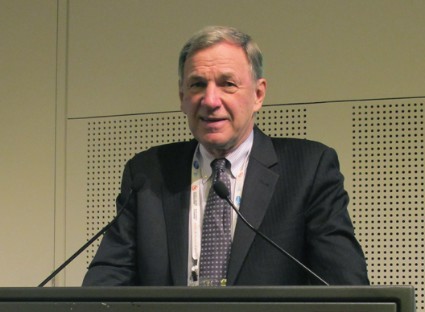
MELBOURNE – Widespread availability of automated external defibrillators is far more likely than screening to prevent sudden cardiac deaths on the sports field, and has the added benefit of also preventing deaths off the sports field, said Dr. N.A. Mark Estes, professor of medicine at Tufts University, Boston.
He said there were significant knowledge gaps around the sensitivity, specificity, and predictive accuracy of screening for sudden cardiac death in athletes, and existing screening guidelines were the subject of great criticism.
"Each one of these deaths is tragic, and everyone understandably reacts in a fashion where they want to do something to prevent it," Dr. Estes, also director of the cardiac arrhythmia center at Tufts, said at the World Congress of Cardiology.
"The notion has arisen that in Italy they have an effective screening program that can identify athletes at risk of sudden cardiac death, so we should be able to do it in the United States."
There are, however, significant differences between Italy and the United States, which made it unlikely that the success of the Italian screening efforts could be replicated here, he said.
"The Italians have specialized centers that are regional, they have highly skilled physicians, they have a demographic that’s completely different with a very homogeneous population base and a condition called ARVC [arrhythmogenic right ventricular cardiomyopathy] that you can effectively screen for with ECG and echocardiography."
Guidelines from the American College of Cardiology/American Heart Association currently recommend a 2-4 yearly history and physical examination for young athletes but, unlike Italy, they do not include an ECG.
The other challenge with screening is that, despite the extensive media coverage given to athletes’ deaths on the field, the condition is very rare, claiming around 150 lives each year on the sports field and 4,000 deaths off of it.
Dr. Estes said screening might result in significant numbers of athletes being excluded from the sports field even though we don’t know if restricting athletes from sport does in fact have an impact.
Instead, he argued in favor of greater availability of automated external defibrillators (AEDs) in public places and particularly recreation sites, with evidence showing survival rates above 75% for sudden cardiac death in participating high schools and colleges.
"We need to recognize that the effectiveness of the AED on the athletic field is extremely high, and we do have a way of preventing sudden death even though we can’t predict it, and the benefits for society go well beyond the athletic field," Dr. Estes said in an interview.
"If you look at the evidence, it tells us that screening hasn’t worked in the United States; it is epidemiologically and statistically highly improbable that it would ever work; so let’s put our money into something that’s going to have some proven benefits in a cost-effective fashion."
Commenting on the presentation, Dr. David Prior of St. Vincent’s Hospital, Melbourne, said he was supportive of the idea of secondary rather than primary prevention of sudden cardiac arrest.
"There is certainly ongoing debate, and there are no really good randomized, controlled trials comparing screening to no screening, and I don’t think anyone is either brave enough or has pockets deep enough, because it would be a huge trial because the event rate is so low," Dr. Prior said at the meeting, which was sponsored by the World Heart Federation.
Dr. Prior said screening was a fairly blunt tool, whereas the data suggested that AEDs were effective.
Dr. Estes disclosed consultancies with Medtronic, Boston Scientific, and St. Jude Medical.
MELBOURNE – Widespread availability of automated external defibrillators is far more likely than screening to prevent sudden cardiac deaths on the sports field, and has the added benefit of also preventing deaths off the sports field, said Dr. N.A. Mark Estes, professor of medicine at Tufts University, Boston.
He said there were significant knowledge gaps around the sensitivity, specificity, and predictive accuracy of screening for sudden cardiac death in athletes, and existing screening guidelines were the subject of great criticism.
"Each one of these deaths is tragic, and everyone understandably reacts in a fashion where they want to do something to prevent it," Dr. Estes, also director of the cardiac arrhythmia center at Tufts, said at the World Congress of Cardiology.
"The notion has arisen that in Italy they have an effective screening program that can identify athletes at risk of sudden cardiac death, so we should be able to do it in the United States."
There are, however, significant differences between Italy and the United States, which made it unlikely that the success of the Italian screening efforts could be replicated here, he said.
"The Italians have specialized centers that are regional, they have highly skilled physicians, they have a demographic that’s completely different with a very homogeneous population base and a condition called ARVC [arrhythmogenic right ventricular cardiomyopathy] that you can effectively screen for with ECG and echocardiography."
Guidelines from the American College of Cardiology/American Heart Association currently recommend a 2-4 yearly history and physical examination for young athletes but, unlike Italy, they do not include an ECG.
The other challenge with screening is that, despite the extensive media coverage given to athletes’ deaths on the field, the condition is very rare, claiming around 150 lives each year on the sports field and 4,000 deaths off of it.
Dr. Estes said screening might result in significant numbers of athletes being excluded from the sports field even though we don’t know if restricting athletes from sport does in fact have an impact.
Instead, he argued in favor of greater availability of automated external defibrillators (AEDs) in public places and particularly recreation sites, with evidence showing survival rates above 75% for sudden cardiac death in participating high schools and colleges.
"We need to recognize that the effectiveness of the AED on the athletic field is extremely high, and we do have a way of preventing sudden death even though we can’t predict it, and the benefits for society go well beyond the athletic field," Dr. Estes said in an interview.
"If you look at the evidence, it tells us that screening hasn’t worked in the United States; it is epidemiologically and statistically highly improbable that it would ever work; so let’s put our money into something that’s going to have some proven benefits in a cost-effective fashion."
Commenting on the presentation, Dr. David Prior of St. Vincent’s Hospital, Melbourne, said he was supportive of the idea of secondary rather than primary prevention of sudden cardiac arrest.
"There is certainly ongoing debate, and there are no really good randomized, controlled trials comparing screening to no screening, and I don’t think anyone is either brave enough or has pockets deep enough, because it would be a huge trial because the event rate is so low," Dr. Prior said at the meeting, which was sponsored by the World Heart Federation.
Dr. Prior said screening was a fairly blunt tool, whereas the data suggested that AEDs were effective.
Dr. Estes disclosed consultancies with Medtronic, Boston Scientific, and St. Jude Medical.
MELBOURNE – Widespread availability of automated external defibrillators is far more likely than screening to prevent sudden cardiac deaths on the sports field, and has the added benefit of also preventing deaths off the sports field, said Dr. N.A. Mark Estes, professor of medicine at Tufts University, Boston.
He said there were significant knowledge gaps around the sensitivity, specificity, and predictive accuracy of screening for sudden cardiac death in athletes, and existing screening guidelines were the subject of great criticism.
"Each one of these deaths is tragic, and everyone understandably reacts in a fashion where they want to do something to prevent it," Dr. Estes, also director of the cardiac arrhythmia center at Tufts, said at the World Congress of Cardiology.
"The notion has arisen that in Italy they have an effective screening program that can identify athletes at risk of sudden cardiac death, so we should be able to do it in the United States."
There are, however, significant differences between Italy and the United States, which made it unlikely that the success of the Italian screening efforts could be replicated here, he said.
"The Italians have specialized centers that are regional, they have highly skilled physicians, they have a demographic that’s completely different with a very homogeneous population base and a condition called ARVC [arrhythmogenic right ventricular cardiomyopathy] that you can effectively screen for with ECG and echocardiography."
Guidelines from the American College of Cardiology/American Heart Association currently recommend a 2-4 yearly history and physical examination for young athletes but, unlike Italy, they do not include an ECG.
The other challenge with screening is that, despite the extensive media coverage given to athletes’ deaths on the field, the condition is very rare, claiming around 150 lives each year on the sports field and 4,000 deaths off of it.
Dr. Estes said screening might result in significant numbers of athletes being excluded from the sports field even though we don’t know if restricting athletes from sport does in fact have an impact.
Instead, he argued in favor of greater availability of automated external defibrillators (AEDs) in public places and particularly recreation sites, with evidence showing survival rates above 75% for sudden cardiac death in participating high schools and colleges.
"We need to recognize that the effectiveness of the AED on the athletic field is extremely high, and we do have a way of preventing sudden death even though we can’t predict it, and the benefits for society go well beyond the athletic field," Dr. Estes said in an interview.
"If you look at the evidence, it tells us that screening hasn’t worked in the United States; it is epidemiologically and statistically highly improbable that it would ever work; so let’s put our money into something that’s going to have some proven benefits in a cost-effective fashion."
Commenting on the presentation, Dr. David Prior of St. Vincent’s Hospital, Melbourne, said he was supportive of the idea of secondary rather than primary prevention of sudden cardiac arrest.
"There is certainly ongoing debate, and there are no really good randomized, controlled trials comparing screening to no screening, and I don’t think anyone is either brave enough or has pockets deep enough, because it would be a huge trial because the event rate is so low," Dr. Prior said at the meeting, which was sponsored by the World Heart Federation.
Dr. Prior said screening was a fairly blunt tool, whereas the data suggested that AEDs were effective.
Dr. Estes disclosed consultancies with Medtronic, Boston Scientific, and St. Jude Medical.
EXPERT OPINION FROM WCC 2014
WHO recommends HIV pre-exposure prophylaxis as a prevention option
MELBOURNE – Men who have sex with men should consider pre-exposure prophylaxis with antiretroviral medications as an additional option to prevent HIV infection, according to the latest World Health Organization guidelines on HIV prevention, diagnosis, treatment, and care in high-risk populations.
The guidelines, released at the 20th International AIDS Conference, also introduce a new recommendation on providing access to naloxone and instructions on its use for anyone likely to witness an opioid overdose in a friend or relative, as part of a broader harm-reduction effort.

These are the first WHO guidelines on HIV/AIDS that bring together advice on five key population groups: men who have sex with men, injection drug users, sex workers, transgender people, and people in prisons.
Dr. Rachel Baggaley, guidelines coordinator from the HIV department at WHO, said the latest UNAIDS estimates suggest up to 50% of new infections are occurring among these groups because they are not getting the services they need.
While the idea of pre-exposure prophylaxis (PrEP) among men who have sex with men was first raised 3 years ago, Dr. Baggaley said the evidence now justified a strengthening of the recommendation.
"We’re just opening the door to suggest that this can be considered as an additional prevention choice, given the high incidence rates we are continuing to see in this population," Dr. Baggaley said in an interview.
"At the moment PrEP is a daily dose, and so for gay men who would want to use it, it would be offered as a daily dose for a period of time and it would be reviewed ... in consultation with the health care provider," she said.
Other recommendations included voluntary medical male circumcision, particularly in areas with hyperendemic HIV and low prevalence of circumcision, for the prevention of heterosexually acquired HIV in men, and daily oral pre-exposure prophylaxis – tenofovir alone or tenofovir and emtricitabine – for uninfected partners of HIV-positive individuals if additional HIV prevention choices are needed.
Dr. Chris Beyrer, director of the Johns Hopkins Center for Public Health and Human Rights, Baltimore, said that the recommendation on PrEP was about providing more options for HIV prevention.
"PrEP is not being recommended as a lifetime approach – it is important for men to consider as an option for prevention when they are sexually active and at risk of HIV exposure," Dr. Beyrer told the conference.
The guidelines also recommended routine screening and management of mental health disorders such as depression and psychosocial stress among HIV-positive people from these key populations, to optimize health outcomes and improve antiretroviral adherence.
For injection drug users, the guidelines recommended all people should have access to sterile injection equipment through needle and syringe programs, as well as a recommendation for availability and training in naloxone use for opioid overdose.
Dr. Beyrer described the naloxone recommendation as a lifesaving intervention and a public health and human rights advance.
The guidelines were funded by UNAIDS, the U.S. President’s Emergency Plan for AIDS Relief, and the Global Fund to Fight AIDS, Tuberculosis, and Malaria. There were no relevant conflicts of interest declared.
MELBOURNE – Men who have sex with men should consider pre-exposure prophylaxis with antiretroviral medications as an additional option to prevent HIV infection, according to the latest World Health Organization guidelines on HIV prevention, diagnosis, treatment, and care in high-risk populations.
The guidelines, released at the 20th International AIDS Conference, also introduce a new recommendation on providing access to naloxone and instructions on its use for anyone likely to witness an opioid overdose in a friend or relative, as part of a broader harm-reduction effort.
These are the first WHO guidelines on HIV/AIDS that bring together advice on five key population groups: men who have sex with men, injection drug users, sex workers, transgender people, and people in prisons.
Dr. Rachel Baggaley, guidelines coordinator from the HIV department at WHO, said the latest UNAIDS estimates suggest up to 50% of new infections are occurring among these groups because they are not getting the services they need.
While the idea of pre-exposure prophylaxis (PrEP) among men who have sex with men was first raised 3 years ago, Dr. Baggaley said the evidence now justified a strengthening of the recommendation.
"We’re just opening the door to suggest that this can be considered as an additional prevention choice, given the high incidence rates we are continuing to see in this population," Dr. Baggaley said in an interview.
"At the moment PrEP is a daily dose, and so for gay men who would want to use it, it would be offered as a daily dose for a period of time and it would be reviewed ... in consultation with the health care provider," she said.
Other recommendations included voluntary medical male circumcision, particularly in areas with hyperendemic HIV and low prevalence of circumcision, for the prevention of heterosexually acquired HIV in men, and daily oral pre-exposure prophylaxis – tenofovir alone or tenofovir and emtricitabine – for uninfected partners of HIV-positive individuals if additional HIV prevention choices are needed.
Dr. Chris Beyrer, director of the Johns Hopkins Center for Public Health and Human Rights, Baltimore, said that the recommendation on PrEP was about providing more options for HIV prevention.
"PrEP is not being recommended as a lifetime approach – it is important for men to consider as an option for prevention when they are sexually active and at risk of HIV exposure," Dr. Beyrer told the conference.
The guidelines also recommended routine screening and management of mental health disorders such as depression and psychosocial stress among HIV-positive people from these key populations, to optimize health outcomes and improve antiretroviral adherence.
For injection drug users, the guidelines recommended all people should have access to sterile injection equipment through needle and syringe programs, as well as a recommendation for availability and training in naloxone use for opioid overdose.
Dr. Beyrer described the naloxone recommendation as a lifesaving intervention and a public health and human rights advance.
The guidelines were funded by UNAIDS, the U.S. President’s Emergency Plan for AIDS Relief, and the Global Fund to Fight AIDS, Tuberculosis, and Malaria. There were no relevant conflicts of interest declared.
MELBOURNE – Men who have sex with men should consider pre-exposure prophylaxis with antiretroviral medications as an additional option to prevent HIV infection, according to the latest World Health Organization guidelines on HIV prevention, diagnosis, treatment, and care in high-risk populations.
The guidelines, released at the 20th International AIDS Conference, also introduce a new recommendation on providing access to naloxone and instructions on its use for anyone likely to witness an opioid overdose in a friend or relative, as part of a broader harm-reduction effort.
These are the first WHO guidelines on HIV/AIDS that bring together advice on five key population groups: men who have sex with men, injection drug users, sex workers, transgender people, and people in prisons.
Dr. Rachel Baggaley, guidelines coordinator from the HIV department at WHO, said the latest UNAIDS estimates suggest up to 50% of new infections are occurring among these groups because they are not getting the services they need.
While the idea of pre-exposure prophylaxis (PrEP) among men who have sex with men was first raised 3 years ago, Dr. Baggaley said the evidence now justified a strengthening of the recommendation.
"We’re just opening the door to suggest that this can be considered as an additional prevention choice, given the high incidence rates we are continuing to see in this population," Dr. Baggaley said in an interview.
"At the moment PrEP is a daily dose, and so for gay men who would want to use it, it would be offered as a daily dose for a period of time and it would be reviewed ... in consultation with the health care provider," she said.
Other recommendations included voluntary medical male circumcision, particularly in areas with hyperendemic HIV and low prevalence of circumcision, for the prevention of heterosexually acquired HIV in men, and daily oral pre-exposure prophylaxis – tenofovir alone or tenofovir and emtricitabine – for uninfected partners of HIV-positive individuals if additional HIV prevention choices are needed.
Dr. Chris Beyrer, director of the Johns Hopkins Center for Public Health and Human Rights, Baltimore, said that the recommendation on PrEP was about providing more options for HIV prevention.
"PrEP is not being recommended as a lifetime approach – it is important for men to consider as an option for prevention when they are sexually active and at risk of HIV exposure," Dr. Beyrer told the conference.
The guidelines also recommended routine screening and management of mental health disorders such as depression and psychosocial stress among HIV-positive people from these key populations, to optimize health outcomes and improve antiretroviral adherence.
For injection drug users, the guidelines recommended all people should have access to sterile injection equipment through needle and syringe programs, as well as a recommendation for availability and training in naloxone use for opioid overdose.
Dr. Beyrer described the naloxone recommendation as a lifesaving intervention and a public health and human rights advance.
The guidelines were funded by UNAIDS, the U.S. President’s Emergency Plan for AIDS Relief, and the Global Fund to Fight AIDS, Tuberculosis, and Malaria. There were no relevant conflicts of interest declared.
AT AIDS 2014
Key clinical point: Men who have sex with men should consider pre-exposure prophylaxis with antiretroviral medications as an additional option to prevent HIV infection.
Major finding: WHO guidelines on HIV infection bring together advice on five key groups: men who have sex with men, injection drug users, sex workers, transgender people, and people in prisons. In addition, the guidelines recommend that naloxone be made available to anyone likely to witness an opioid overdose.
Data source: WHO’s Consolidated Guidelines on HIV Prevention, Diagnosis, Treatment and Care for Key Populations.
Disclosures: The guidelines were funded by UNAIDS, the U.S. President’s Emergency Plan for AIDS Relief, and the Global Fund to Fight AIDS, Tuberculosis and Malaria. There were no relevant conflicts of interest declared.

WHO recommends HIV pre-exposure prophylaxis as a prevention option
MELBOURNE – Men who have sex with men should consider pre-exposure prophylaxis with antiretroviral medications as an additional option to prevent HIV infection, according to the latest World Health Organization guidelines on HIV prevention, diagnosis, treatment, and care in high-risk populations.
The guidelines, released at the 20th International AIDS Conference, also introduce a new recommendation on providing access to naloxone and instructions on its use for anyone likely to witness an opioid overdose in a friend or relative, as part of a broader harm-reduction effort.
These are the first WHO guidelines on HIV/AIDS that bring together advice on five key population groups: men who have sex with men, injection drug users, sex workers, transgender people, and people in prisons.
Dr. Rachel Baggaley, guidelines coordinator from the HIV department at WHO, said the latest UNAIDS estimates suggest up to 50% of new infections are occurring among these groups because they are not getting the services they need.
While the idea of pre-exposure prophylaxis (PrEP) among men who have sex with men was first raised 3 years ago, Dr. Baggaley said the evidence now justified a strengthening of the recommendation.
"We’re just opening the door to suggest that this can be considered as an additional prevention choice, given the high incidence rates we are continuing to see in this population," Dr. Baggaley said in an interview.
"At the moment PrEP is a daily dose, and so for gay men who would want to use it, it would be offered as a daily dose for a period of time and it would be reviewed ... in consultation with the health care provider," she said.
Other recommendations included voluntary medical male circumcision, particularly in areas with hyperendemic HIV and low prevalence of circumcision, for the prevention of heterosexually acquired HIV in men, and daily oral pre-exposure prophylaxis – tenofovir alone or tenofovir and emtricitabine – for uninfected partners of HIV-positive individuals if additional HIV prevention choices are needed.
Dr. Chris Beyrer, director of the Johns Hopkins Center for Public Health and Human Rights, Baltimore, said that the recommendation on PrEP was about providing more options for HIV prevention.
"PrEP is not being recommended as a lifetime approach – it is important for men to consider as an option for prevention when they are sexually active and at risk of HIV exposure," Dr. Beyrer told the conference.
The guidelines also recommended routine screening and management of mental health disorders such as depression and psychosocial stress among HIV-positive people from these key populations, to optimize health outcomes and improve antiretroviral adherence.
For injection drug users, the guidelines recommended all people should have access to sterile injection equipment through needle and syringe programs, as well as a recommendation for availability and training in naloxone use for opioid overdose.
Dr. Beyrer described the naloxone recommendation as a lifesaving intervention and a public health and human rights advance.
The guidelines were funded by UNAIDS, the U.S. President’s Emergency Plan for AIDS Relief, and the Global Fund to Fight AIDS, Tuberculosis, and Malaria. There were no relevant conflicts of interest declared.
MELBOURNE – Men who have sex with men should consider pre-exposure prophylaxis with antiretroviral medications as an additional option to prevent HIV infection, according to the latest World Health Organization guidelines on HIV prevention, diagnosis, treatment, and care in high-risk populations.
The guidelines, released at the 20th International AIDS Conference, also introduce a new recommendation on providing access to naloxone and instructions on its use for anyone likely to witness an opioid overdose in a friend or relative, as part of a broader harm-reduction effort.
These are the first WHO guidelines on HIV/AIDS that bring together advice on five key population groups: men who have sex with men, injection drug users, sex workers, transgender people, and people in prisons.
Dr. Rachel Baggaley, guidelines coordinator from the HIV department at WHO, said the latest UNAIDS estimates suggest up to 50% of new infections are occurring among these groups because they are not getting the services they need.
While the idea of pre-exposure prophylaxis (PrEP) among men who have sex with men was first raised 3 years ago, Dr. Baggaley said the evidence now justified a strengthening of the recommendation.
"We’re just opening the door to suggest that this can be considered as an additional prevention choice, given the high incidence rates we are continuing to see in this population," Dr. Baggaley said in an interview.
"At the moment PrEP is a daily dose, and so for gay men who would want to use it, it would be offered as a daily dose for a period of time and it would be reviewed ... in consultation with the health care provider," she said.
Other recommendations included voluntary medical male circumcision, particularly in areas with hyperendemic HIV and low prevalence of circumcision, for the prevention of heterosexually acquired HIV in men, and daily oral pre-exposure prophylaxis – tenofovir alone or tenofovir and emtricitabine – for uninfected partners of HIV-positive individuals if additional HIV prevention choices are needed.
Dr. Chris Beyrer, director of the Johns Hopkins Center for Public Health and Human Rights, Baltimore, said that the recommendation on PrEP was about providing more options for HIV prevention.
"PrEP is not being recommended as a lifetime approach – it is important for men to consider as an option for prevention when they are sexually active and at risk of HIV exposure," Dr. Beyrer told the conference.
The guidelines also recommended routine screening and management of mental health disorders such as depression and psychosocial stress among HIV-positive people from these key populations, to optimize health outcomes and improve antiretroviral adherence.
For injection drug users, the guidelines recommended all people should have access to sterile injection equipment through needle and syringe programs, as well as a recommendation for availability and training in naloxone use for opioid overdose.
Dr. Beyrer described the naloxone recommendation as a lifesaving intervention and a public health and human rights advance.
The guidelines were funded by UNAIDS, the U.S. President’s Emergency Plan for AIDS Relief, and the Global Fund to Fight AIDS, Tuberculosis, and Malaria. There were no relevant conflicts of interest declared.
MELBOURNE – Men who have sex with men should consider pre-exposure prophylaxis with antiretroviral medications as an additional option to prevent HIV infection, according to the latest World Health Organization guidelines on HIV prevention, diagnosis, treatment, and care in high-risk populations.
The guidelines, released at the 20th International AIDS Conference, also introduce a new recommendation on providing access to naloxone and instructions on its use for anyone likely to witness an opioid overdose in a friend or relative, as part of a broader harm-reduction effort.
These are the first WHO guidelines on HIV/AIDS that bring together advice on five key population groups: men who have sex with men, injection drug users, sex workers, transgender people, and people in prisons.
Dr. Rachel Baggaley, guidelines coordinator from the HIV department at WHO, said the latest UNAIDS estimates suggest up to 50% of new infections are occurring among these groups because they are not getting the services they need.
While the idea of pre-exposure prophylaxis (PrEP) among men who have sex with men was first raised 3 years ago, Dr. Baggaley said the evidence now justified a strengthening of the recommendation.
"We’re just opening the door to suggest that this can be considered as an additional prevention choice, given the high incidence rates we are continuing to see in this population," Dr. Baggaley said in an interview.
"At the moment PrEP is a daily dose, and so for gay men who would want to use it, it would be offered as a daily dose for a period of time and it would be reviewed ... in consultation with the health care provider," she said.
Other recommendations included voluntary medical male circumcision, particularly in areas with hyperendemic HIV and low prevalence of circumcision, for the prevention of heterosexually acquired HIV in men, and daily oral pre-exposure prophylaxis – tenofovir alone or tenofovir and emtricitabine – for uninfected partners of HIV-positive individuals if additional HIV prevention choices are needed.
Dr. Chris Beyrer, director of the Johns Hopkins Center for Public Health and Human Rights, Baltimore, said that the recommendation on PrEP was about providing more options for HIV prevention.
"PrEP is not being recommended as a lifetime approach – it is important for men to consider as an option for prevention when they are sexually active and at risk of HIV exposure," Dr. Beyrer told the conference.
The guidelines also recommended routine screening and management of mental health disorders such as depression and psychosocial stress among HIV-positive people from these key populations, to optimize health outcomes and improve antiretroviral adherence.
For injection drug users, the guidelines recommended all people should have access to sterile injection equipment through needle and syringe programs, as well as a recommendation for availability and training in naloxone use for opioid overdose.
Dr. Beyrer described the naloxone recommendation as a lifesaving intervention and a public health and human rights advance.
The guidelines were funded by UNAIDS, the U.S. President’s Emergency Plan for AIDS Relief, and the Global Fund to Fight AIDS, Tuberculosis, and Malaria. There were no relevant conflicts of interest declared.
AT AIDS 2014
Key clinical point: Men who have sex with men should consider pre-exposure prophylaxis with antiretroviral medications as an additional option to prevent HIV infection.
Major finding: WHO guidelines on HIV infection bring together advice on five key groups: men who have sex with men, injection drug users, sex workers, transgender people, and people in prisons. In addition, the guidelines recommend that naloxone be made available to anyone likely to witness an opioid overdose.
Data source: WHO’s Consolidated Guidelines on HIV Prevention, Diagnosis, Treatment and Care for Key Populations.
Disclosures: The guidelines were funded by UNAIDS, the U.S. President’s Emergency Plan for AIDS Relief, and the Global Fund to Fight AIDS, Tuberculosis and Malaria. There were no relevant conflicts of interest declared.

Tuberculosis, malaria, and HIV in decline since Millennium Declaration
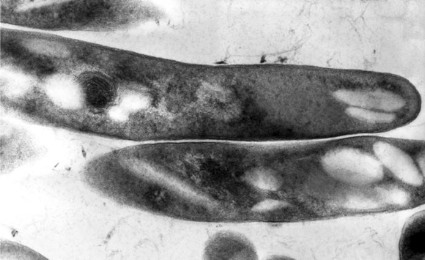
Tuberculosis, HIV, and malaria incidence and mortality have all declined significantly since the formulation of Millennium Development Goal 6 in 2000, which focused global attention on these three diseases and made them a priority.
Analysis of data from the Global Burden of Disease Study 2013 showed that annual deaths from tuberculosis among HIV-negative individuals decreased 1.4% from 1.8 million in 1990 to 1.3 million in 2013, while the global incidence of malaria appears to have peaked at 232 million in 2003 and since dropped 29% to 165 million new cases in 2013.
The study was published July 21 in JAMA coincident with the start of the 20th International AIDS Conference in Melbourne.Interventions such as prevention of mother-to-child transmission, and antiretroviral therapy (ART), have seen HIV deaths fall from 1.7 million in 2005 to 1.3 million in 2013 – a decline of 3.1% – representing 19.1 million life-years saved, mostly in developing countries, according to data published online July 22 in the Lancet.
However the prevalence of HIV-positive individuals has risen to 29.2 million in 2013, having increased at a rate of 1.2% per year since 2000 (Lancet 2014 July 22 [doi: 10.1016/ S0140-6736(14)60844-8]).
"There is substantial variation both in levels and trends for all three diseases across countries," wrote Dr. Christopher J. L. Murray, the director of the Institute for Health Metrics and Evaluation and professor of global health at the University of Washington, Seattle, and his associates.
"HIV and malaria incidence and death are concentrated in sub-Saharan Africa, whereas tuberculosis burden is more widespread but most pronounced in south and southeast Asia."
The authors pointed out that their estimates of the number of people living with HIV were 18.7% smaller and estimates for HIV mortality were 14.5% smaller than UNAIDS’s estimates for 2012.
"Revisions of the global epidemiology of HIV of this magnitude – in view of the weakness of direct measurement of incidence and death – should not be surprising," the authors wrote.
They suggested that the differences between their figures and those from UNAIDS could be partly attributed to their significantly lower estimates of mortality from concentrated epidemics such as those in Panama, Colombia, and Russia.
The Global Burden of Disease Study also selected epidemic curves for large generalized epidemics that were consistent with prevalence data, all-cause mortality, and data on survival with and without ART, which the authors said had shifted median survival up.
"For example, in southern Africa, median survival off ART for the age-group 25-34 years increased from 10.5 years to 11.5 years."
Similarly, the authors noted significant differences between their estimates and those from the World Health Organization in the prevalence of tuberculosis, commenting that in general they estimated higher mortality, lower prevalence and incidence, and a smaller fraction of tuberculosis related to HIV infection.
The study showed that HIV infections in children have declined by 62.4% since their peak in 2002; however, the authors said the continued 1.7 million new infections in adults each year were a stark reminder that the Millennium Development Goal’s work was far from done.
"The focus of the global health community on action to reduce HIV/AIDS, tuberculosis, and malaria, enshrined in MDG6 [Millennium Development Goal 6], was not only appropriate in 2000 at the Millennium Declaration, but is increasingly relevant now in view of the slow but important progress that disease control strategies have yielded, particularly since 2005.
"Much remains to be done, however: although evidence now exists that the implementation of known interventions is beginning to have an effect, it is probably less than is widely believed, or hoped."
In an accompanying editorial, Dr. Rifat Atun, professor of global health systems and director of the global health systems cluster at Harvard University’s School of Public Health, Boston, called for a revolution in the reporting of global health data, with new standards to make data, methods, and models available for all, enabling greater transparency, scrutiny, and accountability in global health research.
Describing the paper as "a bold and welcome action" in its efforts to clarify the reasons for differences in estimates between the global burden of disease data, and data from UNAIDS and WHO, Dr. Atun said that global health studies should strive for rigor of data, methods, and results.
"By providing detailed information on key data sources, key adjustments to data, modeling strategies, and uncertainty analyses, Murray and colleagues have pushed the boundaries of reporting in global health to levels expected of other disciplines and areas of health research – an important step in the right direction," Dr. Atun wrote.
The Global Burden of Disease Study is funded by the Bill & Melinda Gates Foundation. Some authors declared consultancies, lecture fees, honoraria, and grants from public funding sources and private industry. The editorial author declared no conflicts of interest.
Tuberculosis, HIV, and malaria incidence and mortality have all declined significantly since the formulation of Millennium Development Goal 6 in 2000, which focused global attention on these three diseases and made them a priority.
Analysis of data from the Global Burden of Disease Study 2013 showed that annual deaths from tuberculosis among HIV-negative individuals decreased 1.4% from 1.8 million in 1990 to 1.3 million in 2013, while the global incidence of malaria appears to have peaked at 232 million in 2003 and since dropped 29% to 165 million new cases in 2013.
The study was published July 21 in JAMA coincident with the start of the 20th International AIDS Conference in Melbourne.Interventions such as prevention of mother-to-child transmission, and antiretroviral therapy (ART), have seen HIV deaths fall from 1.7 million in 2005 to 1.3 million in 2013 – a decline of 3.1% – representing 19.1 million life-years saved, mostly in developing countries, according to data published online July 22 in the Lancet.
However the prevalence of HIV-positive individuals has risen to 29.2 million in 2013, having increased at a rate of 1.2% per year since 2000 (Lancet 2014 July 22 [doi: 10.1016/ S0140-6736(14)60844-8]).
"There is substantial variation both in levels and trends for all three diseases across countries," wrote Dr. Christopher J. L. Murray, the director of the Institute for Health Metrics and Evaluation and professor of global health at the University of Washington, Seattle, and his associates.
"HIV and malaria incidence and death are concentrated in sub-Saharan Africa, whereas tuberculosis burden is more widespread but most pronounced in south and southeast Asia."
The authors pointed out that their estimates of the number of people living with HIV were 18.7% smaller and estimates for HIV mortality were 14.5% smaller than UNAIDS’s estimates for 2012.
"Revisions of the global epidemiology of HIV of this magnitude – in view of the weakness of direct measurement of incidence and death – should not be surprising," the authors wrote.
They suggested that the differences between their figures and those from UNAIDS could be partly attributed to their significantly lower estimates of mortality from concentrated epidemics such as those in Panama, Colombia, and Russia.
The Global Burden of Disease Study also selected epidemic curves for large generalized epidemics that were consistent with prevalence data, all-cause mortality, and data on survival with and without ART, which the authors said had shifted median survival up.
"For example, in southern Africa, median survival off ART for the age-group 25-34 years increased from 10.5 years to 11.5 years."
Similarly, the authors noted significant differences between their estimates and those from the World Health Organization in the prevalence of tuberculosis, commenting that in general they estimated higher mortality, lower prevalence and incidence, and a smaller fraction of tuberculosis related to HIV infection.
The study showed that HIV infections in children have declined by 62.4% since their peak in 2002; however, the authors said the continued 1.7 million new infections in adults each year were a stark reminder that the Millennium Development Goal’s work was far from done.
"The focus of the global health community on action to reduce HIV/AIDS, tuberculosis, and malaria, enshrined in MDG6 [Millennium Development Goal 6], was not only appropriate in 2000 at the Millennium Declaration, but is increasingly relevant now in view of the slow but important progress that disease control strategies have yielded, particularly since 2005.
"Much remains to be done, however: although evidence now exists that the implementation of known interventions is beginning to have an effect, it is probably less than is widely believed, or hoped."
In an accompanying editorial, Dr. Rifat Atun, professor of global health systems and director of the global health systems cluster at Harvard University’s School of Public Health, Boston, called for a revolution in the reporting of global health data, with new standards to make data, methods, and models available for all, enabling greater transparency, scrutiny, and accountability in global health research.
Describing the paper as "a bold and welcome action" in its efforts to clarify the reasons for differences in estimates between the global burden of disease data, and data from UNAIDS and WHO, Dr. Atun said that global health studies should strive for rigor of data, methods, and results.
"By providing detailed information on key data sources, key adjustments to data, modeling strategies, and uncertainty analyses, Murray and colleagues have pushed the boundaries of reporting in global health to levels expected of other disciplines and areas of health research – an important step in the right direction," Dr. Atun wrote.
The Global Burden of Disease Study is funded by the Bill & Melinda Gates Foundation. Some authors declared consultancies, lecture fees, honoraria, and grants from public funding sources and private industry. The editorial author declared no conflicts of interest.
Tuberculosis, HIV, and malaria incidence and mortality have all declined significantly since the formulation of Millennium Development Goal 6 in 2000, which focused global attention on these three diseases and made them a priority.
Analysis of data from the Global Burden of Disease Study 2013 showed that annual deaths from tuberculosis among HIV-negative individuals decreased 1.4% from 1.8 million in 1990 to 1.3 million in 2013, while the global incidence of malaria appears to have peaked at 232 million in 2003 and since dropped 29% to 165 million new cases in 2013.
The study was published July 21 in JAMA coincident with the start of the 20th International AIDS Conference in Melbourne.Interventions such as prevention of mother-to-child transmission, and antiretroviral therapy (ART), have seen HIV deaths fall from 1.7 million in 2005 to 1.3 million in 2013 – a decline of 3.1% – representing 19.1 million life-years saved, mostly in developing countries, according to data published online July 22 in the Lancet.
However the prevalence of HIV-positive individuals has risen to 29.2 million in 2013, having increased at a rate of 1.2% per year since 2000 (Lancet 2014 July 22 [doi: 10.1016/ S0140-6736(14)60844-8]).
"There is substantial variation both in levels and trends for all three diseases across countries," wrote Dr. Christopher J. L. Murray, the director of the Institute for Health Metrics and Evaluation and professor of global health at the University of Washington, Seattle, and his associates.
"HIV and malaria incidence and death are concentrated in sub-Saharan Africa, whereas tuberculosis burden is more widespread but most pronounced in south and southeast Asia."
The authors pointed out that their estimates of the number of people living with HIV were 18.7% smaller and estimates for HIV mortality were 14.5% smaller than UNAIDS’s estimates for 2012.
"Revisions of the global epidemiology of HIV of this magnitude – in view of the weakness of direct measurement of incidence and death – should not be surprising," the authors wrote.
They suggested that the differences between their figures and those from UNAIDS could be partly attributed to their significantly lower estimates of mortality from concentrated epidemics such as those in Panama, Colombia, and Russia.
The Global Burden of Disease Study also selected epidemic curves for large generalized epidemics that were consistent with prevalence data, all-cause mortality, and data on survival with and without ART, which the authors said had shifted median survival up.
"For example, in southern Africa, median survival off ART for the age-group 25-34 years increased from 10.5 years to 11.5 years."
Similarly, the authors noted significant differences between their estimates and those from the World Health Organization in the prevalence of tuberculosis, commenting that in general they estimated higher mortality, lower prevalence and incidence, and a smaller fraction of tuberculosis related to HIV infection.
The study showed that HIV infections in children have declined by 62.4% since their peak in 2002; however, the authors said the continued 1.7 million new infections in adults each year were a stark reminder that the Millennium Development Goal’s work was far from done.
"The focus of the global health community on action to reduce HIV/AIDS, tuberculosis, and malaria, enshrined in MDG6 [Millennium Development Goal 6], was not only appropriate in 2000 at the Millennium Declaration, but is increasingly relevant now in view of the slow but important progress that disease control strategies have yielded, particularly since 2005.
"Much remains to be done, however: although evidence now exists that the implementation of known interventions is beginning to have an effect, it is probably less than is widely believed, or hoped."
In an accompanying editorial, Dr. Rifat Atun, professor of global health systems and director of the global health systems cluster at Harvard University’s School of Public Health, Boston, called for a revolution in the reporting of global health data, with new standards to make data, methods, and models available for all, enabling greater transparency, scrutiny, and accountability in global health research.
Describing the paper as "a bold and welcome action" in its efforts to clarify the reasons for differences in estimates between the global burden of disease data, and data from UNAIDS and WHO, Dr. Atun said that global health studies should strive for rigor of data, methods, and results.
"By providing detailed information on key data sources, key adjustments to data, modeling strategies, and uncertainty analyses, Murray and colleagues have pushed the boundaries of reporting in global health to levels expected of other disciplines and areas of health research – an important step in the right direction," Dr. Atun wrote.
The Global Burden of Disease Study is funded by the Bill & Melinda Gates Foundation. Some authors declared consultancies, lecture fees, honoraria, and grants from public funding sources and private industry. The editorial author declared no conflicts of interest.
FROM JAMA
Key clinical point: The prevalence of HIV-infected people continues to rise, but mortality among this group is dropping.
Major finding: Annual deaths worldwide from tuberculosis among HIV-negative individuals have decreased 1.4% from 1.8 million in 1990 to 1.3 million in 2013, the global incidence of malaria has dropped 29% since 2003 to 165 million new cases in 2013, HIV deaths have fallen from 1.7 million in 2005 to 1.3 million in 2013 – a decline of 3.1% – but the prevalence of HIV-positive individuals is still increasing at a rate of 1.2%.
Data source: Analysis of data from the Global Burden of Disease Study 2013.
Disclosures: The Global Burden of Disease study is funded by the Bill & Melinda Gates Foundation. Some authors declared consultancies, lecture fees, honoraria, and grants from public funding sources and private industry. The editorial author declared no conflicts of interest.
Tuberculosis, malaria, and HIV in decline since Millennium Declaration
Tuberculosis, HIV, and malaria incidence and mortality have all declined significantly since the formulation of Millennium Development Goal 6 in 2000, which focused global attention on these three diseases and made them a priority.
Analysis of data from the Global Burden of Disease Study 2013 showed that annual deaths from tuberculosis among HIV-negative individuals decreased 1.4% from 1.8 million in 1990 to 1.3 million in 2013, while the global incidence of malaria appears to have peaked at 232 million in 2003 and since dropped 29% to 165 million new cases in 2013.
The study was published July 21 in JAMA coincident with the start of the 20th International AIDS Conference in Melbourne.Interventions such as prevention of mother-to-child transmission, and antiretroviral therapy (ART), have seen HIV deaths fall from 1.7 million in 2005 to 1.3 million in 2013 – a decline of 3.1% – representing 19.1 million life-years saved, mostly in developing countries, according to data published online July 22 in the Lancet.
However the prevalence of HIV-positive individuals has risen to 29.2 million in 2013, having increased at a rate of 1.2% per year since 2000 (Lancet 2014 July 22 [doi: 10.1016/ S0140-6736(14)60844-8]).
"There is substantial variation both in levels and trends for all three diseases across countries," wrote Dr. Christopher J. L. Murray, the director of the Institute for Health Metrics and Evaluation and professor of global health at the University of Washington, Seattle, and his associates.
"HIV and malaria incidence and death are concentrated in sub-Saharan Africa, whereas tuberculosis burden is more widespread but most pronounced in south and southeast Asia."
The authors pointed out that their estimates of the number of people living with HIV were 18.7% smaller and estimates for HIV mortality were 14.5% smaller than UNAIDS’s estimates for 2012.
"Revisions of the global epidemiology of HIV of this magnitude – in view of the weakness of direct measurement of incidence and death – should not be surprising," the authors wrote.
They suggested that the differences between their figures and those from UNAIDS could be partly attributed to their significantly lower estimates of mortality from concentrated epidemics such as those in Panama, Colombia, and Russia.
The Global Burden of Disease Study also selected epidemic curves for large generalized epidemics that were consistent with prevalence data, all-cause mortality, and data on survival with and without ART, which the authors said had shifted median survival up.
"For example, in southern Africa, median survival off ART for the age-group 25-34 years increased from 10.5 years to 11.5 years."
Similarly, the authors noted significant differences between their estimates and those from the World Health Organization in the prevalence of tuberculosis, commenting that in general they estimated higher mortality, lower prevalence and incidence, and a smaller fraction of tuberculosis related to HIV infection.
The study showed that HIV infections in children have declined by 62.4% since their peak in 2002; however, the authors said the continued 1.7 million new infections in adults each year were a stark reminder that the Millennium Development Goal’s work was far from done.
"The focus of the global health community on action to reduce HIV/AIDS, tuberculosis, and malaria, enshrined in MDG6 [Millennium Development Goal 6], was not only appropriate in 2000 at the Millennium Declaration, but is increasingly relevant now in view of the slow but important progress that disease control strategies have yielded, particularly since 2005.
"Much remains to be done, however: although evidence now exists that the implementation of known interventions is beginning to have an effect, it is probably less than is widely believed, or hoped."
In an accompanying editorial, Dr. Rifat Atun, professor of global health systems and director of the global health systems cluster at Harvard University’s School of Public Health, Boston, called for a revolution in the reporting of global health data, with new standards to make data, methods, and models available for all, enabling greater transparency, scrutiny, and accountability in global health research.
Describing the paper as "a bold and welcome action" in its efforts to clarify the reasons for differences in estimates between the global burden of disease data, and data from UNAIDS and WHO, Dr. Atun said that global health studies should strive for rigor of data, methods, and results.
"By providing detailed information on key data sources, key adjustments to data, modeling strategies, and uncertainty analyses, Murray and colleagues have pushed the boundaries of reporting in global health to levels expected of other disciplines and areas of health research – an important step in the right direction," Dr. Atun wrote.
The Global Burden of Disease Study is funded by the Bill & Melinda Gates Foundation. Some authors declared consultancies, lecture fees, honoraria, and grants from public funding sources and private industry. The editorial author declared no conflicts of interest.
Tuberculosis, HIV, and malaria incidence and mortality have all declined significantly since the formulation of Millennium Development Goal 6 in 2000, which focused global attention on these three diseases and made them a priority.
Analysis of data from the Global Burden of Disease Study 2013 showed that annual deaths from tuberculosis among HIV-negative individuals decreased 1.4% from 1.8 million in 1990 to 1.3 million in 2013, while the global incidence of malaria appears to have peaked at 232 million in 2003 and since dropped 29% to 165 million new cases in 2013.
The study was published July 21 in JAMA coincident with the start of the 20th International AIDS Conference in Melbourne.Interventions such as prevention of mother-to-child transmission, and antiretroviral therapy (ART), have seen HIV deaths fall from 1.7 million in 2005 to 1.3 million in 2013 – a decline of 3.1% – representing 19.1 million life-years saved, mostly in developing countries, according to data published online July 22 in the Lancet.
However the prevalence of HIV-positive individuals has risen to 29.2 million in 2013, having increased at a rate of 1.2% per year since 2000 (Lancet 2014 July 22 [doi: 10.1016/ S0140-6736(14)60844-8]).
"There is substantial variation both in levels and trends for all three diseases across countries," wrote Dr. Christopher J. L. Murray, the director of the Institute for Health Metrics and Evaluation and professor of global health at the University of Washington, Seattle, and his associates.
"HIV and malaria incidence and death are concentrated in sub-Saharan Africa, whereas tuberculosis burden is more widespread but most pronounced in south and southeast Asia."
The authors pointed out that their estimates of the number of people living with HIV were 18.7% smaller and estimates for HIV mortality were 14.5% smaller than UNAIDS’s estimates for 2012.
"Revisions of the global epidemiology of HIV of this magnitude – in view of the weakness of direct measurement of incidence and death – should not be surprising," the authors wrote.
They suggested that the differences between their figures and those from UNAIDS could be partly attributed to their significantly lower estimates of mortality from concentrated epidemics such as those in Panama, Colombia, and Russia.
The Global Burden of Disease Study also selected epidemic curves for large generalized epidemics that were consistent with prevalence data, all-cause mortality, and data on survival with and without ART, which the authors said had shifted median survival up.
"For example, in southern Africa, median survival off ART for the age-group 25-34 years increased from 10.5 years to 11.5 years."
Similarly, the authors noted significant differences between their estimates and those from the World Health Organization in the prevalence of tuberculosis, commenting that in general they estimated higher mortality, lower prevalence and incidence, and a smaller fraction of tuberculosis related to HIV infection.
The study showed that HIV infections in children have declined by 62.4% since their peak in 2002; however, the authors said the continued 1.7 million new infections in adults each year were a stark reminder that the Millennium Development Goal’s work was far from done.
"The focus of the global health community on action to reduce HIV/AIDS, tuberculosis, and malaria, enshrined in MDG6 [Millennium Development Goal 6], was not only appropriate in 2000 at the Millennium Declaration, but is increasingly relevant now in view of the slow but important progress that disease control strategies have yielded, particularly since 2005.
"Much remains to be done, however: although evidence now exists that the implementation of known interventions is beginning to have an effect, it is probably less than is widely believed, or hoped."
In an accompanying editorial, Dr. Rifat Atun, professor of global health systems and director of the global health systems cluster at Harvard University’s School of Public Health, Boston, called for a revolution in the reporting of global health data, with new standards to make data, methods, and models available for all, enabling greater transparency, scrutiny, and accountability in global health research.
Describing the paper as "a bold and welcome action" in its efforts to clarify the reasons for differences in estimates between the global burden of disease data, and data from UNAIDS and WHO, Dr. Atun said that global health studies should strive for rigor of data, methods, and results.
"By providing detailed information on key data sources, key adjustments to data, modeling strategies, and uncertainty analyses, Murray and colleagues have pushed the boundaries of reporting in global health to levels expected of other disciplines and areas of health research – an important step in the right direction," Dr. Atun wrote.
The Global Burden of Disease Study is funded by the Bill & Melinda Gates Foundation. Some authors declared consultancies, lecture fees, honoraria, and grants from public funding sources and private industry. The editorial author declared no conflicts of interest.
Tuberculosis, HIV, and malaria incidence and mortality have all declined significantly since the formulation of Millennium Development Goal 6 in 2000, which focused global attention on these three diseases and made them a priority.
Analysis of data from the Global Burden of Disease Study 2013 showed that annual deaths from tuberculosis among HIV-negative individuals decreased 1.4% from 1.8 million in 1990 to 1.3 million in 2013, while the global incidence of malaria appears to have peaked at 232 million in 2003 and since dropped 29% to 165 million new cases in 2013.
The study was published July 21 in JAMA coincident with the start of the 20th International AIDS Conference in Melbourne.Interventions such as prevention of mother-to-child transmission, and antiretroviral therapy (ART), have seen HIV deaths fall from 1.7 million in 2005 to 1.3 million in 2013 – a decline of 3.1% – representing 19.1 million life-years saved, mostly in developing countries, according to data published online July 22 in the Lancet.
However the prevalence of HIV-positive individuals has risen to 29.2 million in 2013, having increased at a rate of 1.2% per year since 2000 (Lancet 2014 July 22 [doi: 10.1016/ S0140-6736(14)60844-8]).
"There is substantial variation both in levels and trends for all three diseases across countries," wrote Dr. Christopher J. L. Murray, the director of the Institute for Health Metrics and Evaluation and professor of global health at the University of Washington, Seattle, and his associates.
"HIV and malaria incidence and death are concentrated in sub-Saharan Africa, whereas tuberculosis burden is more widespread but most pronounced in south and southeast Asia."
The authors pointed out that their estimates of the number of people living with HIV were 18.7% smaller and estimates for HIV mortality were 14.5% smaller than UNAIDS’s estimates for 2012.
"Revisions of the global epidemiology of HIV of this magnitude – in view of the weakness of direct measurement of incidence and death – should not be surprising," the authors wrote.
They suggested that the differences between their figures and those from UNAIDS could be partly attributed to their significantly lower estimates of mortality from concentrated epidemics such as those in Panama, Colombia, and Russia.
The Global Burden of Disease Study also selected epidemic curves for large generalized epidemics that were consistent with prevalence data, all-cause mortality, and data on survival with and without ART, which the authors said had shifted median survival up.
"For example, in southern Africa, median survival off ART for the age-group 25-34 years increased from 10.5 years to 11.5 years."
Similarly, the authors noted significant differences between their estimates and those from the World Health Organization in the prevalence of tuberculosis, commenting that in general they estimated higher mortality, lower prevalence and incidence, and a smaller fraction of tuberculosis related to HIV infection.
The study showed that HIV infections in children have declined by 62.4% since their peak in 2002; however, the authors said the continued 1.7 million new infections in adults each year were a stark reminder that the Millennium Development Goal’s work was far from done.
"The focus of the global health community on action to reduce HIV/AIDS, tuberculosis, and malaria, enshrined in MDG6 [Millennium Development Goal 6], was not only appropriate in 2000 at the Millennium Declaration, but is increasingly relevant now in view of the slow but important progress that disease control strategies have yielded, particularly since 2005.
"Much remains to be done, however: although evidence now exists that the implementation of known interventions is beginning to have an effect, it is probably less than is widely believed, or hoped."
In an accompanying editorial, Dr. Rifat Atun, professor of global health systems and director of the global health systems cluster at Harvard University’s School of Public Health, Boston, called for a revolution in the reporting of global health data, with new standards to make data, methods, and models available for all, enabling greater transparency, scrutiny, and accountability in global health research.
Describing the paper as "a bold and welcome action" in its efforts to clarify the reasons for differences in estimates between the global burden of disease data, and data from UNAIDS and WHO, Dr. Atun said that global health studies should strive for rigor of data, methods, and results.
"By providing detailed information on key data sources, key adjustments to data, modeling strategies, and uncertainty analyses, Murray and colleagues have pushed the boundaries of reporting in global health to levels expected of other disciplines and areas of health research – an important step in the right direction," Dr. Atun wrote.
The Global Burden of Disease Study is funded by the Bill & Melinda Gates Foundation. Some authors declared consultancies, lecture fees, honoraria, and grants from public funding sources and private industry. The editorial author declared no conflicts of interest.
FROM JAMA
Key clinical point: The prevalence of HIV-infected people continues to rise, but mortality among this group is dropping.
Major finding: Annual deaths worldwide from tuberculosis among HIV-negative individuals have decreased 1.4% from 1.8 million in 1990 to 1.3 million in 2013, the global incidence of malaria has dropped 29% since 2003 to 165 million new cases in 2013, HIV deaths have fallen from 1.7 million in 2005 to 1.3 million in 2013 – a decline of 3.1% – but the prevalence of HIV-positive individuals is still increasing at a rate of 1.2%.
Data source: Analysis of data from the Global Burden of Disease Study 2013.
Disclosures: The Global Burden of Disease study is funded by the Bill & Melinda Gates Foundation. Some authors declared consultancies, lecture fees, honoraria, and grants from public funding sources and private industry. The editorial author declared no conflicts of interest.
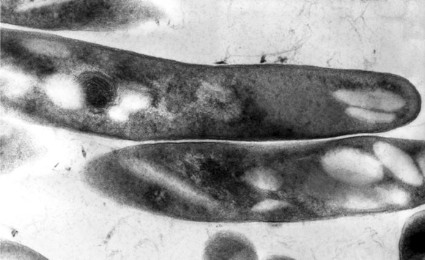
Stem cell transplantation achieved temporary HIV remission
Allogeneic hematopoietic stem cell transplantation from HIV-naive individuals to HIV-1–positive individuals may achieve temporary antiretroviral-free remission of infection and loss of detectable HIV-1, a study showed.
Two men with chronic HIV-1 infection received allogeneic hematopoietic stem cell transplants (HSCTs) from susceptible donors to treat Hodgkin’s and non-Hodgkin’s lymphoma, and achieved temporary remission of HIV despite stopping antiretroviral therapy (ART), with the virus undetectable in both blood and rectal mucosa.
However, both experienced viral rebound – one at 12 weeks after stopping ART and one at 32 weeks – with both developing the usual symptoms of acute retroviral syndrome, according to a paper published online July 22 in the Annals of Internal Medicine.
"In summary, our results suggest that allogeneic HSCT with CCR5 wild-type donor cells may lead to loss of detectable HIV-1 from blood and rectal mucosa, but viral rebound may nevertheless occur after ART interruption despite a significant reduction in reservoir size," wrote Dr. Timothy J. Henrich of Brigham and Women’s Hospital, Boston, and his colleagues.
The researchers had previously reported the reduction in peripheral blood HIV-1 reservoirs in these two patients (Ann. Intern. Med. 2014 July 22 [doi:10.7326/M14-1027]).
"However, extensive sampling of tissues and large numbers of peripheral blood mononuclear cells for the presence of HIV-1 is necessary to understand the full effect of allogeneic HSCT on HIV-1 persistence," they wrote, arguing that treatment interruption was also necessary to establish if the virus was in remission.
Antiretroviral-free remission had previously been achieved in a patient who received an HSCT from a donor with a homozygous 32–base pair deletion in the gene encoding CCR5, a coreceptor for HIV-1. In this patient – known as "the Berlin patient" – remission has been maintained for more than 7 years, representing the only known functional cure of HIV infection.
The authors of the study suggested that while allogeneic HSCT may lead to significant and sustained reductions in the HIV-1 reservoir, the virus appears to persist in infected tissue or bound into cells, and those small numbers of infected cells were enough to restart HIV-1 replication.
Although both patients did experience rebound infection, that occurred much slower than it would have under normal circumstances, the authors said.
"Despite frequent sampling, neither of our patients had detectable HIV-1 in [peripheral blood mononuclear cells] or plasma for several months after ART discontinuation before viral rebound," they wrote.
Both patients received treatment for graft versus host disease after the transplant.
The study was supported by the Foundation for AIDS Research and the National Institute of Allergy and Infectious Diseases. Dr. Henrich had no disclosures. Some of the study’s other authors, as well as the editorial author, Dr. Lewin, declared grant support, speakers fees, and consulting fees from agencies and pharmaceutical companies.
The study showed it was possible to significantly reduce the number of long-lived, latently infected T cells persisting in patients receiving ART, and that this was associated with a delay in viral rebound after cessation of ART, Sharon R. Lewin, Ph.D., said.
"More tractable and scalable approaches than HSCT and very early ART are clearly needed for the 35 million persons already infected with HIV who will all eventually require lifelong treatment," wrote Dr. Lewin. "The amount of residual infectious virus left after ART and an effective immune response are both likely to be key in achieving long-term HIV remission."
Dr. Lewin is with Alfred Health in Melbourne. Her comments were taken from an accompanying editorial.
The study showed it was possible to significantly reduce the number of long-lived, latently infected T cells persisting in patients receiving ART, and that this was associated with a delay in viral rebound after cessation of ART, Sharon R. Lewin, Ph.D., said.
"More tractable and scalable approaches than HSCT and very early ART are clearly needed for the 35 million persons already infected with HIV who will all eventually require lifelong treatment," wrote Dr. Lewin. "The amount of residual infectious virus left after ART and an effective immune response are both likely to be key in achieving long-term HIV remission."
Dr. Lewin is with Alfred Health in Melbourne. Her comments were taken from an accompanying editorial.
The study showed it was possible to significantly reduce the number of long-lived, latently infected T cells persisting in patients receiving ART, and that this was associated with a delay in viral rebound after cessation of ART, Sharon R. Lewin, Ph.D., said.
"More tractable and scalable approaches than HSCT and very early ART are clearly needed for the 35 million persons already infected with HIV who will all eventually require lifelong treatment," wrote Dr. Lewin. "The amount of residual infectious virus left after ART and an effective immune response are both likely to be key in achieving long-term HIV remission."
Dr. Lewin is with Alfred Health in Melbourne. Her comments were taken from an accompanying editorial.
Allogeneic hematopoietic stem cell transplantation from HIV-naive individuals to HIV-1–positive individuals may achieve temporary antiretroviral-free remission of infection and loss of detectable HIV-1, a study showed.
Two men with chronic HIV-1 infection received allogeneic hematopoietic stem cell transplants (HSCTs) from susceptible donors to treat Hodgkin’s and non-Hodgkin’s lymphoma, and achieved temporary remission of HIV despite stopping antiretroviral therapy (ART), with the virus undetectable in both blood and rectal mucosa.
However, both experienced viral rebound – one at 12 weeks after stopping ART and one at 32 weeks – with both developing the usual symptoms of acute retroviral syndrome, according to a paper published online July 22 in the Annals of Internal Medicine.
"In summary, our results suggest that allogeneic HSCT with CCR5 wild-type donor cells may lead to loss of detectable HIV-1 from blood and rectal mucosa, but viral rebound may nevertheless occur after ART interruption despite a significant reduction in reservoir size," wrote Dr. Timothy J. Henrich of Brigham and Women’s Hospital, Boston, and his colleagues.
The researchers had previously reported the reduction in peripheral blood HIV-1 reservoirs in these two patients (Ann. Intern. Med. 2014 July 22 [doi:10.7326/M14-1027]).
"However, extensive sampling of tissues and large numbers of peripheral blood mononuclear cells for the presence of HIV-1 is necessary to understand the full effect of allogeneic HSCT on HIV-1 persistence," they wrote, arguing that treatment interruption was also necessary to establish if the virus was in remission.
Antiretroviral-free remission had previously been achieved in a patient who received an HSCT from a donor with a homozygous 32–base pair deletion in the gene encoding CCR5, a coreceptor for HIV-1. In this patient – known as "the Berlin patient" – remission has been maintained for more than 7 years, representing the only known functional cure of HIV infection.
The authors of the study suggested that while allogeneic HSCT may lead to significant and sustained reductions in the HIV-1 reservoir, the virus appears to persist in infected tissue or bound into cells, and those small numbers of infected cells were enough to restart HIV-1 replication.
Although both patients did experience rebound infection, that occurred much slower than it would have under normal circumstances, the authors said.
"Despite frequent sampling, neither of our patients had detectable HIV-1 in [peripheral blood mononuclear cells] or plasma for several months after ART discontinuation before viral rebound," they wrote.
Both patients received treatment for graft versus host disease after the transplant.
The study was supported by the Foundation for AIDS Research and the National Institute of Allergy and Infectious Diseases. Dr. Henrich had no disclosures. Some of the study’s other authors, as well as the editorial author, Dr. Lewin, declared grant support, speakers fees, and consulting fees from agencies and pharmaceutical companies.
Allogeneic hematopoietic stem cell transplantation from HIV-naive individuals to HIV-1–positive individuals may achieve temporary antiretroviral-free remission of infection and loss of detectable HIV-1, a study showed.
Two men with chronic HIV-1 infection received allogeneic hematopoietic stem cell transplants (HSCTs) from susceptible donors to treat Hodgkin’s and non-Hodgkin’s lymphoma, and achieved temporary remission of HIV despite stopping antiretroviral therapy (ART), with the virus undetectable in both blood and rectal mucosa.
However, both experienced viral rebound – one at 12 weeks after stopping ART and one at 32 weeks – with both developing the usual symptoms of acute retroviral syndrome, according to a paper published online July 22 in the Annals of Internal Medicine.
"In summary, our results suggest that allogeneic HSCT with CCR5 wild-type donor cells may lead to loss of detectable HIV-1 from blood and rectal mucosa, but viral rebound may nevertheless occur after ART interruption despite a significant reduction in reservoir size," wrote Dr. Timothy J. Henrich of Brigham and Women’s Hospital, Boston, and his colleagues.
The researchers had previously reported the reduction in peripheral blood HIV-1 reservoirs in these two patients (Ann. Intern. Med. 2014 July 22 [doi:10.7326/M14-1027]).
"However, extensive sampling of tissues and large numbers of peripheral blood mononuclear cells for the presence of HIV-1 is necessary to understand the full effect of allogeneic HSCT on HIV-1 persistence," they wrote, arguing that treatment interruption was also necessary to establish if the virus was in remission.
Antiretroviral-free remission had previously been achieved in a patient who received an HSCT from a donor with a homozygous 32–base pair deletion in the gene encoding CCR5, a coreceptor for HIV-1. In this patient – known as "the Berlin patient" – remission has been maintained for more than 7 years, representing the only known functional cure of HIV infection.
The authors of the study suggested that while allogeneic HSCT may lead to significant and sustained reductions in the HIV-1 reservoir, the virus appears to persist in infected tissue or bound into cells, and those small numbers of infected cells were enough to restart HIV-1 replication.
Although both patients did experience rebound infection, that occurred much slower than it would have under normal circumstances, the authors said.
"Despite frequent sampling, neither of our patients had detectable HIV-1 in [peripheral blood mononuclear cells] or plasma for several months after ART discontinuation before viral rebound," they wrote.
Both patients received treatment for graft versus host disease after the transplant.
The study was supported by the Foundation for AIDS Research and the National Institute of Allergy and Infectious Diseases. Dr. Henrich had no disclosures. Some of the study’s other authors, as well as the editorial author, Dr. Lewin, declared grant support, speakers fees, and consulting fees from agencies and pharmaceutical companies.
FROM ANNALS OF INTERNAL MEDICINE
Major finding: Two men with chronic HIV-1 infection achieved 12-week and 32-week antiretroviral-free remission following allogeneic hematopoietic stem cell transplants from HIV-susceptible donors, with the virus undetectable in blood and rectal mucosa.
Data source: Two case studies.
Disclosures: The study was supported by the Foundation for AIDS Research and the National Institute of Allergy and Infectious Diseases. Dr. Henrich had no disclosures. Some of the study’s other authors, as well as the editorial author, Dr. Lewin, declared grant support, speakers fees, and consulting fees from agencies and pharmaceutical companies.
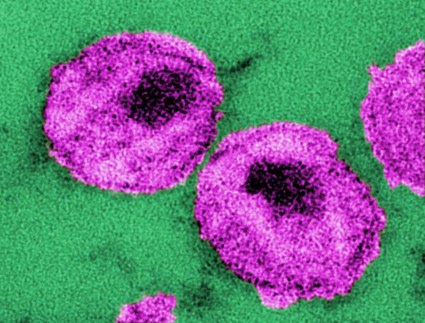
International AIDS conference pays tribute to colleagues on flight MH17
MELBOURNE – Speakers at the opening plenary of the 20th International AIDS Conference struggled with their emotions as they paid tribute to colleagues – including former International AIDS Society President Dr. Joep Lange – who were killed when Malaysian Airlines flight MH17 crashed in Ukraine.
Dr. Lange was instrumental in research and implementation of mother-to-child transmission therapy, and as president of the society, showed a rare combination of enthusiasm, commitment, and perseverance, Lambert Grijns, Dutch Ambassador for Sexual and Reproductive Health and Rights and HIV/AIDS, said July 20.

Dr. Lange’s partner, Jacqueline van Tongeren, of the Amsterdam Institute for Global Health and Development, also was killed in the incident, along with Lucie van Mens, who Mr. Grijns said had advocated the cause of sex workers at a time when few other were doing so.
"She was a driving force in advocacy for the female condom, she gave the product its rightful place in the field of sexual reproductive health and rights, and her impact will continue to be felt," Mr Grijns told the packed auditorium.
Other high-profile researchers on the flight included Martine de Schutter, program manager for Bridging The Gap, who Mr. Grijns said had been a staunch defender of human rights and the right to good health; Glenn Thomas from the World Health Organization’s communications team; and Pim de Kuijer, a prominent AIDS campaigner and lobbyist for Stop AIDS Now!
Prof. Françoise Barré-Sinoussi, IAS president and the director of the regulation of retroviral infections unit at the Institut Pasteur in Paris, called for a moment’s silence in their memory, during which the audience spontaneously rose to its feet.
"Our colleagues were traveling because of their dedication to bringing an end to AIDS, and our determination to continue their work honors their commitment," she said.
MELBOURNE – Speakers at the opening plenary of the 20th International AIDS Conference struggled with their emotions as they paid tribute to colleagues – including former International AIDS Society President Dr. Joep Lange – who were killed when Malaysian Airlines flight MH17 crashed in Ukraine.
Dr. Lange was instrumental in research and implementation of mother-to-child transmission therapy, and as president of the society, showed a rare combination of enthusiasm, commitment, and perseverance, Lambert Grijns, Dutch Ambassador for Sexual and Reproductive Health and Rights and HIV/AIDS, said July 20.
Dr. Lange’s partner, Jacqueline van Tongeren, of the Amsterdam Institute for Global Health and Development, also was killed in the incident, along with Lucie van Mens, who Mr. Grijns said had advocated the cause of sex workers at a time when few other were doing so.
"She was a driving force in advocacy for the female condom, she gave the product its rightful place in the field of sexual reproductive health and rights, and her impact will continue to be felt," Mr Grijns told the packed auditorium.
Other high-profile researchers on the flight included Martine de Schutter, program manager for Bridging The Gap, who Mr. Grijns said had been a staunch defender of human rights and the right to good health; Glenn Thomas from the World Health Organization’s communications team; and Pim de Kuijer, a prominent AIDS campaigner and lobbyist for Stop AIDS Now!
Prof. Françoise Barré-Sinoussi, IAS president and the director of the regulation of retroviral infections unit at the Institut Pasteur in Paris, called for a moment’s silence in their memory, during which the audience spontaneously rose to its feet.
"Our colleagues were traveling because of their dedication to bringing an end to AIDS, and our determination to continue their work honors their commitment," she said.
MELBOURNE – Speakers at the opening plenary of the 20th International AIDS Conference struggled with their emotions as they paid tribute to colleagues – including former International AIDS Society President Dr. Joep Lange – who were killed when Malaysian Airlines flight MH17 crashed in Ukraine.
Dr. Lange was instrumental in research and implementation of mother-to-child transmission therapy, and as president of the society, showed a rare combination of enthusiasm, commitment, and perseverance, Lambert Grijns, Dutch Ambassador for Sexual and Reproductive Health and Rights and HIV/AIDS, said July 20.
Dr. Lange’s partner, Jacqueline van Tongeren, of the Amsterdam Institute for Global Health and Development, also was killed in the incident, along with Lucie van Mens, who Mr. Grijns said had advocated the cause of sex workers at a time when few other were doing so.
"She was a driving force in advocacy for the female condom, she gave the product its rightful place in the field of sexual reproductive health and rights, and her impact will continue to be felt," Mr Grijns told the packed auditorium.
Other high-profile researchers on the flight included Martine de Schutter, program manager for Bridging The Gap, who Mr. Grijns said had been a staunch defender of human rights and the right to good health; Glenn Thomas from the World Health Organization’s communications team; and Pim de Kuijer, a prominent AIDS campaigner and lobbyist for Stop AIDS Now!
Prof. Françoise Barré-Sinoussi, IAS president and the director of the regulation of retroviral infections unit at the Institut Pasteur in Paris, called for a moment’s silence in their memory, during which the audience spontaneously rose to its feet.
"Our colleagues were traveling because of their dedication to bringing an end to AIDS, and our determination to continue their work honors their commitment," she said.
AT AIDS 2014

Sofosbuvir achieves sustained response in patients with hepatitis C and HIV
Treatment with the interferon-free oral nucleotide analog sofosbuvir plus ribavirin achieved high rates of sustained virologic response in patients with HIV coinfected with hepatitis C, according to data from an open-label phase III study.
Researchers observed an 82% response rate among treatment-naive patients coinfected with hepatitis C virus (HCV) genotype 1 and HIV, 12 weeks after they completed a 24-week course of therapy with sofosbuvir and ribavirin.
Among treatment-naive patients with HCV genotype 2 who received 12 weeks of treatment, 88% achieved a sustained virologic response at 12 weeks (SVR12) after treatment, and among treatment-experienced patients with HCV genotype 2, 92% achieved the same after 24 weeks of treatment.
The study was published July 19 in JAMA, coincident with the start of the 20th International AIDS Conference in Melbourne.
Treatment of patients coinfected with HIV and HCV, using pegylated interferon and ribavirin with or without an HCV NS3/4A serine protease inhibitor, telaprevir, or boceprevir, has previously been hampered by complex dosing, poor tolerability and drug interactions between HCV medications and antiretrovirals.
Sofosbuvir has shown little or no interaction with a range of antiretroviral drugs and has also been shown in previous studies to achieve a high rate of response.
"In our coinfected patient population, patients with HCV genotype 1 and characteristics that have historically been considered difficult to cure had high rates of SVR12 following receipt of the 24-week treatment regimen of sofosbuvir and ribavirin," wrote Dr. Mark S. Sulkowski of Johns Hopkins University, Baltimore, and his colleagues.
The open-label, uncontrolled, and nonrandomized trial enrolled 223 patients with HIV and HCV – 182 of whom had not previously been treated for HCV – and treated them with either 12 or 24 weeks’ treatment with 400 mg of oral sofosbuvir daily and a twice-daily, weight-based oral dose of ribavirin.
The strongest predictor of achieving SVR12 was completion of the treatment regimen.
"No S282T mutations were detected in patients with viral relapse or breakthrough, confirming the high barrier to resistance demonstrated in other studies of sofosbuvir," the researchers reported.
While 3% of patients discontinued HCV treatment because of adverse events, there were no serious adverse events attributable to the drug regimen (JAMA 2014, July 19 [doi:10.1001/jama.2014.7734]).
The most common side effects in all treatment groups were fatigue, insomnia, nausea, and headache; some patients showed decreases in hemoglobin and 19% of patients had their dose of ribavirin reduced.
Among patients not receiving antiretroviral therapy at baseline, there were no significant changes in viral load, but of the patients taking antiretrovirals, two experienced HIV viral breakthroughs but in both cases, poor adherence to antiretrovirals was the likely cause.
The authors stressed that there were relatively few women, patients with cirrhosis, or patients with advanced HIV disease enrolled in the study, so the results could not necessarily be generalized among these patients.
The study was funded by Gilead Sciences, and the authors reported a range of grants and other fees from the pharmaceutical industry, including Gilead.
Treatment with the interferon-free oral nucleotide analog sofosbuvir plus ribavirin achieved high rates of sustained virologic response in patients with HIV coinfected with hepatitis C, according to data from an open-label phase III study.
Researchers observed an 82% response rate among treatment-naive patients coinfected with hepatitis C virus (HCV) genotype 1 and HIV, 12 weeks after they completed a 24-week course of therapy with sofosbuvir and ribavirin.
Among treatment-naive patients with HCV genotype 2 who received 12 weeks of treatment, 88% achieved a sustained virologic response at 12 weeks (SVR12) after treatment, and among treatment-experienced patients with HCV genotype 2, 92% achieved the same after 24 weeks of treatment.
The study was published July 19 in JAMA, coincident with the start of the 20th International AIDS Conference in Melbourne.
Treatment of patients coinfected with HIV and HCV, using pegylated interferon and ribavirin with or without an HCV NS3/4A serine protease inhibitor, telaprevir, or boceprevir, has previously been hampered by complex dosing, poor tolerability and drug interactions between HCV medications and antiretrovirals.
Sofosbuvir has shown little or no interaction with a range of antiretroviral drugs and has also been shown in previous studies to achieve a high rate of response.
"In our coinfected patient population, patients with HCV genotype 1 and characteristics that have historically been considered difficult to cure had high rates of SVR12 following receipt of the 24-week treatment regimen of sofosbuvir and ribavirin," wrote Dr. Mark S. Sulkowski of Johns Hopkins University, Baltimore, and his colleagues.
The open-label, uncontrolled, and nonrandomized trial enrolled 223 patients with HIV and HCV – 182 of whom had not previously been treated for HCV – and treated them with either 12 or 24 weeks’ treatment with 400 mg of oral sofosbuvir daily and a twice-daily, weight-based oral dose of ribavirin.
The strongest predictor of achieving SVR12 was completion of the treatment regimen.
"No S282T mutations were detected in patients with viral relapse or breakthrough, confirming the high barrier to resistance demonstrated in other studies of sofosbuvir," the researchers reported.
While 3% of patients discontinued HCV treatment because of adverse events, there were no serious adverse events attributable to the drug regimen (JAMA 2014, July 19 [doi:10.1001/jama.2014.7734]).
The most common side effects in all treatment groups were fatigue, insomnia, nausea, and headache; some patients showed decreases in hemoglobin and 19% of patients had their dose of ribavirin reduced.
Among patients not receiving antiretroviral therapy at baseline, there were no significant changes in viral load, but of the patients taking antiretrovirals, two experienced HIV viral breakthroughs but in both cases, poor adherence to antiretrovirals was the likely cause.
The authors stressed that there were relatively few women, patients with cirrhosis, or patients with advanced HIV disease enrolled in the study, so the results could not necessarily be generalized among these patients.
The study was funded by Gilead Sciences, and the authors reported a range of grants and other fees from the pharmaceutical industry, including Gilead.
Treatment with the interferon-free oral nucleotide analog sofosbuvir plus ribavirin achieved high rates of sustained virologic response in patients with HIV coinfected with hepatitis C, according to data from an open-label phase III study.
Researchers observed an 82% response rate among treatment-naive patients coinfected with hepatitis C virus (HCV) genotype 1 and HIV, 12 weeks after they completed a 24-week course of therapy with sofosbuvir and ribavirin.
Among treatment-naive patients with HCV genotype 2 who received 12 weeks of treatment, 88% achieved a sustained virologic response at 12 weeks (SVR12) after treatment, and among treatment-experienced patients with HCV genotype 2, 92% achieved the same after 24 weeks of treatment.
The study was published July 19 in JAMA, coincident with the start of the 20th International AIDS Conference in Melbourne.
Treatment of patients coinfected with HIV and HCV, using pegylated interferon and ribavirin with or without an HCV NS3/4A serine protease inhibitor, telaprevir, or boceprevir, has previously been hampered by complex dosing, poor tolerability and drug interactions between HCV medications and antiretrovirals.
Sofosbuvir has shown little or no interaction with a range of antiretroviral drugs and has also been shown in previous studies to achieve a high rate of response.
"In our coinfected patient population, patients with HCV genotype 1 and characteristics that have historically been considered difficult to cure had high rates of SVR12 following receipt of the 24-week treatment regimen of sofosbuvir and ribavirin," wrote Dr. Mark S. Sulkowski of Johns Hopkins University, Baltimore, and his colleagues.
The open-label, uncontrolled, and nonrandomized trial enrolled 223 patients with HIV and HCV – 182 of whom had not previously been treated for HCV – and treated them with either 12 or 24 weeks’ treatment with 400 mg of oral sofosbuvir daily and a twice-daily, weight-based oral dose of ribavirin.
The strongest predictor of achieving SVR12 was completion of the treatment regimen.
"No S282T mutations were detected in patients with viral relapse or breakthrough, confirming the high barrier to resistance demonstrated in other studies of sofosbuvir," the researchers reported.
While 3% of patients discontinued HCV treatment because of adverse events, there were no serious adverse events attributable to the drug regimen (JAMA 2014, July 19 [doi:10.1001/jama.2014.7734]).
The most common side effects in all treatment groups were fatigue, insomnia, nausea, and headache; some patients showed decreases in hemoglobin and 19% of patients had their dose of ribavirin reduced.
Among patients not receiving antiretroviral therapy at baseline, there were no significant changes in viral load, but of the patients taking antiretrovirals, two experienced HIV viral breakthroughs but in both cases, poor adherence to antiretrovirals was the likely cause.
The authors stressed that there were relatively few women, patients with cirrhosis, or patients with advanced HIV disease enrolled in the study, so the results could not necessarily be generalized among these patients.
The study was funded by Gilead Sciences, and the authors reported a range of grants and other fees from the pharmaceutical industry, including Gilead.
FROM JAMA
Key clinical point: Completion of the treatment regimen was the strongest predictor of SVR12 in coinfected patients.
Major finding: Among treatment-naive patients with HIV and HCV genotype 1 given a 24-week course of oral sofosbuvir and ribavirin, 82% achieved a sustained virologic response 12 weeks after stopping treatment.
Data source: Open-label, nonrandomized, uncontrolled phase III trial of oral sofosbuvir and ribavirin in 223 patients co-infected with HCV and HIV.
Disclosures: The study was funded by Gilead Sciences, and the authors reported a range of grants and other fees from the pharmaceutical industry, including Gilead.